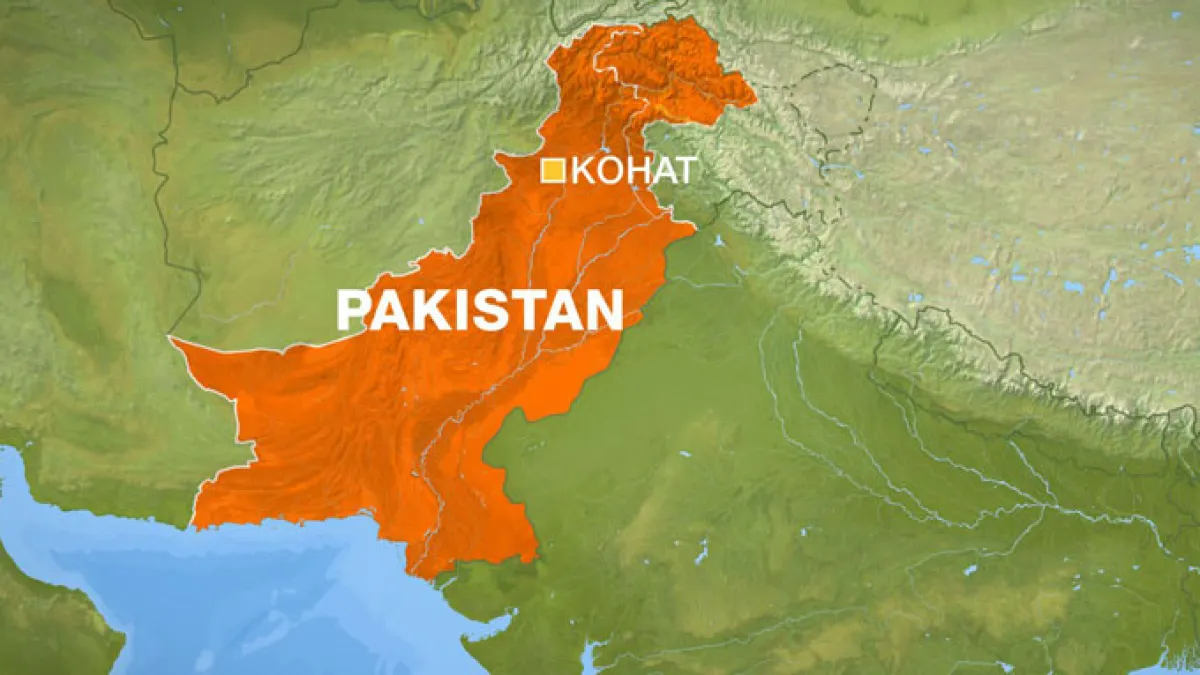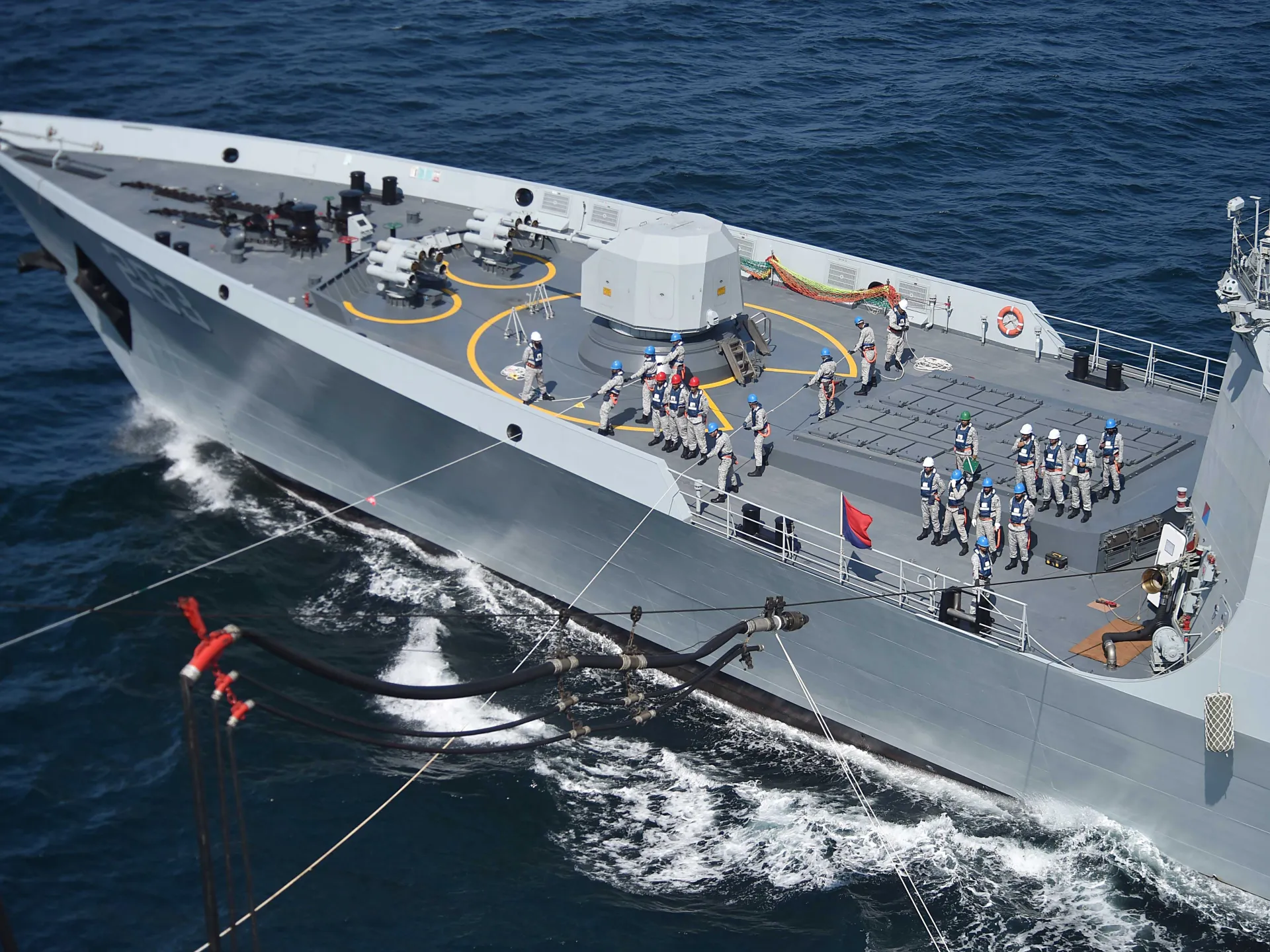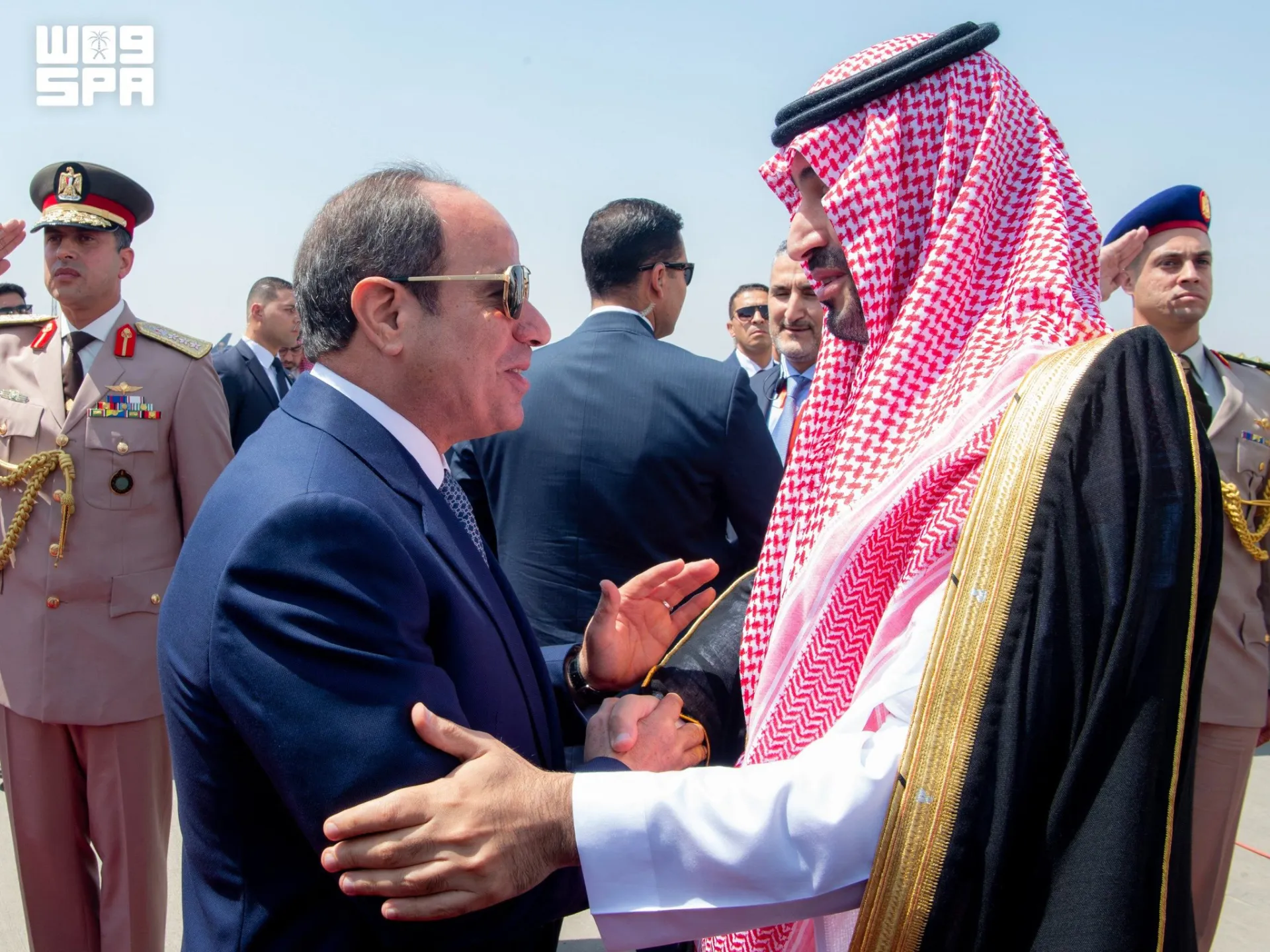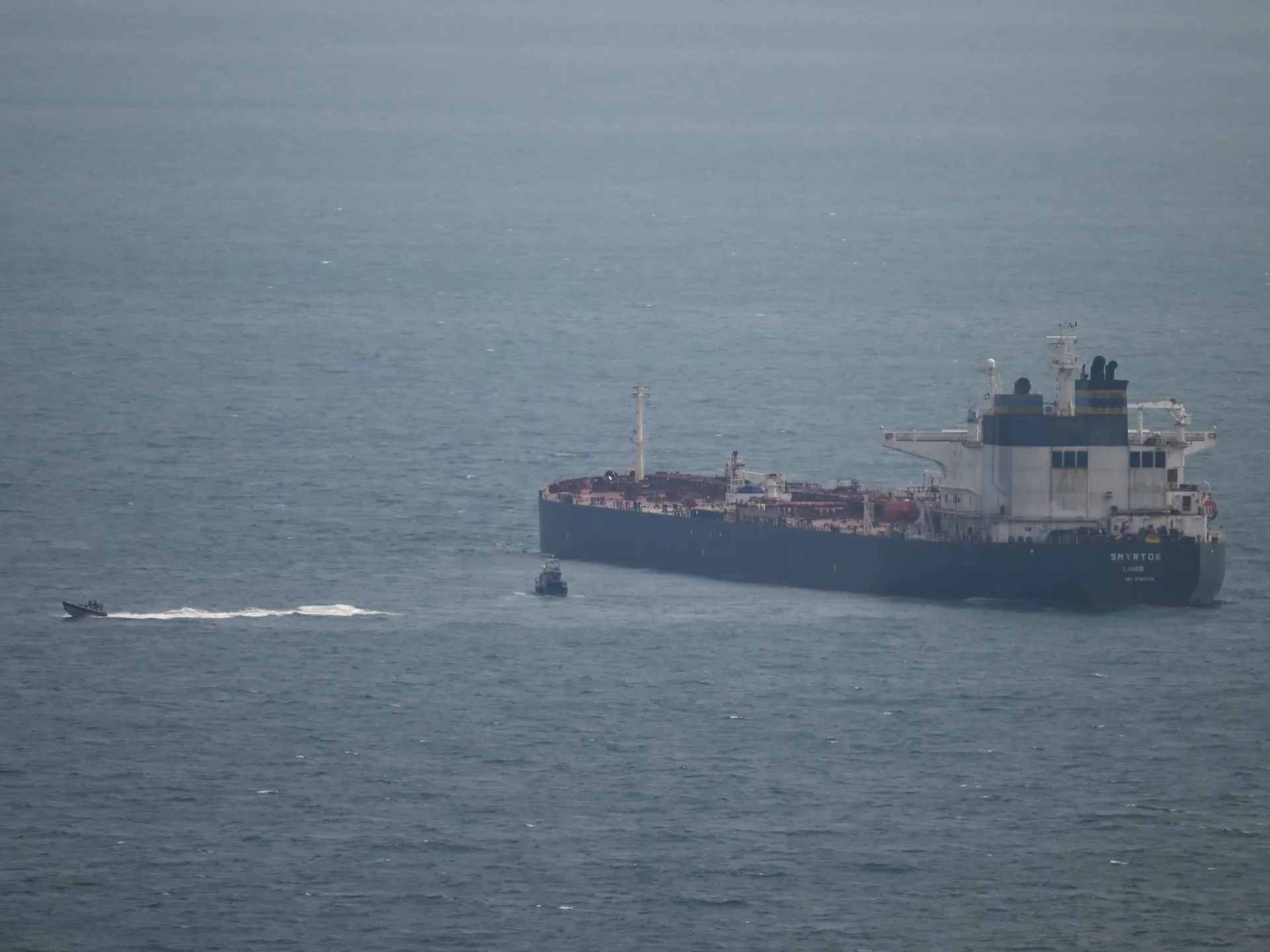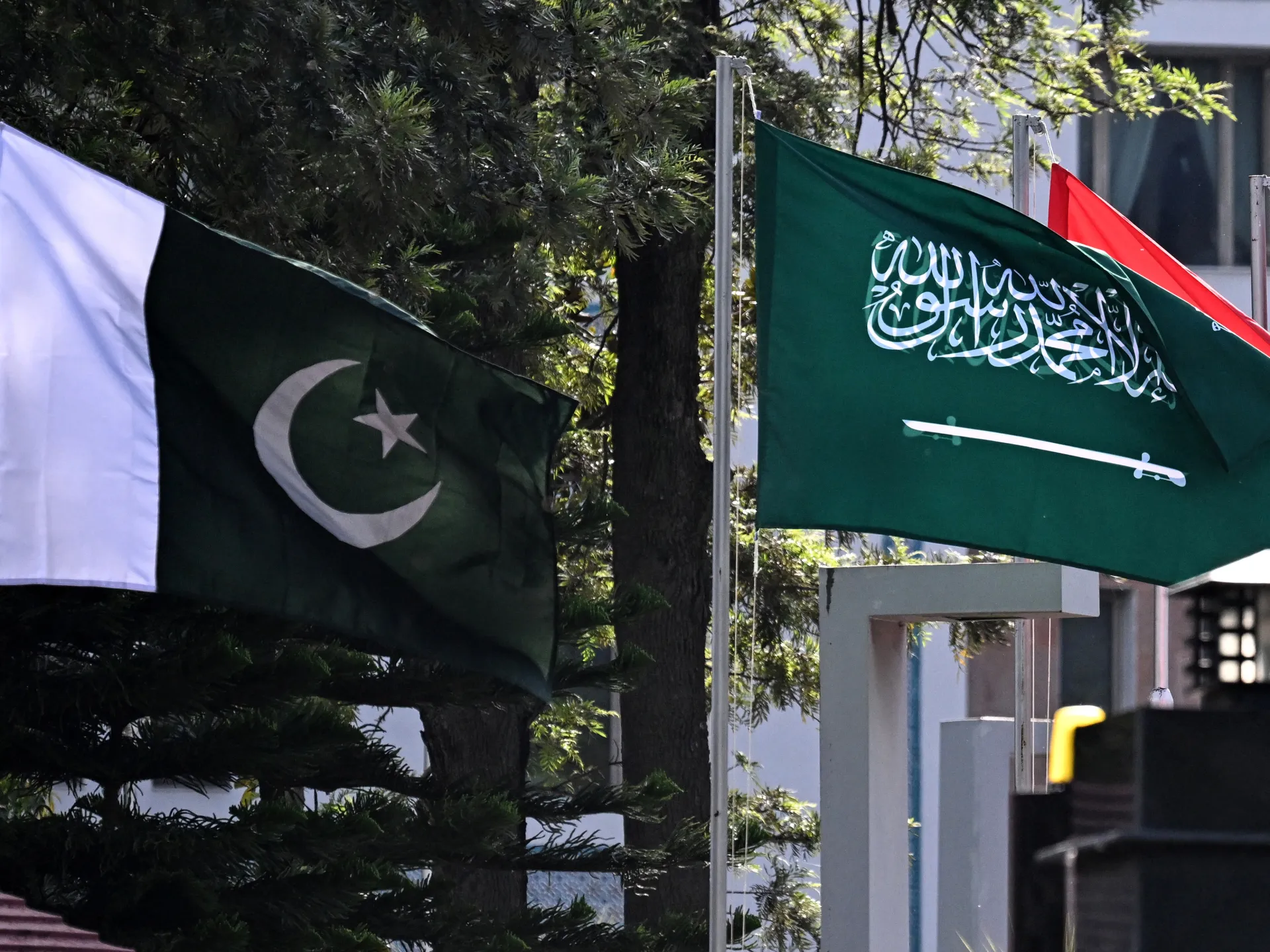
Pakistan has pledged to defend Saudi Arabia as regional tensions spike following intensified drone and missile attacks on Saudi energy facilities.
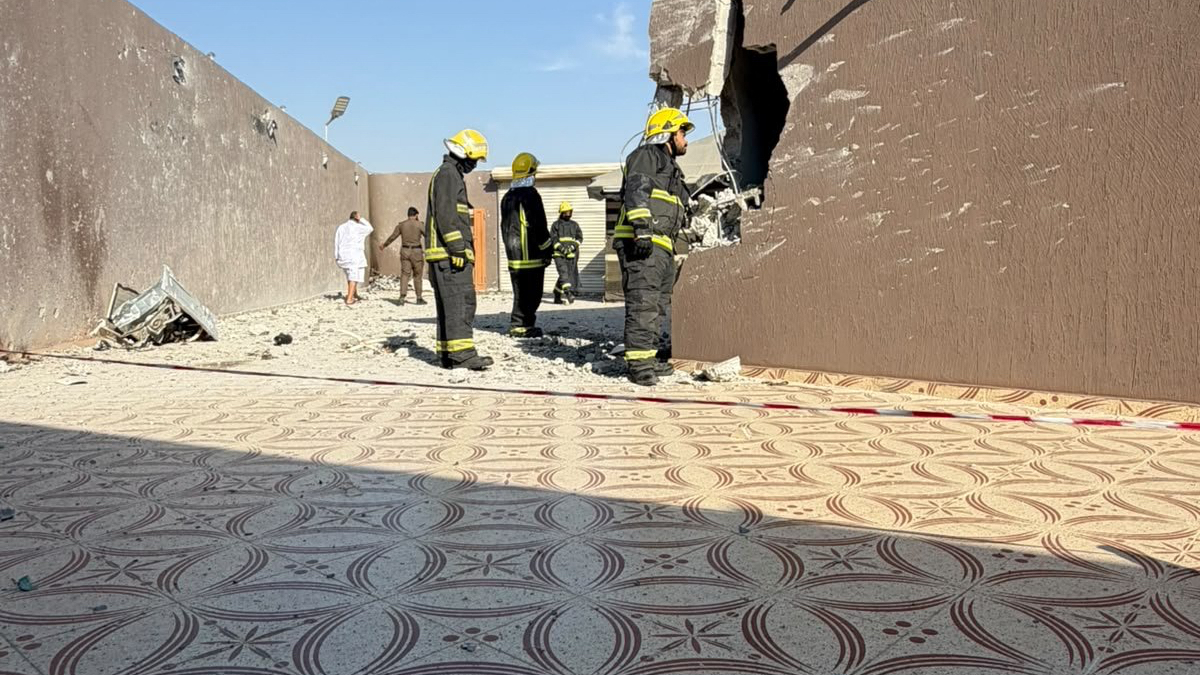
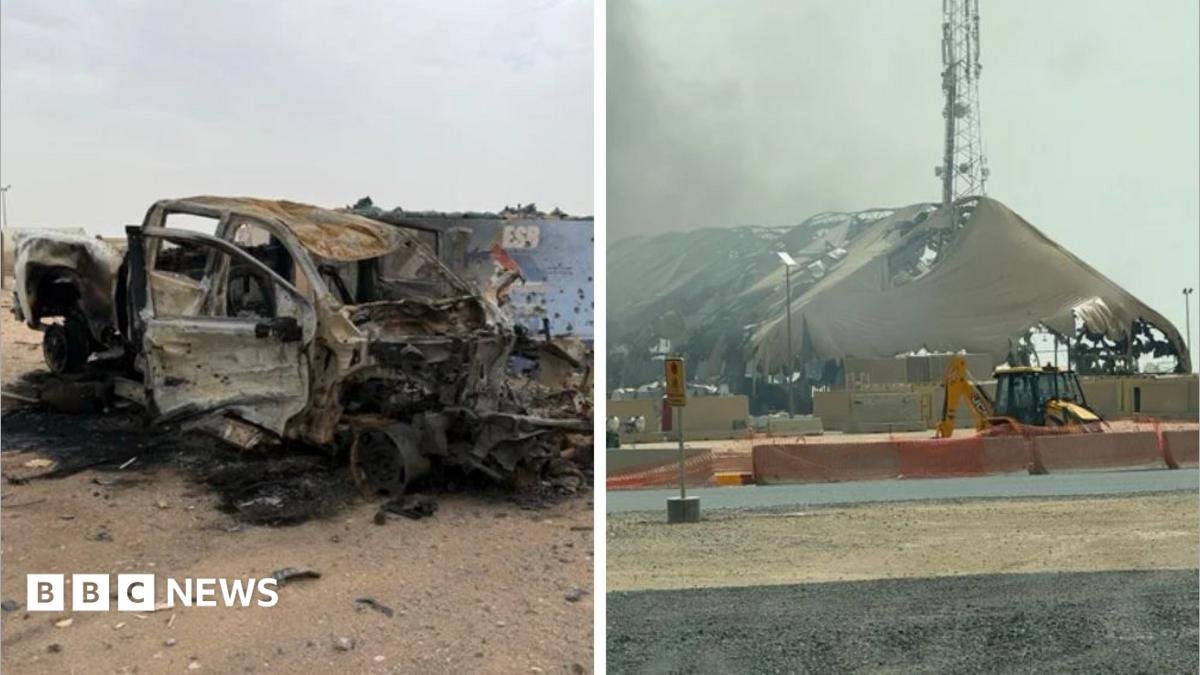
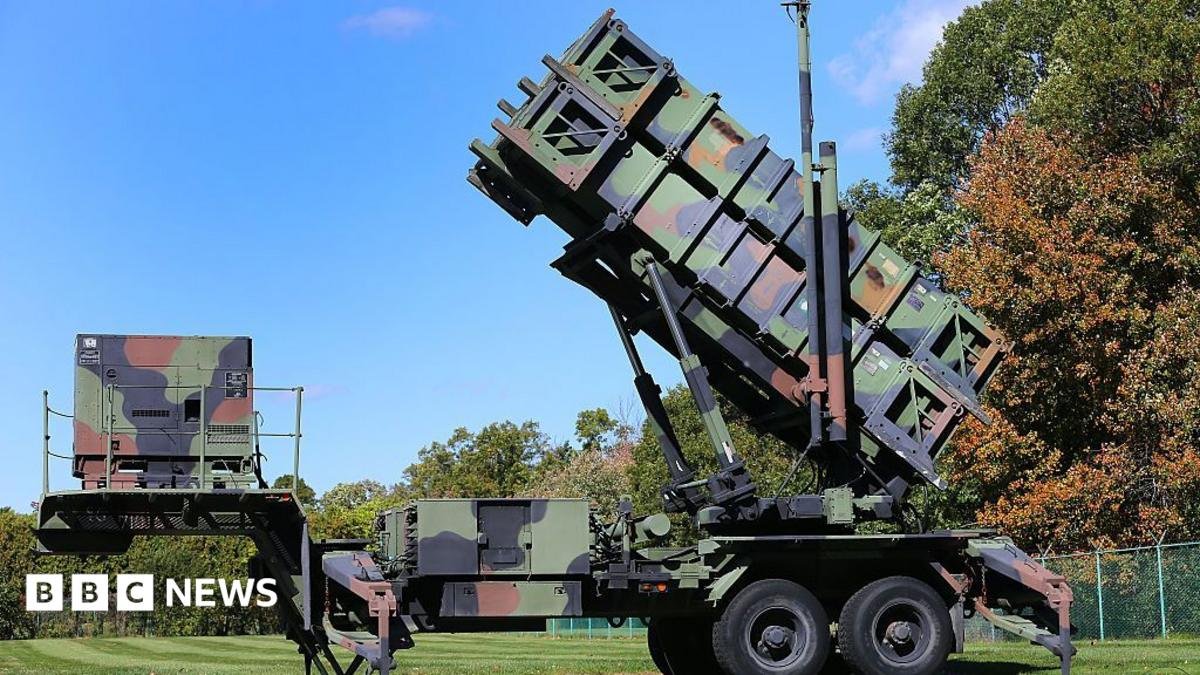
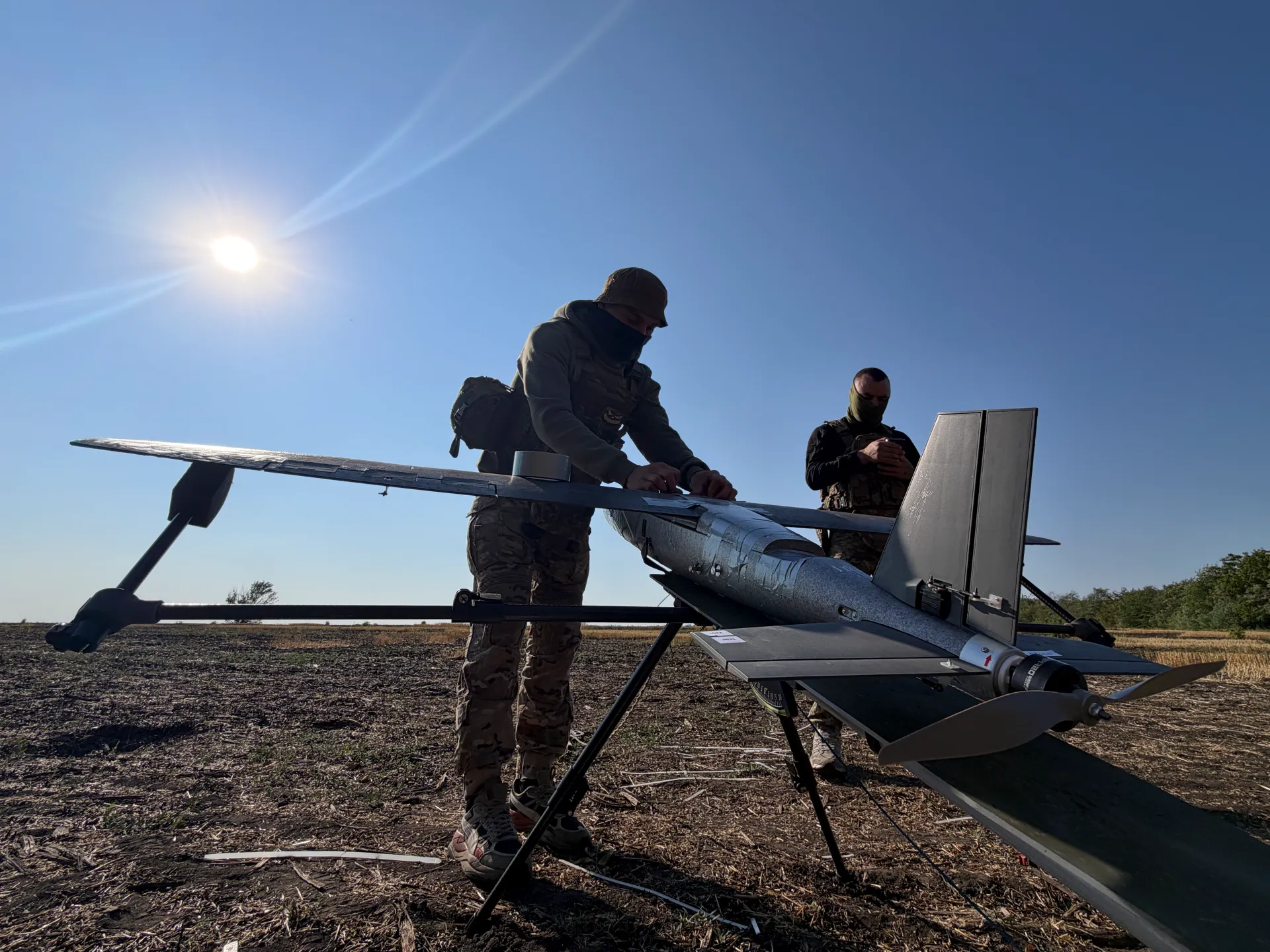
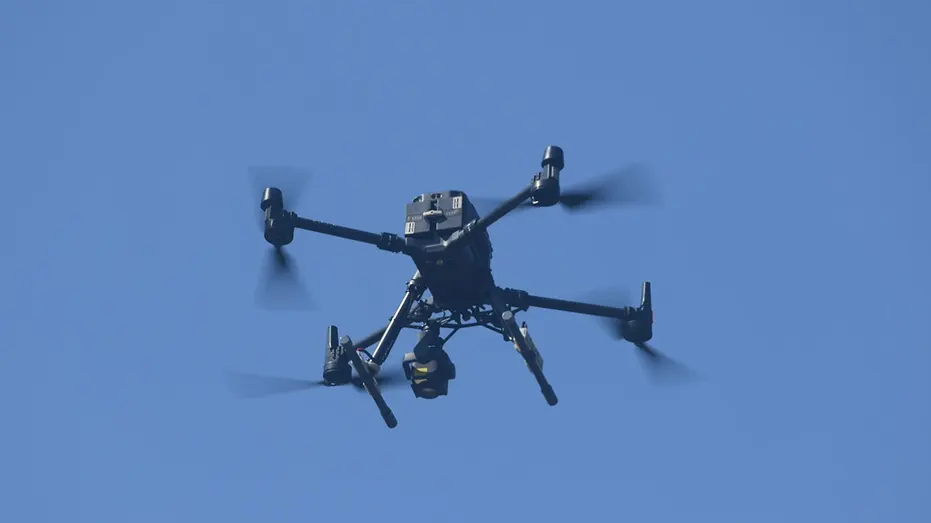
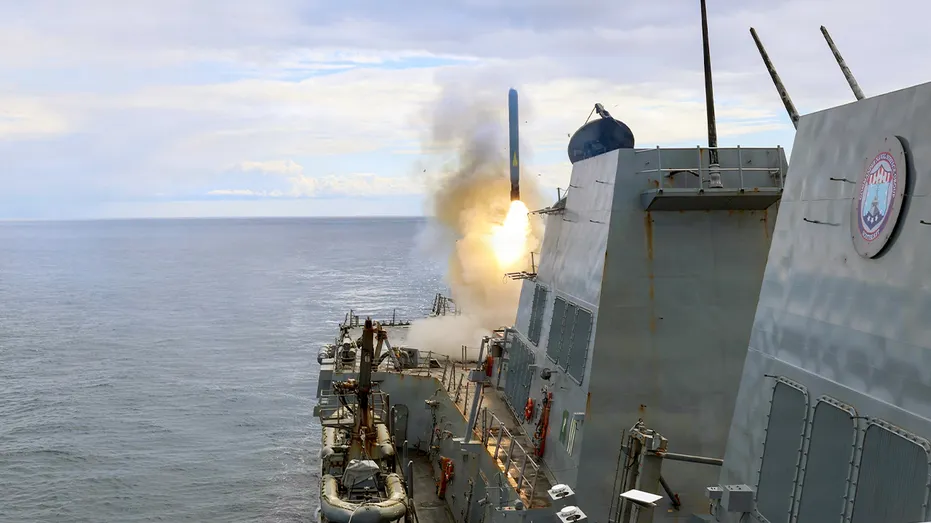
As cross-border aerial assaults on Saudi Arabian infrastructure intensify, the security architecture of the Middle East is undergoing a significant transformation. Recent statements from Pakistani military leadership underscore a deepening commitment to the kingdom’s protection, signaling that Islamabad is prepared to honor its bilateral defense agreements should regional hostilities escalate further. This hardening of military resolve follows a series of coordinated drone and missile strikes leaving dozens injured and forcing the temporary suspension of operations at critical facilities.
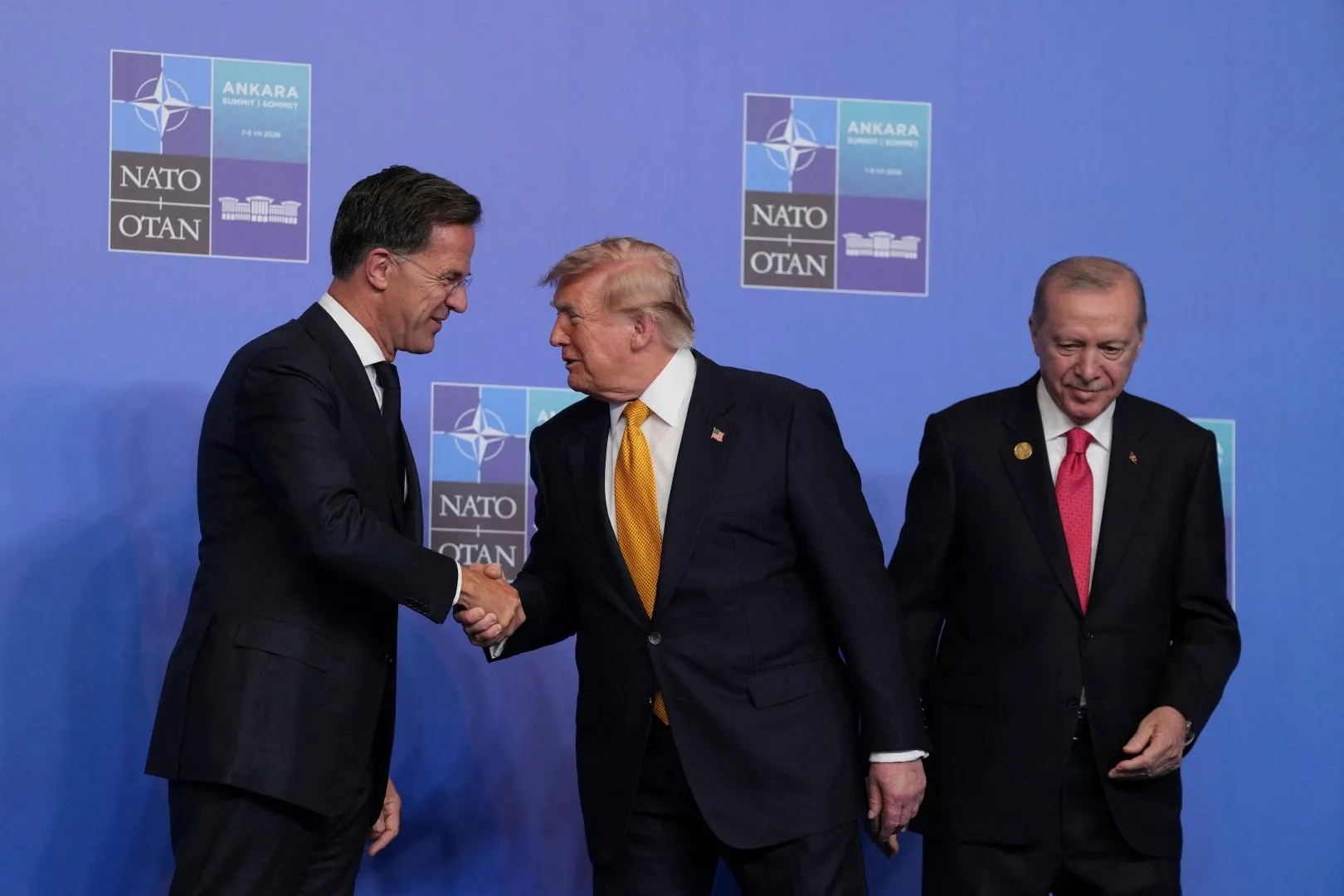
The strategic landscape is further complicated the security interests of Pakistan, Turkey, and Saudi Arabia together. While officials from these nations maintain that these arrangements are designed as deterrents, the potential for direct military entanglement remains a pressing concern for international observers who are monitoring the unraveling of long-standing regional ceasefires.
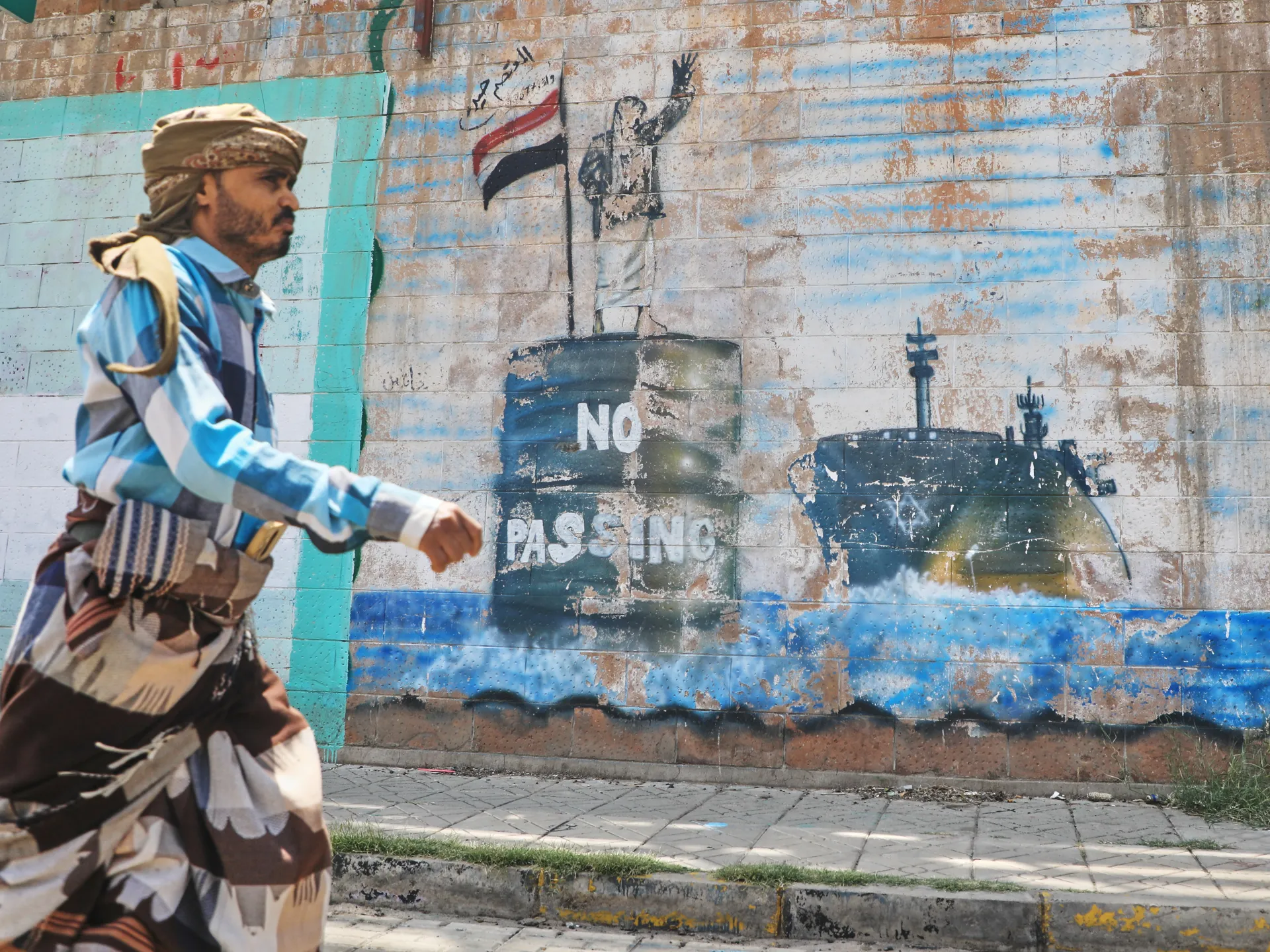
The formalization of a mutual defense pact between Saudi Arabia, Pakistan, and Turkey creates a new, albeit untested, security bloc that complicates the traditional regional power balance. are signaling to adversaries—specifically the Houthi movement and its regional backers—that the cost of aggression against the kingdom has risen significantly. This is not merely a symbolic gesture; it represents a shift from localized conflict management to a broader, transnational defense framework.
For the global economy, the stakes are exceptionally high. Saudi Arabia remains a linchpin in global energy stability, and the targeting of its oil facilities highlights the vulnerability of critical infrastructure to asymmetrical warfare. When regional powers like Pakistan and Turkey commit to defend these assets "to any extent," they effectively internationalize a conflict that was previously contained within the Yemeni theater. This development forces a recalculation for other international actors, as any future Houthi strike on Saudi soil could now theoretically trigger a multi-front military response, potentially dragging regional powers into a direct conflict that they have historically sought to avoid through mediation.
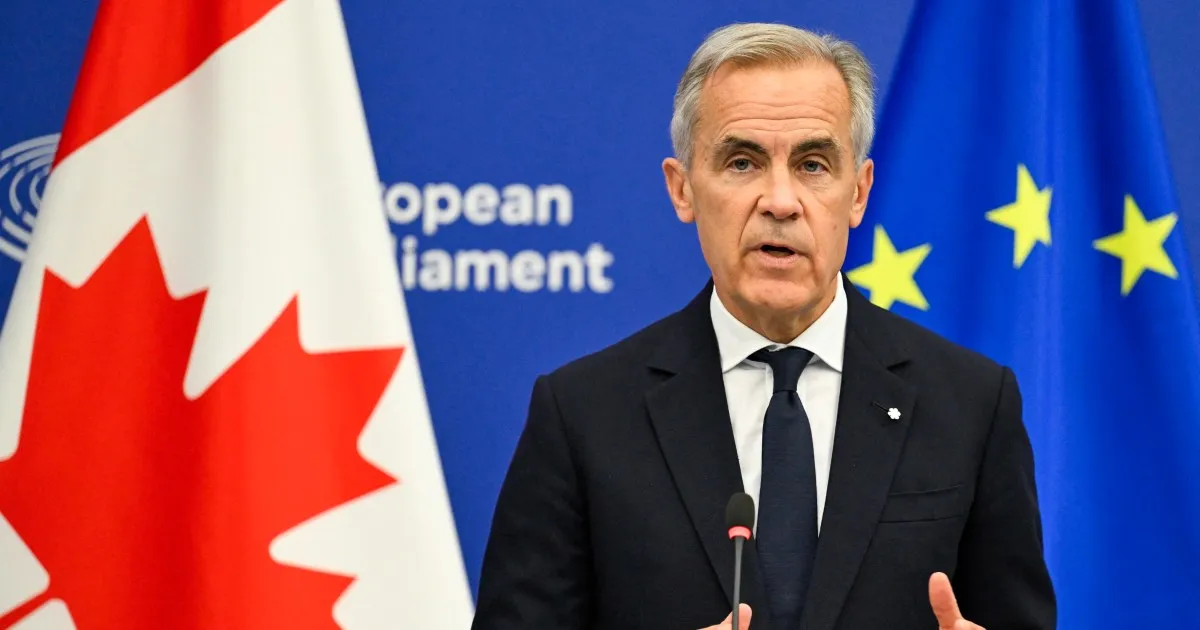
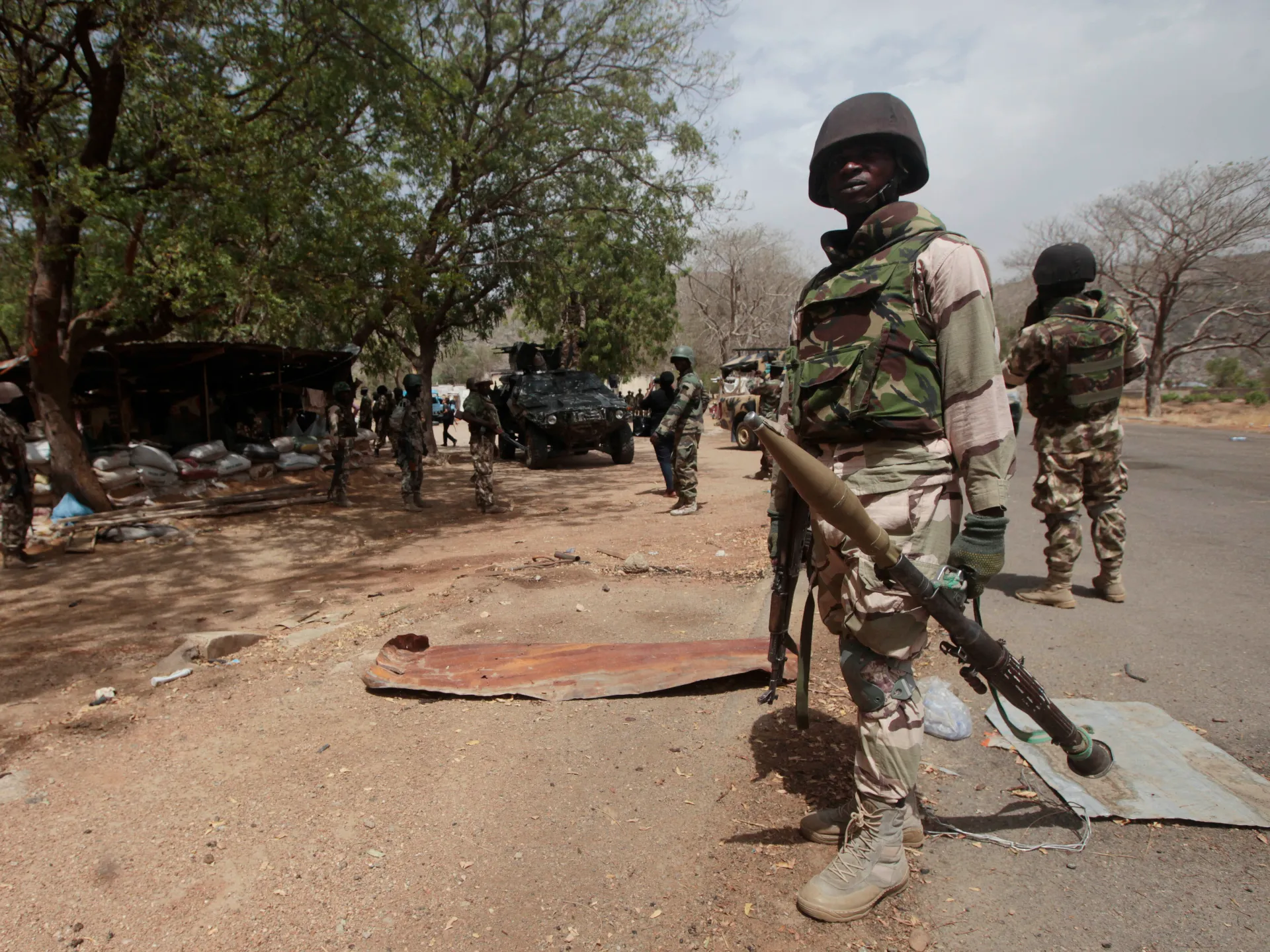
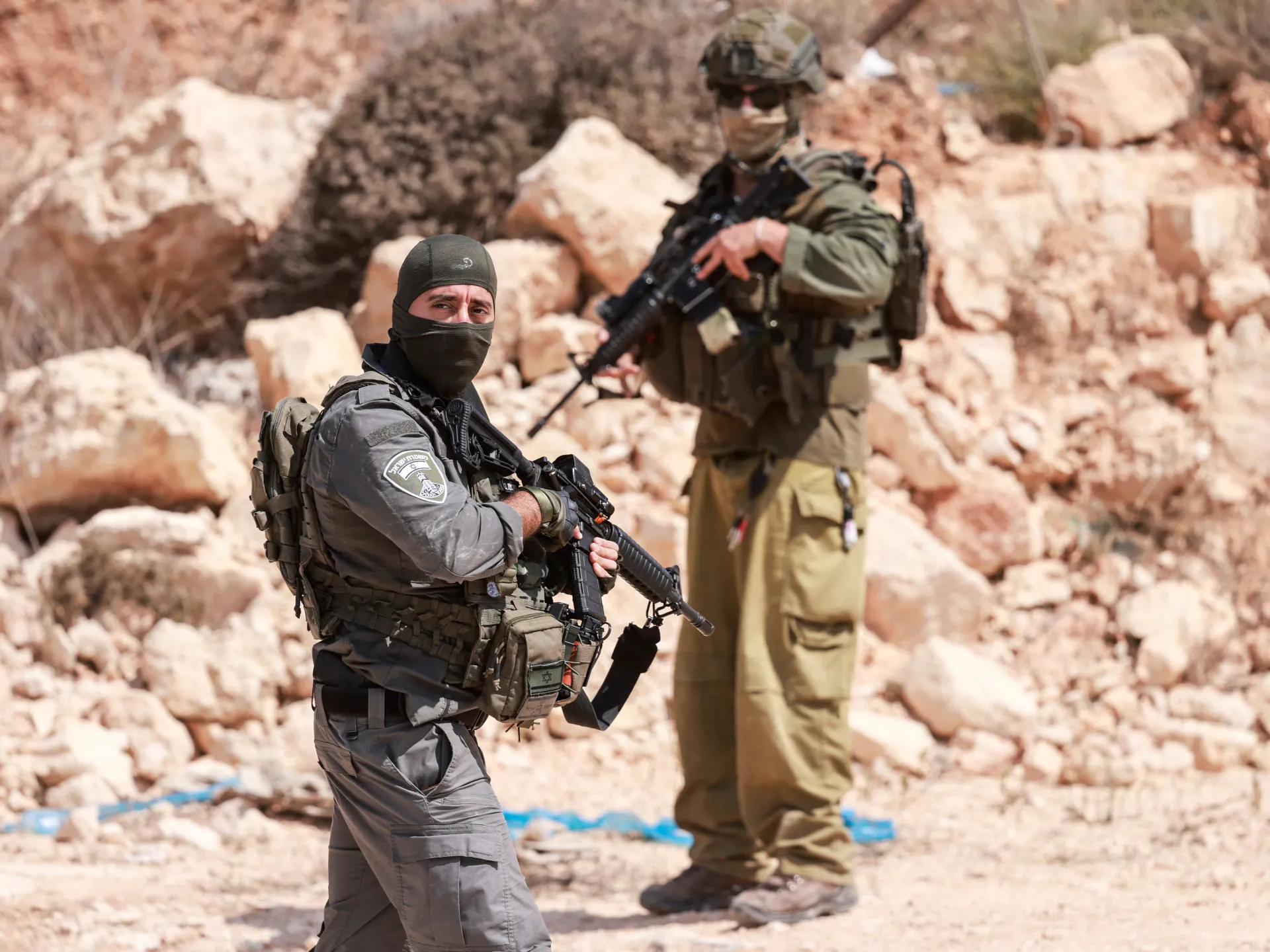
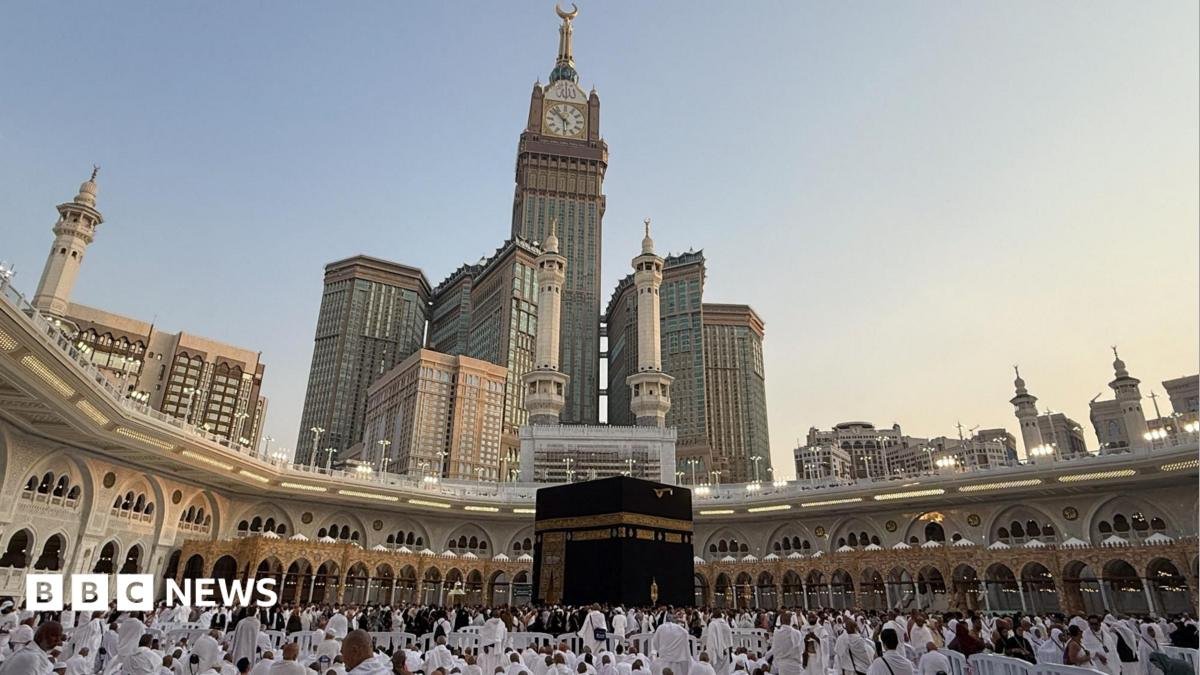
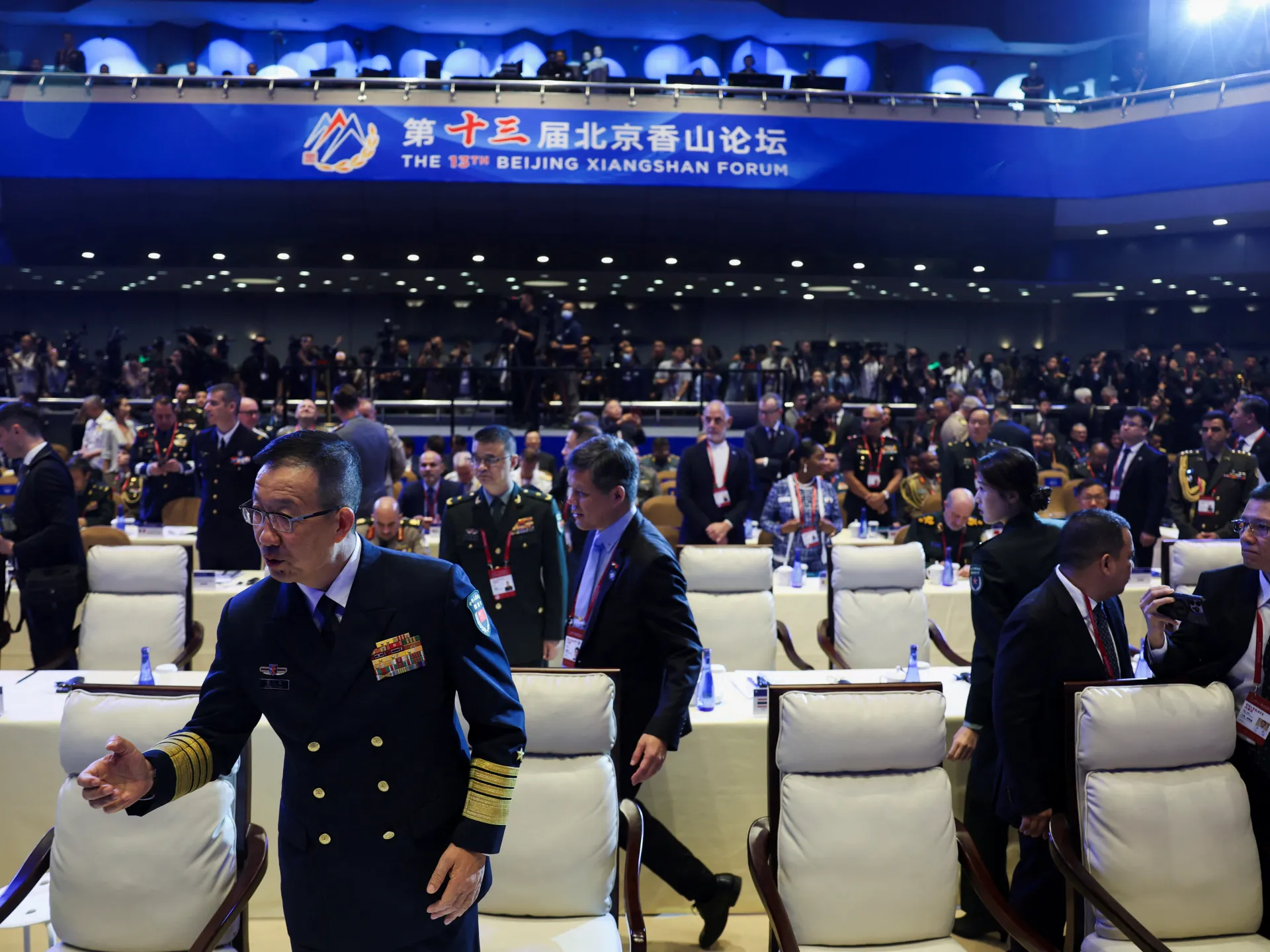
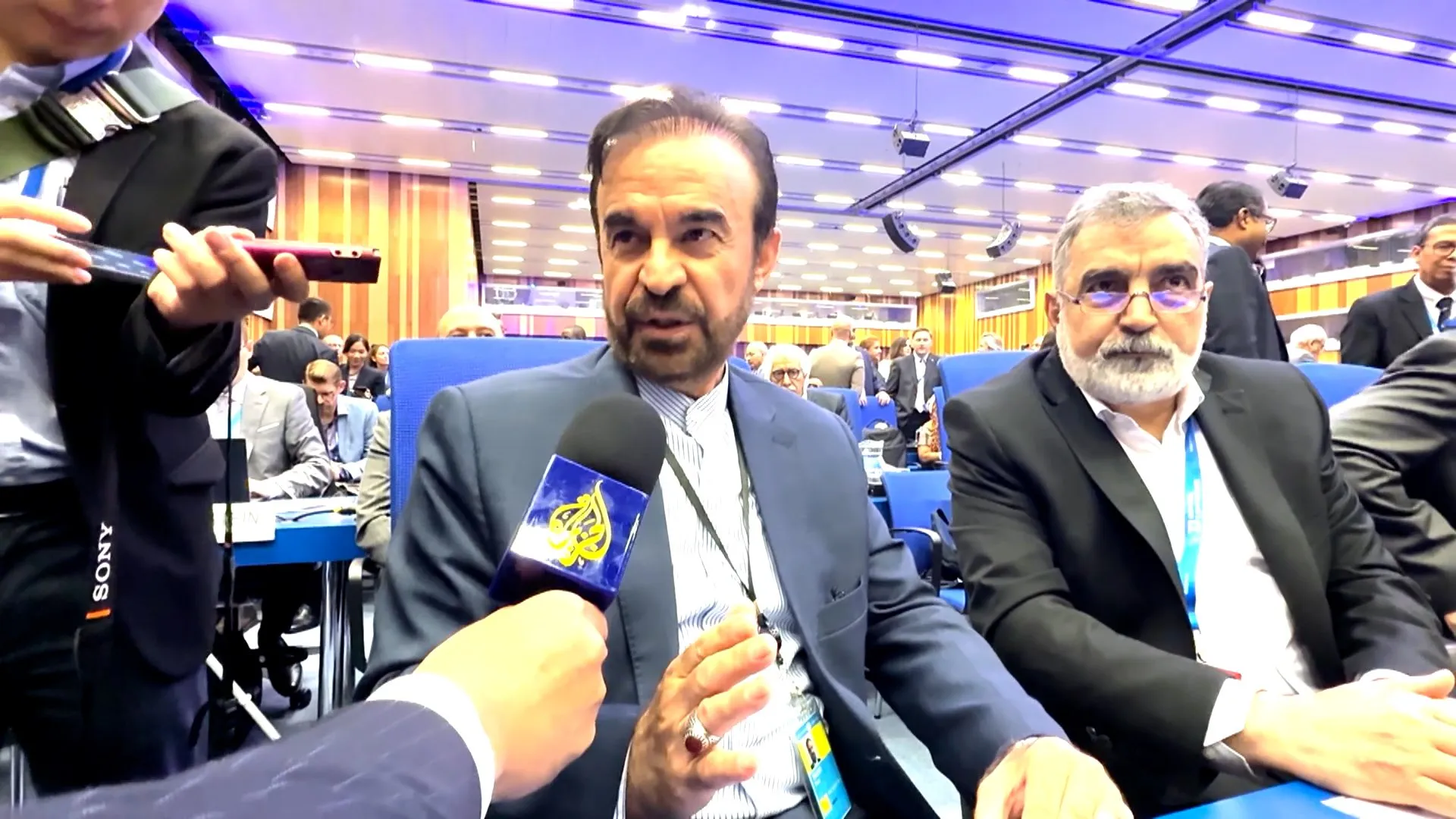
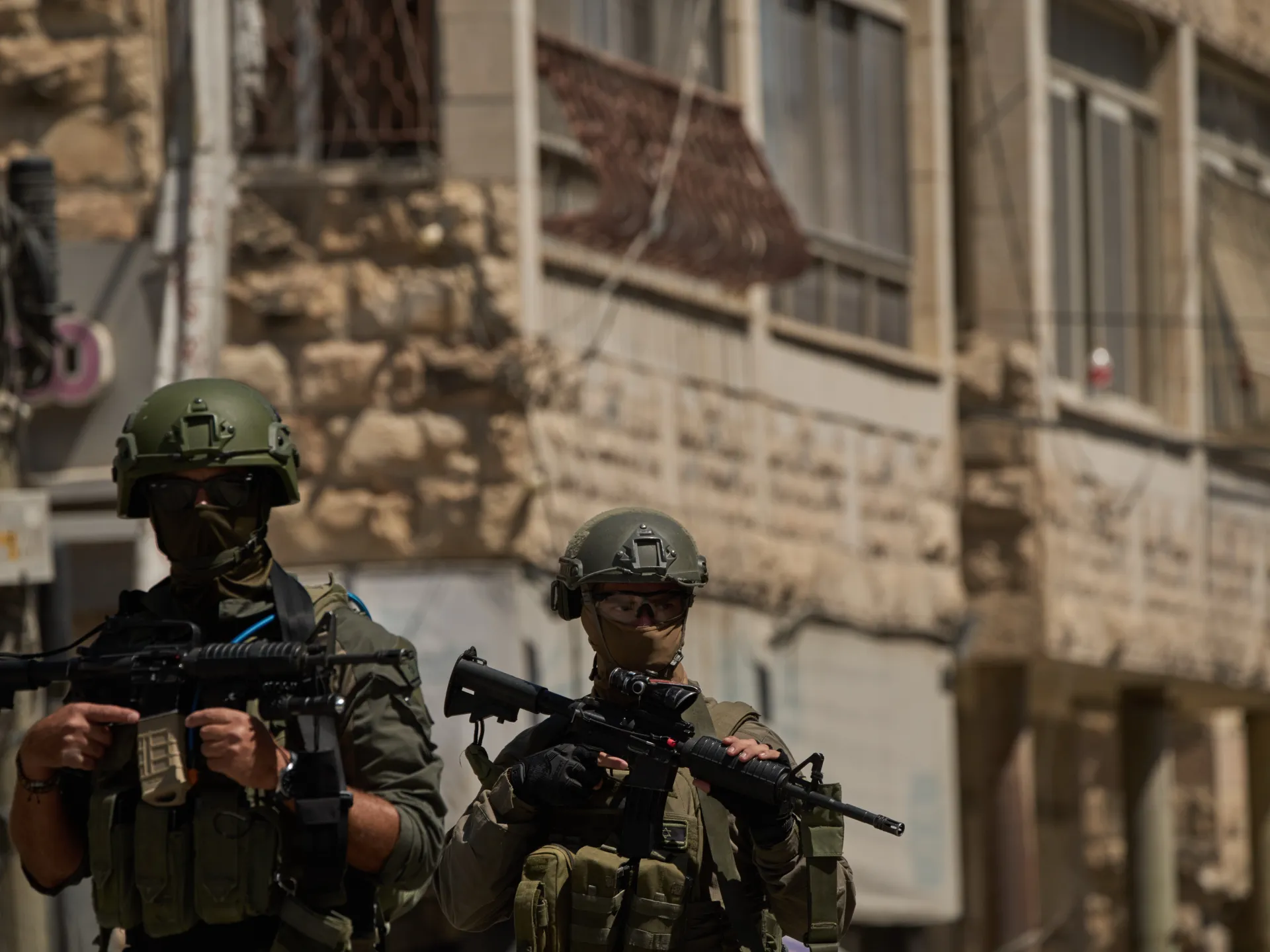
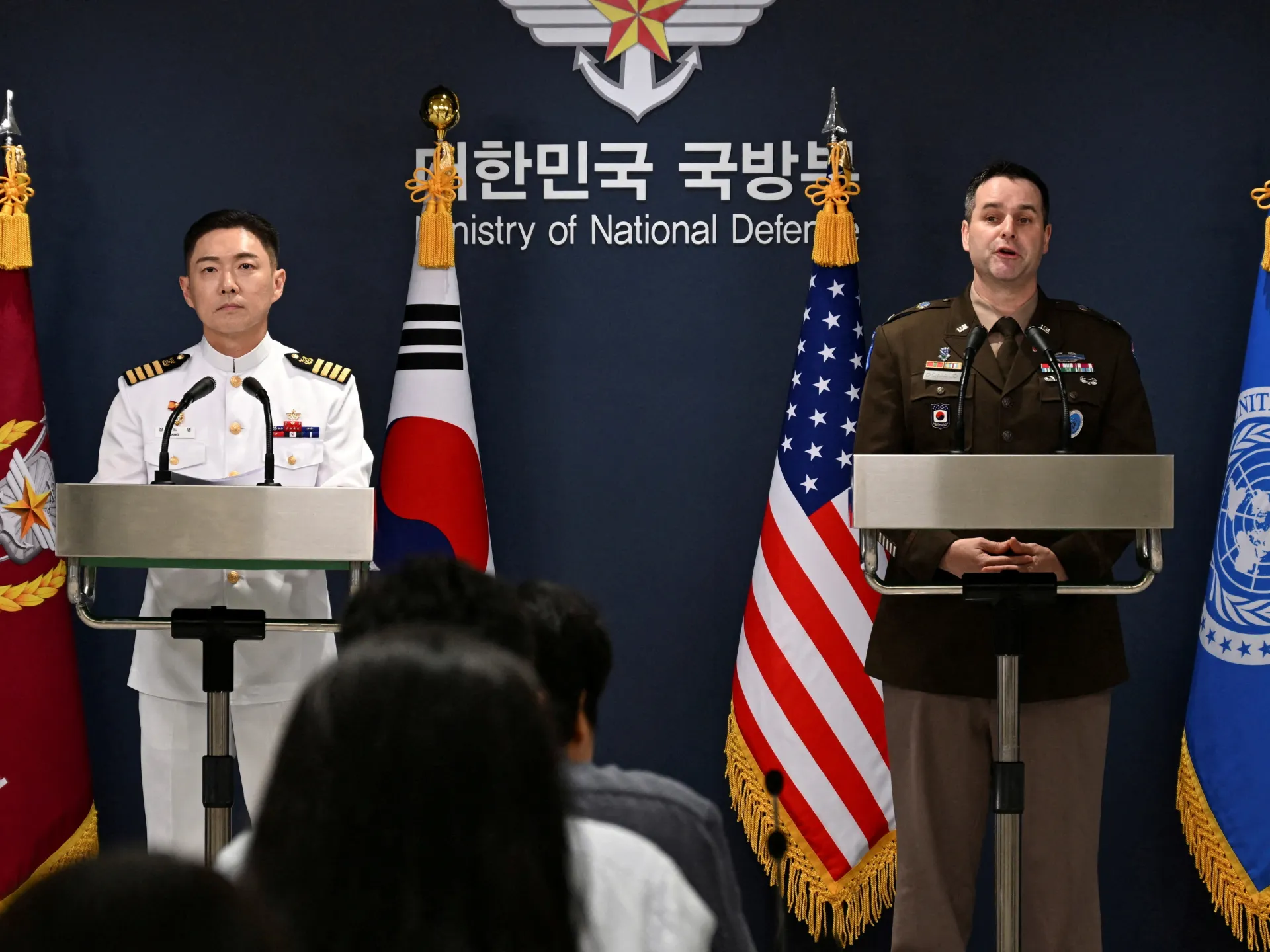
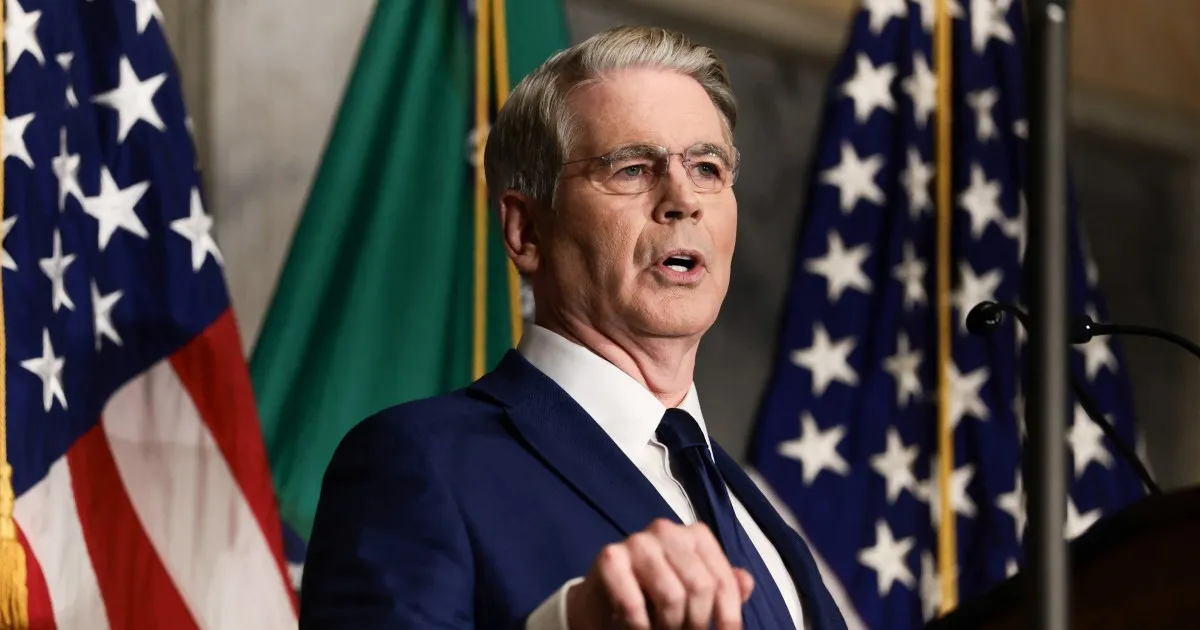
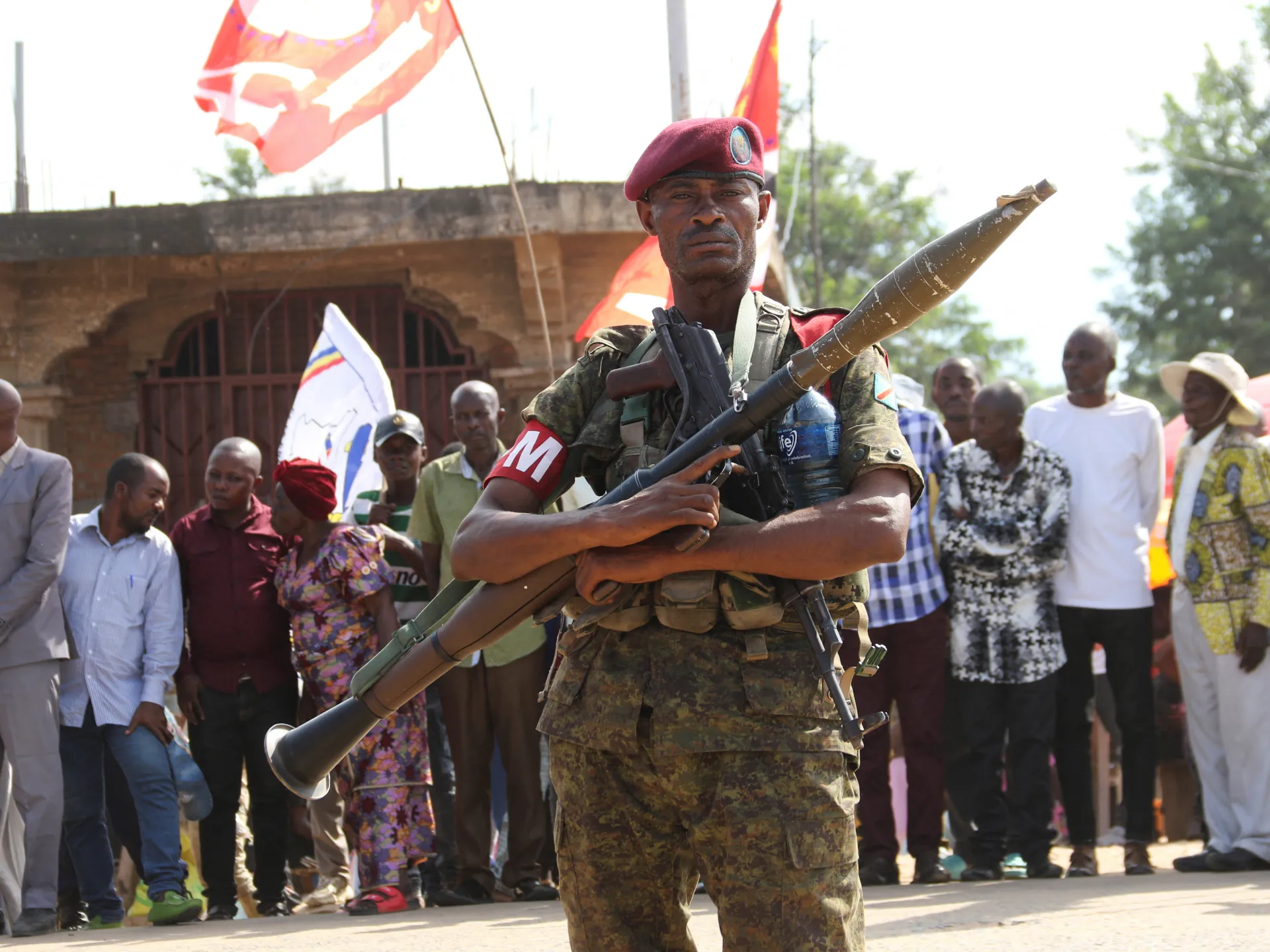
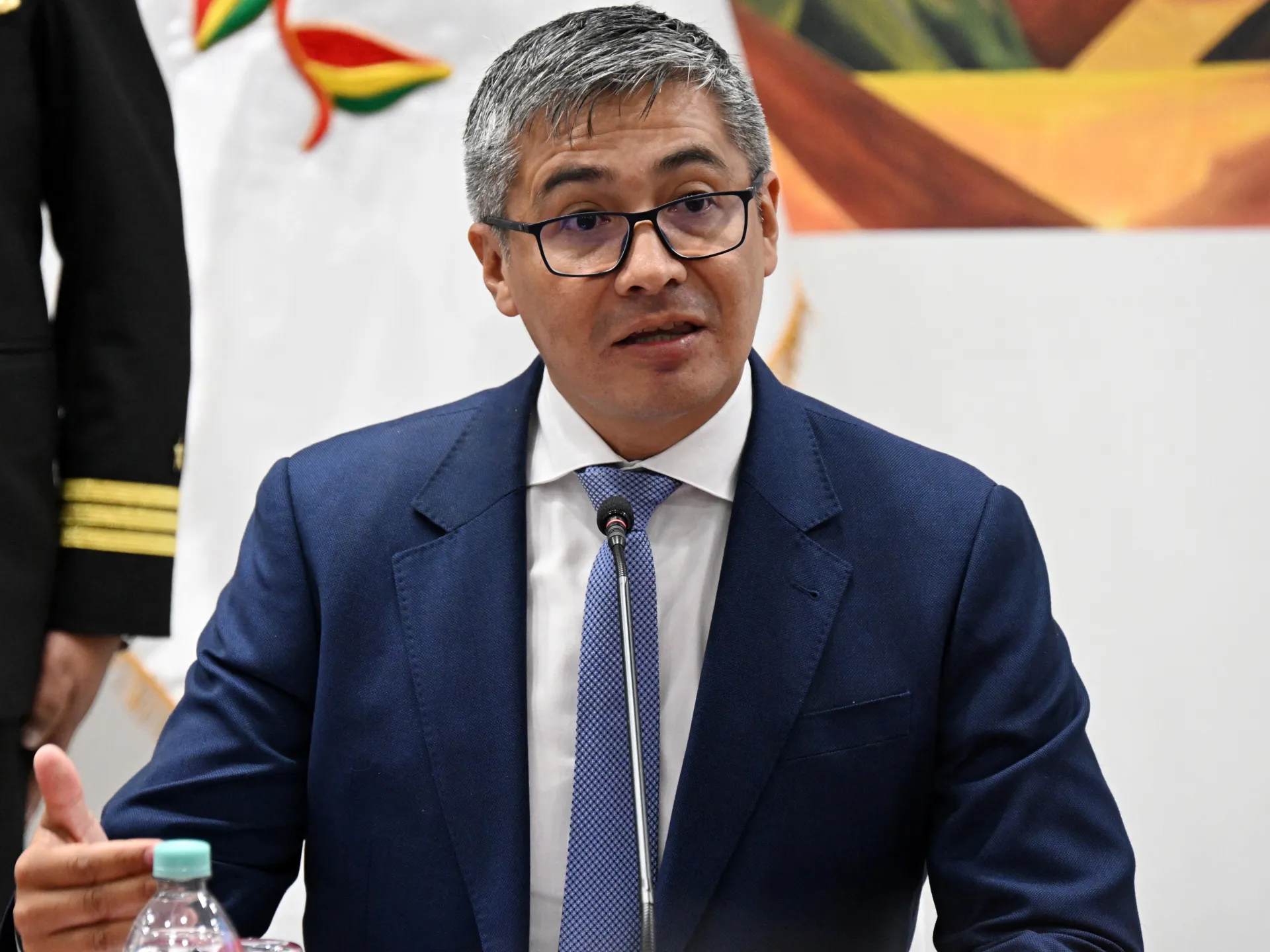
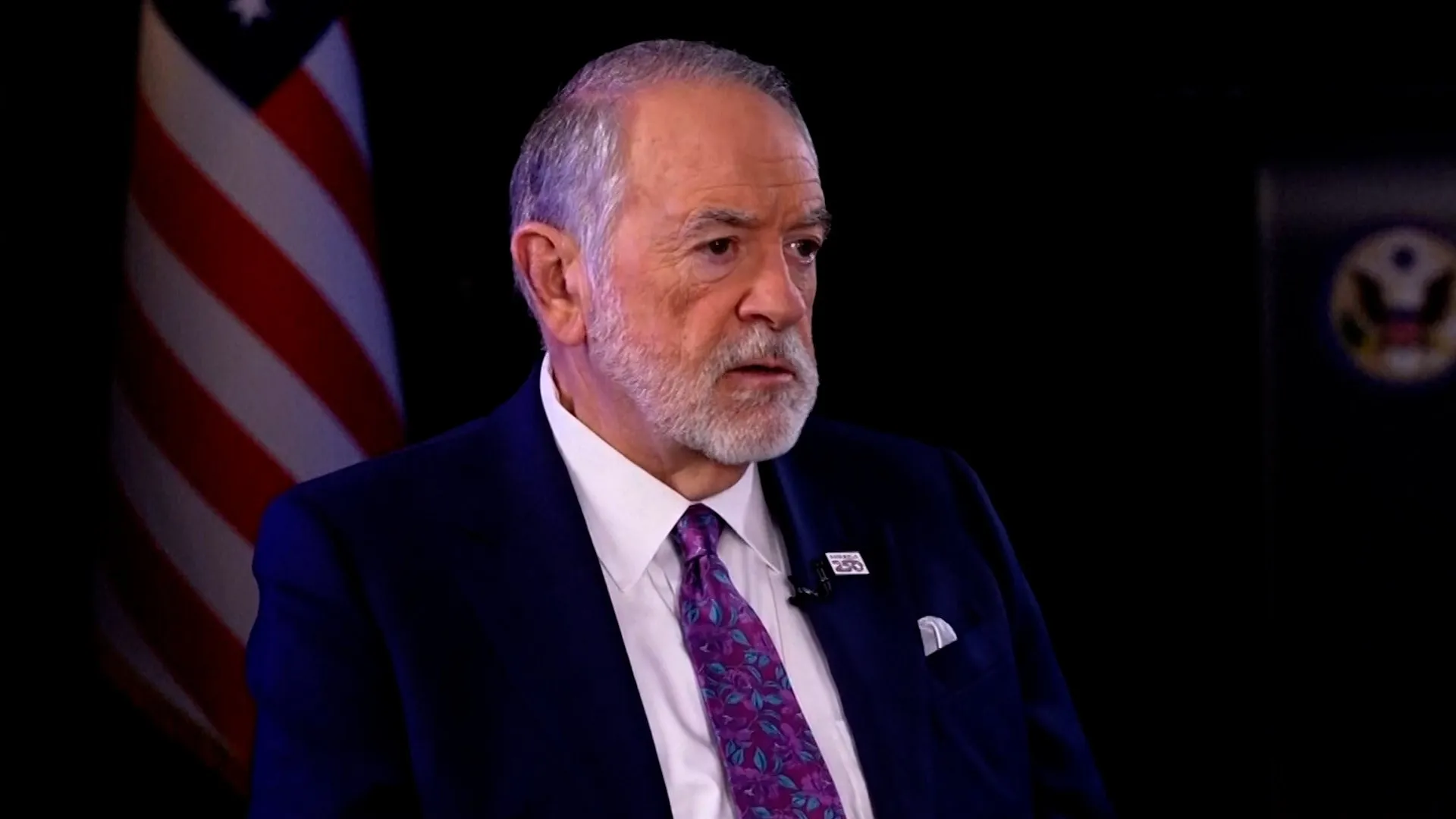
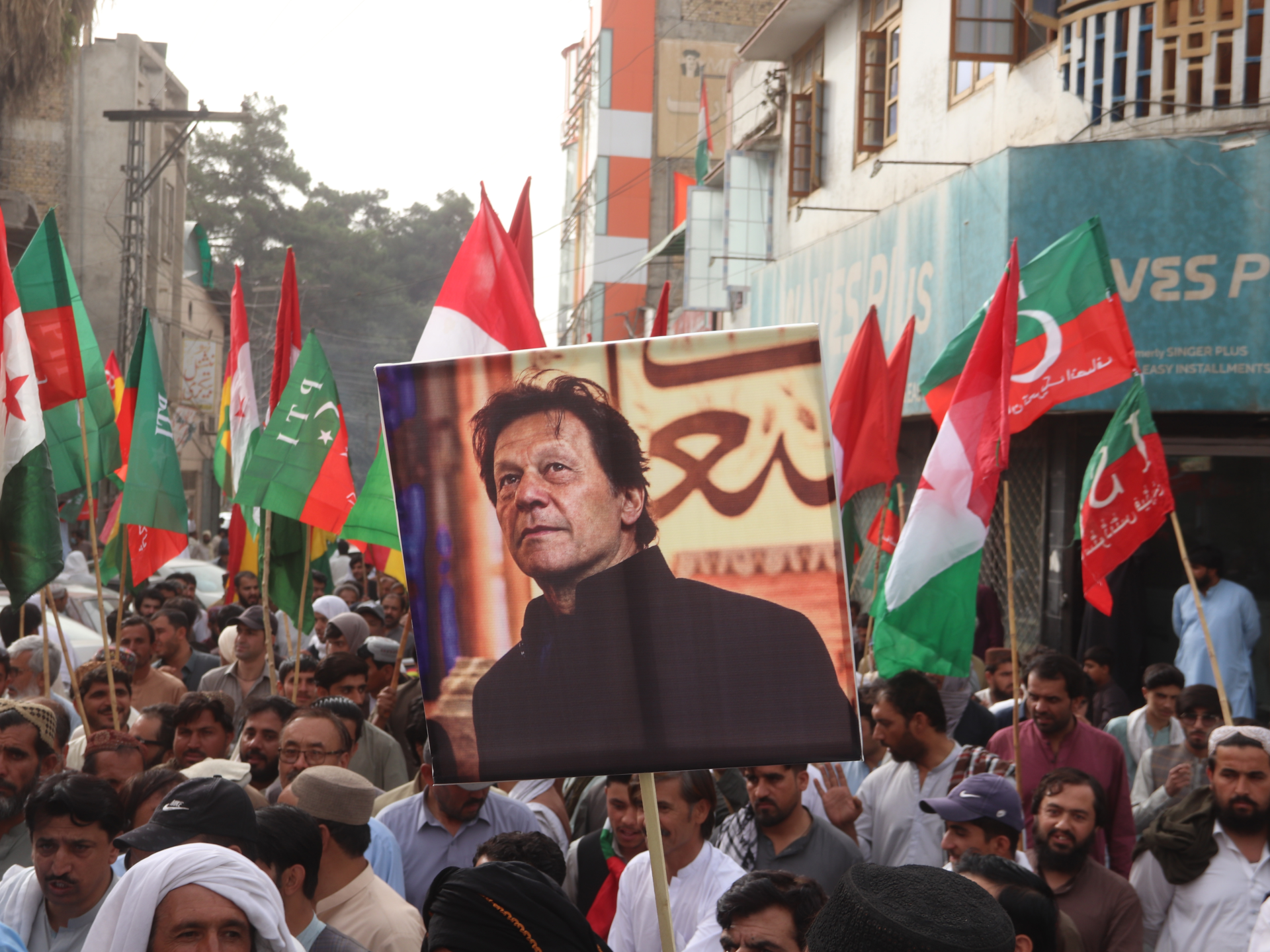
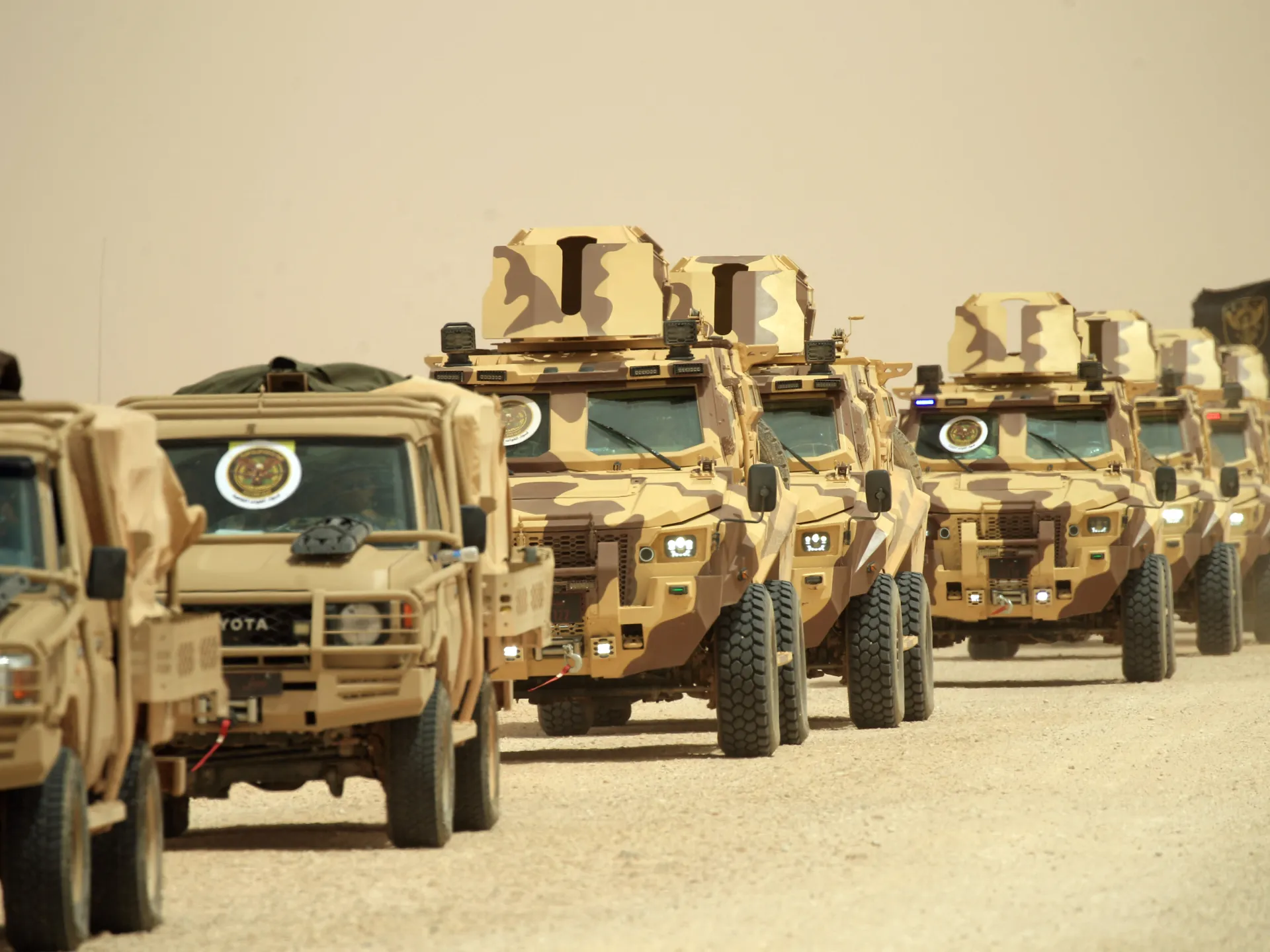
Lieutenant-General Ahmed Sharif Chaudhry, representing the Pakistani military, recently articulated that his country’s commitment to Saudi Arabia is both diplomatic and physical. He emphasized that Pakistan already maintains personnel in the kingdom to safeguard holy sites in Mecca and Medina, though he stopped short of confirming whether any specific request for further troop deployment had been made gned earlier this year, which stipulate that an attack on one party is to be treated as an attack on all.
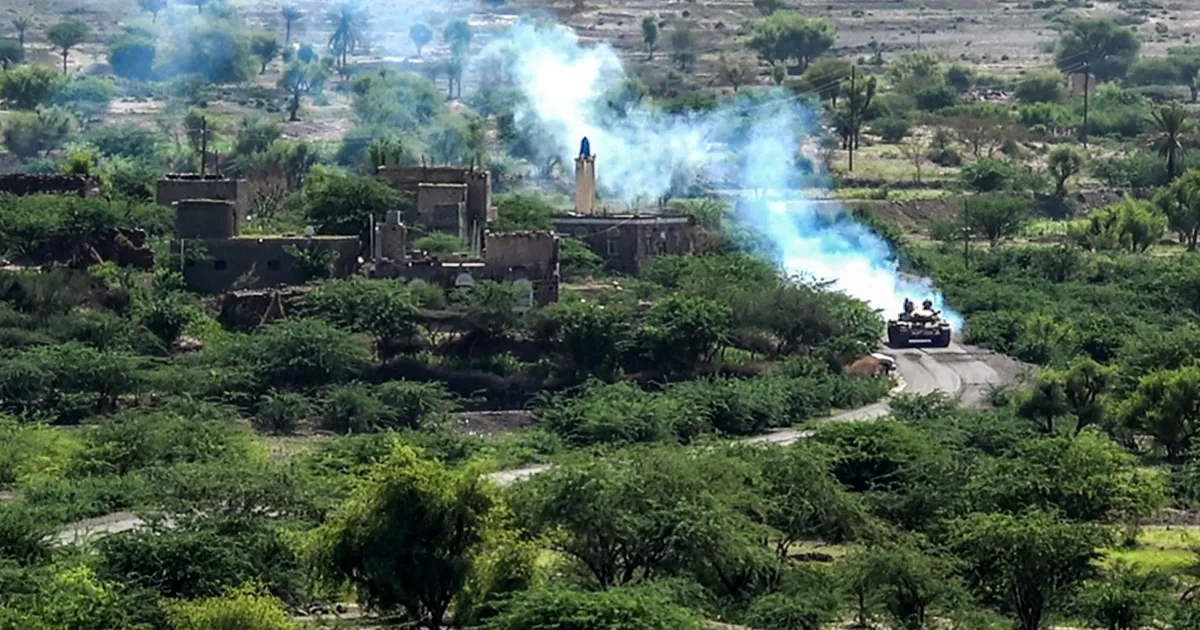
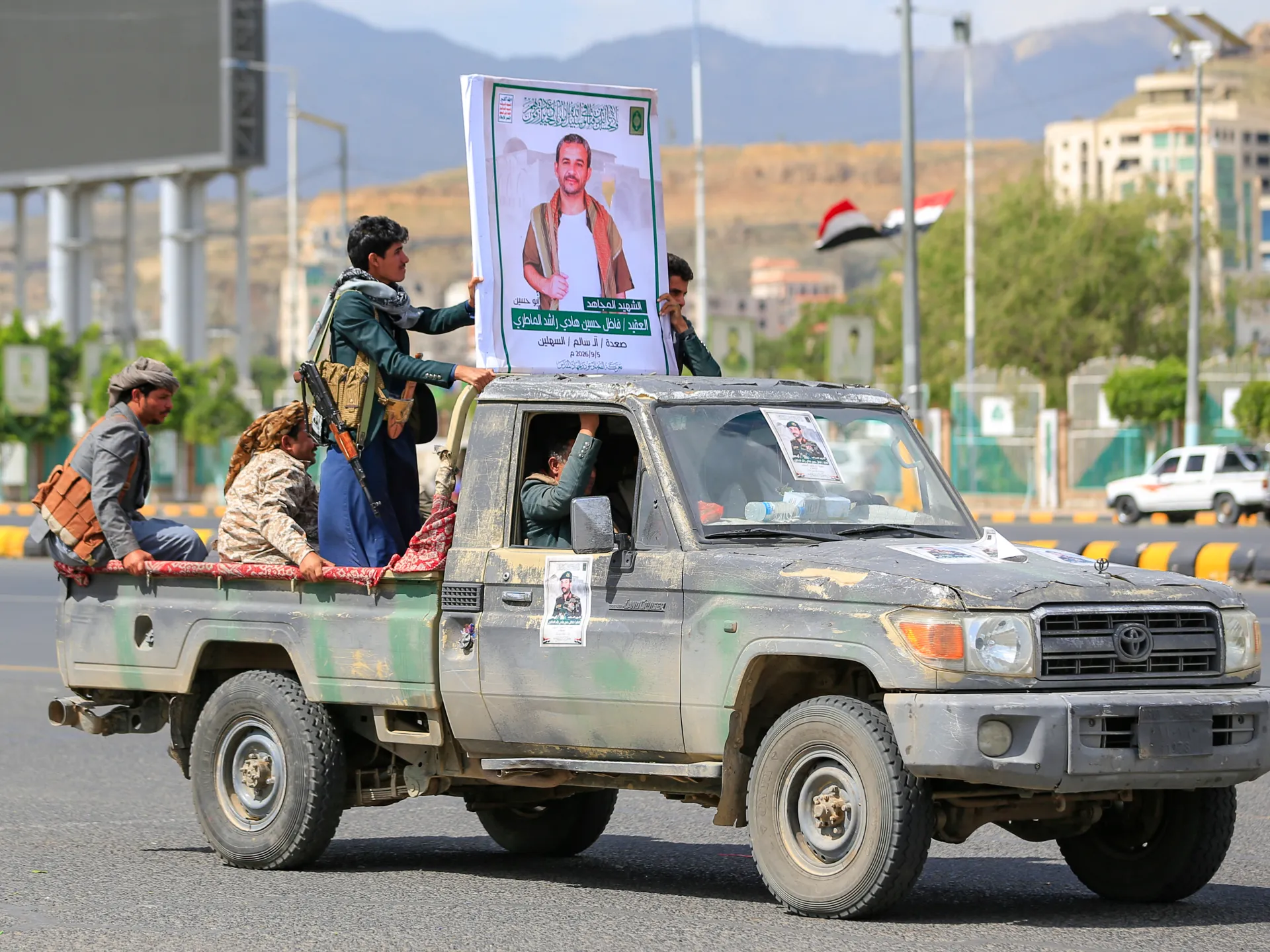
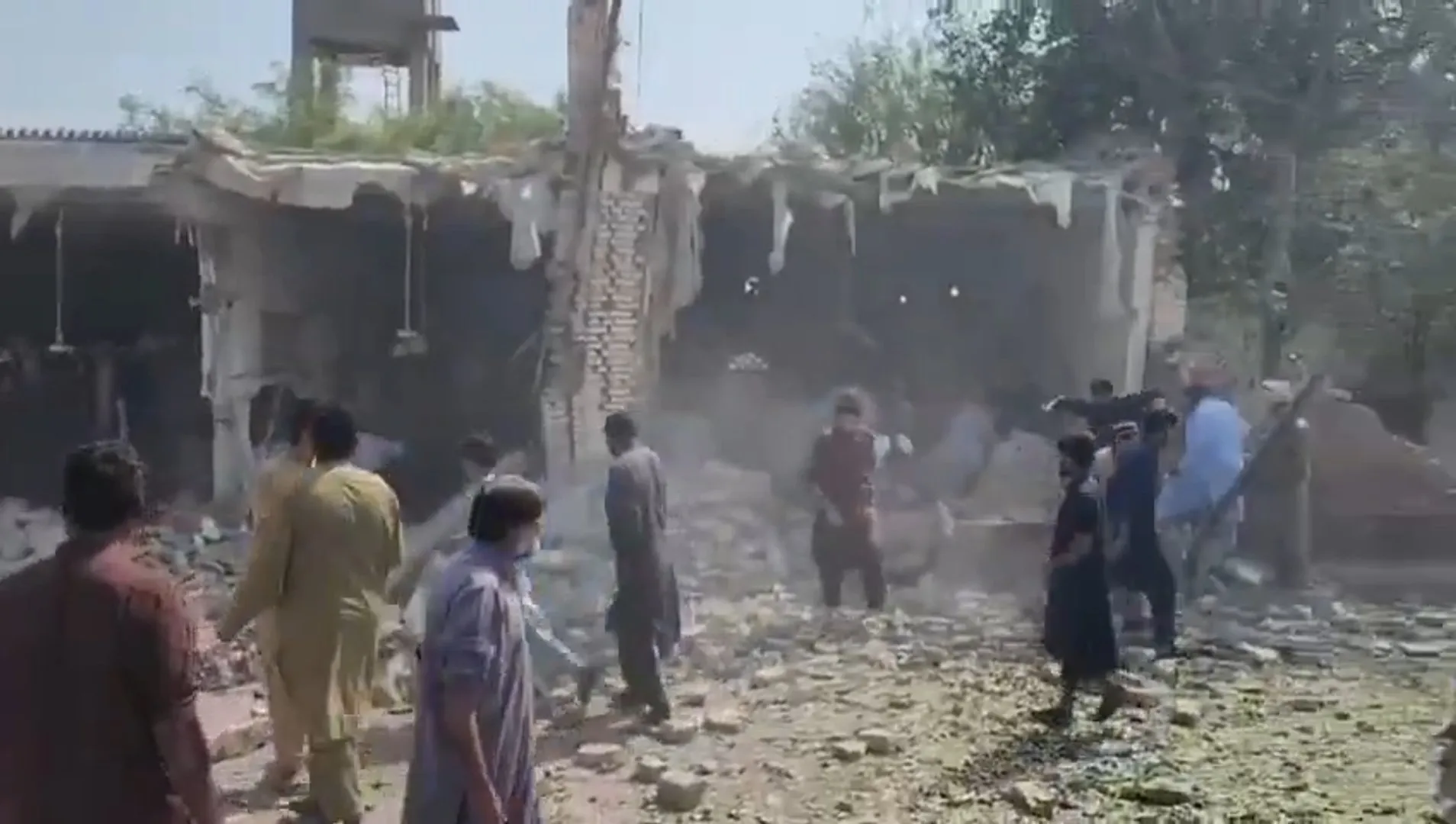
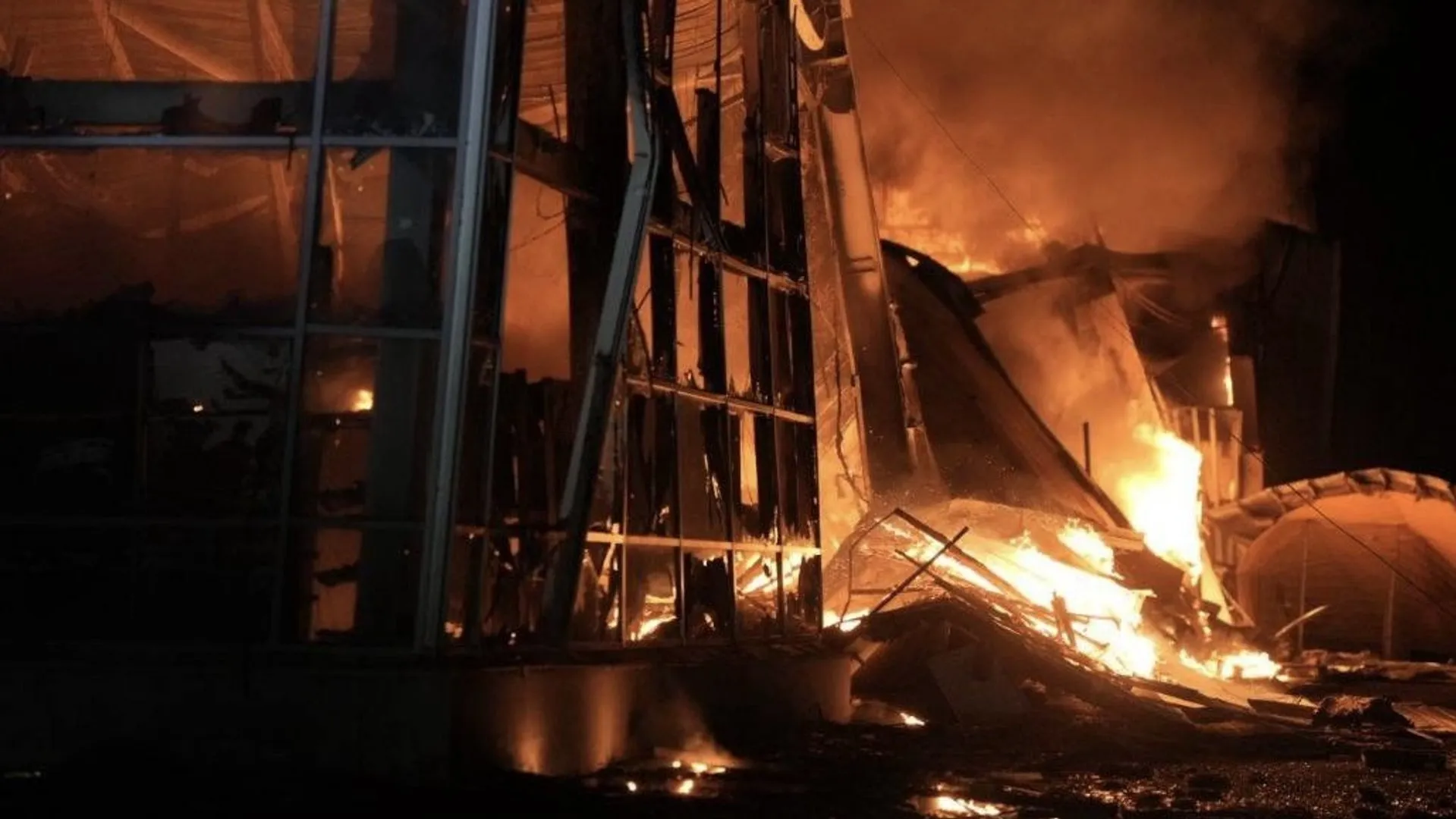
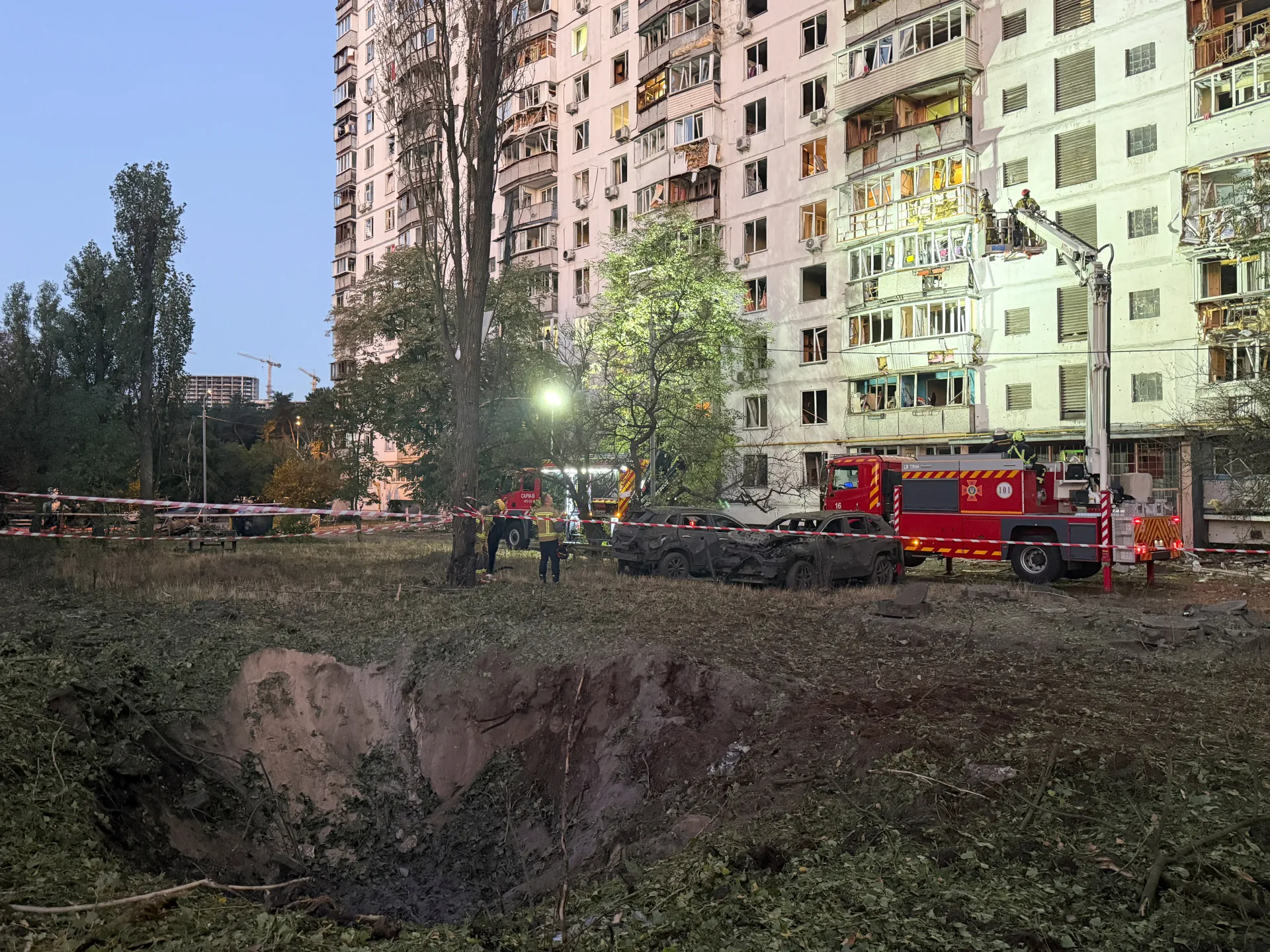
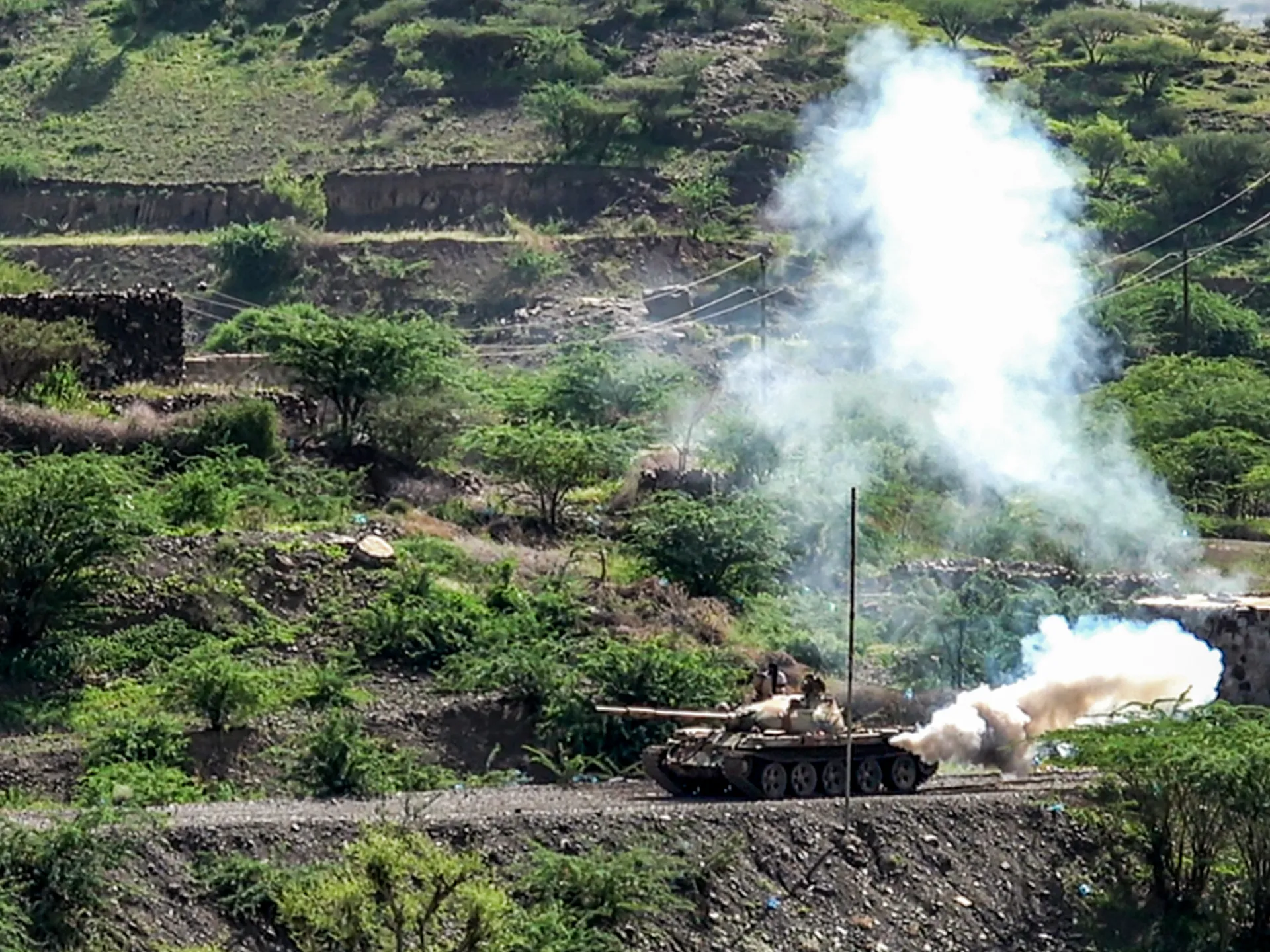
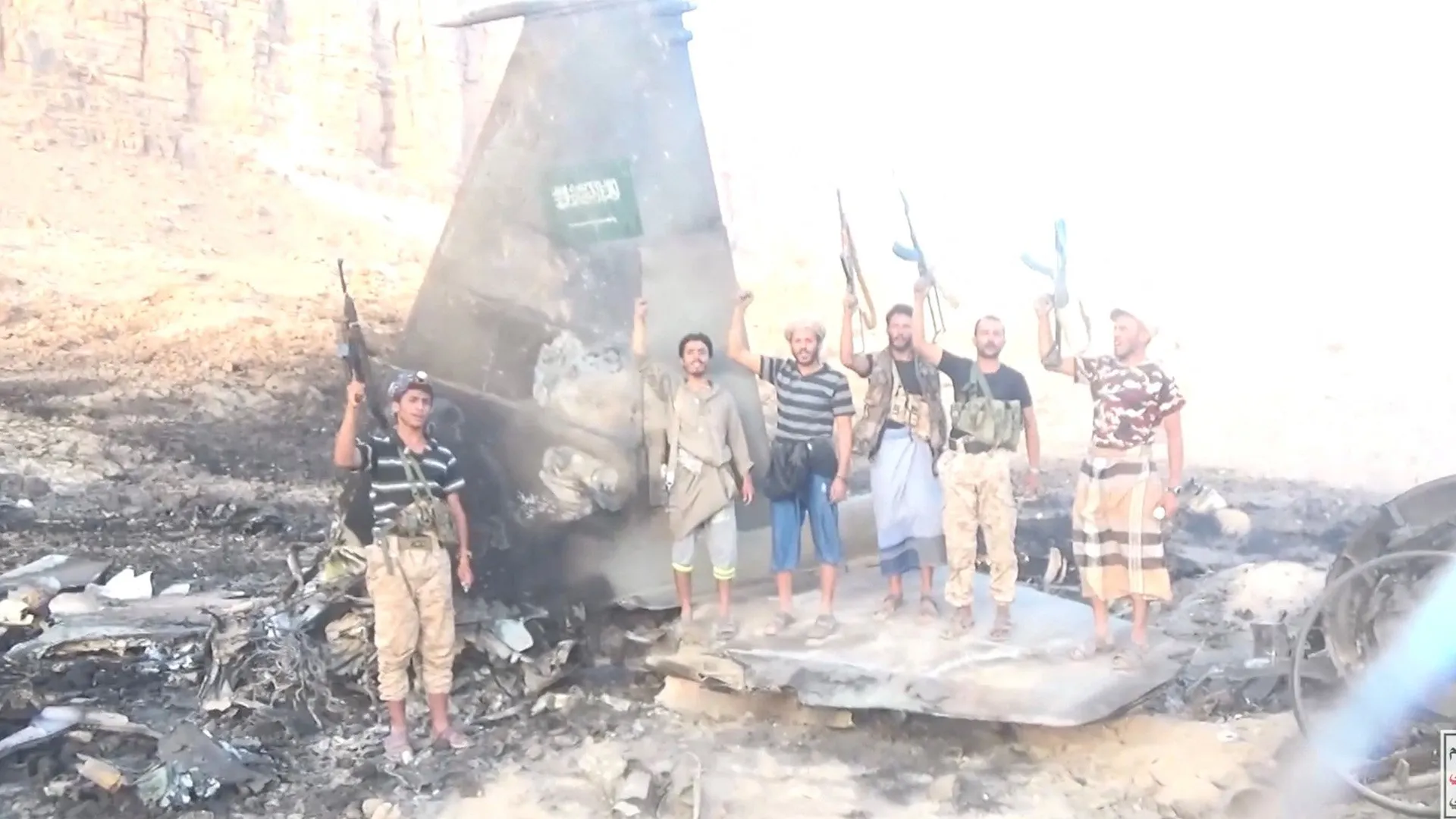
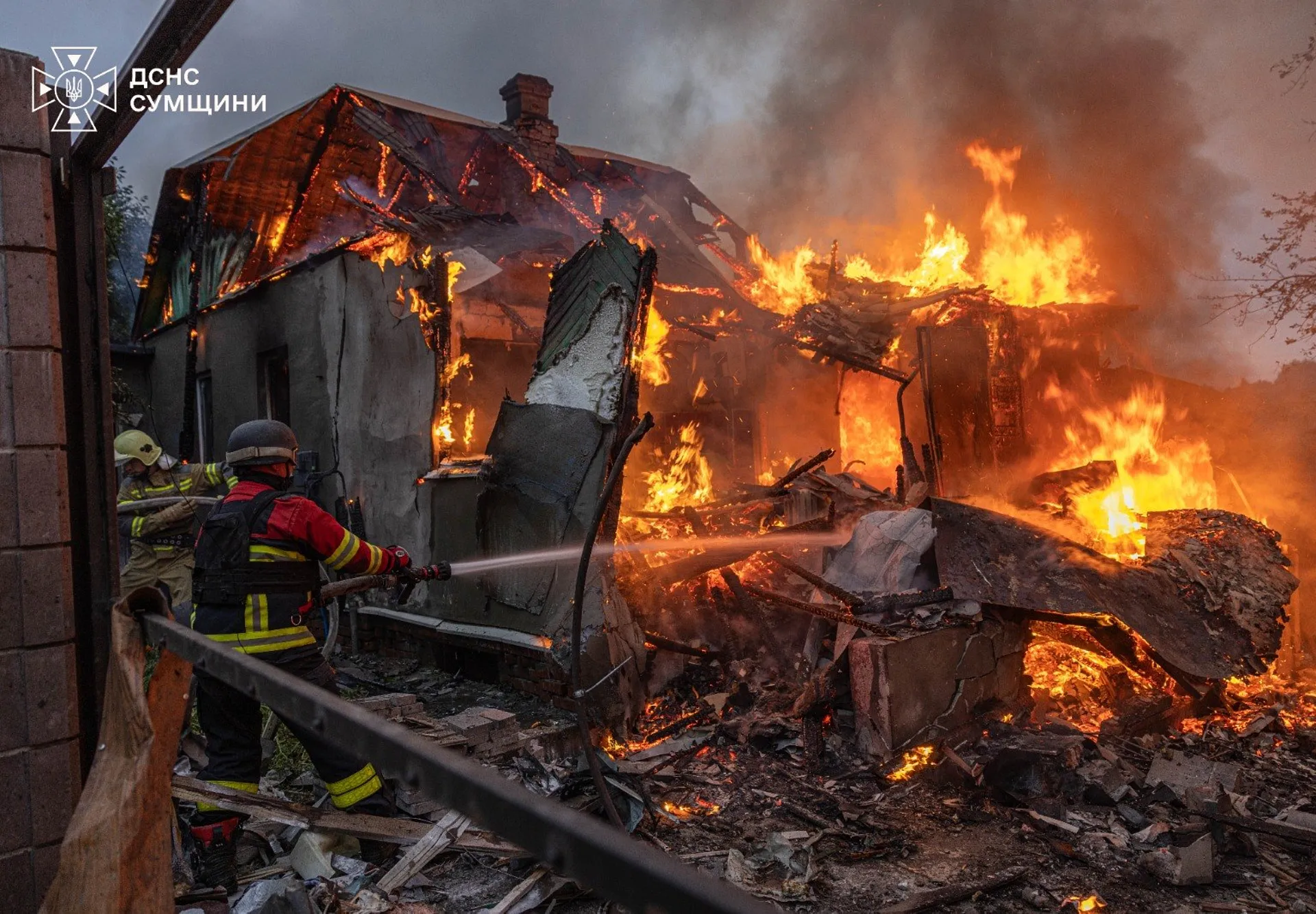
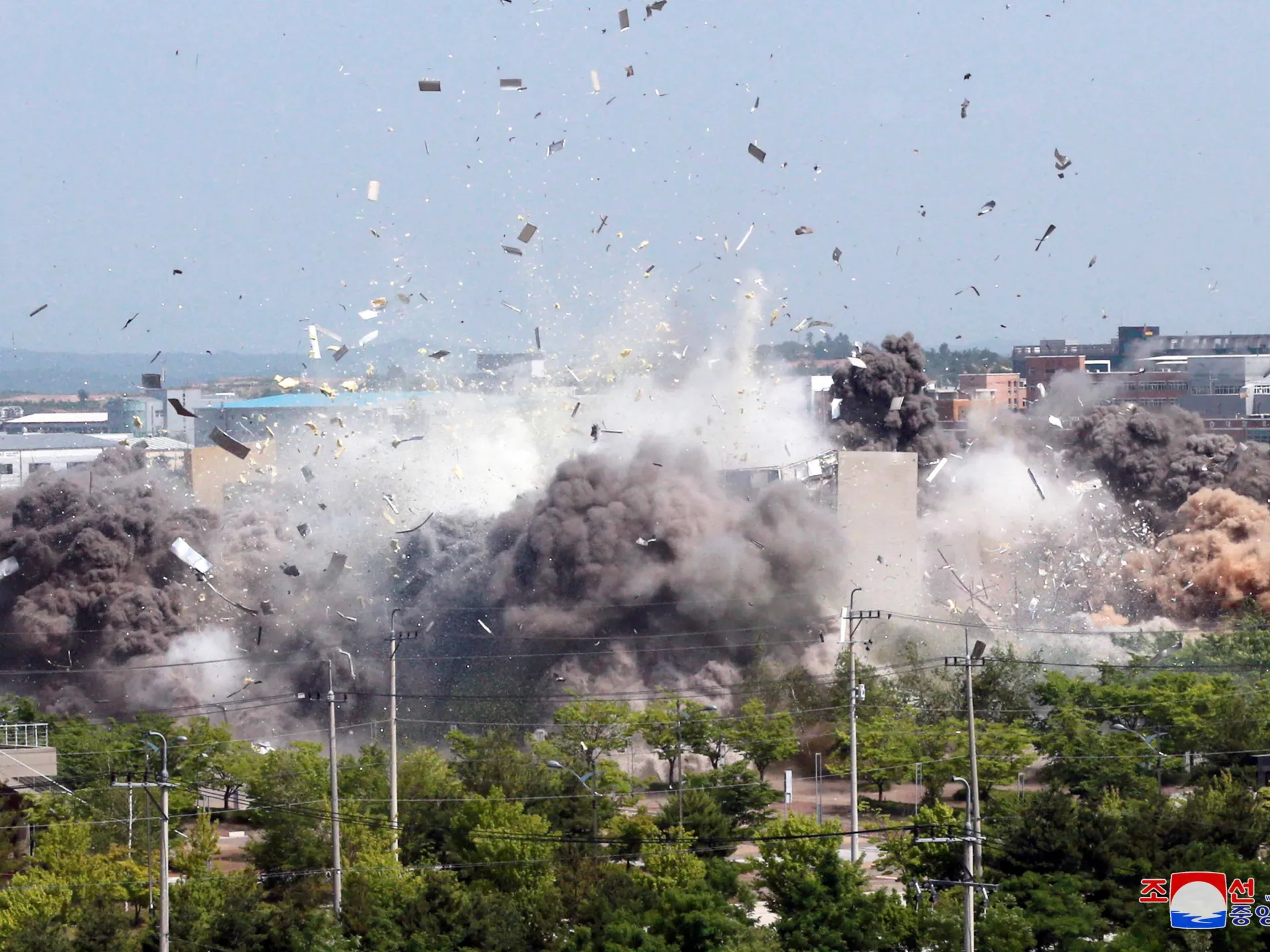
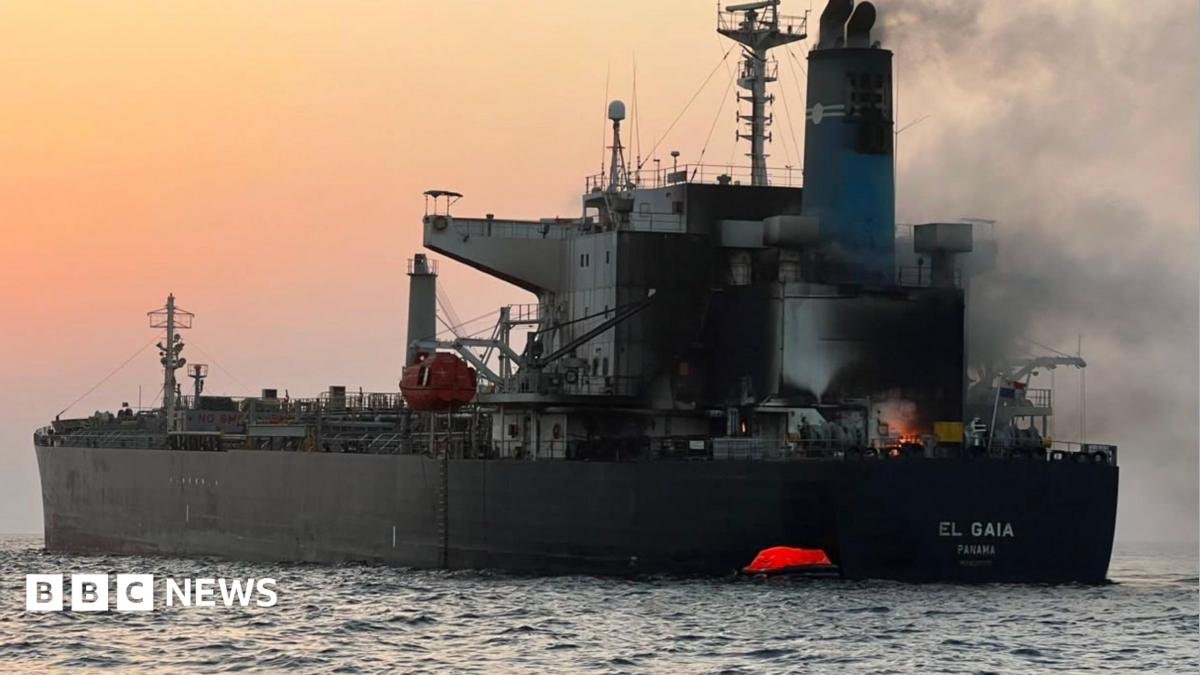
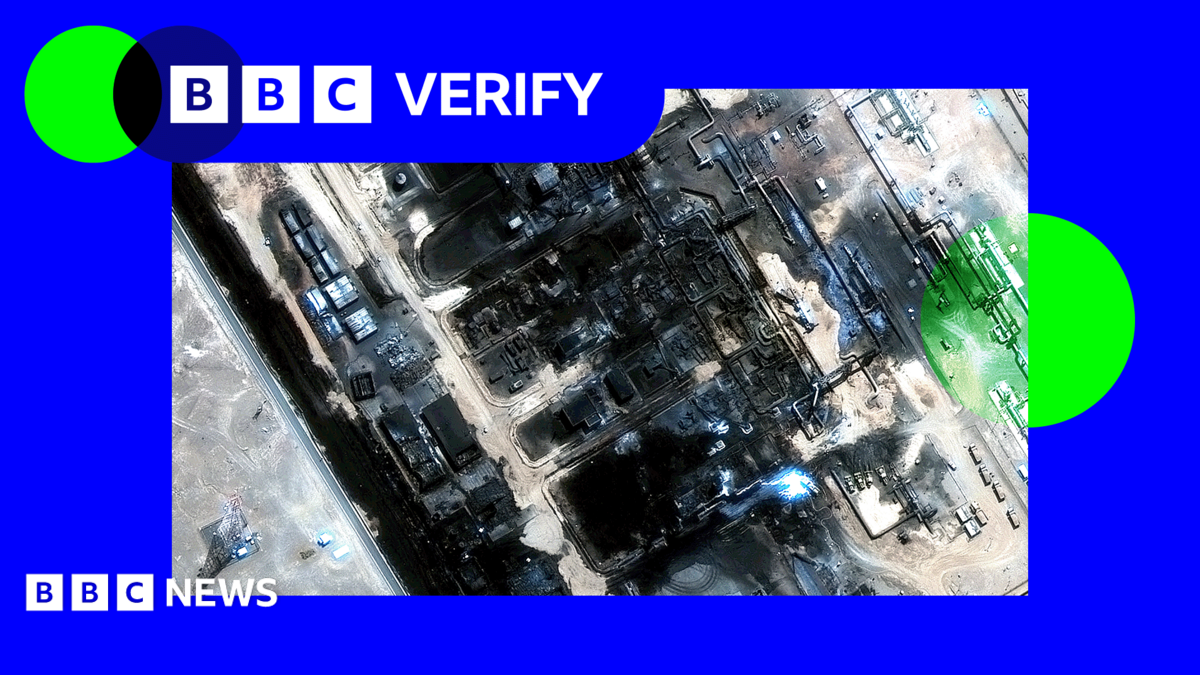
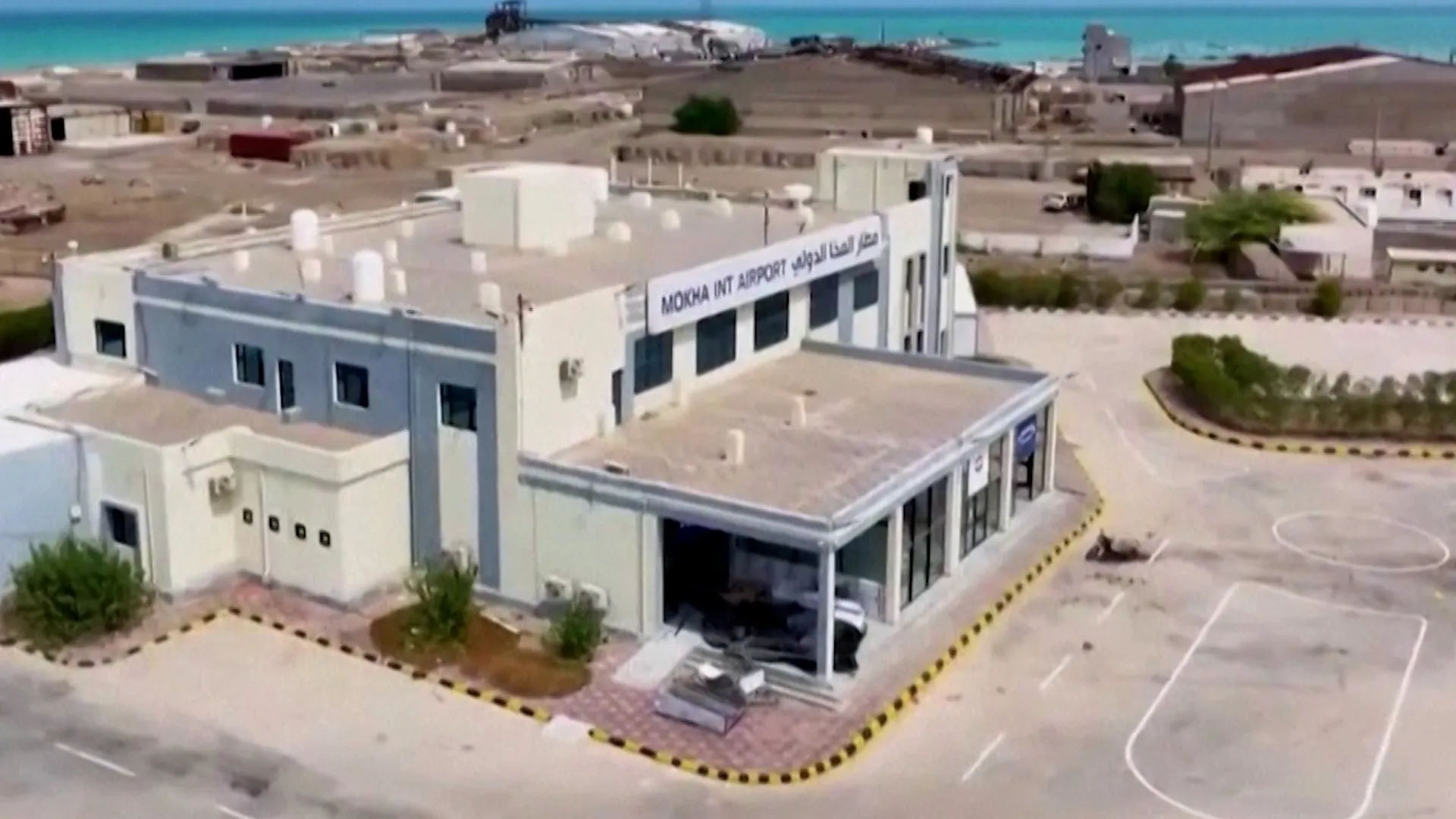
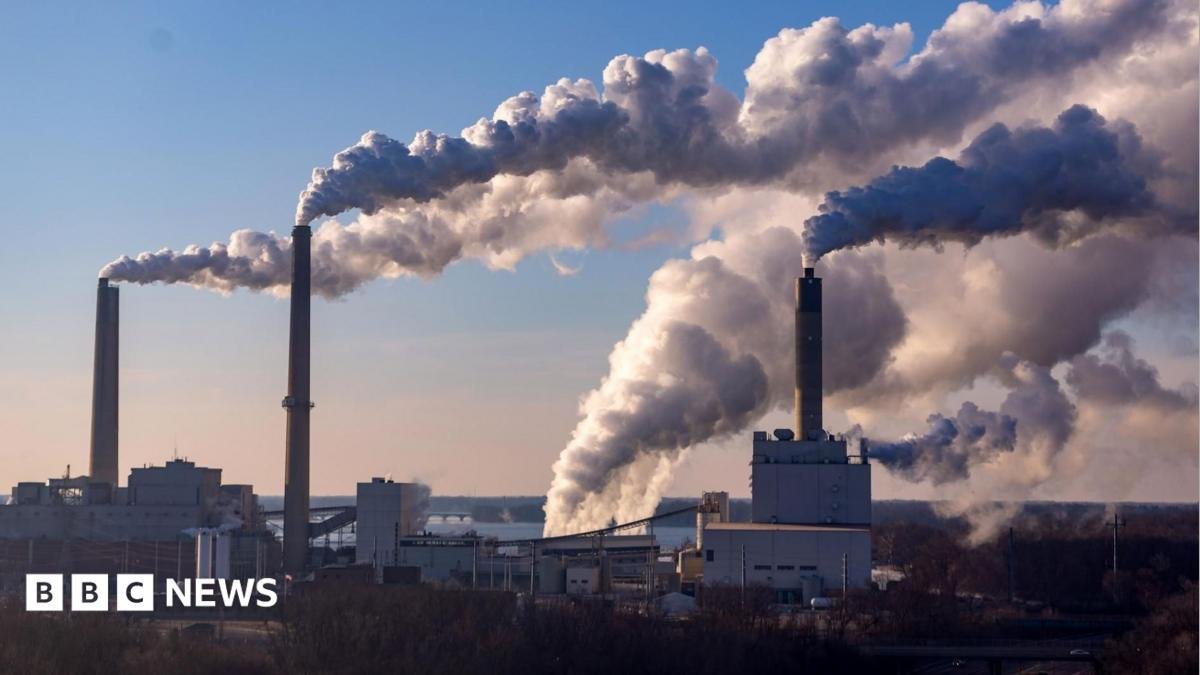
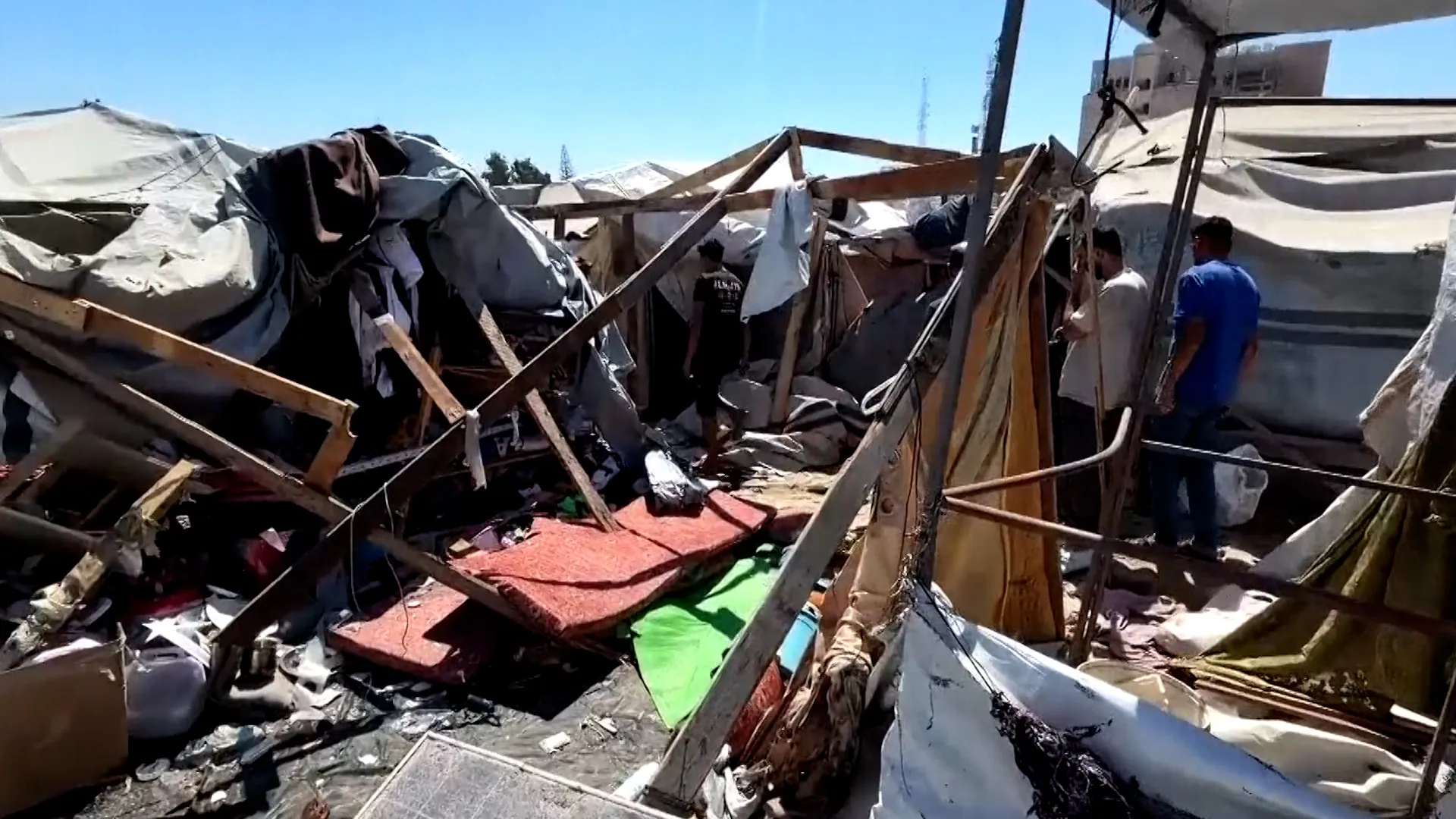
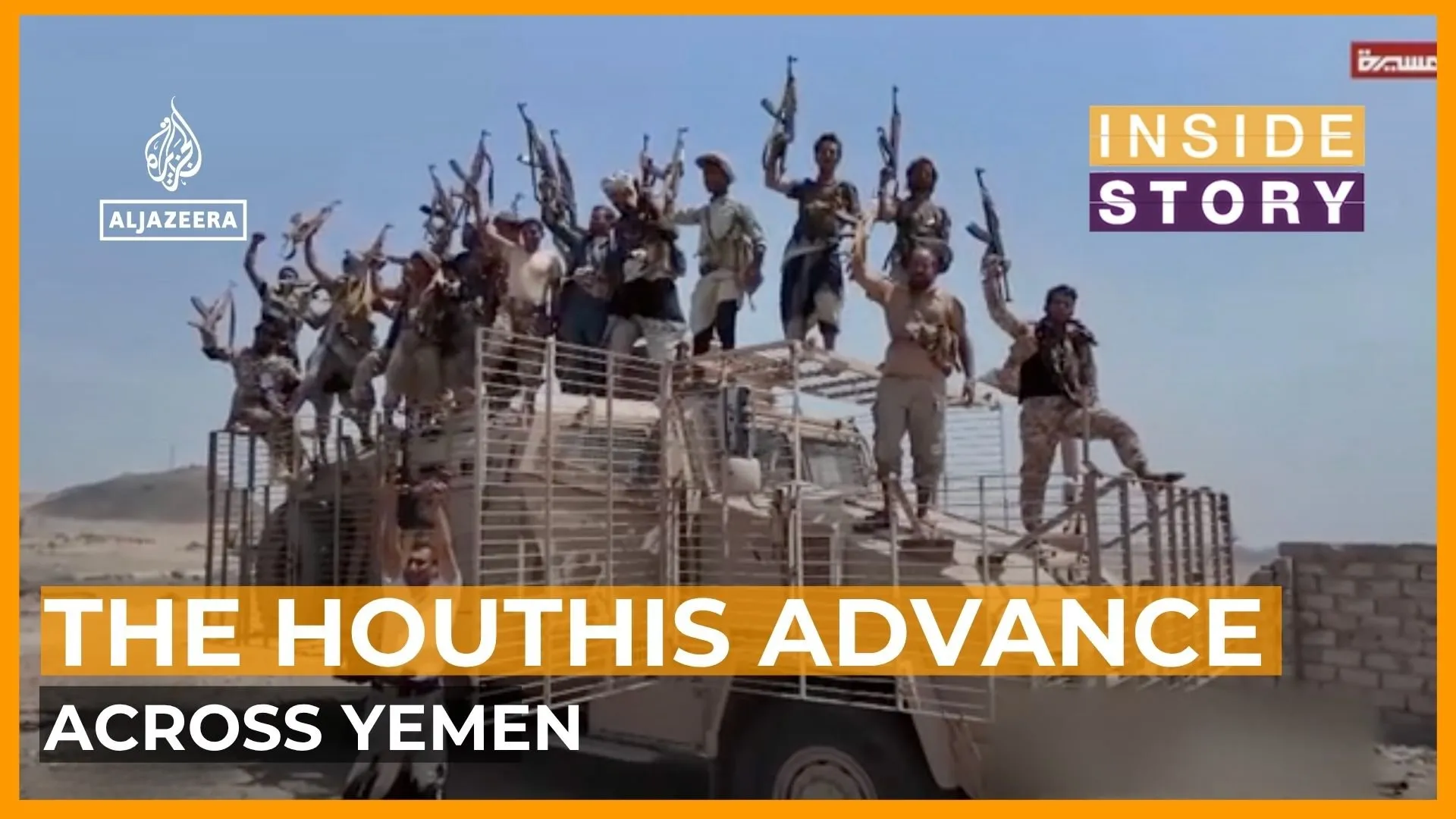
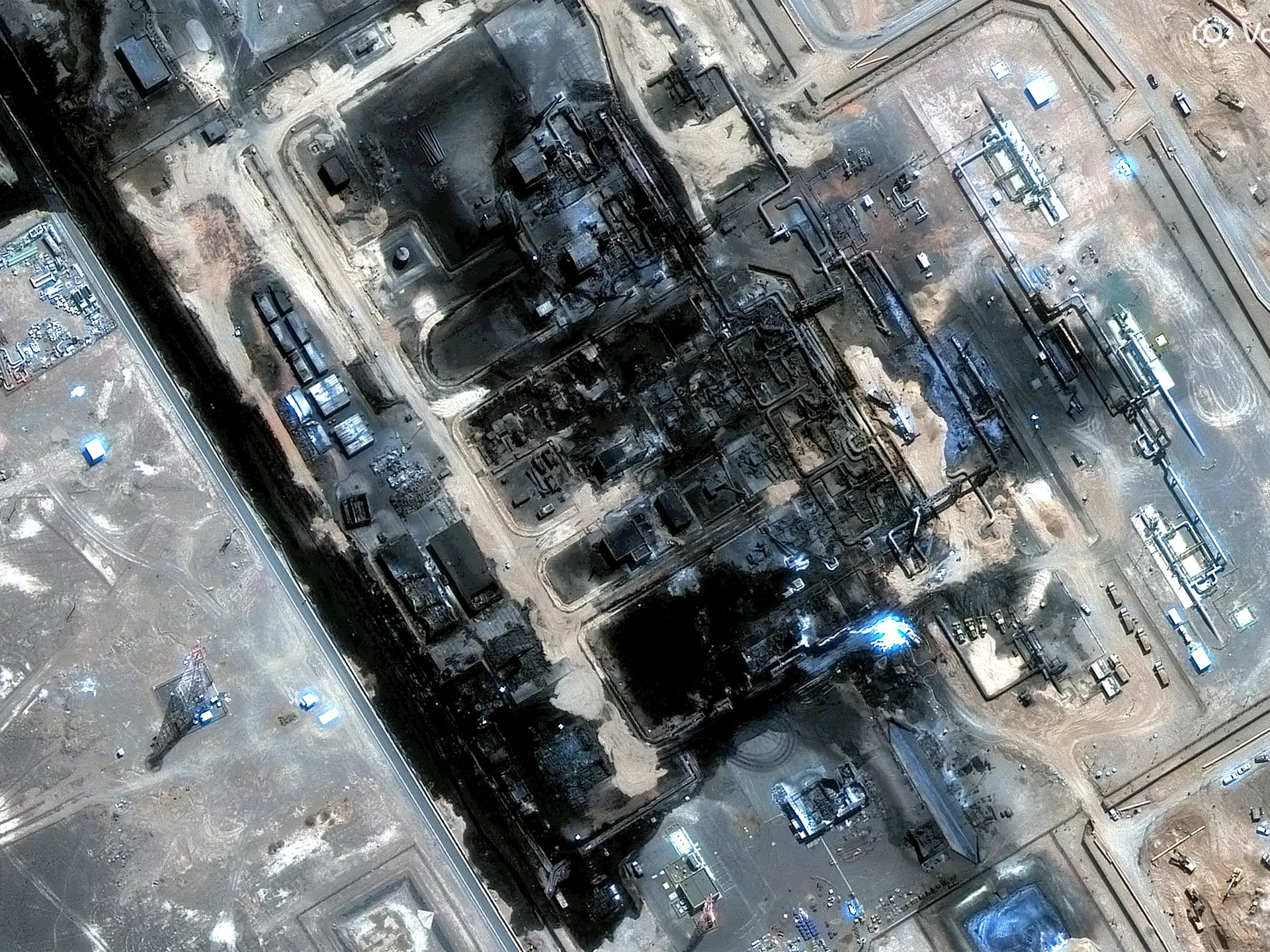
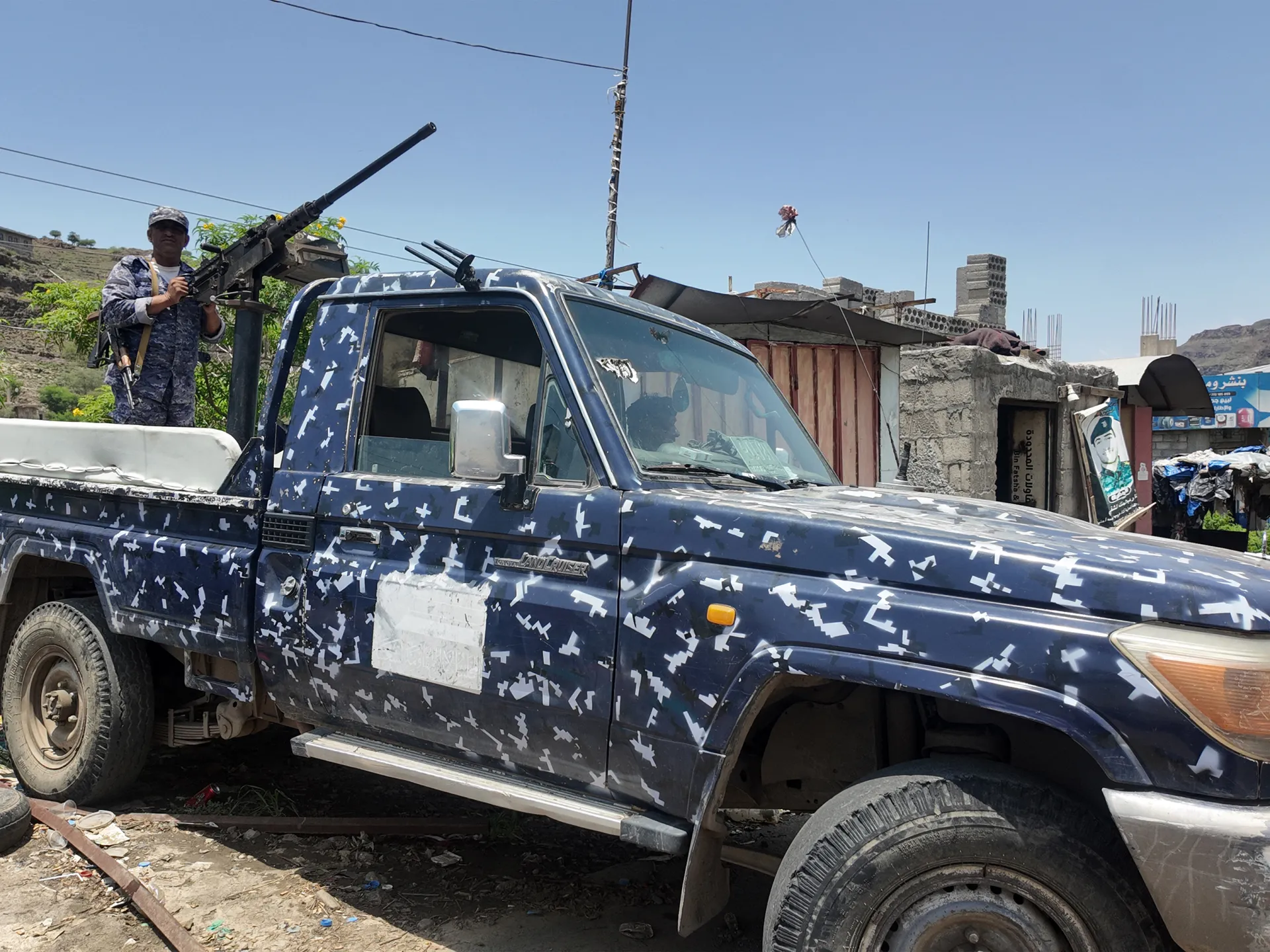
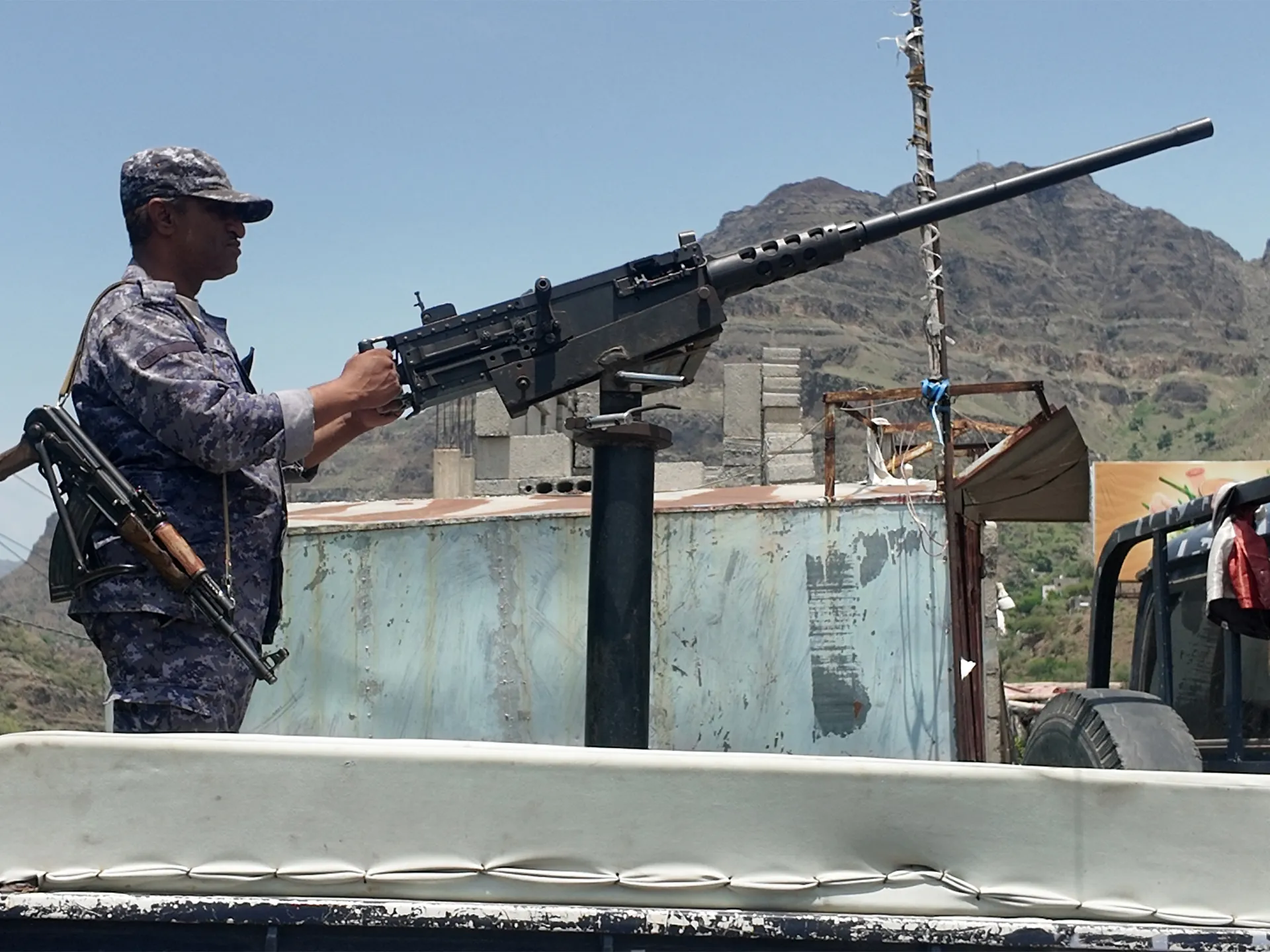
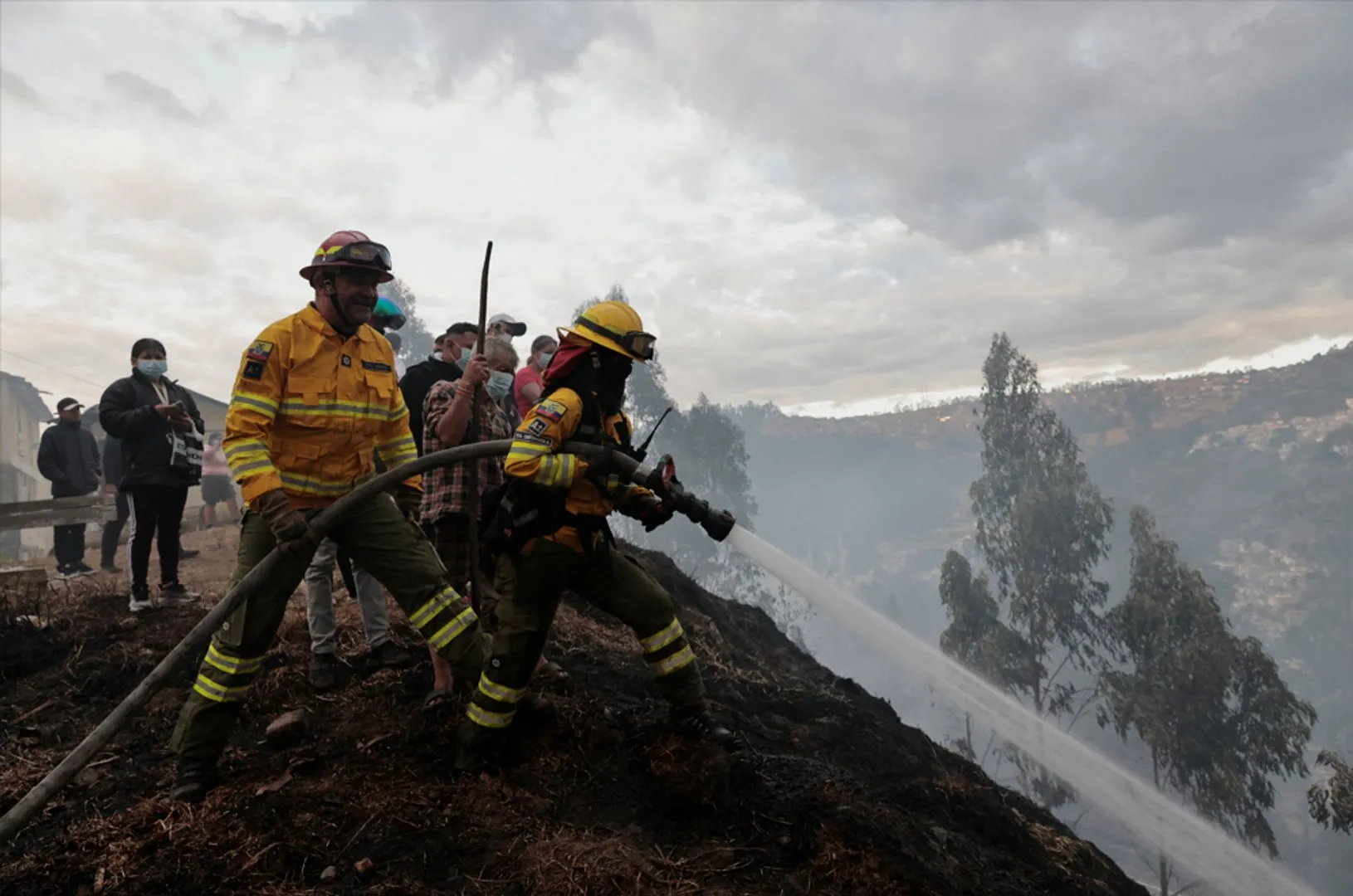
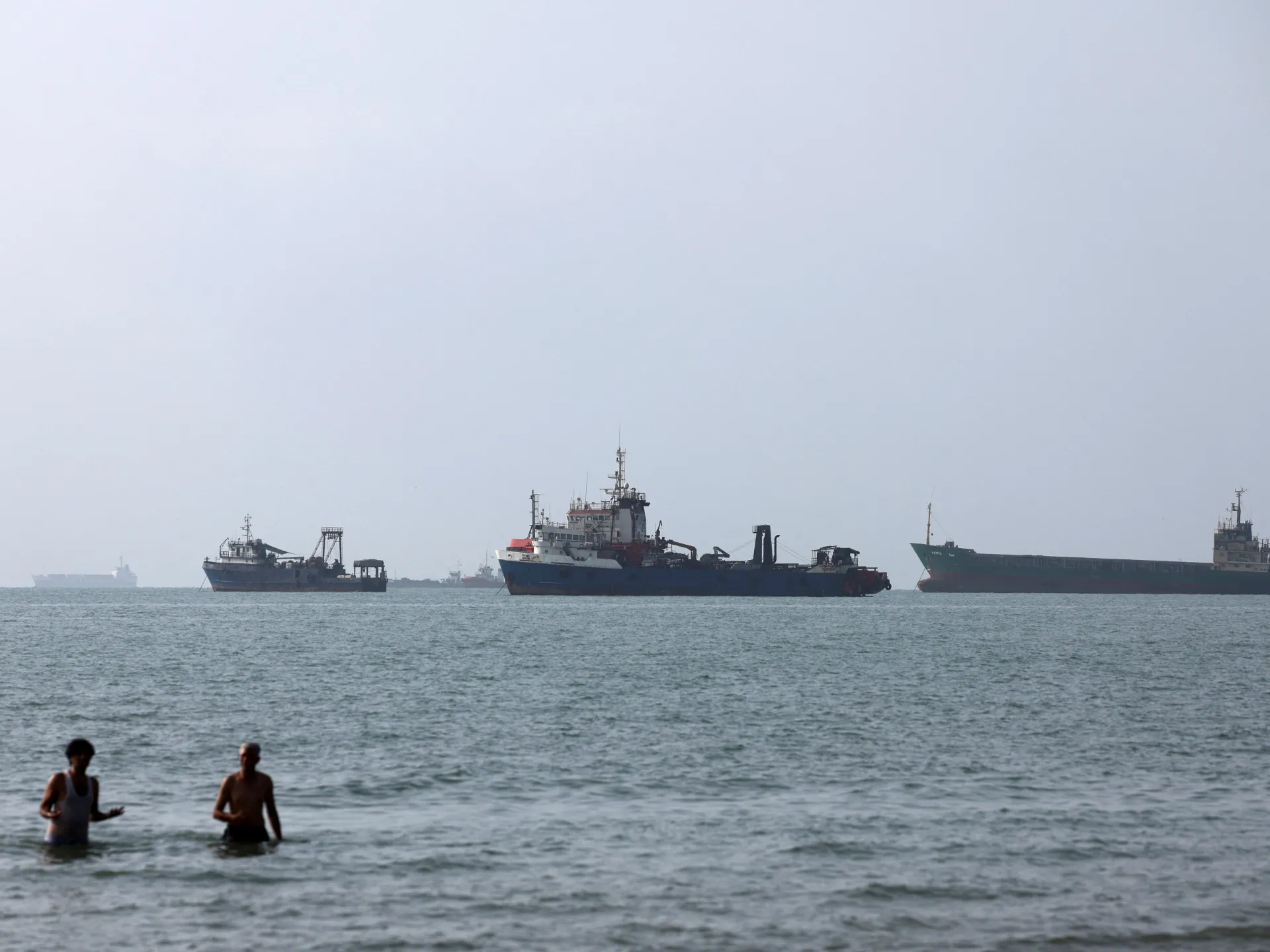
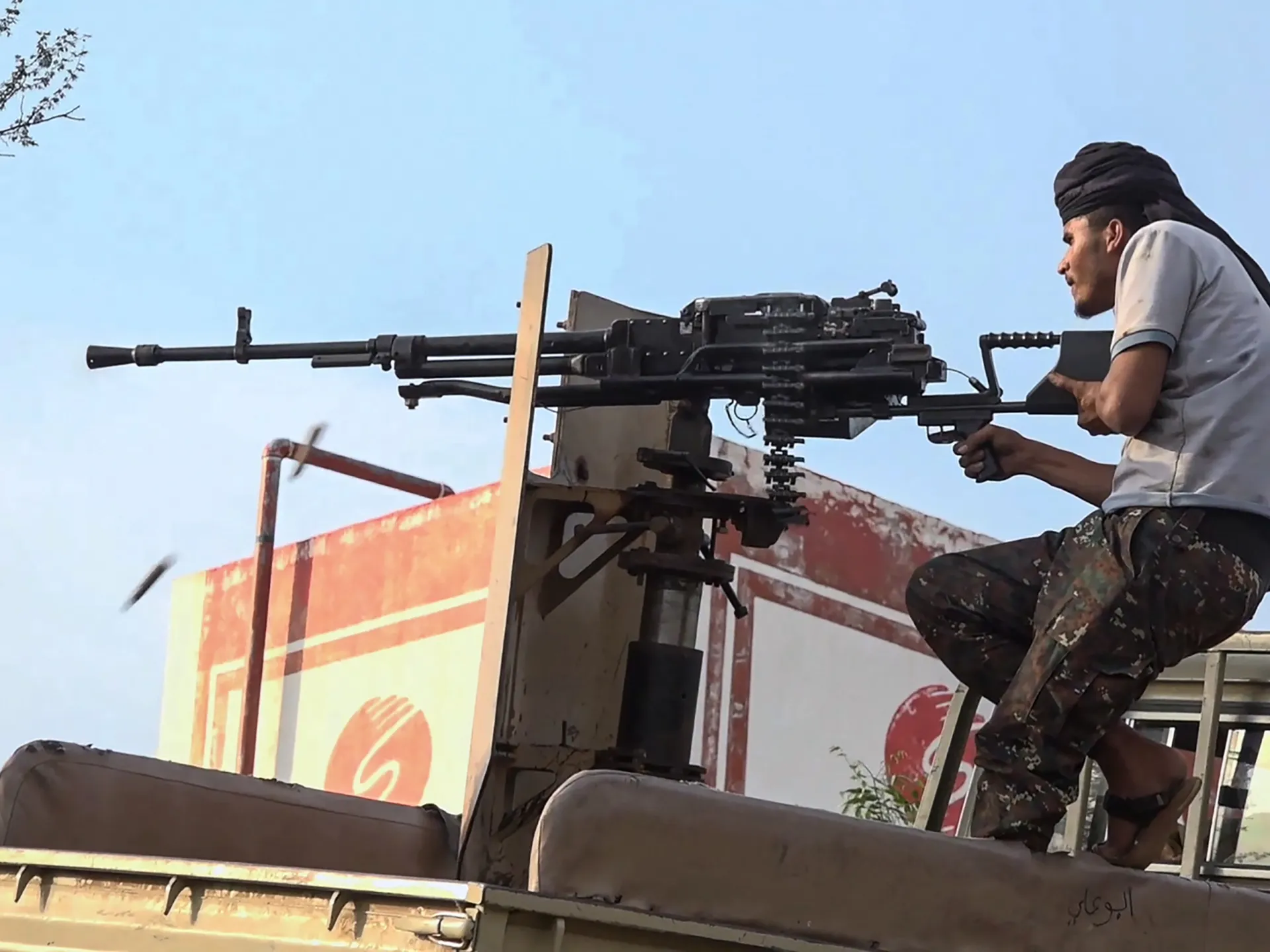
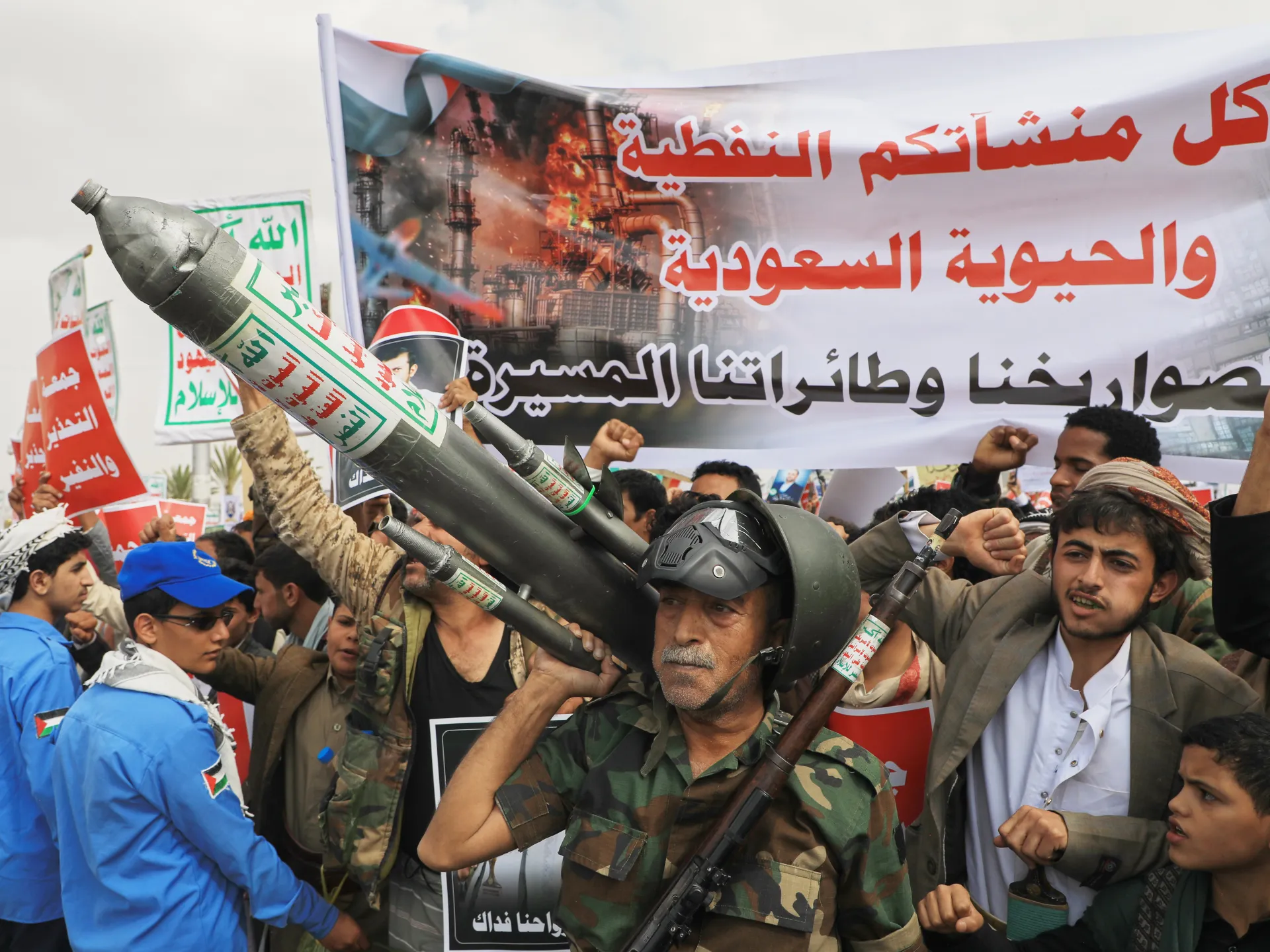
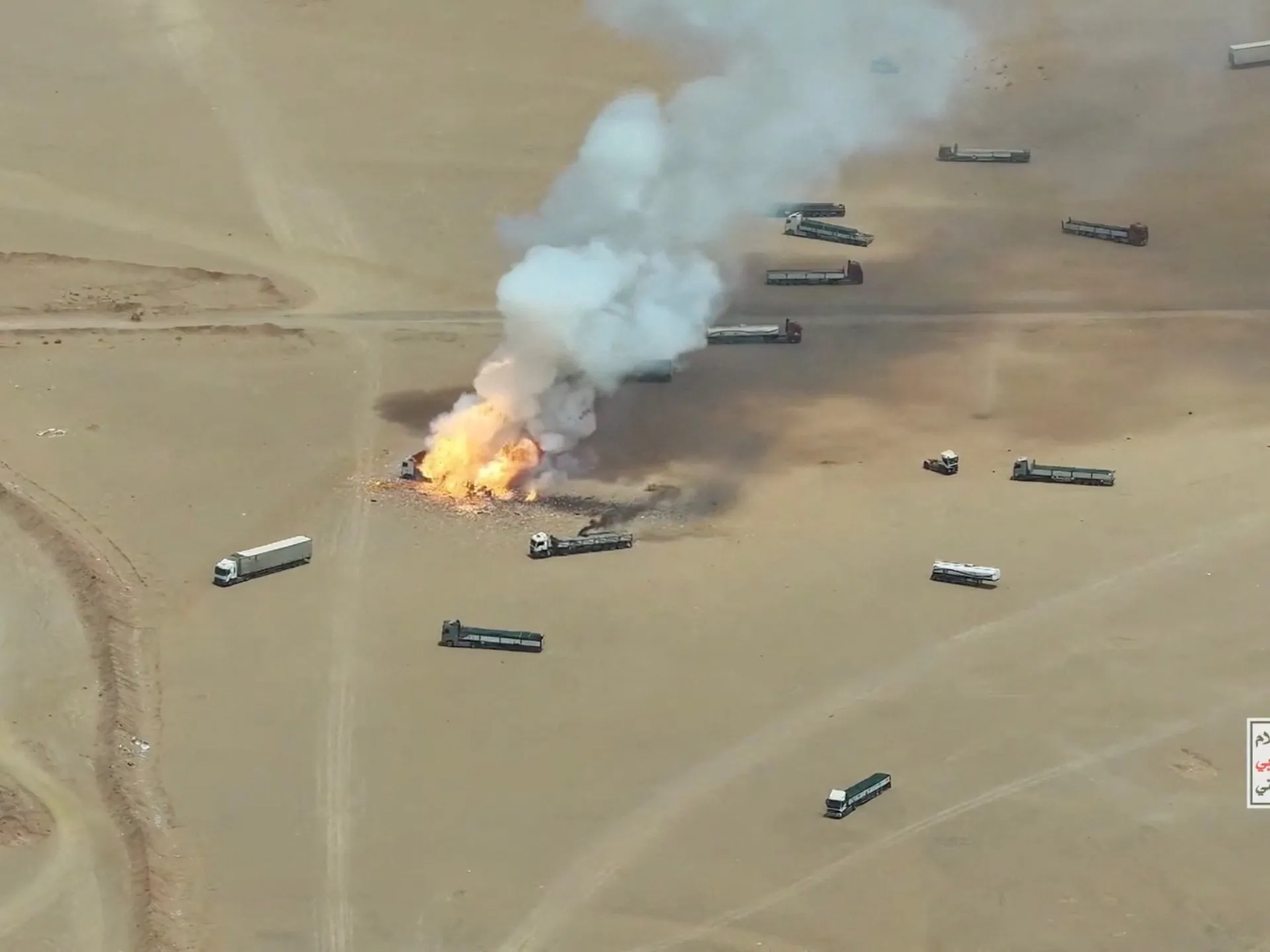
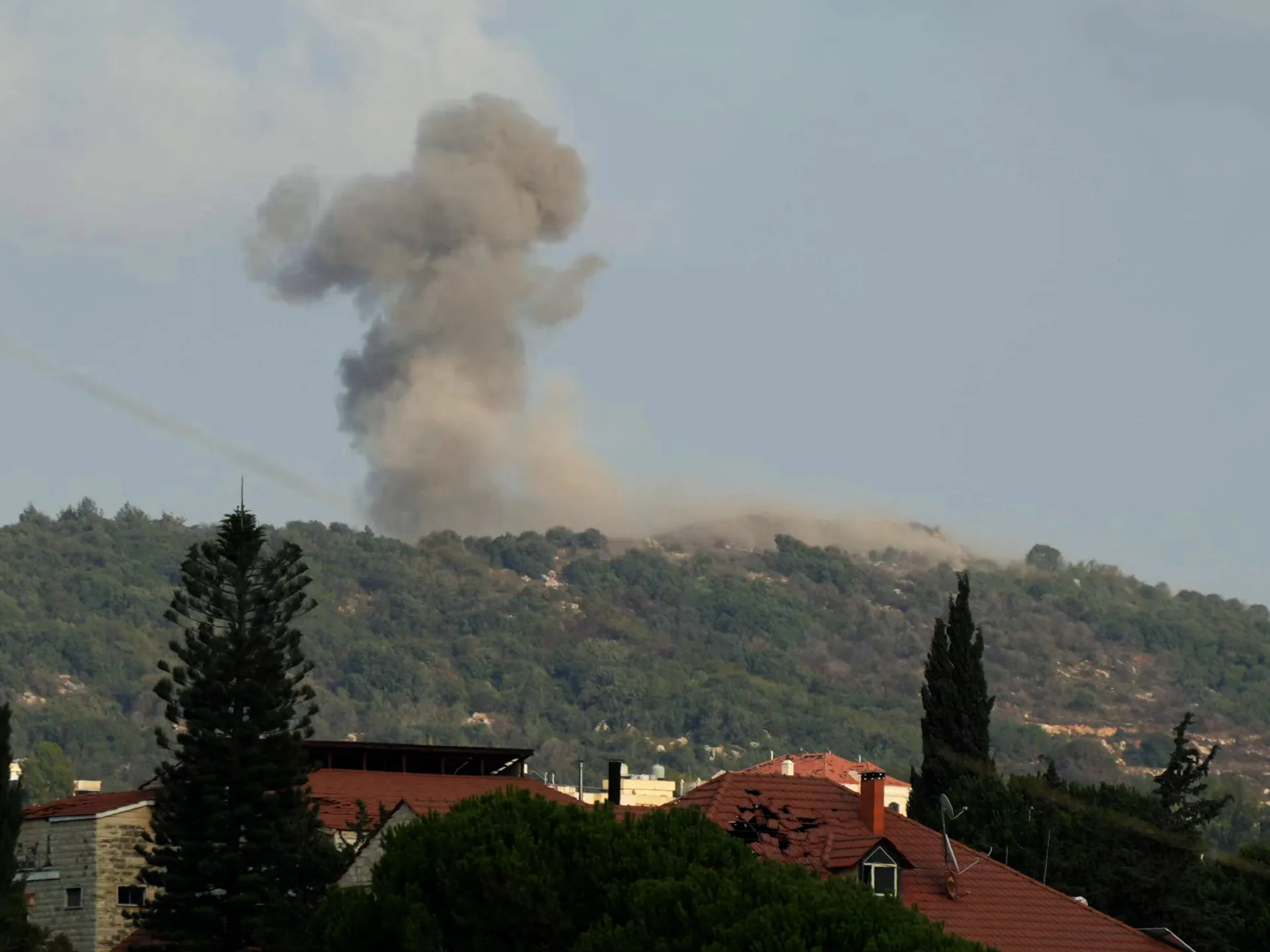
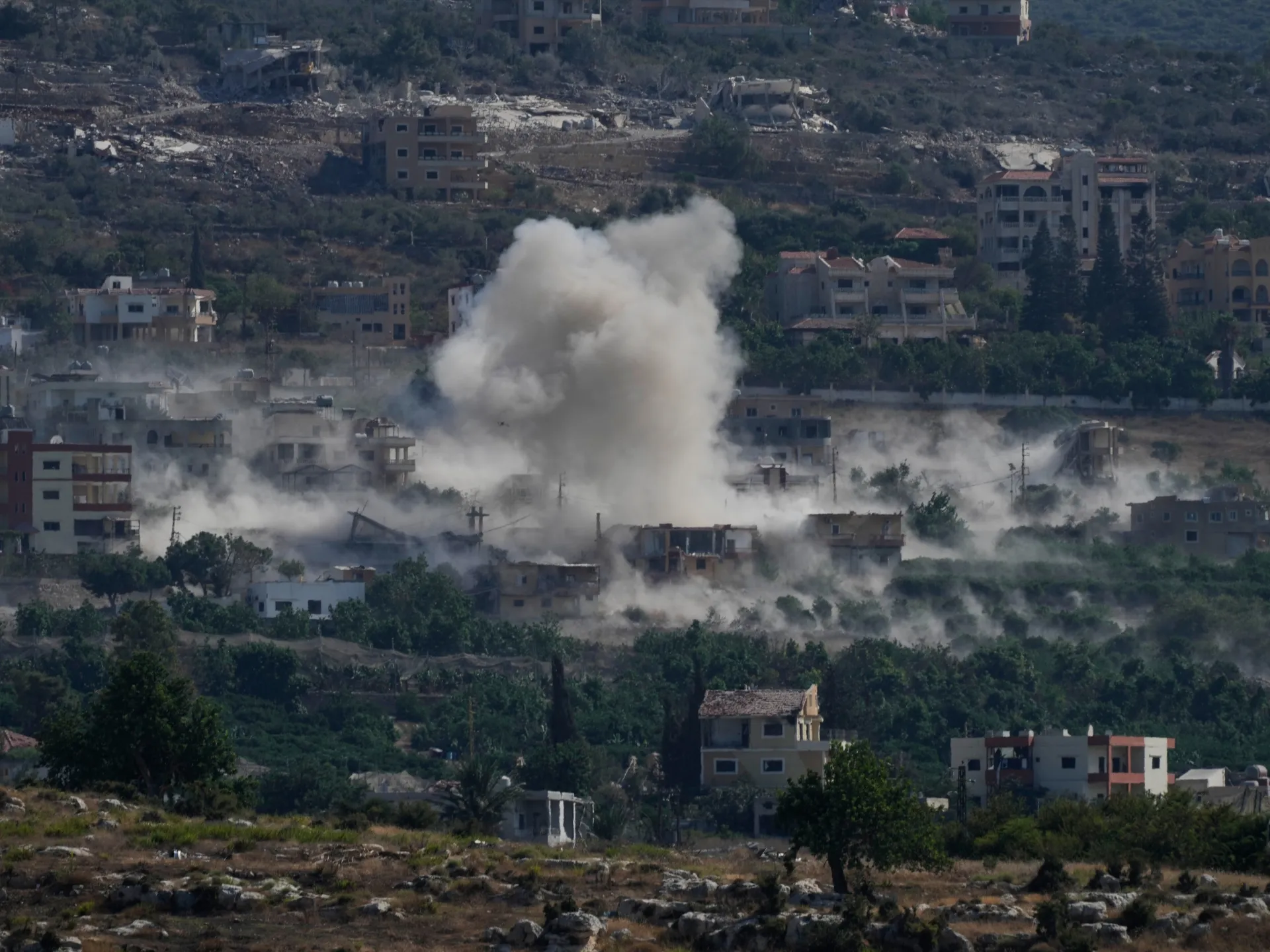
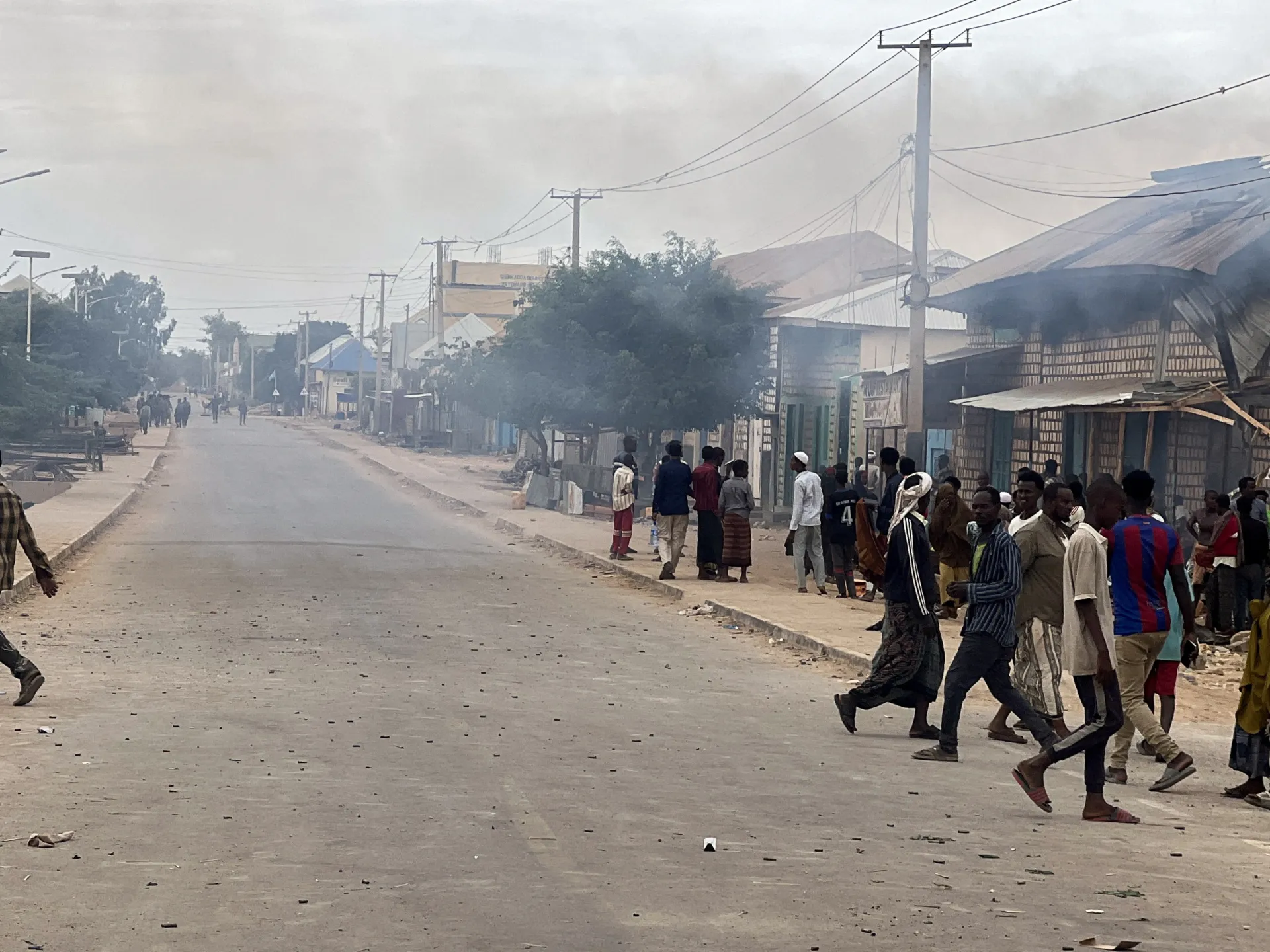
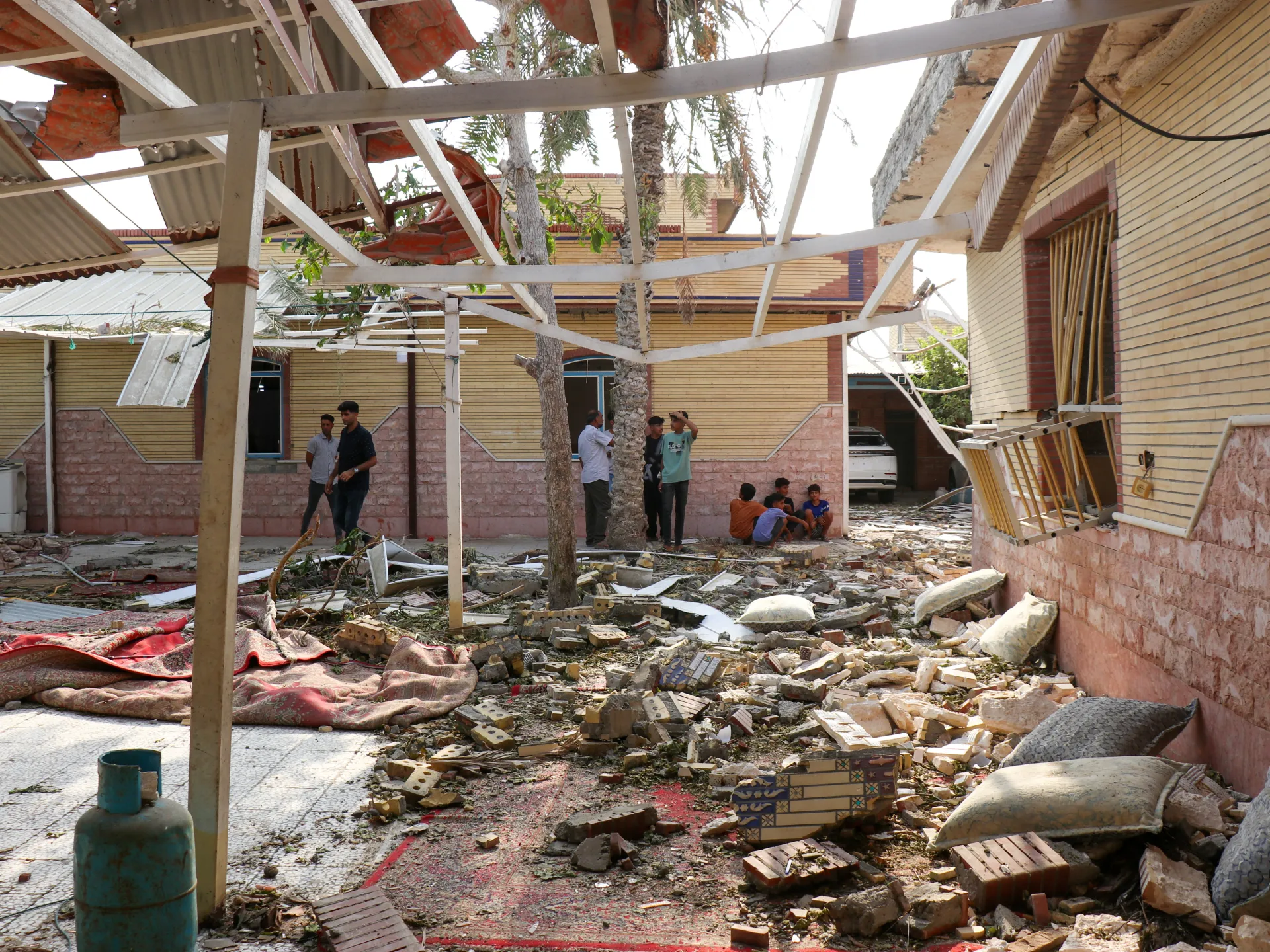
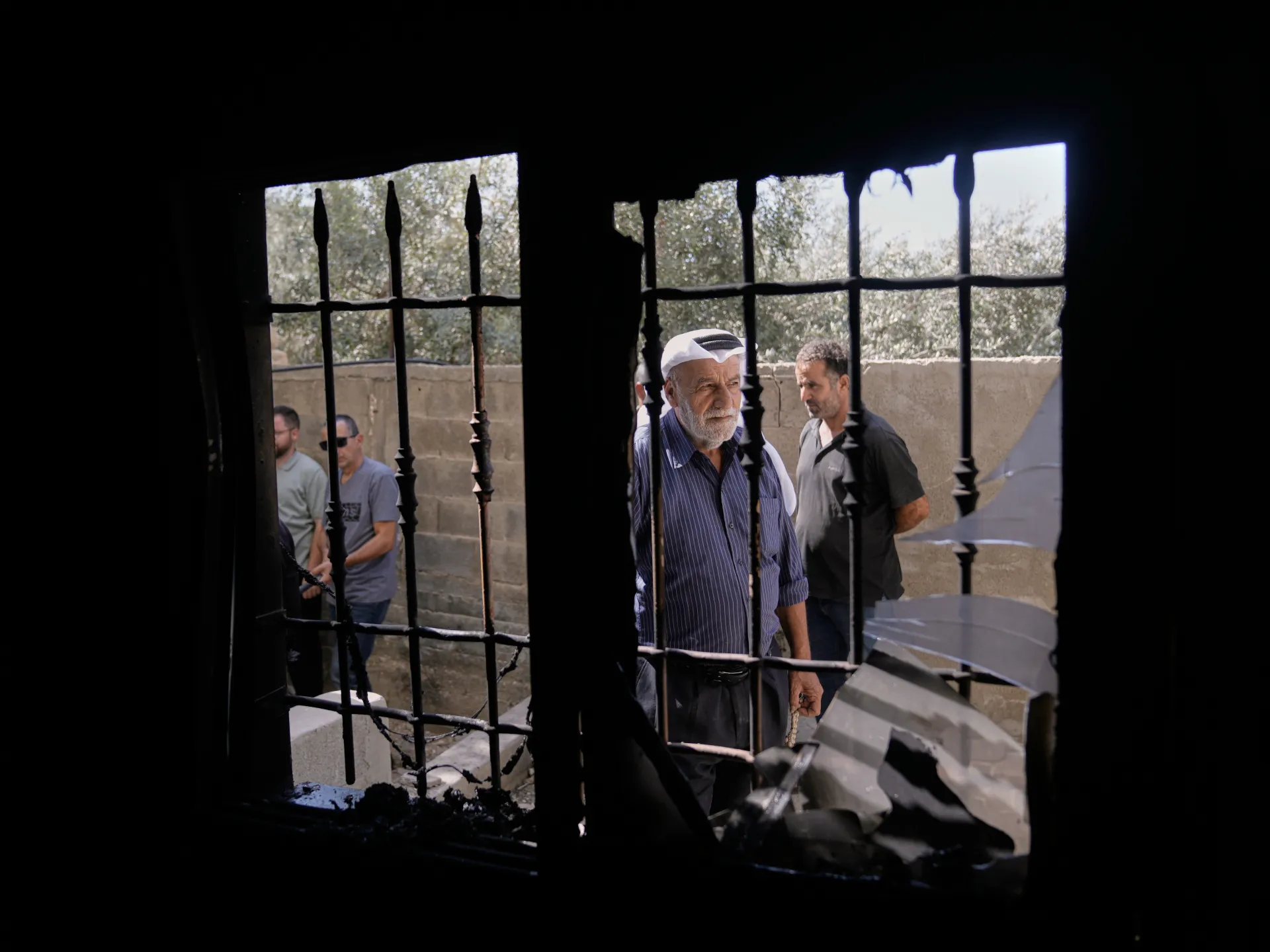
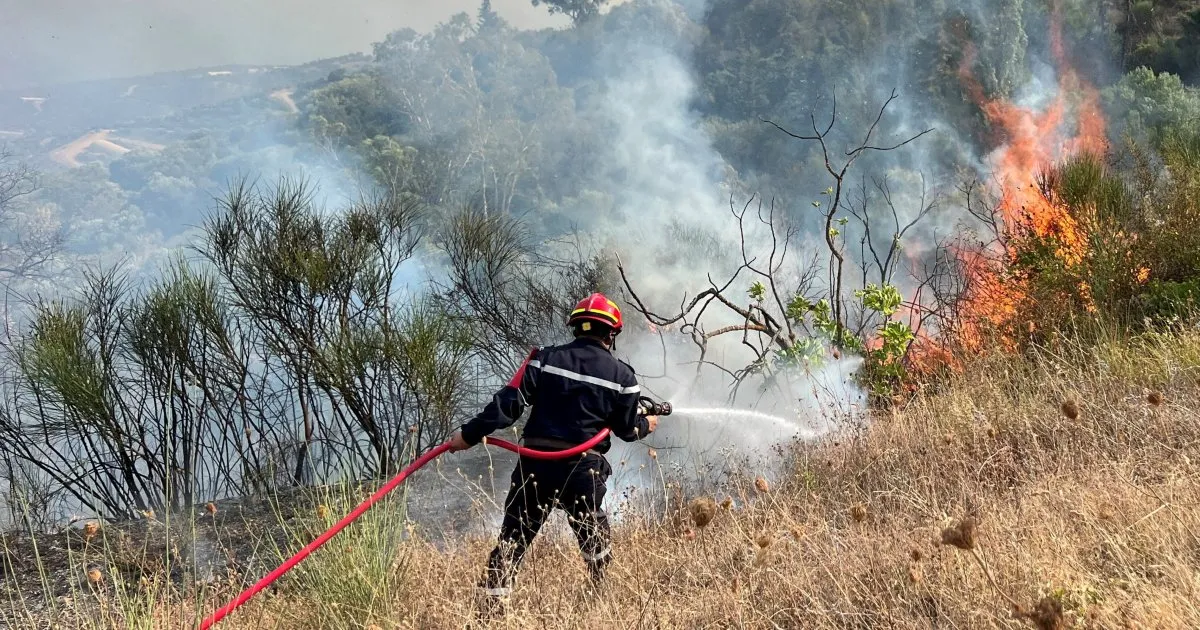
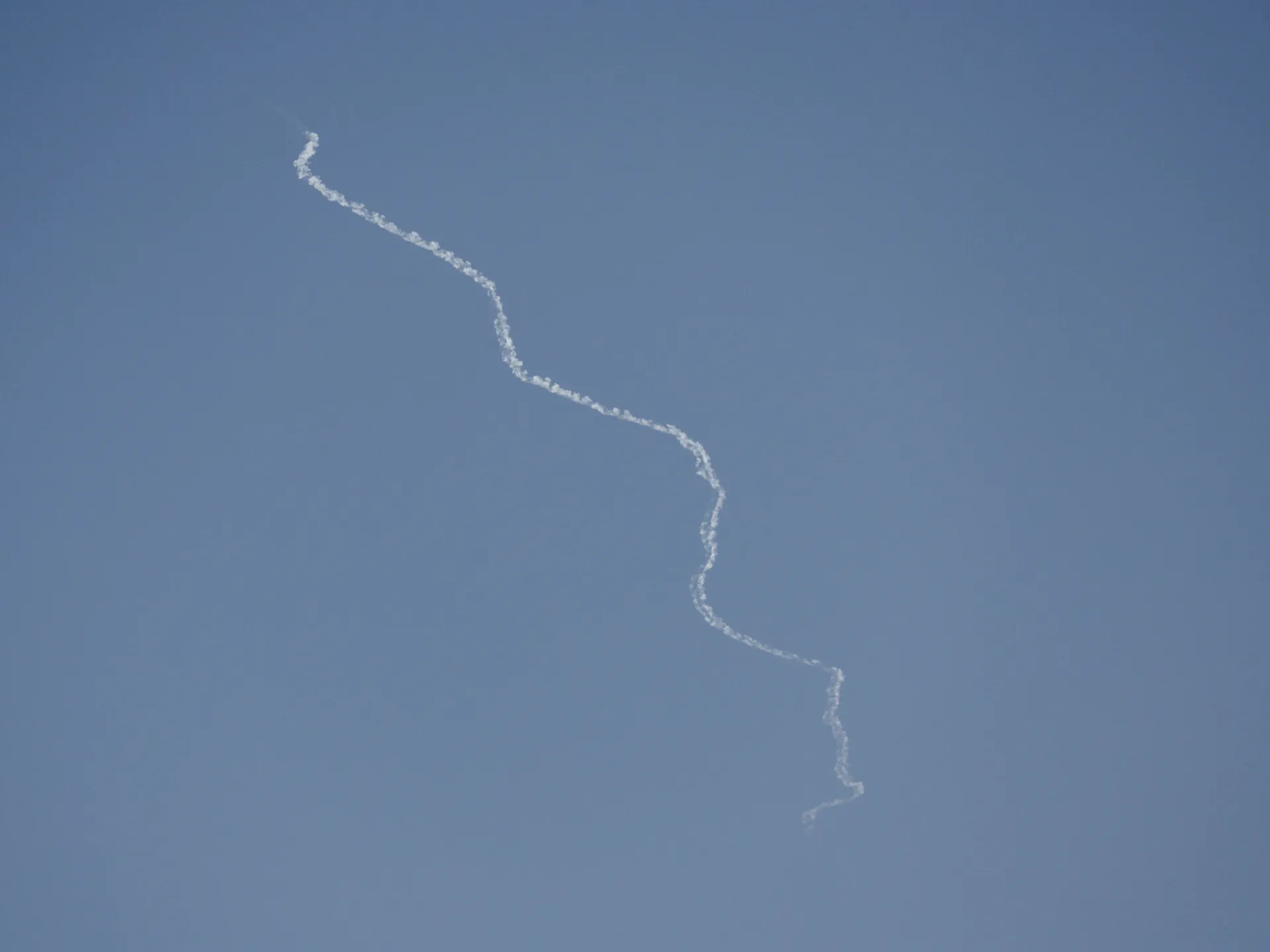
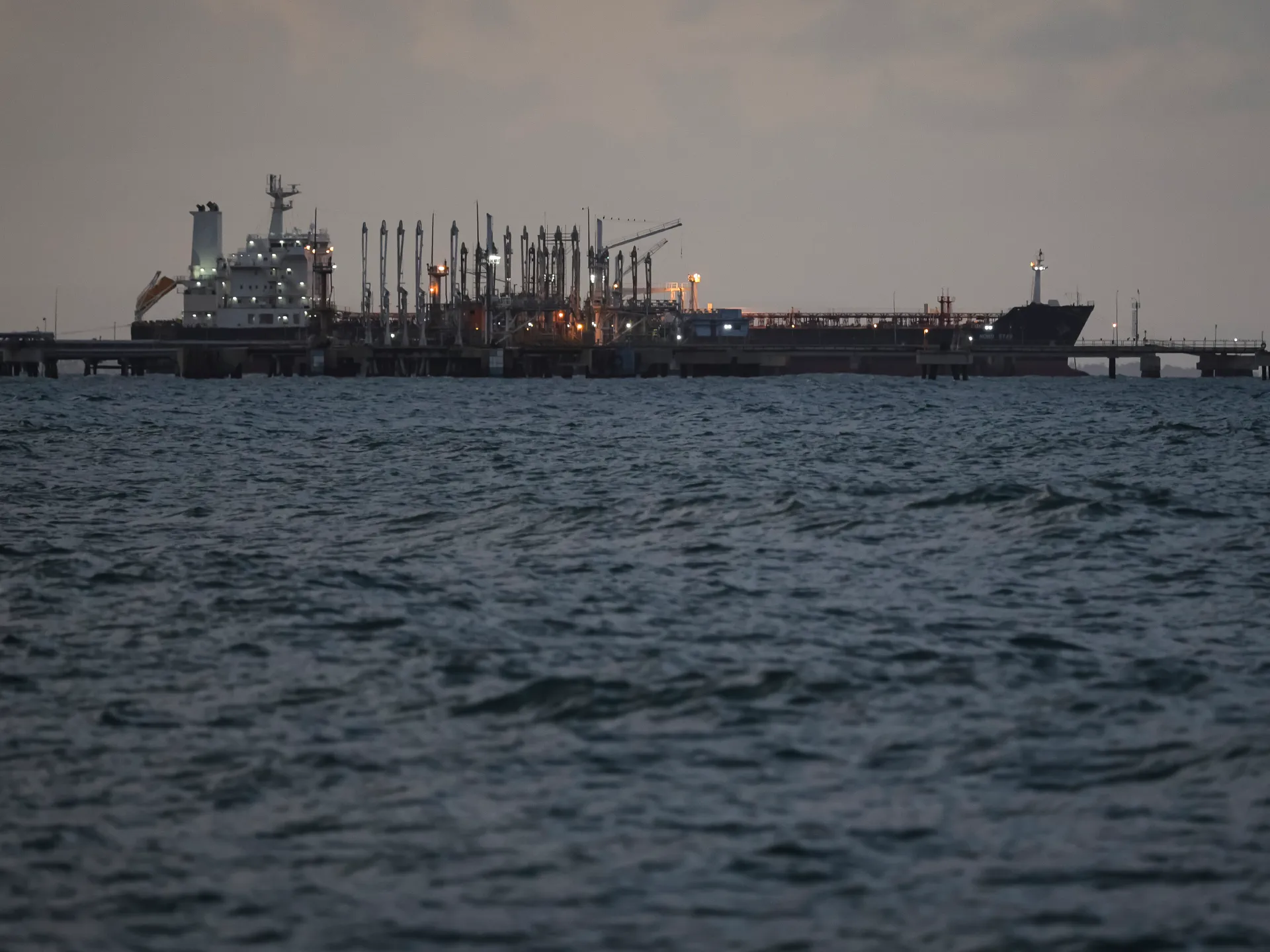
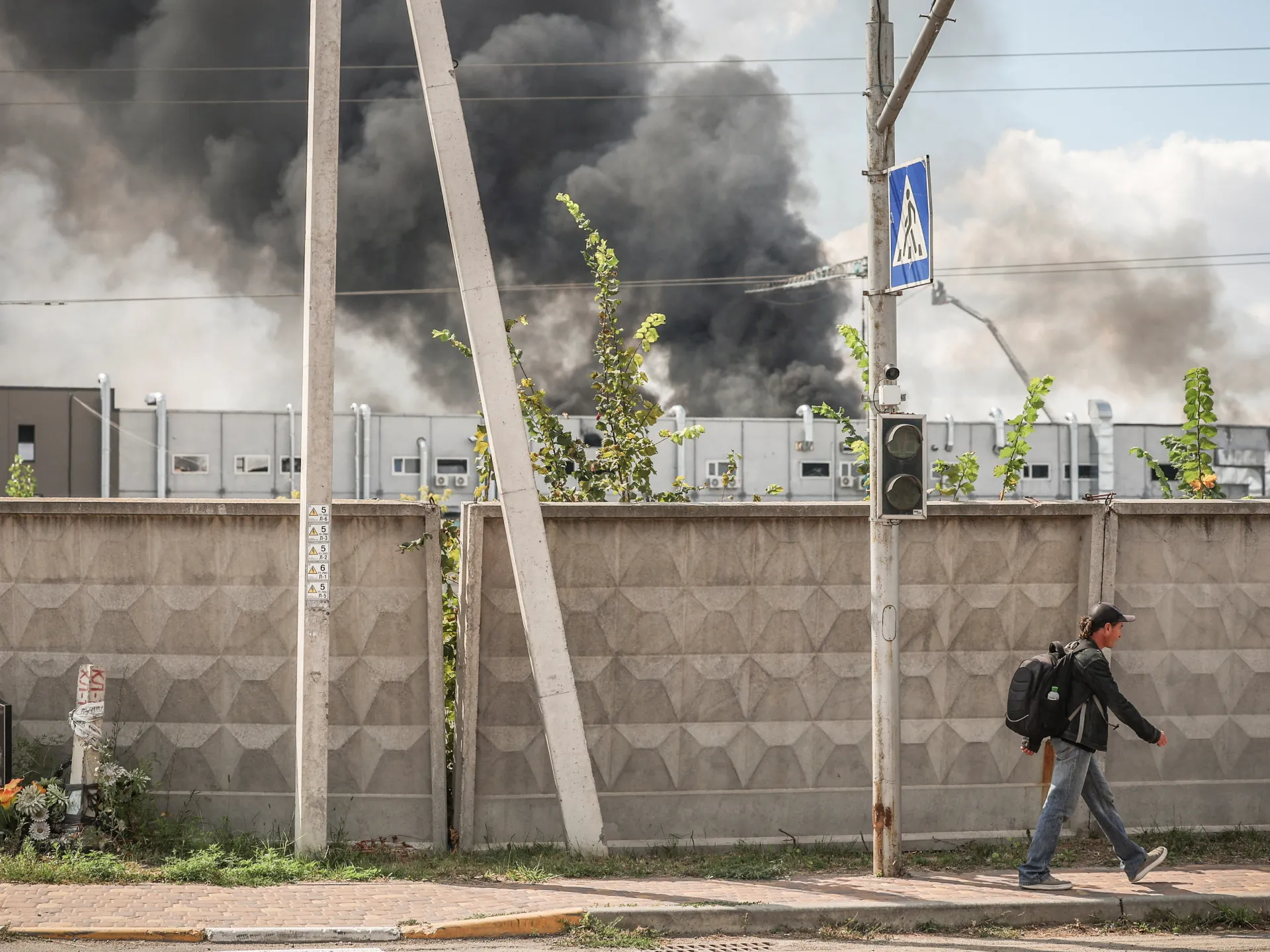
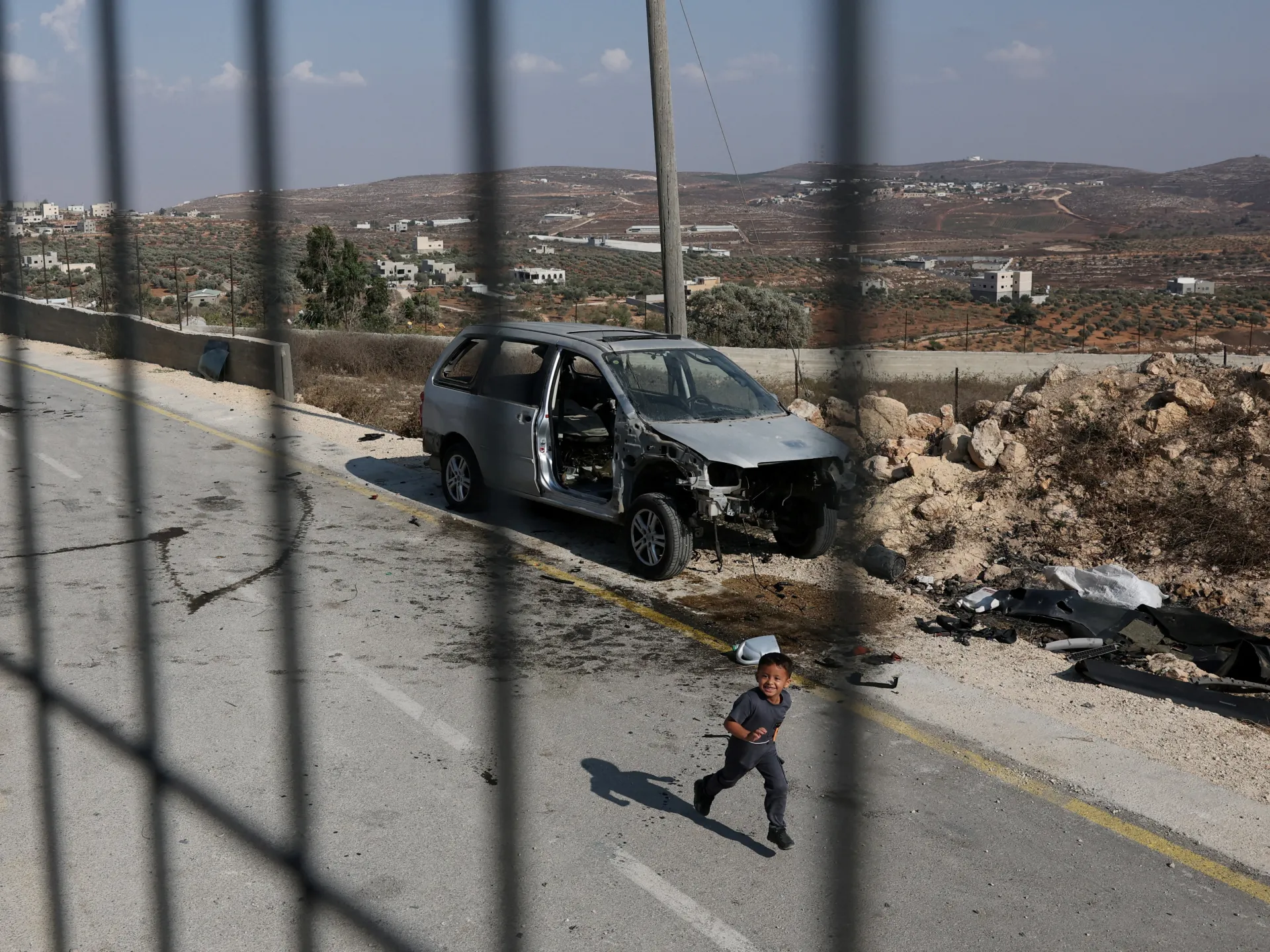
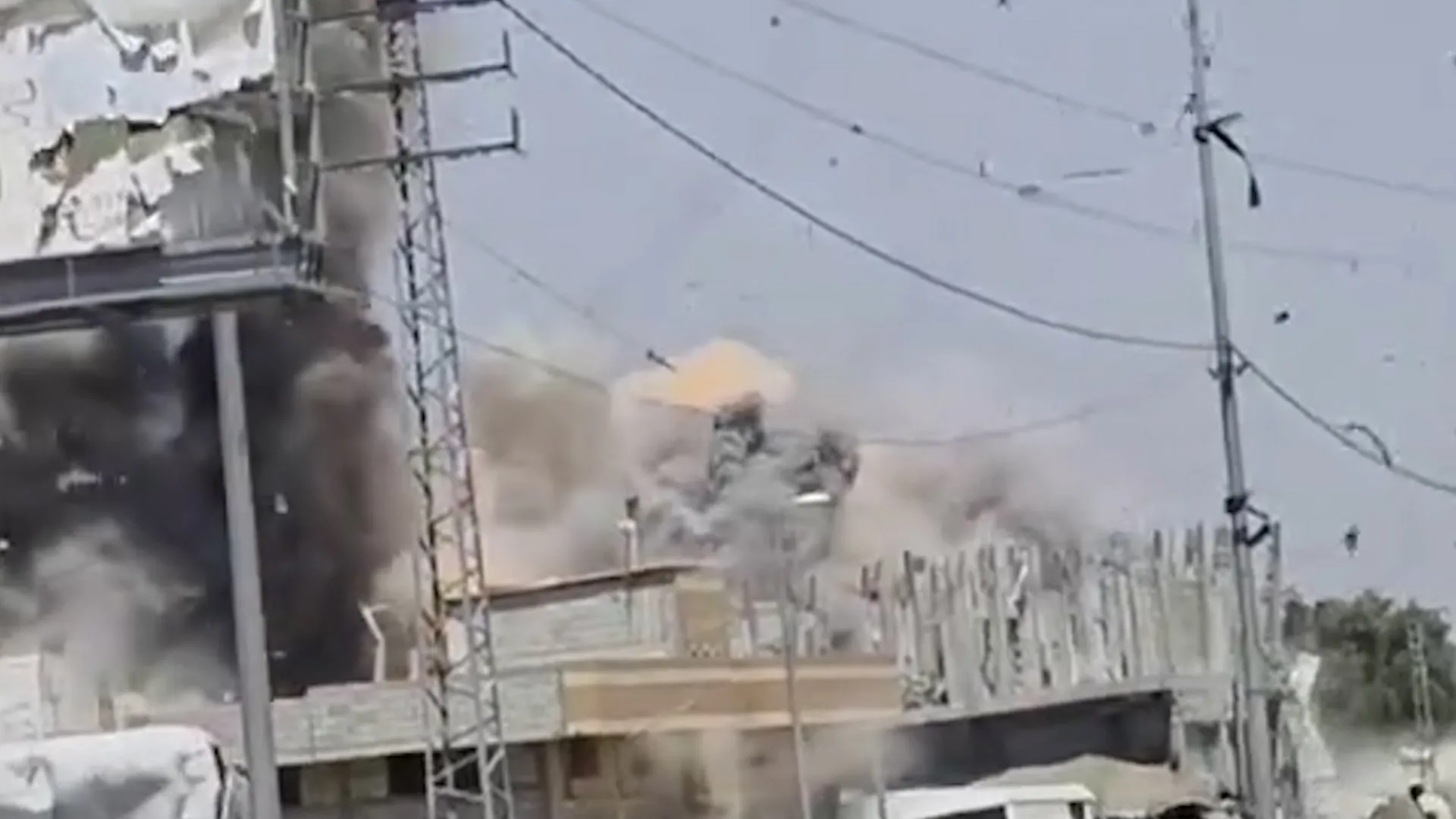
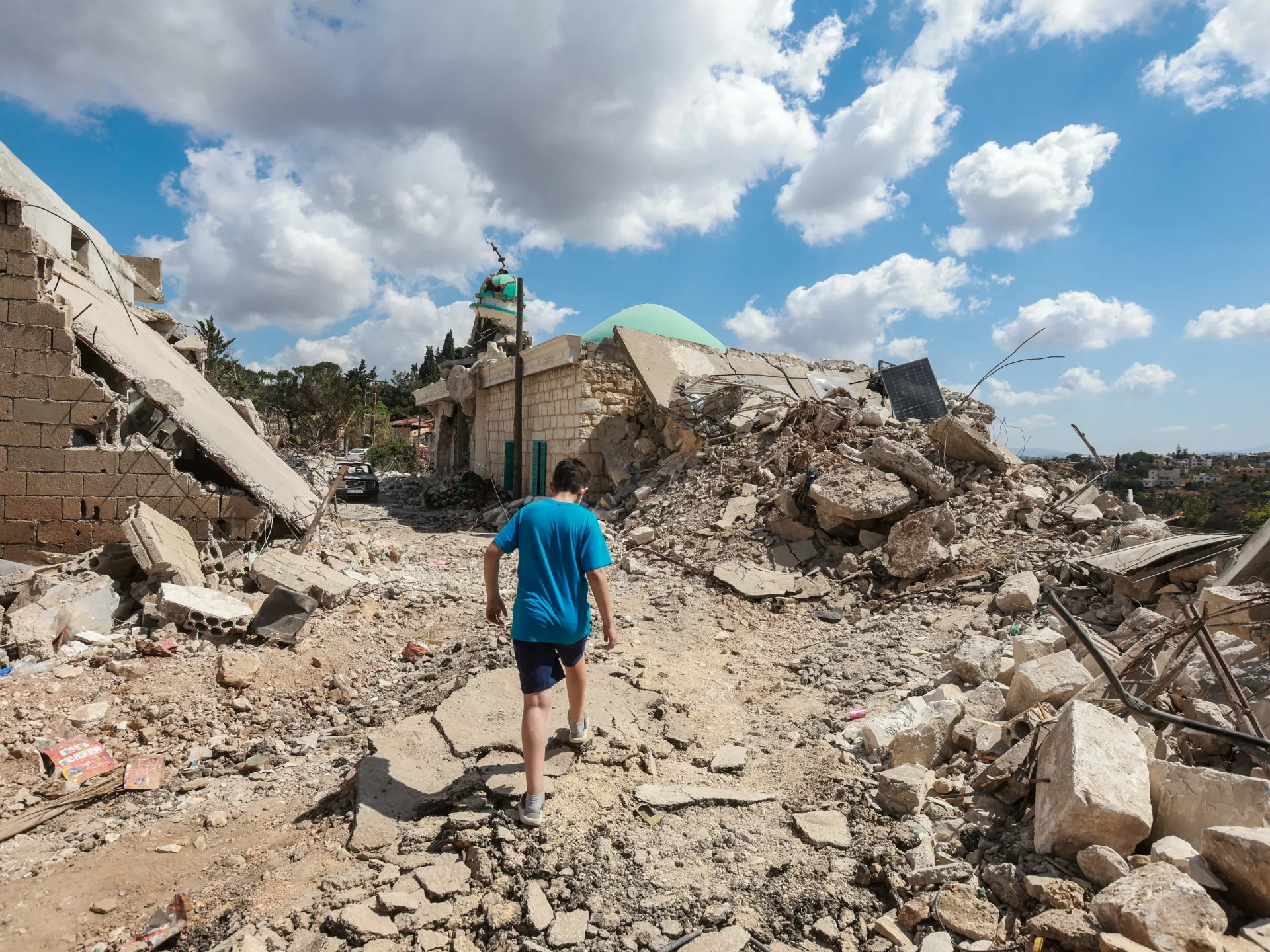
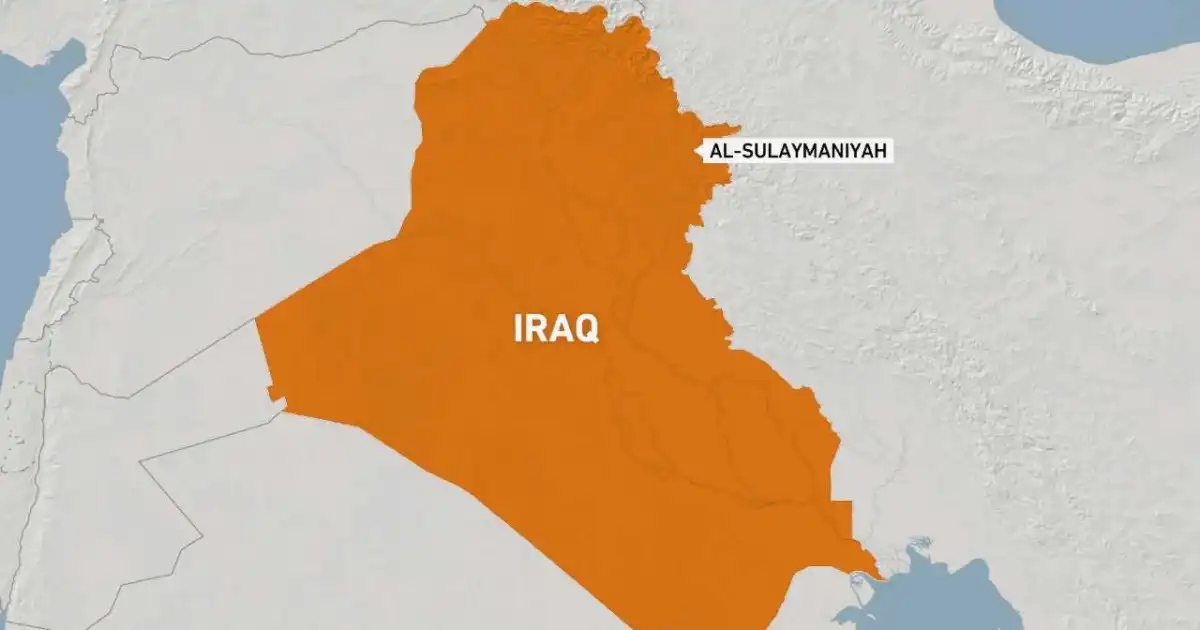
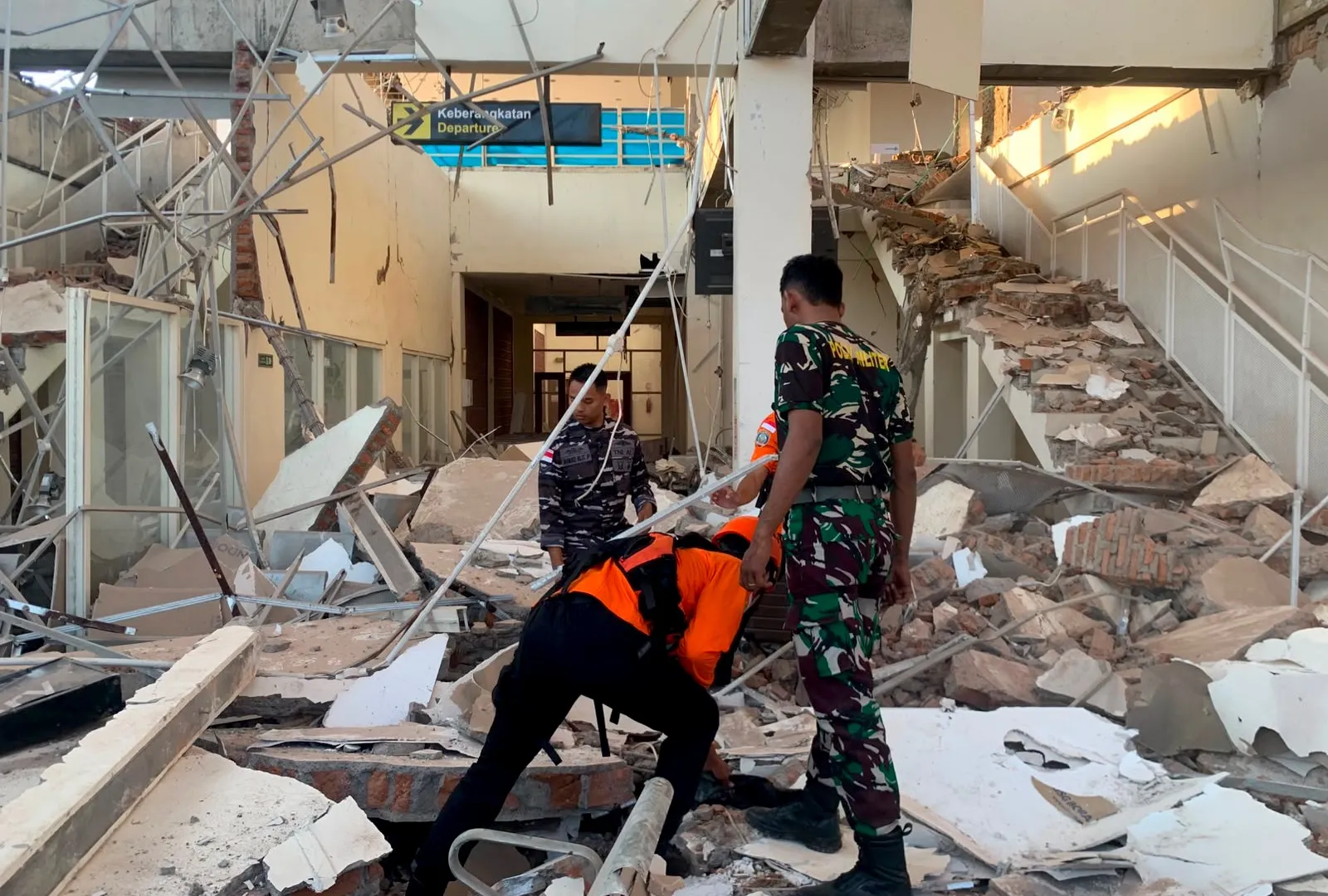
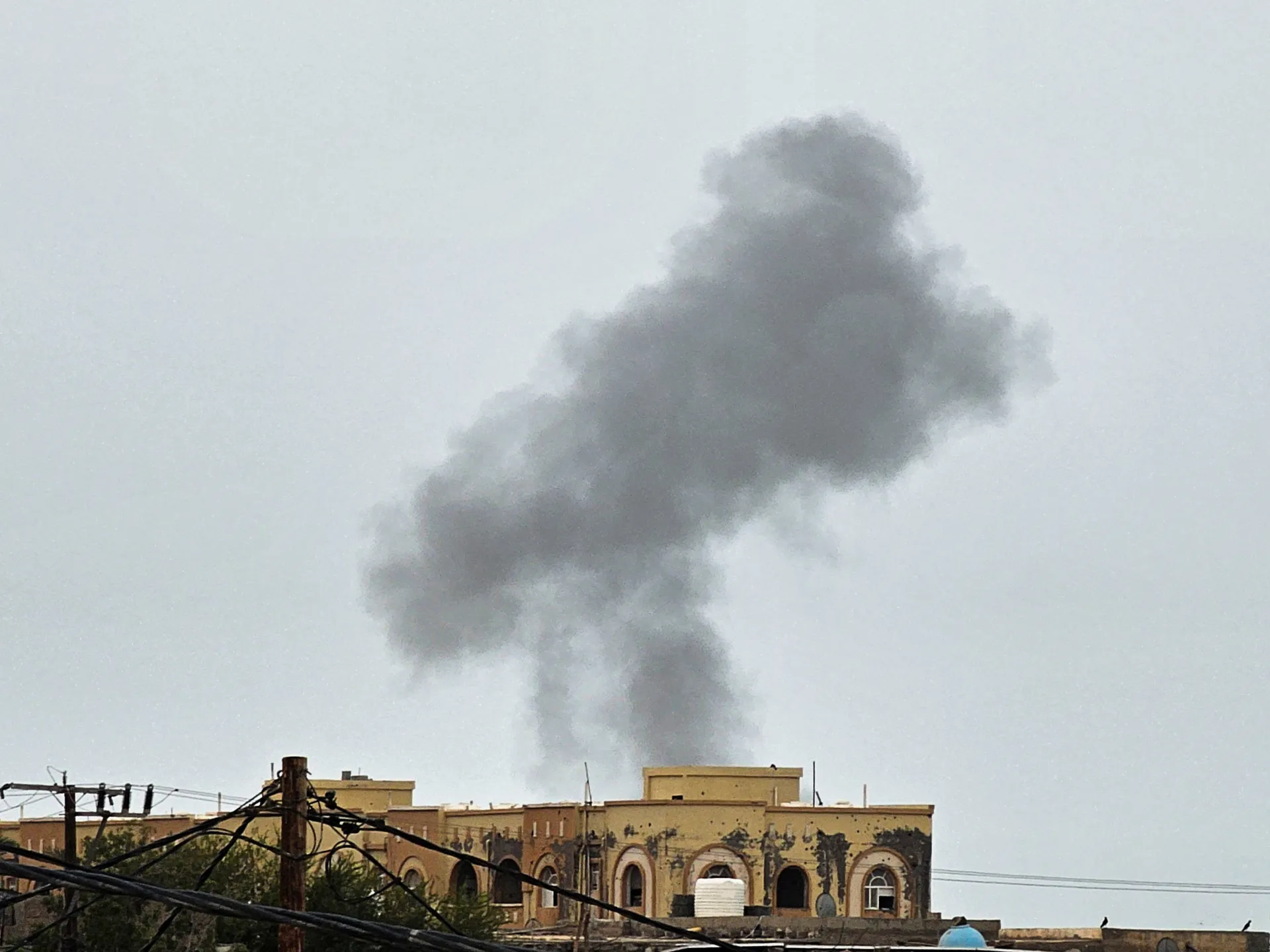
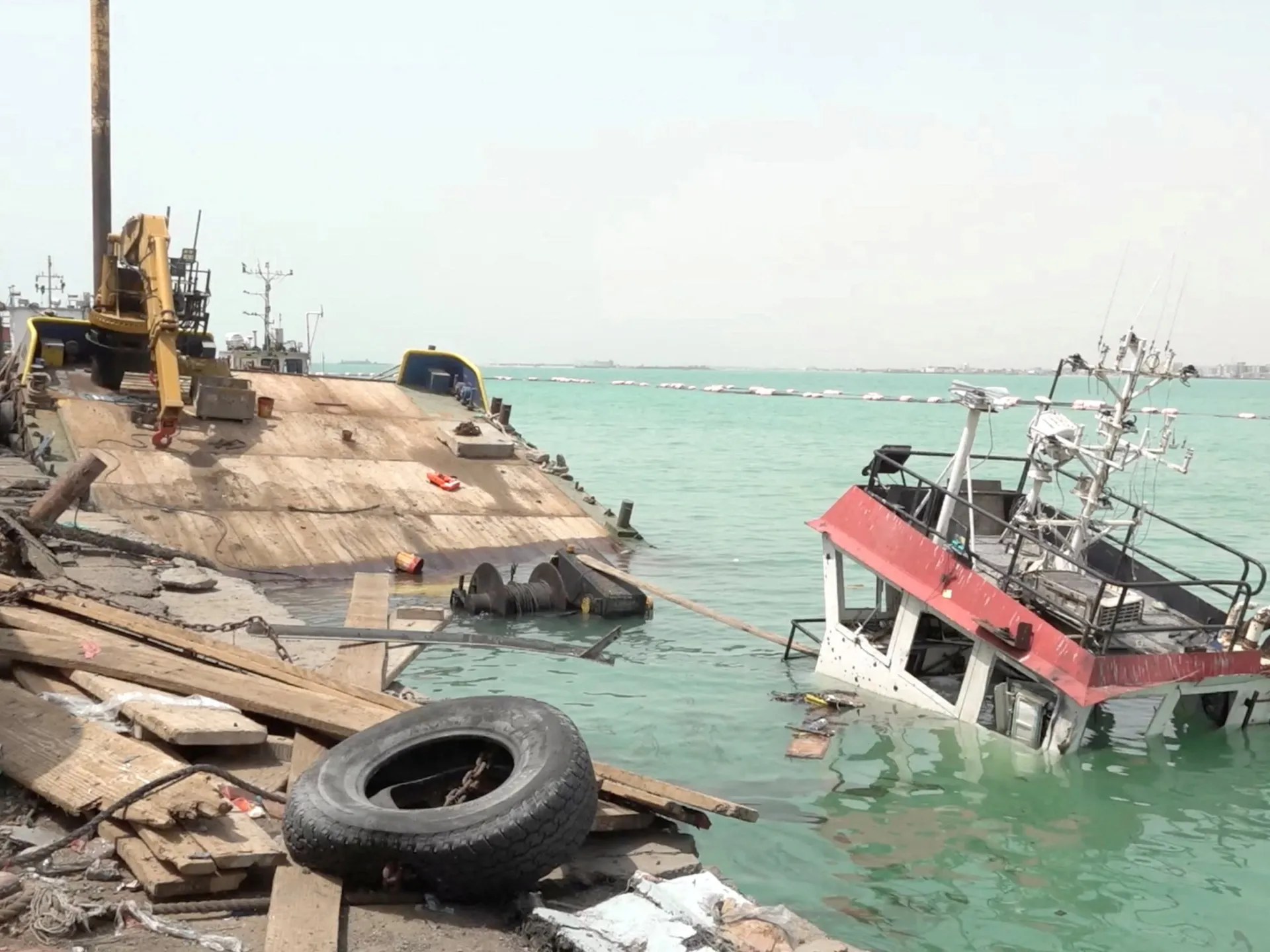
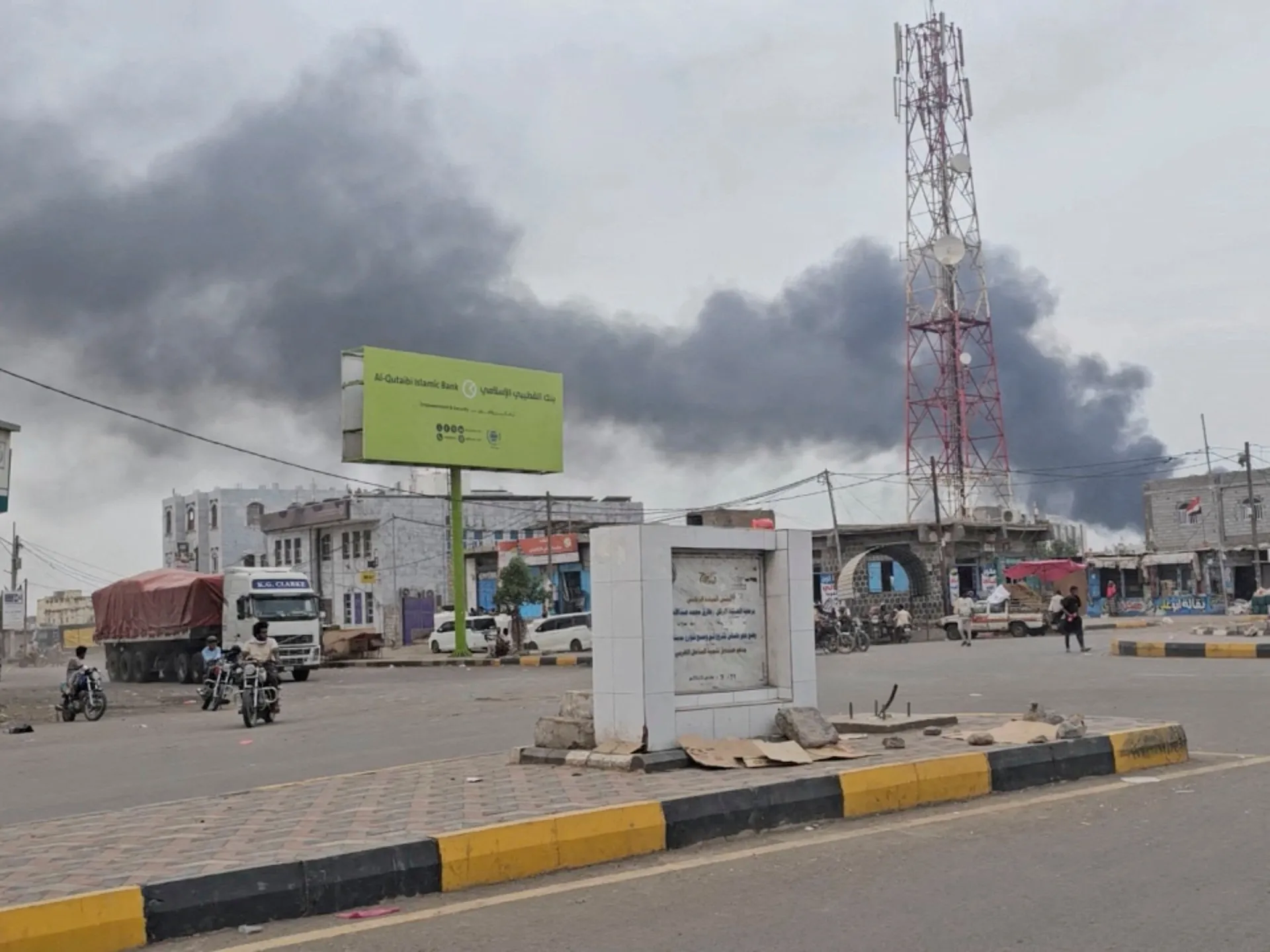
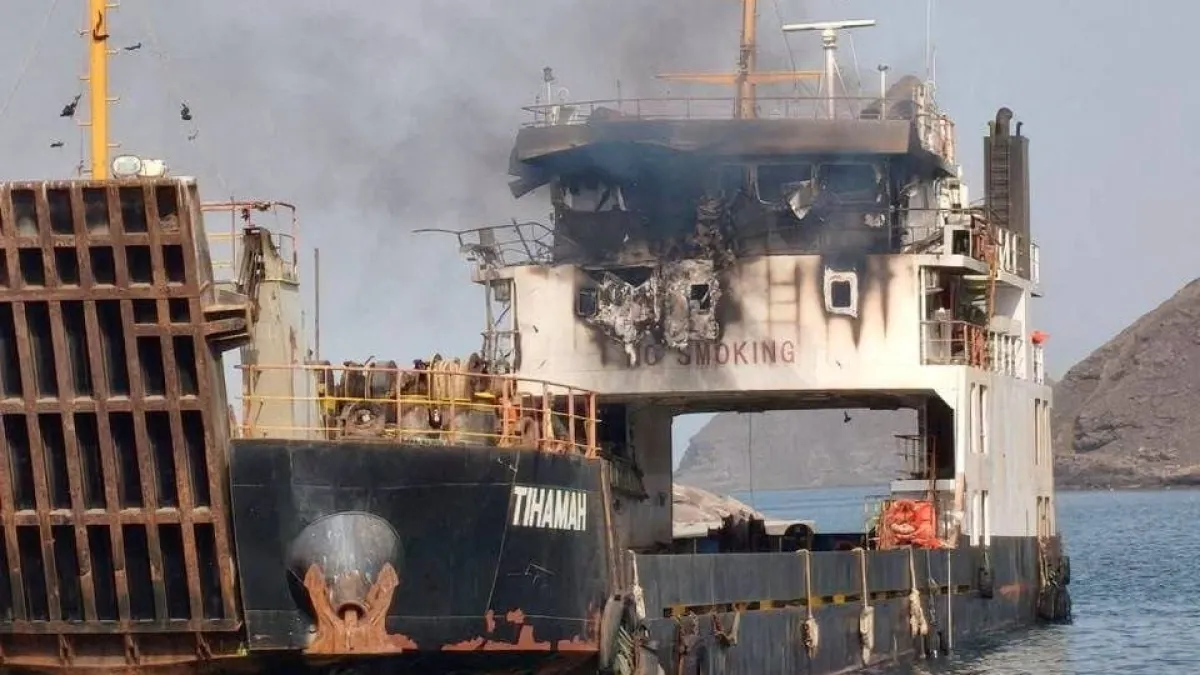
Simultaneously, the situation on the ground remains volatile. Saudi authorities reported that recent Houthi strikes hit four southwestern cities, resulting in at least 73 injuries and significant fires at energy facilities. The Houthi movement has defended these actions as retaliatory measures, citing alleged Saudi airstrikes on civilian infrastructure within Yemen, including a prison in al-Hazm. The Saudi-led coalition has characterized the Houthi assaults as a dangerous escalation, vowing to take necessary operational measures to deter further incursions.
The immediate future will likely be defined ce for a negotiated, peaceful resolution to the crisis, despite their robust defense pledges. The operationalization of the Mecca agreement remains in a preliminary state, suggesting that these nations are currently utilizing the pact as a diplomatic shield to deter further Houthi aggression rather than as a precursor to immediate, direct combat intervention.
If the Houthi movement persists in targeting civilian and energy infrastructure, the pressure on the Saudi-led coalition to demonstrate the efficacy of its new alliances will mount. Should the threshold for "unprovoked aggression" be met, the signatories may be forced to choose between the political fallout of military inaction and the economic and security risks of entering a prolonged conflict. Consequently, the coming weeks will likely see an intensification of back-channel diplomatic efforts as all parties seek to avoid a full-scale regional war that neither the signatories nor their international partners are prepared to sustain.