Trinidad and Tobago has lifted its state of emergency, signaling a move toward a permanent legal framework following widespread criticism over mass arrests.
The government of Trinidad and Tobago has officially brought an end to its state of emergency, a controversial measure that had been in place to grant authorities expanded powers to address persistent crime rates. Prime Minister Kamla Persad-Bissessar announced to parliament that the administration would not seek further extensions, marking a significant shift in the nation's approach to national security. Previous iterations of these emergency measures, which began in 2024 and saw multiple extensions, had allowed for the detention of individuals without the filing of formal charges.
In place of the emergency decree, the administration is now pivoting toward the creation of a permanent legal framework. According to official statements, this new legislation is designed to facilitate targeted operations against violent gangs, illegal weapons trafficking, and the financial networks that support criminal organizations. The government emphasized that this forthcoming framework is intended to balance aggressive crime-fighting strategies with necessary judicial oversight and parliamentary accountability to protect the rights of its citizens.
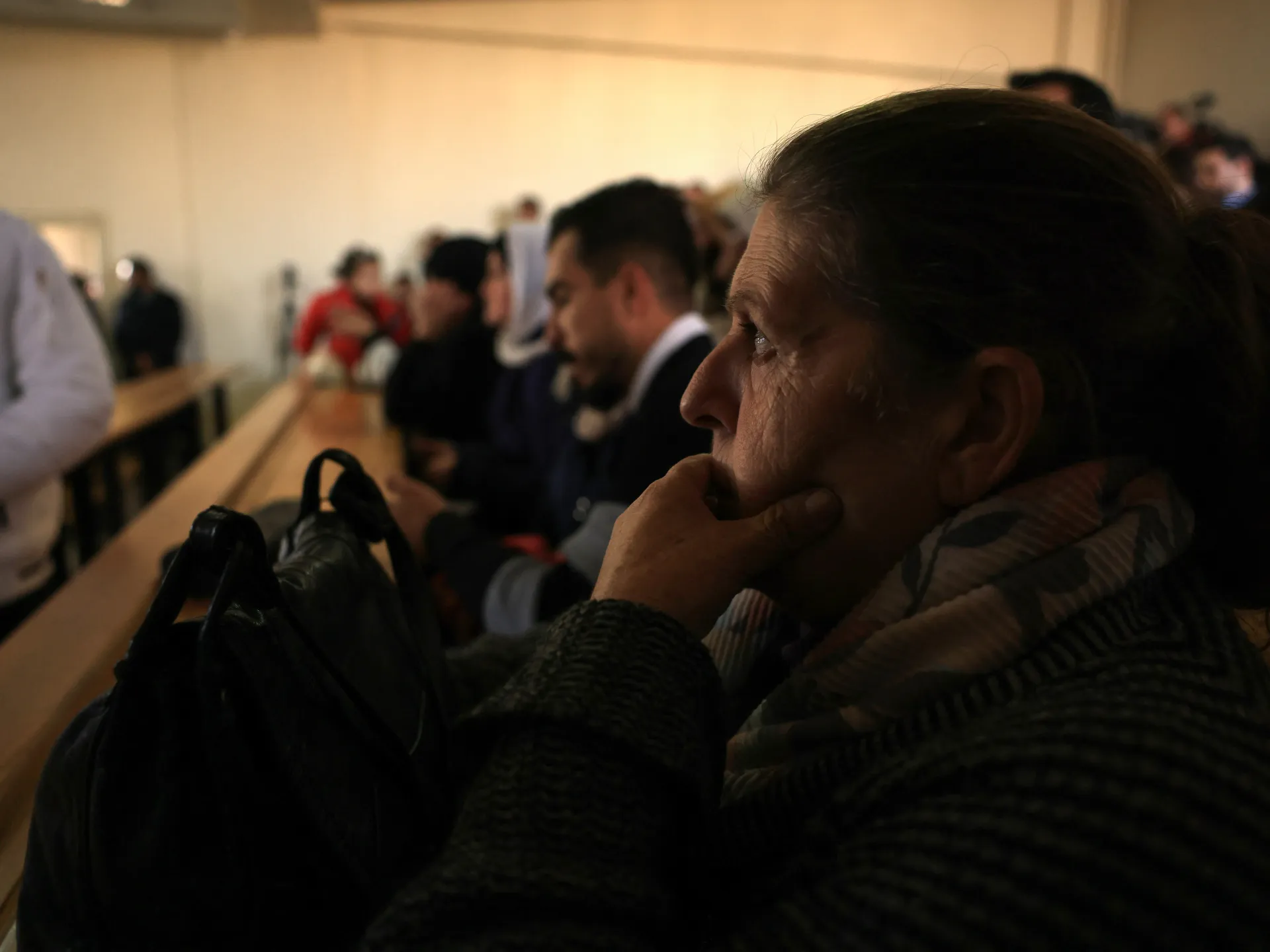
The decision to lift the state of emergency follows intense public and international criticism regarding the government’s reliance on mass arrests. Throughout the duration of the emergency measures, thousands of individuals were taken into custody, with a significant number held without any formal charges being leveled against them. These actions sparked widespread concern regarding the suspension of fundamental civil liberties and the potential for executive overreach in the name of public safety.
One notable case that drew public ire involved a prominent local businessman and his spouse, both of whom were detained on accusations of participating in a plot to assassinate the Prime Minister. Despite the severity of the allegations, the pair were never formally charged and were eventually released, fueling skepticism about the evidentiary basis for the government’s sweeping arrests. As of the most recent data provided during the June extension, thousands of people remained in detention without charges, leaving their legal status uncertain as the emergency powers lapse.
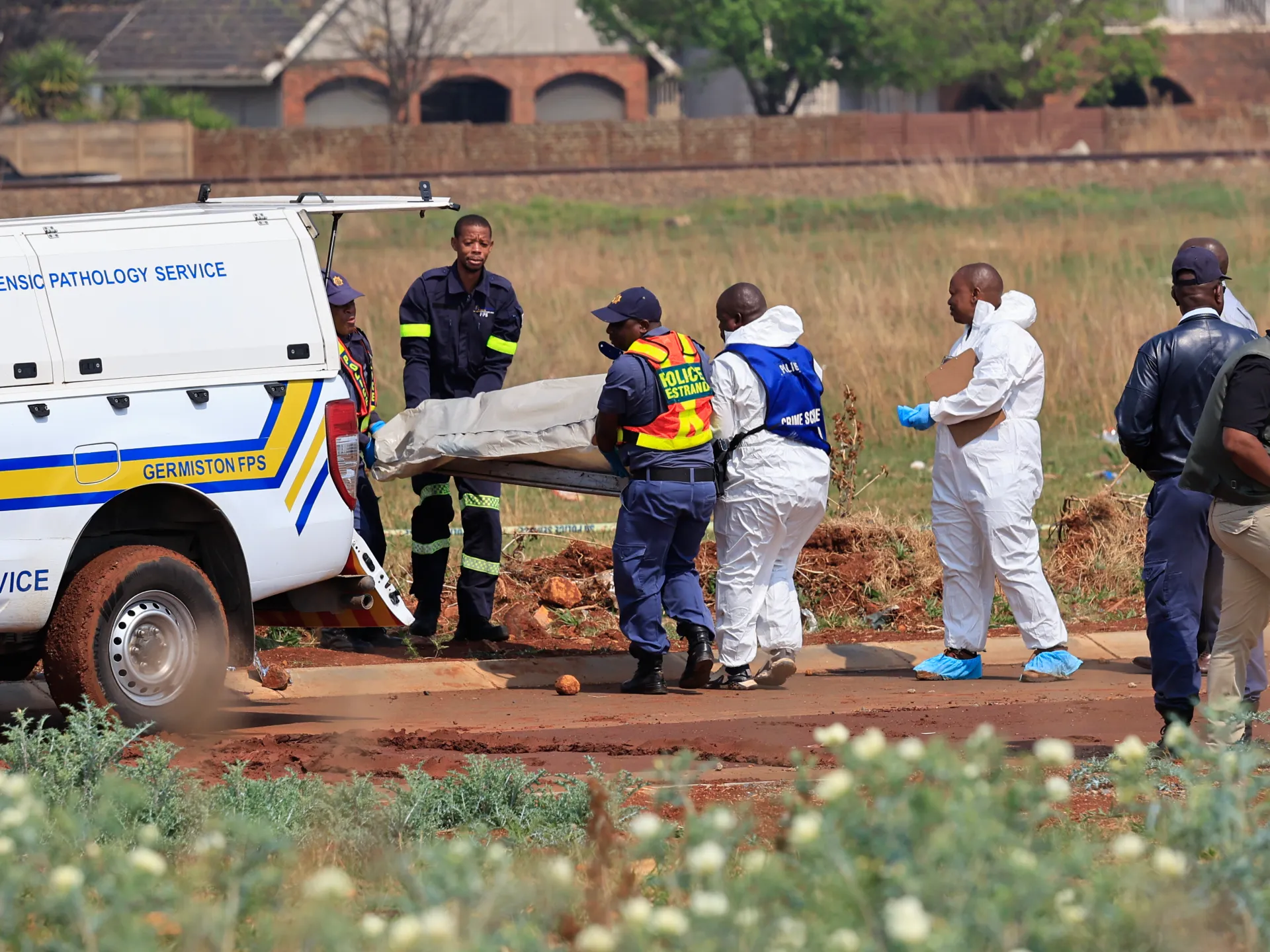
The conclusion of the state of emergency is unlikely to end the government's legal troubles. Human rights advocates and legal professionals are already signaling that the state may face a wave of litigation from those who were detained without due process. Lawyers representing individuals caught in the mass arrest campaigns have described alarming conditions, including reports of detainees being transported while blindfolded and shackled. Such accounts have prompted calls for an external investigation occurred during the enforcement period.
Furthermore, concerns regarding the erosion of attorney-client privilege have surfaced during the emergency period. Legal representatives have reported being forced to consult with clients in the presence of armed security personnel, with surveillance equipment monitoring the interactions. These reports, if substantiated, suggest a significant departure from standard judicial protections, setting the stage for complex legal battles between former detainees and the state as the country attempts to normalize its justice system.
The government’s primary justification for the emergency measures was the country's struggle with violent crime. In 2024, the nation of approximately 1.4 million people recorded a record high of 624 homicides. Following the implementation of the state of emergency, police data showed a decline in these figures, with 369 killings recorded in 2025. Current data for the present year shows 255 homicides, compared to 268 during the same timeframe in the previous year.
While officials point to these statistics as evidence of the efficacy of their approach, the debate remains centered on whether the cost to civil liberties was proportional to the results. As the country moves toward a permanent legal framework, the challenge for policymakers will be to maintain these gains in public safety without resorting to the extraordinary measures that defined the last two years. The transition period will be closely watched l structures adhere to democratic norms and constitutional protections.