A celebratory religious festival in Temascalcingo turned into a disaster when a fireworks explosion killed ten people and injured dozens more.
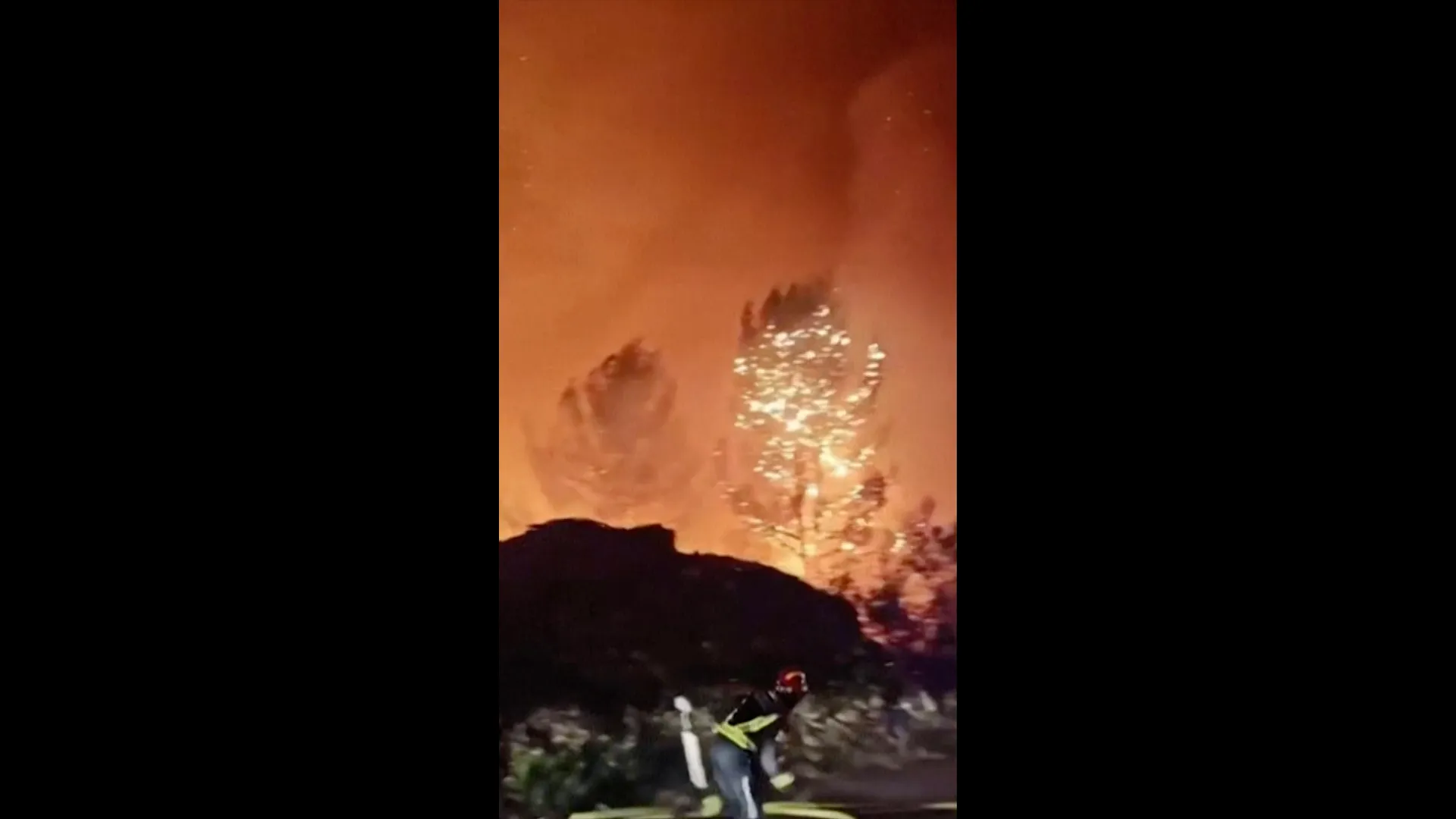
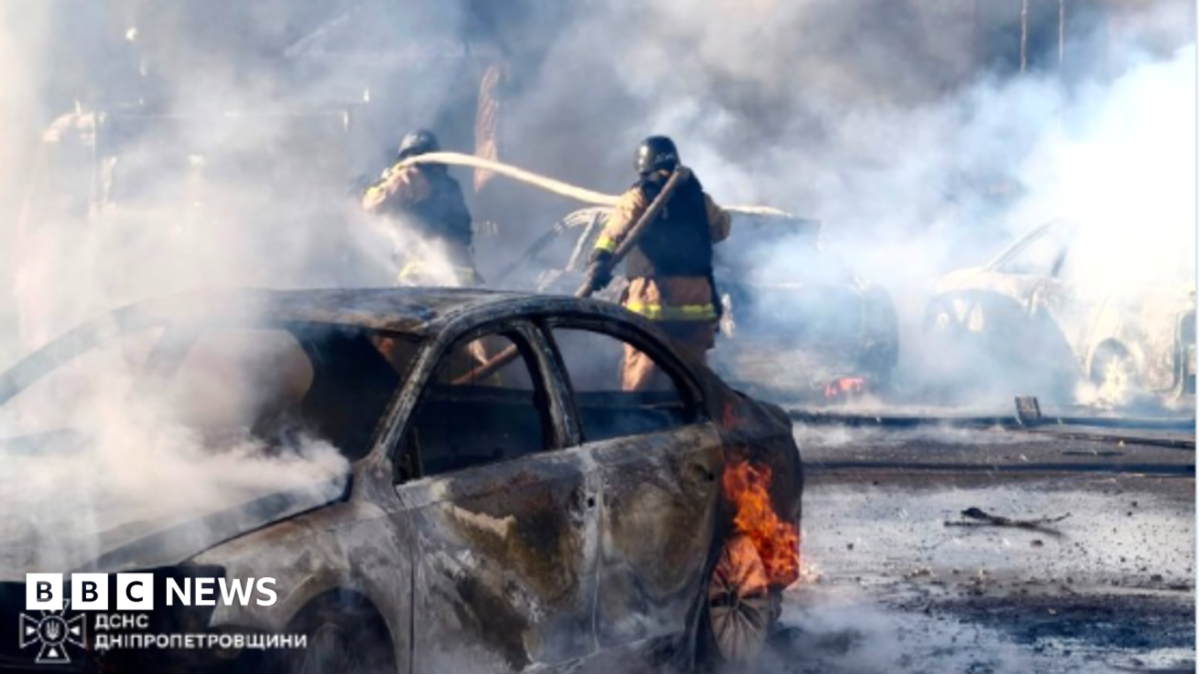
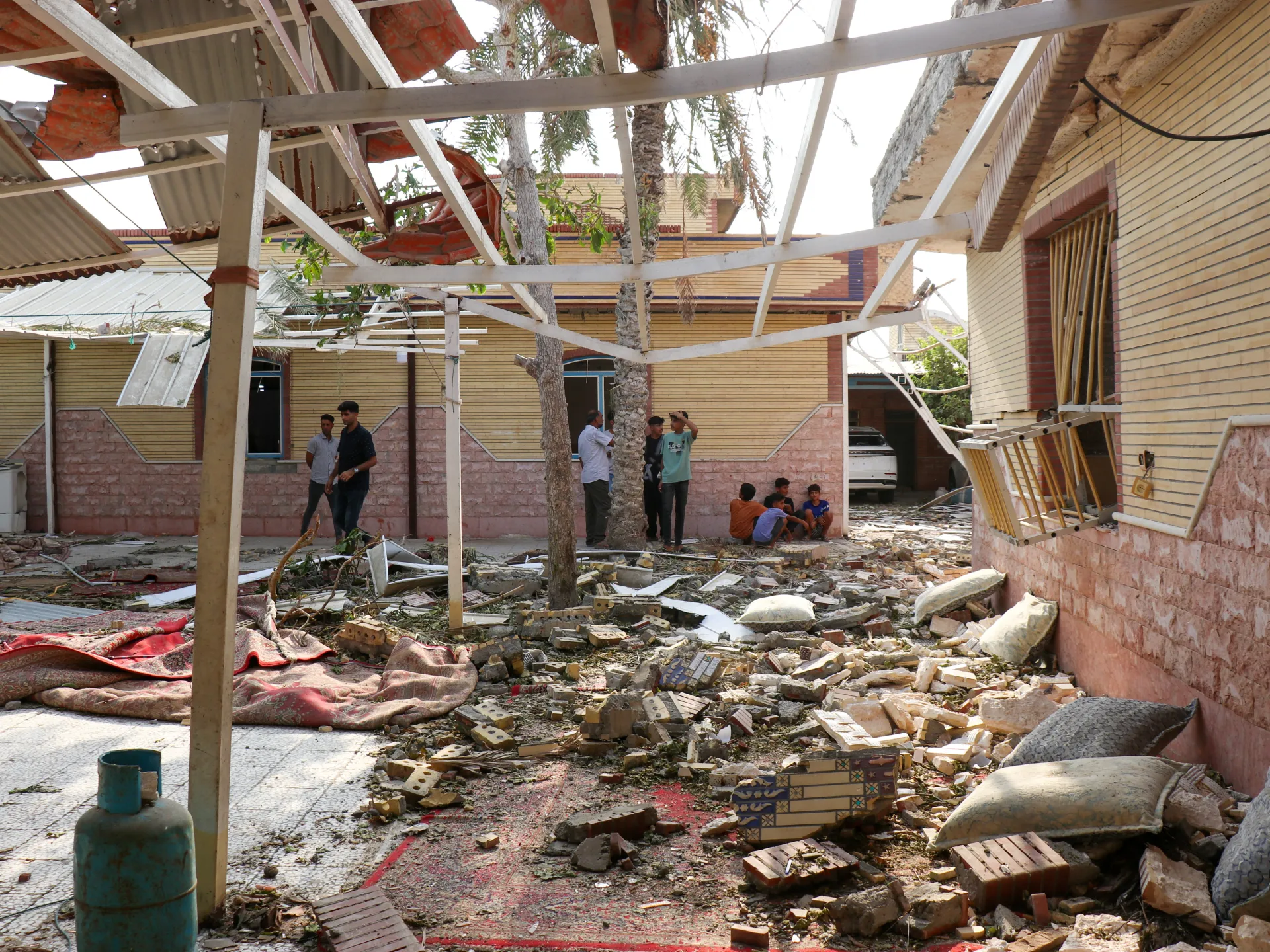
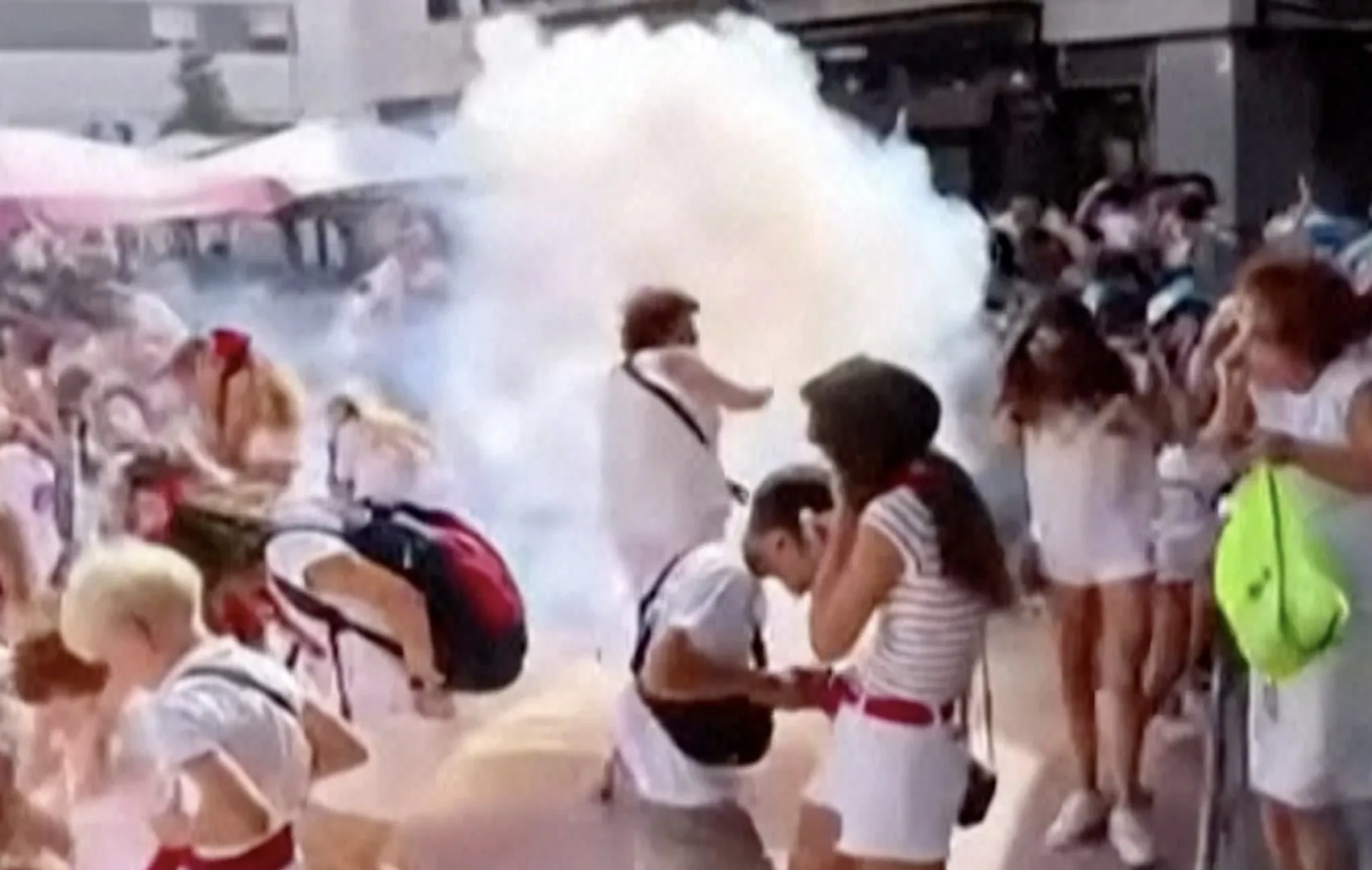
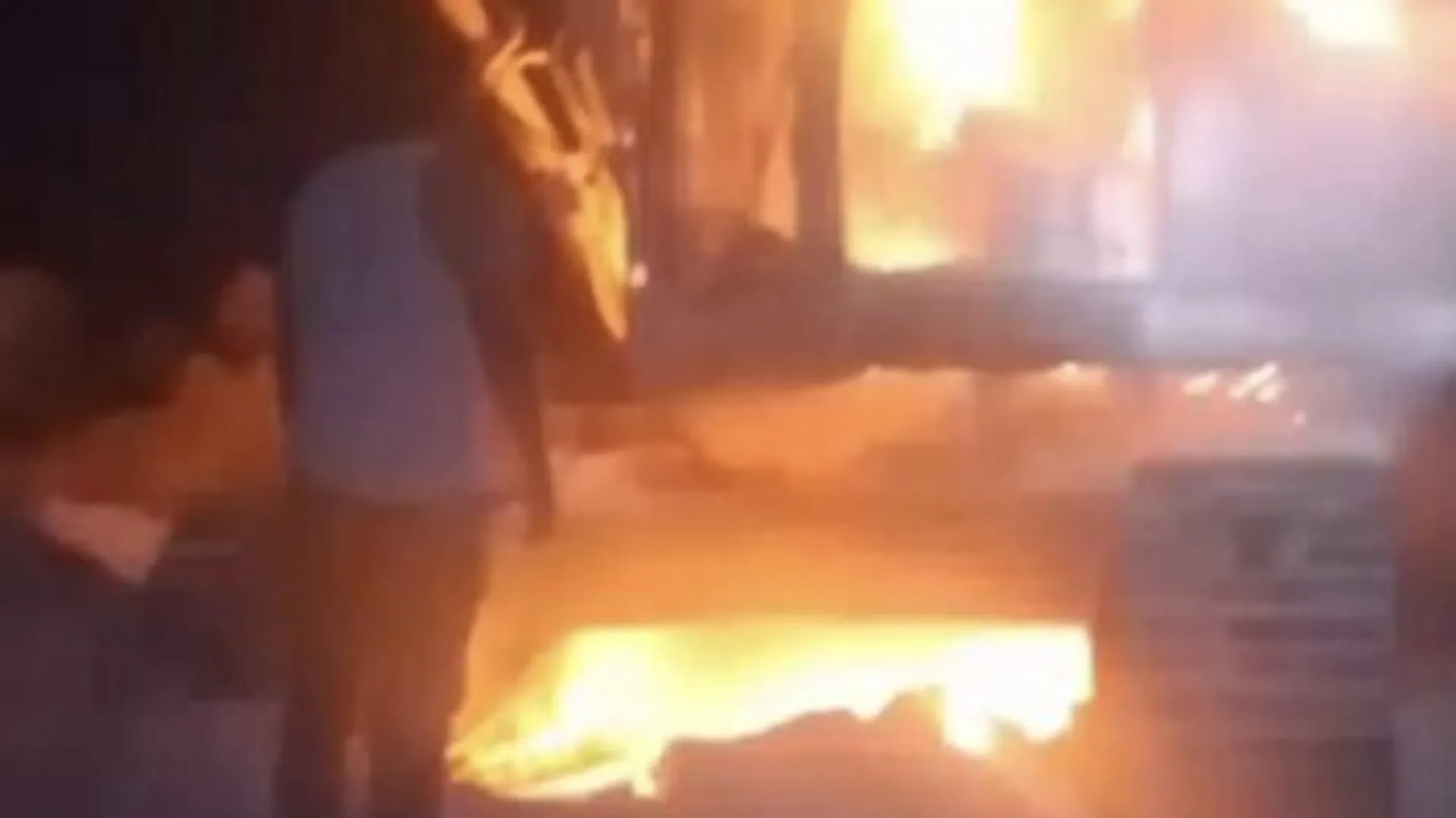
A somber atmosphere has descended upon the municipality of Temascalcingo in central Mexico following a catastrophic incident involving pyrotechnics during a religious festival. Local authorities confirmed that a massive explosion occurred while residents were gathered to honor their patron saint, leading to a significant loss of life and dozens of injuries. The event, which was meant to be a joyous occasion of community and faith, transformed into a scene of chaos and emergency response as the pyrotechnic display ignited unexpectedly.
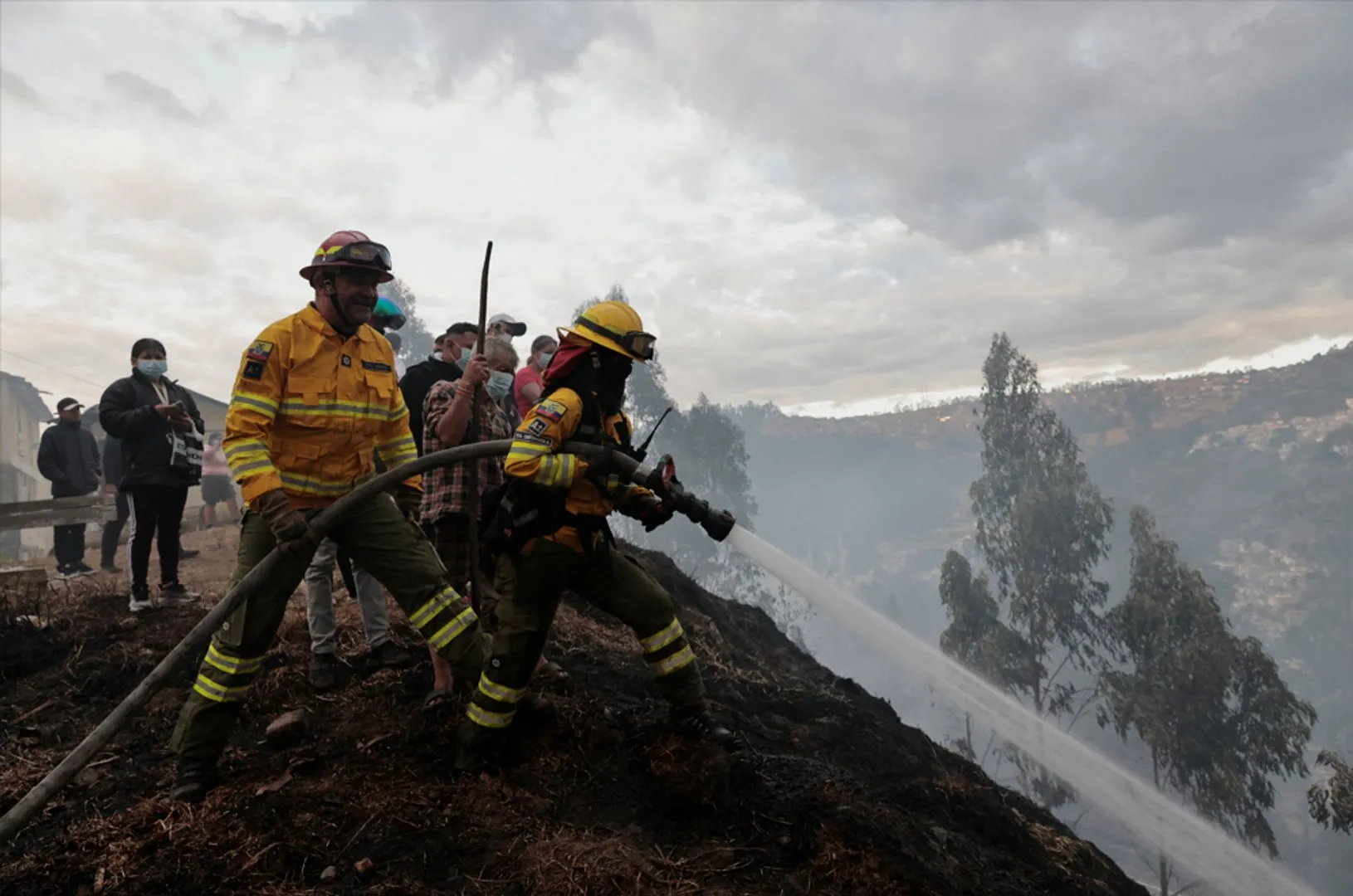
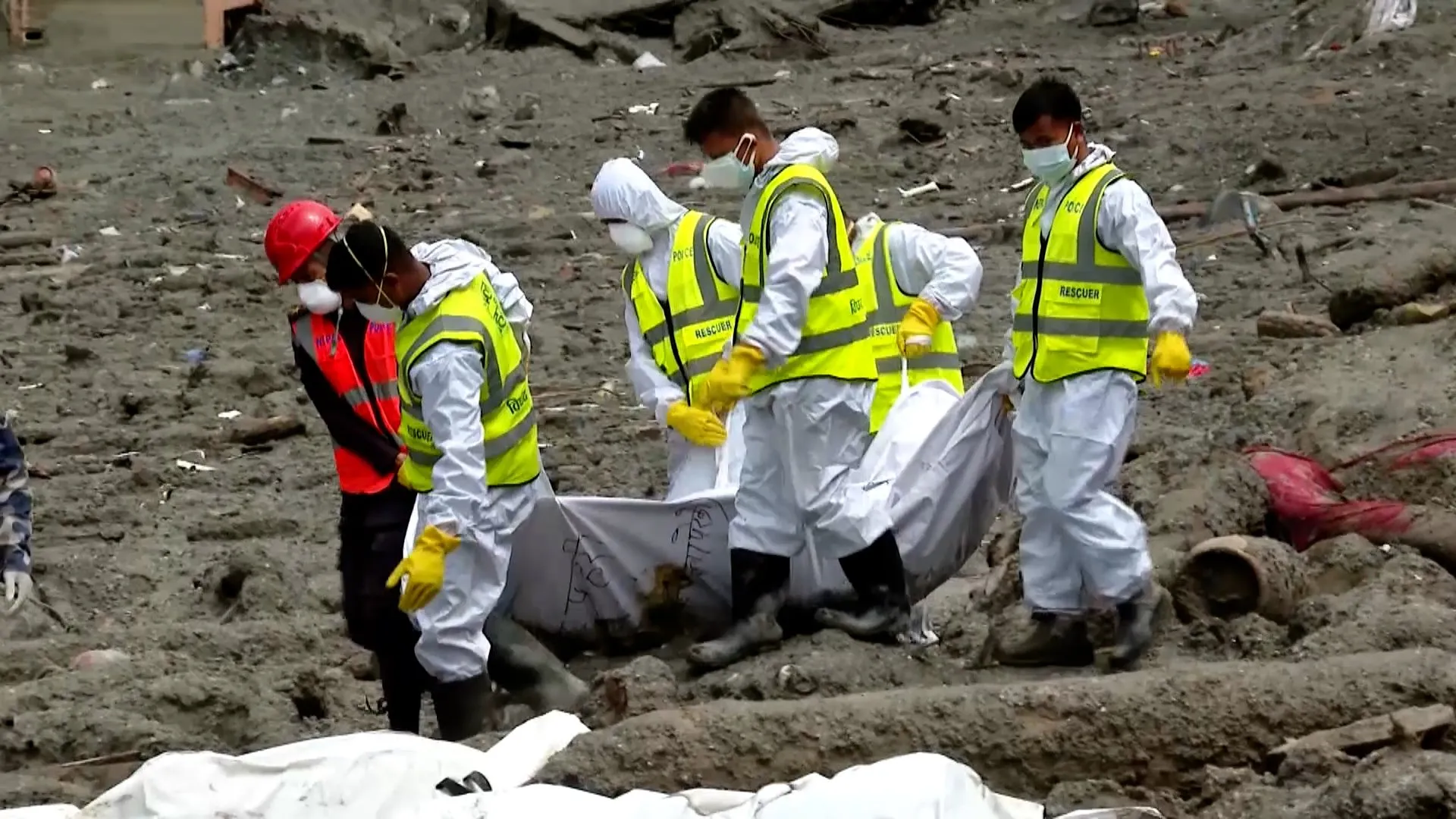
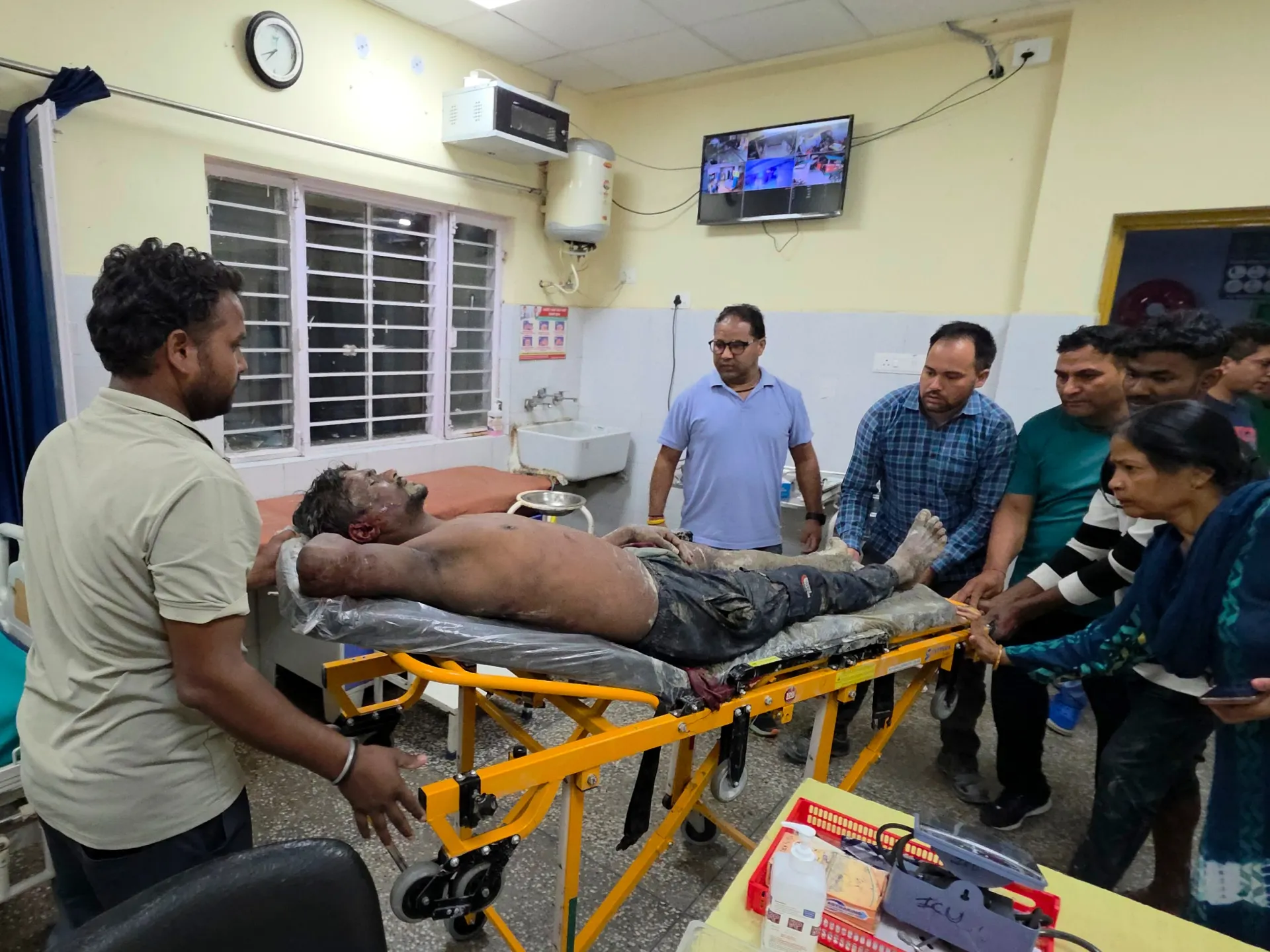
Emergency services were dispatched to the site shortly after the blast, working through the night to provide medical assistance to those affected. With at least 10 individuals confirmed dead and approximately 60 others suffering from varying degrees of injury, the incident marks one of the most severe pyrotechnic-related disasters in the region in recent years. First responders have been focused on stabilizing the wounded and ensuring that those in critical condition are transported to nearby hospitals for specialized care.
The use of fireworks remains a deeply ingrained tradition in many Mexican cultural and religious celebrations. These displays often involve significant quantities of explosive materials, which are frequently handled in environments that may lack rigorous safety regulations or modern infrastructure. The incident in Temascalcingo highlights the ongoing challenges associated with managing these high-risk displays, particularly when they occur in densely populated areas or amidst large crowds gathered for public festivities.
Safety experts frequently emphasize that the combination of combustible materials and close proximity to spectators creates a volatile environment. In many cases, the lack of professional oversight or the improper storage of explosive devices can lead to catastrophic chain reactions. As investigations into the specific cause of this explosion continue, officials are under mounting pressure to re-evaluate the protocols governing how fireworks are managed during local patron saint festivals to prevent similar tragedies in the future.
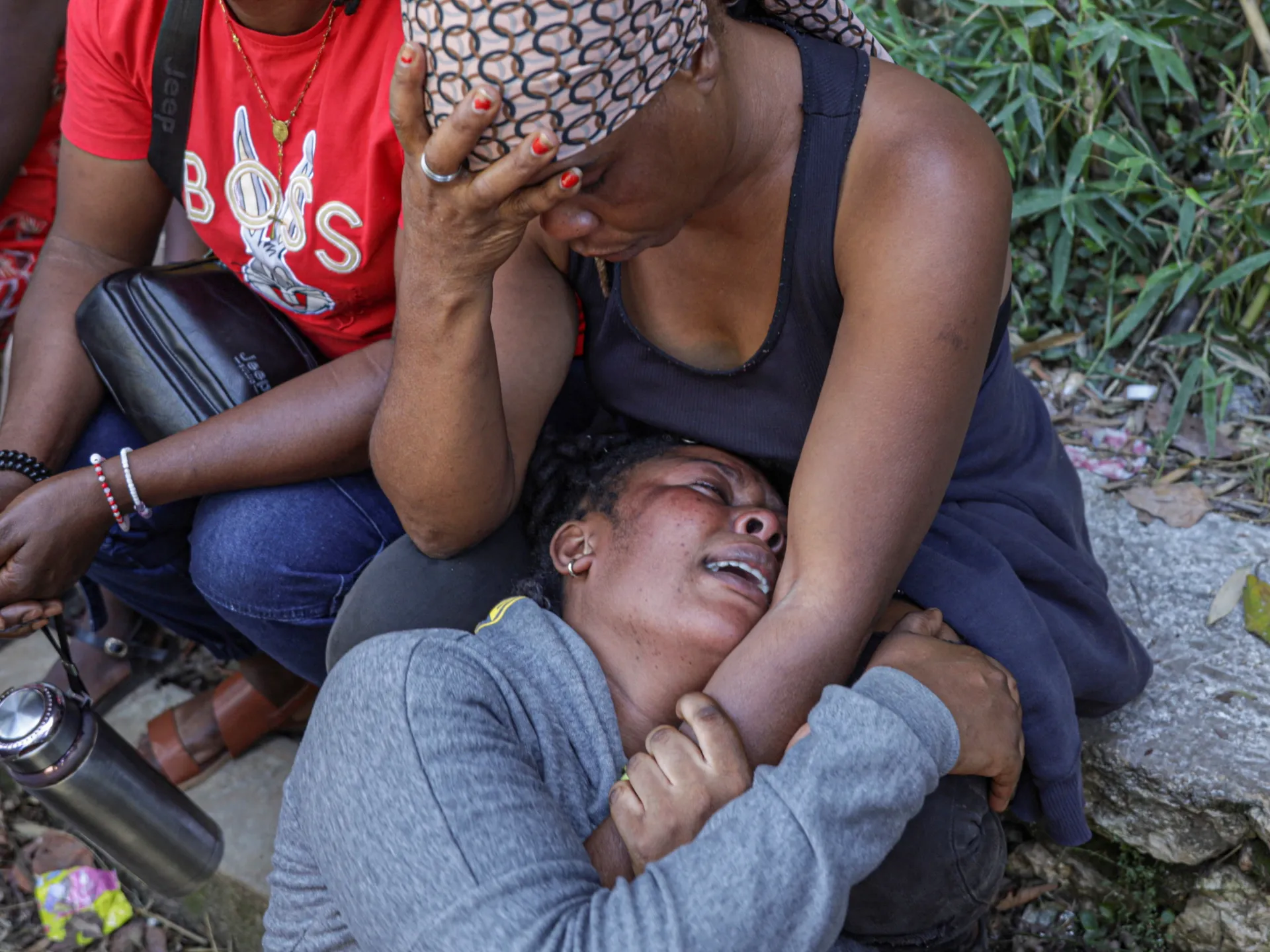
In the wake of the explosion, the local community in Temascalcingo has been left reeling. Local leaders and community members are now grappling with the aftermath, focusing on supporting the families of the deceased and the many individuals currently recovering from their injuries. The scale of the event has drawn attention to the necessity of stricter enforcement regarding the transport and ignition of pyrotechnics in public spaces, as well as the need for comprehensive disaster planning for religious events.
State authorities have launched a formal investigation to determine the exact sequence of events that led to the explosion. Investigators are currently examining whether the fireworks were stored according to safety standards and if the individuals responsible for the display held the necessary permits. The findings of this inquiry are expected to influence future policy regarding public fireworks usage, as the region looks for ways to balance the preservation of cultural traditions with the urgent requirement for public safety and risk mitigation.
Moving forward, the incident serves as a grim reminder of the dangers associated with unregulated or poorly managed pyrotechnics. While fireworks are central to the cultural identity of many Mexican municipalities, the high human cost of this disaster may necessitate a shift in how these events are organized. Future celebrations will likely face increased scrutiny, with calls for mandatory safety buffers, professional certification for pyrotechnicians, and heightened medical presence at all large-scale religious gatherings.
As the town of Temascalcingo begins the process of mourning and recovery, the broader Mexican public and government officials remain focused on the lessons learned from this tragedy. The commitment to maintaining cultural heritage remains strong, yet there is a clear consensus that the safety of participants must take precedence. Ensuring that such a devastating event does not recur will require a concerted effort between local organizers, law enforcement, and the community to foster a safer environment for future celebrations.