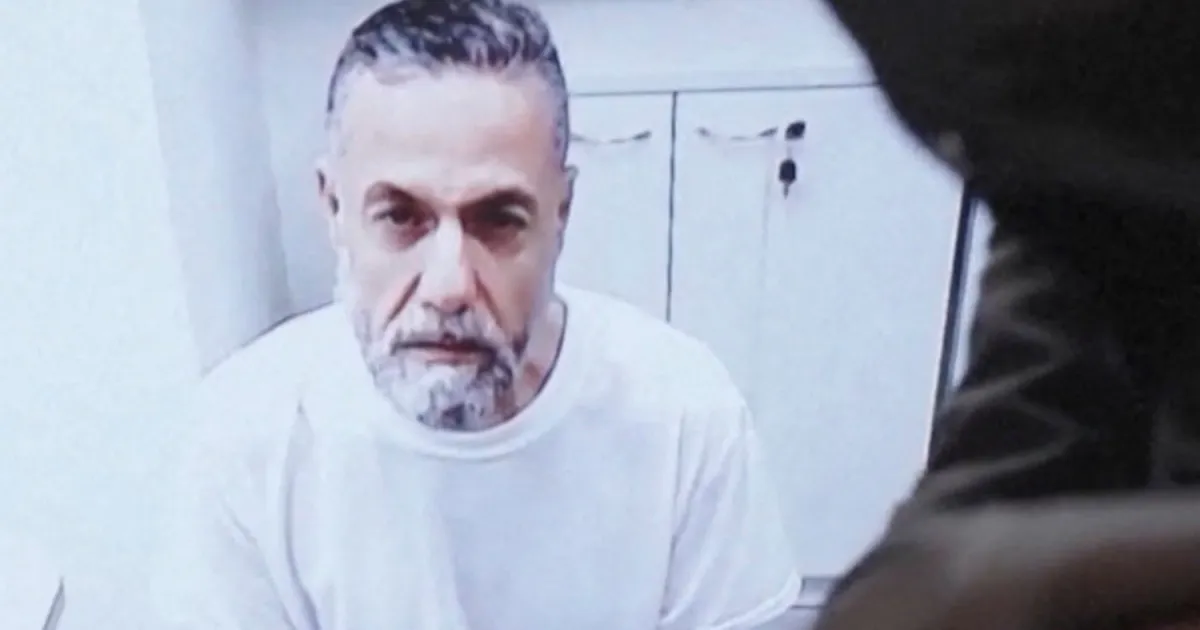
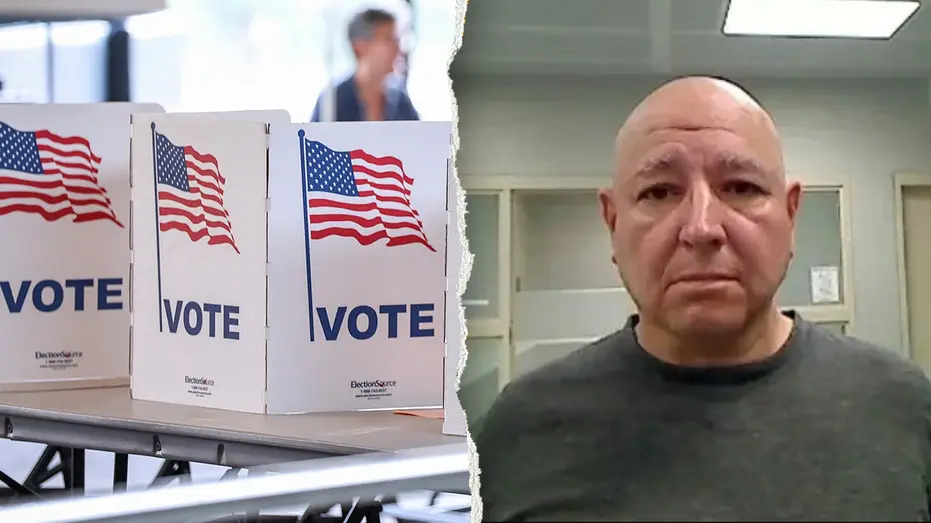
An individual acquitted of murder due to insanity fled the U.S. while on a state-sanctioned weekend pass from a Virginia psychiatric facility.
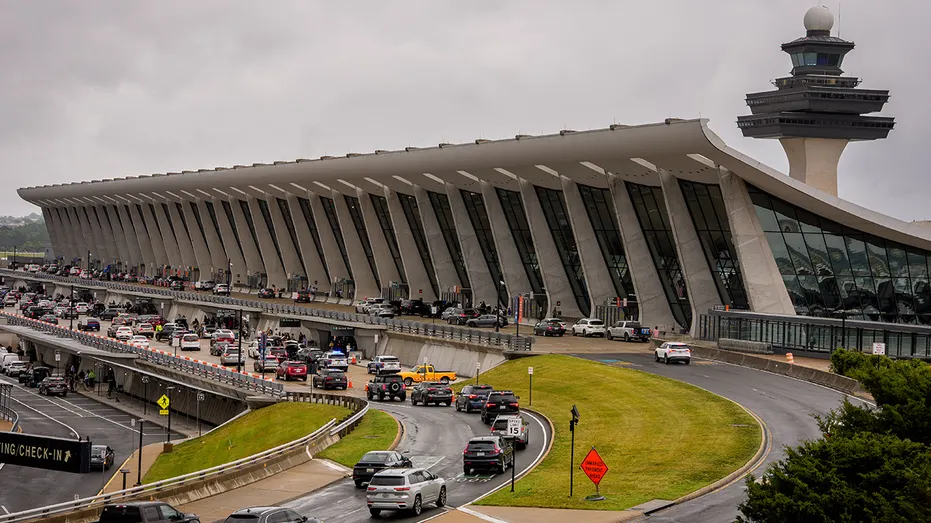
The escape of Abdulloi Toshpulodzoda, an individual previously acquitted of murder ocols of state-run psychiatric facilities in Virginia. Toshpulodzoda, who had been committed to the Northern Virginia Mental Health Institute (NVMHI) following a 2019 incident, successfully fled the United States on July 6. His departure involved boarding a one-way flight from Washington Dulles International Airport to Tajikistan, traveling through Istanbul.
The circumstances surrounding his departure have drawn intense scrutiny, particularly because he left the country while on a sanctioned weekend pass. Records indicate that his travel arrangements, including a flight ticket purchased with an American Express card, were finalized while he was under the theoretical supervision of the state. The fact that an individual accused of a violent crime could navigate international travel while technically in custody has prompted questions about the oversight mechanisms currently in place for patients committed to state care.
Further complicating the narrative is the revelation that Toshpulodzoda had been granted access to a taxpayer-funded apartment in Alexandria. This residence was made available through the Fairfax Permanent Supportive Housing Program. Despite his history of violent behavior, the facility’s internal committee had authorized him for unsupervised community visits, permitting him to leave the psychiatric institution for up to 48 hours at a time.
These visits were not merely isolated incidents but part of a broader, established privilege system. Prior to his escape, he was granted permission to visit the Tajikistan Embassy in Washington, D.C., for the purpose of obtaining a passport. This specific authorization, conducted with an escort, ultimately facilitated his ability to flee the country when he combined these privileges with his unsupervised weekend passes.
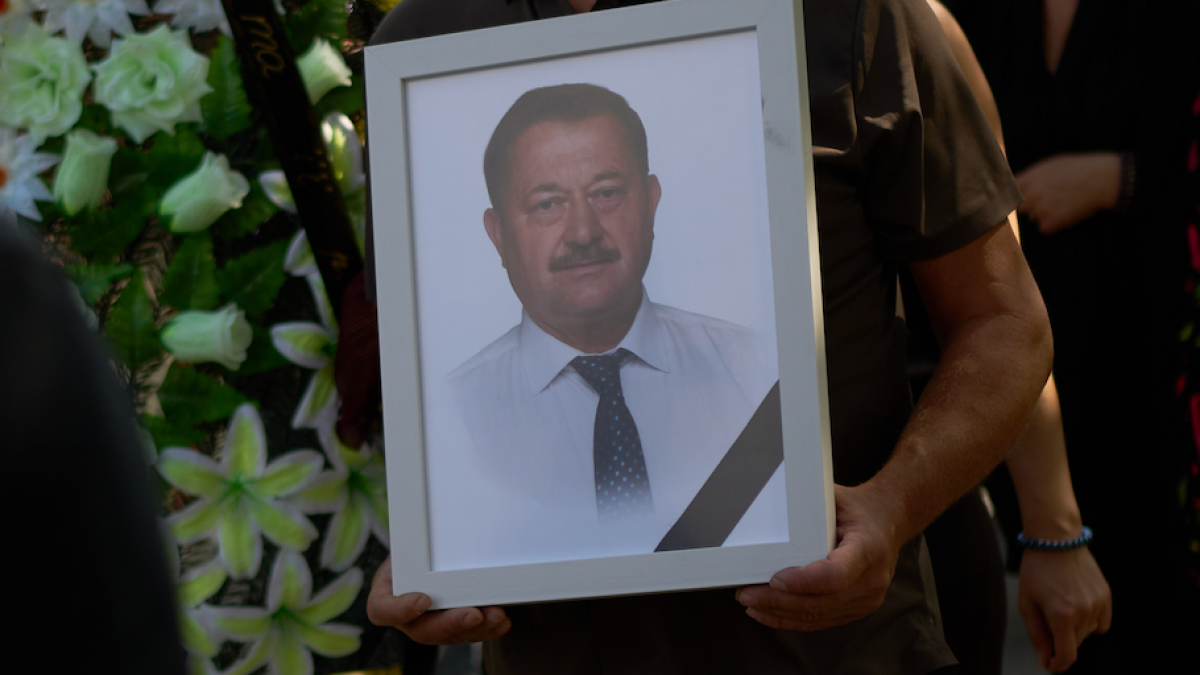
In 2019, Toshpulodzoda was involved in the fatal stabbing of Mohammad Hemmatian in Vienna, Virginia. Following his arrest, he was evaluated der Virginia state law, such a finding often precludes a criminal conviction, resulting in the defendant being committed to a psychiatric facility rather than a prison system. In 2022, he was officially placed in the custody of the state psychiatric system.
Legal representatives for the Commonwealth have clarified that once a defendant is found legally insane nctionally impossible. While prosecutors opposed his release during annual review hearings as recently as June 2024, the internal policies of the mental health institute allowed for the continuation of community visit privileges, which were governed
In the aftermath of the escape, the Fairfax County Commonwealth’s Attorney’s Office sought an arrest warrant on August 5, approximately one month after the individual had already left the country. The office maintains that they consistently opposed his release and the granting of unsupervised privileges during judicial reviews. They have emphasized that a bench warrant is now active, ensuring that should the individual attempt to re-enter the United States, law enforcement will be alerted to his status.
The incident has triggered a broader review of how psychiatric facilities manage patients who have been cleared of criminal charges due to insanity but remain under state supervision. As various state agencies look into the internal procedures that allowed for unsupervised travel and access to external housing, the case serves as a point of contention regarding the balance between patient rehabilitation and public safety. Efforts to coordinate with federal agencies, including U.S. Immigration and Customs Enforcement, are currently underway to address the jurisdictional challenges posed