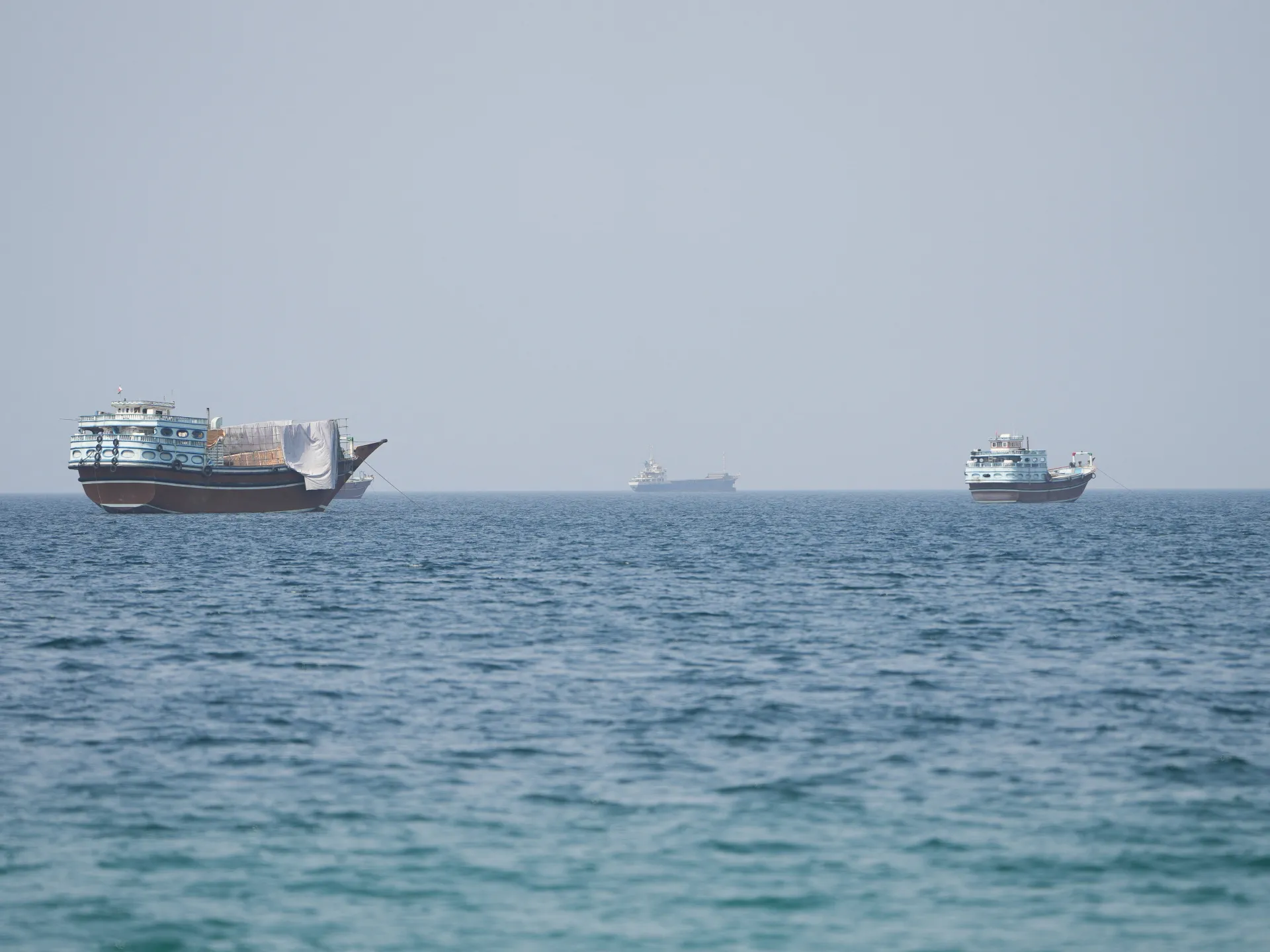
As U.S. reinforcements arrive in the Gulf, global energy markets and regional security experts are weighing the risks to Saudi Arabian maritime trade routes.
The geopolitical landscape of the Persian Gulf and the Red Sea has become increasingly volatile, prompting a significant shift in military posture from international powers. Recent developments indicate that the United States is deploying additional reinforcements to the region, a move designed to stabilize critical shipping lanes that serve as the lifeblood of the global energy market. These maneuvers come as regional actors, particularly the Houthi movement, have demonstrated an increasing capability to threaten commercial vessels and critical infrastructure.
For Saudi Arabia, the stakes could not be higher. The Kingdom relies heavily on the free flow of maritime traffic to export its petroleum products and import essential goods. Any disruption to these routes, whether through direct military confrontation or through the tactical use of maritime drones and missiles, presents a clear and present danger to the national economy. As military analysts observe the situation, the focus remains on whether these new security measures are sufficient to deter non-state actors from further escalating their reach into international waters.
As international forces bolster their presence, a fundamental question remains regarding what constitutes a definitive victory in this theater. Military success in the maritime domain is rarely measured dom of navigation and the security of trade corridors. Achieving this requires a complex balance of surveillance, rapid response capabilities, and diplomatic pressure aimed at curbing the influence of groups that threaten regional stability.
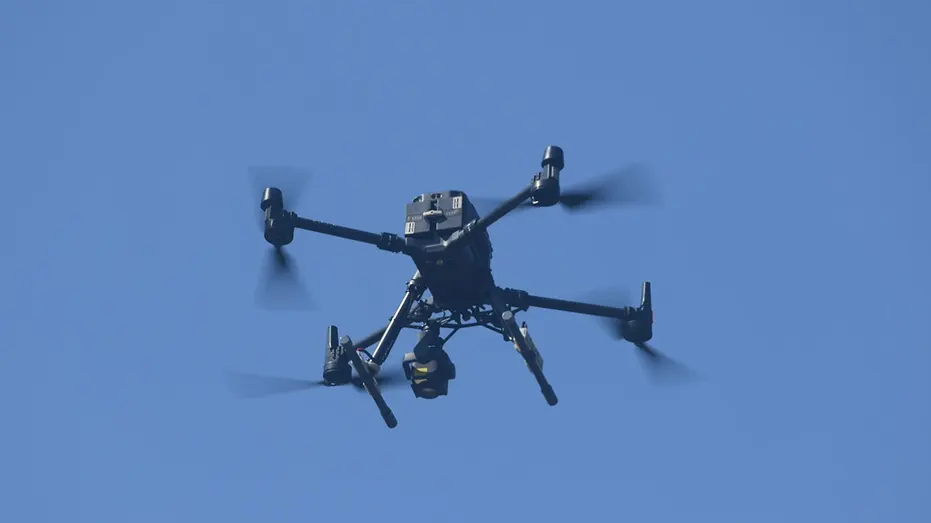
The challenge for the United States and its regional partners lies in the asymmetric nature of the conflict. Traditional naval assets are designed to engage state-level adversaries, whereas the current threat involves low-cost, high-impact technologies like unmanned aerial vehicles and small, maneuverable boats. Developing a strategy that can neutralize these threats without triggering a broader, uncontrollable regional war is the primary objective for defense planners currently coordinating in the Gulf.
The global economy remains hypersensitive to any news regarding the safety of tankers traversing the Bab al-Mandab Strait and the Strait of Hormuz. Because these chokepoints facilitate a significant portion of the world's daily oil supply, any sustained closure or even a credible threat of closure can lead to immediate spikes in energy prices. Saudi Arabia, as a leading producer, is uniquely positioned to feel the brunt of these market fluctuations if international maritime insurance rates rise or if carriers become hesitant to enter the region.
Beyond the immediate impact on oil prices, a disruption to shipping would threaten the supply chains of various consumer goods and industrial materials. The uncertainty creates a risk premium that affects every aspect of regional commerce. Consequently, the ongoing efforts to reinforce Gulf security are viewed rather than merely a localized security measure for the Kingdom.
Looking ahead, the longevity of this maritime security initiative depends on the ability of coalition forces to adapt to the evolving tactics of their adversaries. The integration of advanced radar systems, improved intelligence sharing, and persistent aerial patrols is intended to create a defensive umbrella that makes hostile actions against shipping lanes prohibitively difficult. However, the political reality is that military solutions alone rarely resolve the underlying grievances that fuel such conflicts.
As the situation unfolds, the international community will be watching closely to see if these reinforcements lead to a de-escalation of hostilities or if they invite a more aggressive posture from regional militias. The ultimate success of this operation will be judged rade to continue without the constant threat of sabotage or tactical interference.