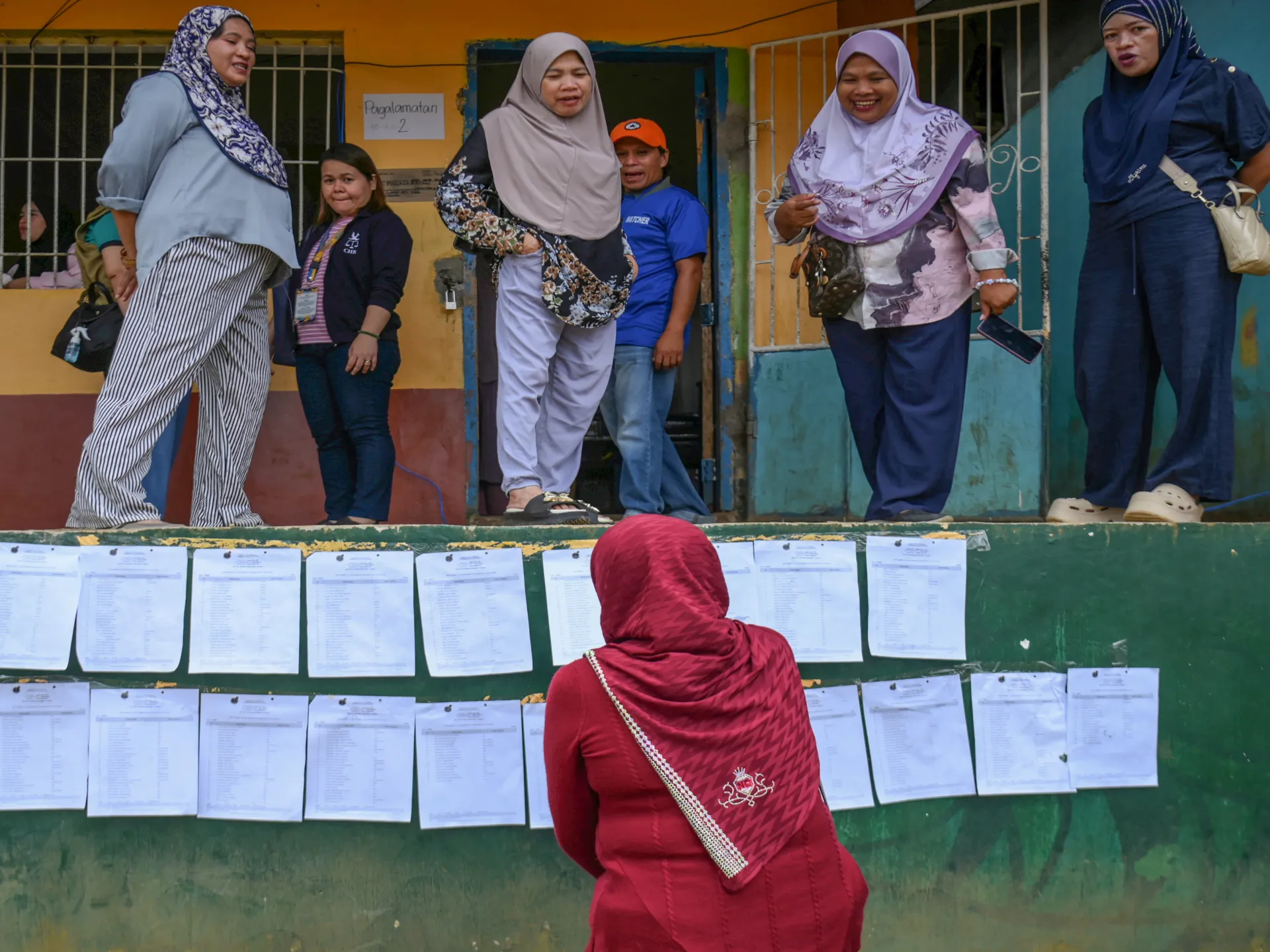
The inaugural parliamentary elections in the Bangsamoro region have resulted in a hung parliament, forcing rival factions into coalition negotiations.
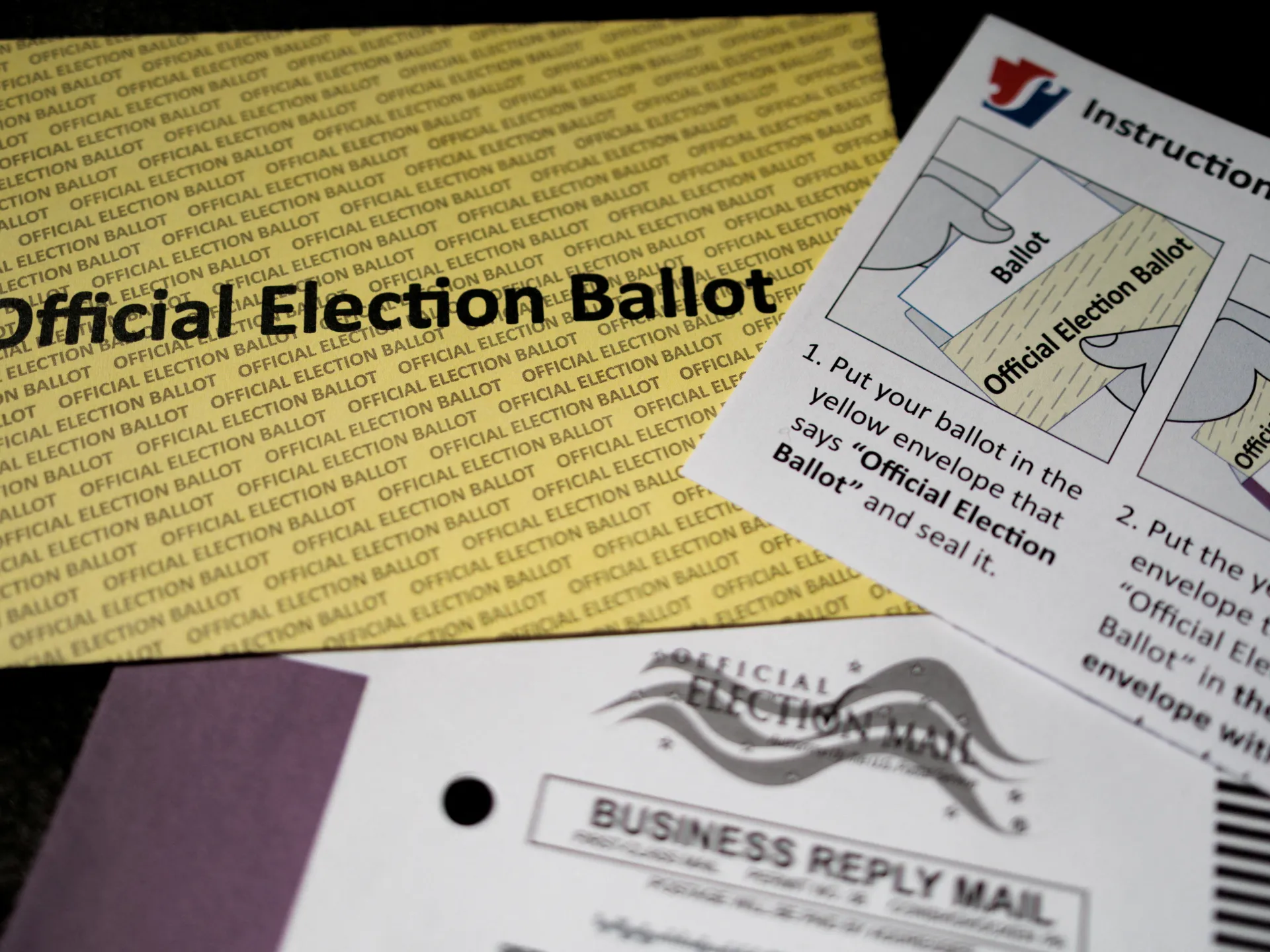
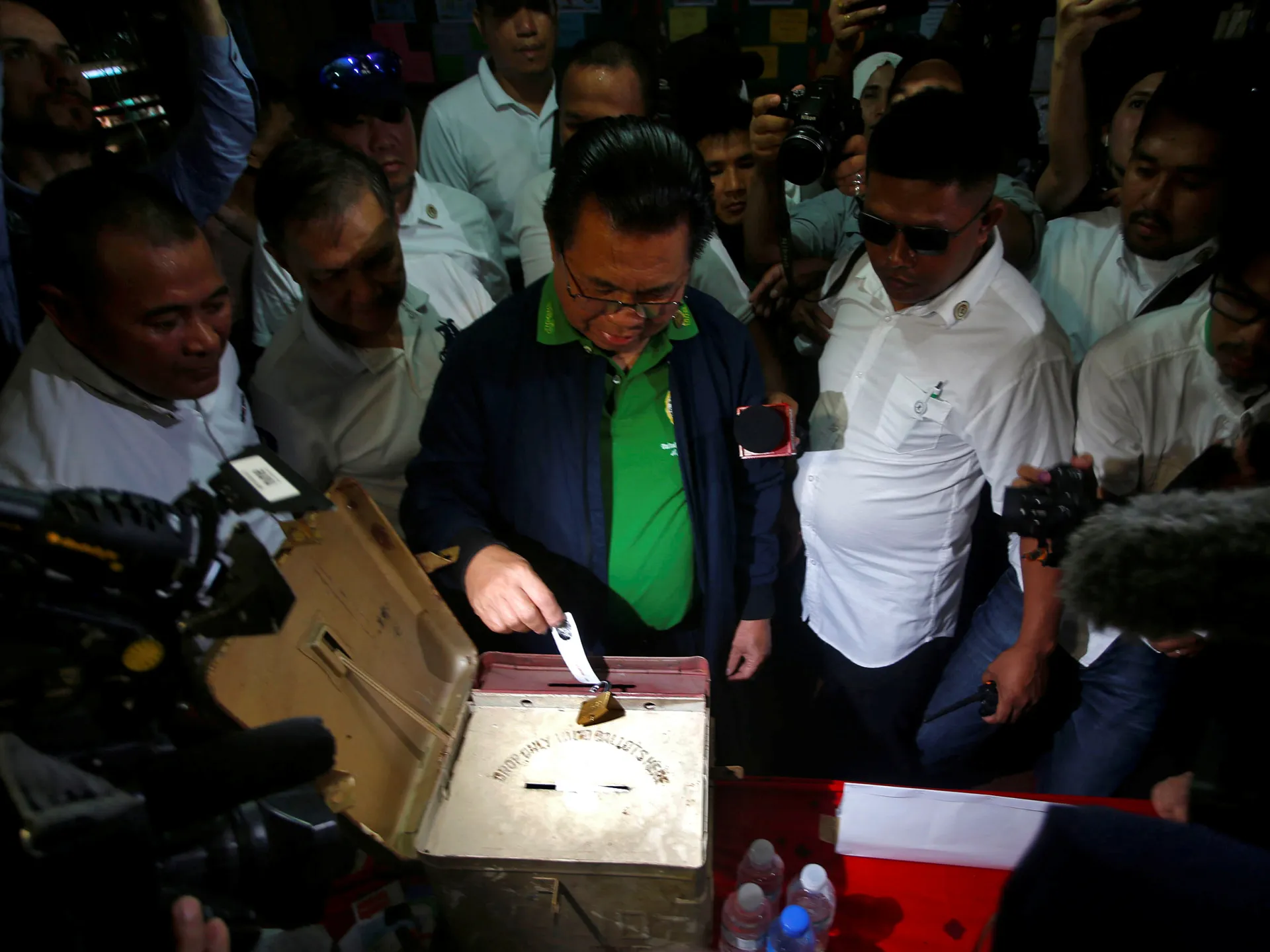
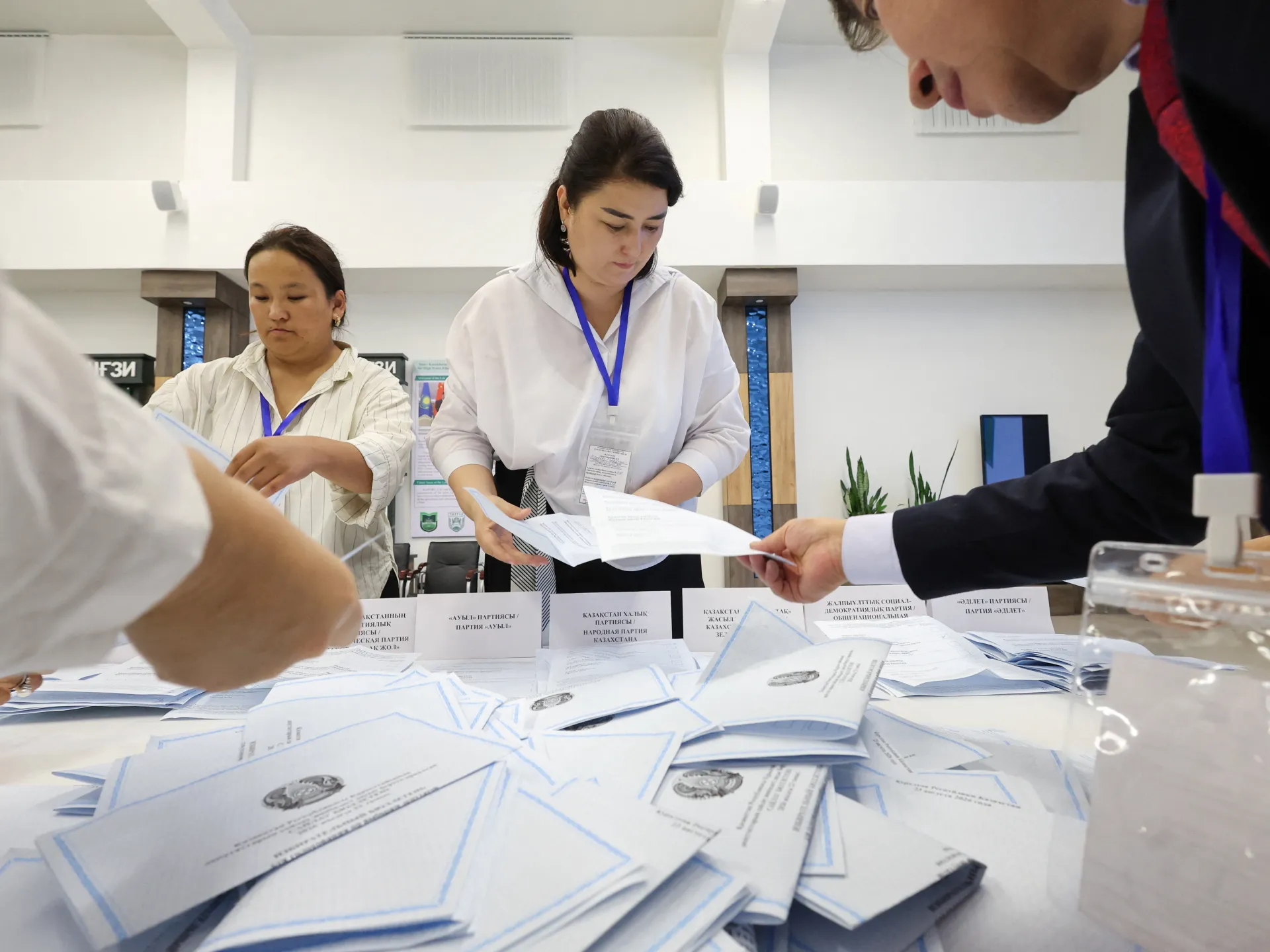
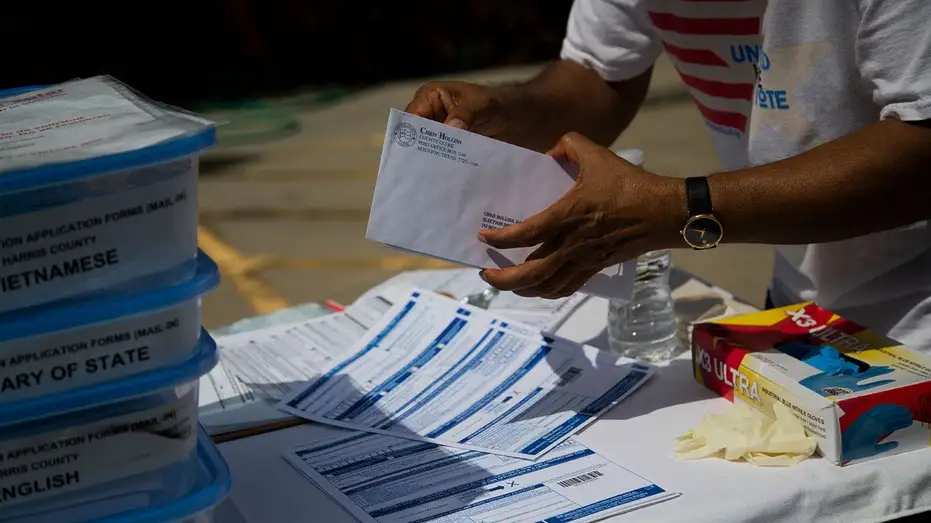
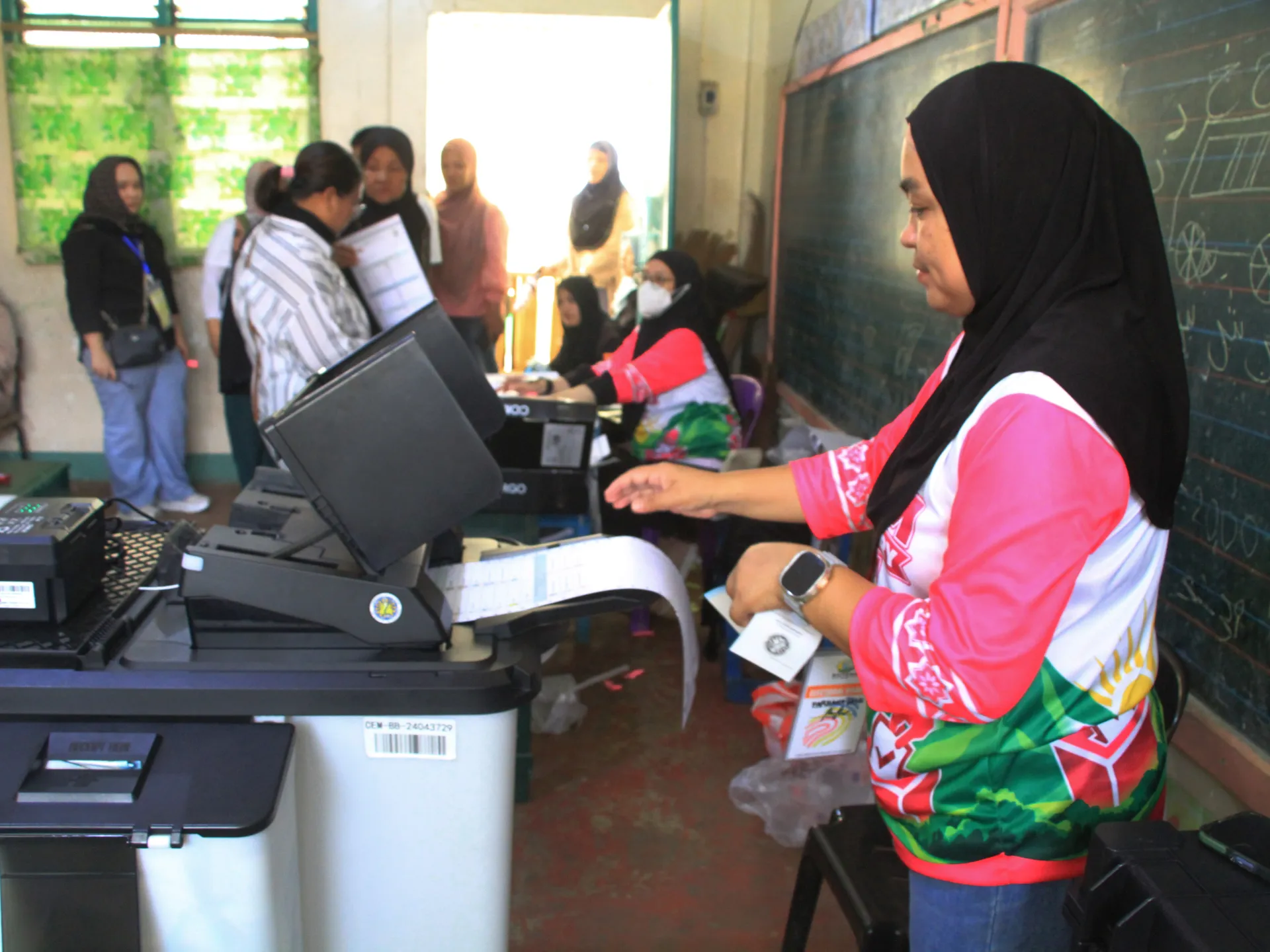
The inaugural parliamentary elections in the Bangsamoro Autonomous Region in Muslim Mindanao (BARMM) have concluded with an unofficial result that points to a hung parliament. As vote counting neared completion, it became evident that no single political entity was able to capture the 41 seats required for an absolute majority in the 80-member legislative body. The two primary factions, both emerging from the Moro Islamic Liberation Front (MILF), each secured approximately 30 percent of the popular vote, effectively splitting the electorate and mandating a coalition government to move forward.
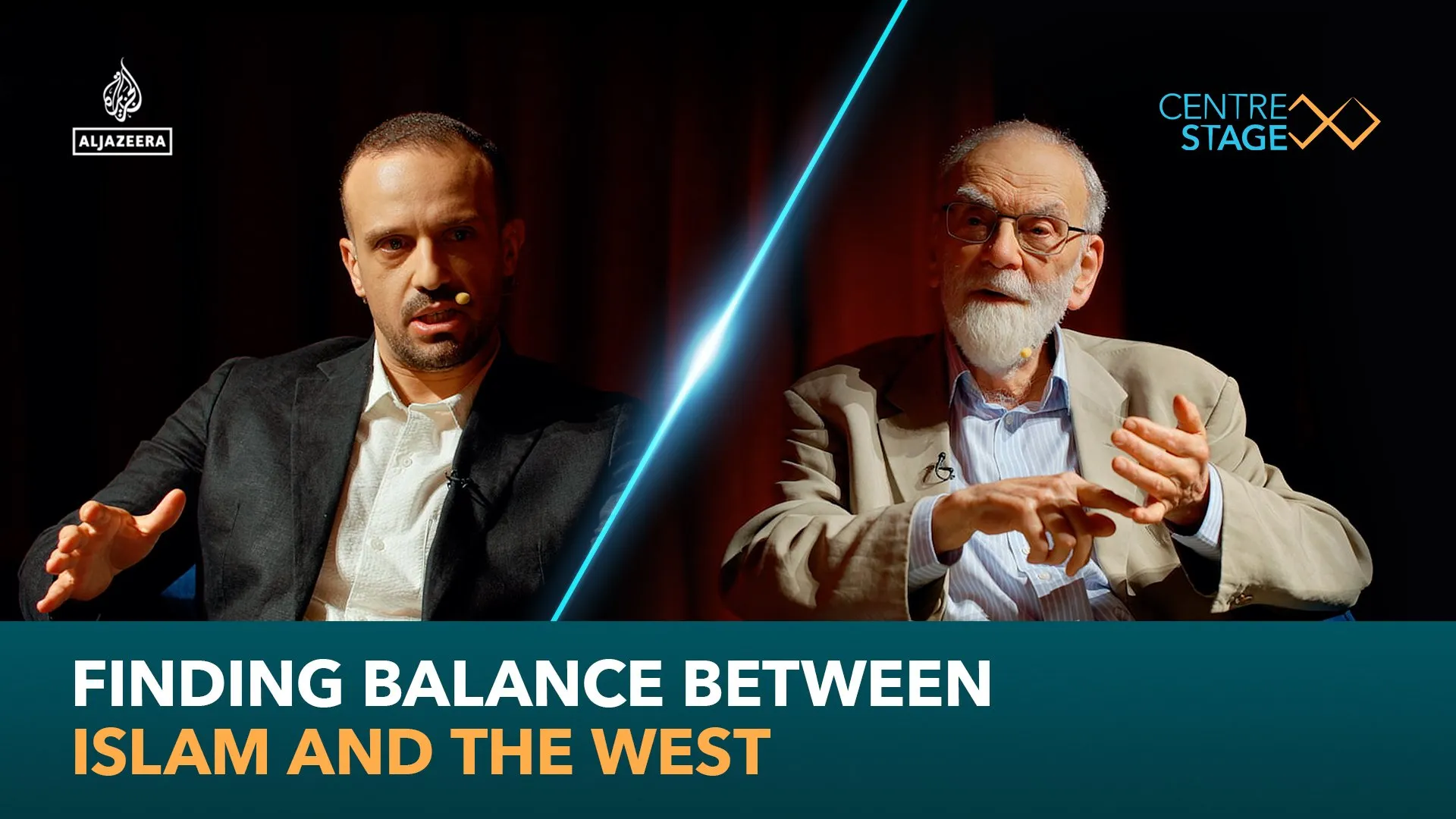
This political outcome follows years of transition for the region, which has been attempting to solidify self-governance after decades of armed struggle. The internal divisions within the movement became more pronounced last year when Philippine President Ferdinand Marcos Jr. replaced the long-standing MILF chairman, Al Haj Murad Ebrahim, with Abdulraof Macacua as chief minister. Macacua, who now leads the Bangsamoro Federalist Party, has publicly stated that forming a coalition is an unavoidable necessity given the current distribution of seats.
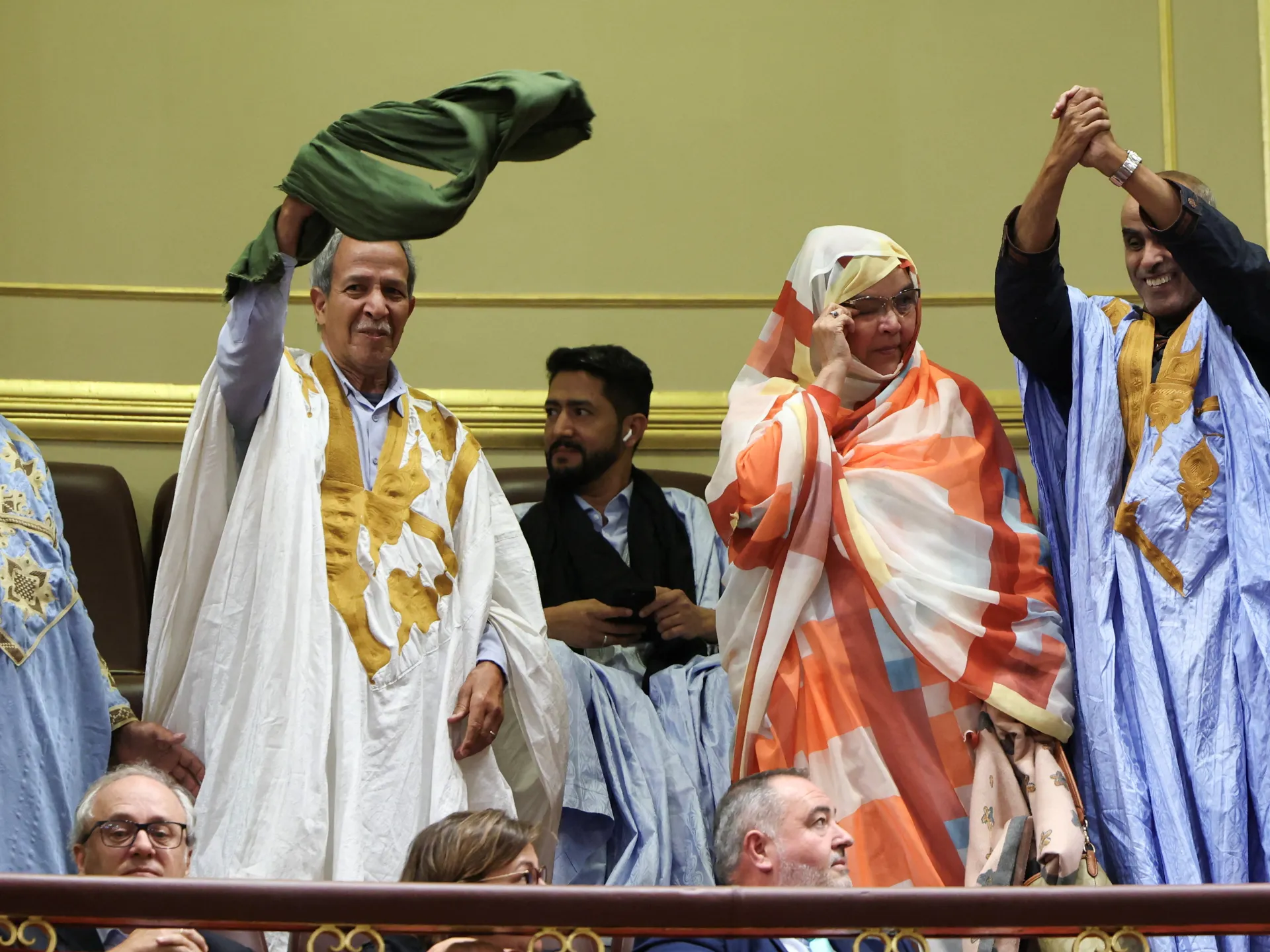
Ebrahim, representing the United Bangsamoro Justice Party (UBJP), has also signaled a willingness to engage in cross-party negotiations. Despite his initial hopes for an outright majority, Ebrahim acknowledged that the path to effective governance lies in building alliances. This shift toward parliamentary negotiation marks a critical test for the region as it attempts to move from a history of separatist insurgency toward a functioning democratic system.
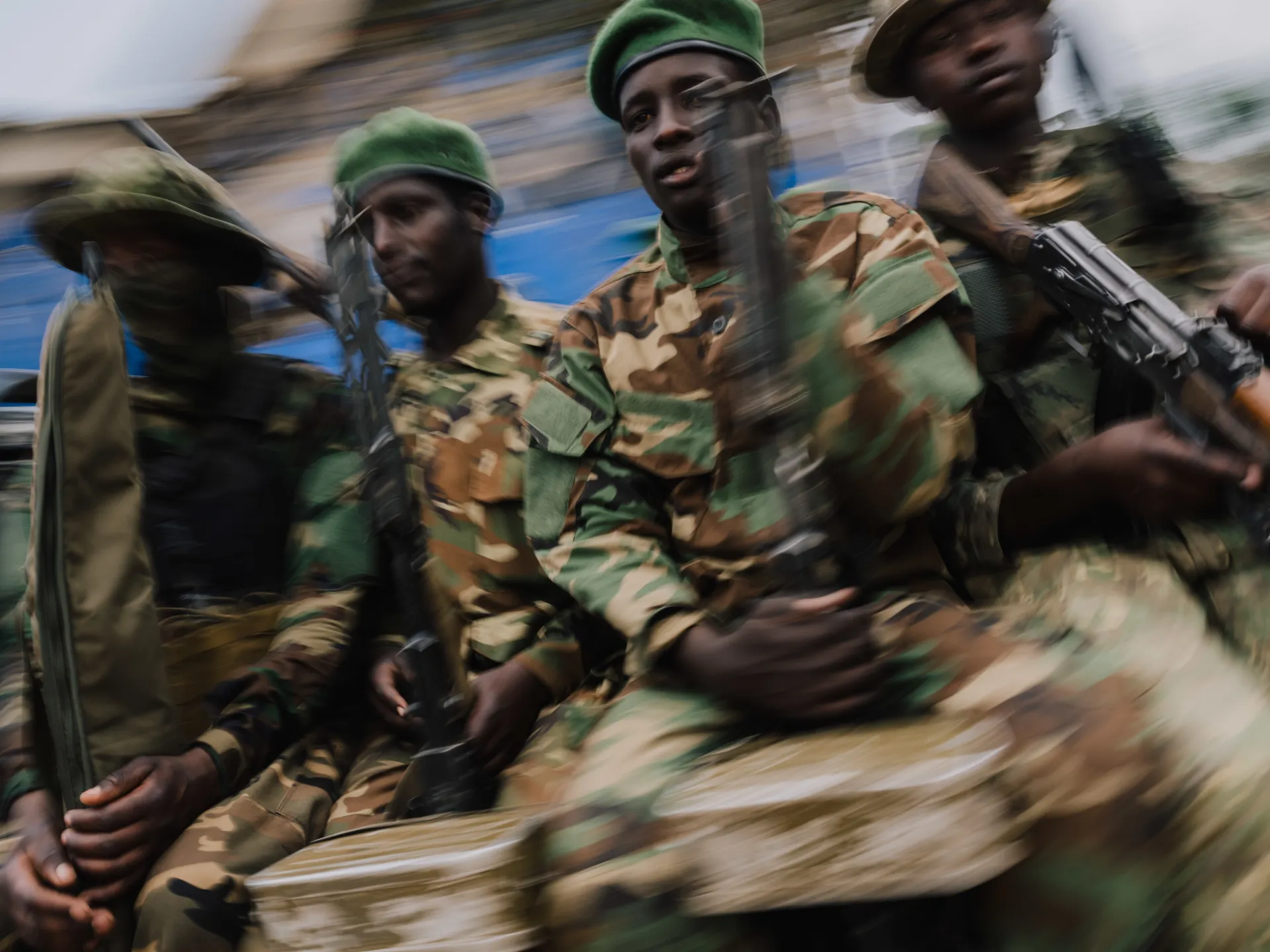
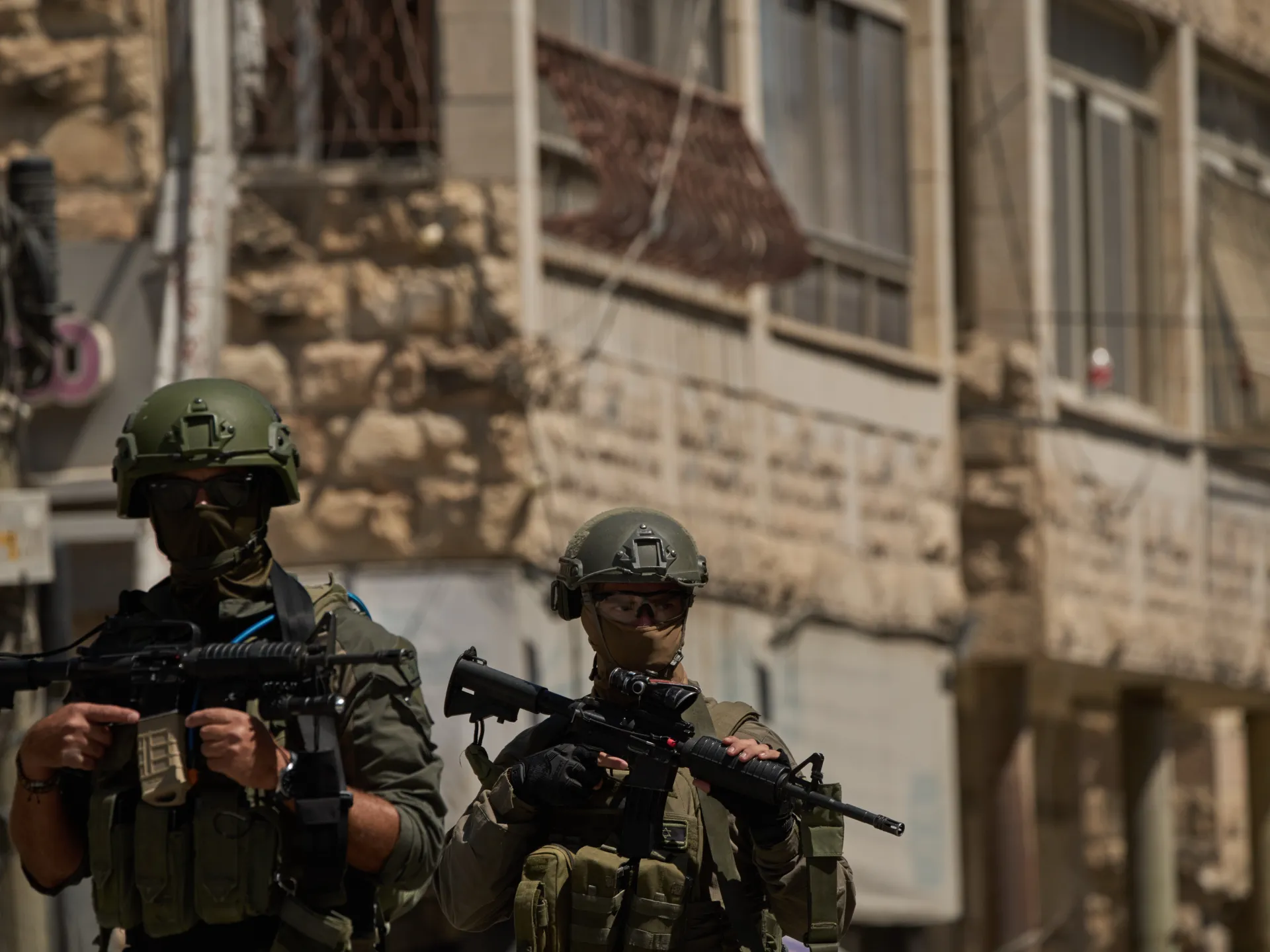
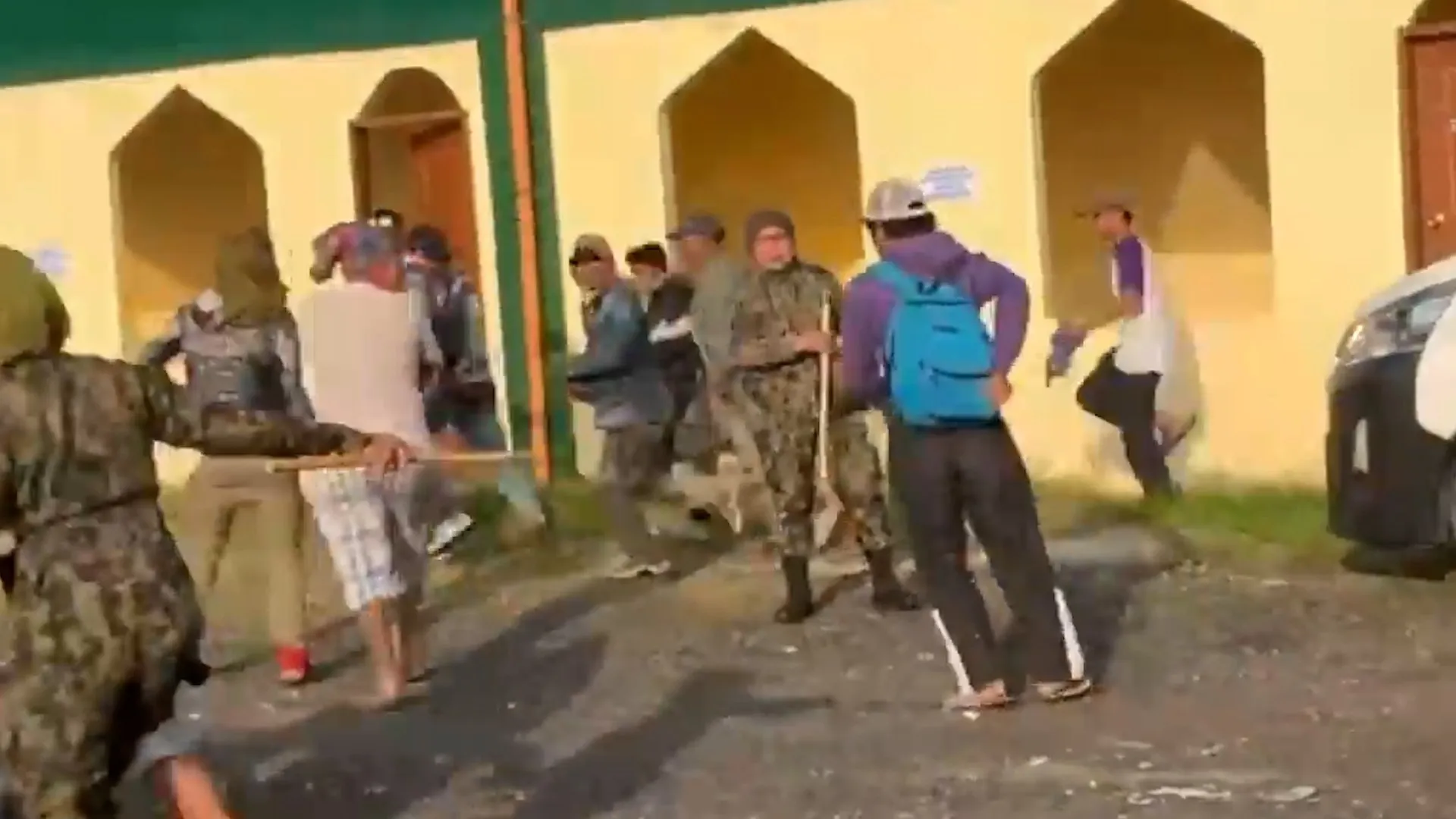
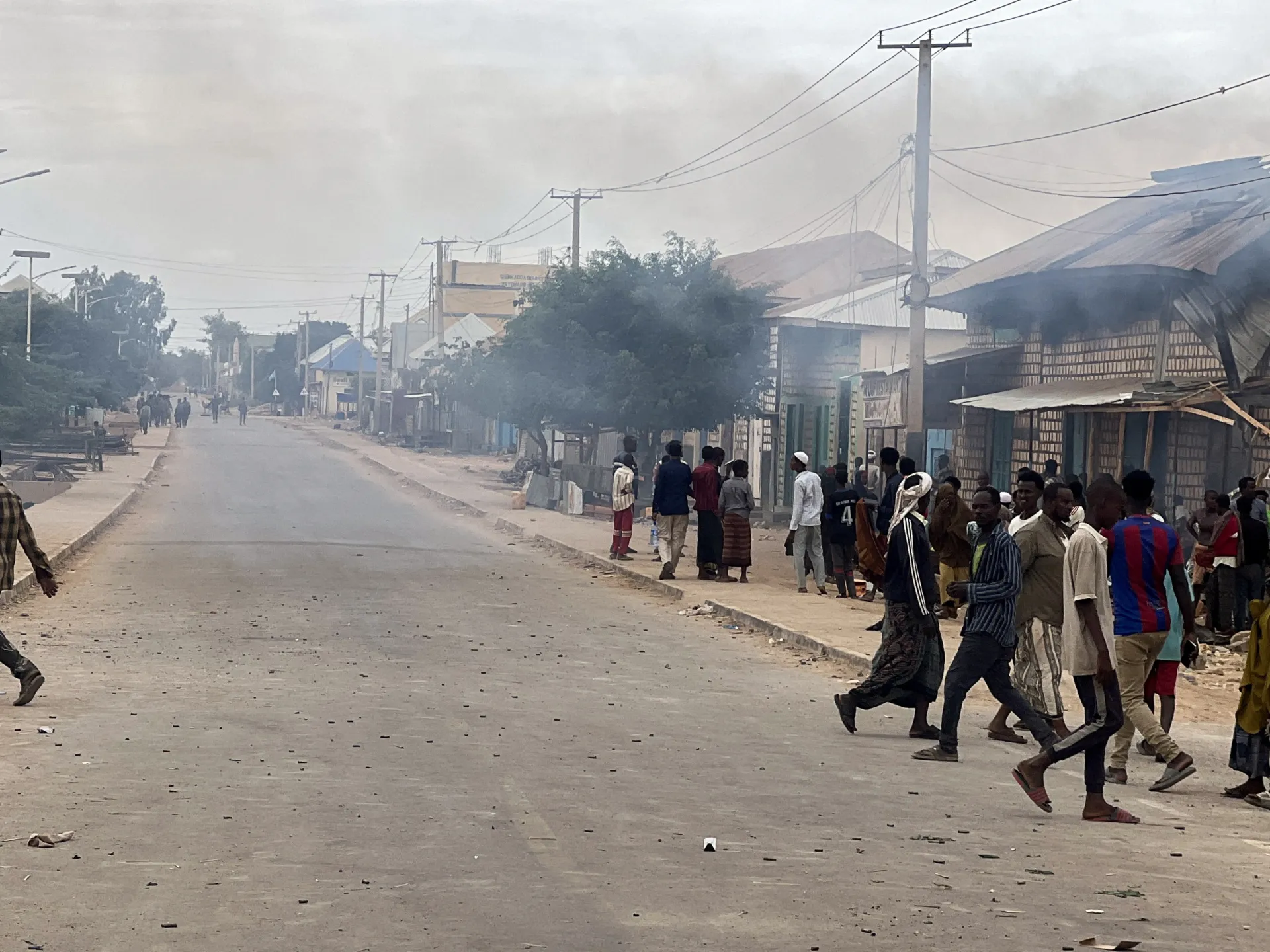
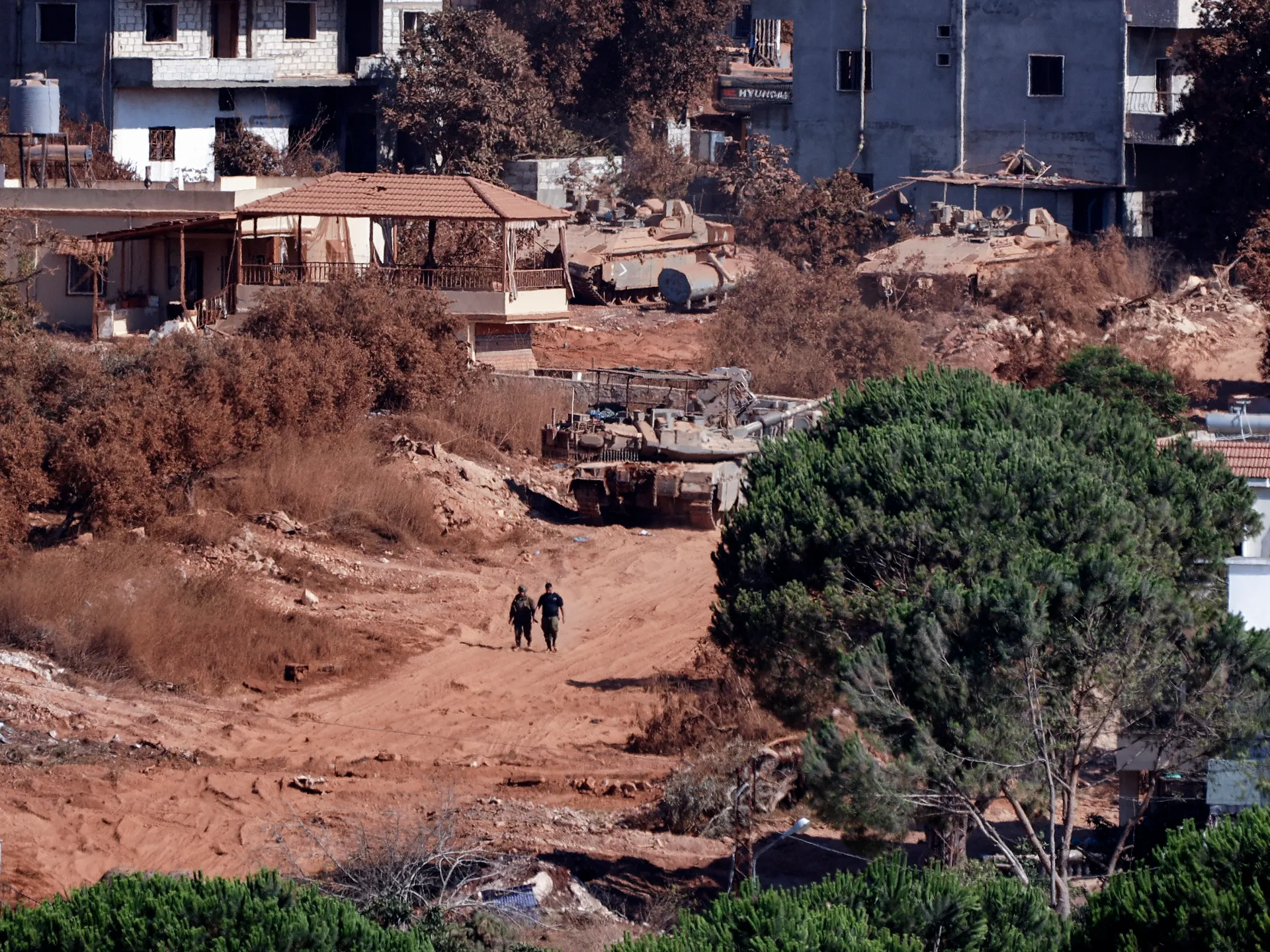
While the electoral process was largely characterized ity concerns. Election day was marred ast three fatalities and several injuries. In response, law enforcement agencies have maintained a heightened state of alert, with military and police forces remaining deployed to ensure the stability of the region during the transition period.
The potential for renewed civil unrest has been a point of anxiety for many residents who recall the volatility of the past. Fears were exacerbated o suggested that a failure to secure an electoral victory could potentially reignite armed conflict. These concerns are linked to the stalled disarmament process of former fighters, a delay attributed in part to the government's failure to deliver promised aid and support packages to the region.
Despite these fears, experts have praised the participating parties for their commitment to navigating the complexities of electoral politics. Transitioning from a paramilitary group to a political party is a massive undertaking, and observers view the successful completion of the voting process as a vital step in institutionalizing the peace agreement. Security officials have pledged to remain vigilant, emphasizing that the focus must remain on maintaining order throughout the proclamation of winners and the subsequent formation of the new government.
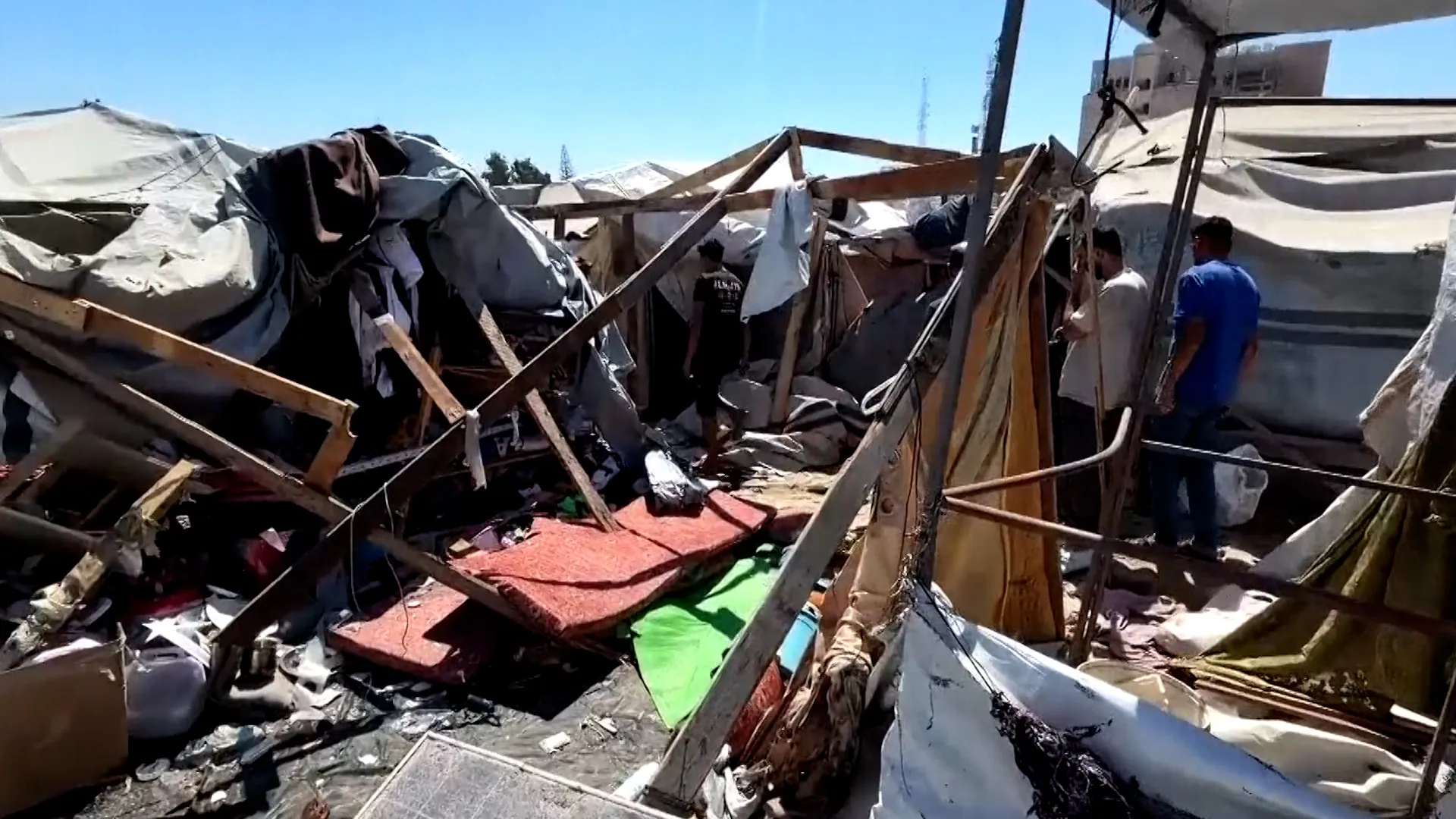
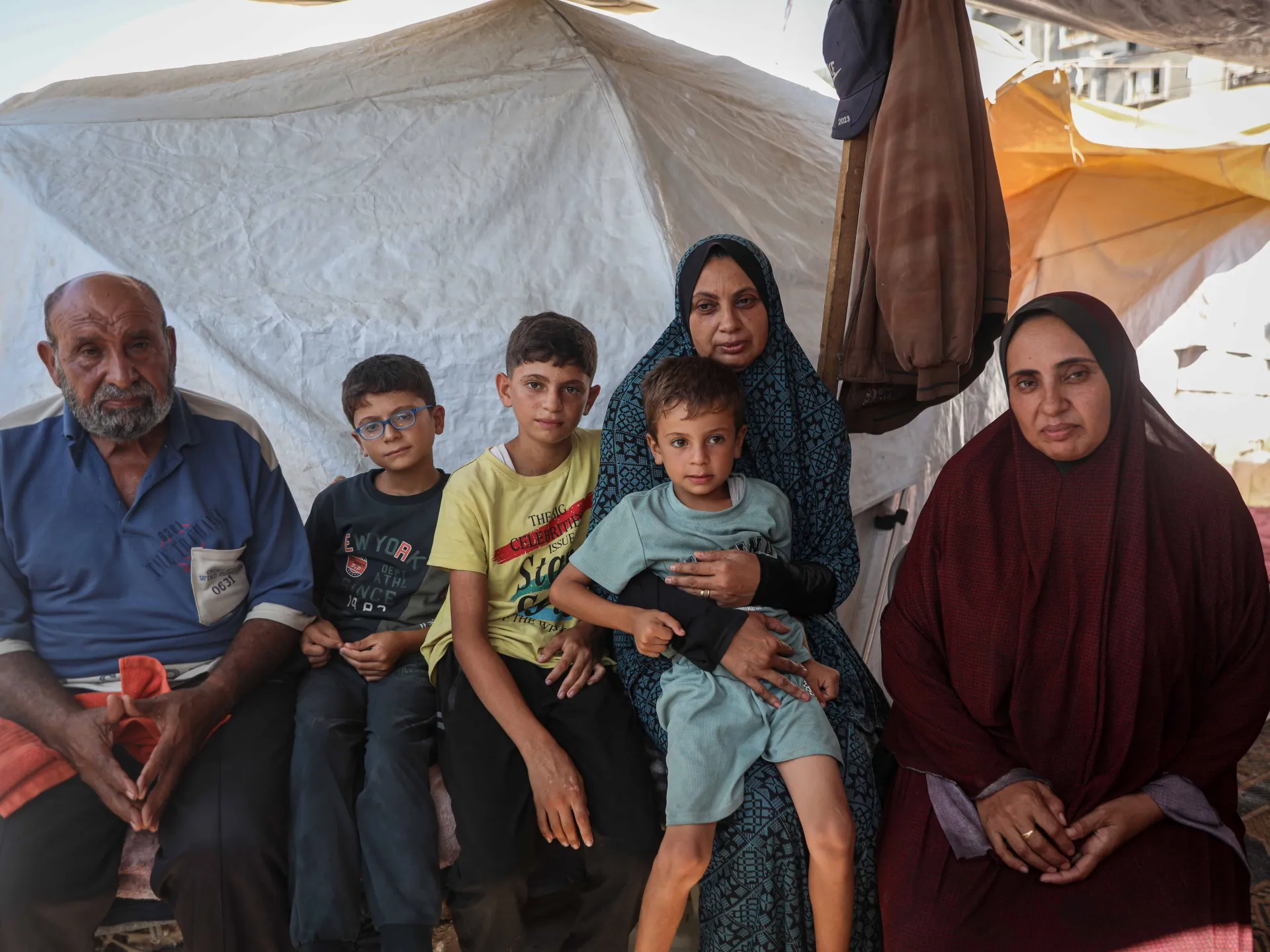
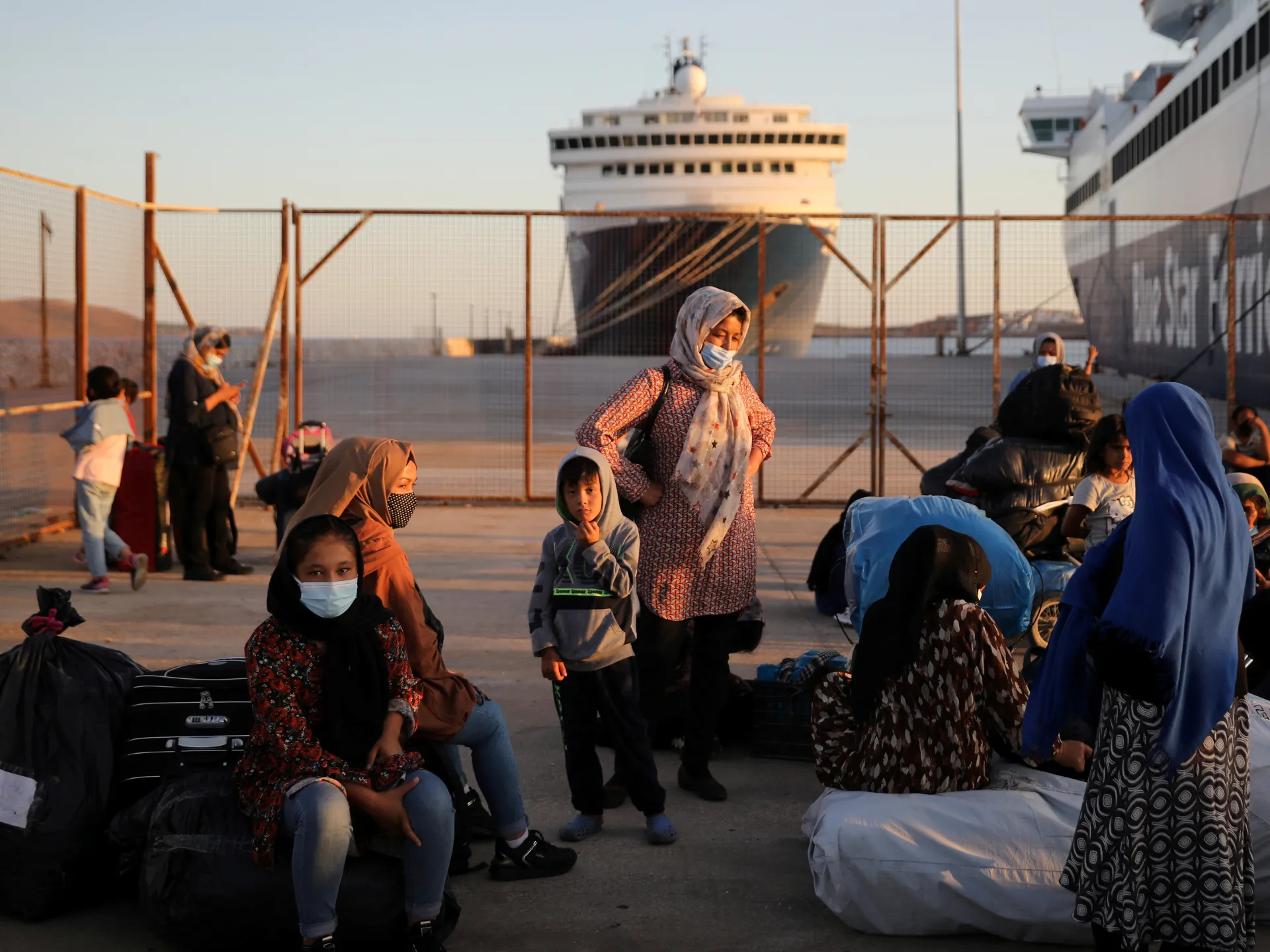
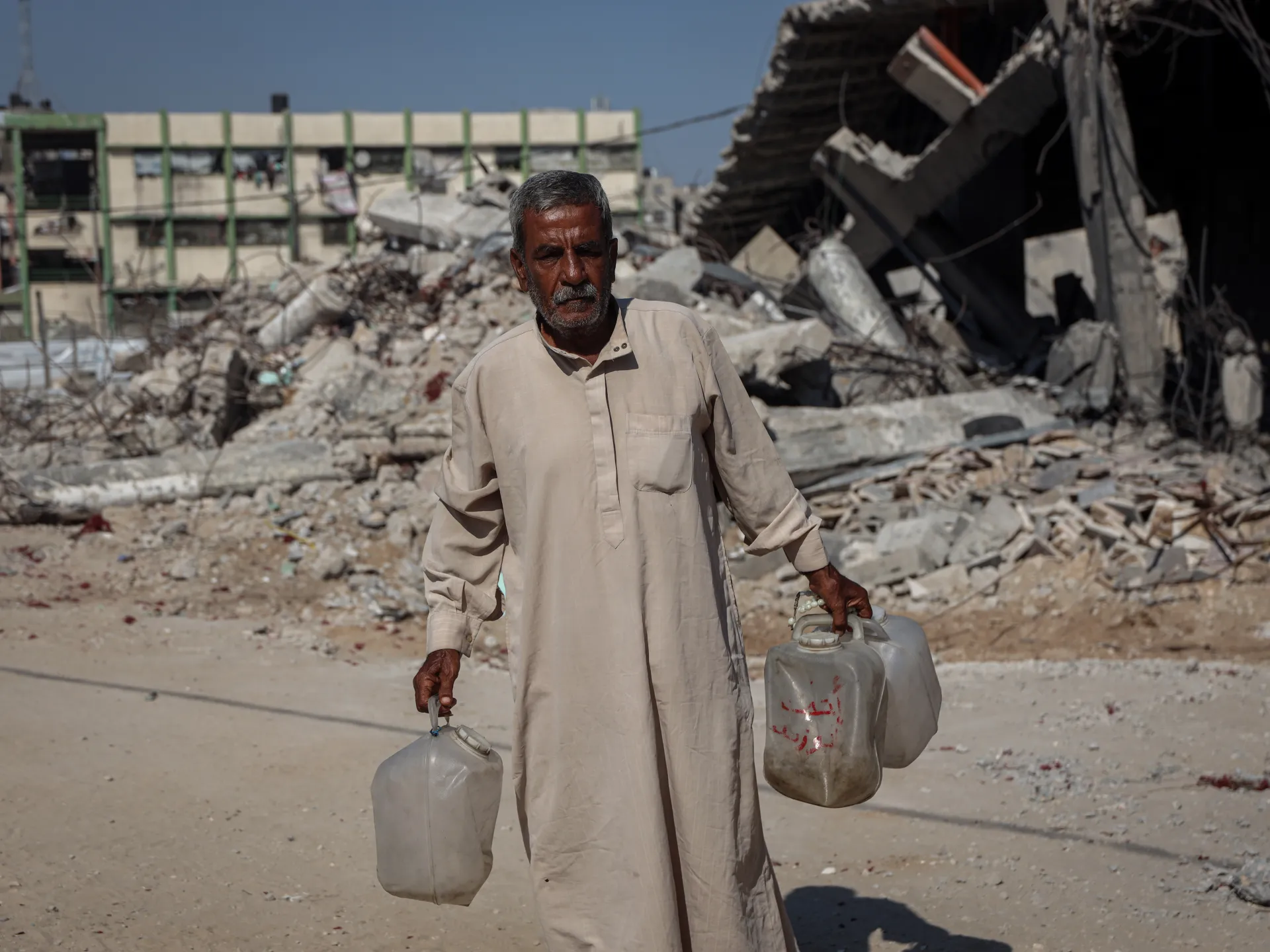
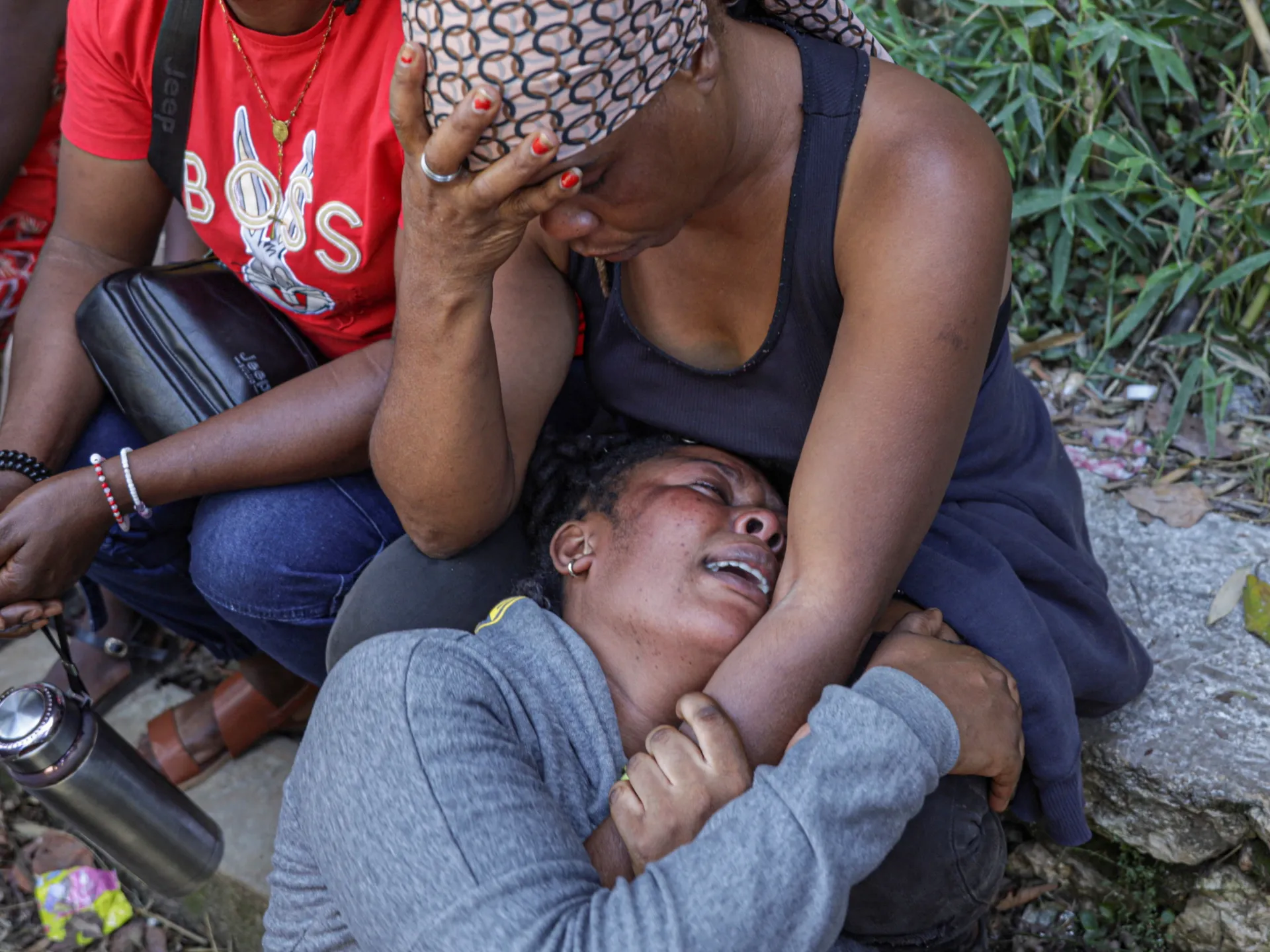
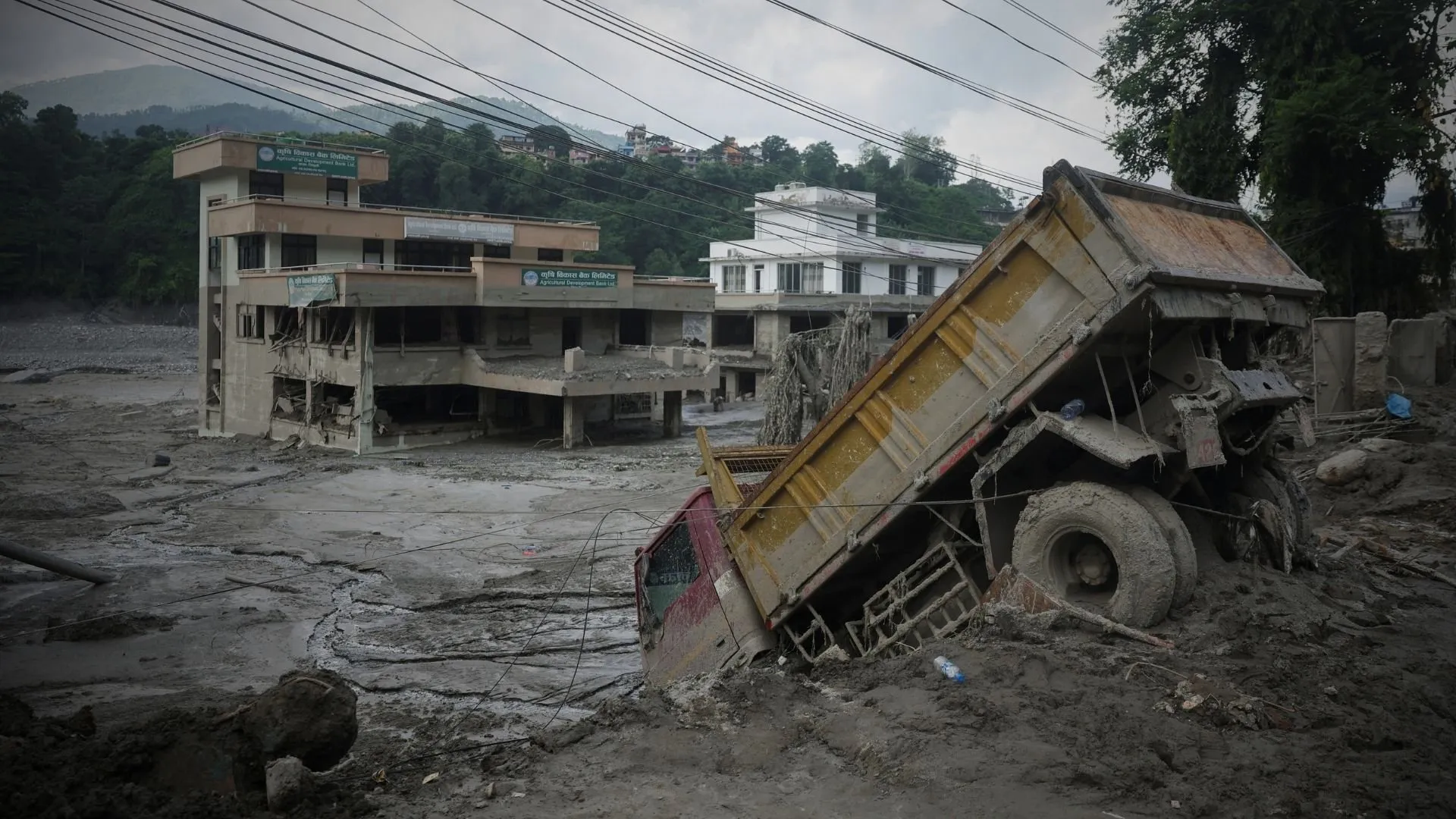
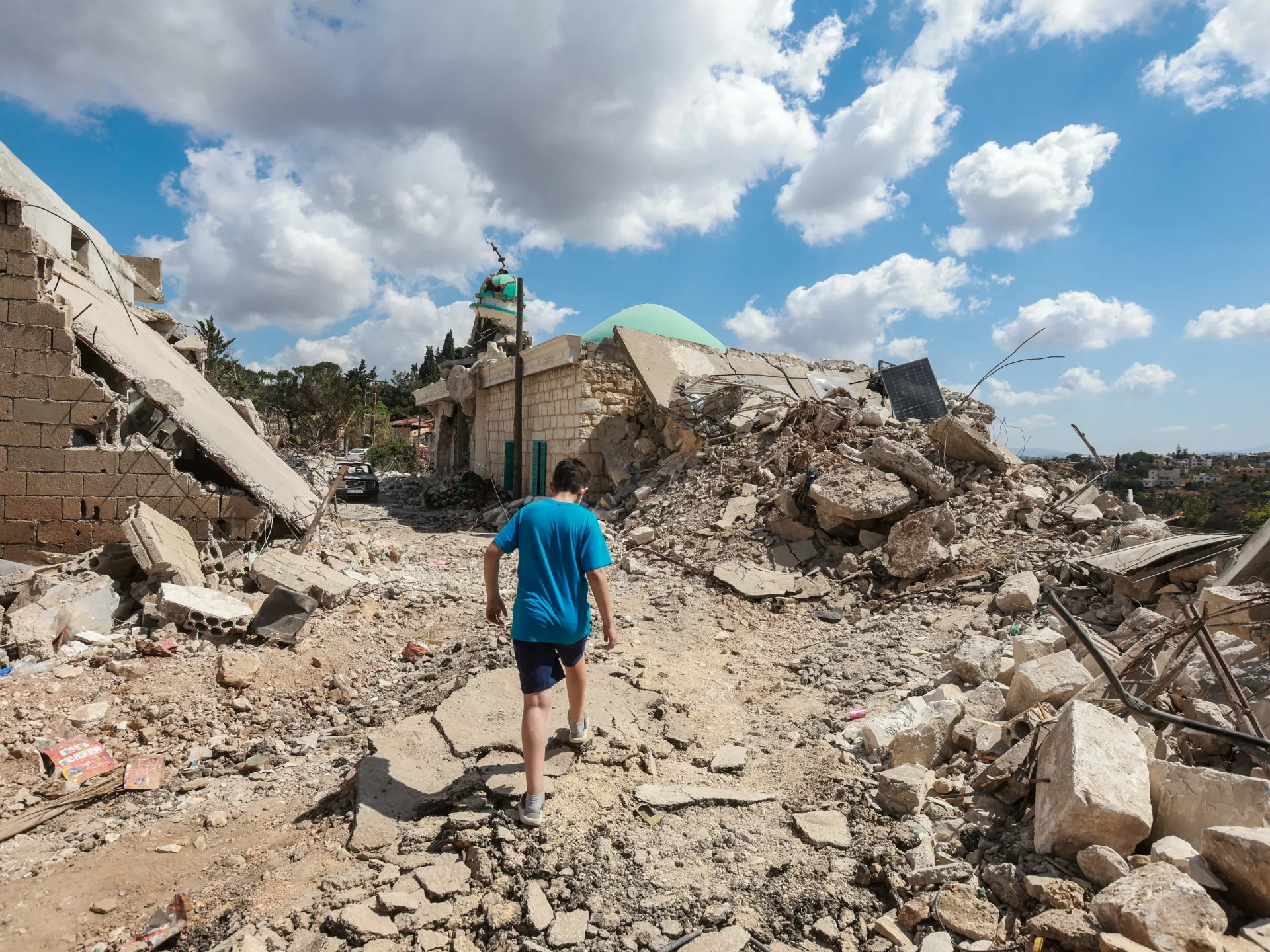
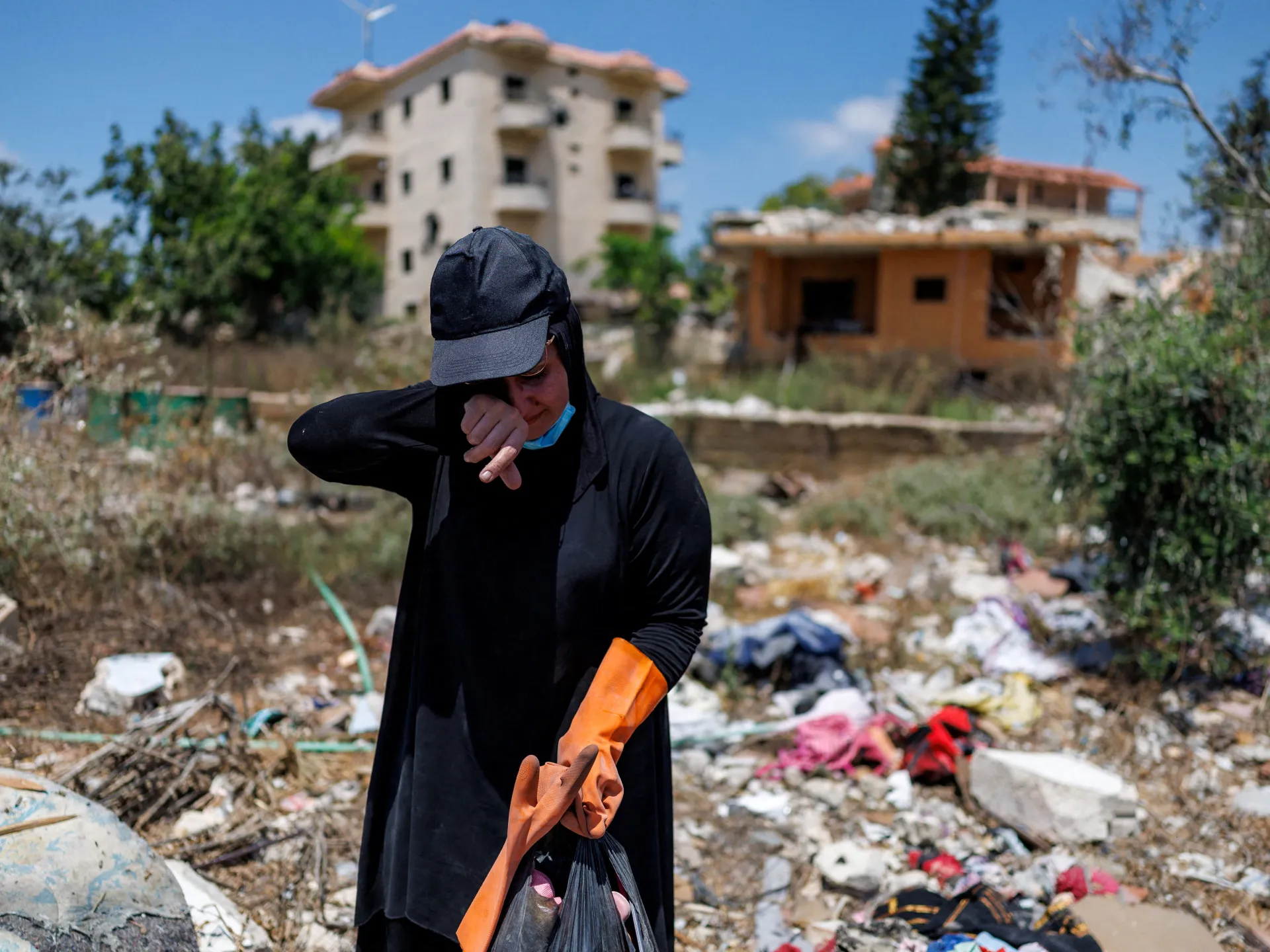
For the residents of the Bangsamoro region, the election is not merely a political exercise but a desperate hope for stability and economic reconstruction. Many families continue to live with the scars of past conflicts, including the 2017 siege of Marawi City, which resulted in widespread displacement and the destruction of infrastructure. Years later, hundreds of families remain in temporary housing, waiting for the government support and reparations they were promised following the devastation.
The economic impact of the instability has been profound. Many residents report that they are unable to afford basic necessities or travel to visit family members due to the persistent lack of economic opportunity and the failure of compensation schemes. For these citizens, the new parliament represents a potential turning point where elected officials might finally prioritize the reconstruction of homes and the restoration of livelihoods that were lost during the years of fighting.