Pop star Ed Sheeran and football coach Jurgen Klopp are navigating intense public pressure as political issues intersect with their professional platforms.
In an era where the lines between public life, political expression, and professional obligation continue to blur, high-profile figures are increasingly finding themselves at the epicenter of broader societal debates. Whether it is a global pop icon navigating the geopolitical sensitivities of a concert tour or a national football manager attempting to reclaim symbols of patriotism from political fringes, the burden of representation is shifting. These incidents highlight a growing expectation—and sometimes a demand—from audiences and the public that influential figures take explicit stances, even as those stances risk alienating business partners, sponsors, or fan bases. The tension between maintaining artistic or sporting neutrality and addressing urgent, polarizing global events has fundamentally altered how public figures engage with their platforms, transforming entertainment and sports into unavoidable arenas for cultural discourse.
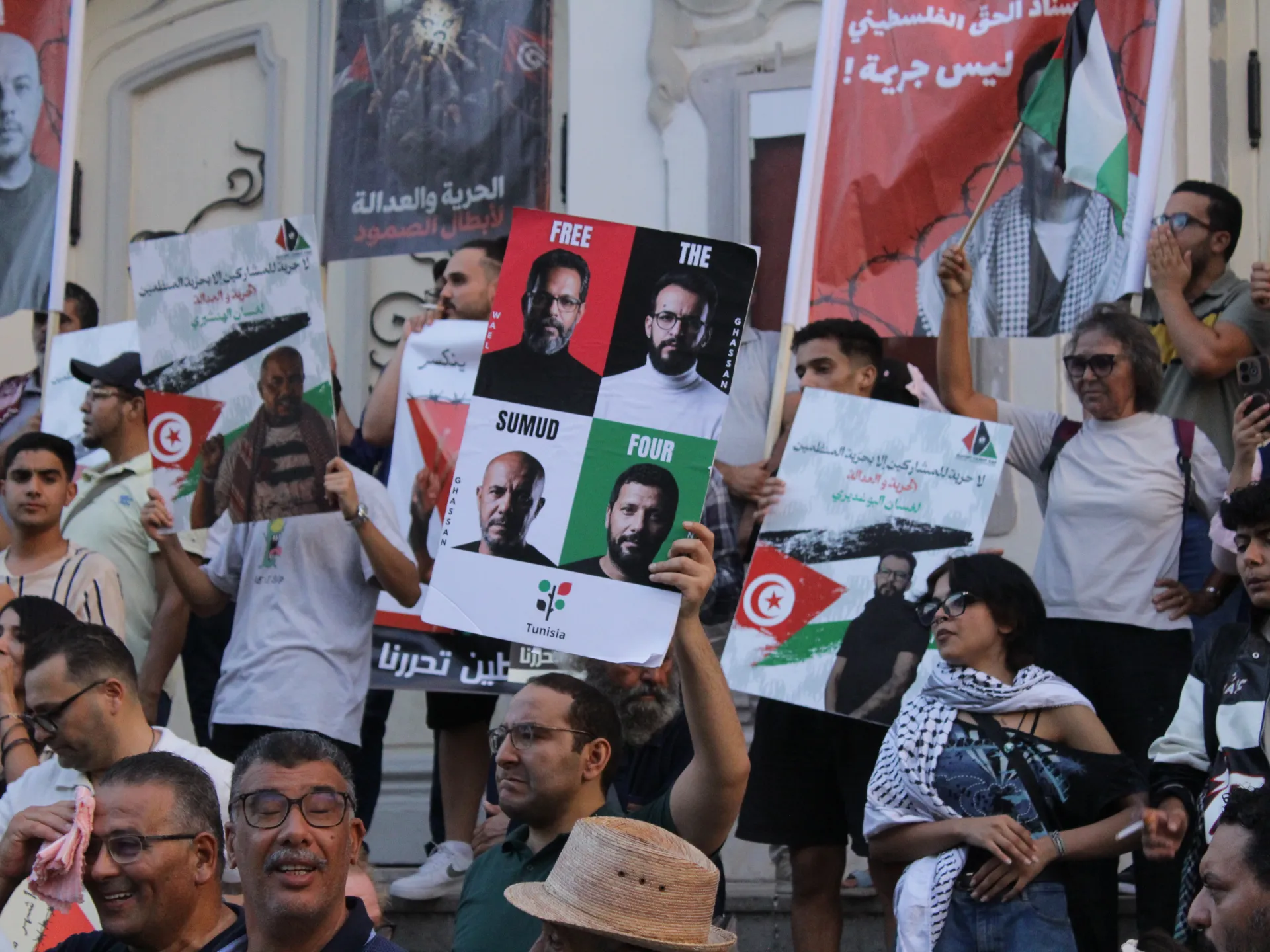
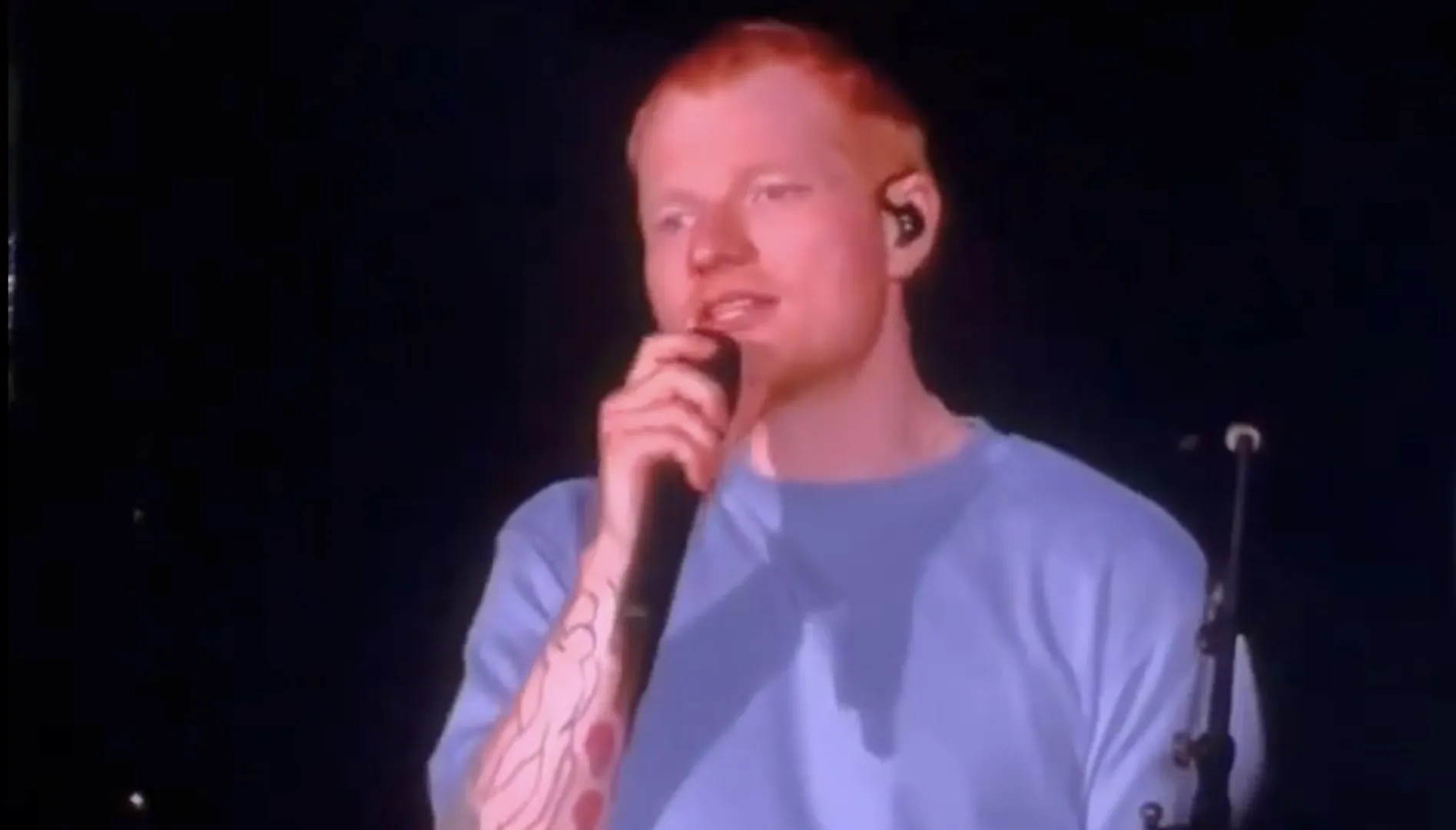
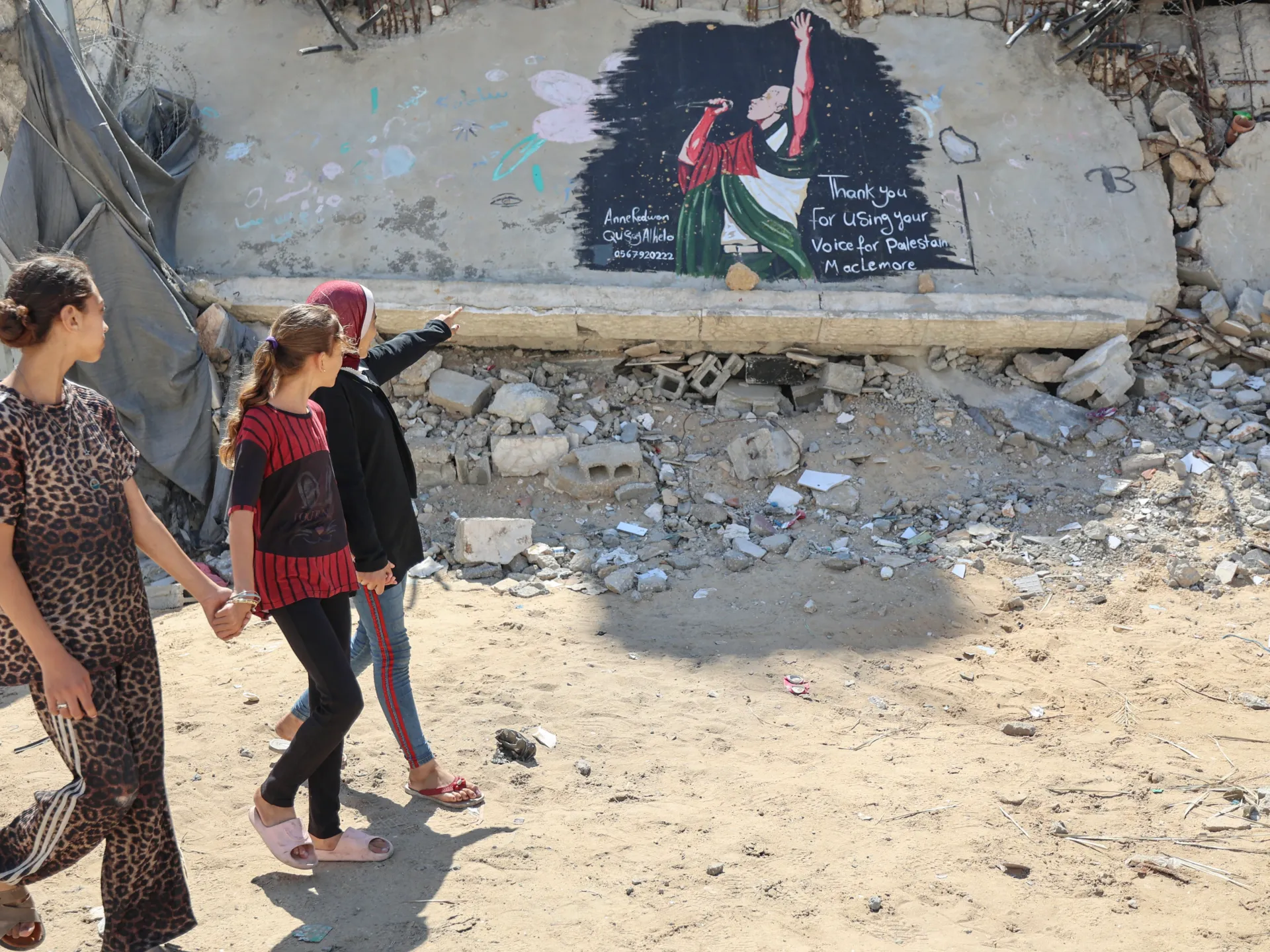
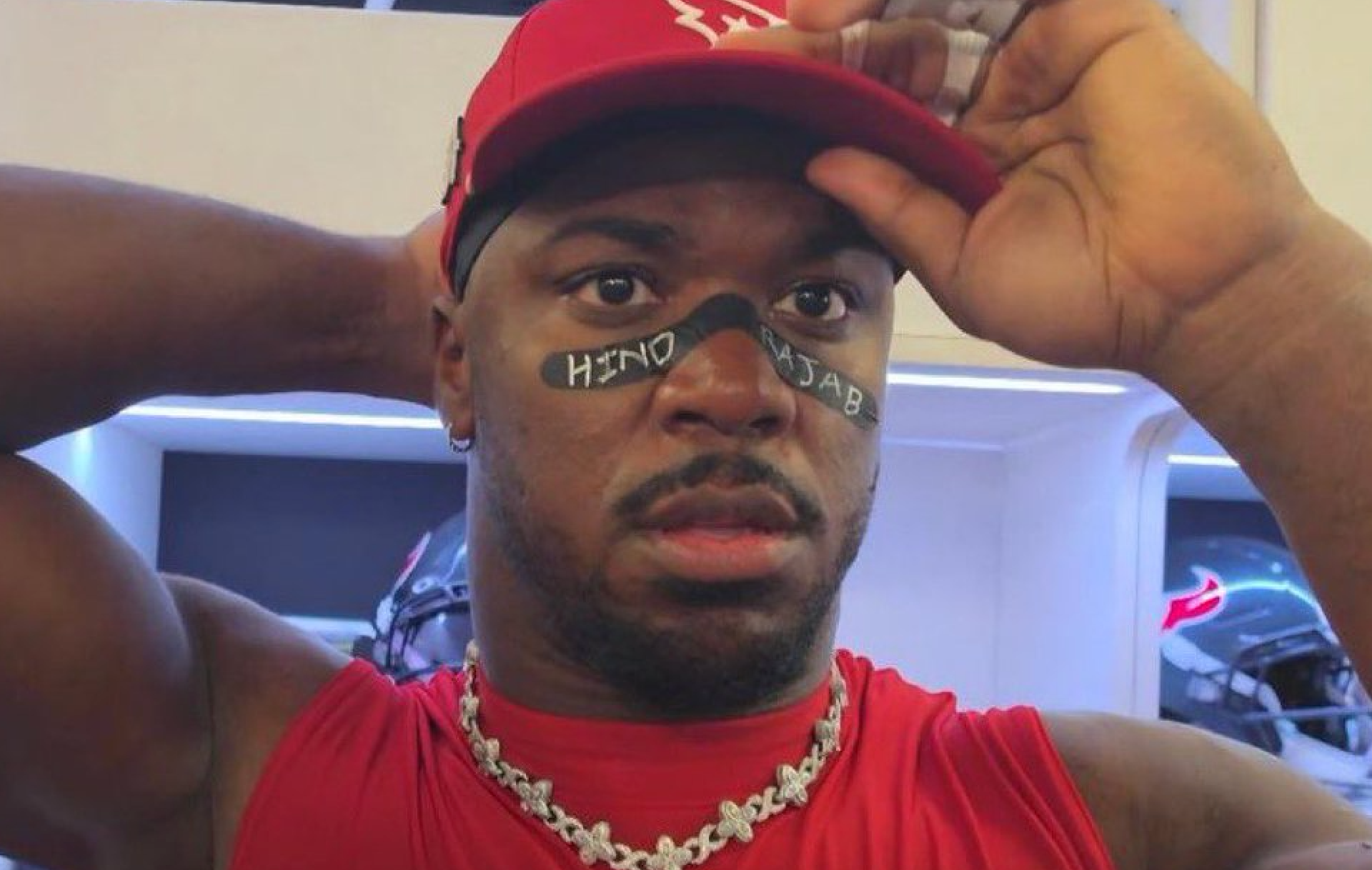
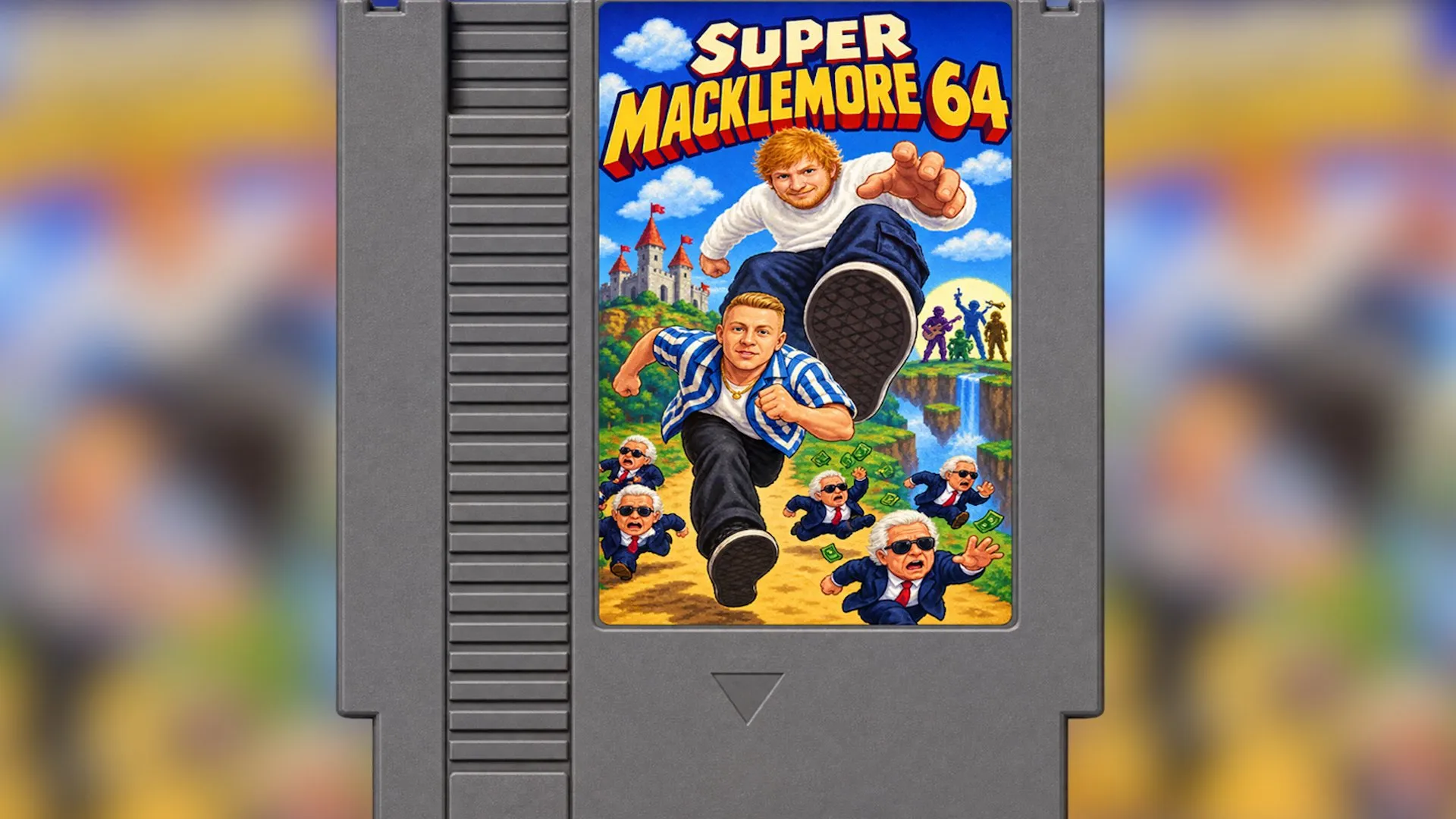
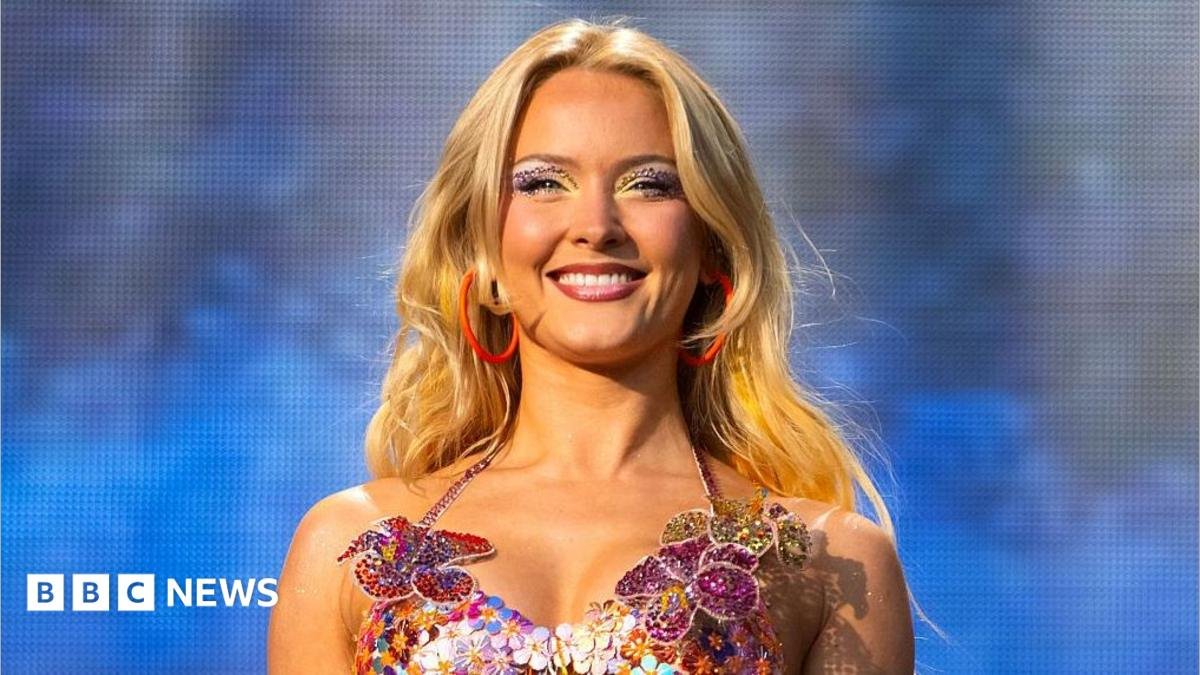
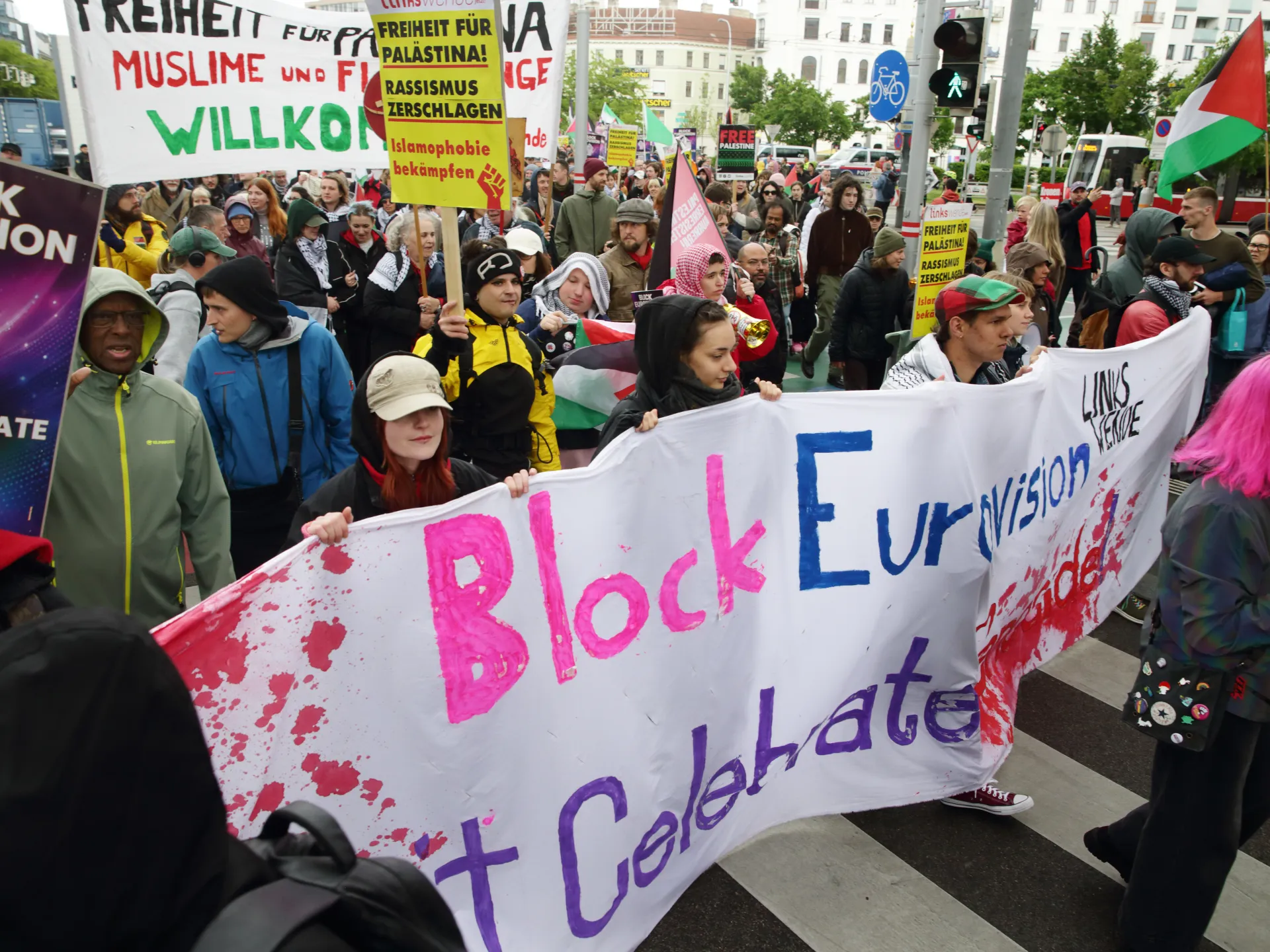
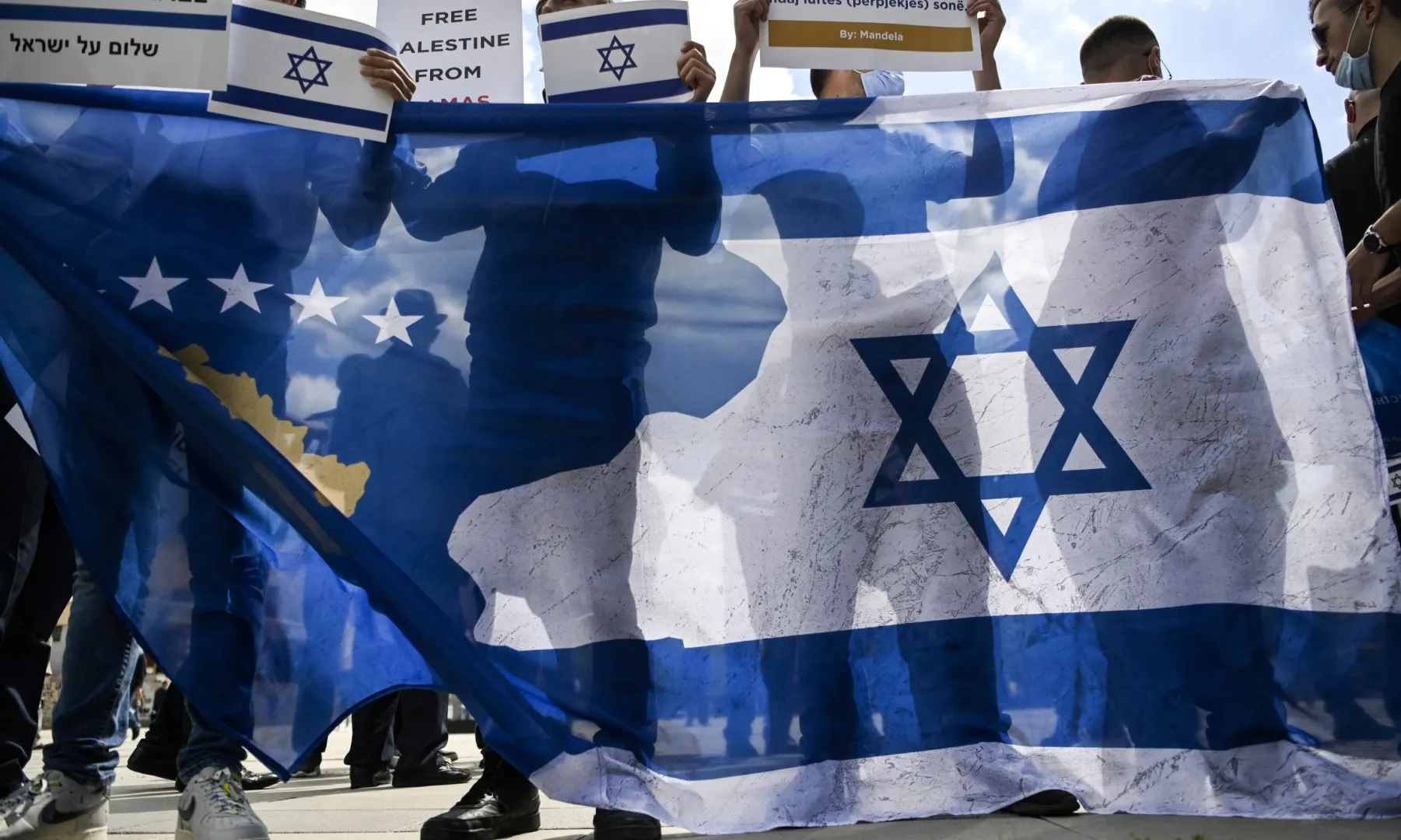
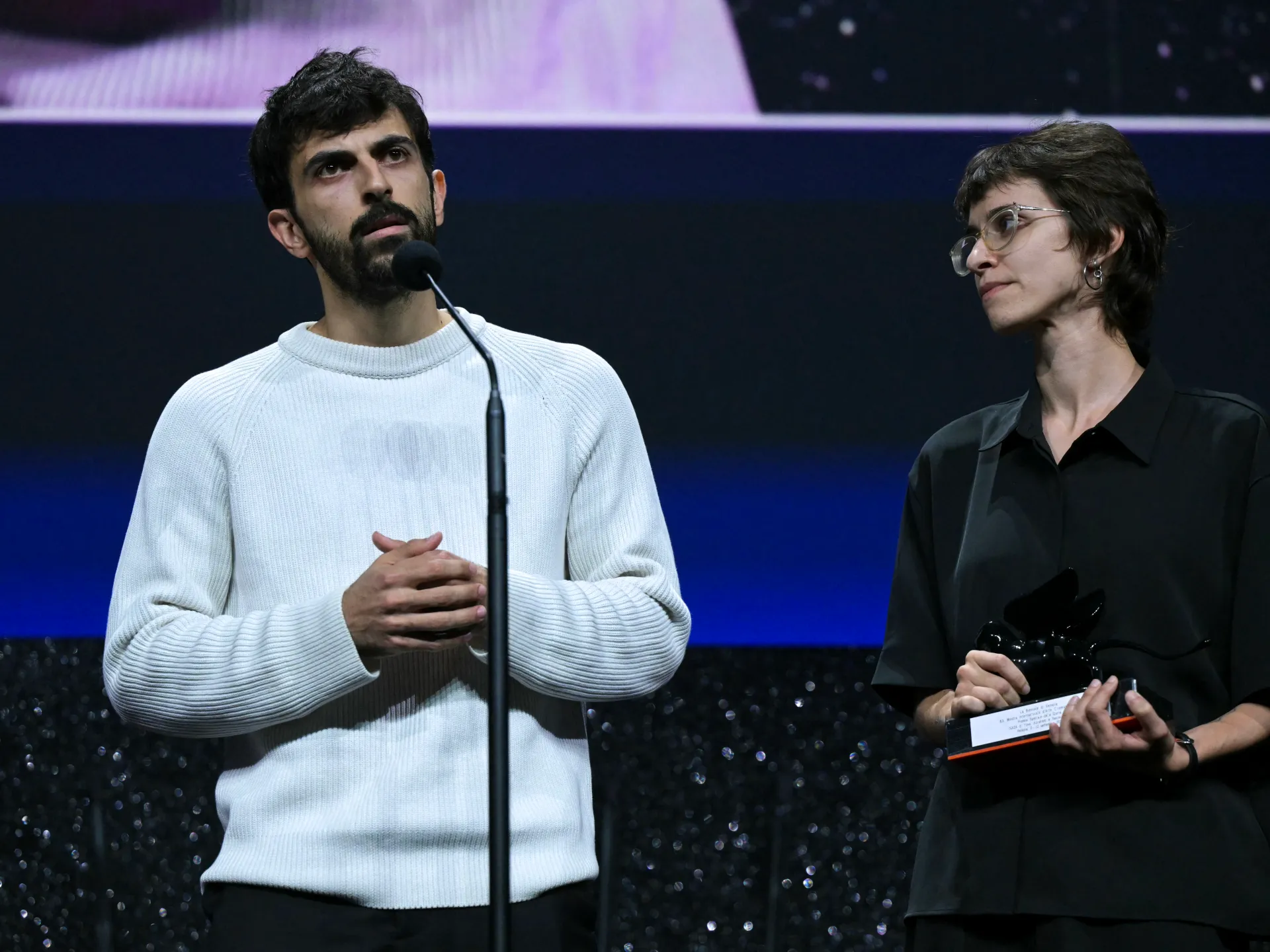
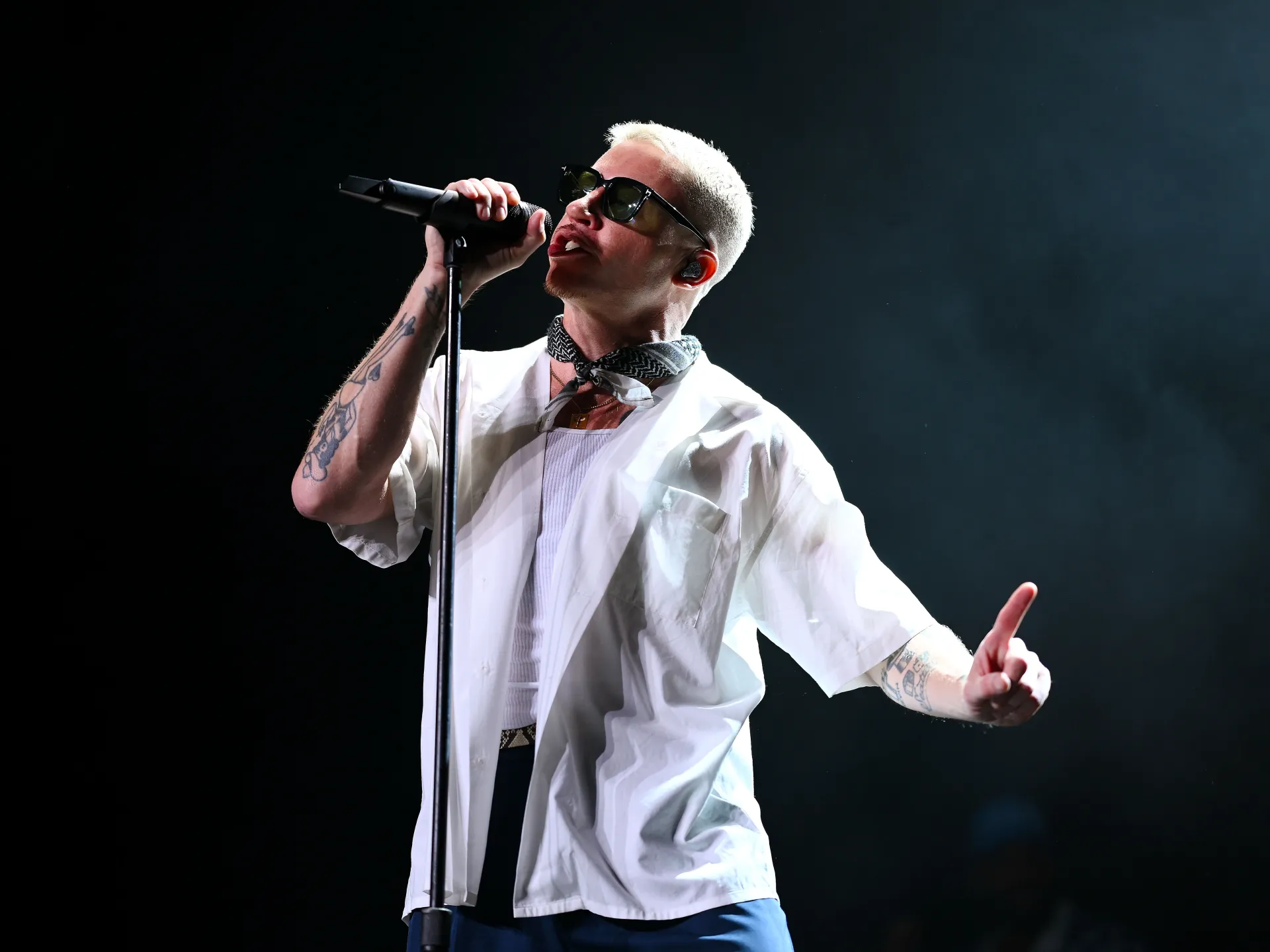
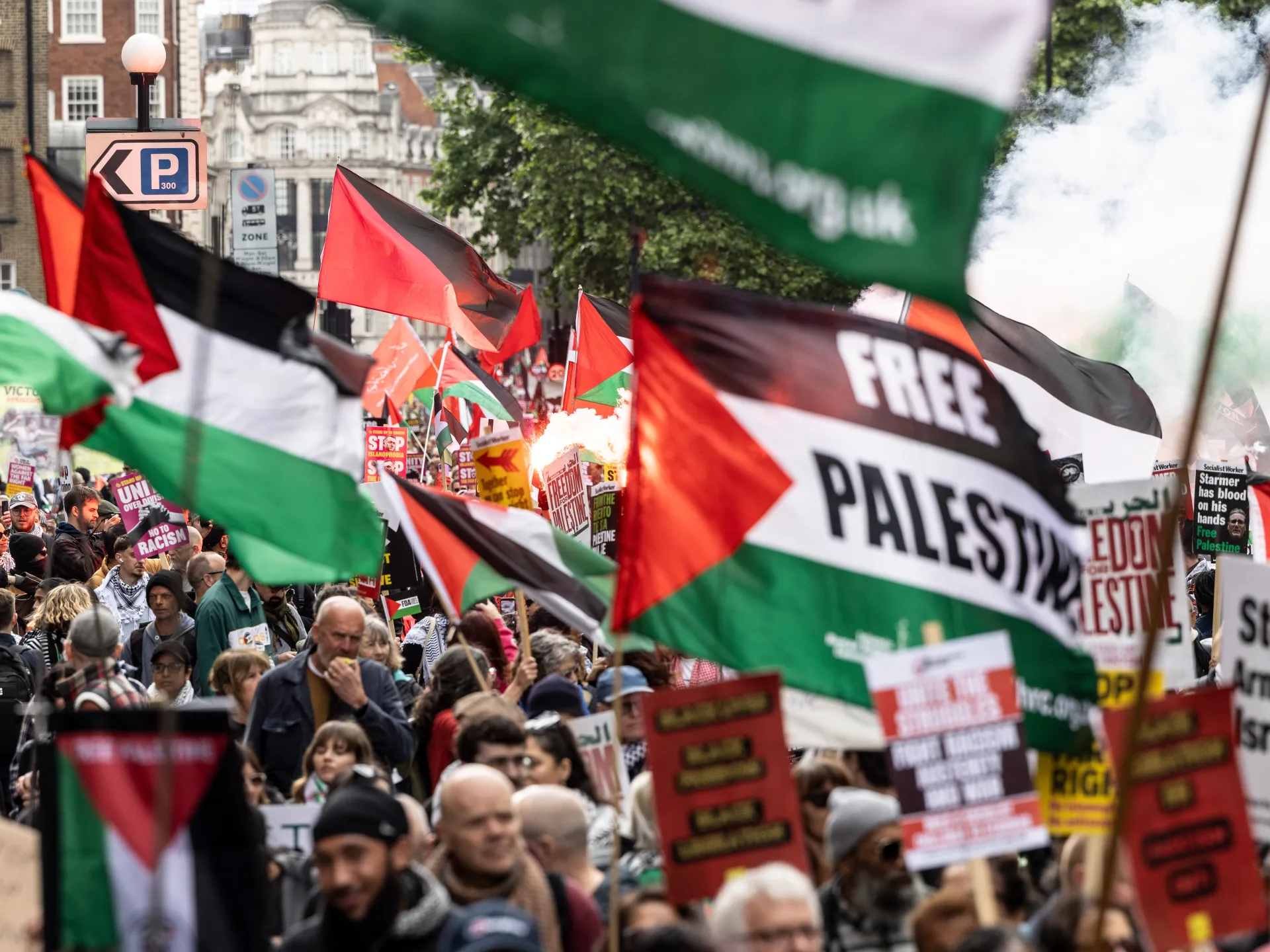
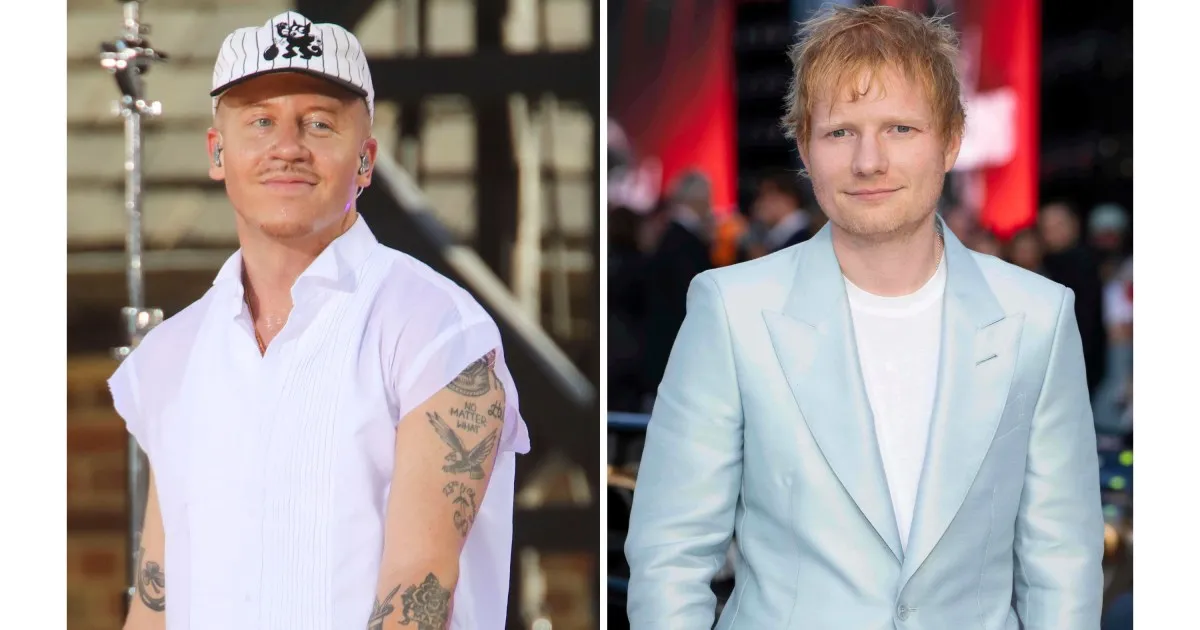
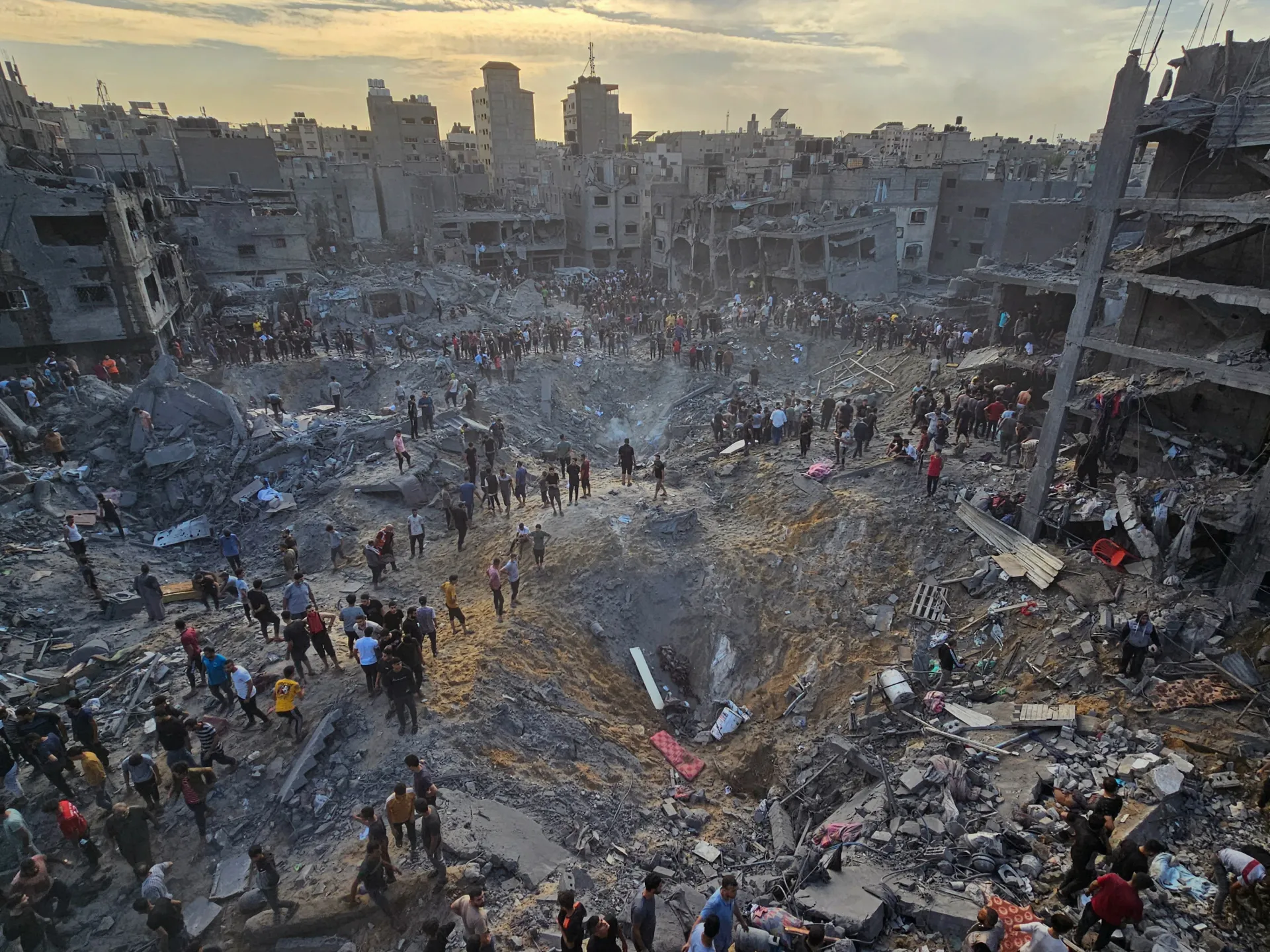
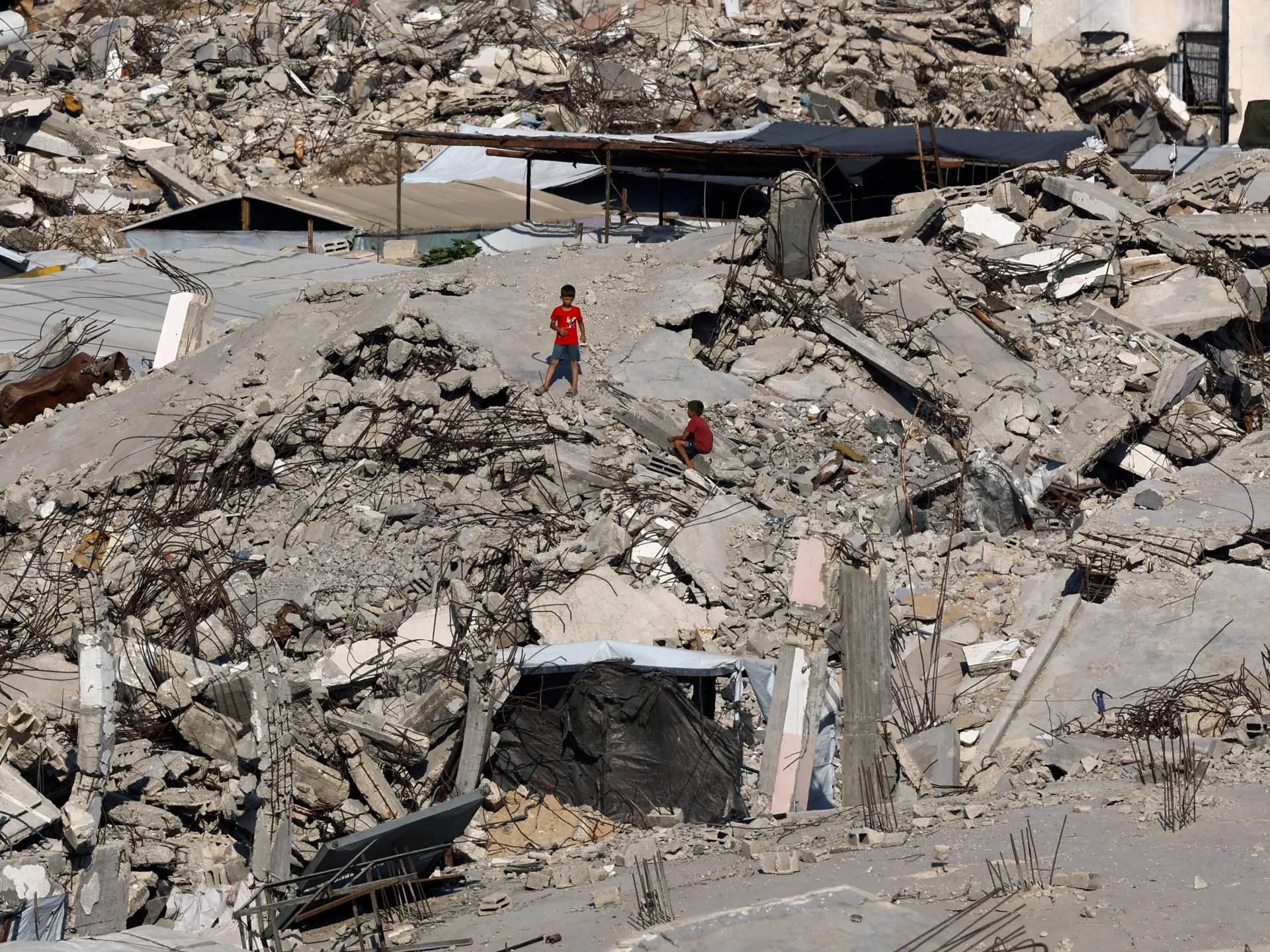
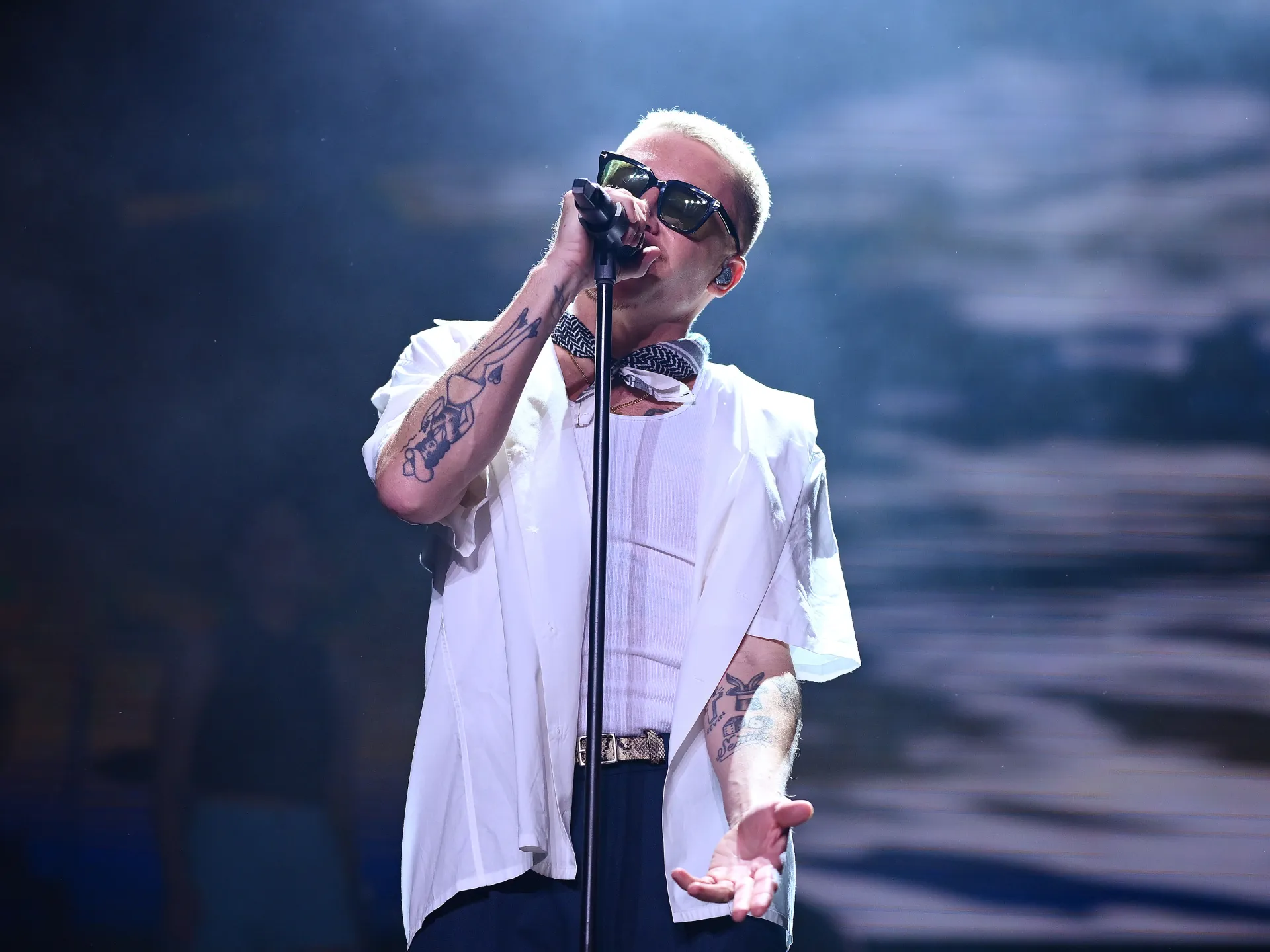
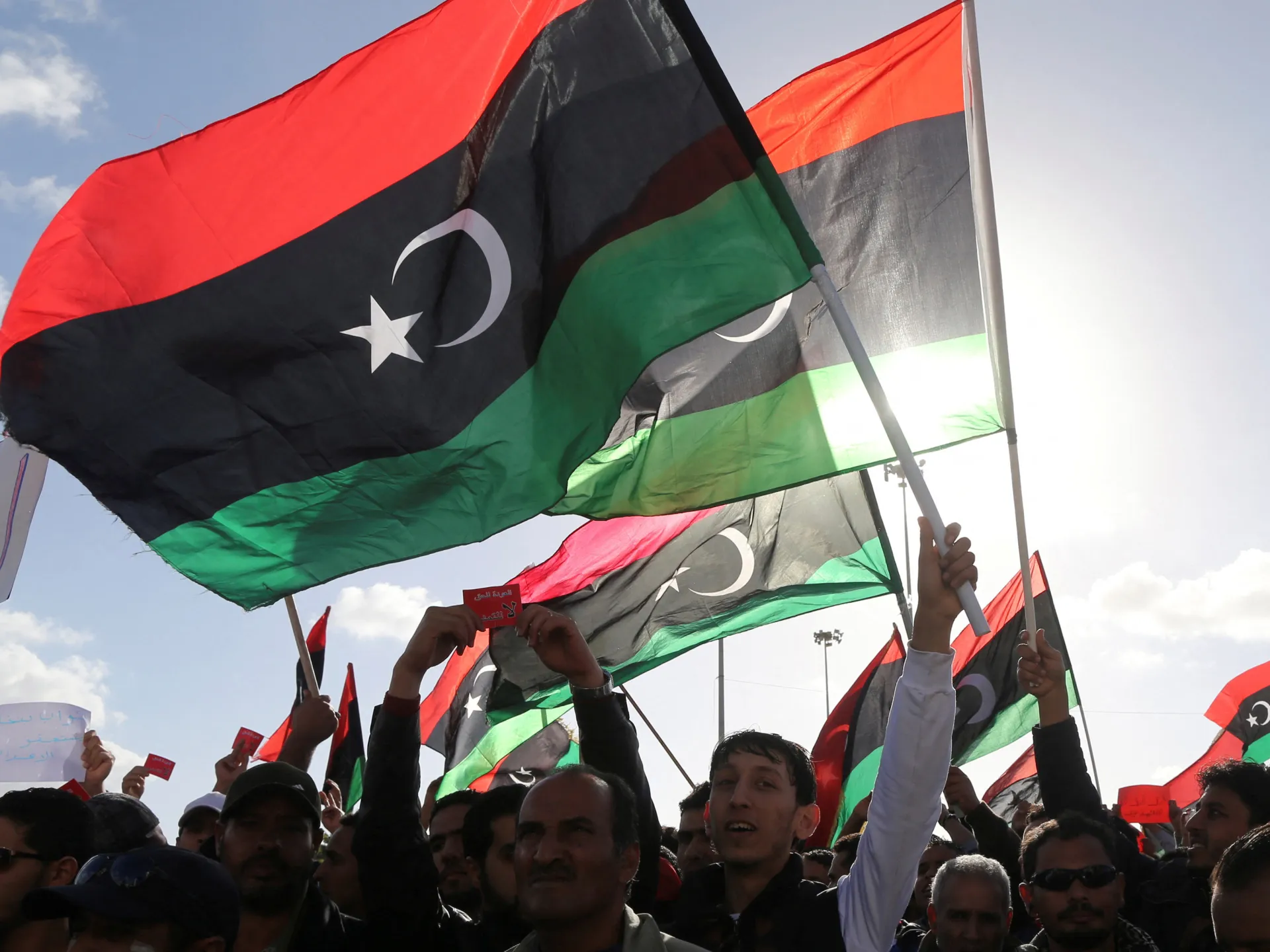
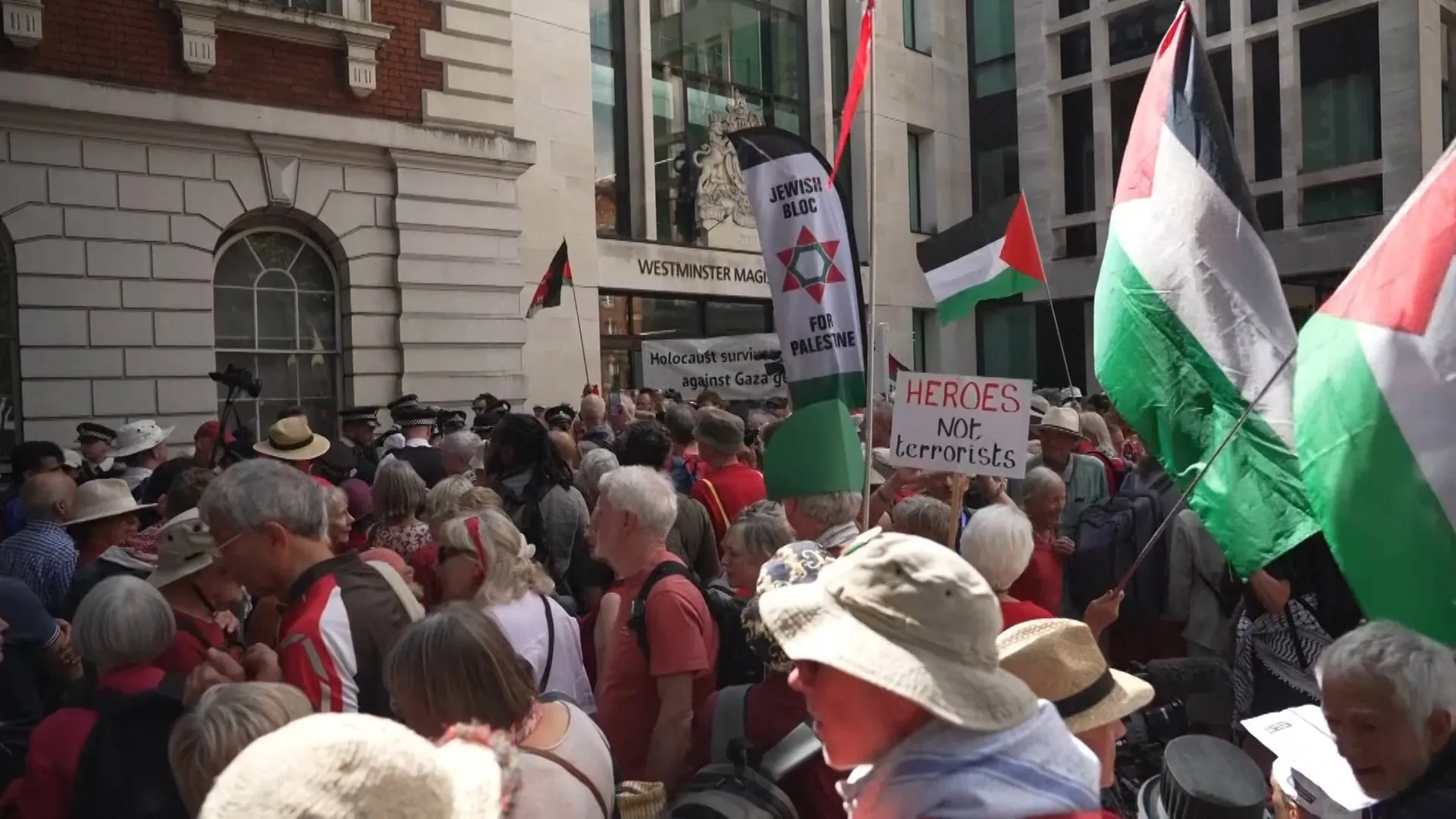
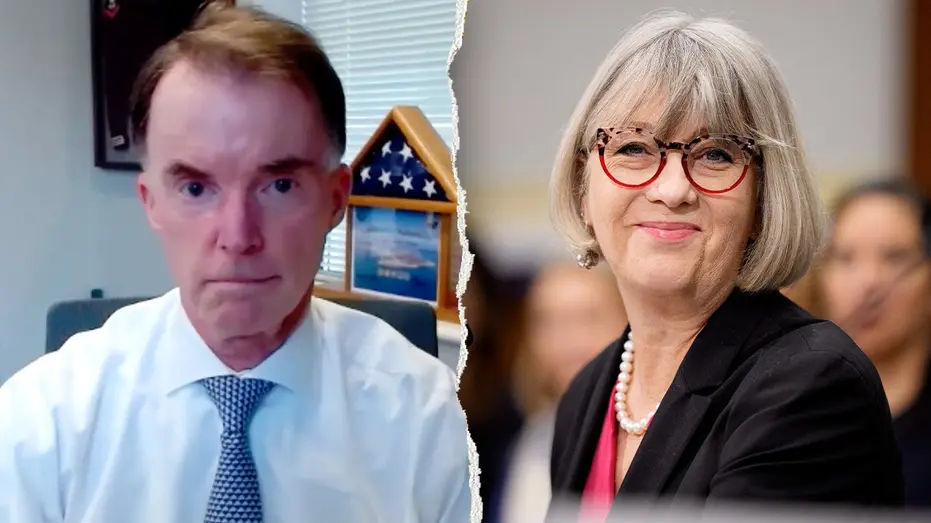
British singer Ed Sheeran recently broke his silence regarding the turmoil surrounding his North America Loop Tour. Following the removal of rapper Macklemore from the tour lineup after the latter made pro-Palestine remarks at a New Jersey concert, Sheeran faced mounting pressure from protesters and industry observers. During a performance at Lincoln Financial Field in Philadelphia, Sheeran described the situation in Gaza as “catastrophic,” “unjustifiable,” and “disproportionate.”
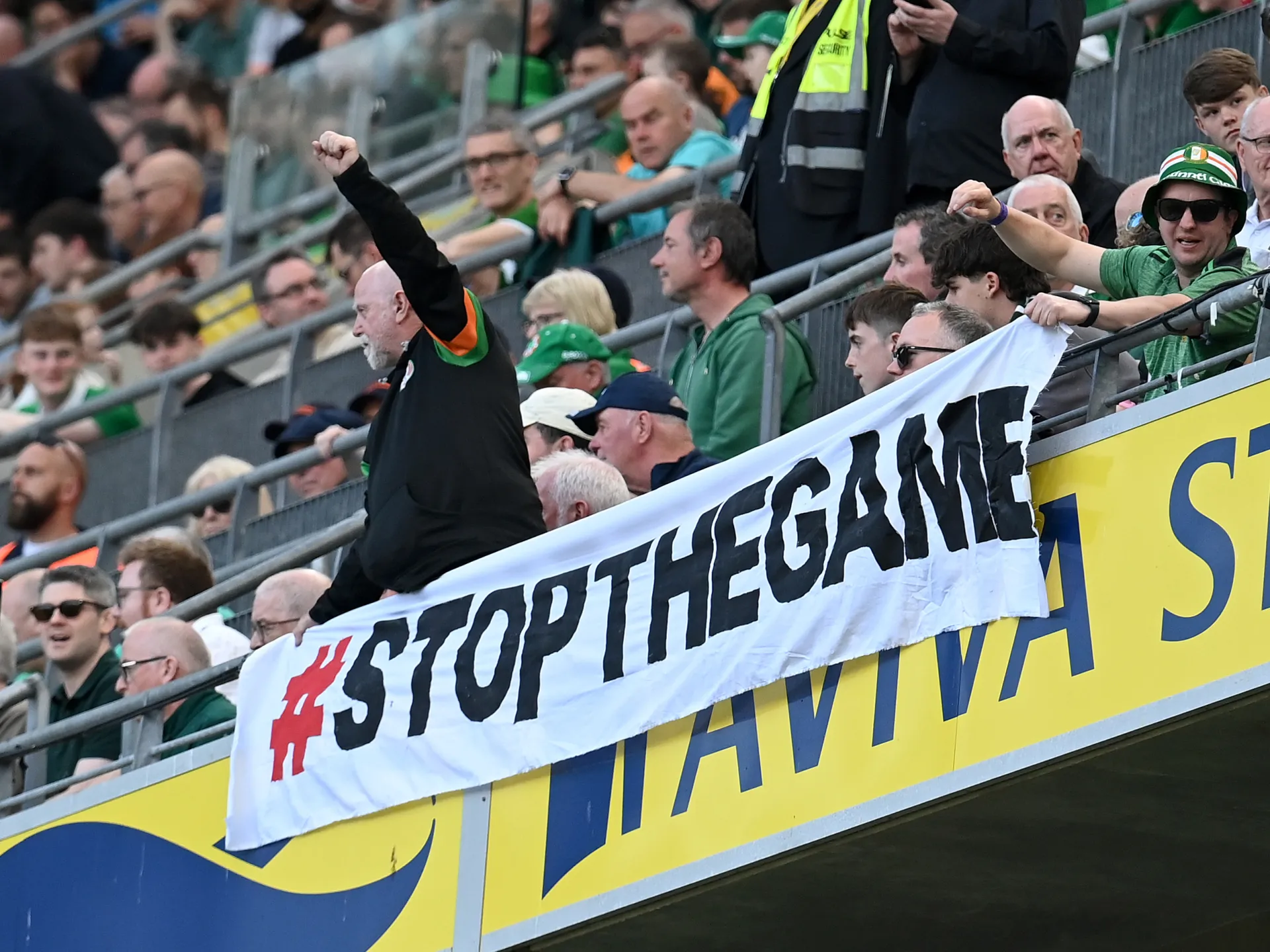
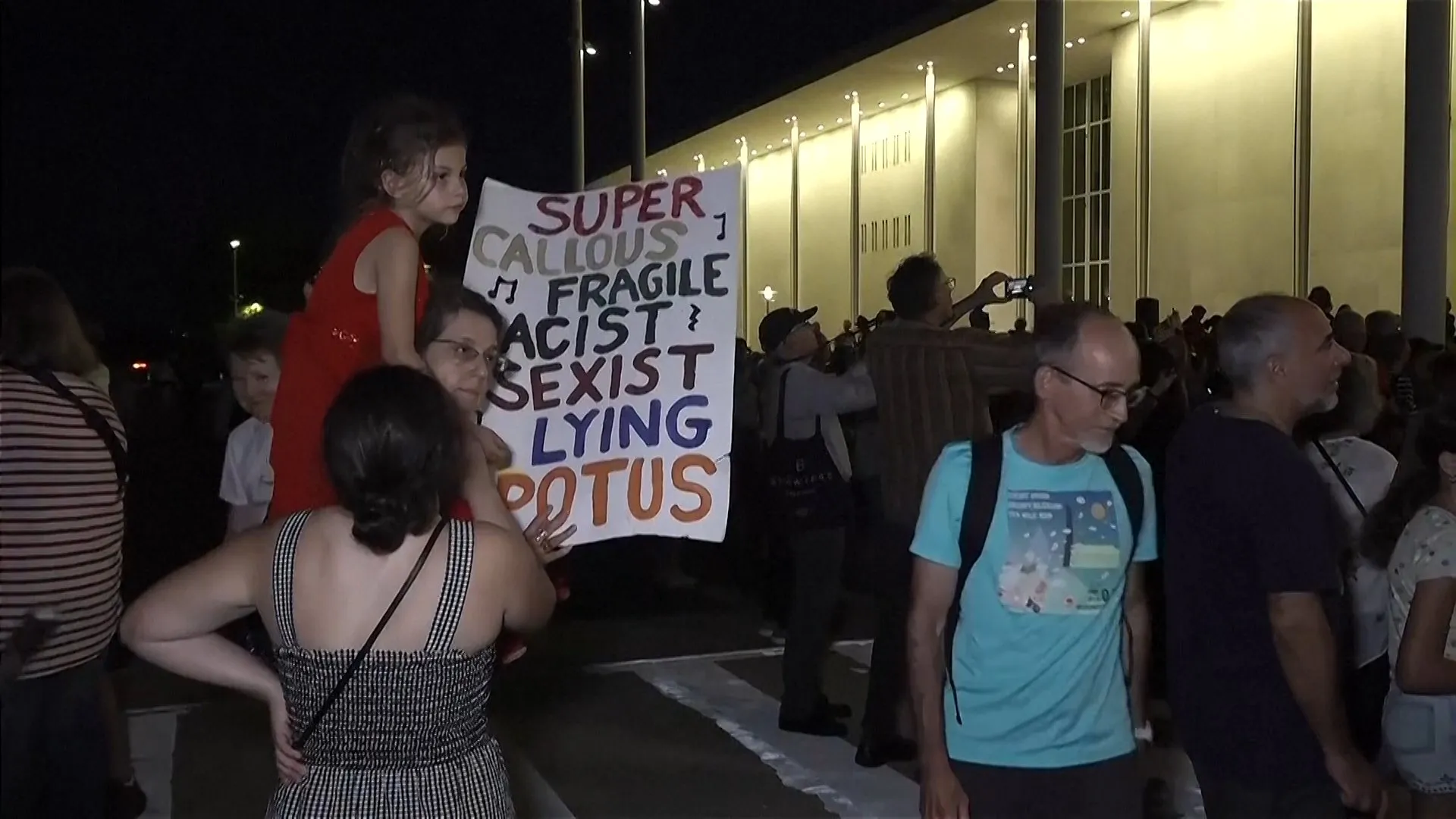
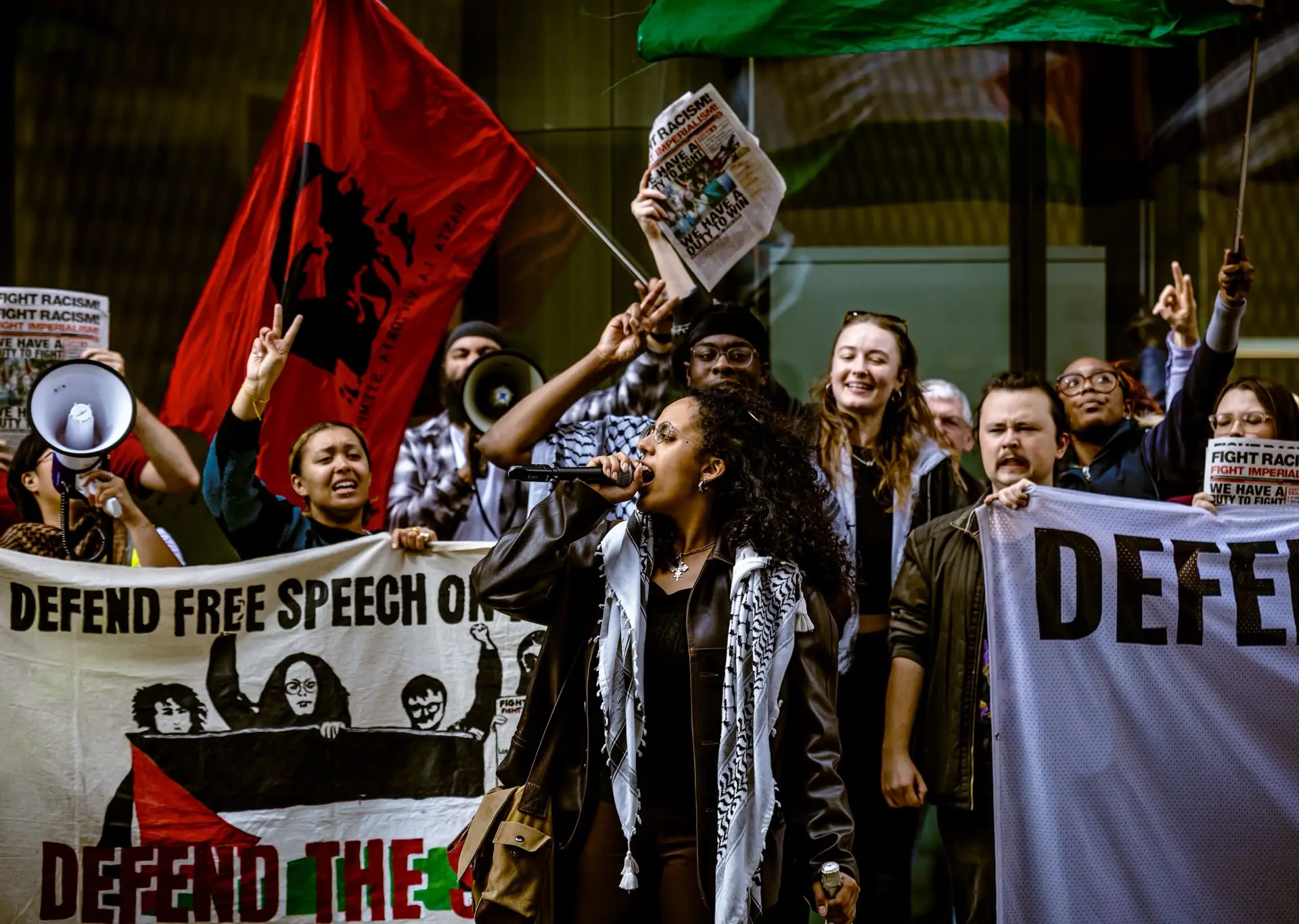
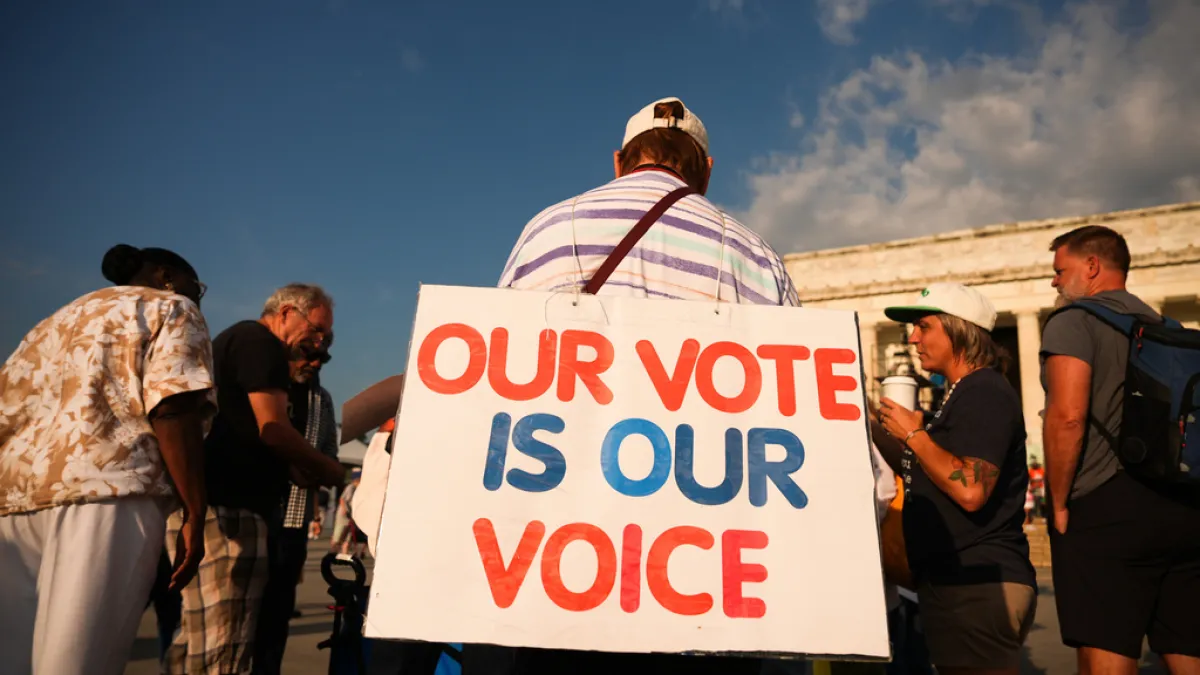
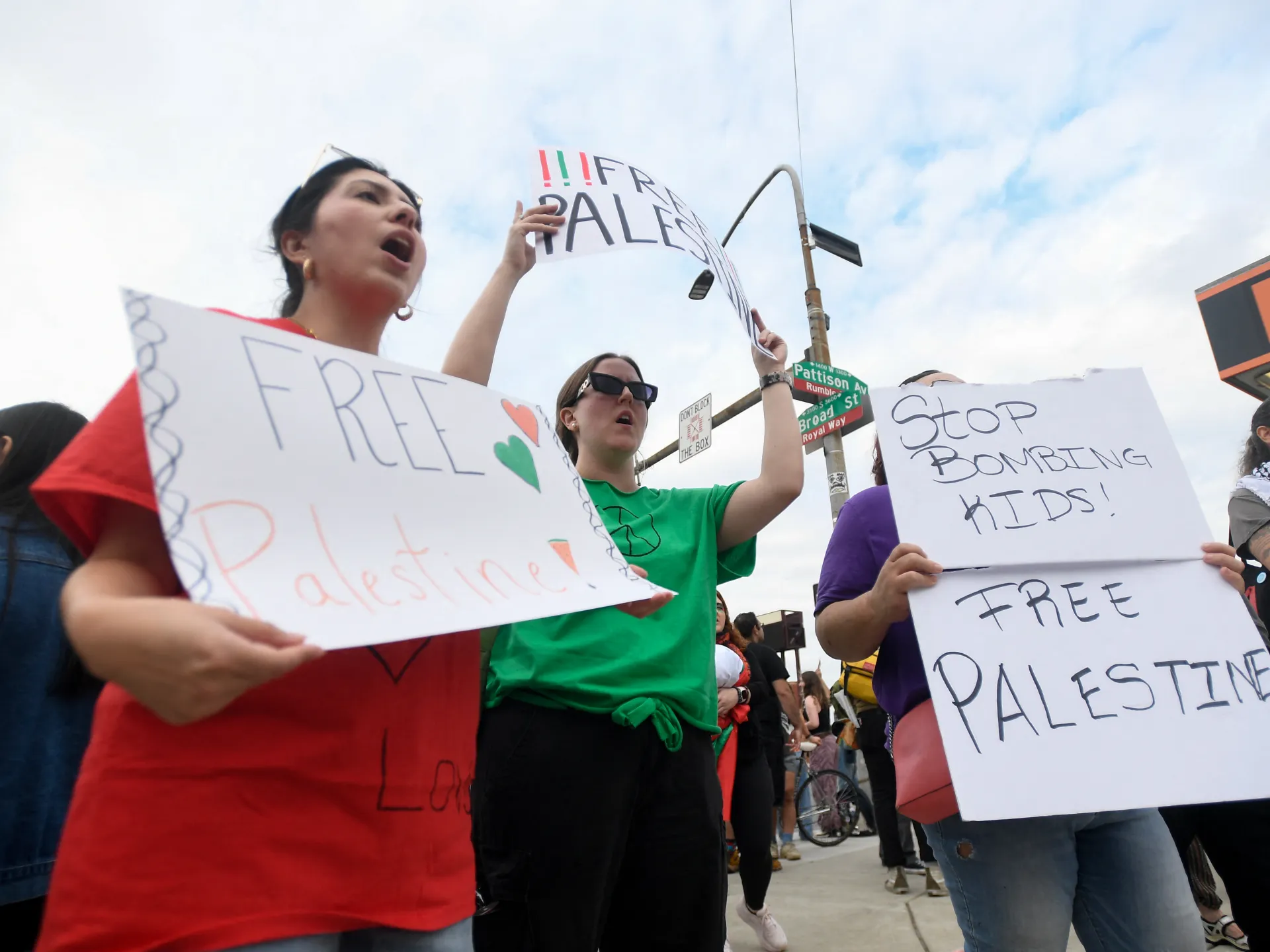
The tour’s internal stability has been significantly impacted, with all four of Sheeran’s supporting acts—including musician Finneas—withdrawing from the tour in solidarity with the Palestinian cause. Finneas explicitly stated on Instagram that artists should not be silenced when speaking for the oppressed. Reports indicate that the Philadelphia concert start time was delayed While Sheeran has denied responsibility for Macklemore’s removal, attributing the decision to his tour promoter, the controversy has sparked a diverse reaction. Some fans, such as those gathered outside the stadium in protest, argued that music cannot be separated from politics, while others maintained that their focus remained squarely on the entertainment.
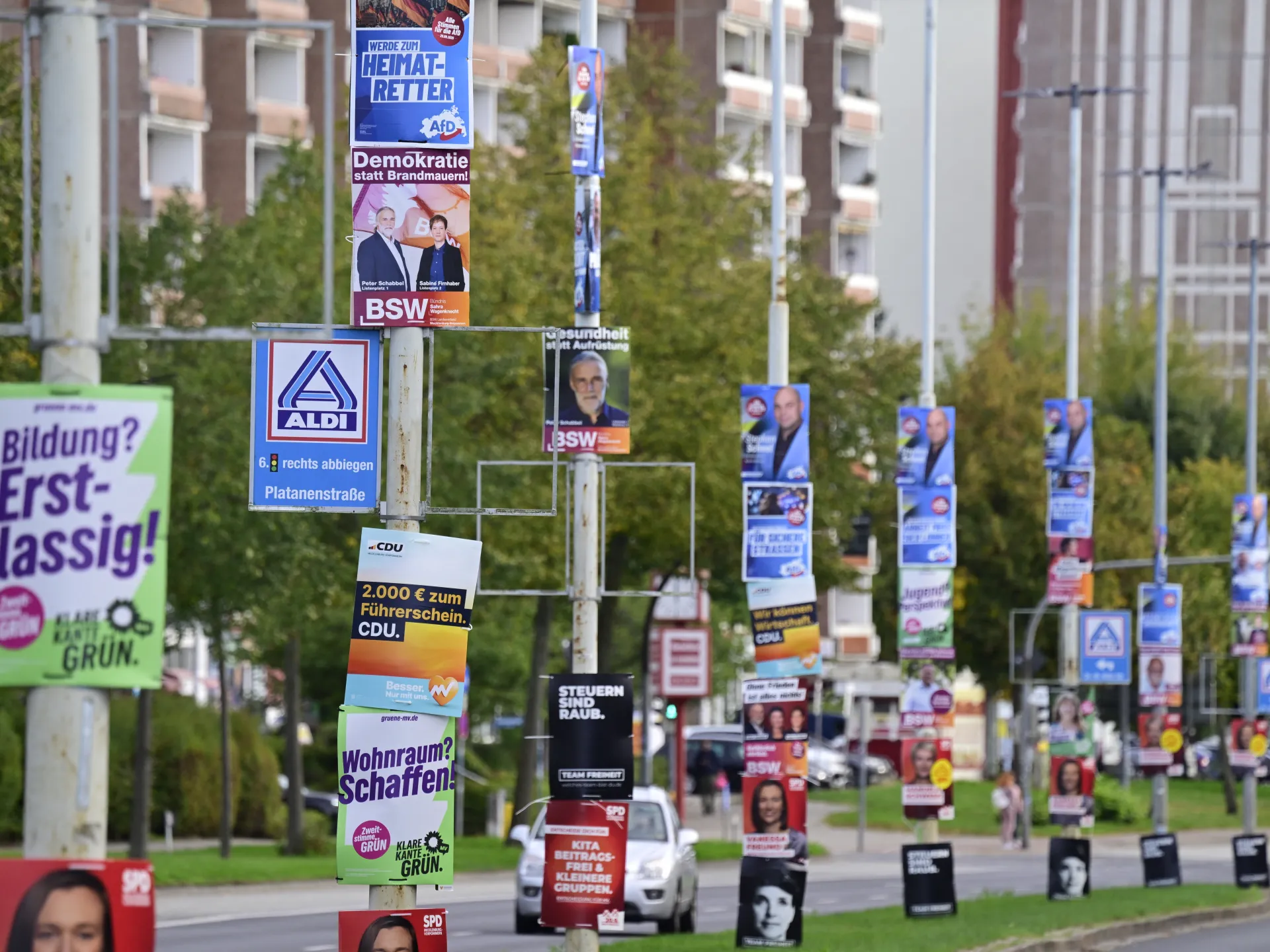
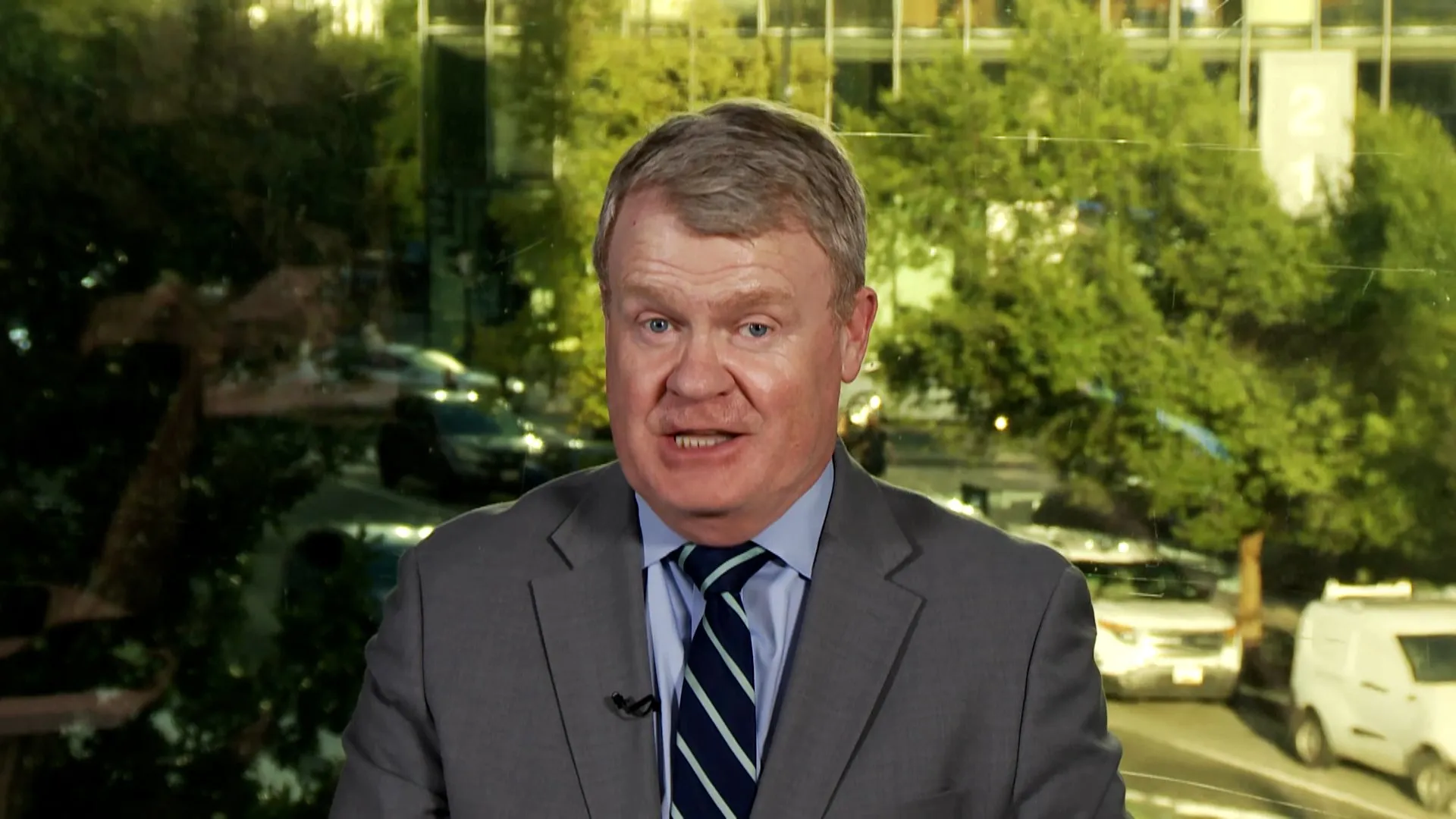
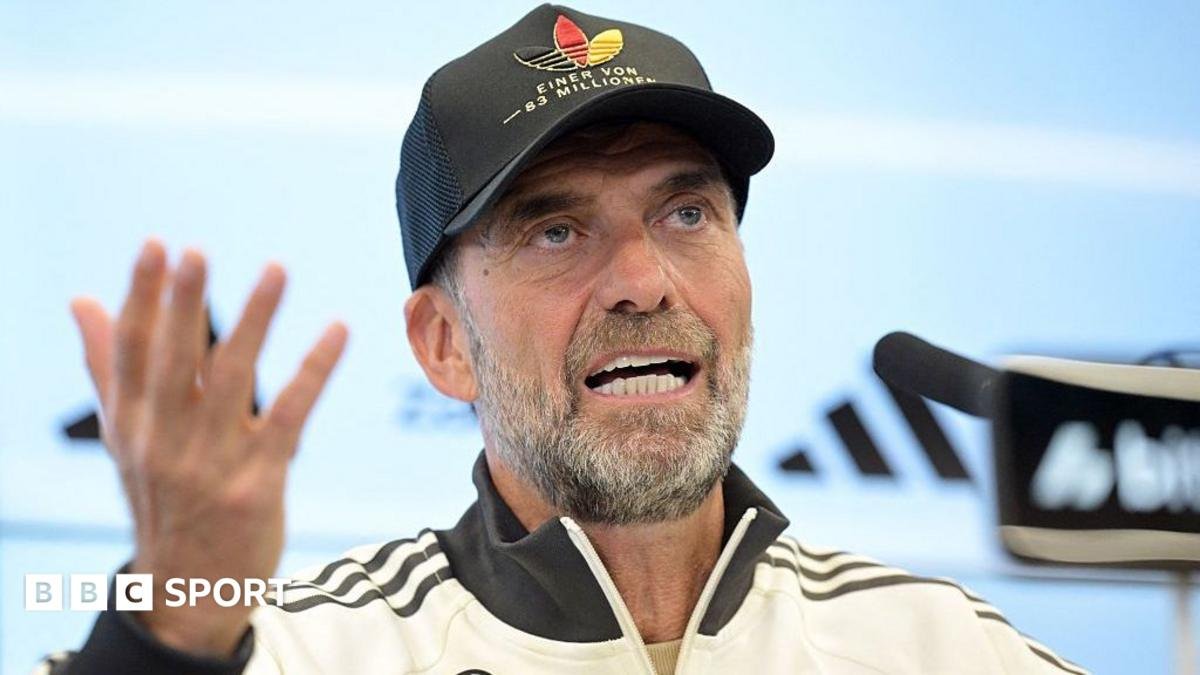
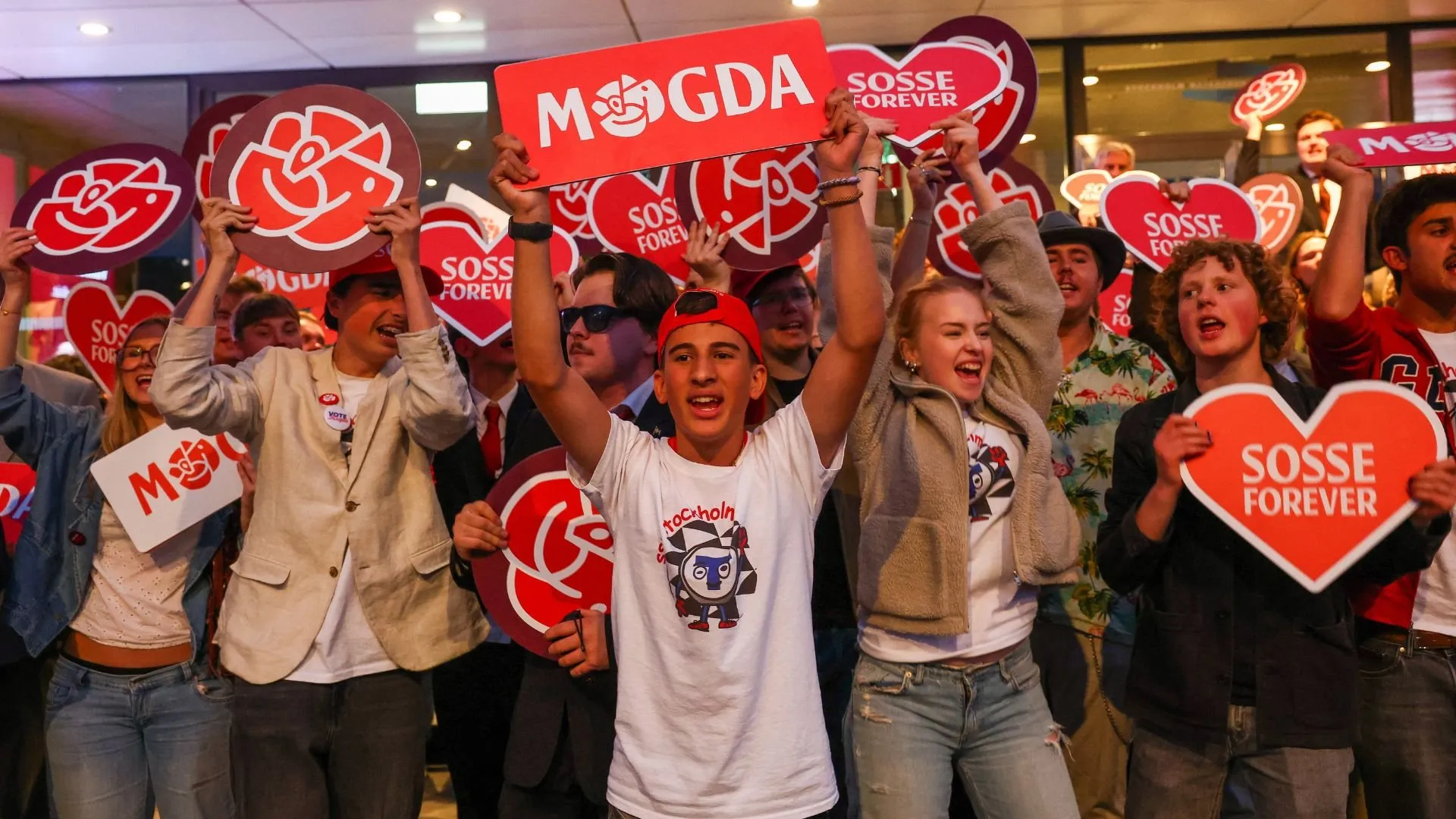
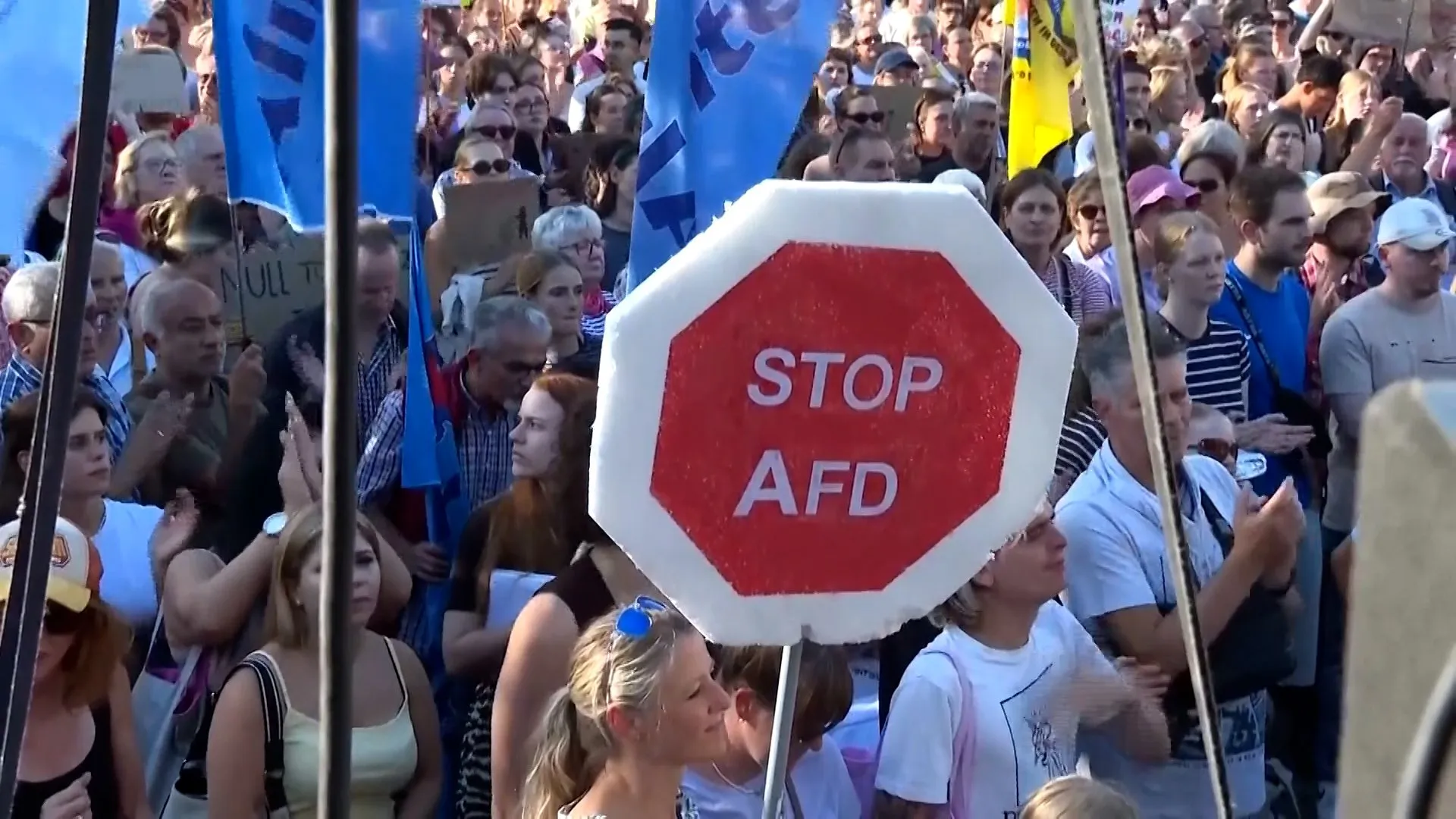
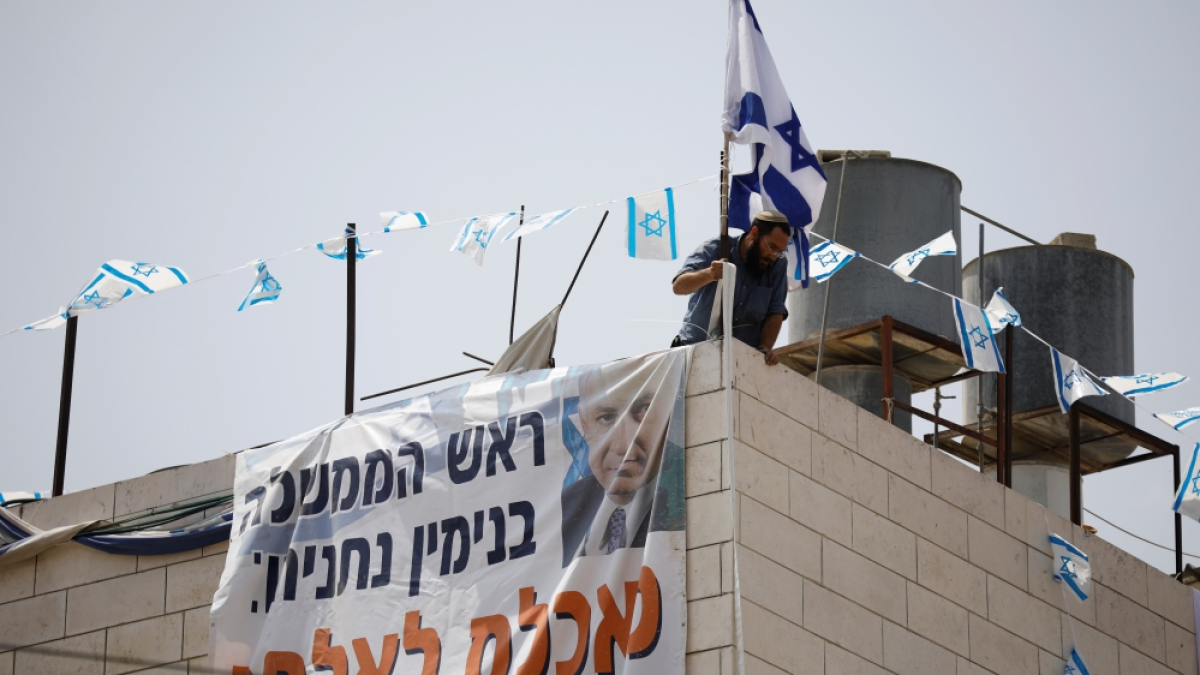
Simultaneously, in Germany, new national coach Jurgen Klopp is grappling with a different form of polarization. Following a regional election in Saxony-Anhalt where the far-right Alternative for Germany (AfD) party captured 43.8% of the vote, Klopp has sought to redefine the narrative surrounding German national identity. Expressing concern over the rise of anti-immigration sentiment, Klopp emphasized the concept of “positive patriotism.”
Klopp, who is currently assembling his squad for upcoming Nations League fixtures, argued that national pride should not be conceded to political extremists. He stressed his preference for a version of pride that remains “open-minded, diverse, and kind.” Klopp’s attempt to decouple patriotism from the far-right agenda comes as the national team prepares for a rigorous schedule, including matches against the Netherlands and Greece. The coach underscored that while he is not a political expert, he views the power of sport as a vital tool for fostering communal identity and social cohesion in a fractured environment.
For Ed Sheeran, the challenge lies in stabilizing his tour logistics while navigating the fallout of a fractured support lineup. As long as the conflict in Gaza remains a flashpoint for international activism, the pressure on the singer to clarify his position or engage further with critics is unlikely to dissipate. His ability to sustain the tour without the planned support acts will serve as a test of the tour's resilience against organized boycotts.
Regarding the German national team, Klopp’s integration of social commentary into his leadership style establishes a precedent for how the team will be perceived ahead of upcoming international tournaments. As the team prepares for matches in late September and early October, the squad’s performance and Klopp’s rhetoric will be closely monitored, not only for their sporting success but as a barometer for how sports figures can influence public discourse in an increasingly polarized German political landscape.