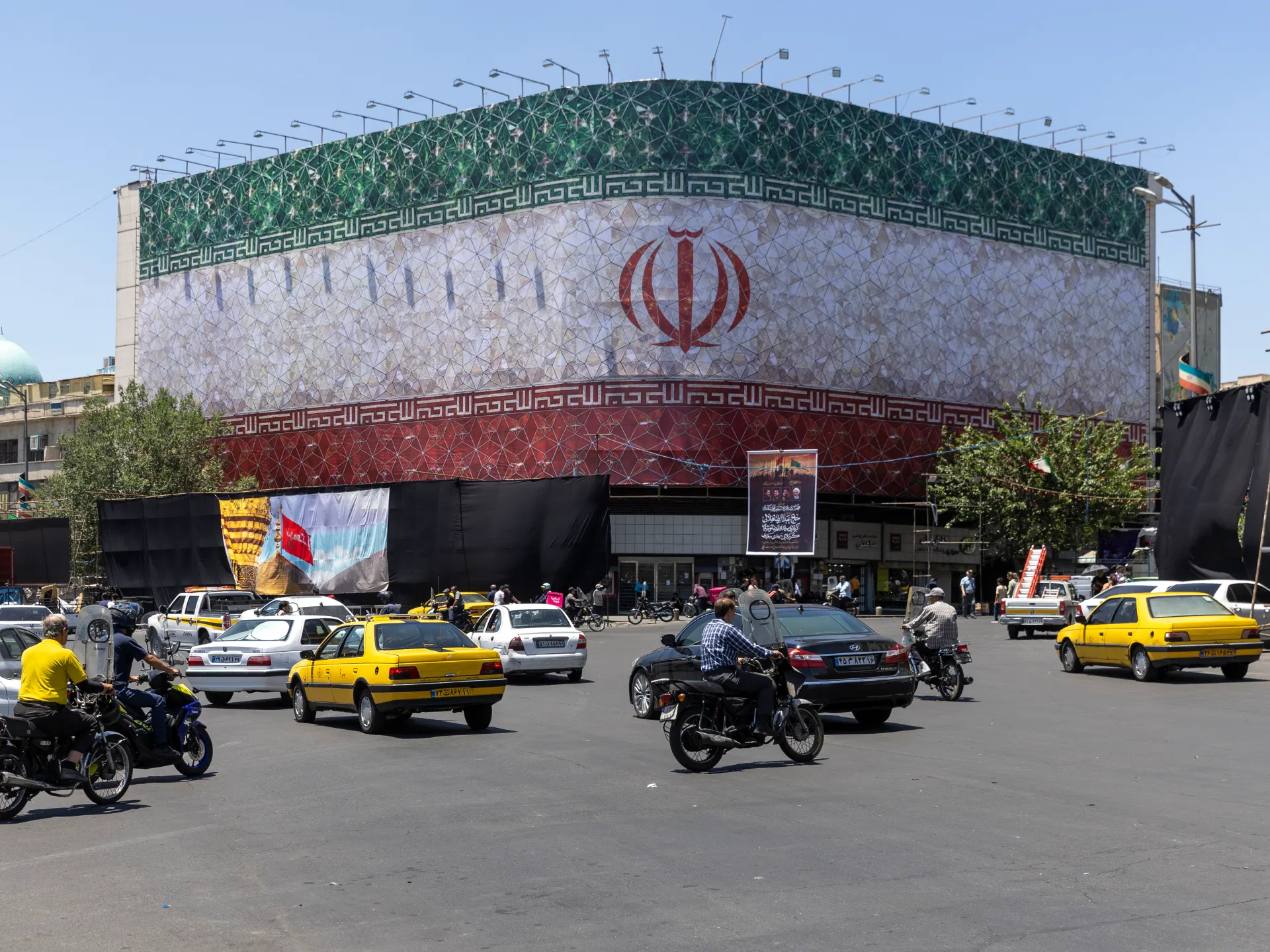
The US is set to blacklist any global business providing services to Iranian airlines, while simultaneously restricting the Iranian delegation at the UN.
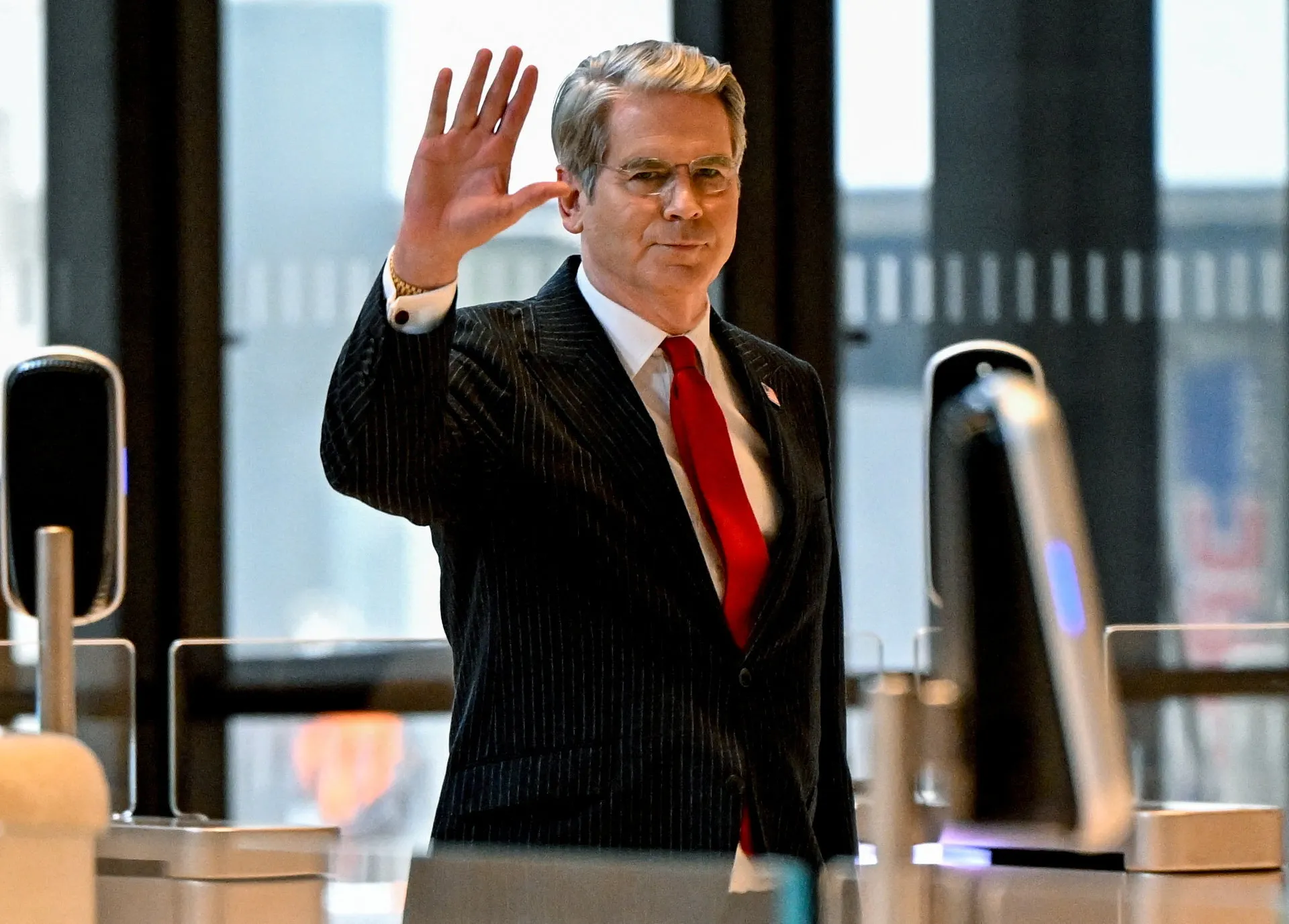
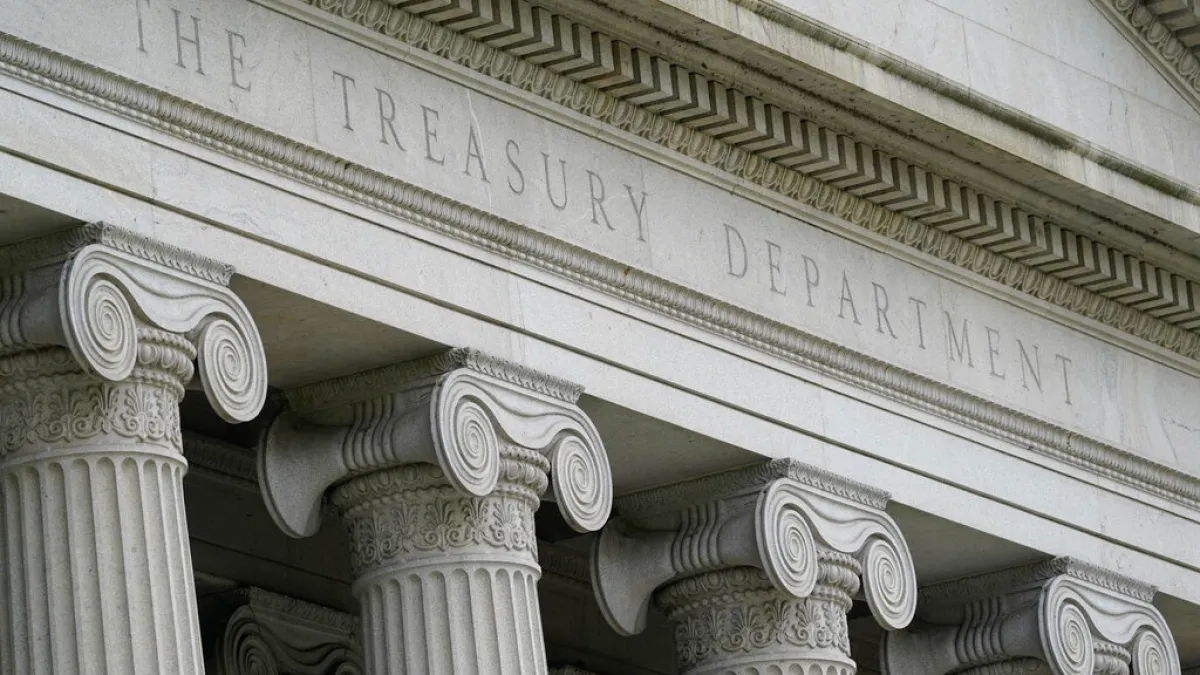
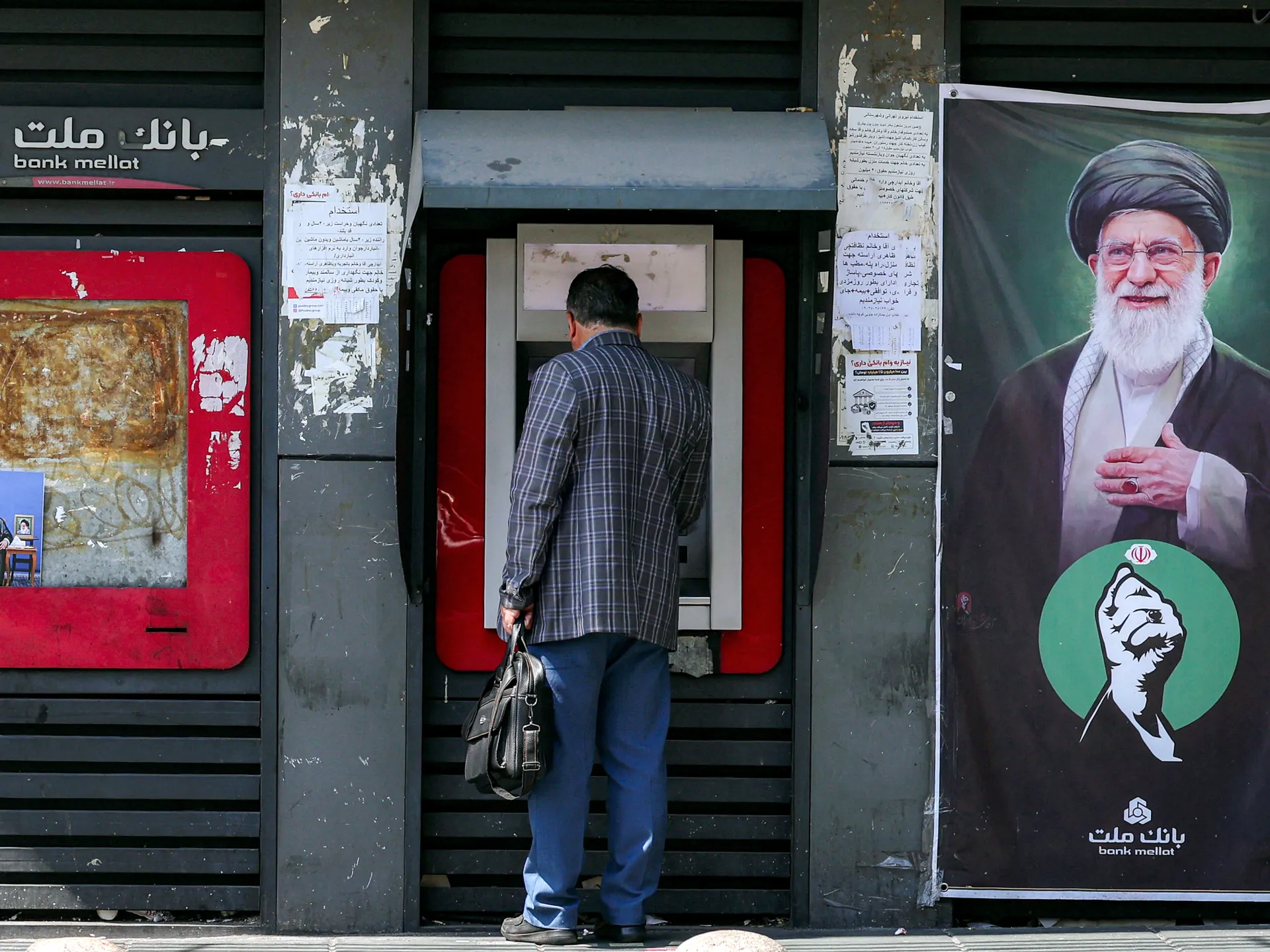
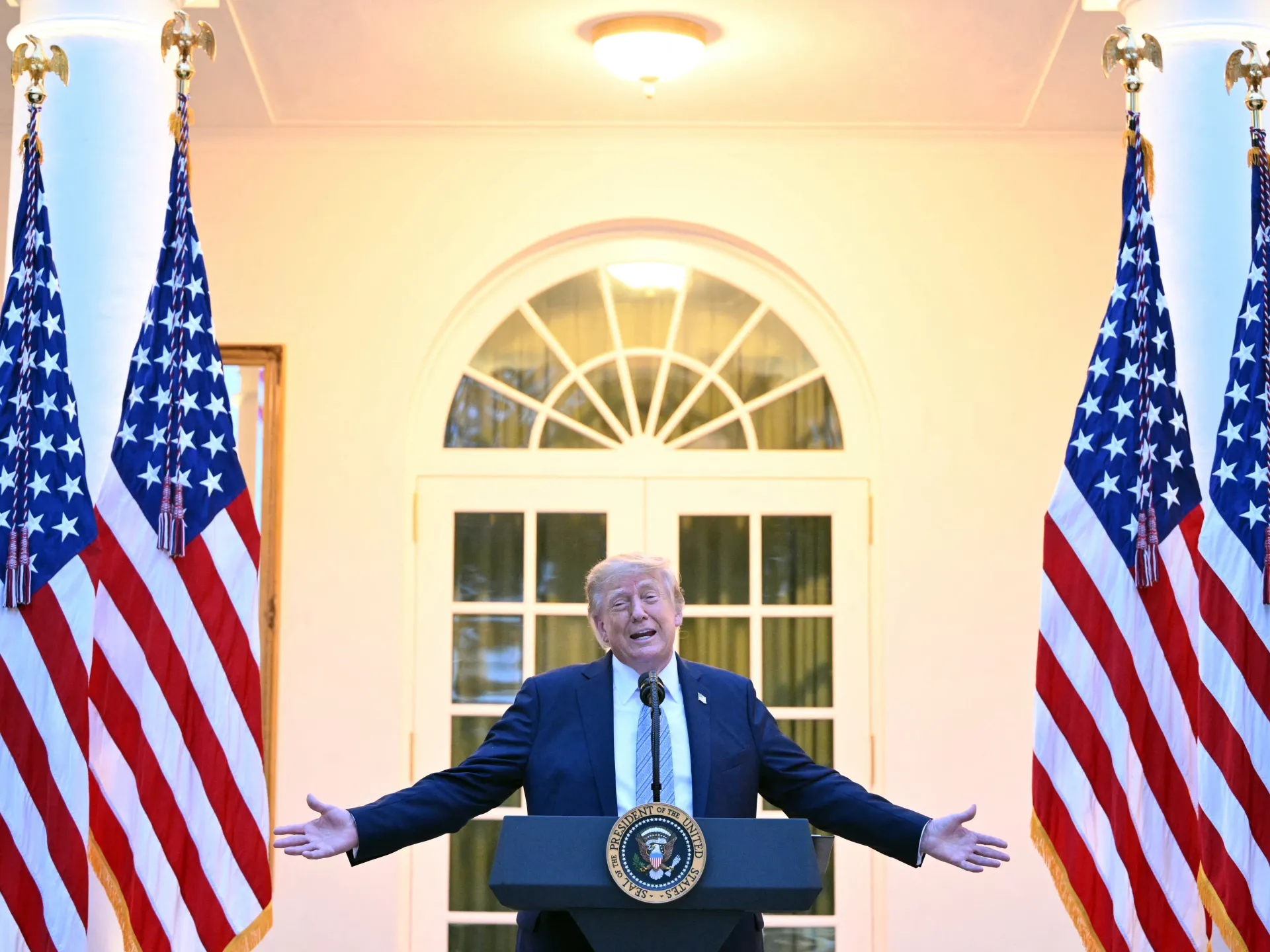
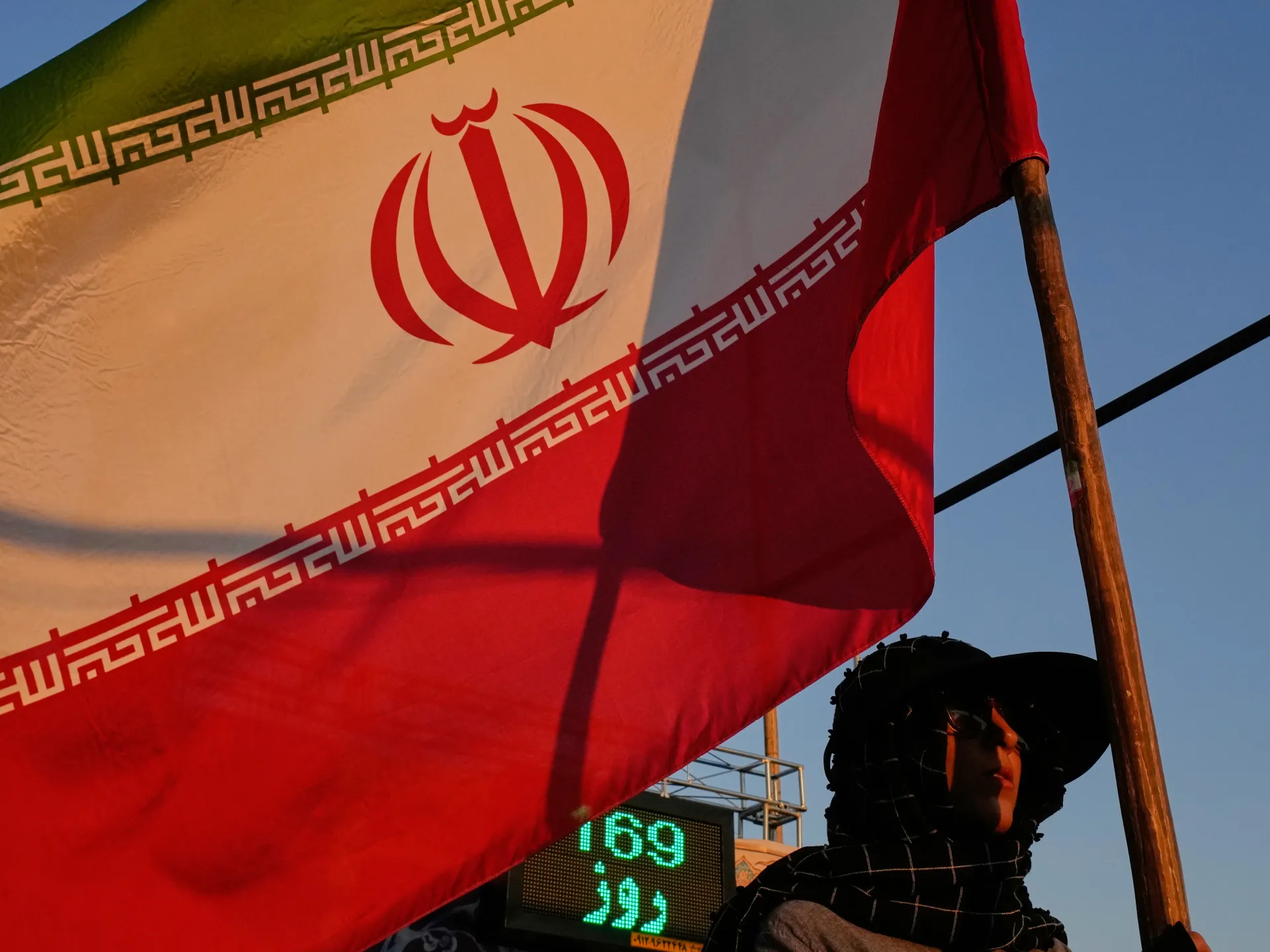
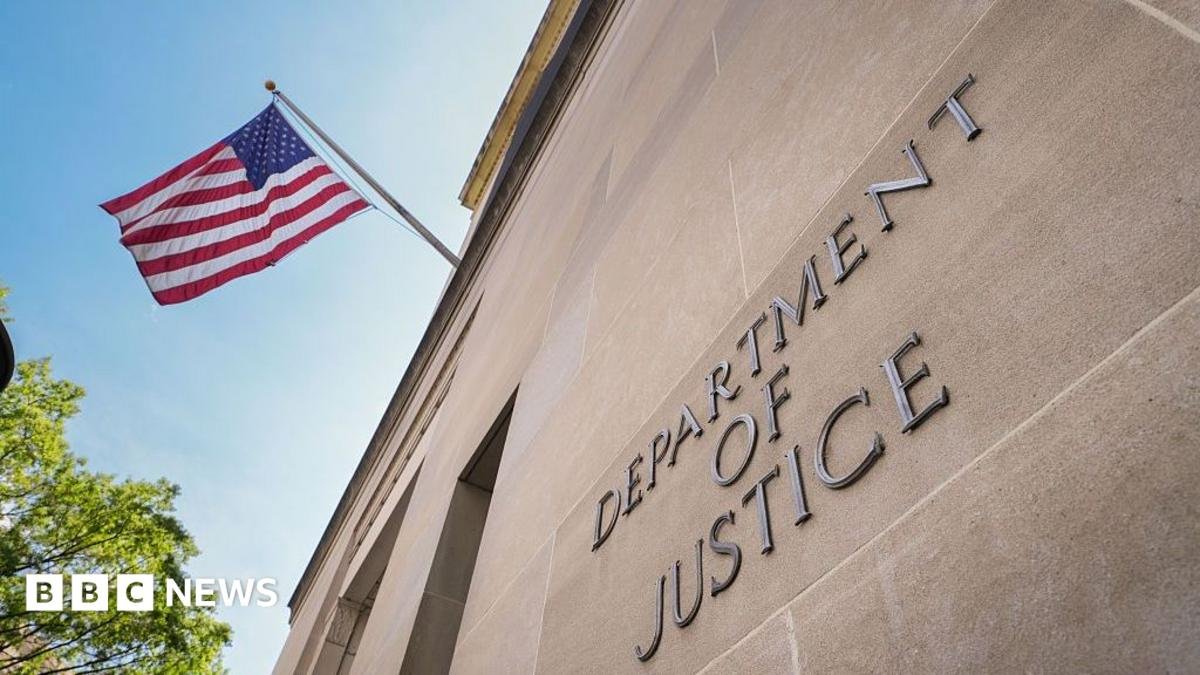
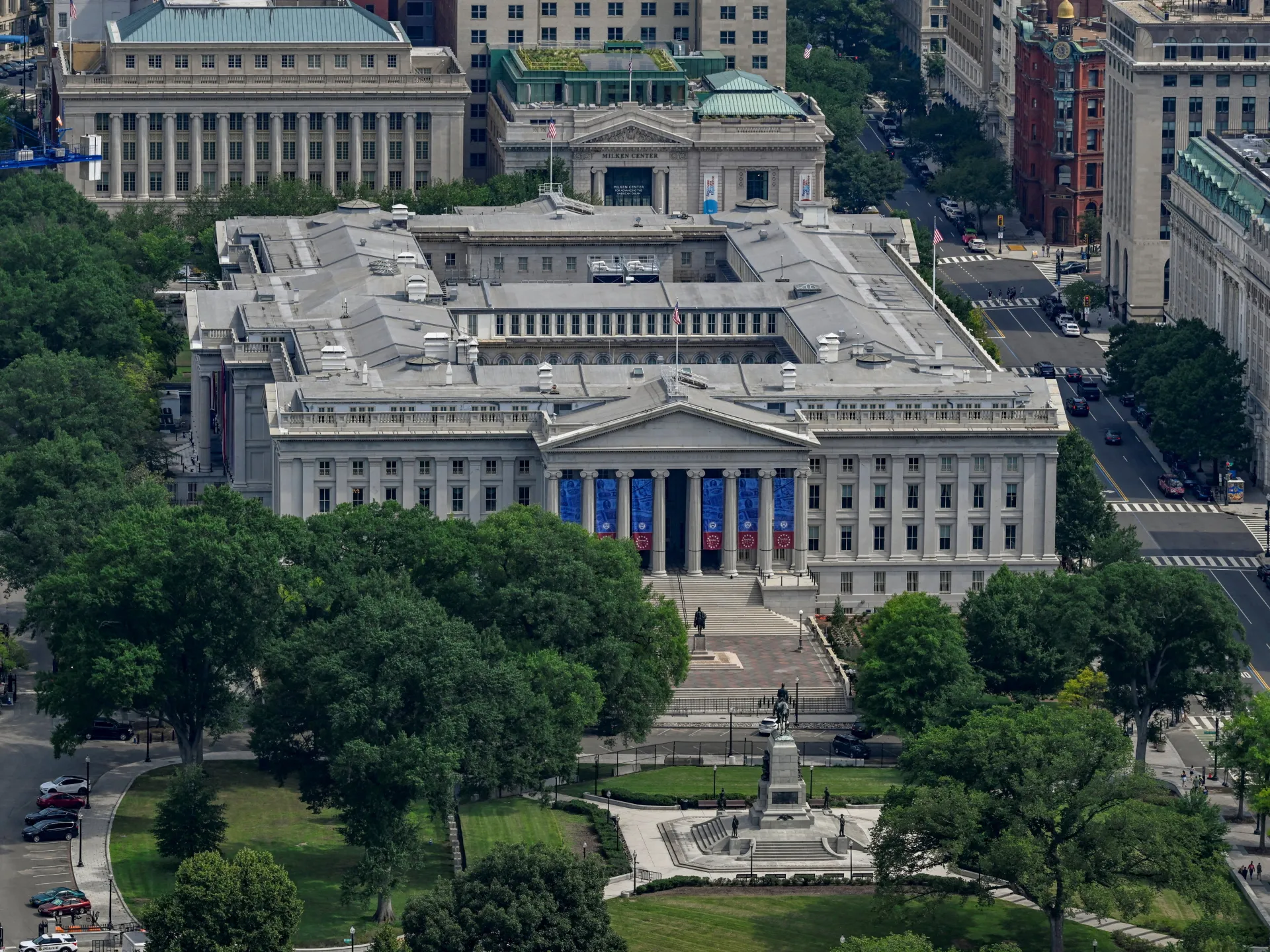
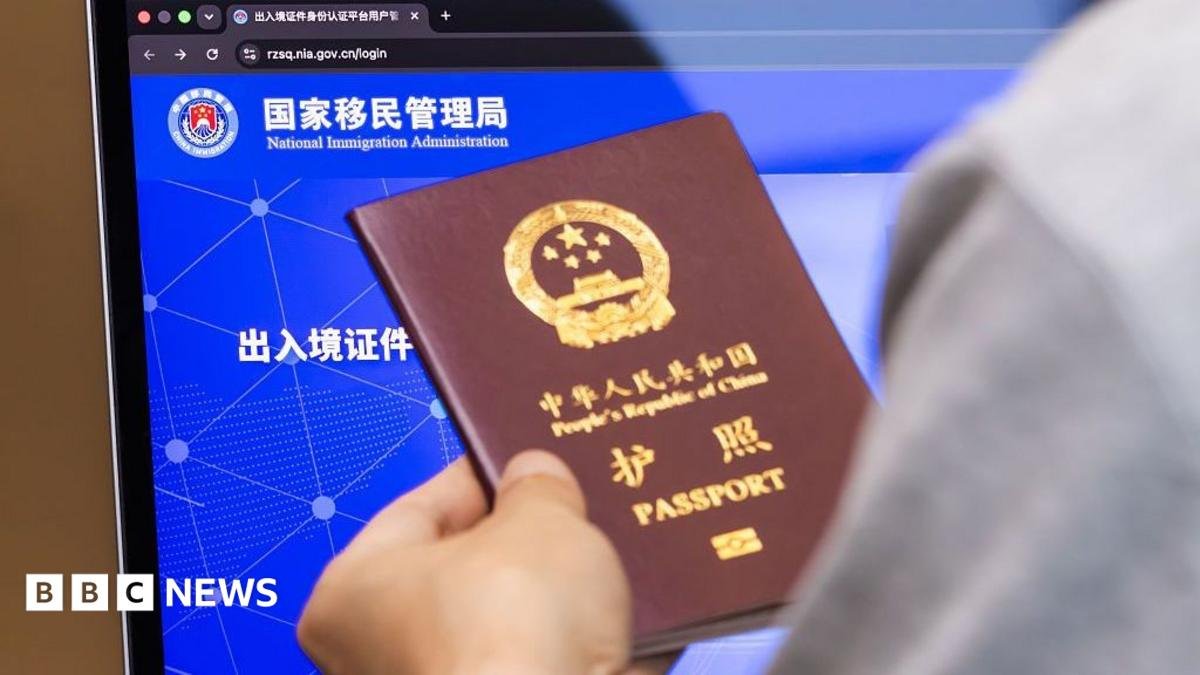
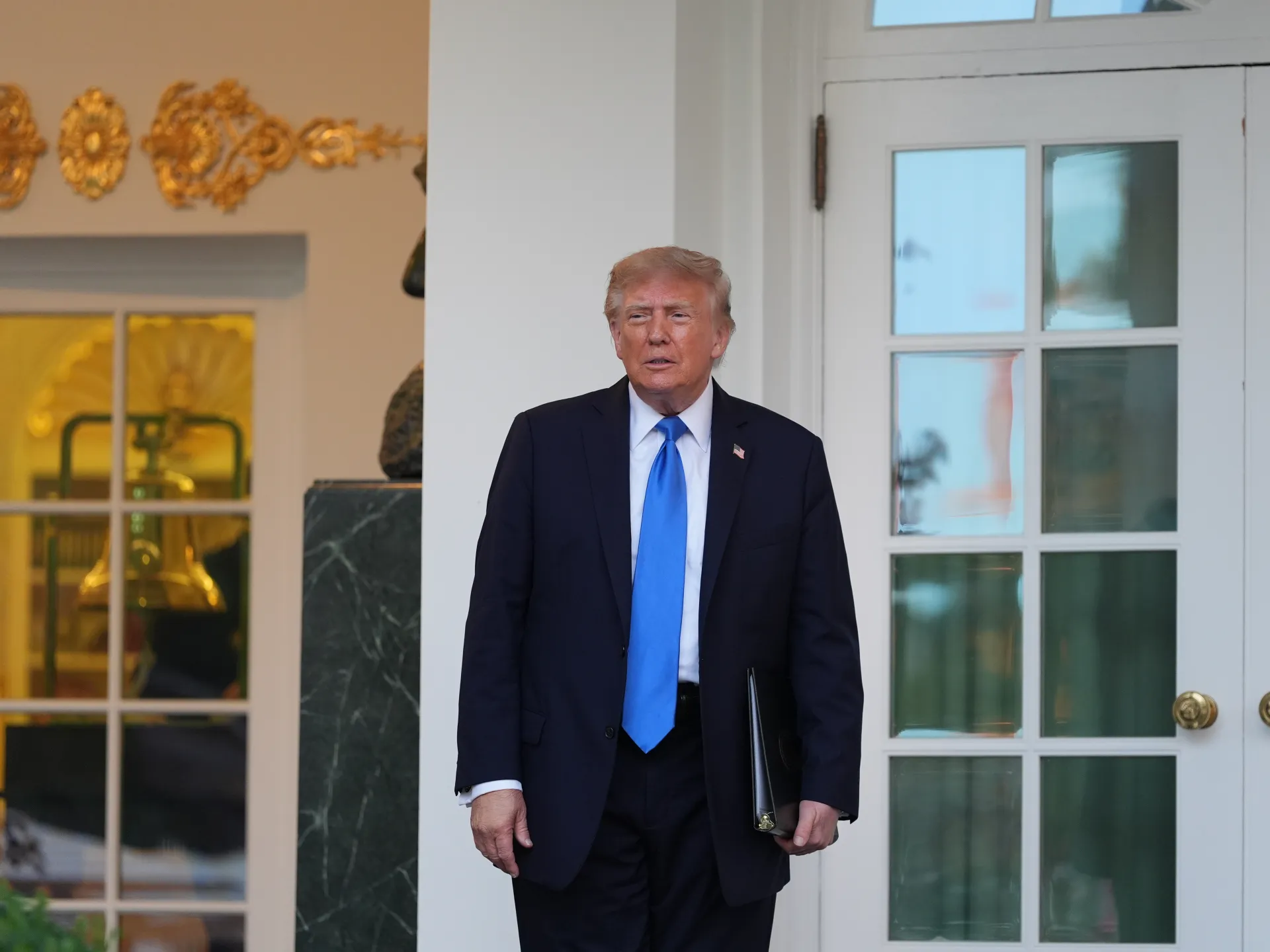
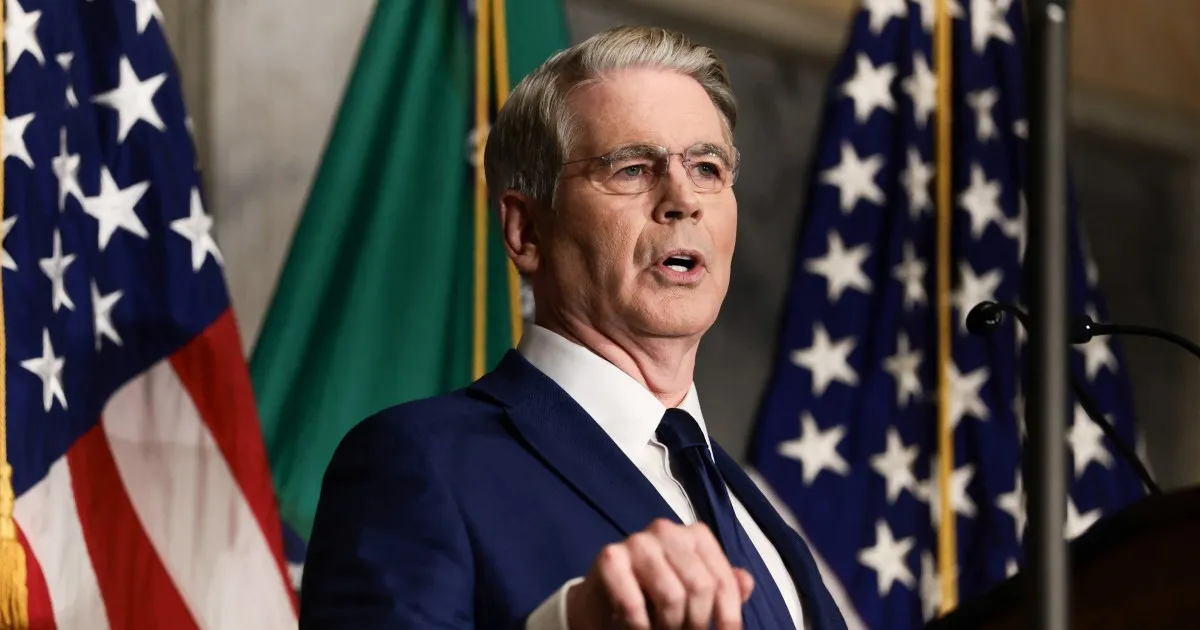
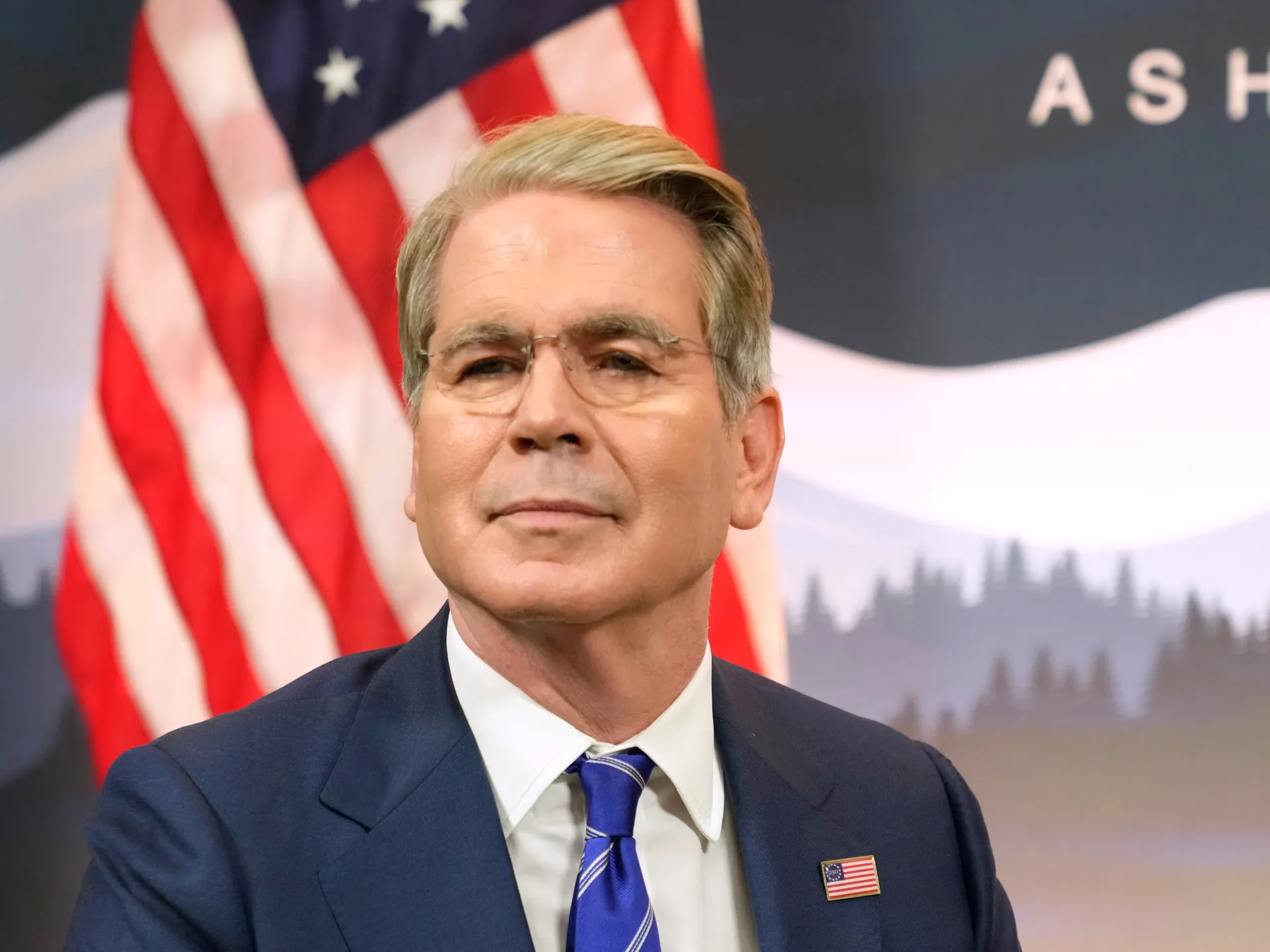
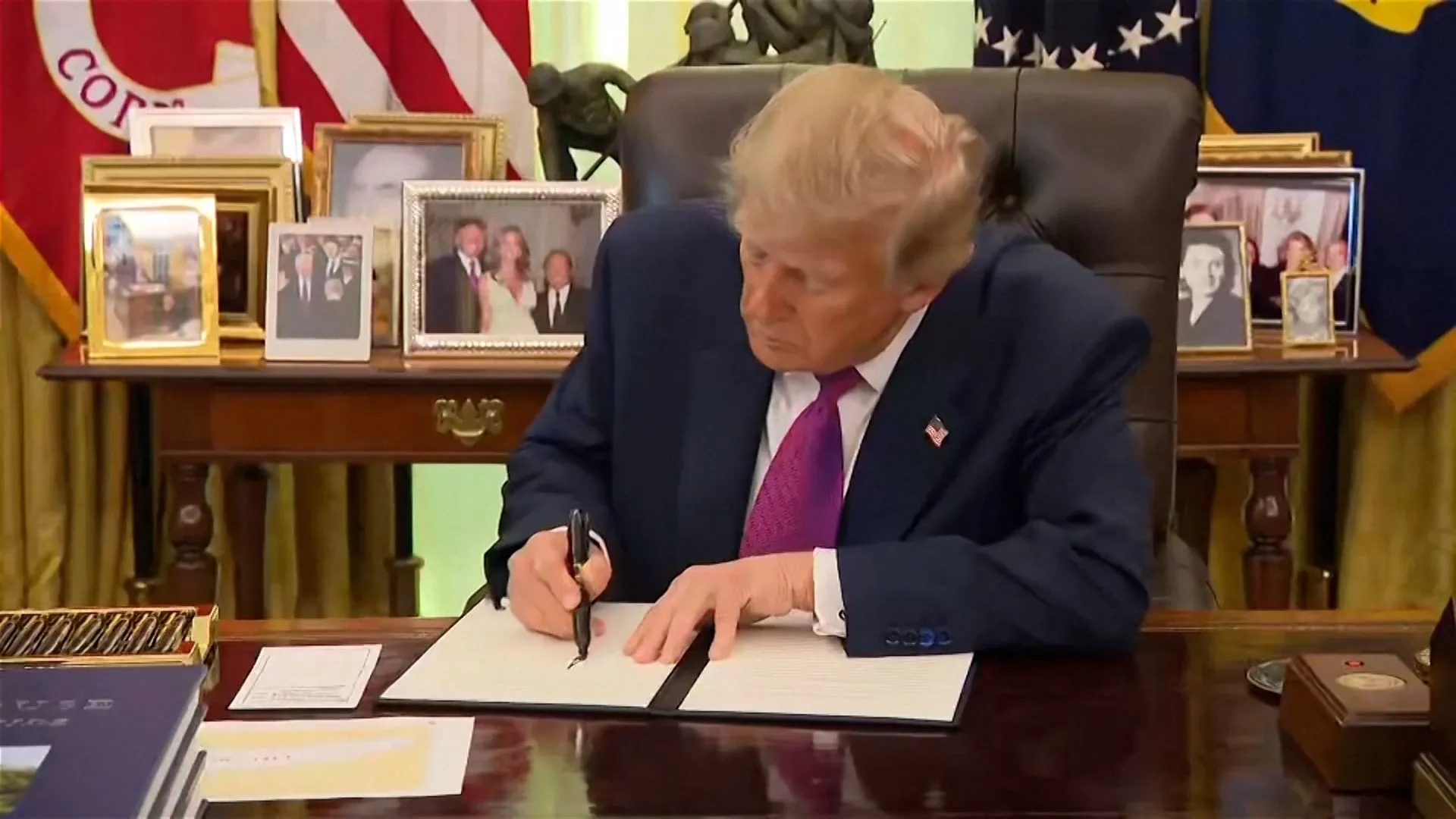
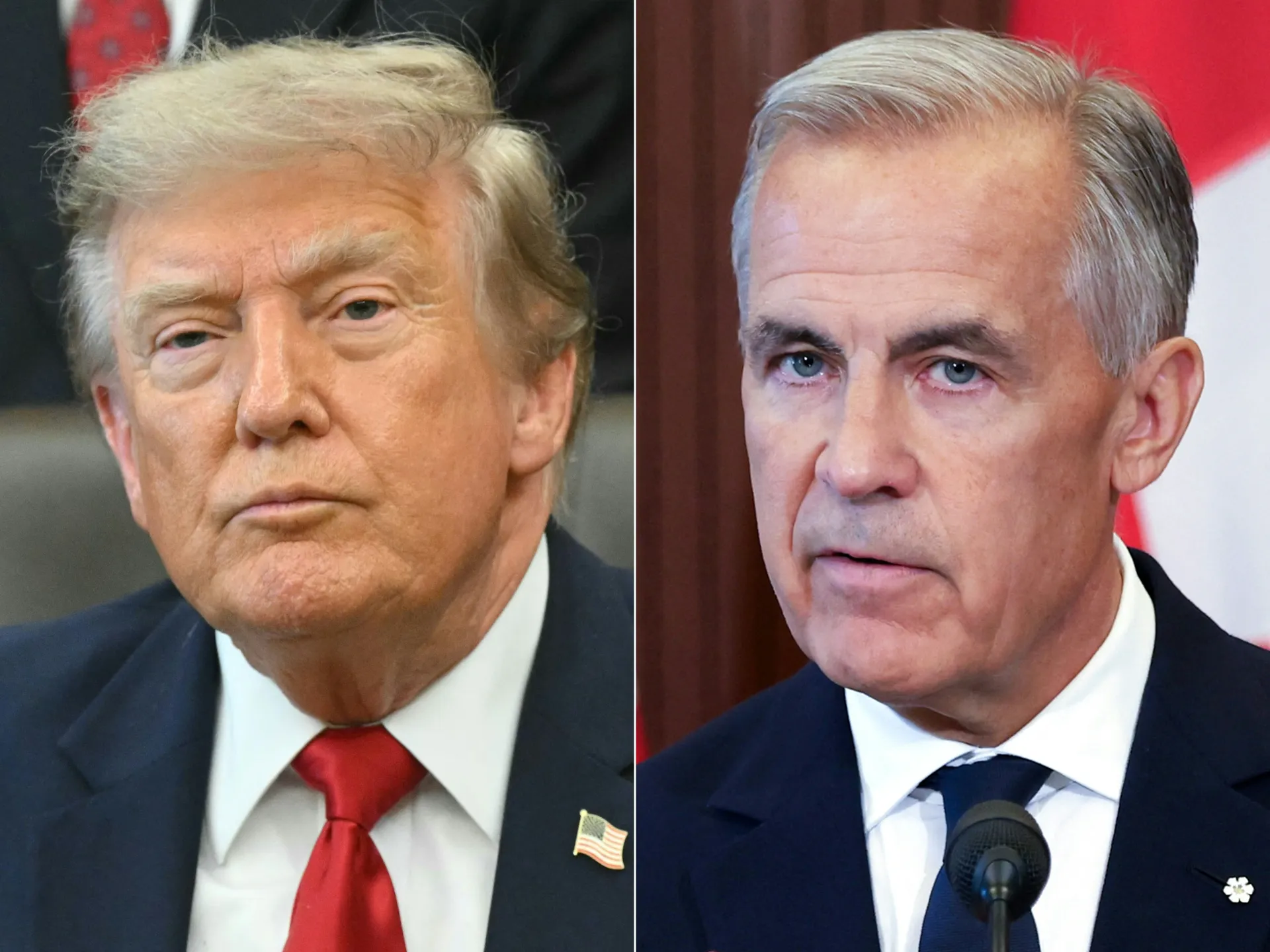
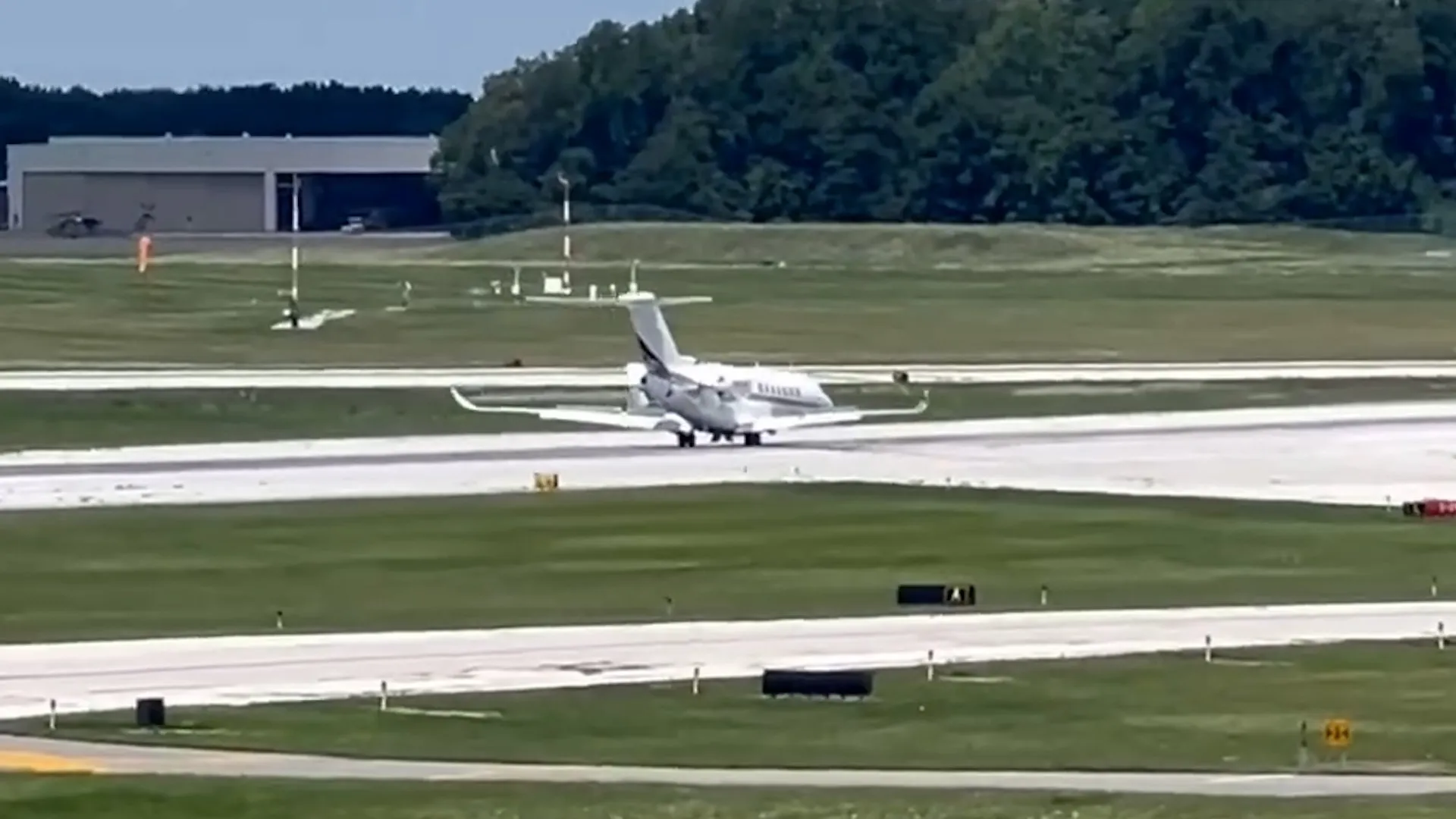
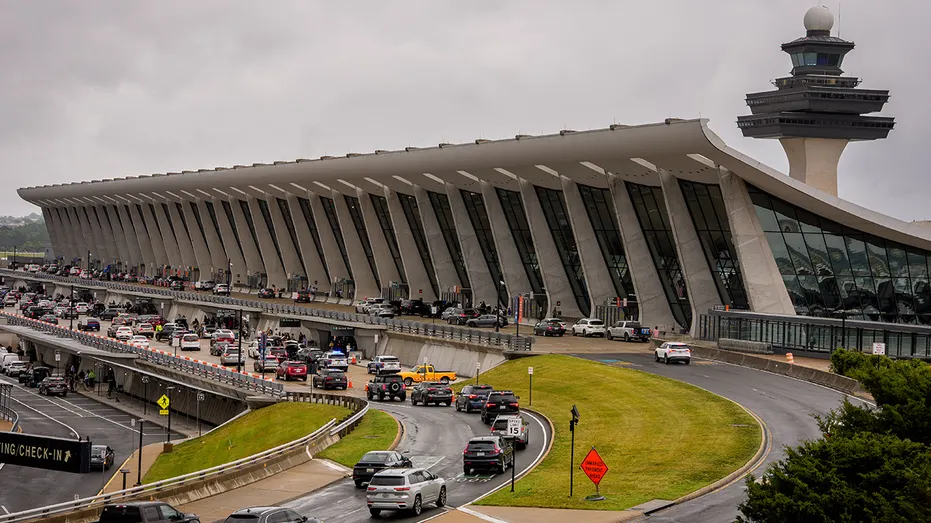
The United States is moving to effectively paralyze Iran’s aviation sector on a global scale, with Treasury Secretary Scott Bessent announcing that foreign entities servicing Iranian carriers will face severe secondary sanctions beginning Wednesday. This directive targets not only the airlines themselves but also the international airports, fuel suppliers, and ticketing platforms that facilitate their operations, threatening violators with exclusion from the US dollar financial system.
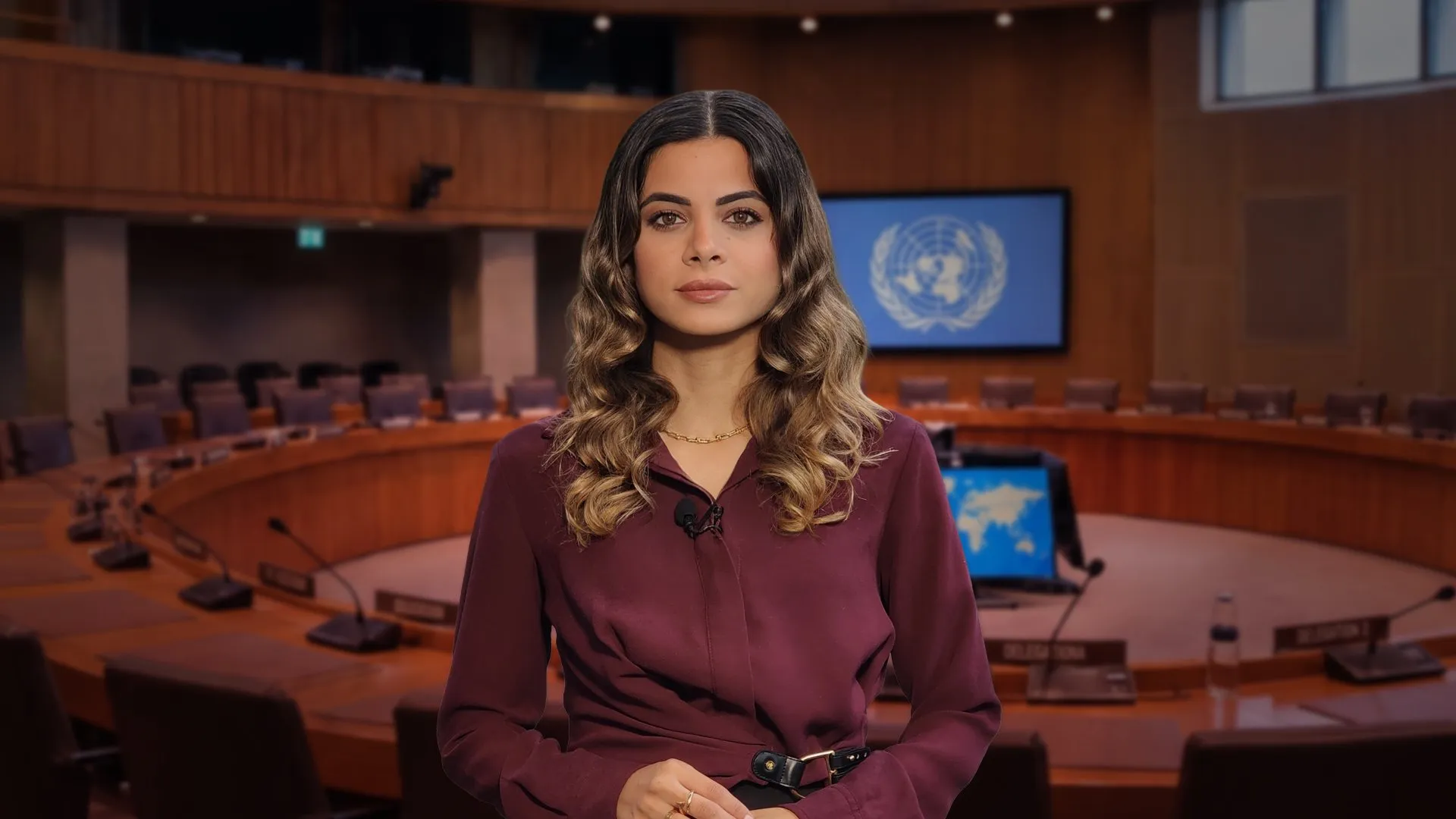
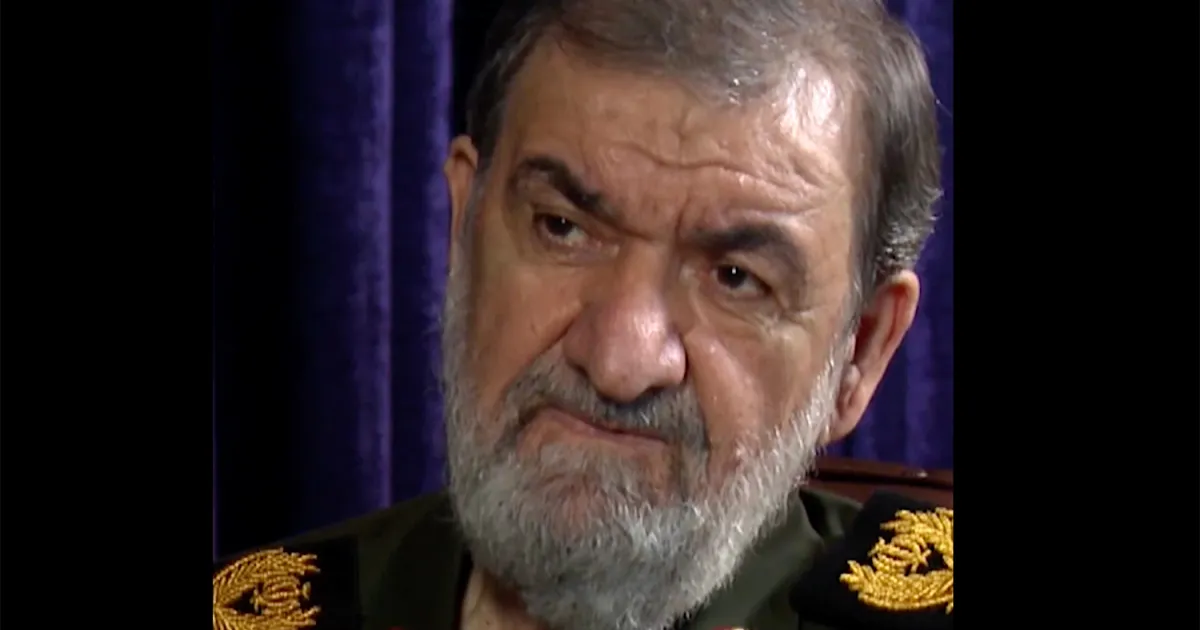
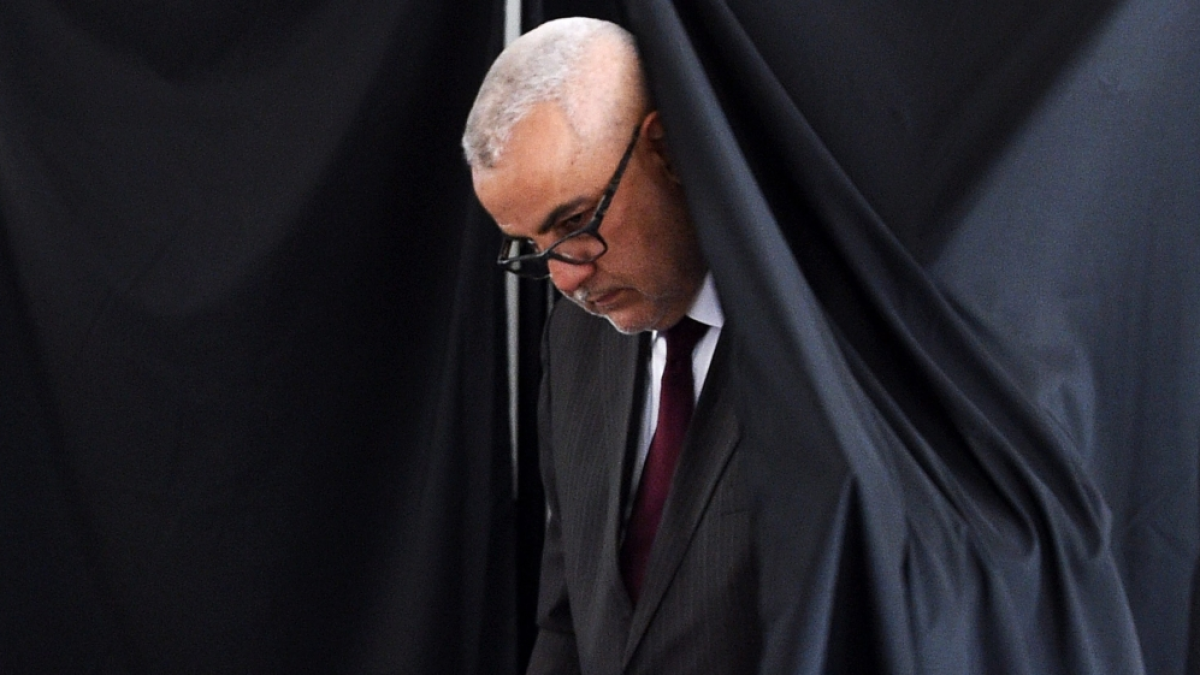
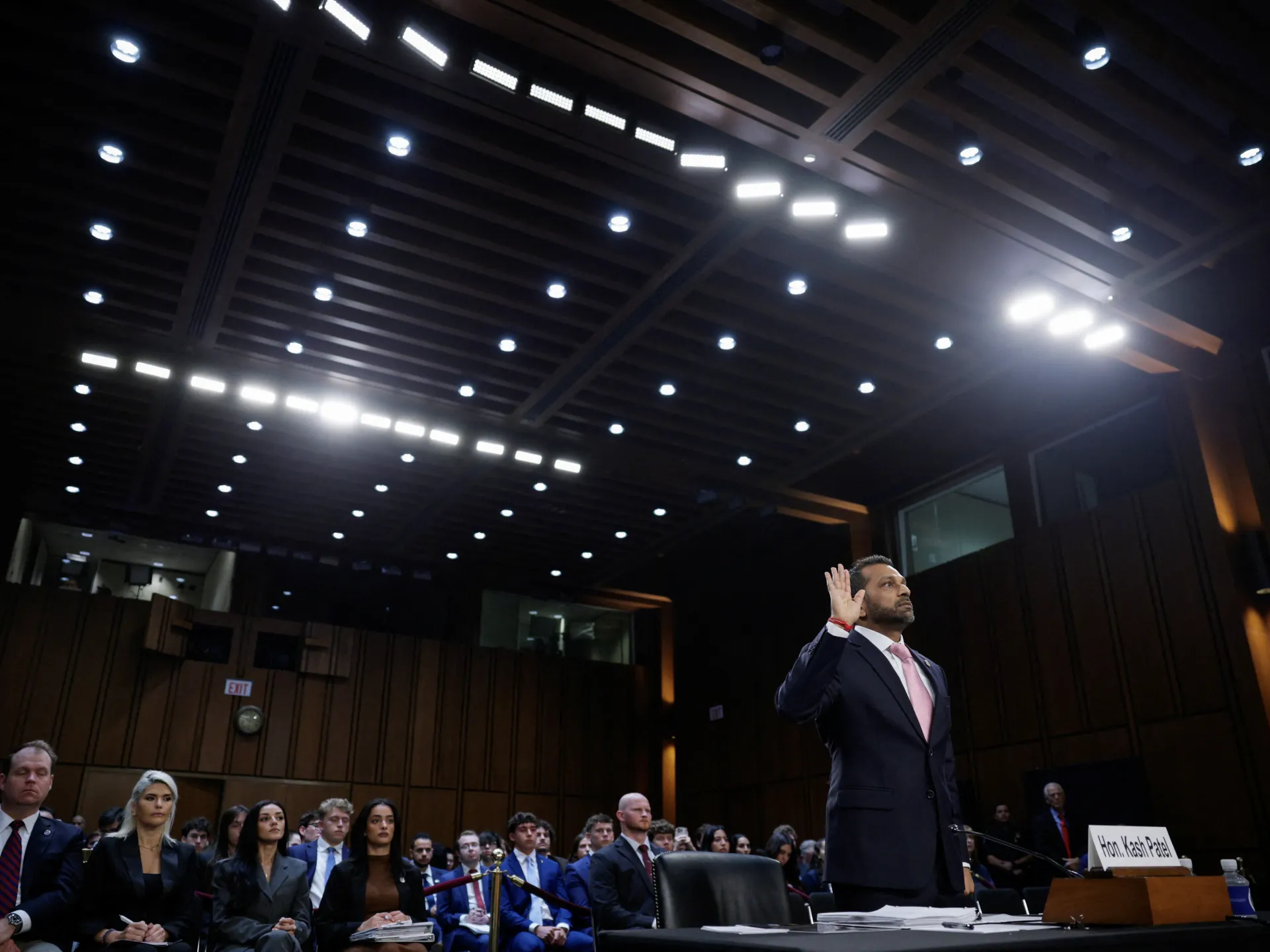
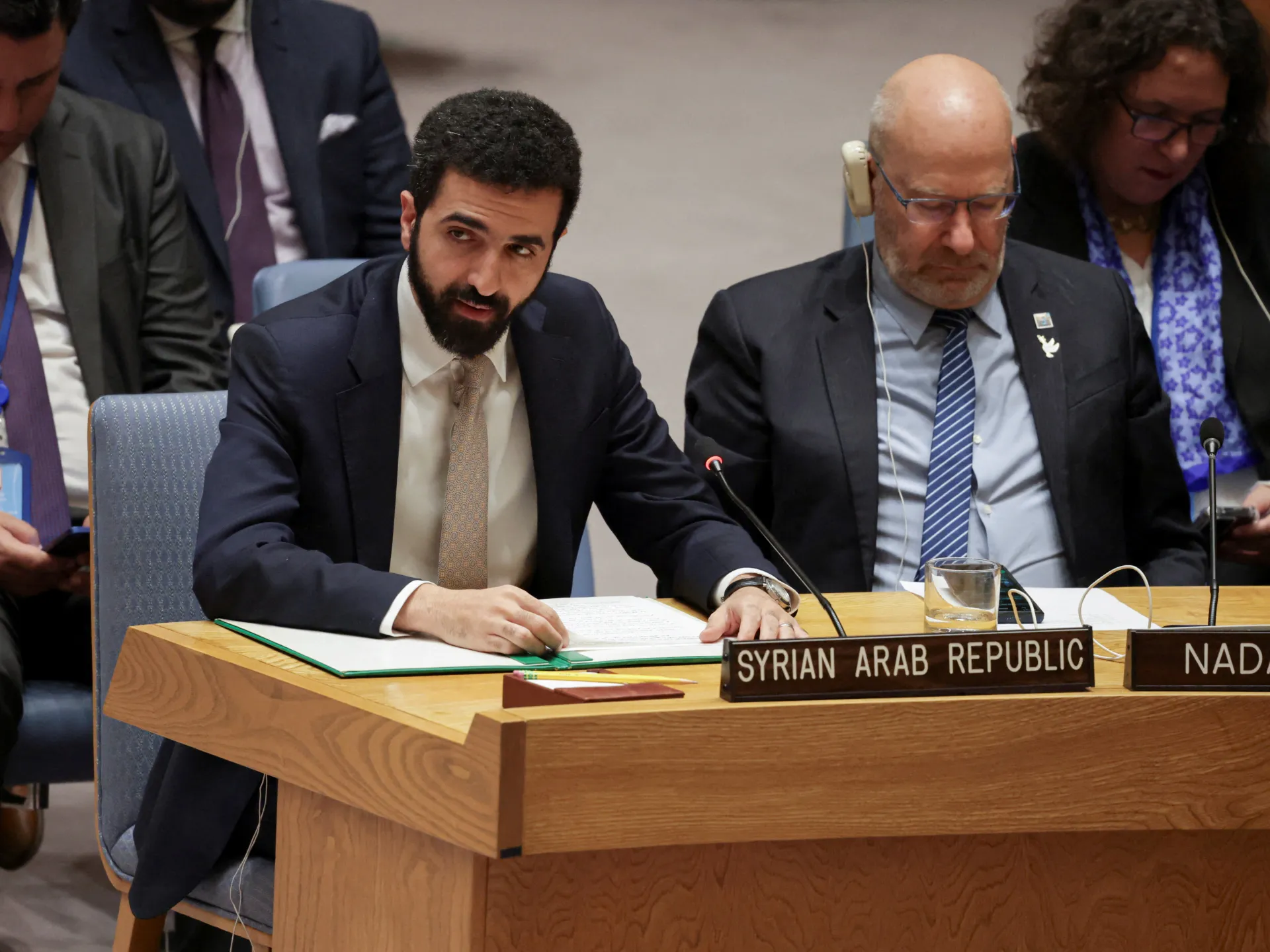
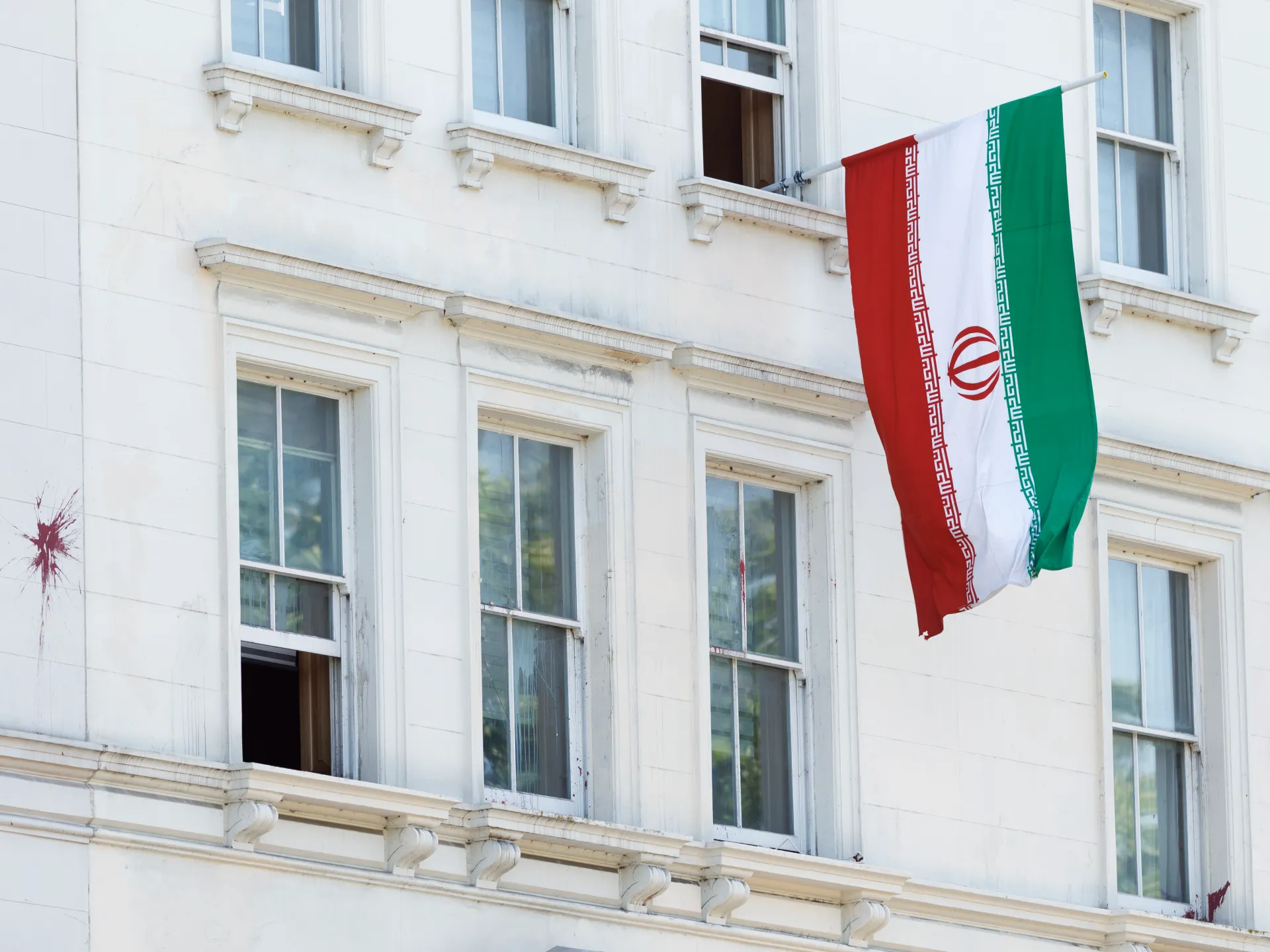
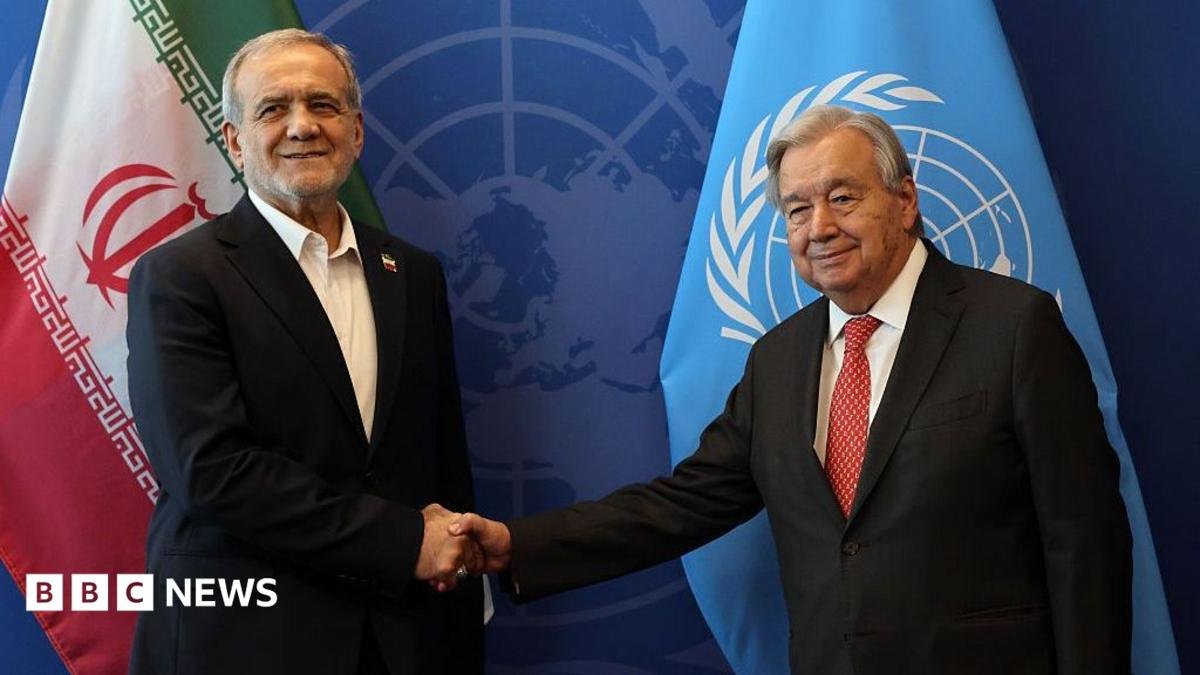
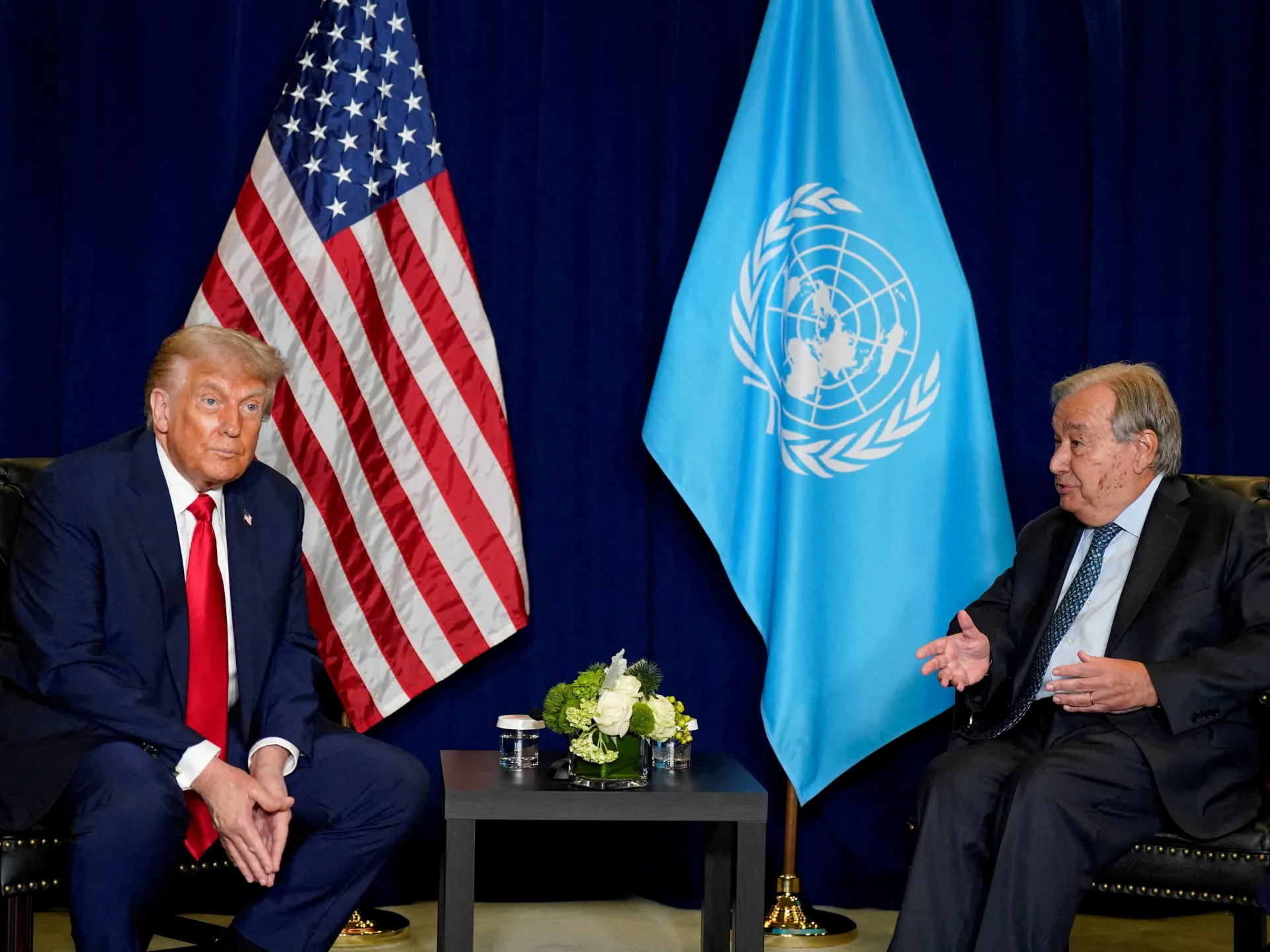
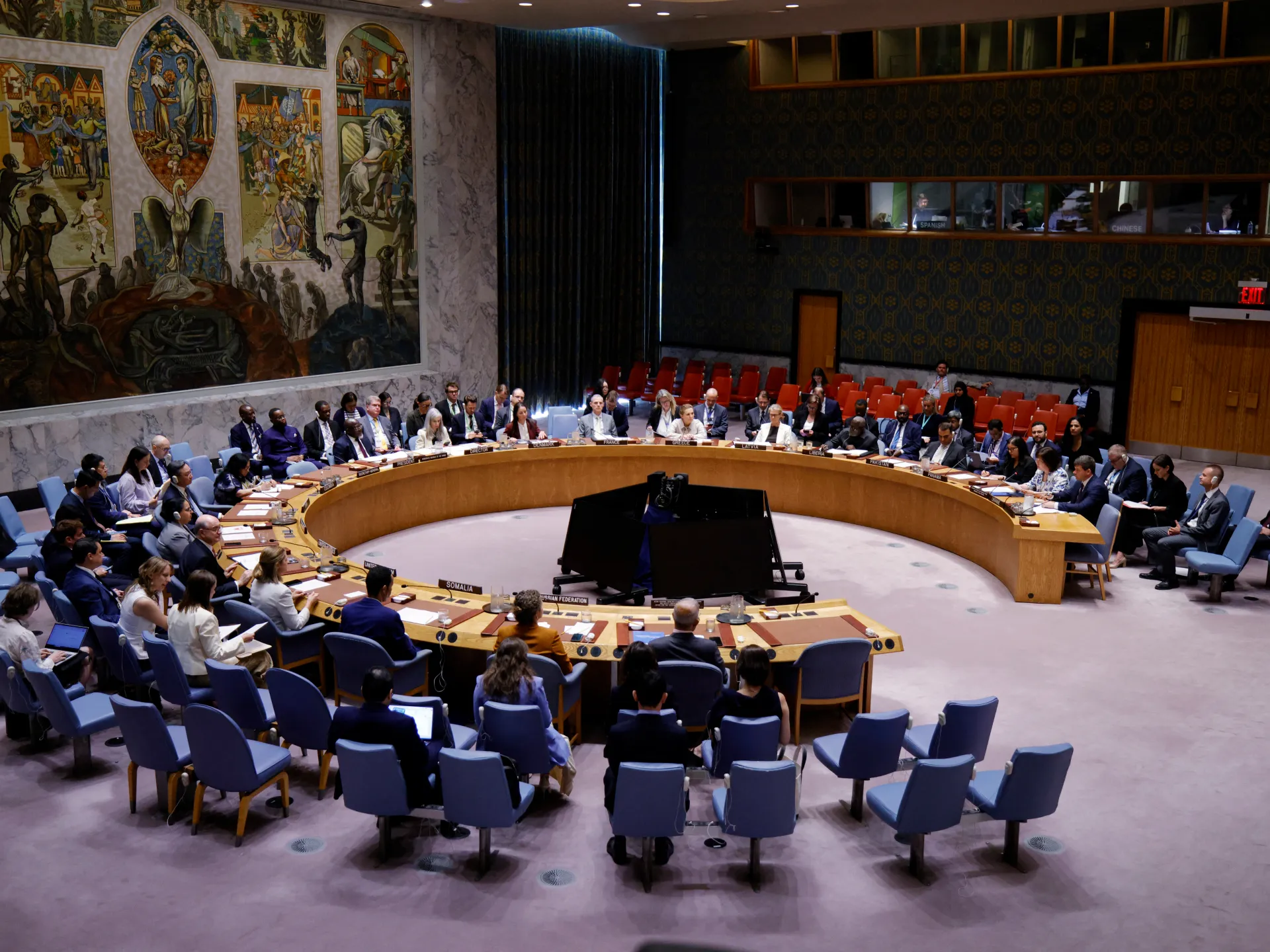
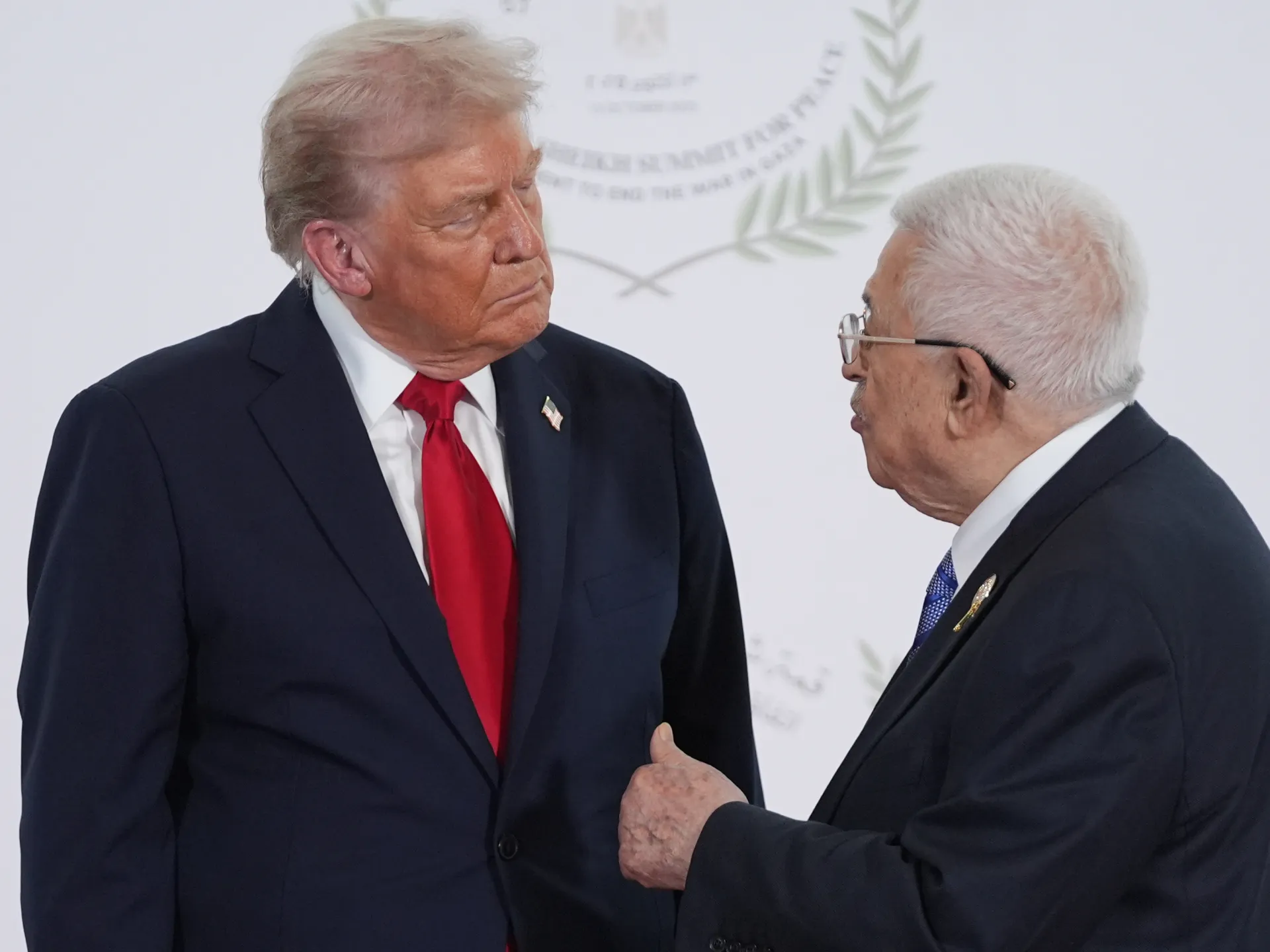
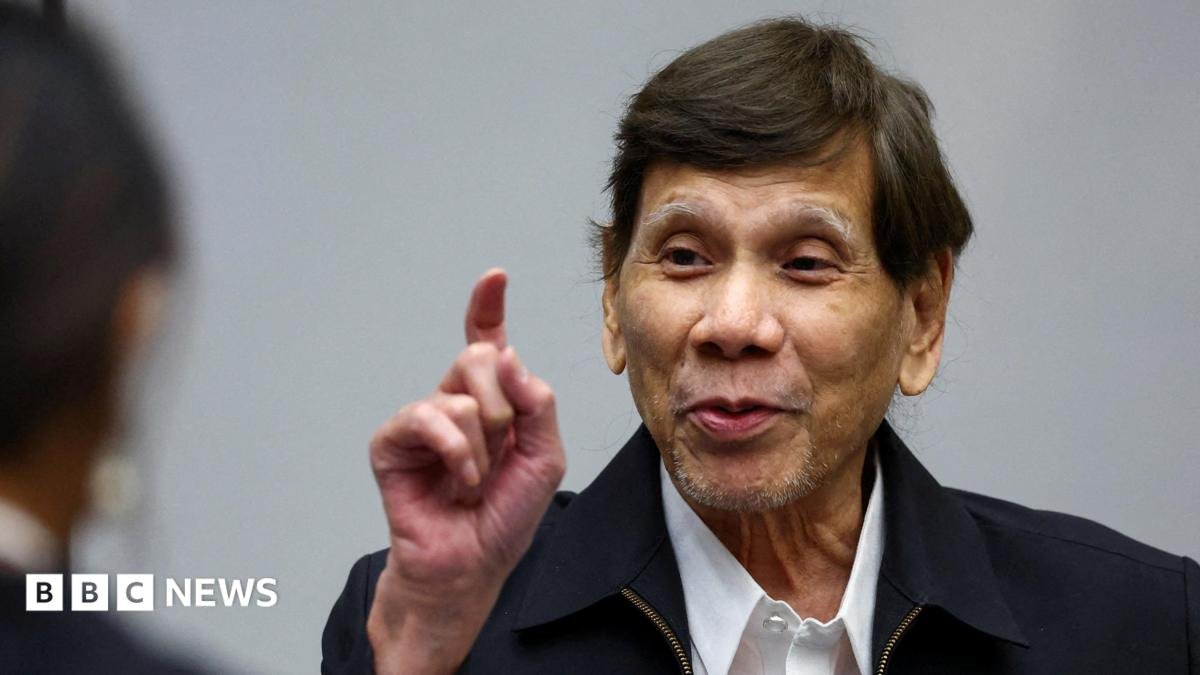
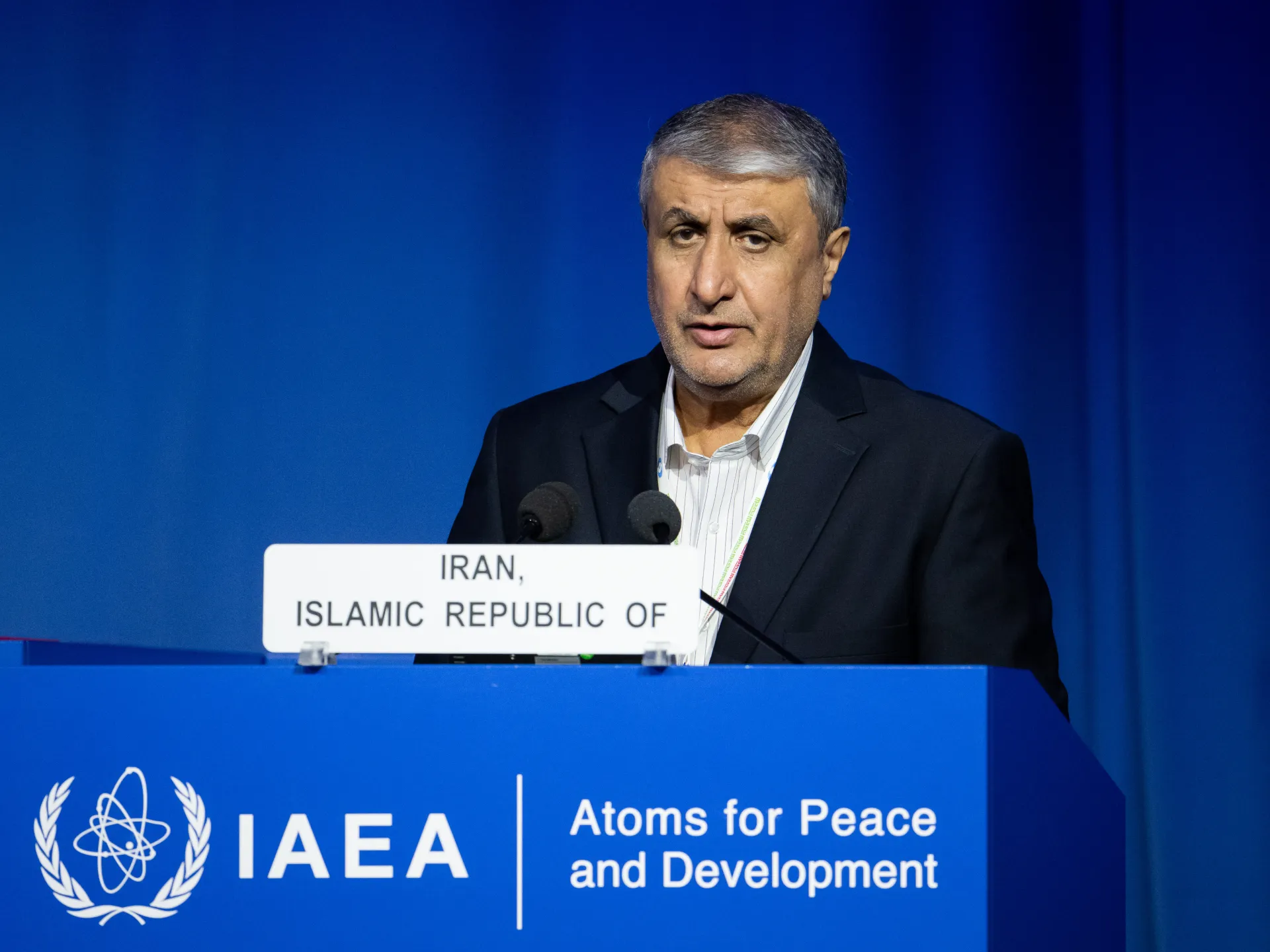
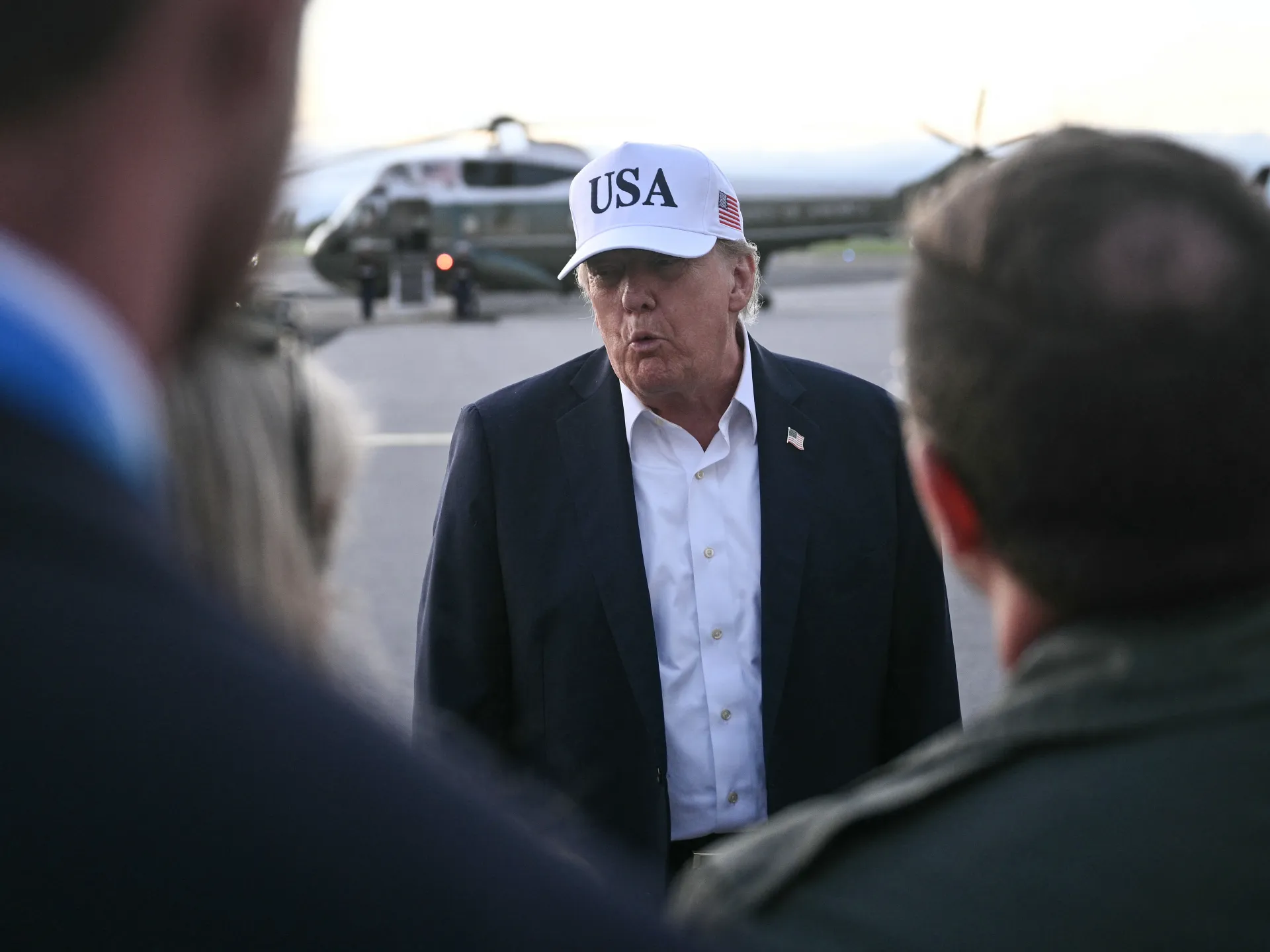
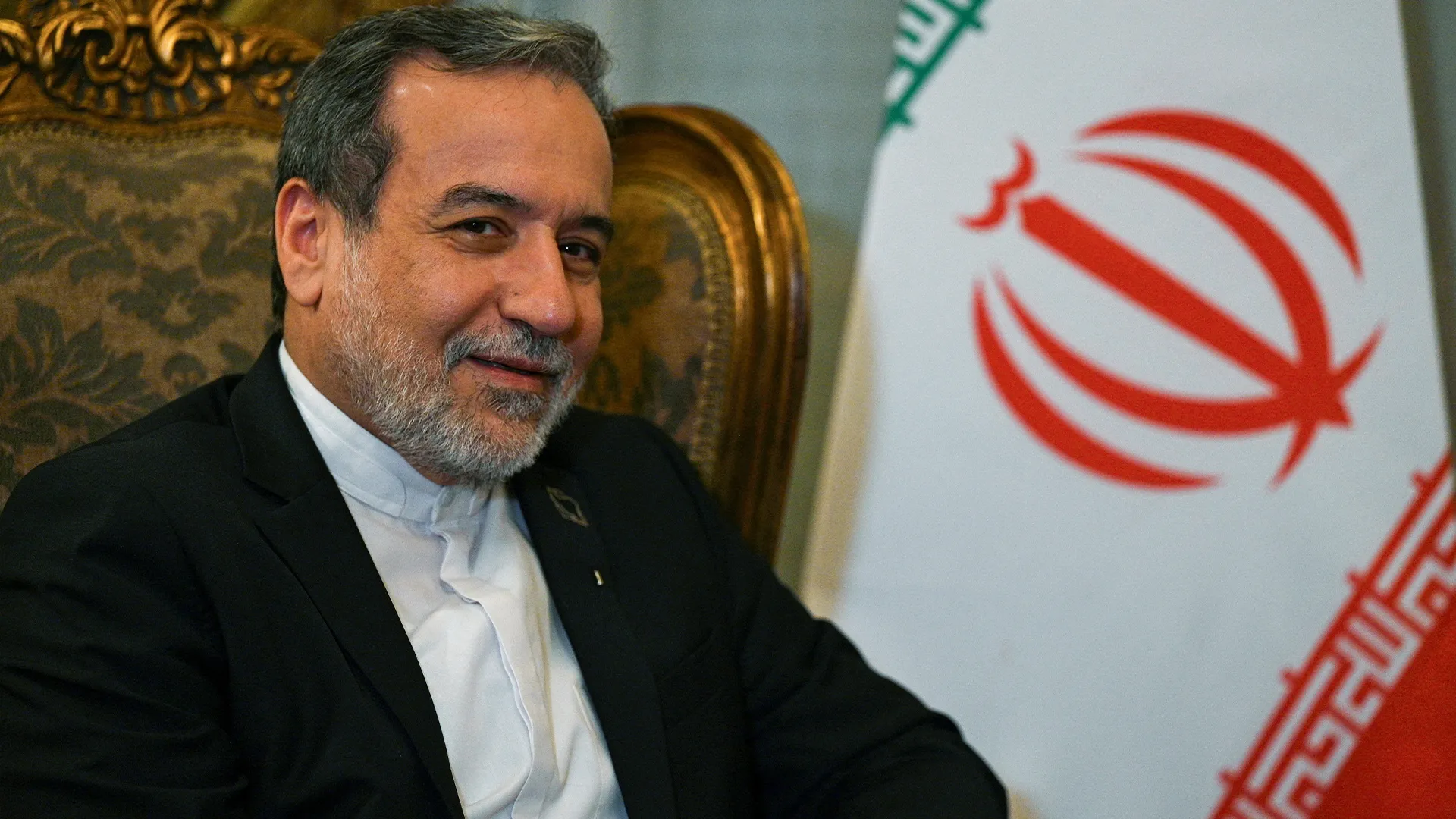
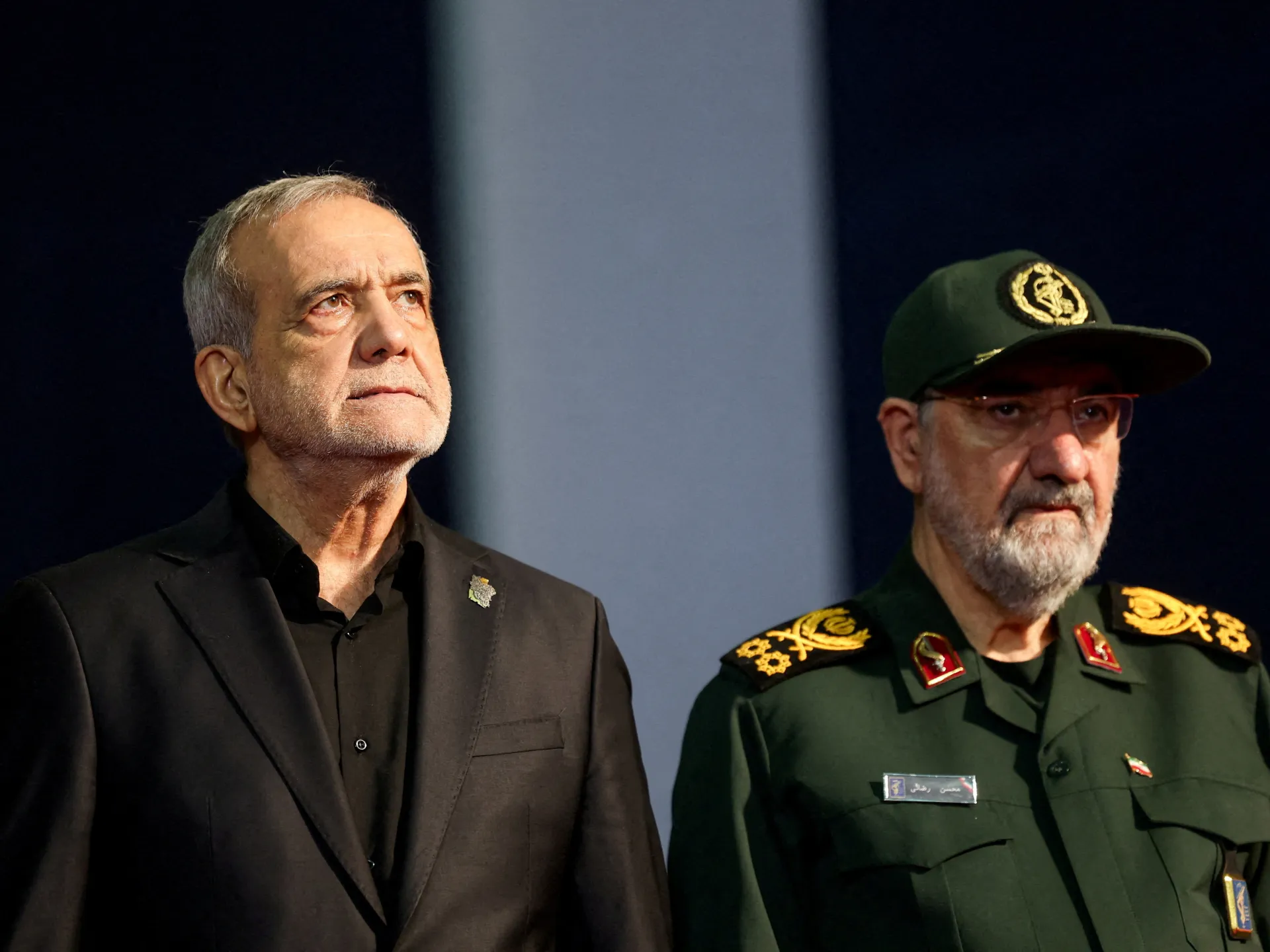
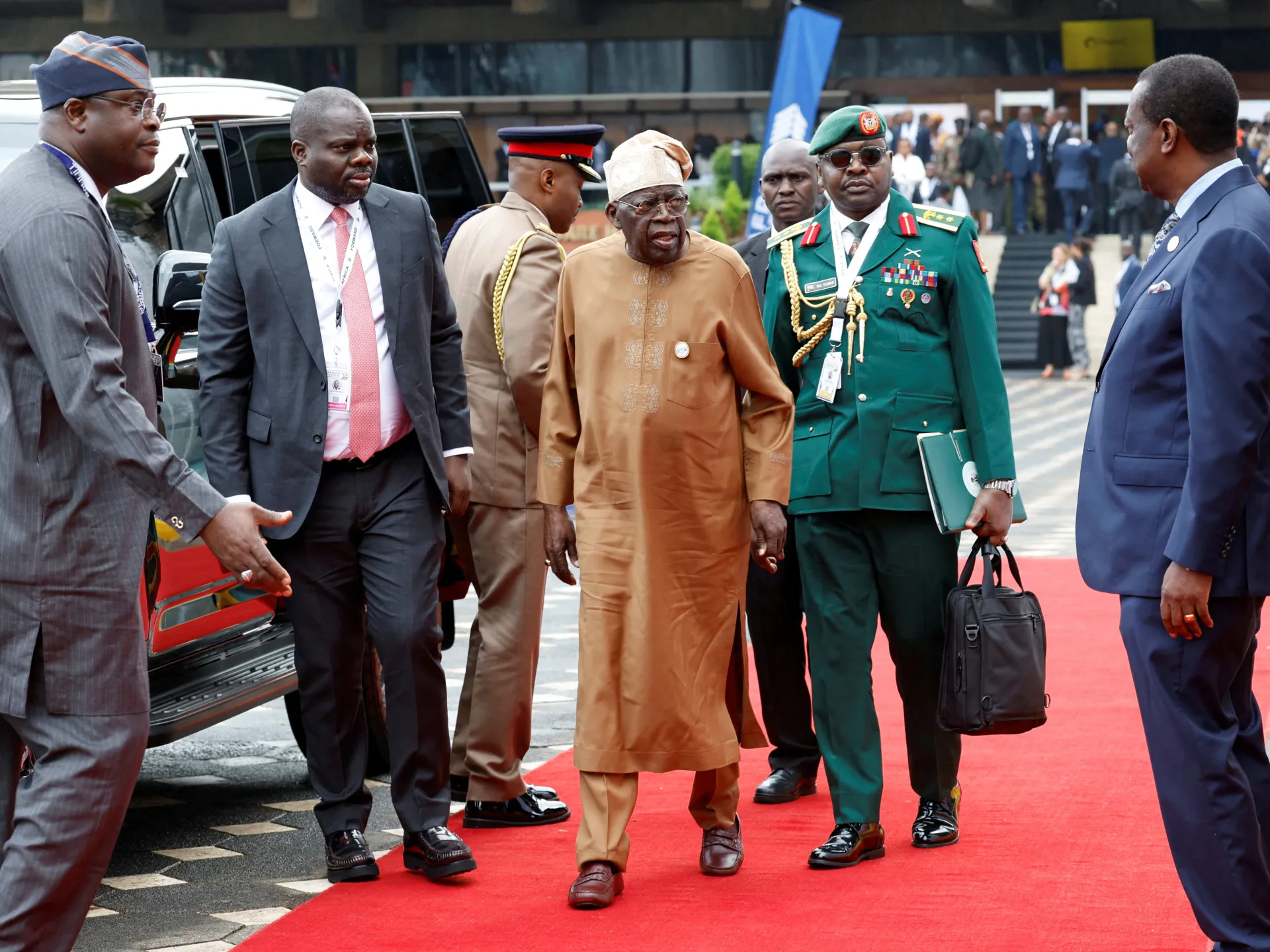
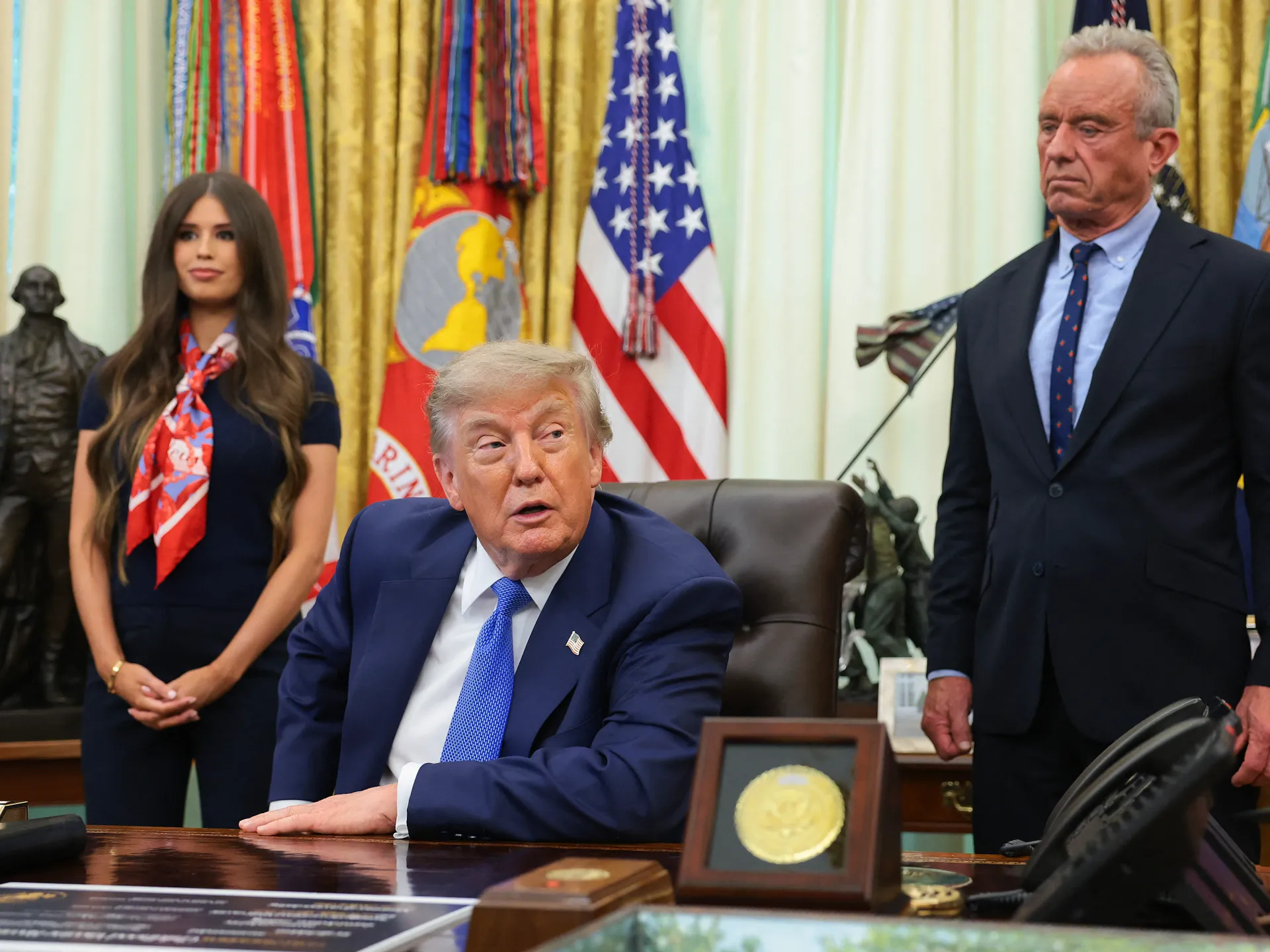
This ultimatum coincides with a tense week in New York, where Iranian President Masoud Pezeshkian and Foreign Minister Abbas Araghchi have been granted limited visas to attend the 81st session of the United Nations General Assembly. While the State Department maintains that it is upholding host-country obligations, the delegation faces stringent travel restrictions and prohibitions on the purchase of luxury goods, signaling that even as diplomatic dialogue occurs at the UN, the broader economic conflict remains unabated.
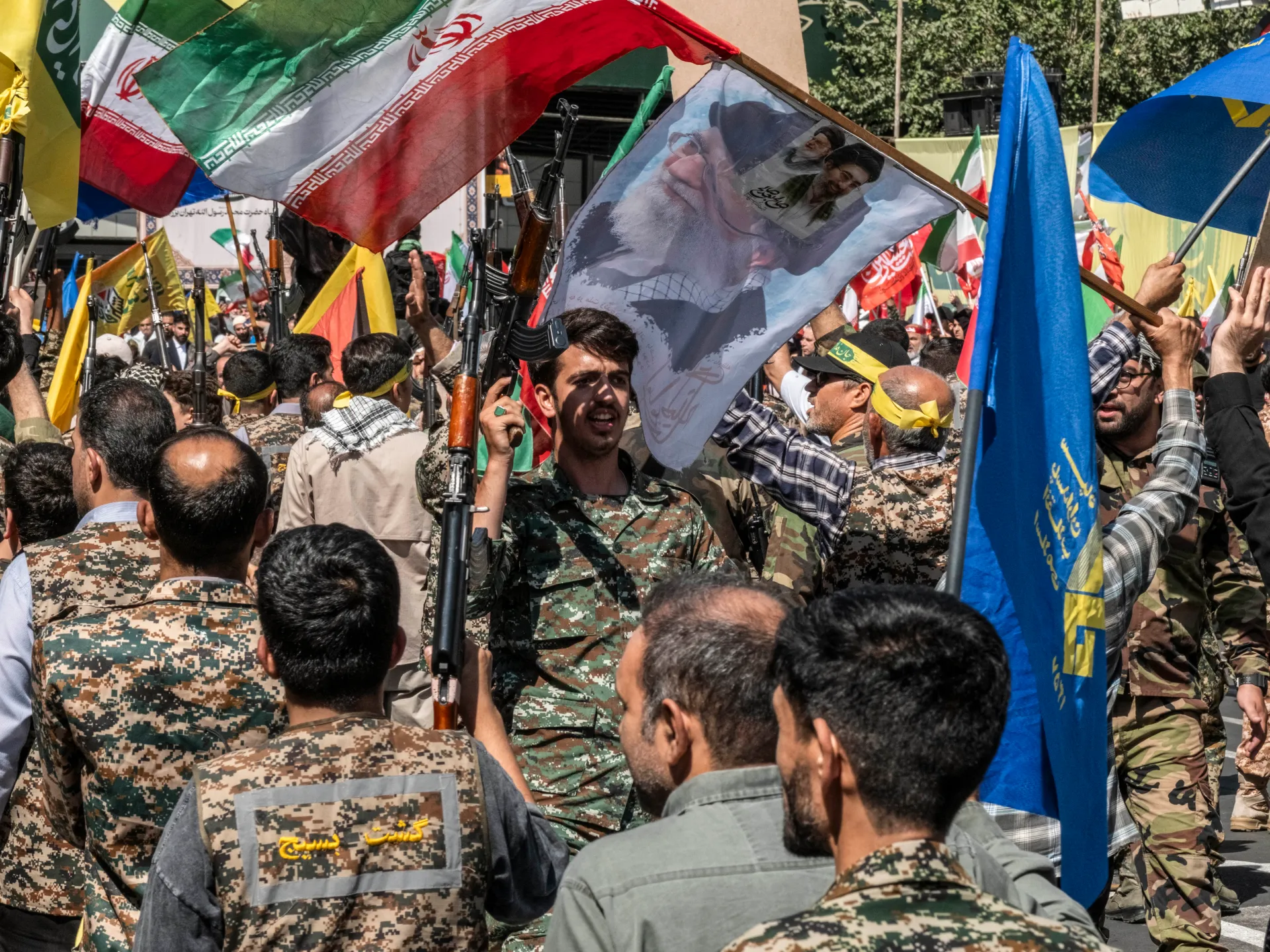
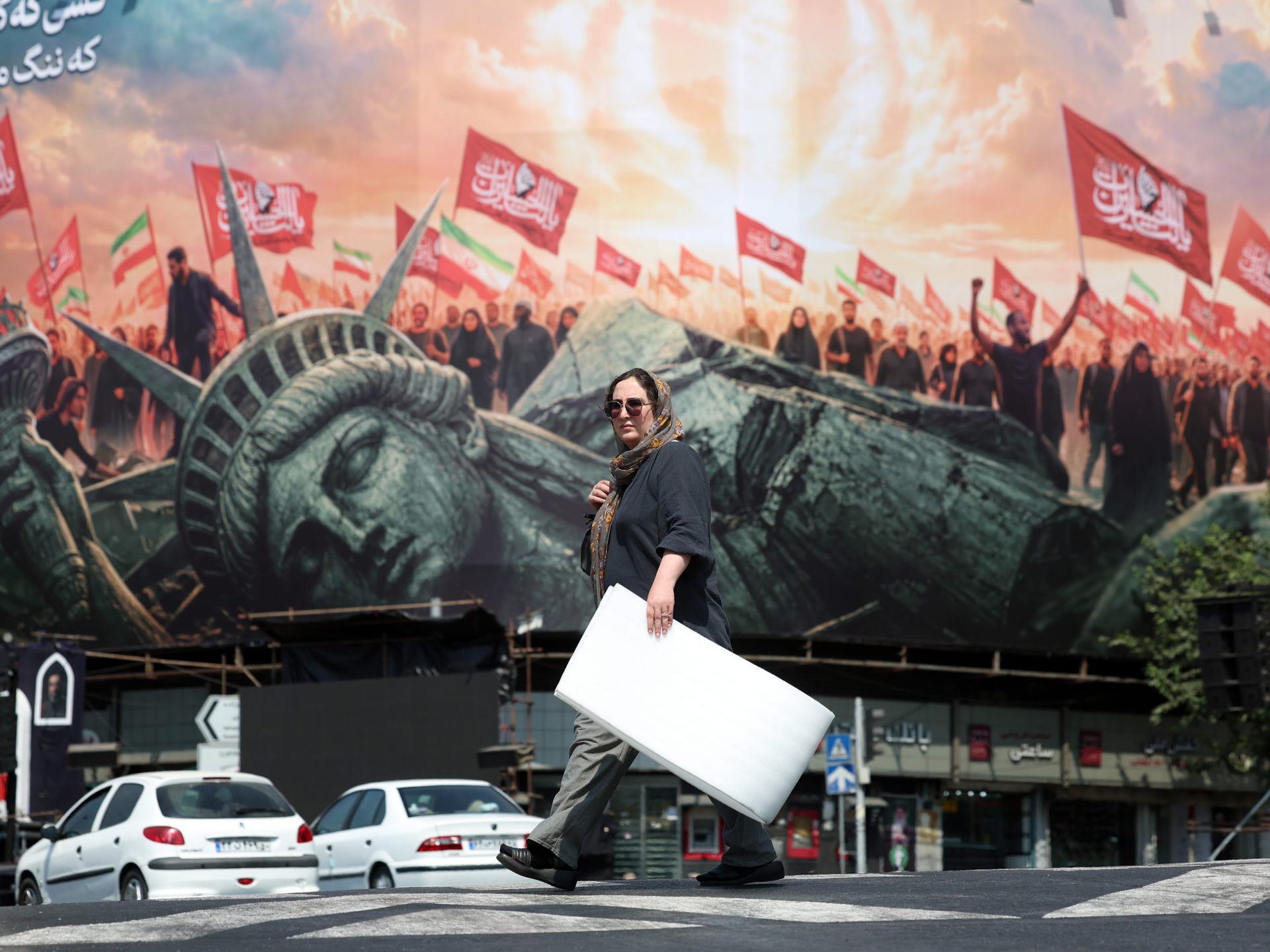
The simultaneous move to ground Iranian aviation and restrict the movement of its leadership represents a sophisticated dual-track approach to conflict. shington is effectively turning the global logistics infrastructure against Tehran. This creates a high-stakes precedent where international commercial interests are forced to choose between access to the American financial system and maintaining trade ties with an adversary. The situation underscores a shift in modern statecraft: modern warfare is no longer confined to the battlefield but is increasingly fought through the regulation of globalized supply chains and service providers.
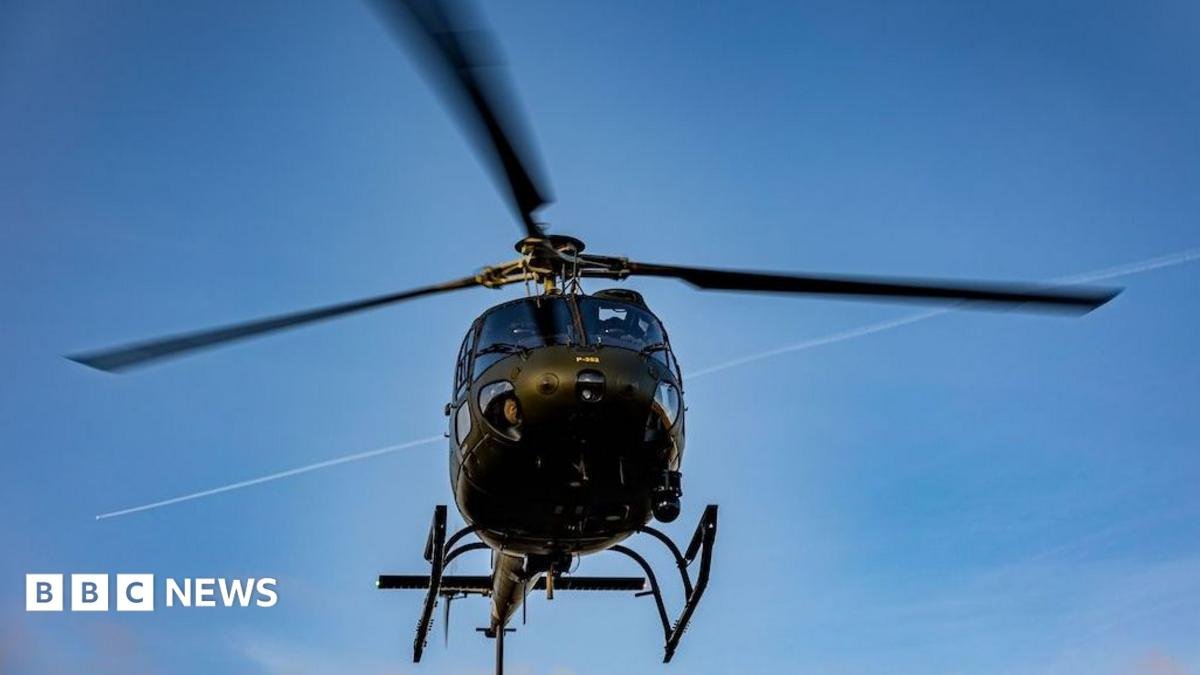
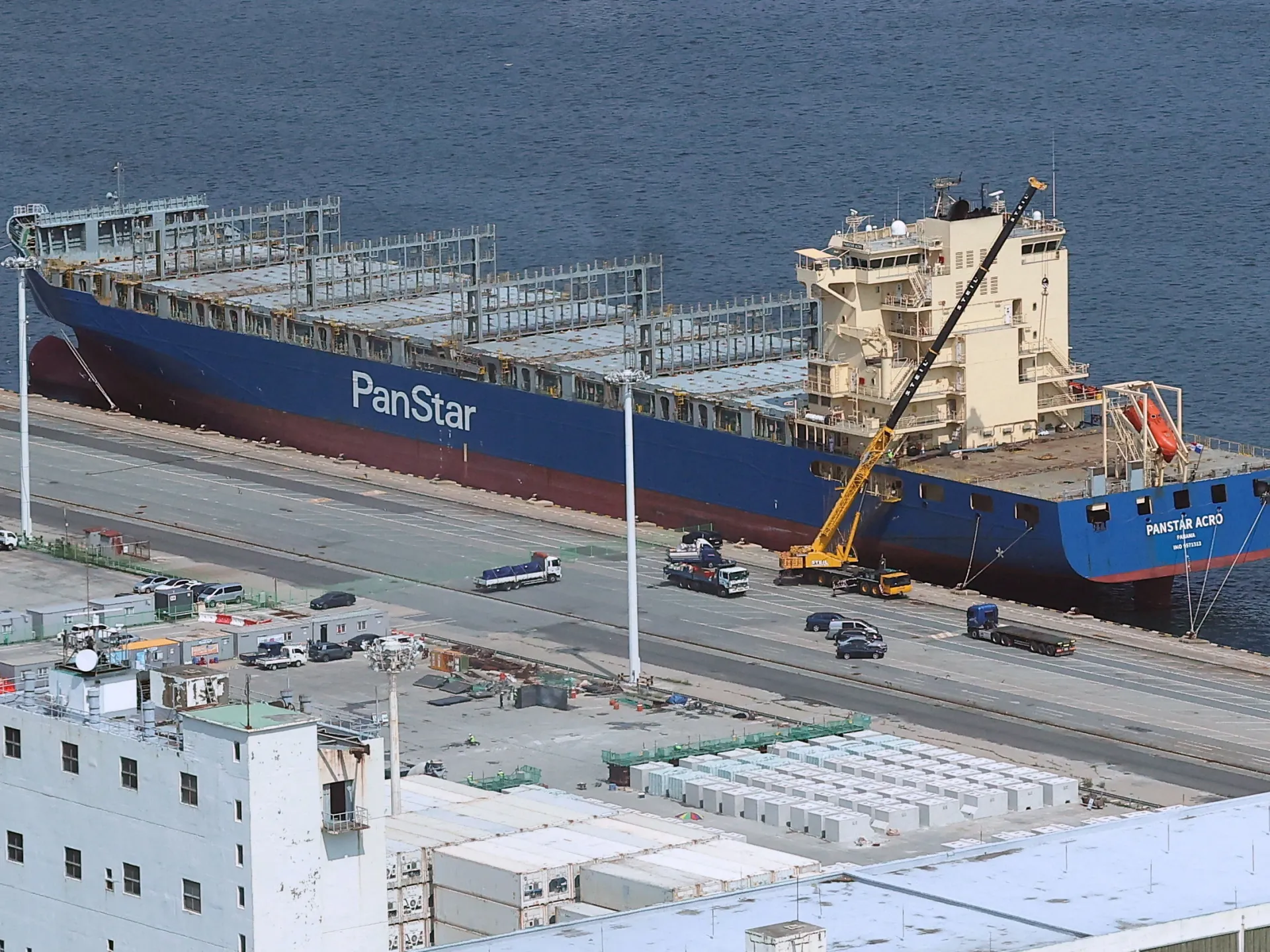
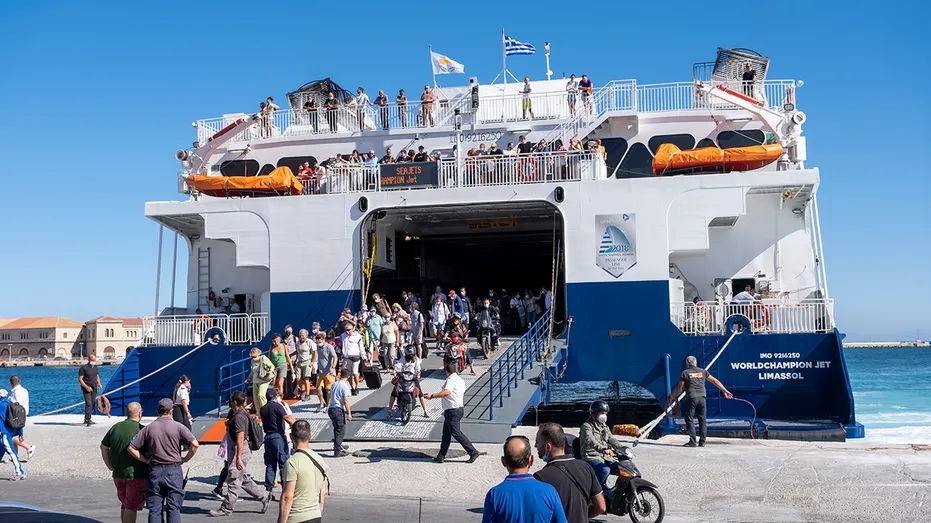
The latest US Treasury initiative aims to dismantle the remaining logistical pathways that allow Iranian aircraft to operate beyond the country's borders. Secretary Bessent’s declaration serves as an explicit warning to foreign partners that providing fuel, landing rights, or ticketing services to these carriers will be met with severe penalties. This maneuver is the latest escalation in a multi-pronged campaign that has already seen the US target the entirety of Iran's aviation fleet with sanctions earlier this month.
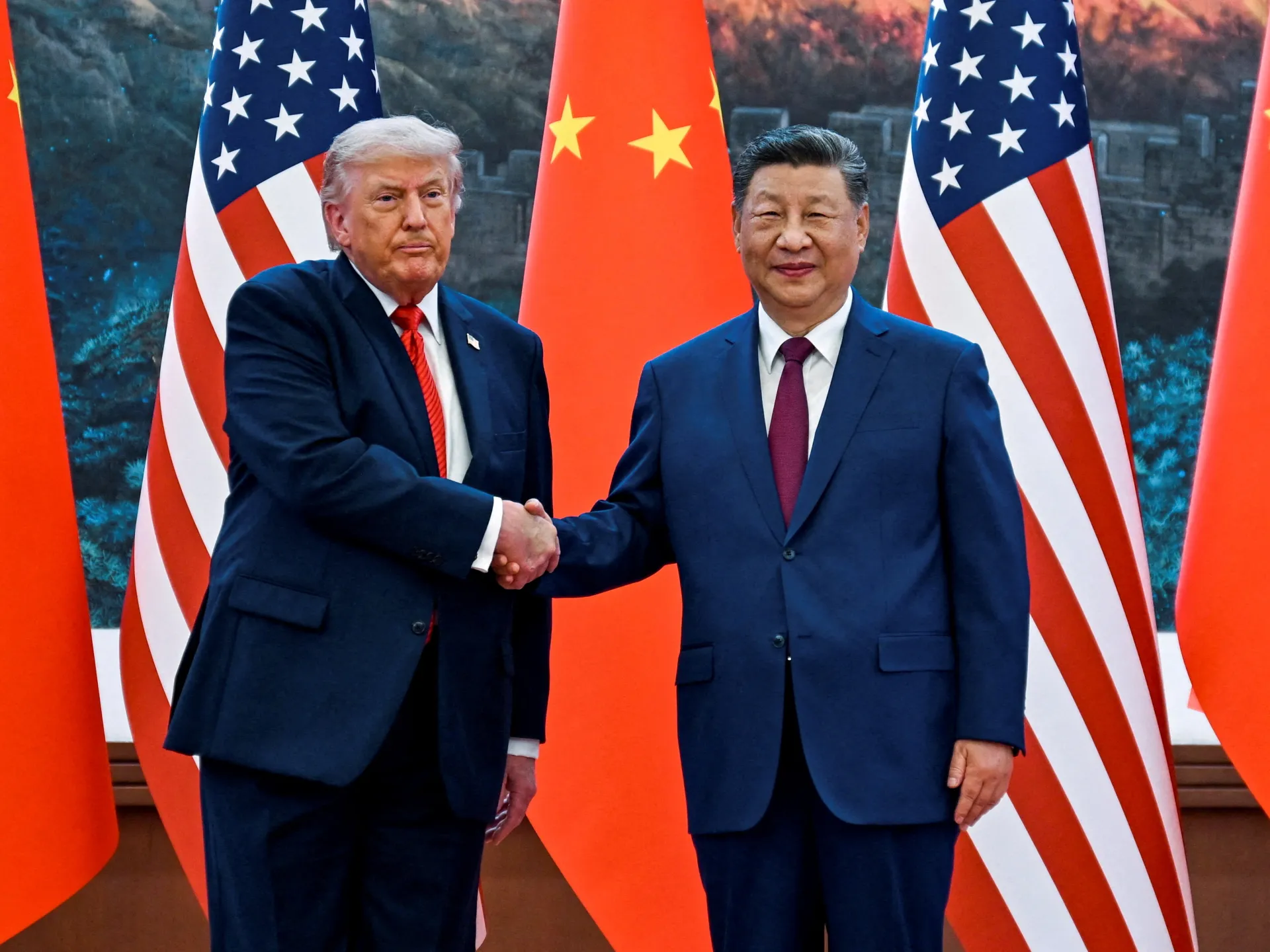
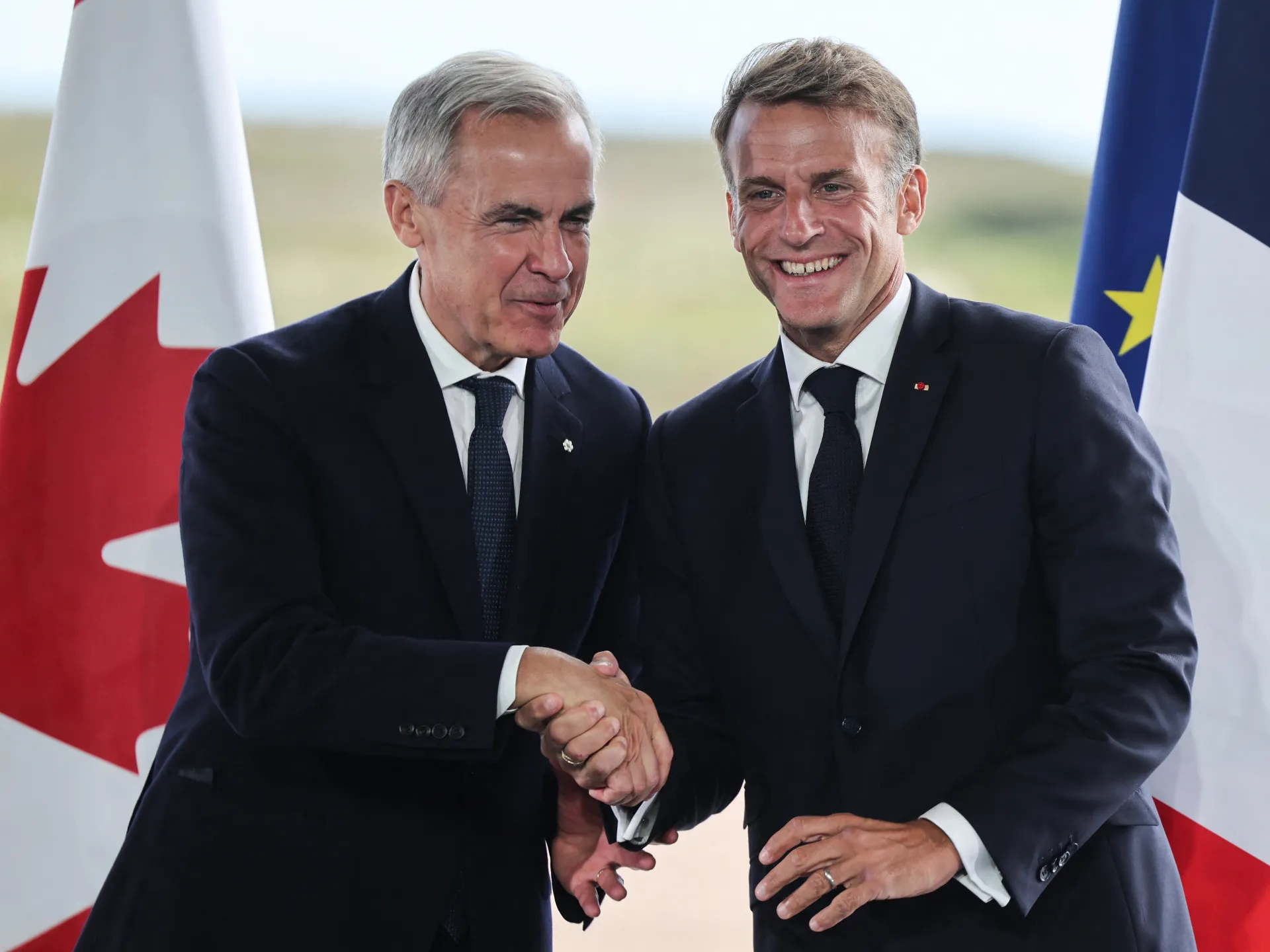
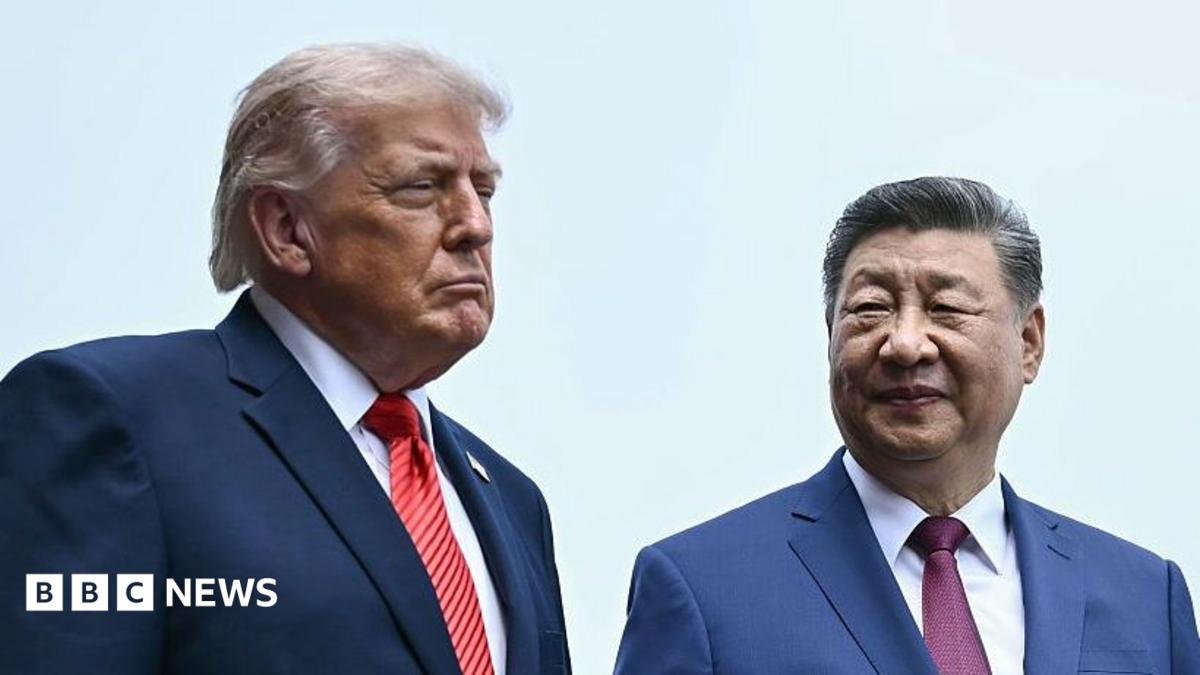
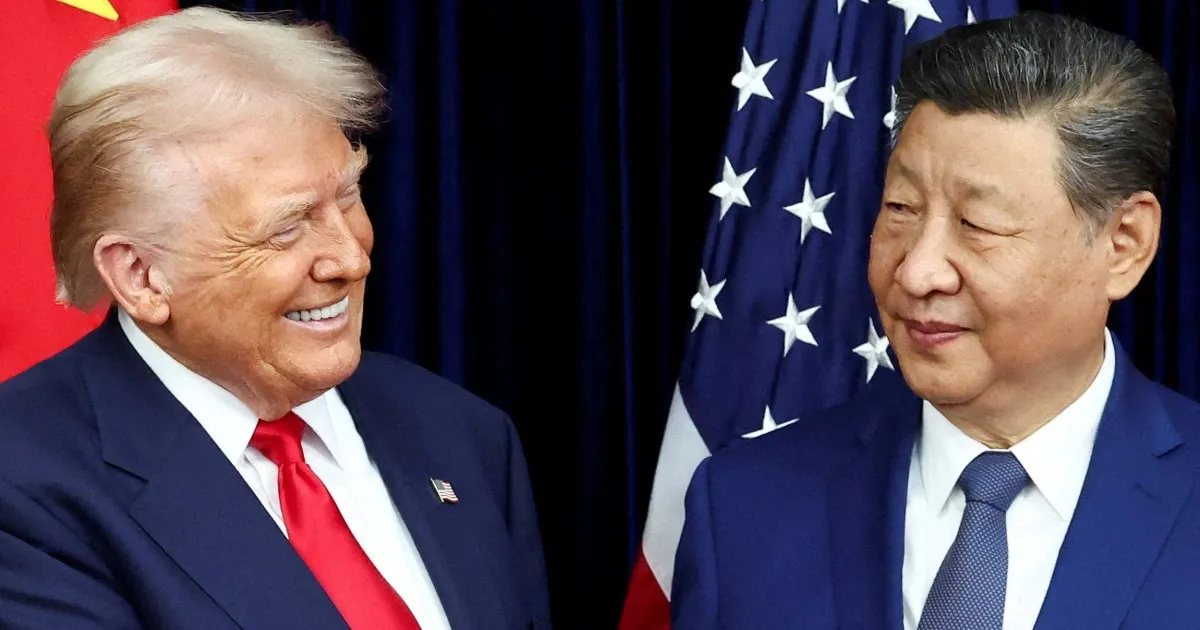
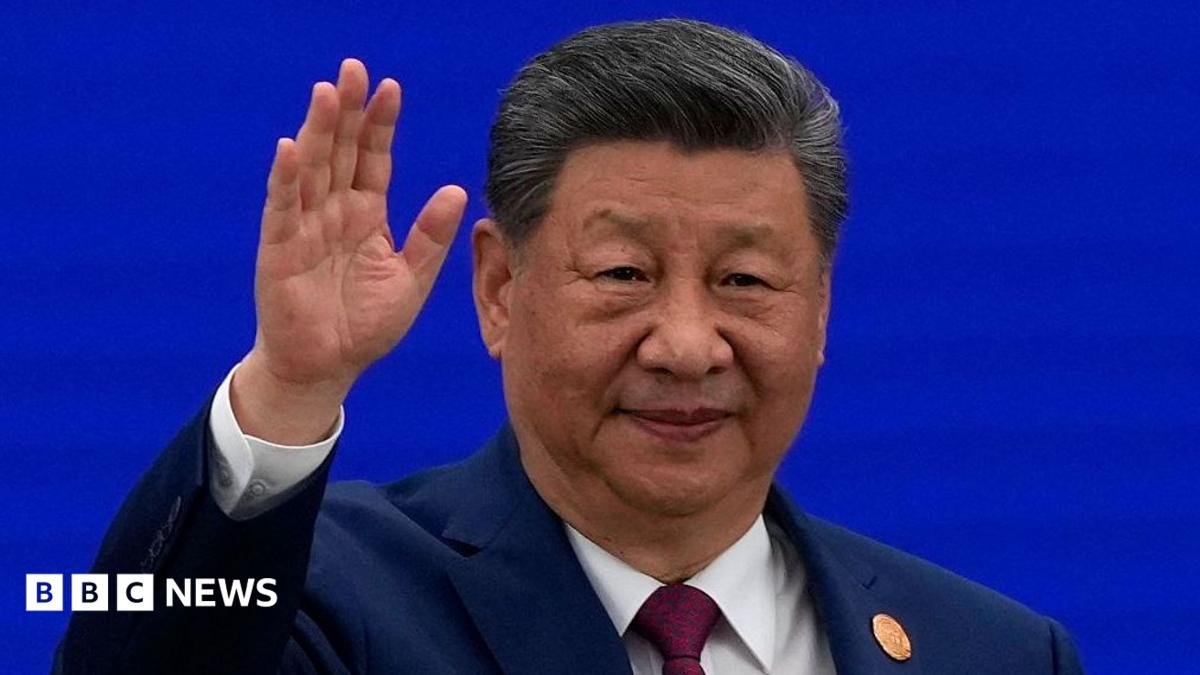
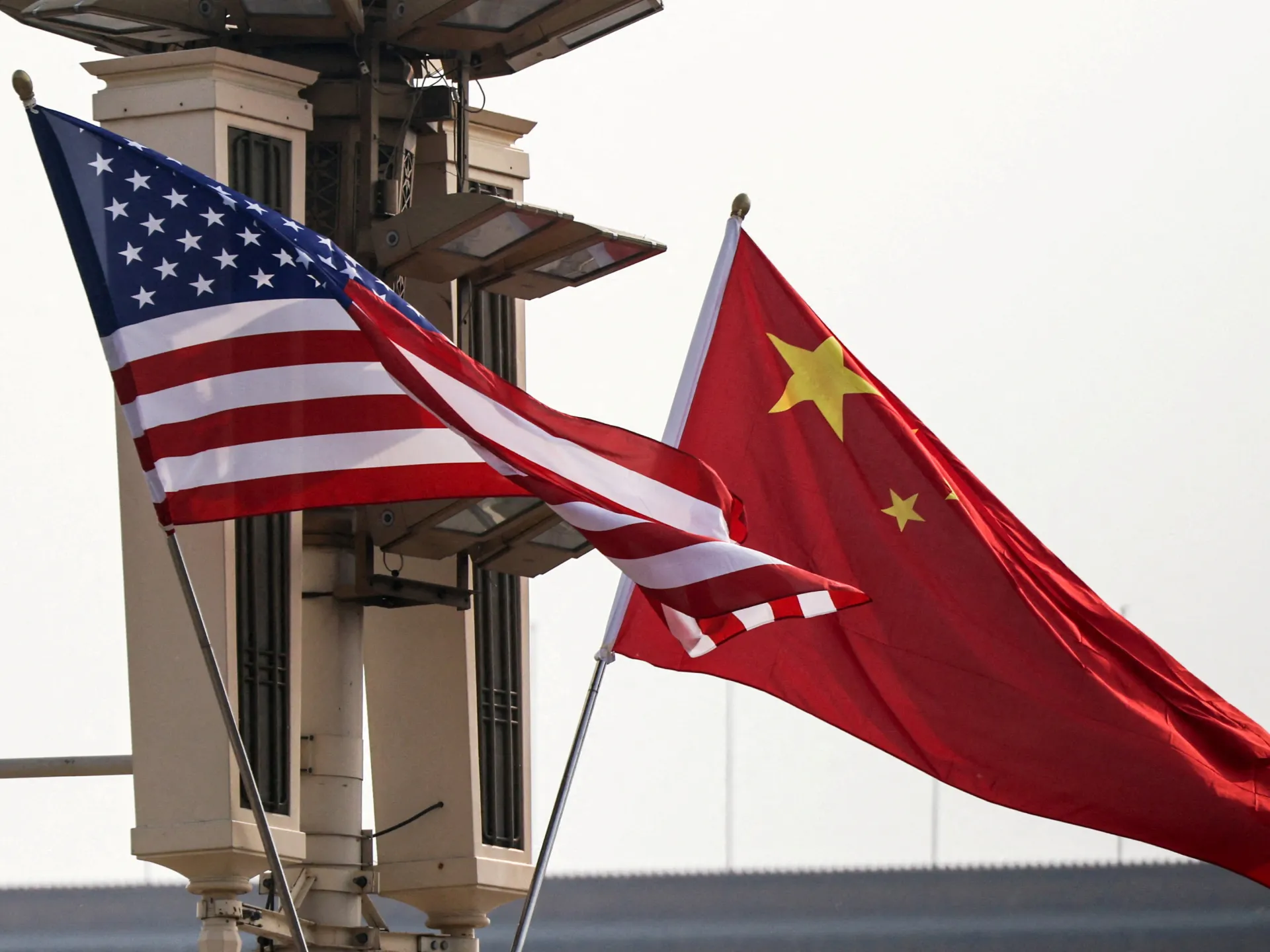
Washington is currently leveraging diplomatic channels to ensure these sanctions hold. High-level discussions between US officials and Chinese financial authorities—including the People's Bank of China—have reportedly been positive, with Beijing purportedly demonstrating engagement on the issue. Given China’s role as a primary economic partner for Iran, the degree to which Beijing adheres to these secondary sanctions could prove decisive in determining the total isolation of Tehran's aviation capabilities.
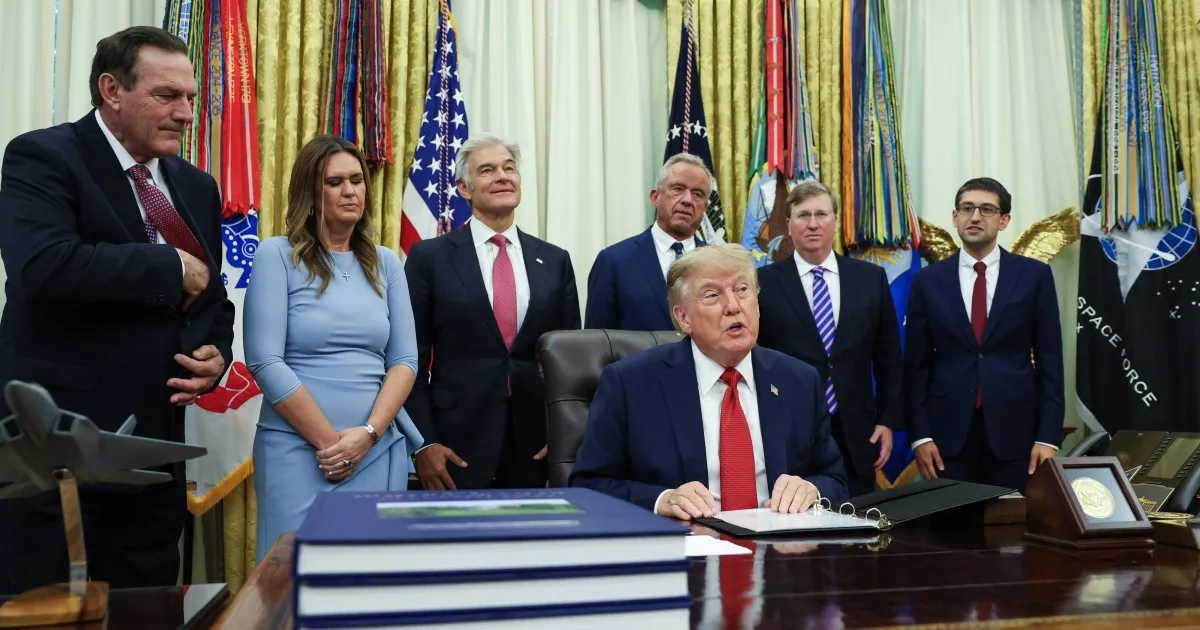
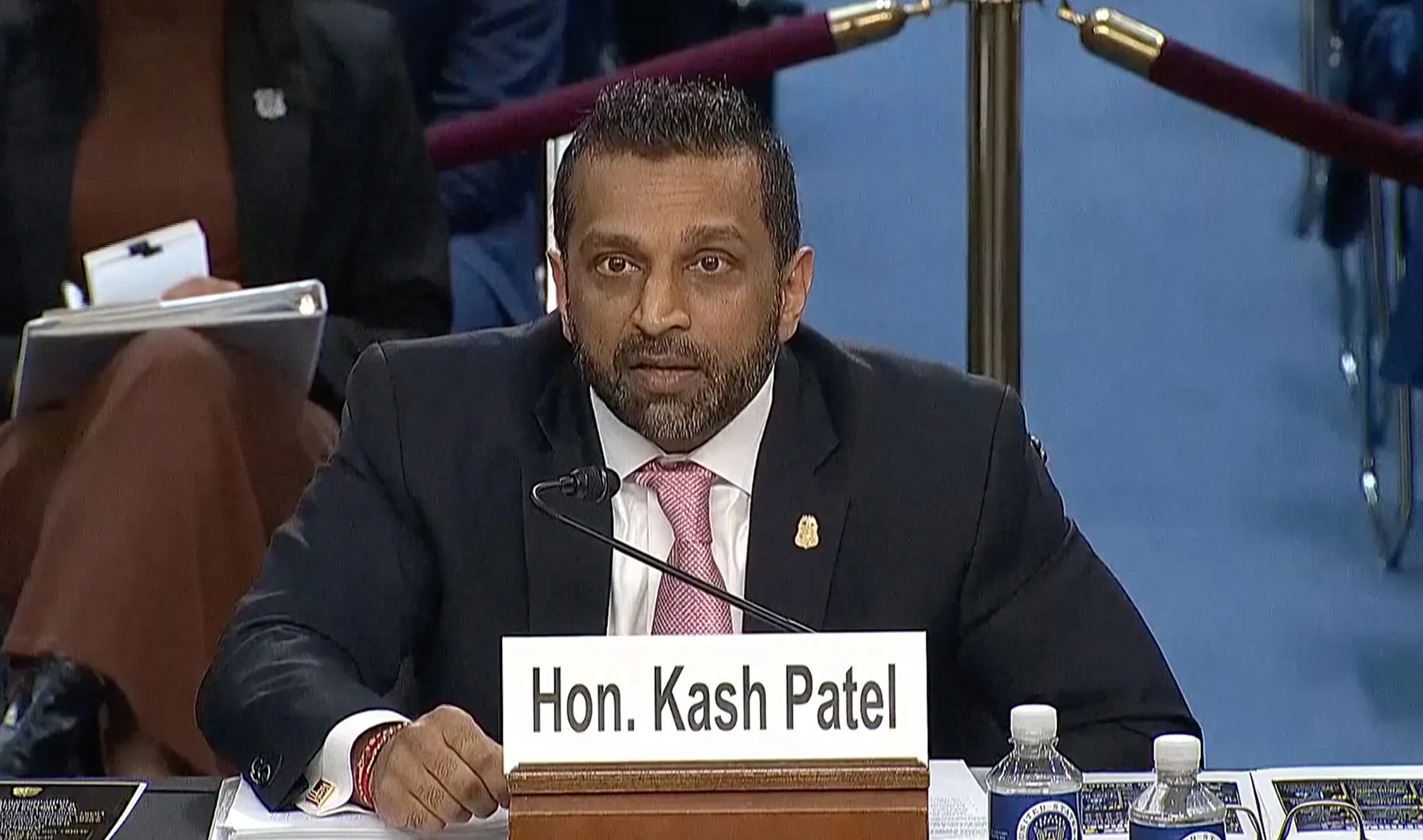
While the administration tightens its economic grip, it has nonetheless granted access to the Iranian delegation for the UN General Assembly. This decision has sparked domestic criticism, leading the State Department to publicly frame the visa issuance as a matter of international obligation rather than a diplomatic thaw. Officials have emphasized that the delegation is significantly smaller than in previous years and will be subject to strict oversight to prevent any exploitation of the visit.
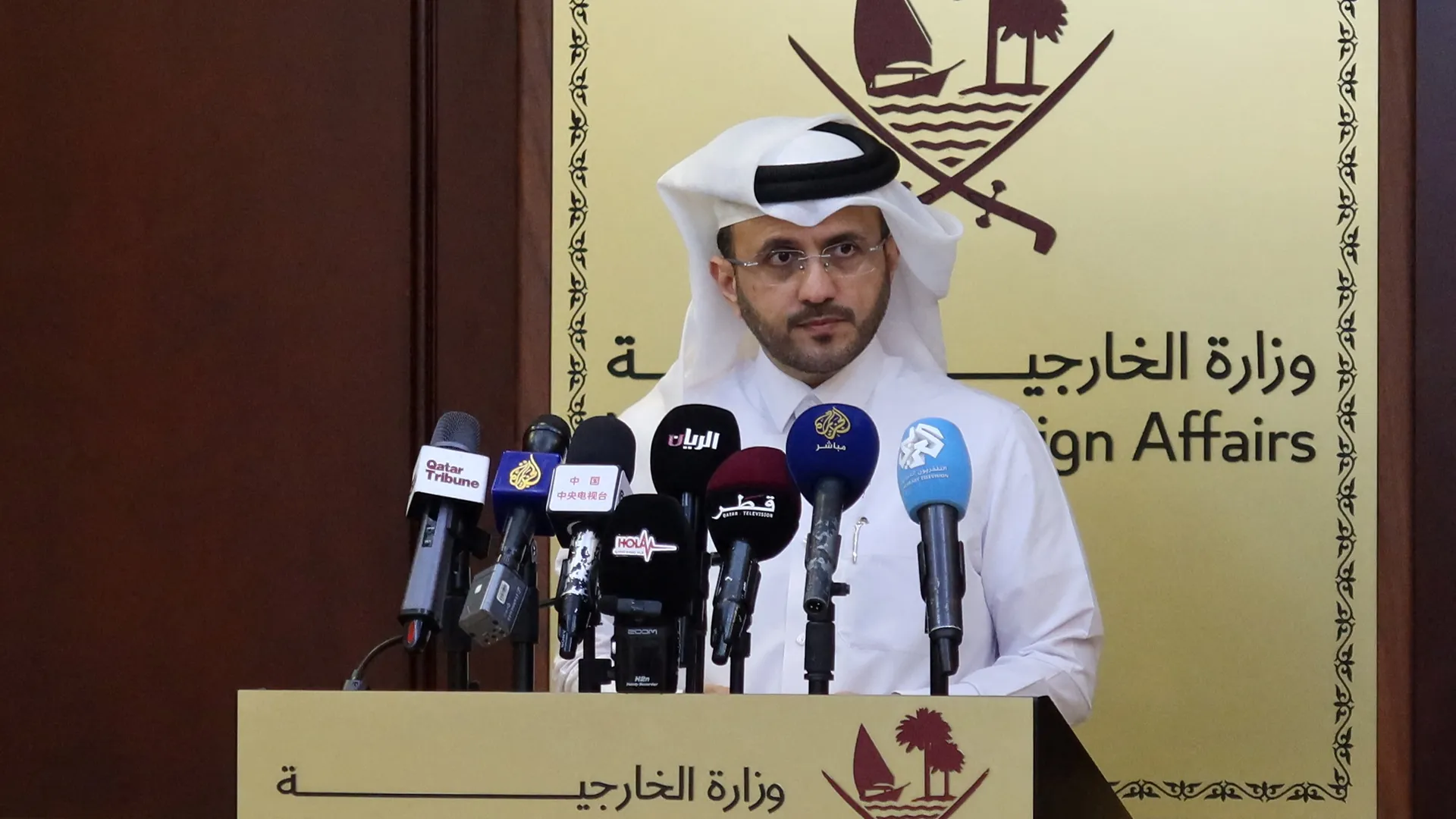
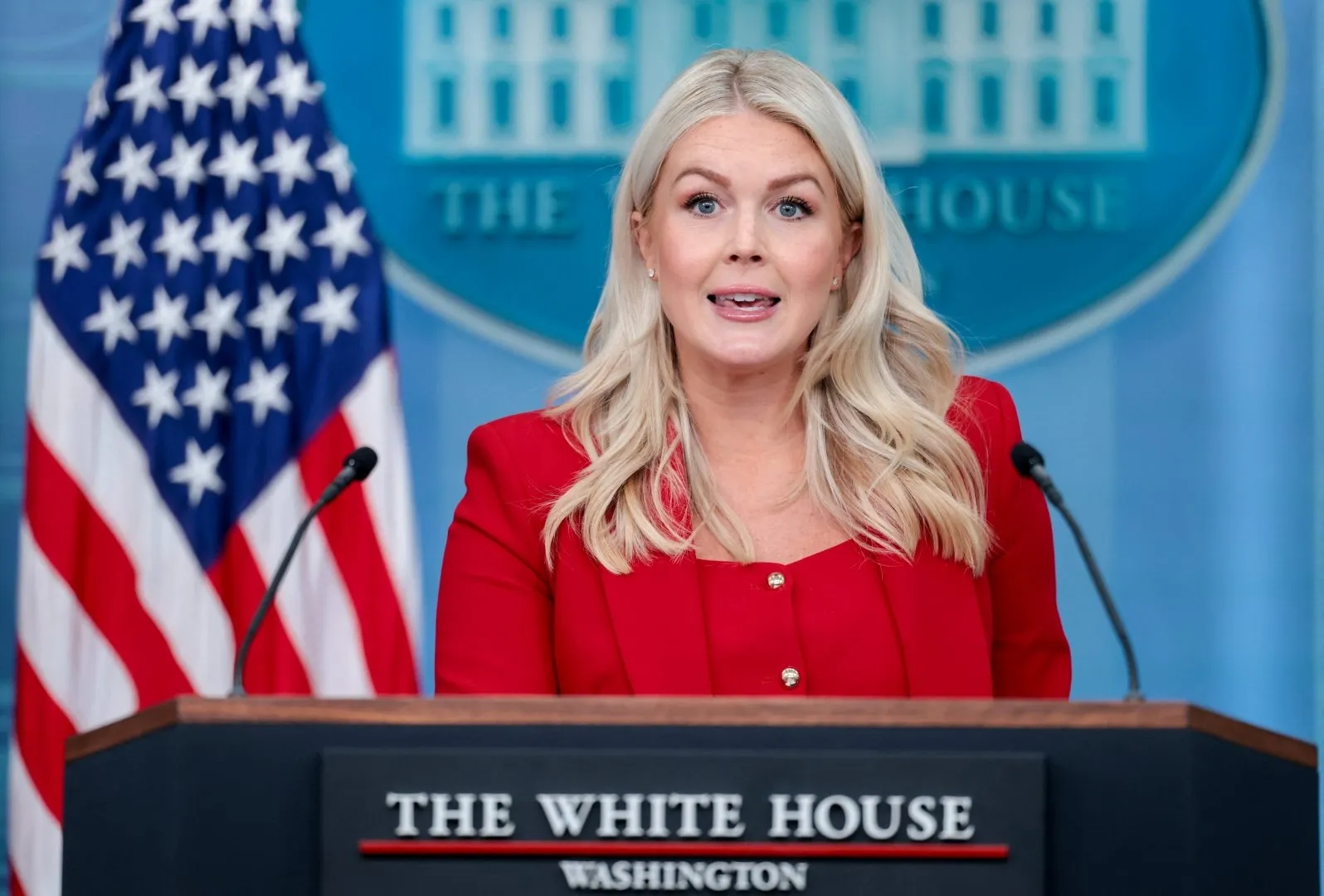
State Department spokesman Tommy Pigott explicitly warned New York vendors to remain vigilant against potential retail purchases nian populace. This rhetoric highlights the administration’s attempt to balance the necessity of multilateral forum participation with a narrative of moral and economic opposition to the Iranian regime.
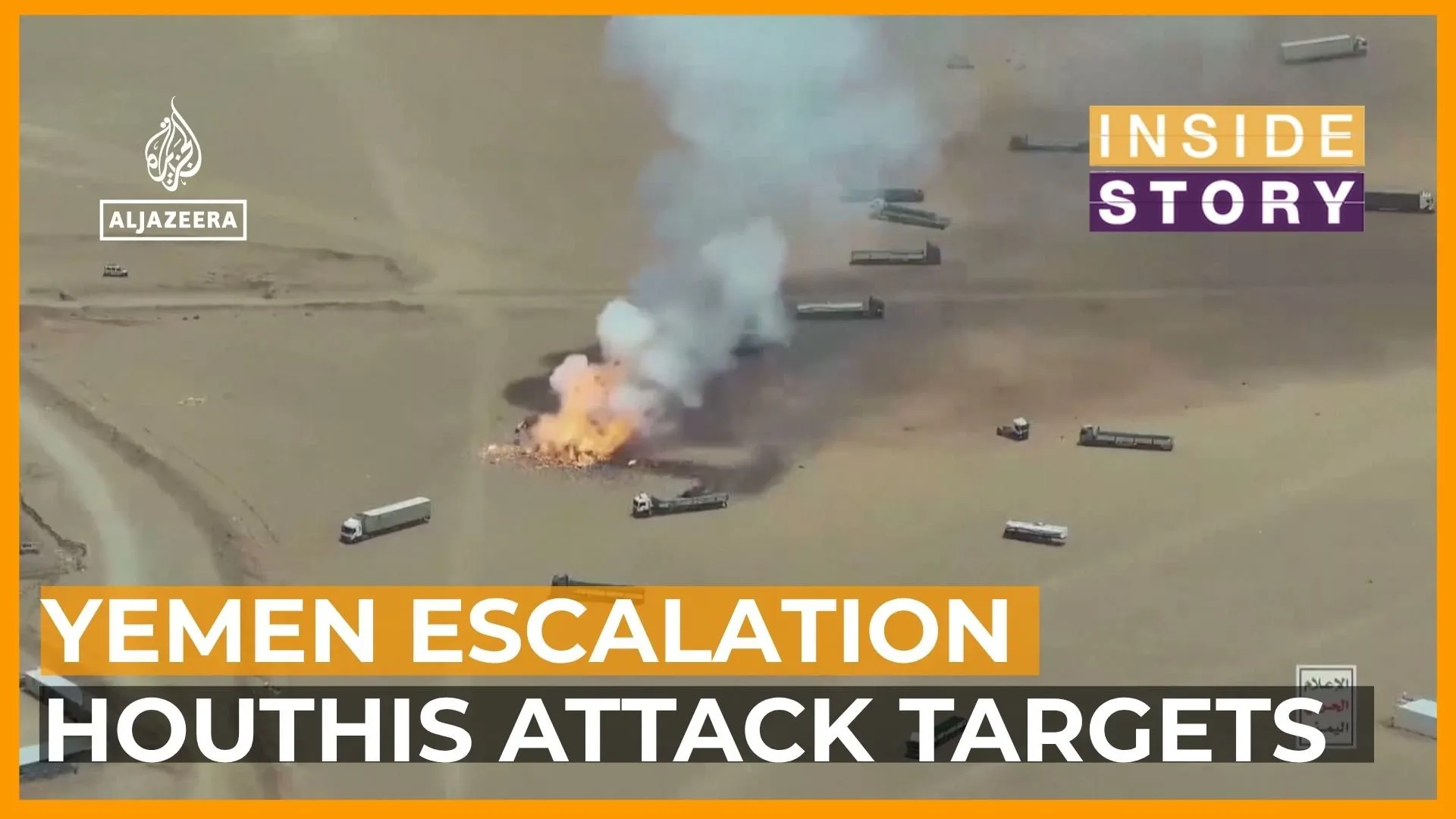
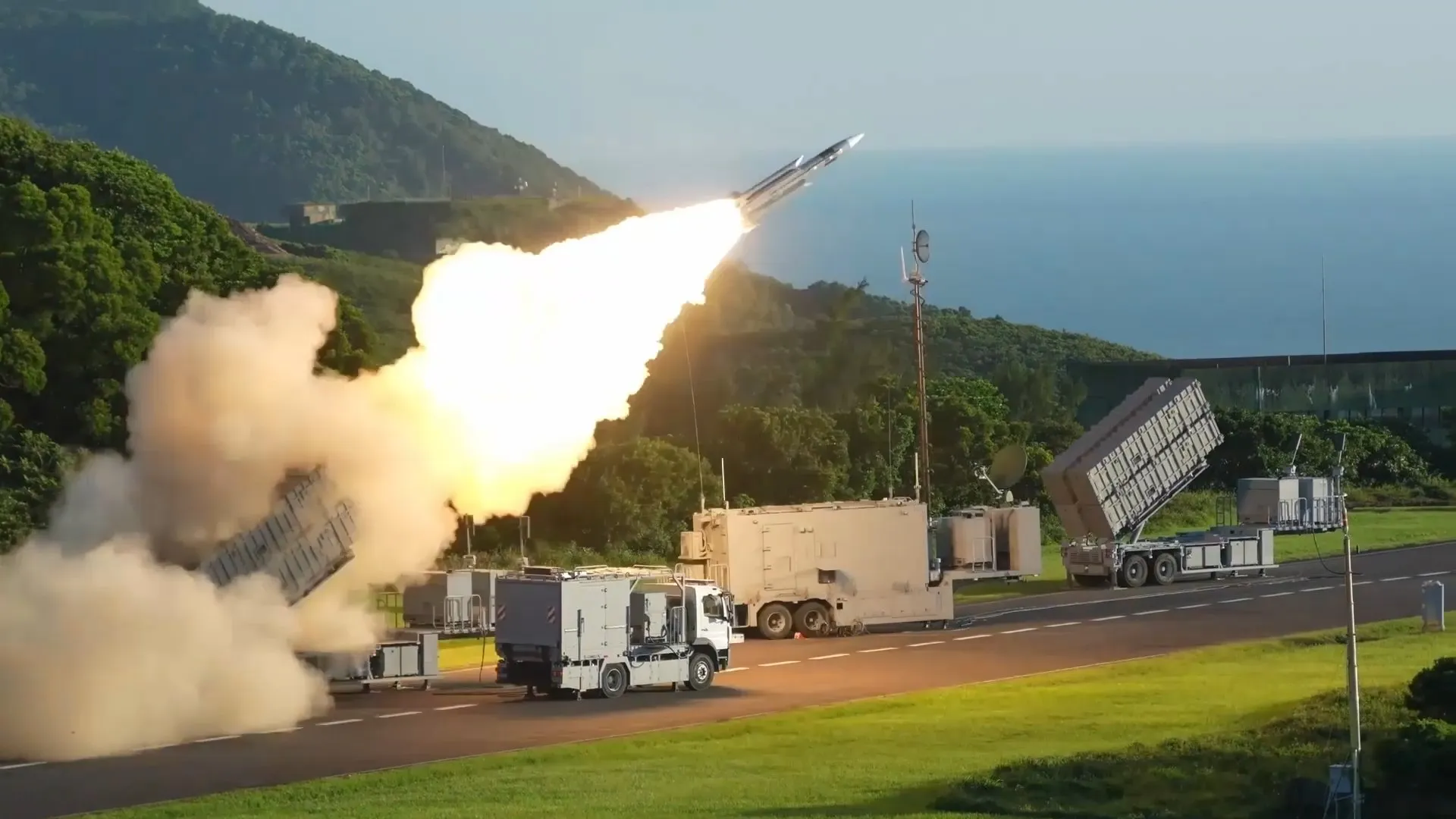
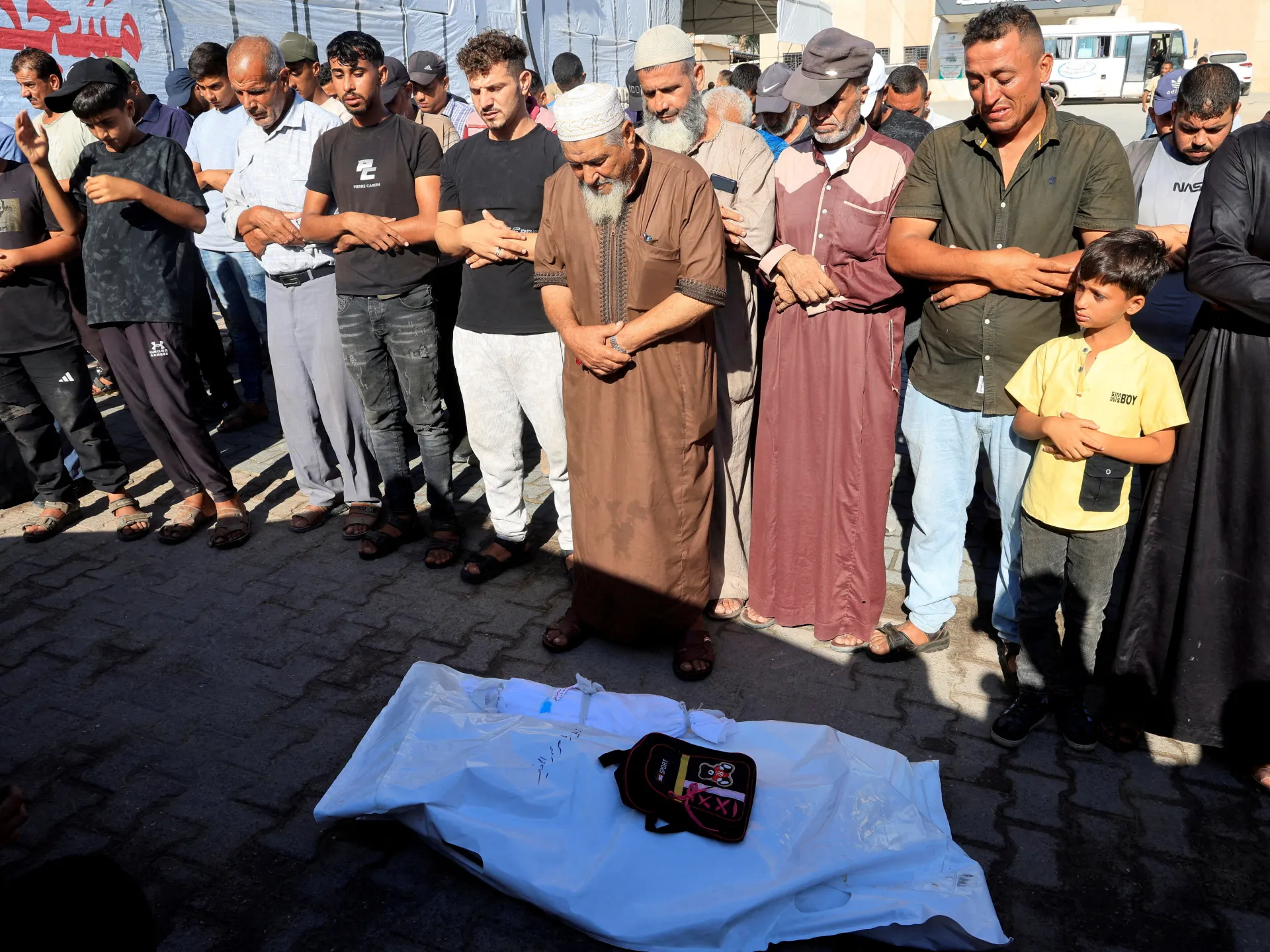
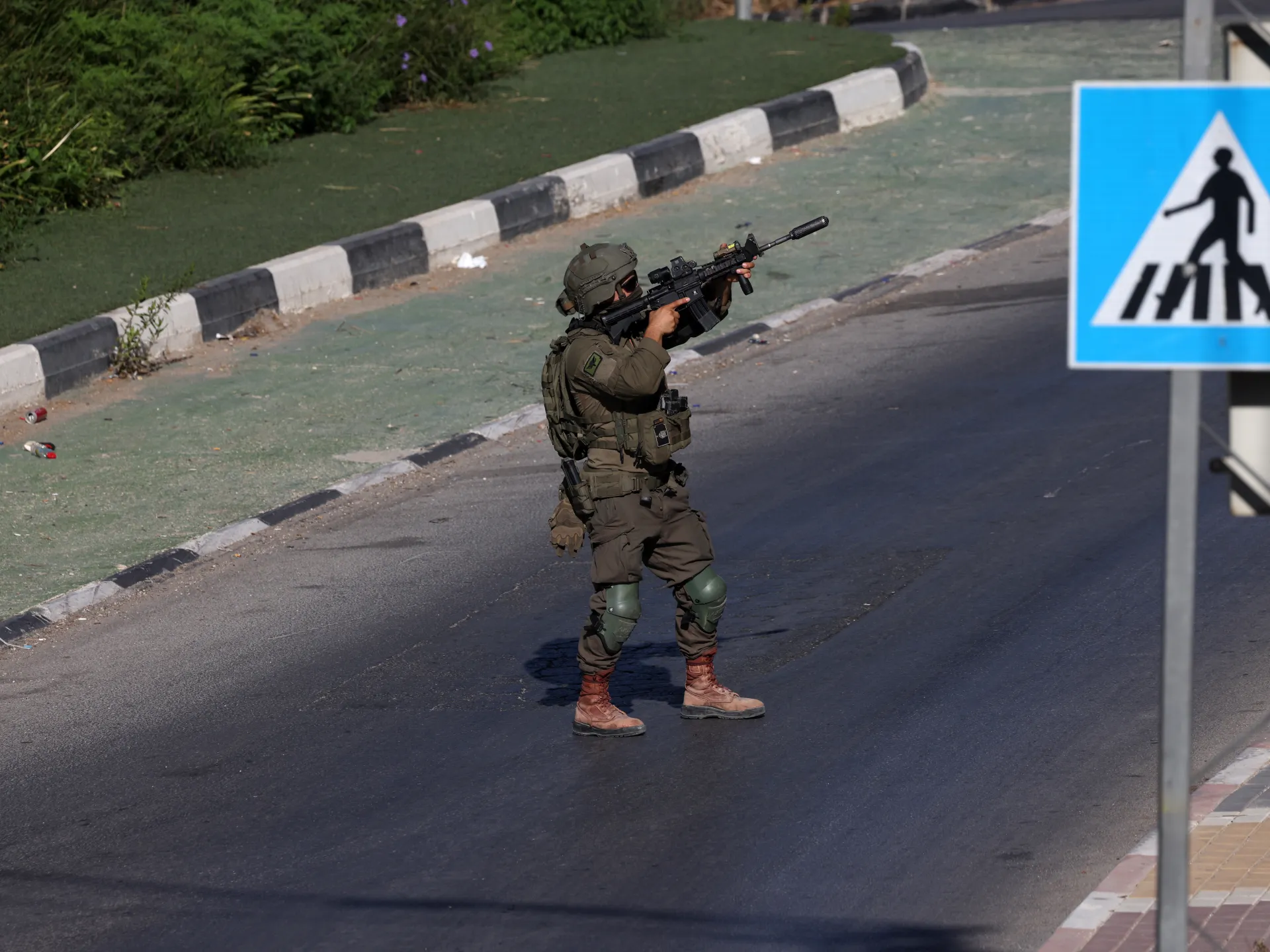
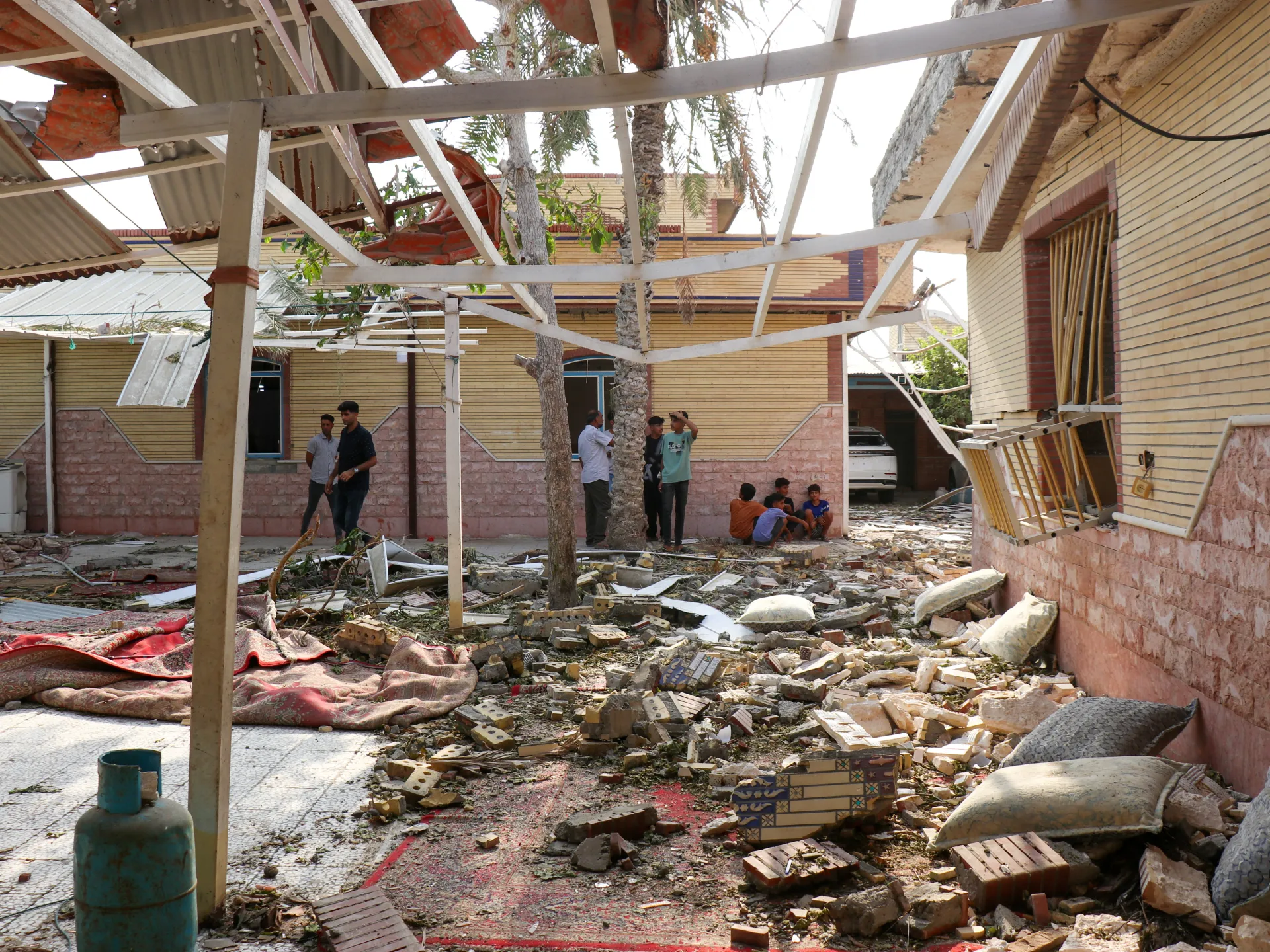
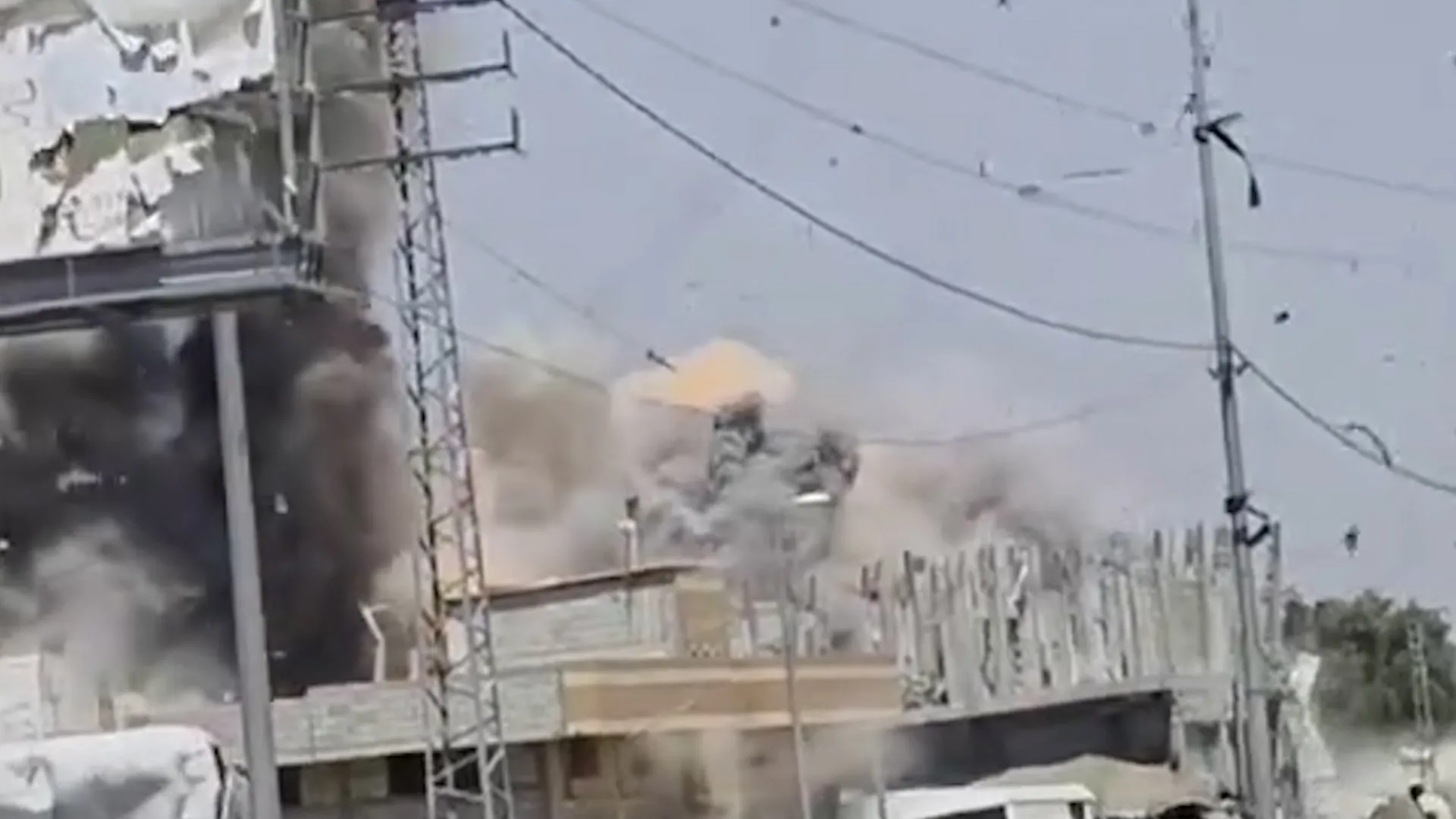
The implementation of these secondary sanctions will likely trigger a sharp contraction in international flight paths for Iranian carriers, as commercial entities—fearful of losing access to the dollar system—will be incentivized to sever ties immediately. If the US succeeds in securing China’s cooperation, the isolation of Iran's aviation sector will likely become near-total. Meanwhile, the presence of Iranian leadership at the UN General Assembly provides a narrow window for back-channel communications. Whether this results in any substantive de-escalation of the ongoing seven-month conflict remains uncertain, particularly as military strikes continue alongside these economic measures.