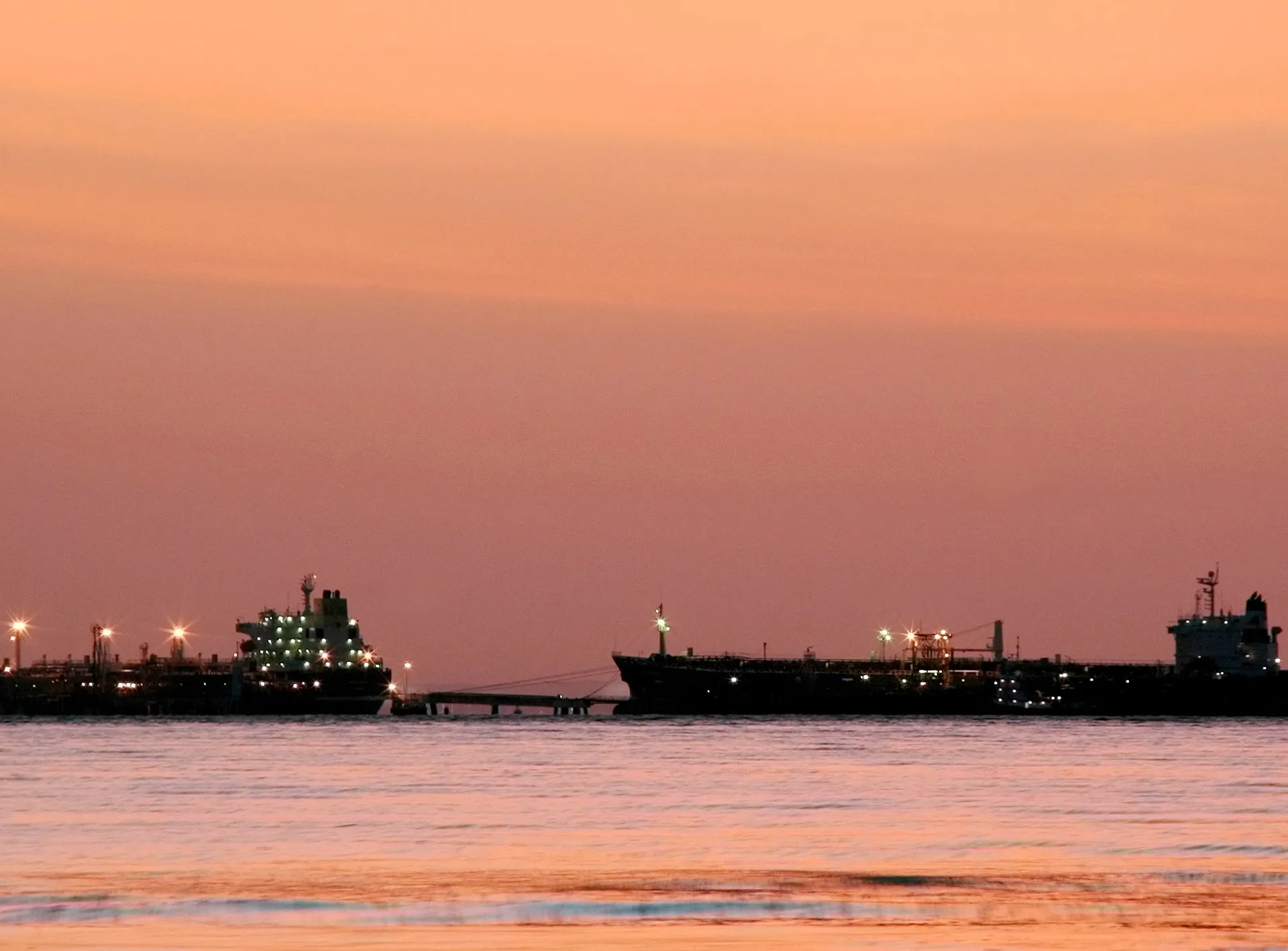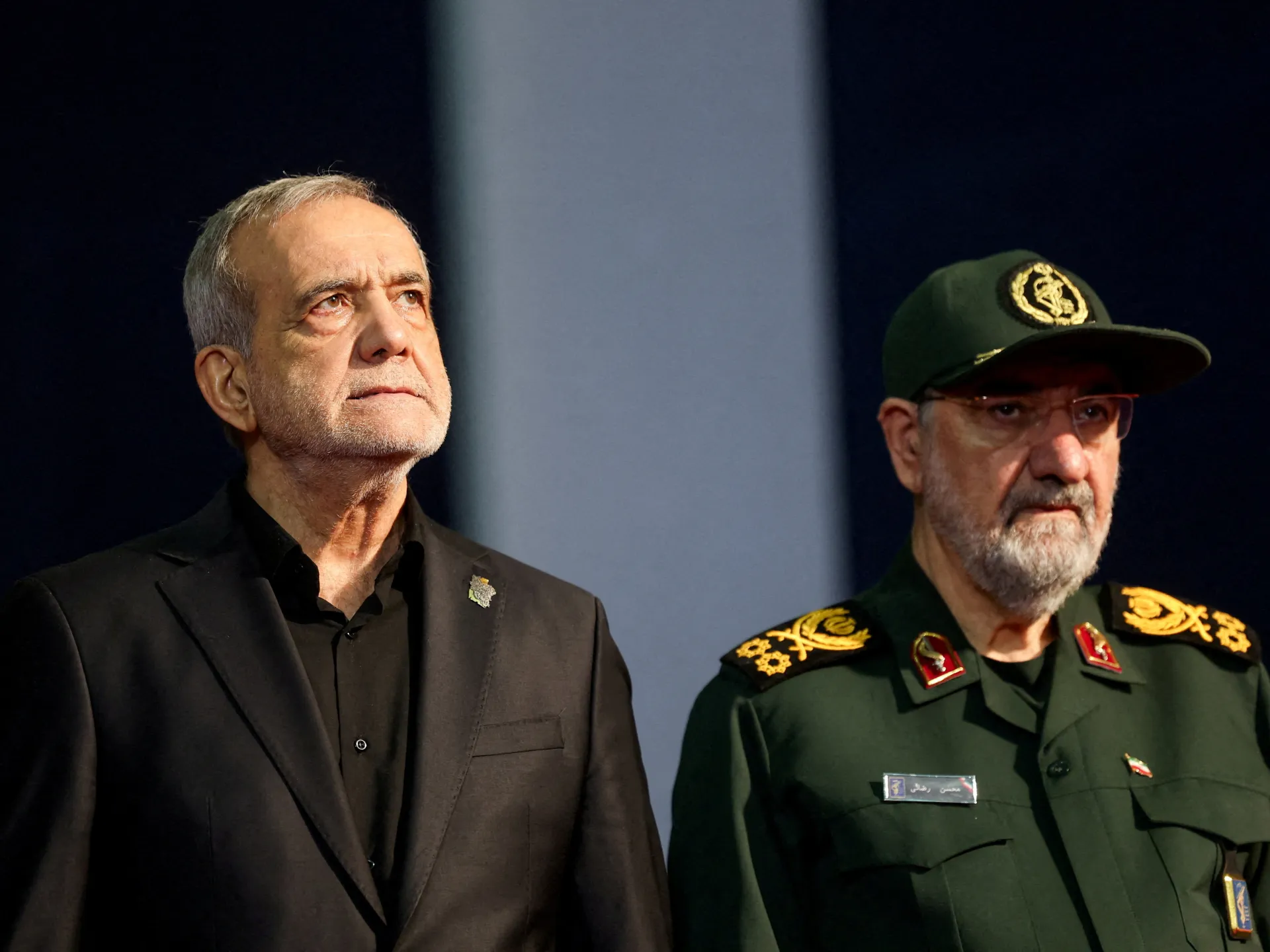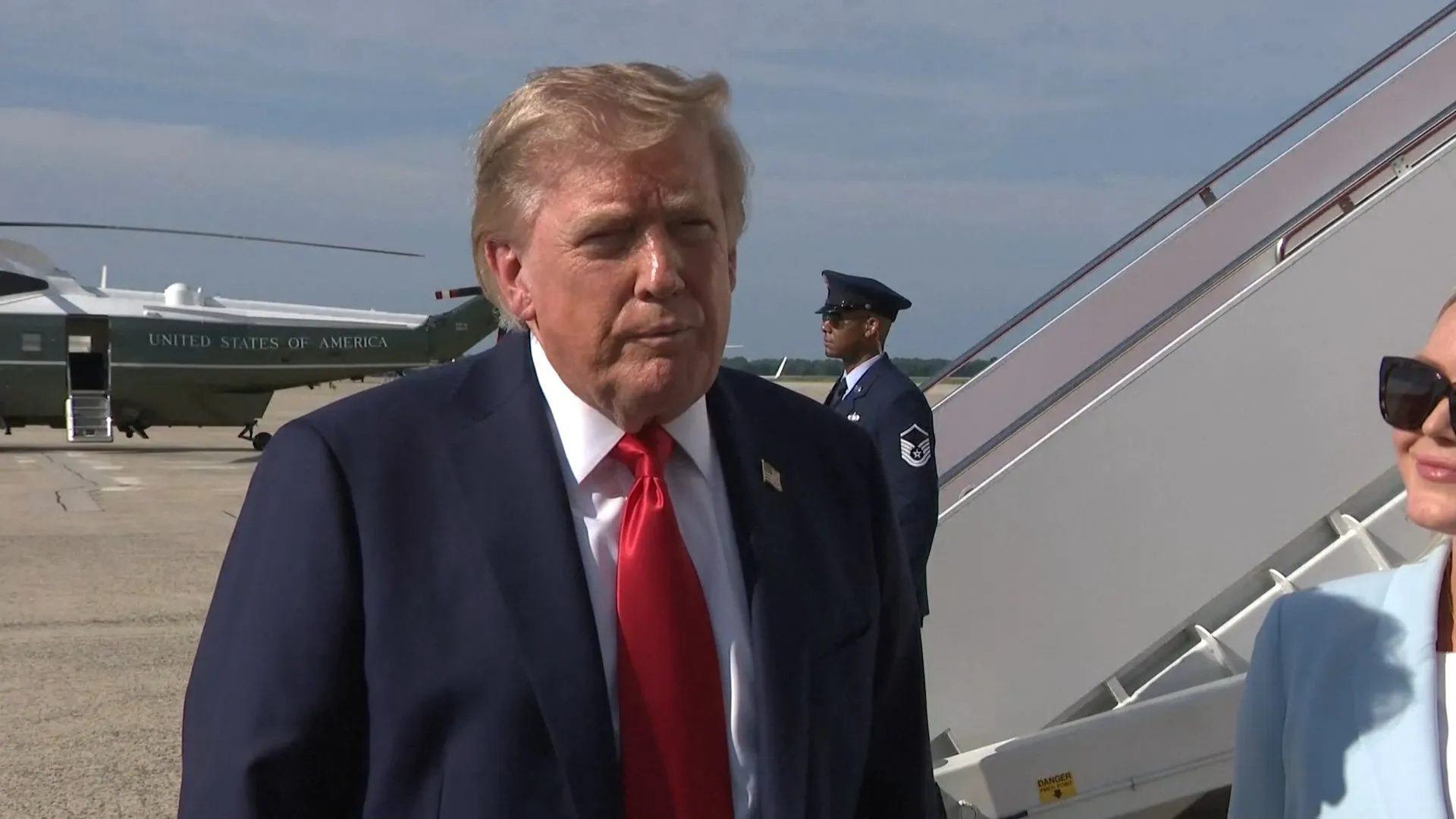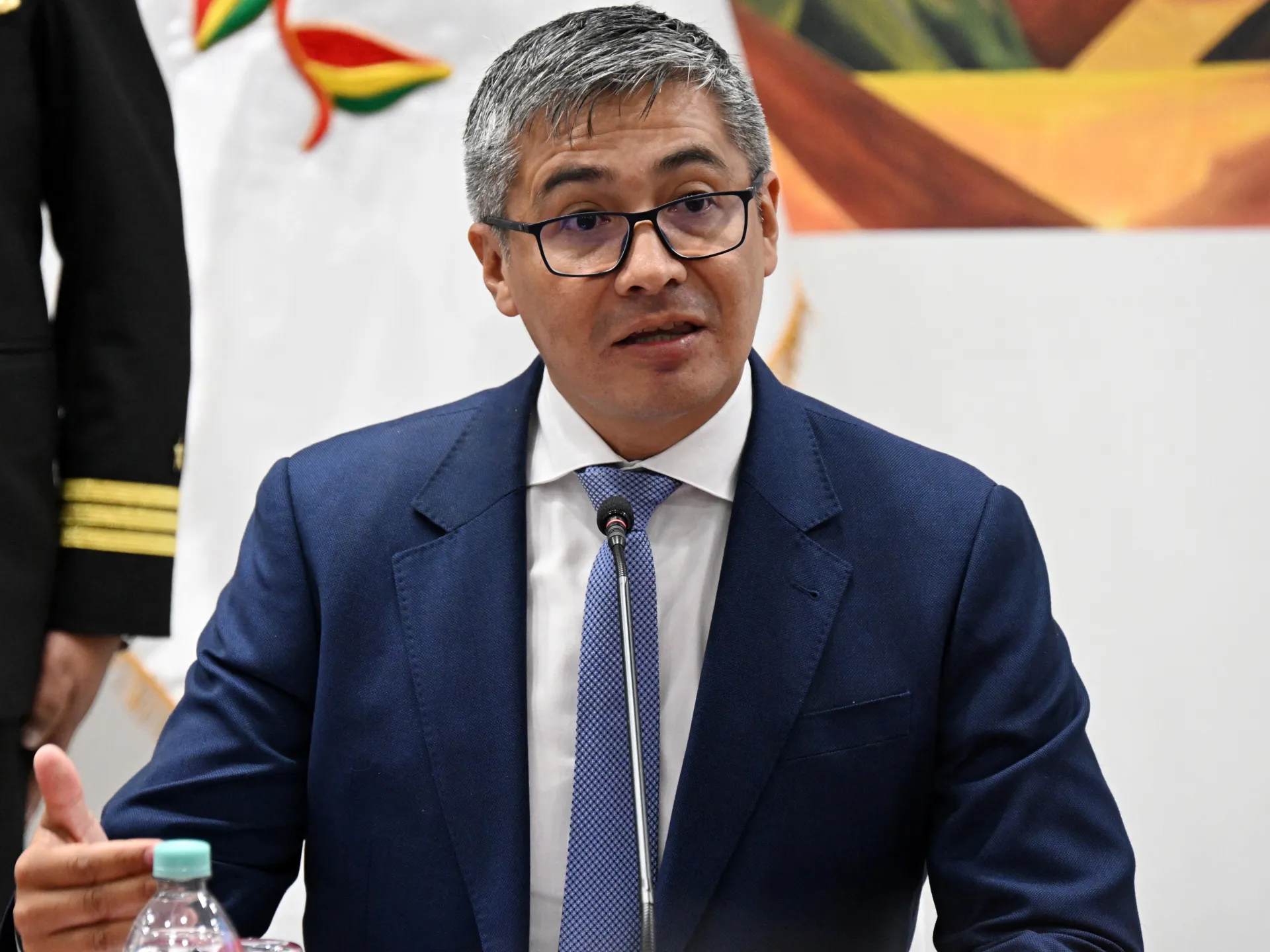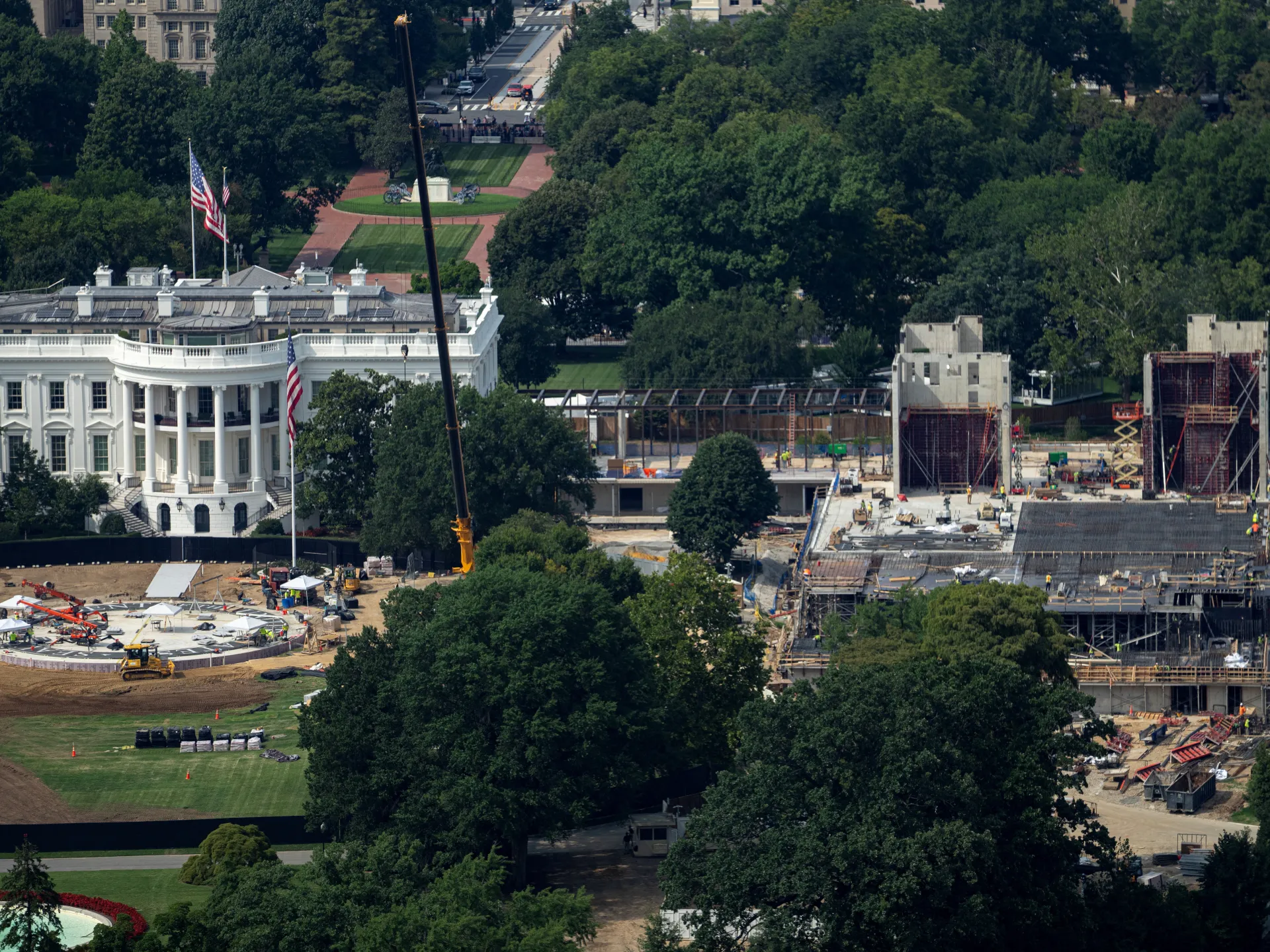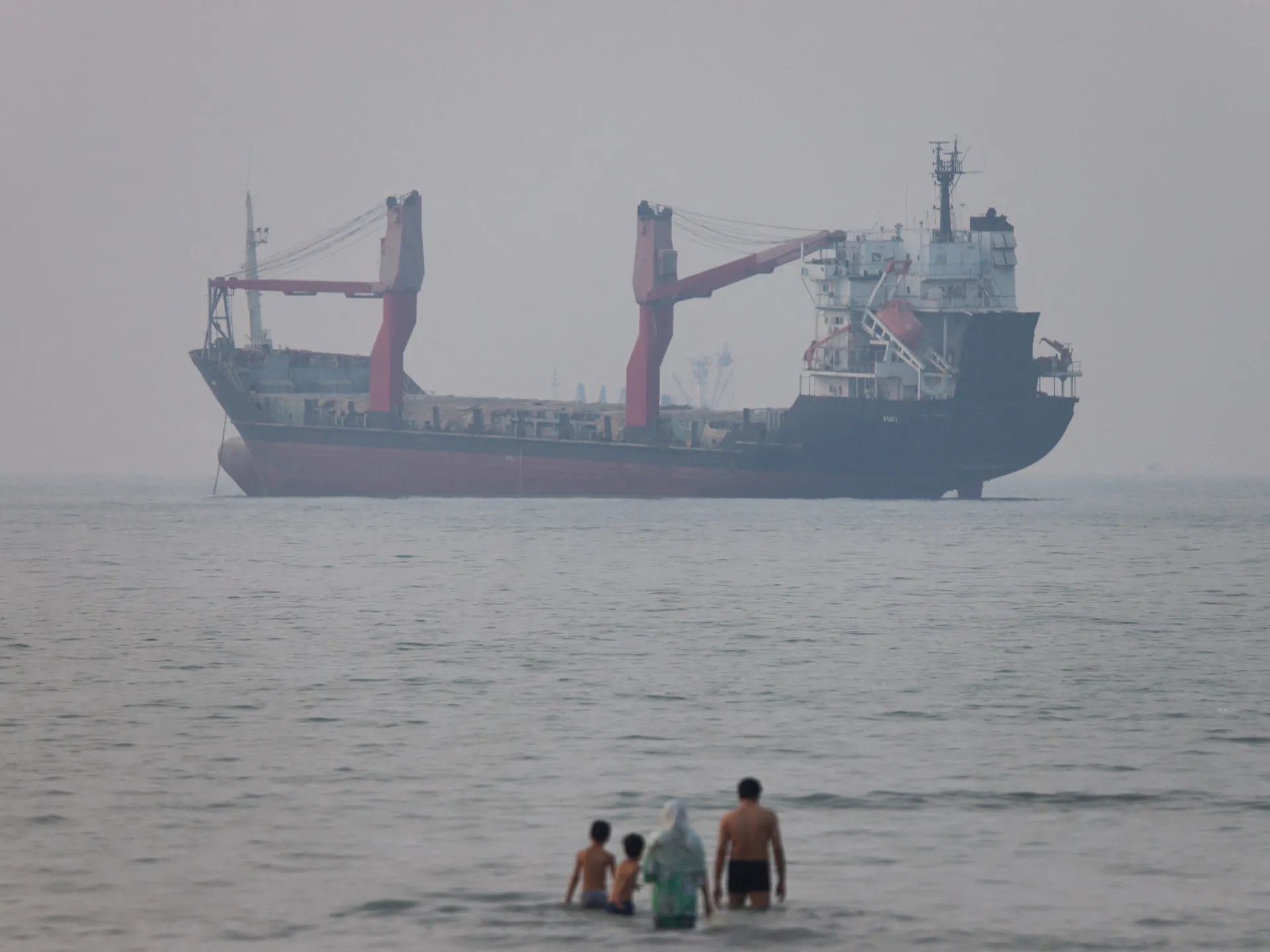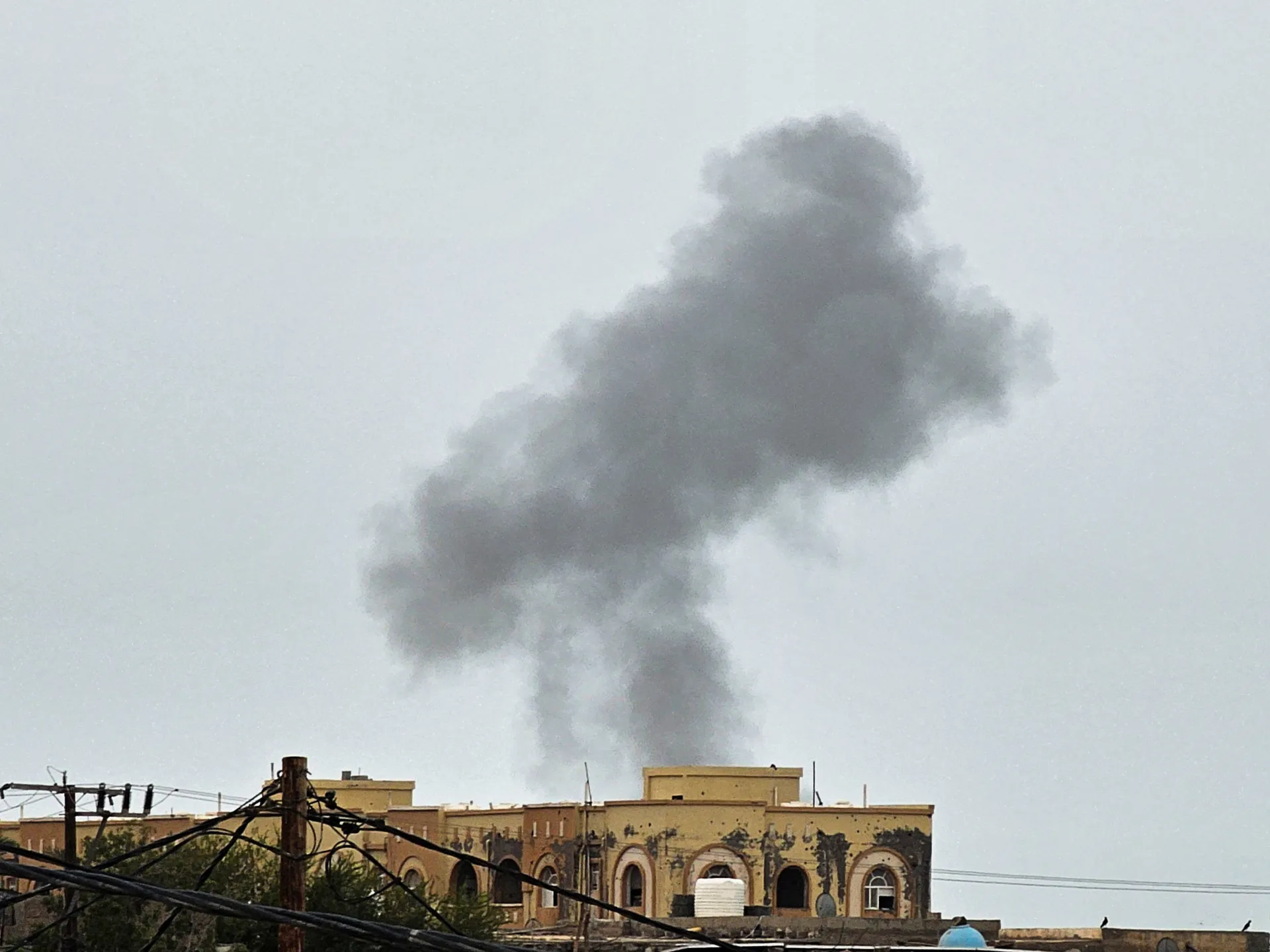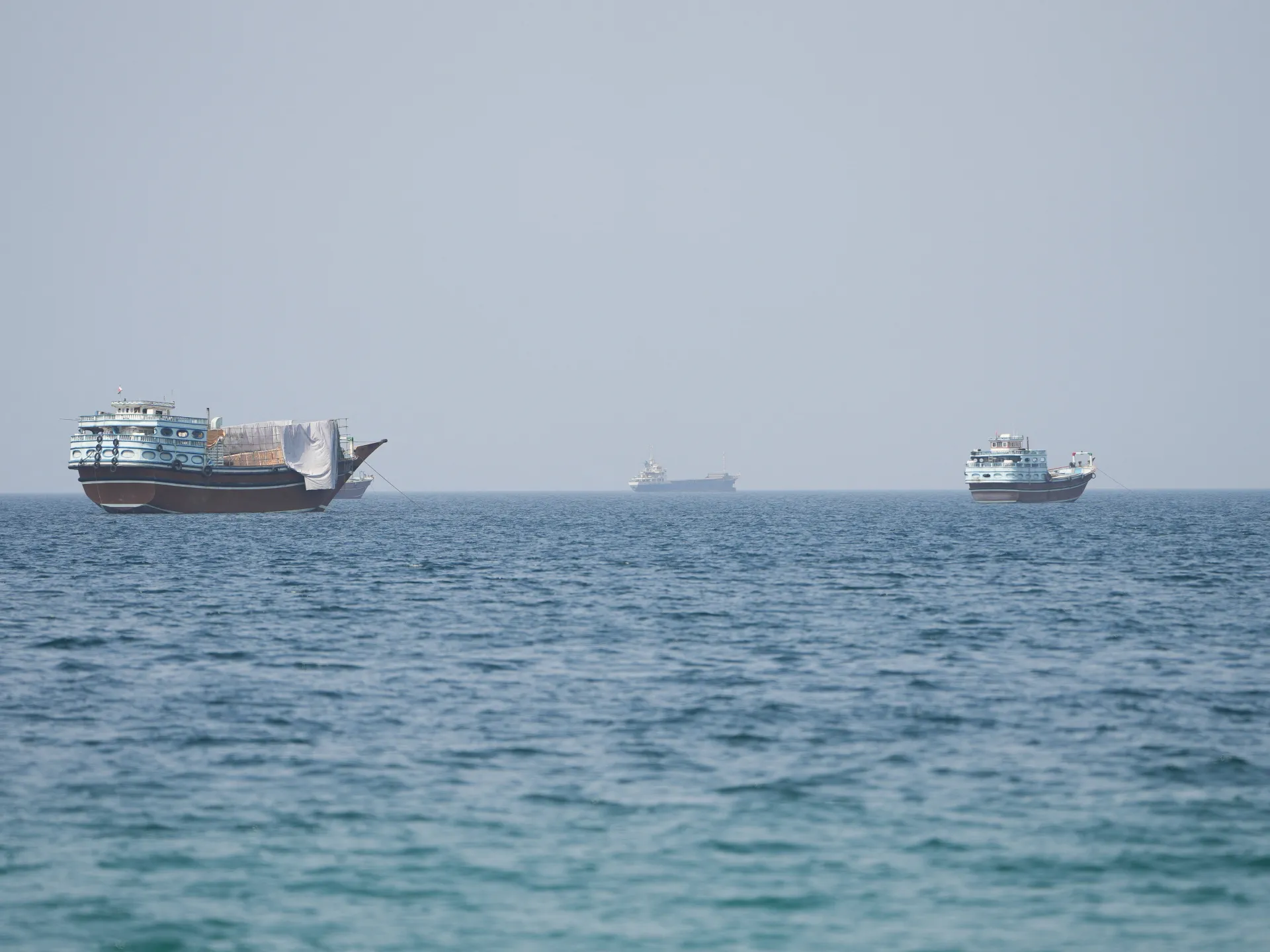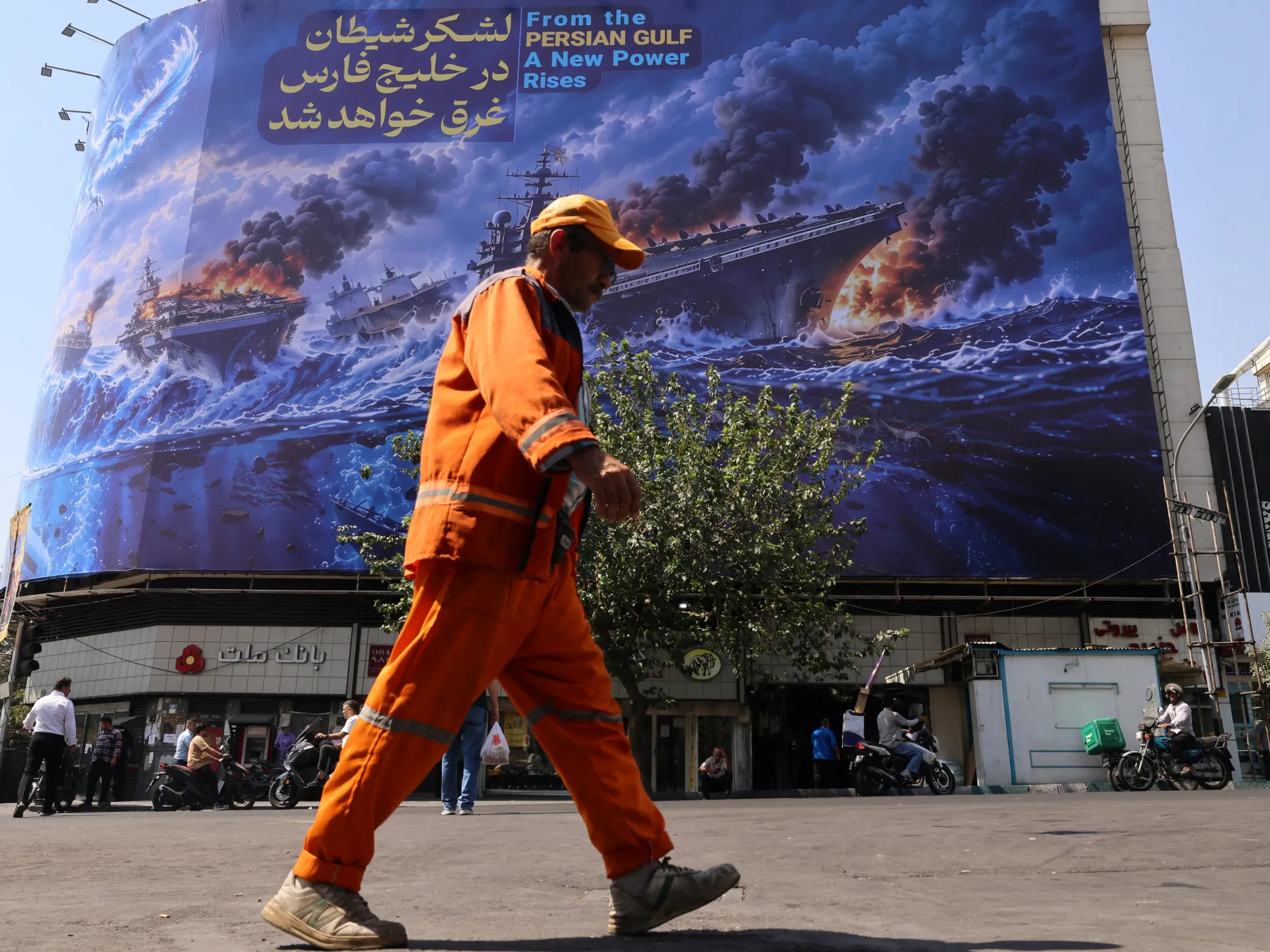
Heightened tensions in the Strait of Hormuz have prompted the U.S. administration to evaluate significant military responses following a tanker attack.
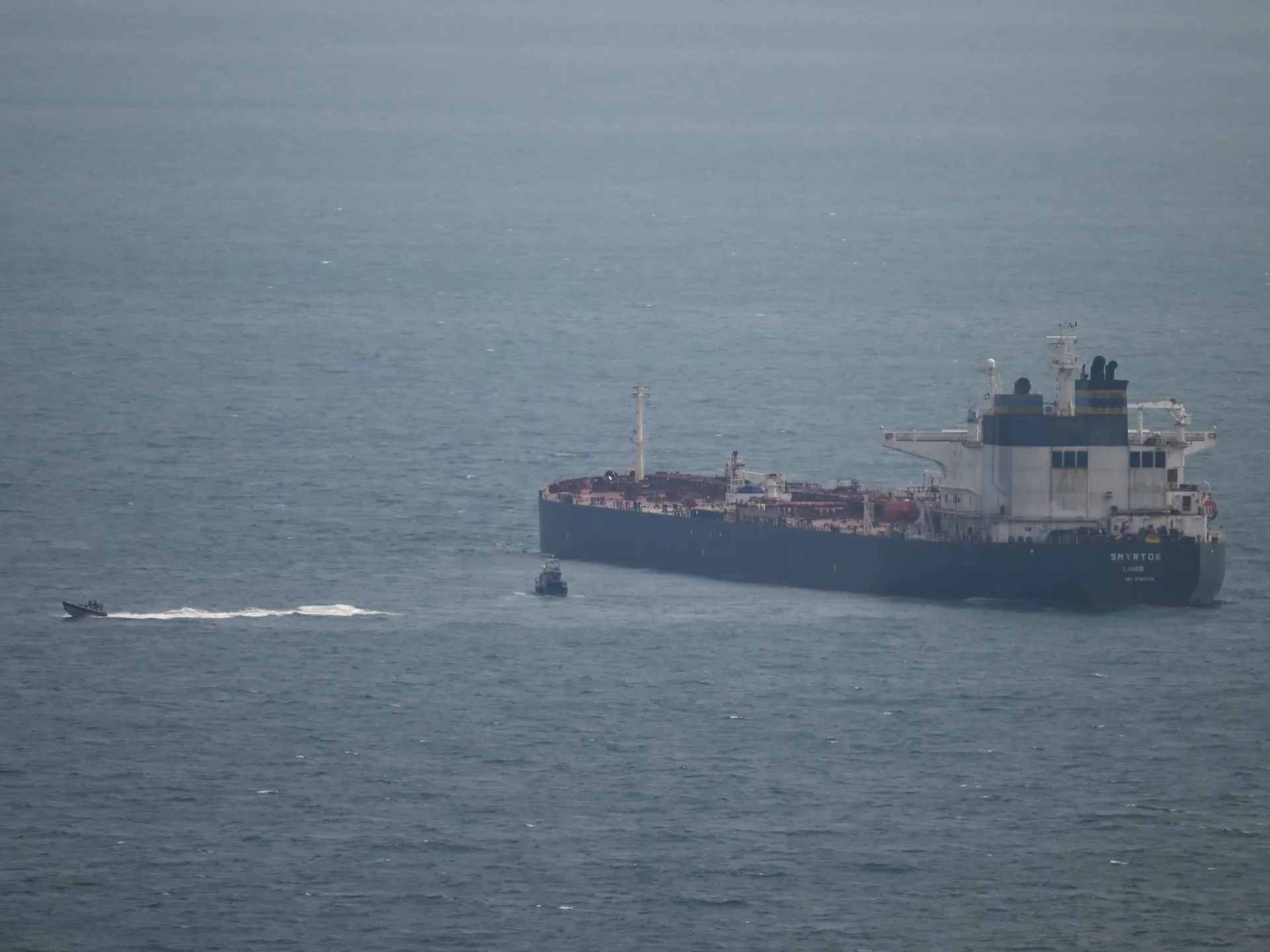
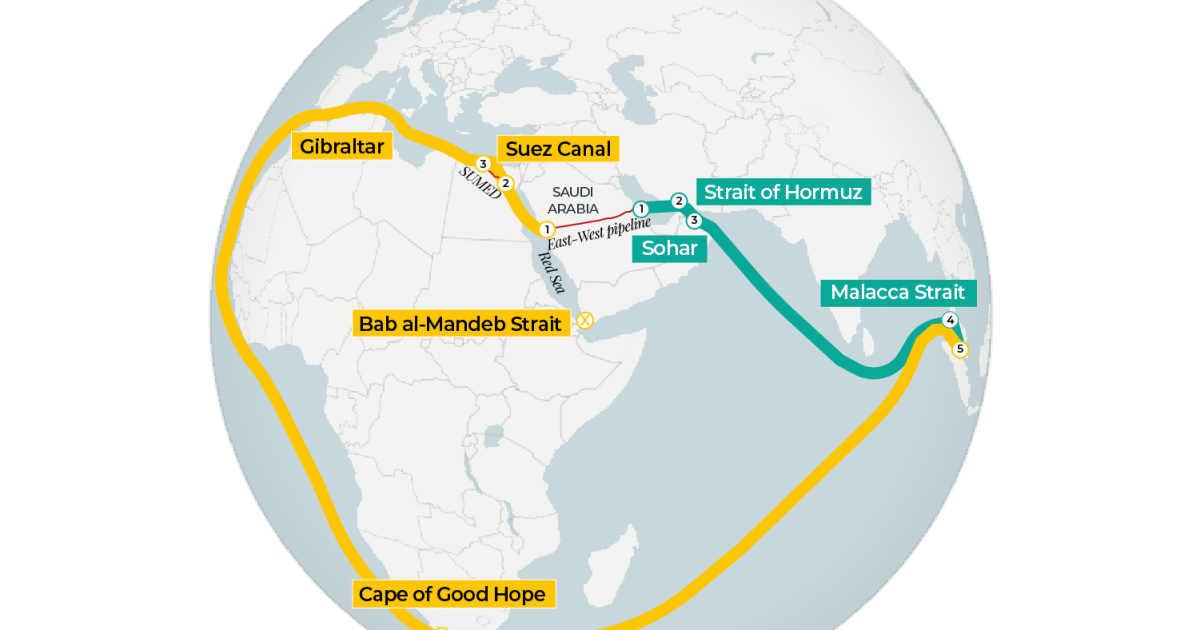
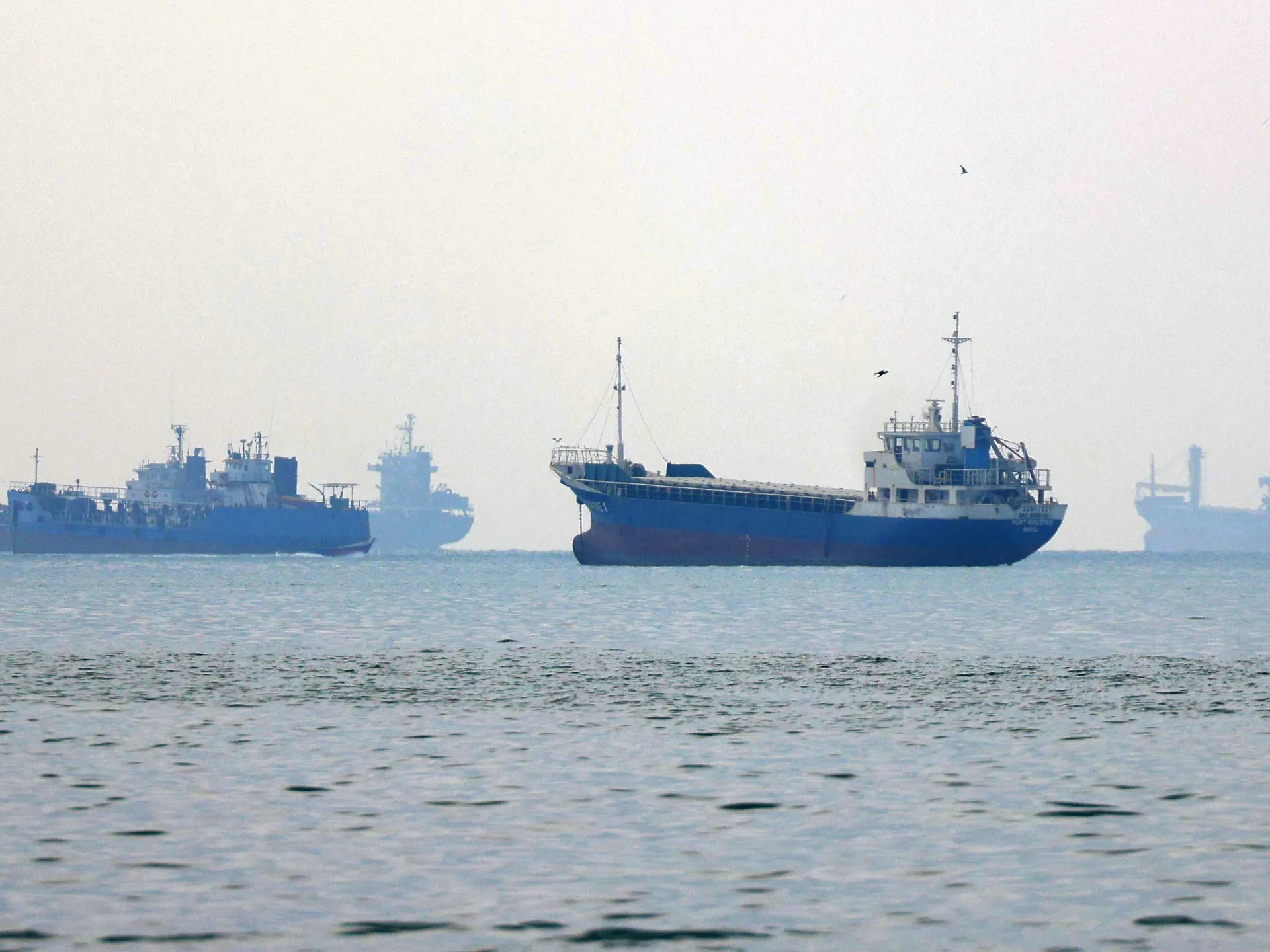
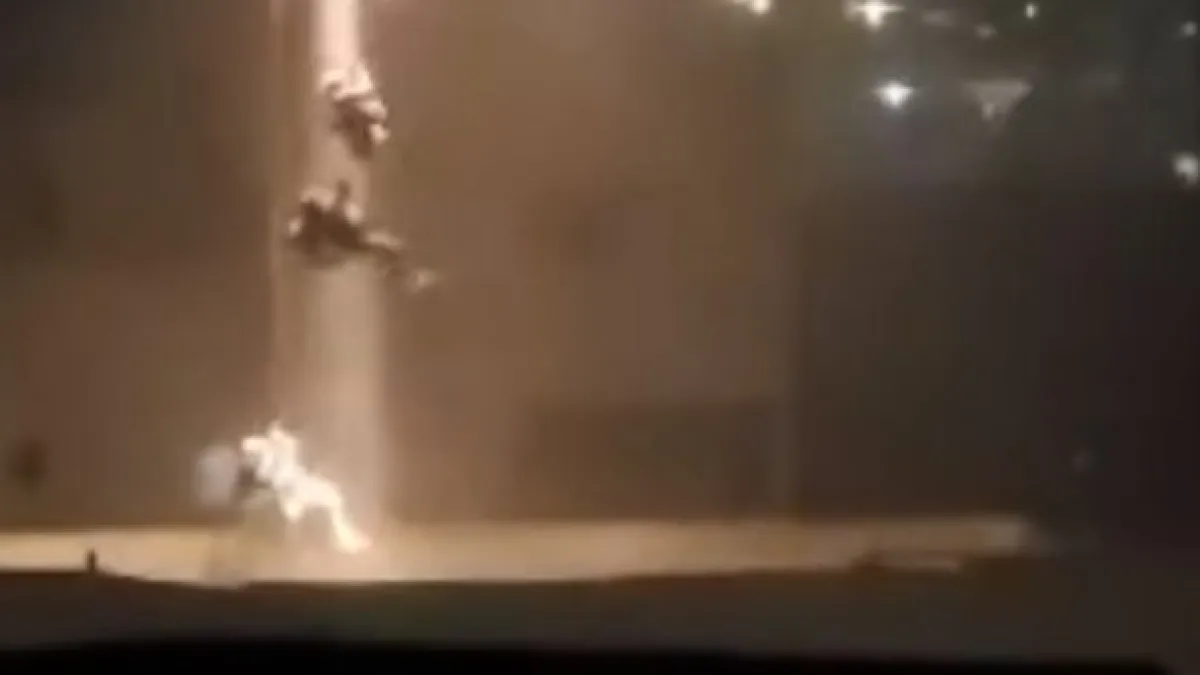
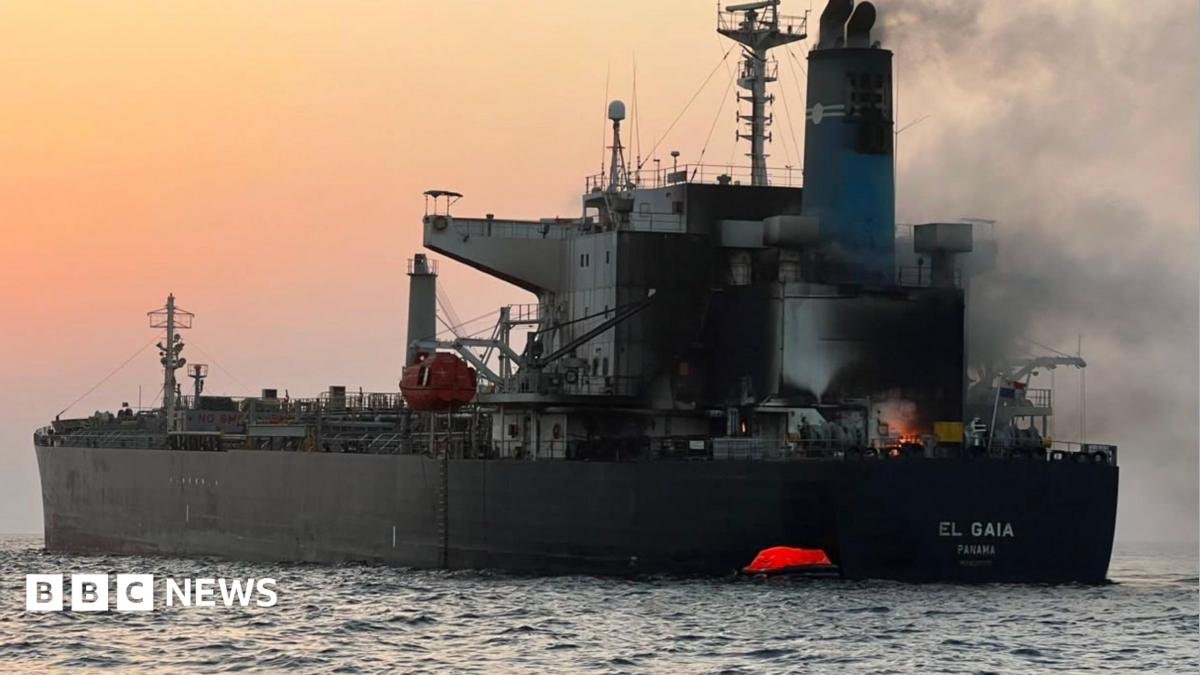
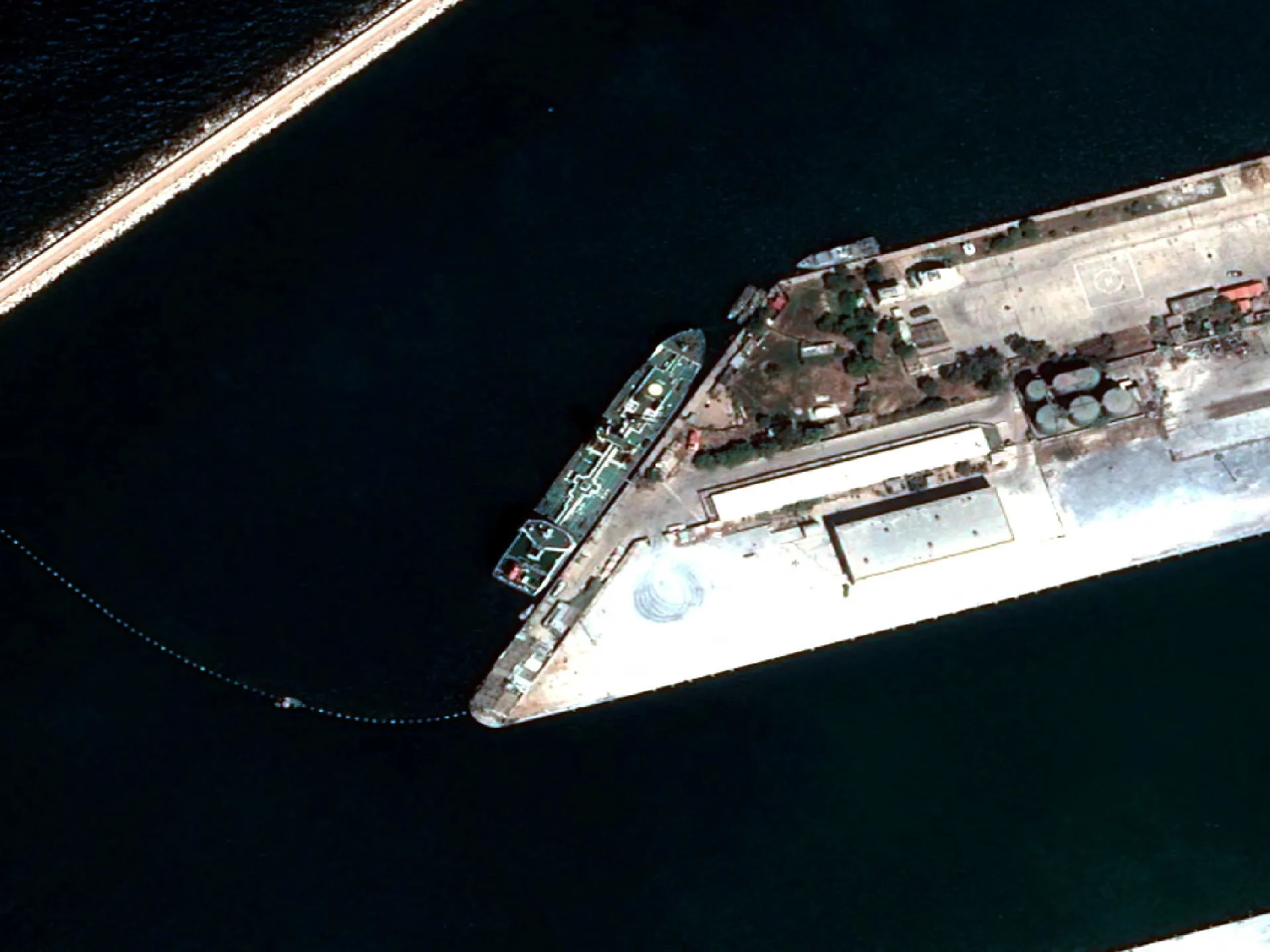
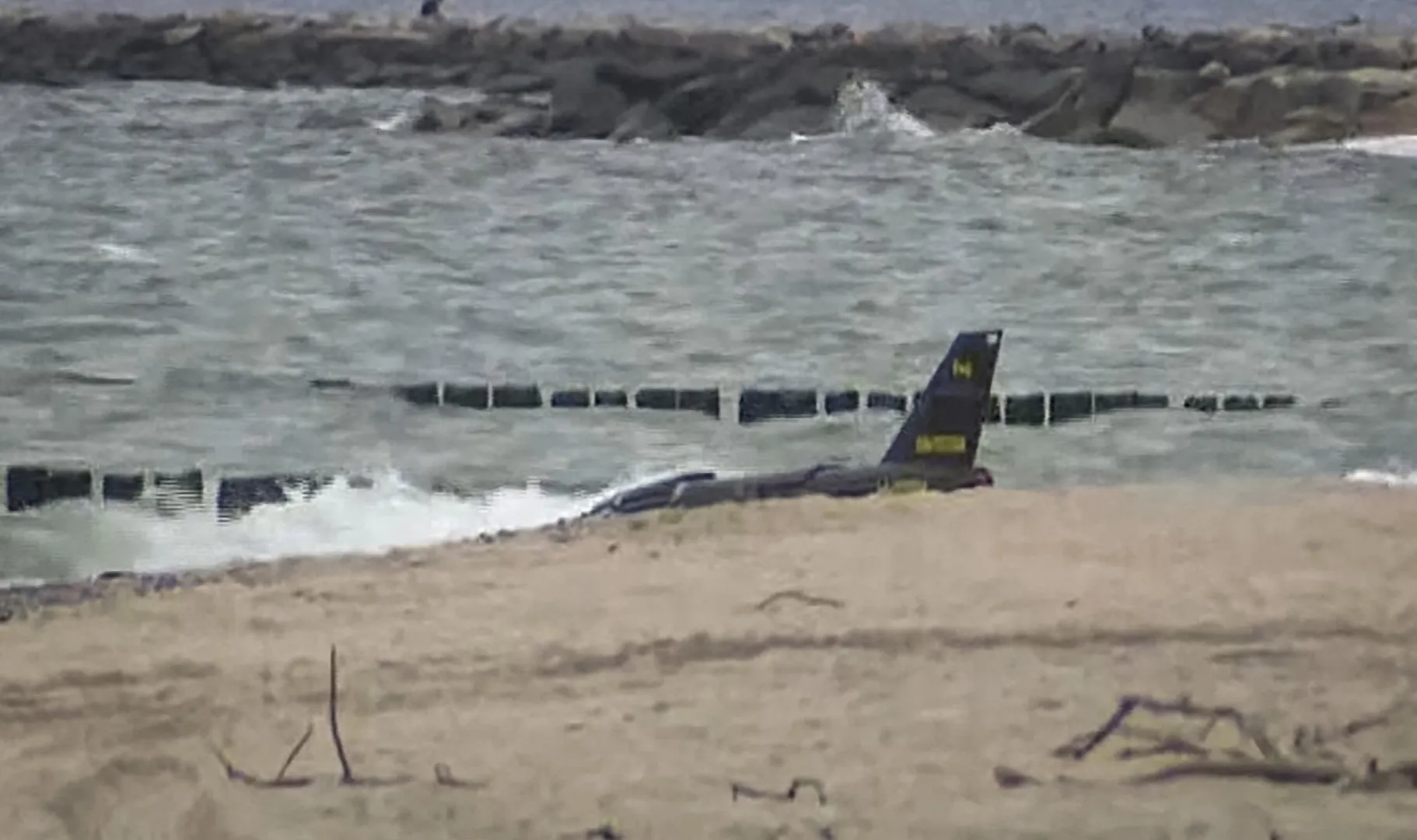
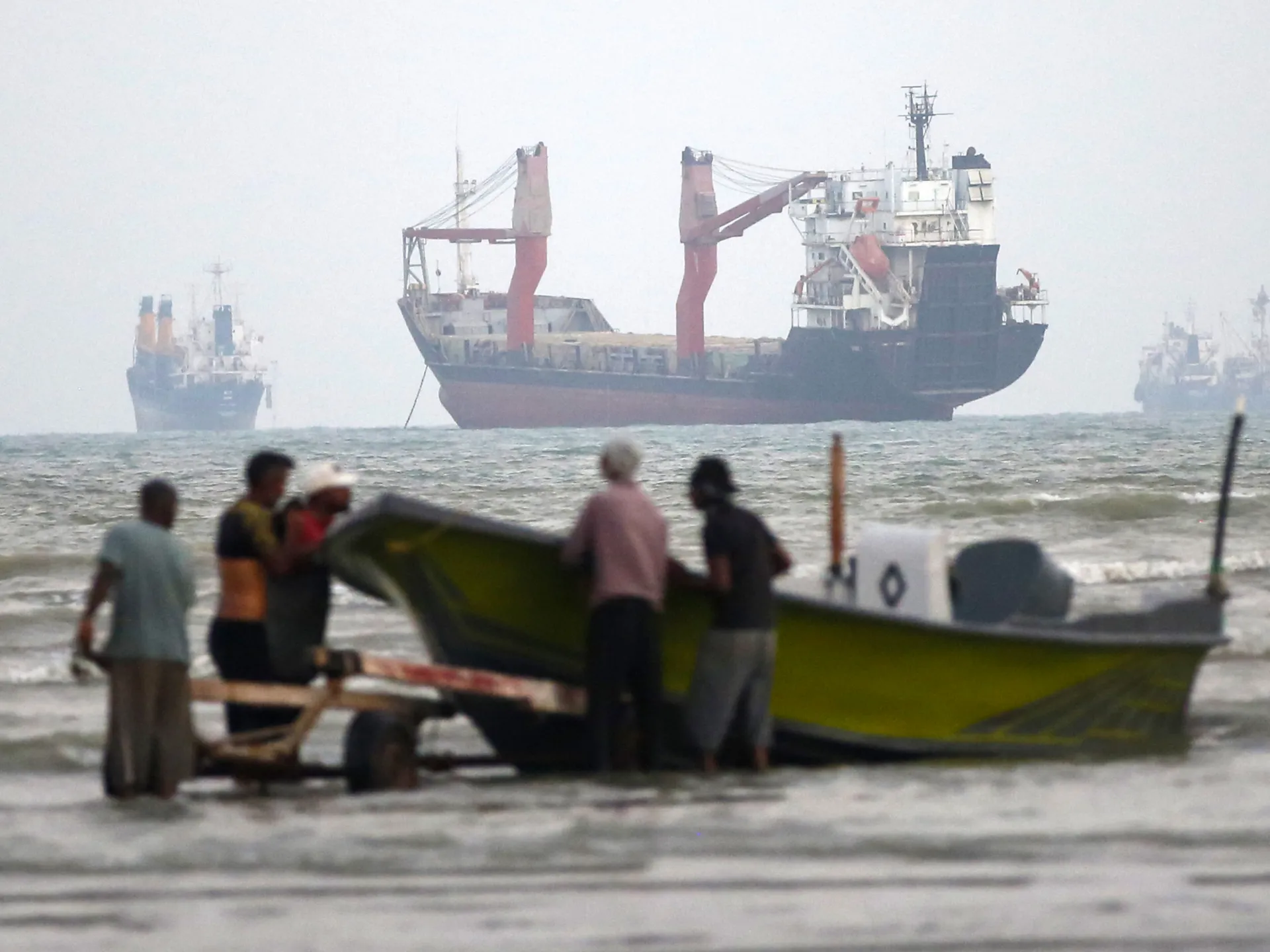
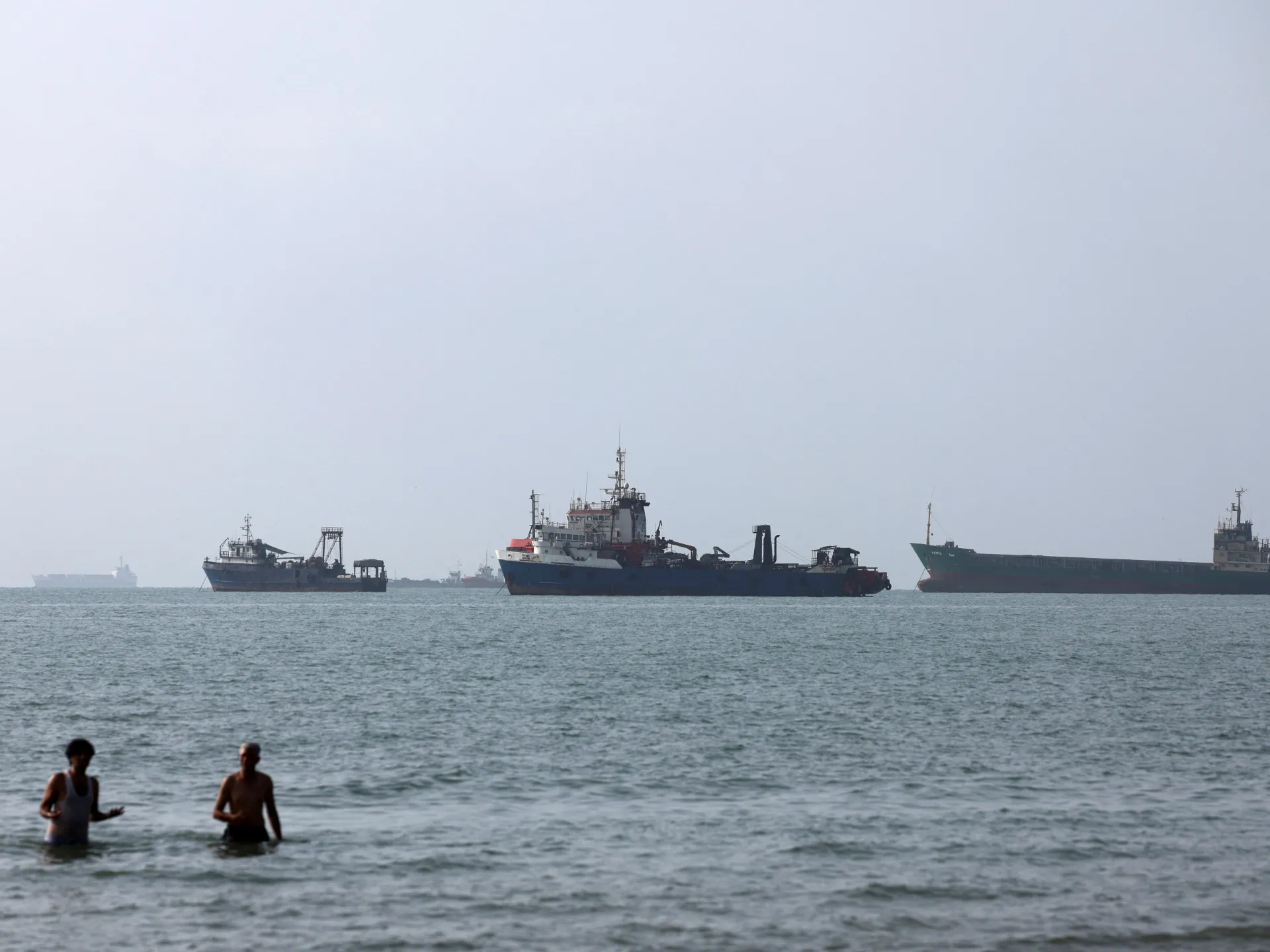
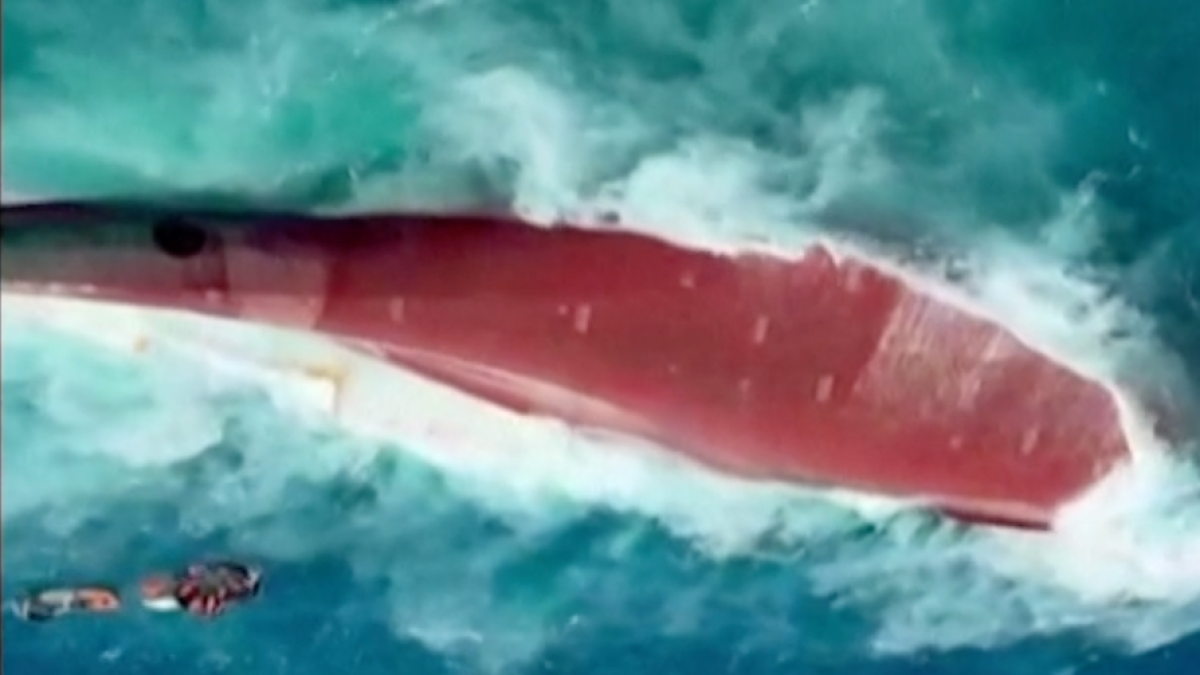
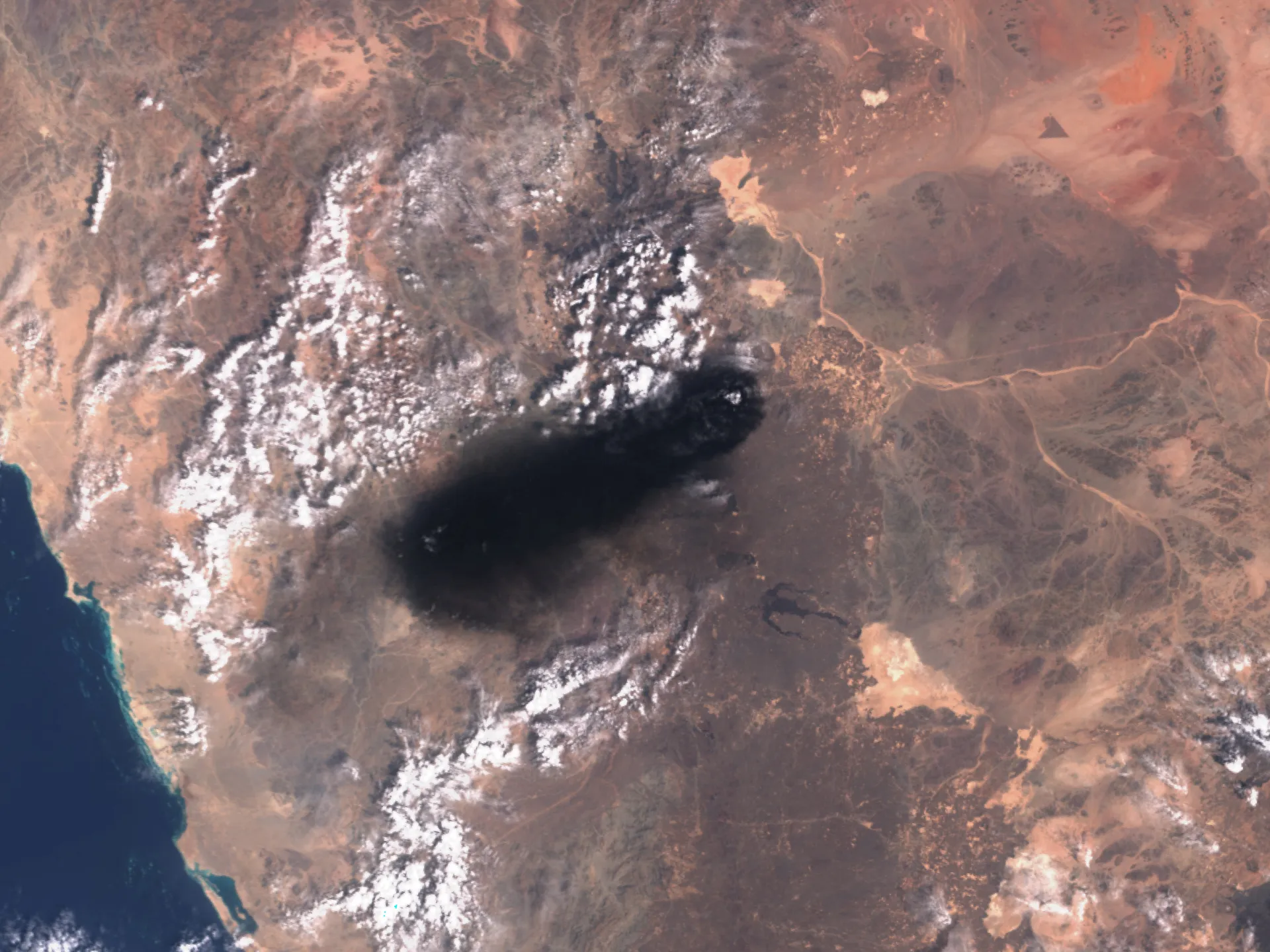
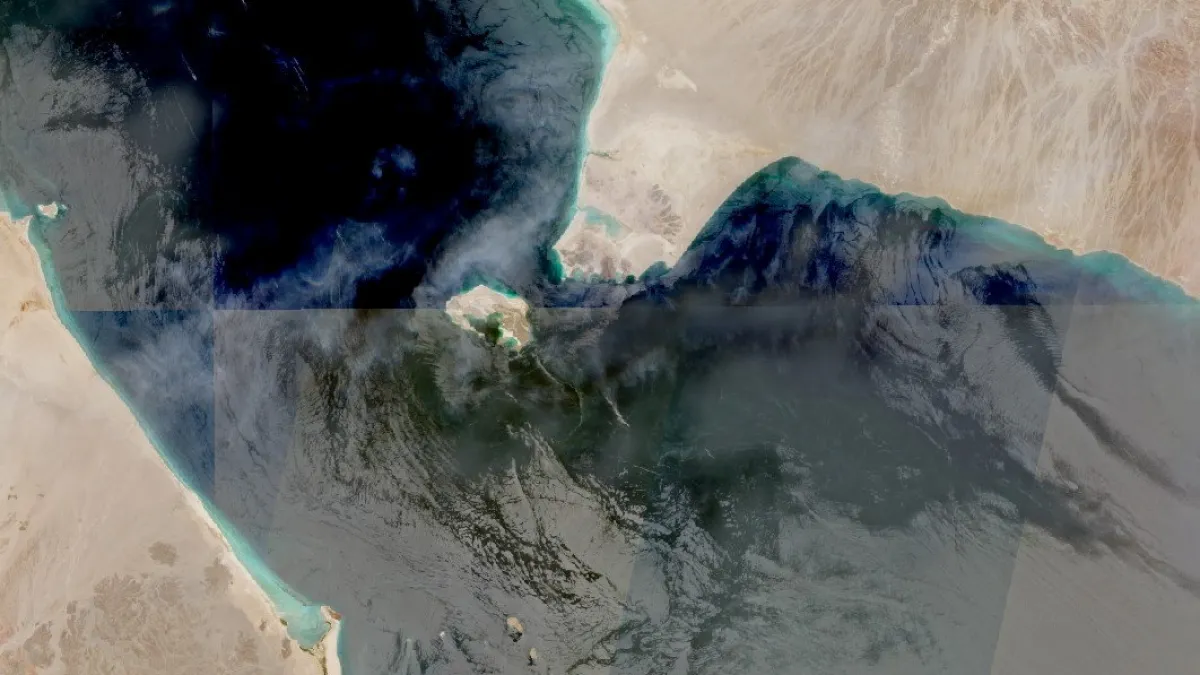
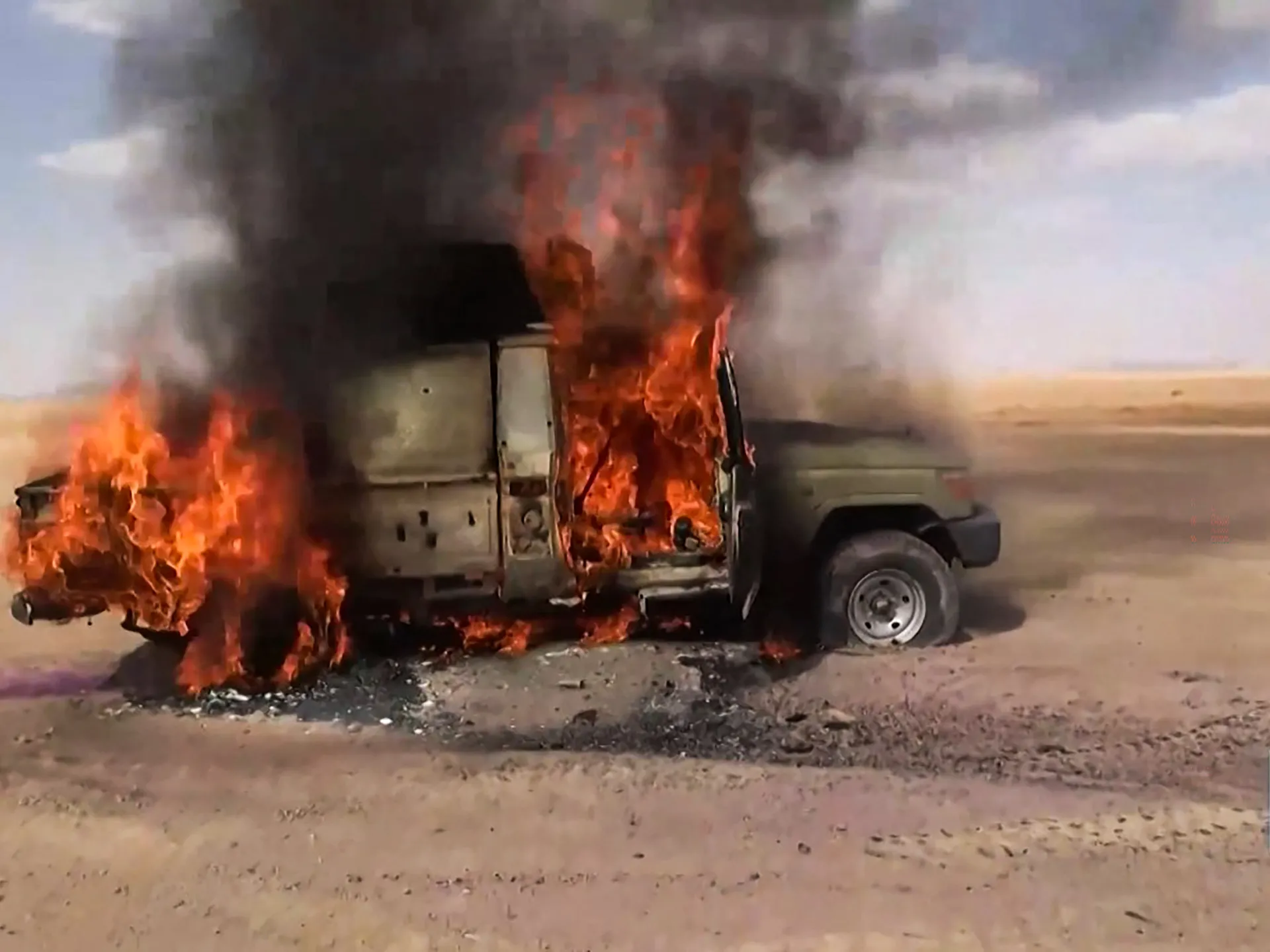
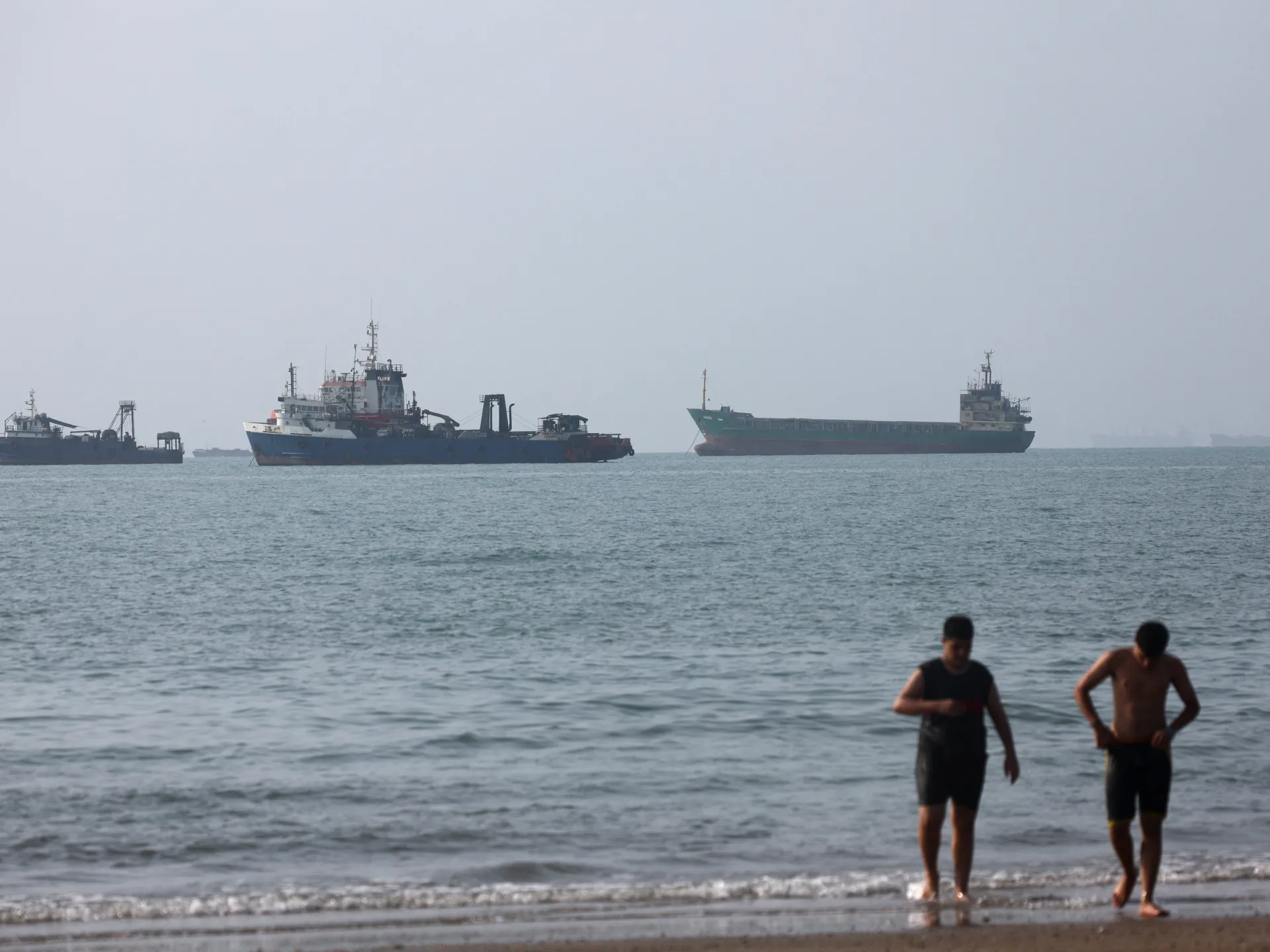
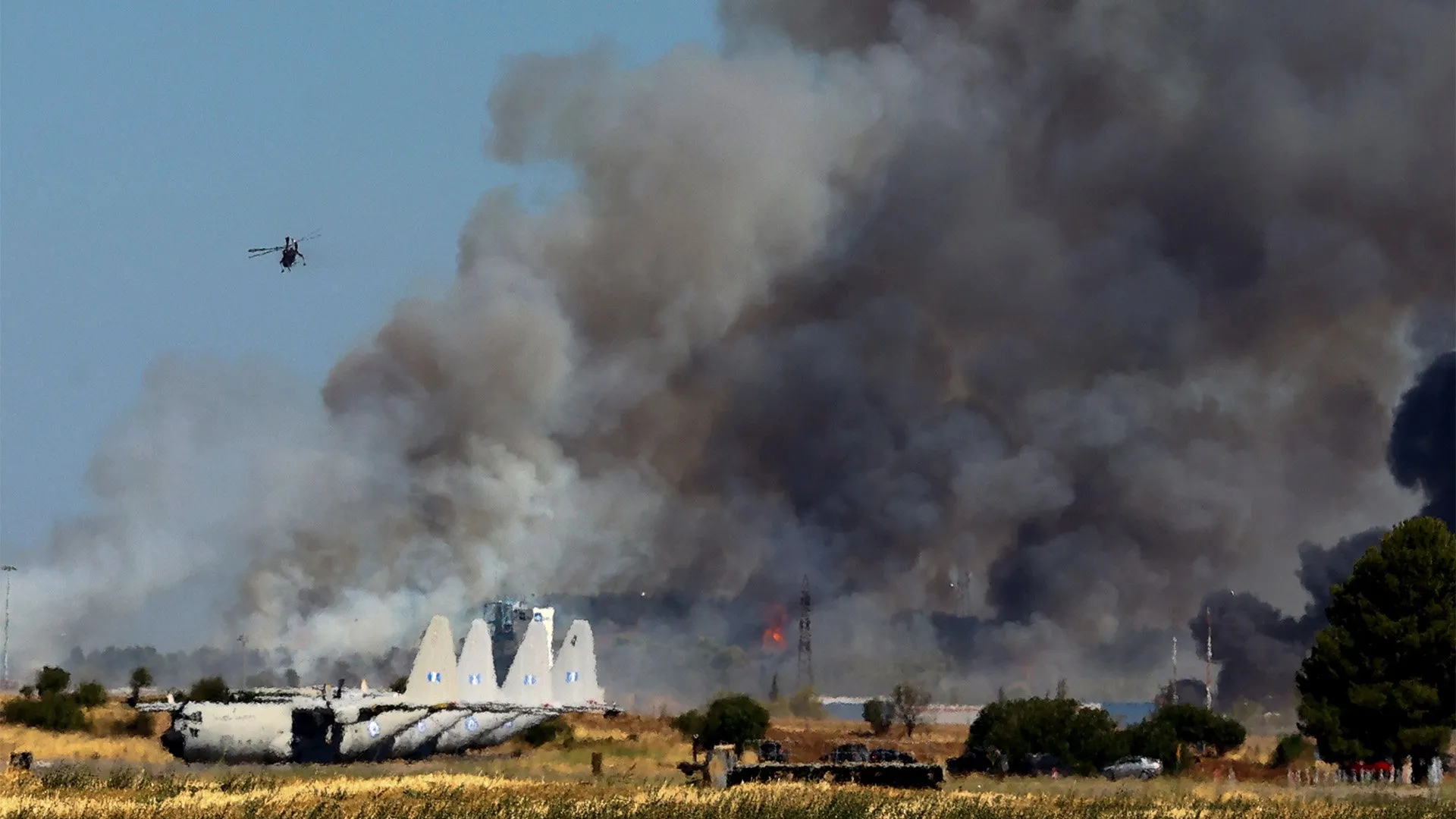
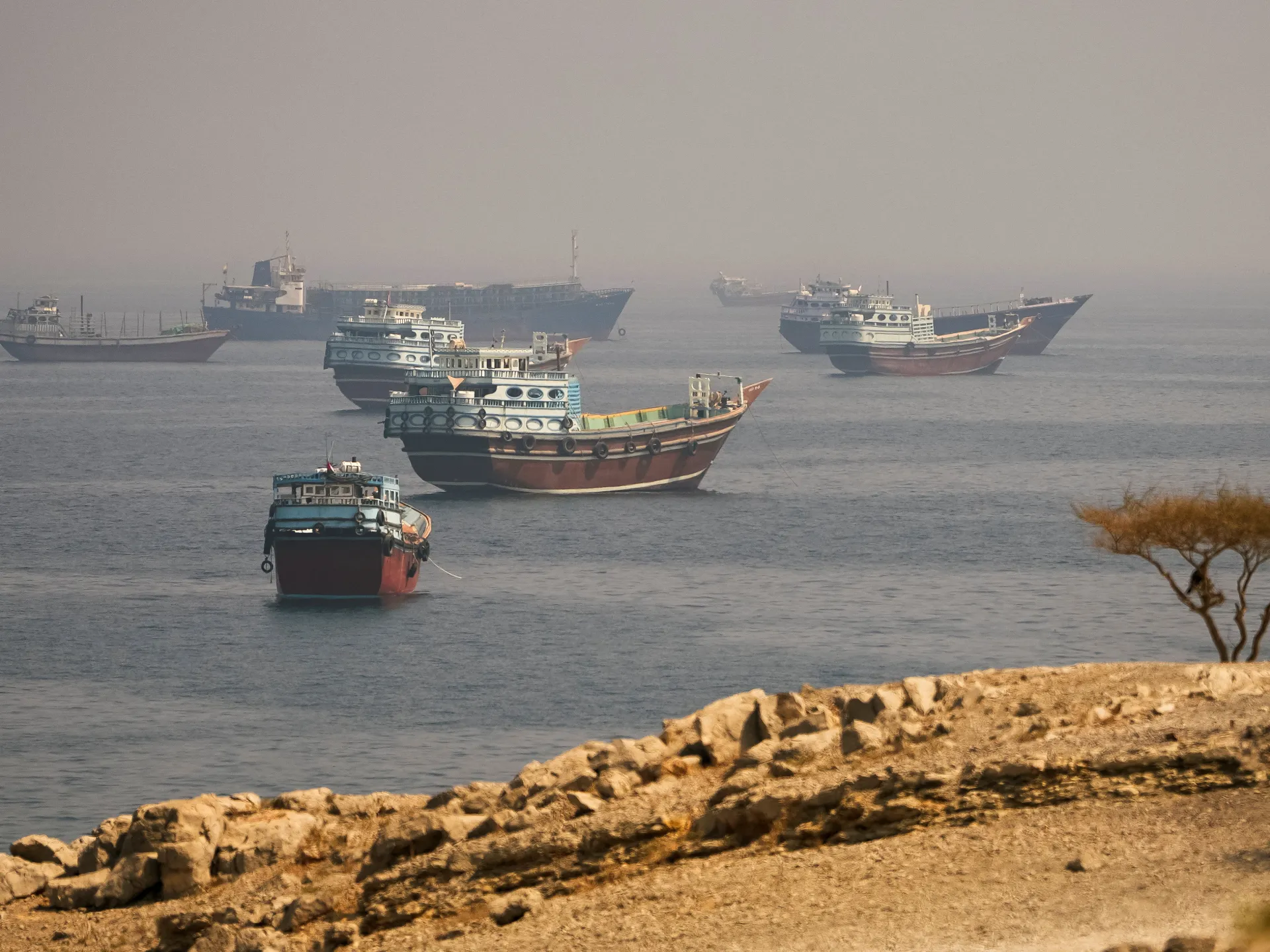
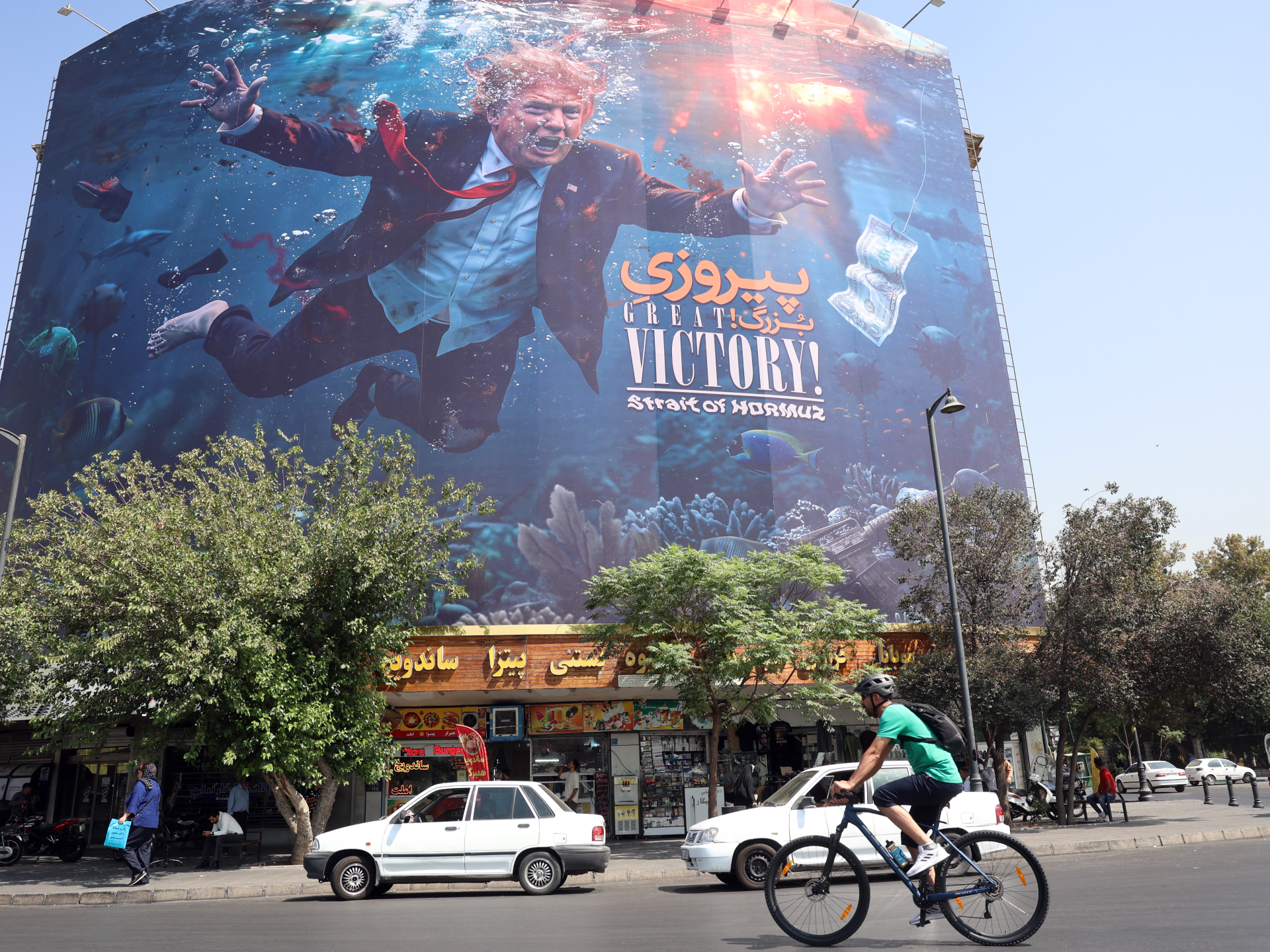
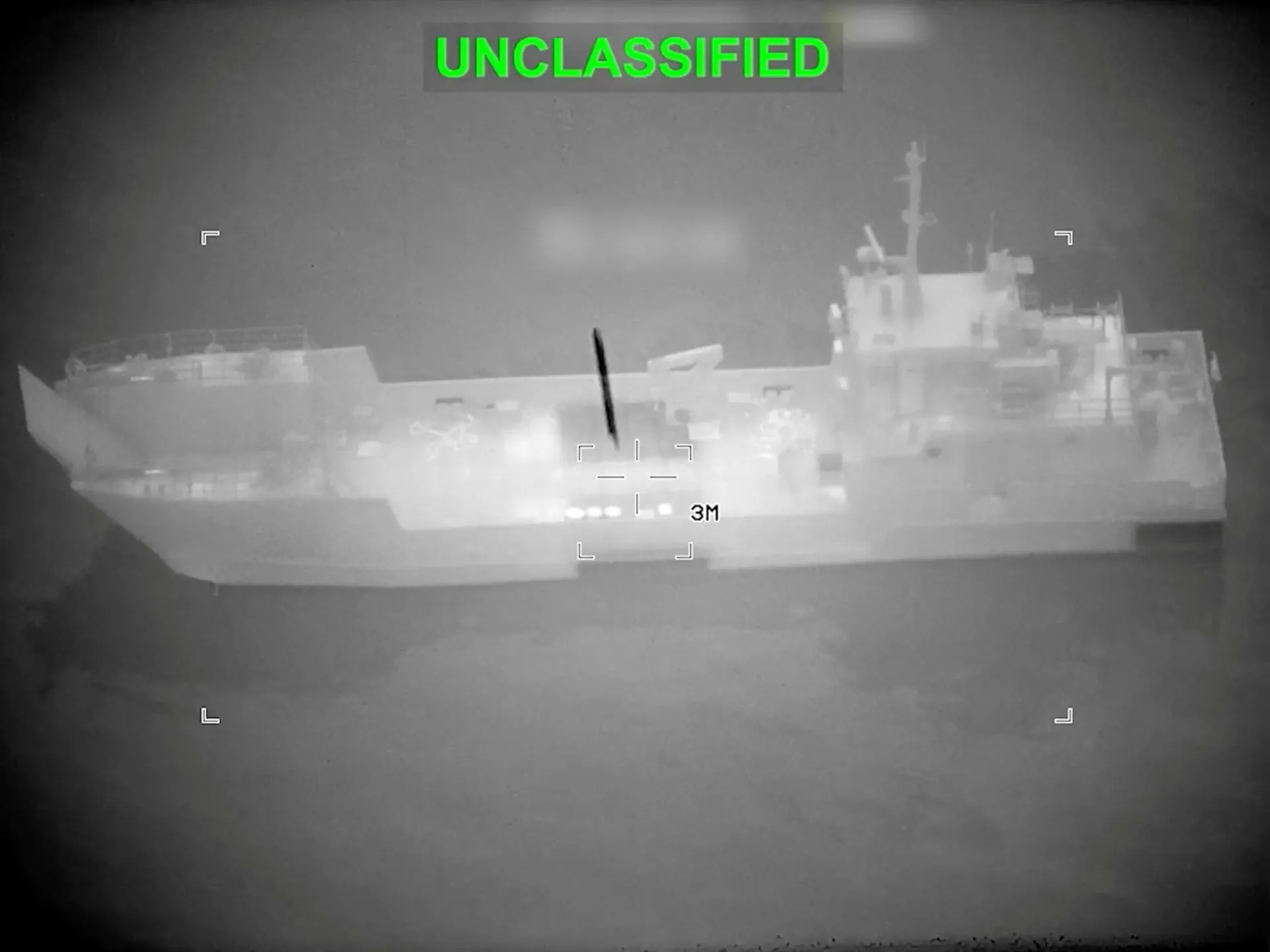
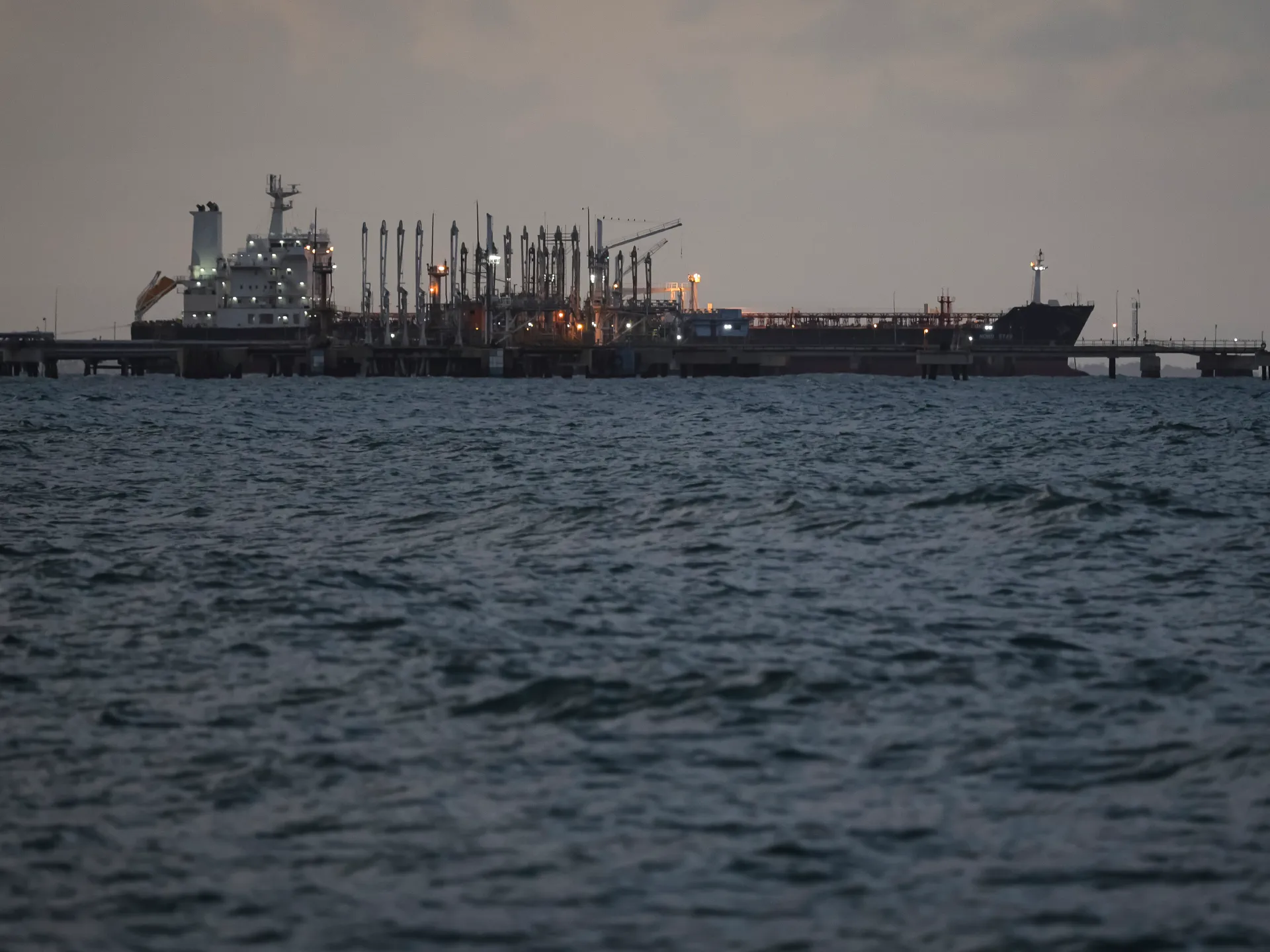
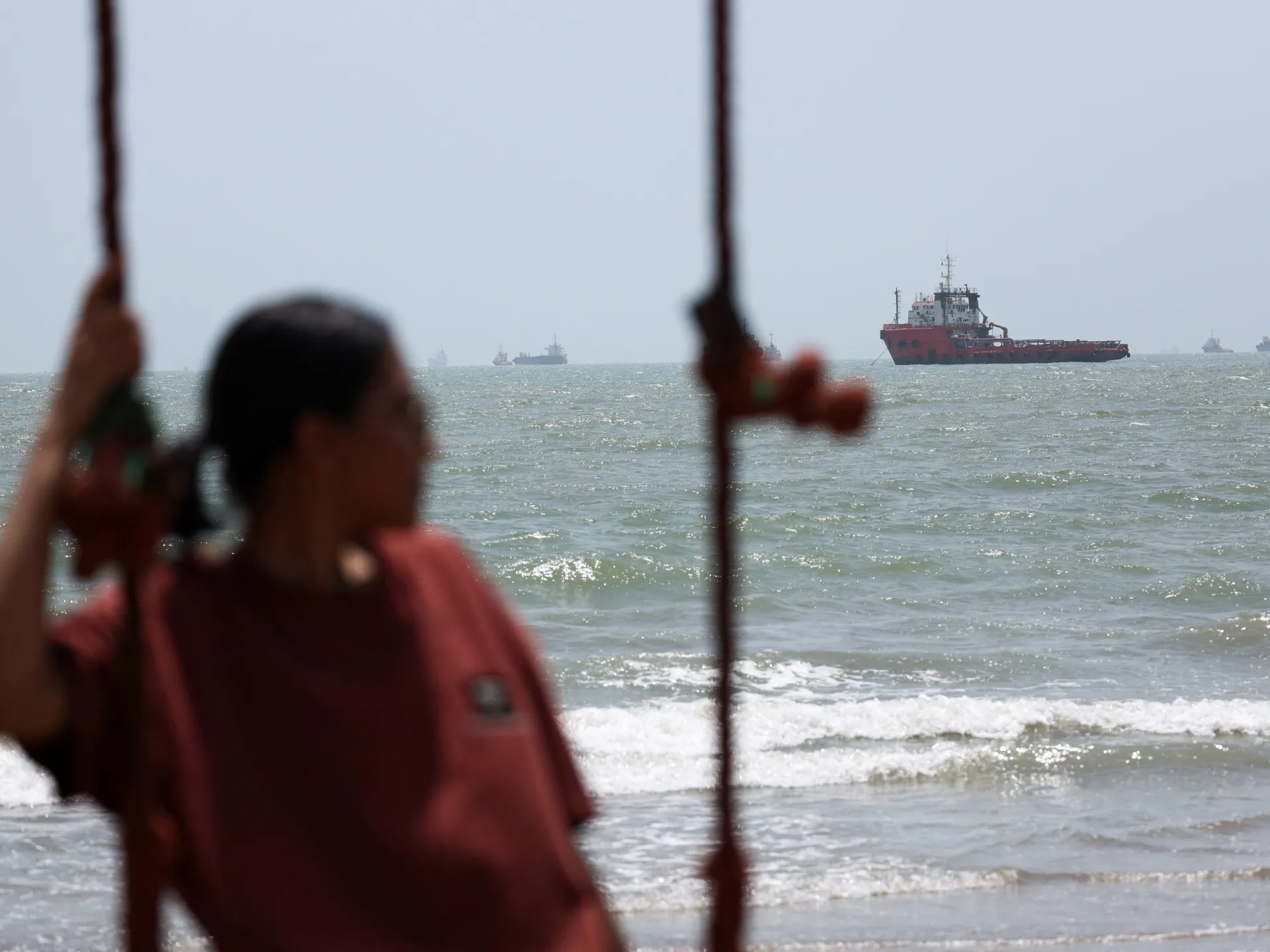
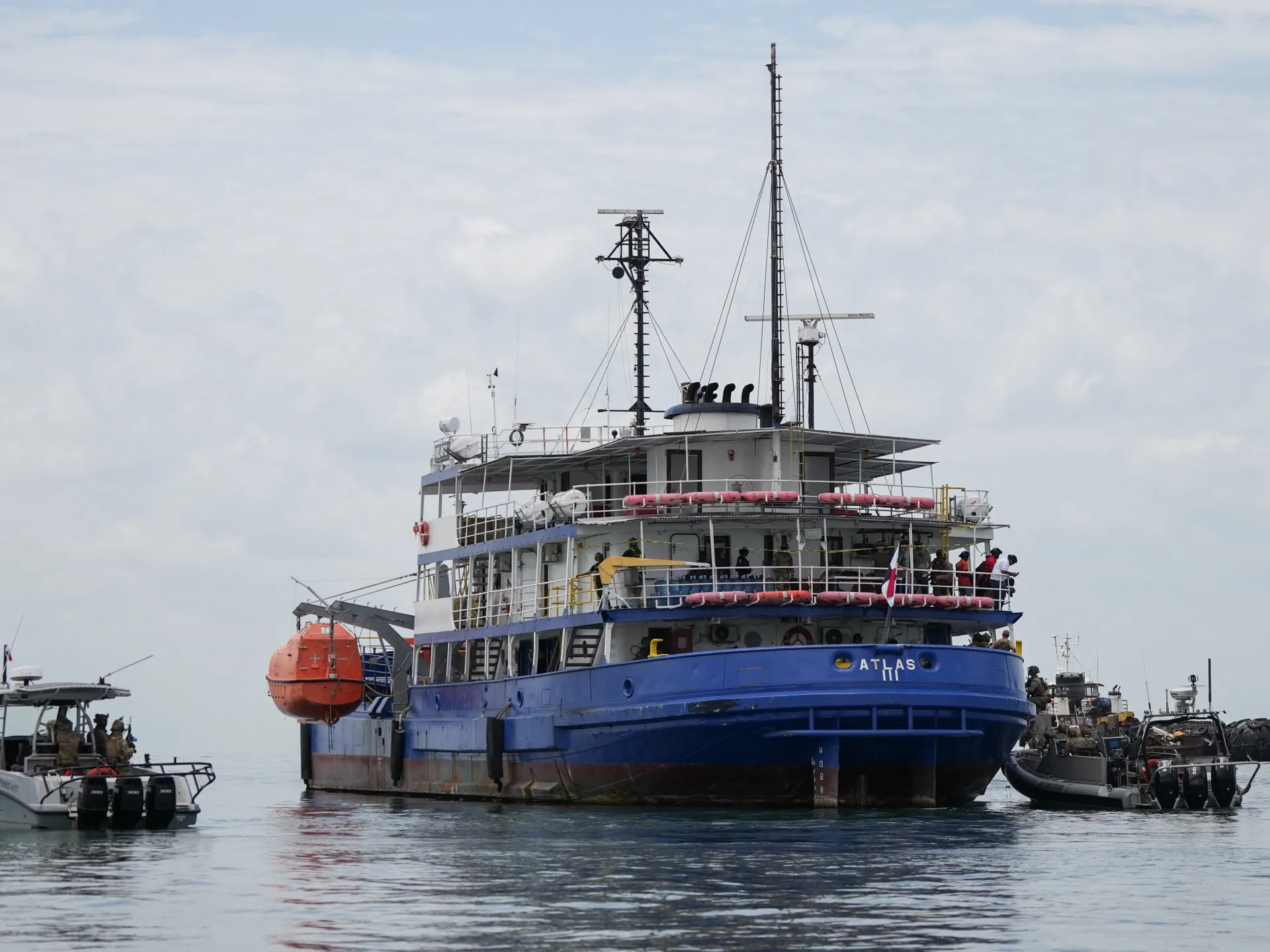
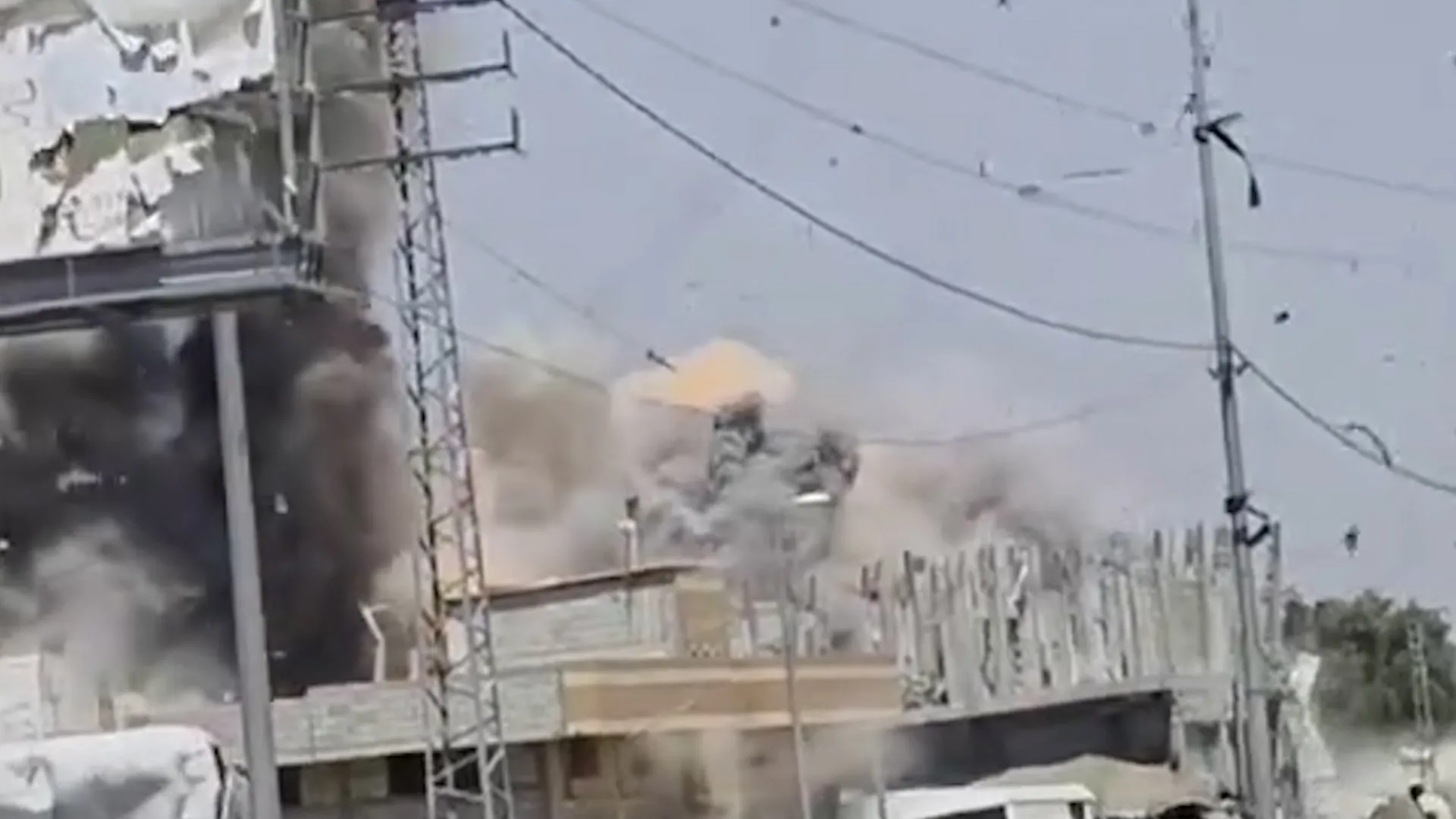
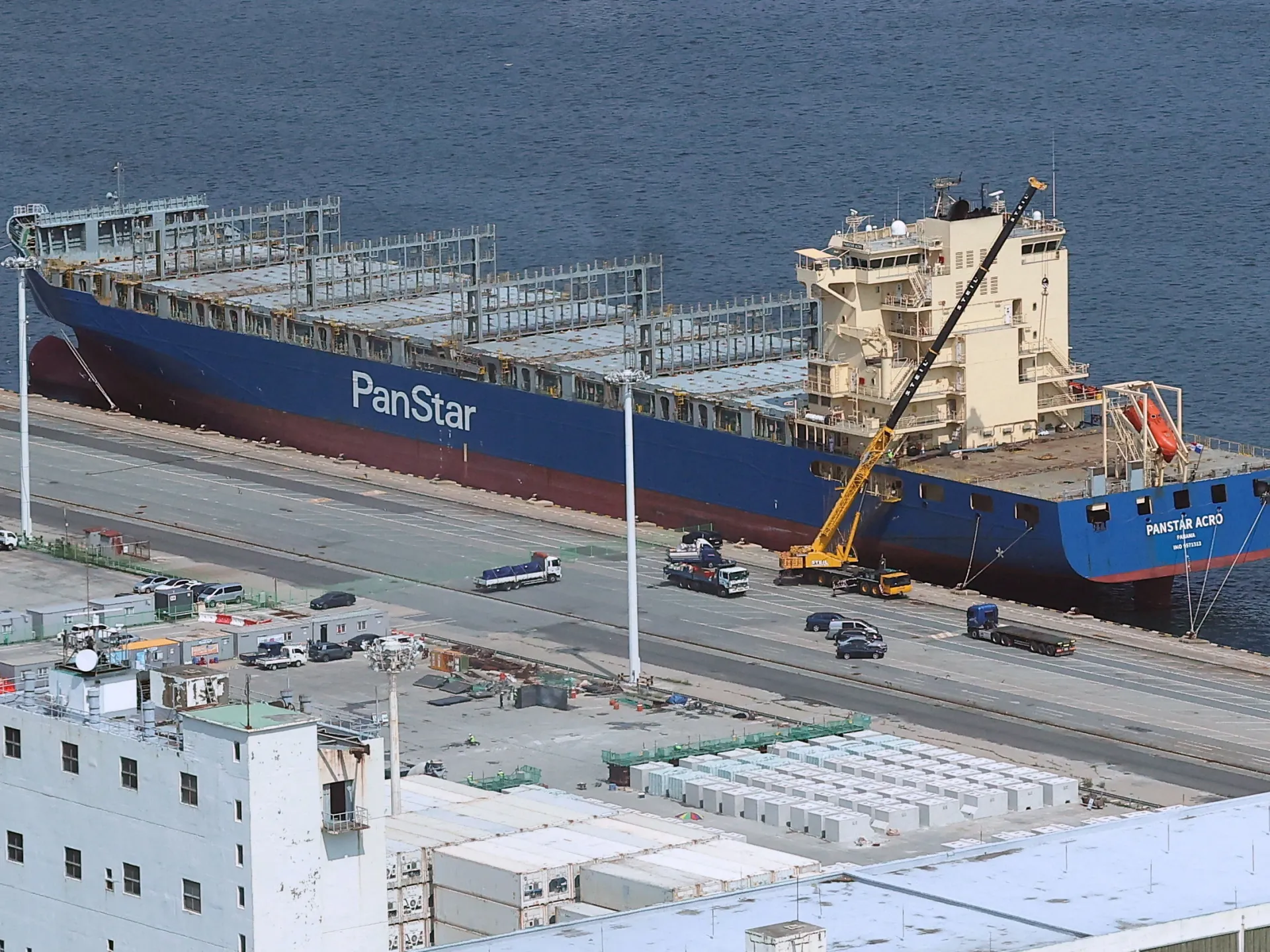
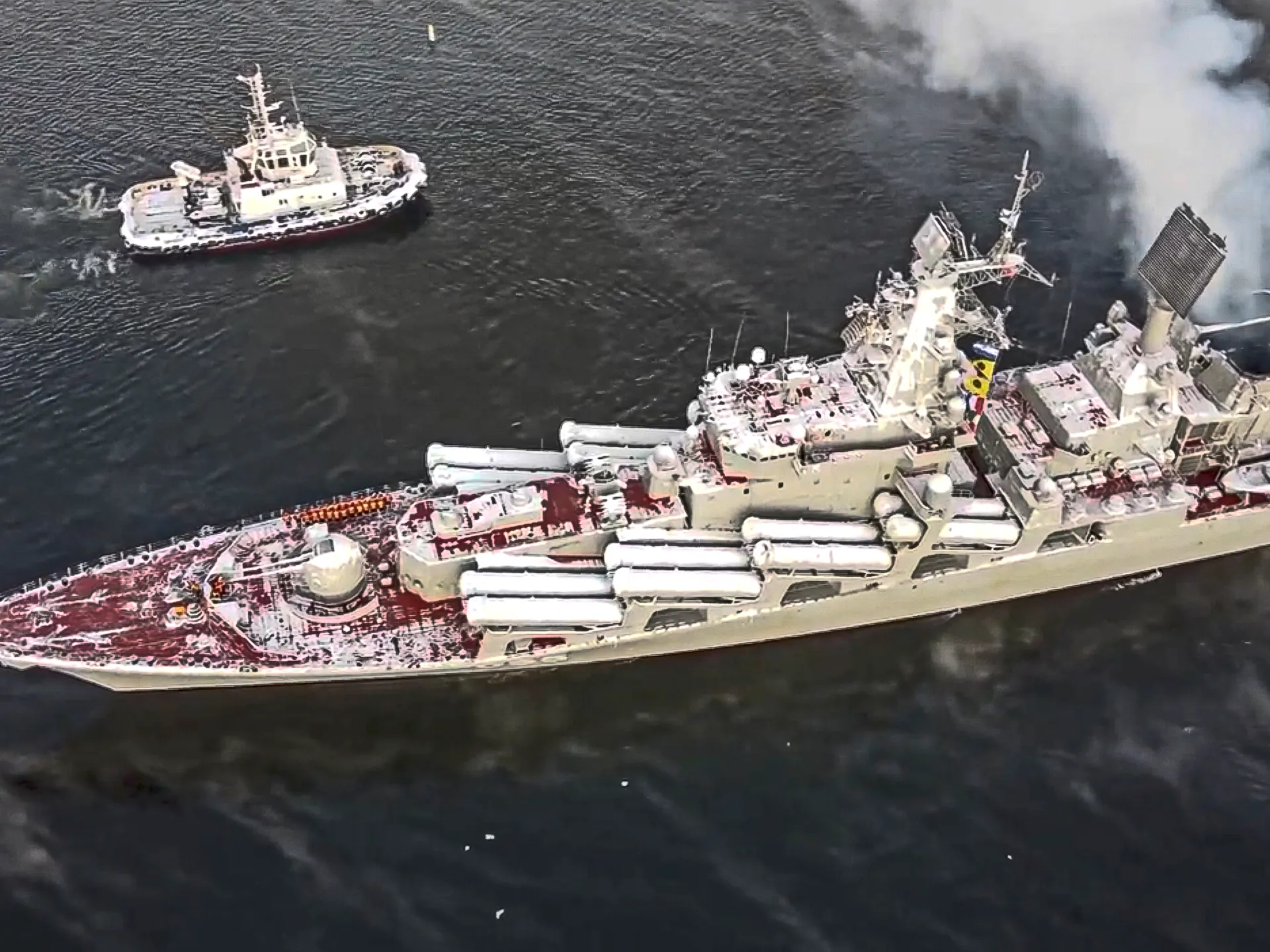
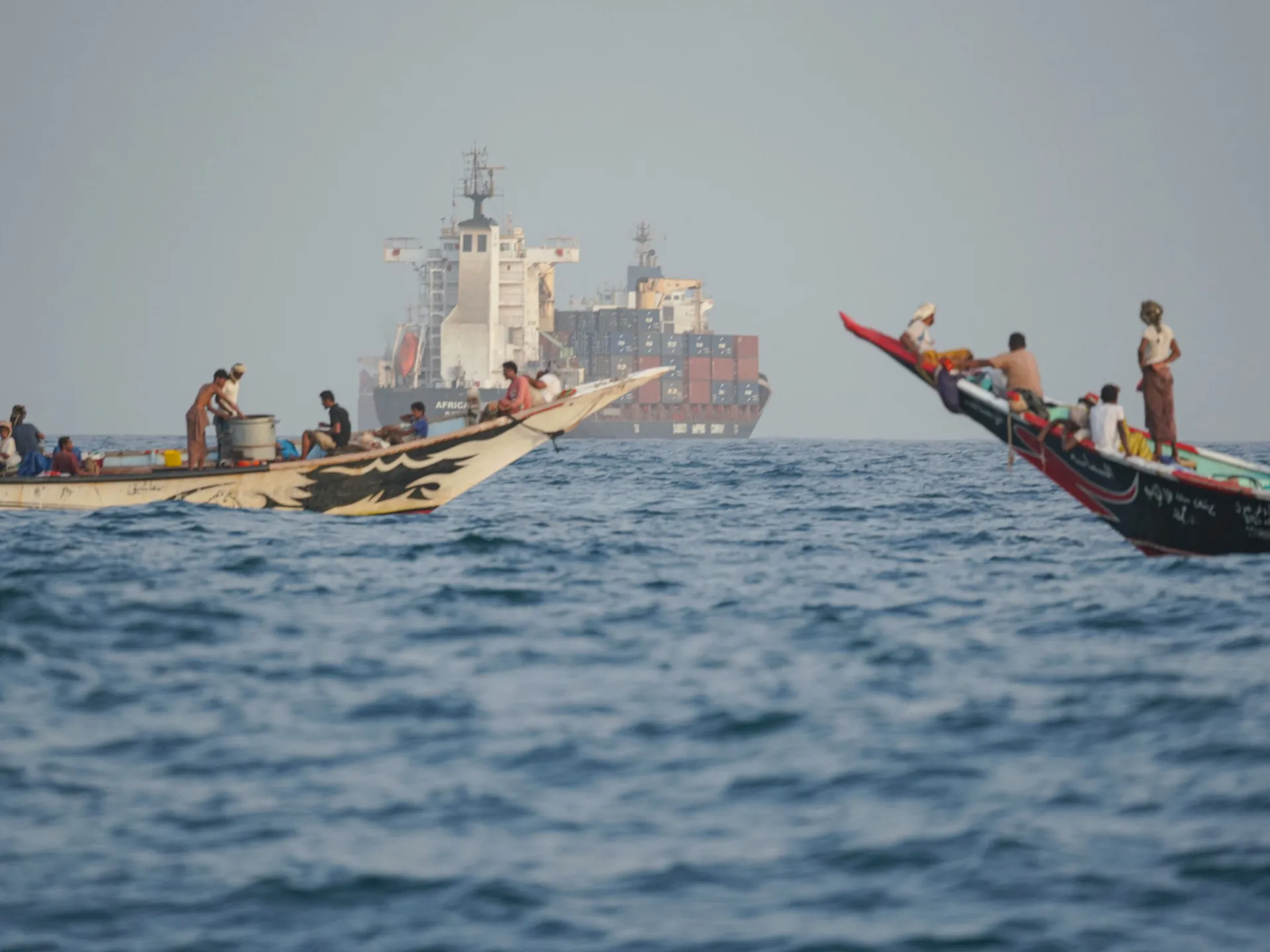
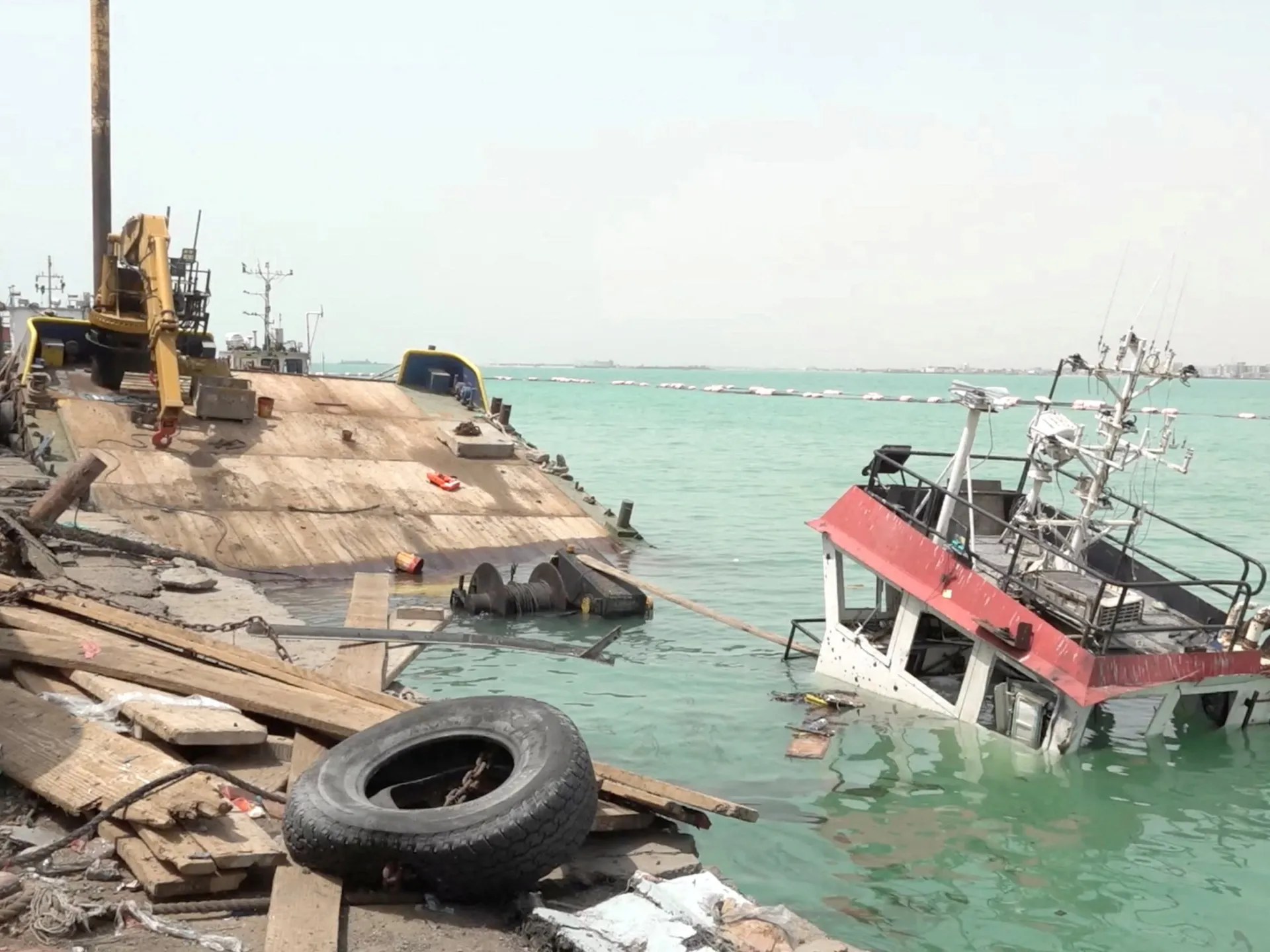
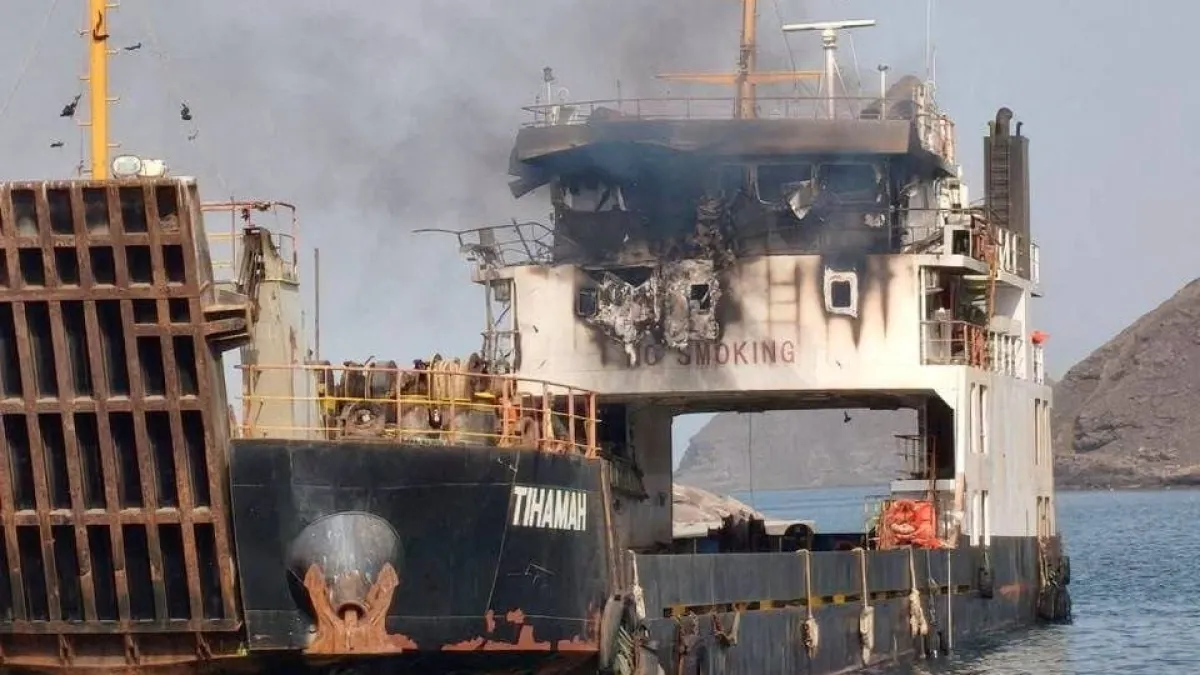
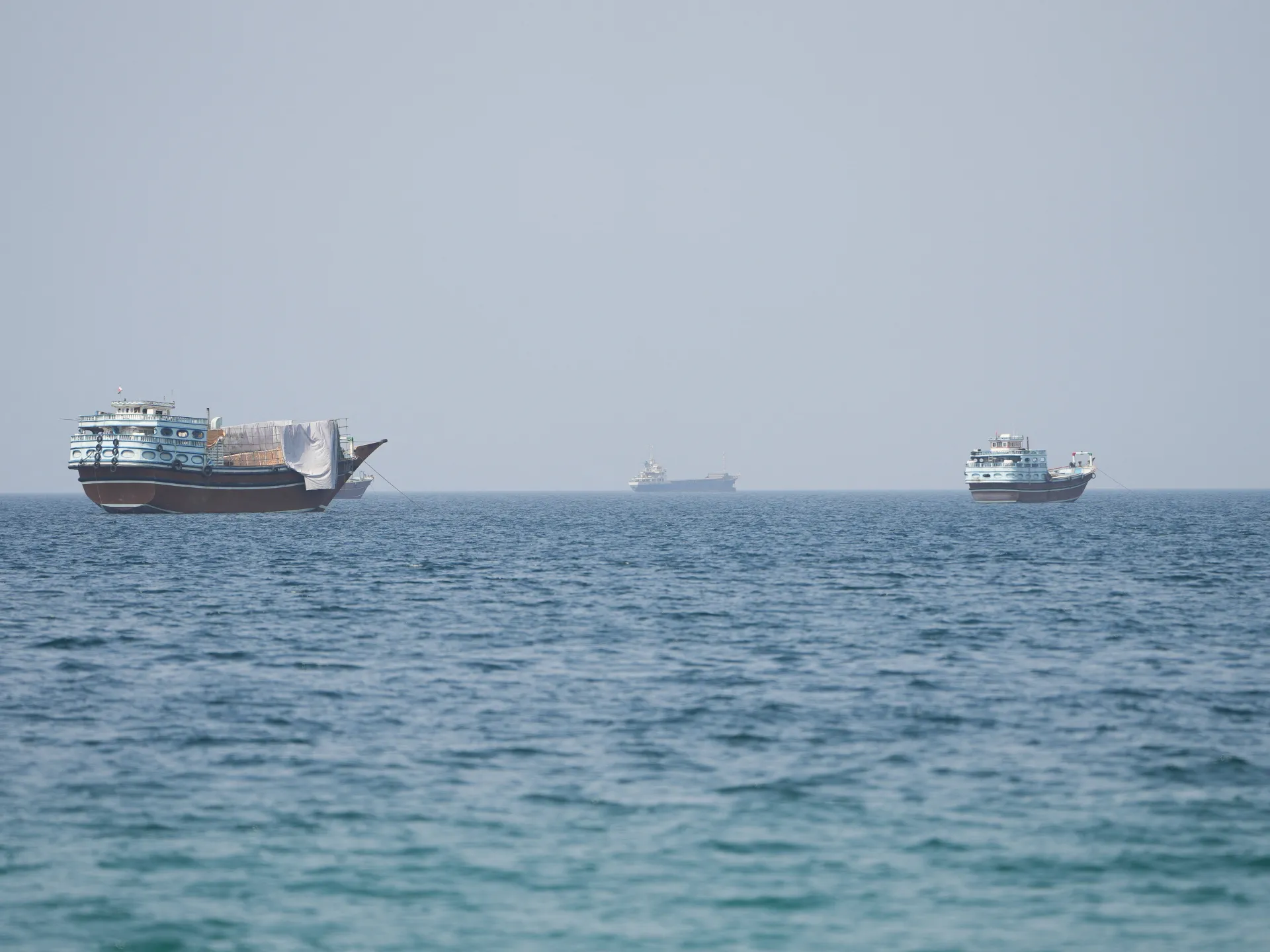
The global energy landscape faces renewed instability following reports of a maritime incident involving a tanker in the Strait of Hormuz. This critical waterway, which serves as a vital artery for international oil shipments, has become the focal point of a deteriorating security situation. The vulnerability of commercial vessels navigating these waters underscores the precarious nature of the current diplomatic environment between Western powers and Tehran.
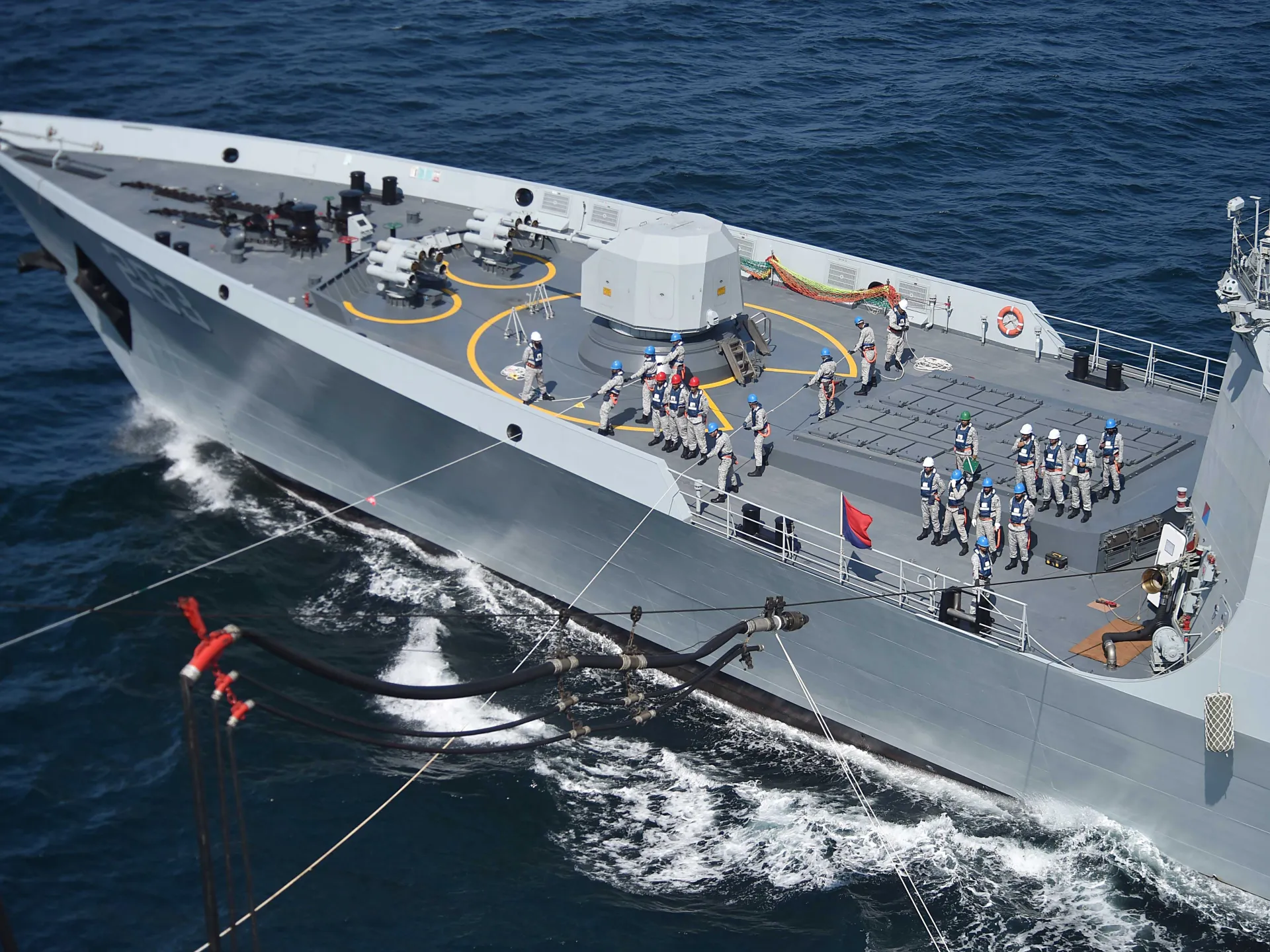
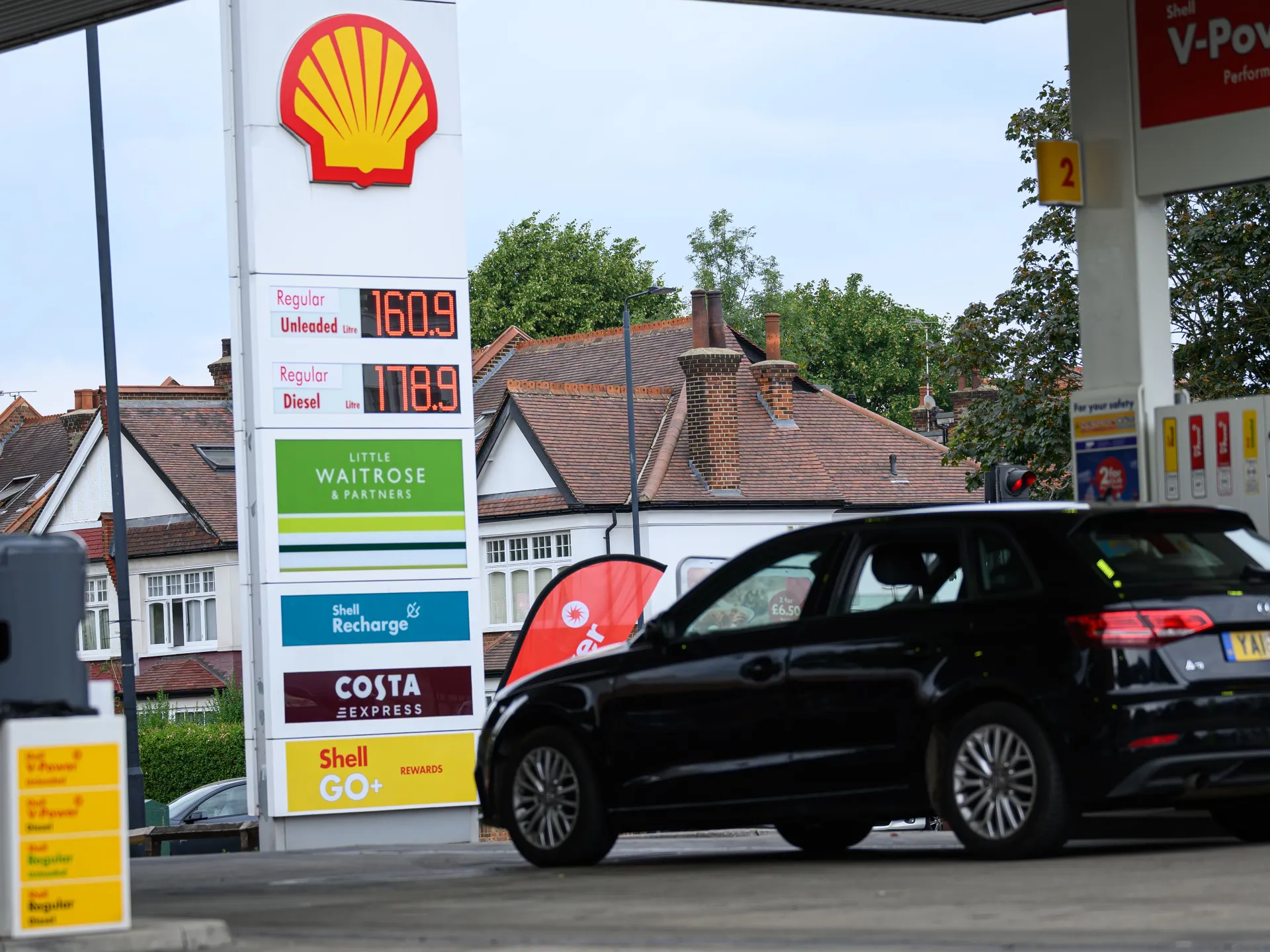
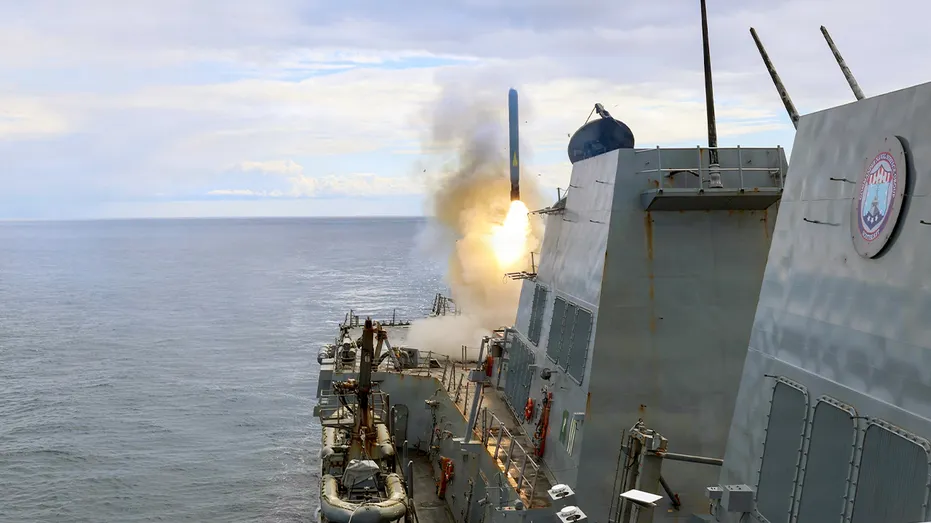
Intelligence reports and regional observers are closely monitoring the fallout from the maritime strike. As commercial traffic slows and insurance premiums for passage through the strait rise, the international community is bracing for the economic consequences of a prolonged disruption. The incident has intensified calls for increased naval presence in the region to safeguard freedom of navigation and ensure that global supply chains remain operational despite the rising risk of conflict.
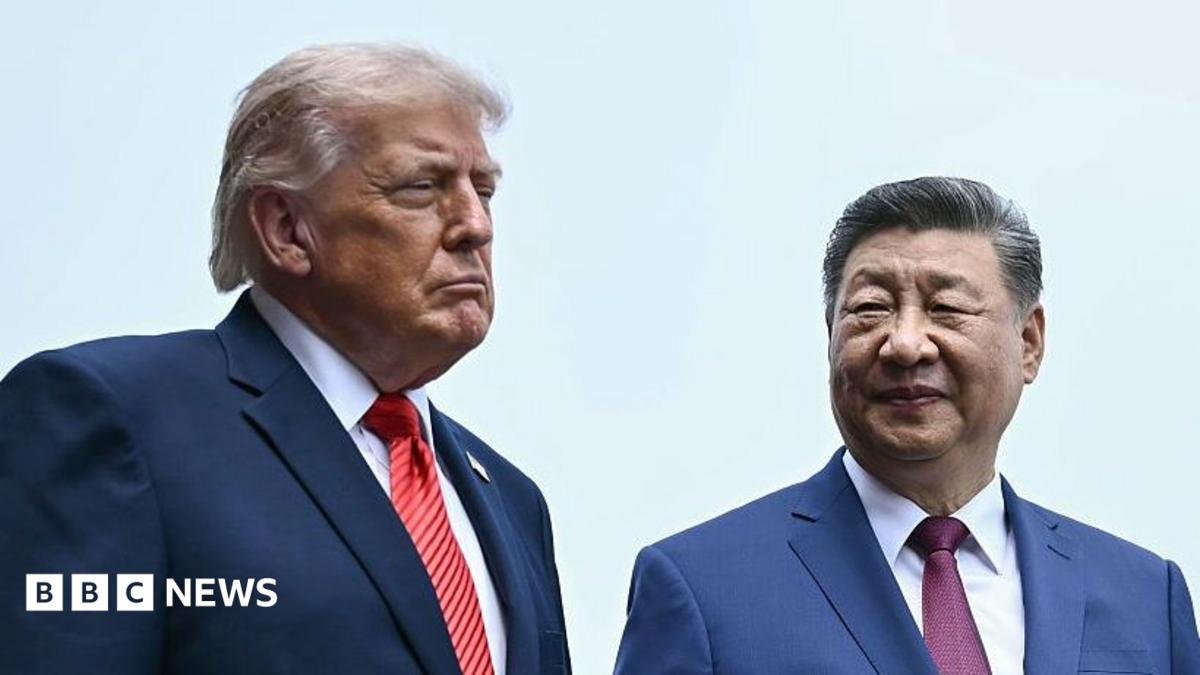
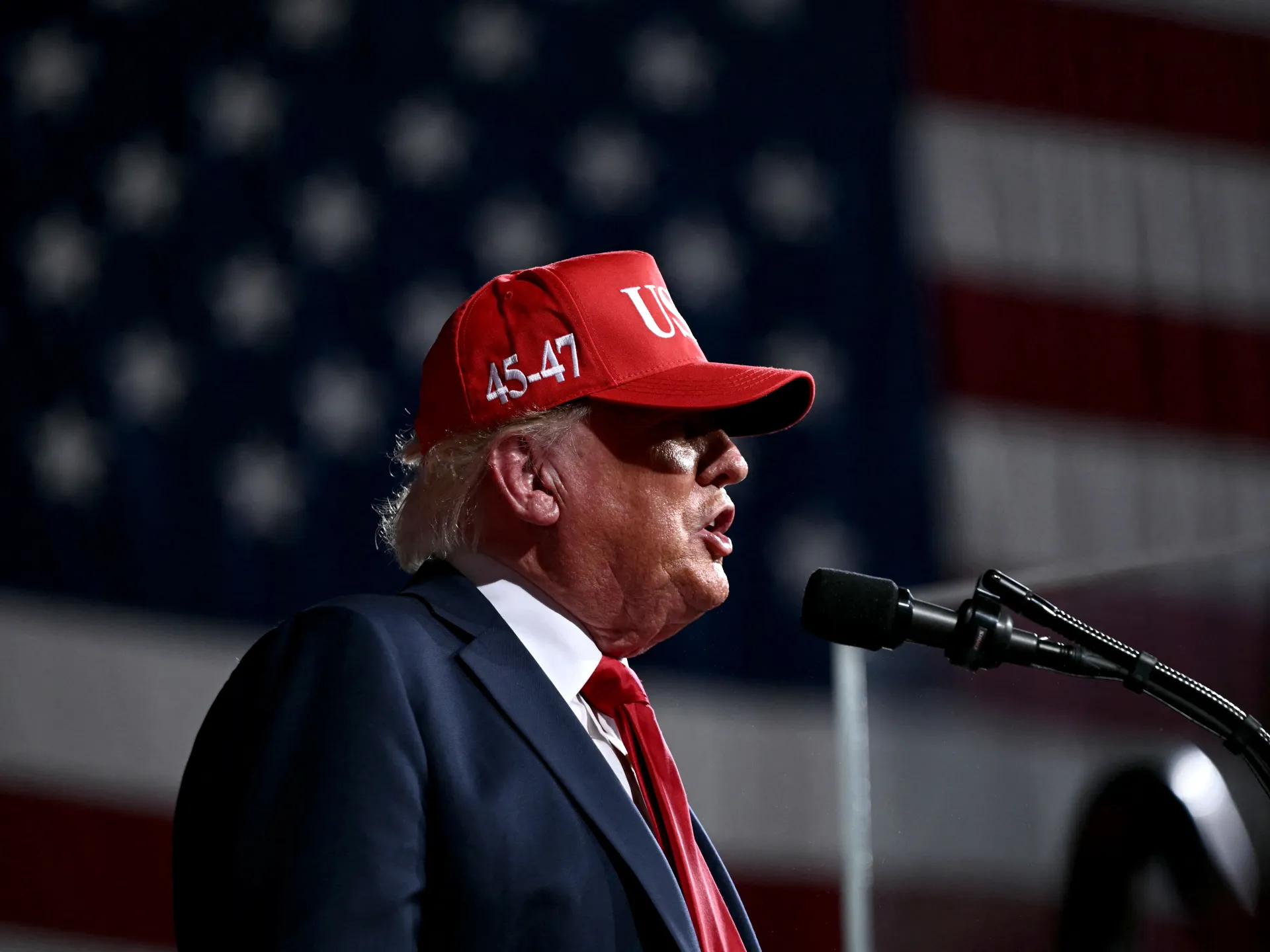
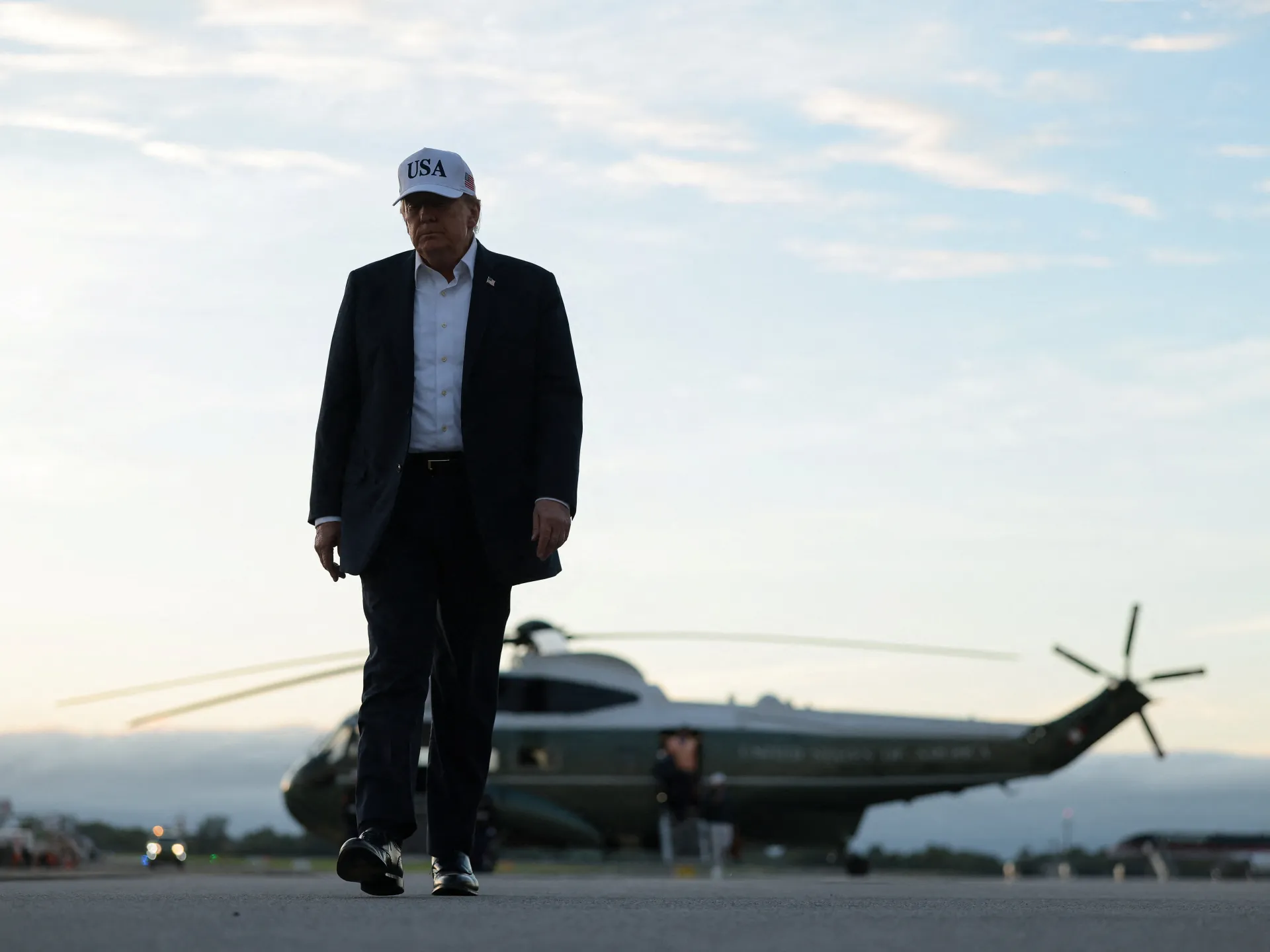
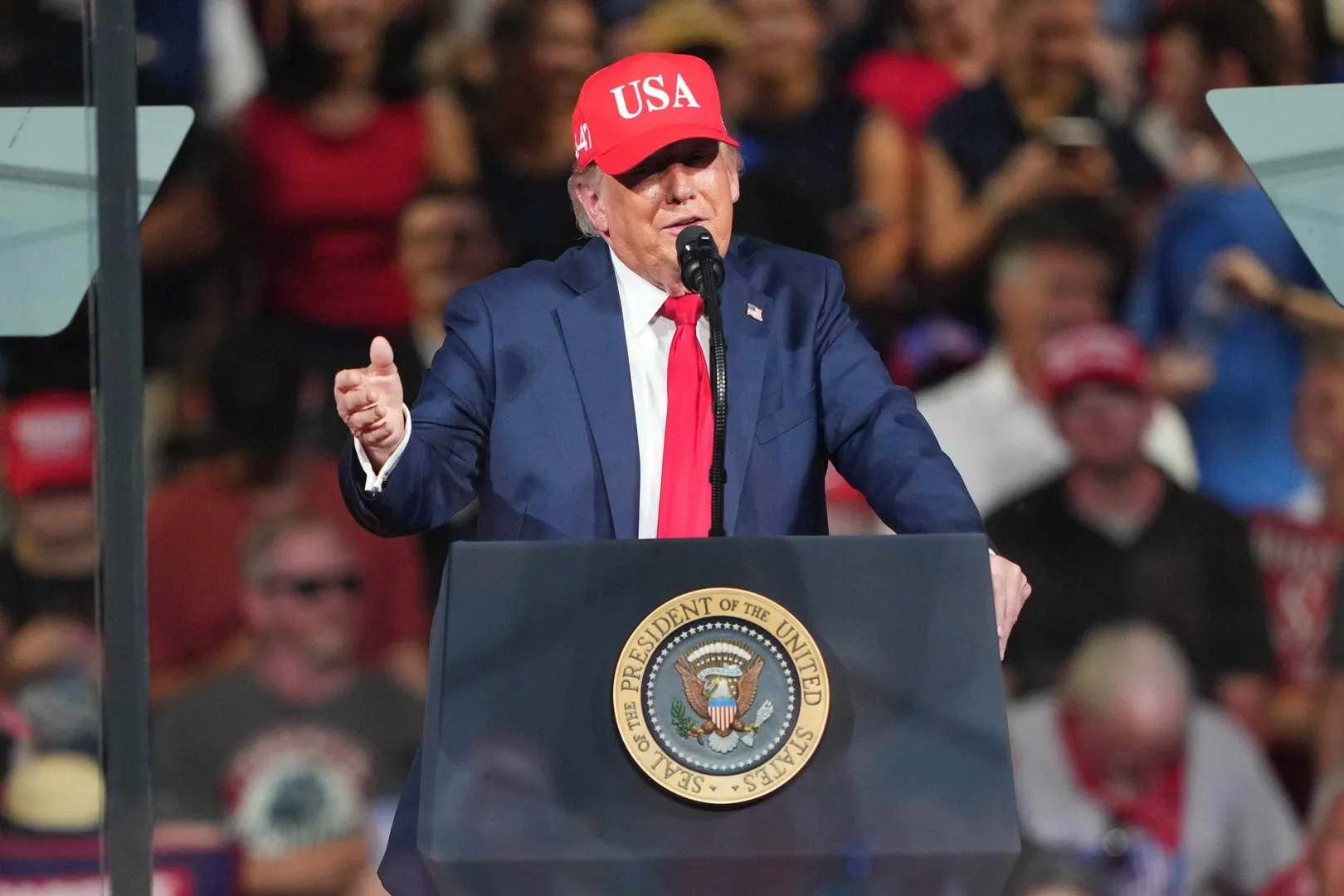
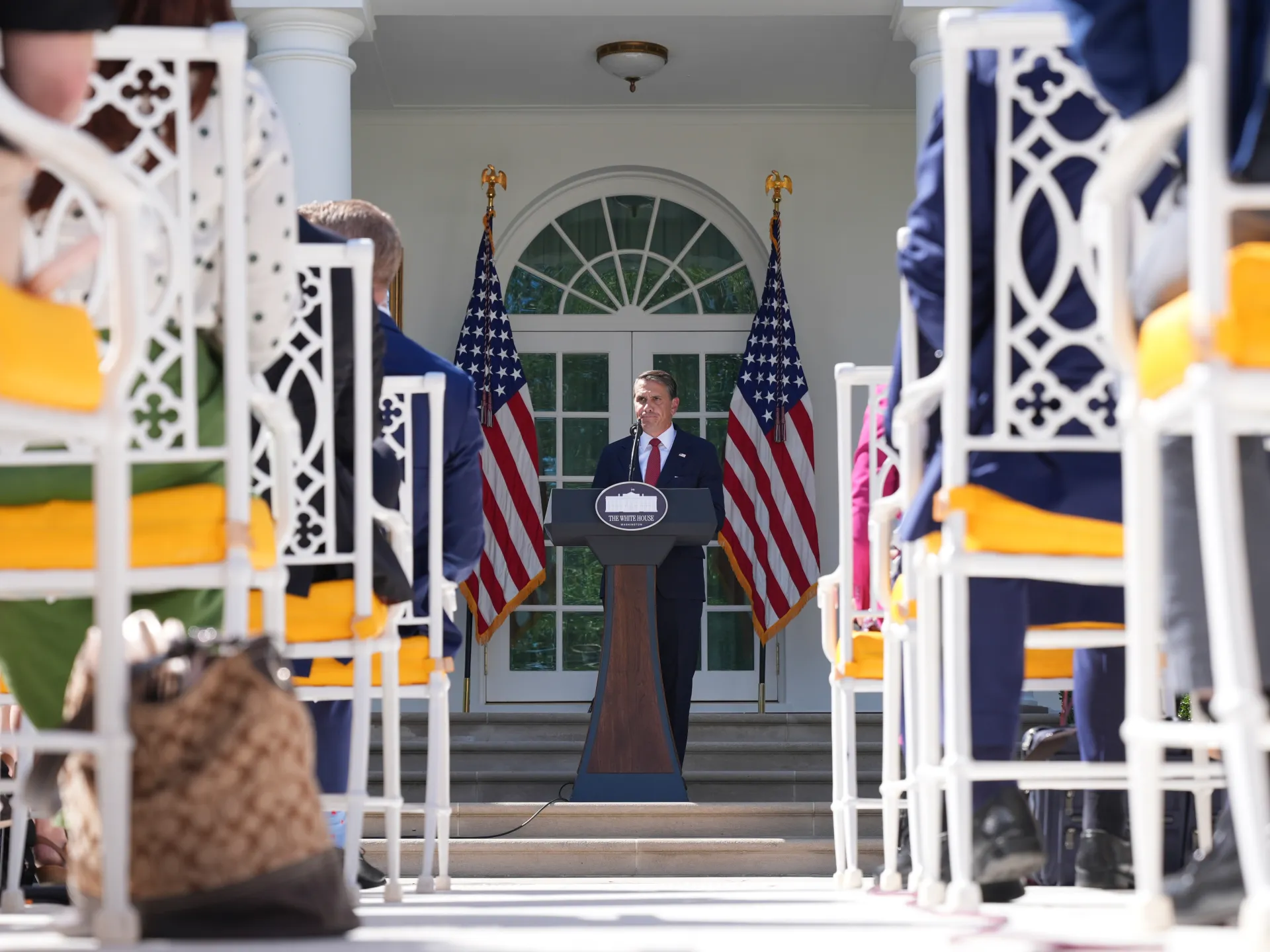
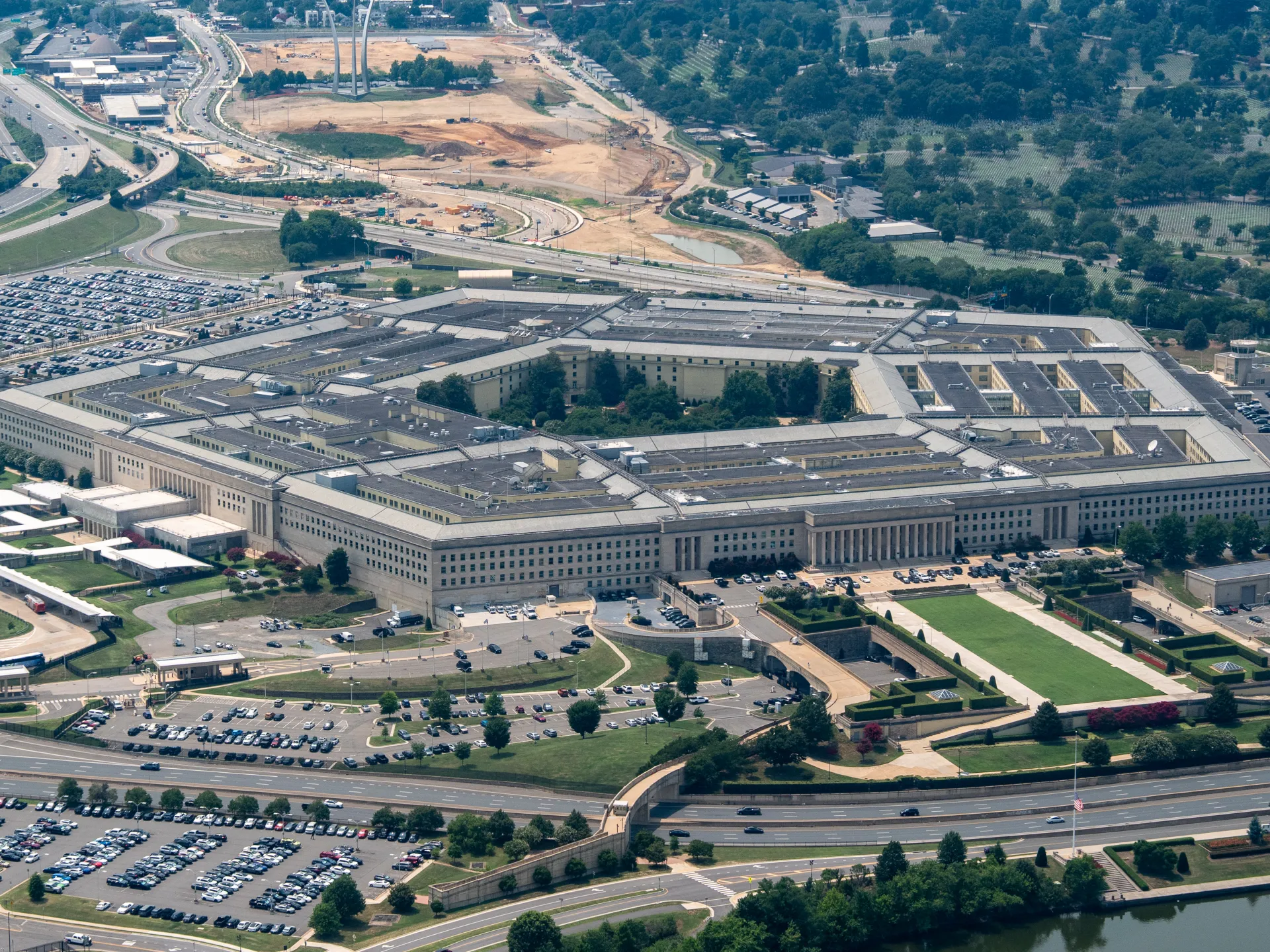
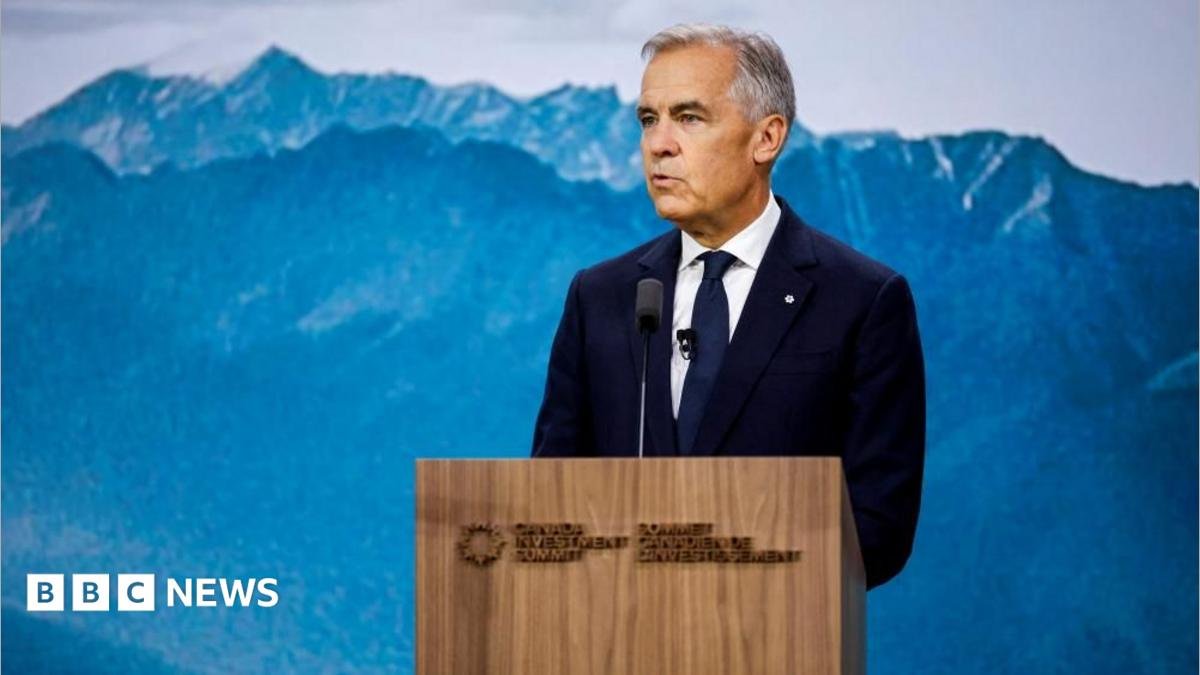
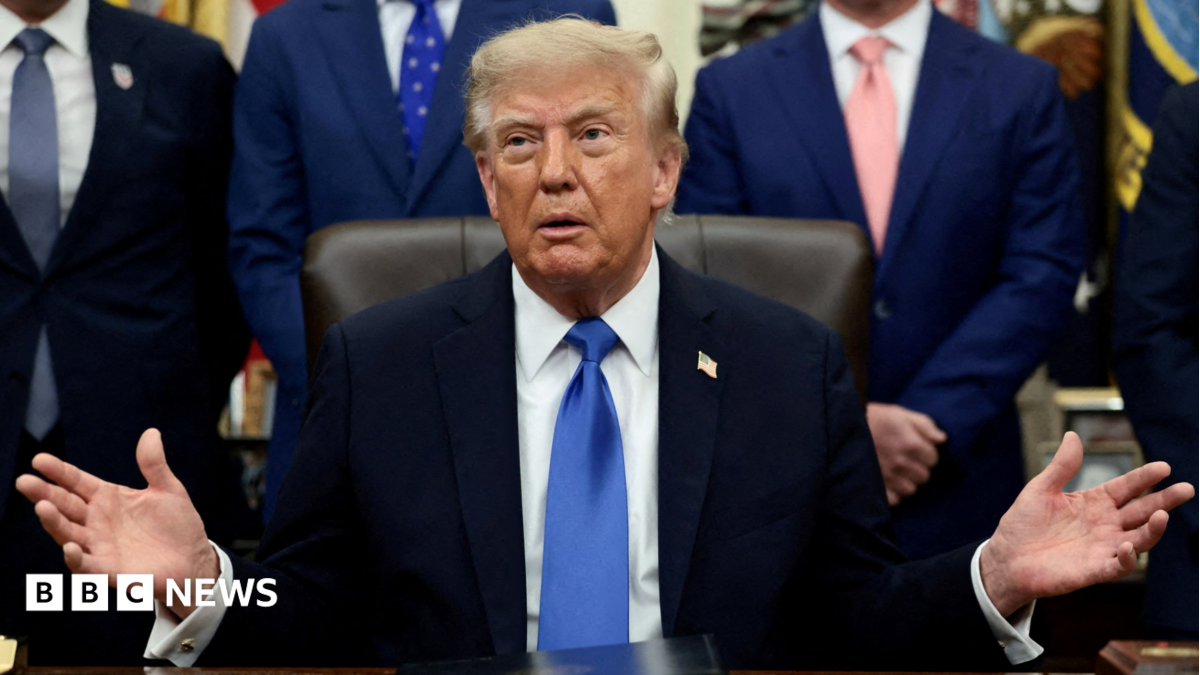
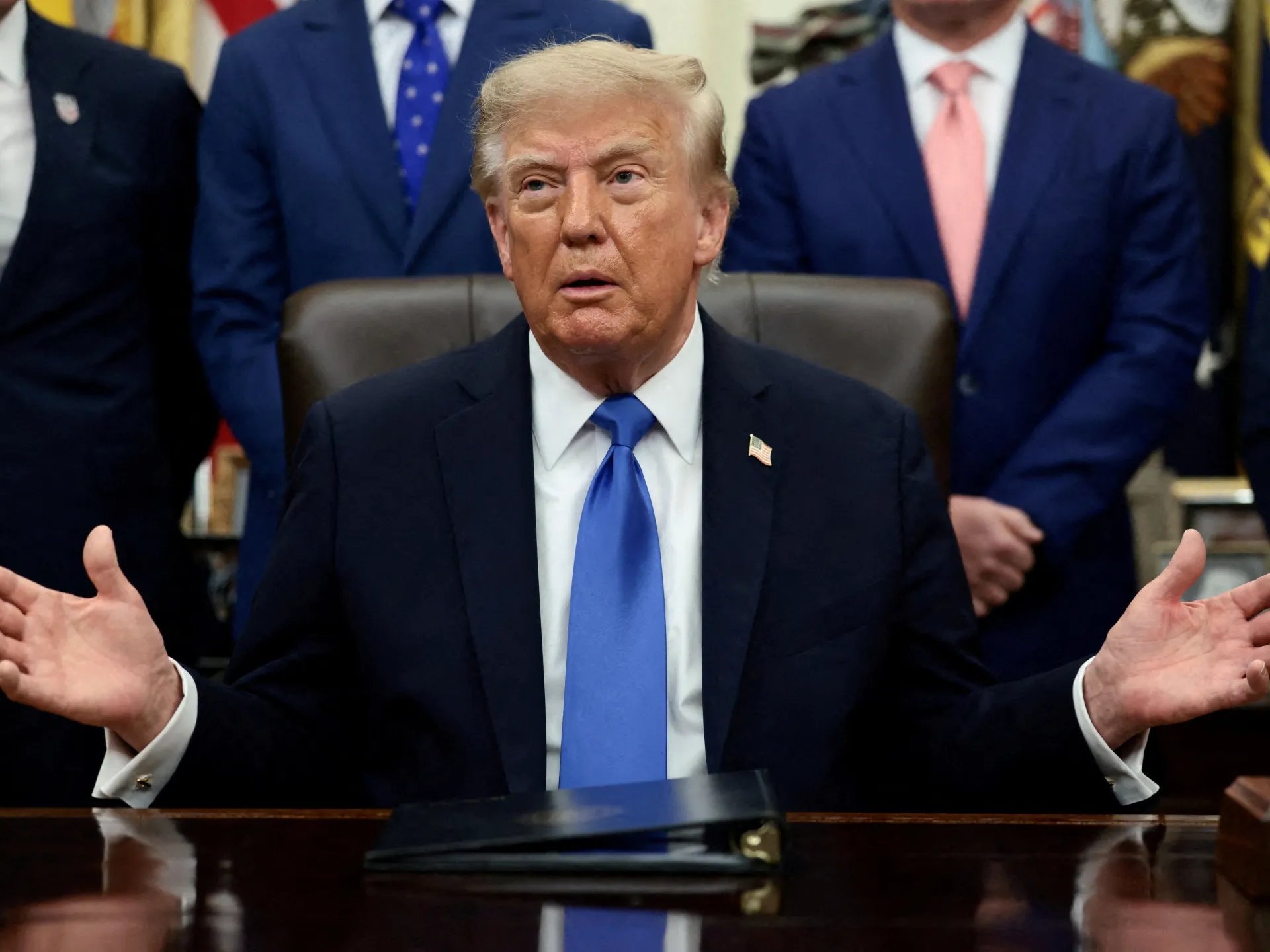
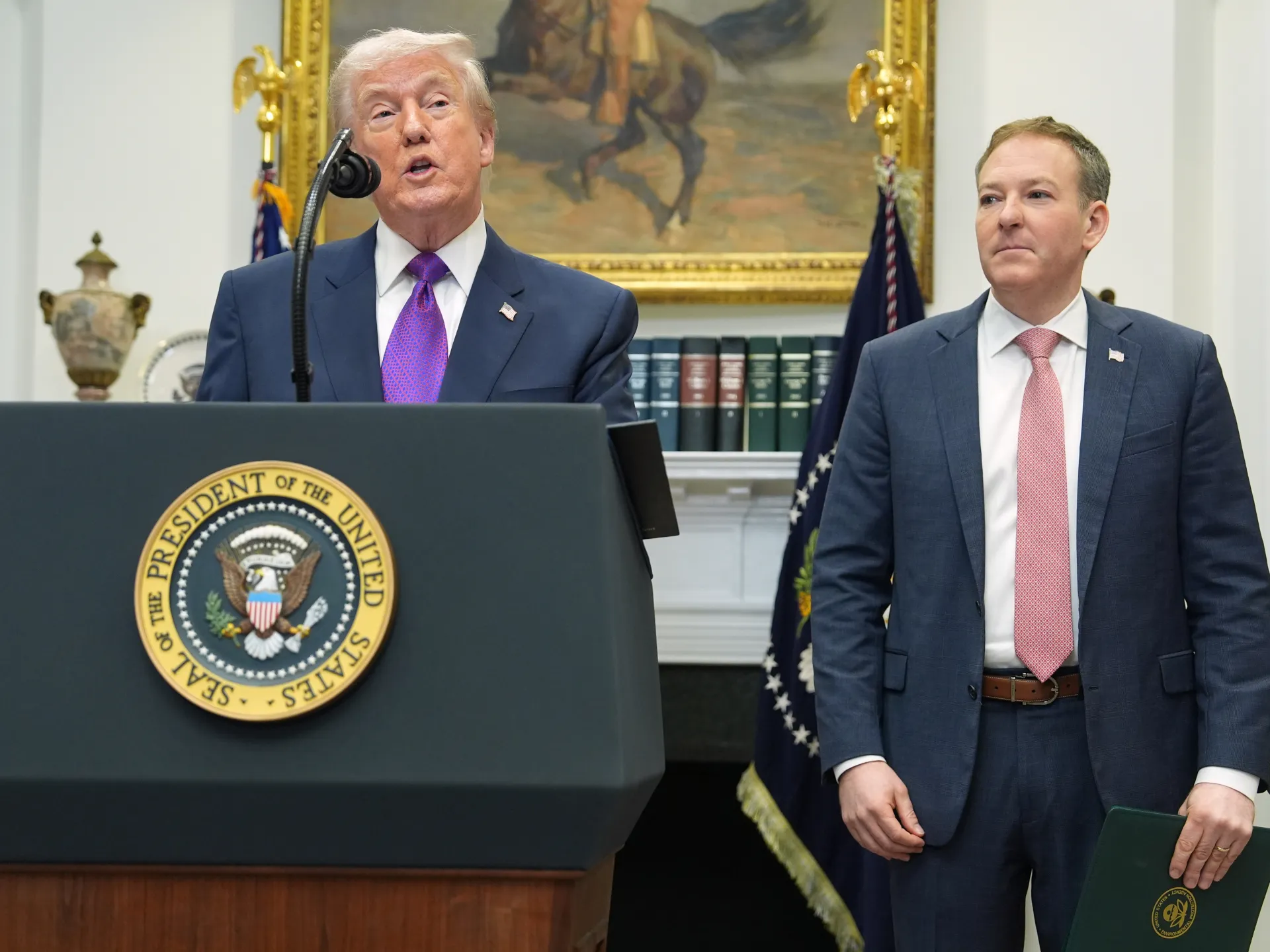
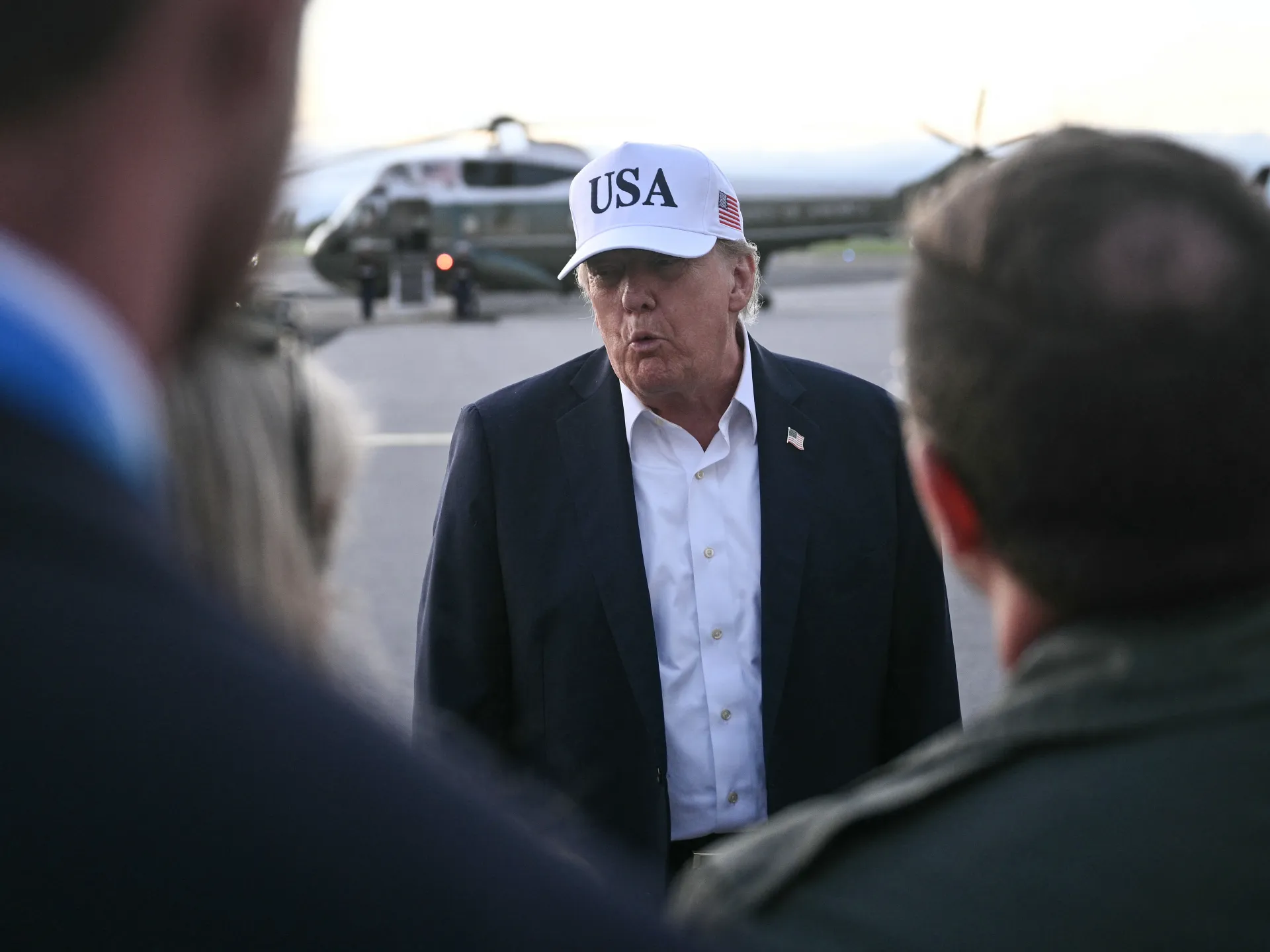
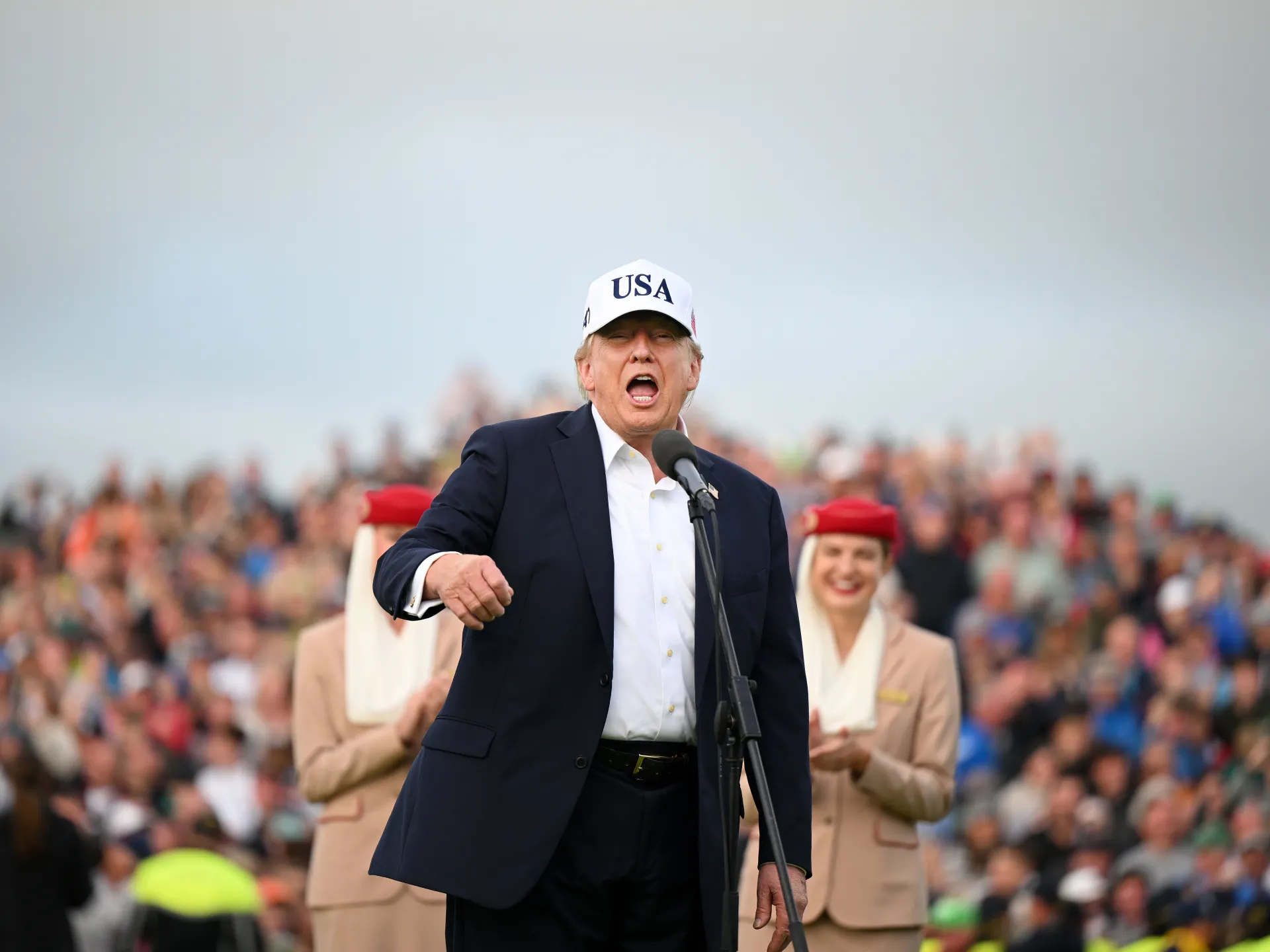
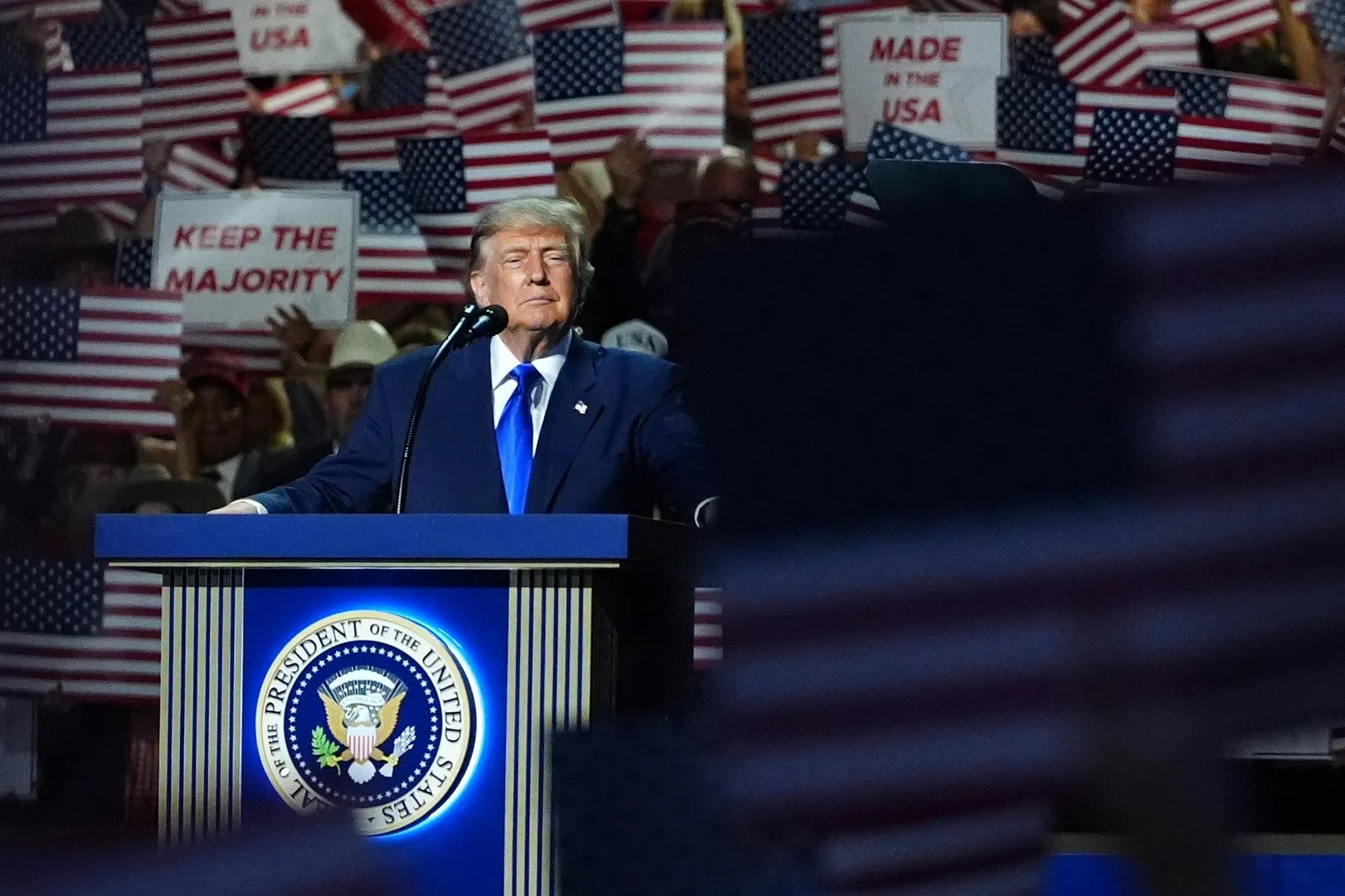
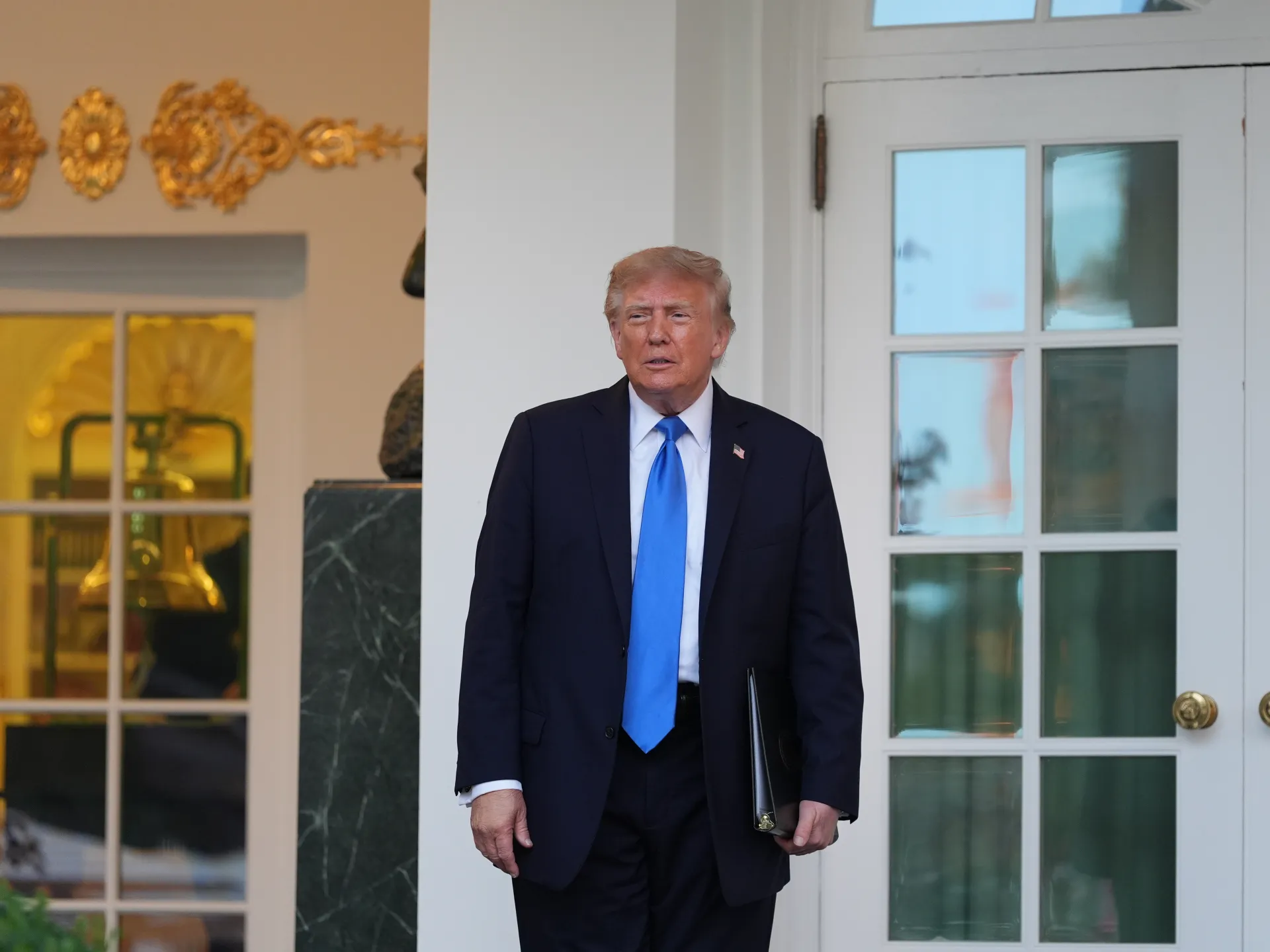
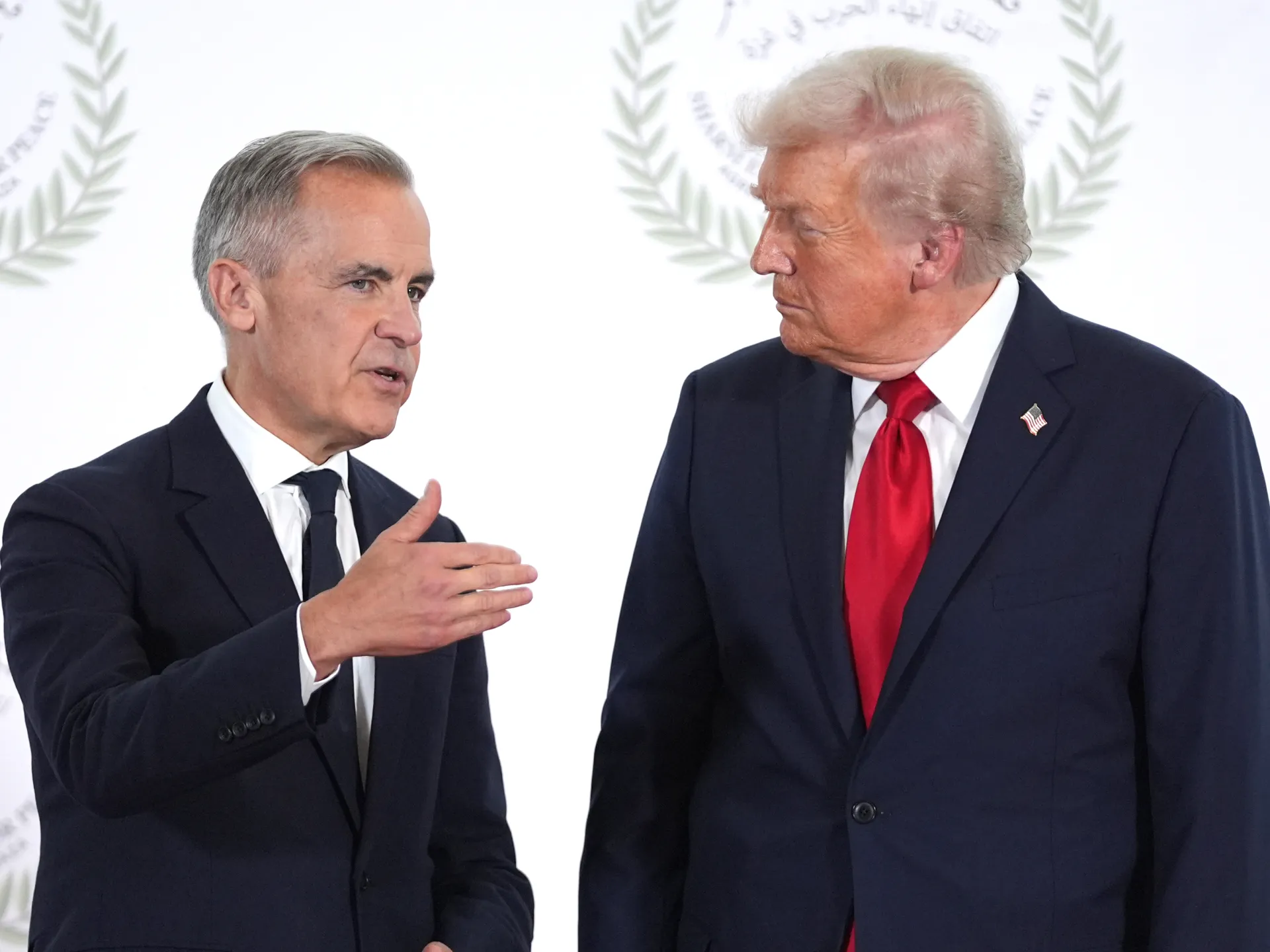
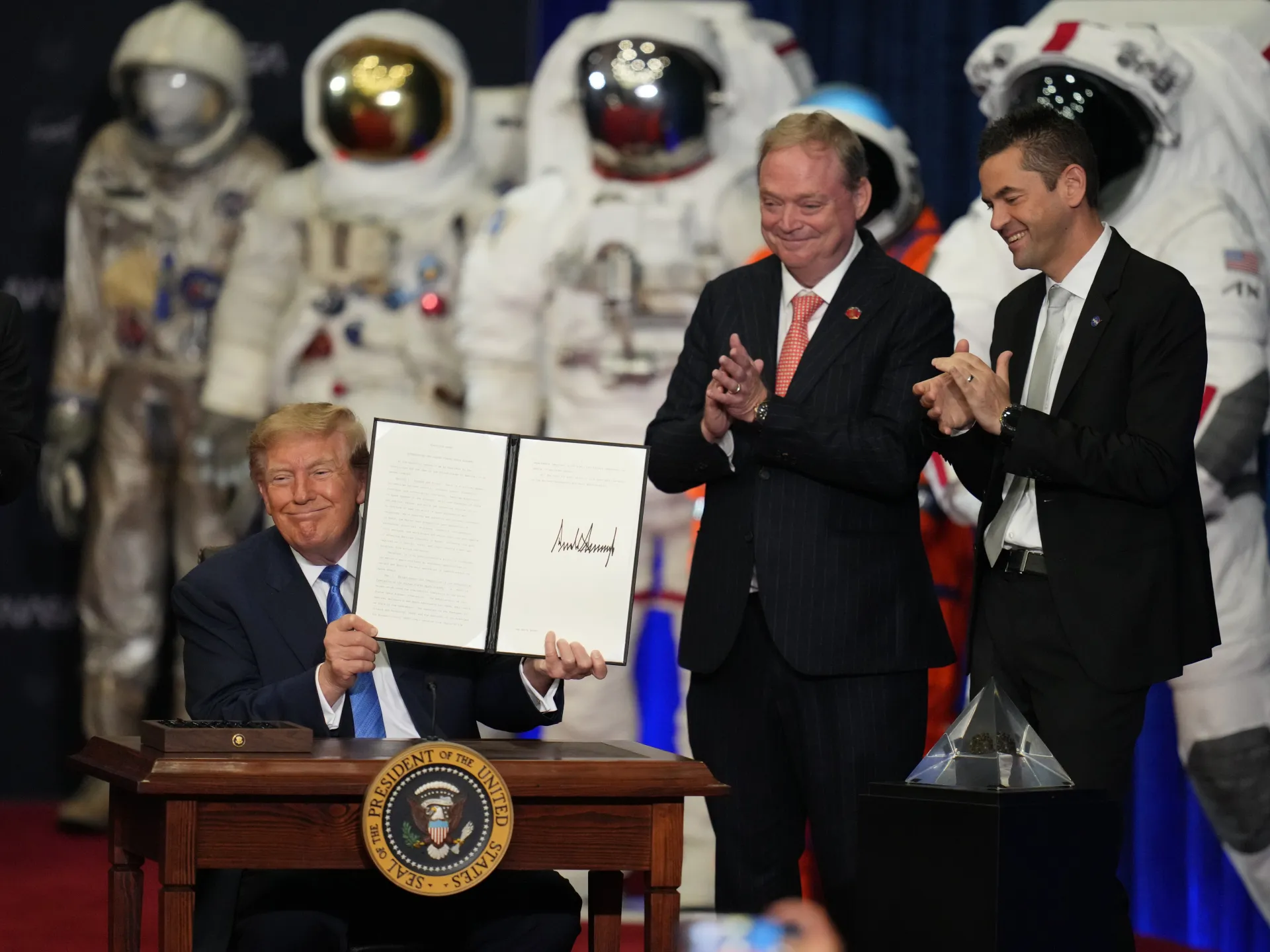
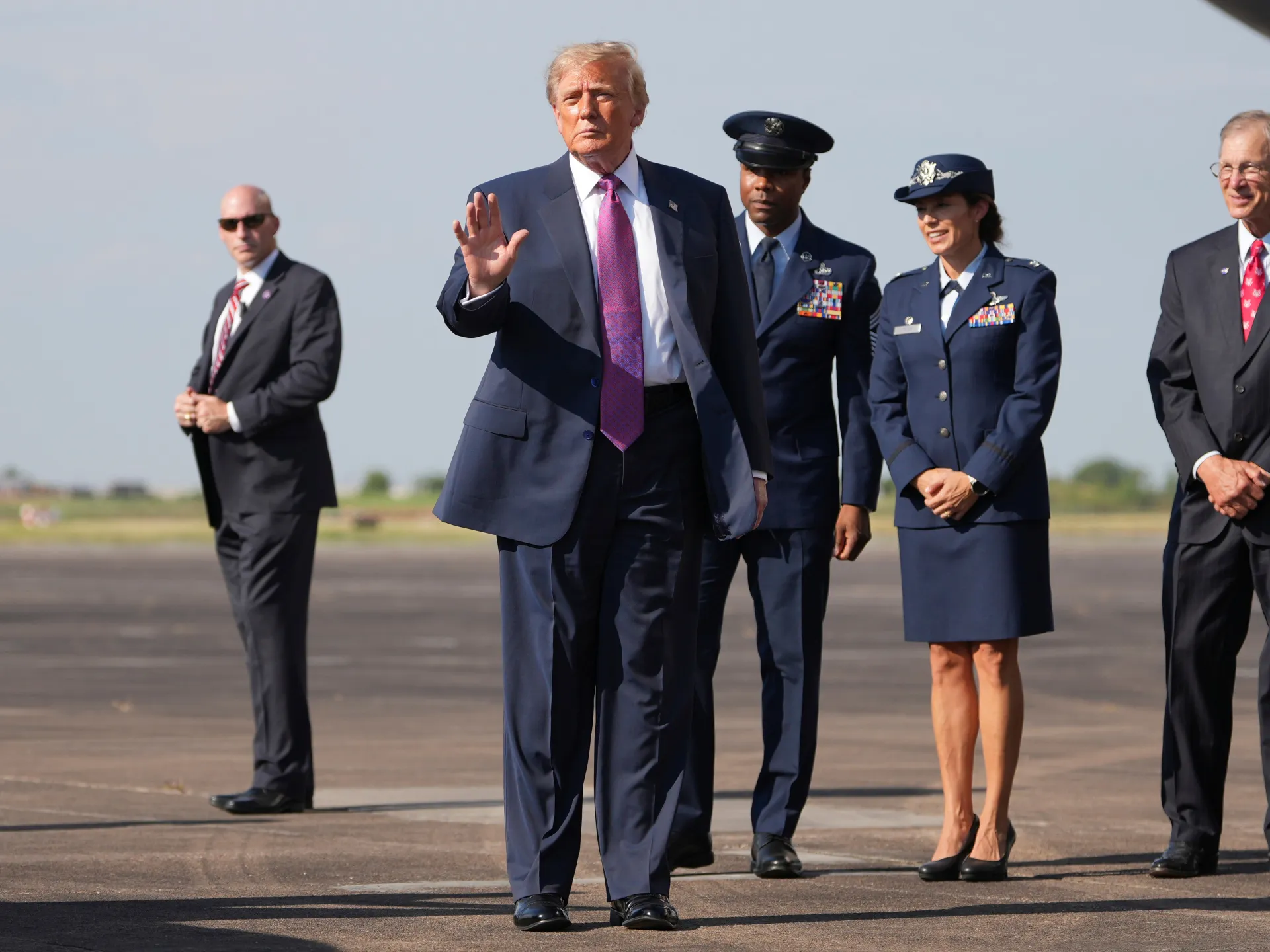
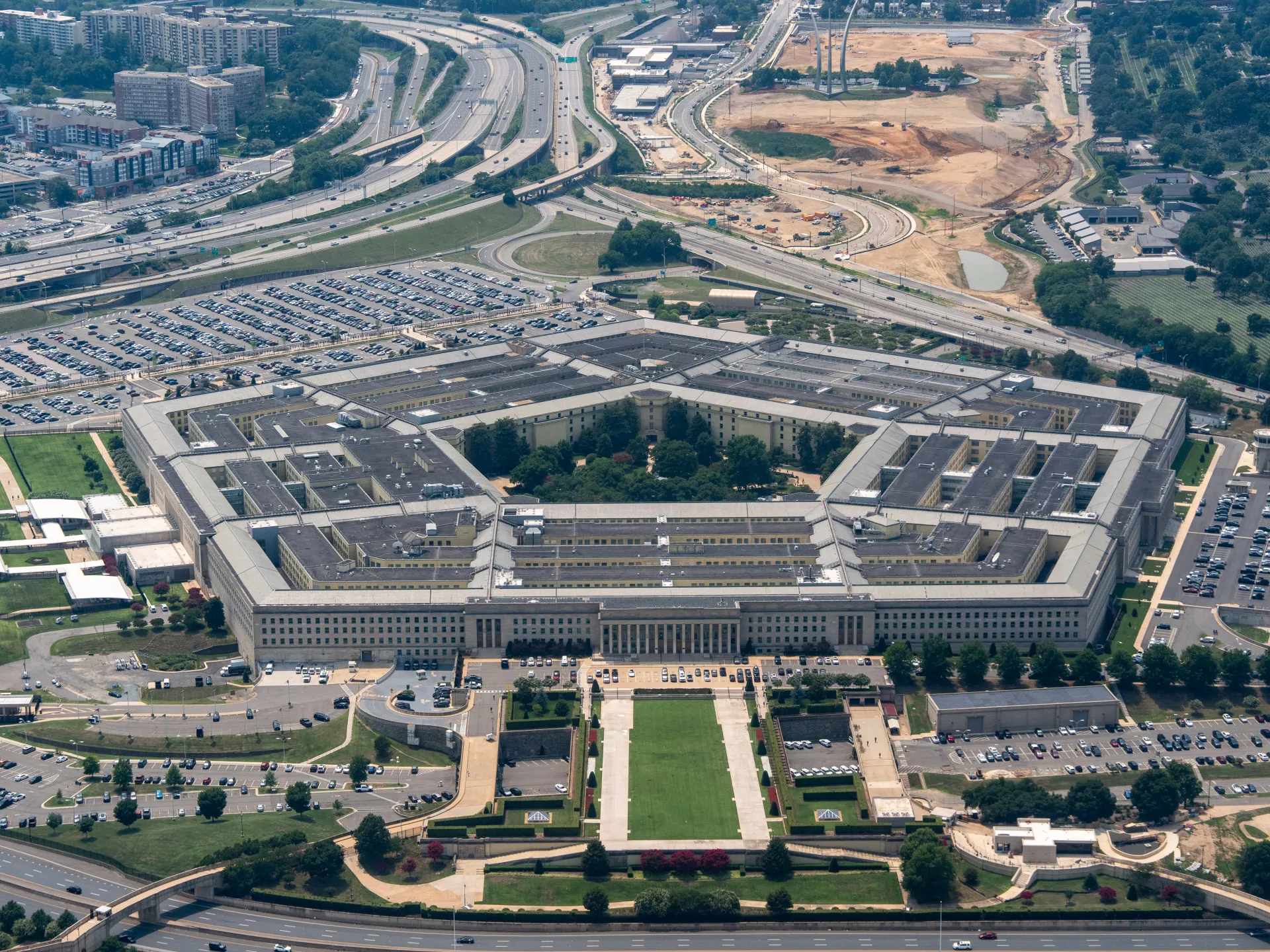
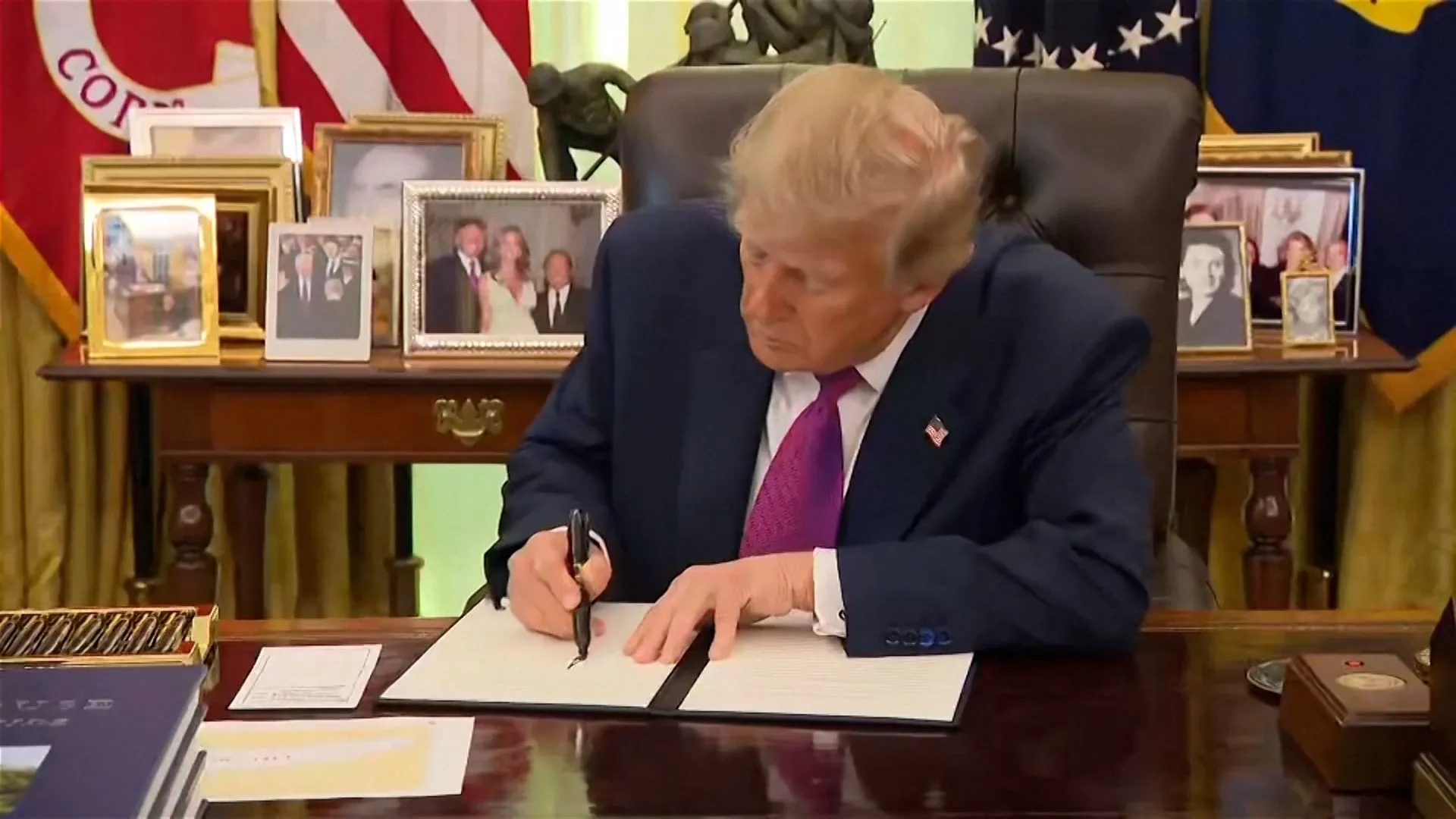
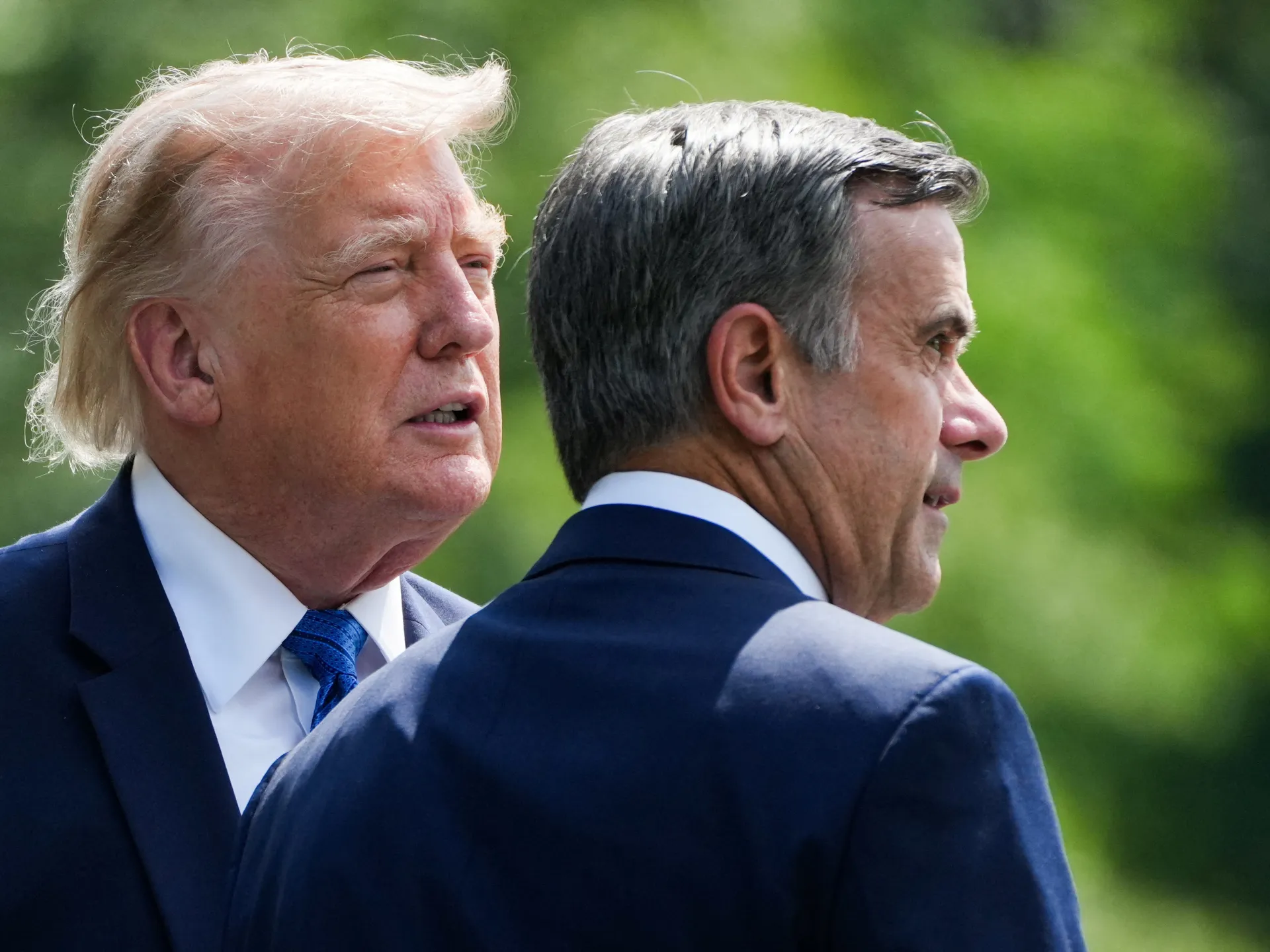
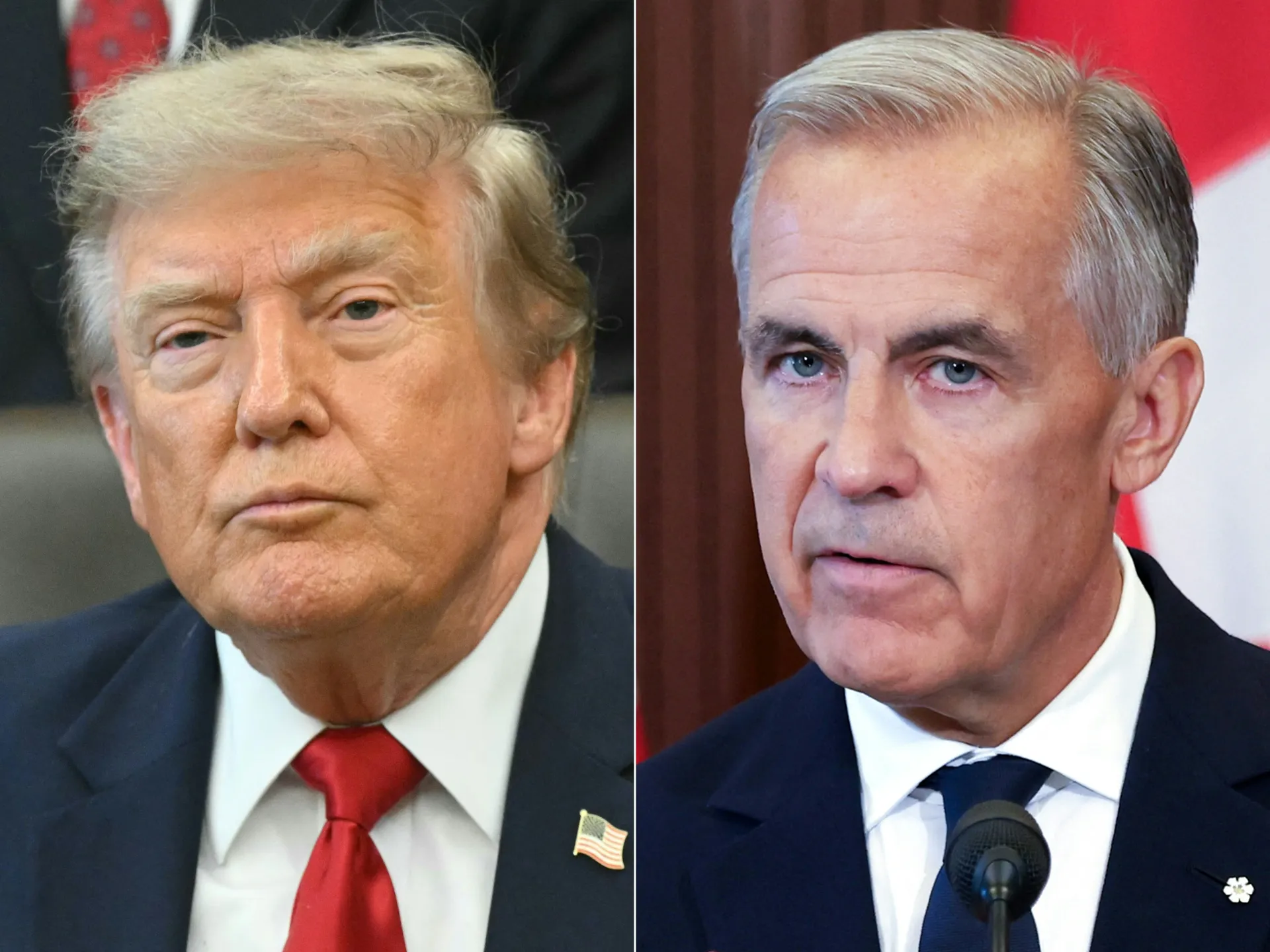
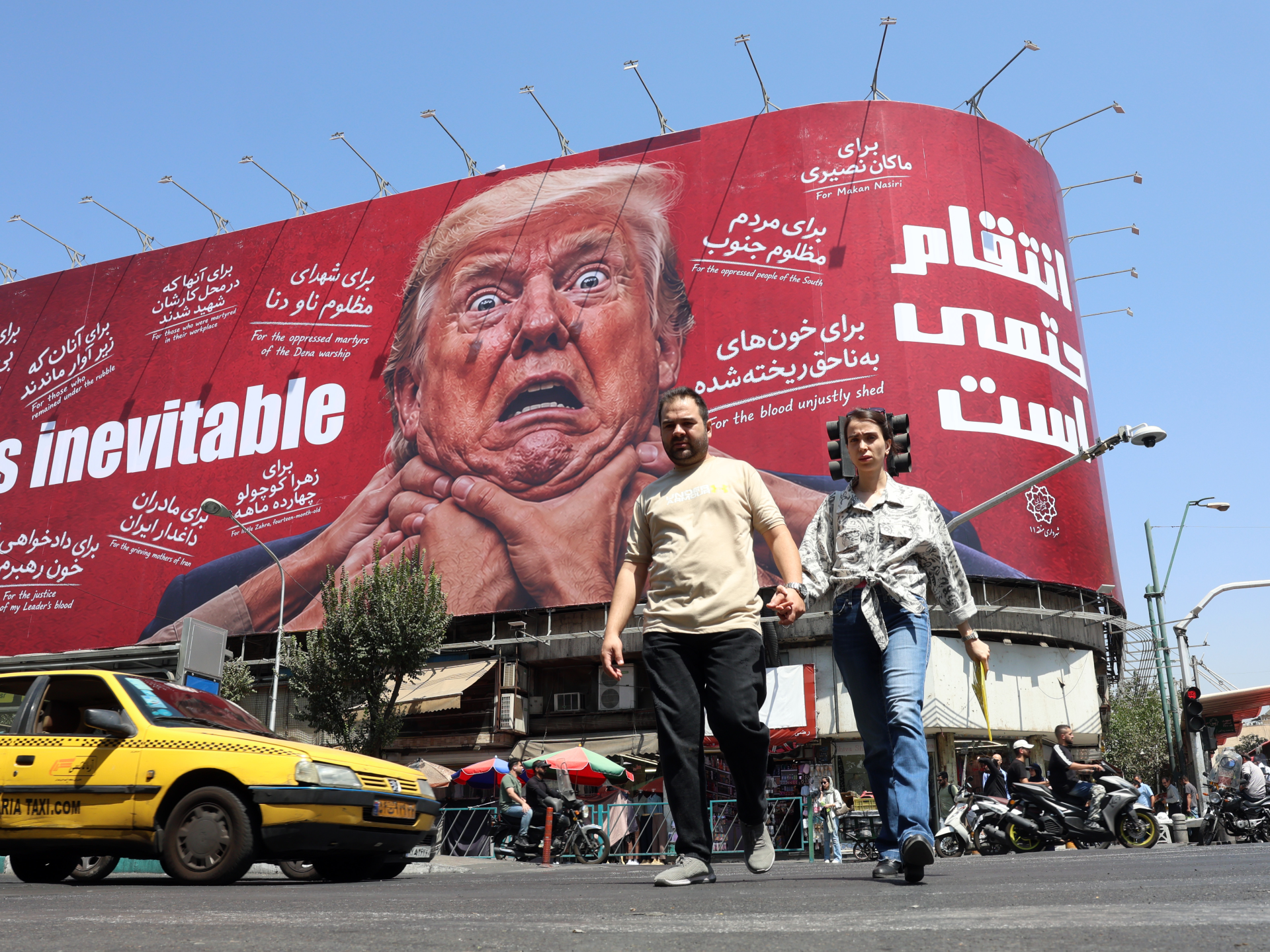
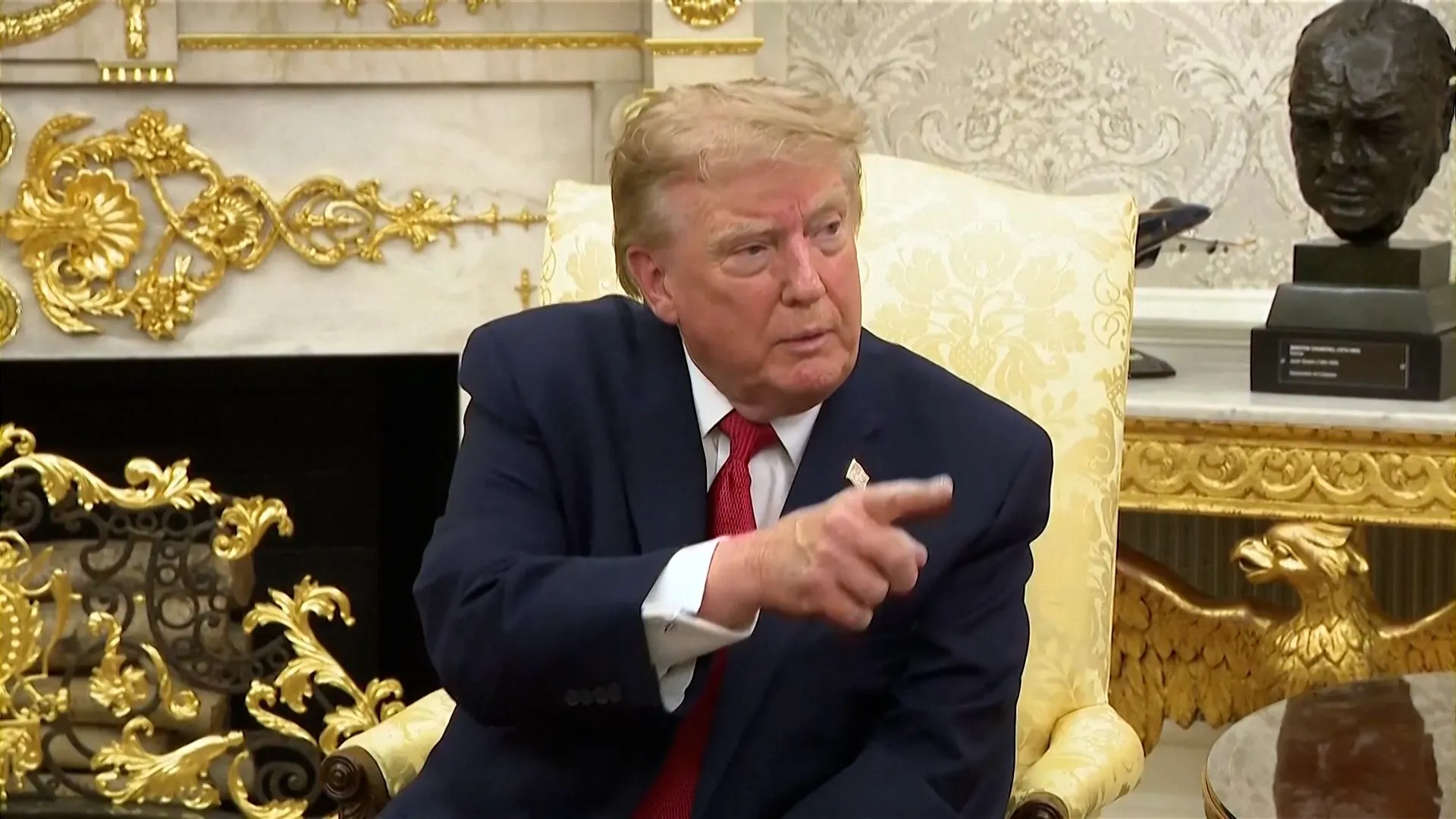
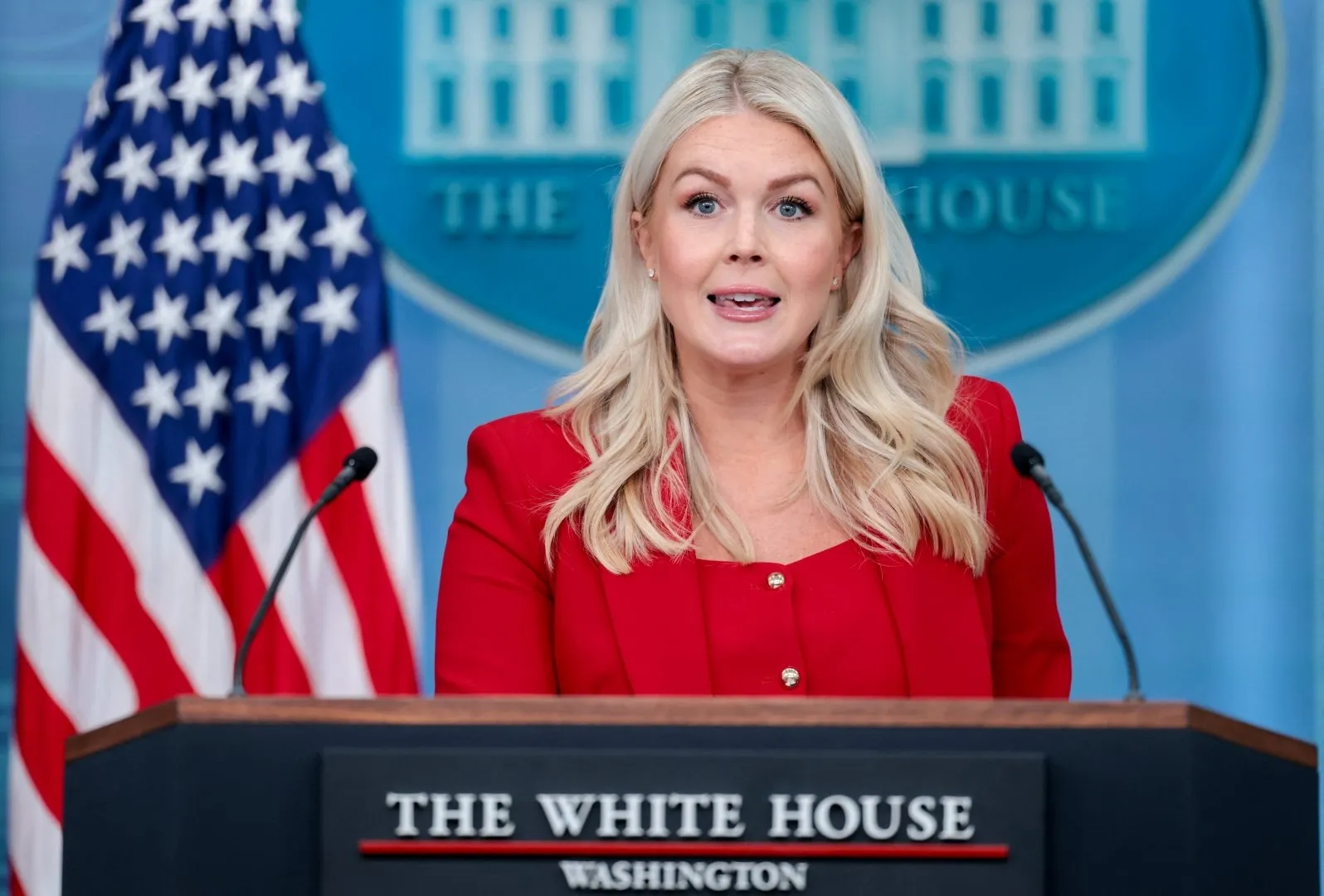
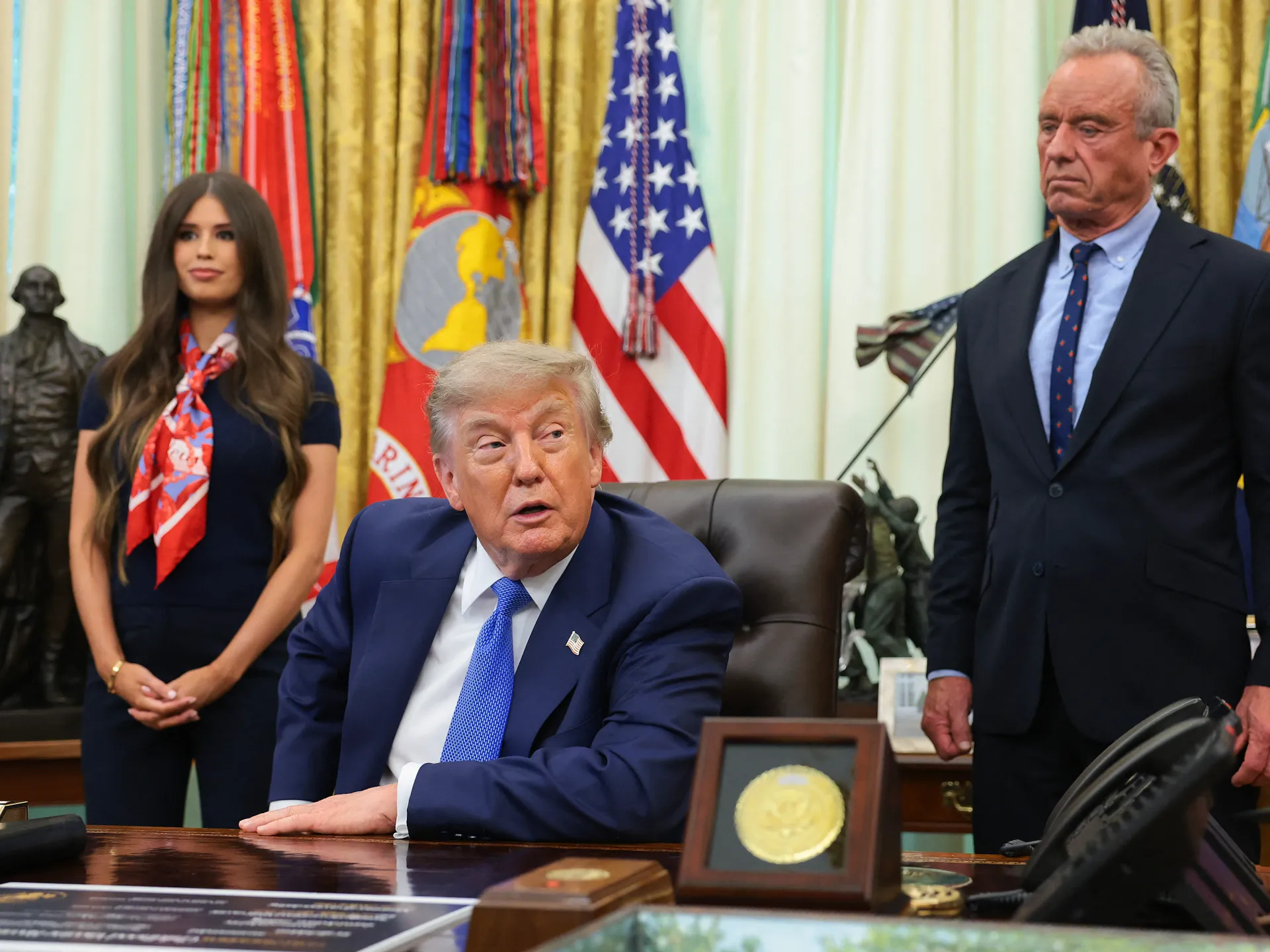
In response to the escalating situation, the administration has signaled that a significant strategic pivot may be imminent. Officials have indicated that the president is currently evaluating a range of potential responses, describing the upcoming choice as a pivotal moment for national security policy. The administration’s rhetoric has become increasingly firm, suggesting that the status quo is no longer considered a viable path forward in managing regional tensions.
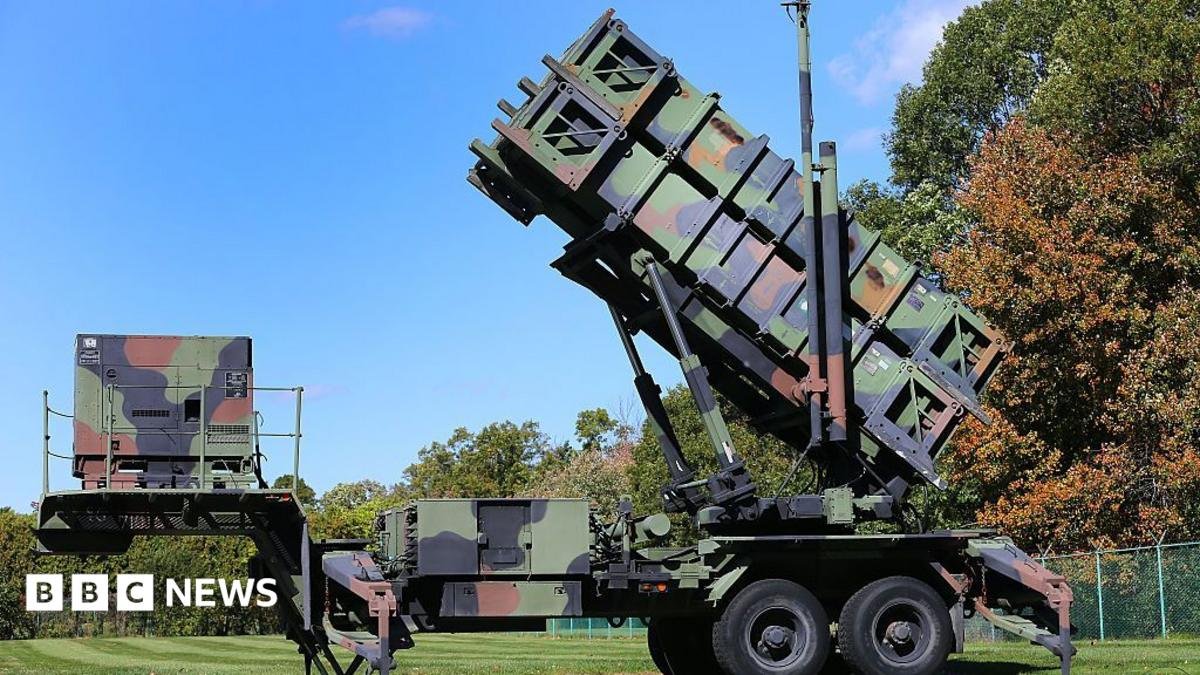
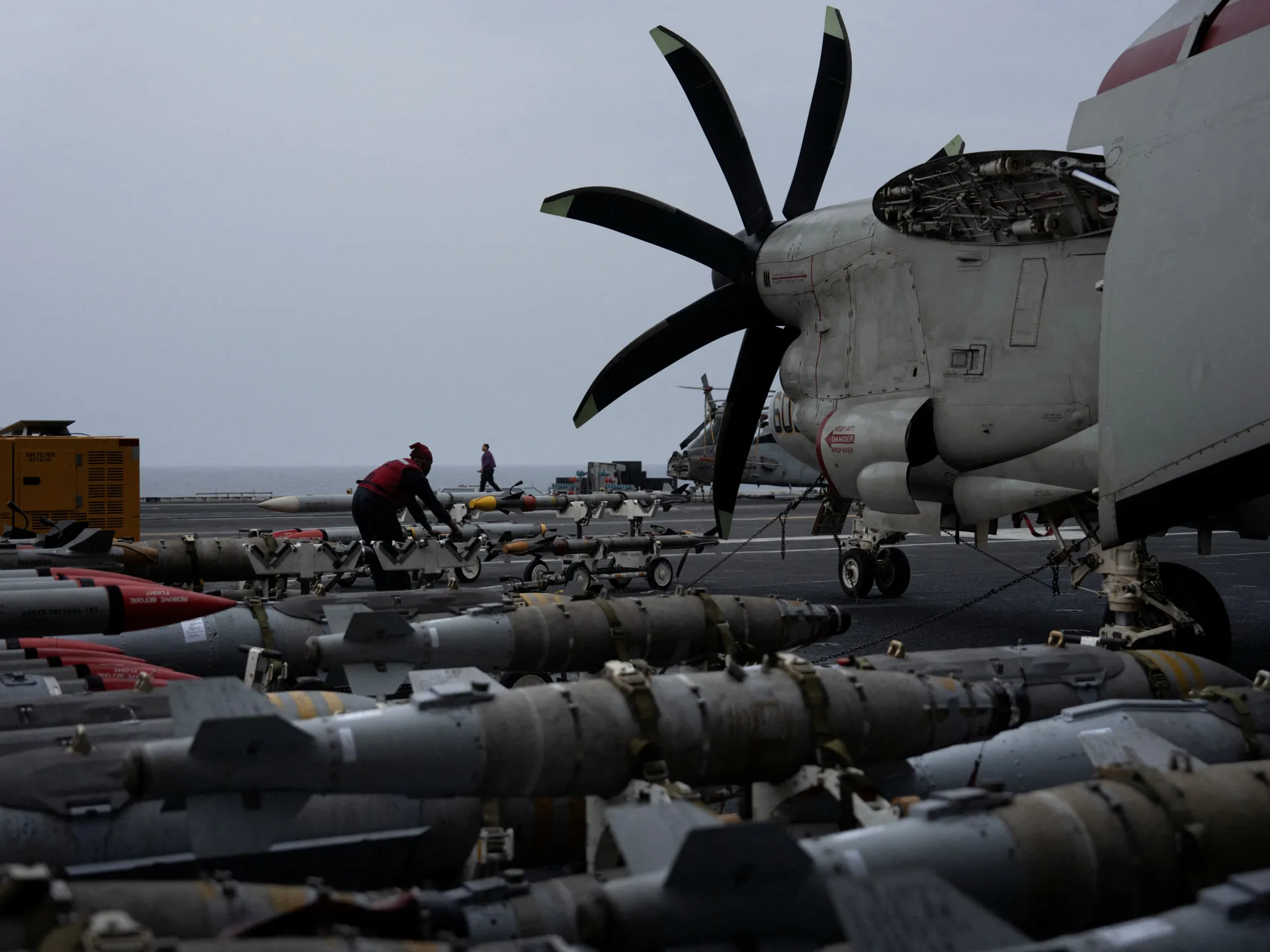
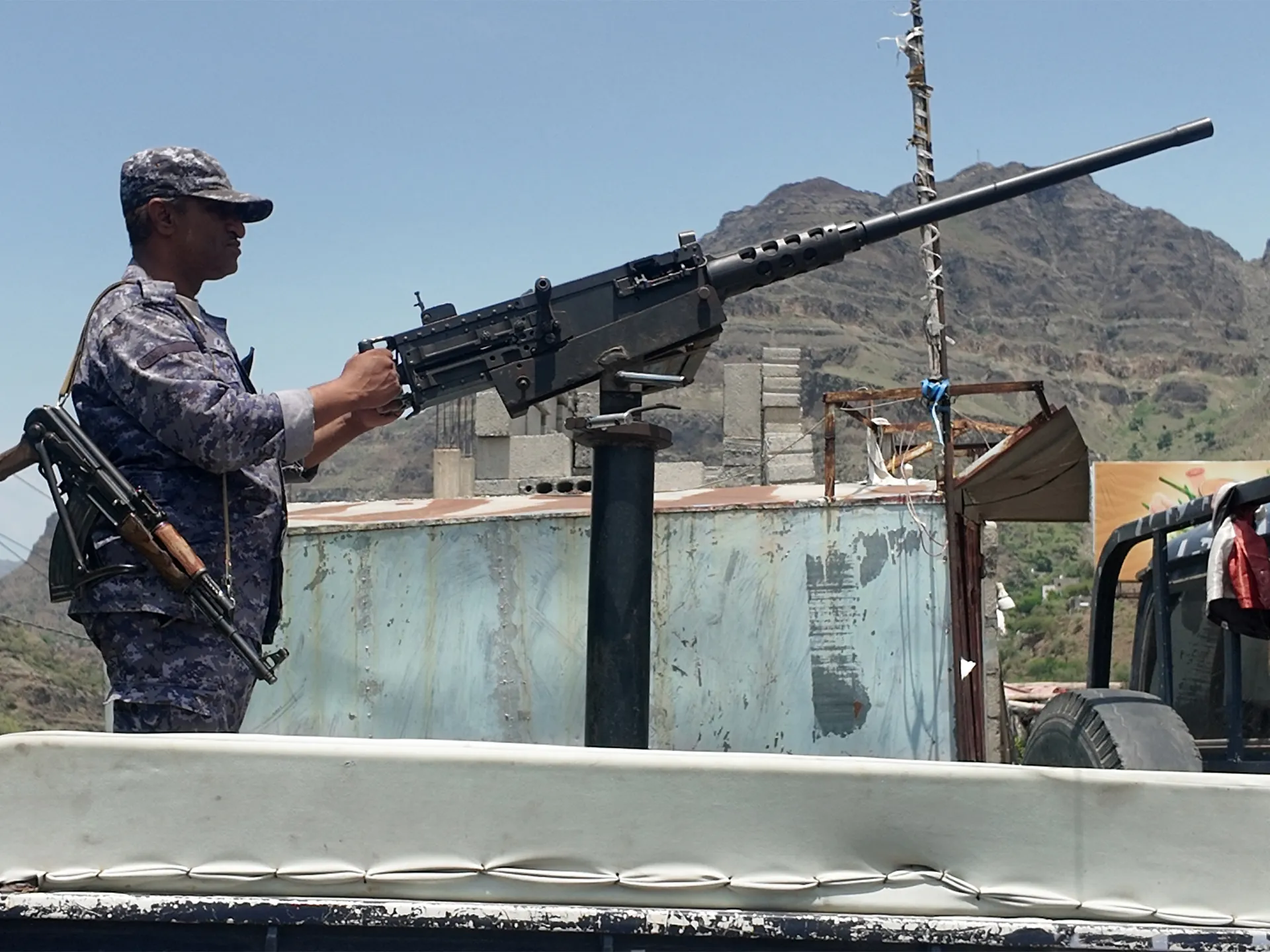
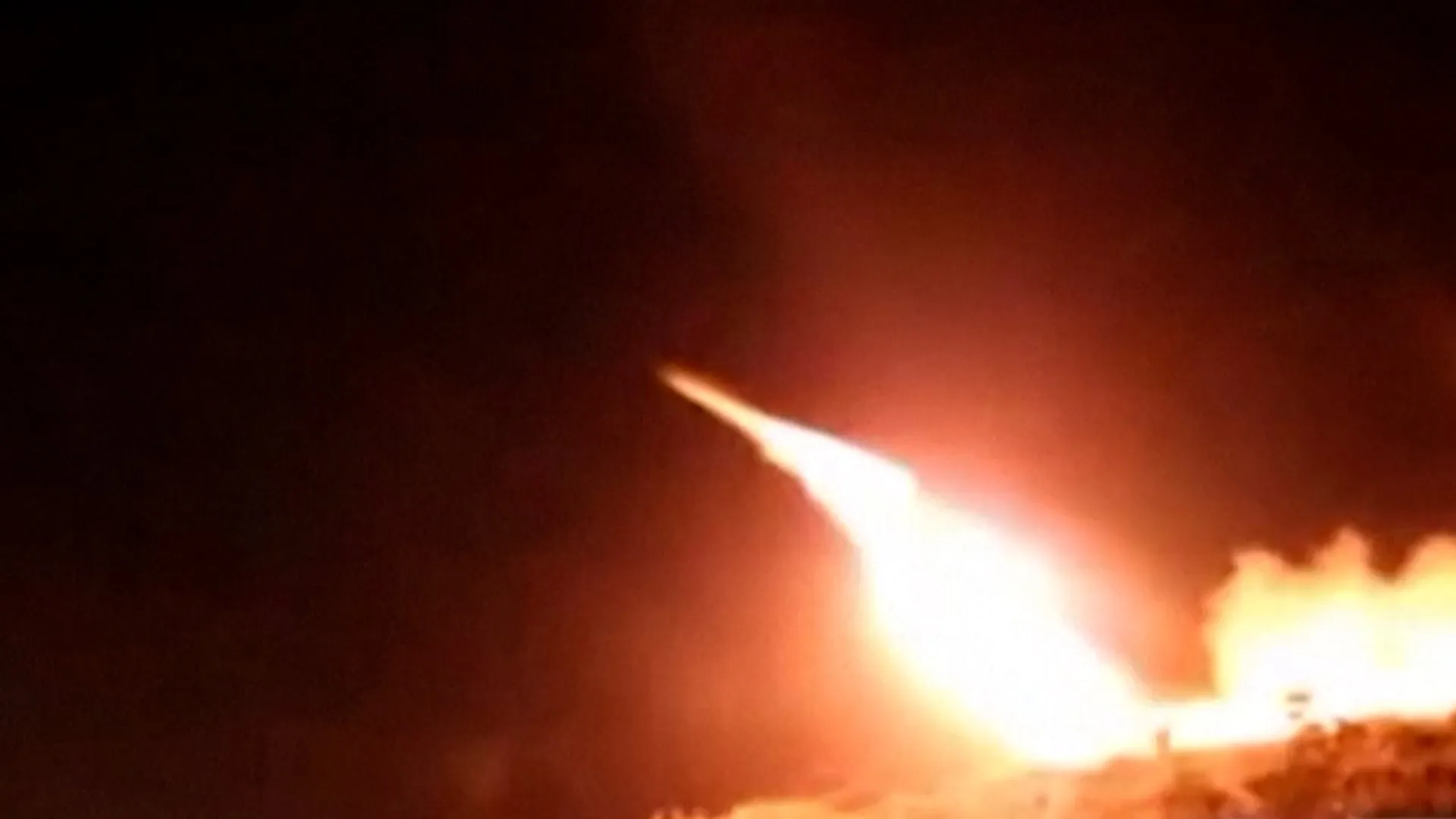
This deliberative process is taking place behind closed doors, with military advisors and intelligence agencies providing an array of options. While specifics regarding the nature of the potential response remain classified, the emphasis on a decisive course of action suggests that the administration is preparing for scenarios that could involve significant escalatory measures. The focus remains on balancing the need for deterrence with the desire to avoid an uncontrollable regional conflagration.
The current impasse is characterized rimary tool of influence. With traditional channels of communication appearing strained, both sides have engaged in a cycle of public statements that serve to heighten anxiety among global stakeholders. The absence of a clear de-escalation framework has created a vacuum that is increasingly being filled
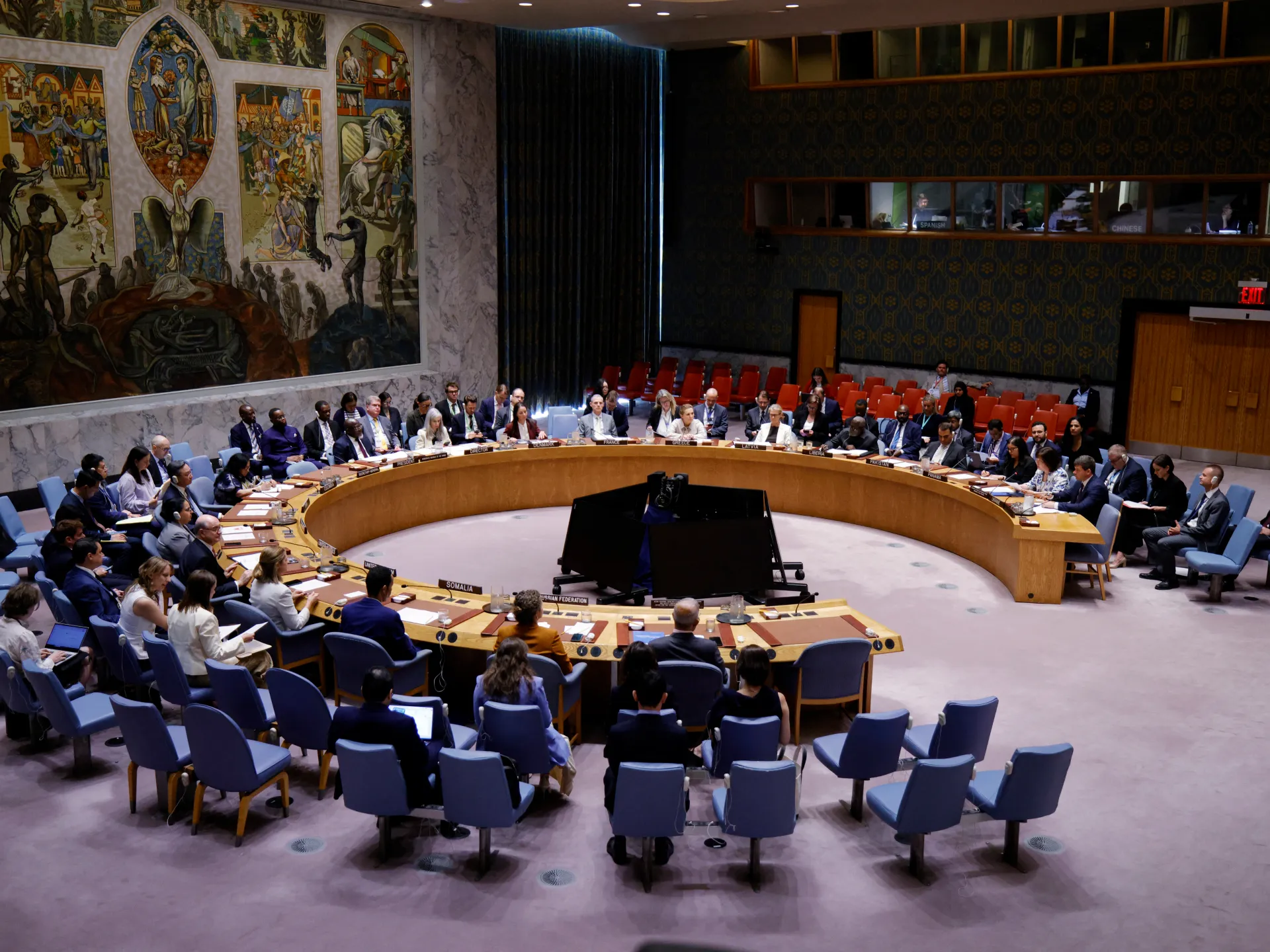
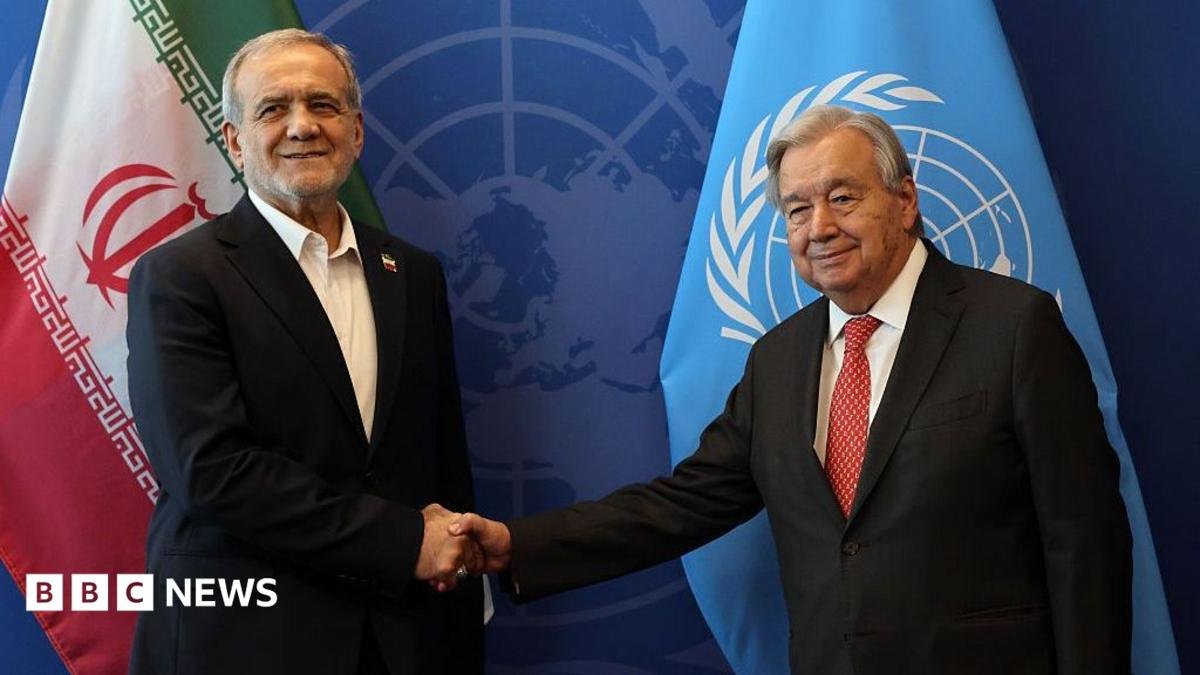
Regional allies and international partners are urging restraint, fearing that a miscalculation could trigger a widespread conflict. Diplomatic efforts in neutral forums have yet to yield a breakthrough, as both parties remain entrenched in their respective positions. The challenge for international mediators is to find a middle ground that allows for a face-saving exit strategy, though current conditions suggest that such a path is becoming increasingly narrow.
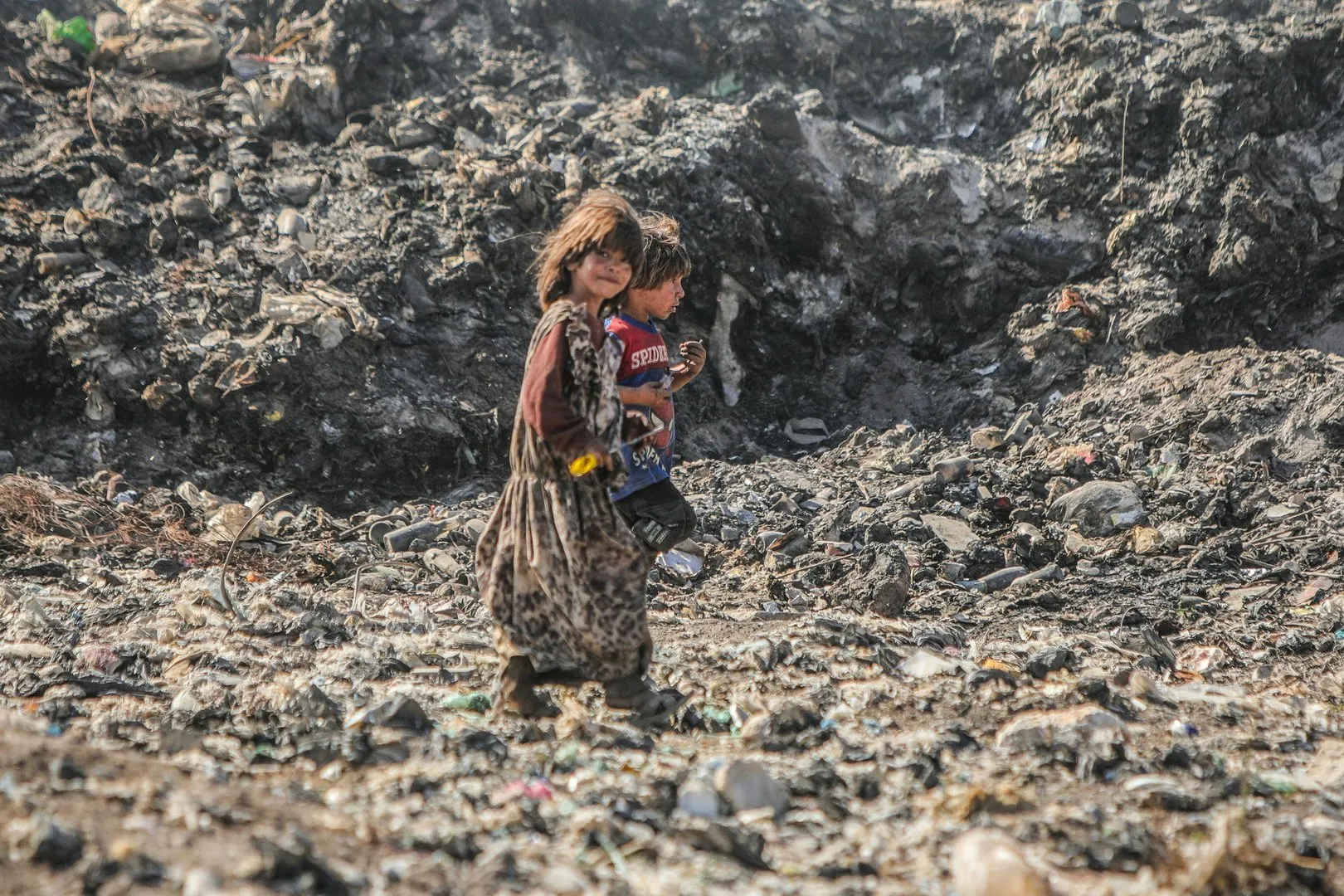
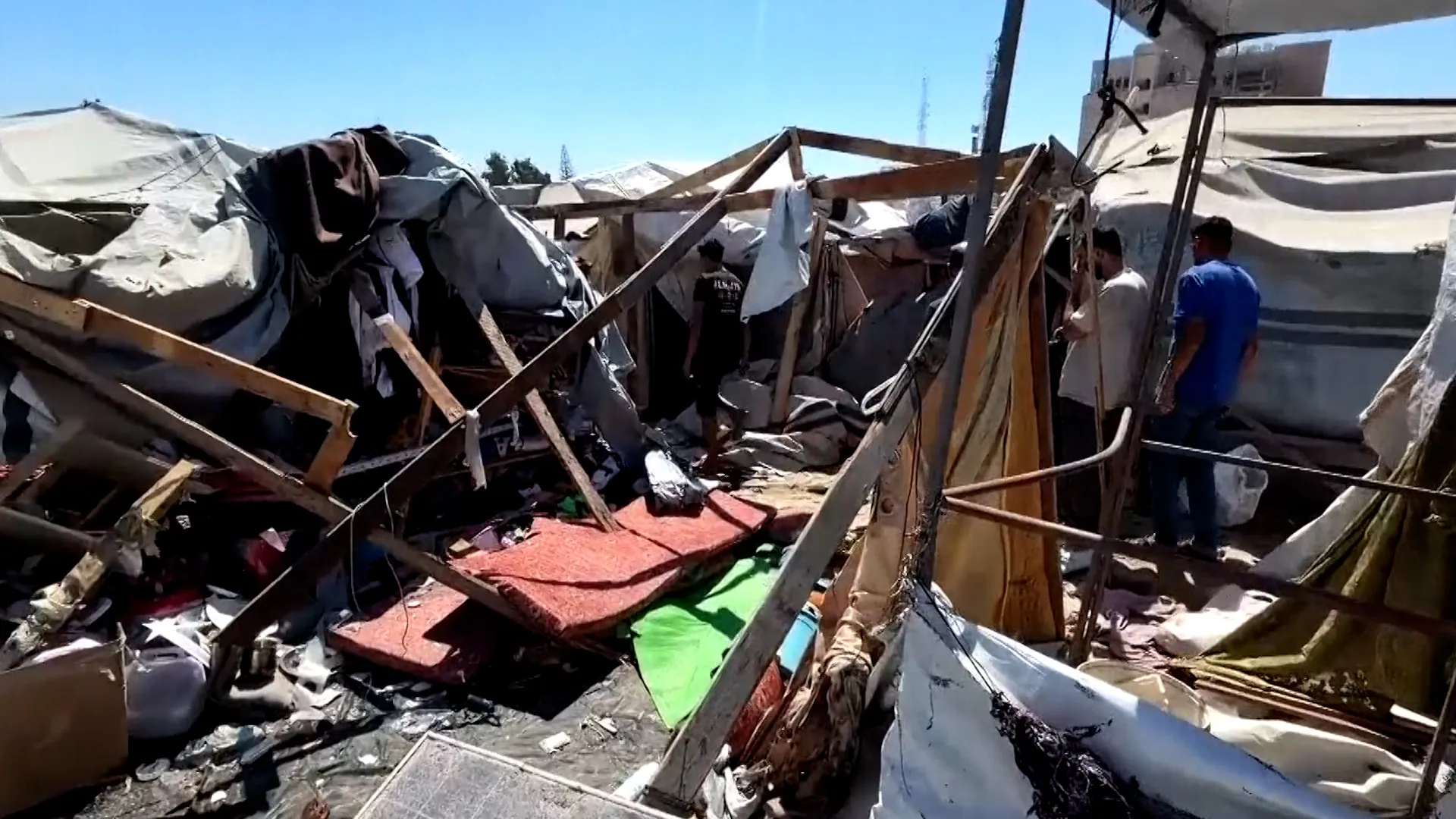
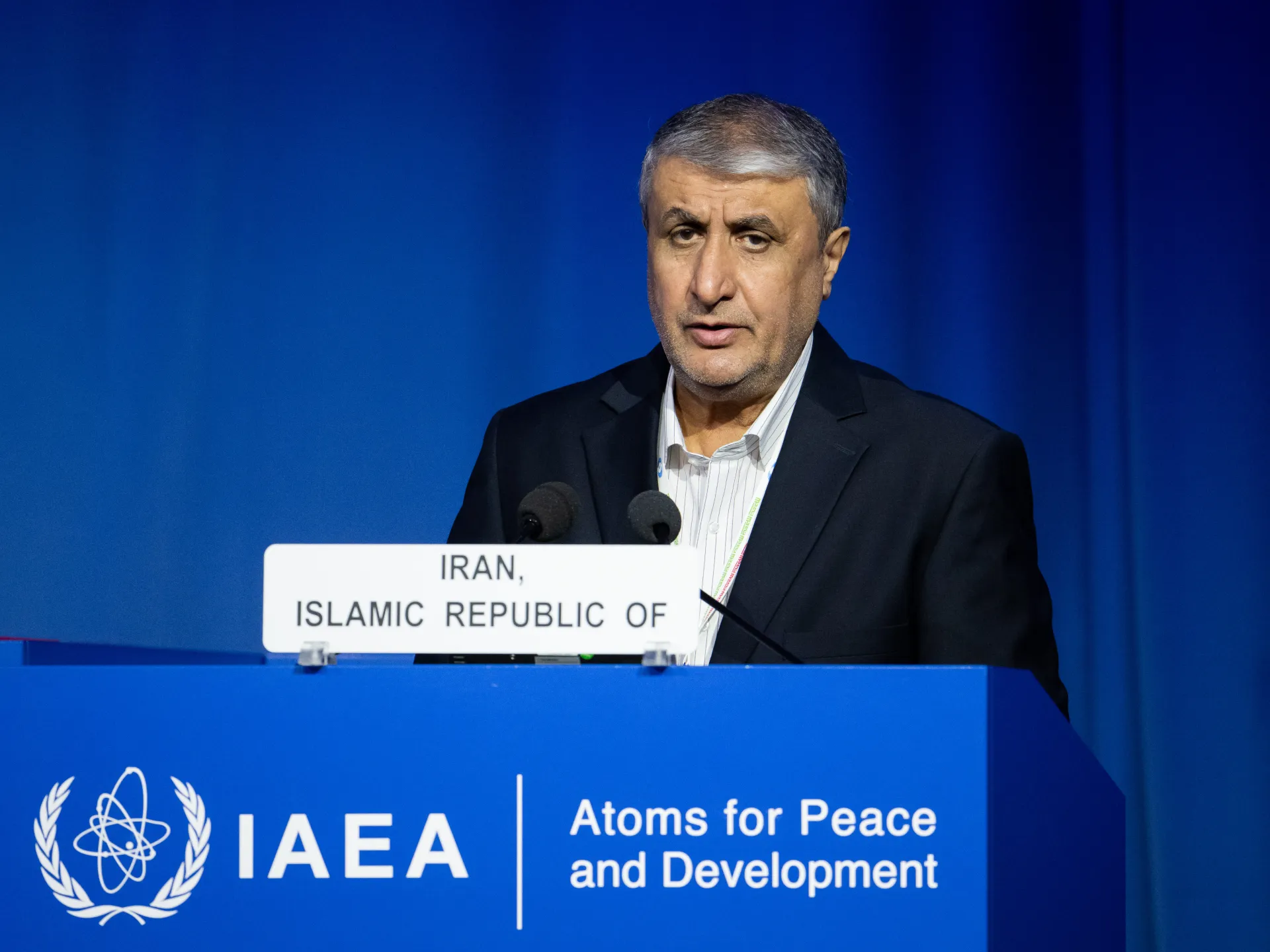
The potential for a direct confrontation between the United States and Iranian forces carries profound implications for global security. Beyond the immediate impact on energy markets, a sustained conflict would likely disrupt regional governance and exacerbate existing humanitarian crises. The ripple effects of such a confrontation would be felt far beyond the Middle East, influencing international alliances and forcing nations to choose sides in a highly polarized environment.
As the world watches the situation unfold, the emphasis remains on the unpredictability of the coming days. With the administration maintaining that all options are on the table, the international community is preparing for a range of outcomes. The goal for many global leaders is to prevent the current skirmishes from evolving into a total systemic collapse of regional stability, though the window for successful intervention is closing rapidly.