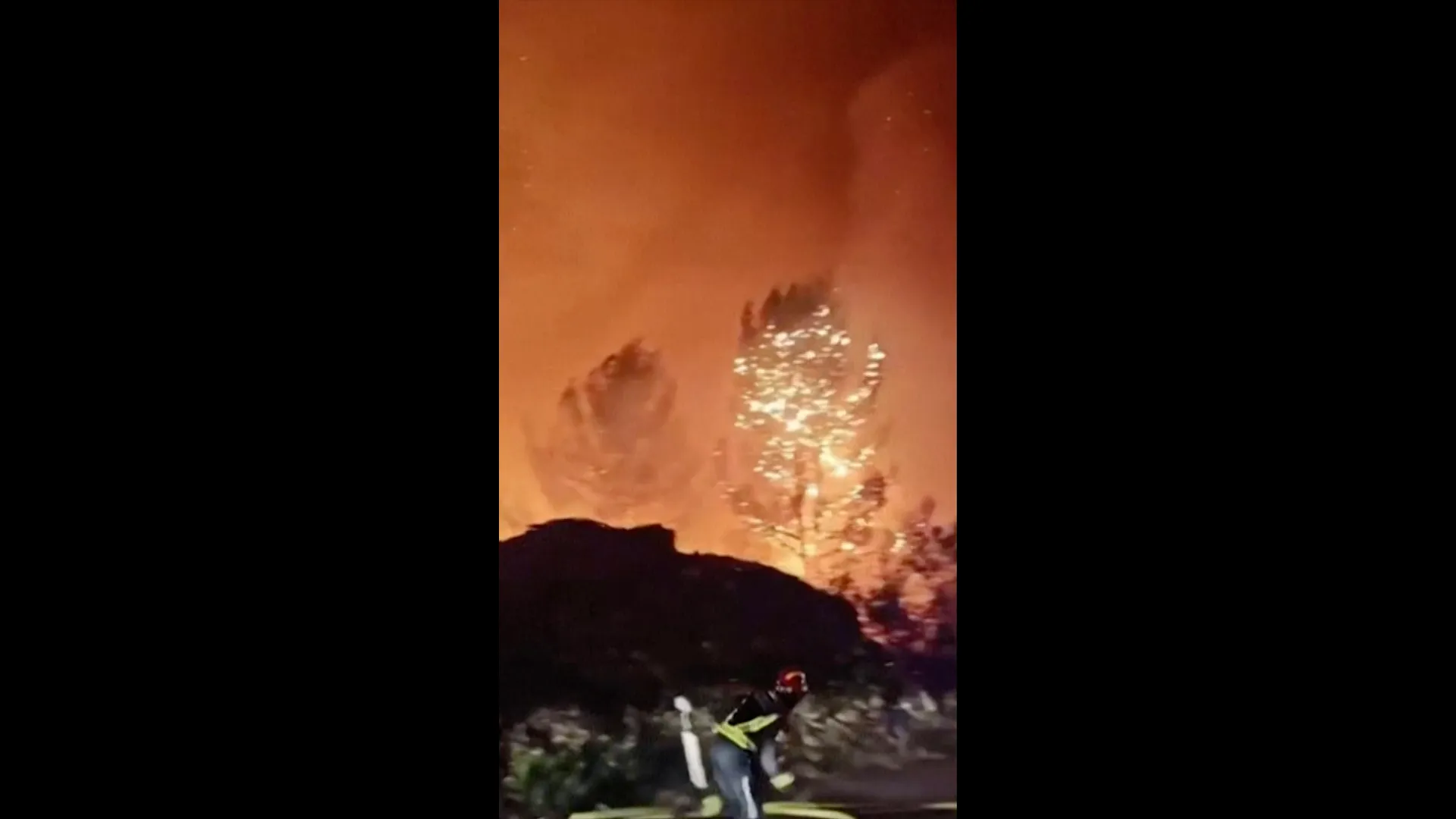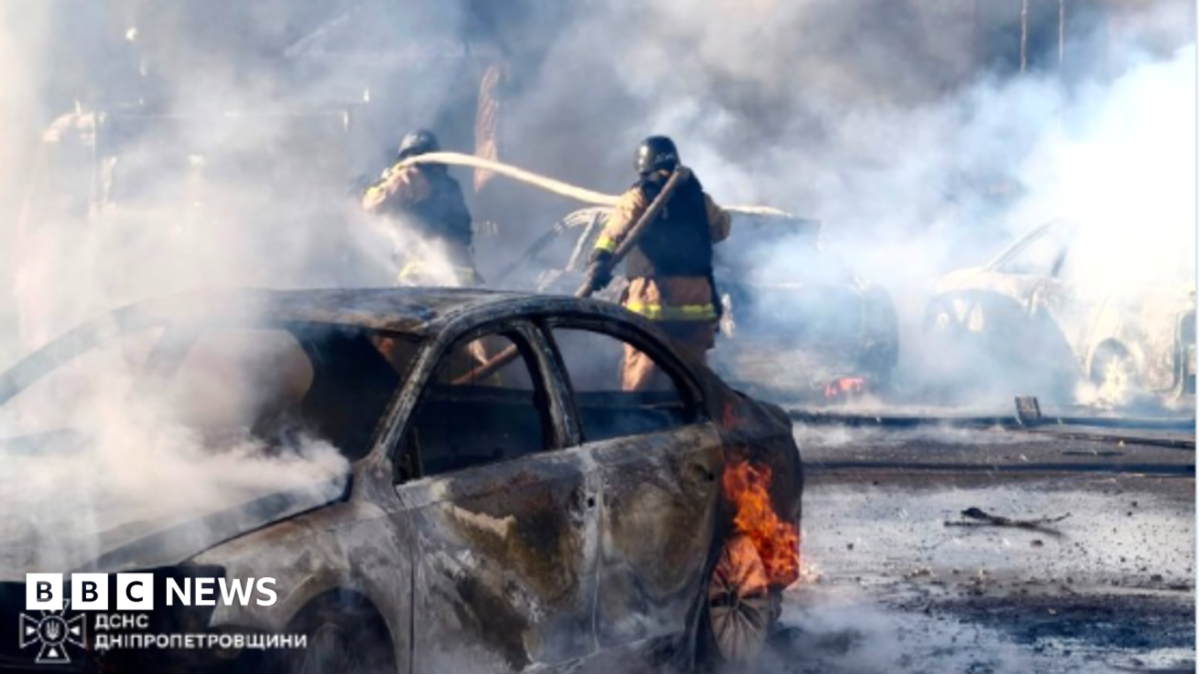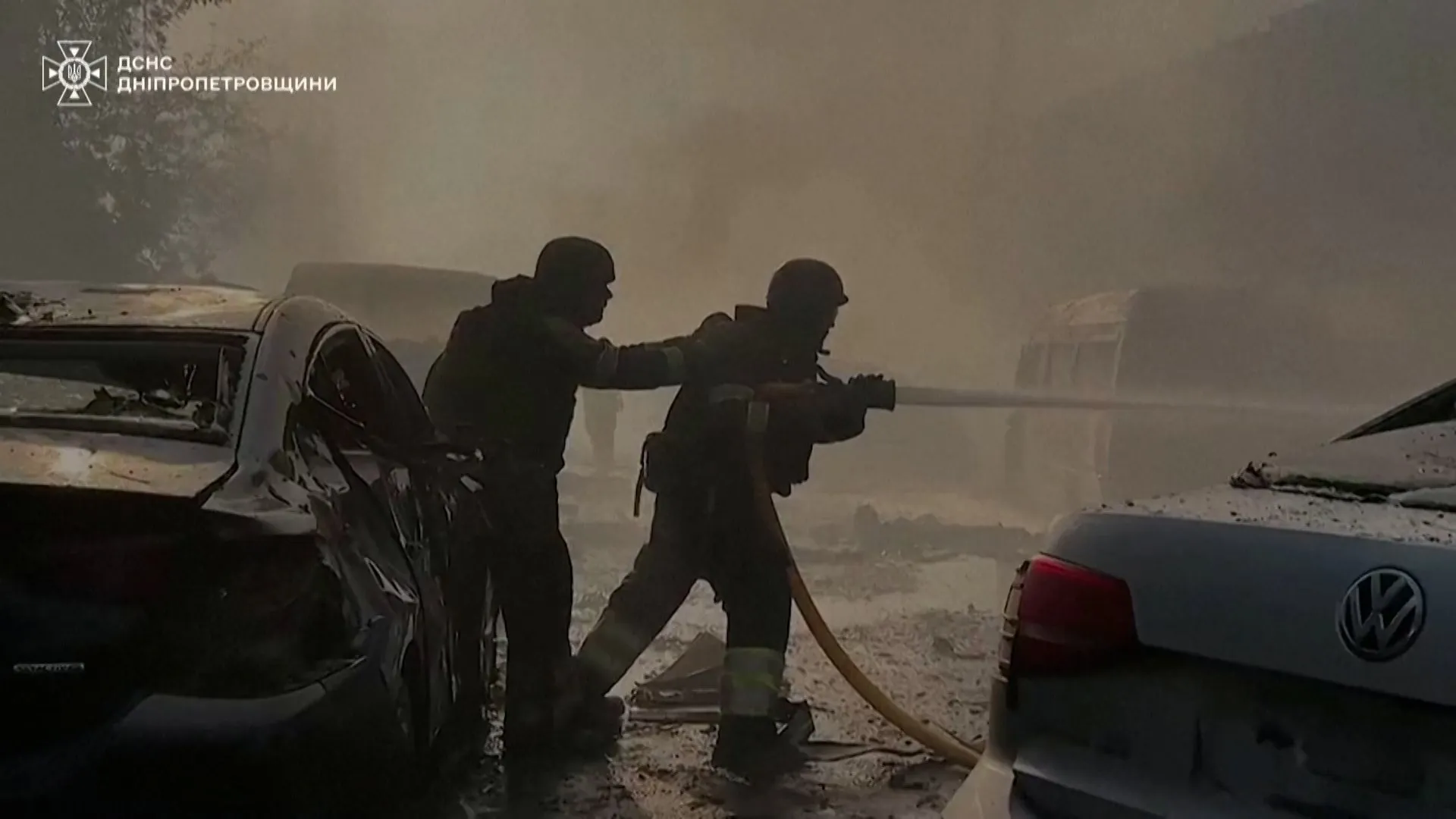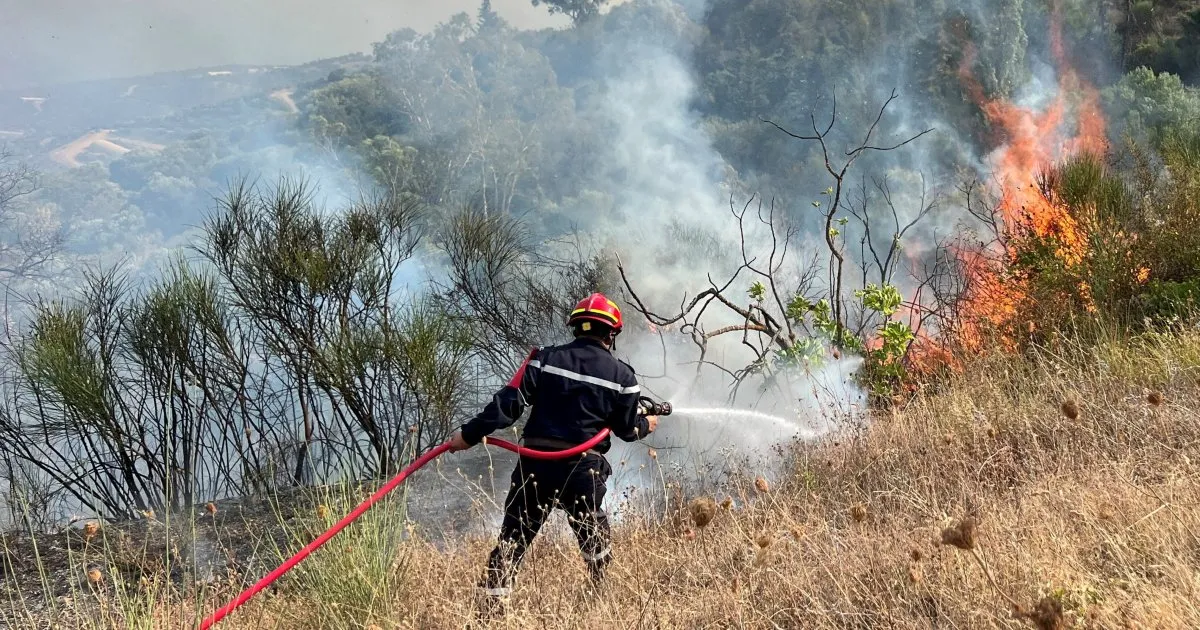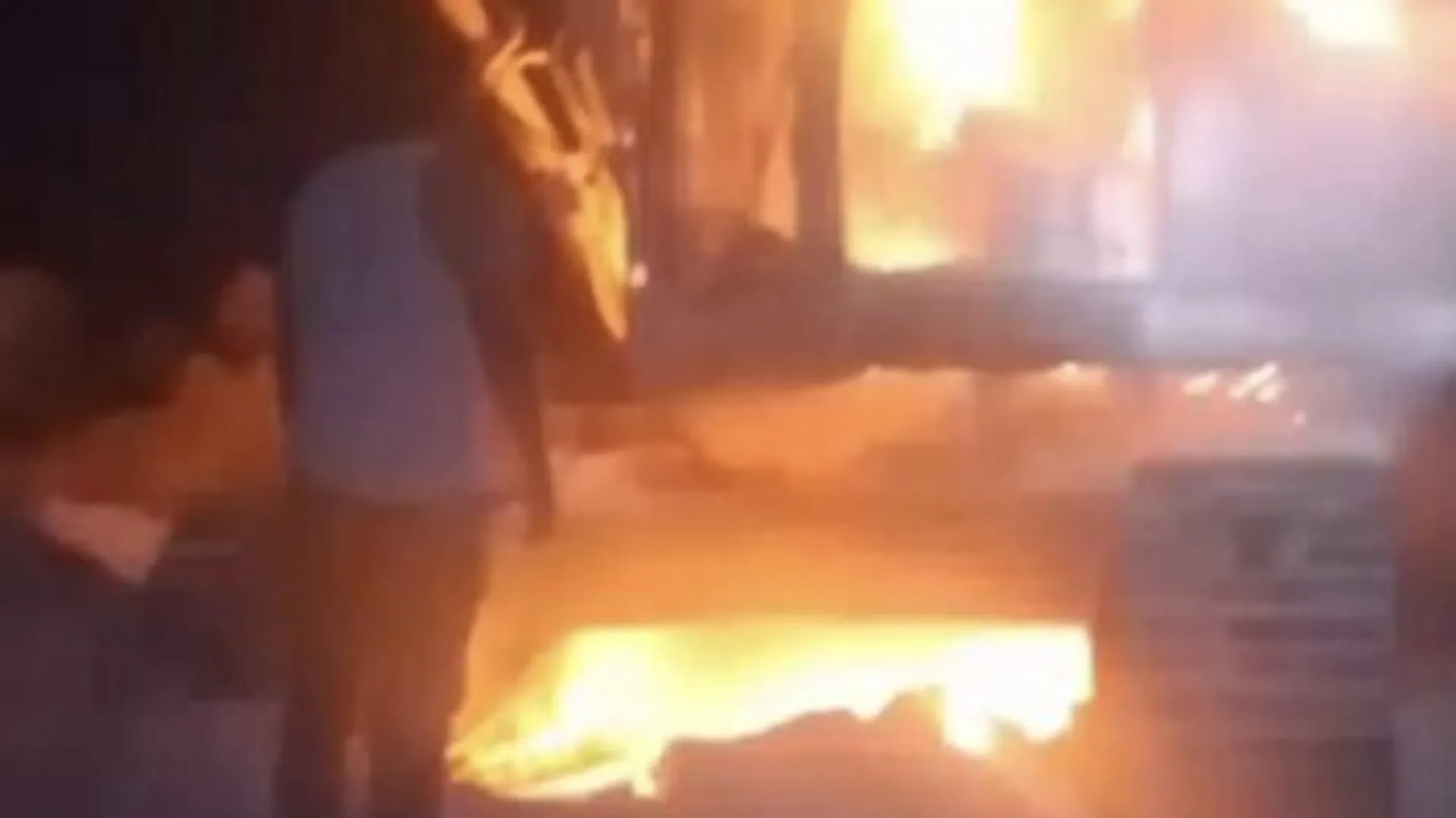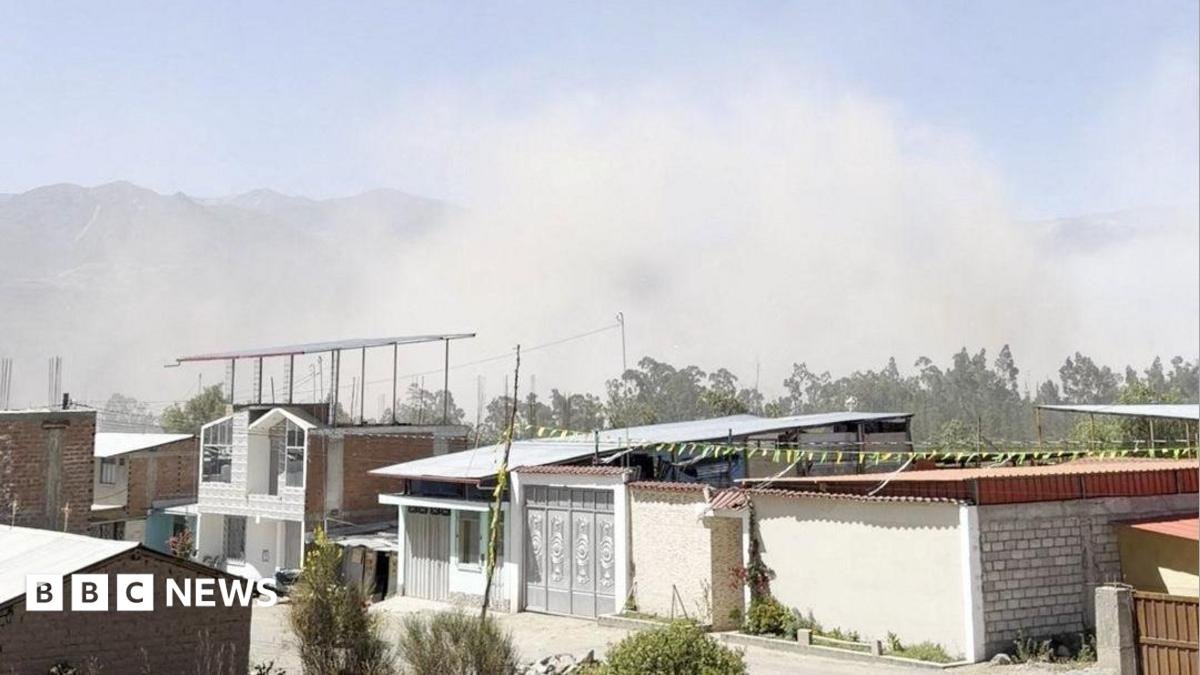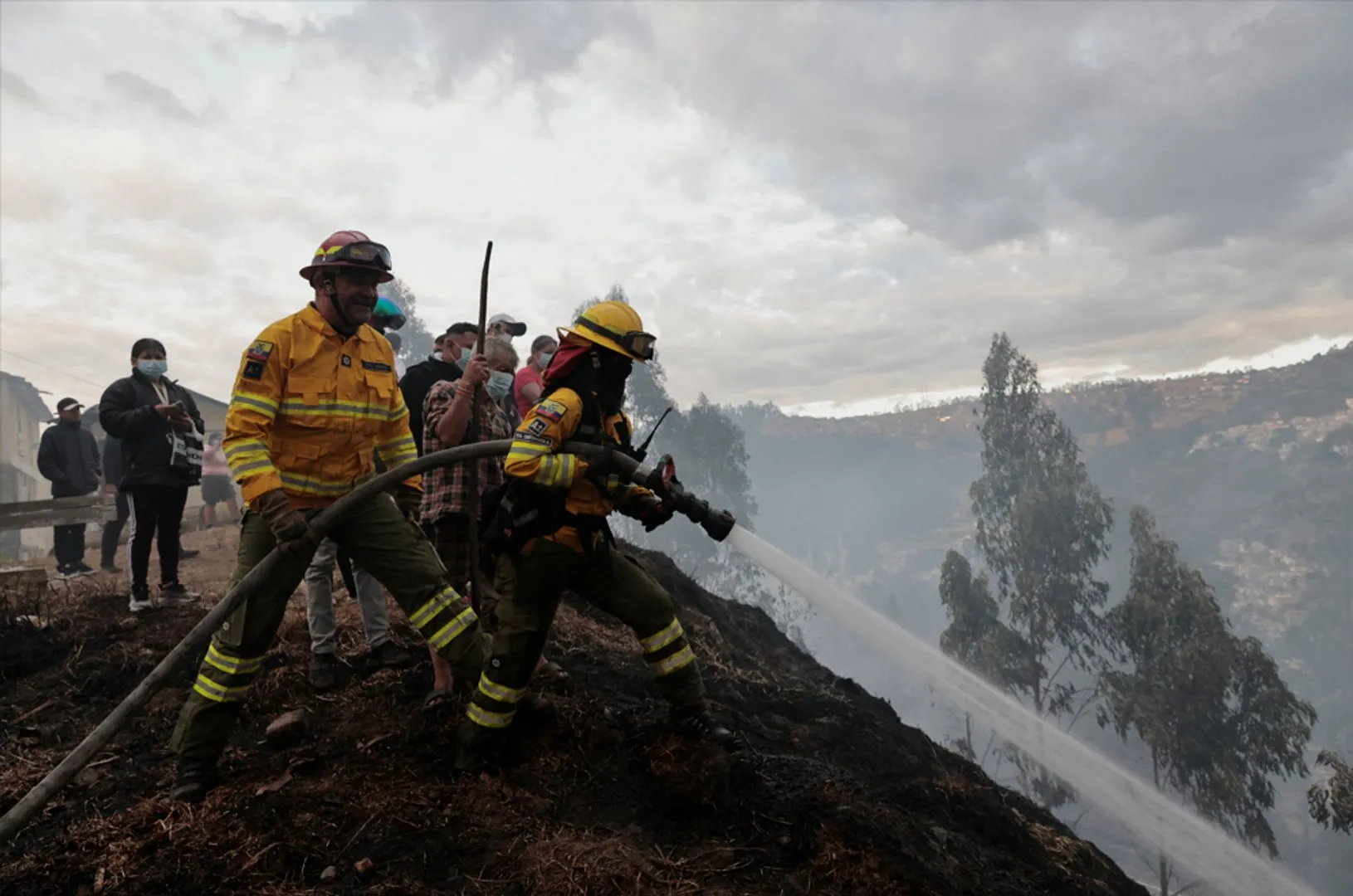
Quito residents have joined professional firefighting teams to help defend their homes as wildfires spread through the capital's dense residential zones.
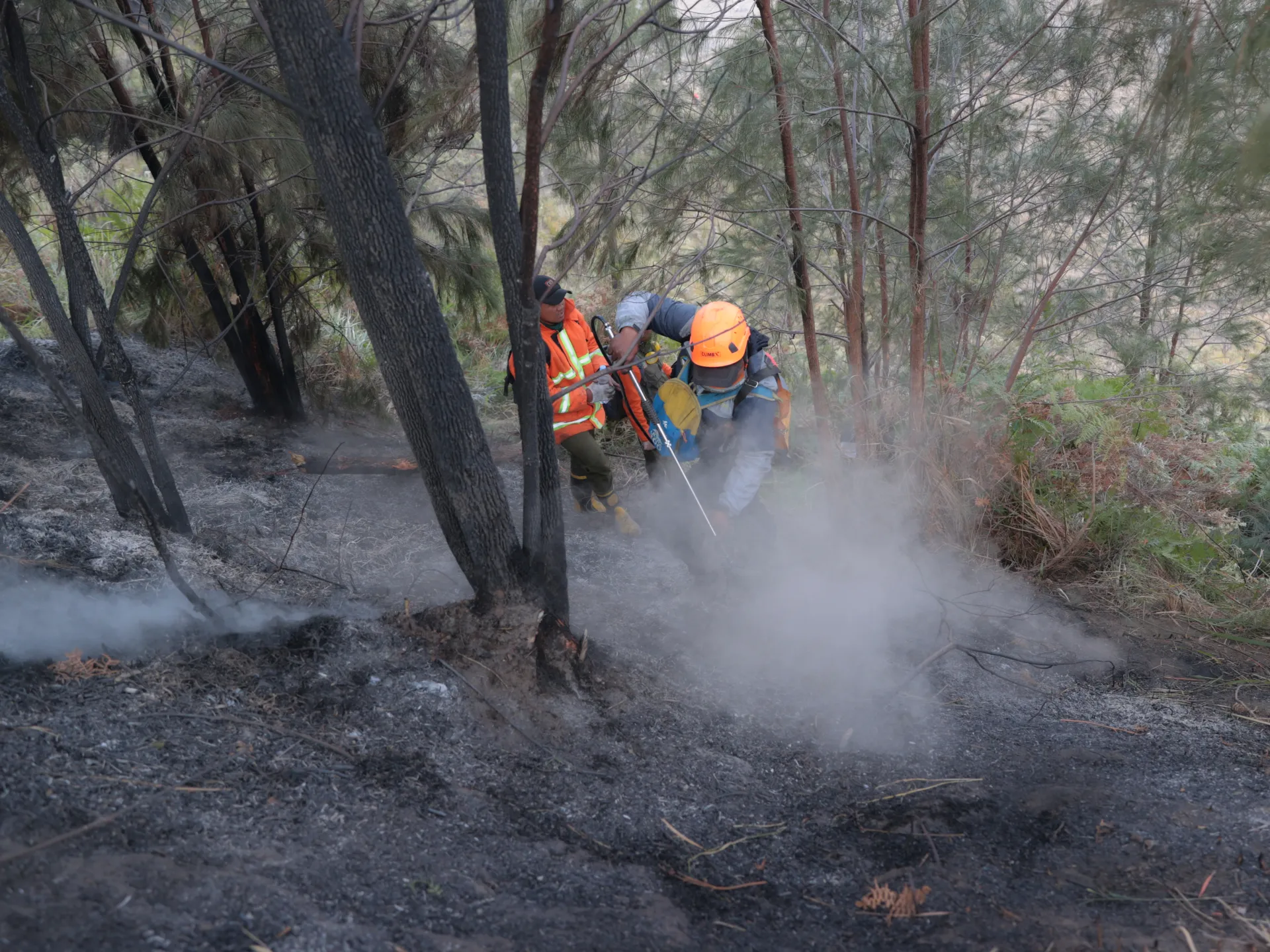
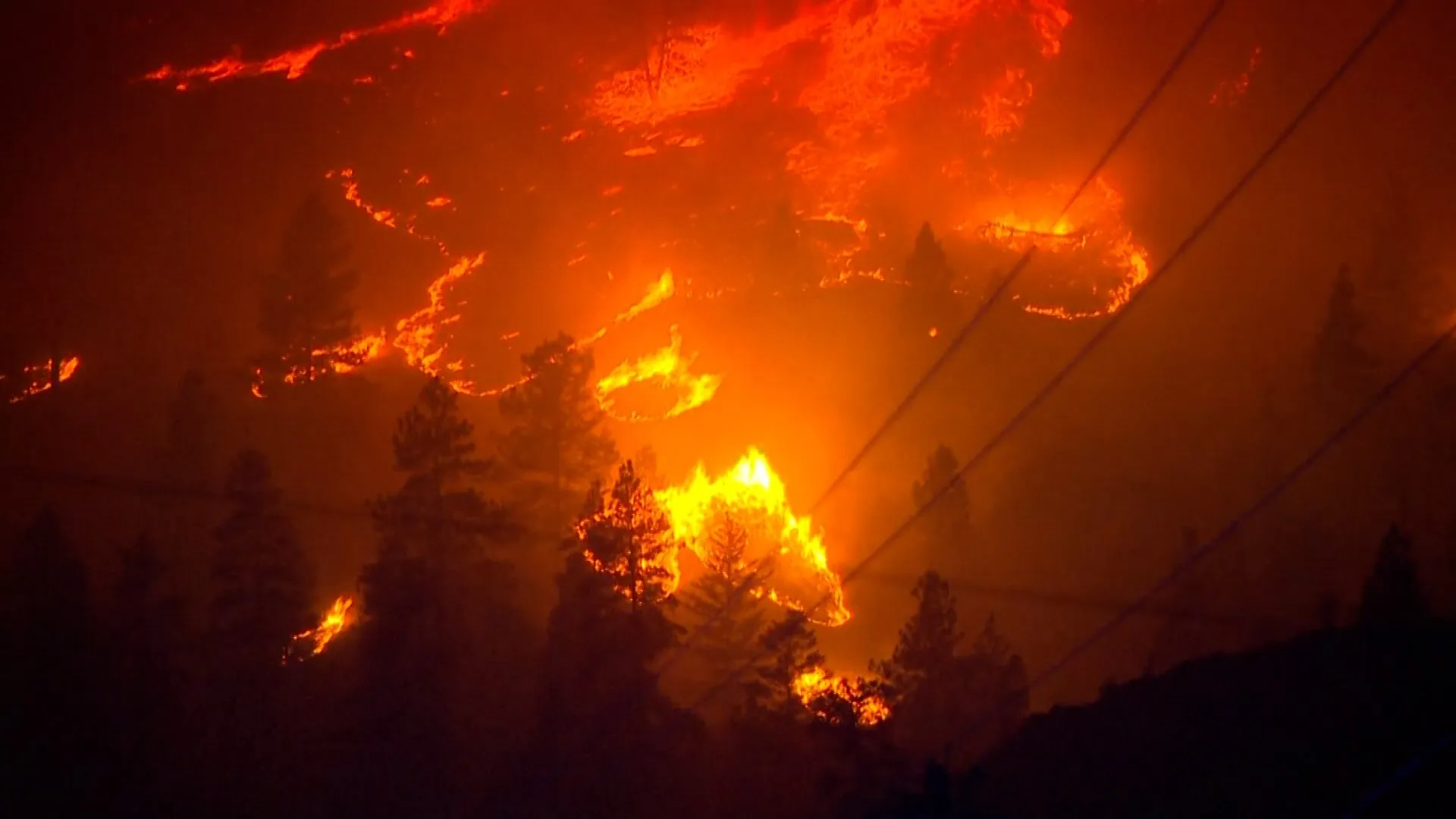
In a display of urgent civic mobilization, residents across the Ecuadorian capital of Quito have taken to the streets to assist professional firefighting units. As forest fires encroached upon densely populated residential districts, the line between emergency responders and the public became increasingly blurred. Citizens equipped with buckets, wet cloths, and garden hoses joined forces with the city's organized fire departments to create makeshift firebreaks and dampen the perimeter of encroaching flames.
The situation highlights the growing vulnerability of Quito, a city uniquely situated in the high-altitude Andean highlands, where urban sprawl frequently pushes directly into vulnerable forest ecosystems. The rugged terrain, characterized ult for heavy equipment to navigate. Consequently, the immediate presence of local residents has proven vital in slowing the advancement of the fires before they could reach residential structures.
Quito faces a recurring threat from wildfires during its dry season, which creates parched vegetation that acts as highly flammable fuel. The combination of strong mountain winds and low atmospheric pressure at high altitudes often causes small brush fires to escalate into uncontrollable infernos within minutes. These environmental conditions are compounded asses and eucalyptus groves, both of which are highly susceptible to ignition.
Emergency management officials have noted that the current meteorological pattern has exacerbated the volatility of these fires. Prolonged periods of drought in the region have left the soil moisture levels at record lows, turning the city’s green belts into tinderboxes. As the climate shifts, the frequency and intensity of these wildfire events appear to be placing an unprecedented strain on the municipal resources tasked with protecting the capital's population.
While the participation of the public has been instrumental in preventing catastrophic property damage, professional firefighters are emphasizing the importance of safety protocols. Fire departments have been working to coordinate these grassroots efforts, directing residents toward containment strategies that do not put them in direct path of the fire fronts. The primary goal remains the protection of residential zones, with emergency crews prioritizing the evacuation of vulnerable populations while simultaneously attempting to establish defensive lines.
City authorities are currently assessing the extent of the damage to the local ecosystem and evaluating infrastructure needs to prevent future incursions. Future planning initiatives are expected to focus on creating permanent buffer zones between the wildland-urban interface and residential developments. hopes to improve response times and mitigate the risks posed
The events in Quito serve as a stark reminder of the complexities inherent in urban planning within high-risk geographic zones. As the city continues to grow, the need for robust fire prevention strategies becomes increasingly critical. This includes stricter enforcement of building codes in high-risk areas, the development of specialized fire-resistant landscaping, and the implementation of community-based wildfire education programs that prepare residents for emergency scenarios.