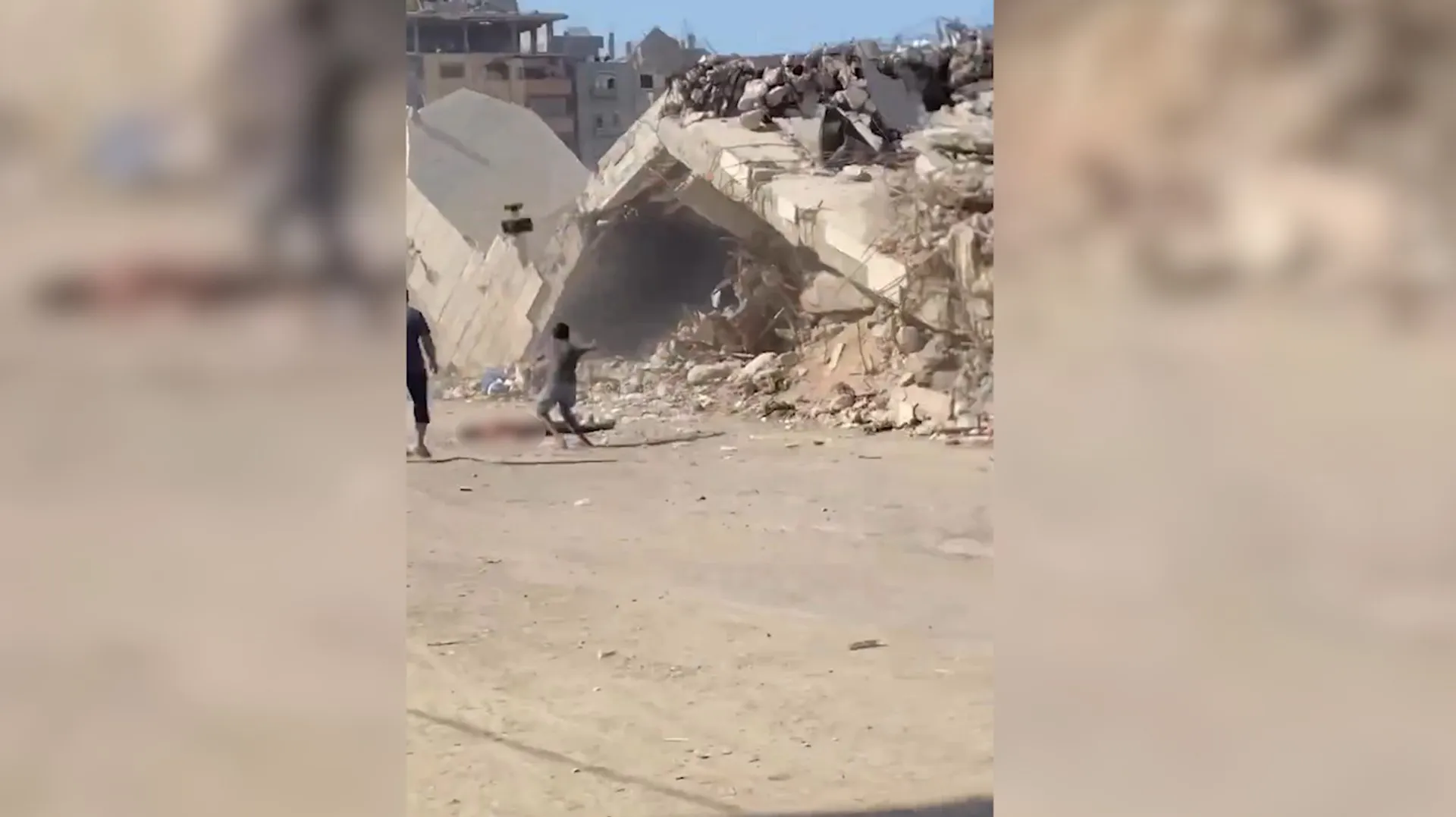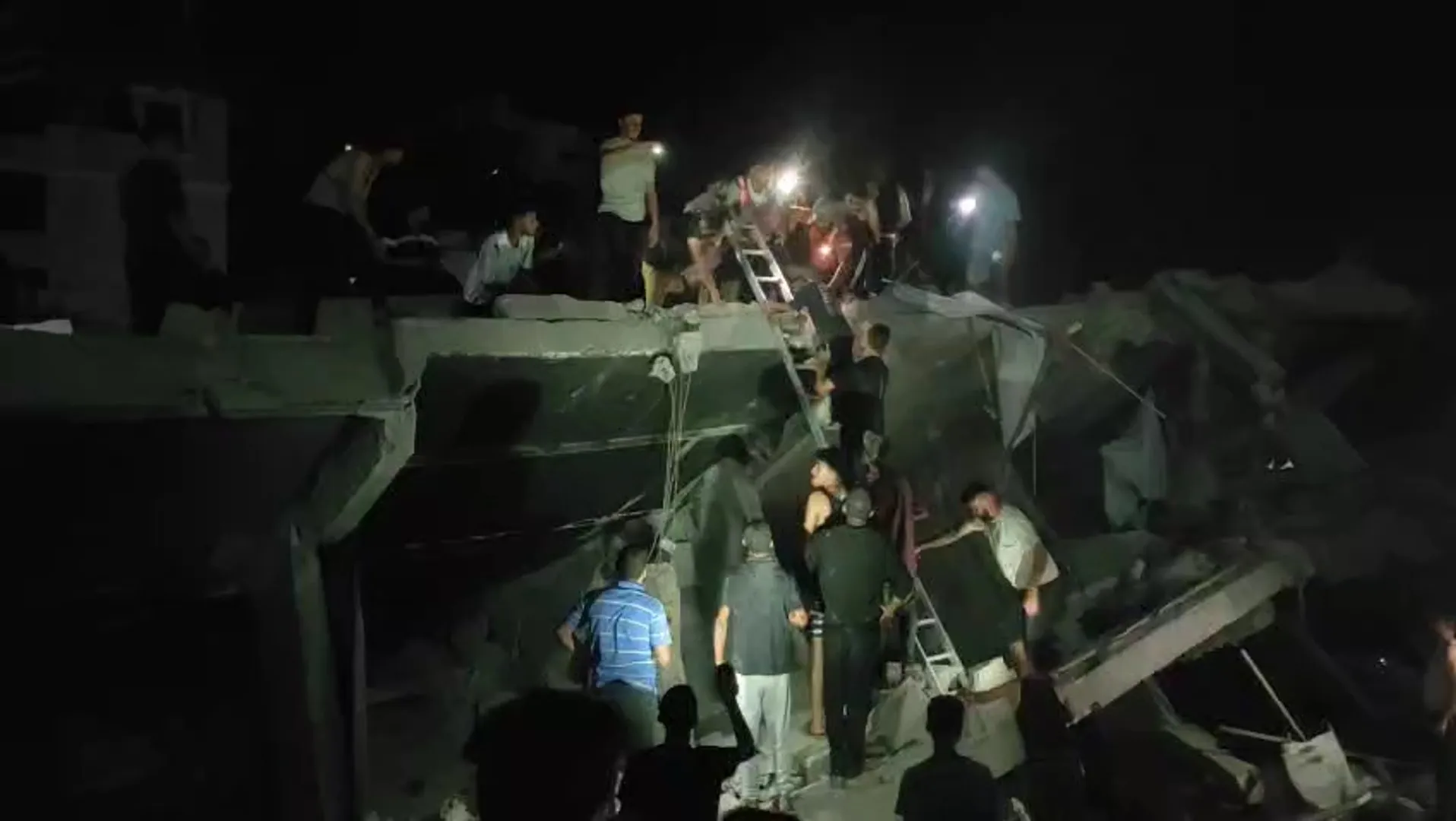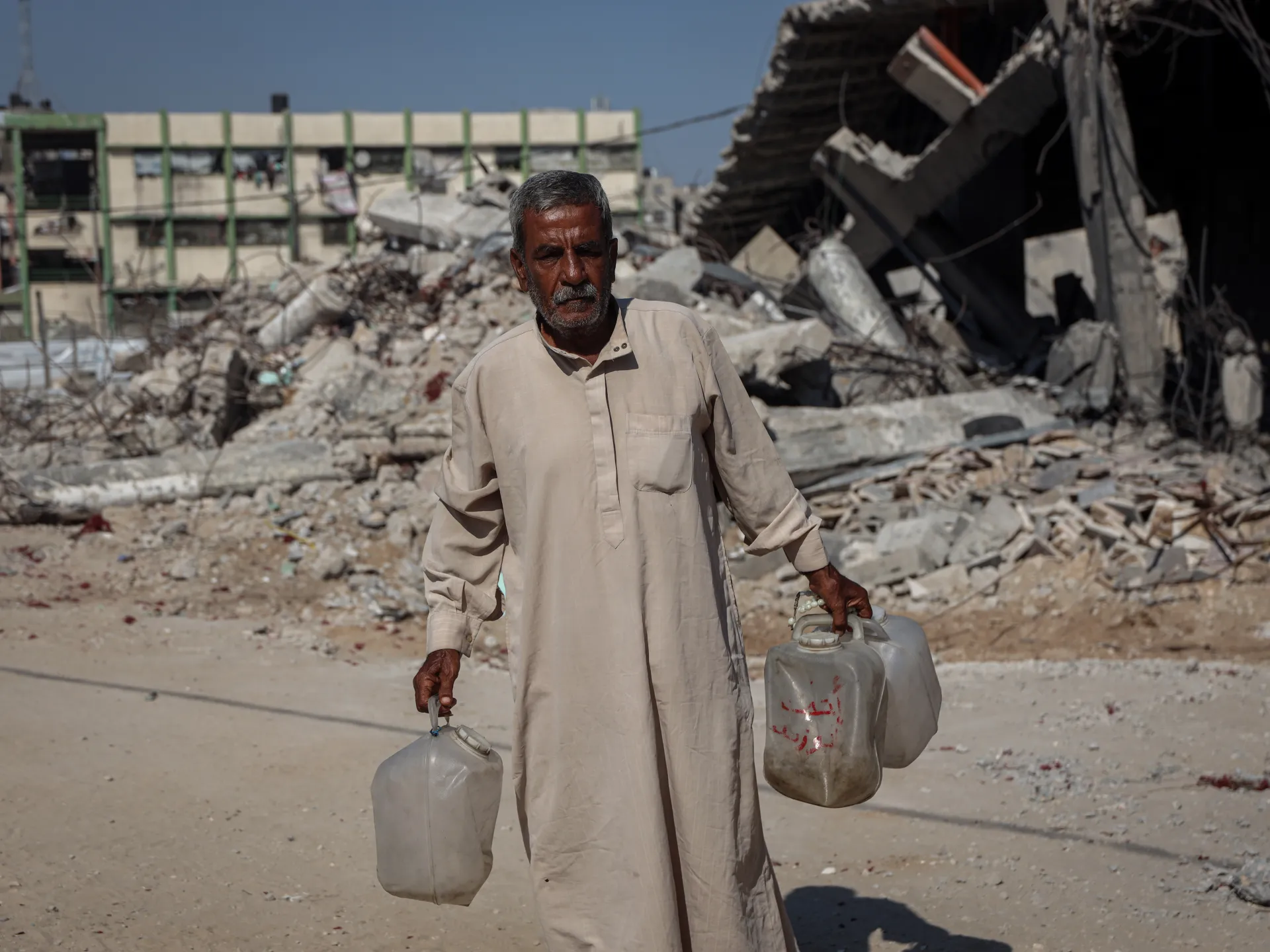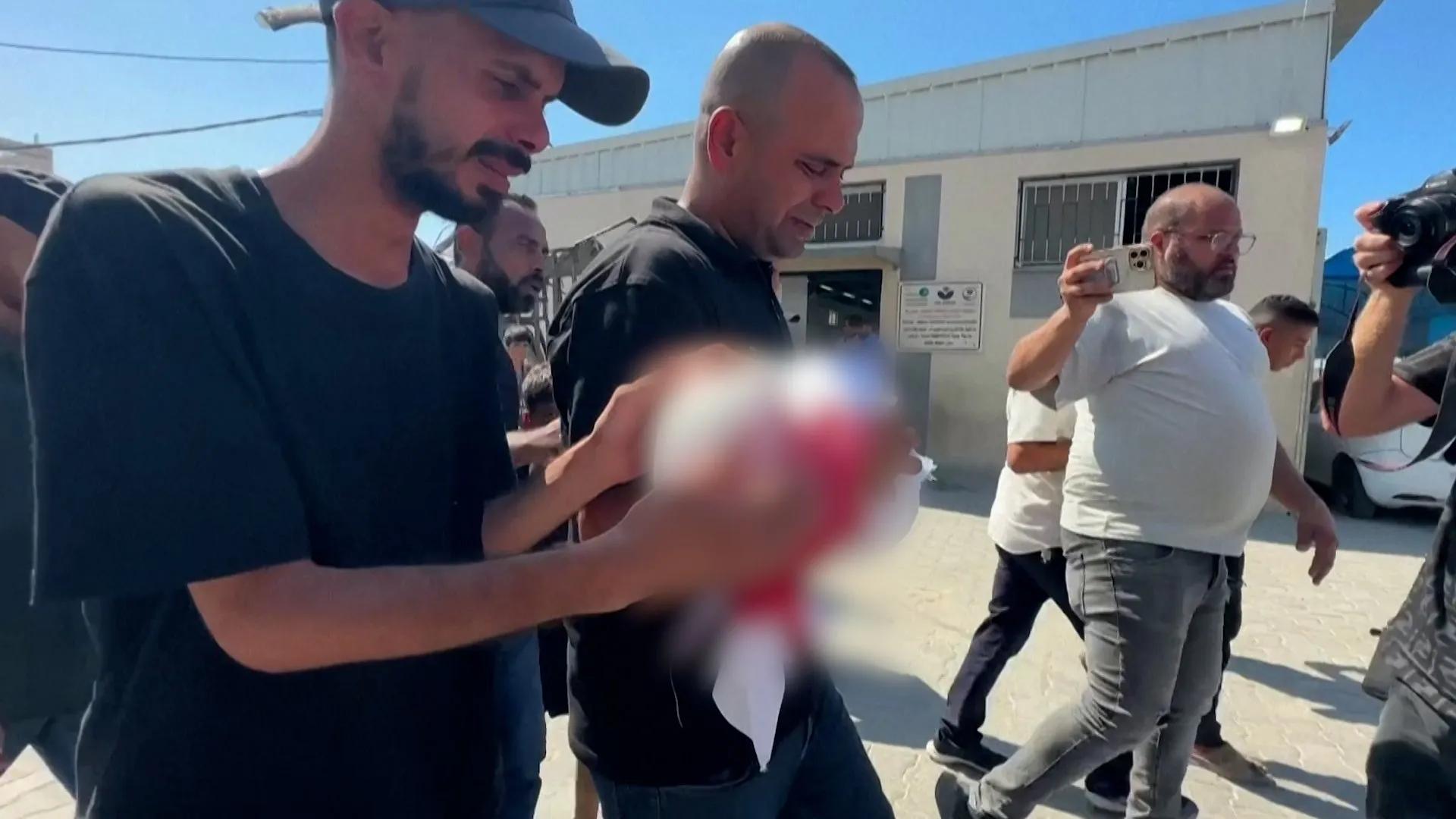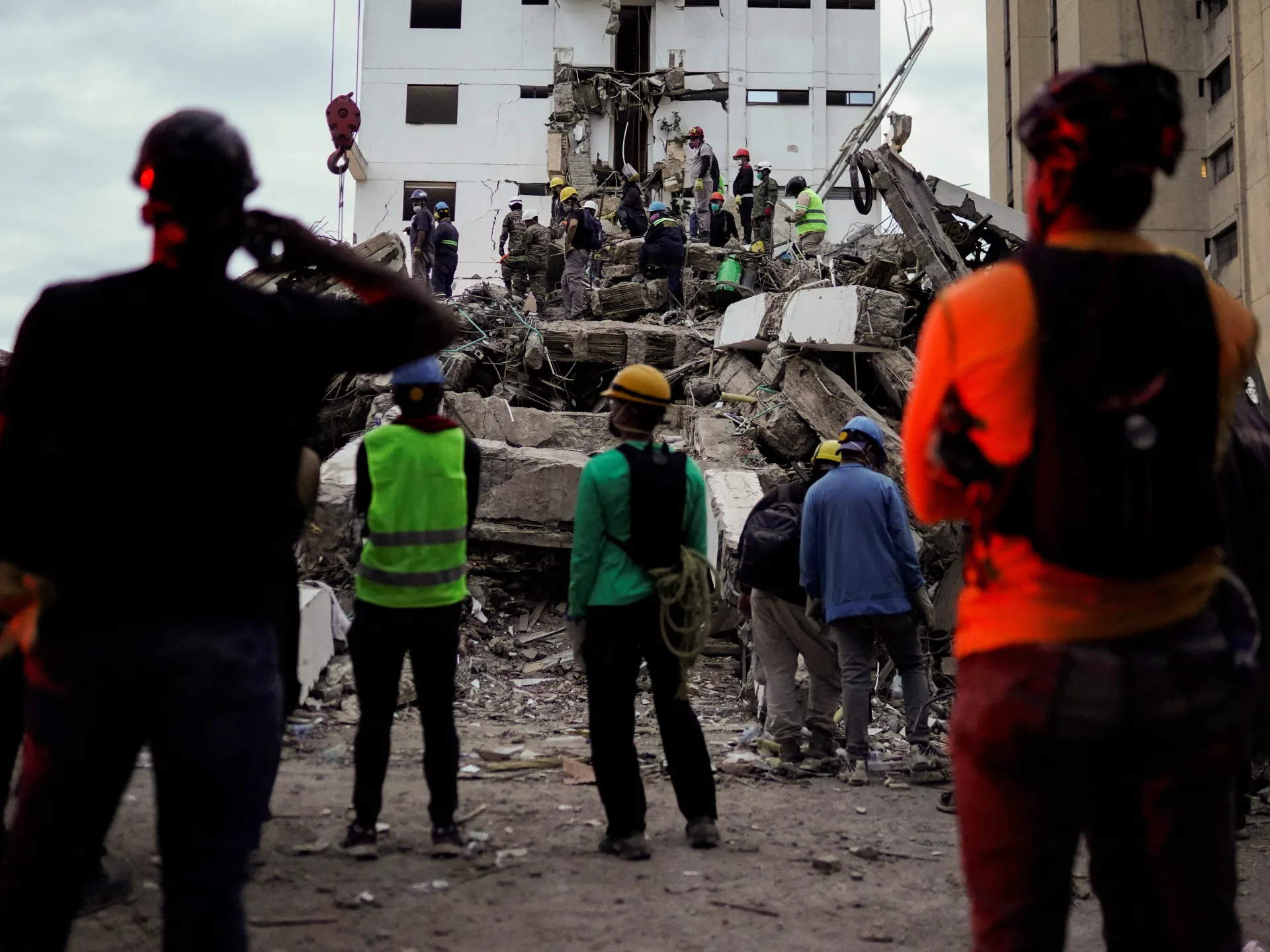
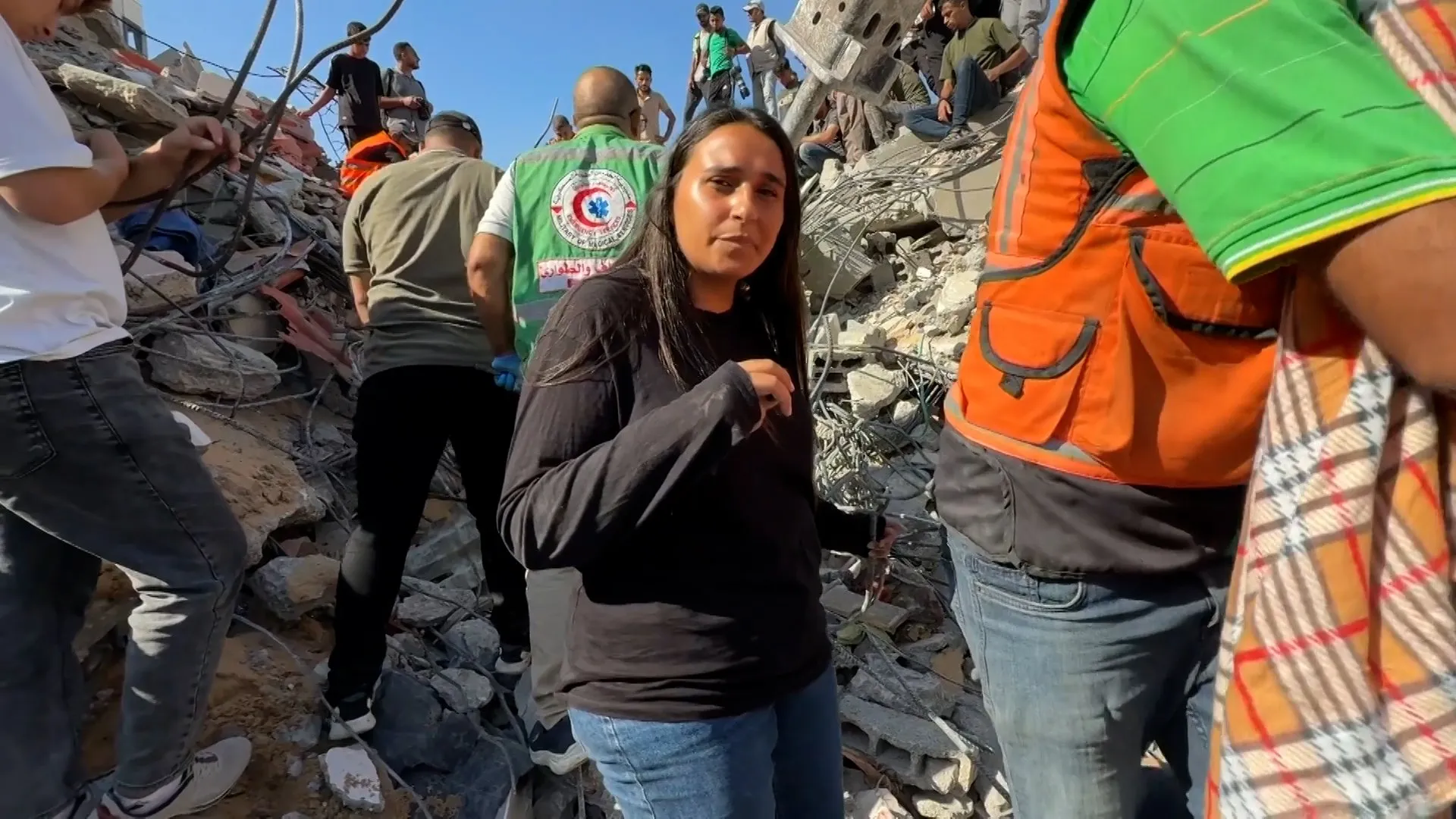
A multi-storey residential building in Gaza City has collapsed, claiming at least 20 lives and leaving dozens trapped under the wreckage.
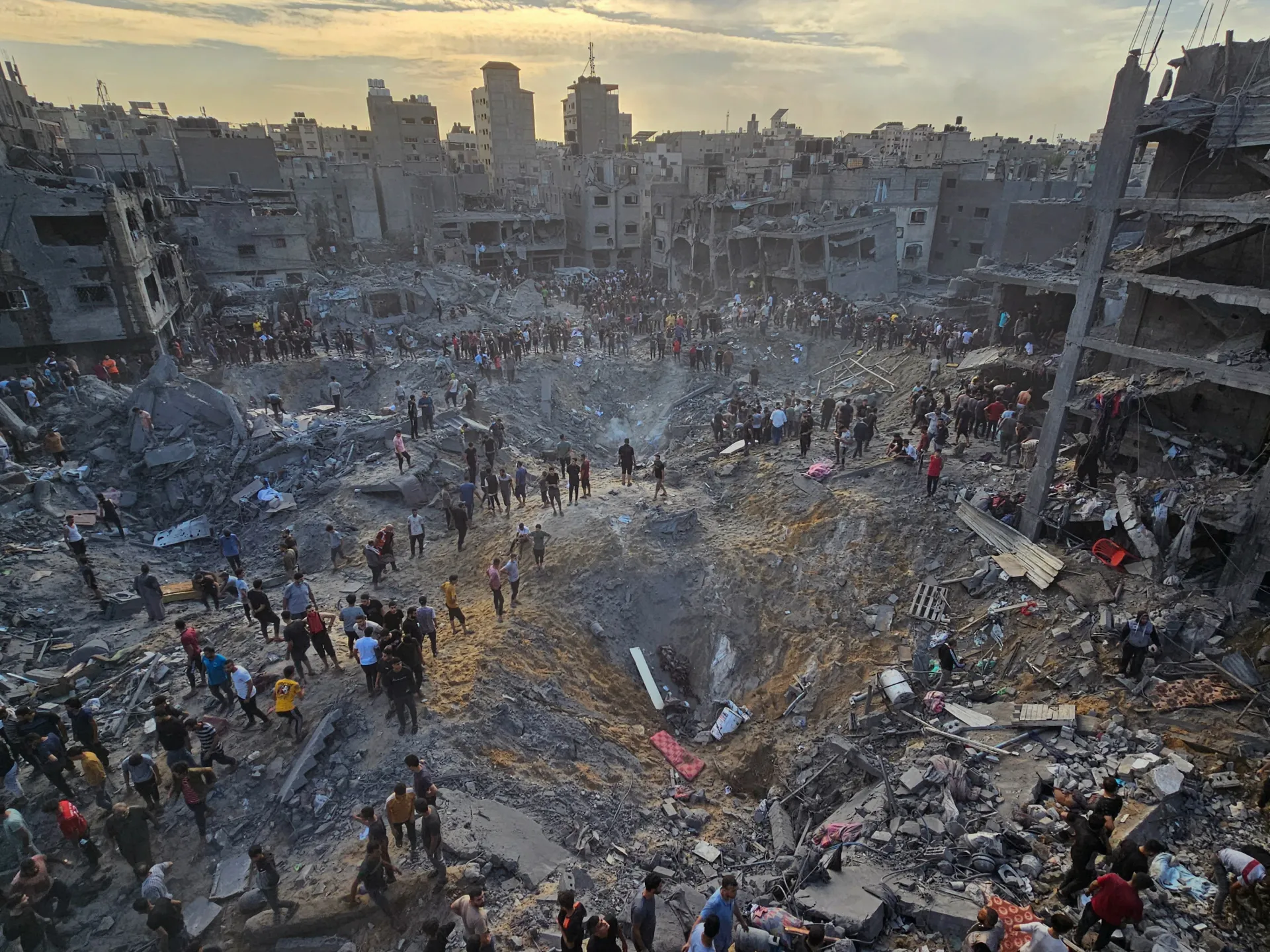
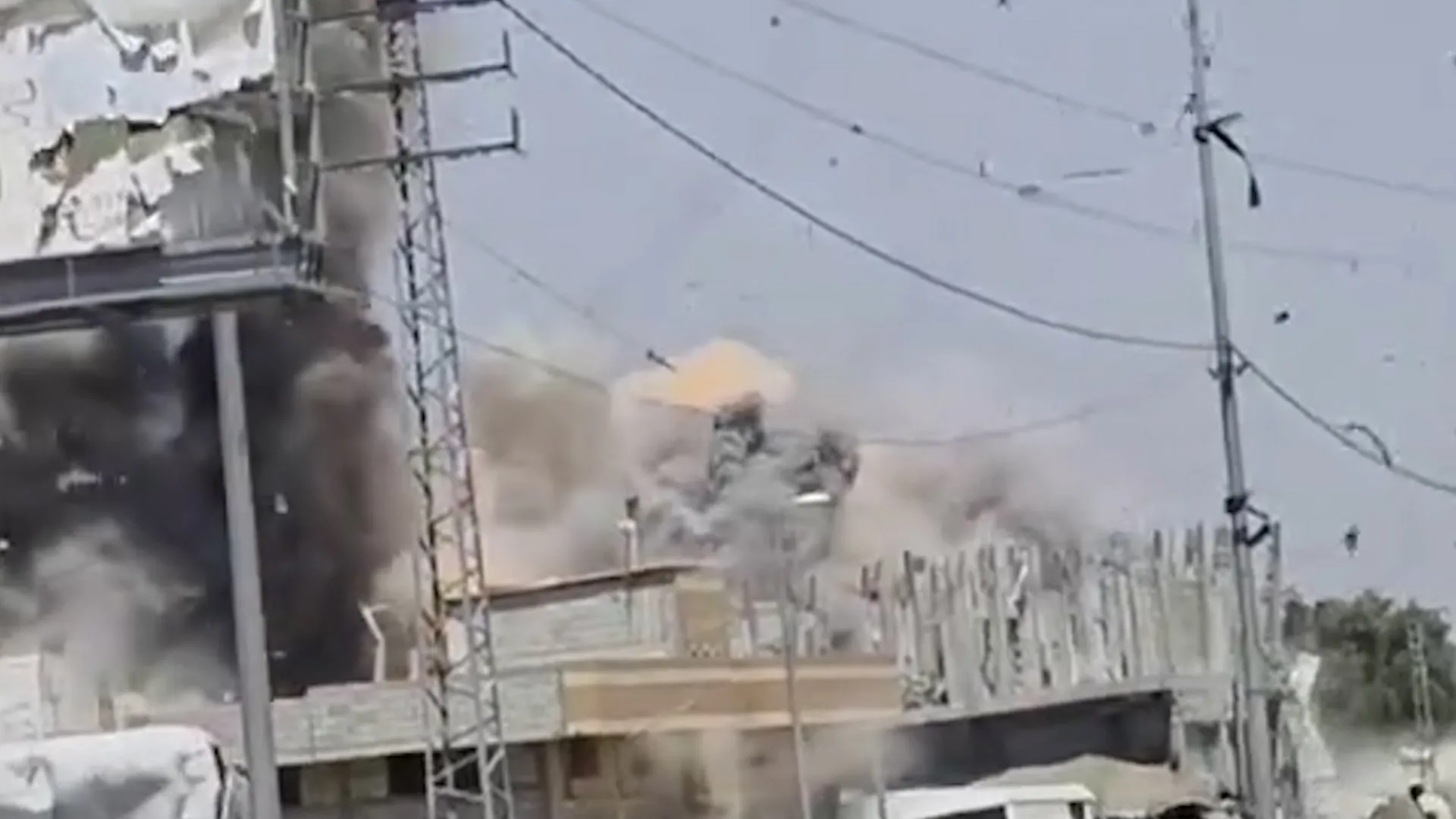
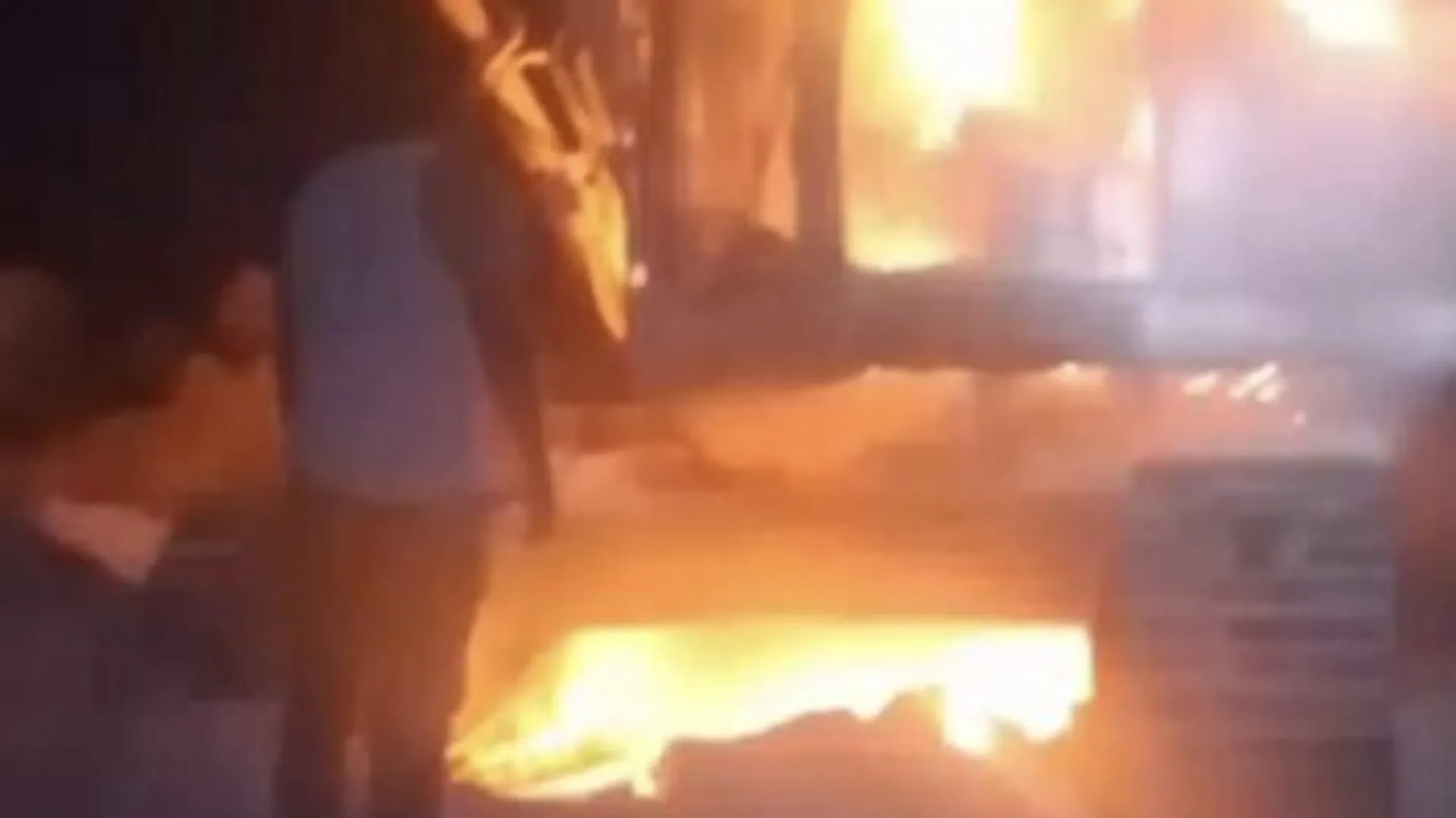
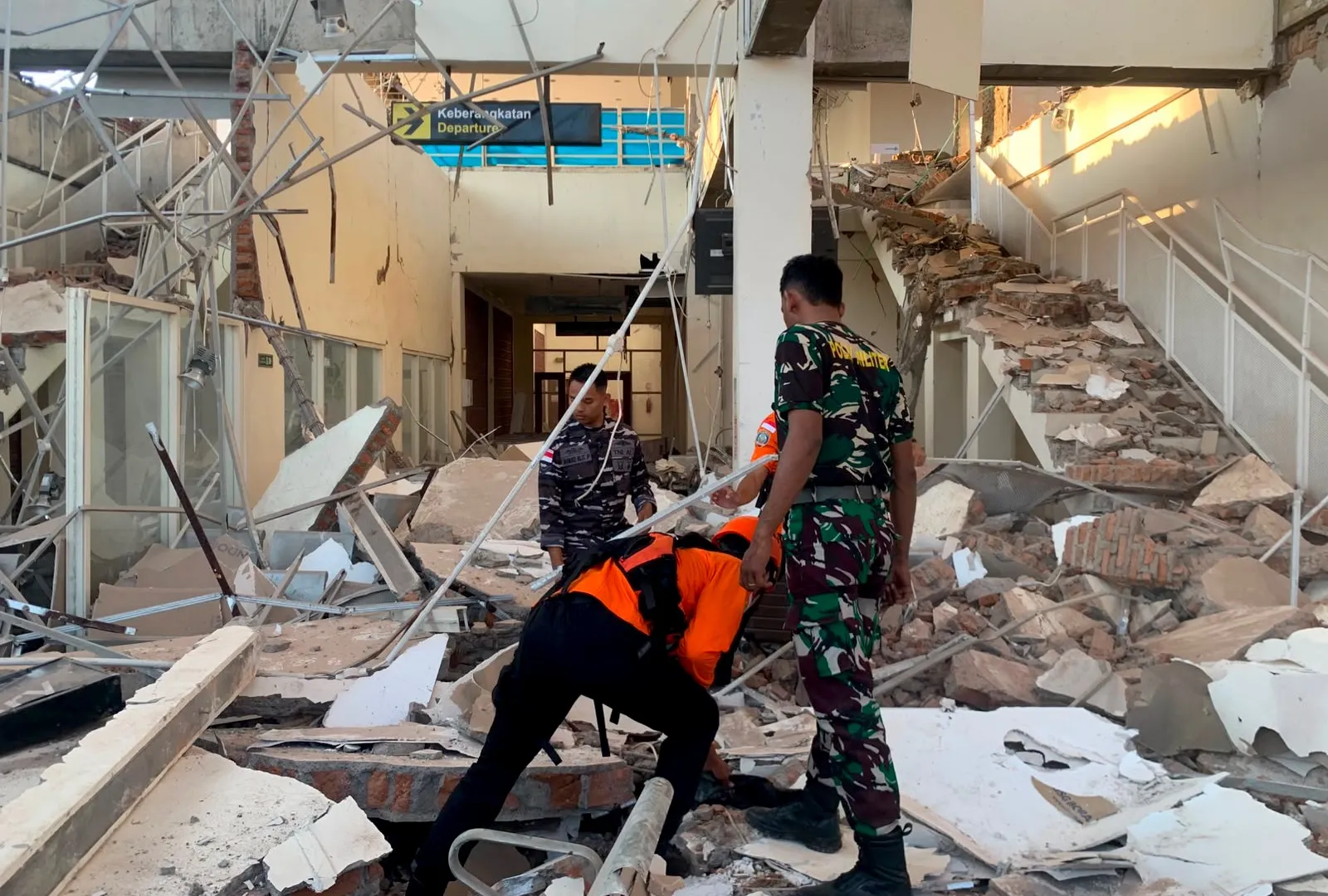
A multi-storey apartment complex collapsed in Gaza City overnight, resulting in the deaths of at least 20 individuals. The incident, which occurred amidst ongoing regional instability, has triggered an urgent search-and-rescue operation as emergency teams and local residents scramble to locate survivors buried beneath the debris. The structural failure of the building, which had reportedly sustained prior damage, highlights the precarious nature of civilian infrastructure in the area.
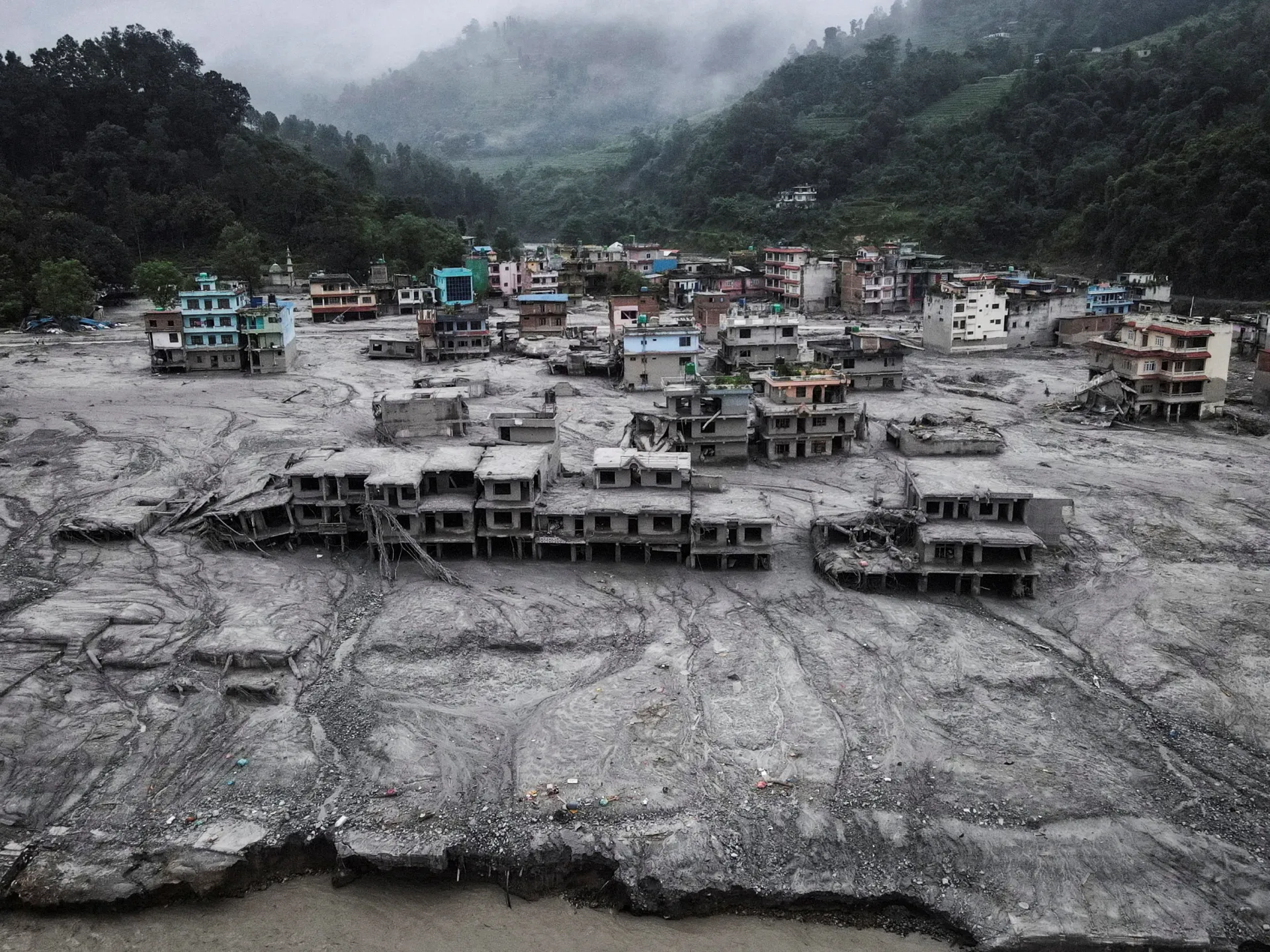
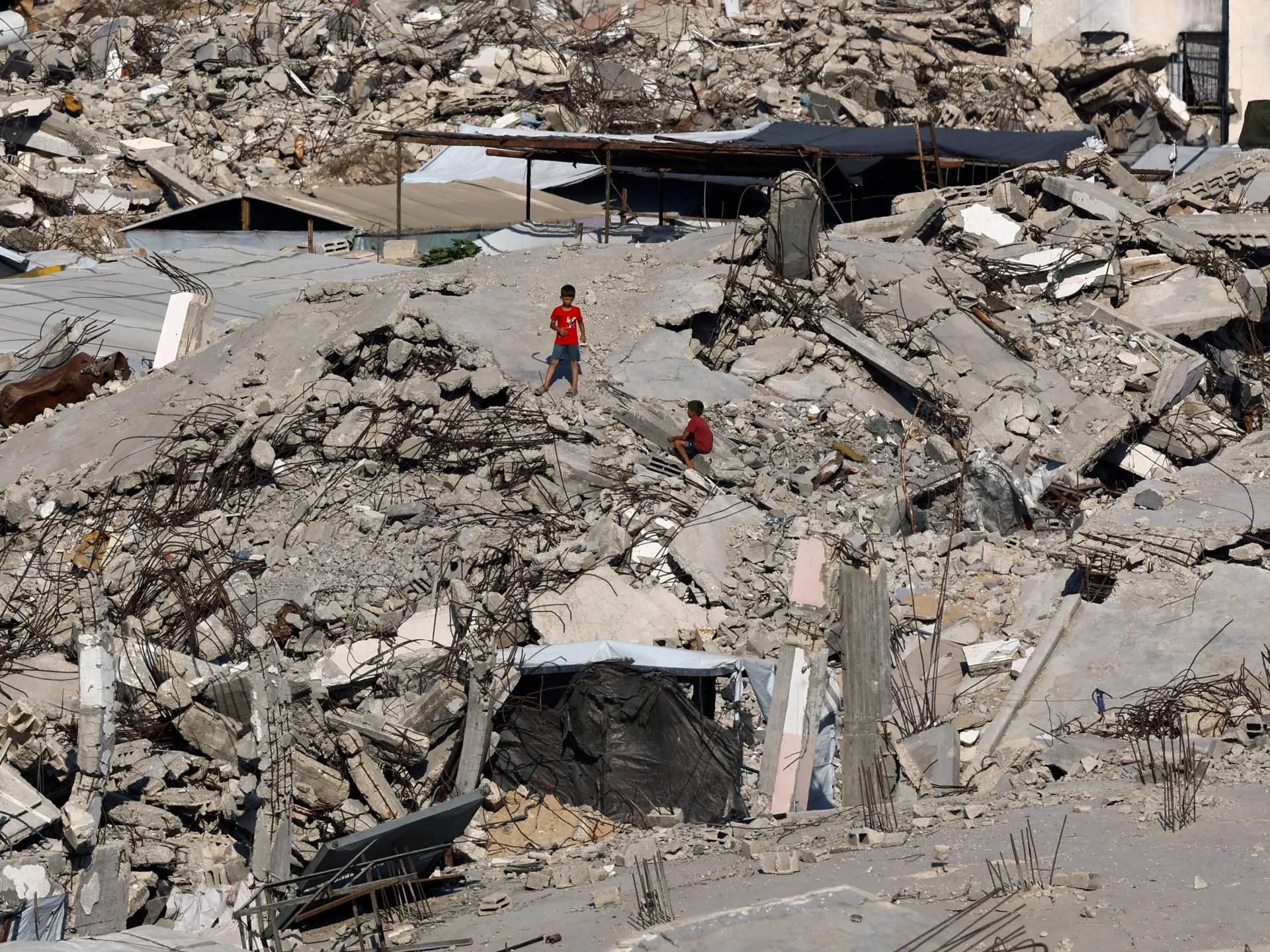
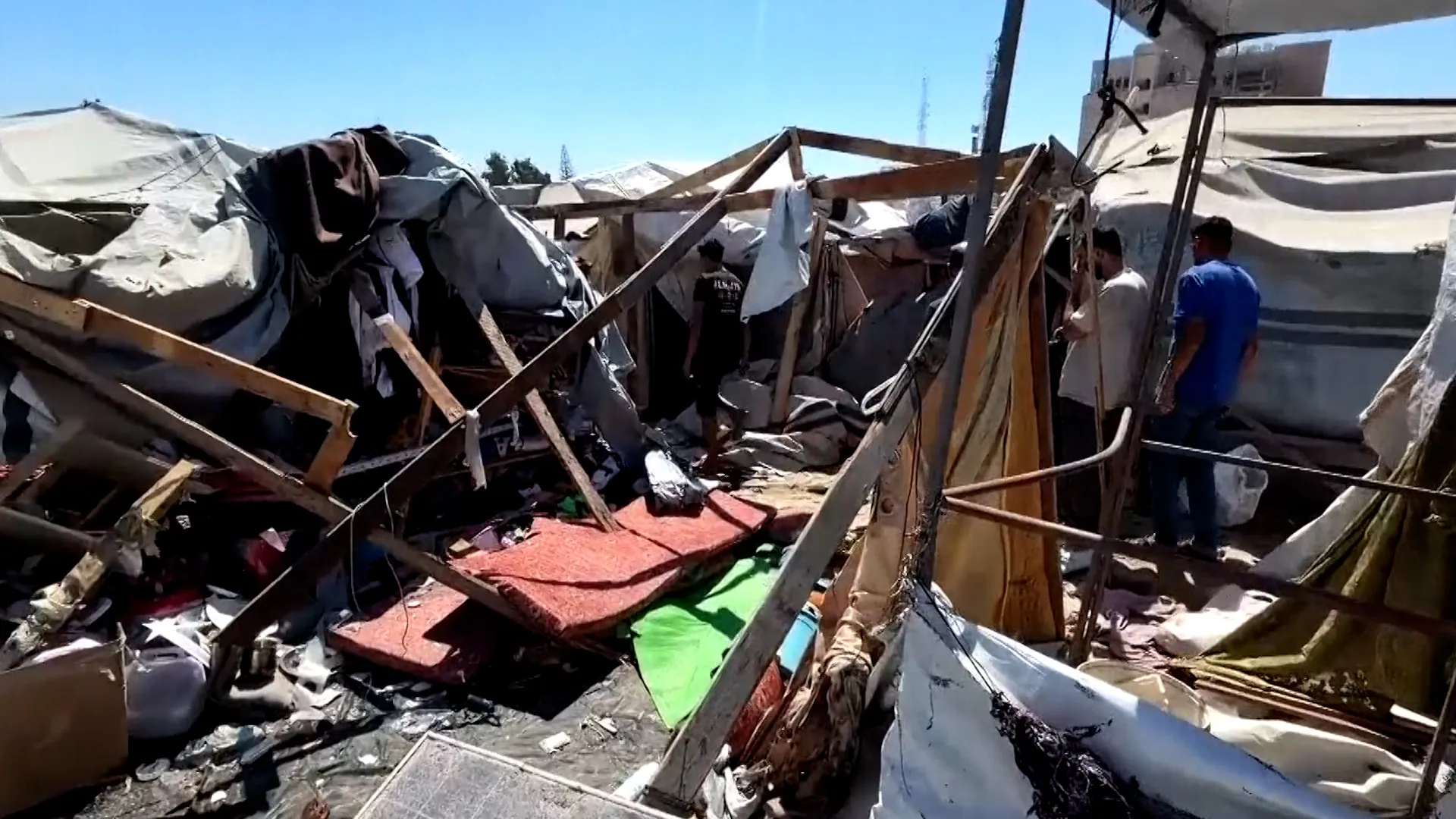
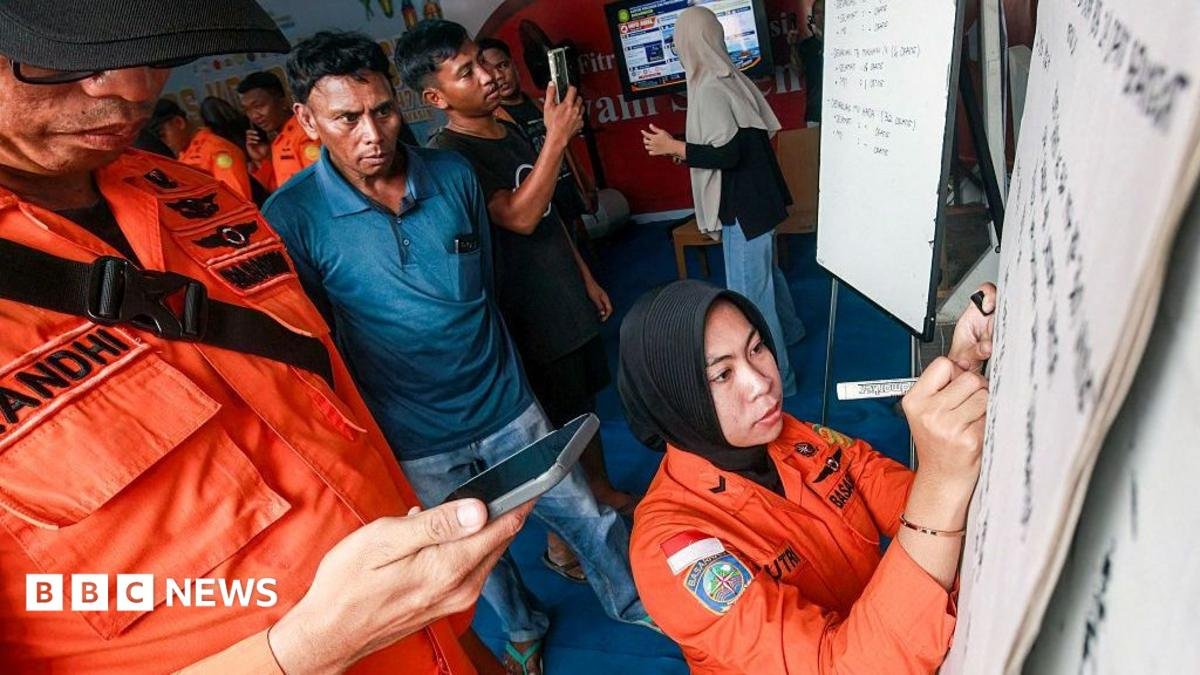
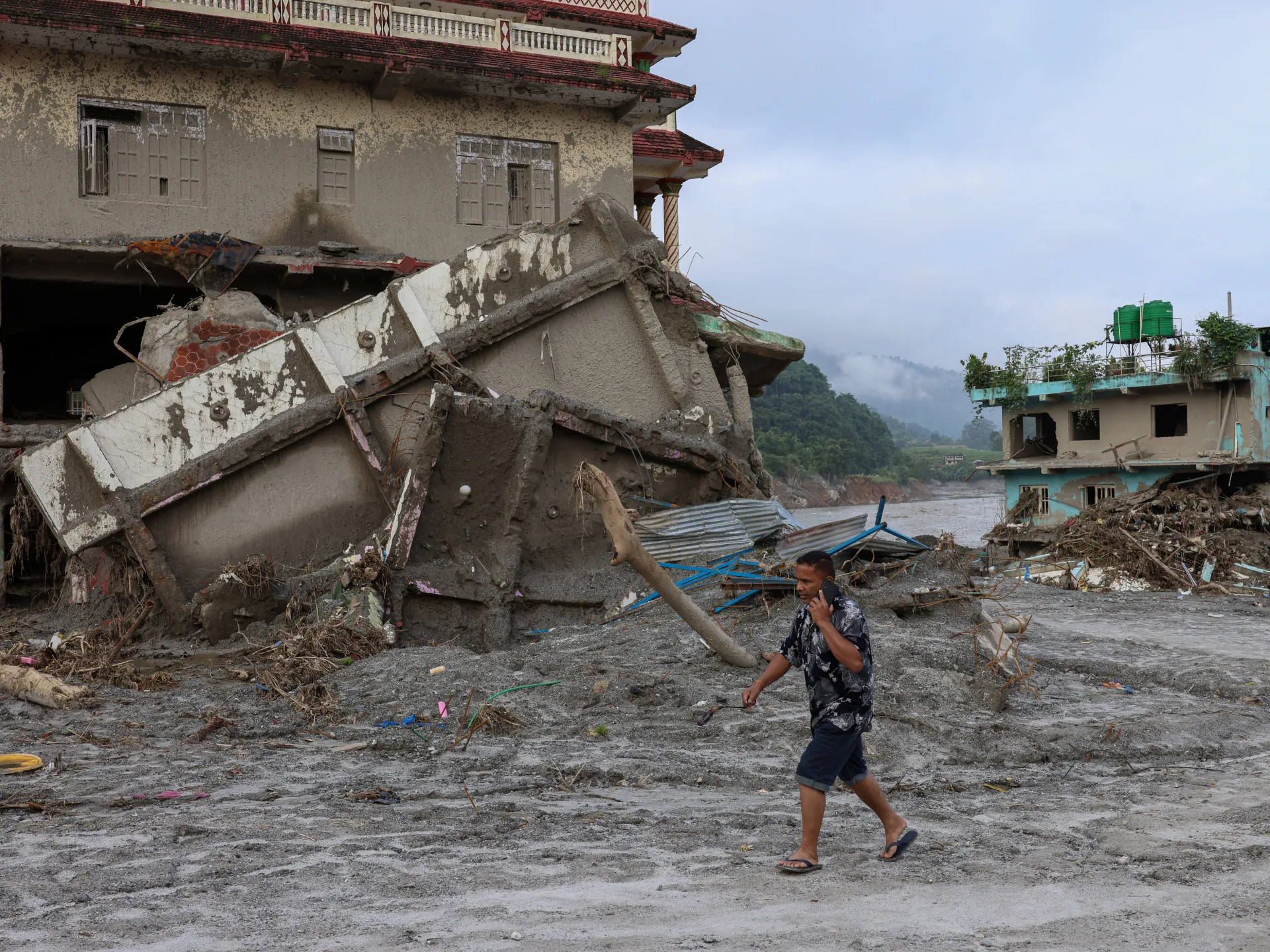
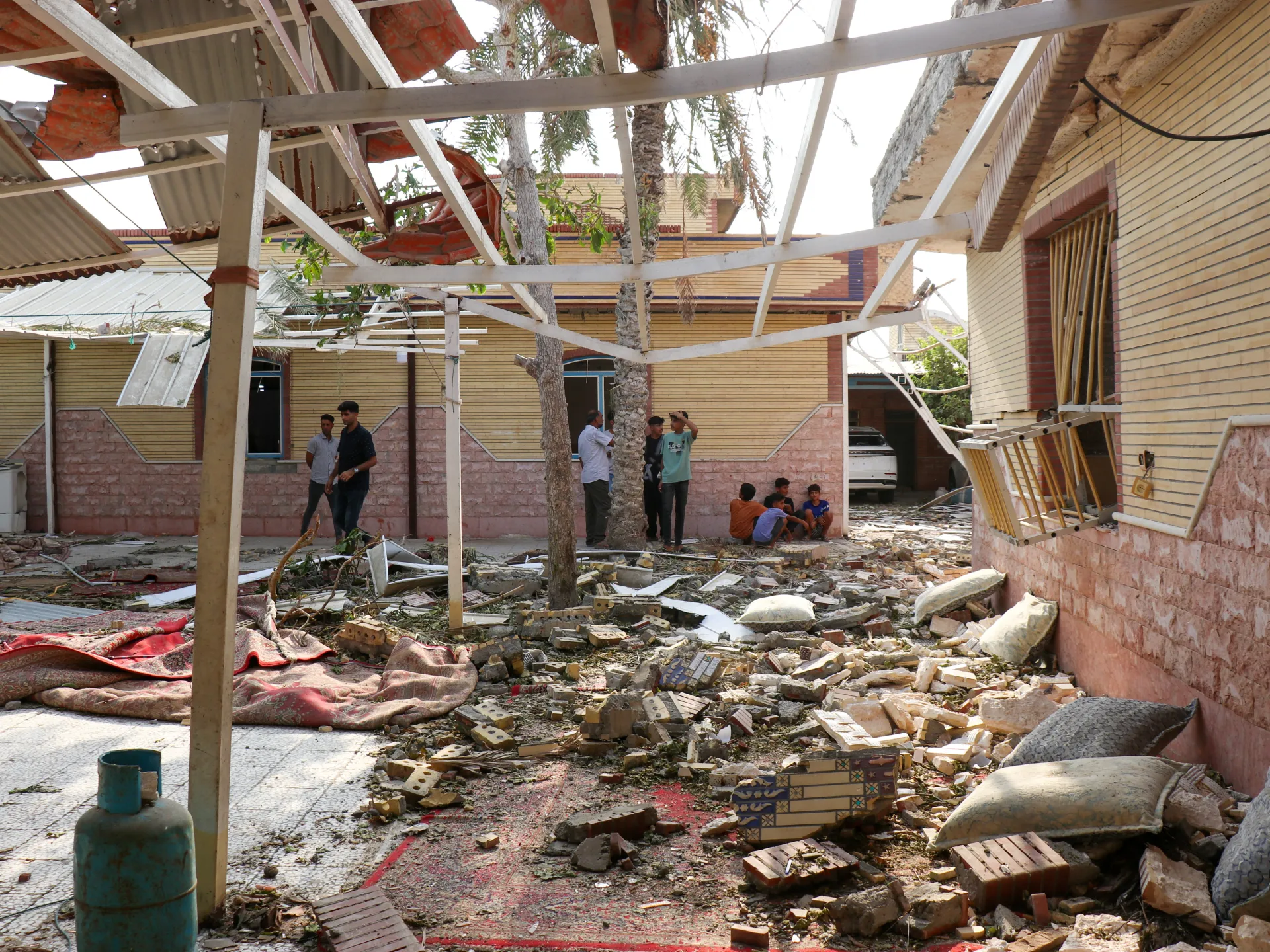
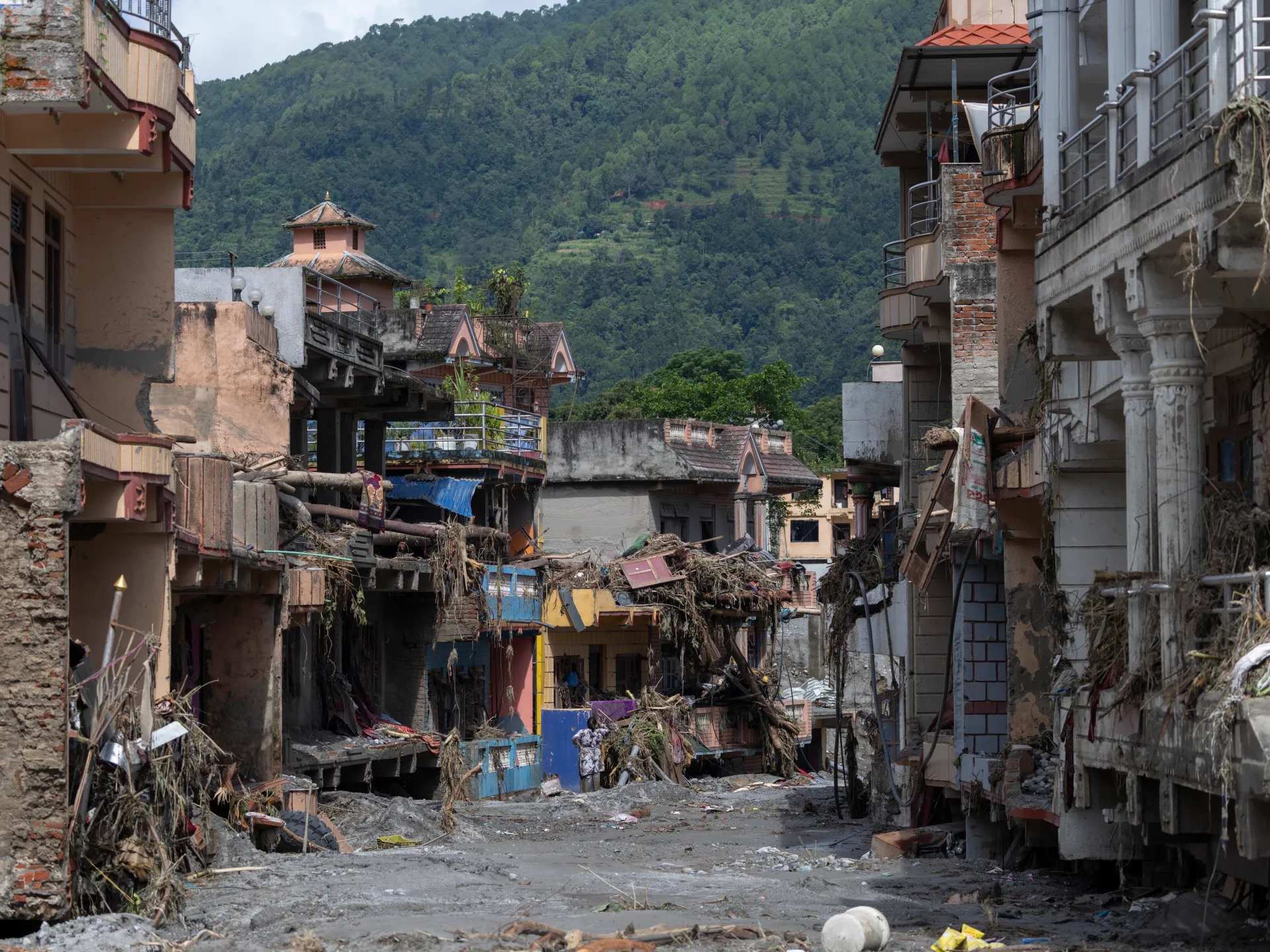
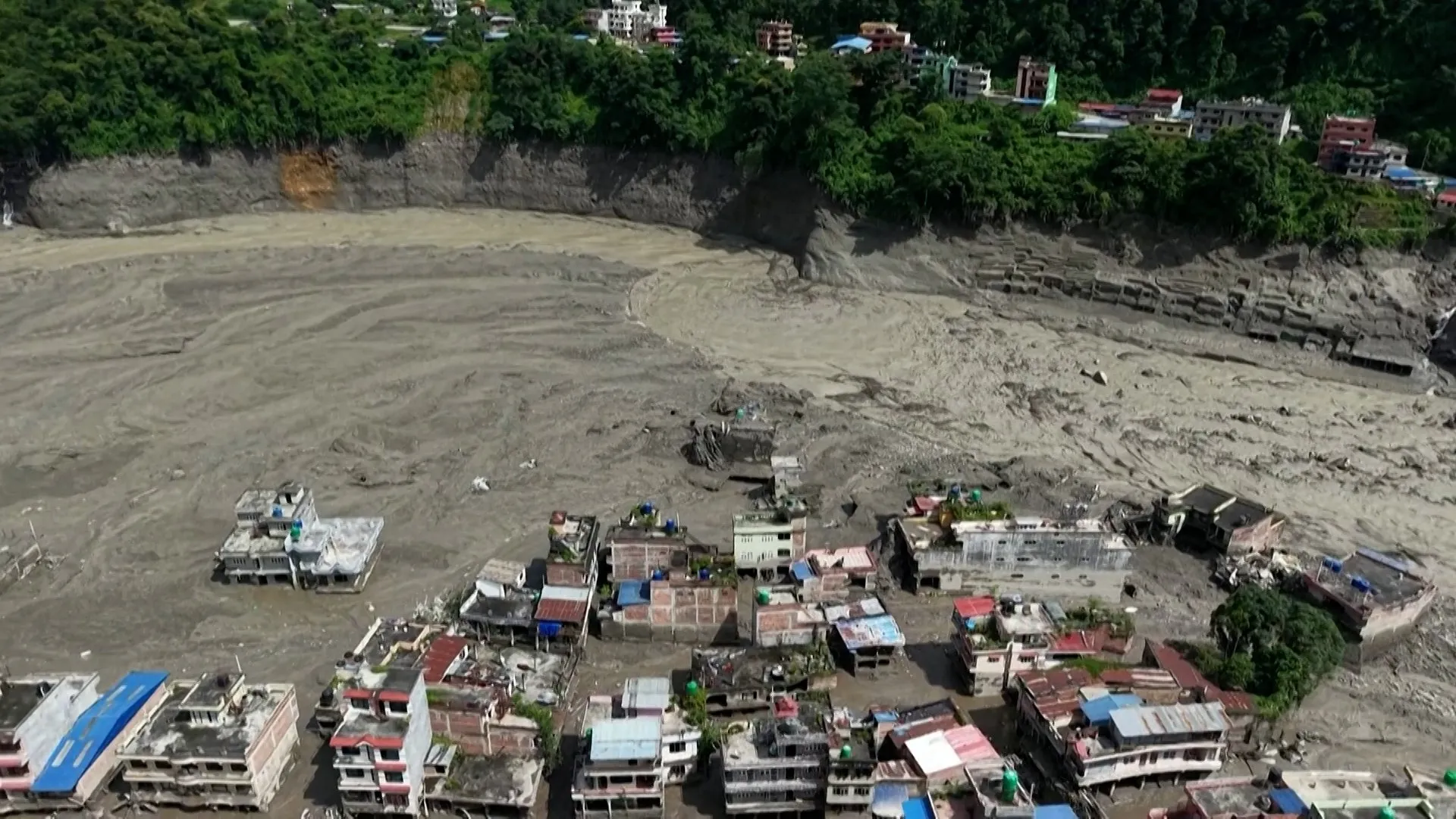
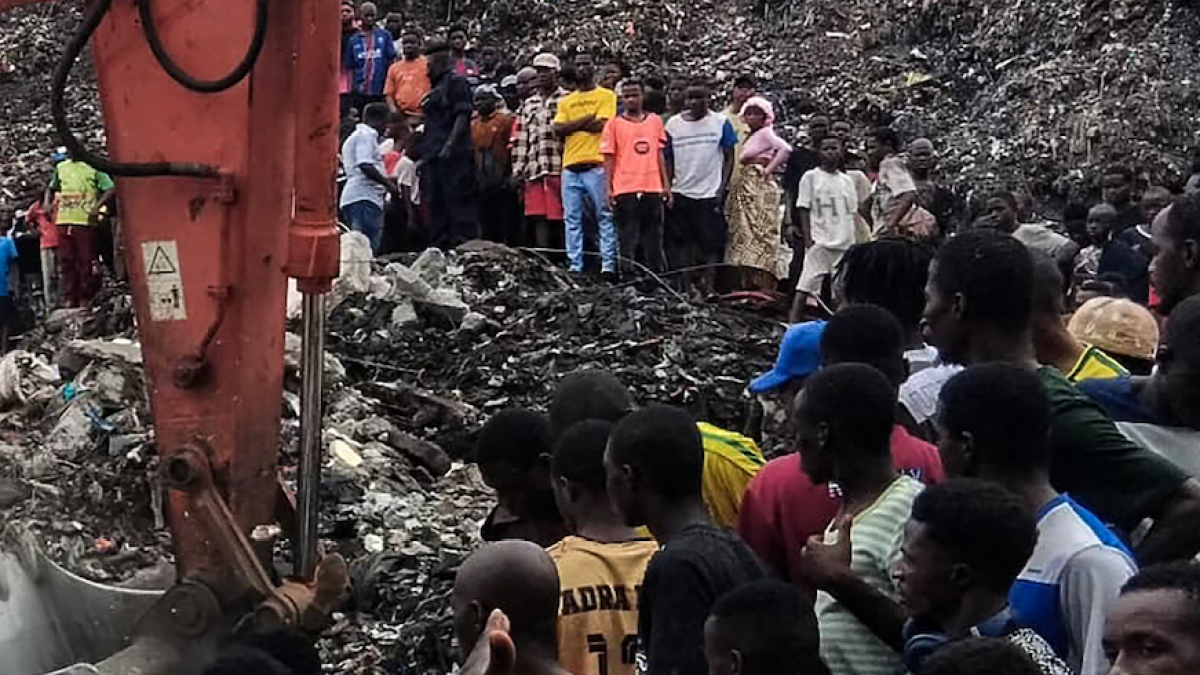
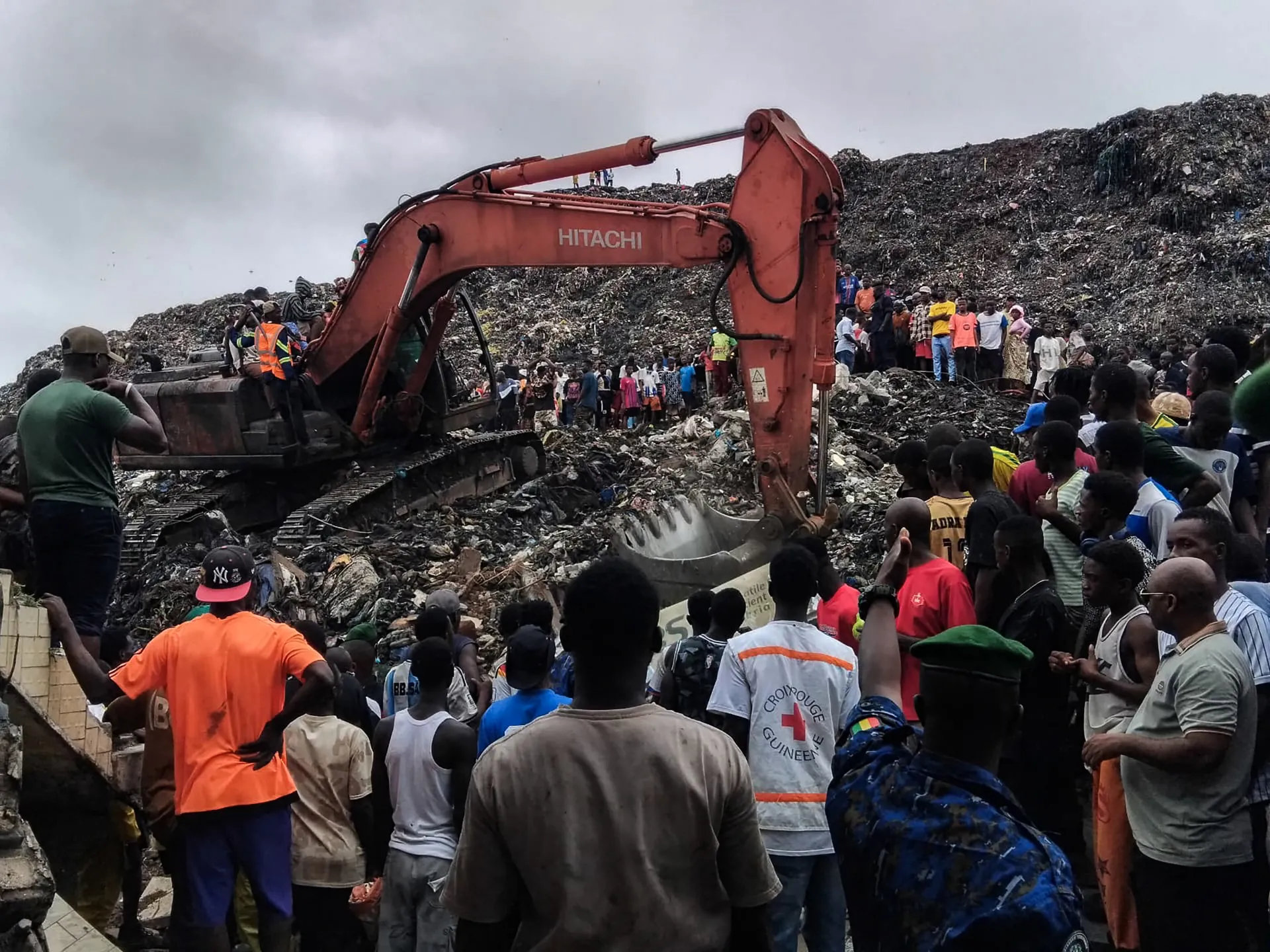
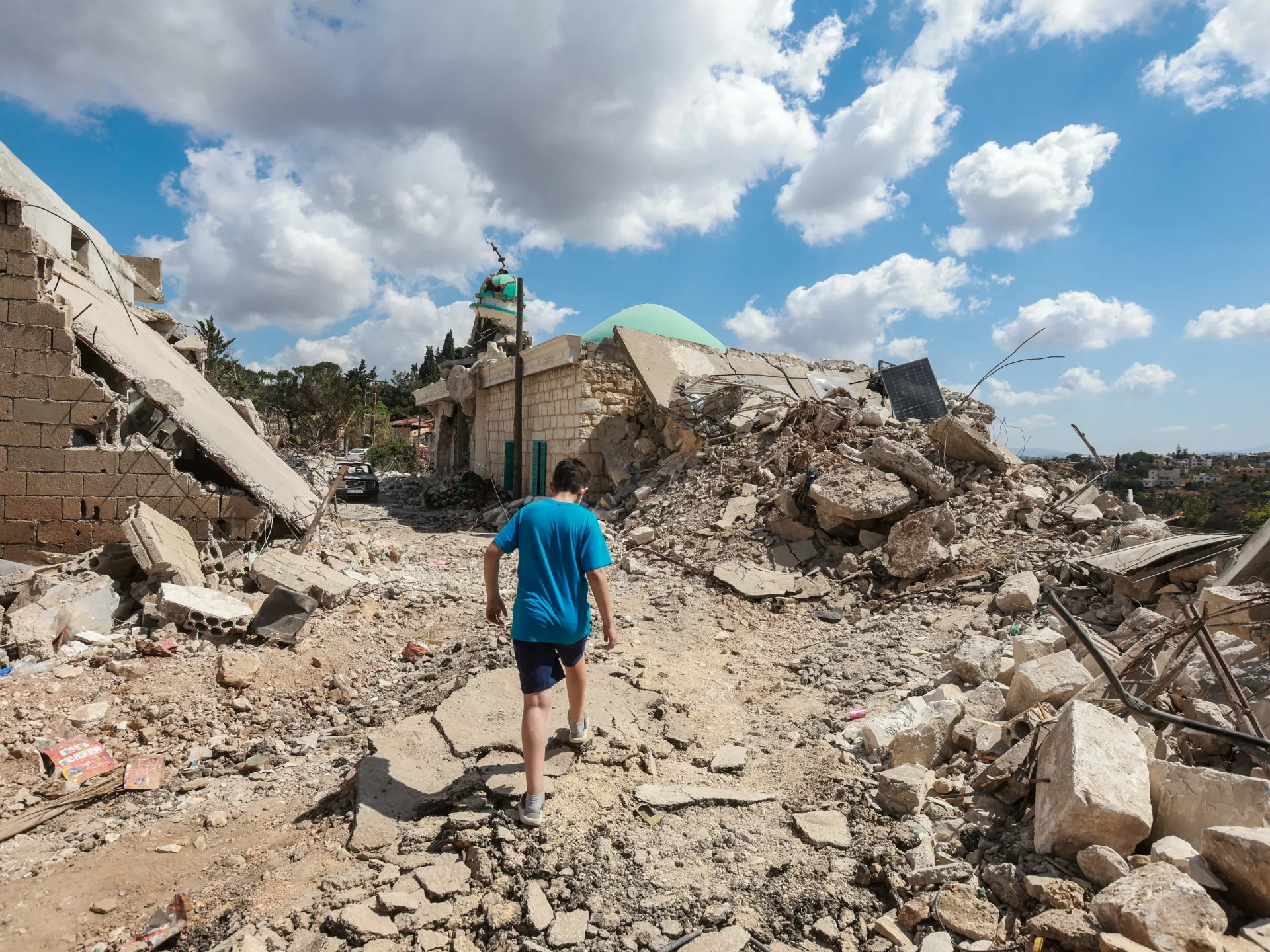
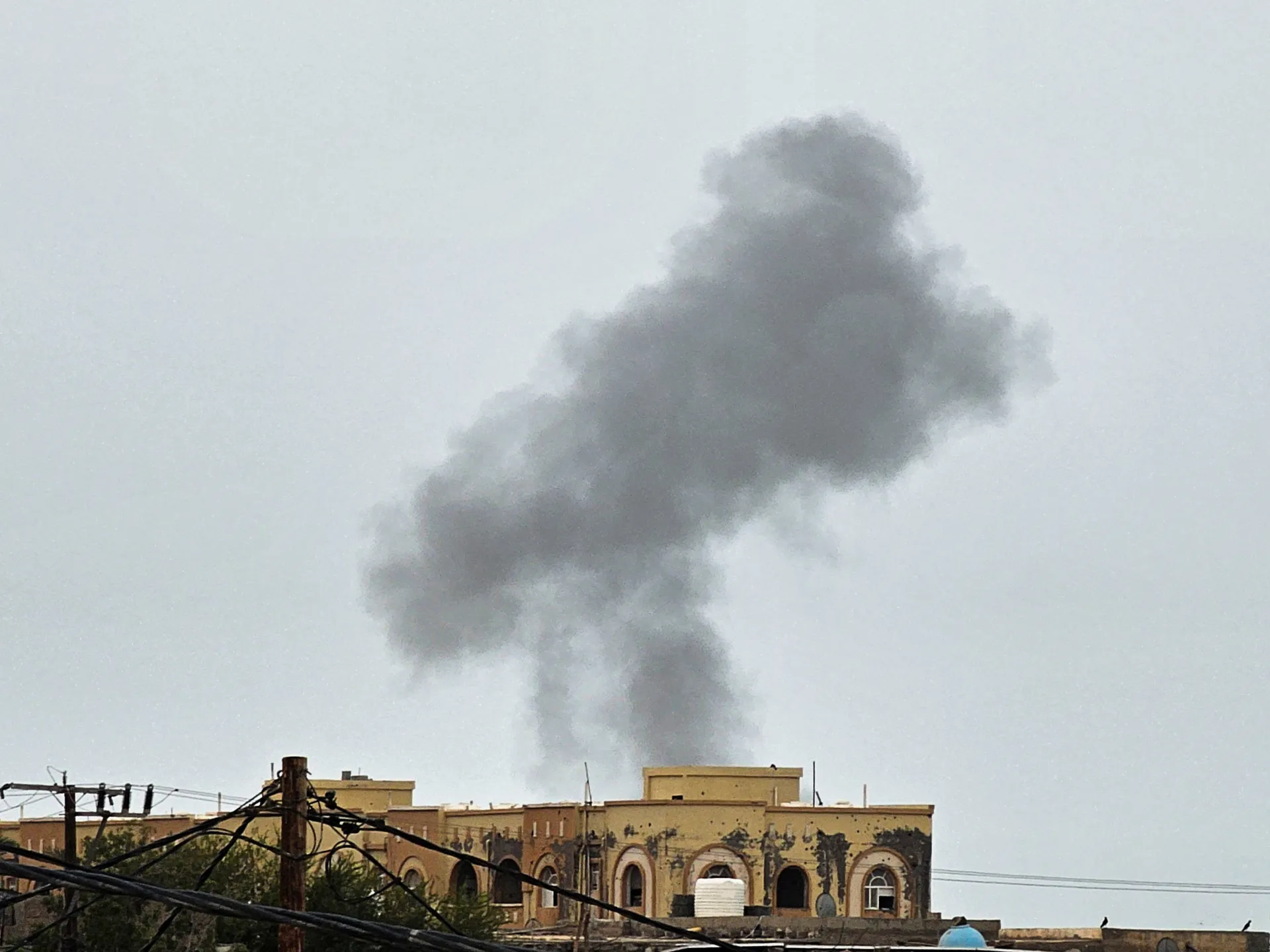
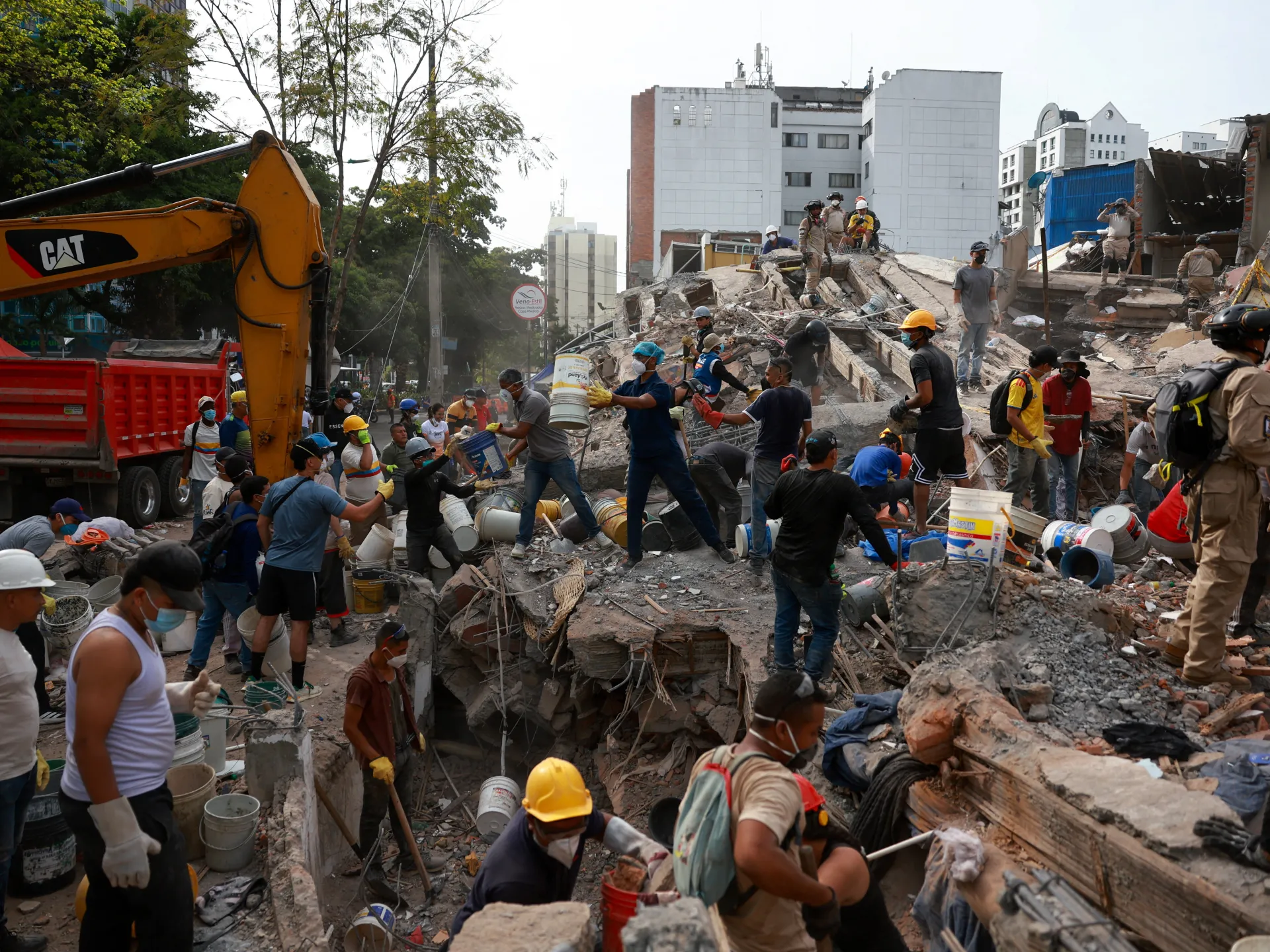
As dawn broke over the site, the scale of the devastation became increasingly apparent. The collapse has reduced the residential structure to a pile of twisted metal, concrete, and personal belongings. Witnesses at the scene reported hearing frantic calls for help from those pinned beneath the wreckage, heightening the urgency for heavy machinery and specialized search teams to clear the site systematically.
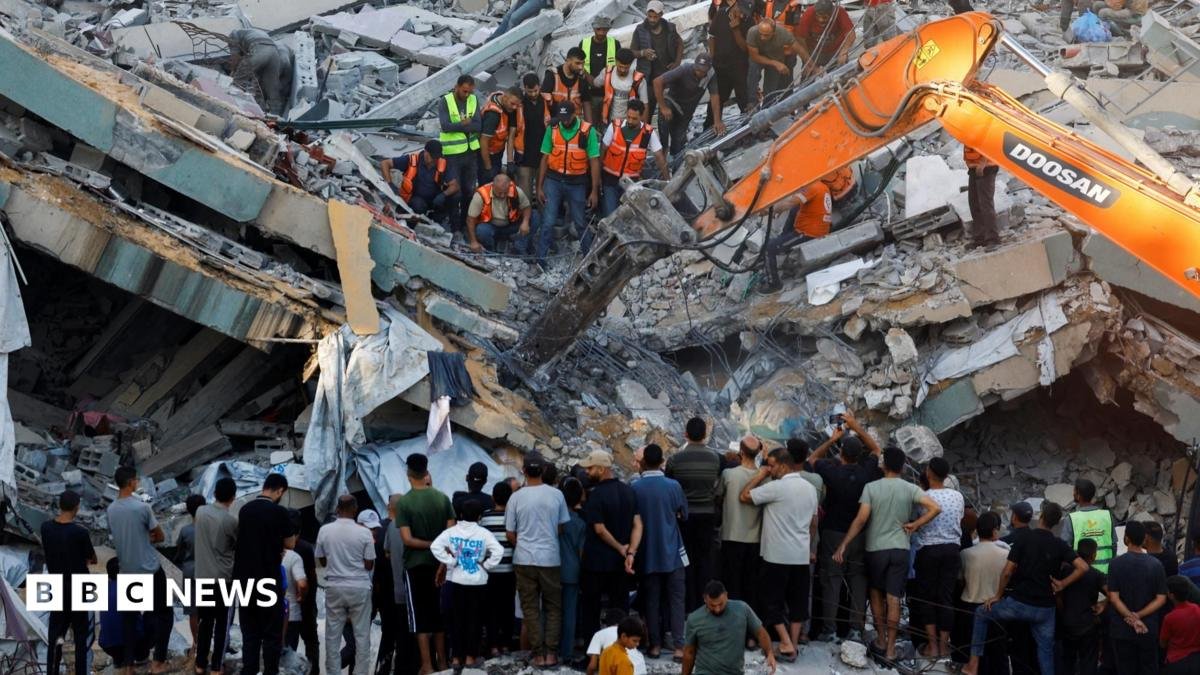
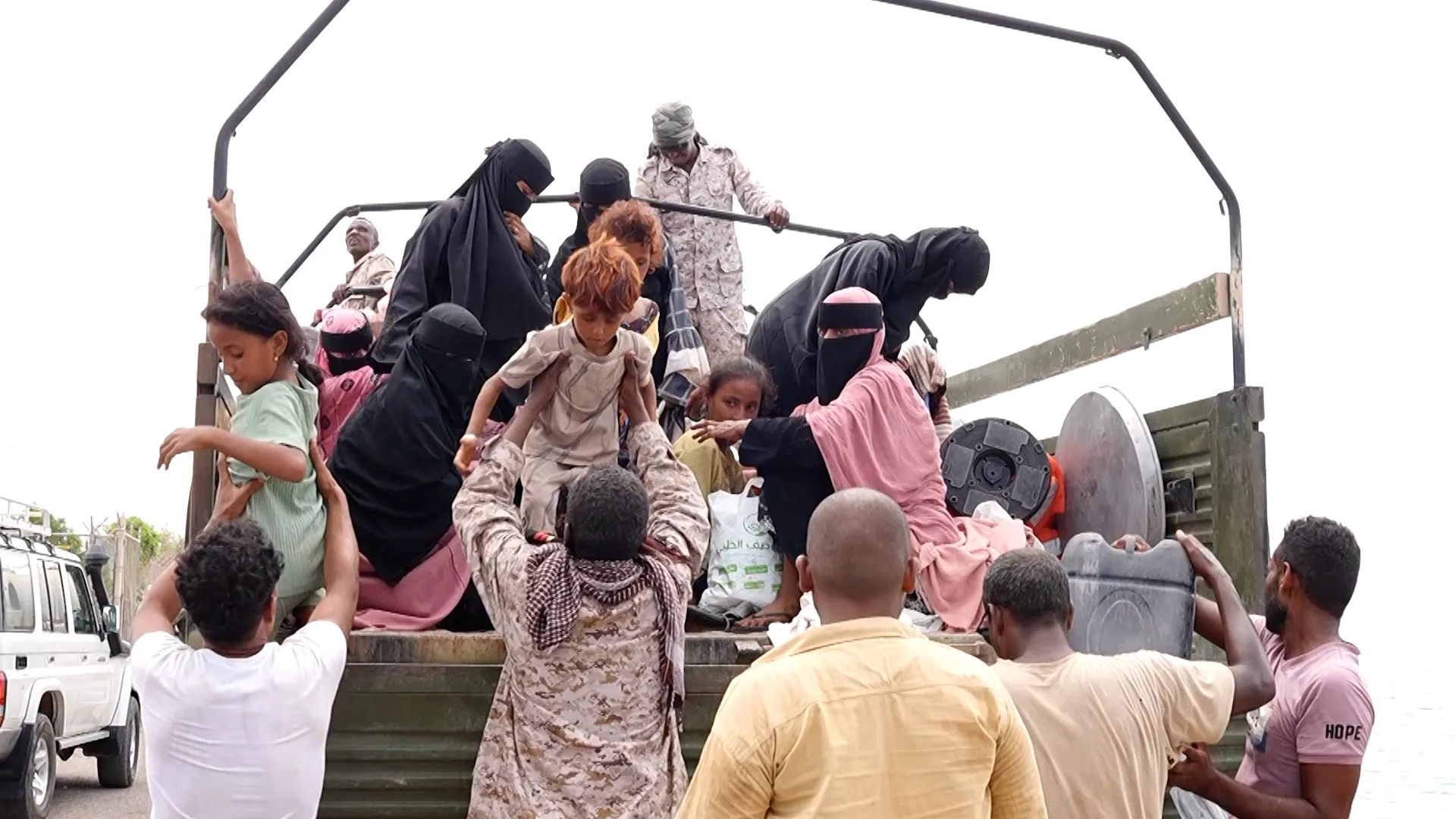
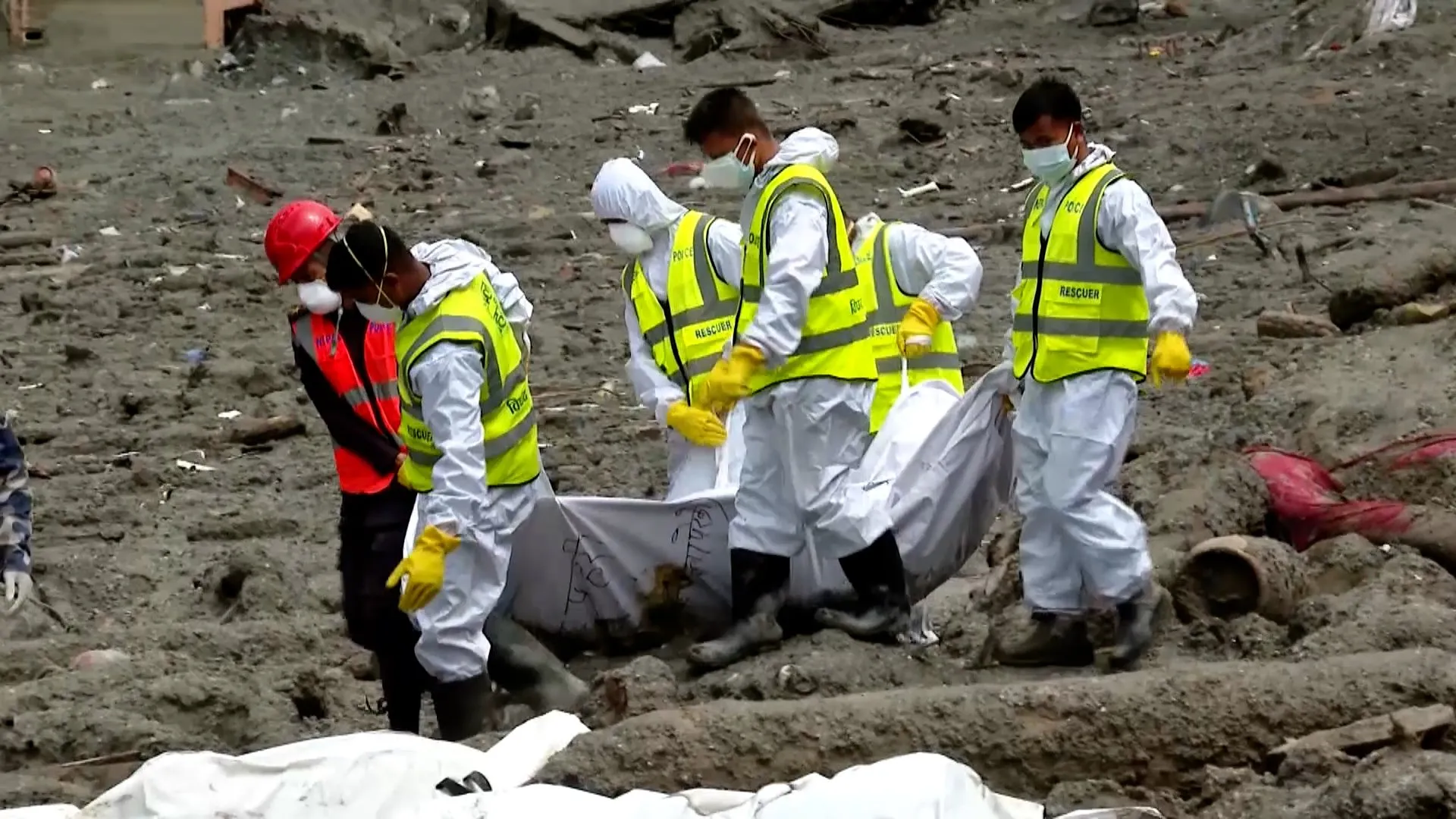
The situation on the ground remains dire, with reports indicating that dozens of people are still trapped beneath the rubble. Among those missing and feared caught in the collapse are numerous women and children, who were inside their homes when the structure gave way. The rescue operation is being hampered heavy equipment required to lift large concrete slabs safely.
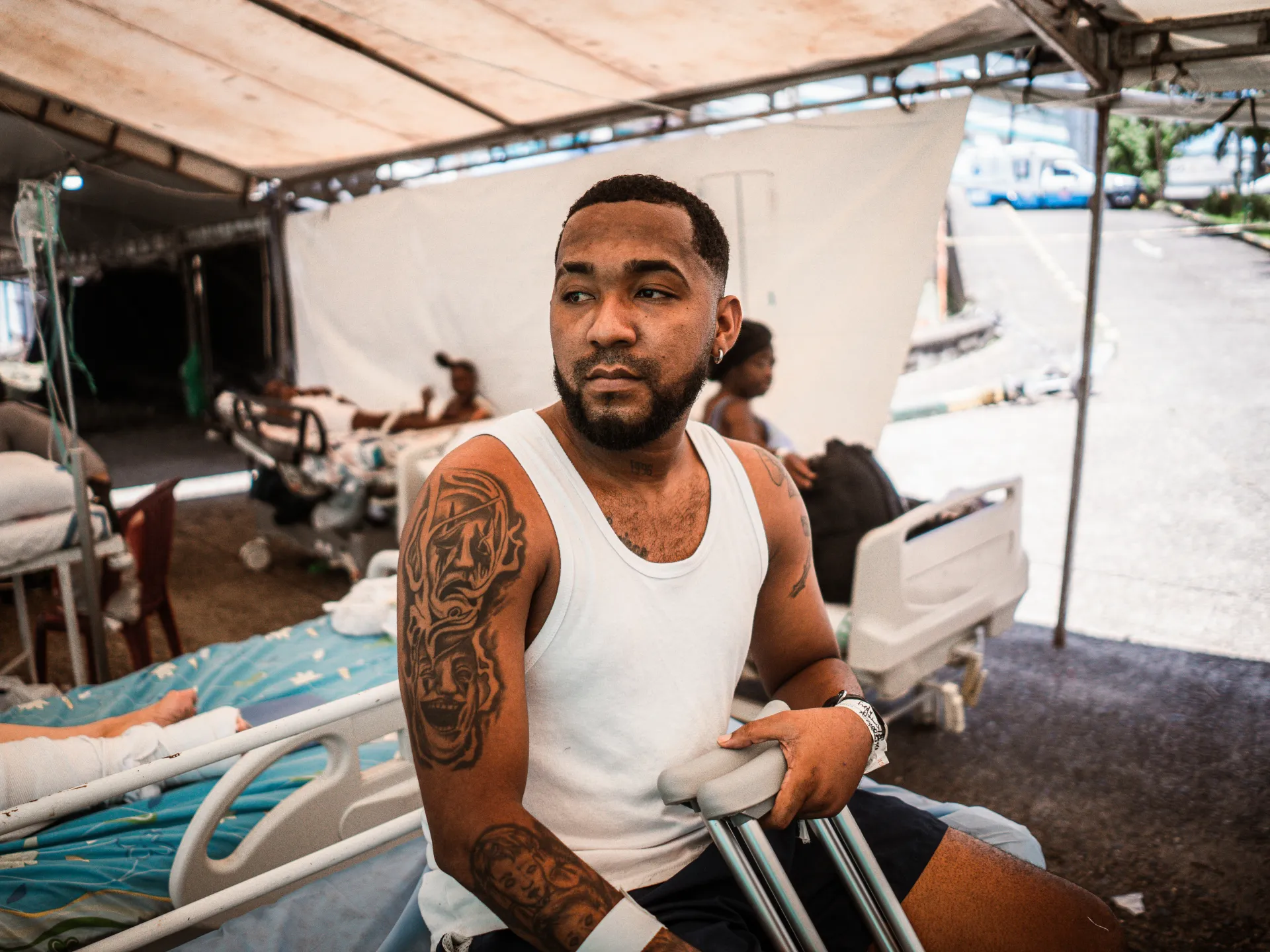
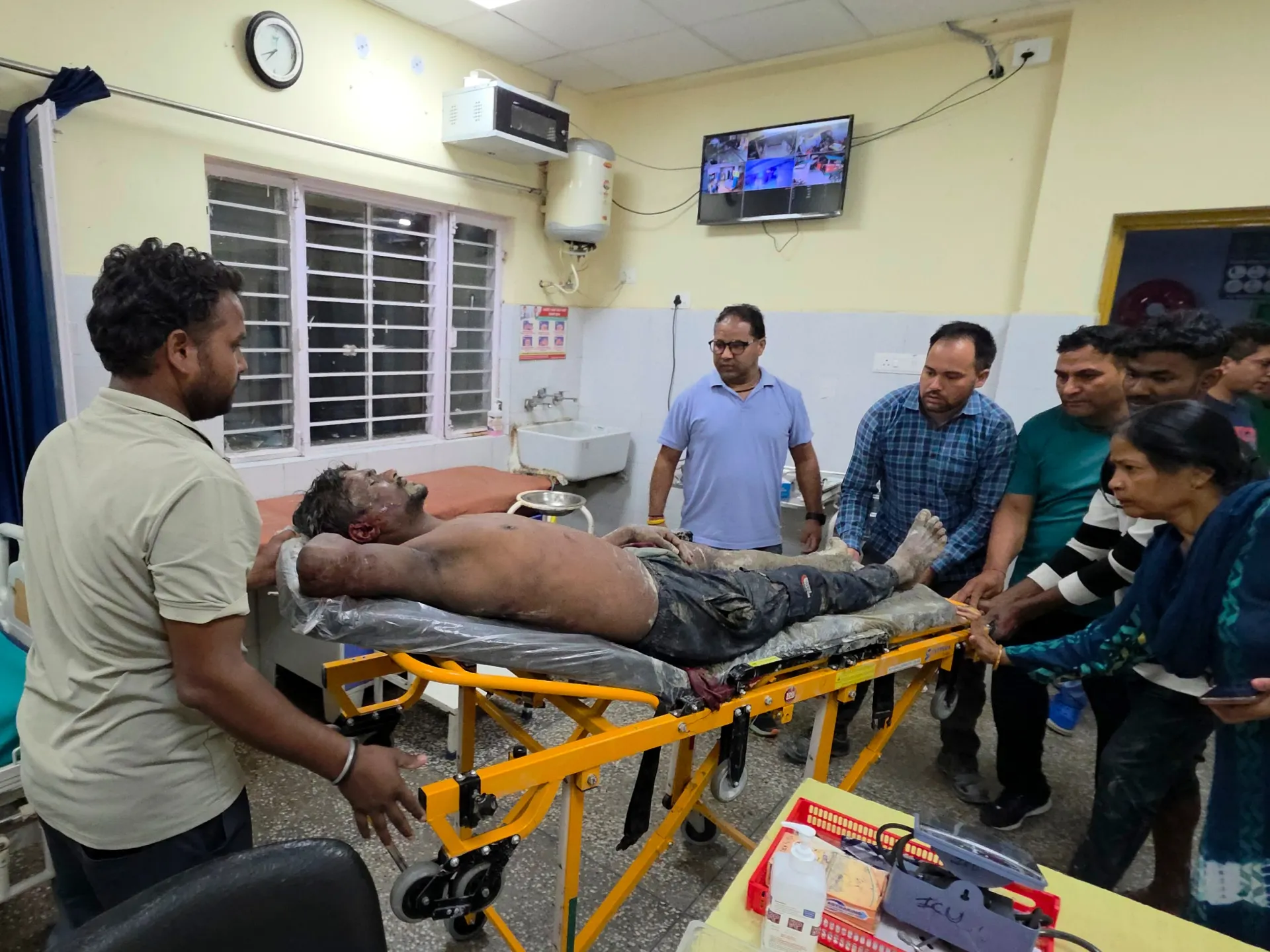
First responders are working in high-pressure conditions, often resorting to manual labor and basic tools to reach victims buried deep within the ruins. The humanitarian crisis is exacerbated likely from earlier conflict-related incidents. Local authorities and aid organizations are coordinating efforts to provide medical assistance to the injured as they are pulled from the site, though the lack of specialized hospital equipment remains a critical concern.
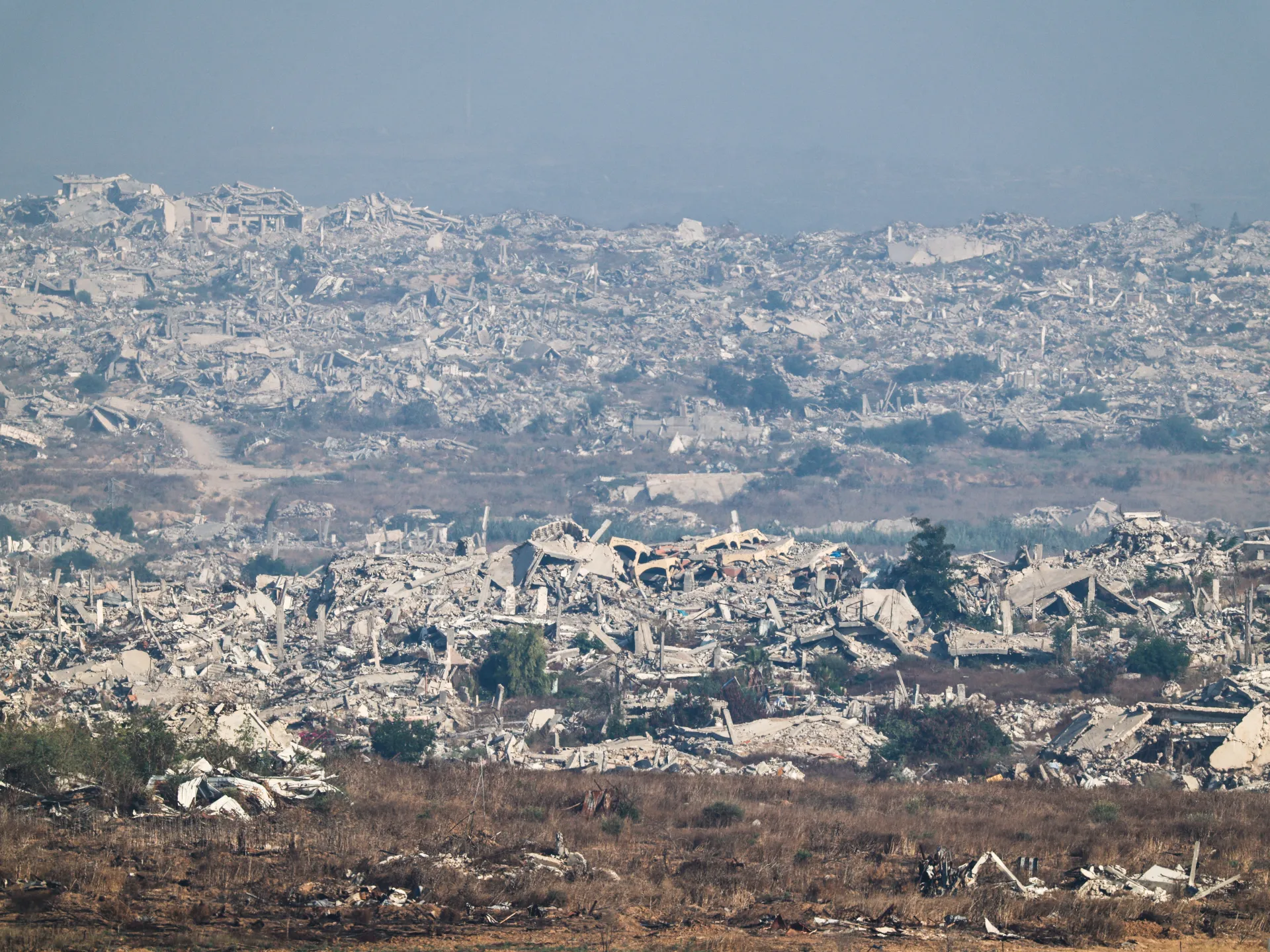
The collapse of this multi-storey building brings renewed focus to the state of housing in Gaza City. Many residential structures in the region have been weakened the absence of new strikes. This incident serves as a grim reminder of the long-term consequences of damage to residential zones, where civilian safety is constantly at risk due to compromised structural foundations.
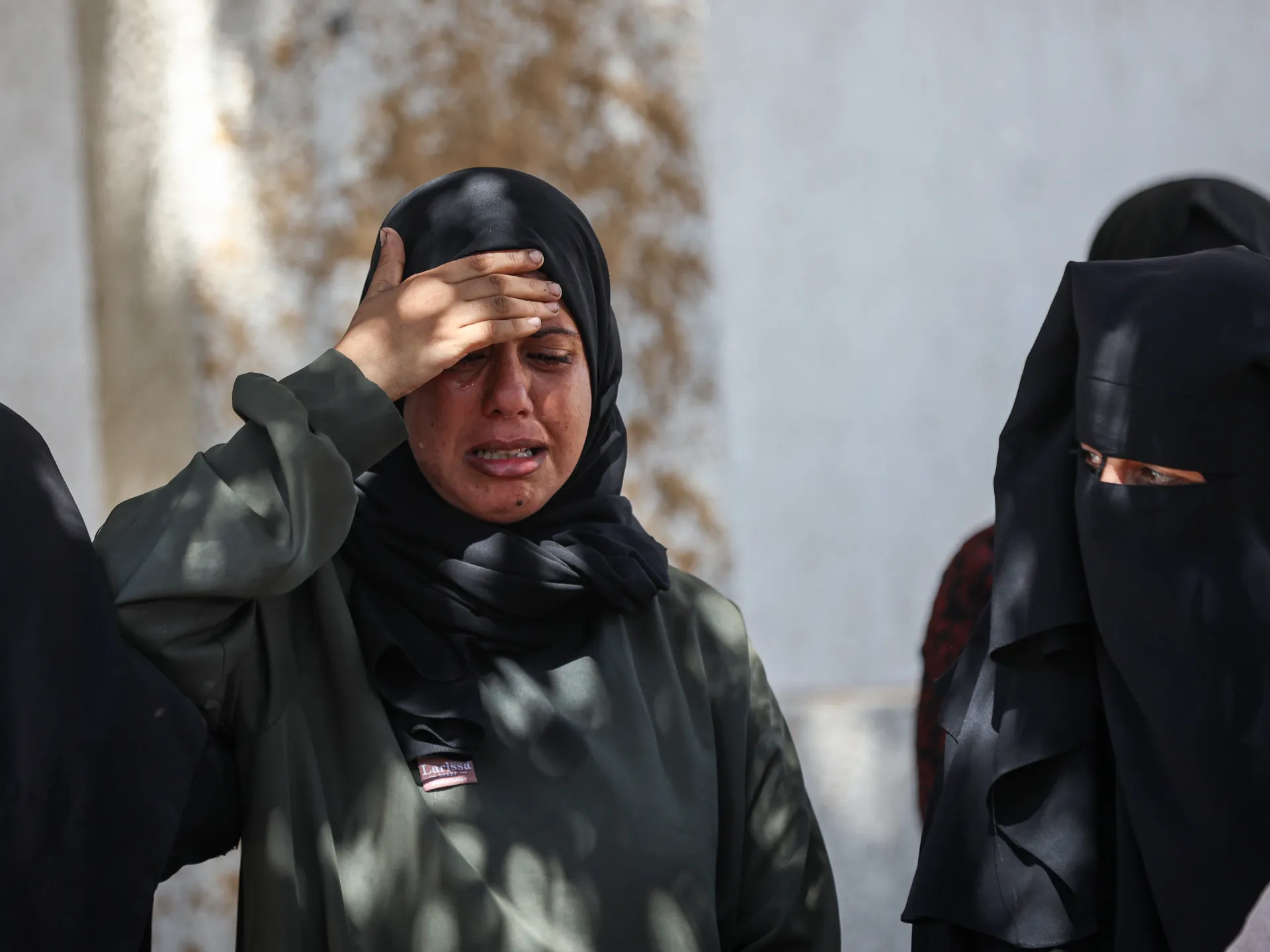
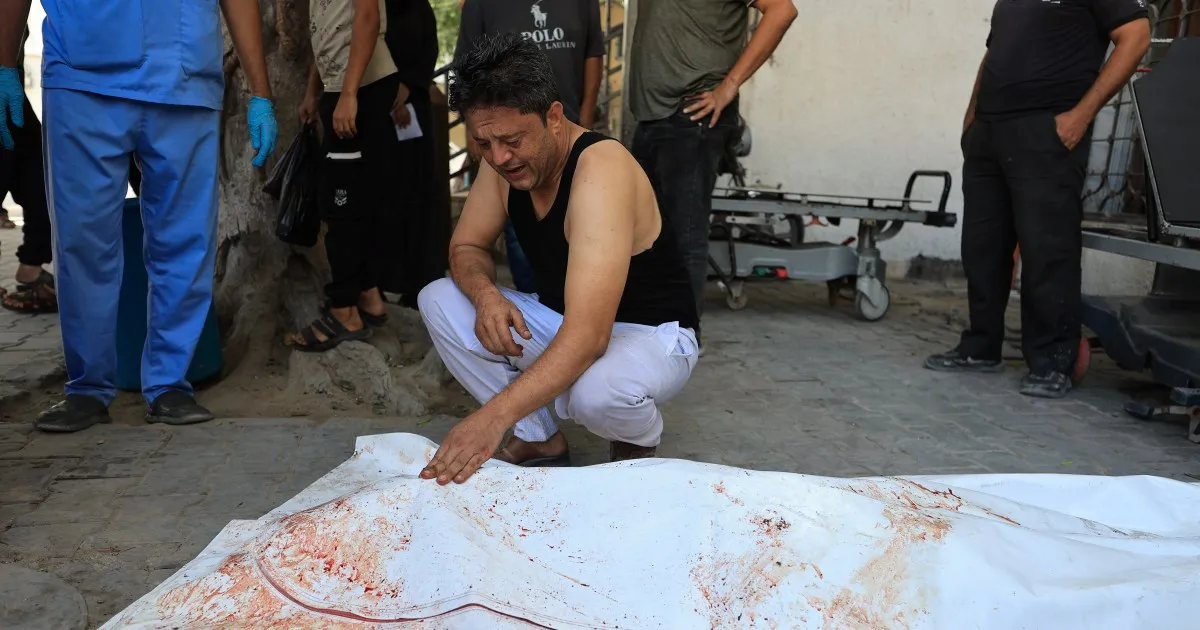
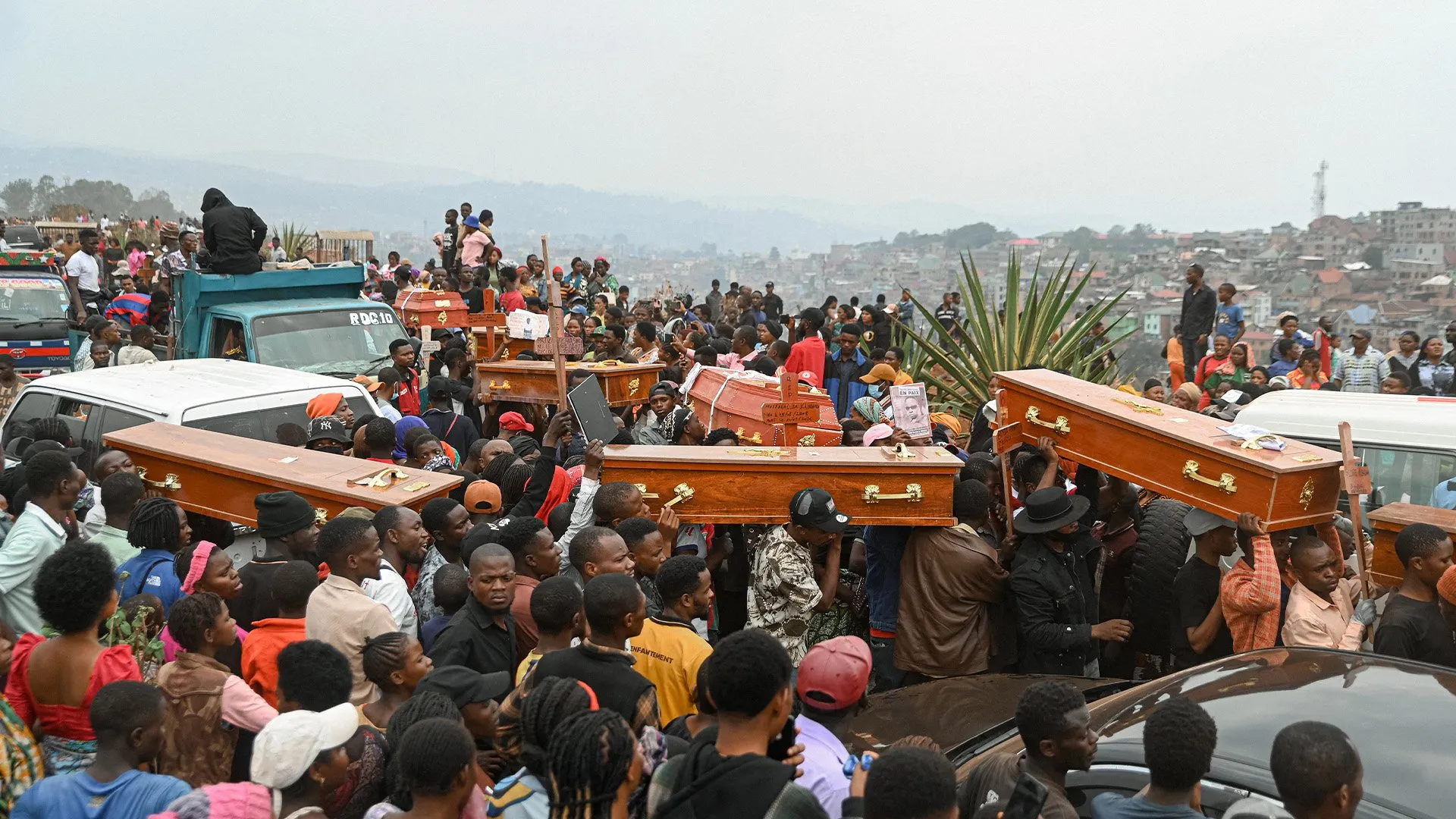
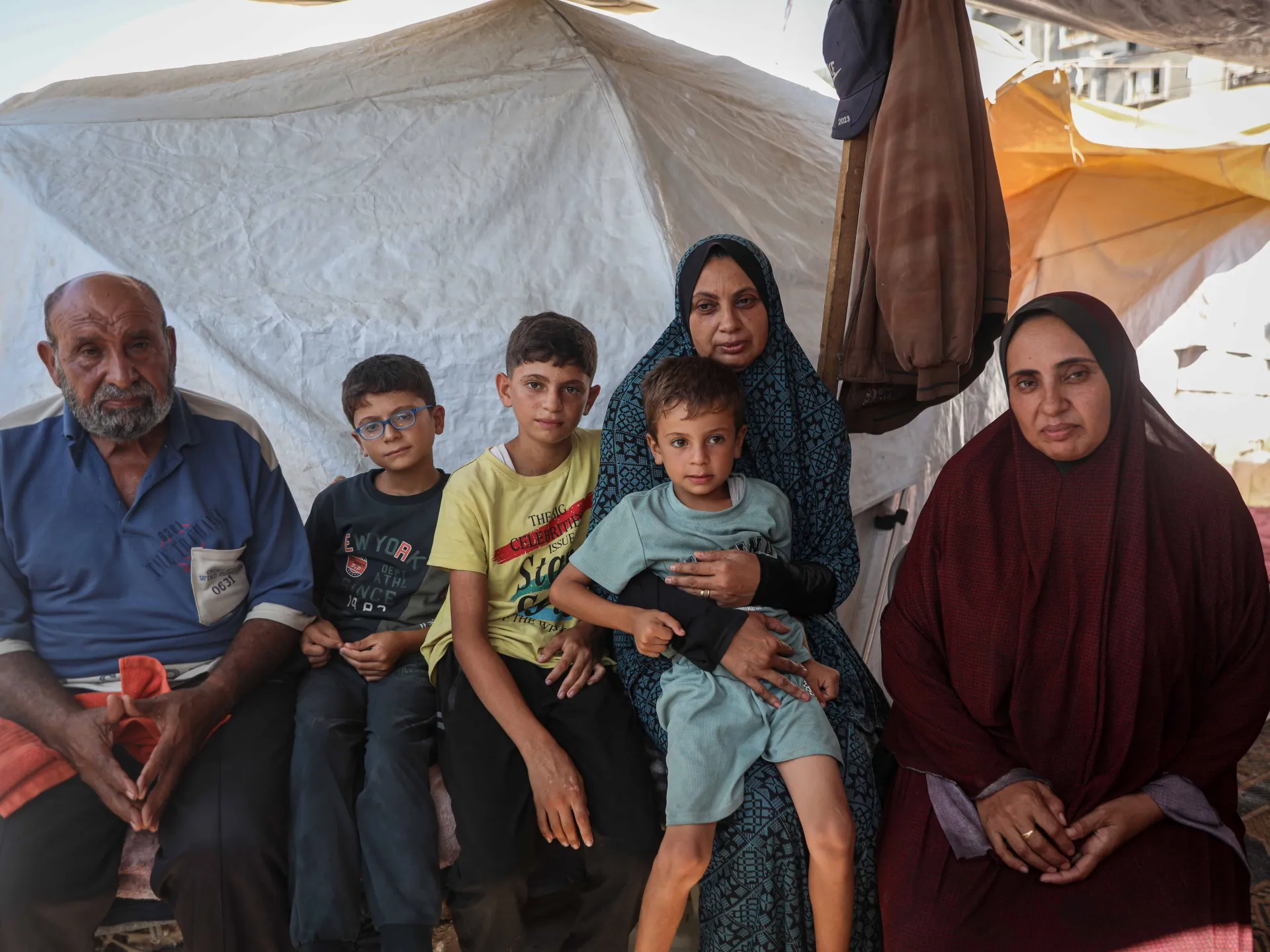
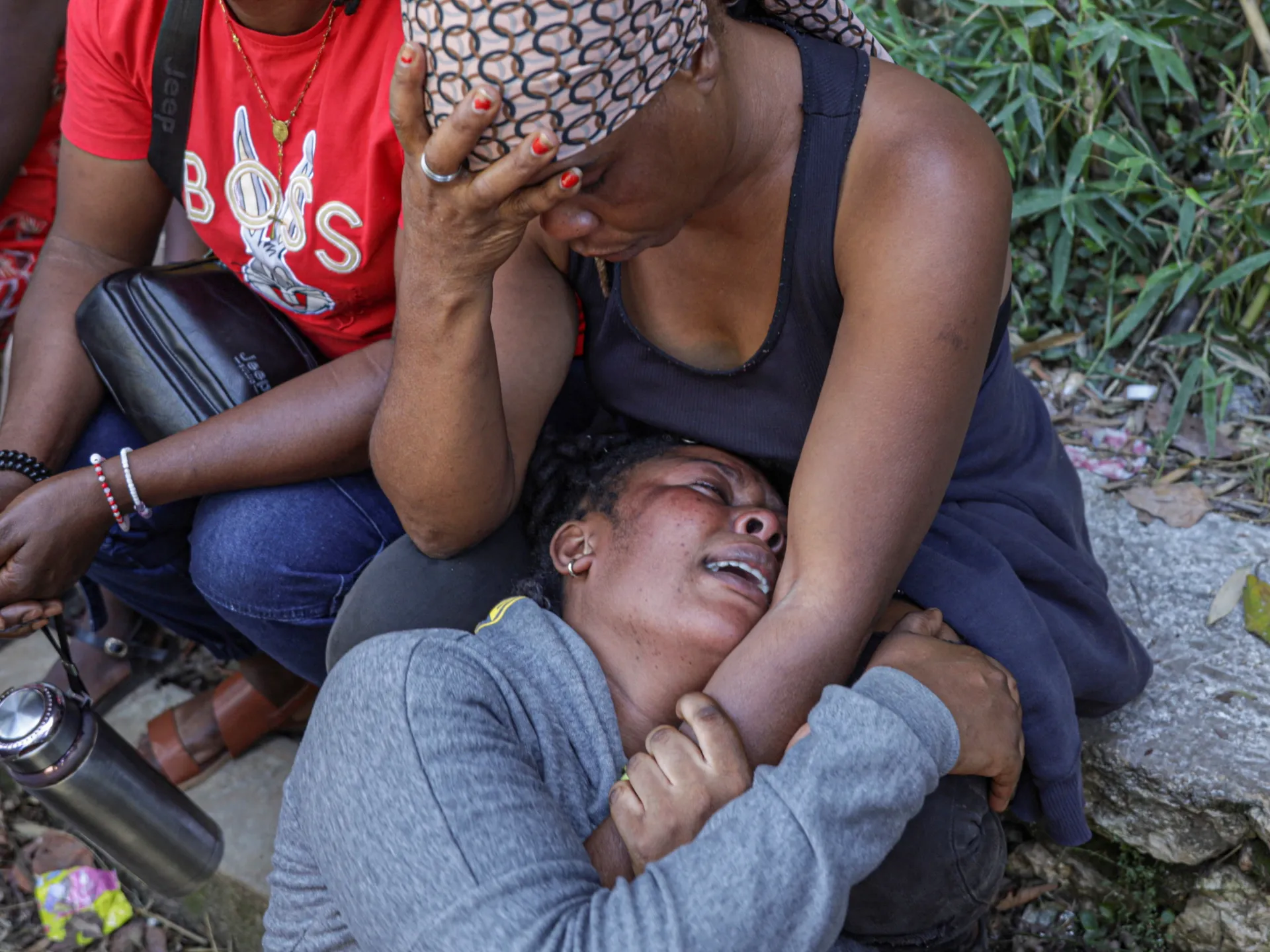
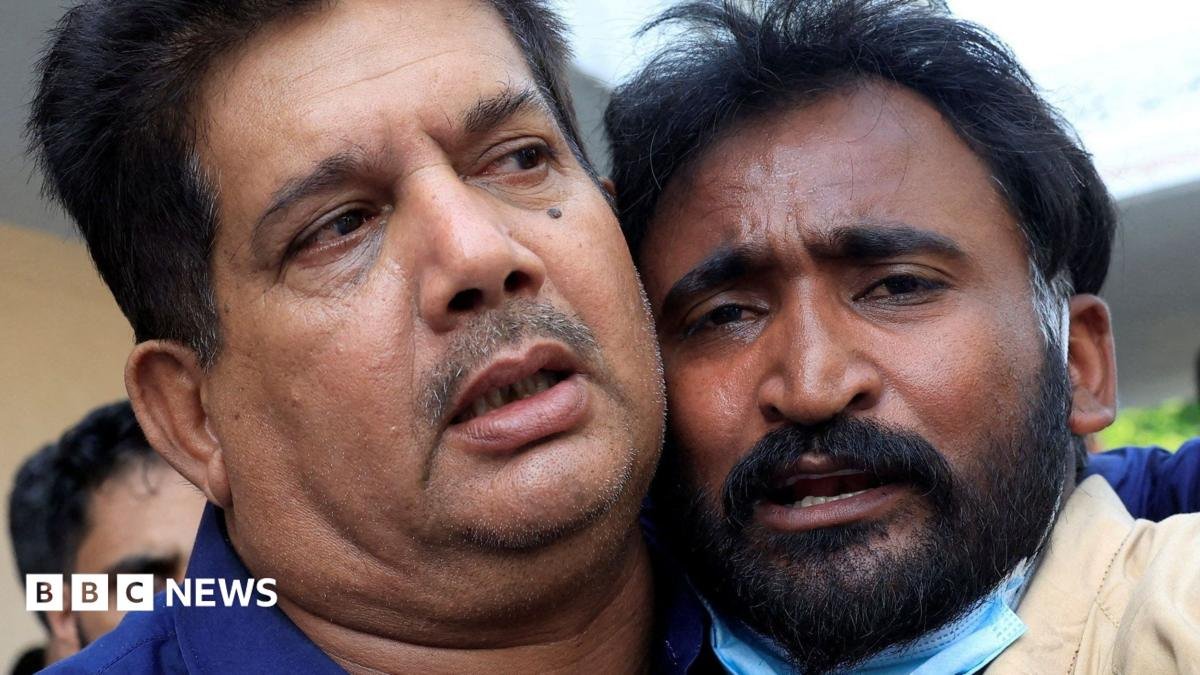
Community members have gathered at the perimeter of the collapse site, waiting for news of their loved ones. The emotional toll on the survivors and the families of the victims is profound, as they navigate the aftermath of a sudden and catastrophic loss of home and life. As the search continues, the international community faces growing pressure to address the underlying stability of buildings in the region and to provide the necessary support to prevent further tragedies of this nature.
As the rescue phase transitions into a recovery operation, questions are mounting regarding the safety standards and the history of the collapsed structure. Investigations into the cause of the collapse will likely focus on whether structural assessments were performed and if the building had been deemed safe for occupancy following its initial damage. The tragedy underscores the urgent need for comprehensive urban planning and infrastructure rehabilitation to protect the remaining population.
For now, the priority remains the preservation of life. Every hour that passes significantly reduces the window for finding survivors, yet the determination of the rescue teams persists. The incident has left a deep scar on the local community, serving as a stark illustration of the ongoing challenges faced k of collapse.