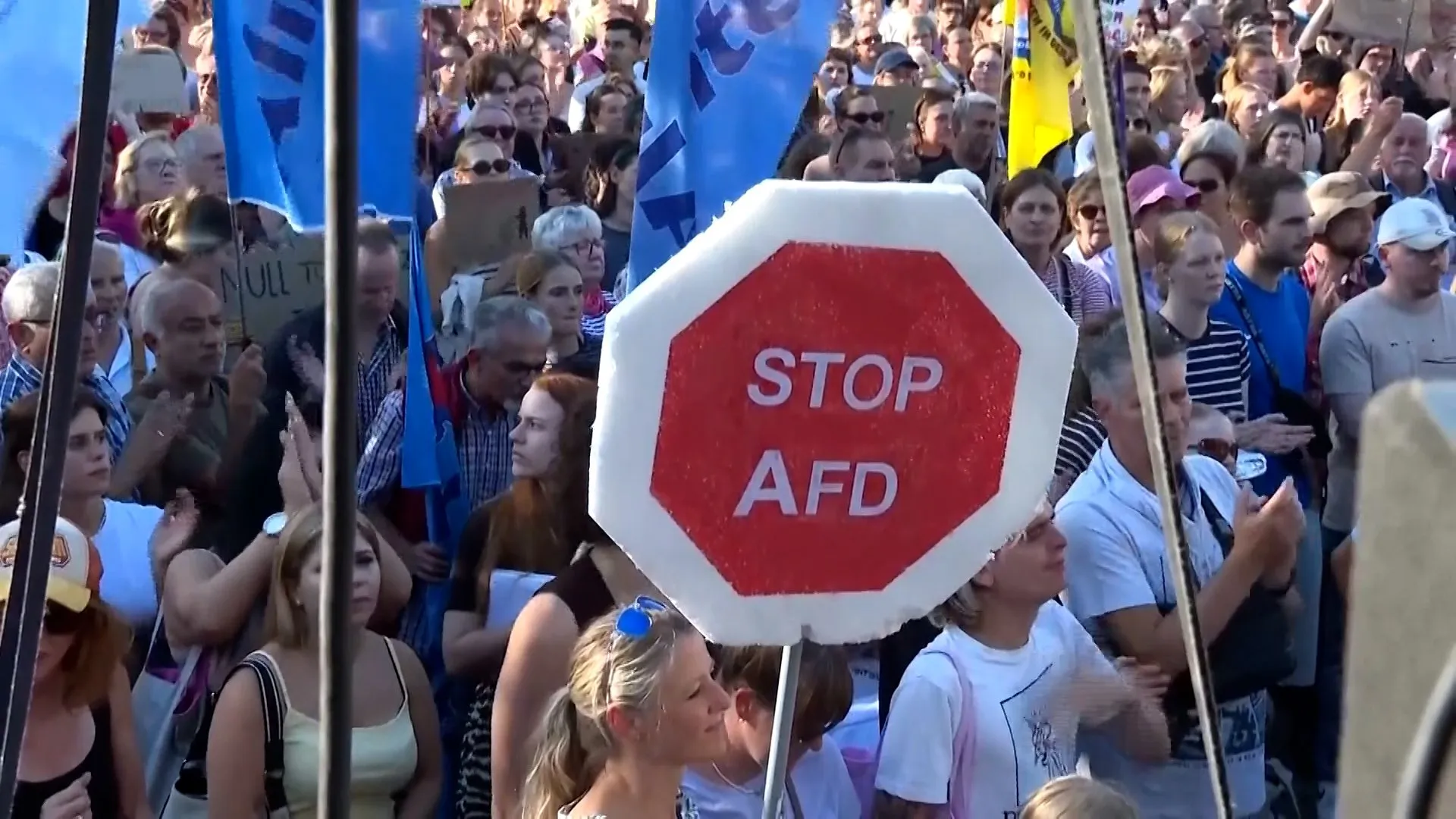

Tens of thousands of protesters gathered in Zagreb to demand an urgent cleanup of a massive illegal hazardous waste dump in the Lika region.
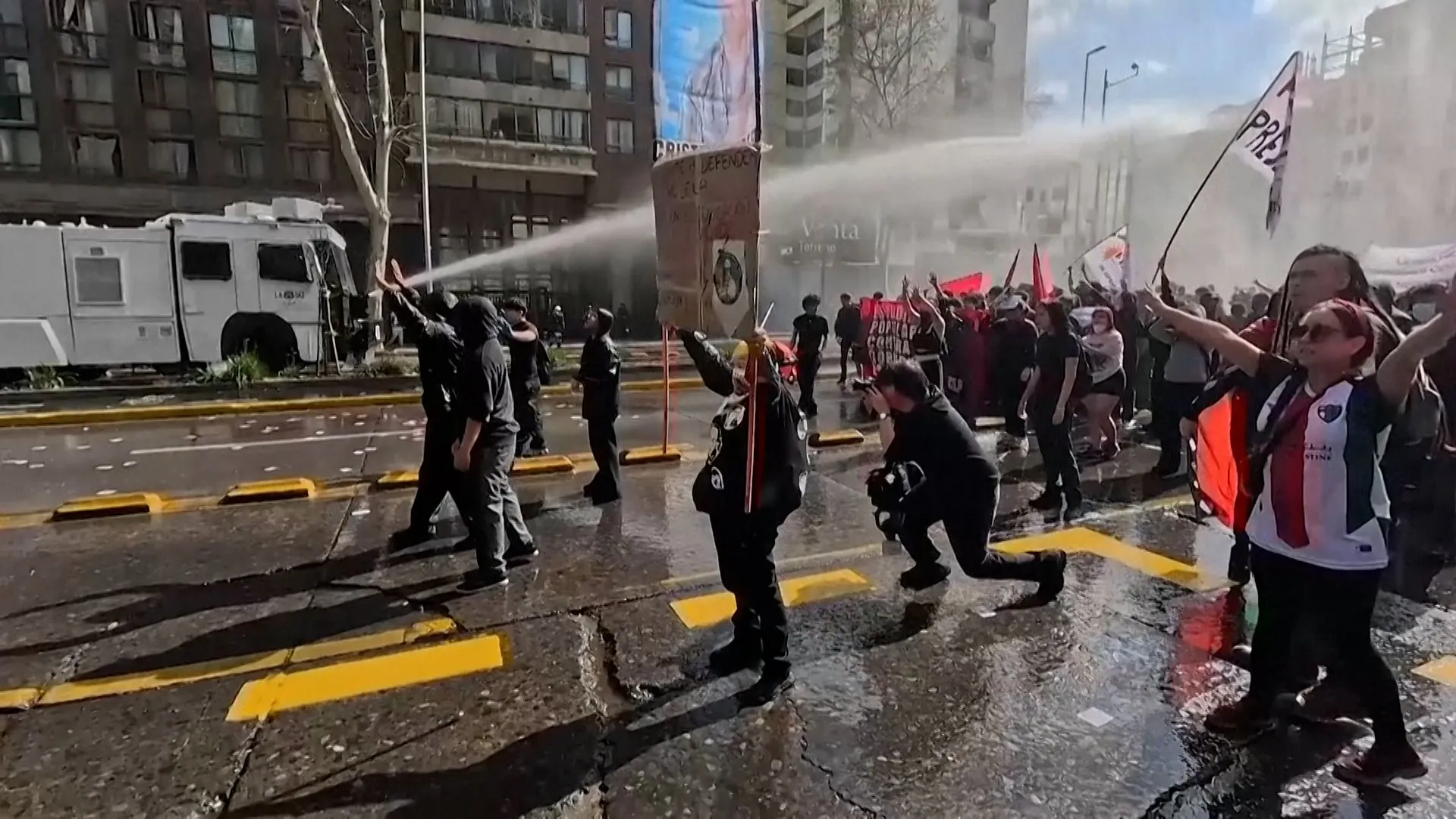
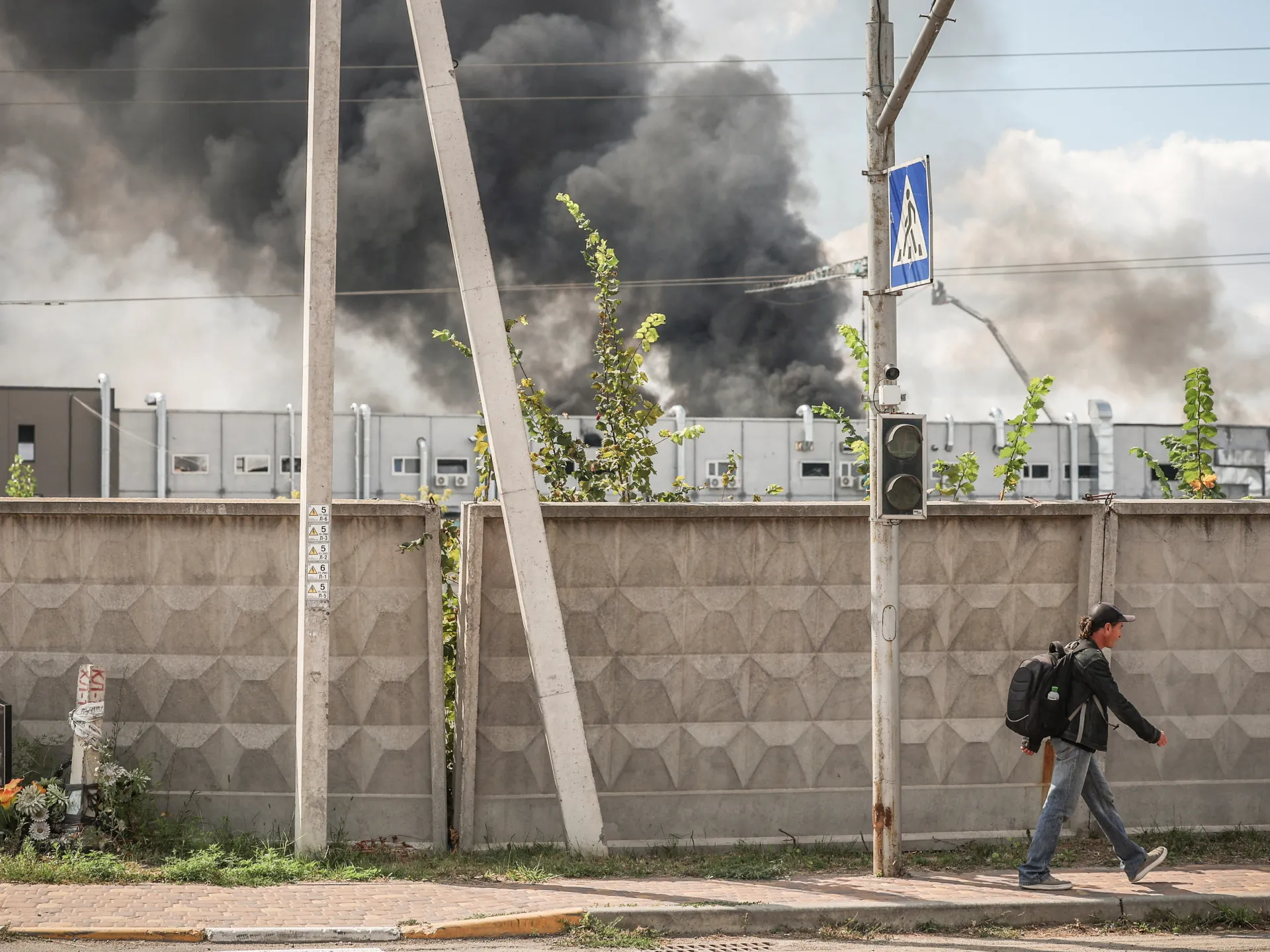
The streets of Zagreb were flooded with tens of thousands of demonstrators this past Saturday, marking one of the most significant public displays of dissent in Croatia in recent memory. The massive gathering was fueled ar Gospic in the mountainous Lika region. Protesters gathered to voice their collective frustration over the presence of approximately 30,000 tonnes of hazardous materials, including industrial and medical waste, which have been discarded in an area known for its natural beauty and ecological significance.
The scale of the demonstration highlights a deep-seated distrust in the current administration’s management of the crisis. Citizens are demanding immediate action, calling for a concrete cleanup schedule with binding deadlines. The organizers of the rally have issued an ultimatum, insisting that the government provide a comprehensive remediation plan within 20 days and complete the removal of all hazardous materials within a three-month timeframe. This pressure suggests that the issue has transcended environmental concerns, evolving into a critical test for the ruling conservative government.
The origins of the current crisis date back to at least 2023, when illegal networks began utilizing an abandoned industrial site near Gospic as a repository for waste imported from other European Union nations. Law enforcement efforts, coordinated with Europol, resulted in the arrest of 13 individuals in February. These suspects are alleged to have generated more than $4 million through the illicit operation before authorities finally intervened. The discovery of such a massive volume of waste has left many questioning how the activity could have remained undetected for such an extended period.
Critics of the government argue that the illegal dumping is symptomatic of broader systemic corruption. The frustration felt irely, allowing private entities to profit at the expense of public health and safety. The sentiment captured her than an accidental environmental tragedy. This perspective has galvanized diverse groups, including political parties from across the spectrum and prominent cultural figures, to join forces in demanding transparency.
A major point of contention between the government and the public remains the accuracy of official environmental safety claims. While Prime Minister Andrej Plenkovic has visited the site and announced the selection of a contractor to begin the initial phase of cleanup, official statements regarding water and soil safety have been met with skepticism. Government officials have maintained that testing in the vicinity of Gospic shows no evidence of contamination, a stance that stands in direct opposition to independent findings.
An assessment published last month detected the presence of PFAS chemicals—commonly referred to as “forever chemicals” due to their extreme persistence in the environment—in the groundwater surrounding the site. This discrepancy has severely damaged public confidence in official data. Environmental experts have warned that while the contamination currently appears localized, the geological characteristics of the region, including its porous terrain and river systems, pose a long-term threat. There is a legitimate fear that if left unaddressed, these pollutants could migrate toward the Adriatic Sea, potentially devastating the coastline and the regional tourism industry that serves as a cornerstone of the local economy.
The protest in Zagreb underscores a significant shift in the political landscape, as the environmental crisis becomes a rallying cry against perceived government negligence. n, the administration has inadvertently fueled a grassroots movement that spans ideological divides. The presence of lawmakers from both the centre-left Social Democratic Party and the anticorruption group Most signals that this issue will remain at the forefront of the national political agenda.
Looking ahead, the government faces the arduous task of restoring public trust while managing a complex environmental remediation project. The cleanup is expected to be a long and costly process, requiring not just technical expertise but also rigorous oversight to ensure that future waste management practices are not bypassed stration will be under intense scrutiny to prove that it can manage both the restoration of the Lika region and the accountability of those responsible for the contamination.