Gulf nations are moving toward strategic autonomy by balancing US security guarantees with deep economic and technological integration with China.
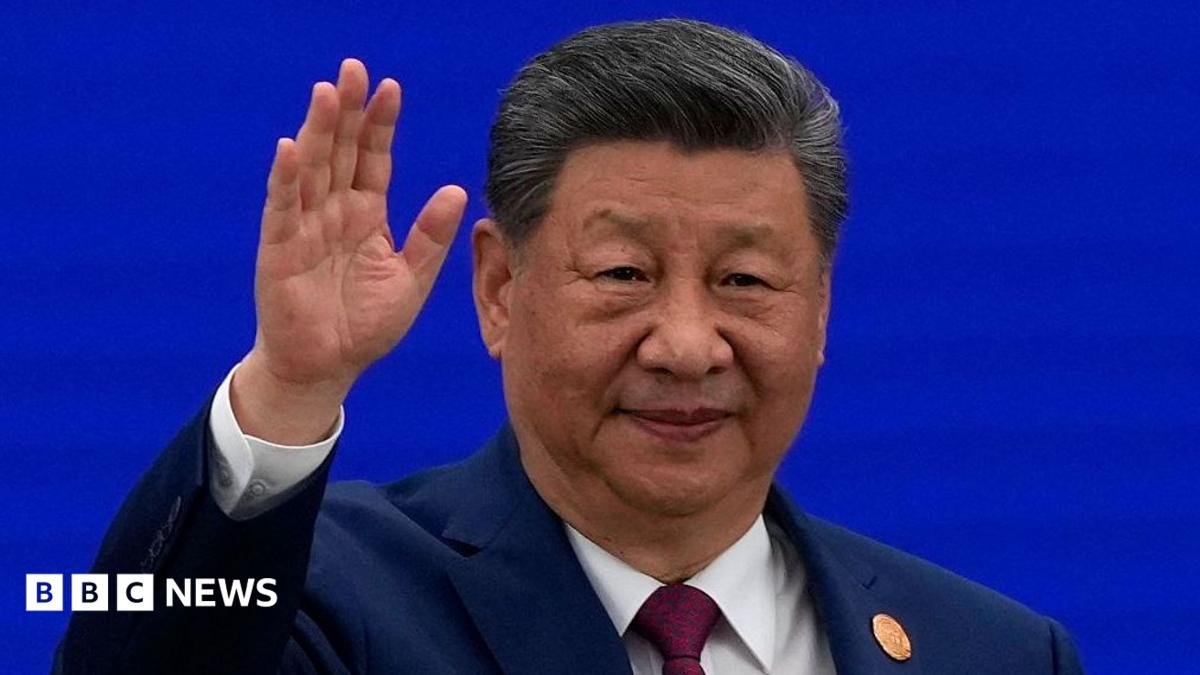
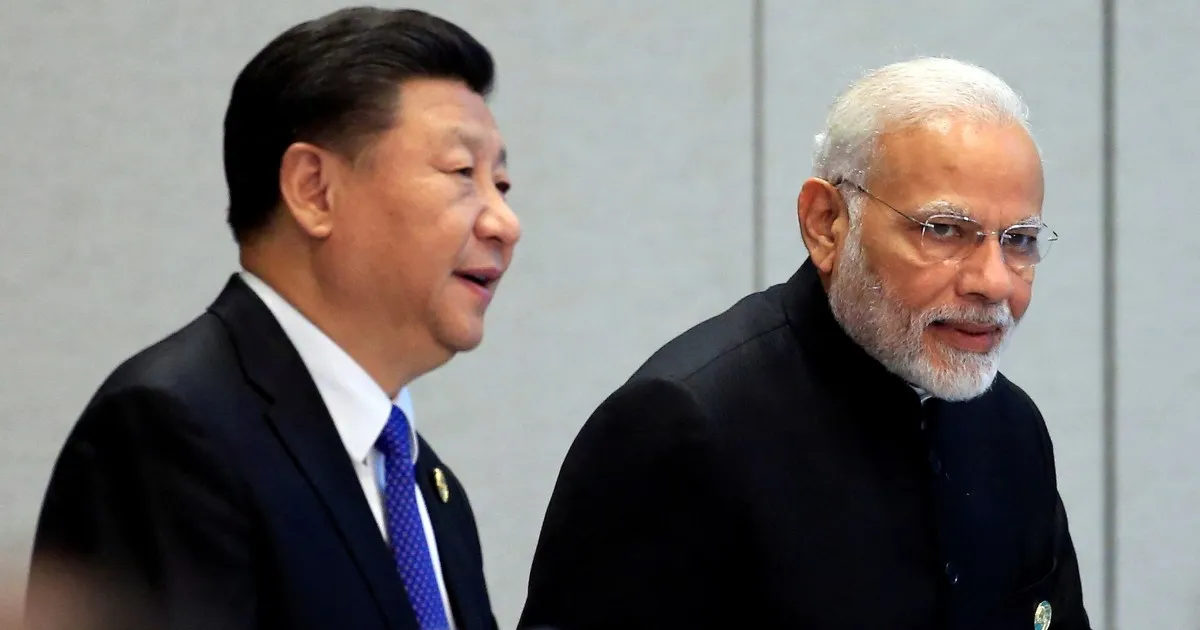
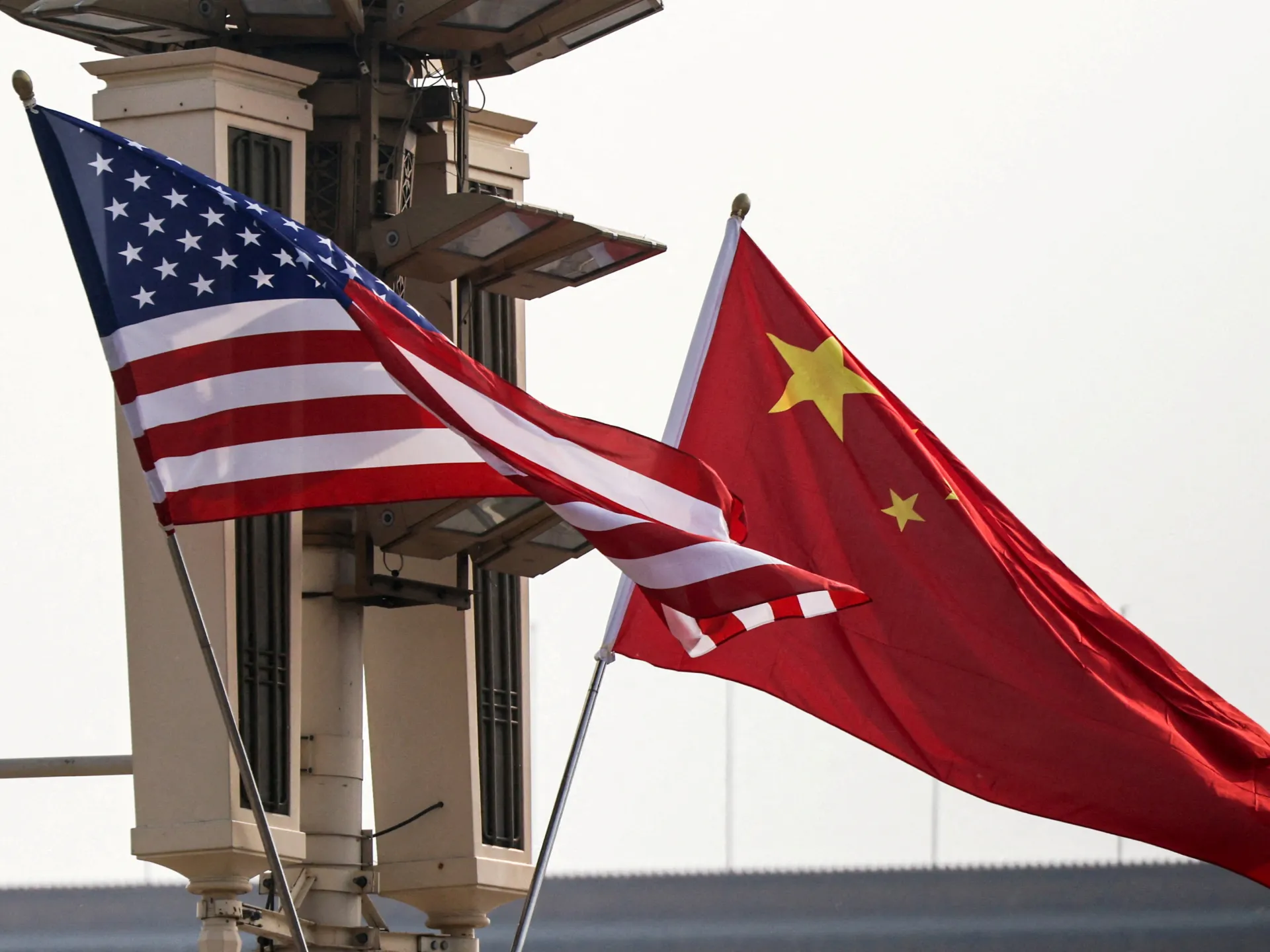
The geopolitical landscape of the Gulf is undergoing a subtle but profound transformation as China expands its diplomatic and economic footprint in the region. Recent years have seen a flurry of high-level diplomatic exchanges between Beijing and various regional capitals, signaling a shift in how Gulf states engage with global powers. While traditional analysis often frames this as a zero-sum game between Washington and Beijing, the reality is far more nuanced. Gulf nations are not looking to trade one security guarantor for another; rather, they are navigating a complex multipolar environment where economic diversification is the primary driver of foreign policy.
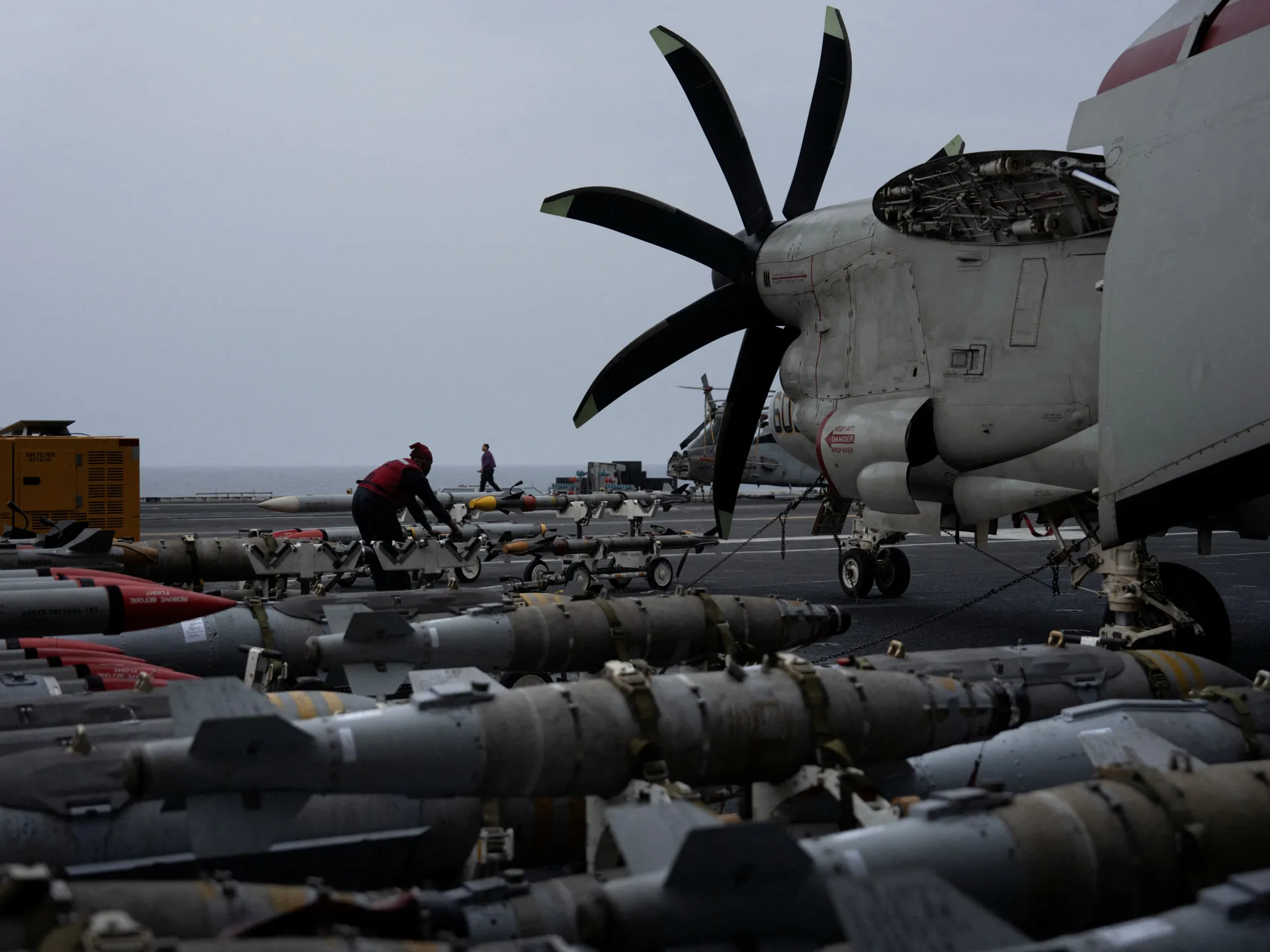
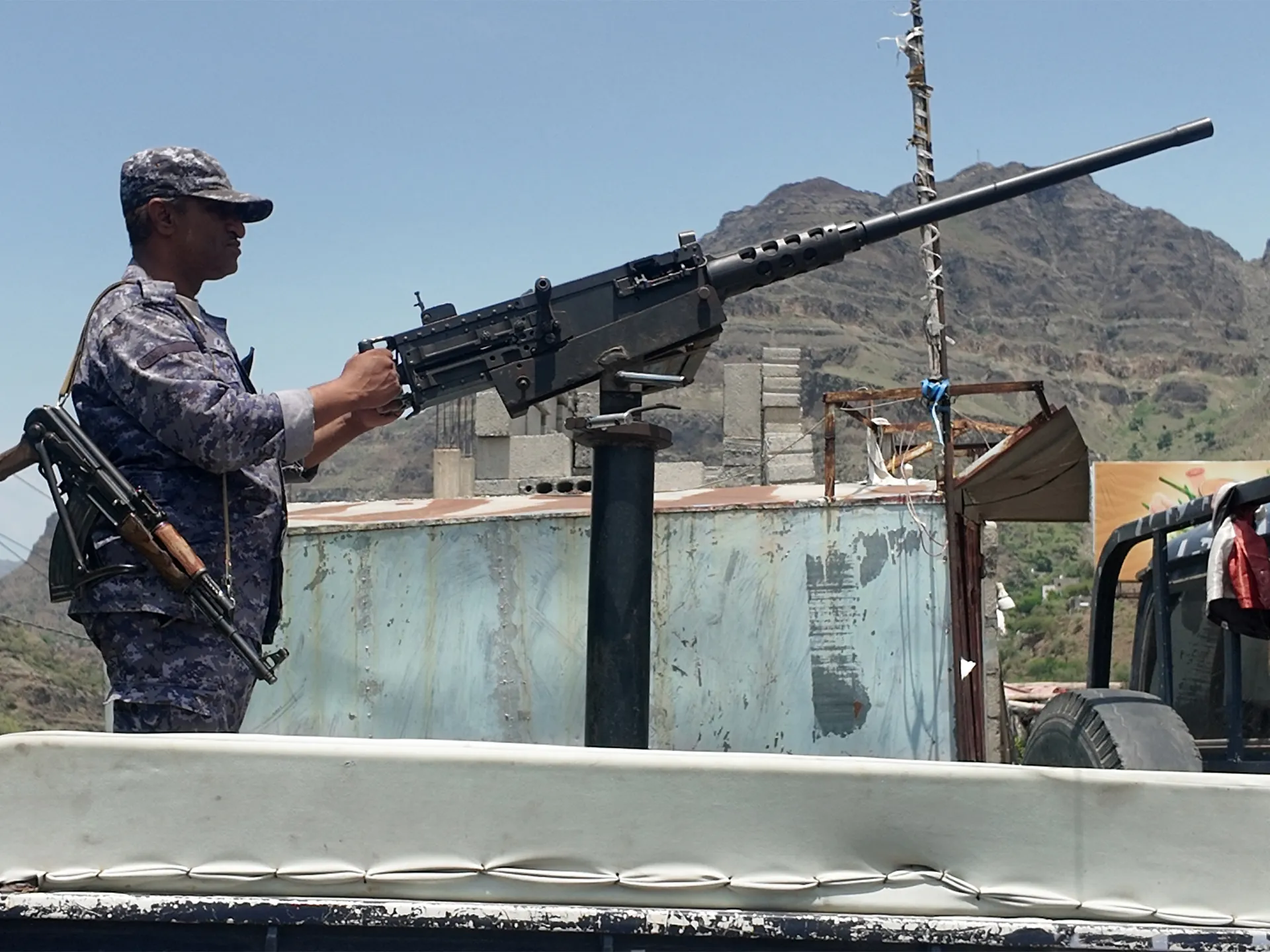
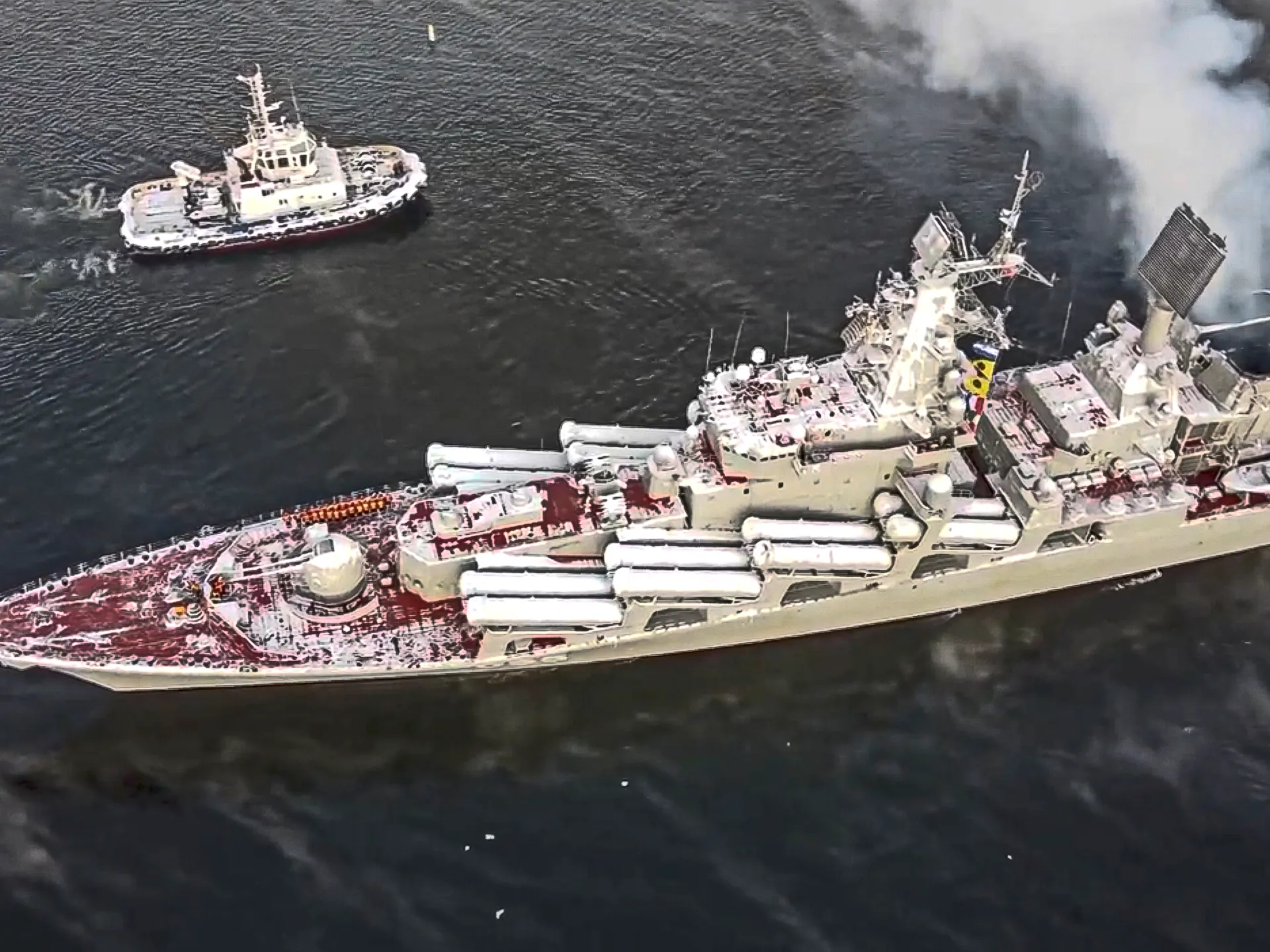
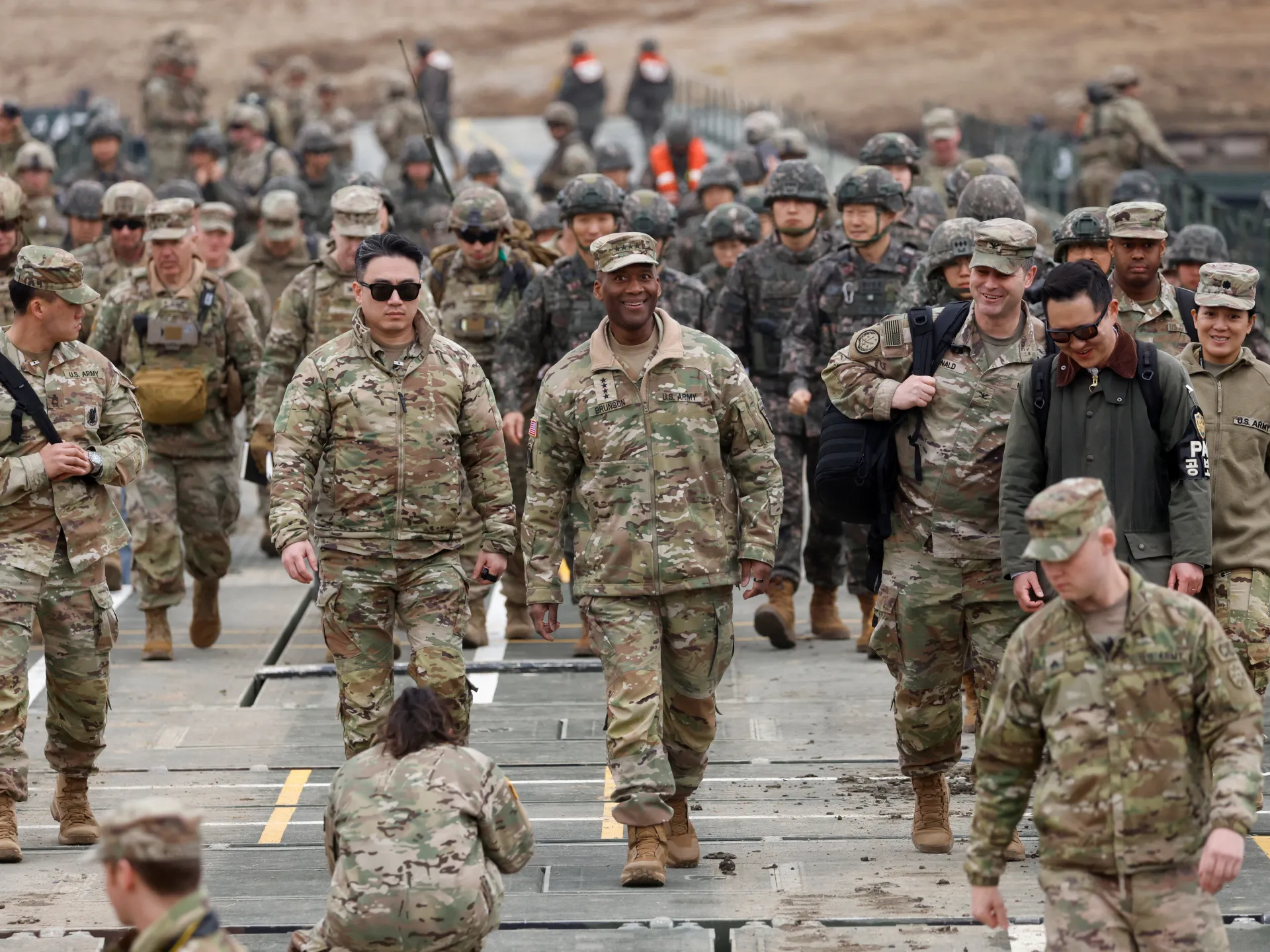
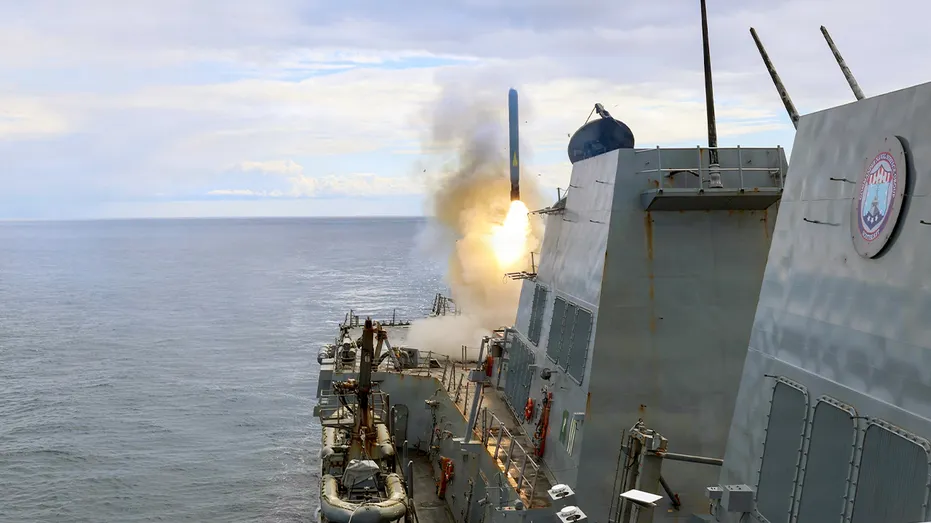
For decades, the United States has served as the bedrock of regional security through its extensive military infrastructure, intelligence sharing, and naval presence. This security umbrella has historically provided the stability necessary for global trade, allowing countries like China to import energy resources without assuming the logistical or political burdens of regional policing. As Beijing’s influence grows, it has shown little inclination to challenge this status quo. Instead, China appears content to benefit from the stability provided term economic leverage.
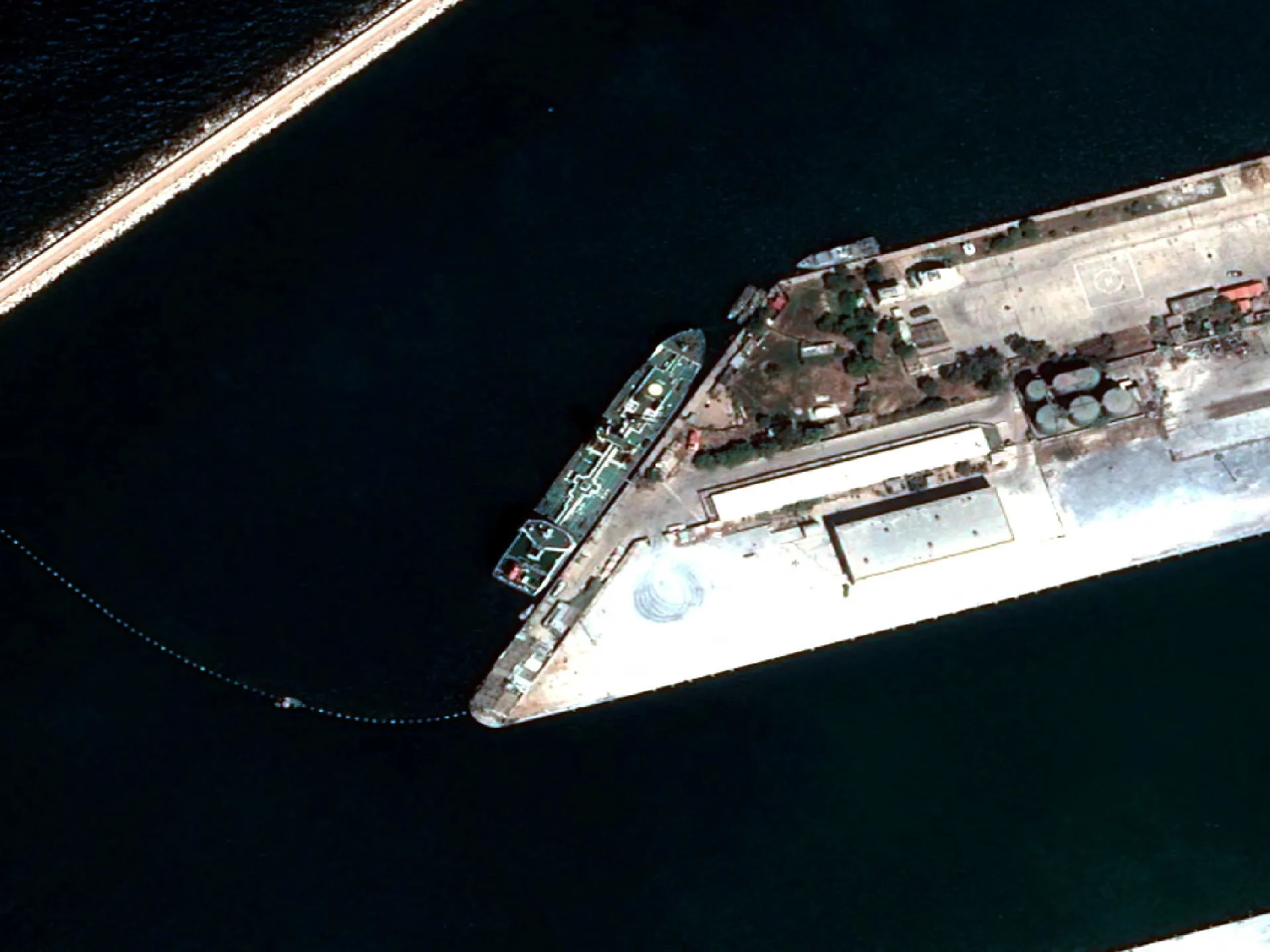
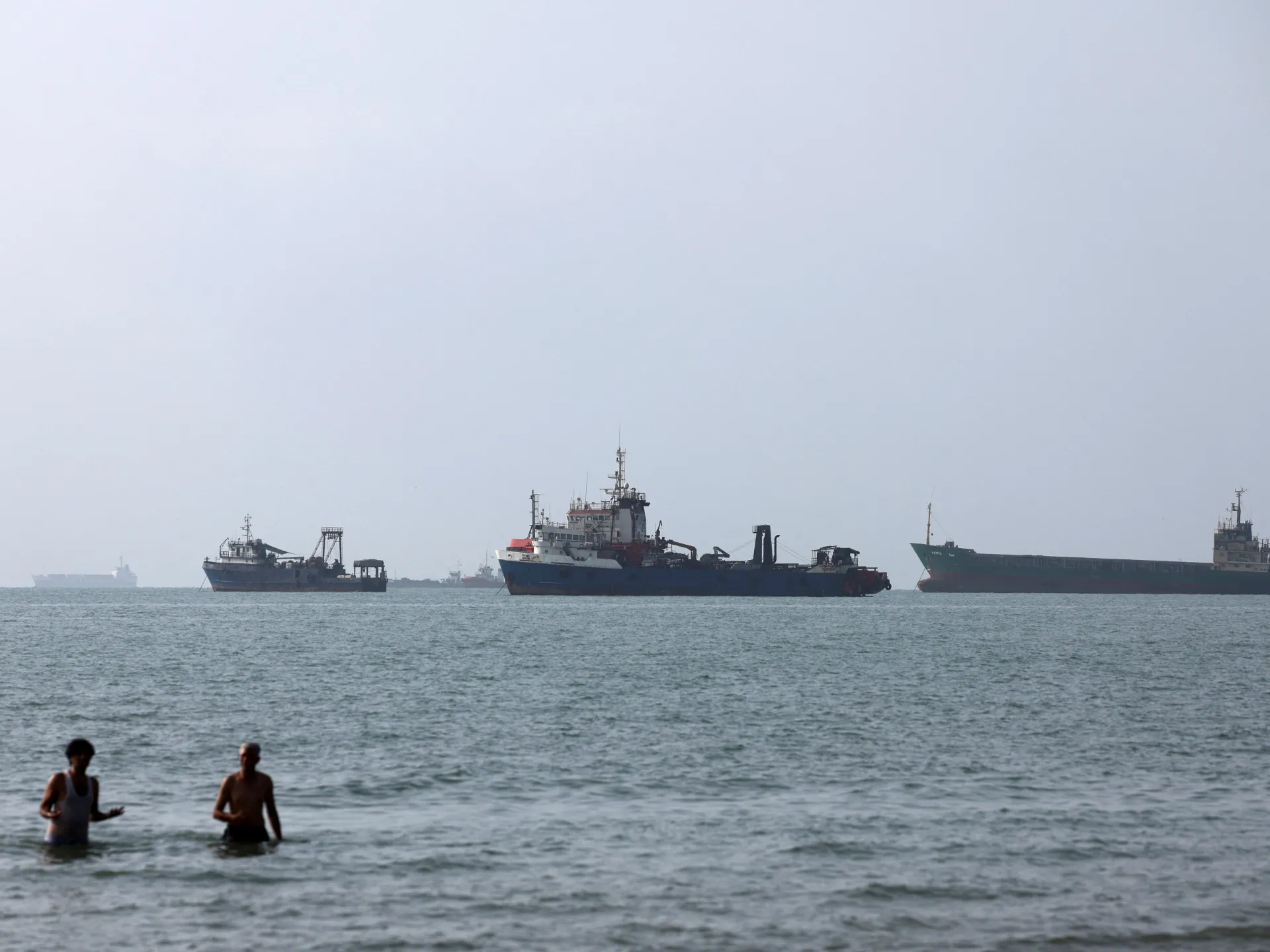
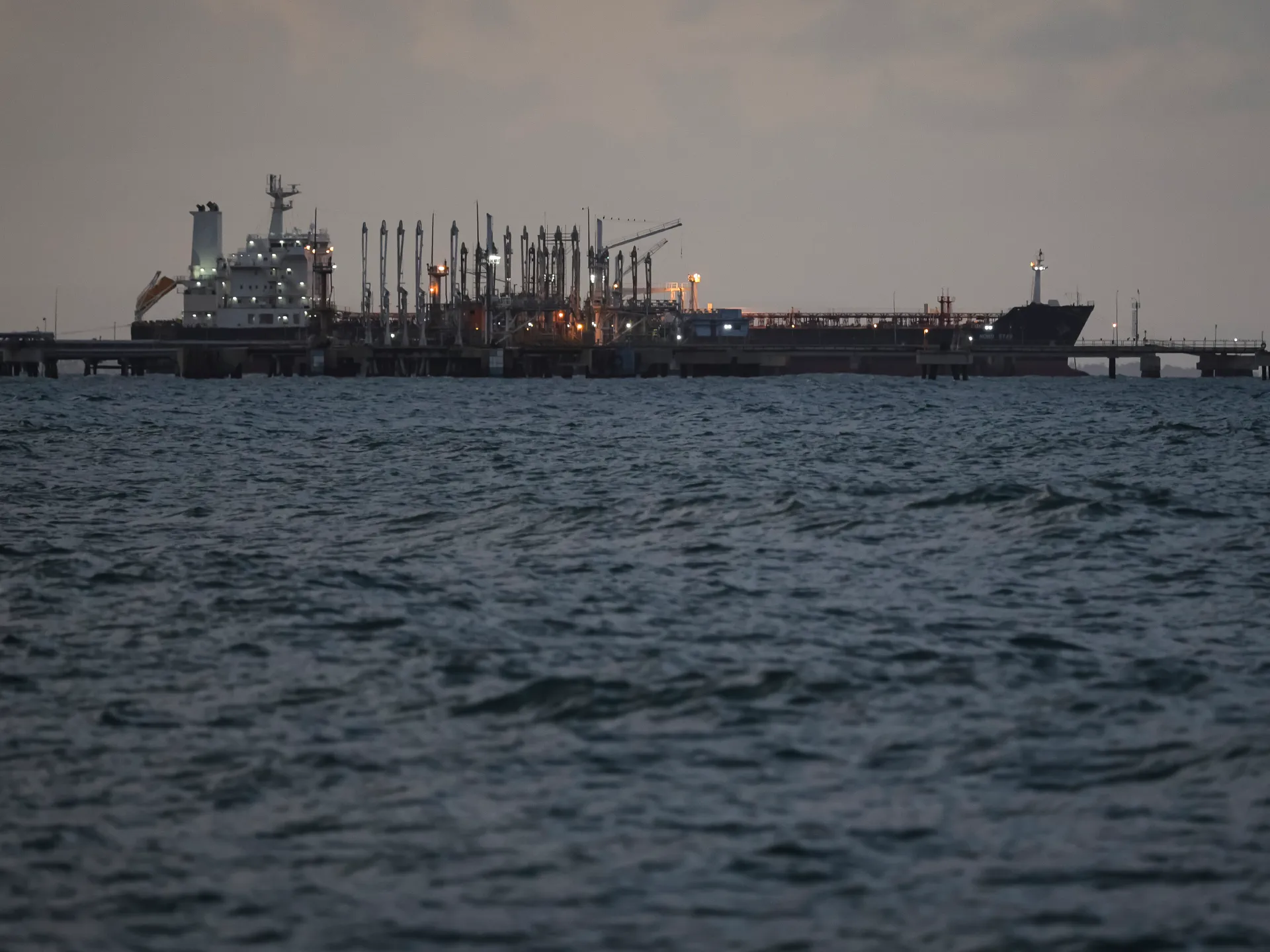
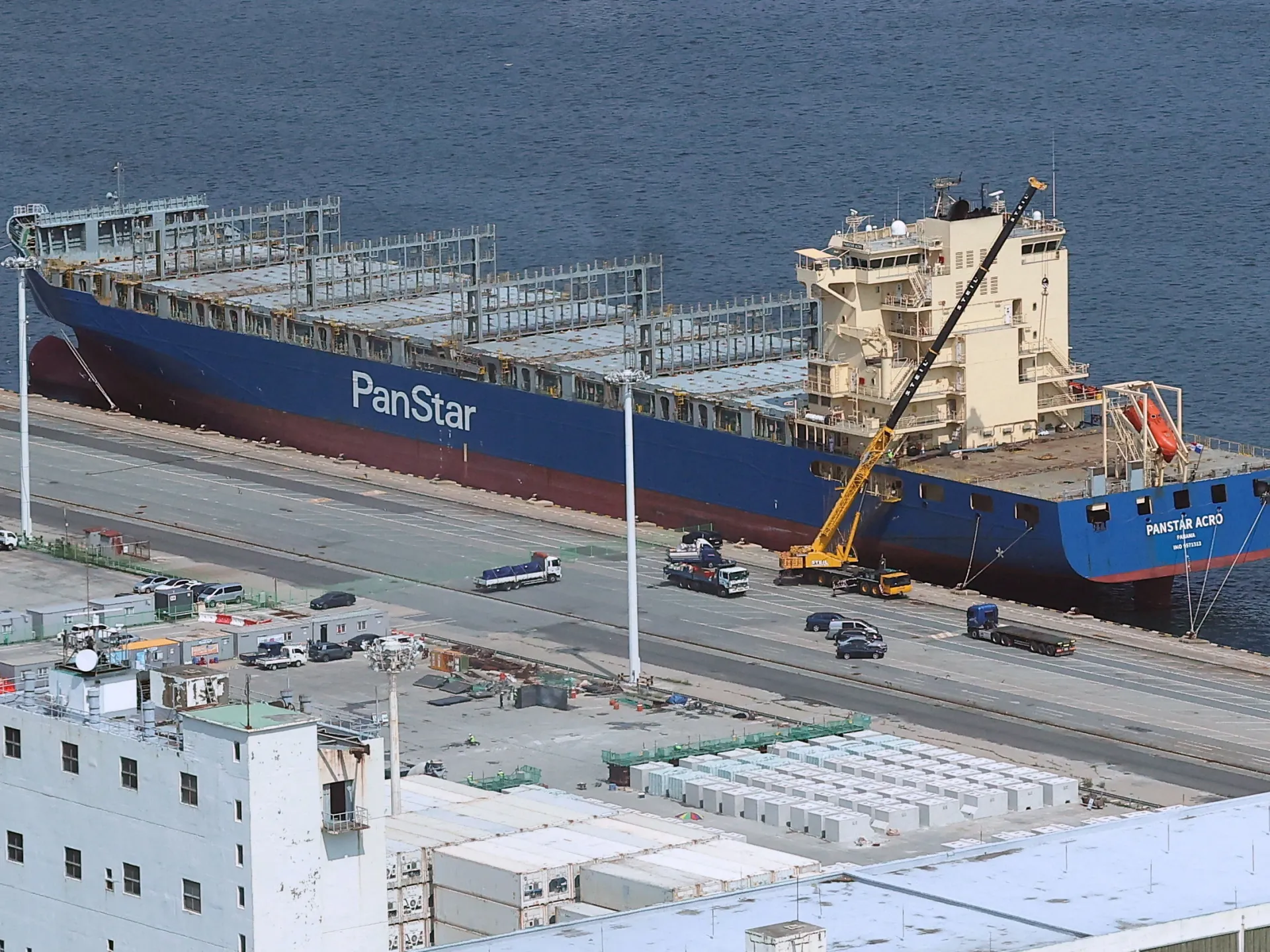
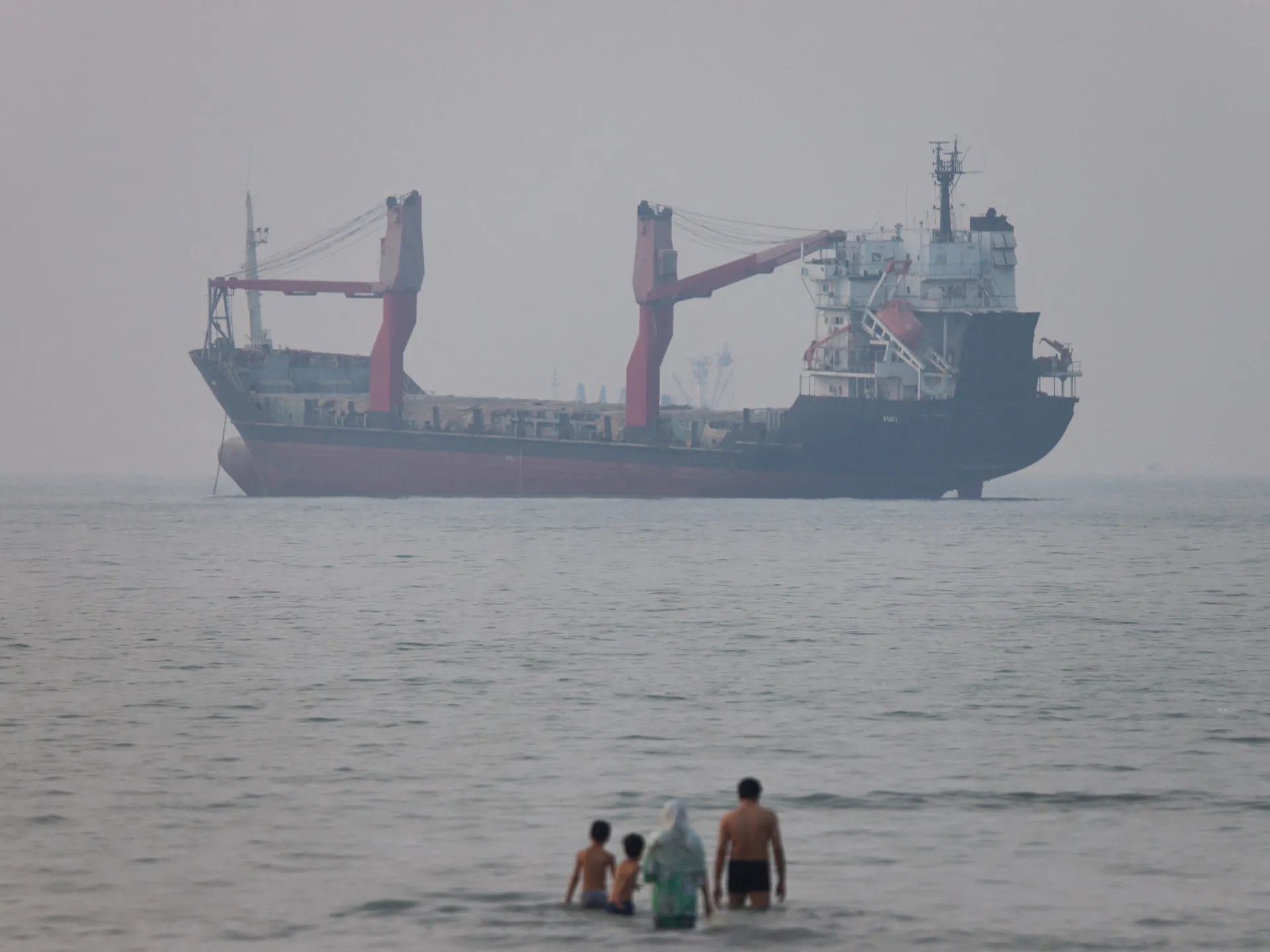
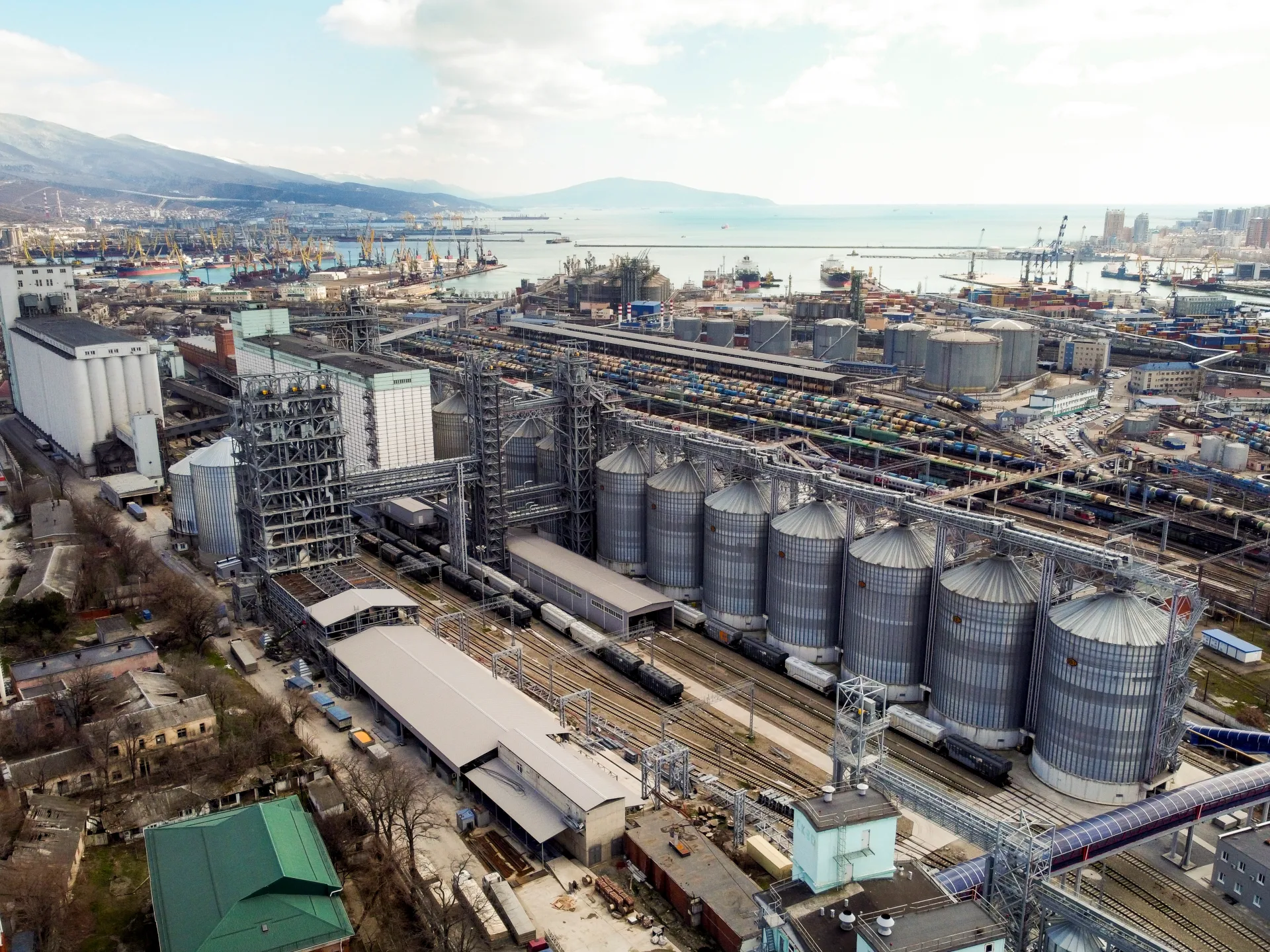
Rather than seeking to match the military reach of the US, China is embedding itself into the very fabric of the Gulf’s economic future. etworks, and renewable energy grids—Beijing is creating a form of interdependence that is difficult to unwind. When Chinese firms like COSCO Shipping Ports secure controlling stakes in major regional terminals, they are not merely making a financial investment; they are establishing a permanent presence in the logistics chains that sustain the region.
This strategy is designed to make an anti-China stance economically prohibitive for Gulf governments. Unlike military deployments, which can be withdrawn or downscaled at the discretion of a foreign power, economic integration creates deep-rooted ties across supply chains, technology sectors, and industrial manufacturing. res that its role in the region becomes indispensable, regardless of the political climate or external pressure to choose sides.
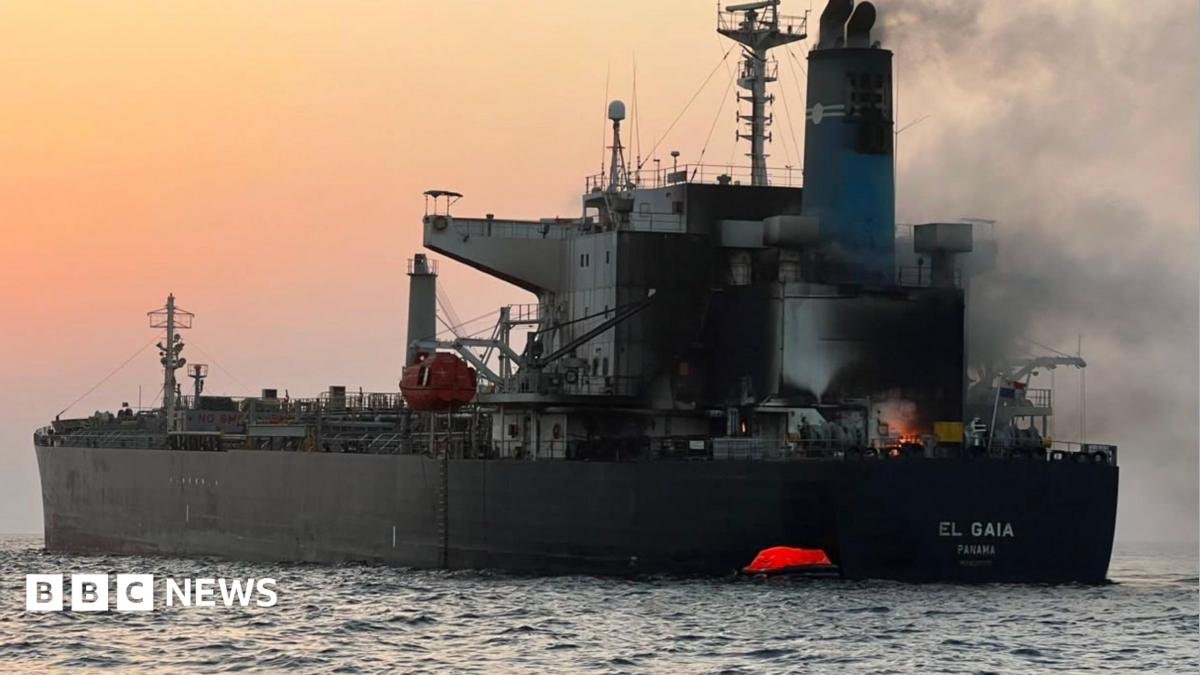
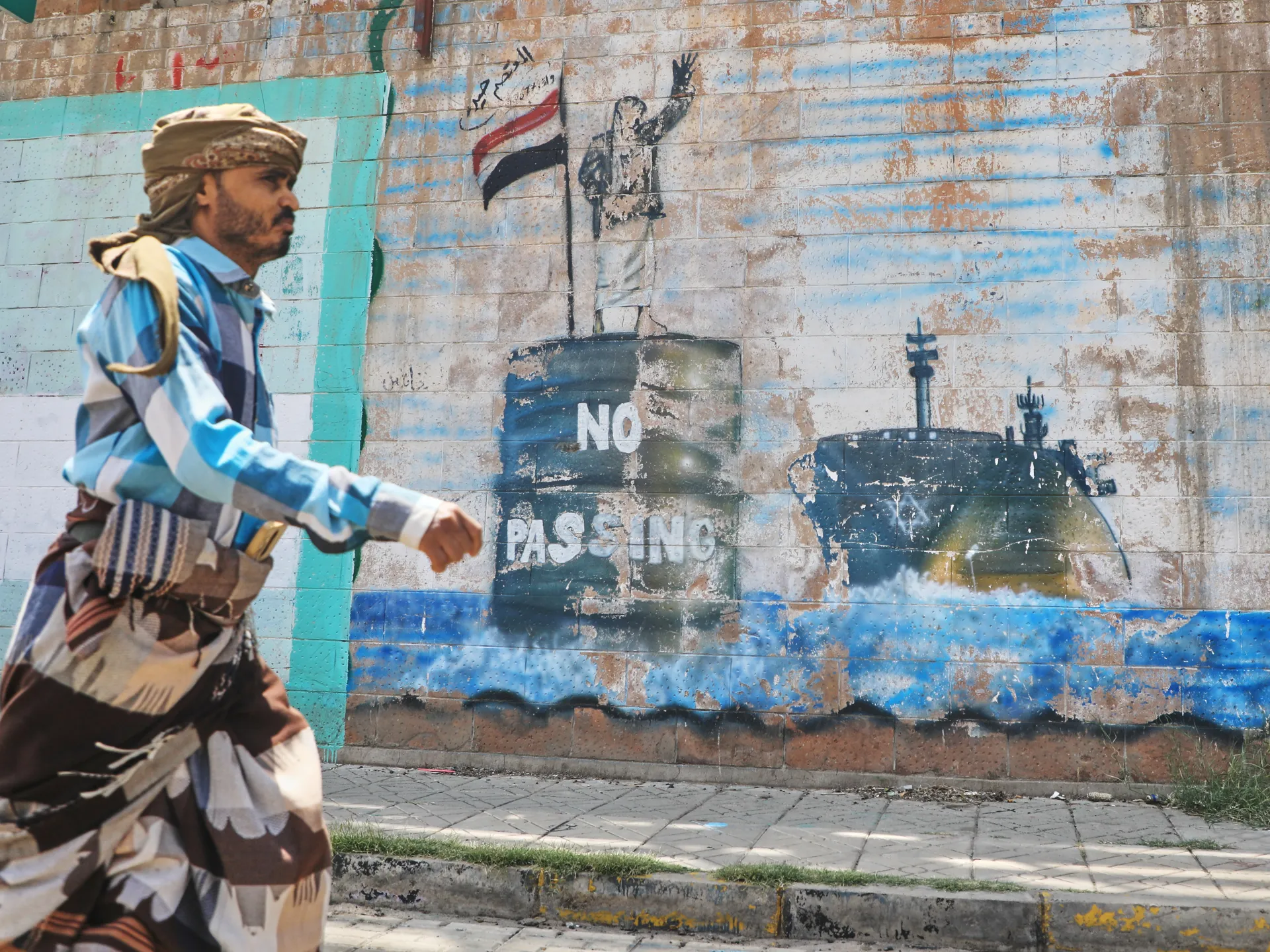
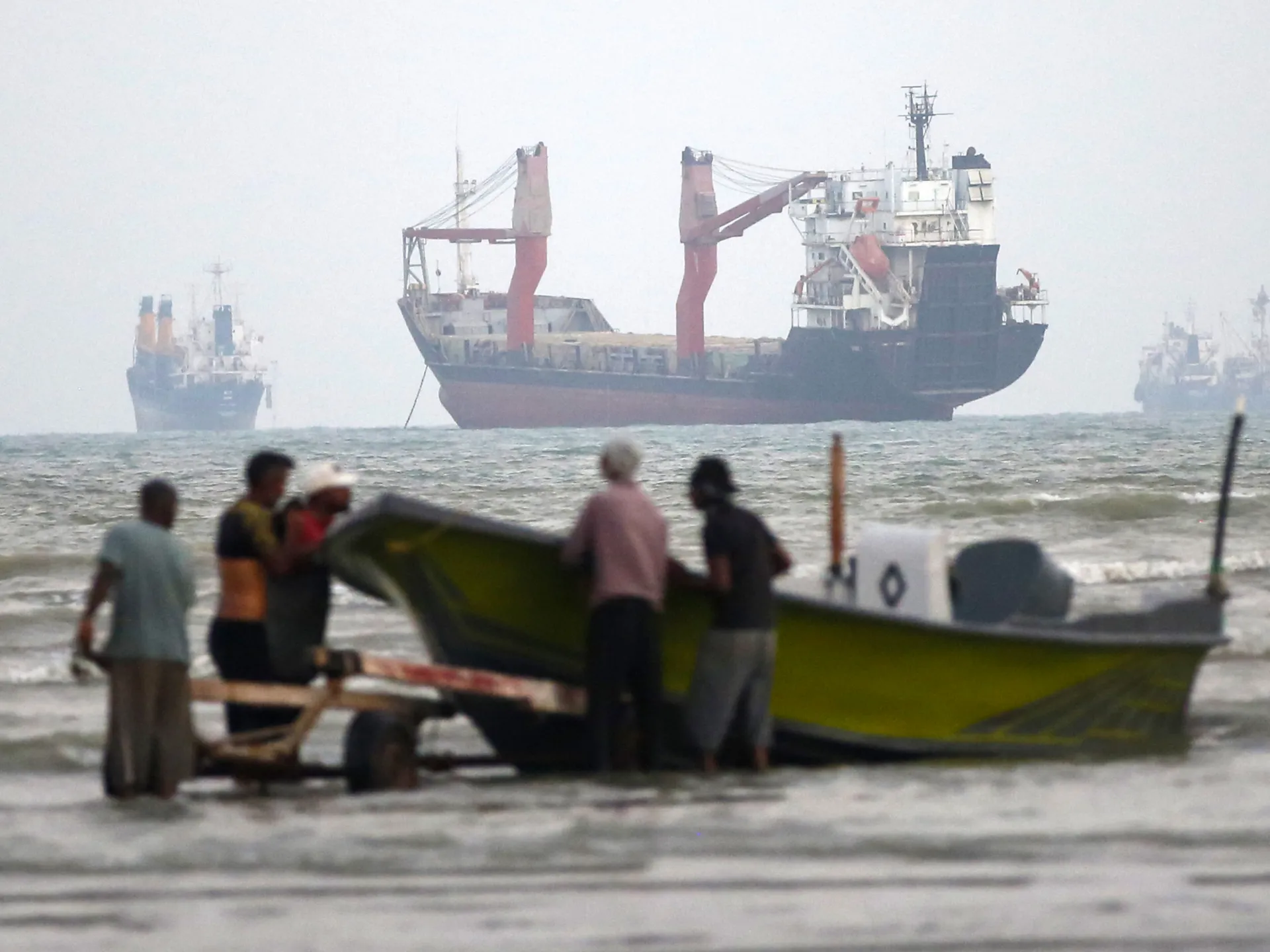
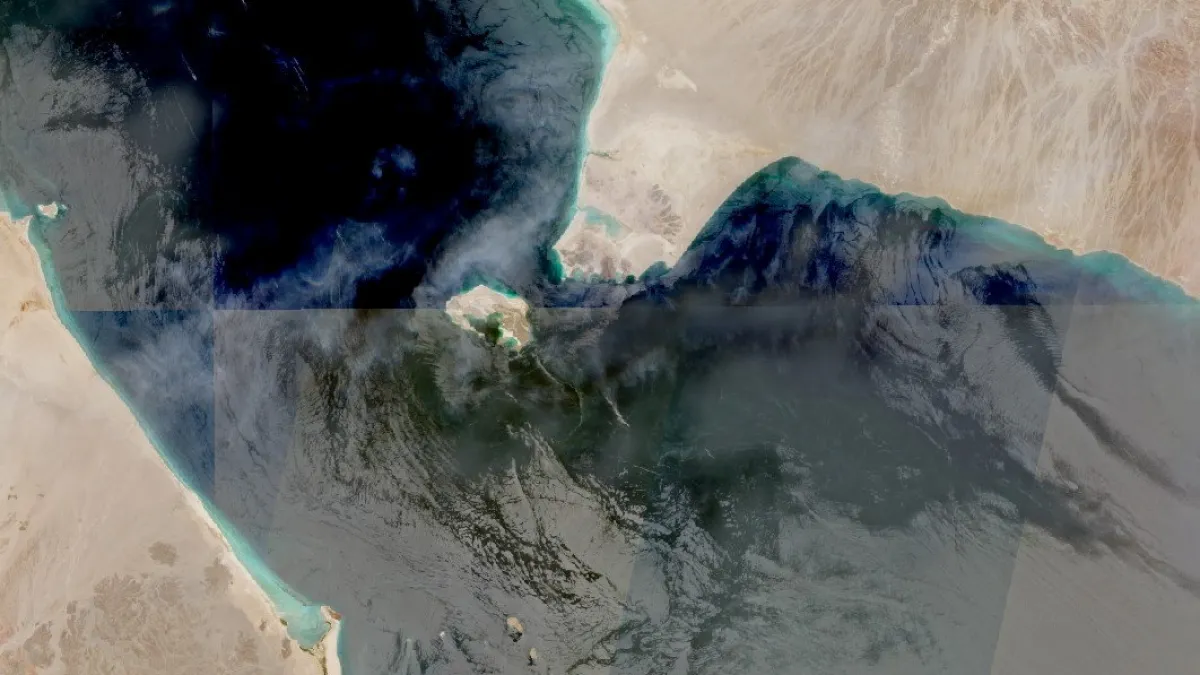
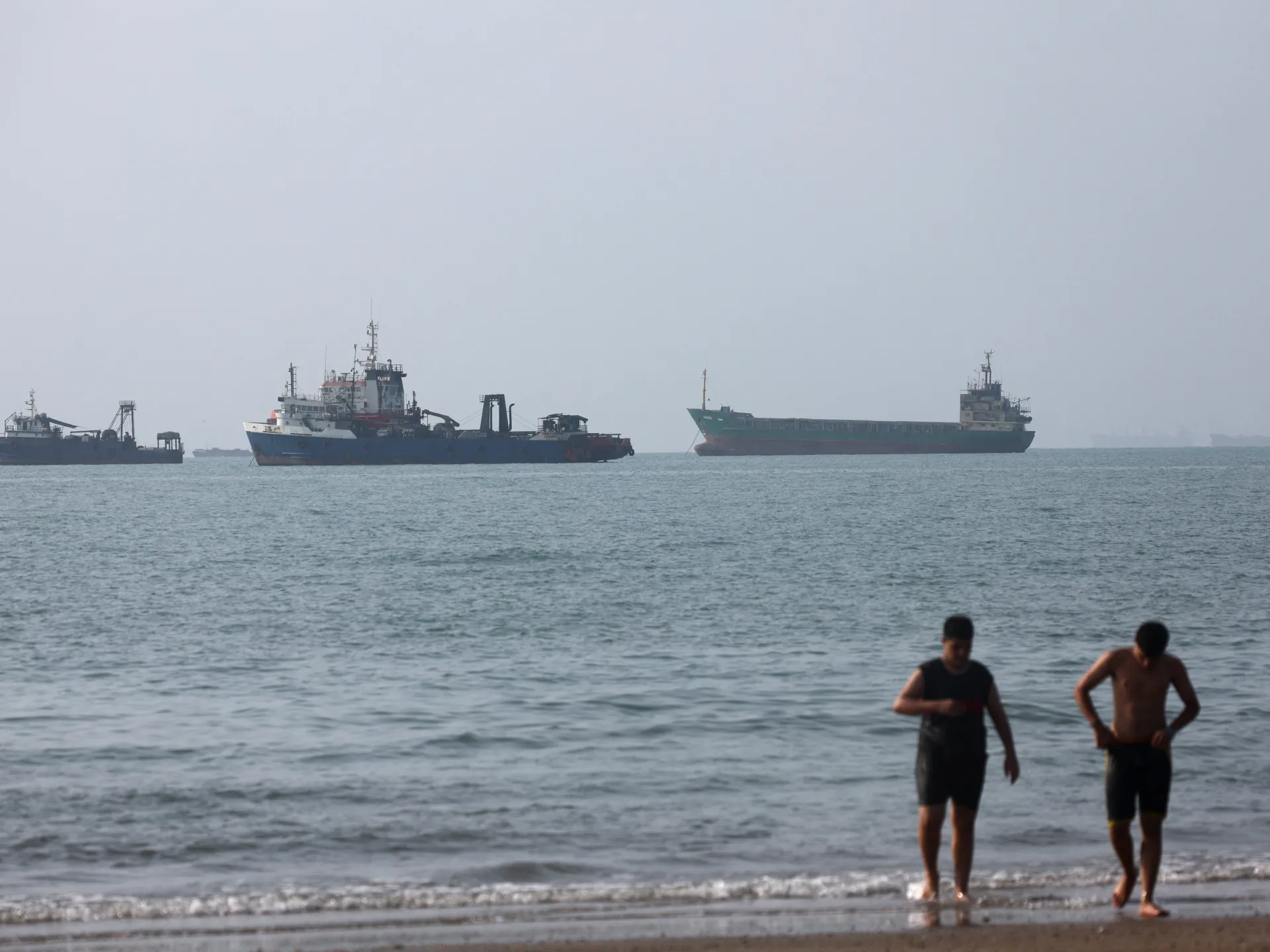
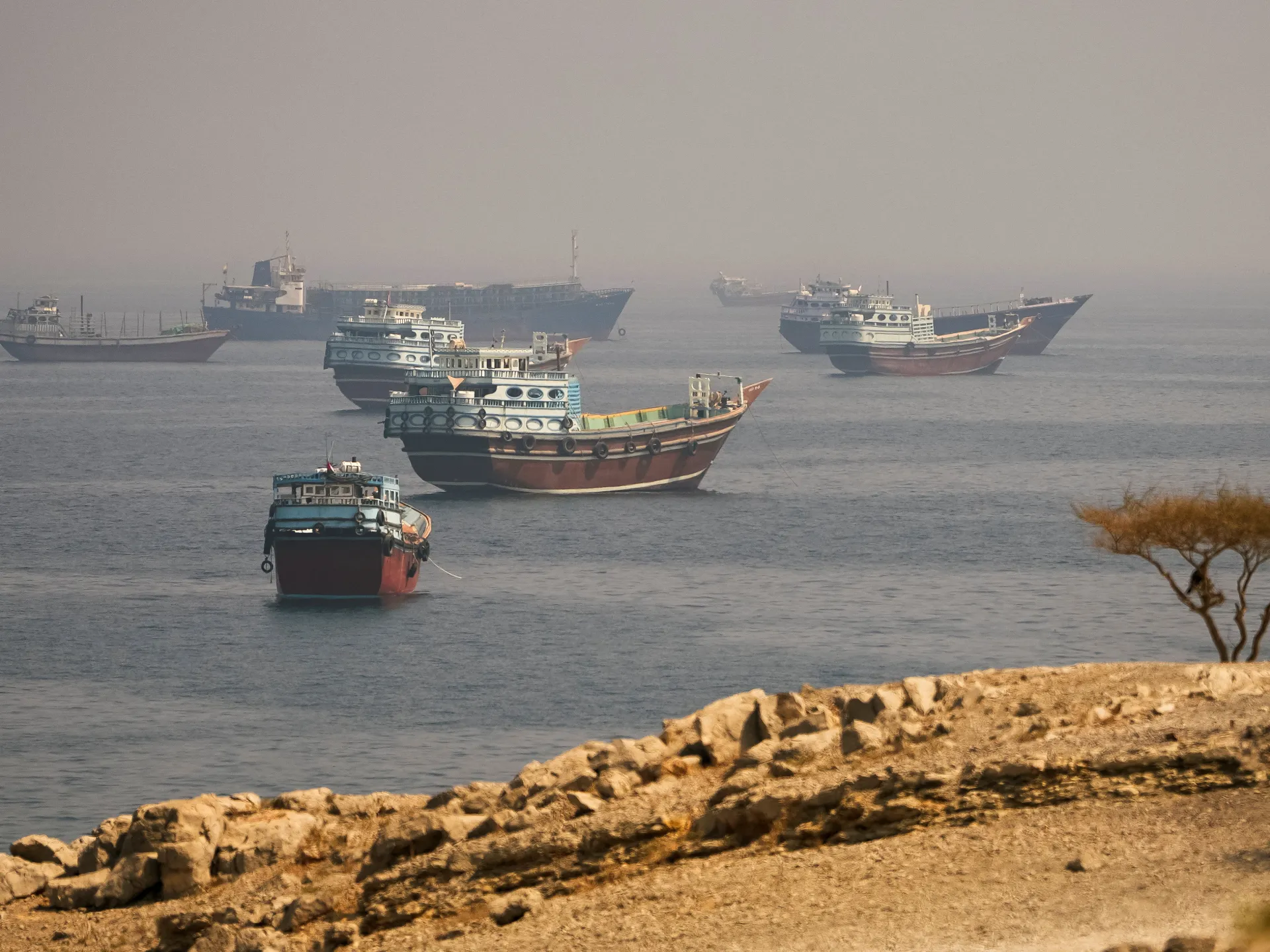
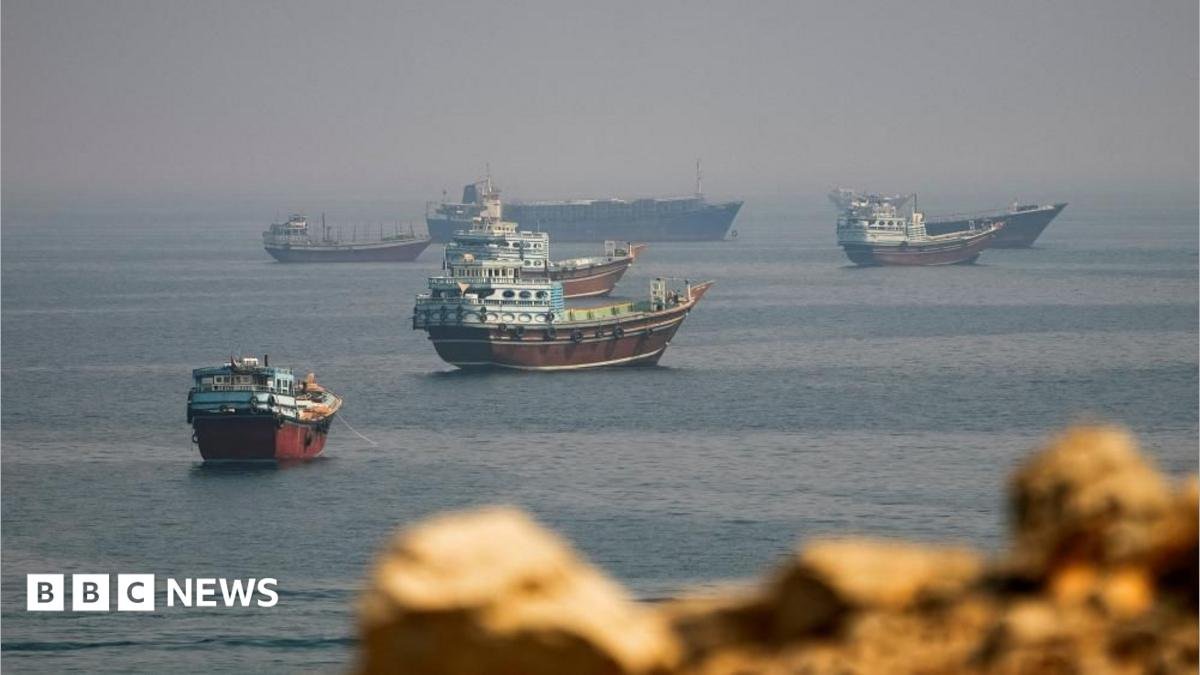
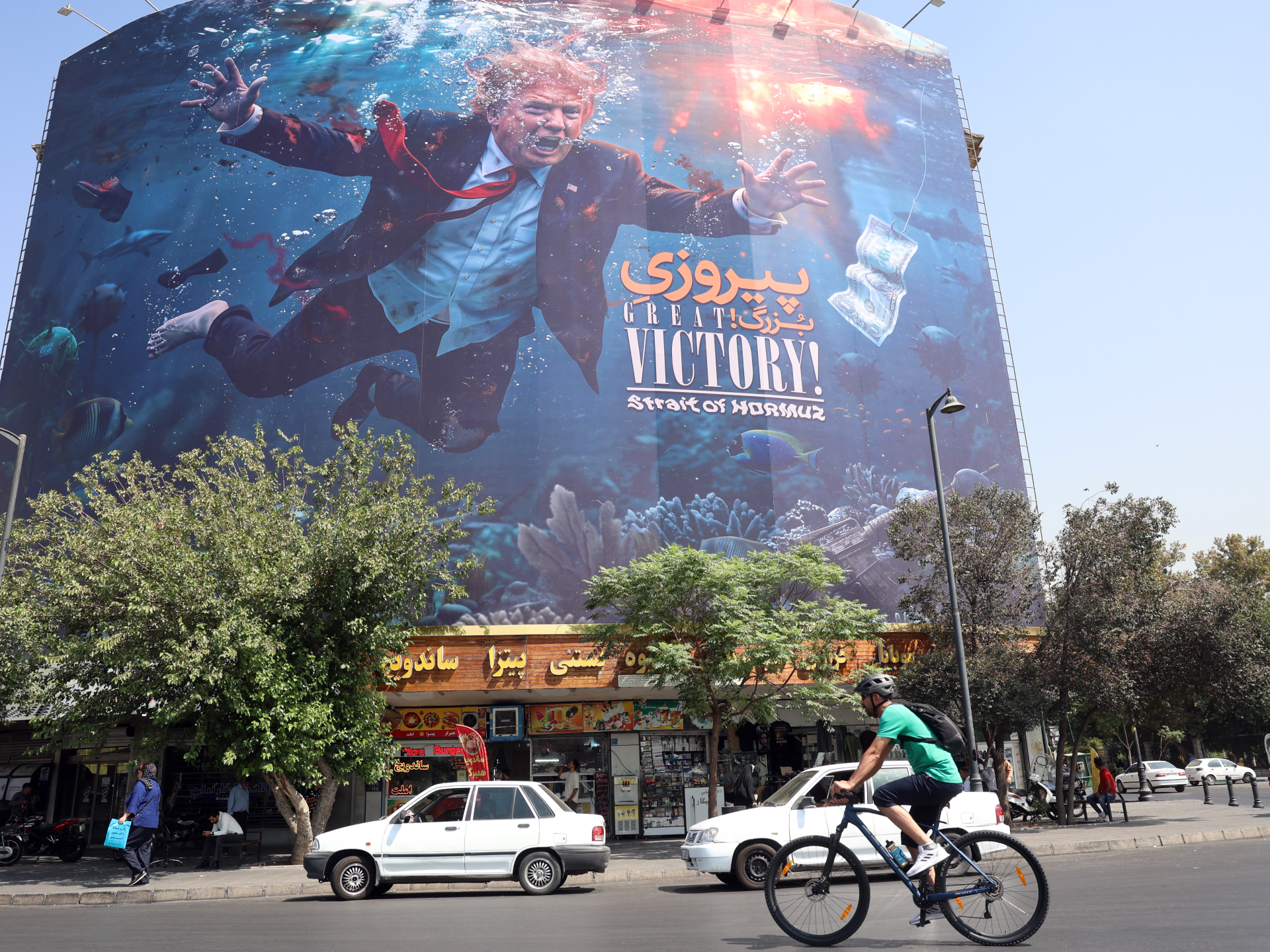
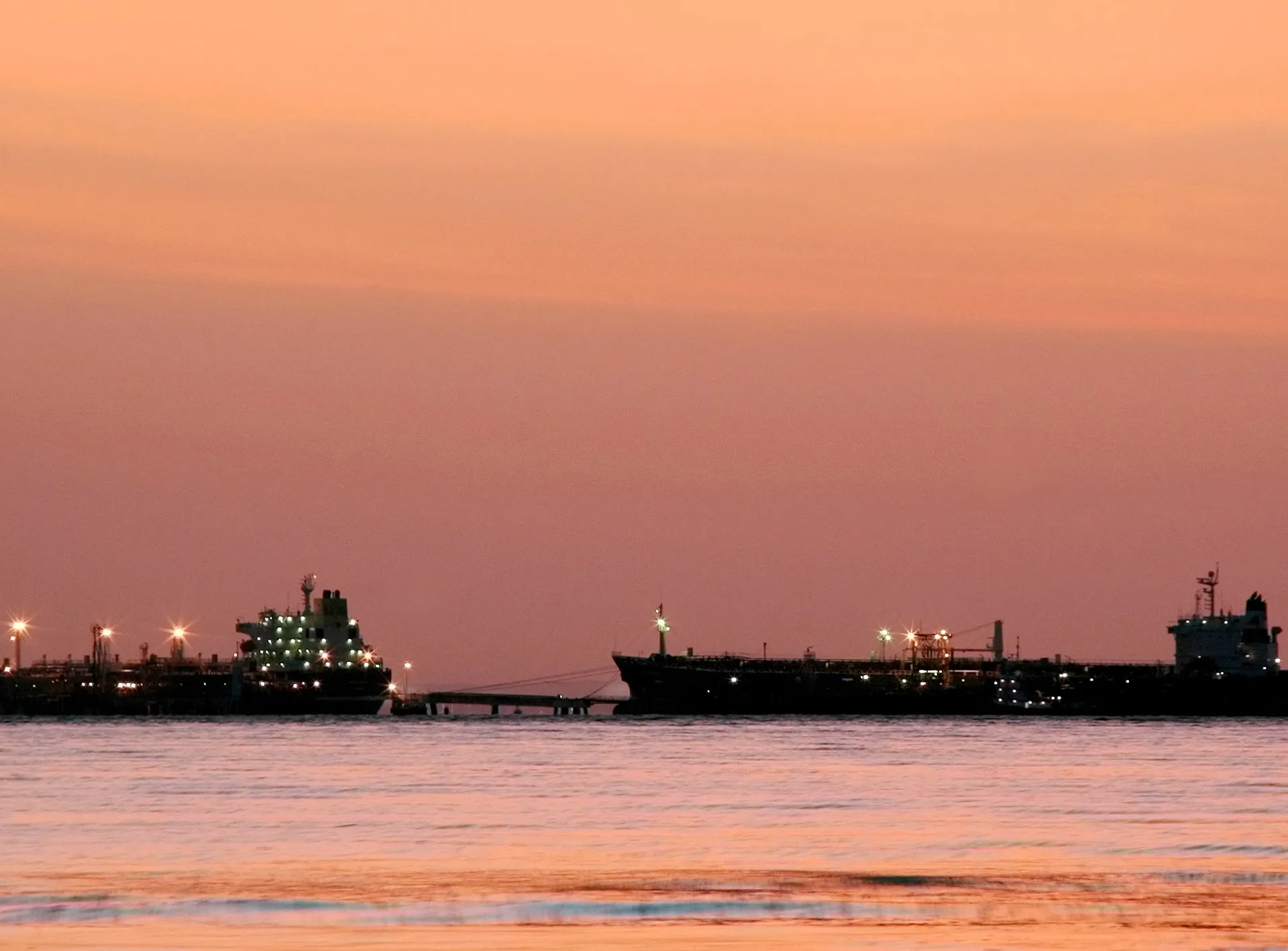
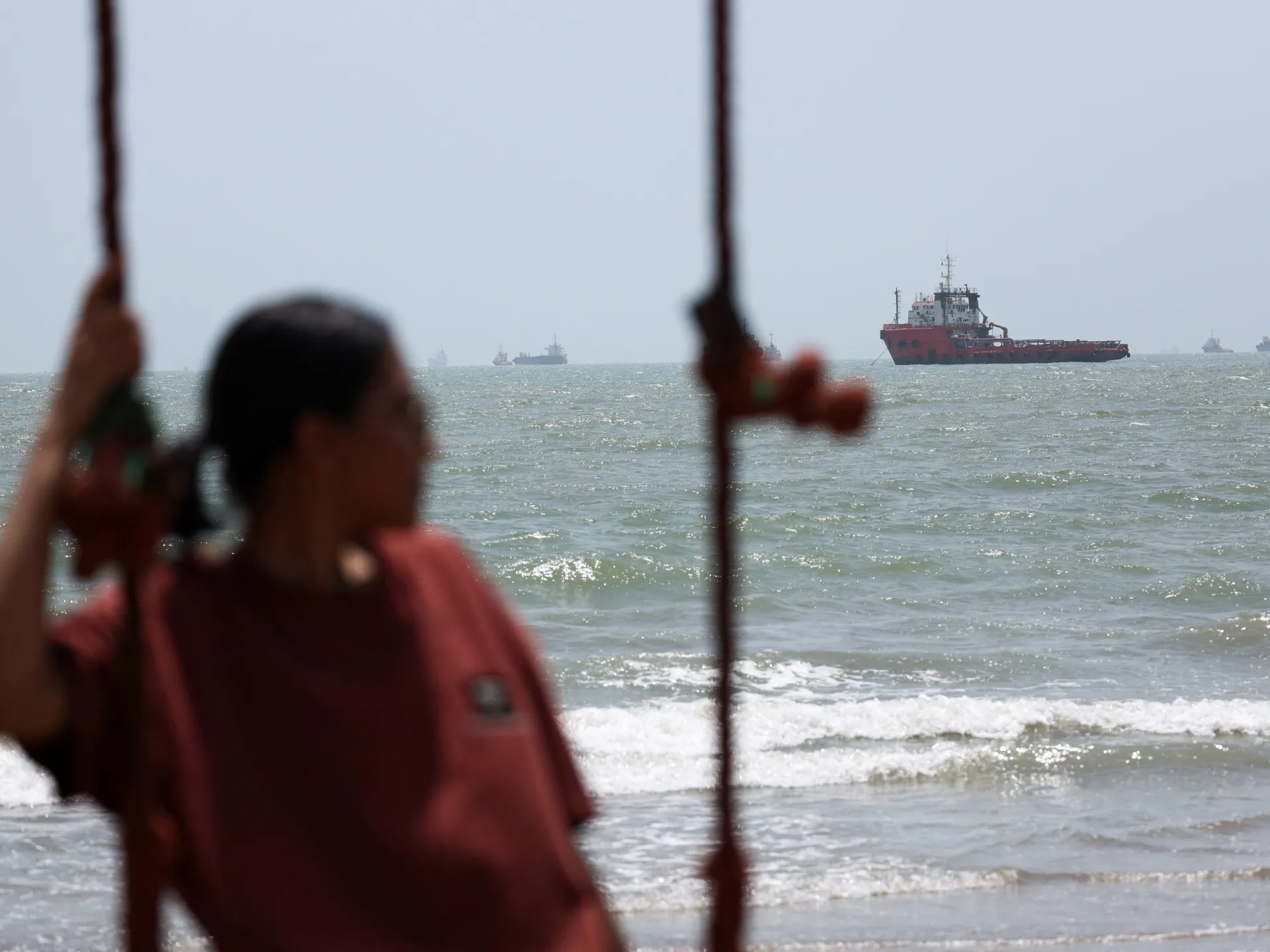
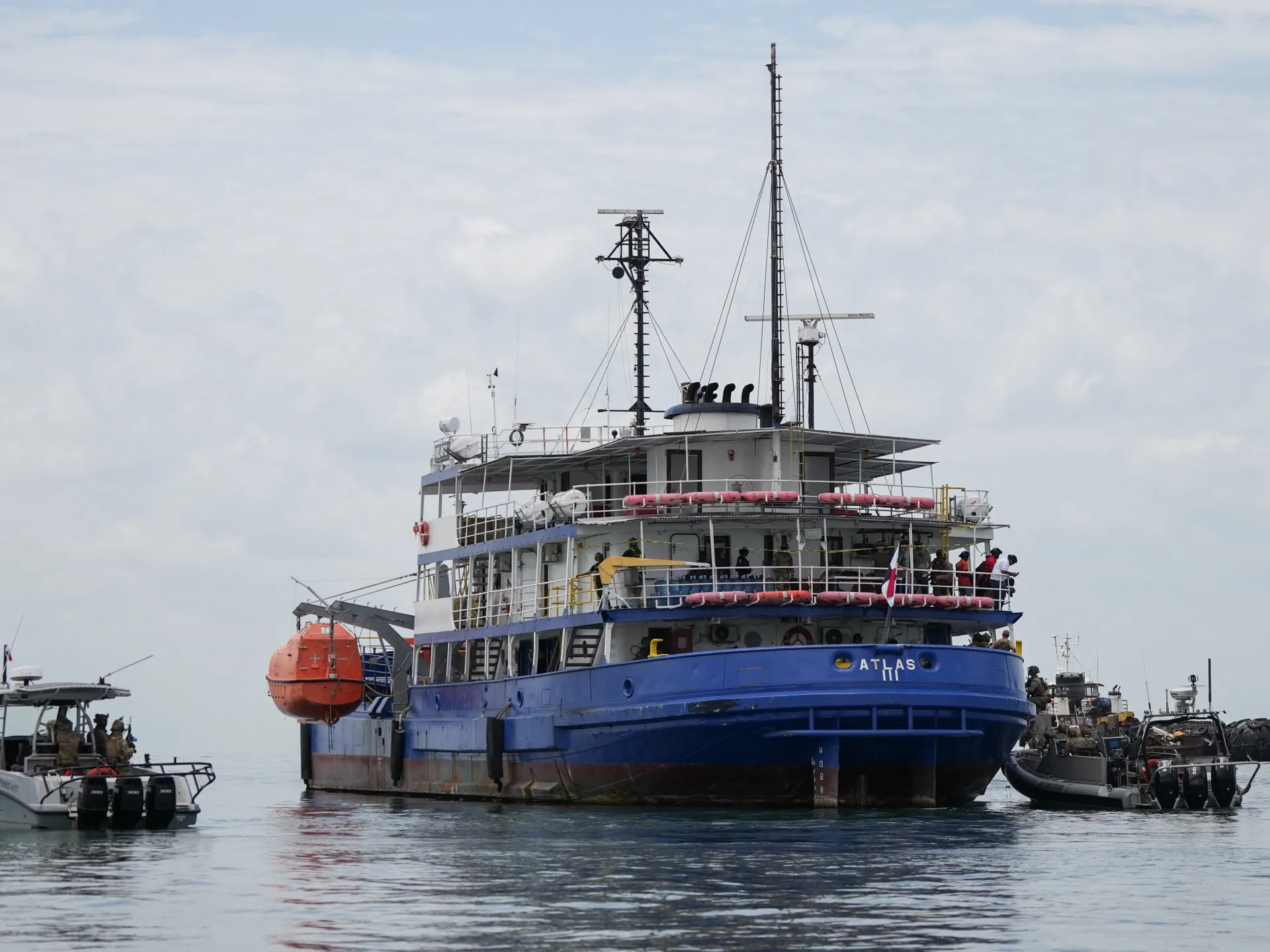
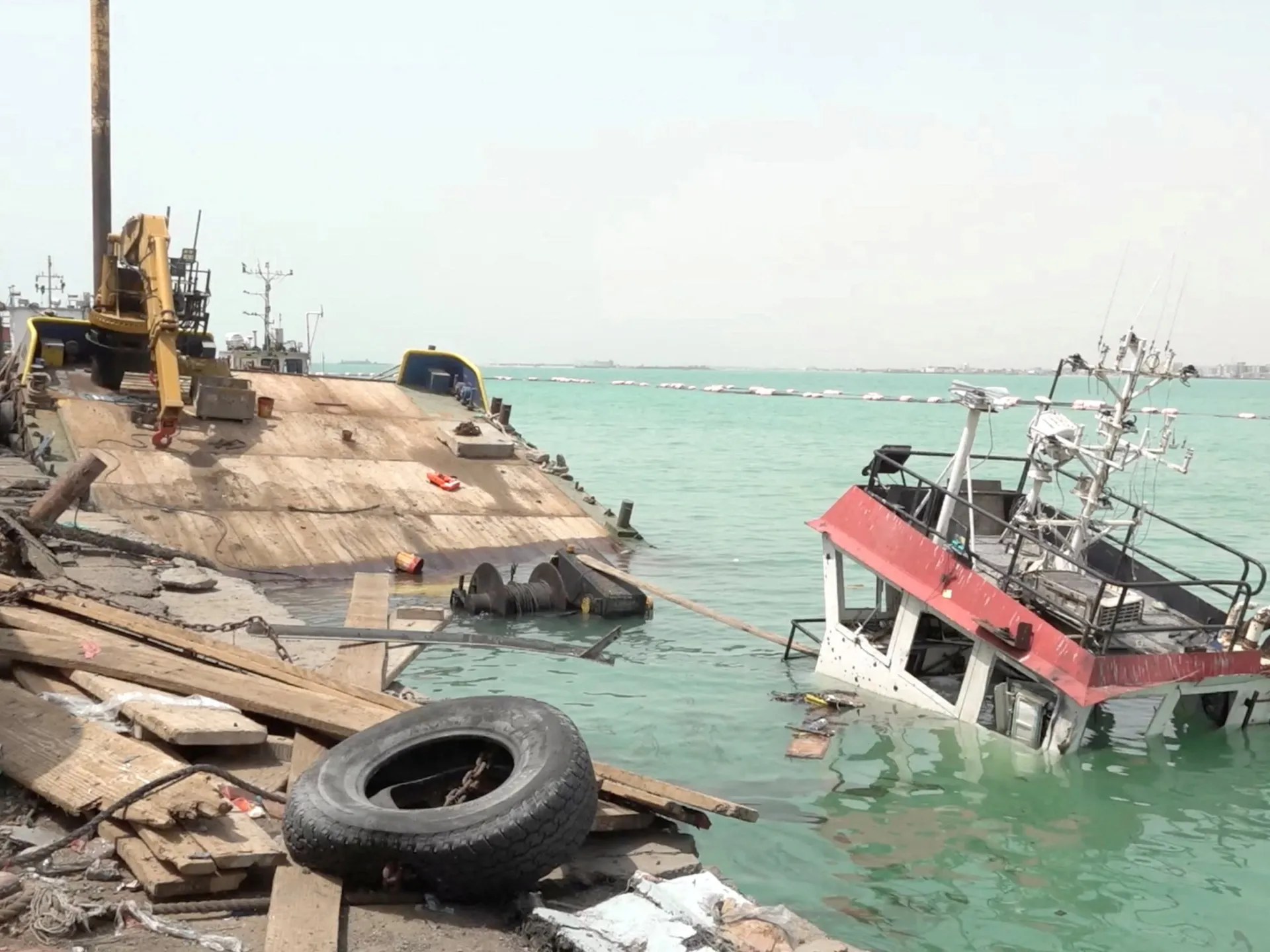
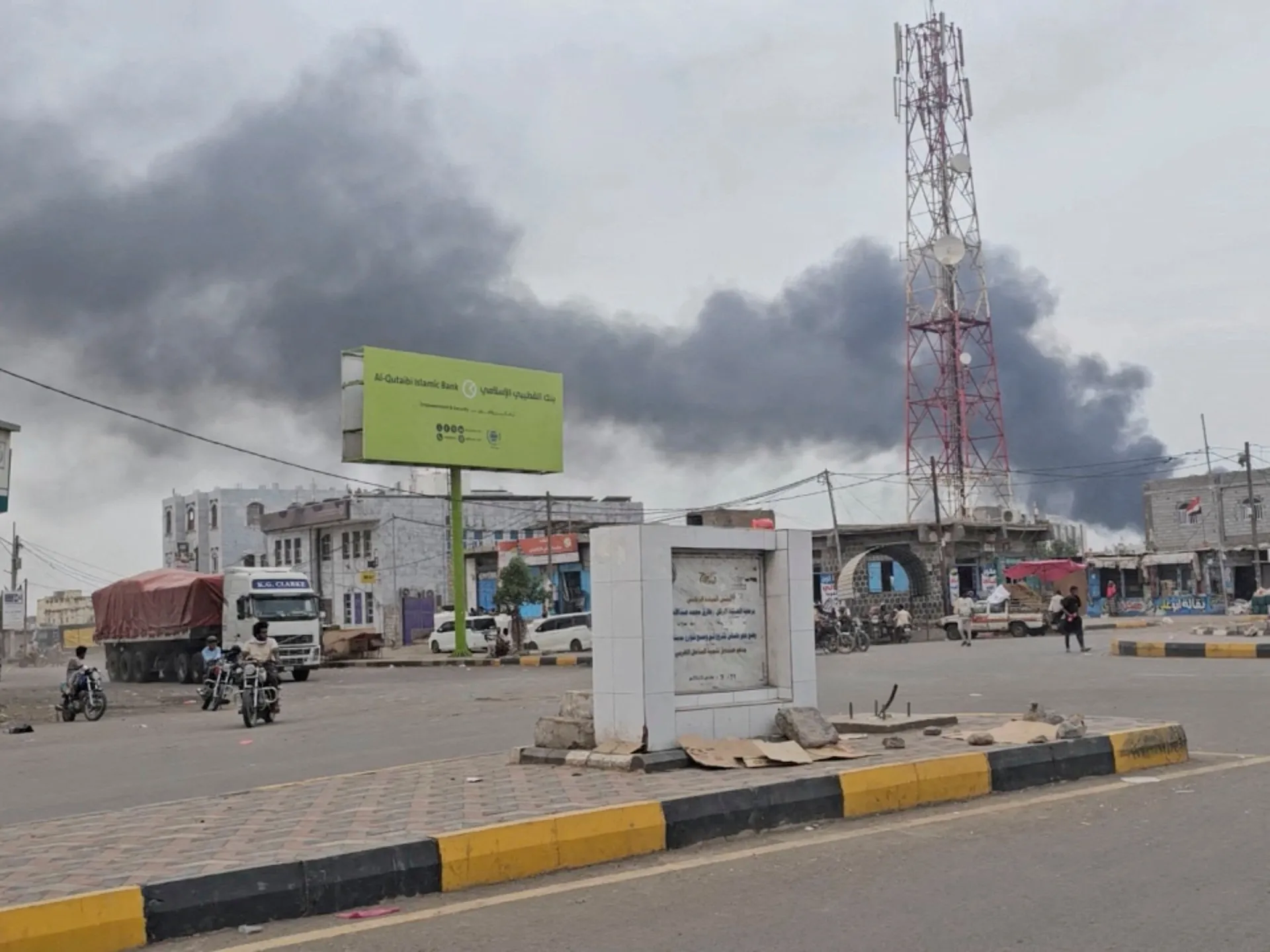
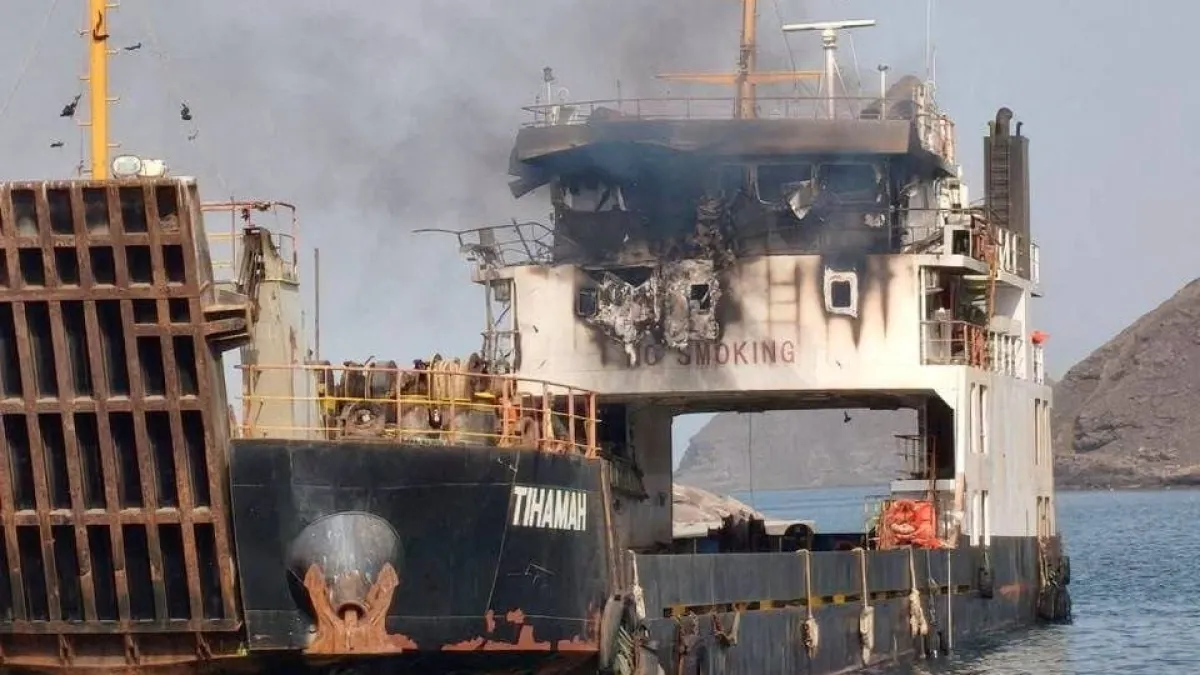
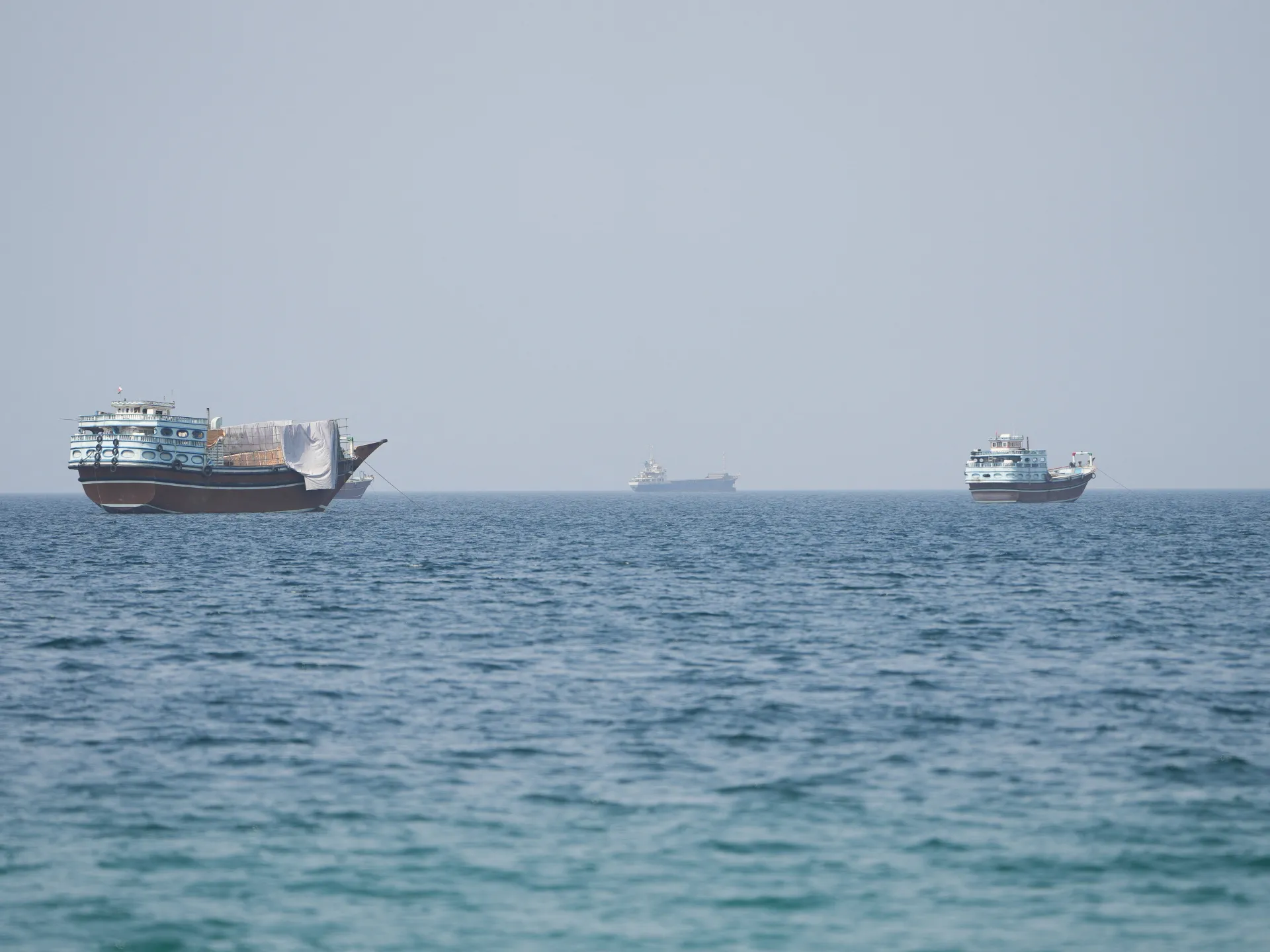
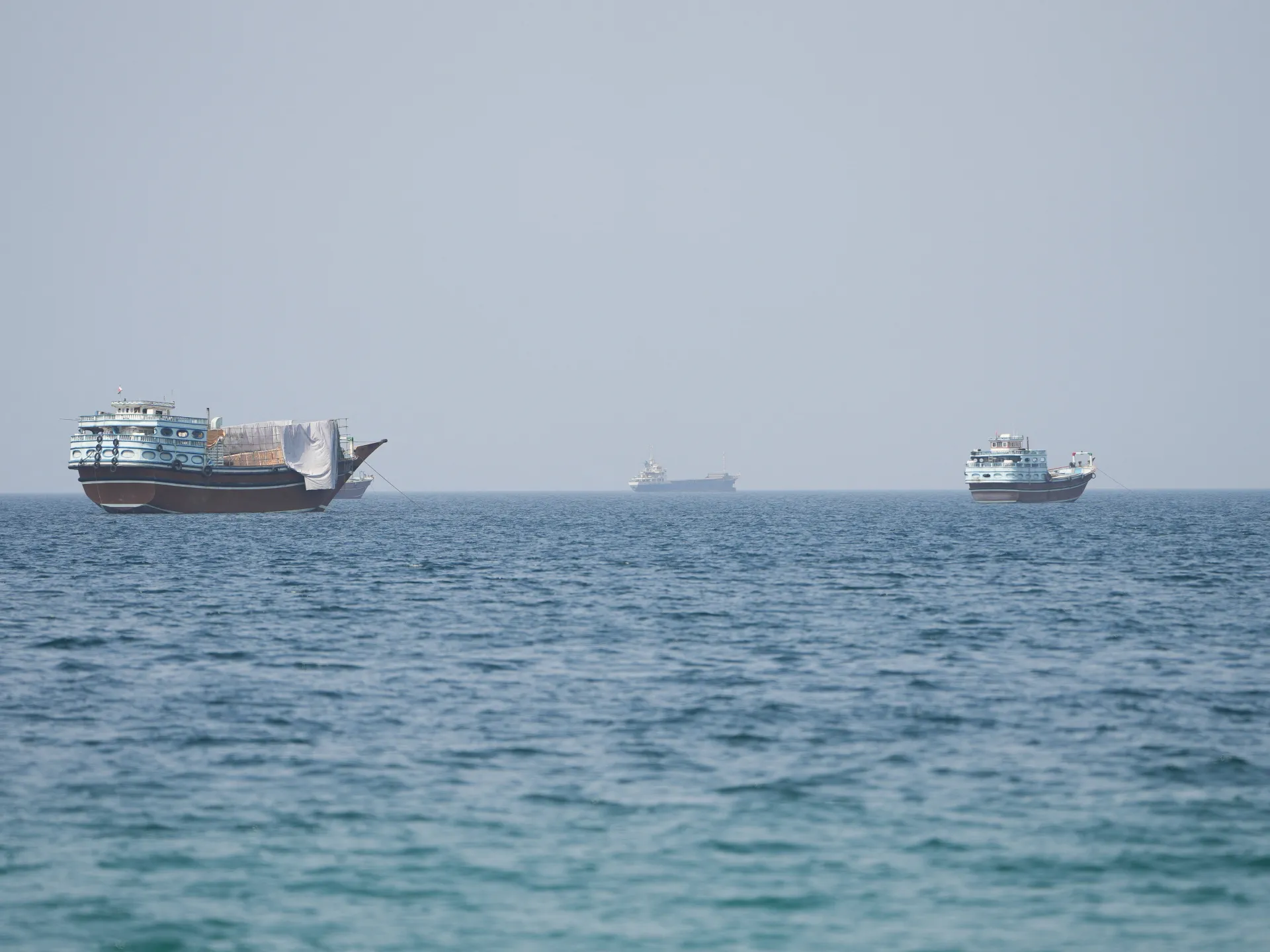
For nations such as Saudi Arabia, the United Arab Emirates, and Qatar, the objective is to achieve strategic autonomy in an increasingly volatile international system. The recent disruptions in the Strait of Hormuz and challenges to US military bases have reinforced the necessity of diversifying partnerships. Relying solely on a single security provider or a single source of technology creates unacceptable vulnerabilities, prompting these states to adopt a hedging strategy that balances Western security guarantees with Eastern economic partnerships.
This push for diversification extends far beyond traditional energy markets. Gulf states are aggressively pursuing national strategies centered on artificial intelligence, advanced manufacturing, and green technology. To succeed in these transitions, they require a diverse array of partners capable of providing capital, cutting-edge research, and industrial expertise. lves to benefit from the best offerings of both global powers without becoming overly dependent on either one.
The evolving role of China in the Gulf suggests that Washington must rethink its metrics for success. For years, the US has measured its influence primarily through the number of military bases and defense agreements in the region. However, in the modern era, strategic power is increasingly defined f its partners. The ability to shape the future of a country’s digital infrastructure or energy sector may soon carry as much weight as traditional military might.
Moving forward, the US does not necessarily need to force regional governments to choose between competing powers in every sector. While legitimate security concerns regarding dual-use technologies and data privacy are valid and require clear safeguards, the broader opportunity lies in healthy competition. hips, the United States can continue to play a foundational role in the Gulf’s transformation. Ultimately, the future of the region will be defined plex, multipolar reality of modern geopolitics.