Former Philippine President Rodrigo Duterte has appeared before the International Criminal Court to face charges related to his controversial anti-drug campaign.
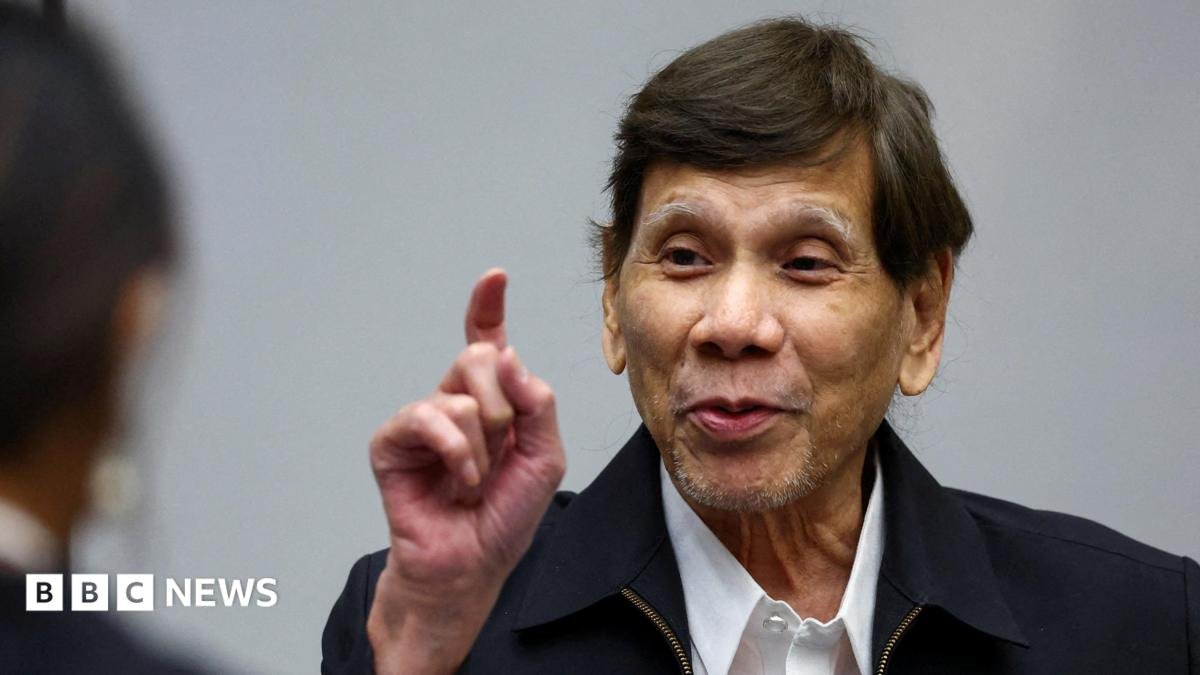
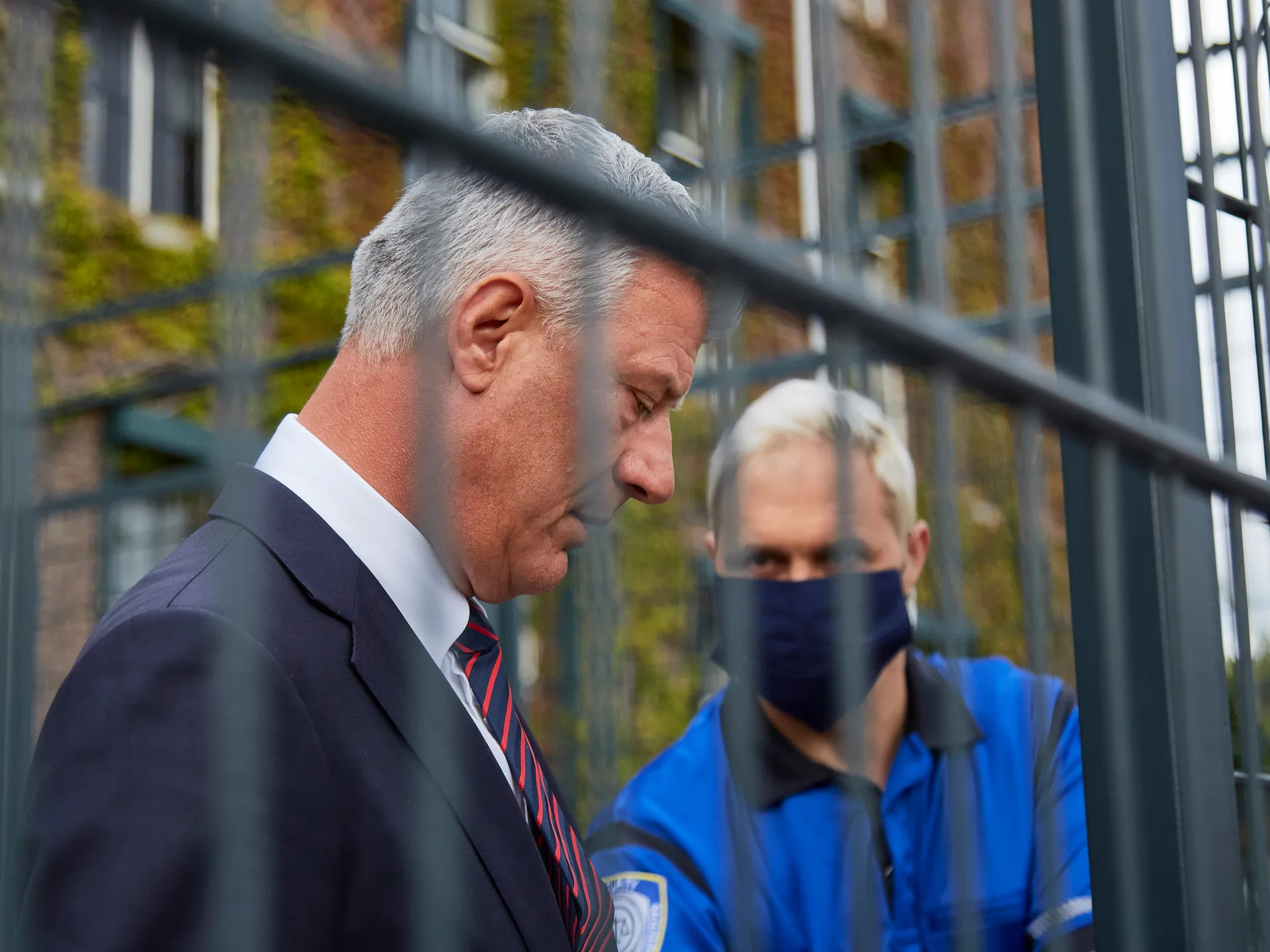
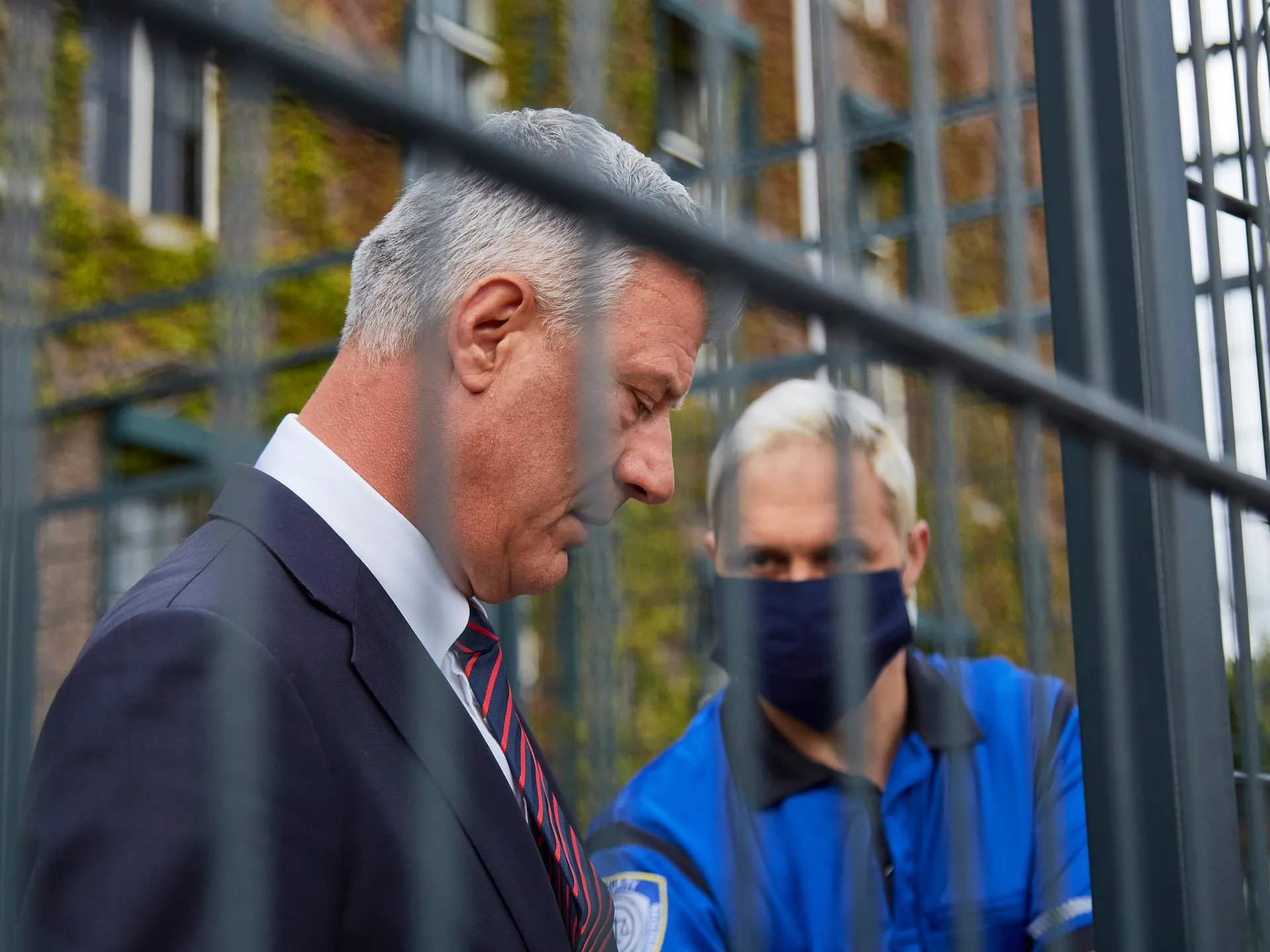
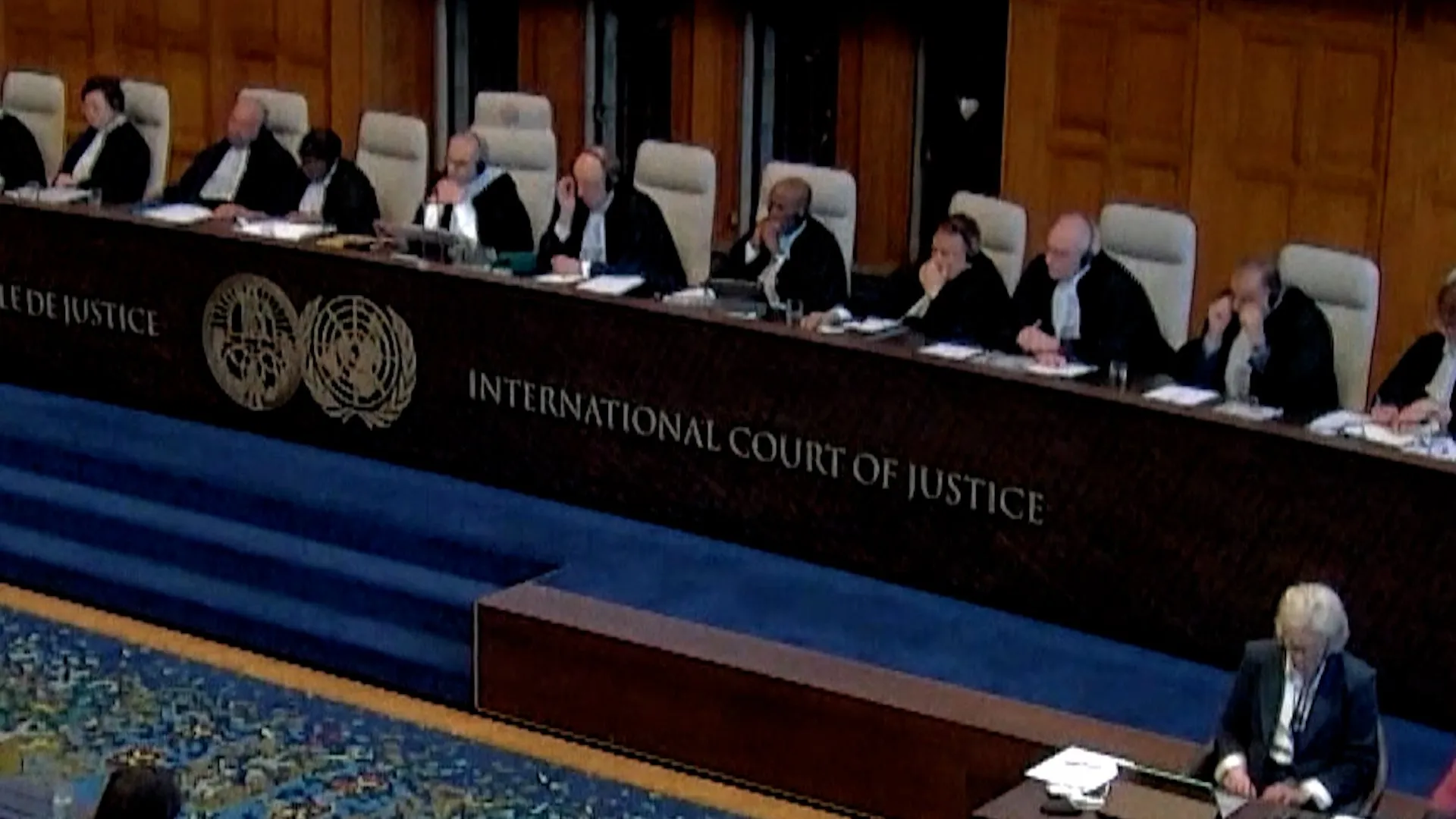
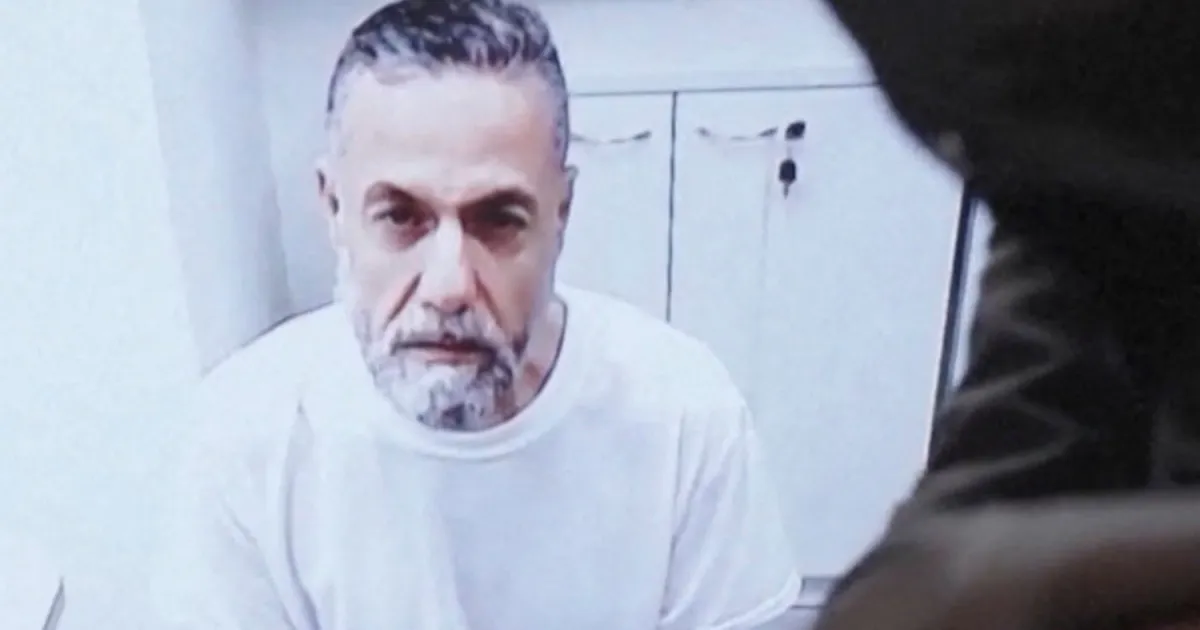
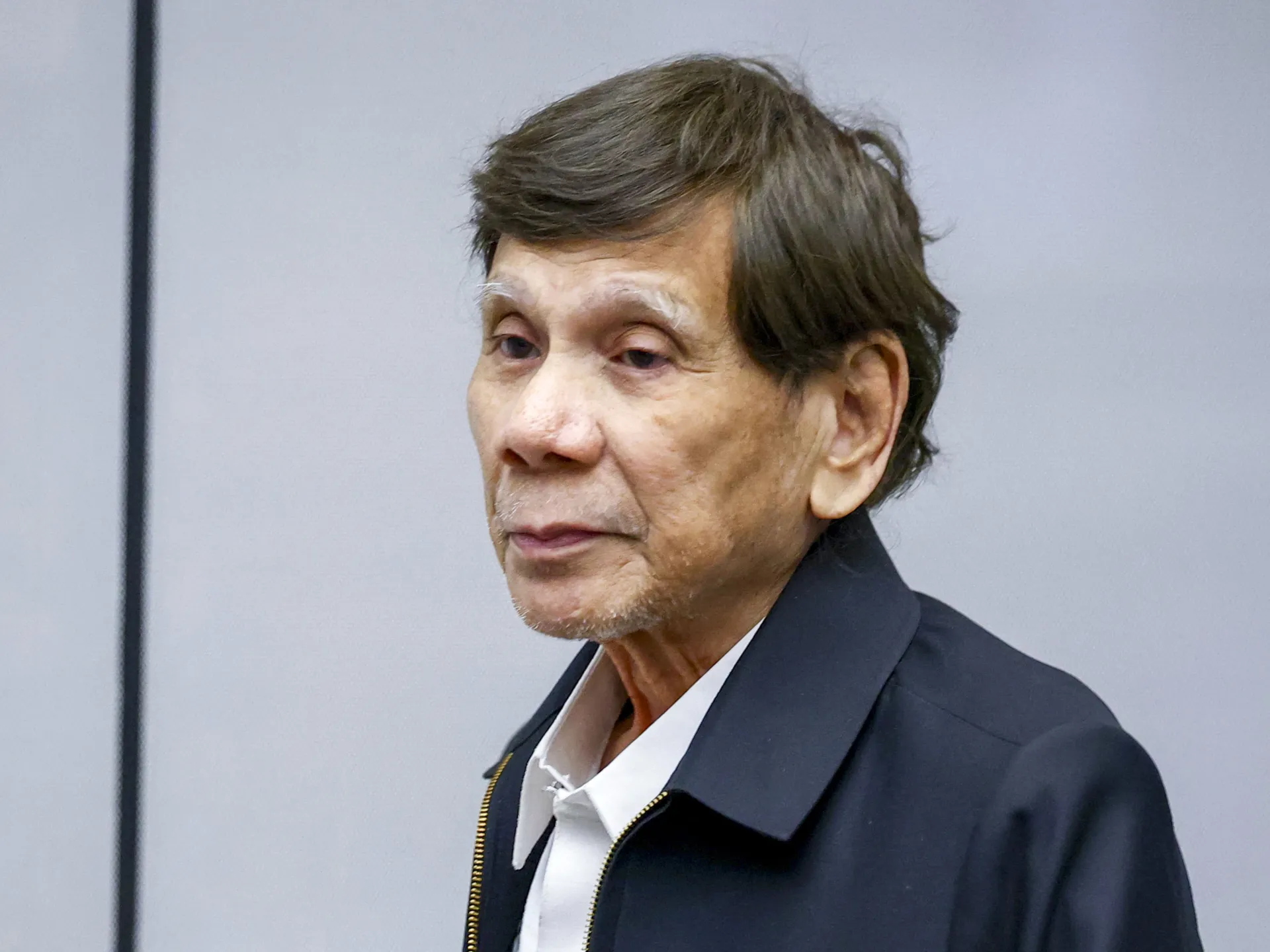
Former Philippine President Rodrigo Duterte has made his first in-person appearance before the International Criminal Court (ICC) in The Hague. The 81-year-old former leader, who was taken into custody and transferred to the Netherlands in March 2025, faces grave allegations regarding his controversial “war on drugs” campaign. This session marks a significant milestone in a long-standing legal battle concerning human rights violations that allegedly occurred during his tenure as both the mayor of Davao and the President of the Philippines.
During the proceedings, which focused on administrative matters such as evidence disclosure and the establishment of a trial timeline, Duterte remained silent. The court has scheduled the opening of the formal trial for November 30. This appearance comes after a series of delays, as the defense team had previously cited deteriorating health and cognitive decline as reasons for his absence from earlier hearings. Despite these claims, the court has maintained that the former head of state is fit to stand trial.
The prosecution’s case centers on the accusation that Duterte orchestrated, financed, and equipped death squads tasked with eliminating suspected drug users and distributors. Prosecutors have linked him to at least 76 specific murders occurring between 2013 and 2018. While Duterte has consistently denied these charges, arguing that his directives were limited to lawful police actions taken in self-defense, the prosecution maintains that his campaign was a systematic effort to target citizens, which they classify as crimes against humanity.
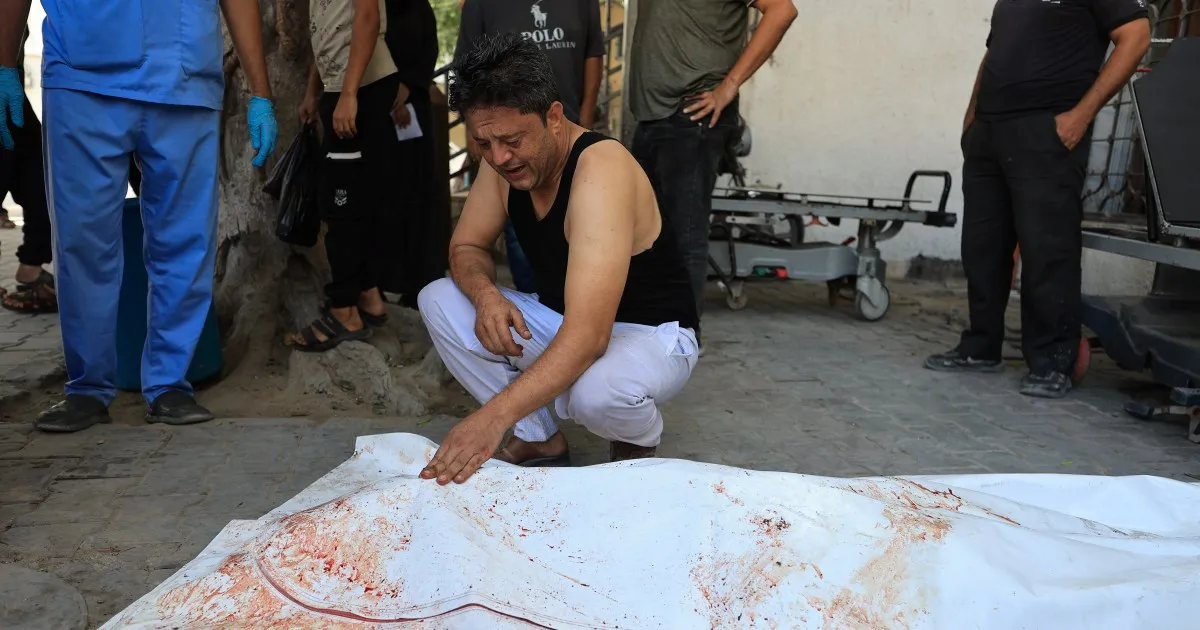
The scale of the violence associated with the anti-drug offensive remains a point of intense international scrutiny. While official Philippine police records acknowledge approximately 6,200 deaths linked to these operations, independent human rights organizations and ICC investigators suggest the true toll could be as high as 30,000. Prosecutors argue that these figures reflect a promise made mise they claim he fulfilled with devastating consequences for the Filipino population.
A significant portion of the recent legal discourse has revolved around Duterte’s mental competency. His defense attorneys filed documents suggesting that severe memory loss and cognitive impairment prevent him from effectively participating in his own defense. They have pointed to medical evaluations suggesting he cannot accurately recall past events or grasp current information, including the identity of the current United States president. However, these arguments were countered he charges.
The complexity of this trial is compounded mously moved to withdraw the Philippines from the Rome Statute in 2018 following the initial launch of an investigation into his policies. Nevertheless, the ICC judges have ruled that the court retains jurisdiction over the case, effectively blocking attempts to dismiss the proceedings based on the country's withdrawal. This makes Duterte the first Asian former head of state to undergo such a trial at the international level.
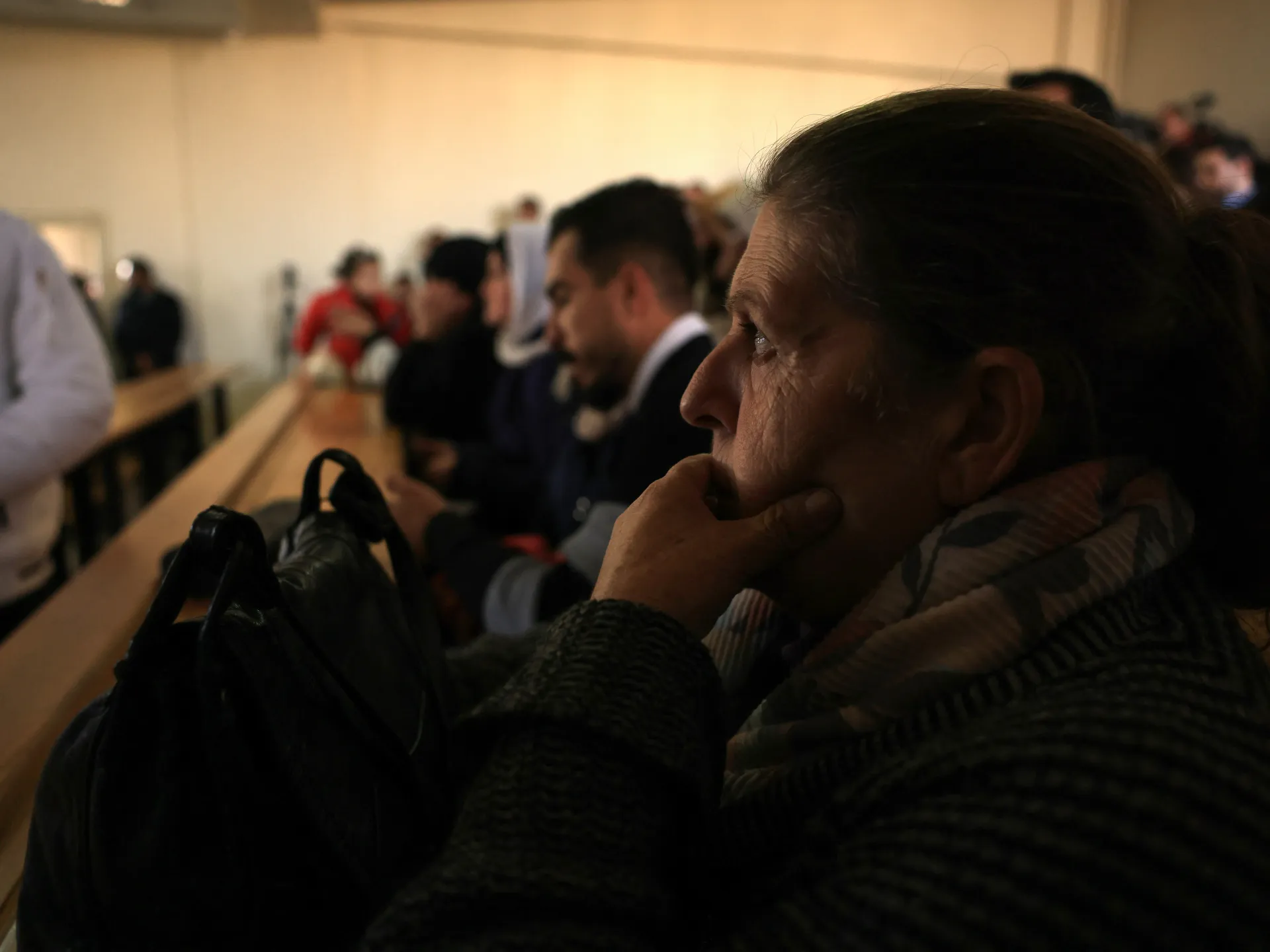
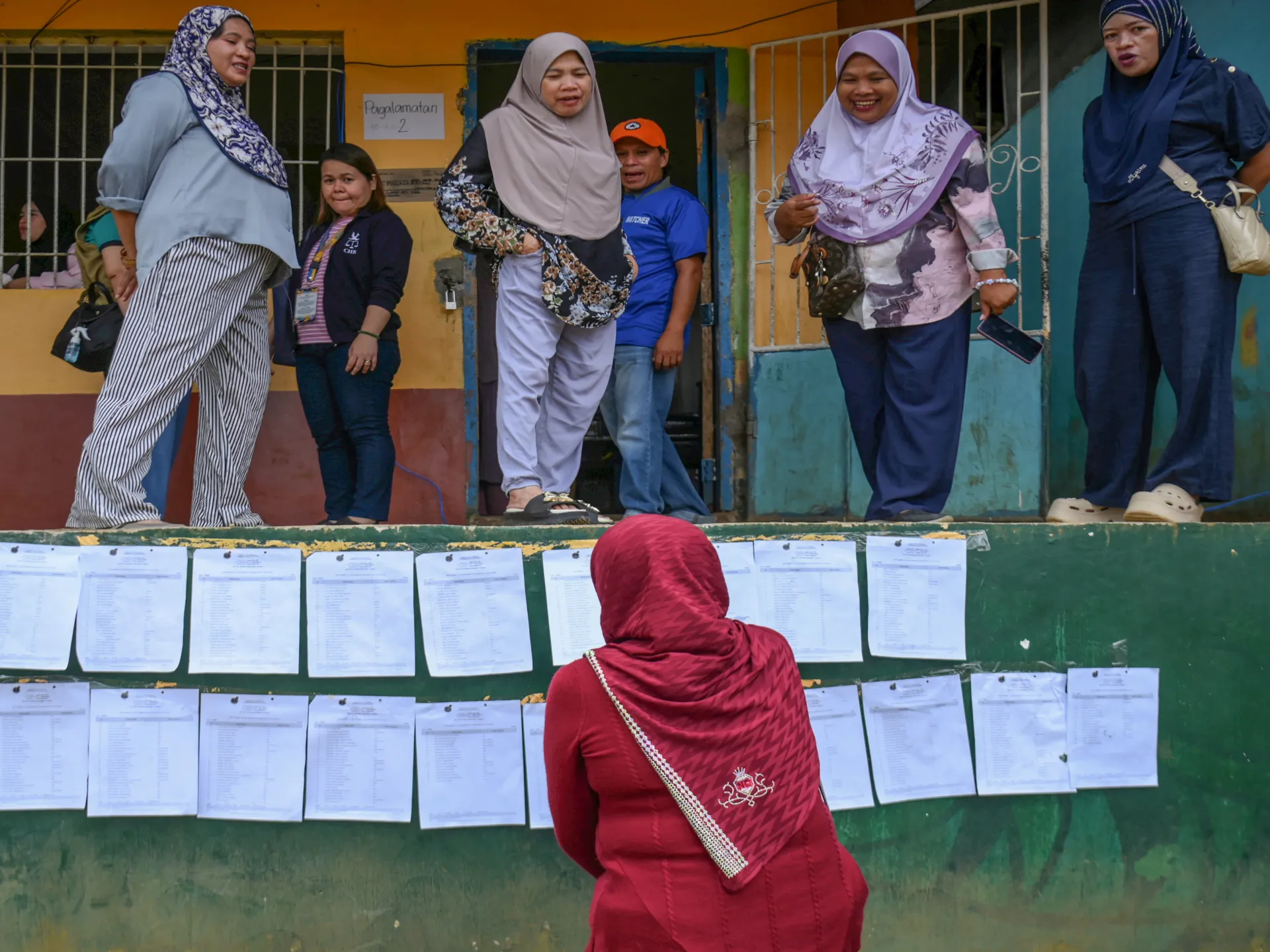
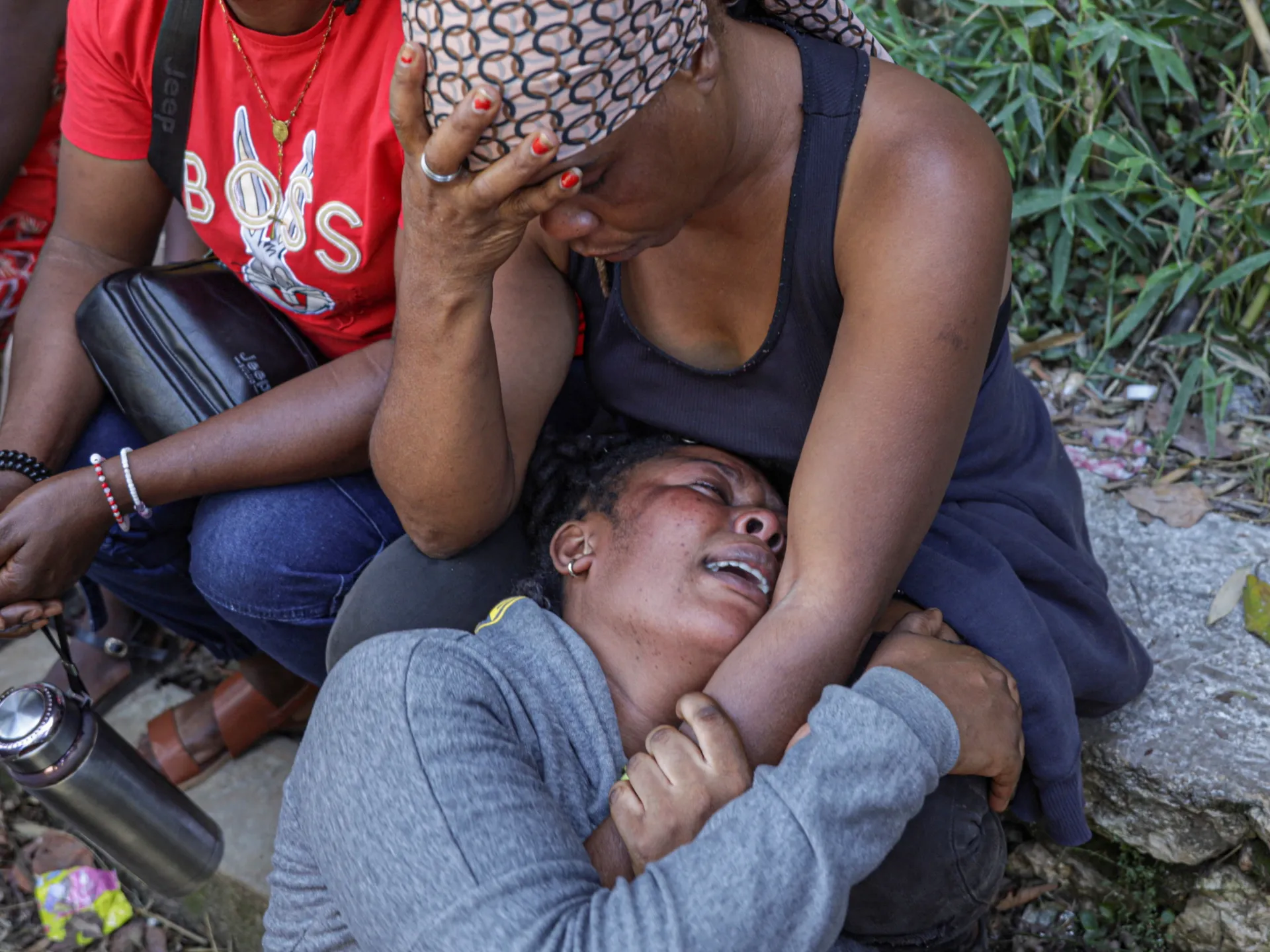
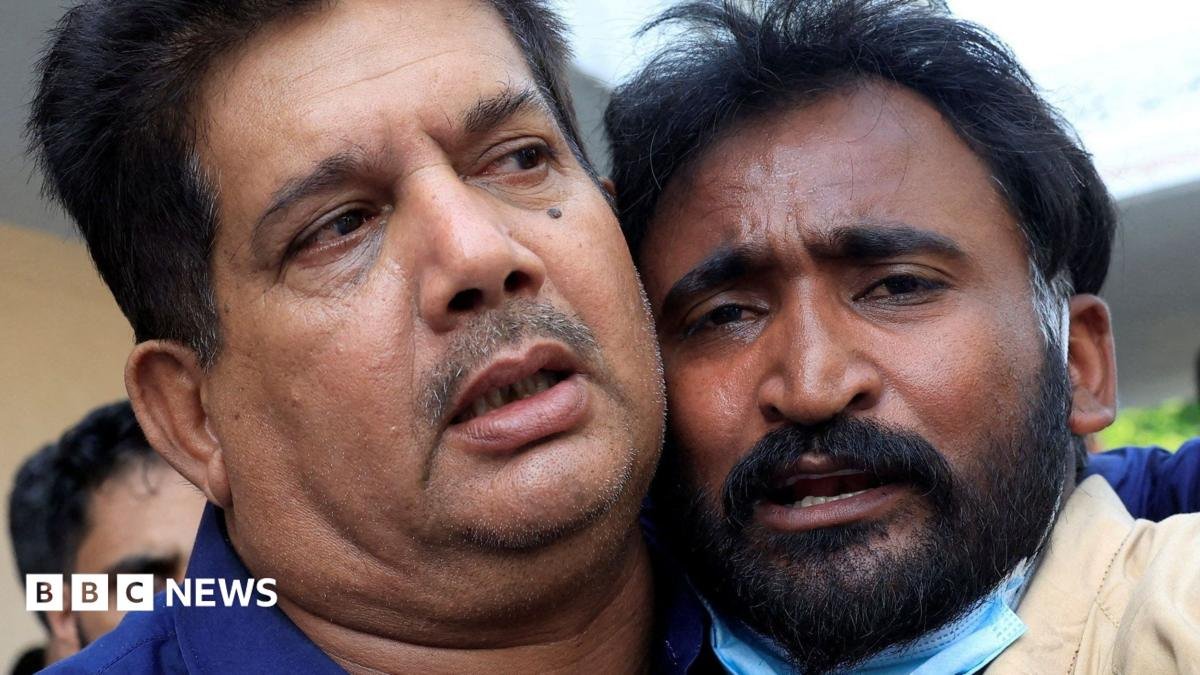
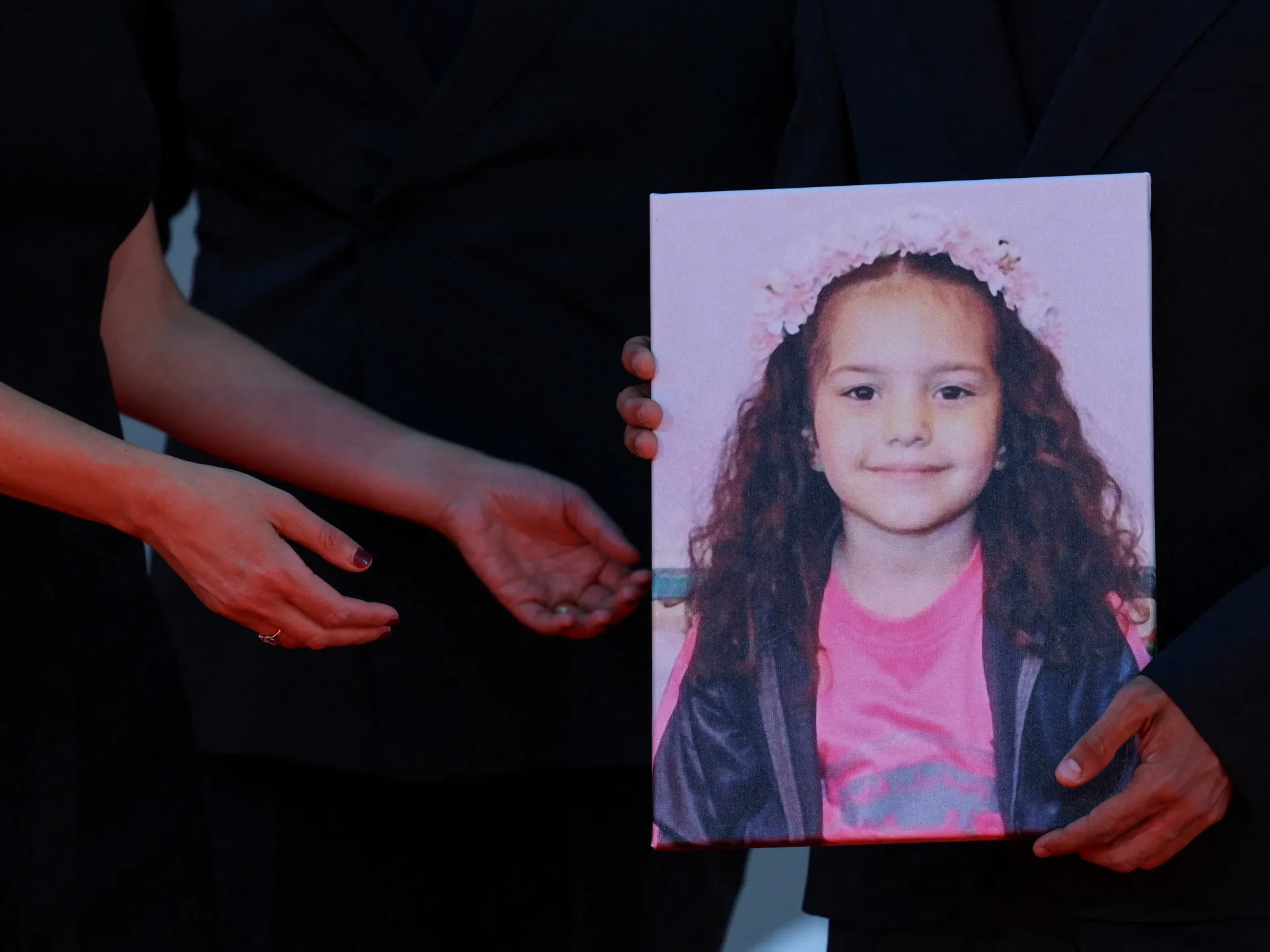
For the families of the victims, the sight of the former president in the courtroom represents a long-awaited step toward accountability. Representatives for those affected st for other families to their experiences and seek justice. Many who lost loved ones during the height of the drug war view the court’s insistence on his physical presence as an essential validation of their suffering.
As the November trial date approaches, the international community continues to watch the proceedings closely. The case is expected to set a major precedent for how the ICC handles high-ranking officials accused of state-sponsored violence. With the prosecution preparing to present its evidence, the coming months will likely be defined human cost associated with his administration’s approach to law enforcement.