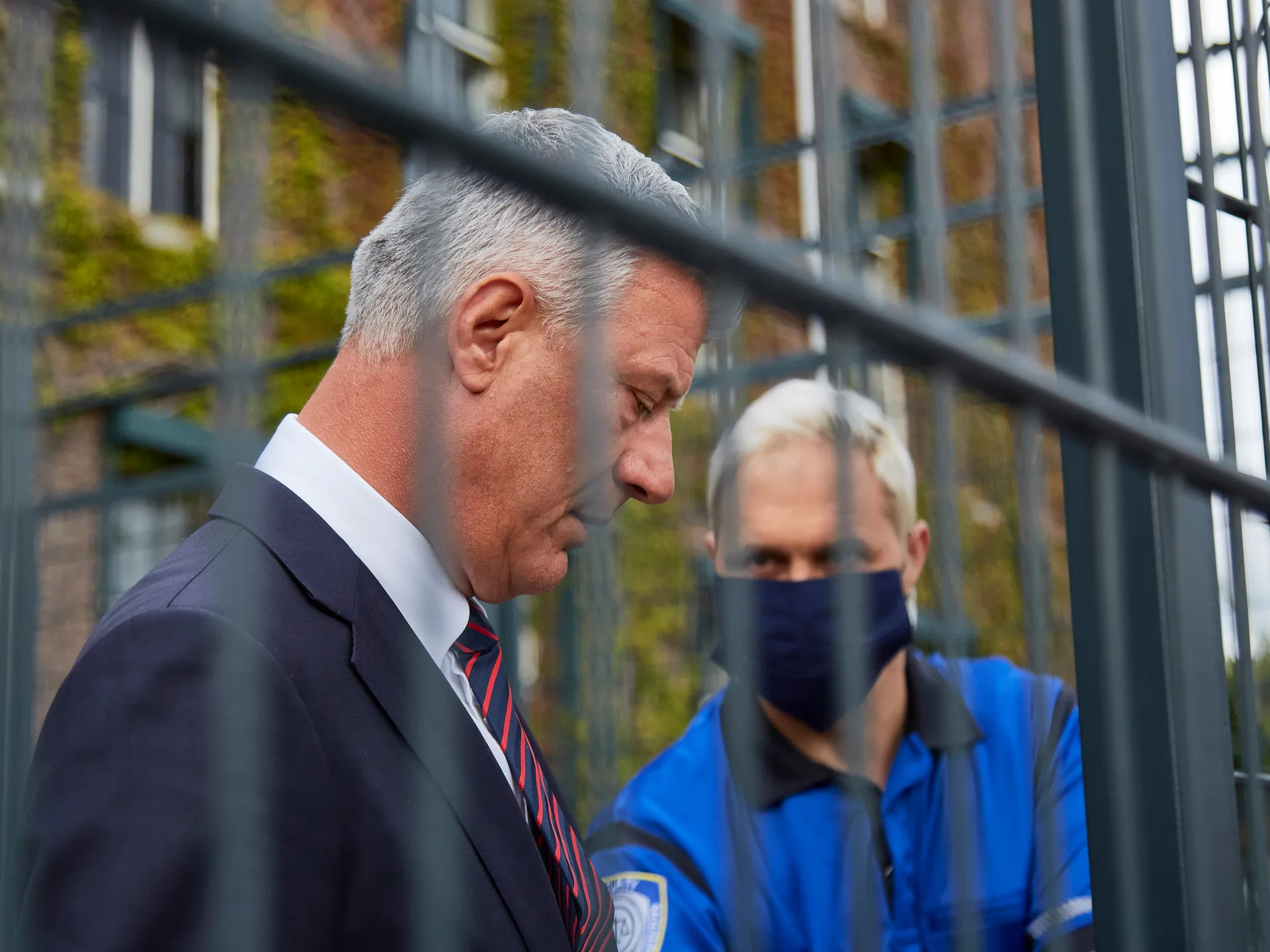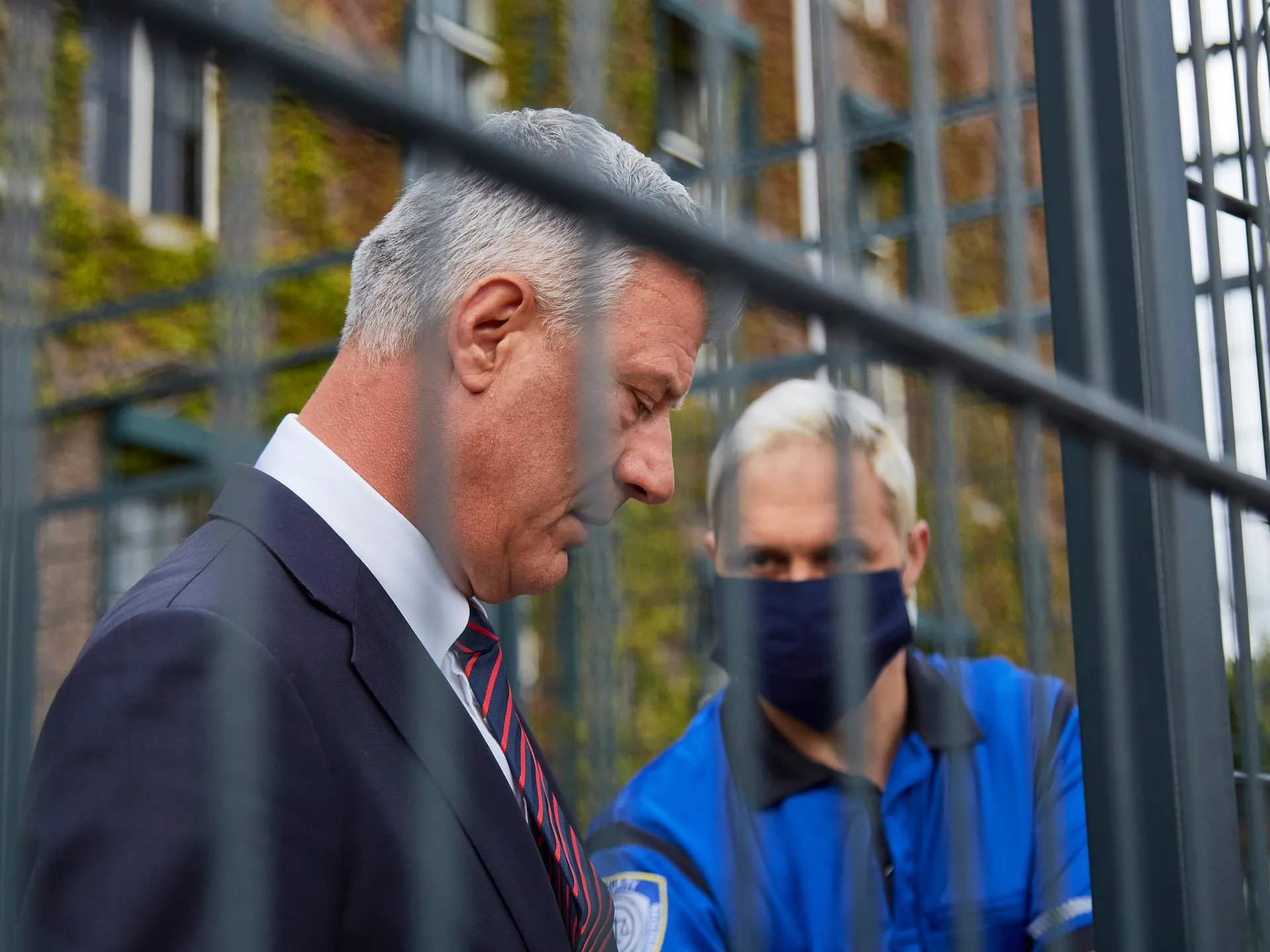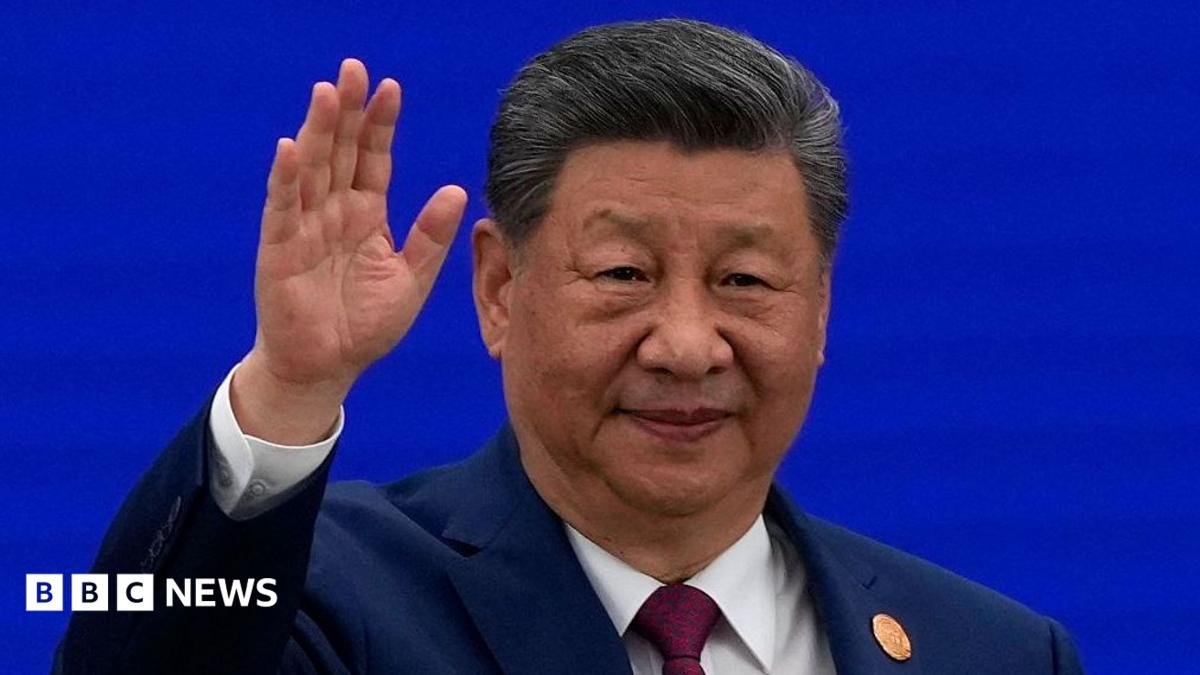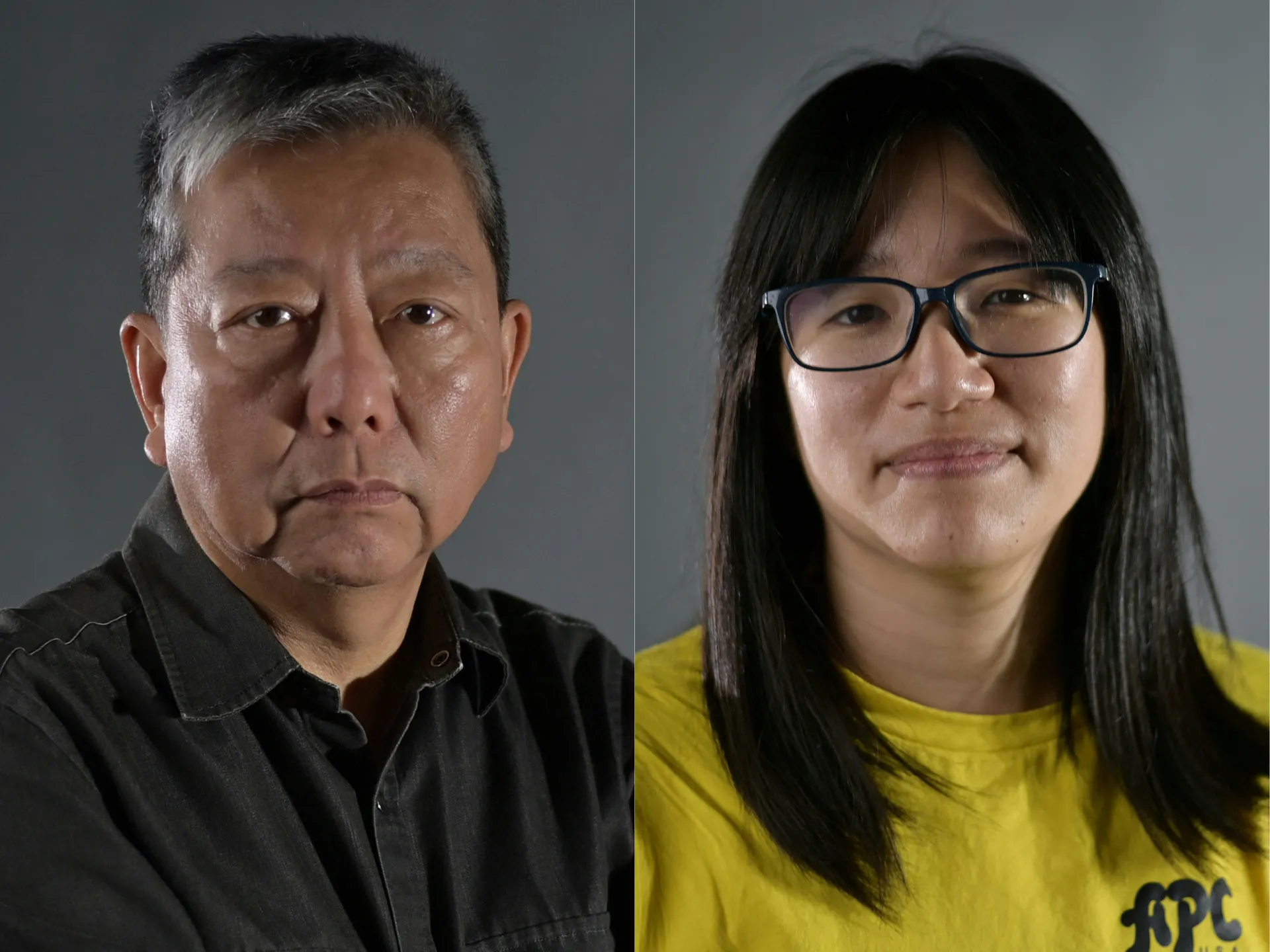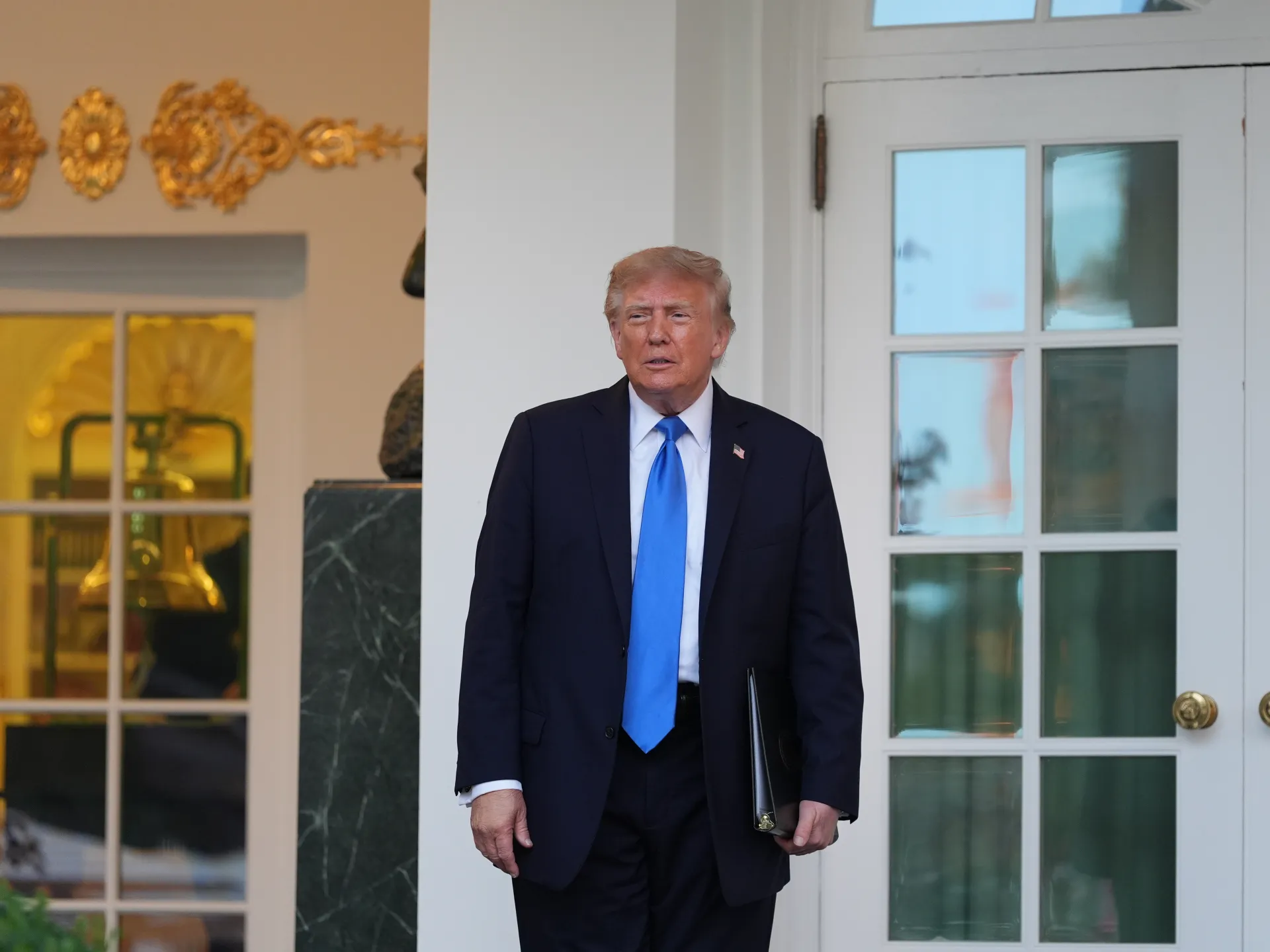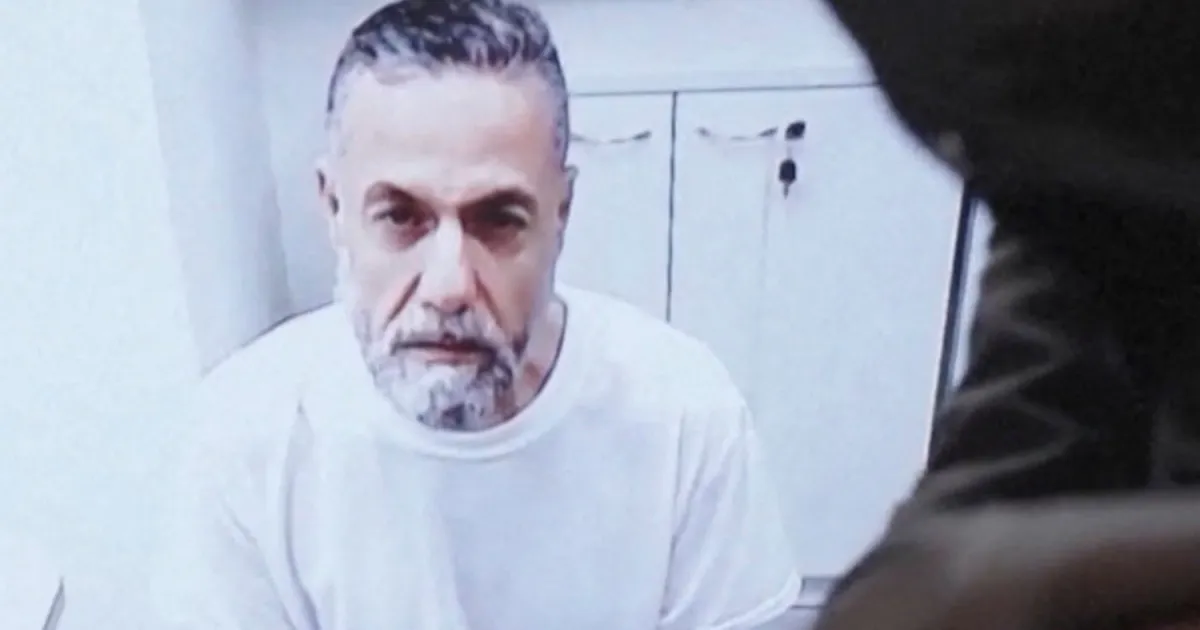
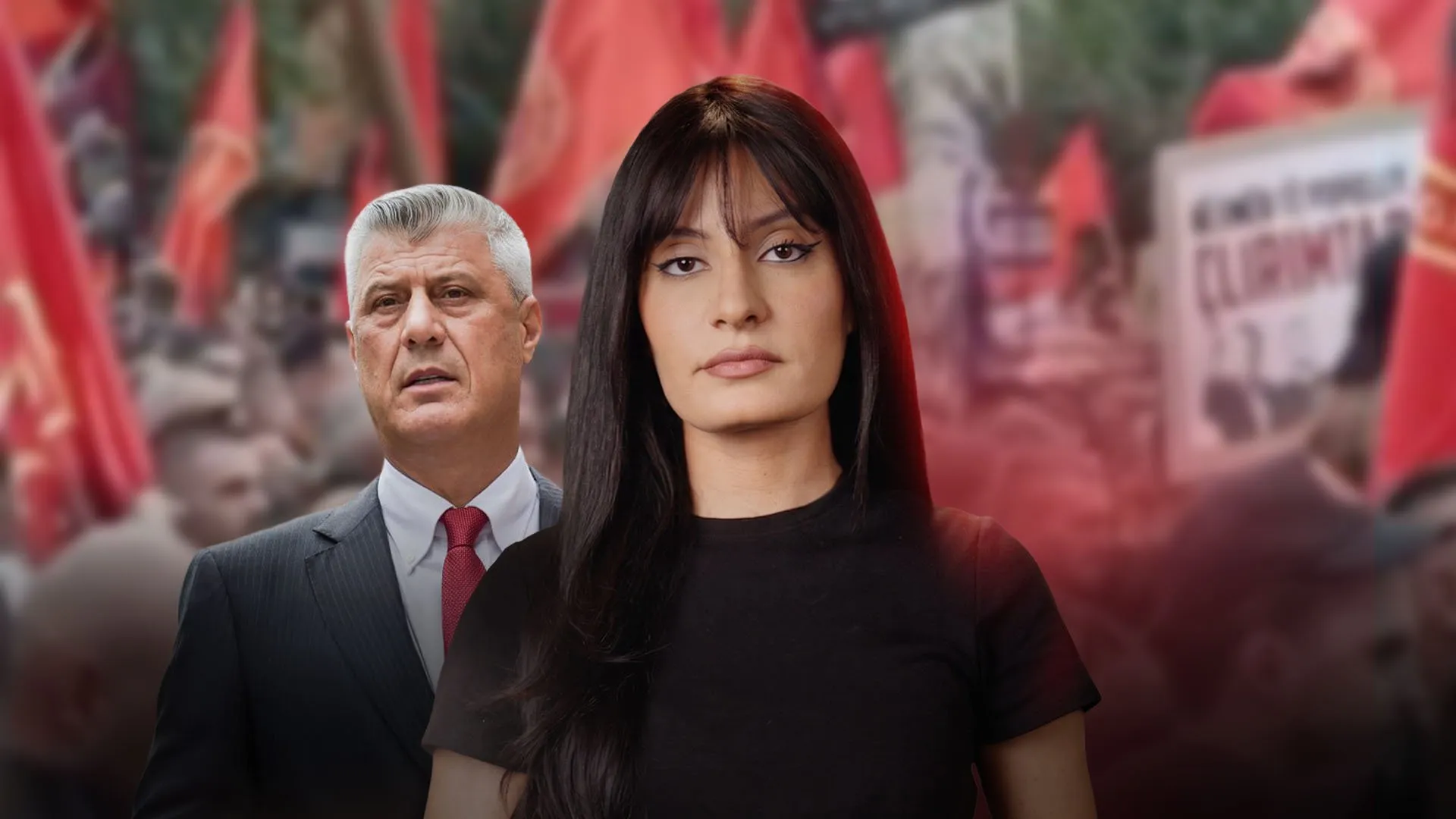
A Hague-based tribunal has issued a guilty verdict against former Kosovo President Hashim Thaci for war crimes committed during the 1990s conflict.
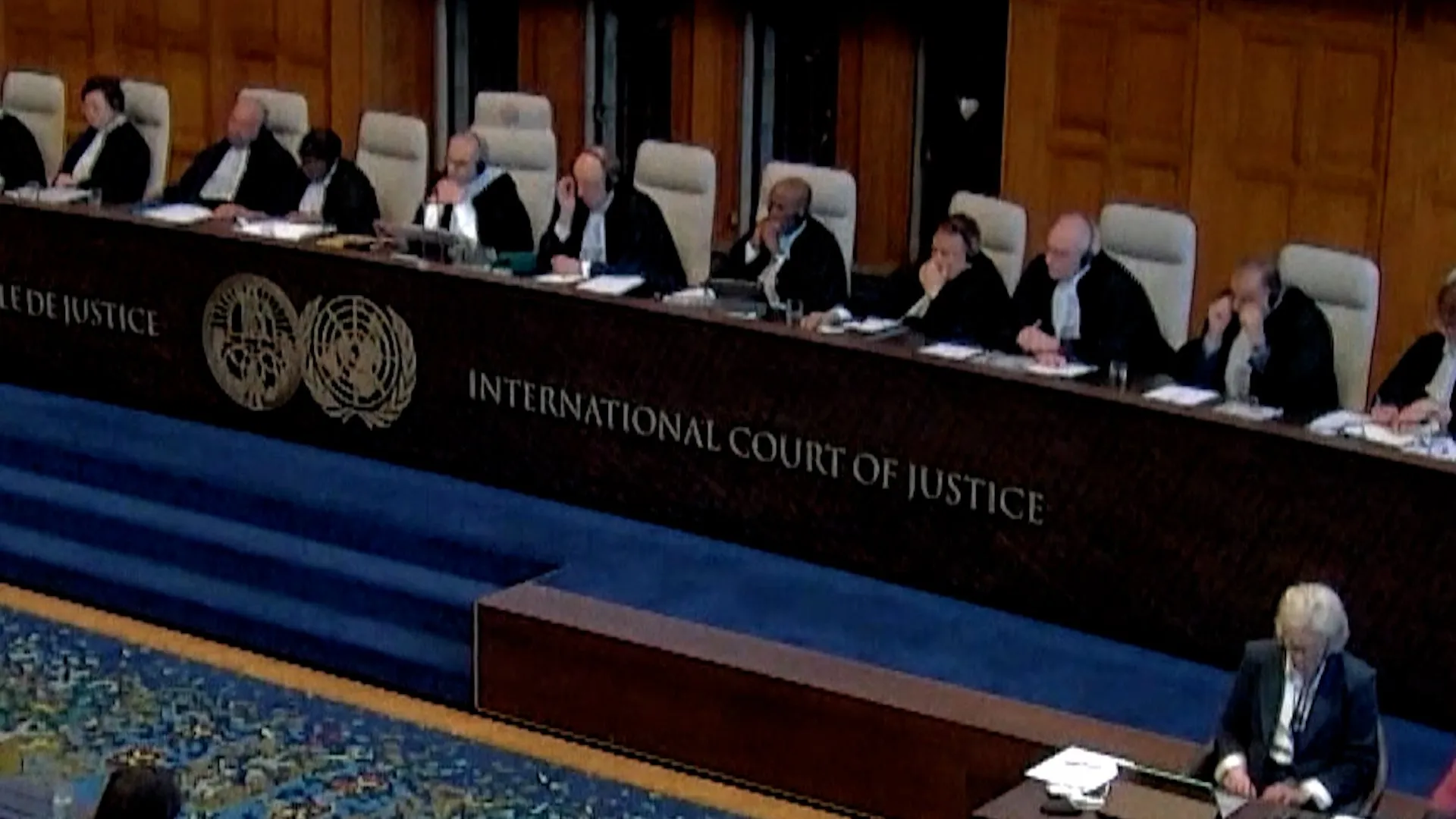
The Kosovo Specialist Chambers, a specialized tribunal based in The Hague, has delivered a definitive verdict regarding the actions of Hashim Thaci, the former President of Kosovo. The court found the former leader guilty of committing war crimes during the conflict that gripped the Balkan region in the late 1990s. This judicial outcome marks a significant moment in the history of the Kosovo Liberation Army (KLA), an organization that Thaci once led during the struggle for independence from Serbian rule.
The trial, which has been closely monitored serves as a cornerstone for the accountability processes established in the aftermath of the Yugoslav Wars. ng atrocities regardless of the political stature of the accused. The legal proceedings involved extensive examination of testimony and evidence documenting the chaotic and violent period of the late 20th century.
The conflict in Kosovo during the late 1990s was characterized Slobodan Milosevic. As a prominent commander, Thaci played a pivotal role in the military and political trajectory of the movement, which eventually led to Kosovo declaring independence in 2008. The subsequent years saw Thaci transition from a guerrilla fighter to the highest office in the nation, serving as both Prime Minister and President.
Despite his political rise, allegations of war crimes and crimes against humanity have shadowed his career for decades. The creation of the Specialist Chambers was specifically designed to handle sensitive cases involving KLA members, as domestic courts faced significant challenges in ensuring impartial trials. The court’s mandate was to provide a venue where victims could seek justice without the interference of local political pressures or threats of intimidation.
The conviction of a high-ranking official like Thaci sends a profound signal regarding the reach of international humanitarian law. Throughout the trial, the defense argued that the charges were politically motivated, aimed at undermining the legitimacy of the Kosovo independence movement. However, the prosecution successfully demonstrated that specific criminal acts were perpetrated under the authority or knowledge of the leadership, leading to the final guilty verdict.
This ruling is expected to have lasting consequences for the political landscape in Kosovo. As the nation continues to navigate its path toward European integration and regional stability, the resolution of these war crimes cases is seen as a necessary step for historical reconciliation. The Specialist Chambers have acted as a mechanism to settle long-standing grievances that have hindered diplomatic progress between Kosovo and its neighbors.
The aftermath of this verdict will likely be debated for years, both within Kosovo and the international community. While some view the court’s decision as a victory for the rule of law and a testament to the fact that no individual is above the law, others remain skeptical of the tribunal’s fairness and its focus on former KLA leadership. The judicial process, while contentious, is viewed the events that transpired during the war.
Looking ahead, the international community continues to emphasize the importance of justice in post-conflict societies. The conviction of Hashim Thaci serves as a reminder that the pursuit of peace is inextricably linked to the pursuit of truth. Whether this ruling will facilitate deeper cooperation in the Balkans or foster further polarization remains a critical question for regional policymakers and the European entities overseeing the stability of the region.