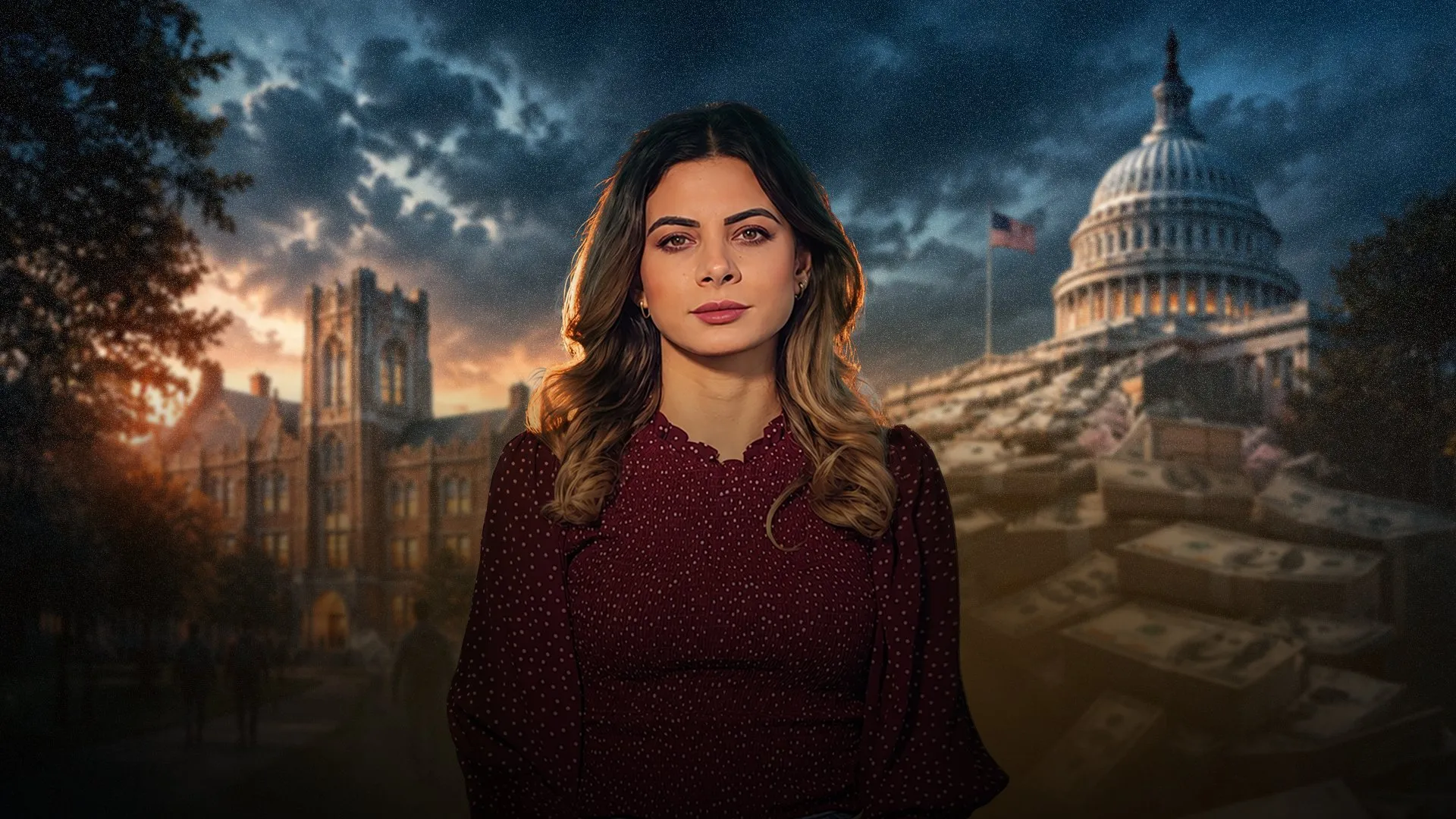
A new U.S. House bill seeks to tie federal student aid to a university's position on boycotts of Israel, sparking intense debate over federal overreach and academic freedom.
The relationship between the United States government and higher education institutions is frequently defined become the focal point of a contentious legislative move. The U.S. House of Representatives has advanced a bill that would threaten to strip universities of their access to federal student aid programs if those institutions engage in or support certain boycotts directed at Israel. This legislative maneuver raises fundamental questions regarding the extent of federal authority over the private and public operations of American universities.
At the heart of the debate is the concept of "conditioning" funds. For decades, the federal government has used financial incentives to influence institutional behavior, ranging from research standards to campus safety requirements. However, tying billions of dollars in essential student financial assistance to a university’s political stance or its procurement policies represents a significant escalation. Critics argue that such measures could effectively coerce institutions into abandoning academic freedom, while proponents view the legislation as a necessary step to ensure that public money does not support entities participating in activities they deem discriminatory or contrary to national interests.
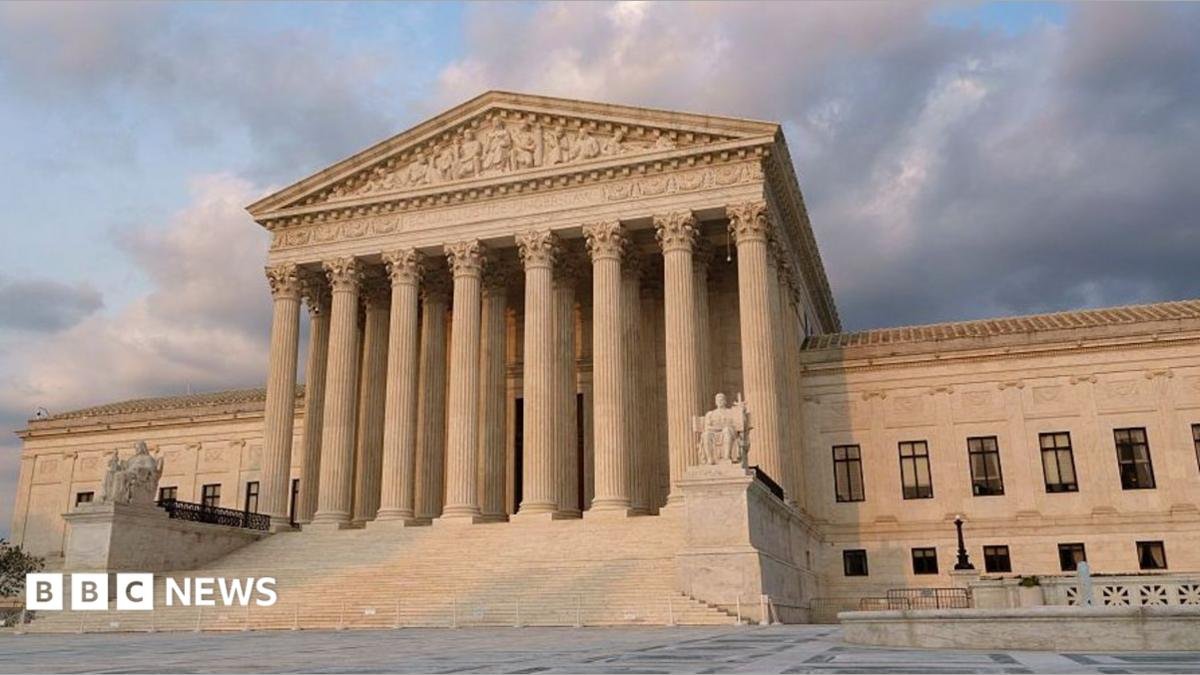
Legal experts have begun to scrutinize the constitutionality of this legislative proposal, specifically highlighting potential conflicts with the First Amendment. Universities often operate as hubs for diverse viewpoints and political discourse, and the ability to choose business partners, divest from specific sectors, or participate in boycotts has historically been viewed as a form of expressive conduct. If the federal government mandates that universities must refrain from certain boycotts to remain eligible for aid, it may be perceived as an unconstitutional "compelled speech" or an infringement on the autonomy of educational boards.
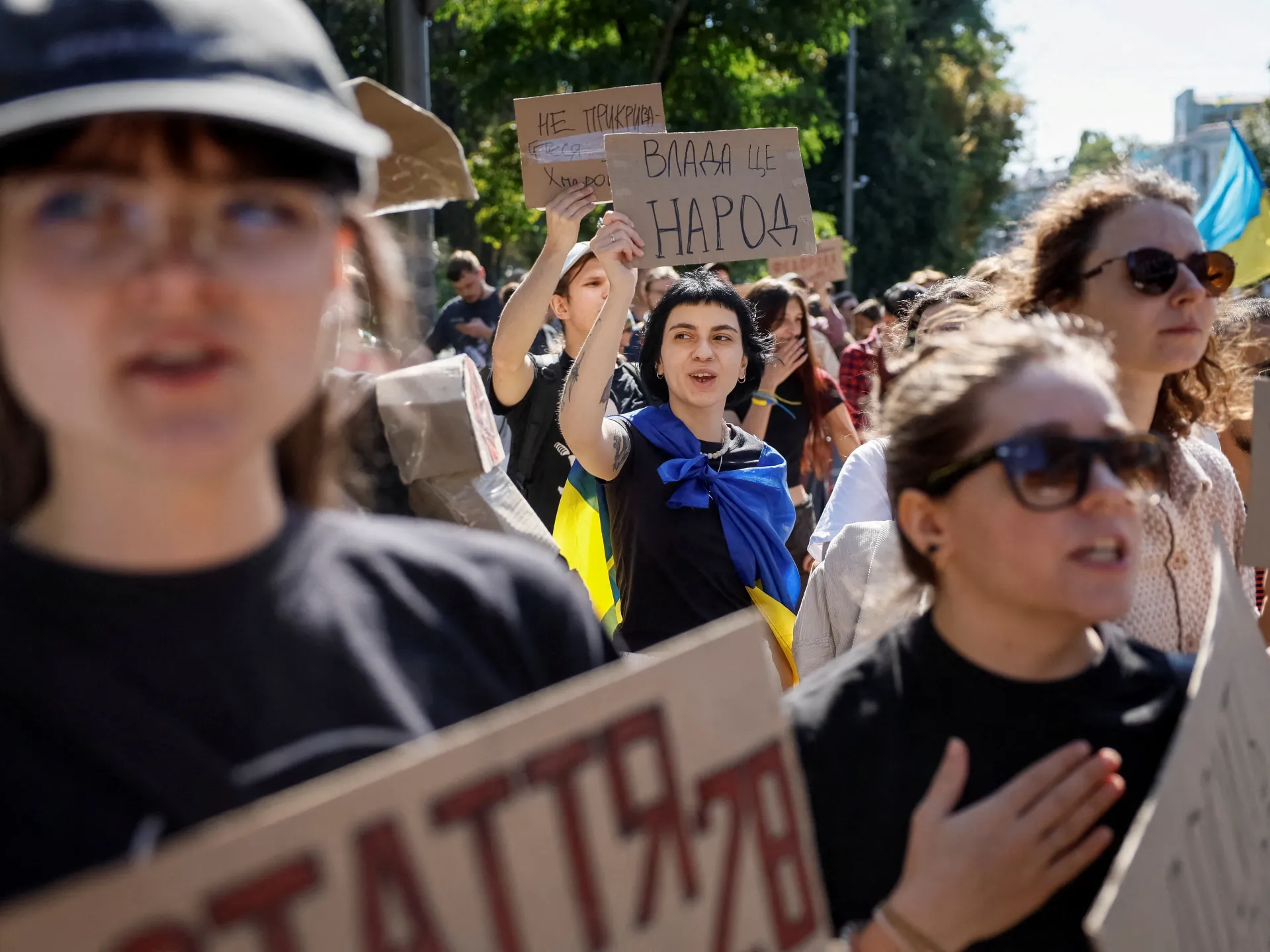
Furthermore, the administrative burden of defining what constitutes a "boycott" under this legislation remains a complex hurdle. Does a student-led initiative in a campus cafeteria count as an institutional boycott? What about faculty-led research partnerships or divestment from specific investment portfolios? The vagueness of the bill could lead to a "chilling effect" on campus activism, where universities might preemptively restrict speech or association to avoid the catastrophic loss of federal funding, which many institutions rely on to keep their doors open.
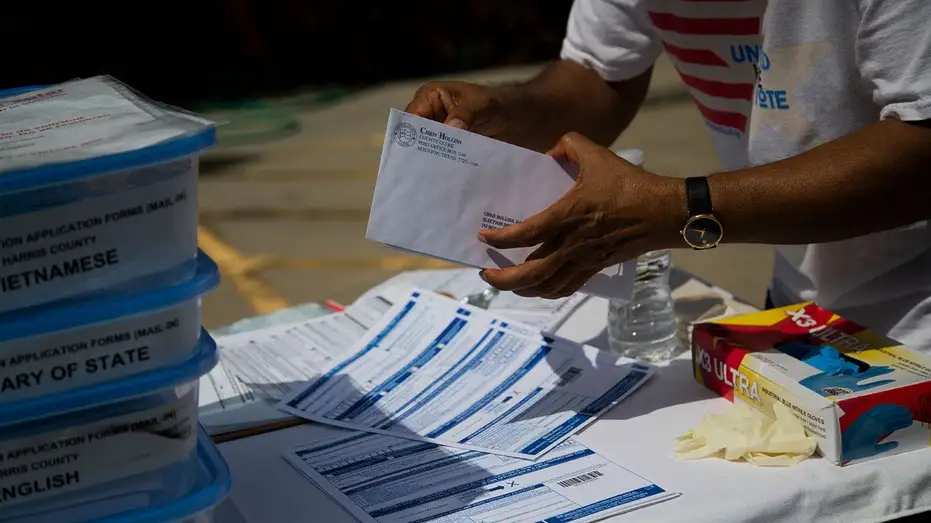
The potential consequences for students are severe. Federal student aid, including Pell Grants and Stafford Loans, is the bedrock of accessibility for millions of students across the country. If a university were to lose its eligibility to participate in these programs, the immediate fallout would be the inability of students to use federal financial support to pay for their tuition and living expenses. This would essentially force students to either transfer to other institutions or take on significantly higher levels of private debt to cover the shortfall.
Educational institutions are already struggling with rising operational costs and fluctuating enrollment numbers. The threat of losing billions in federal support would create an unstable environment that could jeopardize the financial viability of even well-endowed universities. Many administrators worry that if federal funding is leveraged for political ends, it sets a dangerous precedent where future administrations could threaten funding for any number of ideological or policy-based reasons, further eroding the independence of the higher education sector.
As the debate moves forward, the primary goal for lawmakers backing this bill appears to be the establishment of a clear federal standard regarding international relations and corporate behavior. ng to codify its stance on the global stage through the medium of domestic education policy. This strategy reflects a broader trend of utilizing federal purse strings to enforce political alignment across various sectors of American society.
Ultimately, the final outcome remains uncertain as the legislation faces rigorous debate in the Senate and likely court challenges should it become law. The tension between national legislative priorities and the traditional independence of universities is unlikely to be resolved quickly. As stakeholders watch the proceedings, the outcome will likely serve as a landmark case study in how federal financial power can reshape the boundaries of academic freedom and political expression in the United States.