

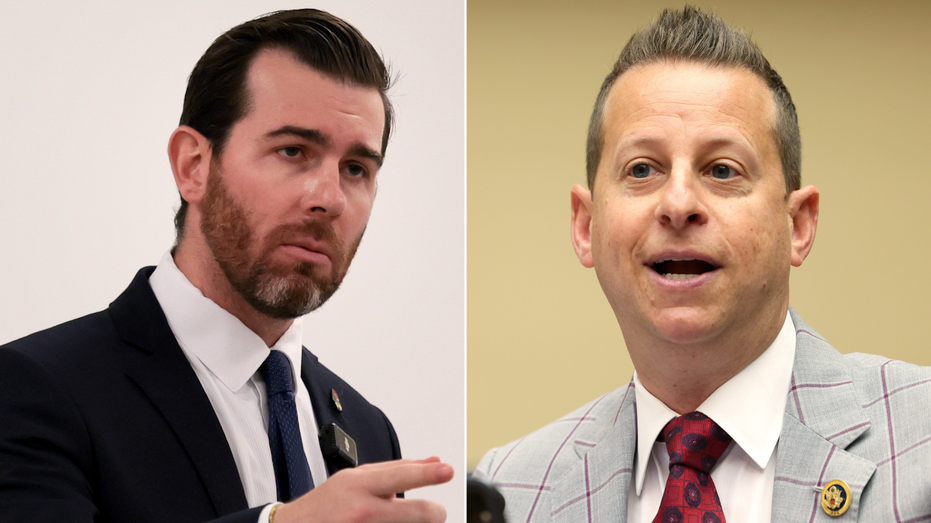
A surge of Democratic Socialist candidates is challenging moderate incumbents in Florida, highlighting a sharp ideological divide within the party.
The Democratic Party is currently navigating a high-stakes internal conflict as the ideological divide between progressive insurgents and the center-left establishment intensifies. This battle for the party's future is reaching a critical juncture in Florida, where Democratic Socialists of America (DSA) candidates are challenging established incumbents. These contests are viewed as a microcosm of a larger national struggle, testing whether the party's platform will continue to be defined
While recent weeks have seen a mix of results for progressive candidates across the country, the Florida primaries carry significant weight due to the state's political climate. Following mixed outcomes in various Senate and gubernatorial contests elsewhere, activists are closely watching how the electorate responds to candidates who prioritize systemic change over traditional party alignment. The outcomes in Florida will likely influence the strategic direction for organizations seeking to shape the Democratic agenda in future election cycles.
The most closely watched race in Florida is located in the 25th Congressional District, where DSA-endorsed candidate Oliver Larkin is mounting a challenge against incumbent Representative Jared Moskowitz. This district is considered a crucial swing seat, and its outcome could influence the balance of power in the House of Representatives. The two candidates offer starkly different visions for the country, particularly regarding foreign policy and institutional reform.
Larkin, who gained experience as a campaigner during the 2016 presidential cycle, has campaigned on an platform that includes the abolition of the U.S. Senate, labeling it an undemocratic body. Furthermore, he has taken a confrontational stance toward the current Israeli government, describing it as a religious supremacist regime. In contrast, Moskowitz, a two-term lawmaker with a background in emergency management and state-level politics, maintains a staunchly pro-Israel stance and advocates for continued military and security cooperation between the United States and its allies.
Beyond the 25th District, other notable races are unfolding across the Sunshine State. Representative Debbie Wasserman Schultz is navigating a challenging re-election campaign in the newly redrawn 20th District. Her candidacy has drawn criticism from various community leaders, sparking a crowded field of challengers that includes former politicians and local activists. The complexity of these local races reflects broader tensions regarding representation and the demographic shifts within the state’s political landscape.
The gubernatorial race to succeed Governor Ron DeSantis has also attracted a diverse array of candidates from both parties. While Republicans continue to emphasize their established frontrunners, the Democratic field remains fragmented, with candidates from varying political backgrounds attempting to break the party’s multi-decade losing streak in Florida gubernatorial elections. The Senate primary, necessitated density of the primary ballot, leaving voters to weigh candidates with vastly different levels of political experience and public profiles.
The political activity is not confined to Florida; voters in Alaska and Wyoming are also participating in critical primary contests that will set the stage for the upcoming general election. In Alaska, the implementation of an all-party primary system has led to a crowded field where candidates from all backgrounds compete for the top spots. These contests, along with those in Wyoming, are instrumental in determining the composition of Congress and the direction of key state-level executive offices.
As the midterm cycle progresses, the cumulative effect of these primaries will determine the viability of both the progressive movement and the traditional establishment. With the House majority hanging in the balance, every seat contested in these primaries serves as a data point for national political strategists. Whether voters ultimately gravitate toward the insurgent energy of the left or the institutional stability offered