A surge of violence in the West Bank and a fierce political battle over documentary filmmaking reveal the sharpening tensions within Israeli society.
A volatile combination of localized violence and internal political friction is currently challenging the fabric of Israeli society. Following a violent incident in the occupied West Bank that left a high-profile figure critically injured, the state is simultaneously grappling with a heated legal debate regarding the limits of artistic expression and the definition of loyalty during a protracted military conflict.
While security forces struggle to contain persistent threats in the West Bank, the government's top echelons are engaged in an aggressive effort to marginalize voices critical of its military conduct in Gaza. This dual pressure creates a precarious environment where both physical safety and the boundaries of democratic discourse are being tested on multiple fronts.
The convergence of these events highlights a deepening schism within Israel regarding its wartime governance. The push to revoke the citizenship of filmmakers suggests a significant shift toward securitizing cultural and intellectual outputs, effectively treating internal dissent as a security vulnerability rather than a component of a healthy democracy. Furthermore, the vulnerability of officials—even those related to the diplomatic corps—to street-level violence underscores the fragility of the status quo in the West Bank. This environment of heightened sensitivity means that any act of violence or controversial media production is treated as a systemic threat, potentially accelerating the erosion of civil liberties while simultaneously intensifying the military’s reactive posture in the occupied territories.
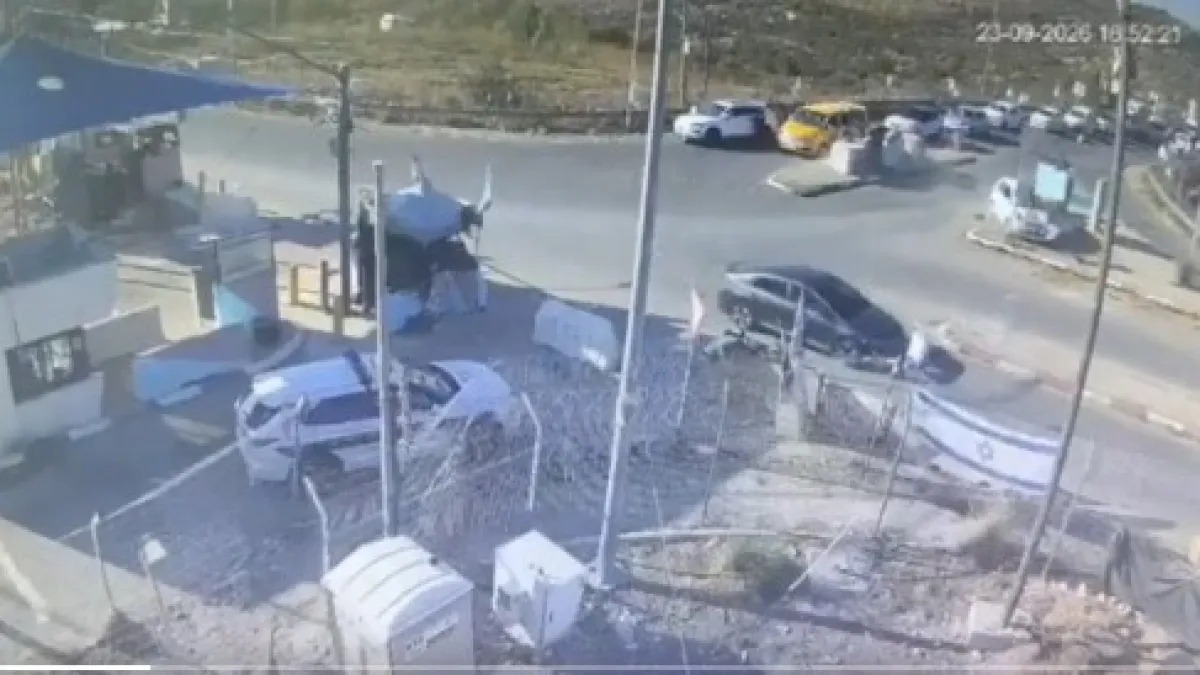
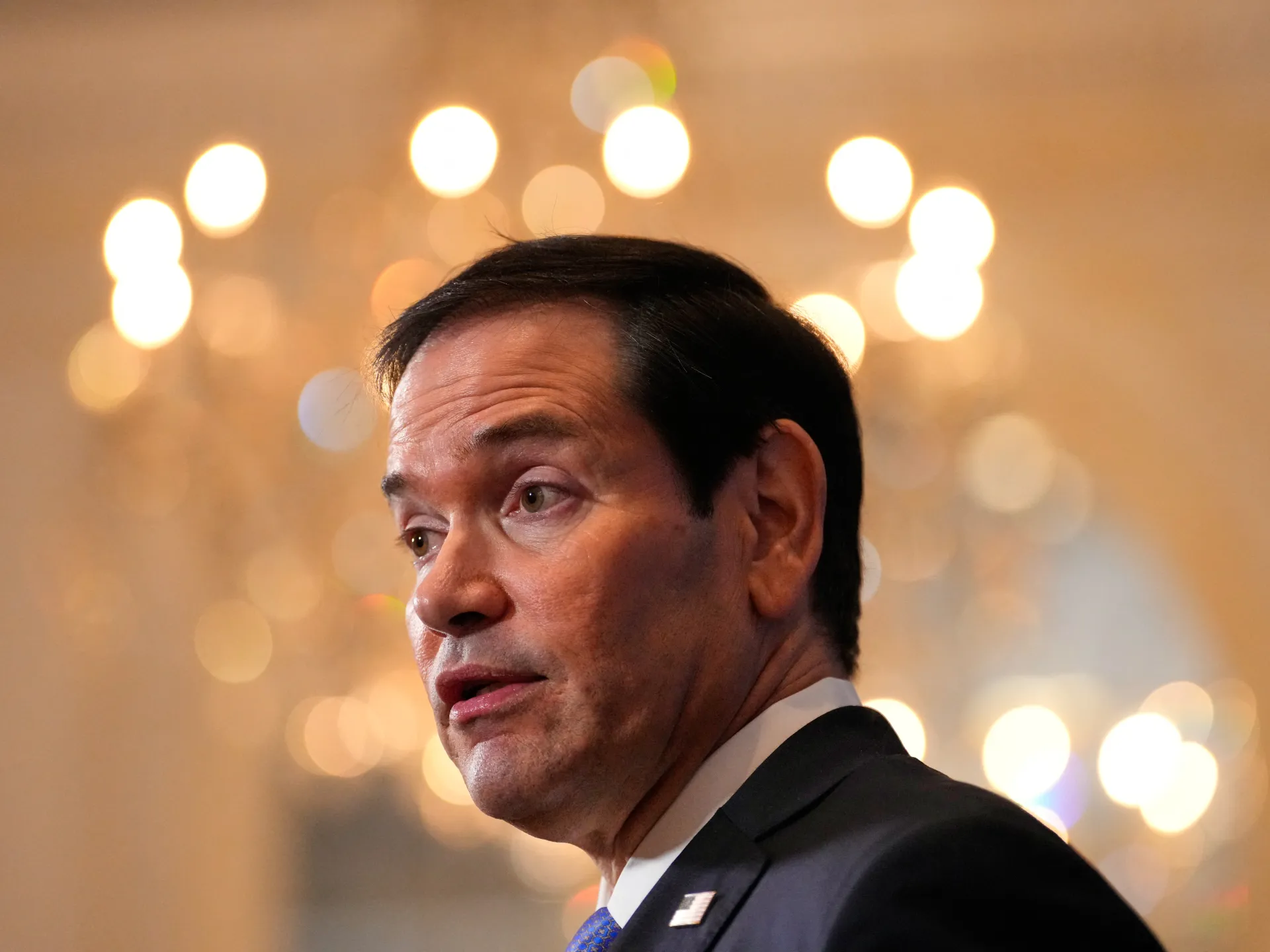
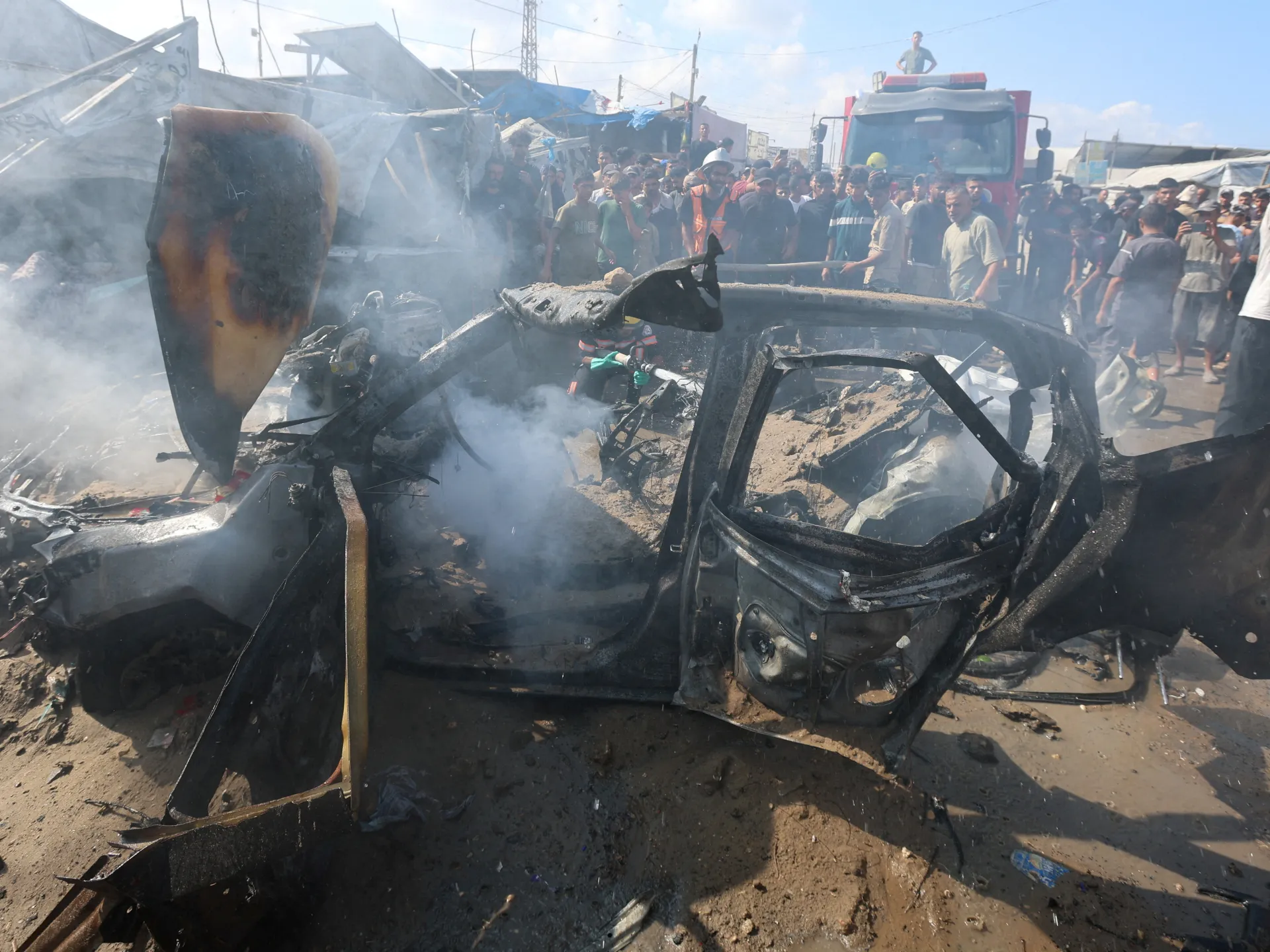
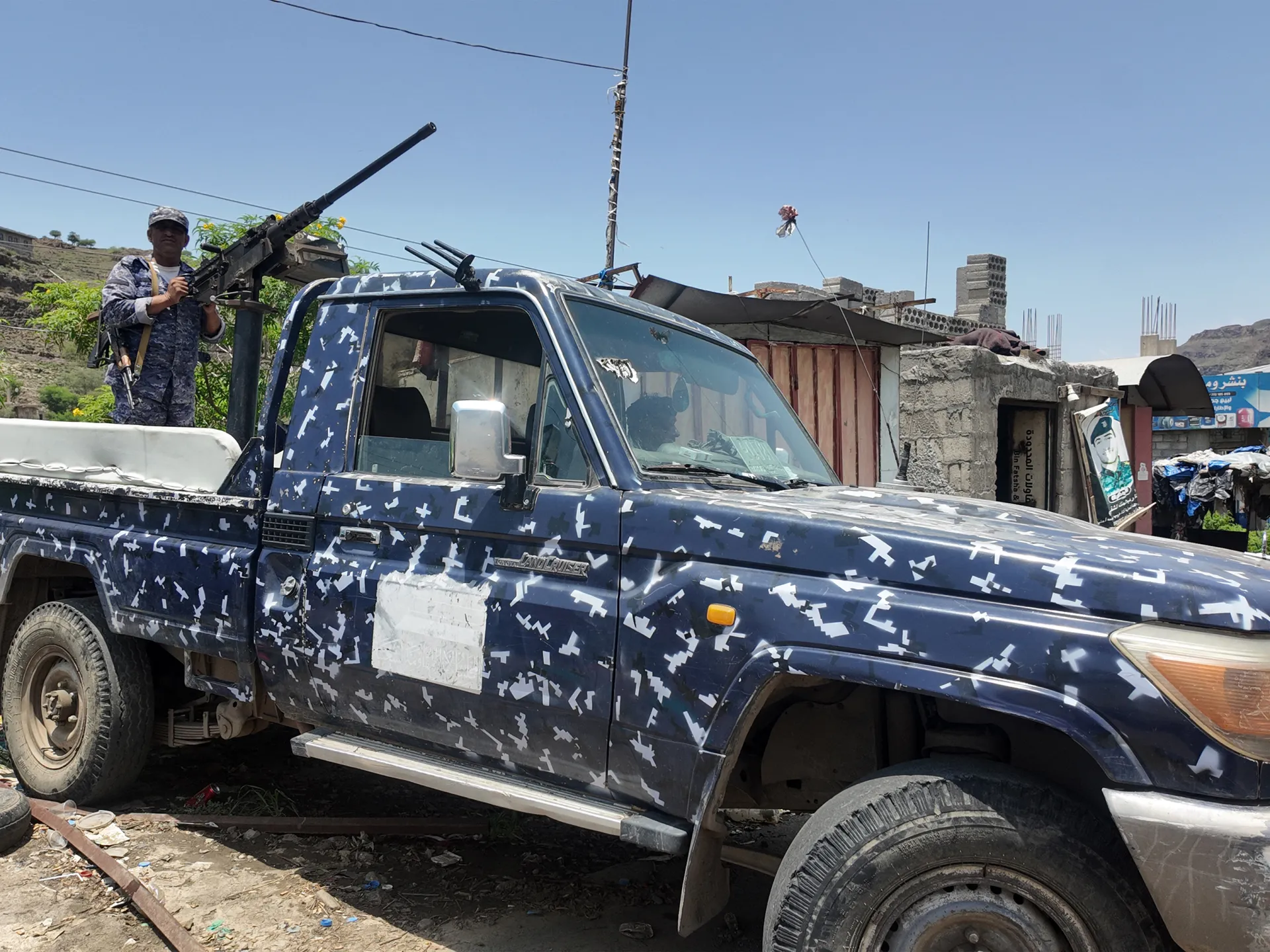
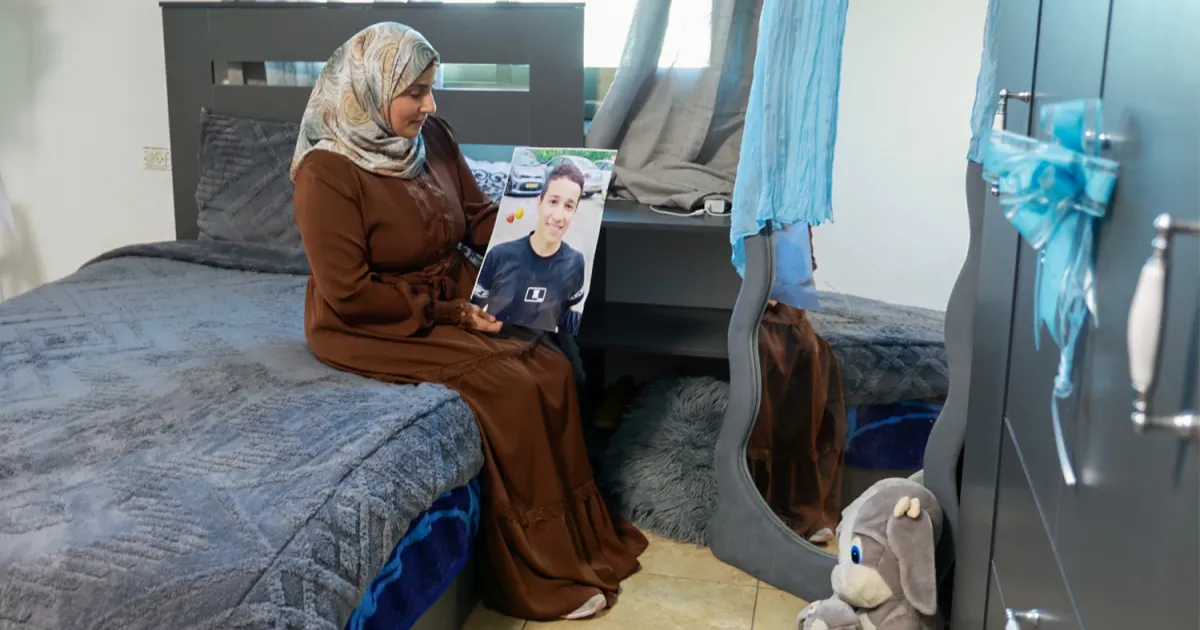
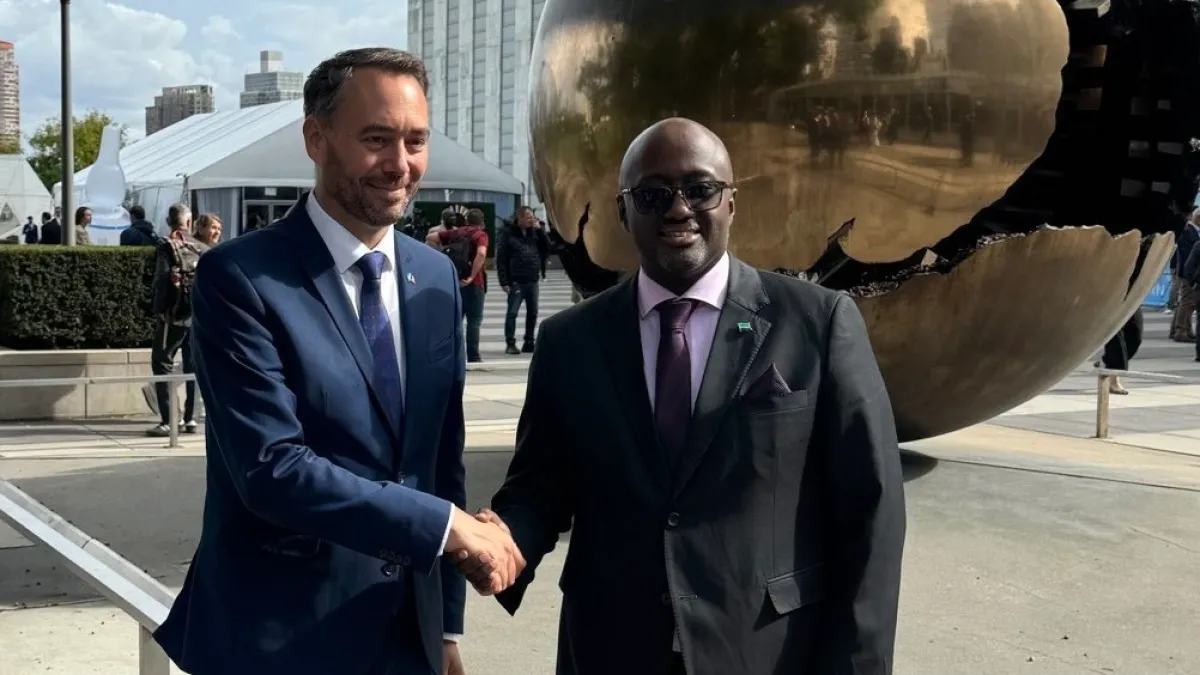
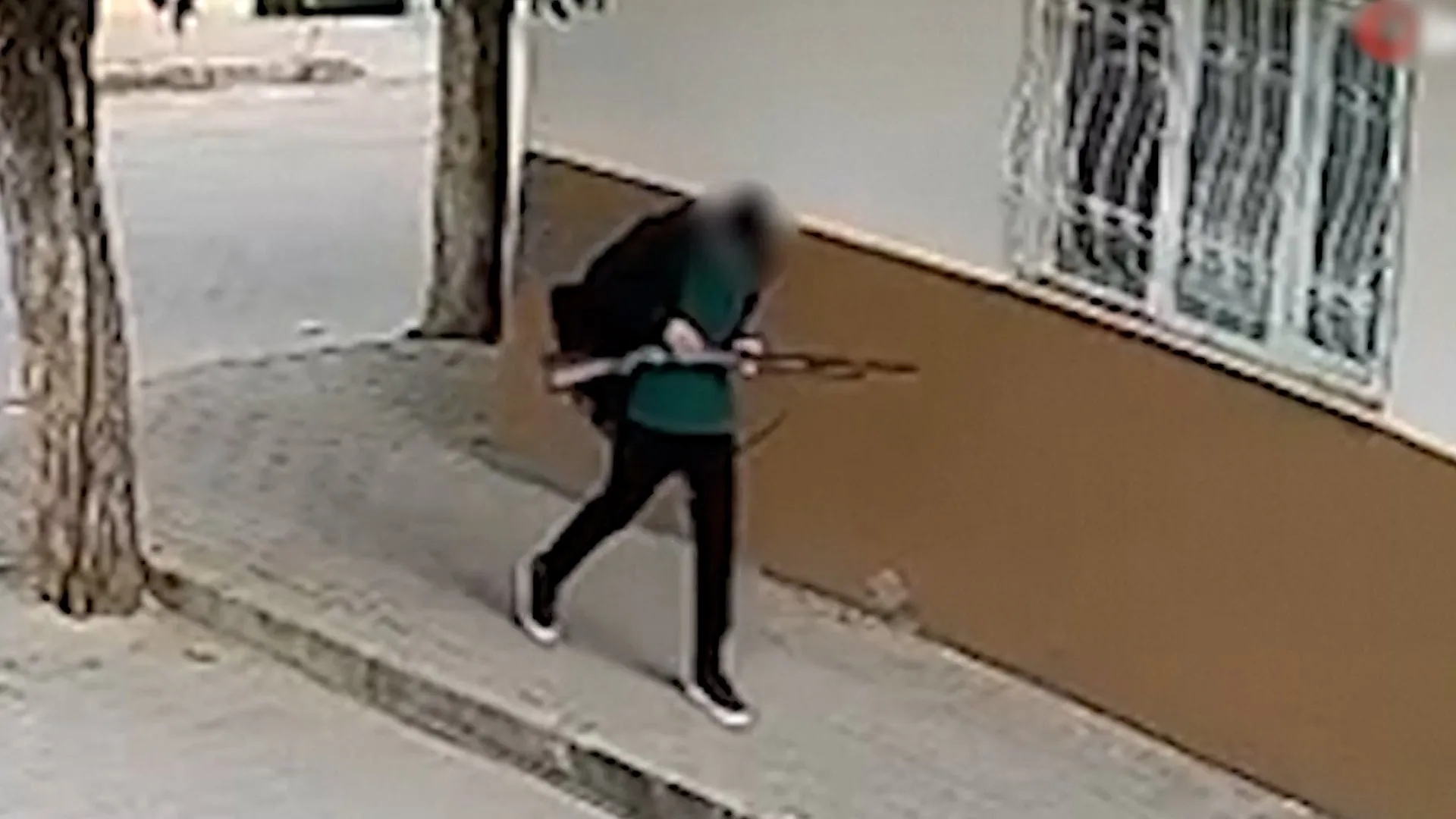
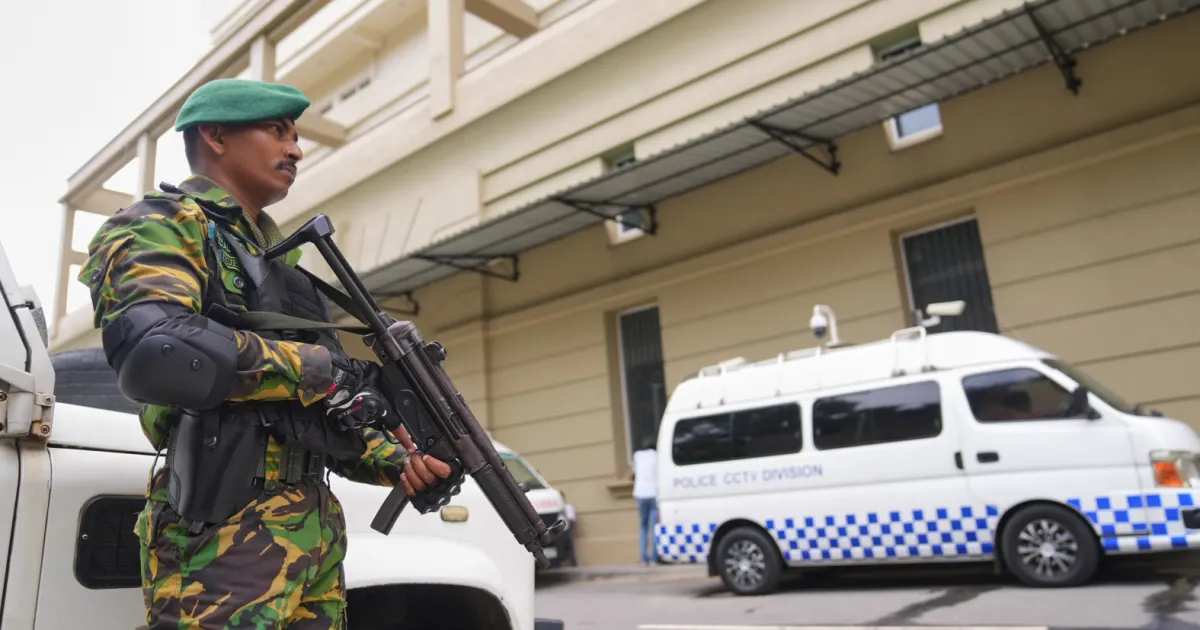
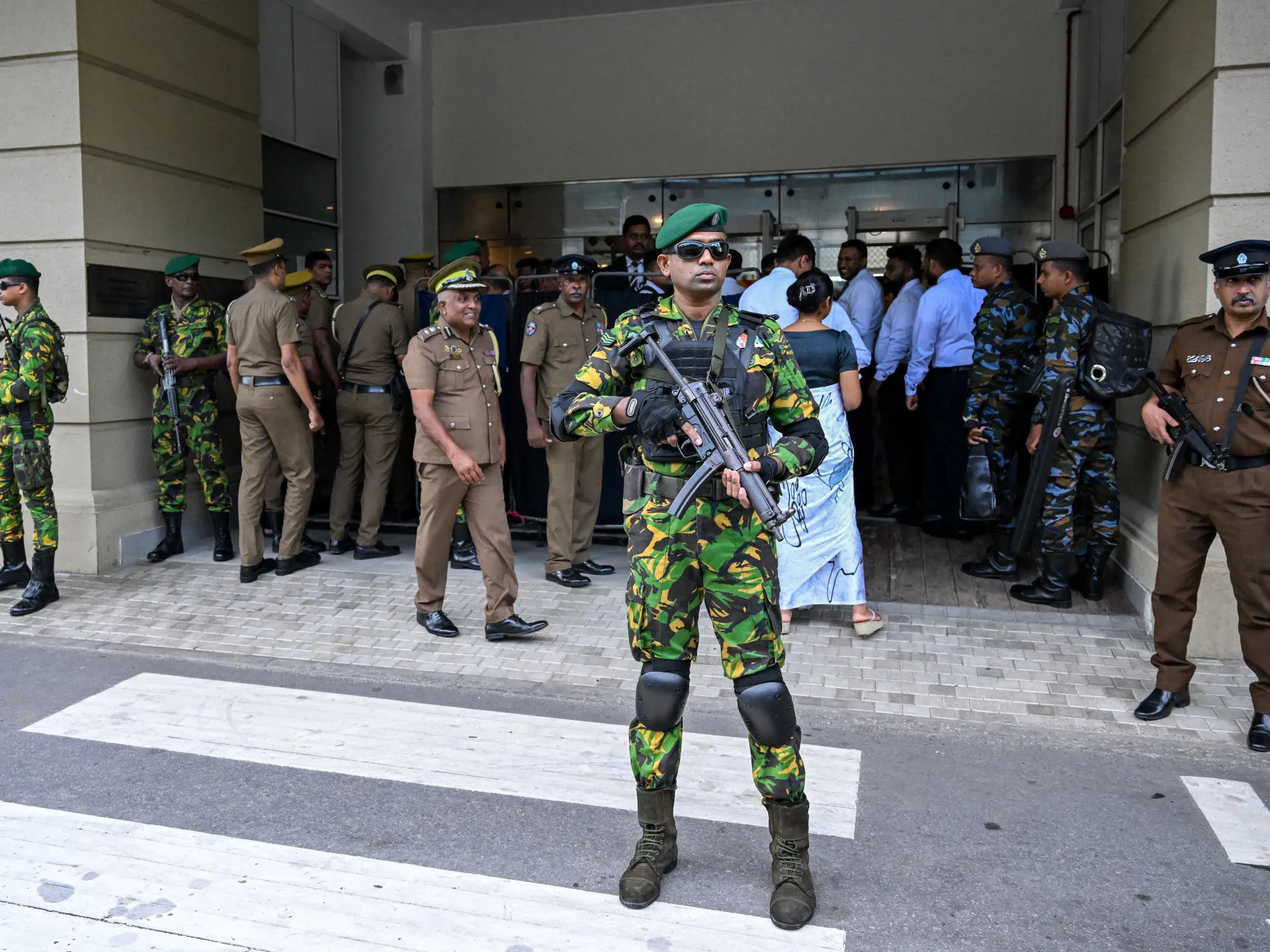
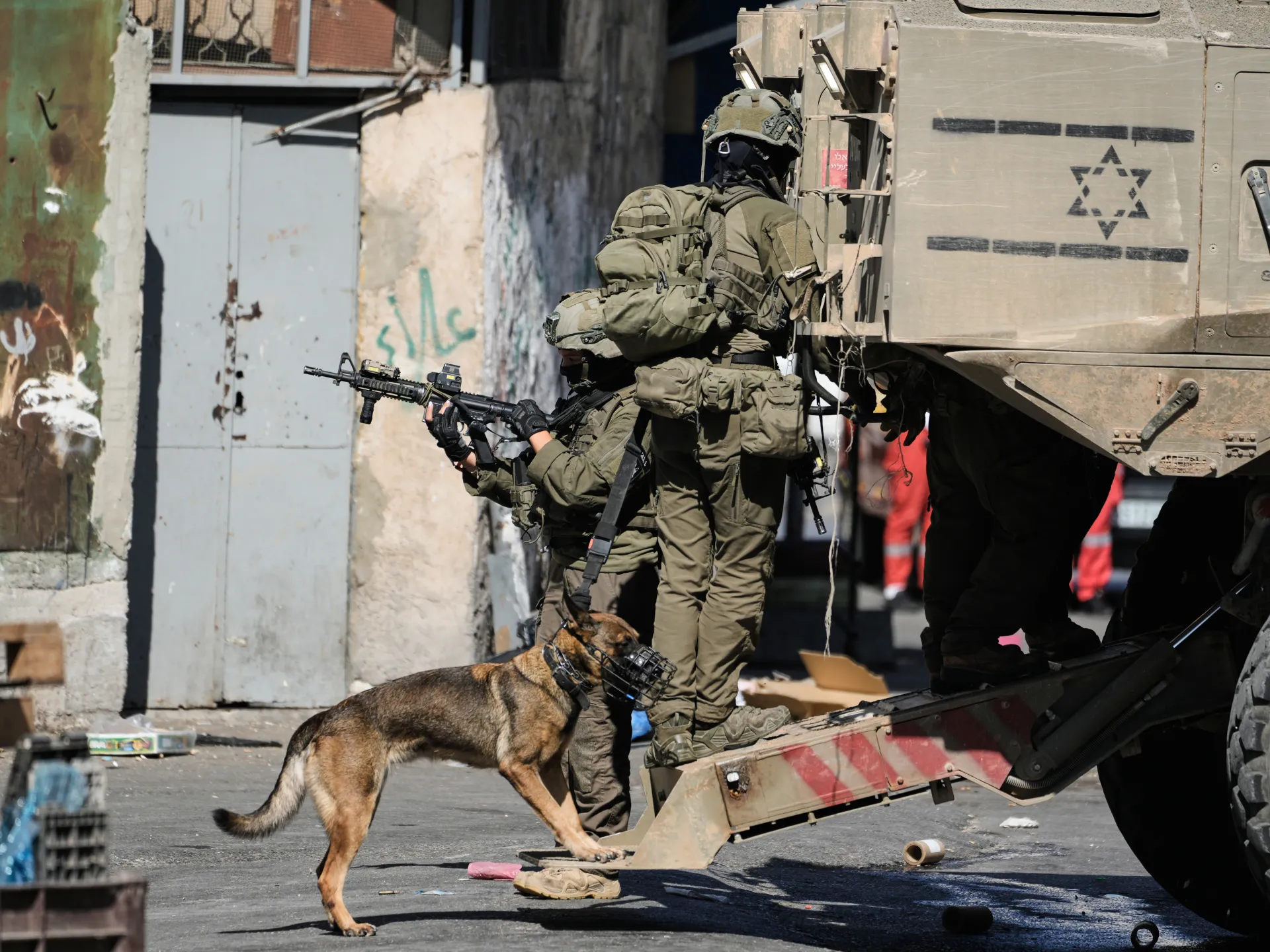
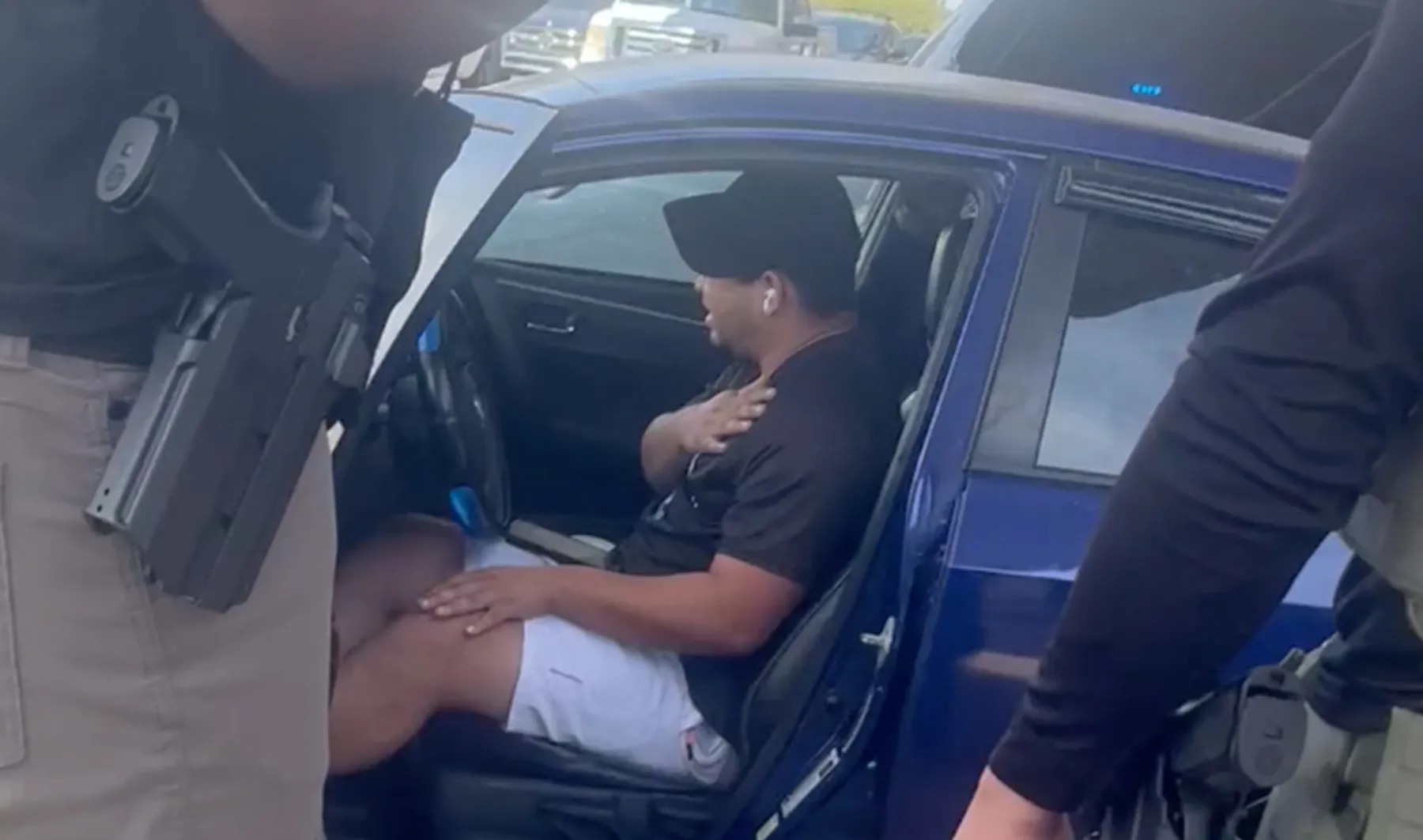
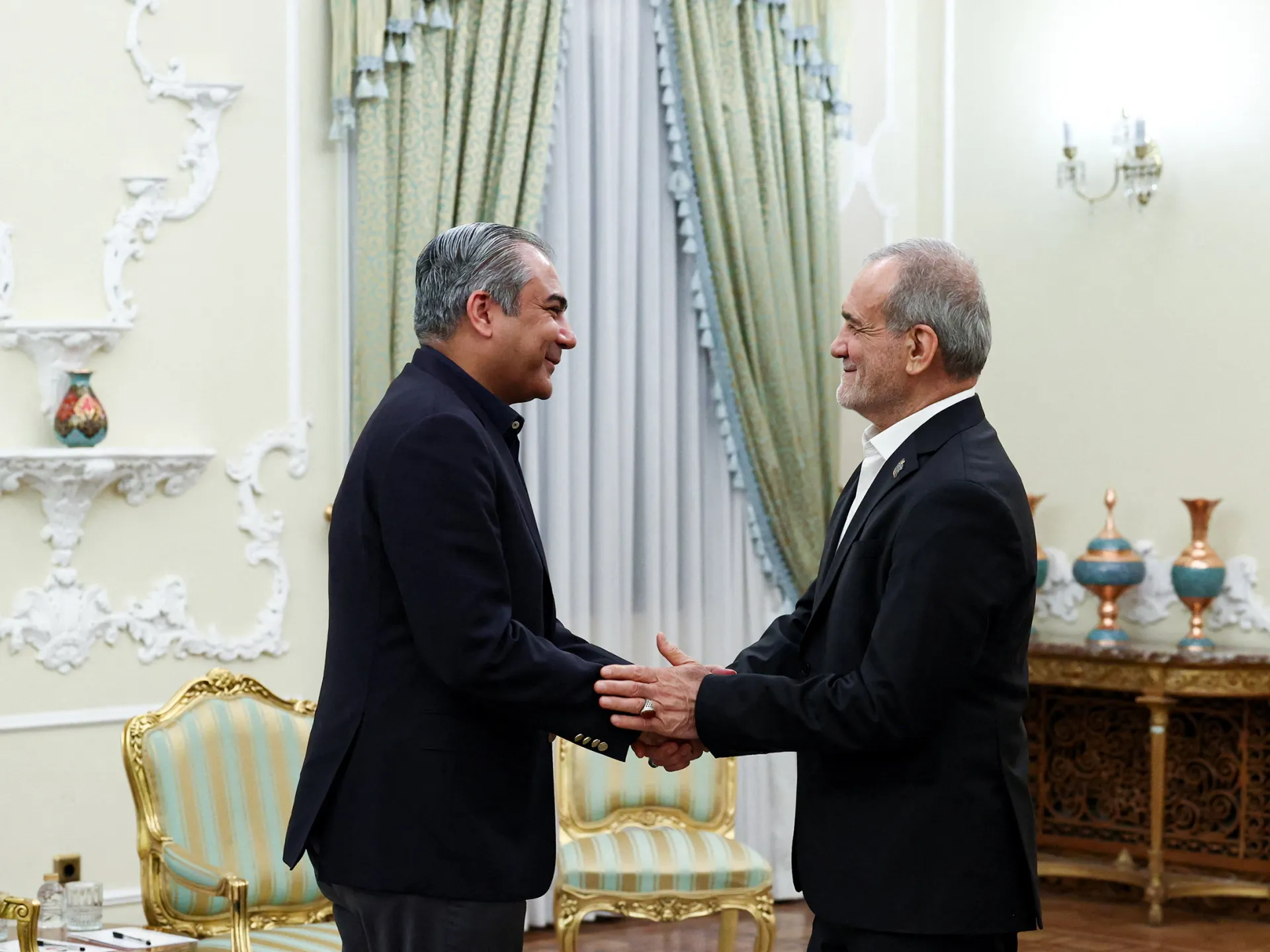
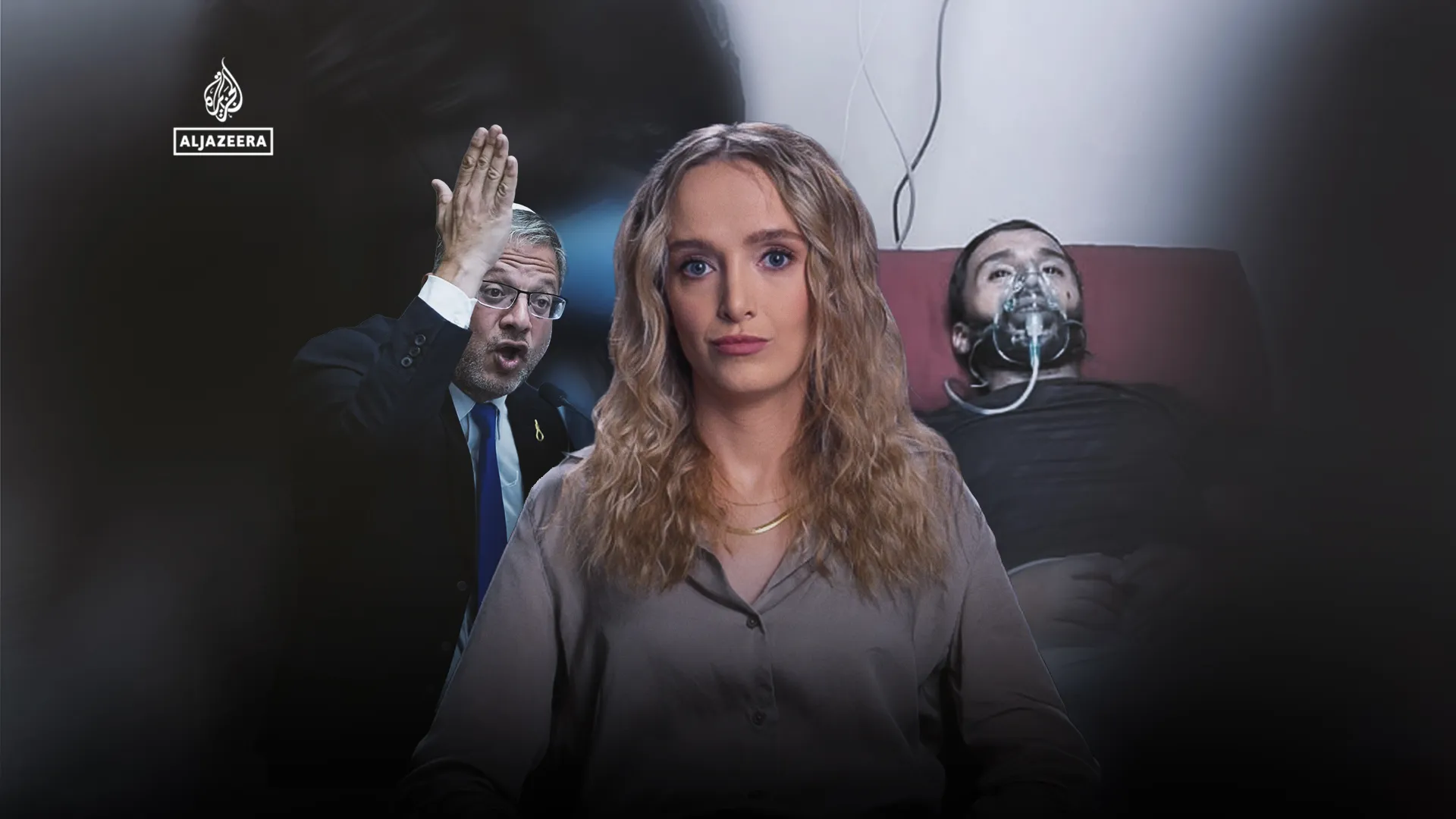
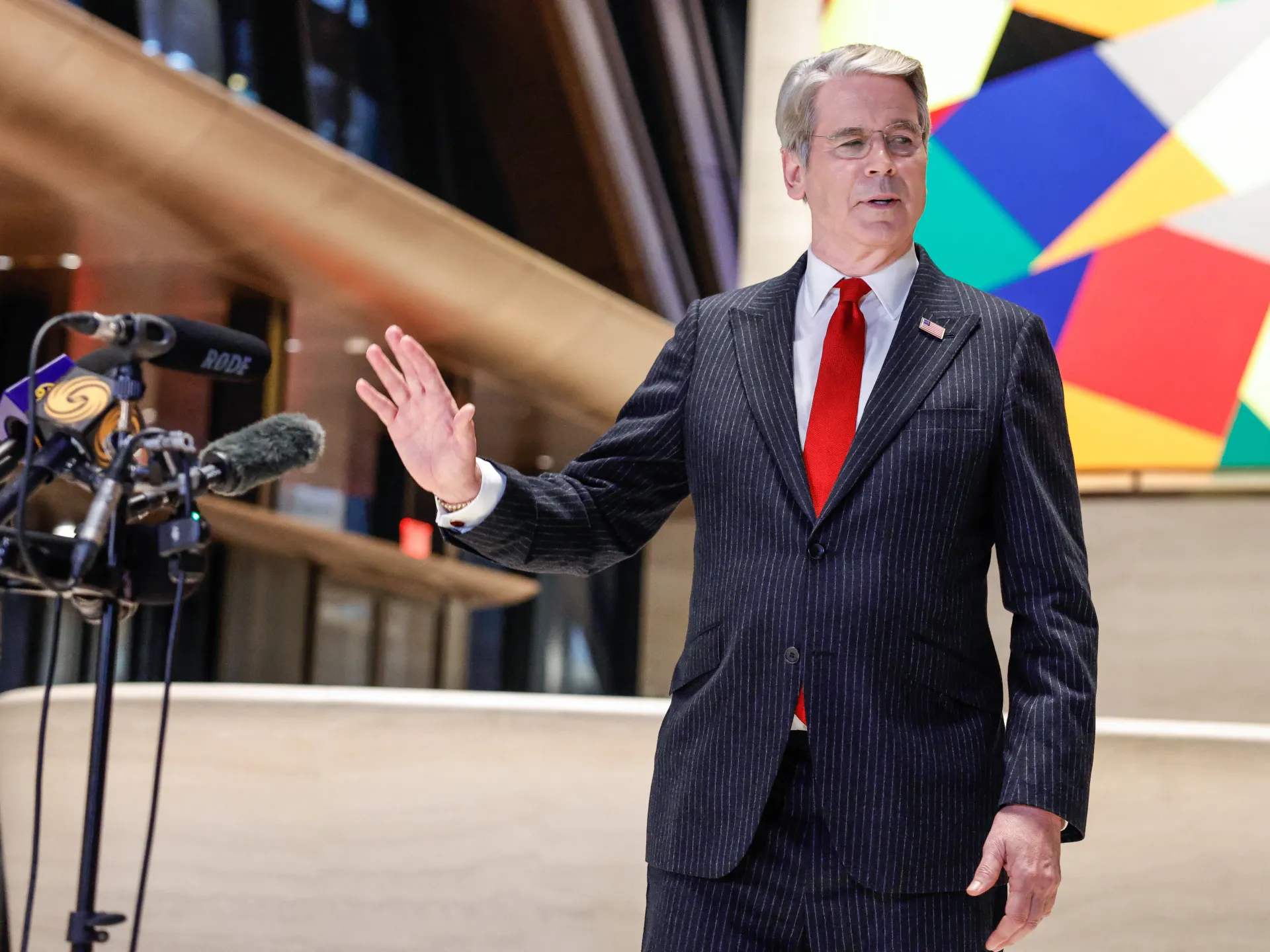
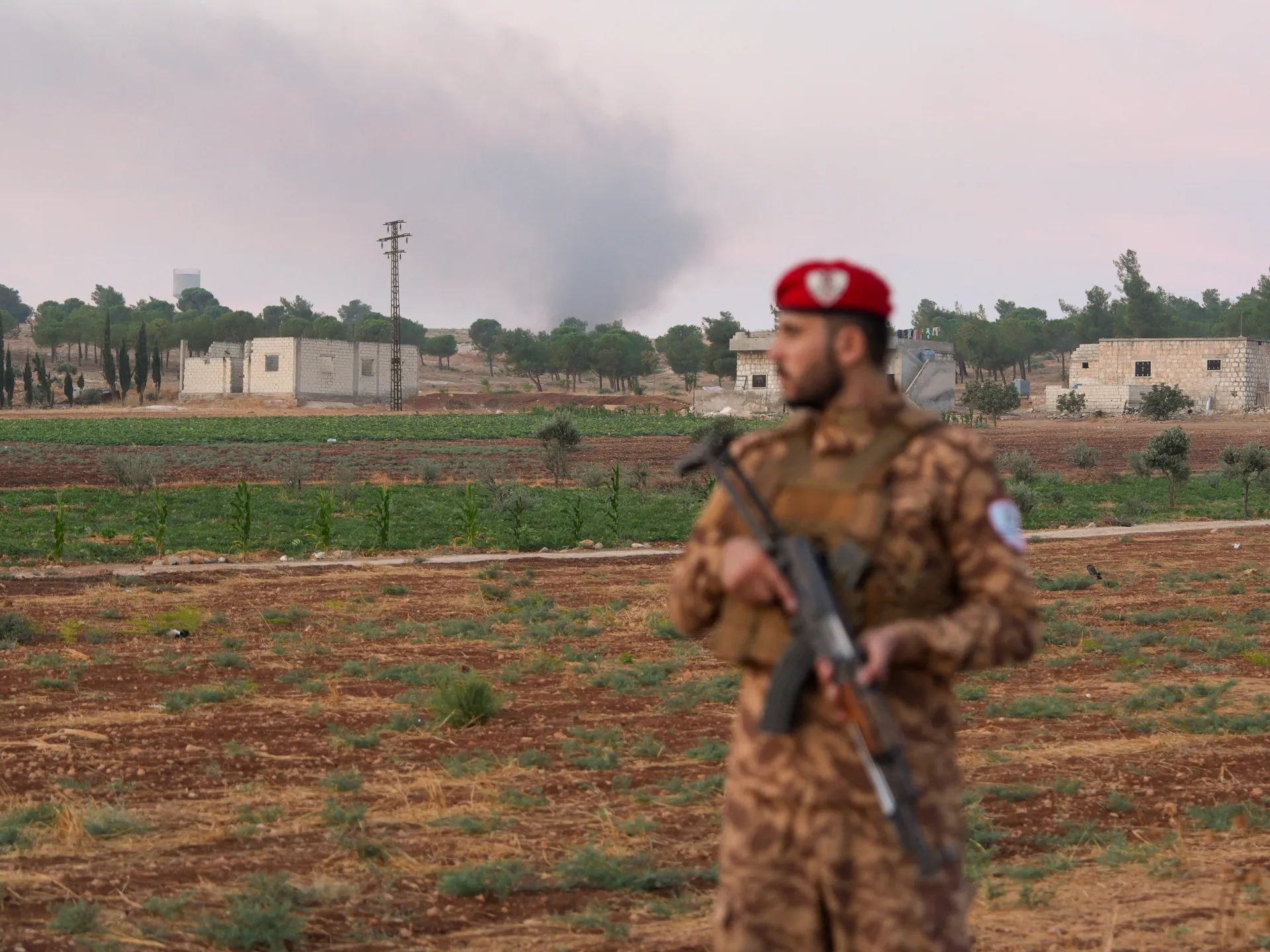
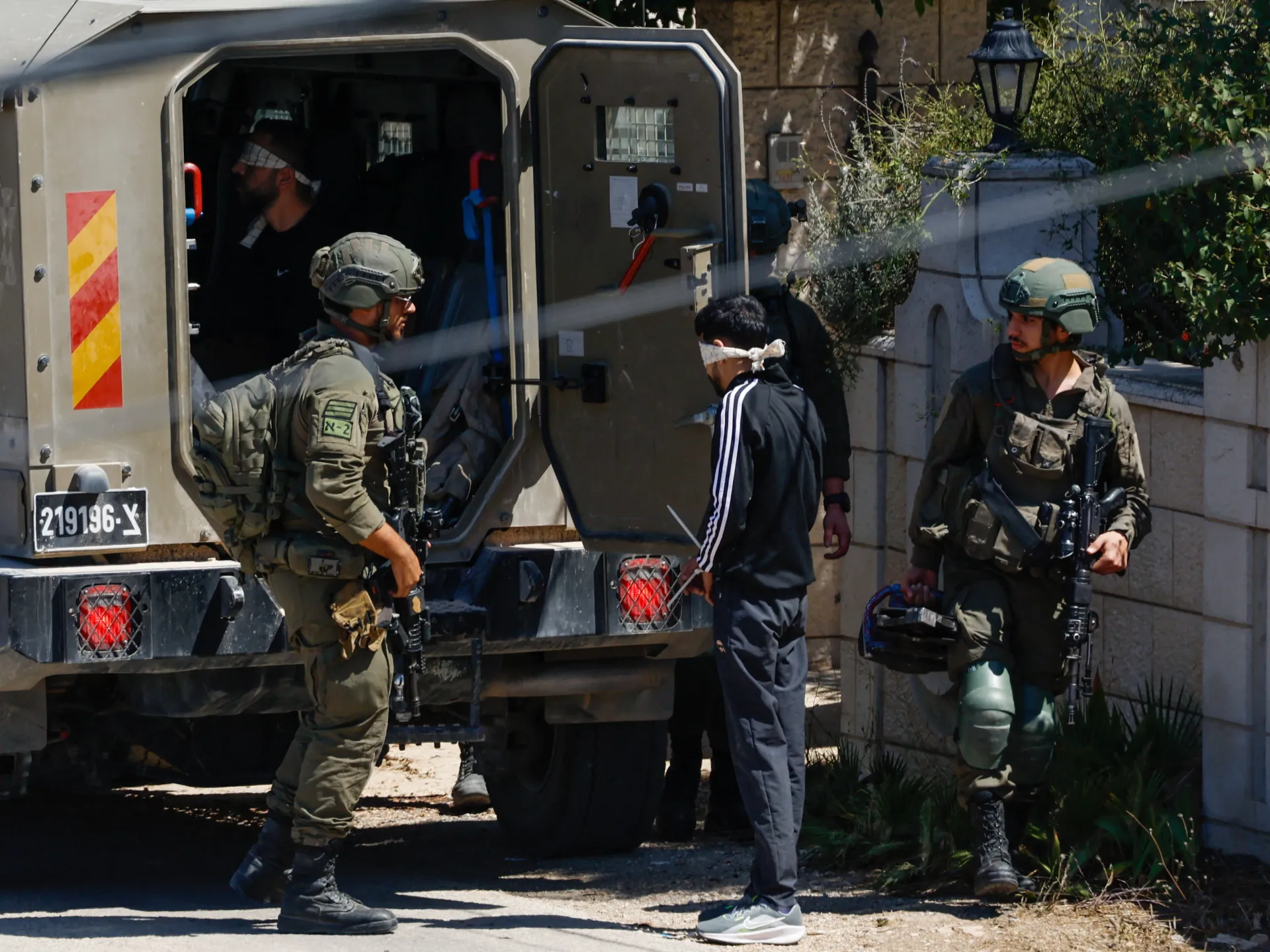
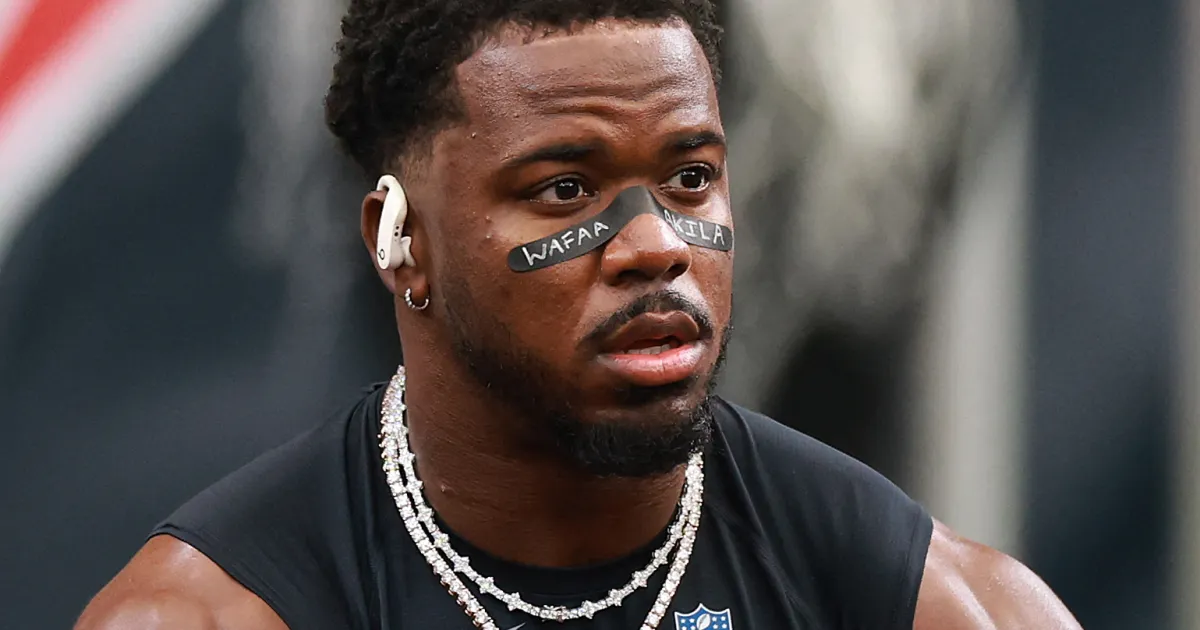
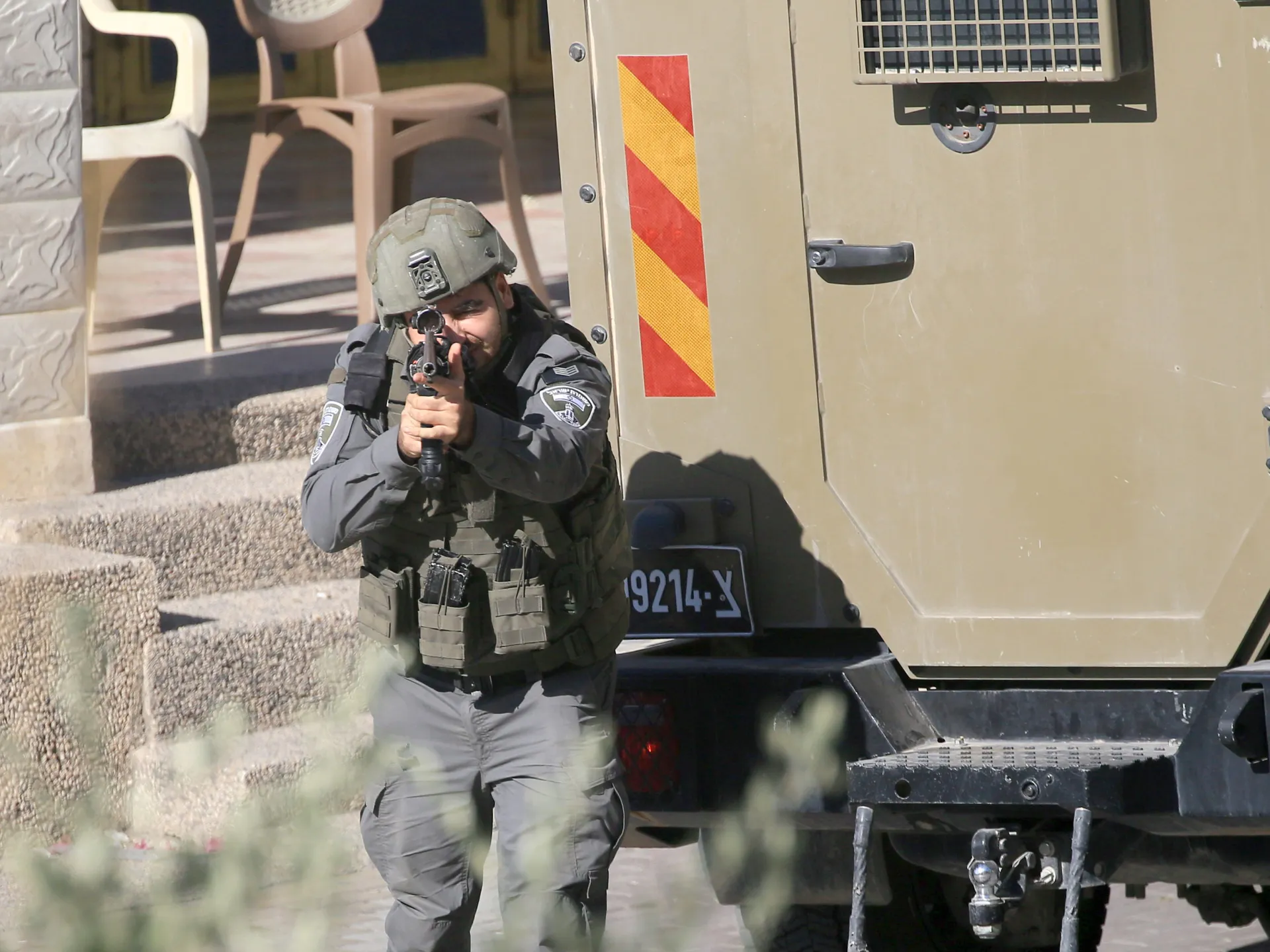
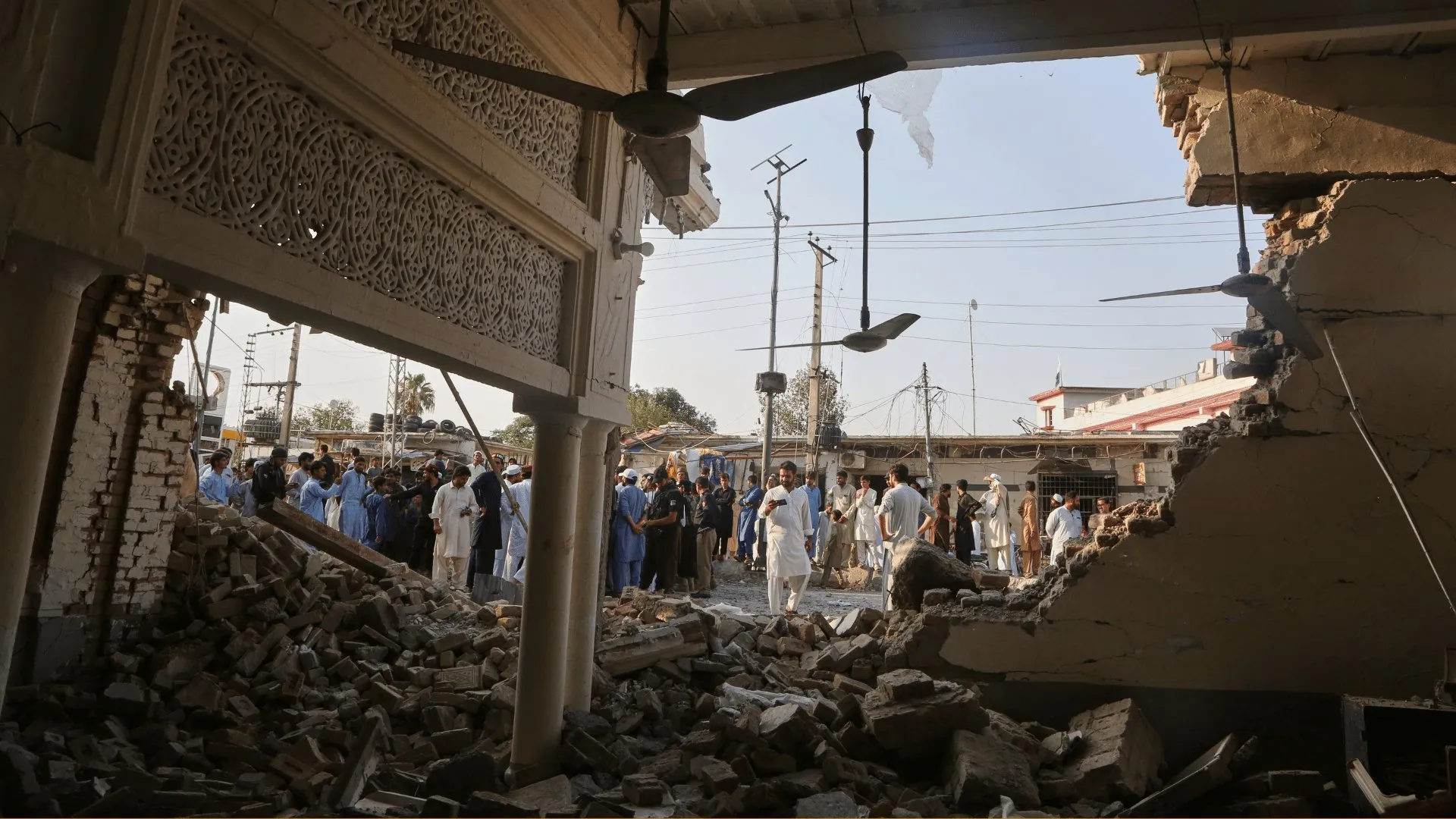
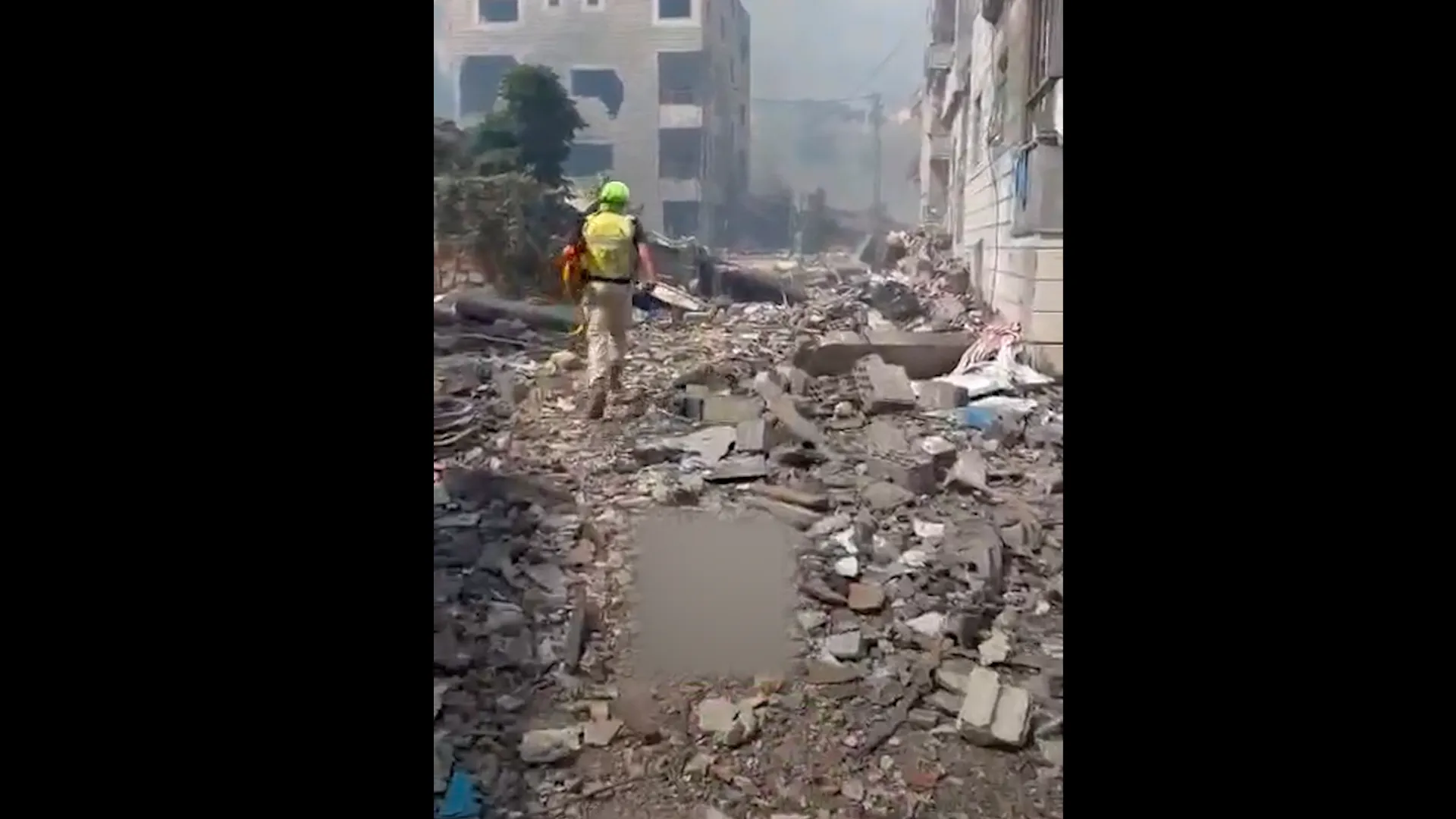
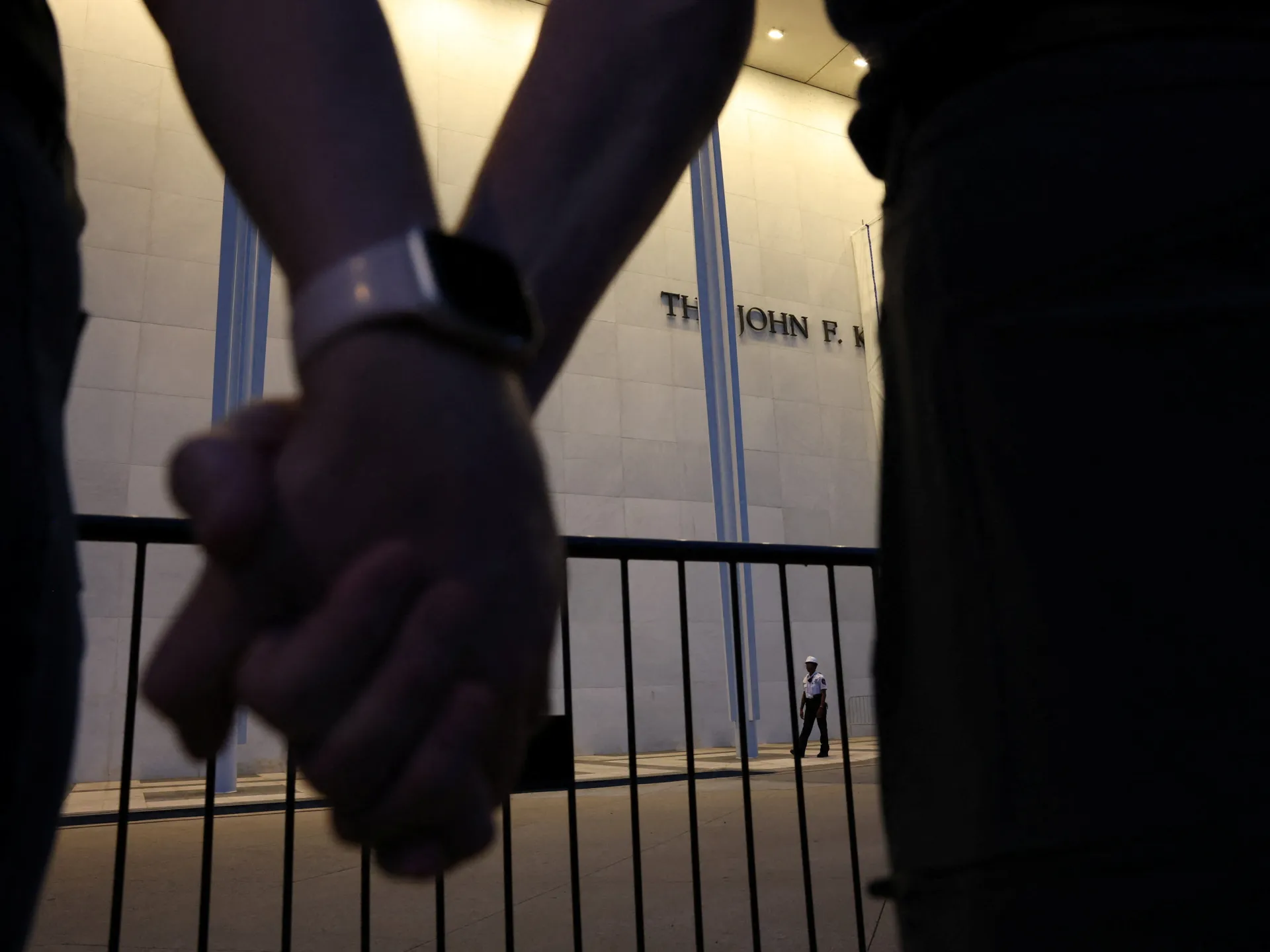
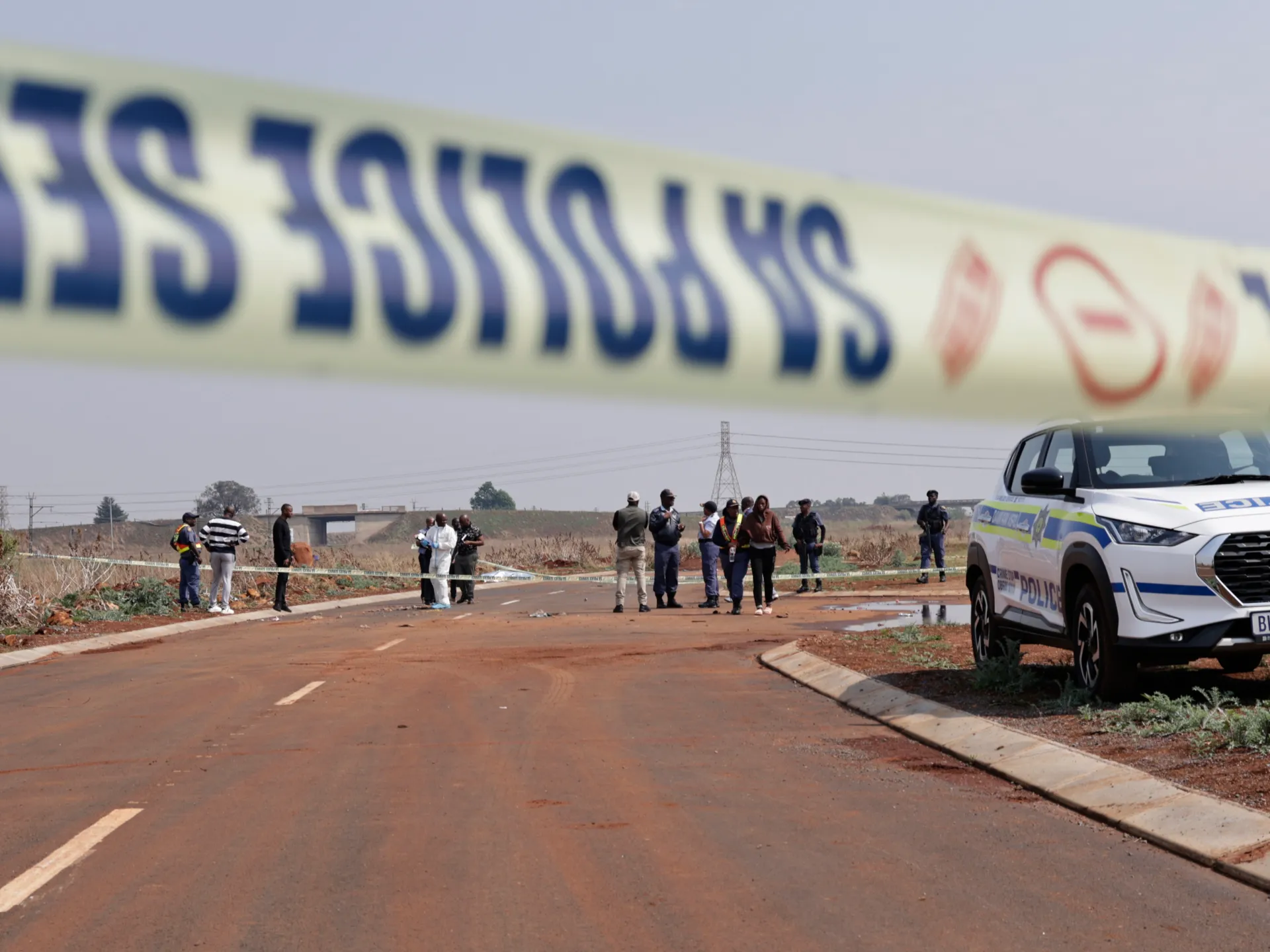
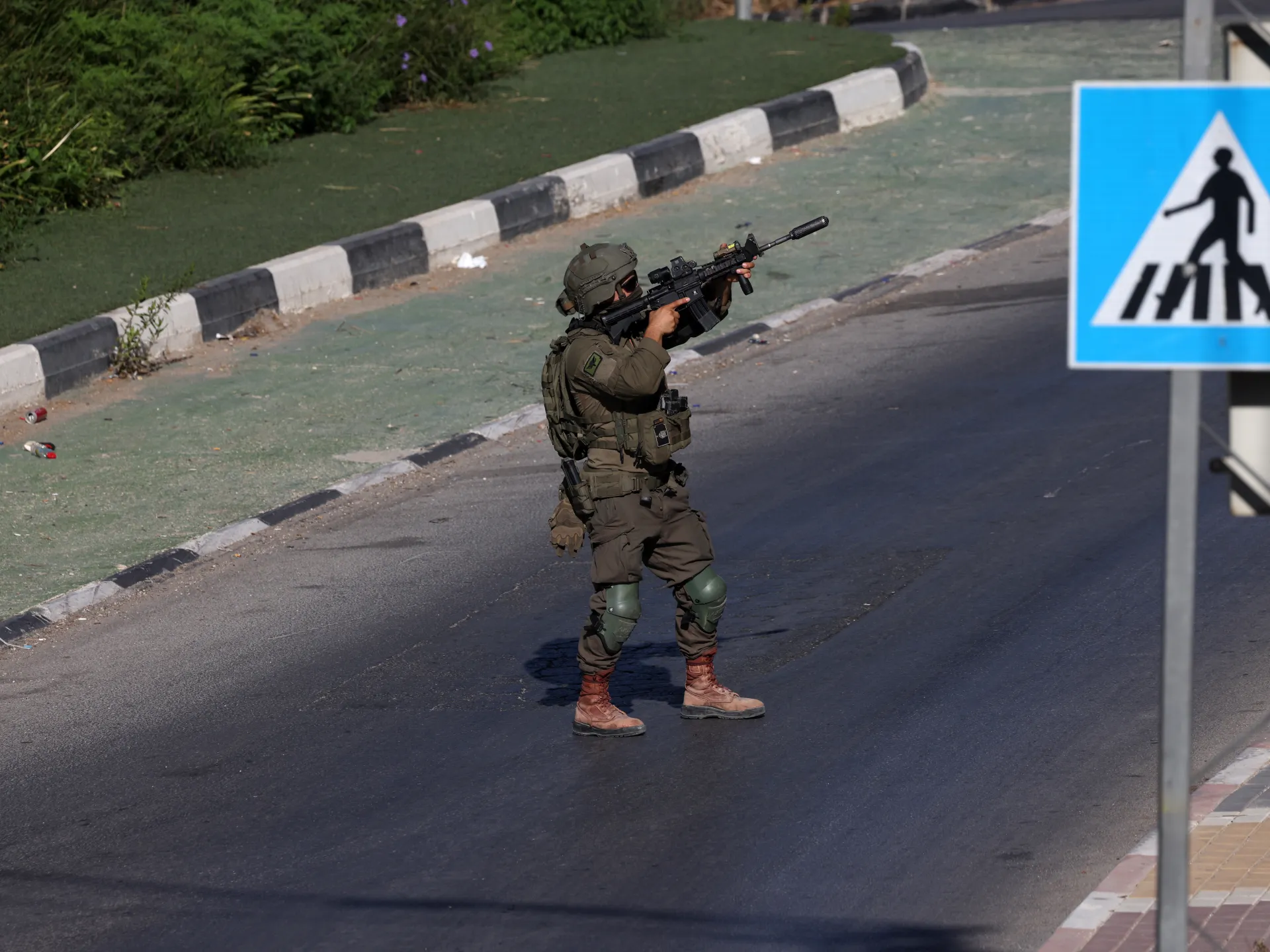
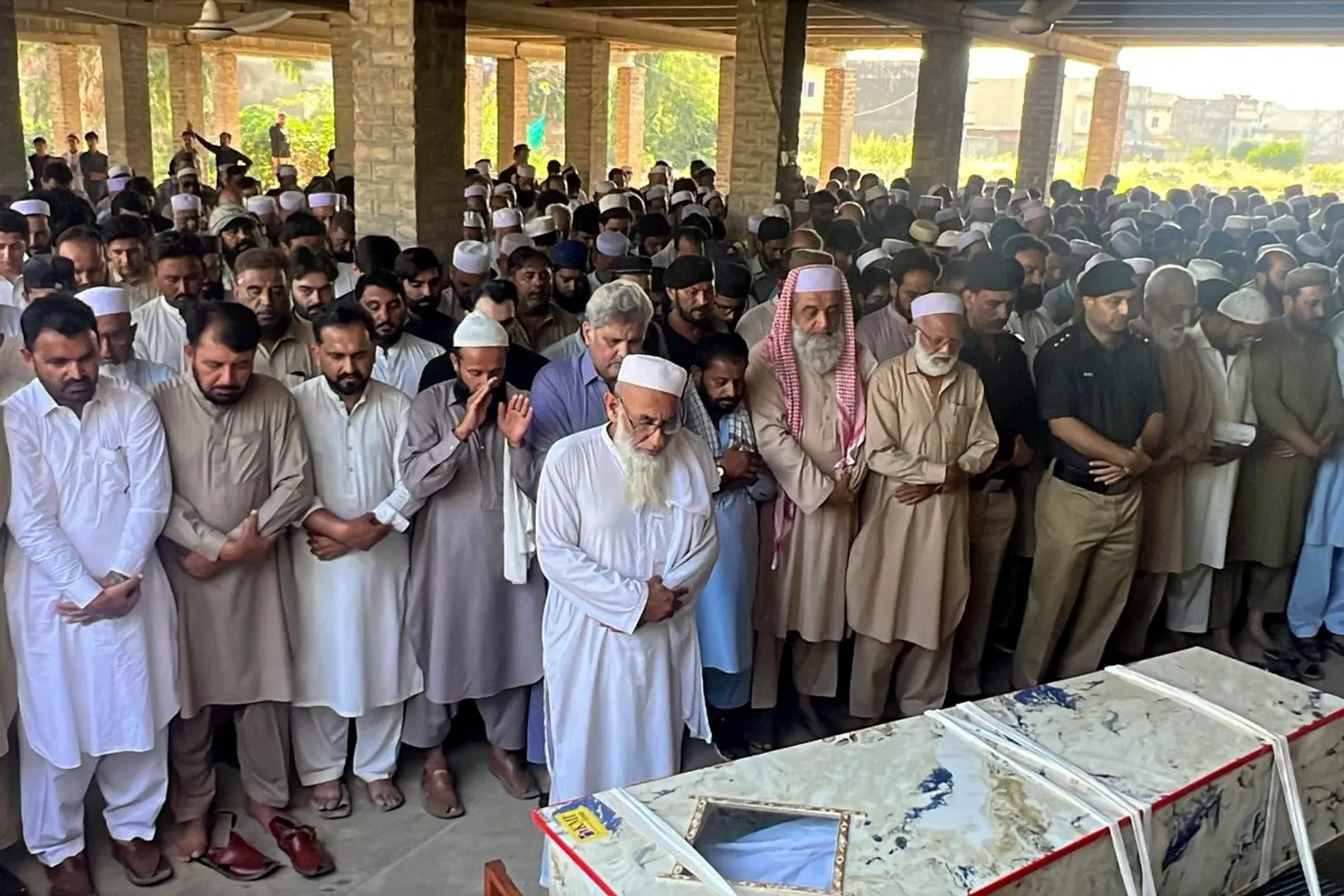
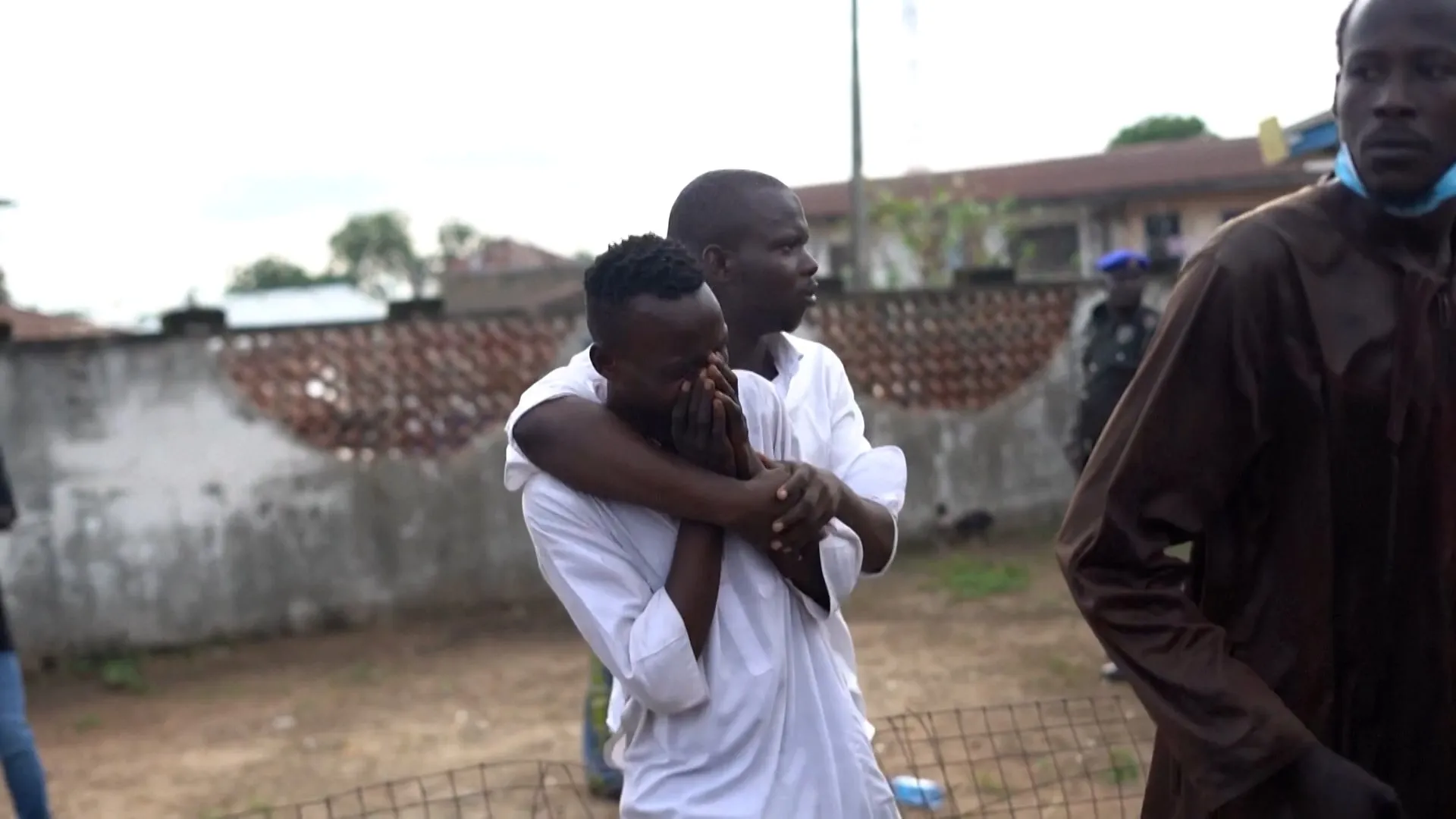
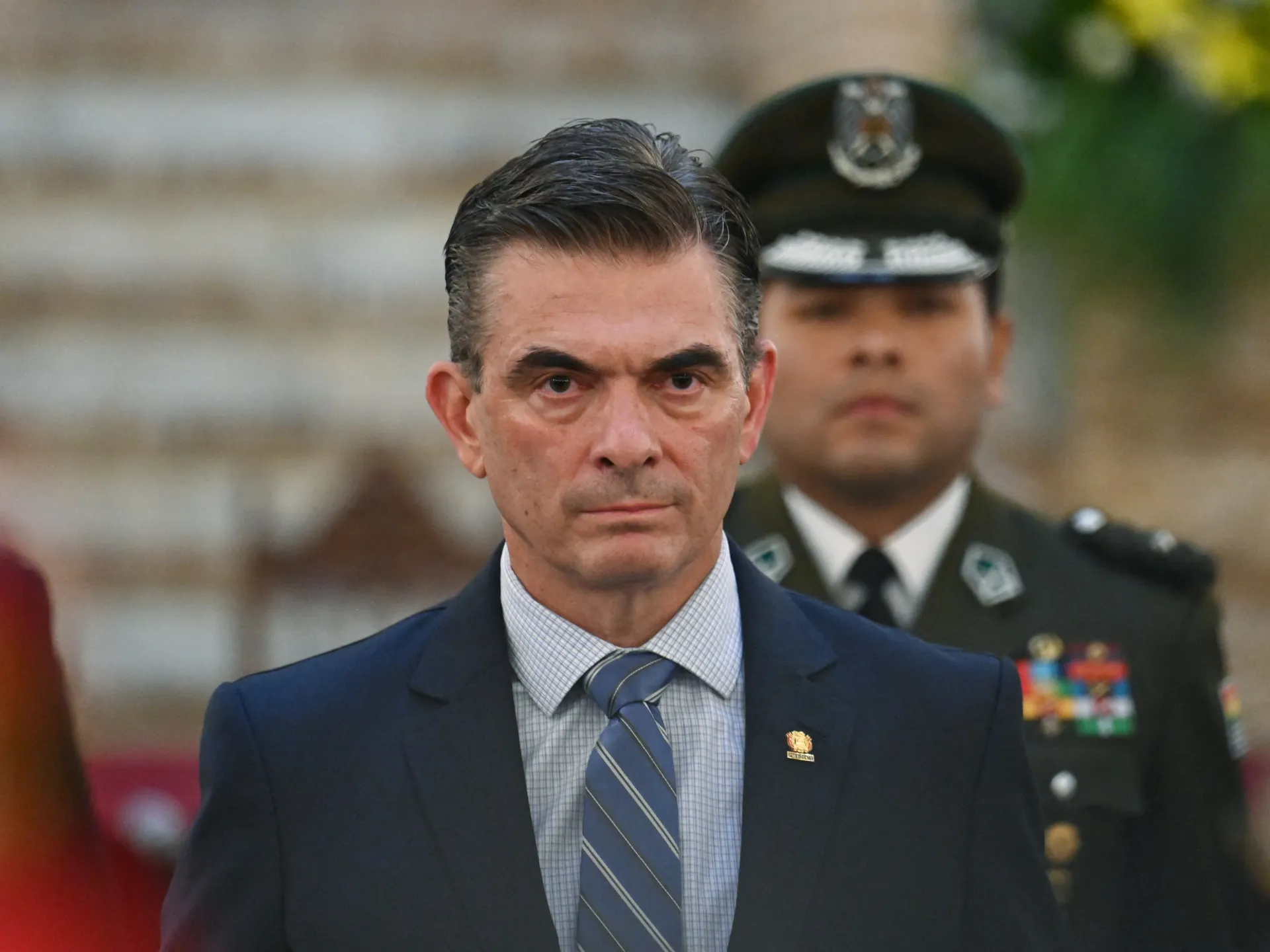
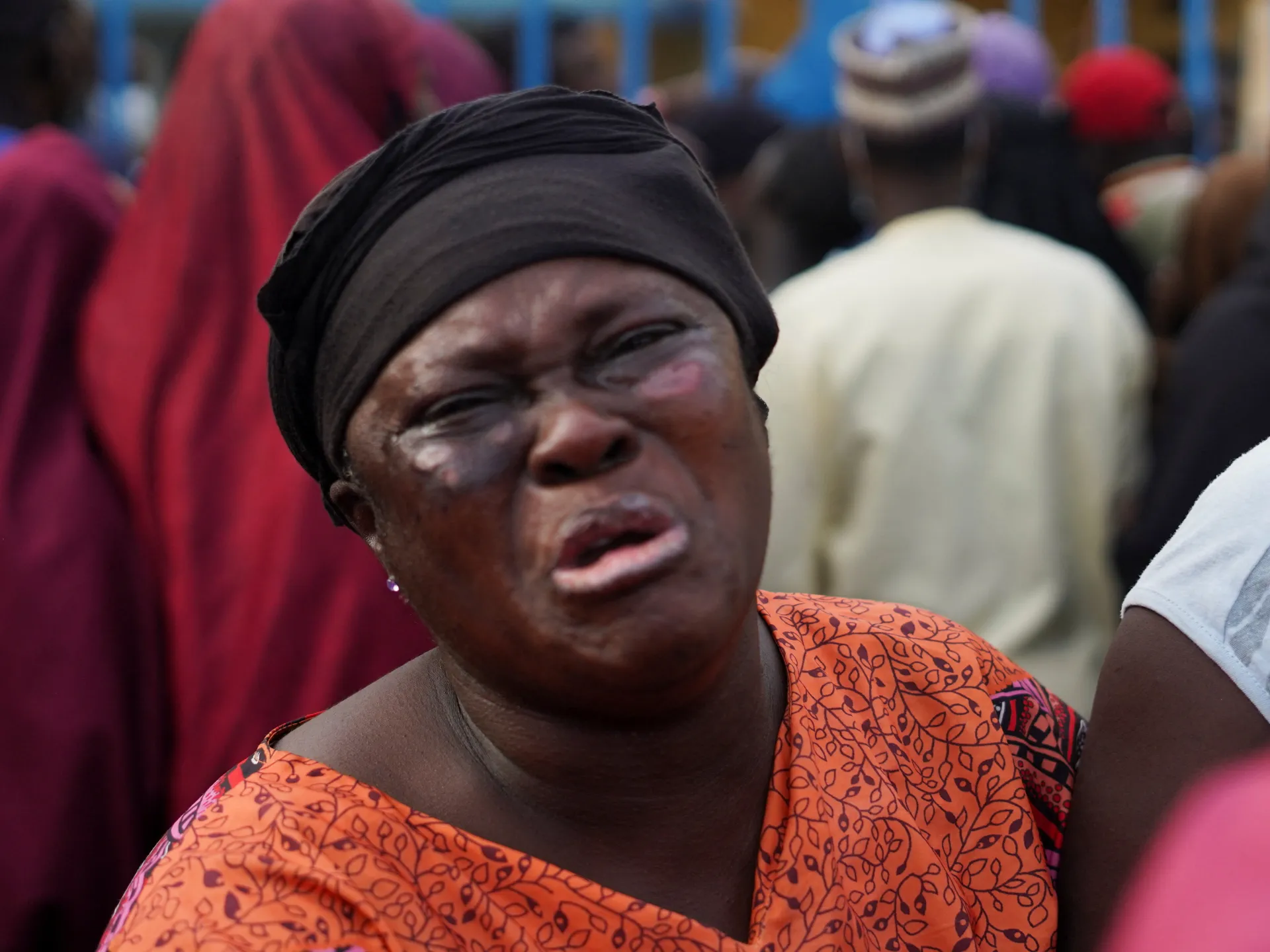
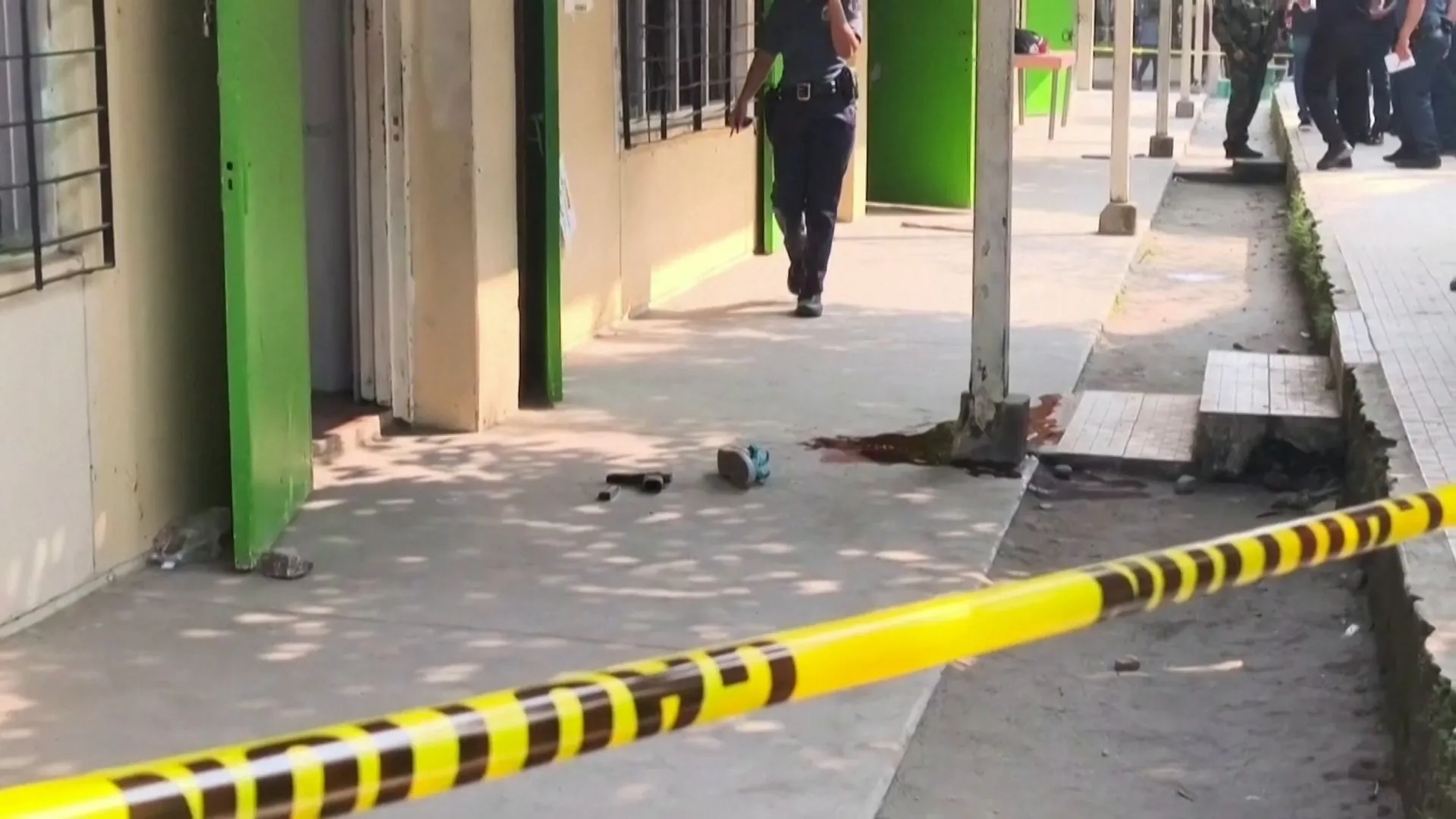
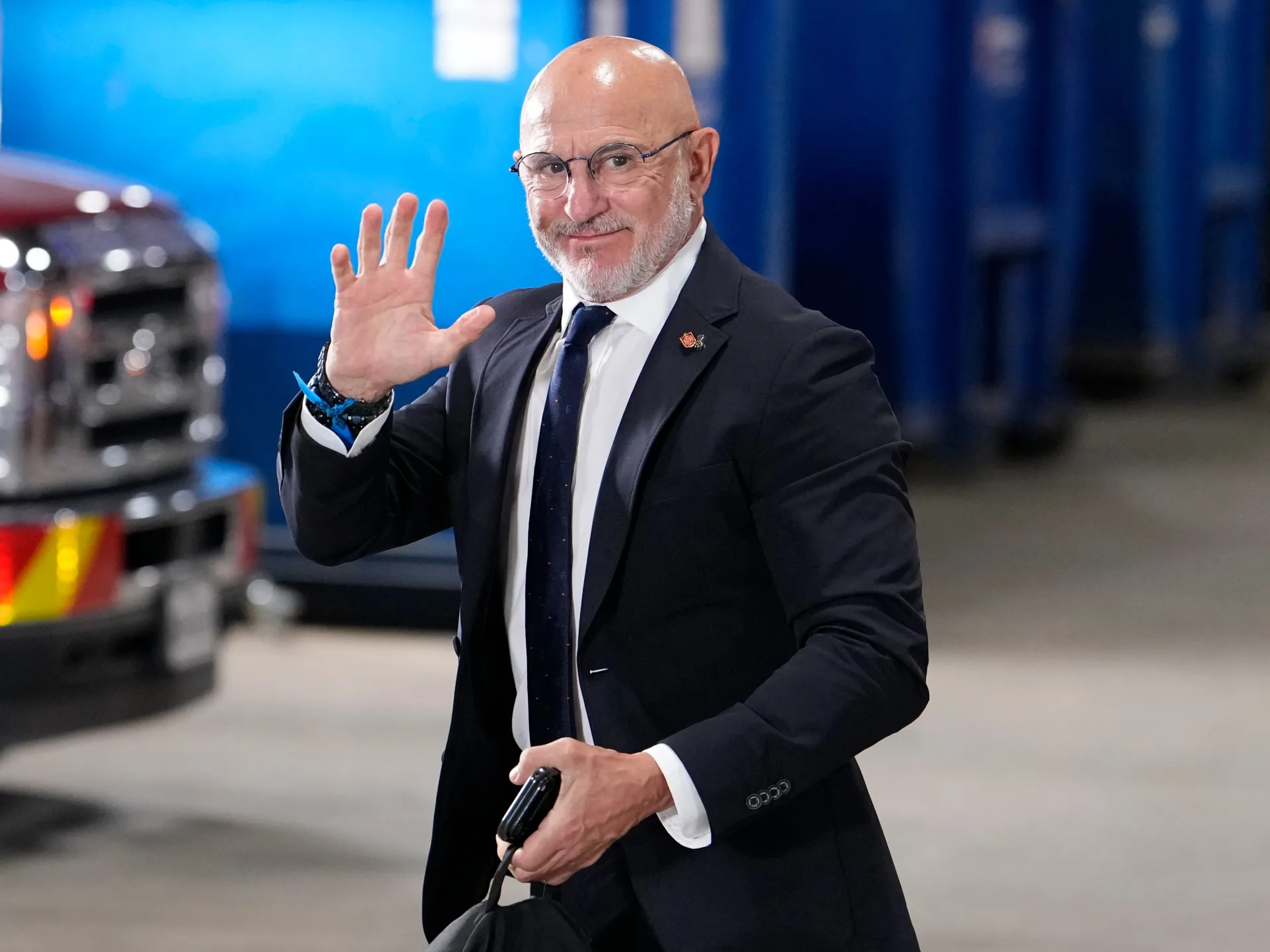
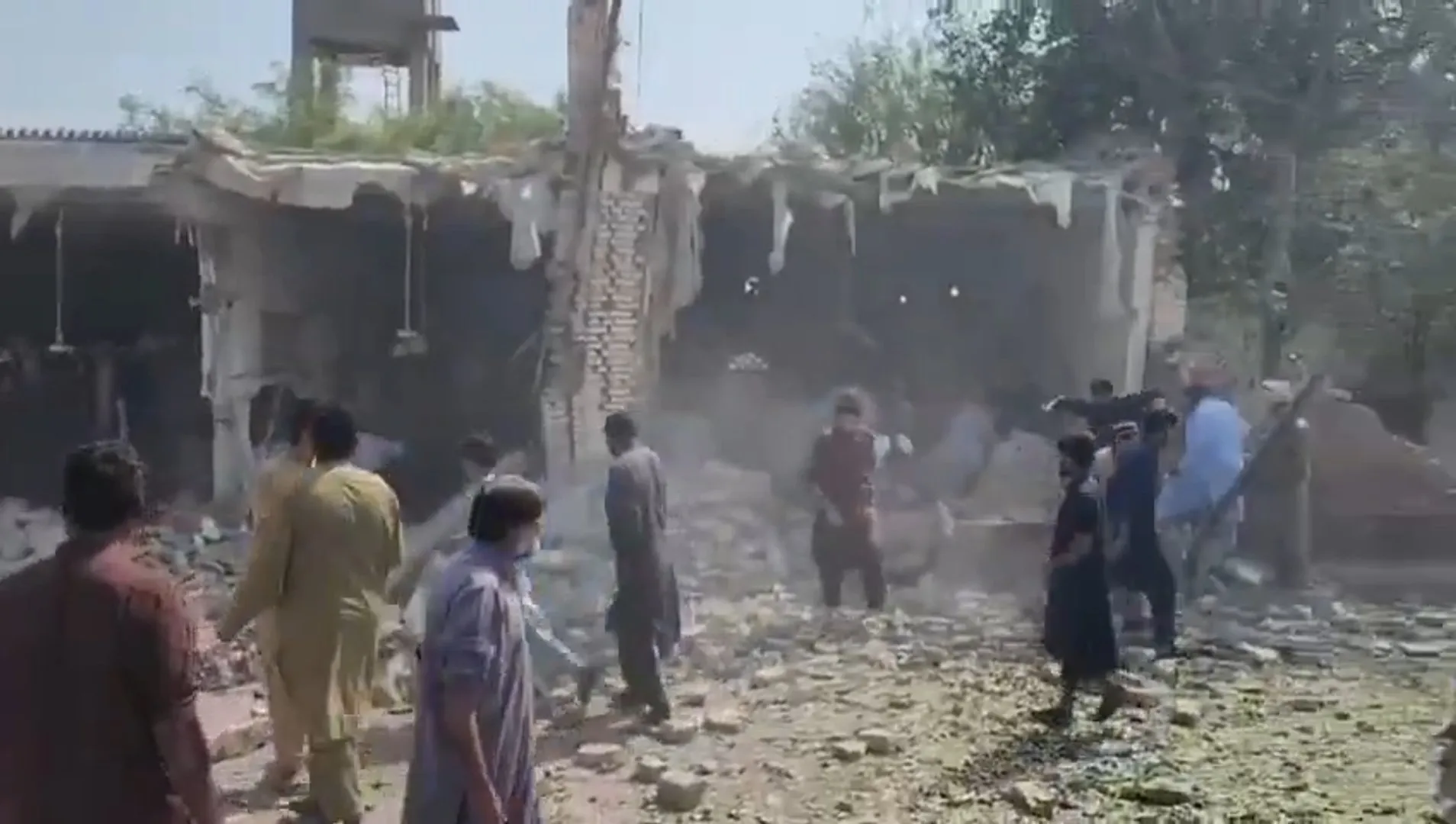
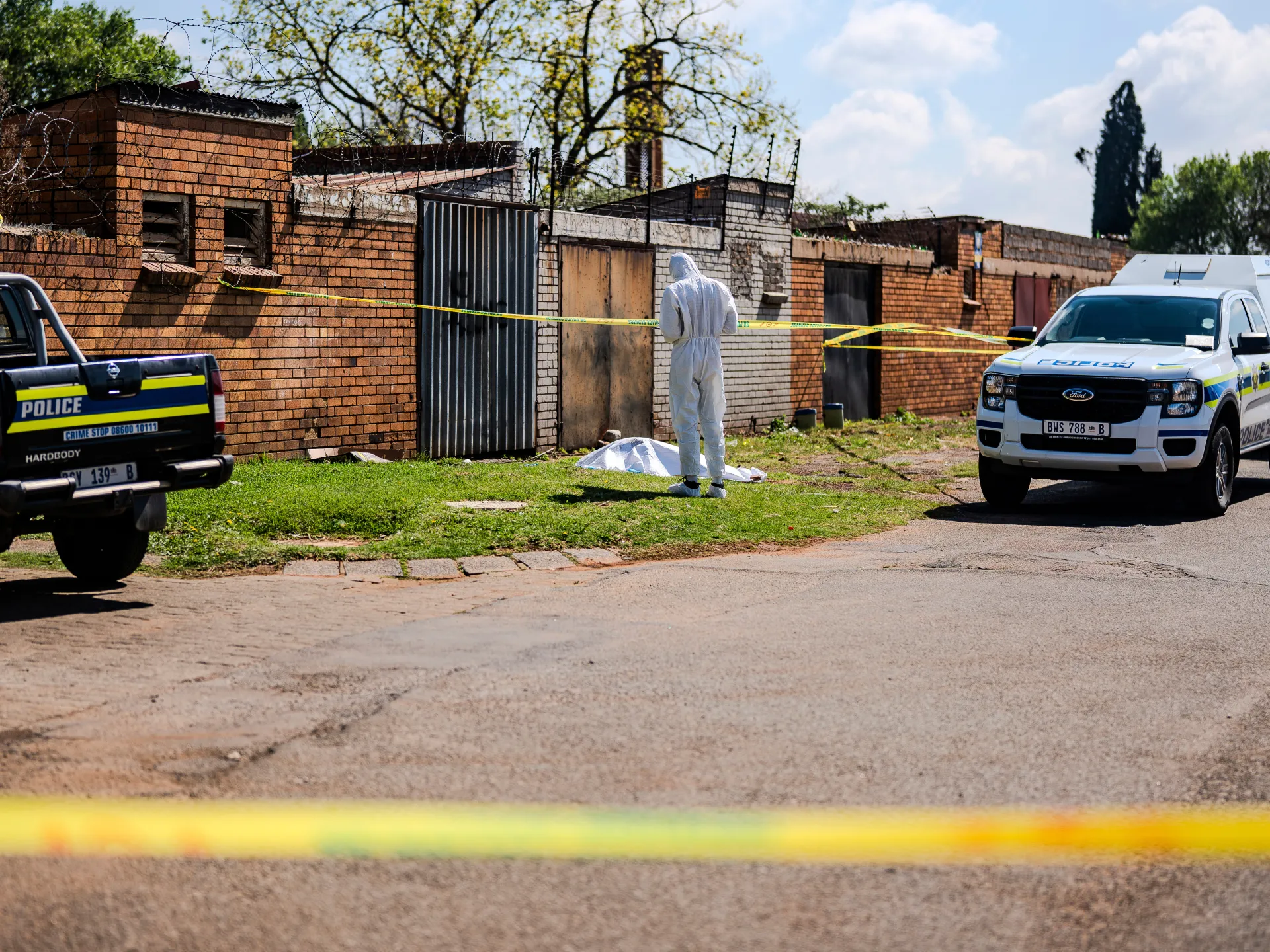
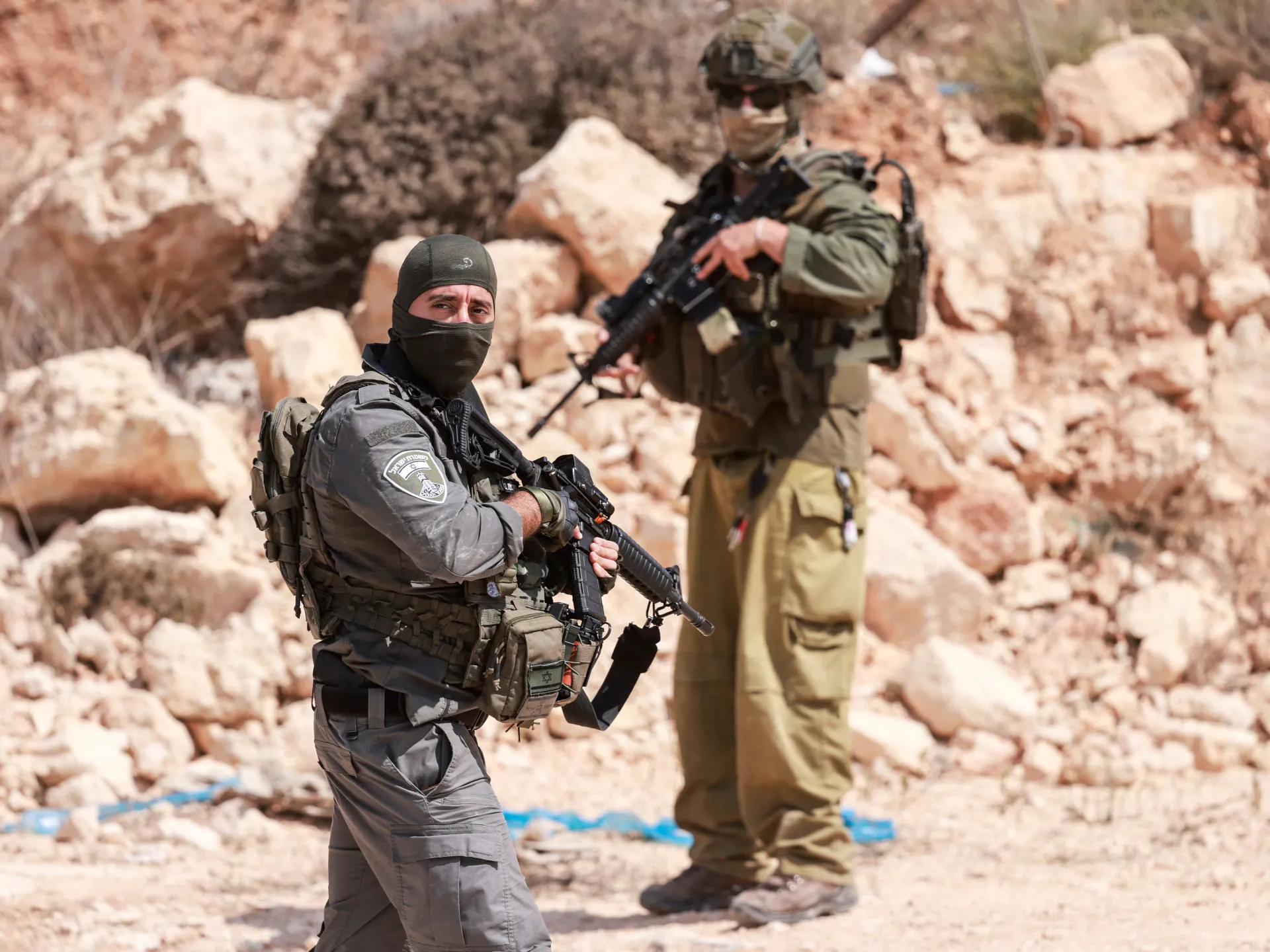
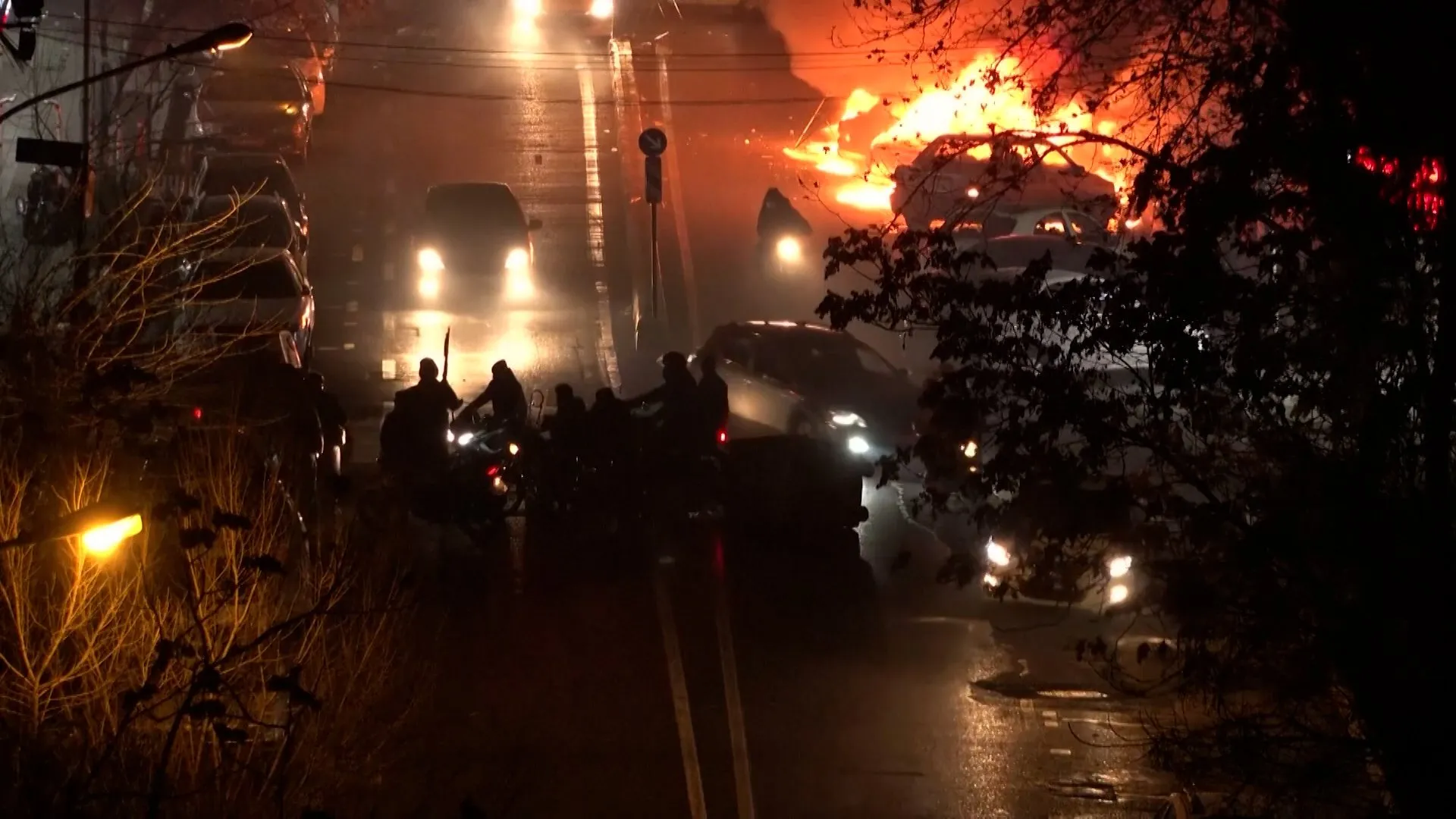
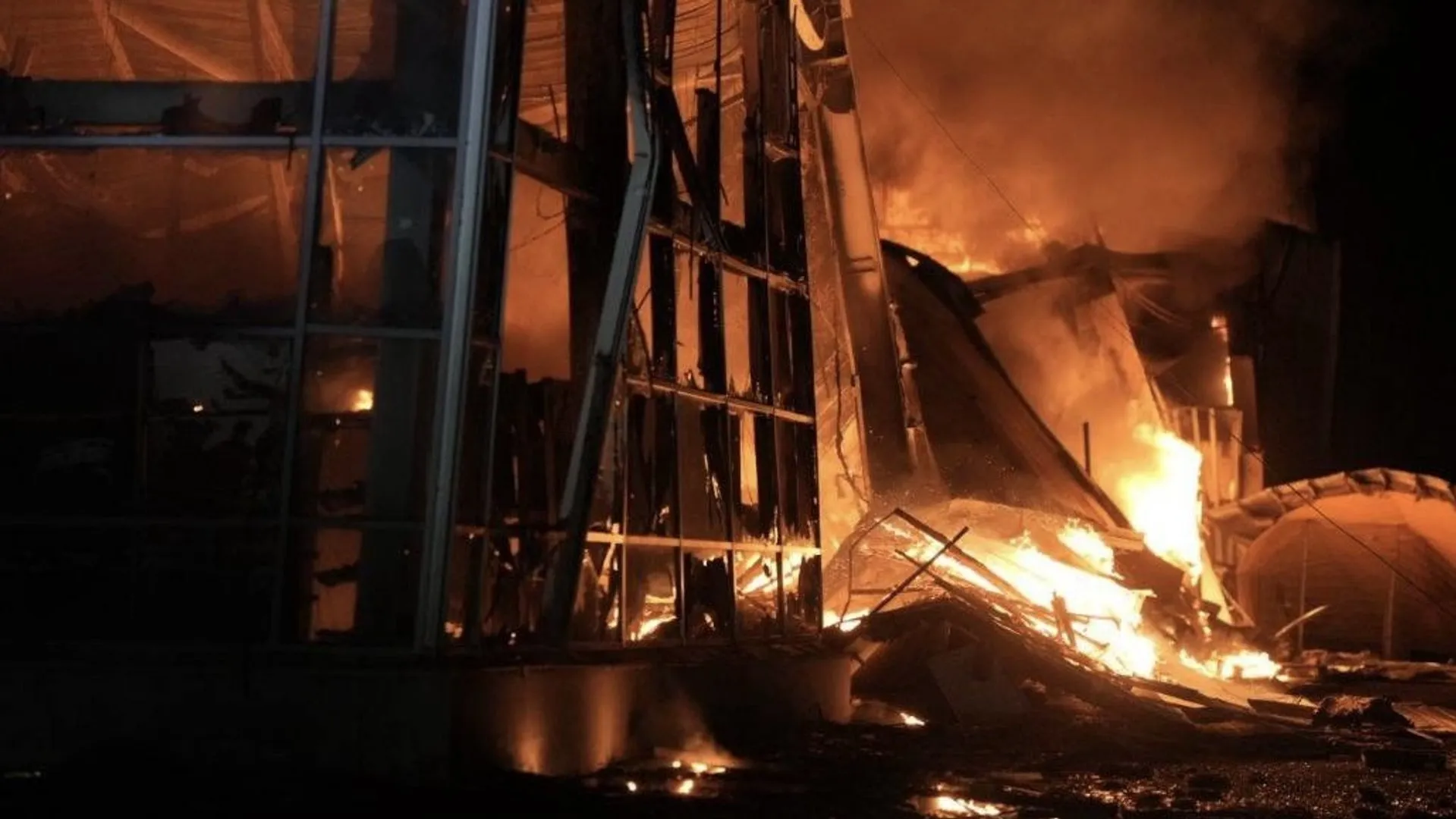
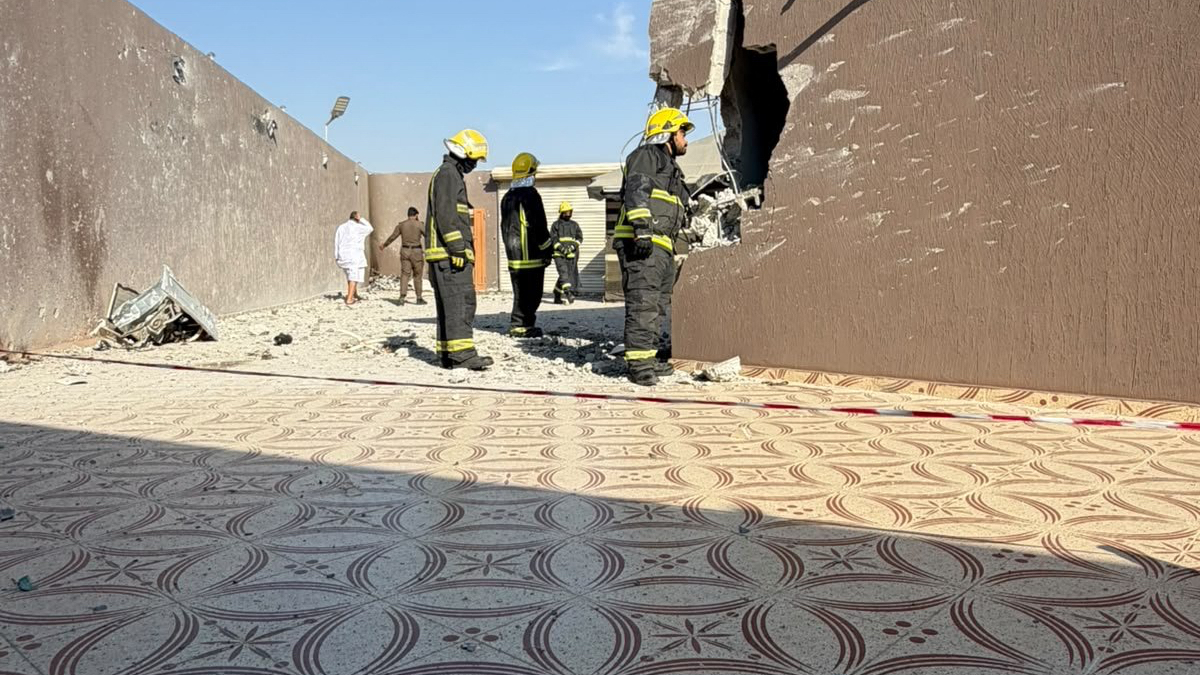
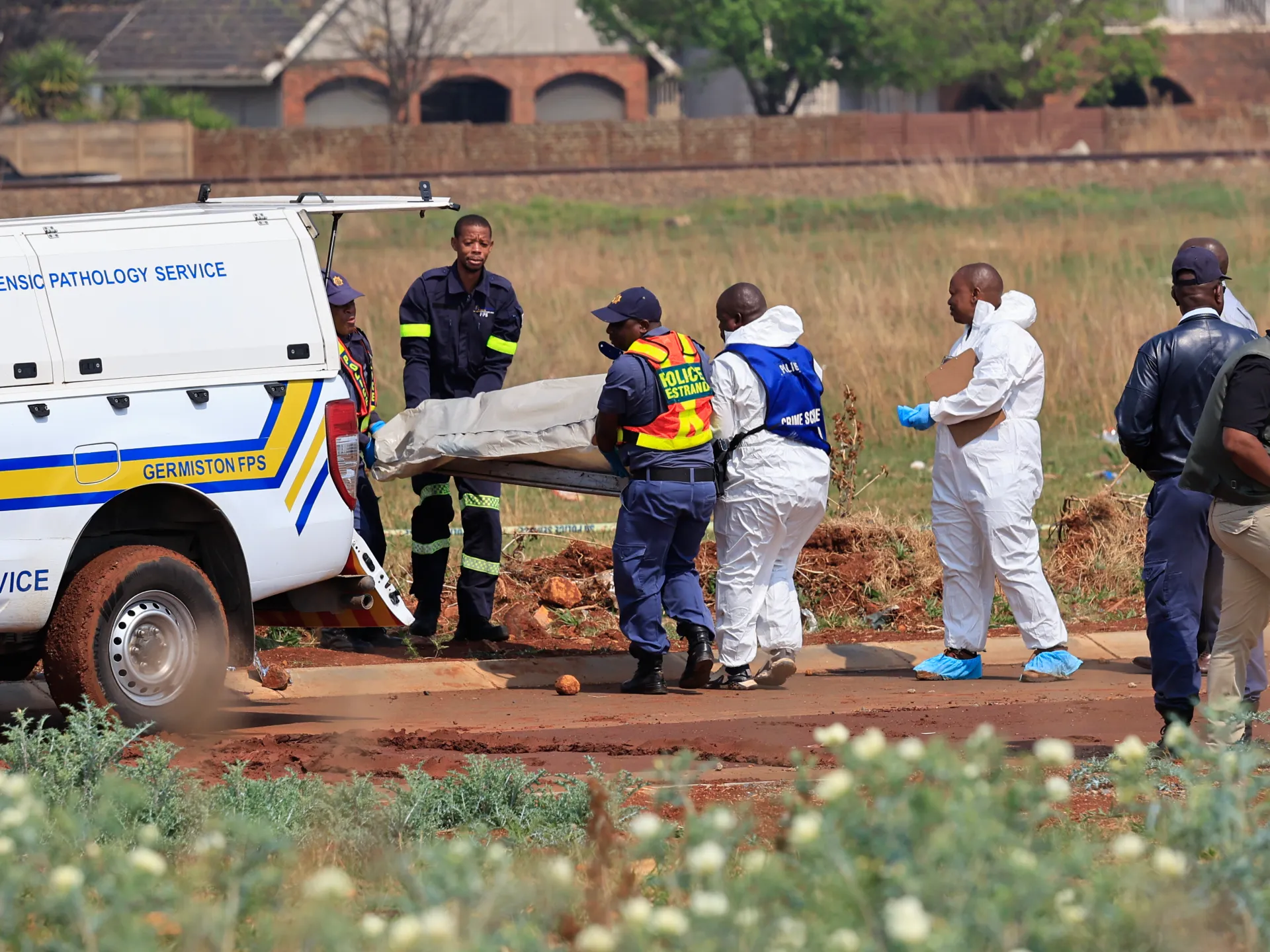
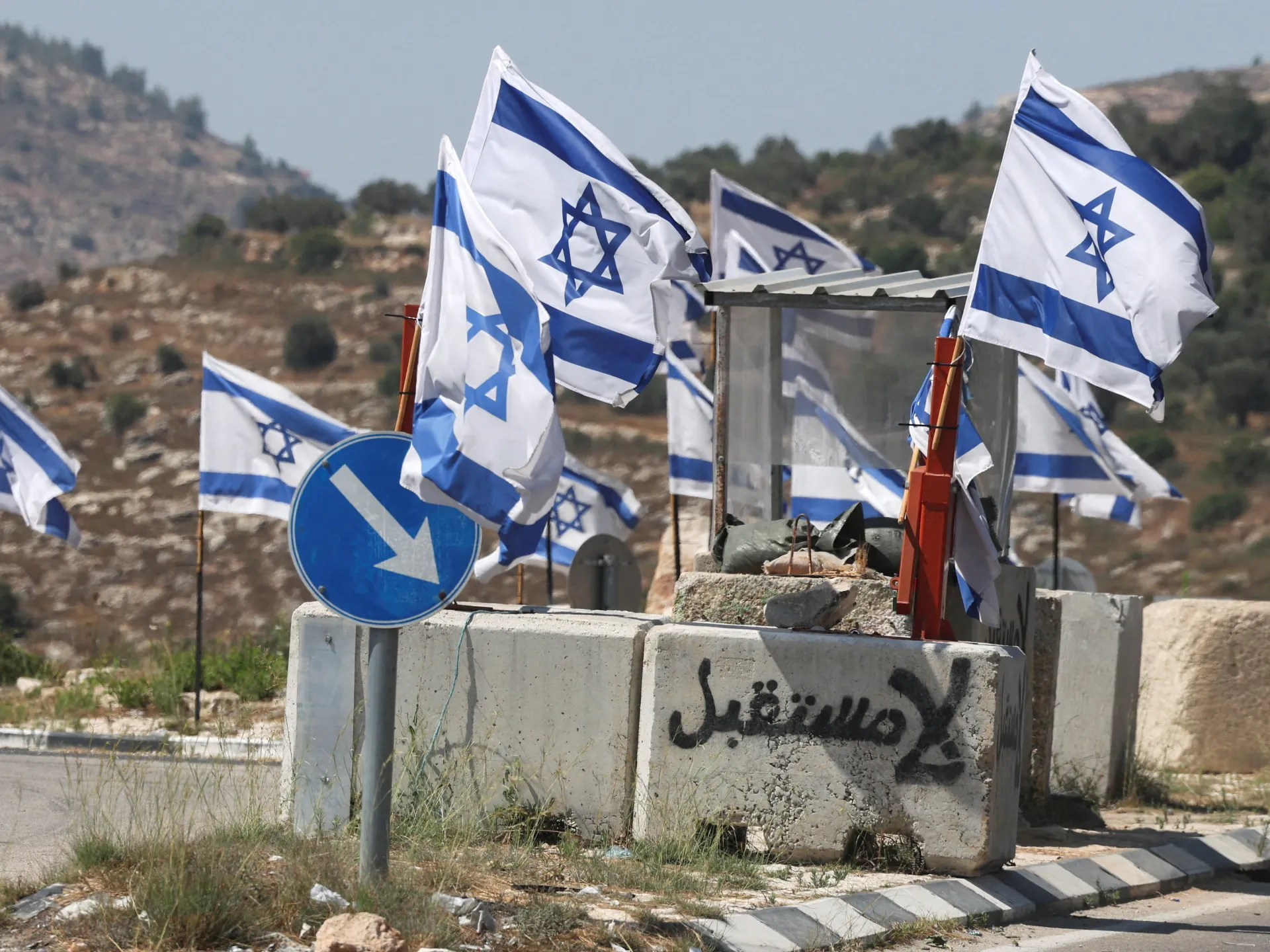
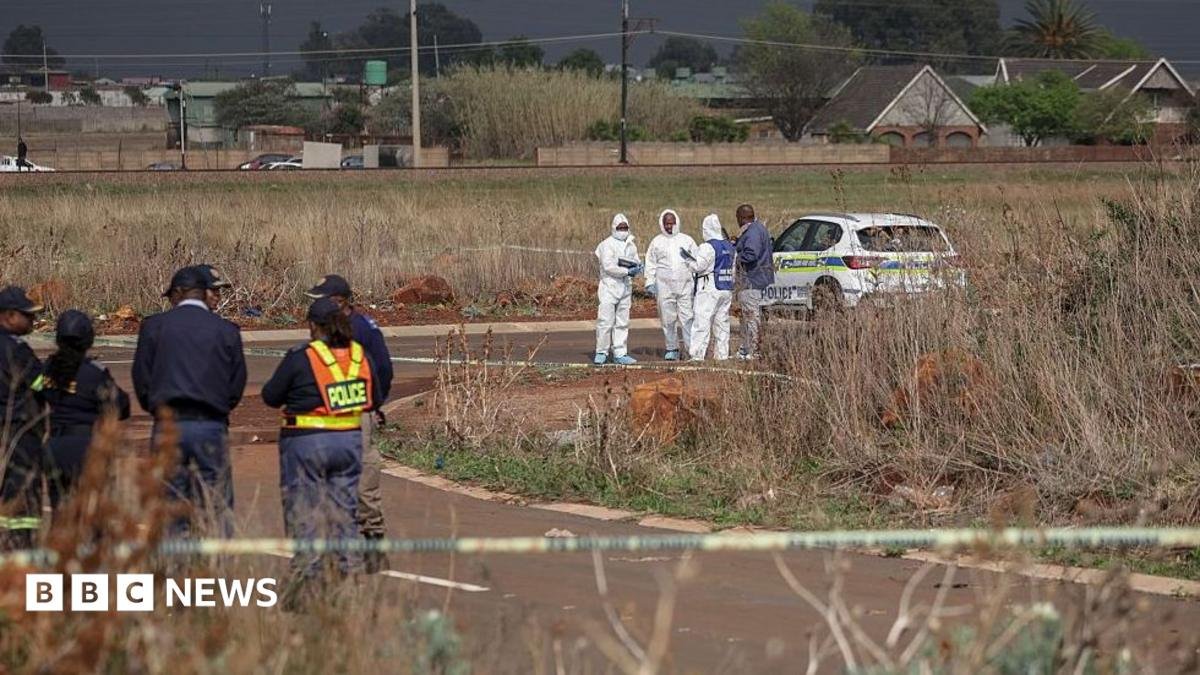
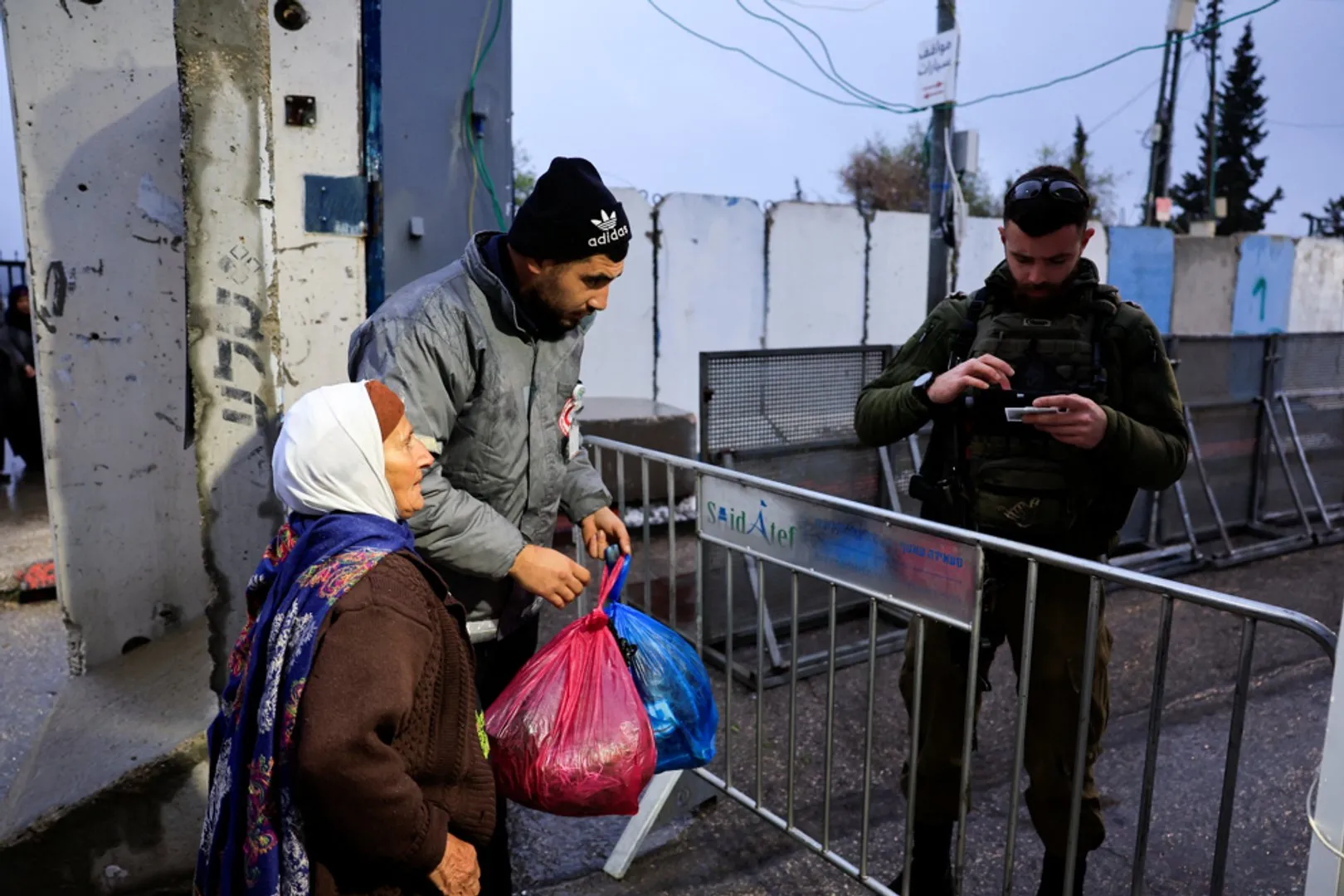
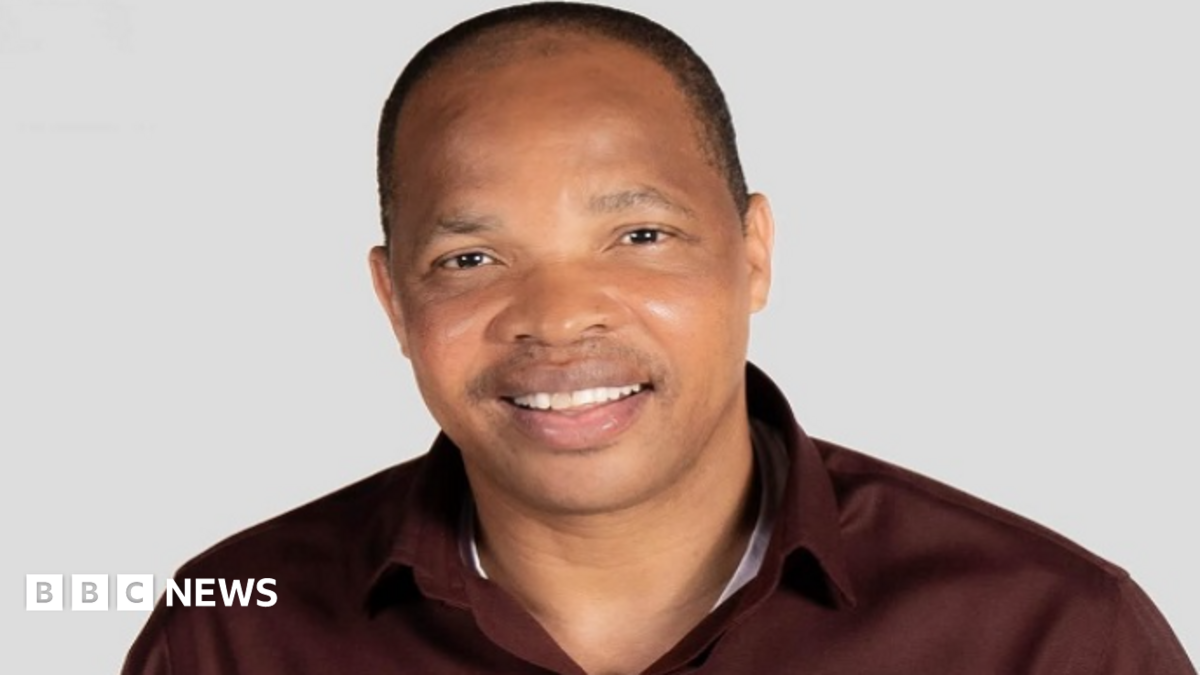
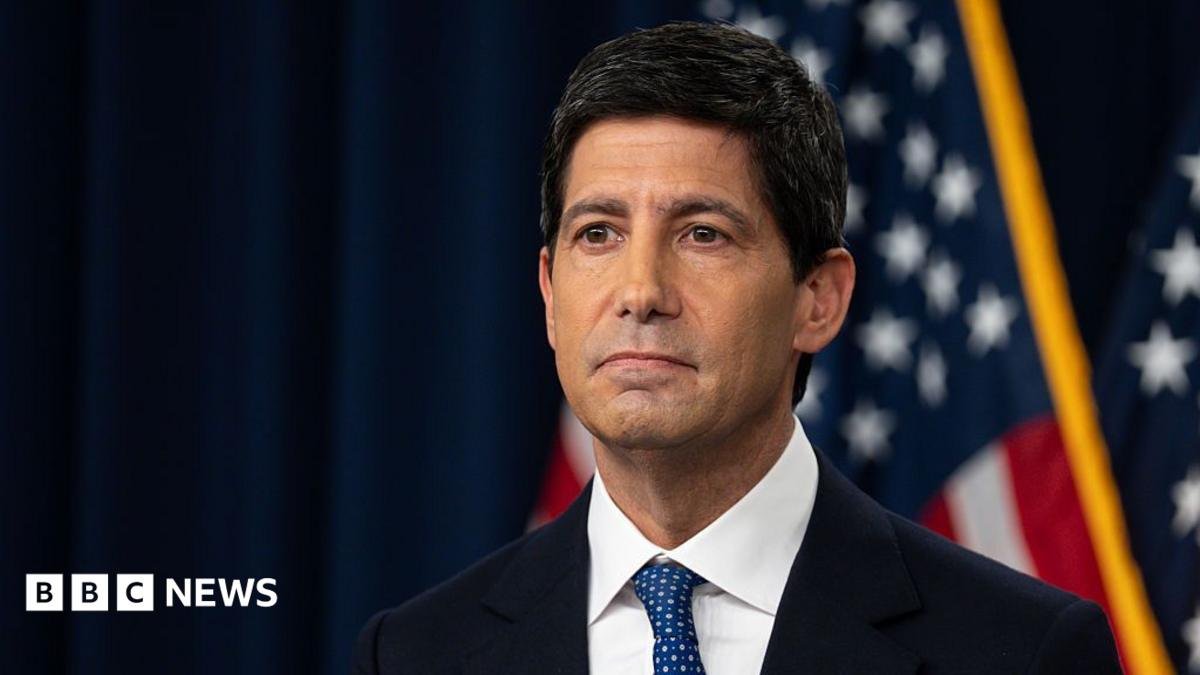
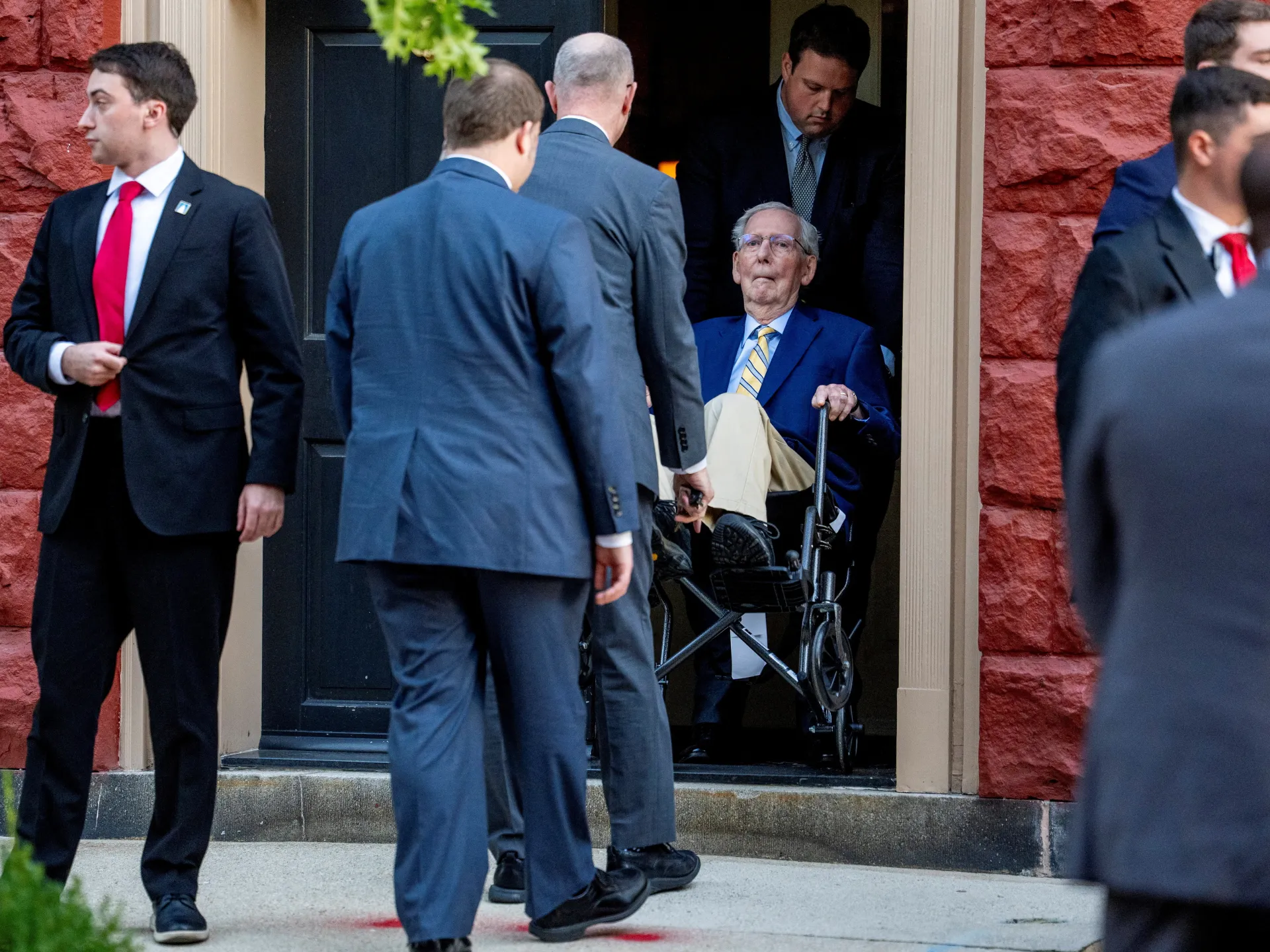
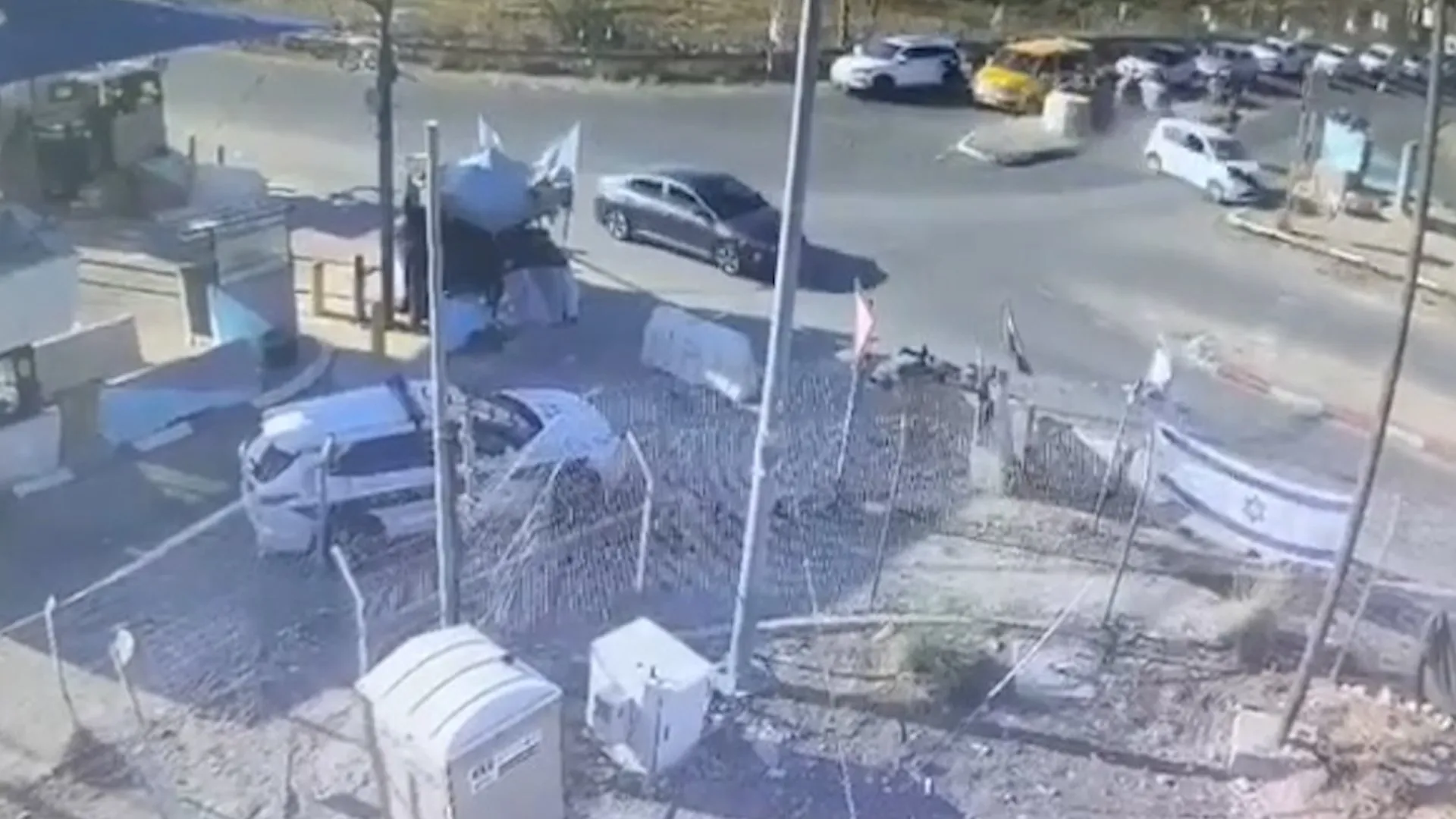
Security services are currently investigating a lethal sequence of events in the occupied West Bank that resulted in significant casualties. Reports indicate that Neria Leiter, identified as the son of Israel’s ambassador to the United States, Yechiel Leiter, was seriously wounded in a car-ramming incident near the Beit Horon checkpoint. While early reports focused on the critical injury of the ambassador’s son, subsequent updates from agencies like Reuters have confirmed that the broader assault, which included both a car-ramming and a stabbing, resulted in the death of a 71-year-old Israeli citizen.
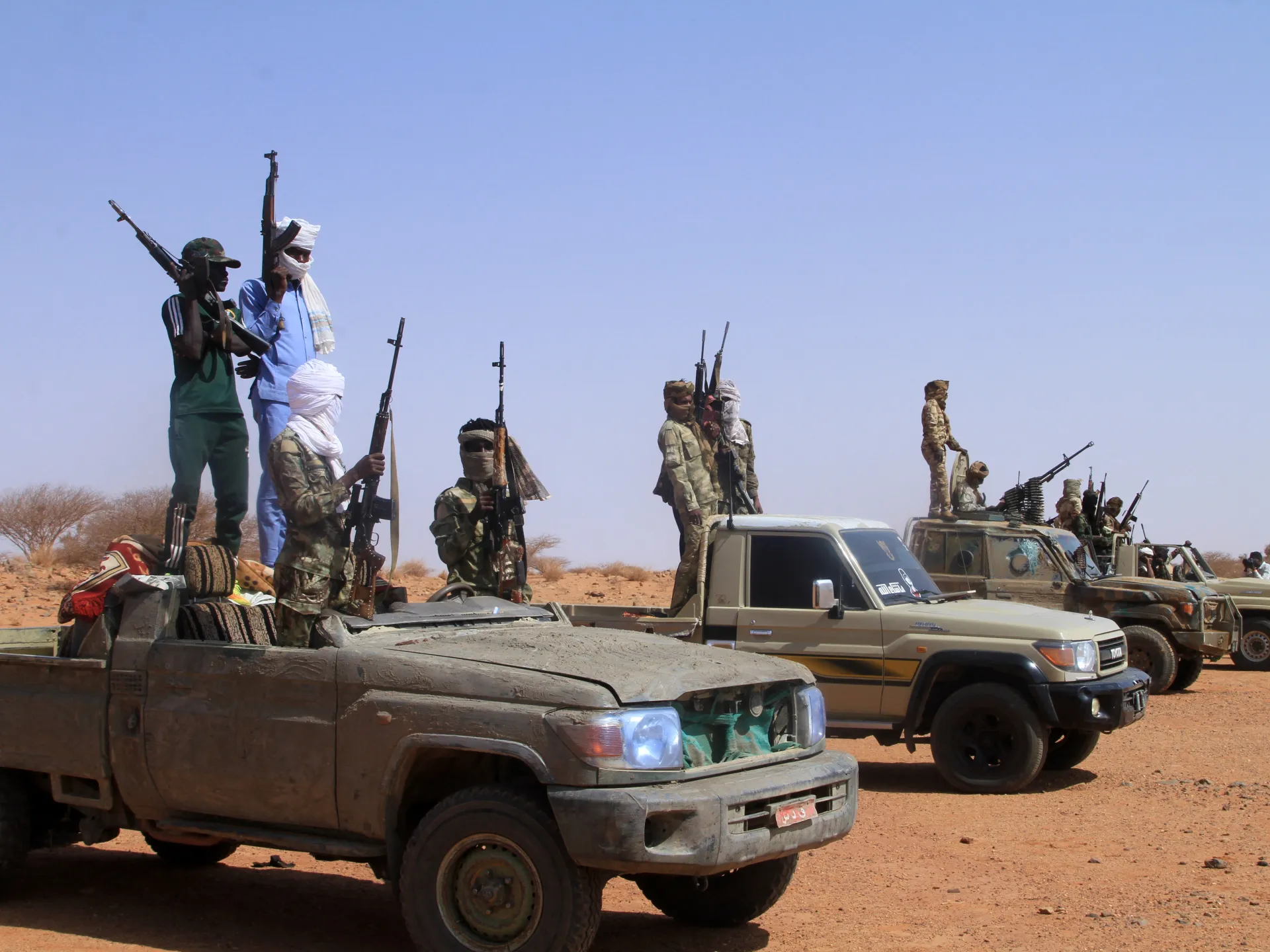
As of late September 2026, no specific organization has claimed responsibility for the coordinated attack. The incident has intensified the focus on checkpoint security and the safety of individuals transiting through the West Bank, where tensions remain at a breaking point. The lack of an immediate claim of responsibility has led to widespread speculation regarding the involvement of decentralized militant cells operating independently of larger factions.
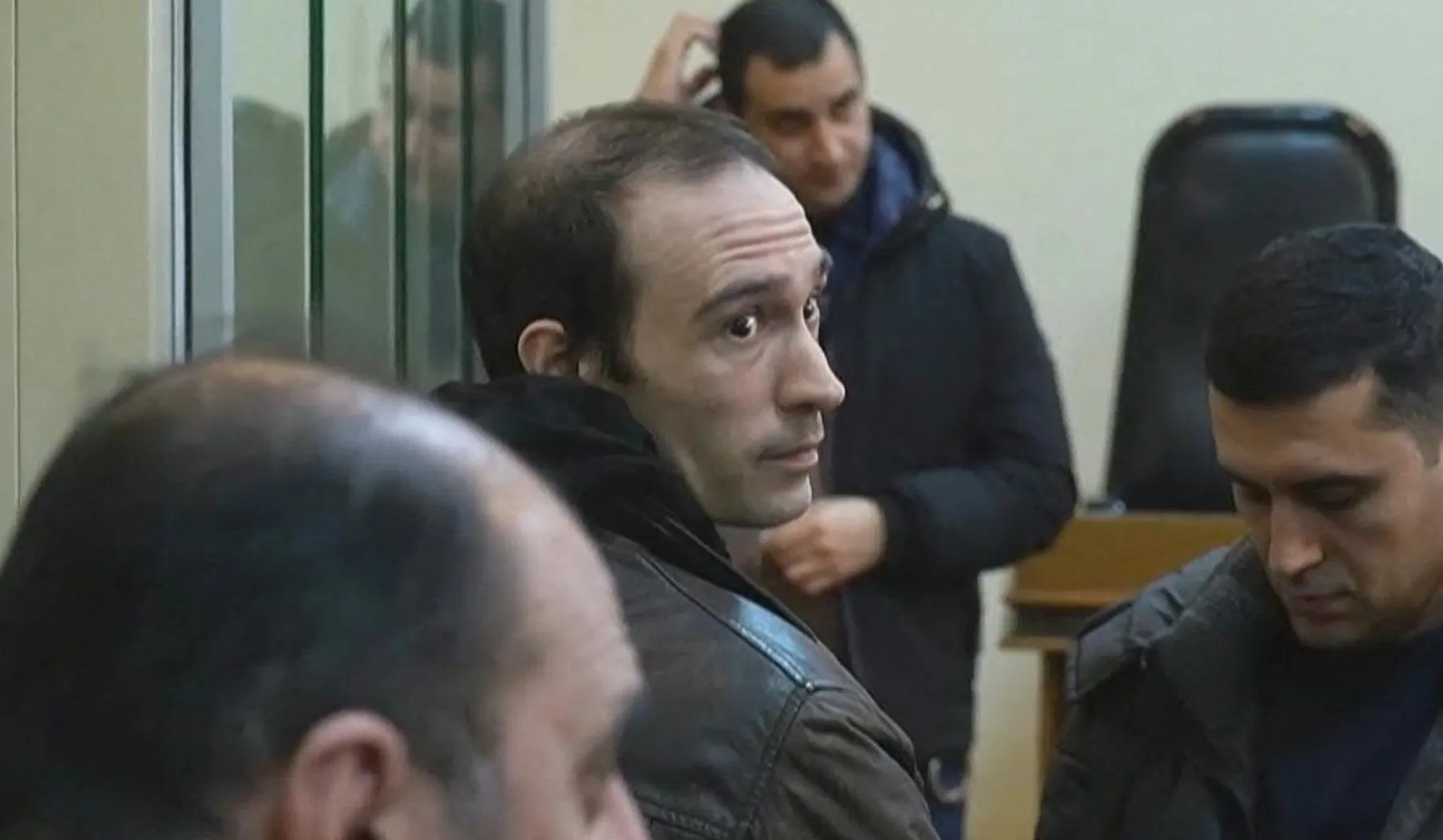
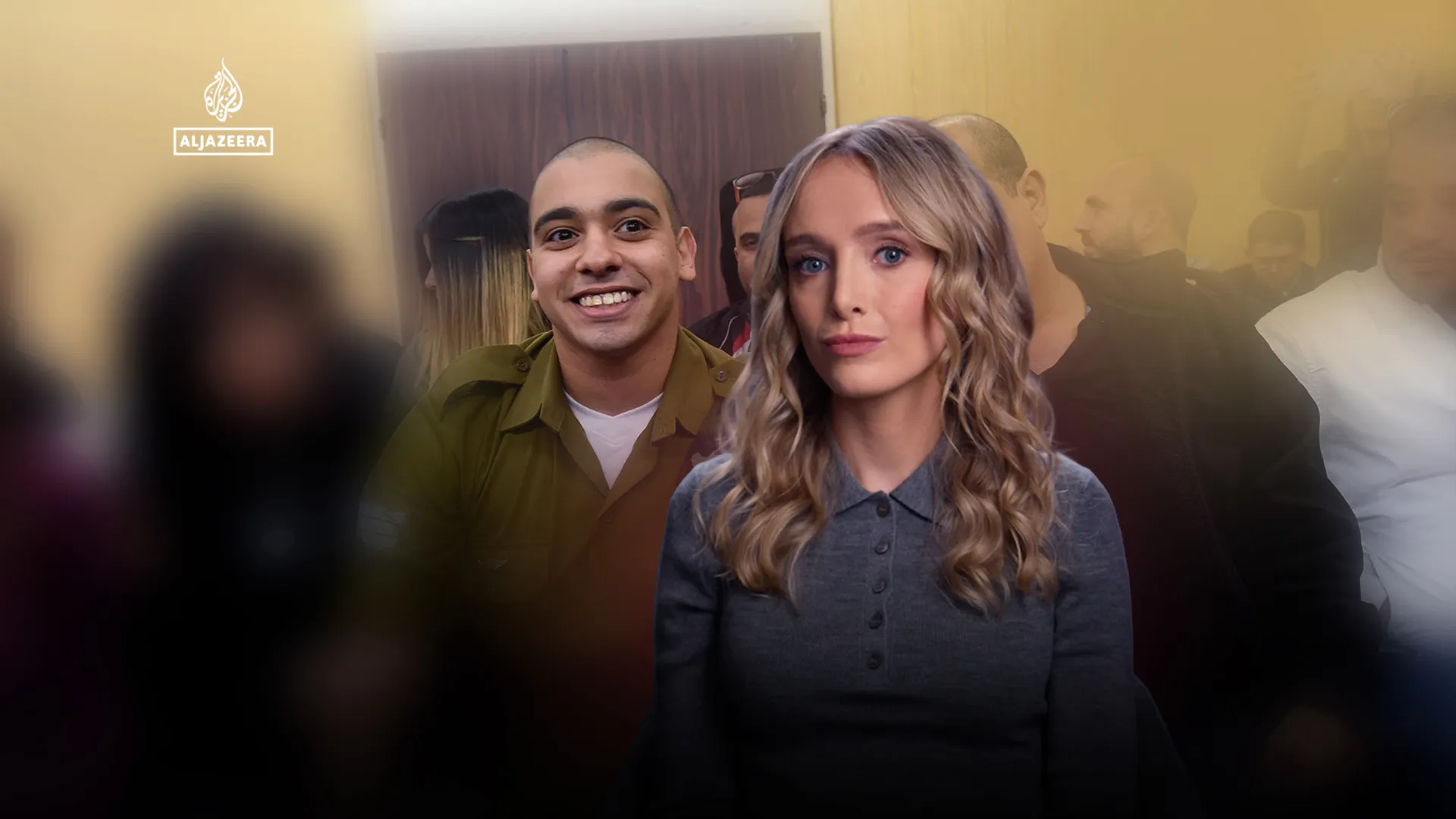
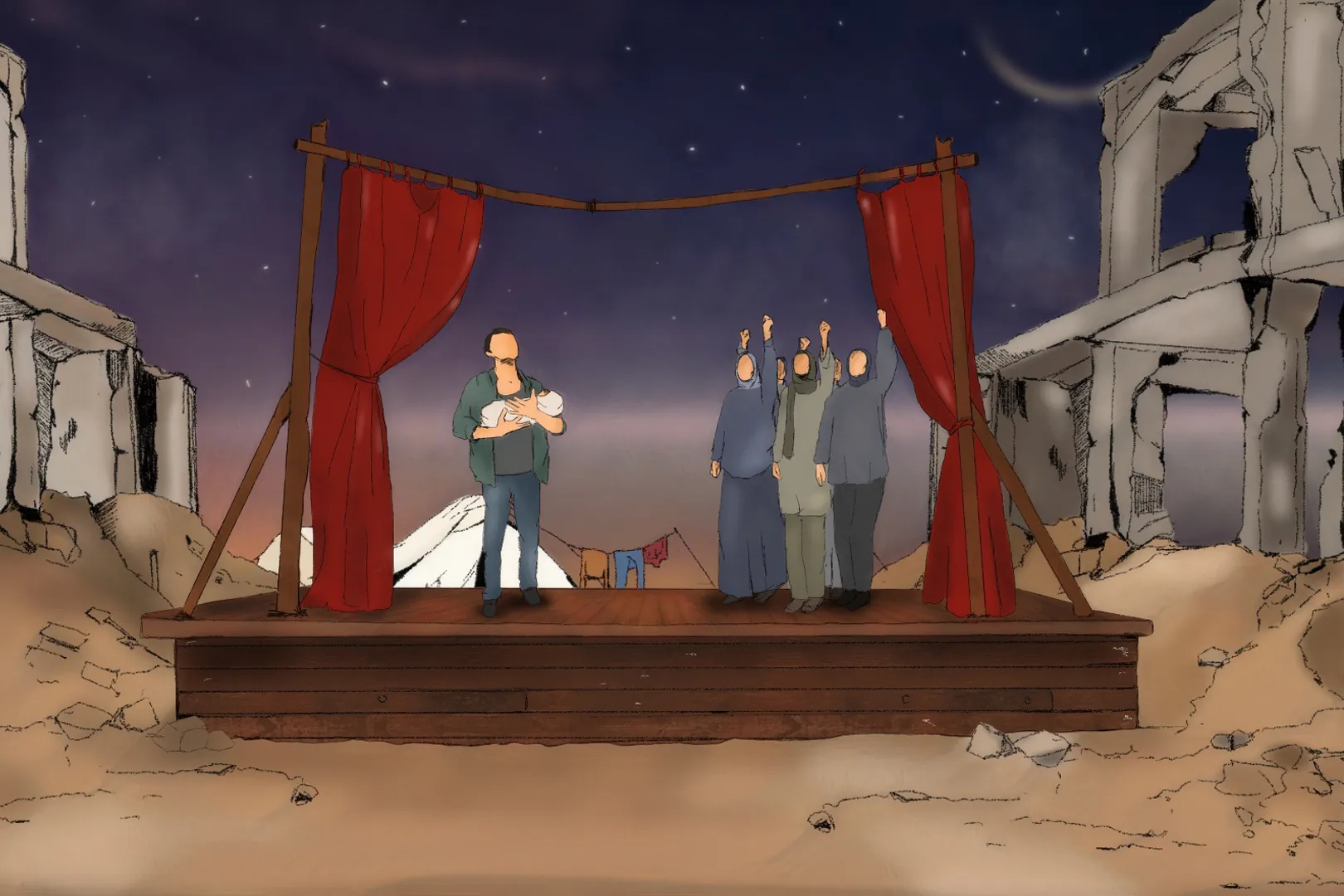
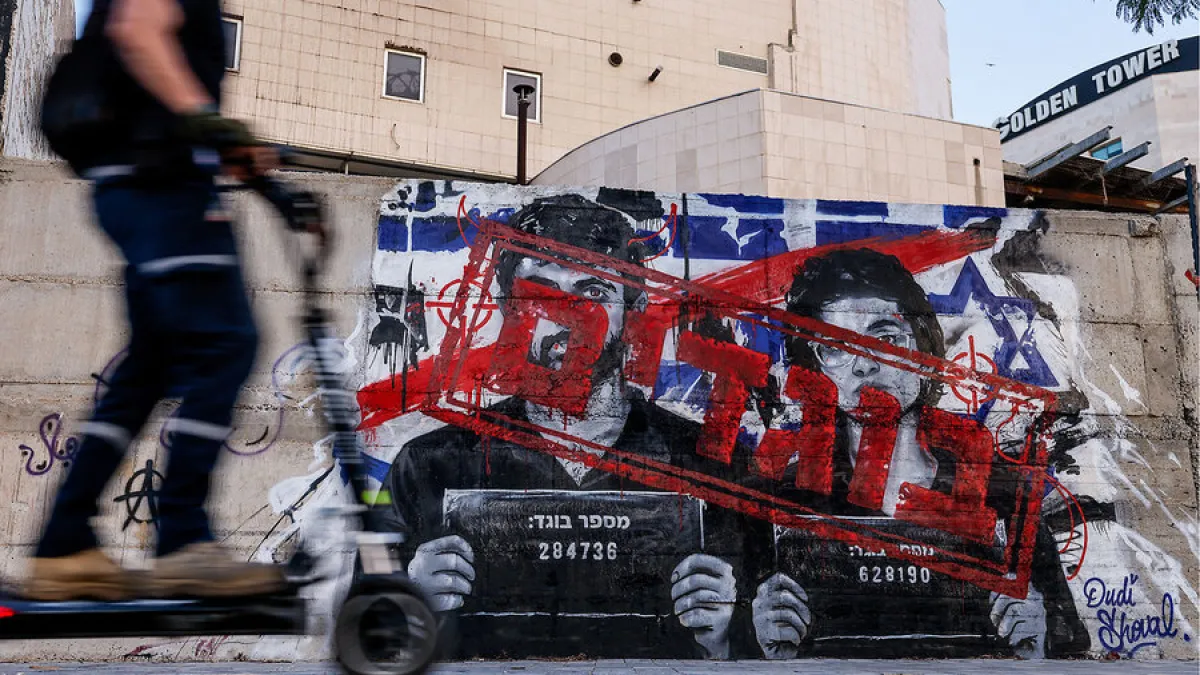
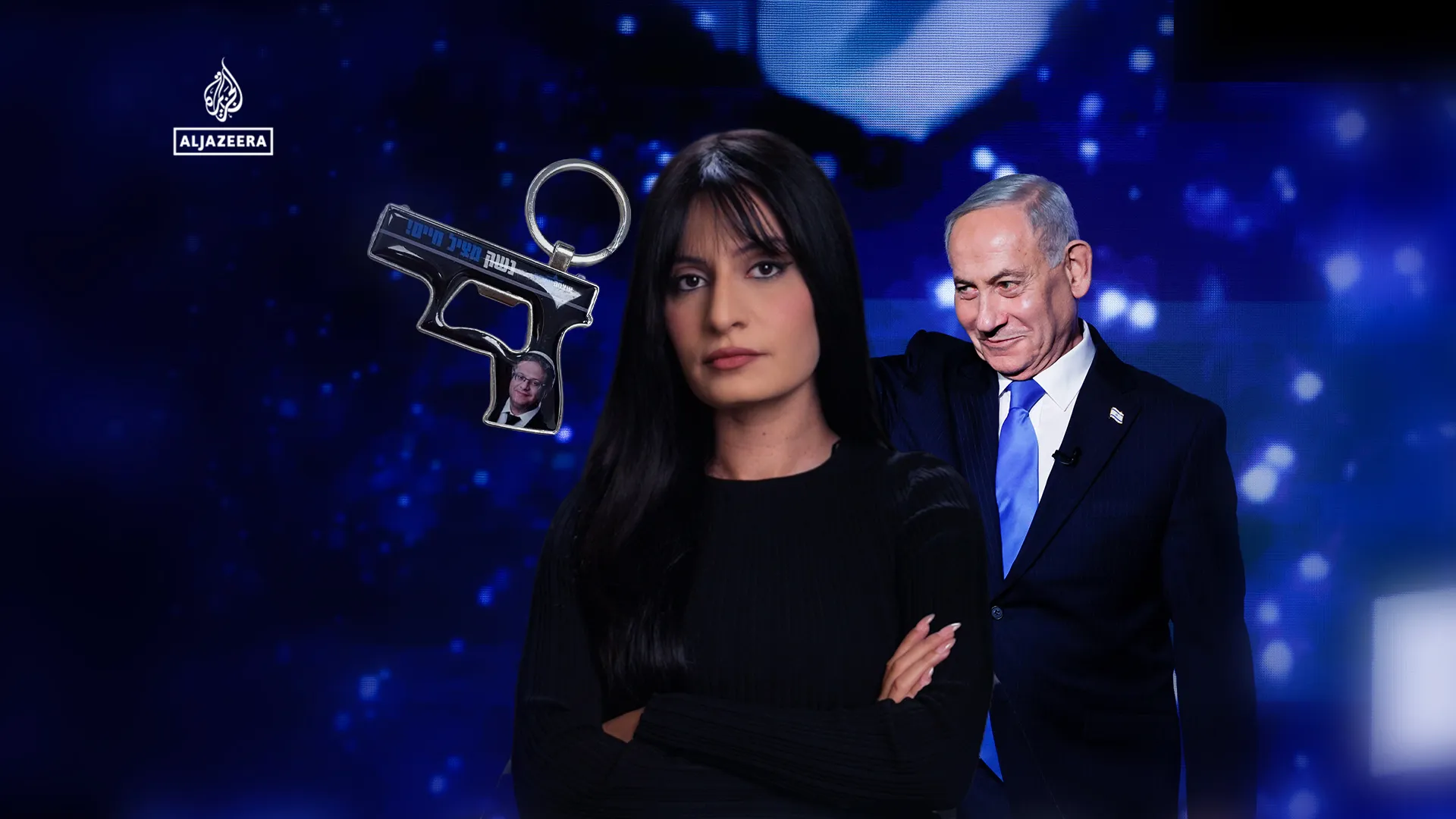
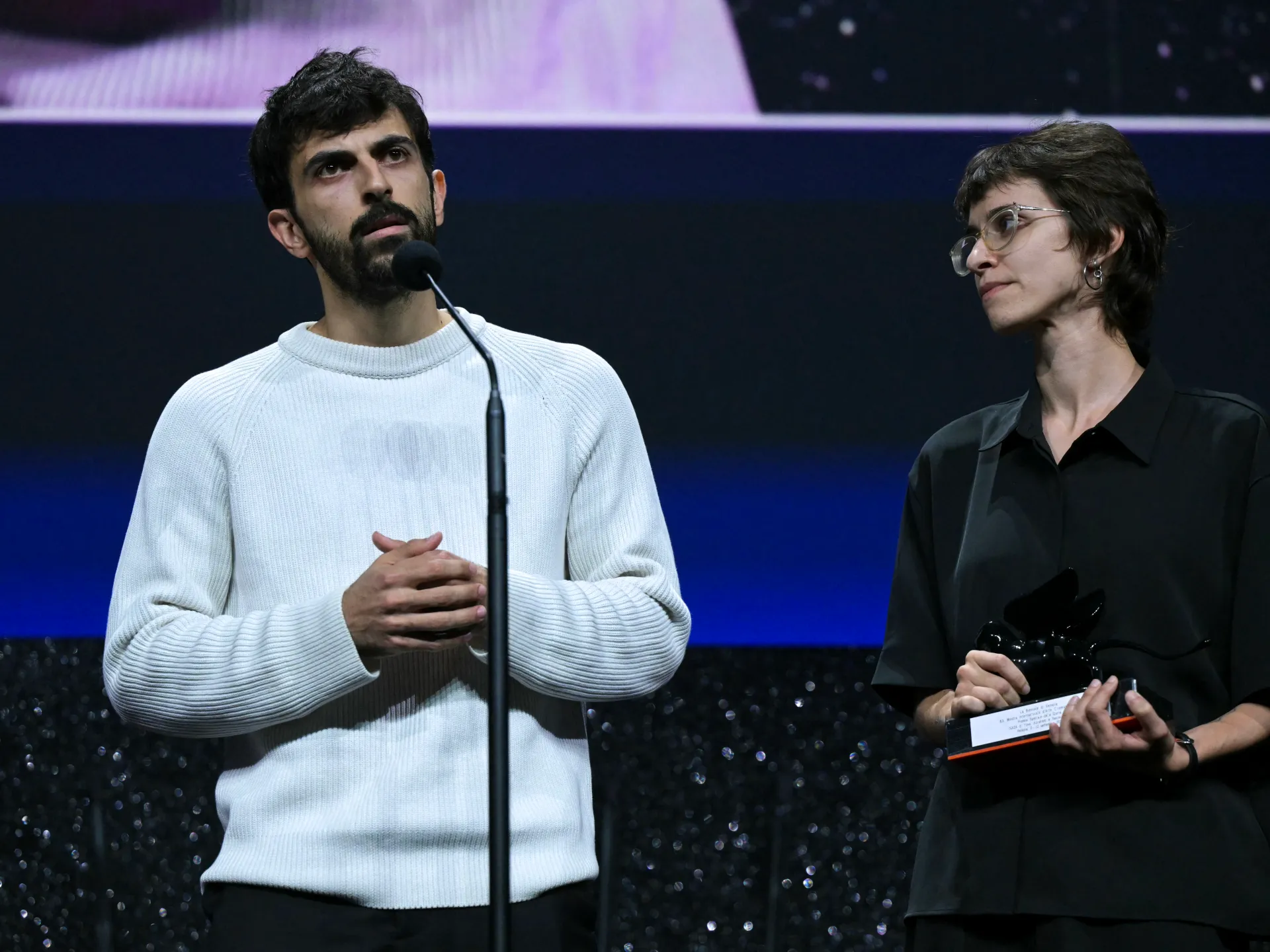
Parallel to the security crisis, a firestorm has erupted over the documentary Naza, which explores the technical and ethical infrastructure behind Israel’s military campaigns in Gaza. The film, which recently premiered at the Venice International Film Festival to a significant reception, relies on interviews with former military and intelligence personnel to argue that the IDF utilized AI-targeting systems that effectively authorized disproportionate civilian casualties. The film’s creators, Yuval Abraham and Rachel Szor, have maintained that their reporting was rigorous and necessary for confronting the realities of the war.
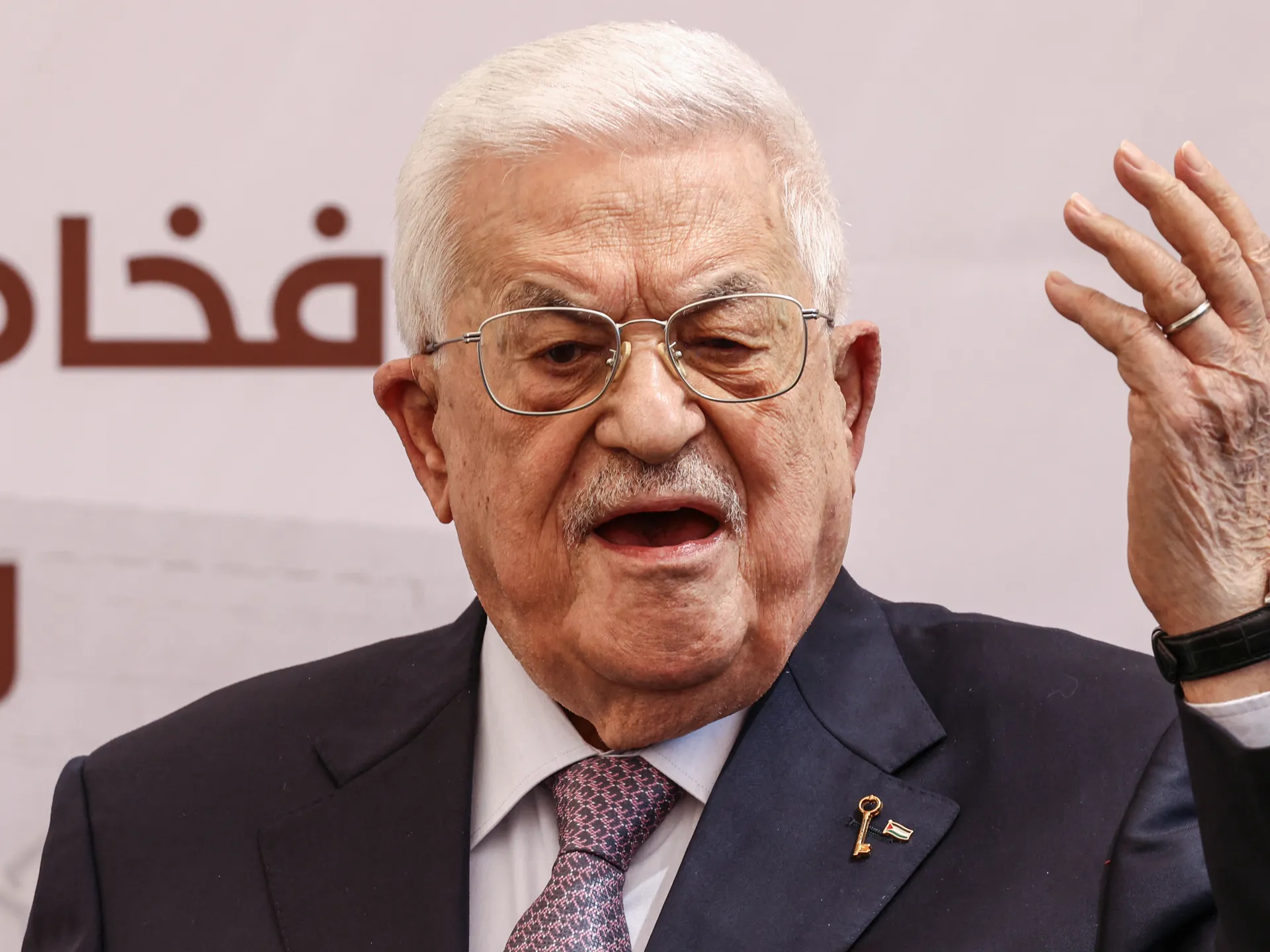
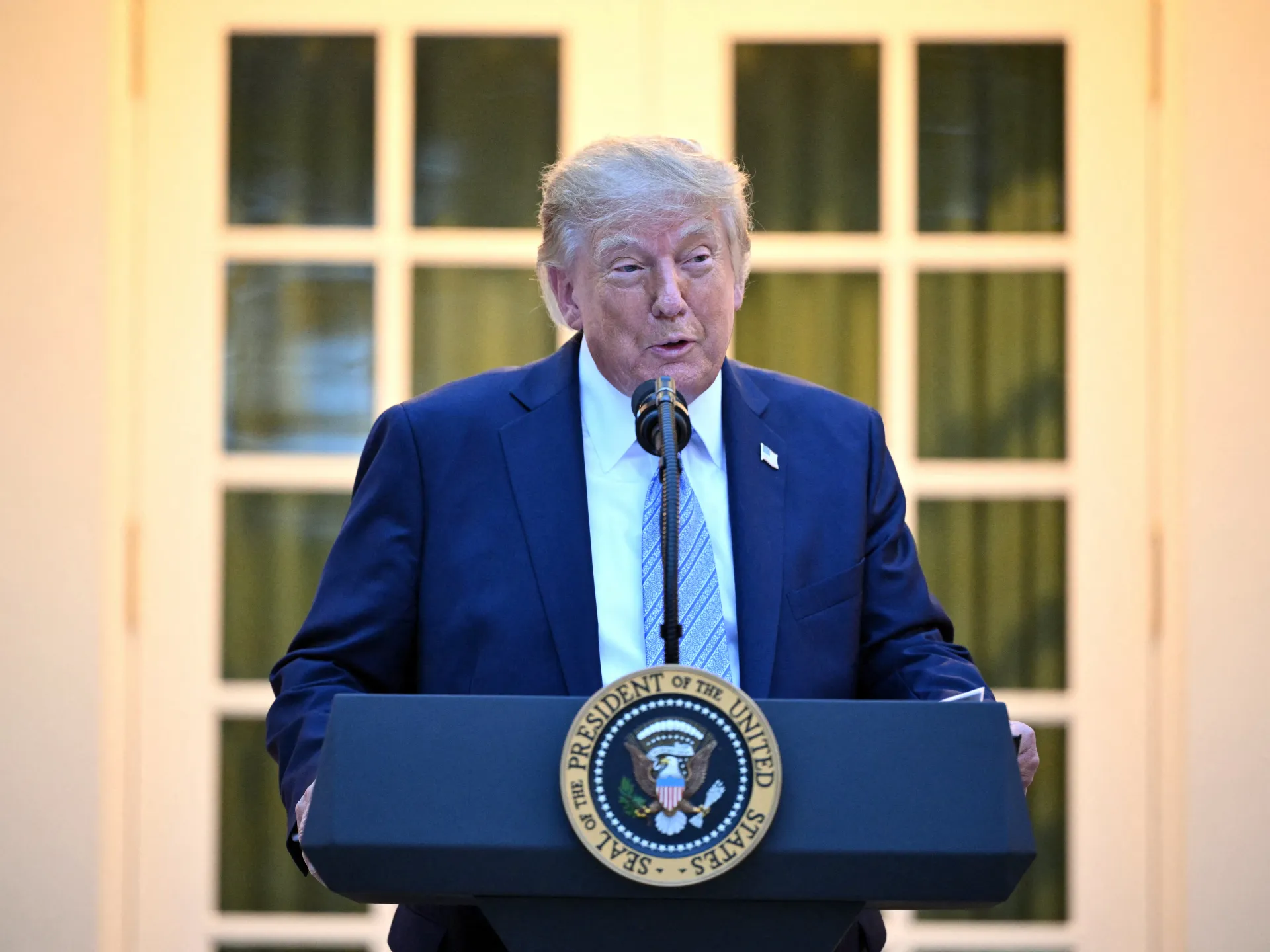
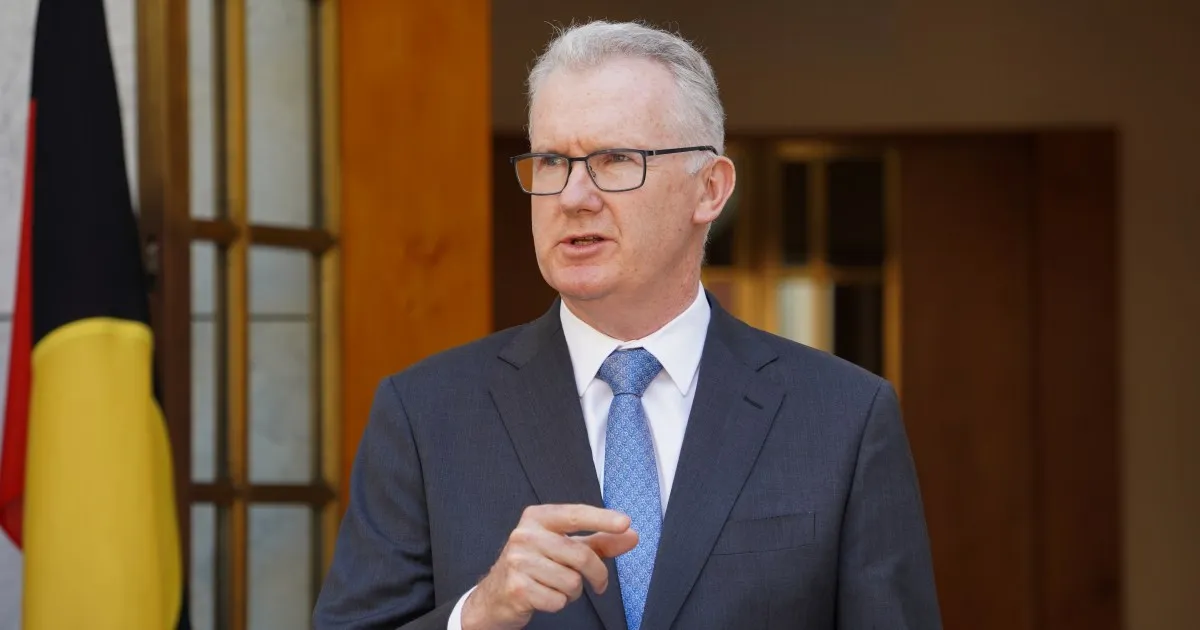
In response, Culture Minister Miki Zohar has initiated a campaign to strip the directors of their Israeli citizenship, citing potential "treason against the state" and a breach of allegiance. Zohar’s efforts involve calls for an investigation into the sourcing of the film’s materials, accusing the filmmakers of aiding the enemy. The IDF has publicly rejected the documentary’s core claims, labeling the allegations of "calculated mass killing" as entirely false. While the legal mechanism to revoke citizenship is rarely invoked in Israeli jurisprudence, the minister's public posturing signals a hardening stance against those who utilize international platforms to criticize military operations.
The legal challenge against the filmmakers is unlikely to result in a swift revocation of citizenship given the high judicial threshold required for such an action, yet the move serves as a powerful instrument of intimidation that may chill future investigative journalism. The government will likely continue to pressure the Interior Ministry to pursue the investigation into the origins of the film’s leaked military intelligence. Meanwhile, security authorities in the West Bank are expected to implement more stringent checkpoint protocols to prevent similar attacks, likely leading to increased friction between the military and local Palestinian populations. The convergence of these two storylines suggests a period of heightened internal surveillance combined with intensified external security measures, as the state attempts to project an image of total unity during a period of profound military and social instability.