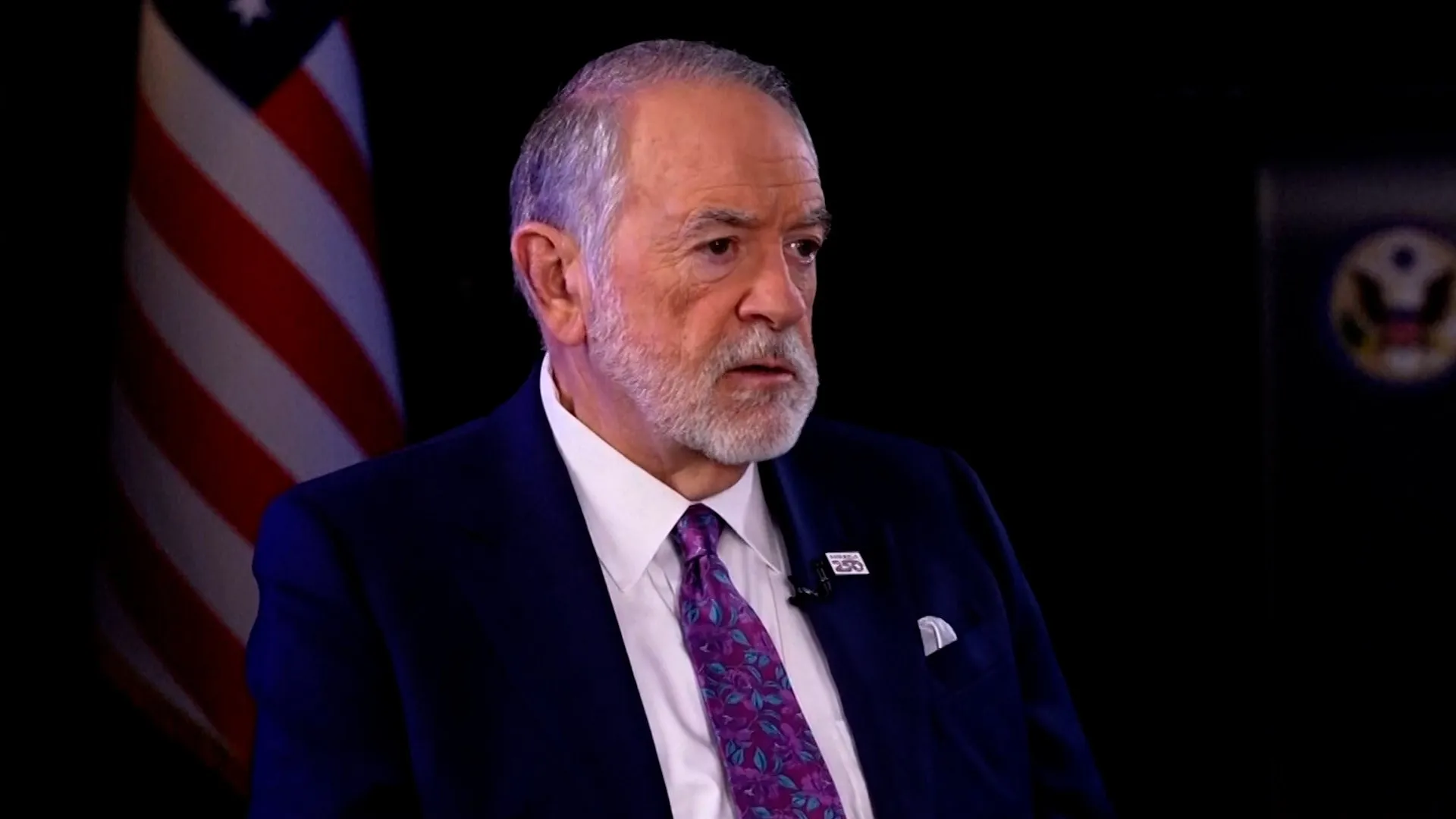
Former Senator John Sununu argues that removing New Hampshire’s first-in-the-nation primary status undermines the grassroots integrity of the nominating process.
Former New Hampshire Senator John Sununu has voiced strong opposition to the Democratic National Committee’s recent decision to strip New Hampshire of its long-standing status as the first primary in the party’s presidential nominating calendar. During a recent podcast appearance, Sununu argued that the state serves as a unique and essential testing ground for candidates who lack significant financial resources or widespread national name recognition.
According to Sununu, the state’s political structure allows for a retail-style campaign where contenders can travel from town to town, engaging directly with voters on a personal level. This grassroots approach ensures that candidates are judged on their platforms and character rather than the size of their campaign bankrolls. Sununu emphasized that this dynamic remains a vital component for both Republican and Democratic candidates looking to prove their viability on a national stage.
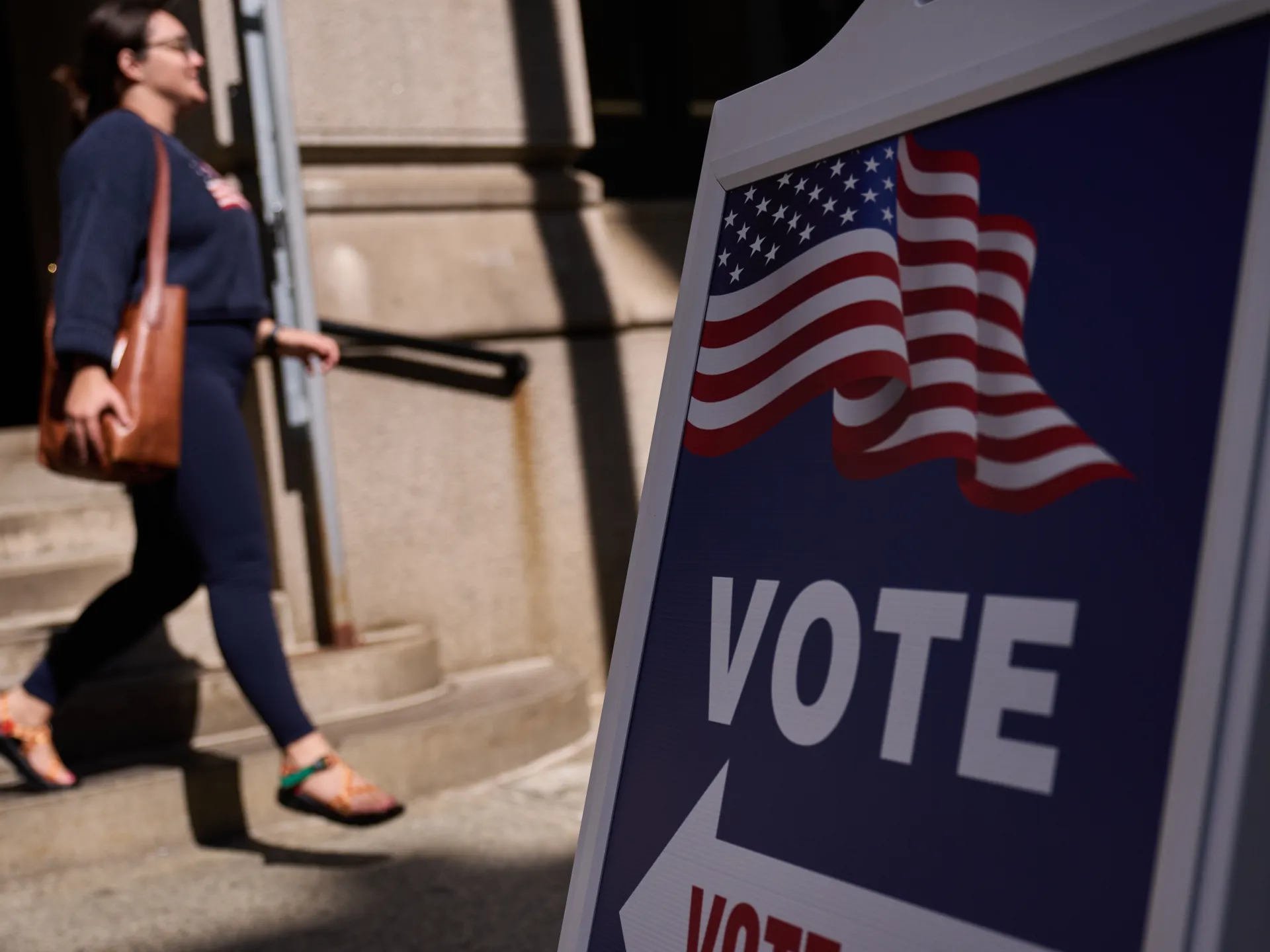
The former senator further credited the state’s success to an exceptionally engaged electorate. He noted that New Hampshire consistently records some of the highest voter turnout rates in the entire country, reflecting a population that takes its role in the vetting process seriously. Sununu expressed disappointment regarding the lack of effective advocacy from the state’s own Democratic delegation in protecting this historic position.
The Democratic National Committee’s decision to move the primary calendar stems from a broader push to prioritize more racially diverse states early in the selection process. Under the new guidelines, South Carolina and Nevada are slated to hold their contests ahead of the proposed February 8 date for New Hampshire. Proponents of the change argue that the new schedule better reflects the modern Democratic base, though critics like Sununu remain skeptical of the underlying motivations.
Political analysts often point to the 2020 Democratic primary as a primary driver for these changes. During that cycle, Joe Biden struggled significantly in the New Hampshire primary, finishing in fifth place. It was not until the campaign shifted to South Carolina—where Biden secured a decisive victory—that his momentum surged, ultimately allowing him to overtake Bernie Sanders and secure the nomination. This historical context suggests that the DNC is aiming to reshape the primary path to better align with the demographic strengths that propelled the current administration to power.
For New Hampshire, the move represents a significant loss of political influence. For decades, the state has acted as a kingmaker, forcing candidates to address local concerns while providing a level playing field. endent-minded voters who have historically acted as a crucial barometer for broader national sentiments.
Beyond his criticisms of the DNC, John Sununu is currently focusing on his campaign for the Republican Senate nomination. He is looking to replace retiring Democratic Senator Jeanne Shaheen, a contest that is being closely watched 2009, is emphasizing his deep roots in the state, including his education at Salem High School and his background as an engineer.
Sununu believes his professional experience sets him apart from his competition. Having worked in manufacturing and technology, he argues that he possesses the real-world expertise necessary to understand how federal regulations, healthcare policies, and tax laws impact job creation and wage growth. He maintains that his ability to relate to the challenges faced atic rivals.