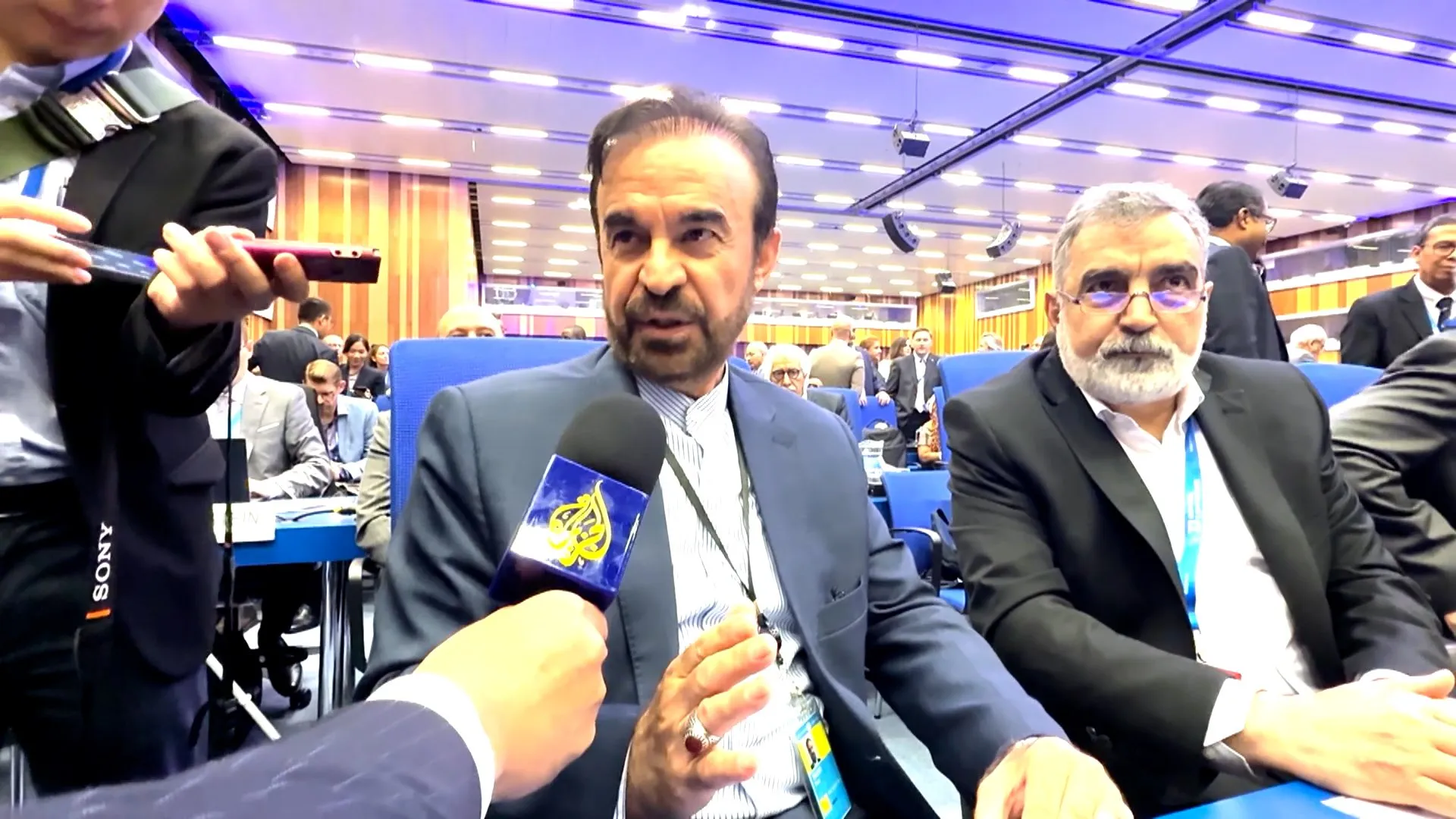
Austria has barred the head of Iran’s atomic energy agency from entering the country, citing a mandatory UN travel ban that remains in effect.
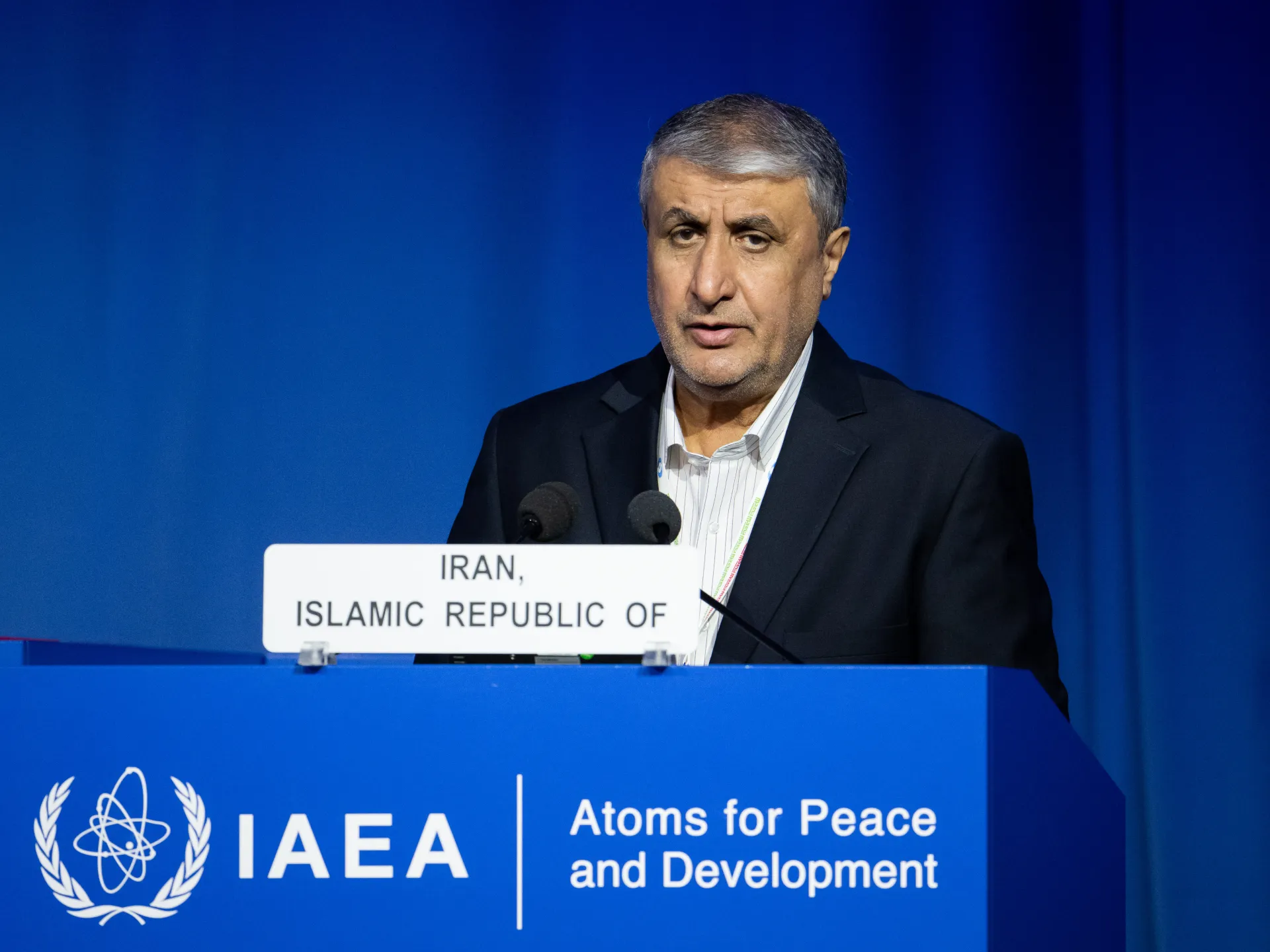
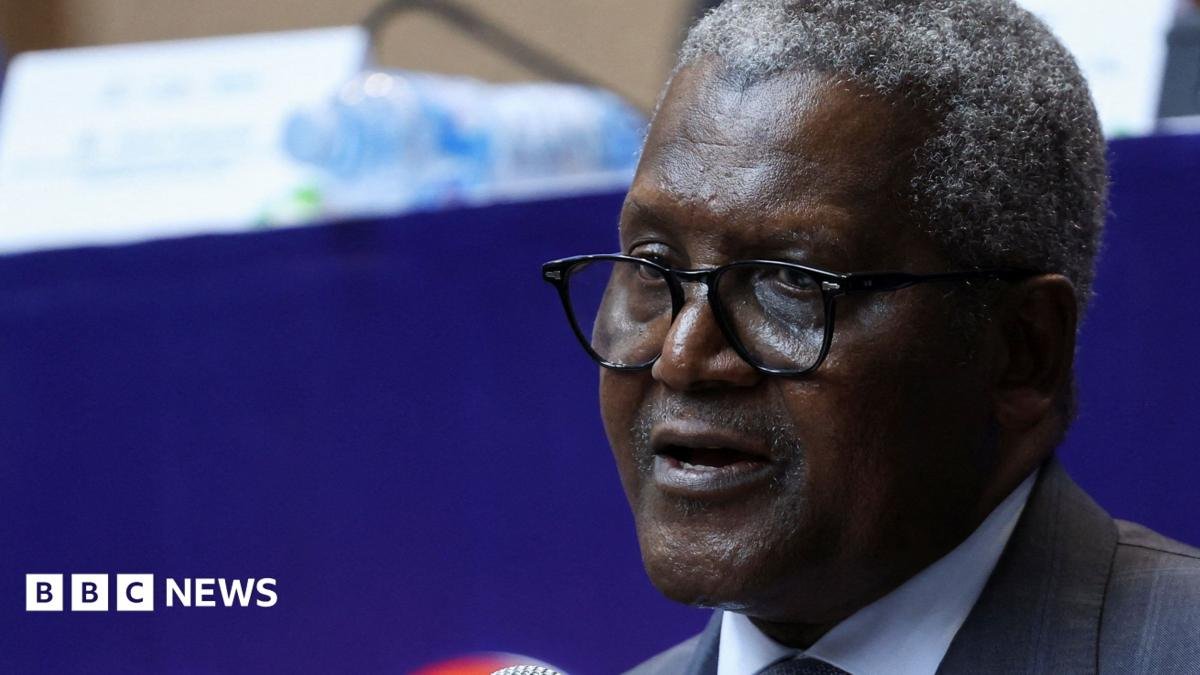
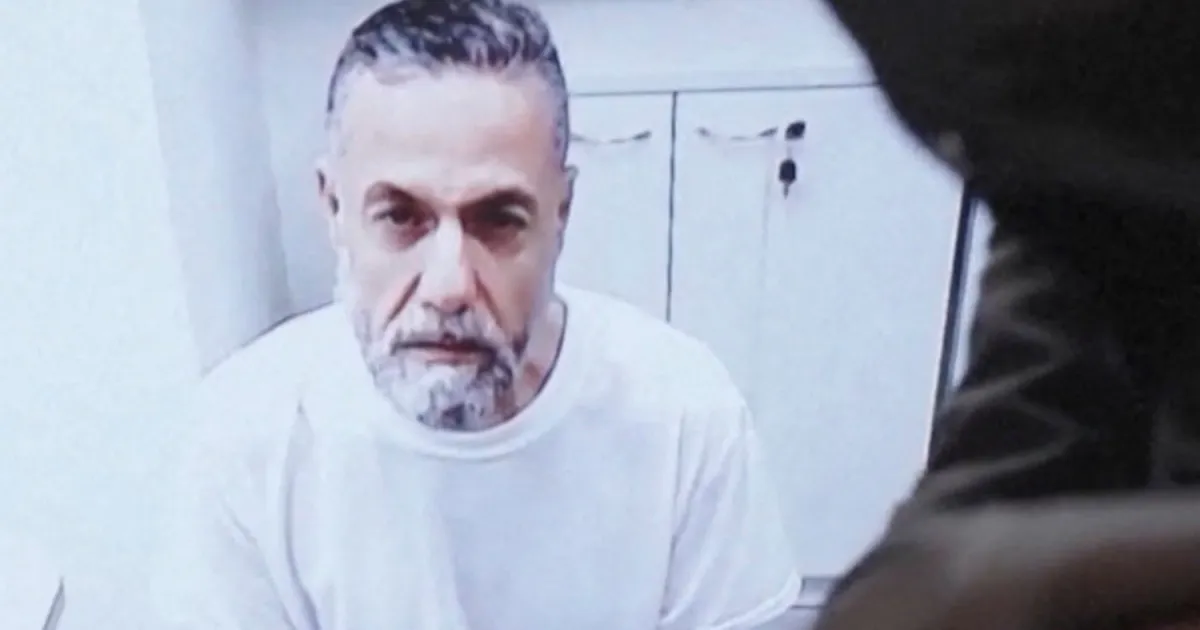
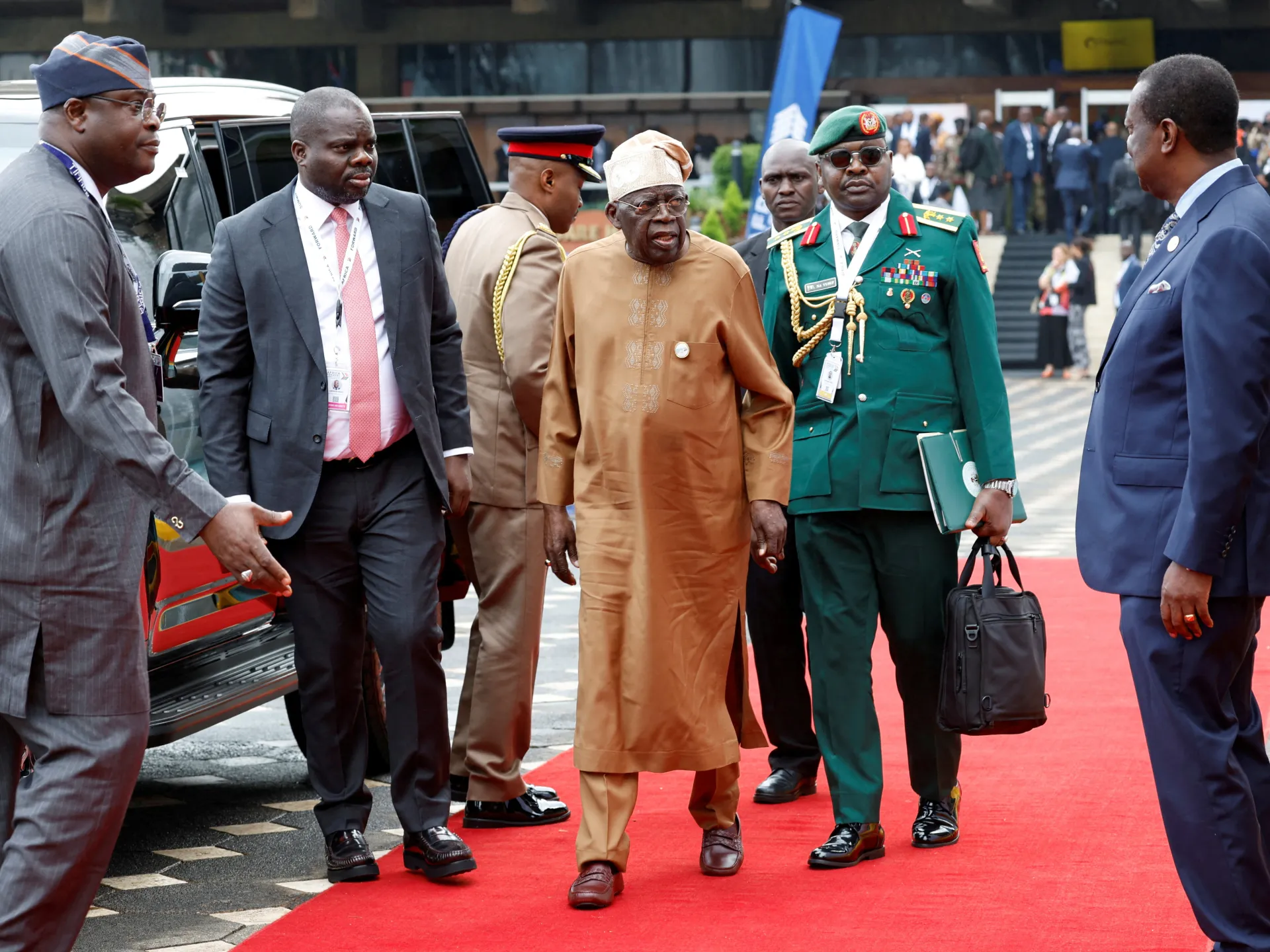
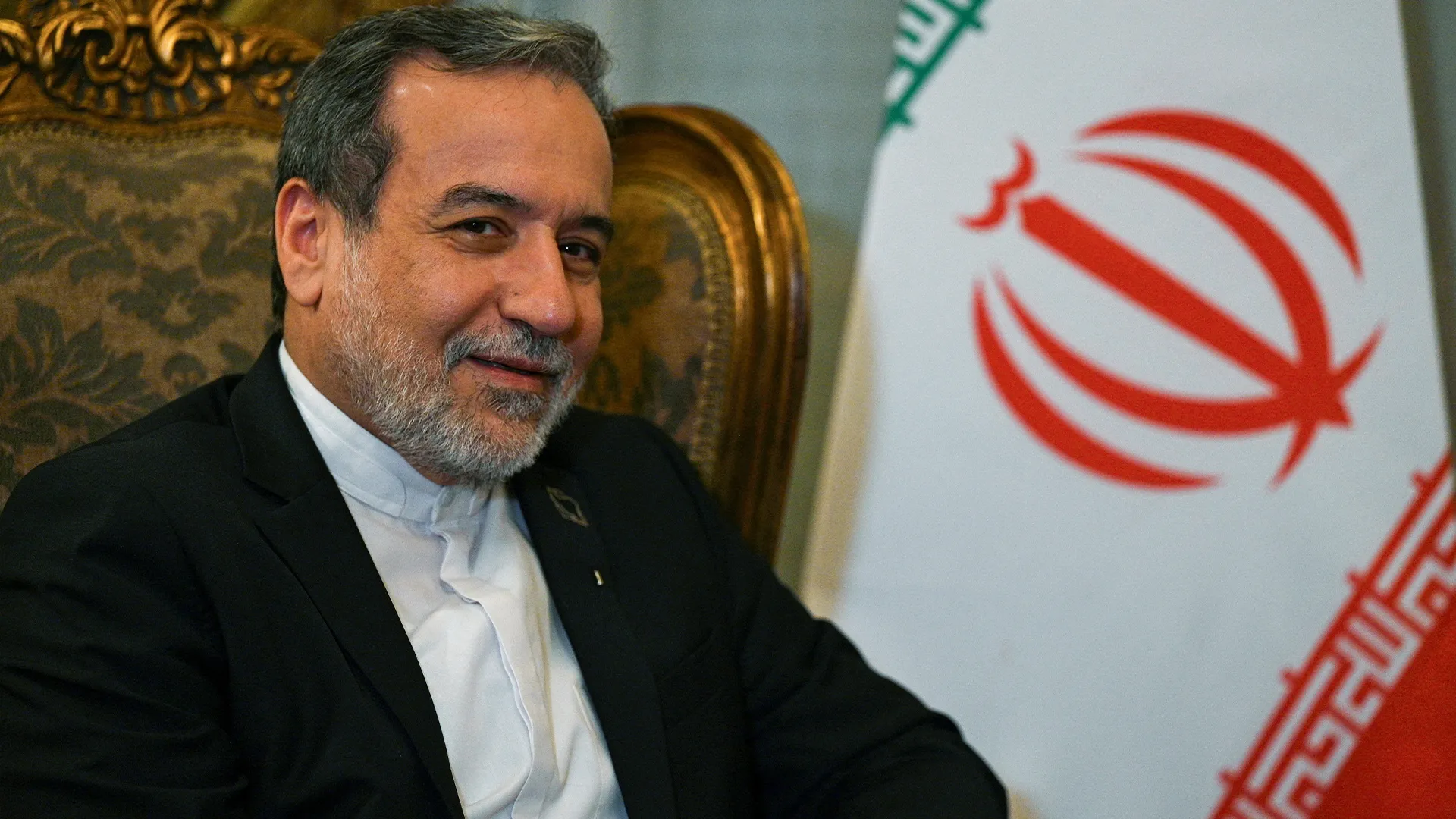
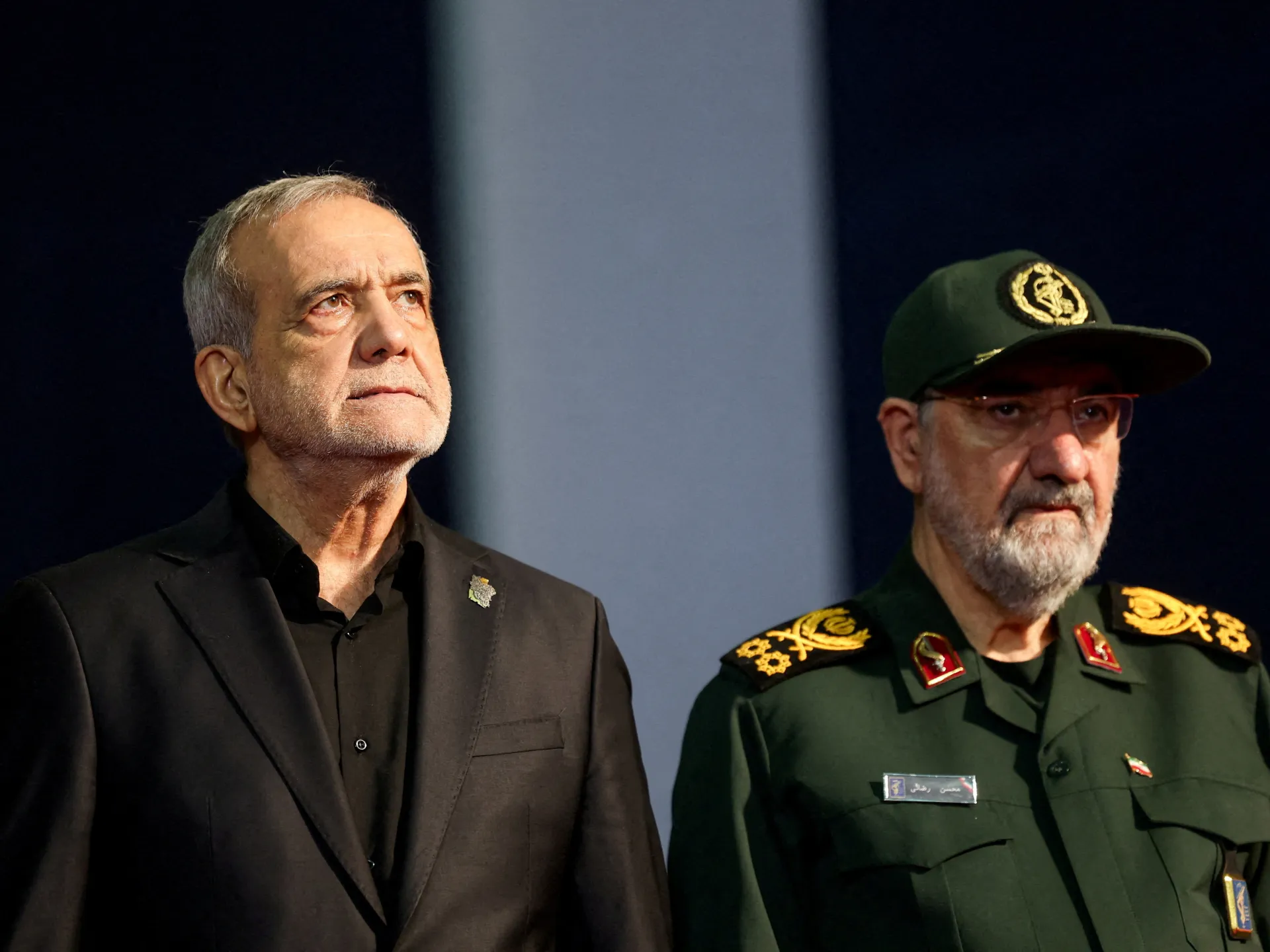
The Austrian government has officially prohibited the head of Iran’s atomic energy organization from entering the country, citing his inclusion on a standing United Nations travel ban list. The decision to bar Mohammed Eslami, who leads the Atomic Energy Organization of Iran, has triggered a sharp rebuke from Tehran. Iranian officials have characterized the move as a capitulation to international political pressure, arguing that it undermines the integrity of diplomatic cooperation with the International Atomic Energy Agency (IAEA).
Vienna serves as the global hub for the IAEA, and Iranian delegations frequently travel to the city for high-level technical and political discussions regarding the nation’s nuclear program. diplomatic visit, highlighting the friction between international sanctions regimes and the logistical needs of global nuclear oversight bodies. The incident marks a significant escalation in the ongoing tensions surrounding Iran's nuclear activities and the enforcement of UN-backed travel restrictions.
The core of the dispute lies in the intersection of national sovereignty and binding UN Security Council resolutions. Austria justified its refusal tions. When Tehran sought an exemption to allow its nuclear chief to attend meetings in Vienna, the UN Security Council formally rejected the petition, leaving the Austrian government with limited legal flexibility regarding his entry.
In the eyes of international law, UN member states are generally obligated to uphold sanctions regimes established ria maintained its compliance with international protocols, even as the move drew immediate criticism from the Iranian foreign ministry. This underscores the difficulty of reconciling the need for open communication channels with Iran with the strict enforcement of long-standing sanctions designed to curb its nuclear development.
Tehran has publicly accused Vienna of allowing external actors to dictate its foreign policy decisions. According to Iranian officials, the Austrian government had initially granted approval for the delegation to arrive, only to reverse that decision at the eleventh hour. Iran claims that this shift in policy was not an independent choice m third-party nations seeking to isolate Iranian officials on the world stage.
This narrative of external interference serves to complicate the already fragile relationship between Iran and Western nations. t the incident as a breach of diplomatic norms. For Vienna, however, the matter is described as a straightforward application of international legal requirements, emphasizing that the decision was dictated .
The exclusion of such a high-profile figure from IAEA-related events in Austria raises questions about the future of nuclear diplomacy. If Iranian officials remain unable to travel to Vienna for essential meetings, the mechanism for monitoring and negotiating Iran’s nuclear program may face significant procedural hurdles. The inability to conduct in-person discussions at the agency's headquarters could slow down technical cooperation and increase the risk of misunderstandings during a period of heightened regional instability.
As the situation unfolds, both the IAEA and the involved nations will need to navigate how to conduct necessary oversight while maintaining the integrity of international sanctions. Whether this incident leads to a broader diplomatic crisis or remains a contained dispute over travel logistics, it highlights the enduring complexity of managing Iran’s nuclear file within the framework of global sanctions. The Austrian government has maintained its position, signaling that it will continue to prioritize international legal obligations over the specific travel requests of sanctioned Iranian officials.