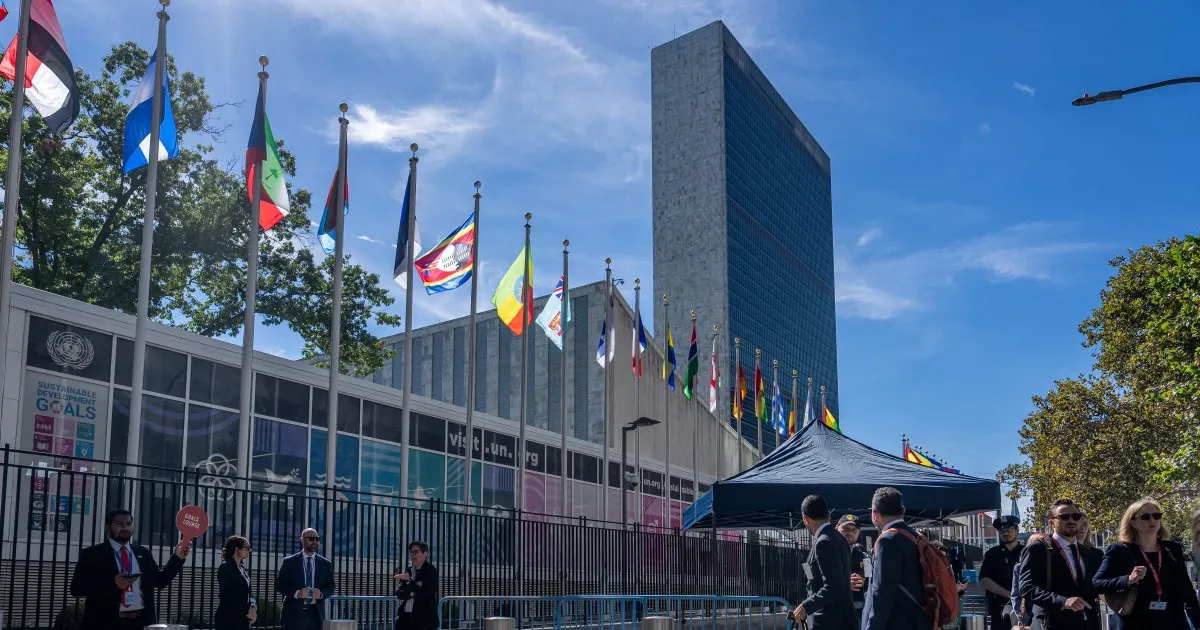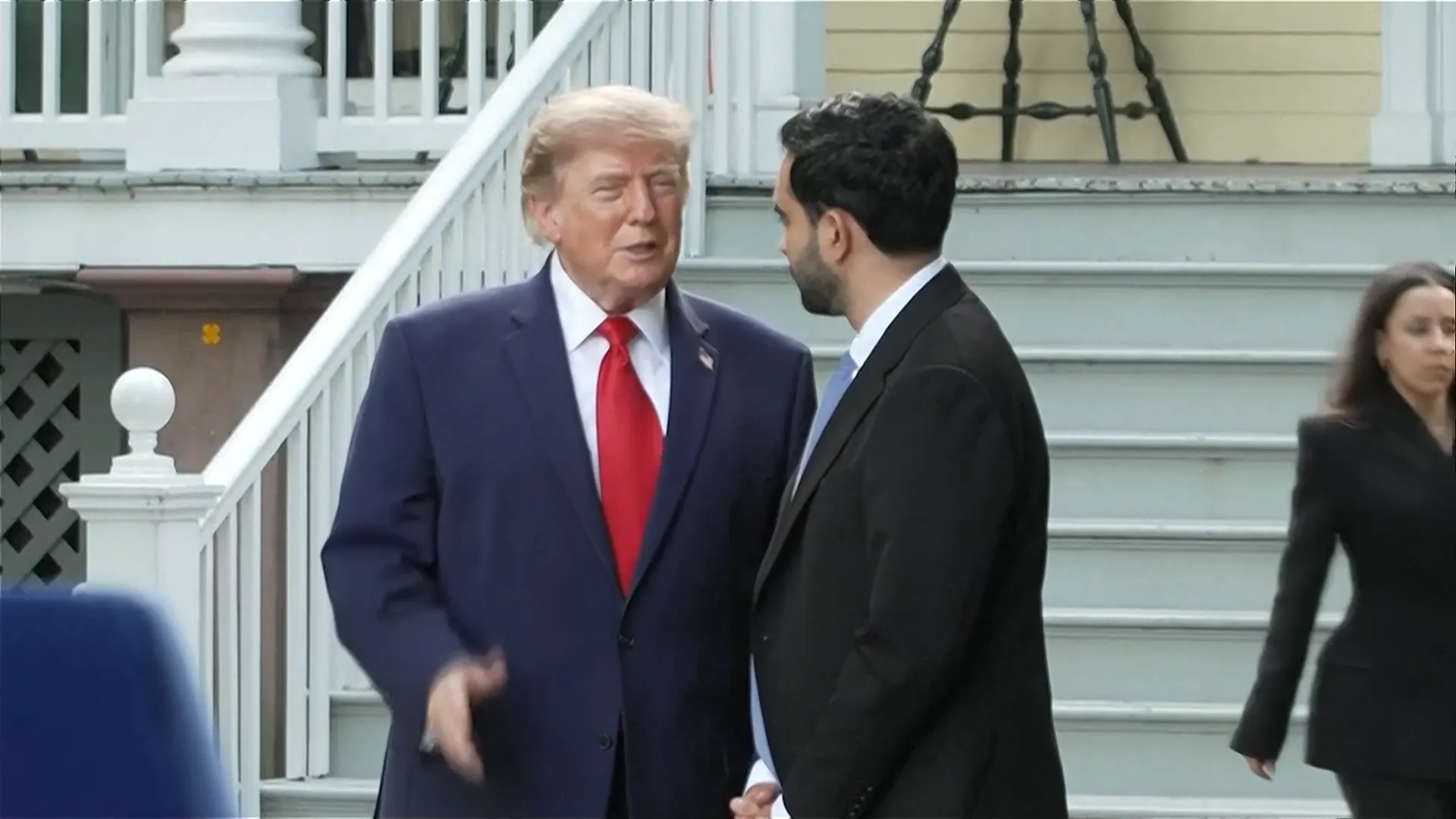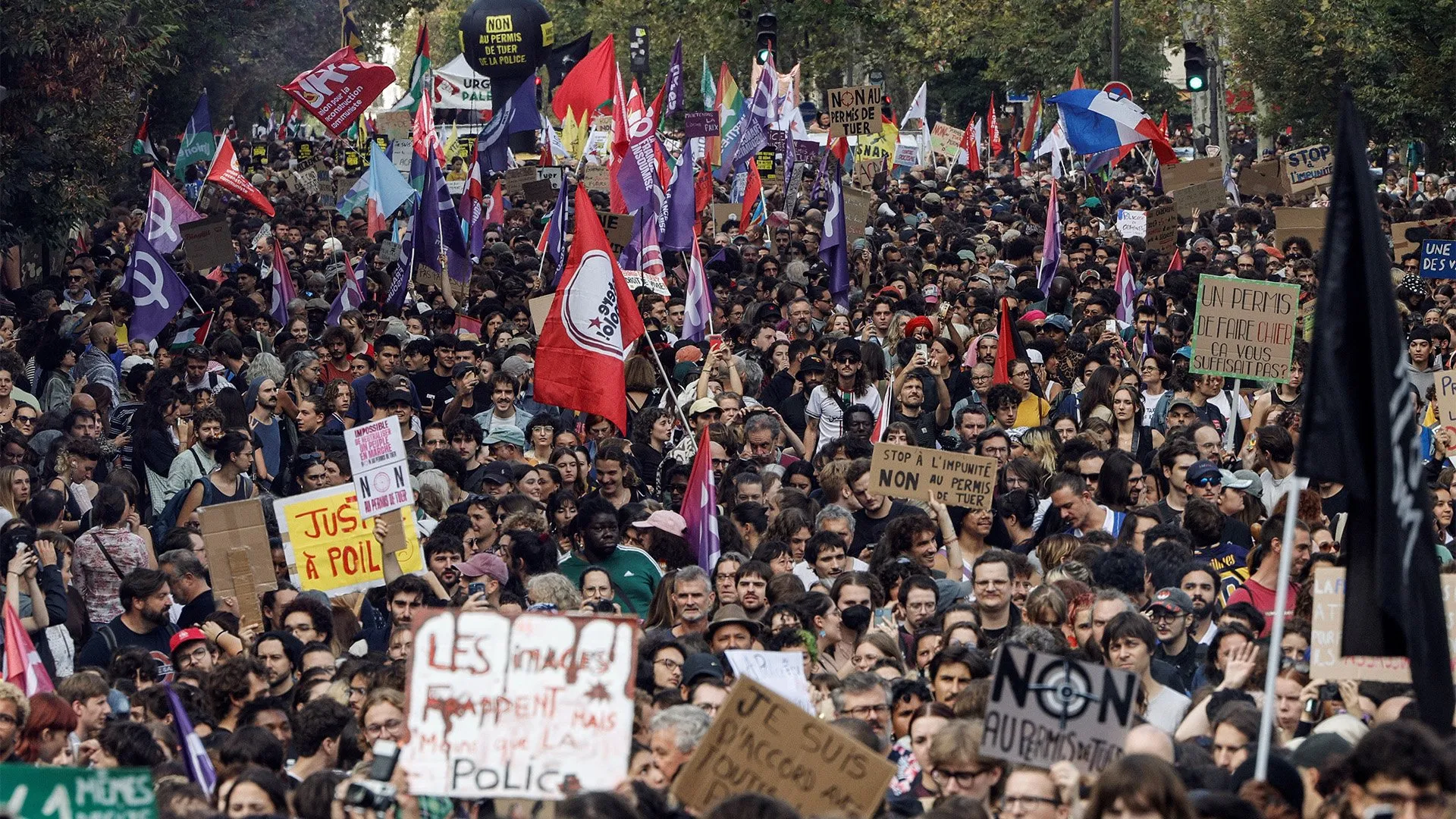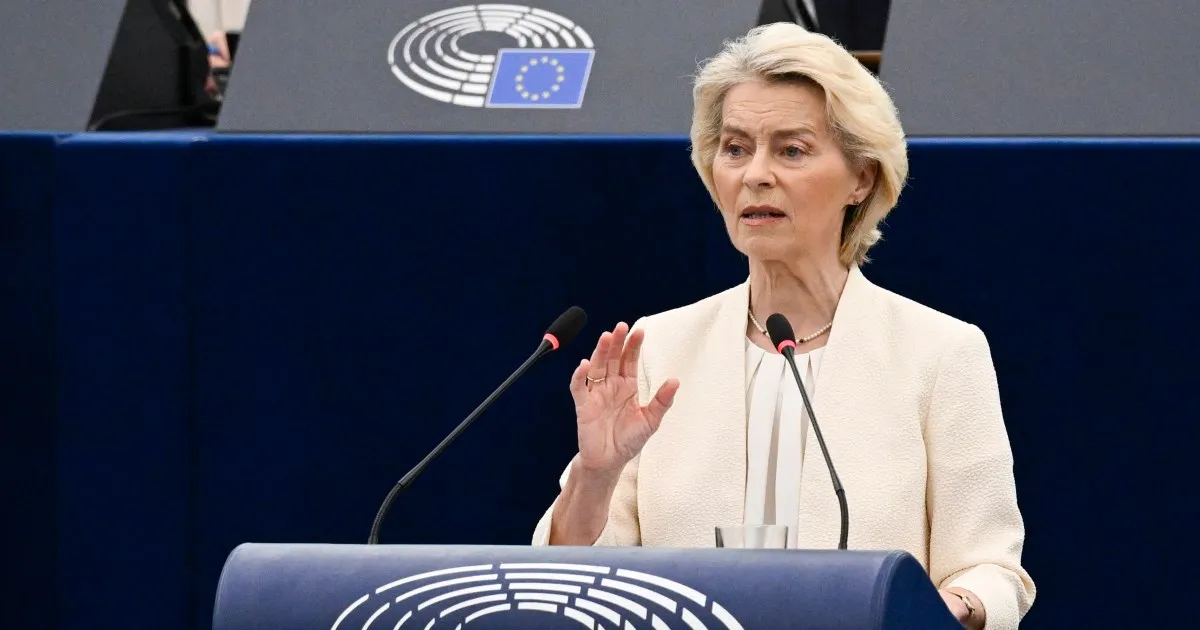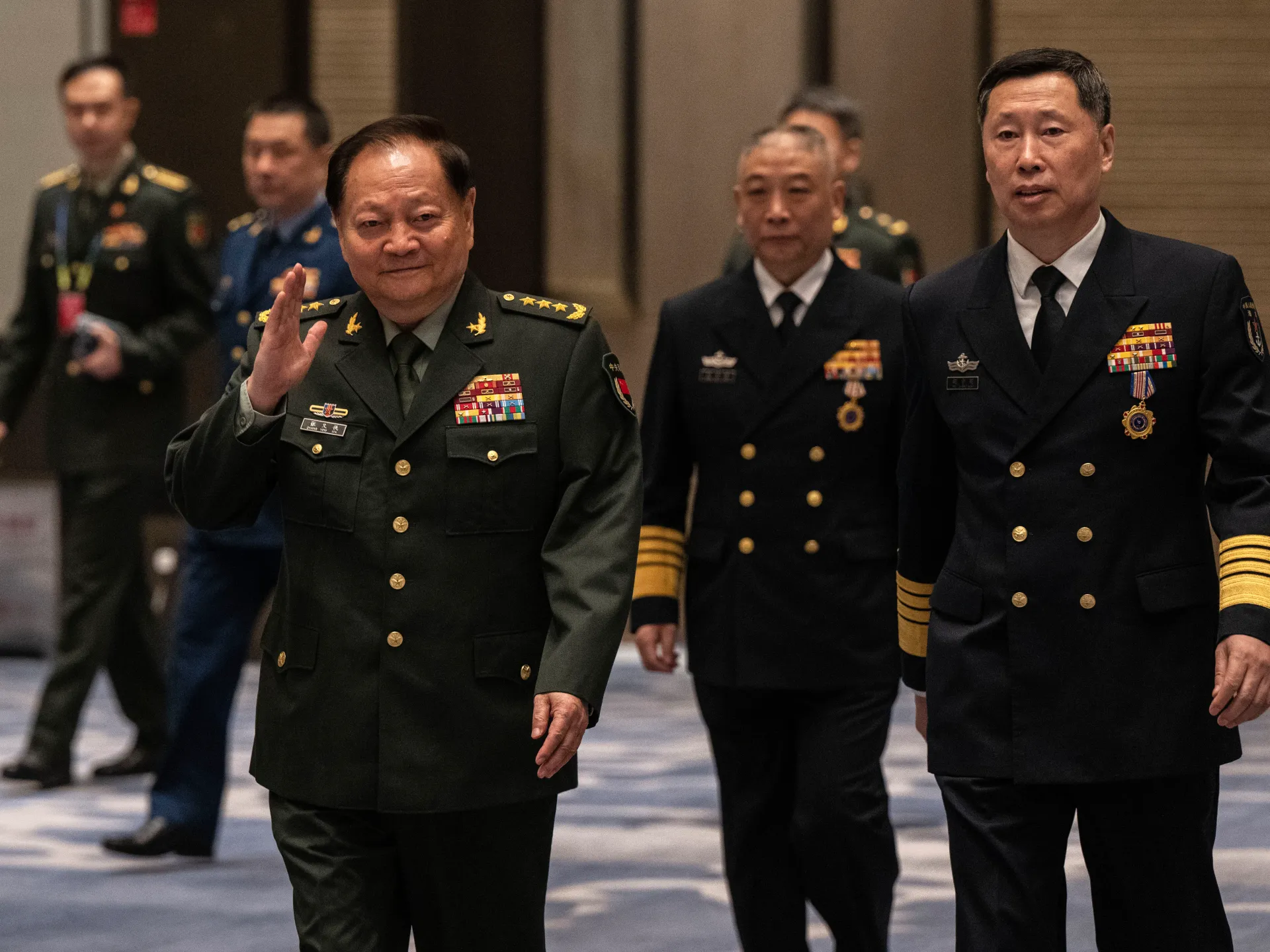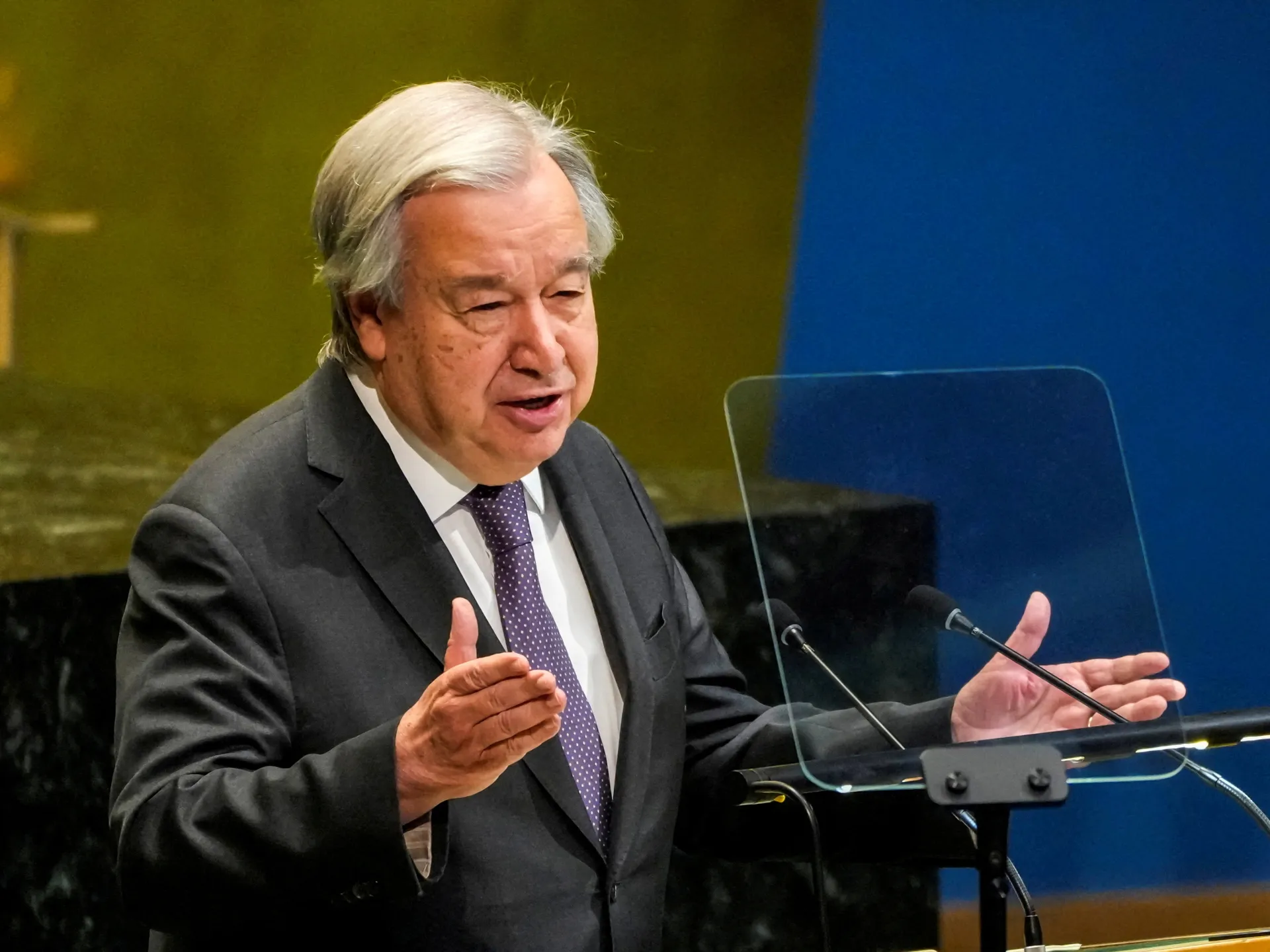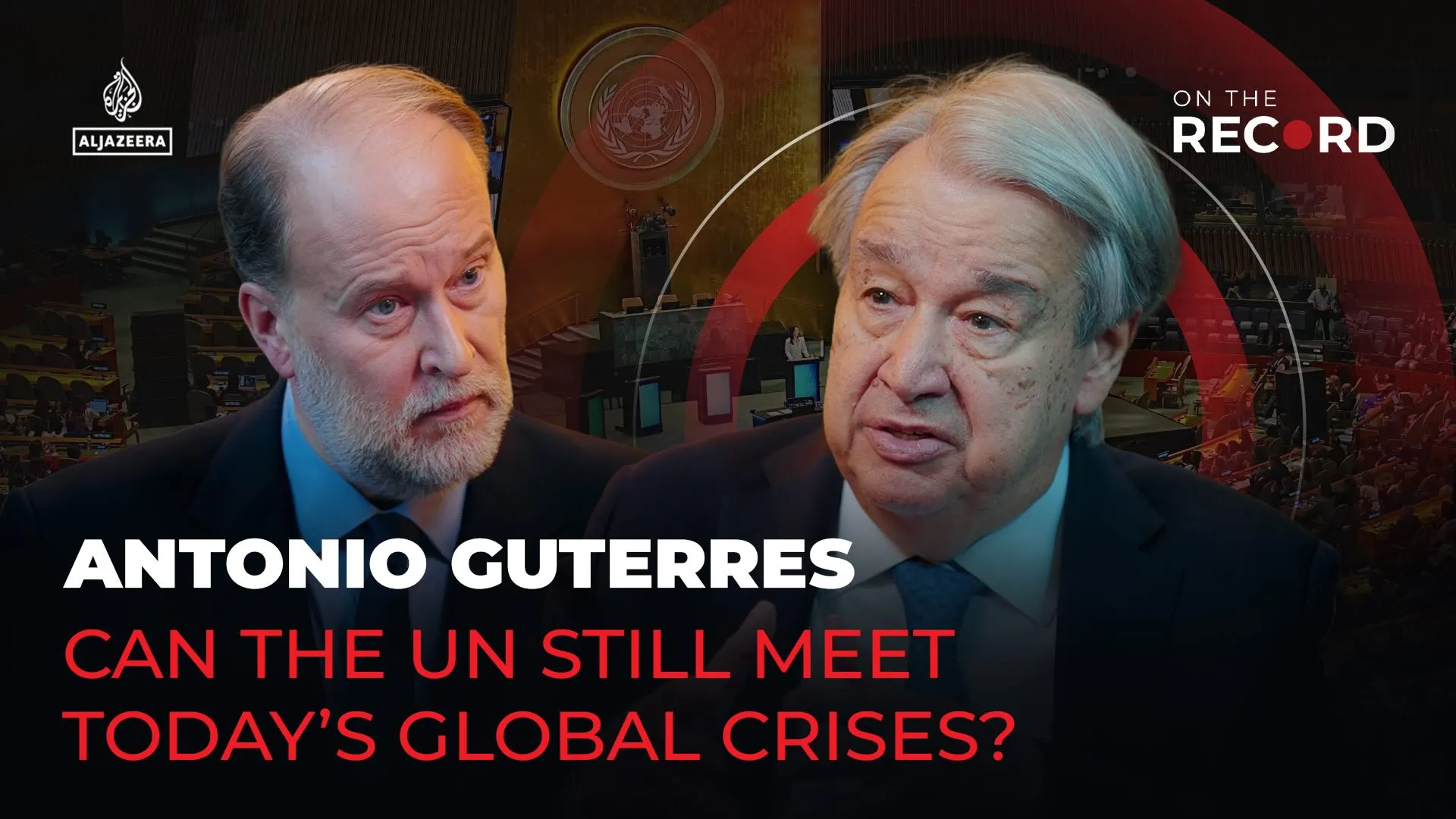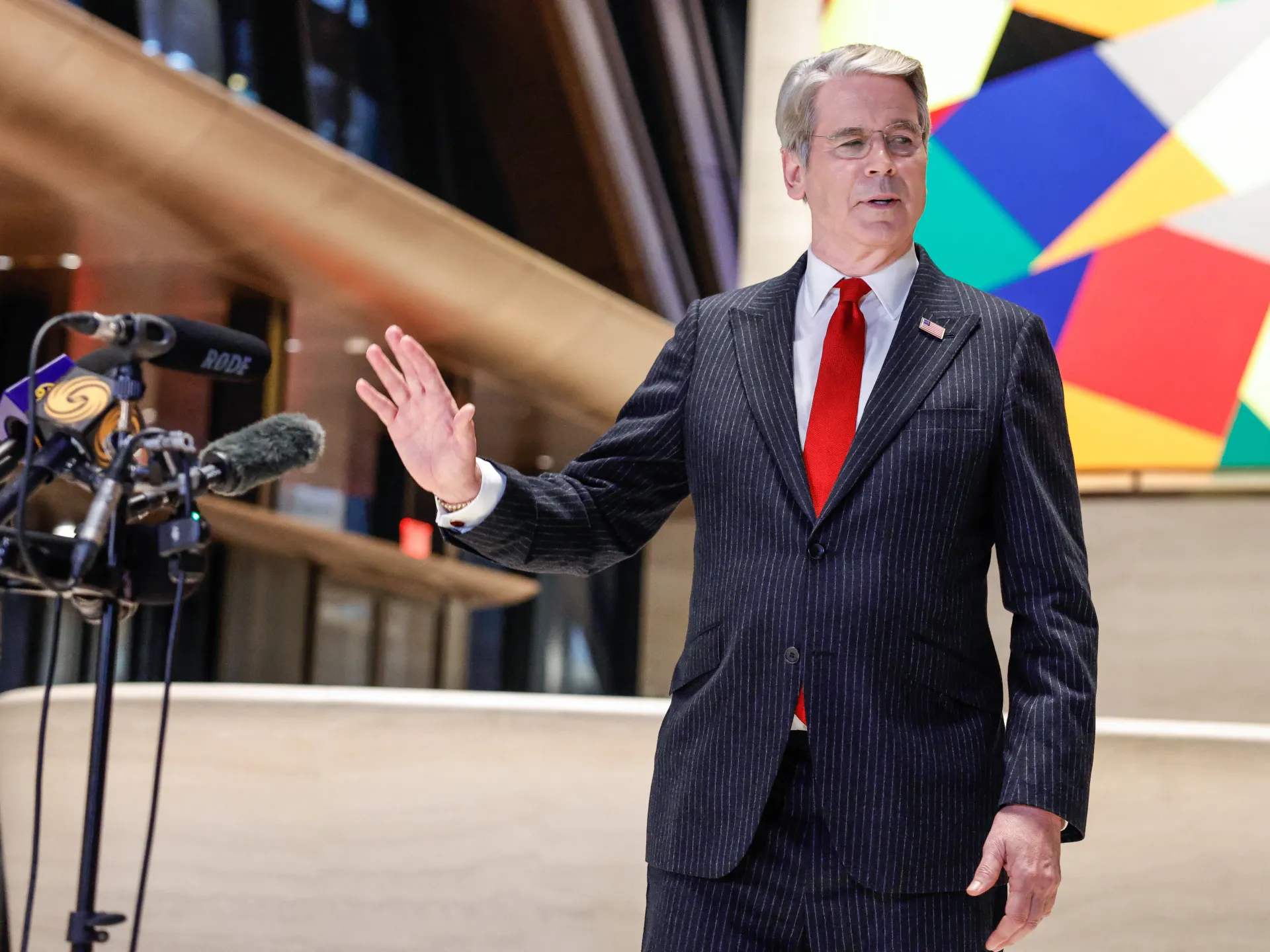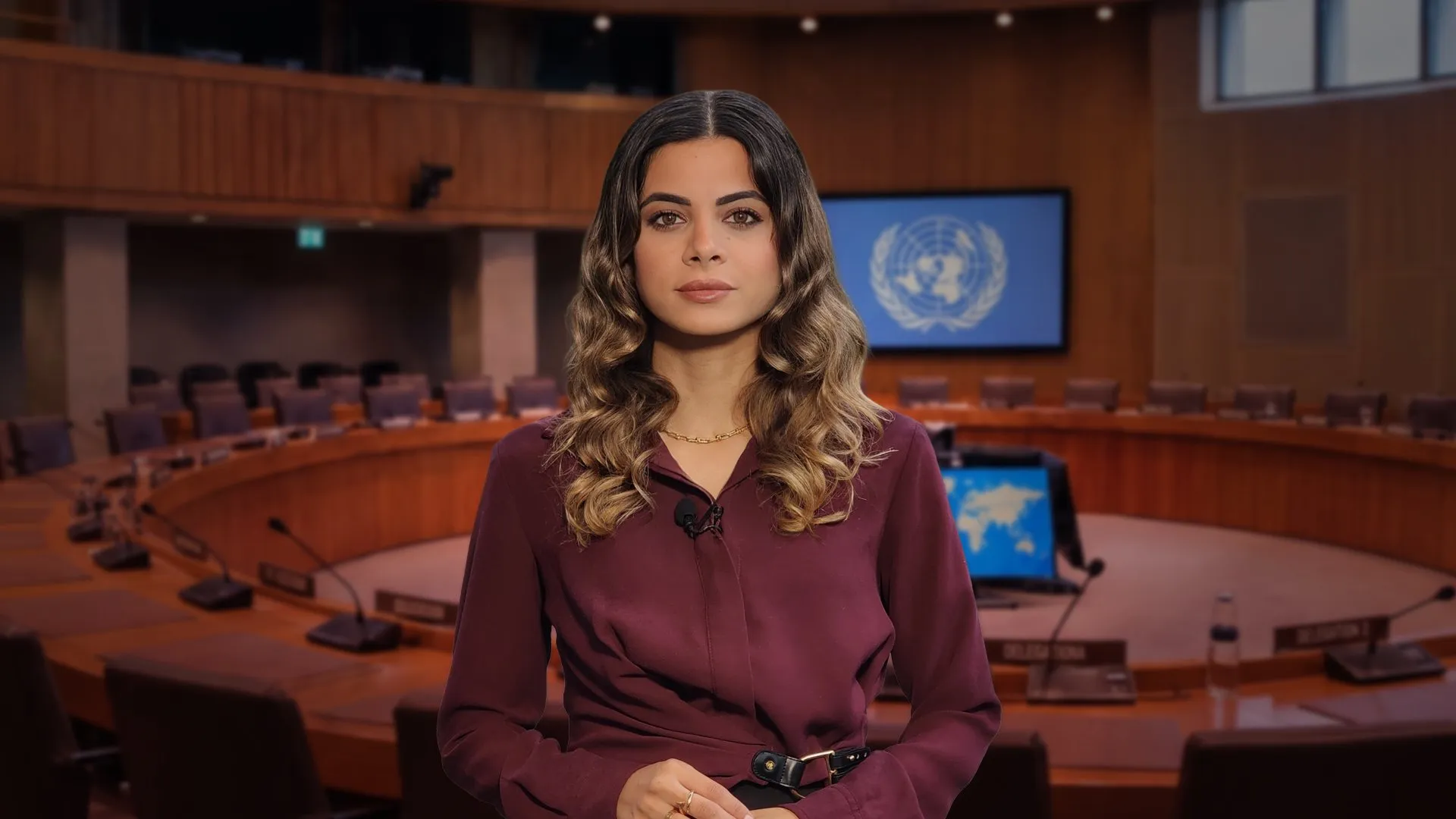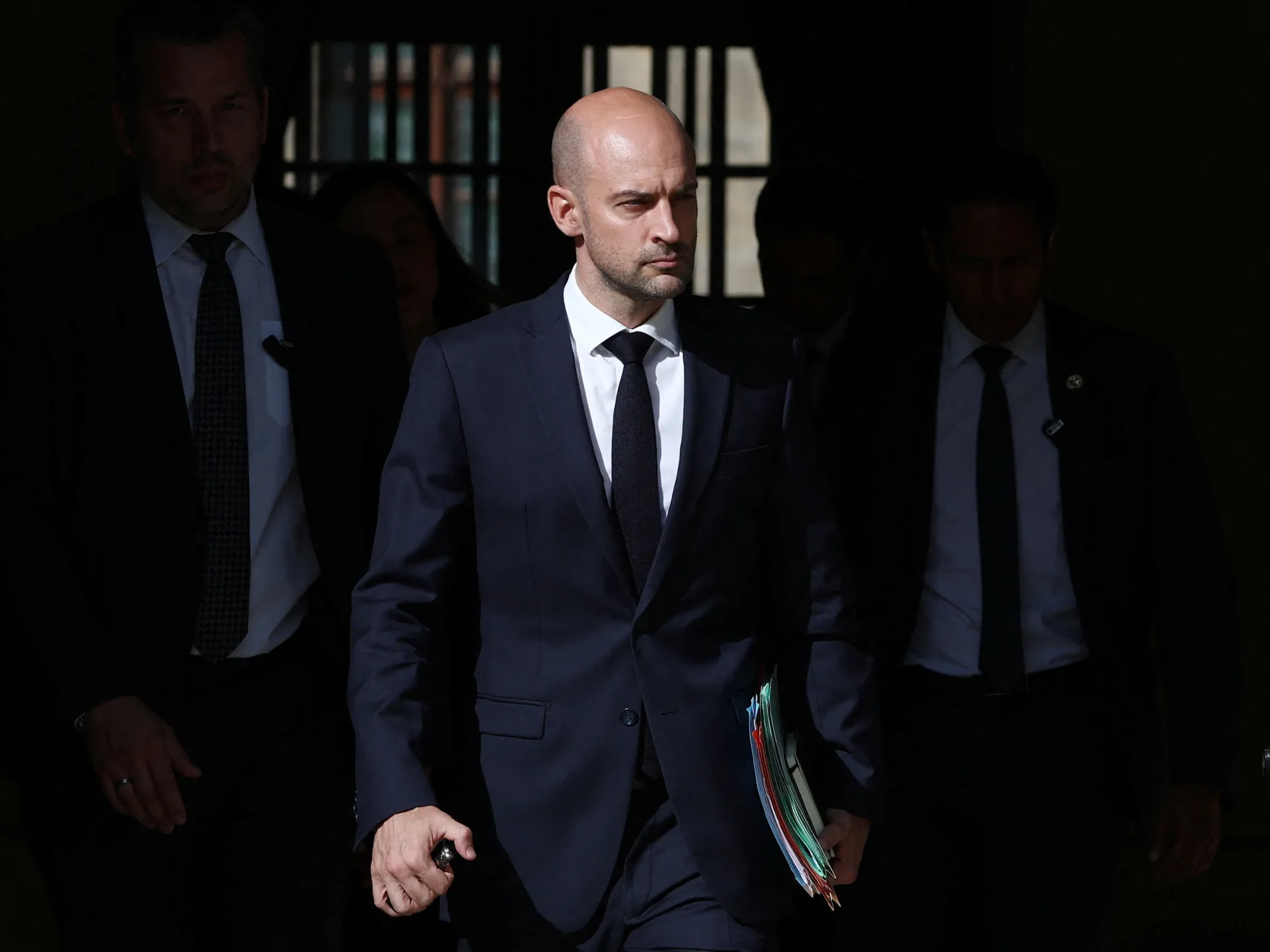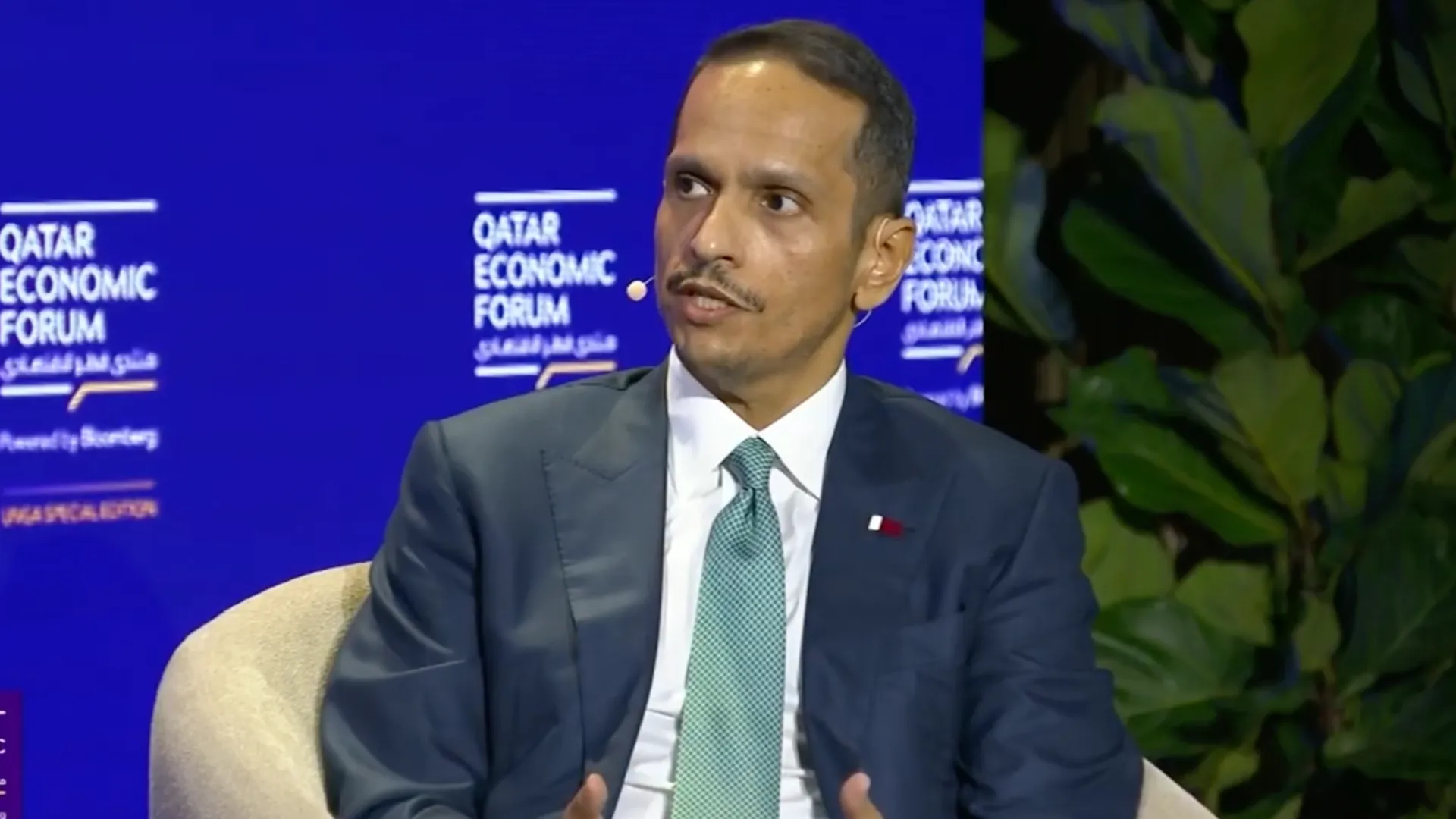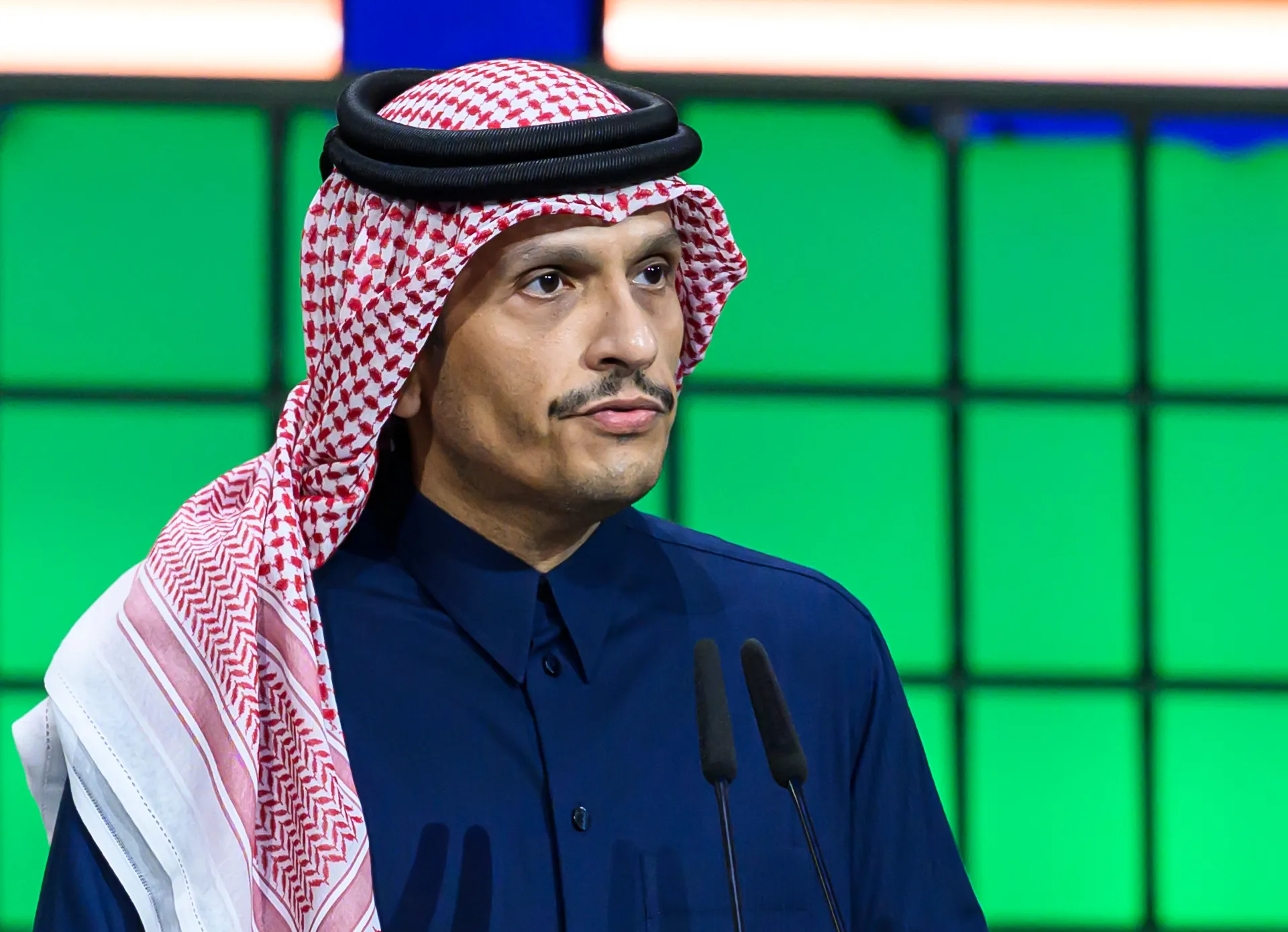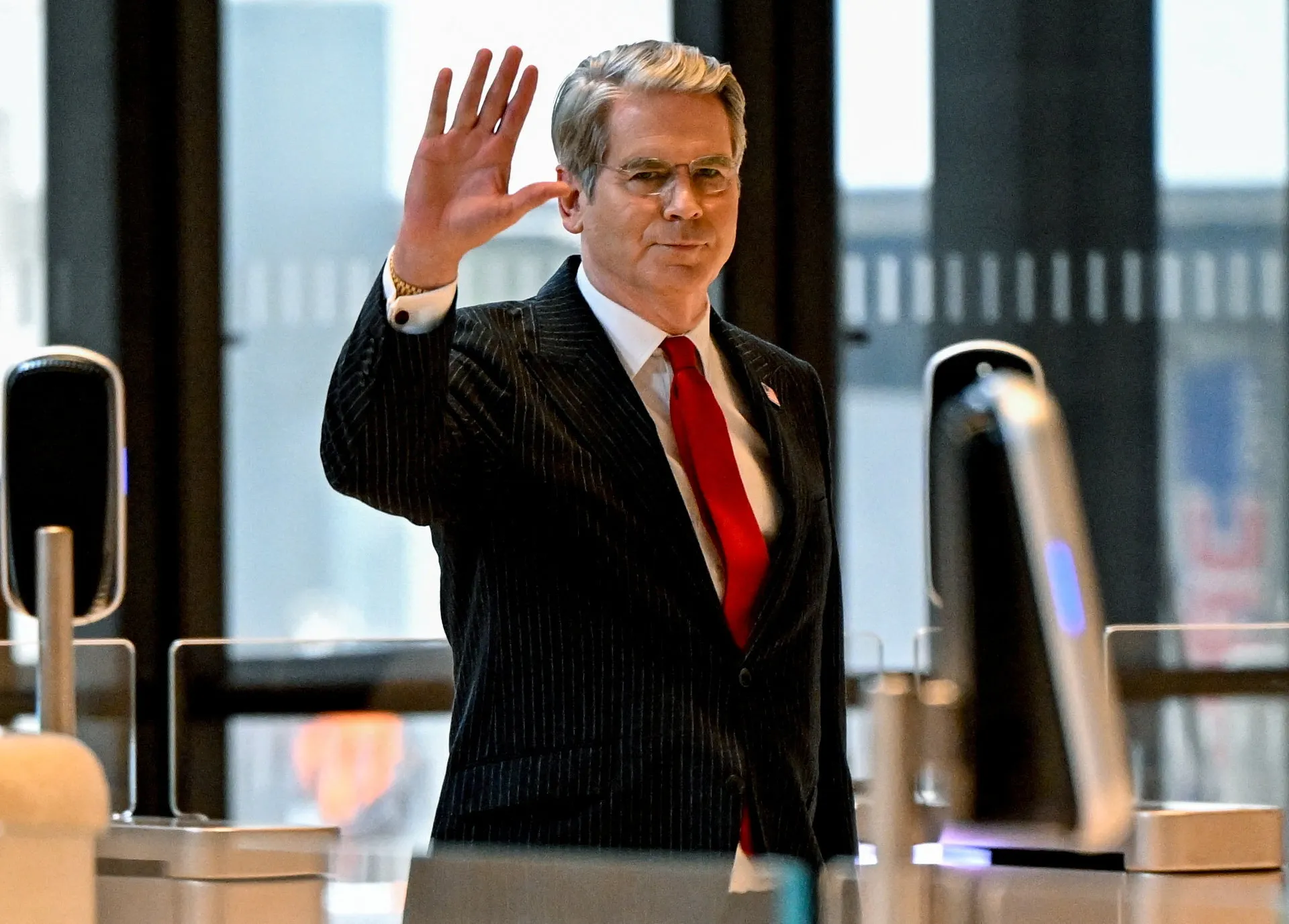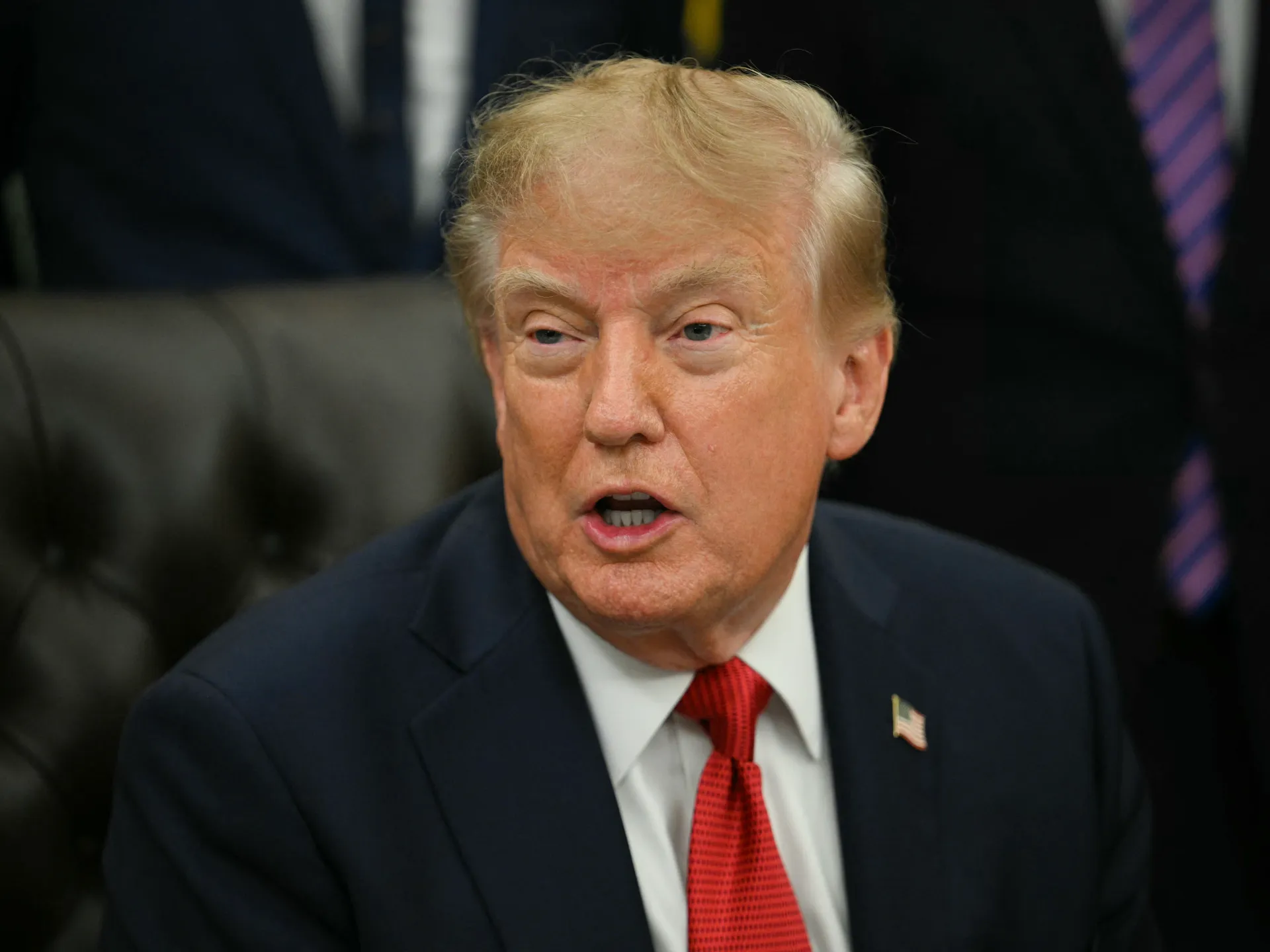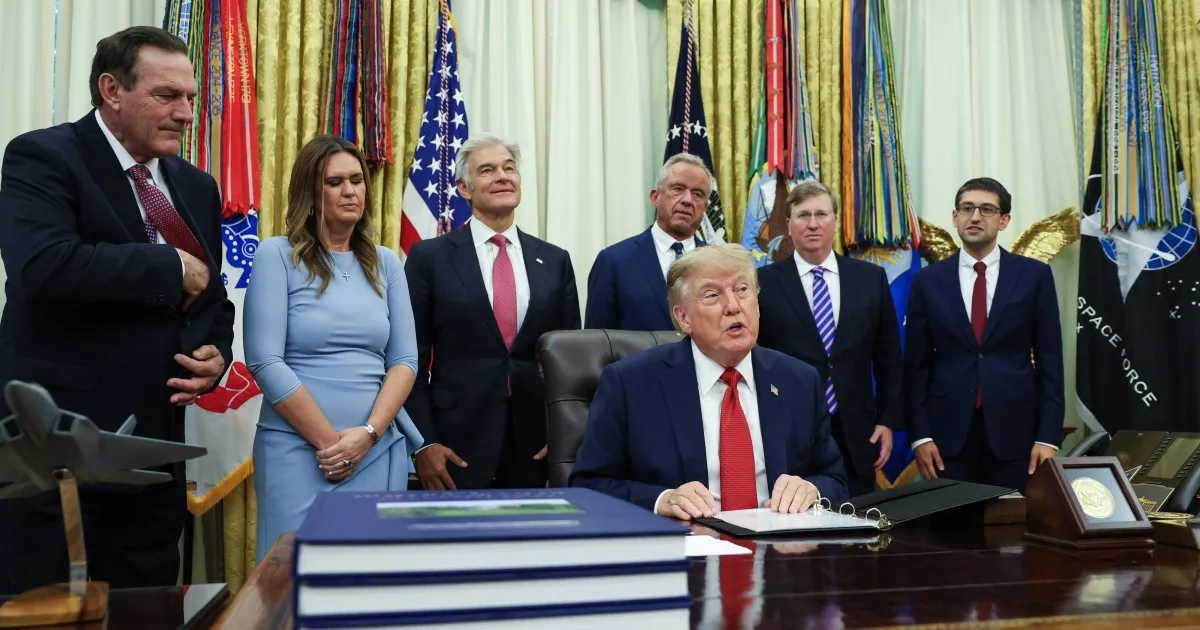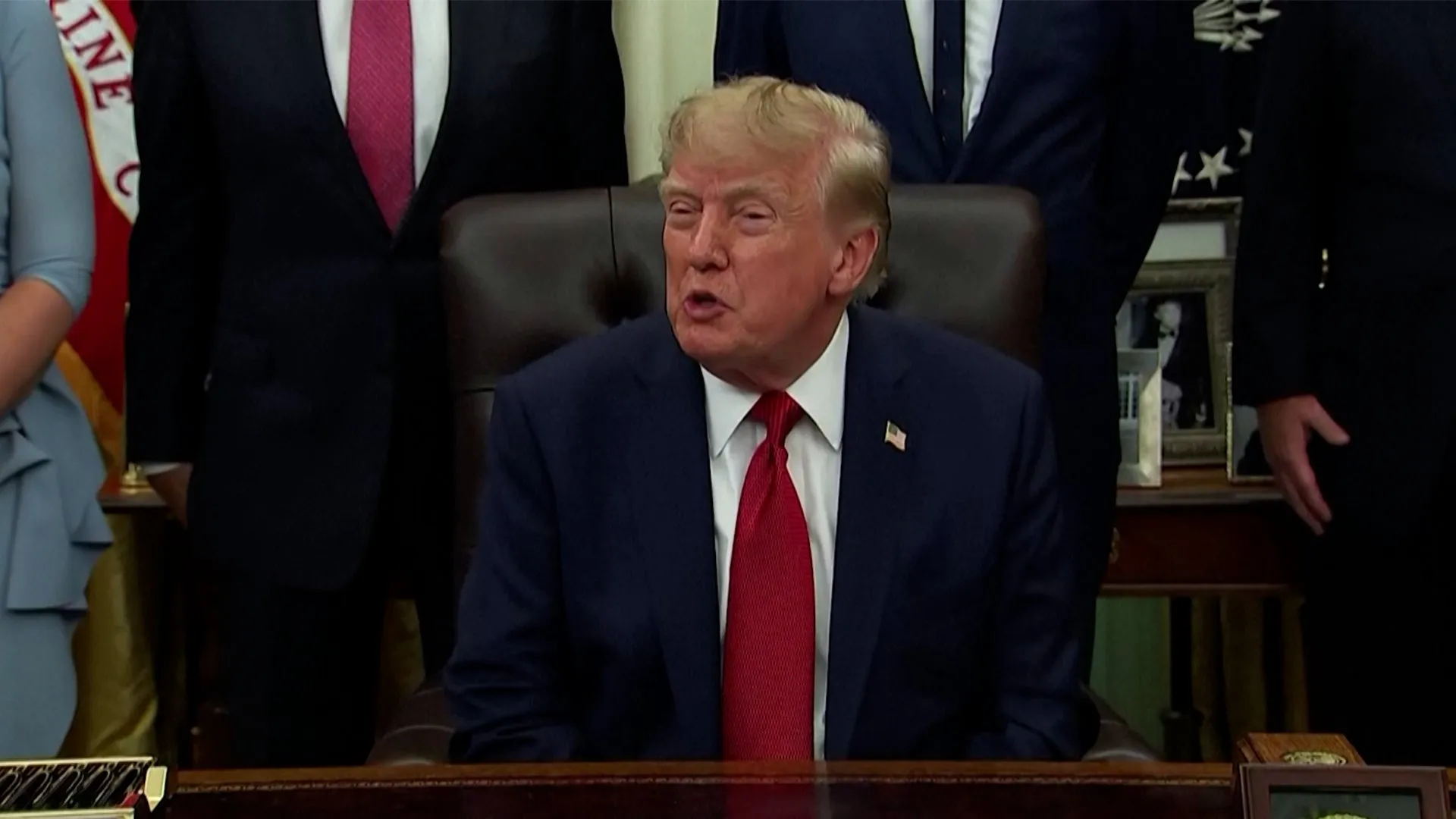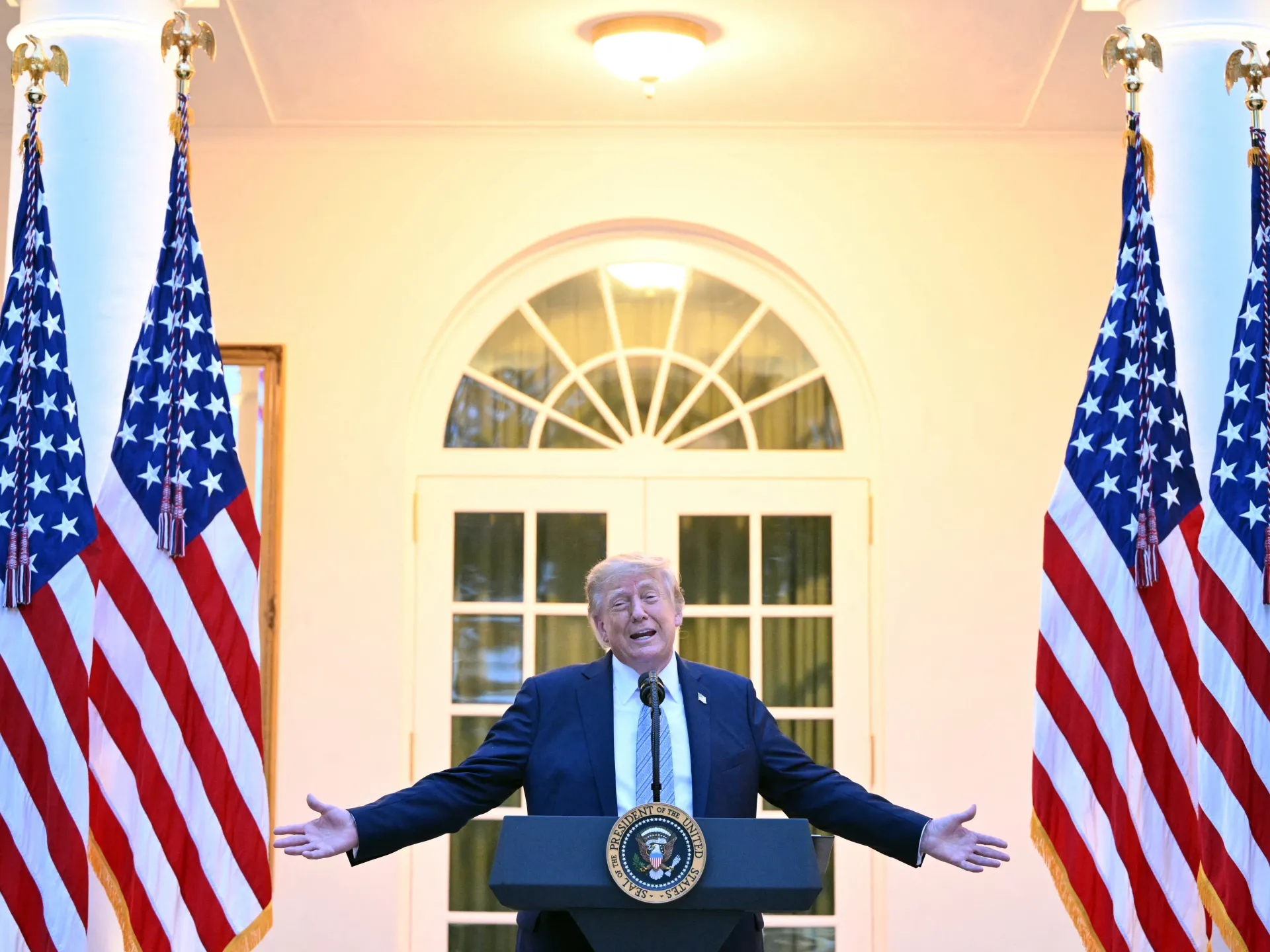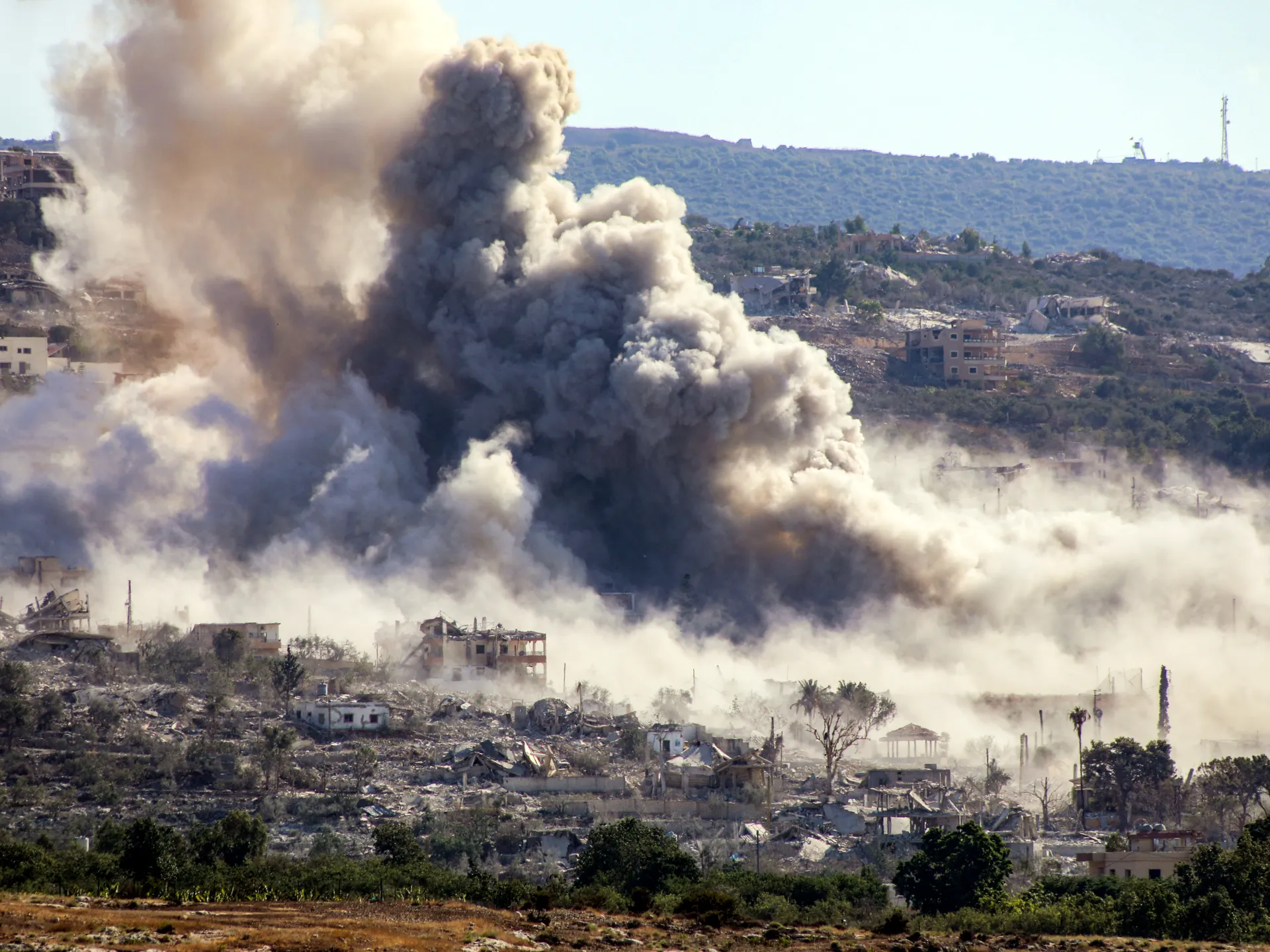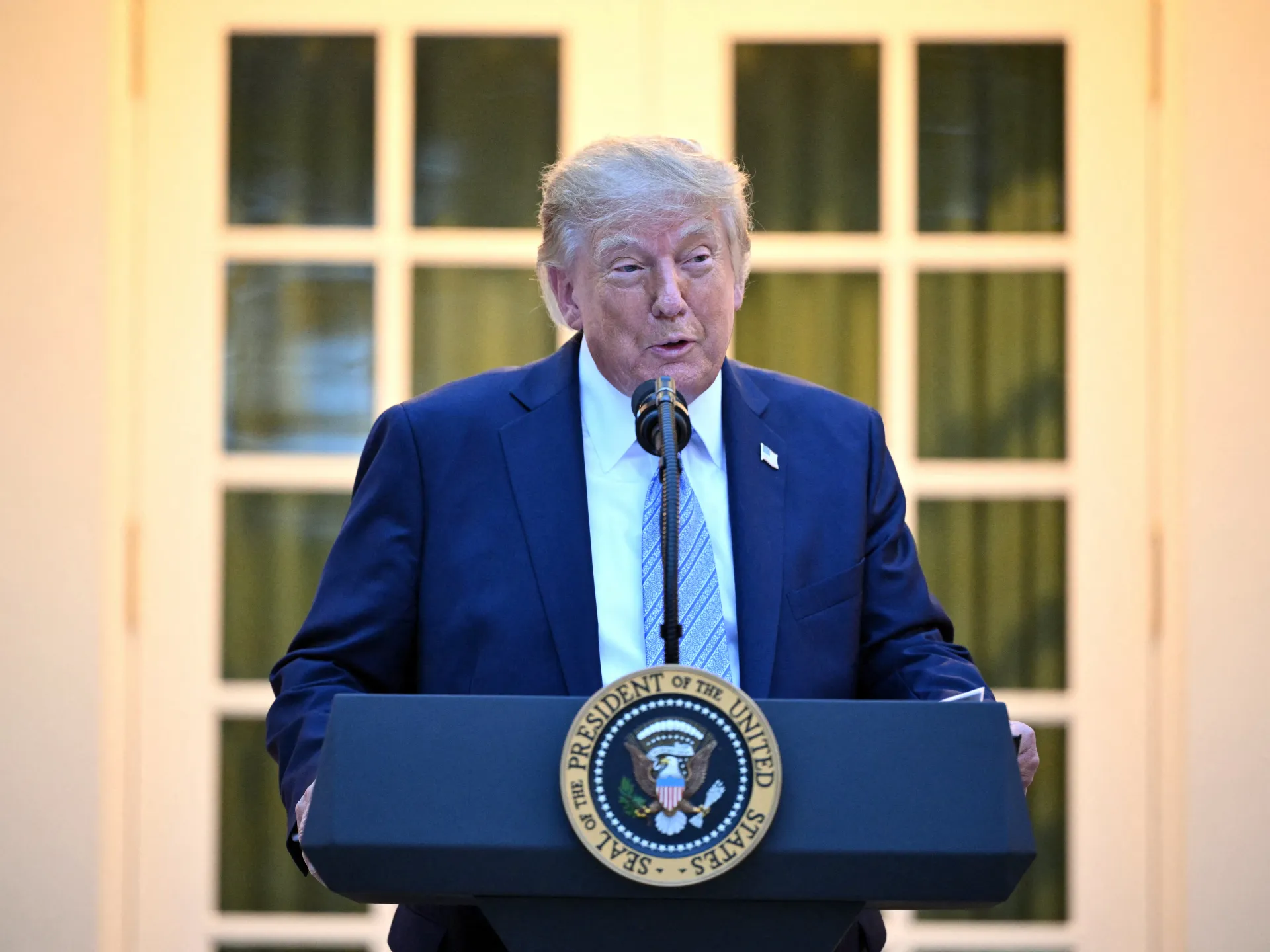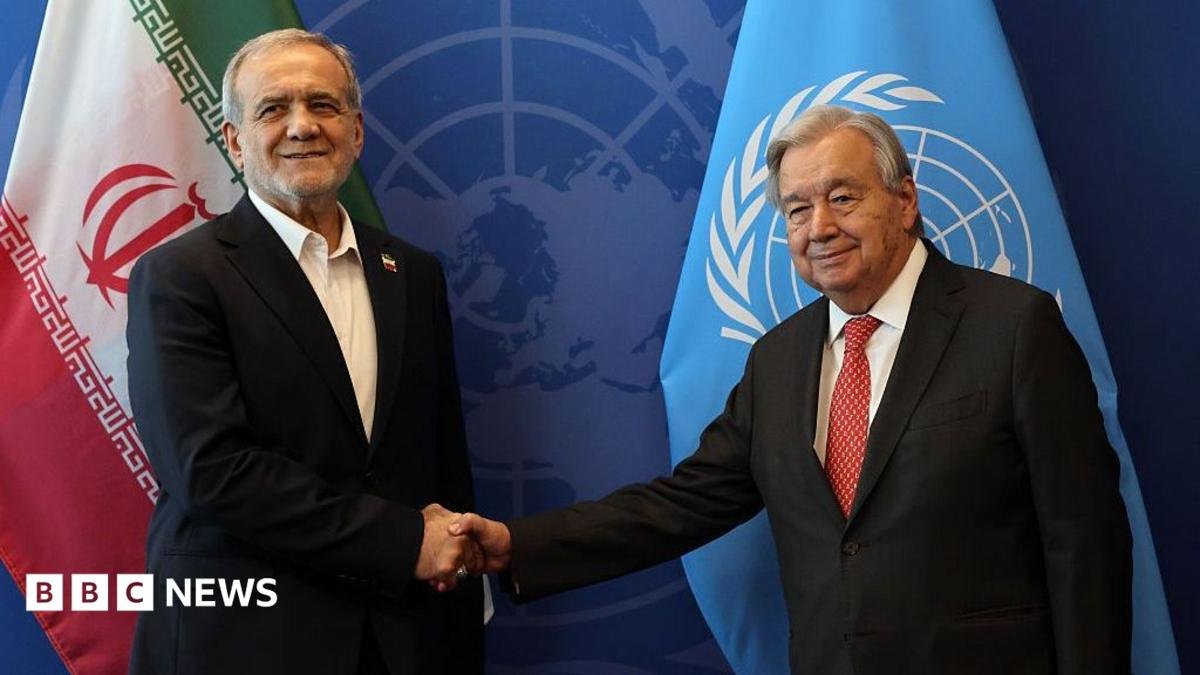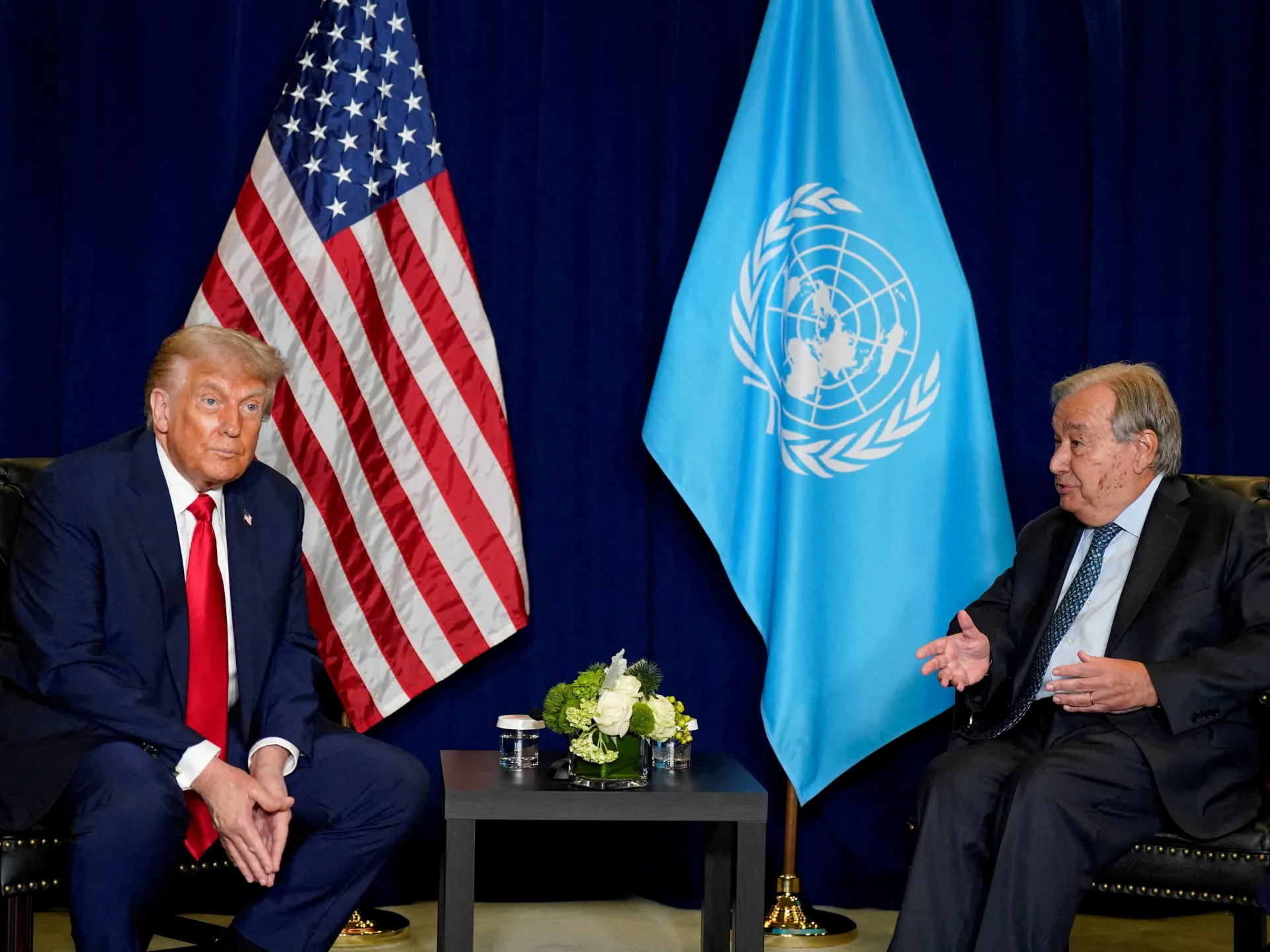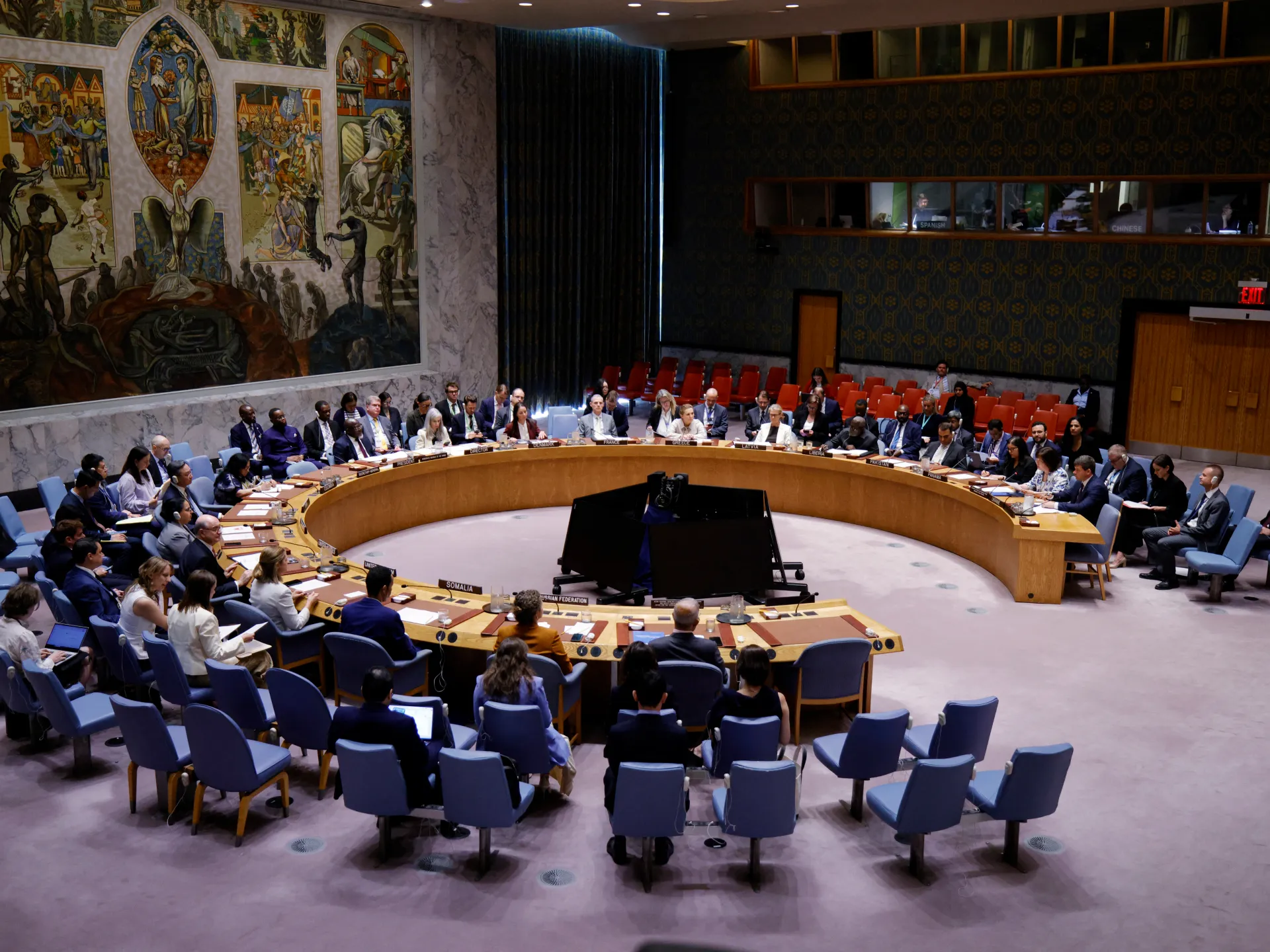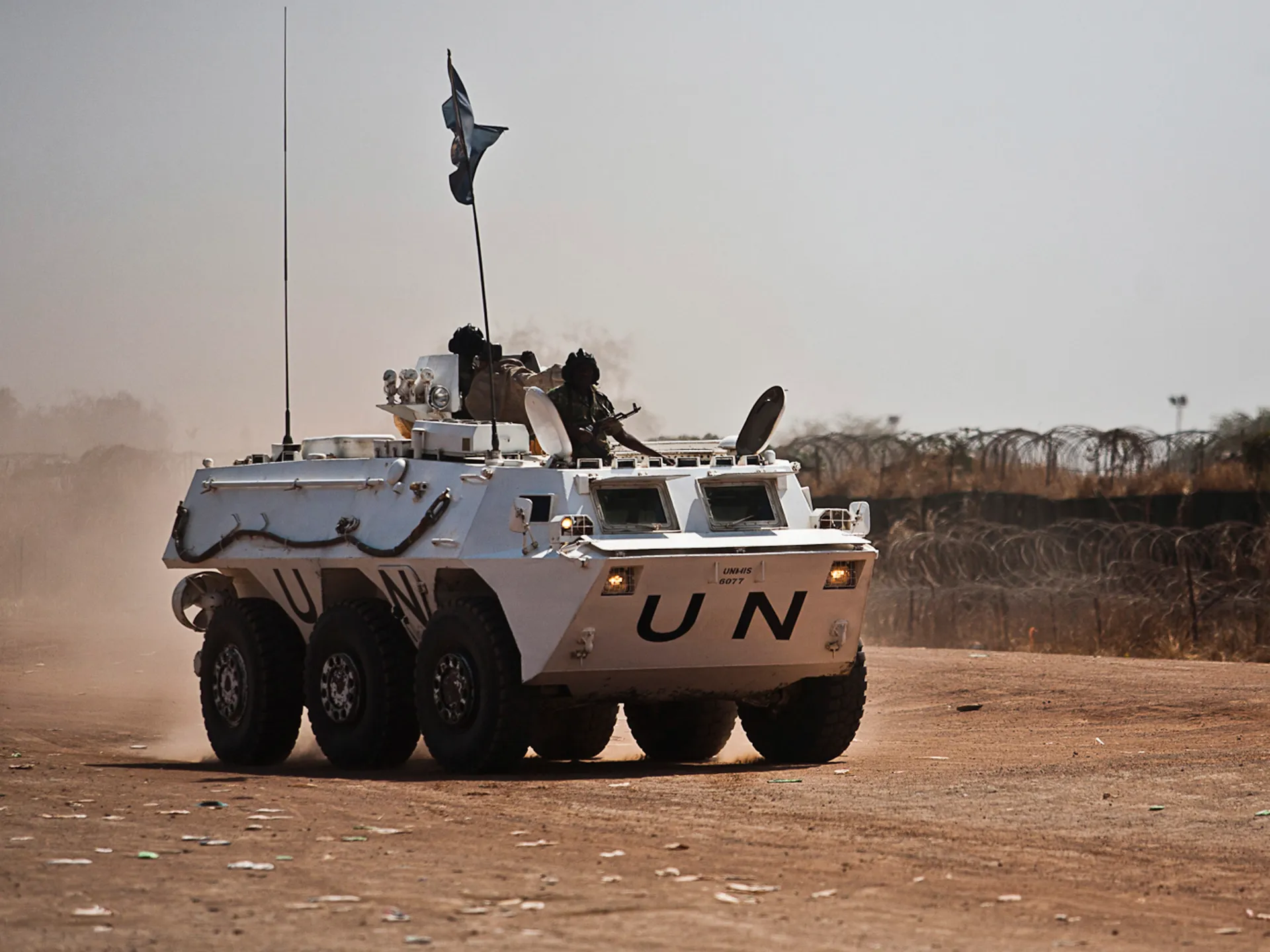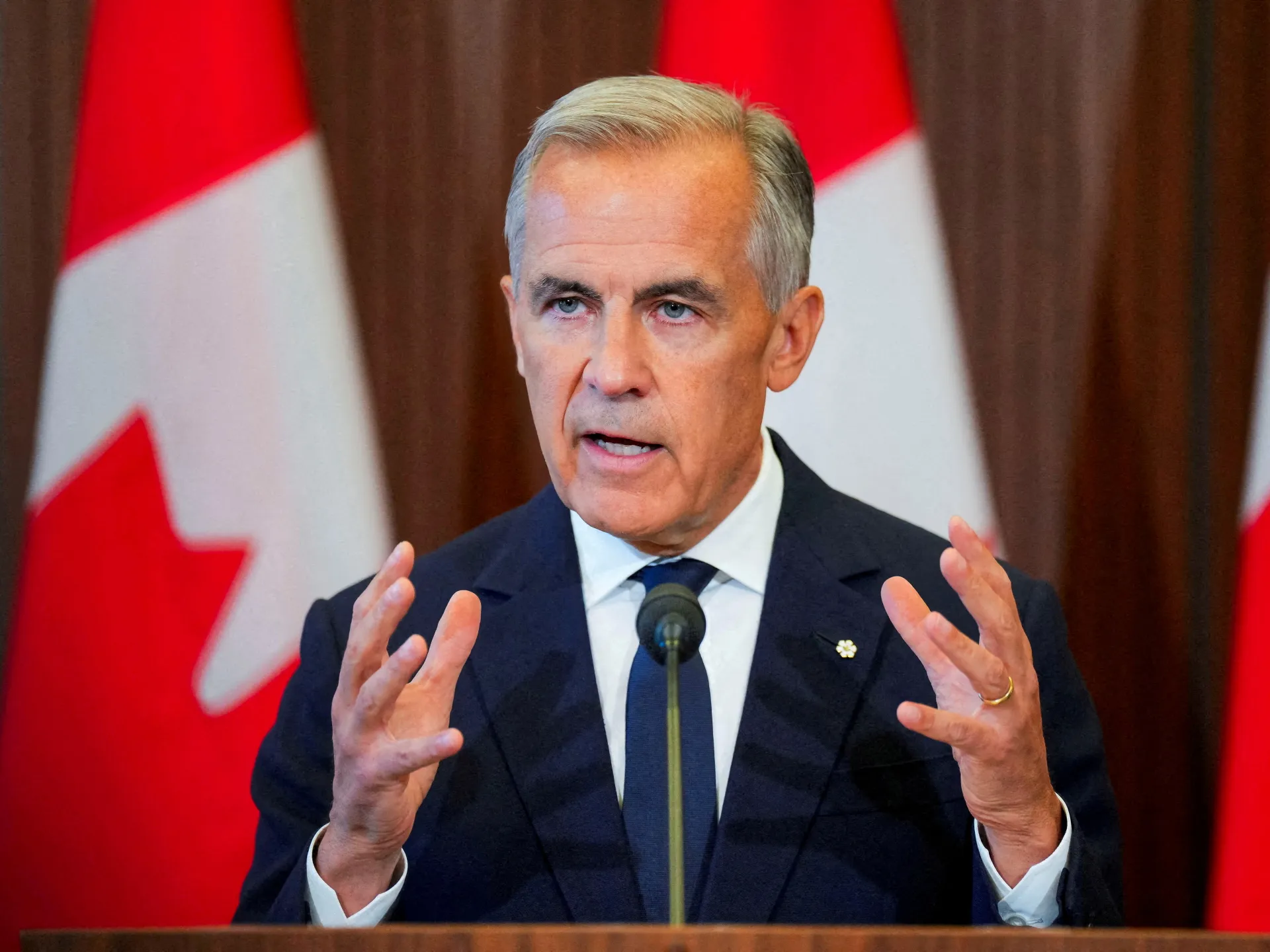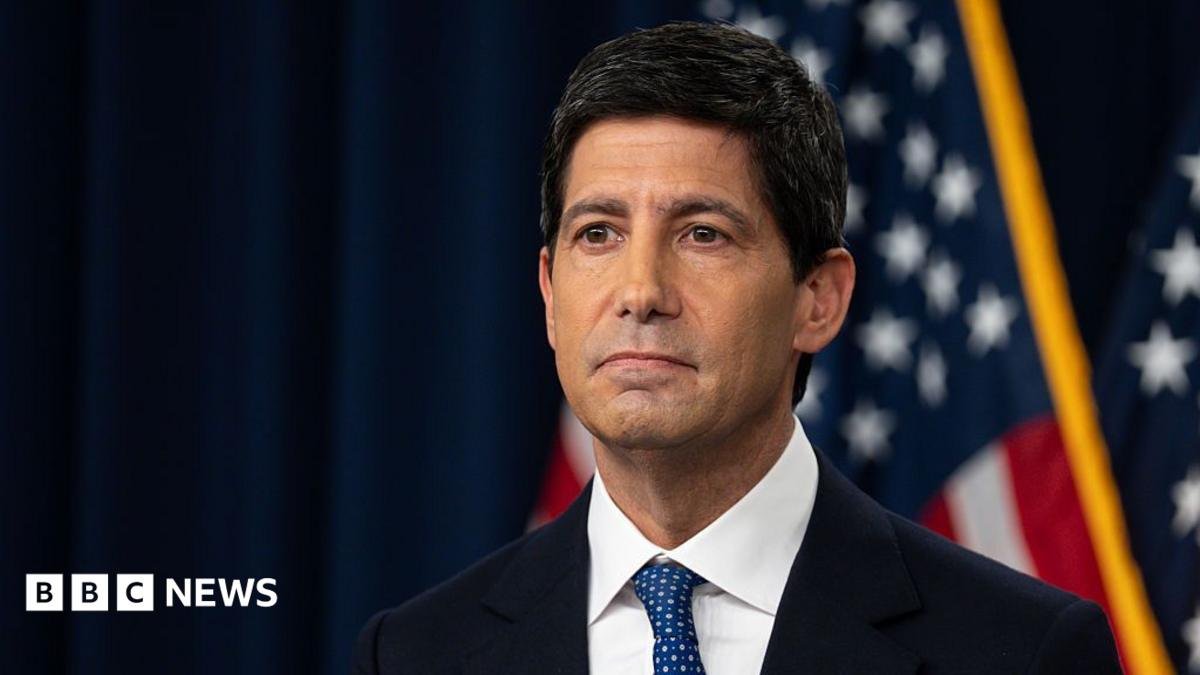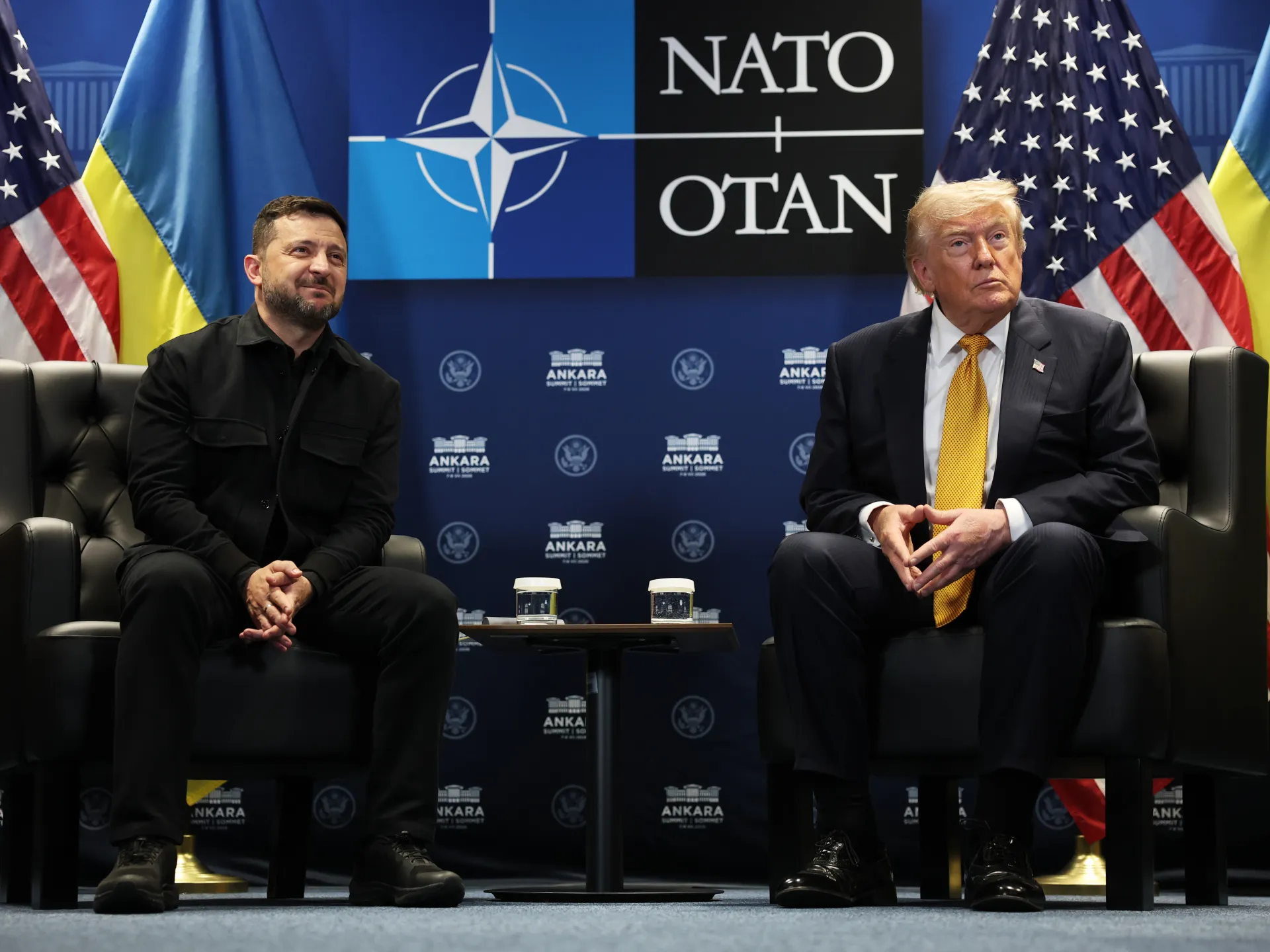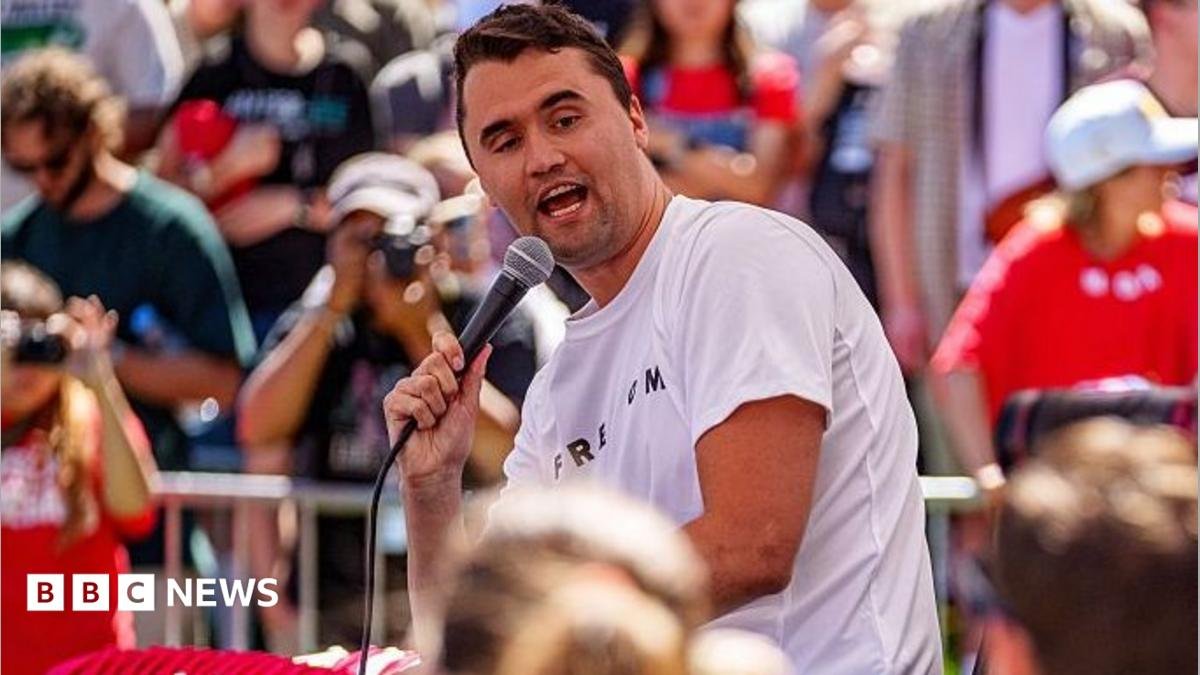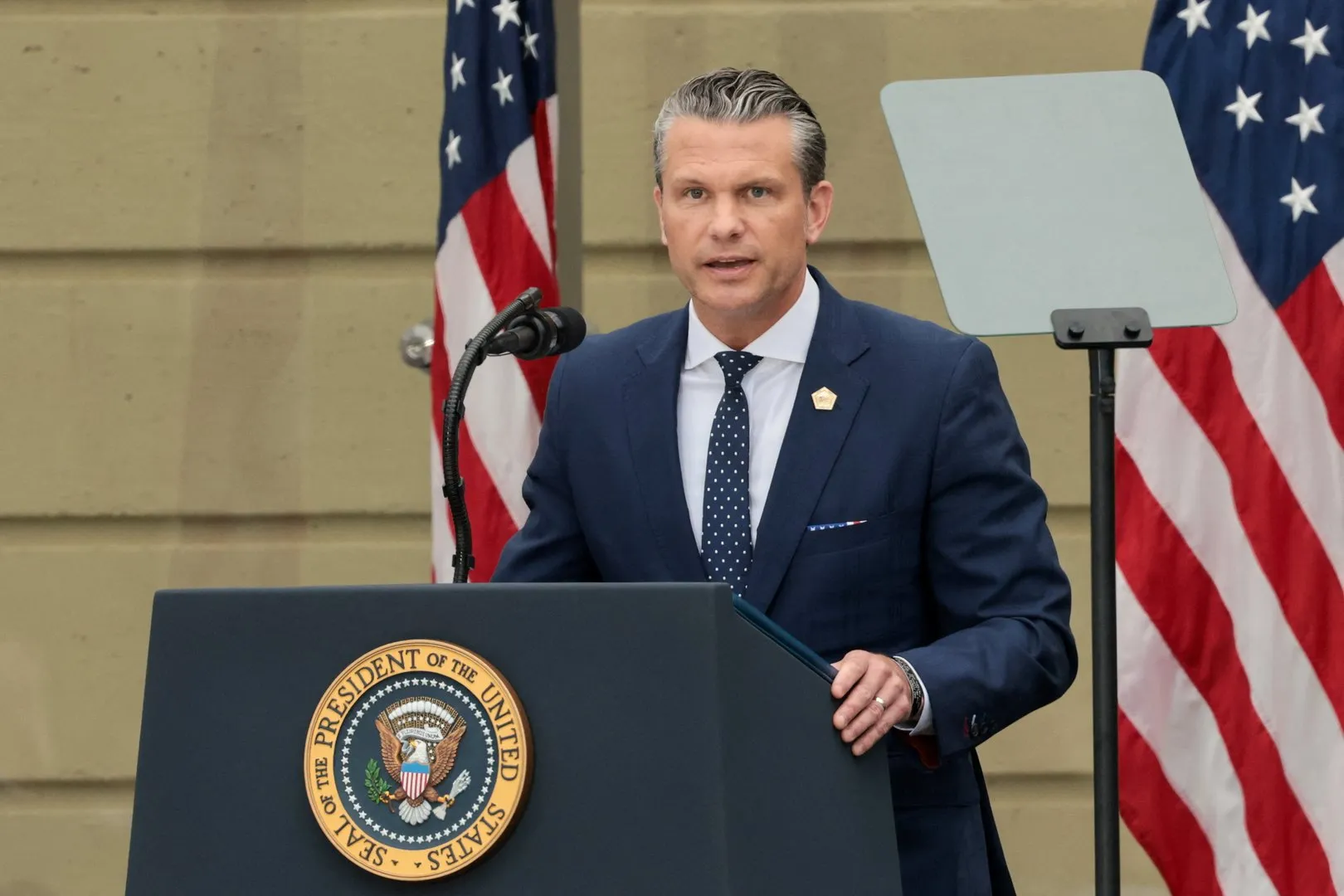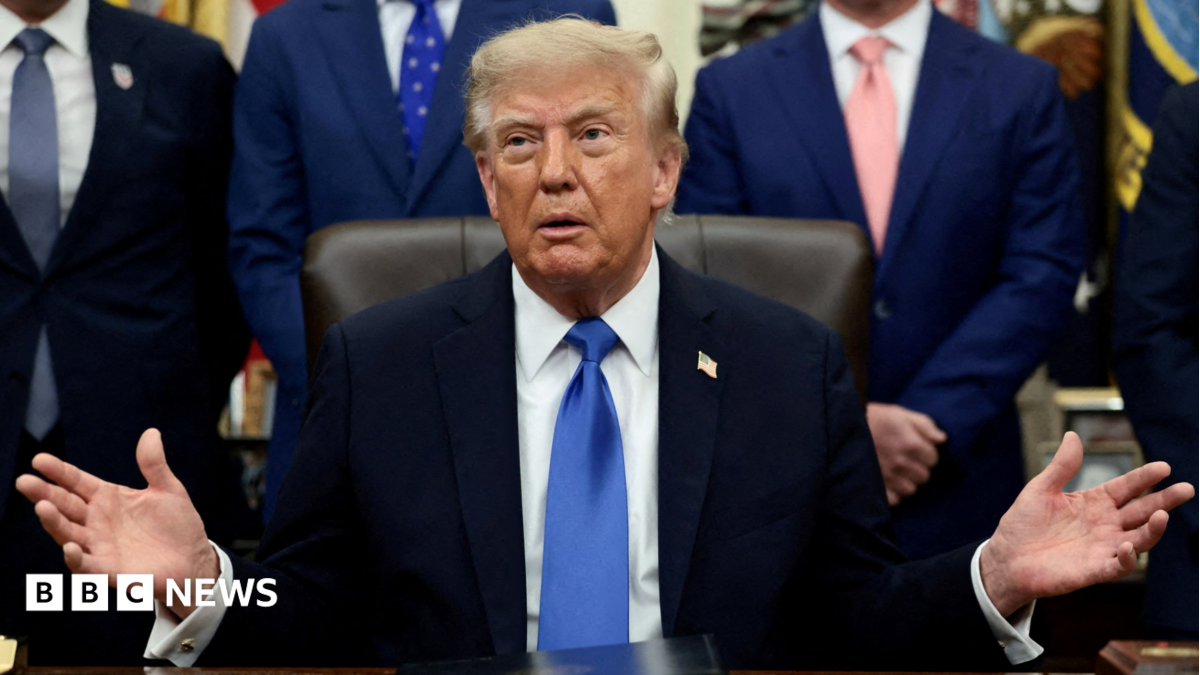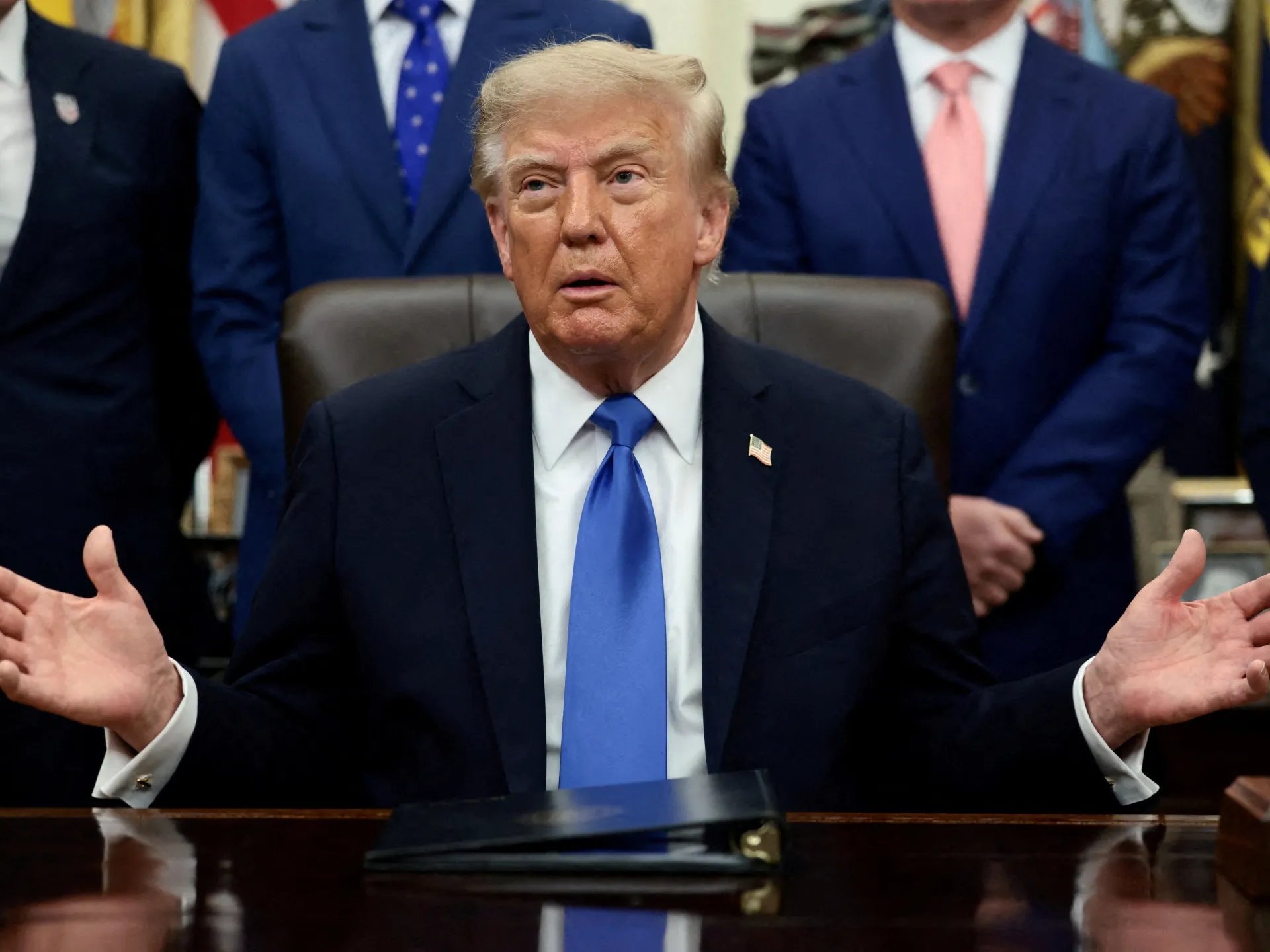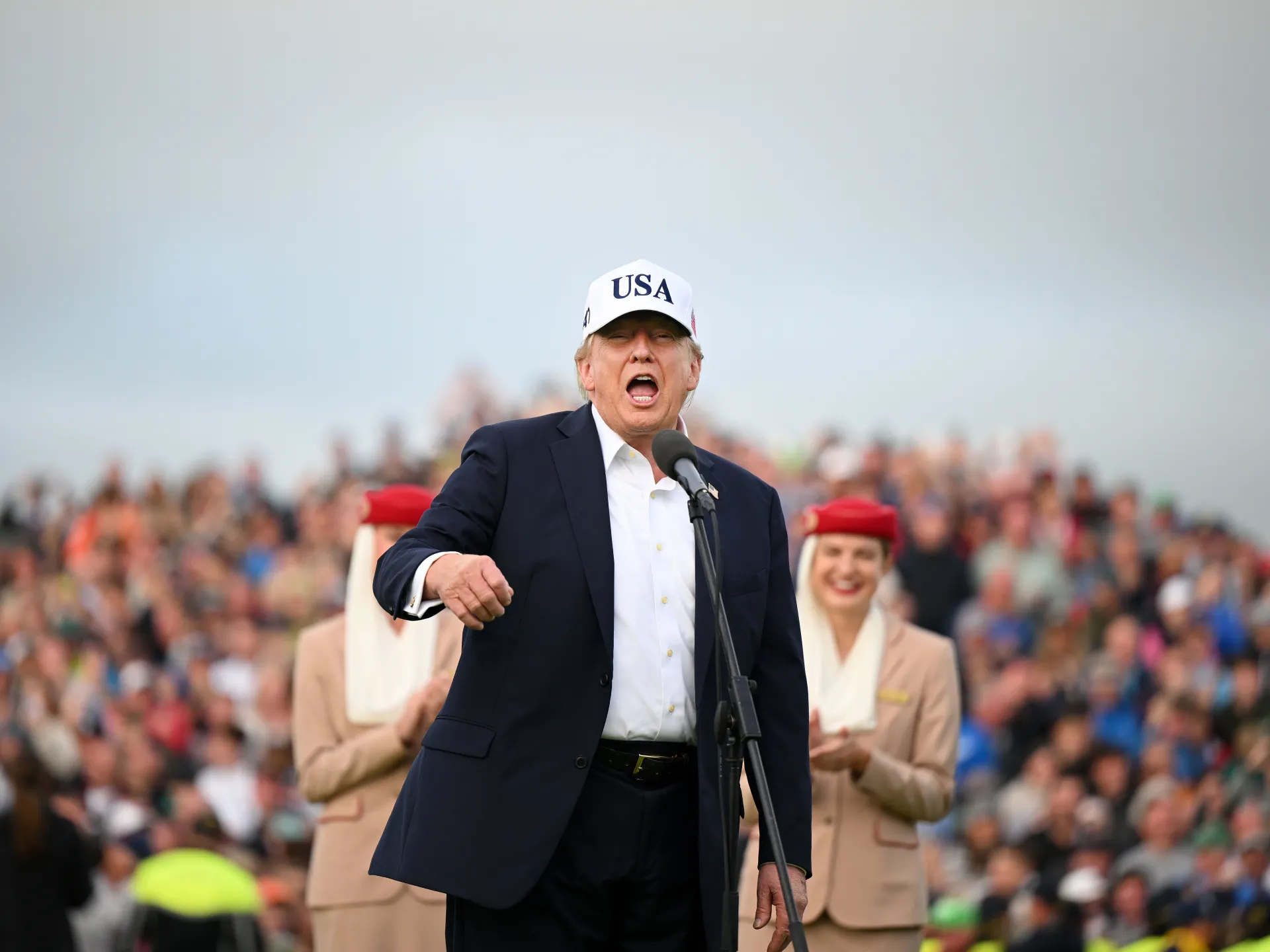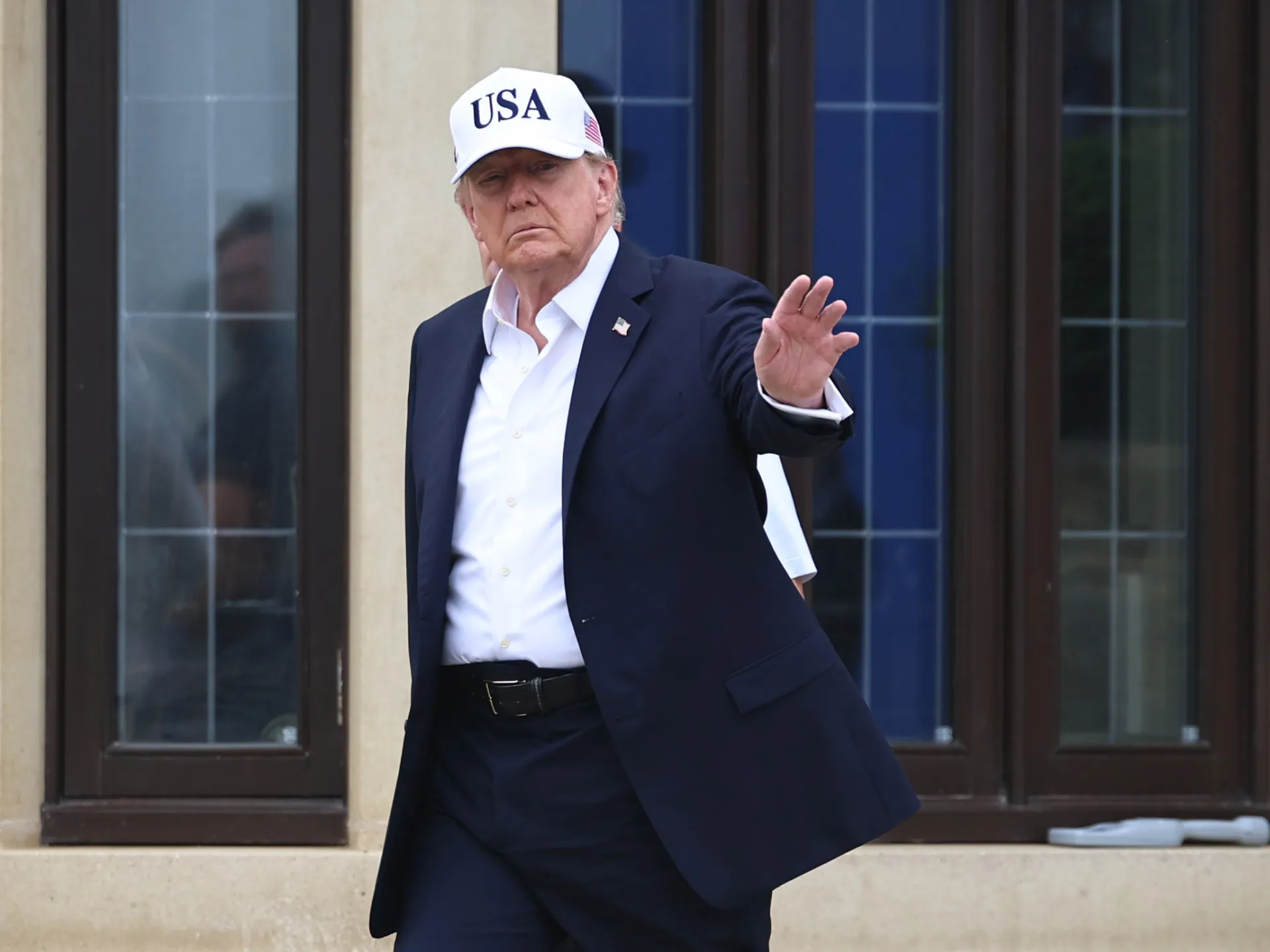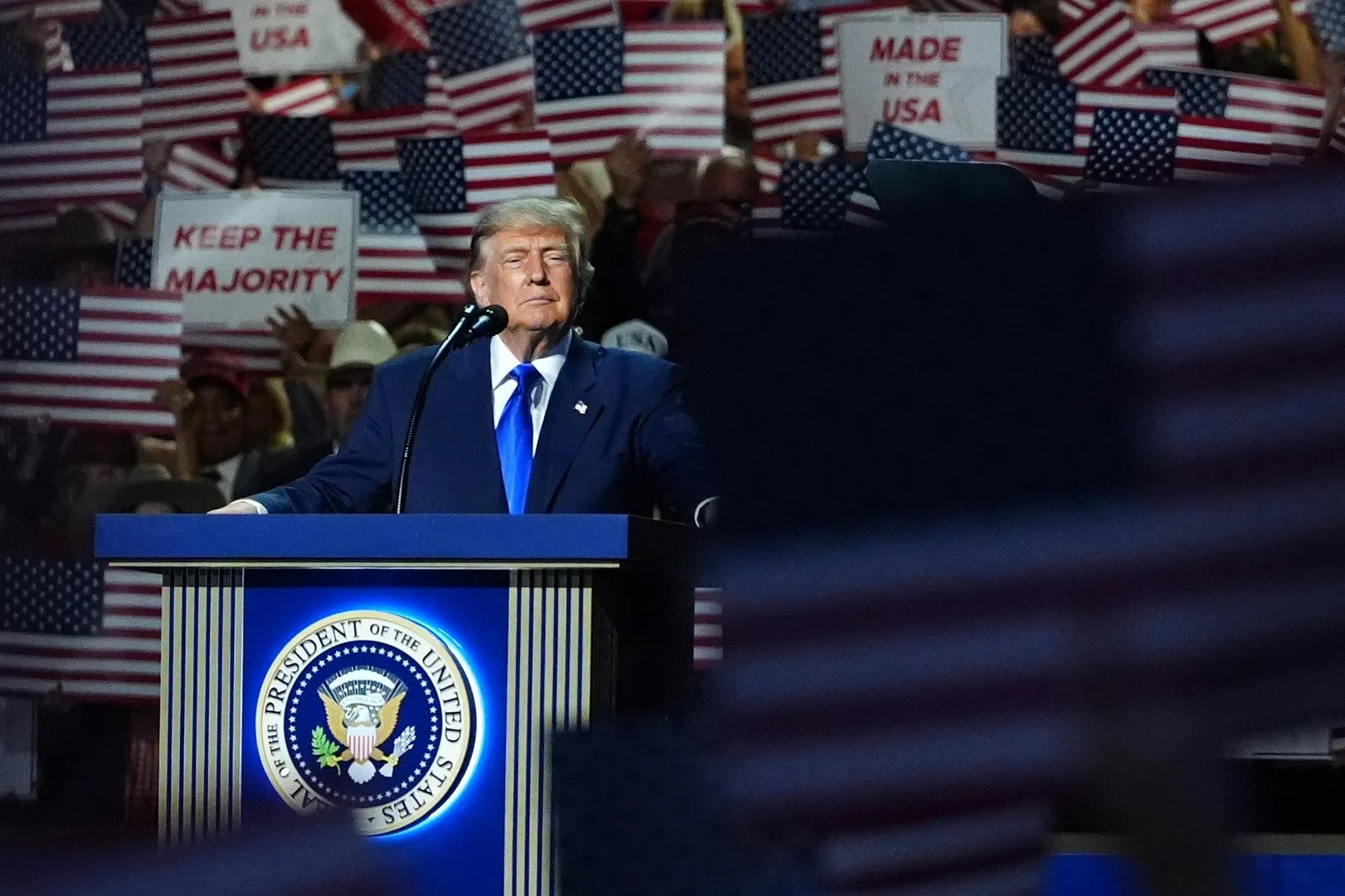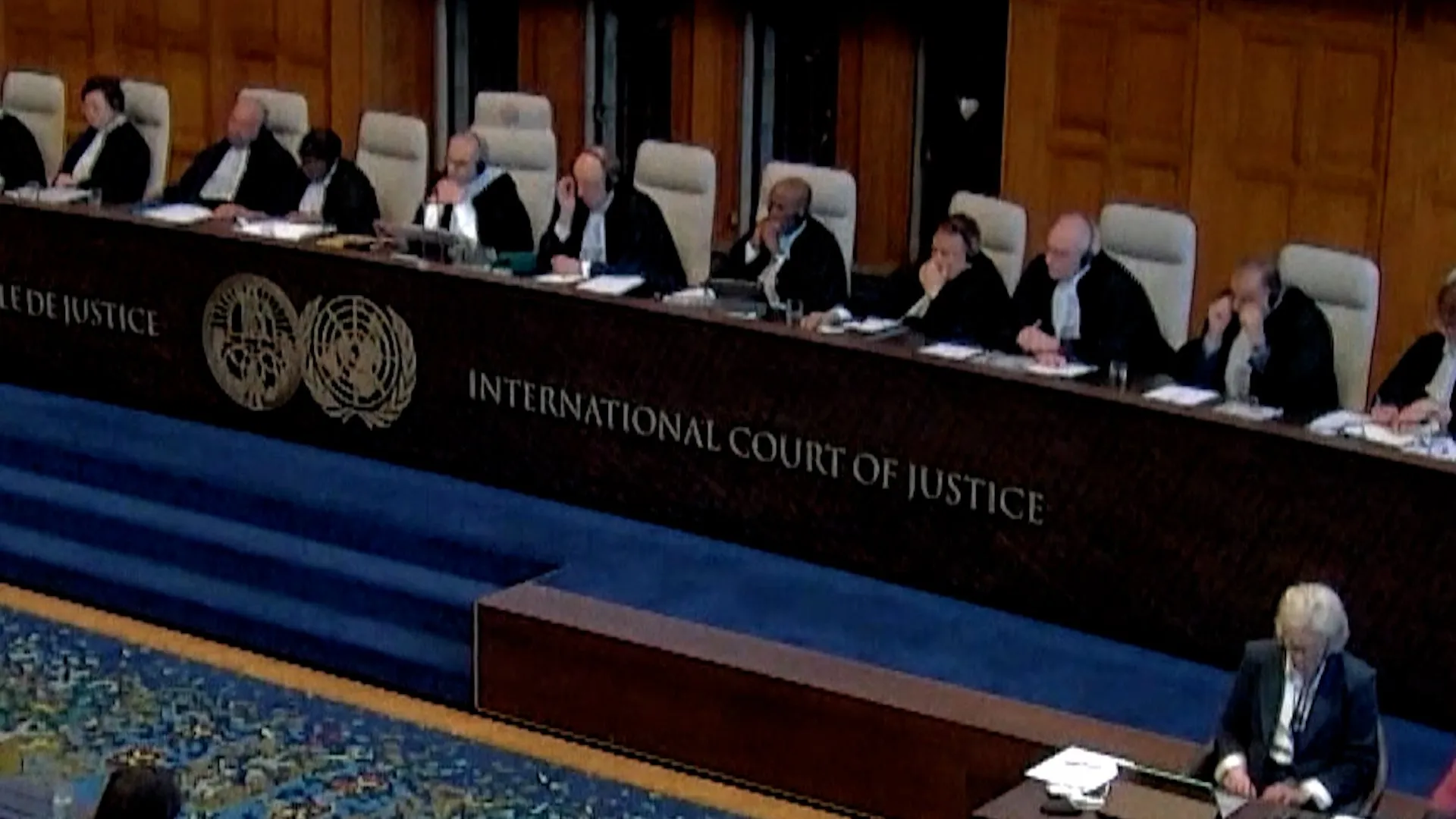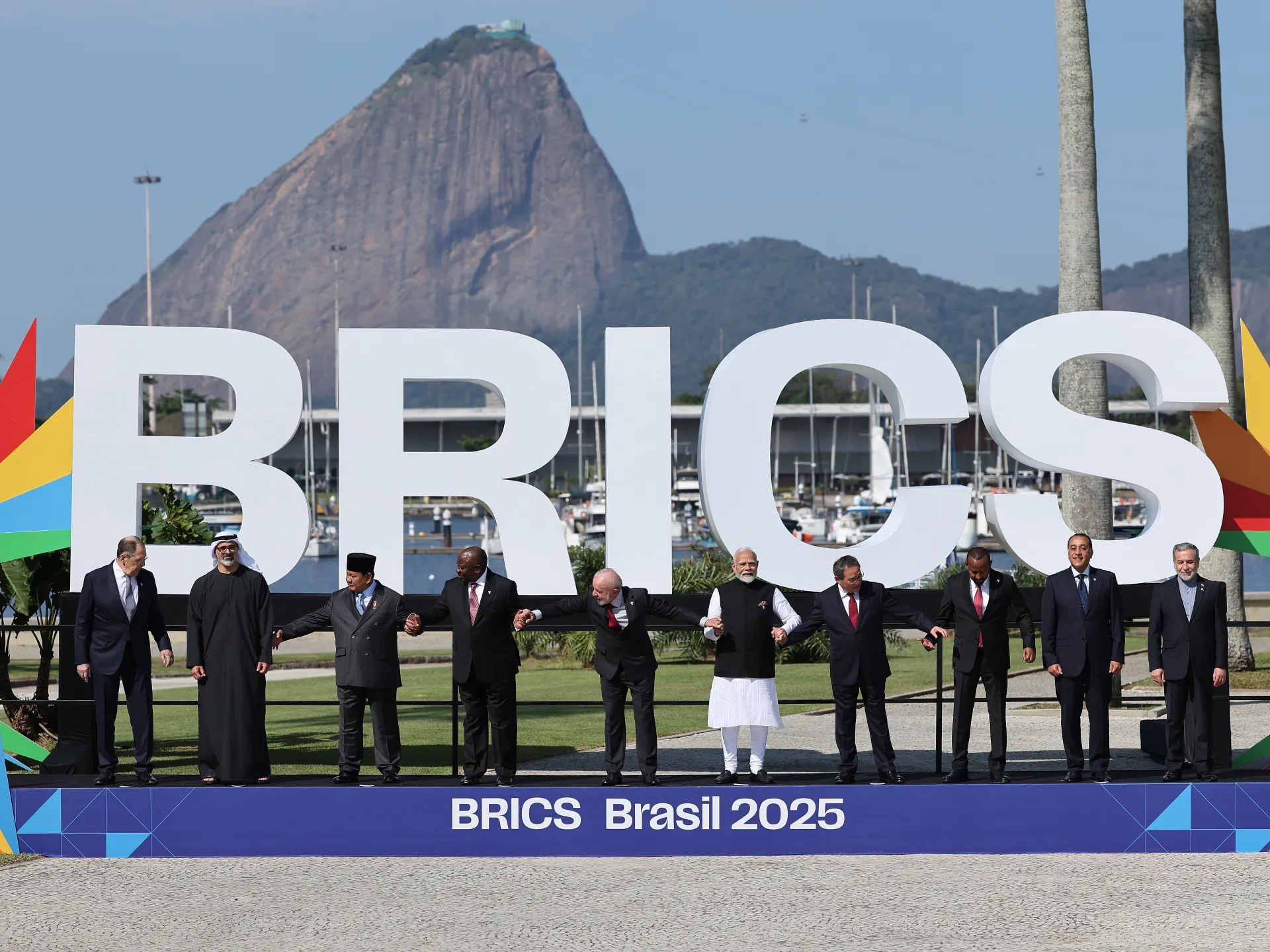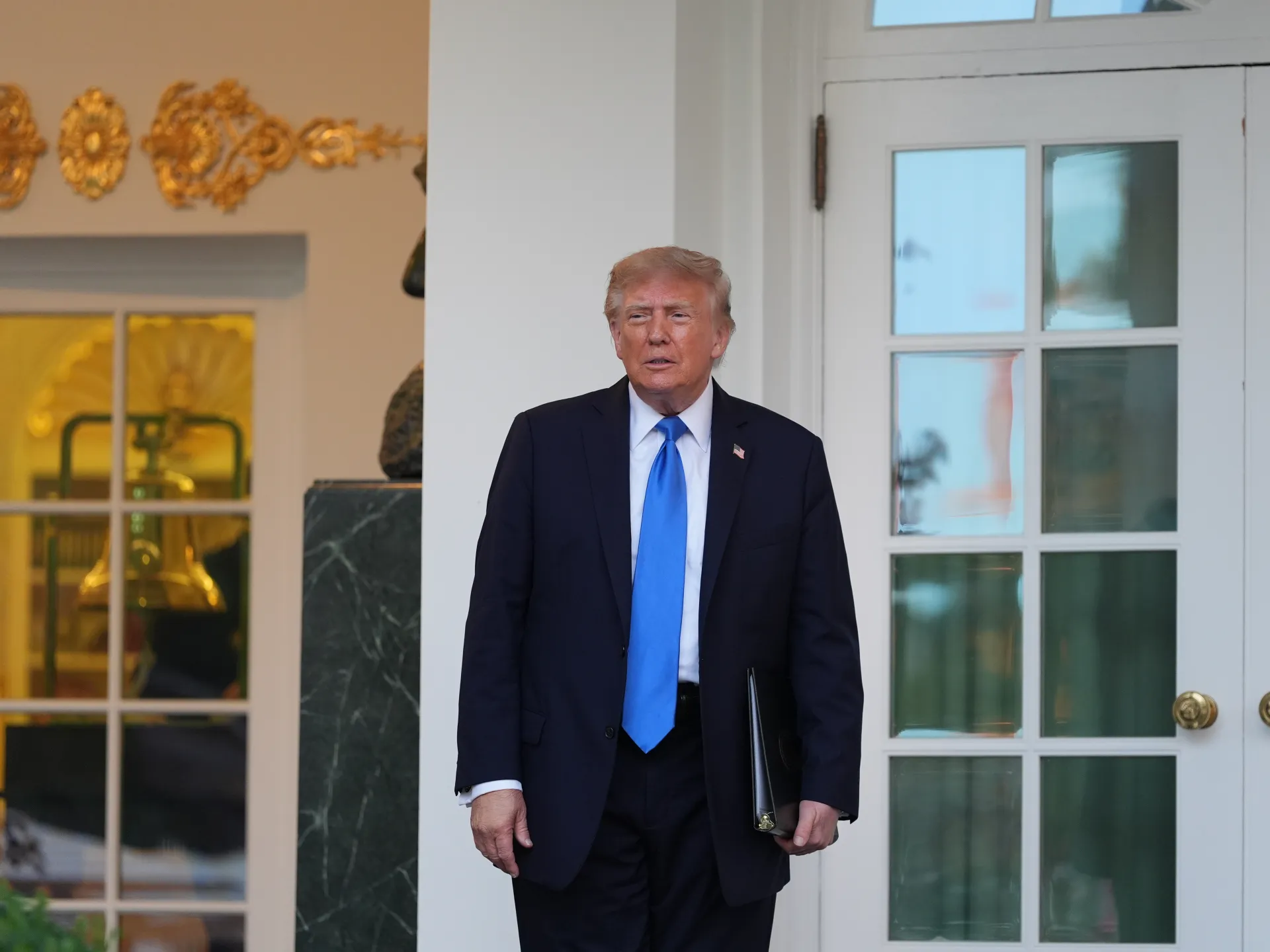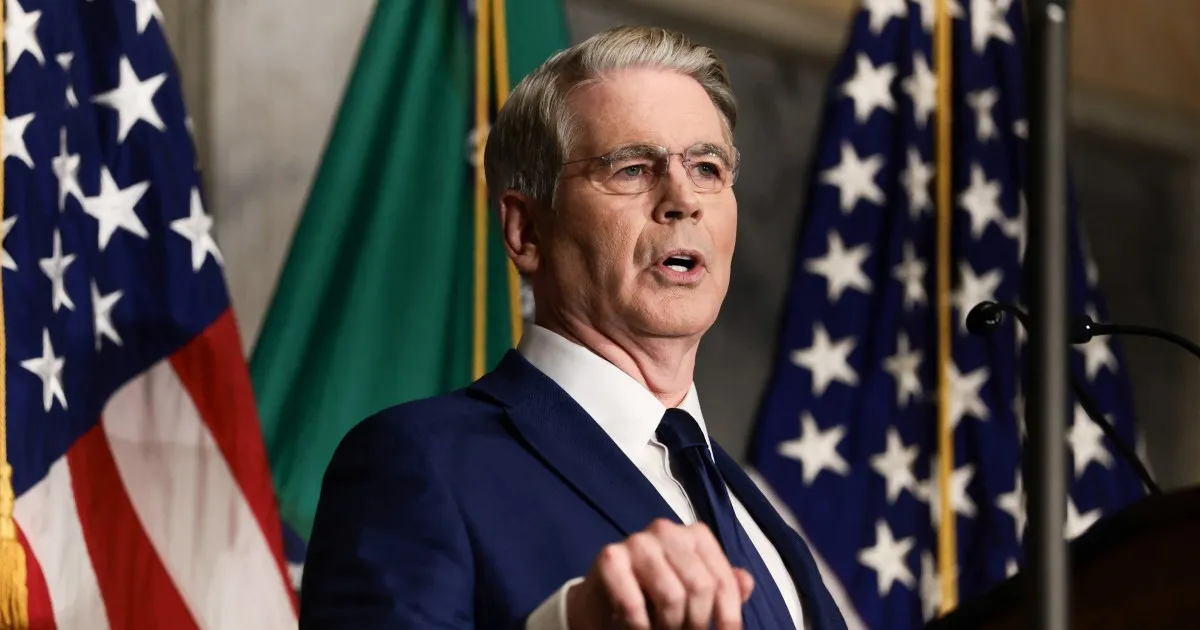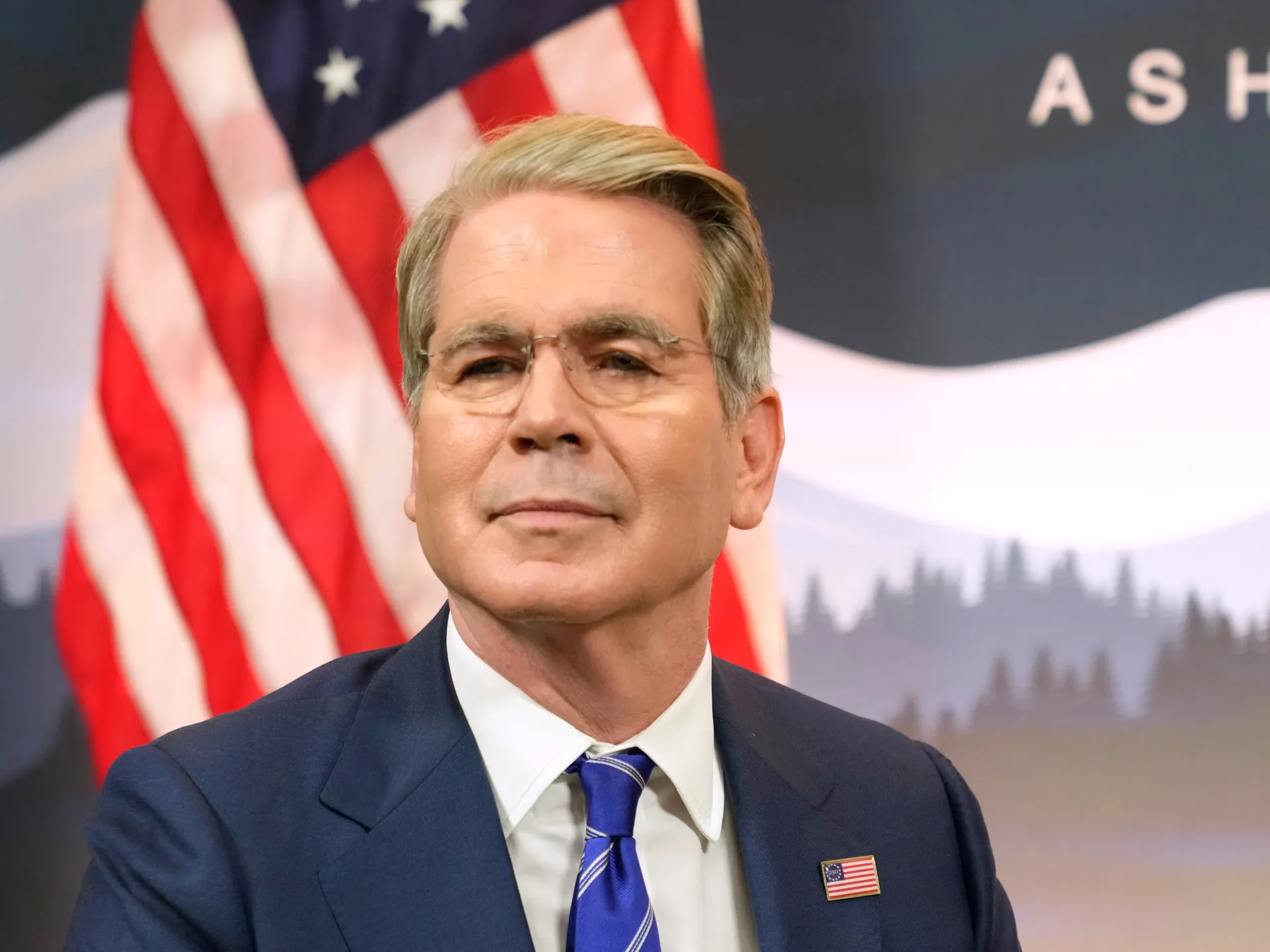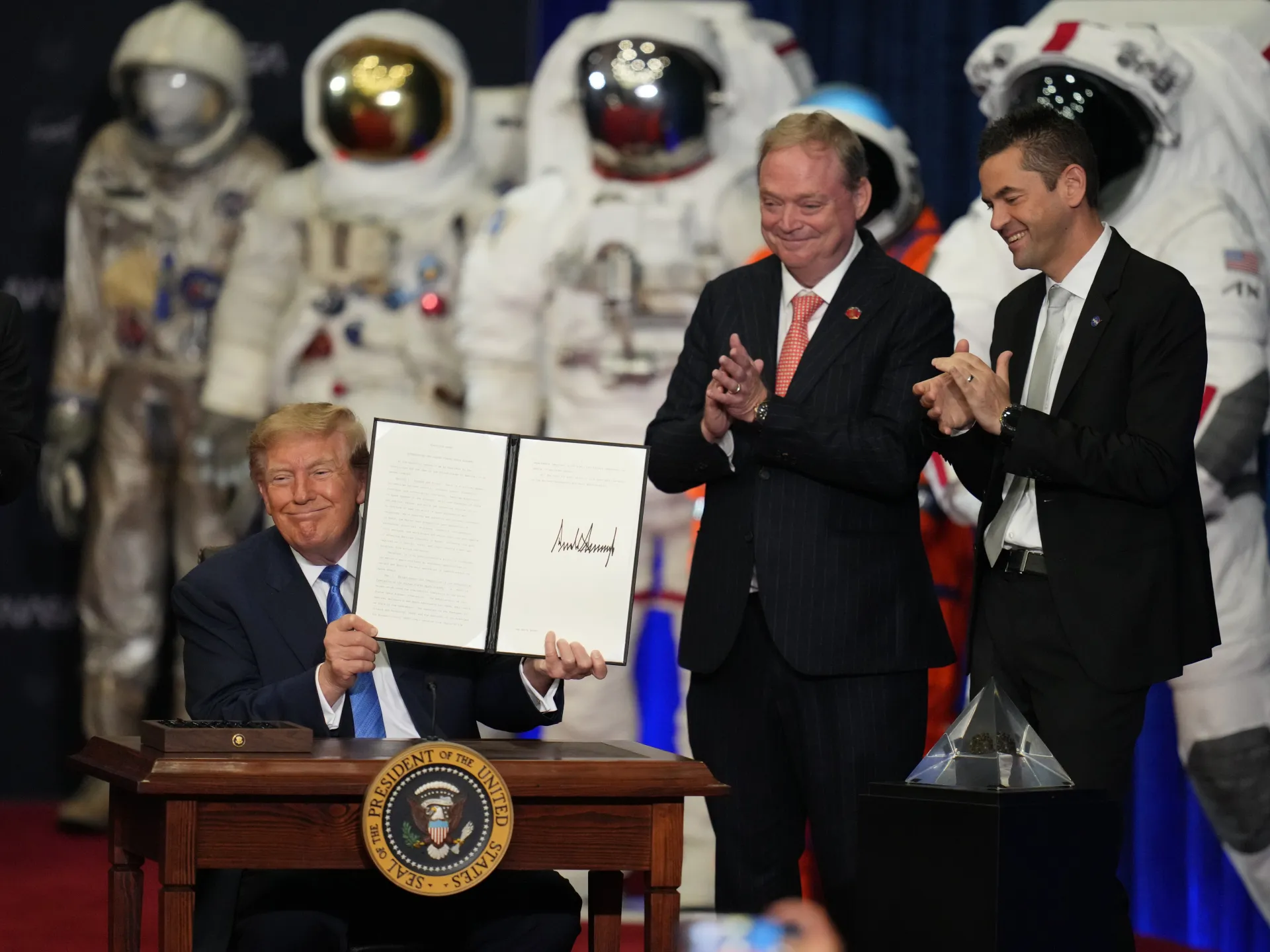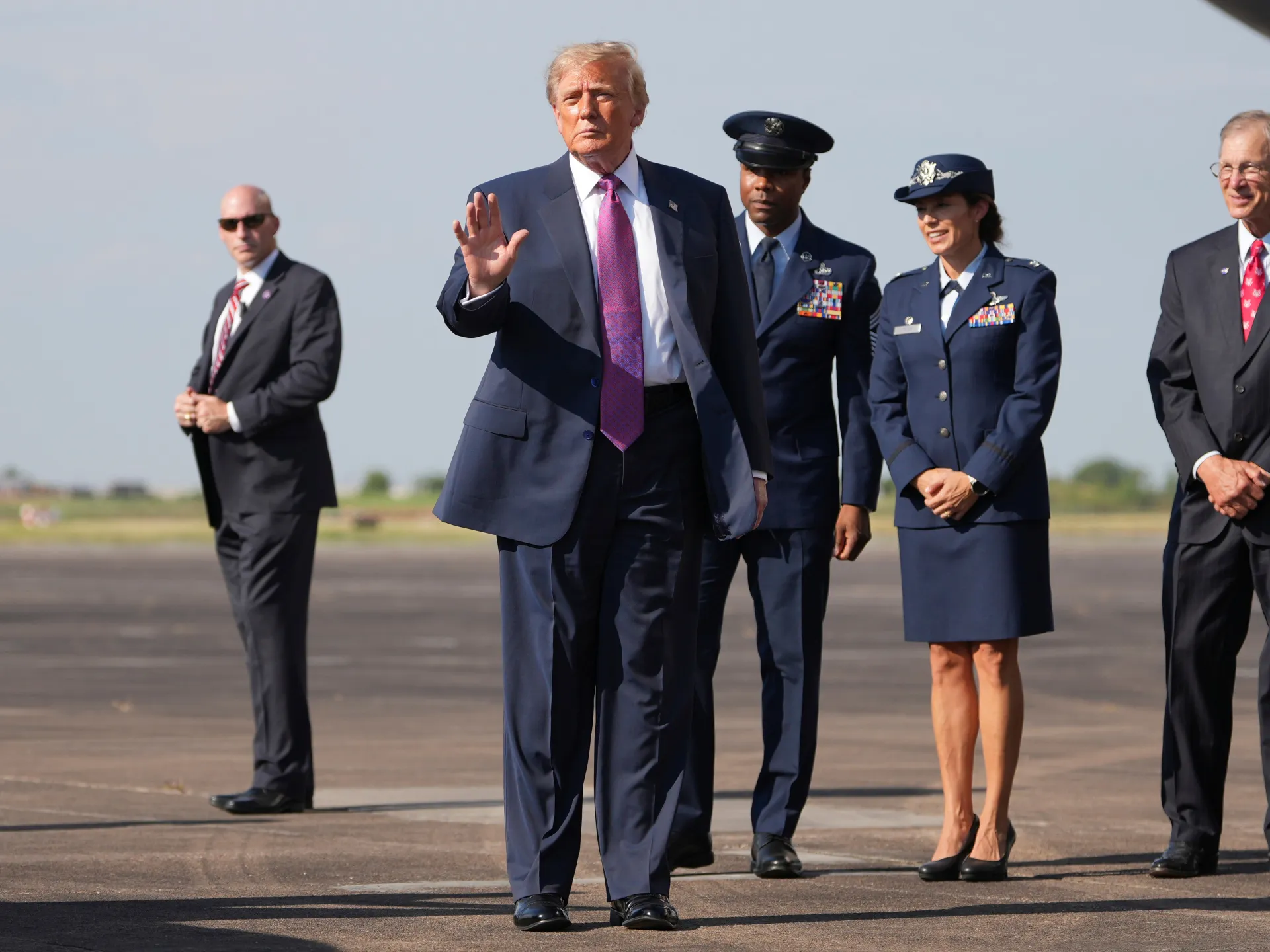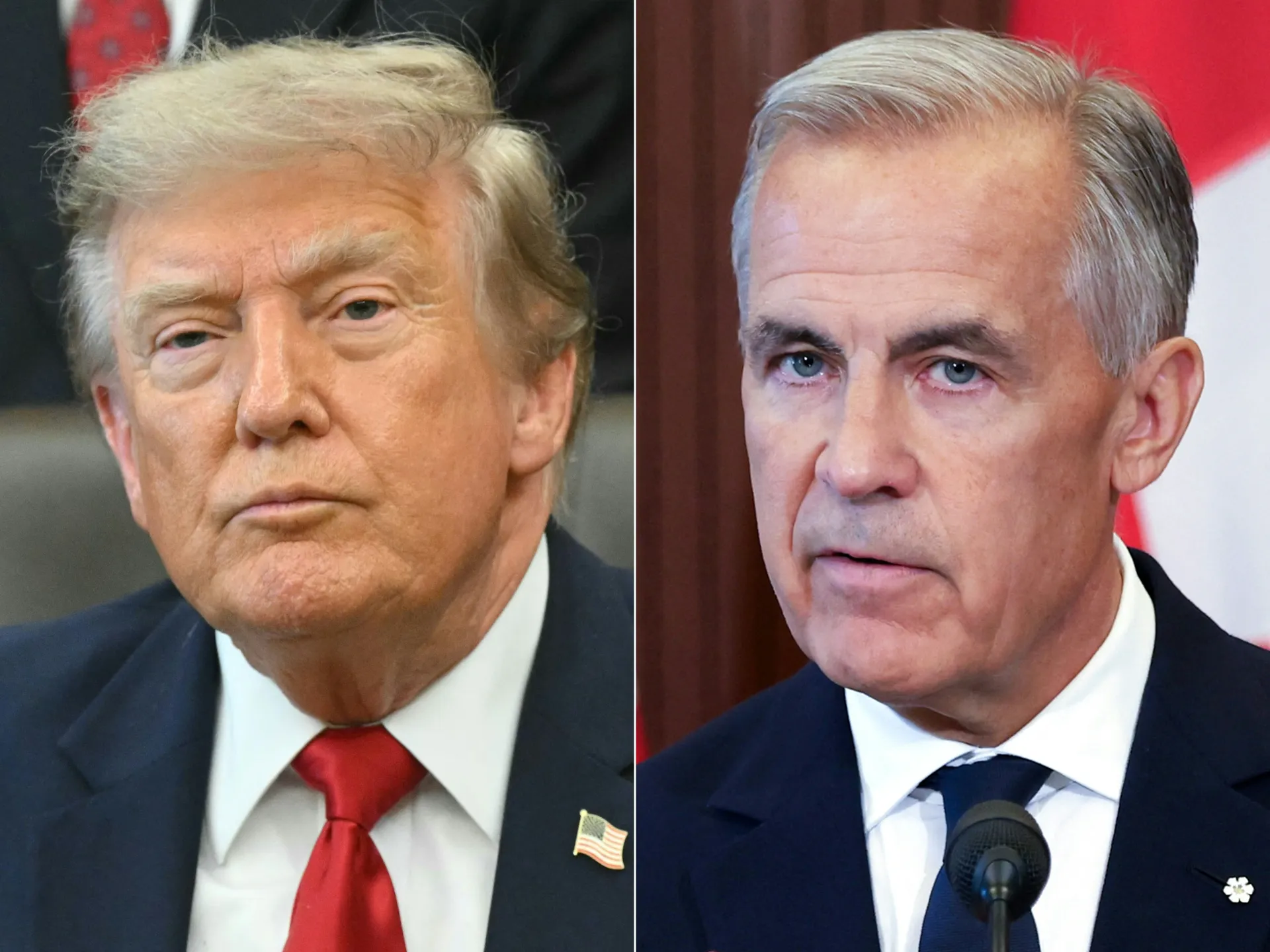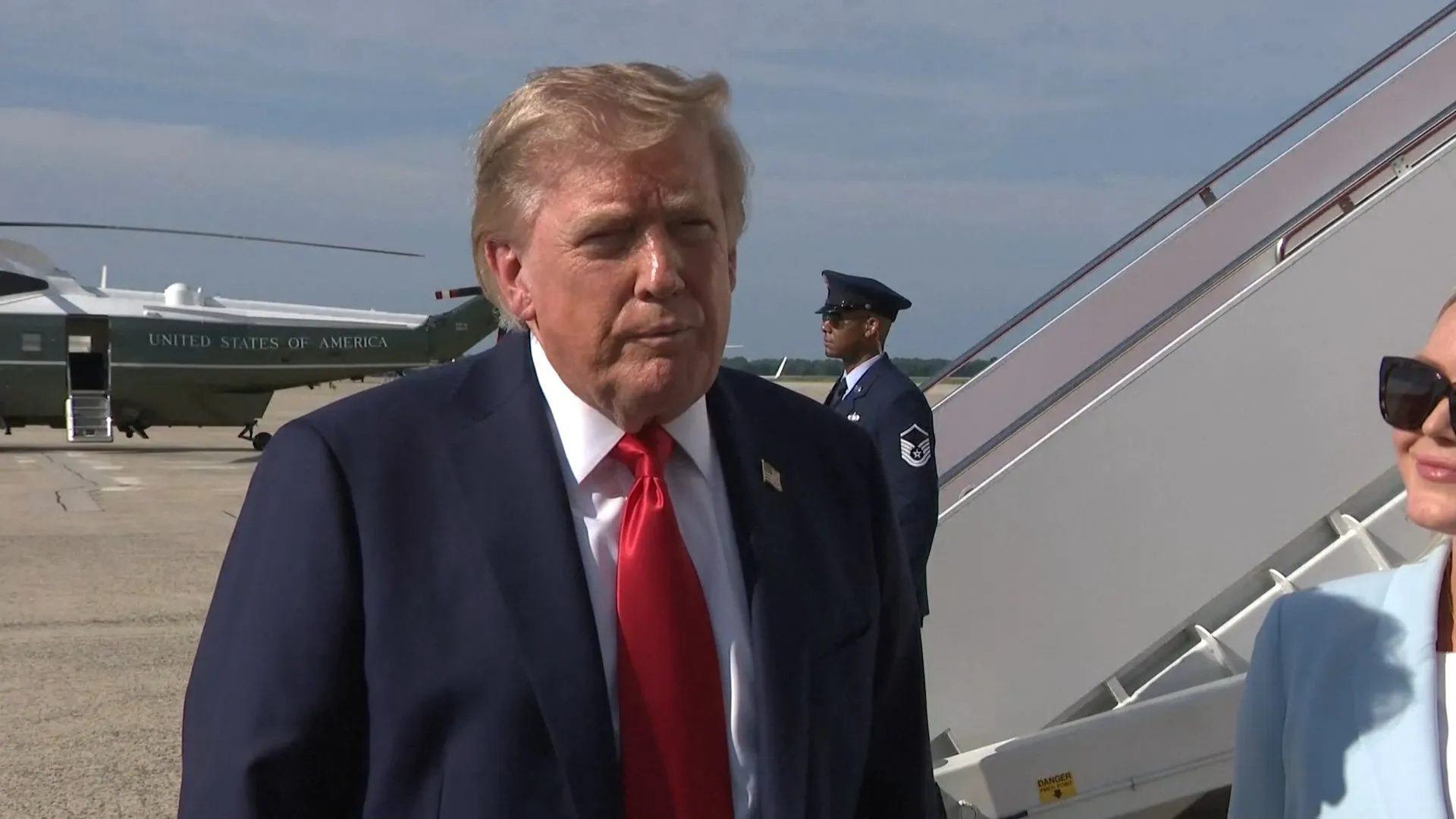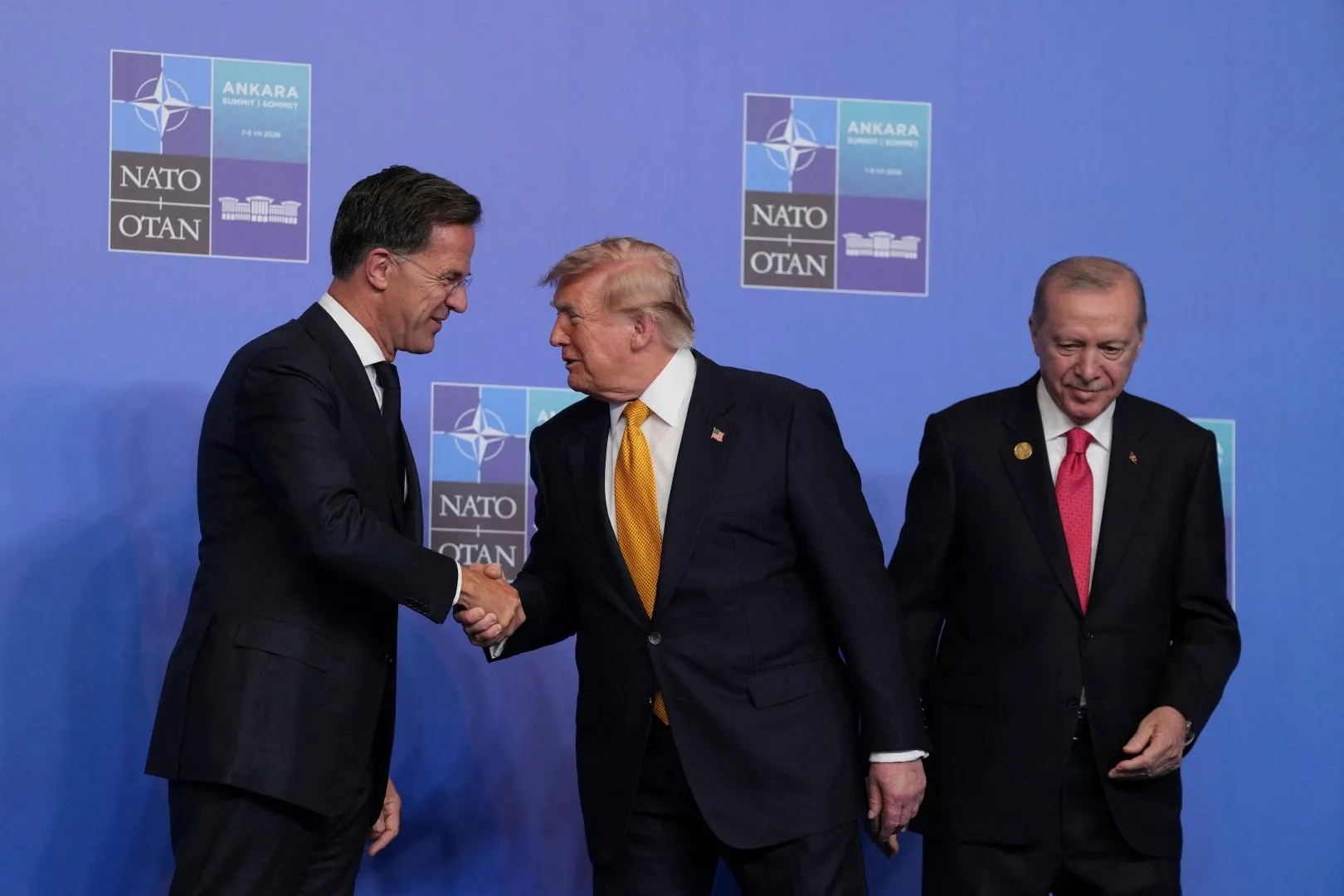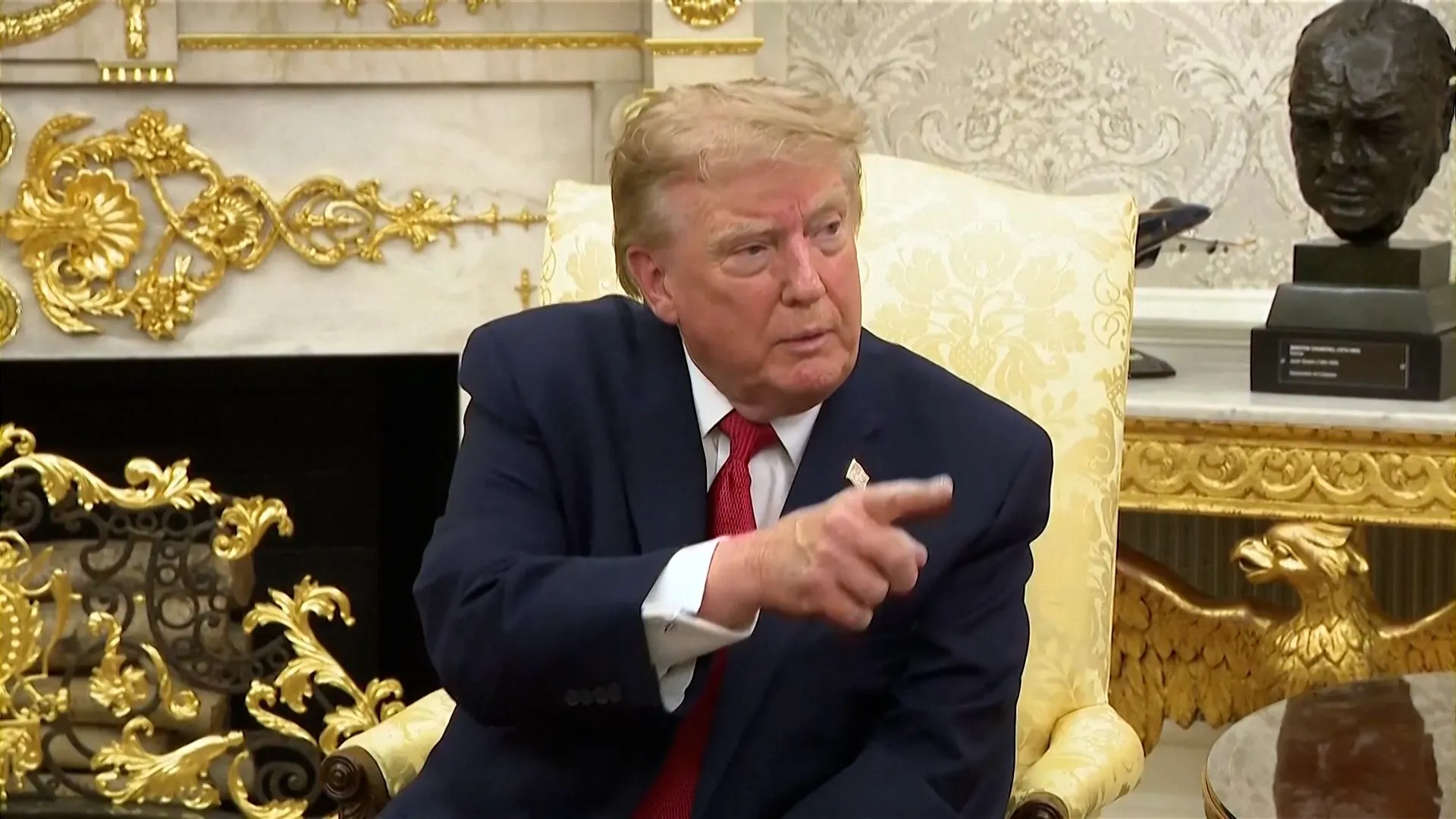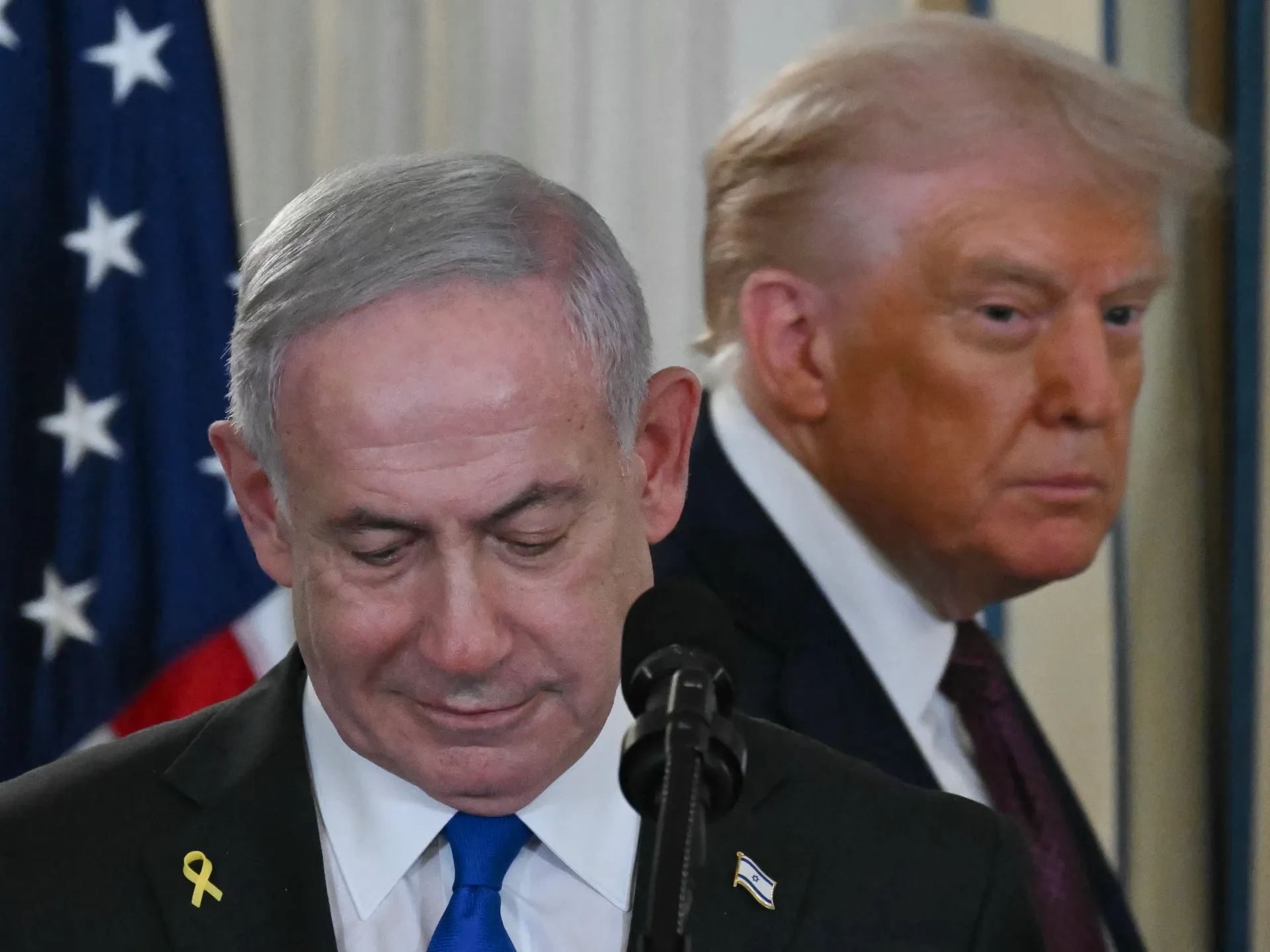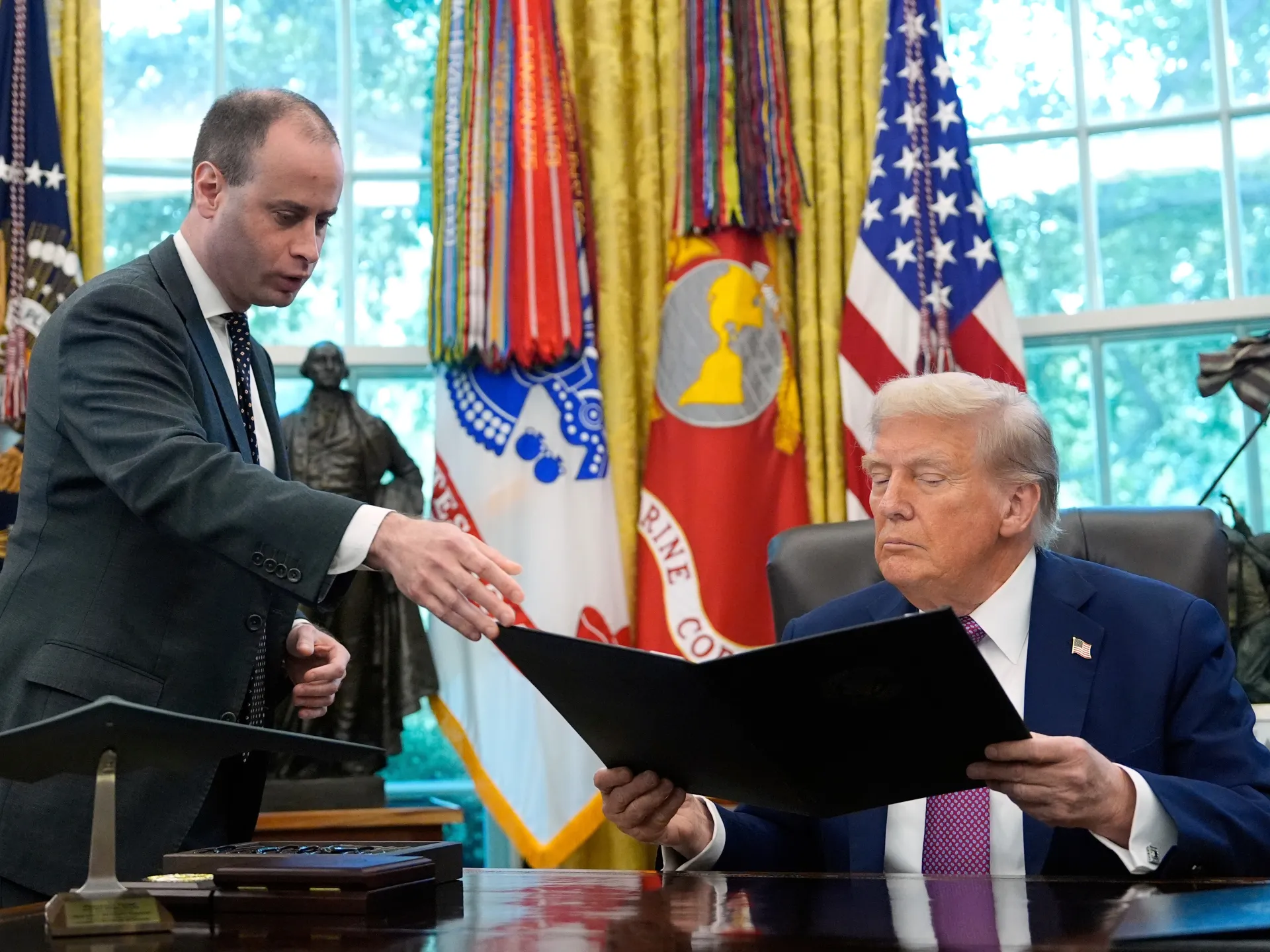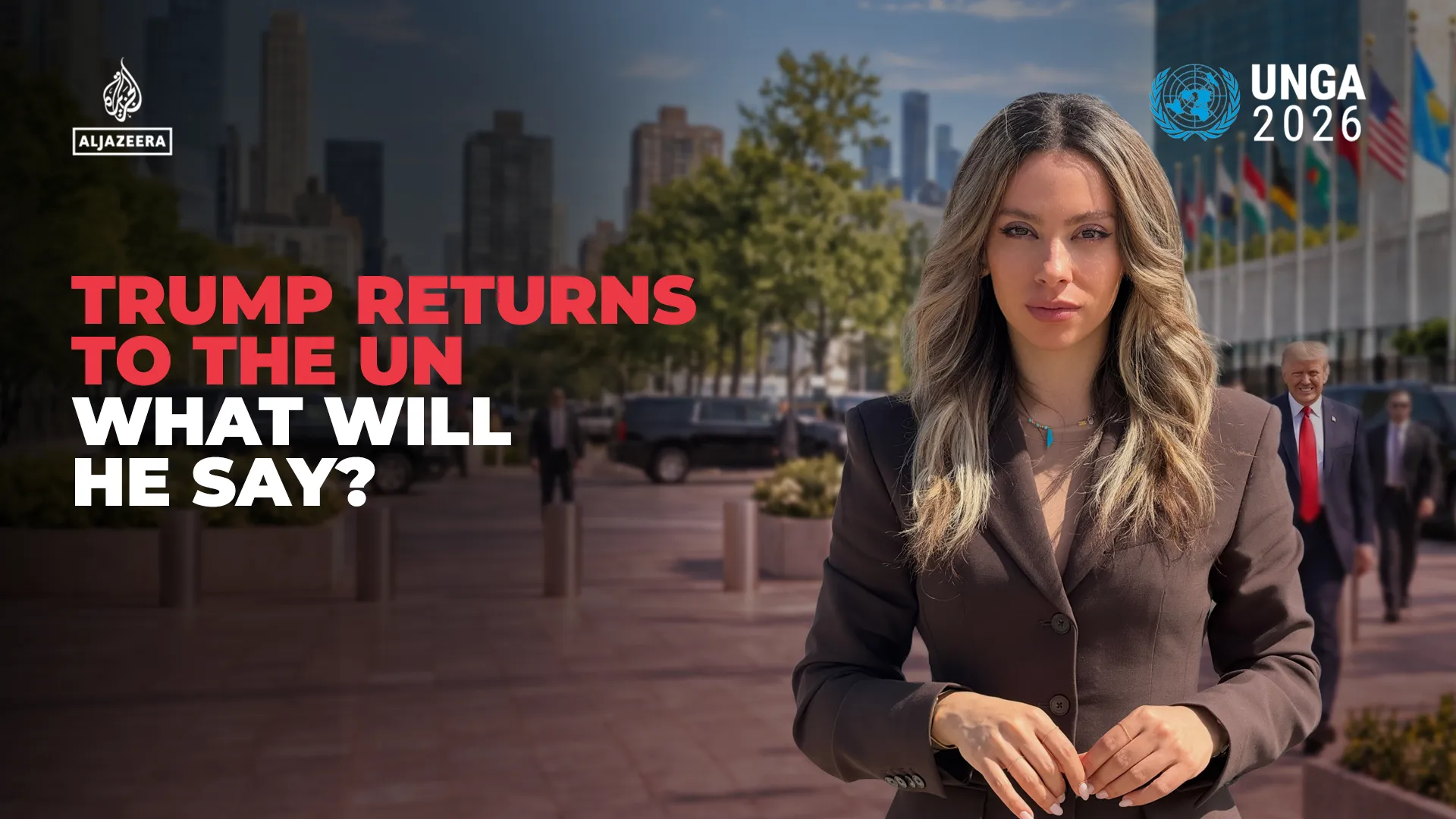
As President Trump heads to the UN General Assembly, his administration faces the dual pressure of ongoing conflicts in the Middle East and urgent calls to secure the release of Americans detained in China.
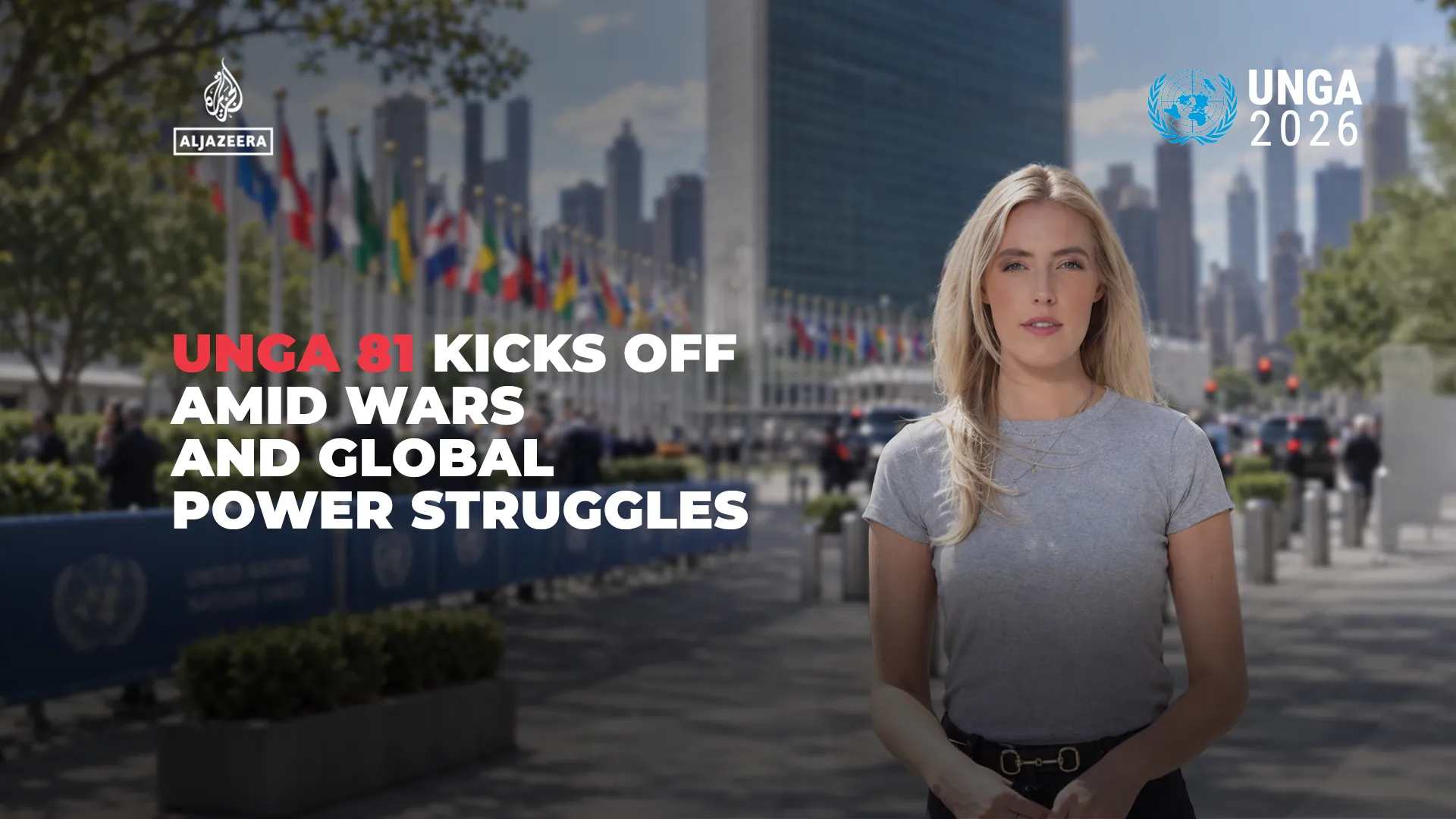
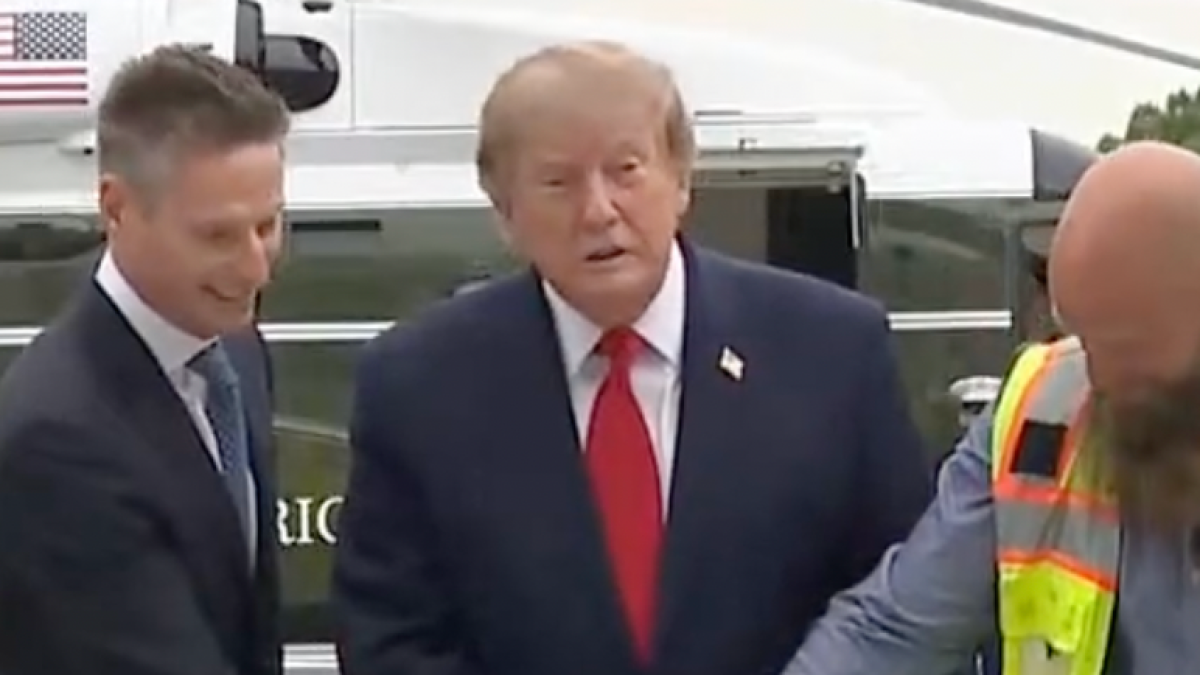
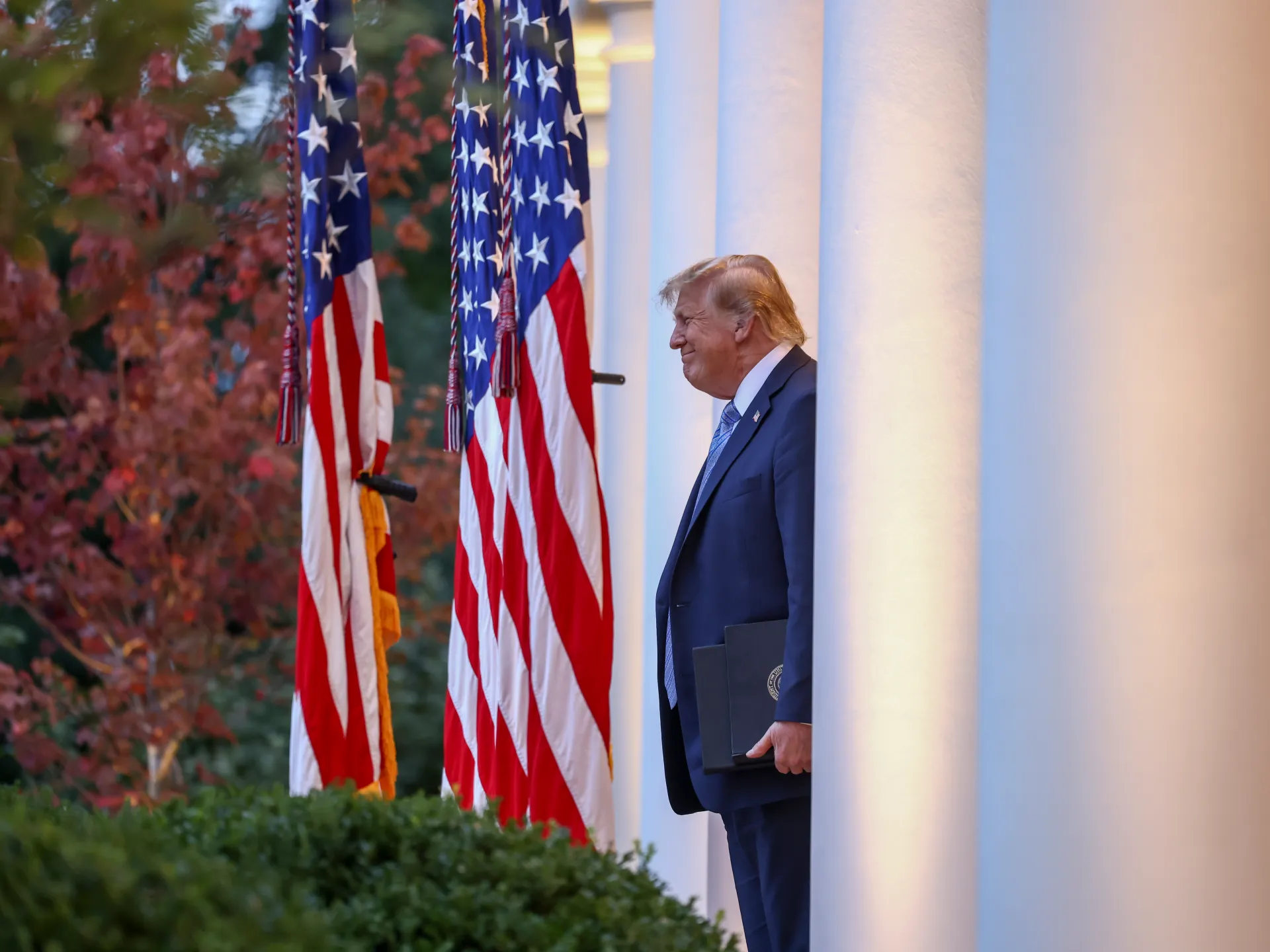
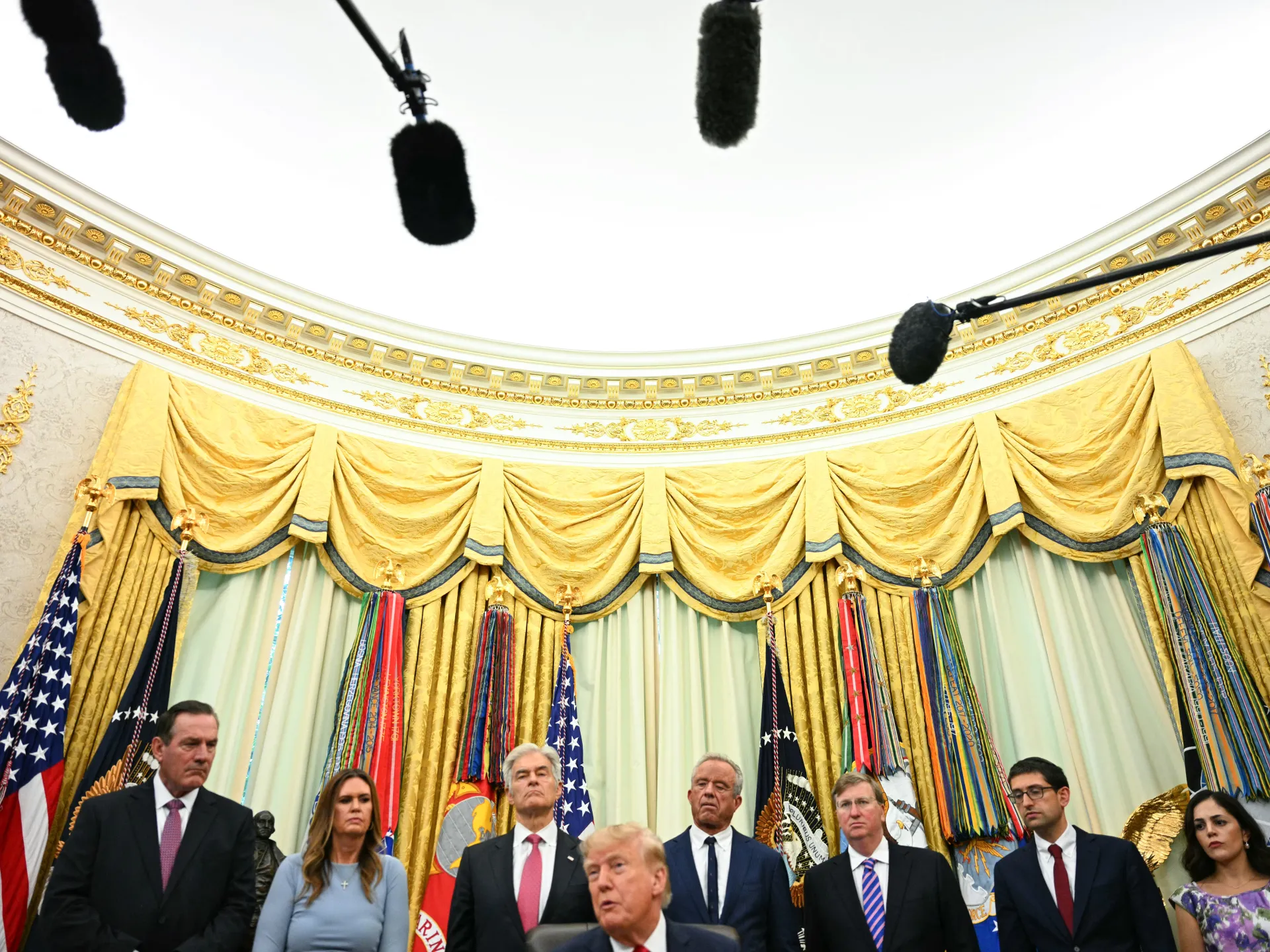
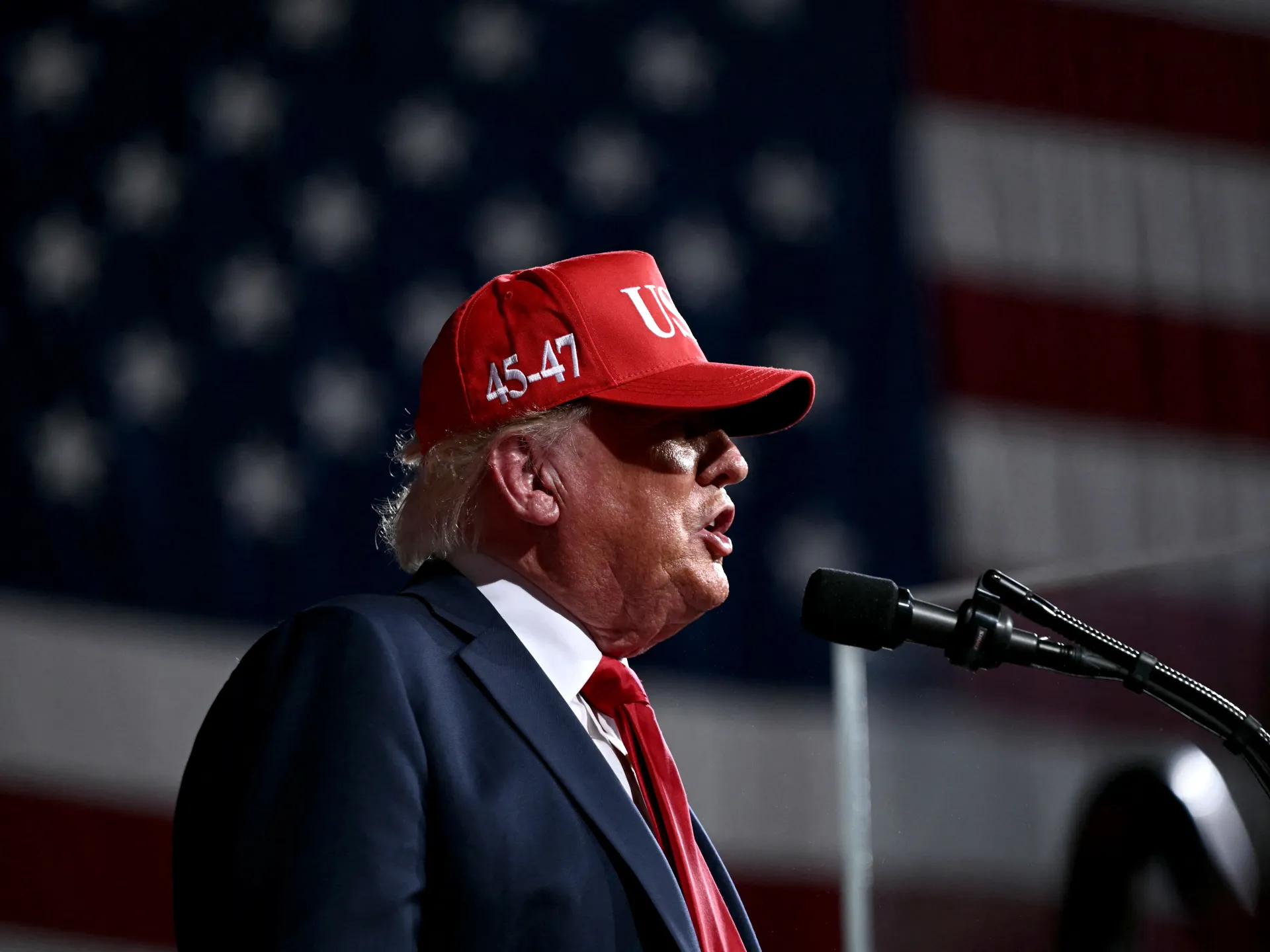
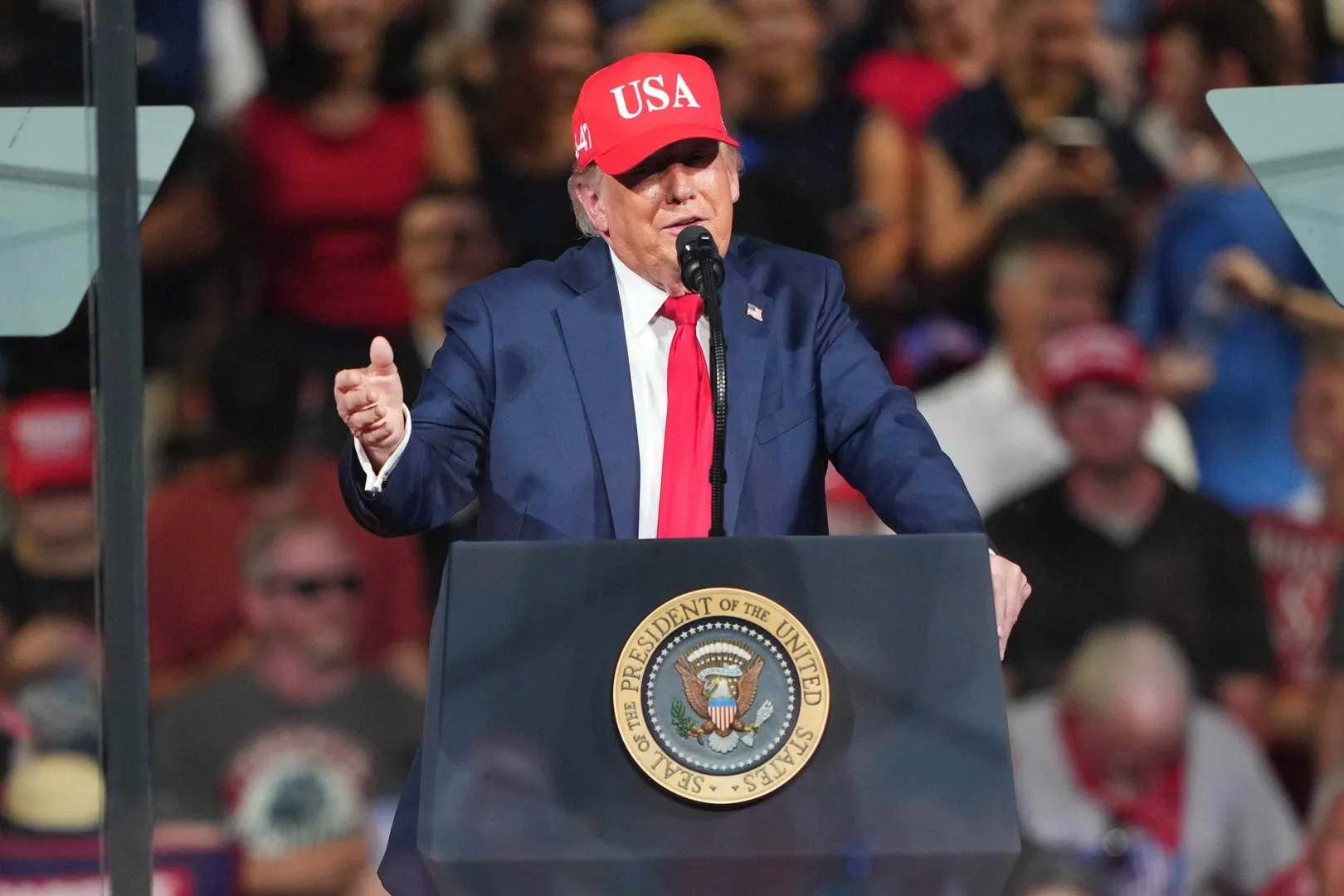
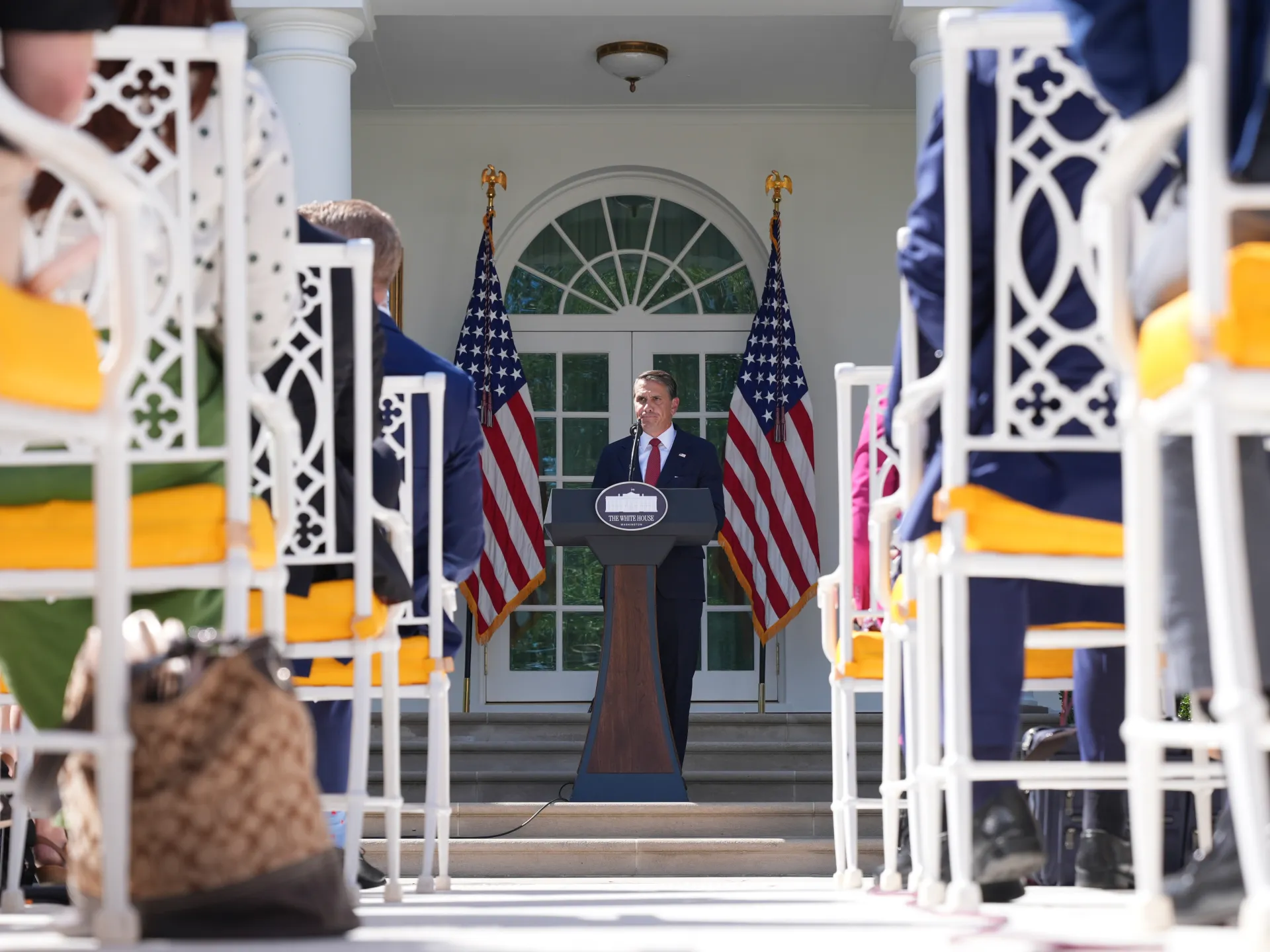
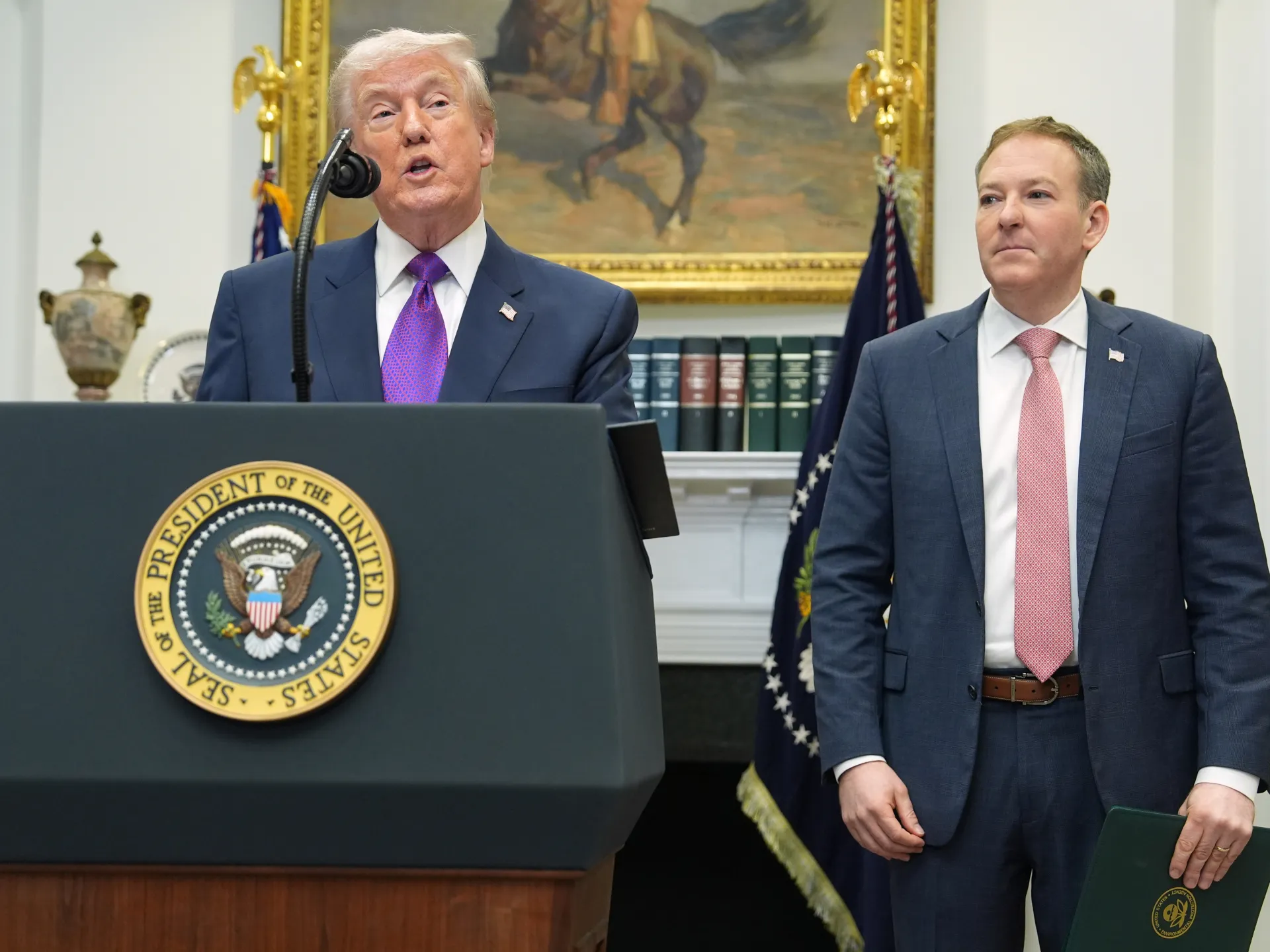
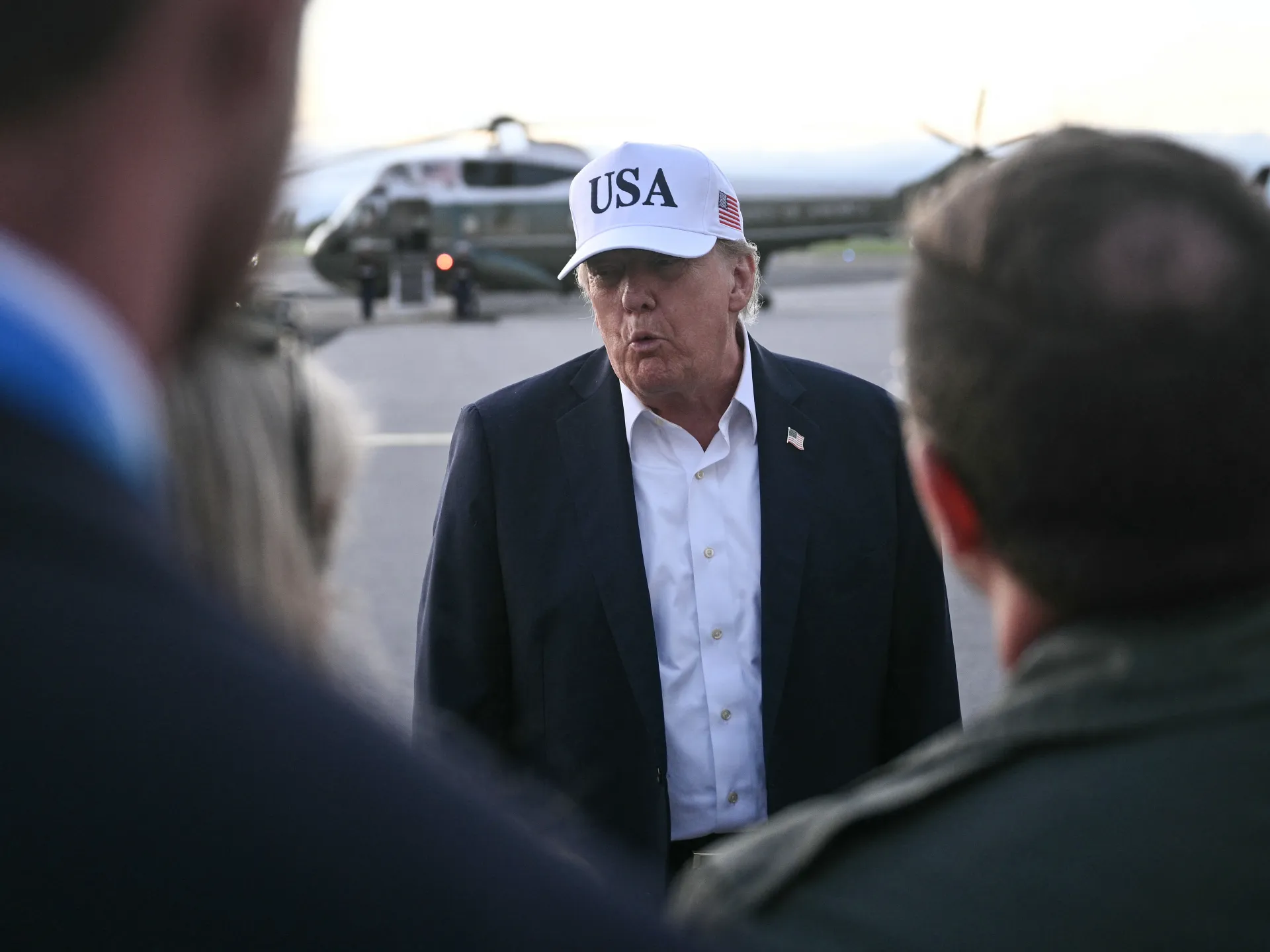
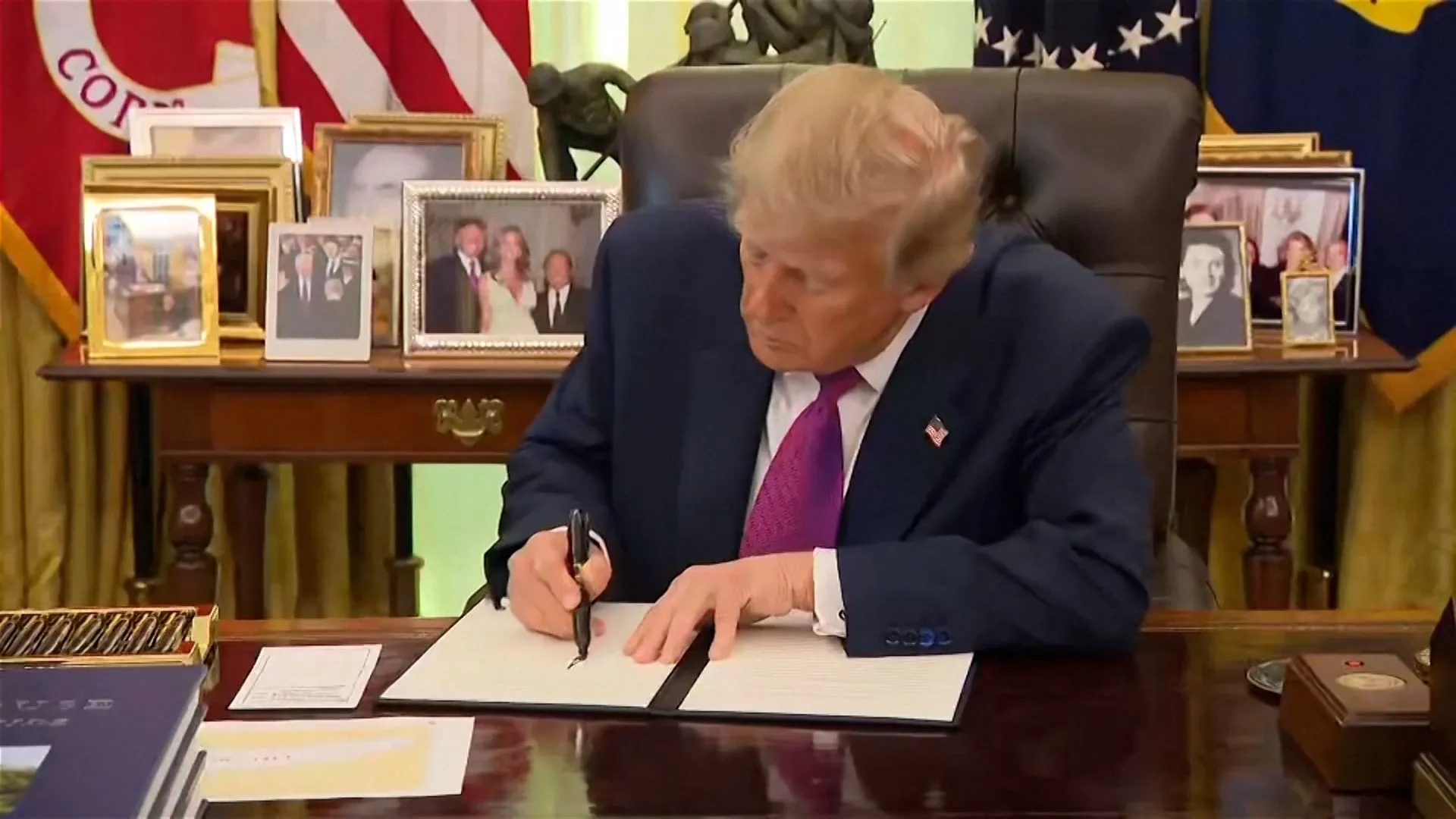
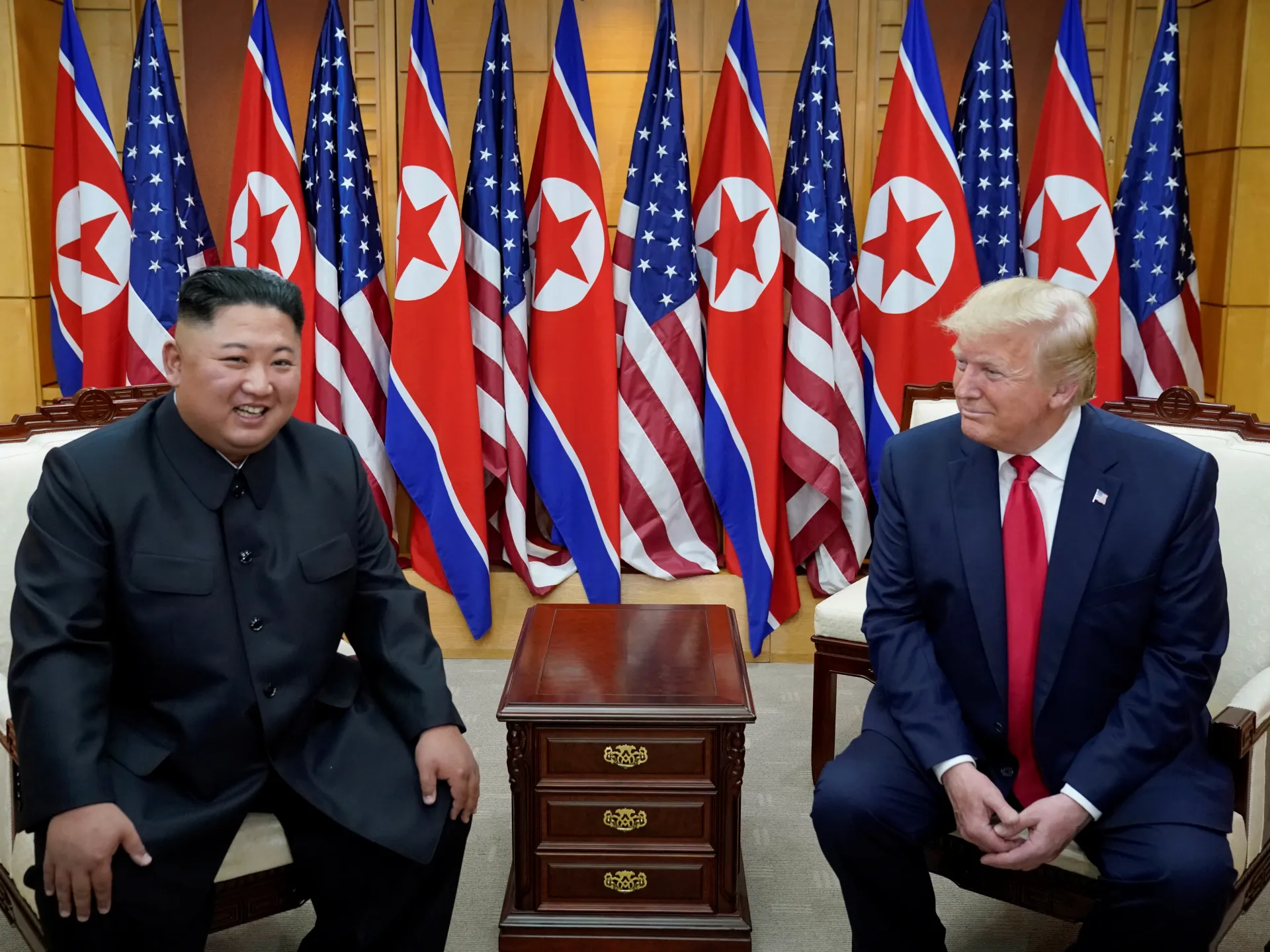
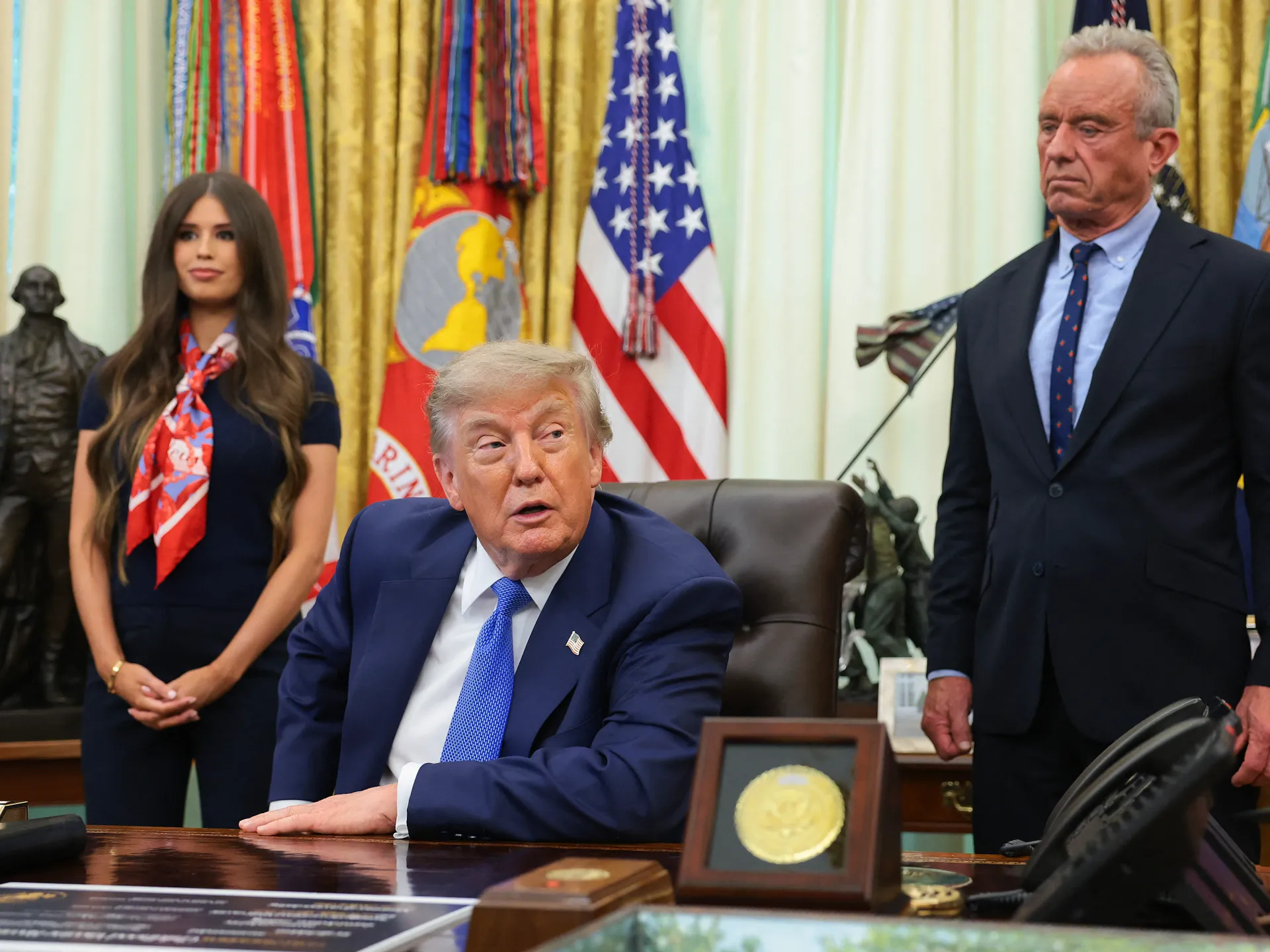
President Donald Trump prepares for an imminent return to the United Nations General Assembly in New York, navigating a volatile international landscape defined dministration coordinates for these high-stakes diplomatic sessions, the executive branch faces dual pressure: managing a global perception of aggressive foreign policy while simultaneously fielding urgent domestic pleas to secure the release of American citizens currently detained in China.
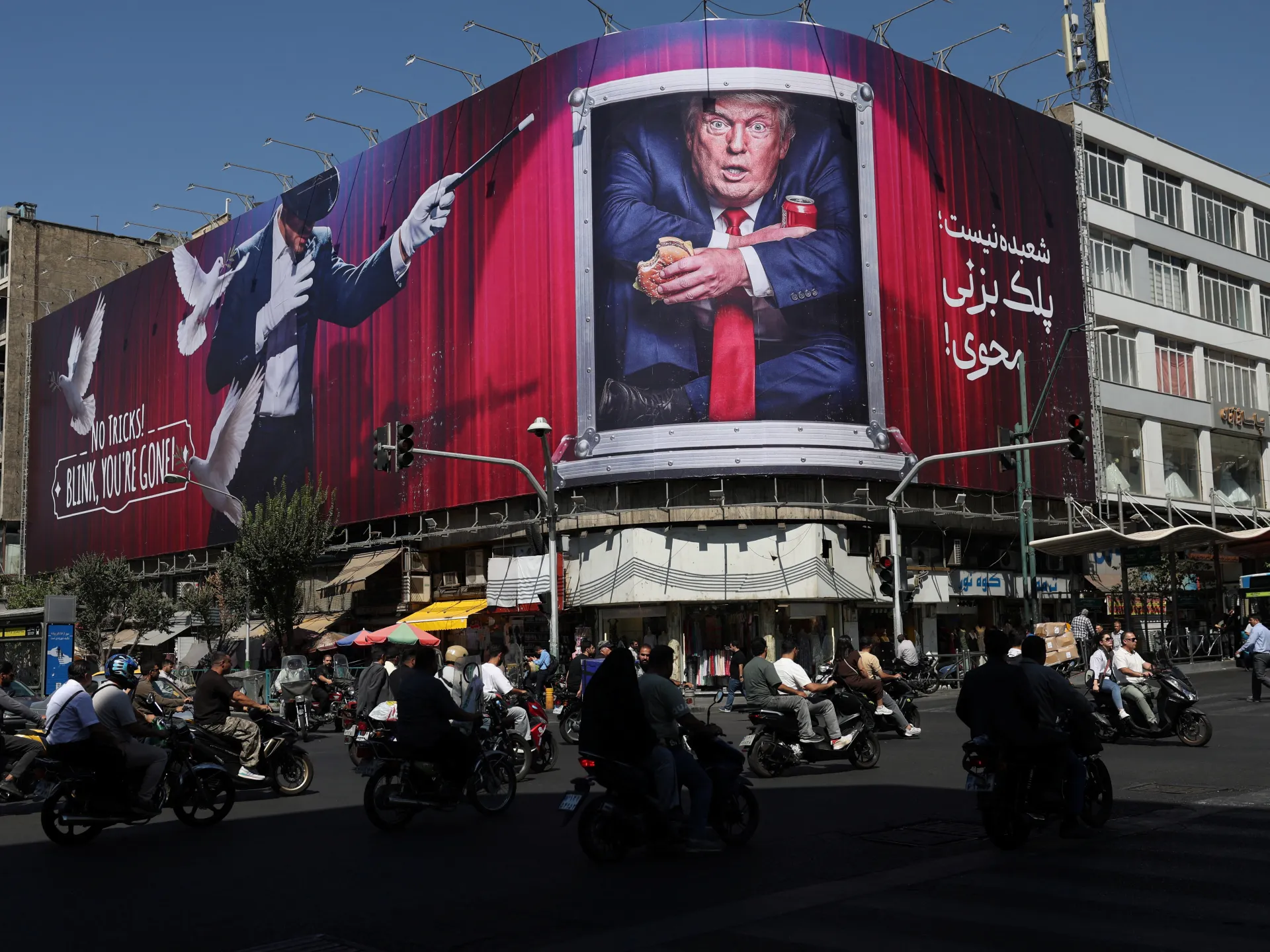
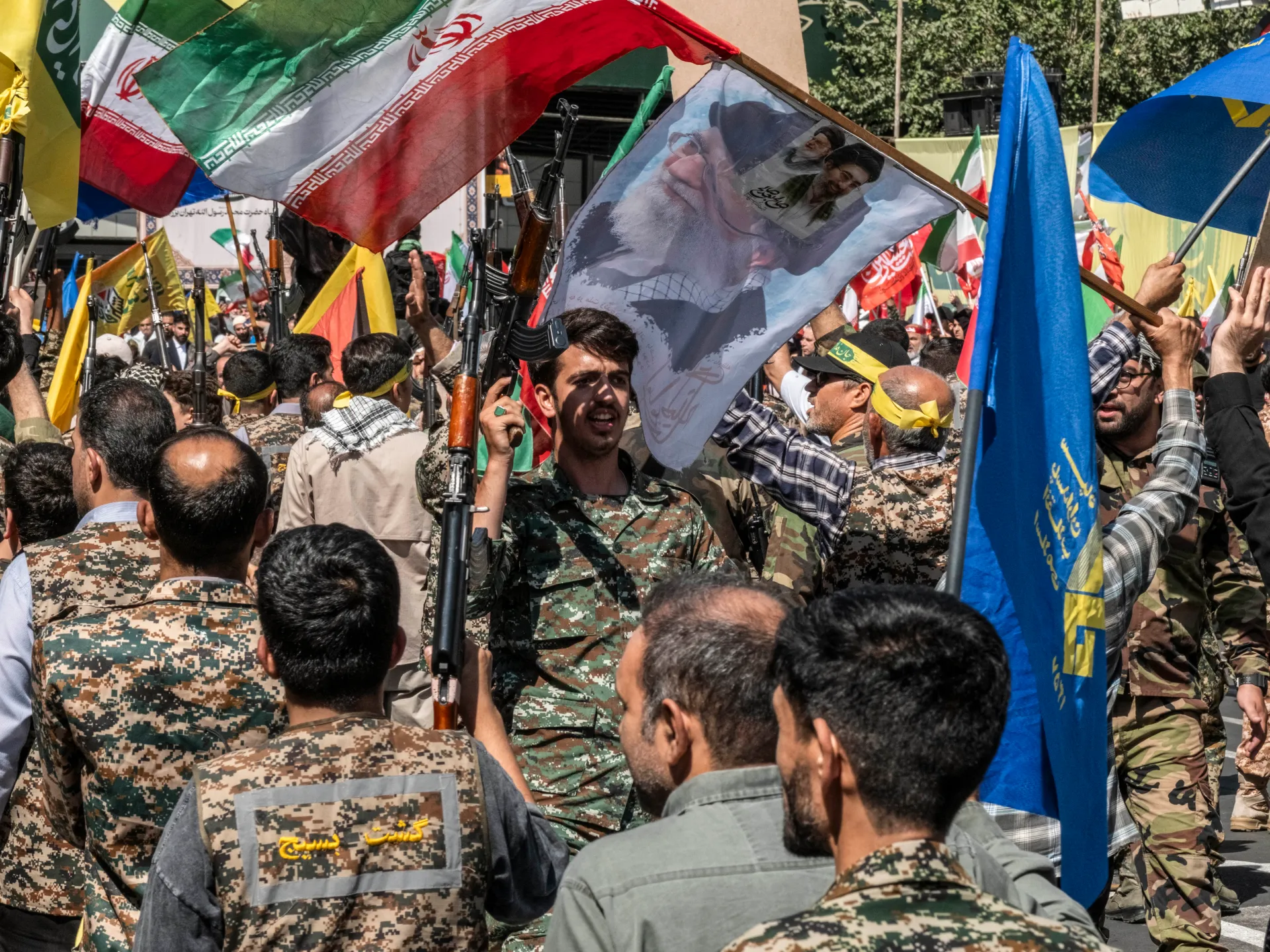
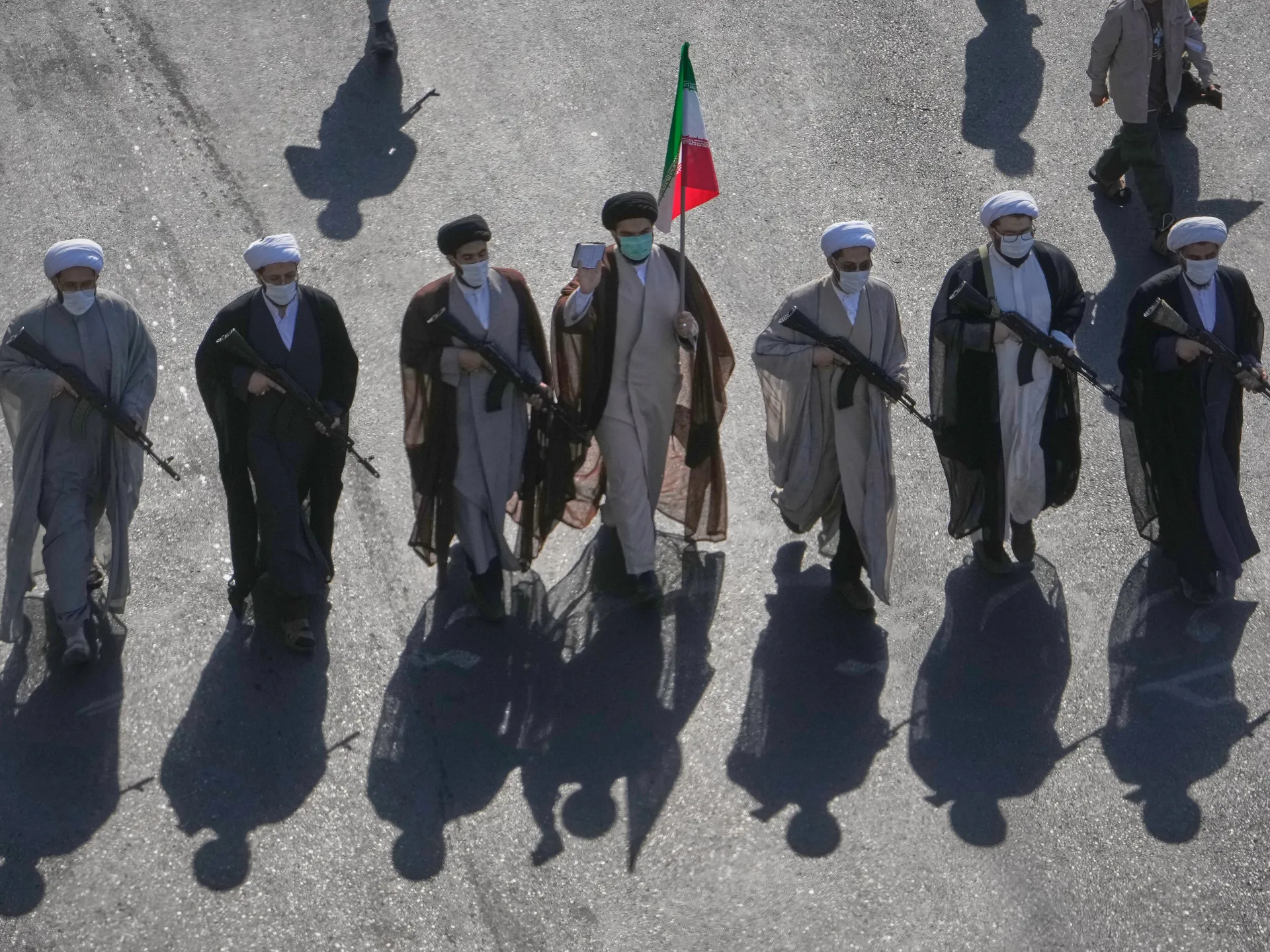
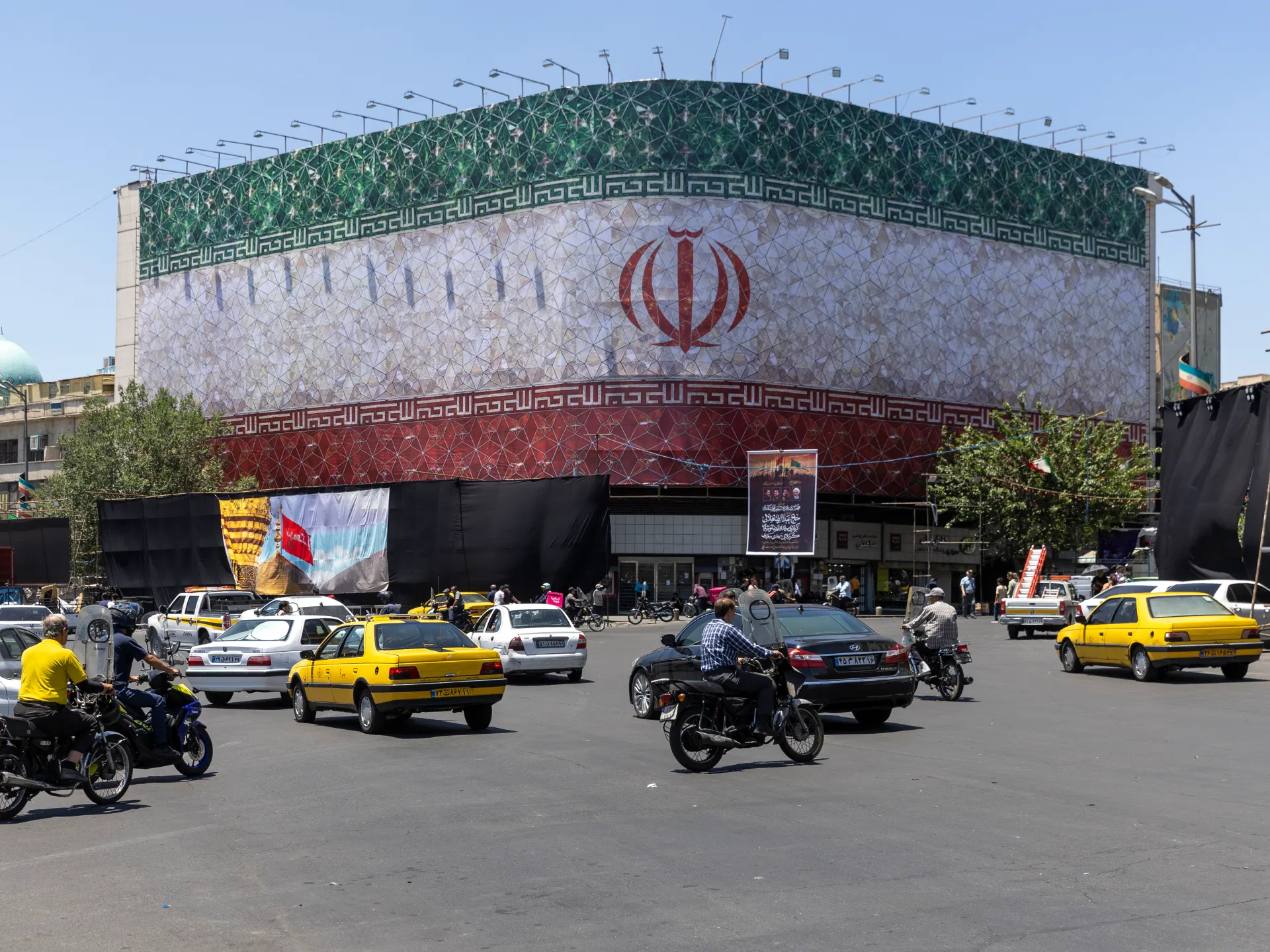
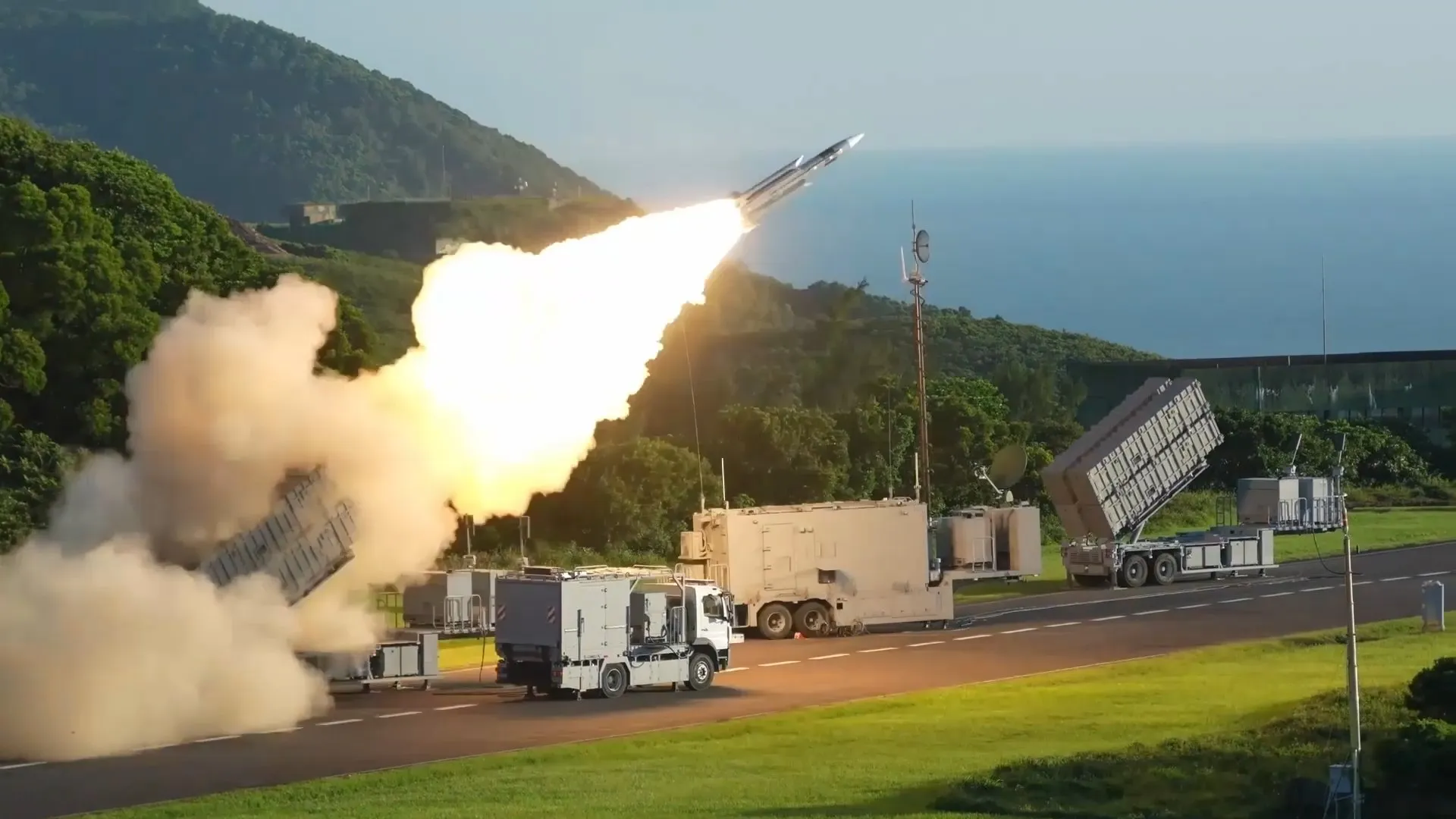
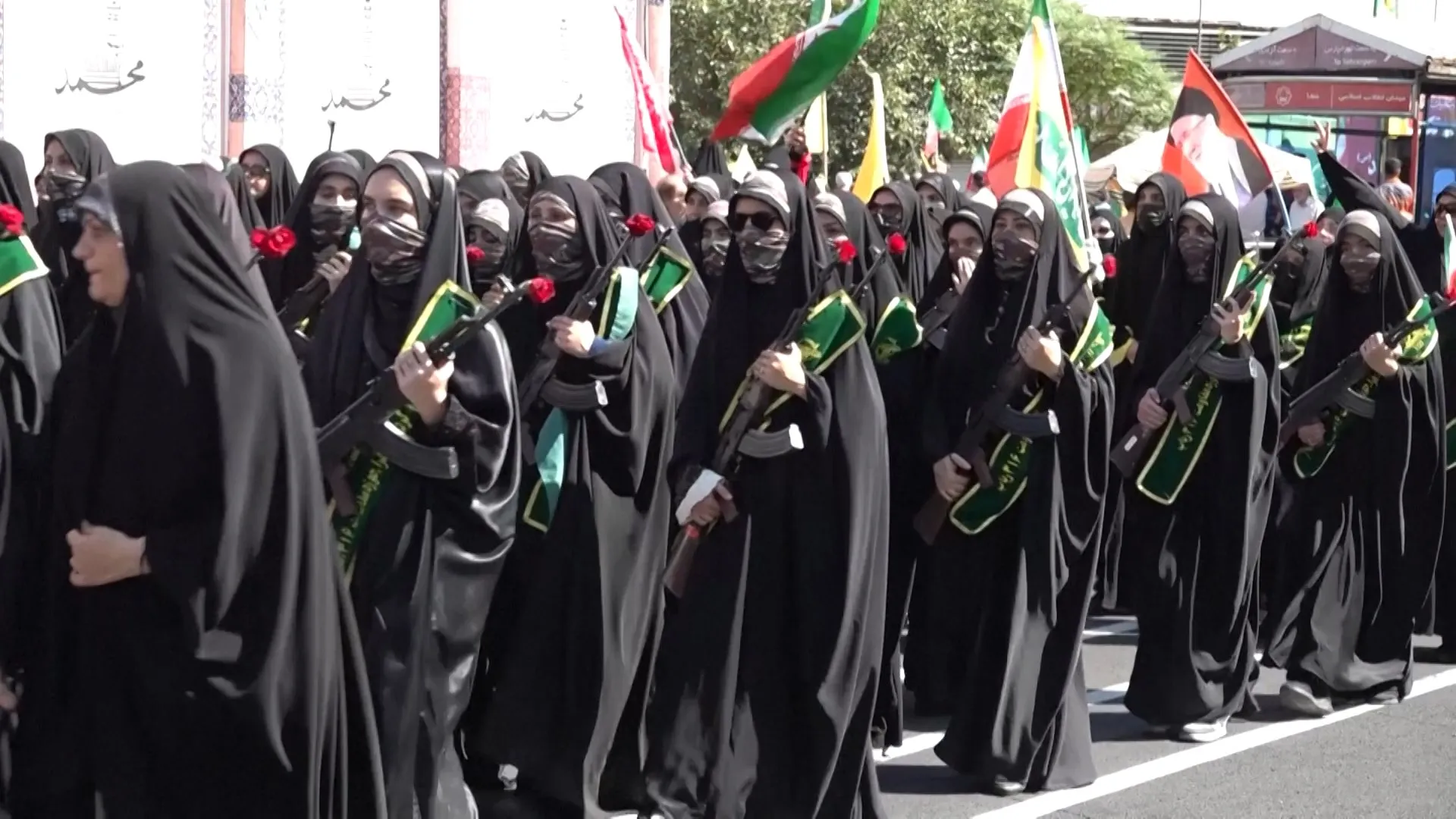
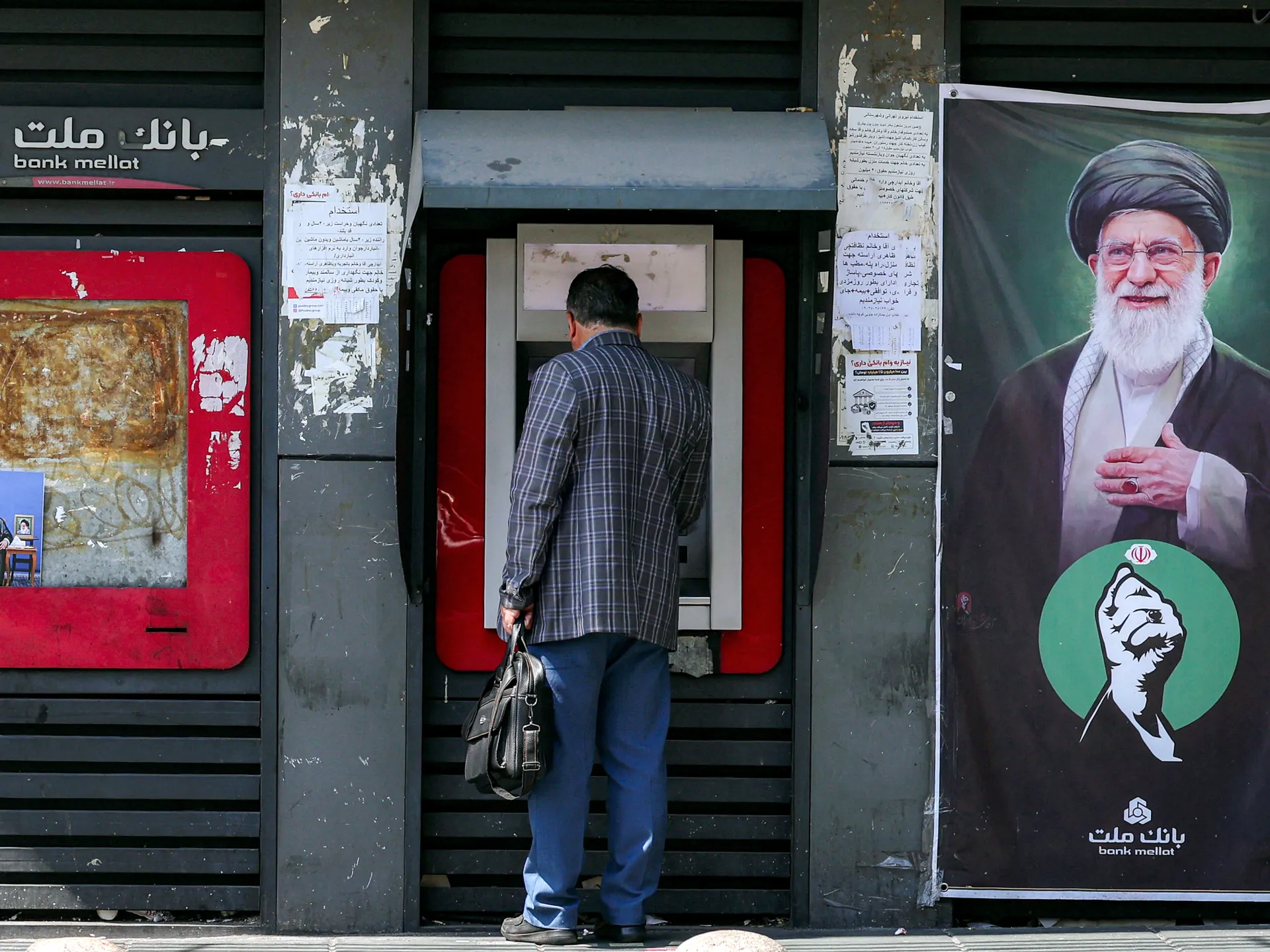
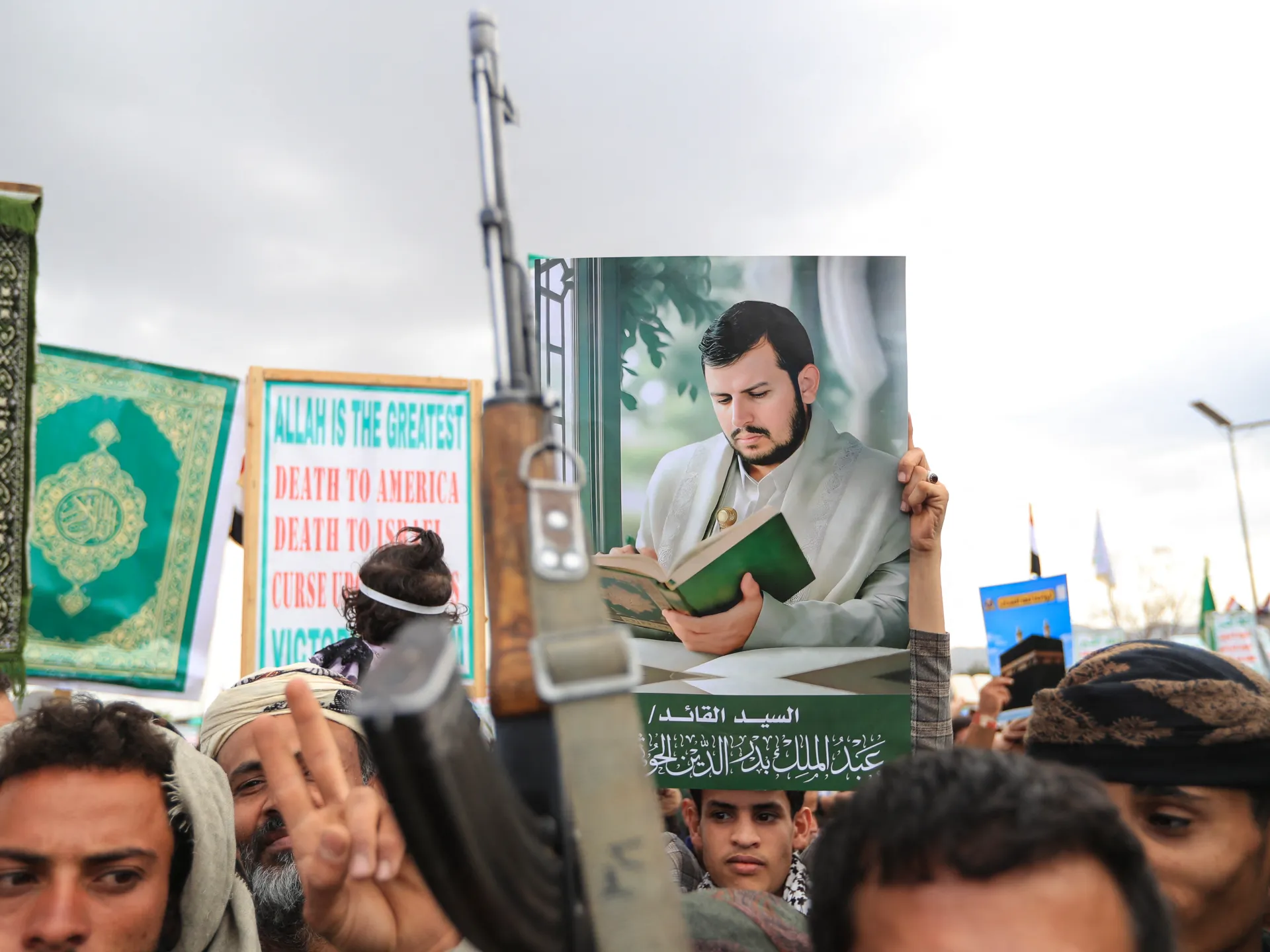
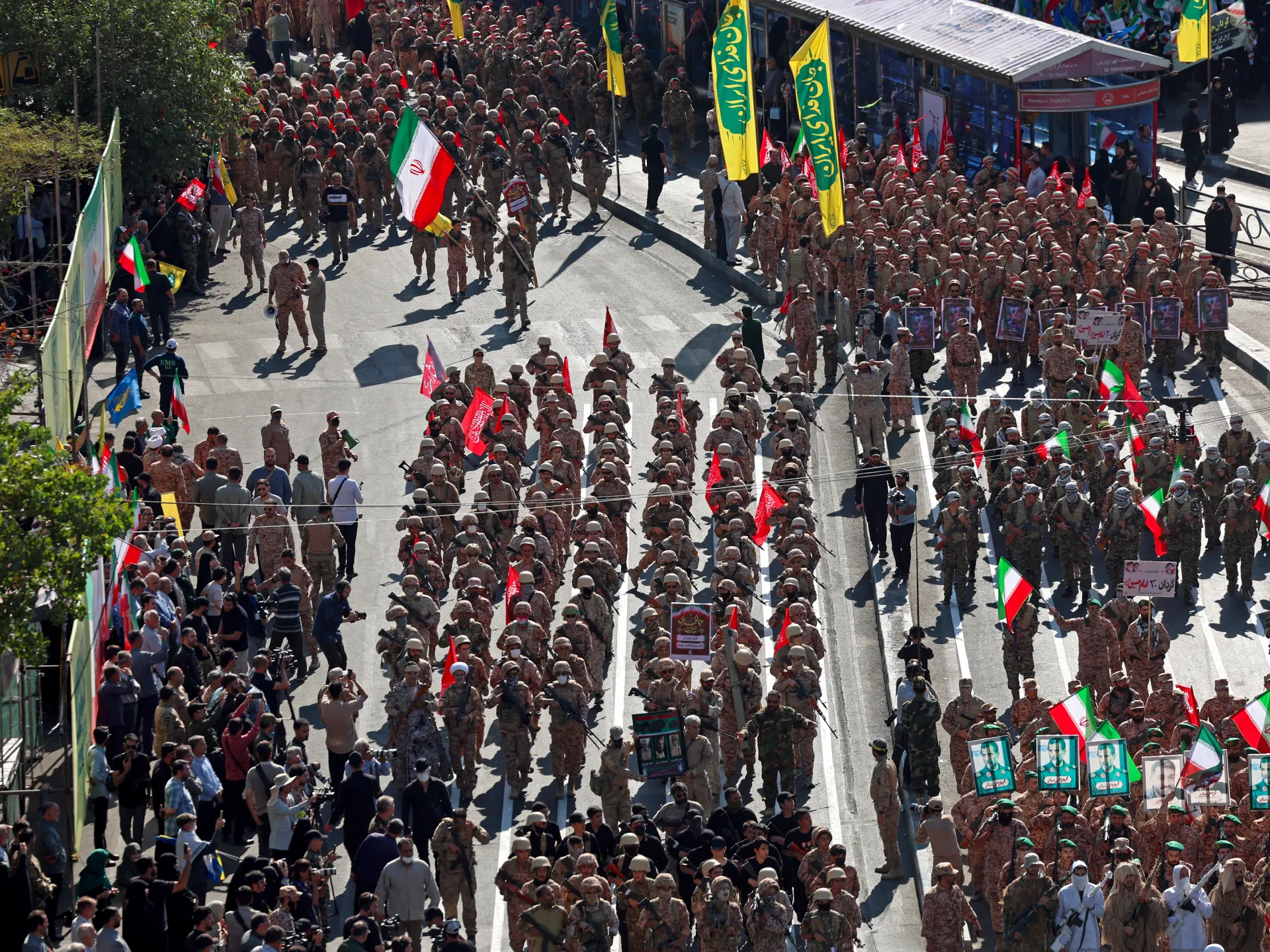
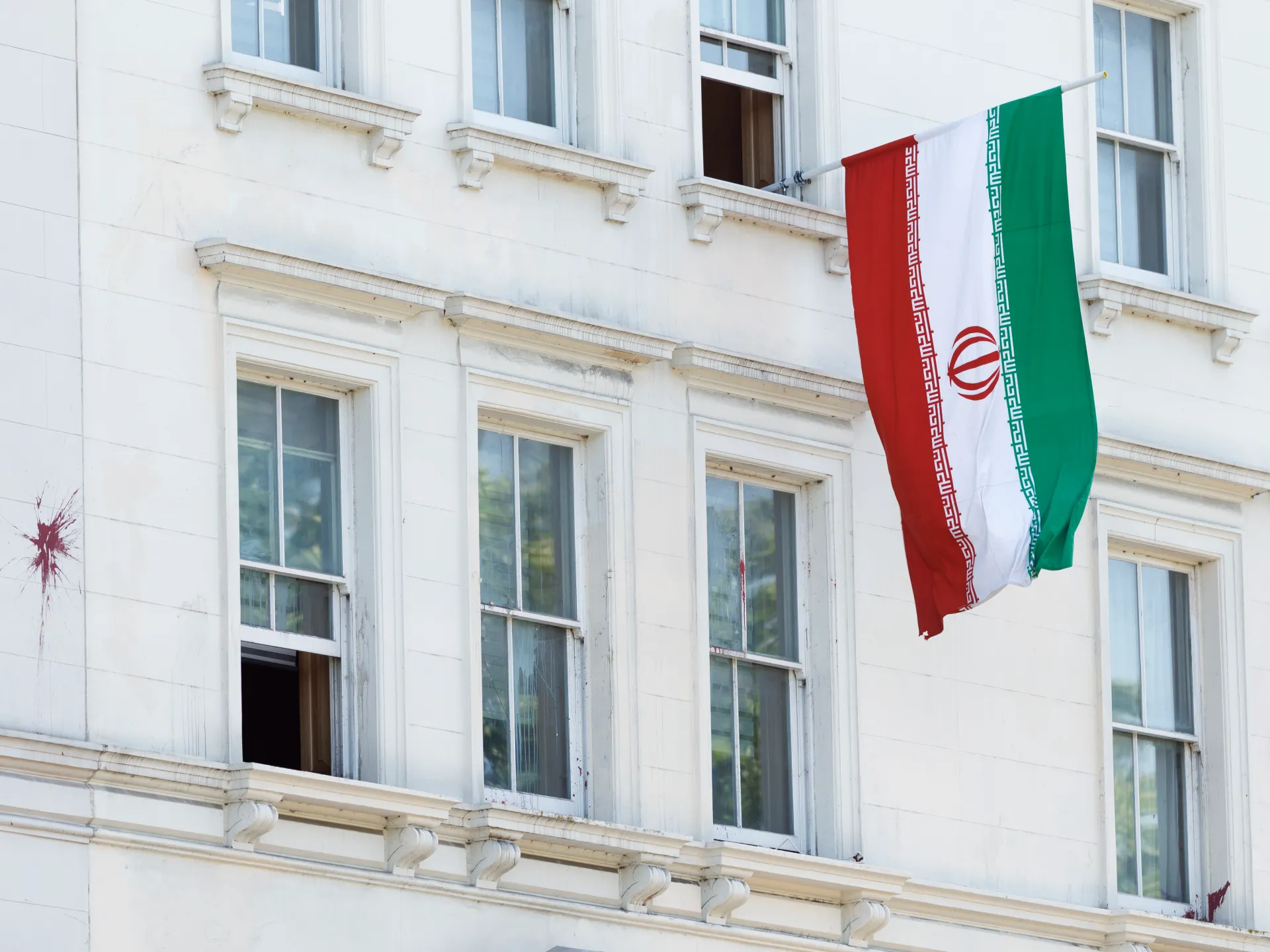
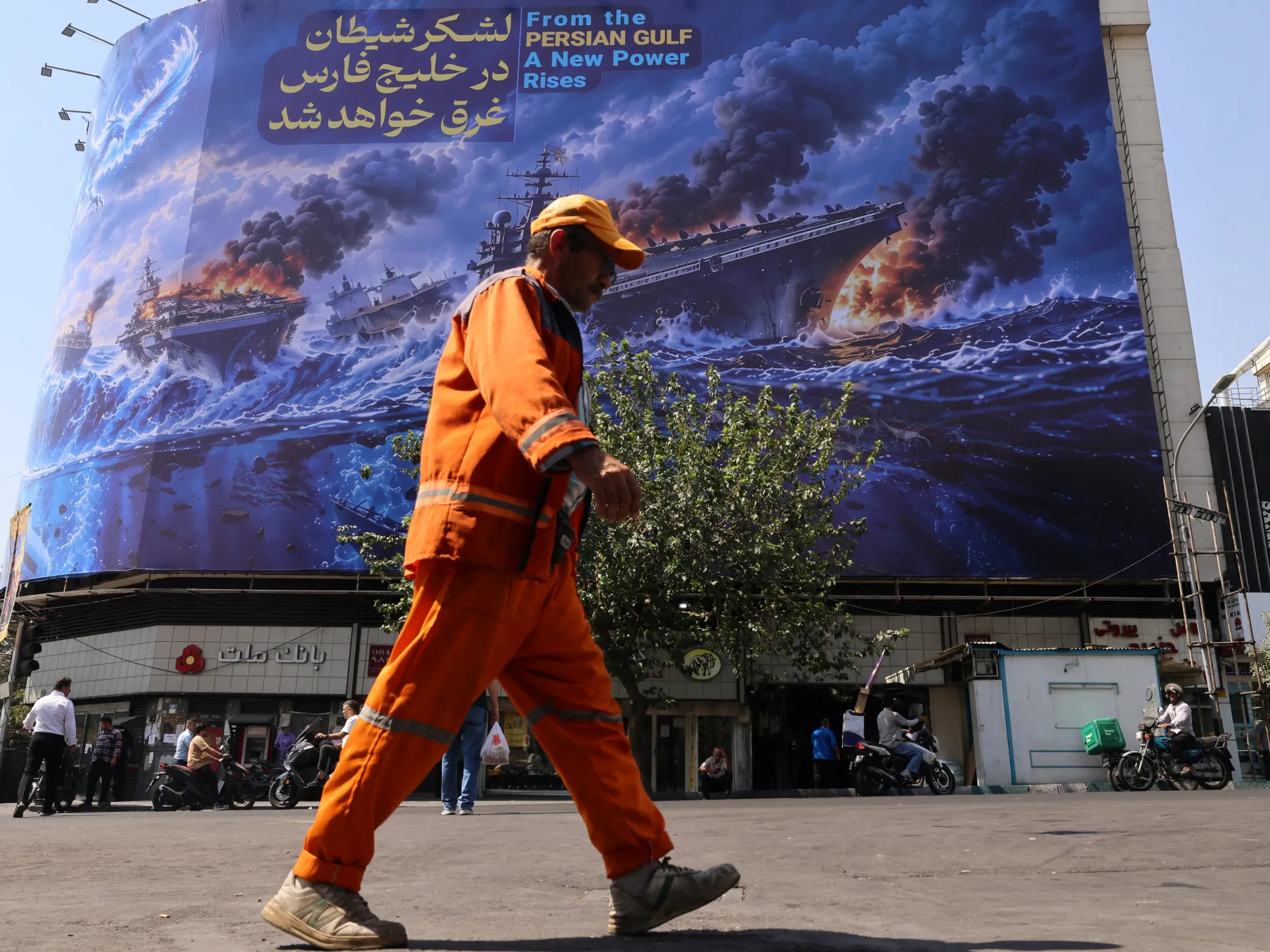
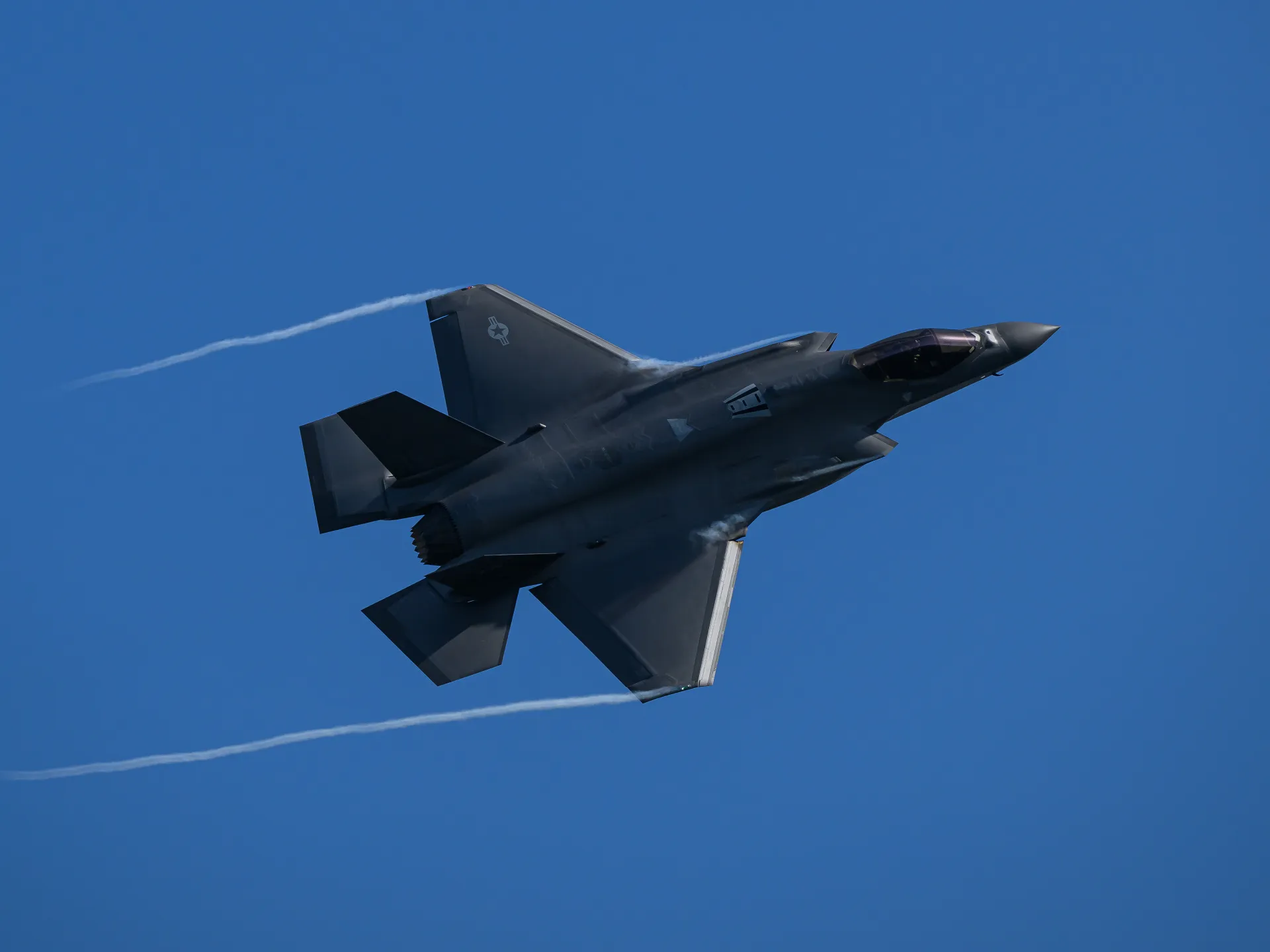
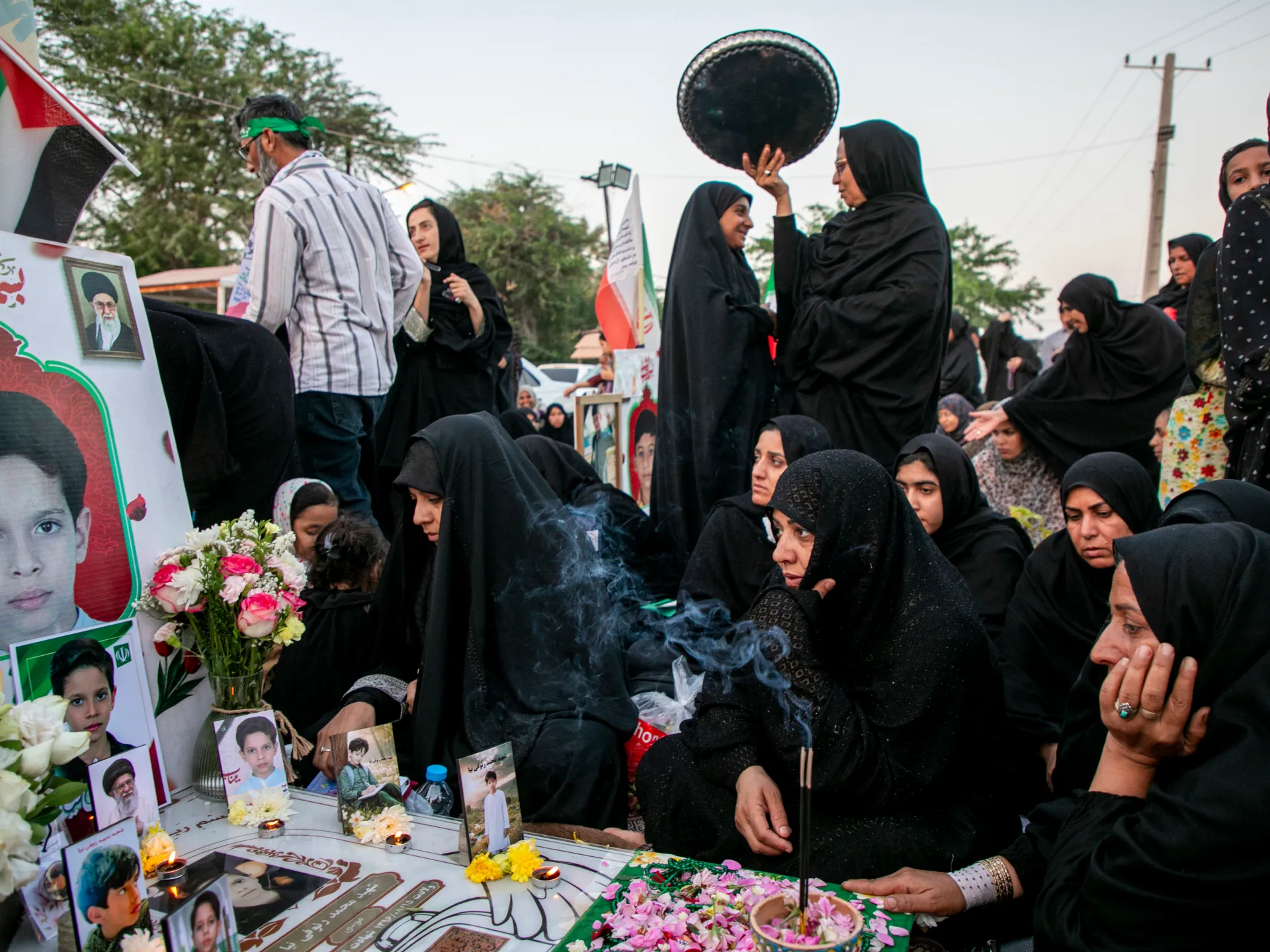
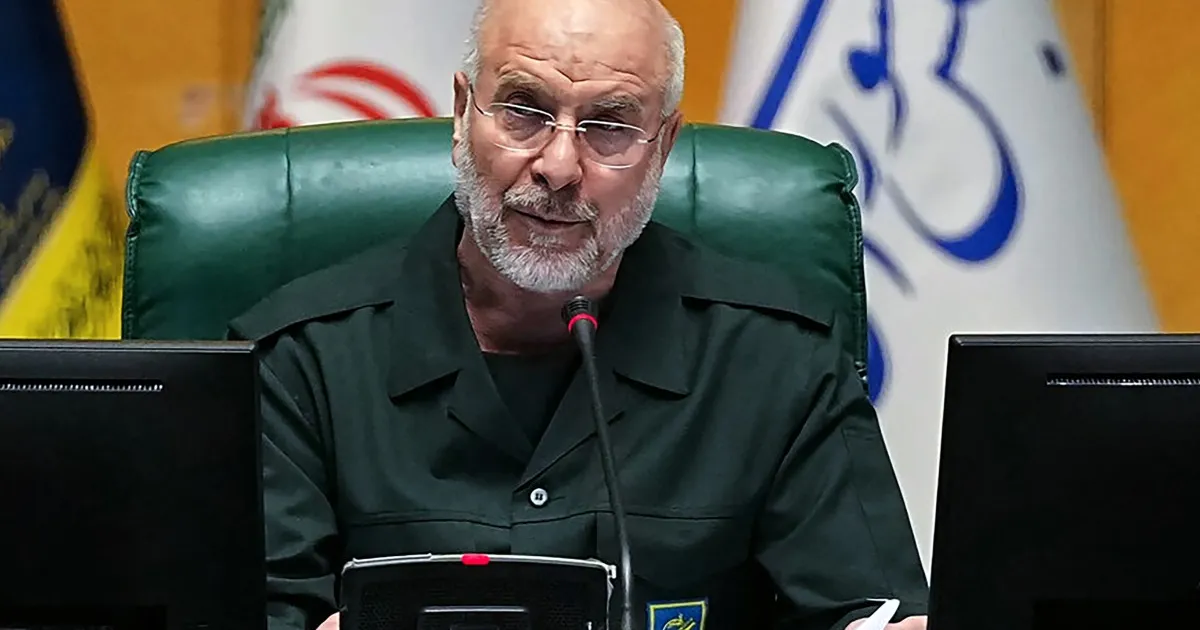
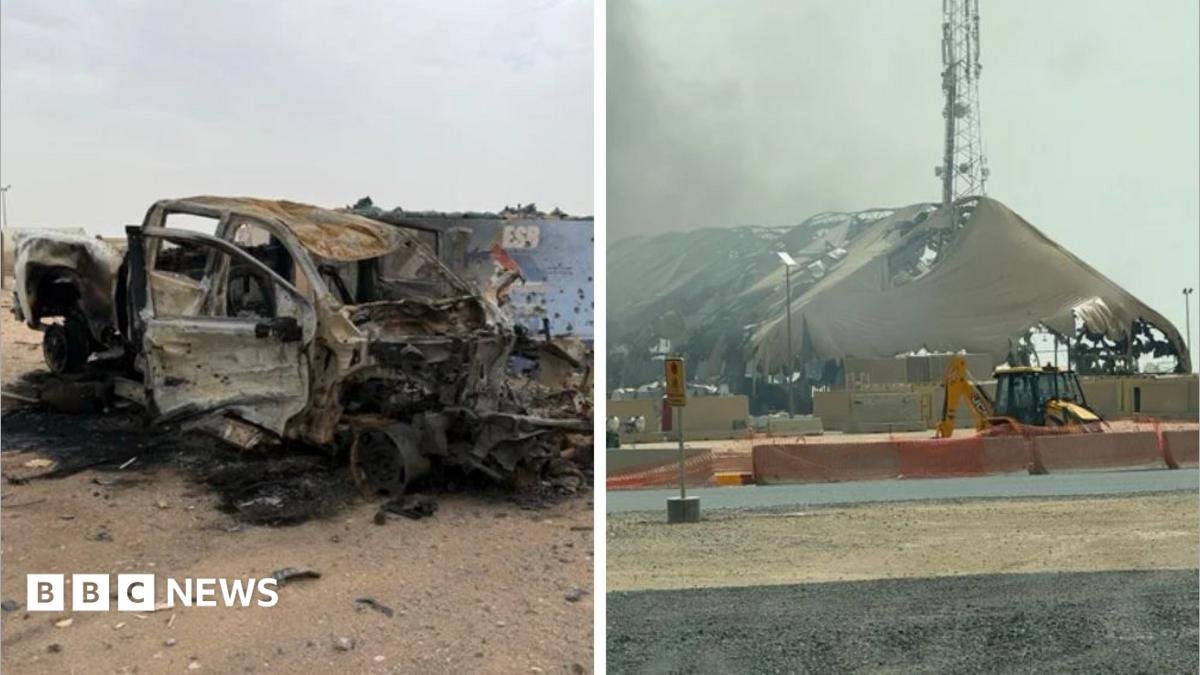
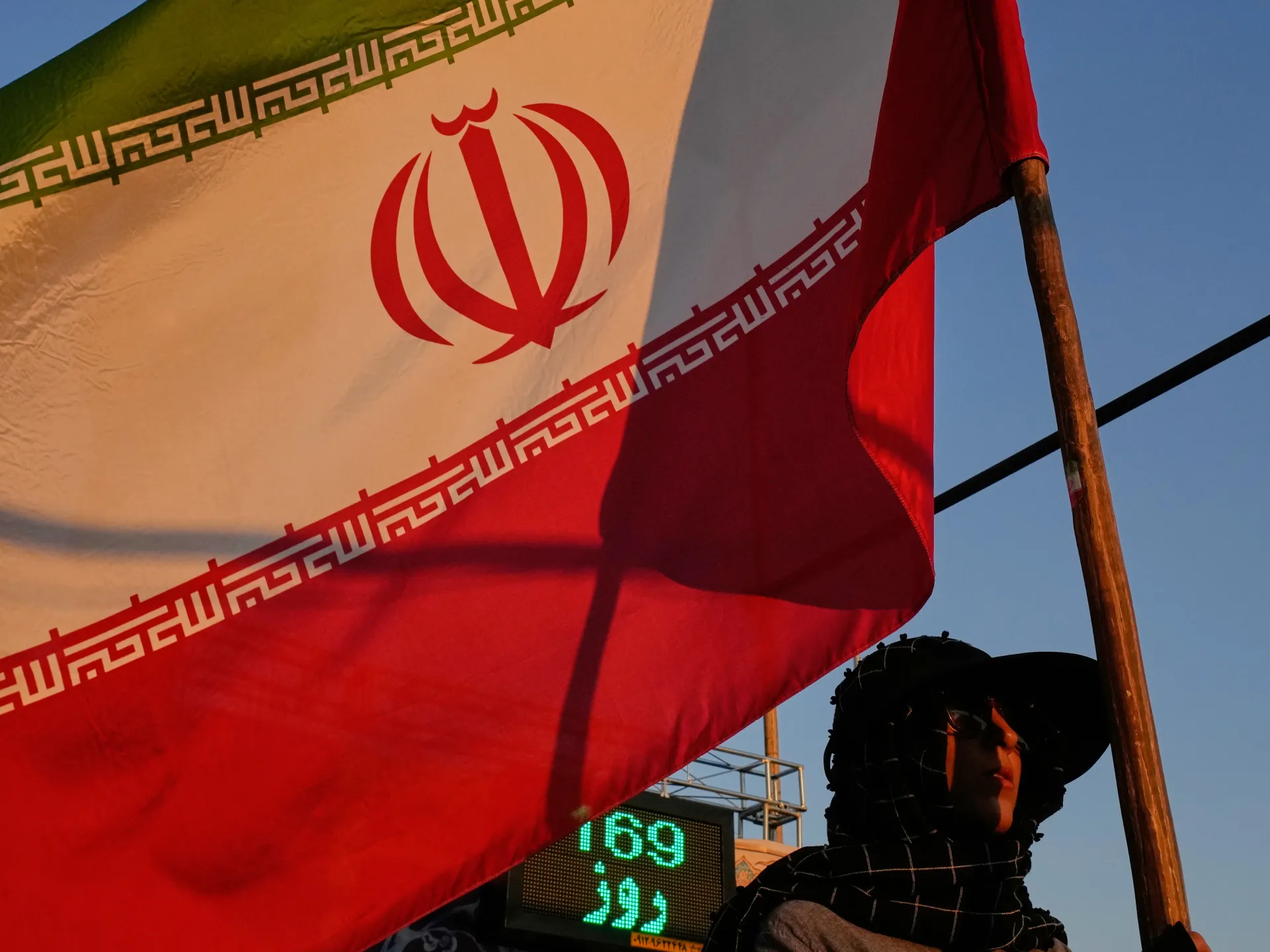
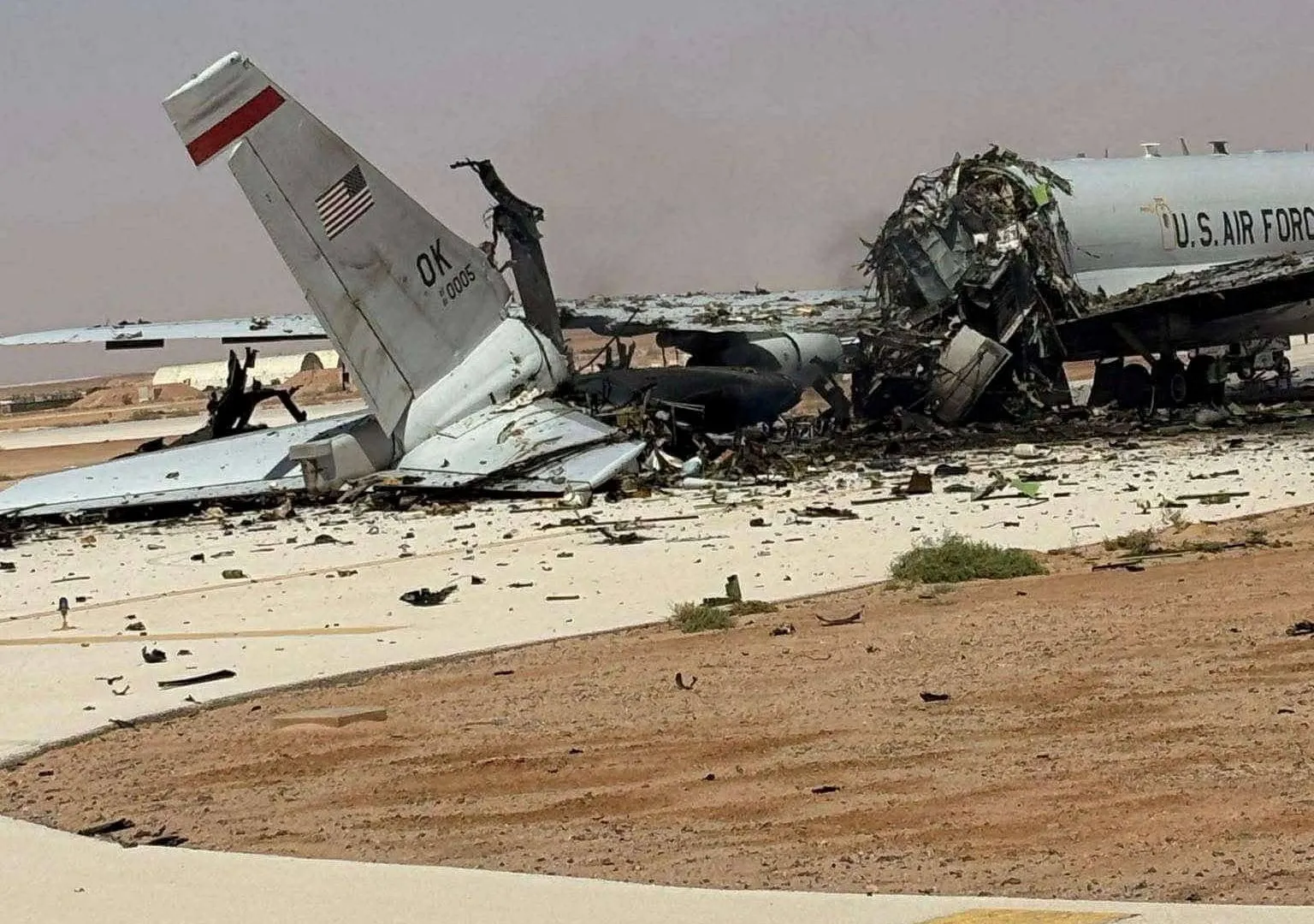
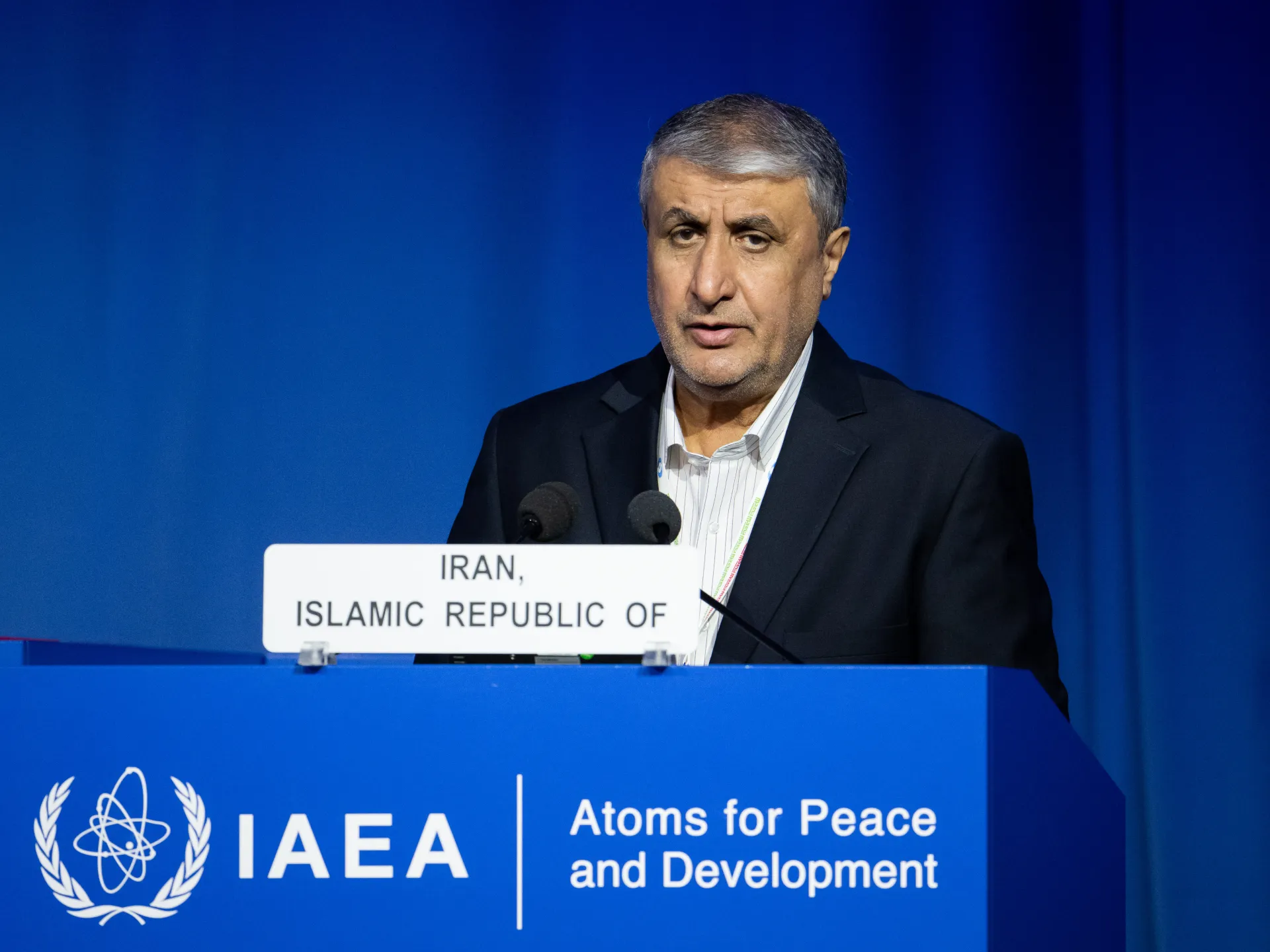
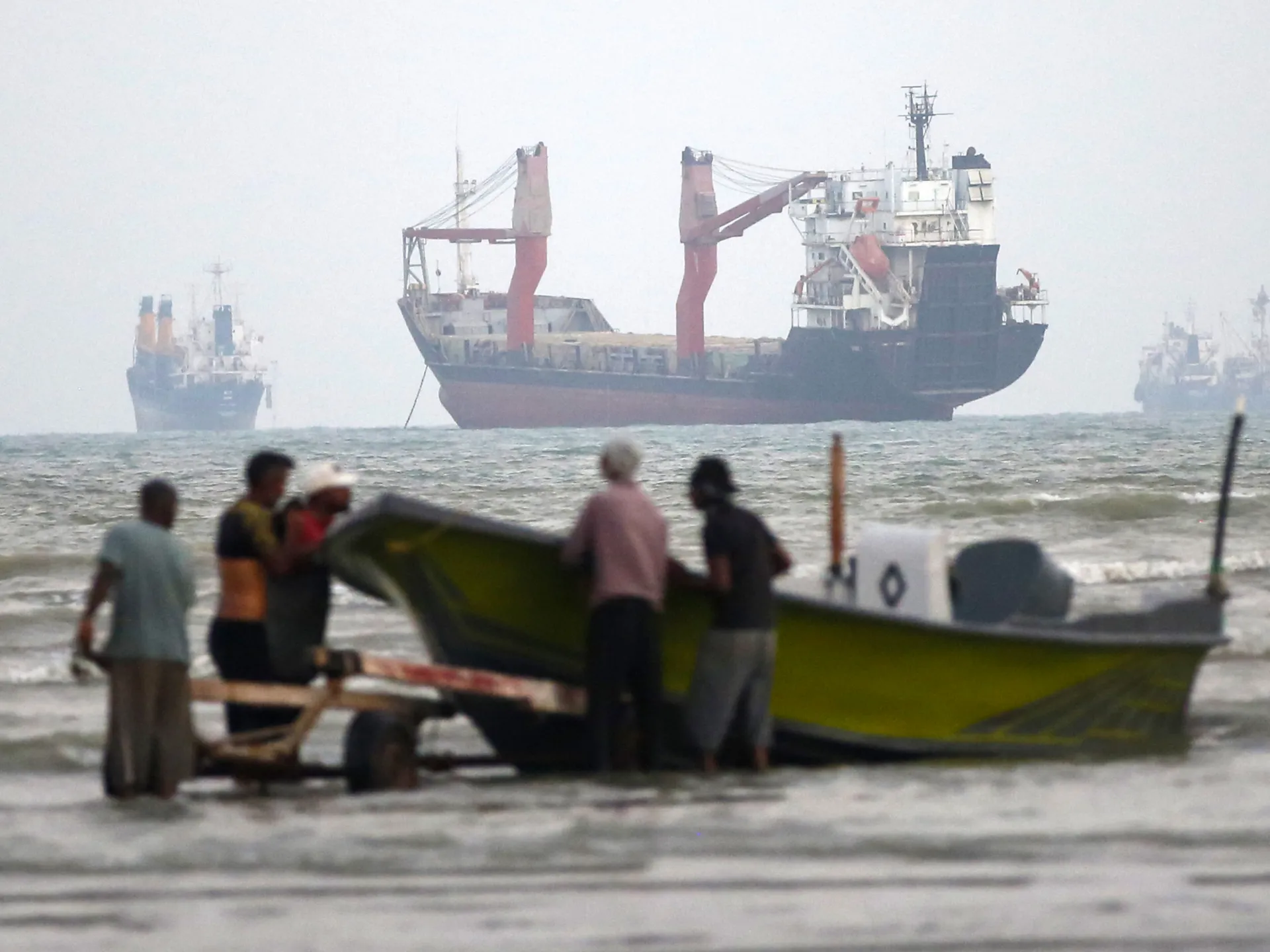
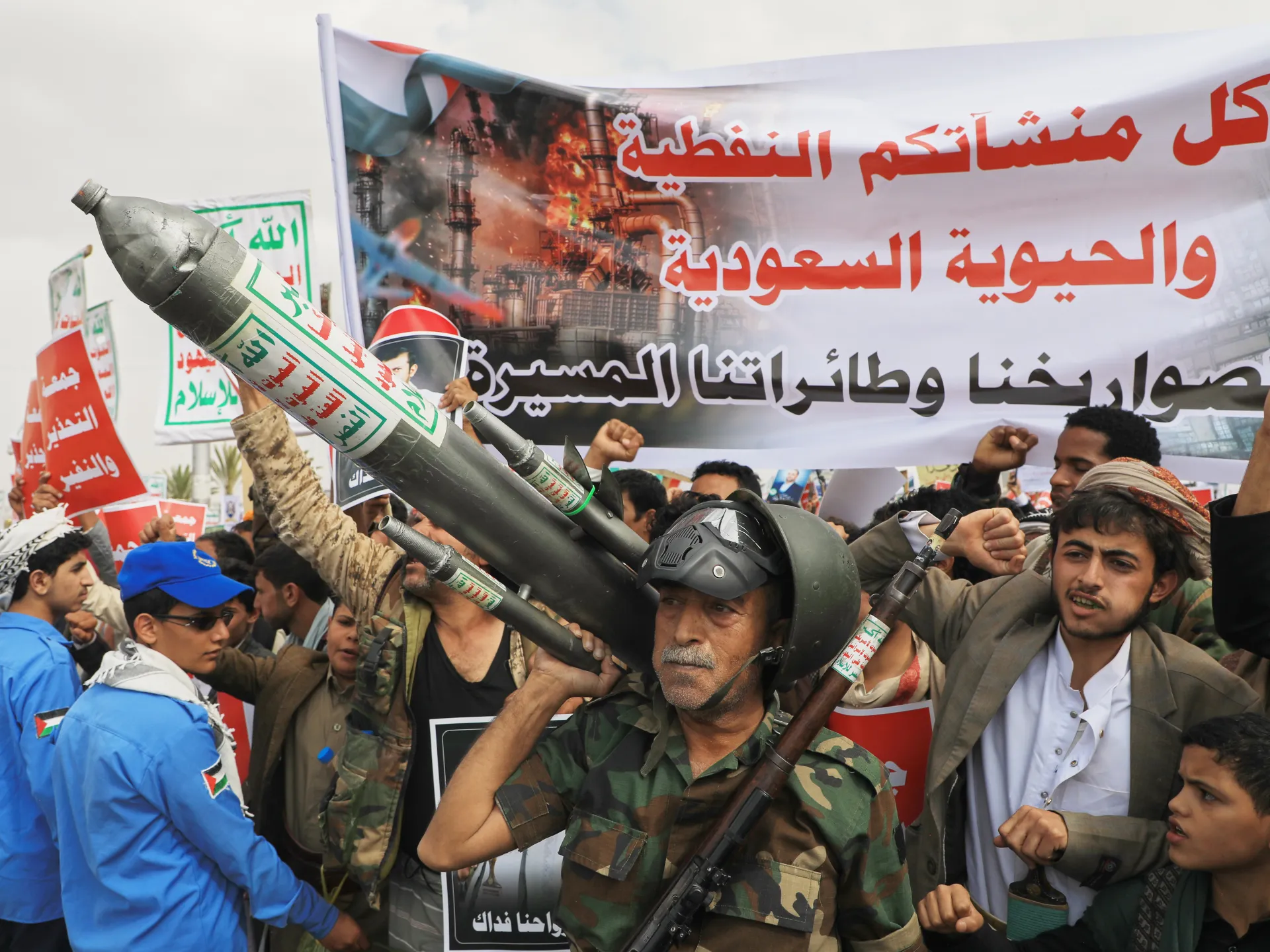
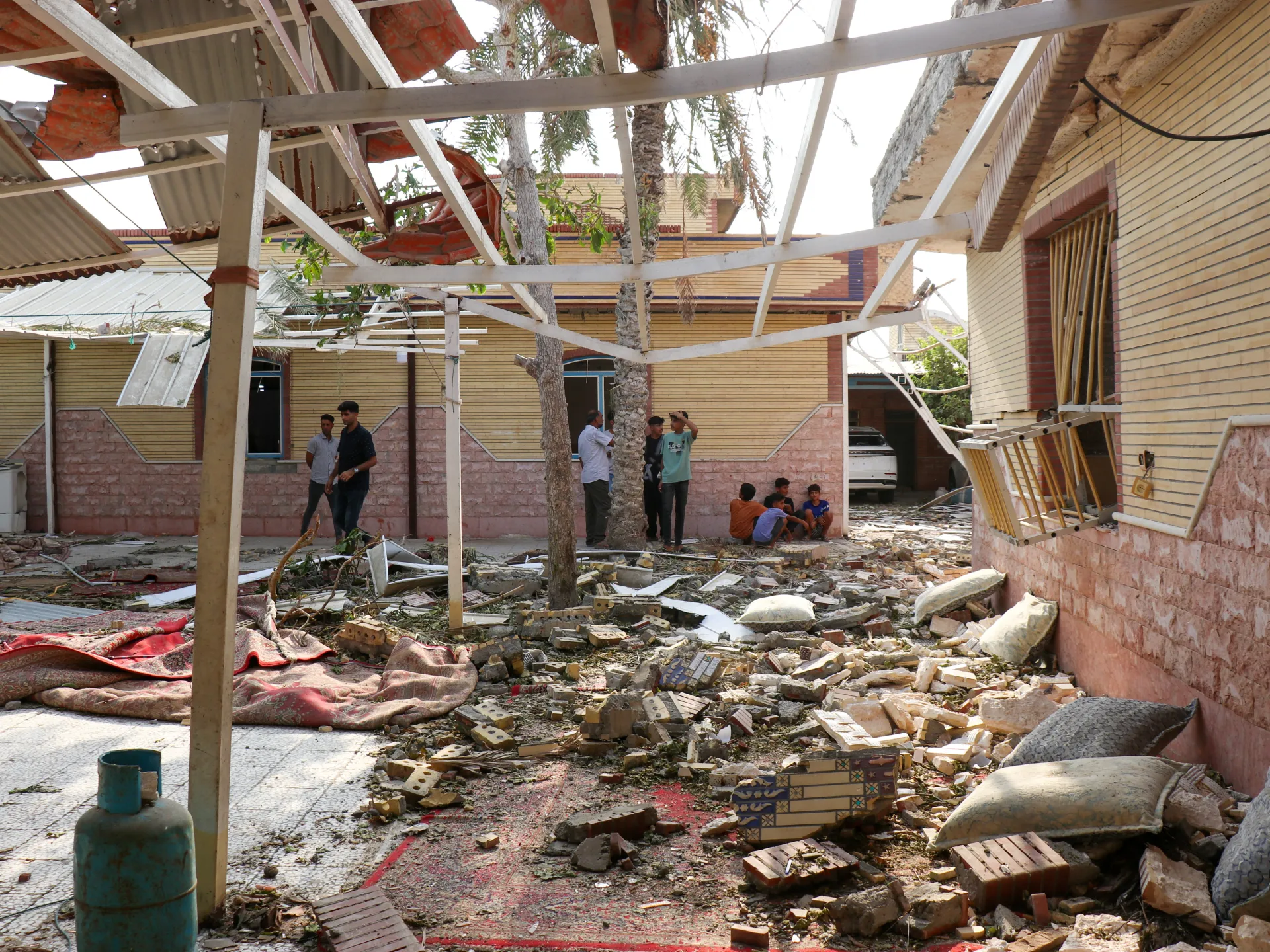
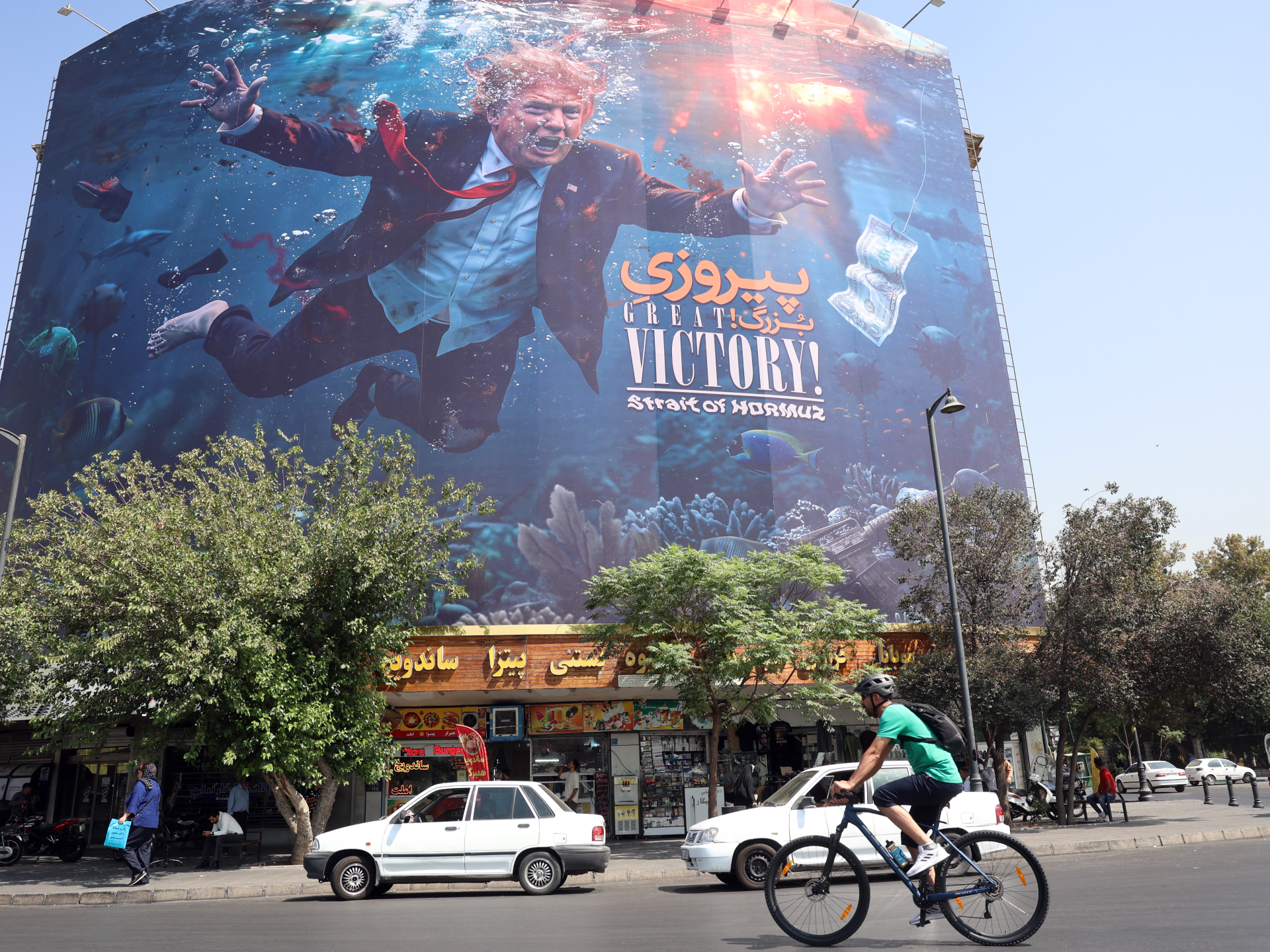
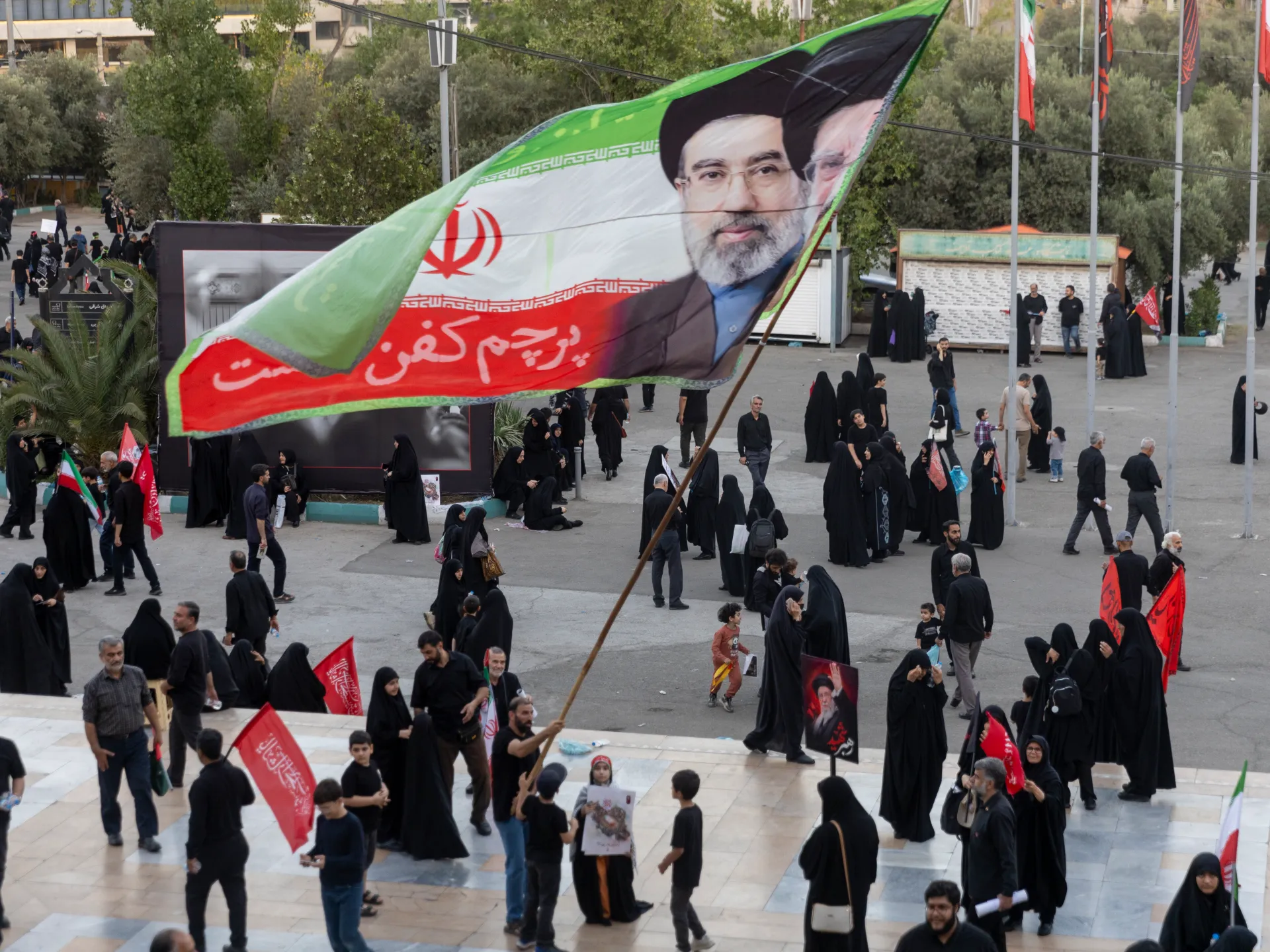
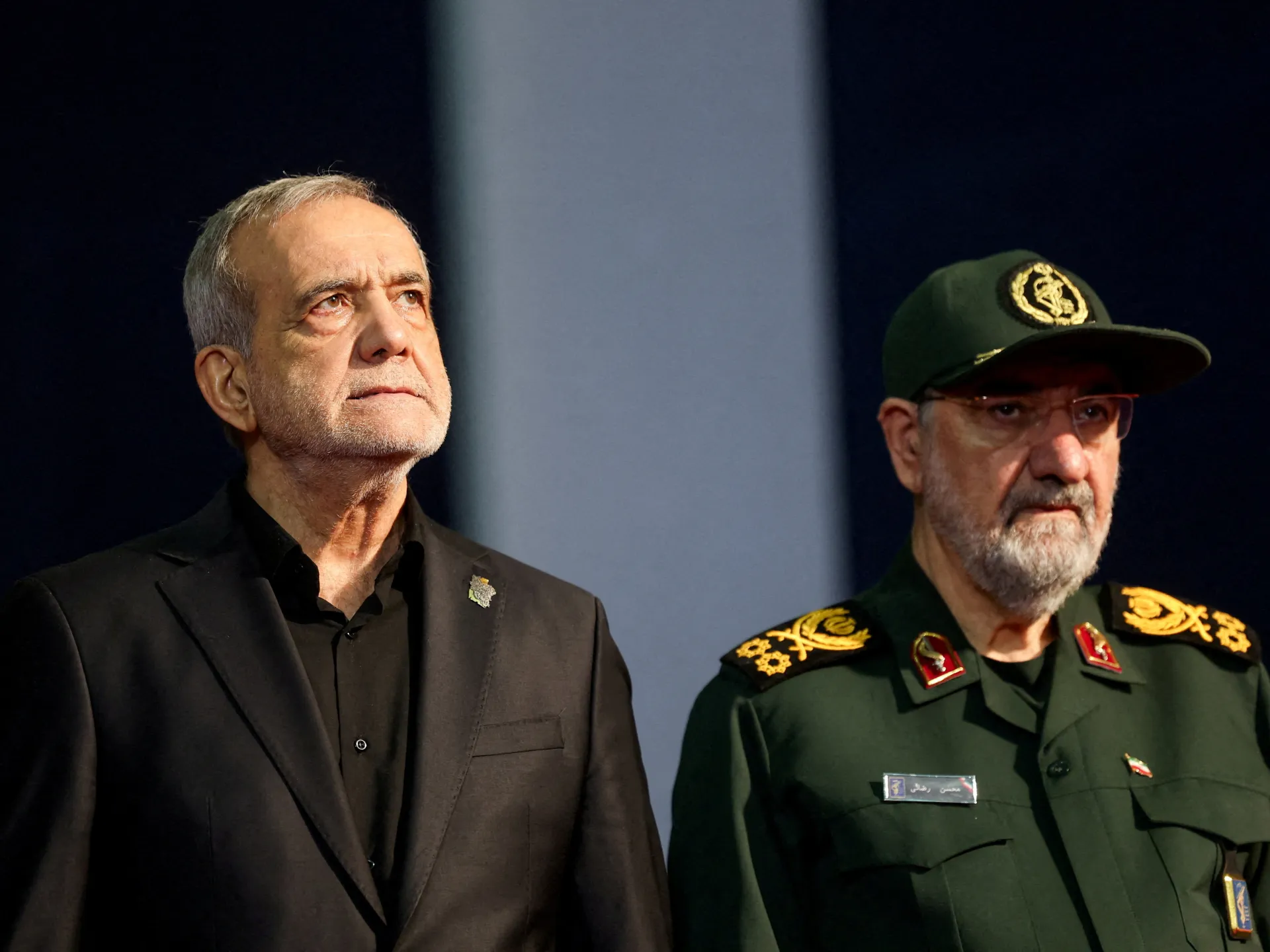
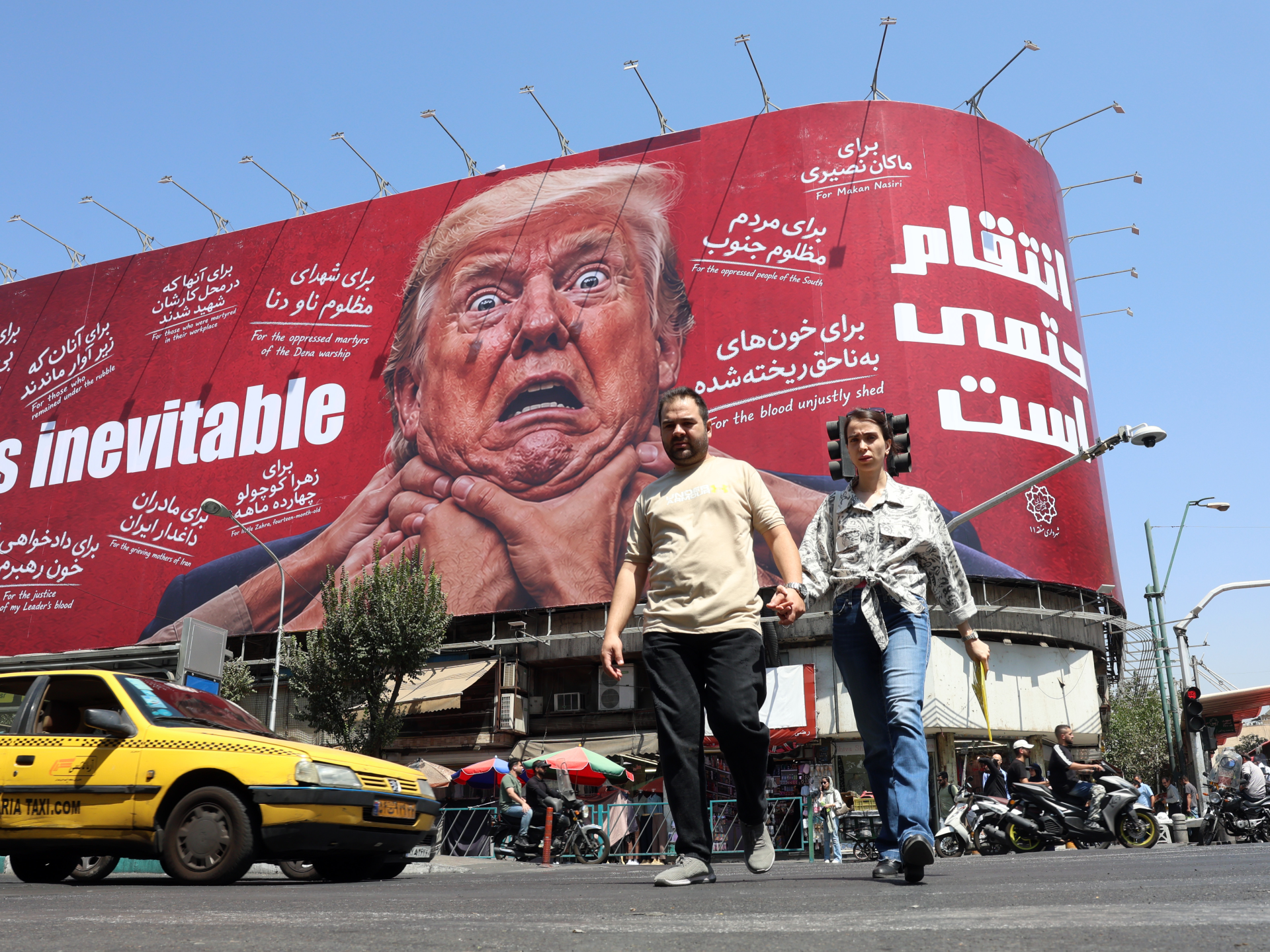
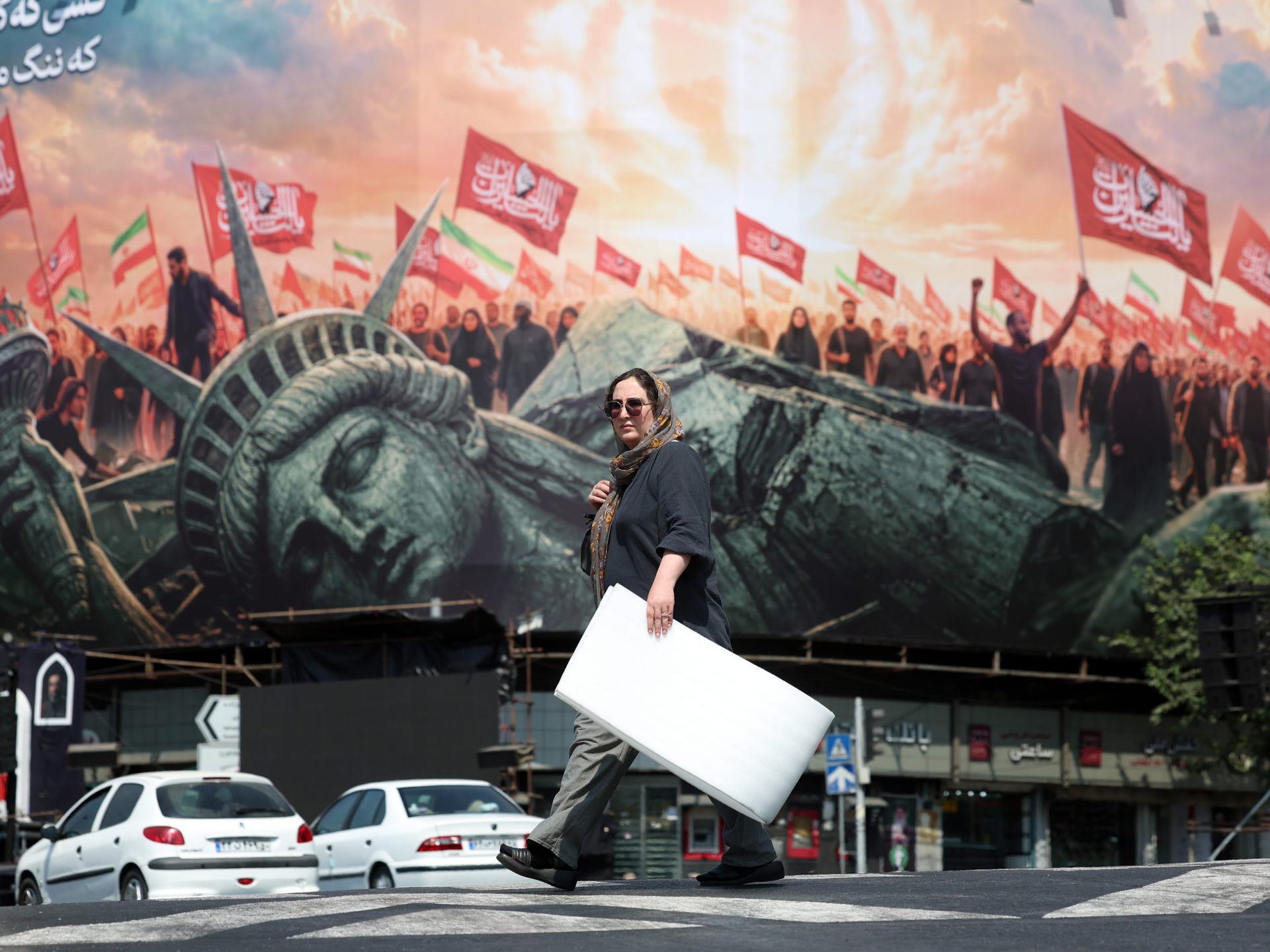
The return to the UN forum arrives at a critical juncture for the White House, with the administration’s policy toward Iran—specifically the active military engagement initiated under the current term—serving as a primary point of contention. Observers are closely monitoring whether the President will utilize the global stage to pivot his rhetoric toward traditional alliances or continue the pattern of confrontational diplomacy that has characterized his current tenure.
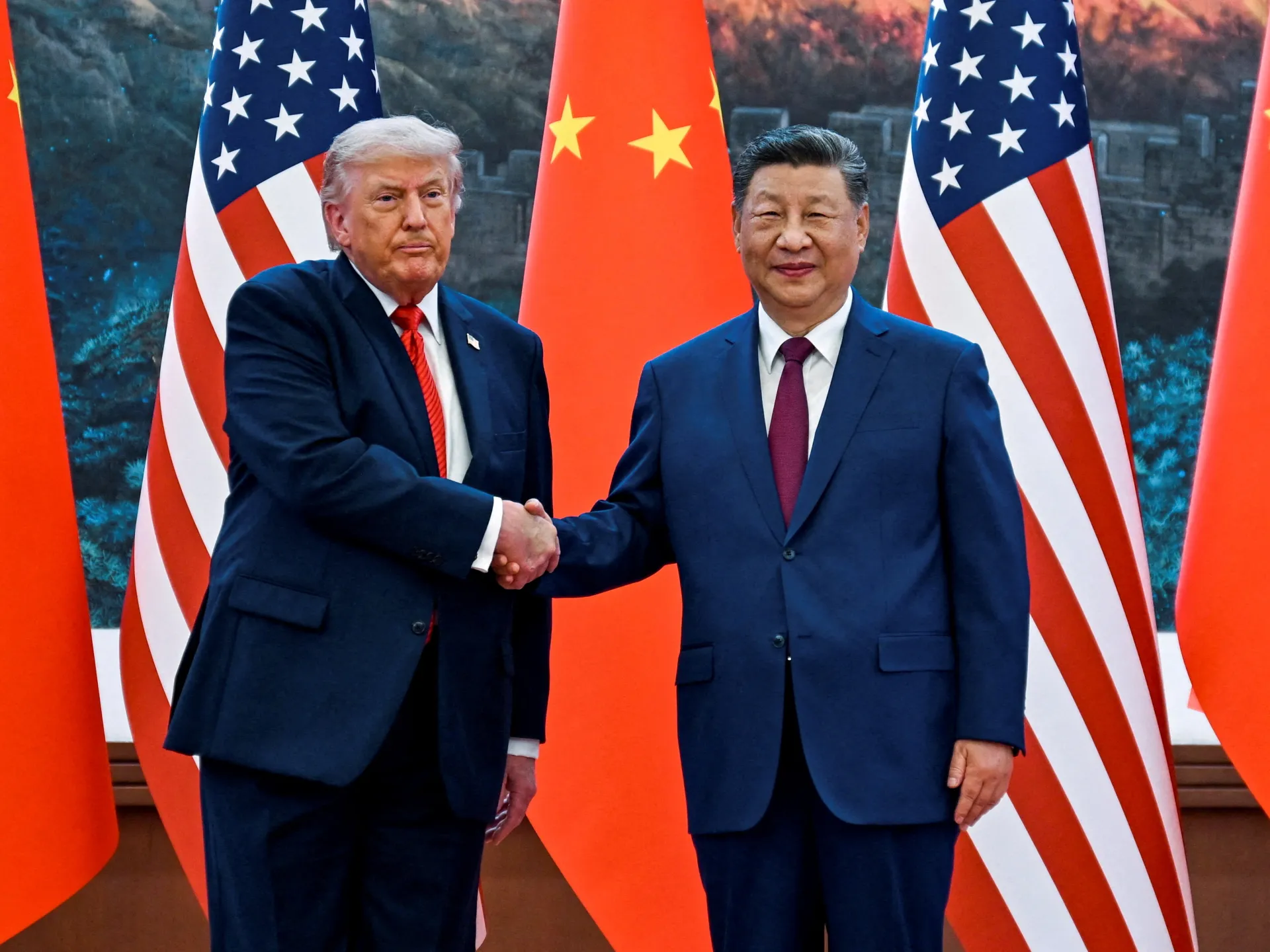
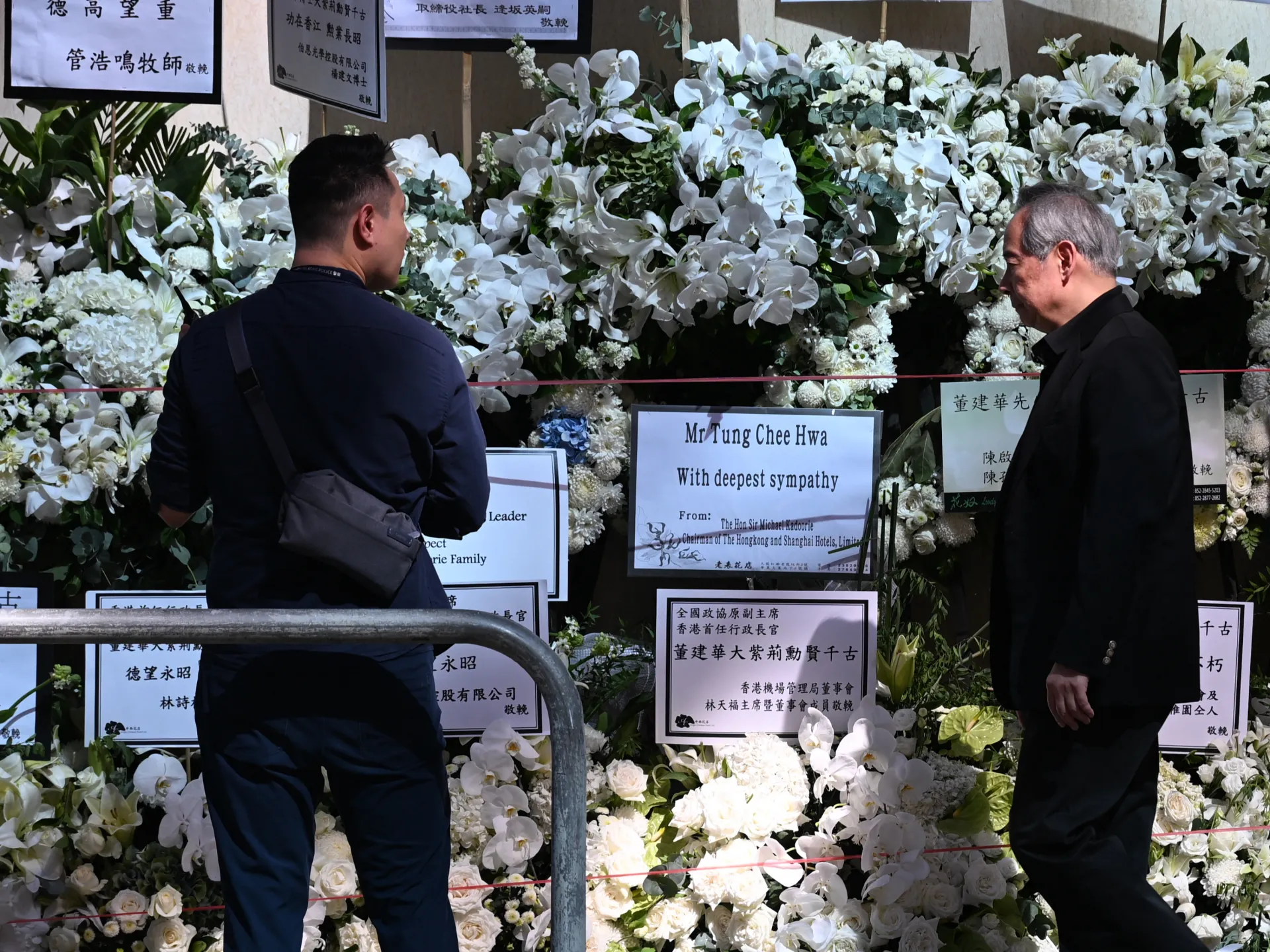
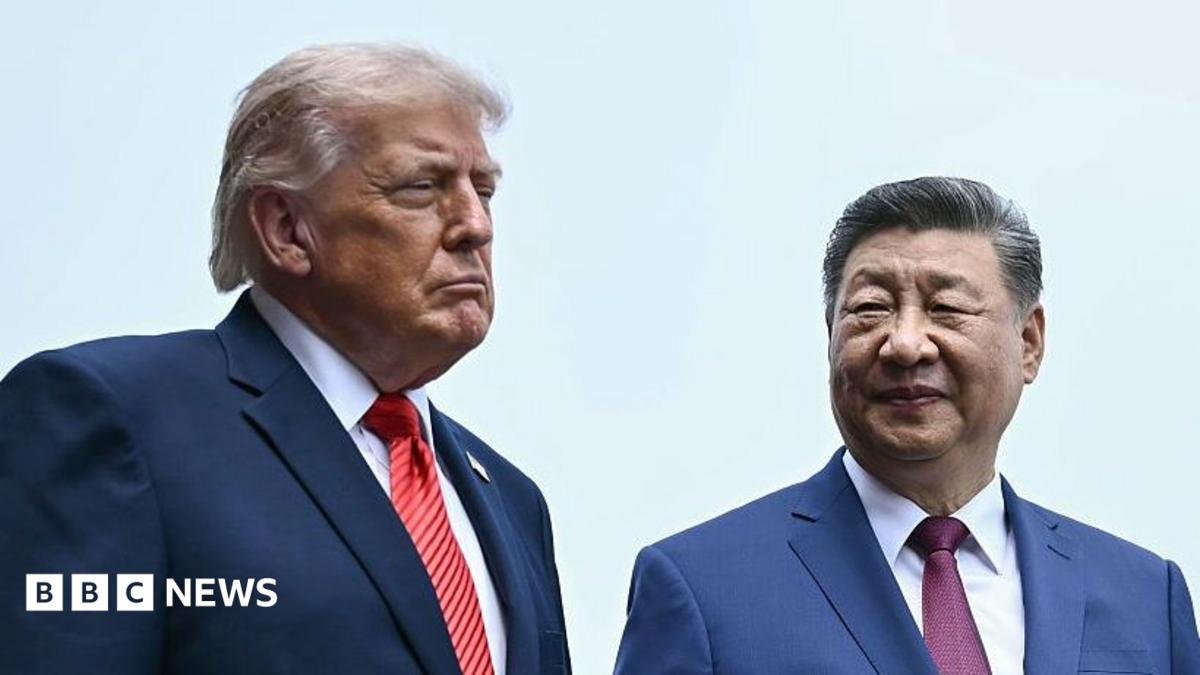
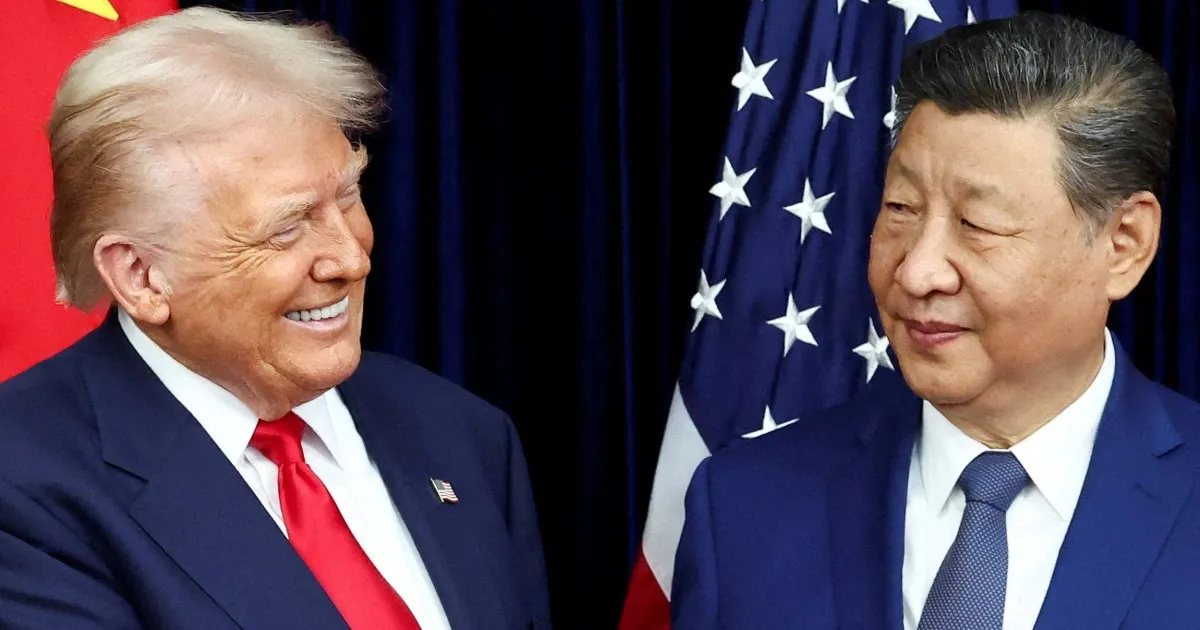
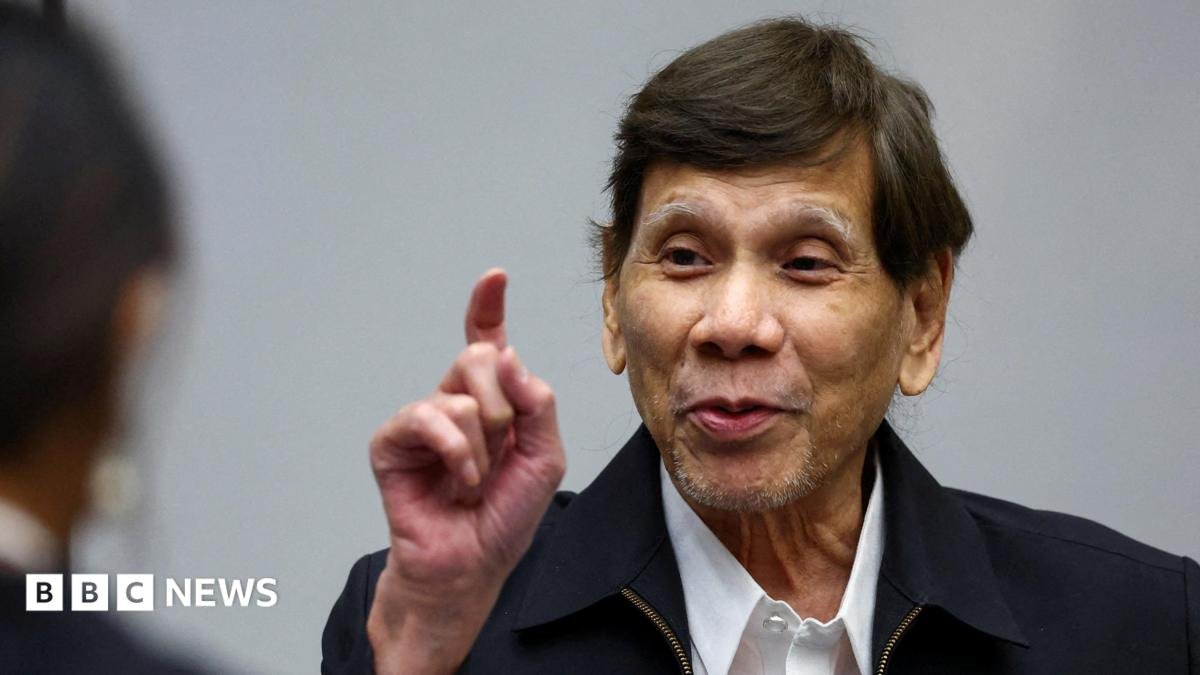
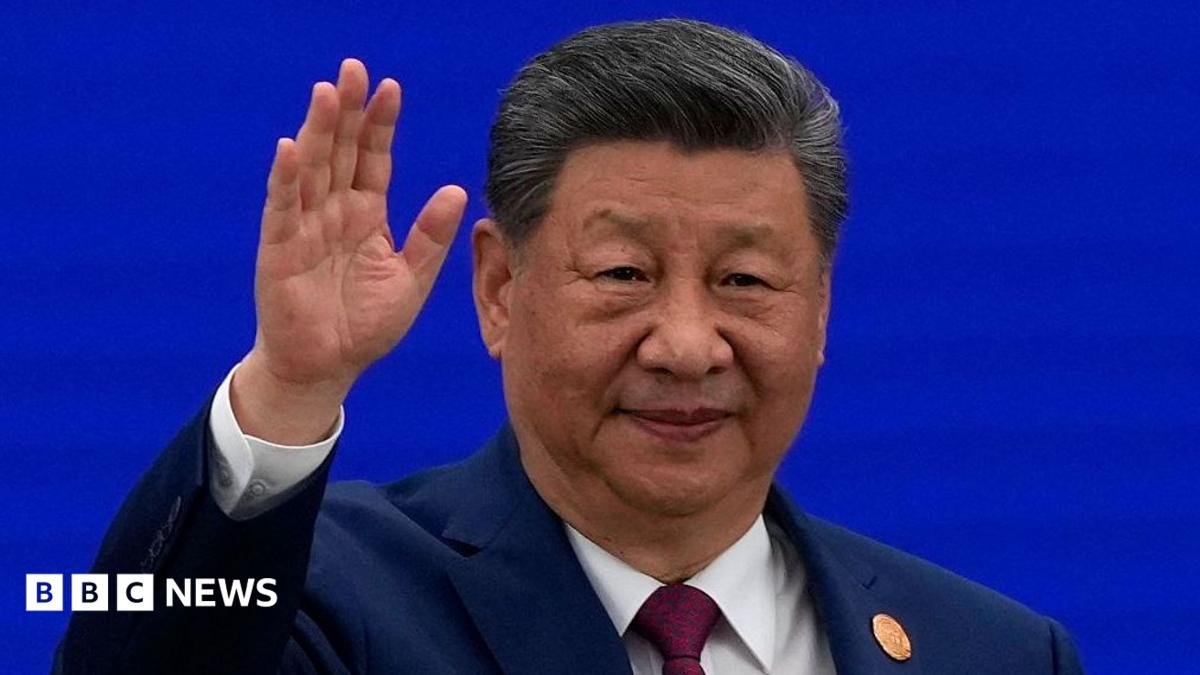
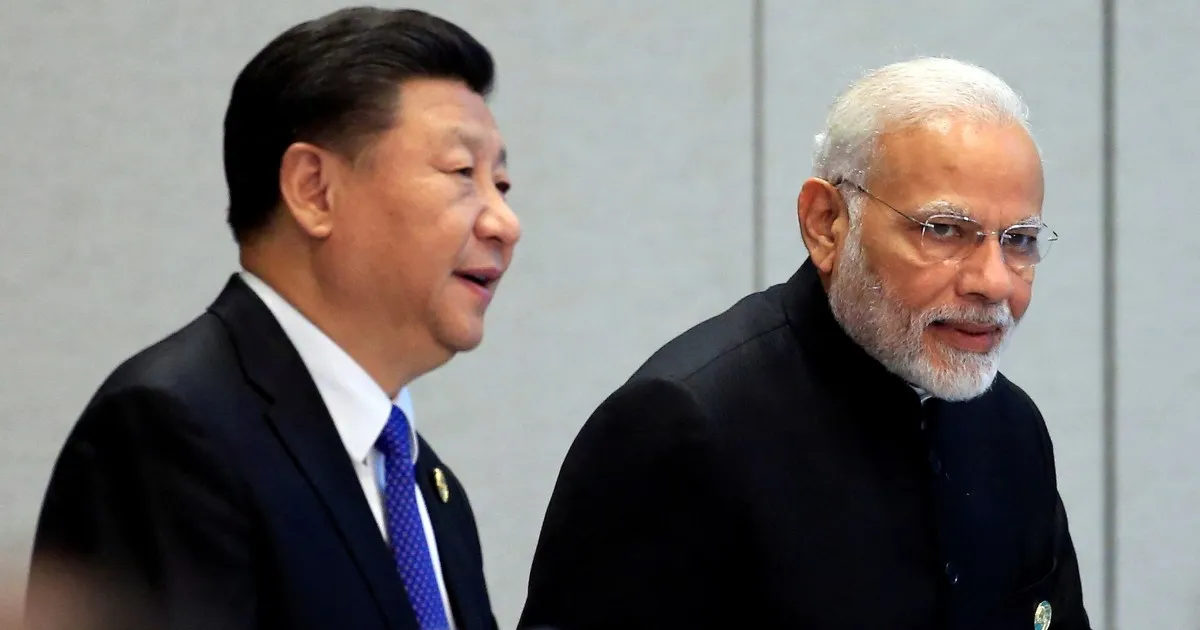
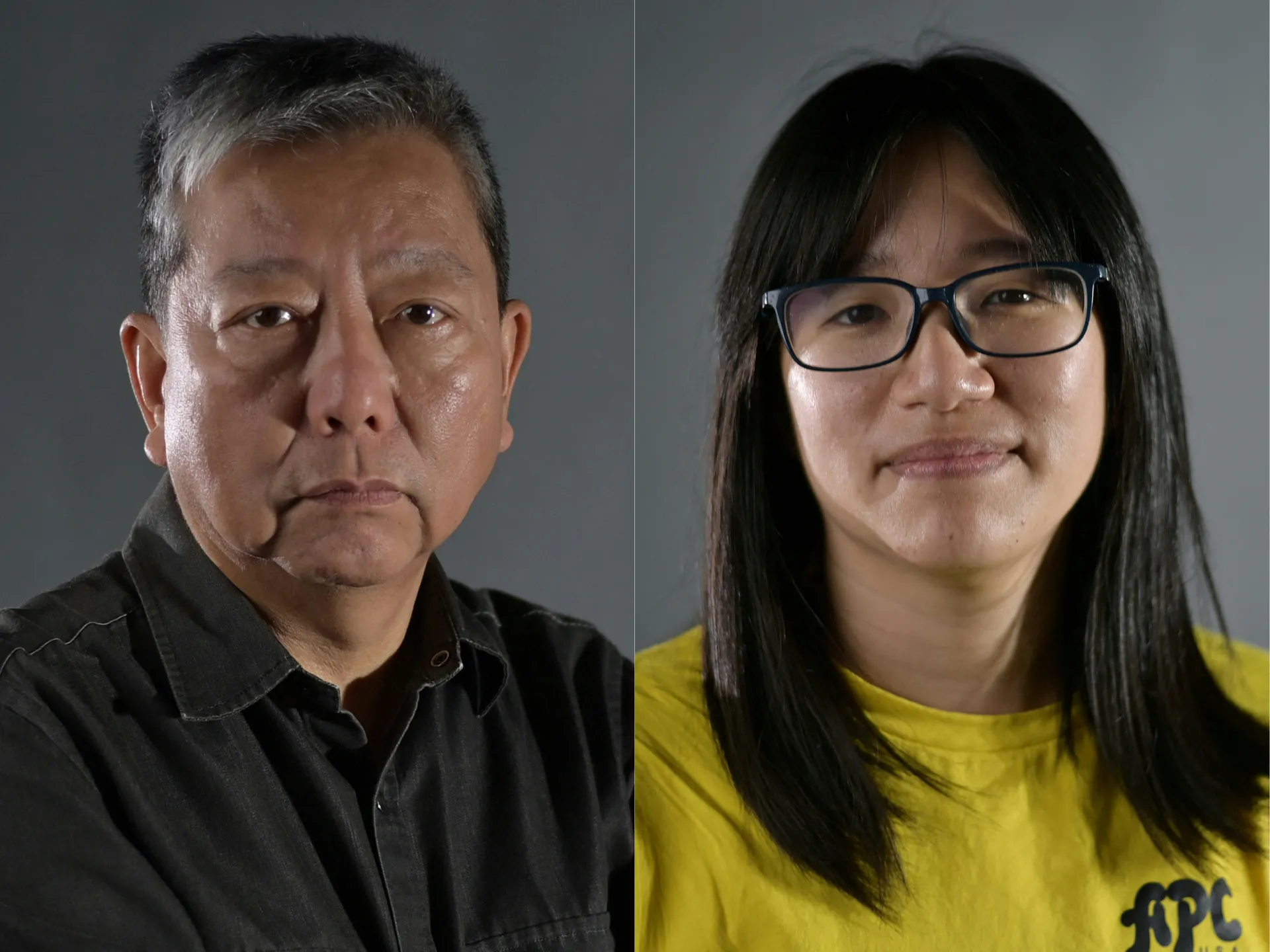
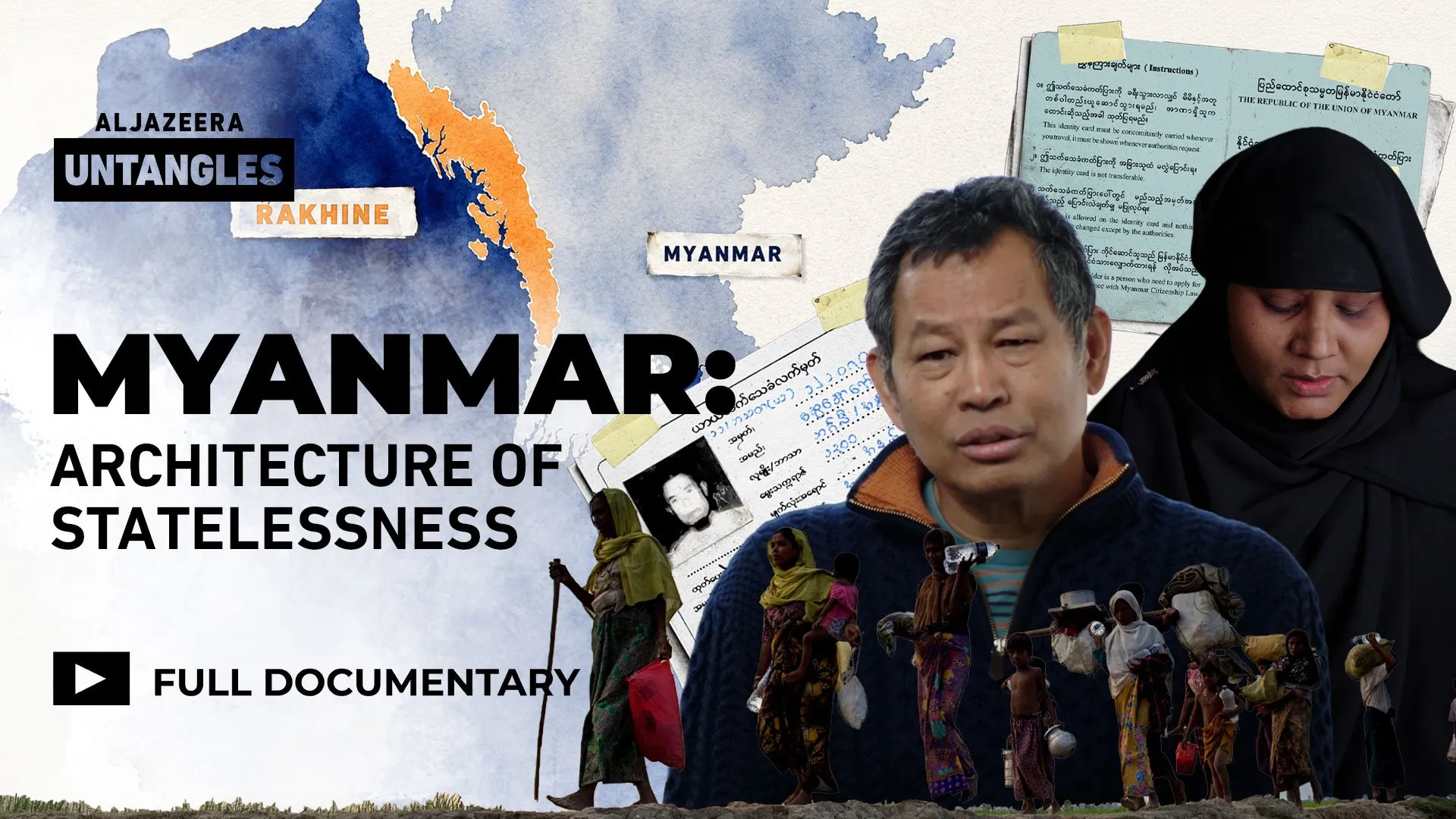
The convergence of a high-profile UN appearance and the looming state visit of Chinese President Xi Jinping creates a complex legislative and diplomatic bottleneck. While the UN represents an opportunity to project strength regarding the Iran conflict, the domestic political cost of failing to resolve long-standing detentions in China is rising. For the administration, the challenge lies in maintaining a posture of geopolitical dominance while demonstrating the tangible results of its “hostage diplomacy” strategy—a cornerstone of the President’s political identity. Failure to secure the release of individuals like U Min Zin or Jimmy Lai during the upcoming summit could undermine the administration’s narrative of personal efficacy in international negotiations.
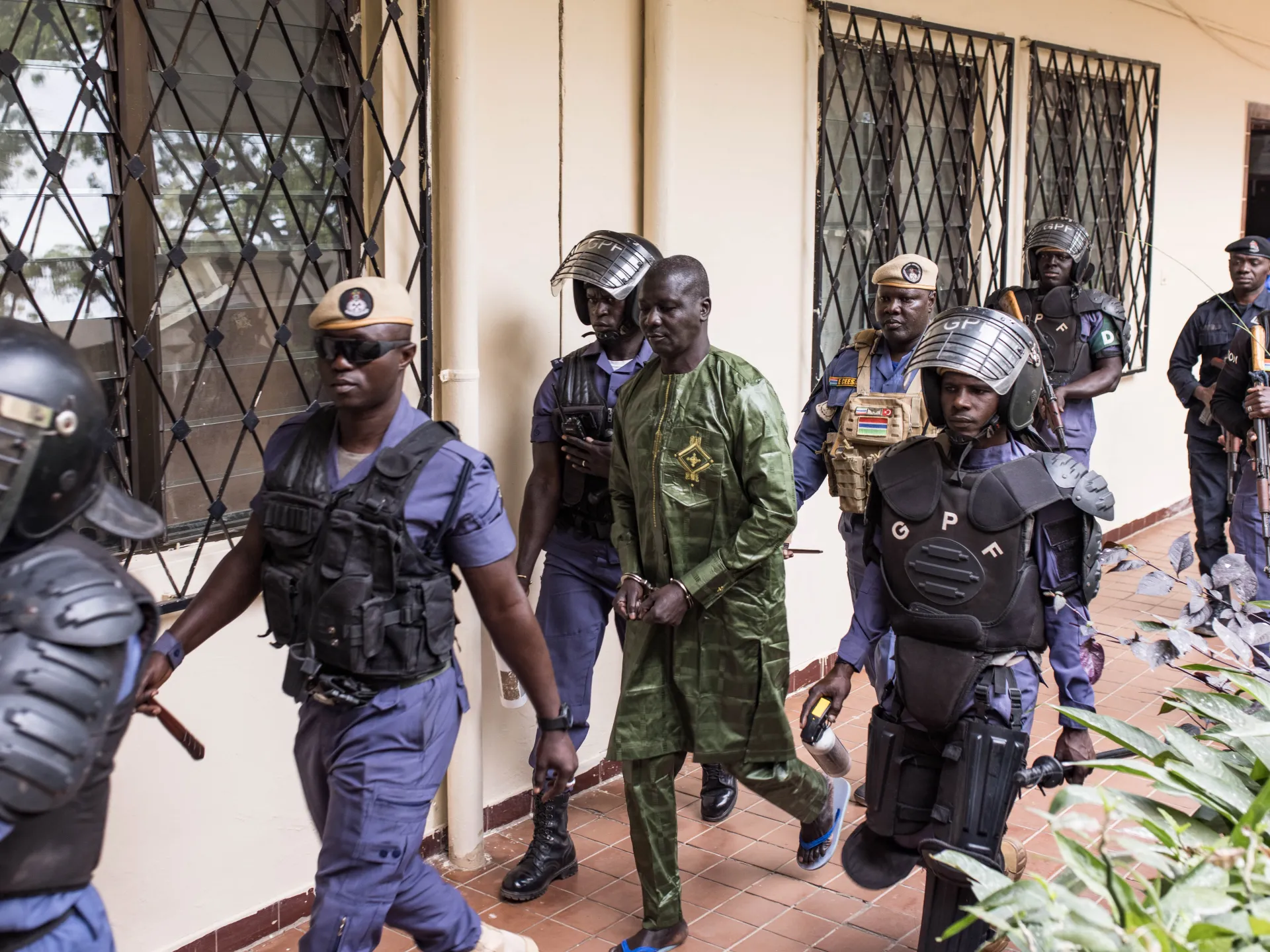
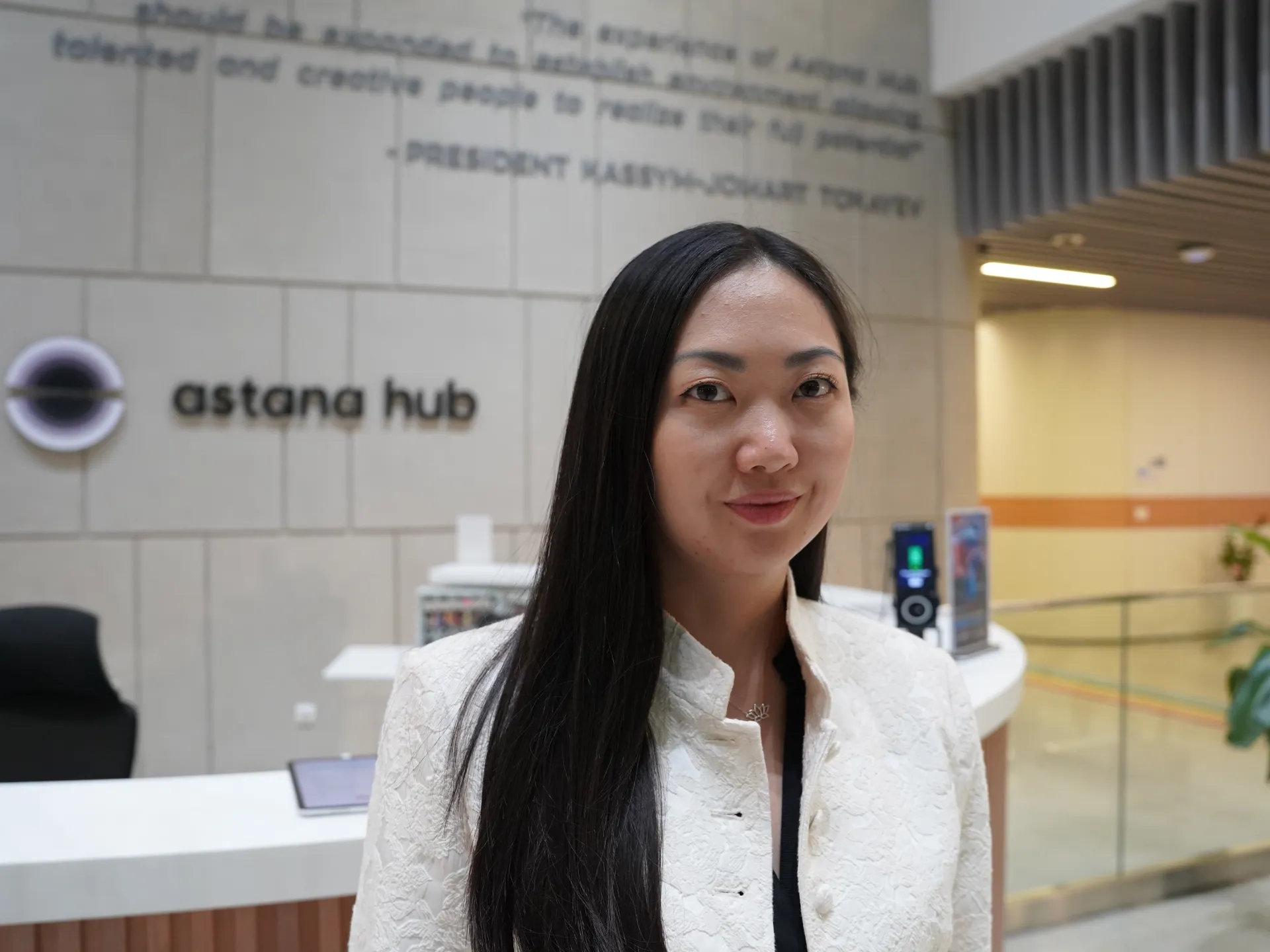
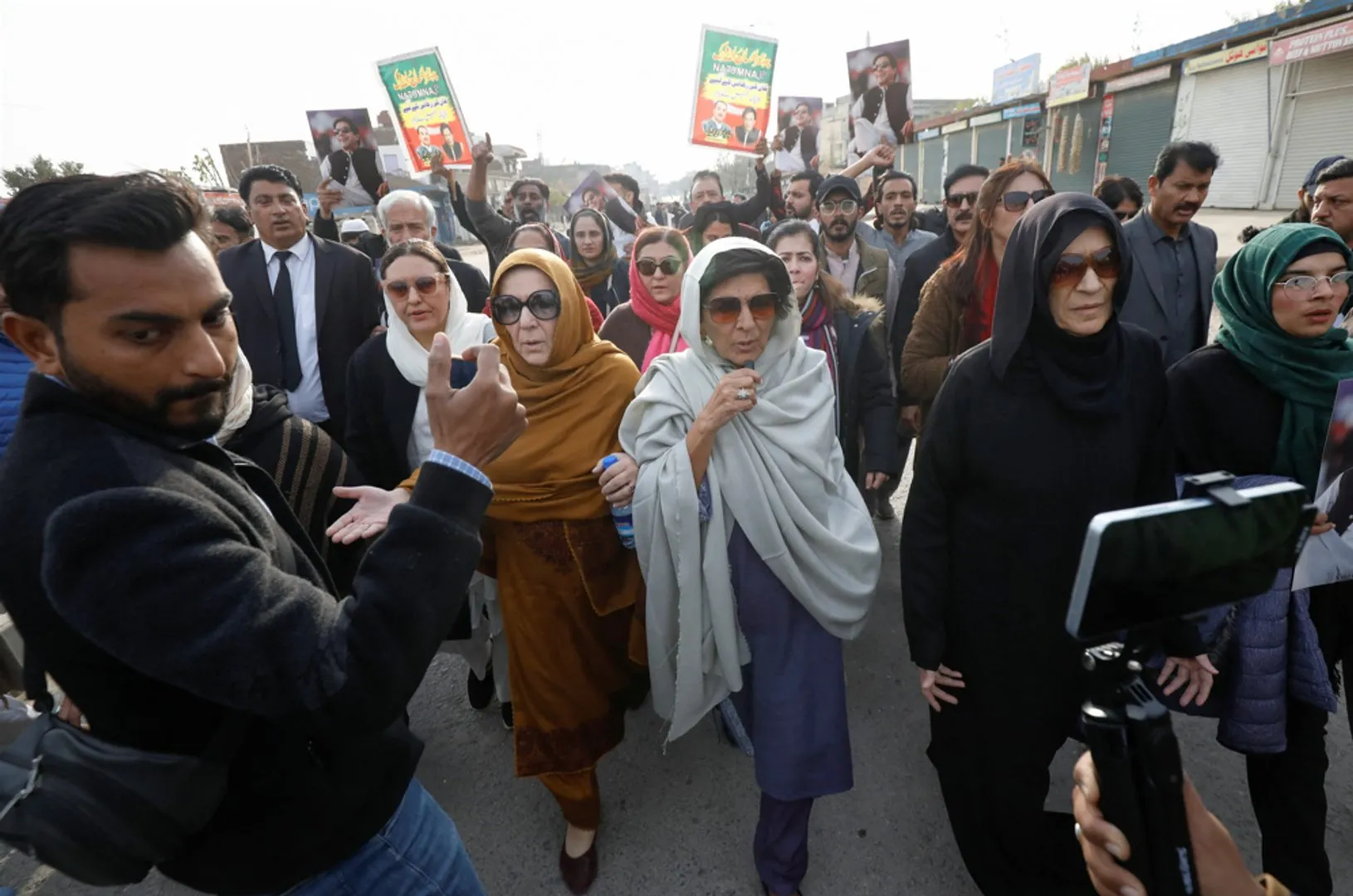
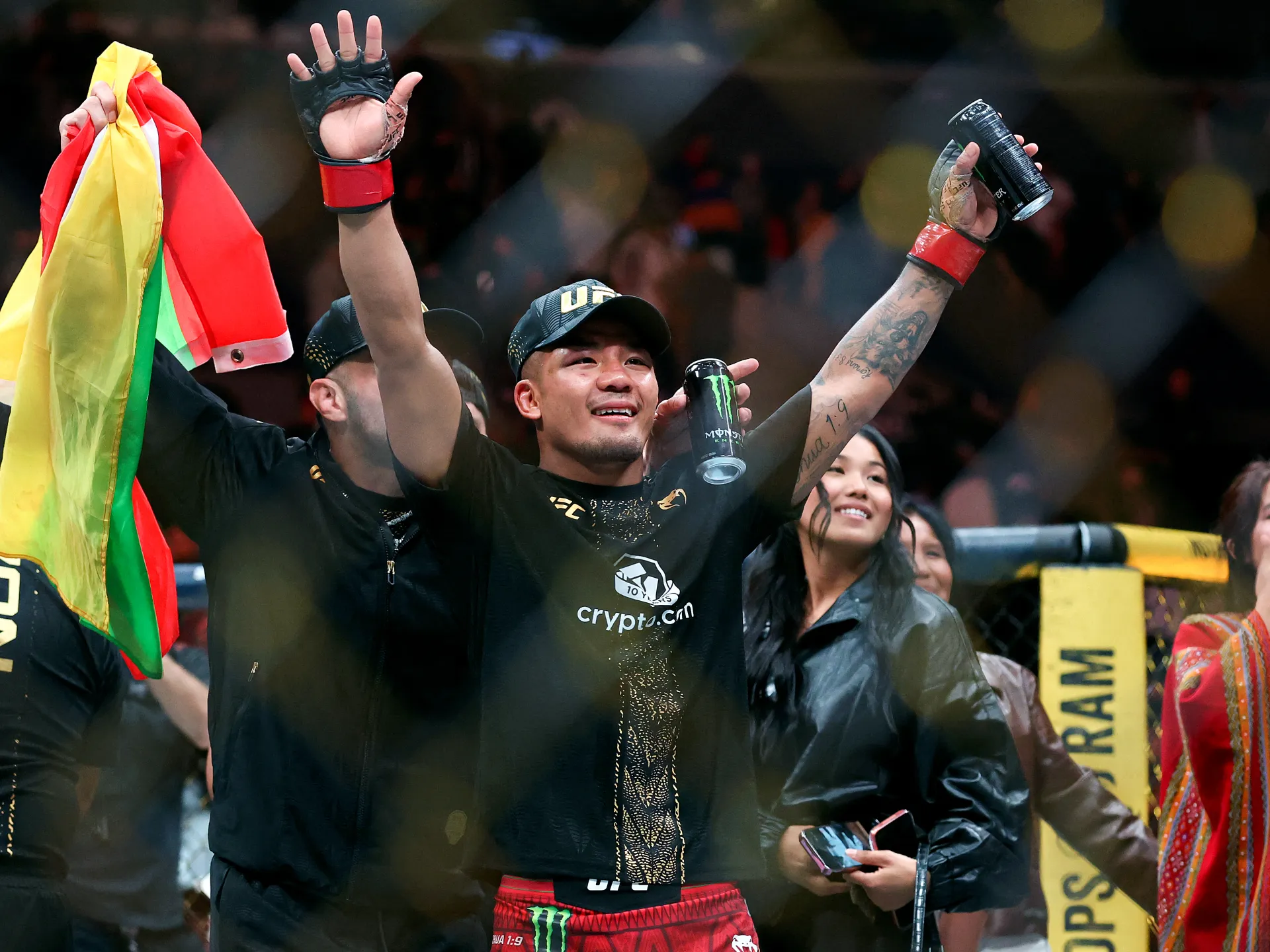
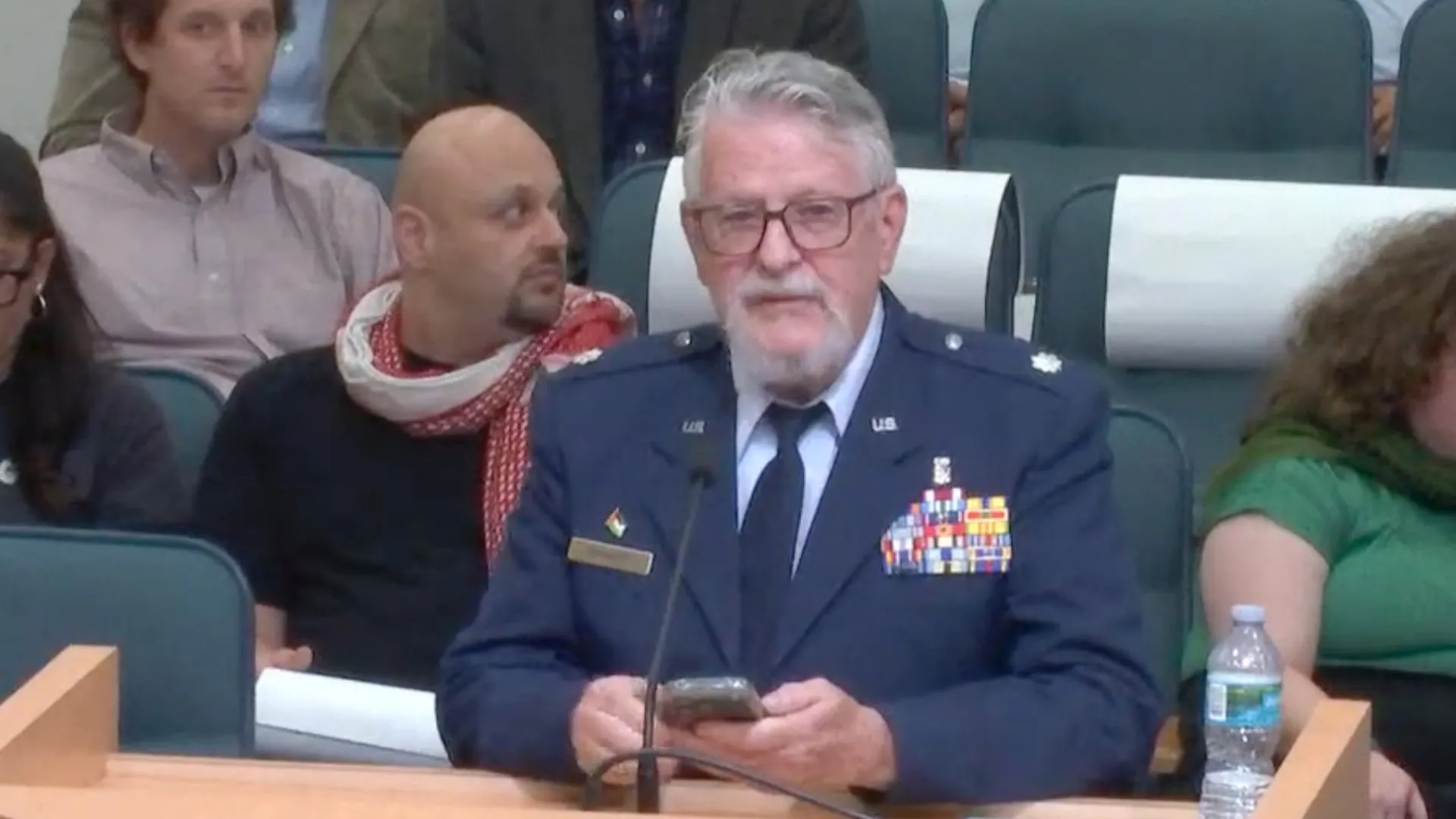
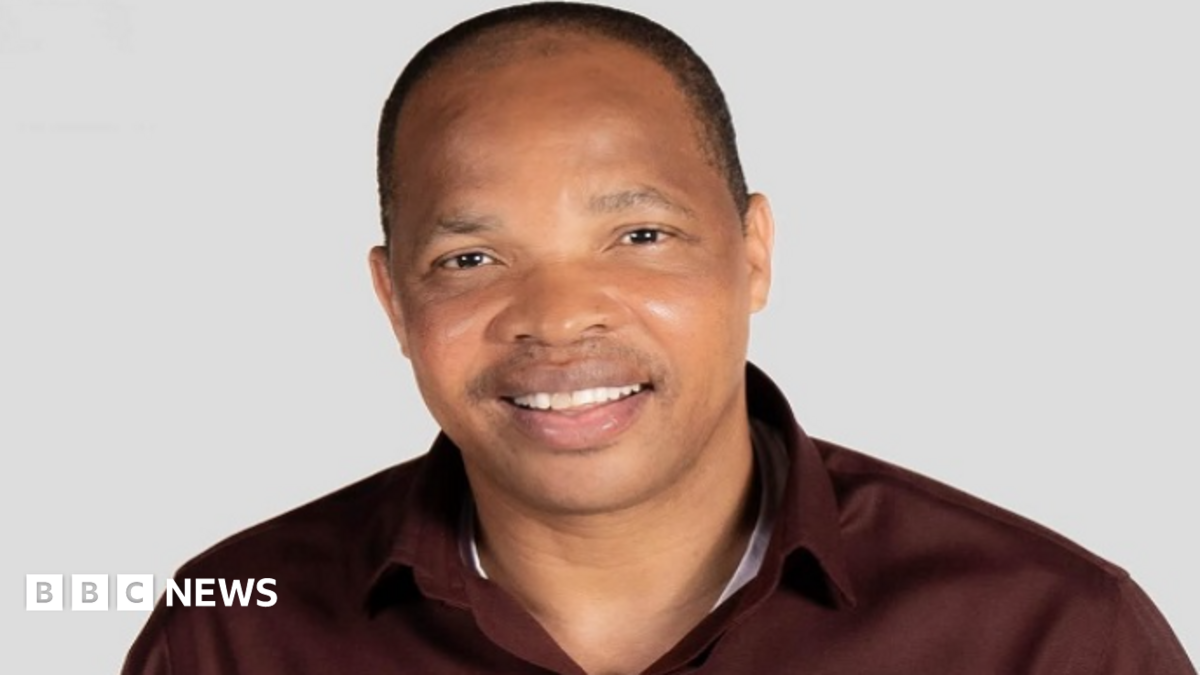
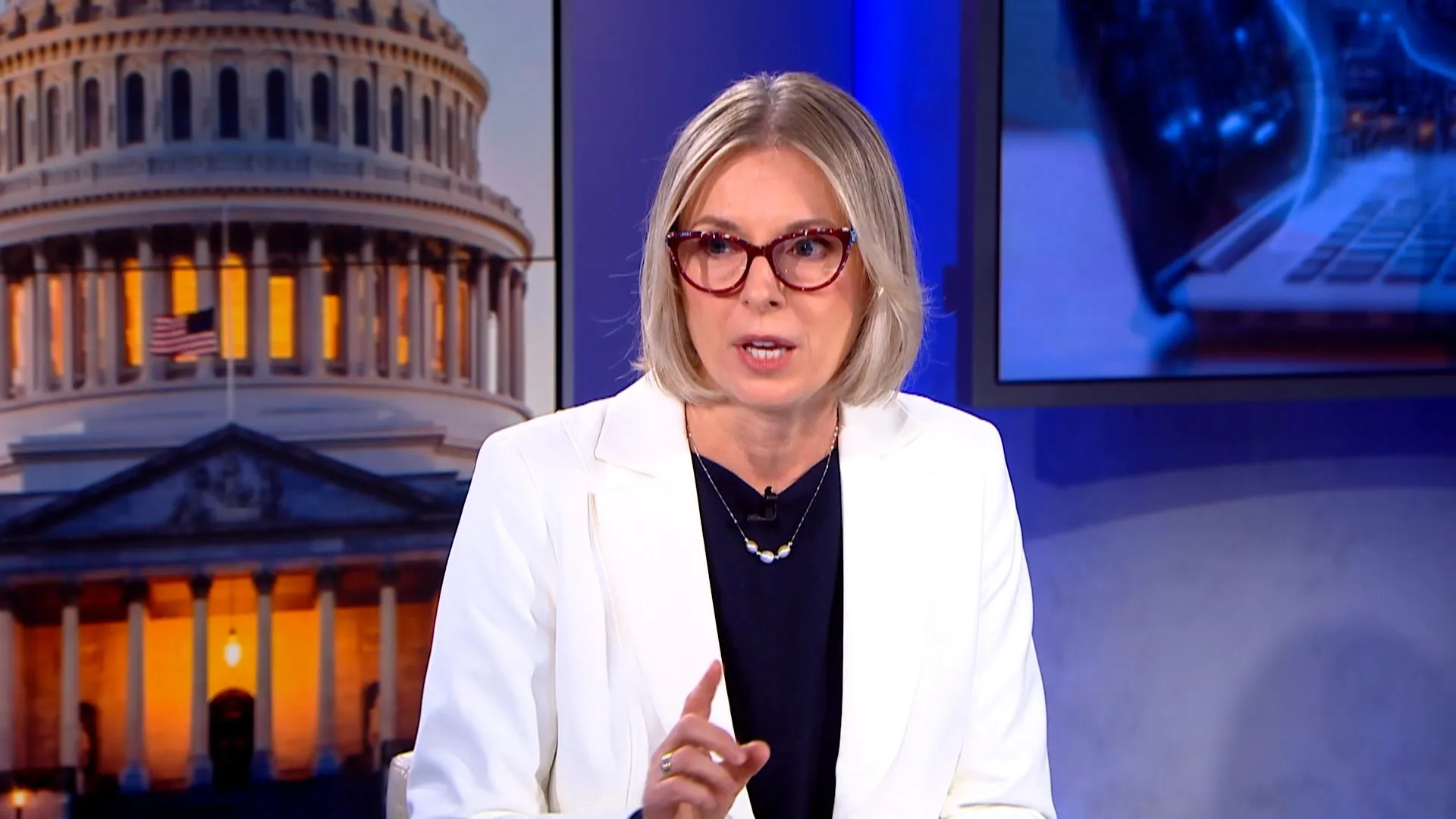
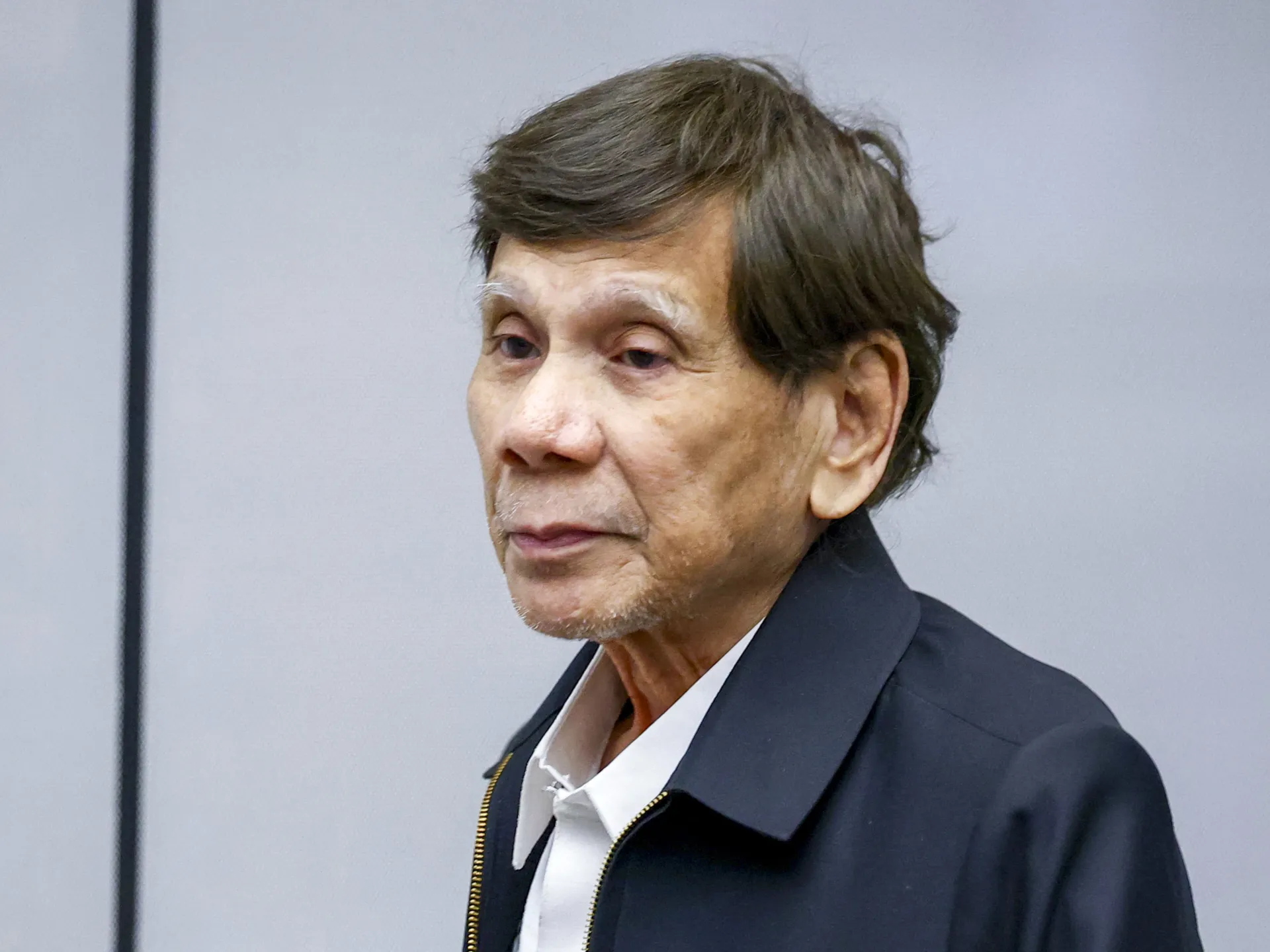
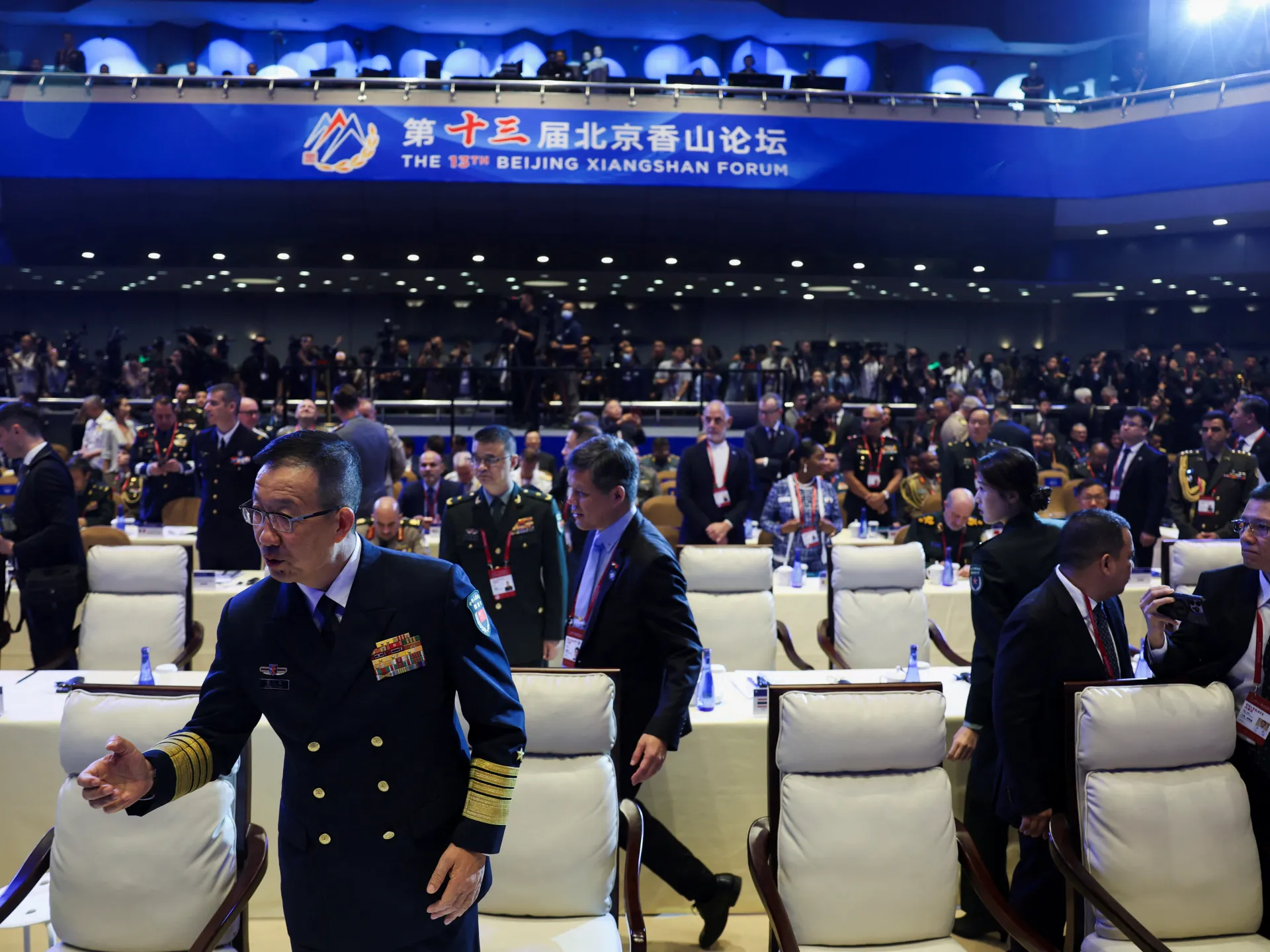
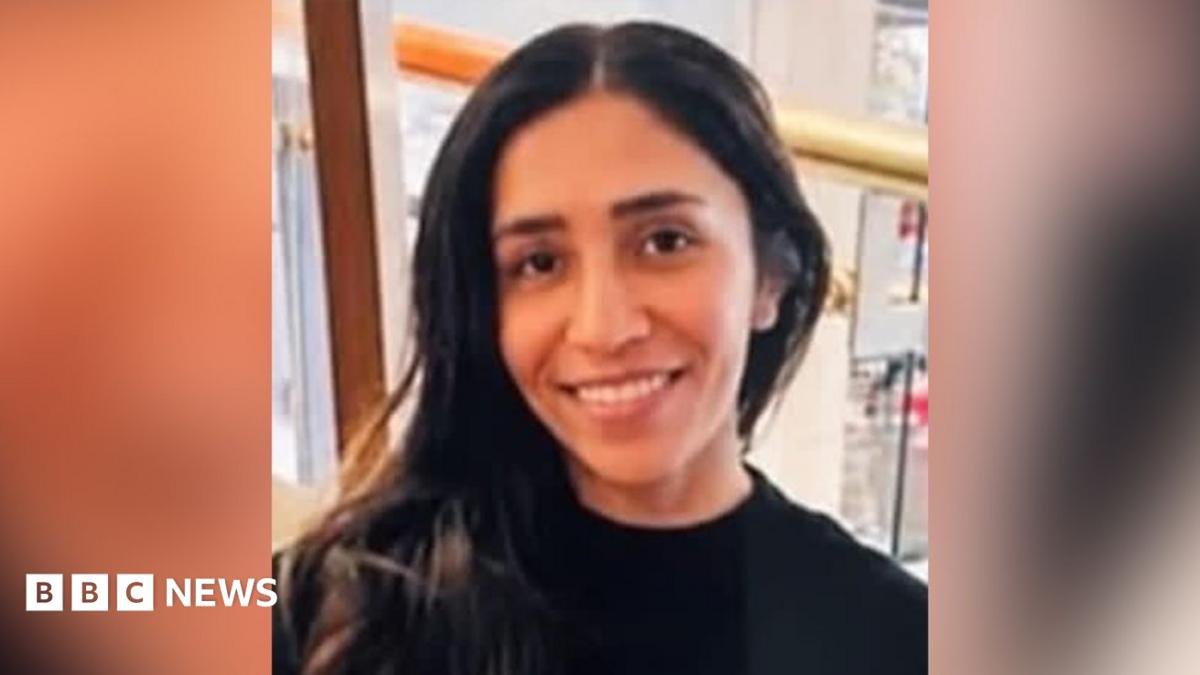
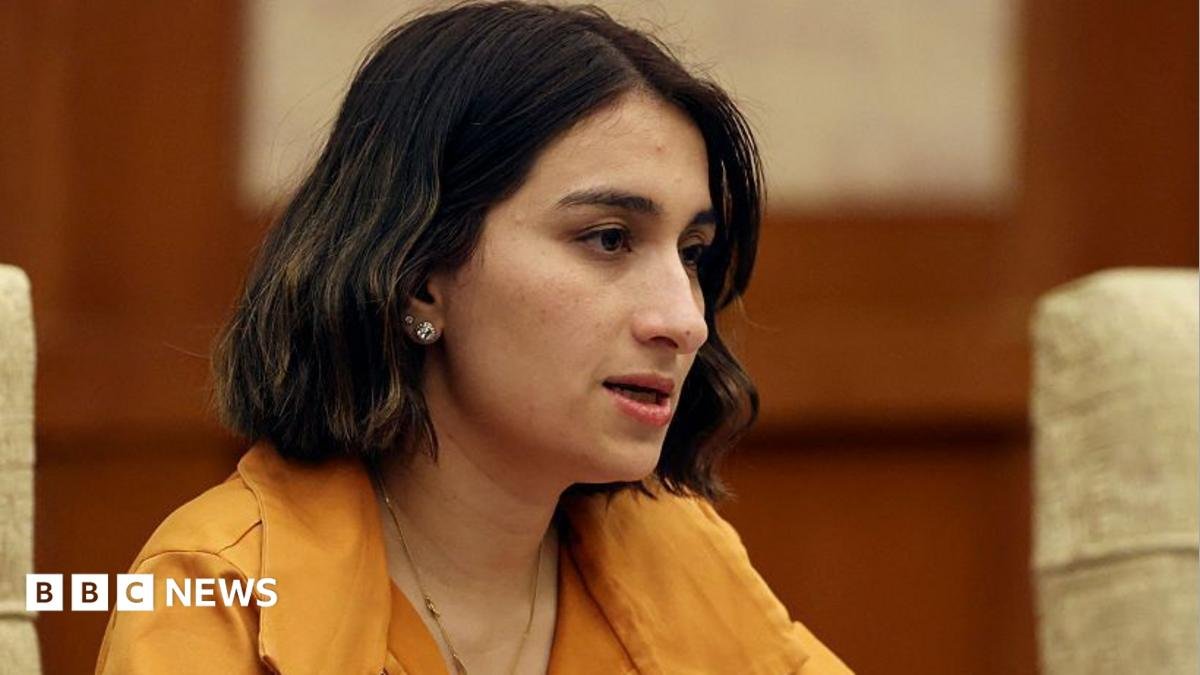
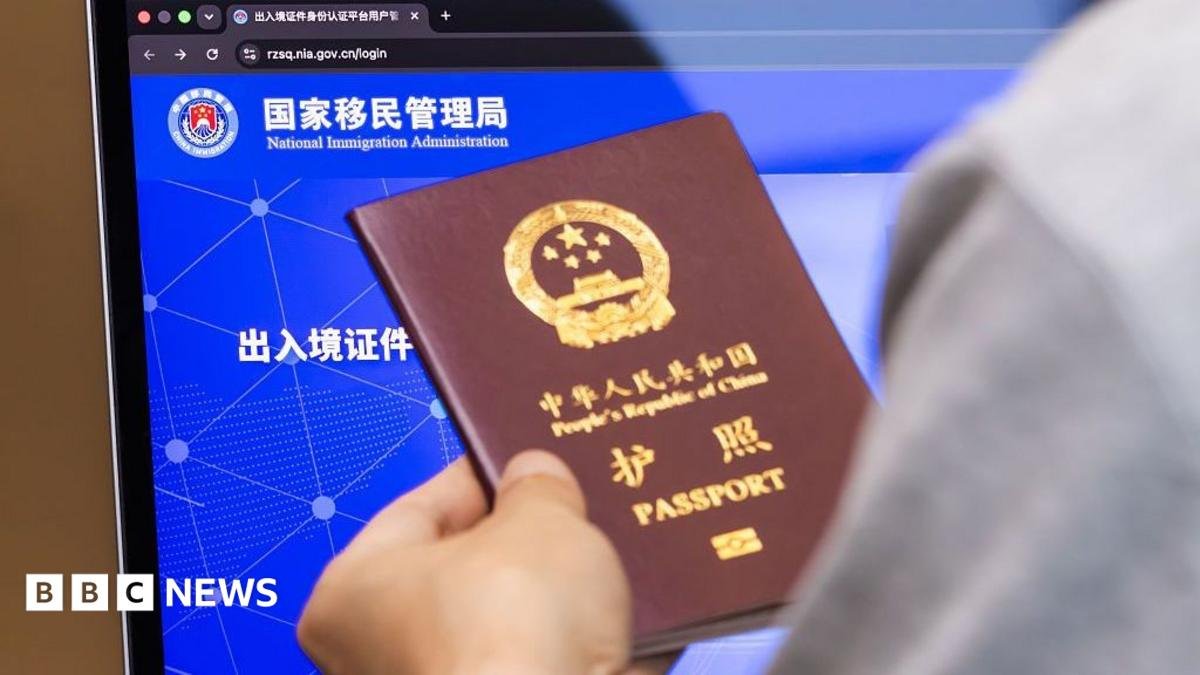
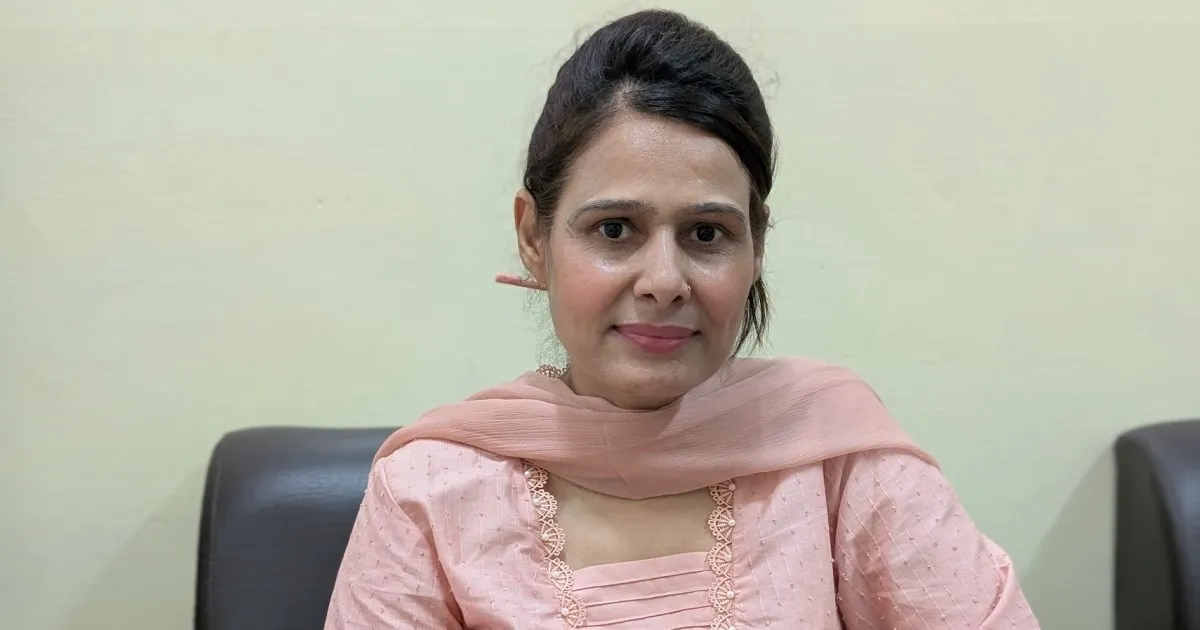
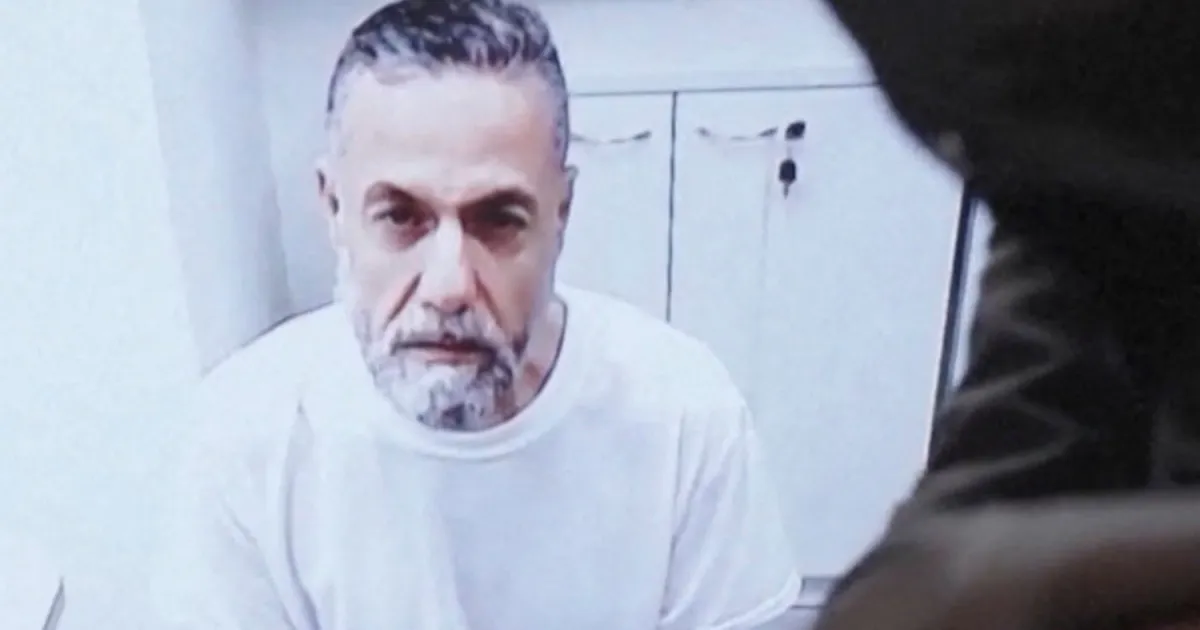
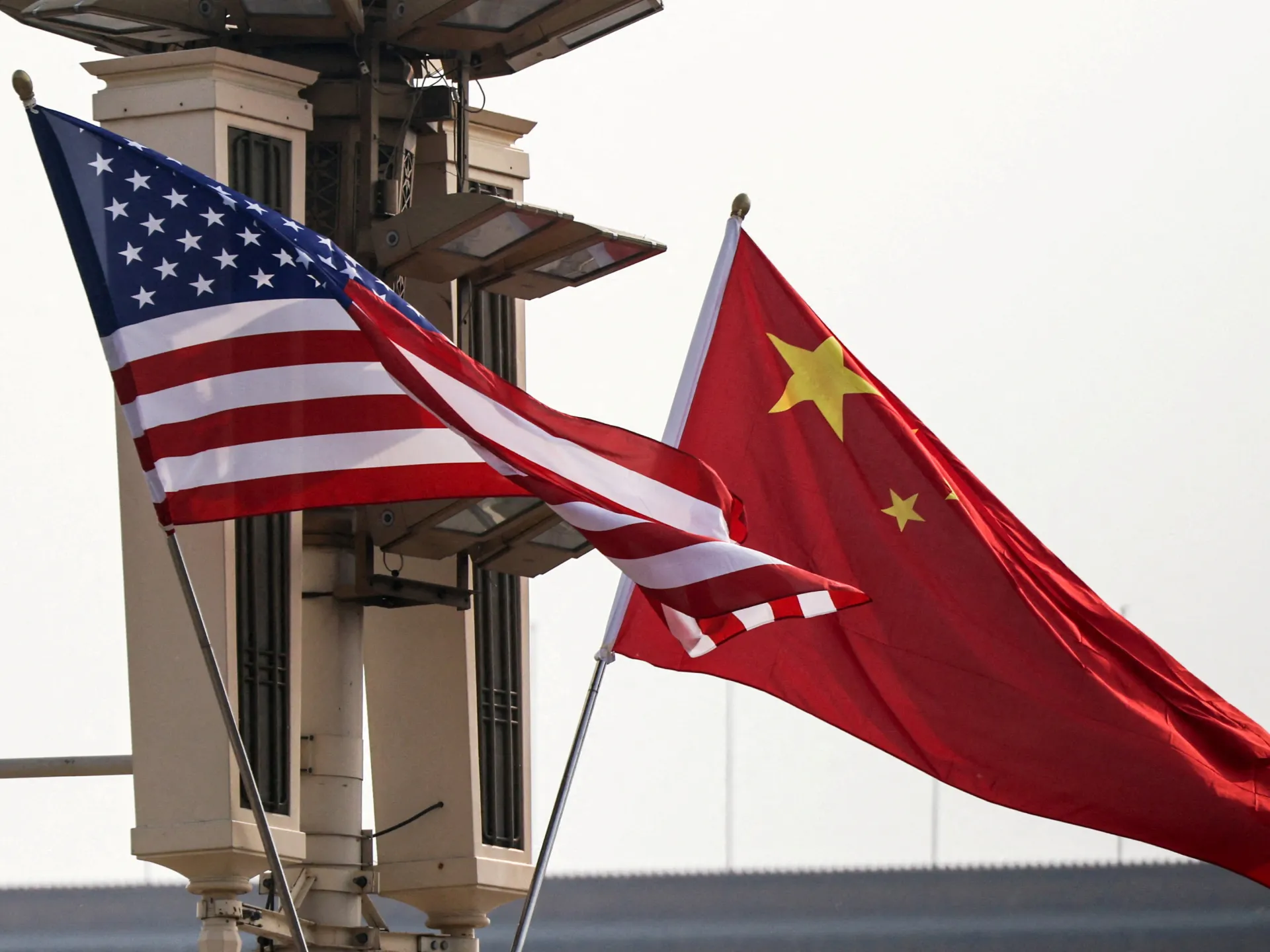
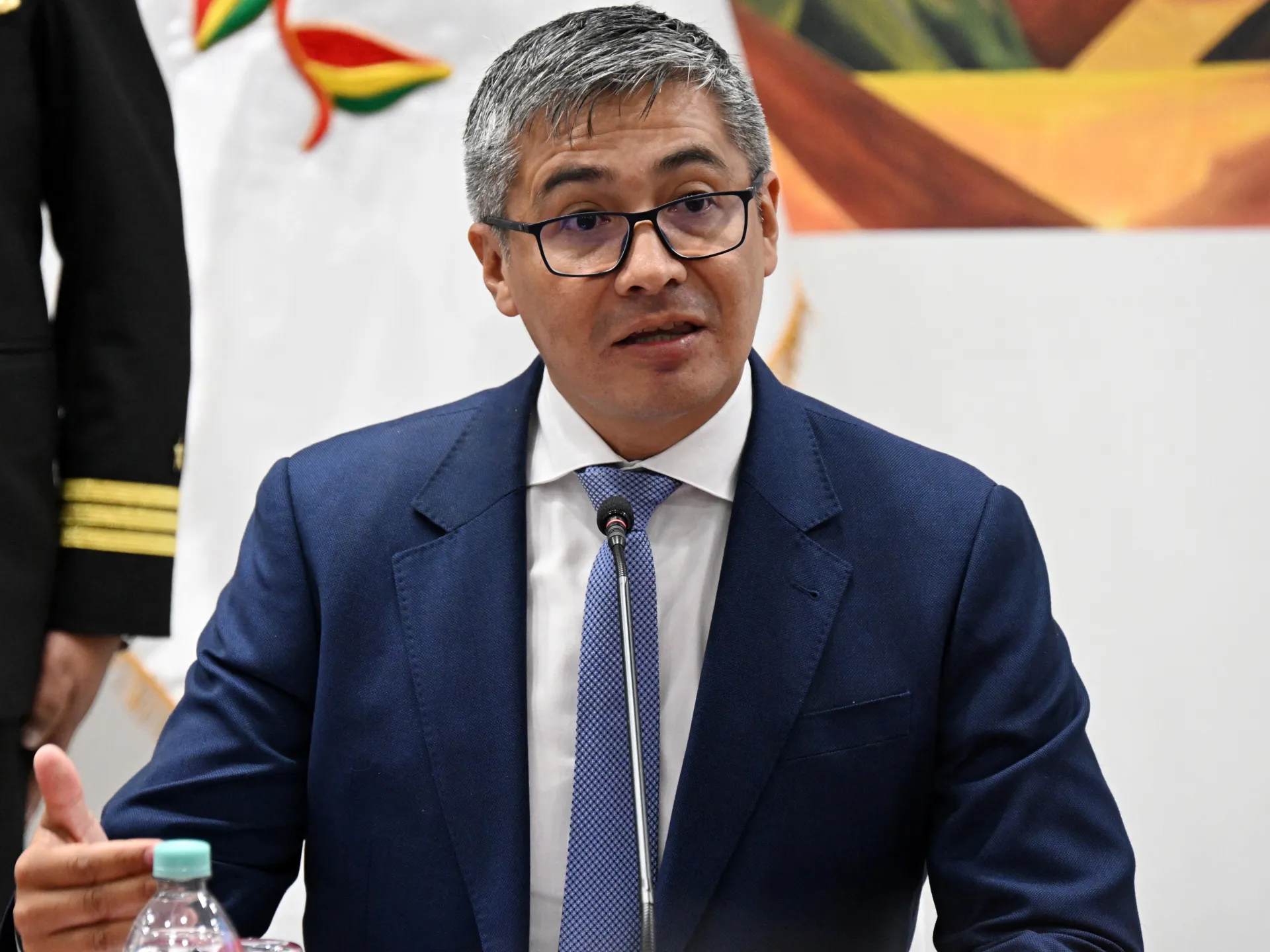
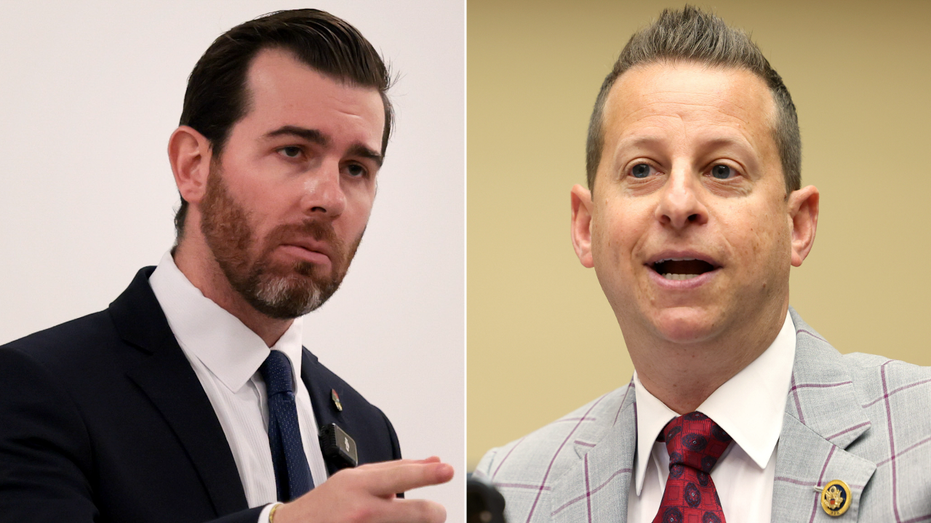
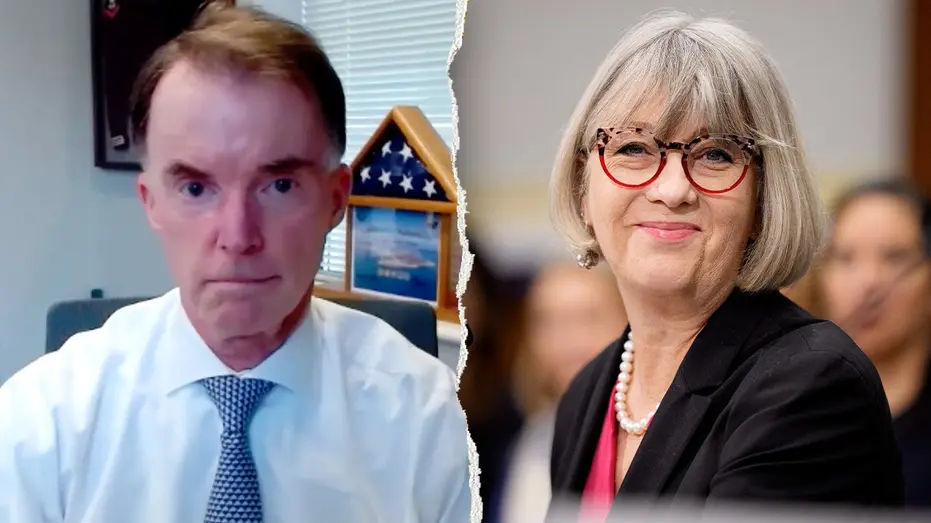
As the administration prepares for the UN, focus has intensified on its bilateral relations with Beijing. On Capitol Hill, families of those held in Chinese detention centers are actively lobbying for the President to leverage the upcoming White House summit to secure their loved ones' freedom. Sylvia Zin, wife of the imprisoned scholar U Min Zin, testified before a House subcommittee that the President’s record on returning detainees provides a measure of optimism for a swift resolution. Her testimony was joined Jimmy Lai.
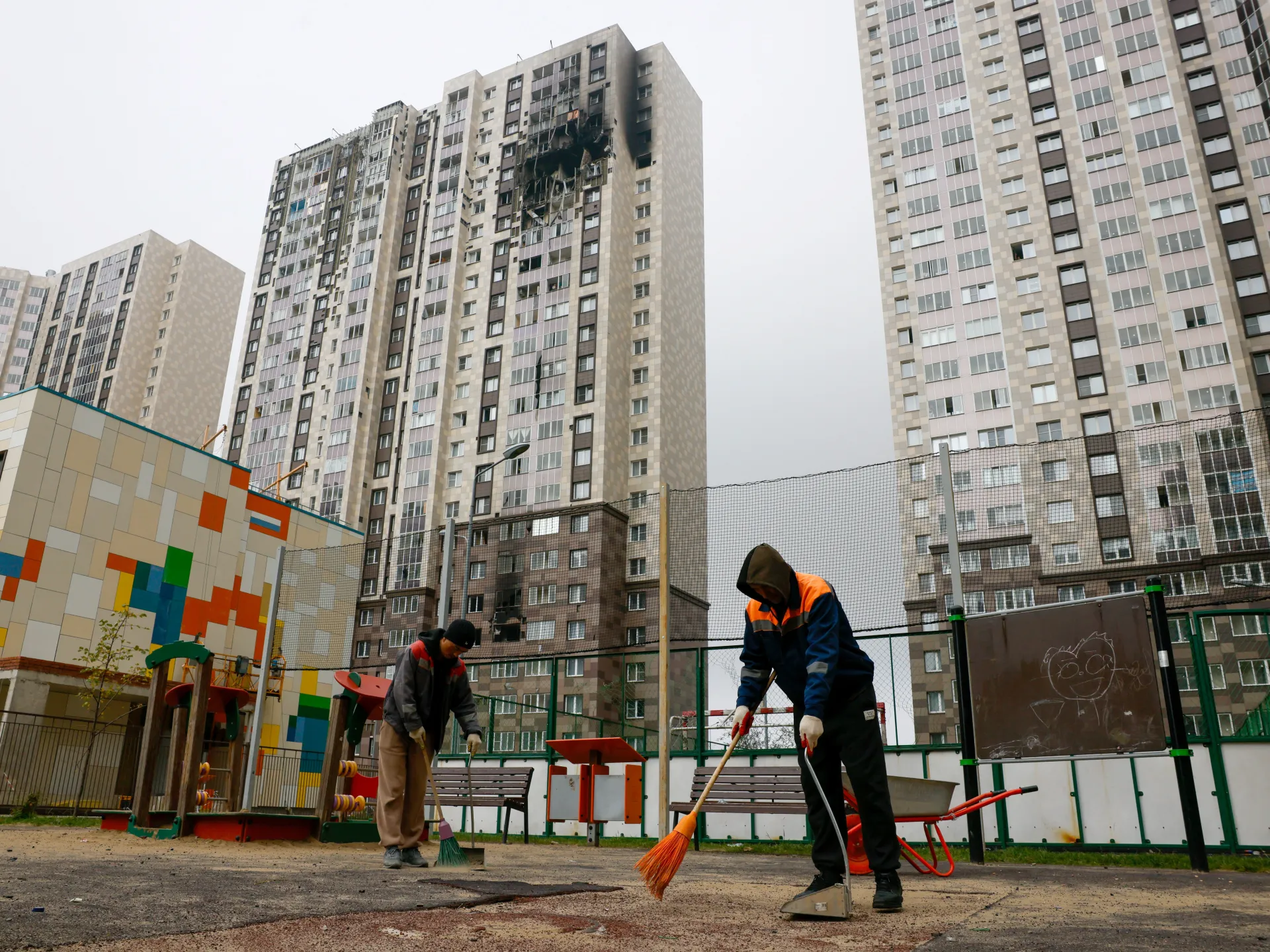
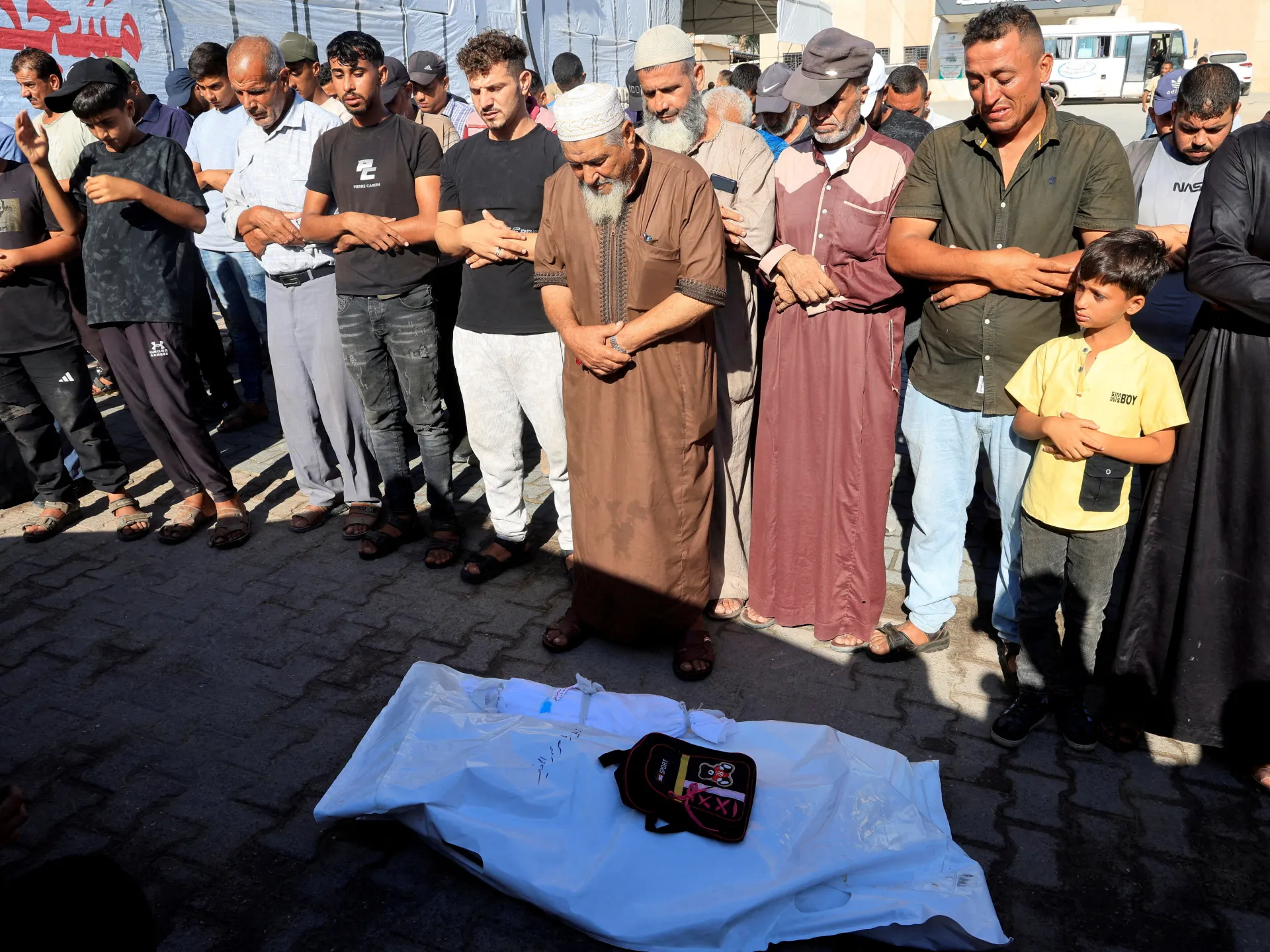
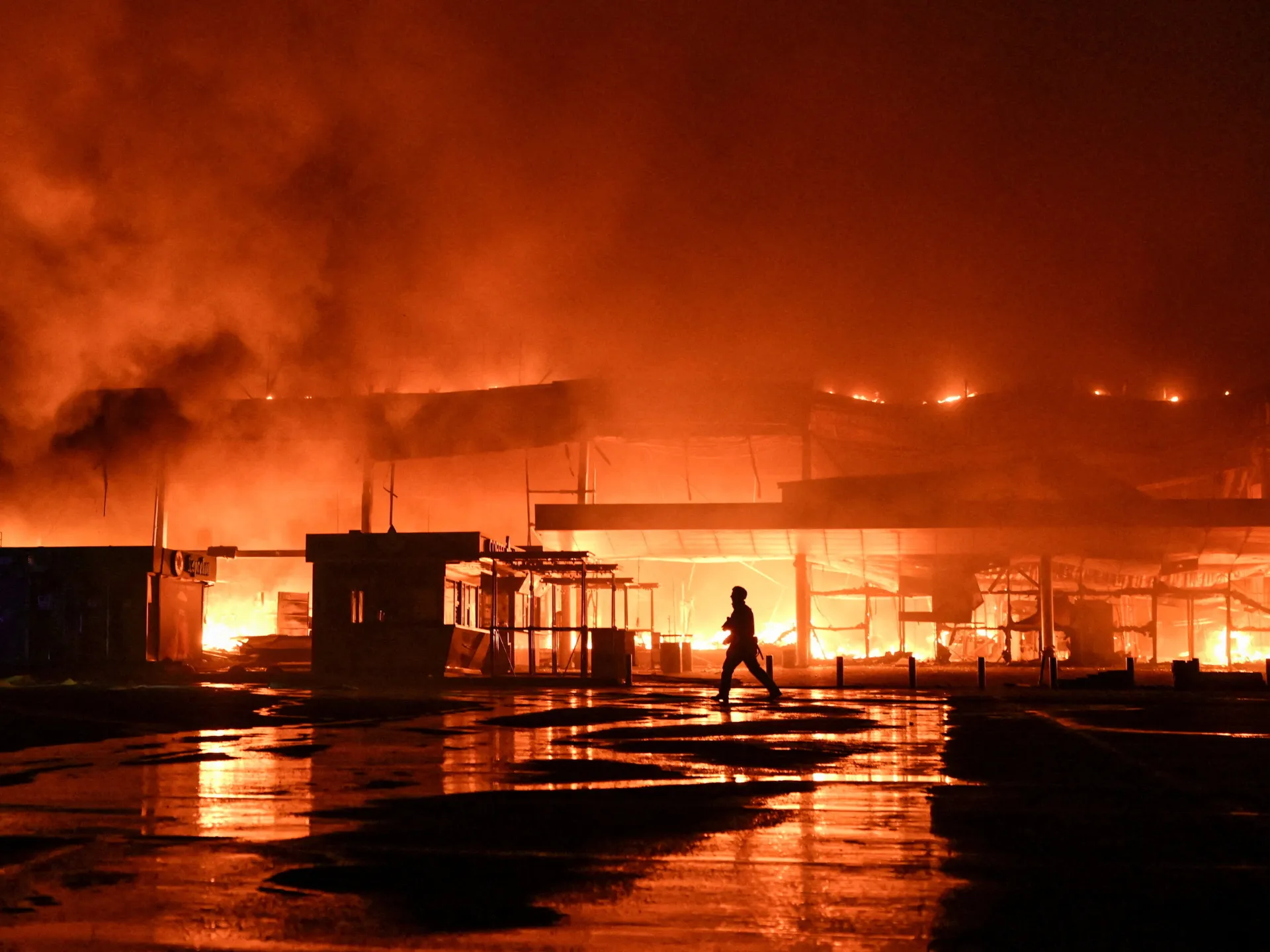
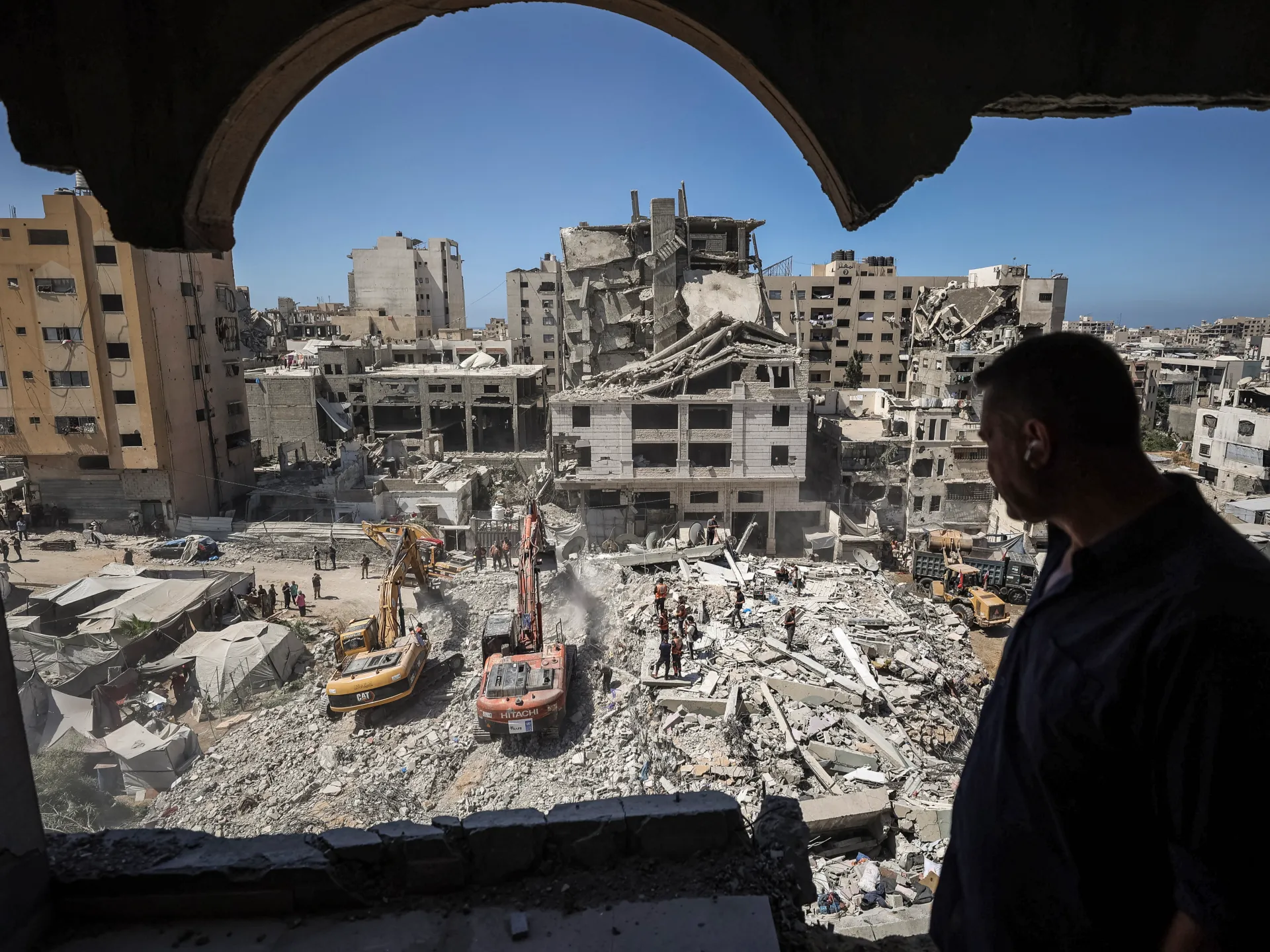
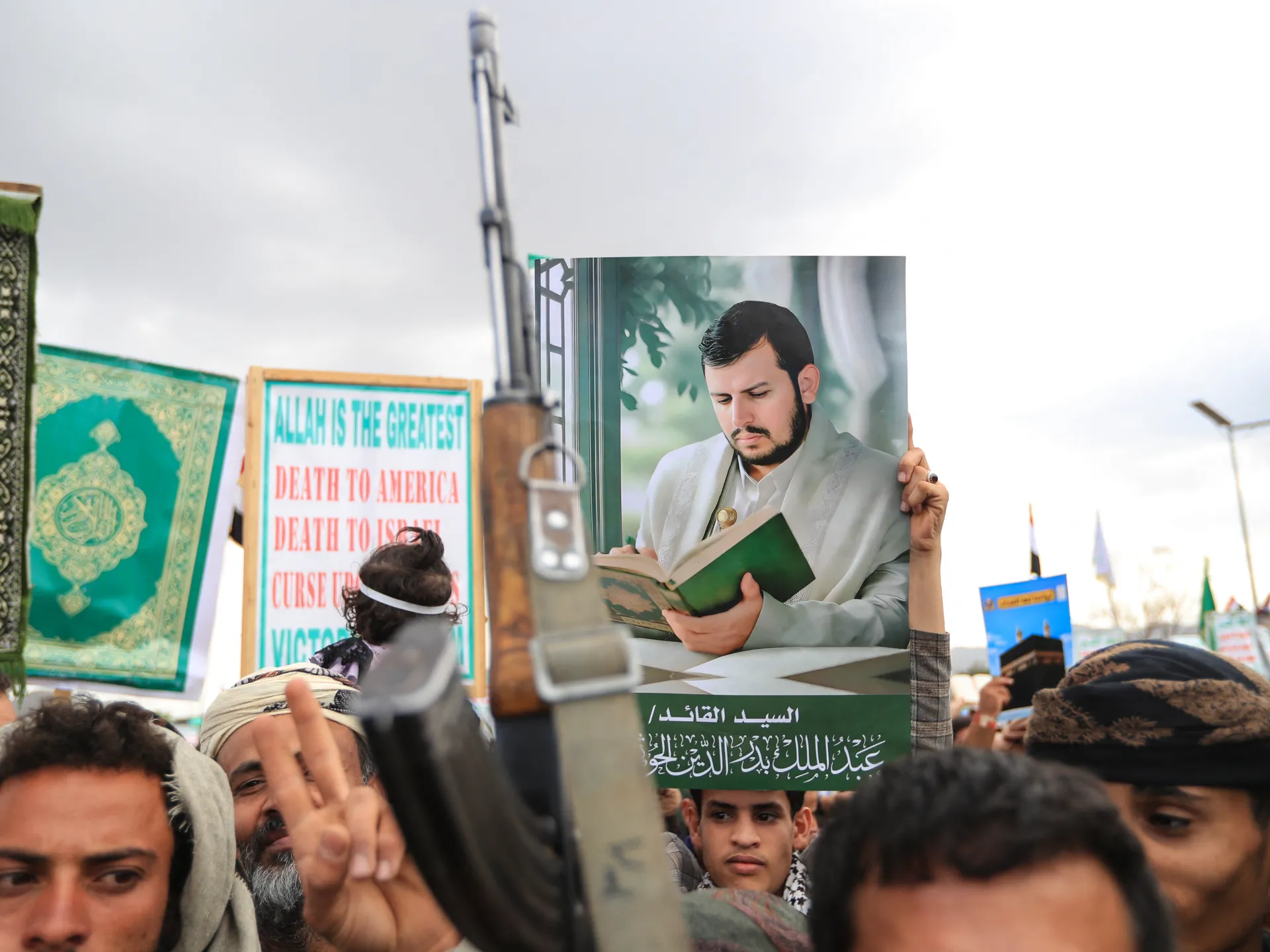
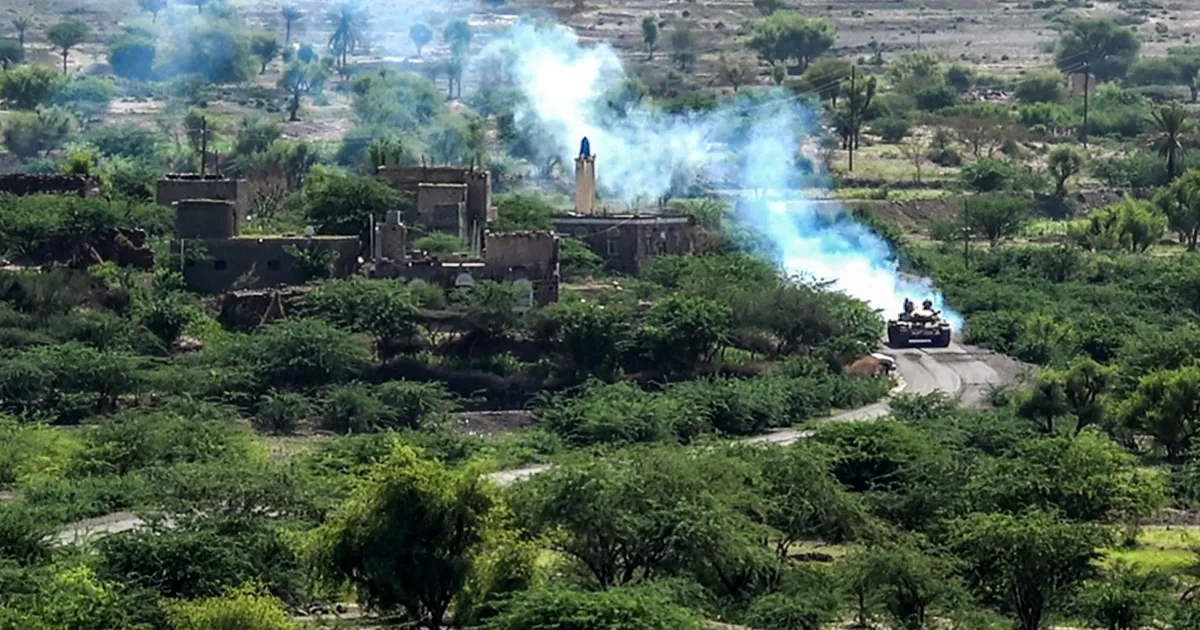
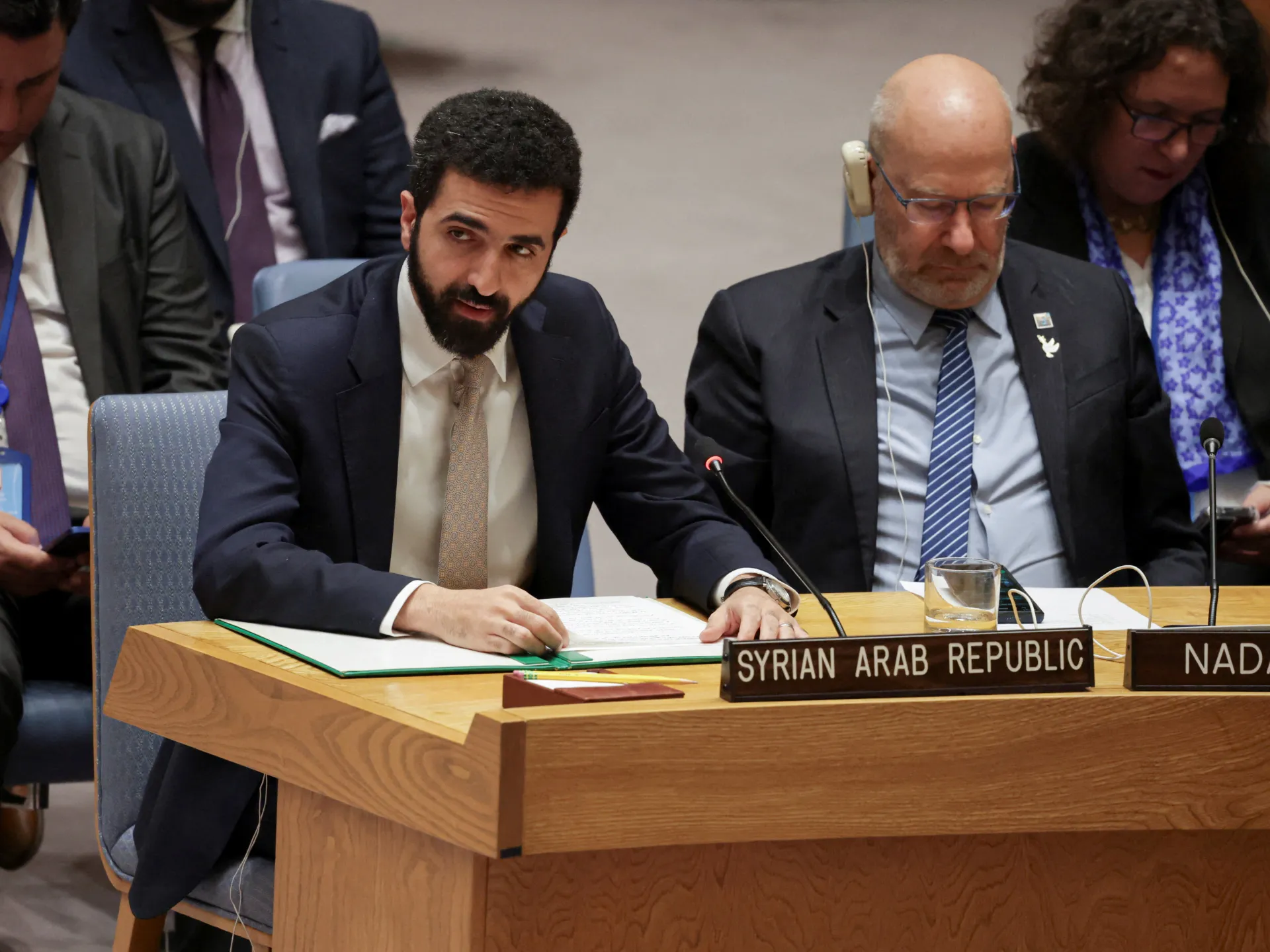
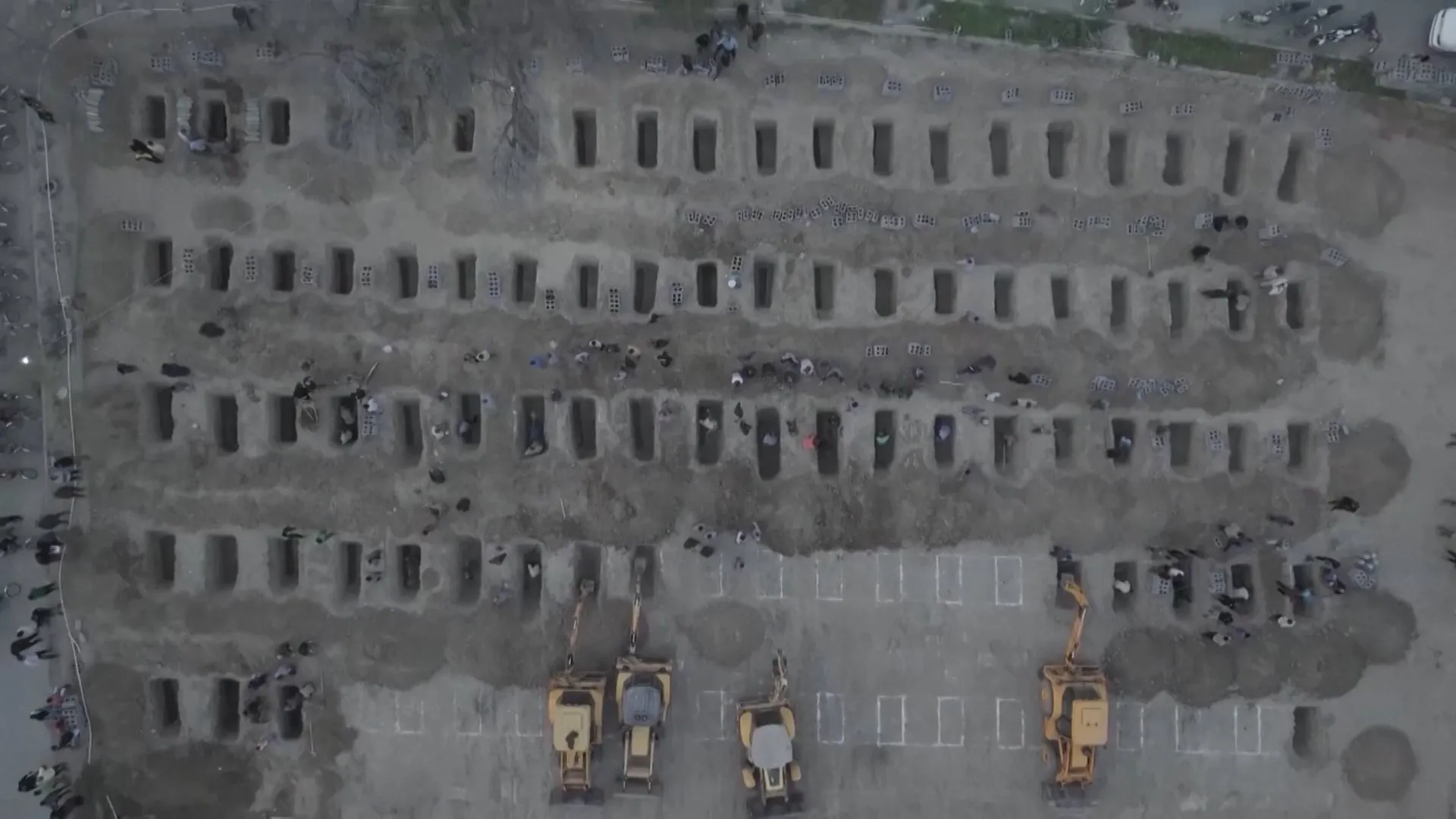
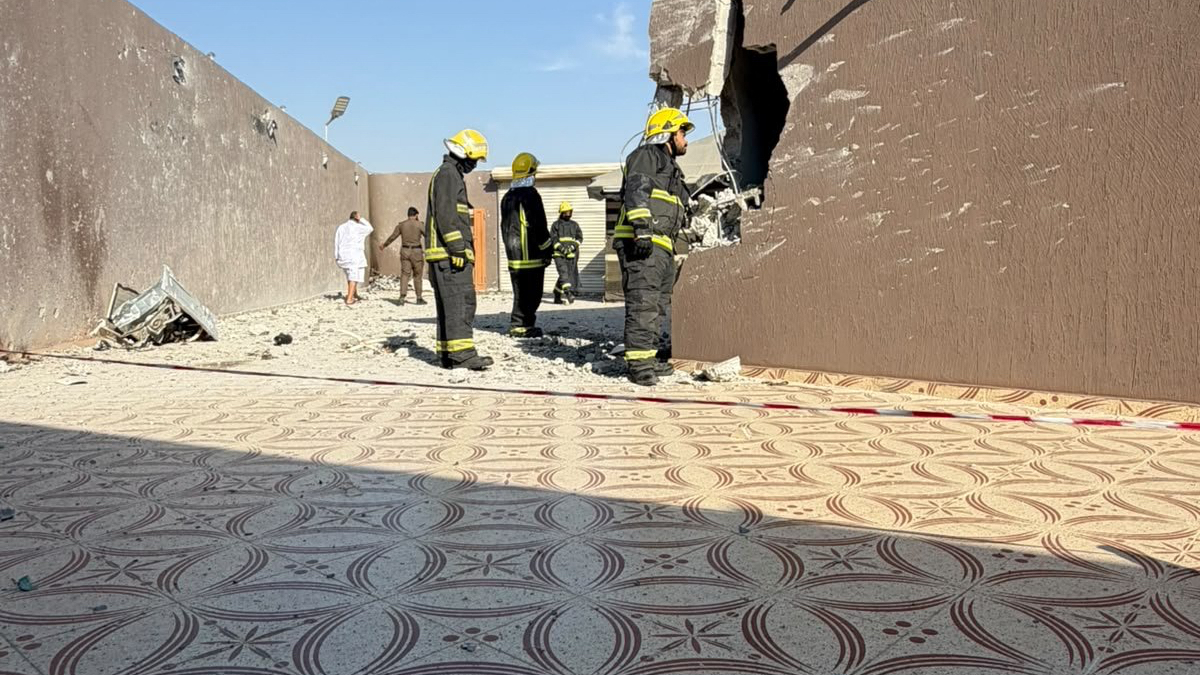
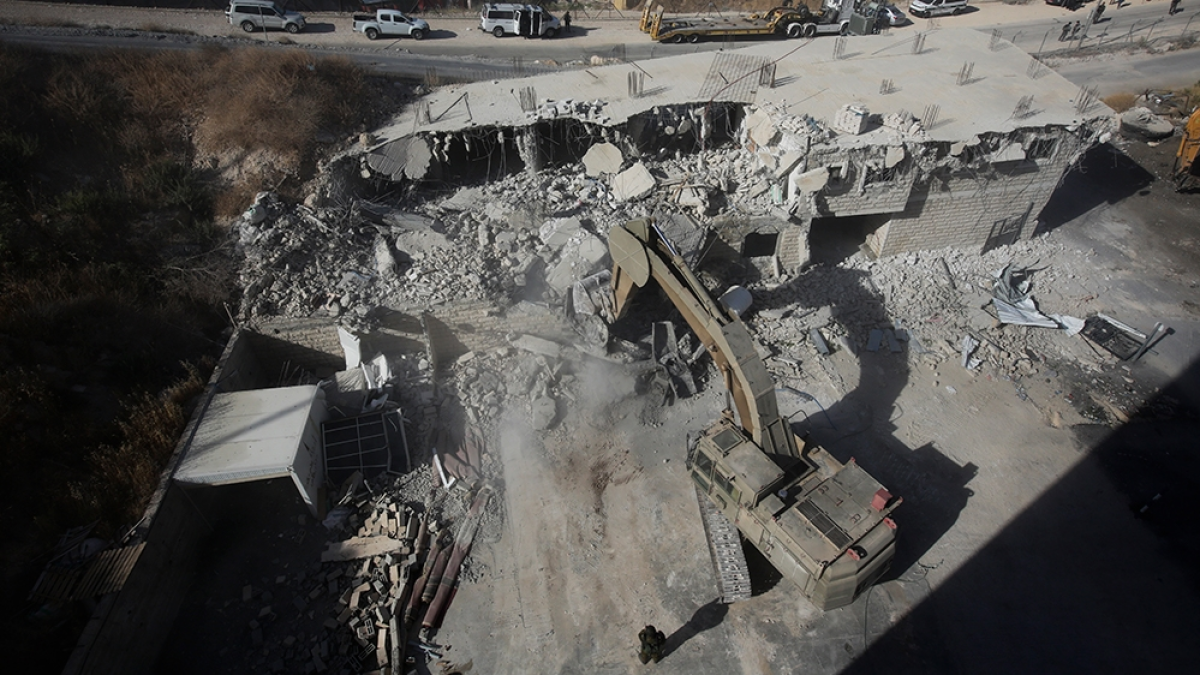
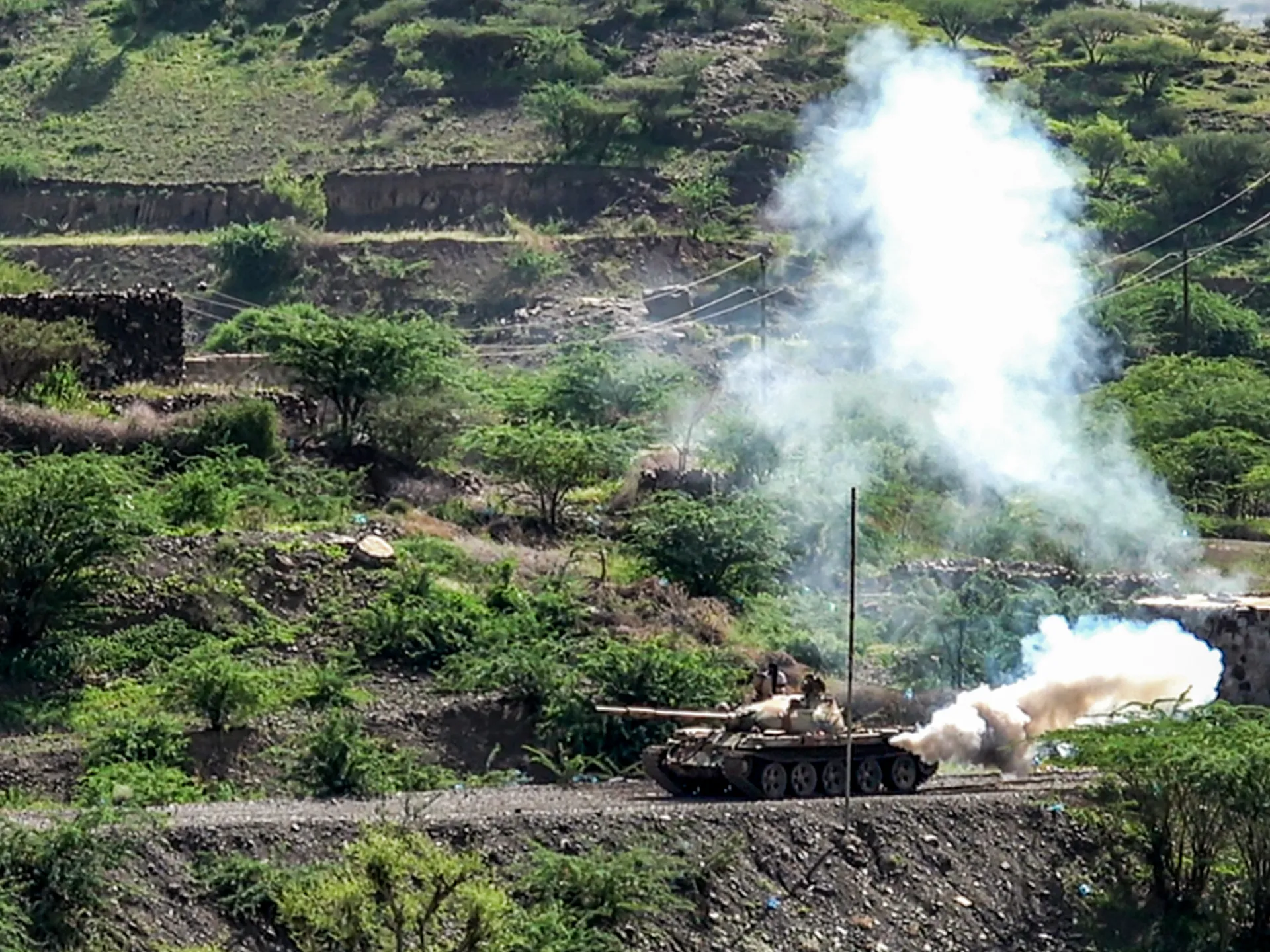
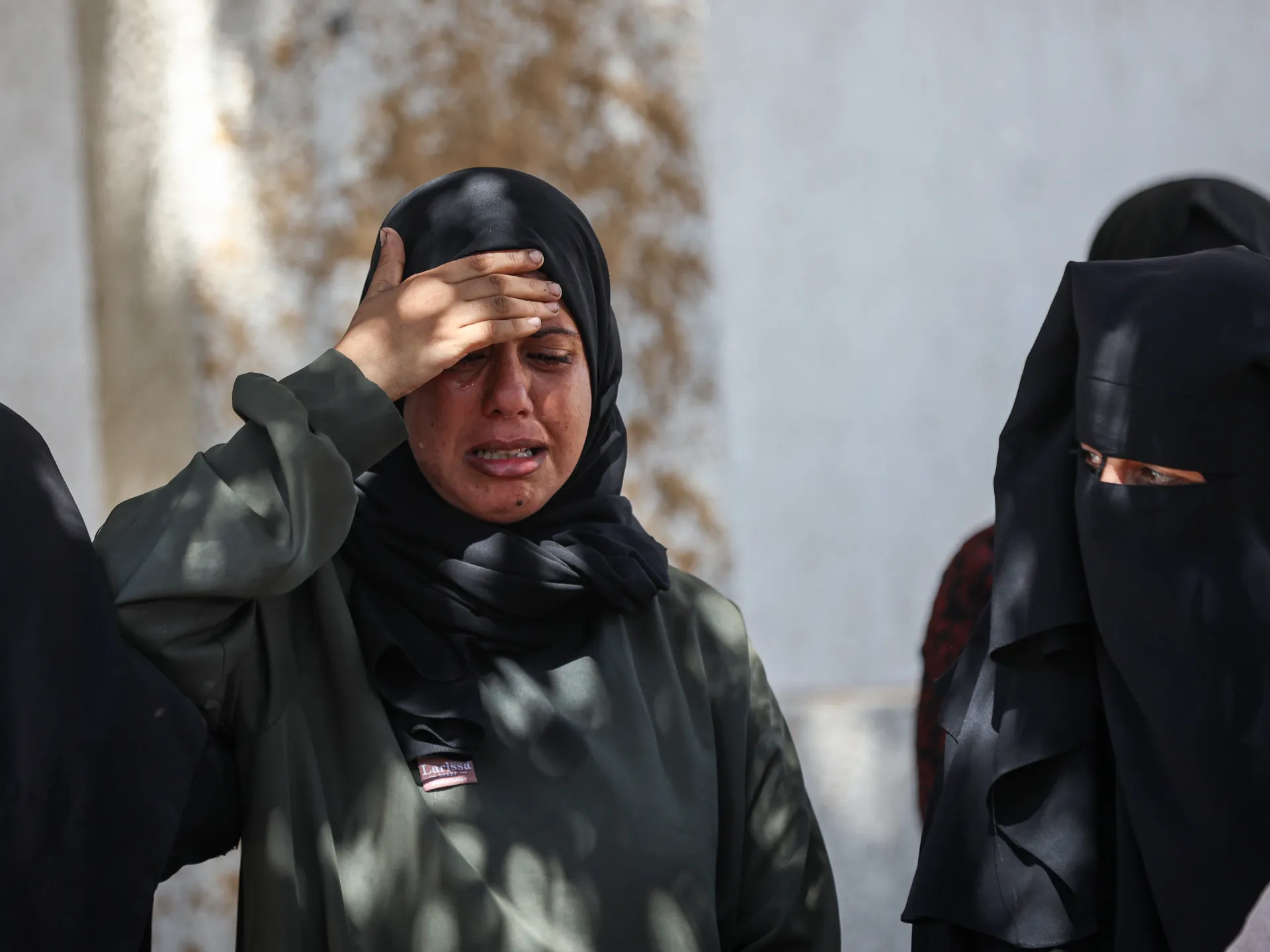
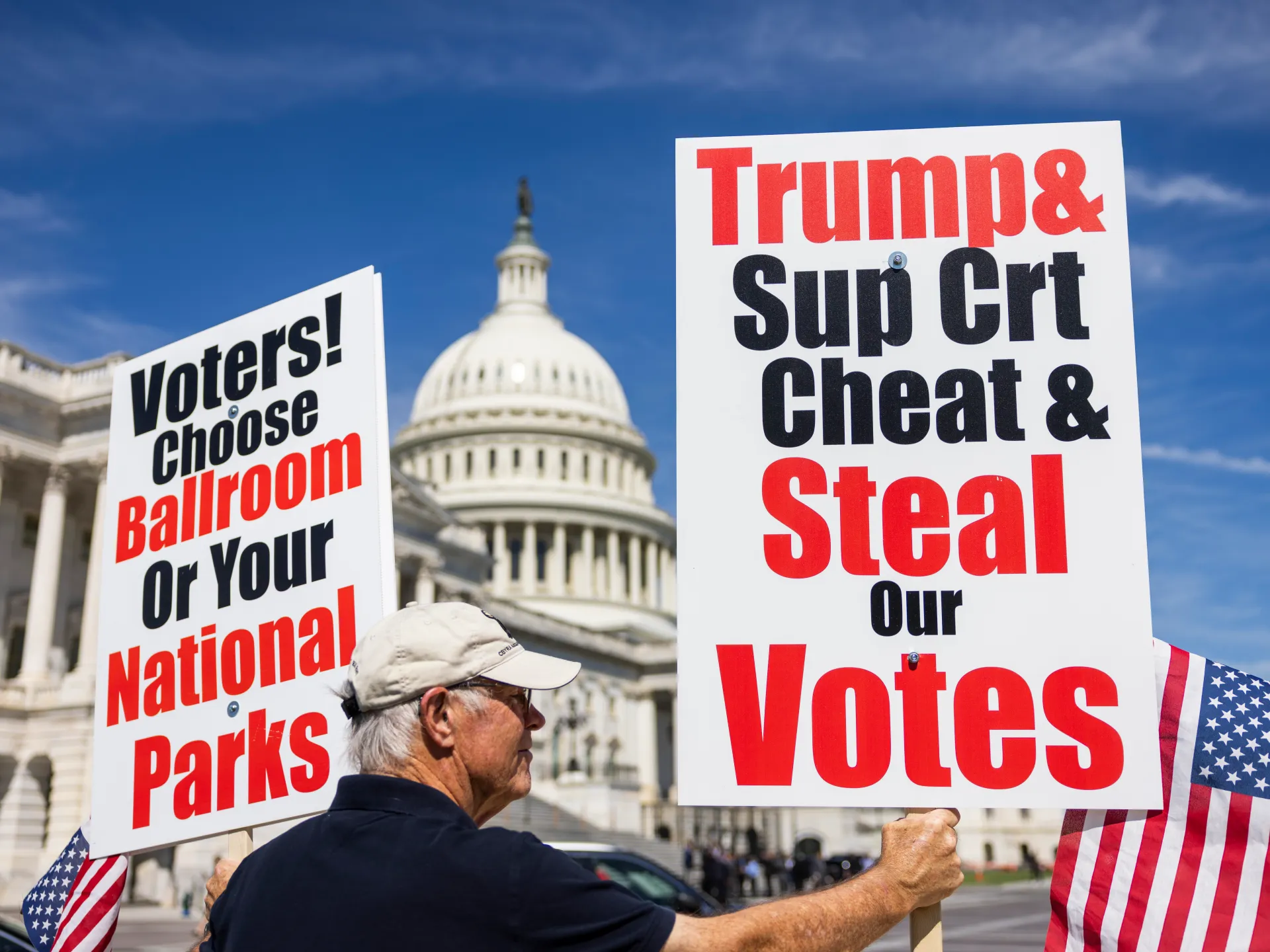
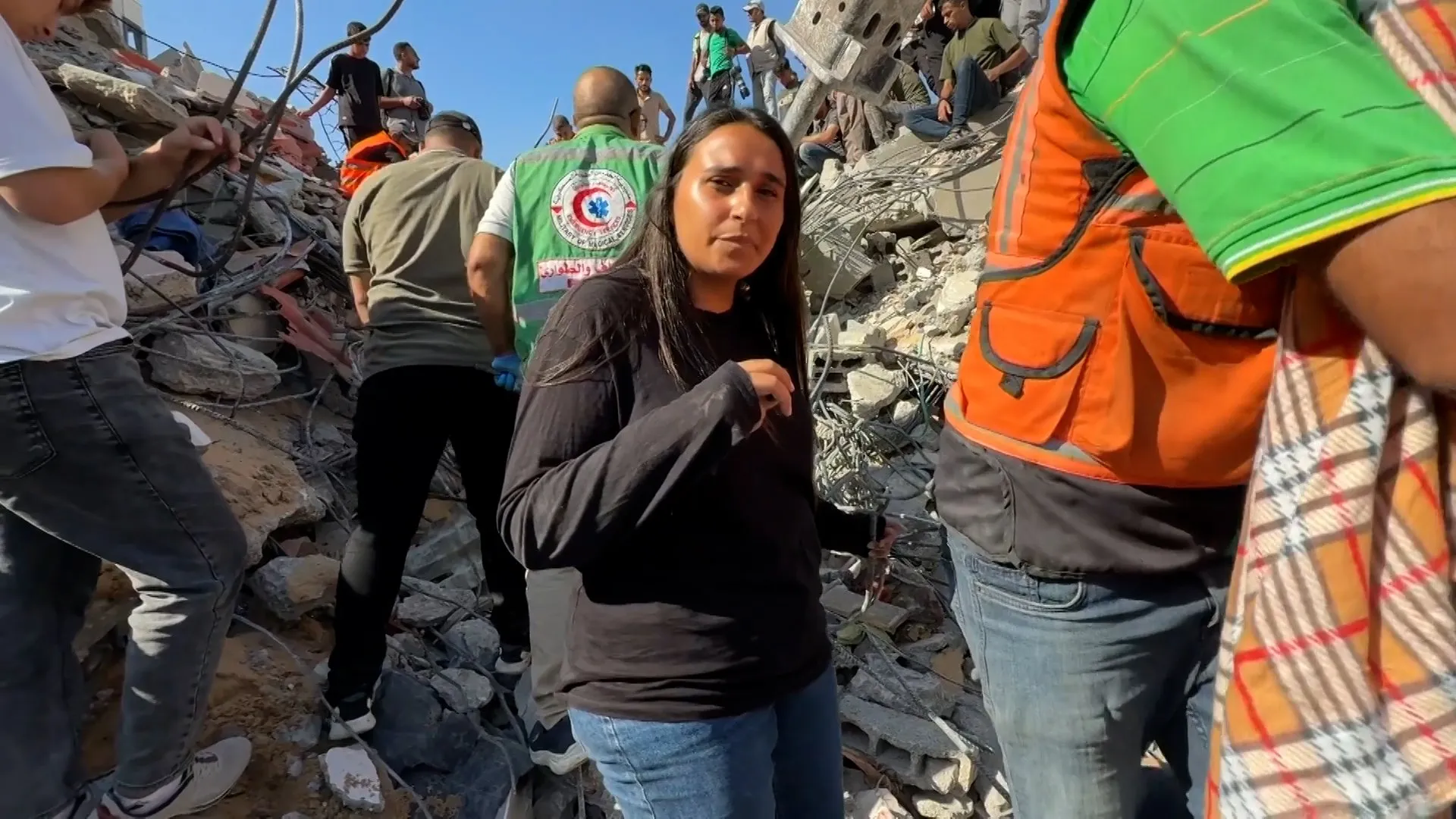
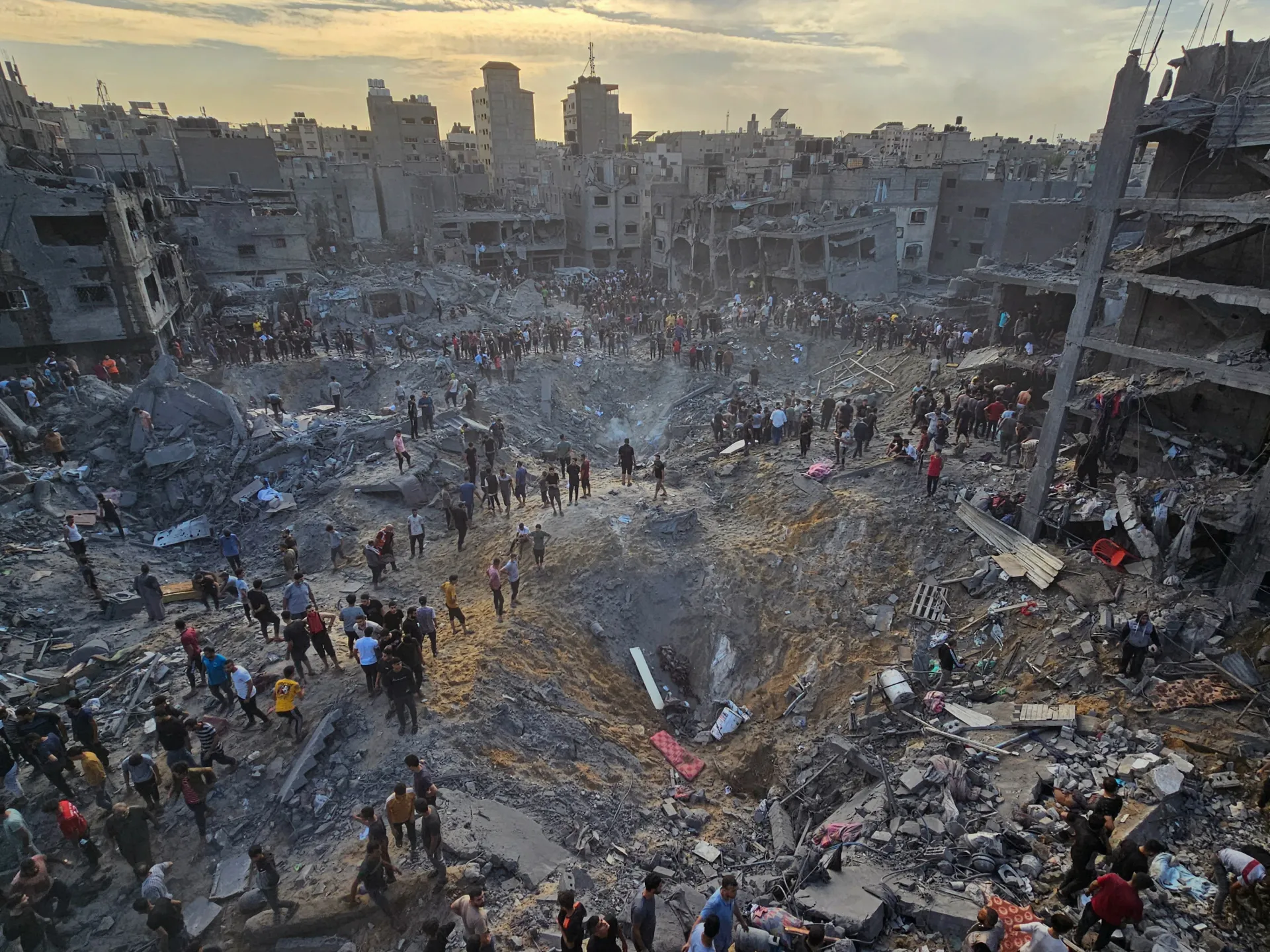
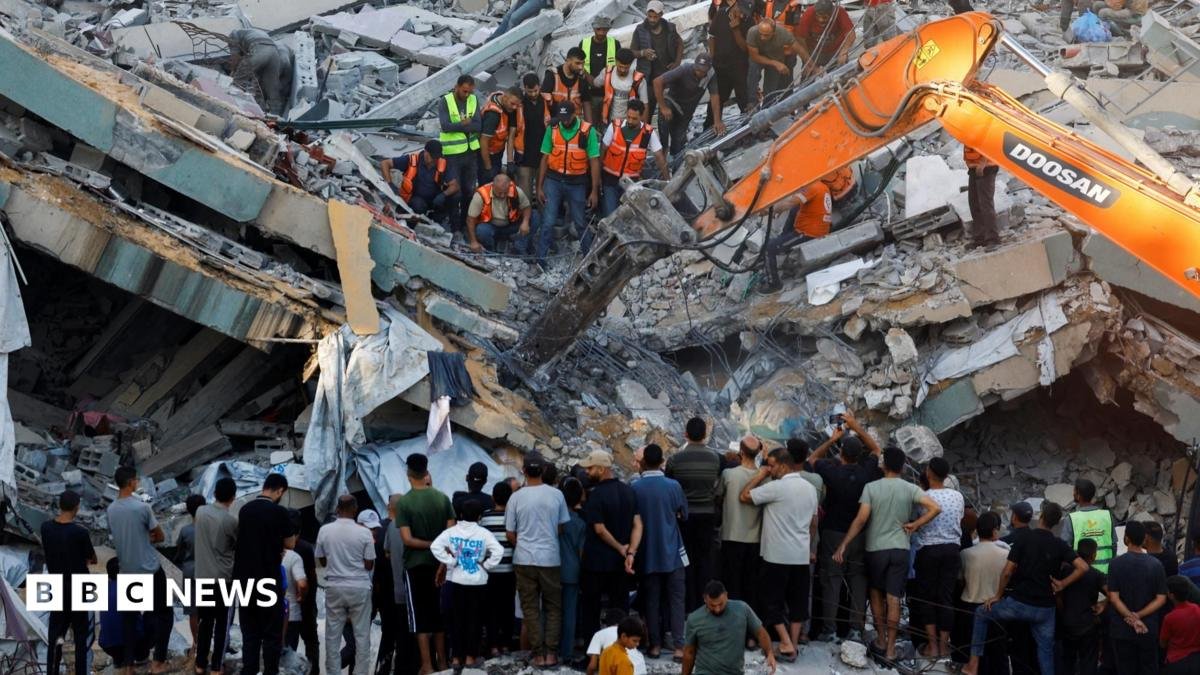
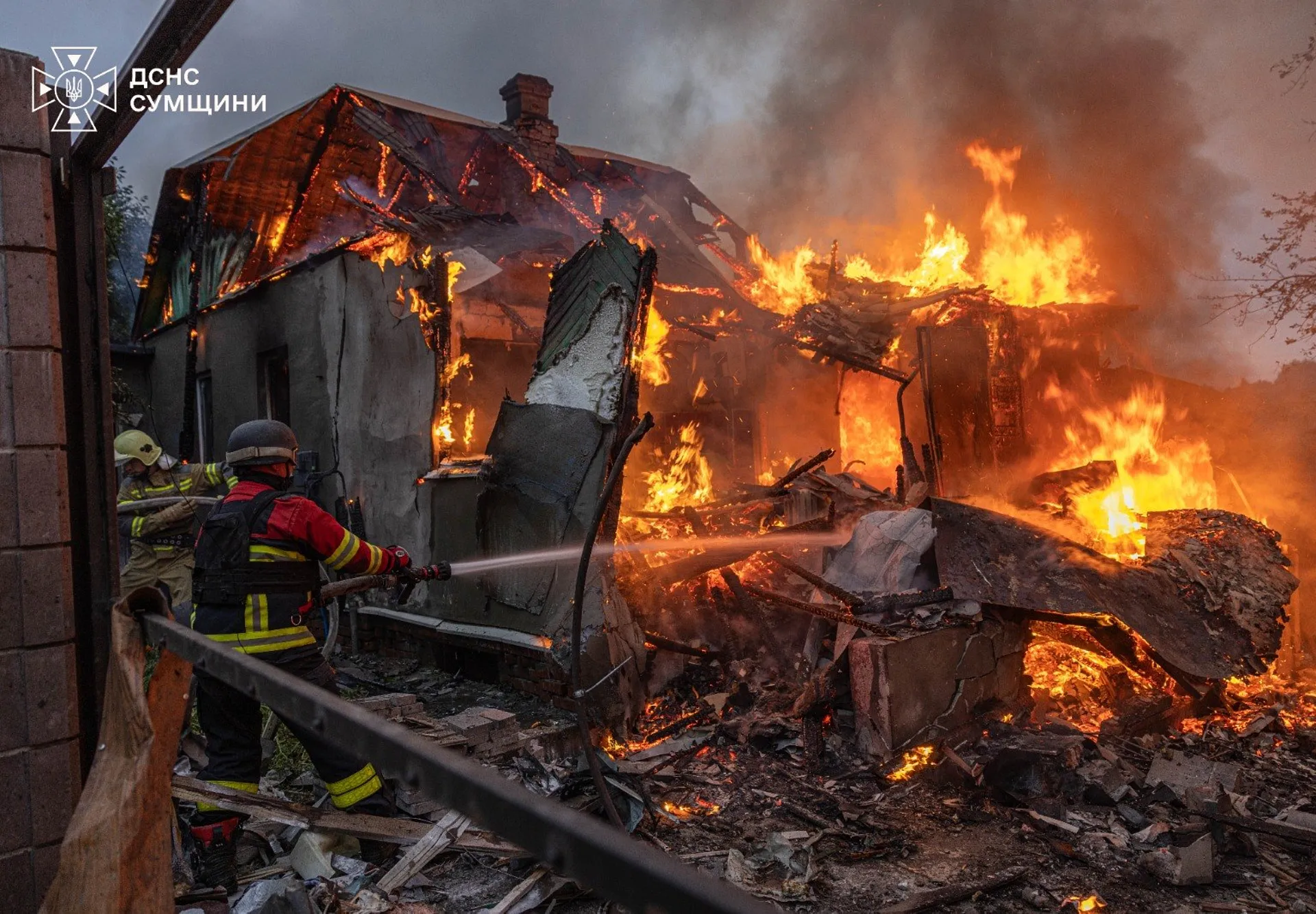
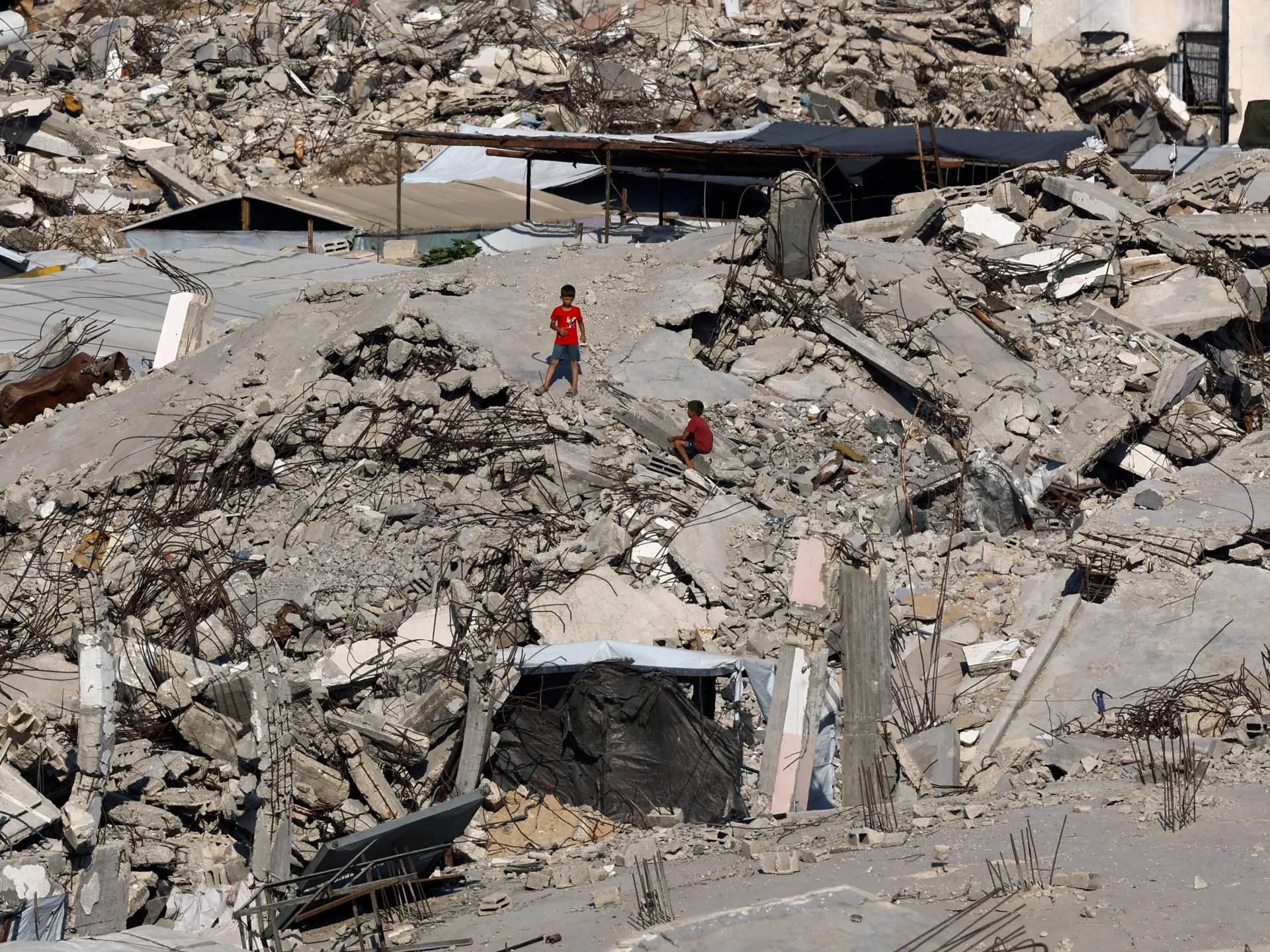
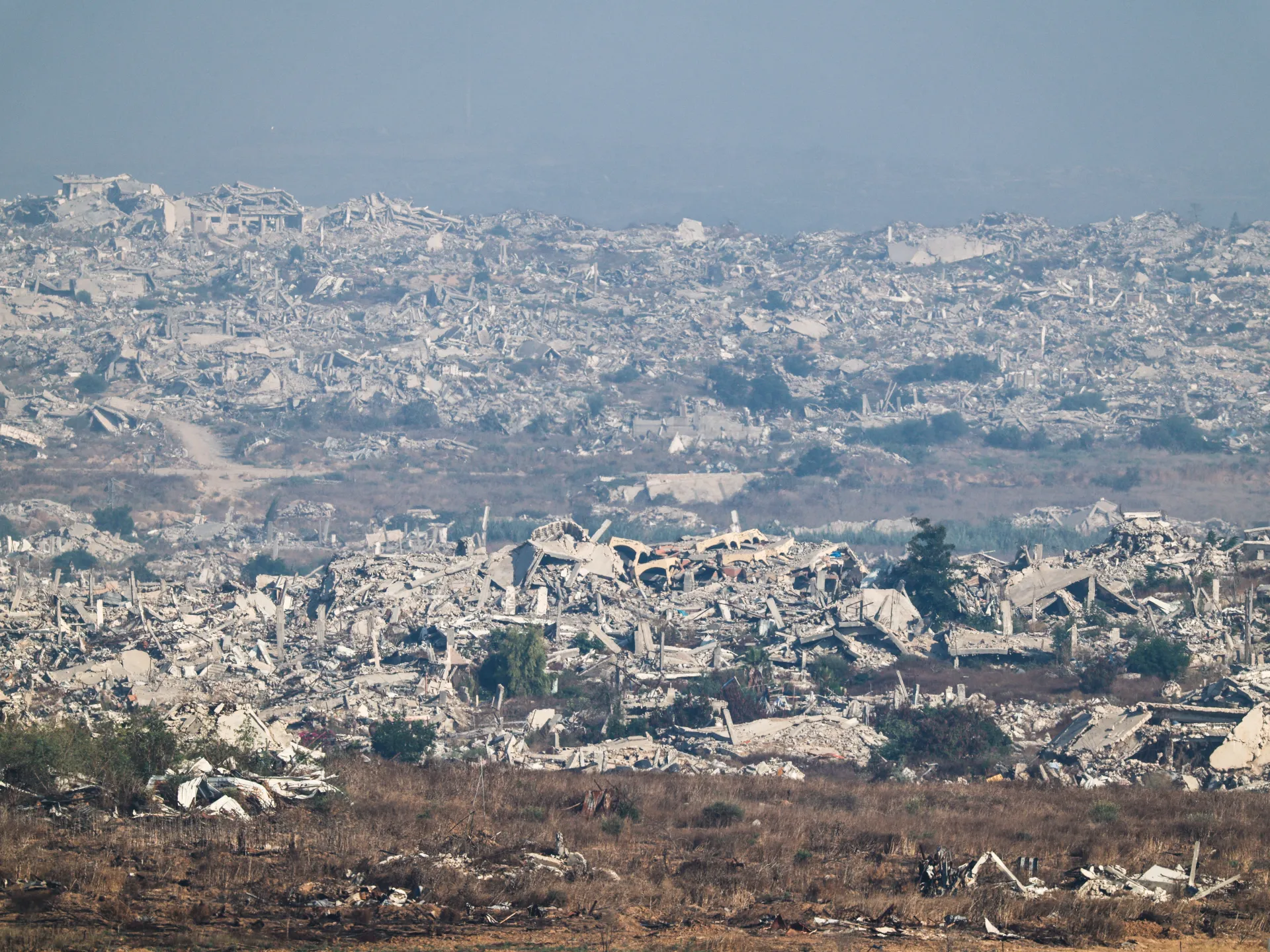
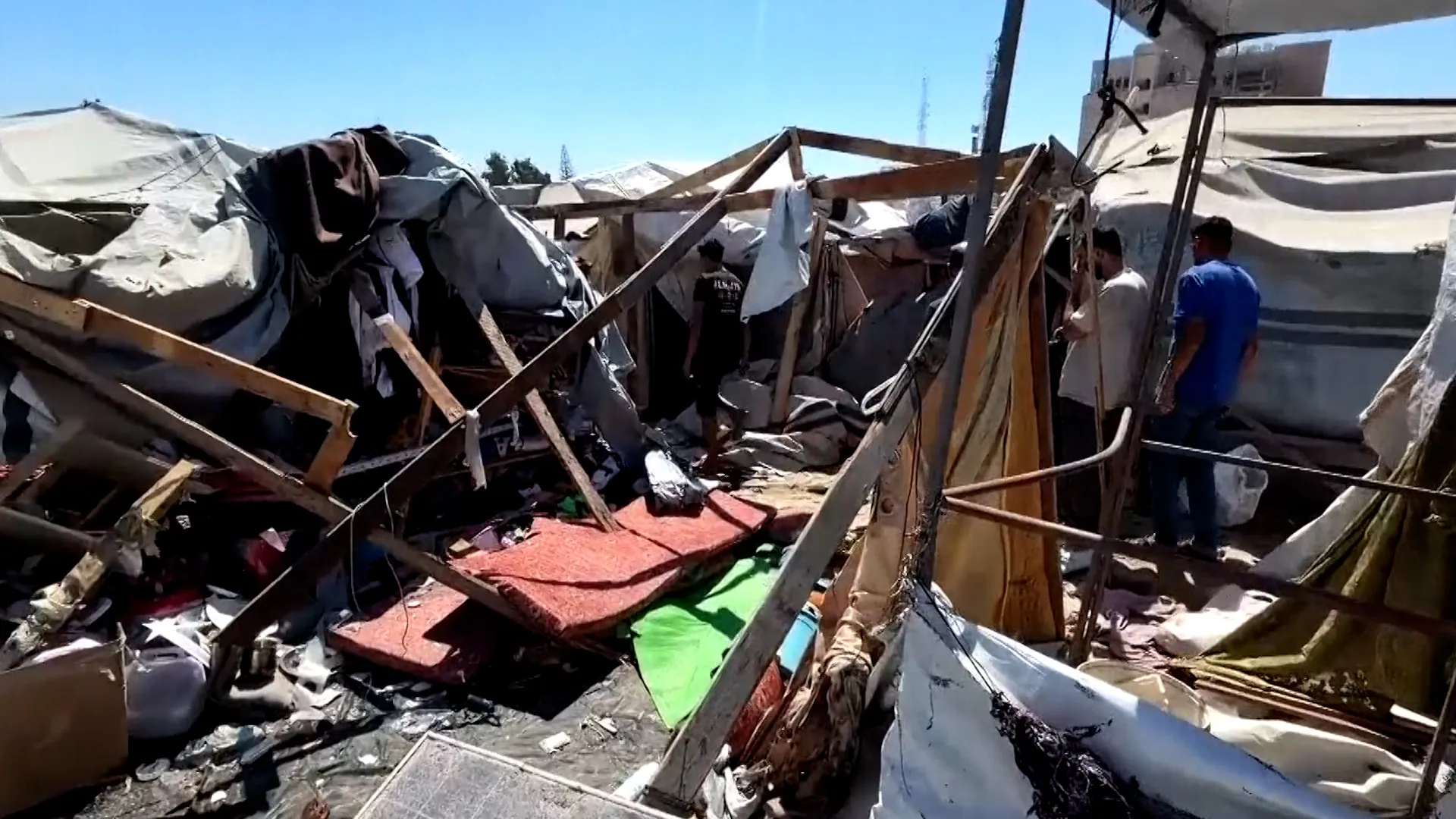
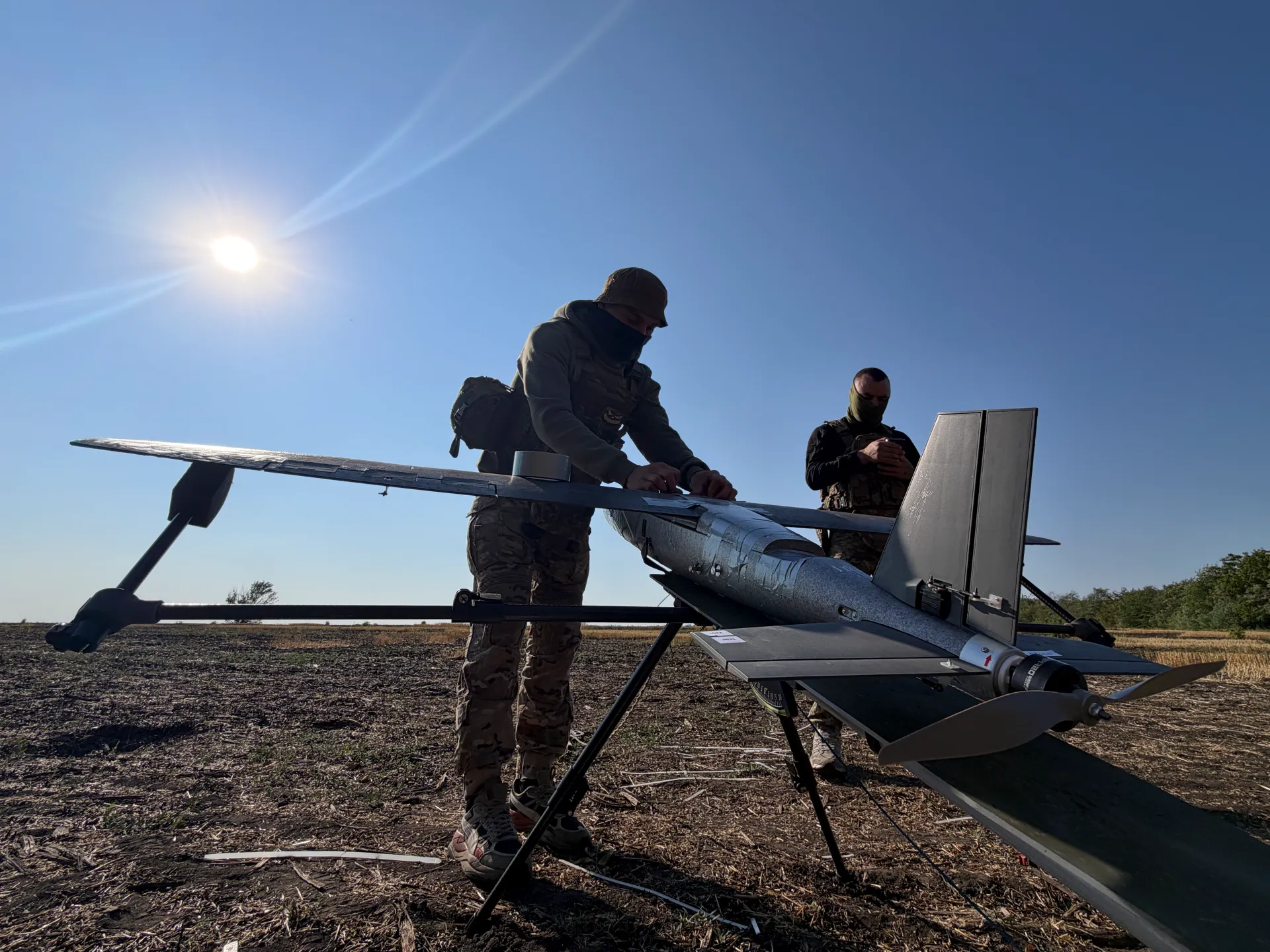
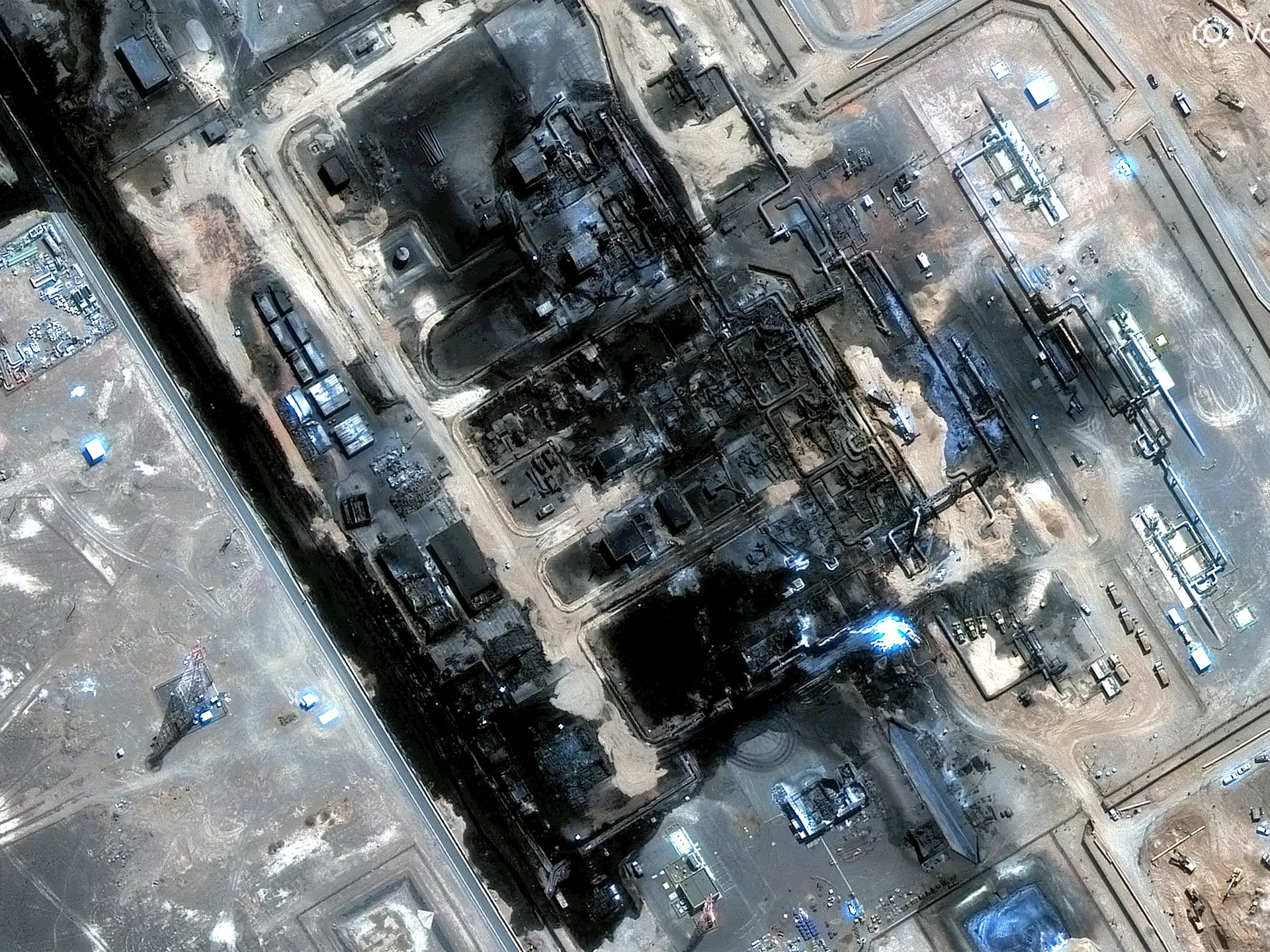
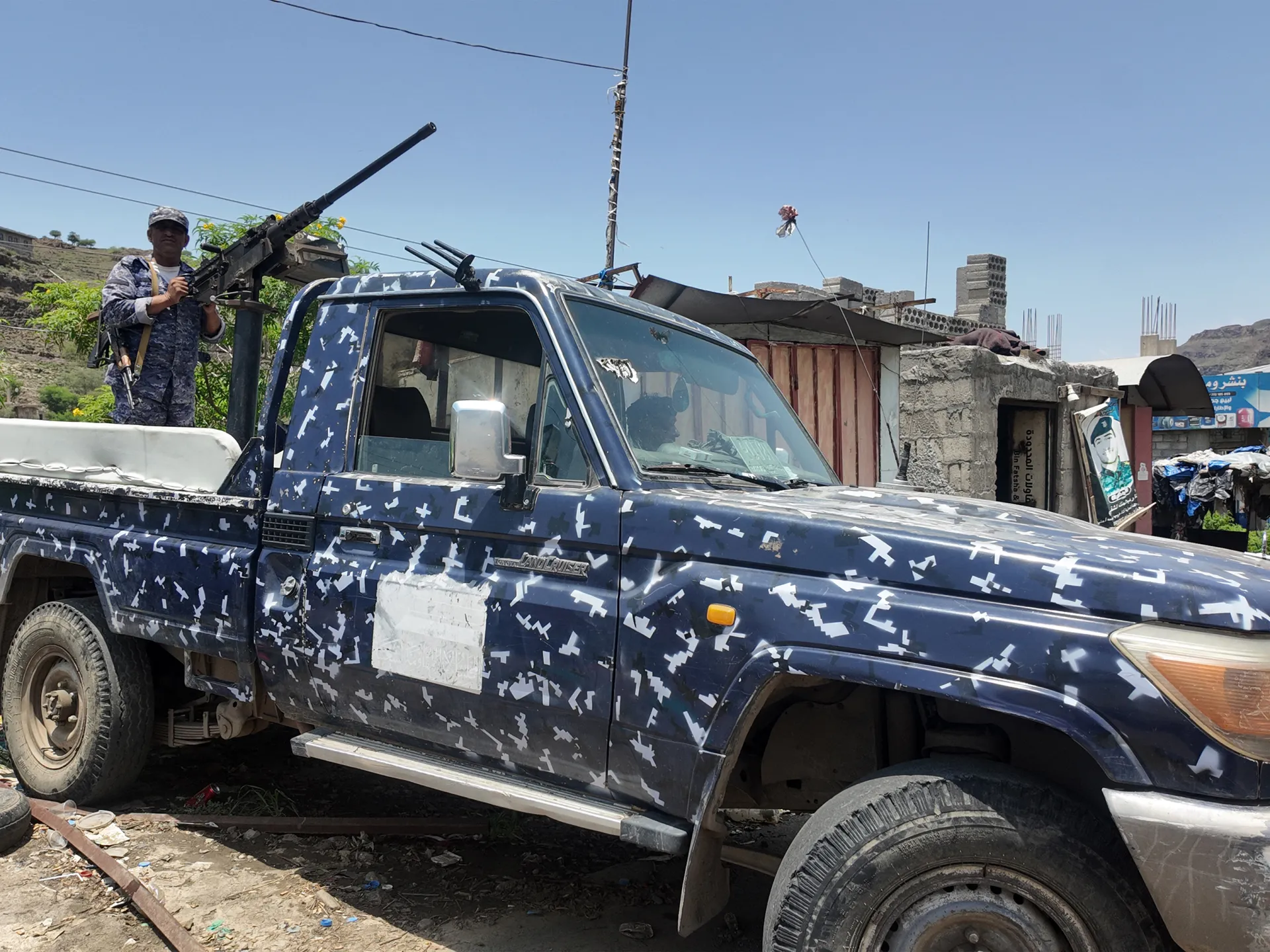
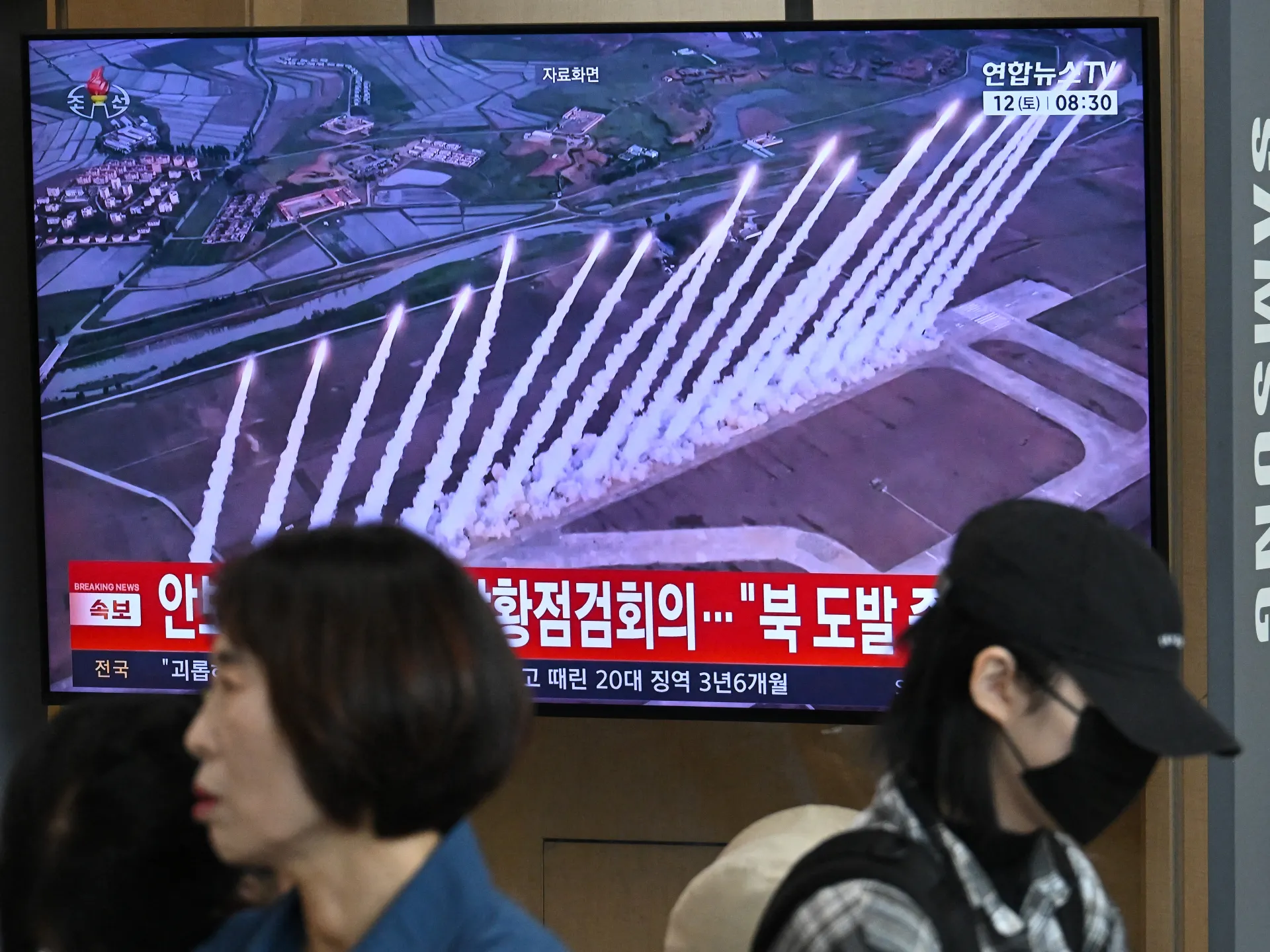
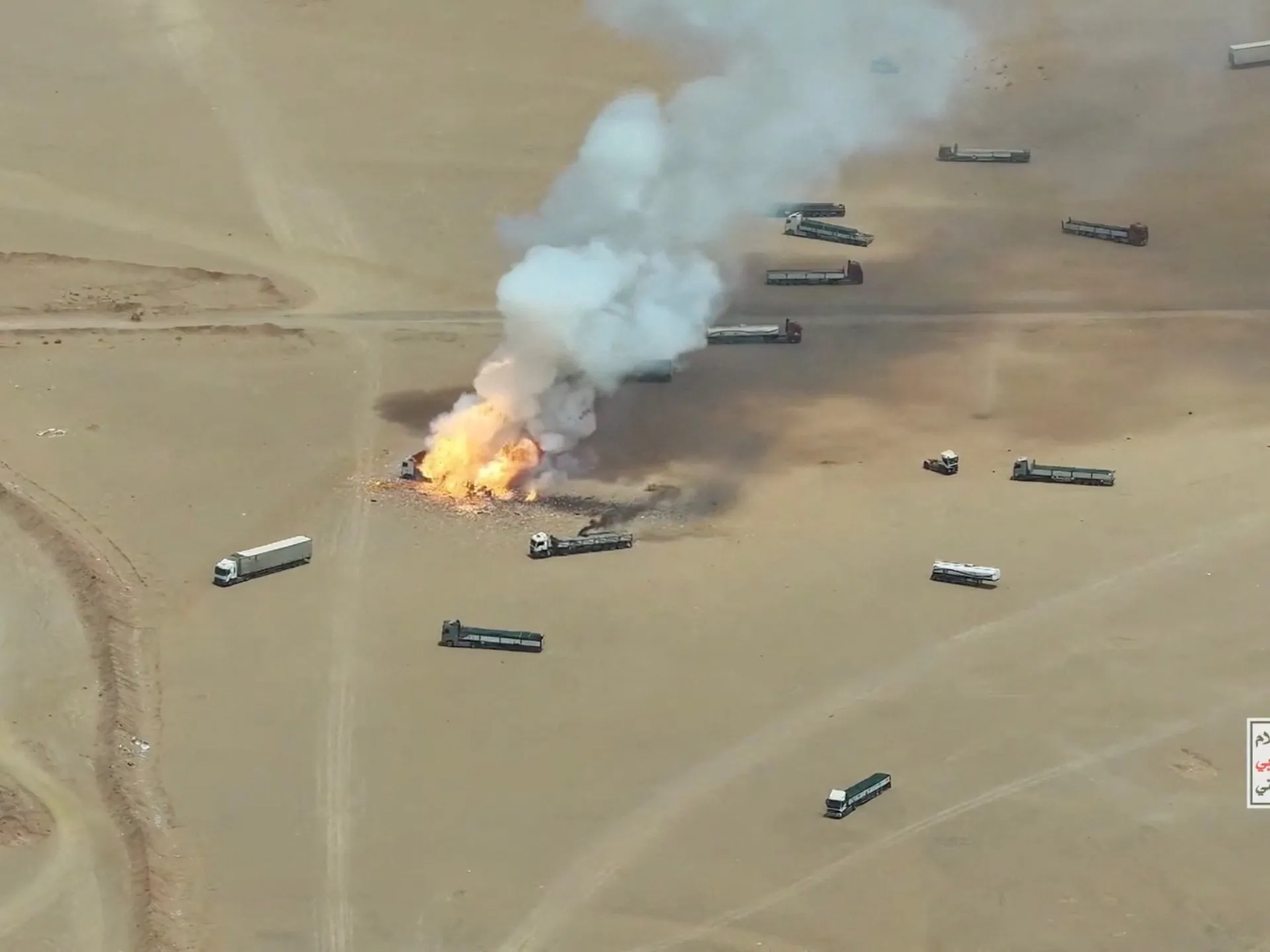
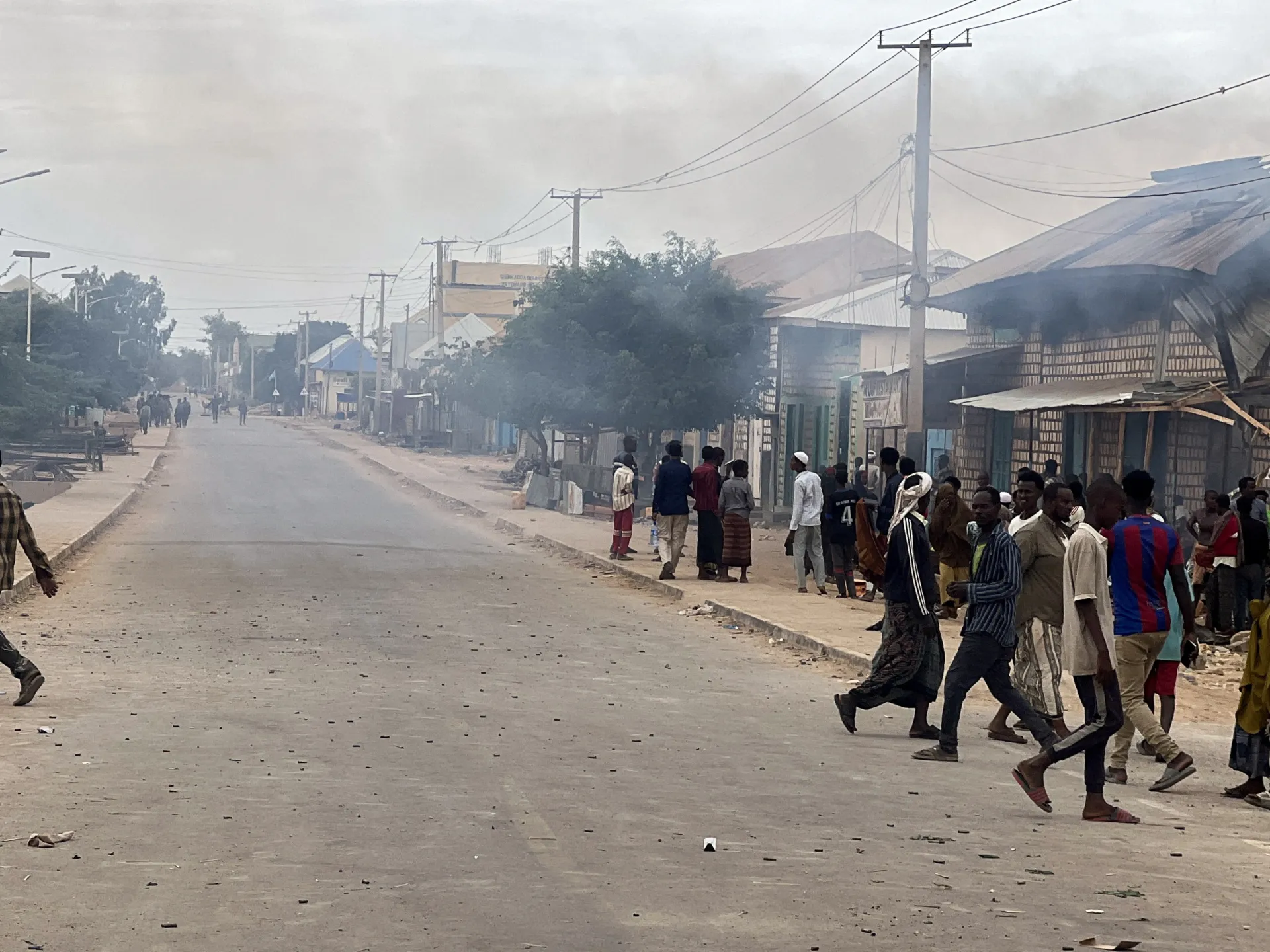
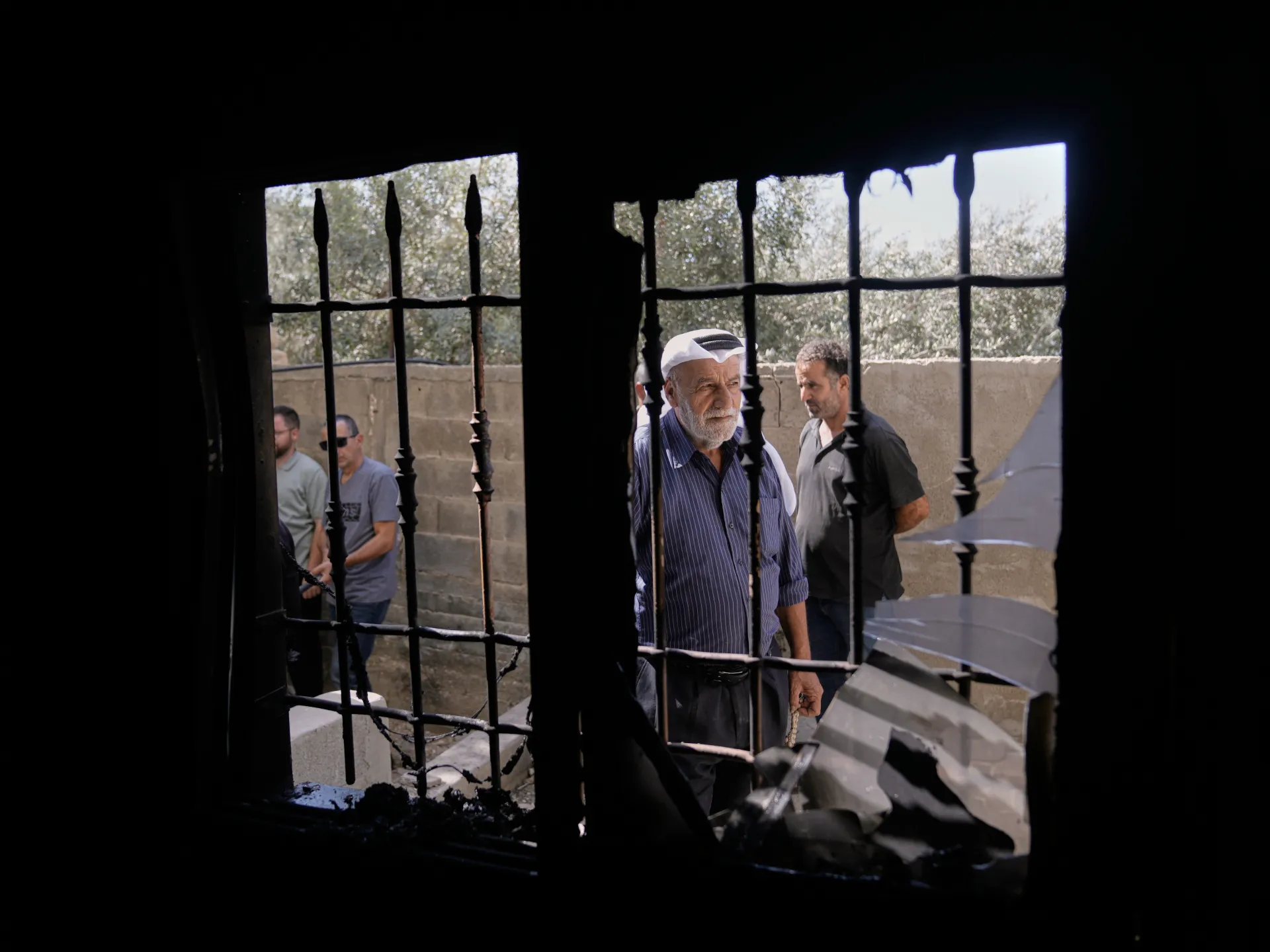
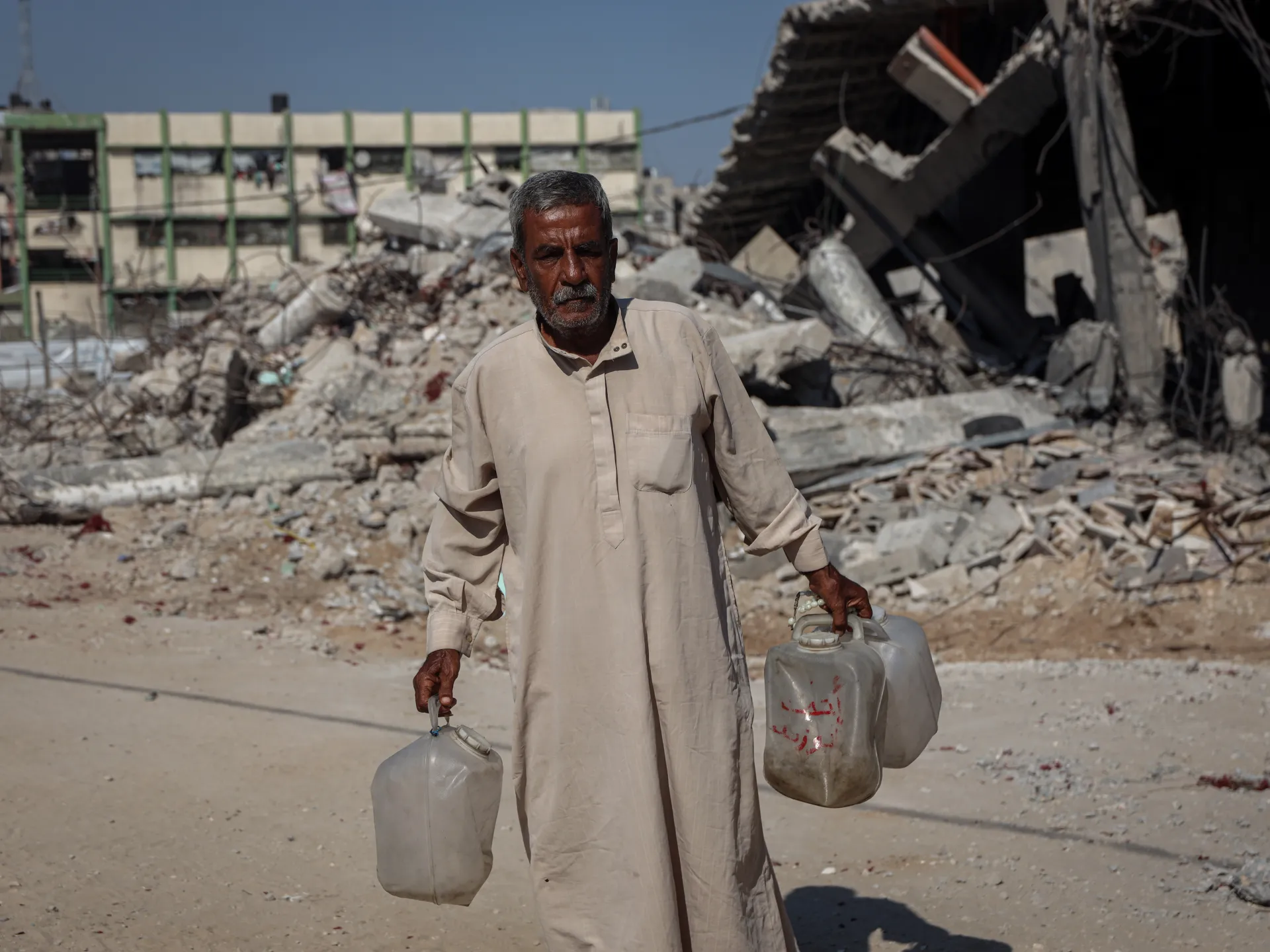
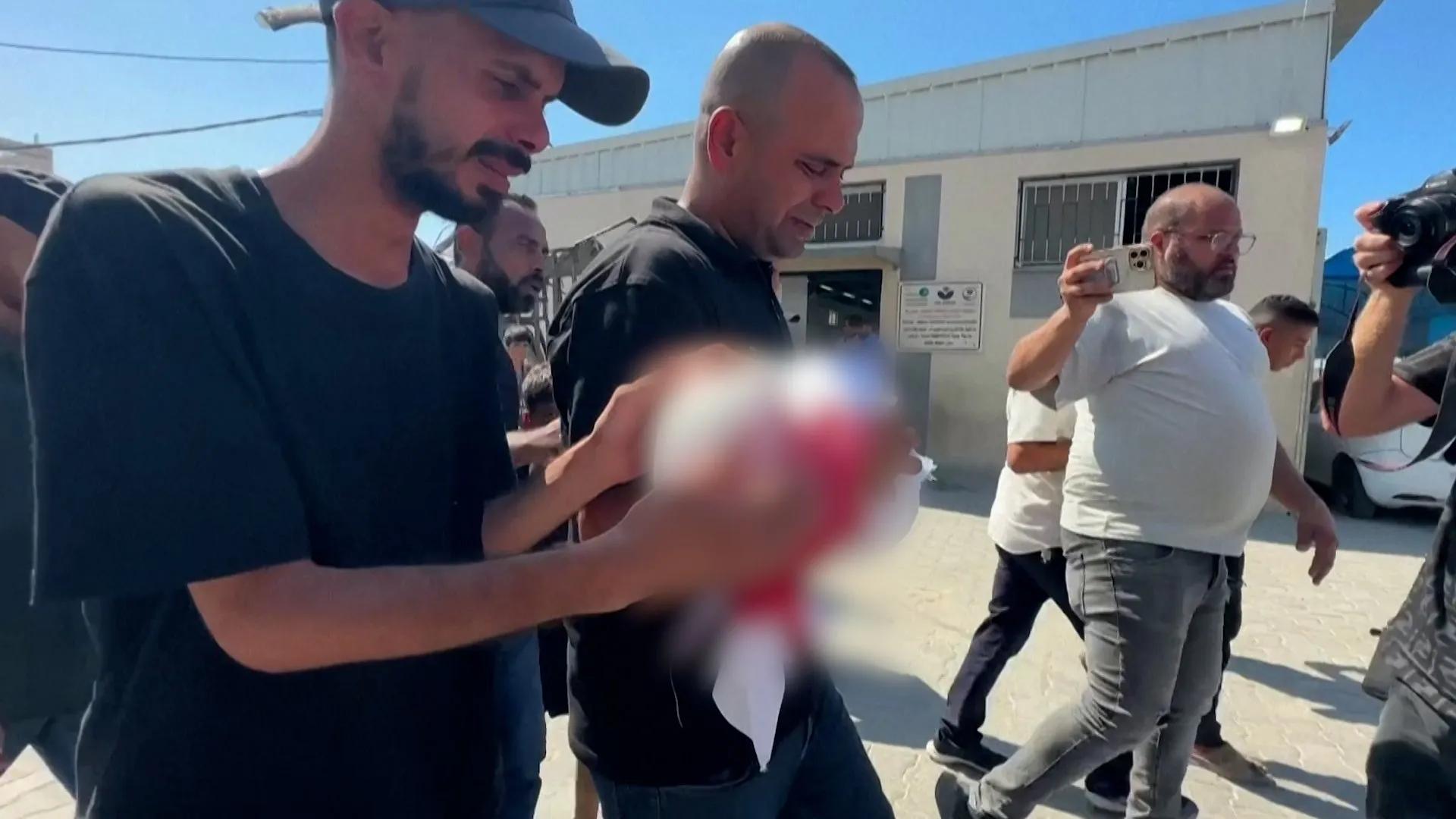
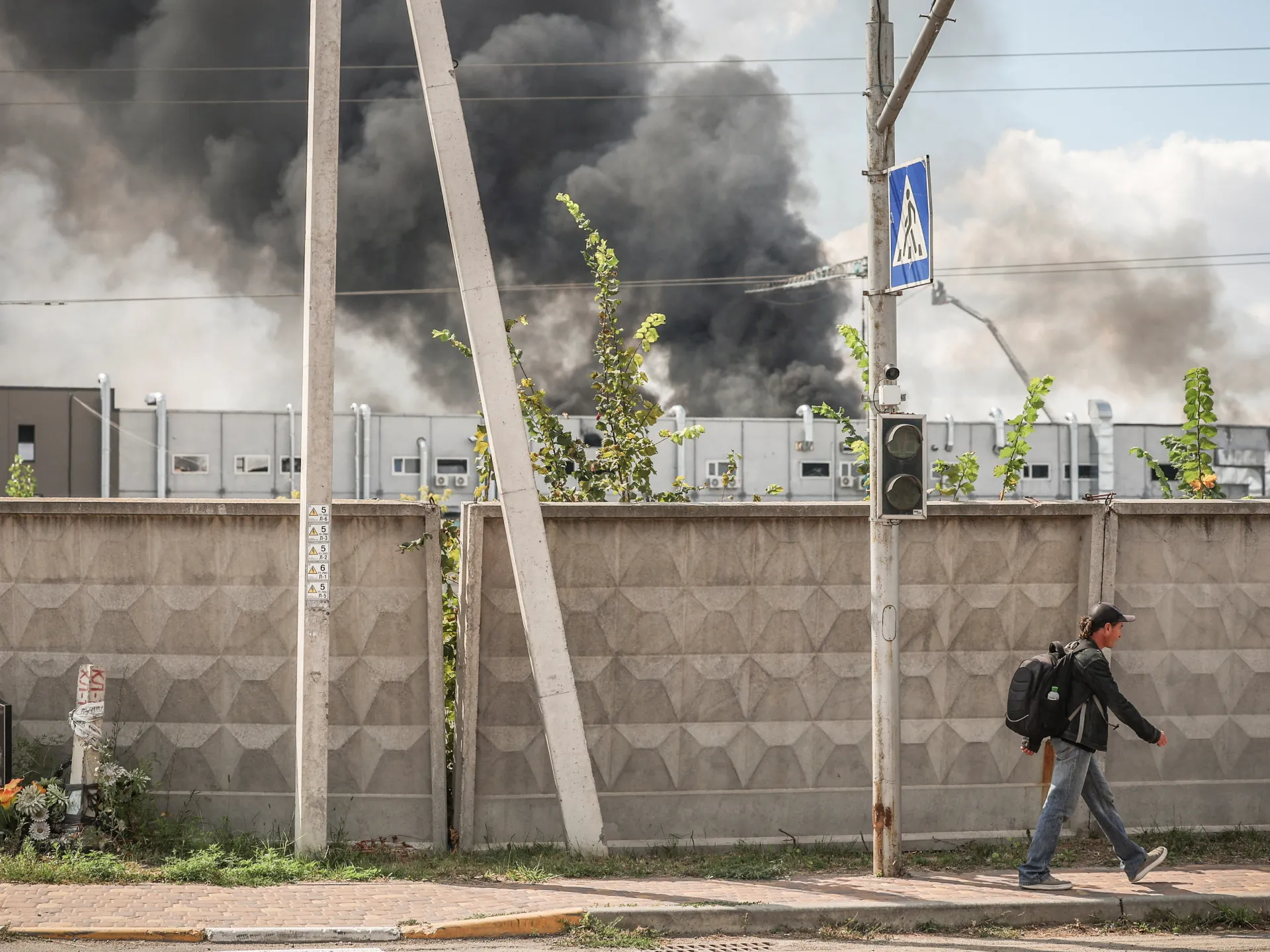
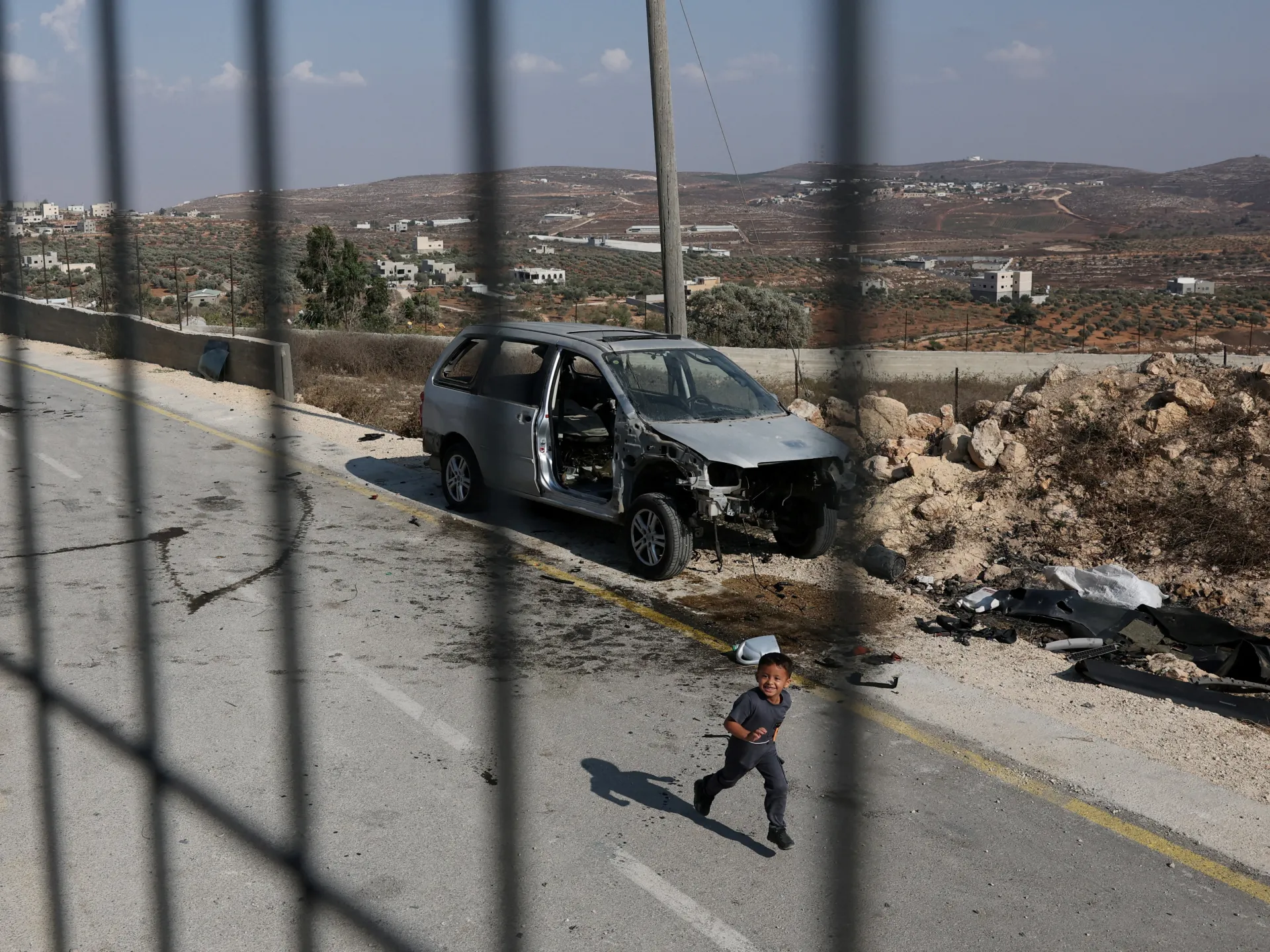
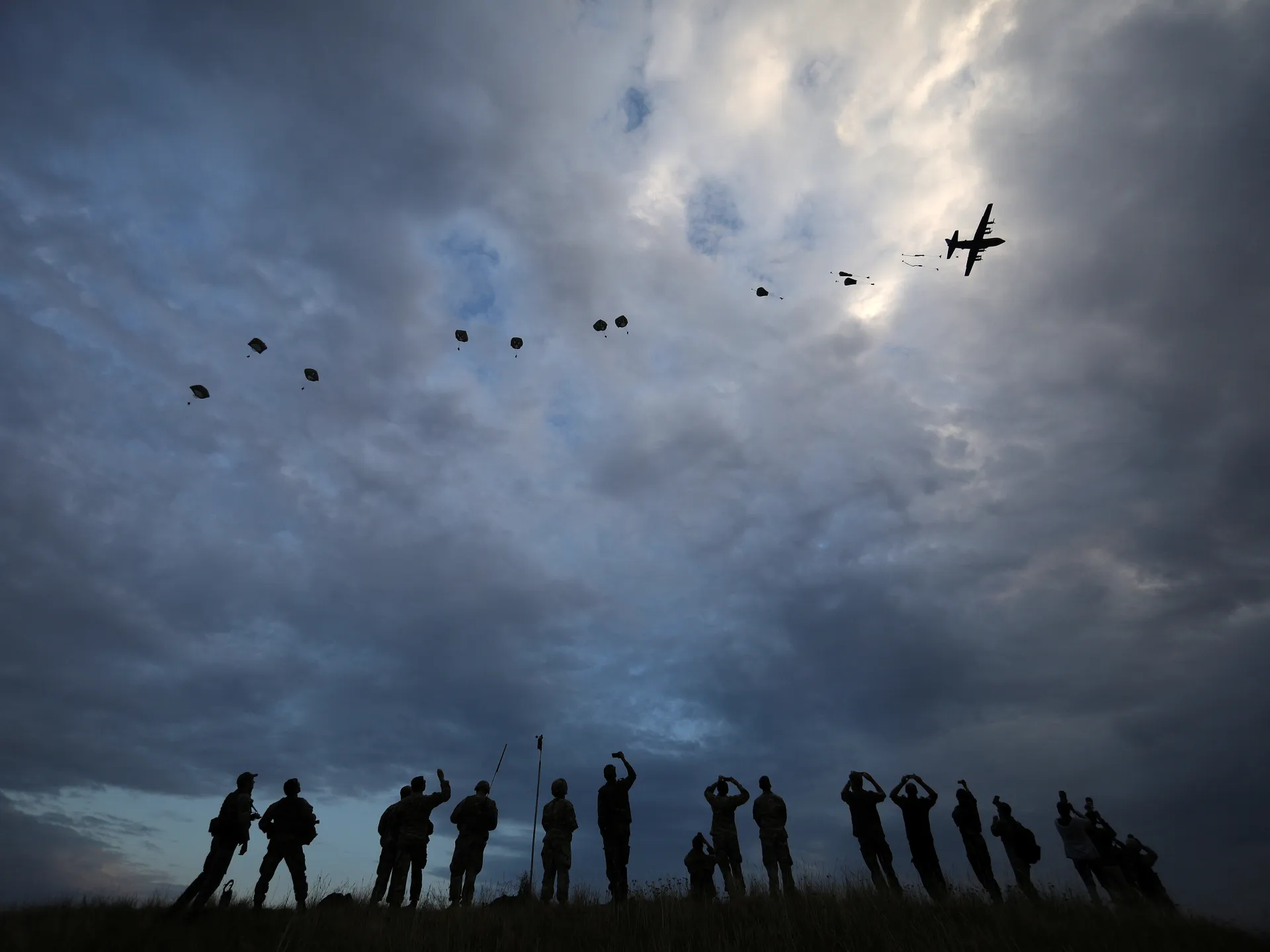
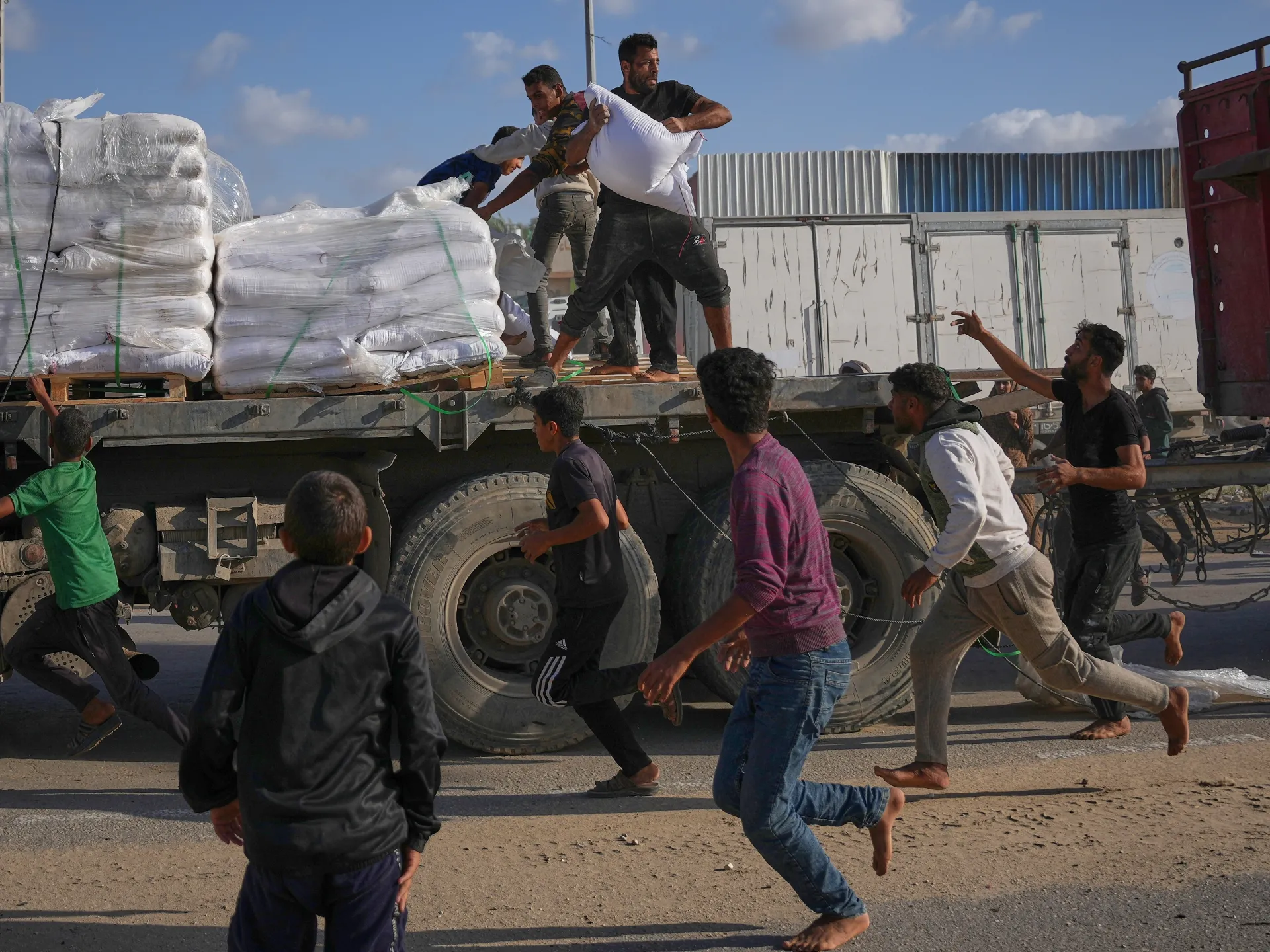
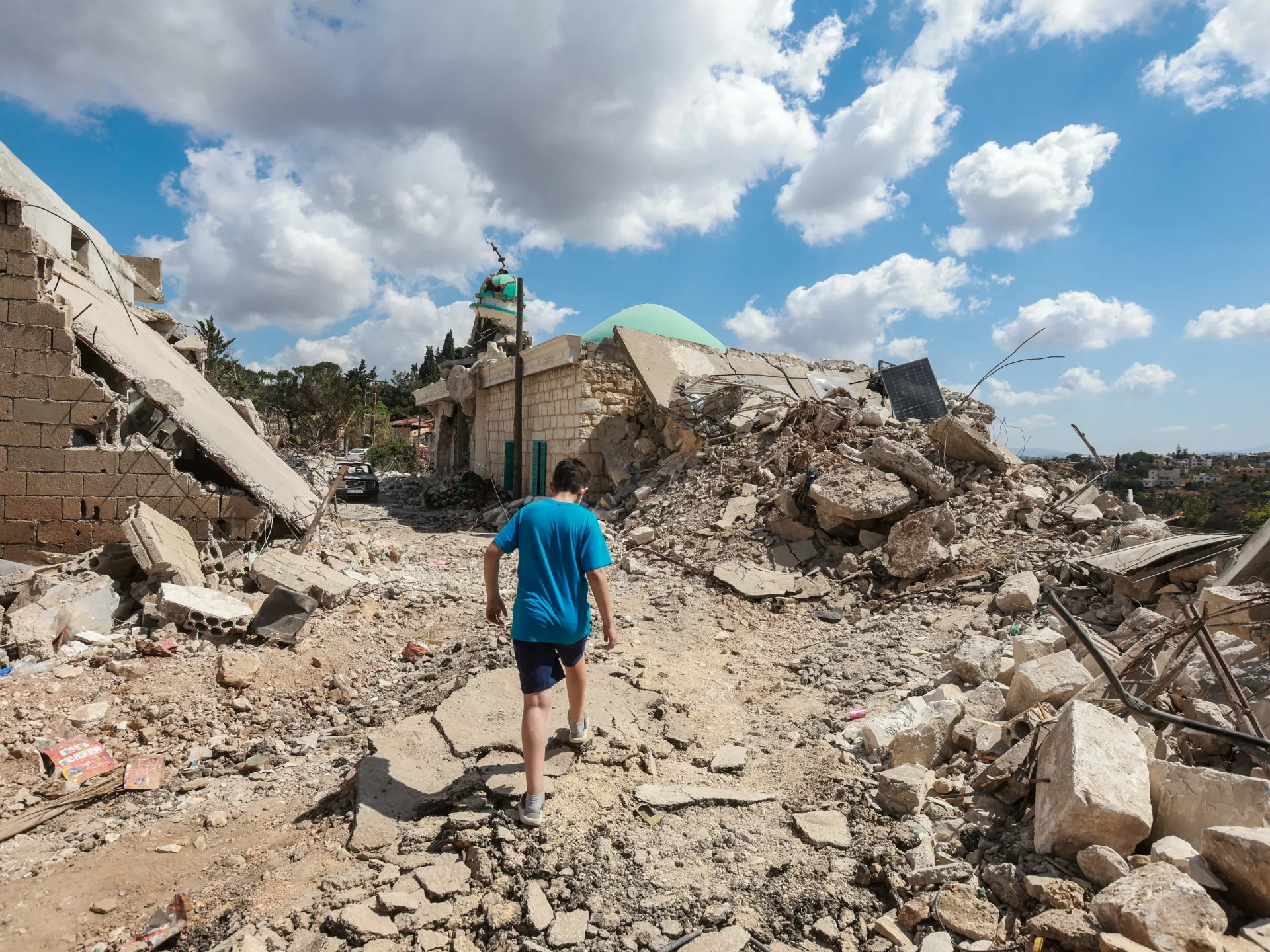
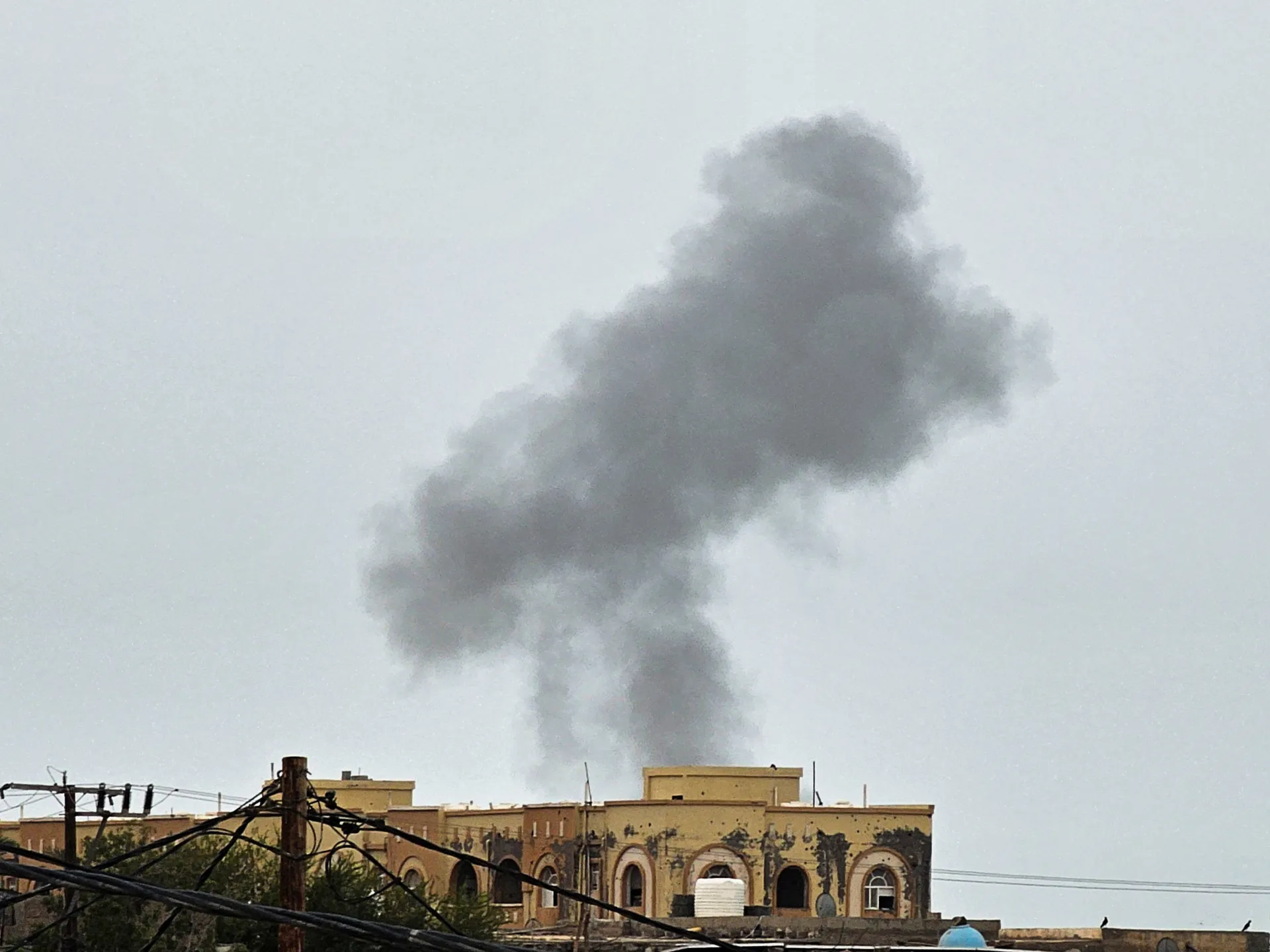
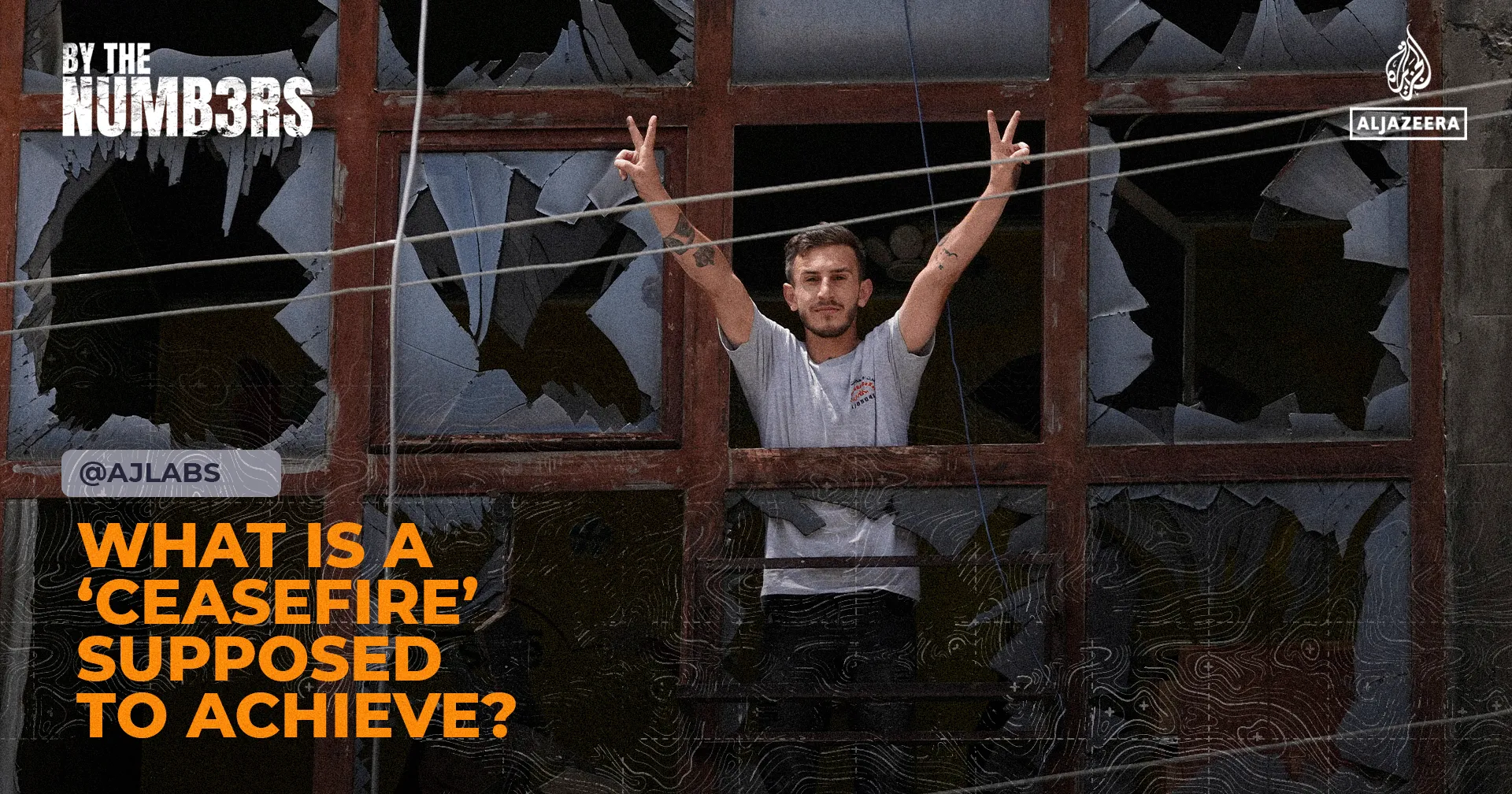
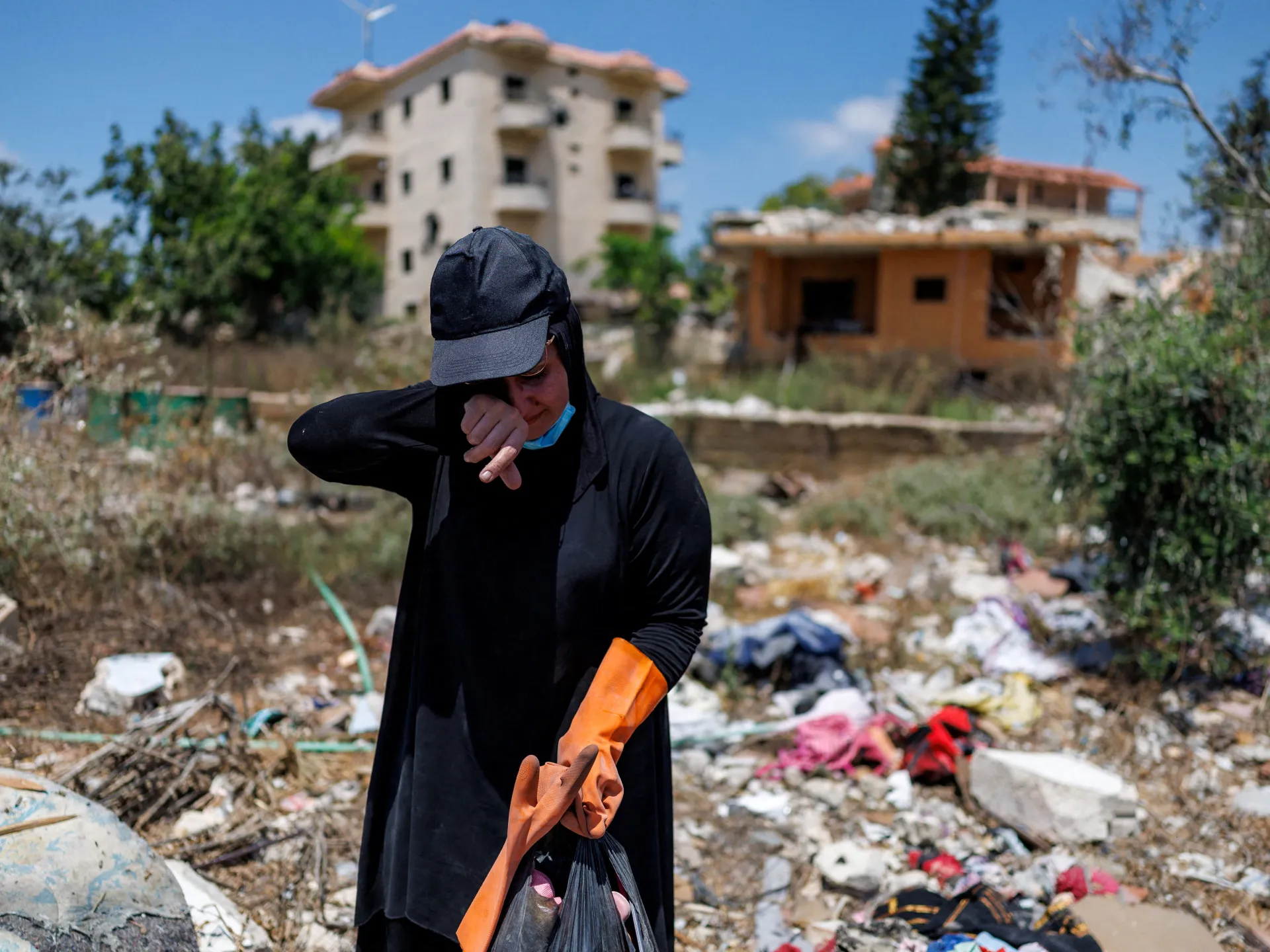
Simultaneously, the administration’s broader foreign policy footprint remains under heavy scrutiny. The ongoing war with Iran, coupled with reports of failing ceasefires in Gaza, has placed the White House at odds with various international partners. While the administration maintains that resolving wrongful detentions is a top priority, the optics of these conflicts have complicated the path toward the diplomatic consensus typically sought at the UN General Assembly. With reports of internal dissent and a public approval rating that has seen significant fluctuation, the President’s performance at the UN is widely expected to be a referendum on his broader “America First” doctrine.
The immediate outlook hinges on the outcomes of the back-to-back summits in New York and Washington. If the President fails to secure concessions regarding detained US citizens, the political blowback from Congress may intensify, potentially complicating the legislative agenda for the remainder of the year. Furthermore, the tone adopted at the UN will likely signal whether the administration intends to de-escalate regional tensions in the Middle East or double down on its current military trajectory. Analysts suggest that the White House may attempt to compartmentalize these issues, seeking transactional successes with China to offset the broader, more intractable conflicts in the Middle East, though the success of such a strategy remains highly uncertain.