As India celebrates historic cricket milestones in the Asian Games, athletes are sounding the alarm over leaking container huts and housing shortages.
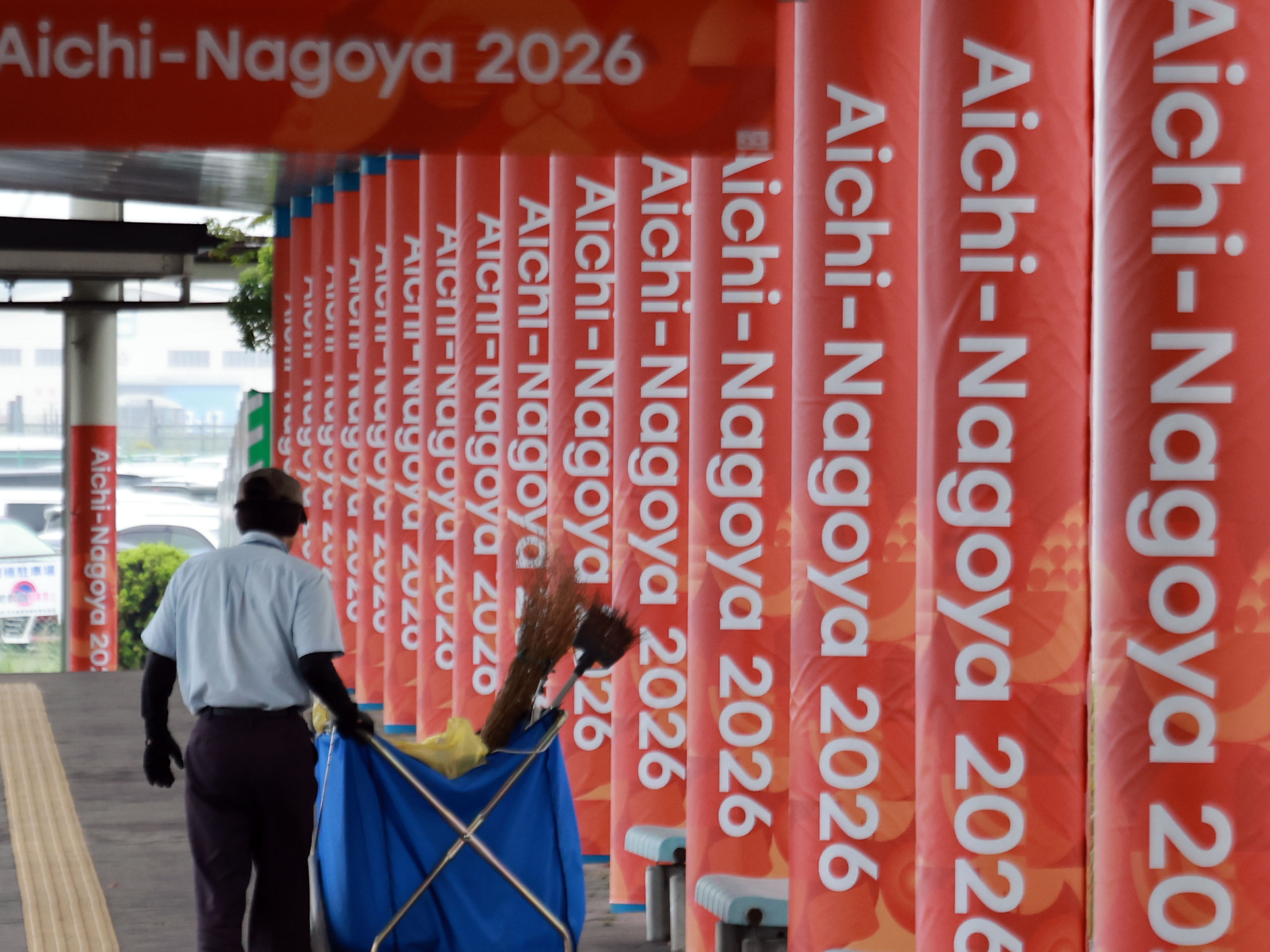
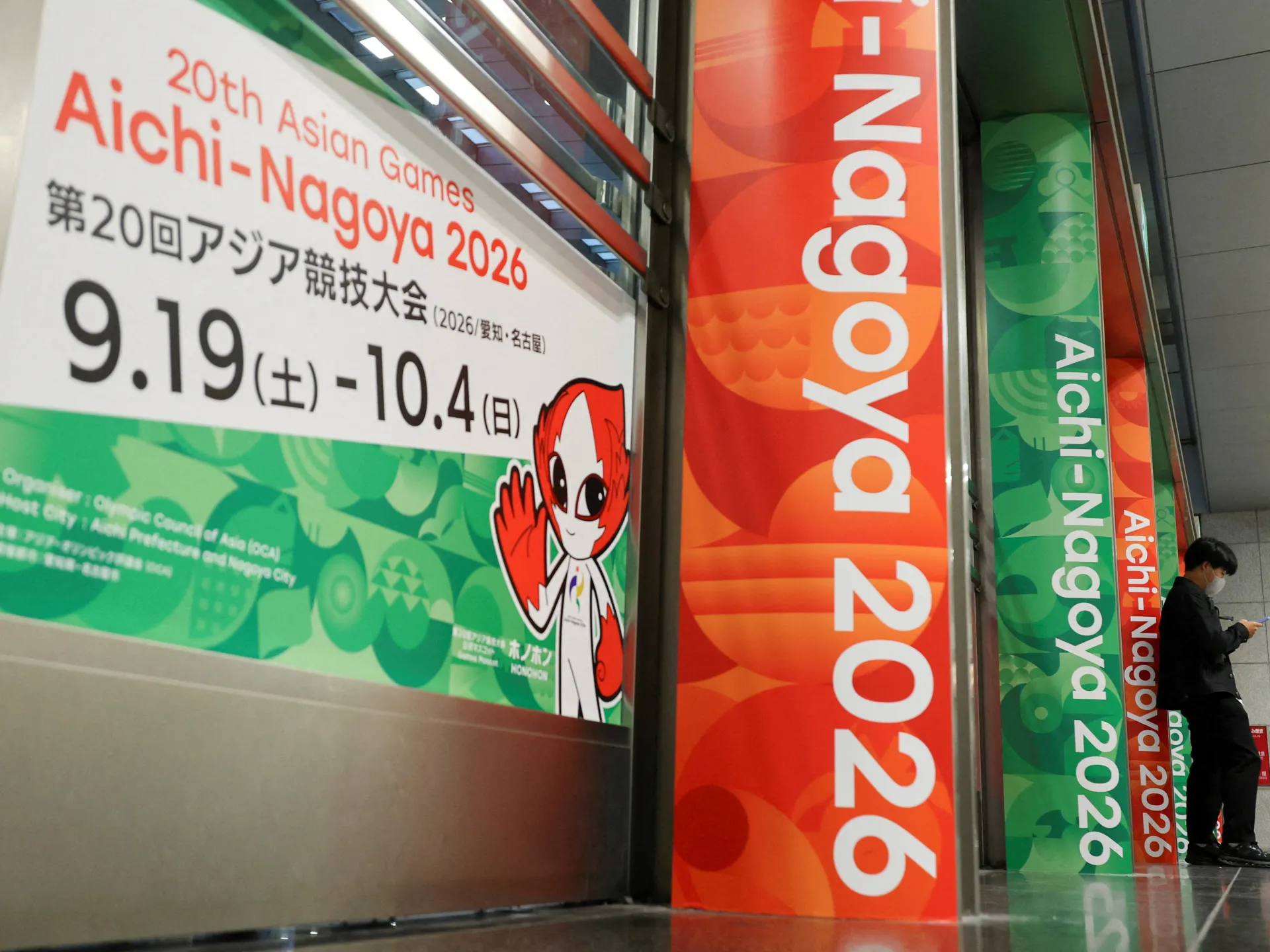
The 2026 Asian Games, hosted in Japan’s Aichi Prefecture, serve as a stark case study in the tension between large-scale international sporting ambitions and the logistical realities of urban infrastructure. While the headlines are often dominated housing capacity and environmental resilience highlight a growing concern for future multi-sport events. The decision to bypass a traditional, permanent athletes’ village in favor of modular, disaster-ready housing and repurposed cruise ships has placed the burden of accommodation directly on the athletes’ comfort and safety. This logistical strain, exacerbated adowing the competitive spirit of the games and raises questions about the sustainability of hosting such massive gatherings in regions lacking specialized, large-scale sporting infrastructure.
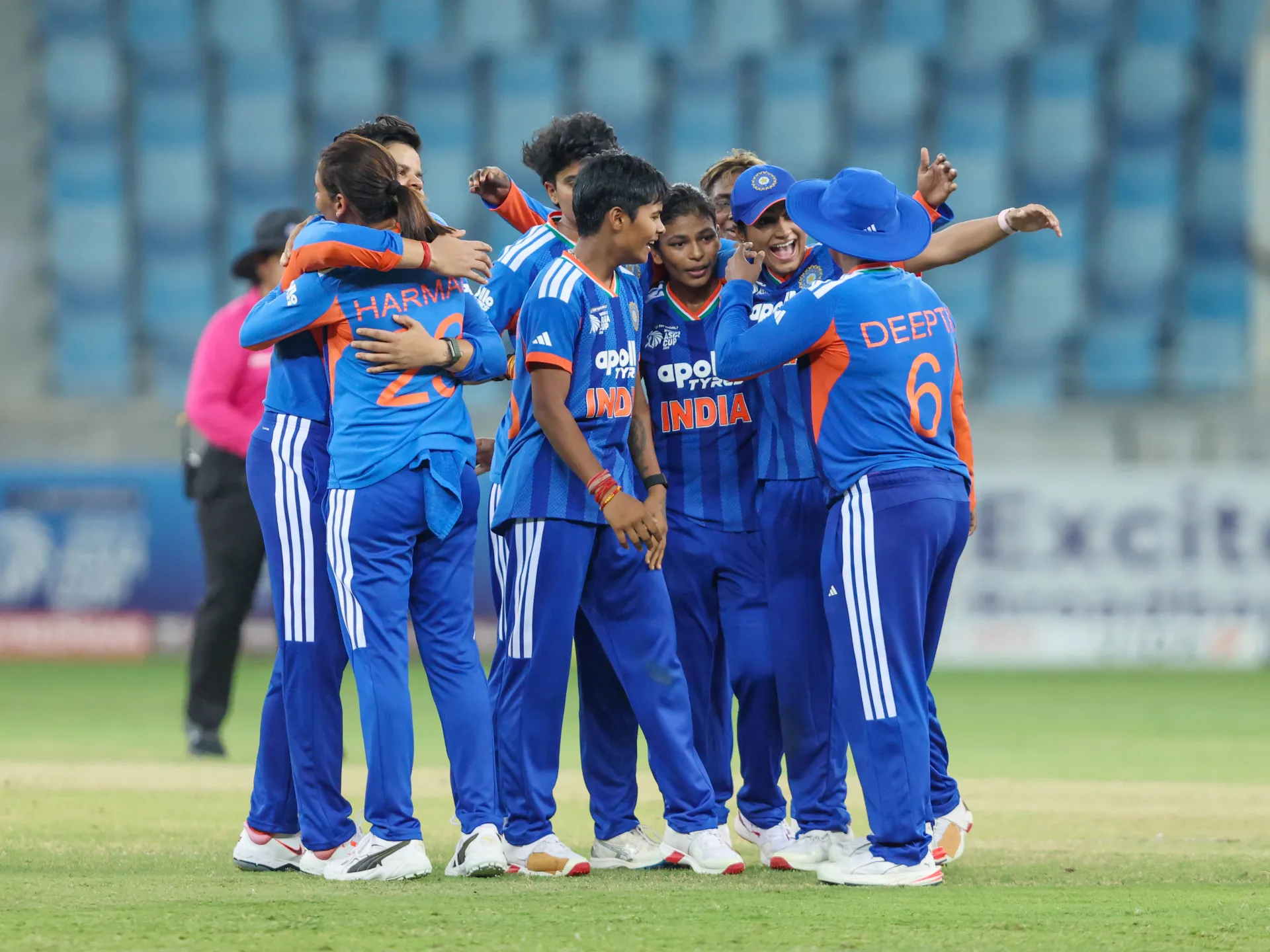
While logistical issues continue to plague the event, the competitive action at Korogi Athletic Park in Nagoya has reached a fever pitch. Indian cricketer Smriti Mandhana made history during the semifinal against Bangladesh, surpassing New Zealand’s Suzie Bates to become the highest run-scorer in women’s T20 international cricket. Mandhana’s 4,788 career runs, achieved over 171 innings, anchor an Indian side that remains a tournament favorite. Her teammate Verma provided the day’s highlight with a powerful 100 not out off 49 balls, helping India post a dominant 195-4. India’s bowlers effectively stifled Bangladesh, restricting them to 81 runs in less than 16 overs.
The gold medal match will see India face Sri Lanka, a rematch of the recent Asia Cup final. Sri Lanka secured their spot after a decisive eight-wicket victory over Pakistan. Led lly chased down a target of 178. Despite a resilient 115-run partnership from Pakistan’s Ayesha Zafar and Shawaal Zulfiqar, the Sri Lankan squad demonstrated superior depth, effectively neutralizing Pakistan’s late-game efforts to close out the match with 13 balls to spare.
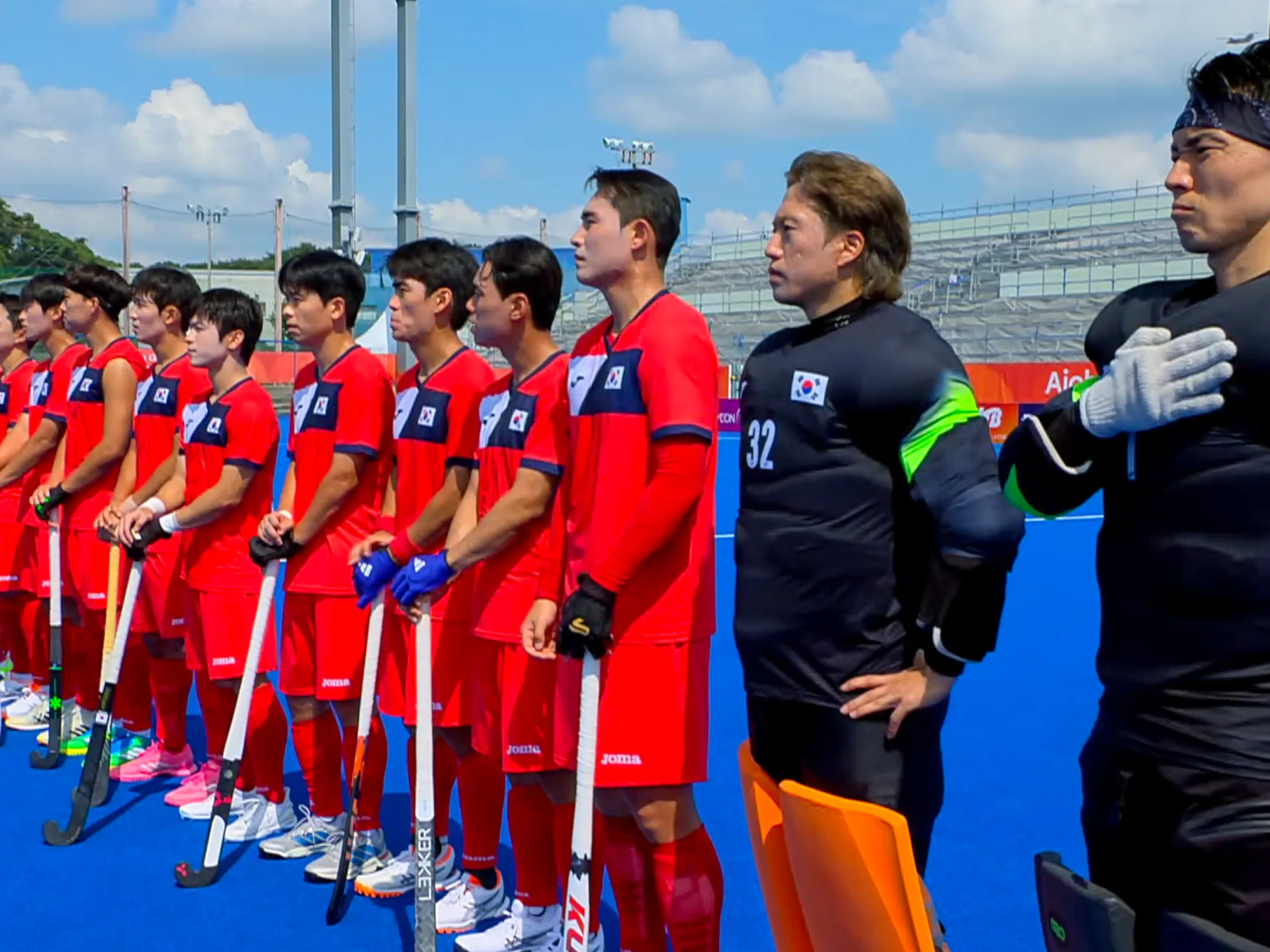
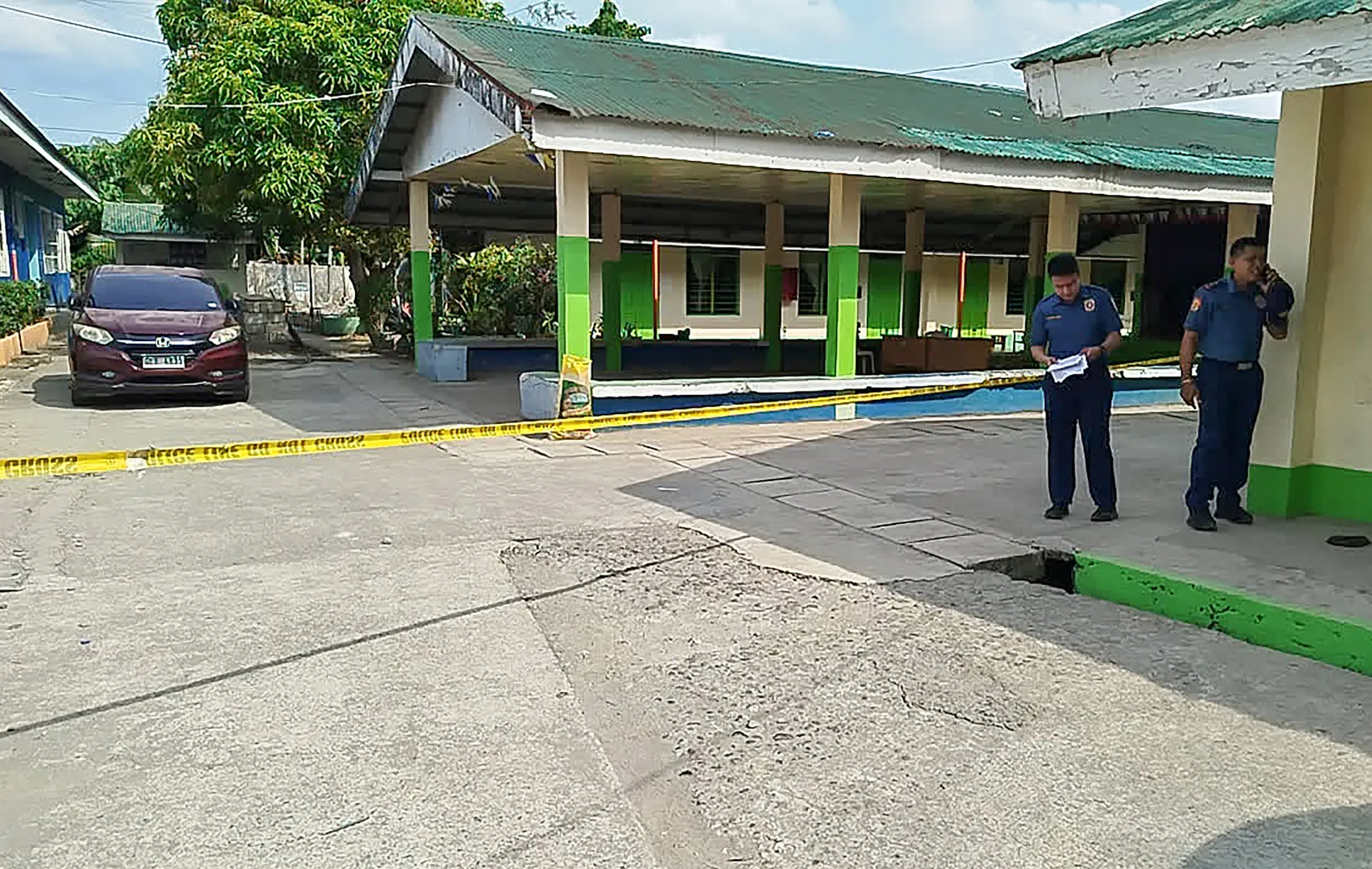
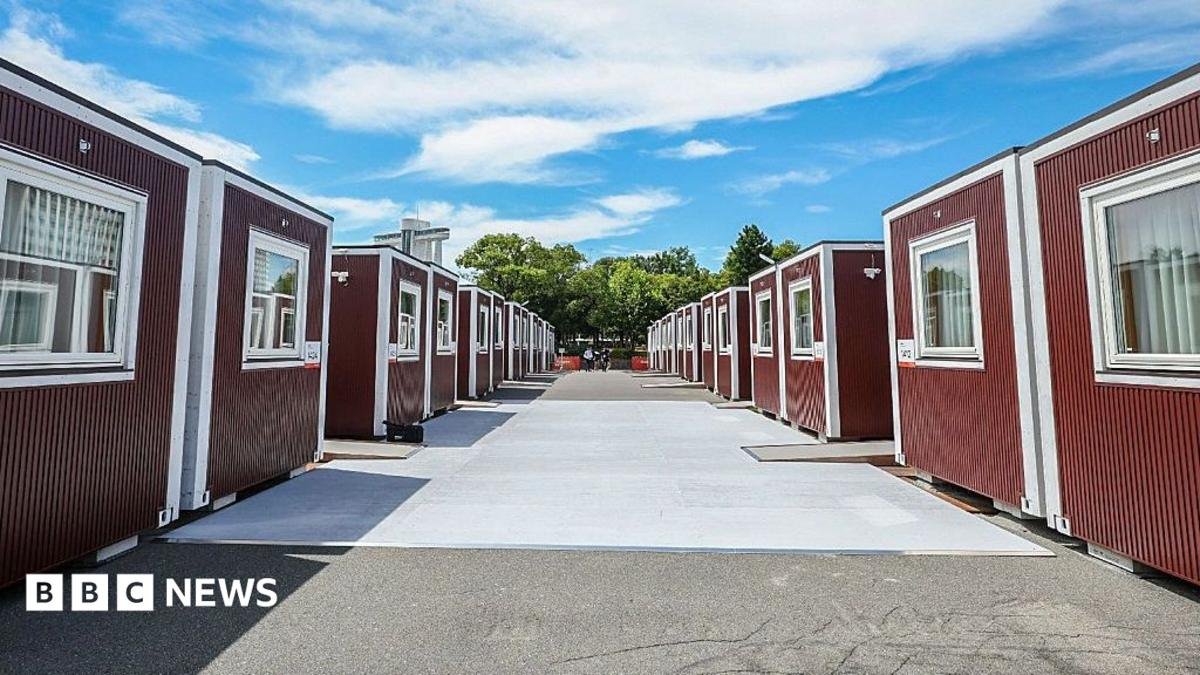
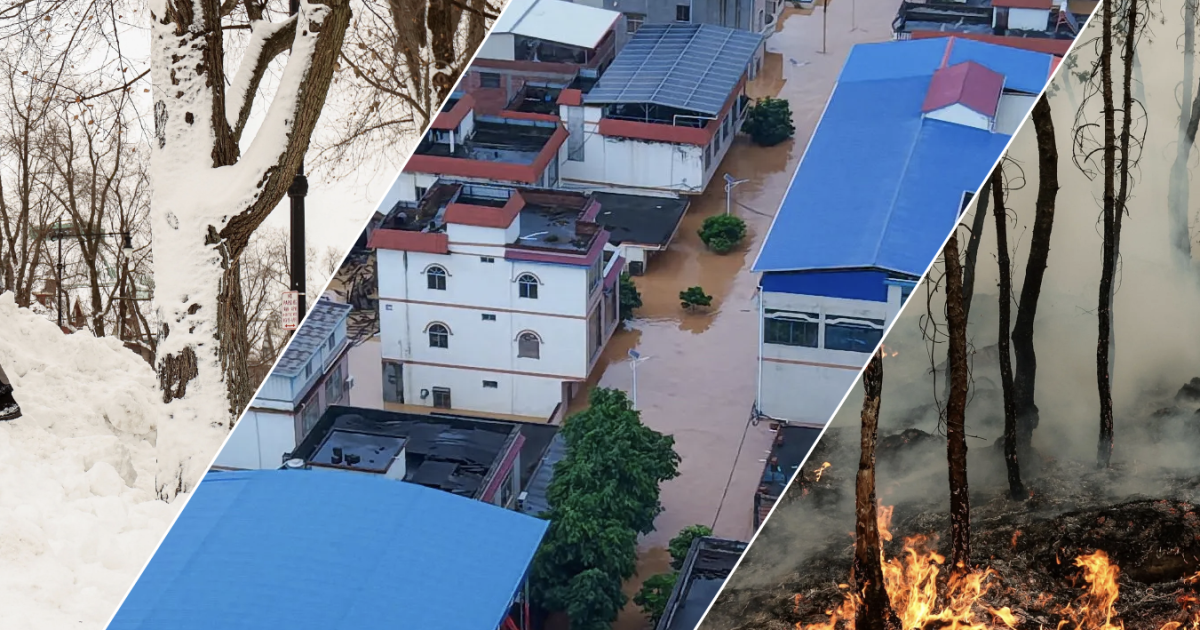
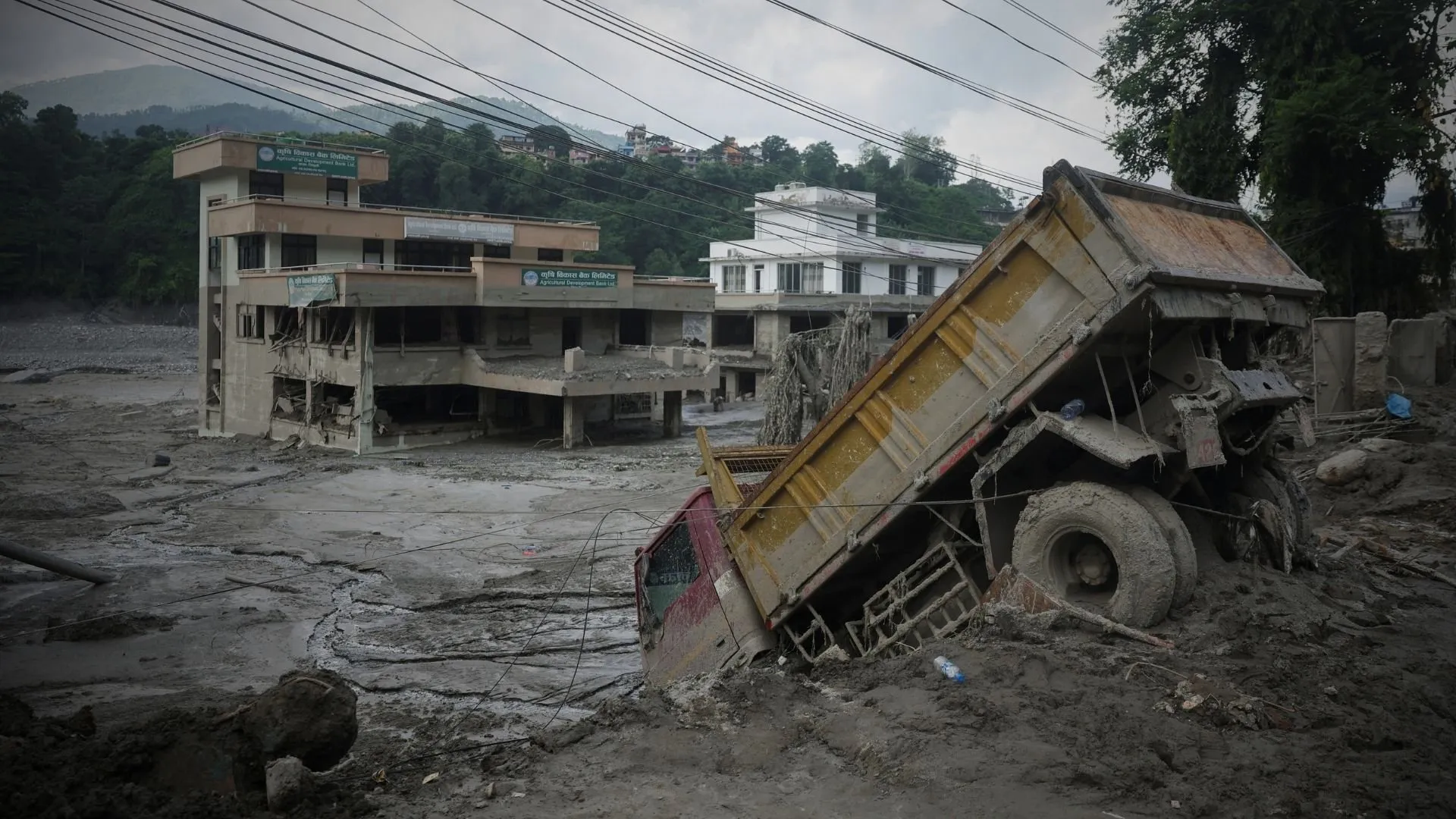
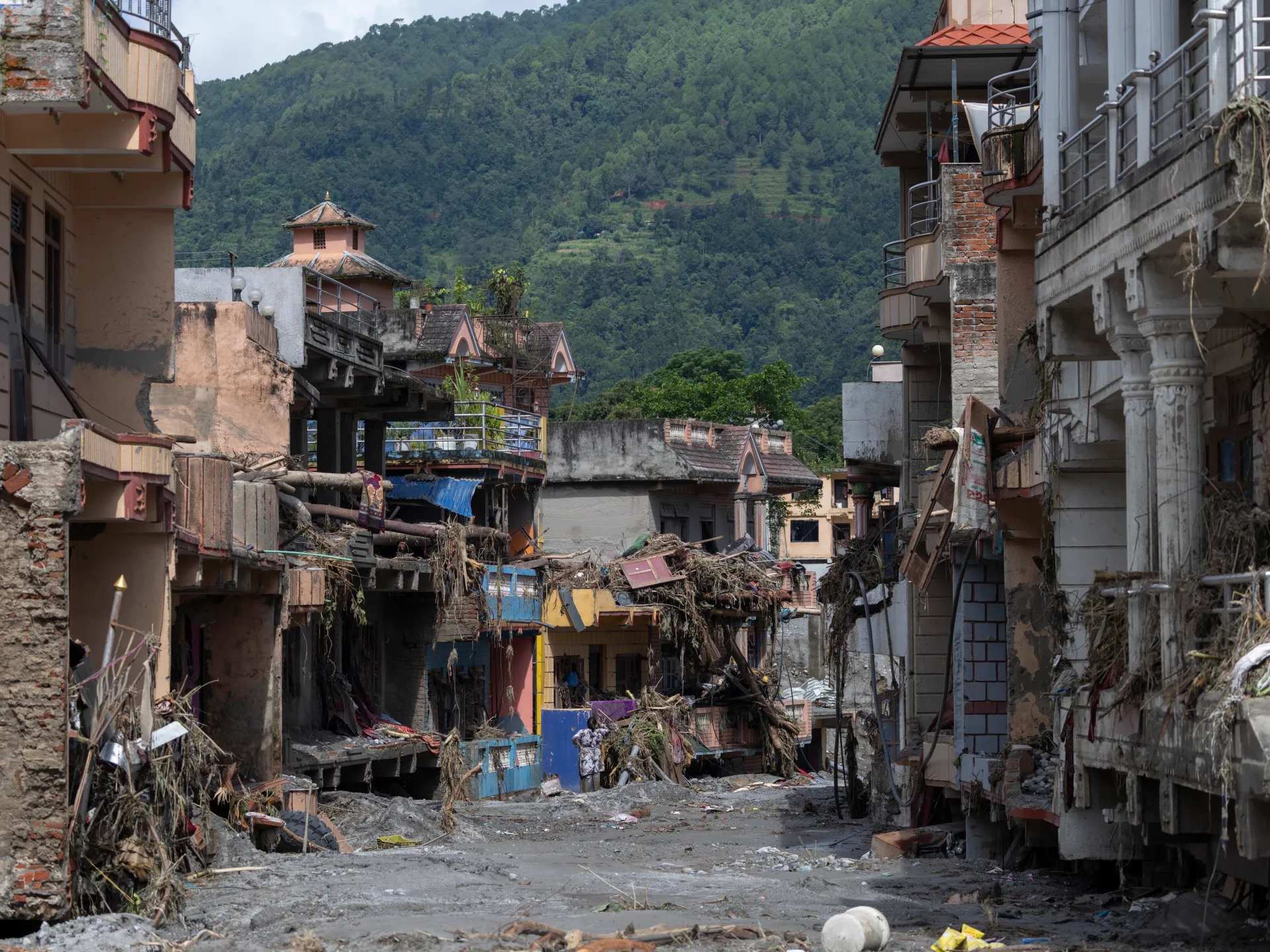
The brilliance on the field stands in stark contrast to the living conditions in Nagoya. Approximately 2,000 athletes are currently housed in modular wooden container huts intended for future use as disaster relief housing. The facilities have come under intense scrutiny, with Jung Jae-yong, vice-president of the Korea Basketball Association, labeling them the worst he has ever encountered. Specific complaints include beds too small for taller athletes and severe structural failures, such as leaking pipes that have already resulted in flooded rooms. The situation reached a breaking point last week when record rainfall forced the evacuation of athletes from these units, with additional reports of water leakage affecting several official competition venues.
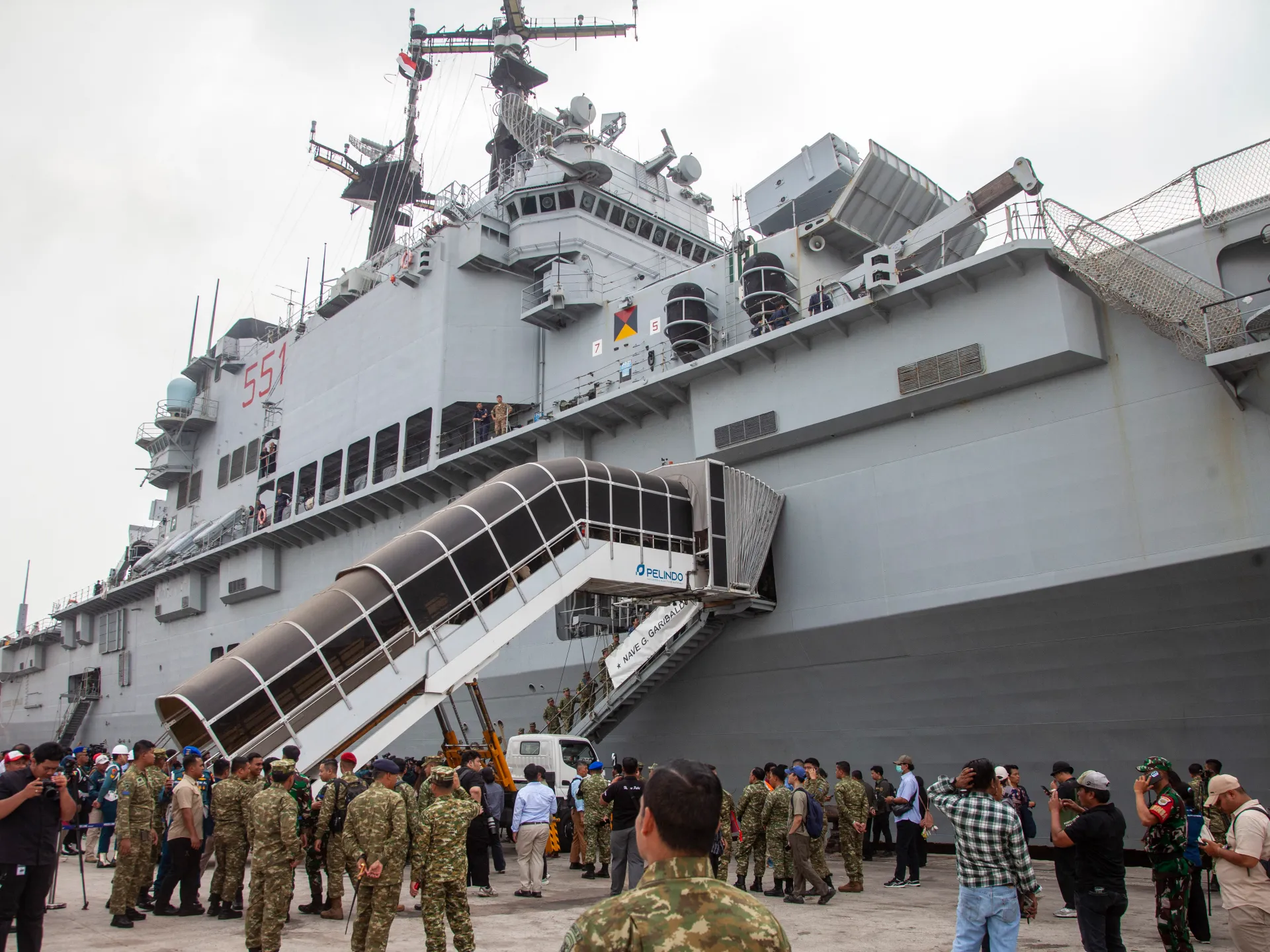
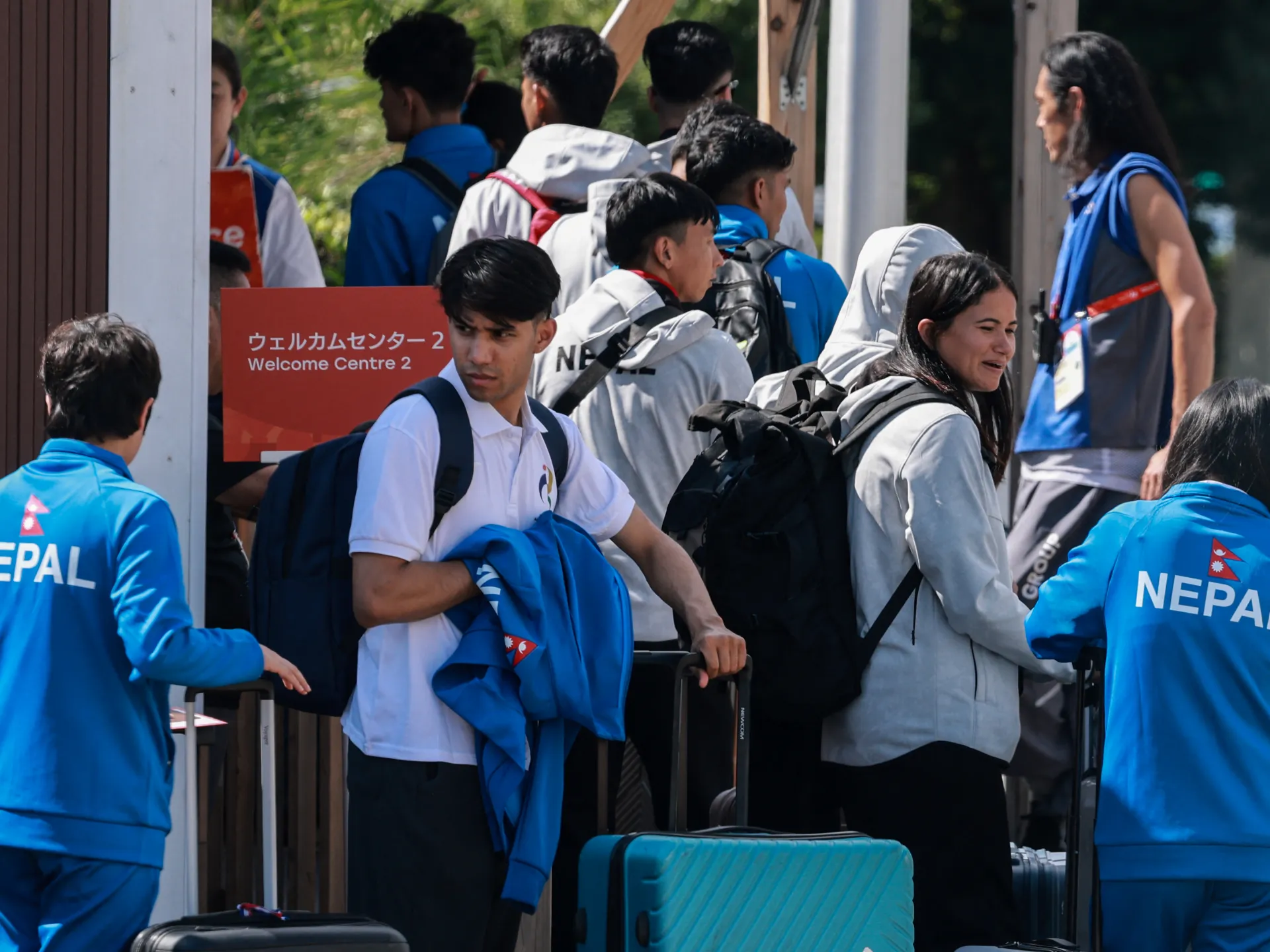
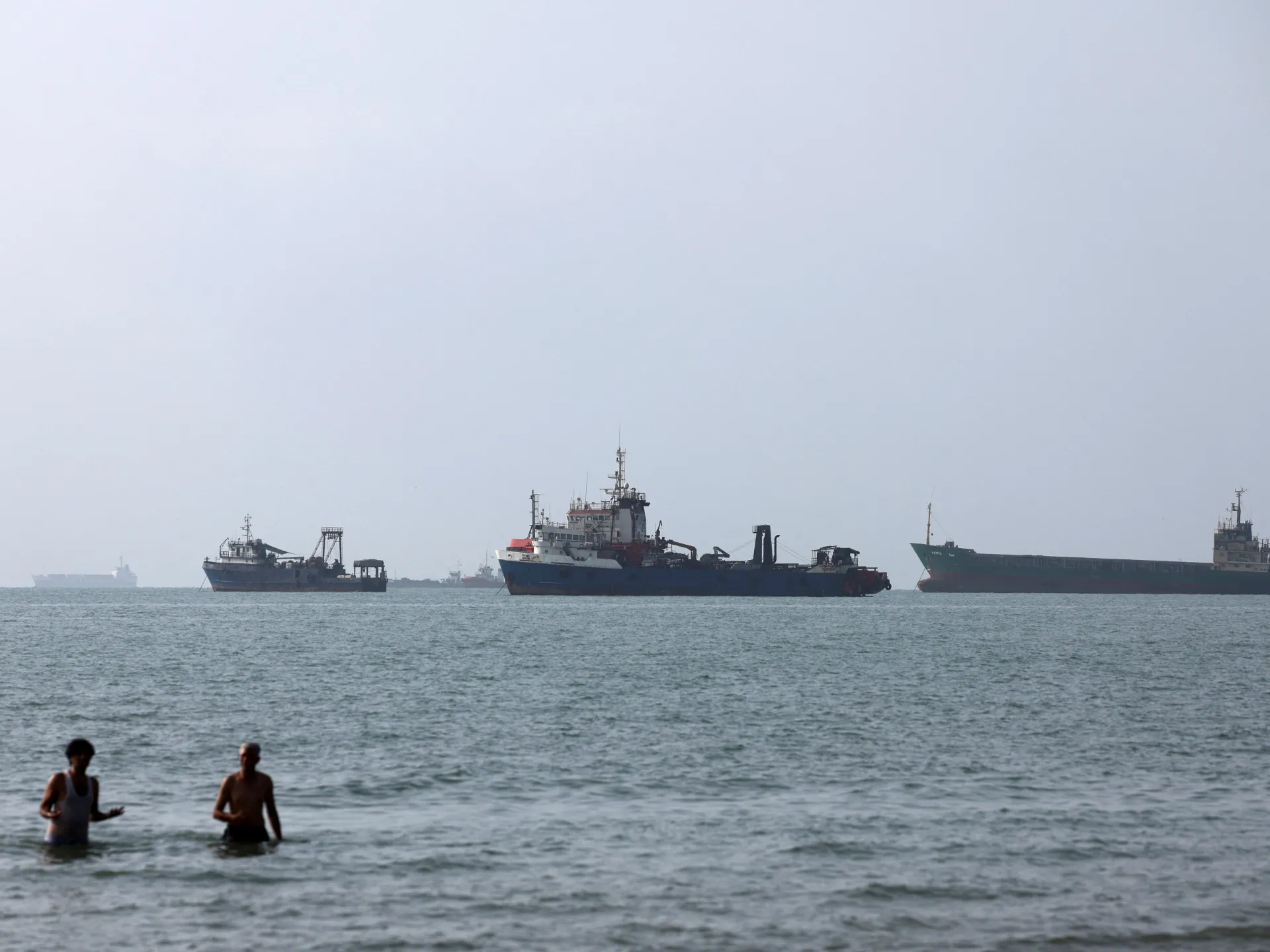
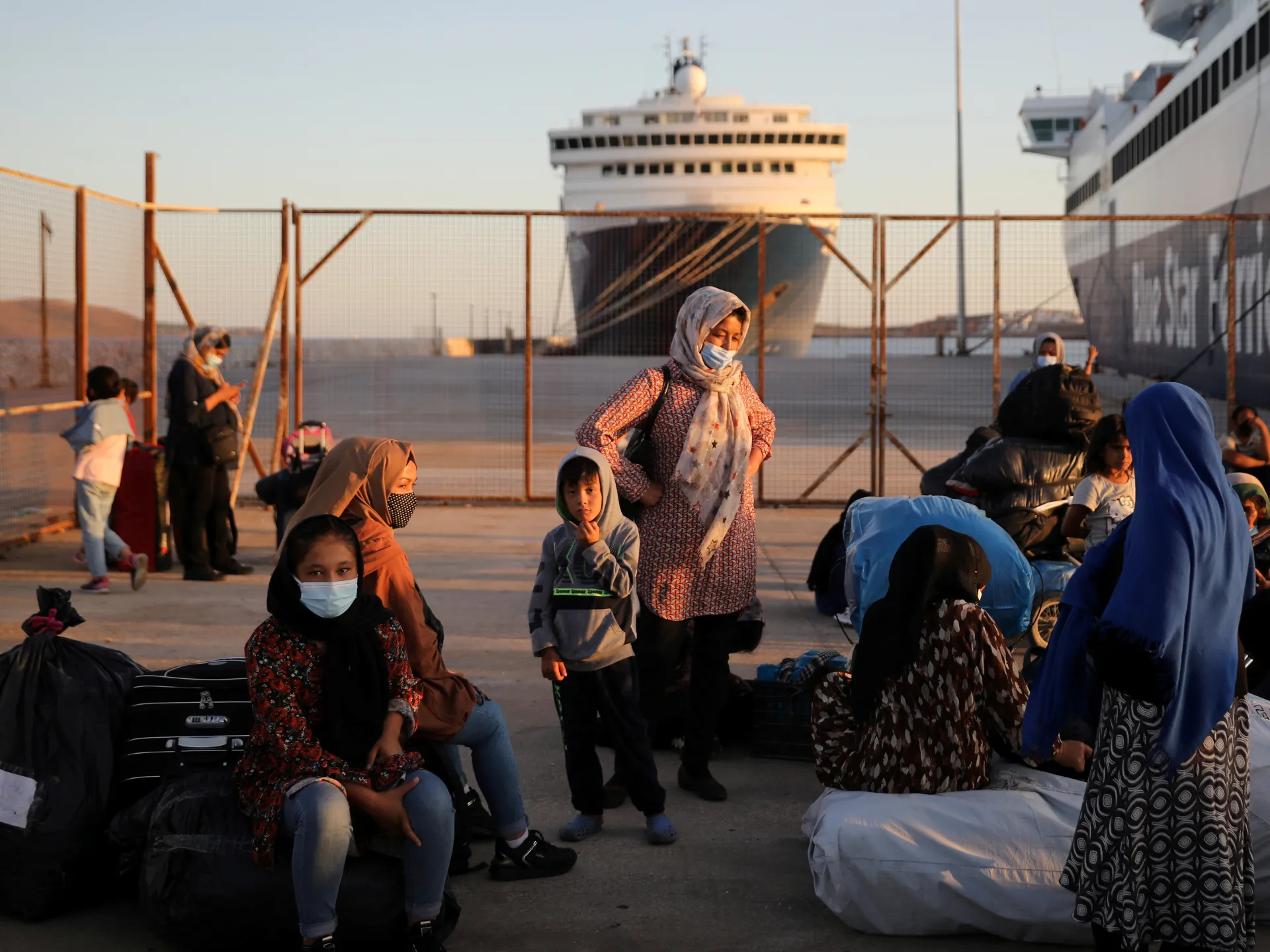
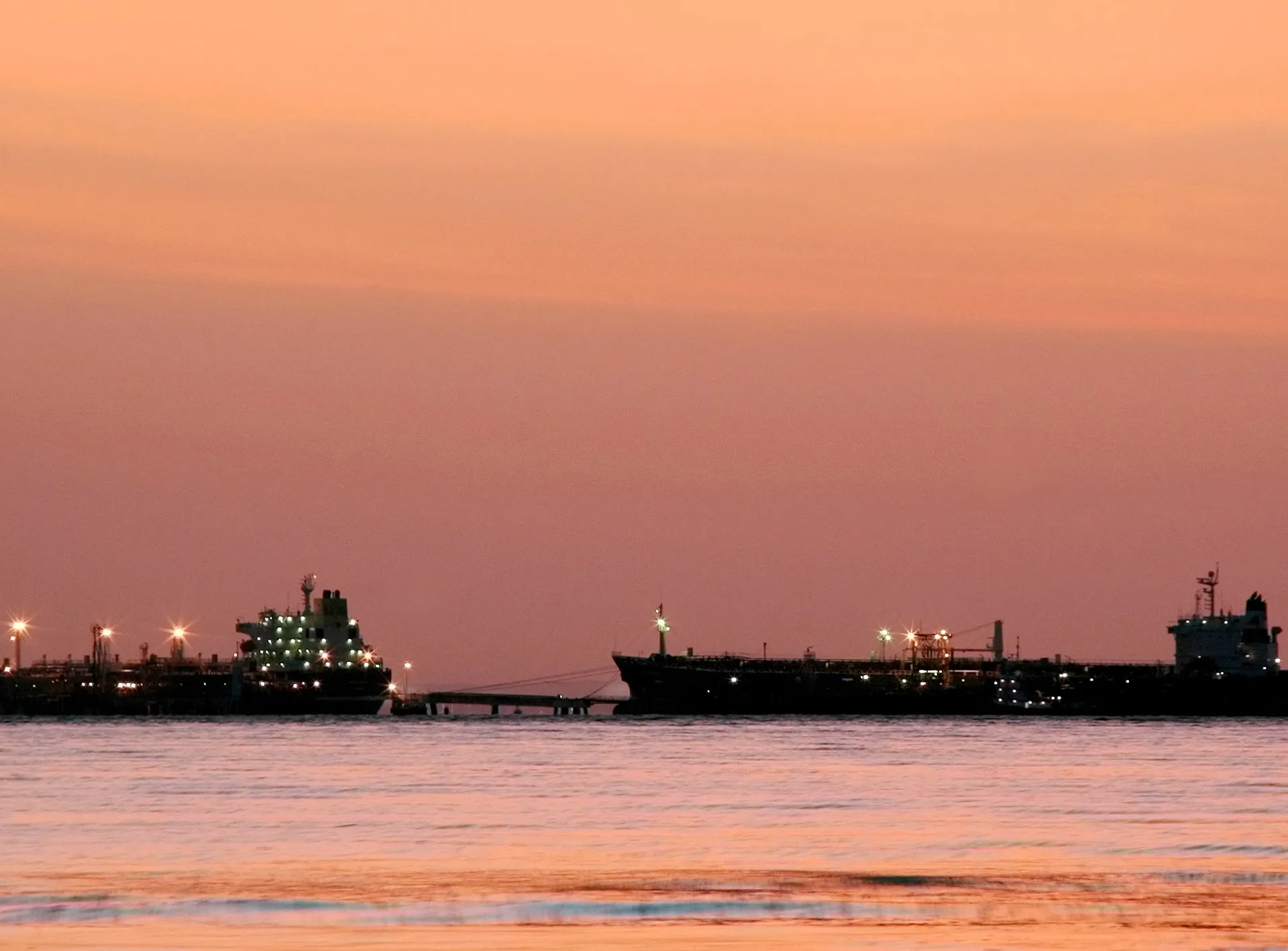
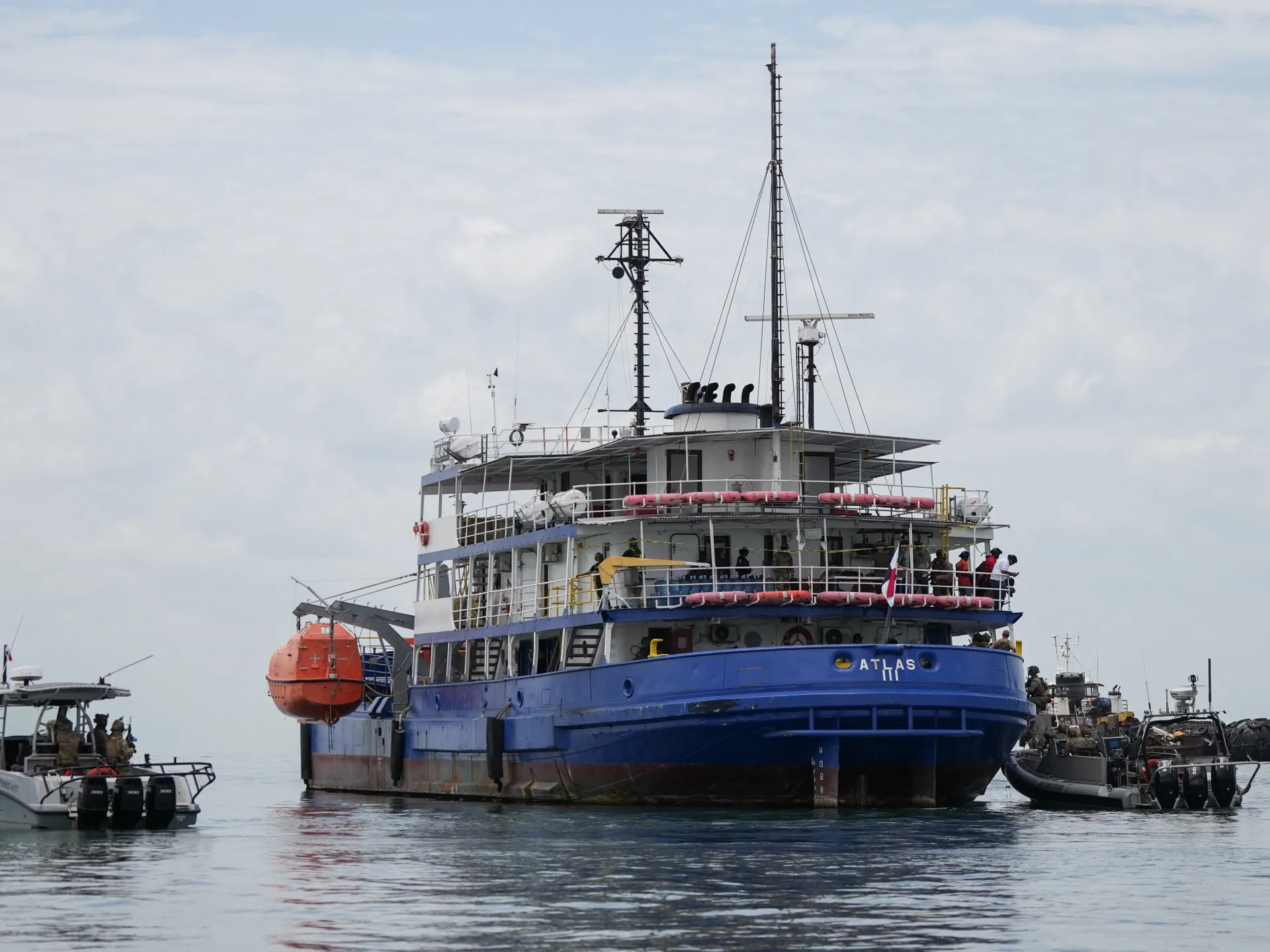
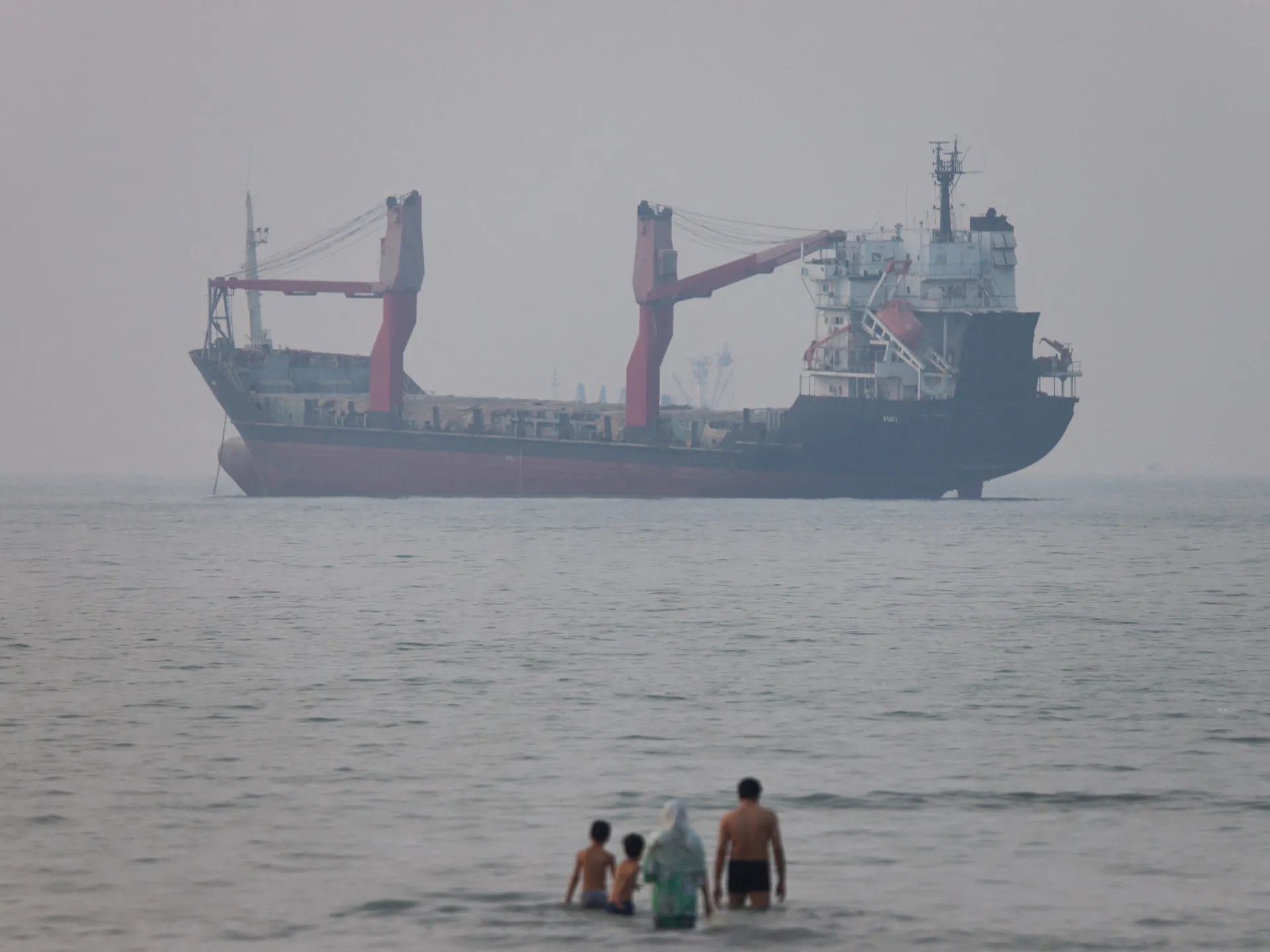
The infrastructure deficit stems from a significant miscalculation of attendance. Organizers originally planned for 15,000 participants, but the inclusion of newer sports like teqball and padel pushed that figure to 17,000. Hideaki Omura, the organizing committee president, has publicly stated that the prefecture lacks the budget and manpower to adequately accommodate this unplanned surge. To mitigate the overflow, organizers have deployed an Italian cruise ship to house between 4,000 and 5,000 participants, while others have been relegated to standard hotel accommodations, leaving many delegations struggling with the fragmented and substandard living arrangements.
As the Games head toward the final ceremonies, the organizing committee faces immense pressure to remediate the living conditions of the remaining athletes. While officials have promised concrete steps to improve the environment, the logistical reality suggests that substantial upgrades are unlikely given the budget constraints and the temporary nature of the facilities. The focus will likely shift to completing the final medal rounds, including the high-stakes cricket final between India and Sri Lanka. Post-games, the Aichi Prefecture will almost certainly face an official inquiry regarding the planning failures and the impact these conditions had on the international reputation of the Games. For the athletes, the priority remains navigating these suboptimal conditions while attempting to maintain peak performance during the final days of competition.