

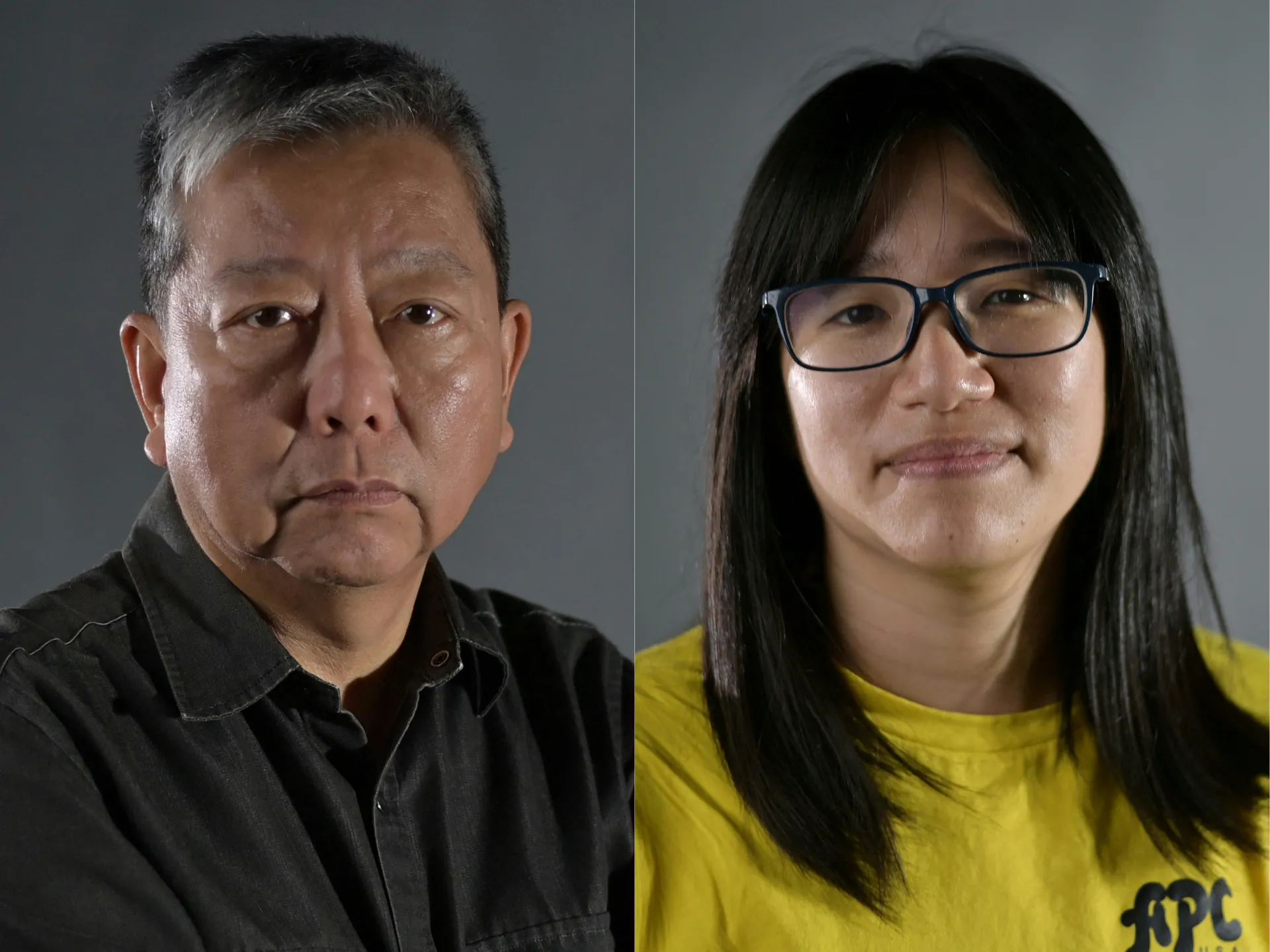
A Hong Kong court has sentenced three activists to prison terms ranging from five to seven years for their roles in organizing banned Tiananmen Square vigils.
A Hong Kong court has delivered significant prison sentences to three prominent activists for their involvement in organizing annual vigils that commemorated the 1989 Tiananmen Square crackdown. The sentences follow a legal process centered on the national security law implemented cal landscape of the city, which was previously recognized for its distinct civil liberties and relative autonomy compared to mainland China.
The court handed down seven-year sentences to Lee Cheuk-yan, aged 69, and Chow Hang-tung, aged 41, for the offense of inciting subversion. Albert Ho, 74, received a prison term of five years and two months after entering a guilty plea earlier this year. These individuals were key figures in the now-disbanded Hong Kong Alliance in Support of Patriotic Democratic Movements of China, an organization that had long facilitated public remembrance of the events in Beijing.
In its formal judgment, the court acknowledged that the actions taken maintained that the nature of the offense remained serious. The verdict emphasized that the activities conducted pose substantial penalties despite the lack of a specific, immediate timetable for the objectives cited in the subversion charges.
For decades, Hong Kong served as the only location within Chinese territories where public commemorations of the 1989 civil unrest were permitted. These vigils were widely viewed as a hallmark of the city's unique status and its commitment to freedom of expression and assembly. The annual gatherings drew thousands of participants who sought to remember the victims of the crackdown, serving as a symbolic link to the city's history of political activism.
The legal environment shifted dramatically in 2020 following a period of intense pro-democracy protests. The introduction of the national security law effectively criminalized the organization of these vigils, leading to the eventual dissolution of the alliance responsible for them. Beyond the personal sentences handed to the leadership, the court also imposed a financial penalty of 1.5 million Hong Kong dollars, or approximately $191,000, against the defunct organization.
The defendants have faced prolonged periods of detention since the legal proceedings began in 2021. While the sentencing accounts for time already served behind bars, the severity of the terms has drawn international scrutiny. Supporters and legal observers note that the climate surrounding political expression has tightened significantly, making the once-common act of public mourning a high-risk activity under the current legal framework.
The convictions have sparked widespread criticism from human rights organizations, various foreign governments, and the United Nations. Critics argue that the use of the national security law to target peaceful assembly effectively suppresses dissent and erodes the rule of law. The government of Taiwan also issued a strong condemnation, characterizing the proceedings as politically motivated trials designed to protect an authoritarian structure rather than uphold public safety.
Defense strategies during the trial varied, with some defendants choosing to plead guilty while others, such as Chow Hang-tung, maintained their innocence throughout the process. Chow, who acted as her own legal counsel, famously asserted that she had no reason to repent for her actions. Meanwhile, family members of the convicted activists, including Lee Cheuk-yan’s wife, Elizabeth Tang, have indicated that they intend to pursue an appeal against the court's decision.
As the legal appeals process moves forward, the case remains a focal point for debates regarding the future of civil society in Hong Kong. The intersection of local judicial processes and national security imperatives continues to be a contentious issue, highlighting the stark contrast between the city's past freedoms and its current administrative reality. The outcome of these appeals may further define the limits of permissible political activity in the territory.