As world leaders gather in New York, the US has granted limited visas to Iranian officials while imposing travel and spending restrictions amidst ongoing conflict.
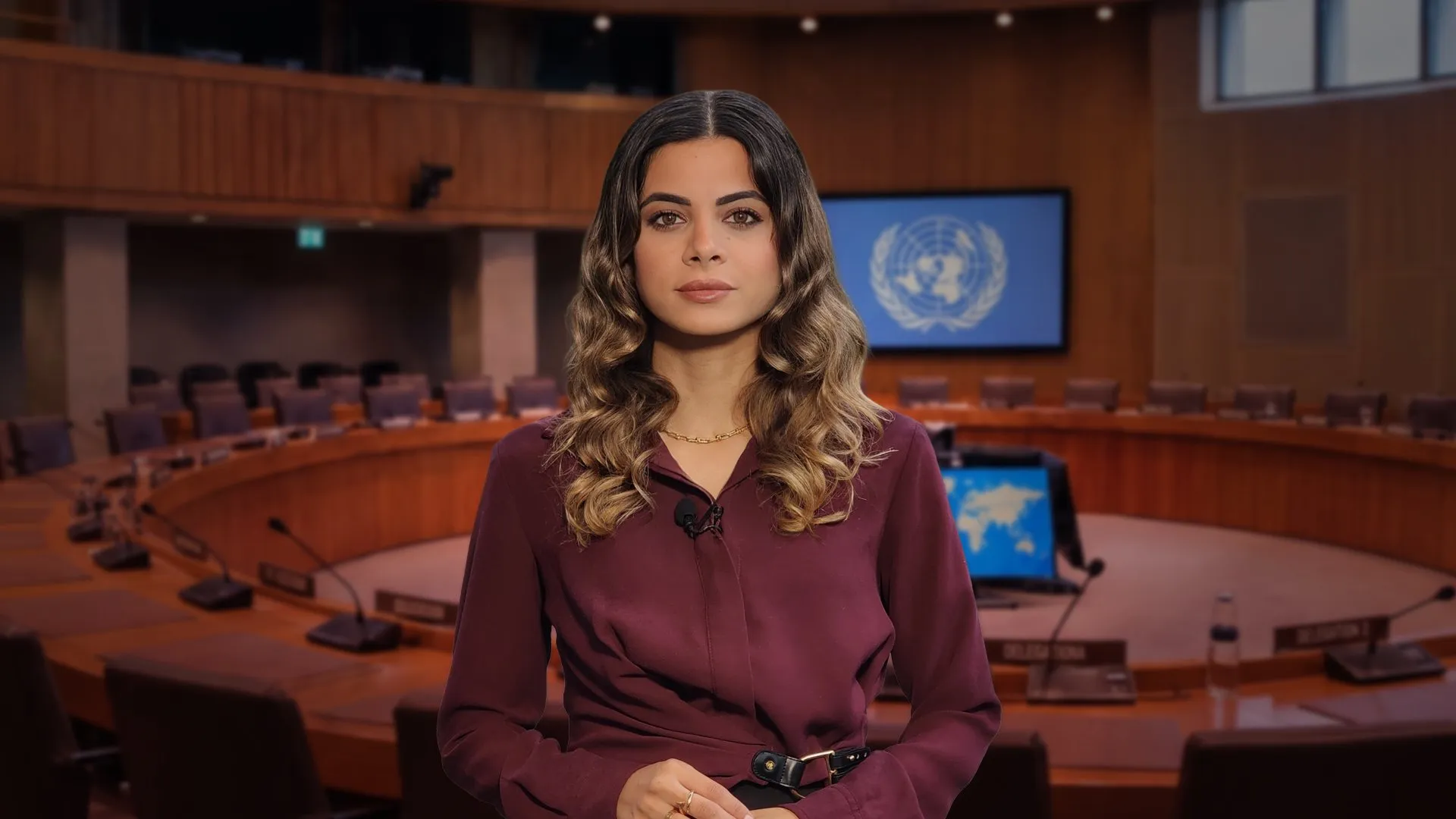
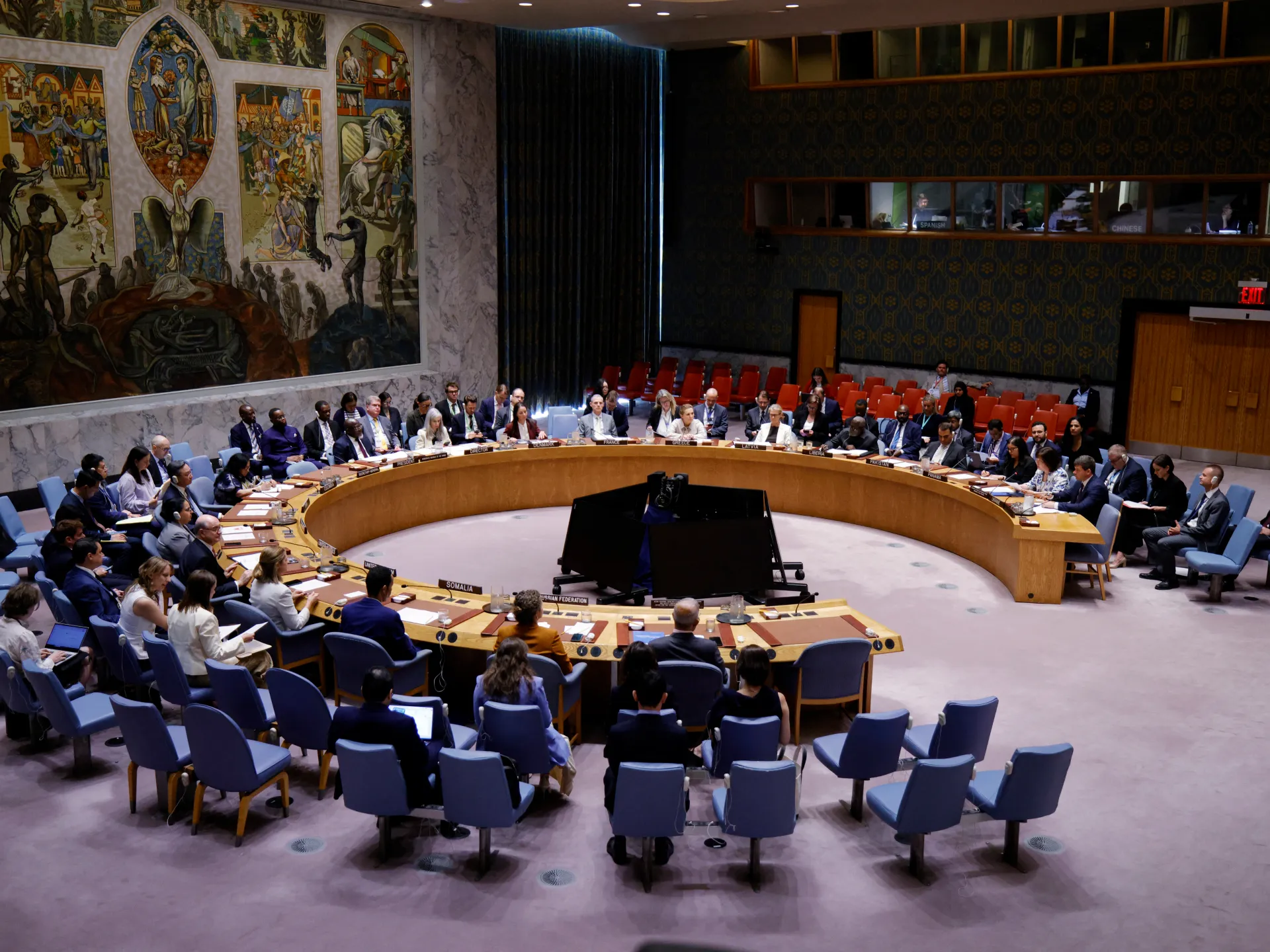
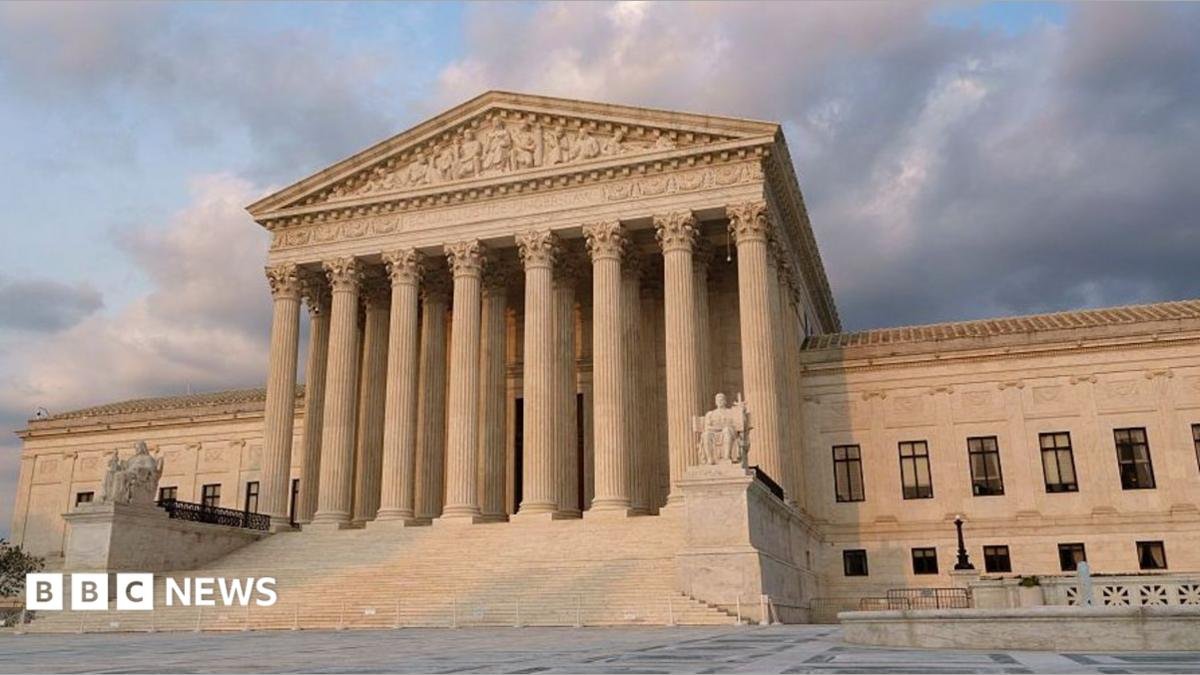
The annual gathering of world leaders at the United Nations in New York serves as the primary stage for international statecraft, yet the 81st session arrives during a period of acute geopolitical instability. The logistical friction surrounding visa approvals for specific delegations highlights the tension between the United States' role as the permanent host of the UN and its active status as a belligerent in a seven-month-old conflict. This dynamic creates a delicate environment where the Host Country Agreement—a foundational document meant to ensure unimpeded access for diplomats—is being tested against the backdrop of direct military engagement. The restrictions placed on the Iranian delegation suggest that the US is leveraging its host status to project economic and symbolic pressure, signaling that the traditional boundaries of diplomatic immunity are increasingly being defined
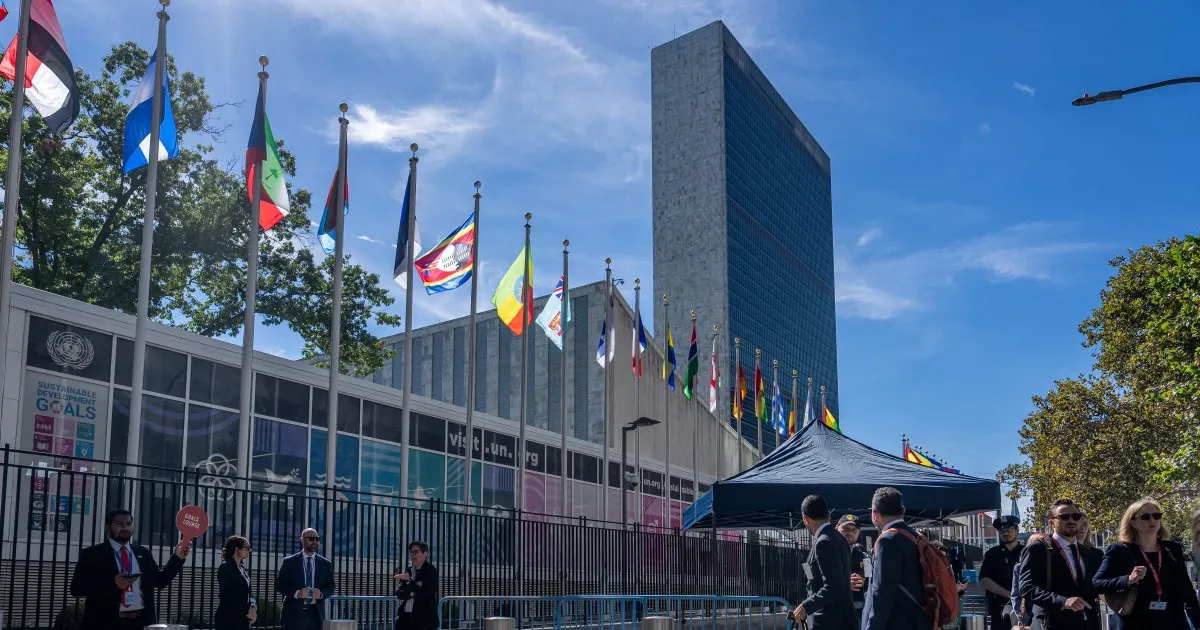
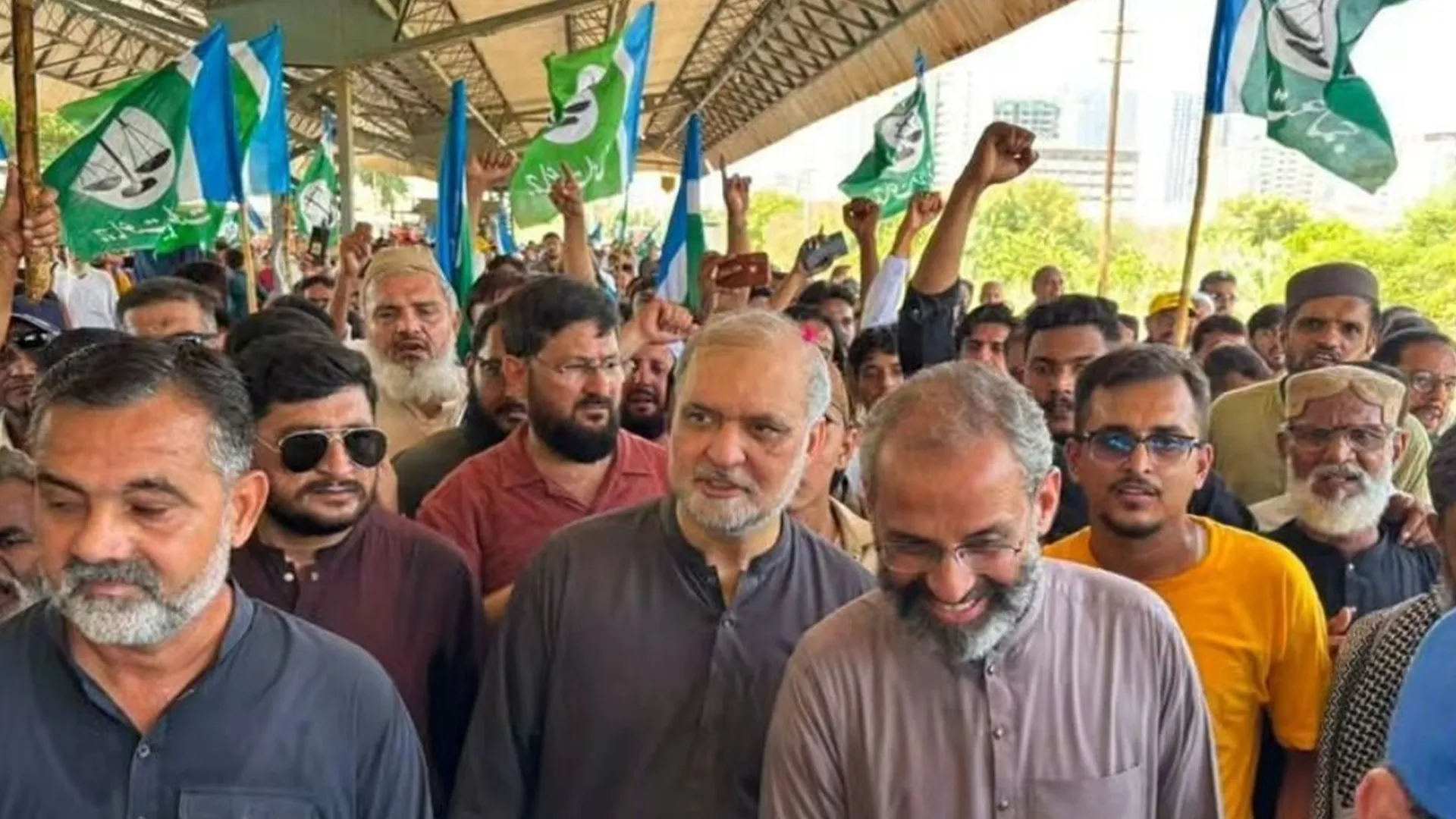
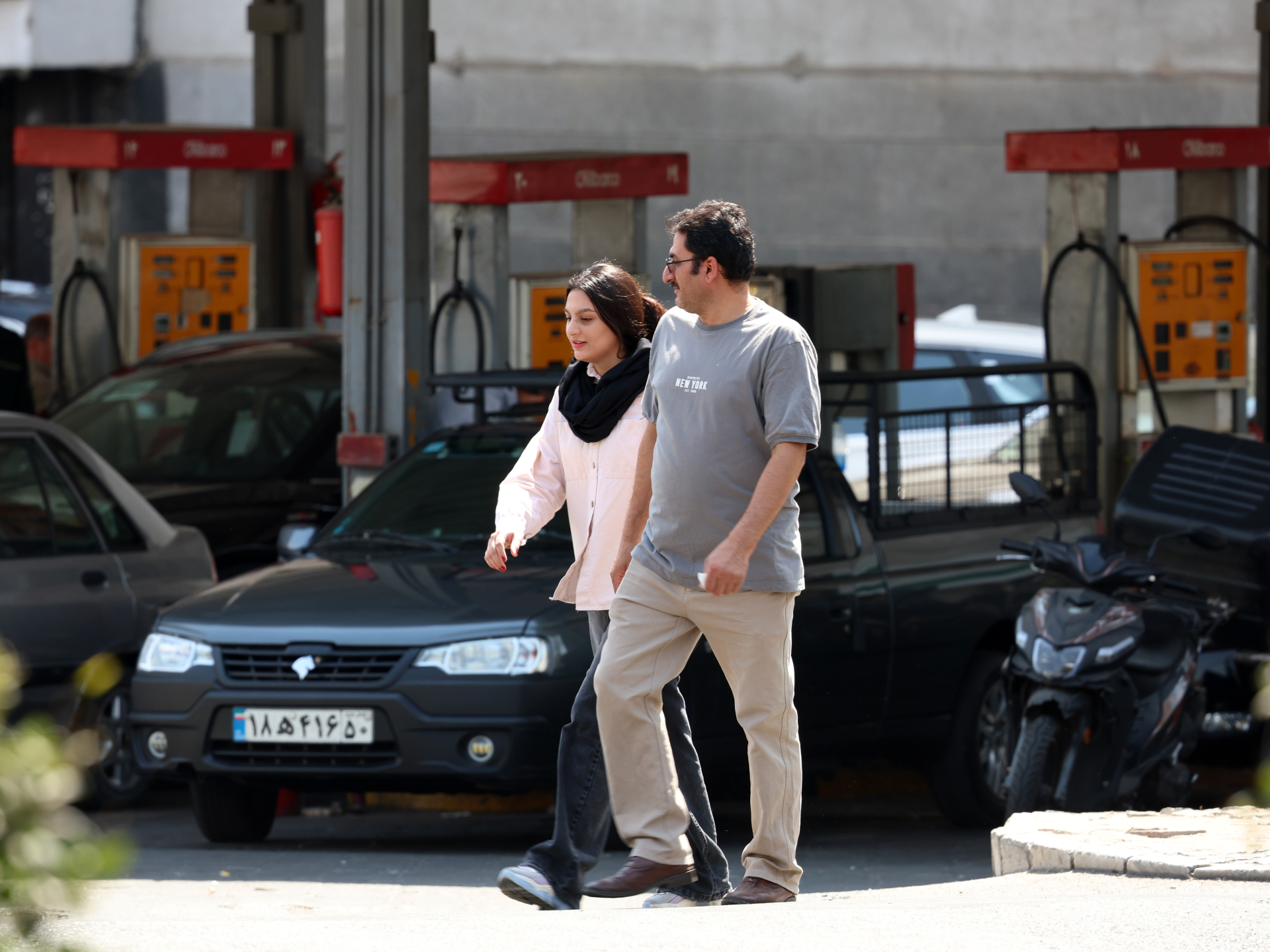
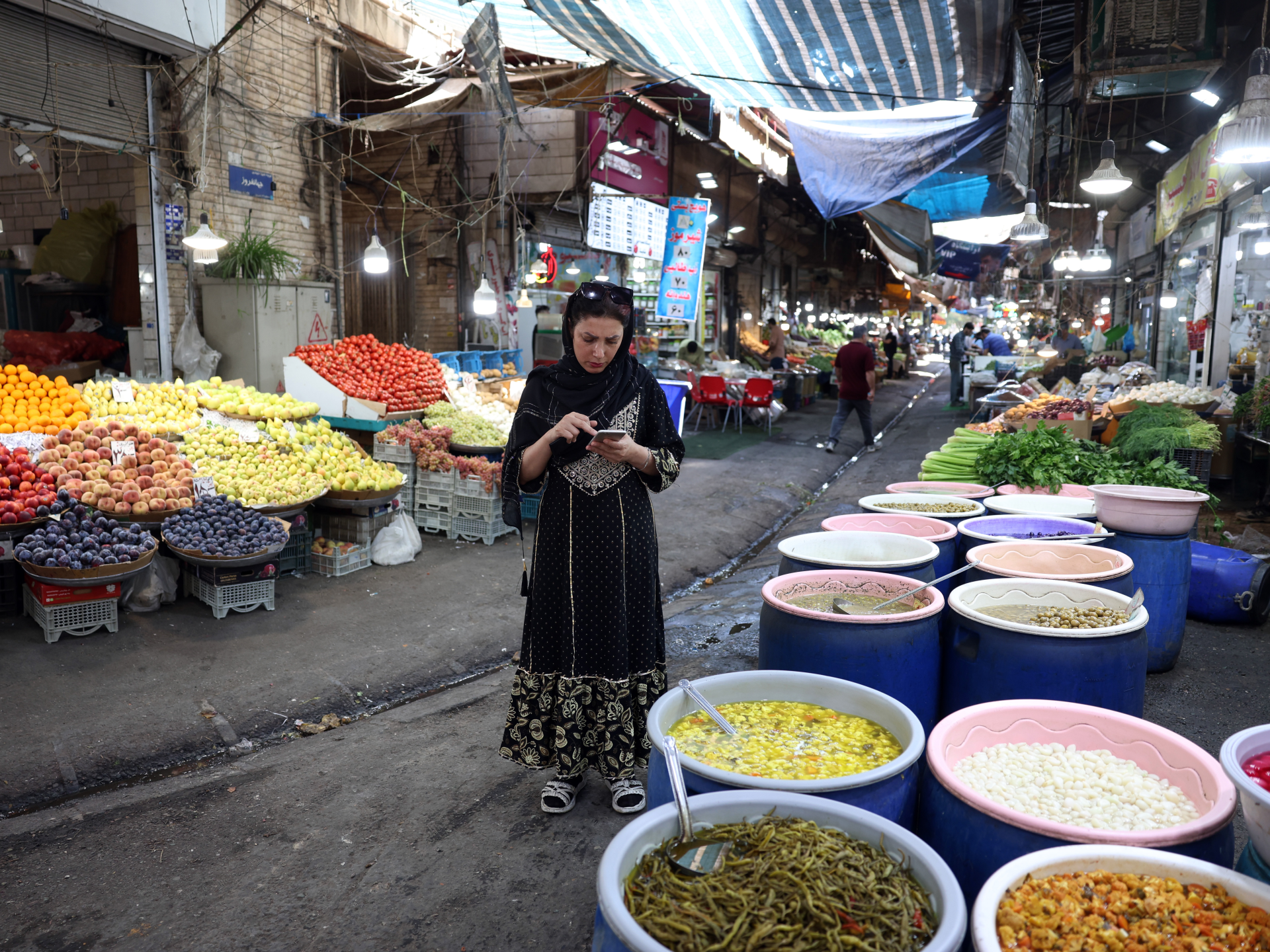
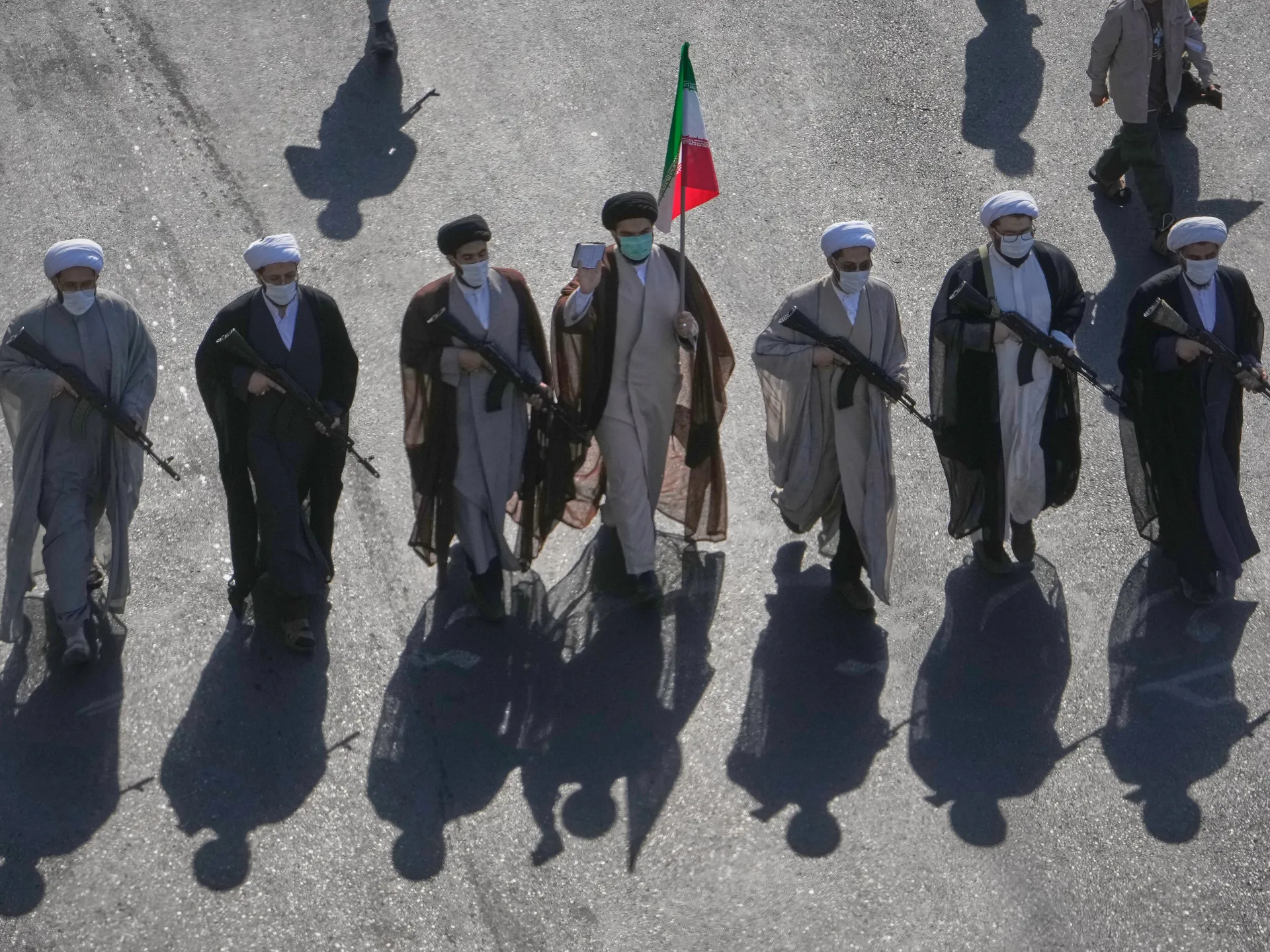
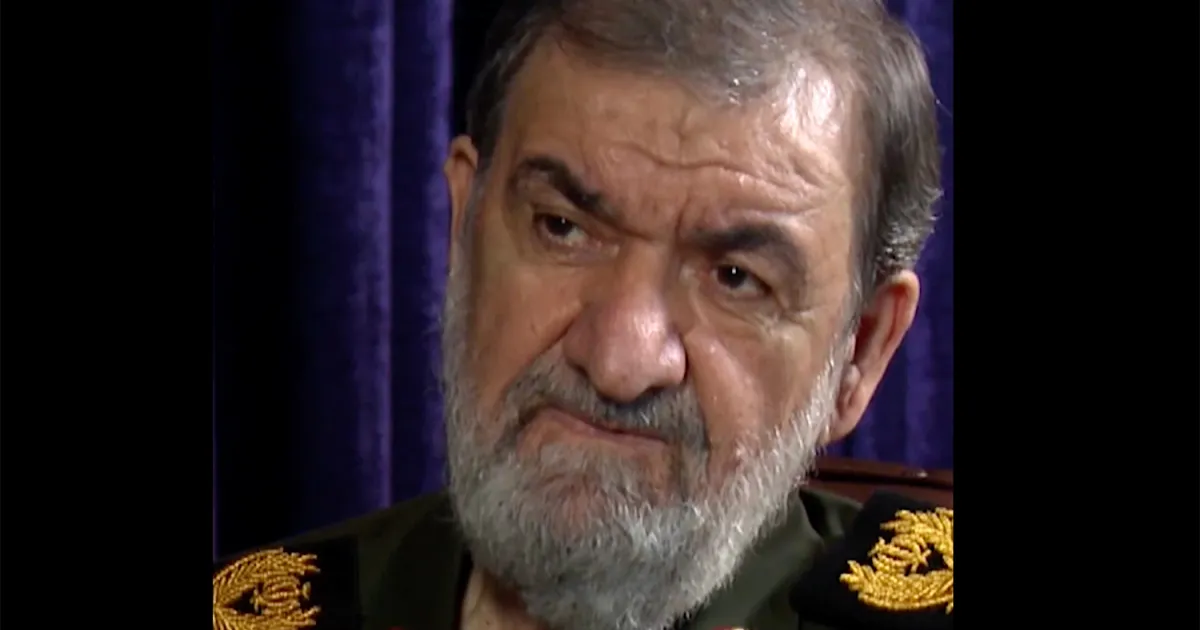
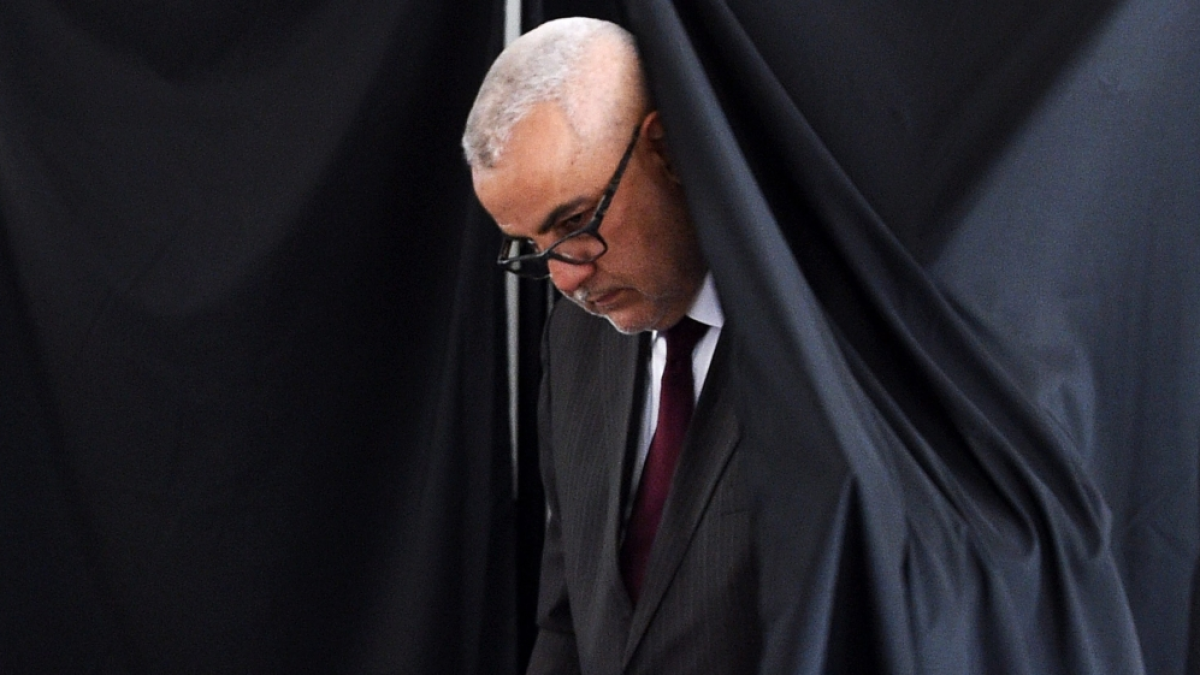
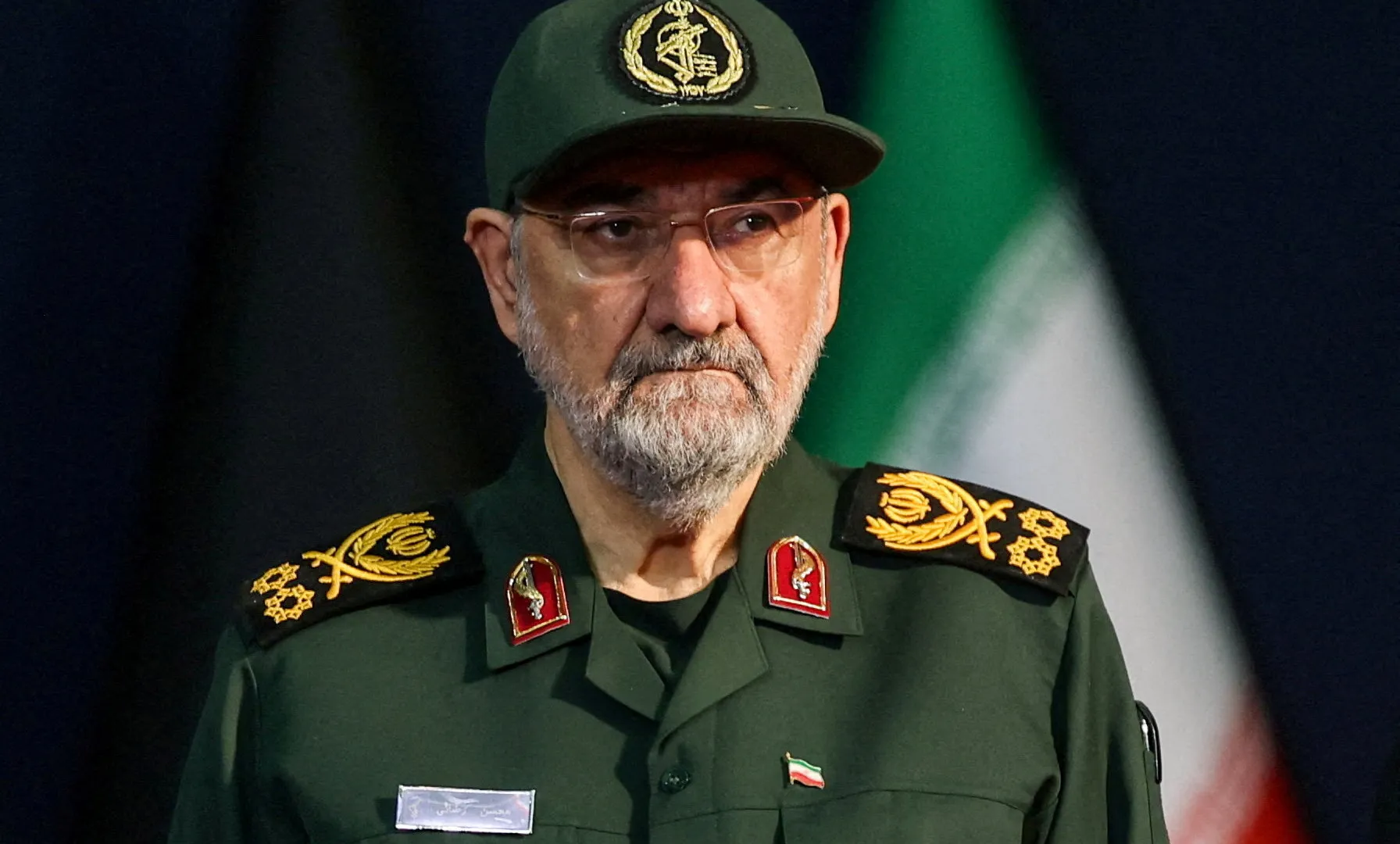
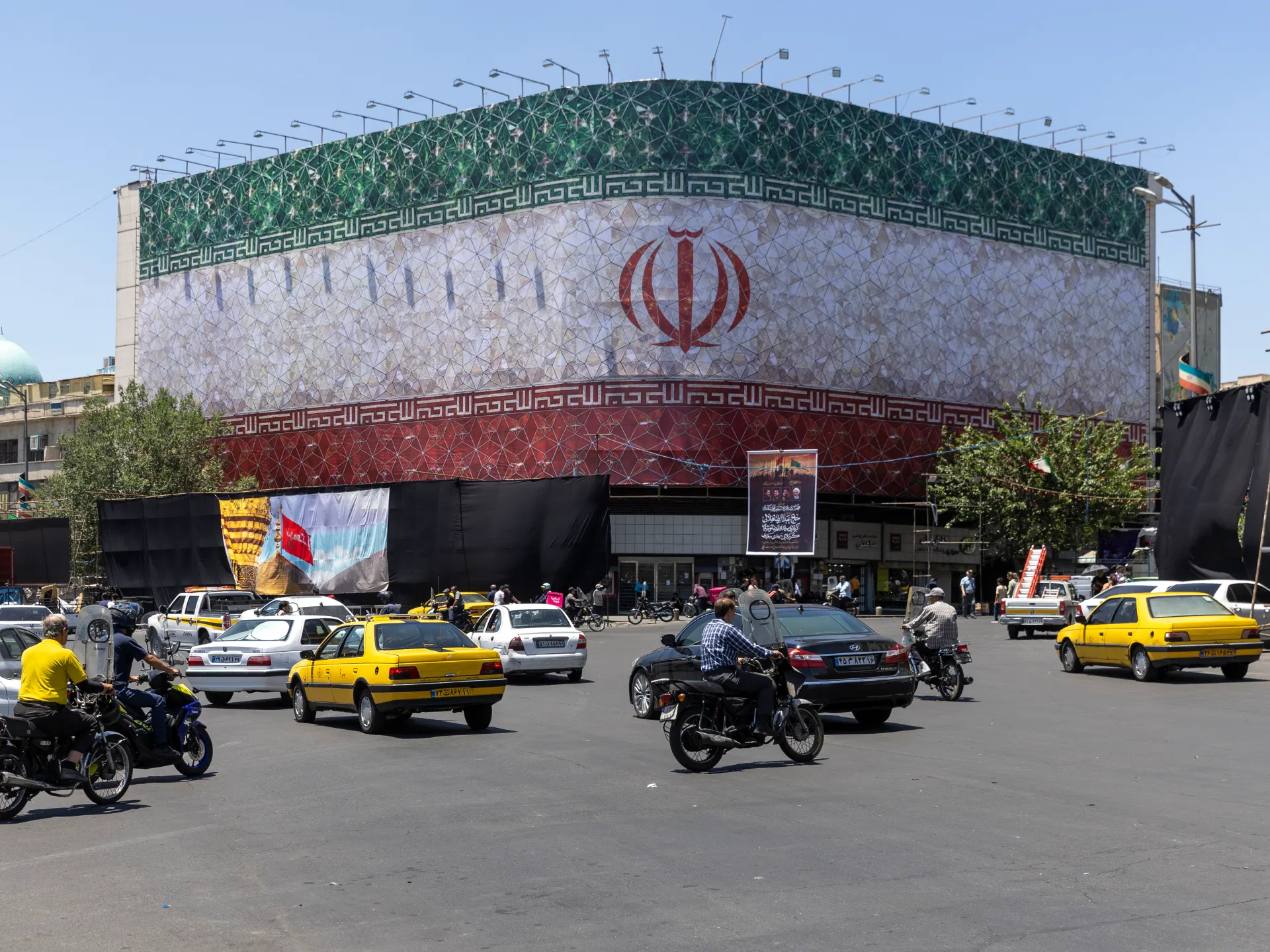
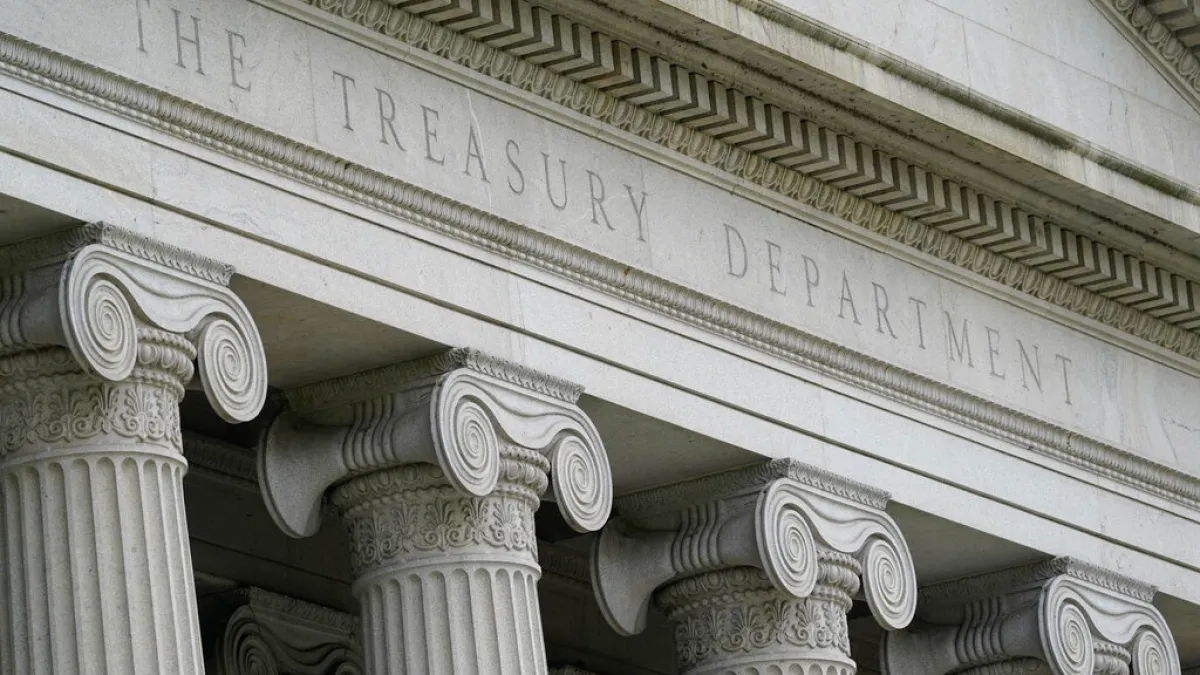
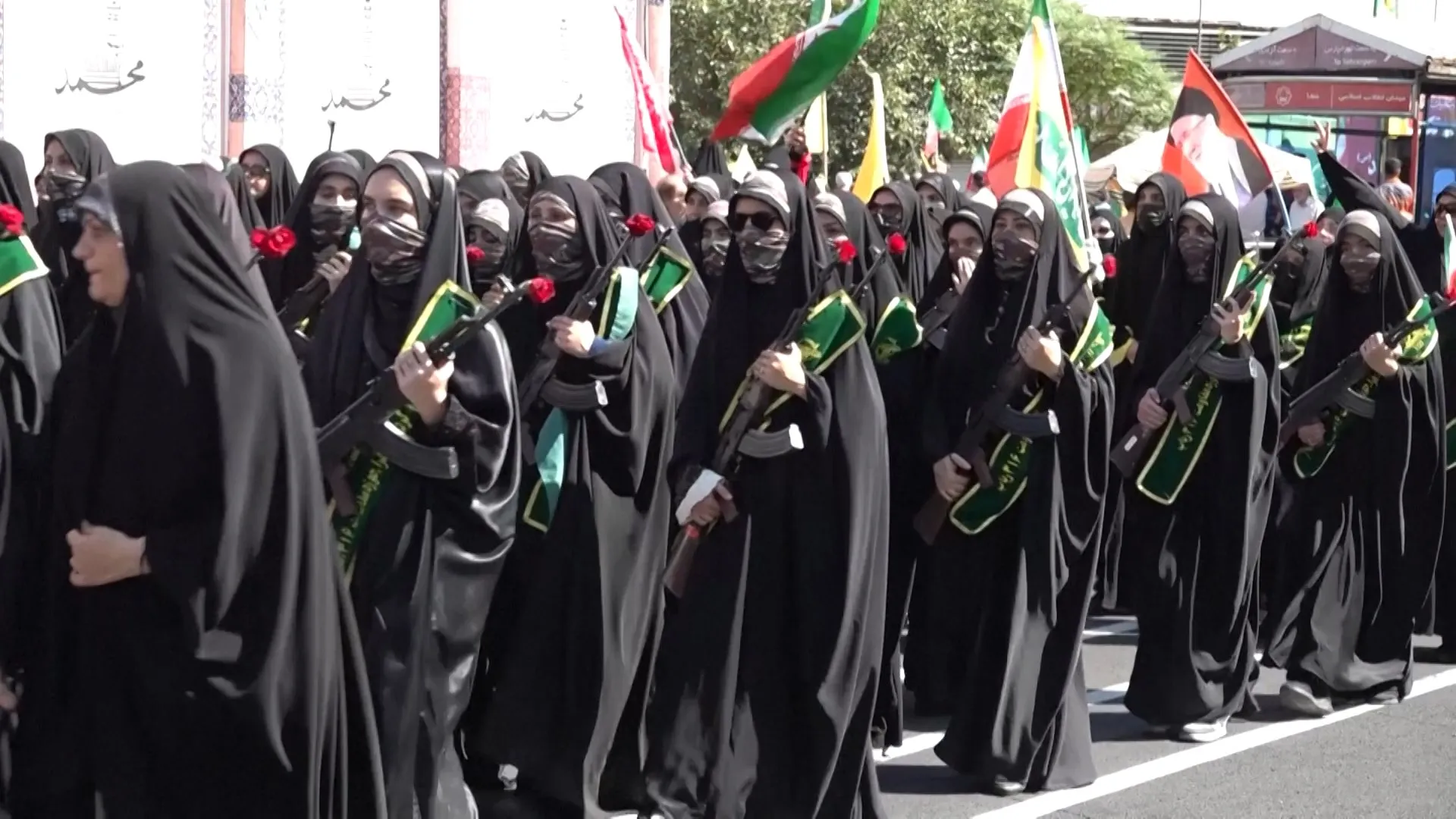
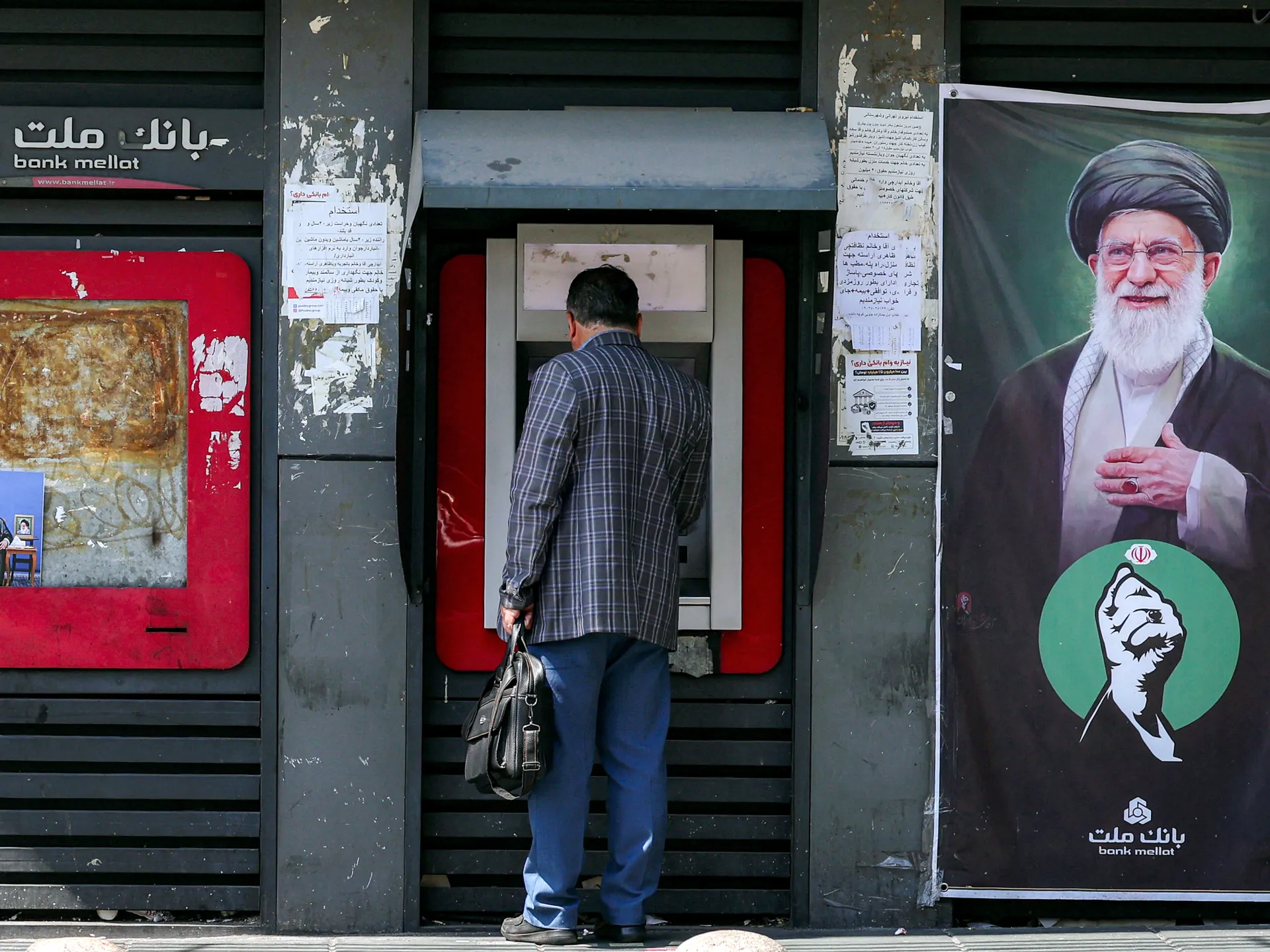
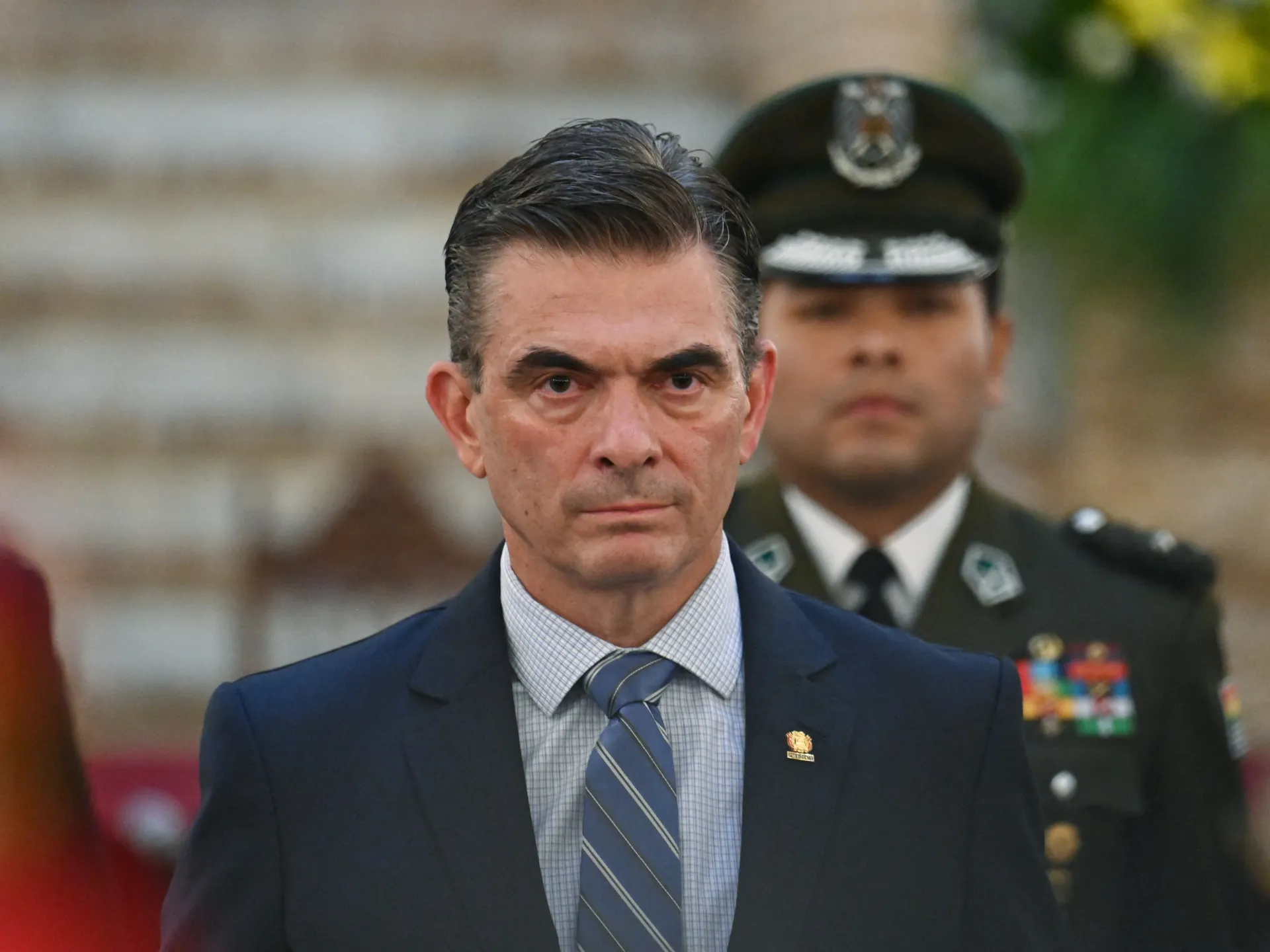
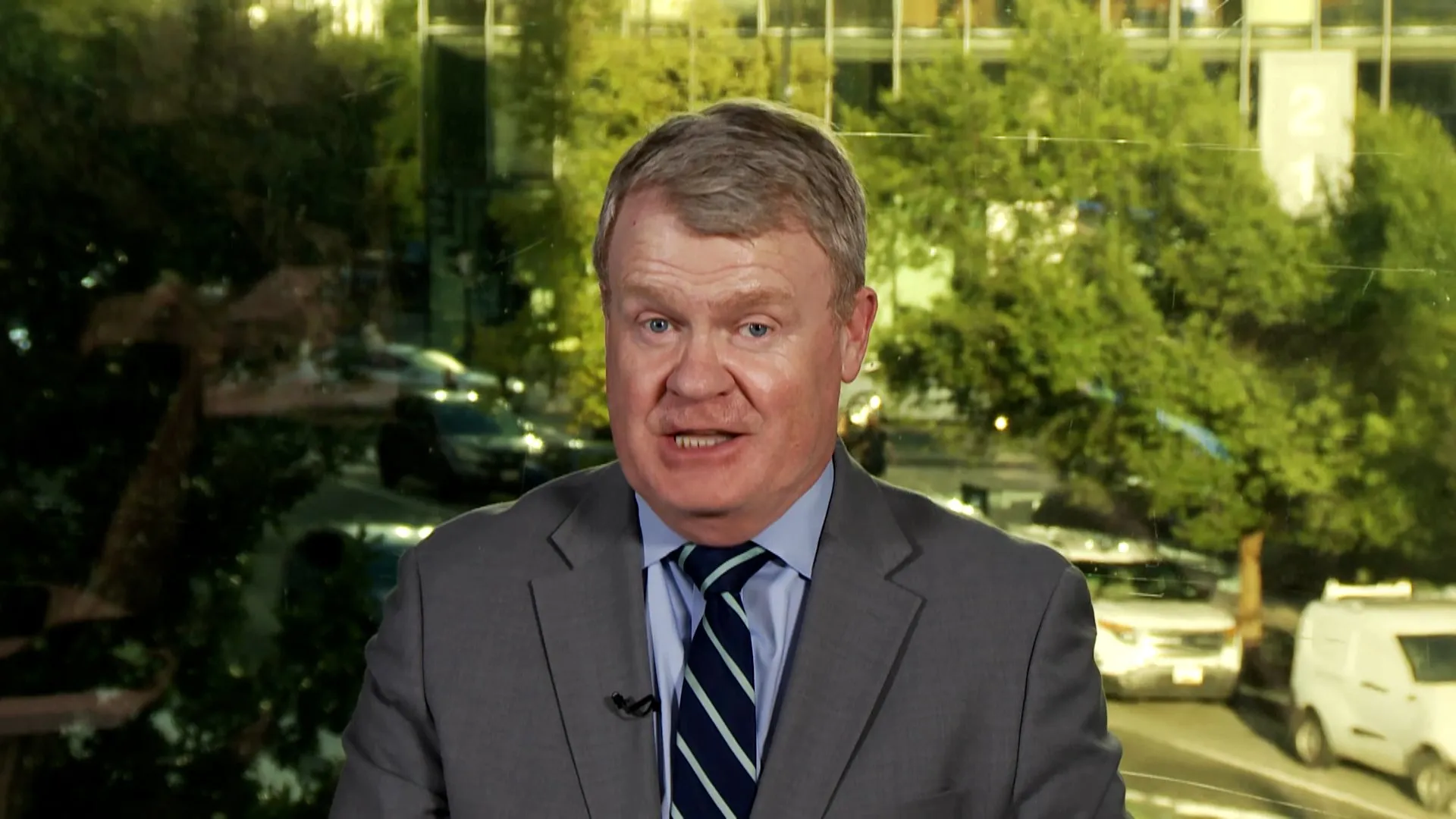
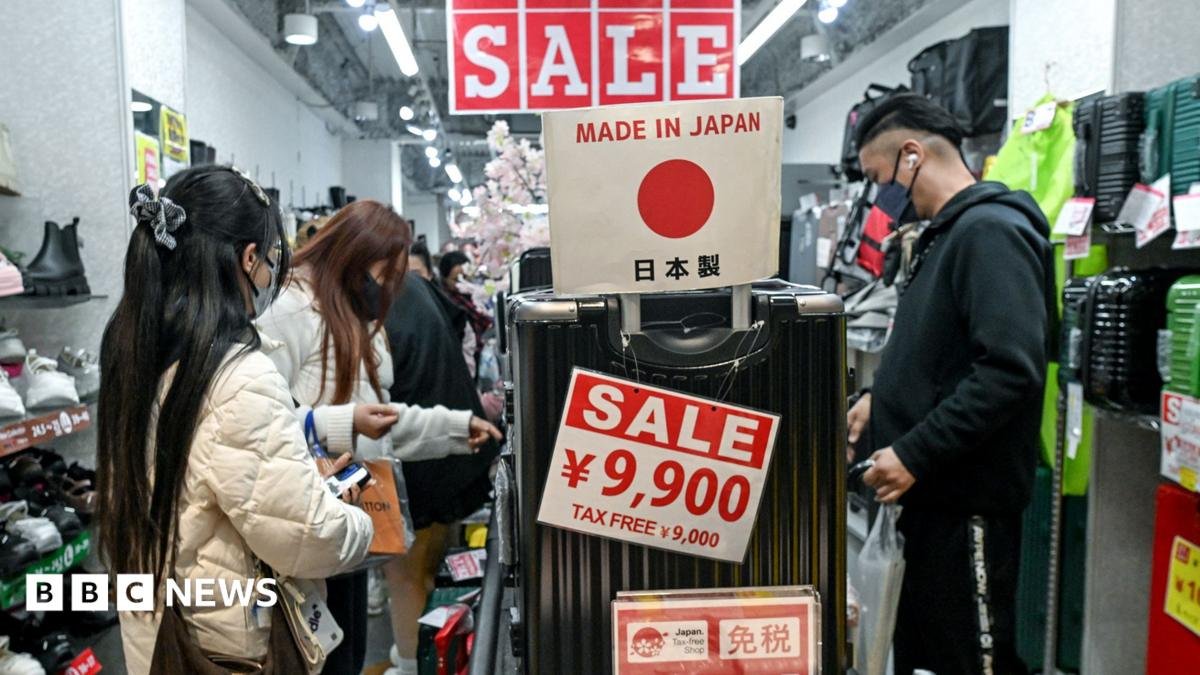
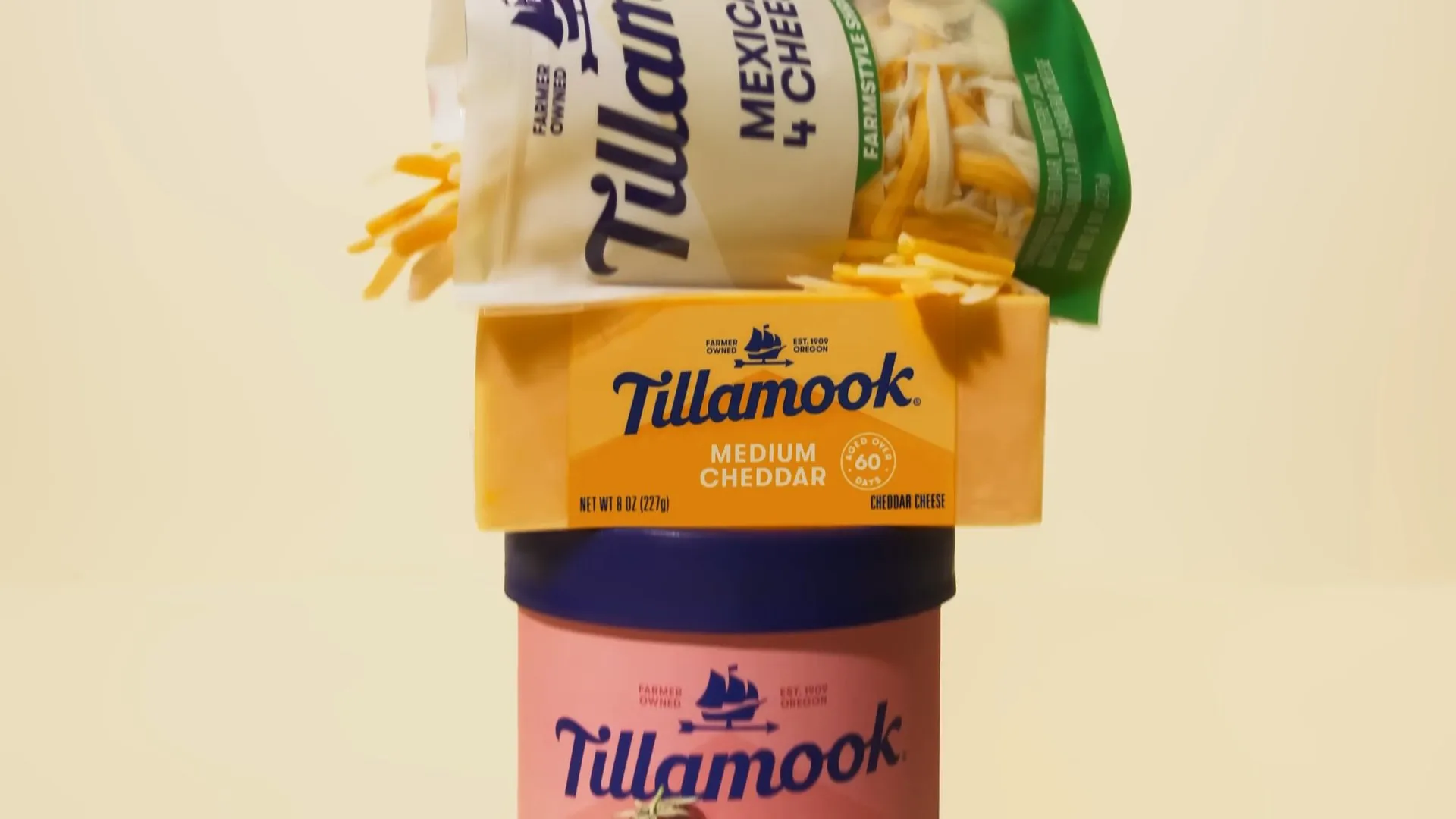
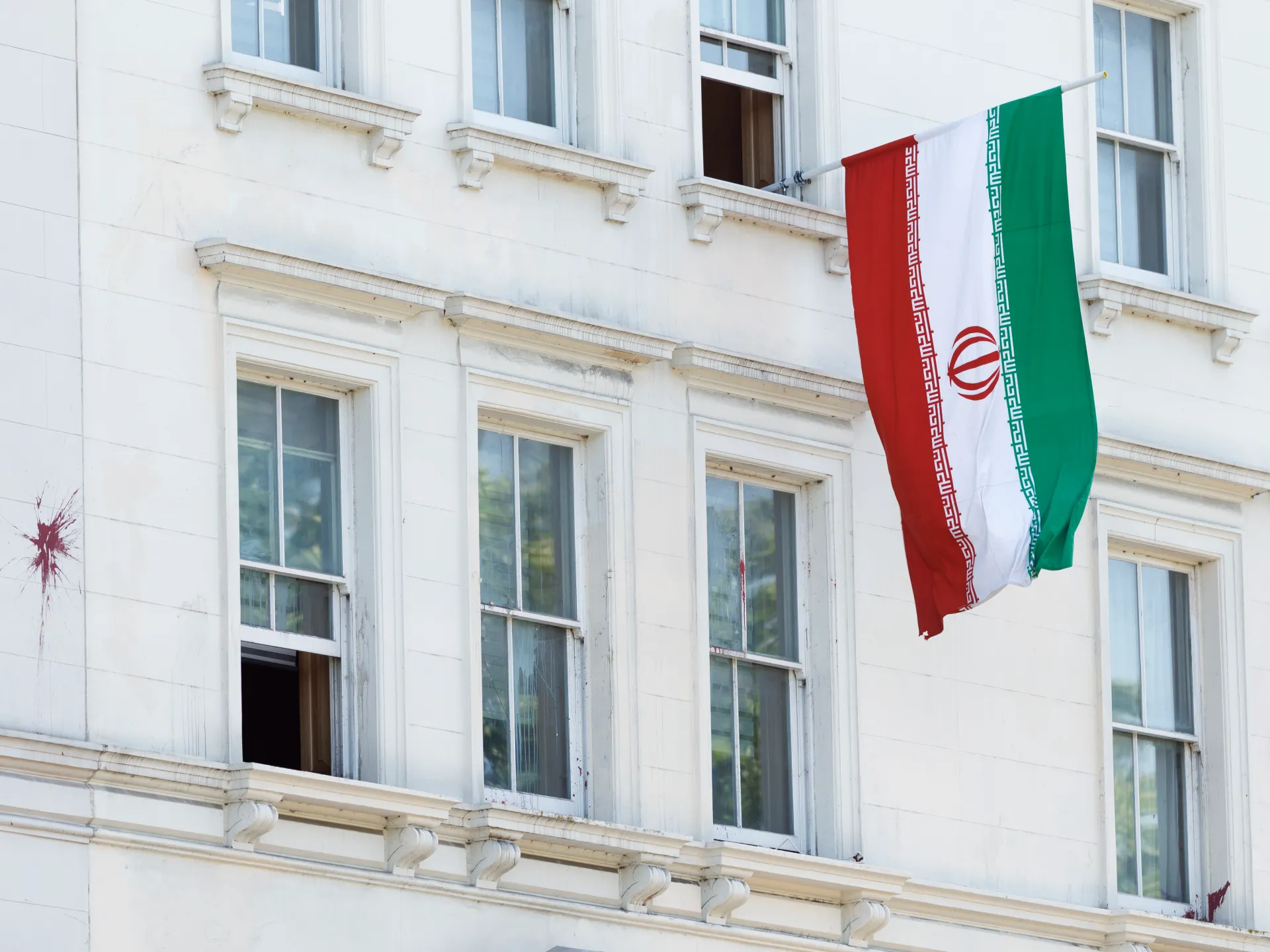
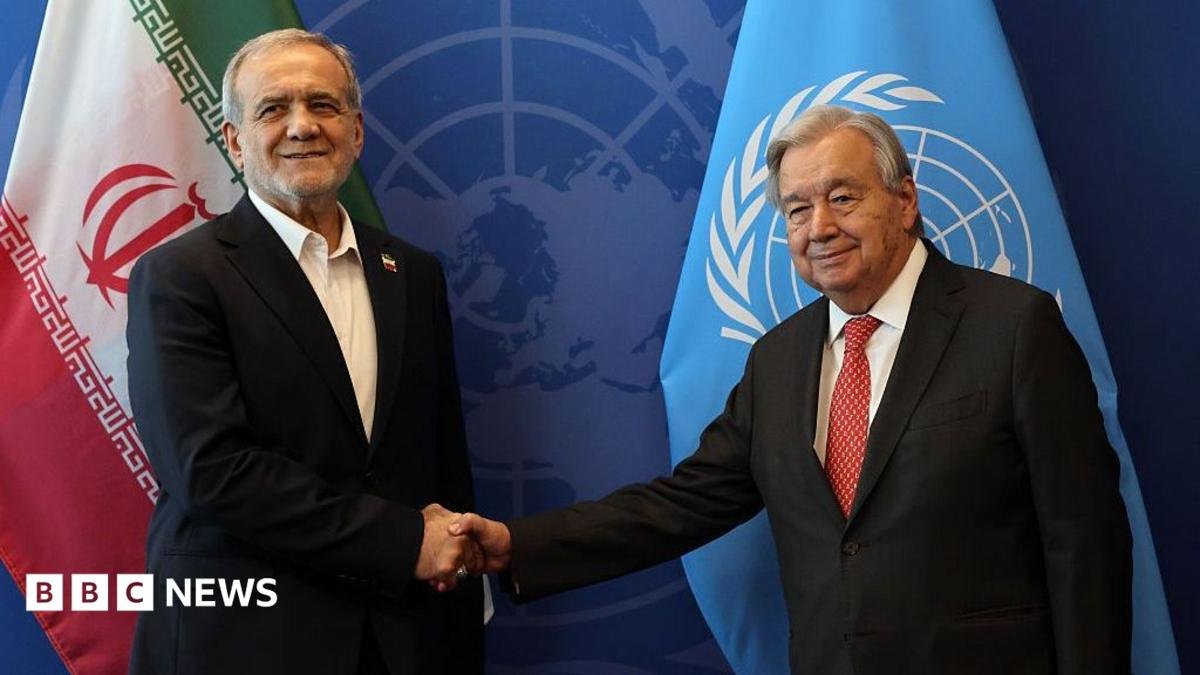
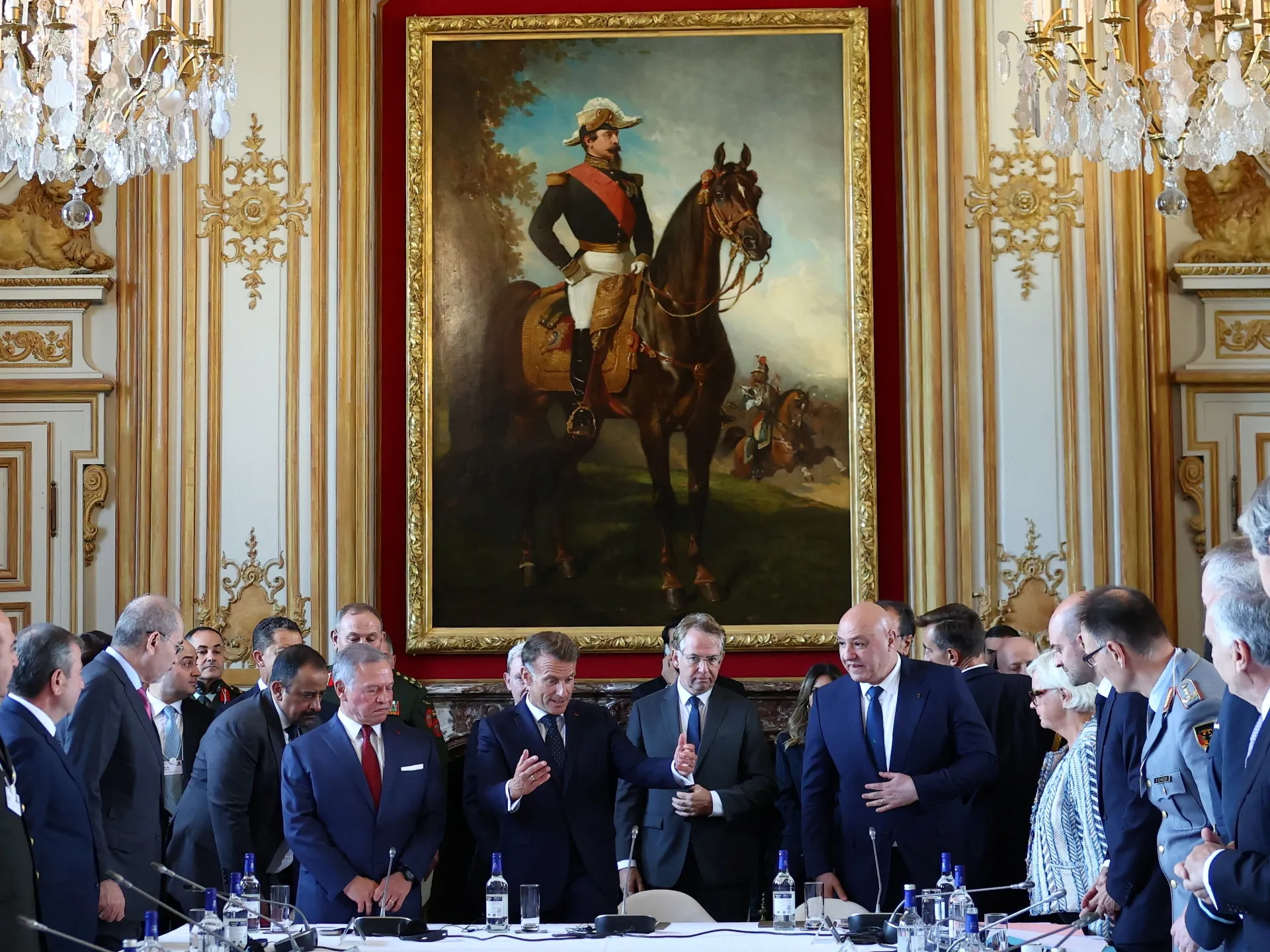
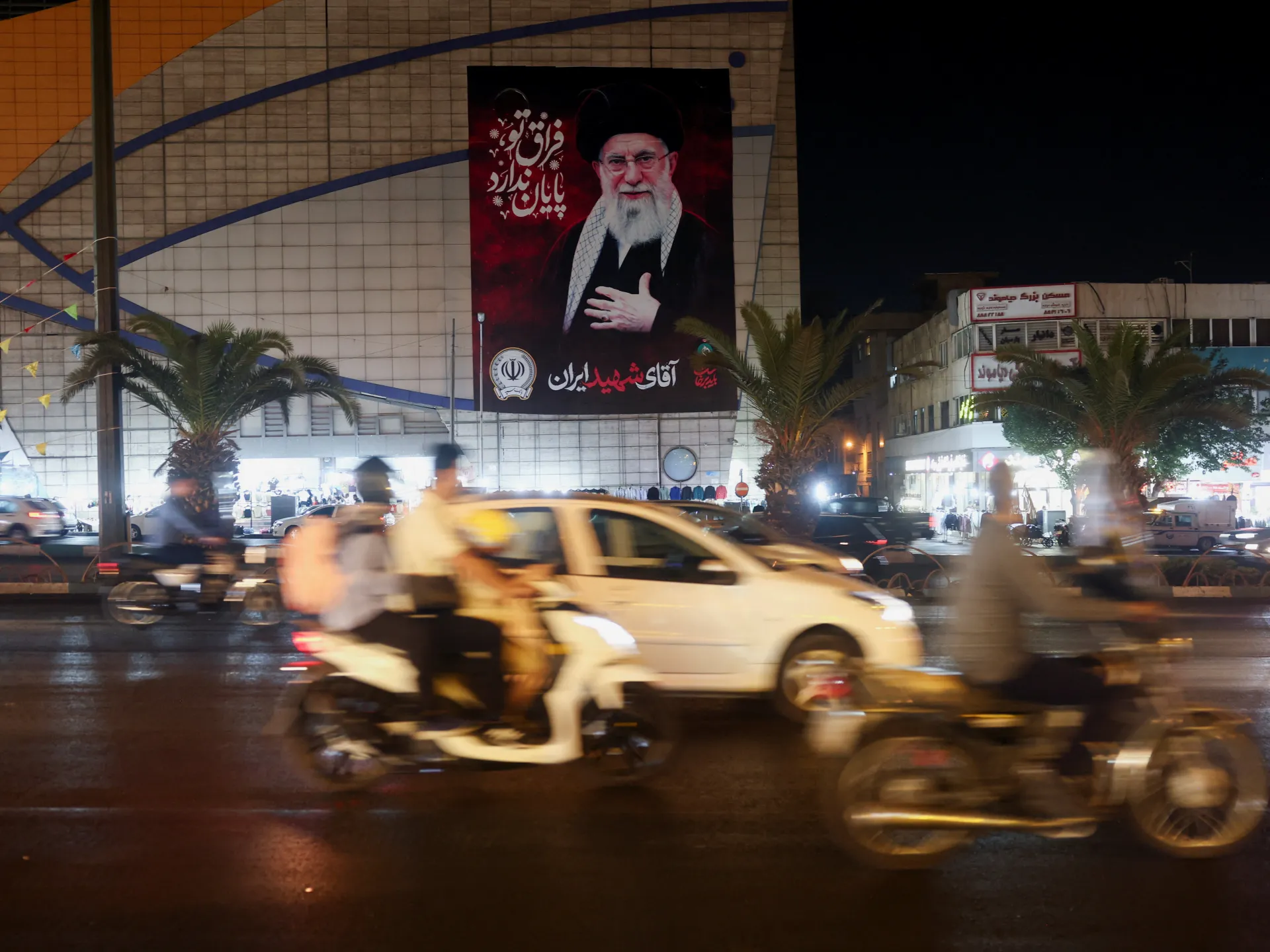
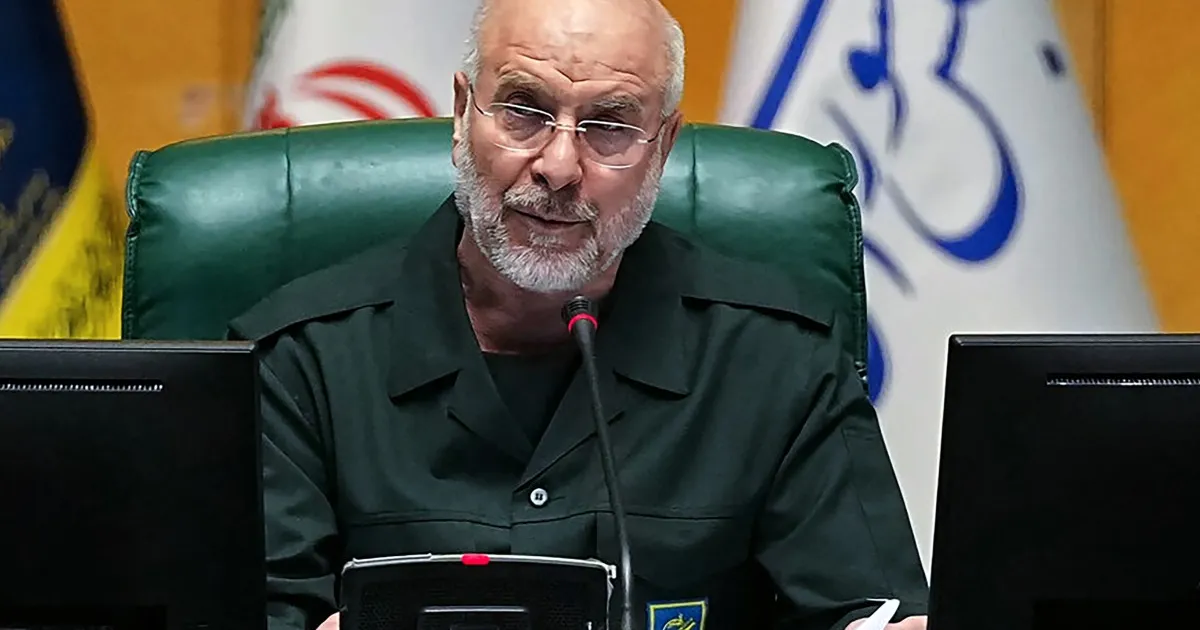
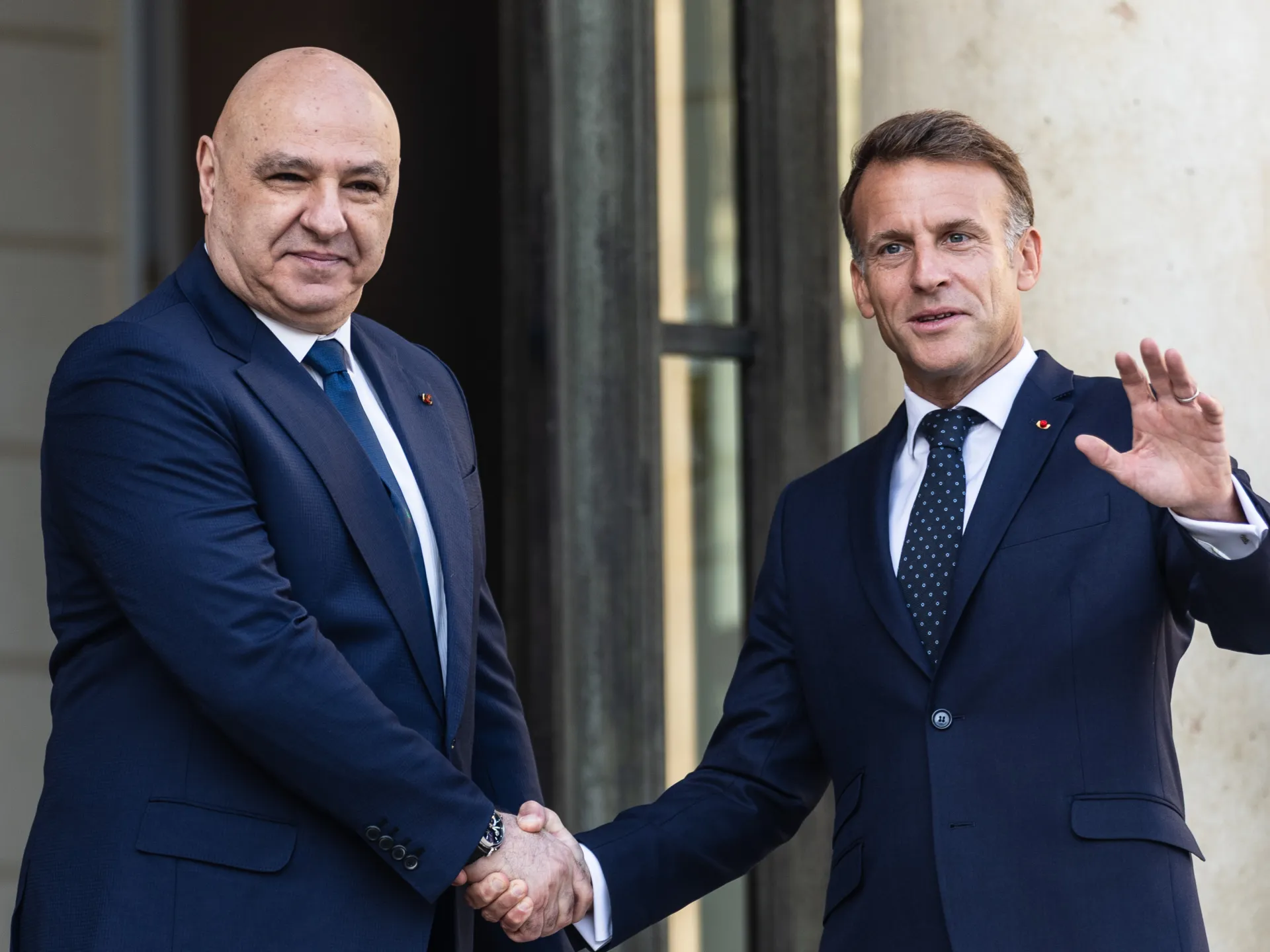
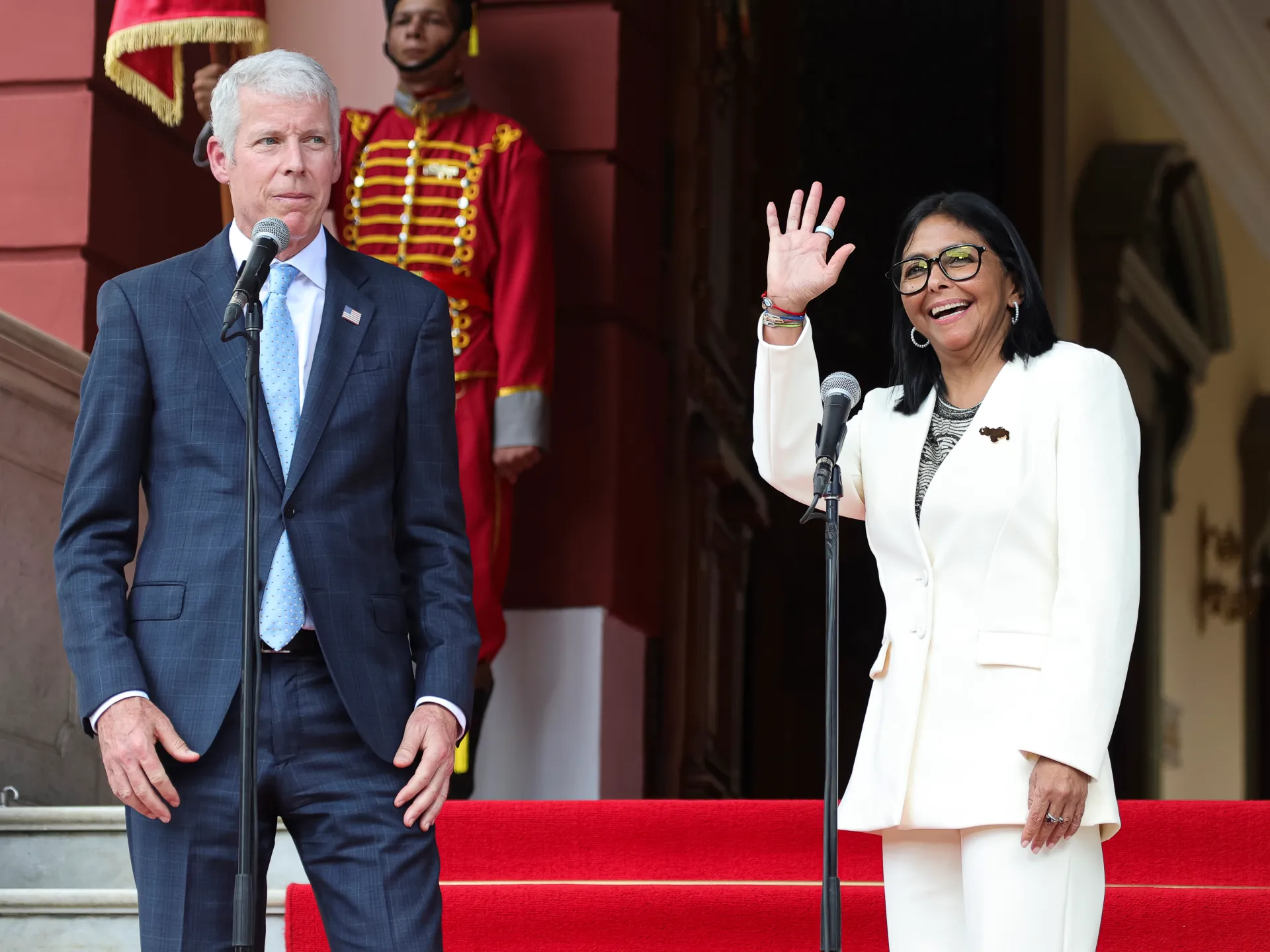
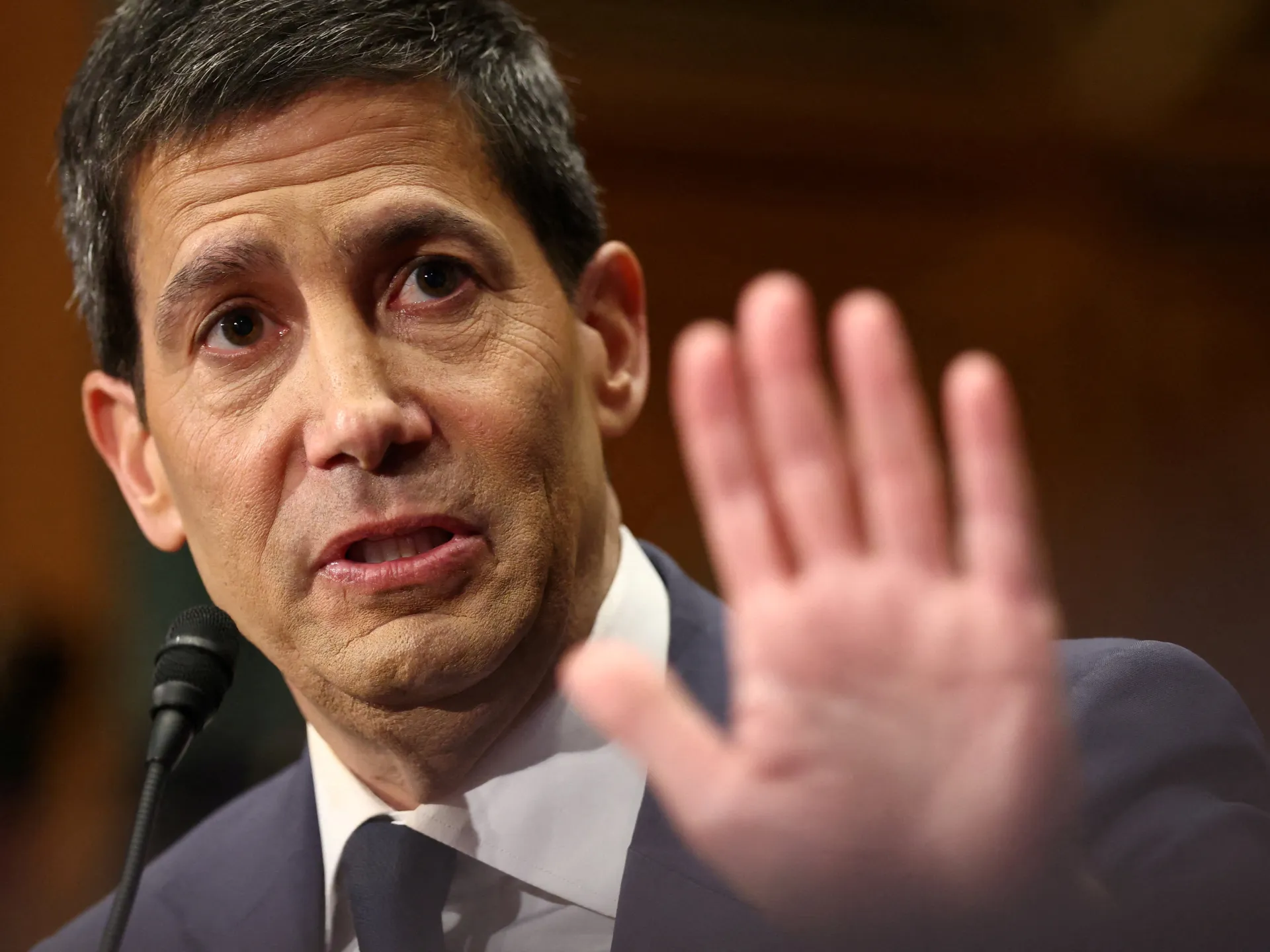
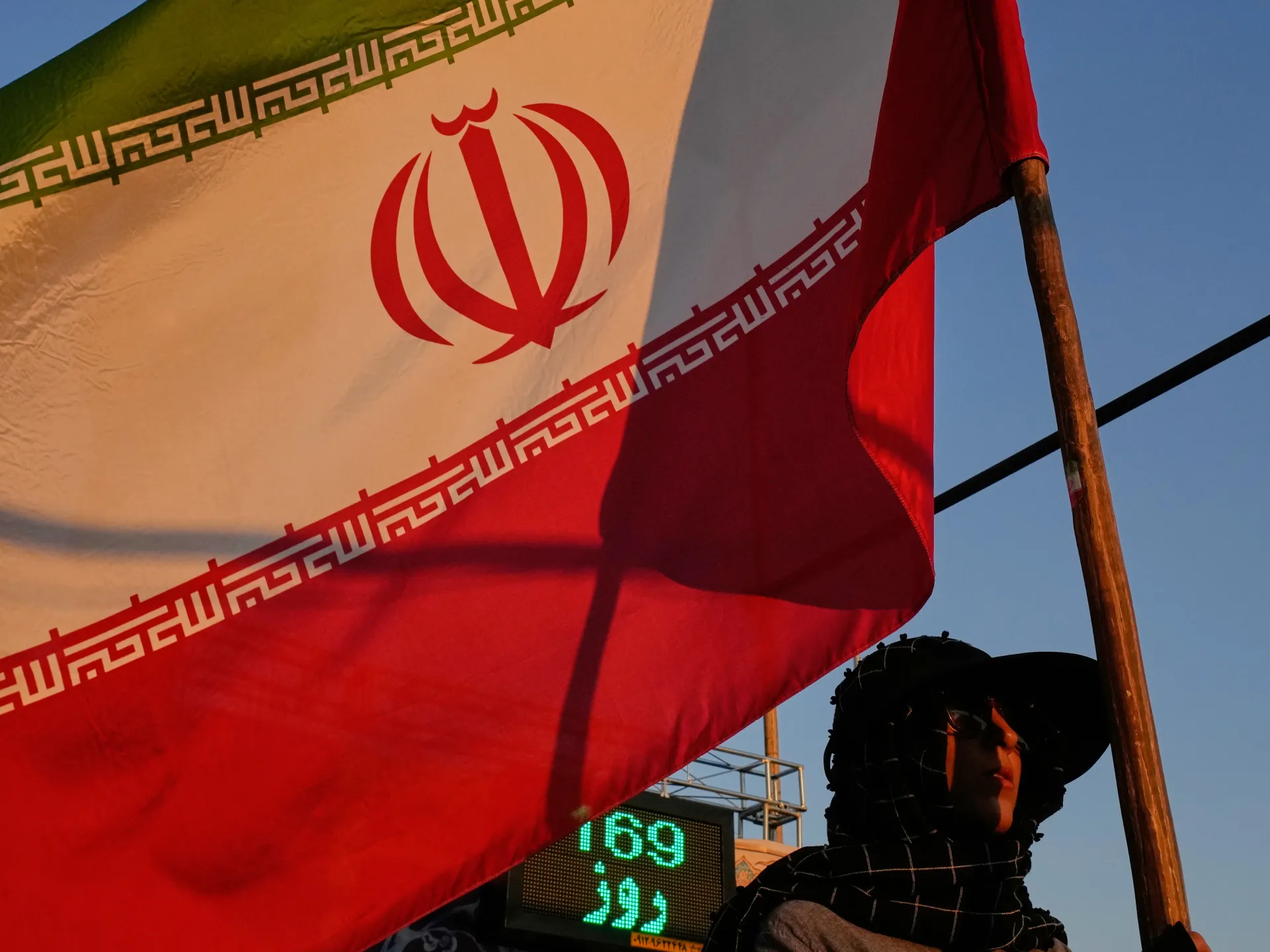
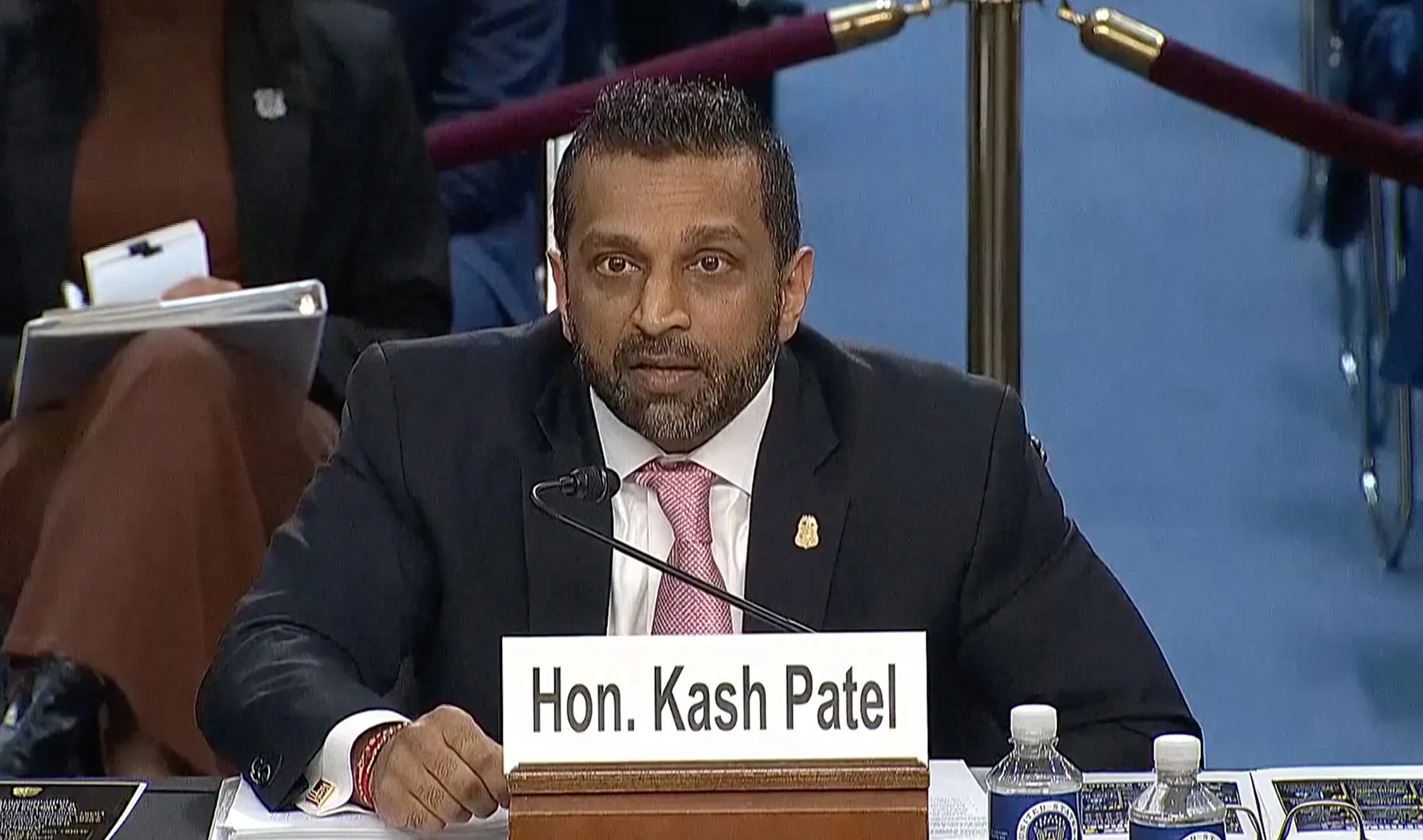
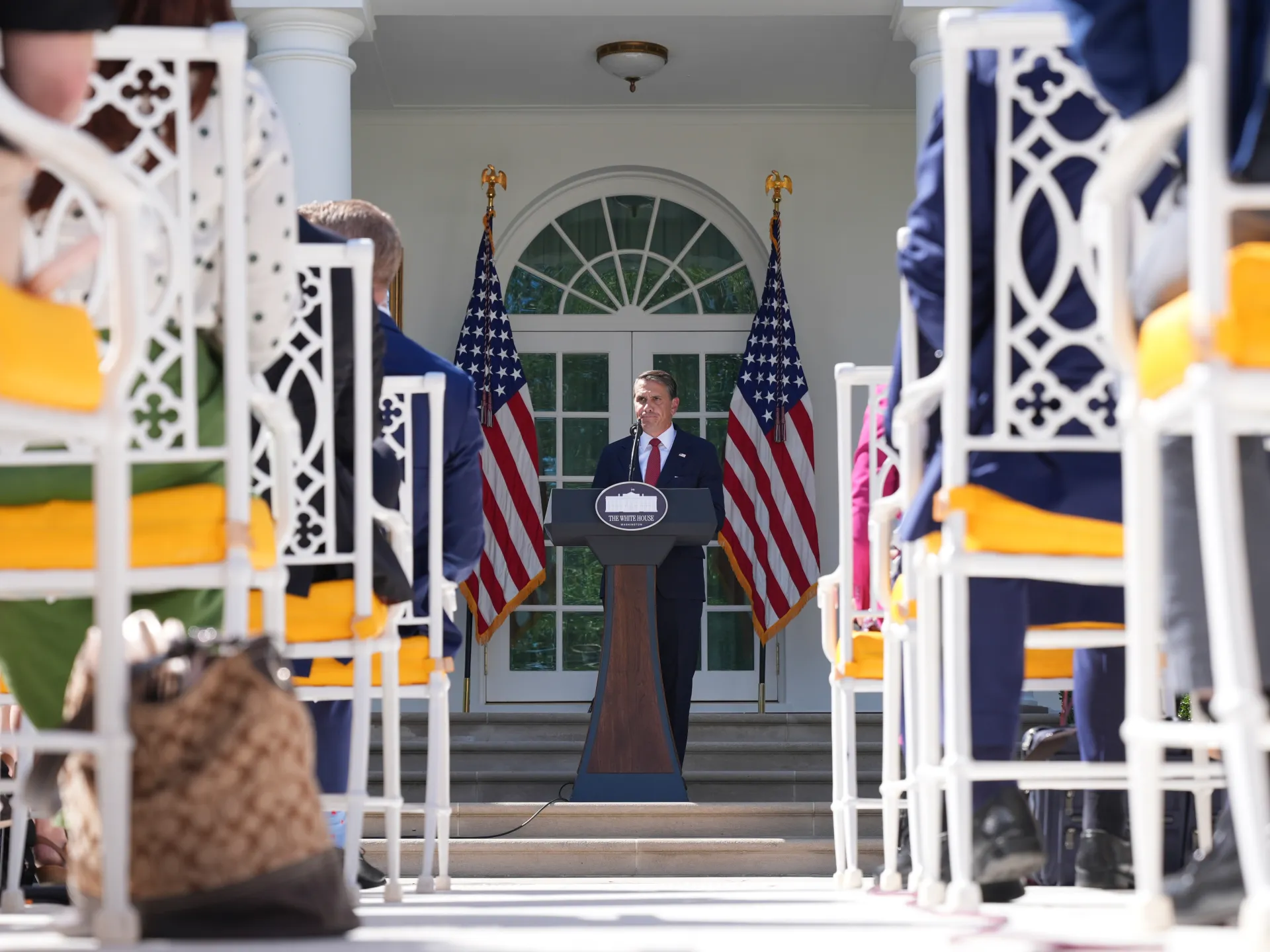
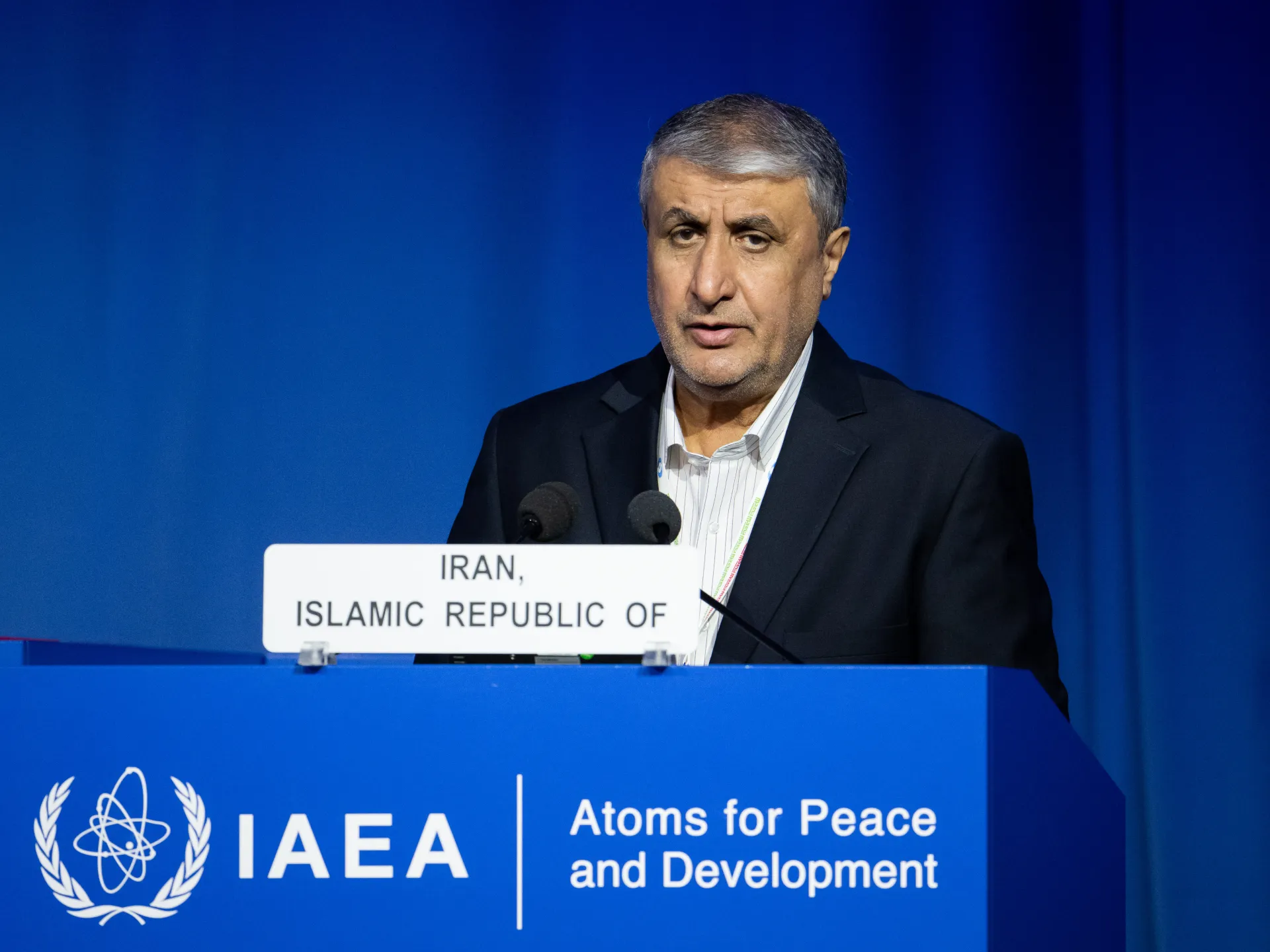
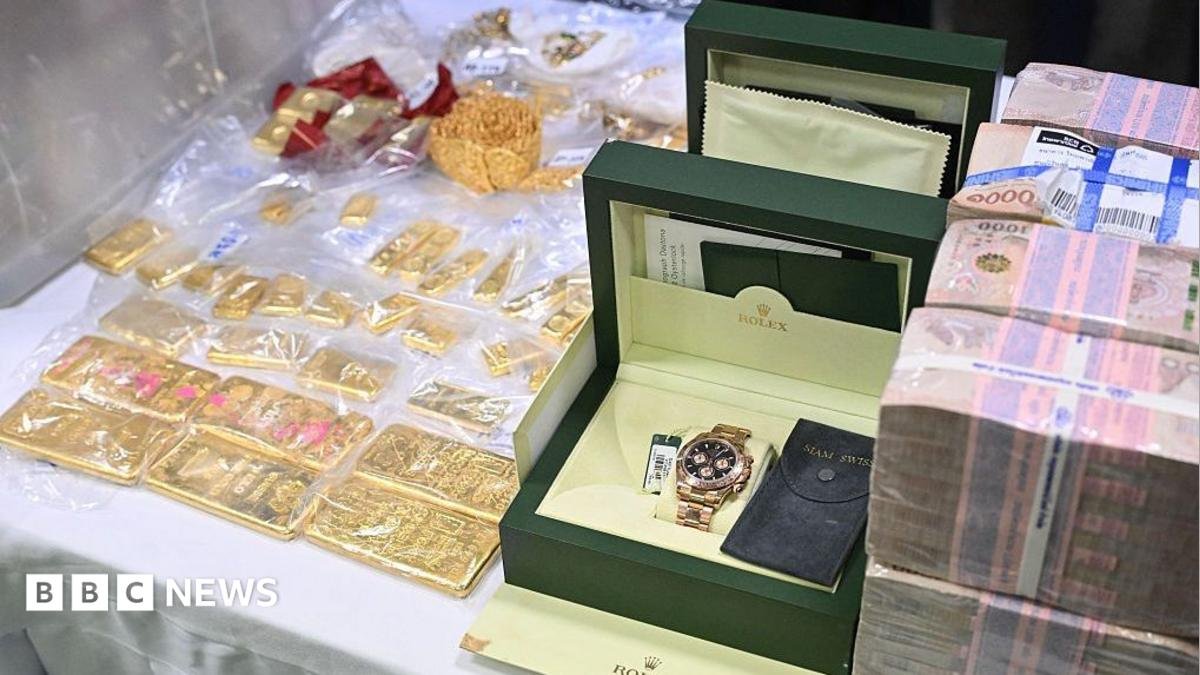
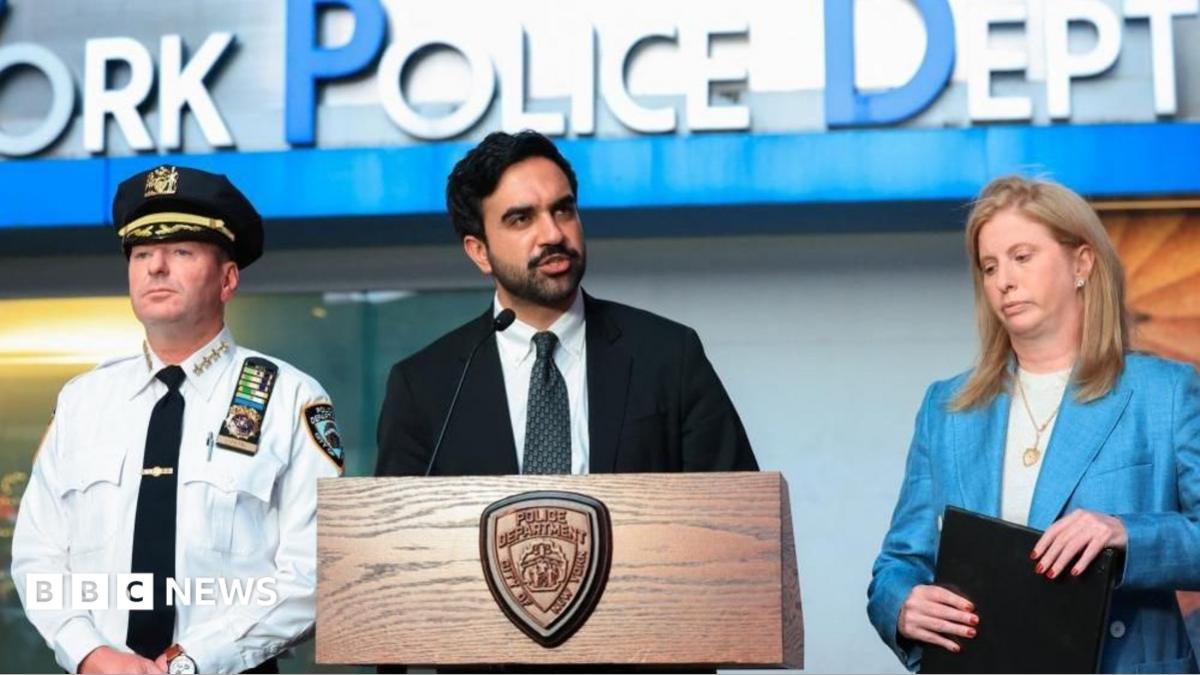
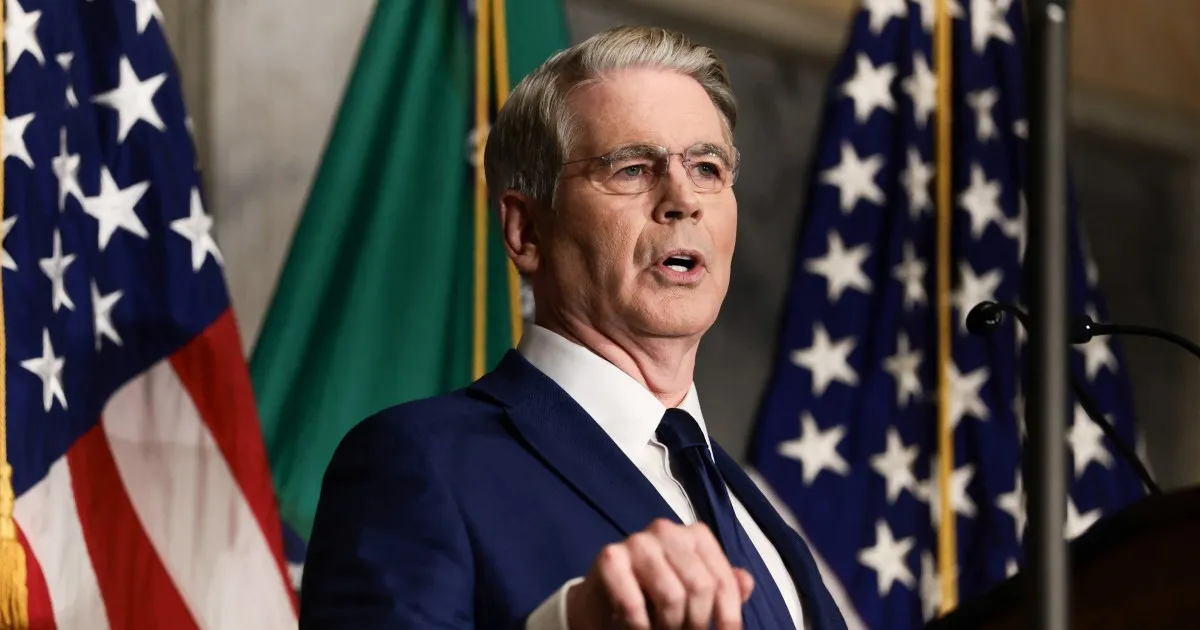
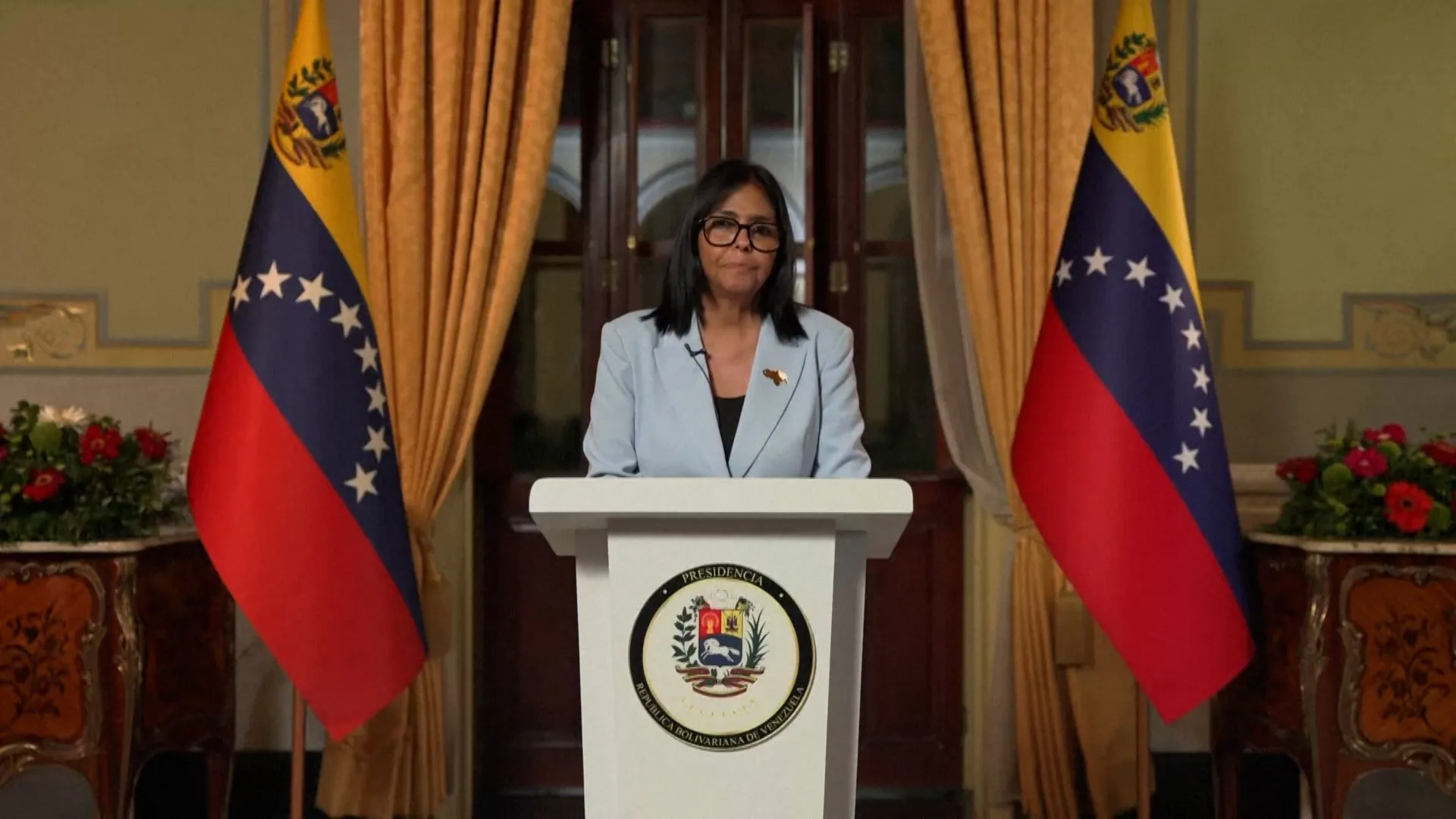
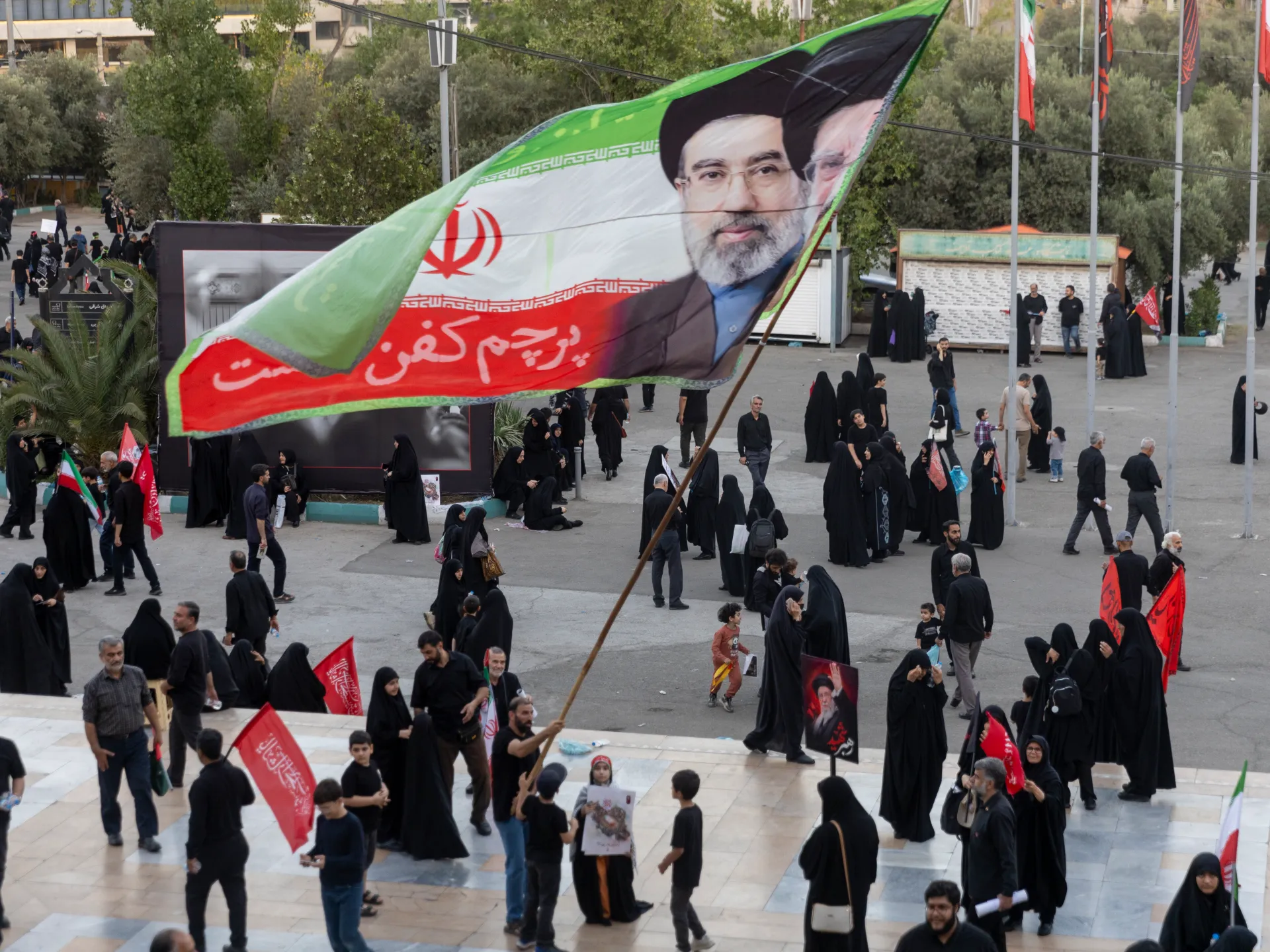
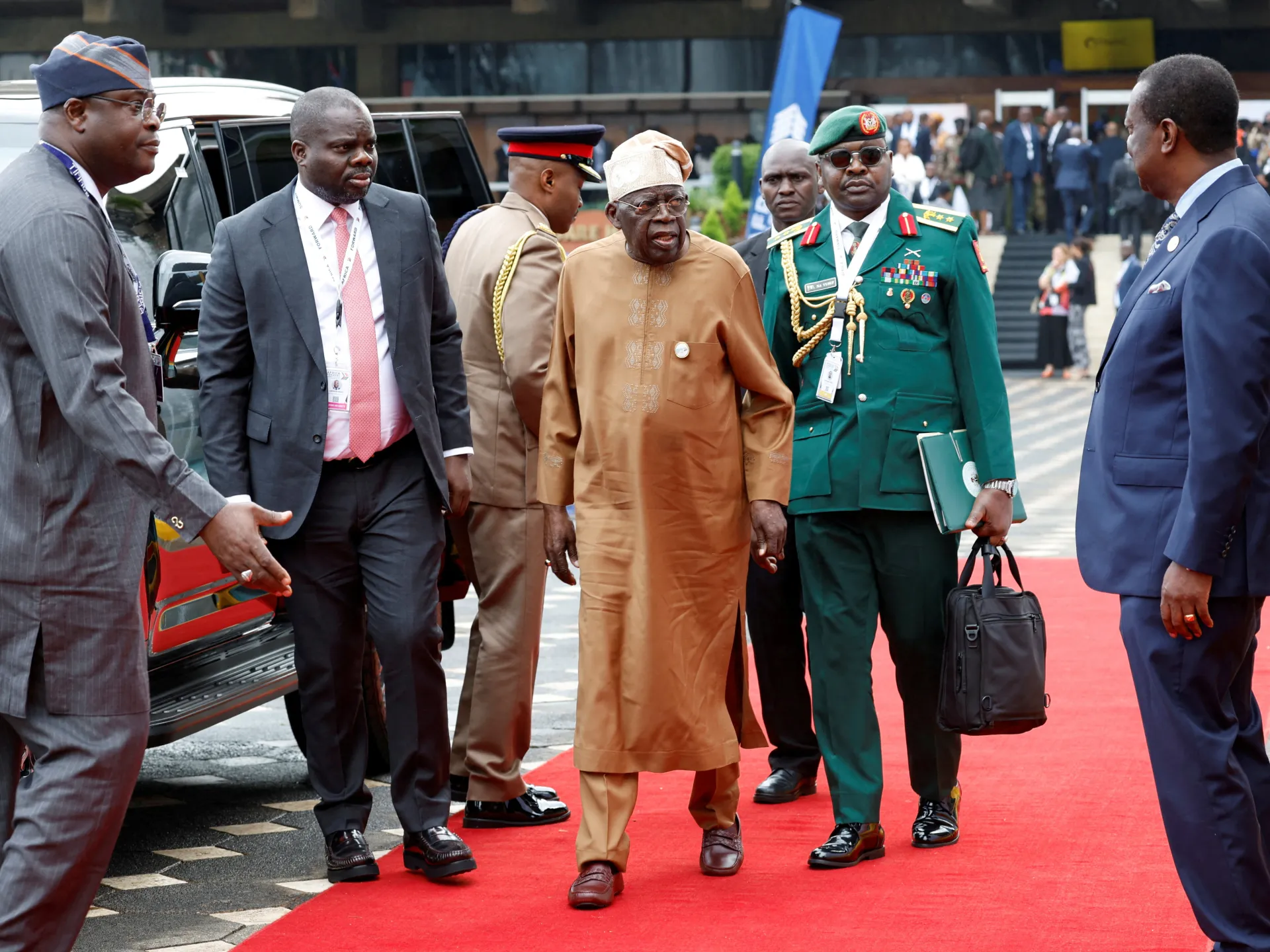
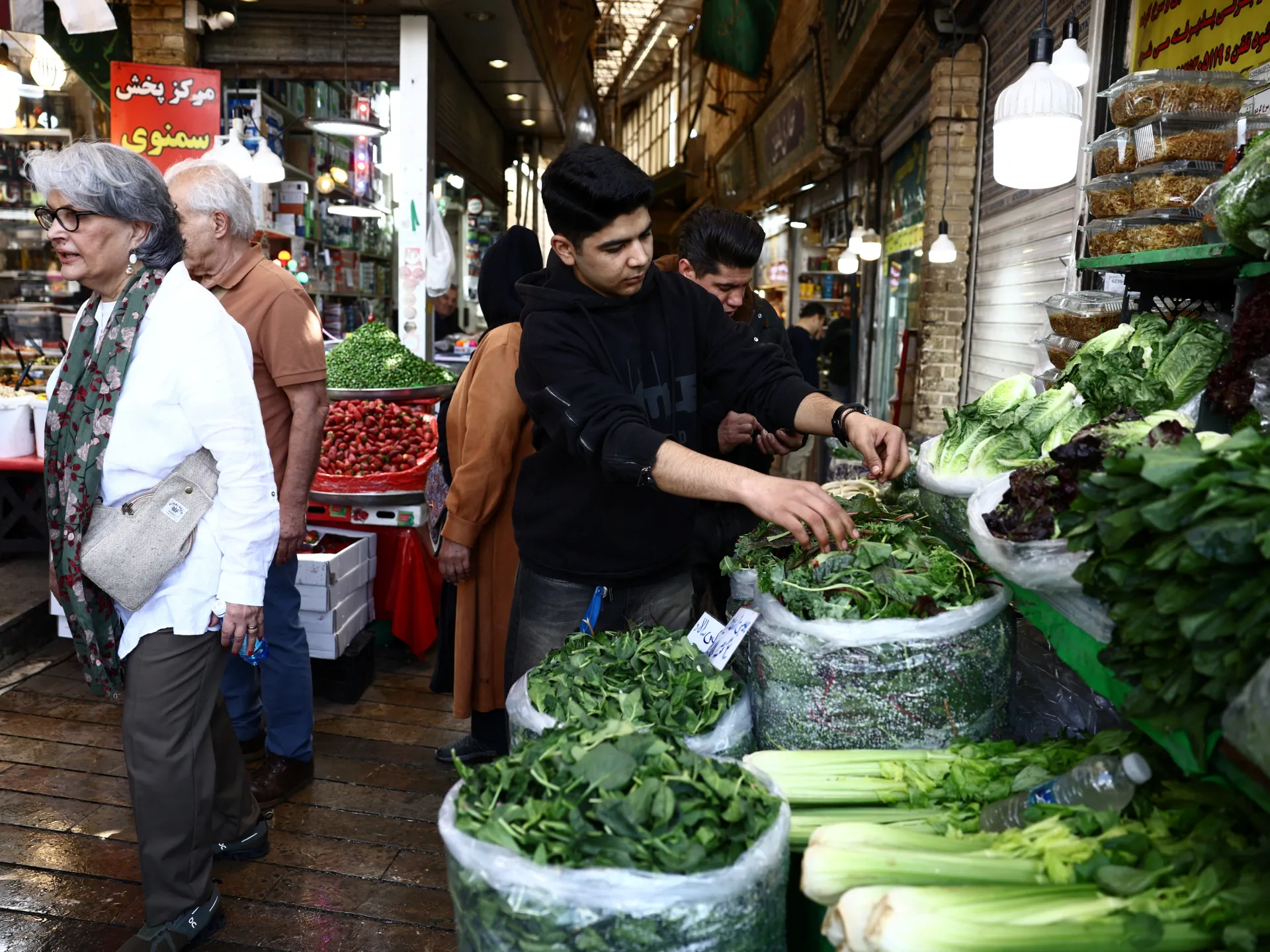
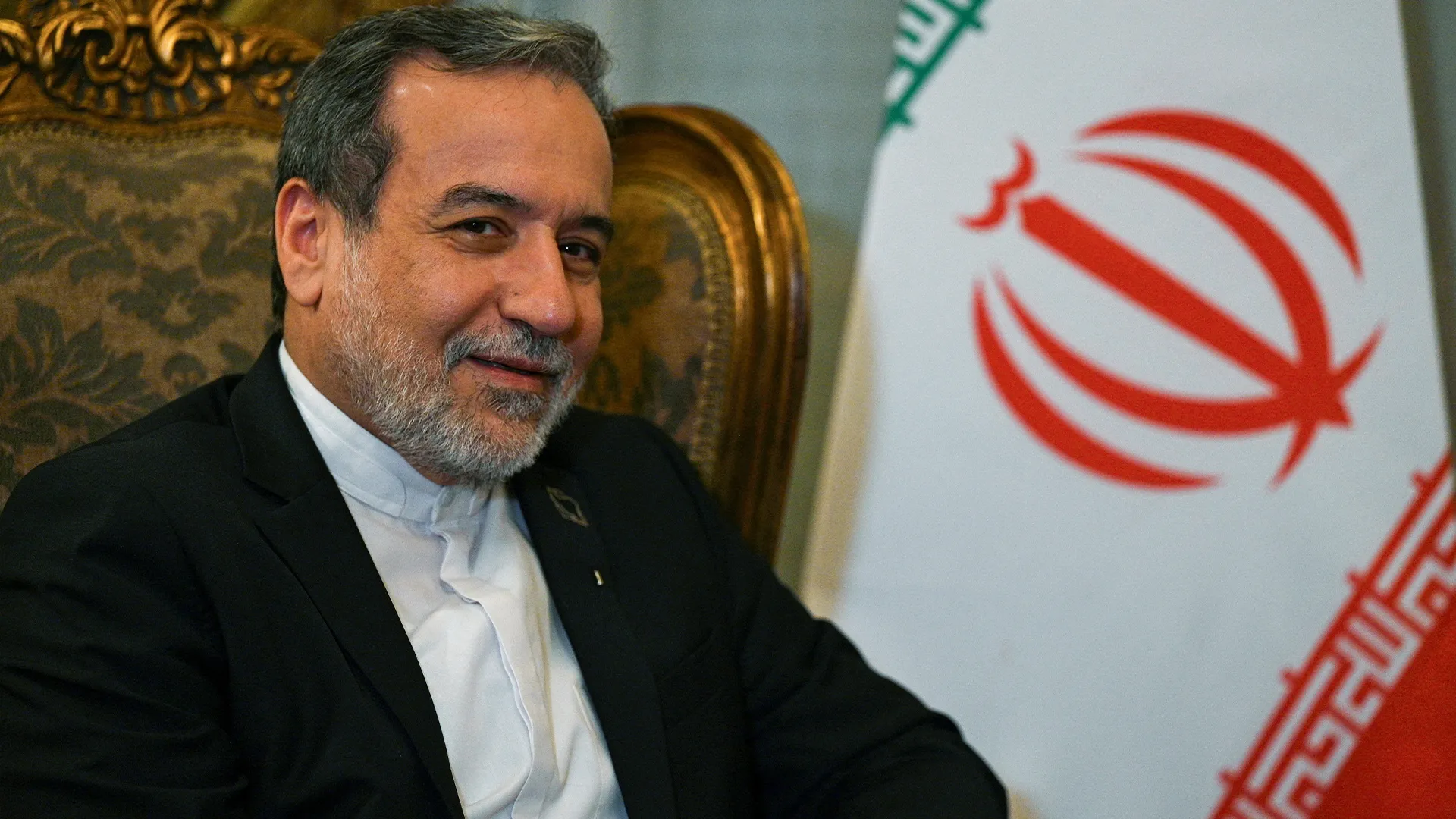
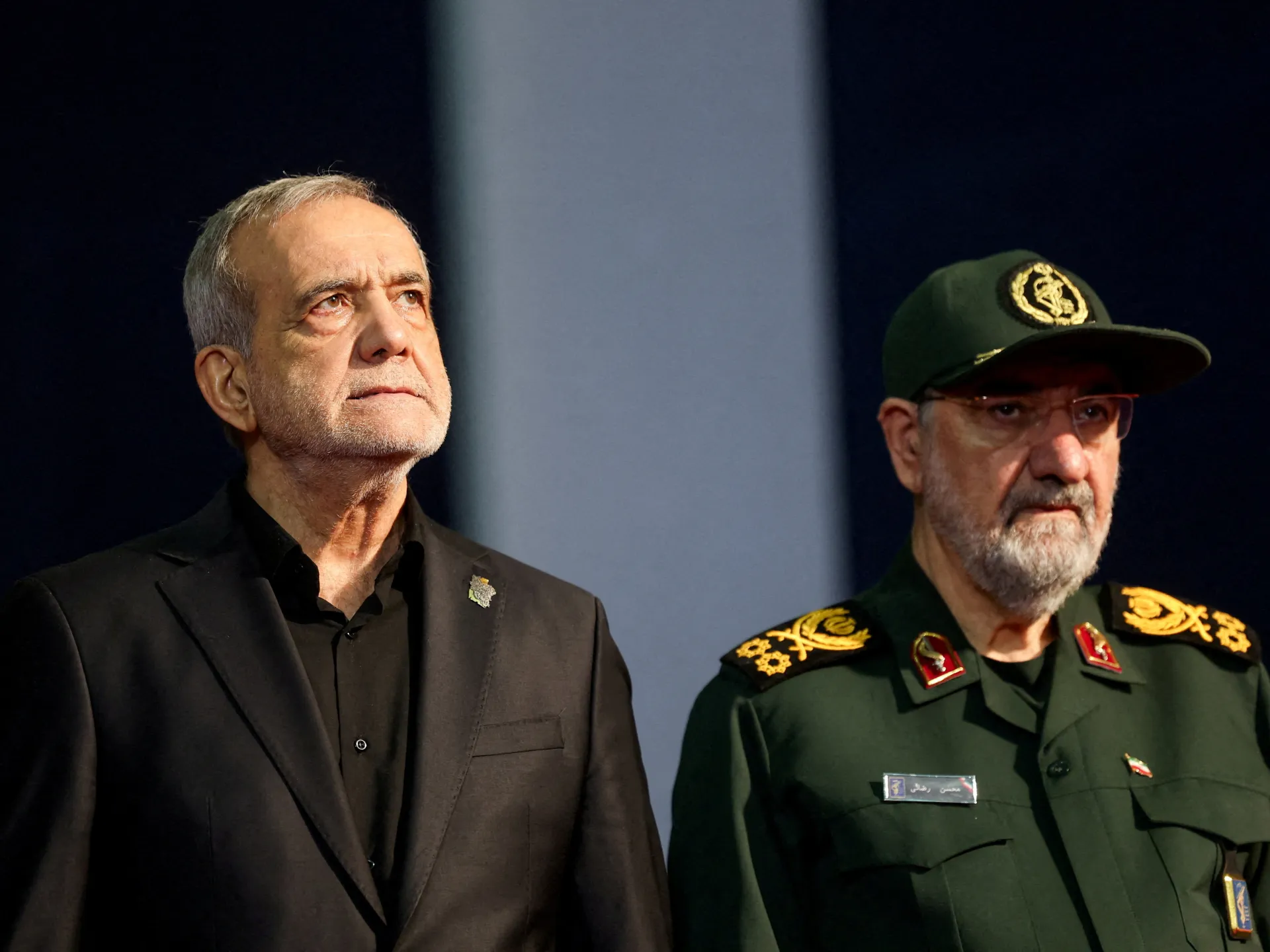
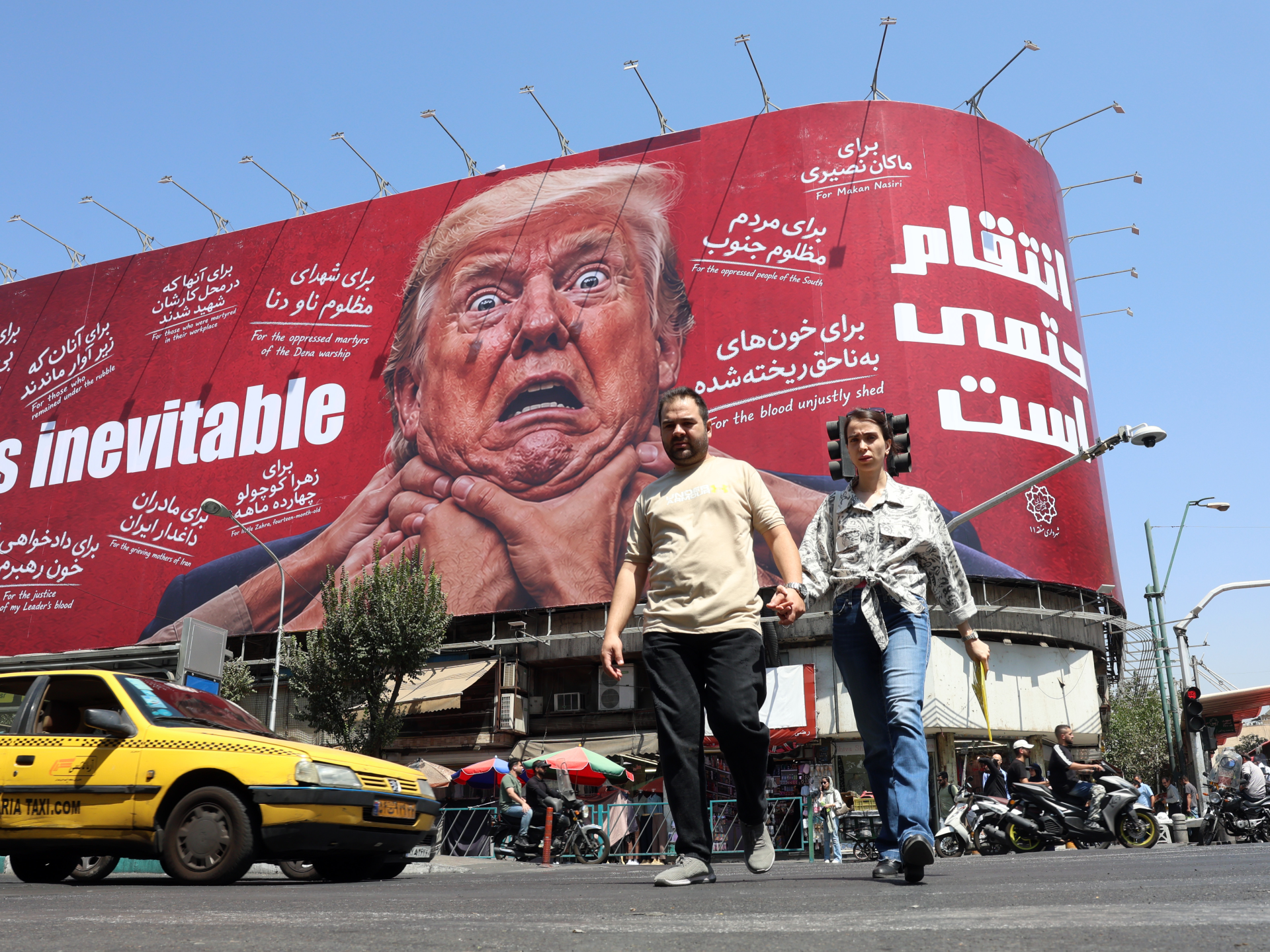
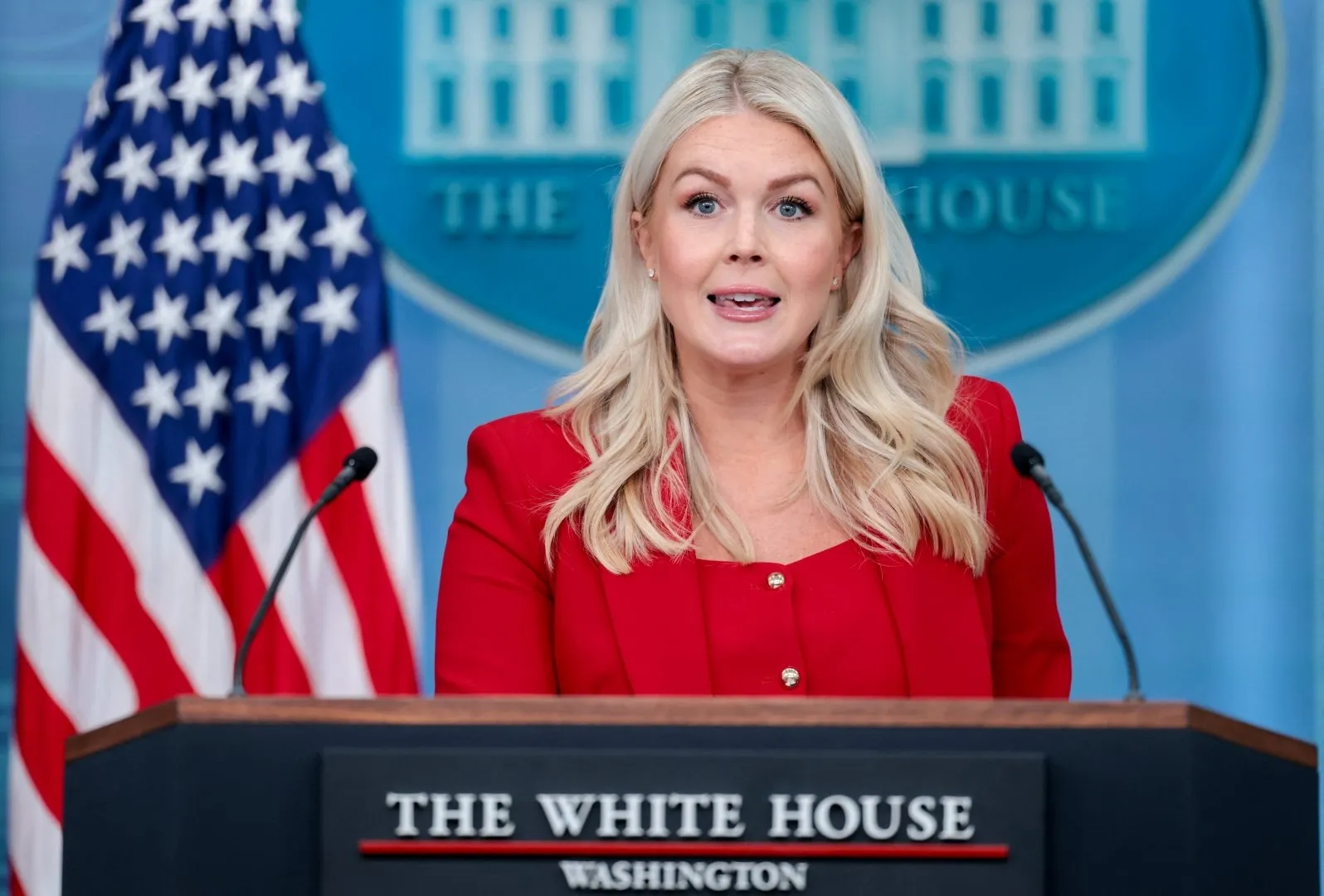
As the high-level general debate begins this Tuesday, the atmosphere at the UN headquarters in Manhattan is strained. The US State Department confirmed on September 17 that while members of the Iranian leadership, including President Masoud Pezeshkian and Foreign Minister Abbas Araghchi, have been granted visas to attend, their presence is strictly conditional. Officials have imposed localized travel restrictions and prohibitions on purchasing luxury goods or specific American products. According to State Department spokesperson Tommy Pigott, these measures are intended to prevent members of the delegation from engaging in retail activity while the Iranian domestic population faces significant economic hardship.
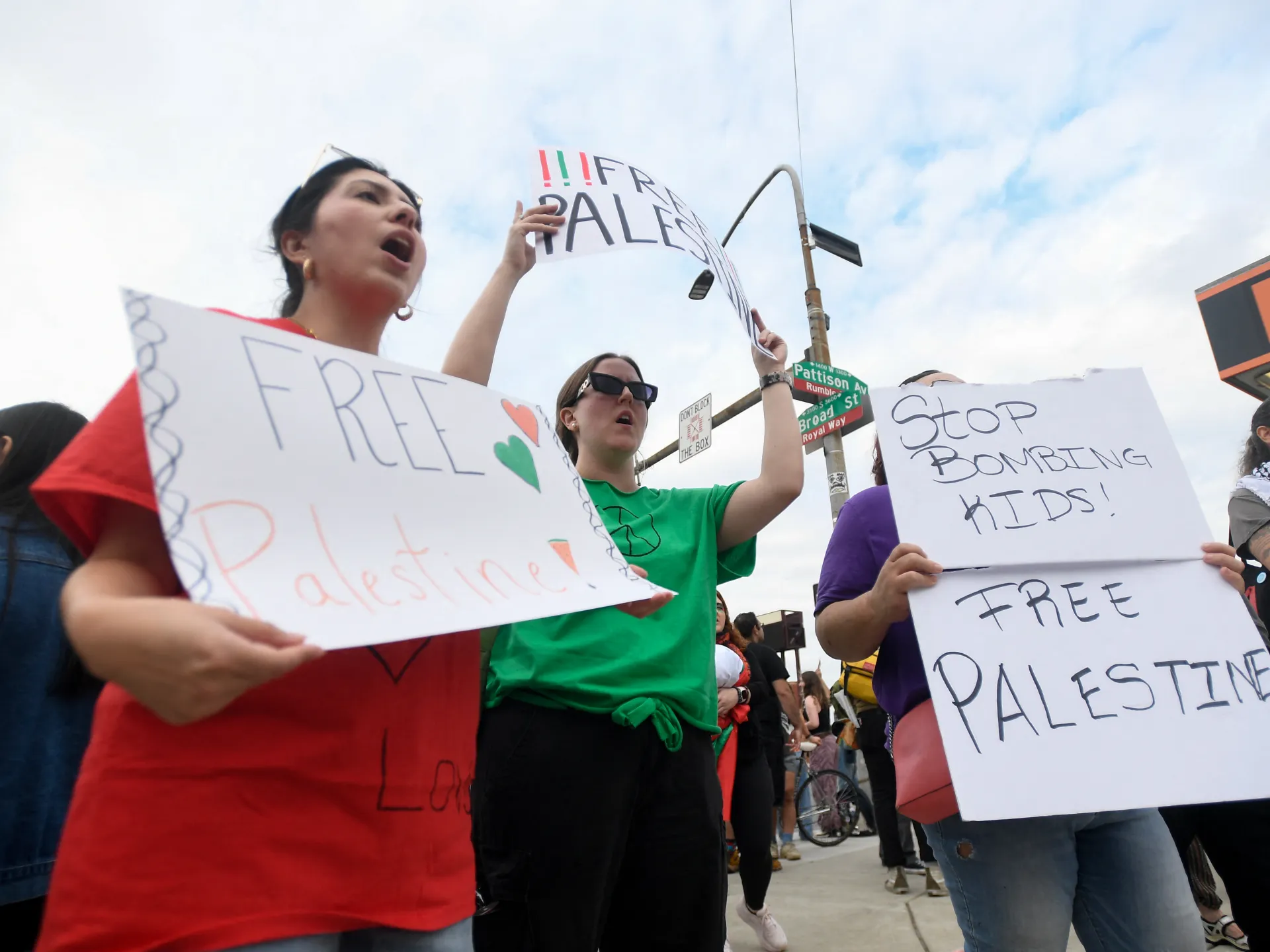
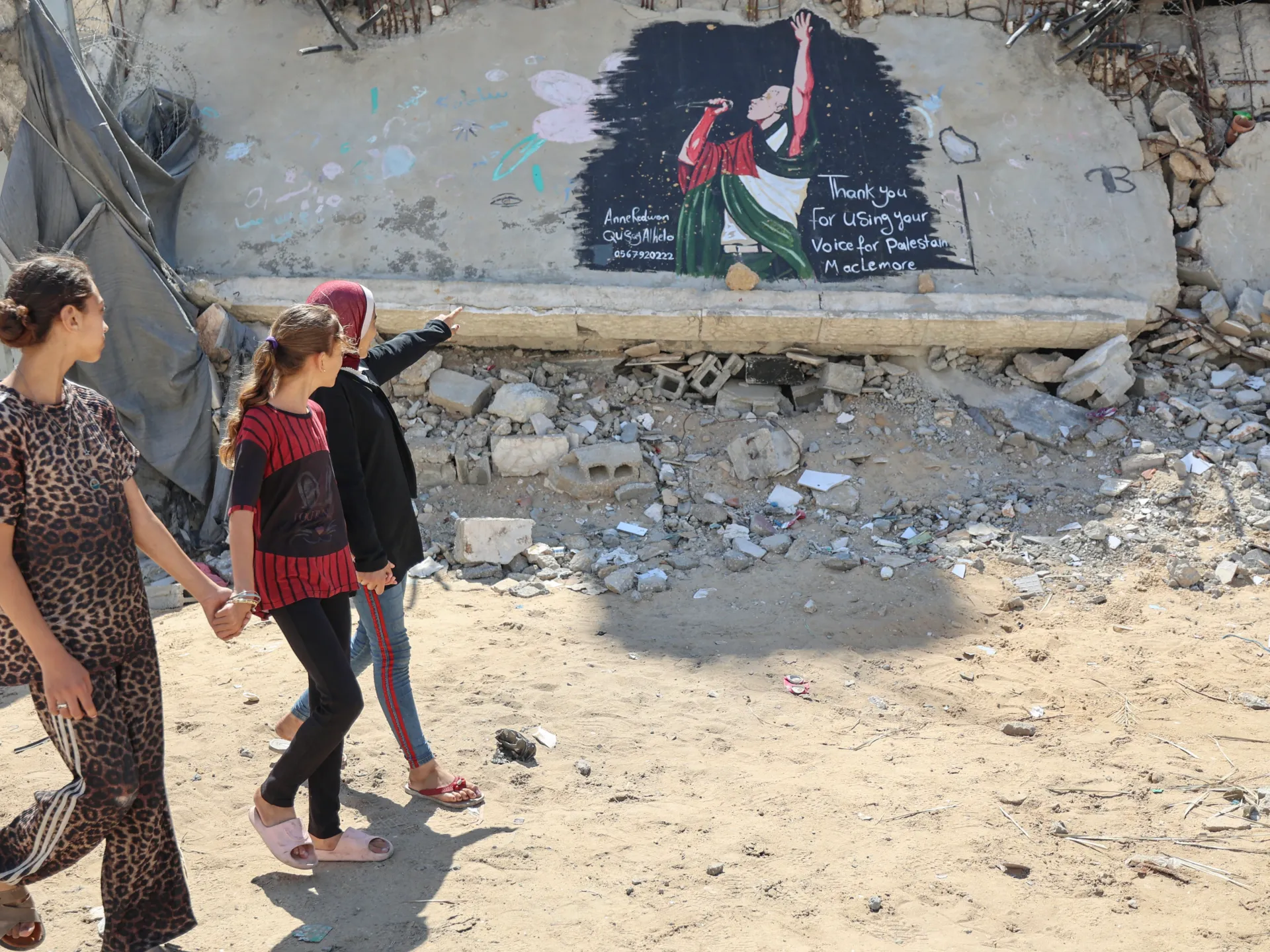
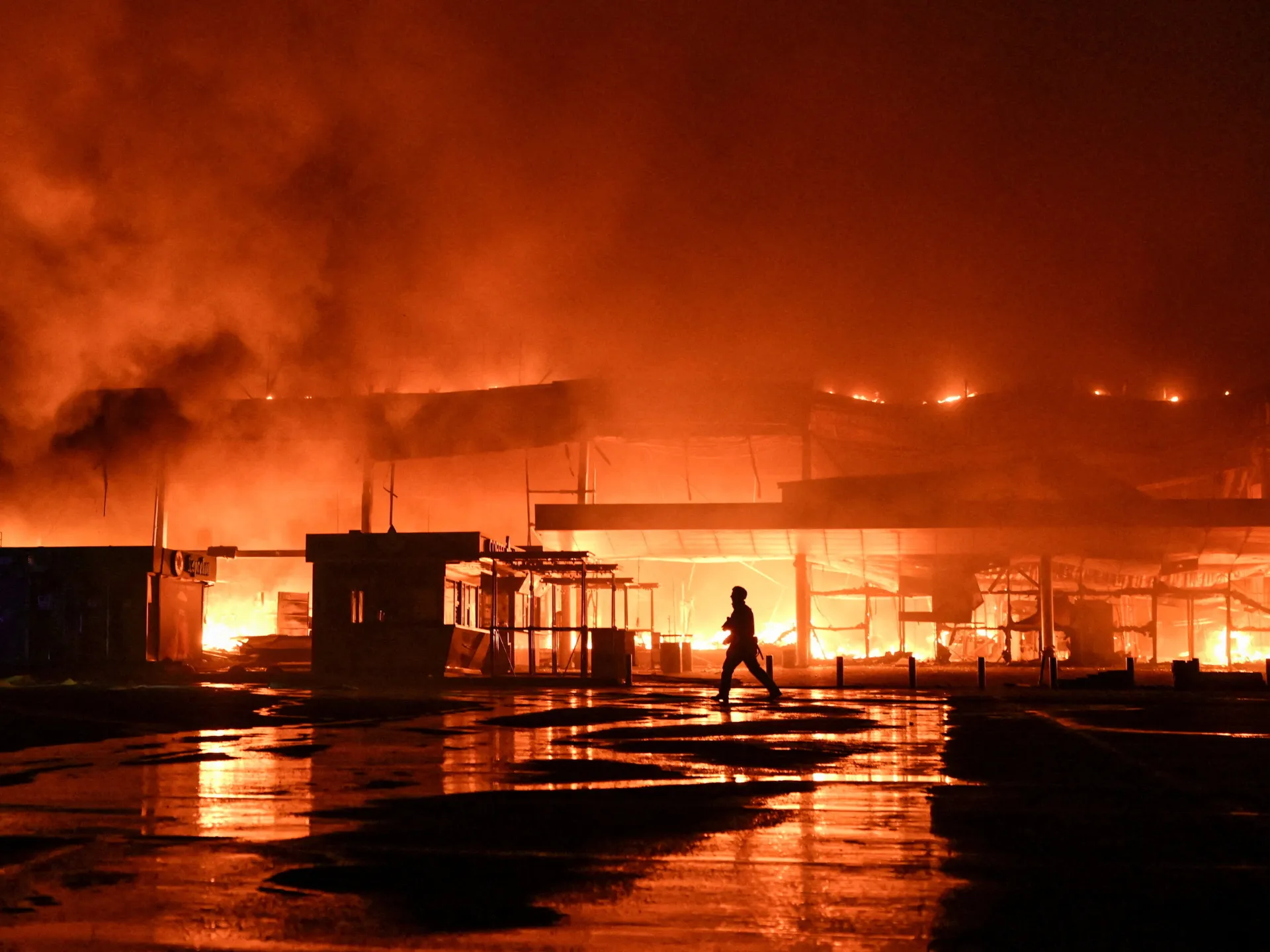
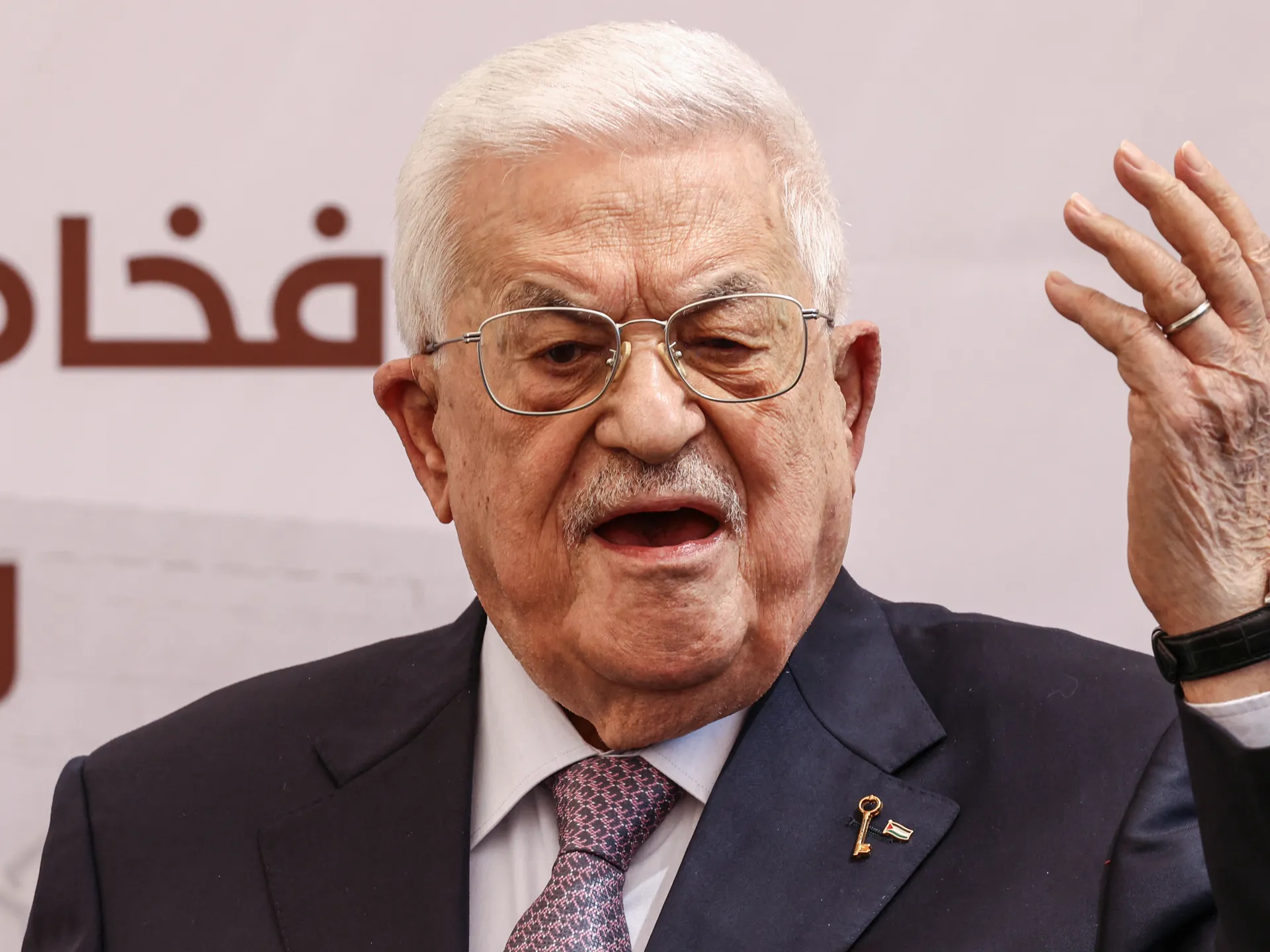
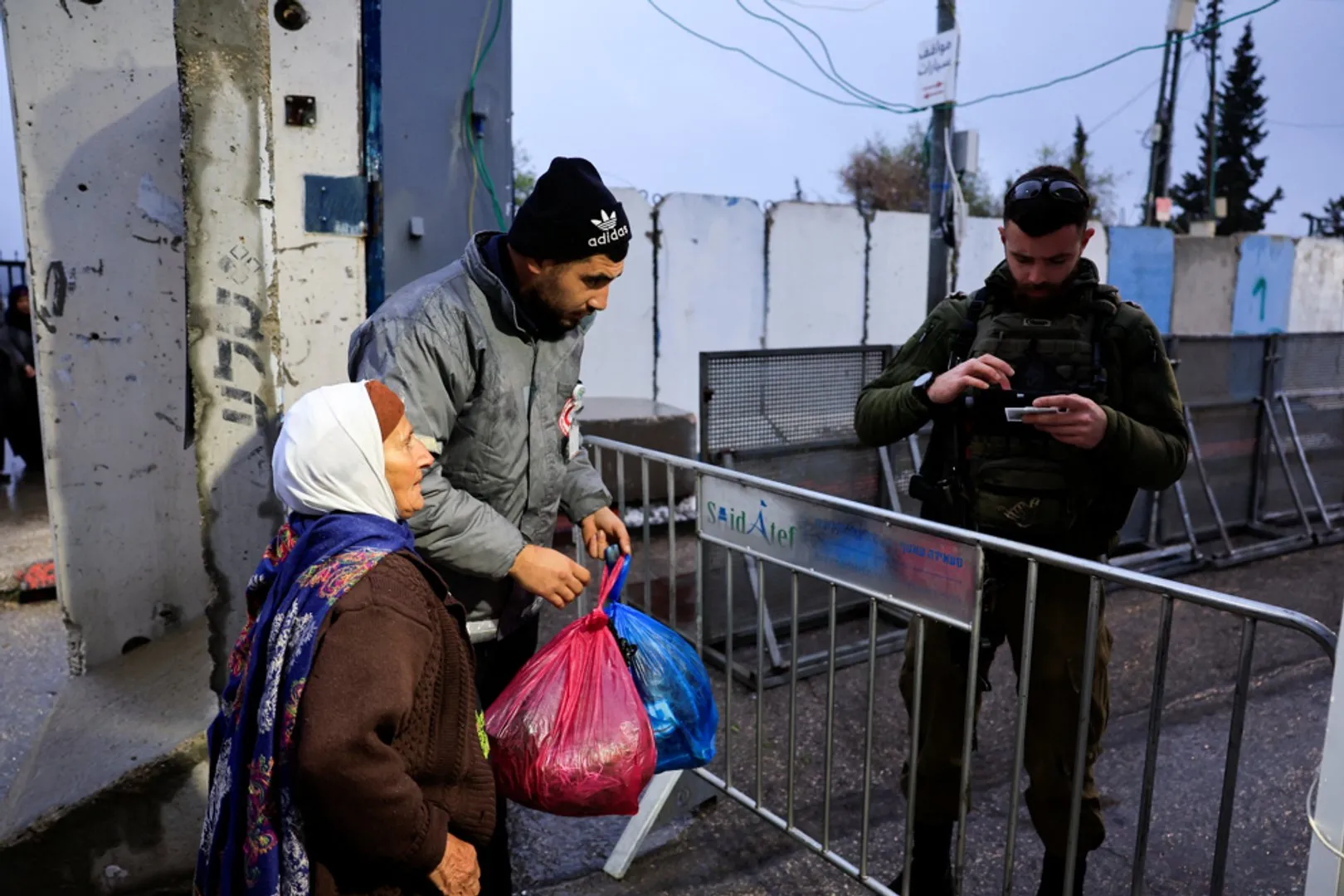
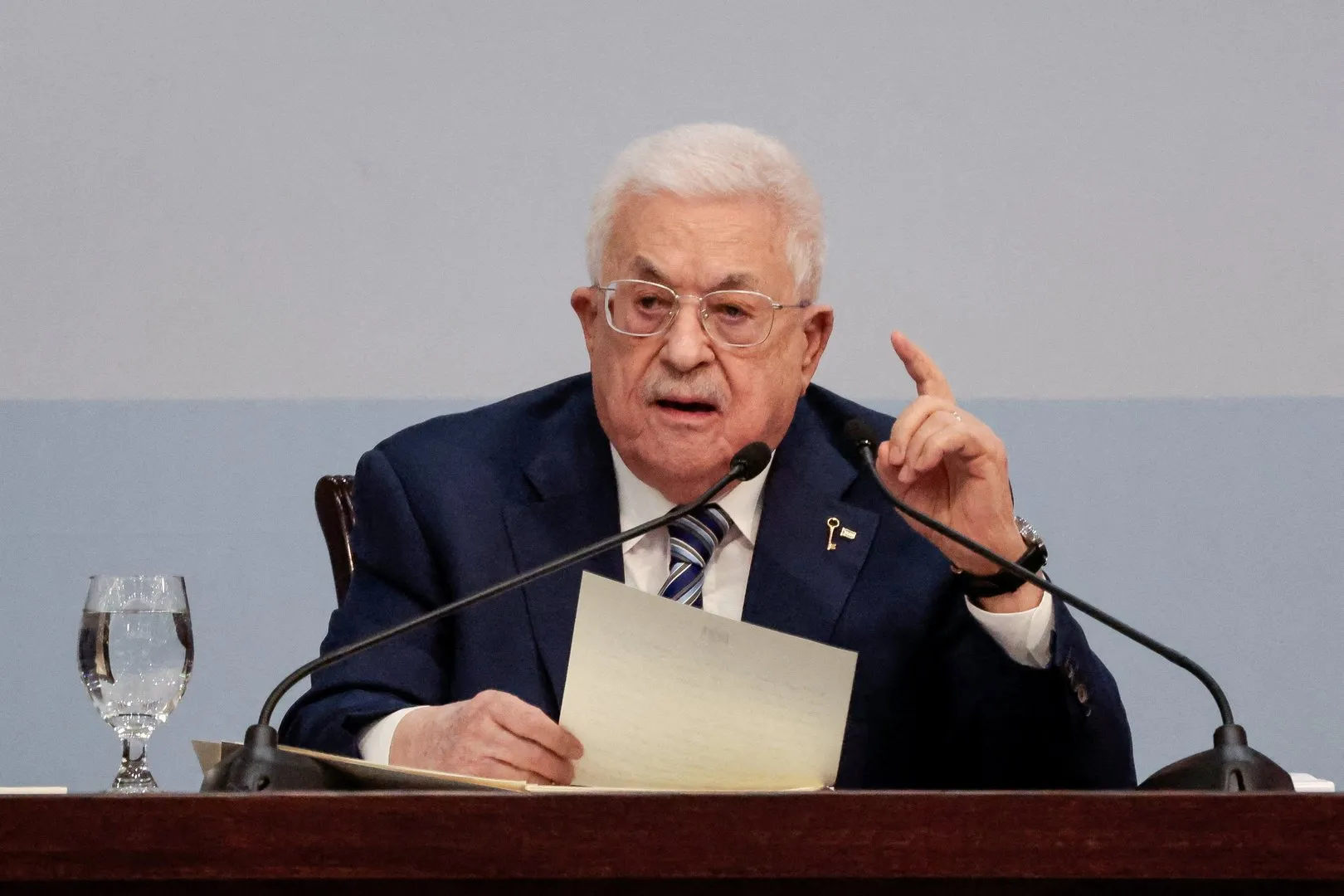
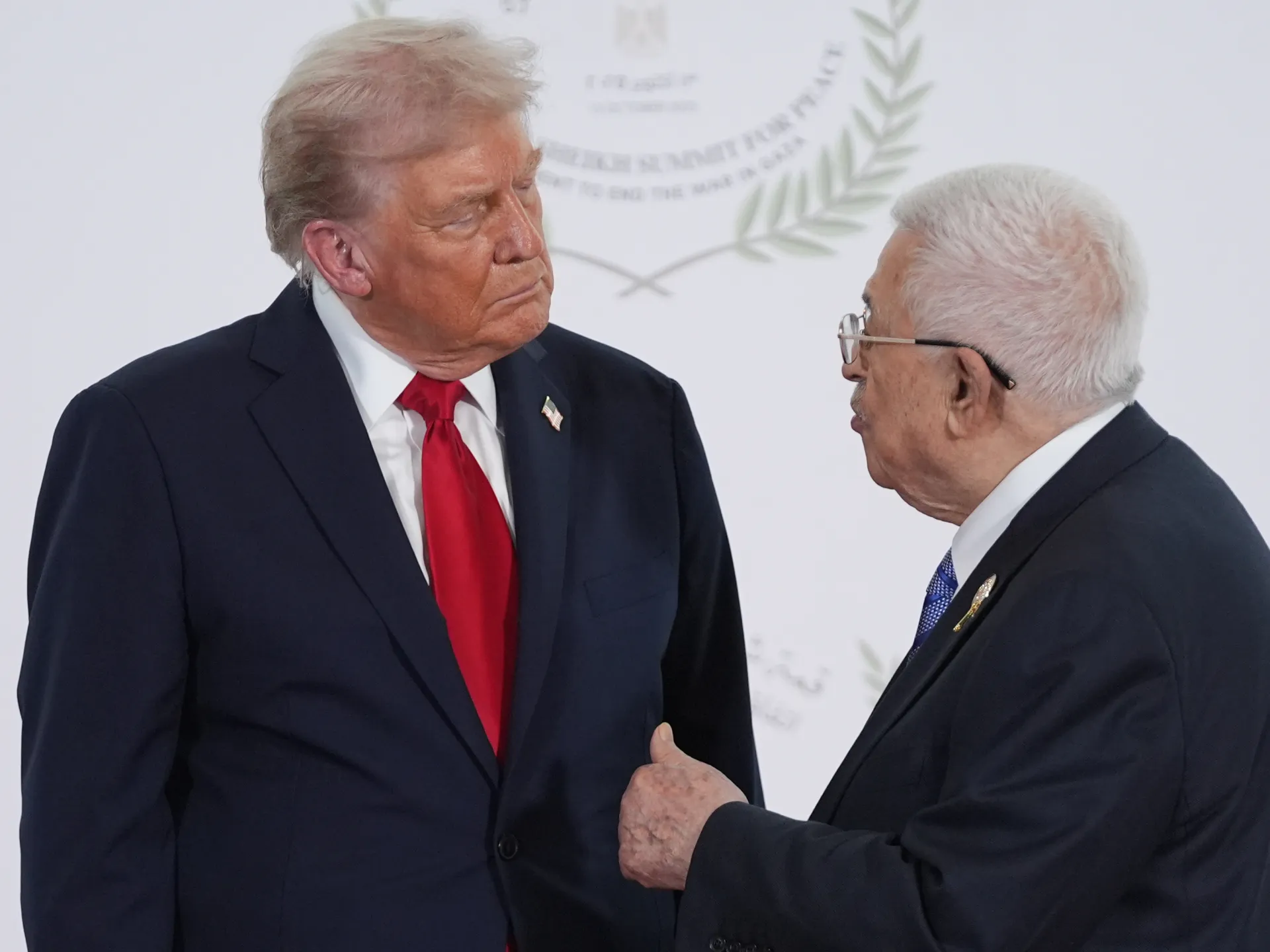
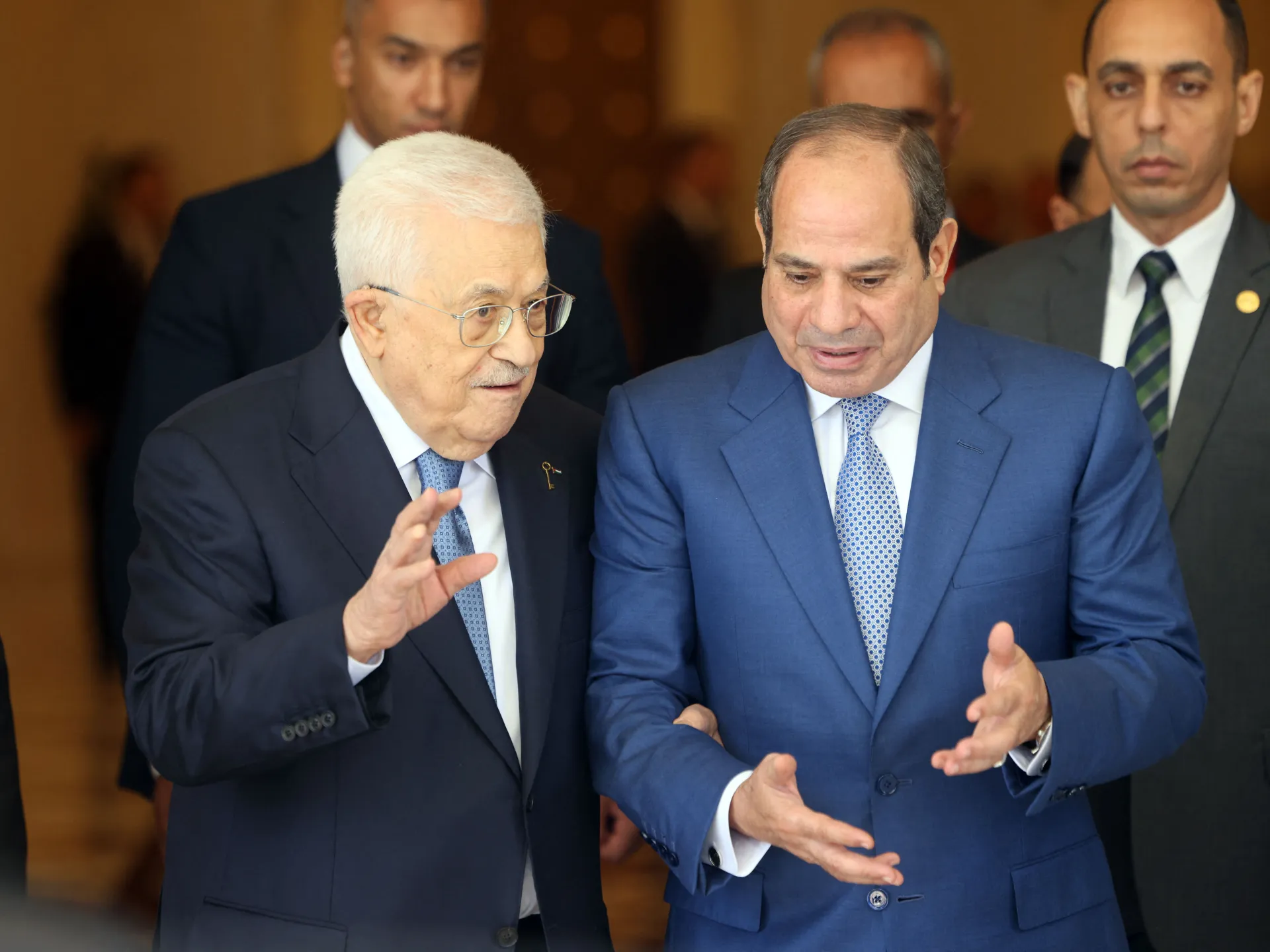
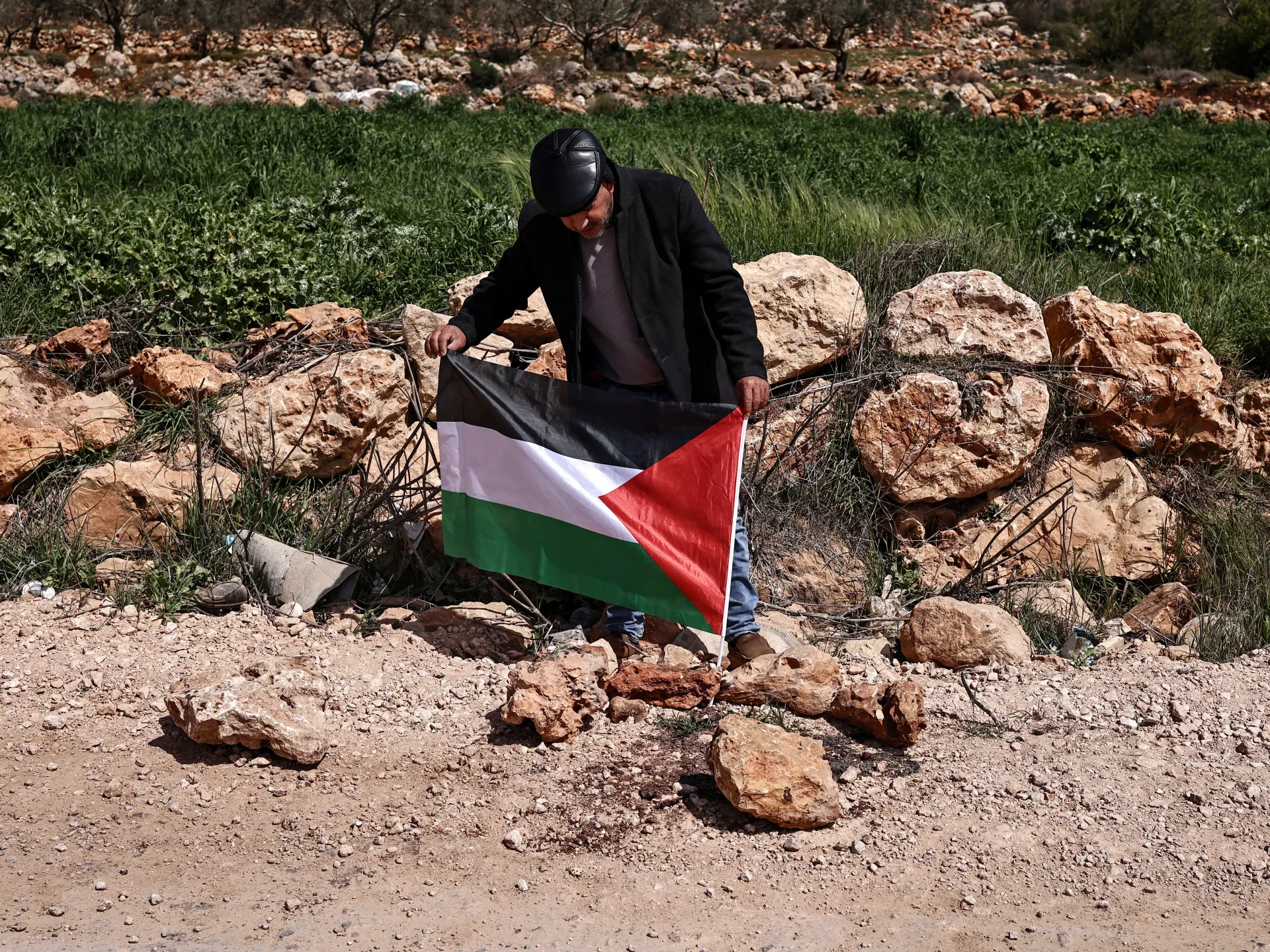
This approach mirrors and expands upon previous years' constraints, where diplomats were barred from wholesale shopping and required to seek explicit permission for high-value acquisitions. The current administration maintains that the presence of the delegation is a matter of fulfilling international obligations, despite the ongoing war that began on February 28 following joint US-Israeli strikes. Conversely, as reported ly denying visas to Palestinian representatives for the second consecutive year. This discrepancy has drawn sharp criticism from the United Nations, which asserts that such denials are a direct violation of the Host Country Agreement.
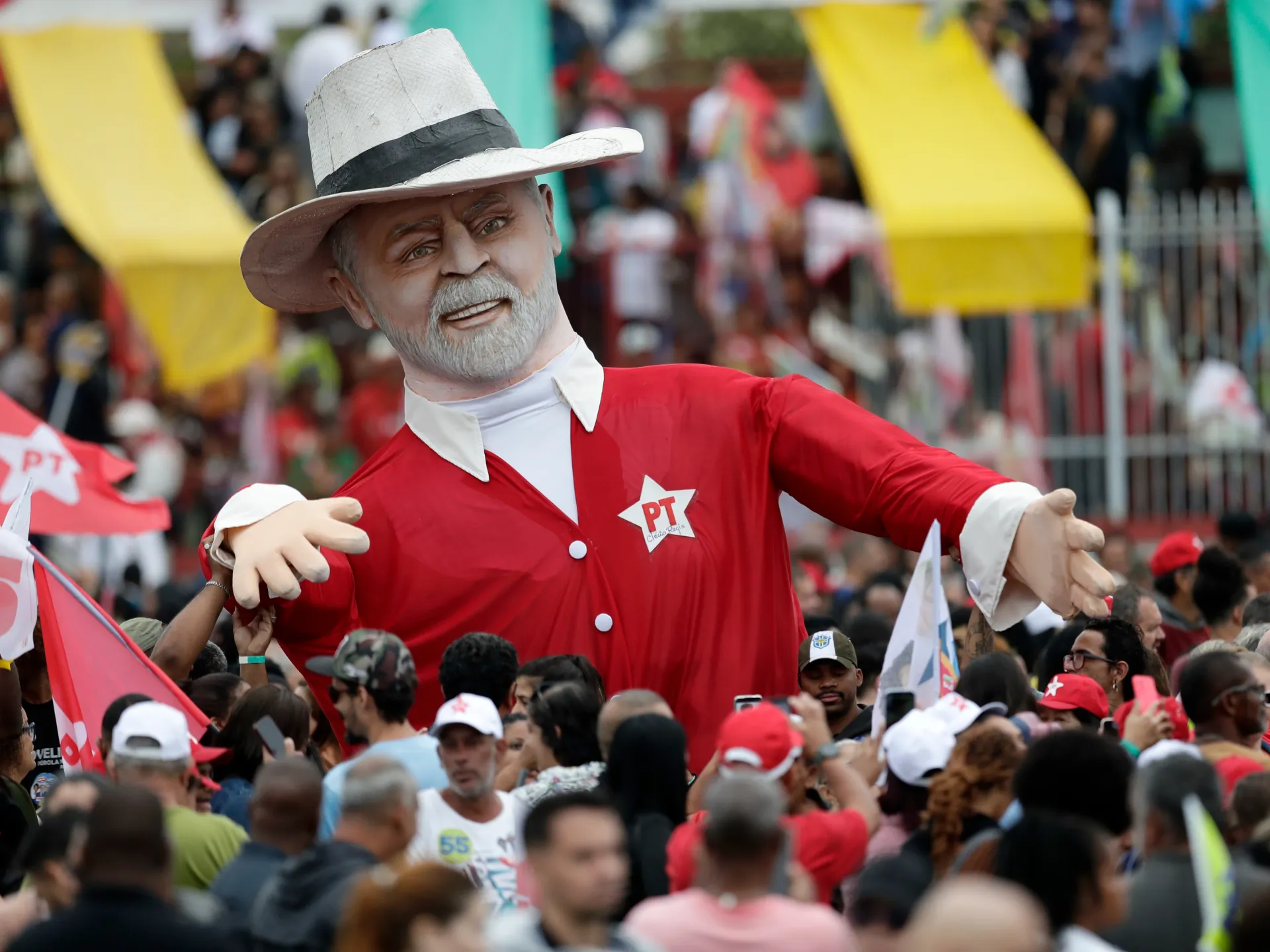
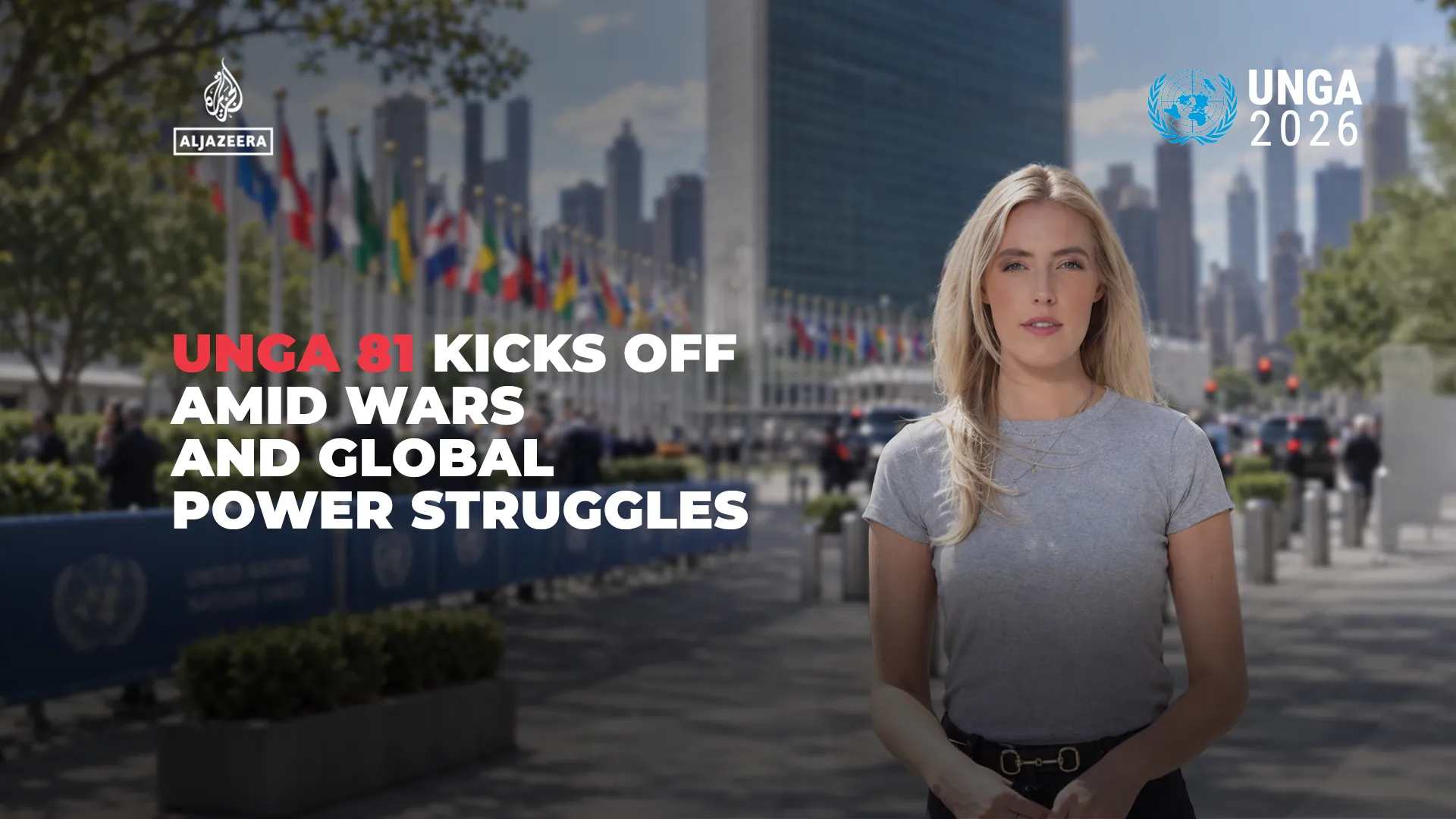
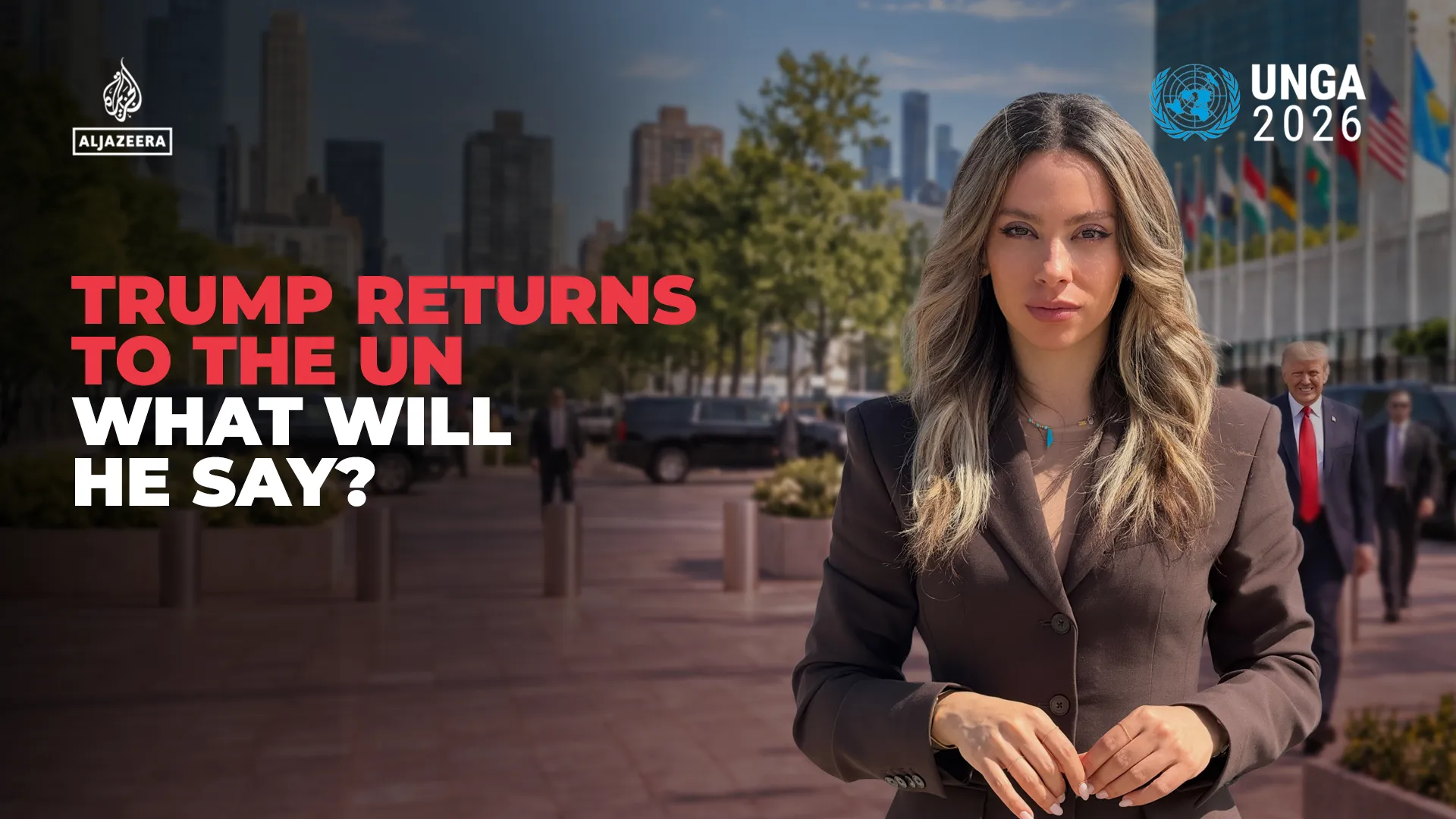
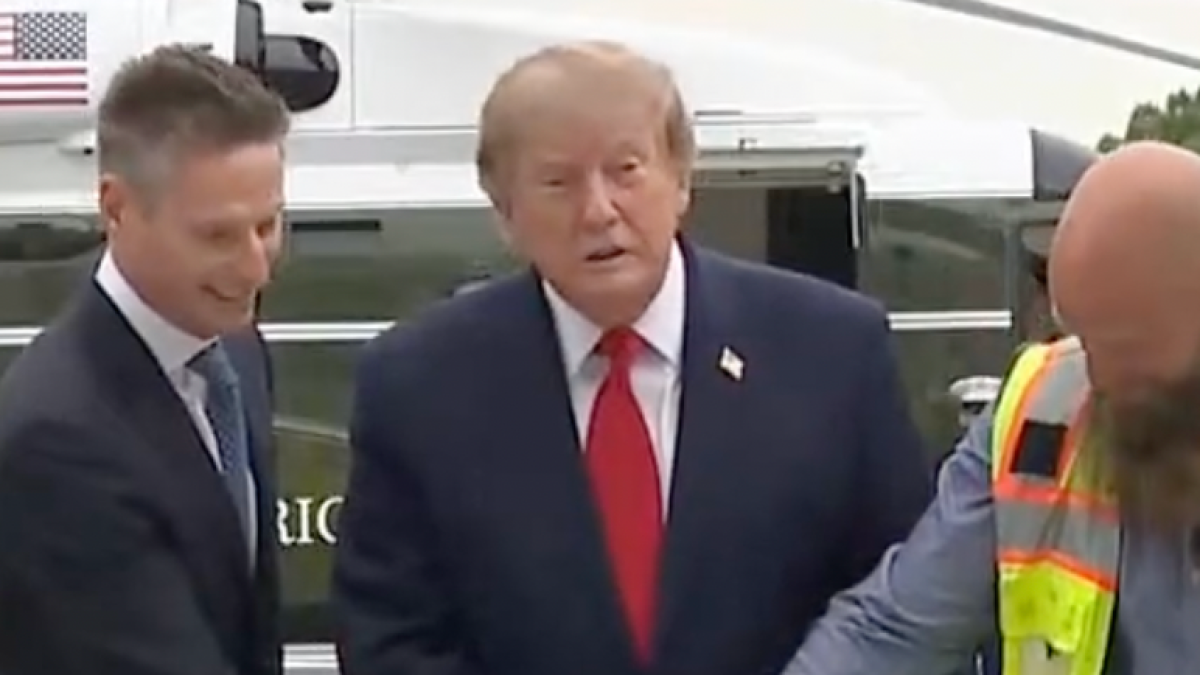
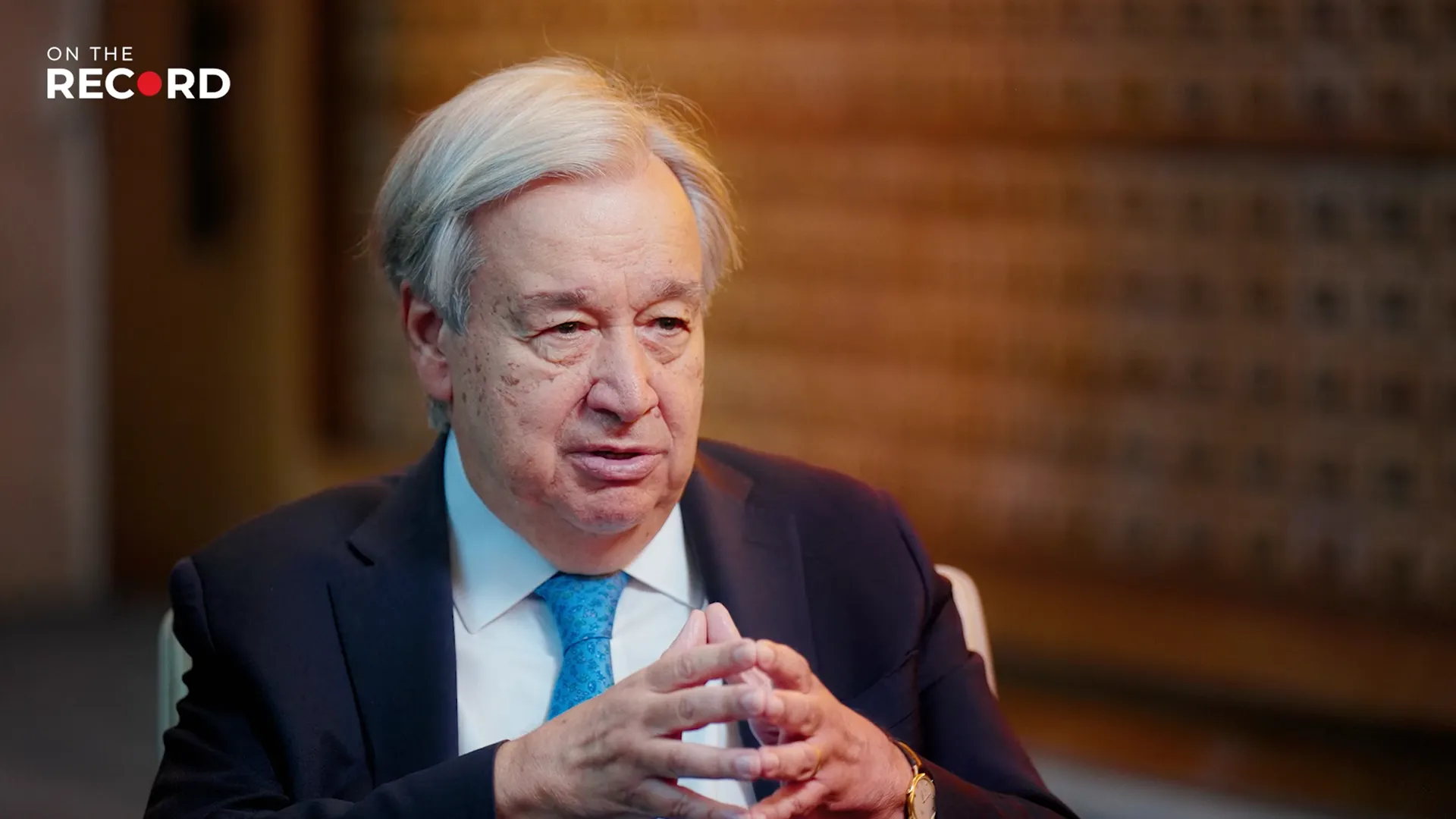
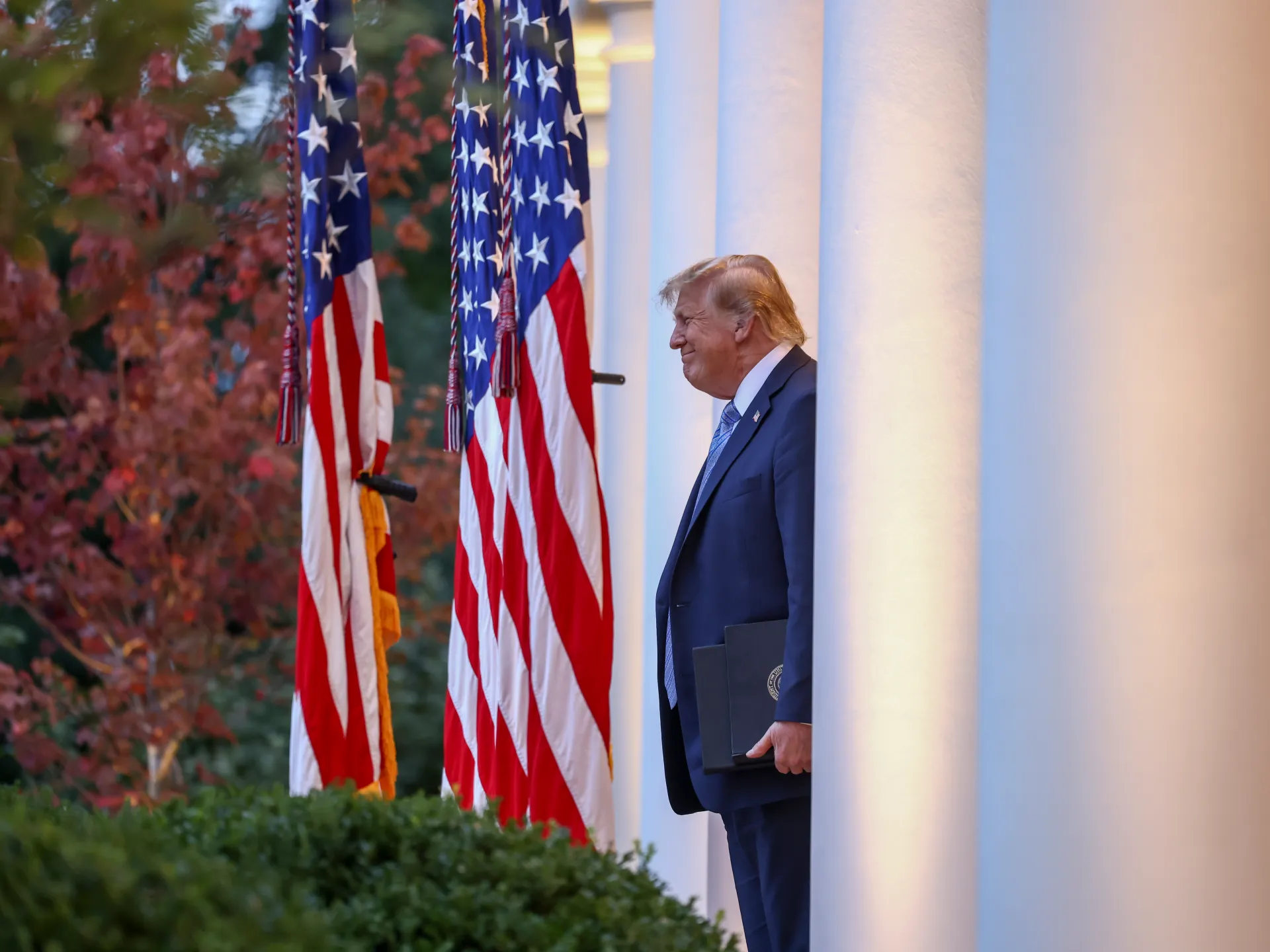
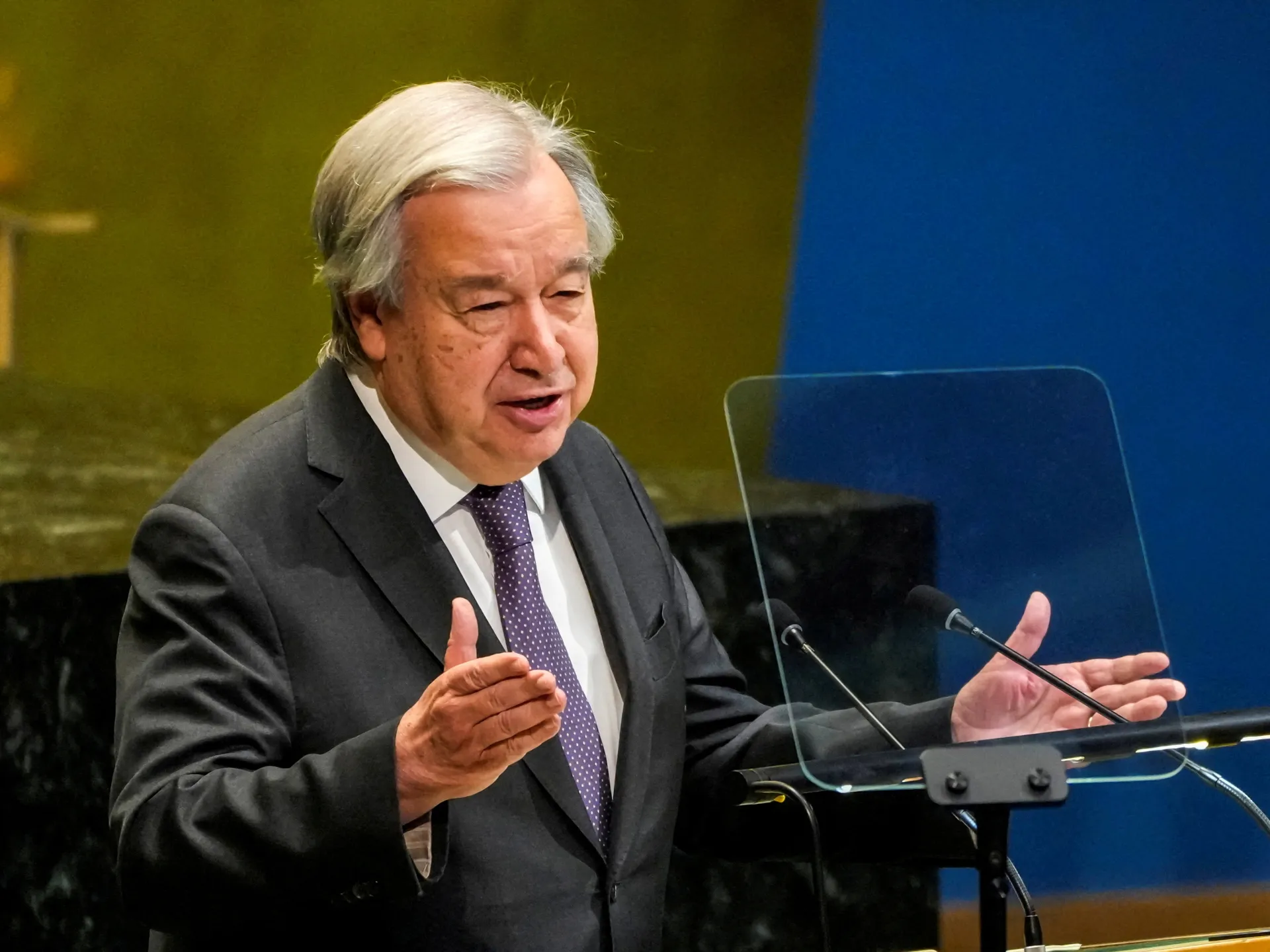
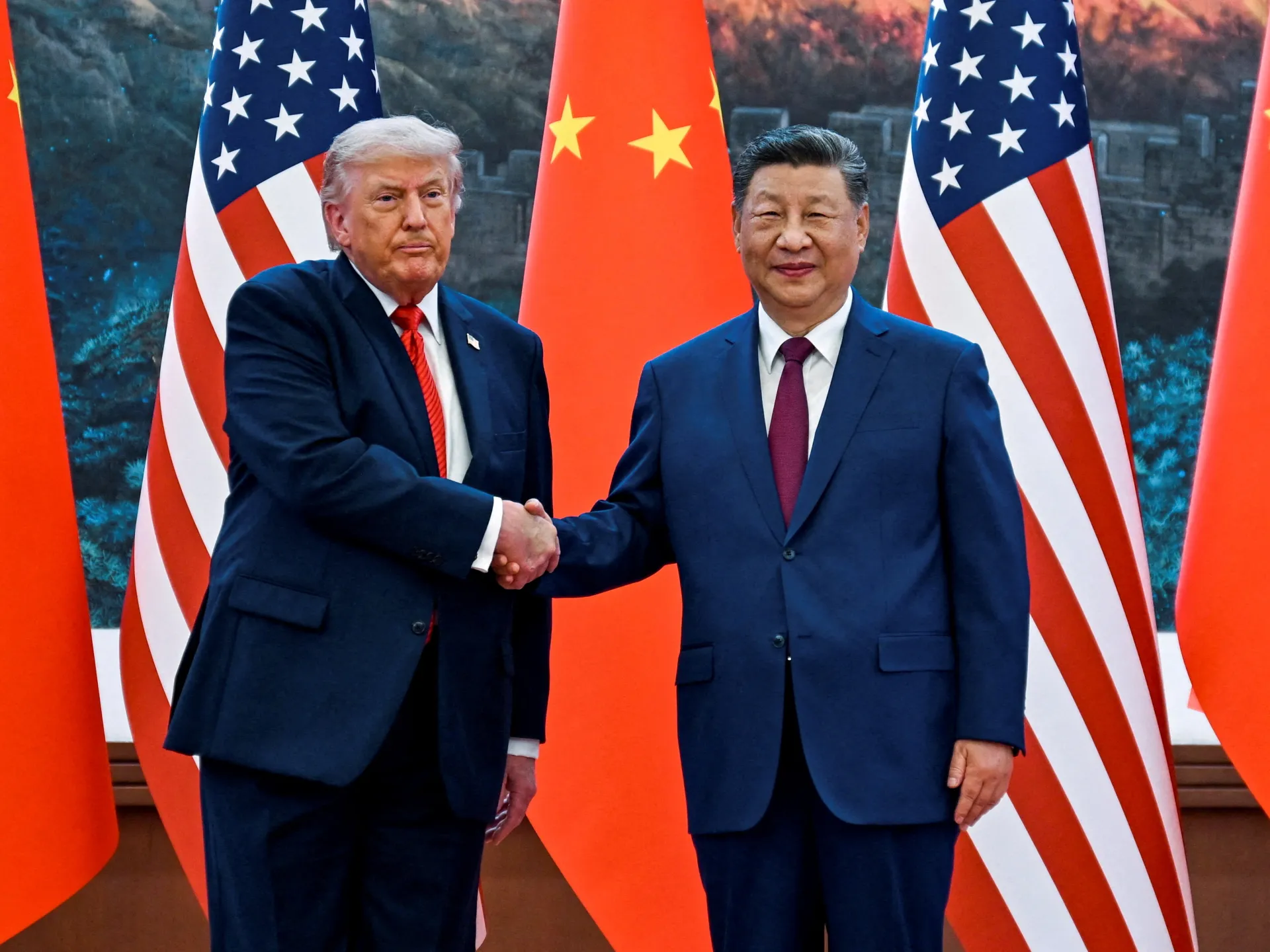
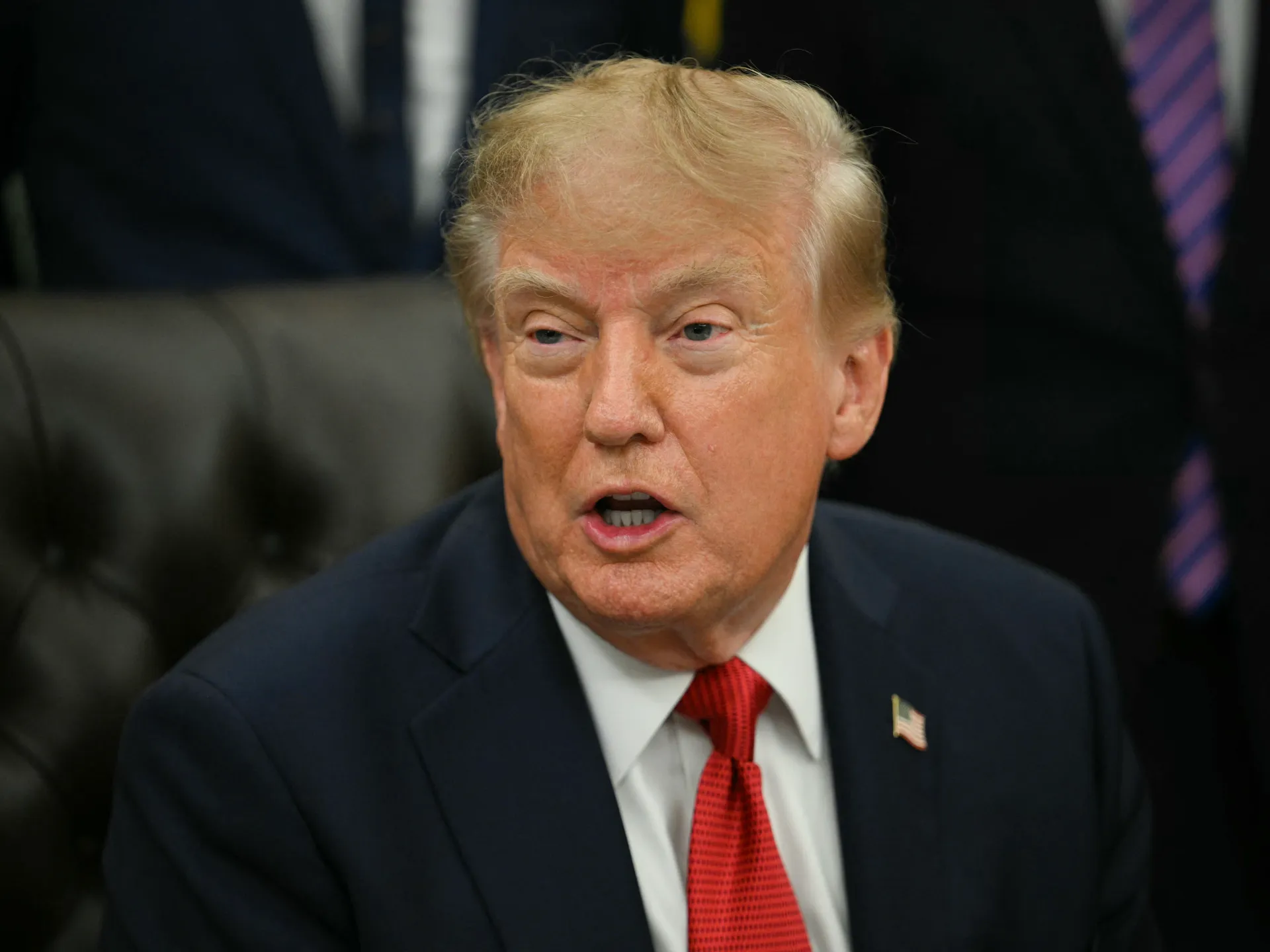
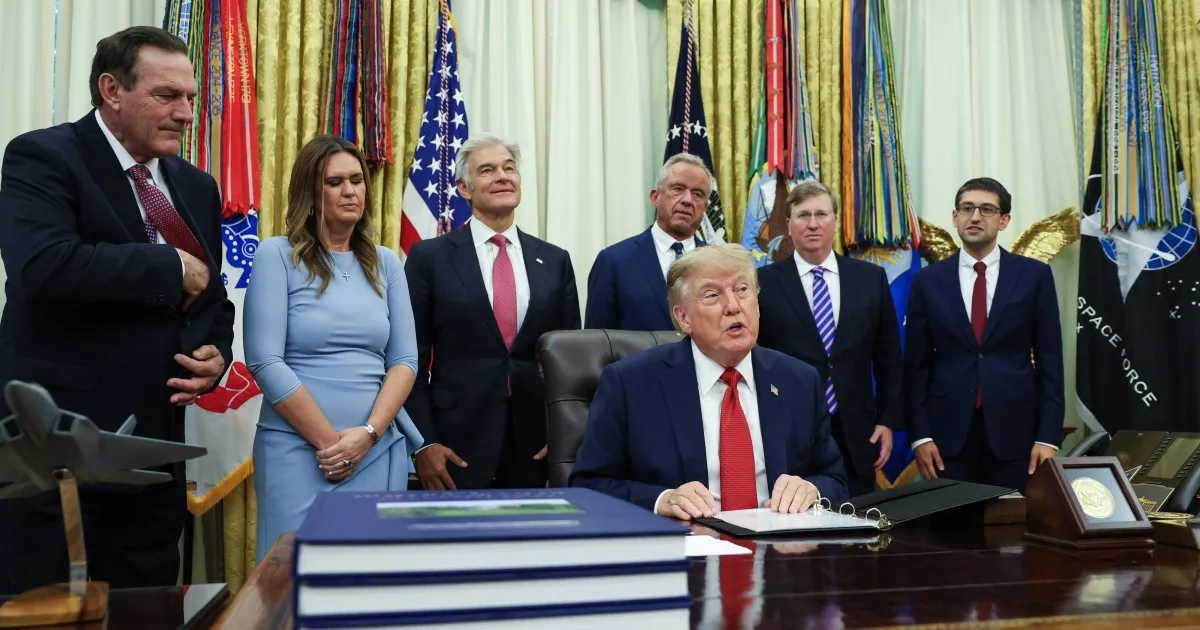
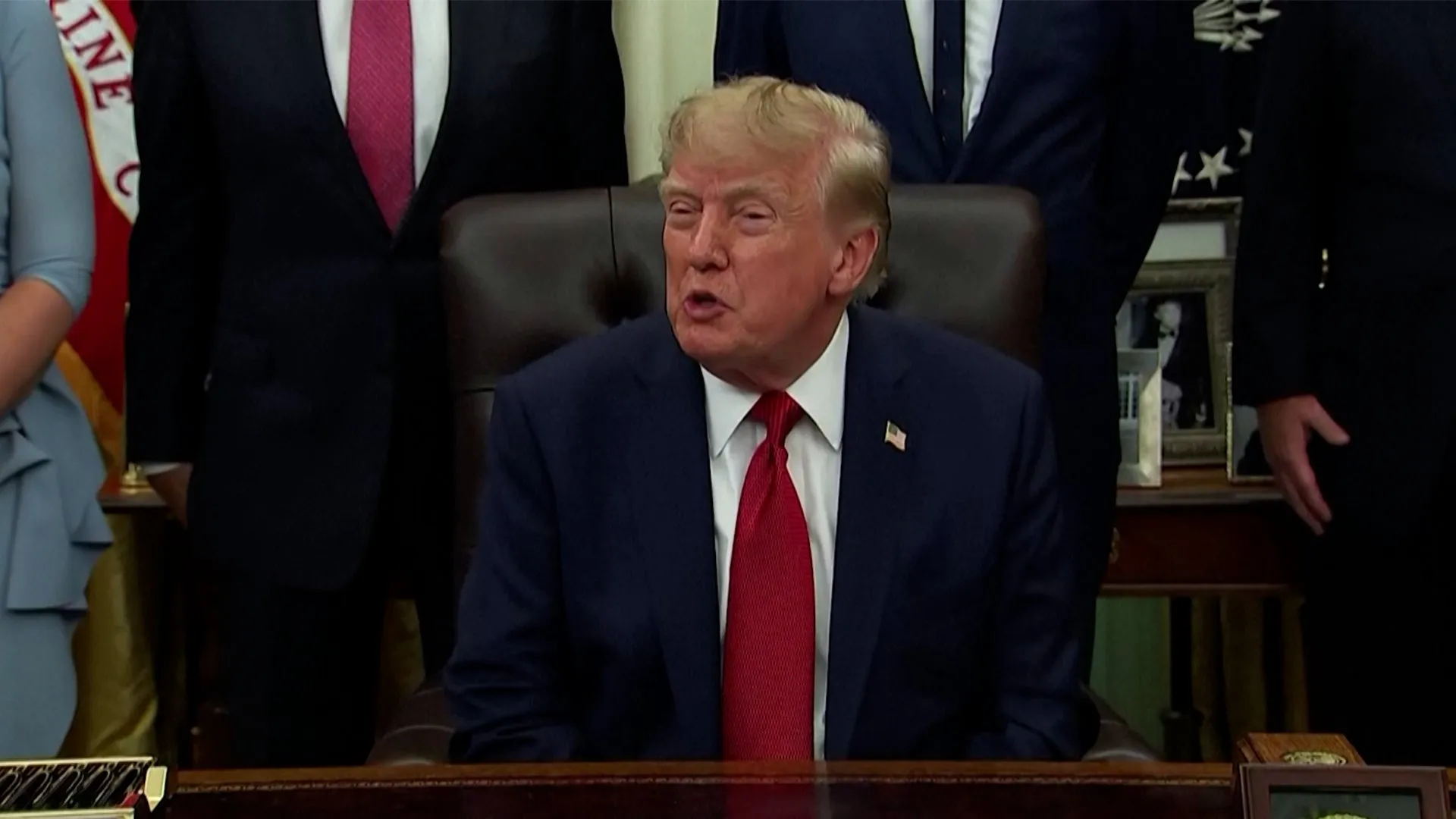
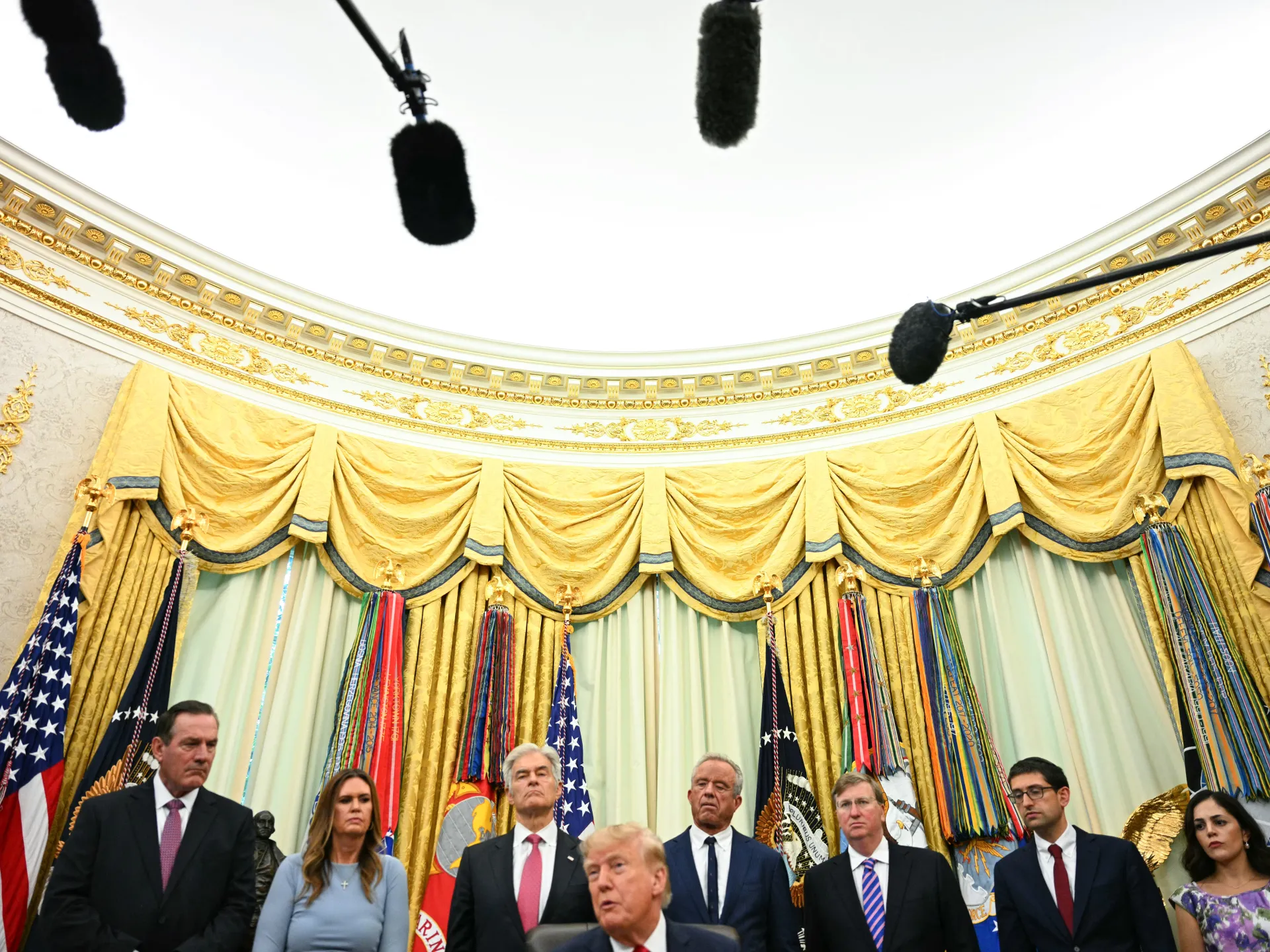
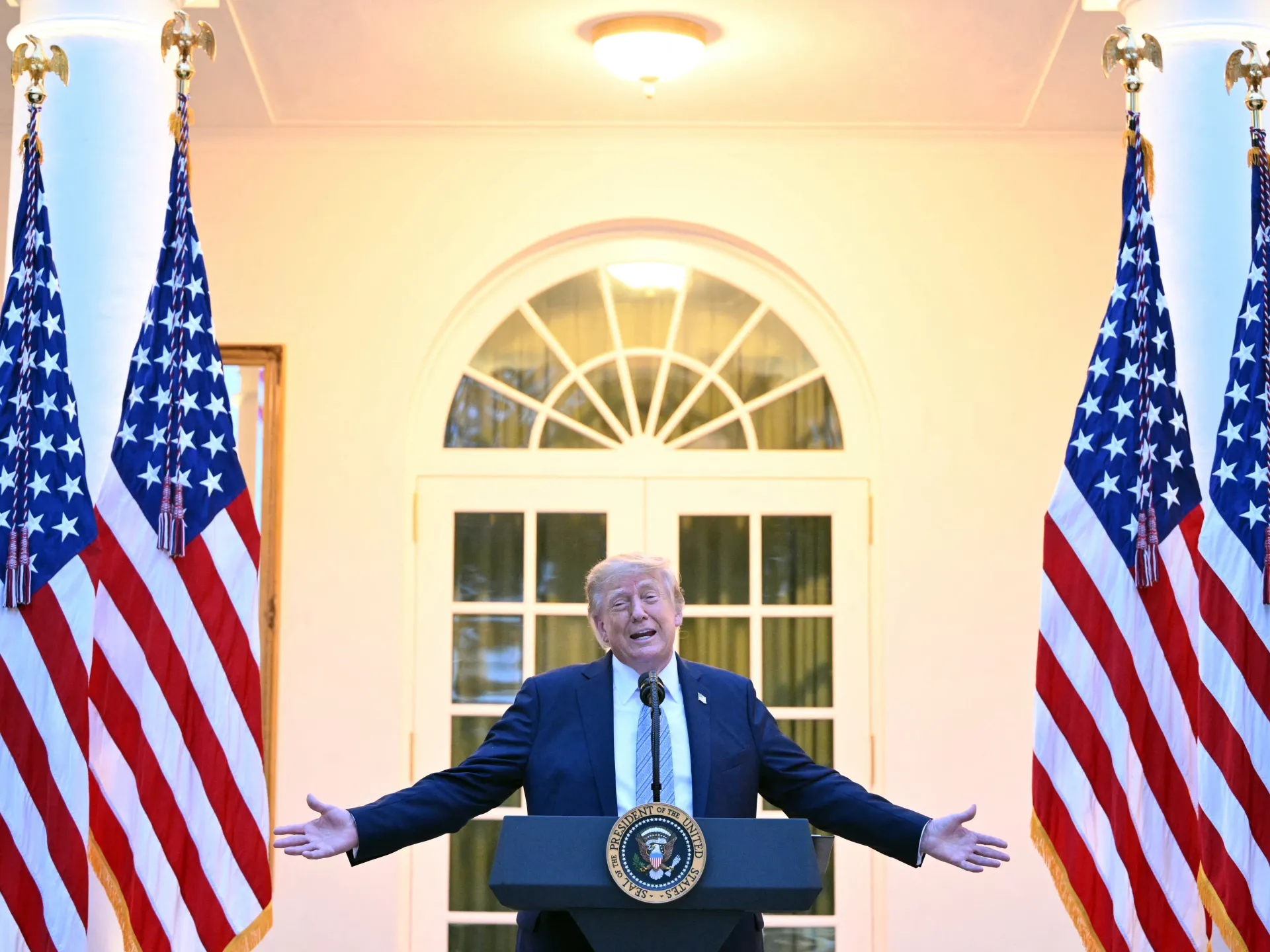
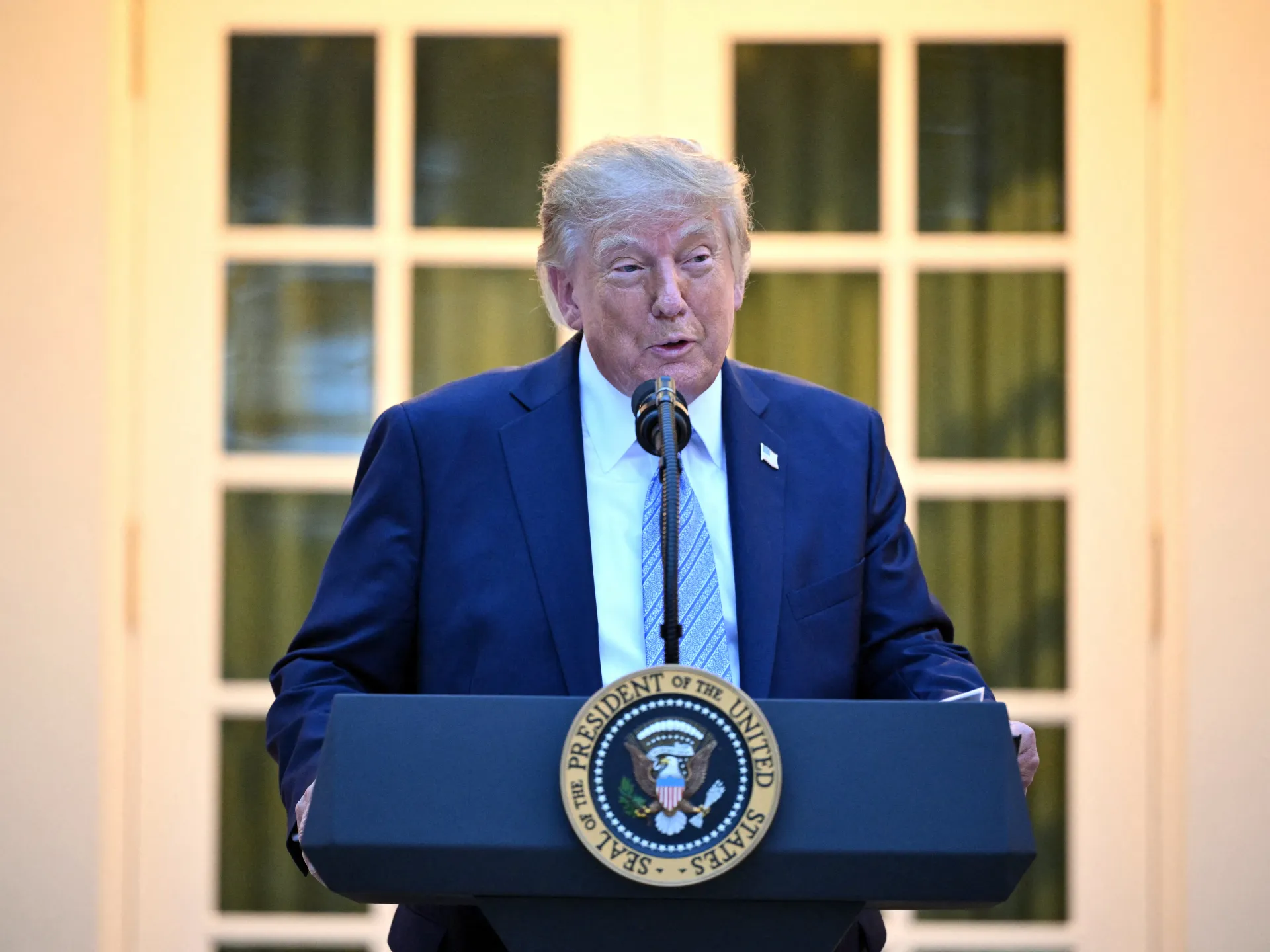
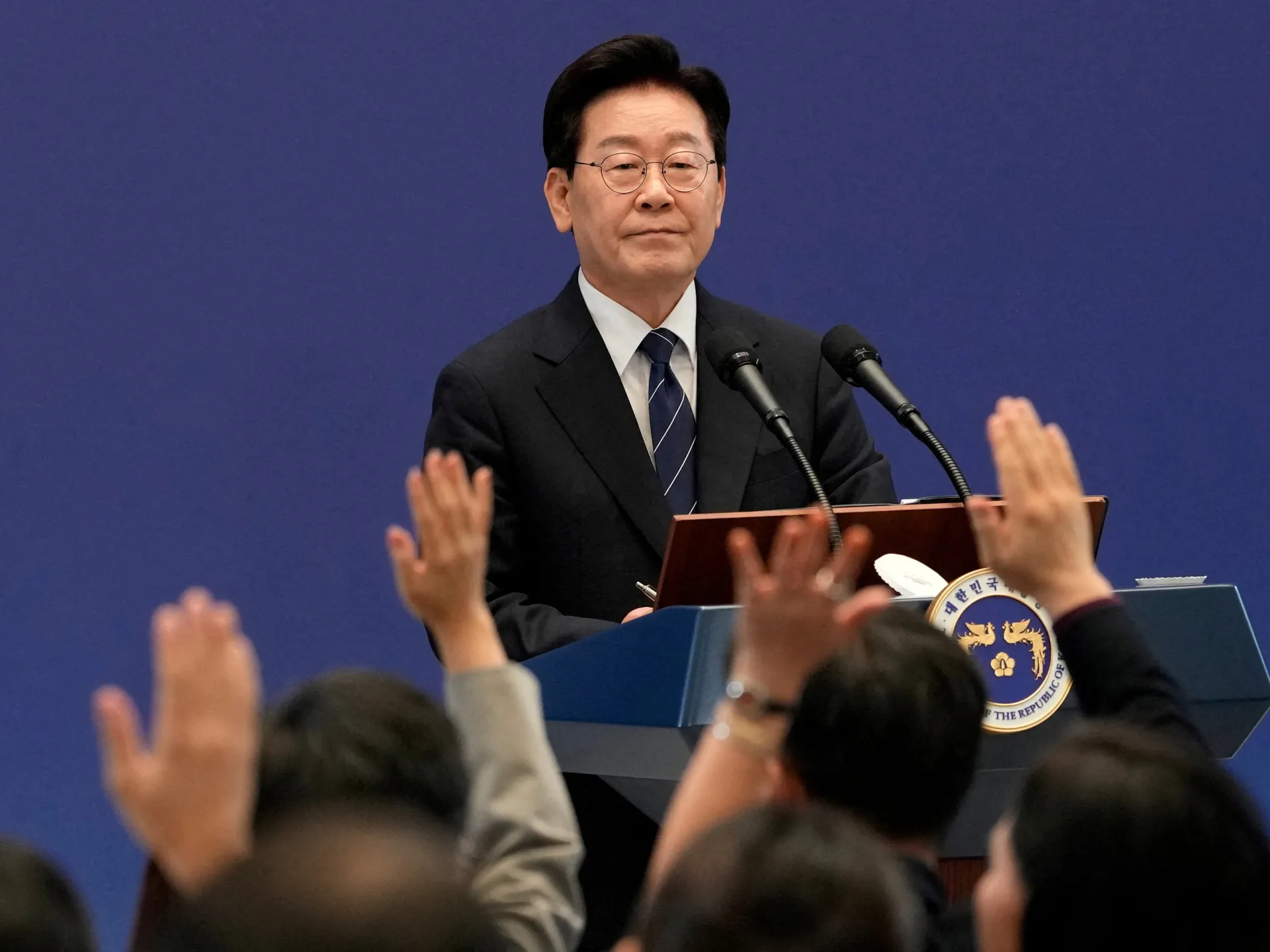
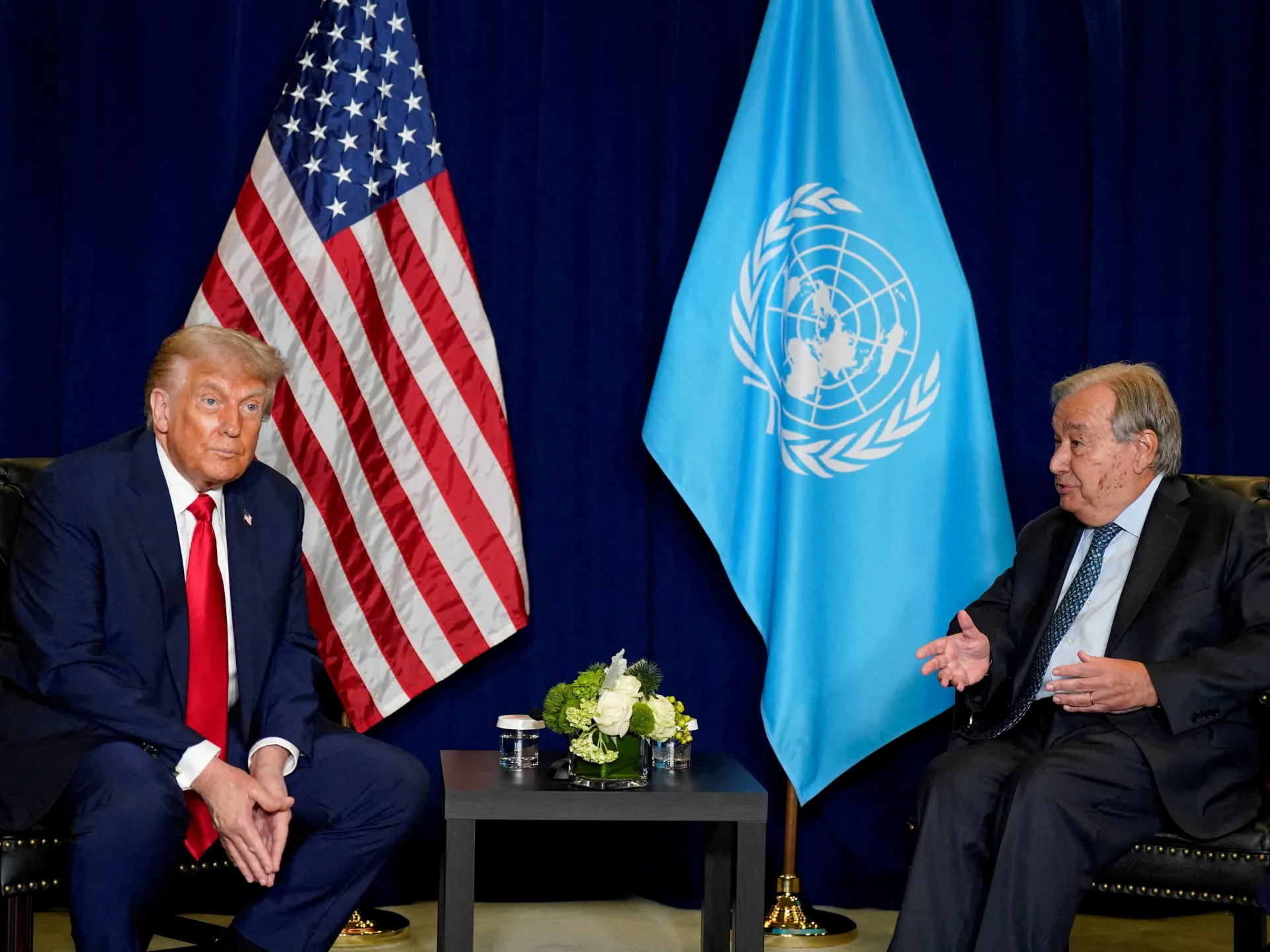
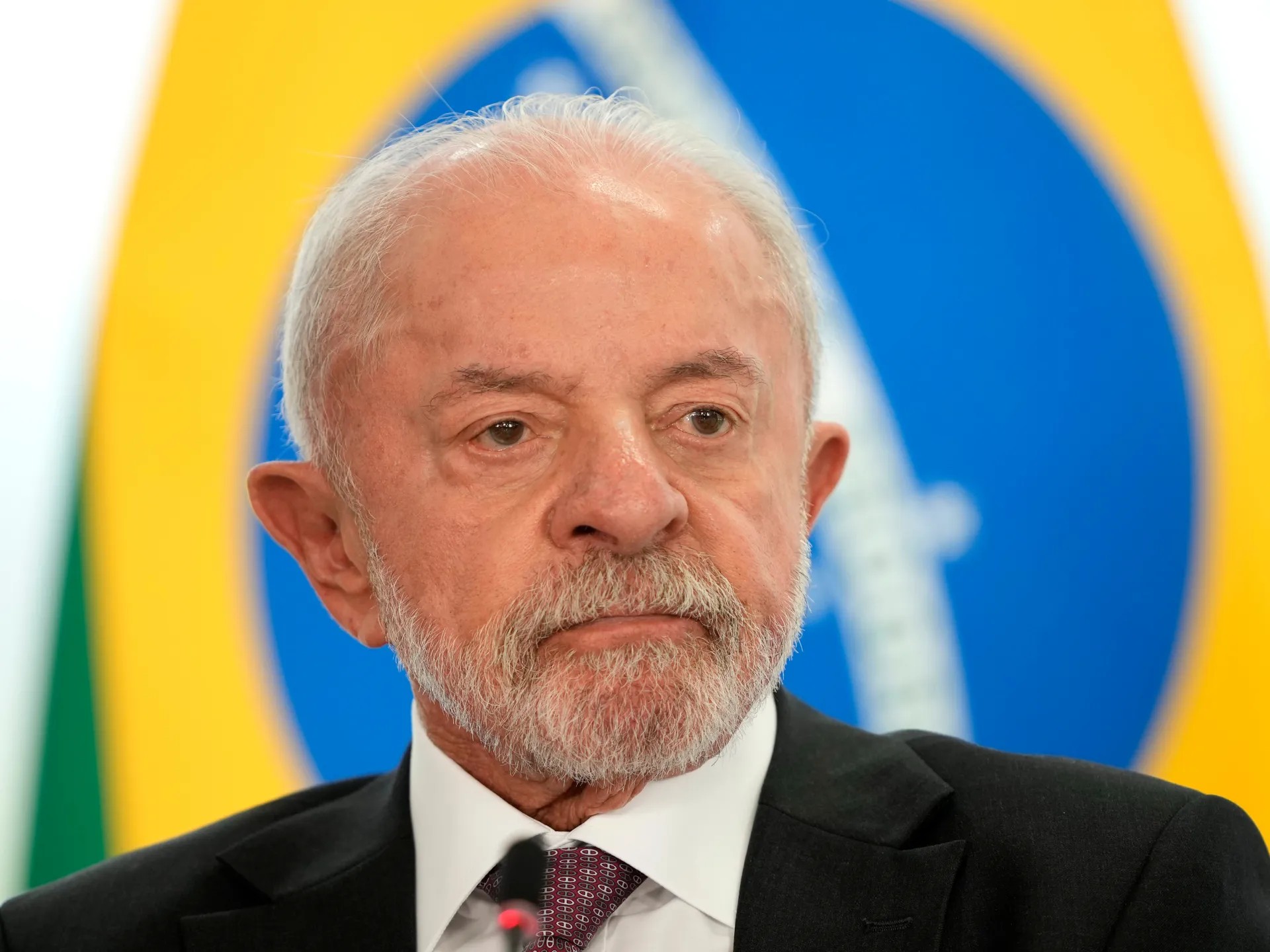
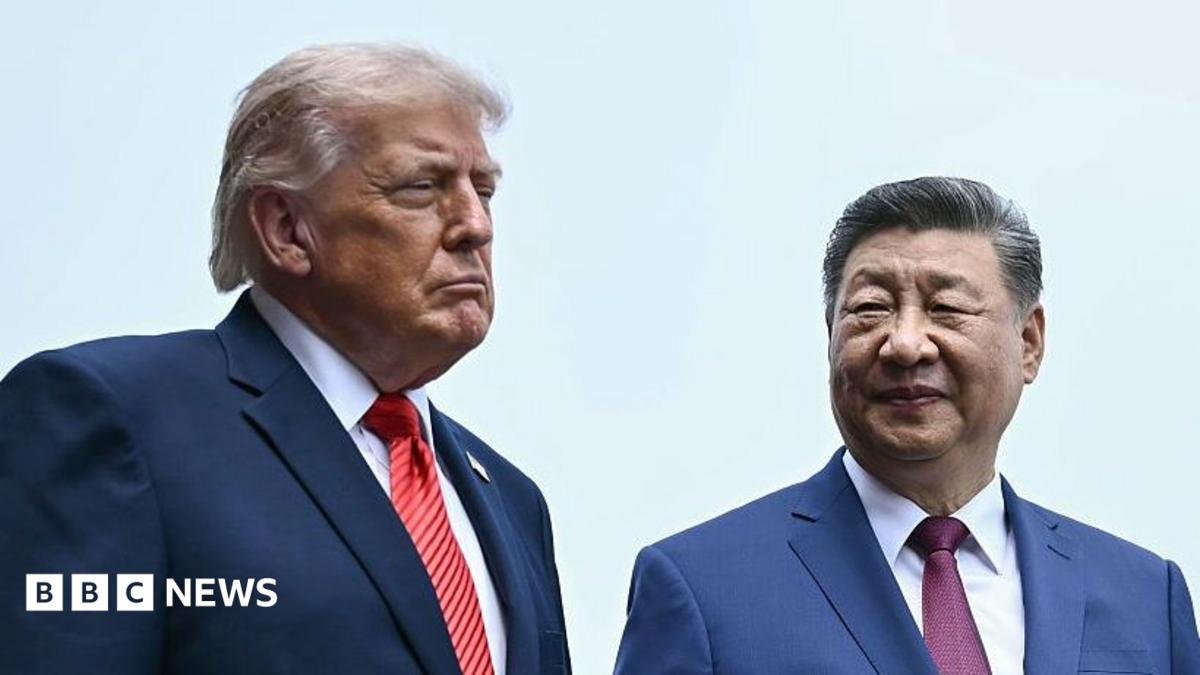
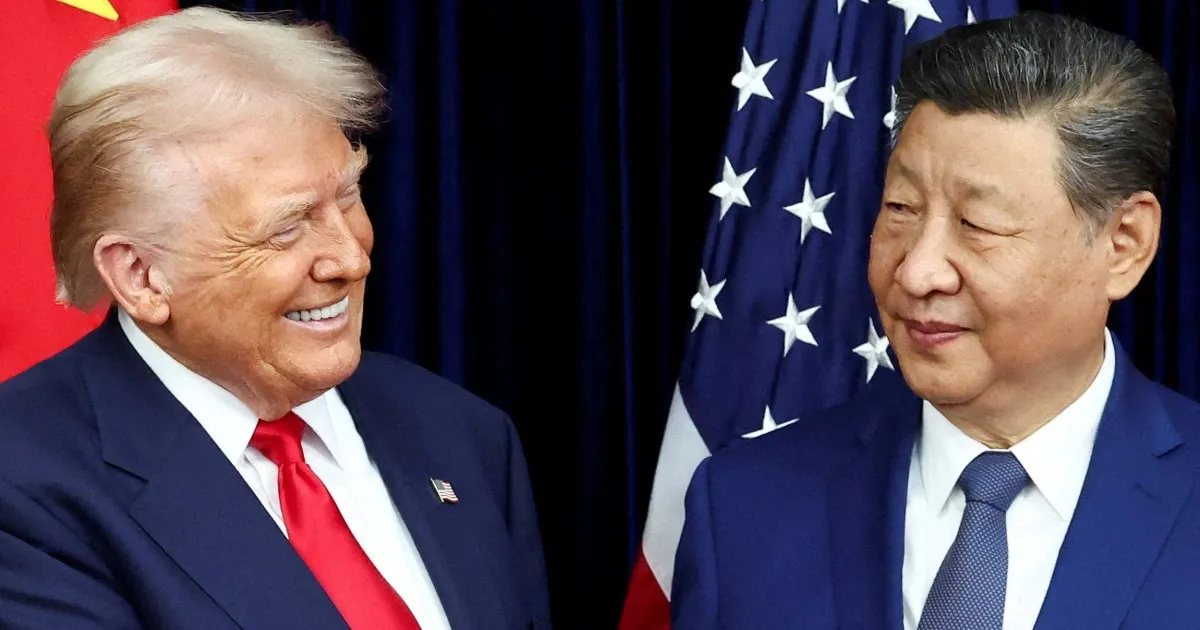
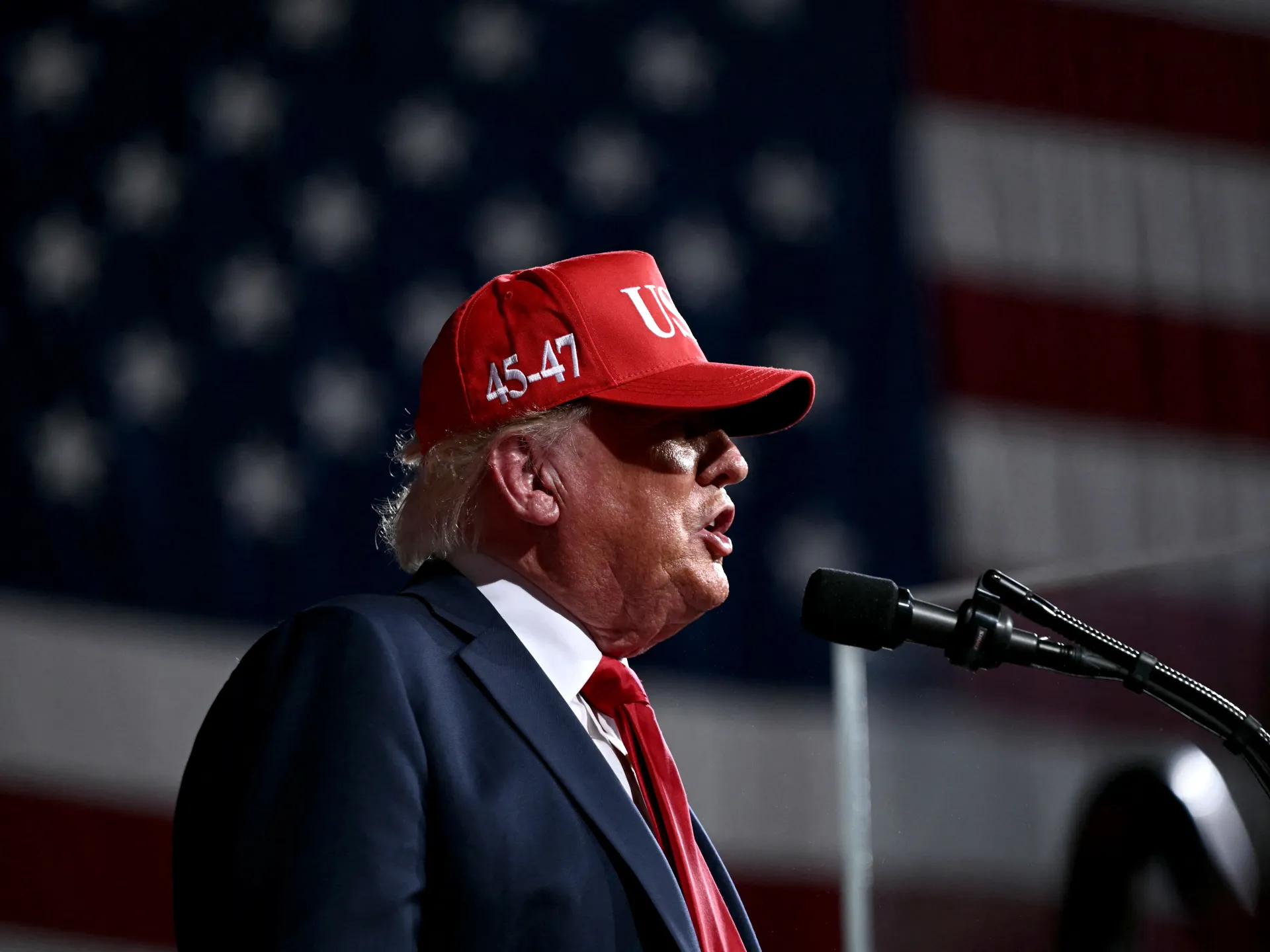
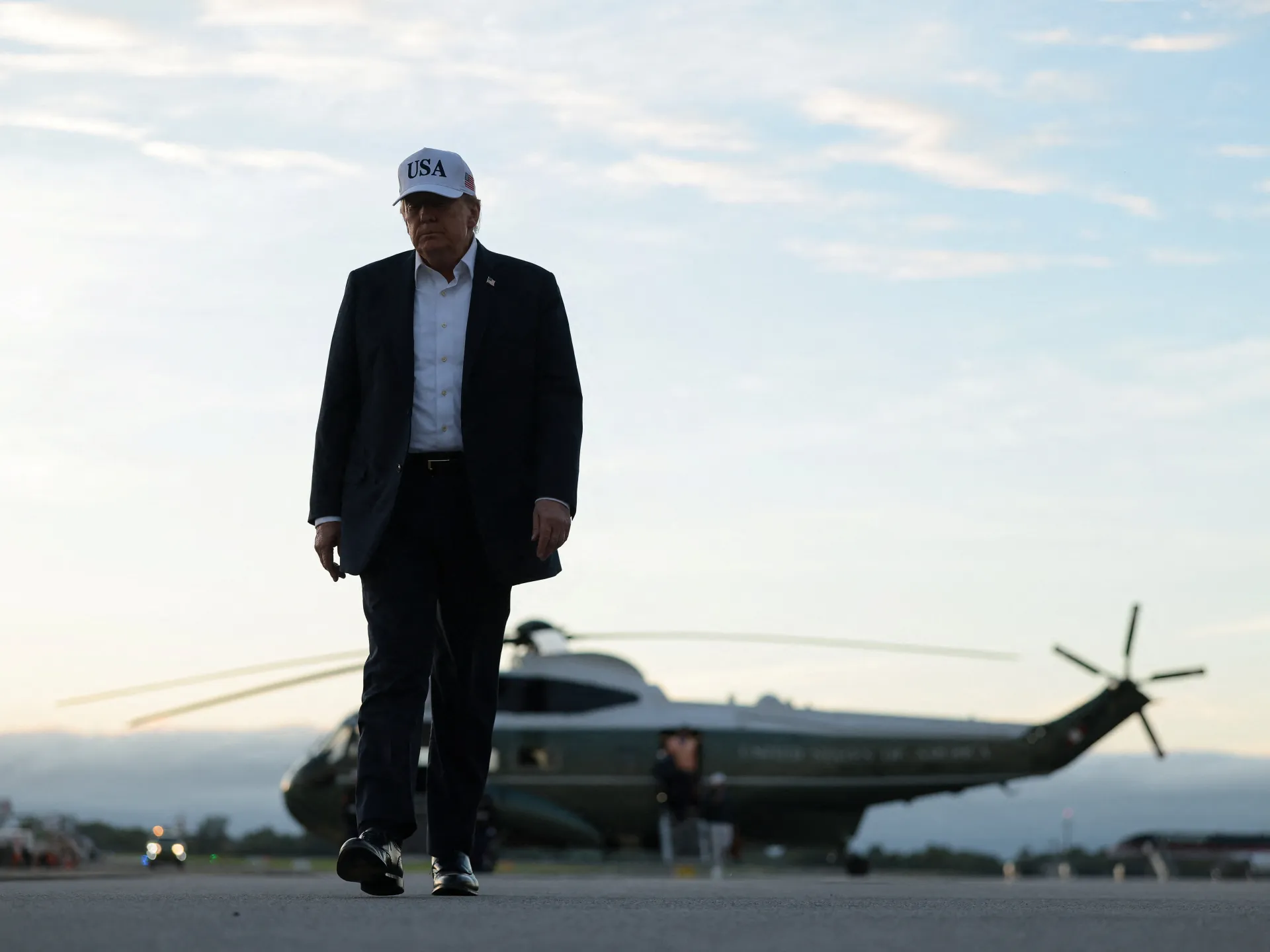
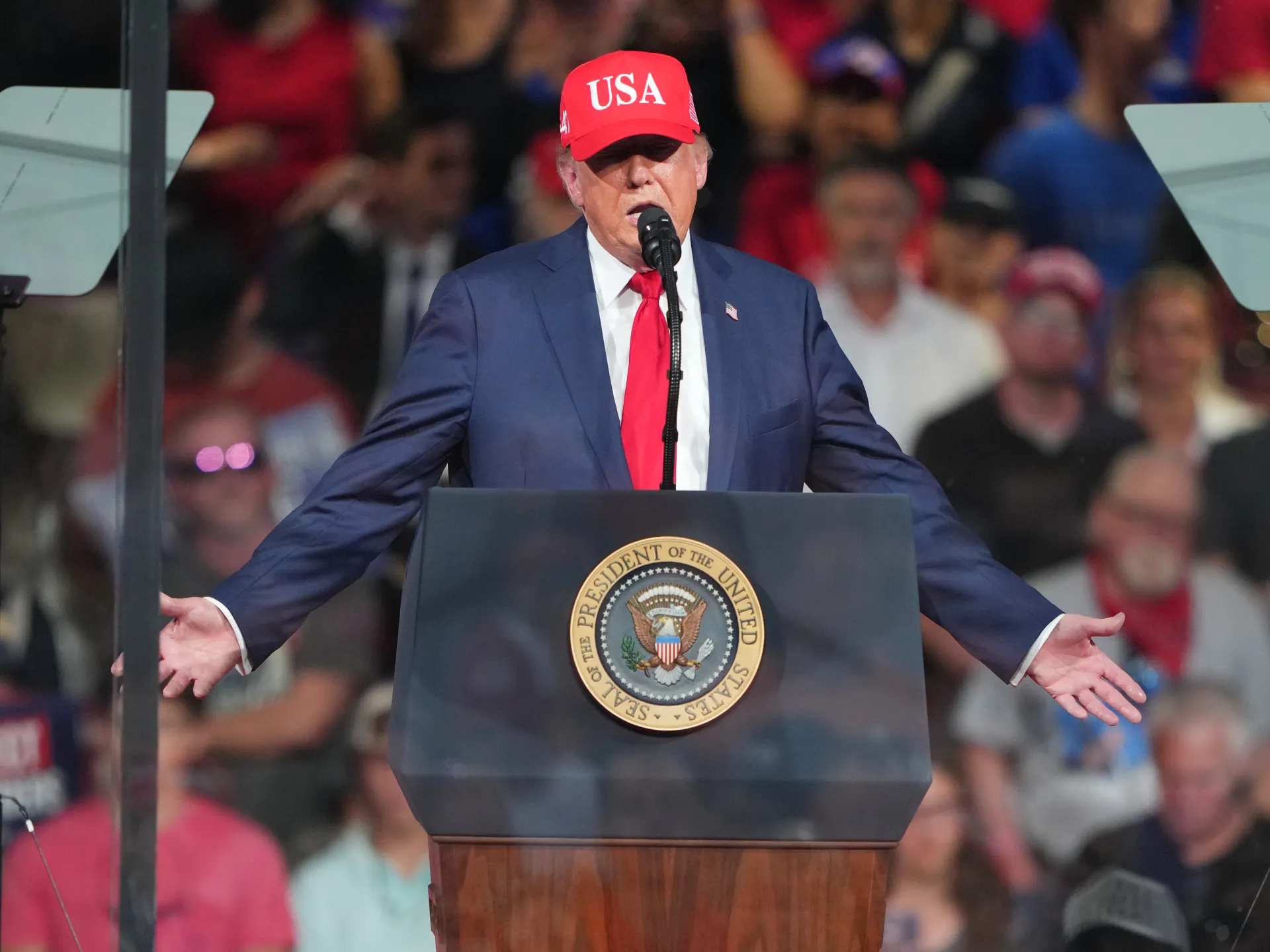
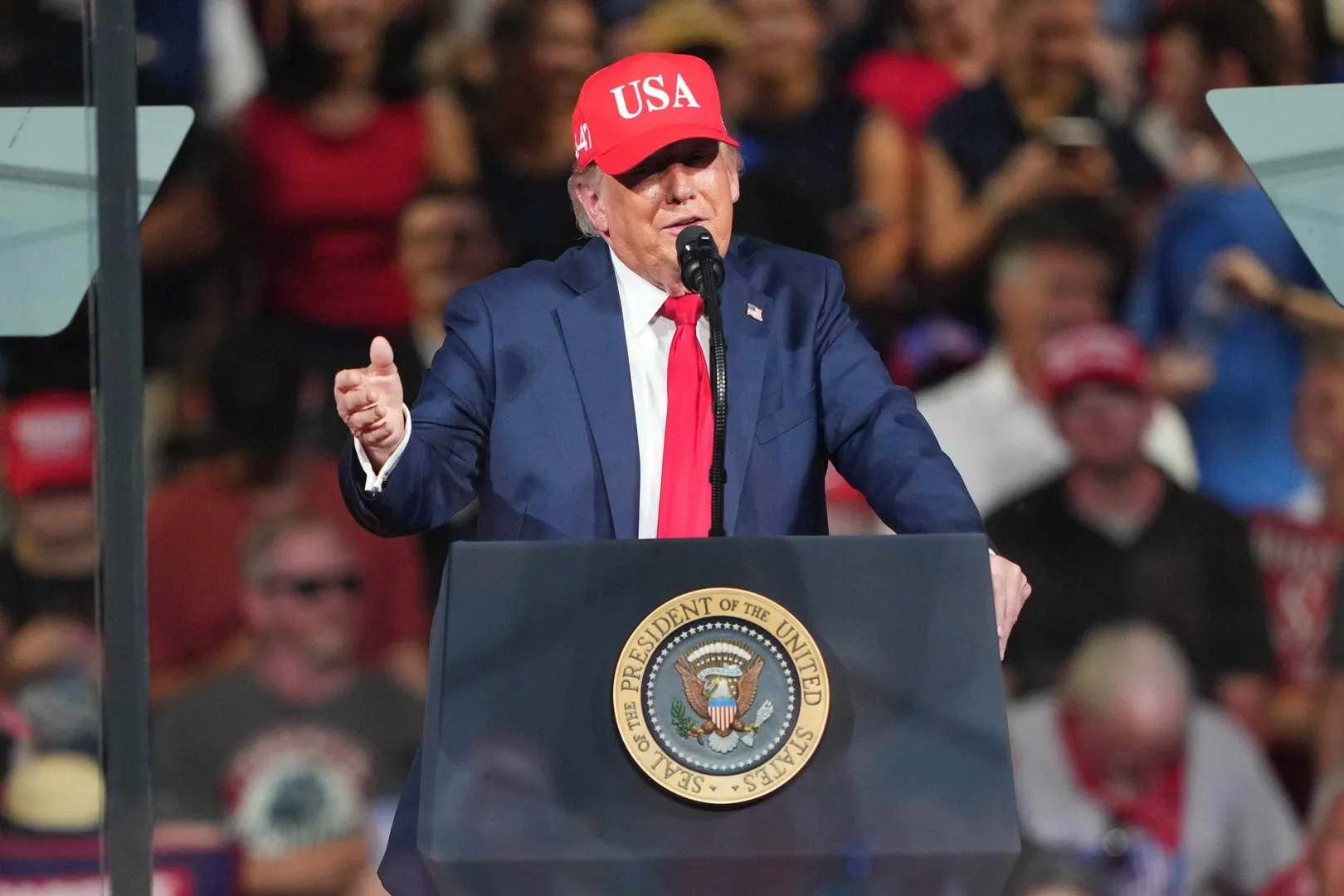
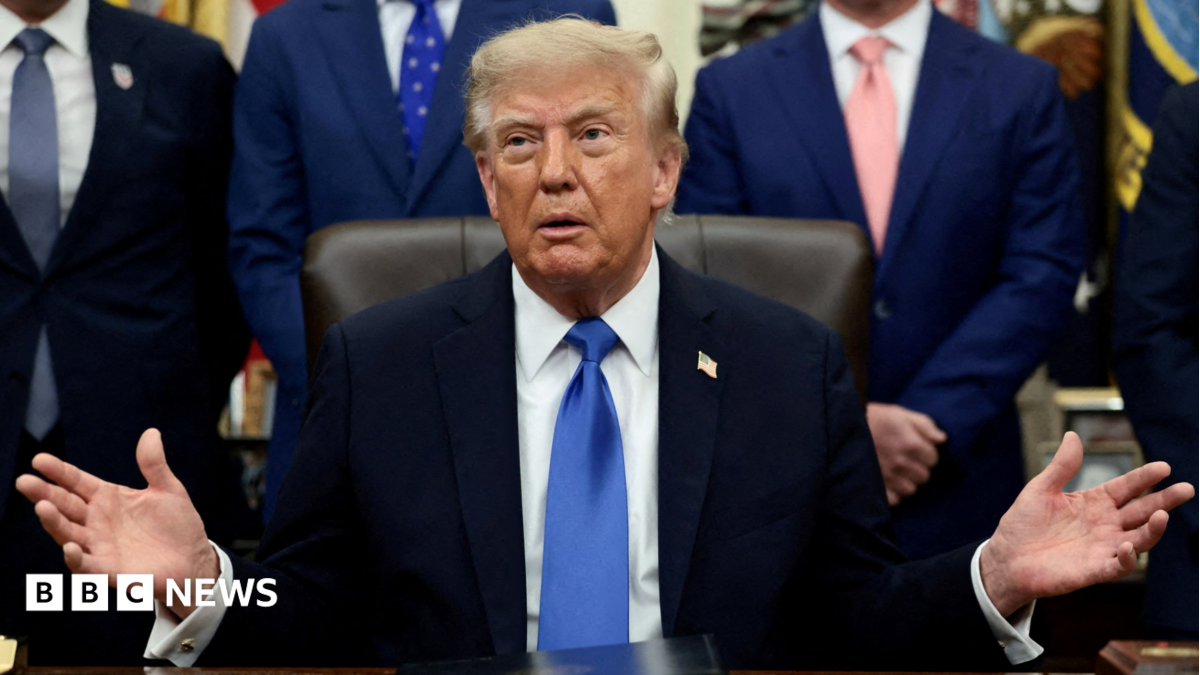
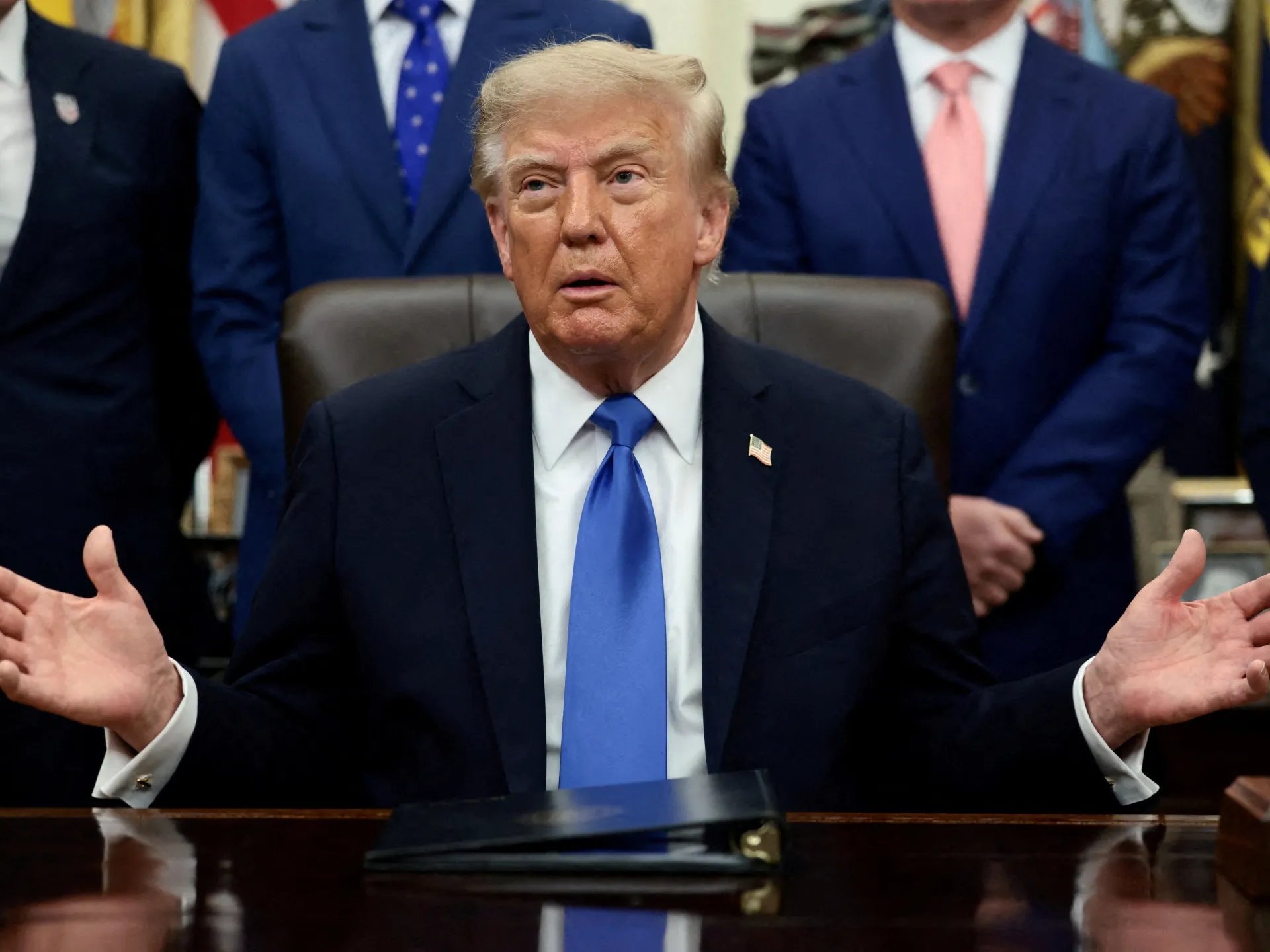
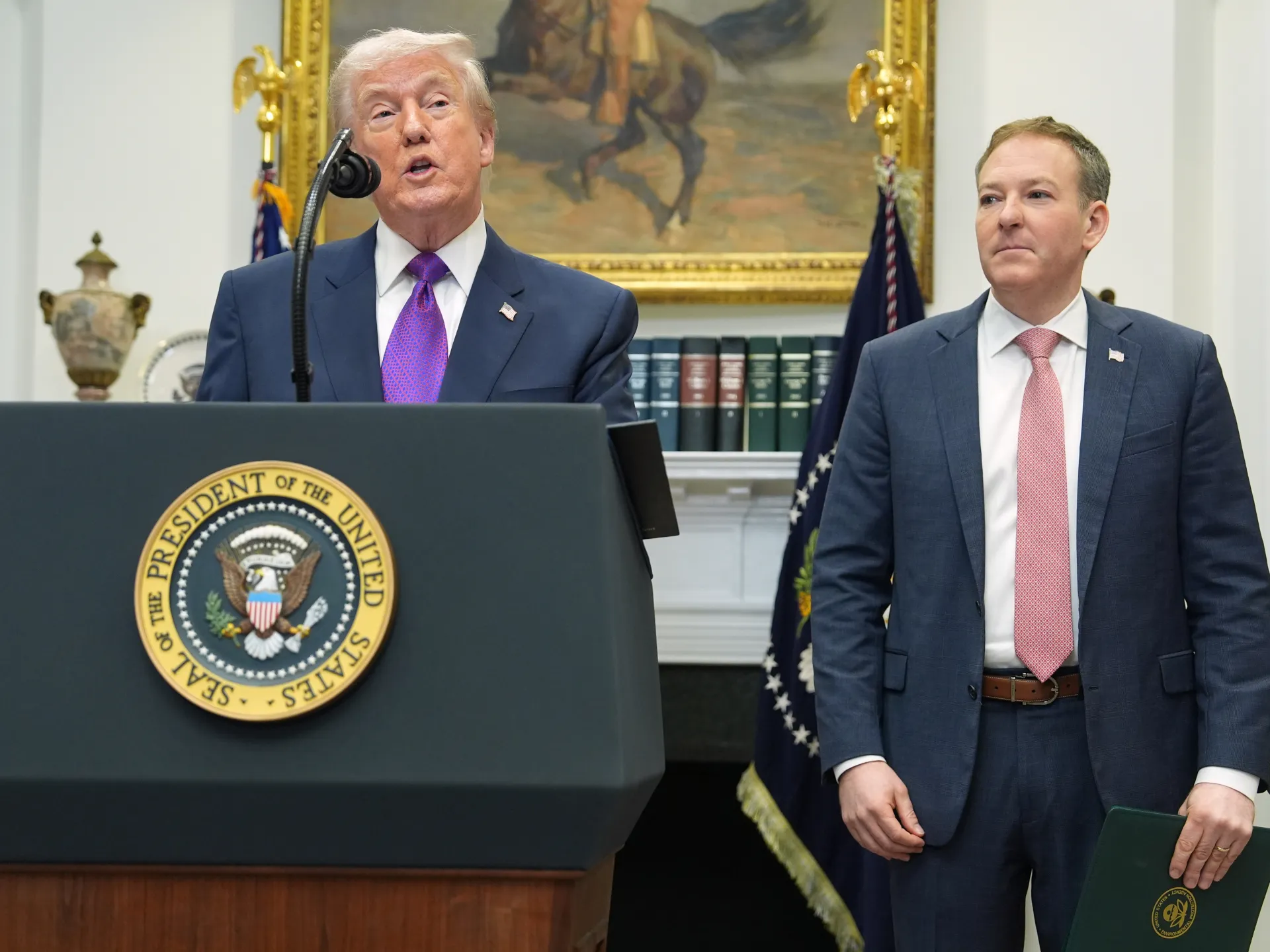
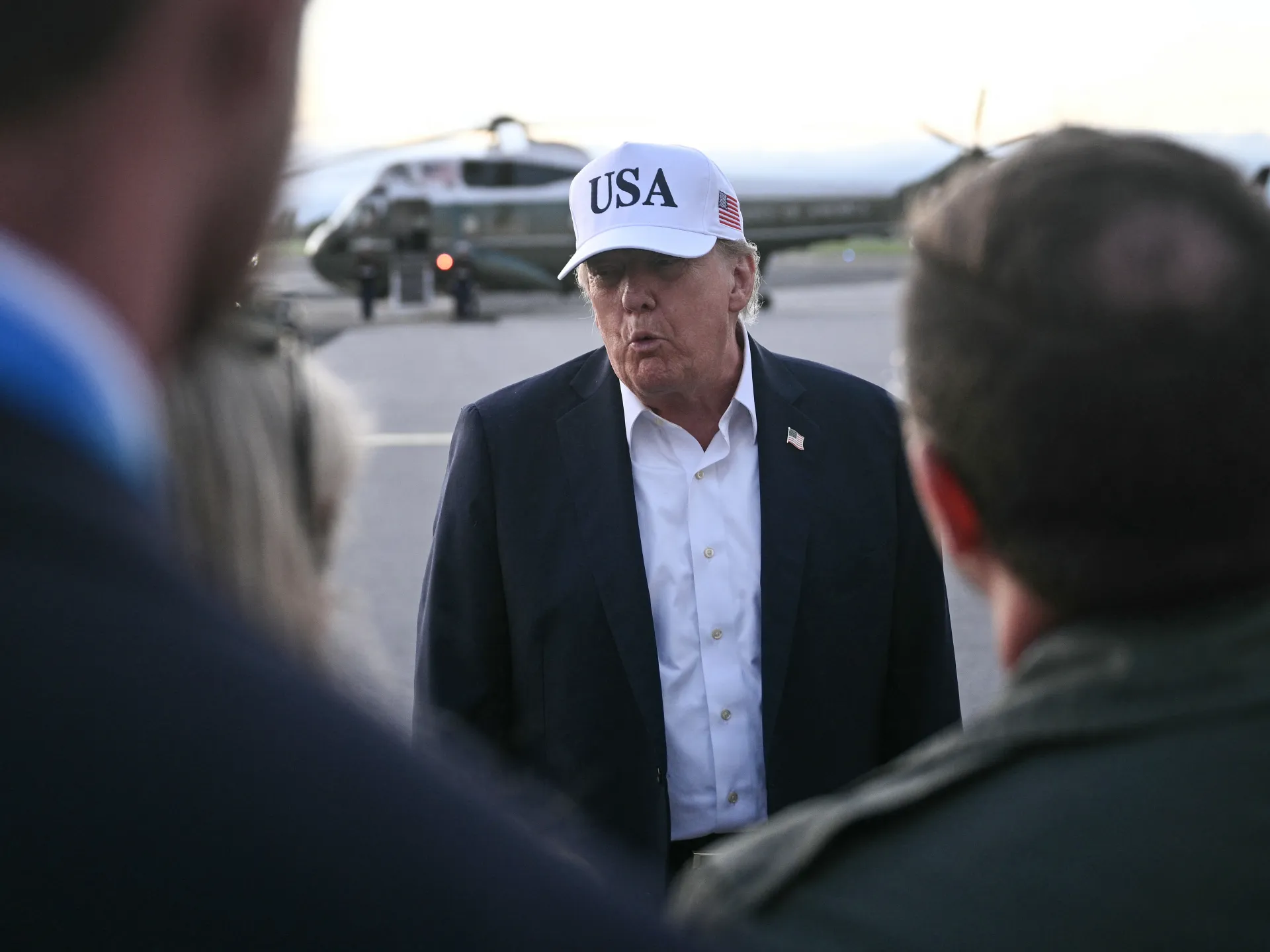
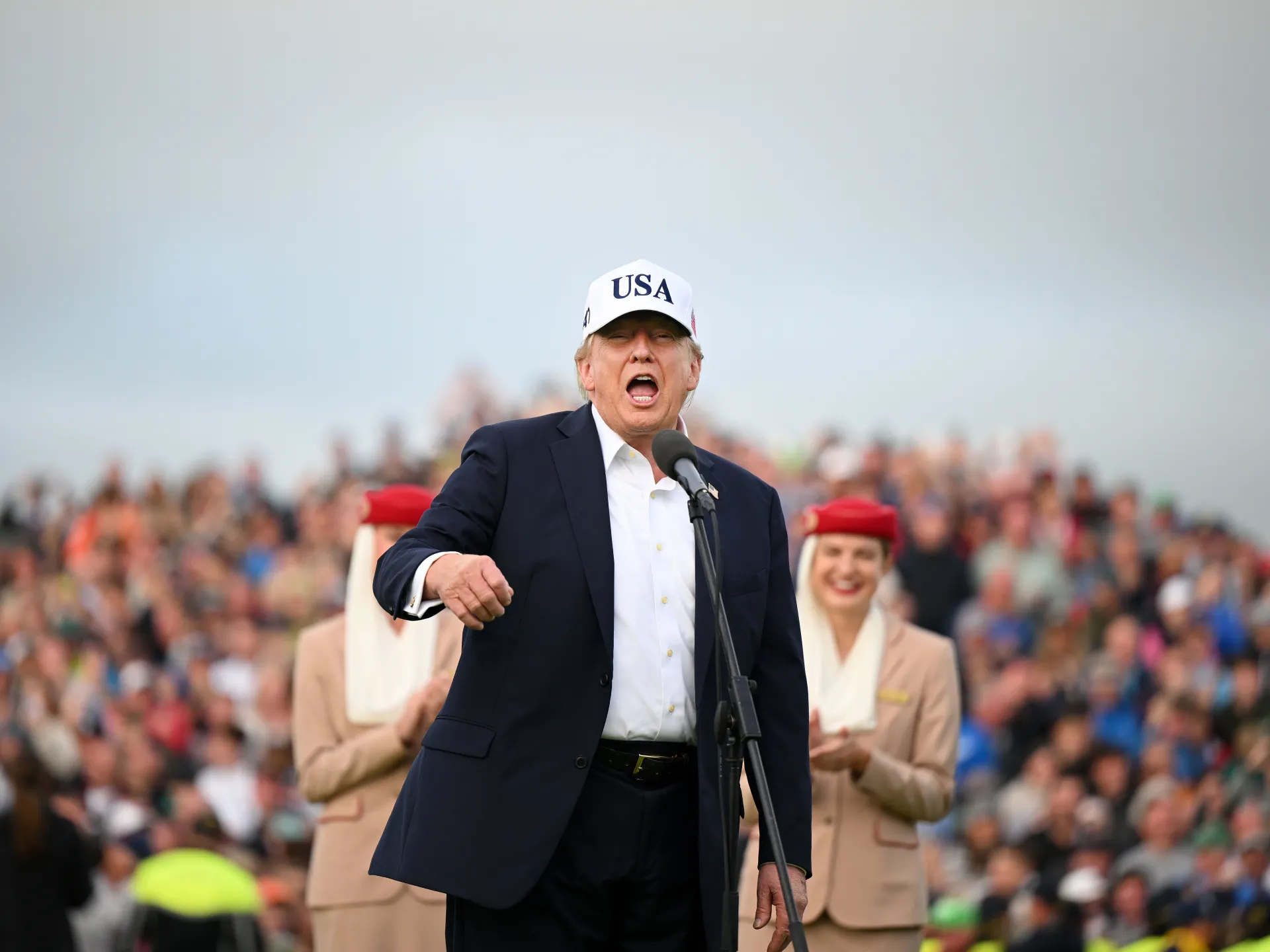
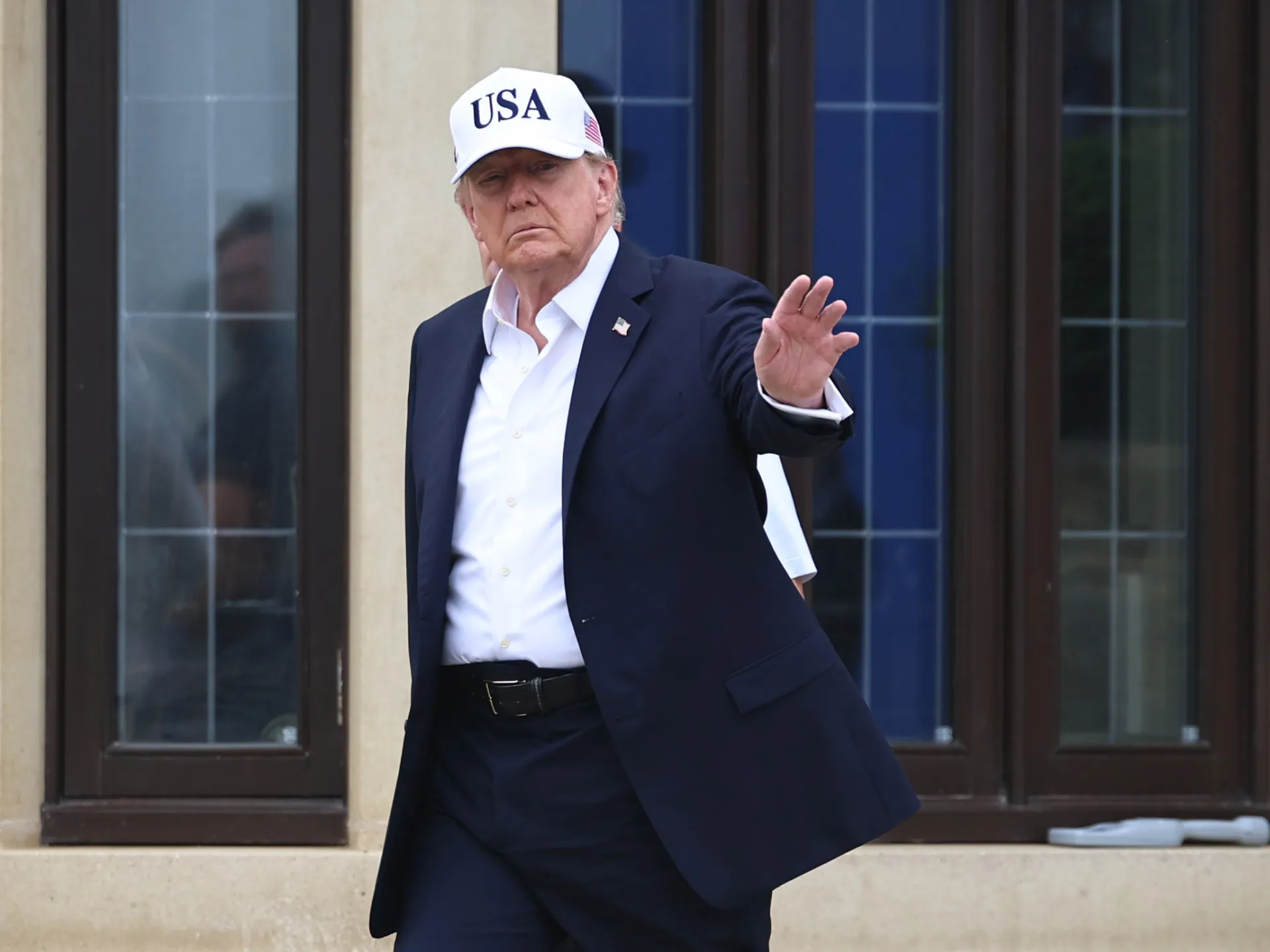
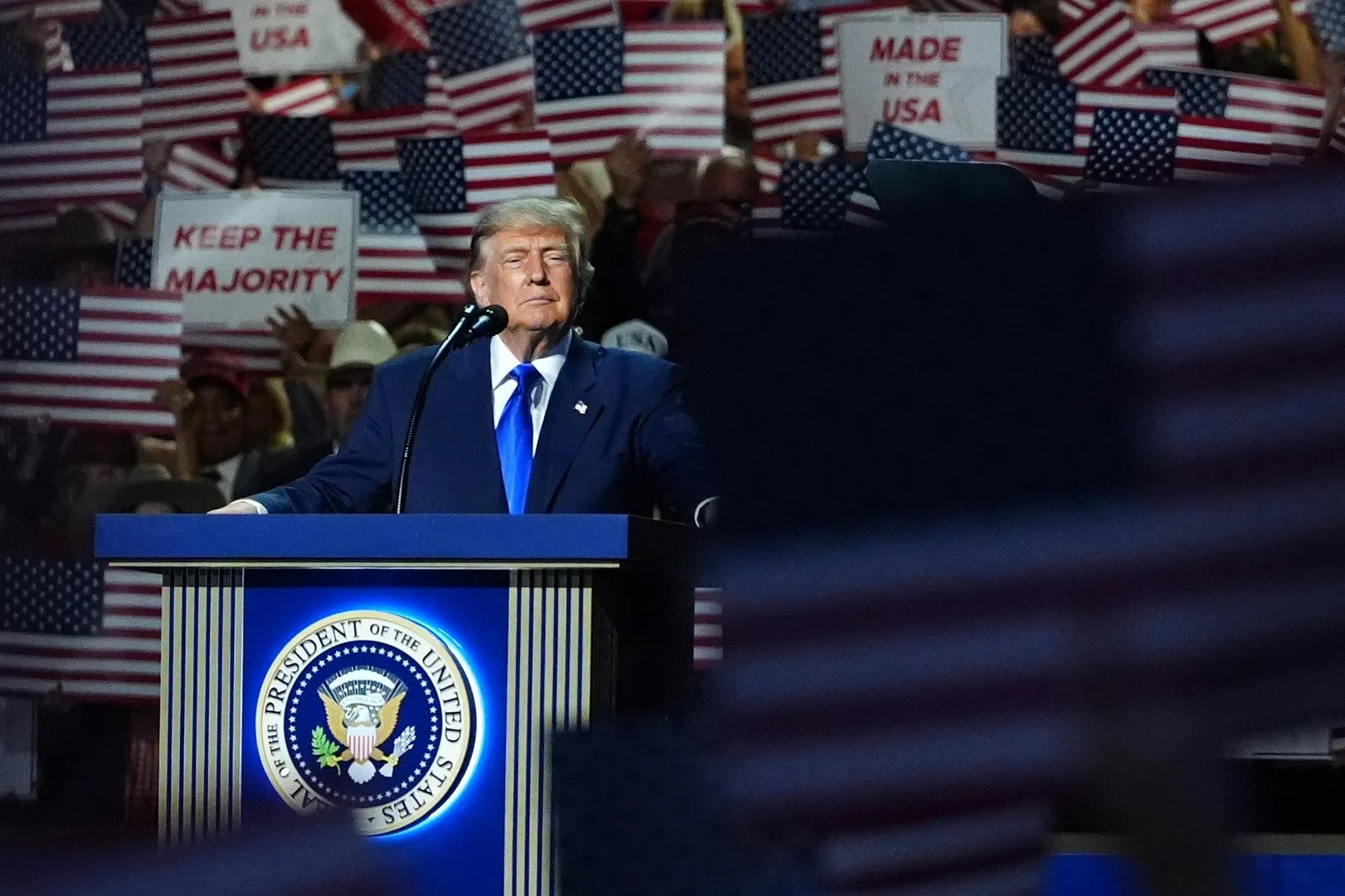
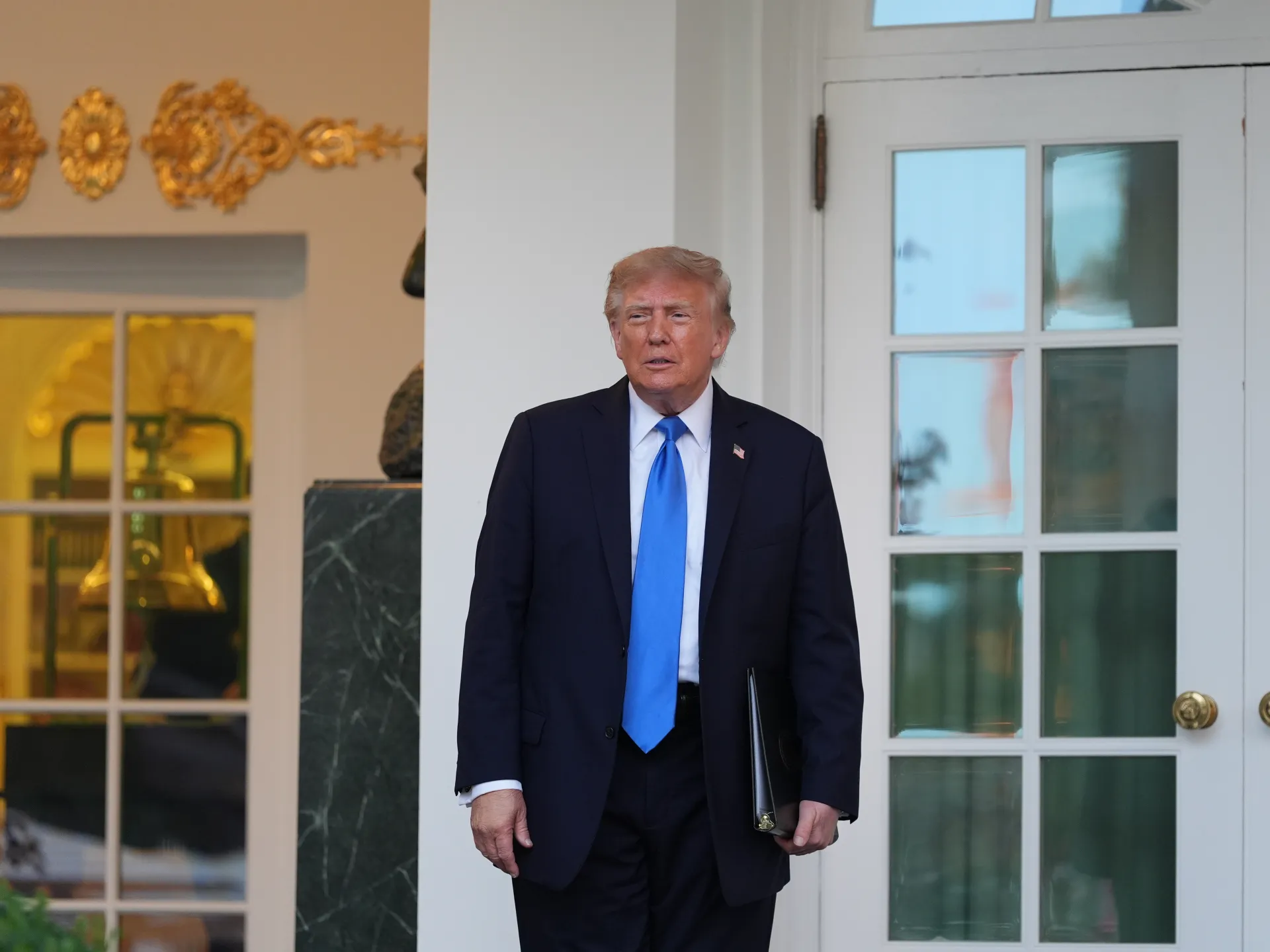
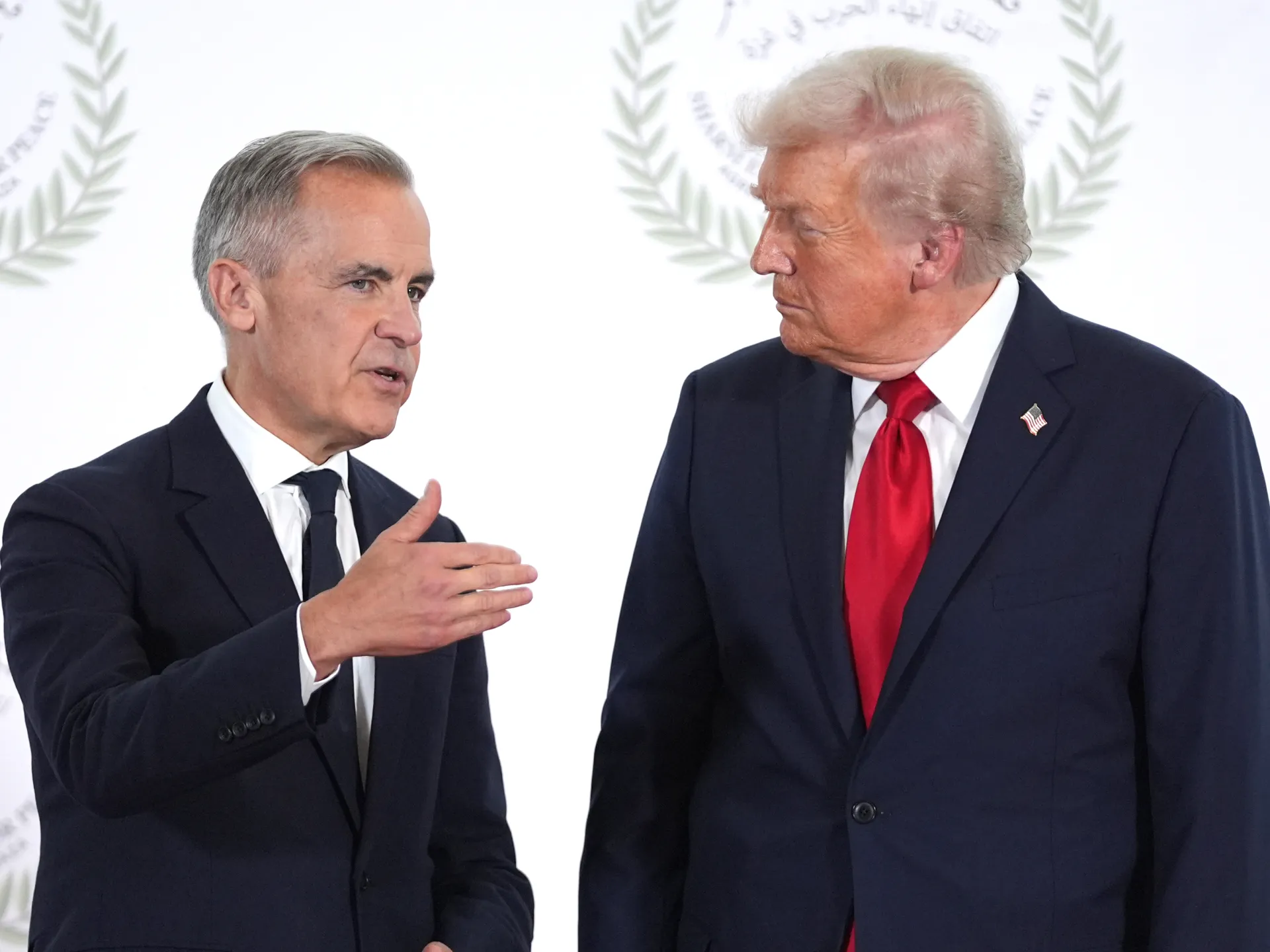
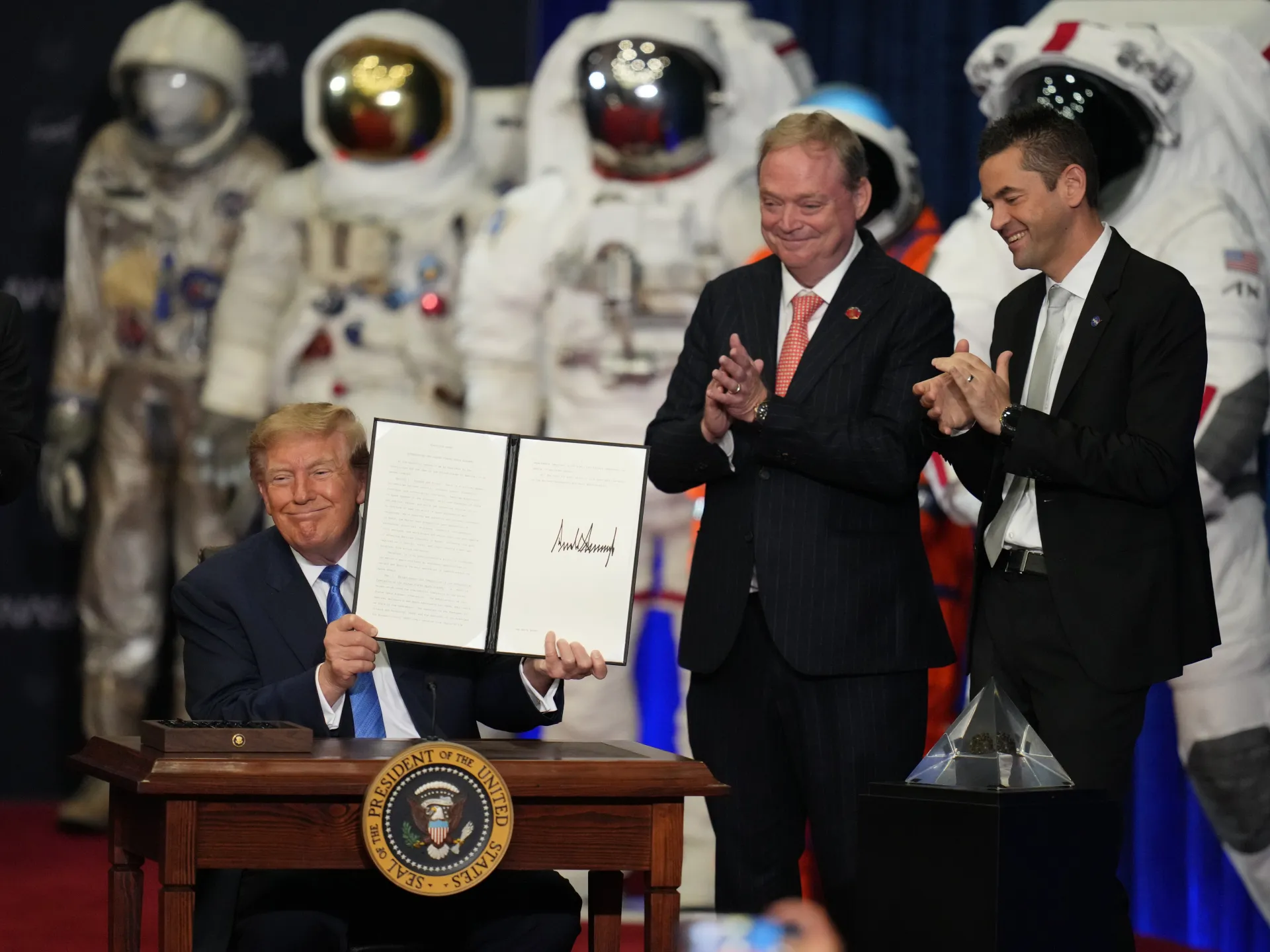
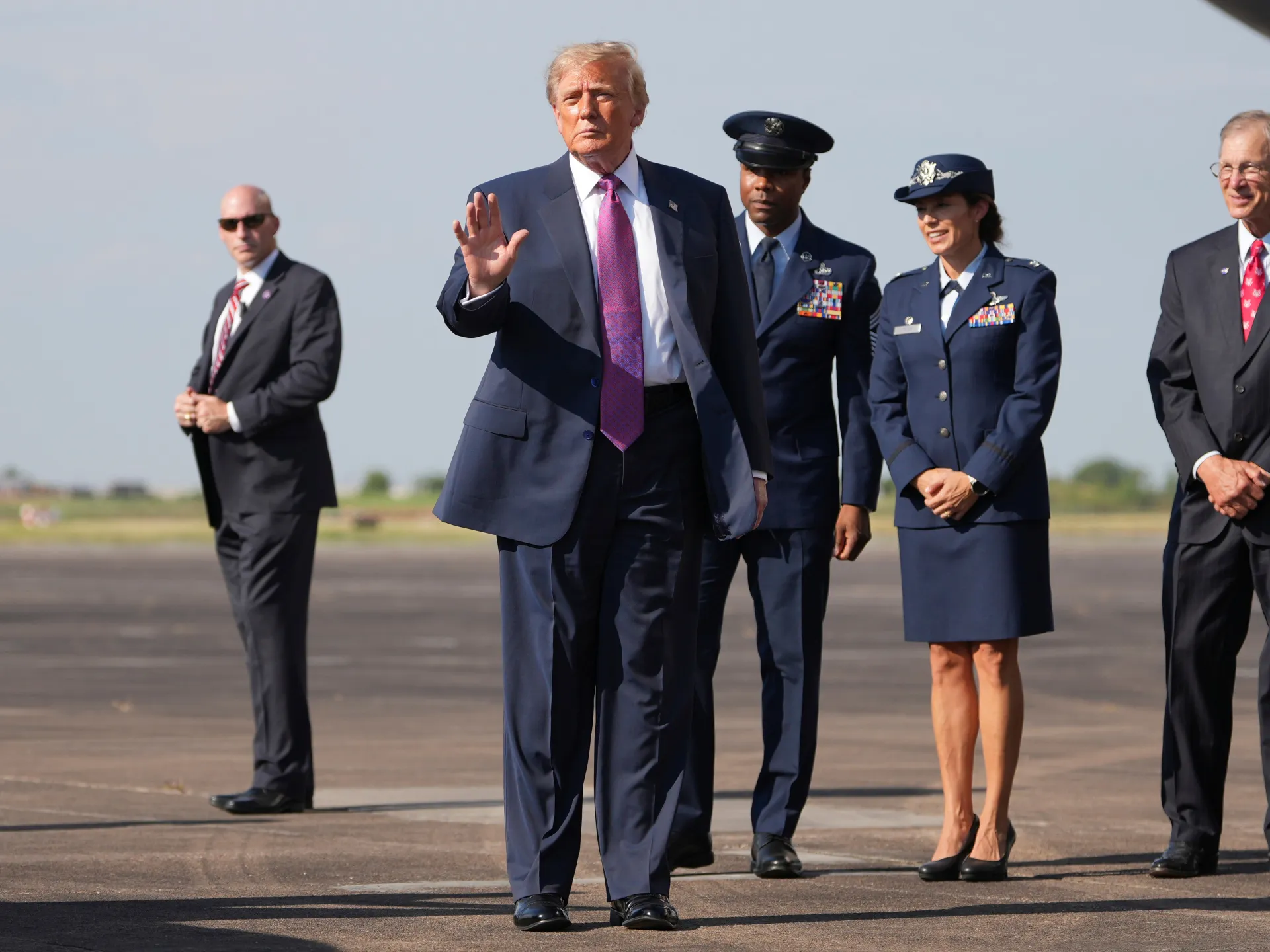
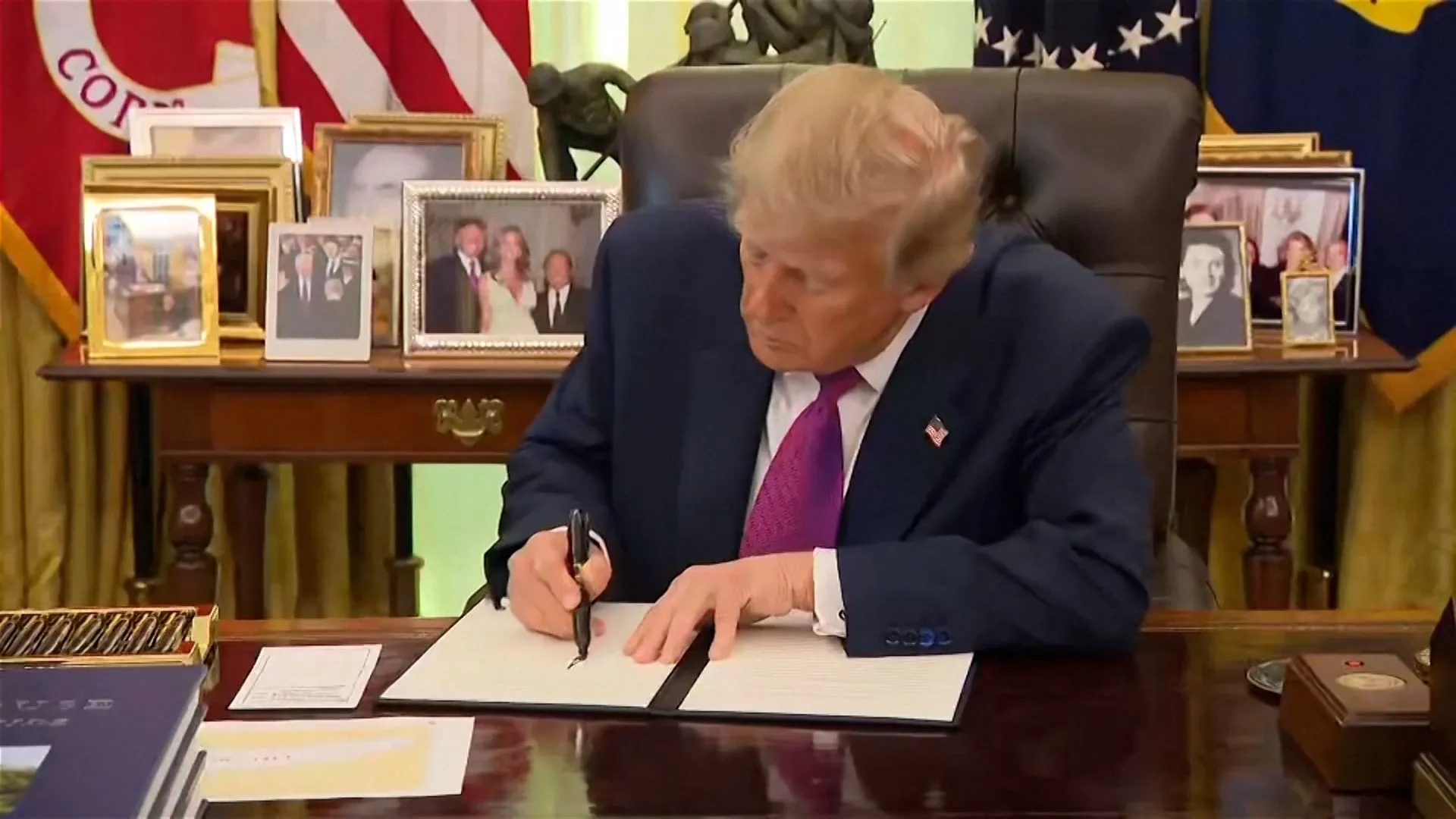
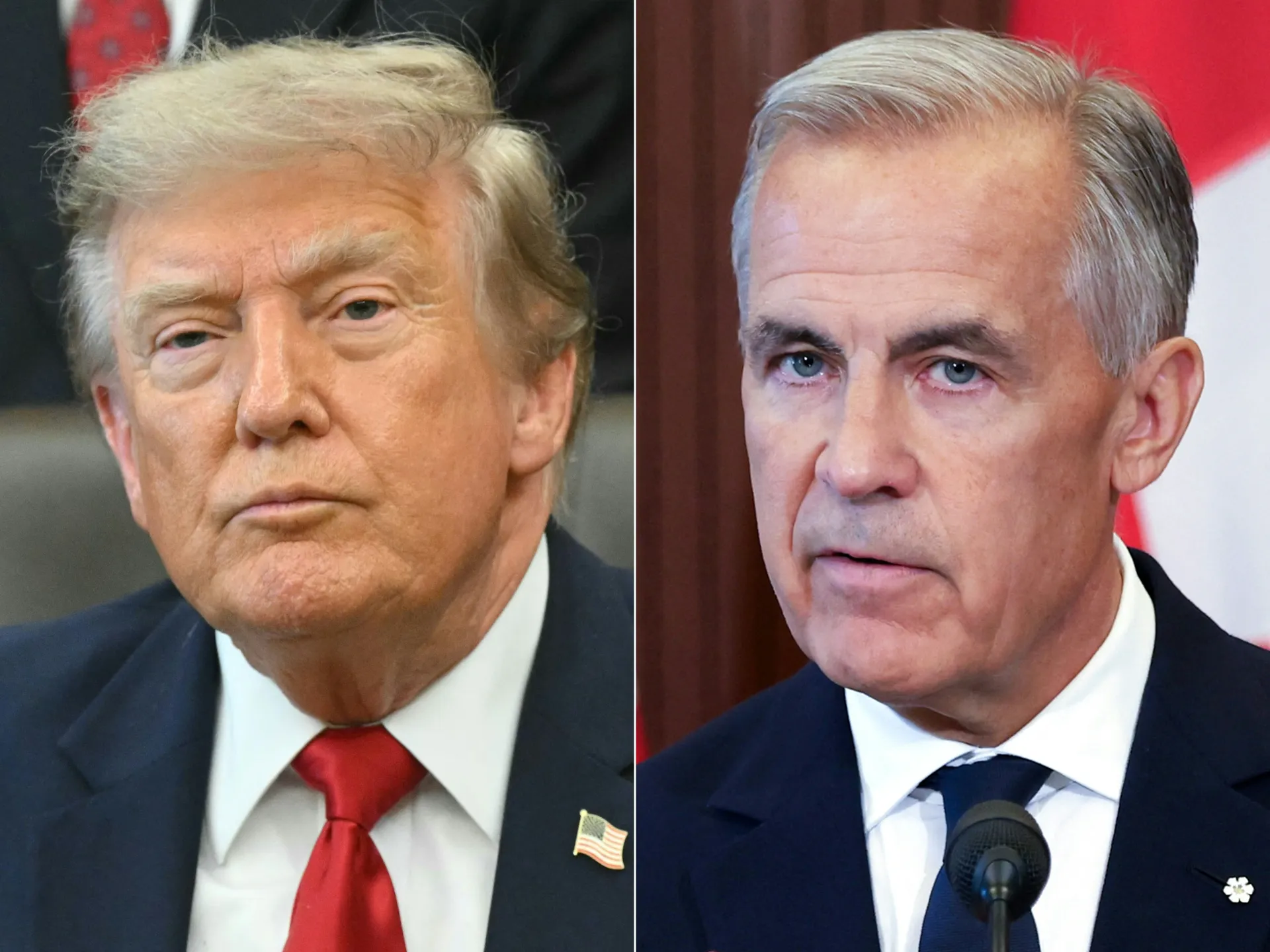
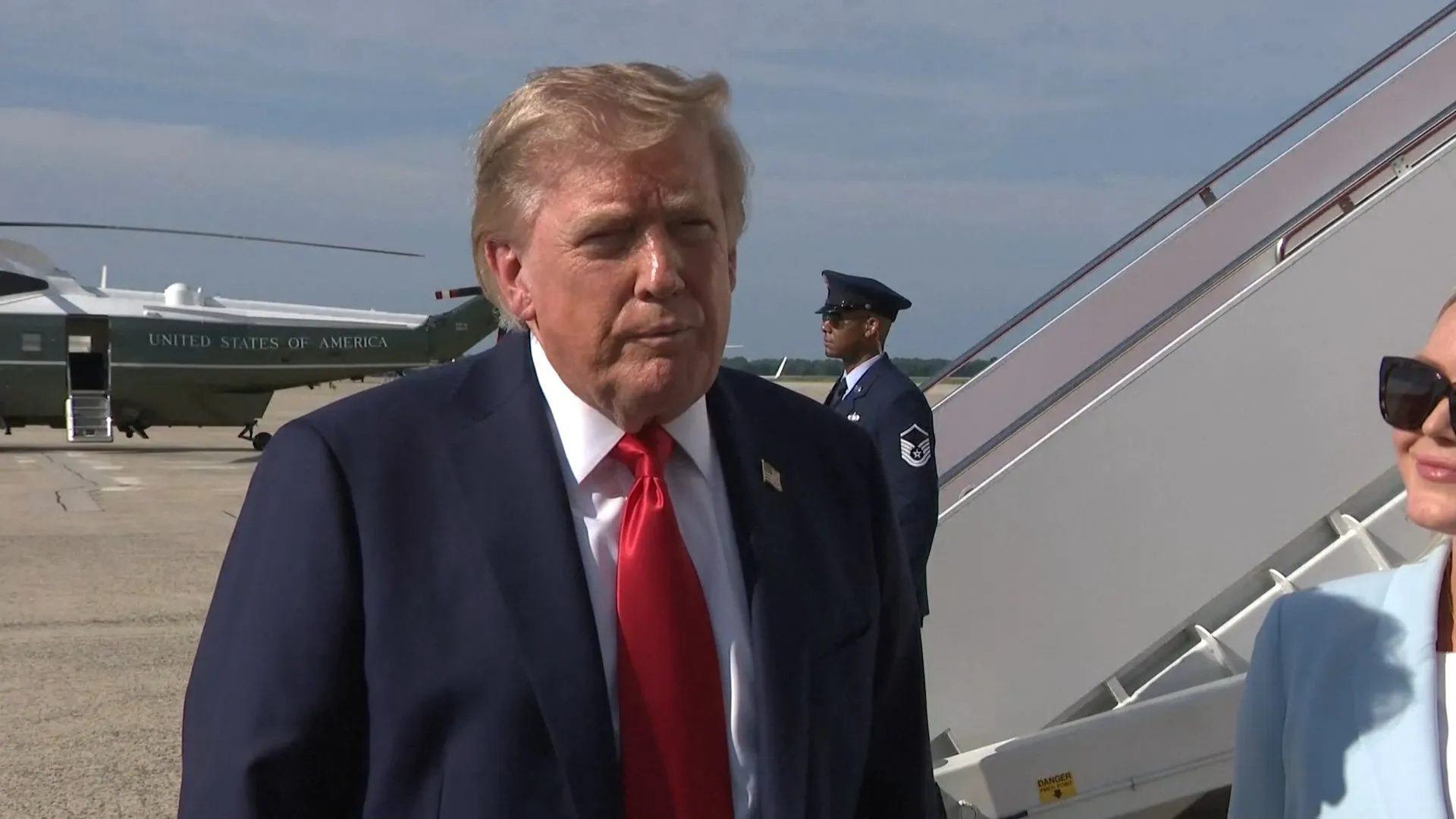
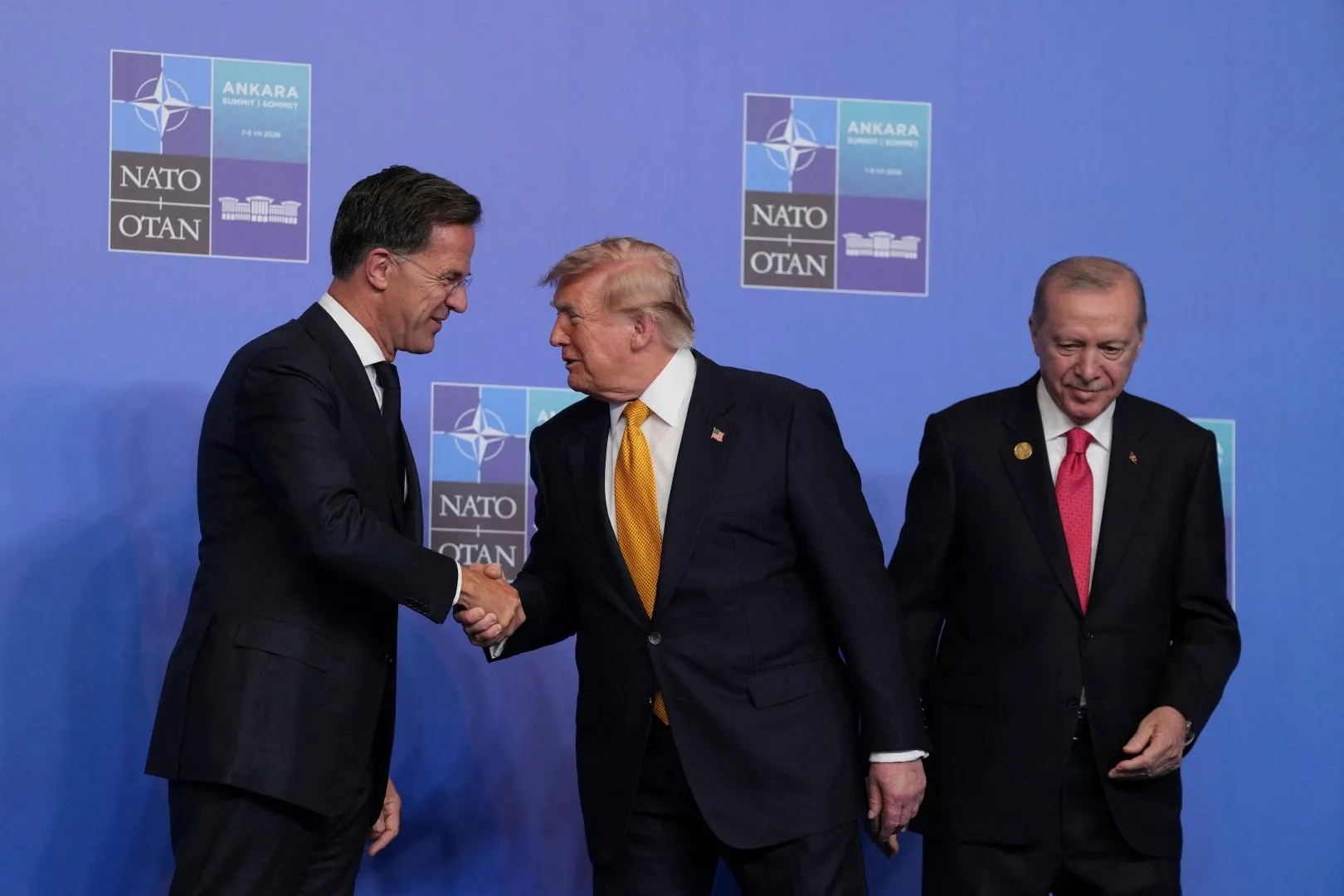
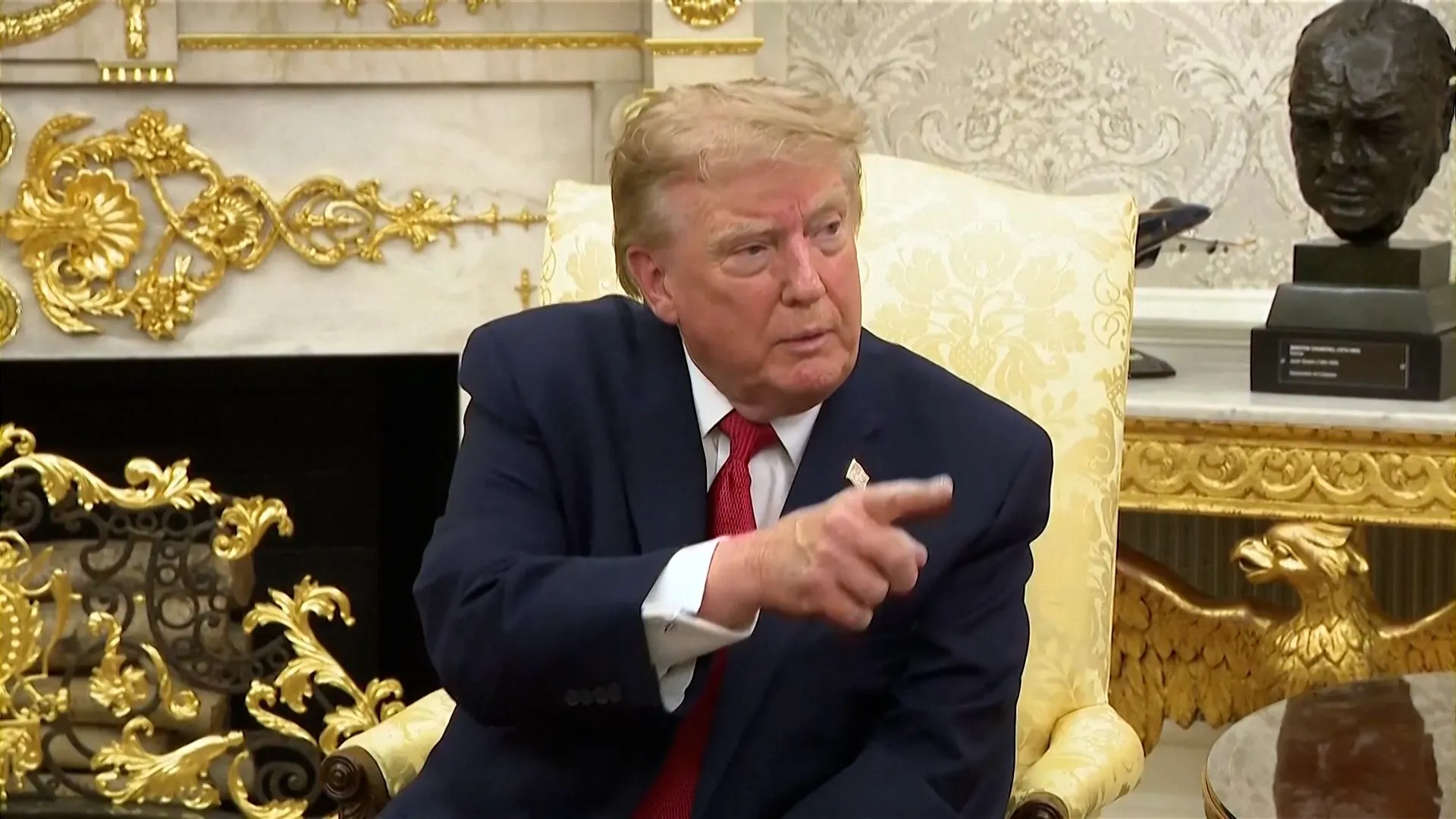
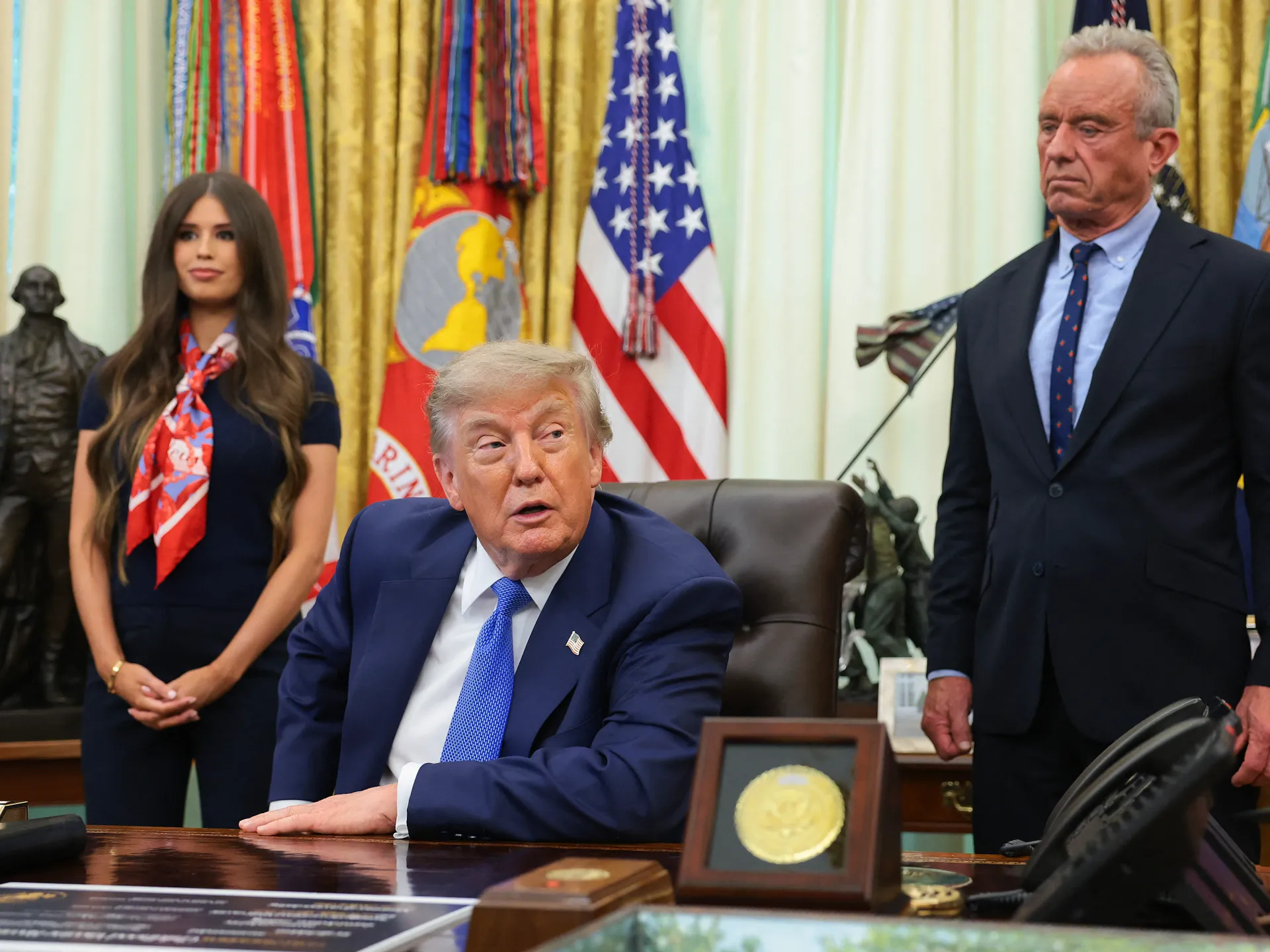
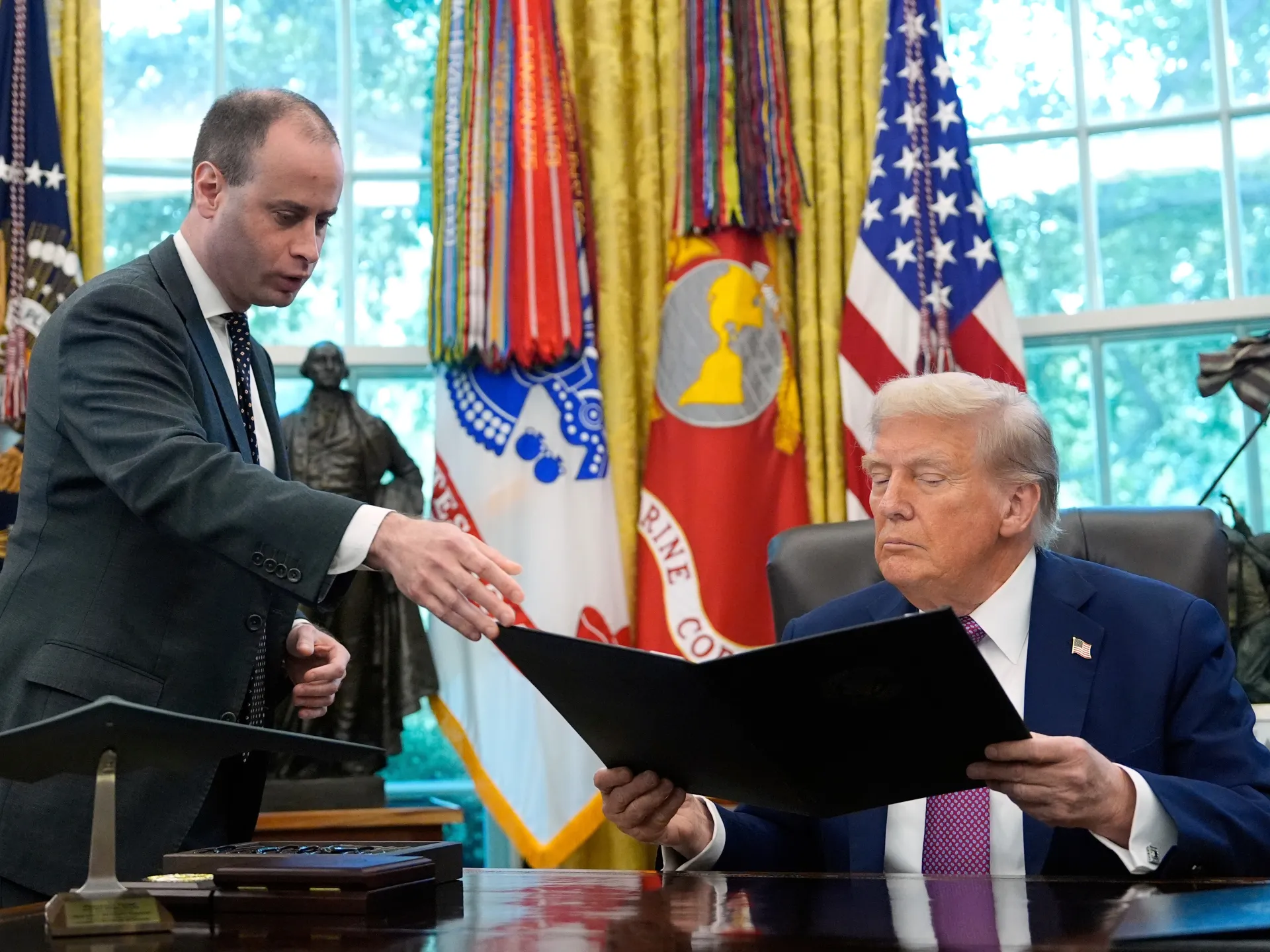
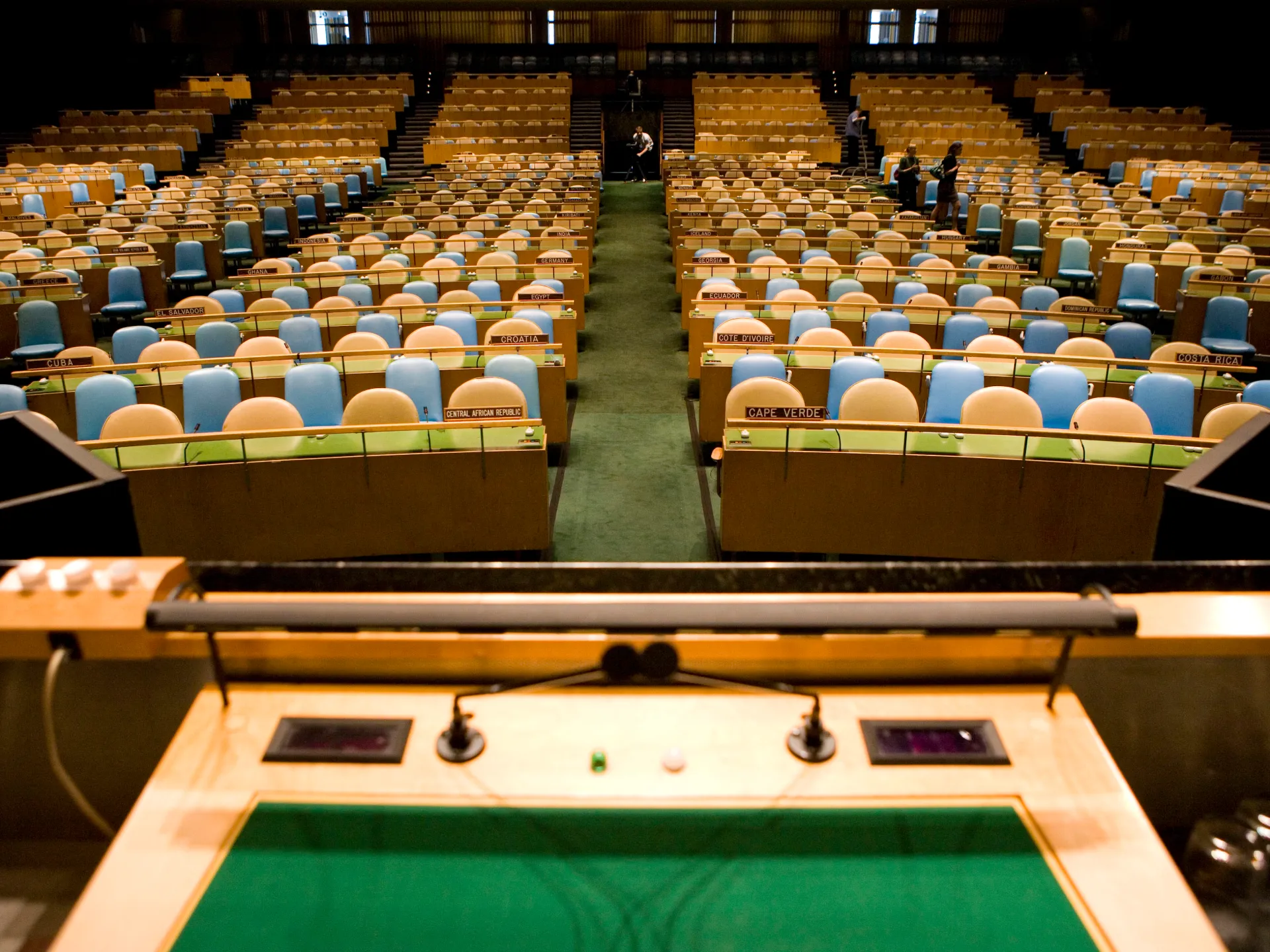
The UNGA’s general debate is scheduled to span several days, beginning September 22 and concluding on September 28, with no sessions held on Sunday. The event is a massive logistical undertaking, with nearly 130 heads of state expected to take the podium. The session is set to open with an annual report from UN Secretary-General Antonio Guterres. As the host nation, the United States traditionally speaks second, with President Donald Trump slated to address the assembly shortly after the Brazilian delegation on Tuesday morning.
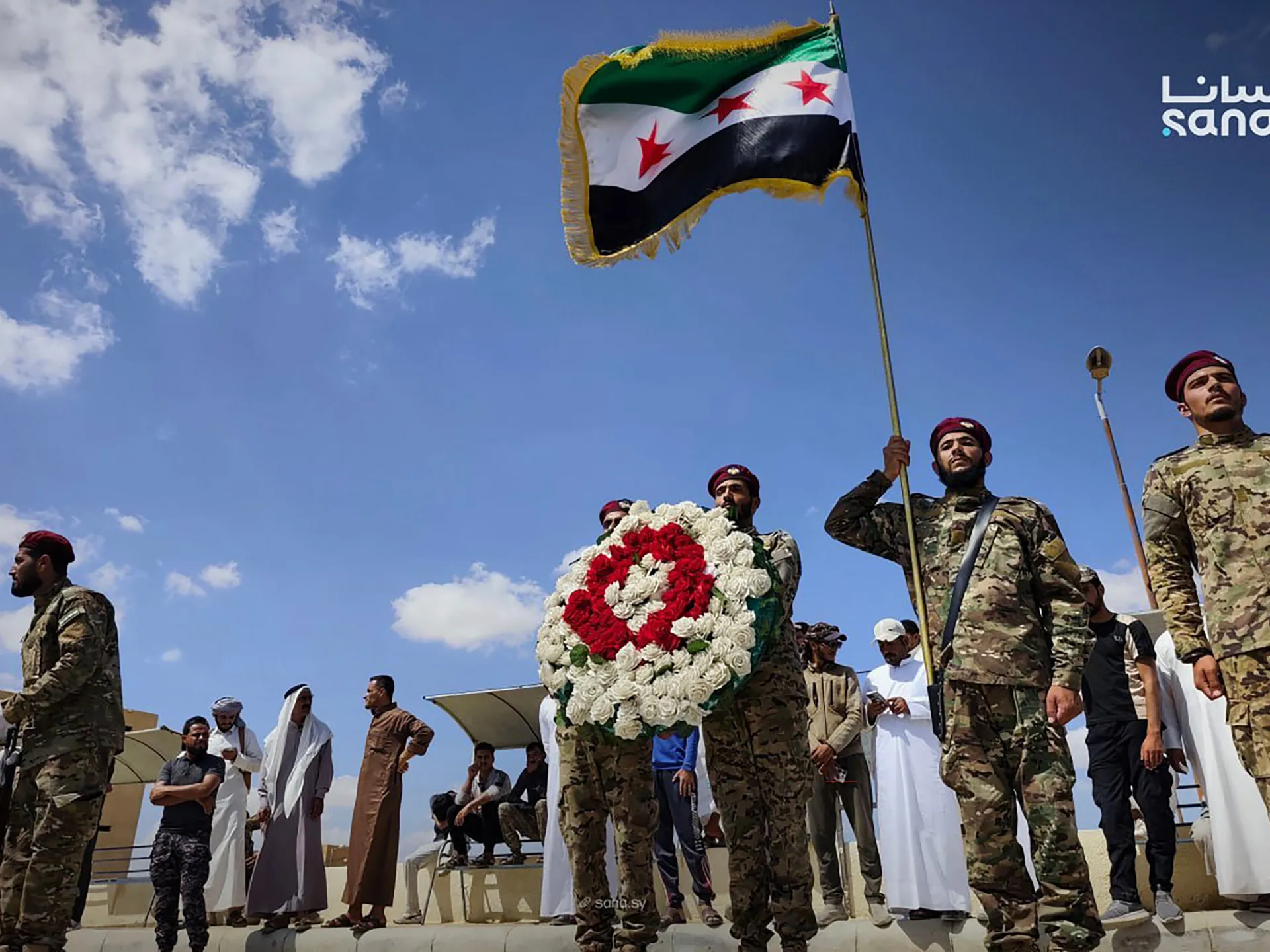
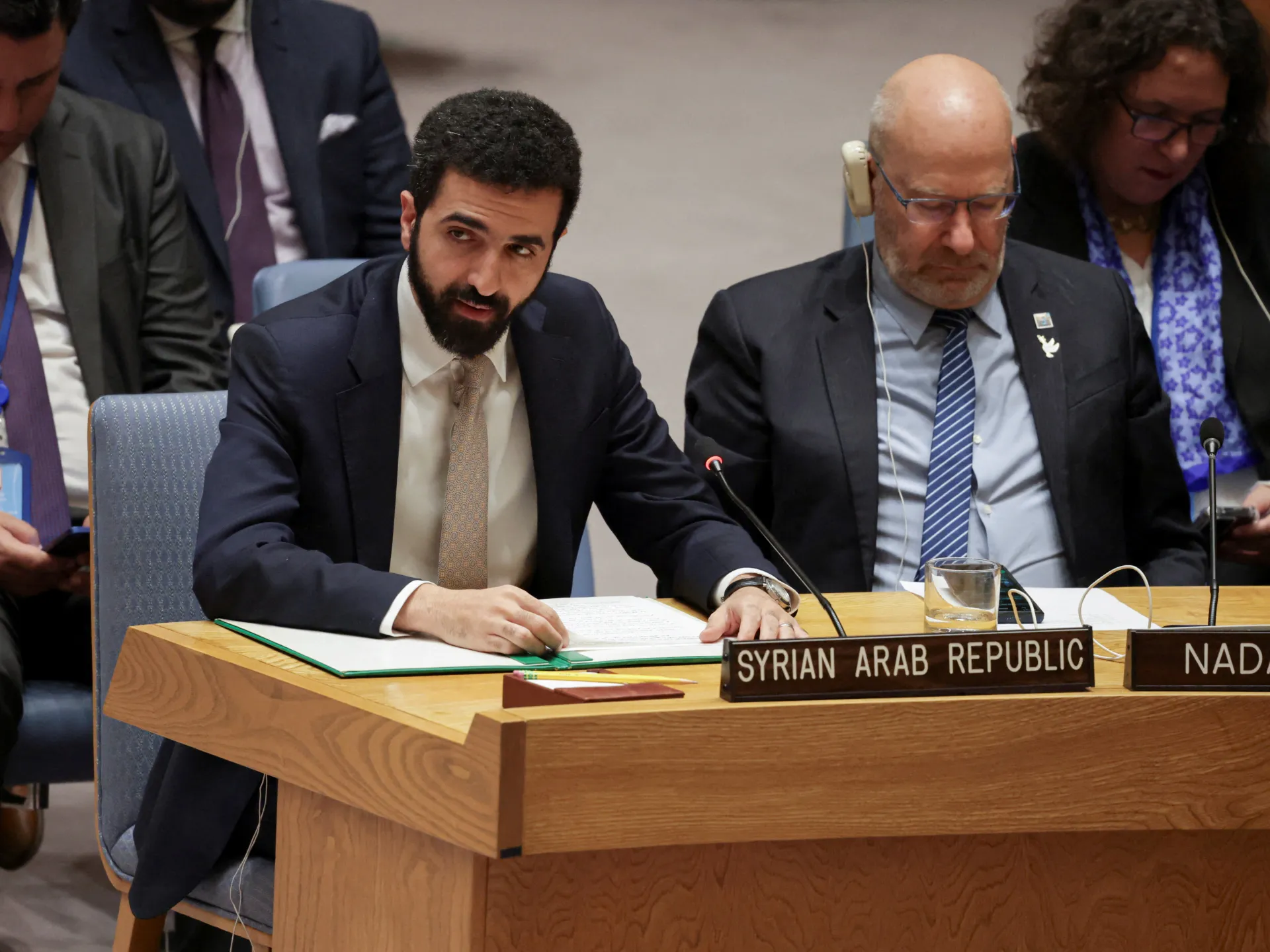
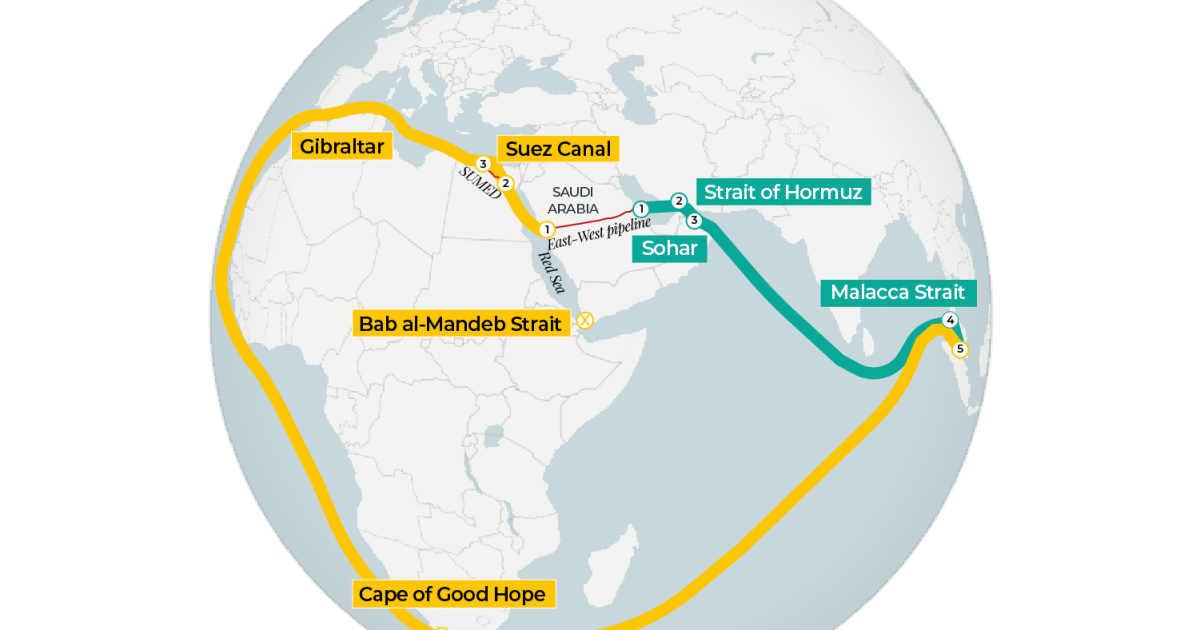
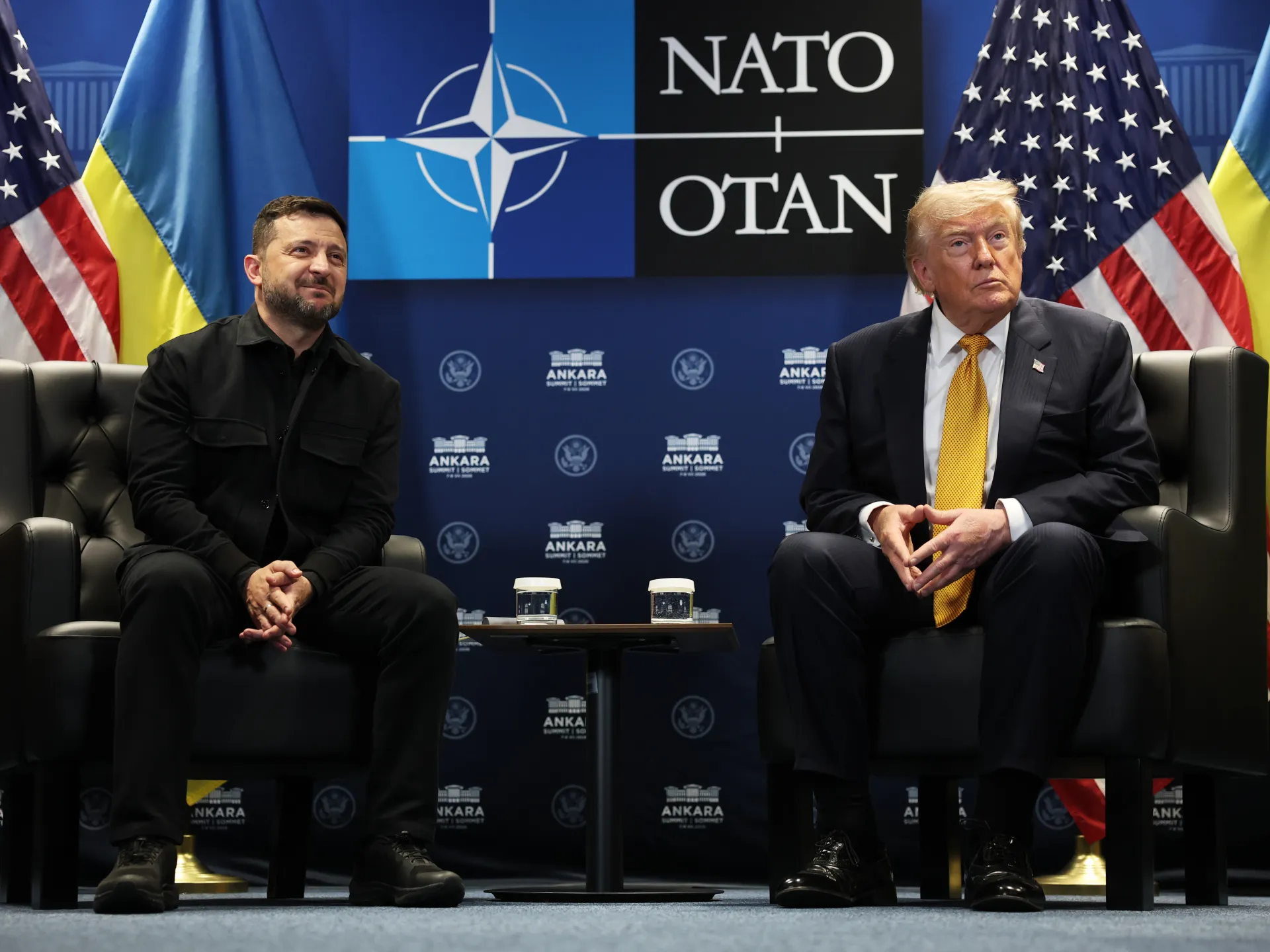
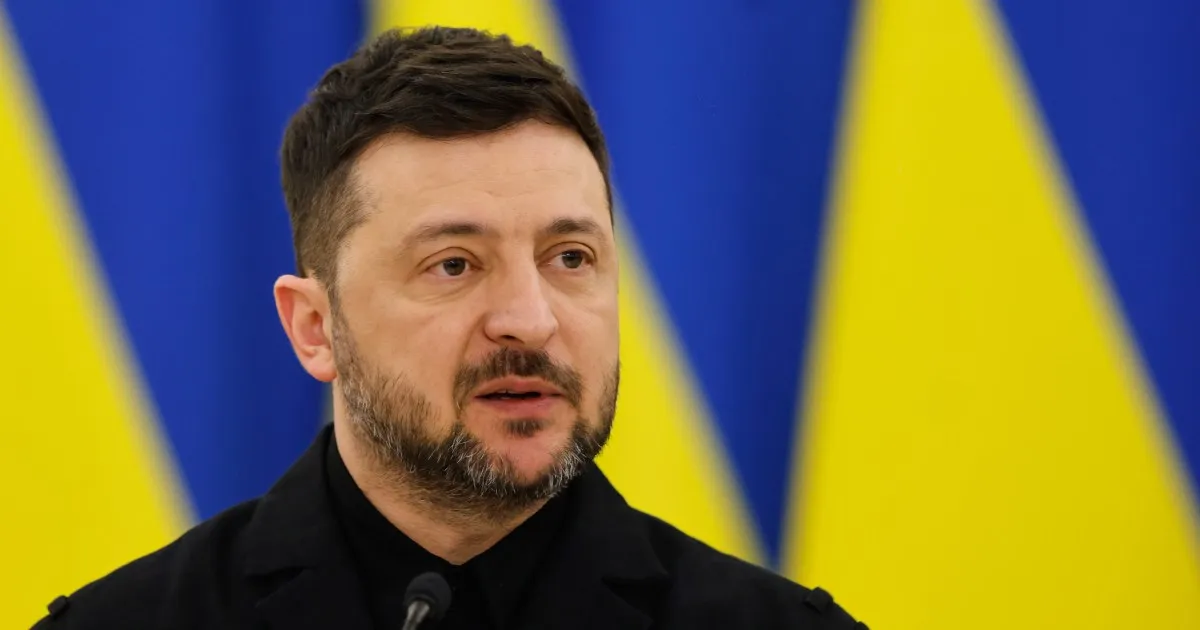
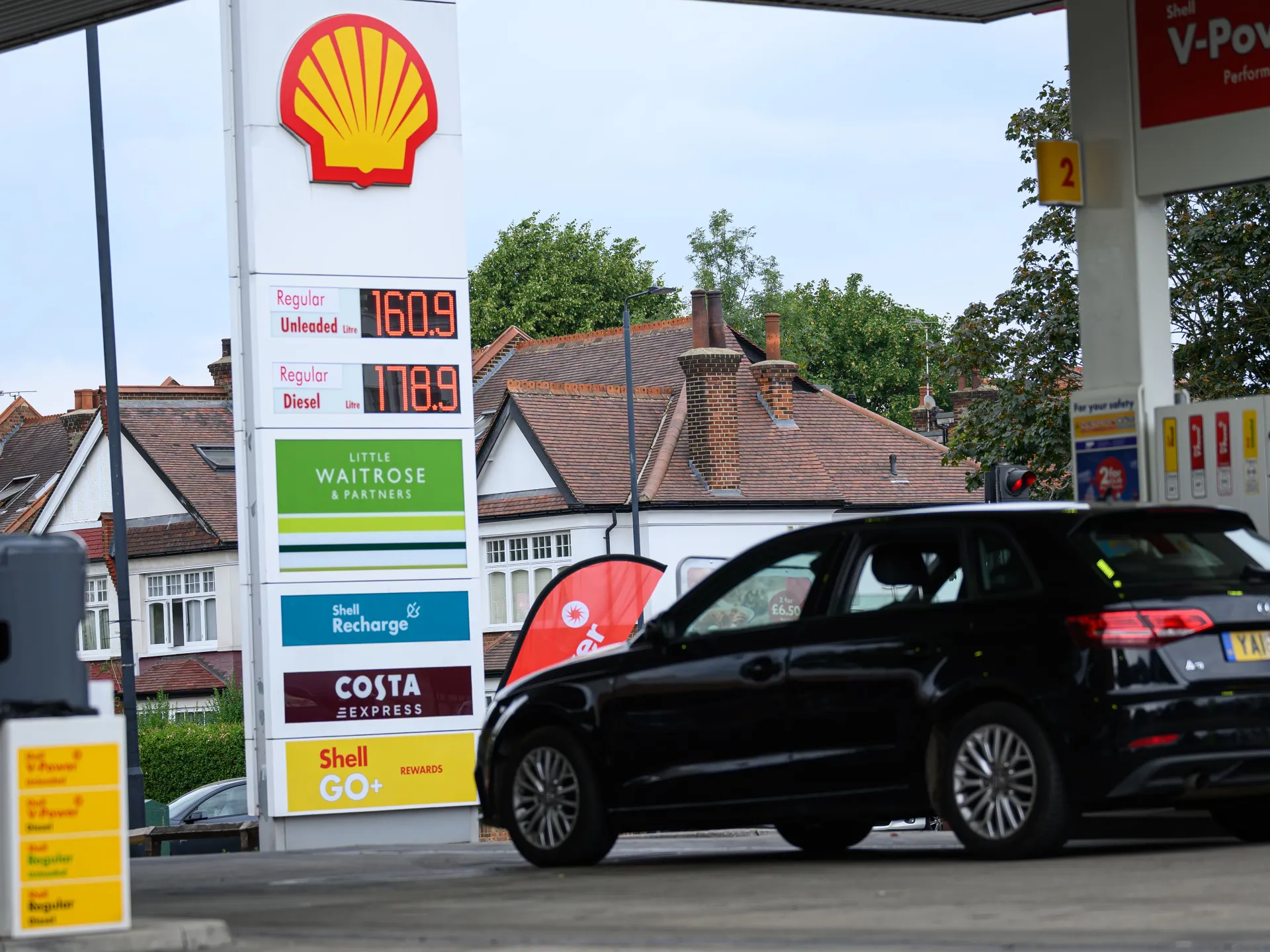
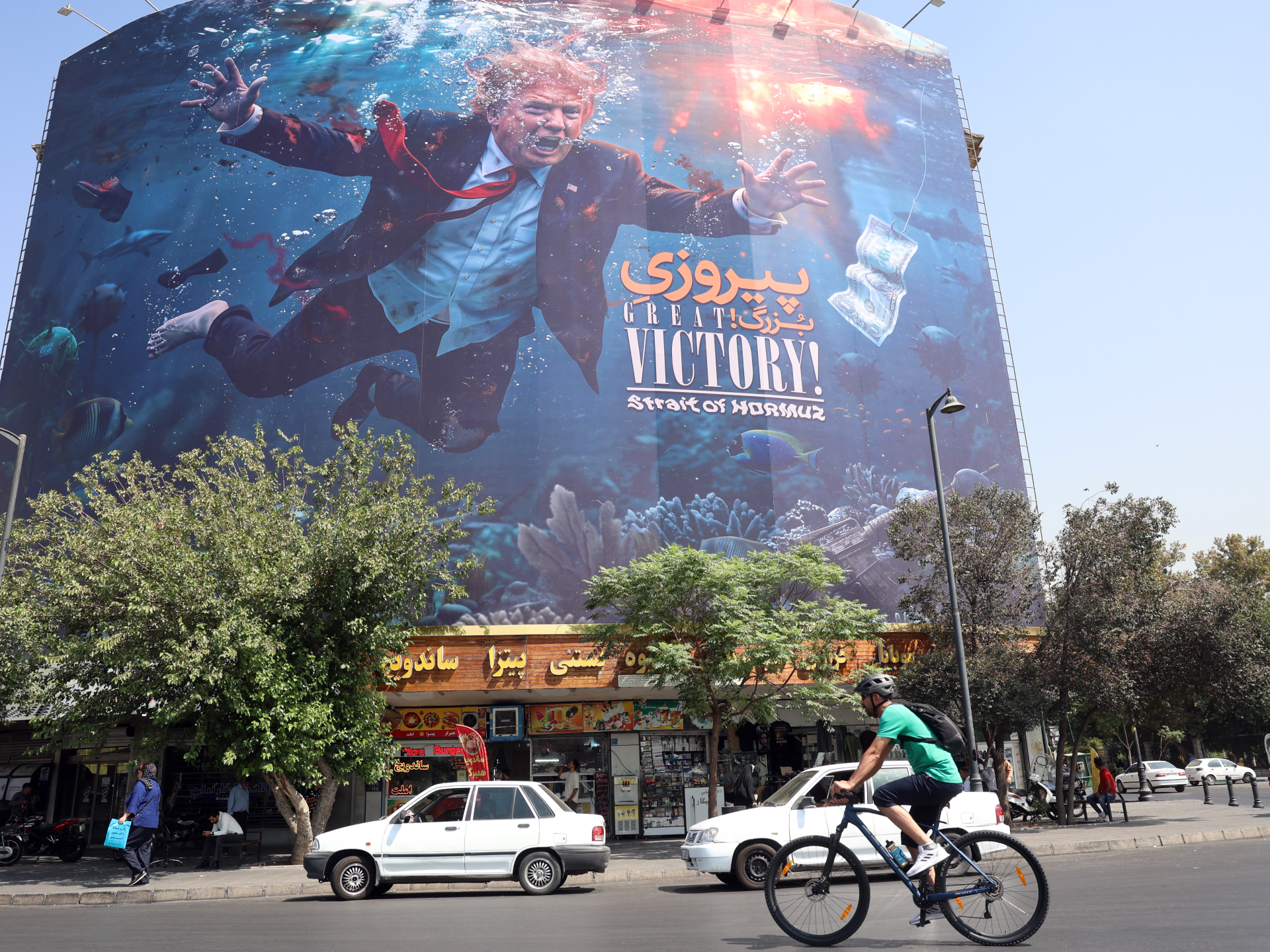
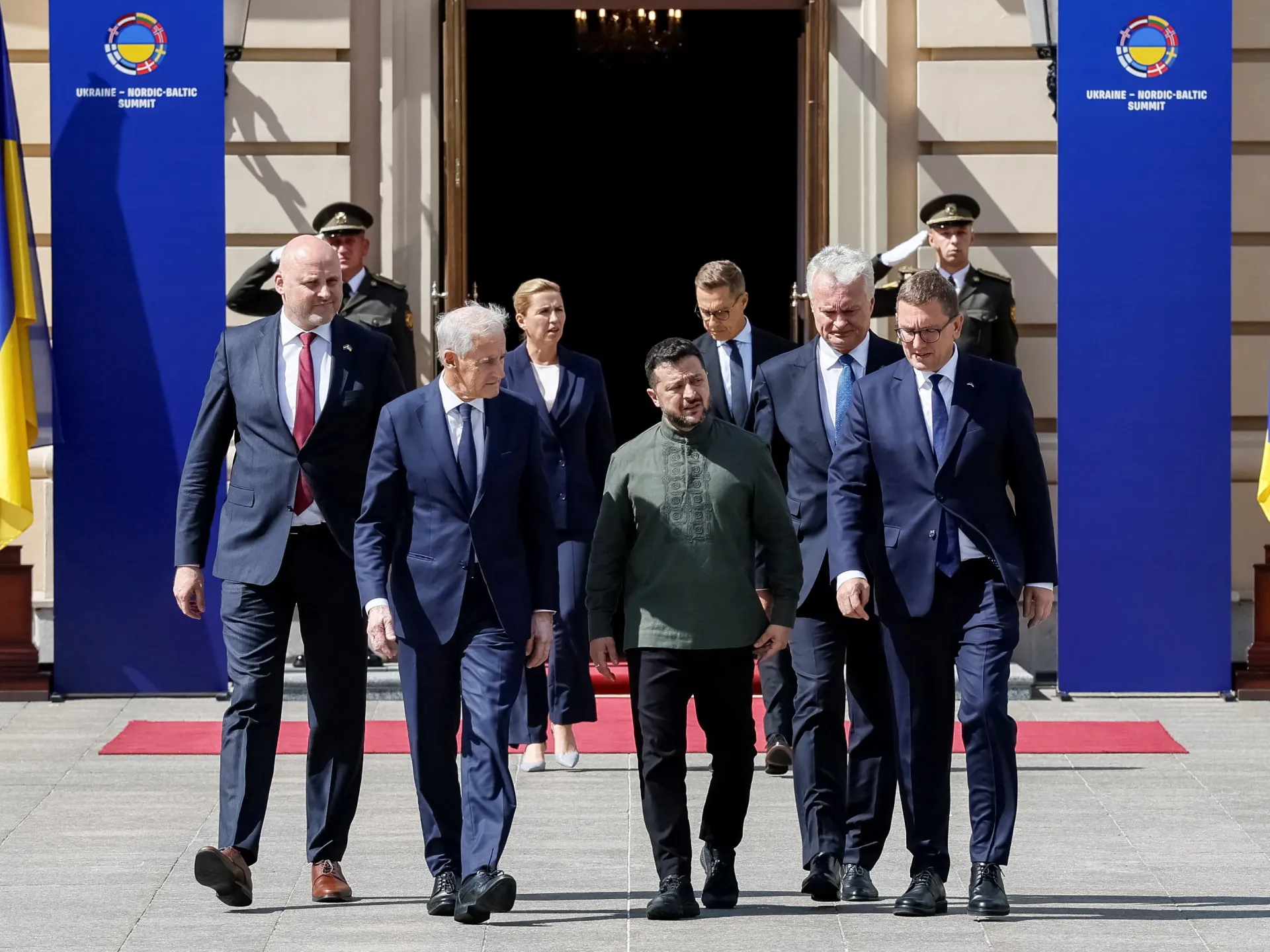
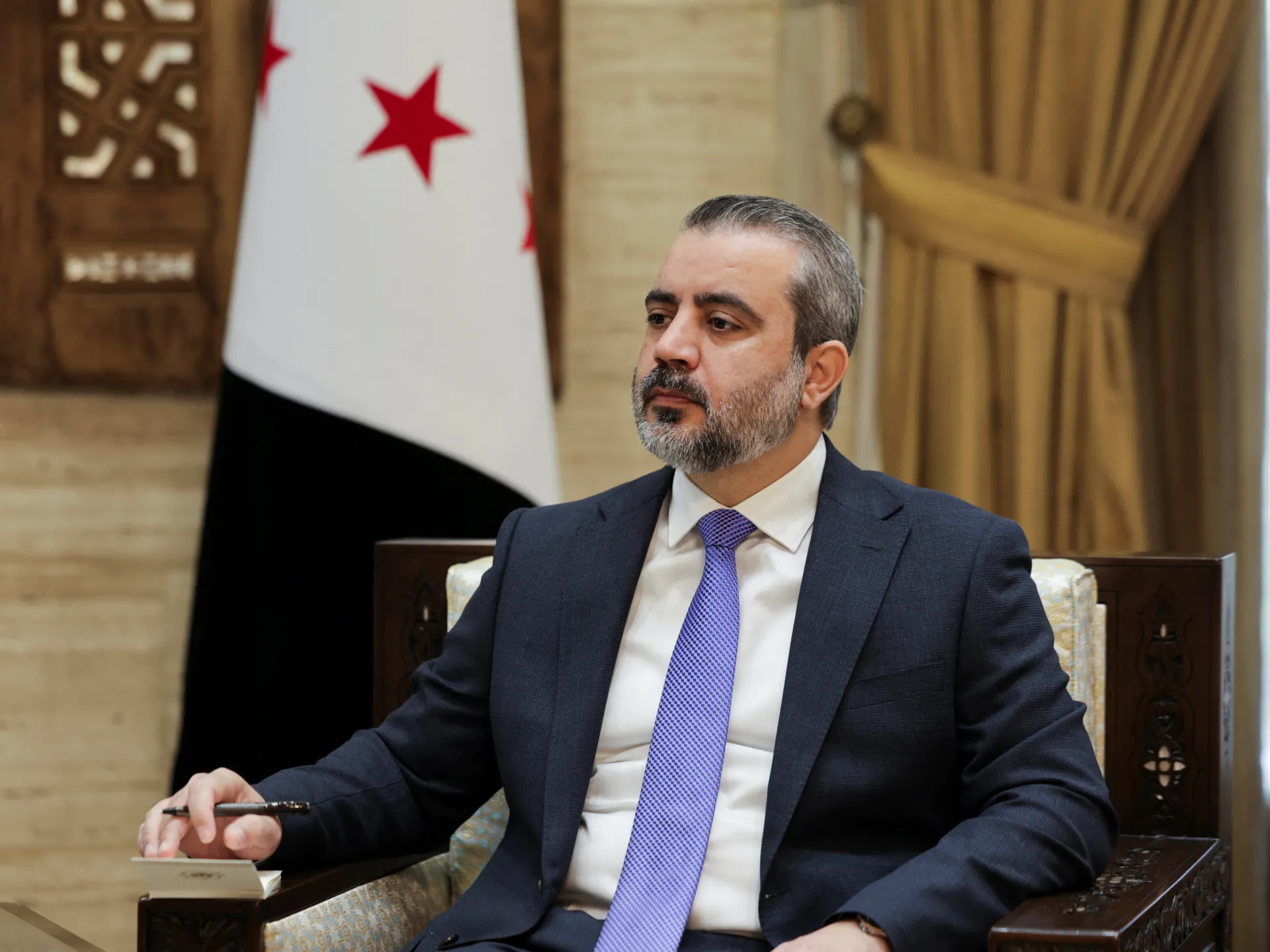
The agenda for the following days highlights the deep divisions within the global community. Wednesday's schedule is particularly significant, as it includes addresses from the leaders of Ukraine, Syria, and Iran. While the UNGA serves as a venue for dialogue, the current climate of global conflict—spanning from the war in the Gulf to rising energy prices and regional instability—suggests that the speeches will likely be dominated of international sanctions.
The coming week will serve as a bellwether for the remaining months of the year. Analysts suggest that the proximity of opposing heads of state, even under tight security and travel restrictions, creates a volatile environment where the risk of diplomatic brinkmanship is high. If the US continues to utilize visa denials as a tool of foreign policy, it is likely to face further pushback from the UN Secretariat, which may seek to formalize a legal challenge to the Host Country Agreement. Furthermore, as the conflict with Iran continues to impact global energy markets, the rhetoric delivered from the UN podium will be scrutinized ardening of positions.