United States military officials confirm that the Strait of Hormuz remains open to global shipping, facilitating the transit of nearly one billion barrels of oil despite an ongoing blockade.
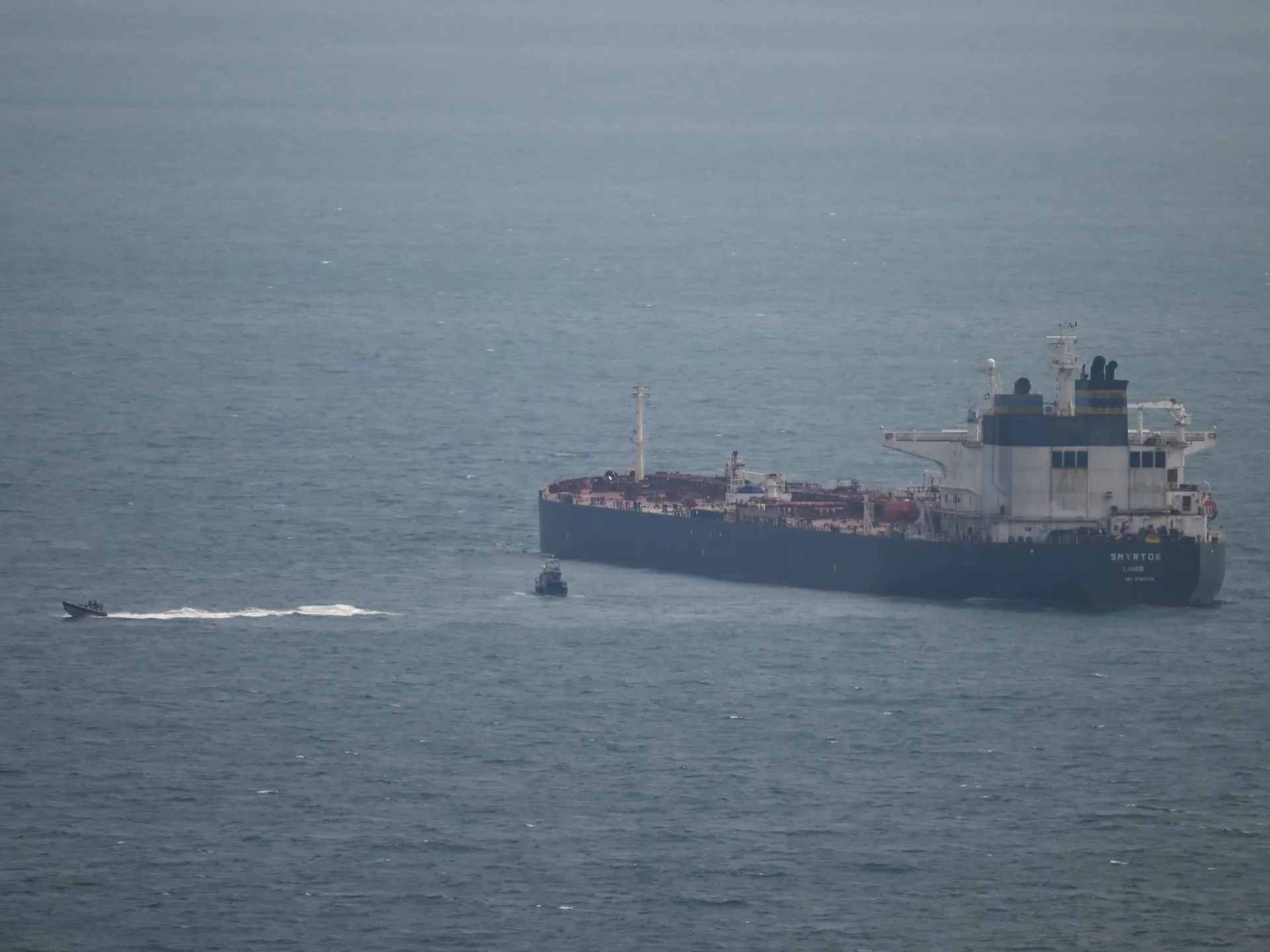
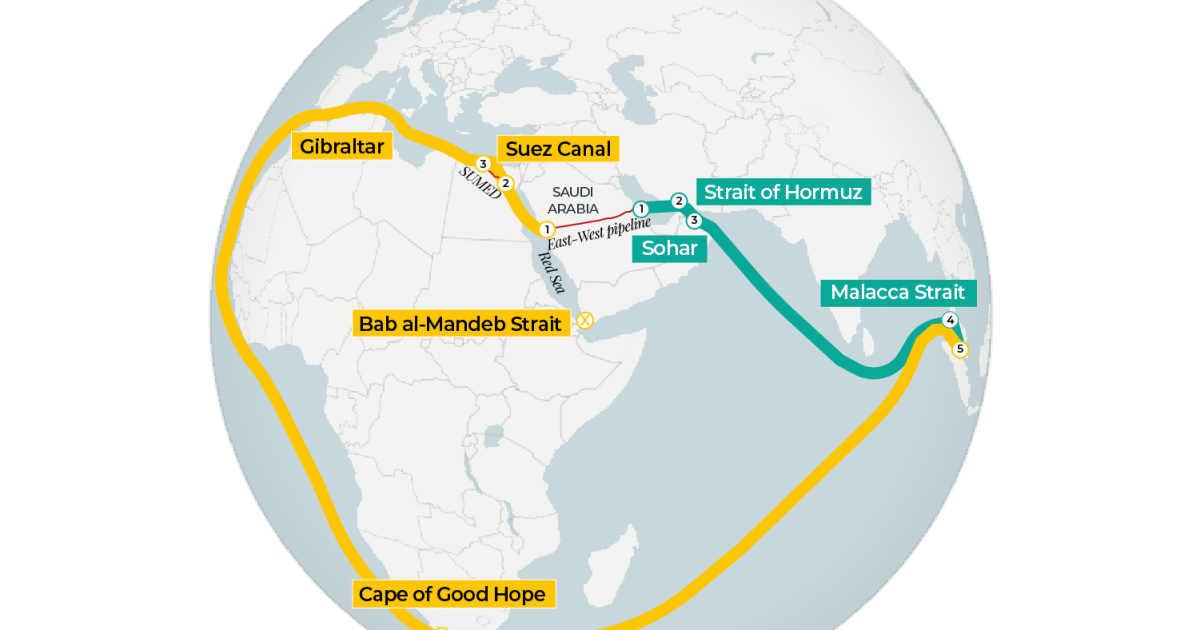
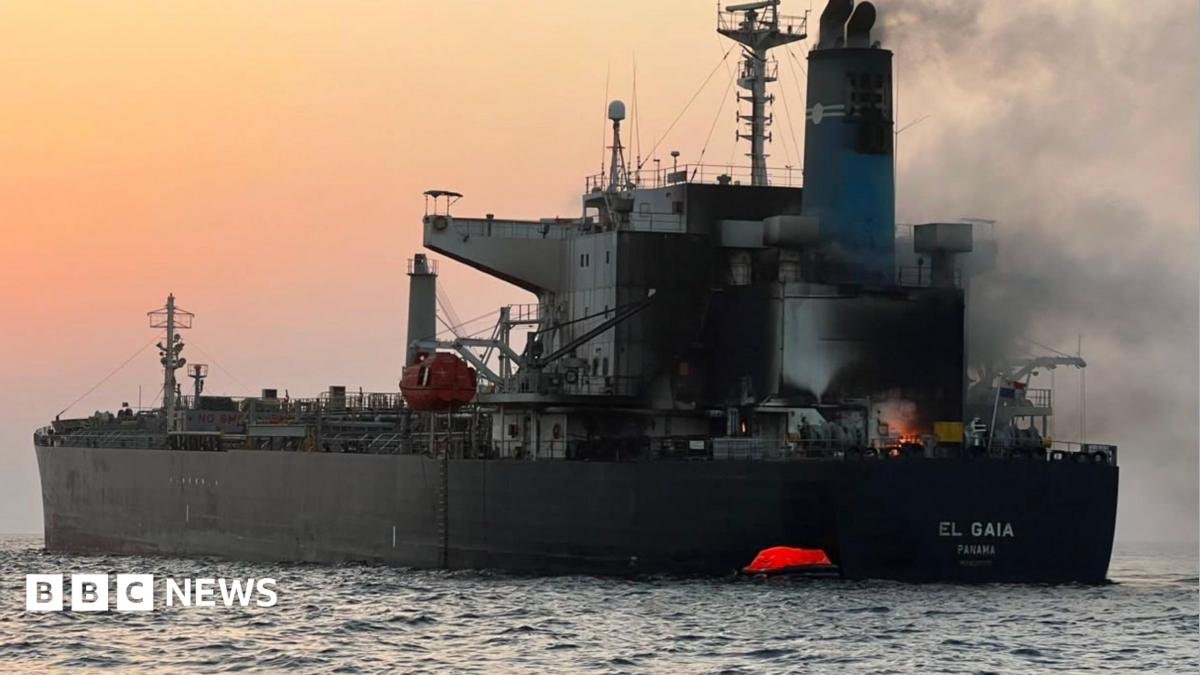
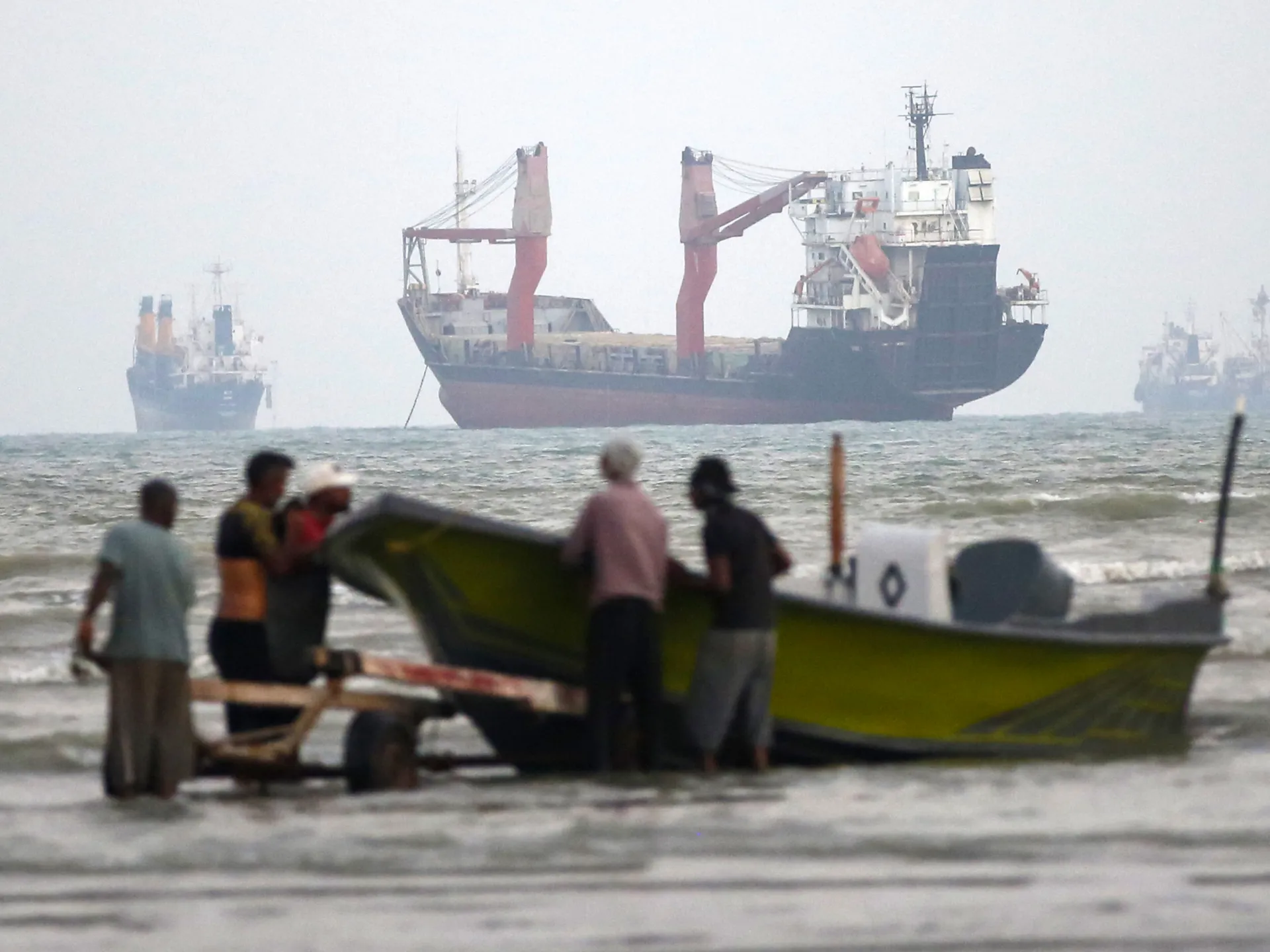
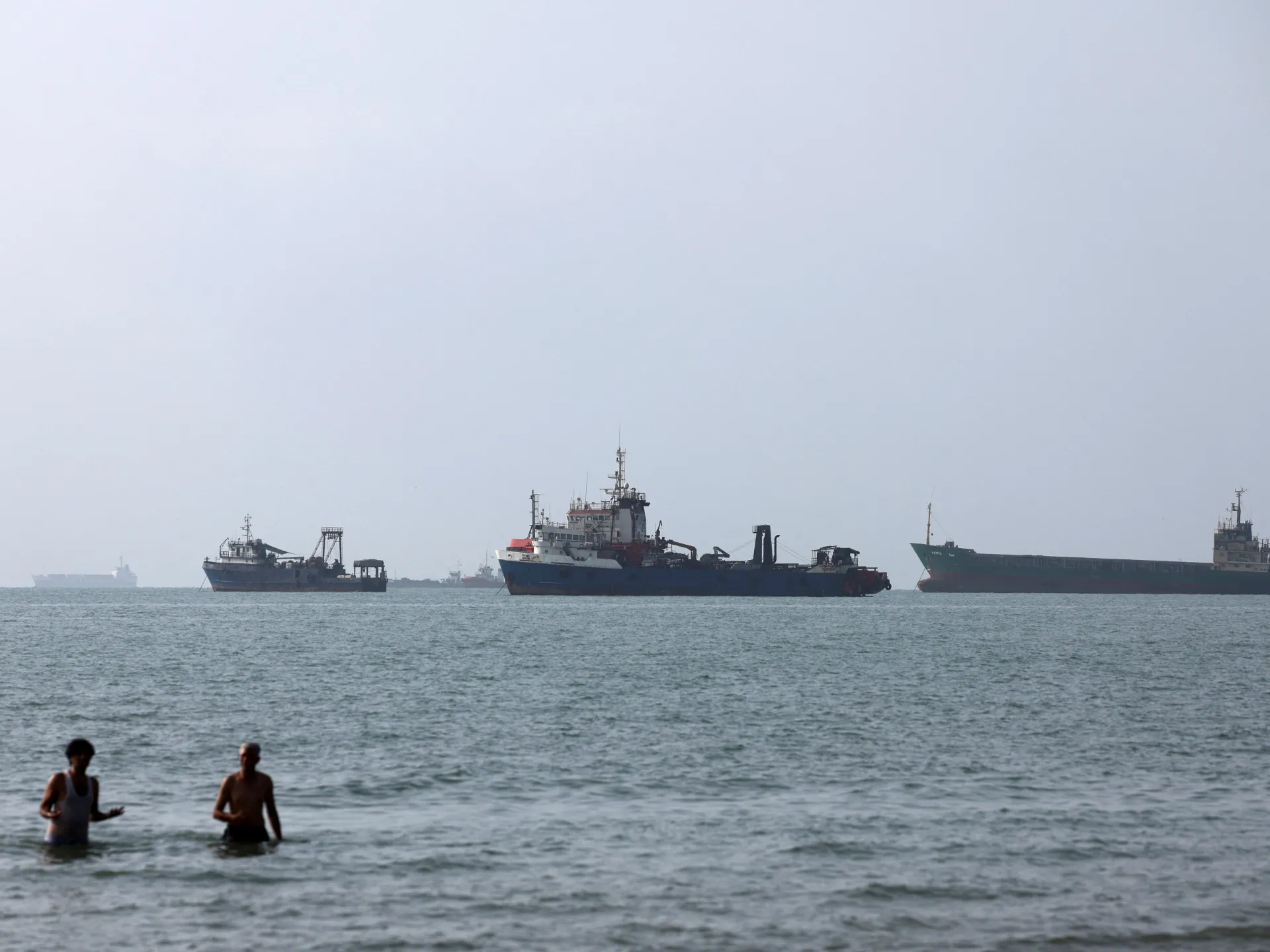
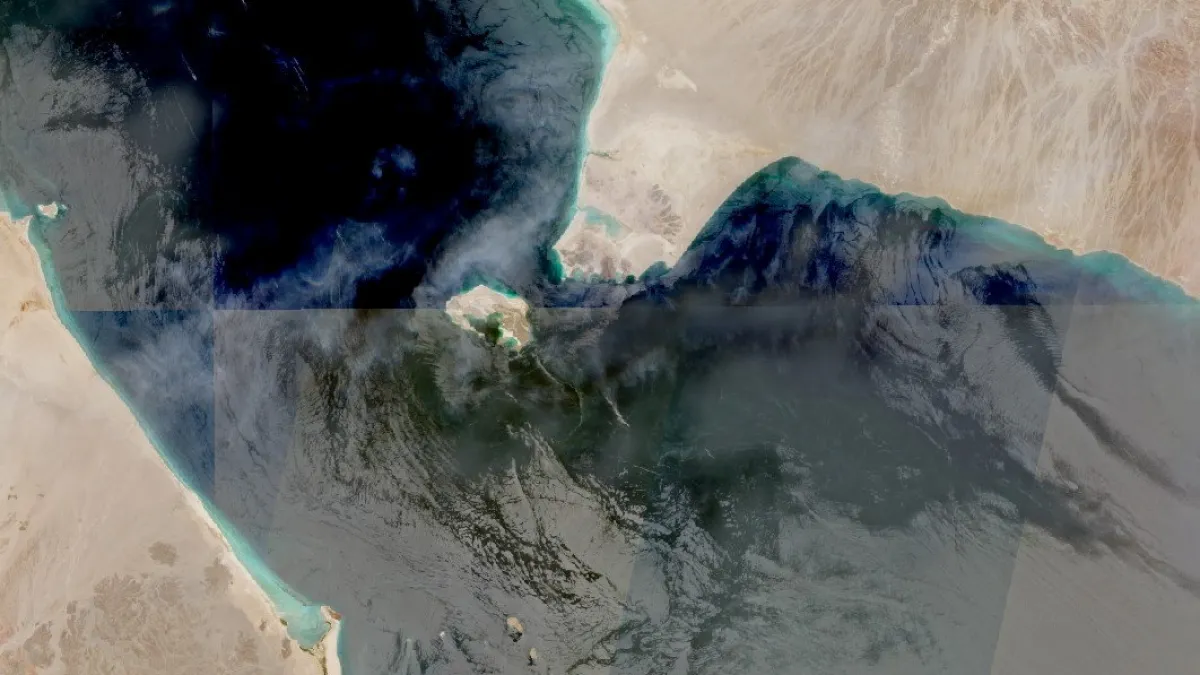
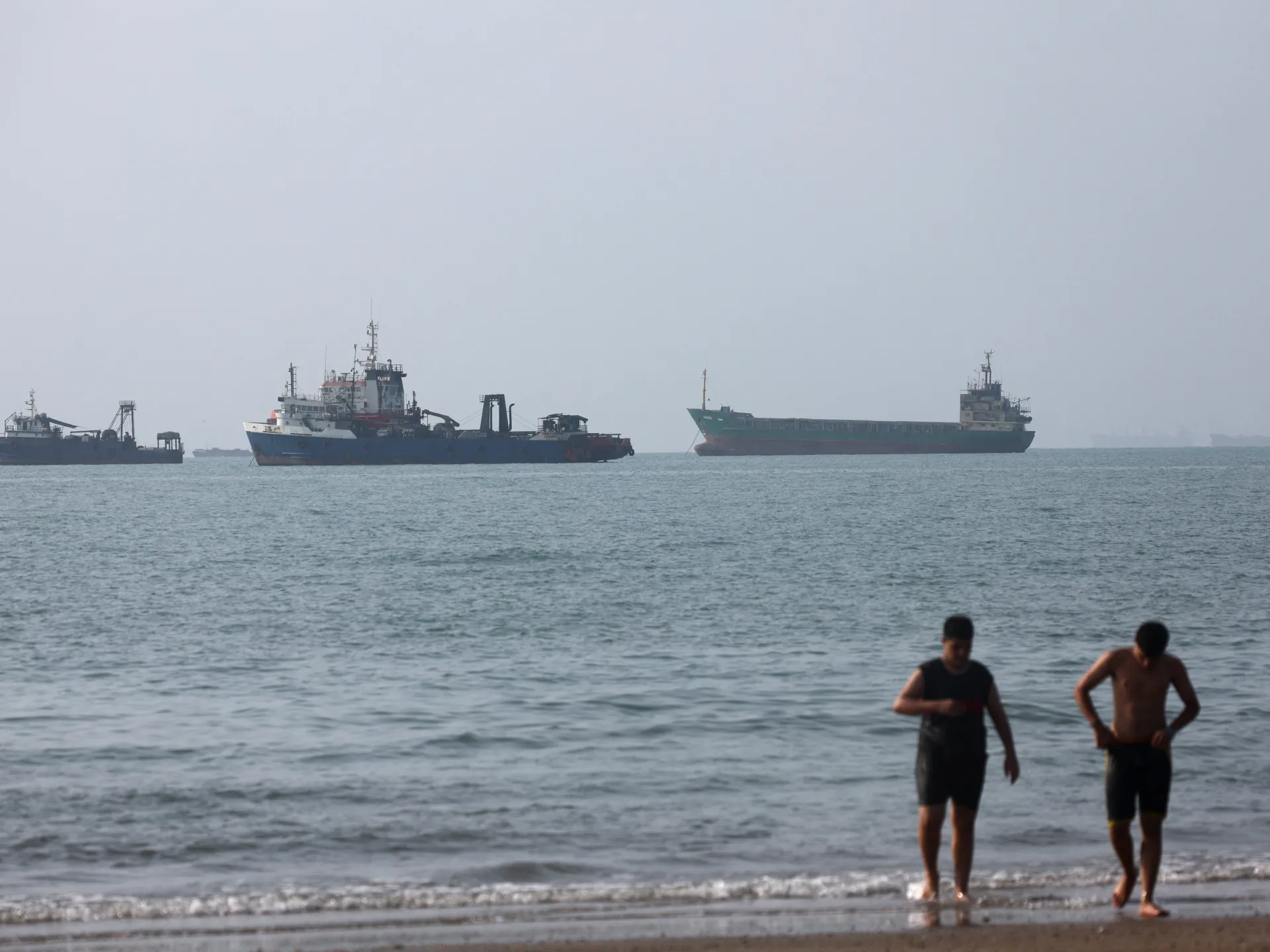
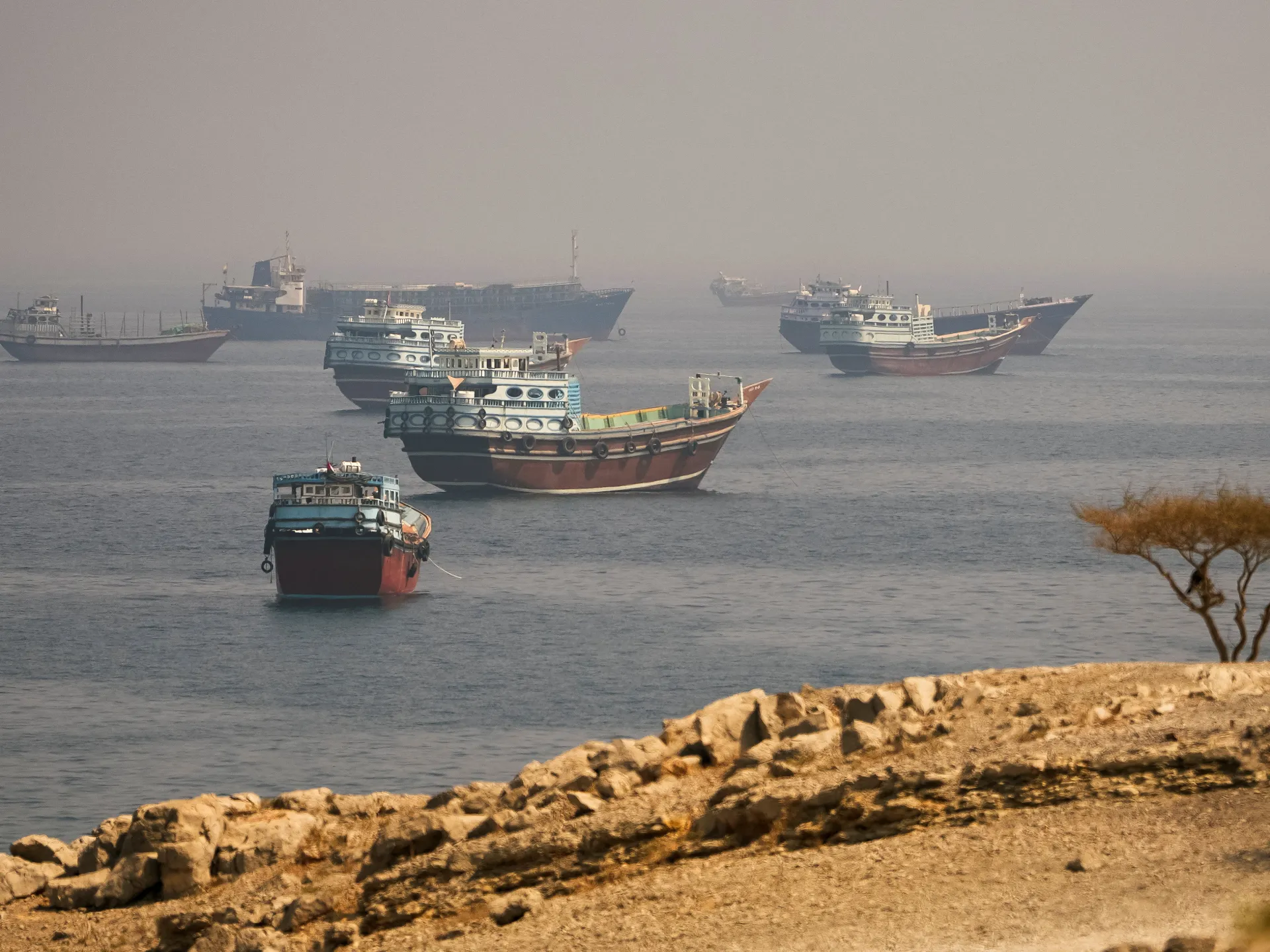
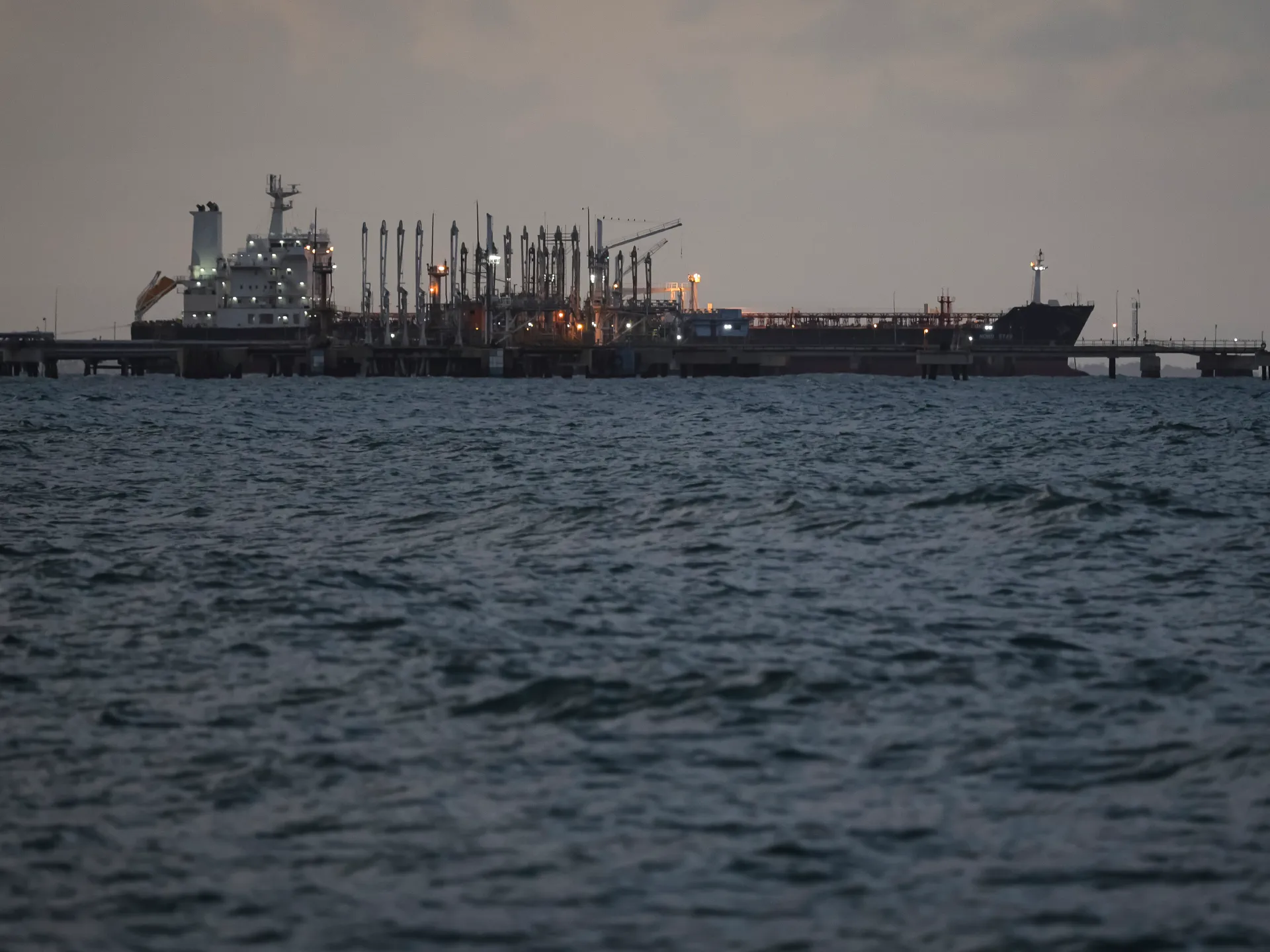
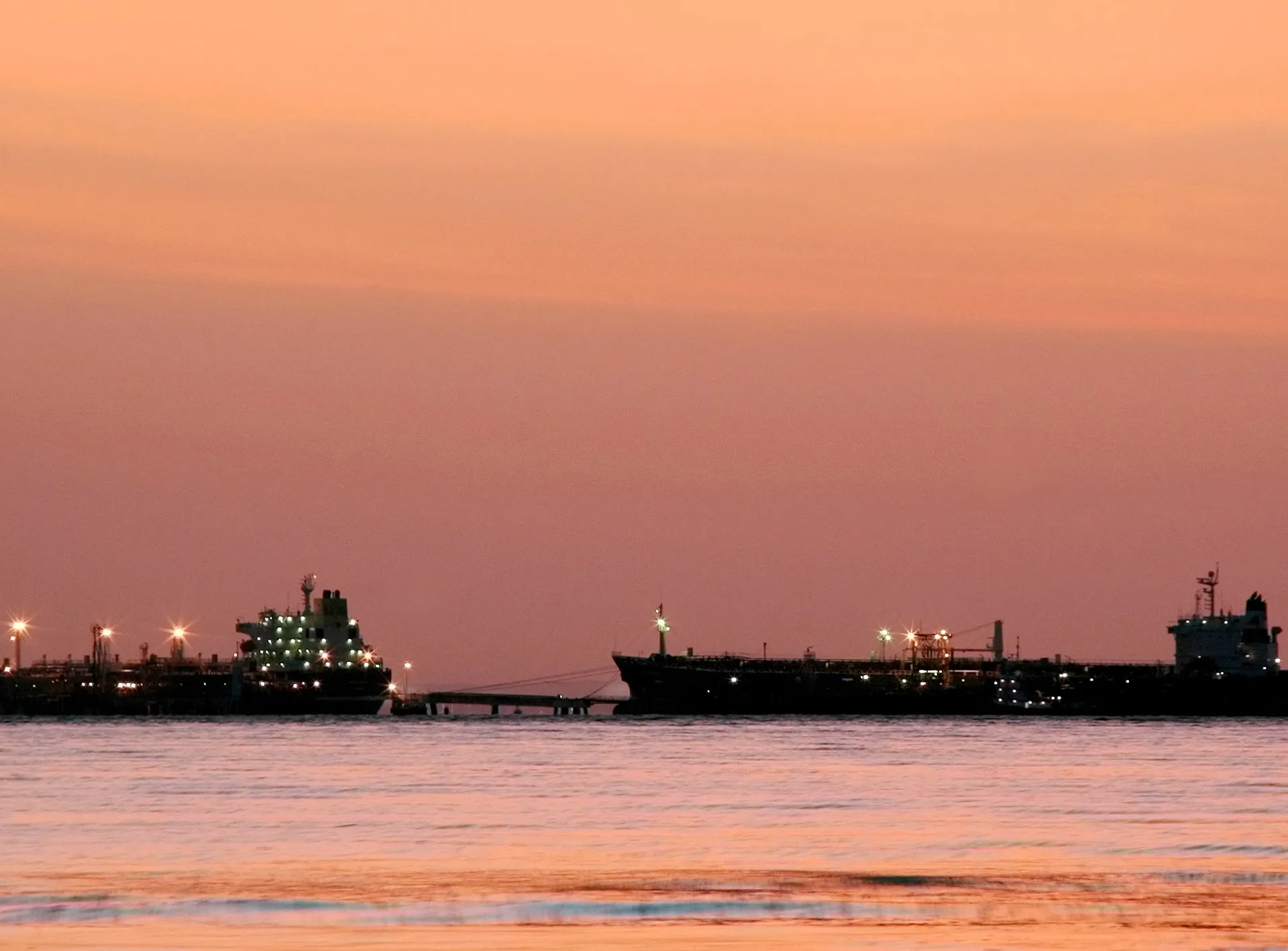
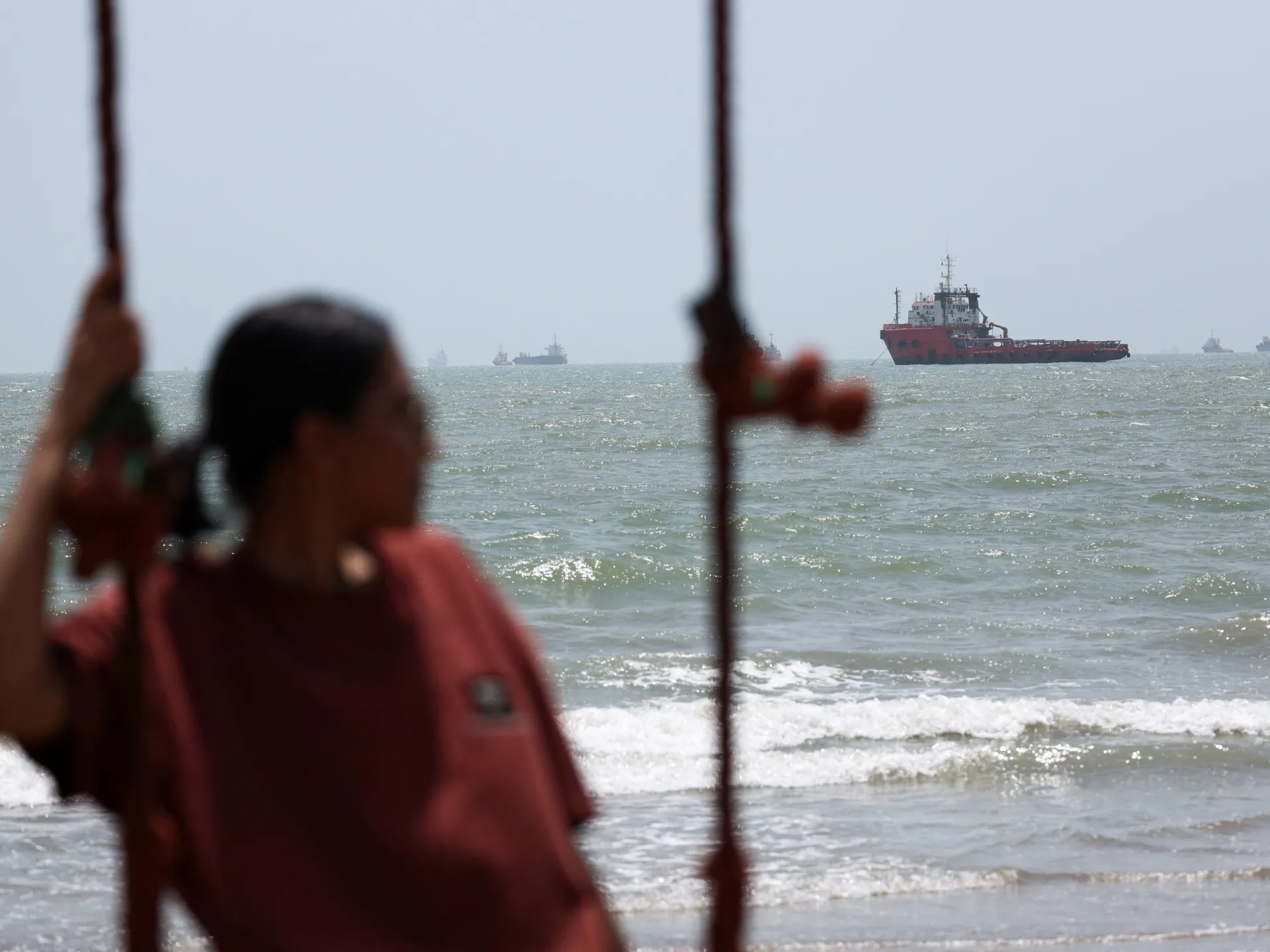
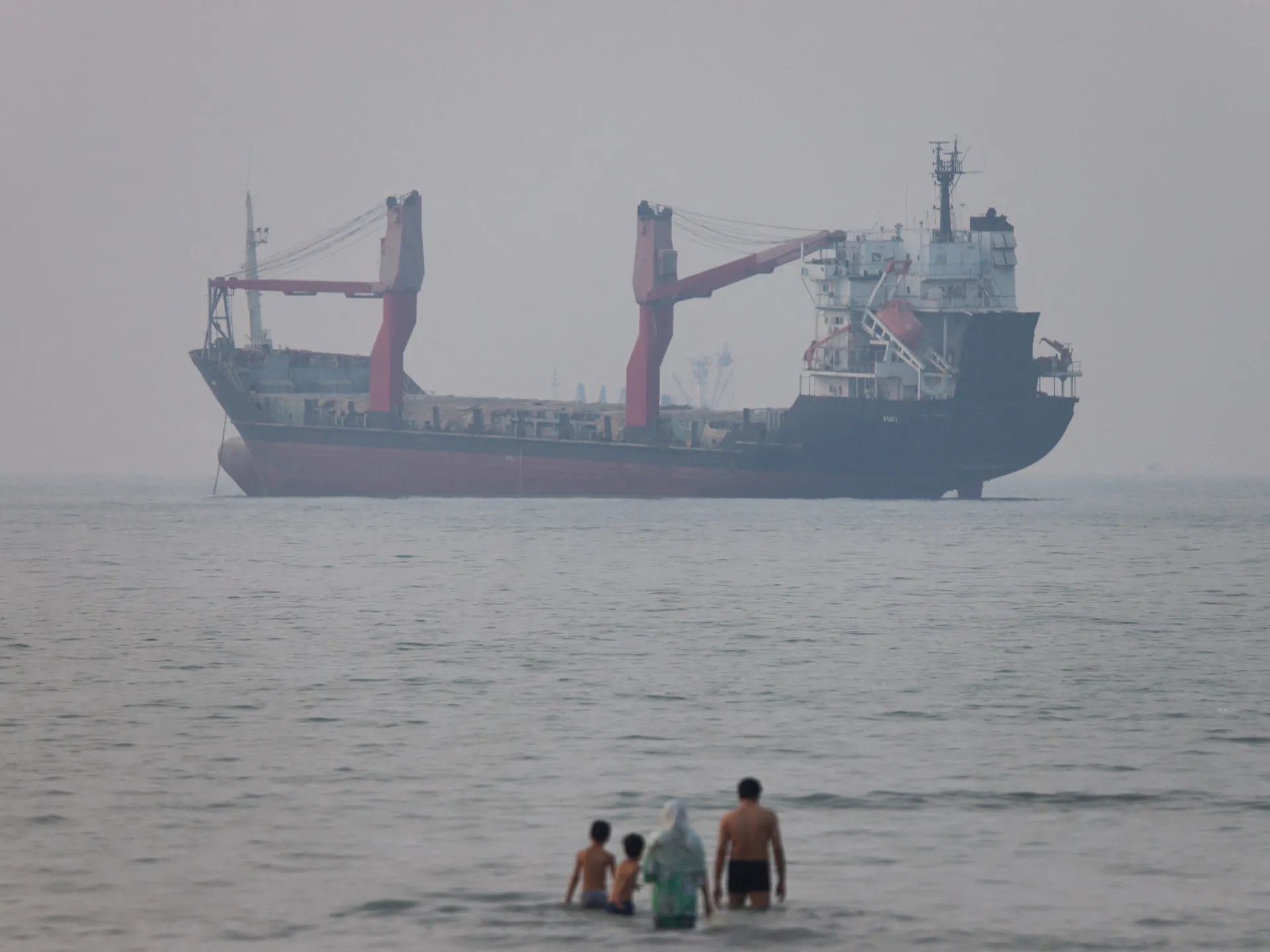
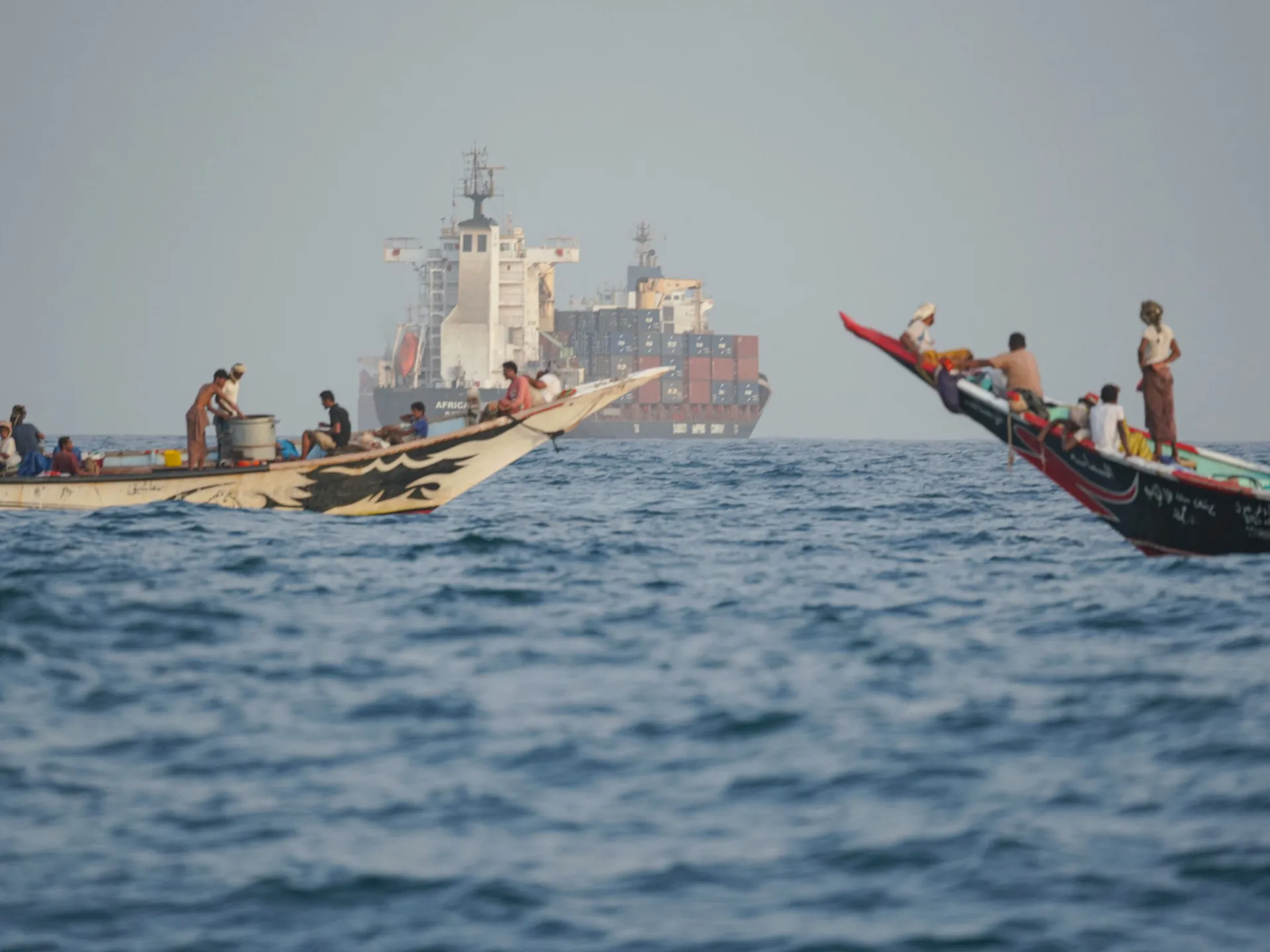
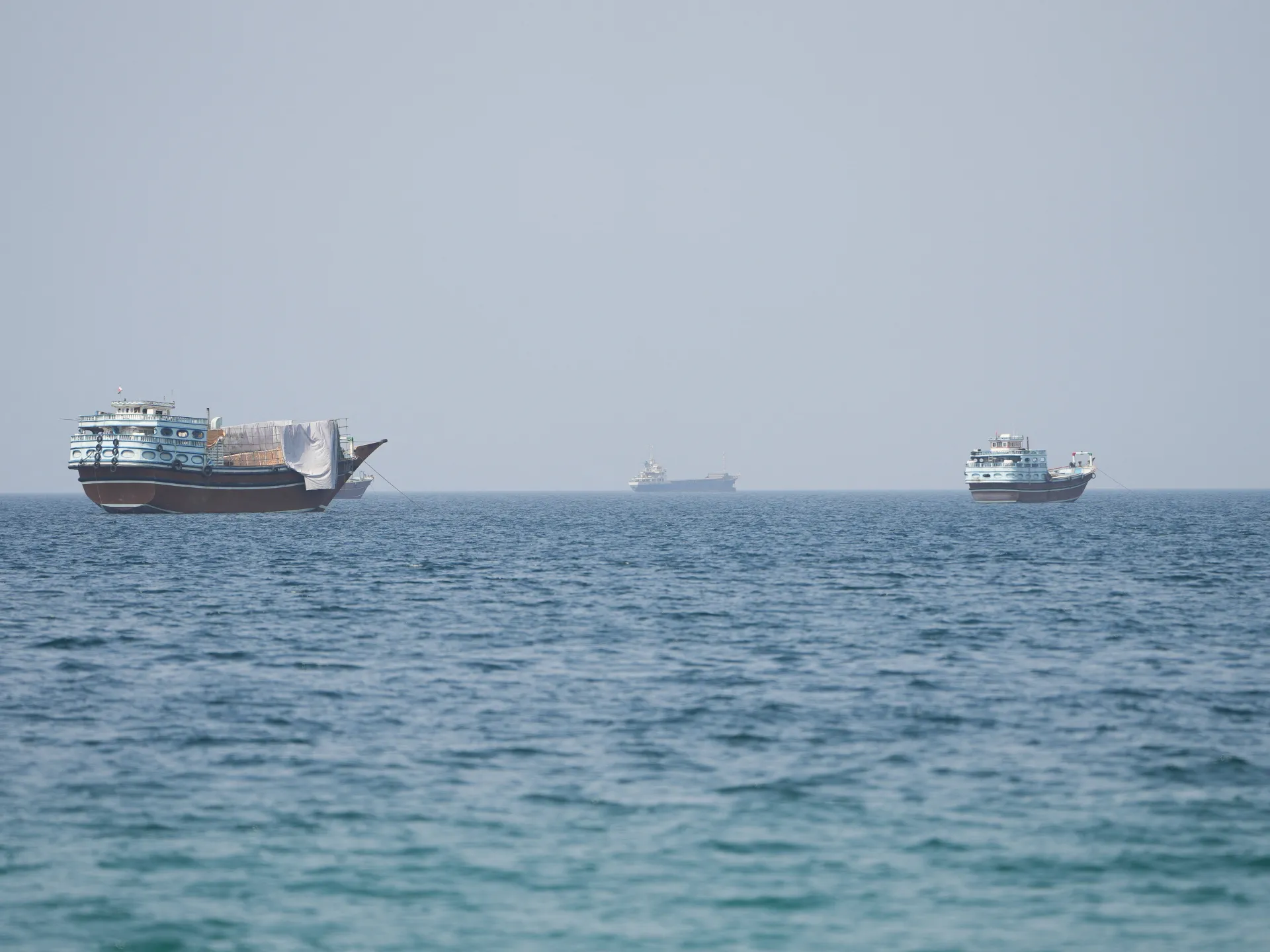
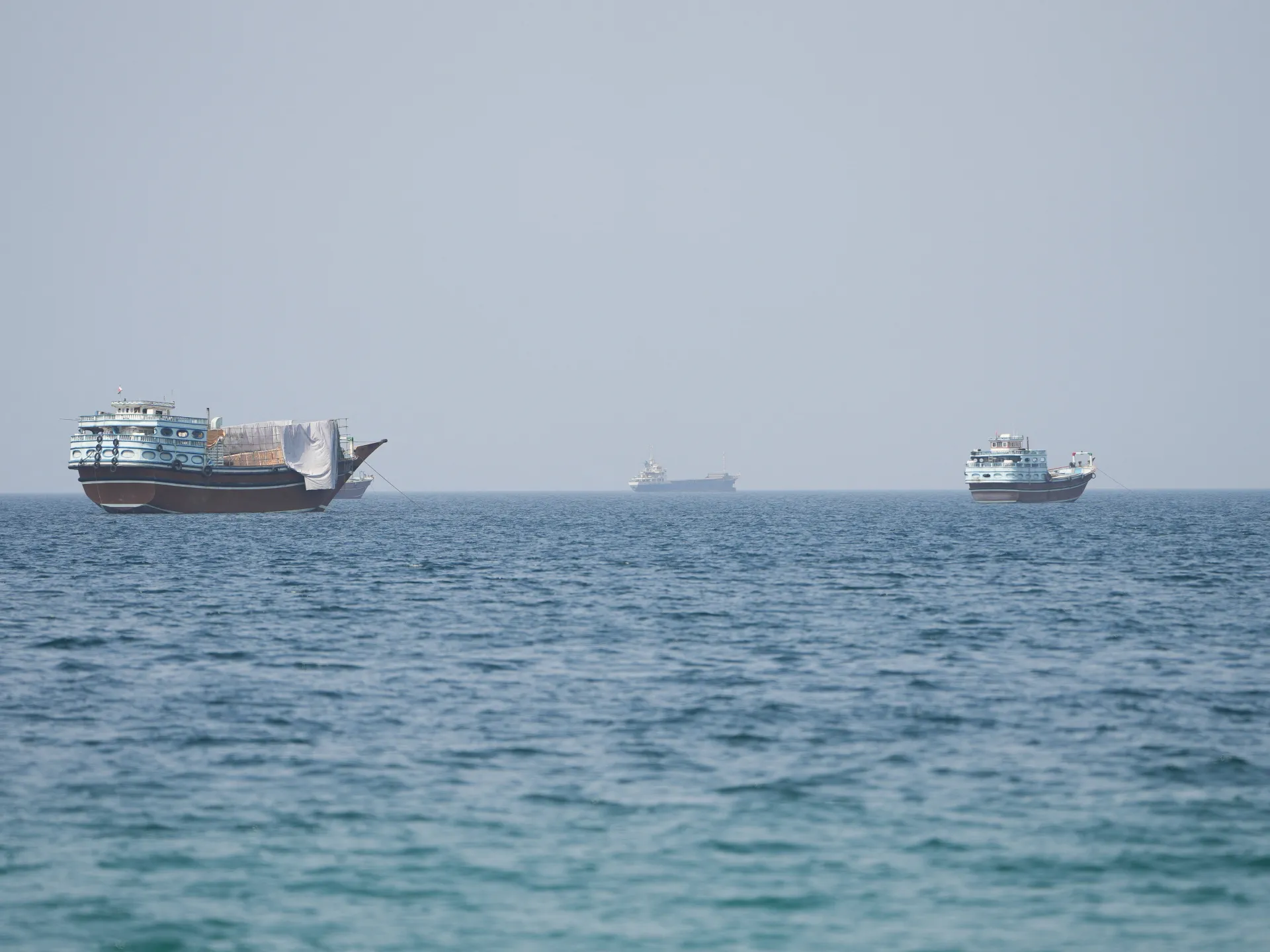
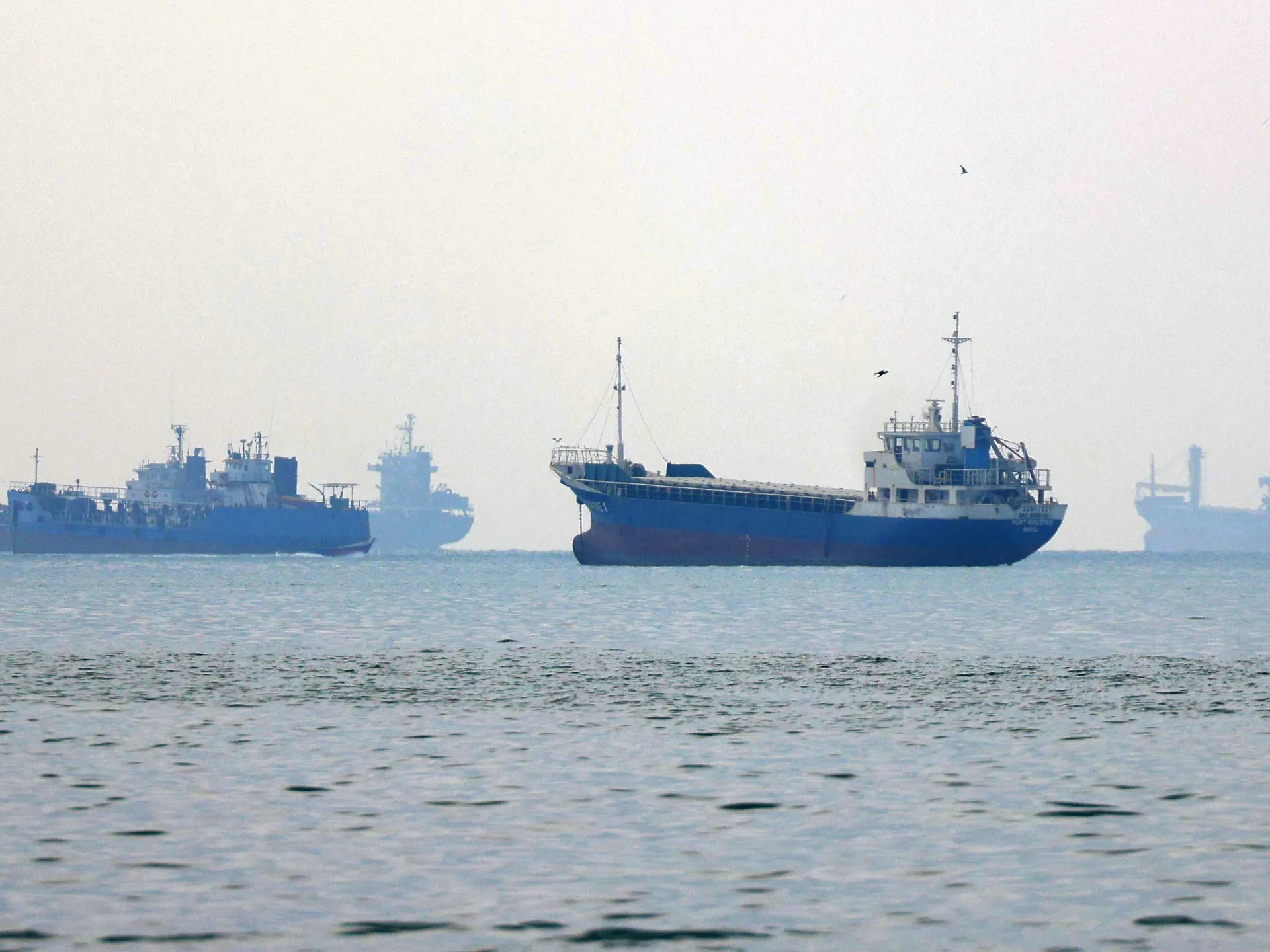
The Strait of Hormuz remains a critical artery for the global energy market, serving as the primary maritime transit point for millions of barrels of crude oil daily. Despite rising geopolitical tensions and an ongoing blockade targeting Iranian maritime trade, the United States military continues to assert that the waterway remains fully operational for international commercial shipping. The strategic significance of this narrow passage cannot be overstated, as it connects the Persian Gulf to the Gulf of Oman and the Arabian Sea, functioning as a vital choke point for global oil distribution.
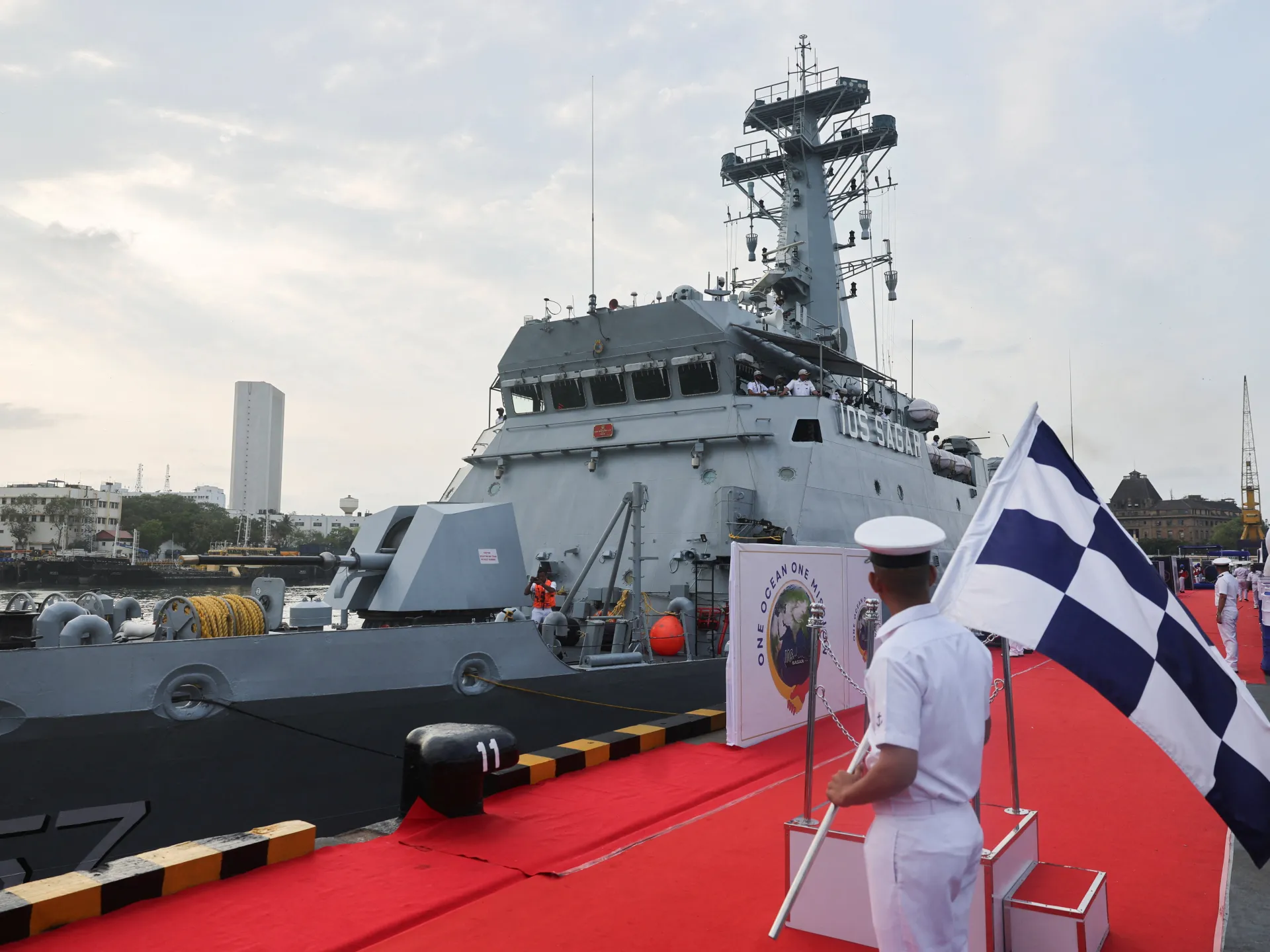
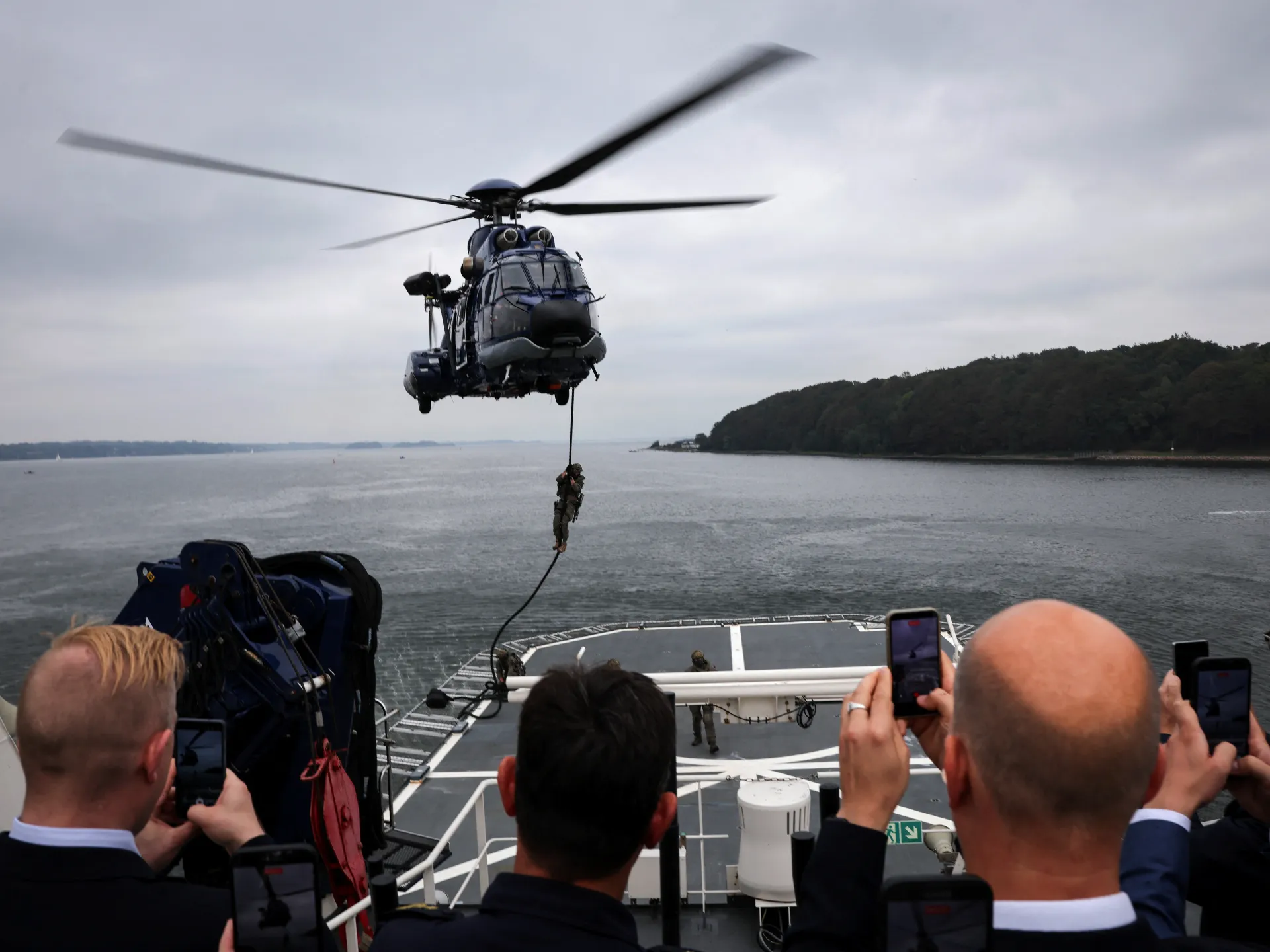
American naval officials have emphasized that the maintenance of these shipping lanes is a top priority for international security. to stabilize energy prices and prevent the kind of economic volatility that would inevitably follow a total closure of the route. The presence of international naval forces serves as a deterrent against potential interference, reinforcing the status of the strait as an open passage for all sovereign nations engaged in lawful maritime trade.
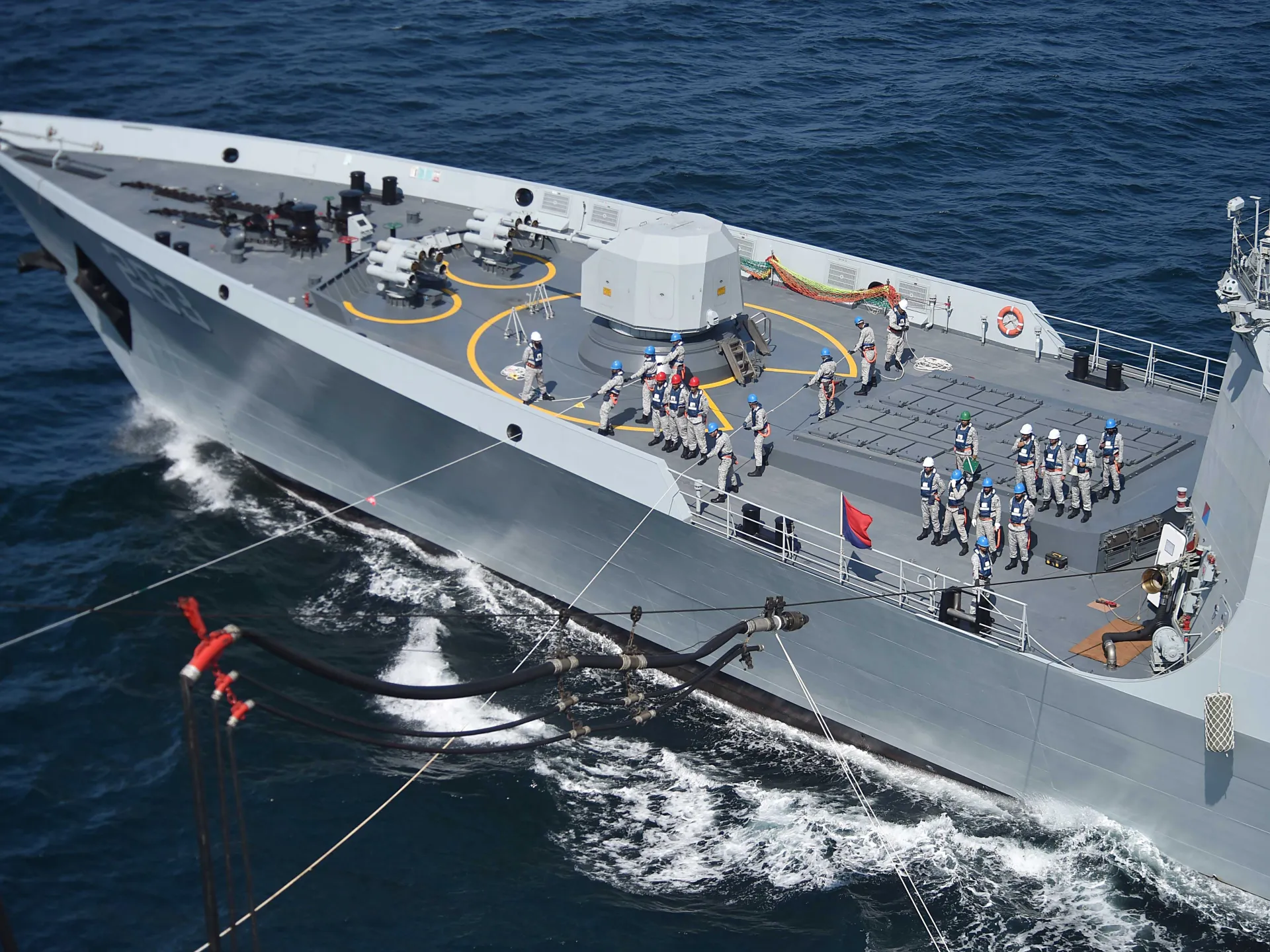
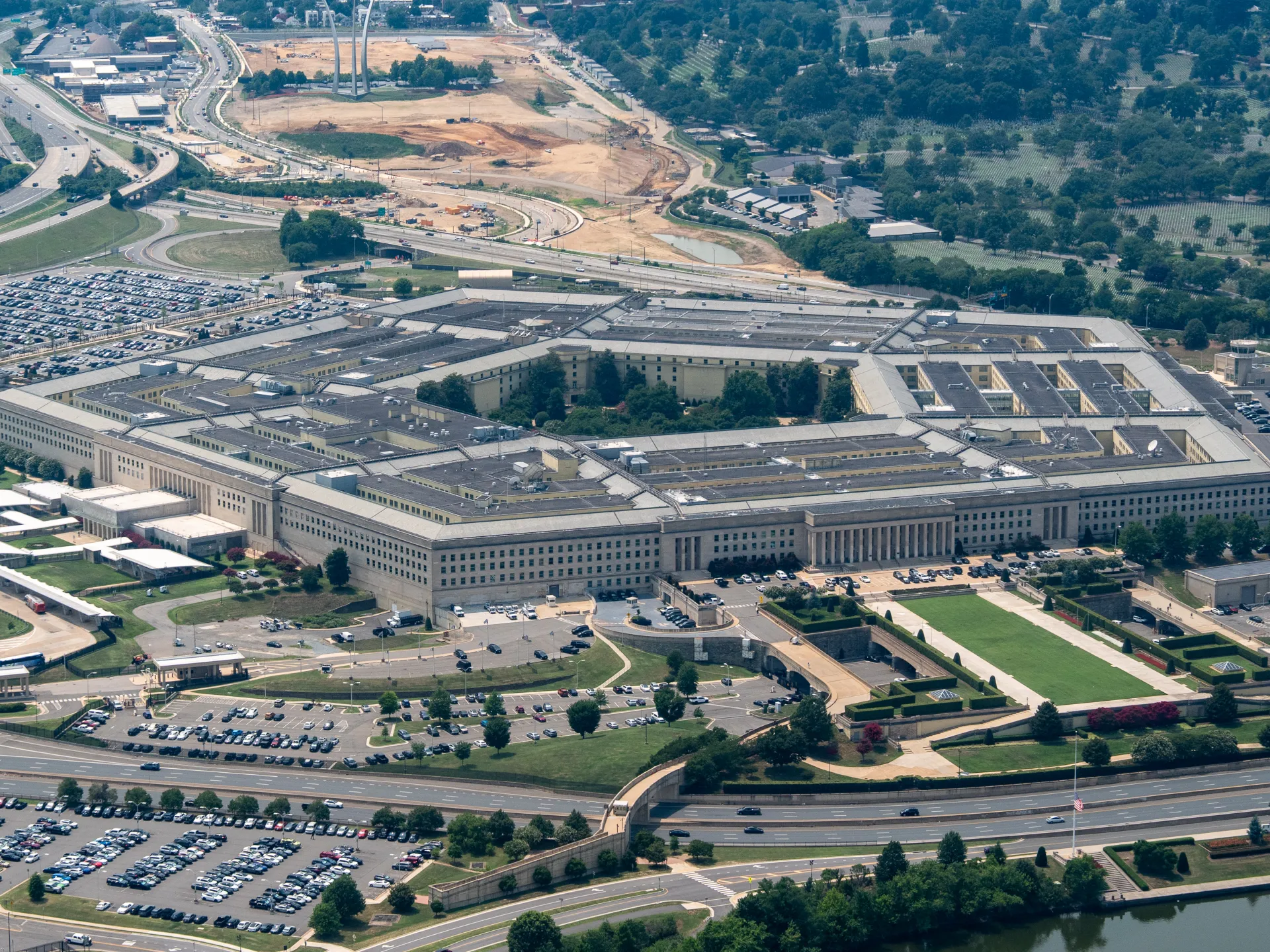
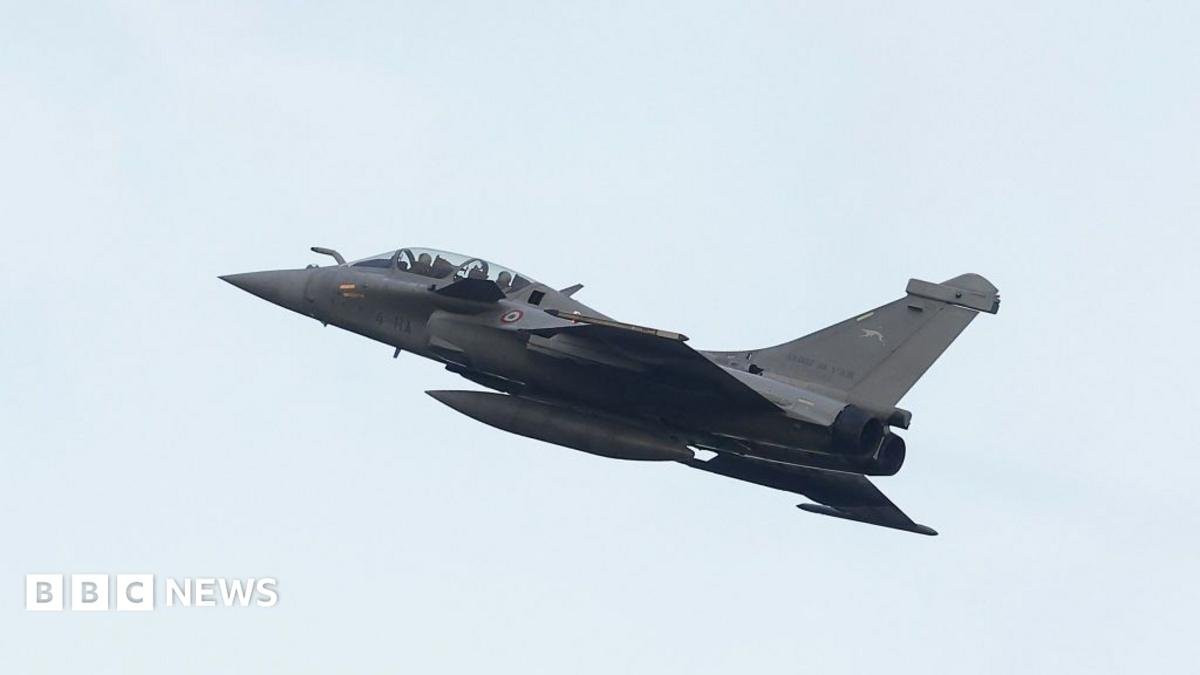
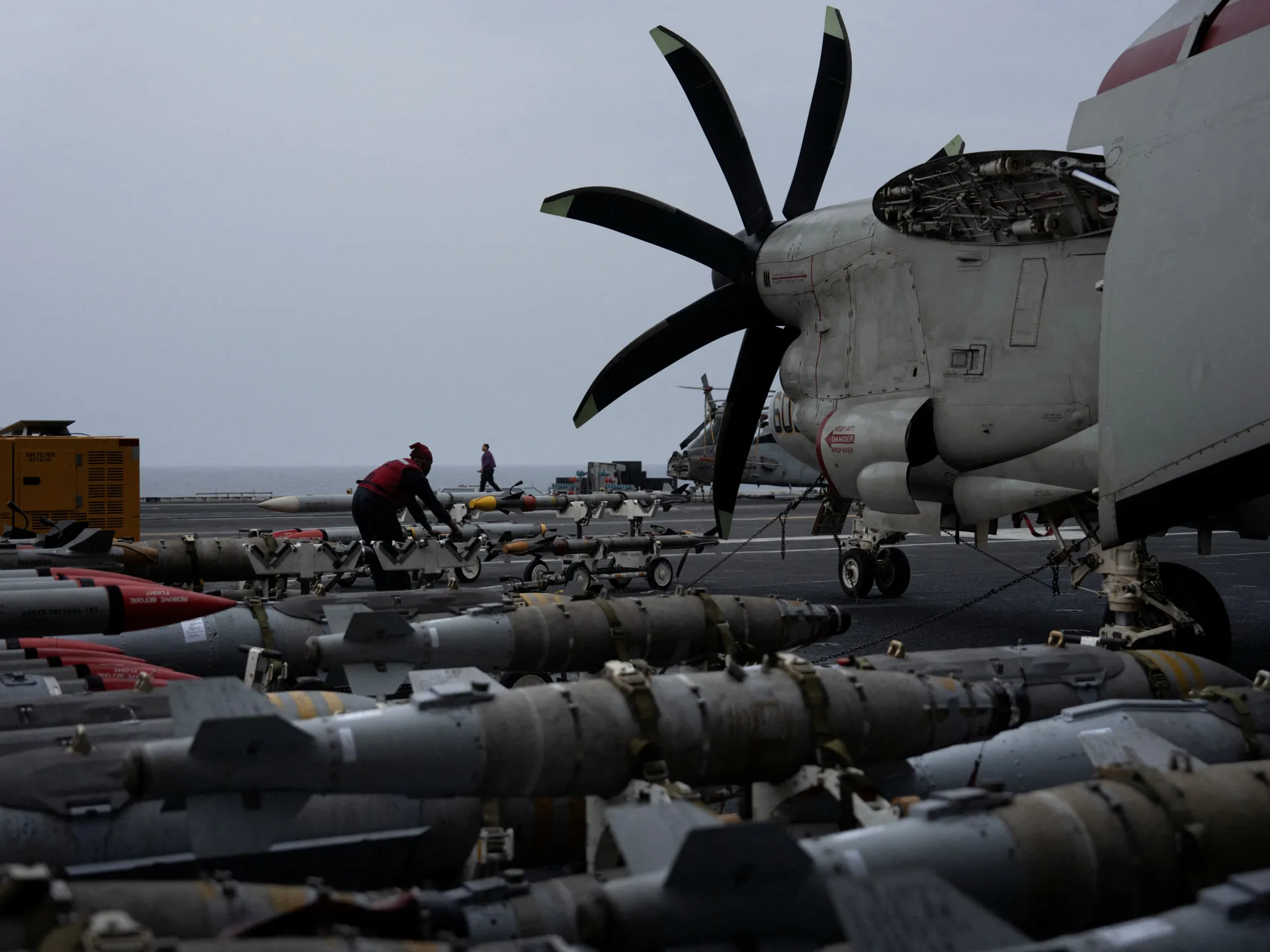
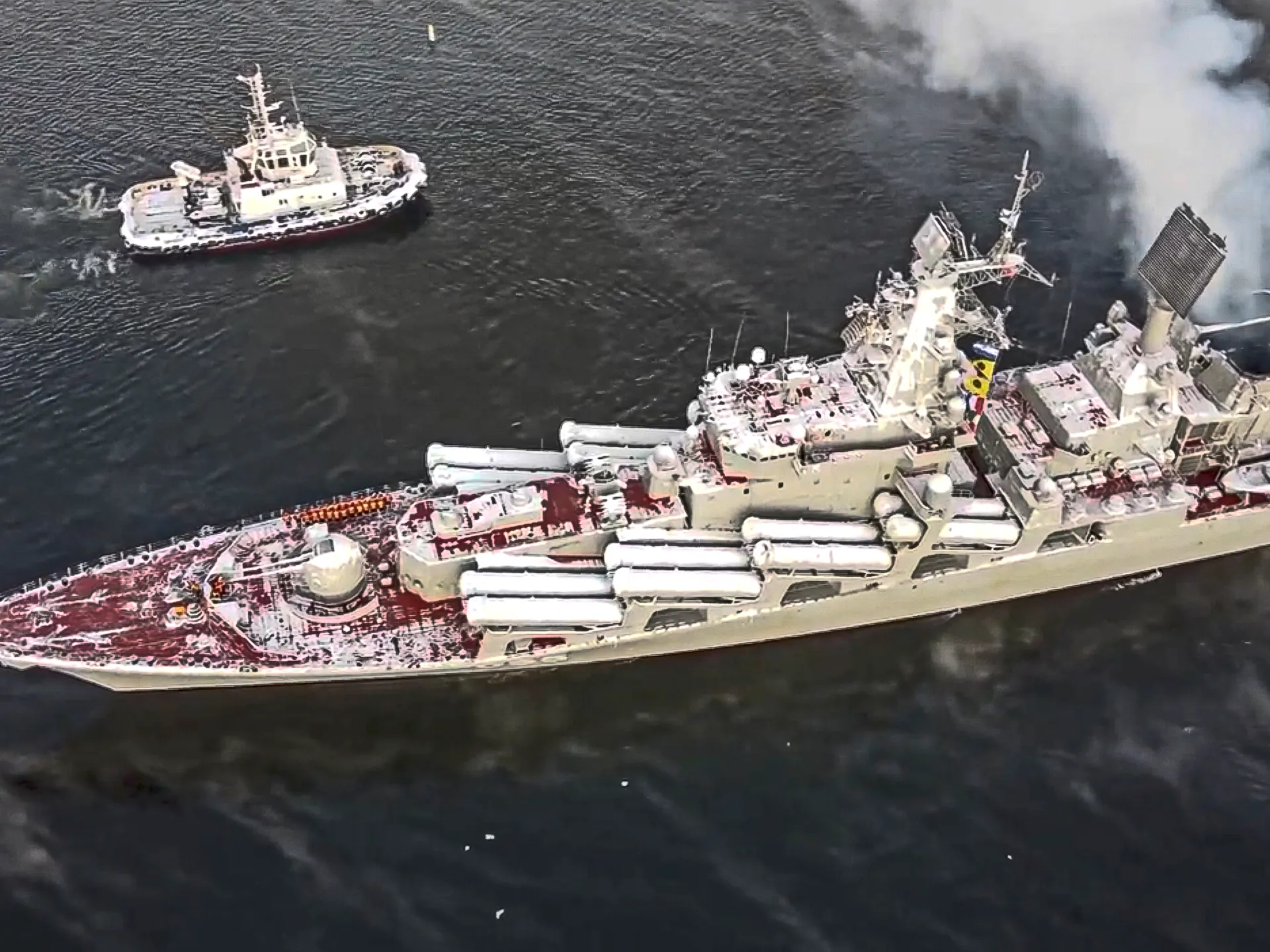
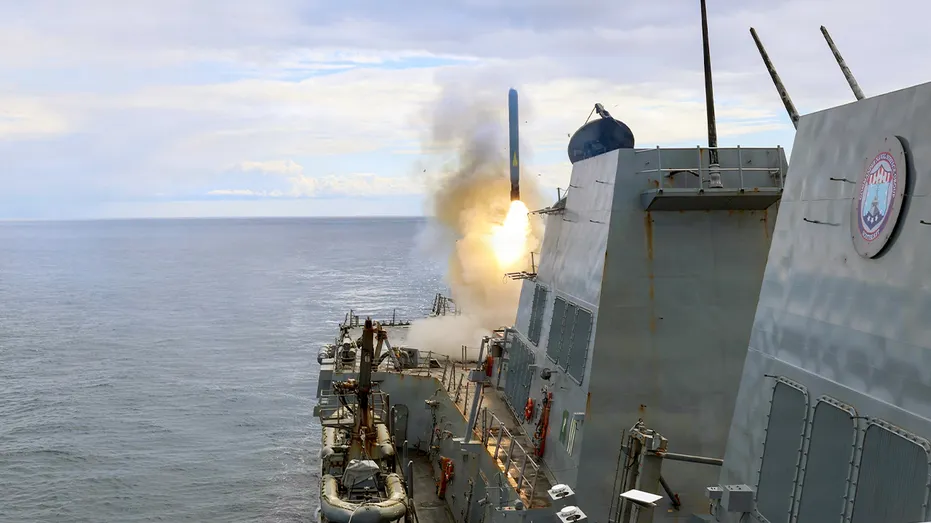
While maintaining the flow of commercial traffic, U.S. forces are simultaneously engaged in a rigorous enforcement of a blockade aimed at restricting Iranian maritime activities. According to reports from U.S. Central Command, this dual approach requires a high level of vigilance and operational precision. The military has successfully assisted in the transit of nearly one billion barrels of crude oil since the spring, demonstrating the effectiveness of its escort and monitoring missions in the region.
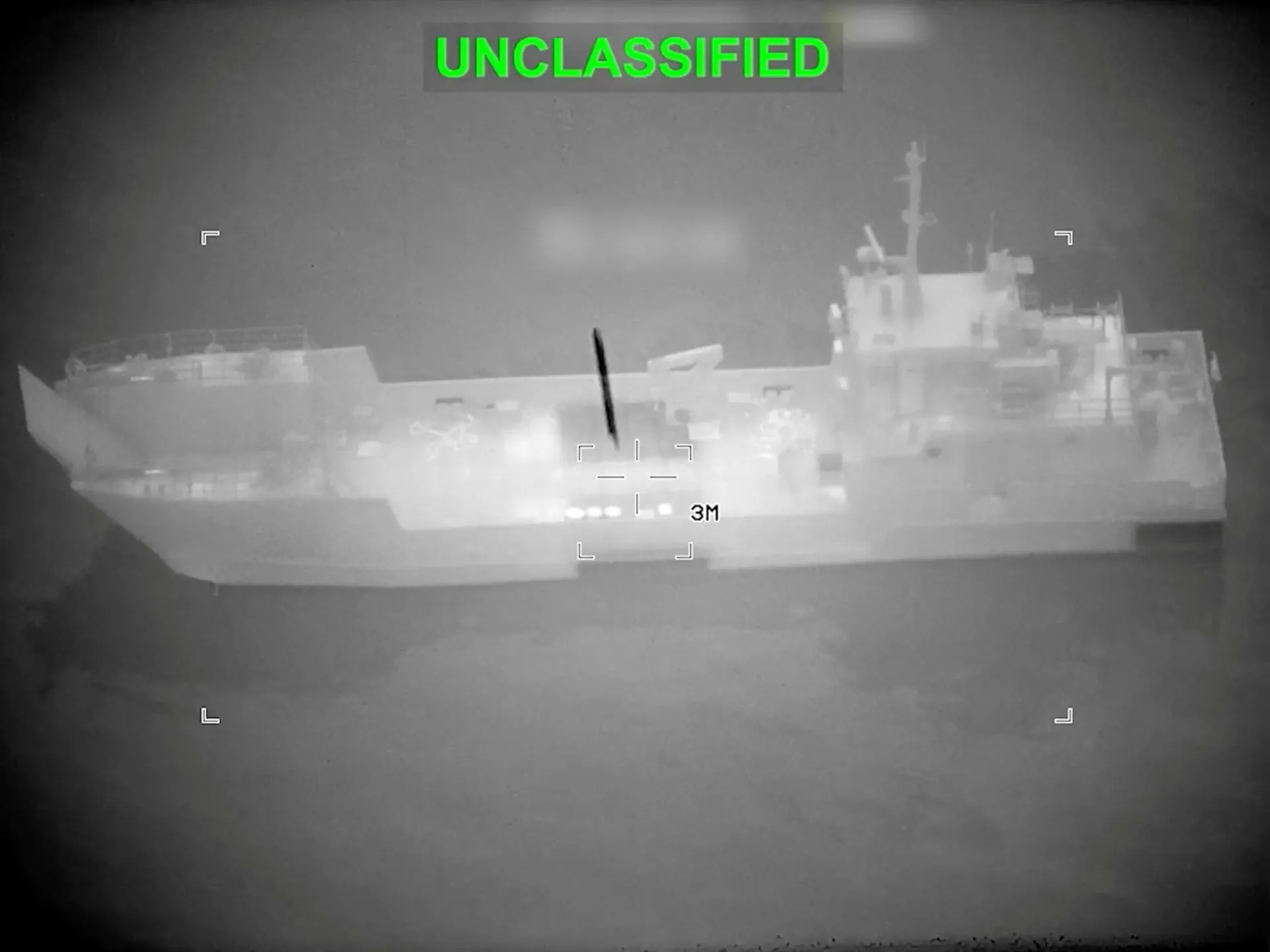
To maintain the integrity of this blockade, military forces have intercepted and redirected over one hundred vessels suspected of attempting to violate established restrictions. This process involves constant surveillance of the maritime environment and the clearing of navigational hazards. In recent weeks, naval operations have included the removal of sea mines from primary shipping lanes, ensuring that the designated paths remain safe and unobstructed for commercial tankers and cargo ships alike.
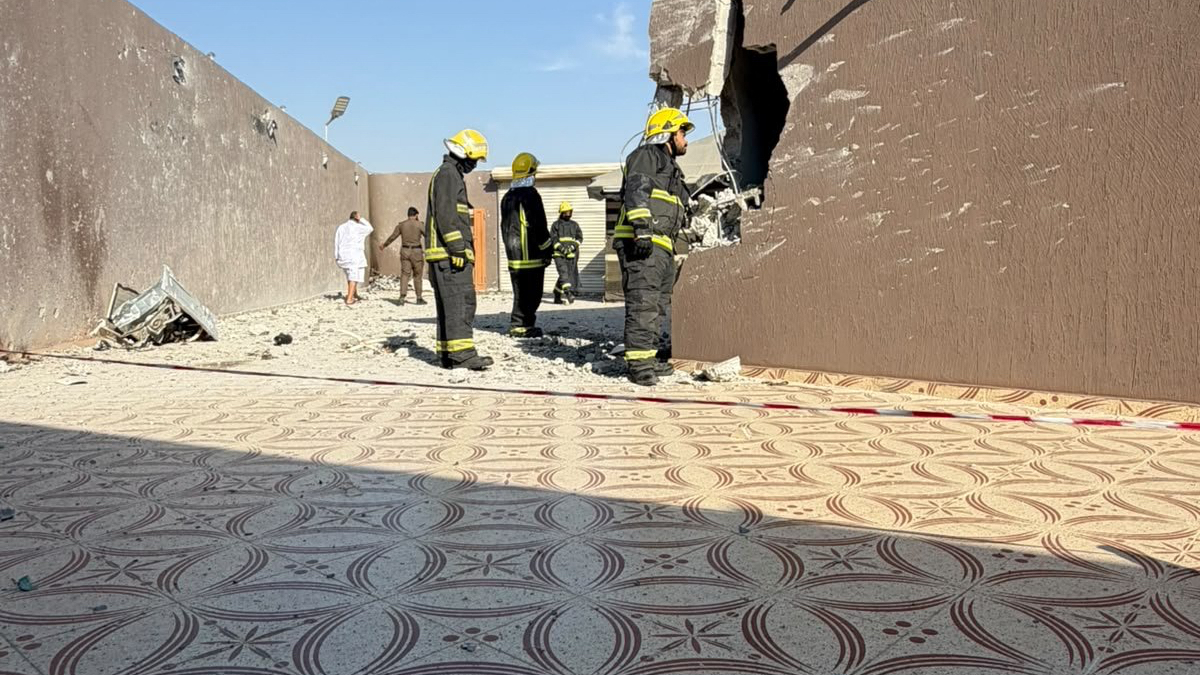
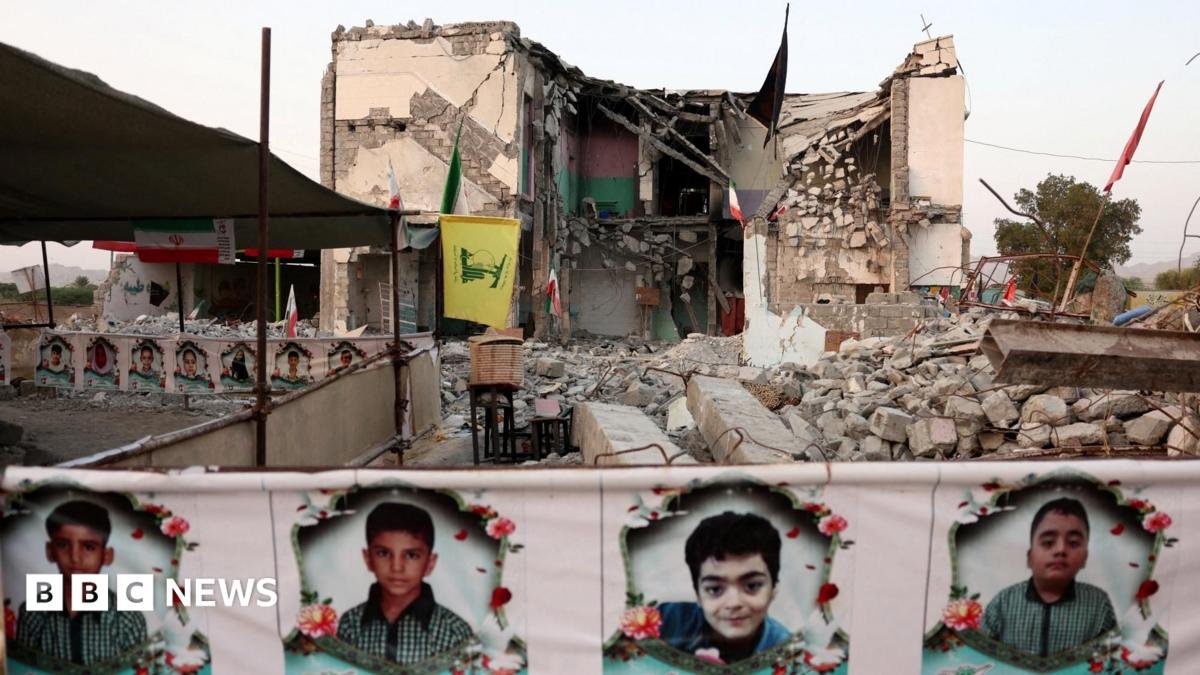
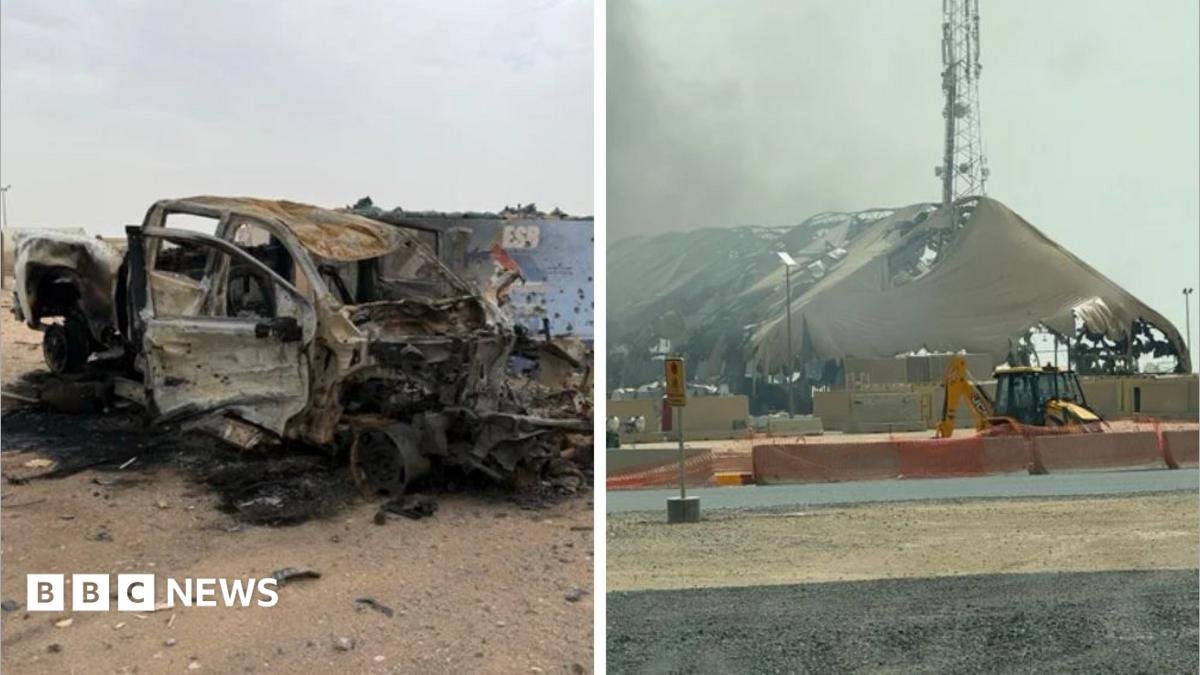
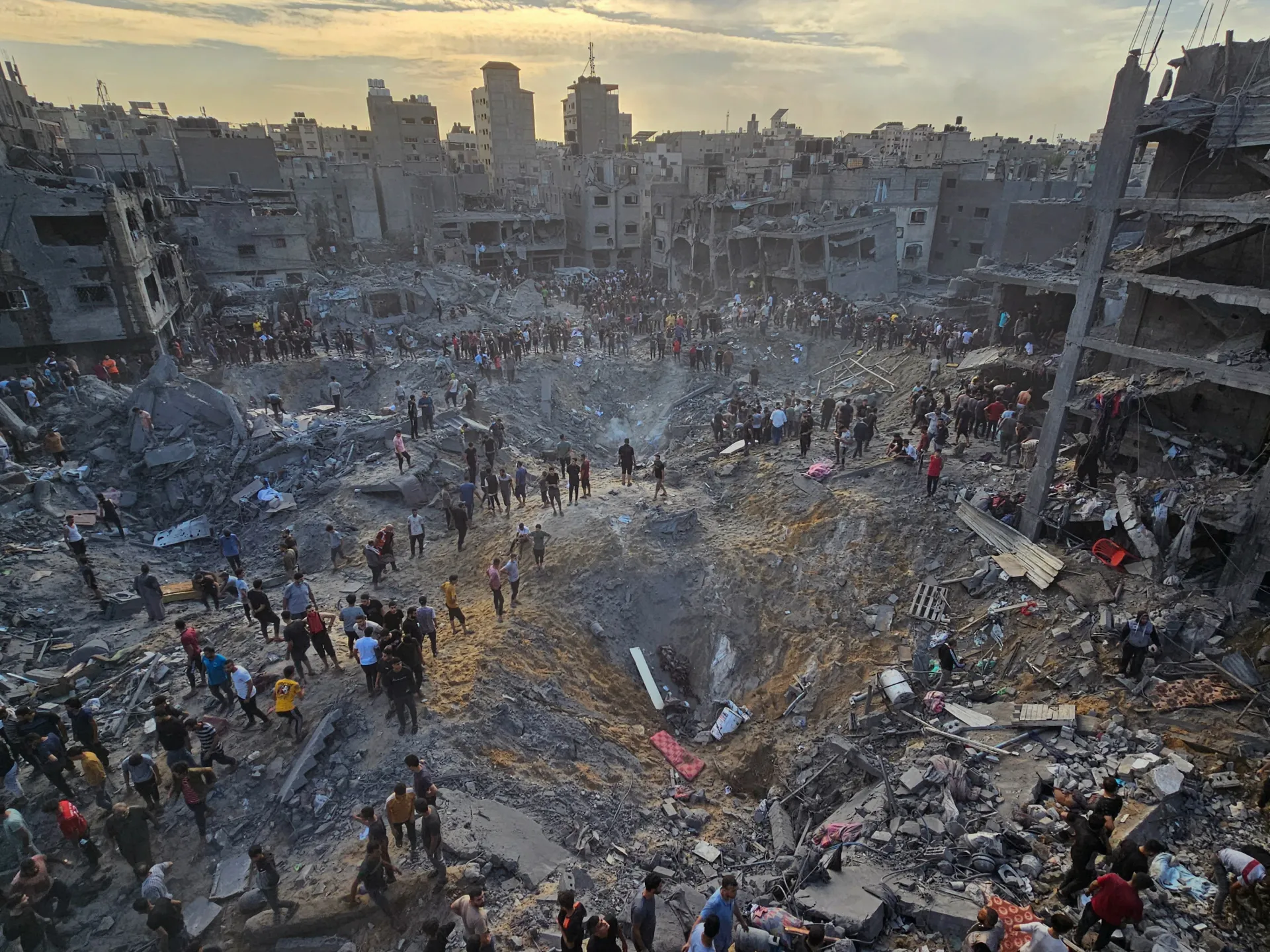
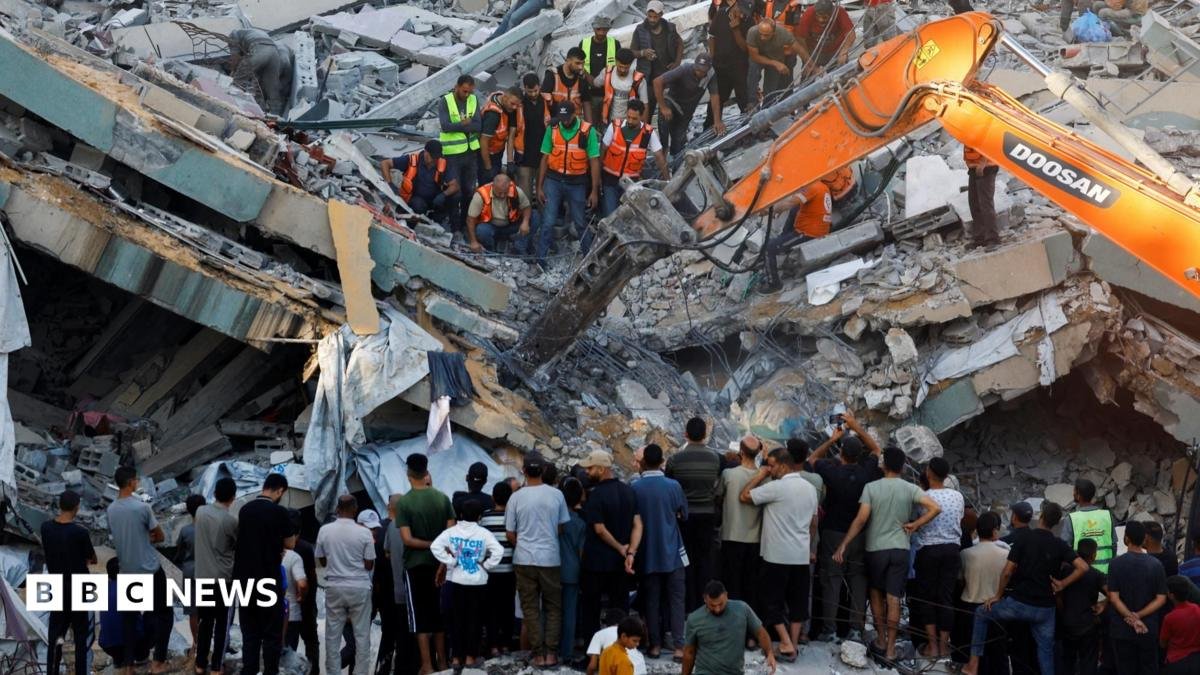
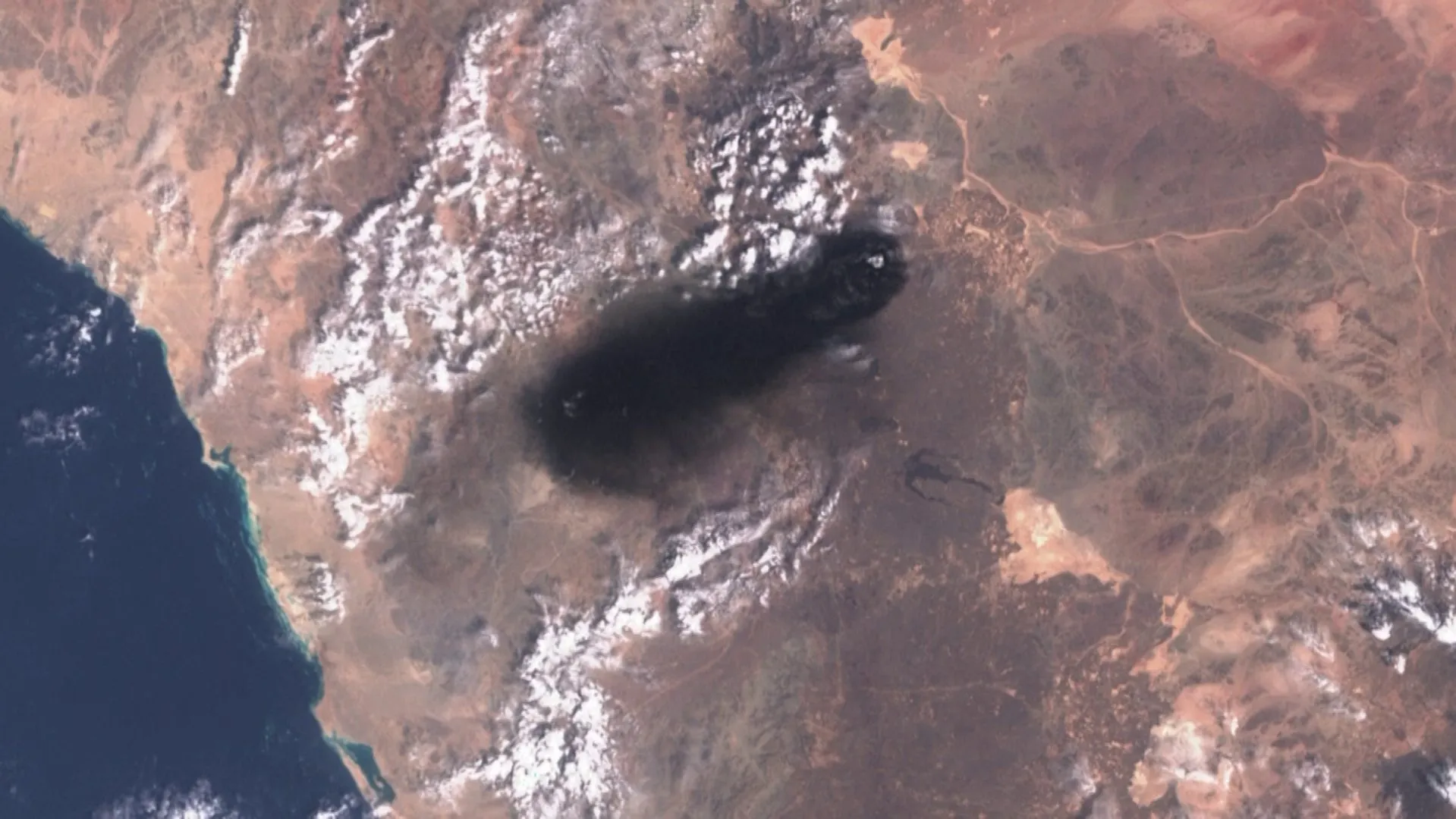
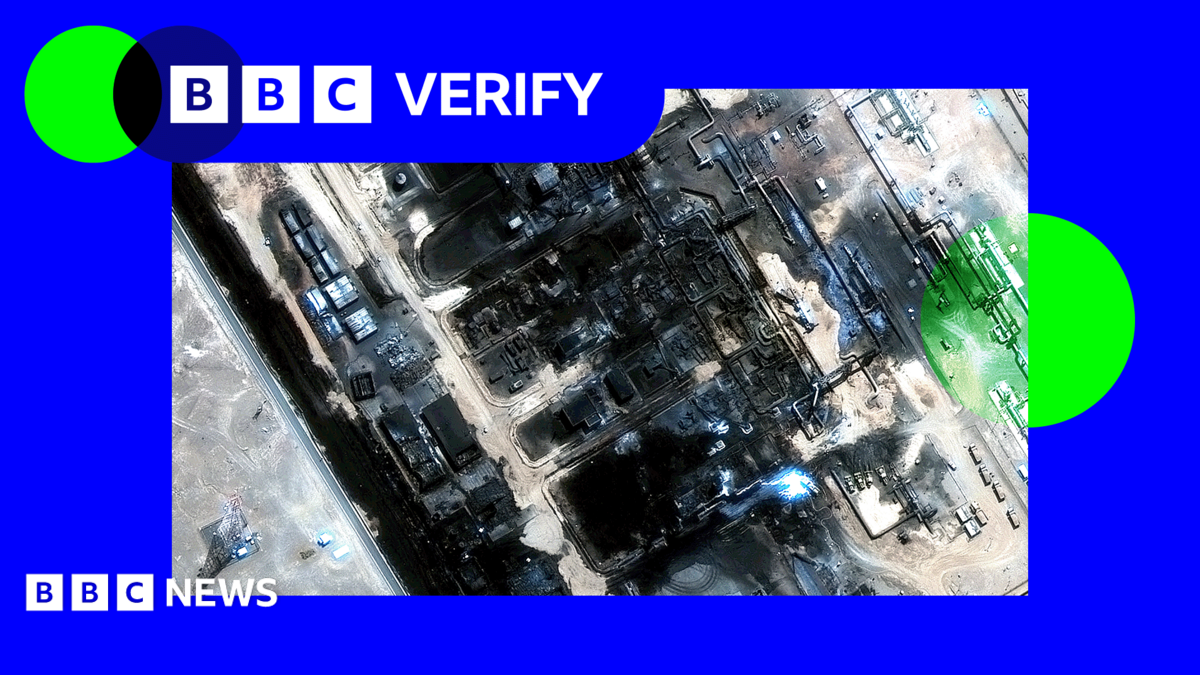
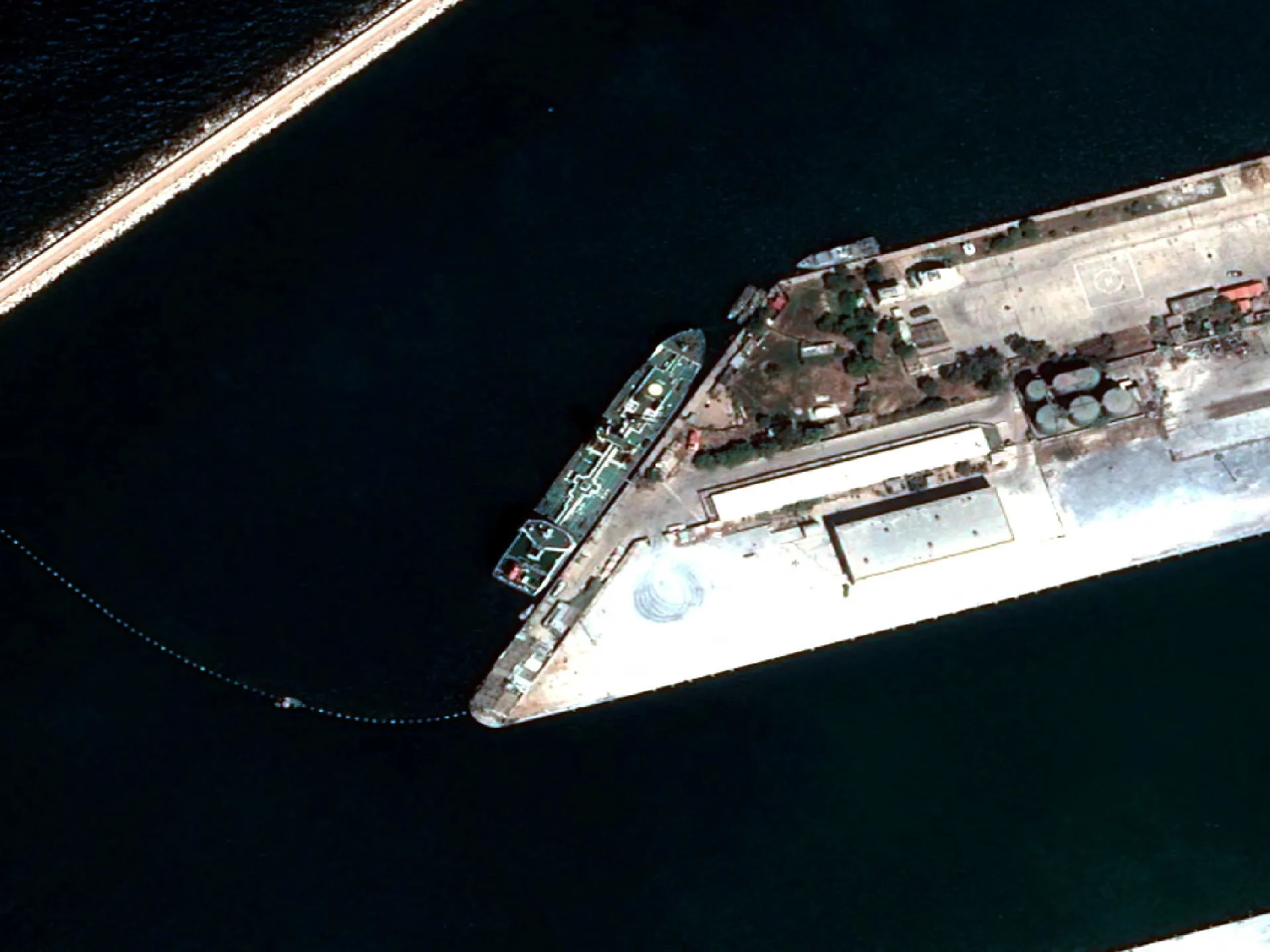
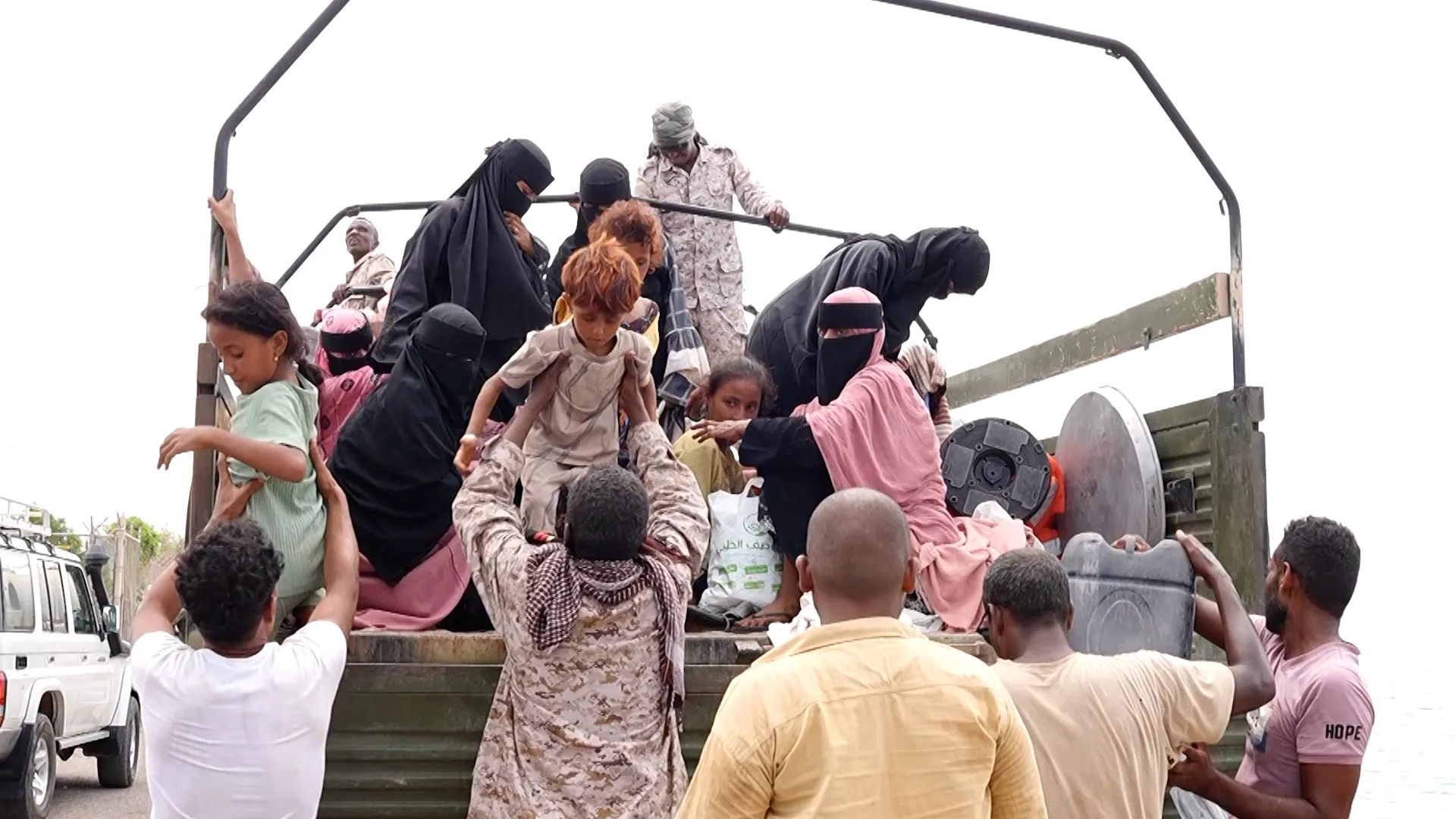
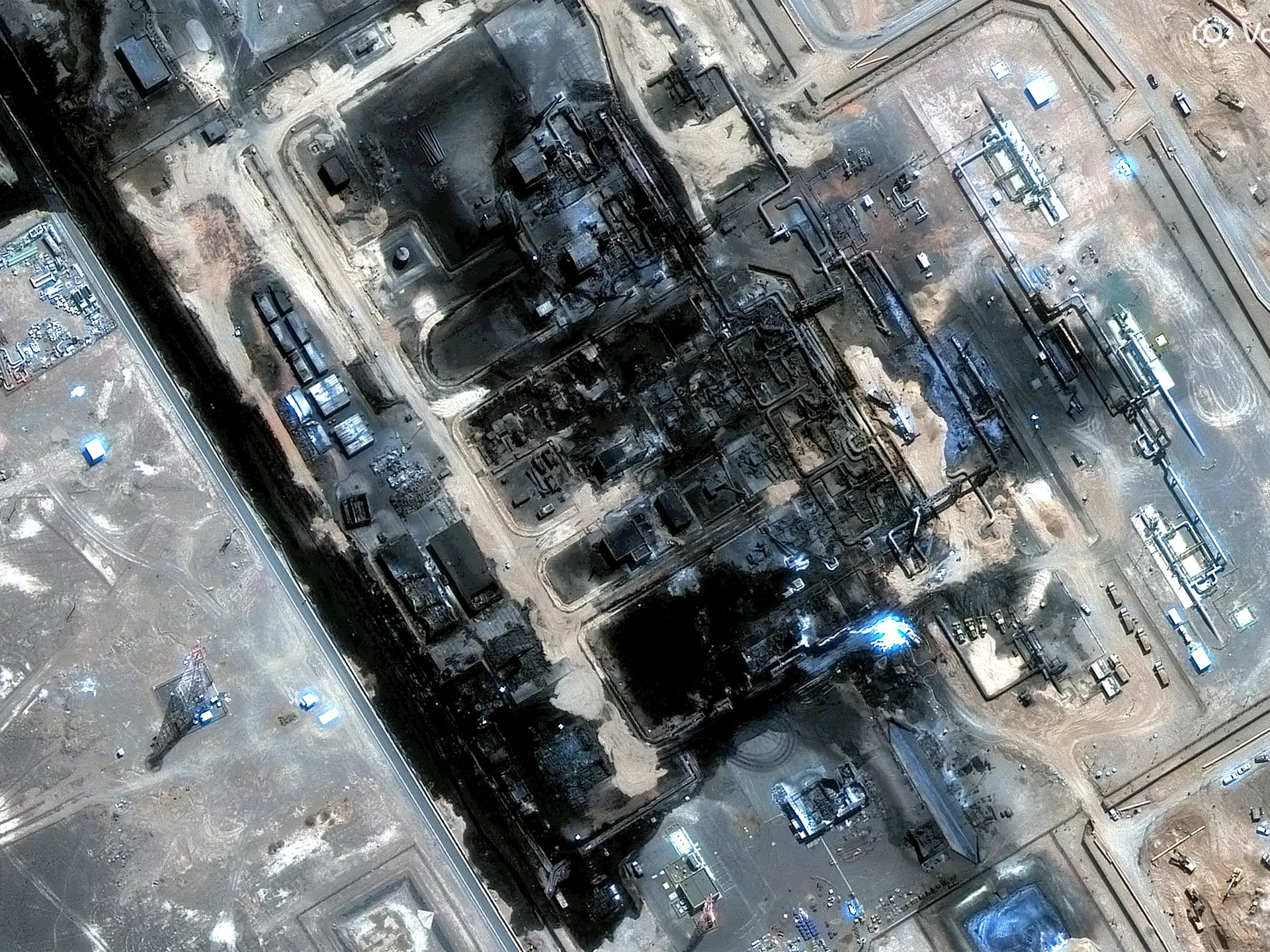
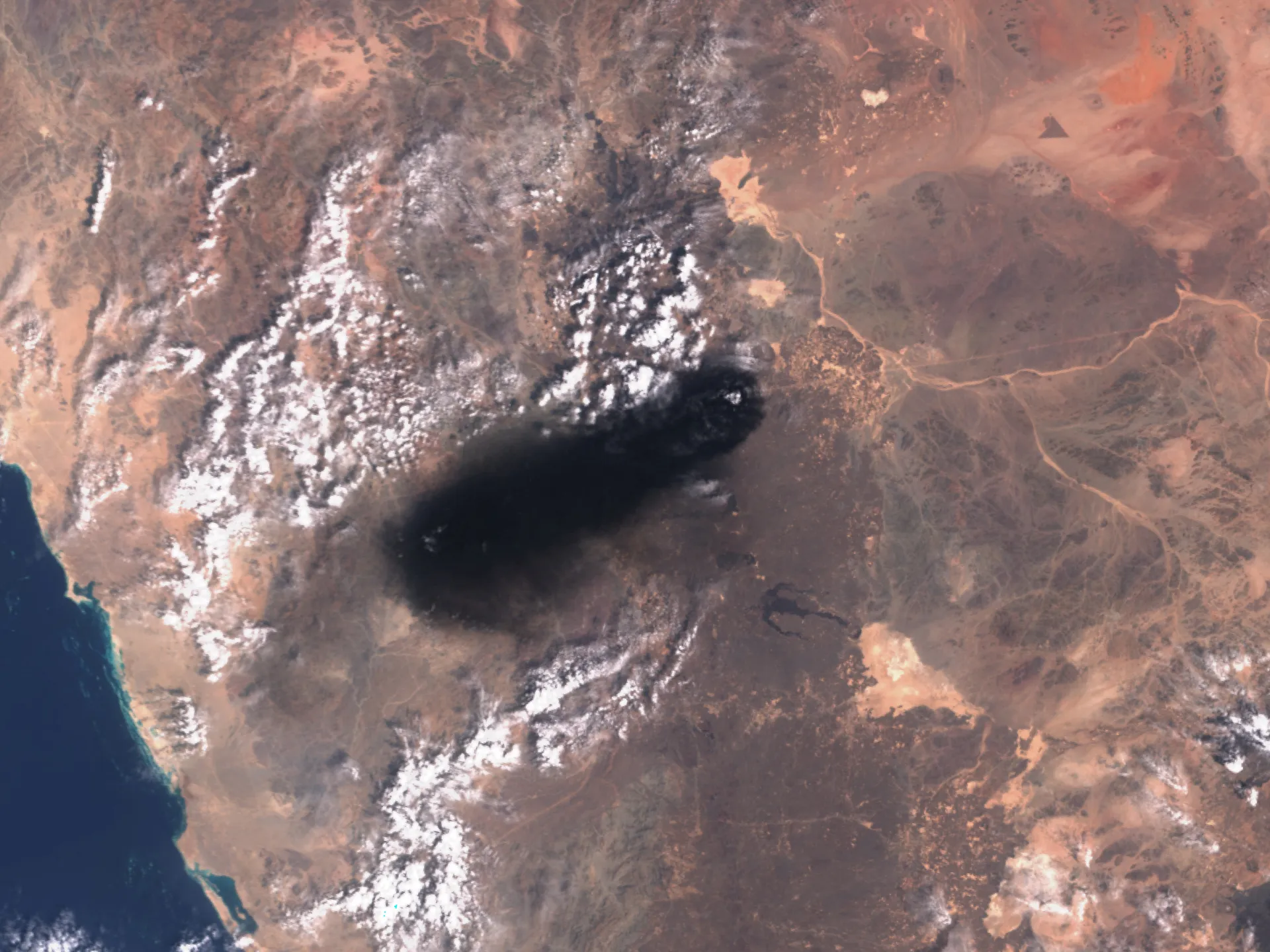
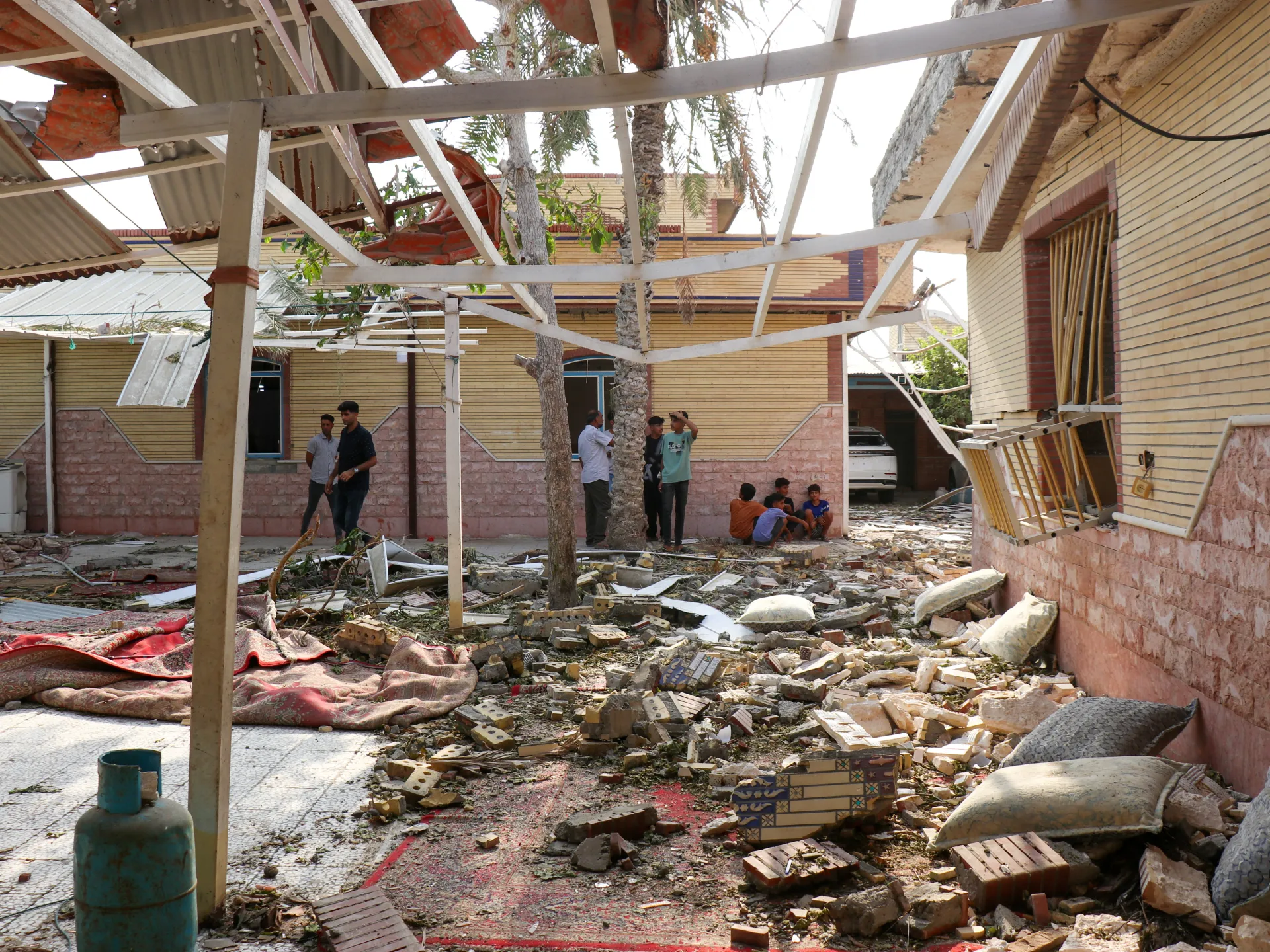
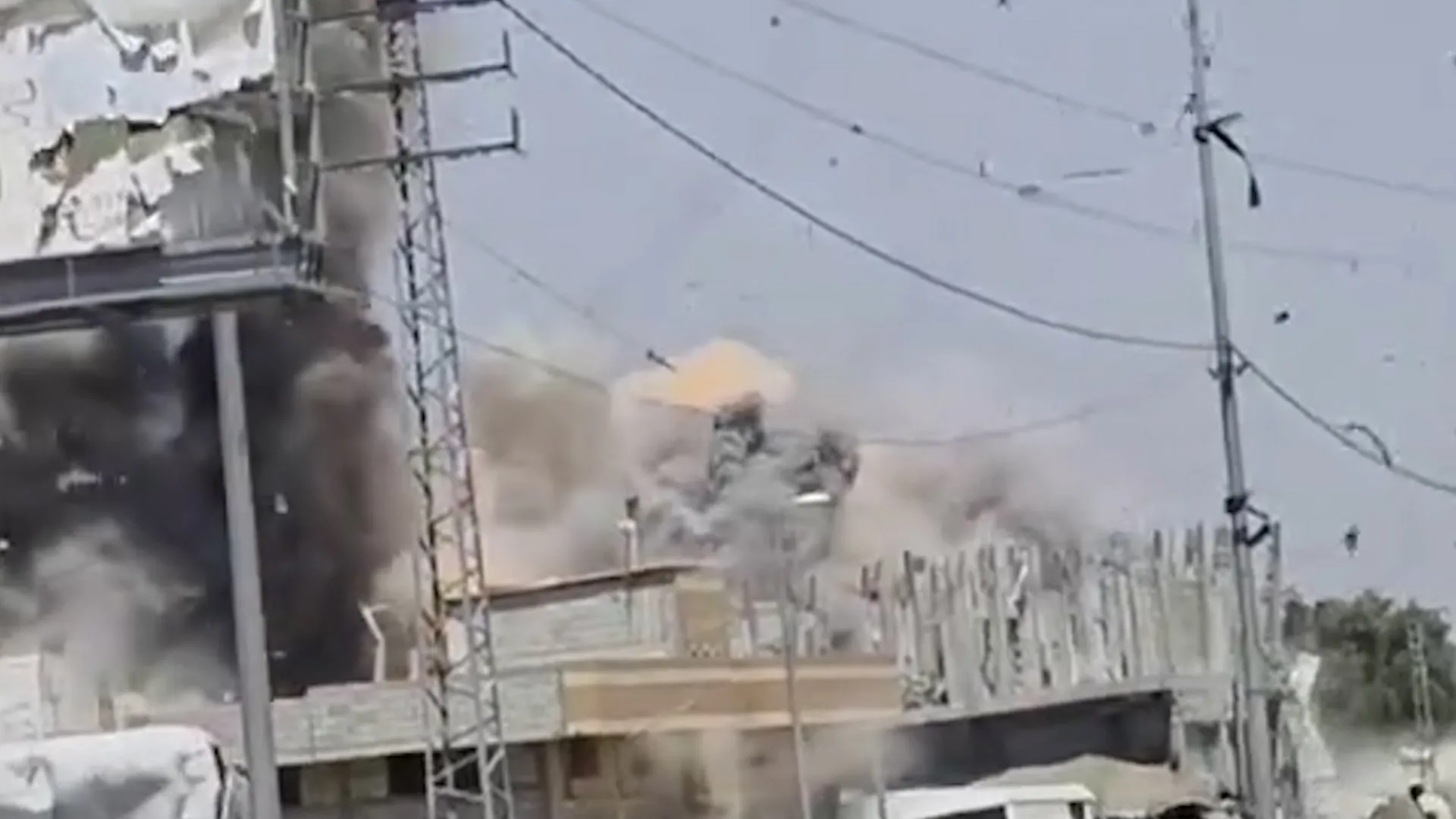
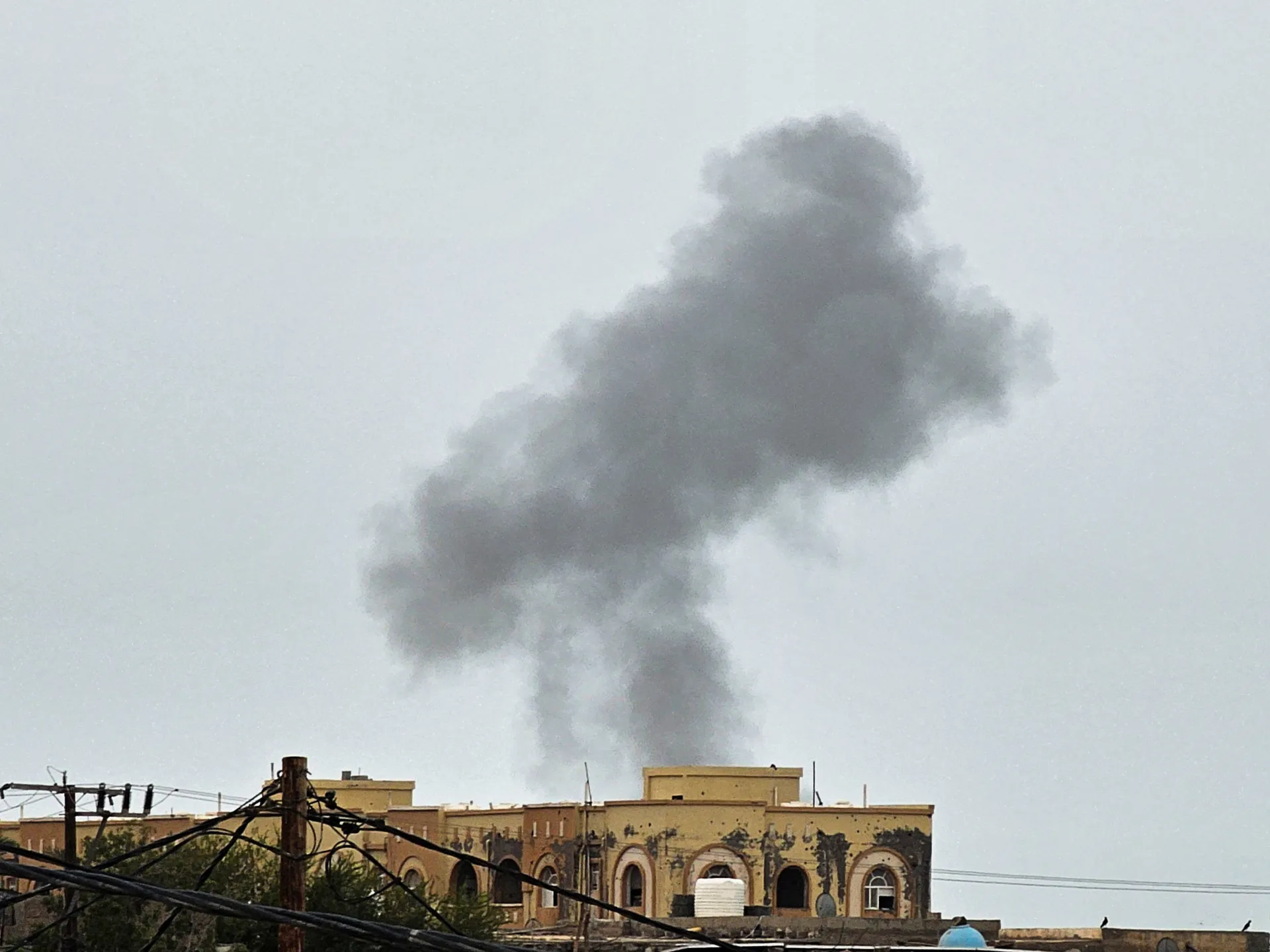
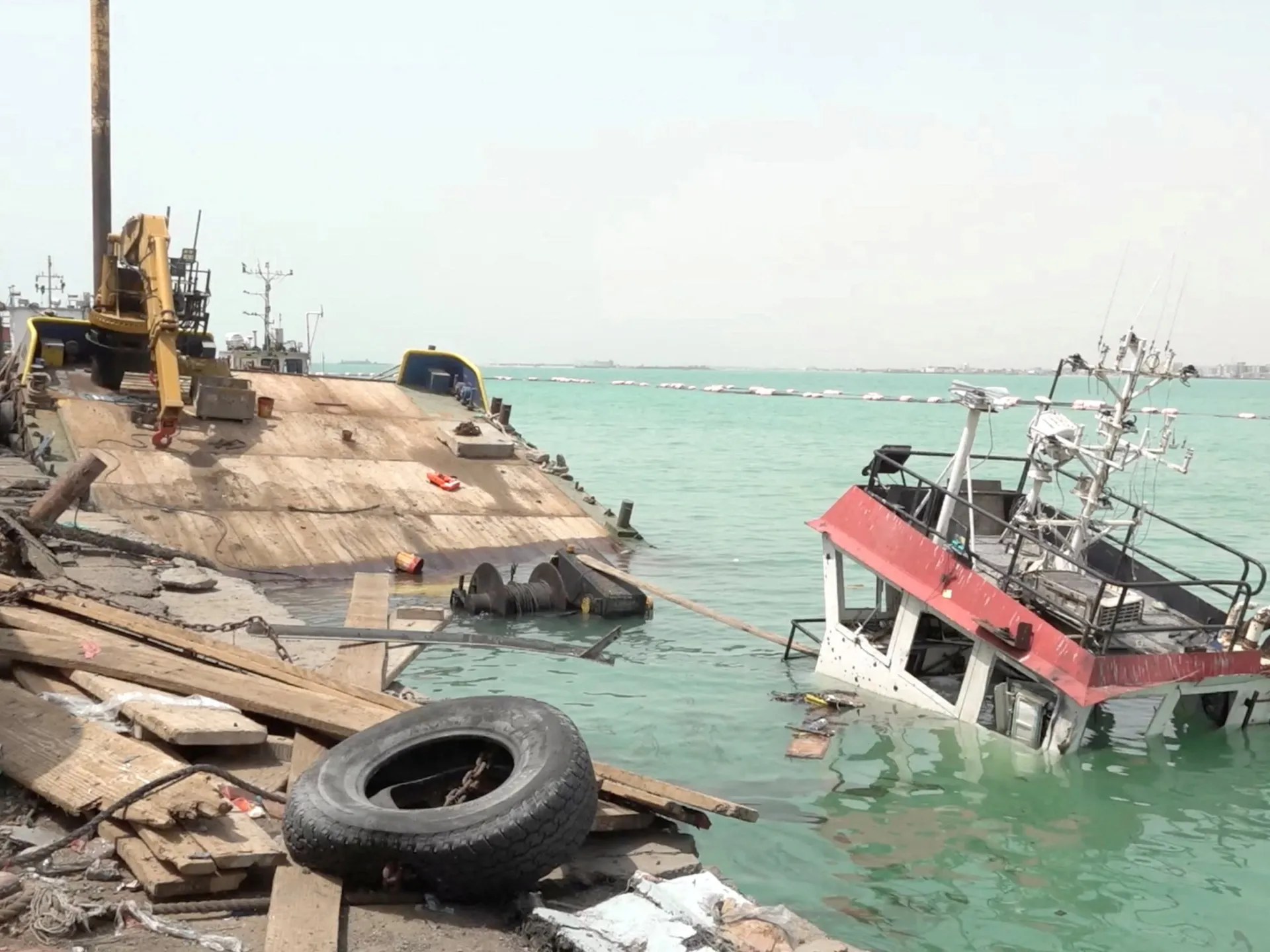
The ongoing military operations in the region have not been without controversy or reports of collateral impact. Recent allegations regarding civilian casualties and damage to infrastructure in southern Iran, specifically in the vicinity of Kuhestak, have drawn significant scrutiny. Military spokespeople have maintained that all operations are conducted in strict accordance with the laws of armed conflict, emphasizing that targeting is limited to specific military installations and facilities linked to the Islamic Revolutionary Guard Corps.
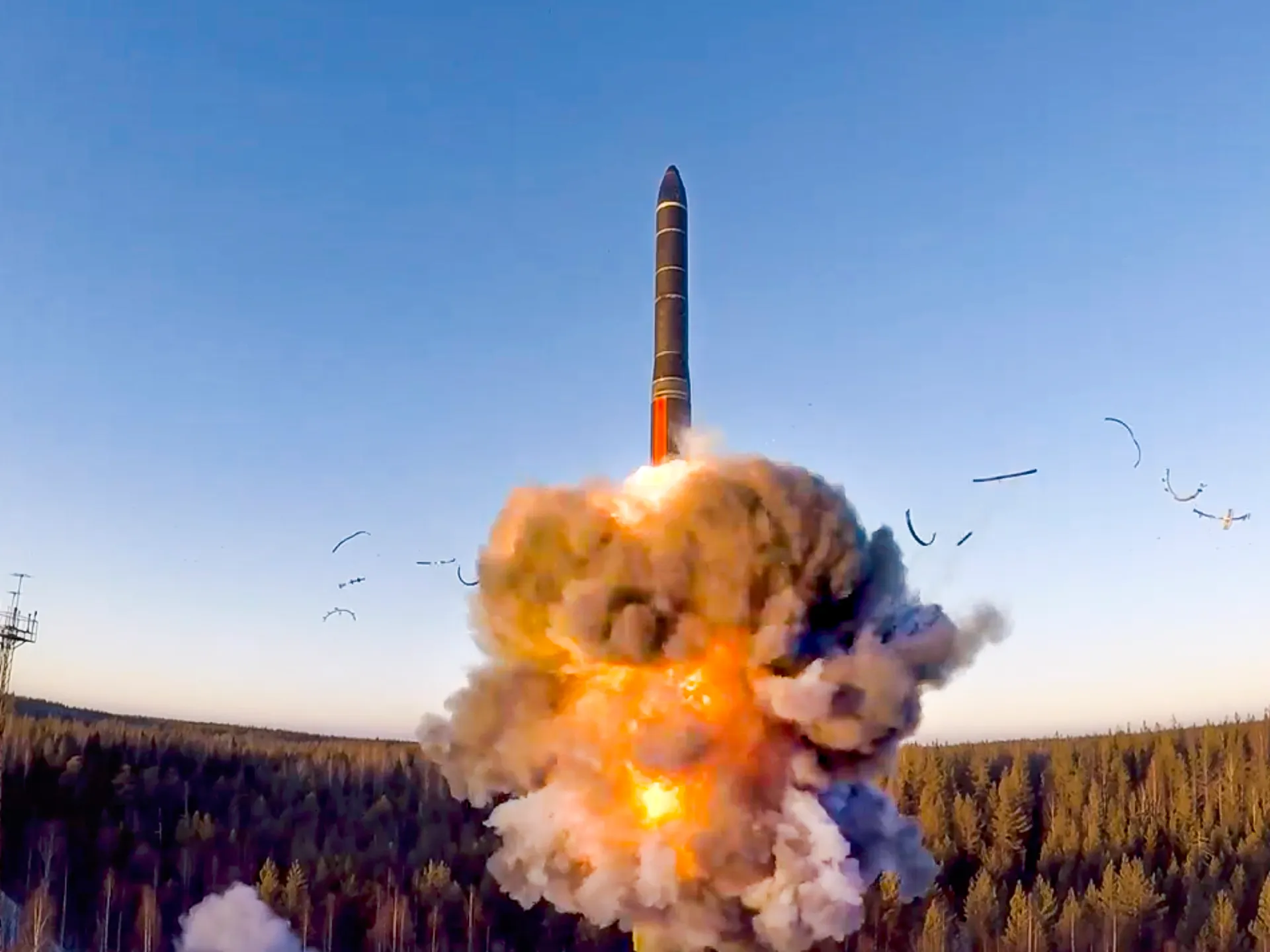
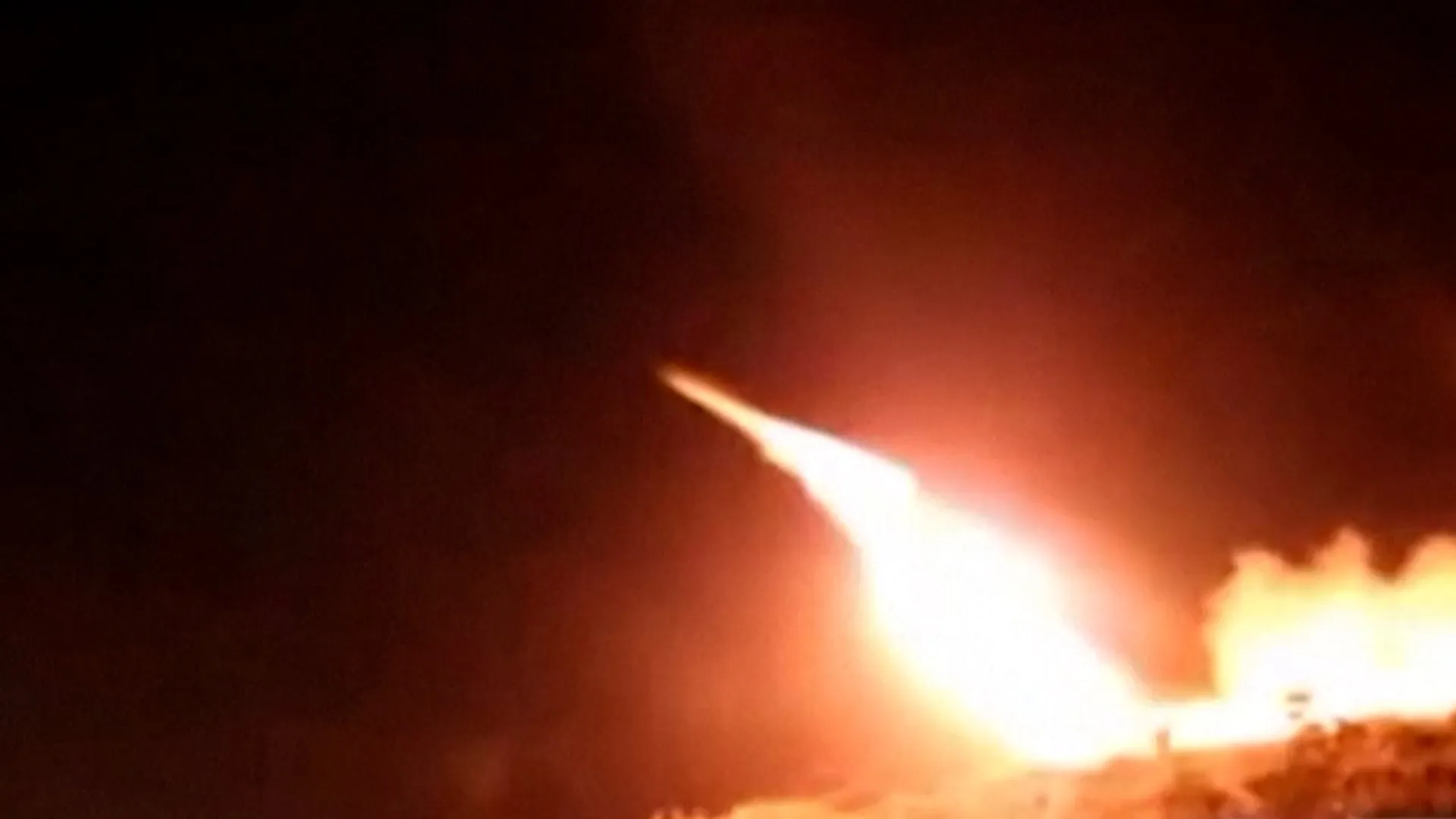
The U.S. military maintains that its strategic objectives are focused on degrading Iran's offensive capabilities, including its missile infrastructure and naval assets. Officials claim that these targeted efforts have significantly diminished the operational effectiveness of Iranian forces in the area. While the rhetoric between the two nations remains heated, the primary focus of the U.S. mission remains the protection of maritime transit routes against any potential threats that could jeopardize global energy security.
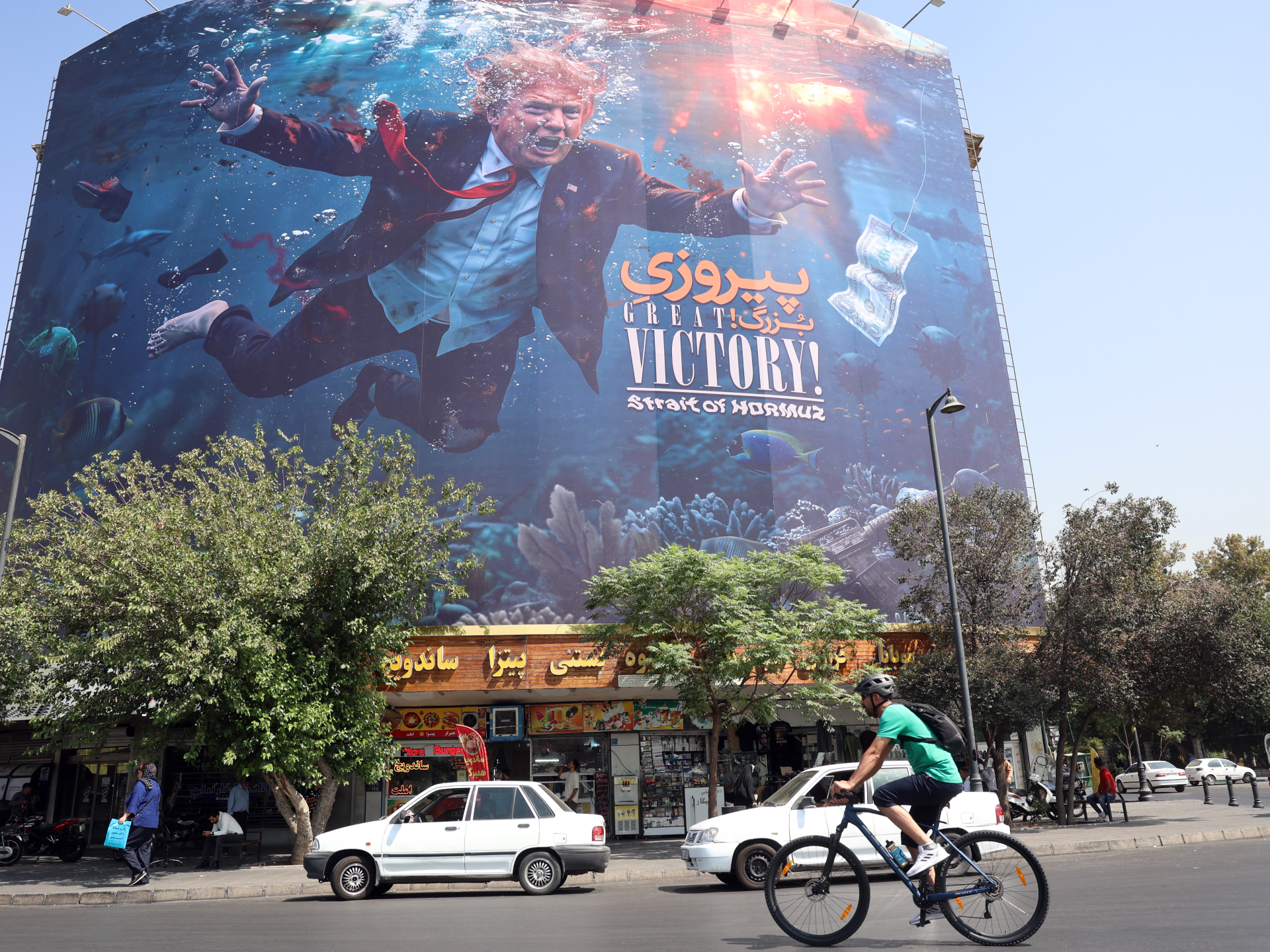
Looking ahead, the situation in the Strait of Hormuz remains fluid, with both the United States and Iran asserting competing claims regarding control and influence over the region. The U.S. military has expressed its commitment to a long-term presence, ensuring that the lanes remain clear and that commercial vessels can proceed without fear of seizure or attack. This commitment is viewed as an essential component of broader regional stability and international maritime law.
As the international community monitors the situation, the emphasis remains on the prevention of further escalation that could impact global trade. The ability to distinguish between military enforcement and the protection of commercial interests is a central theme in the current diplomatic and military strategy. With the strait kept open, the global market continues to receive vital energy supplies, though the persistence of these tensions suggests that the maritime security landscape will remain a focal point for international policy for the foreseeable future.