Colombia eases long-standing gun restrictions while the United States imposes new visa sanctions on South African officials, highlighting shifting national and international priorities.
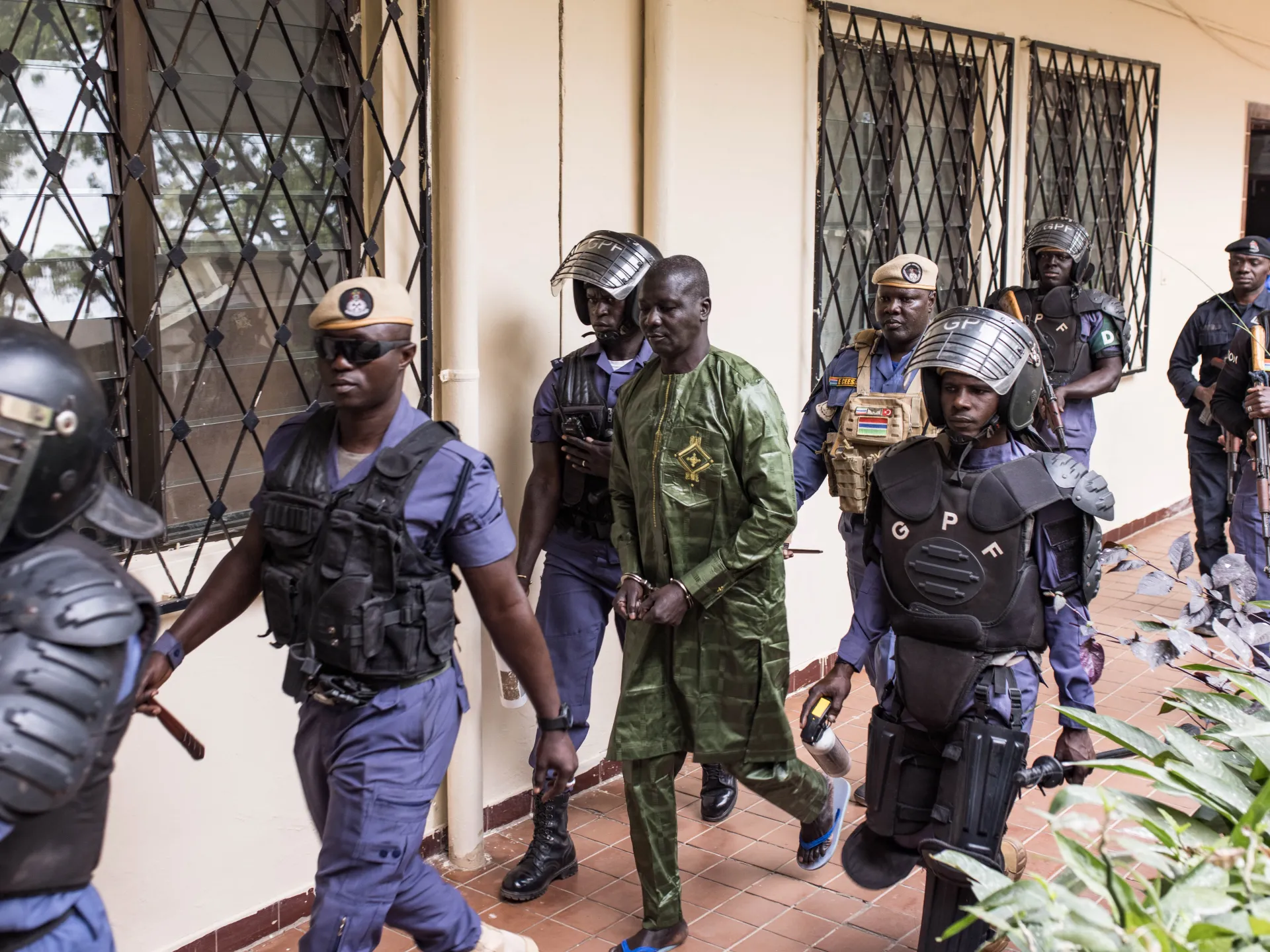
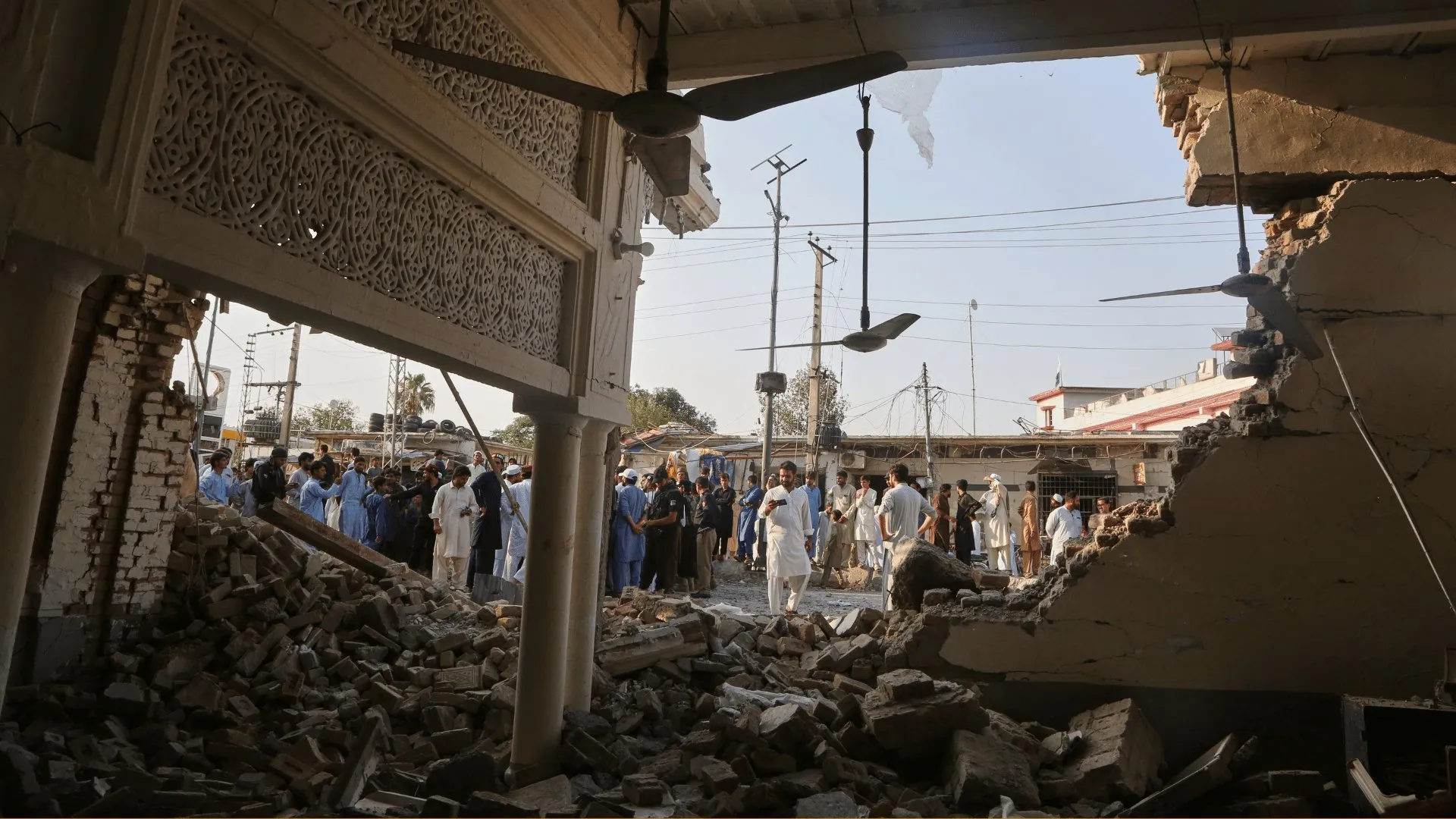
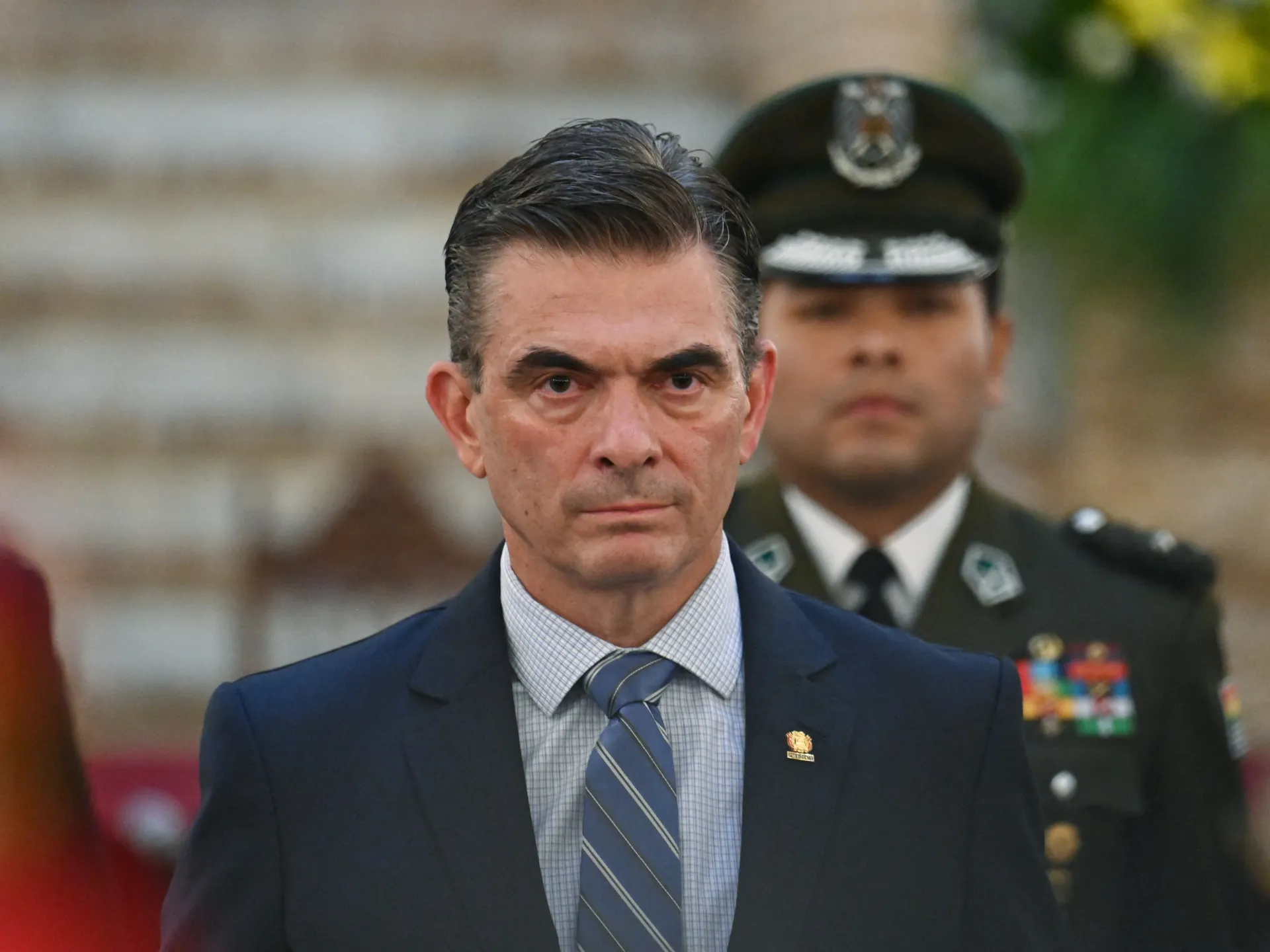
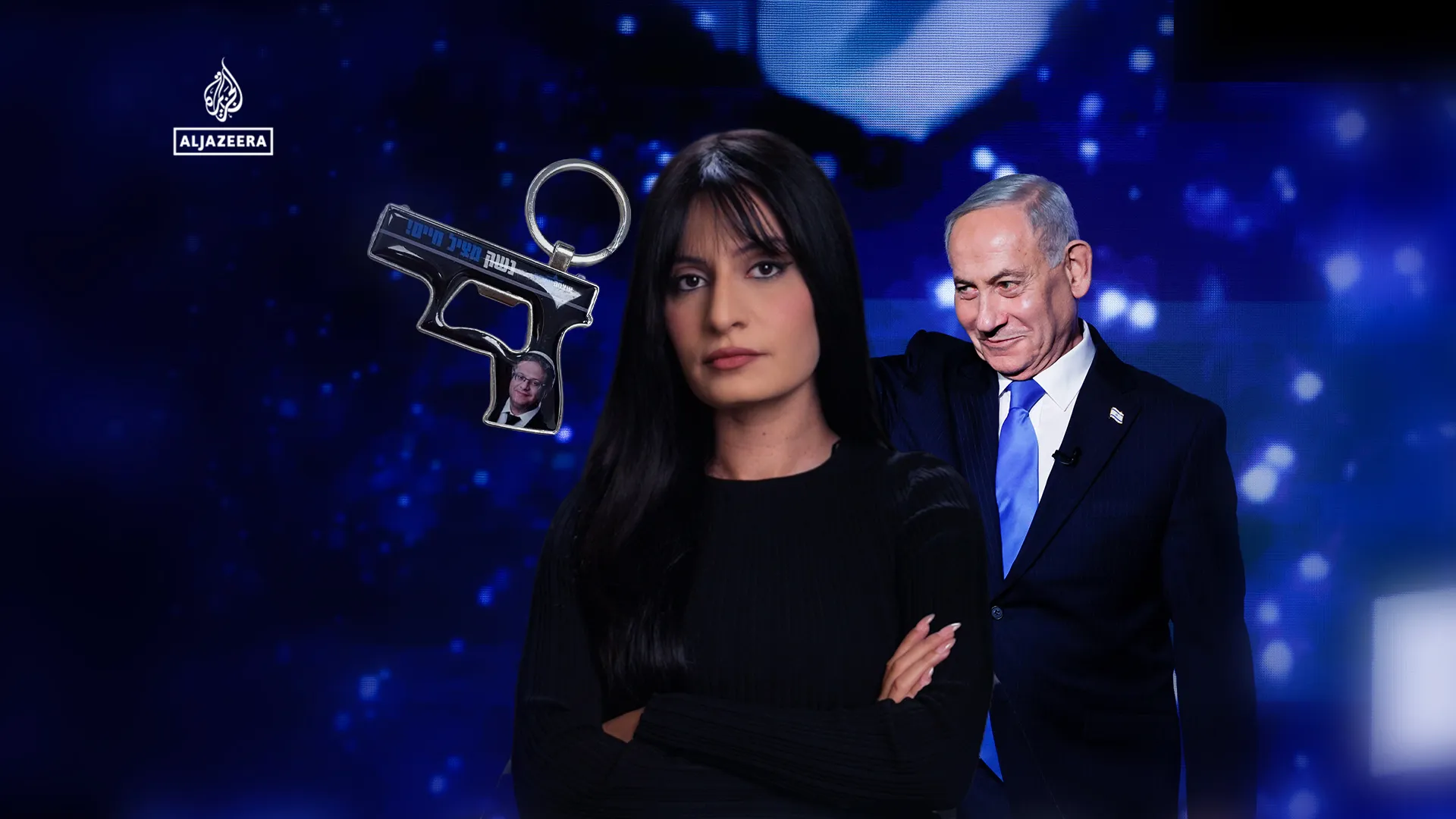
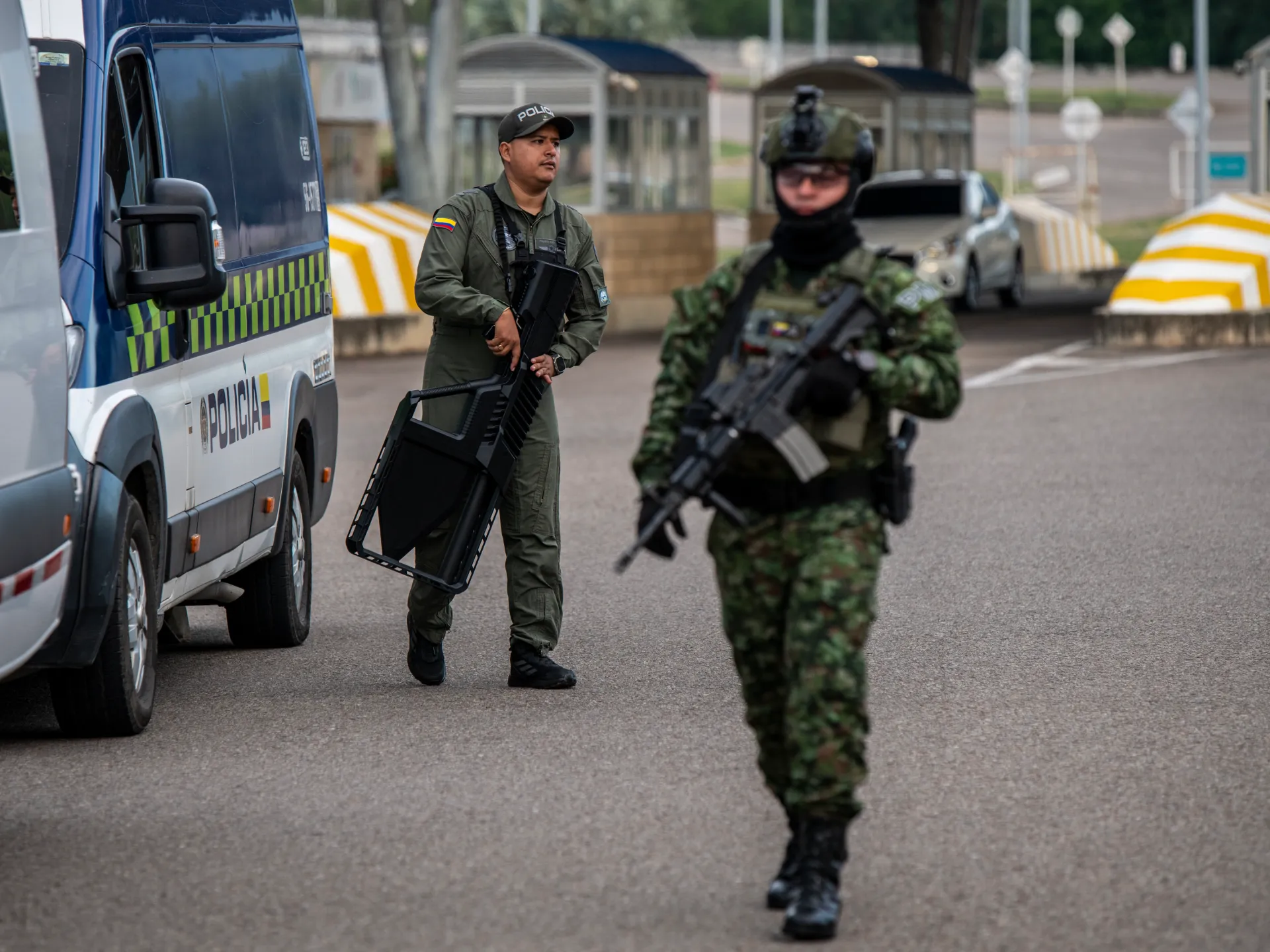
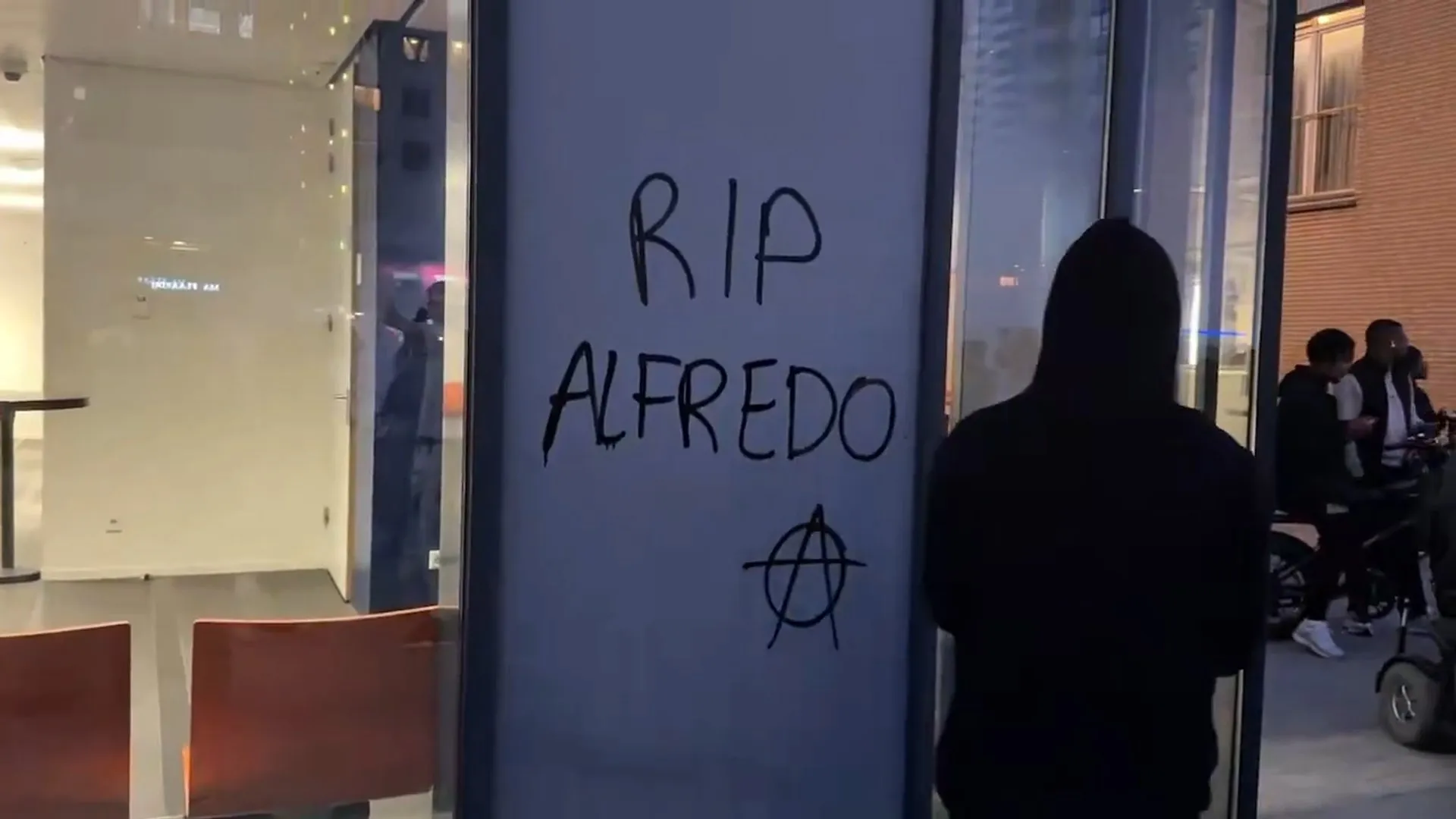
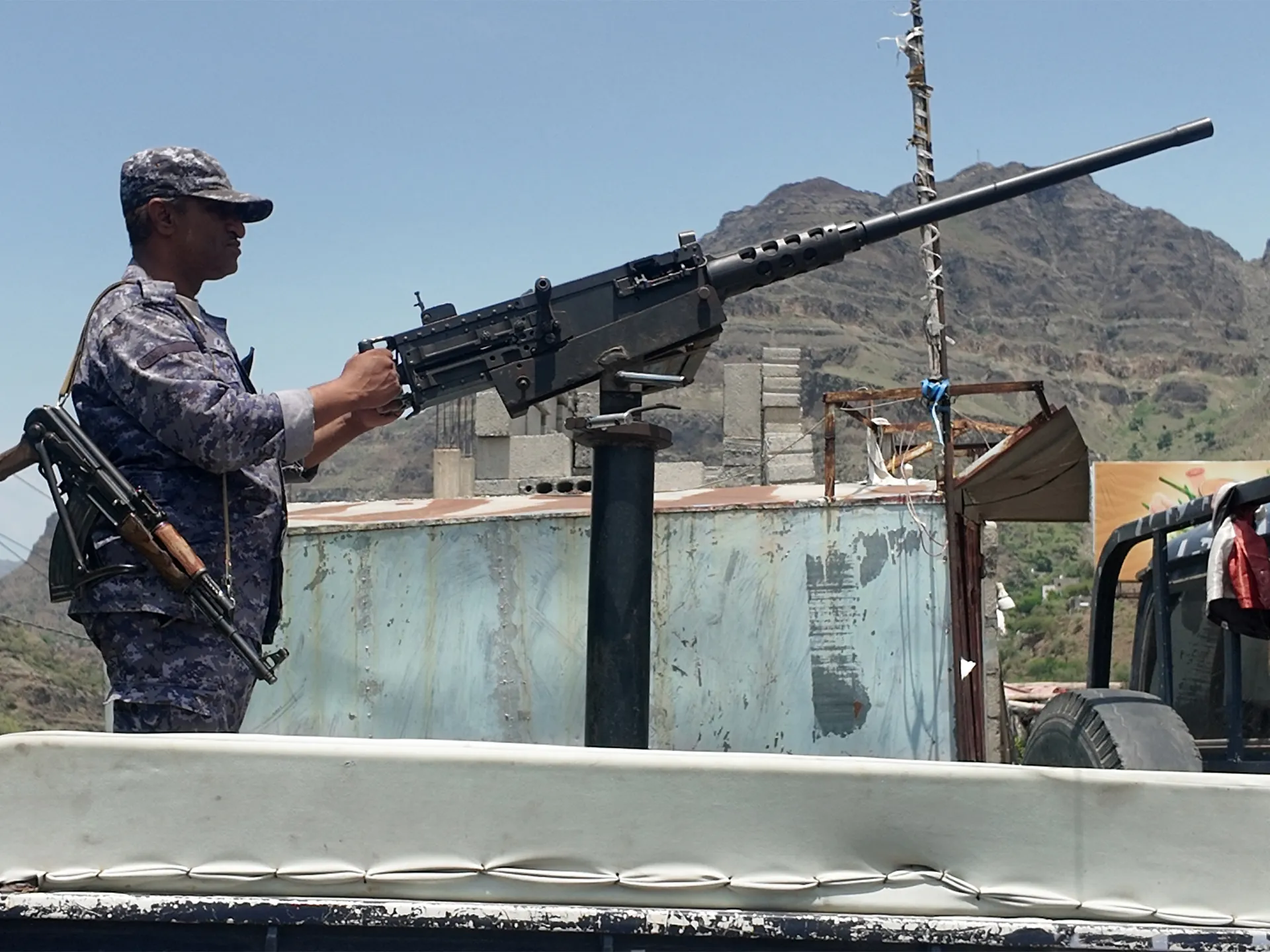
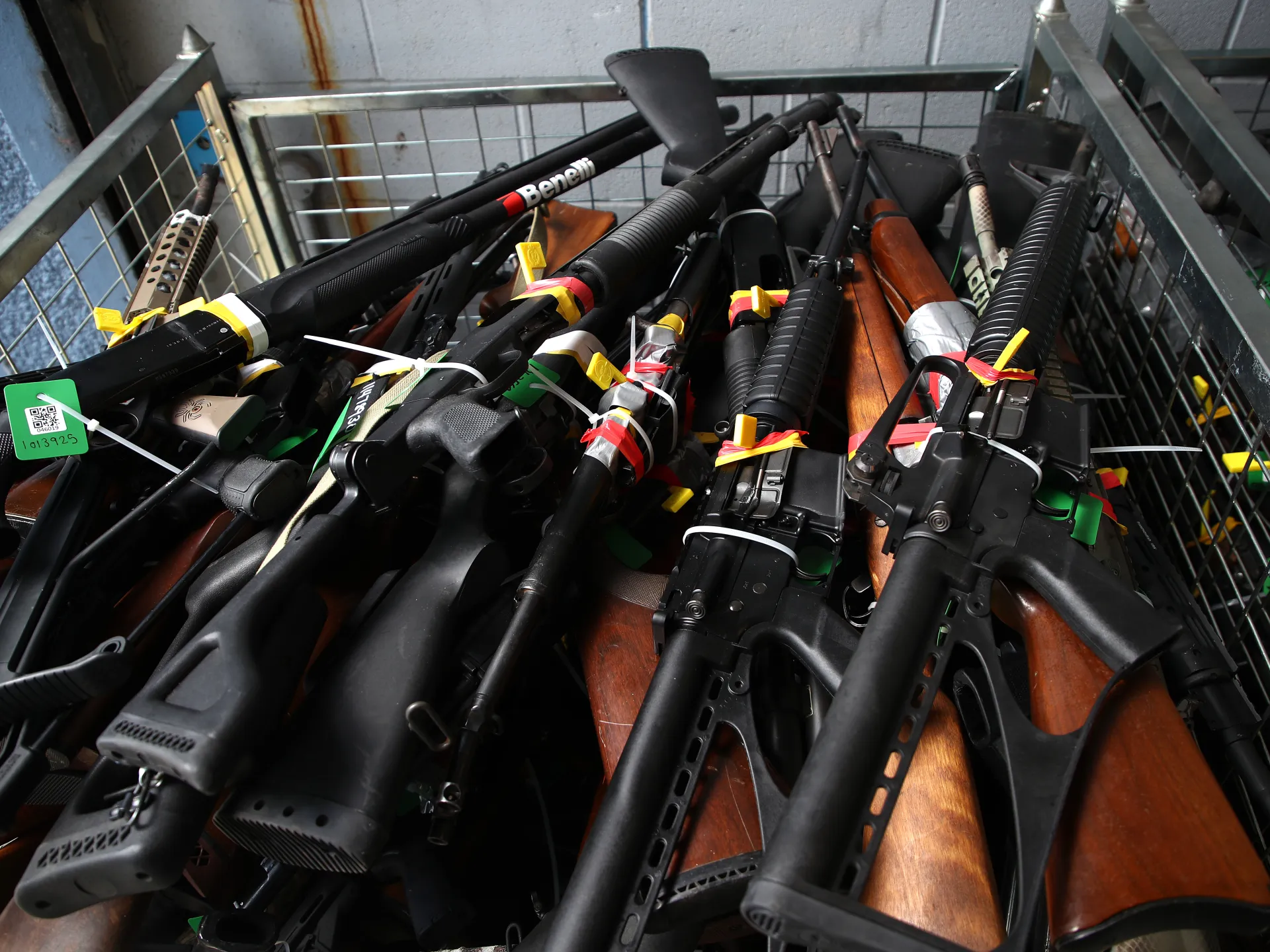
In a significant divergence from the global trend toward stricter arms control, the Colombian government has officially moved to ease restrictions on private firearm ownership after more than ten years of stringent oversight. Simultaneously, on the international stage, the United States has escalated its diplomatic pressure on South Africa, imposing targeted visa restrictions on officials amid ongoing disputes regarding domestic land policies and allegations of racial inequality.
These two developments, while geographically distinct, highlight a growing unpredictability in governmental policy-making. While Bogota argues that increased access to firearms will empower citizens to bolster their own security, domestic critics remain deeply concerned that the policy change could exacerbate the country's long-standing struggle with high rates of violence. Across the Atlantic, the cooling of relations between Washington and Pretoria underscores a widening ideological divide concerning the interpretation of South African land reform and the protection of minority populations.
The convergence of these policy shifts signals a potential recalibration of how states manage internal stability and international alliances. In Colombia, the decision to loosen gun laws represents a gamble on individual autonomy at the potential expense of collective public safety, a strategy that contrasts sharply with the legislative trajectories of many other Latin American nations. Conversely, the US sanctions on South African officials reflect a shift toward using visa policy as a primary tool of diplomatic coercion. This tactic creates a precedent where internal legislative actions—such as land reform—are treated -level sanctions, potentially disrupting future diplomatic negotiations and regional stability in Southern Africa.
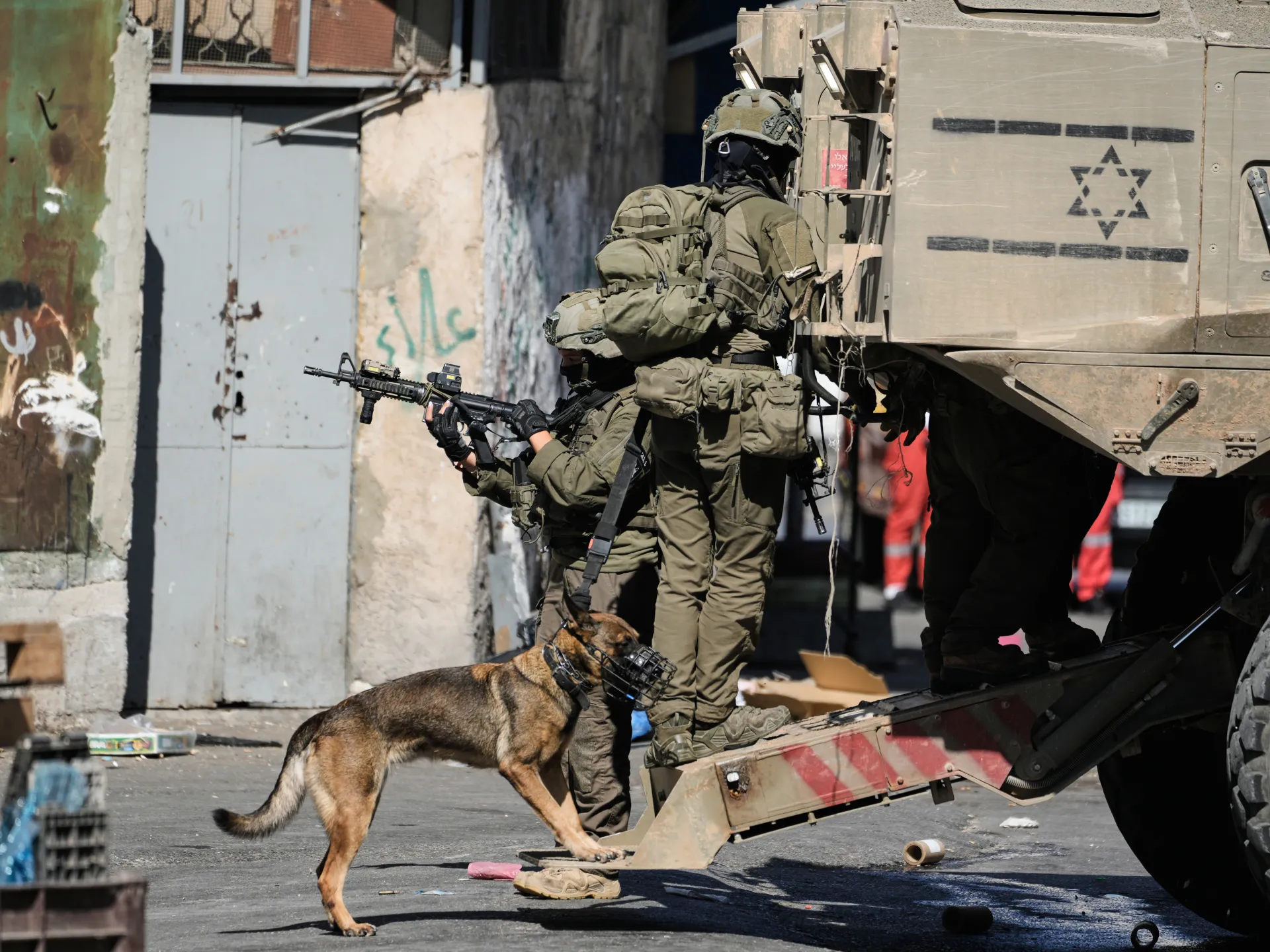
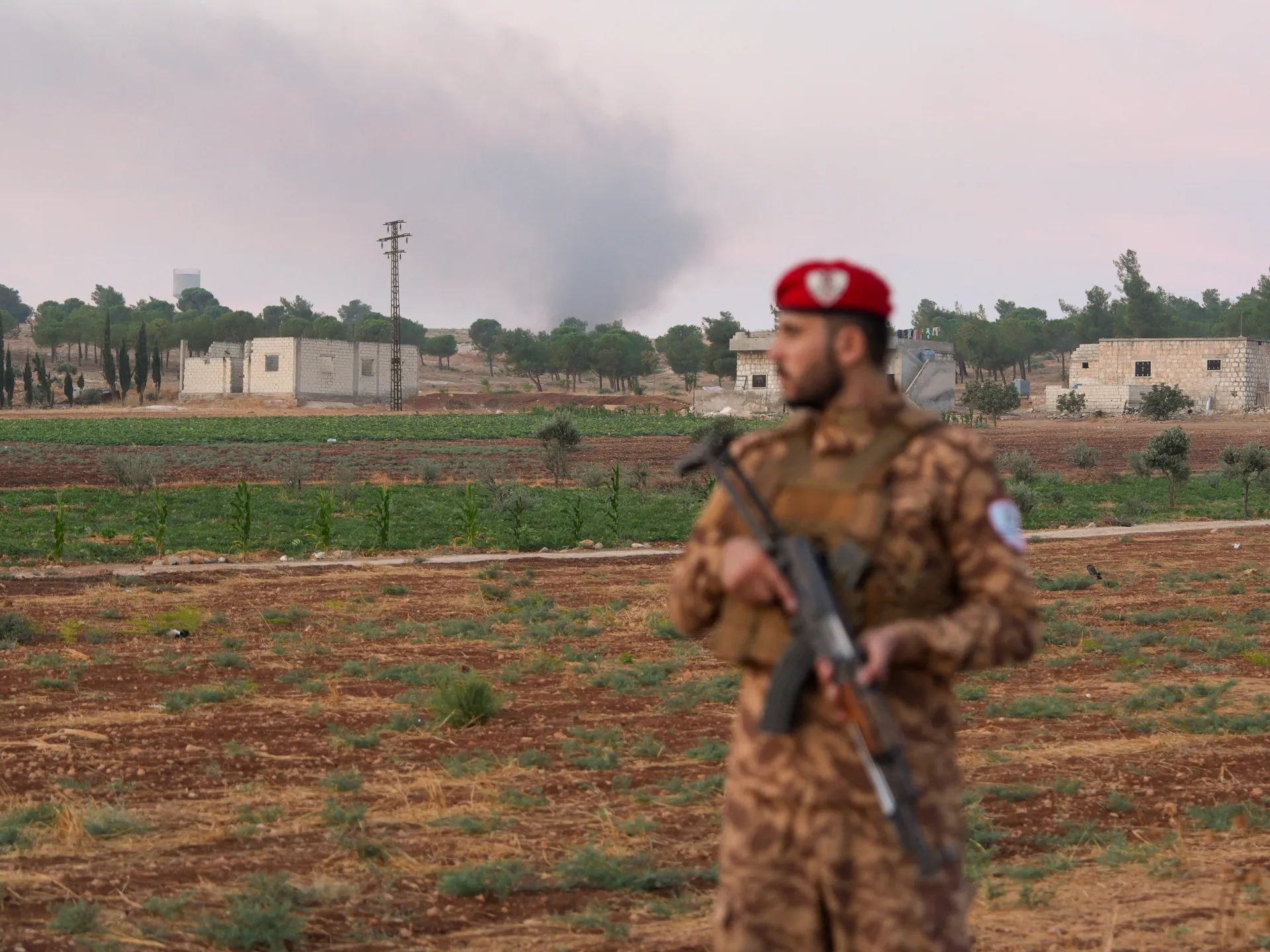
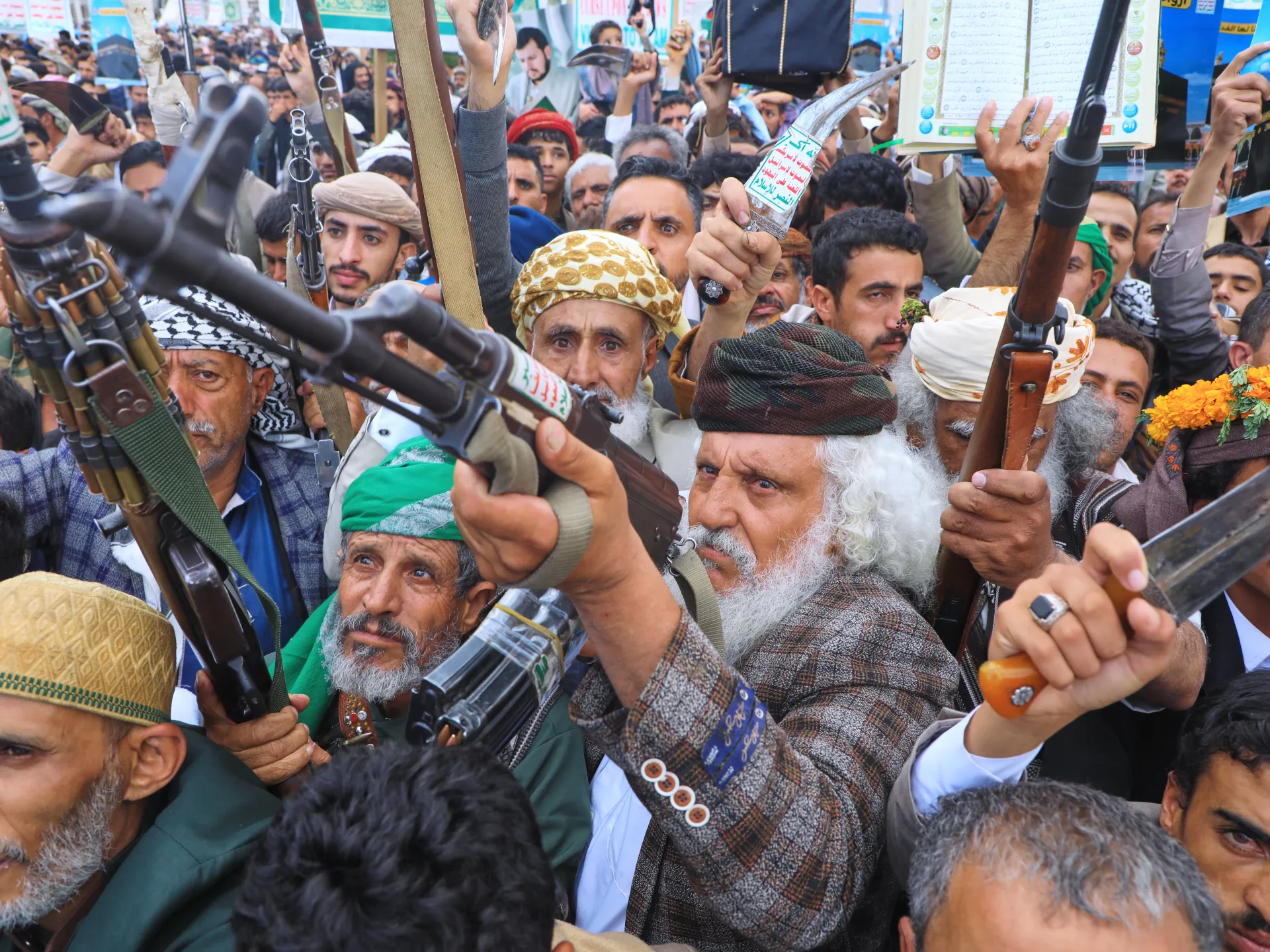
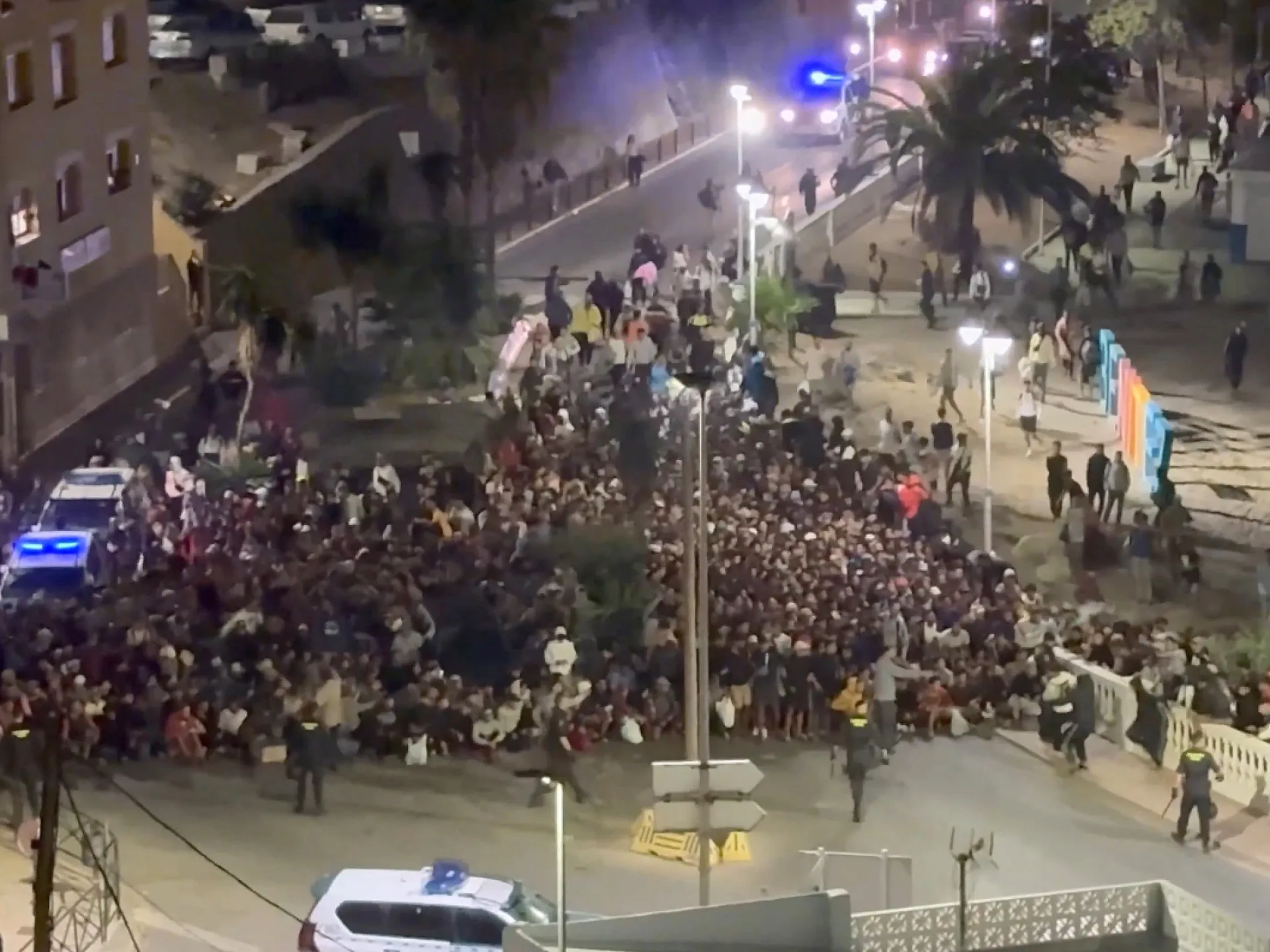
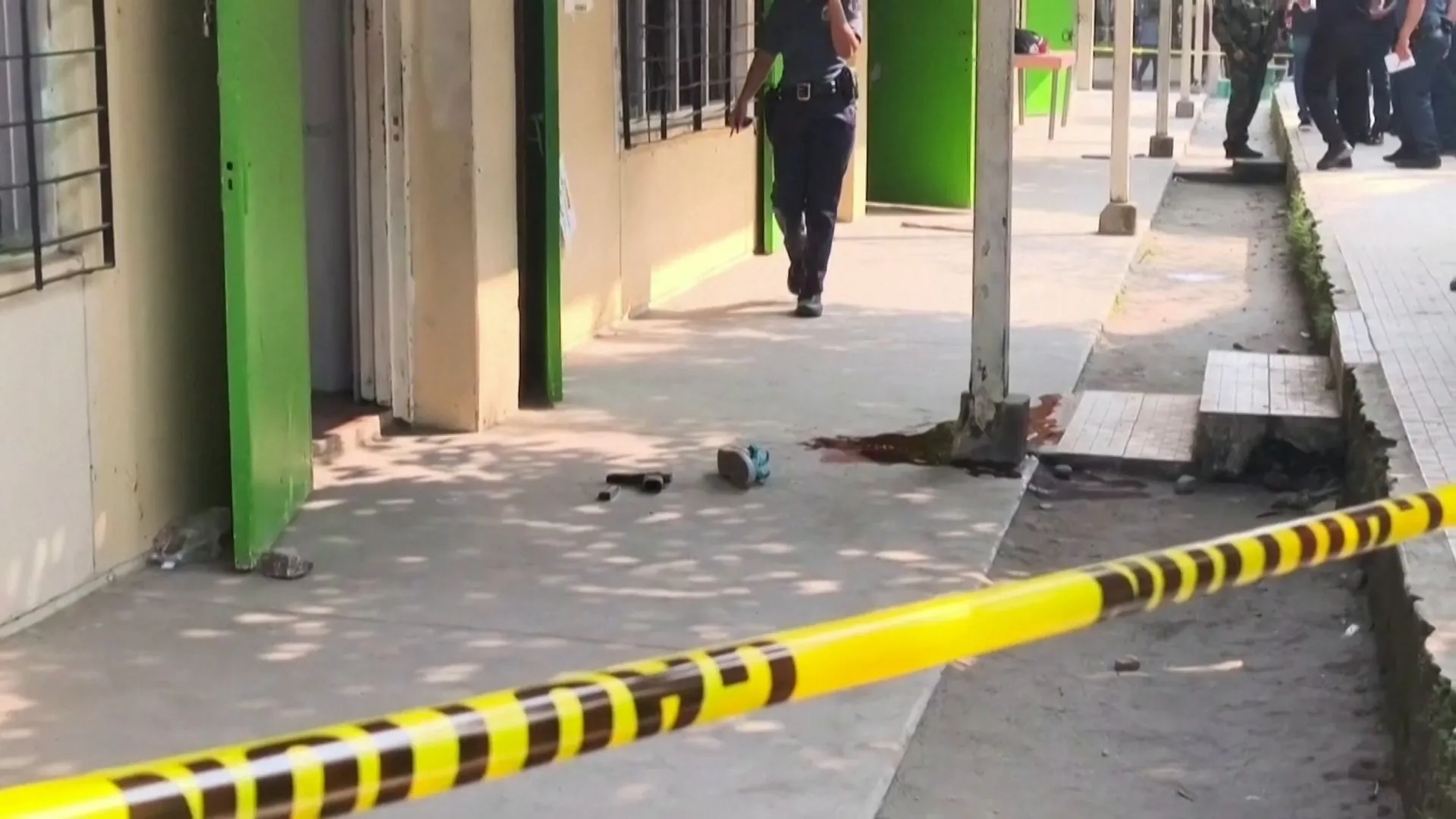
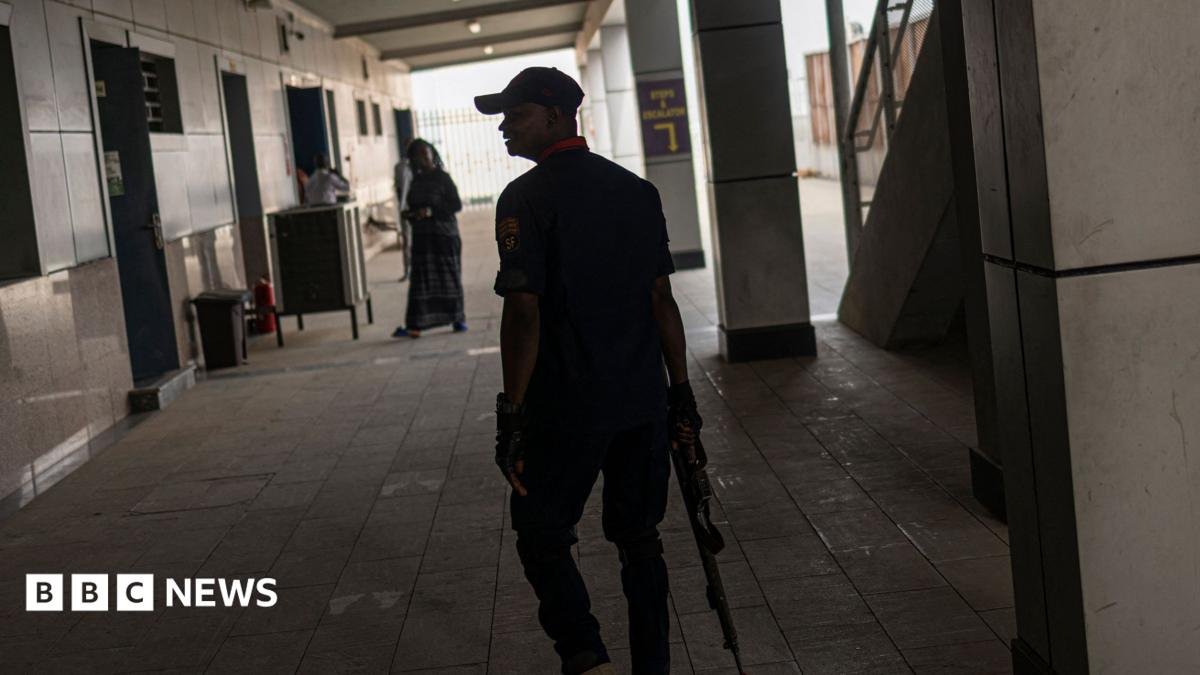
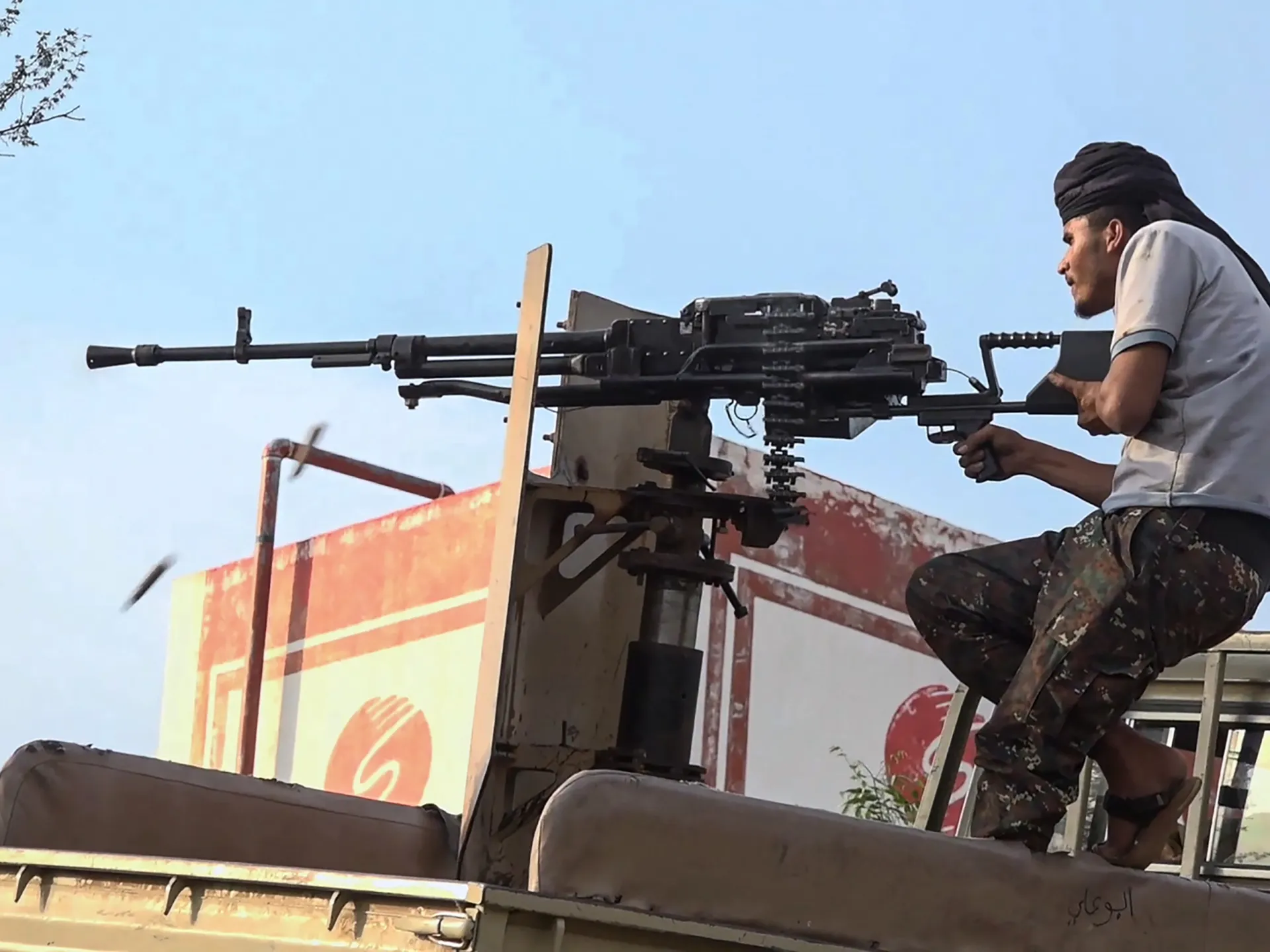
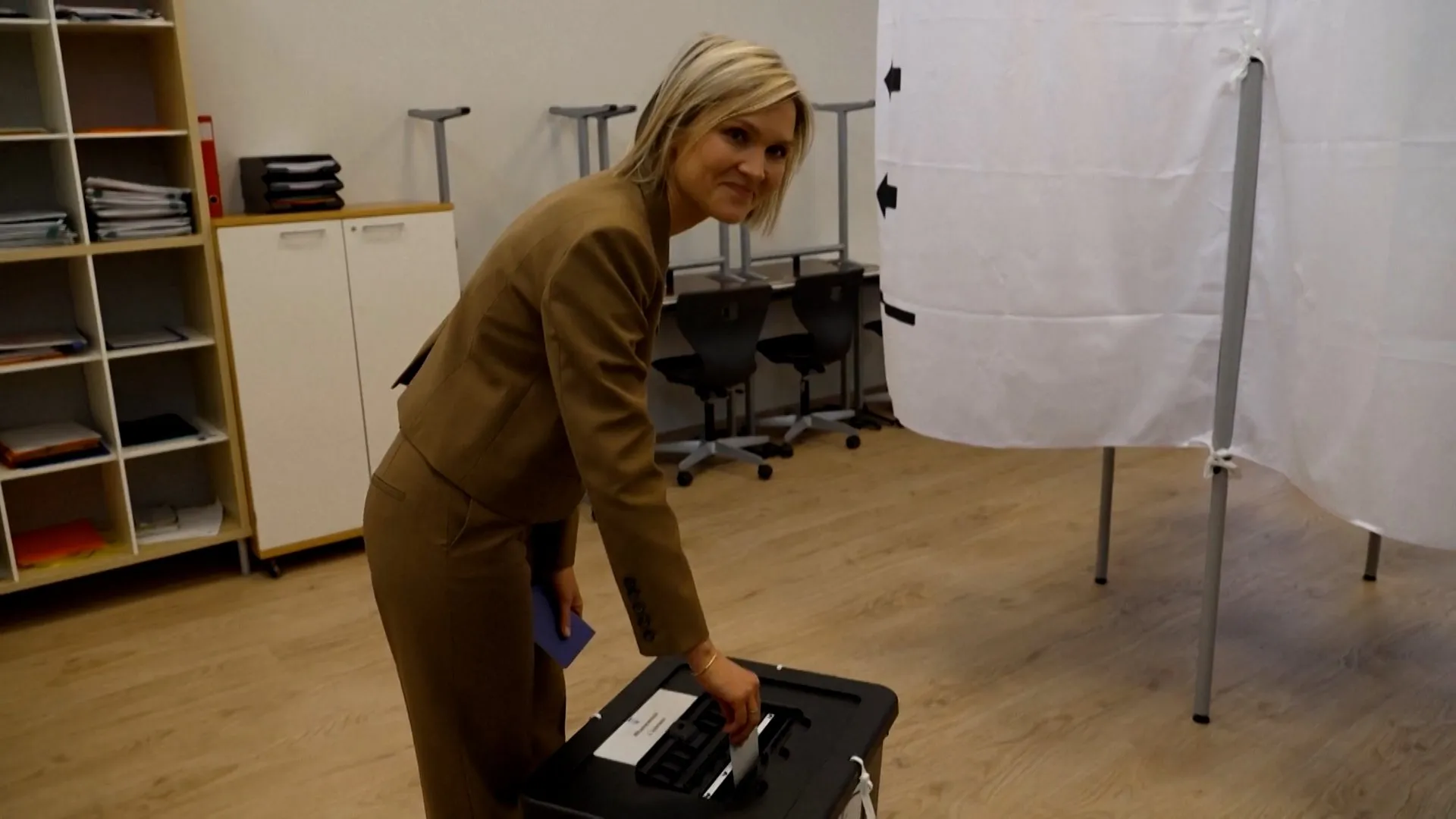
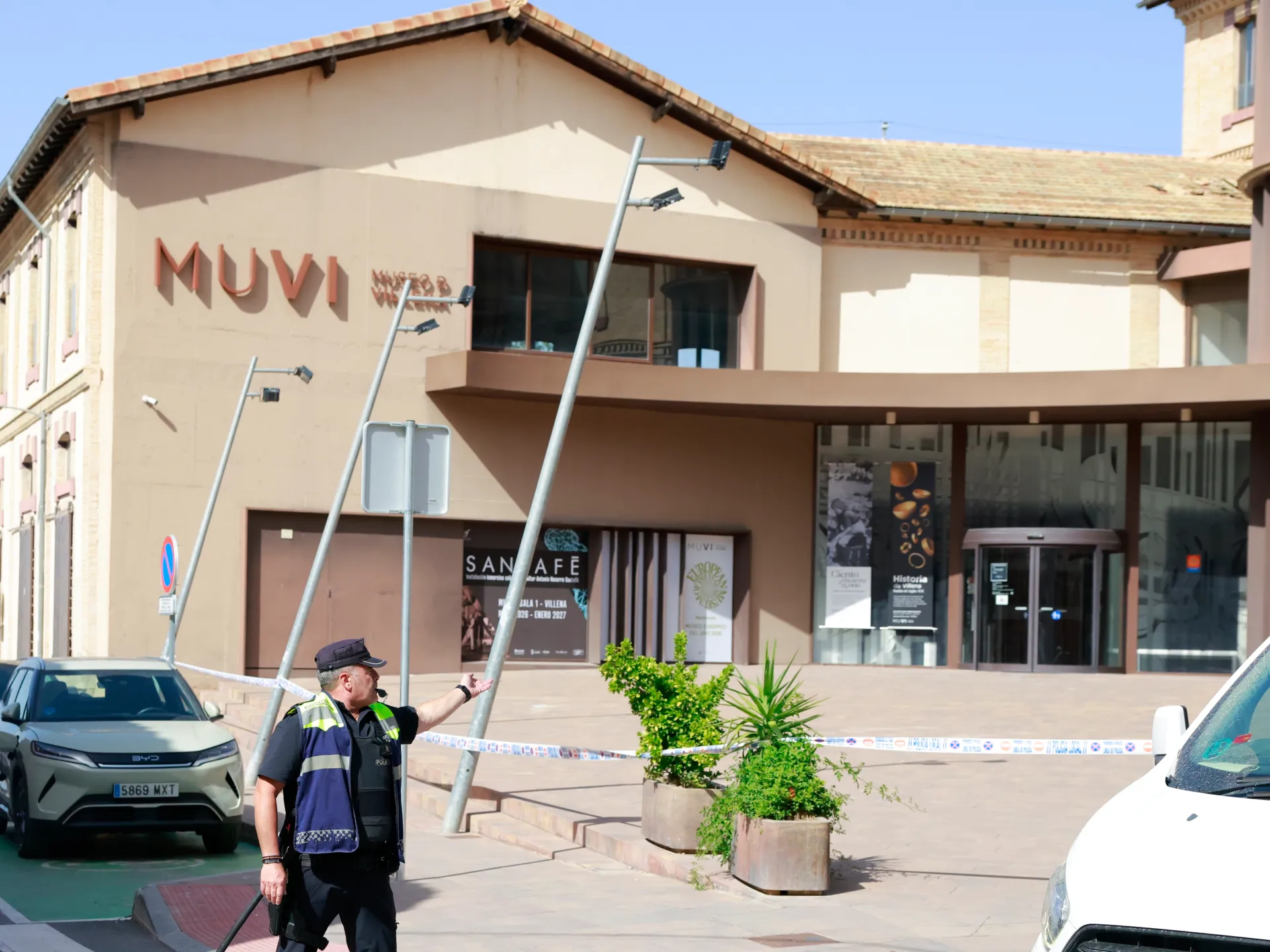
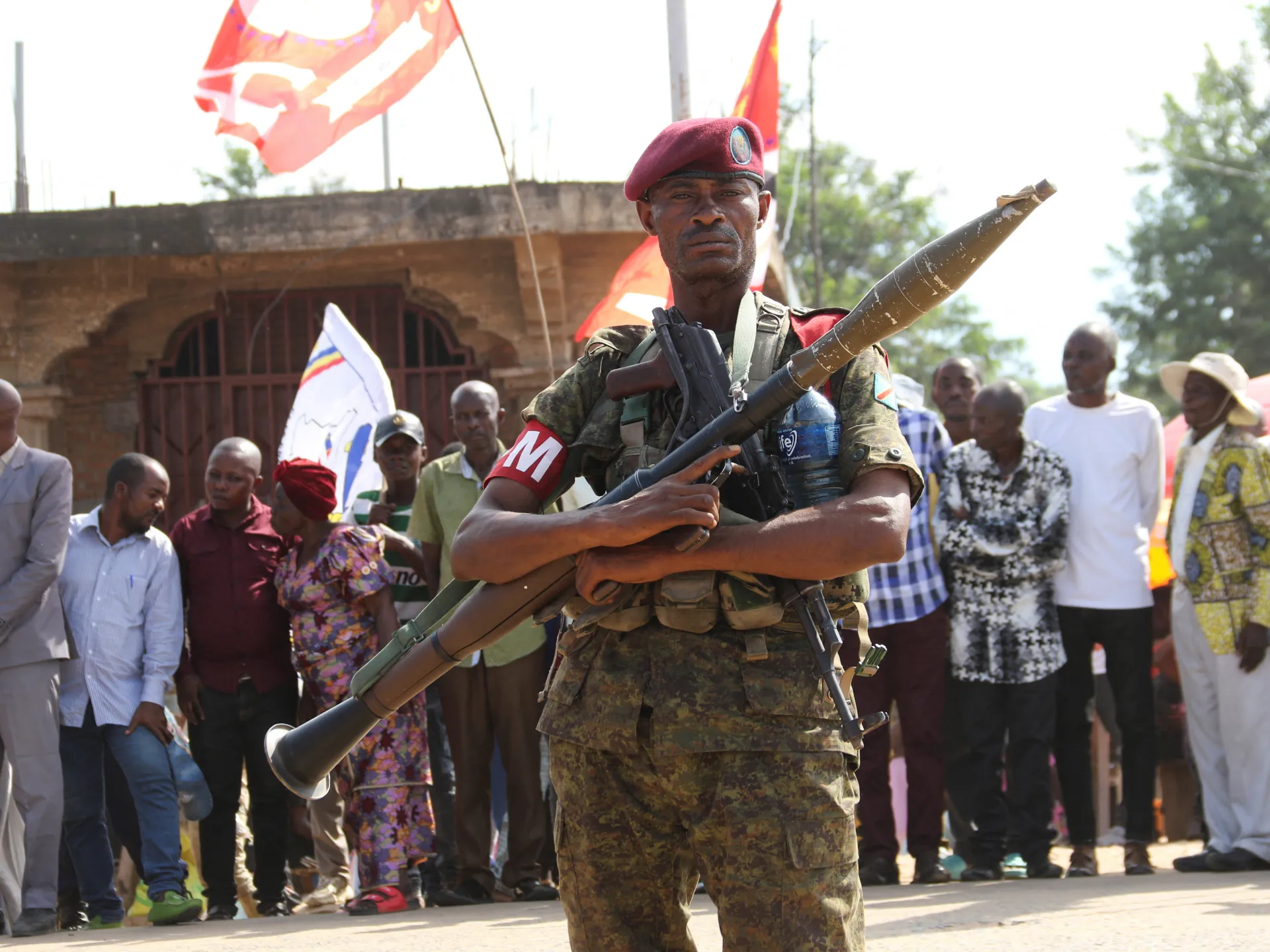
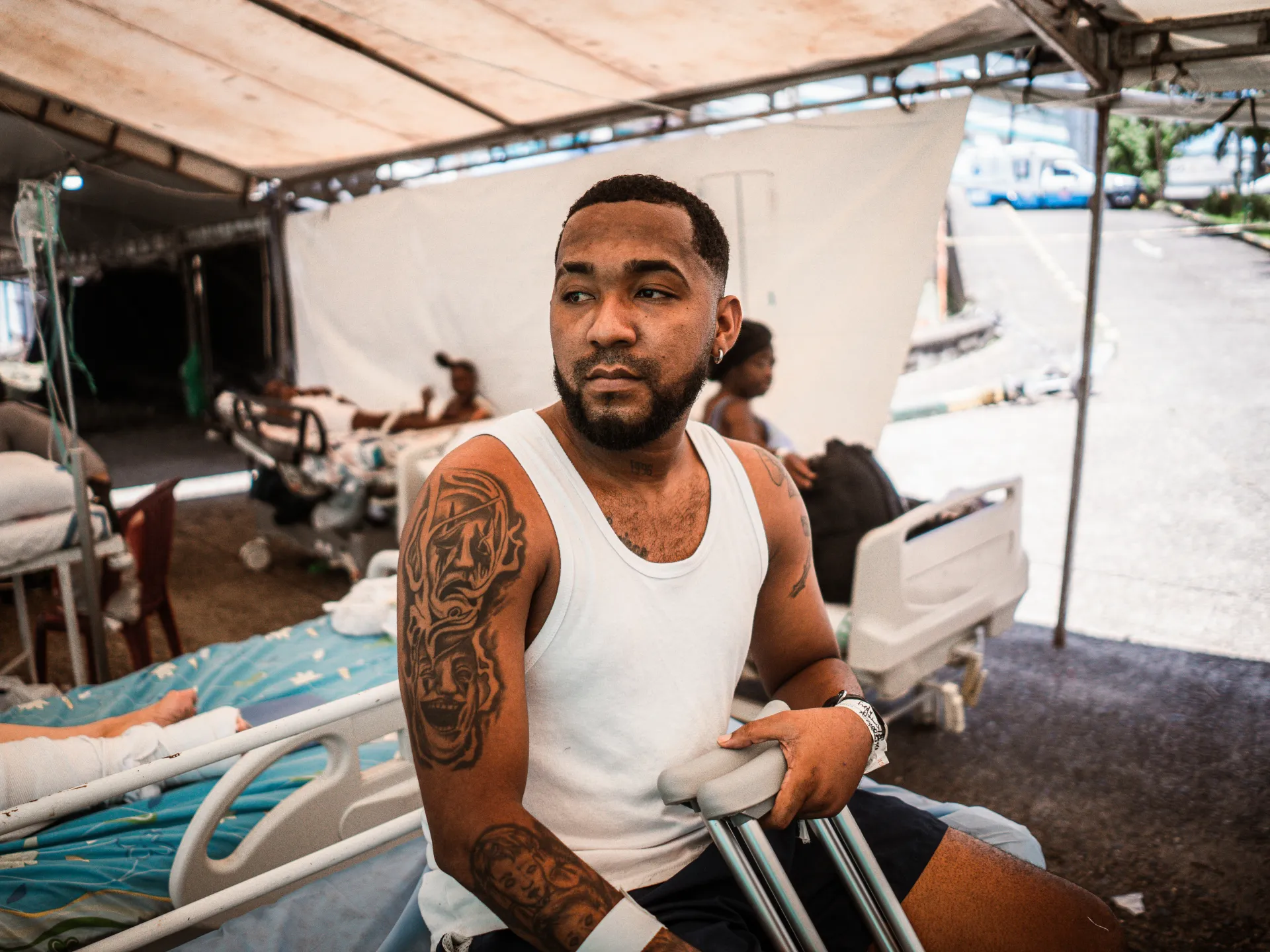
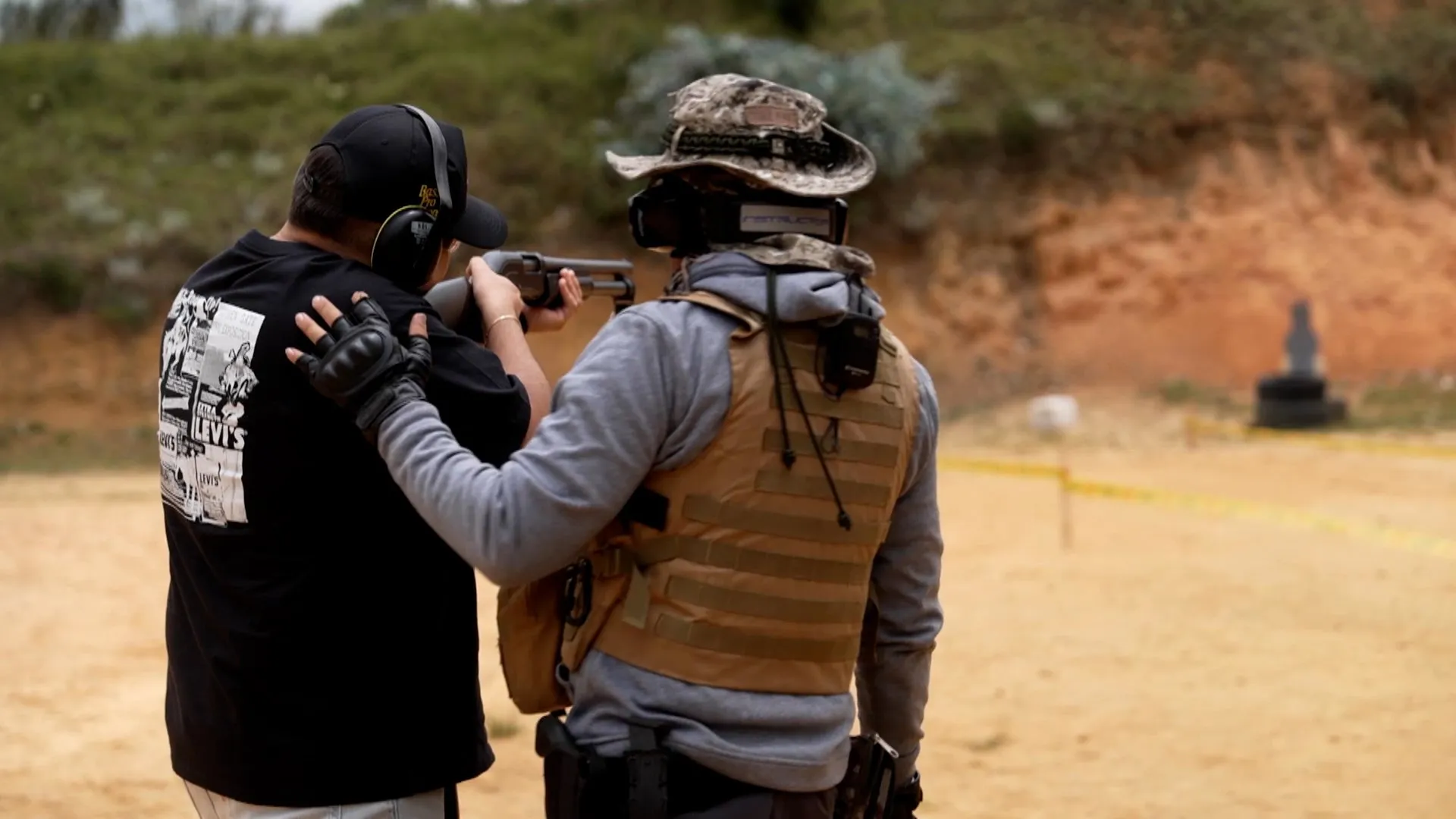
The Colombian government’s decision to open the door for easier firearm acquisition has sparked a heated national debate. Proponents of the legislation maintain that the move is a necessary adjustment to provide individuals with the means to protect themselves in areas where state security forces have struggled to maintain order. addressing a gap in private security.
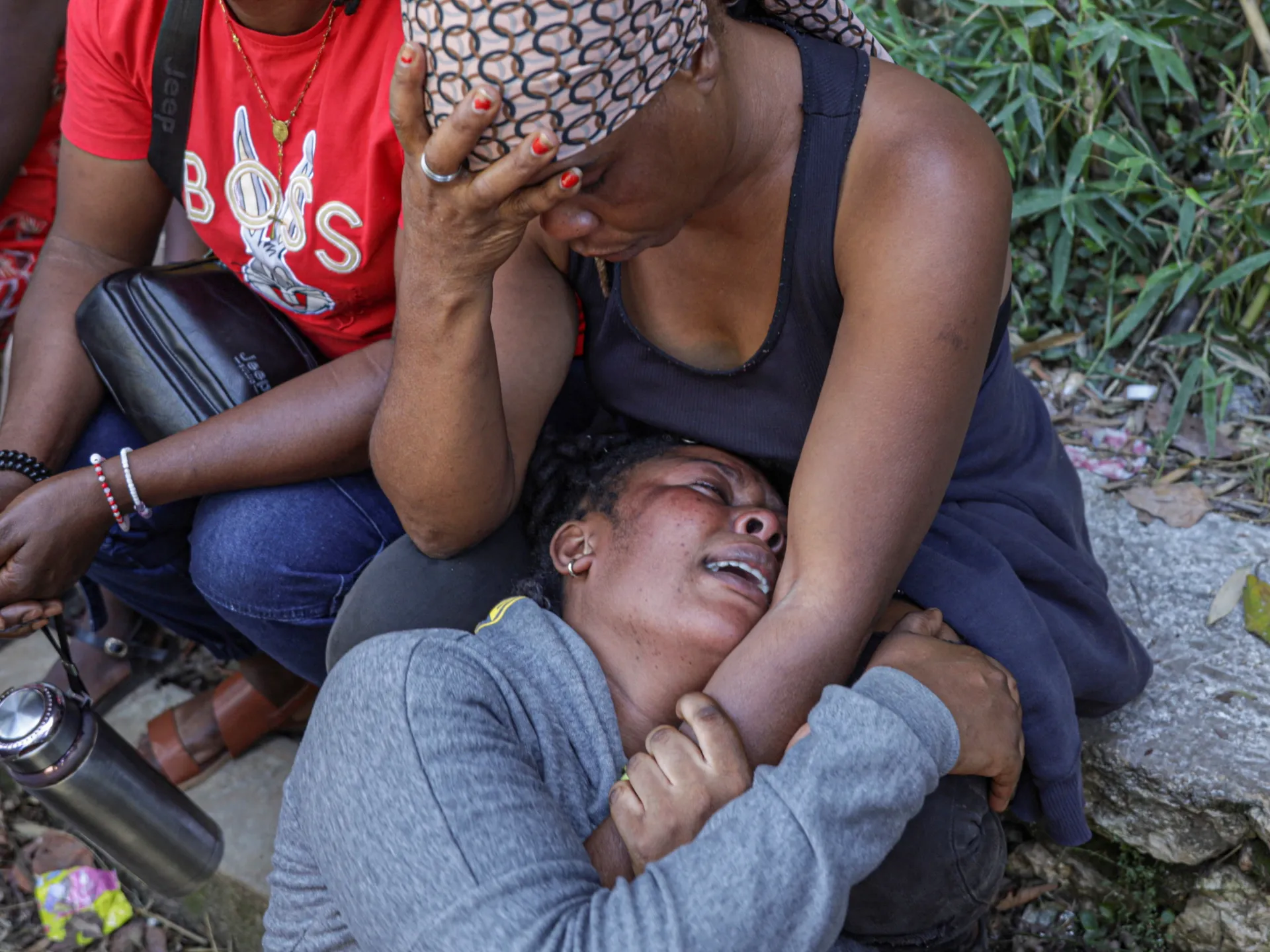
However, the policy has drawn sharp criticism from those who argue that adding more firearms to a society already grappling with armed conflict and criminal syndicates will only lead to a surge in violence. Opponents fear that the move could inadvertently arm the very groups that destabilize the nation, potentially reversing the progress made over the last decade of restrictive regulation. As the policy begins to take effect, the eyes of regional observers remain focused on whether this experiment in self-defense will lead to the promised security or a more volatile social landscape.
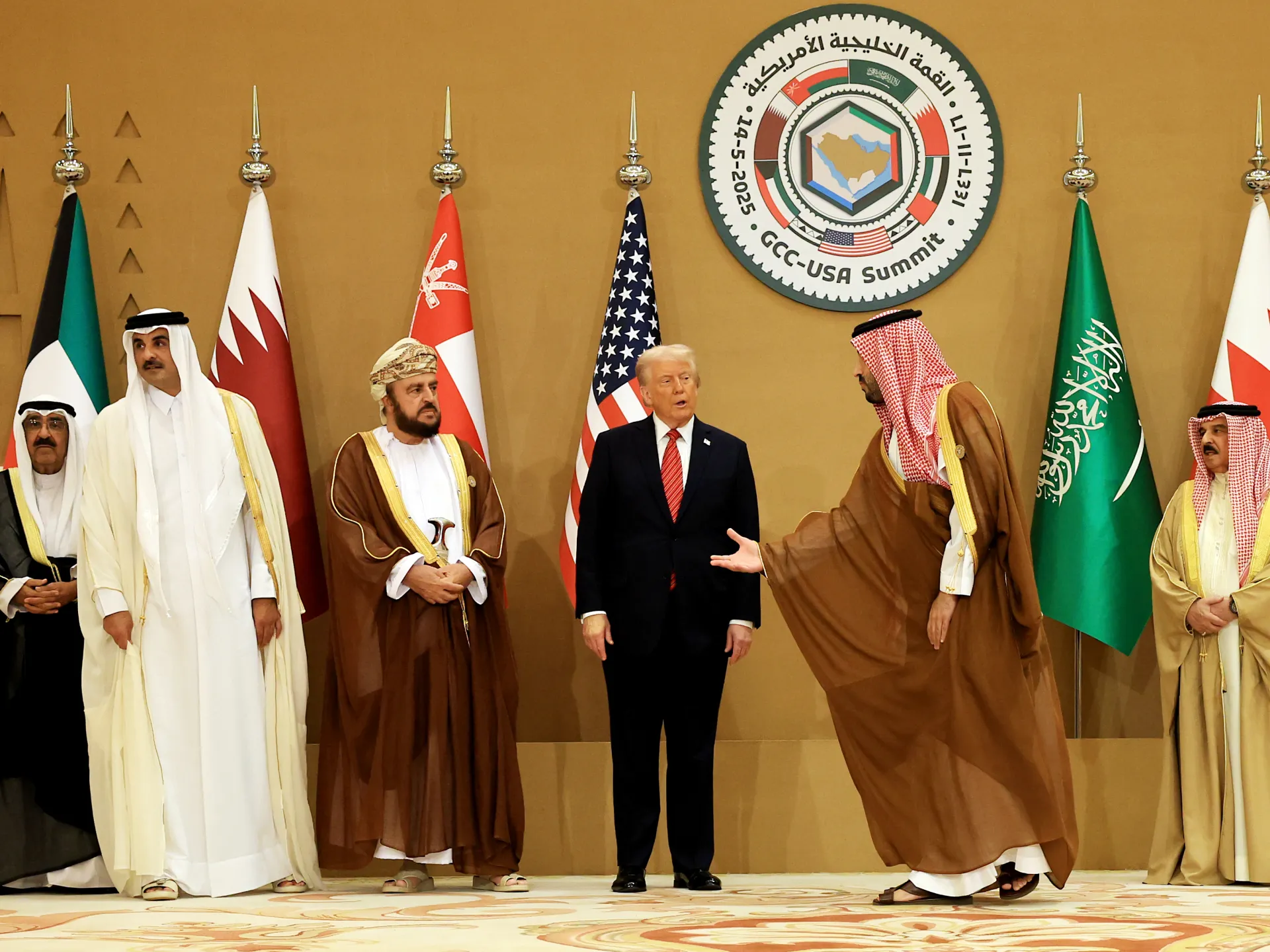
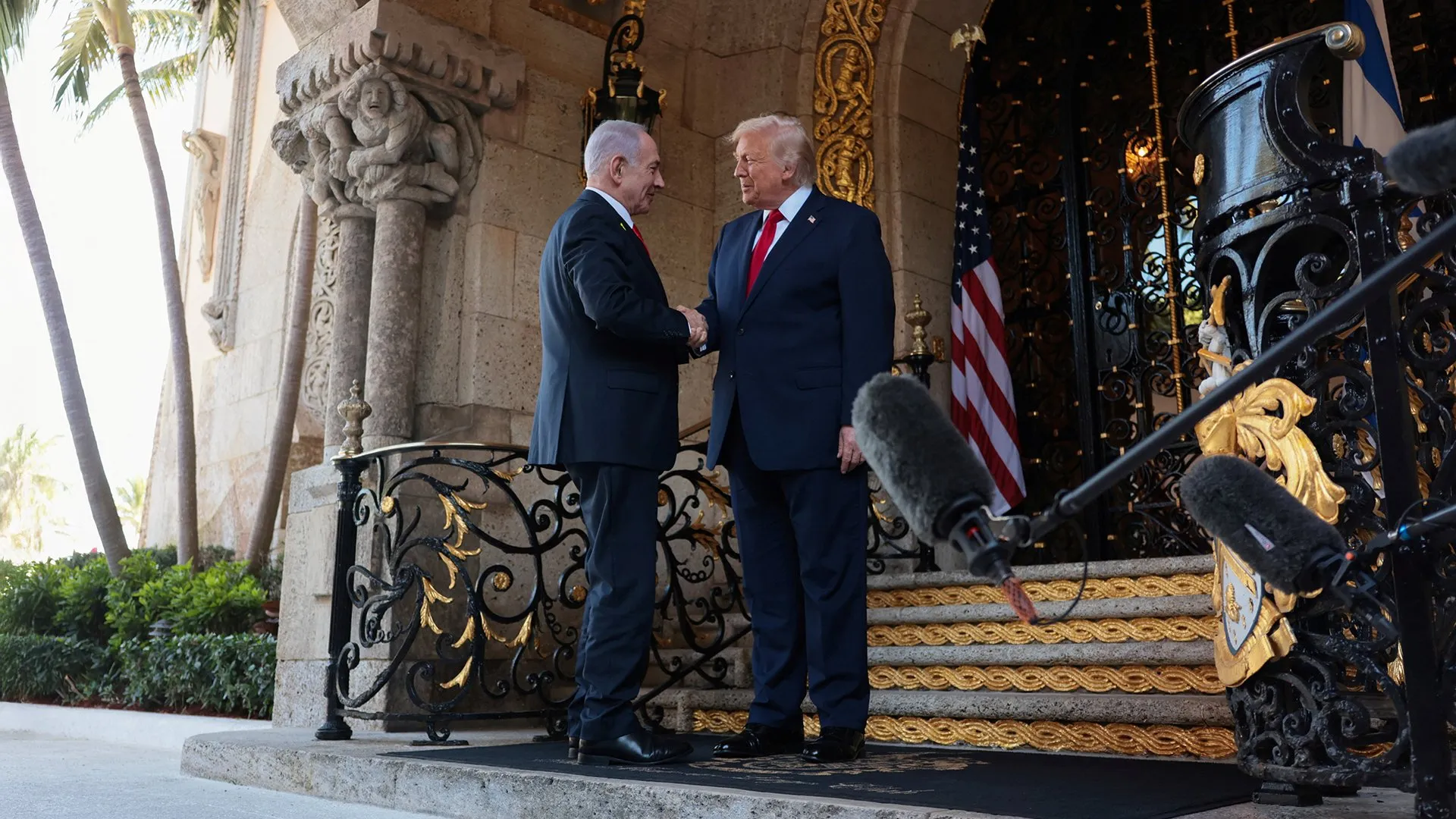
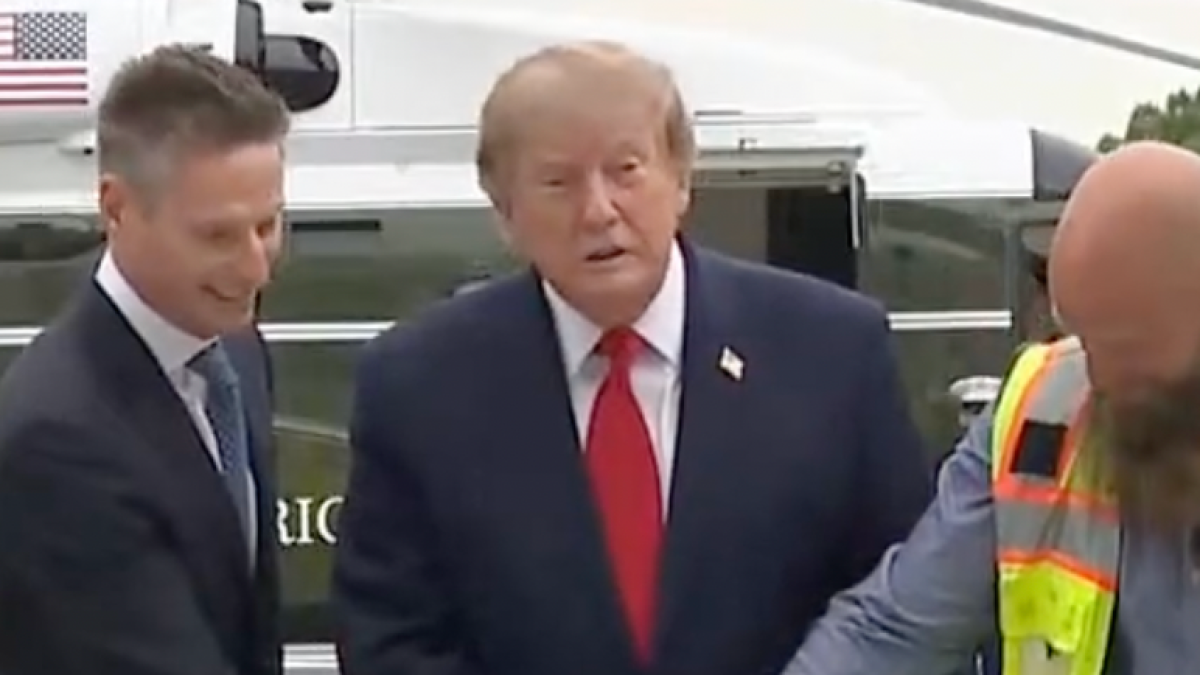
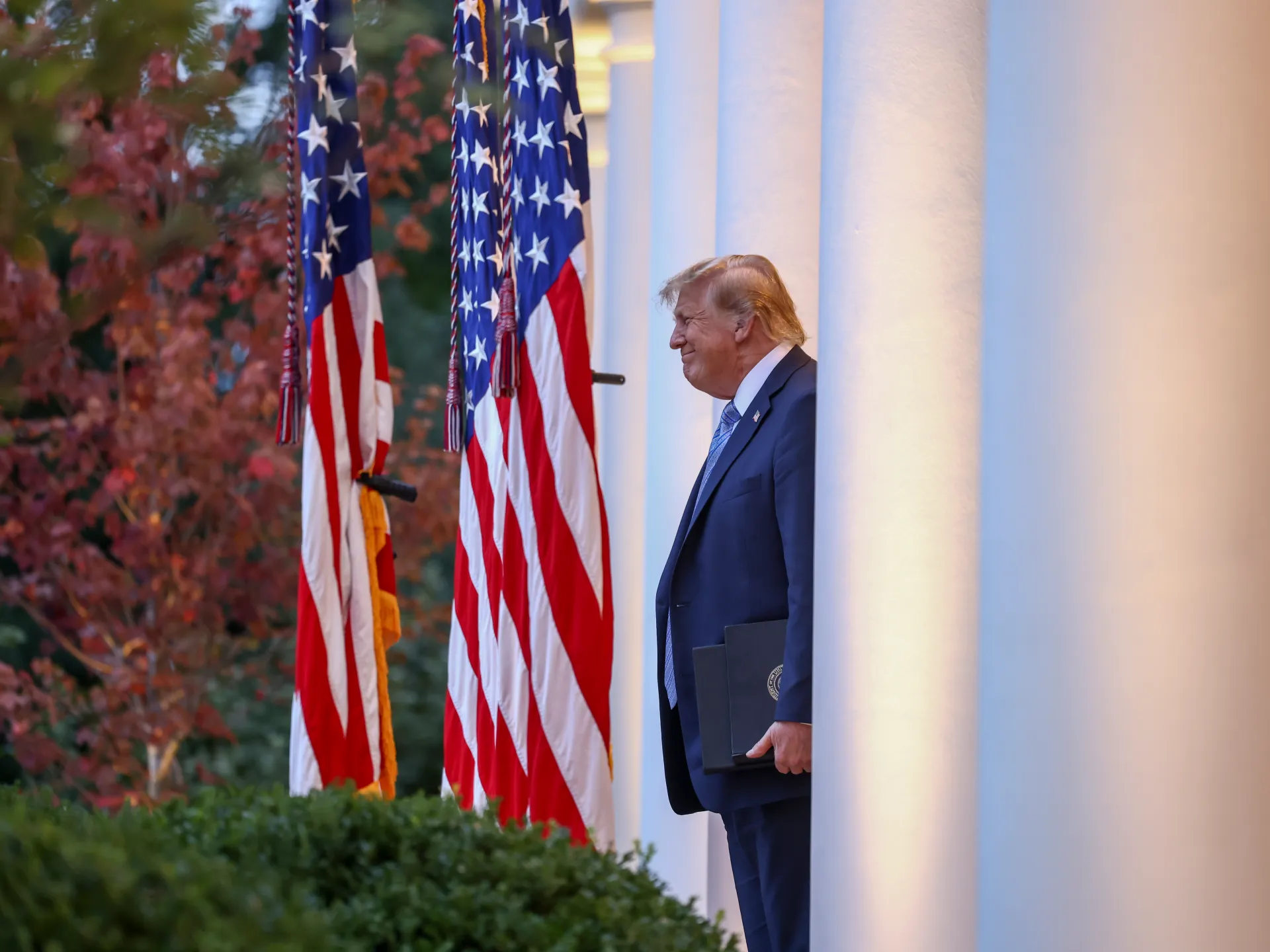
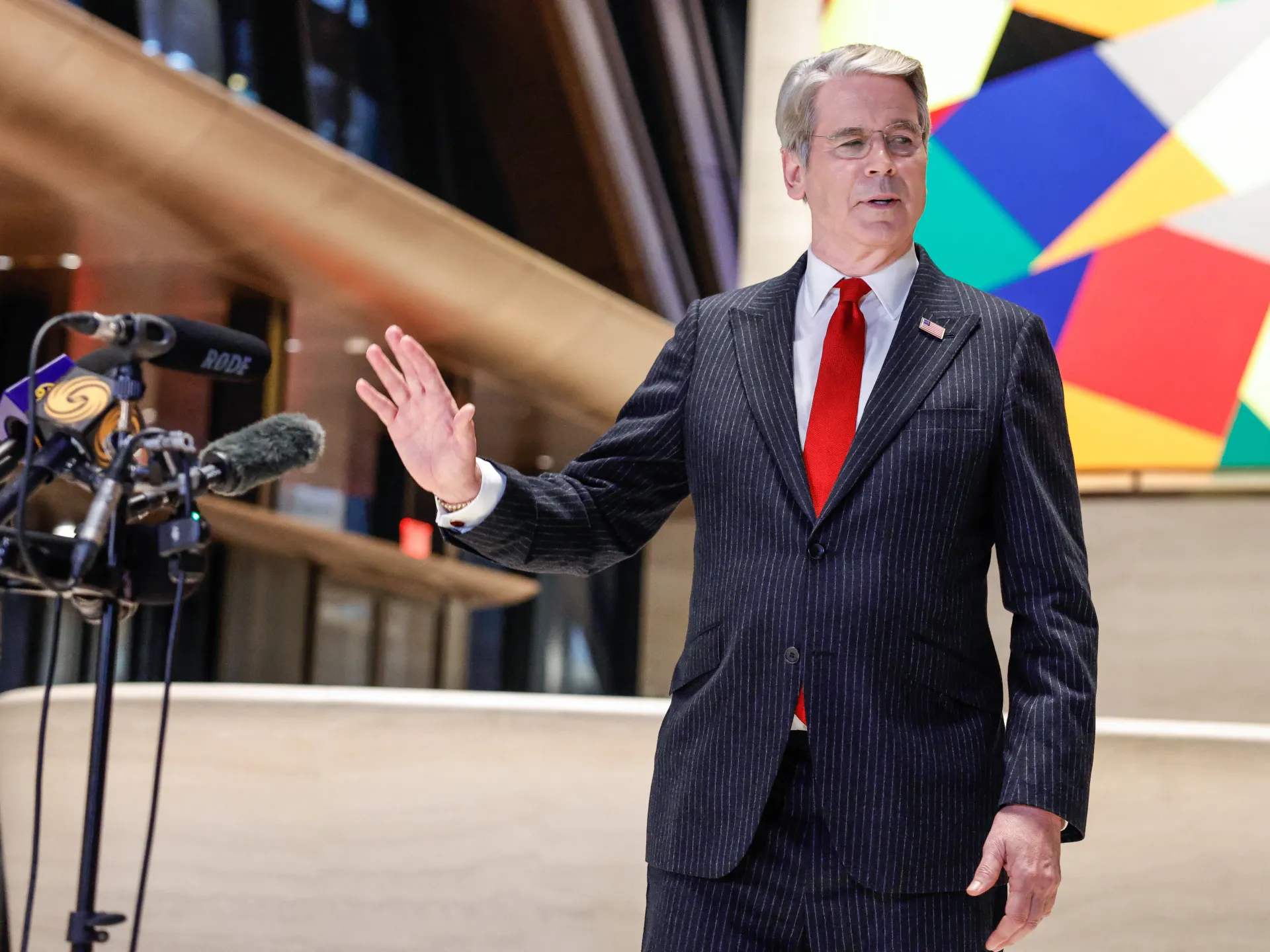
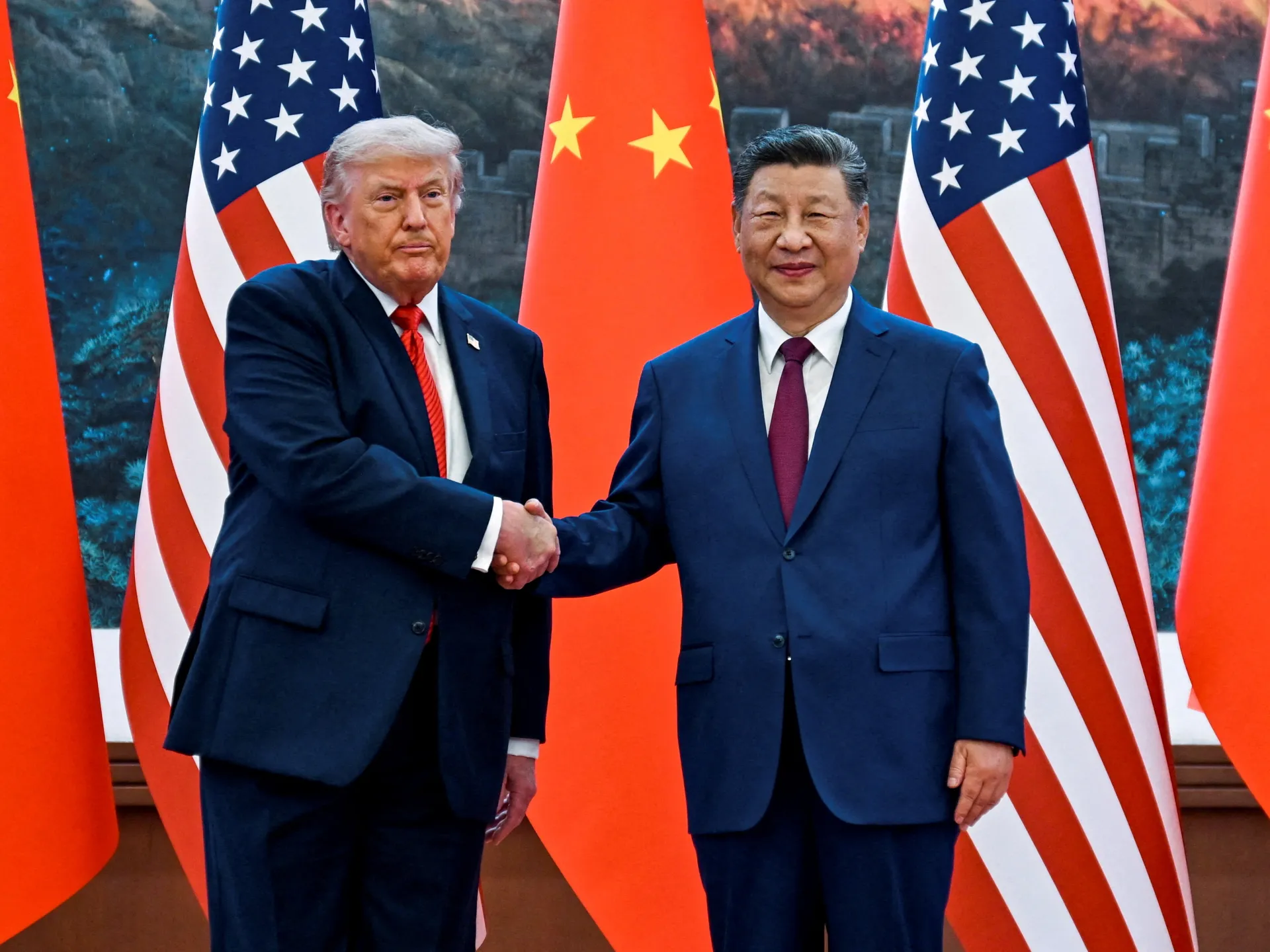
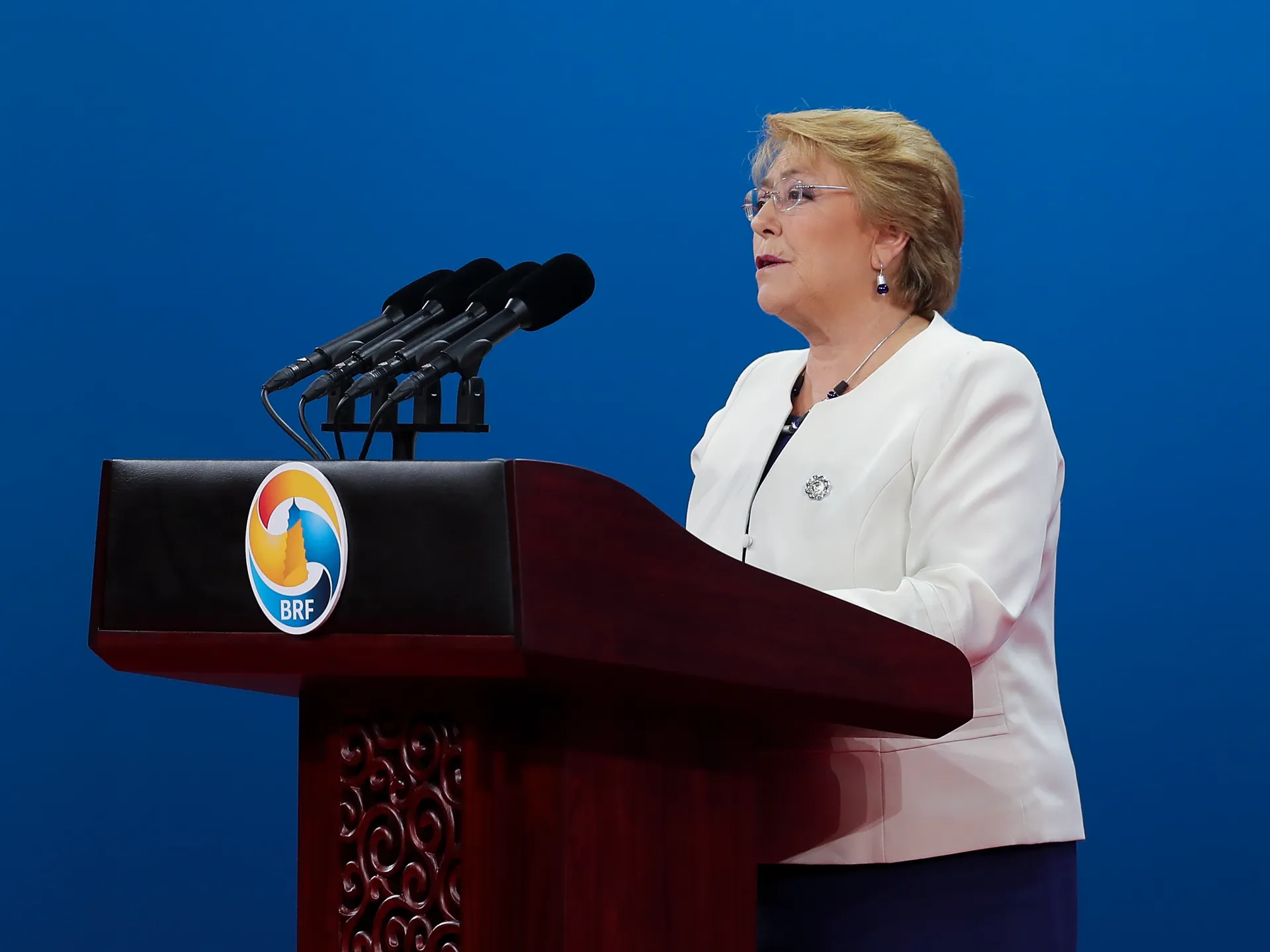
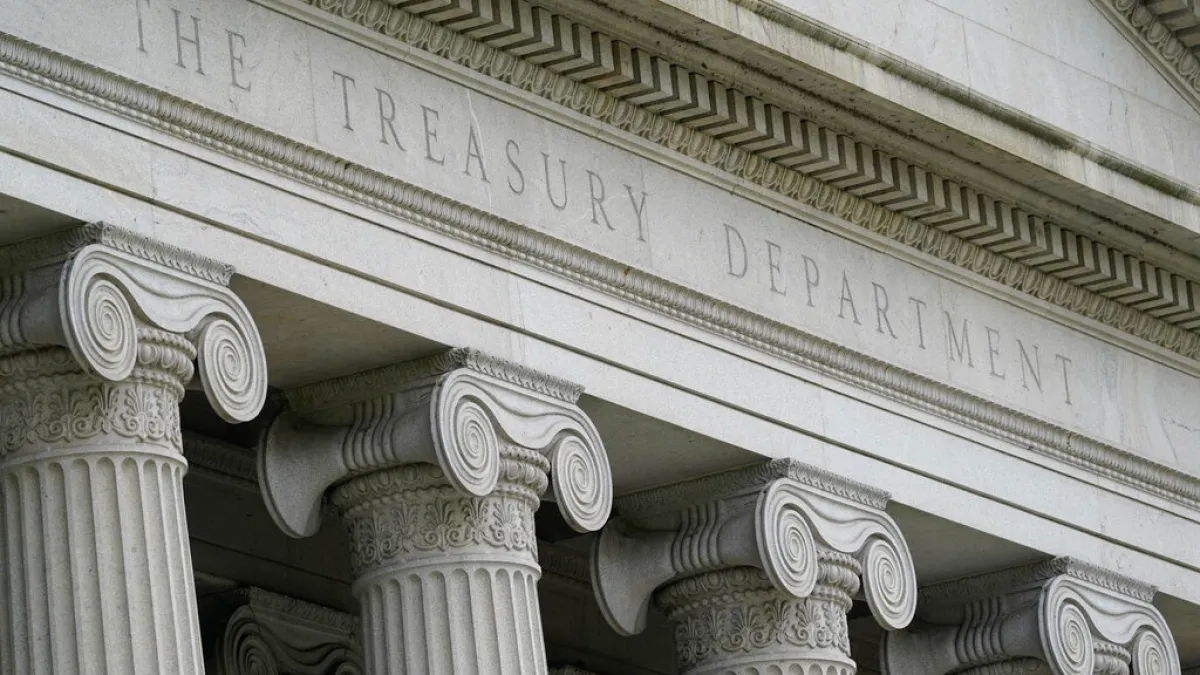
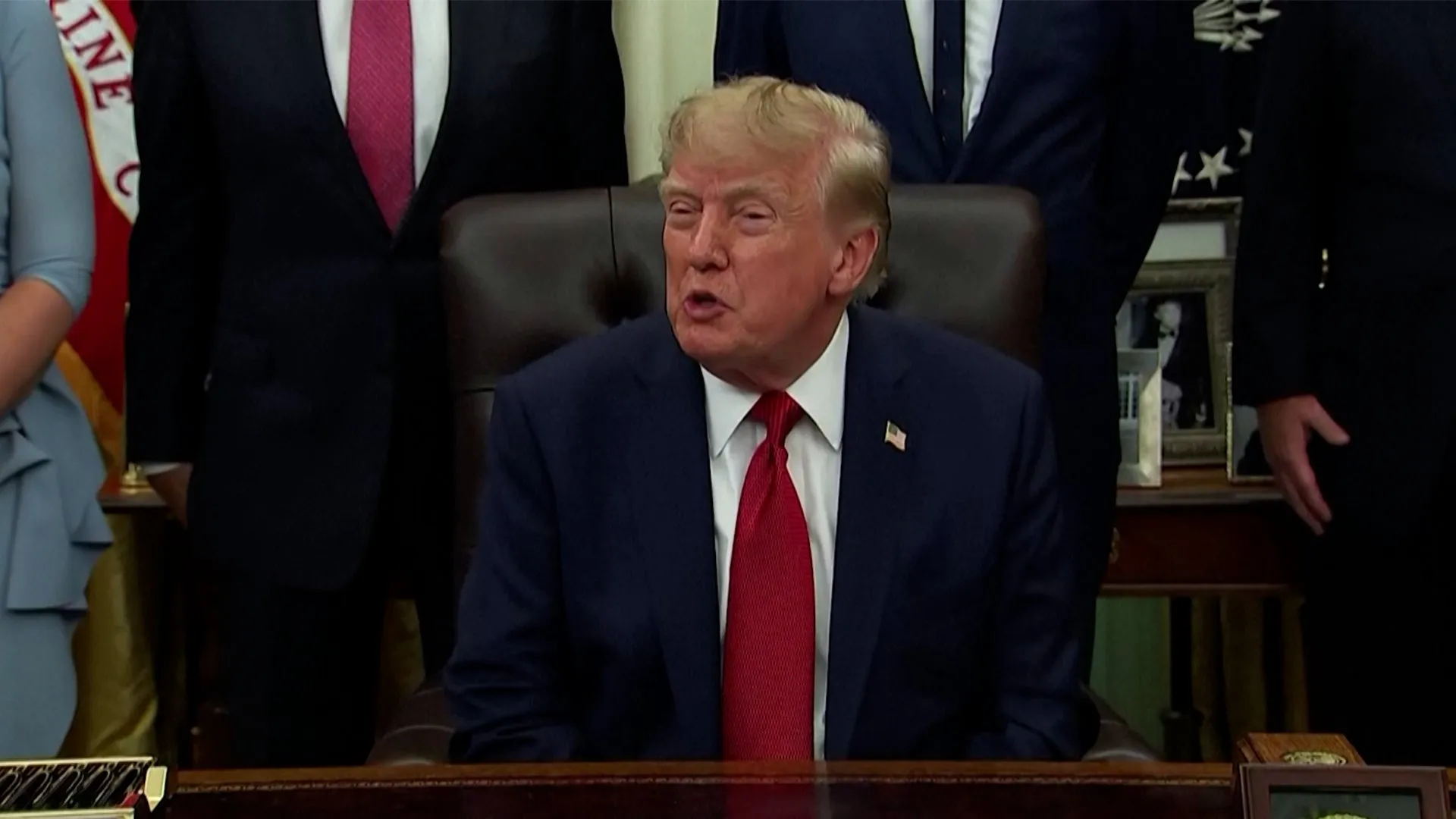
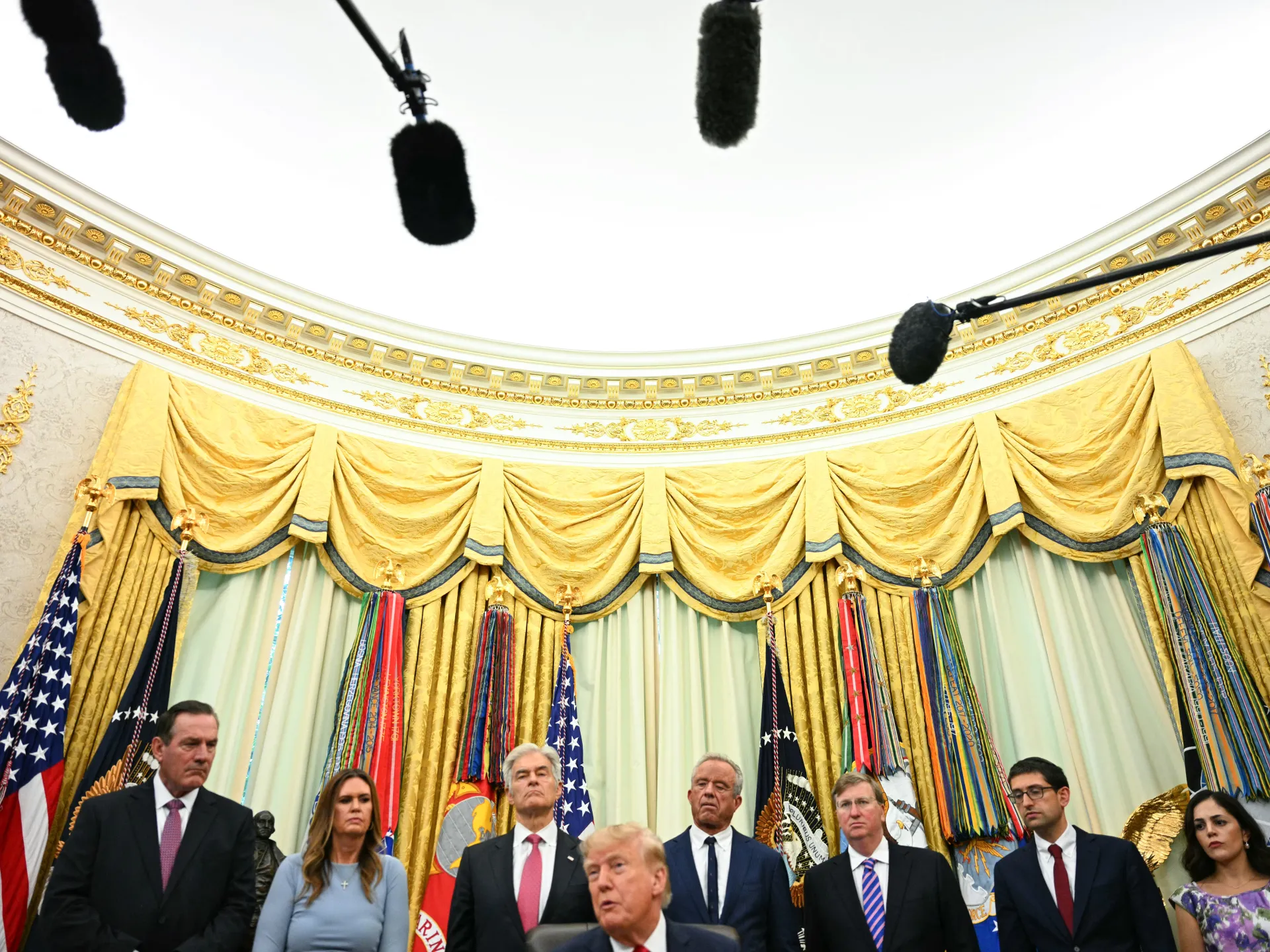
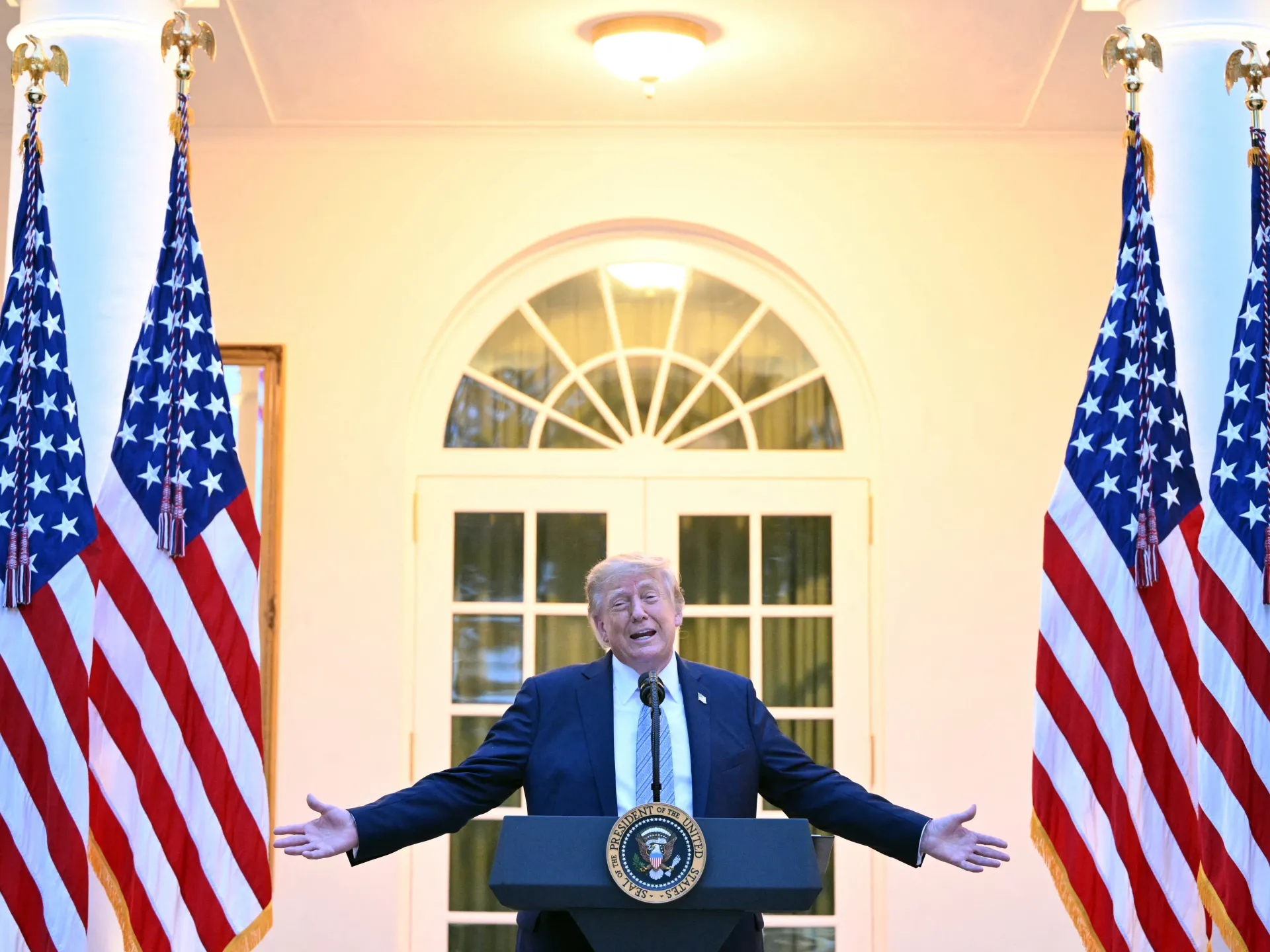
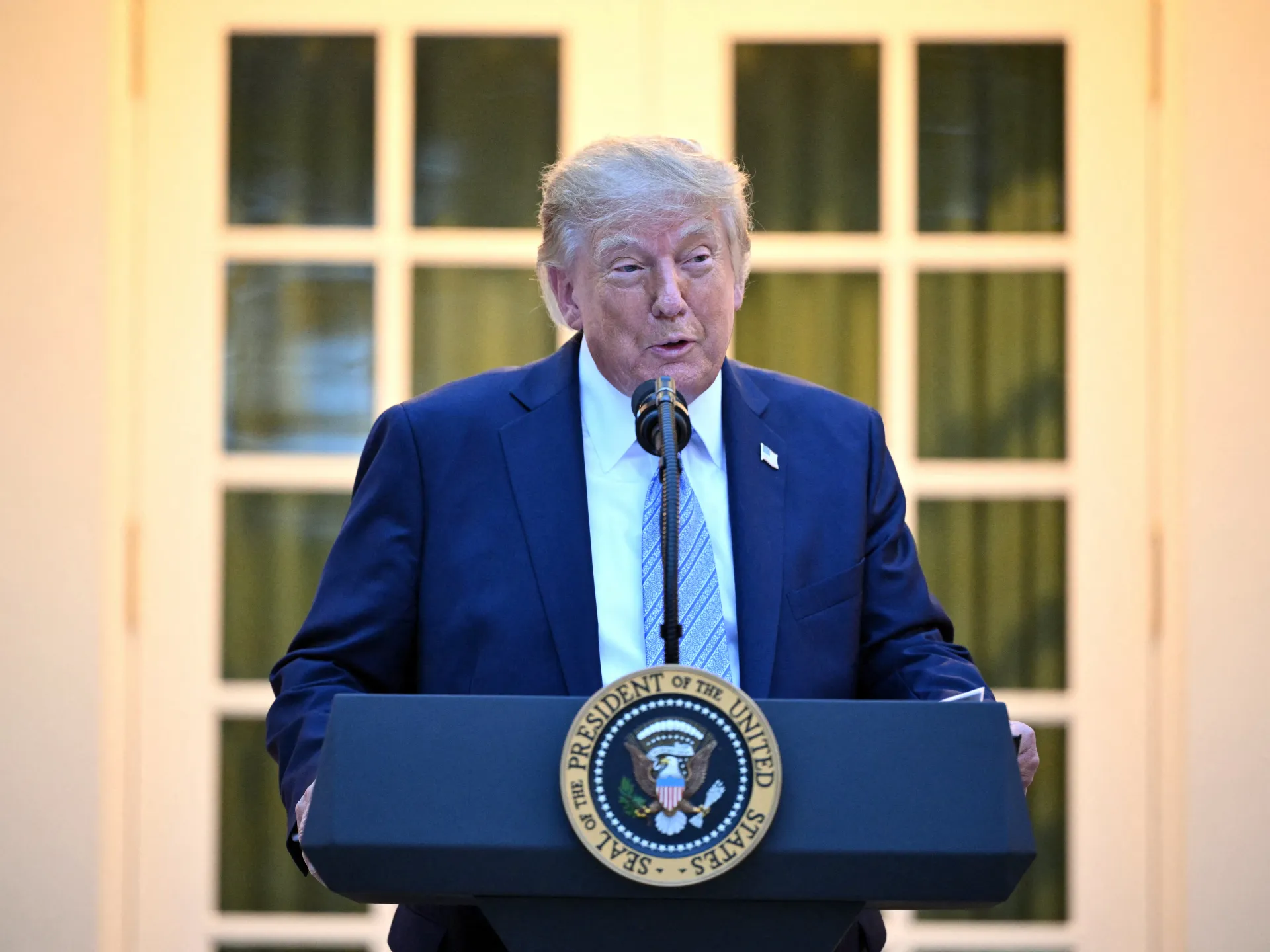
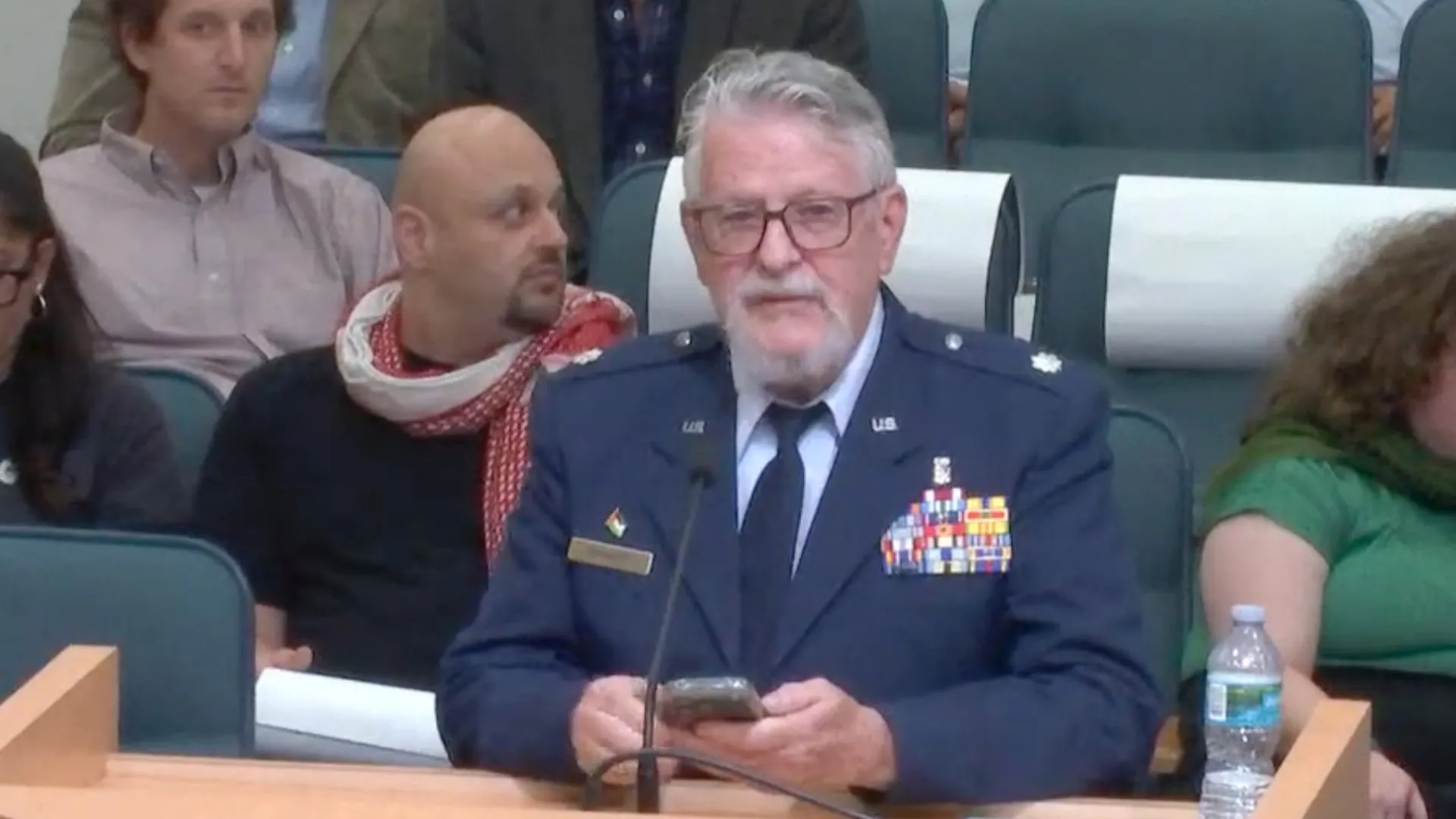
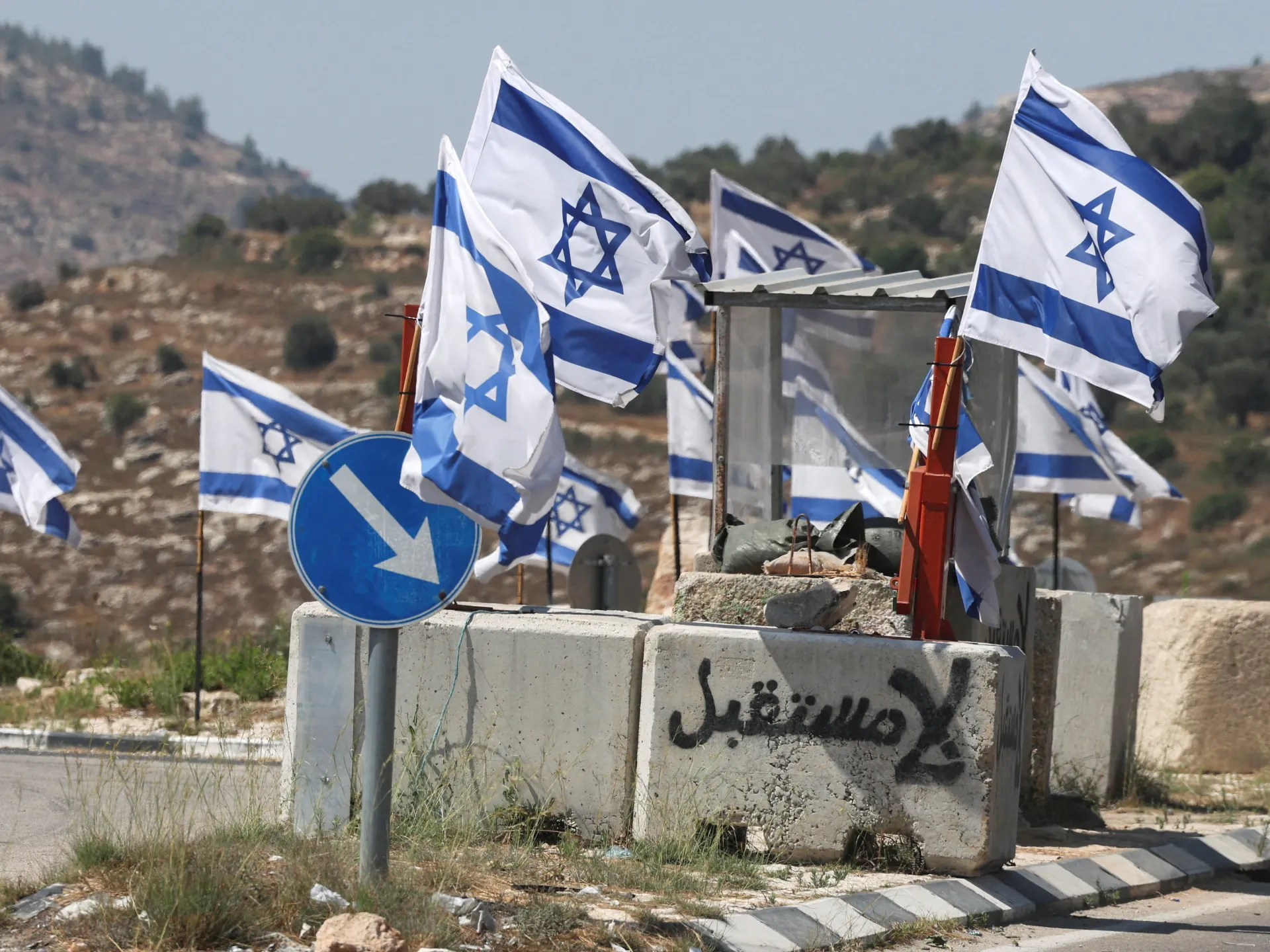
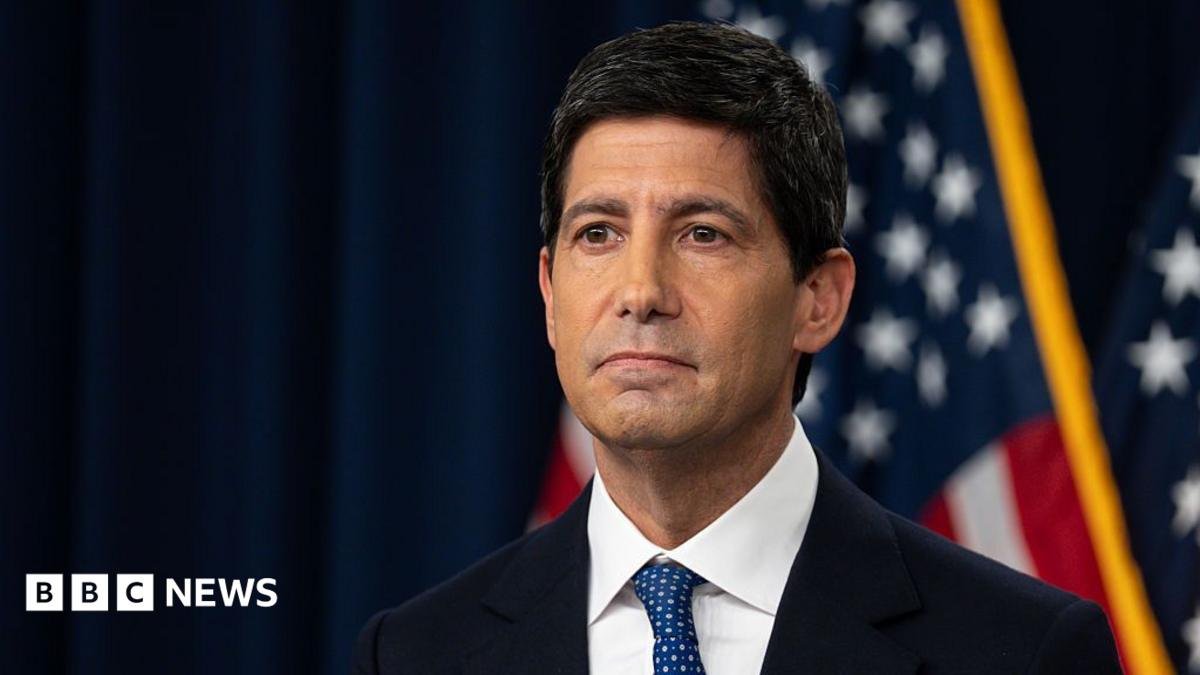
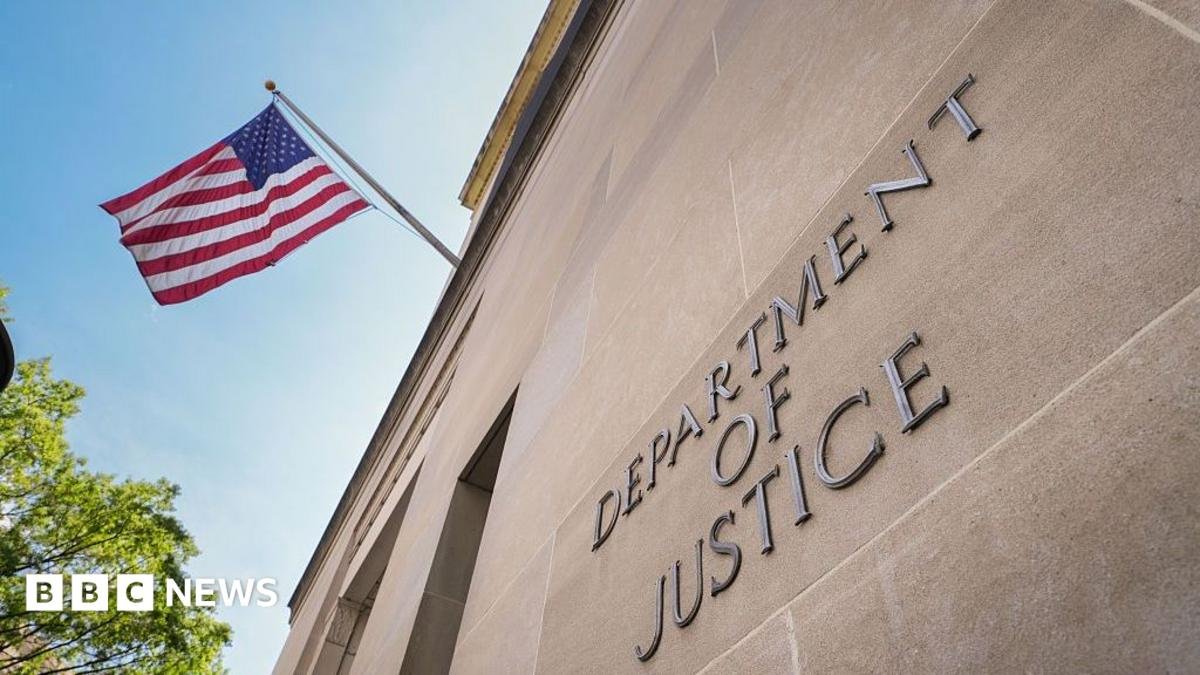
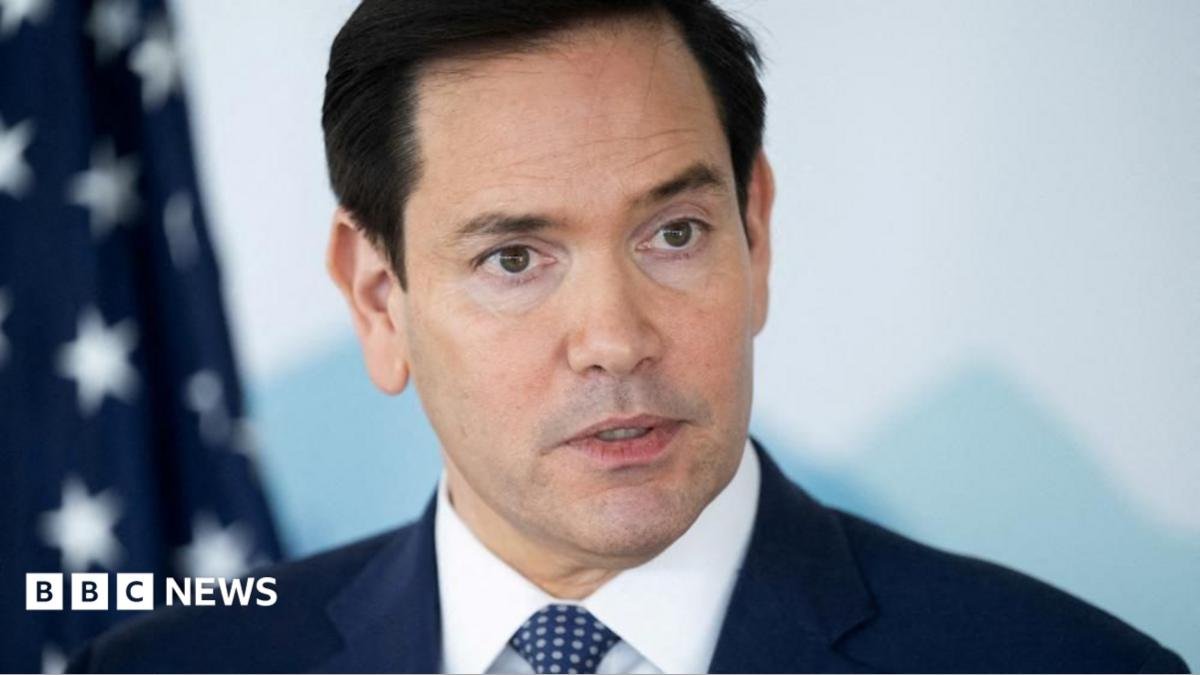
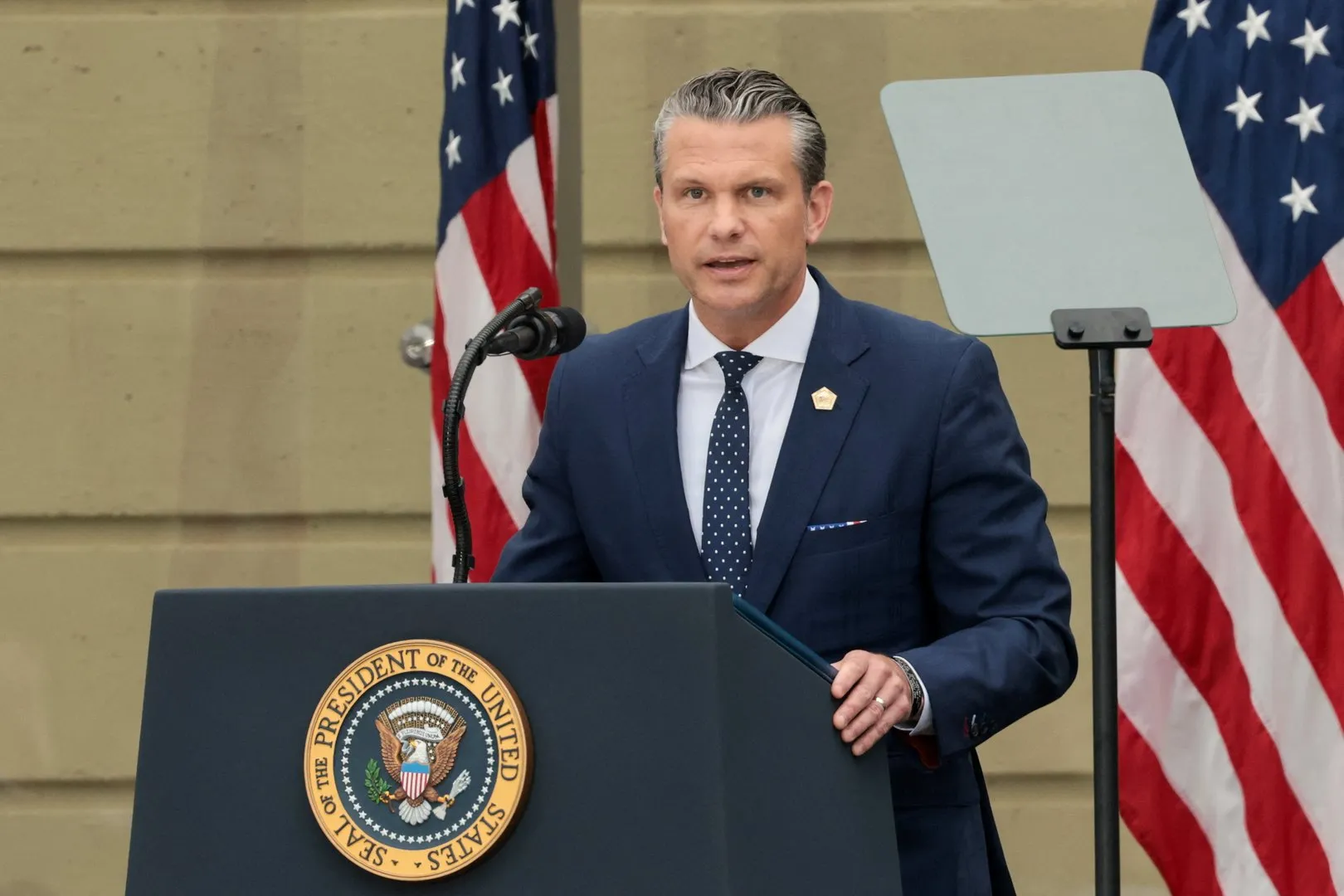
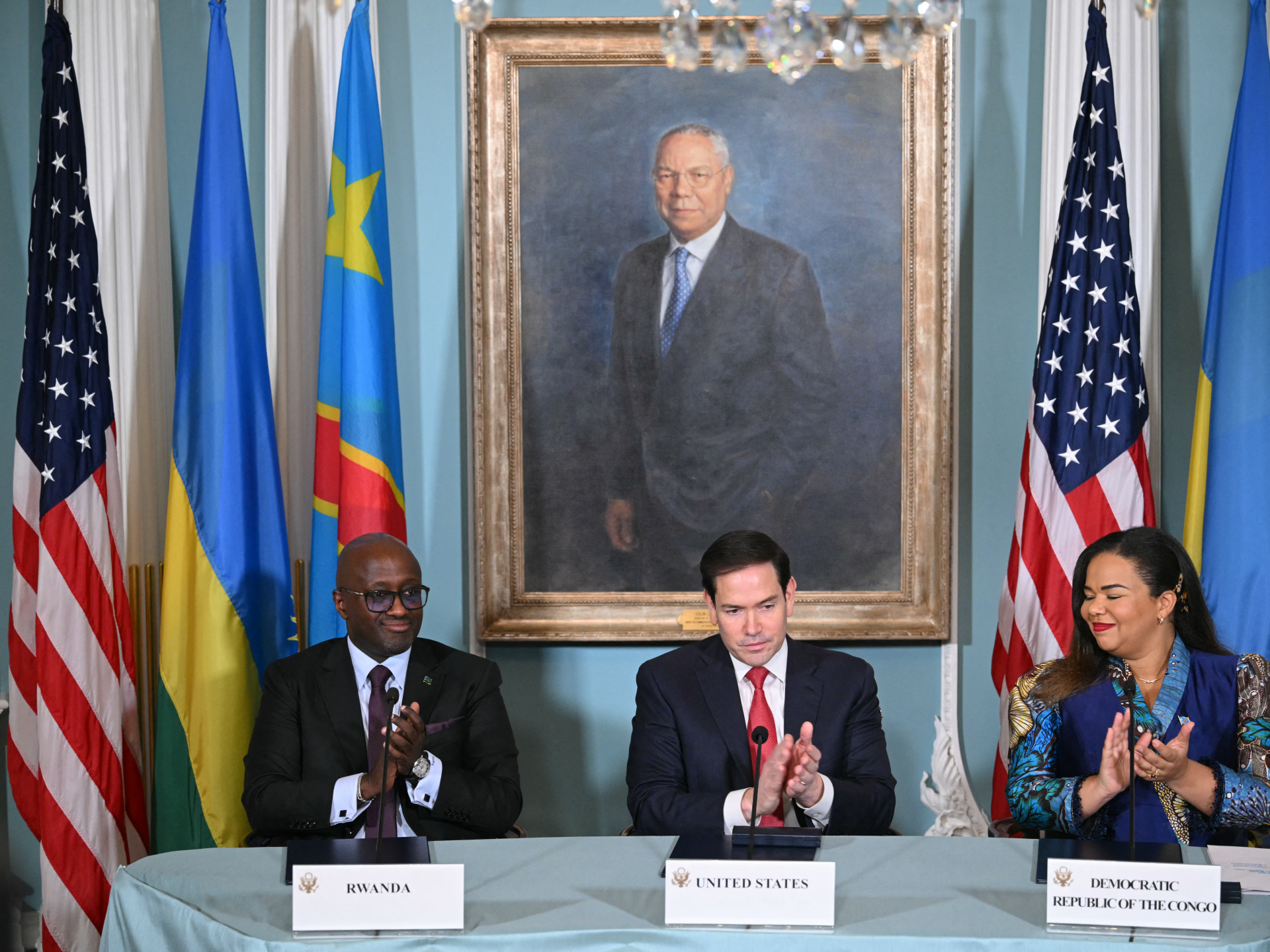
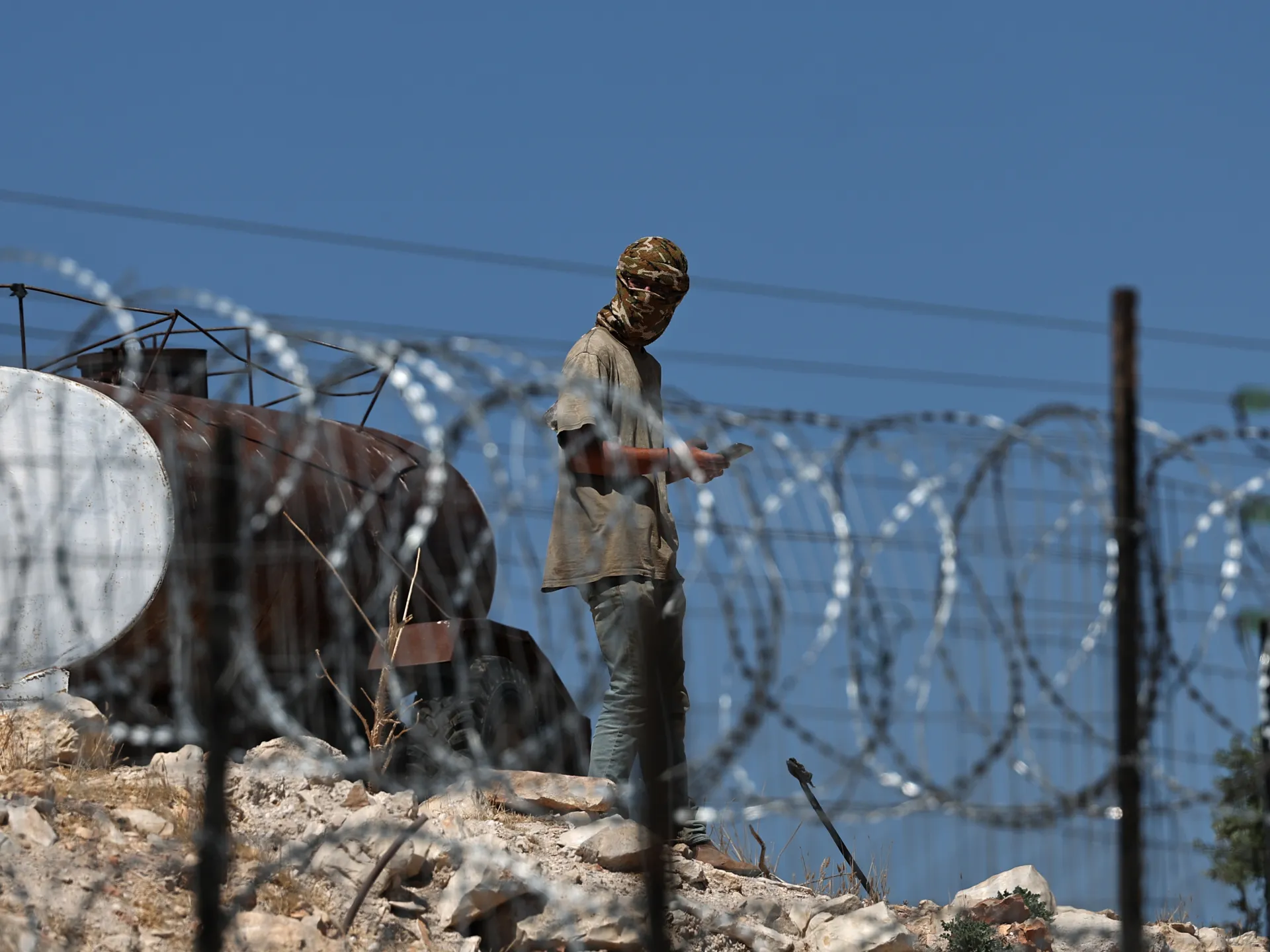
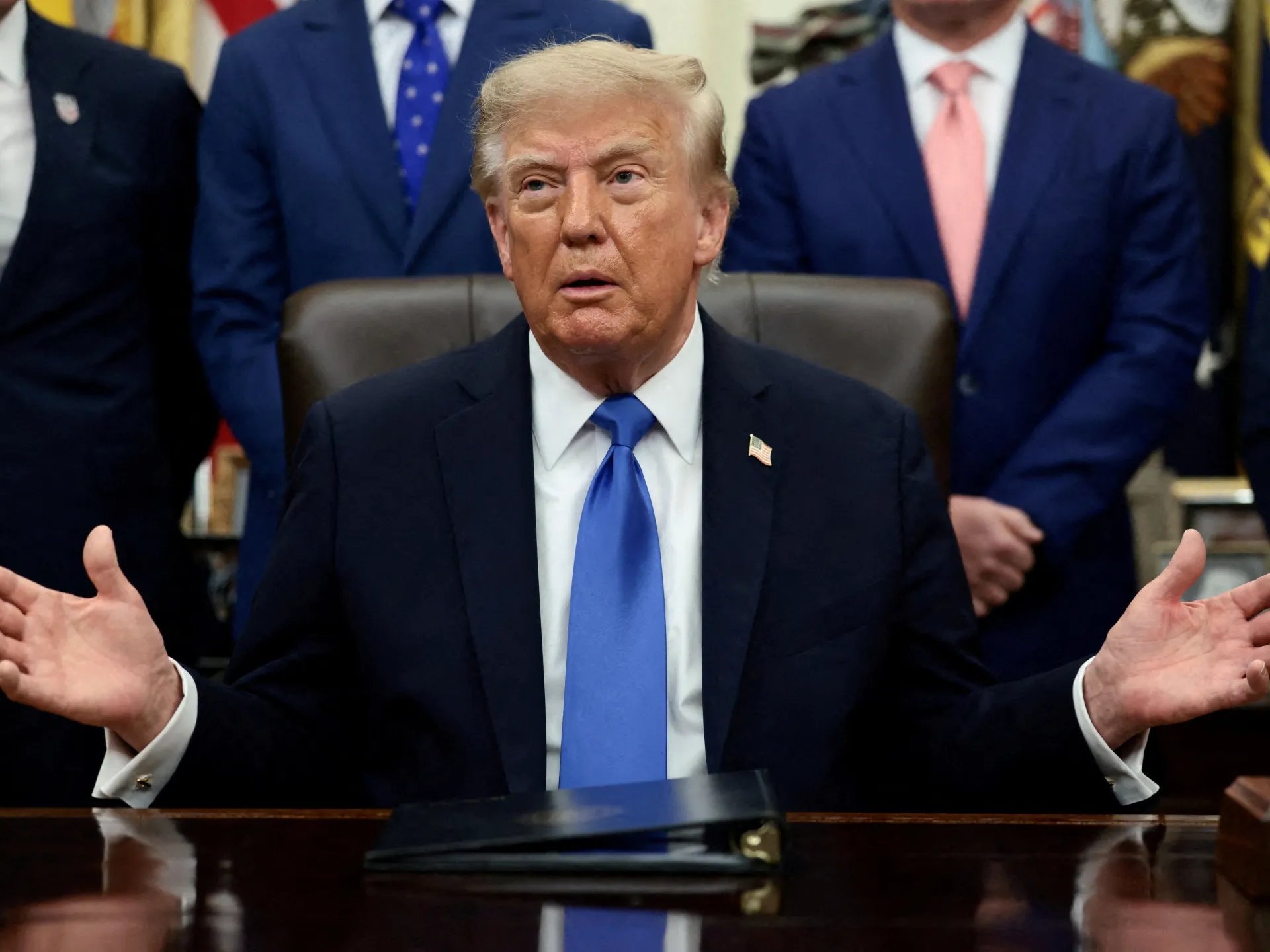
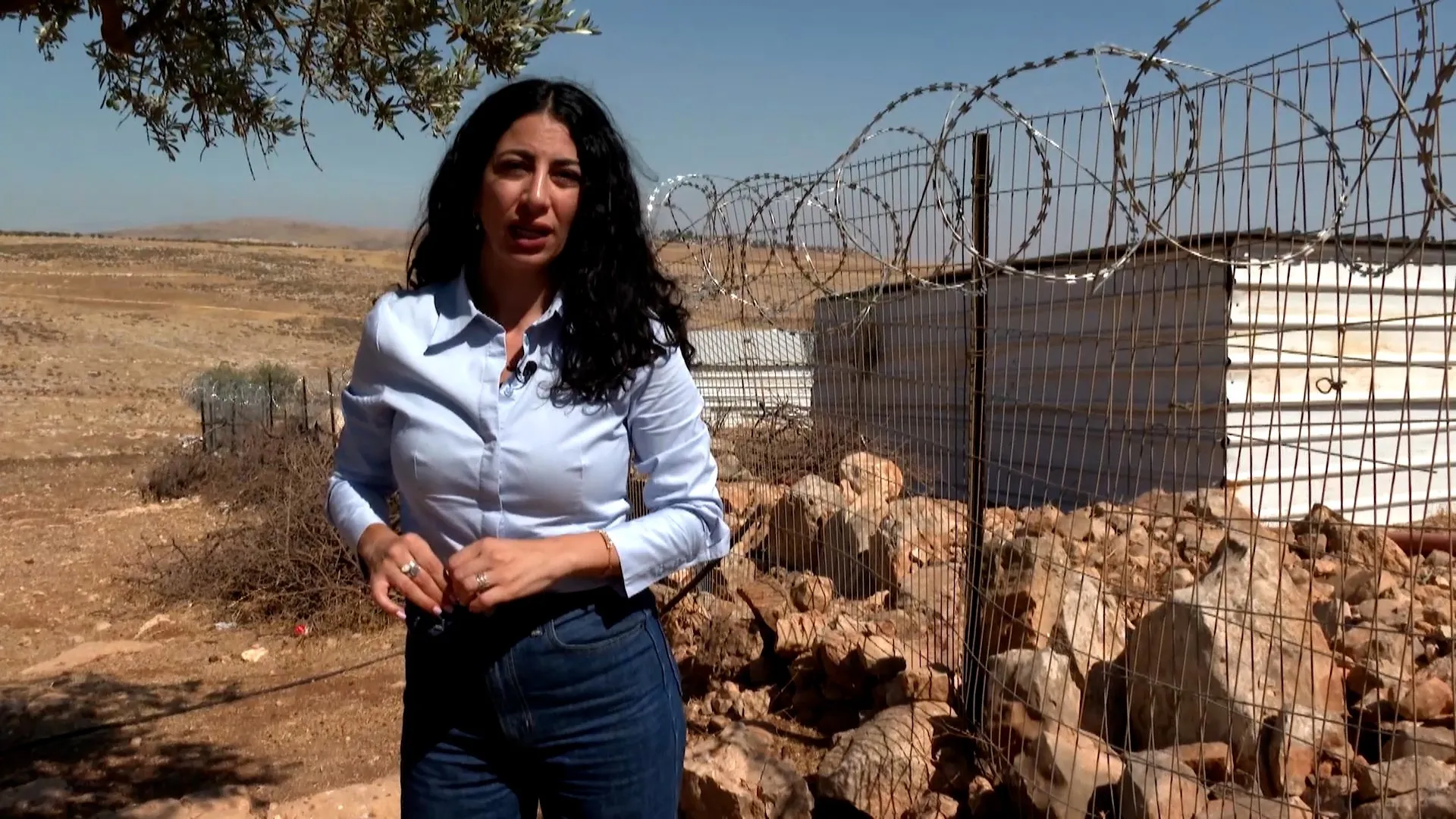
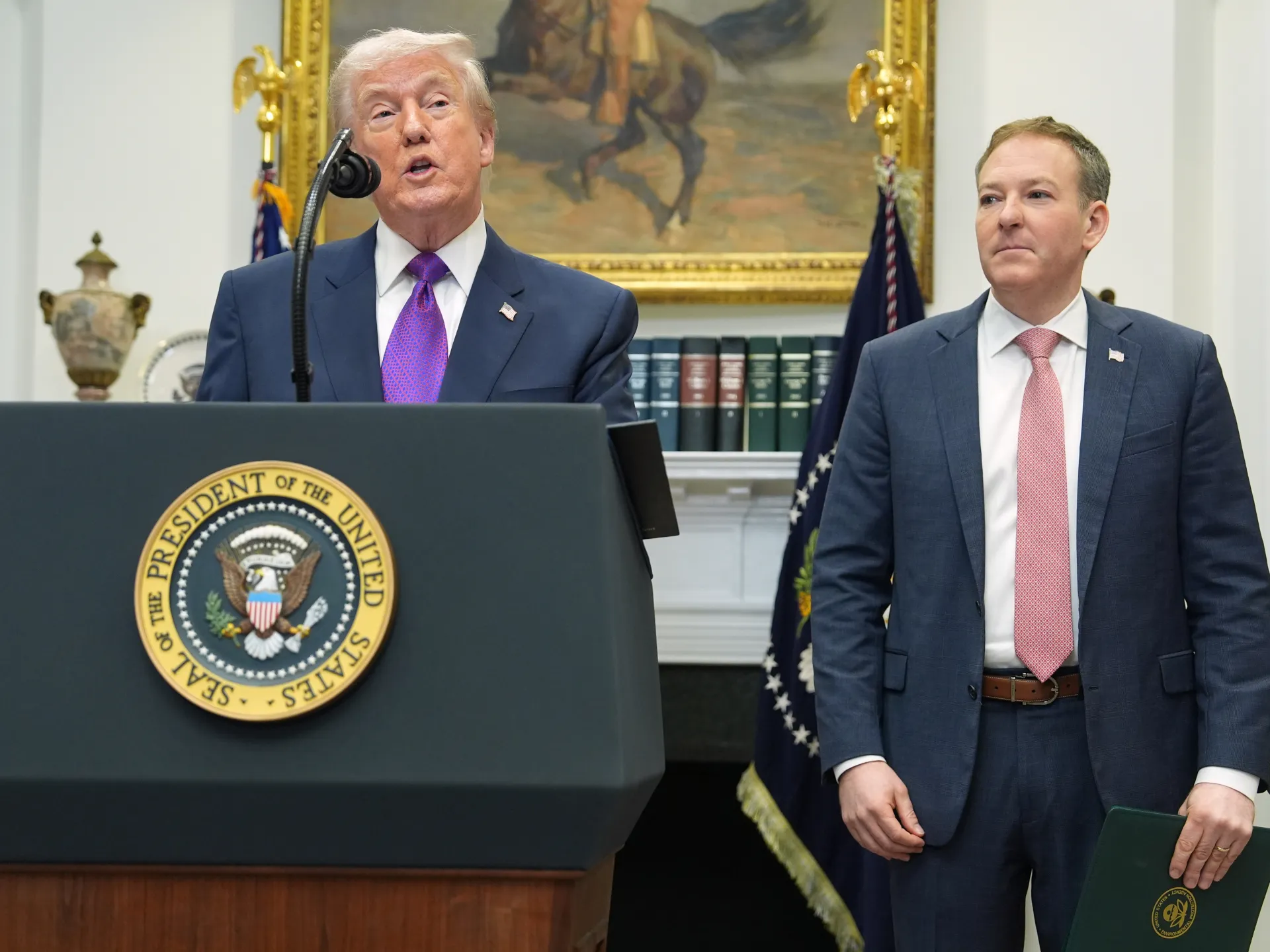
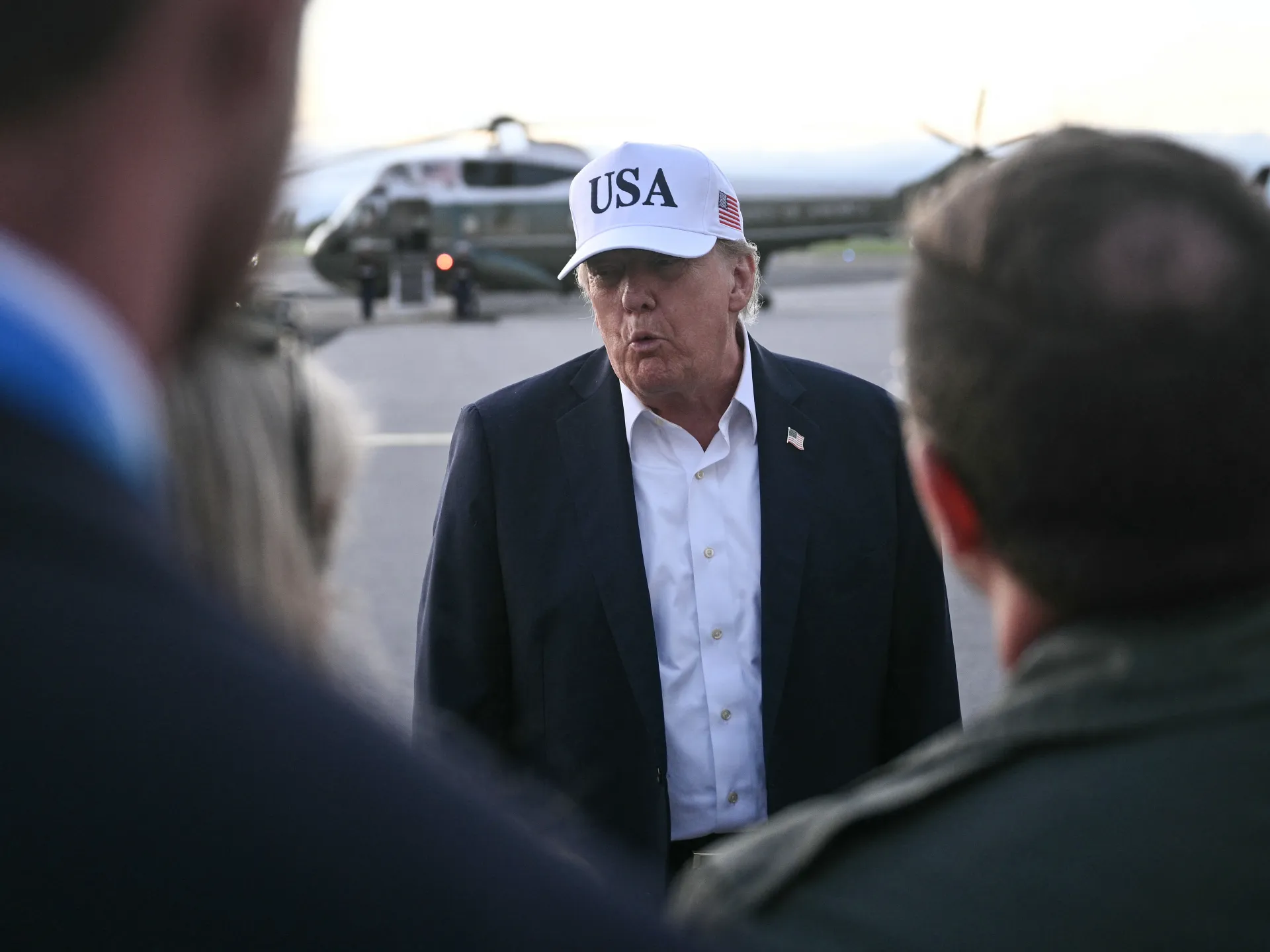
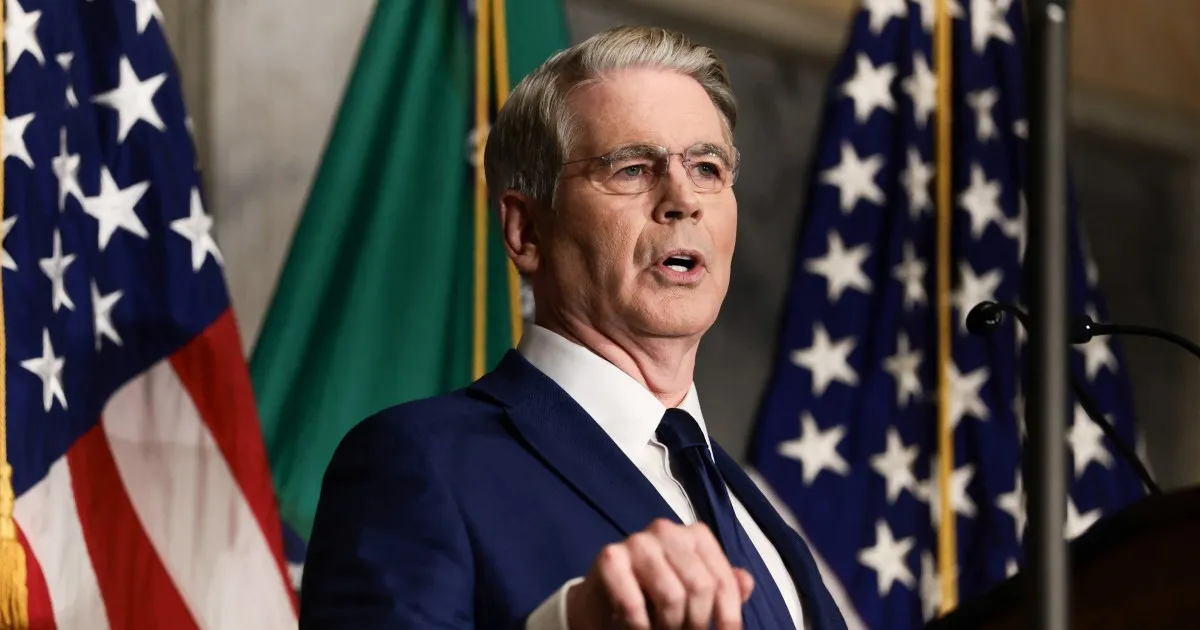
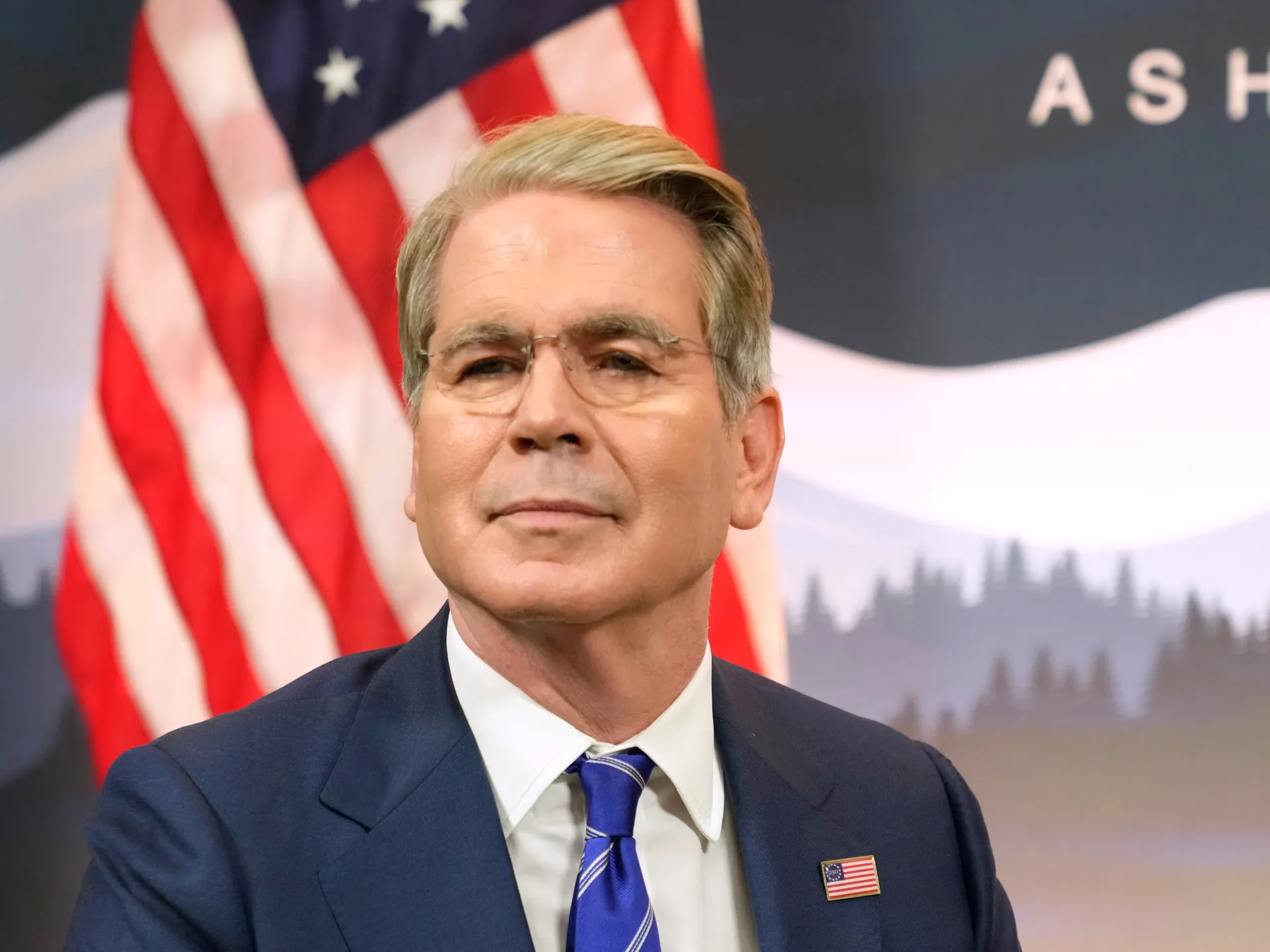
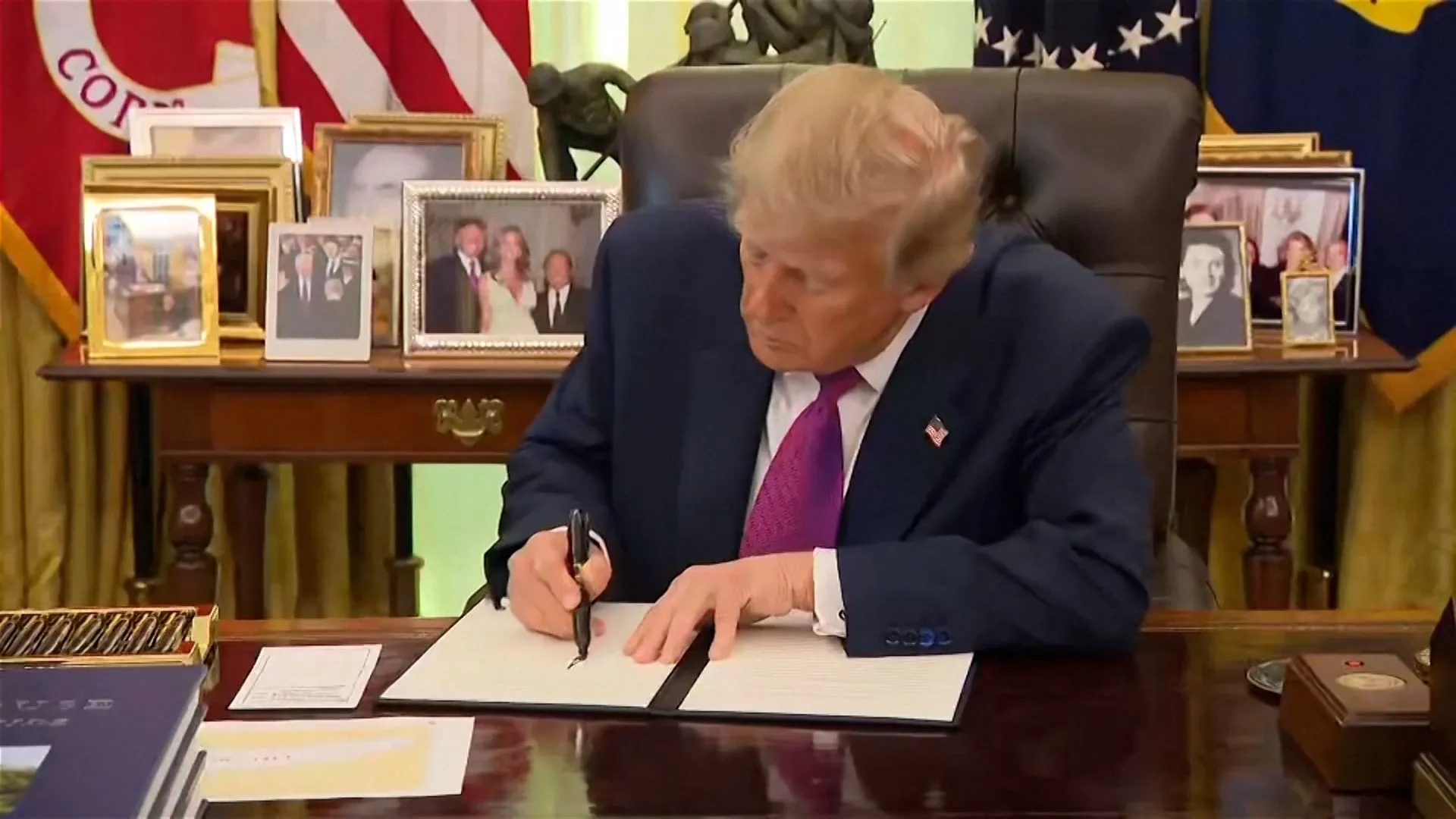
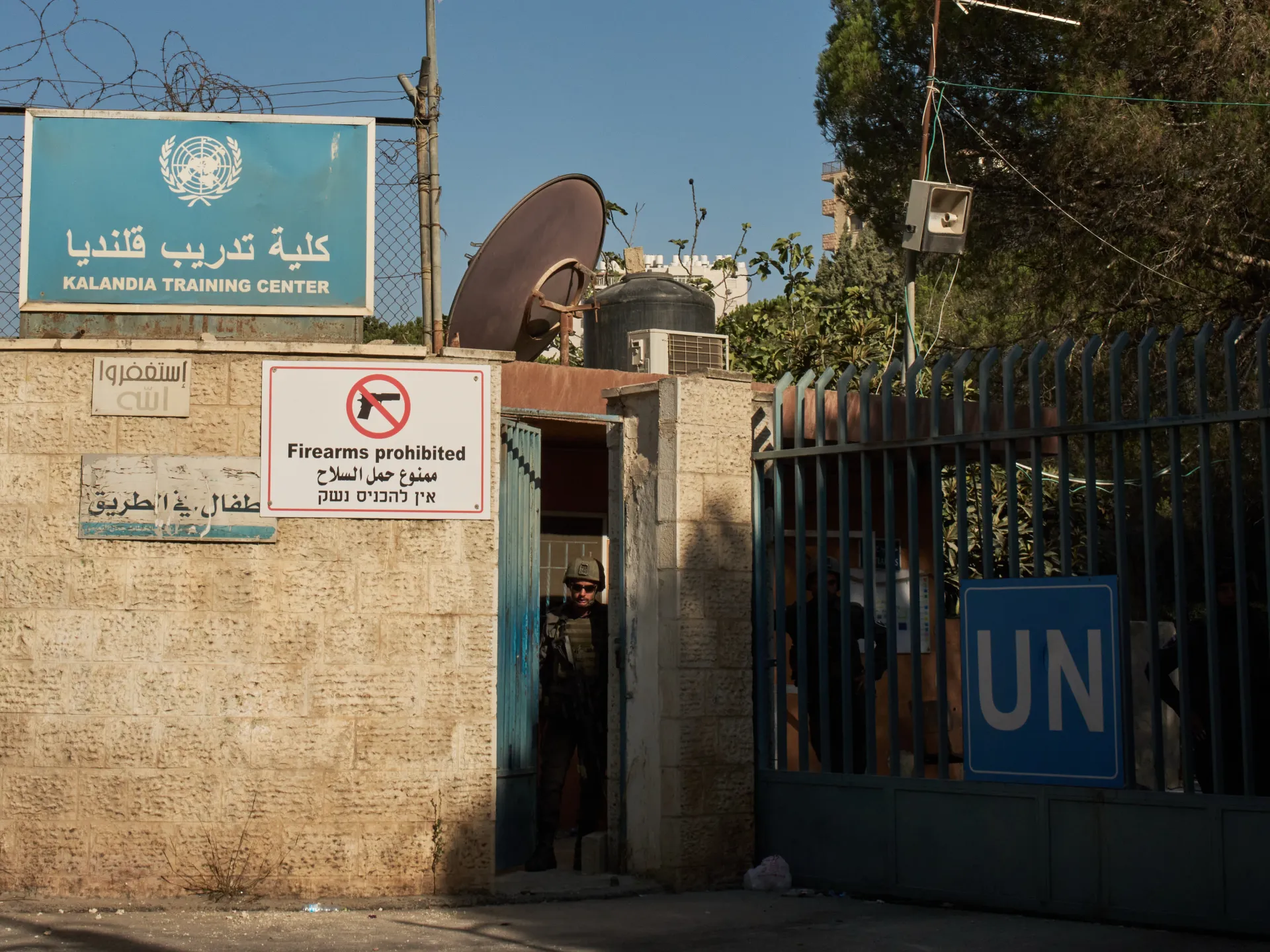
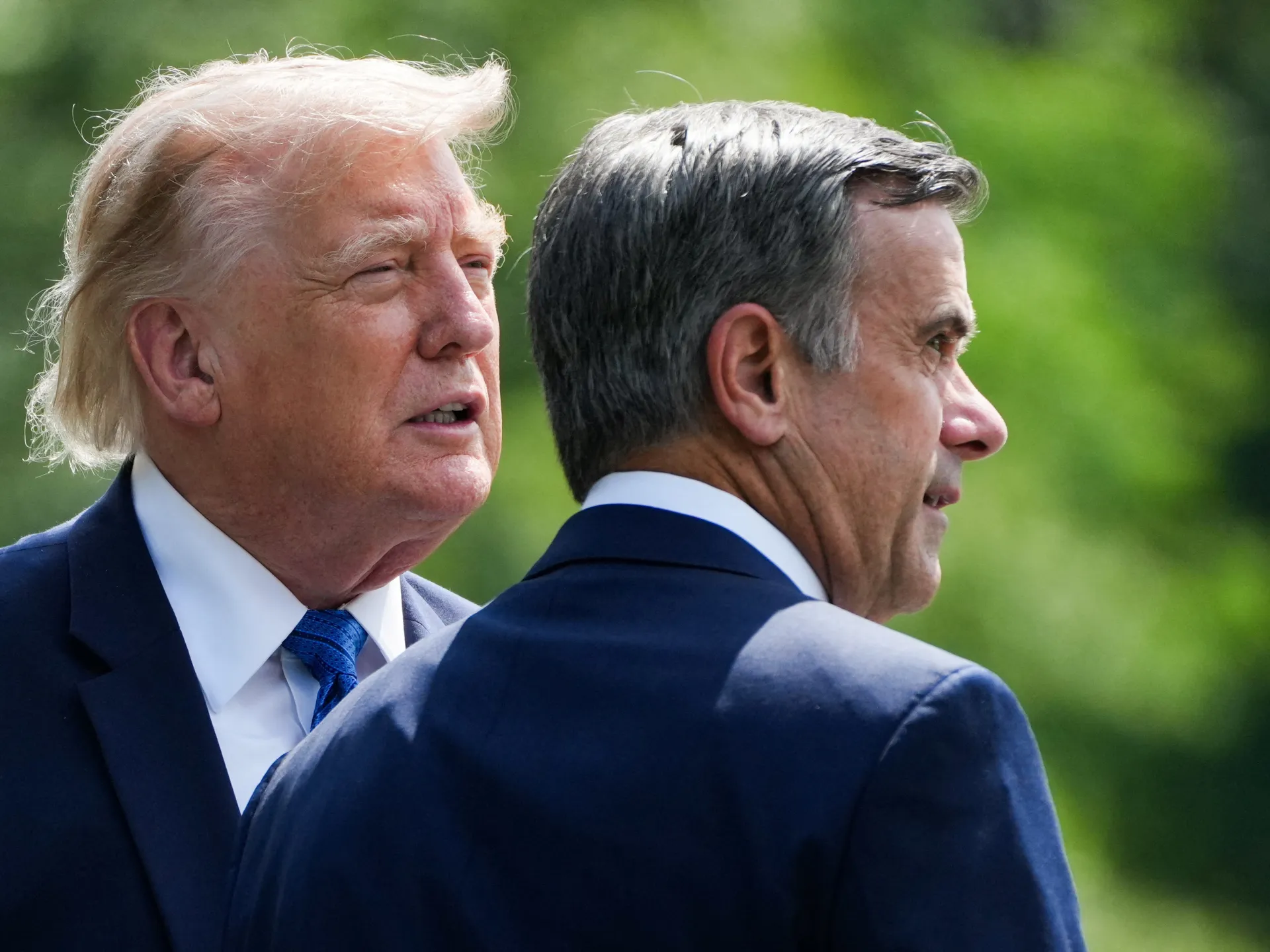
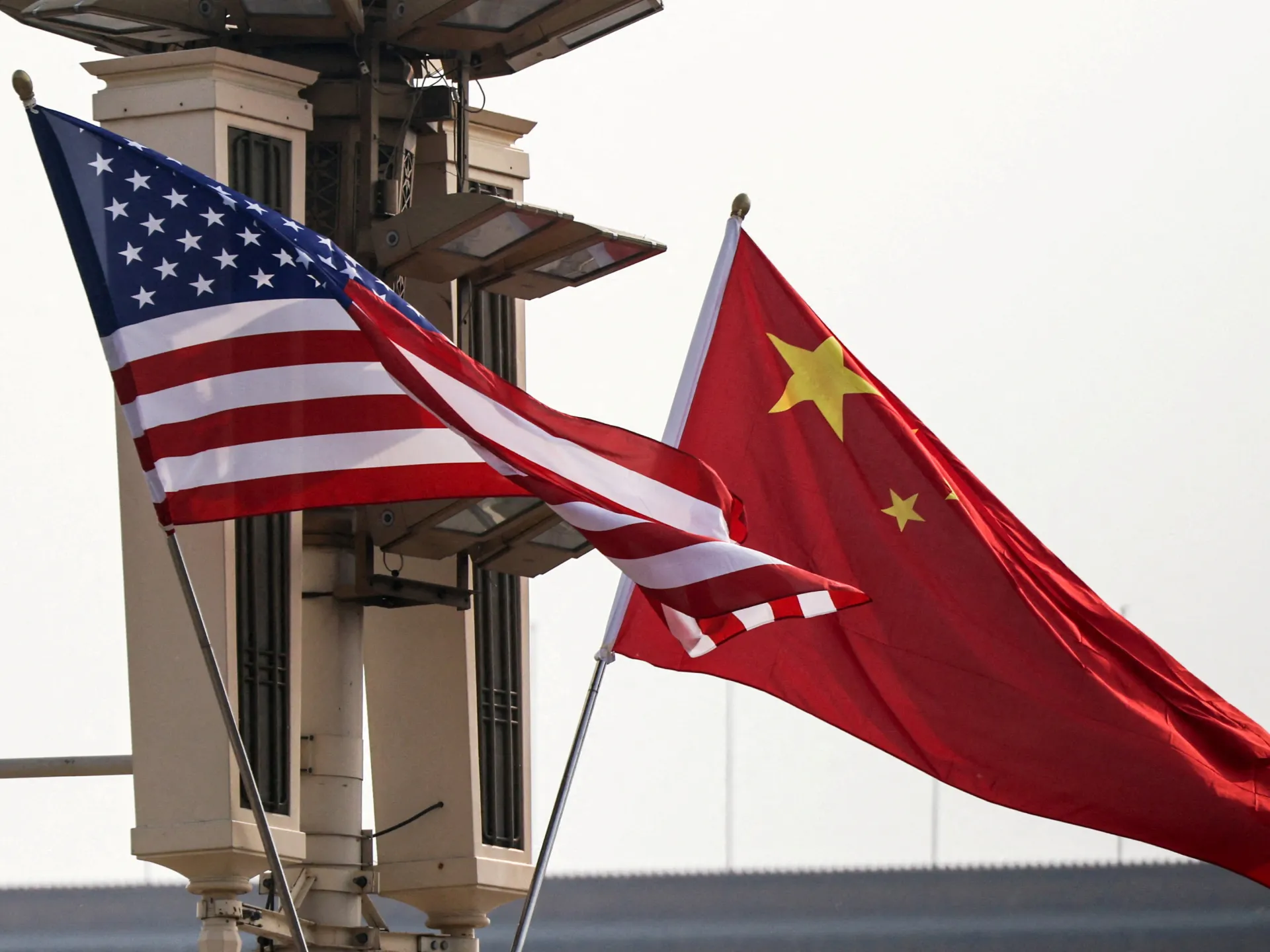
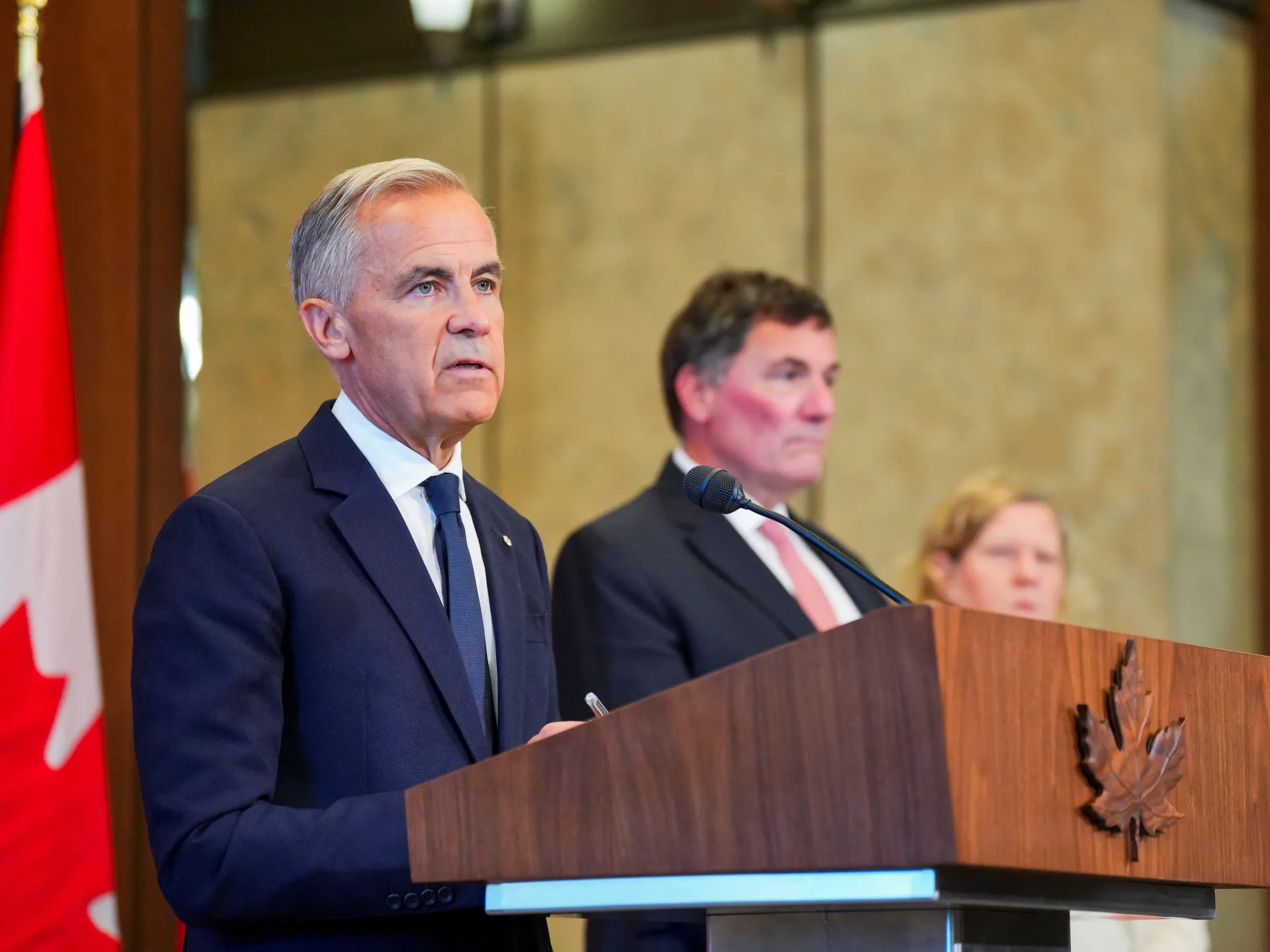
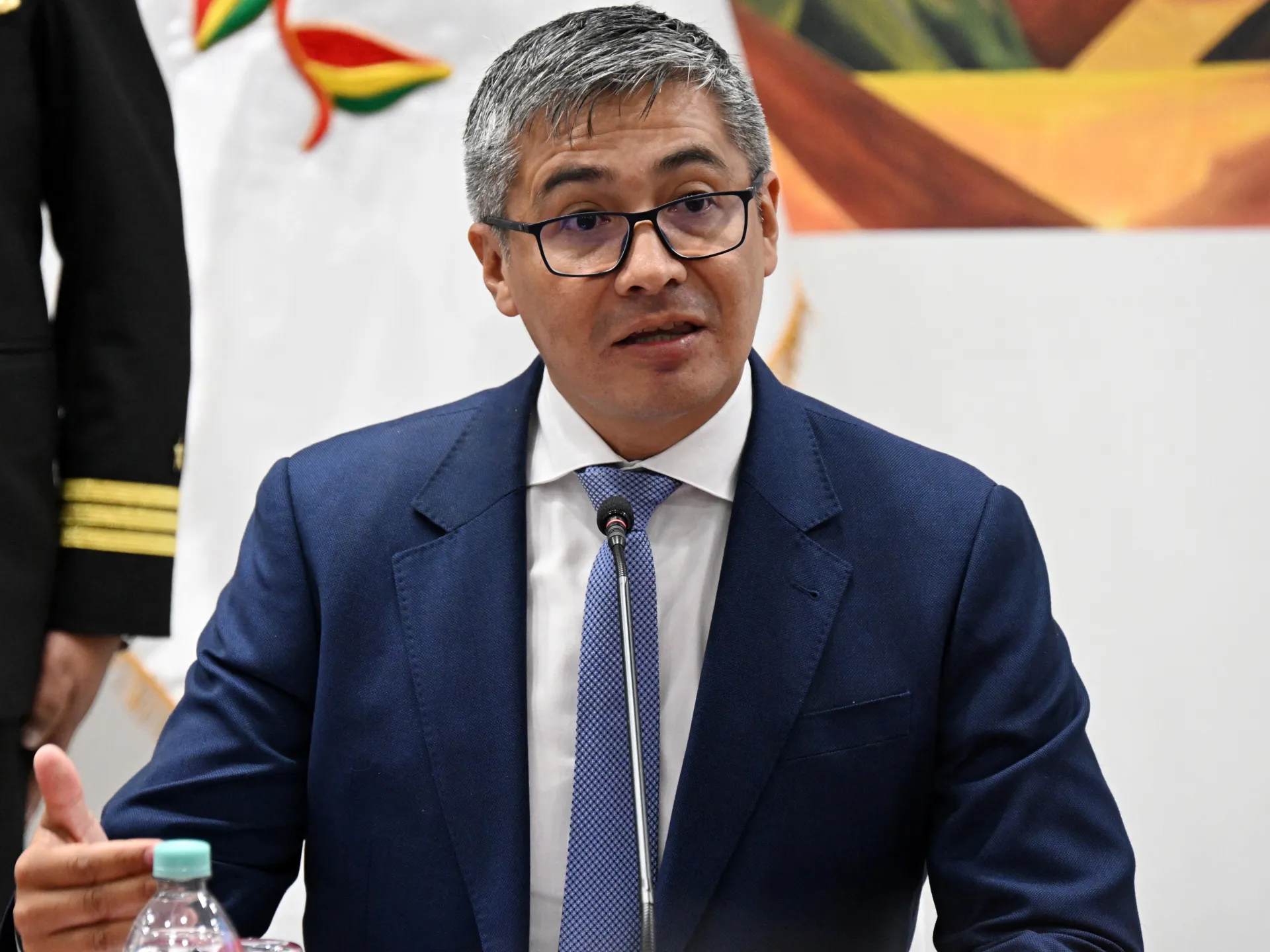
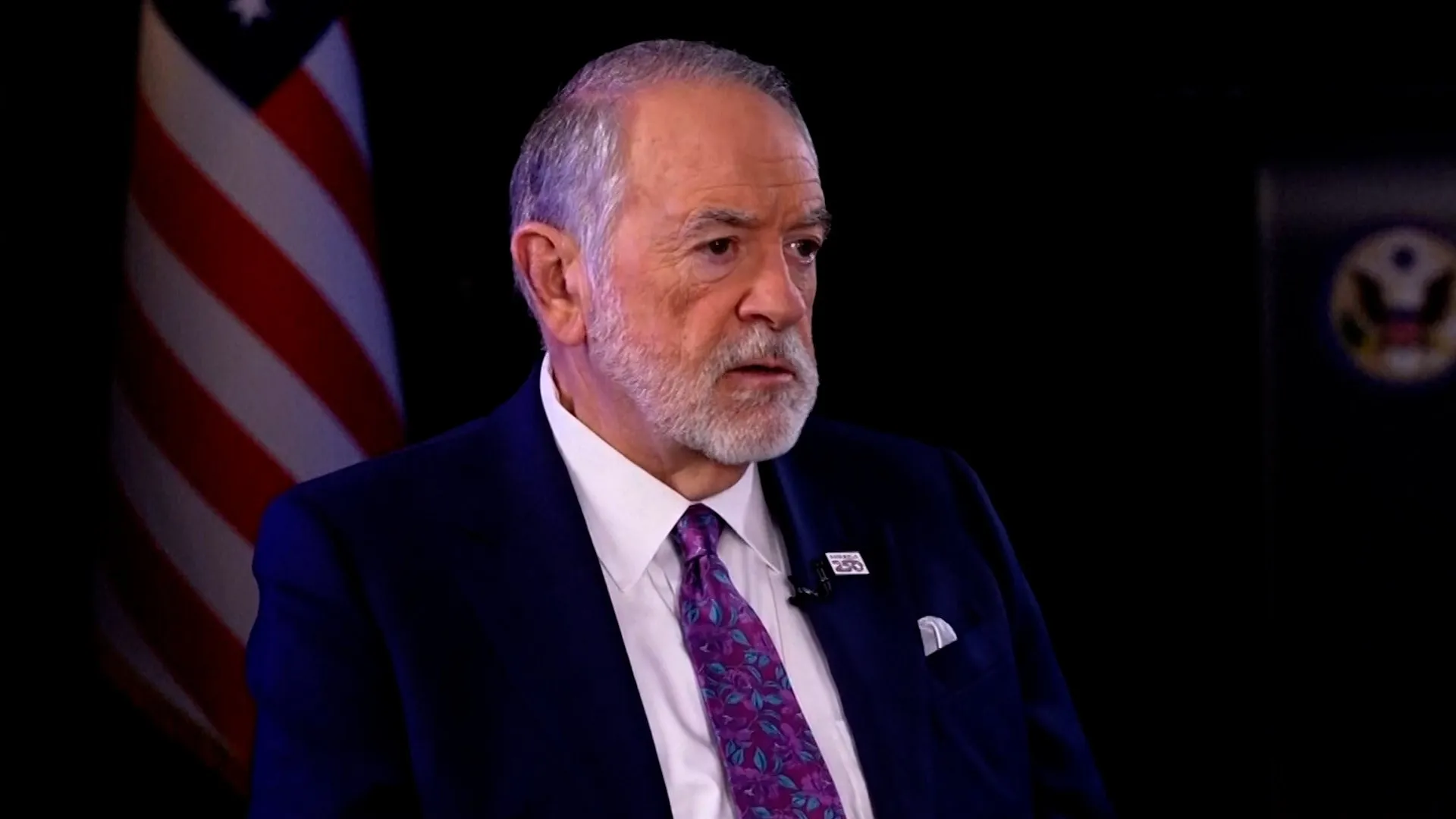
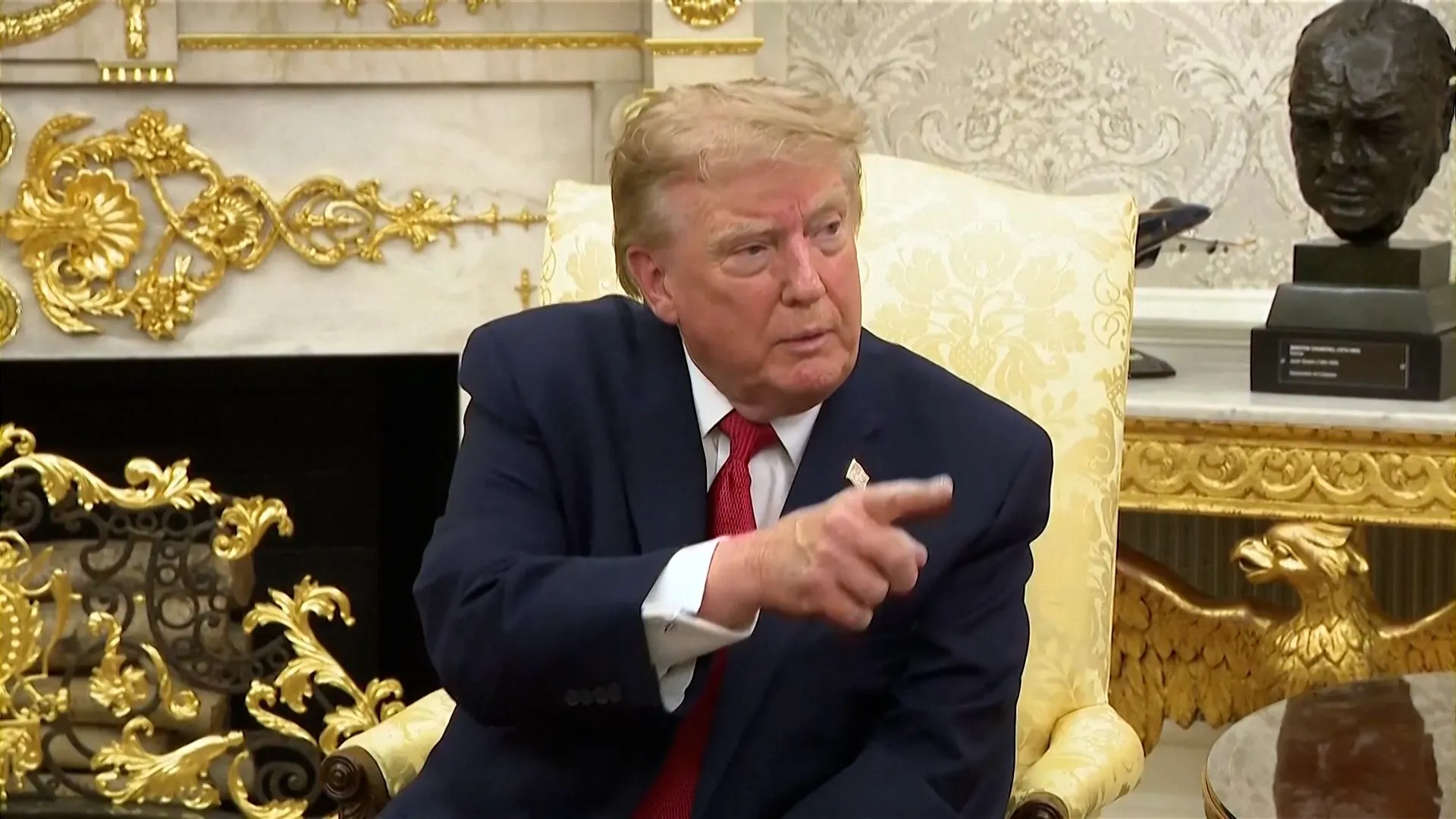
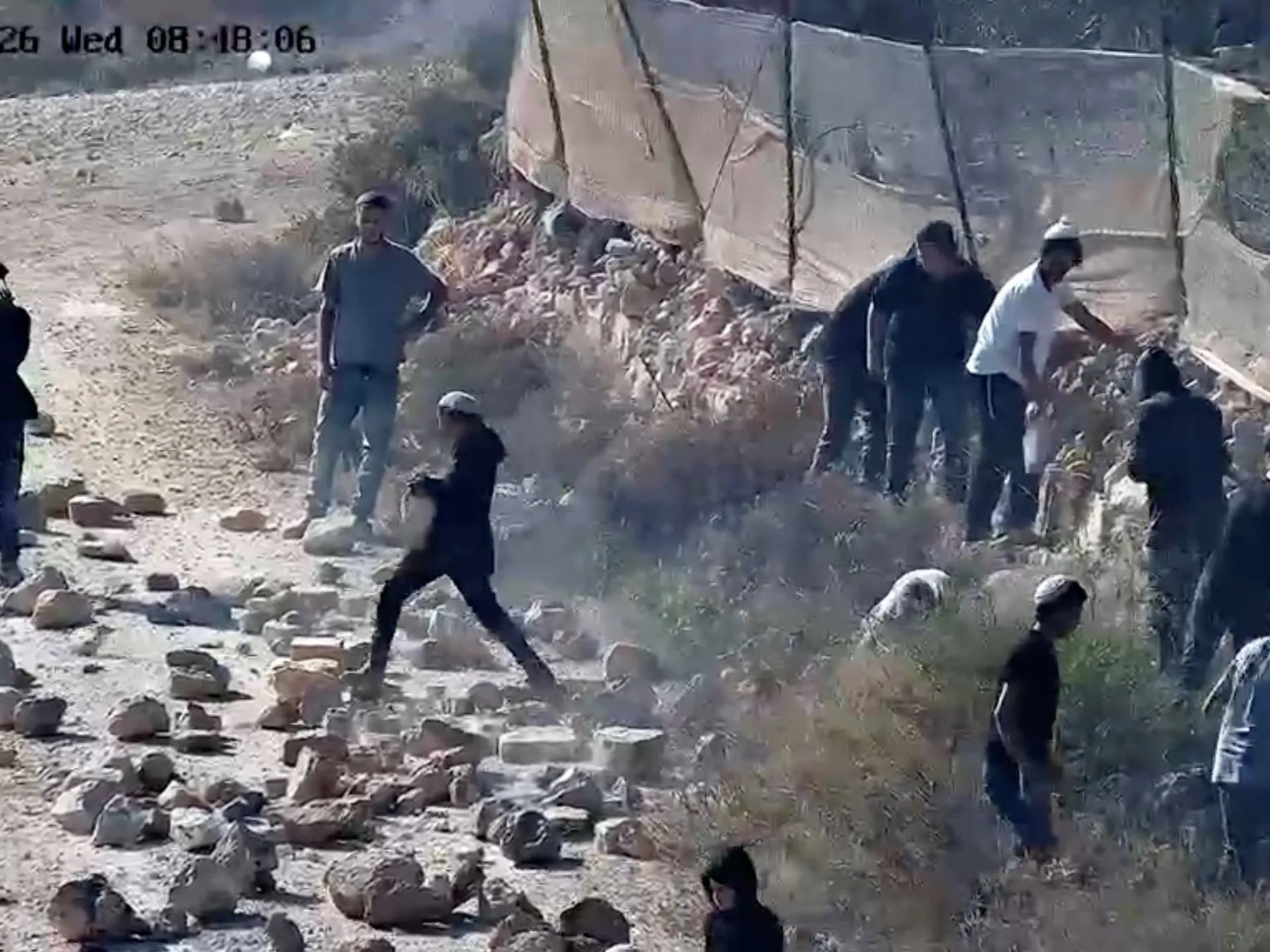
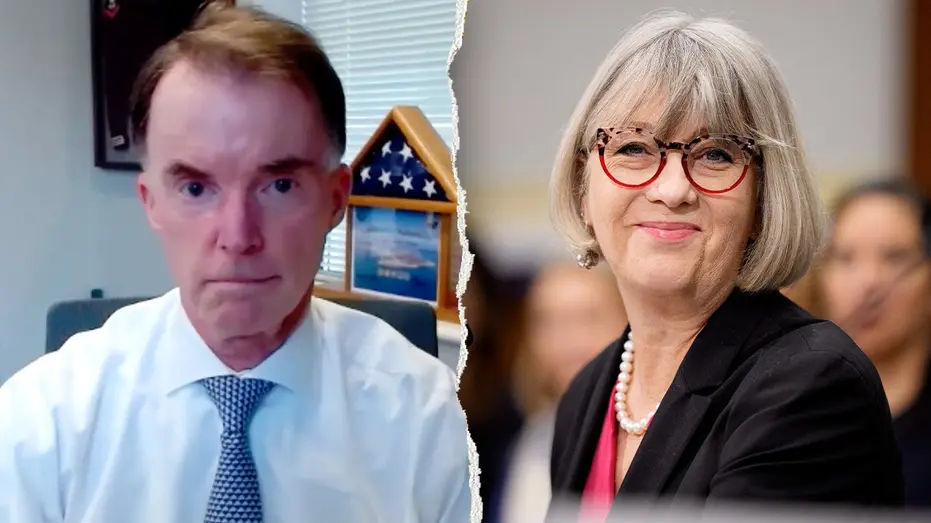
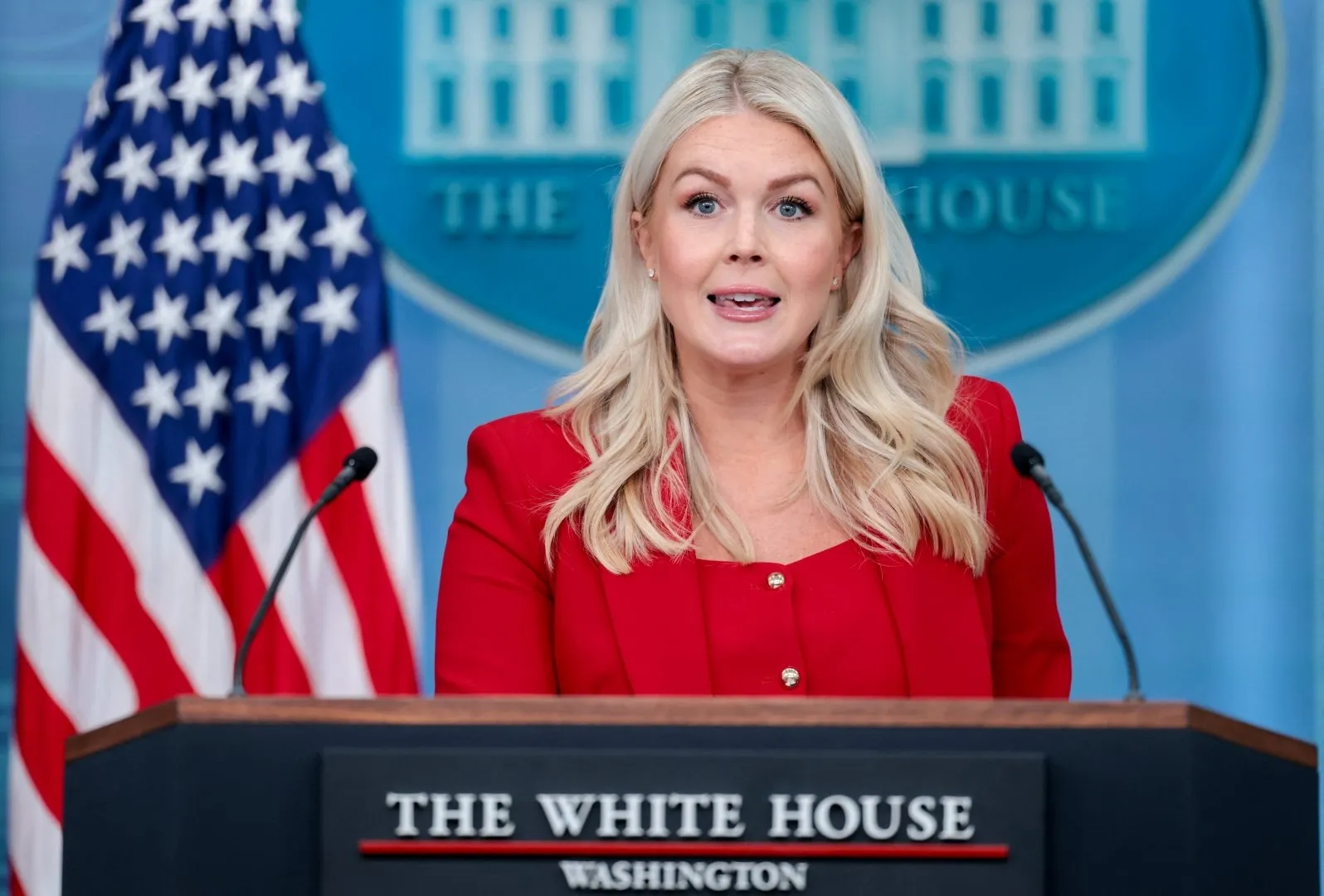
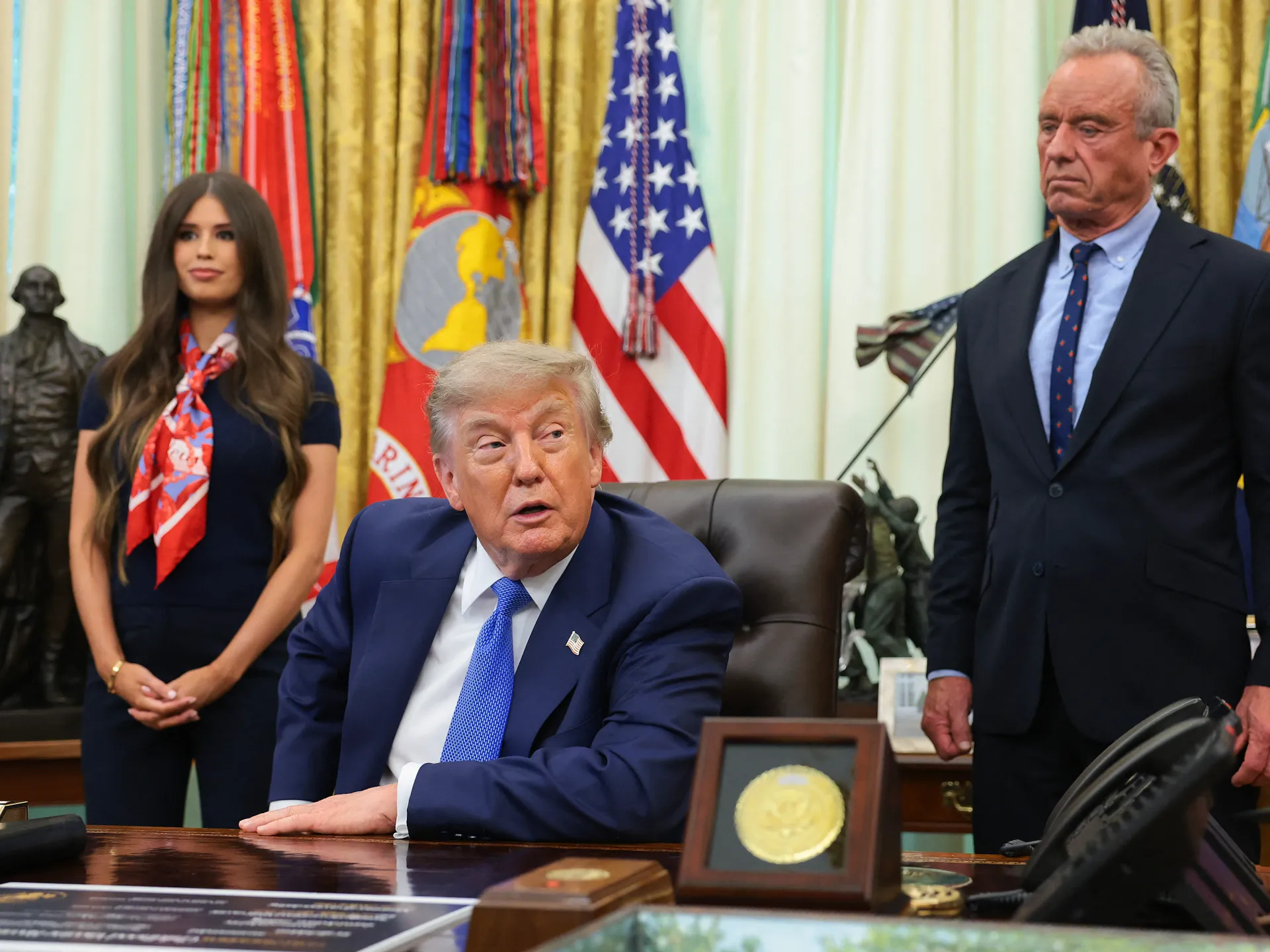
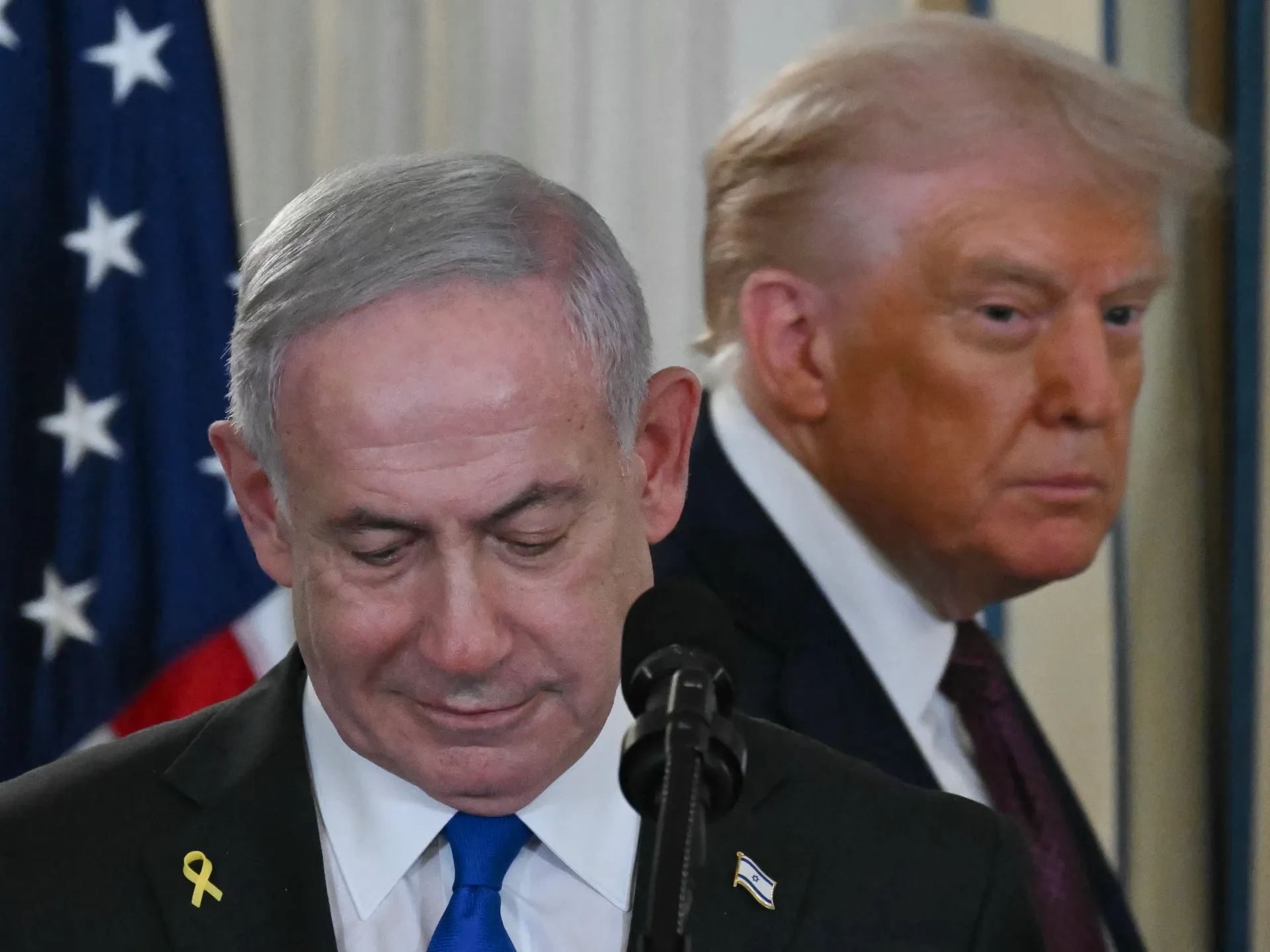
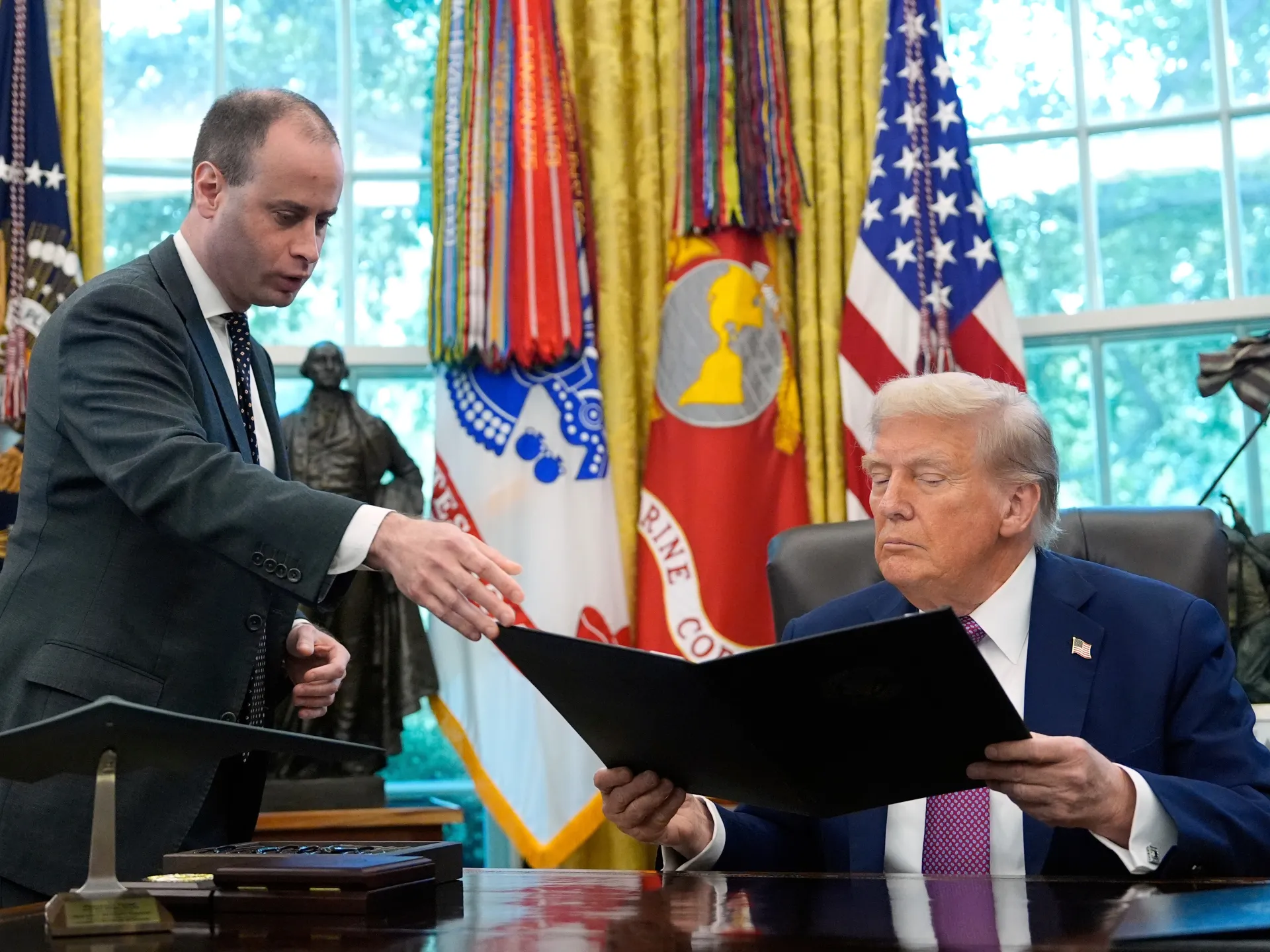
The United States has formalized its disapproval of South African land expropriation policies, with Secretary of State Marco Rubio announcing visa restrictions on individuals accused of inciting violence or supporting land seizures without compensation. This move marks the latest chapter in a deteriorating relationship that has seen aid cuts, the expulsion of ambassadors, and a war of words over the state of minority rights in South Africa.
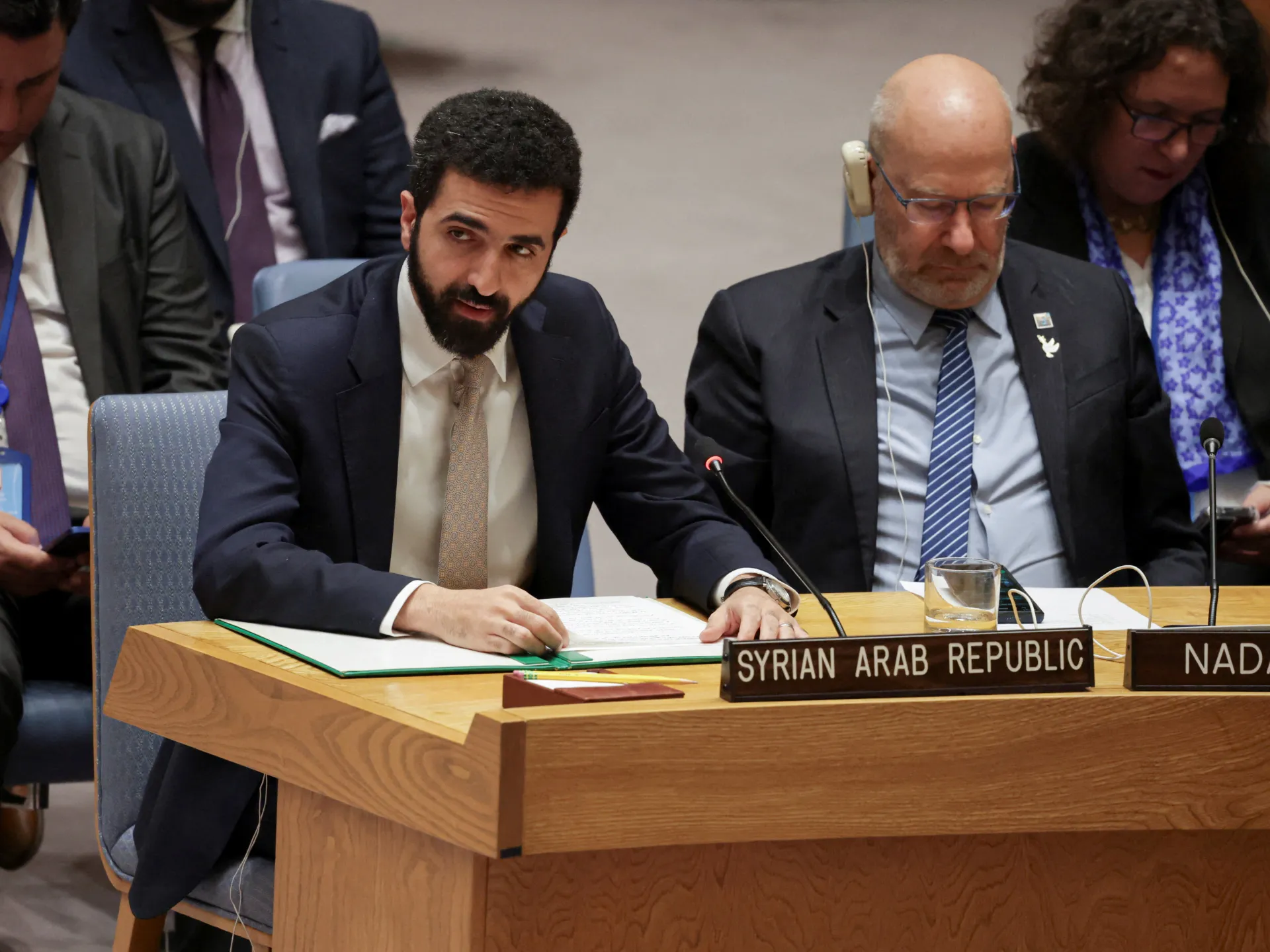
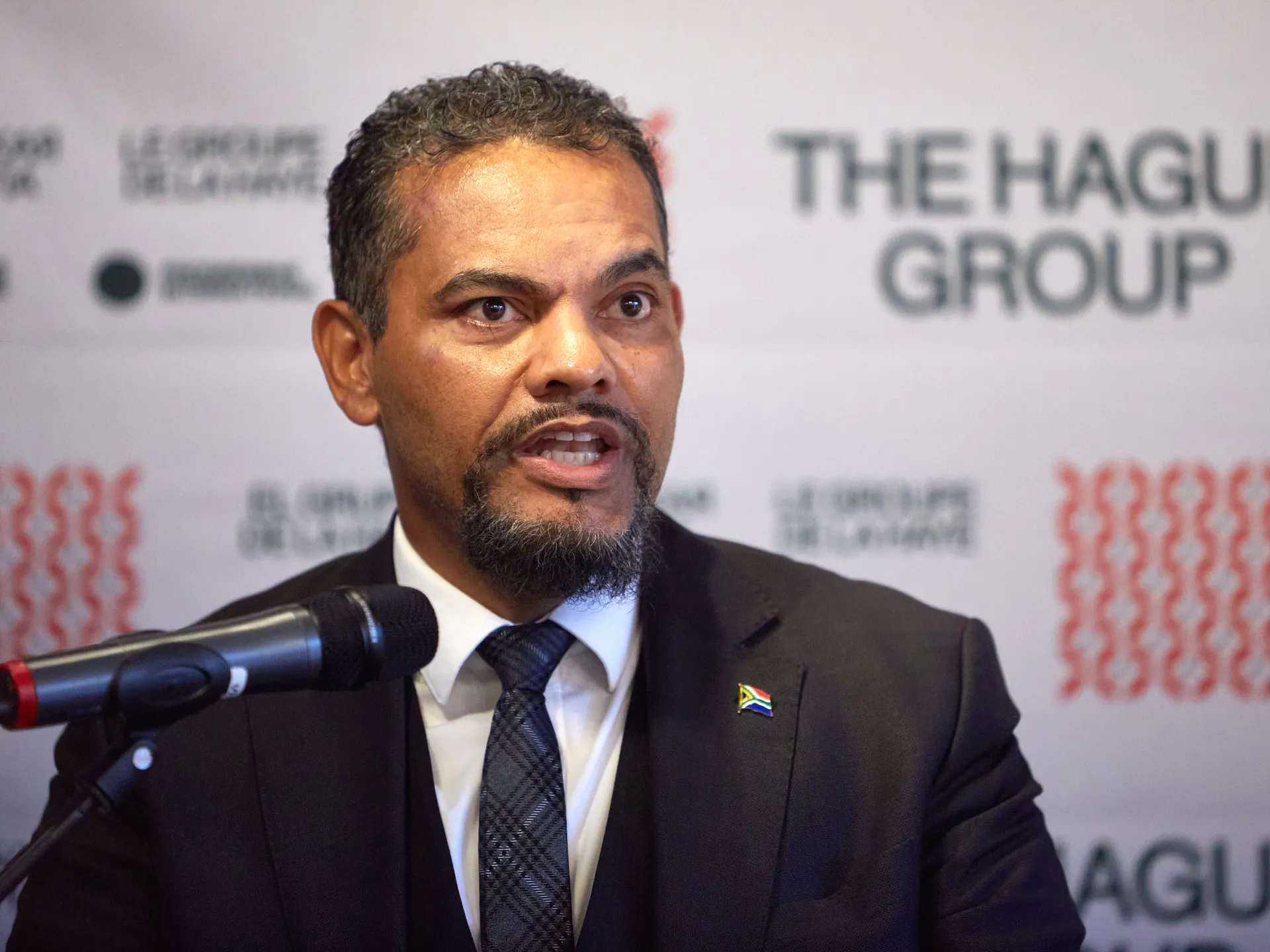
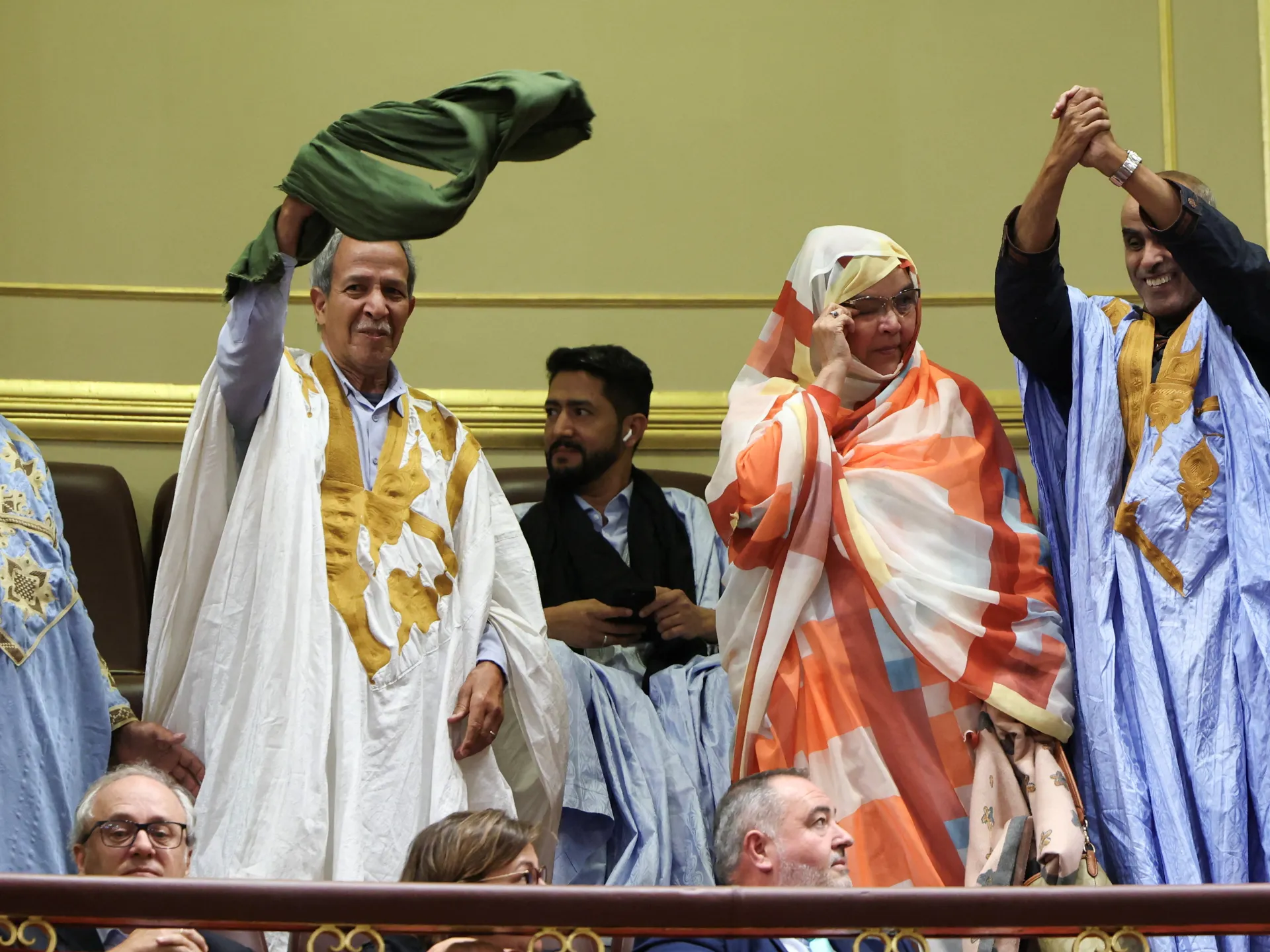
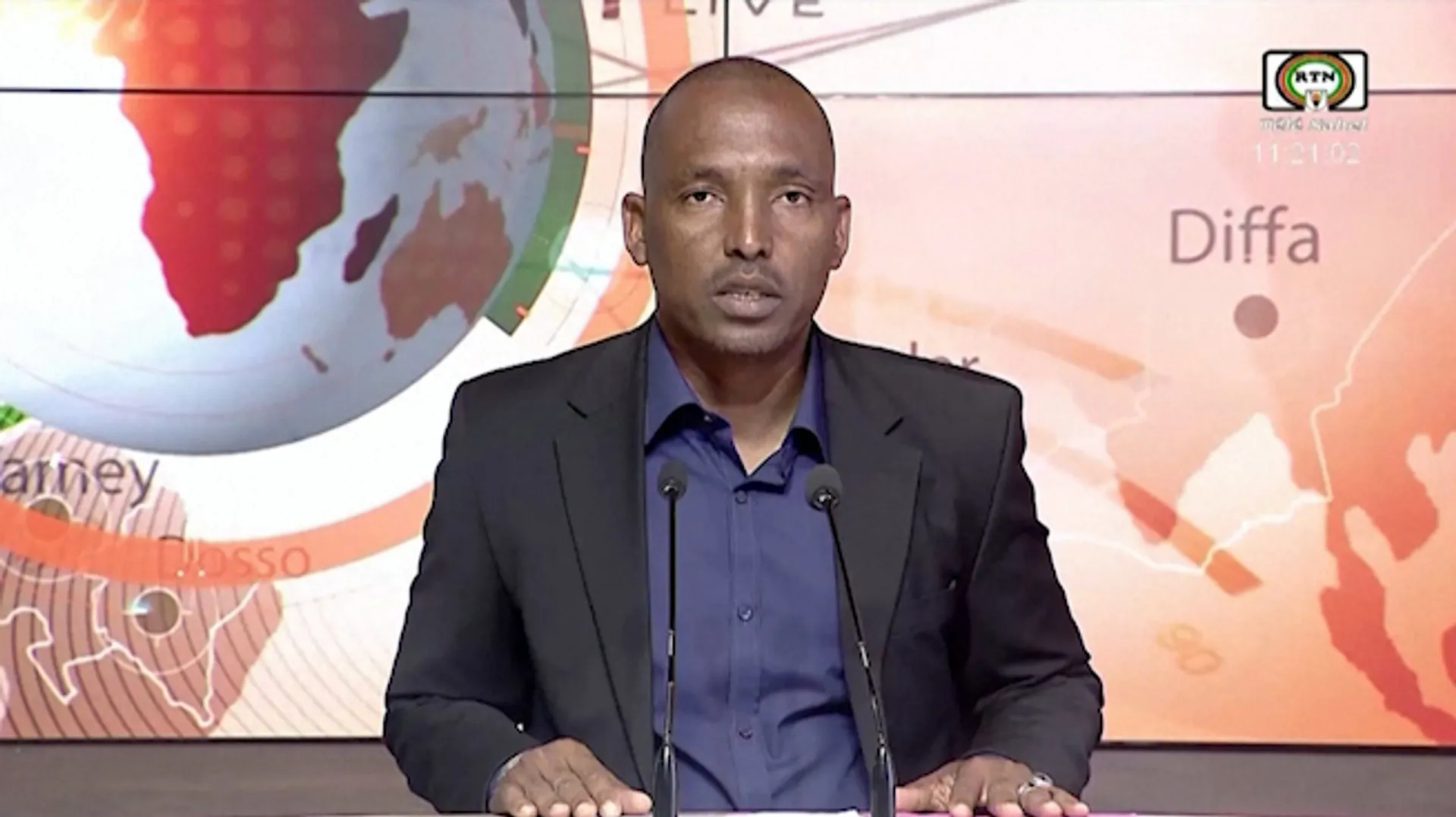
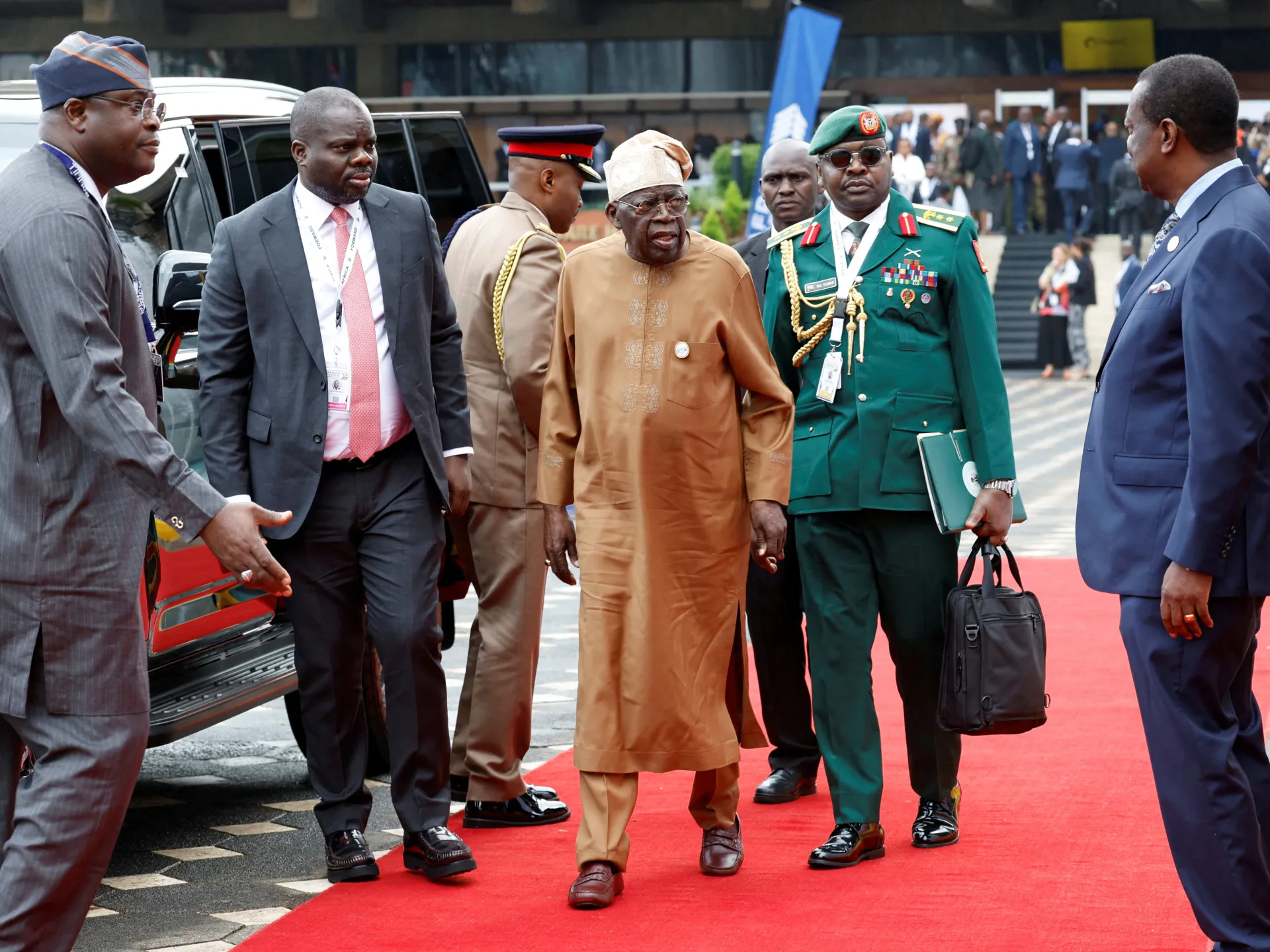
South Africa’s Ministry of International Relations and Cooperation has formally pushed back against the US narrative. Foreign Minister Ronald Lamola explicitly rejected the characterizations, labeling them as distortions promoted lation—which allows for zero-compensation seizures in specific public interest cases—remains subject to court oversight and is not a vehicle for the persecution of any racial group. Despite these assertions, the US administration continues to cite the alleged systemic discrimination against white minorities as a primary driver for the current visa sanctions.
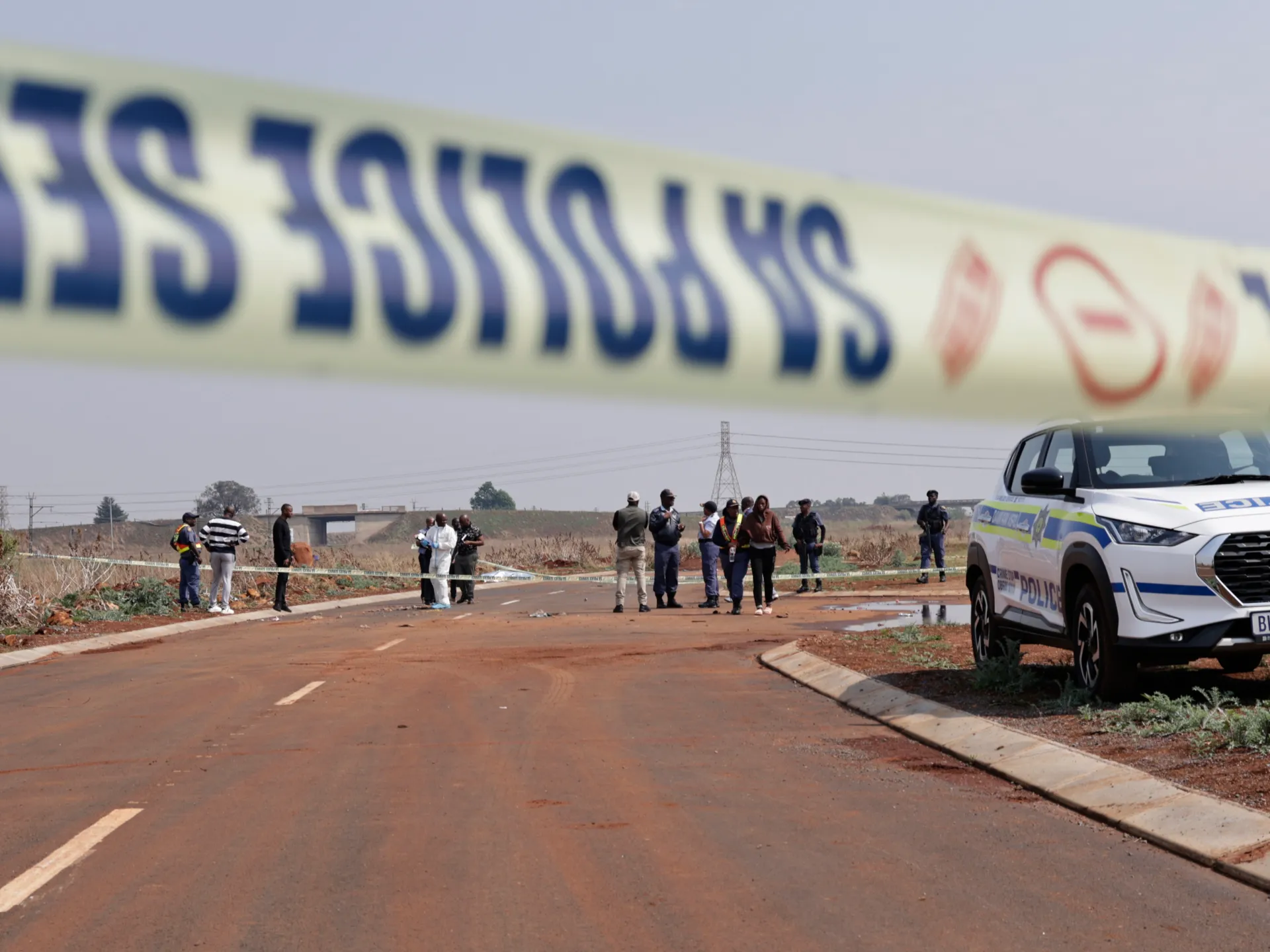
In South Africa, the immediate impact of the US visa restrictions remains unclear, as the State Department has not yet disclosed the names of the individuals targeted. It is expected that the South African government will continue to lobby against these characterizations, likely seeking a diplomatic platform to present data that contradicts the US claims of targeted persecution. Should the US continue to tighten these restrictions, it may lead to a permanent freeze in high-level bilateral cooperation.
In Colombia, the next phase will involve monitoring the impact of increased legal firearm circulation on crime statistics. If violent incidents rise, the government will likely face intense political pressure to reinstate restrictions. Conversely, if proponents can demonstrate that individual security has improved without a corresponding spike in crime, the policy may solidify, potentially influencing future security debates within the region.