

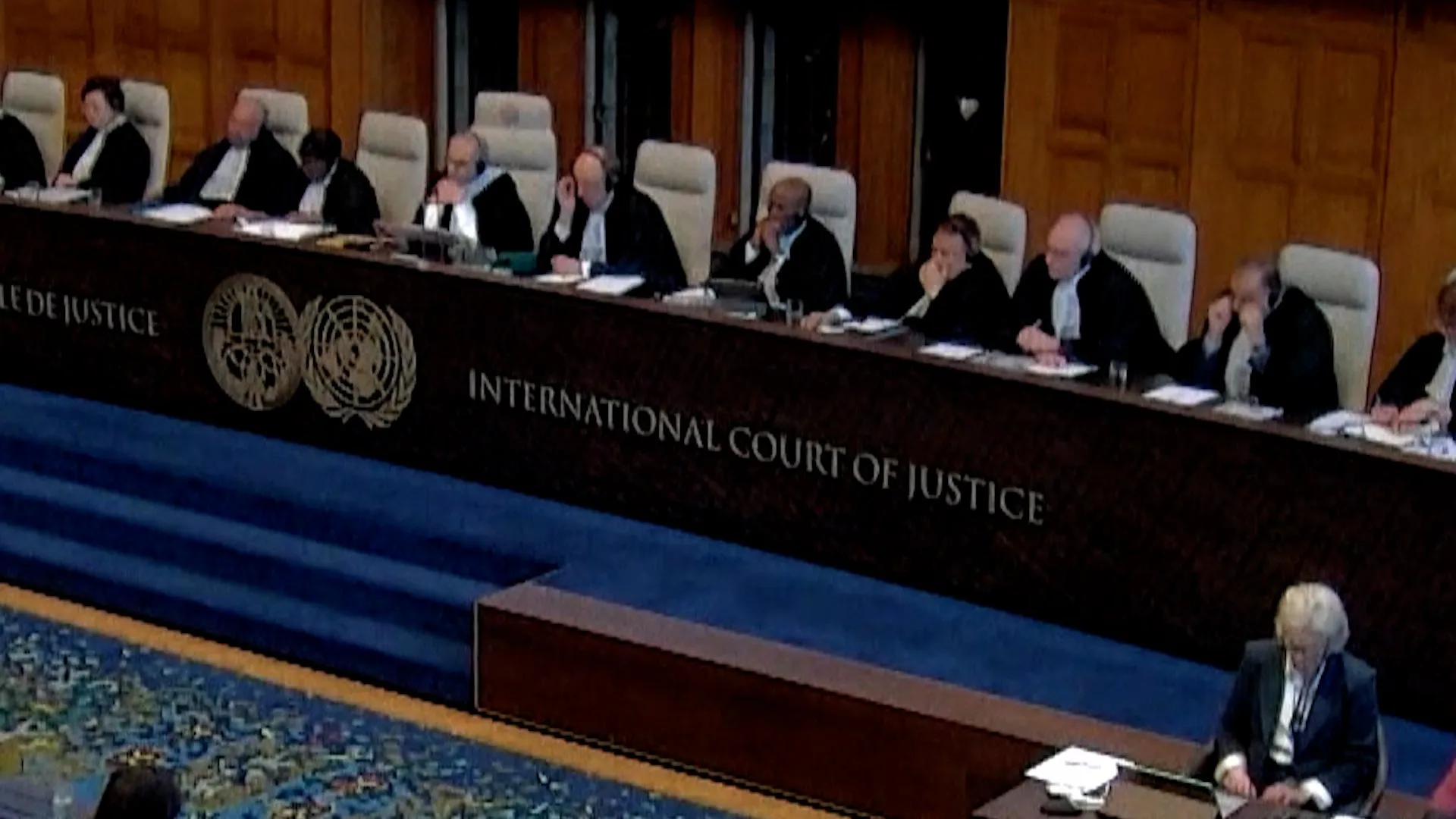
Germany has petitioned the International Court of Justice to dismiss a case brought by Nicaragua, asserting the tribunal lacks proper jurisdiction over the matter.
The German government has formally requested that the International Court of Justice (ICJ) dismiss the ongoing legal proceedings initiated rlin argued that the tribunal lacks the necessary jurisdiction to adjudicate the claims brought against them. The German legal team maintains that the court's authority is being overextended, suggesting that the current case does not meet the established legal criteria required for the ICJ to intervene in this specific matter.
of the allegations altogether. This procedural maneuver is a common defensive strategy in international law, intended to prevent a full trial if the defendant believes the court is not the appropriate venue for the dispute. The German delegation emphasized that the court should prioritize its established jurisdictional boundaries rather than proceeding with a case that they contend falls outside the scope of its mandate under the Genocide Convention.
The case stems from accusations leveled nocide Convention. Managua claims that contribute to the ongoing humanitarian crisis in Gaza. The lawsuit seeks to hold Germany accountable for its role in the conflict, asserting that its domestic and foreign policy decisions have failed to prevent or mitigate the potential for genocidal acts in the region.
Nicaragua’s legal arguments focus on the obligations of signatory nations under international law to prevent genocide, rather than merely avoiding direct participation. that third-party nations can be held legally responsible for their geopolitical and military support of combatants if that support is perceived to enable violations of international humanitarian law. This has turned the proceedings into a significant test case for global accountability mechanisms.
The outcome of this jurisdictional challenge holds profound implications for how international law is interpreted and applied globally. If the ICJ rules that it lacks jurisdiction, it could effectively shield nations from similar legal challenges, reinforcing the sovereign immunity of states that provide support to foreign military operations. Conversely, if the court determines that it does have the authority to hear the case, it could pave the way for a more expansive interpretation of the Genocide Convention, increasing the legal risks for nations involved in complex foreign military alliances.
Legal scholars are closely watching the proceedings to see how the court balances state sovereignty against the universal duty to prevent genocide. The case highlights the tension between the political realities of international alliances and the rigid requirements of international legal treaties. As the court deliberates on whether to proceed to the merits phase, the global community remains divided on the extent to which individual nations can be held liable for the actions of their partners in conflict zones.
The International Court of Justice is now tasked with reviewing the arguments presented d to be thorough, as the court must weigh the geopolitical consequences of its decision alongside the strict legal interpretations of the Genocide Convention. A ruling in favor of Germany would effectively end the case, while a rejection of their motion would force the court to move into a detailed examination of the evidence provided