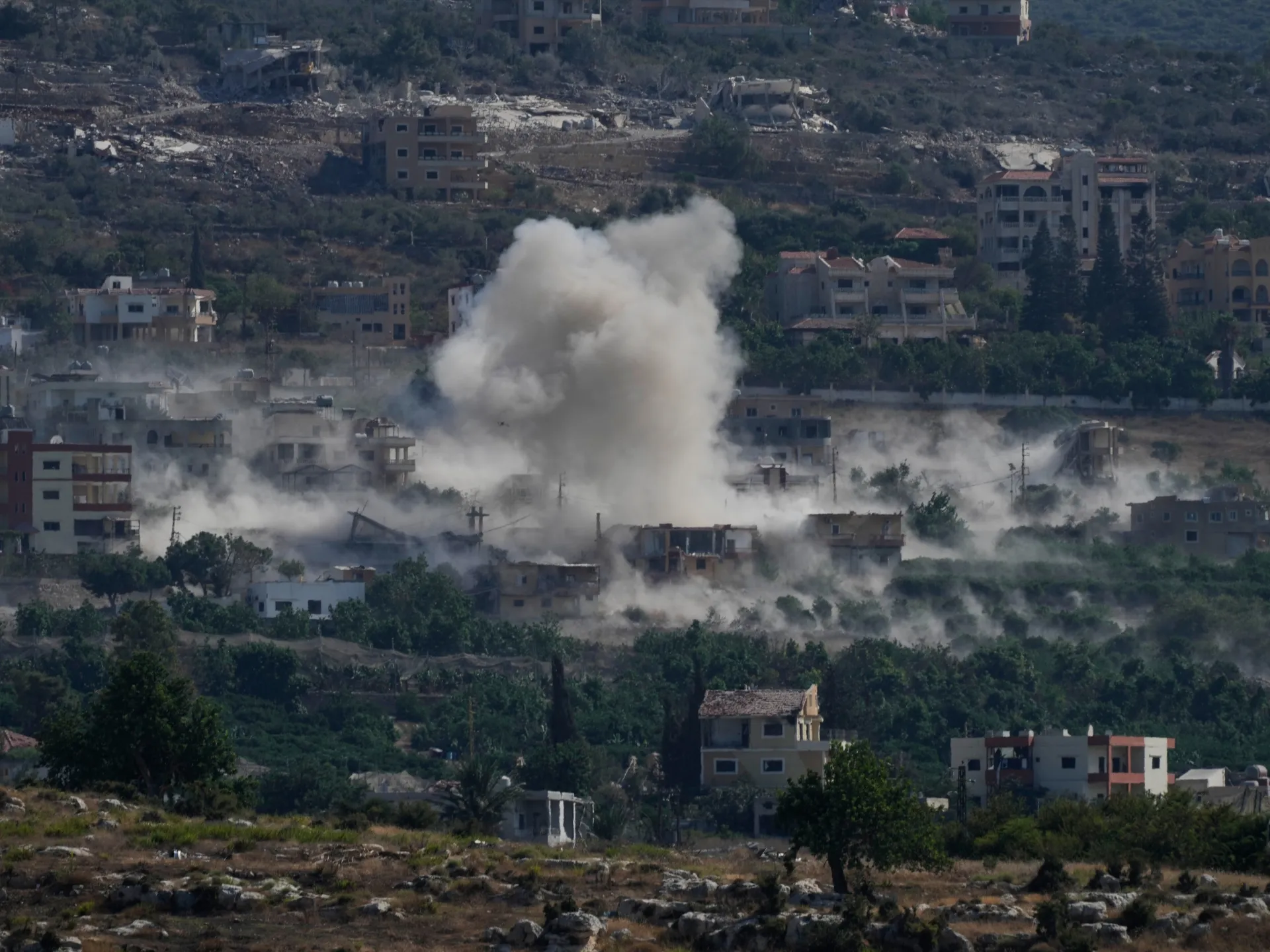
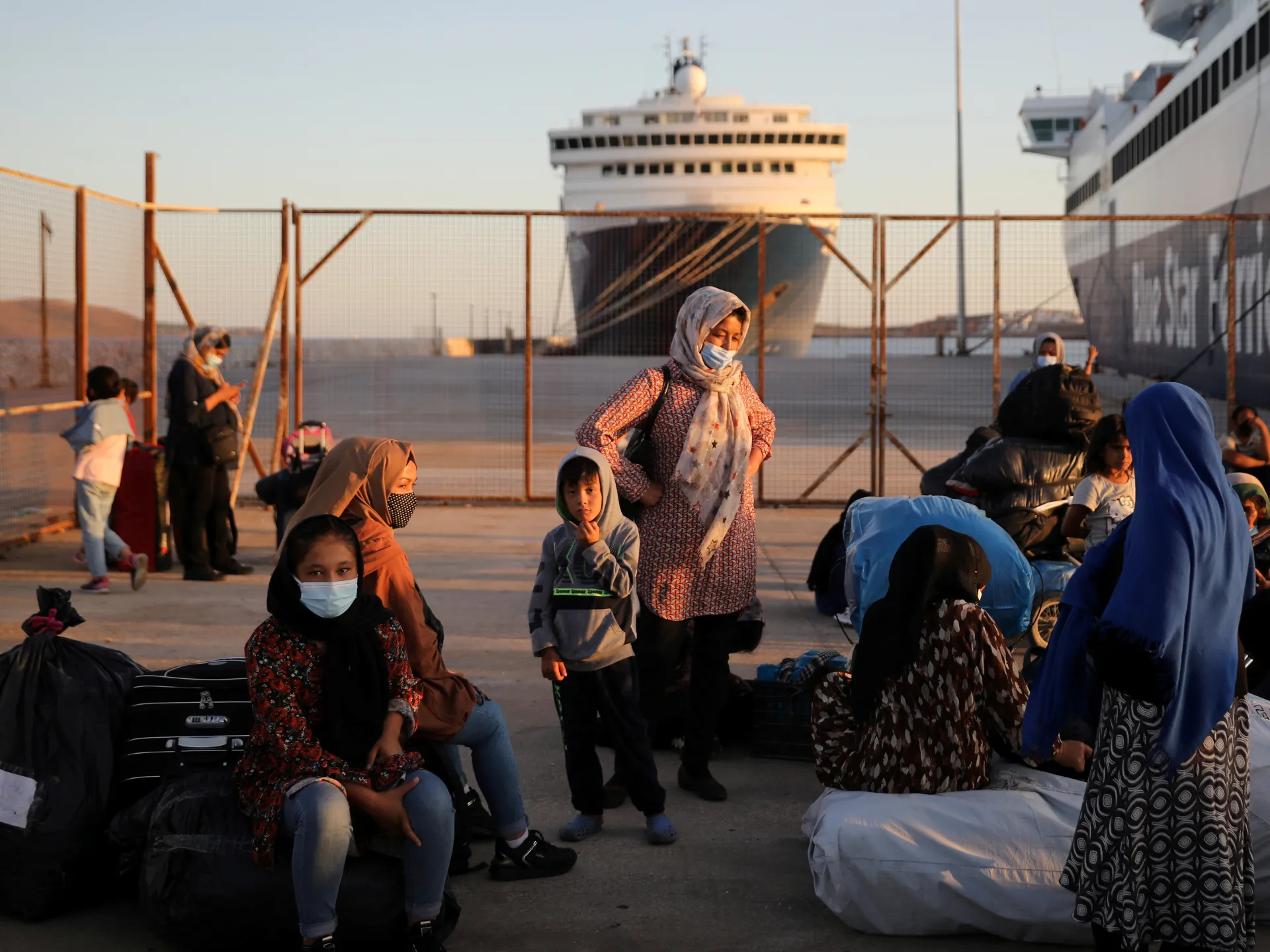
With the fall of the al-Assad regime, Lebanon is no longer a sanctuary for former Syrian officials as Damascus intensifies efforts to secure their extradition for war crimes.
Following the collapse of the Bashar al-Assad regime in December 2024, the political landscape across the Levant shifted dramatically. For years, Lebanon served as a convenient staging ground and sanctuary for top-tier Syrian military commanders and intelligence officials, many of whom relied on deep-seated historical networks established during Syria’s long-standing occupation of its neighbor. These figures often operated with a sense of impunity, bolstered ontacts.
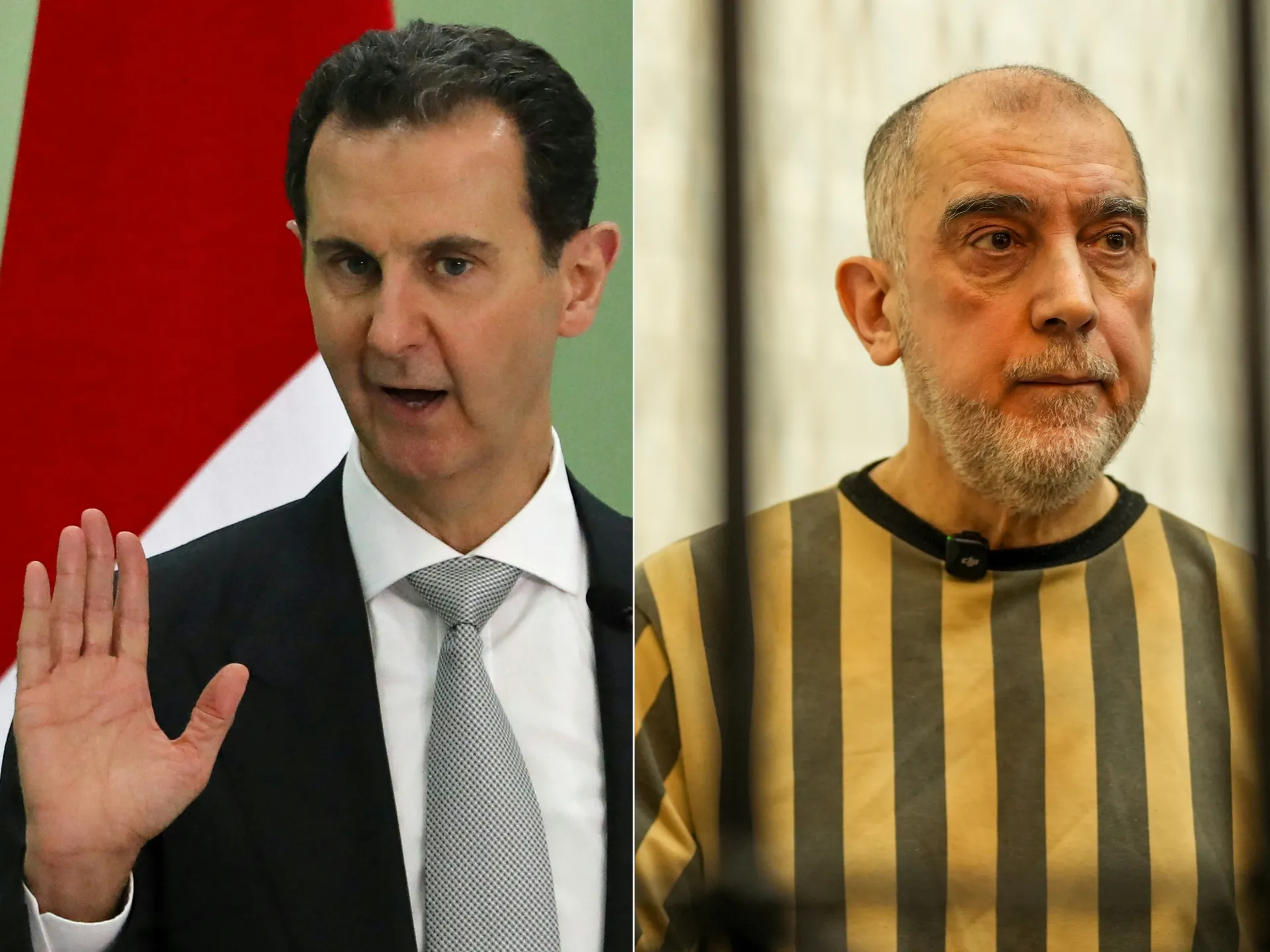
However, the new government in Damascus has made the pursuit of these former officials a primary objective. current Syrian administration is systematically closing the doors on those who fled across the border. The recent arrest of former Syrian Army Major General Adel Issa, who was apprehended after attempting to process paperwork at the Syrian embassy in Beirut, serves as a clear signal that the era of protection has effectively concluded.
The extradition of former regime officials has sparked an intense legal debate within Lebanon. The case of Major General Issa is widely viewed as a potential legal precedent, as it marks one of the first successful efforts Lebanon have signaled their intent to cooperate, a move that reflects the evolving diplomatic relationship between the two nations as they attempt to move past the era of Syrian dominance that ended in 2005.
Despite this cooperation, significant hurdles remain. Lebanon has notably abolished the death penalty, making it a pioneer in the region on this front. Conversely, the Syrian judicial system continues to utilize capital punishment, as evidenced d their cousin Atef Najib in absentia. Human rights advocates argue that extraditing individuals to a country where they may face execution violates both international legal standards and Lebanon’s own domestic commitments, creating a complex dilemma for the judiciary.
The presence of former regime figures in areas like Tripoli’s Jabal Mohsen or the Akkar region has become a point of contention for both local stability and international relations. While some high-profile individuals have successfully transitioned to countries like Russia or the United Arab Emirates, others remain in hiding, utilizing false identities to evade capture. Estimates regarding the exact number of these fugitives remain imprecise, as many have sought to move deeper into the shadows or leverage illicit networks to escape further detection.
Hezbollah’s role in this transition is particularly noteworthy. Previously a staunch defender of the al-Assad regime, the group is now navigating a period of internal pressure and a desire for regional stability. Analysts suggest that the group is prioritizing a calmer relationship with the new administration in Damascus over the maintenance of an increasingly untenable status quo. As a result, the training camps and safe houses that once dotted the Bekaa Valley have largely been dismantled, further limiting the options for those seeking to remain in Lebanon.
As the new Syrian government works to solidify its domestic authority, the demand for justice regarding the atrocities committed since 2011 remains a central pillar of its platform. Syrian authorities have reportedly requested the handover of more than 200 senior officers who fled to Lebanon, viewing them as essential to the process of national reconciliation and legal reckoning. The pressure from the United States for Lebanon to distance itself from former regime elements further complicates the situation, forcing Beirut to balance its desire for improved relations with Damascus against the risk of regional volatility.
Ultimately, the resolution of this issue may depend on the evolution of the Syrian legal system itself. Experts argue that the only way to fully resolve the conflict between international human rights obligations and the demand for justice is for Syria to reconsider its use of the death penalty. Until such a shift occurs, the Lebanese government remains caught in a precarious position, attempting to honor its legal obligations to a neighbor while navigating the intricate web of regional politics that defined the previous half-century.