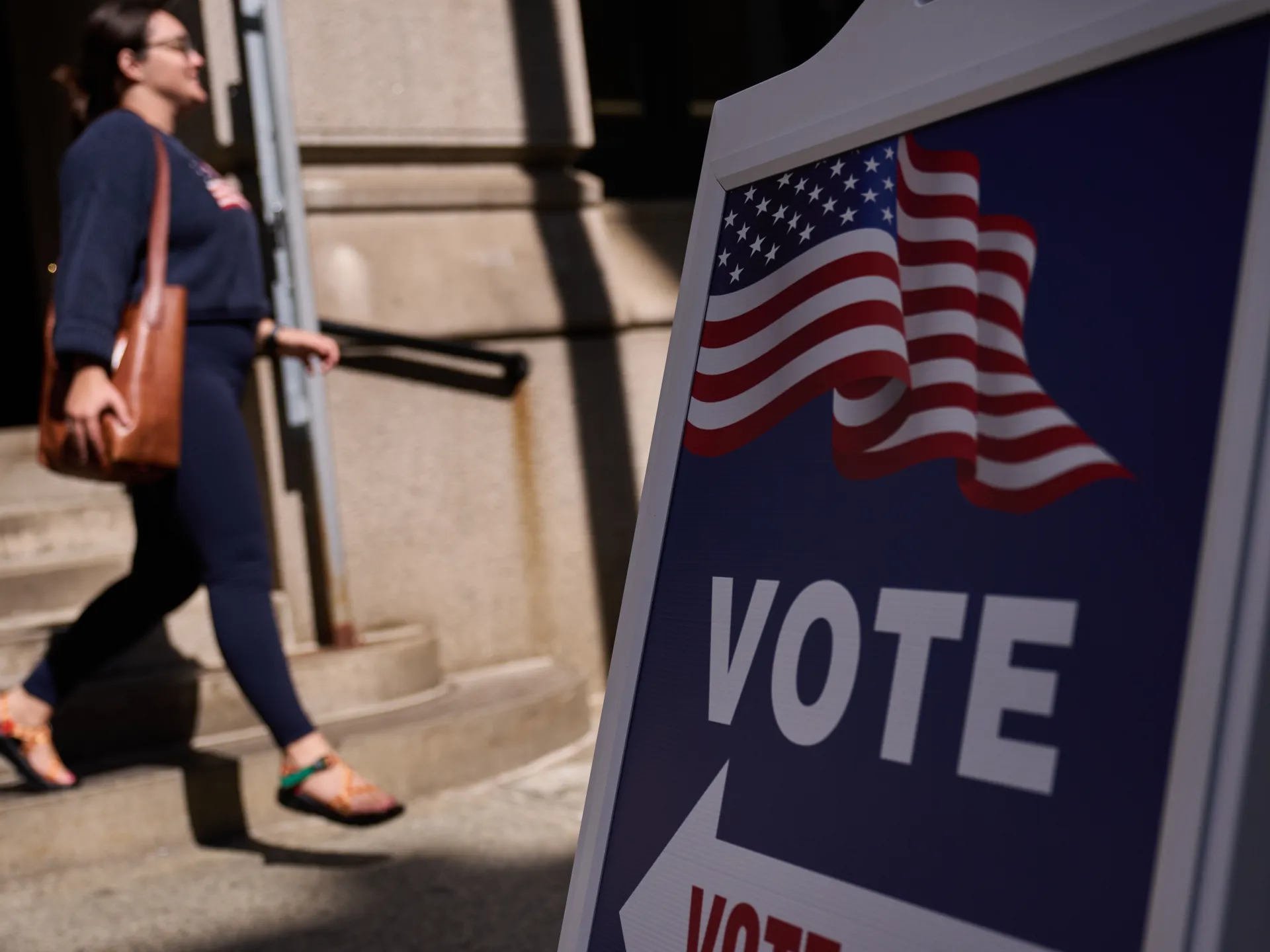
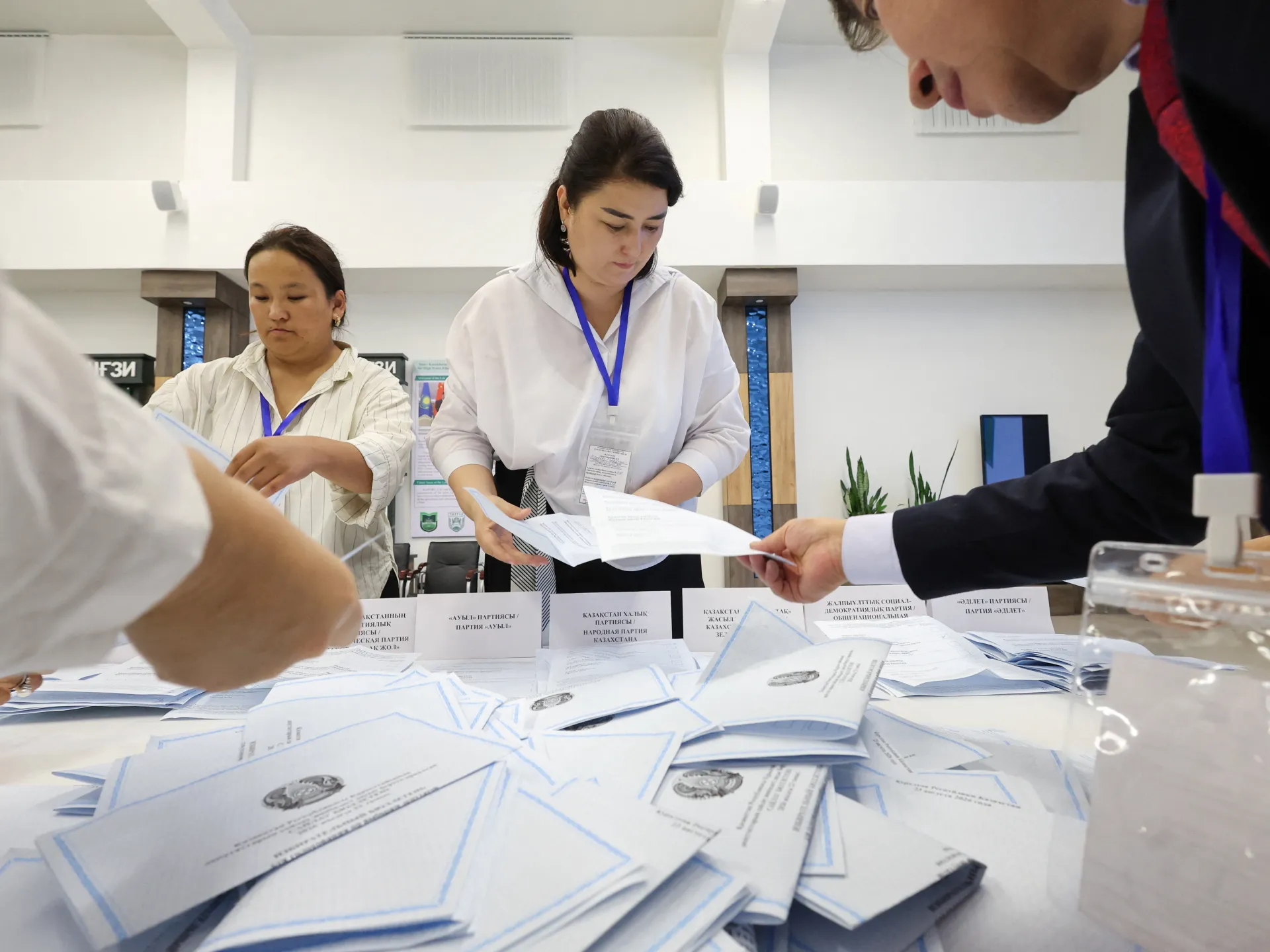
Florida’s primary elections have delivered key upsets and confirmed shifts in party influence, as candidates navigate a newly redrawn congressional map.
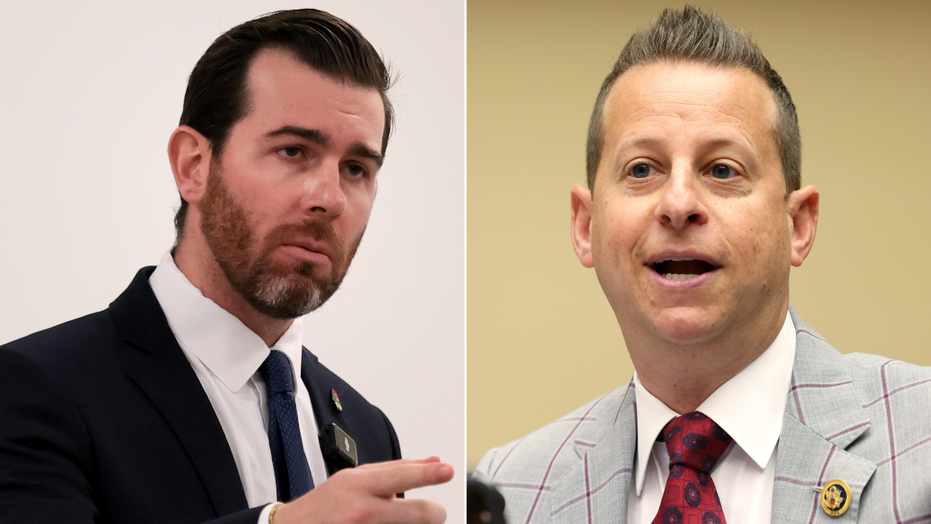
The recent Florida primary elections have underscored a significant transformation within the Democratic Party, marked ajor win against Alexander Vindman, a former national security official who entered the race with significantly higher financial backing. This result highlights a growing trend among Democratic voters who are increasingly favoring grassroots-aligned candidates over establishment figures with deeper pockets.
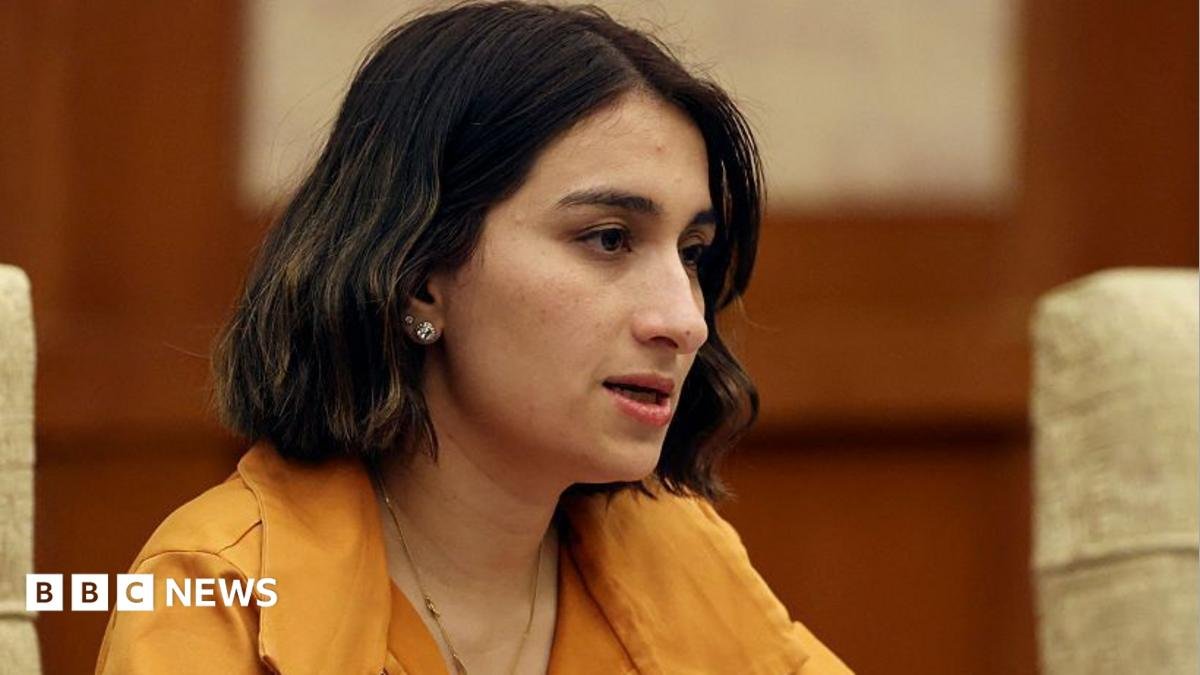
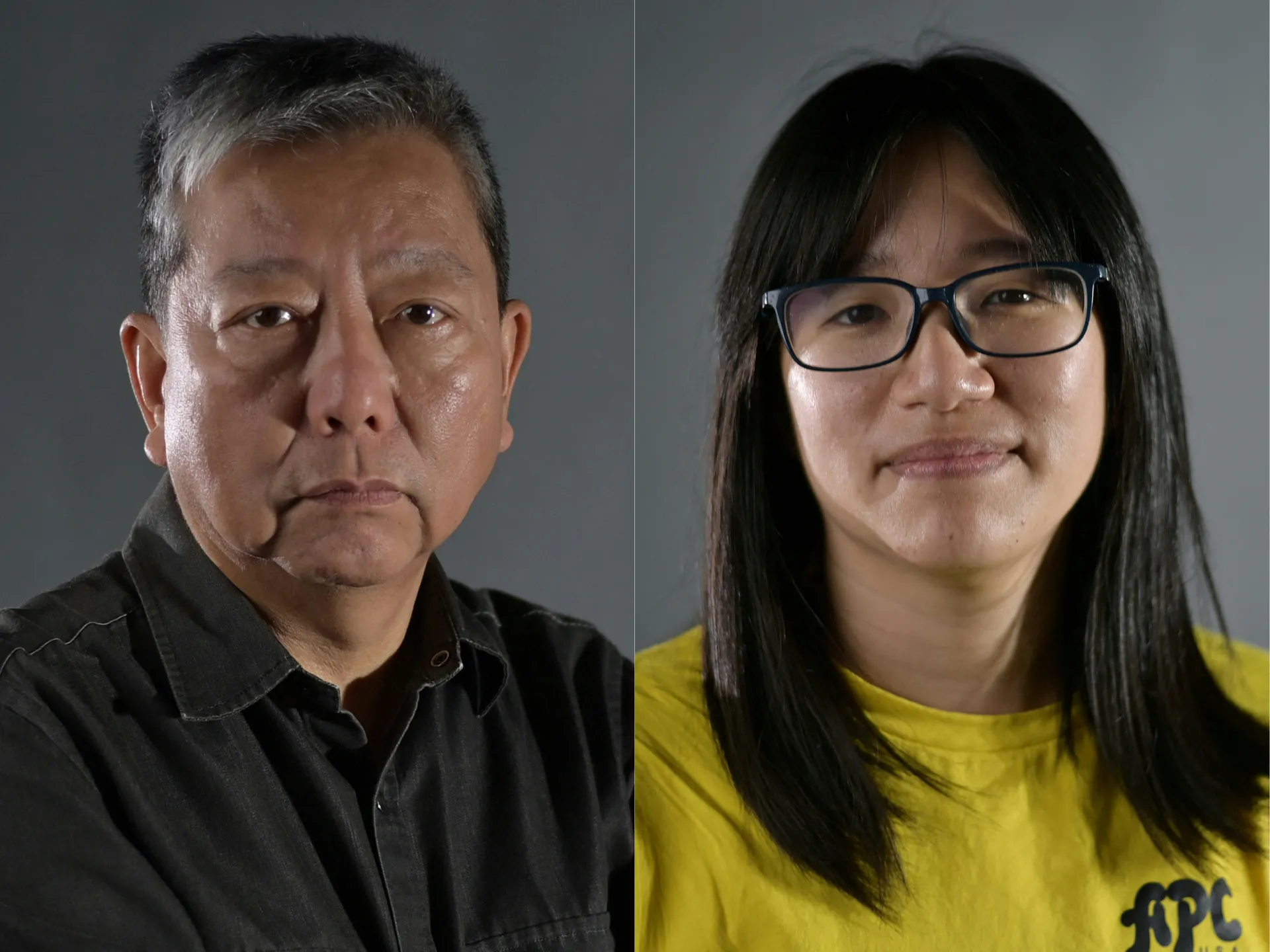
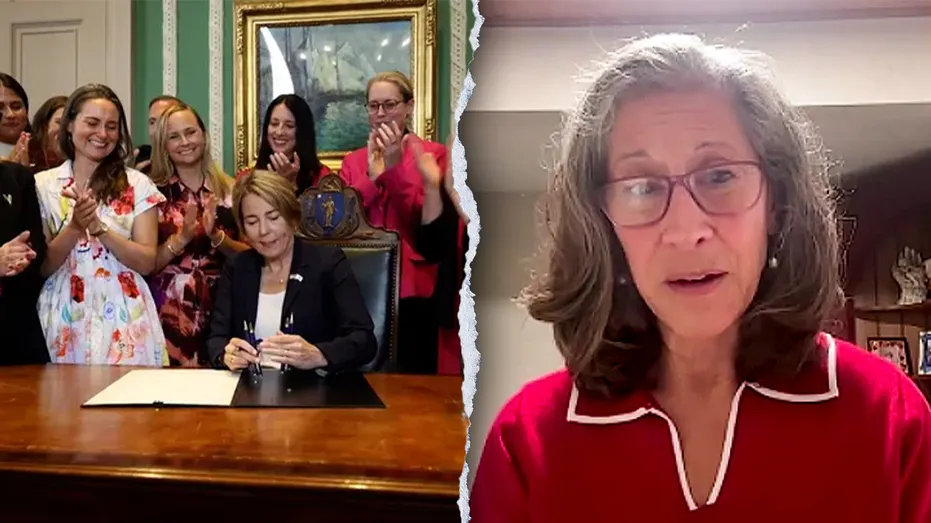
Nixon, drawing on her history as a labor activist and her established presence in Florida's political arena, managed to overcome the fundraising advantage enjoyed candidates are successfully challenging the traditional party hierarchy. Nixon is now set to compete against Republican Senator Ashley Moody in the upcoming special election to fill the remaining two-year term of former Senator Marco Rubio, who transitioned to a role as secretary of state.
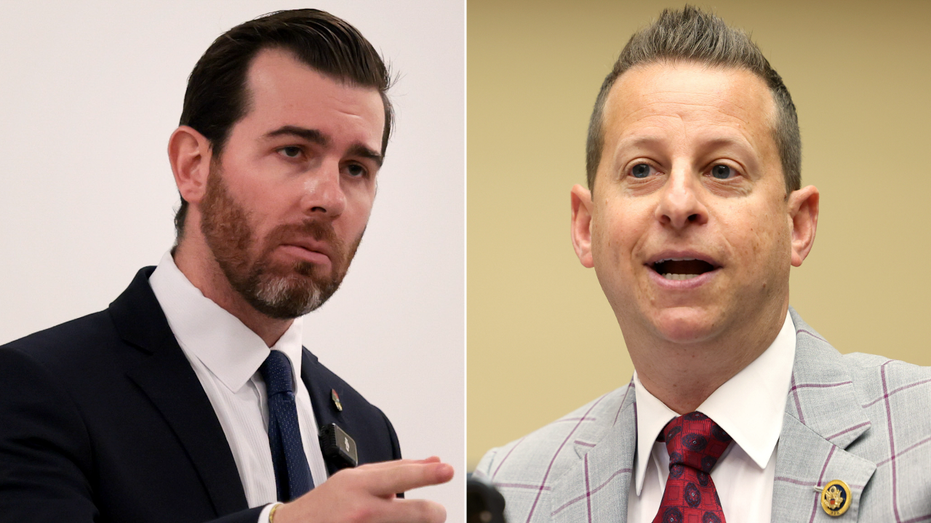
Despite this progressive momentum, the party also saw traditional power structures remain intact in other areas. Longtime US Representative Debbie Wasserman Schultz successfully defended her seat, emerging victorious from a crowded field in a plurality-Black district. Her win provides a sense of stability for establishment Democrats following a period of internal volatility, particularly as she navigated challenges from several other candidates, including former Representative Sheila Cherfilus-McCormick.
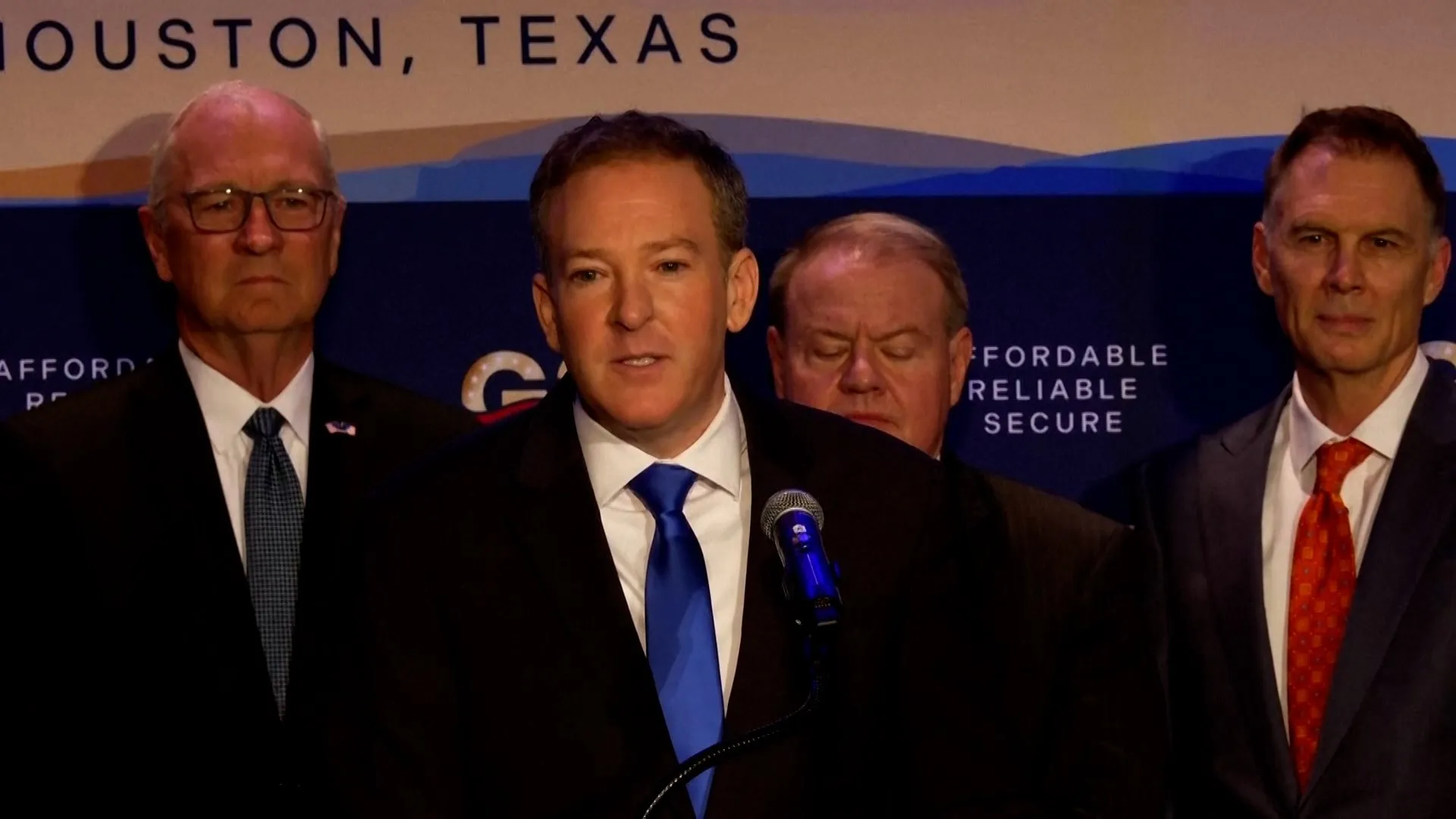
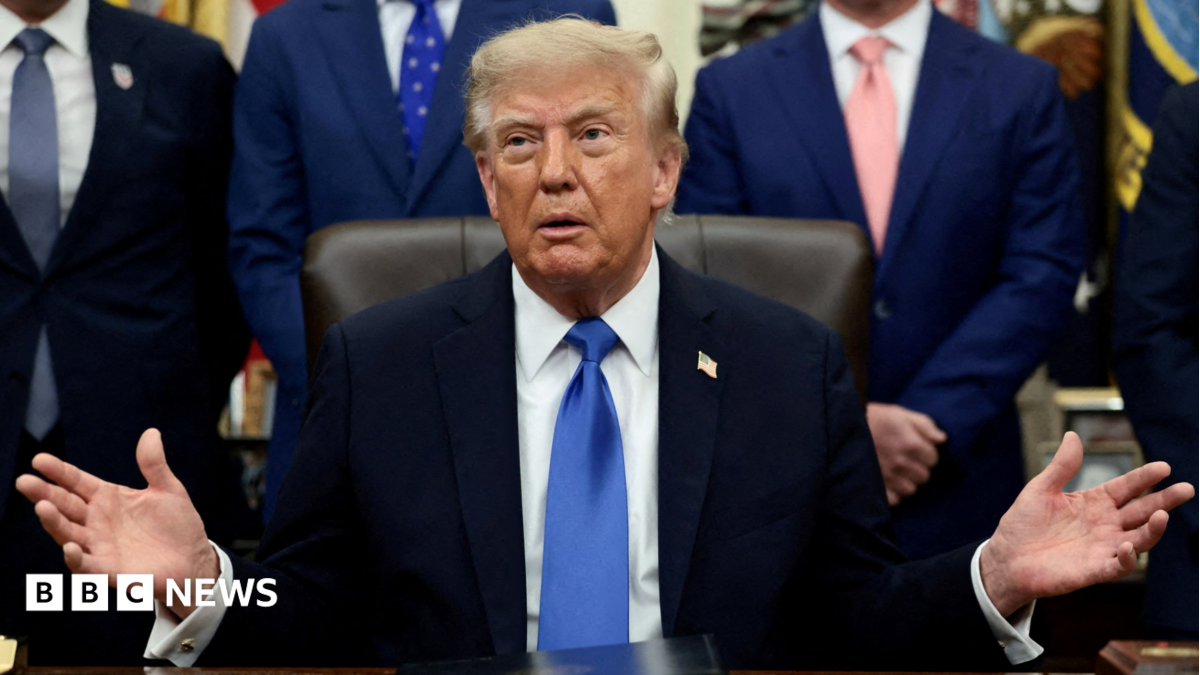
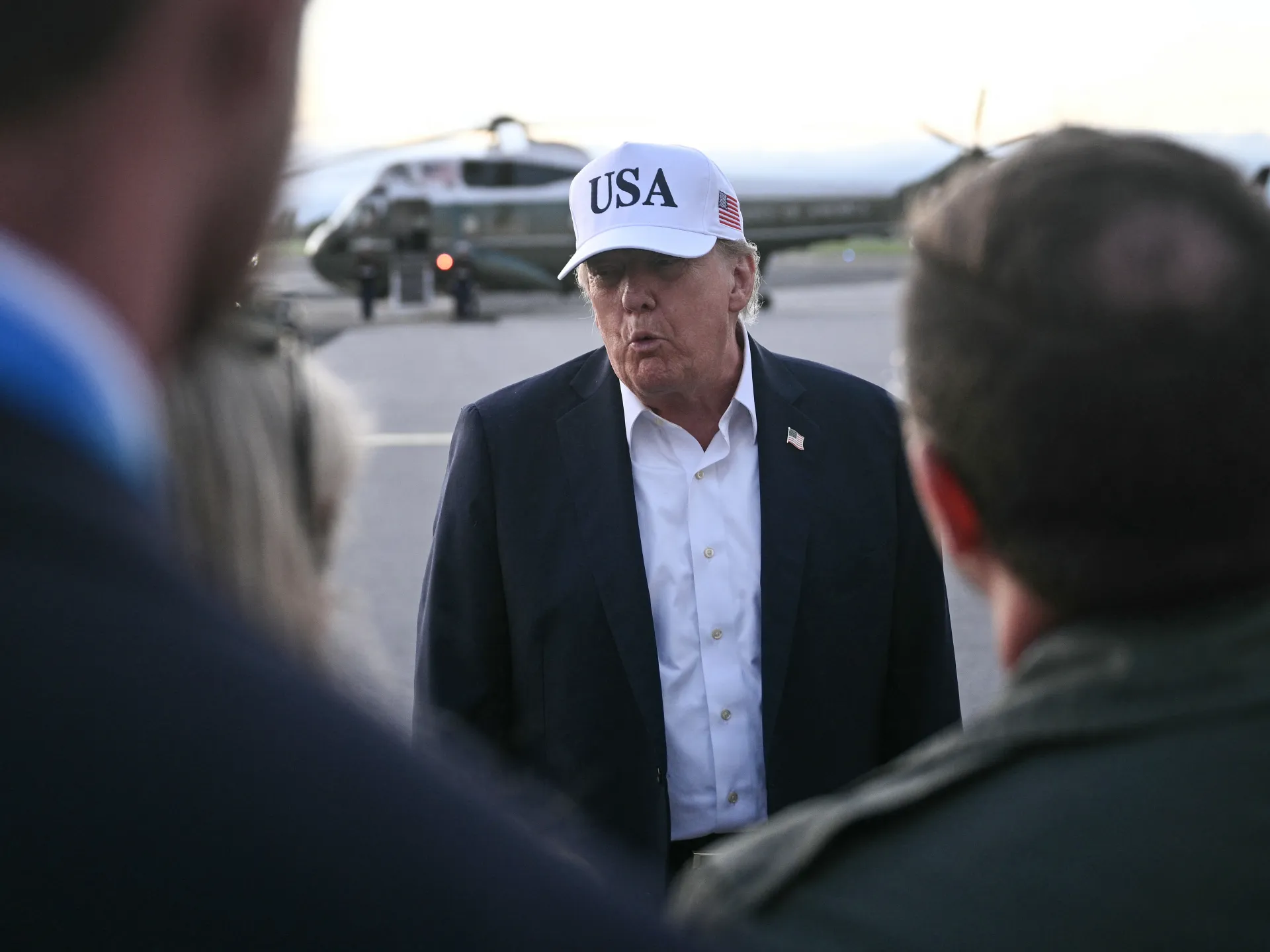
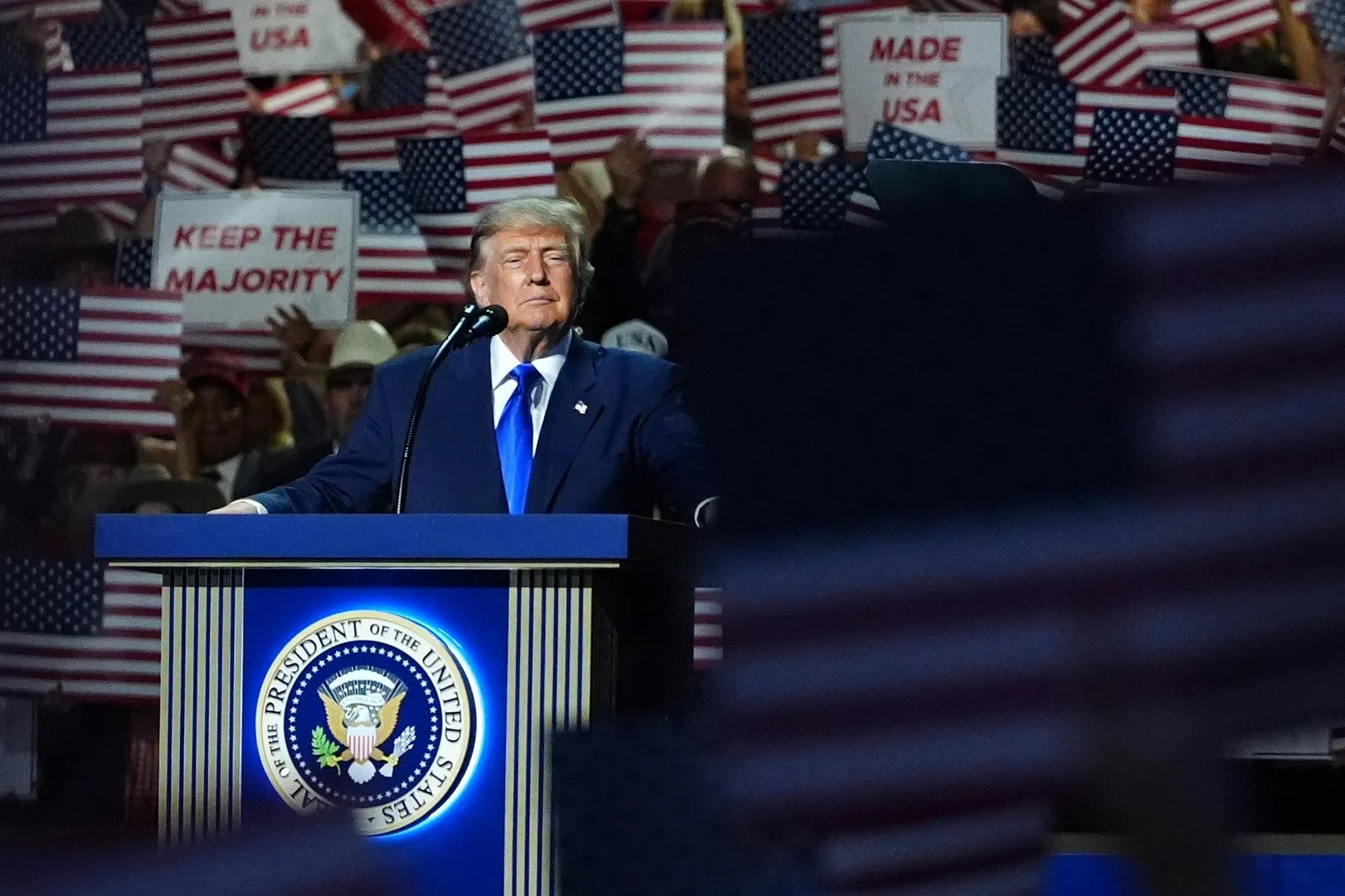
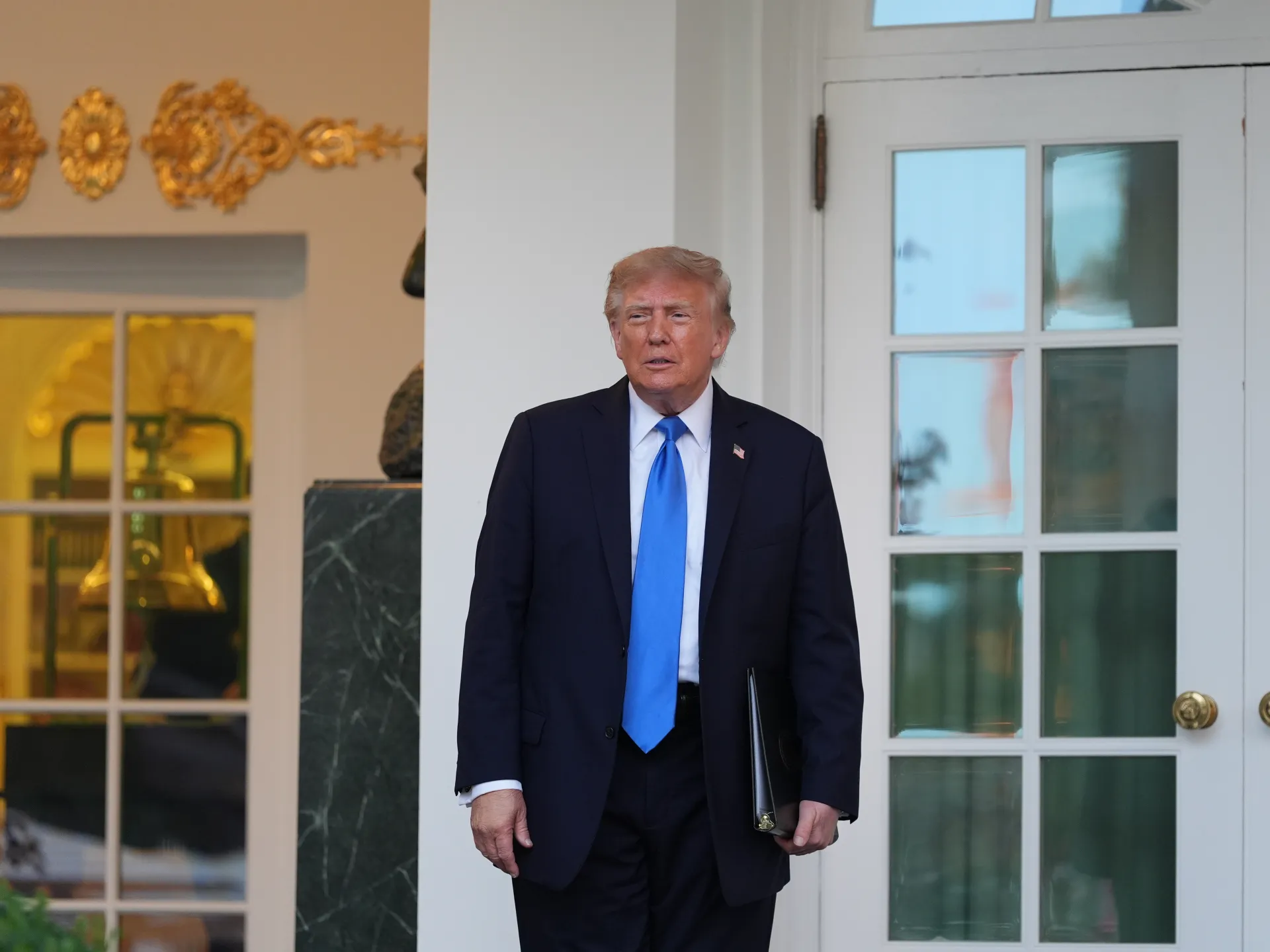
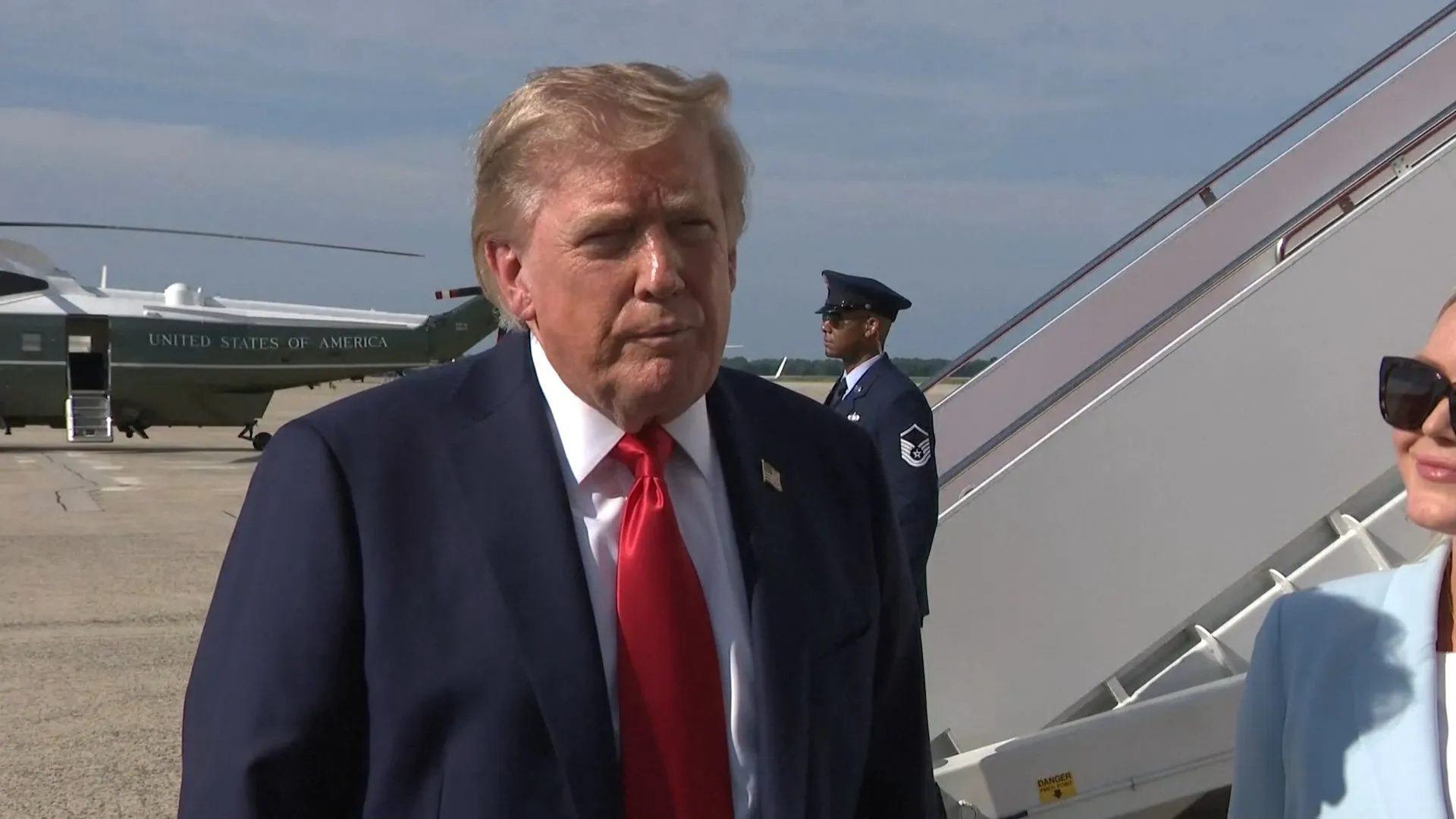
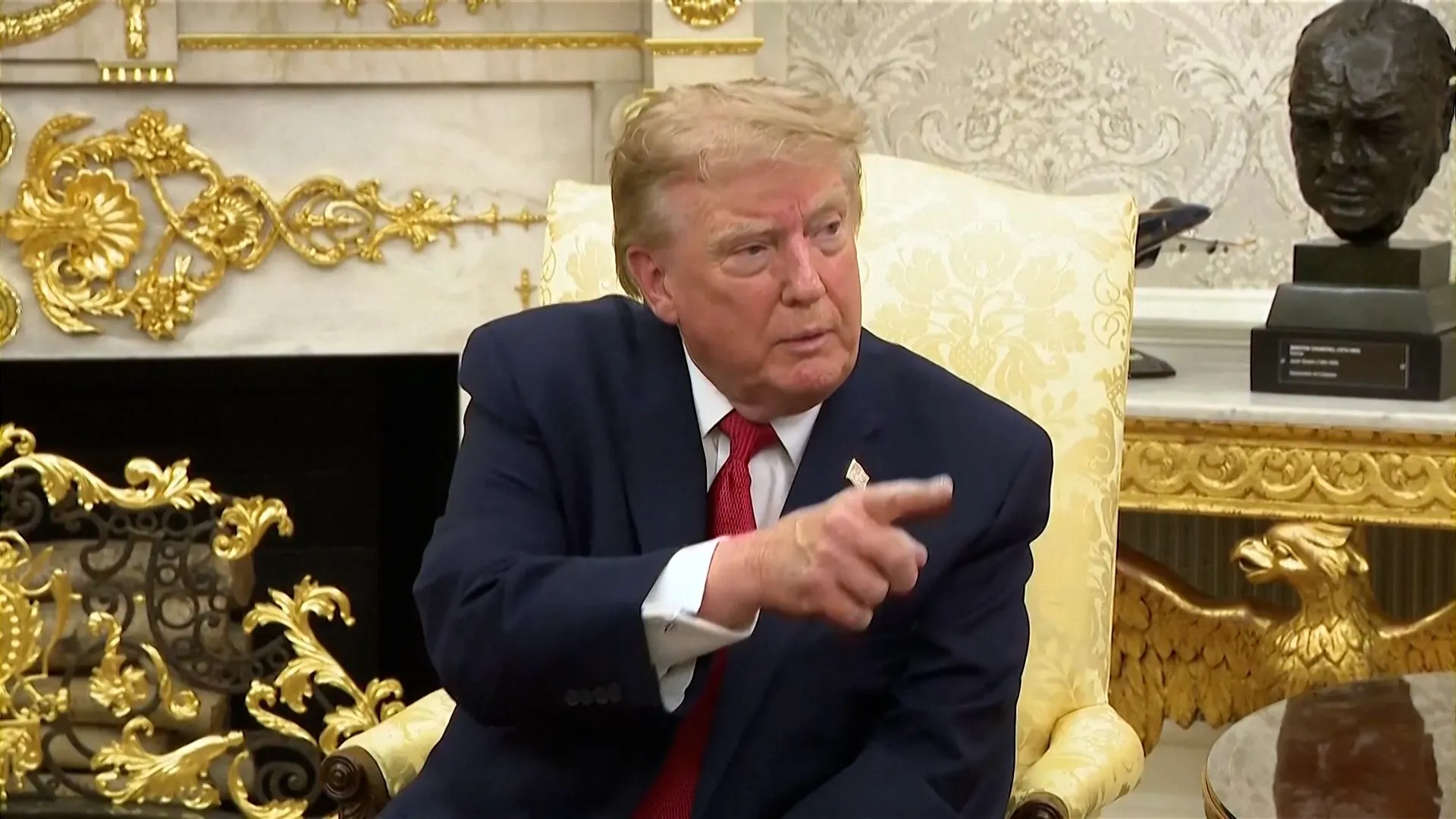
On the Republican side, the gubernatorial contest resulted in a clear victory for Congressman Byron Donalds. With the high-profile endorsement of former President Donald Trump, Donalds effectively navigated the primary to secure the nomination to succeed the term-limited Governor Ron DeSantis. This victory reinforces the enduring influence that Trump maintains over the Republican base in Florida, even as the state continues its broader political shift toward the right.
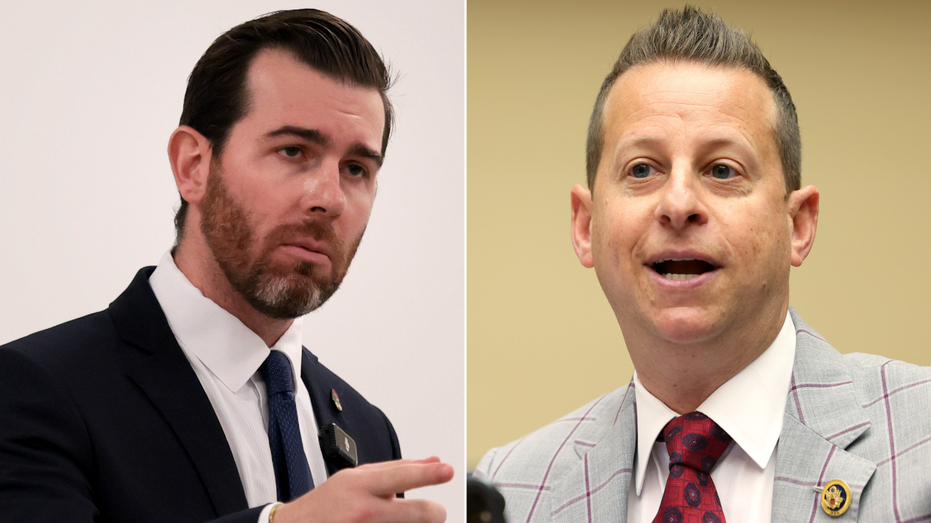
If successful in the general election, Donalds is positioned to make history as the state's first Black governor. His candidacy is part of a wider national trend this year, which features a historically large number of Black nominees for gubernatorial positions. Currently, the nation has only one Black governor, Maryland’s Wes Moore, who is also navigating his own re-election campaign. Donalds will now turn his attention to the general election, where he is scheduled to face Democrat David Jolly.
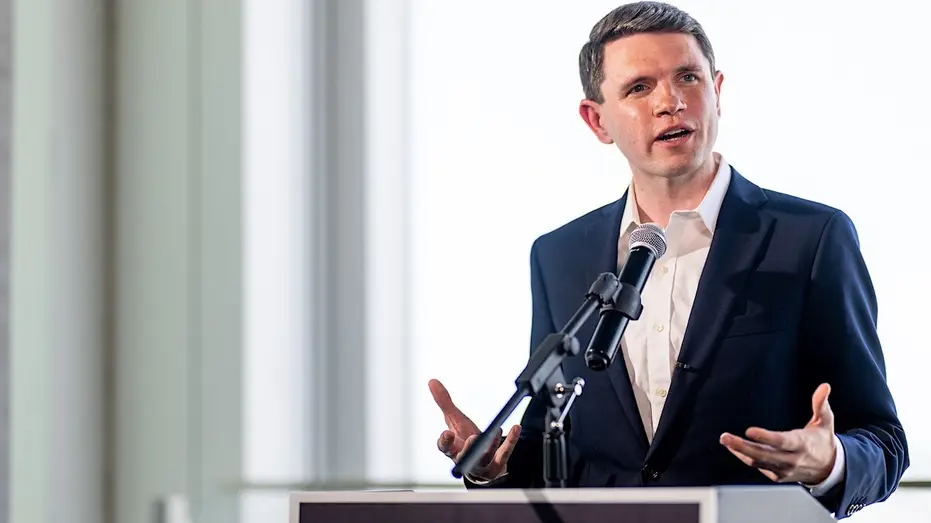
The Republican primaries were not without their own internal turbulence, as seen in the defeat of incumbent Congressman Cory Mills. Mills, who was seeking a third term, lost his primary bid to former television news anchor Ryan Elijah. His campaign had been significantly hampered oded his support base. While Trump had initially offered his endorsement to Mills earlier in the year, the former president noticeably omitted him from his final list of endorsements, signaling a withdrawal of support that likely impacted the final outcome.
In contrast, Representative Randy Fine successfully defended his seat in the 6th Congressional District, despite facing a crowded field of challengers. Fine, a staunch ally of Trump, has remained a polarizing figure in national politics due to his controversial rhetoric regarding Muslims and Palestinians. His primary campaign included a diverse array of opponents, most notably internet personality Daniel Bilzerian. Despite the intense scrutiny and opposition, Fine’s victory ensures he remains a prominent, albeit contentious, fixture in the state's congressional delegation.
These primary contests were the first to take place under Florida's newly redrawn congressional map. Political analysts and observers have noted that the new district boundaries appear to be strategically designed to favor Republican candidates. This structural shift has raised concerns among Democrats about the party's future influence in the state, potentially leaving them with a very limited number of Florida’s 28 House seats as the midterm elections approach in November.
The combination of these new district lines and the specific outcomes of the primaries suggests that Florida’s political landscape is becoming increasingly polarized. As both parties pivot toward the general election, the results from Tuesday serve as a preview of the messaging and candidate types that will define the upcoming campaign season. The focus now shifts to how these candidates will appeal to a broader electorate in a state that has become a critical battleground for national political trends.