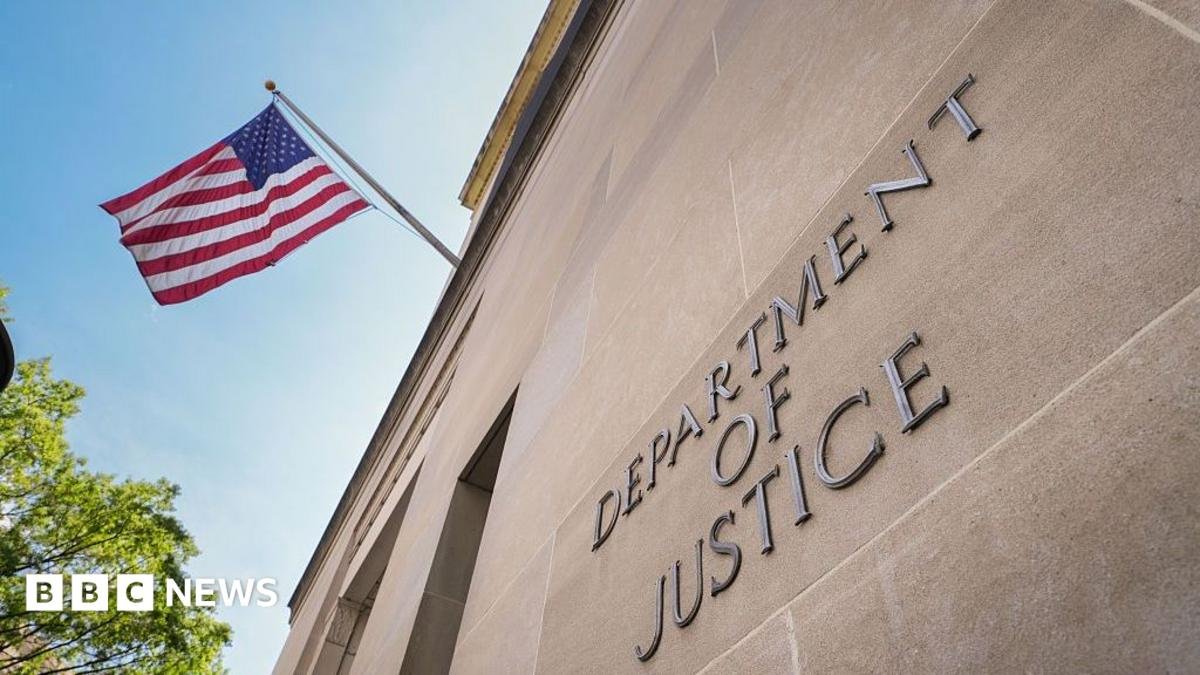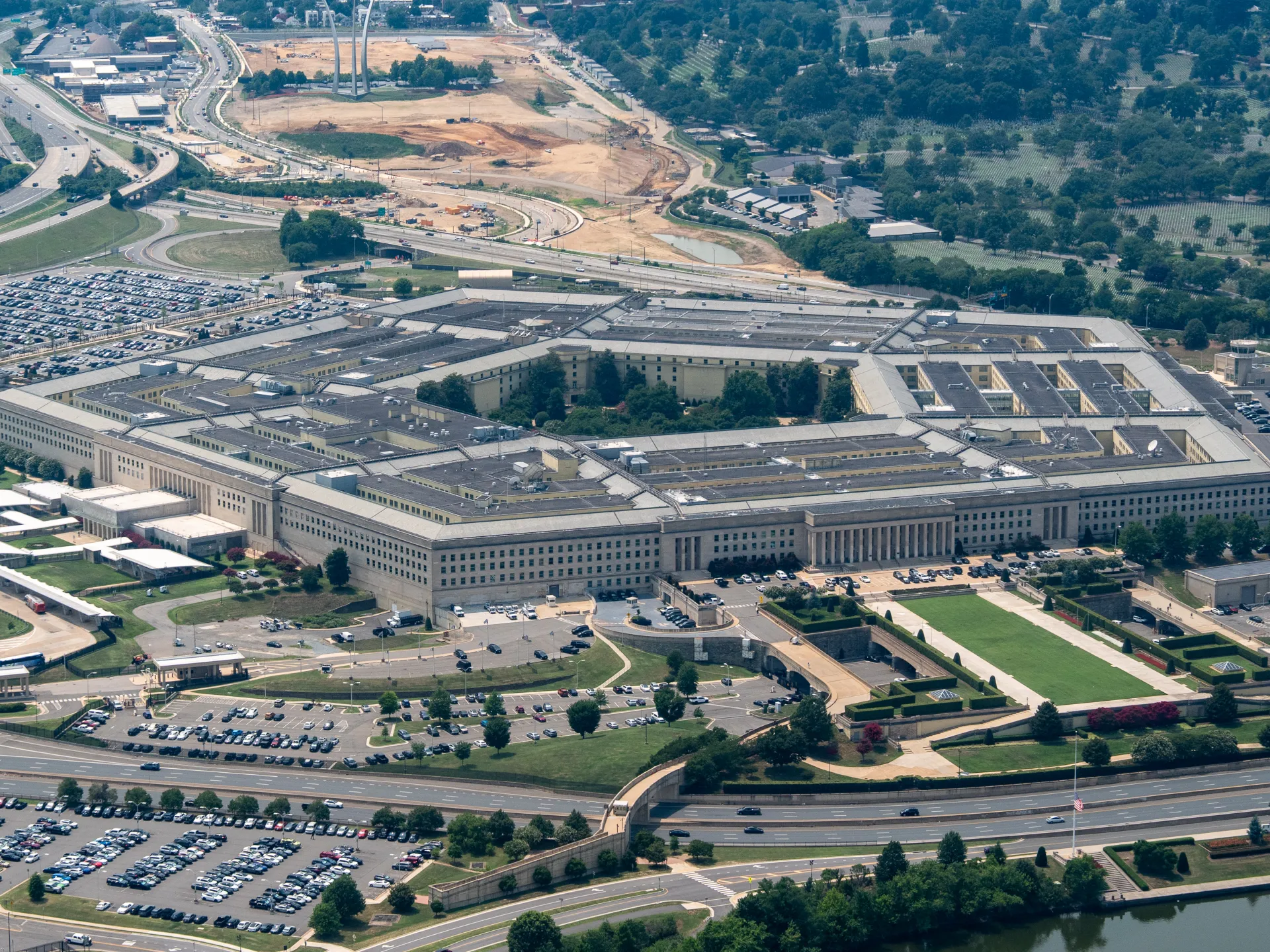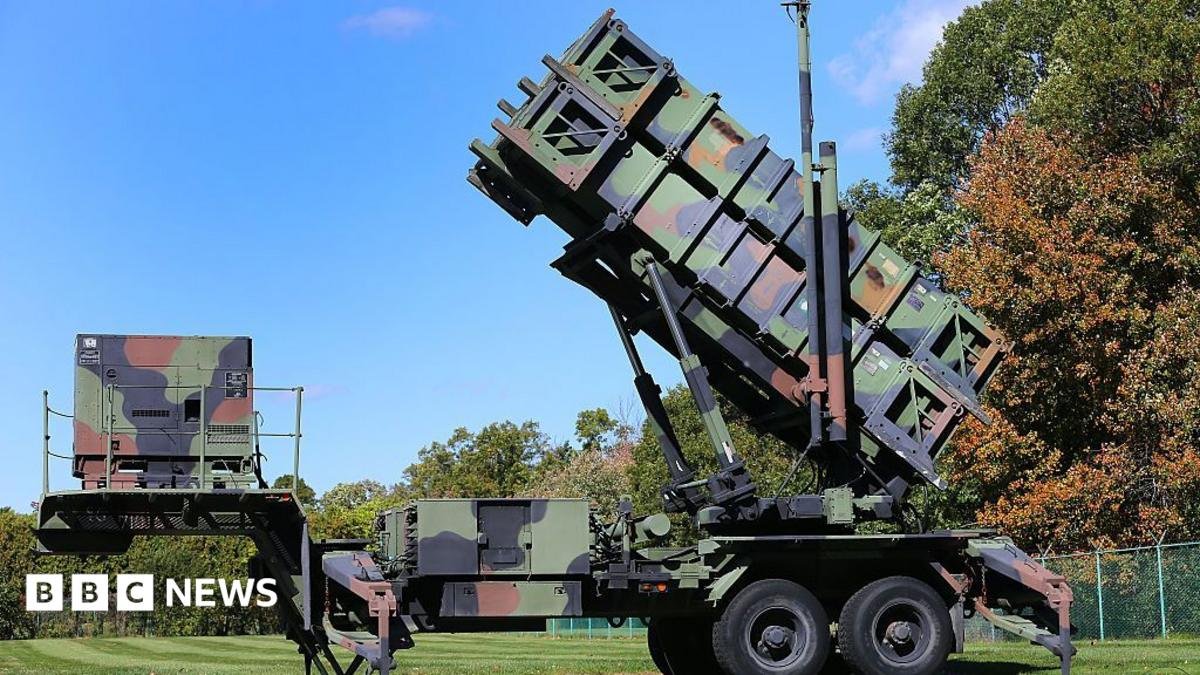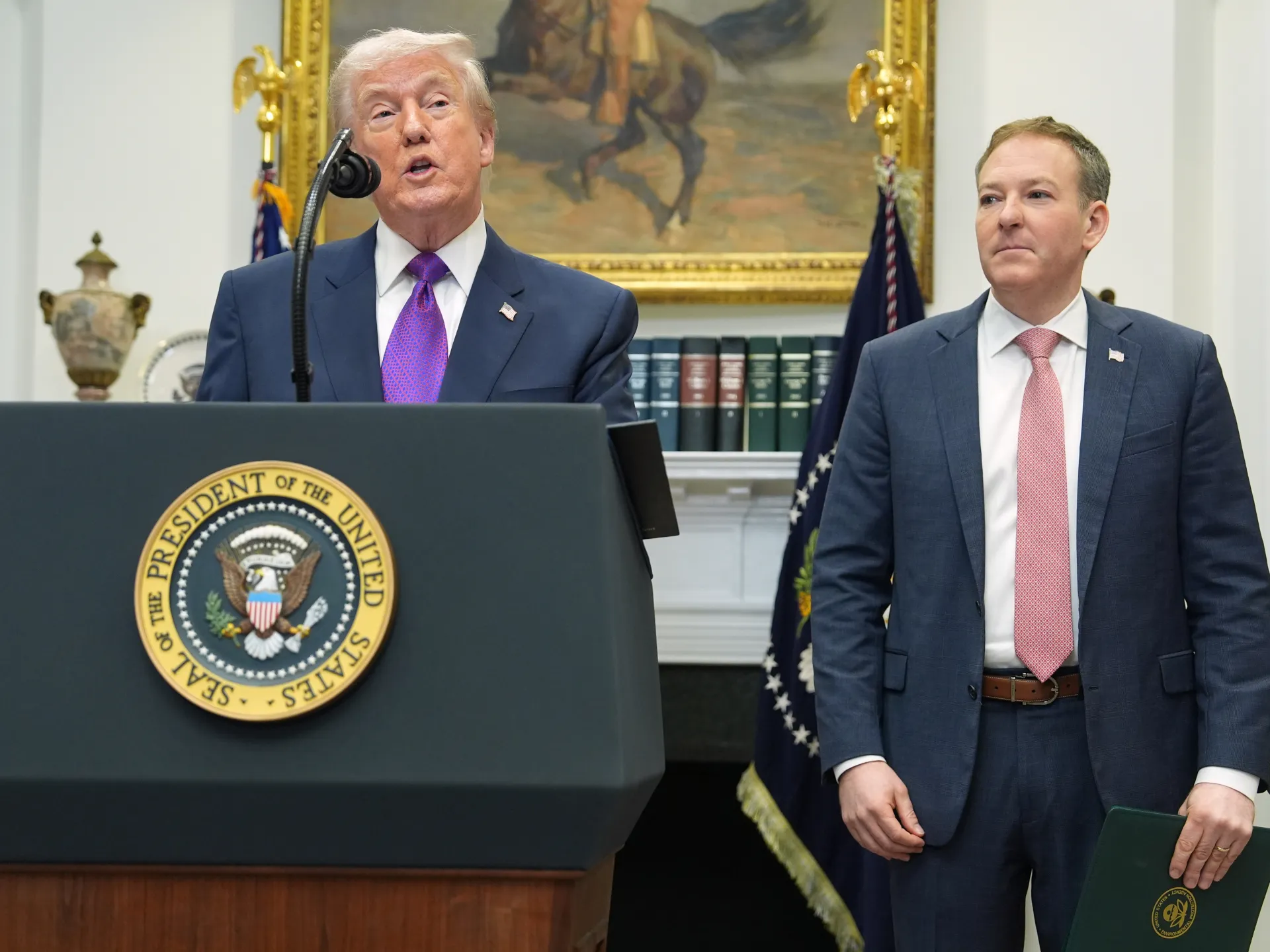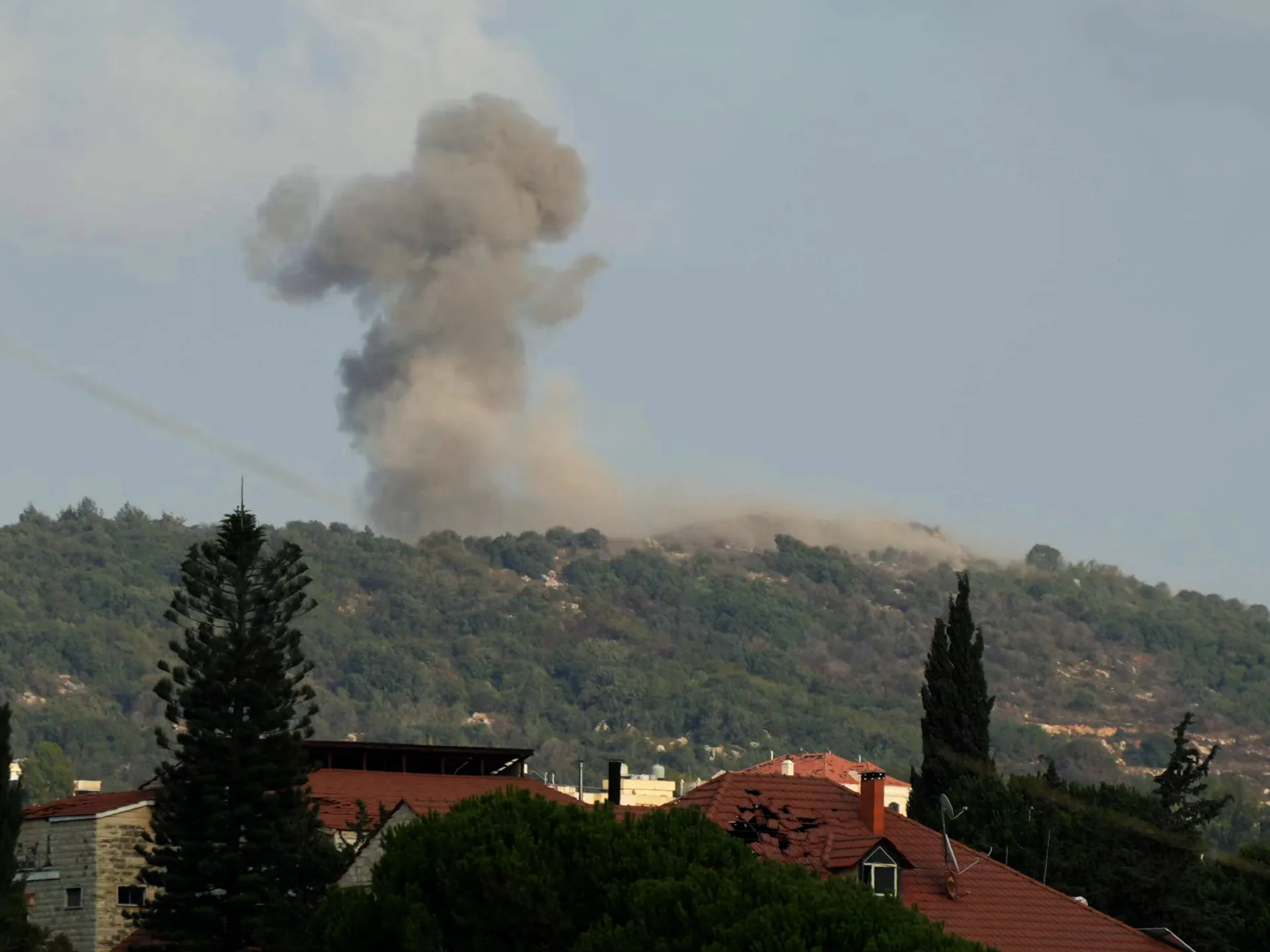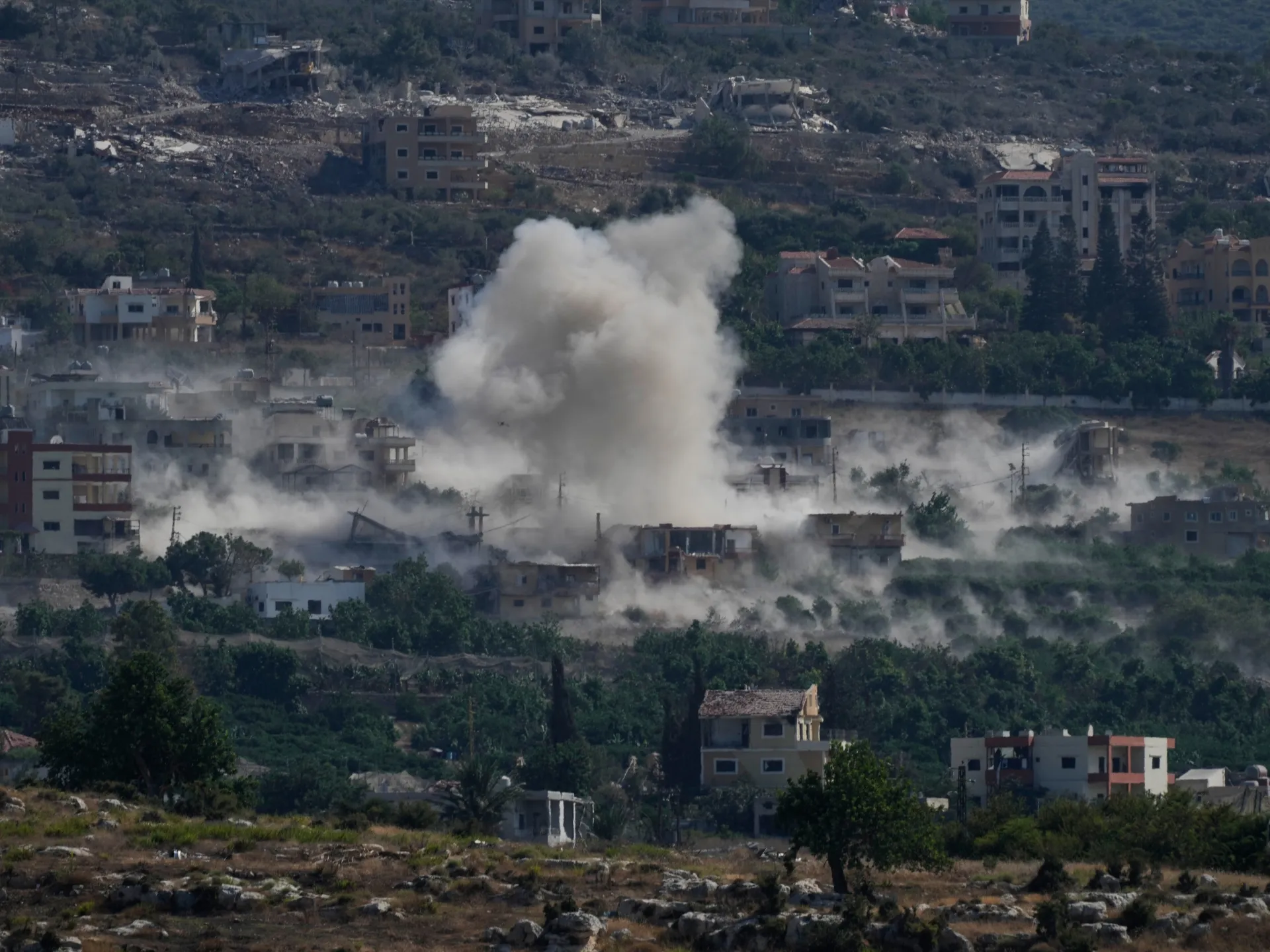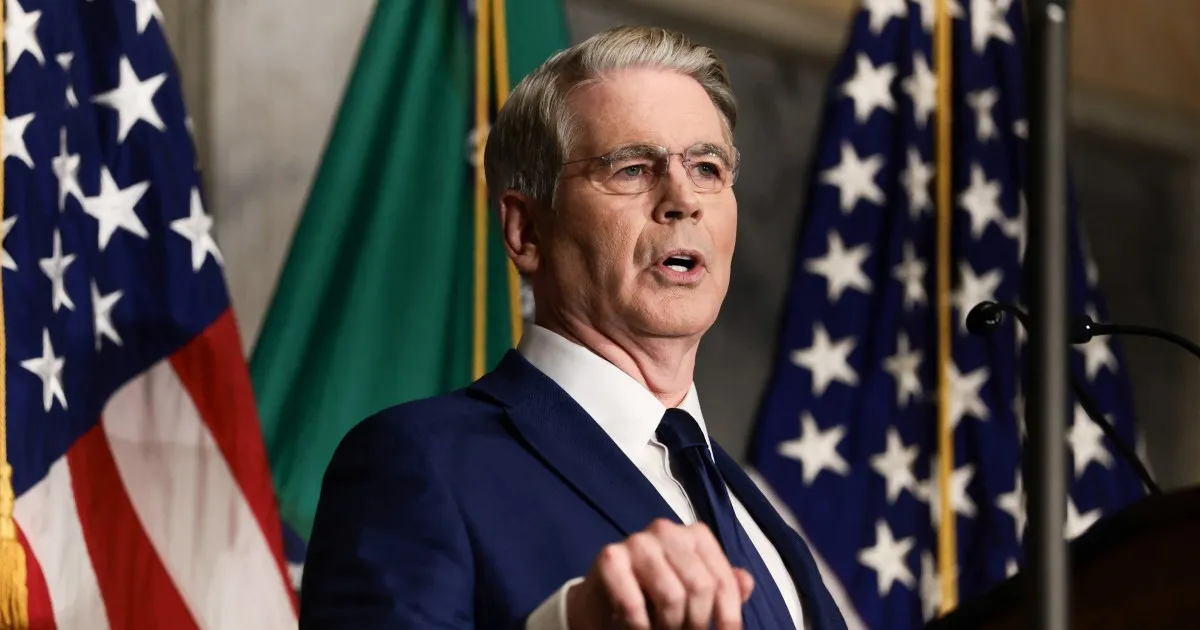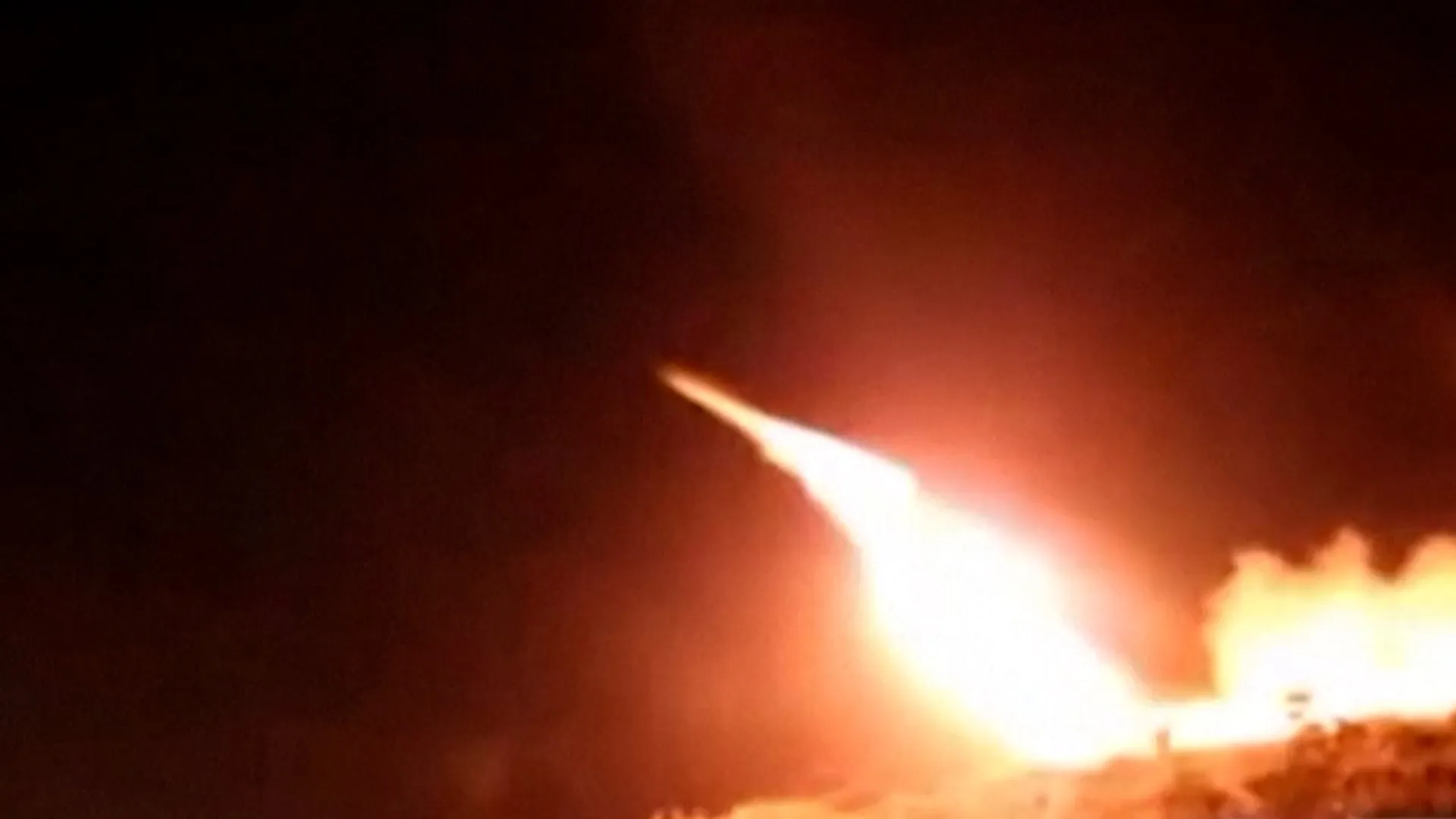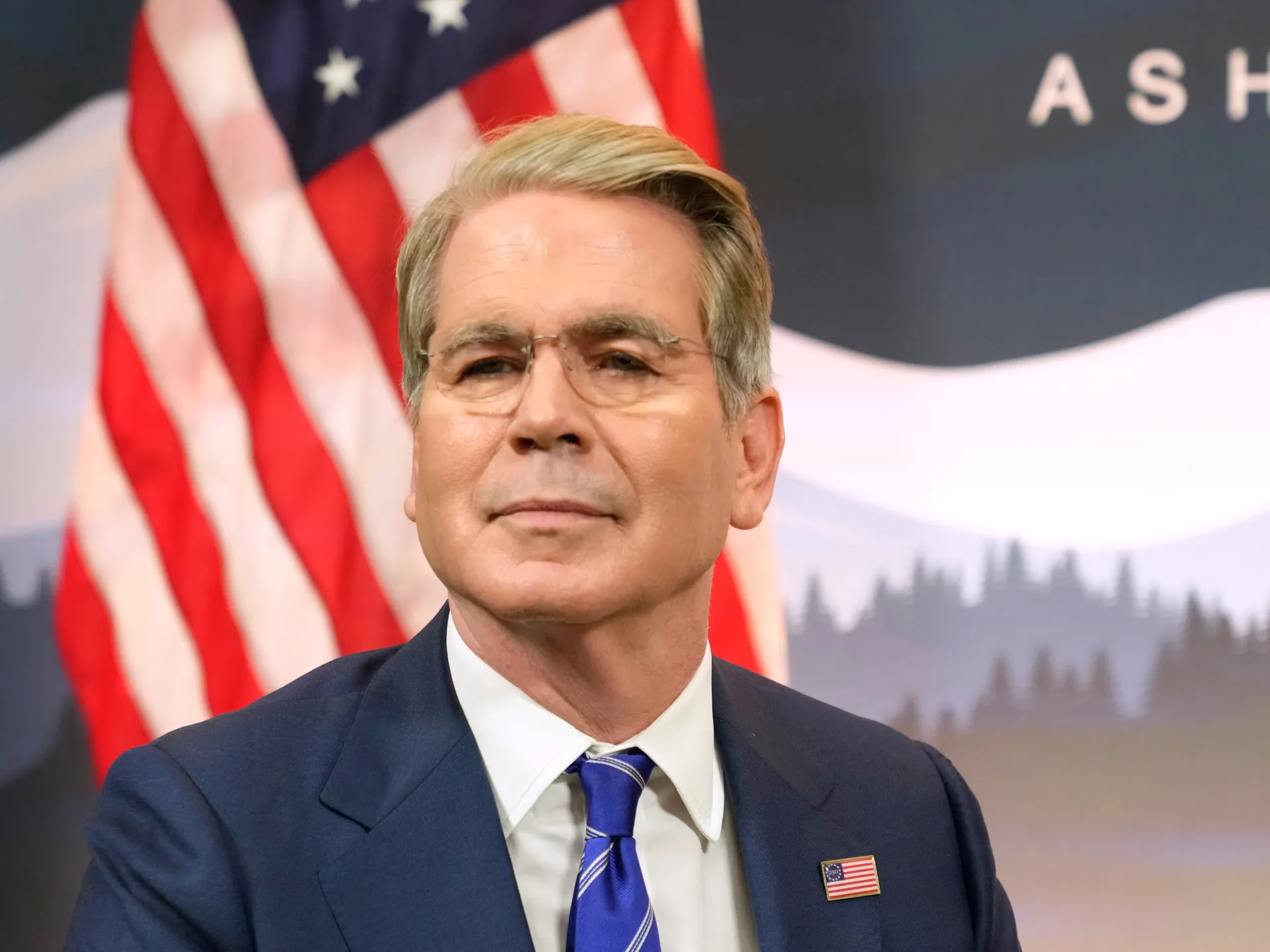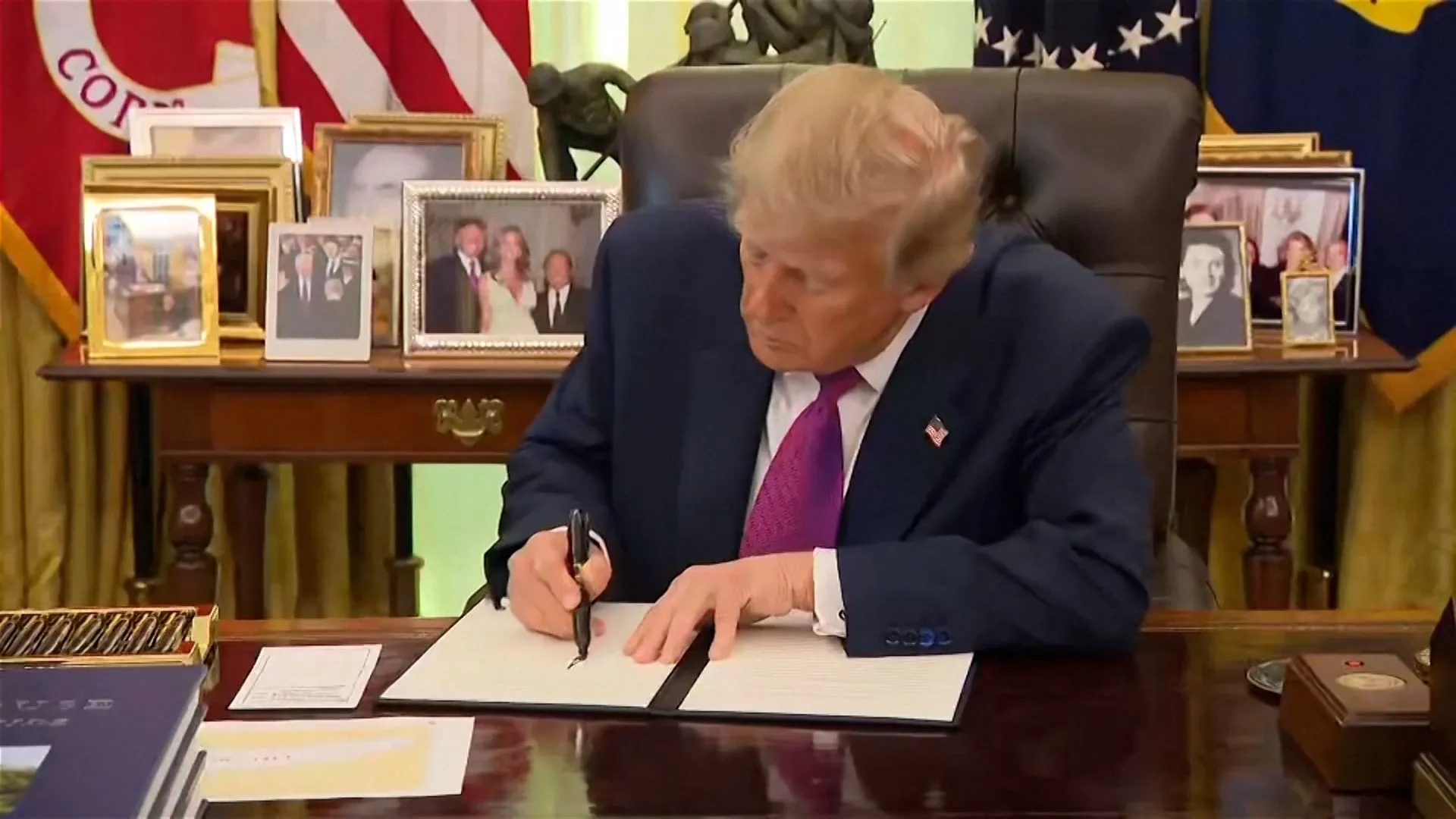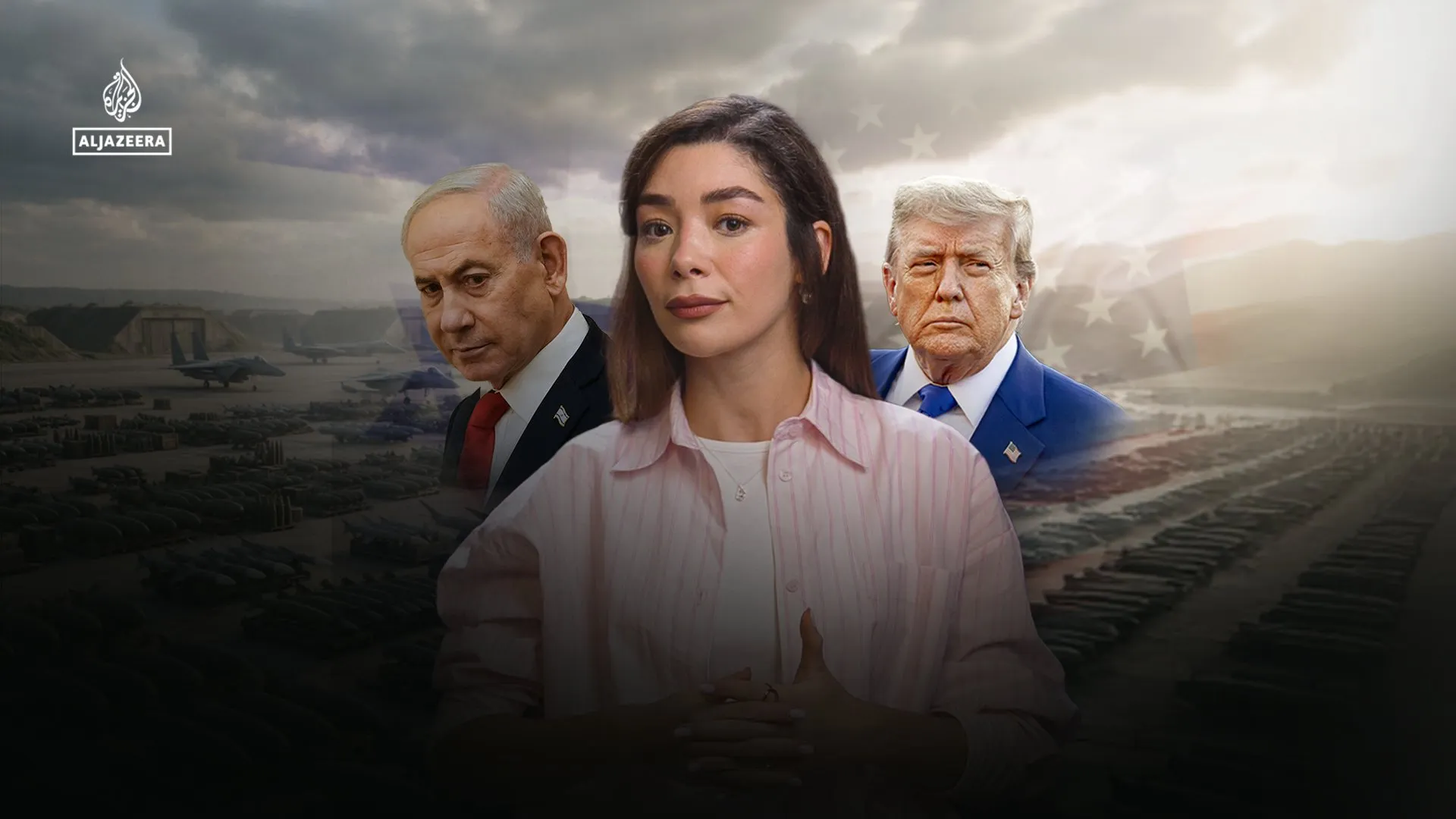
The United States is set to provide a $2.8 billion weapons package to Israel, even as the humanitarian crisis in Gaza continues to draw international concern.
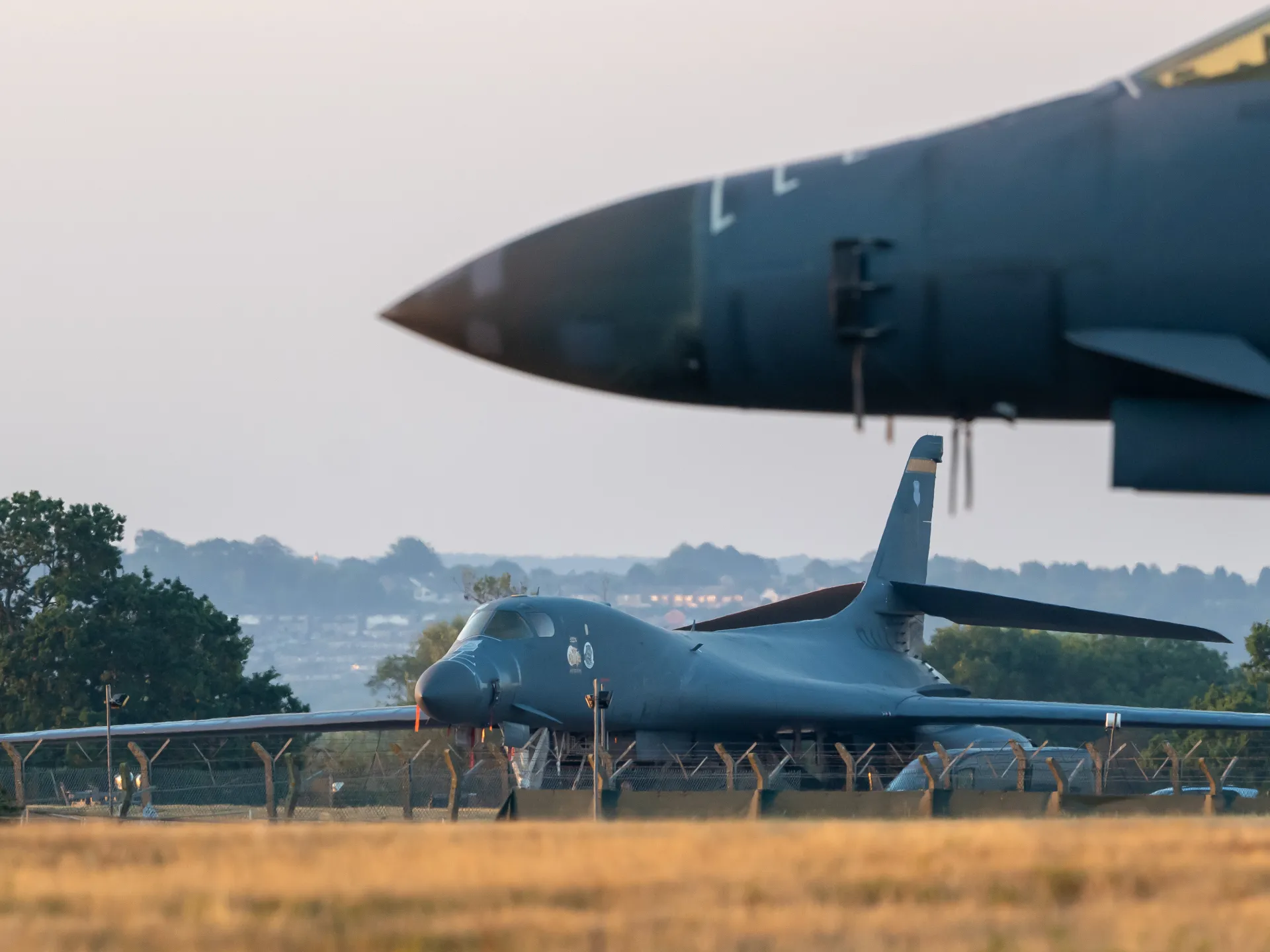
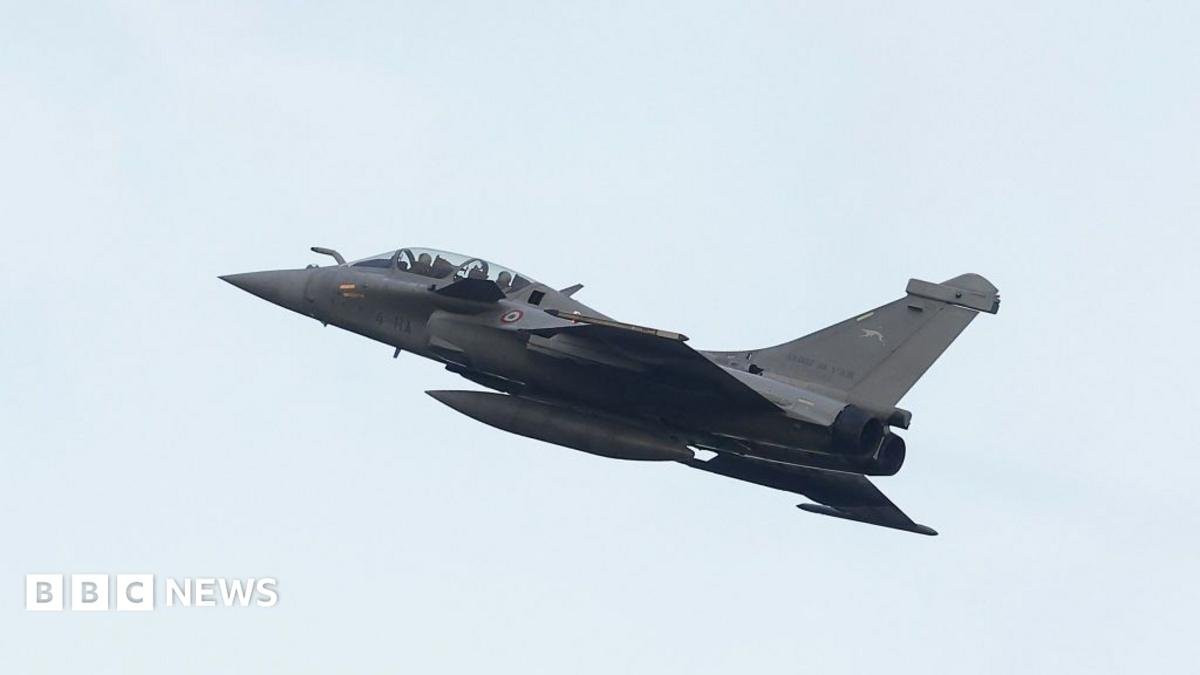
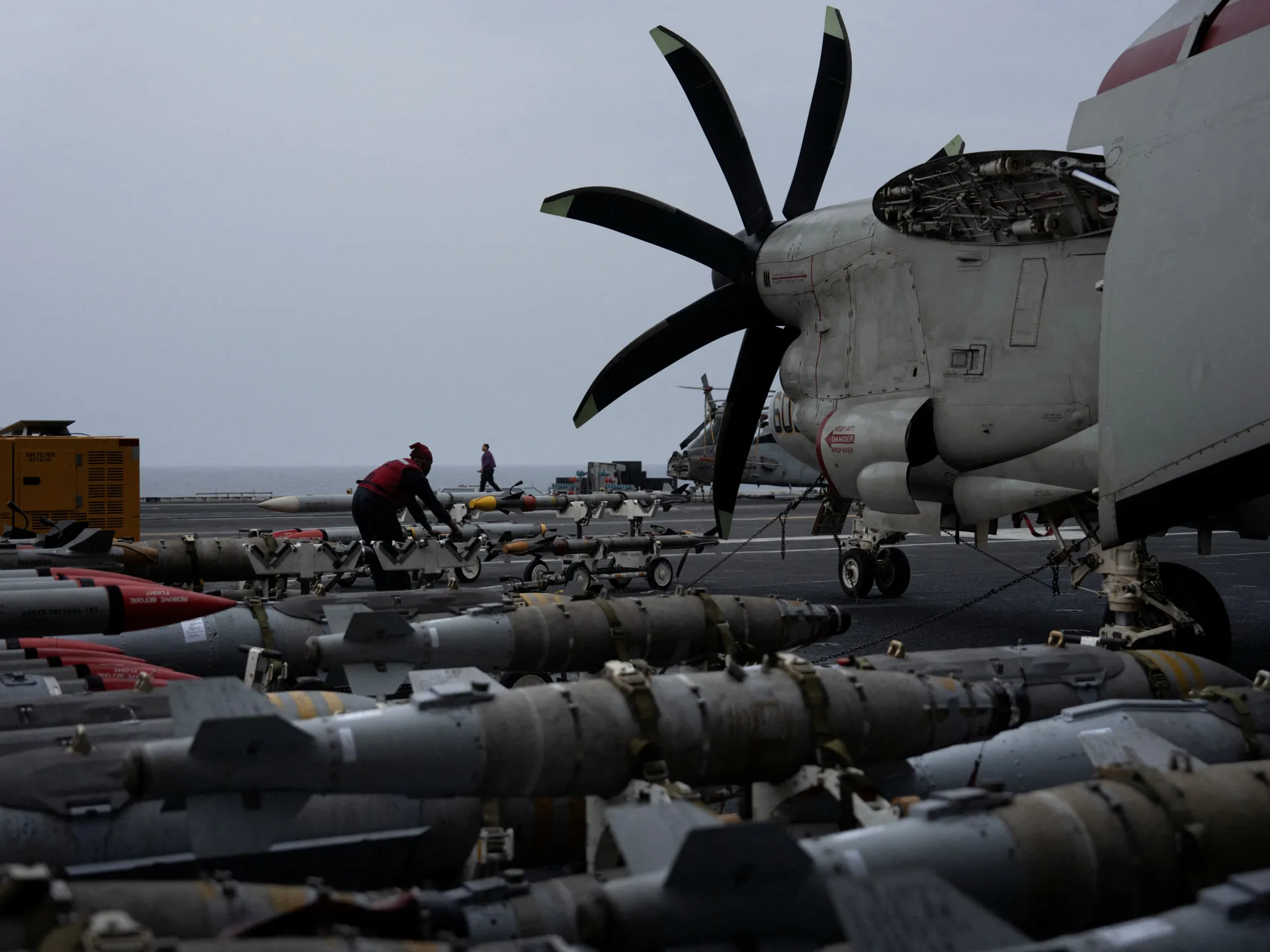
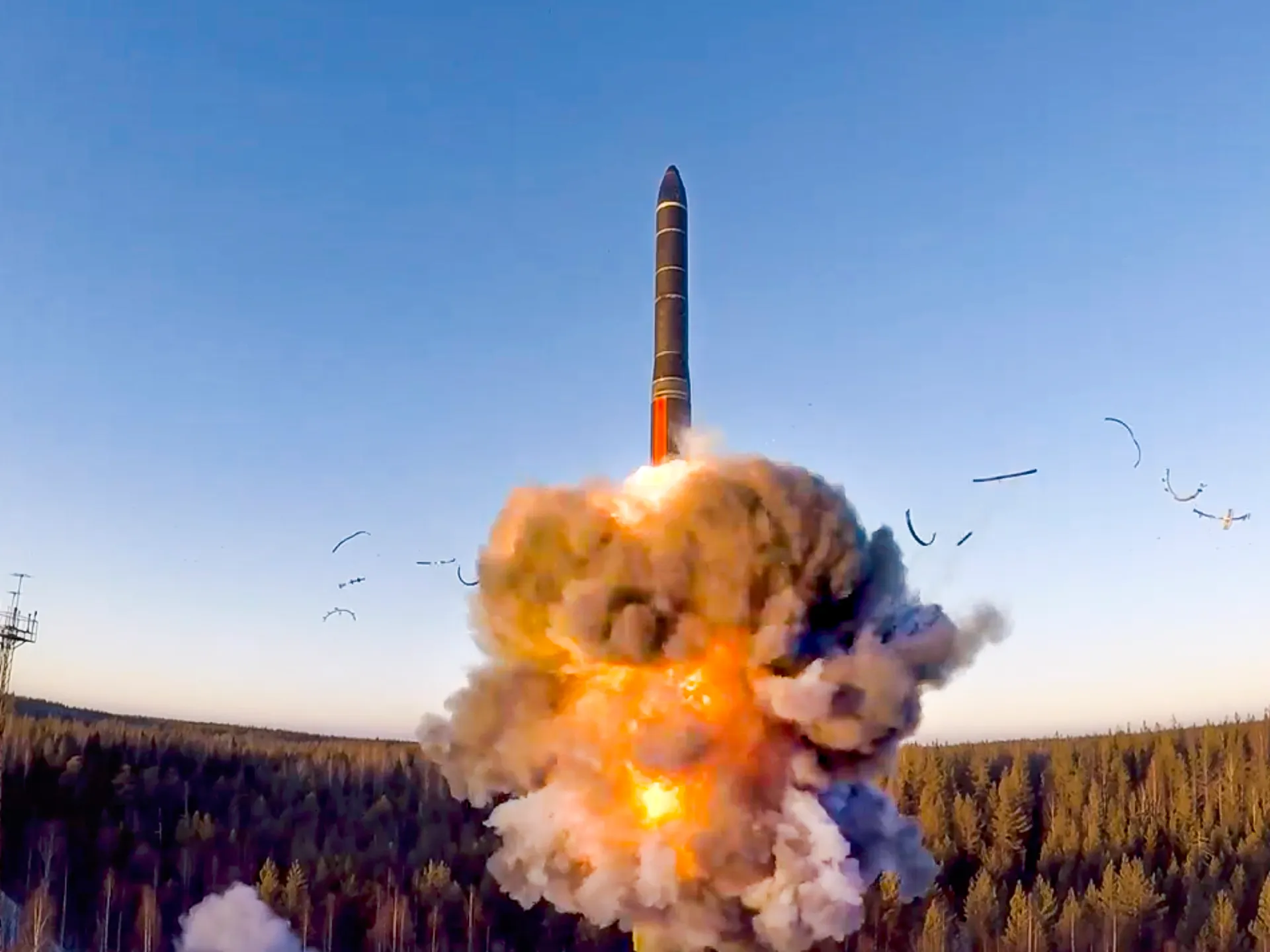
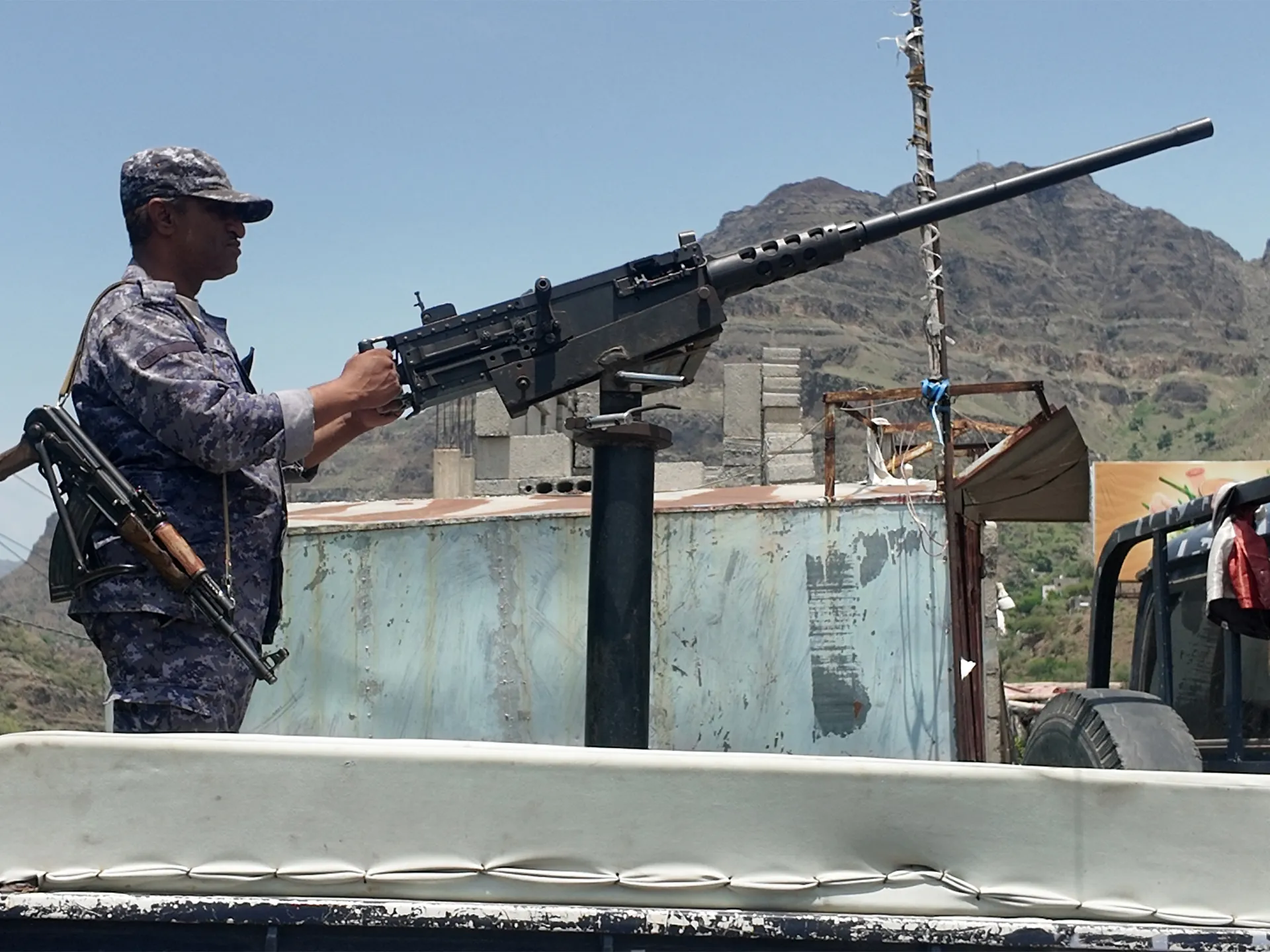
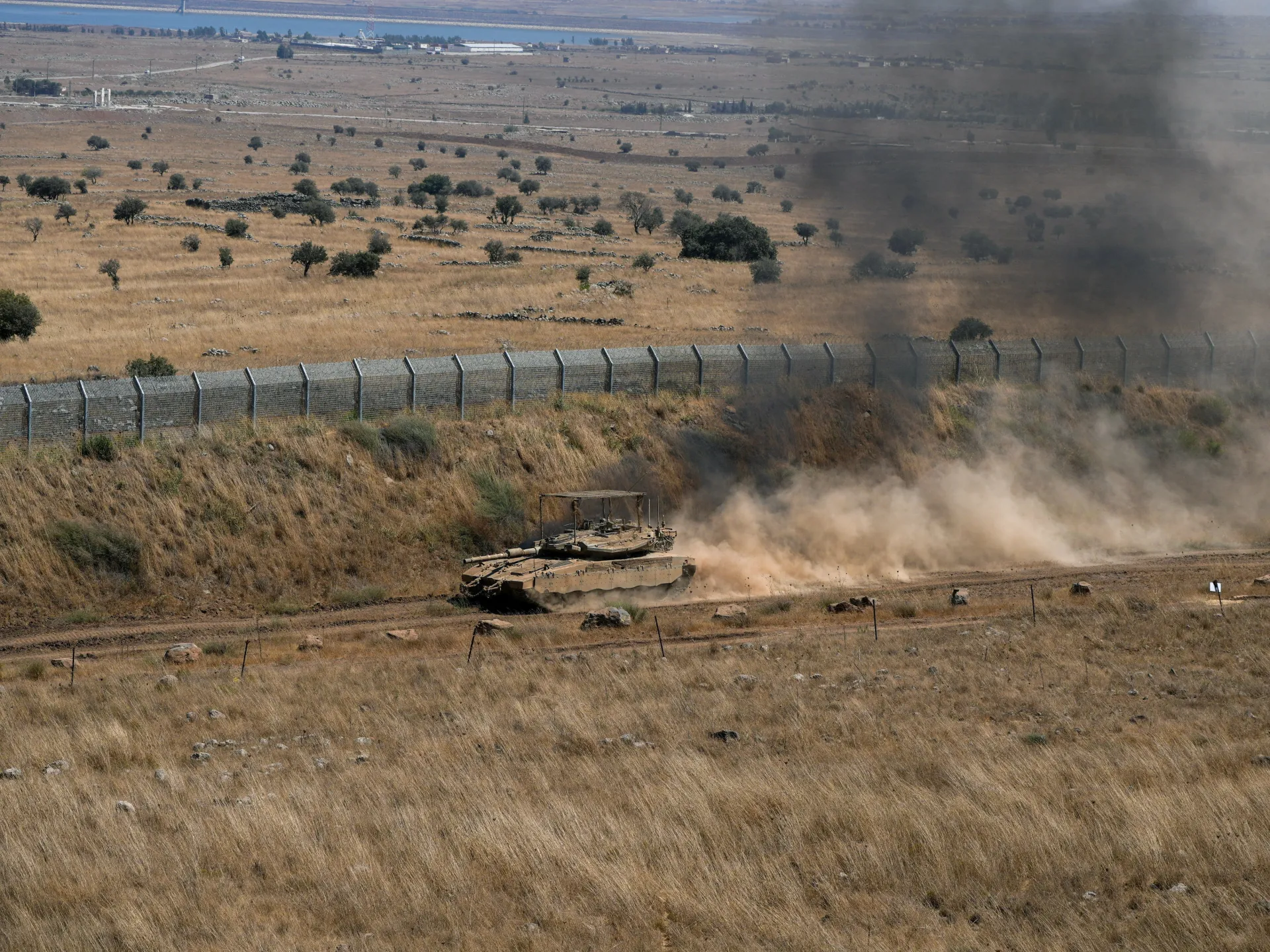
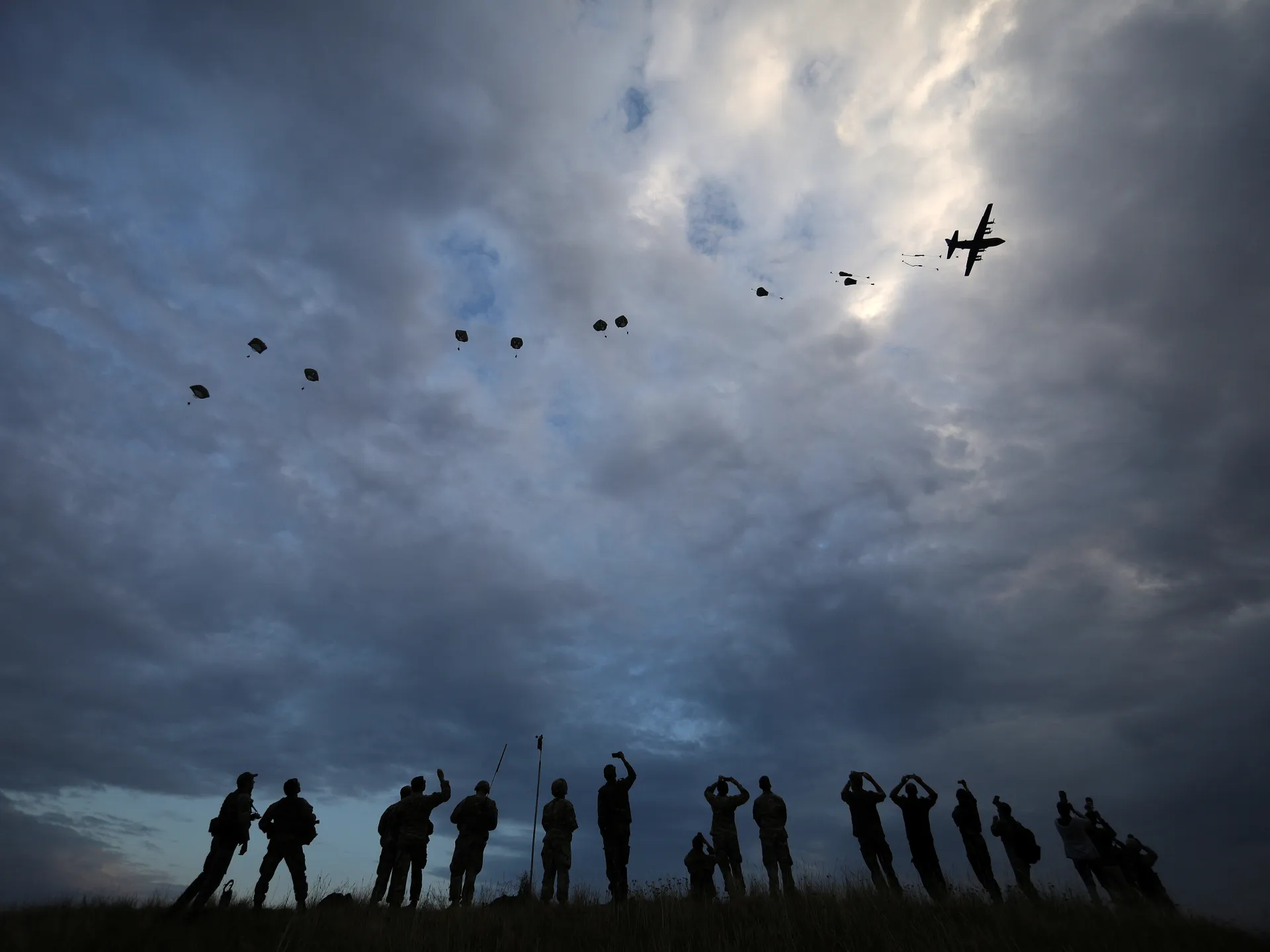
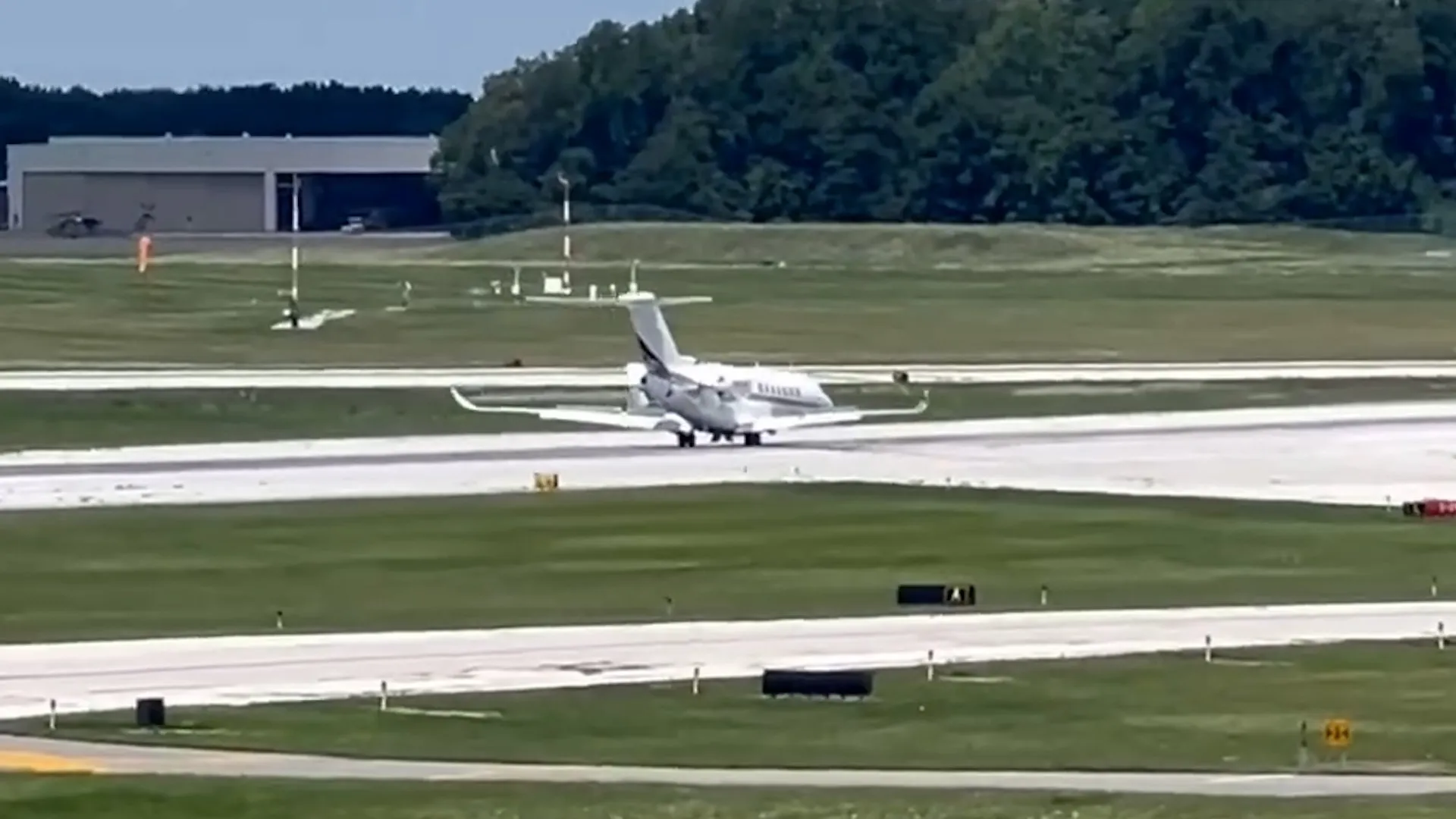
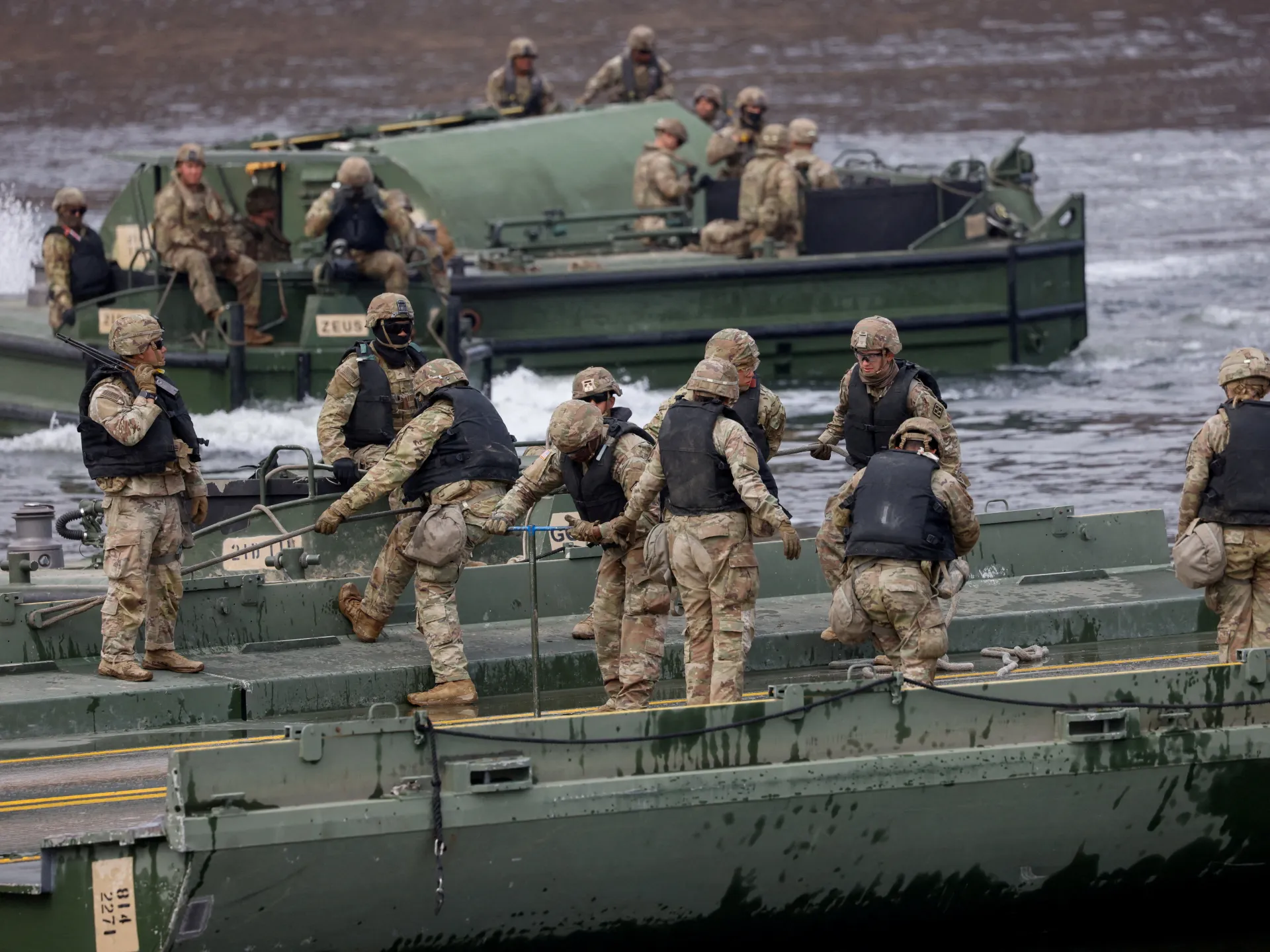
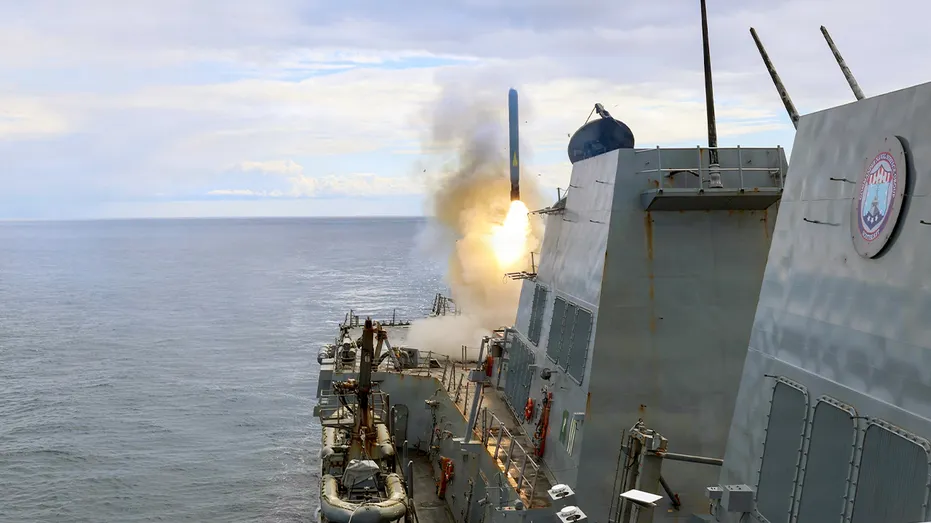
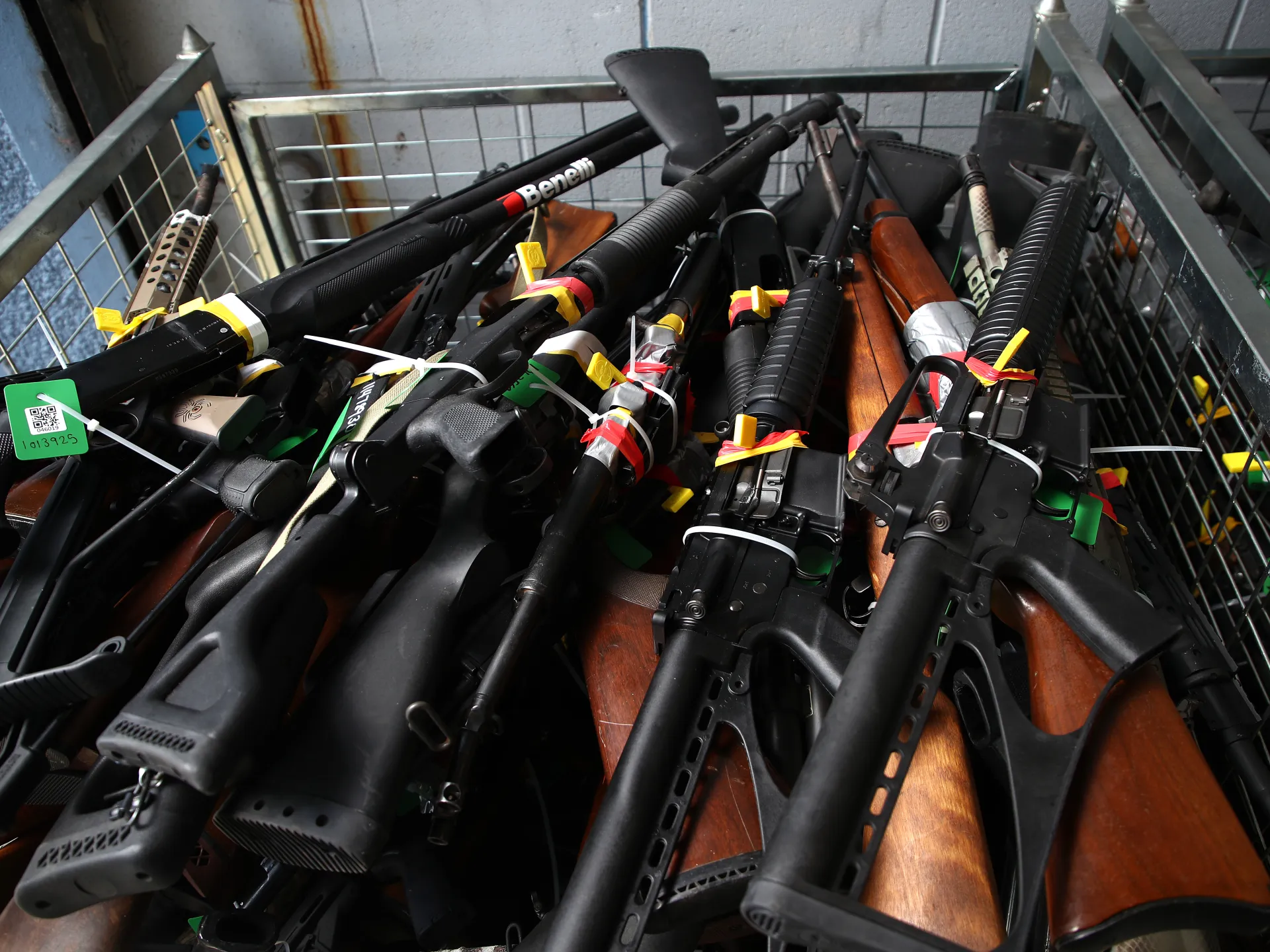
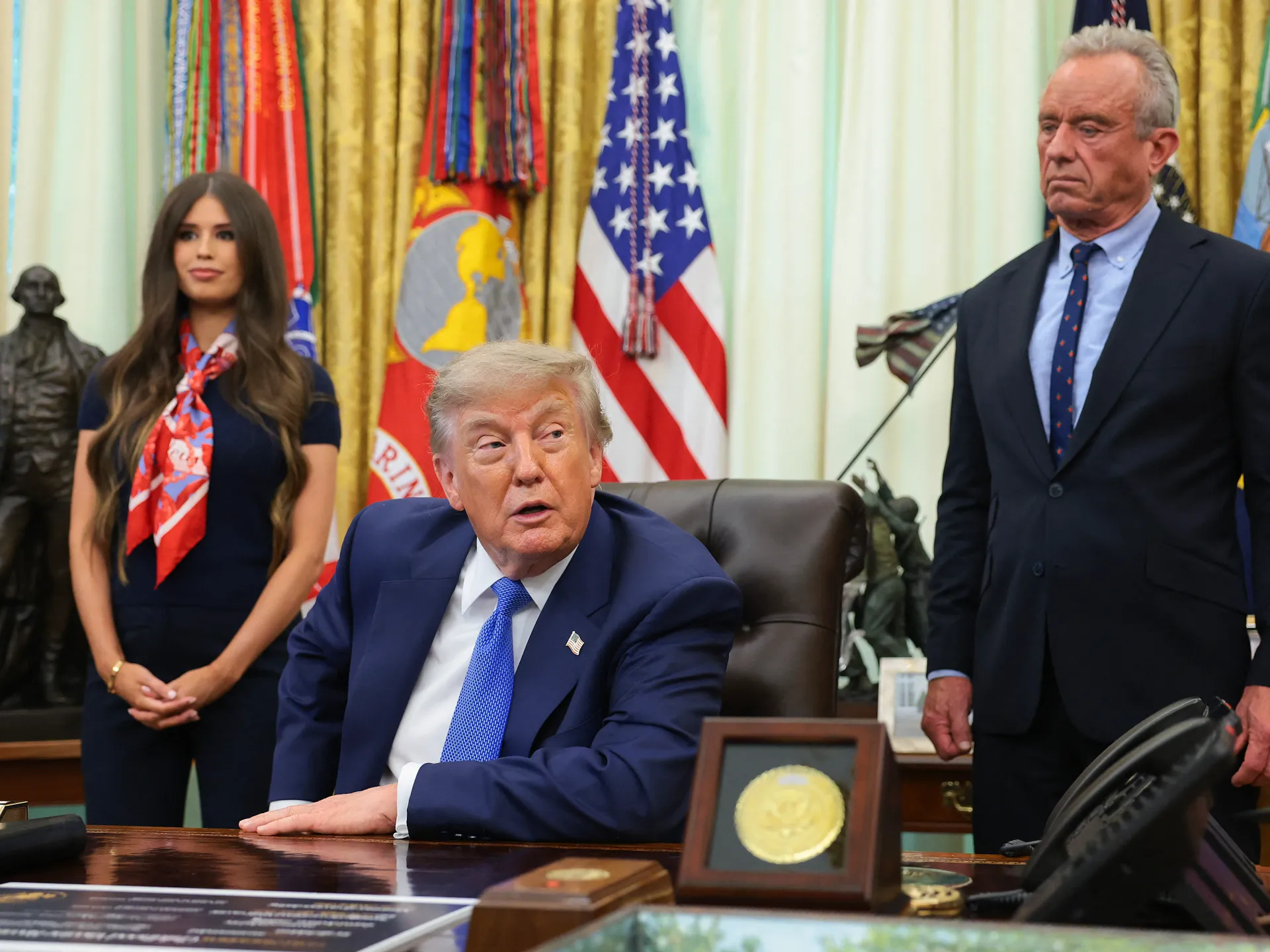
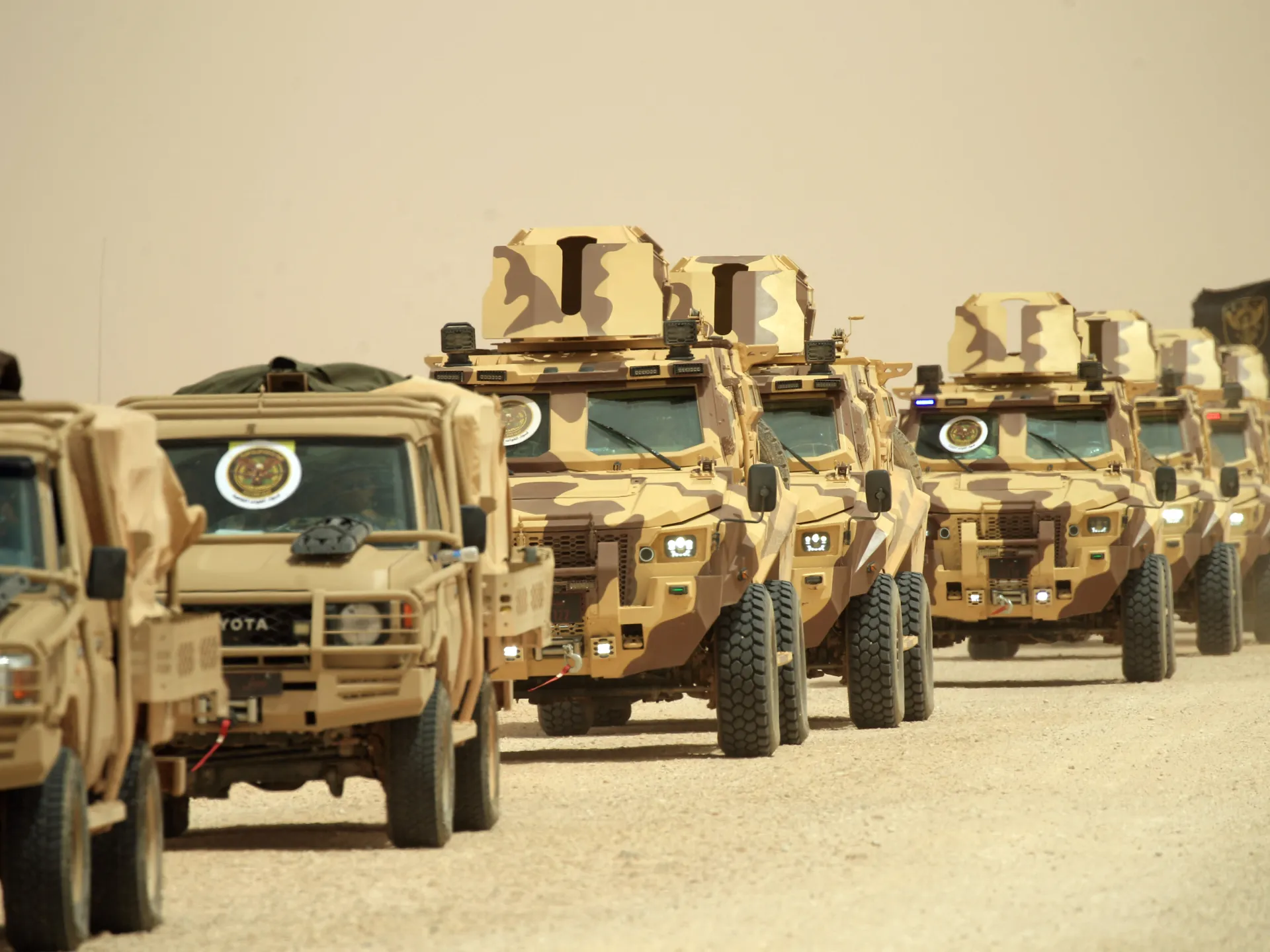
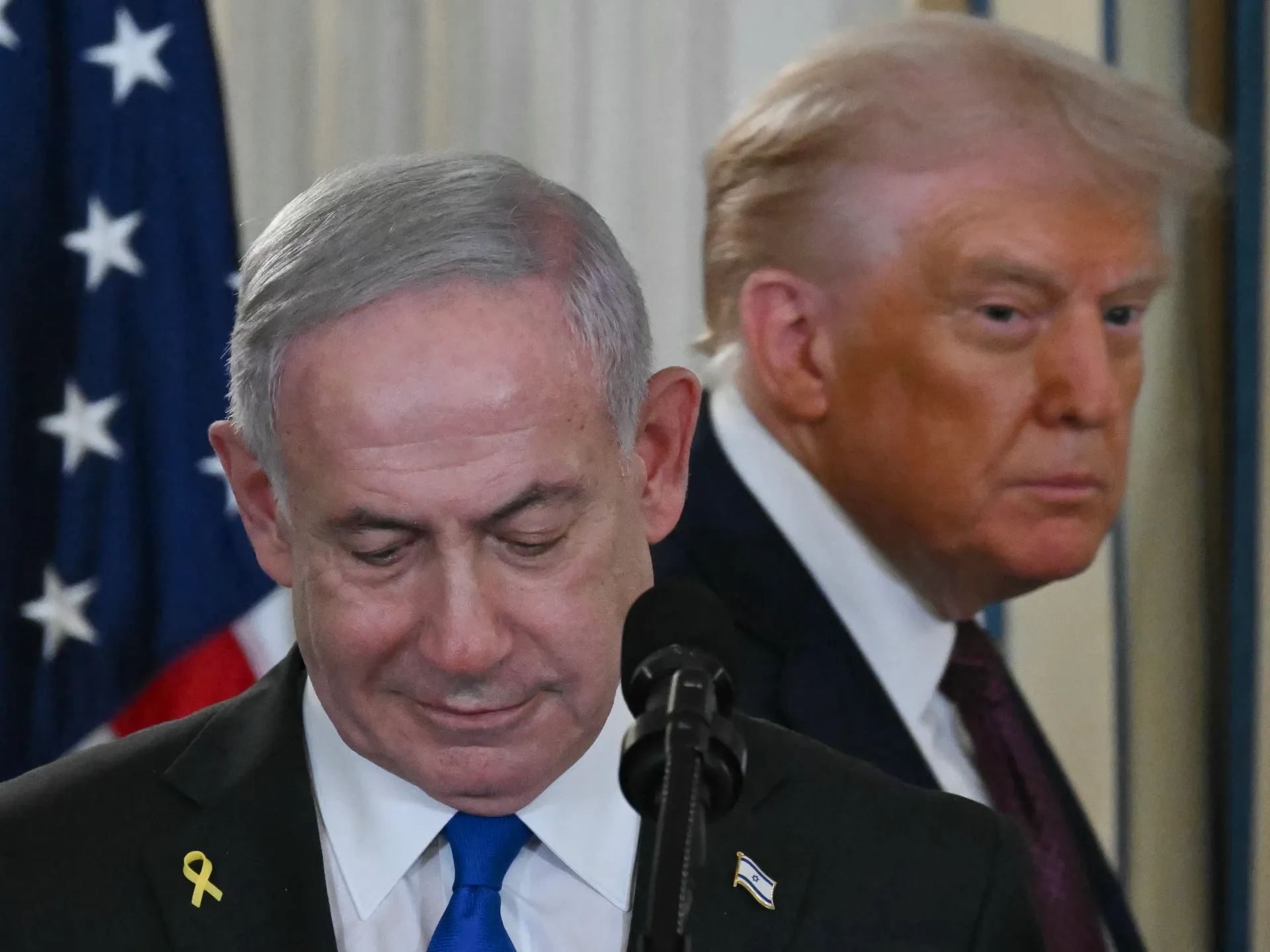
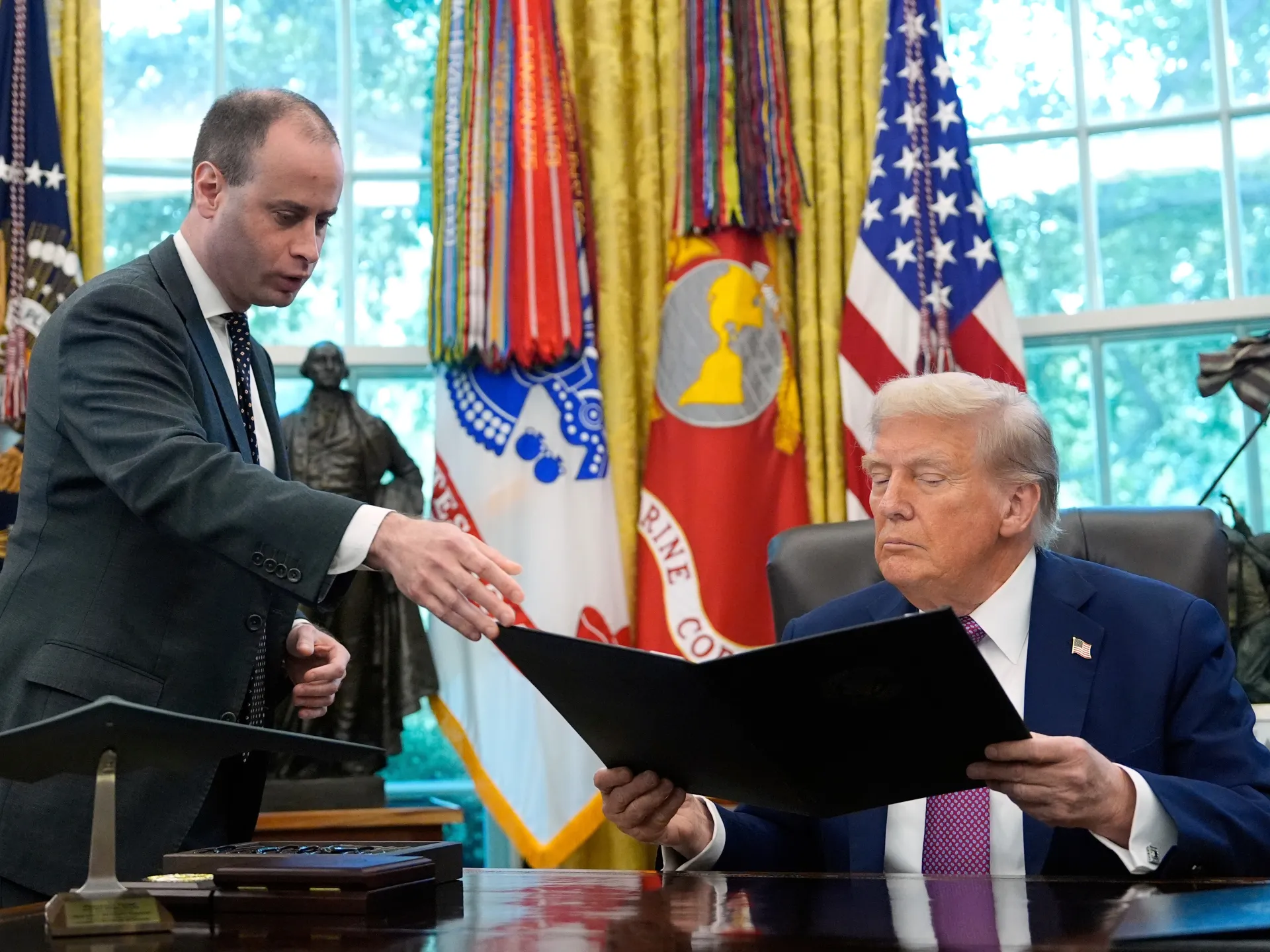
The United States government has finalized plans to provide a substantial military aid package to Israel, valued at approximately $2.8 billion. This infusion of resources arrives as regional tensions remain significantly elevated, drawing attention to the ongoing nature of international military cooperation in the Middle East. The allocation is expected to encompass a wide range of defensive hardware and munitions designed to bolster Israel's security capabilities amid a complex and volatile geopolitical landscape.
Defense analysts suggest that such large-scale transfers are part of a long-standing strategic alliance between Washington and Jerusalem. sure that its primary regional partner maintains a qualitative military edge. This latest development underscores the enduring commitment of the U.S. administration to supporting Israel’s national defense infrastructure during protracted periods of conflict.
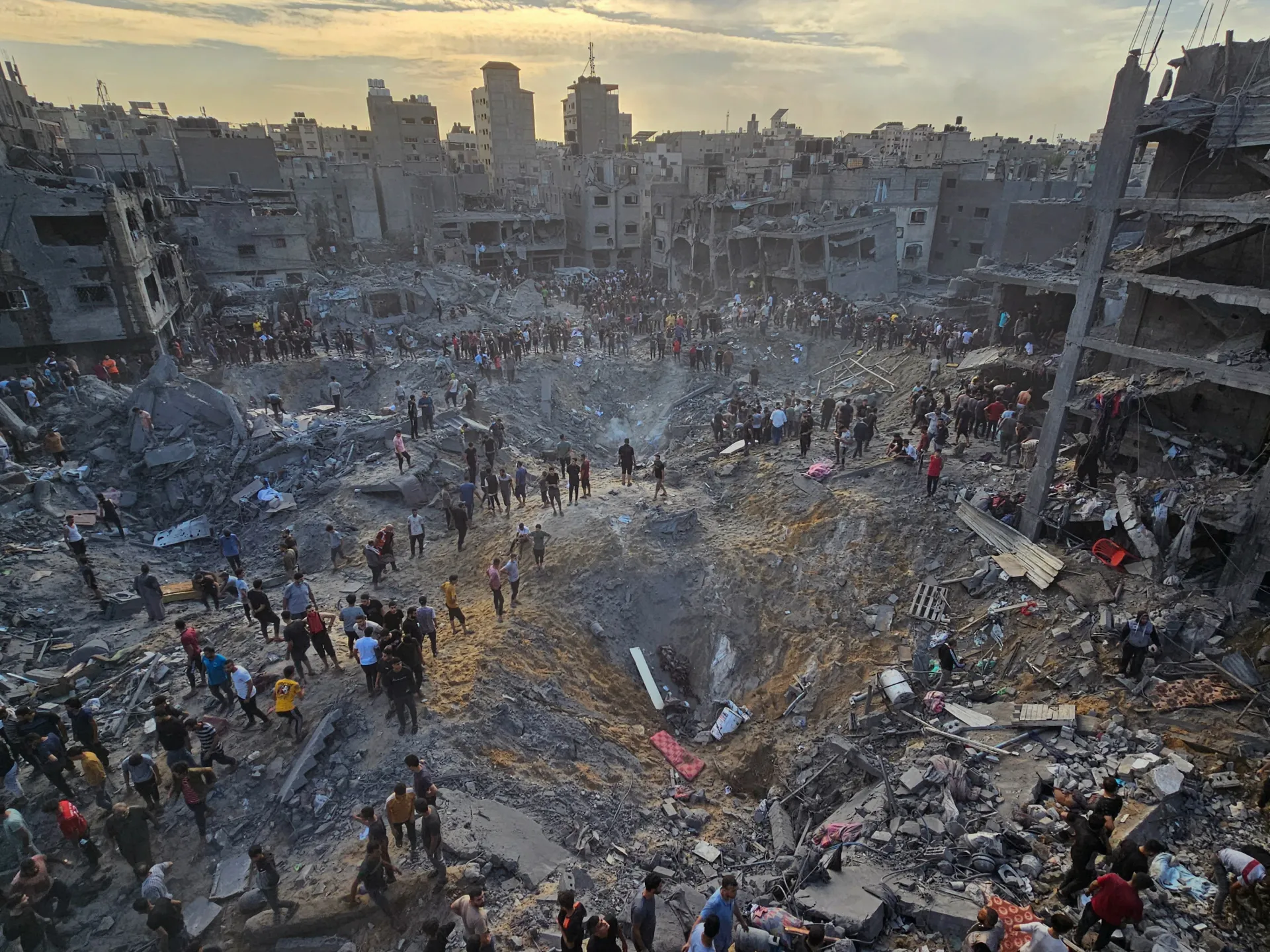
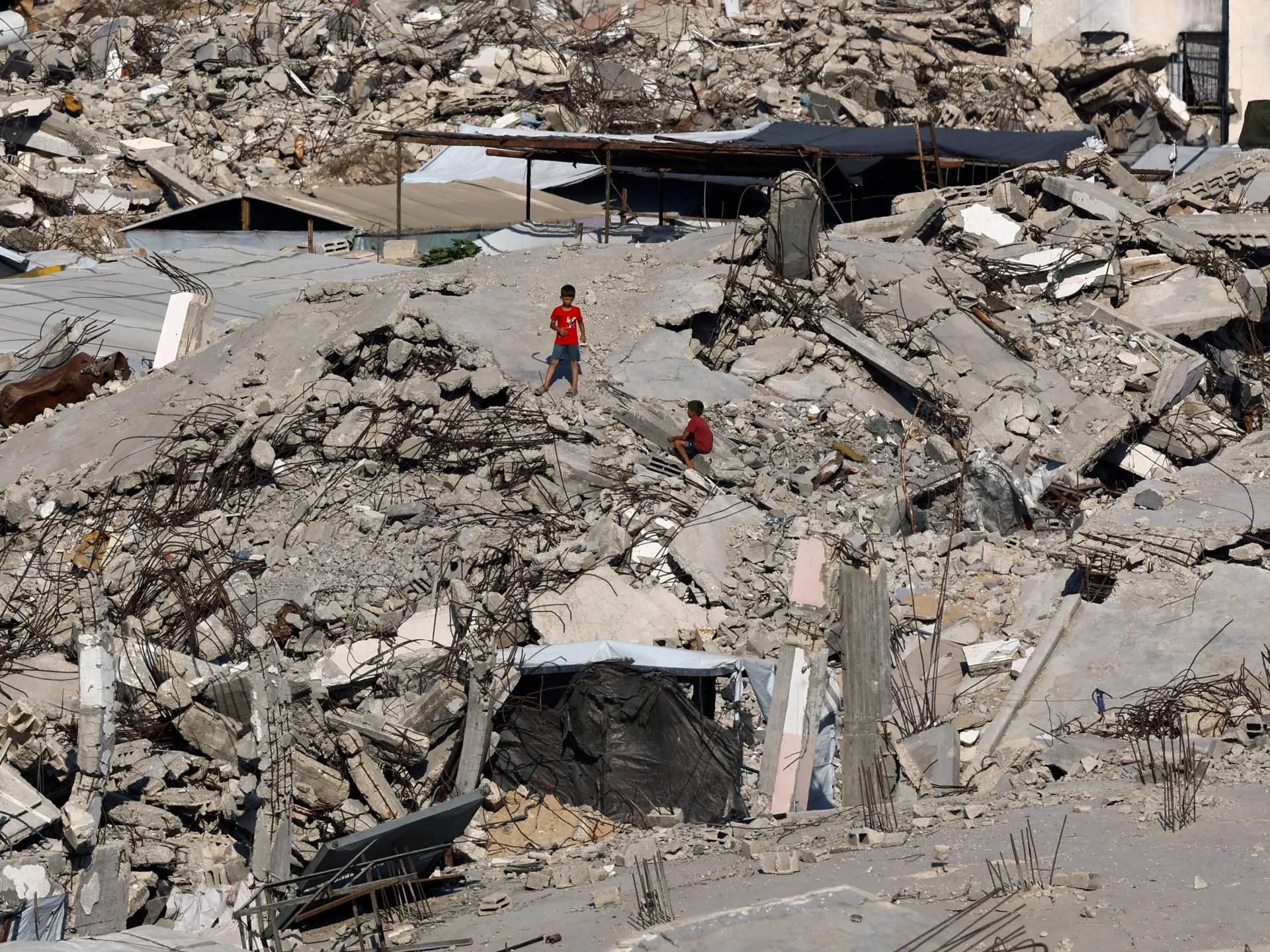
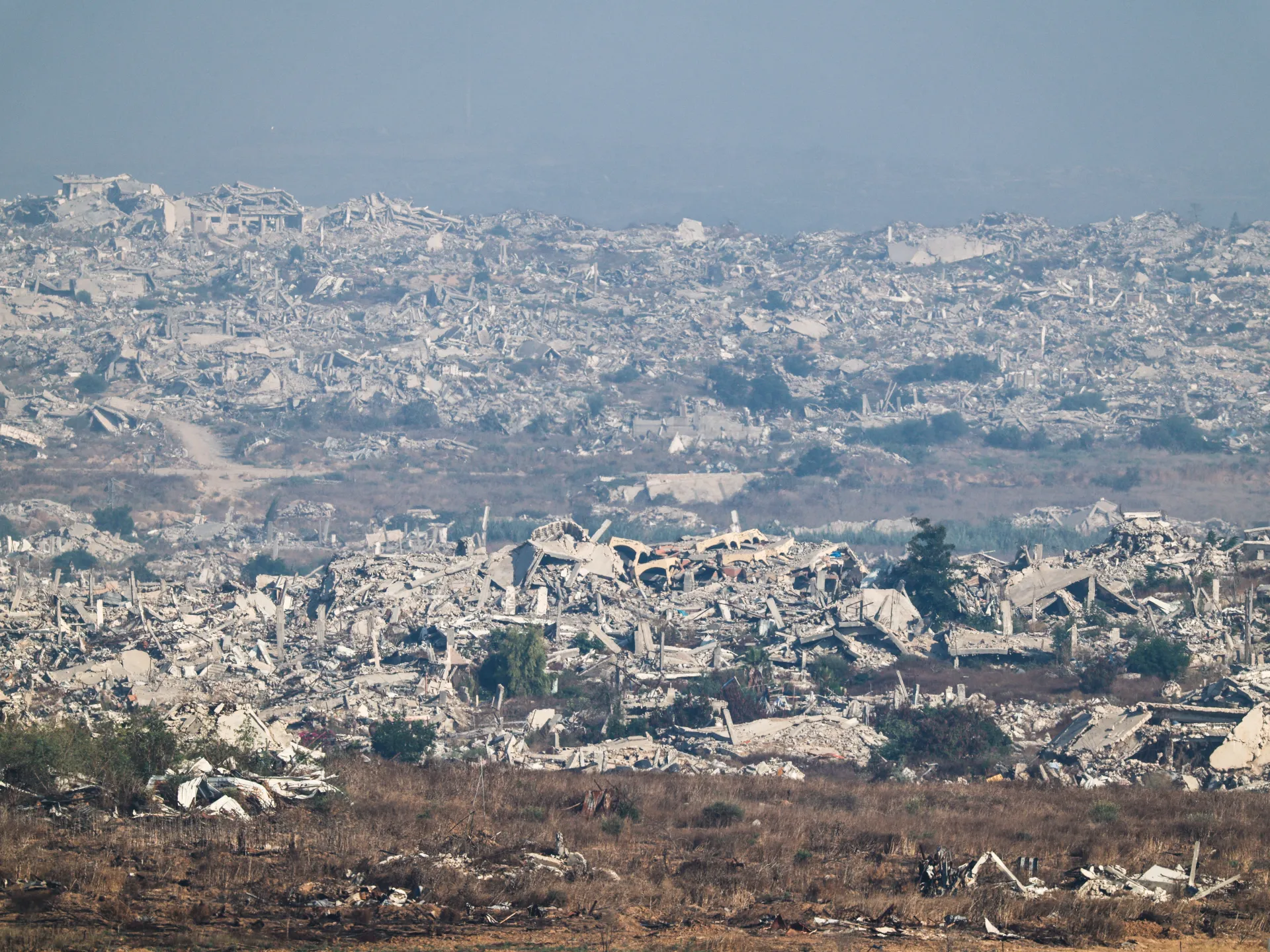
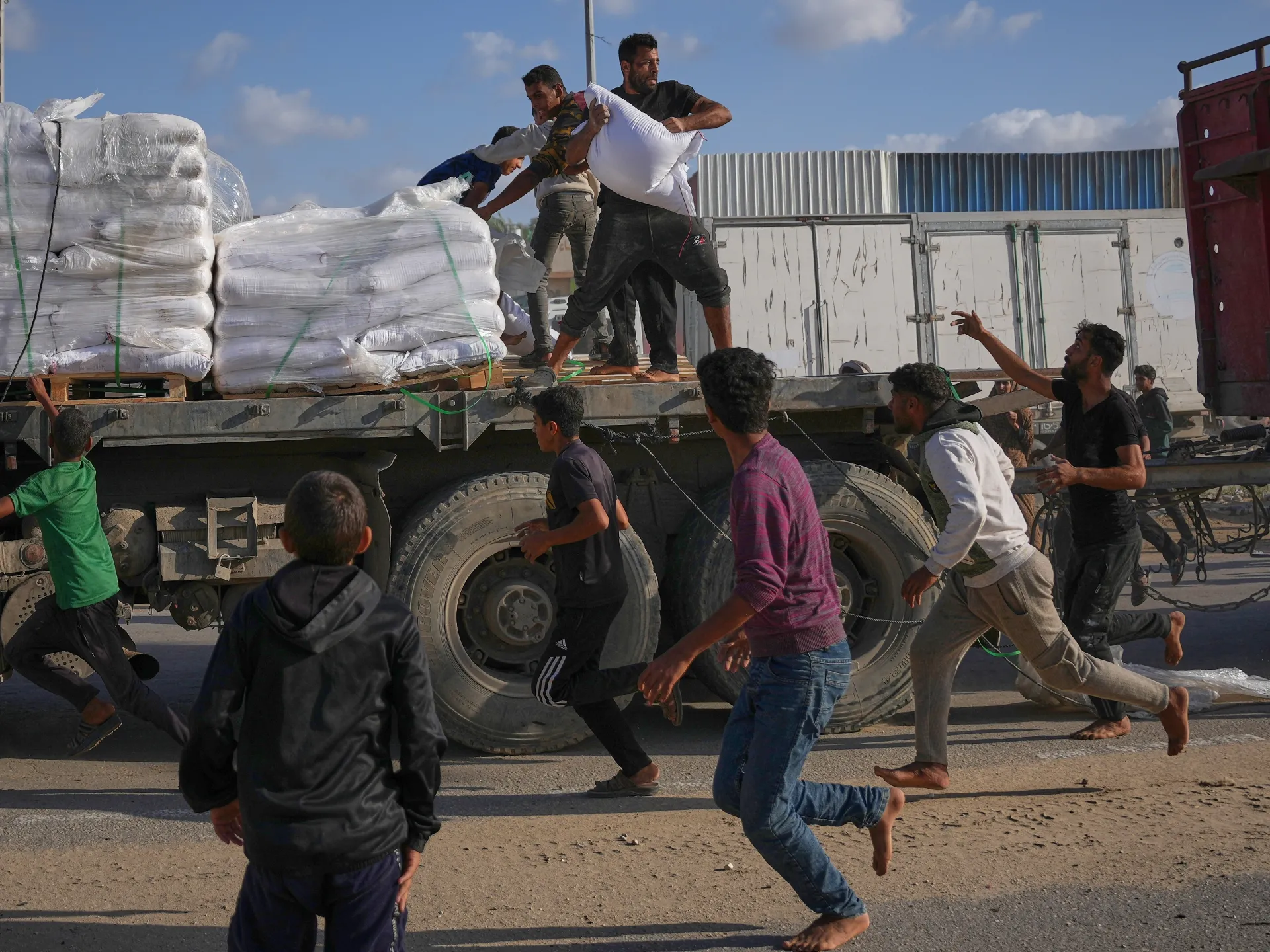
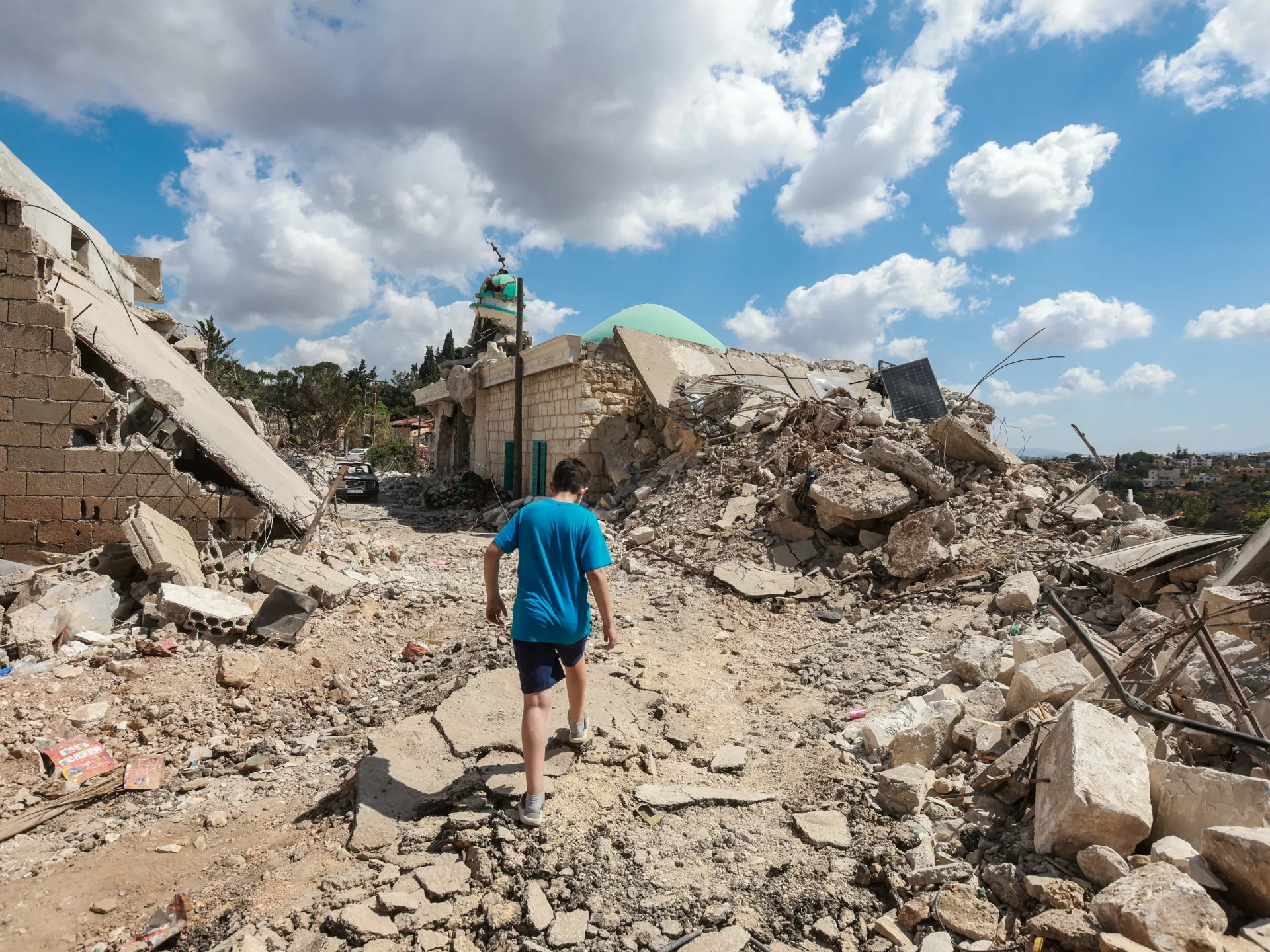
However, the announcement of this multi-billion dollar package has not occurred in a vacuum. It coincides with intense international scrutiny regarding the conduct of operations in Gaza and the subsequent humanitarian consequences. While supporters of the aid argue it is essential for regional stability and deterrence against adversaries, critics emphasize that the influx of weaponry complicates efforts to de-escalate the fighting and protect non-combatants on the ground.
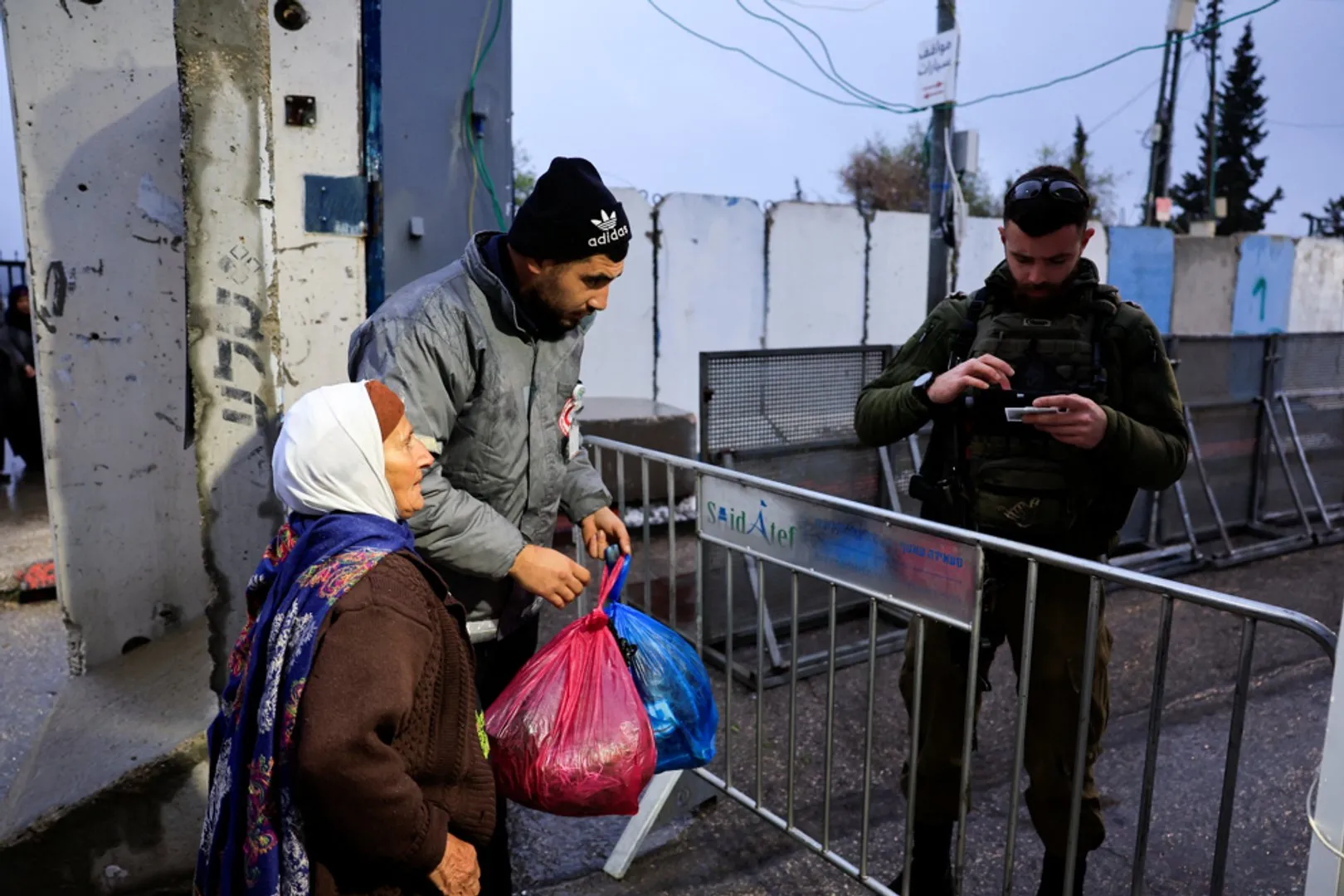
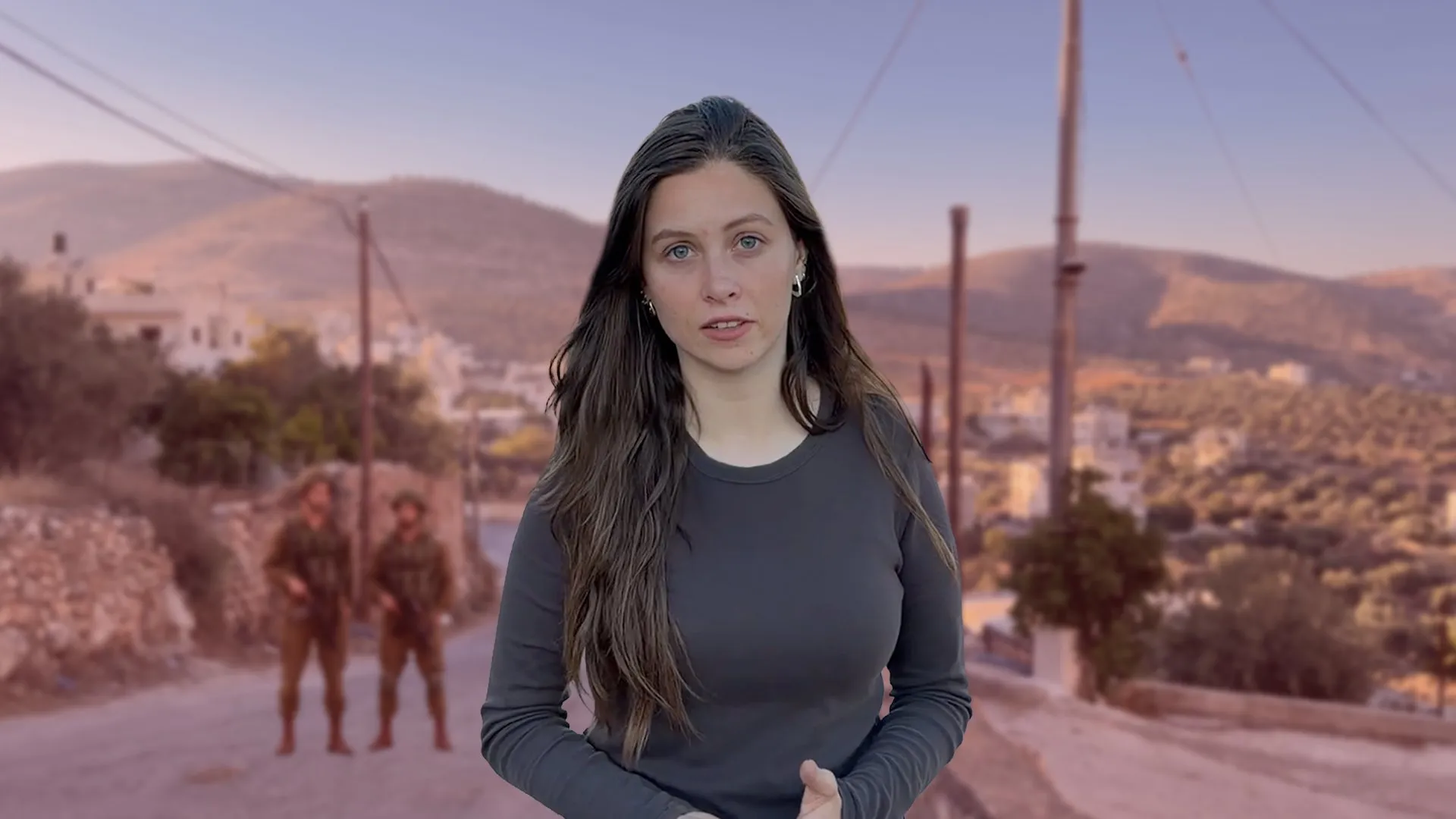
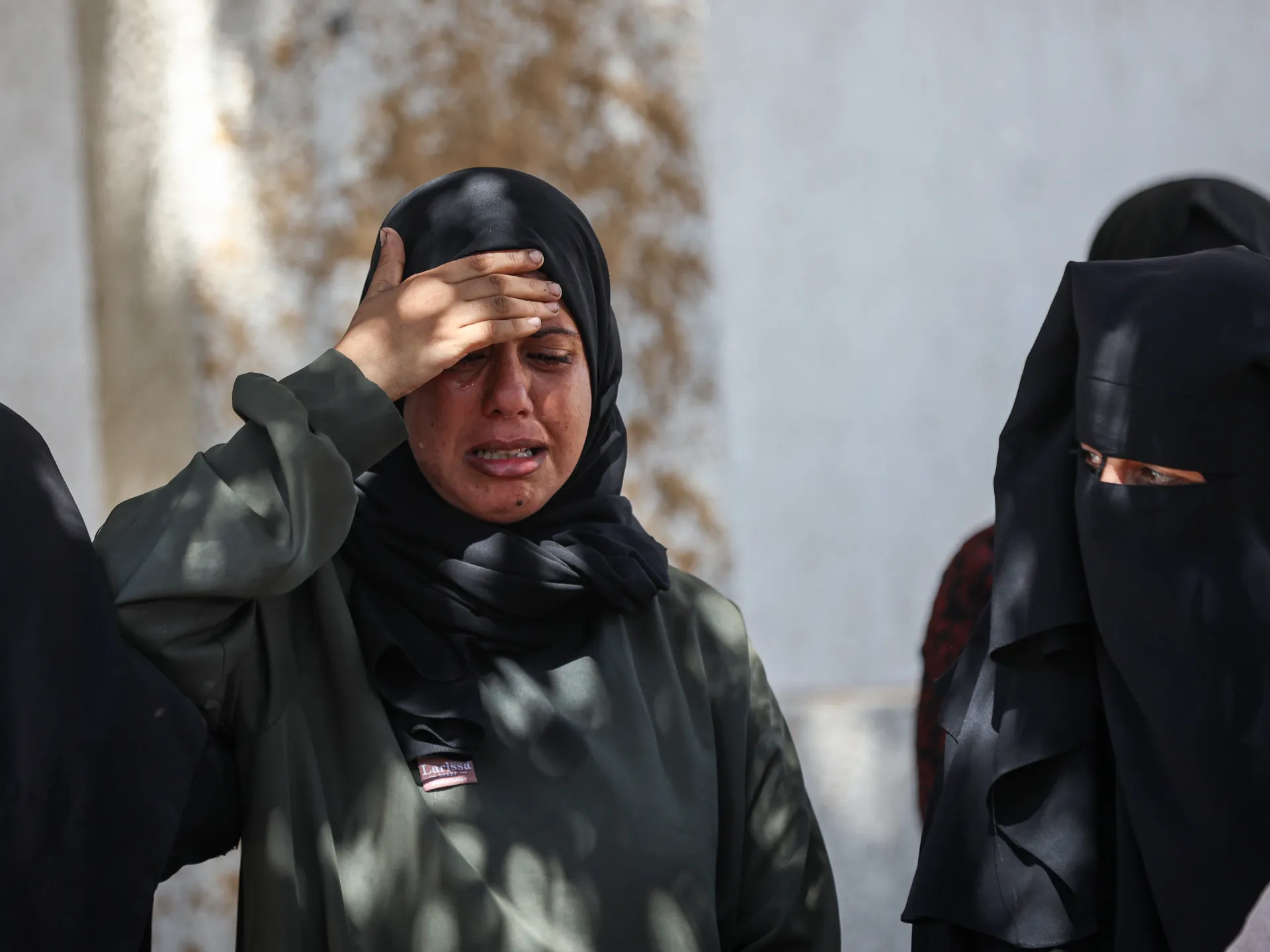
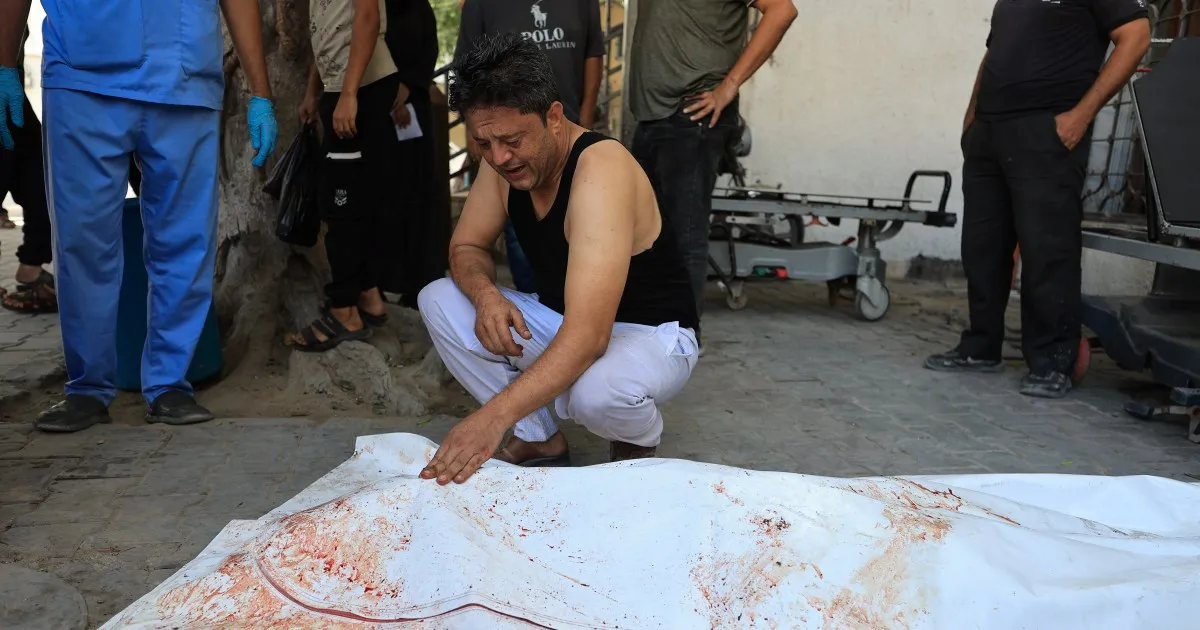
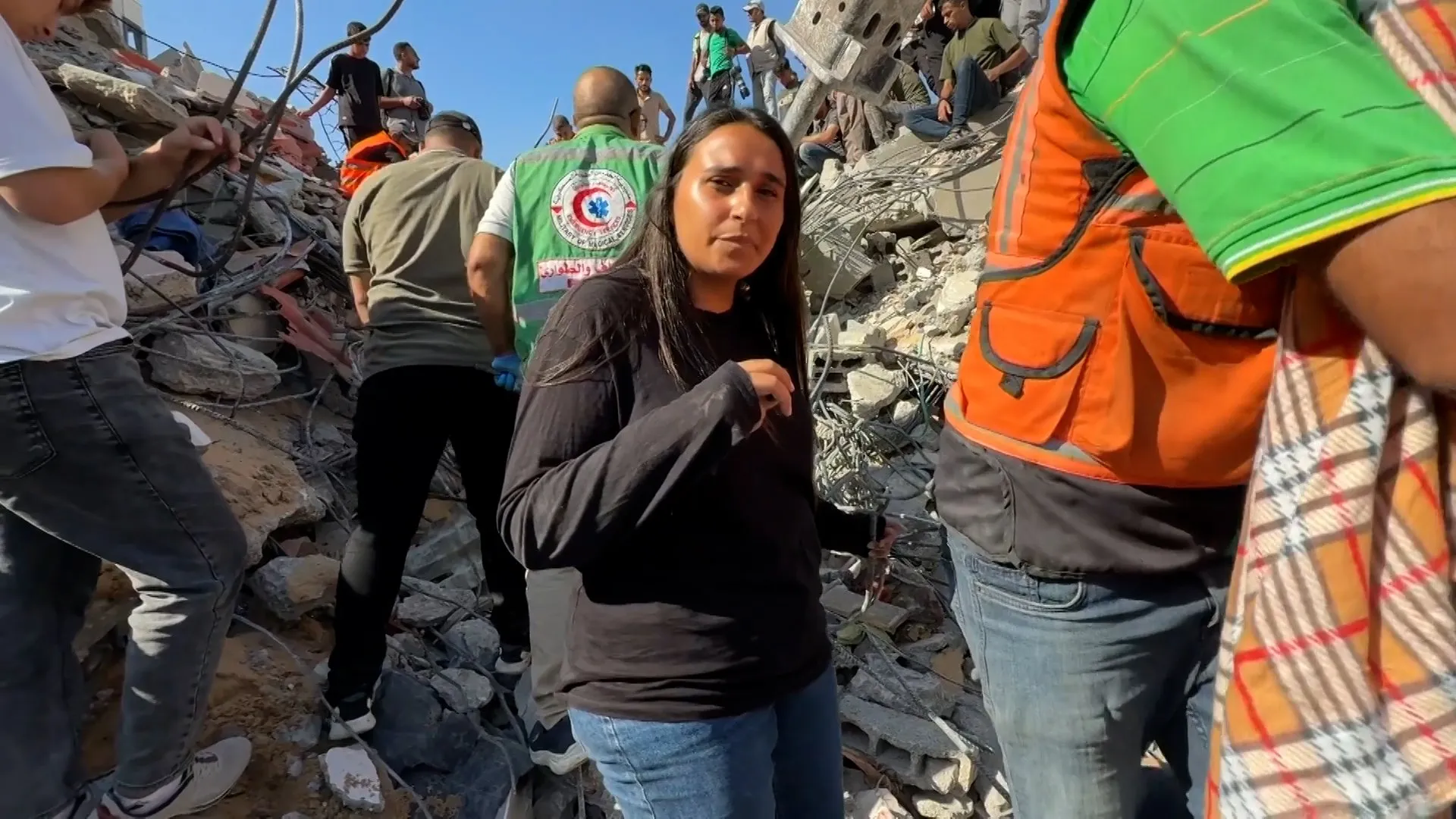
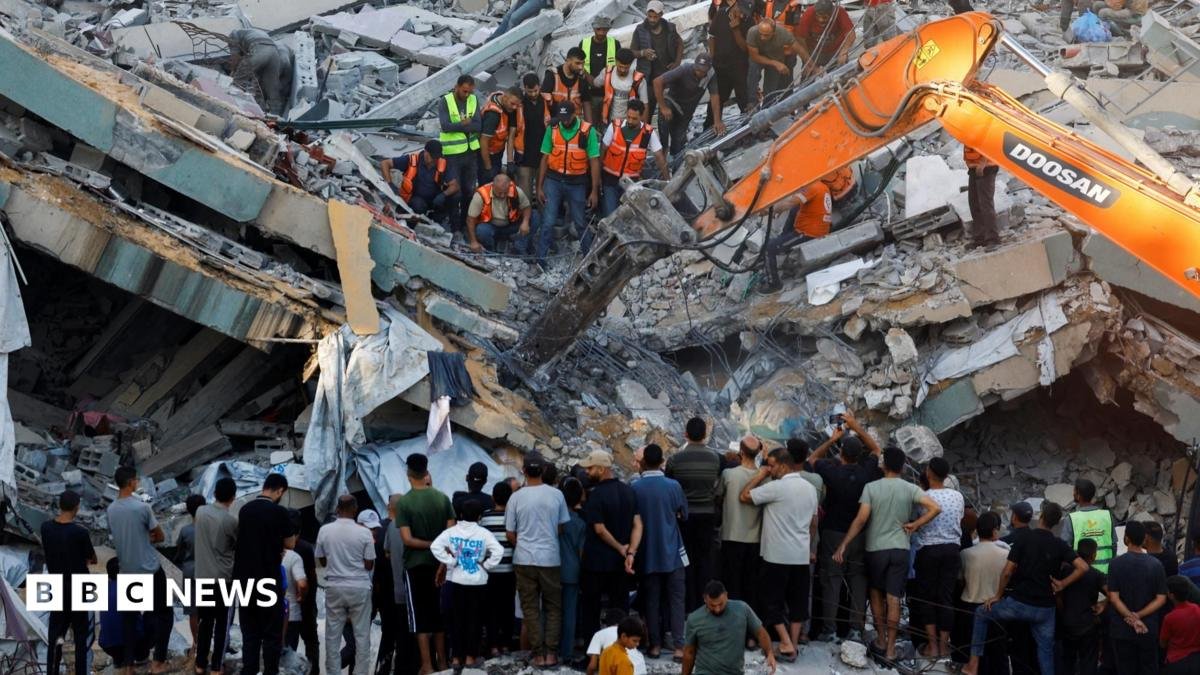
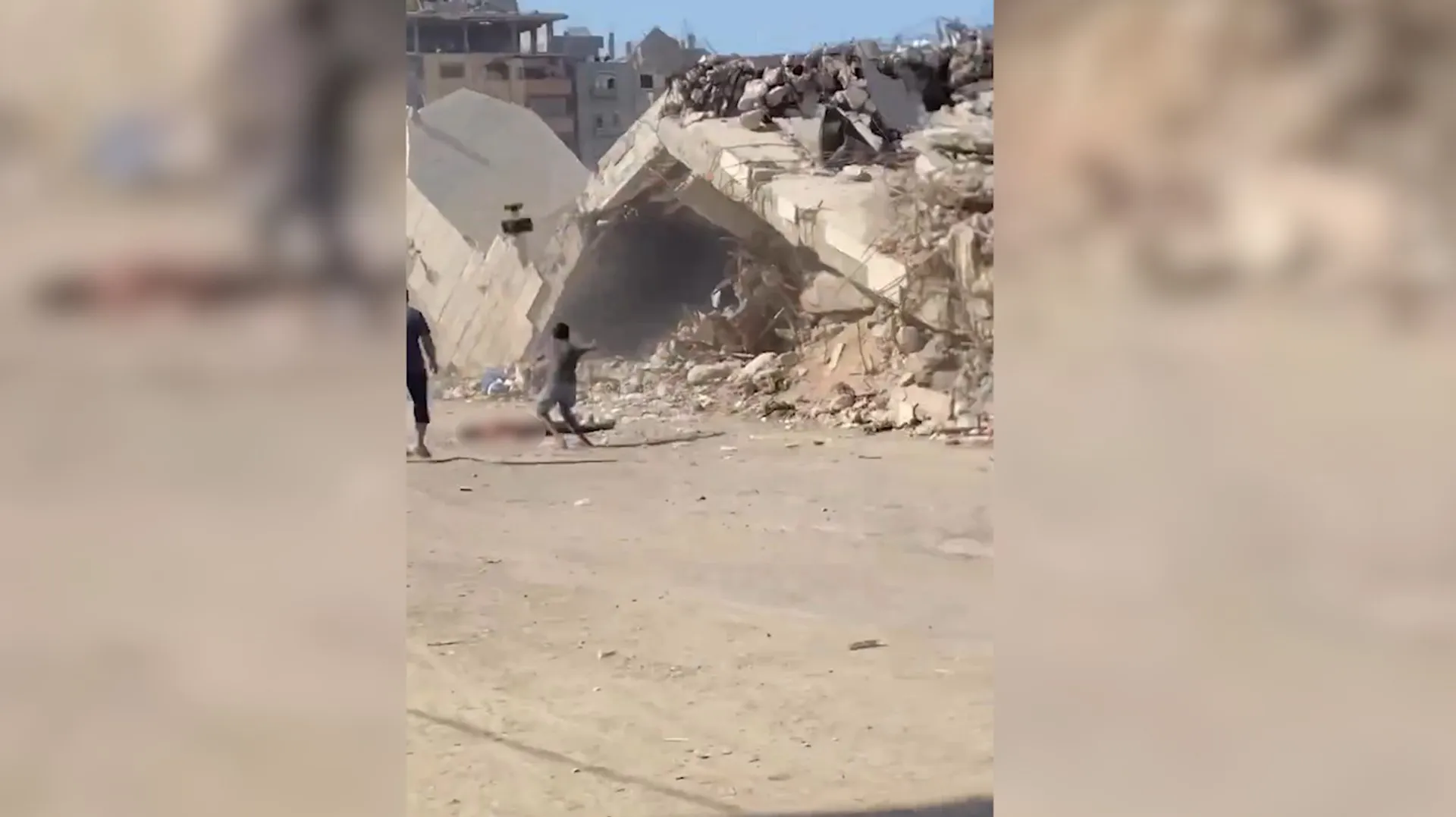
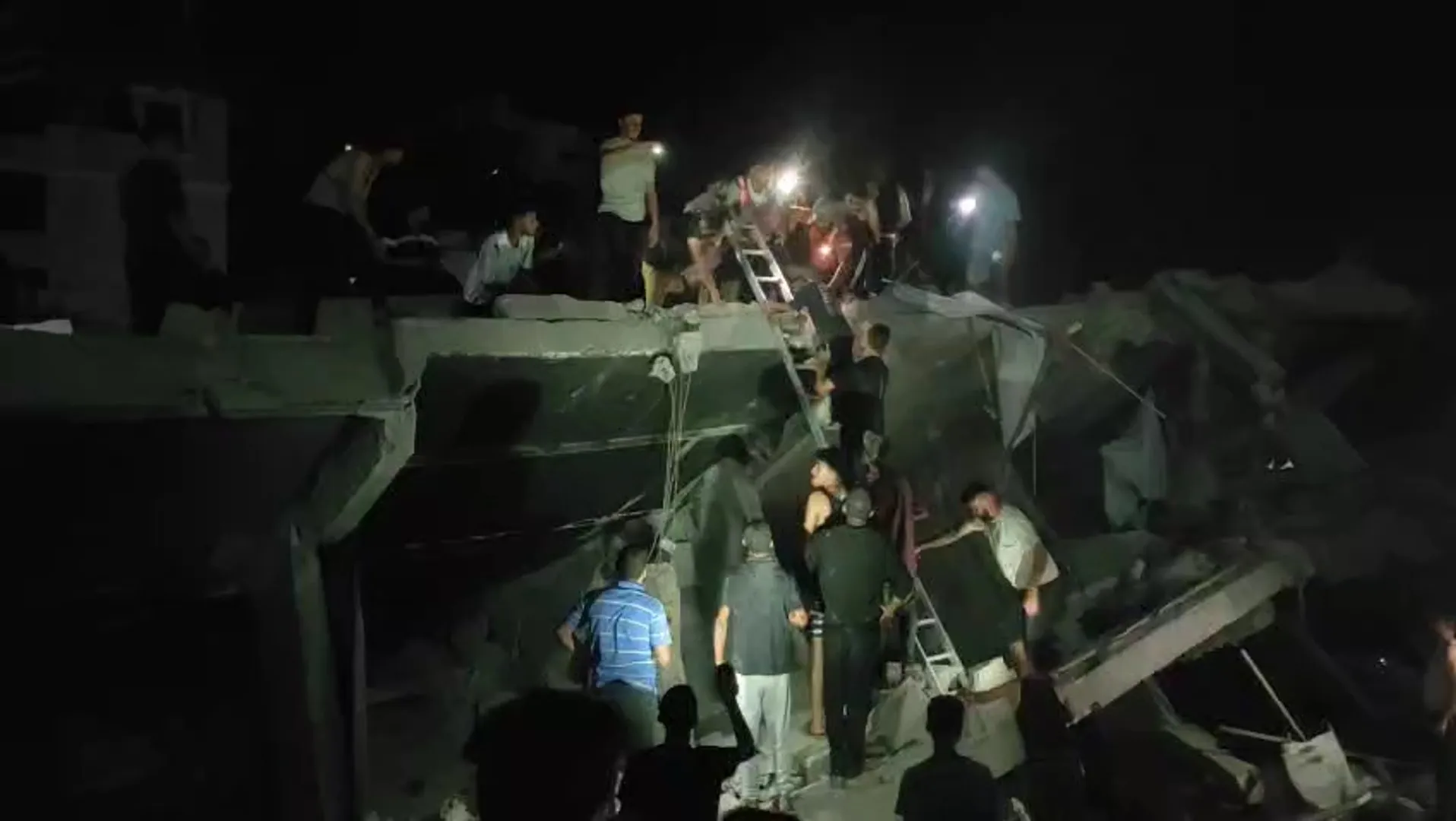
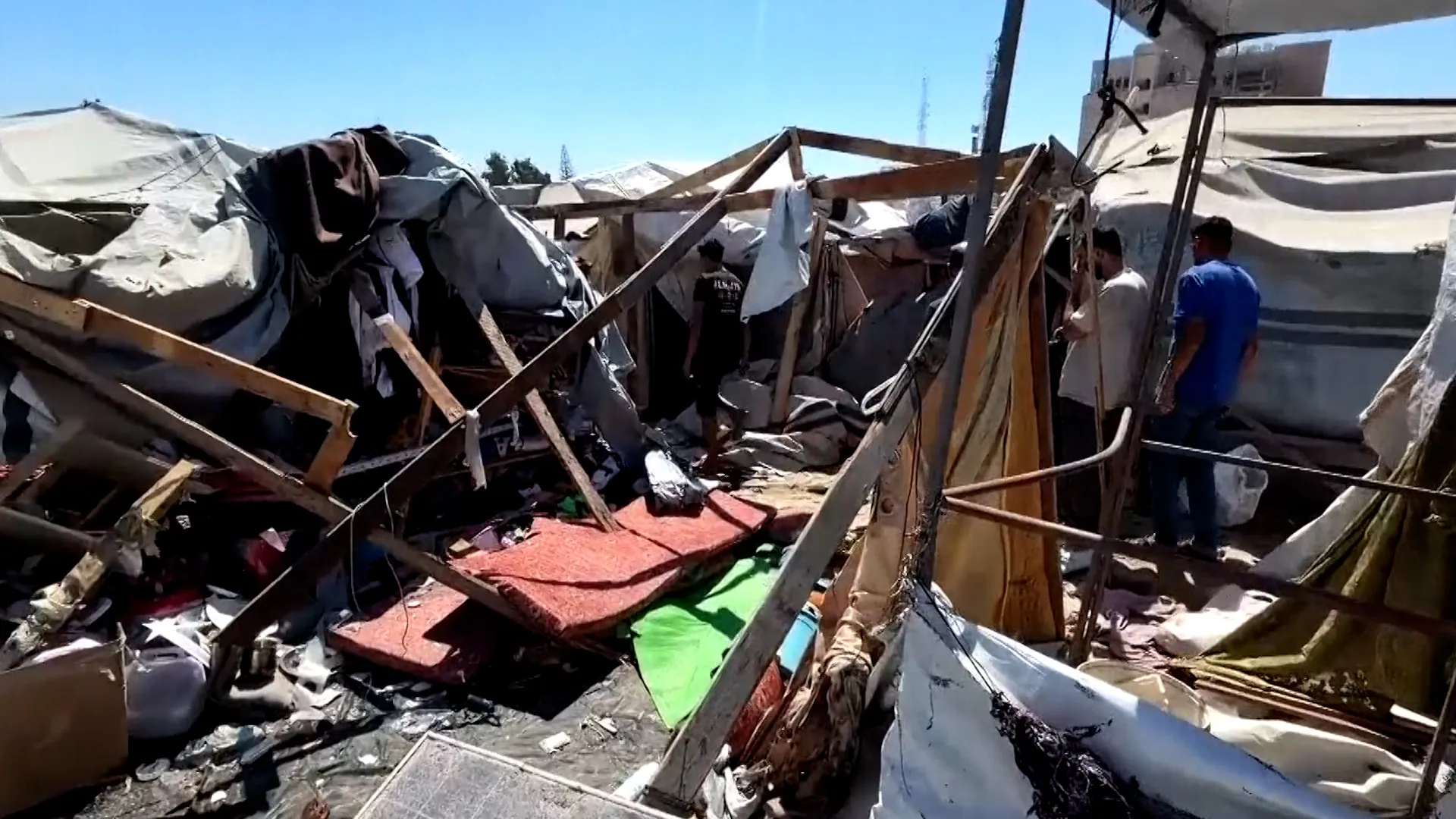
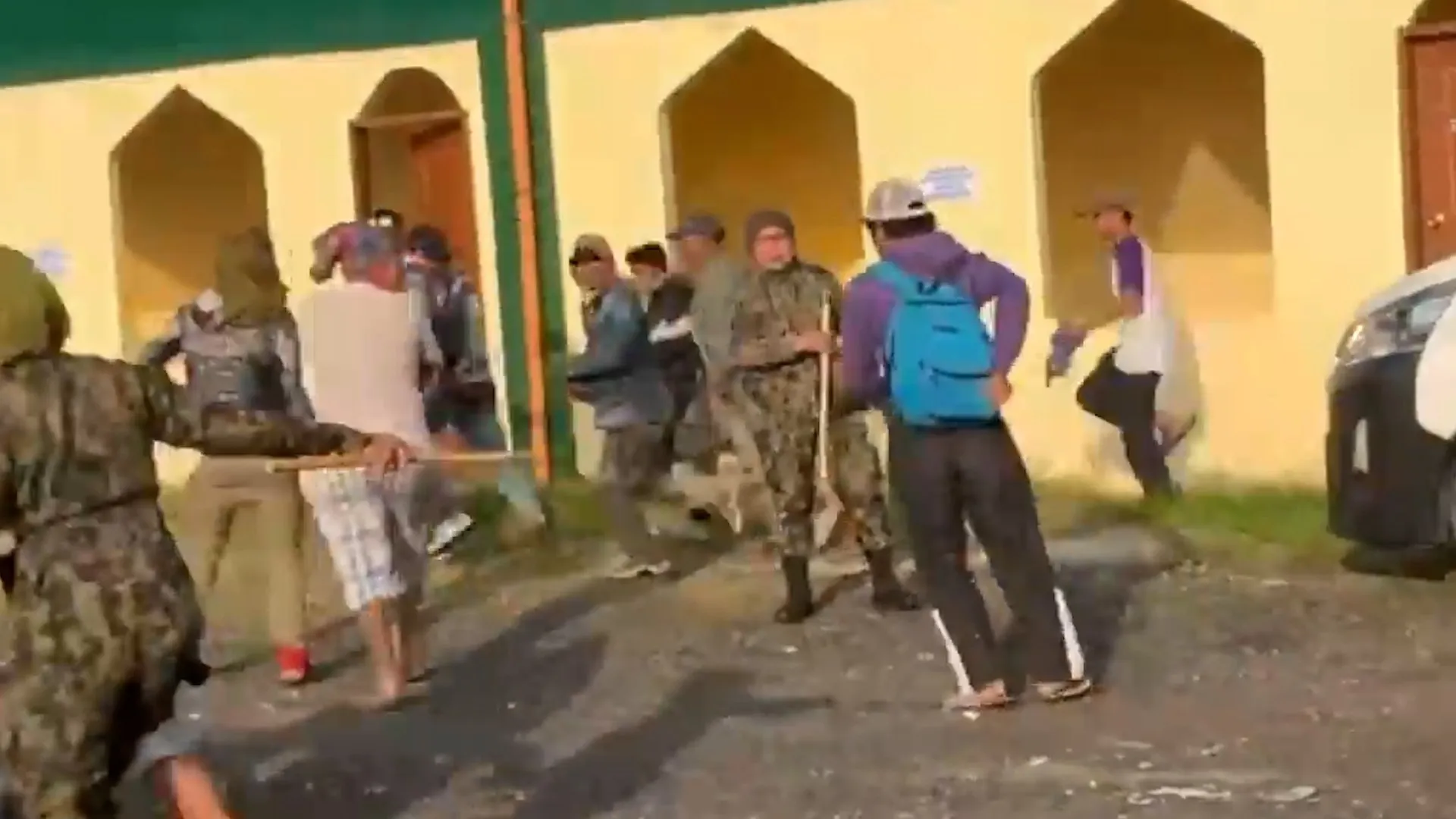
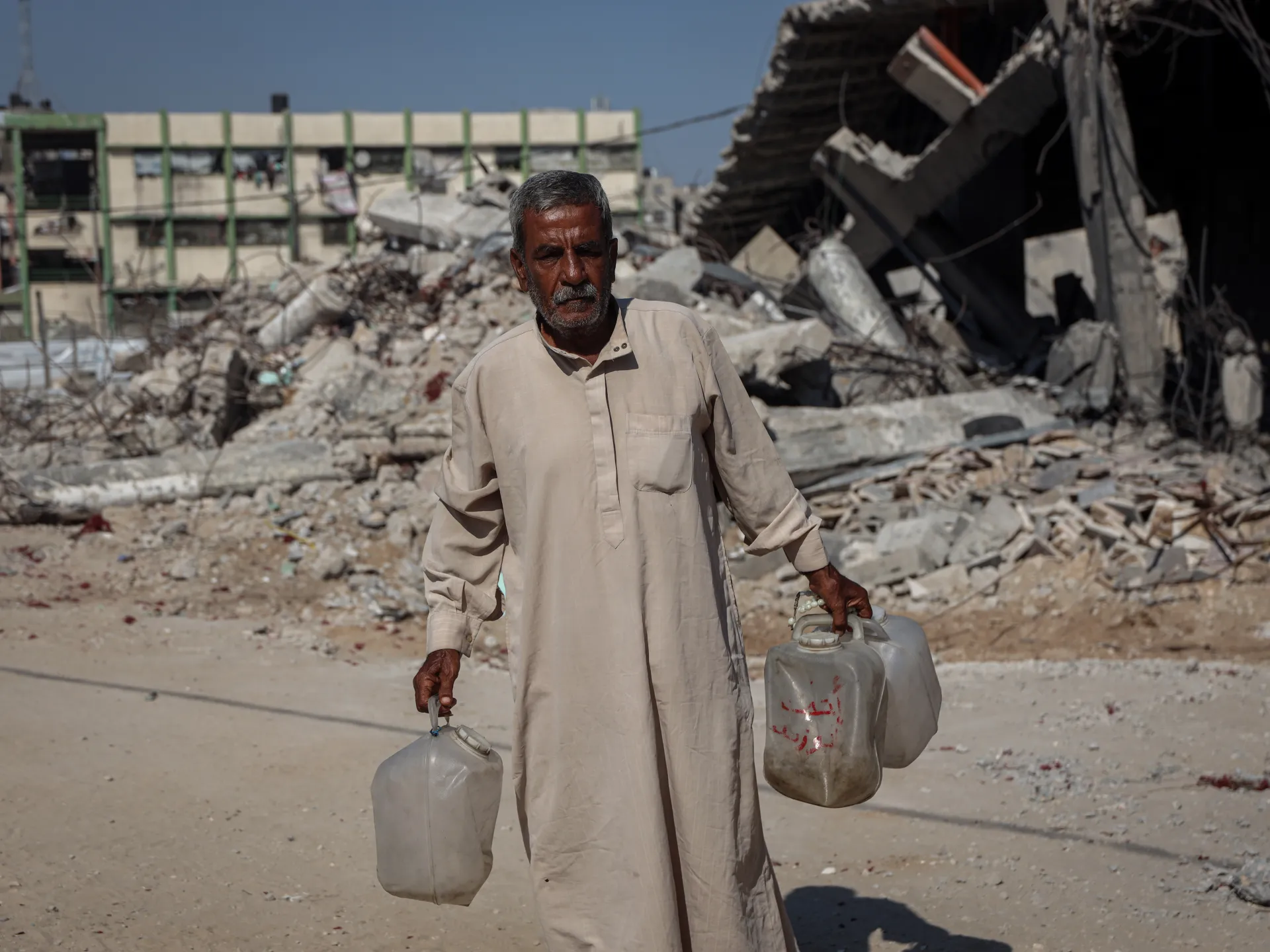
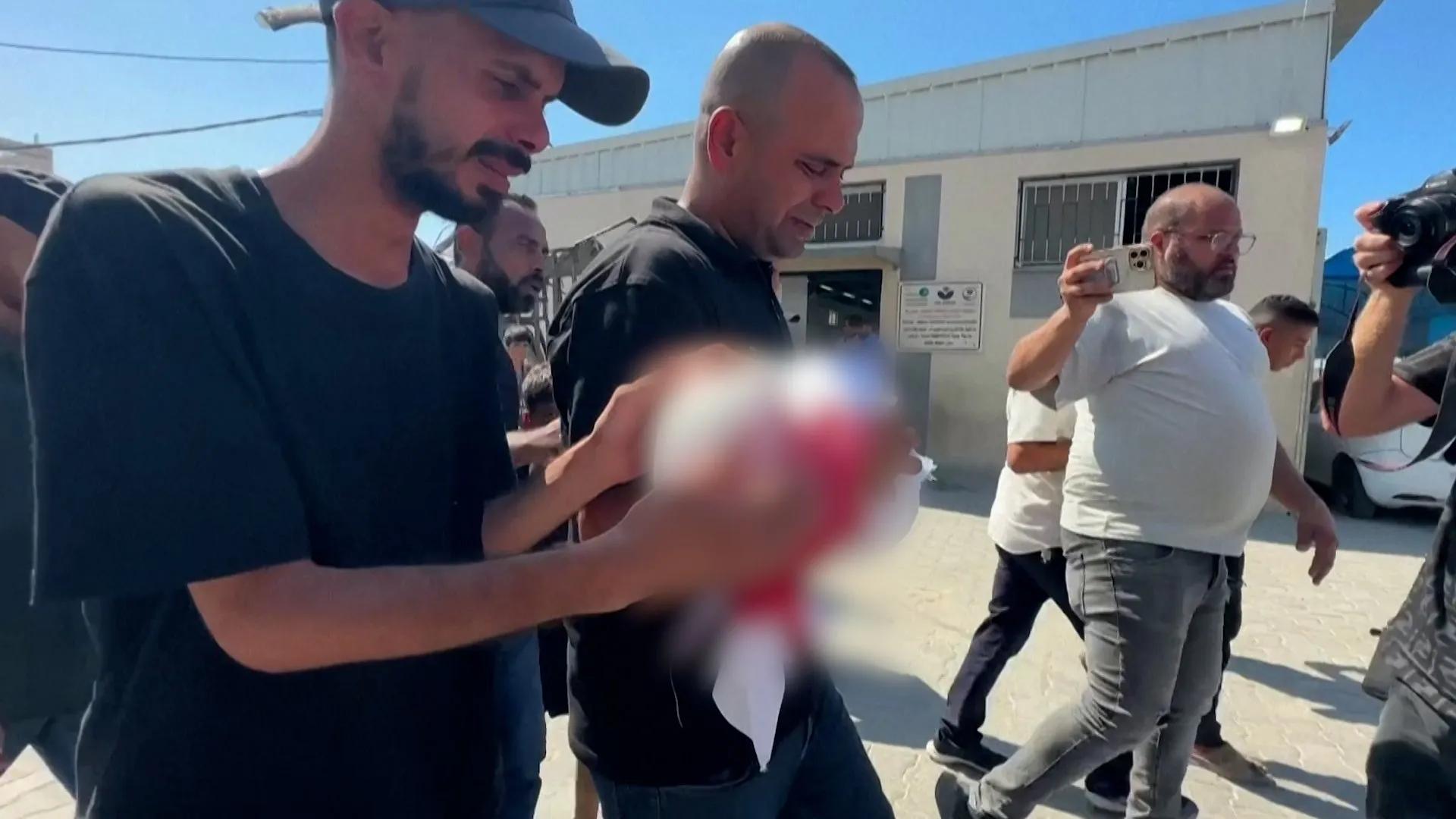
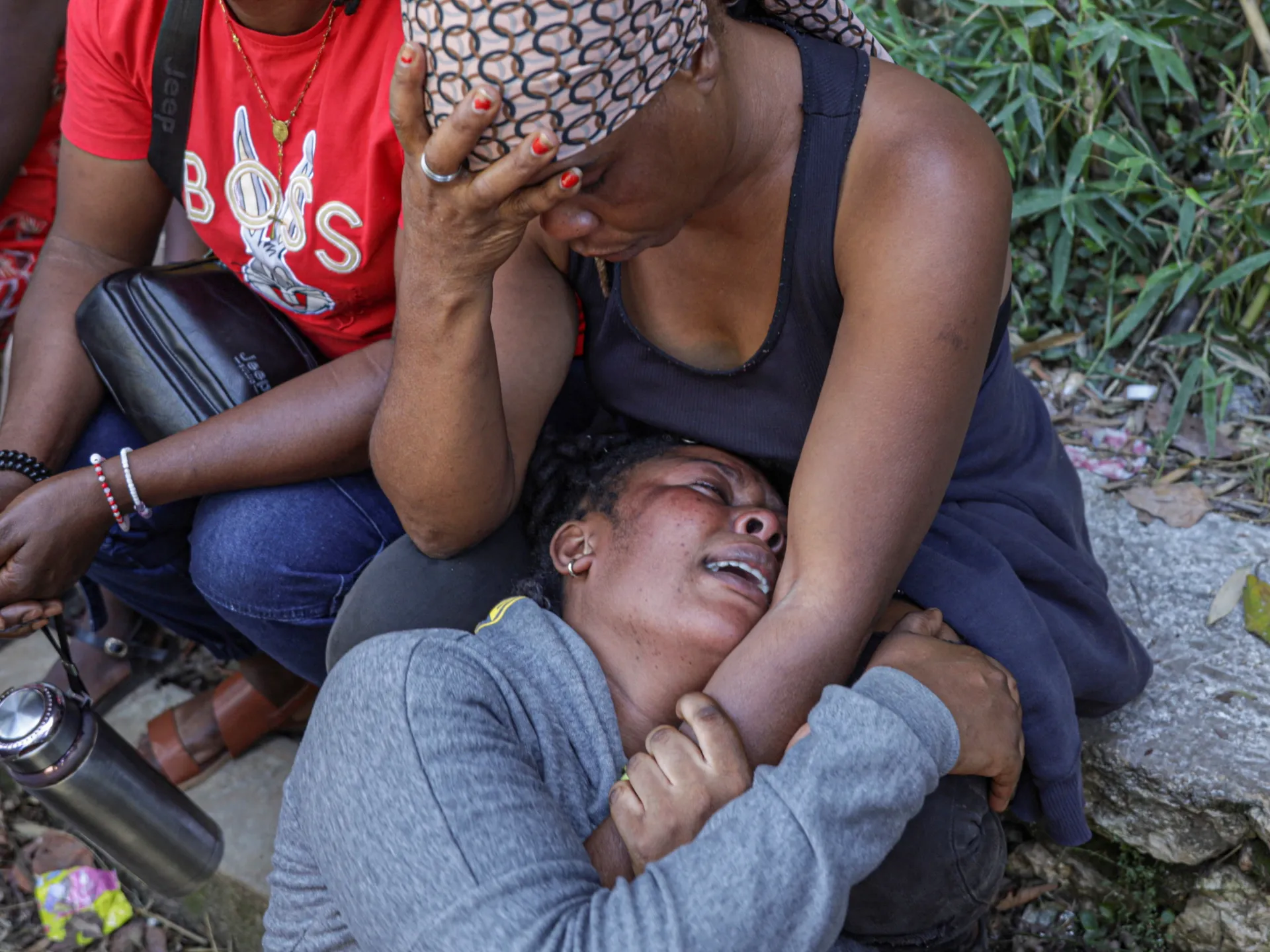
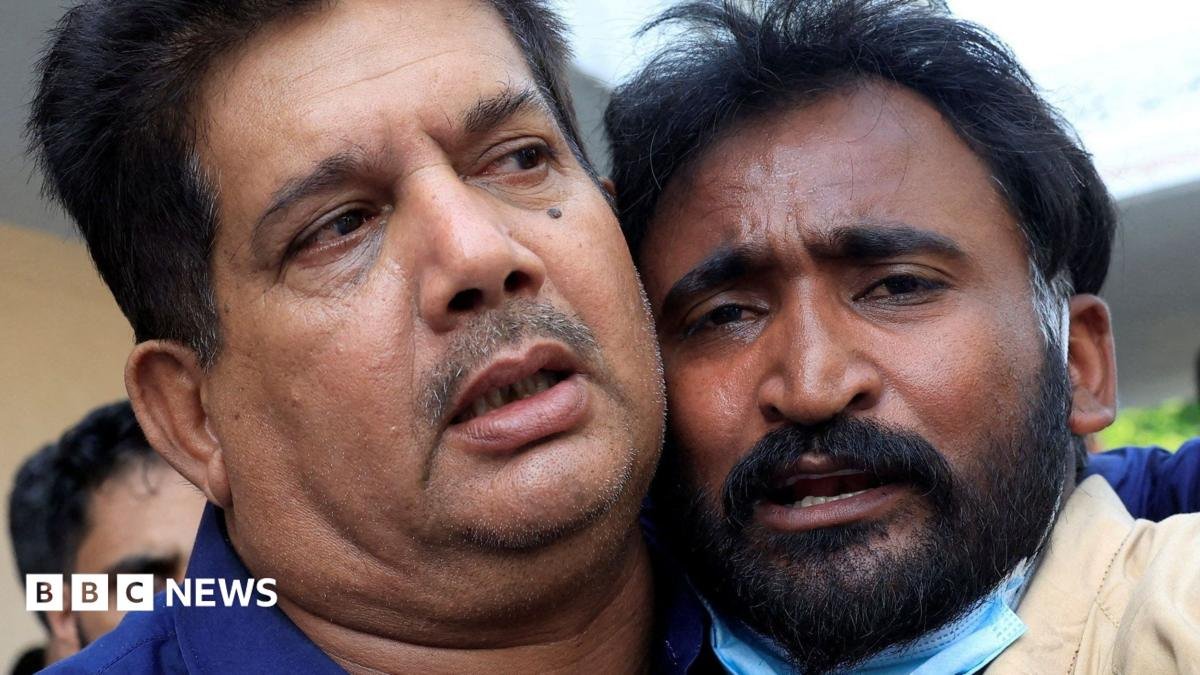
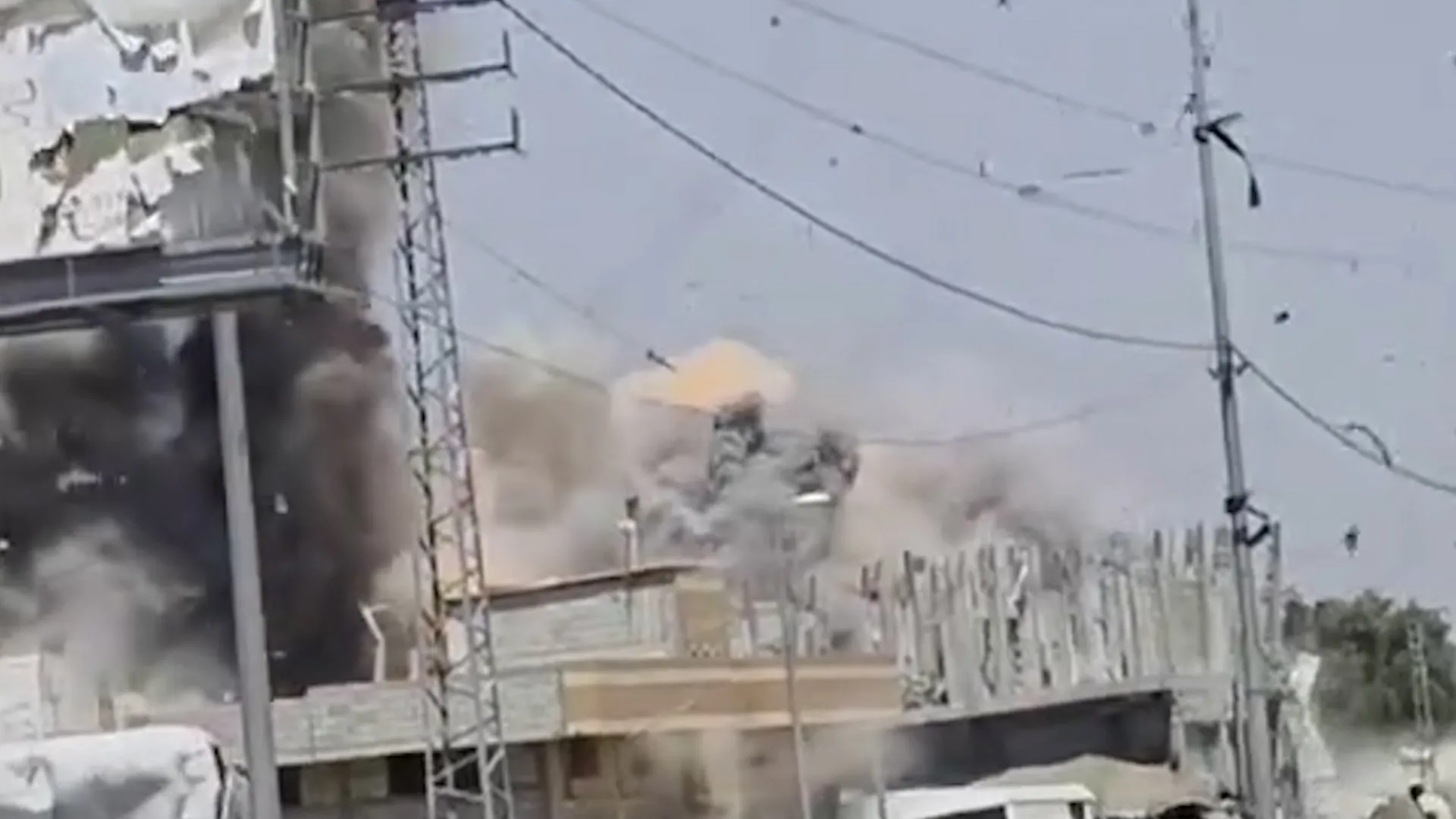
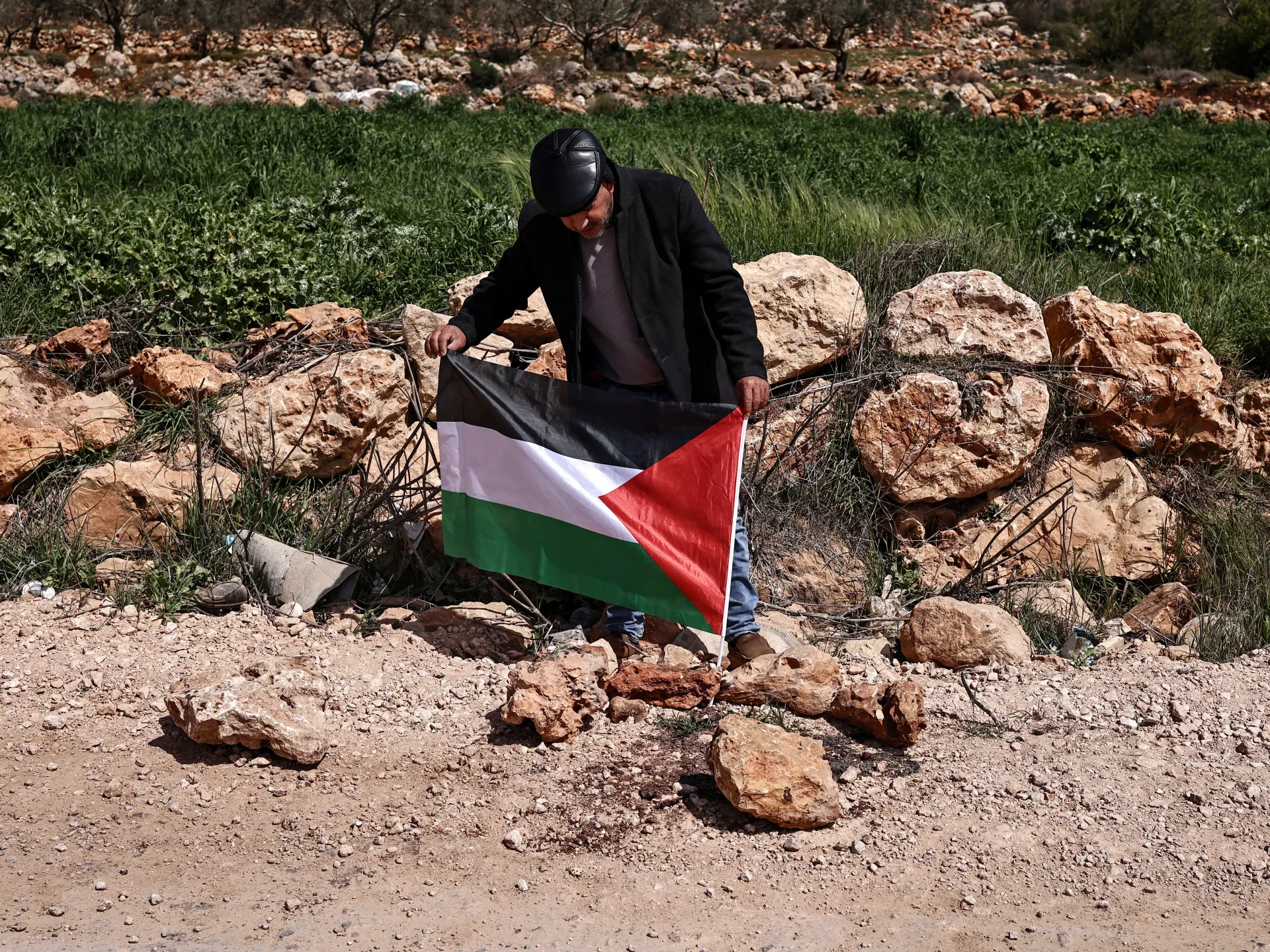
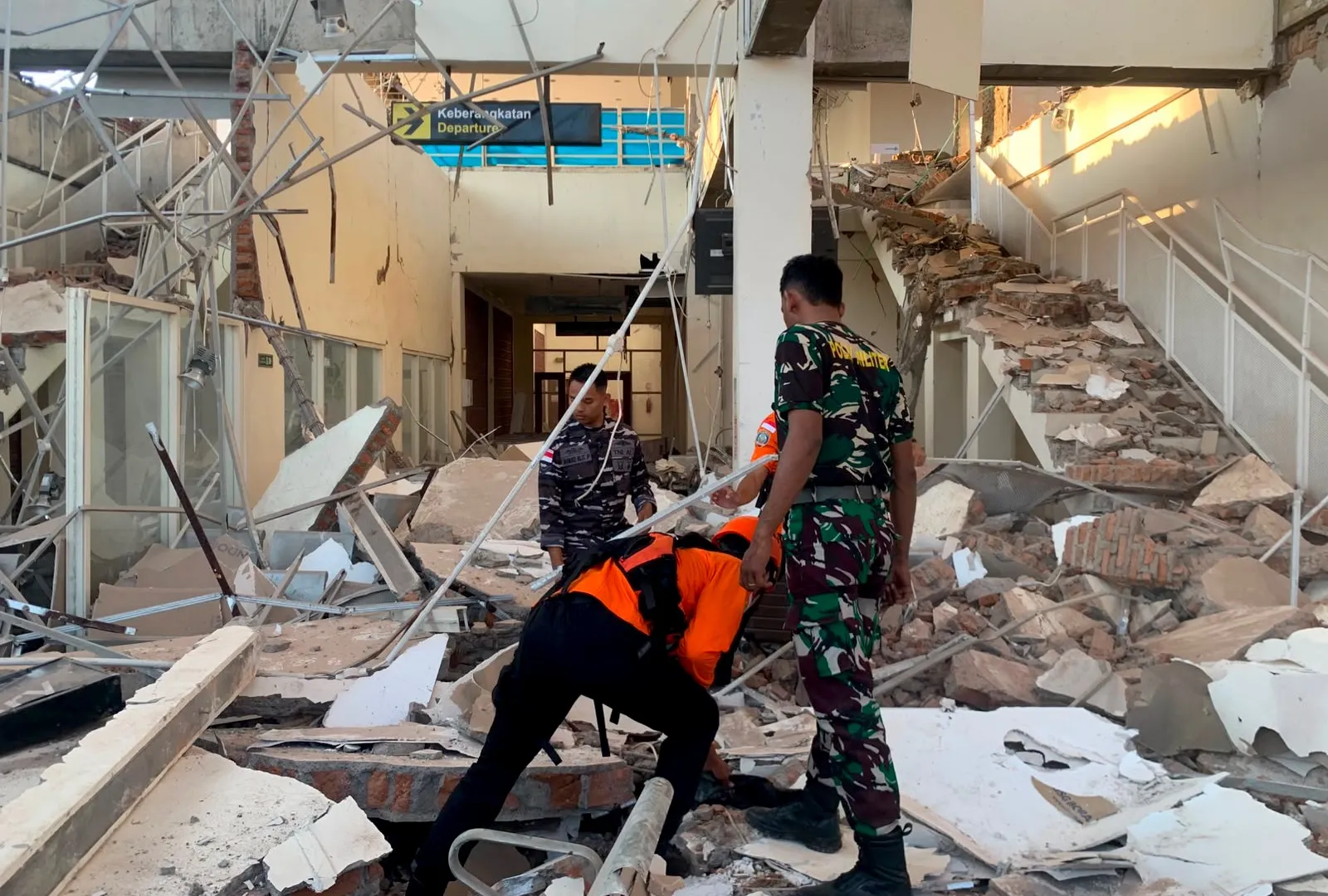
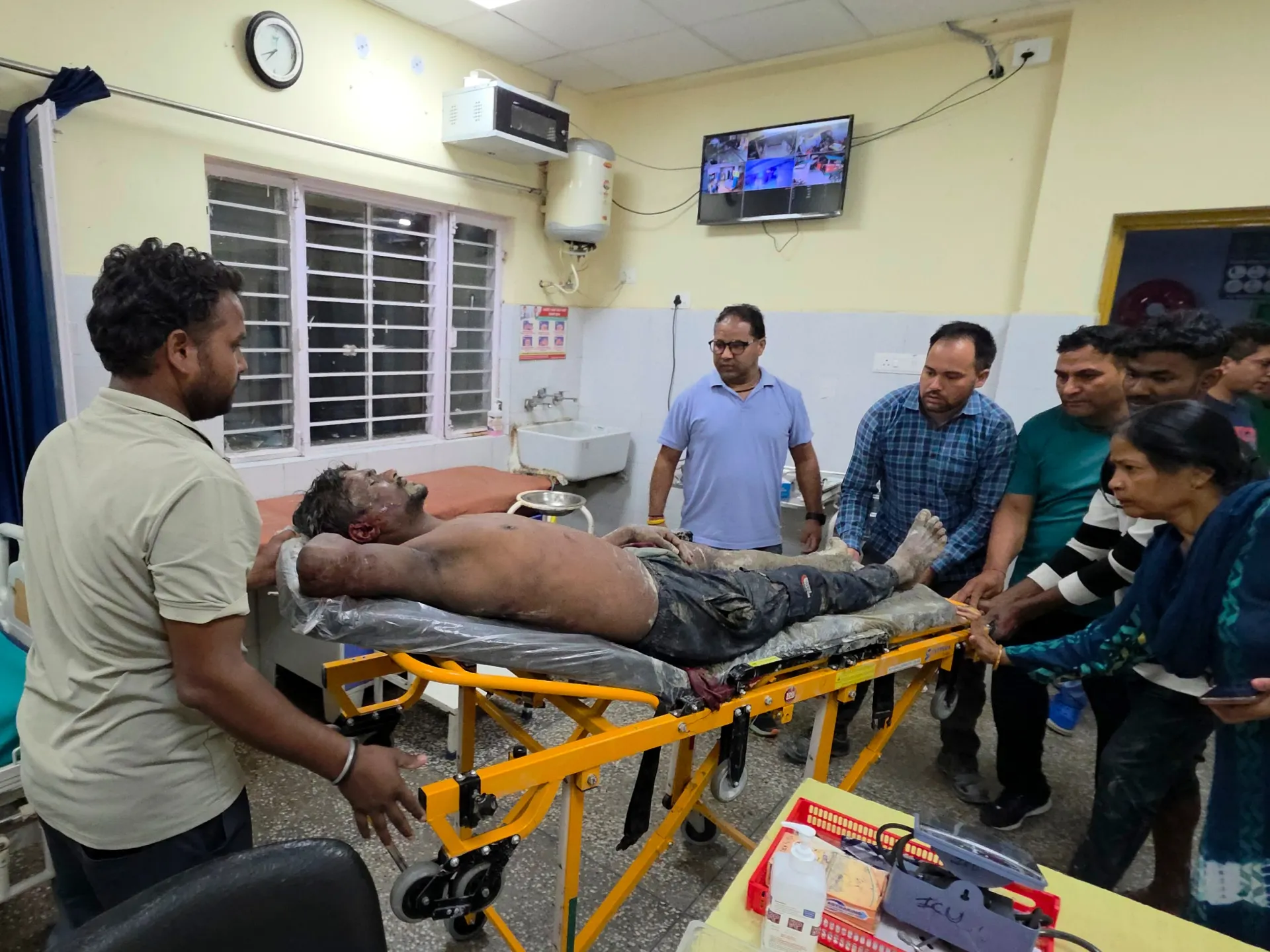
The announcement of the weapons transfer comes against a backdrop of devastating reports from the ground in Gaza. Recent incidents have highlighted the extreme risks faced g reports is the death of a 15-year-old youth who was fatally struck during a double-tap engagement while attempting to assist an injured paramedic. Such occurrences have sparked renewed global debate regarding the rules of engagement and the protection of vulnerable populations during urban warfare.
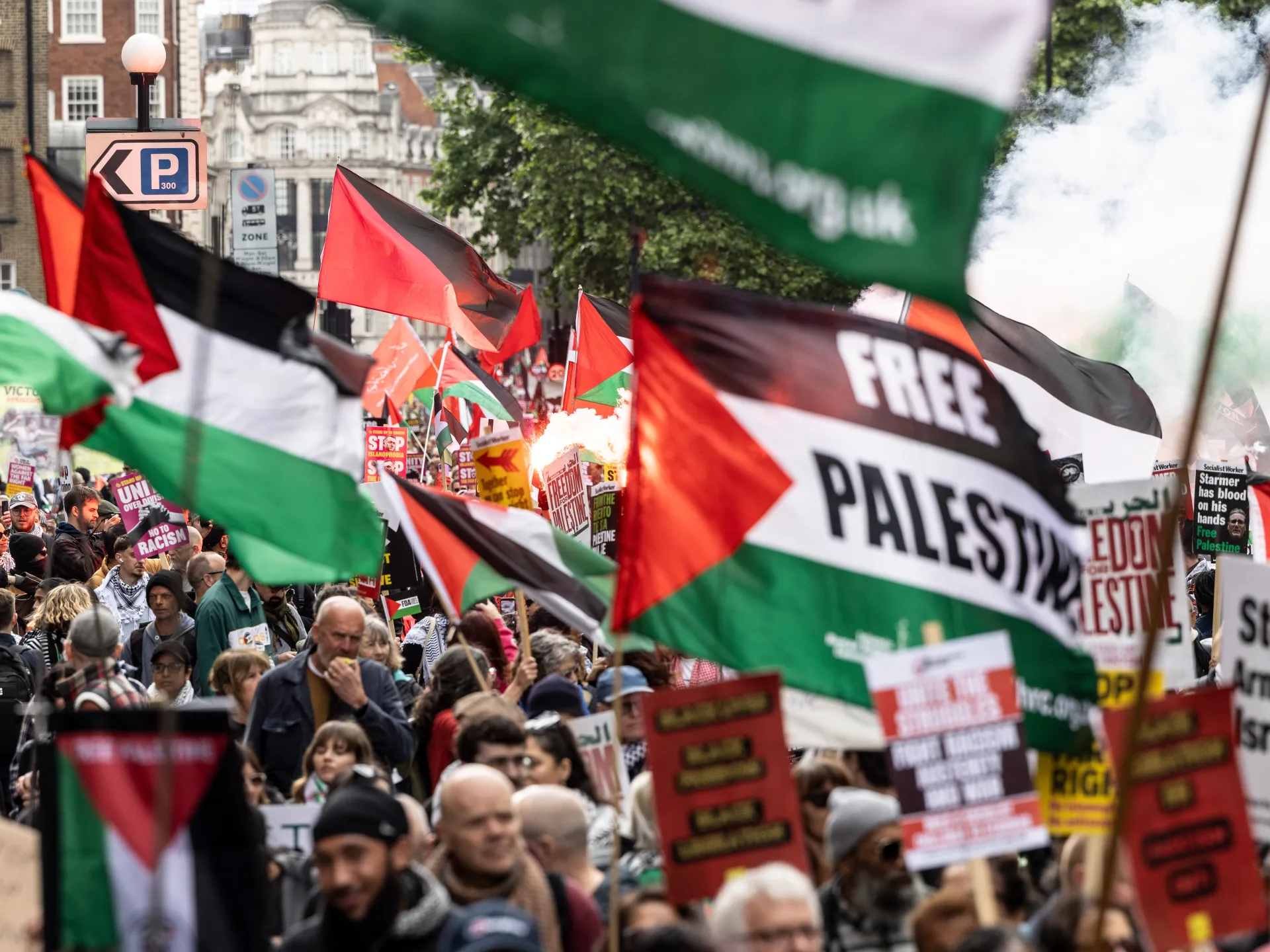
The juxtaposition of this military funding with reports of civilian casualties has fueled intense discussion within international diplomatic circles. Humanitarian organizations and human rights advocates are increasingly vocal about the need for greater accountability and transparency in how foreign-supplied weapons are utilized. These groups argue that the provision of advanced military hardware carries with it an implicit responsibility to ensure that international humanitarian laws are strictly upheld.
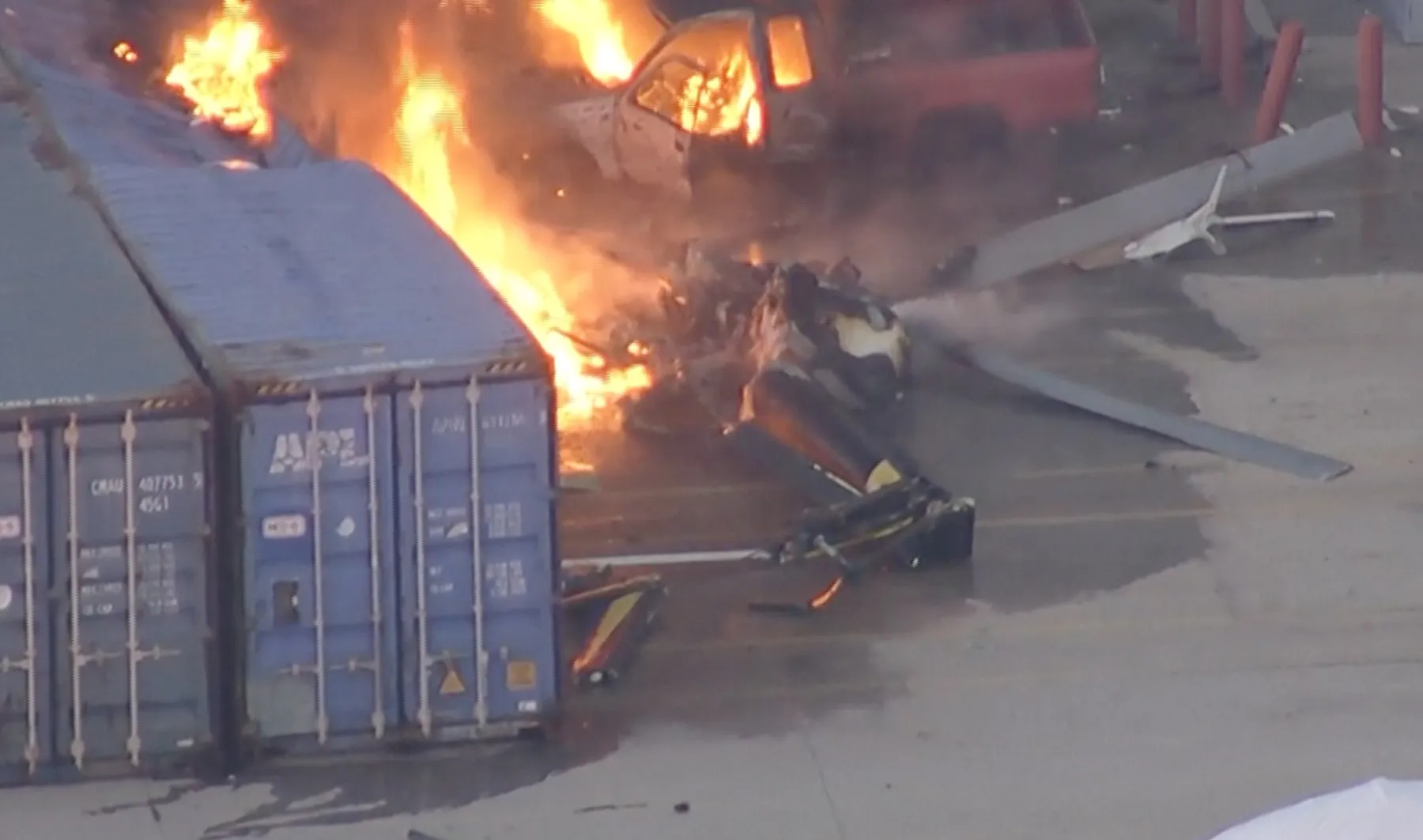
As the conflict continues to evolve, the operational realities on the ground remain grim. Emergency responders, including paramedics and civilian volunteers, are frequently operating in high-risk environments where the threat of secondary strikes—often referred to as "double-tap" tactics—remains a constant danger. These tactical maneuvers, intended to target individuals responding to initial blasts, have been identified as a significant factor in the rising death toll among first responders.
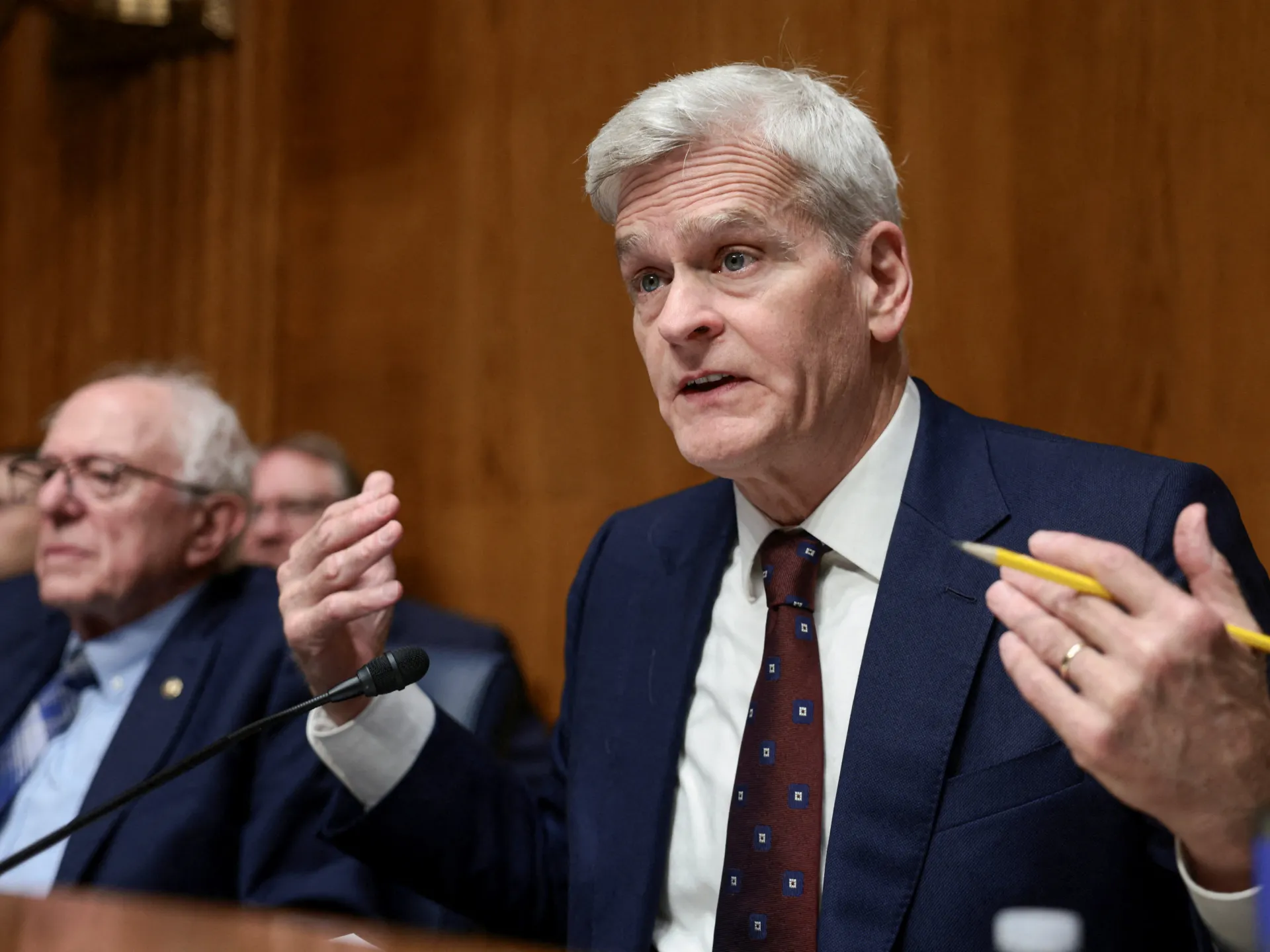
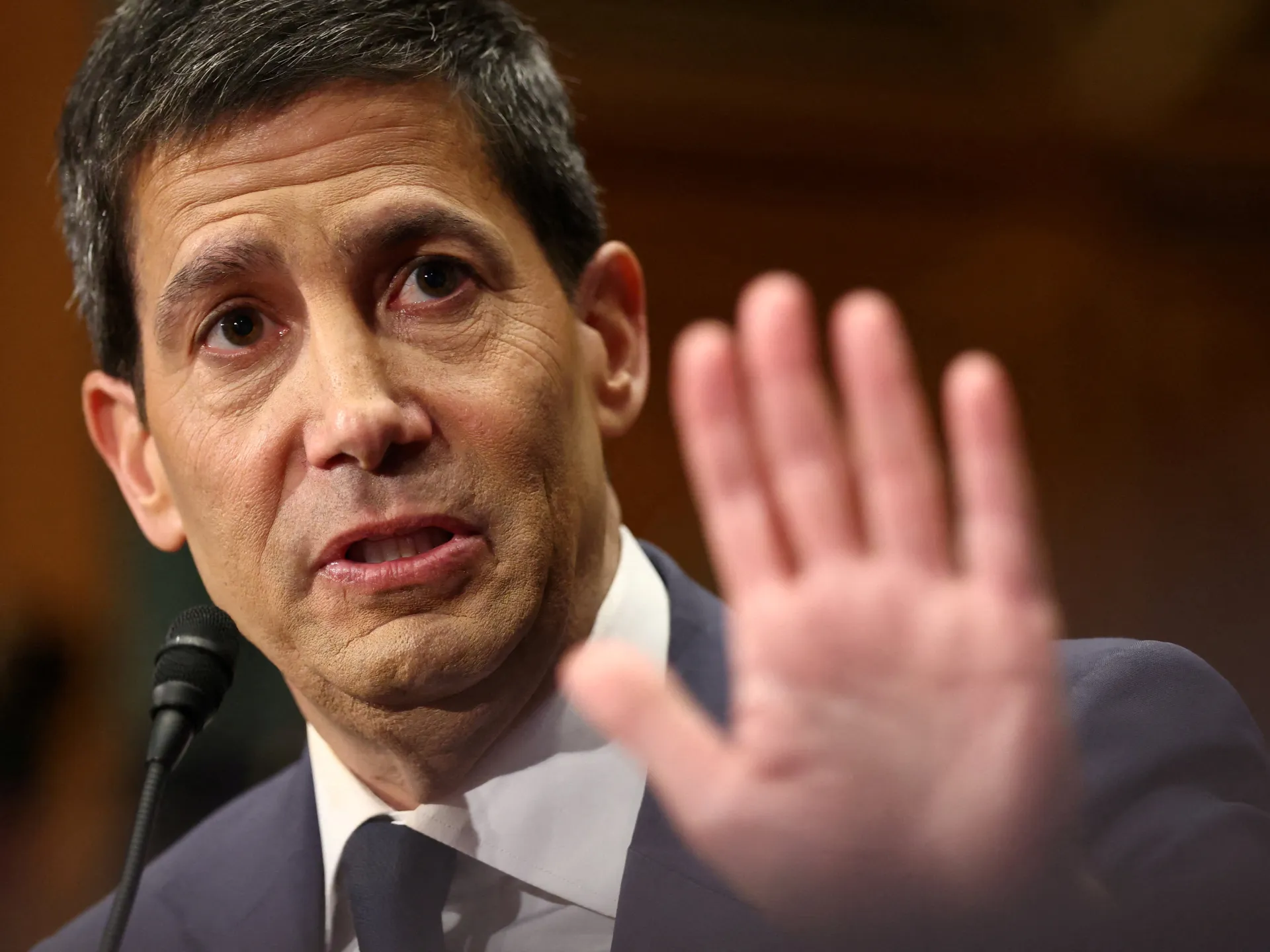
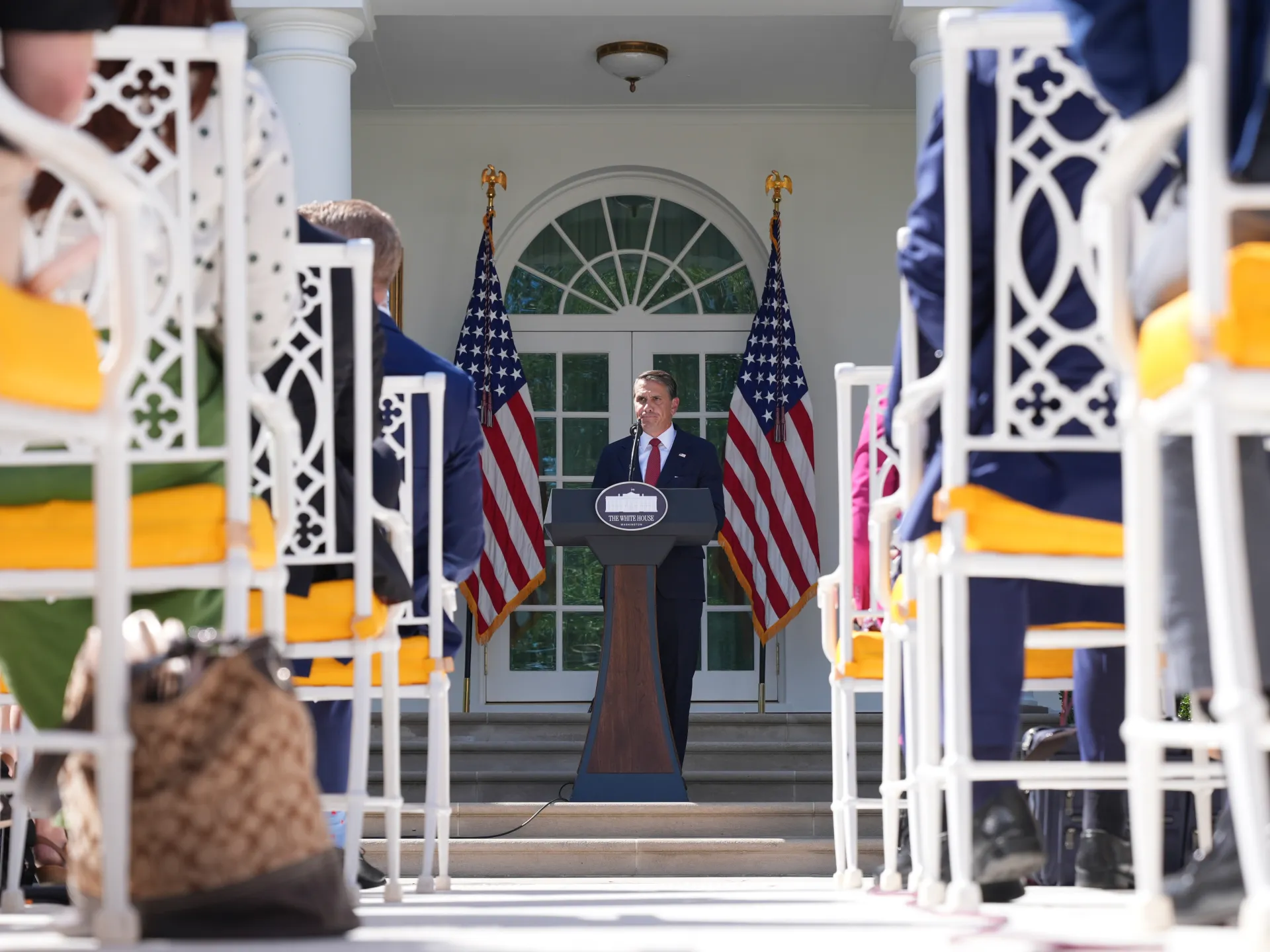
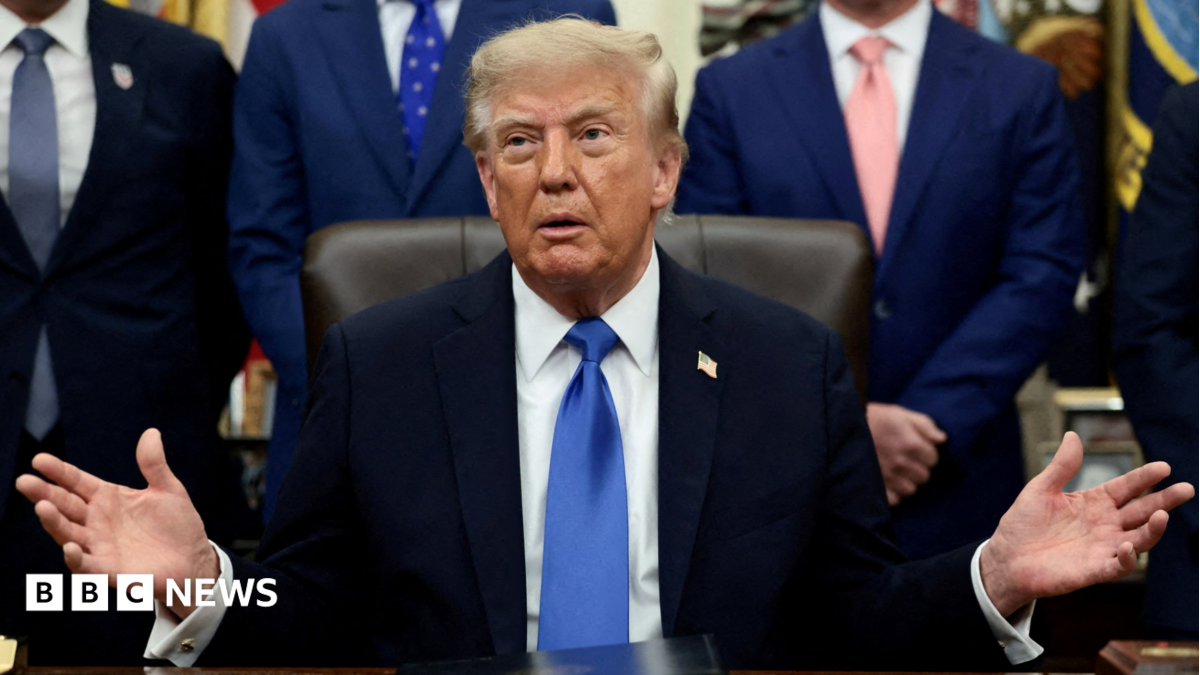
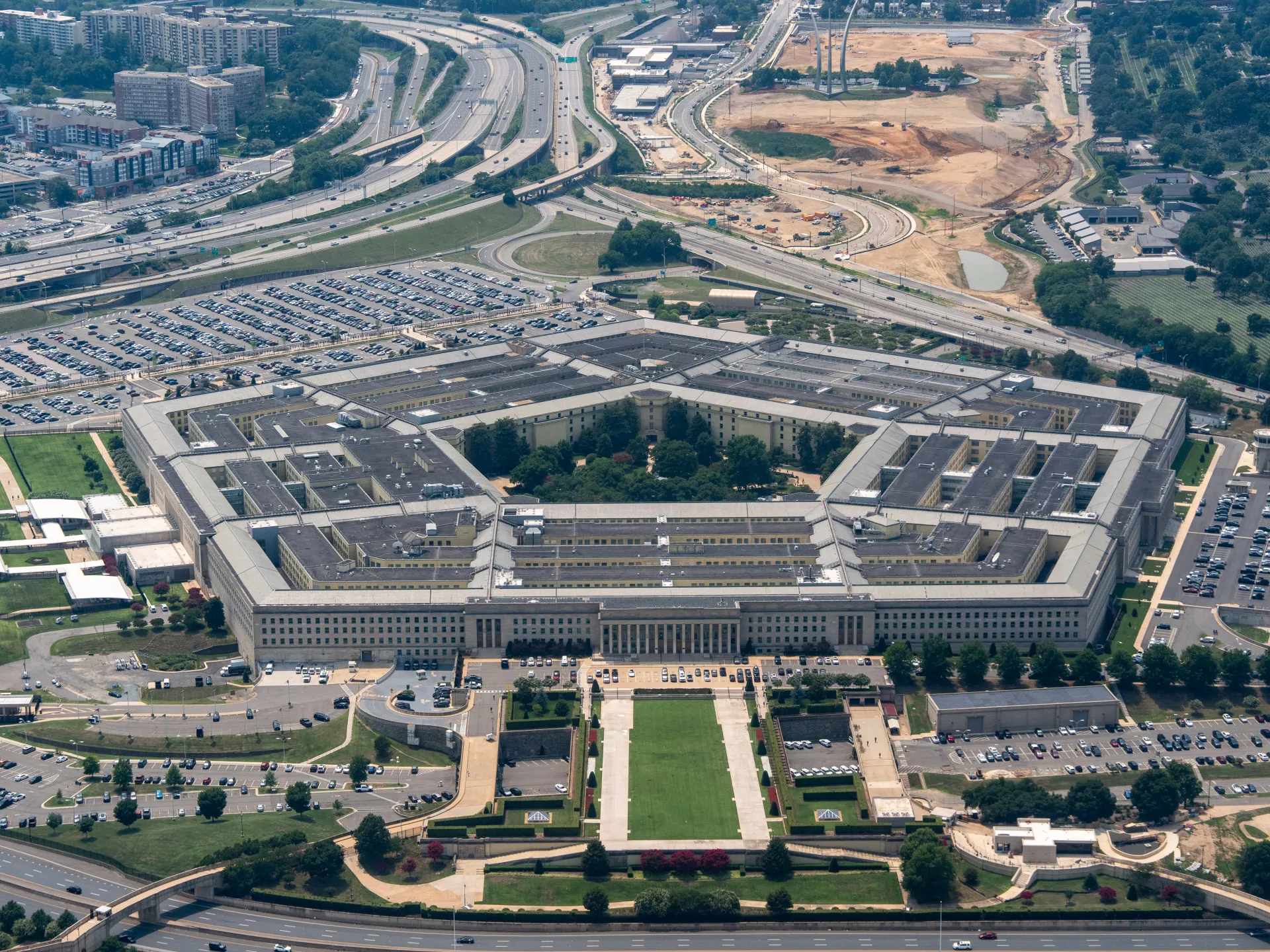
The decision to proceed with this $2.8 billion package reflects the complexities inherent in modern statecraft. The U.S. administration must balance its commitment to a core security ally with the increasing pressure from the international community to mitigate the humanitarian crisis. This delicate balancing act is expected to remain a central theme in U.S. foreign policy as lawmakers and officials navigate the domestic and international repercussions of their military support decisions.
Moving forward, the effectiveness of this aid in achieving long-term security goals remains a point of contention. Some experts argue that sustained military support is a necessary deterrent against broader regional escalation, preventing larger conflicts from breaking out. Others contend that without a parallel diplomatic strategy focused on a sustainable ceasefire and long-term peace, the influx of arms only serves to prolong the existing cycle of violence.
Ultimately, the situation remains fluid. As the weapons are prepared for transfer, the global community continues to watch closely, waiting to see if this infusion of resources will lead to a change in the strategic calculus on the ground or if it will further entrench the current state of hostilities. The intersection of military logistics and human rights remains one of the most difficult challenges for current international policy.