

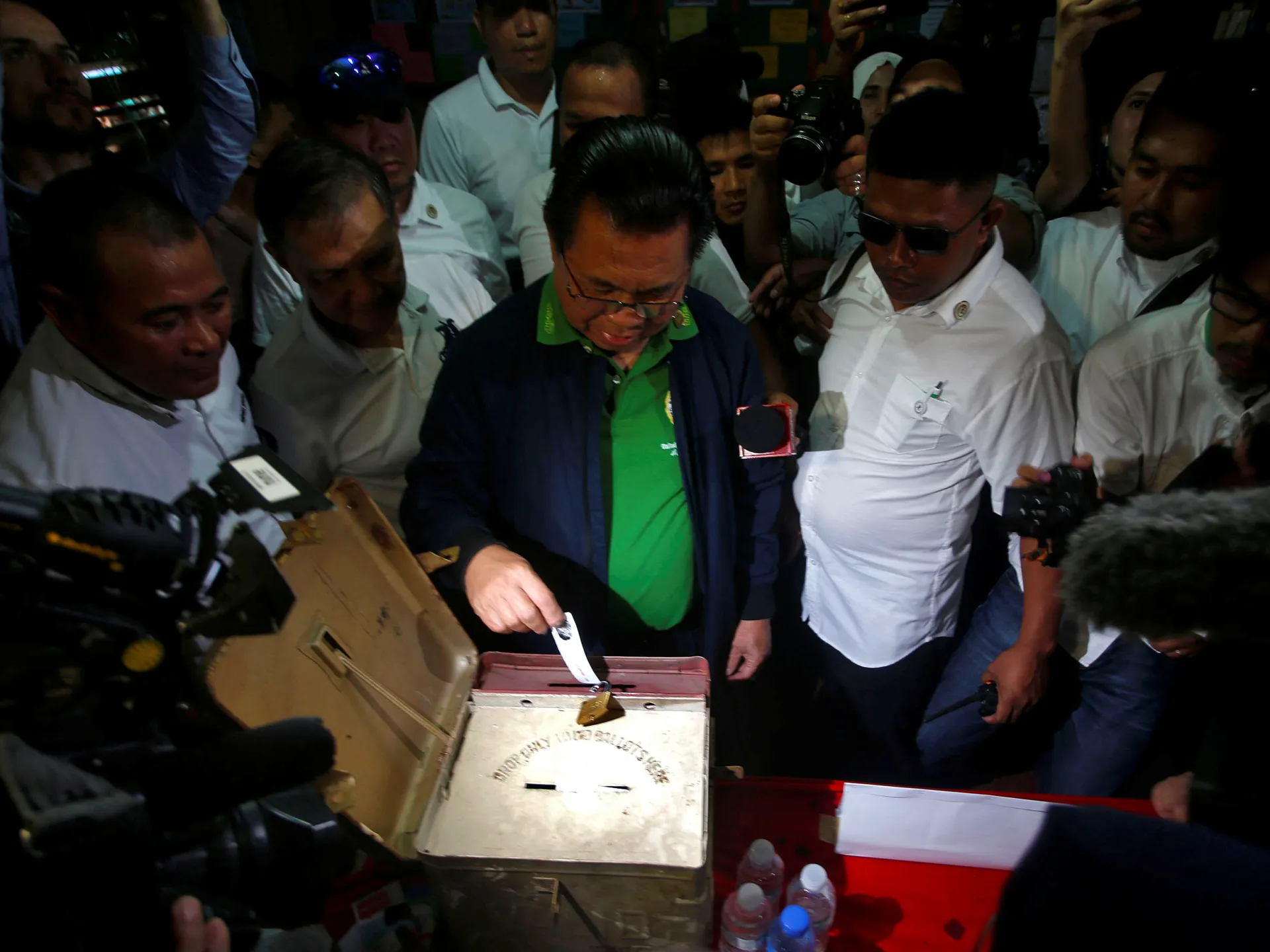
The Bangsamoro Autonomous Region in Muslim Mindanao prepares for its first parliamentary election, marking a pivotal transition from interim rule to democratic governance.
The Bangsamoro Autonomous Region in Muslim Mindanao (BARMM) is set to undergo a historic political transformation as it prepares to hold its inaugural parliamentary election. This landmark event marks the official conclusion of the transition period overseen o bridge the gap between decades of armed conflict and a new era of self-governance. The establishment of this legislative body is the culmination of years of intense negotiations between the Philippine government and the Moro Islamic Liberation Front (MILF).
For the residents of this region, the upcoming vote represents far more than a typical electoral exercise. It is a fundamental test of the durability of the peace process and the transition from a revolutionary movement to a functioning democratic institution. As the first parliamentary body is formed, the region moves away from an appointed interim government toward a system where leaders are directly accountable to the electorate of the Bangsamoro territory.
The quest for self-determination in the Mindanao region is deeply rooted in history, predating the formation of the modern Philippine state. Historically, the inhabitants of this area resisted Spanish colonial rule, maintaining distinct political and social structures. Even after the Philippines gained independence in 1946, the desire for autonomy remained a central pillar of regional identity, eventually leading to the creation of the Autonomous Region in Muslim Mindanao (ARMM) in 1989. However, the ARMM was widely criticized for its limited fiscal and political powers, which prevented it from effectively addressing the underlying socioeconomic hardships of the population.
Following the recognition of the ARMM as a failed experiment under the Aquino administration, the Framework Agreement on the Bangsamoro was established to chart a more viable path forward. This was eventually codified into law under the administration of President Rodrigo Duterte, which provided for the current BARMM structure. d fiscal autonomy, the legislation aimed to replace the cycle of conflict with a stable, representative governance framework.
Despite the optimism surrounding the transition, the current electoral atmosphere is clouded s seen a split between factions loyal to MILF Chair Al Haj Murad Ebrahim and those supporting Chief Minister Abdulraof Macacua. The recent formation of the Bangsamoro Federalist Party (BFP) , the political arm of the MILF. This rivalry has already manifested in isolated violence, including an attack on a convoy, and the subsequent dismissal of numerous commanders from the MILF’s military wing.
Concerns remain regarding the integrity of the voting process itself. Historically, elections in the region have been marred orry that if these practices persist, the election results may fail to serve as a legitimate indicator of the public’s sentiment toward the transitional government. There is significant pressure on the MILF to uphold its commitment to "moral governance"
The deployment of military forces e election. While intended to maintain order, the presence of security forces has fueled anxiety among the public, with some fearing that the military could become entangled in potential clashes between rival factions. This climate of tension poses a significant risk of low voter turnout, which could undermine the perceived legitimacy of the incoming parliament.
Ultimately, the long-term success of the Bangsamoro region depends on the commitment of all stakeholders to the peace agreement. The Philippine government, the competing political parties, and the citizens themselves the responsibility of ensuring that the transition remains peaceful. Navigating these uncertainties is the first step toward securing a stable and prosperous future for the people of Bangsamoro, ensuring that the sacrifices made during the long struggle for autonomy were not in vain.