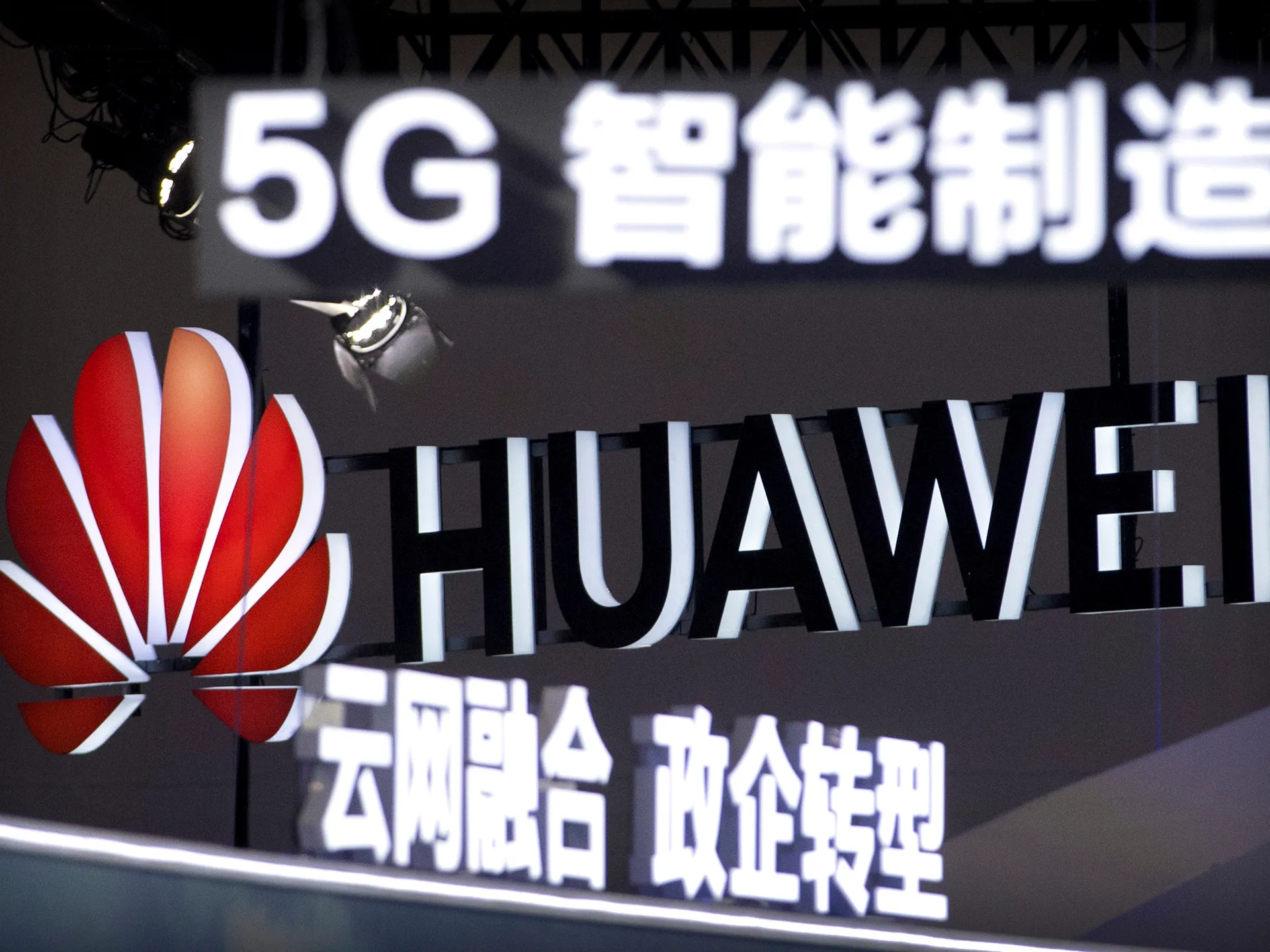
As Huawei faces a landmark criminal trial in Brooklyn for alleged intellectual property theft and sanctions evasion, families of US citizens detained in China are pushing the White House to prioritize human rights at the upcoming presidential summit.
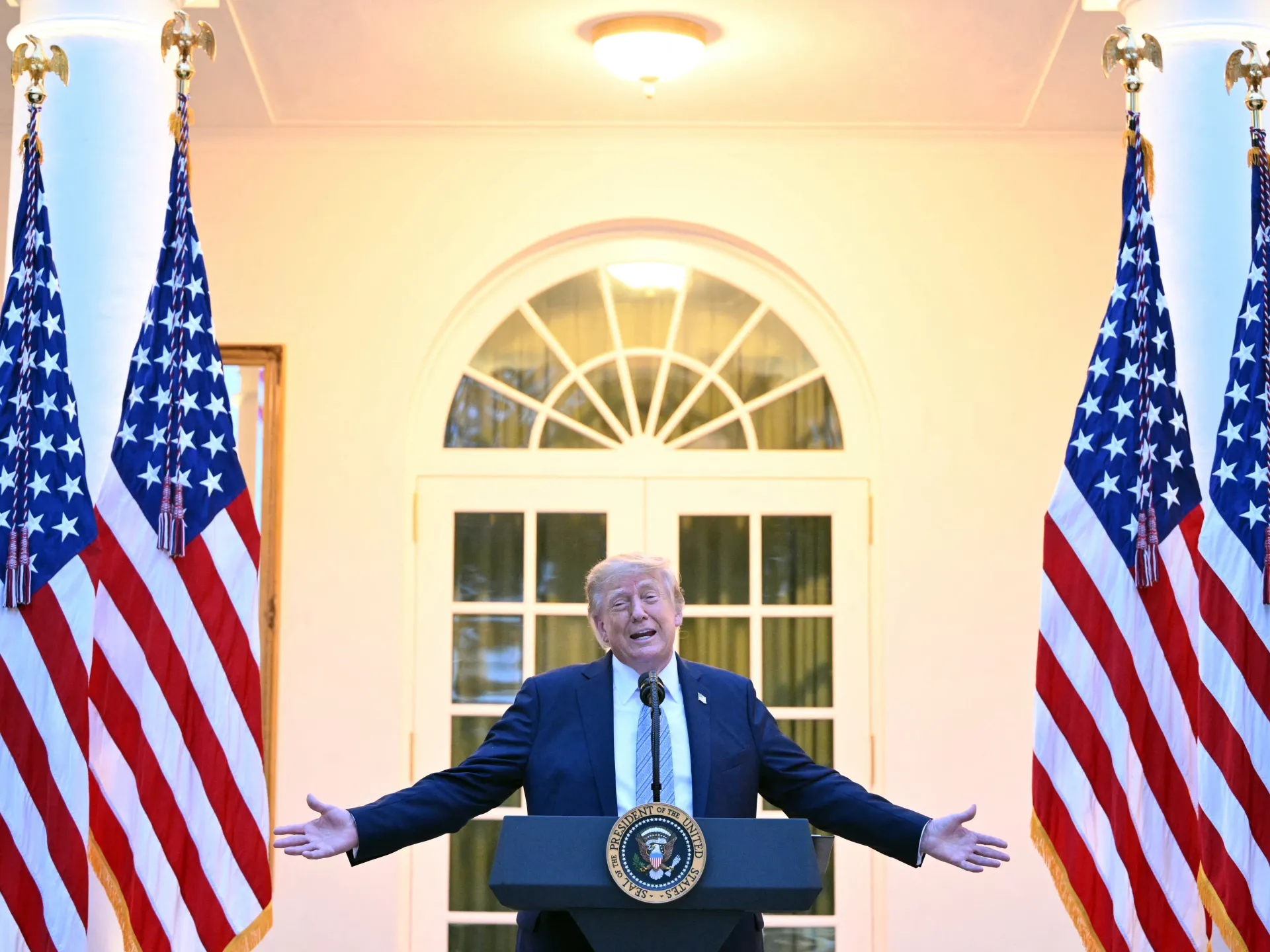
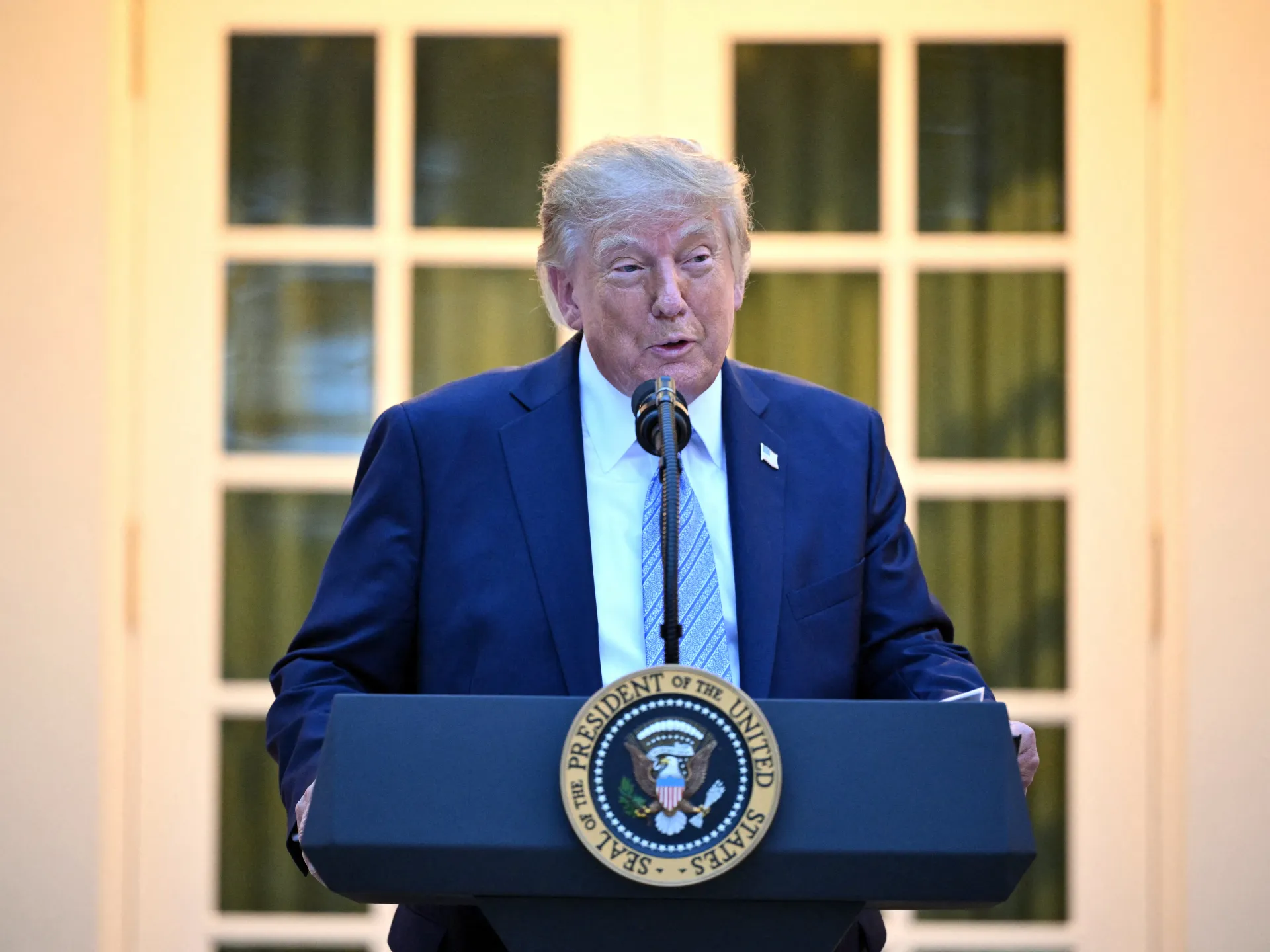
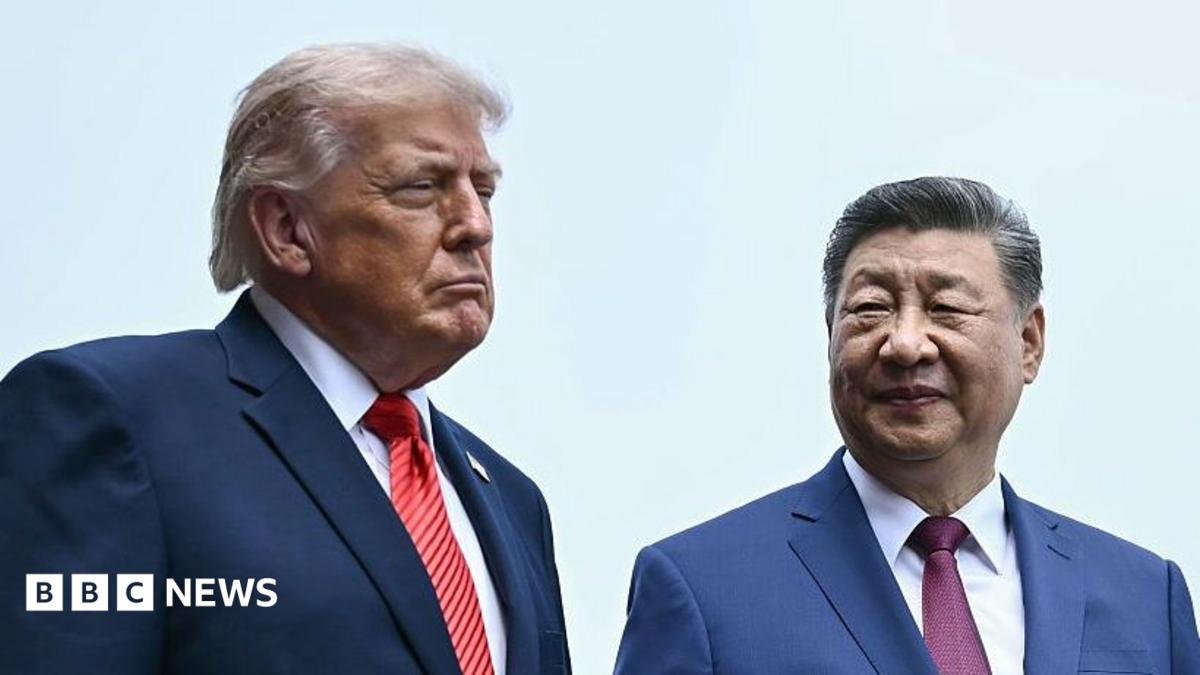
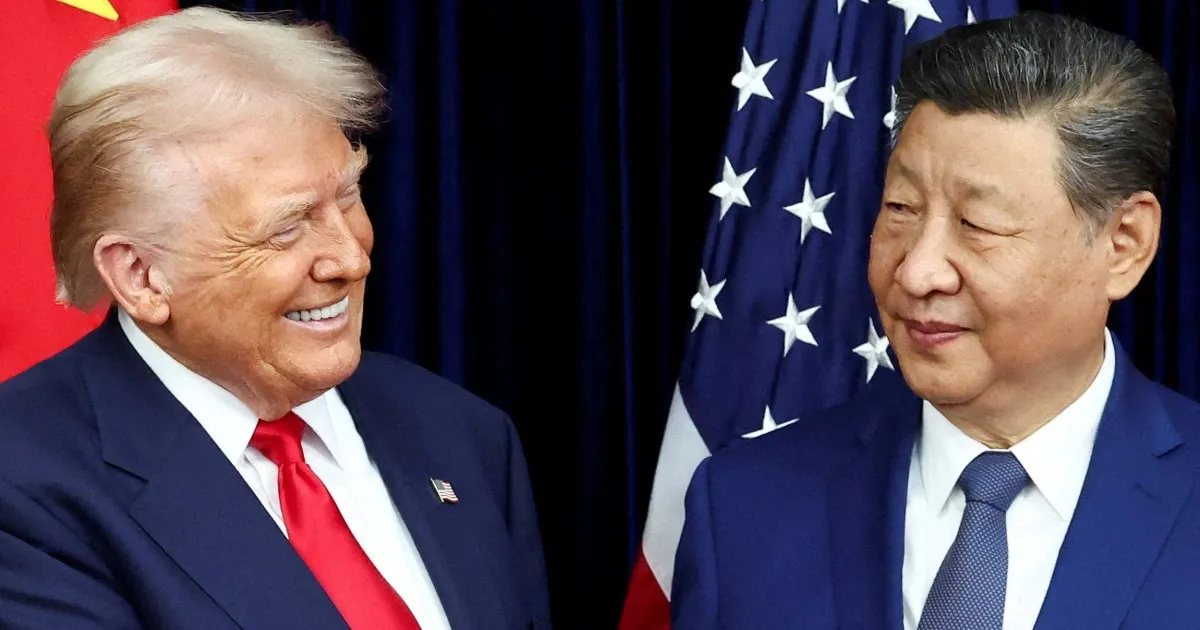
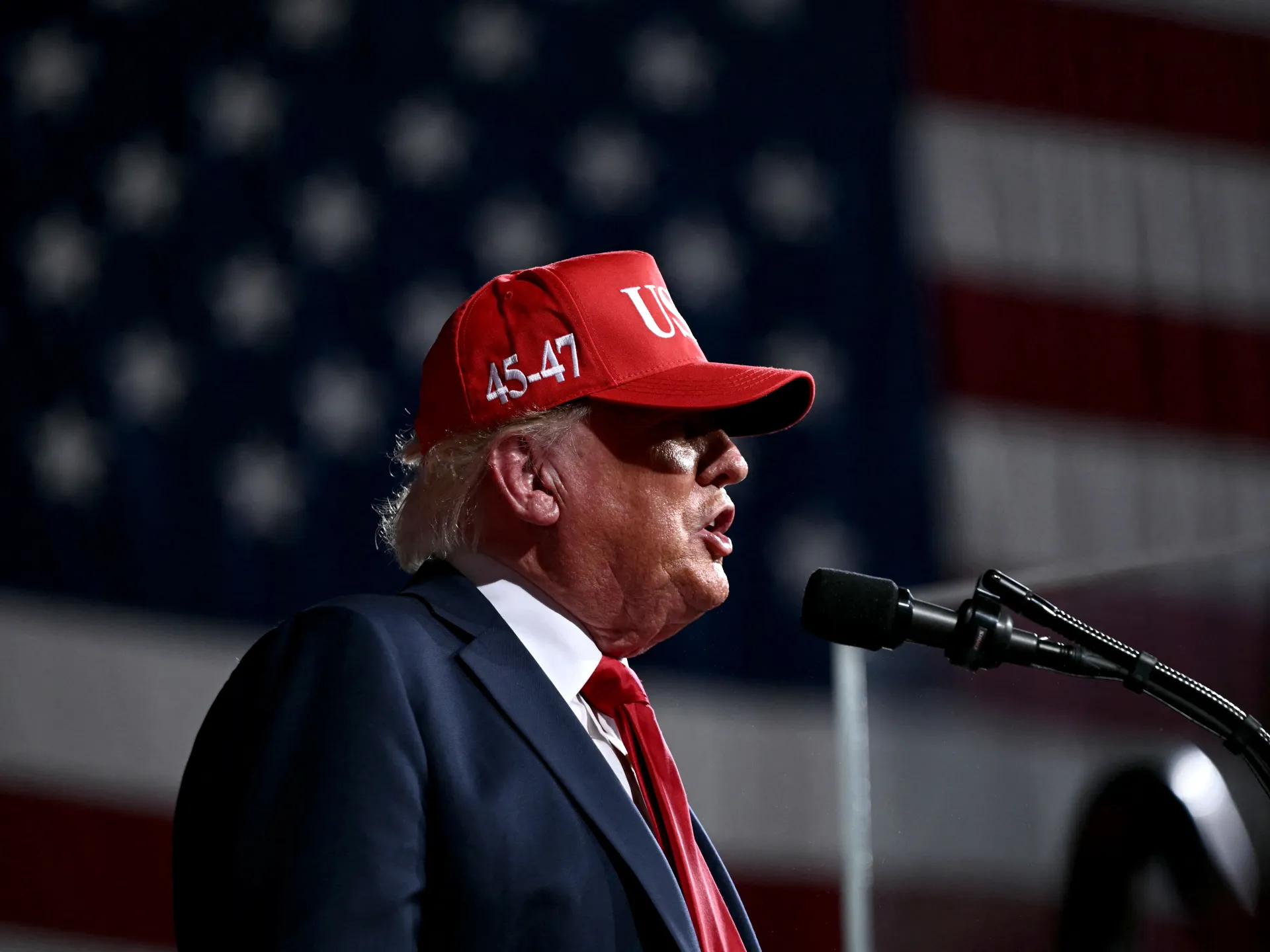
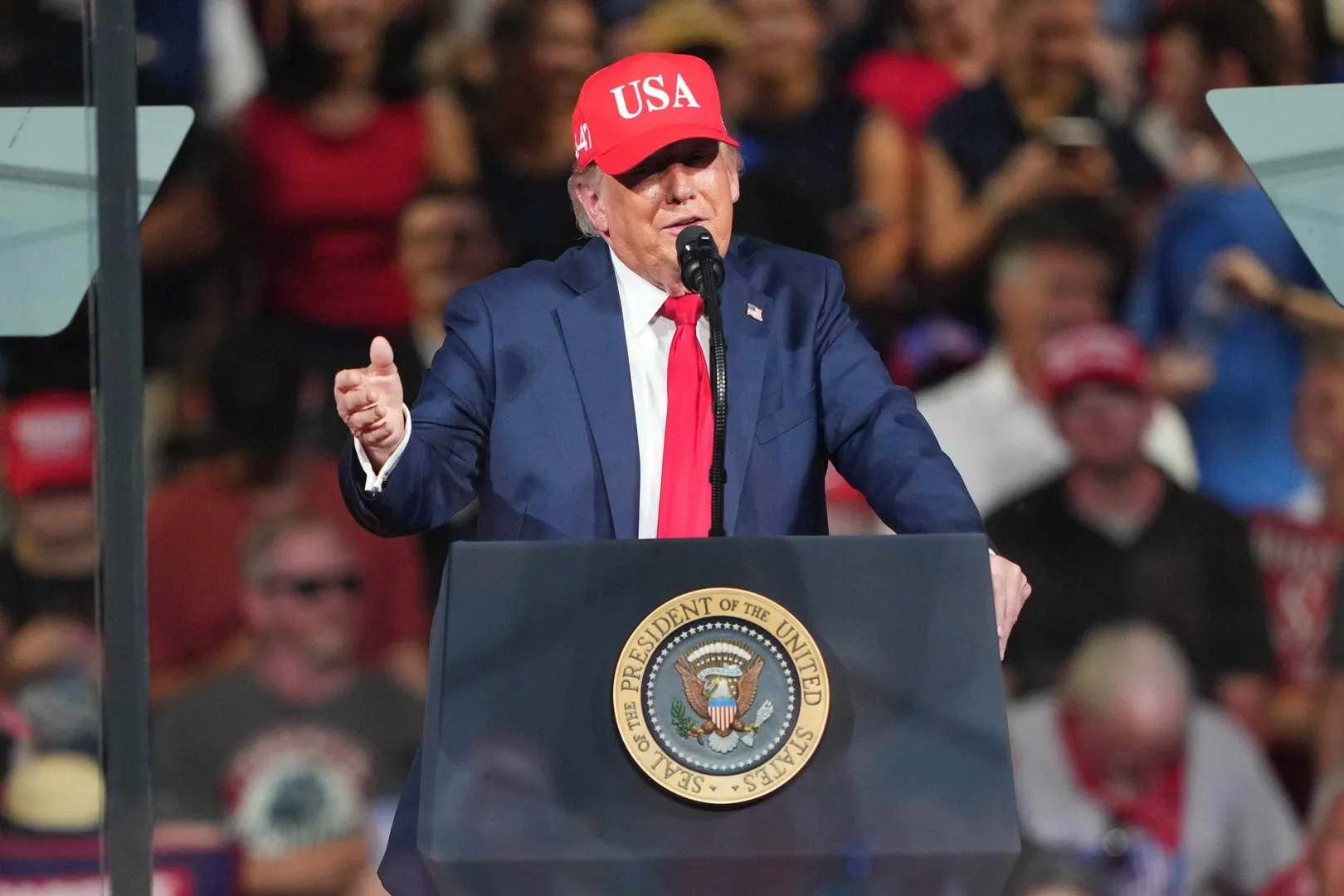
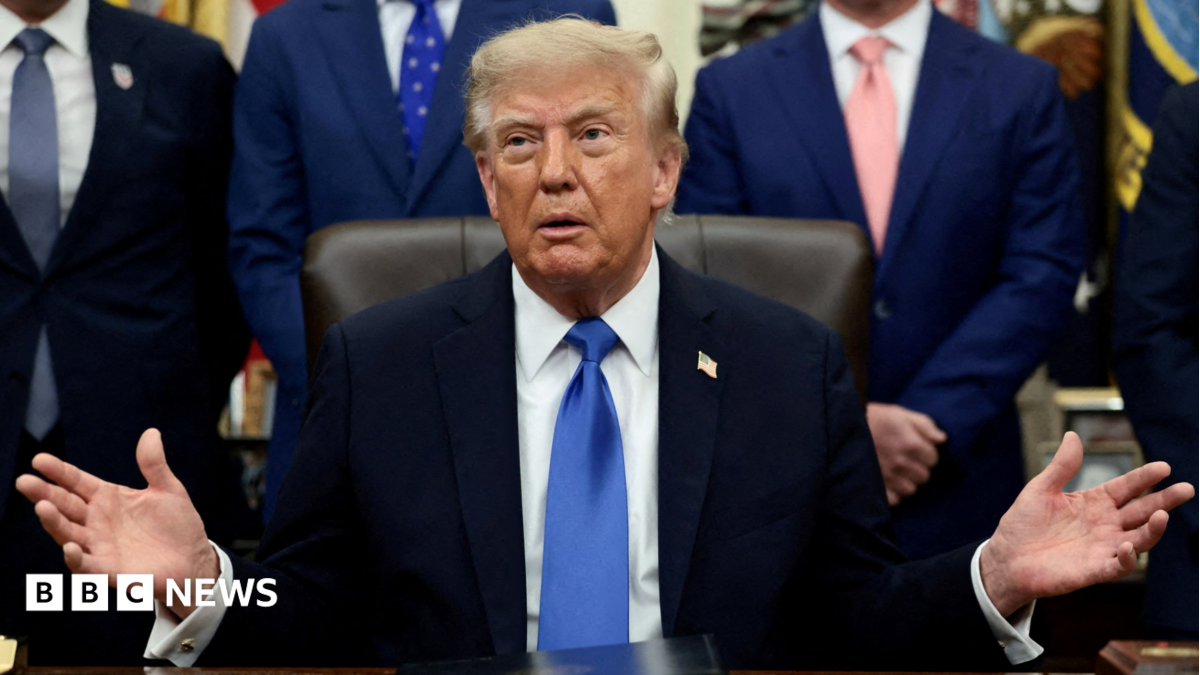
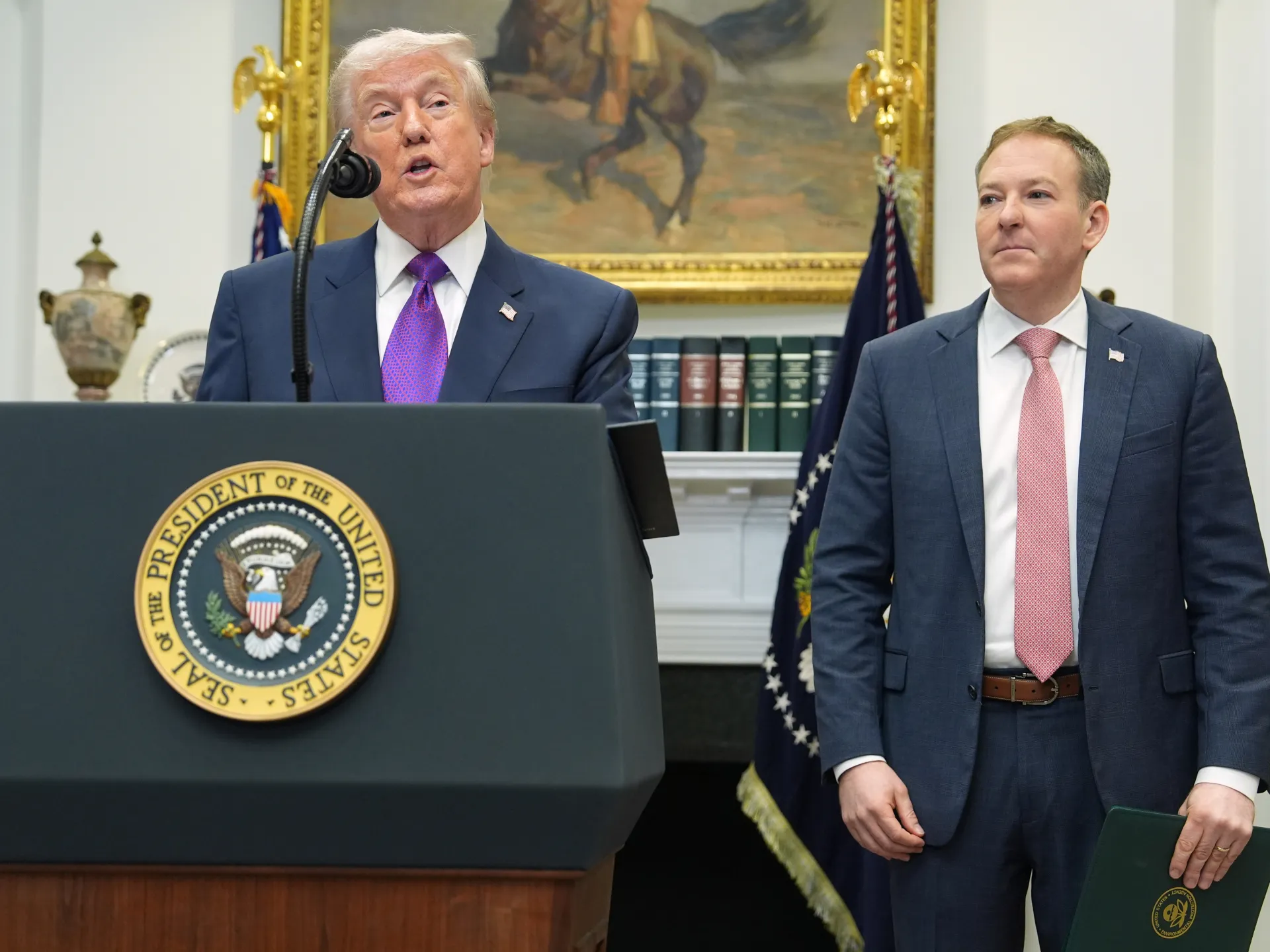
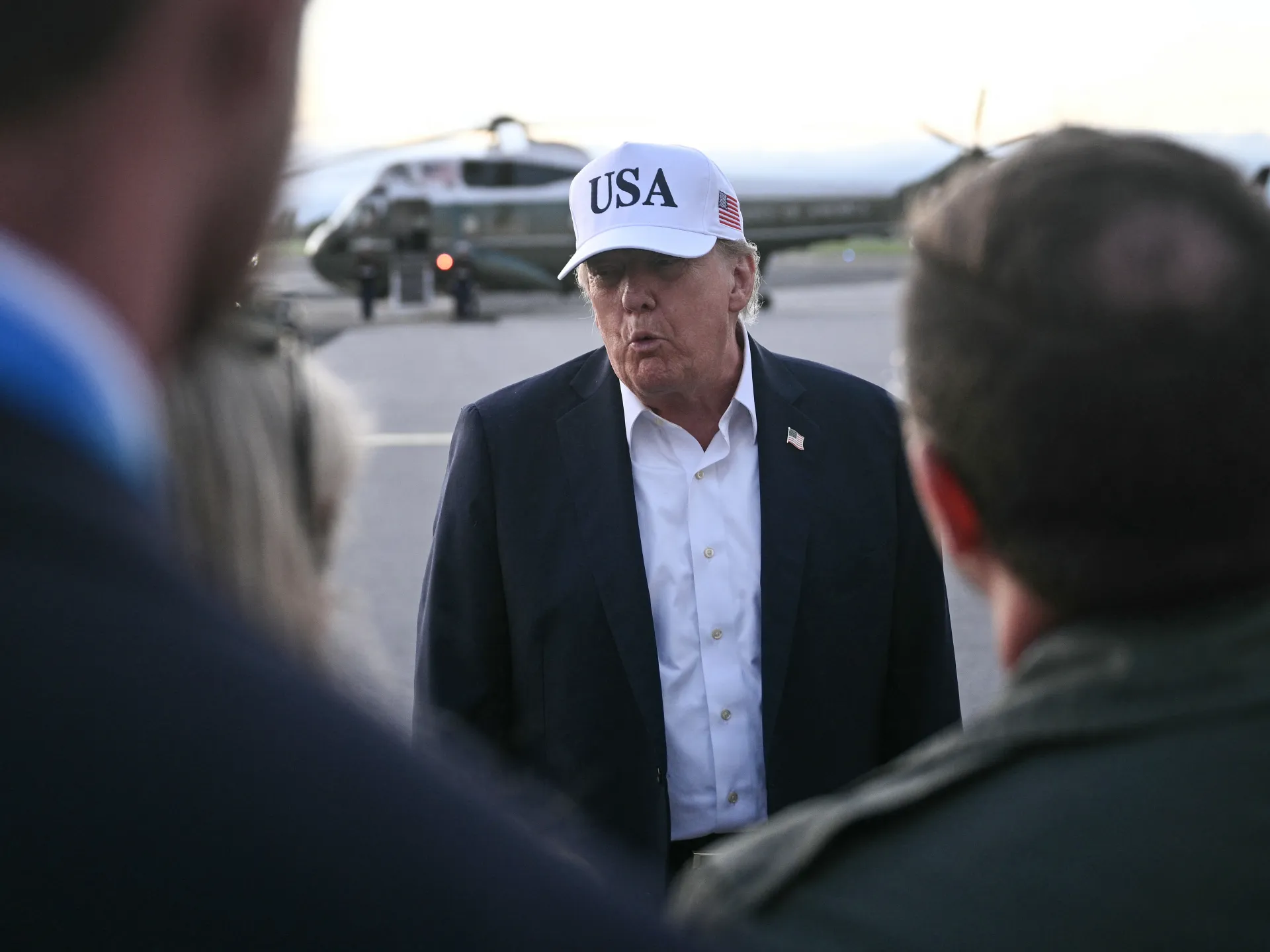
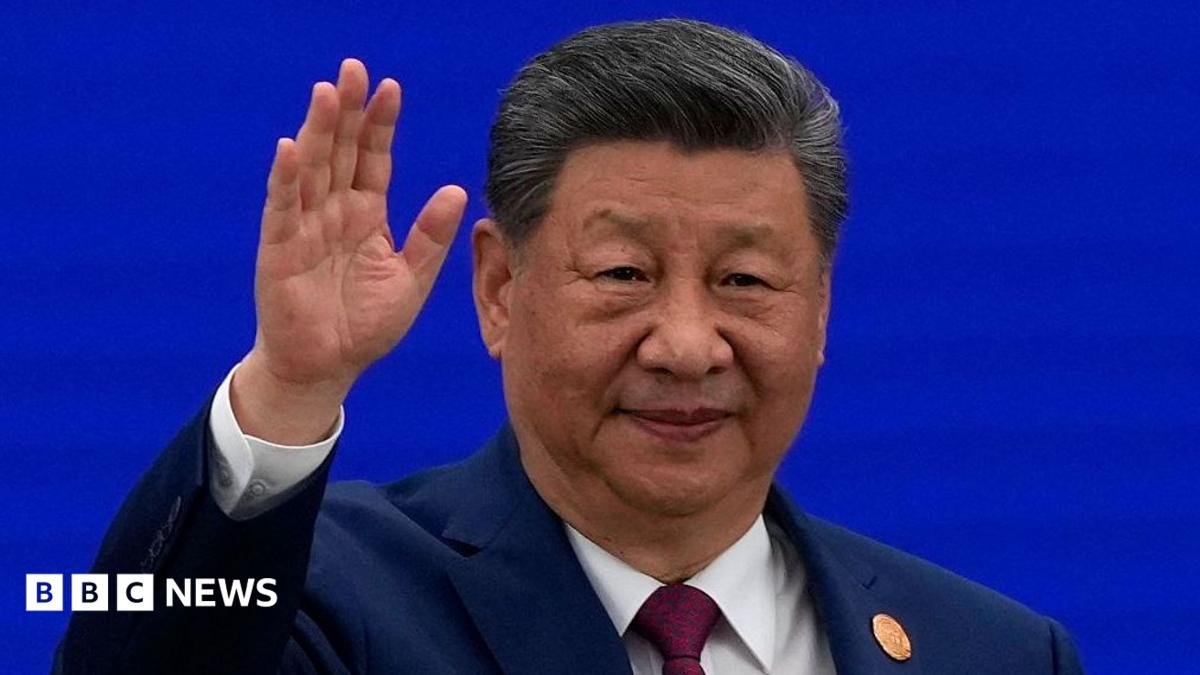
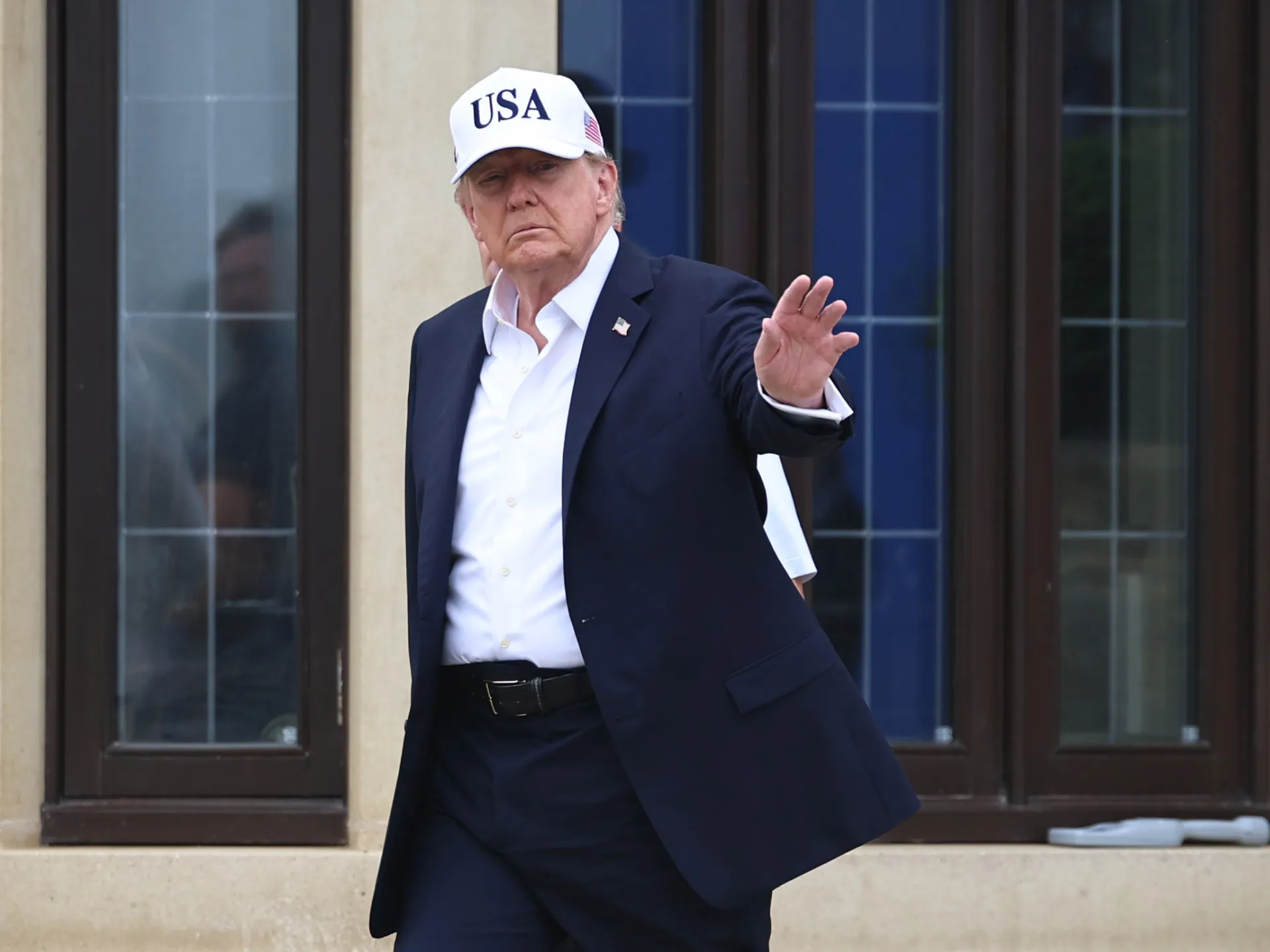
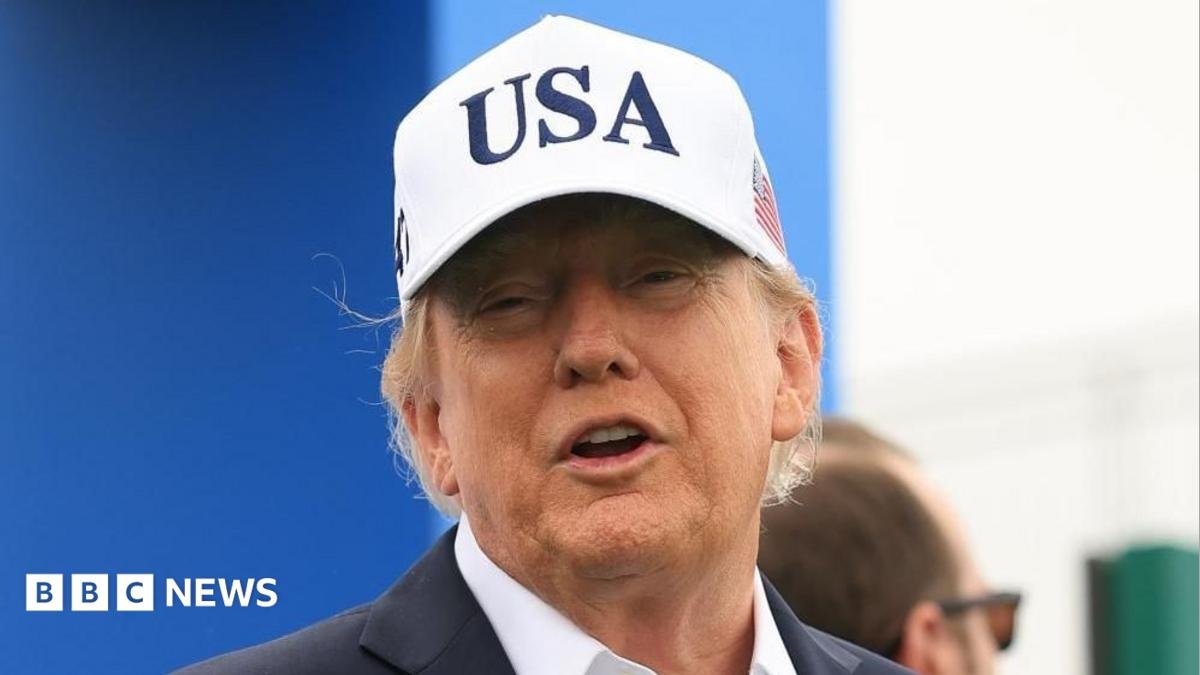
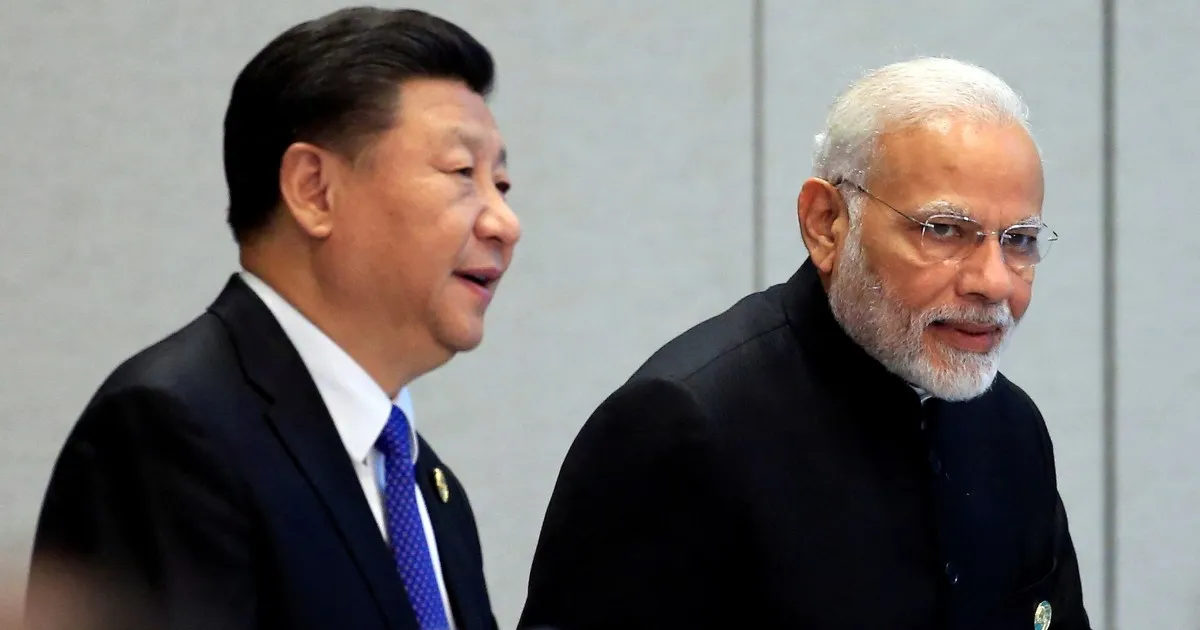
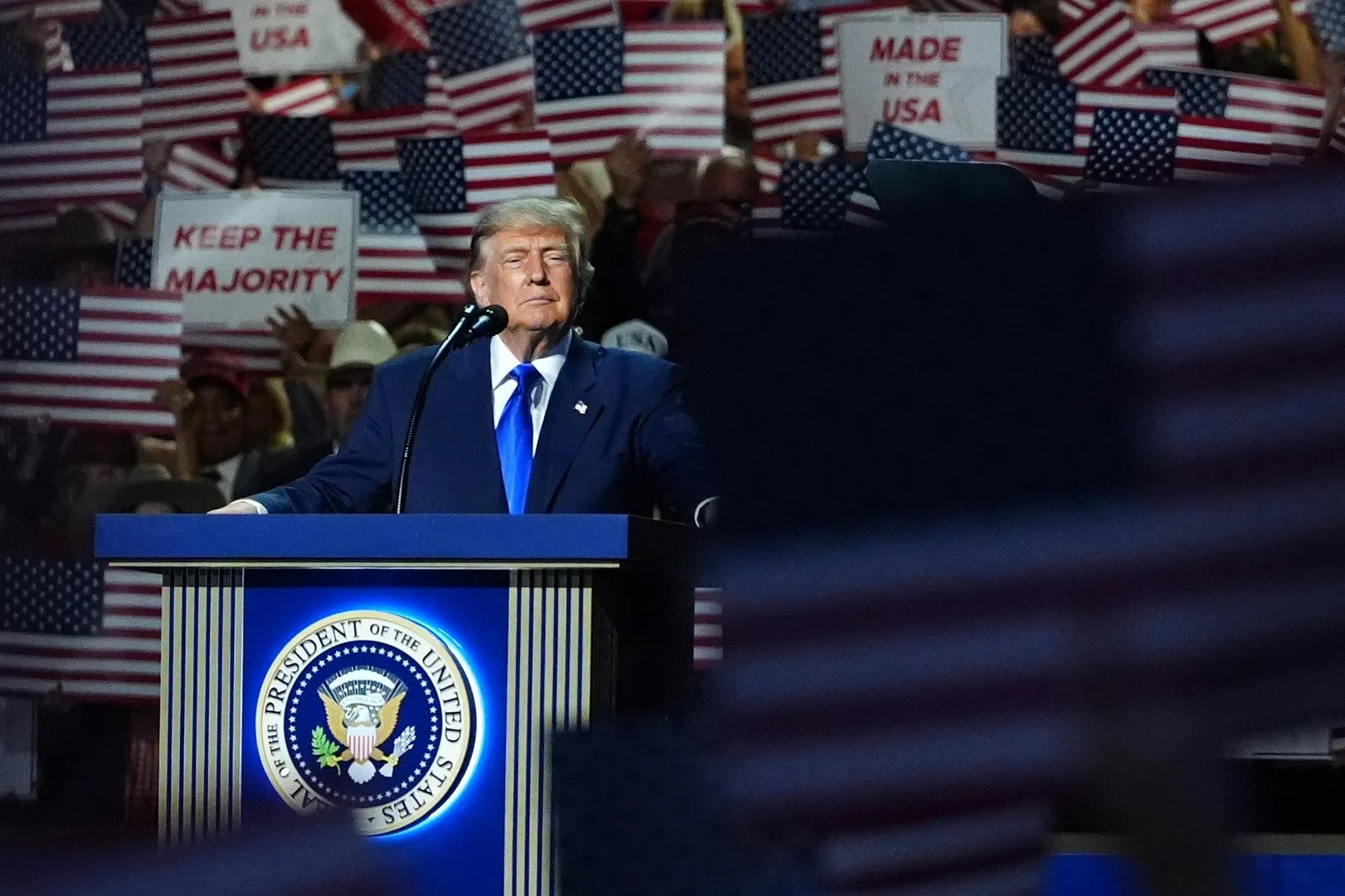
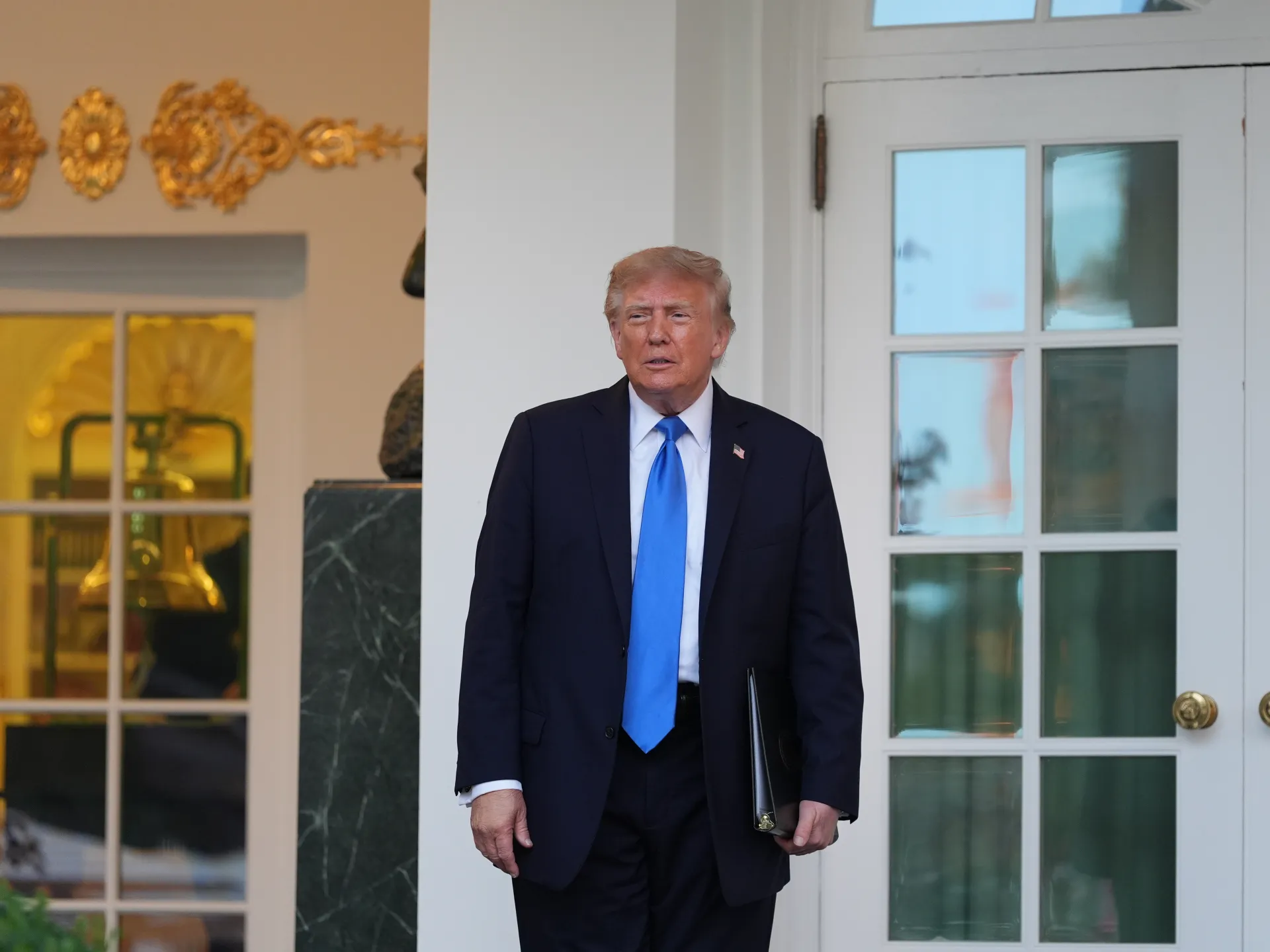
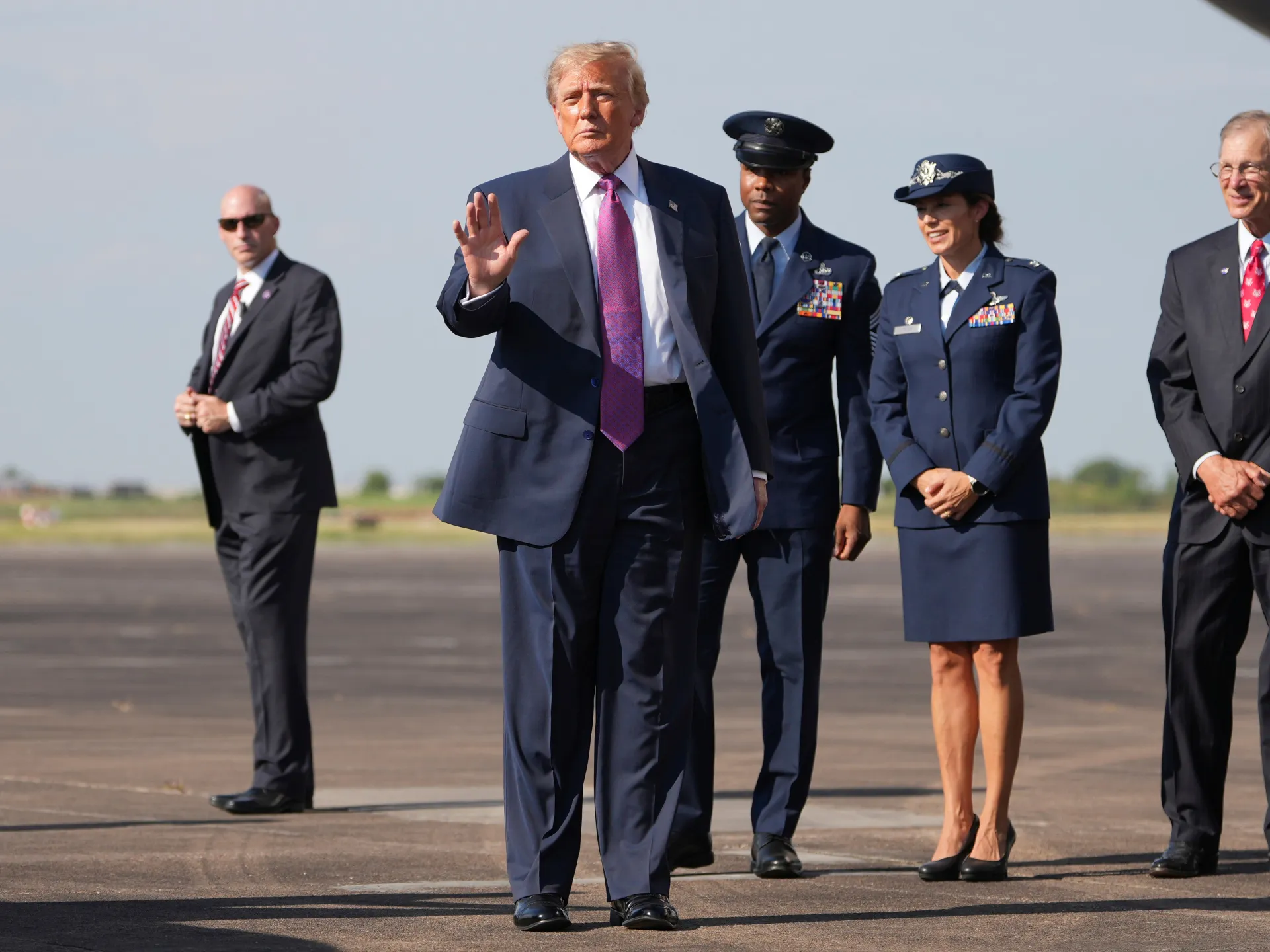
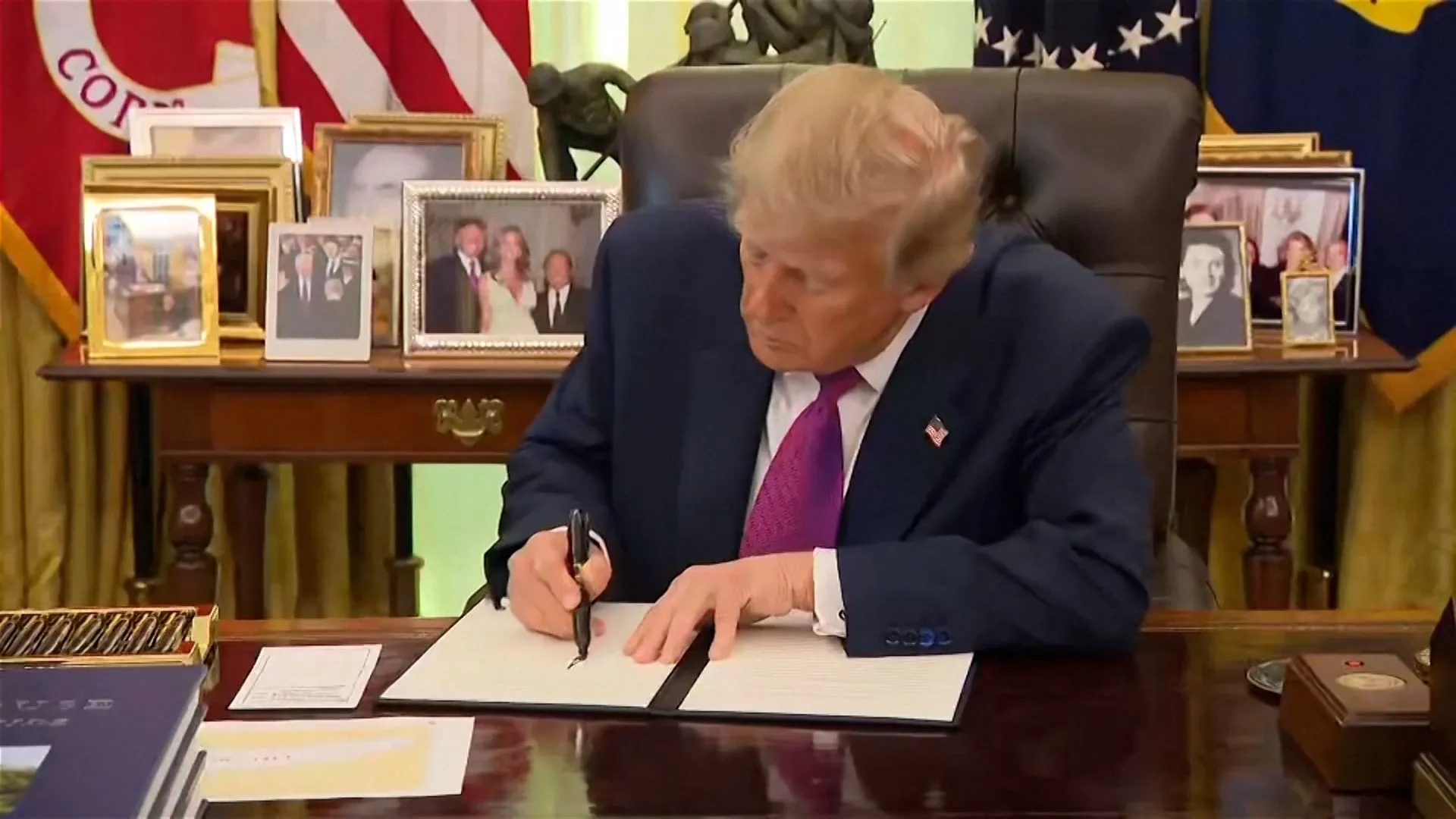
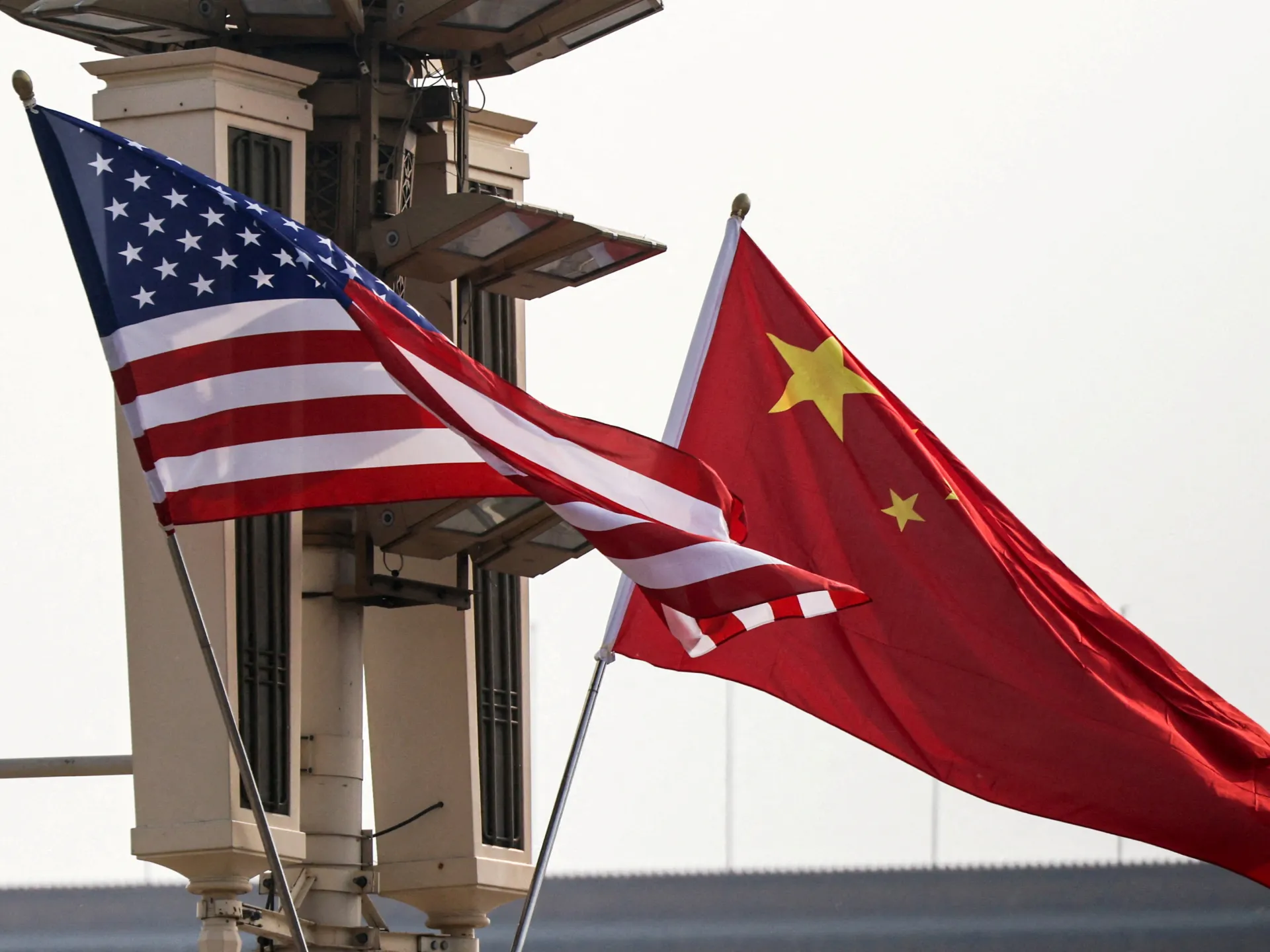
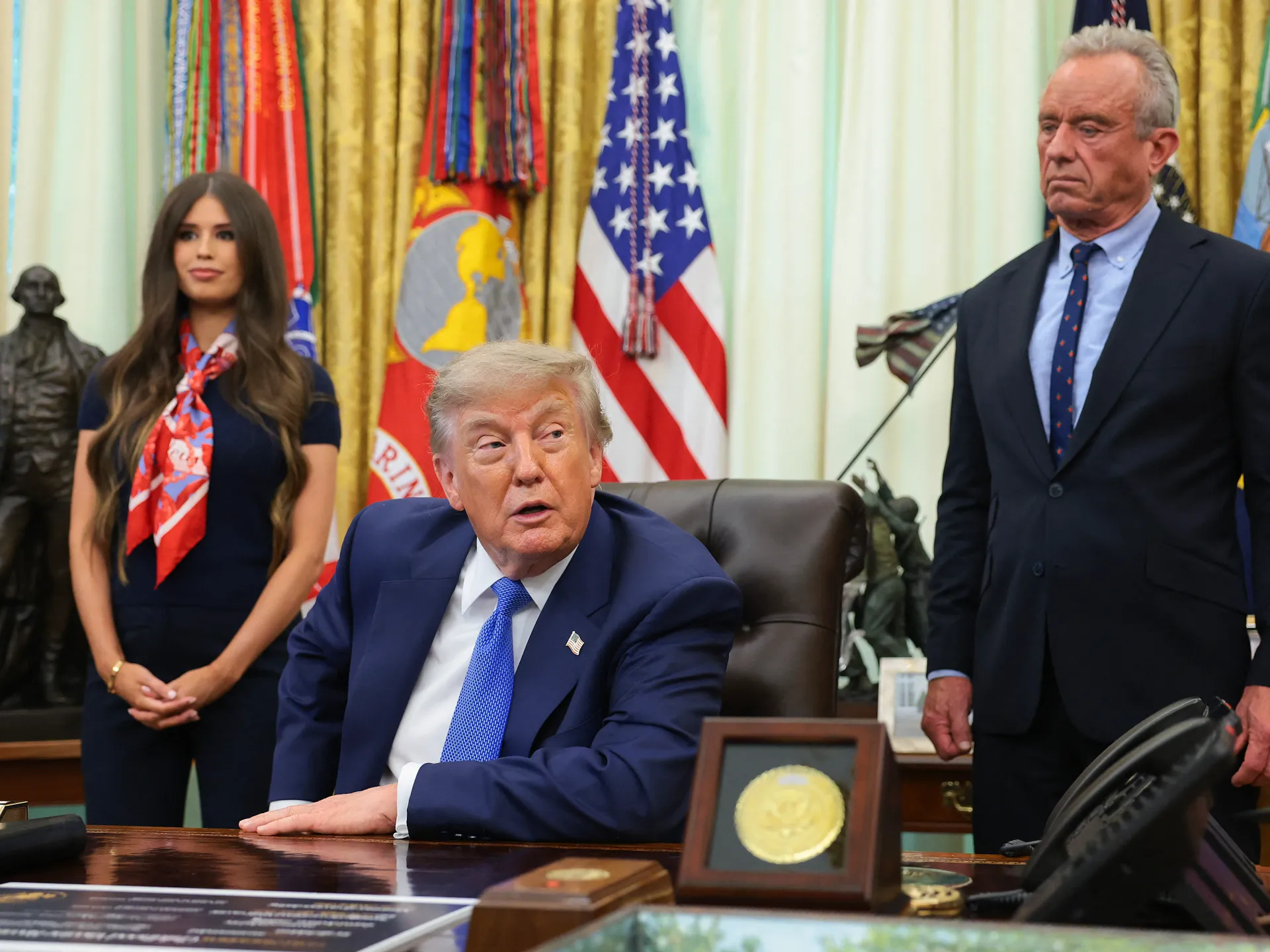
A high-stakes federal trial in Brooklyn has cast a long shadow over upcoming diplomatic engagements between Washington and Beijing. As US prosecutors move forward with allegations that Huawei Technologies operated as a sprawling criminal enterprise for two decades, families of Americans detained in China are simultaneously intensifying pressure on the White House to prioritize human rights and individual releases during President Donald Trump’s meeting with President Xi Jinping.
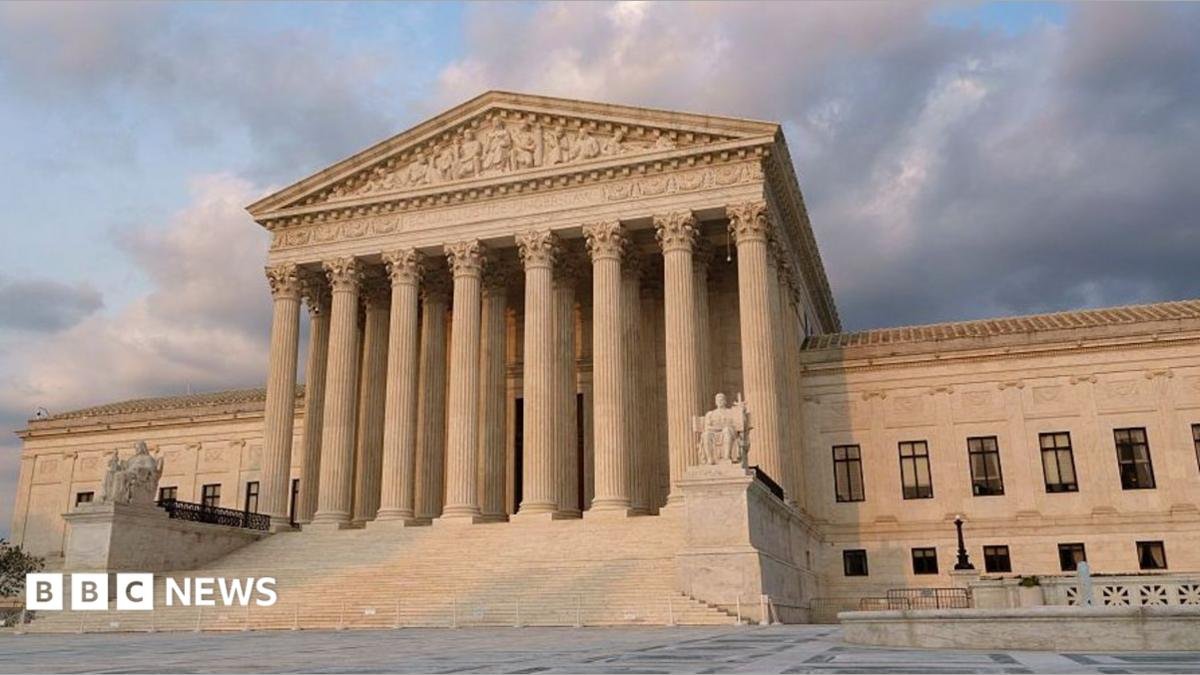
The criminal proceedings, which commenced on September 9, center on accusations of racketeering, money laundering, and the systematic theft of intellectual property from five major US technology firms. While the legal battle in New York captures the geopolitical friction over trade and industrial espionage, the human dimension of the strained bilateral relationship is playing out in the halls of Congress, where advocates for imprisoned US citizens are calling on the administration to leverage the summit to secure their release.
The convergence of the Huawei trial and the diplomatic summit represents a critical test for the current administration’s approach to China. negotiating trade and artificial intelligence policy, the US is attempting to disentangle industrial competition from national security enforcement. However, this bifurcation is increasingly difficult to maintain. The detention of scholars and professionals in China—frequently described leverage—creates a volatile environment where technical legal disputes become inextricably linked to the personal fates of citizens caught in the crossfire of systemic rivalry.
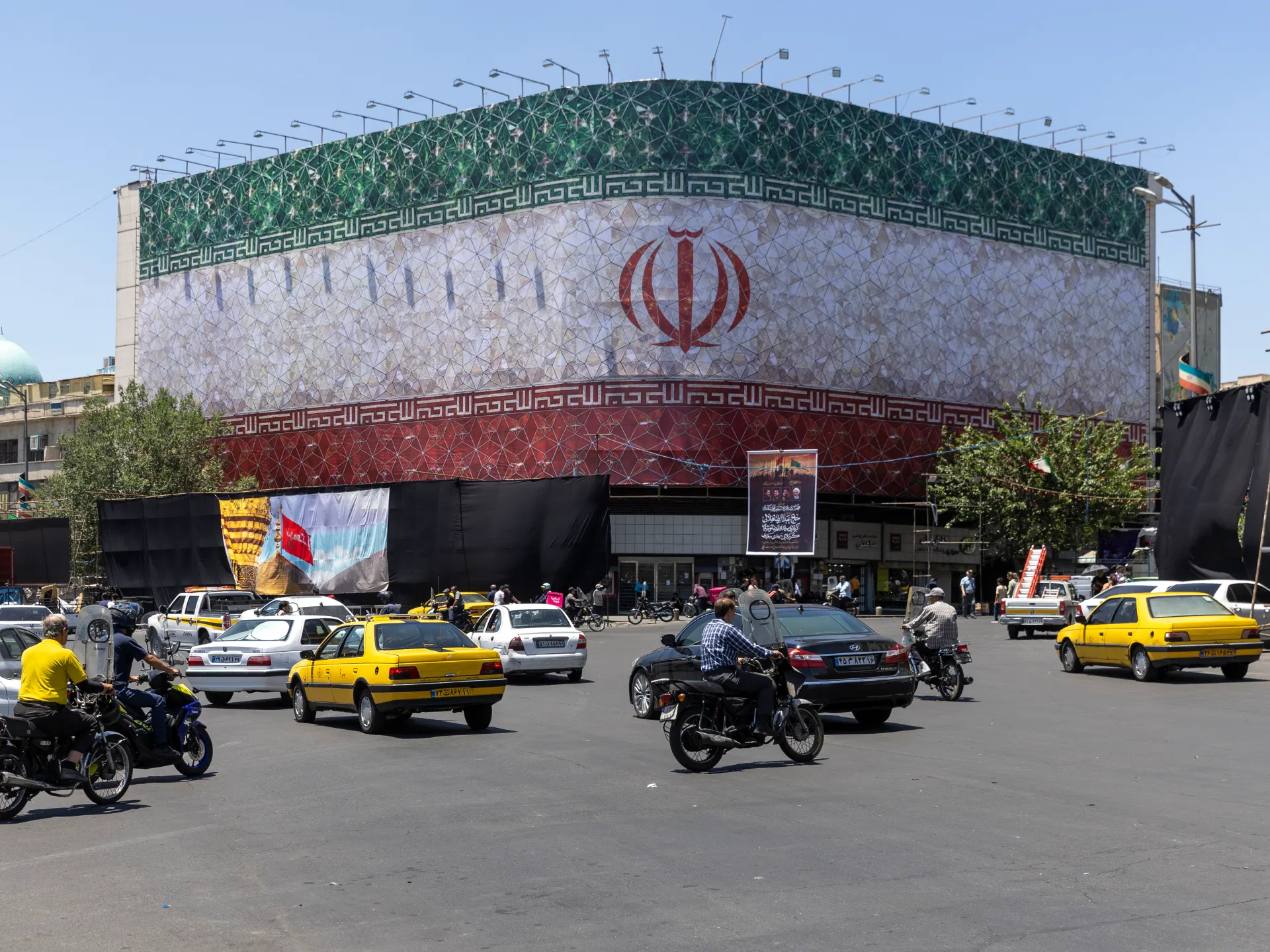
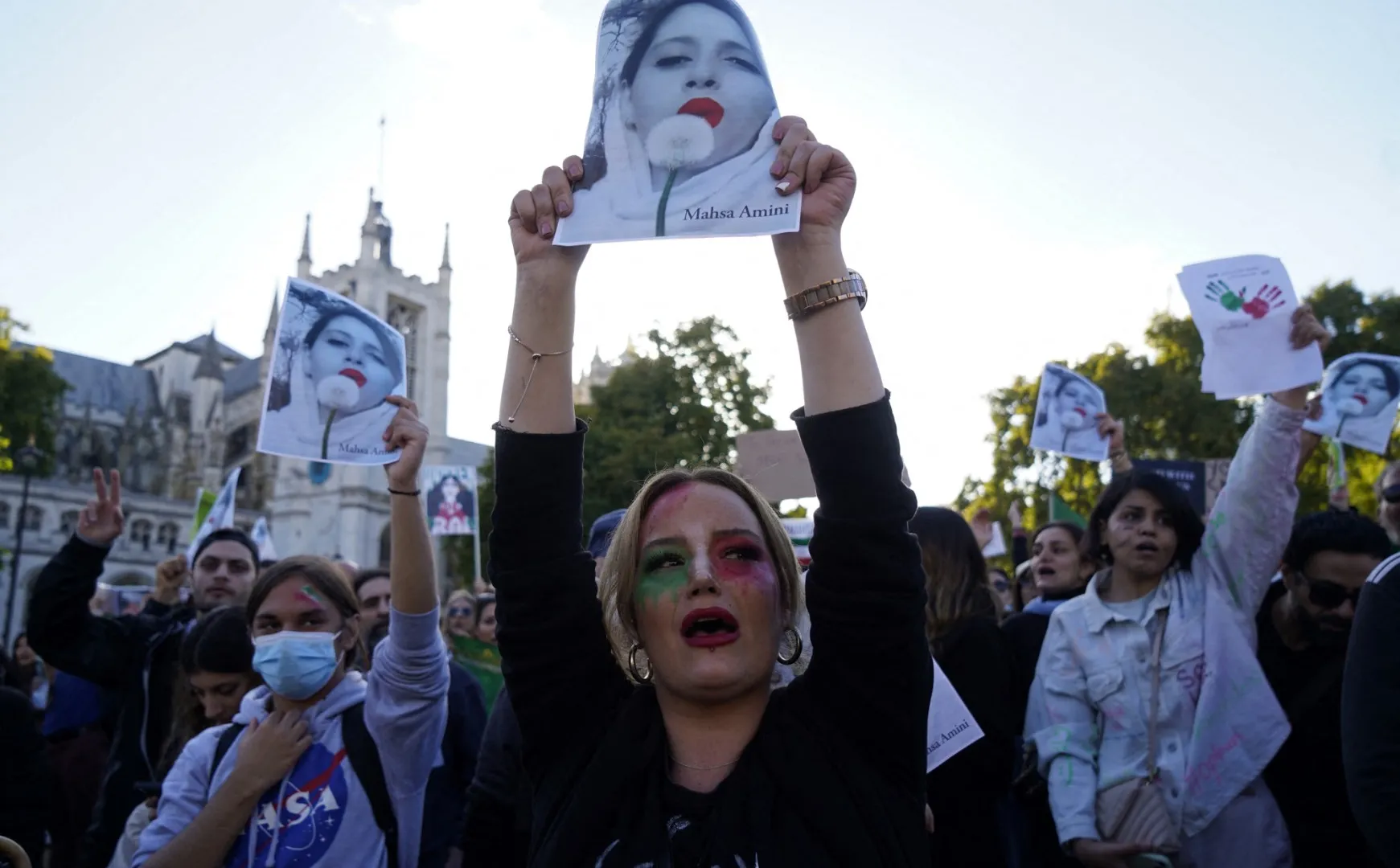
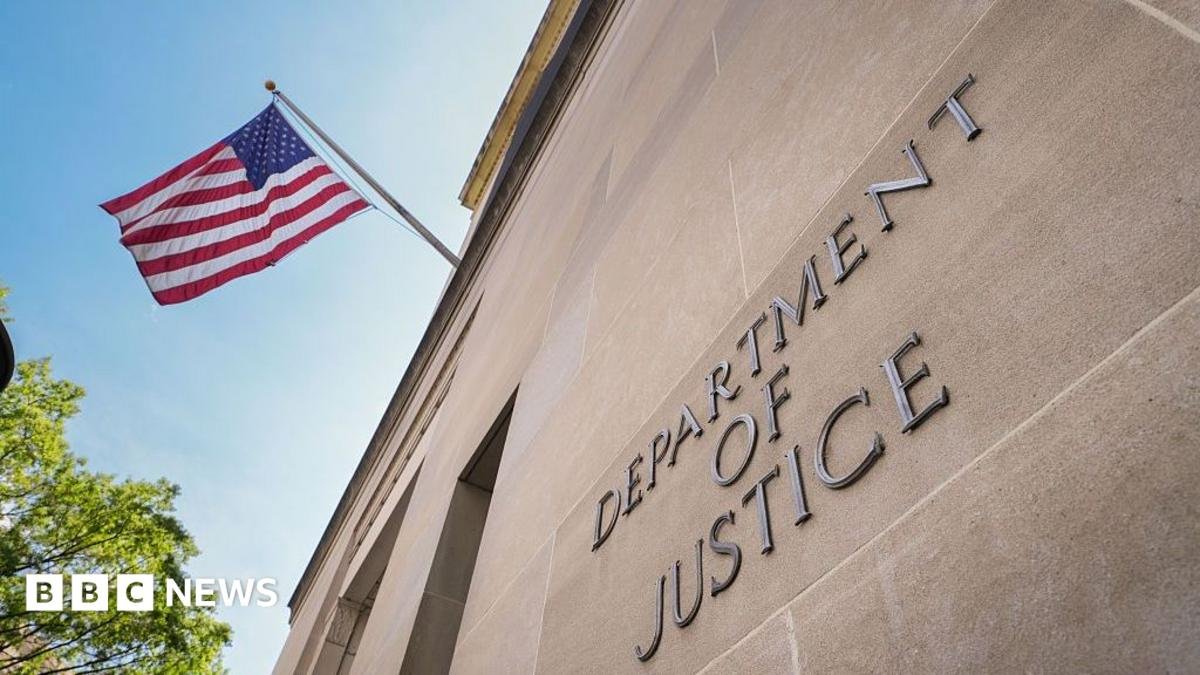
In federal court, Department of Justice prosecutors have painted a grim portrait of Huawei, characterizing the company’s expansion as a project built on deception. Justice Department lawyer Taylor Stout argued that the firm engaged in a two-decade-long campaign of theft, citing specific incidents involving the appropriation of internet-router source code from Cisco and proprietary robotic technology. Beyond these intellectual property allegations, the government contends that Huawei utilized complex financial maneuvering to circumvent US sanctions against Iran, potentially providing equipment that aided Iranian authorities in monitoring civilian protesters in 2009.
Huawei’s defense team has pushed back, characterizing the government’s case as an attempt to weaponize ordinary commercial frictions. Attorney Brian Heberlig told jurors that the prosecution is merely cherry-picking isolated incidents to manufacture a conspiracy narrative where none exists. The company maintains that its actions were consistently lawful and that any instances of employee misconduct were addressed internally rather than acting as a reflection of corporate policy. Huawei has repeatedly signaled that the US strategy is designed primarily to neutralize its global competitive advantage in telecommunications.
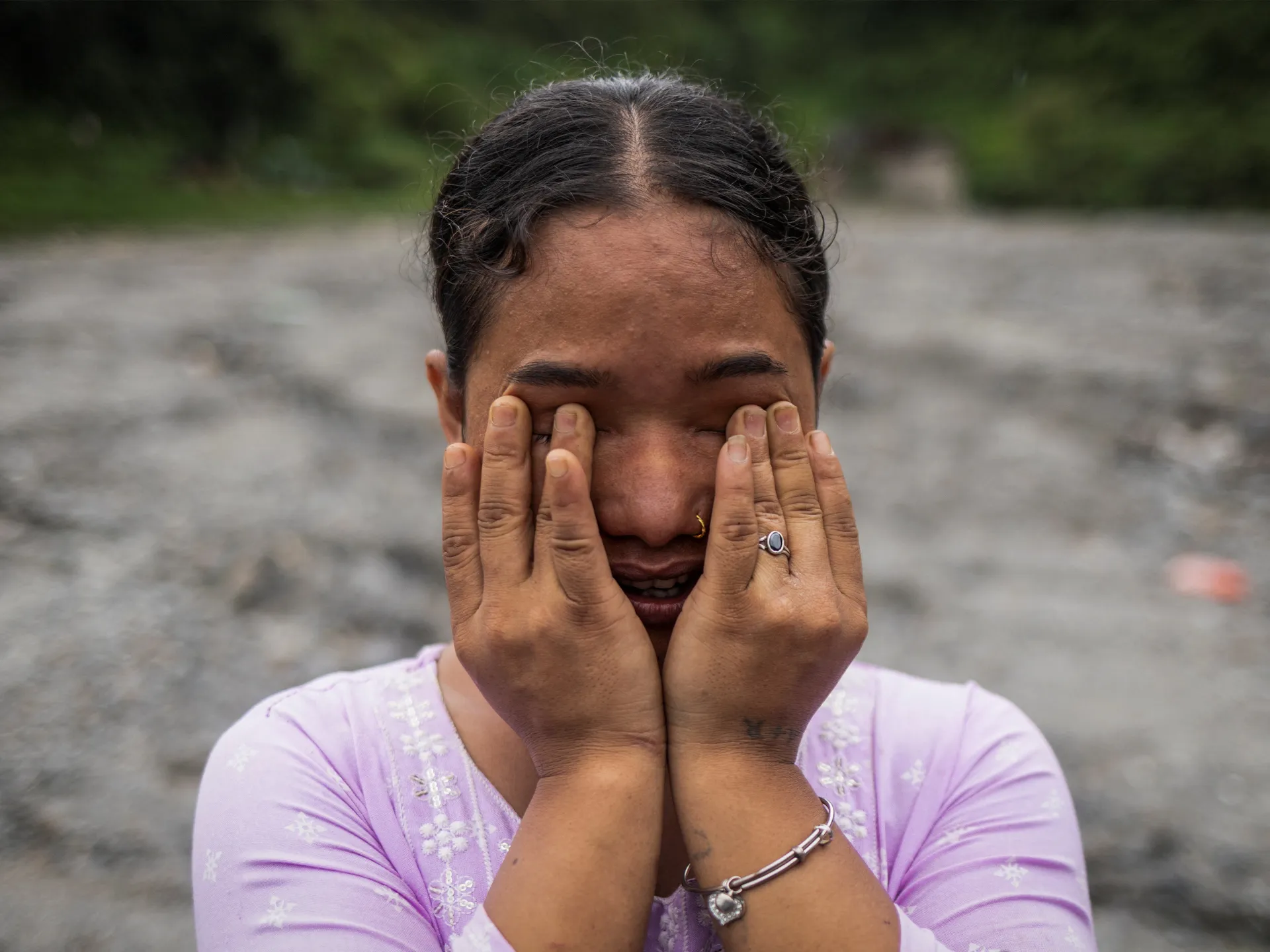
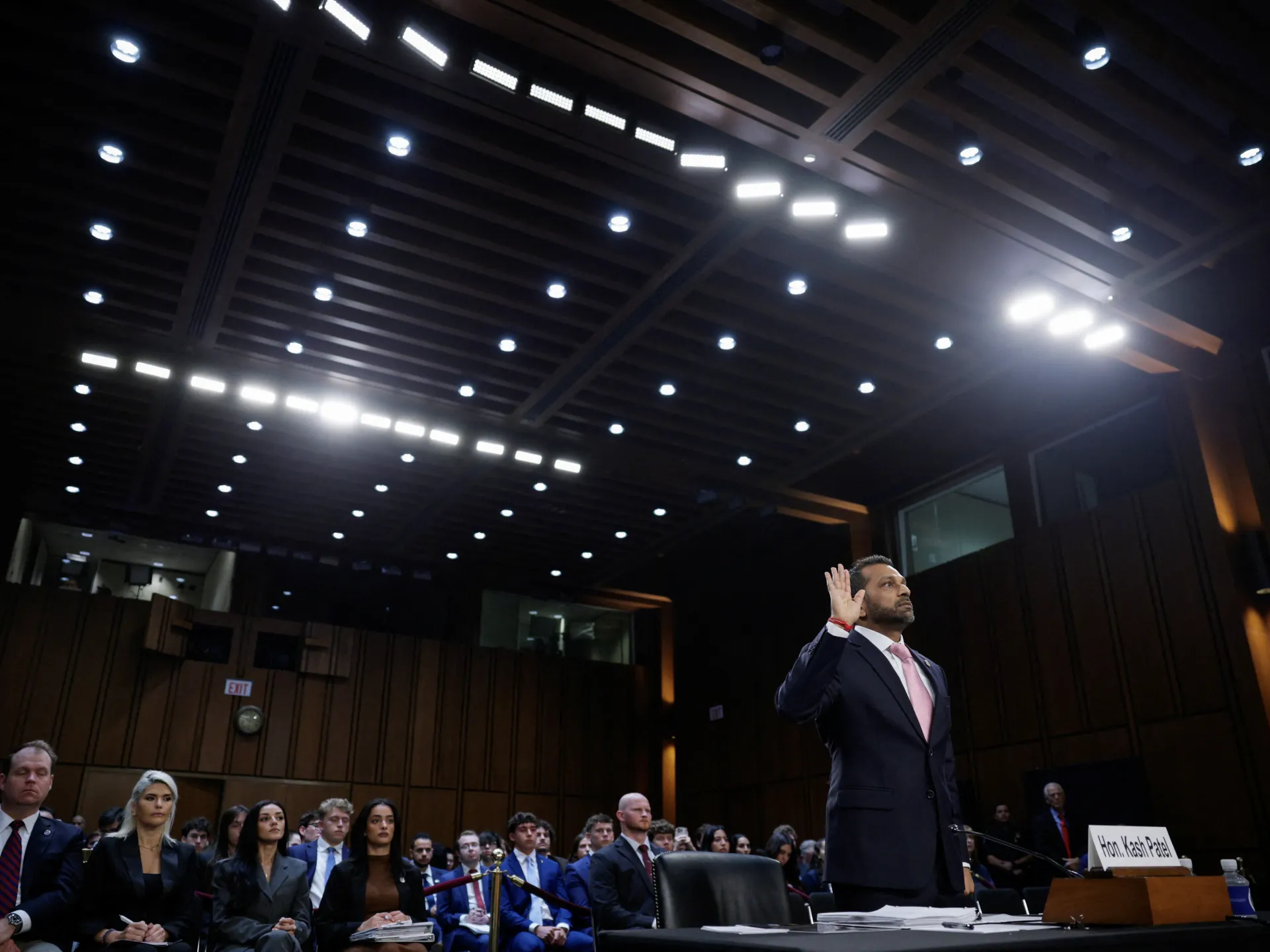
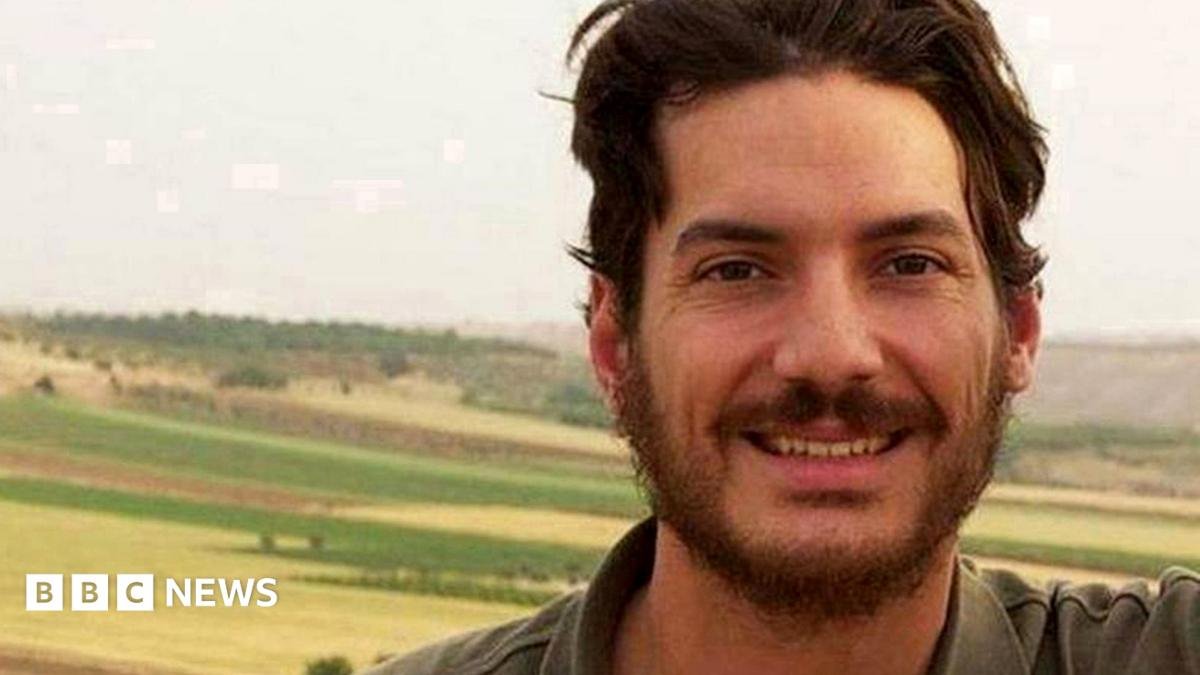
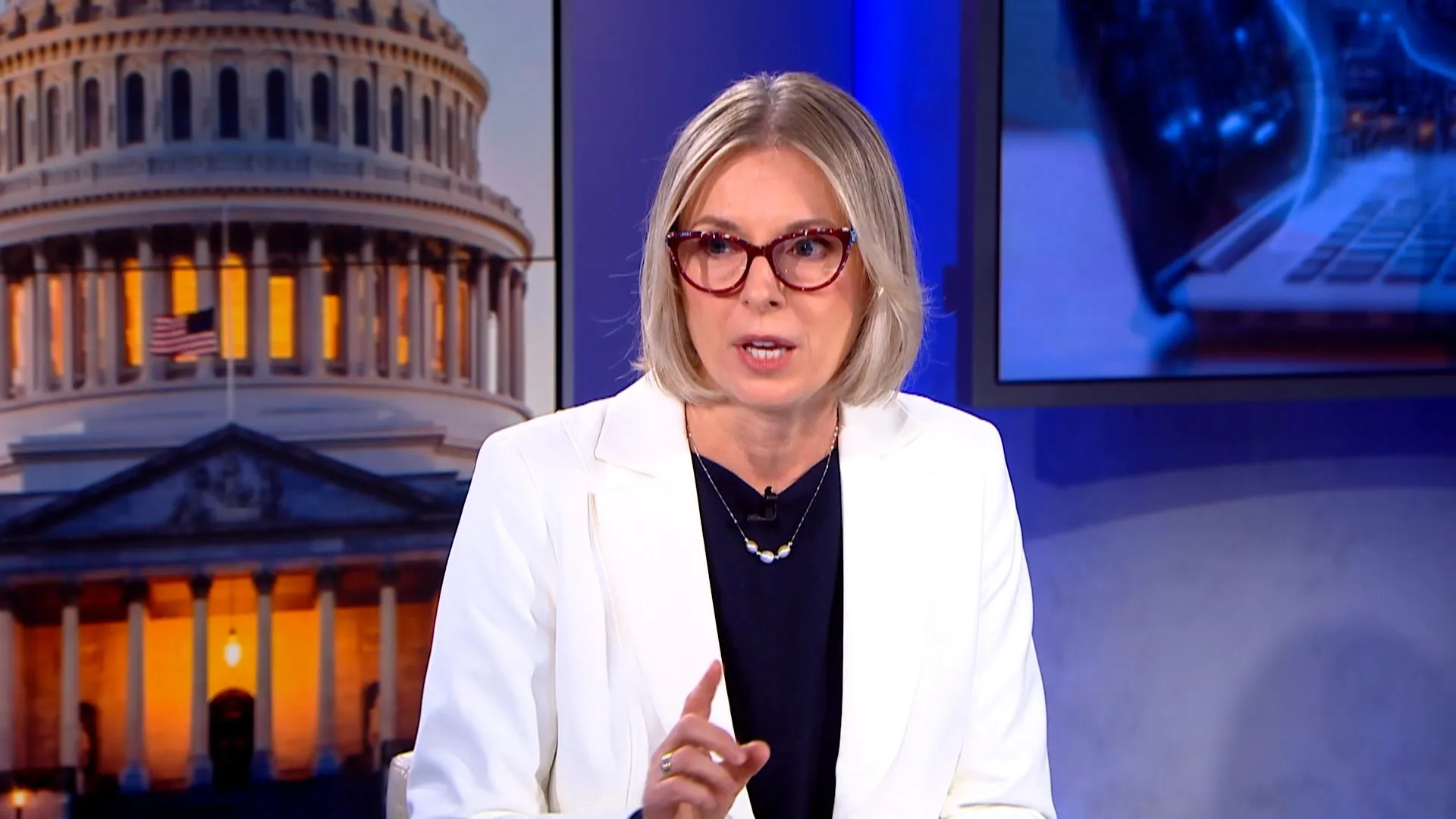
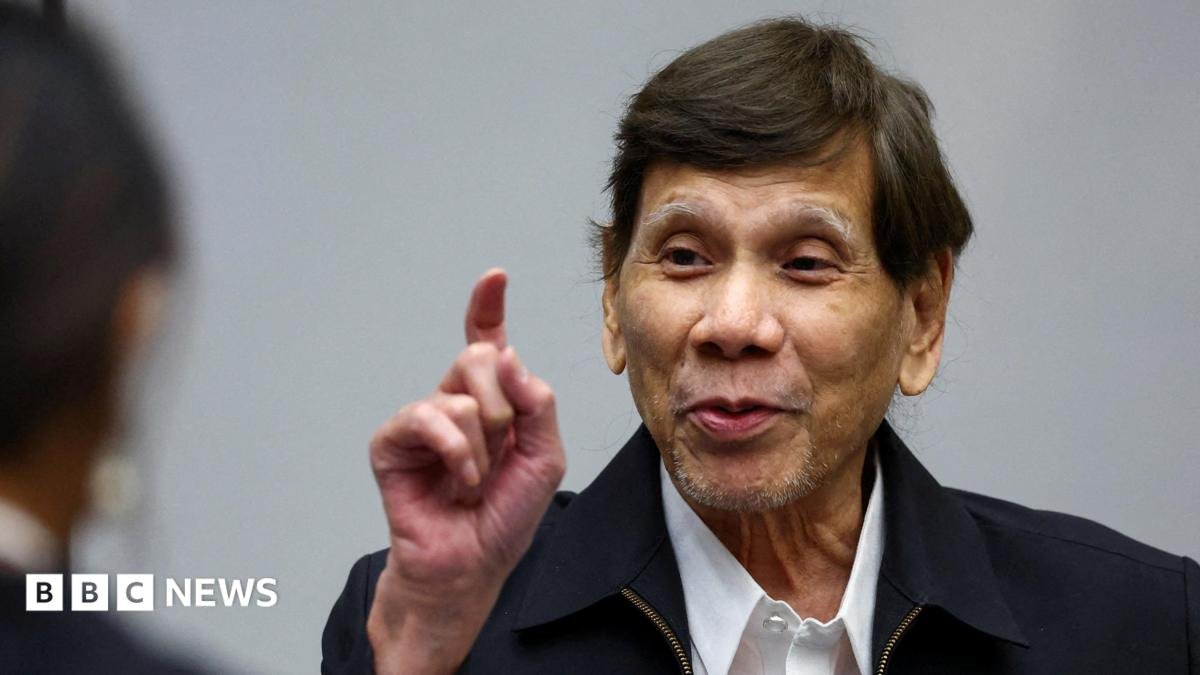
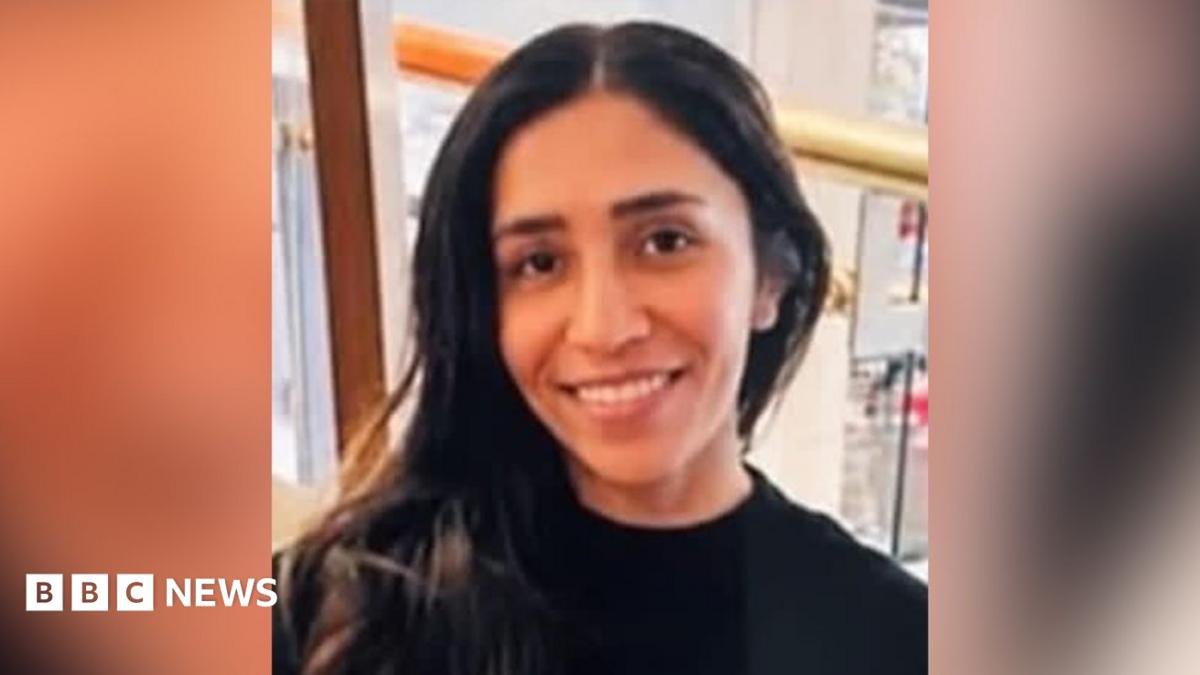
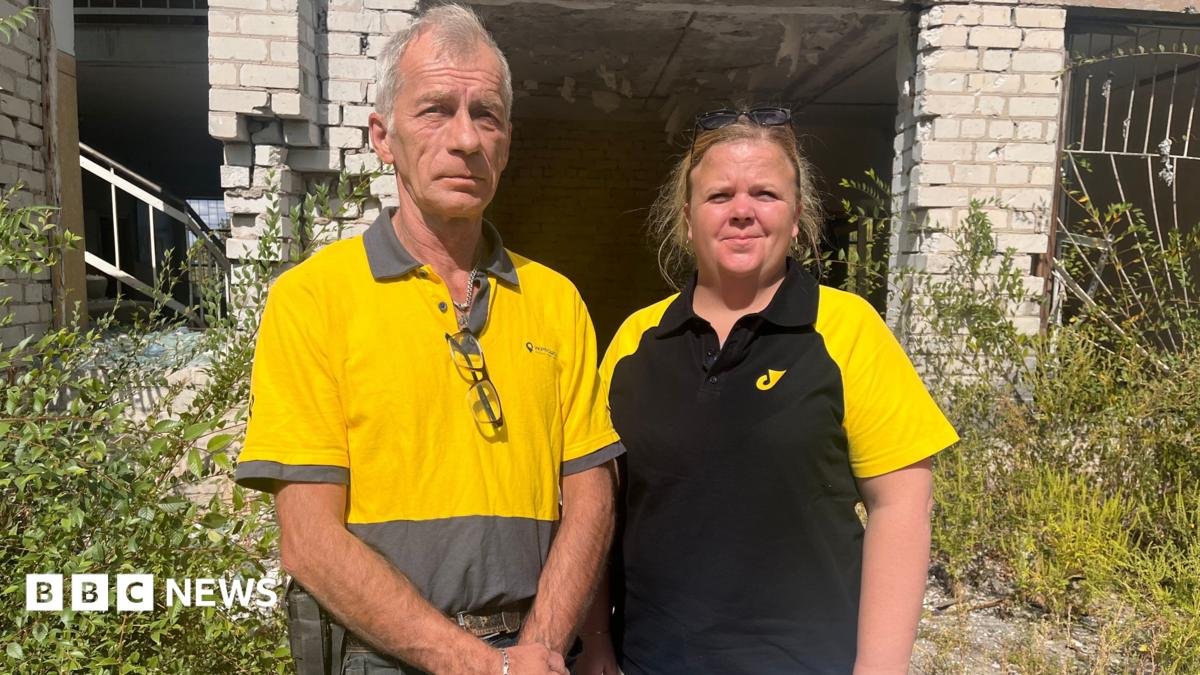
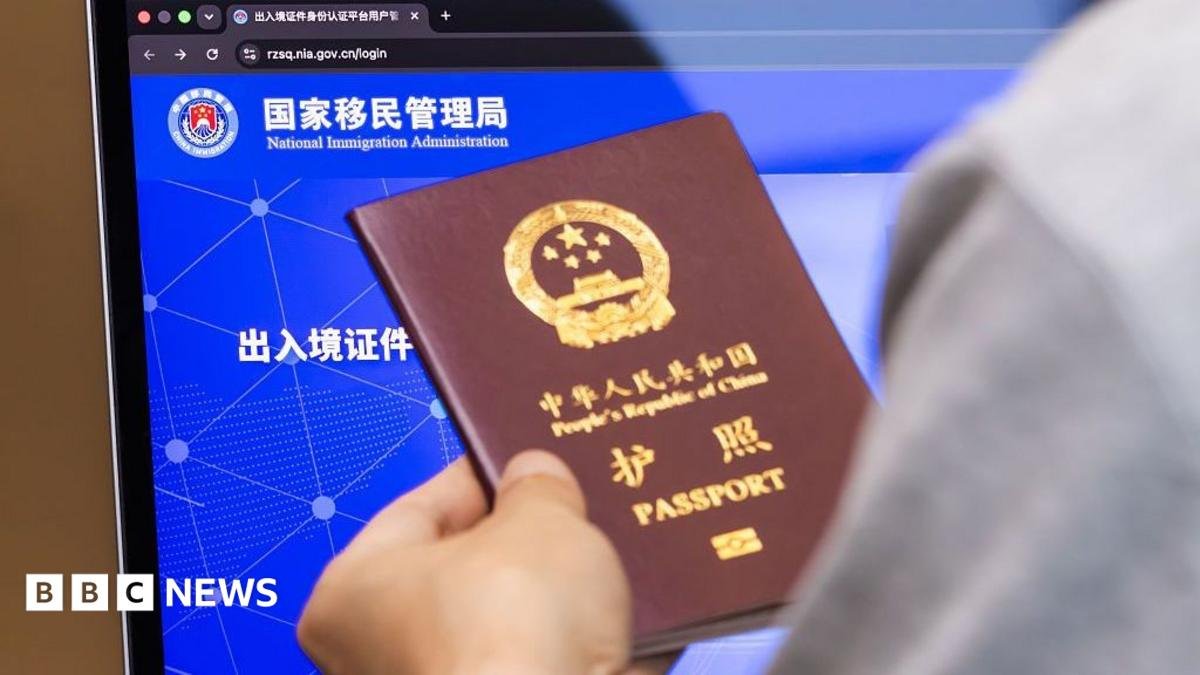
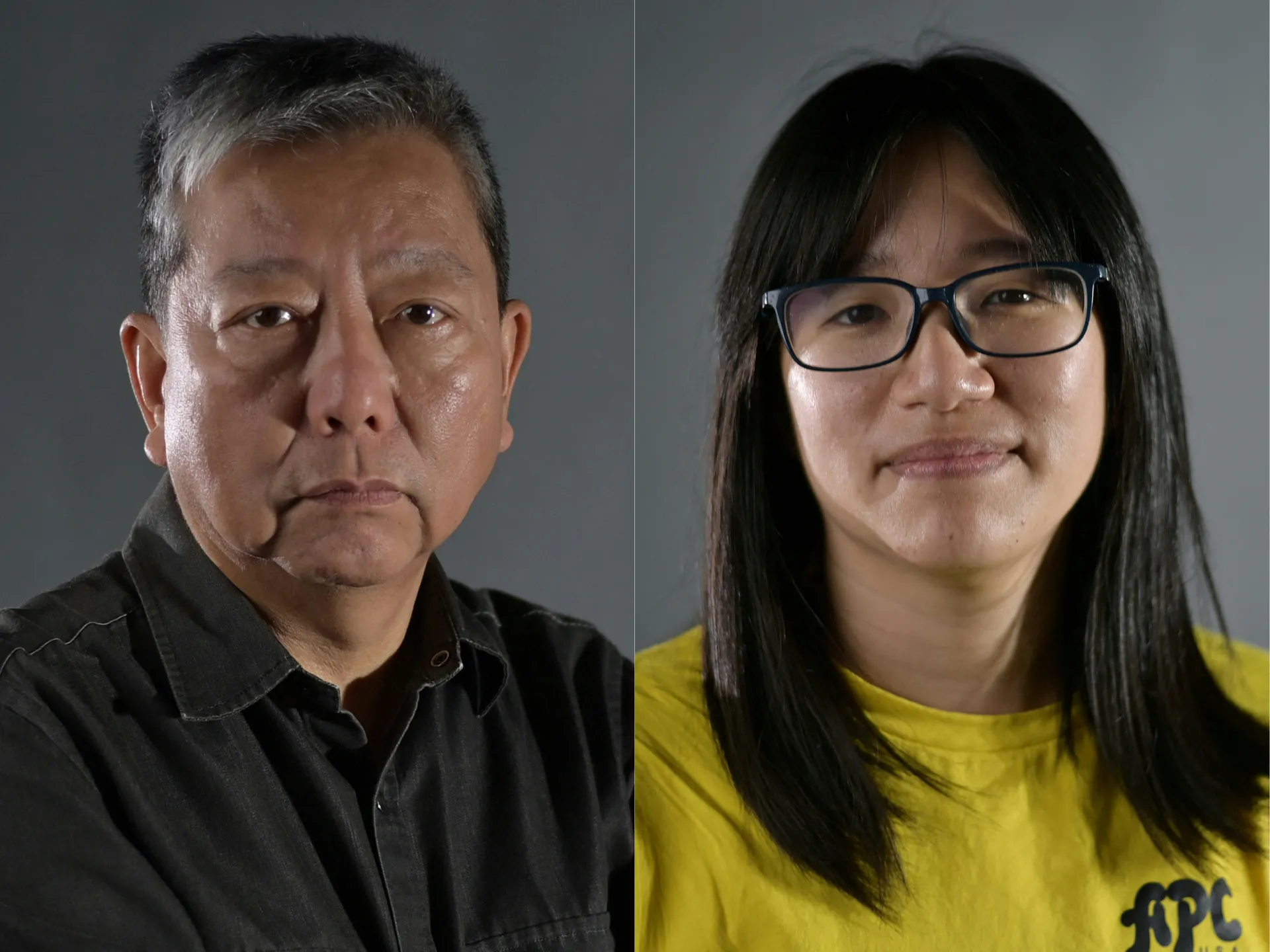
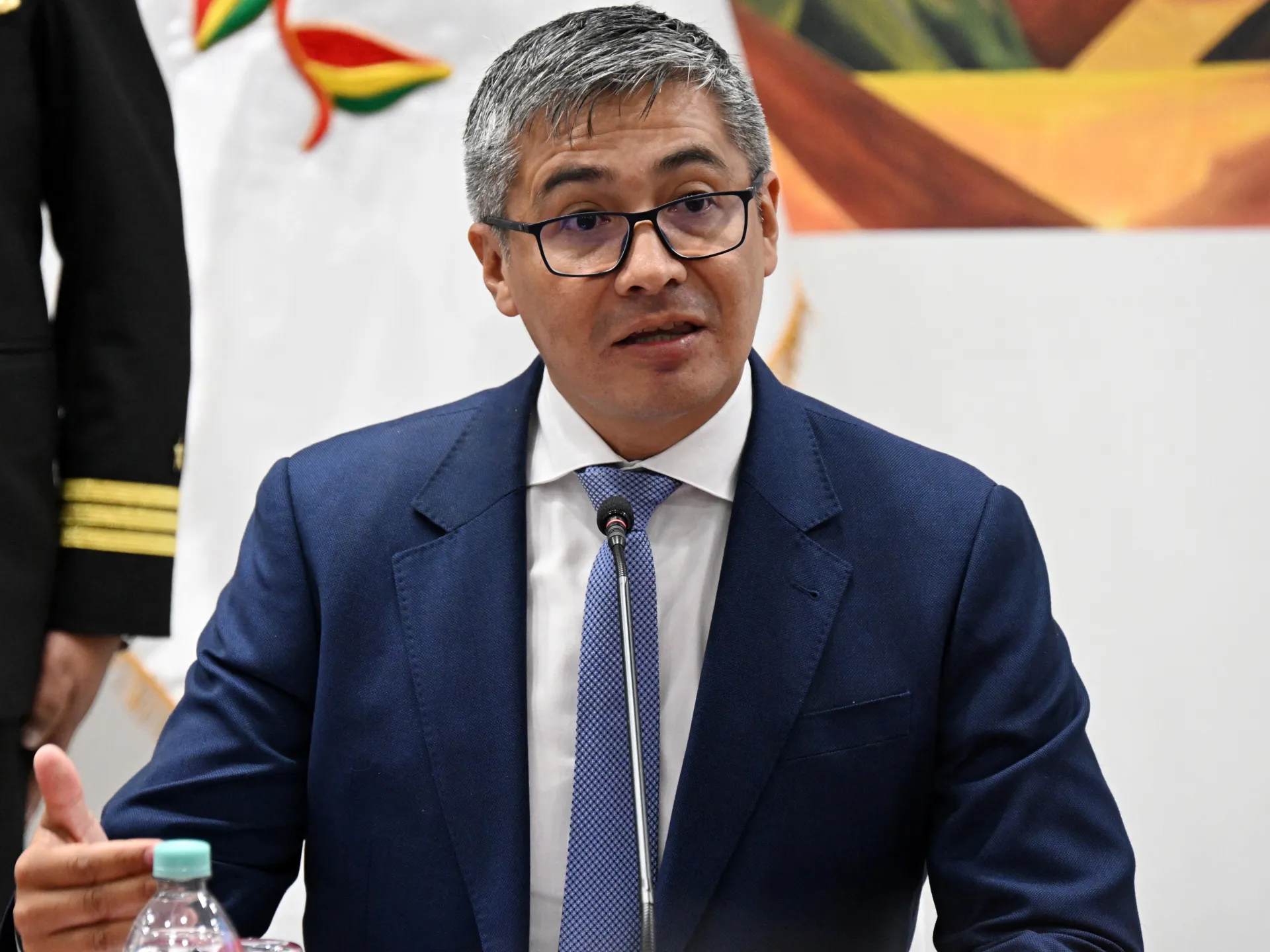
Parallel to the legal proceedings in New York, the plight of US citizens detained in China has moved to the forefront of the congressional agenda. During a recent hearing of the House Foreign Affairs Committee, Sylvia Zin, the wife of imprisoned scholar U Min Zin, testified that she expects President Trump to secure her husband’s release during his summit with Xi. U Min Zin, who directs a think tank studying regional influence, was arrested on June 3. The hearing also highlighted the ongoing detention of seismologist Chen Youlin and media executive Jimmy Lai.
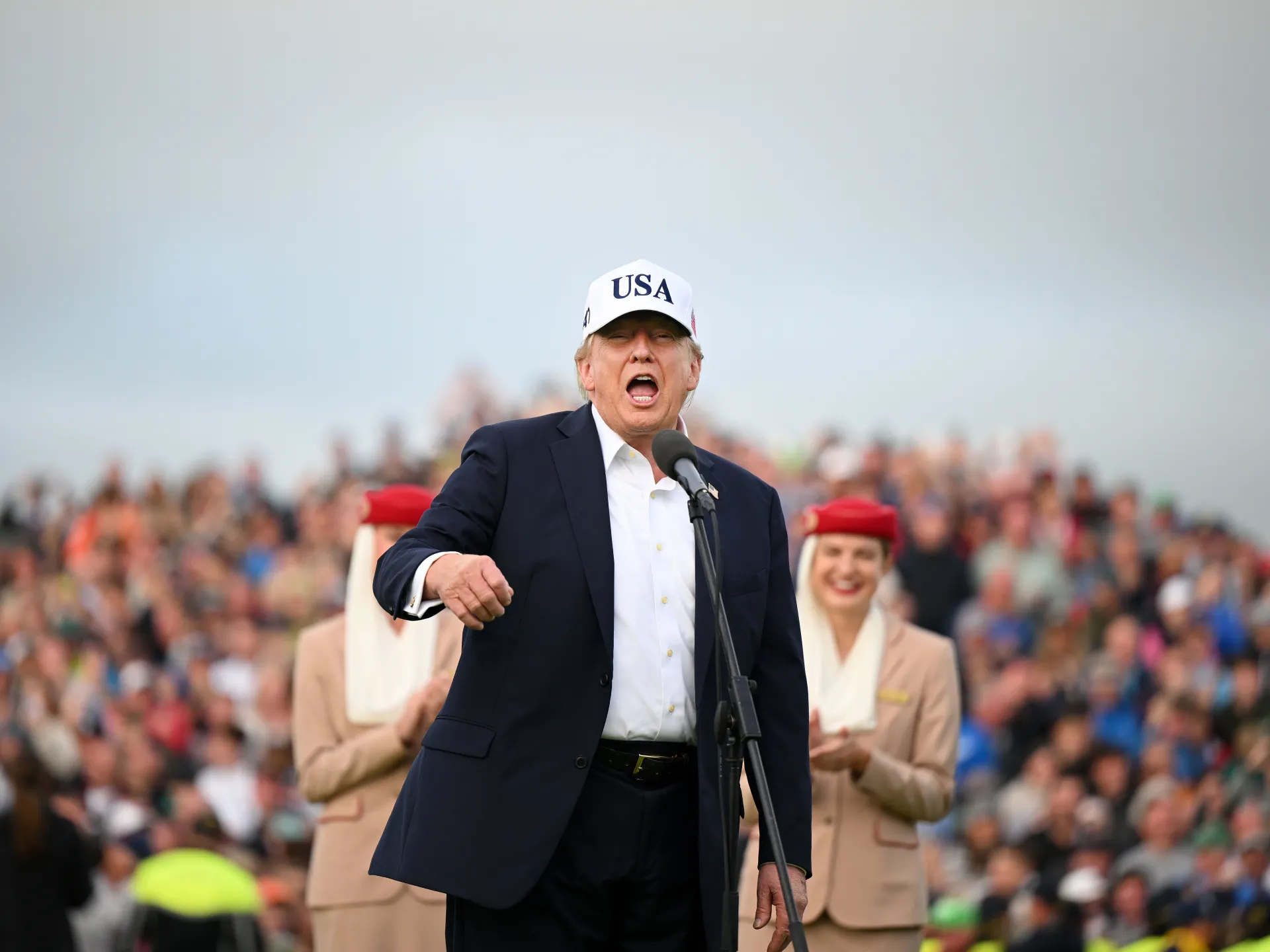
Congresswoman Young Kim, chairwoman of the House subcommittee, issued a stark warning regarding travel to China, suggesting that Beijing employs arbitrary detentions as a tactical tool to influence diplomatic negotiations. While a senior White House official told the BBC that resolving these wrongful detentions remains a priority for the President, the administration faces the difficult task of balancing these humanitarian requests against the broader agenda of trade, tariffs, and technological dominance that will dominate the upcoming summit.
The immediate outlook hinges on the outcomes of the Washington summit. Analysts suggest that if the administration focuses heavily on the Huawei trial and trade restrictions, the likelihood of diplomatic concessions regarding detained US citizens may decrease. Conversely, if President Trump successfully secures the release of individuals like Min Zin, it could create a narrow window for de-escalation in other areas of the US-China relationship. Regardless of the summit's success, the Huawei trial is expected to continue for another three months, serving as a constant reminder of the deep-seated legal and industrial conflicts that remain unresolved between the two powers.