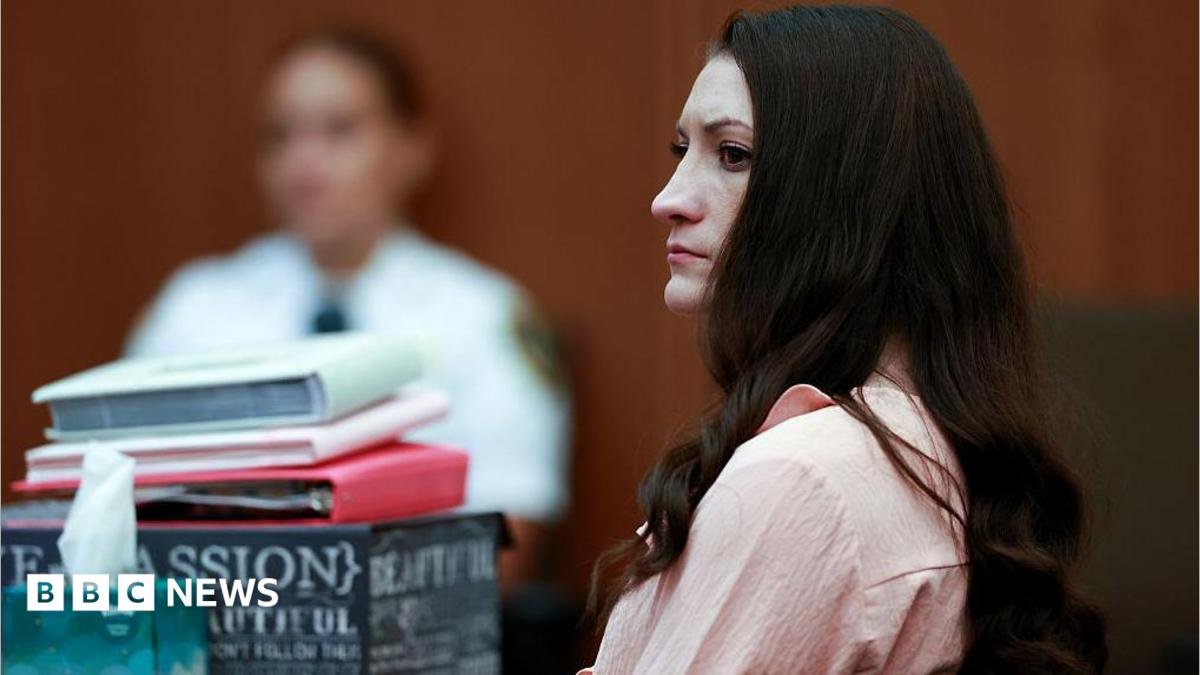
A Massachusetts judge has declared a mistrial in the case of Lindsay Clancy after jurors were unable to reach a unanimous verdict regarding the deaths of her three children.
A significant legal development has emerged in the trial of Lindsay Clancy, the Massachusetts mother accused of killing her three children. A presiding judge officially declared a mistrial after the jury remained deadlocked, failing to reach the unanimous consensus required to deliver a verdict in such a severe criminal case. The announcement concludes the current phase of a trial that has captivated the public and raised complex questions regarding the intersection of mental health and criminal accountability.
The impasse within the jury room highlights the difficulties often inherent in high-stakes murder trials where the defense of a defendant's mental state is central to the proceedings. While the prosecution sought to establish criminal responsibility, the inability of the jurors to agree on the evidence presented has effectively reset the legal clock. This development leaves the case in a state of uncertainty, with prosecutors now tasked with determining the next steps in their pursuit of justice.
Throughout the course of the trial, the courtroom became a focal point for intense scrutiny regarding the events that led to the deaths of the three young children. The defense team leaned heavily into the argument that the defendant was suffering from severe psychiatric distress at the time of the incident. e the jury with a context that might explain the tragic actions taken, challenging the prosecution's narrative of premeditated or intentional harm.
Conversely, the prosecution focused on the forensic and behavioral evidence collected in the aftermath of the tragedy. Their arguments were designed to demonstrate that, despite any underlying mental health challenges, the defendant remained legally responsible for her actions. The clash between these two distinct interpretations of the defendant's state of mind created a contentious environment, ultimately leading to the jury's inability to reconcile the conflicting testimony and expert analysis provided during the proceedings.
With the declaration of a mistrial, the legal system must now navigate the complexities of a retrial. Prosecutors are typically granted the authority to pursue a case again if a mistrial occurs, provided they believe there is enough evidence to move forward. However, this process involves significant logistical and emotional costs for all parties involved, including the family members and the judicial system itself. The decision to retry the case will likely involve careful deliberation
As the community processes this news, discussions regarding the efficacy of the judicial system in handling cases involving severe mental health crises have intensified. Legal experts note that cases involving postpartum depression or other severe psychiatric conditions often present unique challenges for juries, who must balance the gravity of the crimes with the medical realities of the defendant. The outcome of any potential future trial remains a subject of intense speculation as the legal community waits for an official announcement regarding the path forward.
The conclusion of this trial without a verdict has elicited a wide range of reactions from the public and legal commentators alike. Many observers have expressed frustration over the lack of closure for the families affected ng that a verdict is reached only when there is total agreement. The mistrial serves as a stark reminder of the gravity of the legal system's responsibility in reaching conclusions that are both just and legally sound.
Looking ahead, the case will likely remain a landmark example of the complexities involved in prosecuting individuals suffering from mental health issues. Observers expect that future court appearances will be closely monitored, as the prosecution decides whether to adjust their strategy or seek a different approach. For now, the legal proceedings are at a standstill, leaving the community to reflect on the profound tragedy that continues to unfold through the lens of the American judicial system.