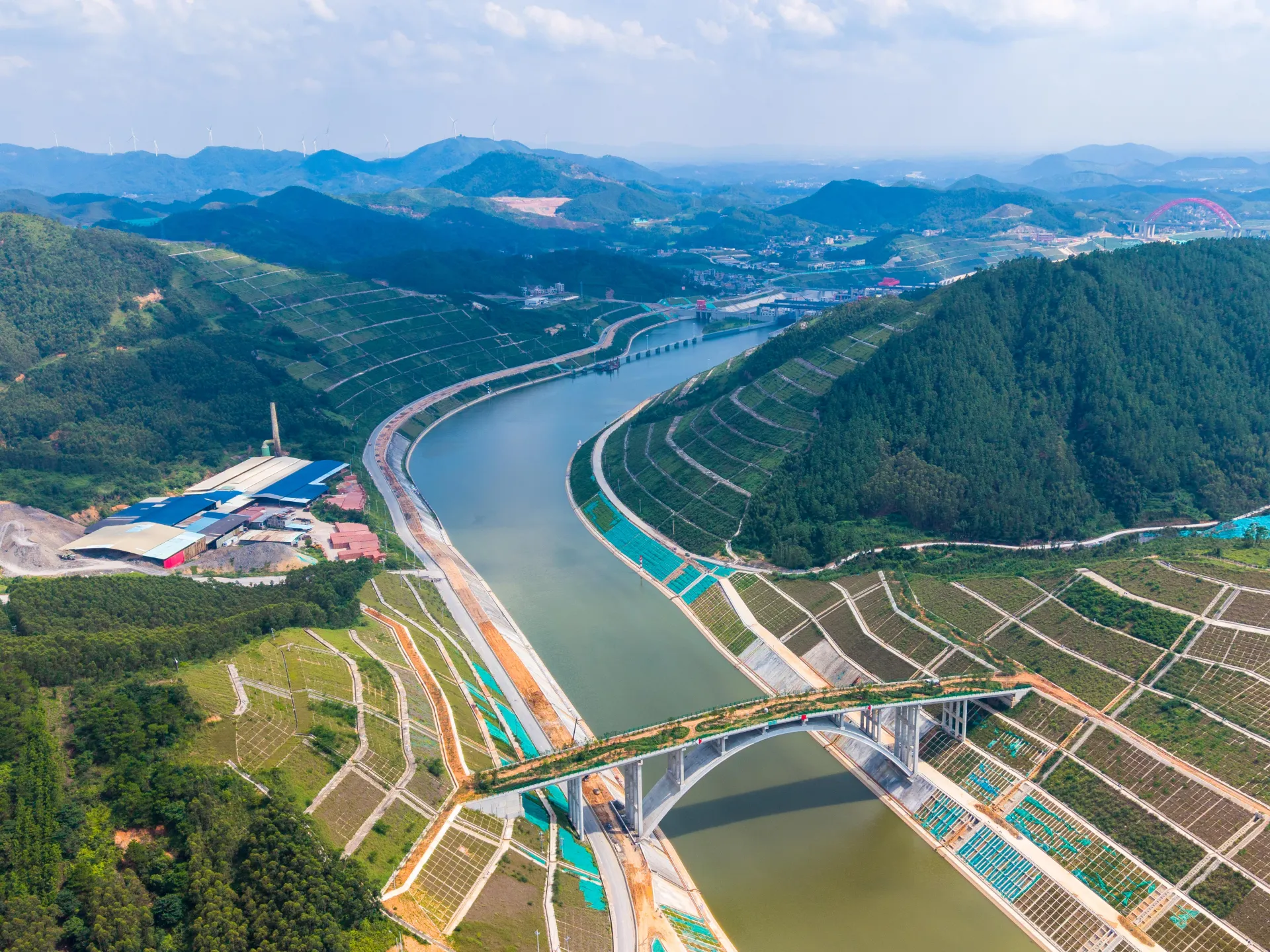
China has unveiled the Pinglu Canal, a massive infrastructure project designed to create a direct river-to-sea link, significantly shortening trade routes to Southeast Asia.
China has officially inaugurated its first modern river-to-sea canal, a monumental infrastructure project designed to reshape trade logistics between its southern provinces and Southeast Asian neighbors. Spanning 134 kilometers, the Pinglu Canal serves as a critical link between the Xijiang River and the Beibu Gulf, situated along the Gulf of Tonkin. n, Guizhou, and Sichuan with a significantly more efficient maritime gateway, bypassing traditional, longer transit routes.
This waterway is a cornerstone of the broader land-sea trade corridor, which functions as a key component of the Belt and Road Initiative. The project aims to integrate China’s vast inland industrial hubs with global markets, facilitating a faster movement of goods. With an estimated cost of 72.7 billion yuan—roughly $10.8 billion—the canal is engineered to accommodate vessels with capacities of up to 5,000 tonnes, allowing for direct transport from riverine berths to the deep-water ports of the Beibu Gulf.
The strategic objective of the Pinglu Canal extends beyond mere transportation efficiency. Authorities have launched the “Pinglu Canal Economic Belt,” an initiative aimed at fostering industrial development along the corridor. minerals, and green chemicals near the new transit route, local planners hope to minimize the distance between manufacturing sites and export hubs, thereby reducing operational overhead for businesses.
The economic impact is already beginning to take shape as regional logistics networks reorganize to capitalize on the canal’s capacity. Recent trial operations have seen cargo trains arriving from the industrial center of Chongqing at the port of Nanning, with direct shipping lines to destinations like Can Tho in Vietnam already on the schedule. To encourage early adoption, the local government has implemented a generous fee structure, allowing commercial vessels to utilize the canal’s three water gates free of charge until the end of 2026, followed
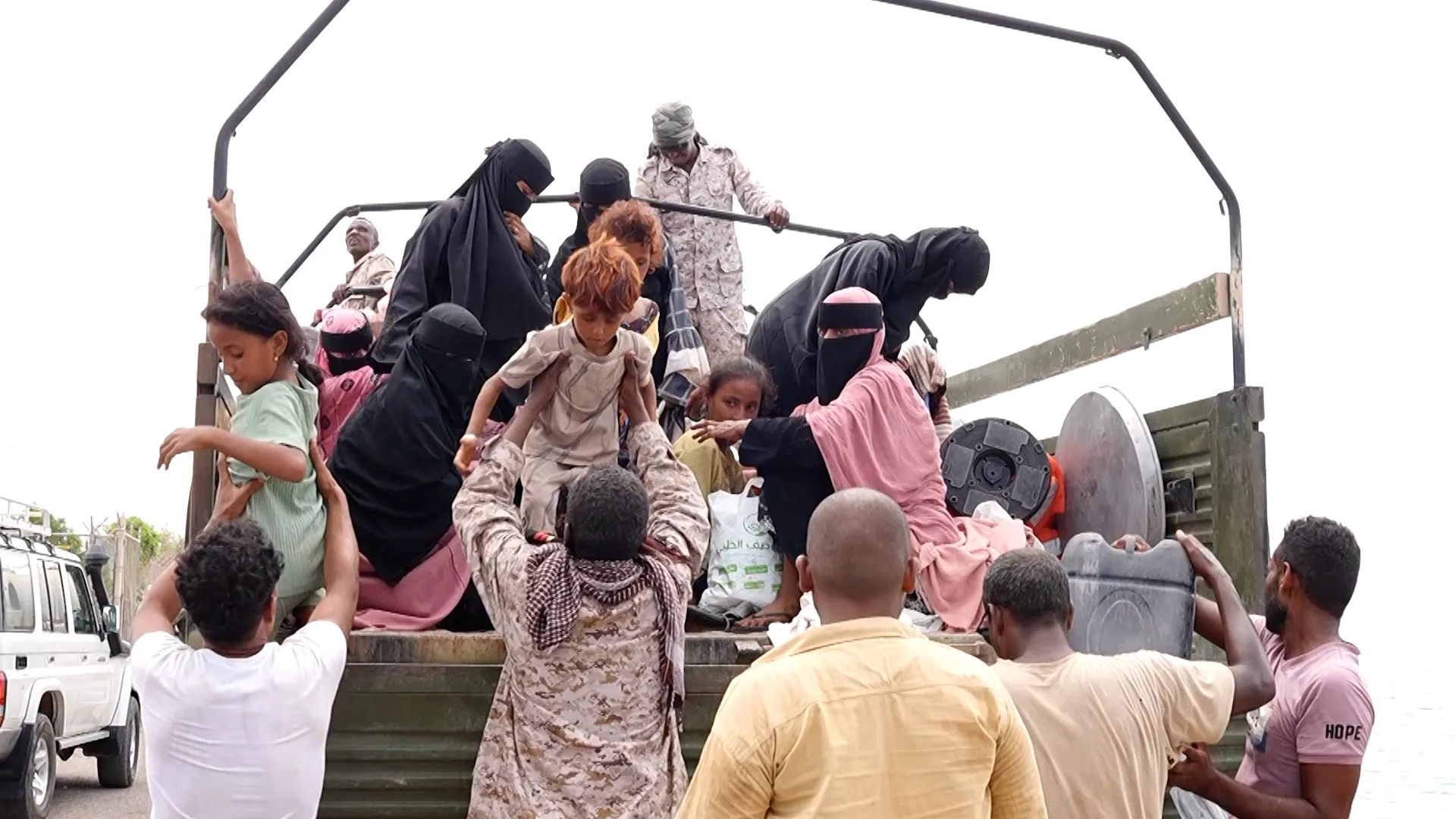
The scale of the Pinglu Canal project necessitated significant social restructuring, specifically the resettlement of over 11,000 residents across four counties. The government reported that the relocation process involved 2,764 households and was completed within a 39-day window. Officials emphasized that the transition was handled with attention to local cultural practices, designing housing models that included specific provisions for traditional crop-drying areas, poultry enclosures, and specific room orientations.
While authorities have provided new, multi-story housing and promised vocational training and employment opportunities, the displacement remains a complex chapter in the canal’s history. Many families had to vacate ancestral lands, with some even relocating centuries-old trees to their new residences. Despite the logistical success of the resettlement, the loss of historic village identities highlights the profound human cost associated with large-scale national infrastructure development.
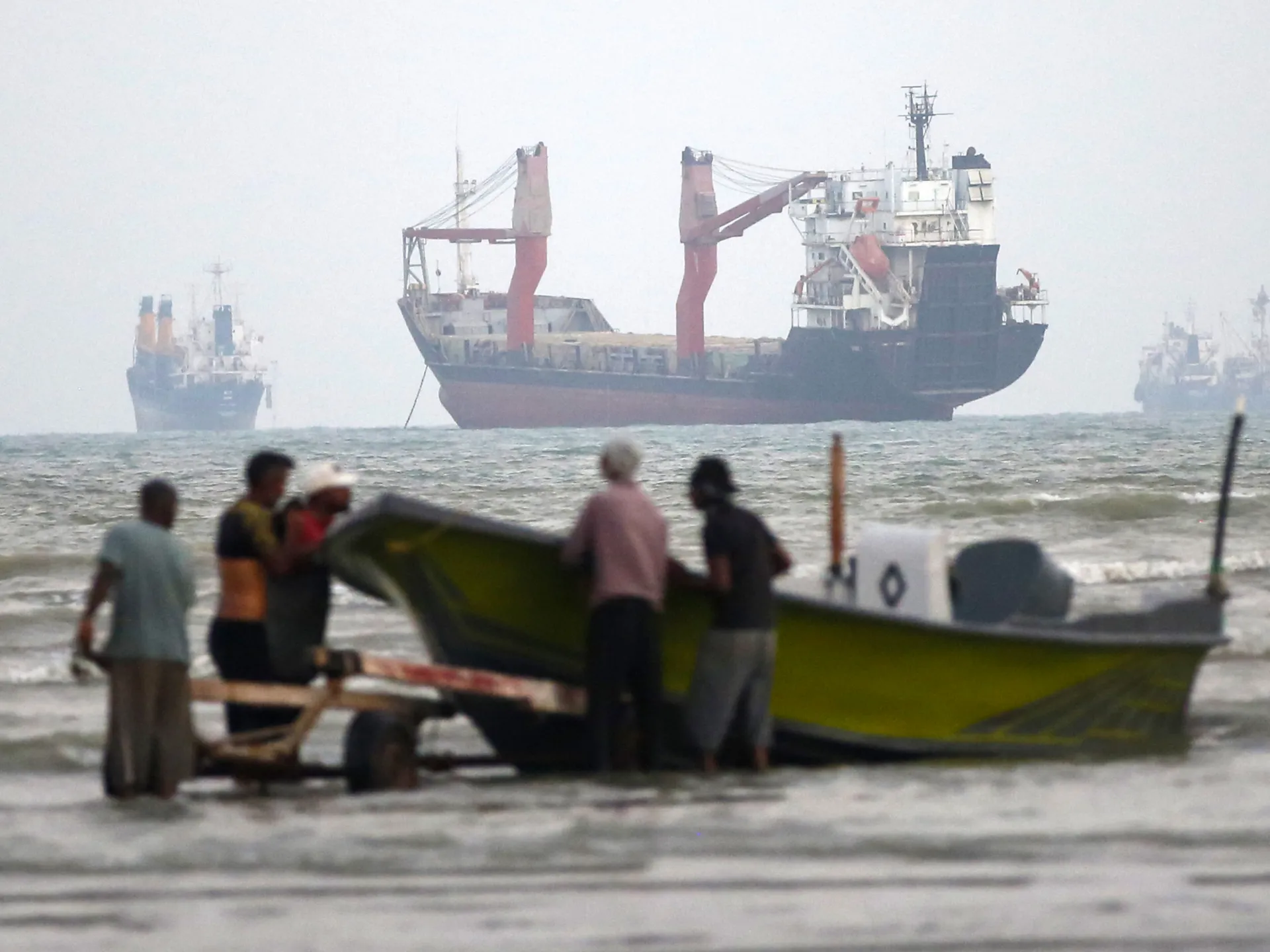
The development of the Pinglu Canal reflects a broader global shift in how nations approach trade security. As maritime chokepoints and international straits become increasingly volatile, countries are seeking to diversify their supply chains to avoid reliance on a limited number of vulnerable routes. The Pinglu Canal serves as a direct response to this need, offering a redundant, faster, and more controlled path for Chinese goods to reach Southeast Asian markets.
is effectively insulating its inland trade from the risks associated with global shipping disruptions. This proactive approach to infrastructure security mirrors global trends where states are prioritizing the construction of pipelines, rail links, and internal canals to ensure economic stability. As trade between China and Southeast Asia continues to grow—reaching approximately 4.34 trillion yuan in the first half of 2026—the canal is poised to become a vital, permanent fixture of the regional economy.