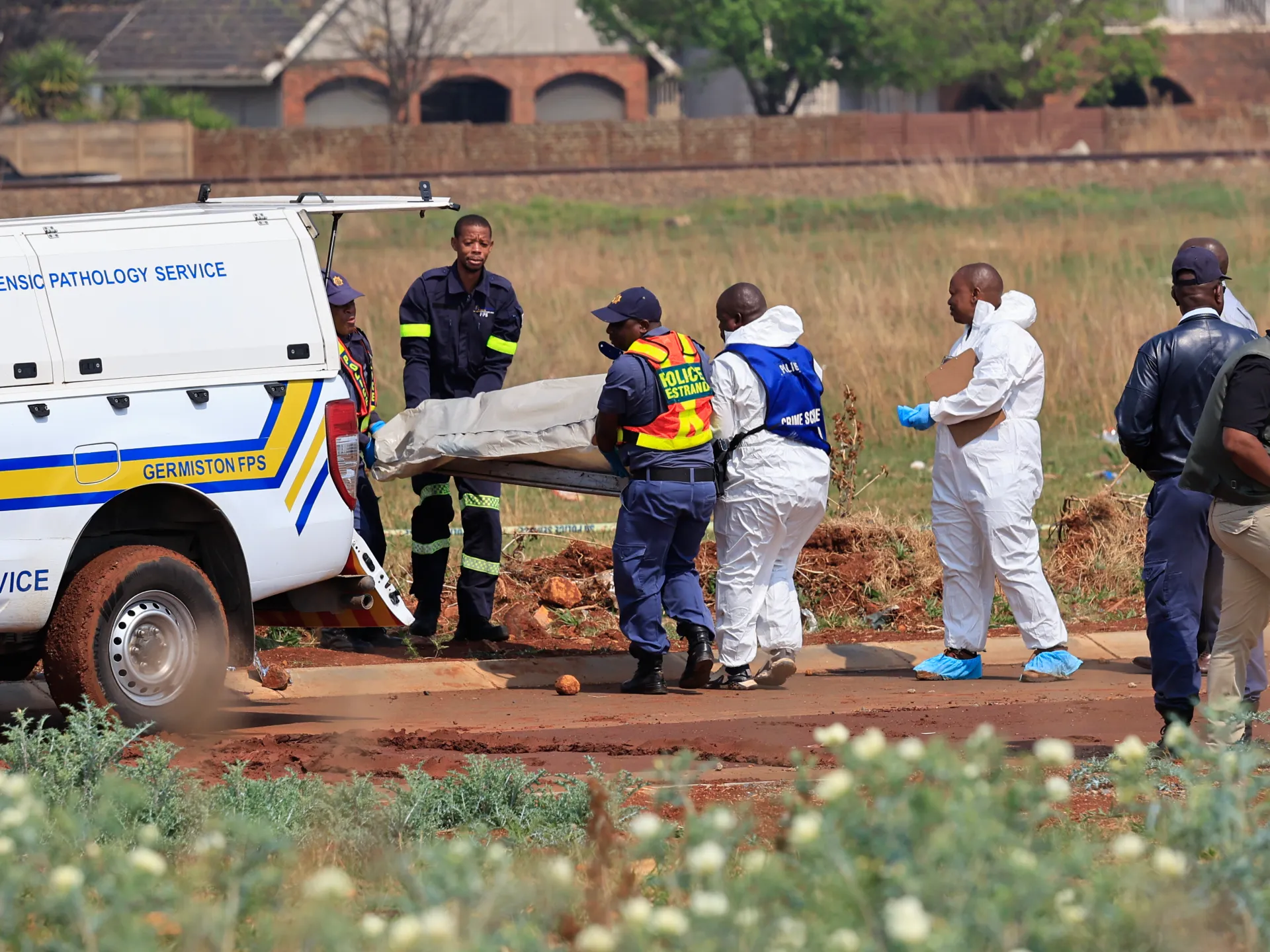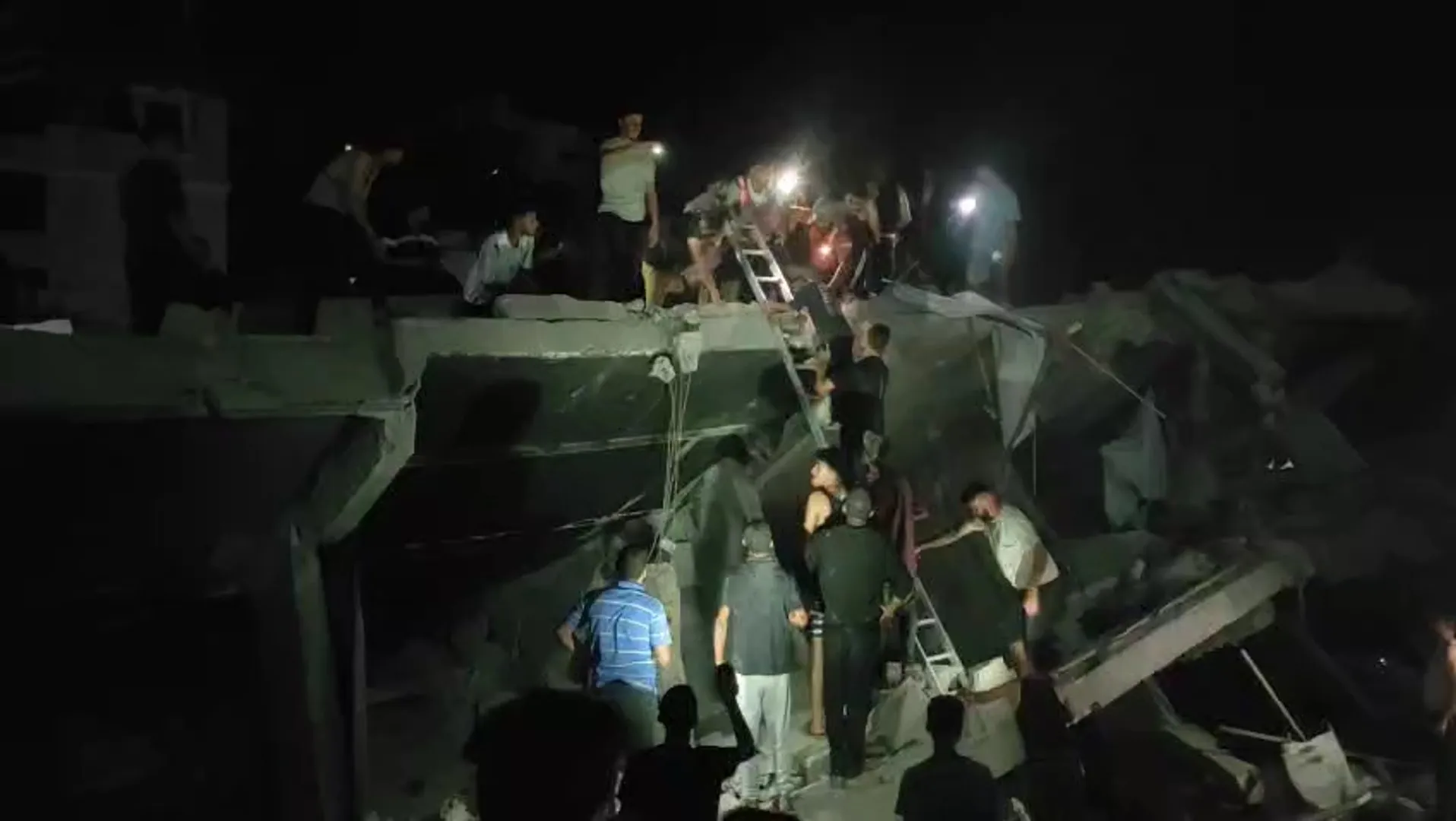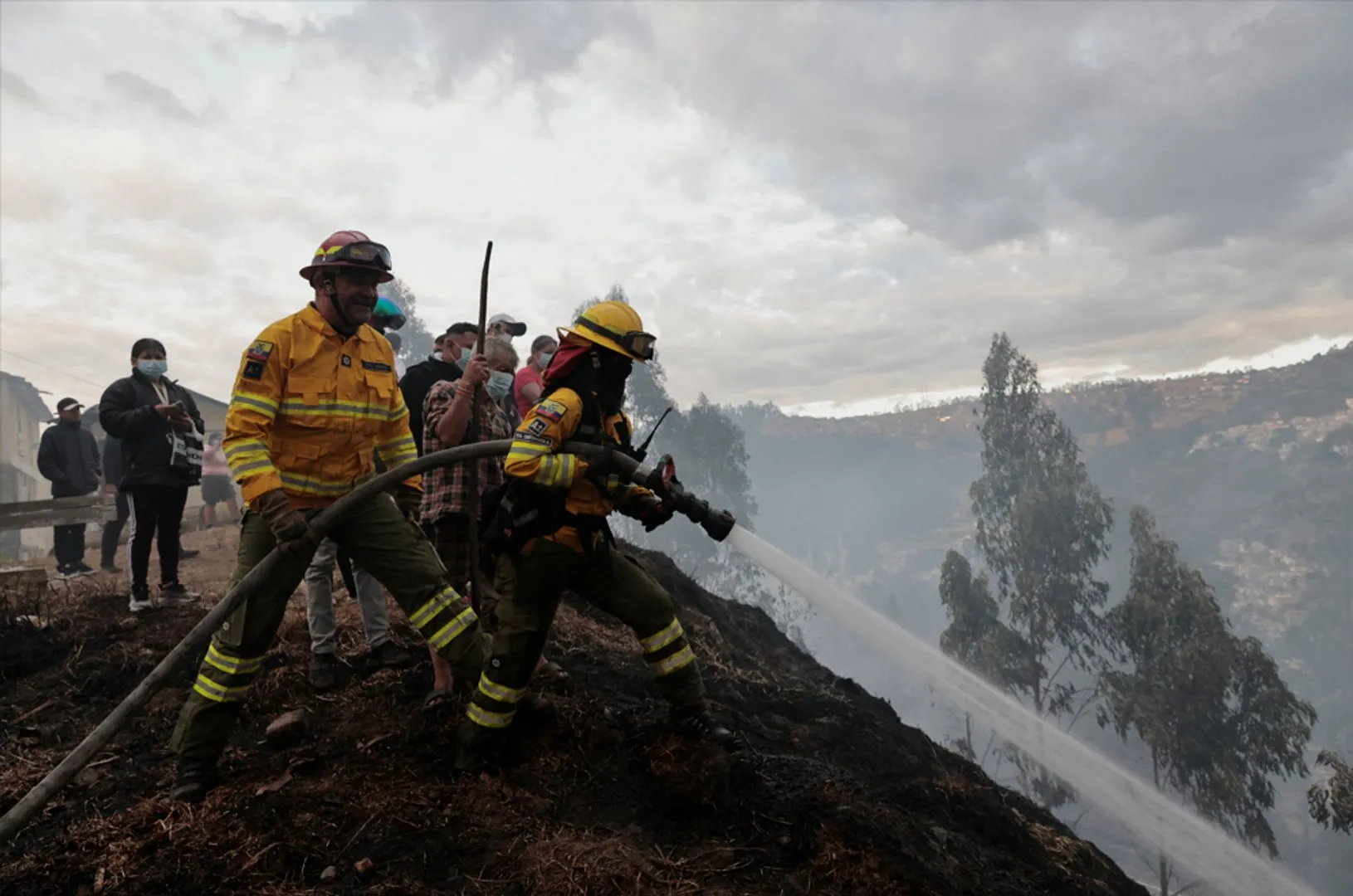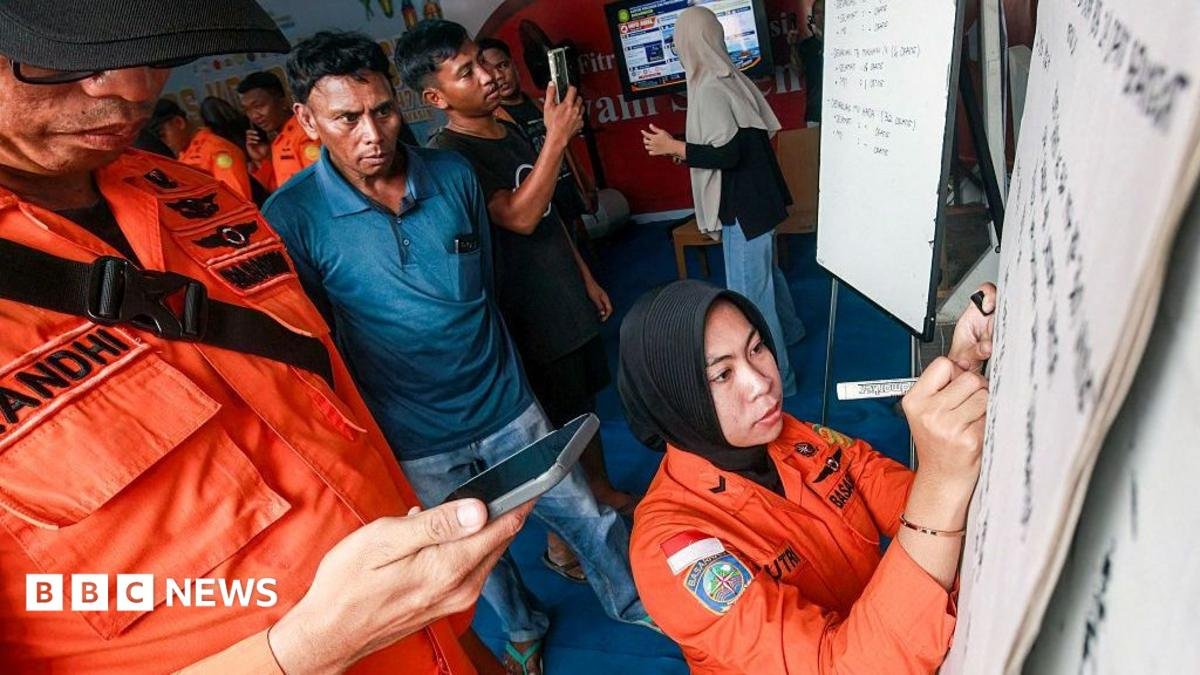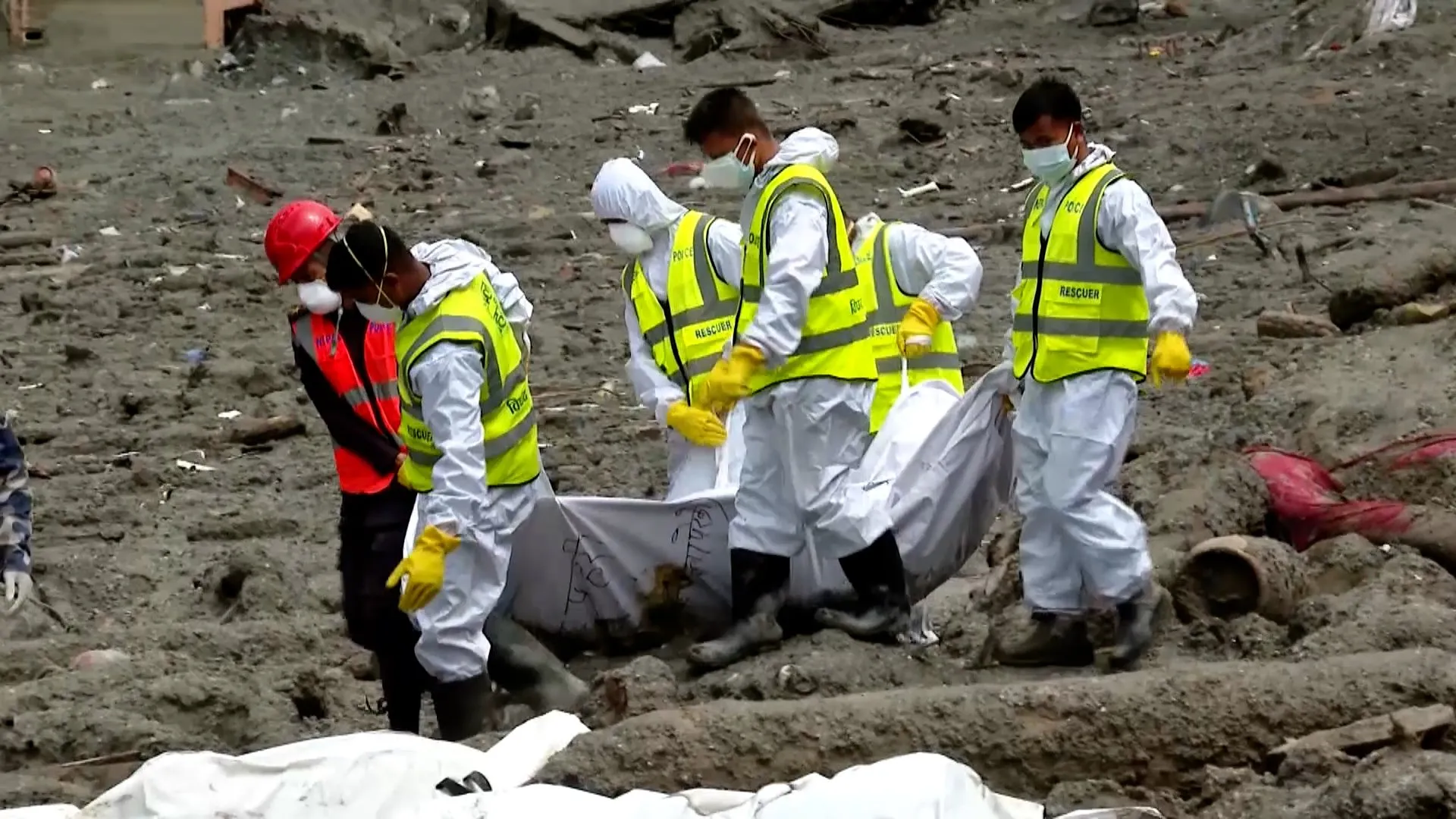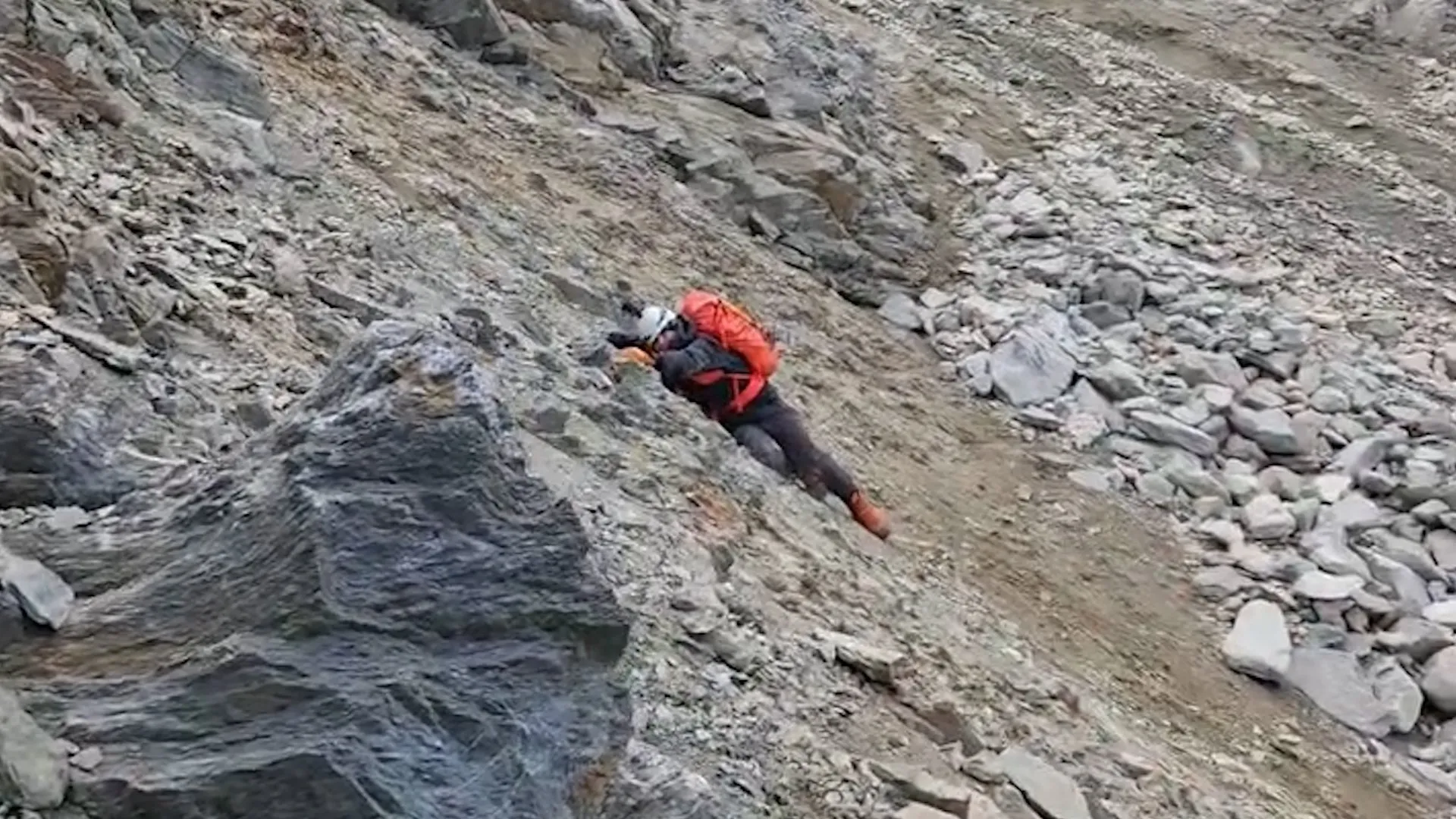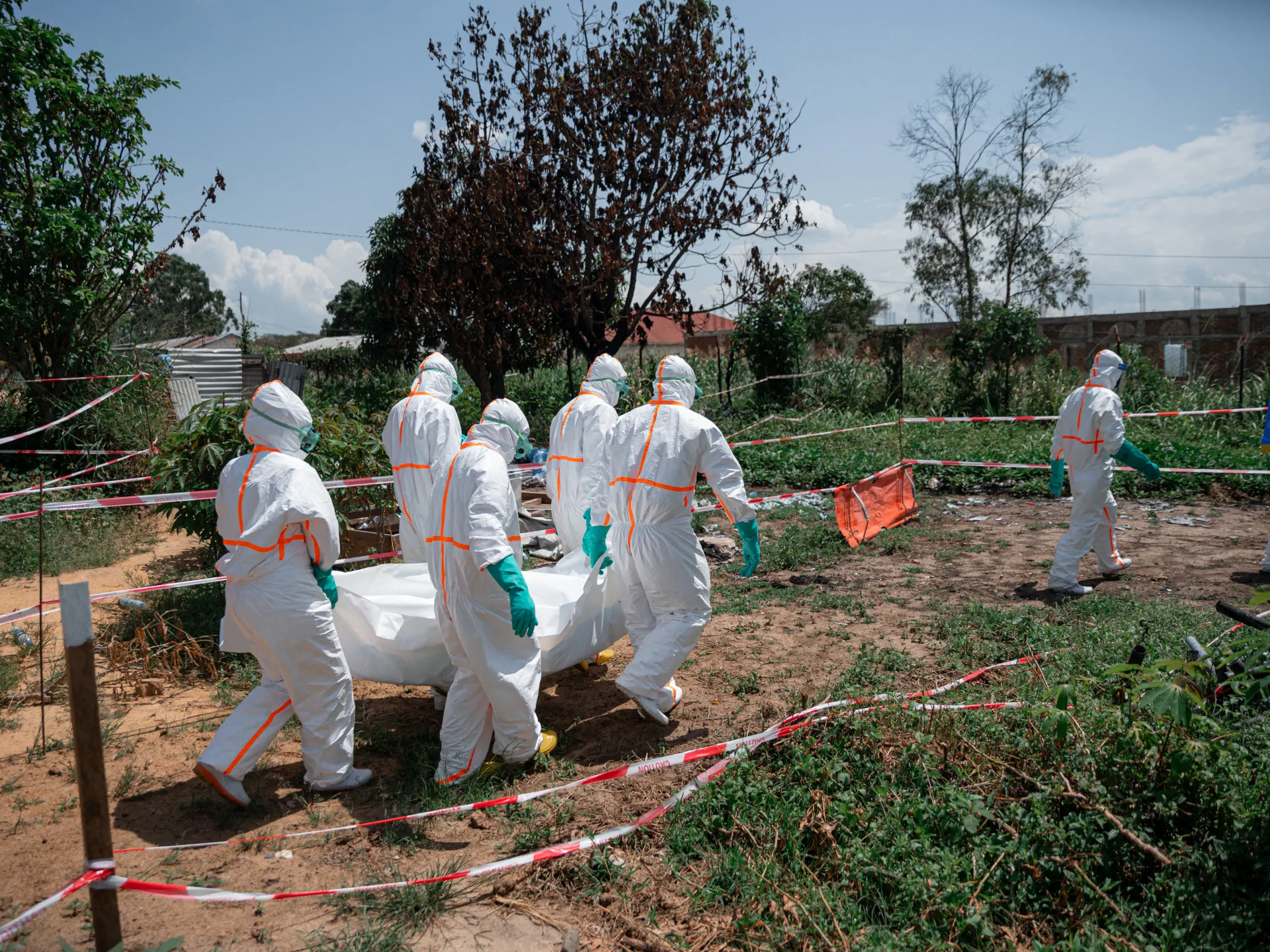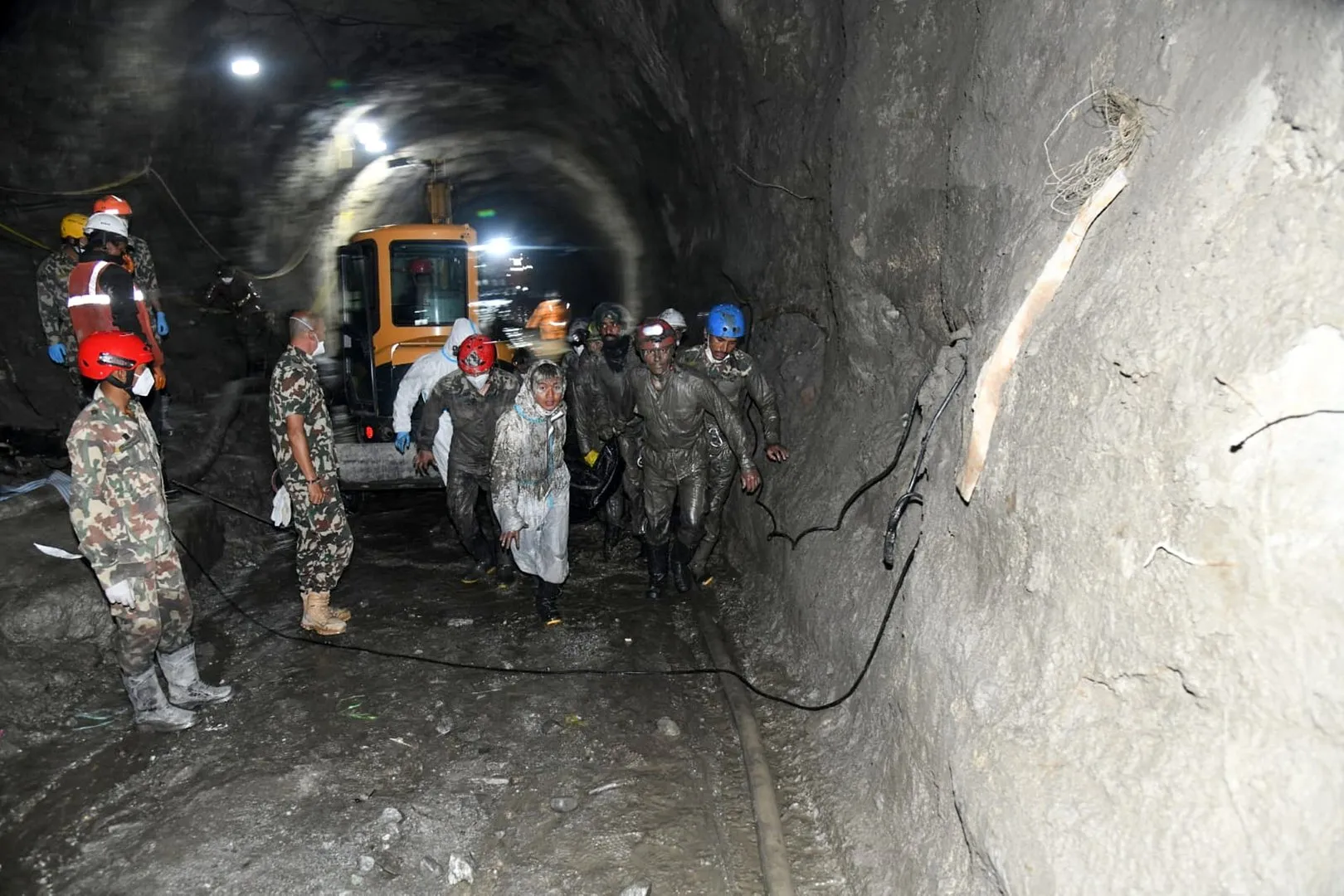
Rescue teams in Nepal have recovered four bodies from a flooded hydropower tunnel in Chilime, marking a somber update in the ongoing search following devastating flash floods.
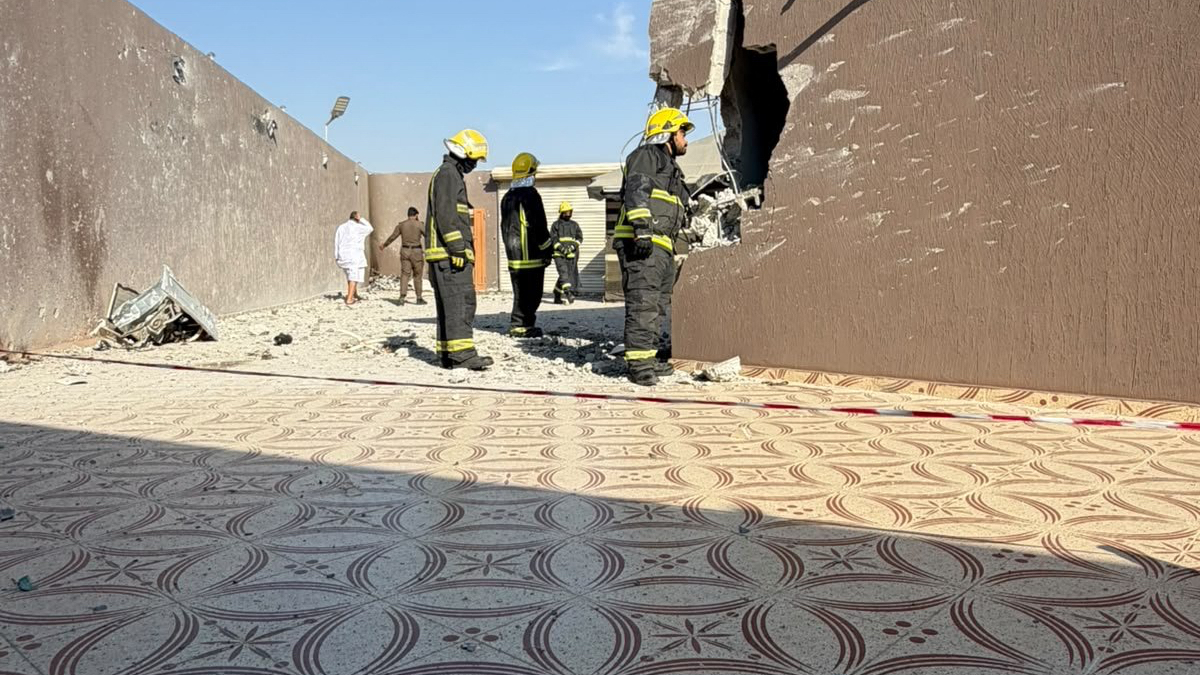
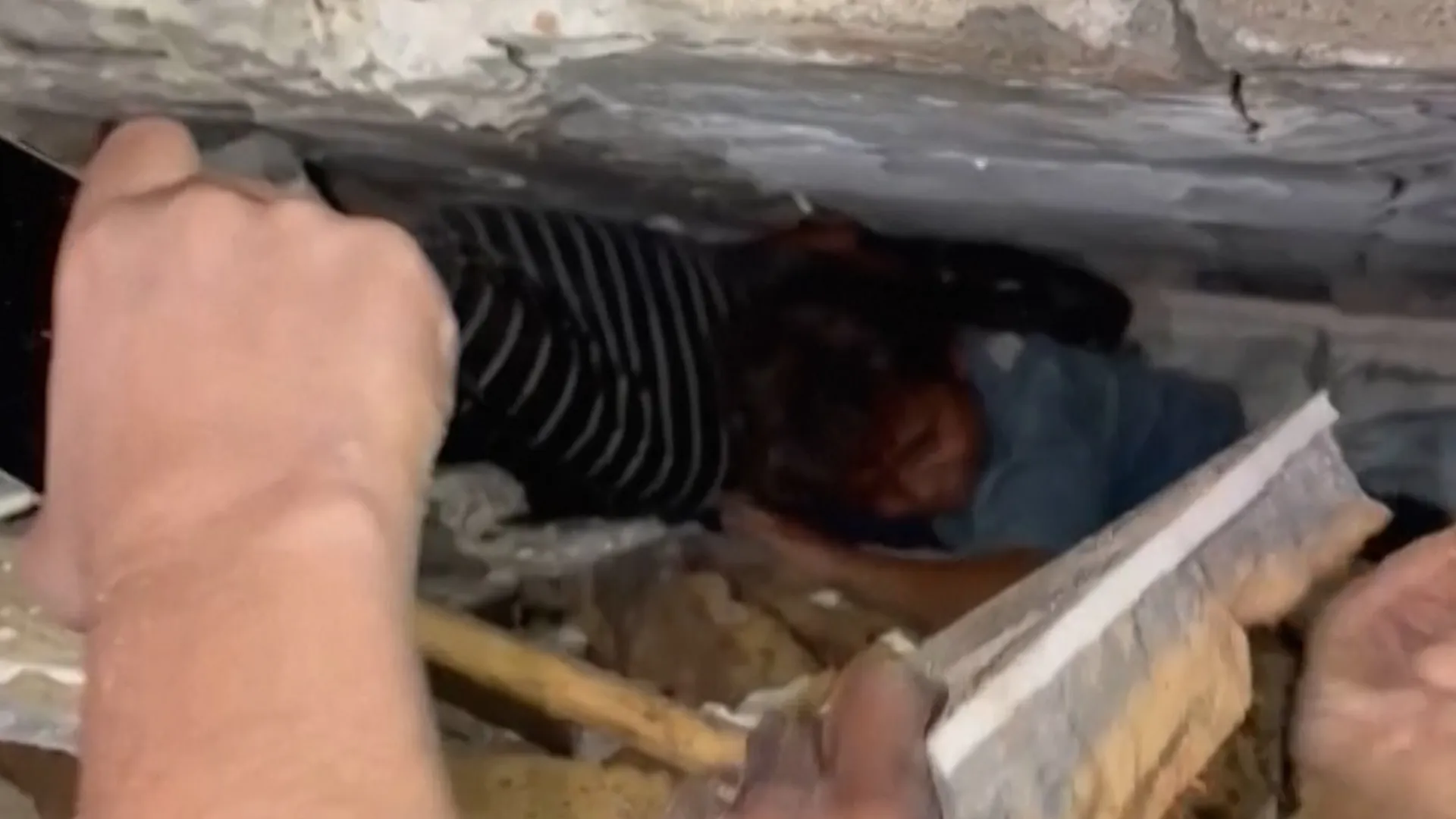
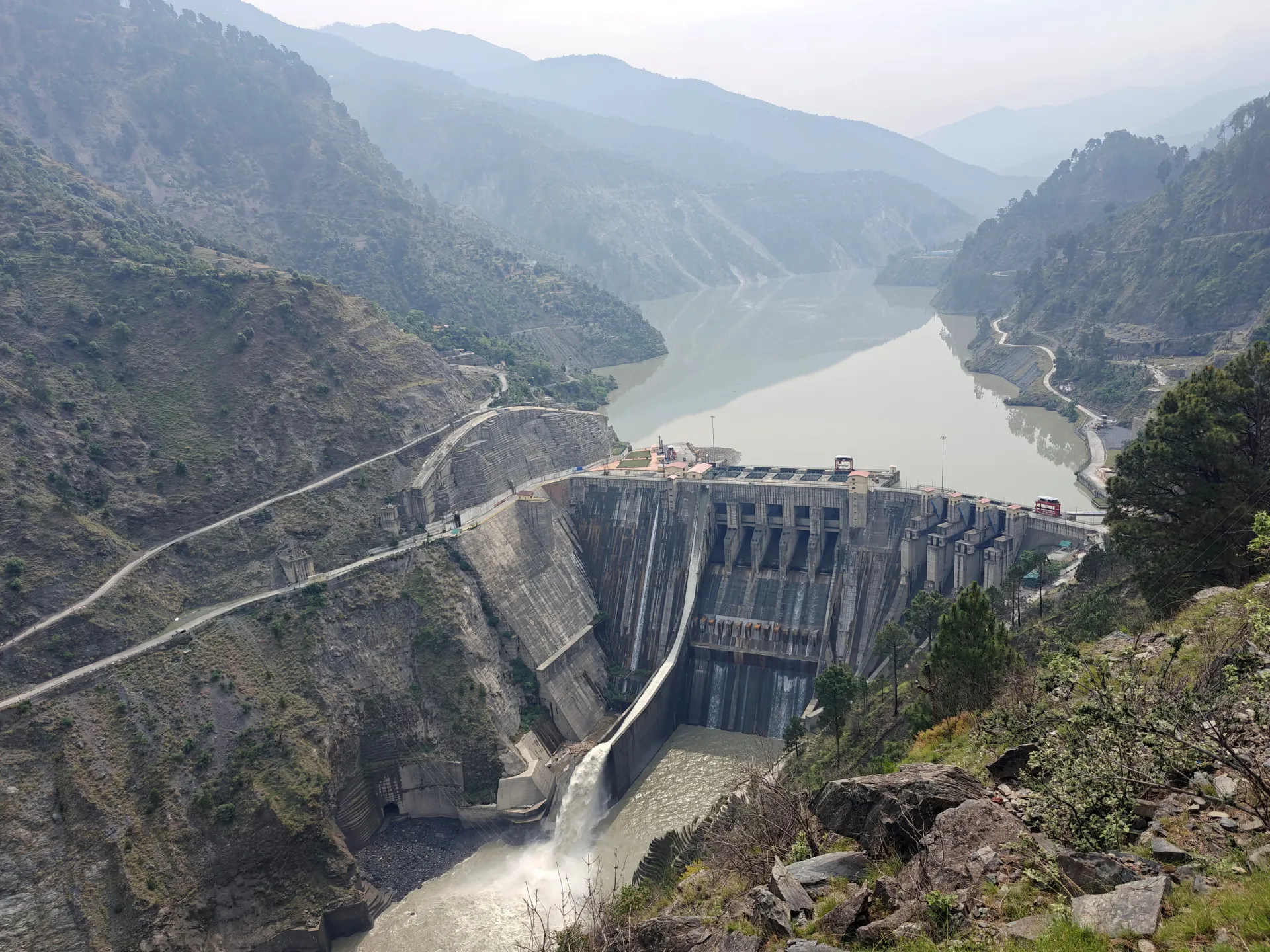
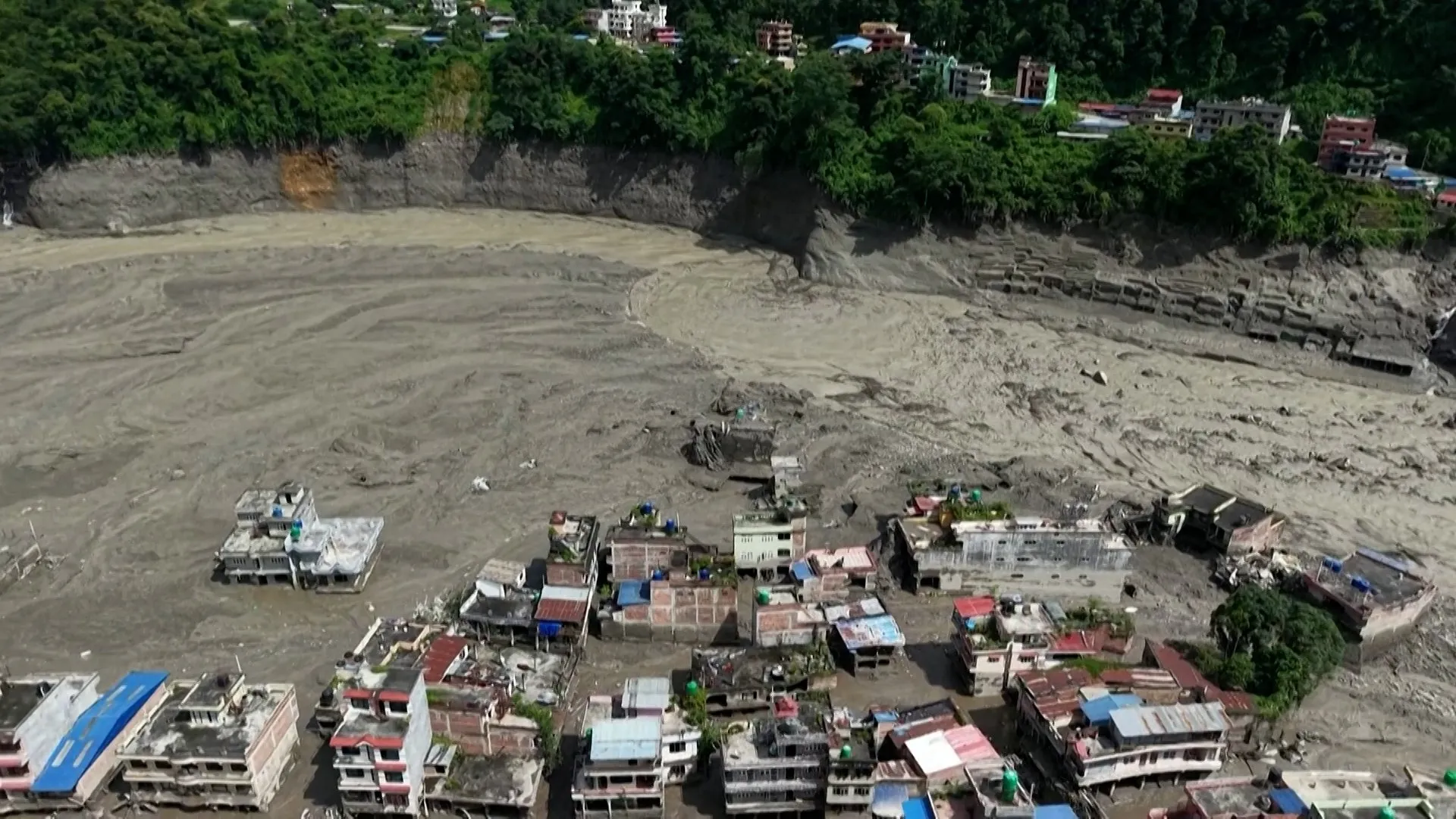
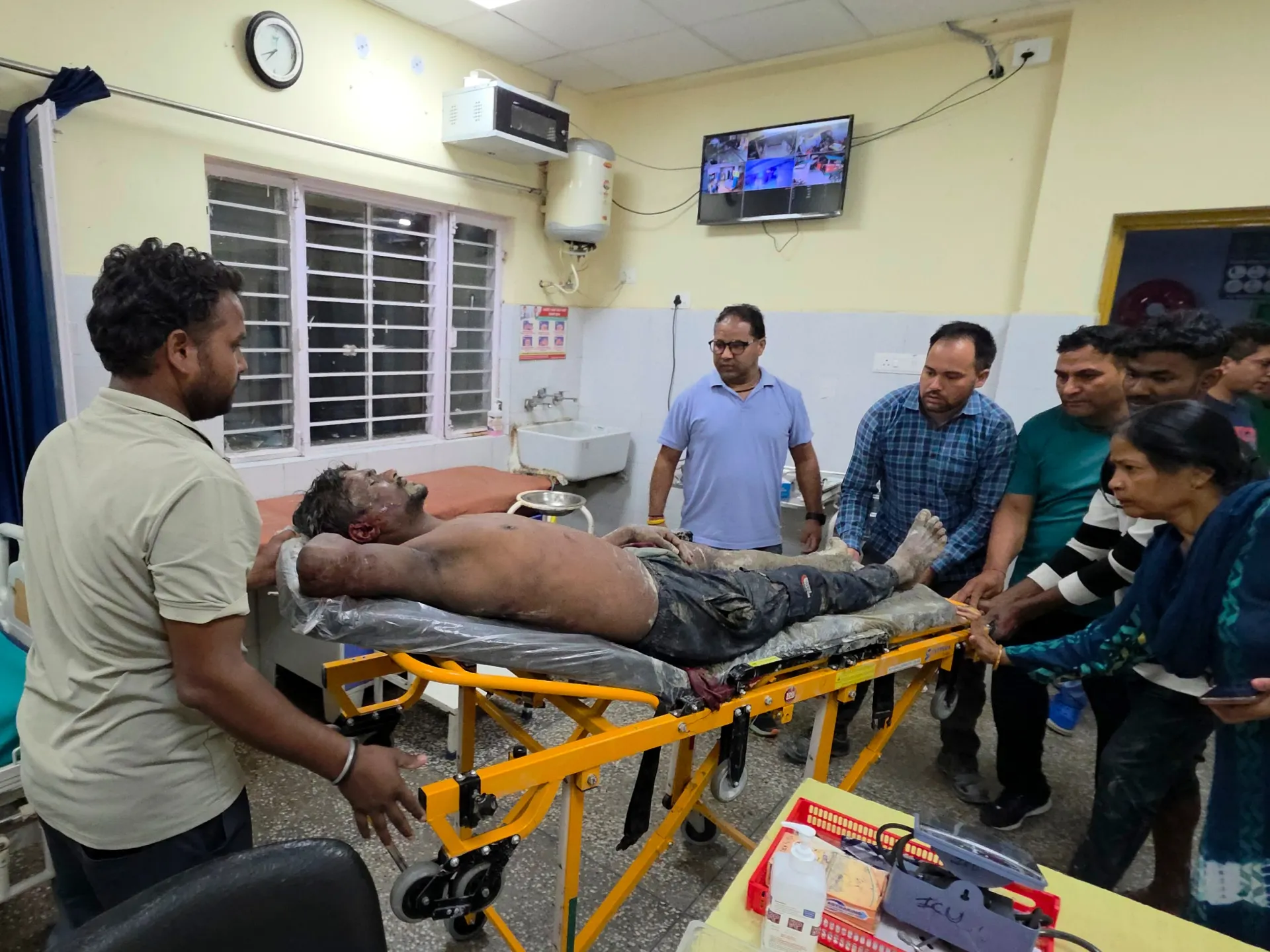
Emergency response teams in Nepal have successfully recovered four bodies from a hydropower tunnel located in the Chilime region. This development comes as part of a broader, intensive search and rescue operation that has been ongoing for nearly three weeks following a catastrophic flash flood event. The recovery process has been characterized severely compromised
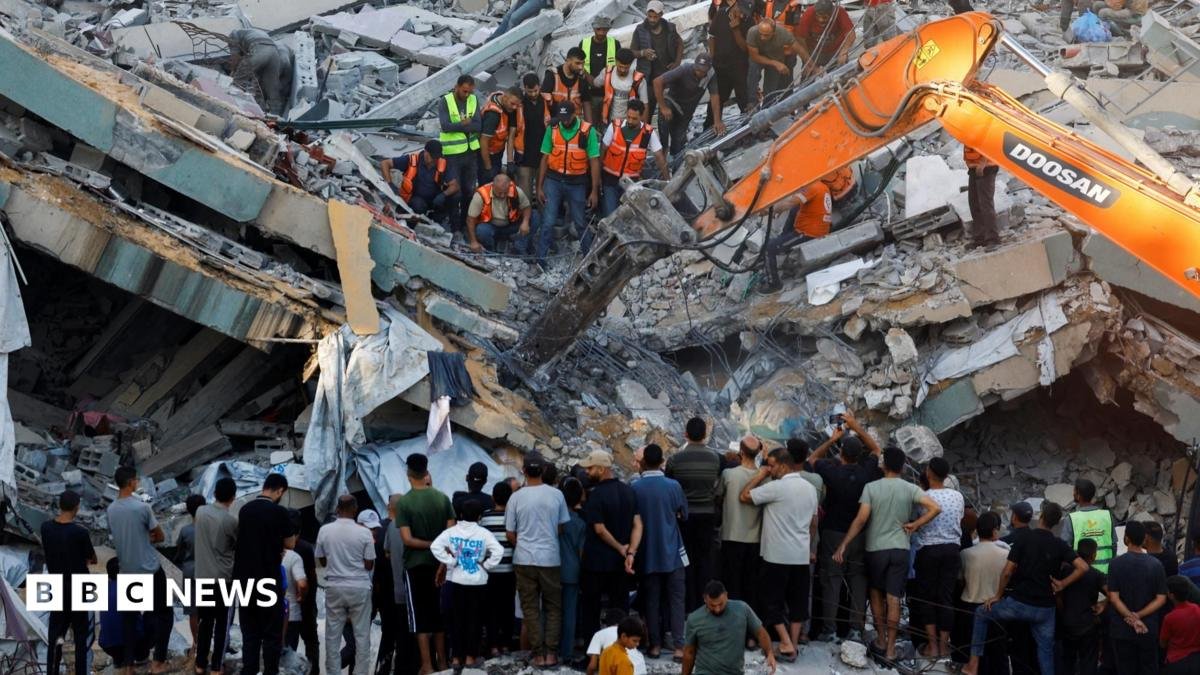
The search mission remains a high priority for local authorities and specialized rescue crews. Navigating the subterranean environment requires extreme caution, as the integrity of the tunnel system remains uncertain. Officials have noted that the presence of thick, hardened mud and structural damage has hindered the movement of heavy machinery, forcing rescuers to rely on a combination of manual labor and specialized equipment to gain access to deeper sections of the facility.
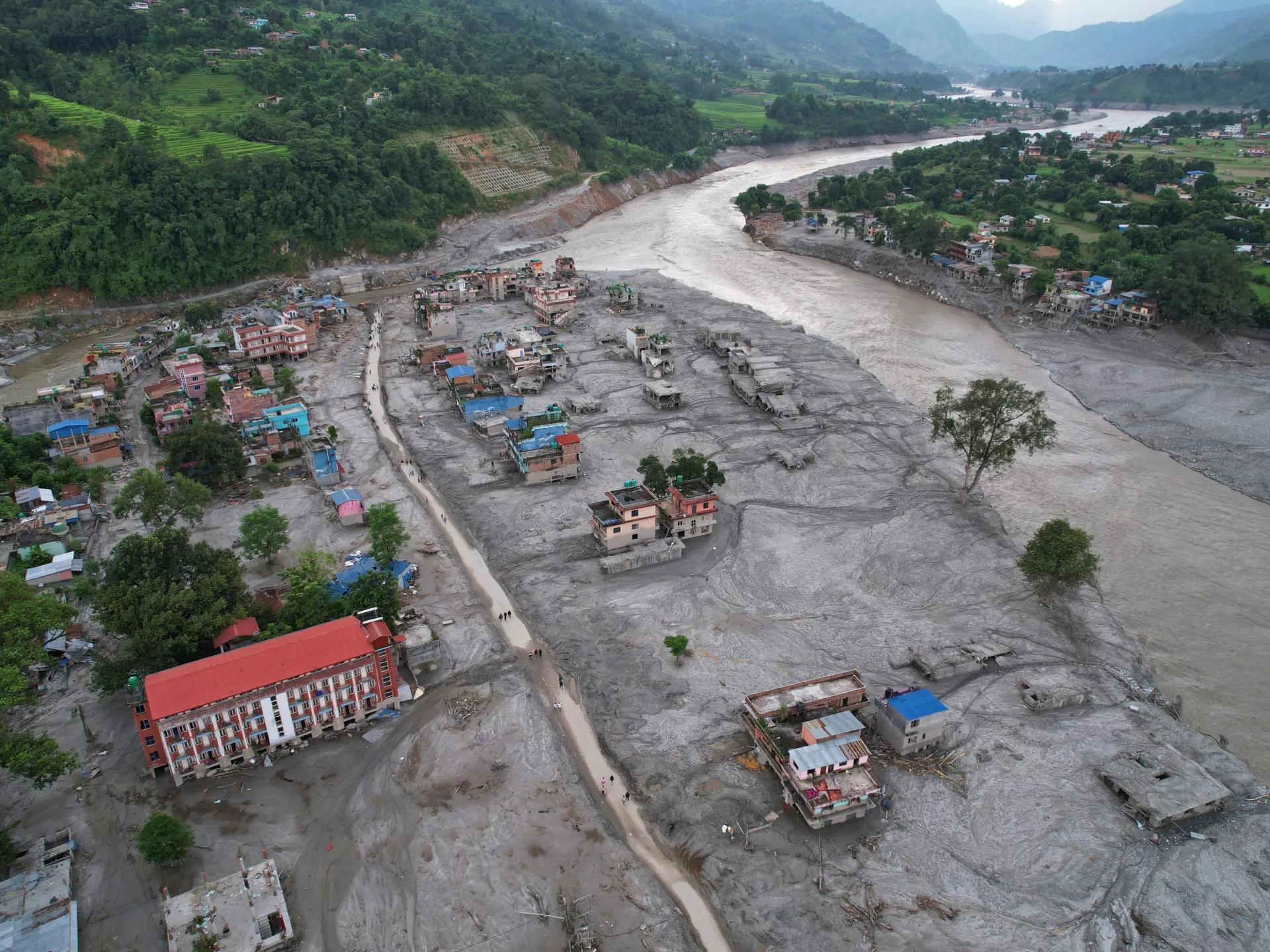
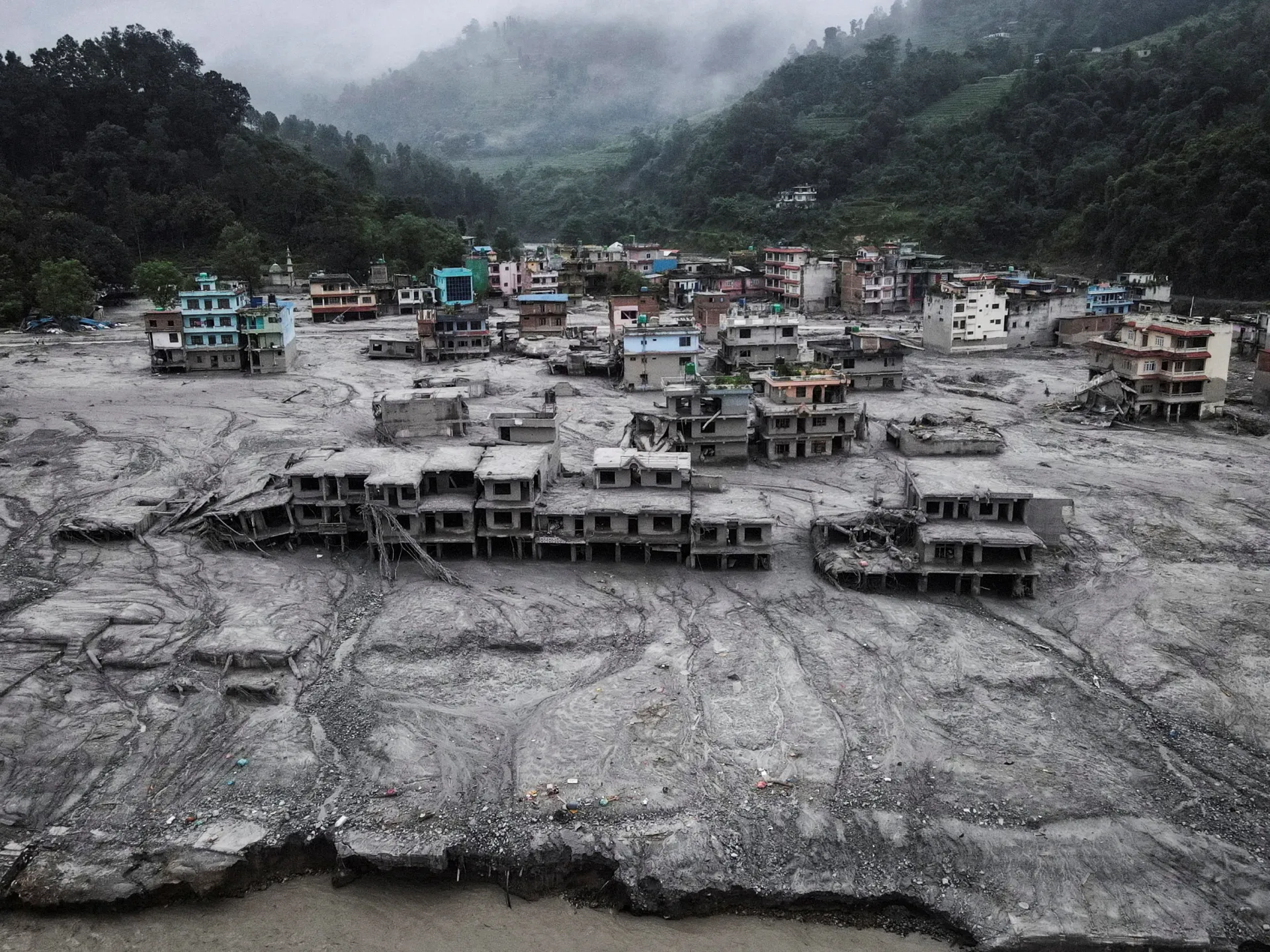
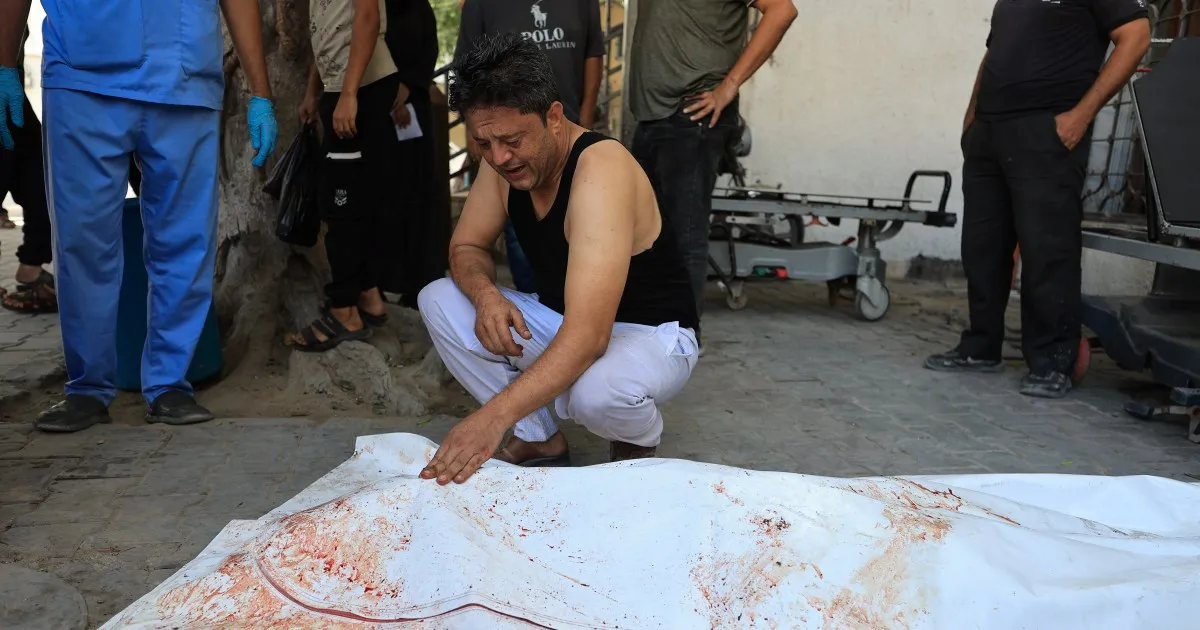
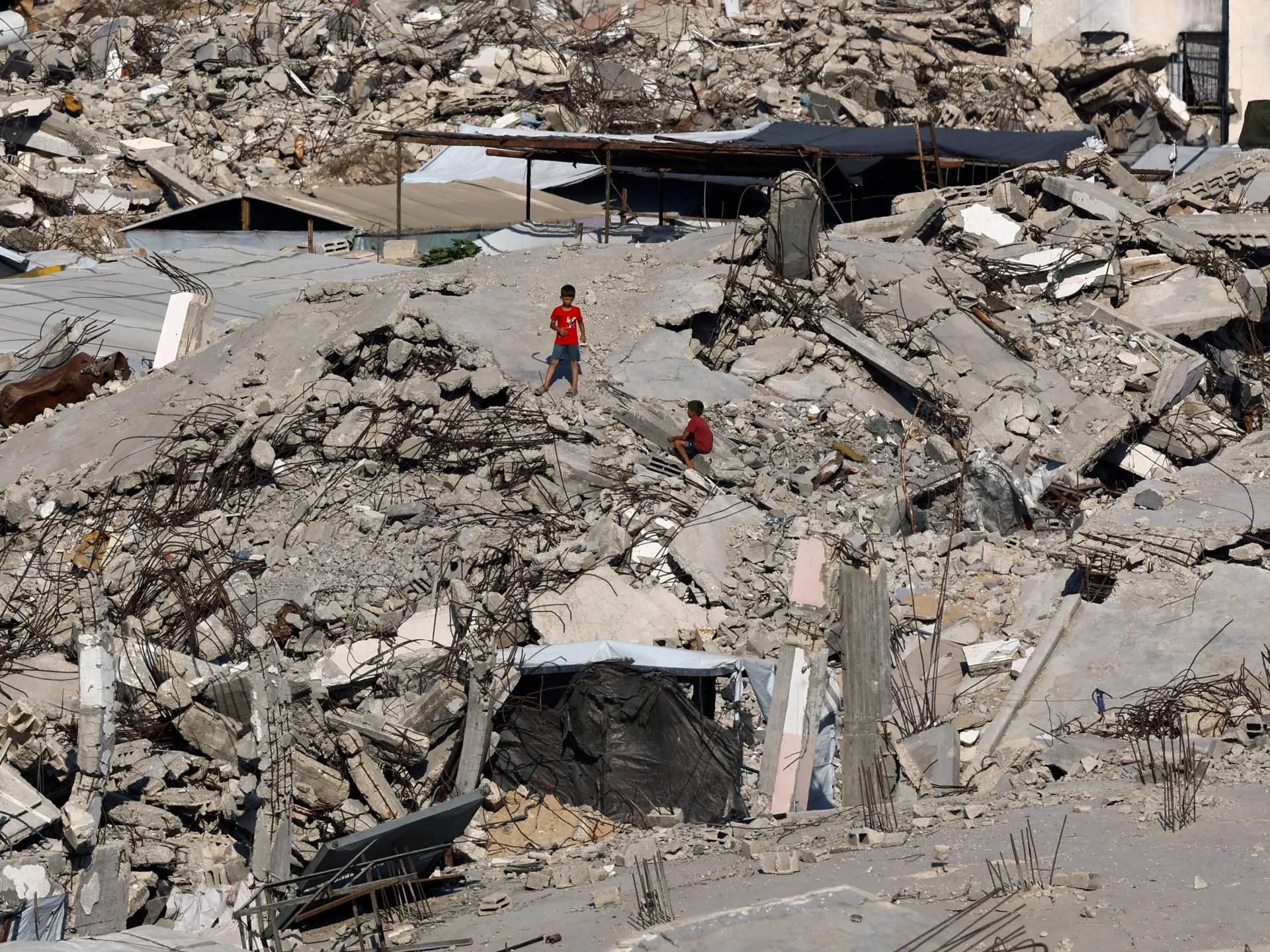
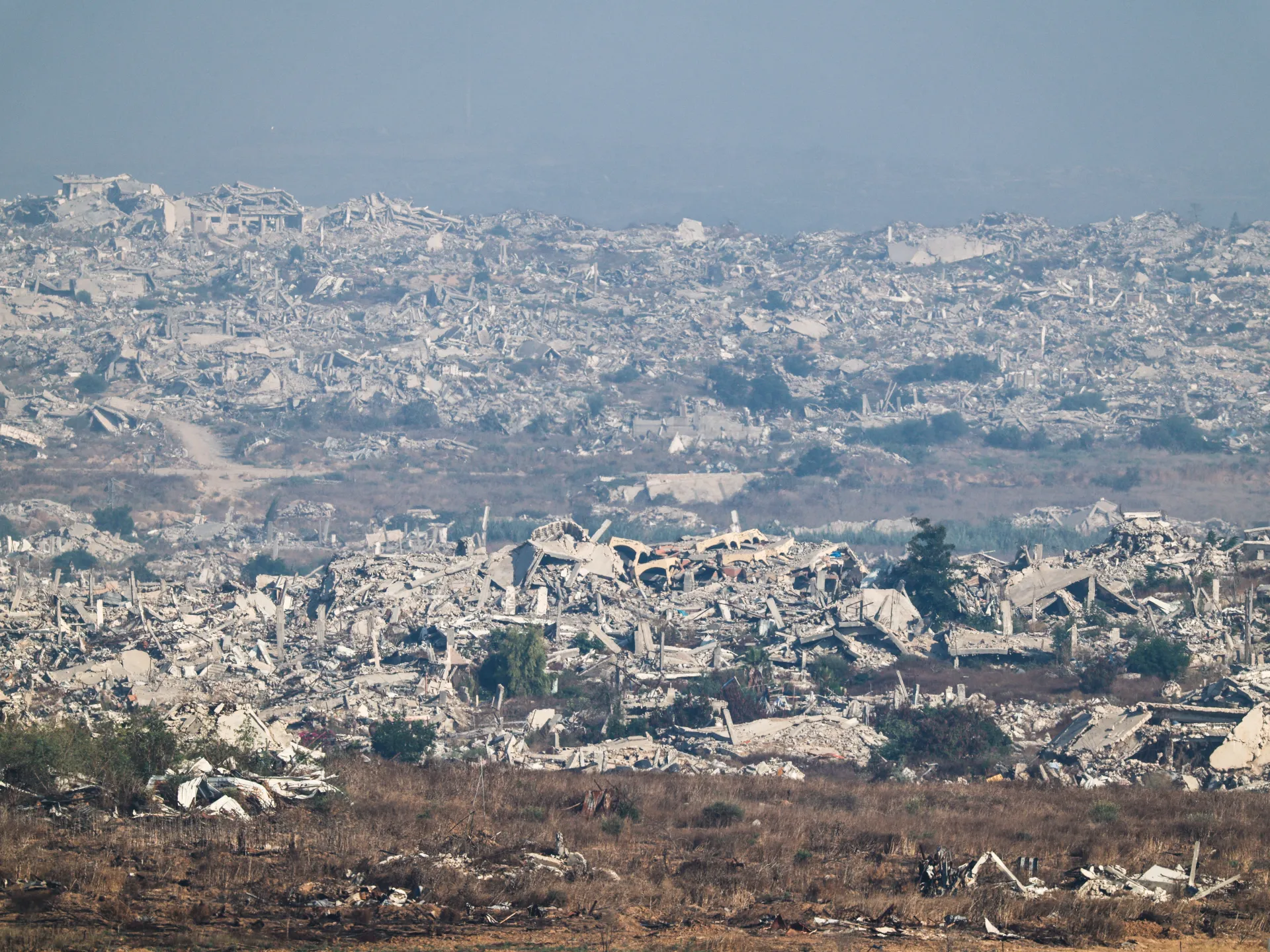
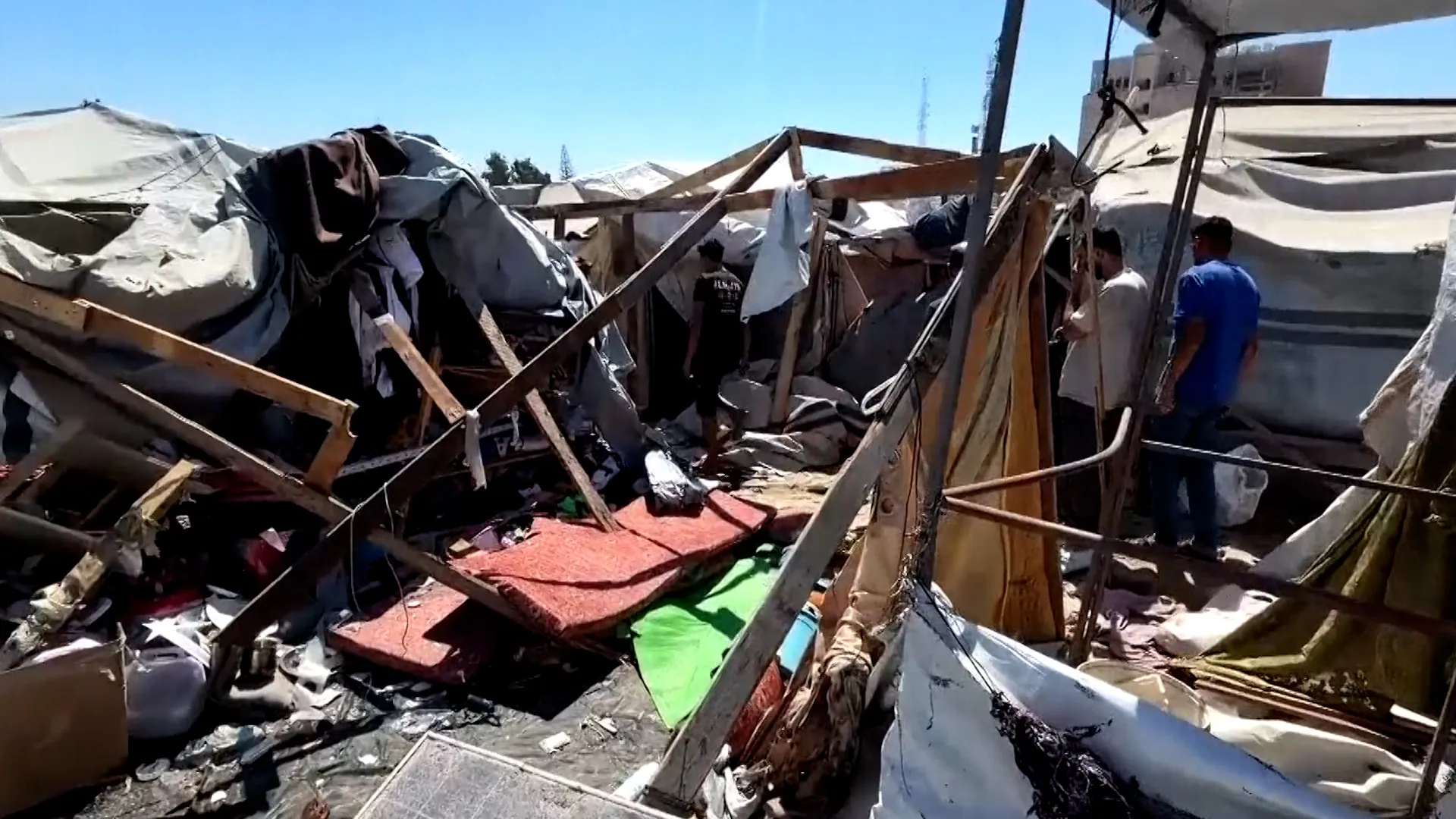
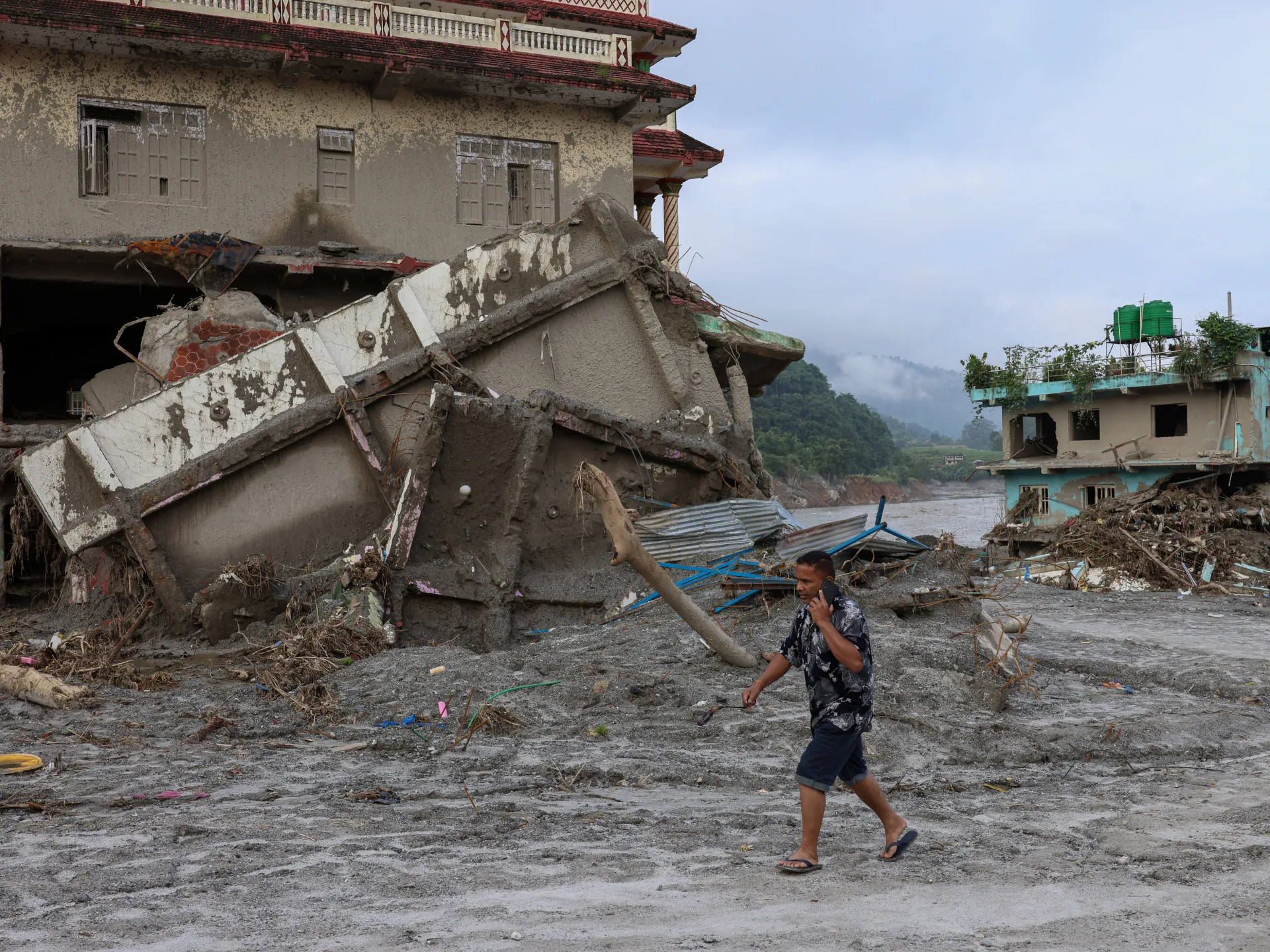
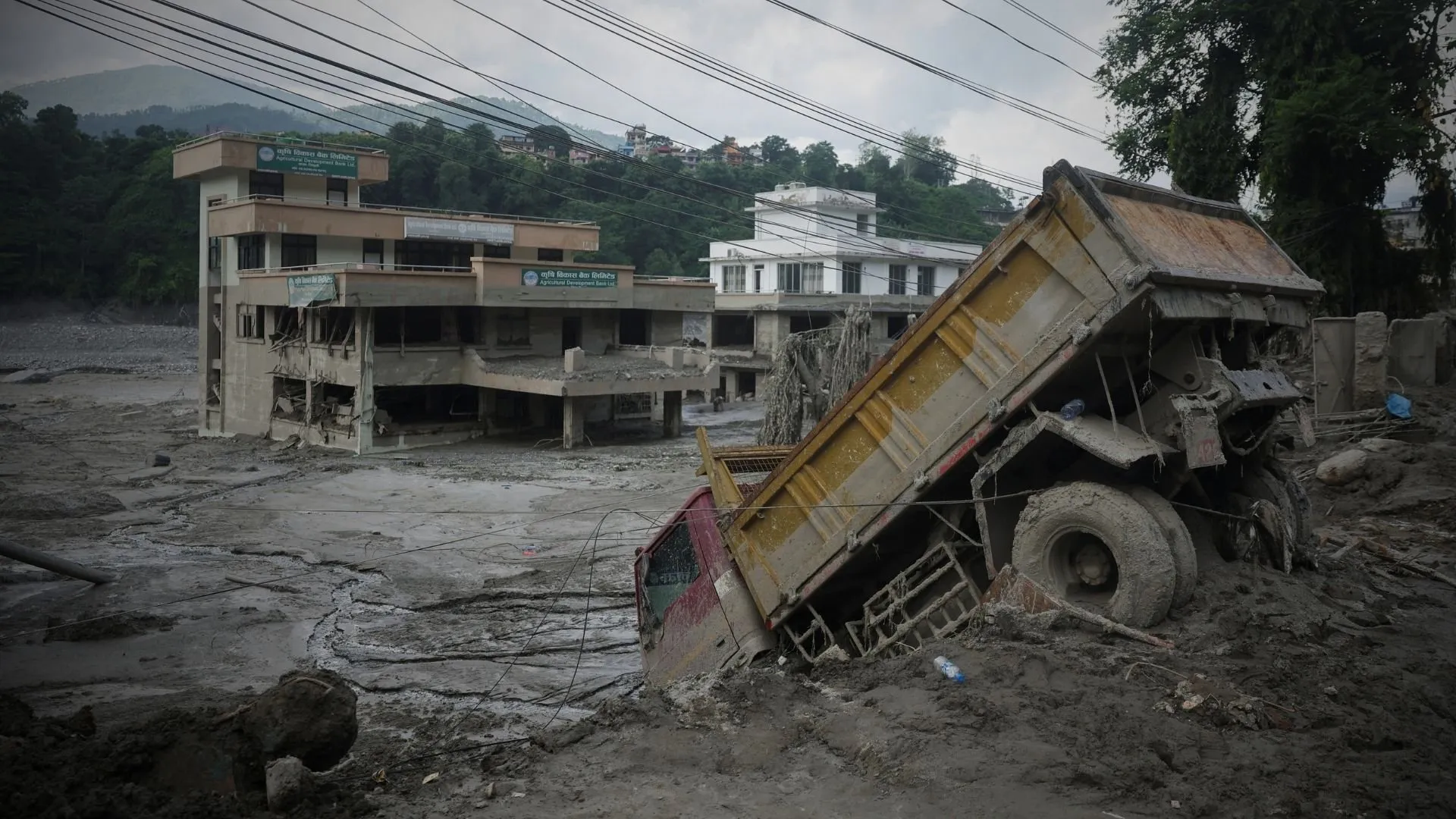
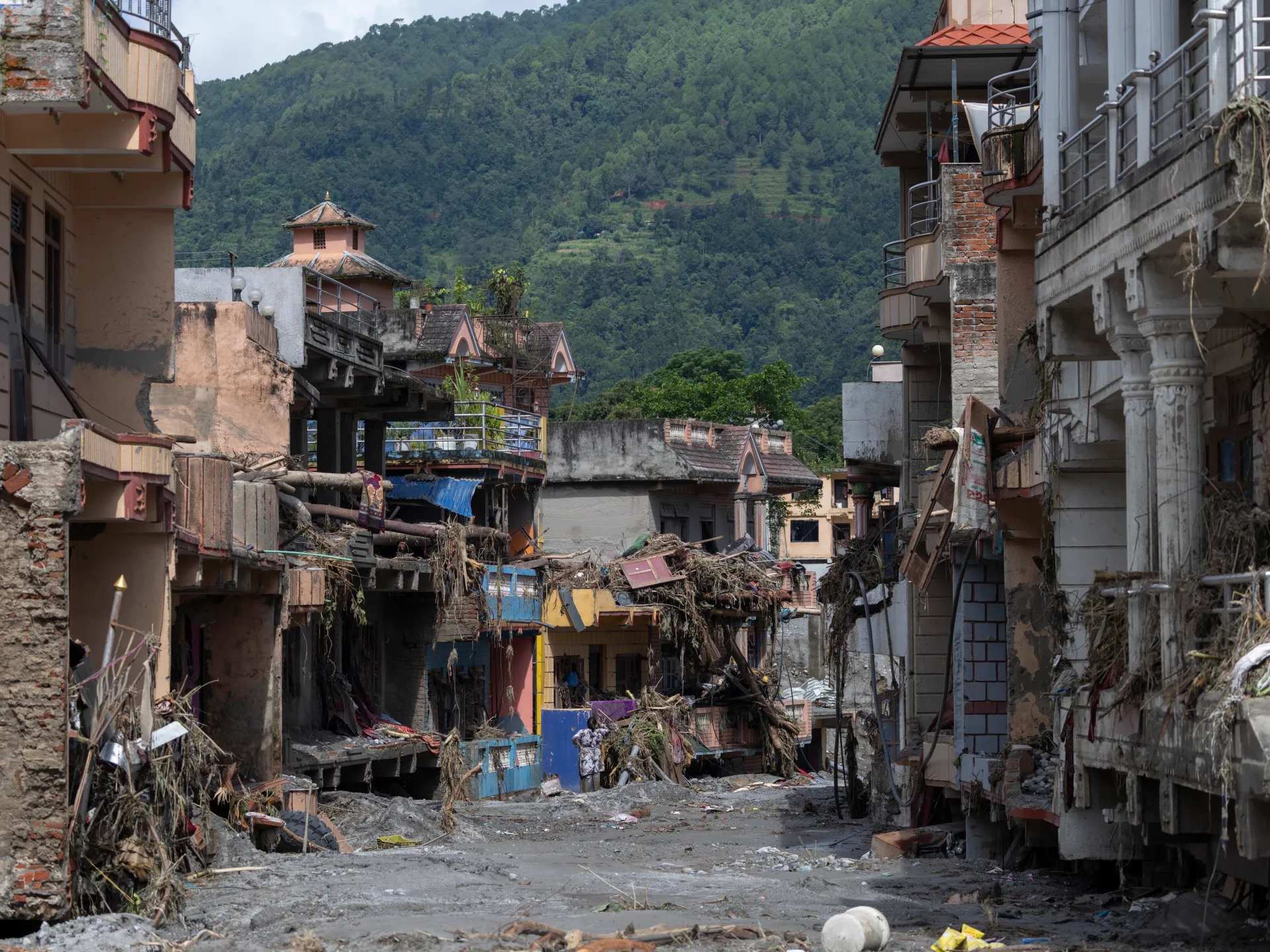
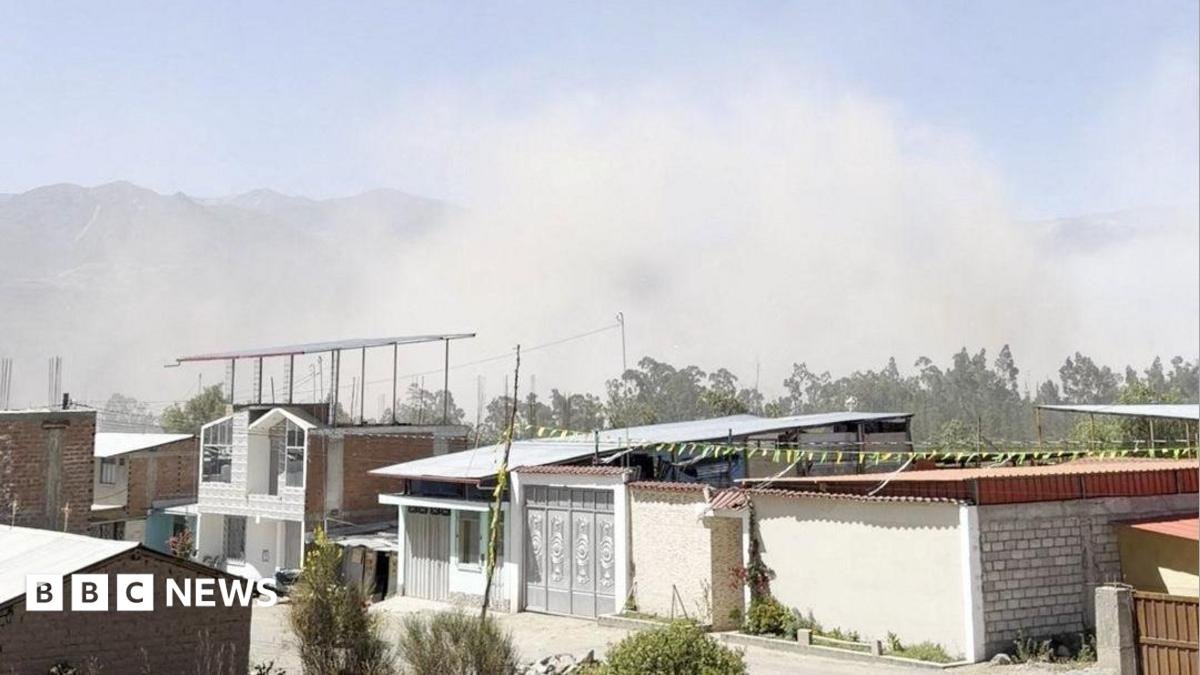
The recent discovery serves as a grim reminder of the immense scale of the tragedy that has unfolded across Nepal. Flash floods in recent weeks have claimed hundreds of lives, while thousands of individuals remain missing, leaving a trail of devastation that has touched countless families. The impact on local infrastructure, including critical energy facilities like the Chilime hydropower site, has exacerbated the difficulties faced
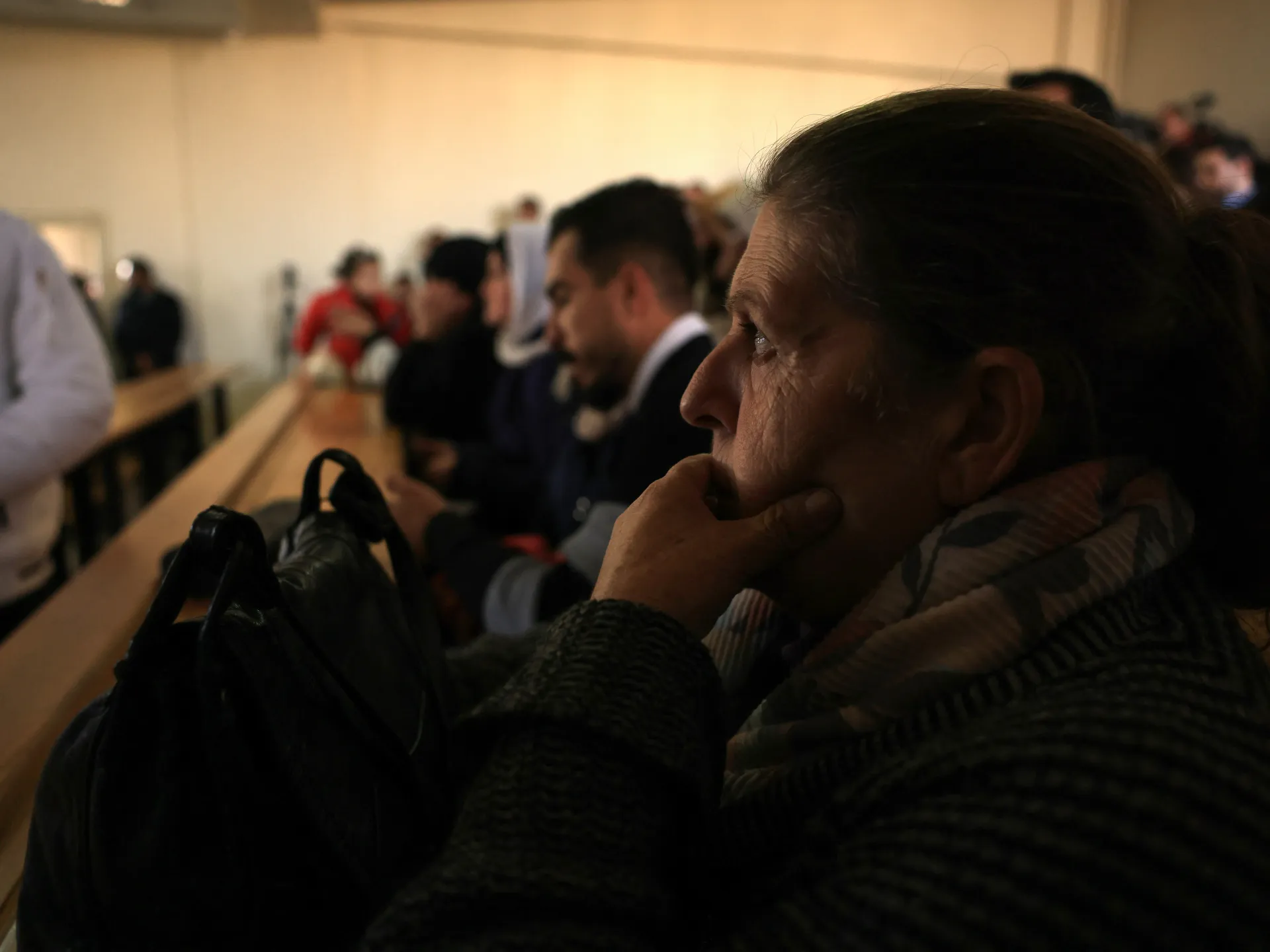
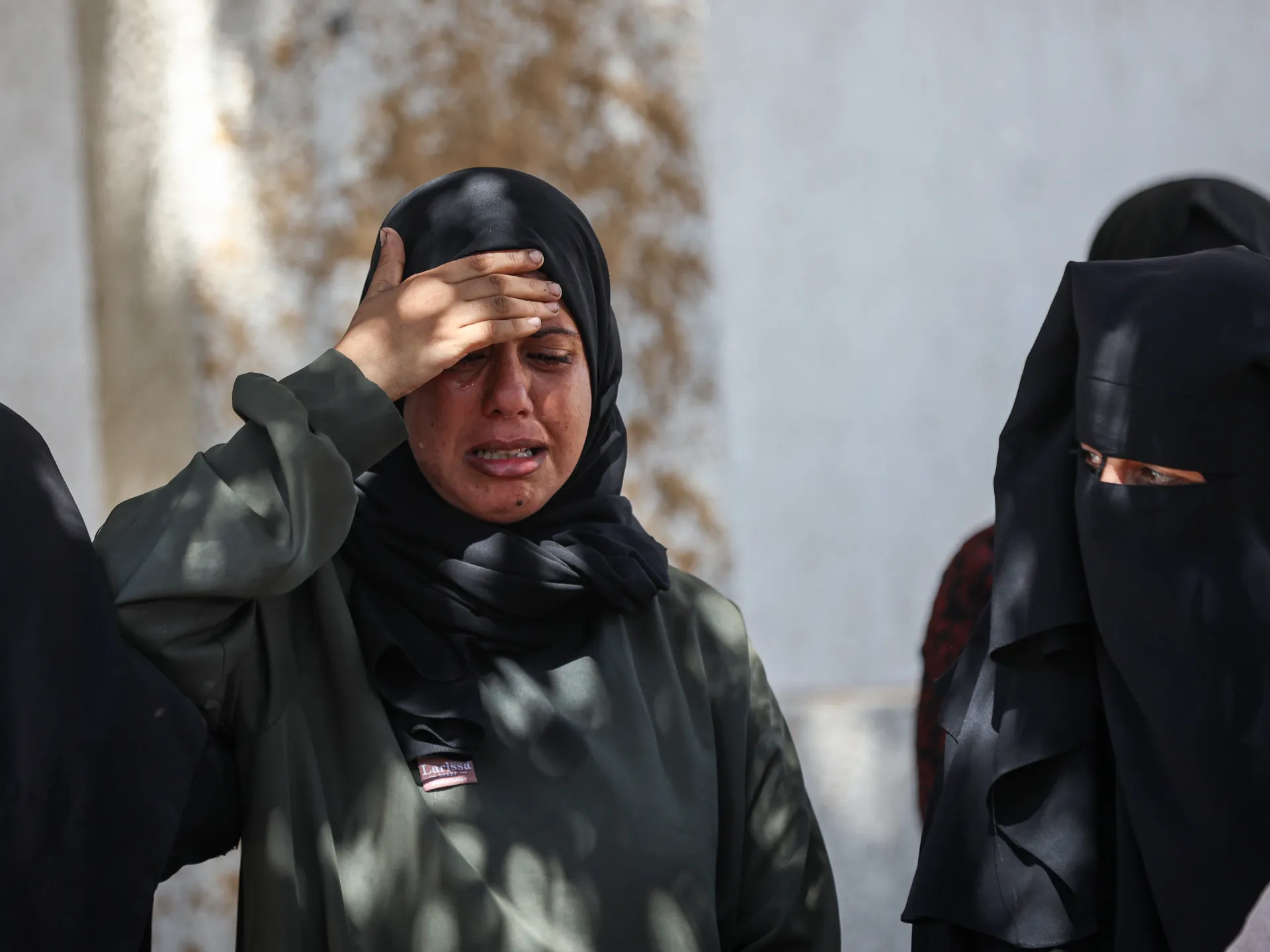
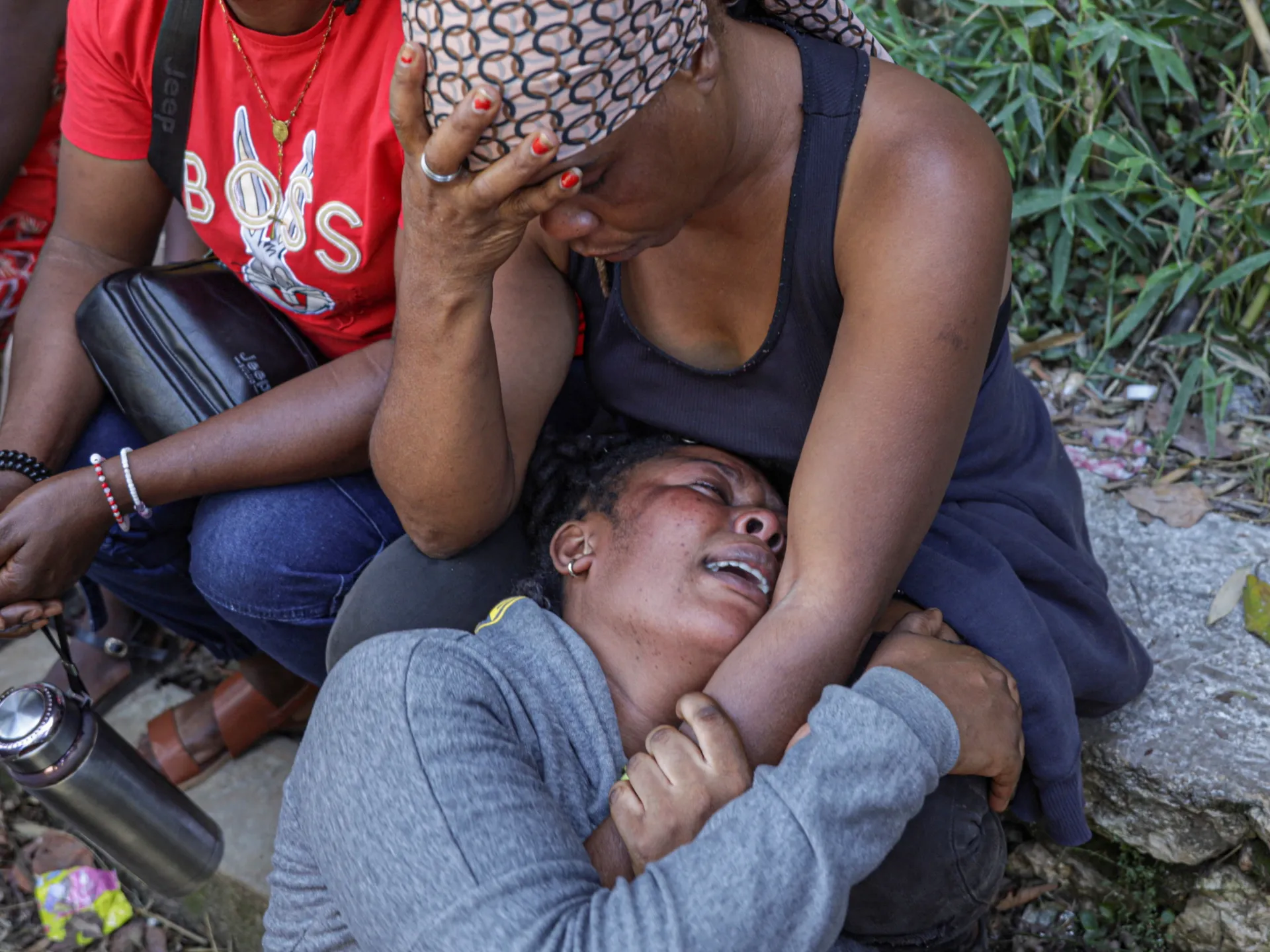
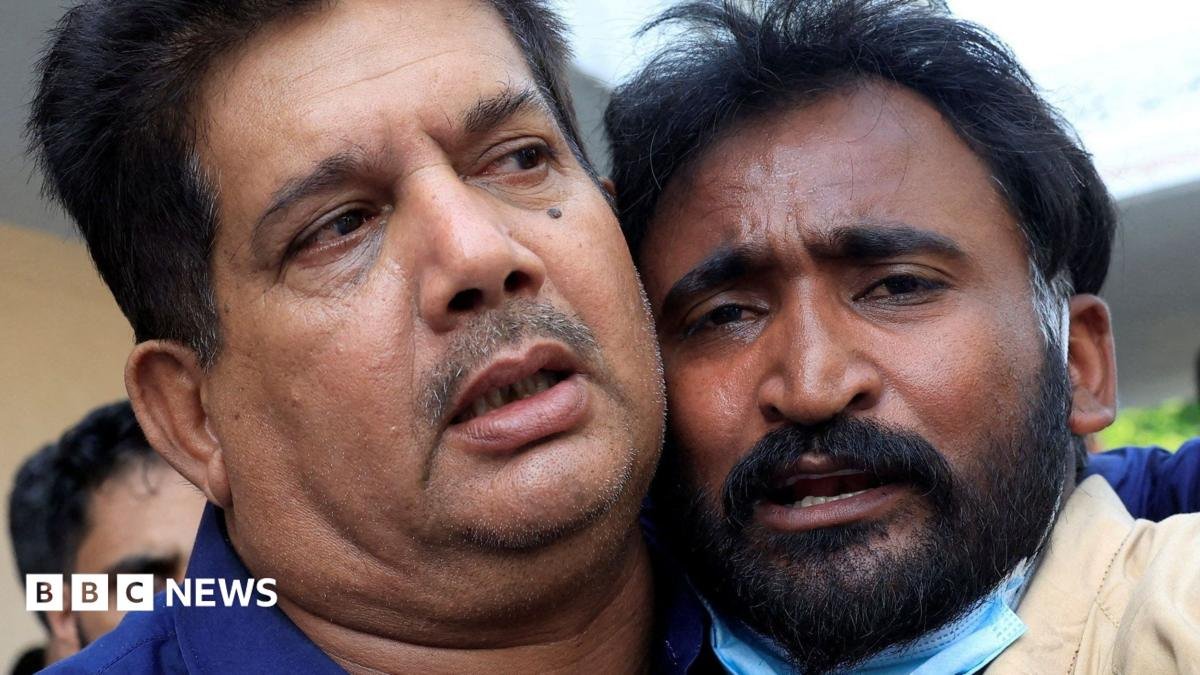
Beyond the immediate loss of life, the disaster has disrupted the daily lives of residents across the region. Many communities are currently grappling with the loss of homes, livelihoods, and essential services. The continued search efforts are not only a matter of legal and moral duty but also a critical component of the grieving process for families who are still waiting for news regarding their missing loved ones.
Rescue operations in Nepal are currently being tested Chilime hydropower tunnel represents one of the most complex environments for search teams, as the water pressure and sediment buildup have created hazardous working conditions. Personnel on the ground have been working in shifts to ensure that all accessible areas of the tunnel are thoroughly inspected.
The logistical hurdles are further compounded s leading to these sites have been washed away or blocked nd personnel. Despite these obstacles, the commitment from both government agencies and local volunteers remains steadfast as they continue the search for those yet to be located.
As the search enters its third week, families of the victims have begun to voice their frustration regarding the pace of the recovery operations. Many are calling for more robust support and faster mobilization of resources to ensure that the search efforts are exhaustive. The emotional toll of the situation is immense, and there is a growing demand for transparency and accountability in how the recovery and subsequent reconstruction efforts are managed.
Looking ahead, the government and international aid organizations are expected to assess the long-term impact of these floods. The disaster has highlighted the vulnerability of critical infrastructure to extreme weather events, which are becoming increasingly frequent. Future planning will likely focus on strengthening resilience and improving emergency response protocols to better protect both the population and vital regional infrastructure from the unpredictable nature of such environmental catastrophes.