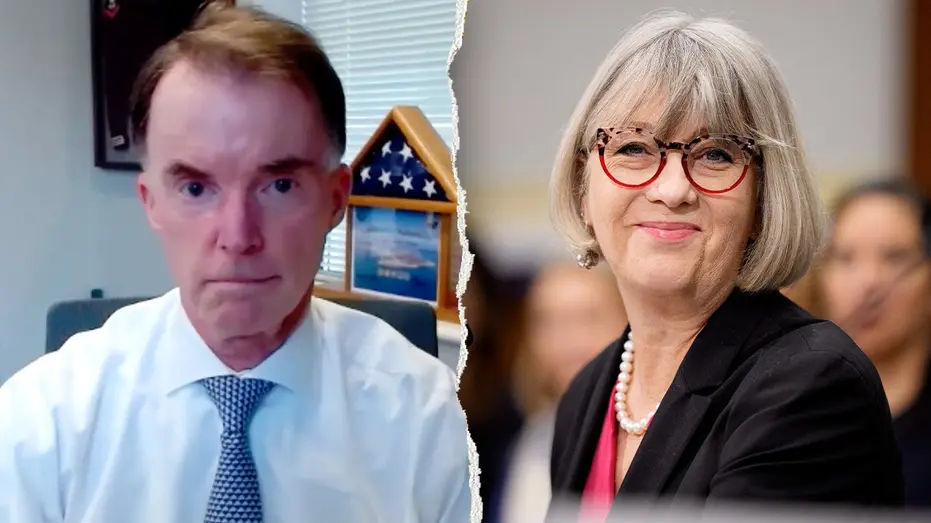
Israeli President Herzog has pardoned a soldier for a 2016 killing while former Philippine leader Rodrigo Duterte faces an ICC fitness-for-trial assessment.
The convergence of legal developments in Israel and the Netherlands reflects a broader, global tension regarding the limits of state power and the evolving standards for individual accountability in high-stakes political environments. While the pardon granted to Elor Azaria highlights how domestic political interests—often framed through national security or the protection of military personnel—can supersede judicial findings of excessive force, the ongoing trial of Rodrigo Duterte at the International Criminal Court (ICC) signals a persistent, albeit precarious, push for universal justice. These events, occurring simultaneously, illustrate the deep divide between nations that prioritize the insulation of their agents from international scrutiny and the growing reach of global institutions seeking to challenge historical impunity.
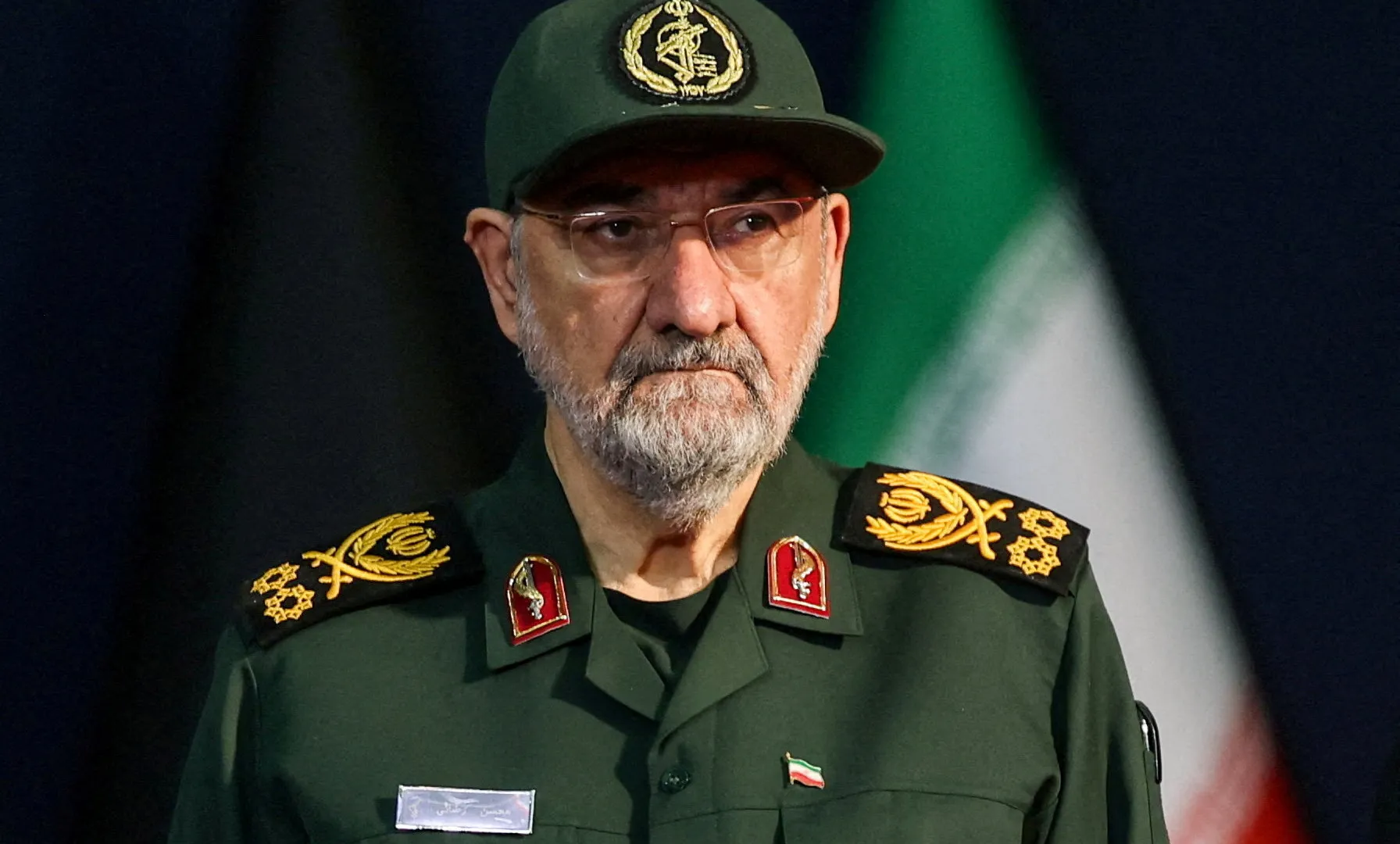
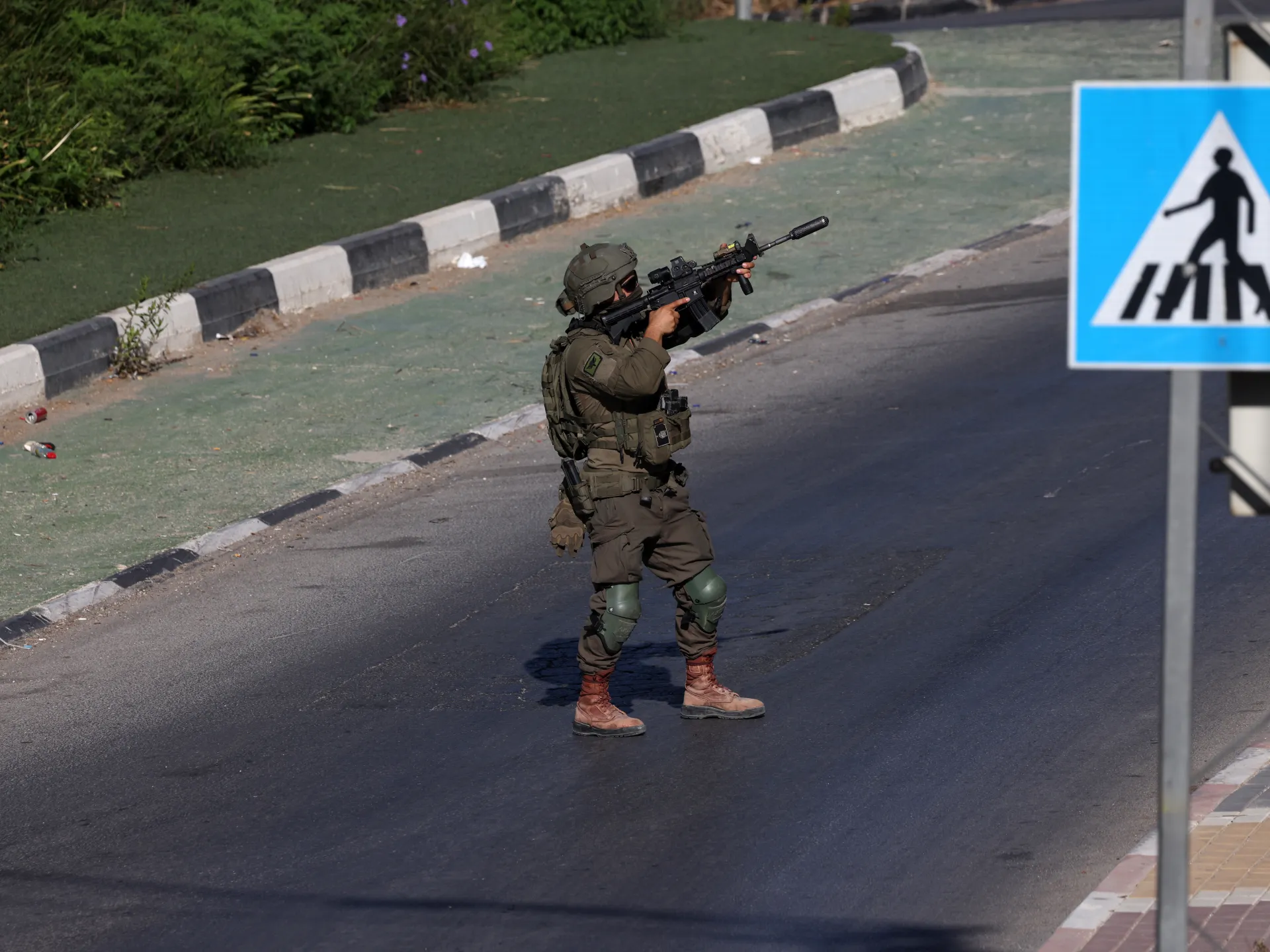
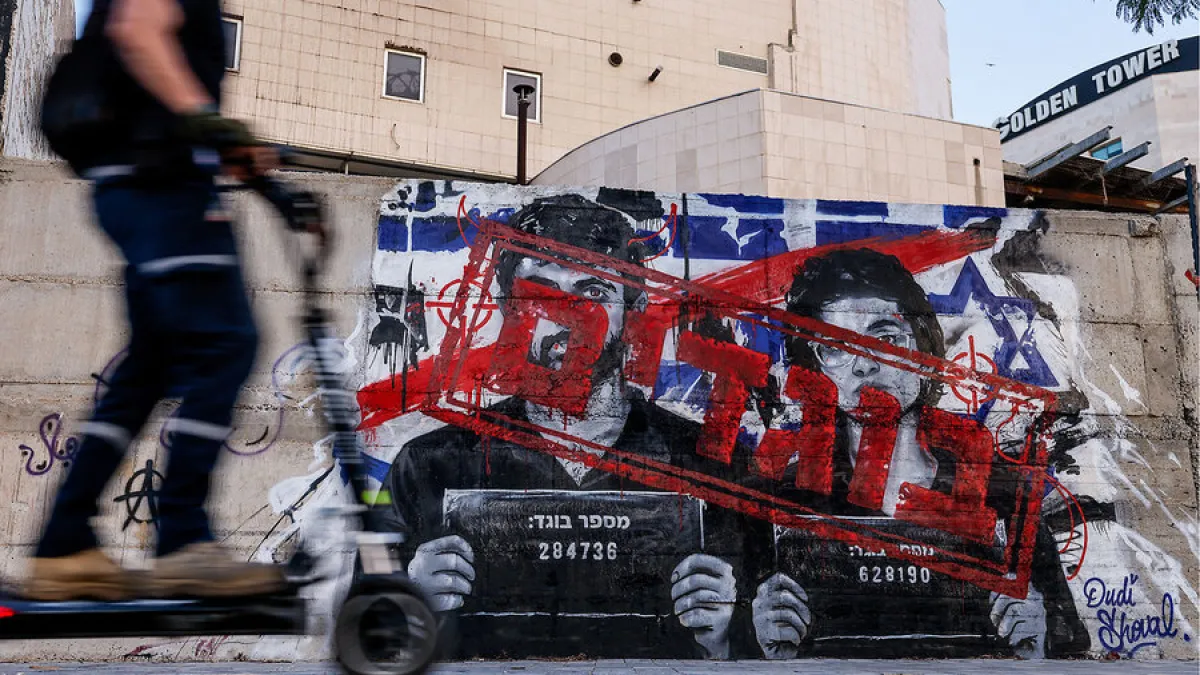
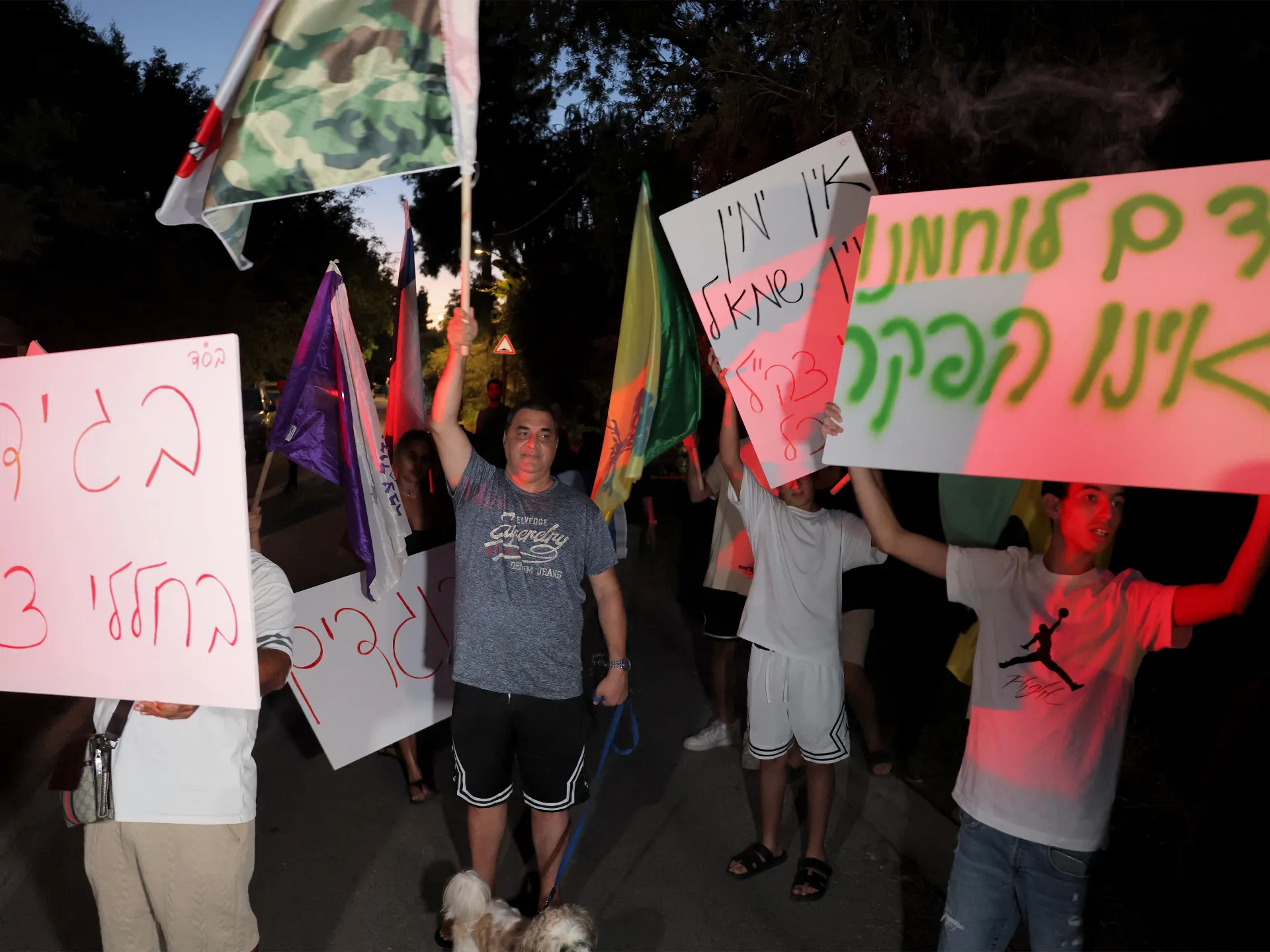
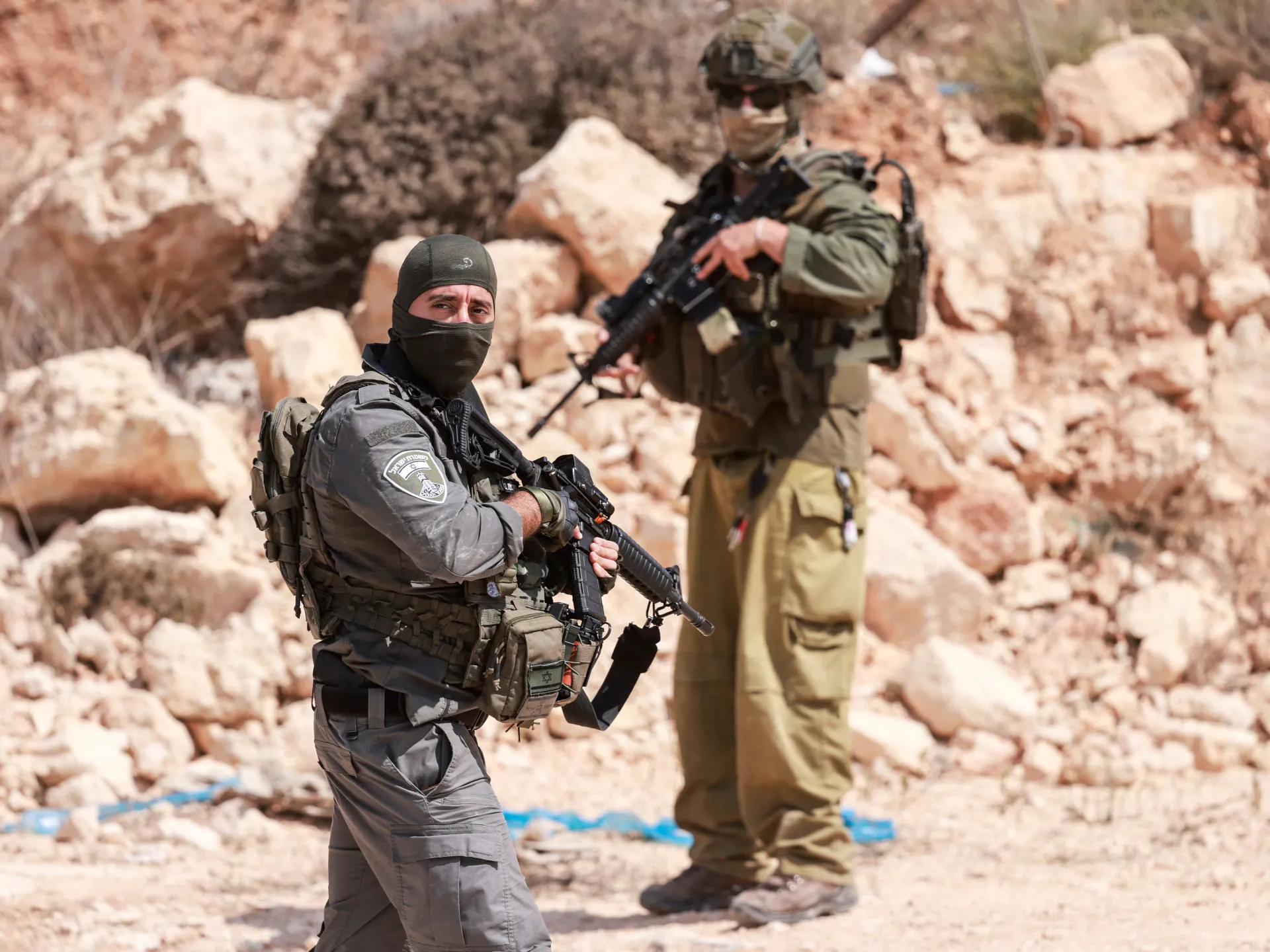
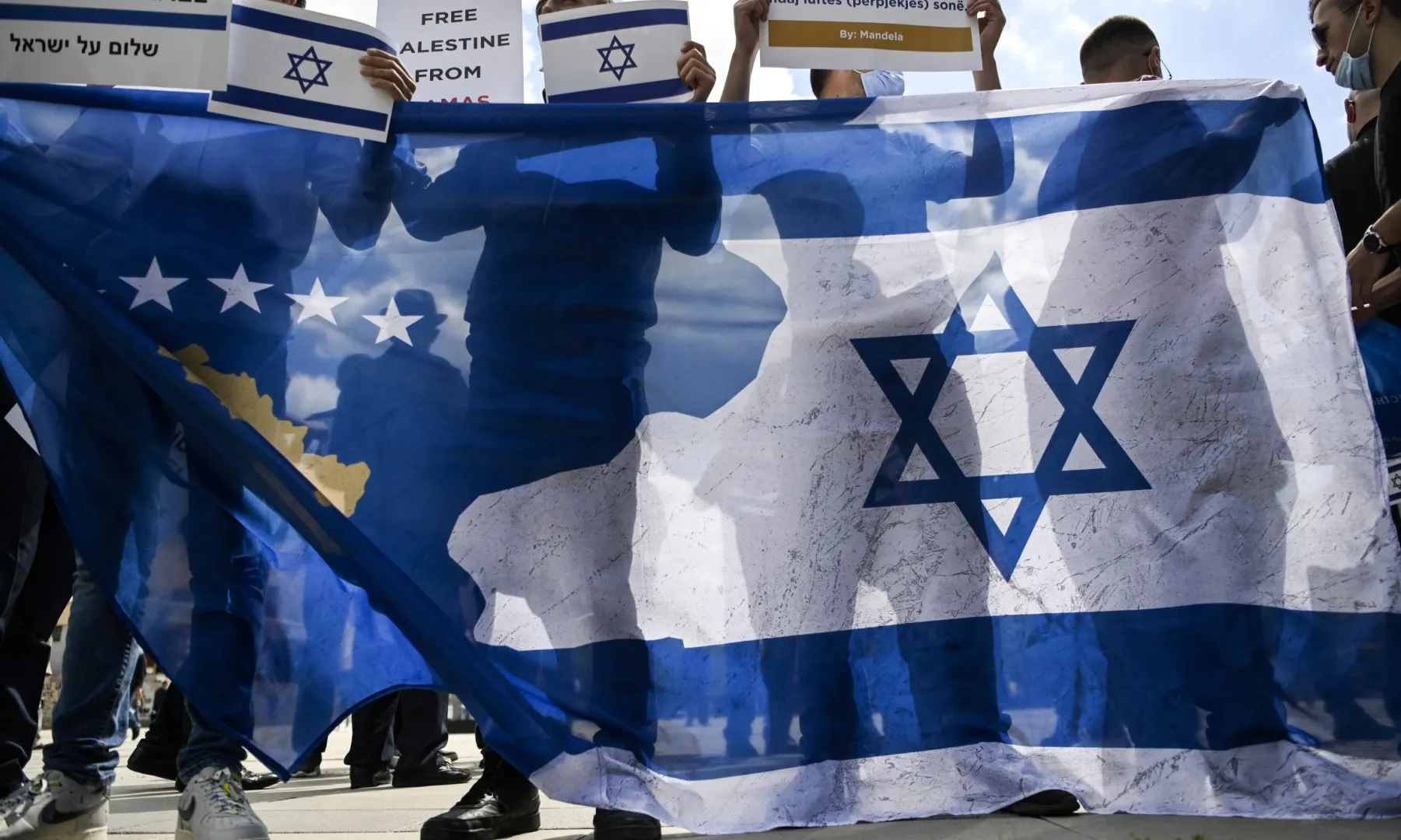
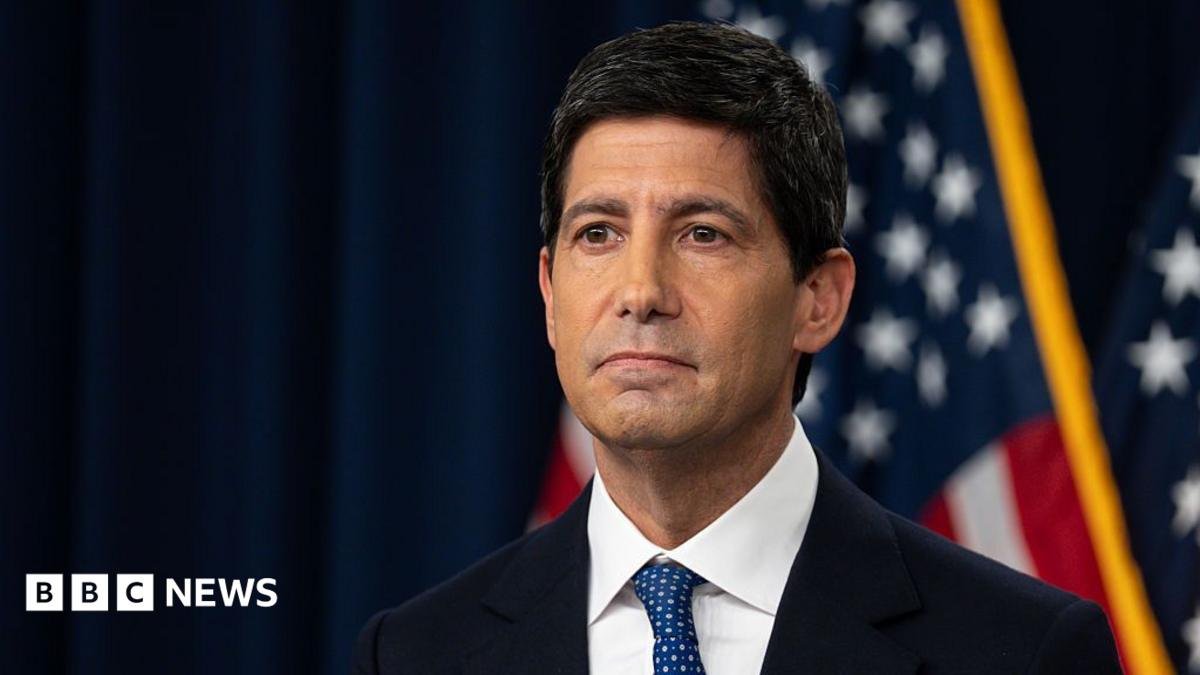
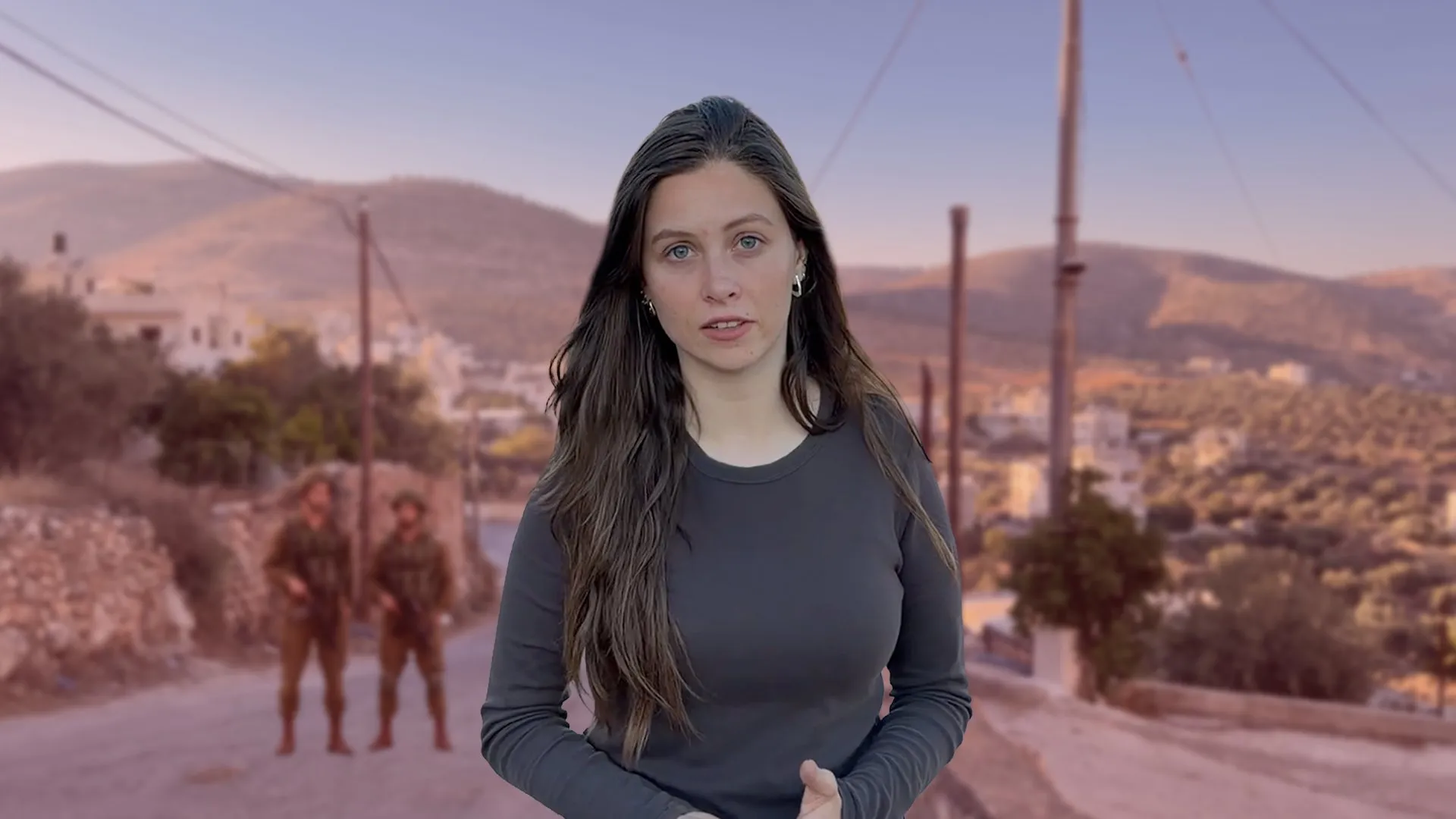
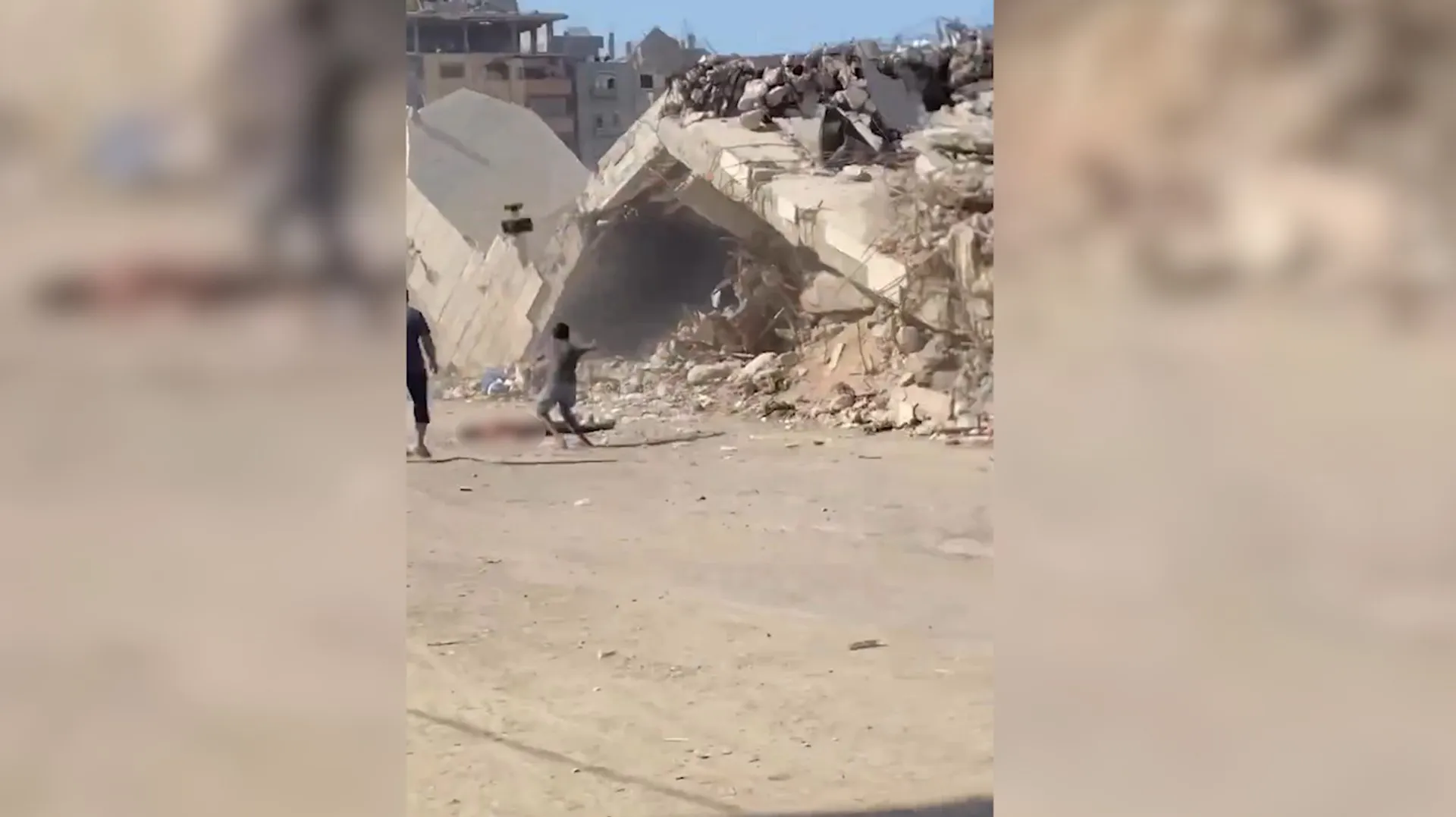
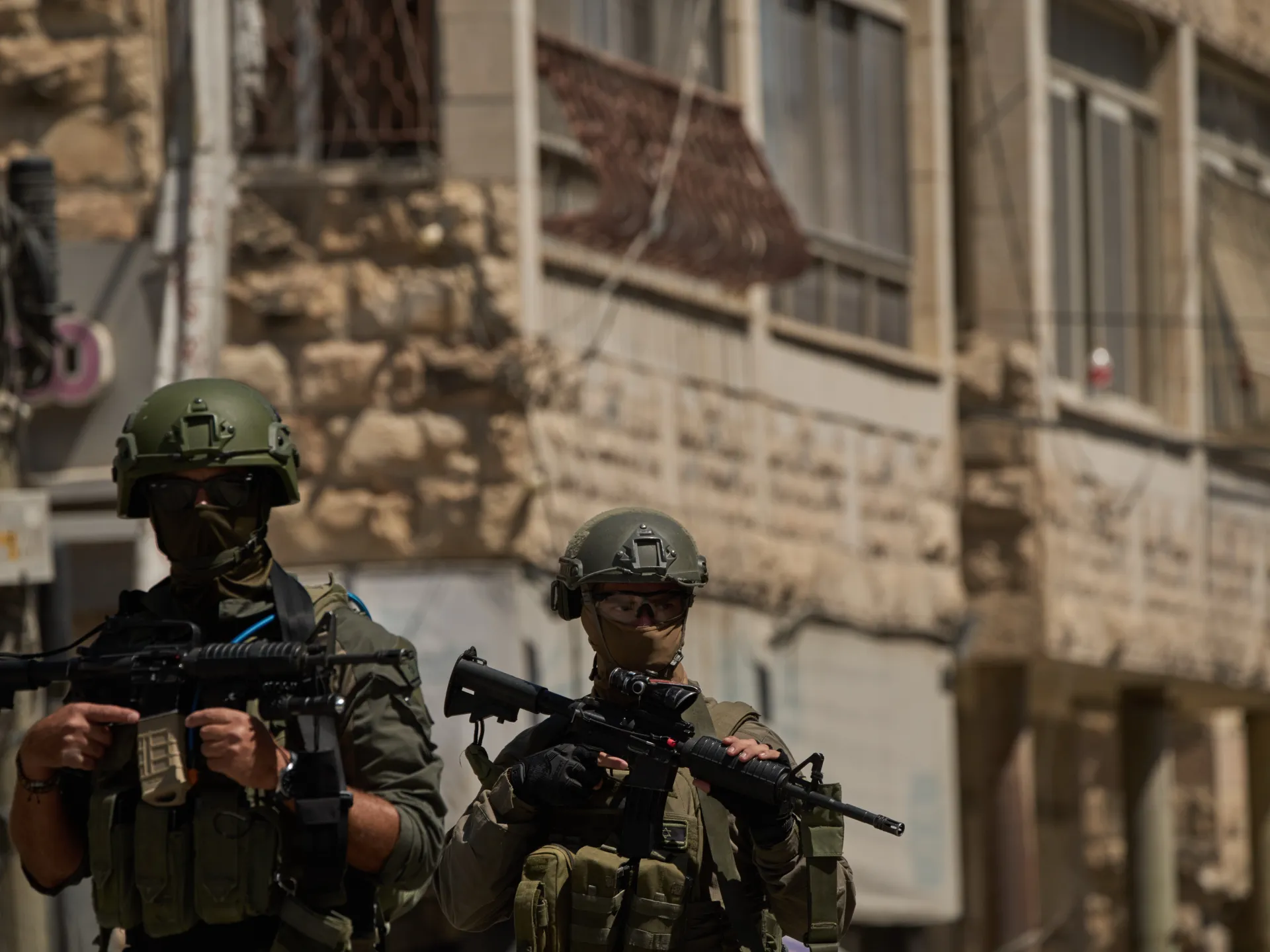
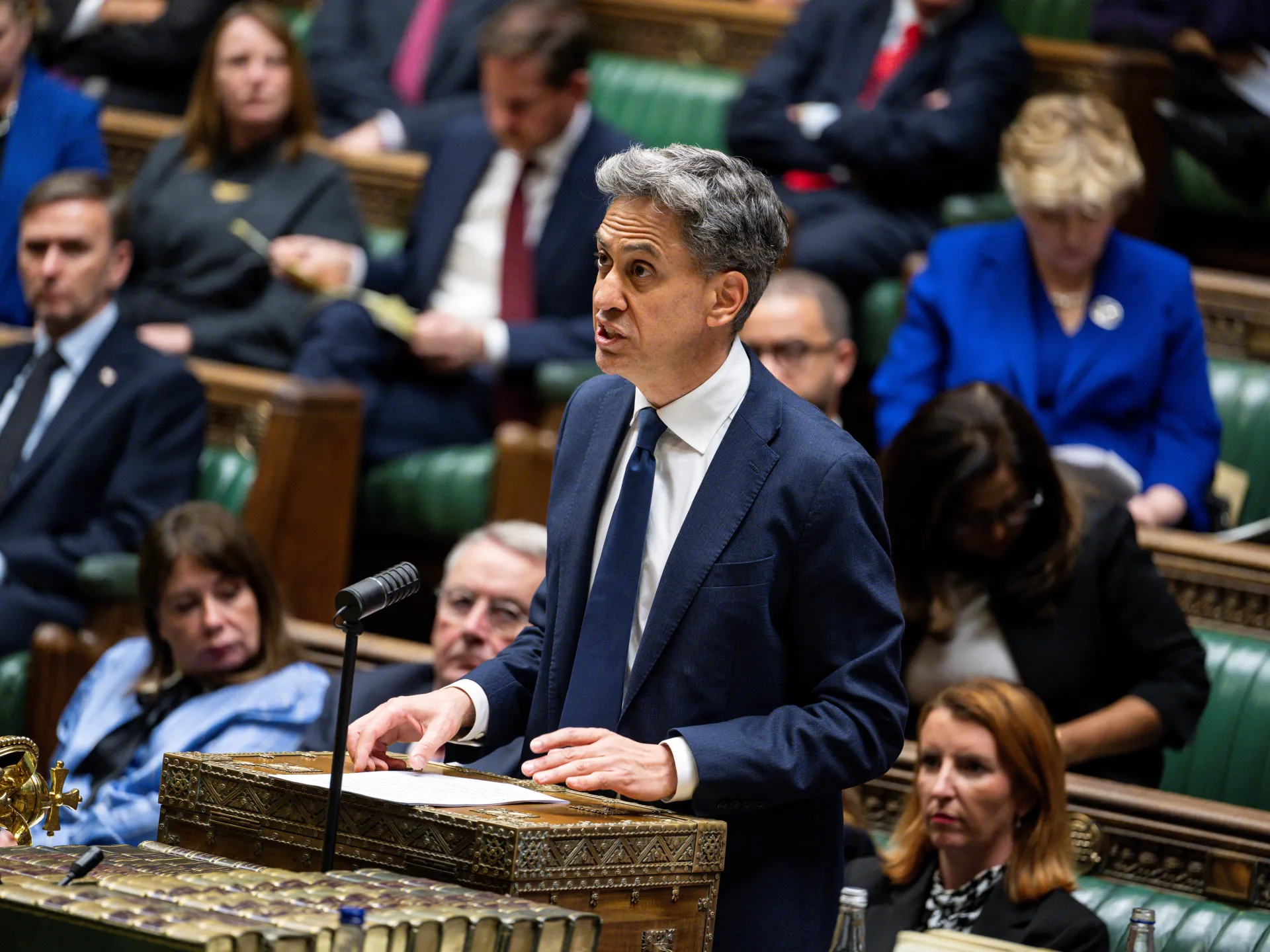
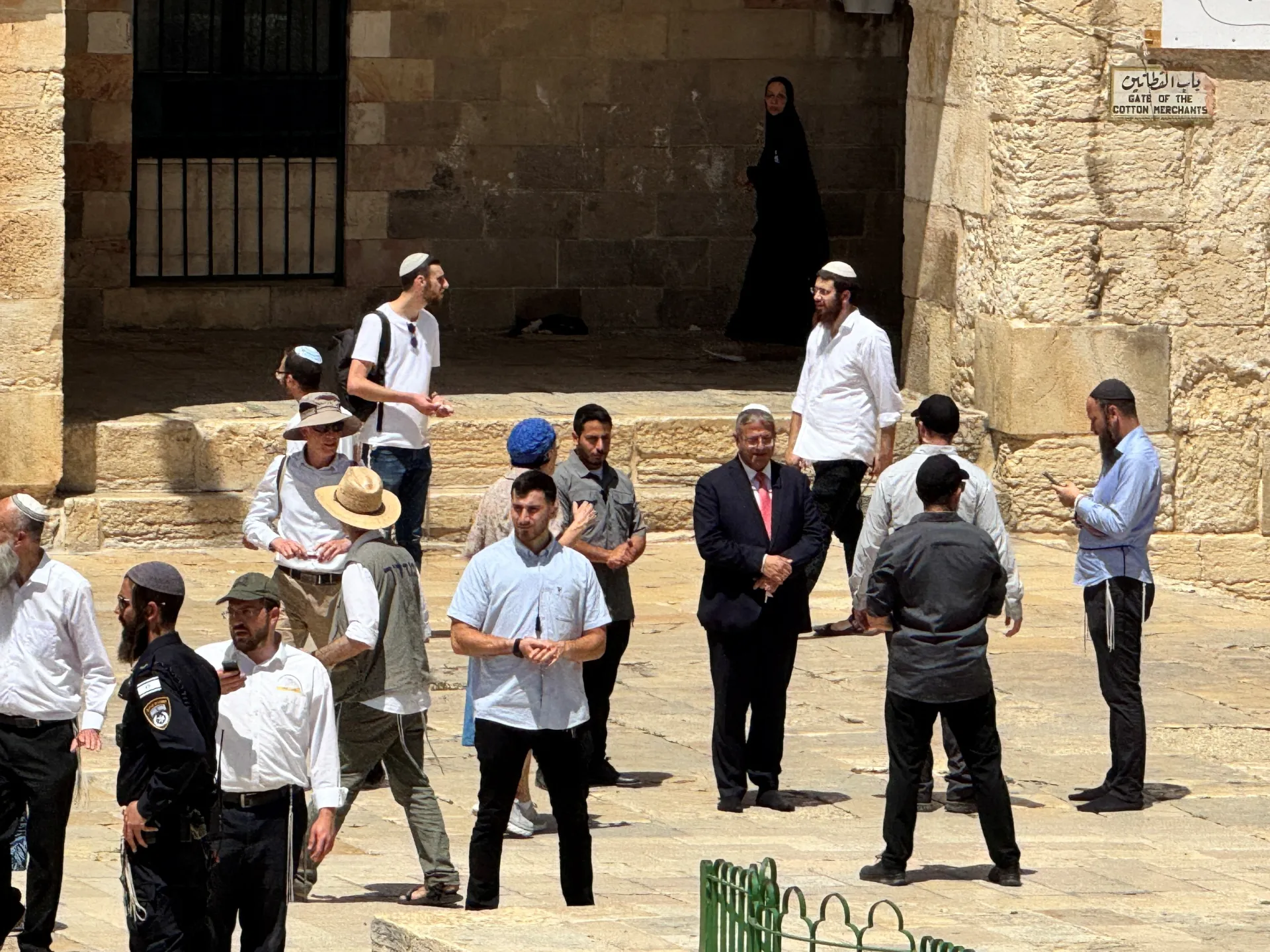
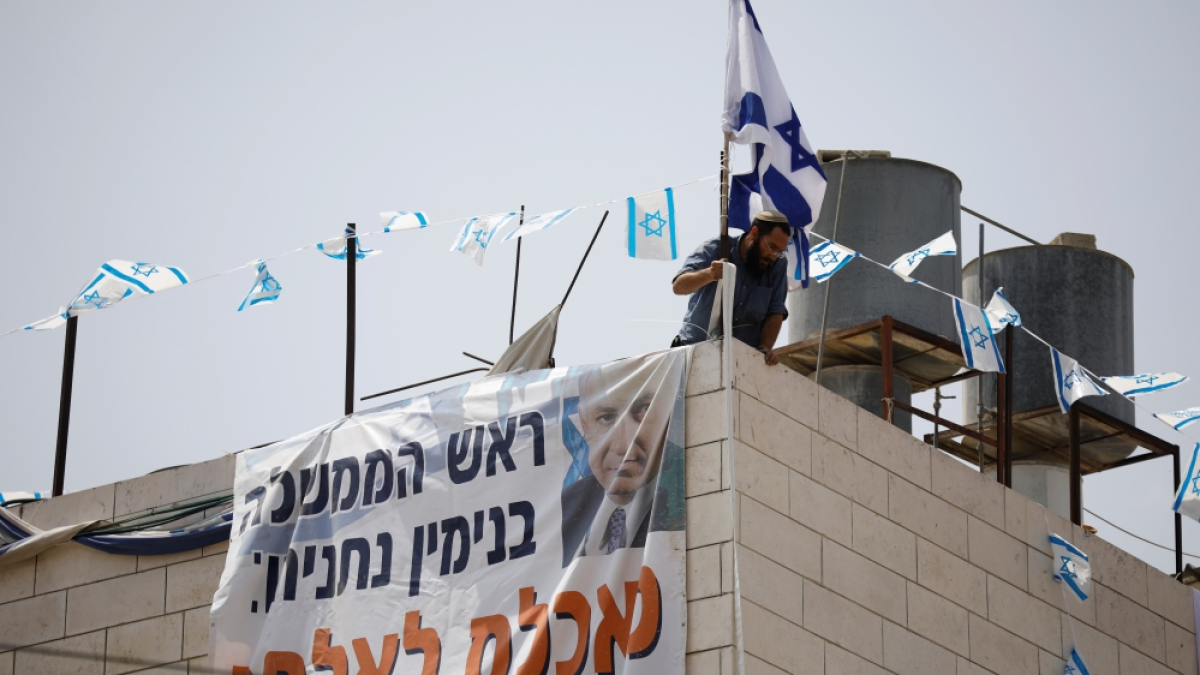
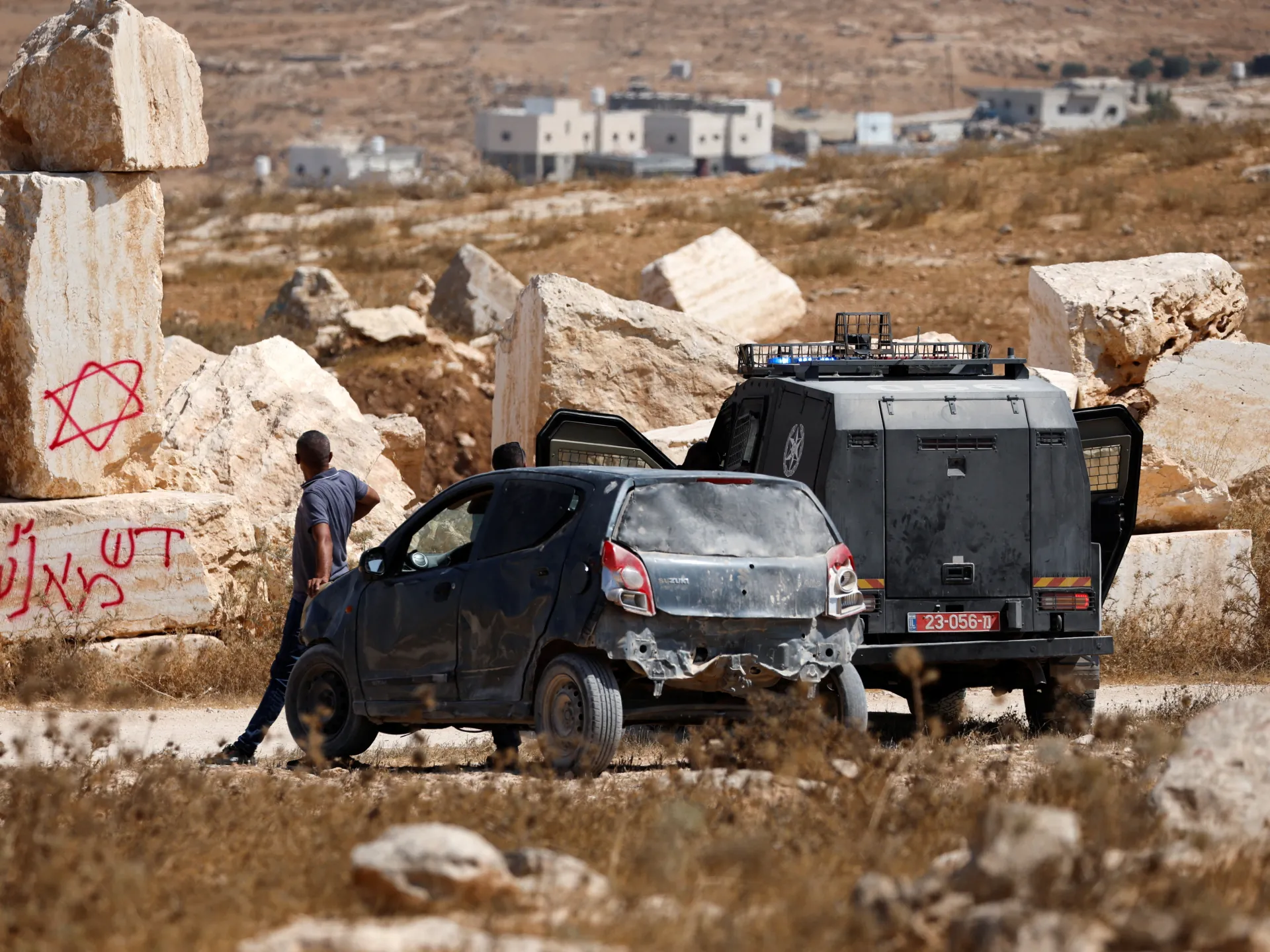
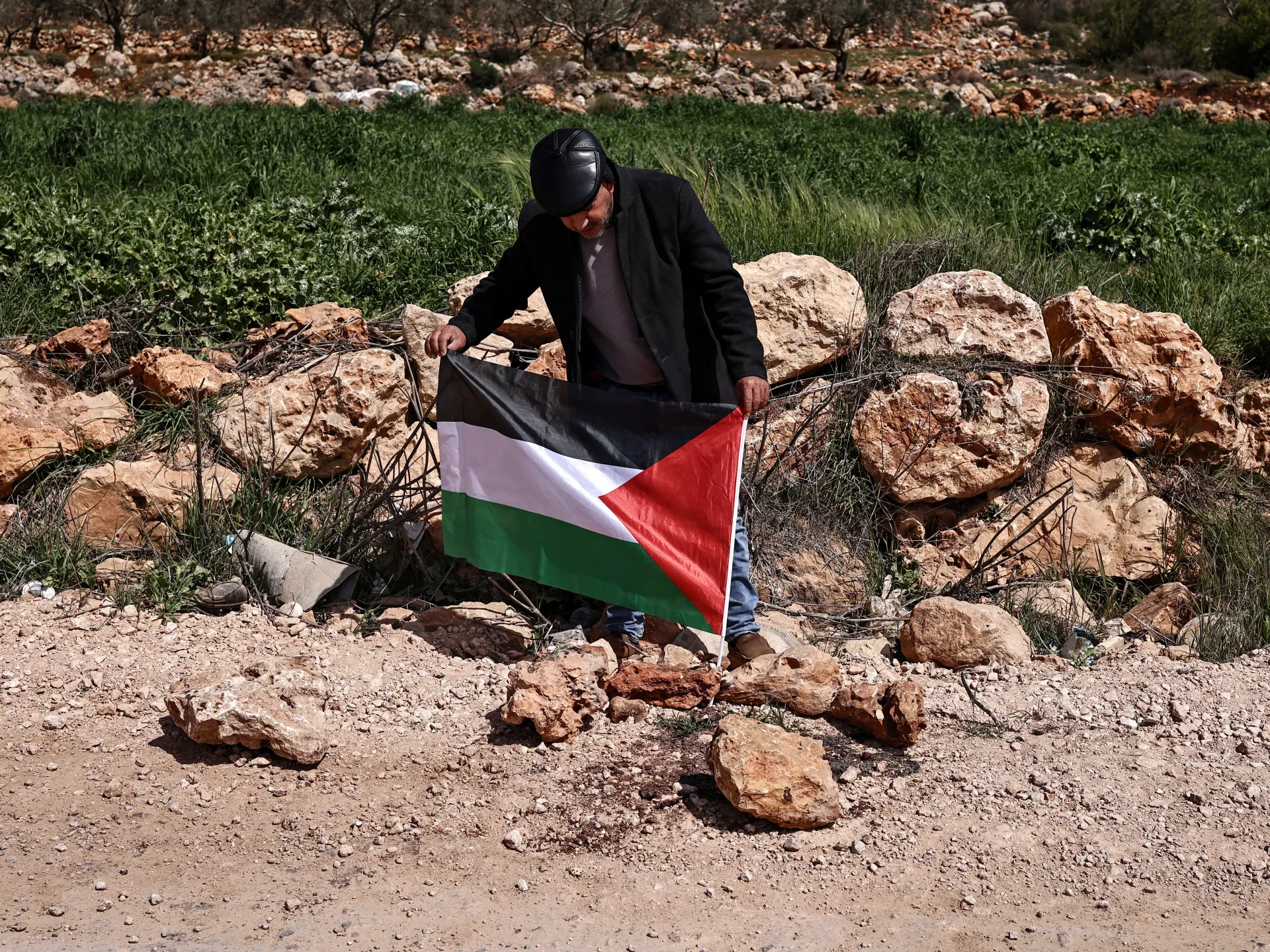
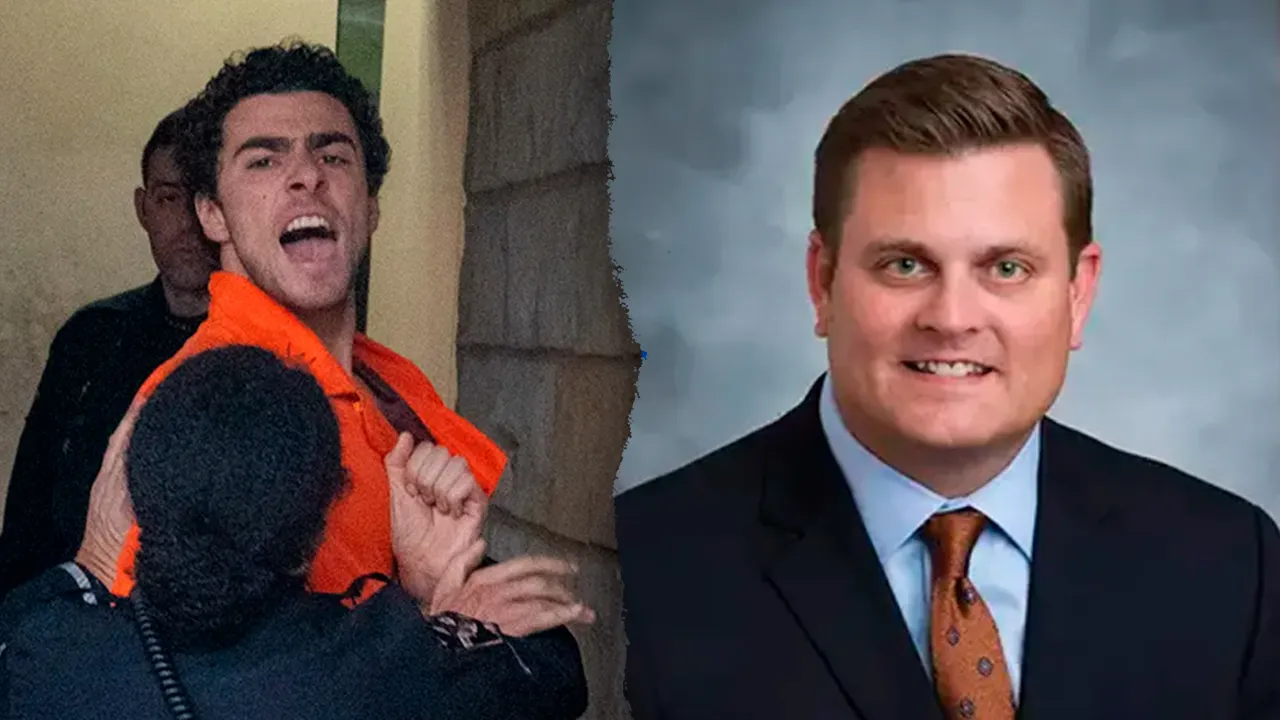
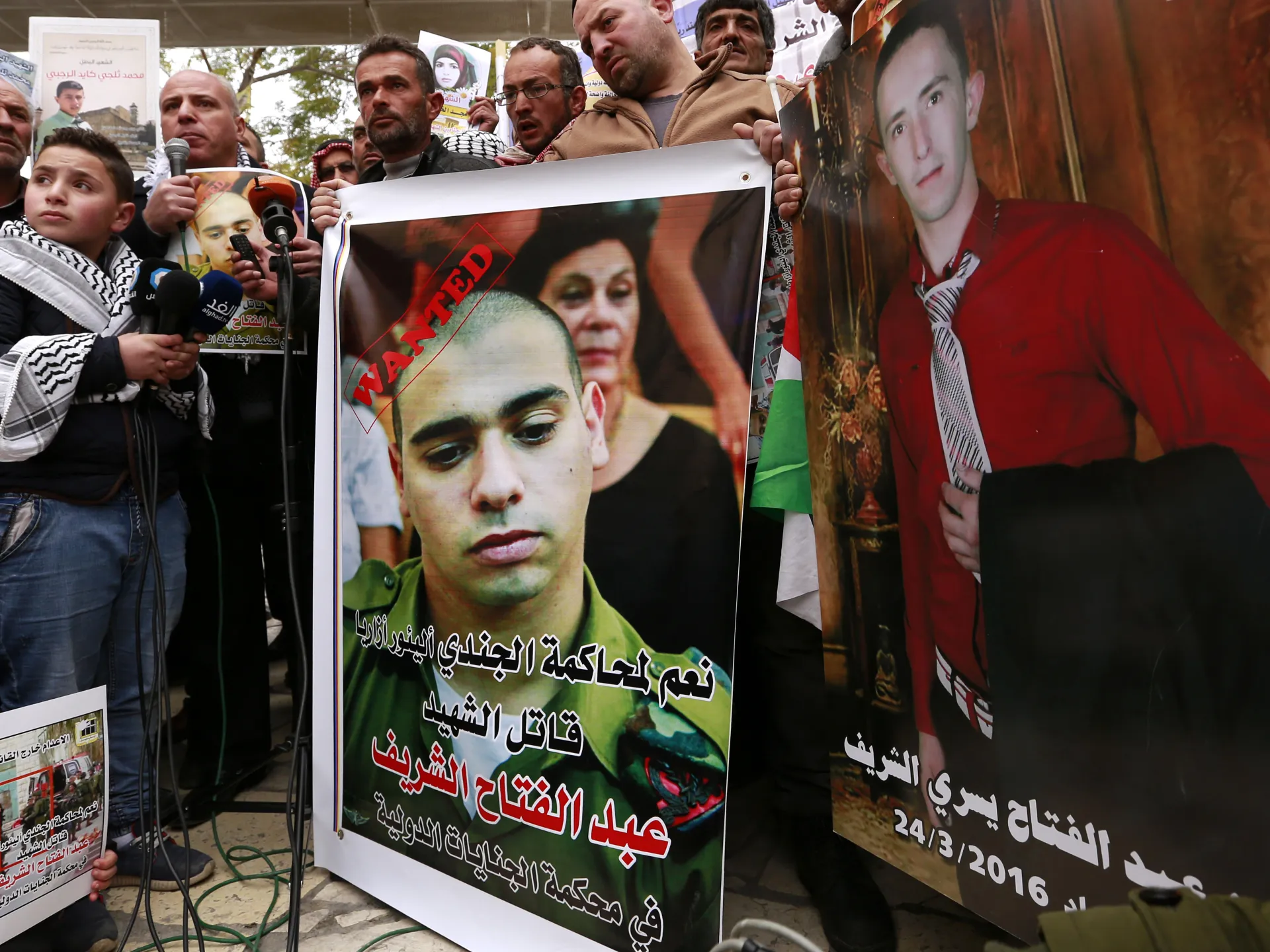
Israeli President Isaac Herzog has officially expunged the criminal record of Elor Azaria, a former military medic convicted of manslaughter for the 2016 fatal shooting of a wounded, incapacitated Palestinian assailant. The decision, announced in September 2026, effectively clears Azaria’s record a decade after the incident, which saw him shoot Abdel Fattah al-Sharif in the head while the latter lay injured on the ground. The move follows a formal request from Defence Minister Israel Katz, who framed the pardon as a signal that the state does not “abandon our fighters.”
The decision was not without institutional friction. Israeli army Chief of Staff Lieutenant-General Eyal Zamir reportedly opposed the move, citing the fact that Azaria never expressed remorse for his actions. Despite this military opposition, President Herzog’s office maintained that the pardon was justified apter in his life.” The timing of the pardon was specifically tied to the spirit of Yom Kippur, the Jewish Day of Atonement.
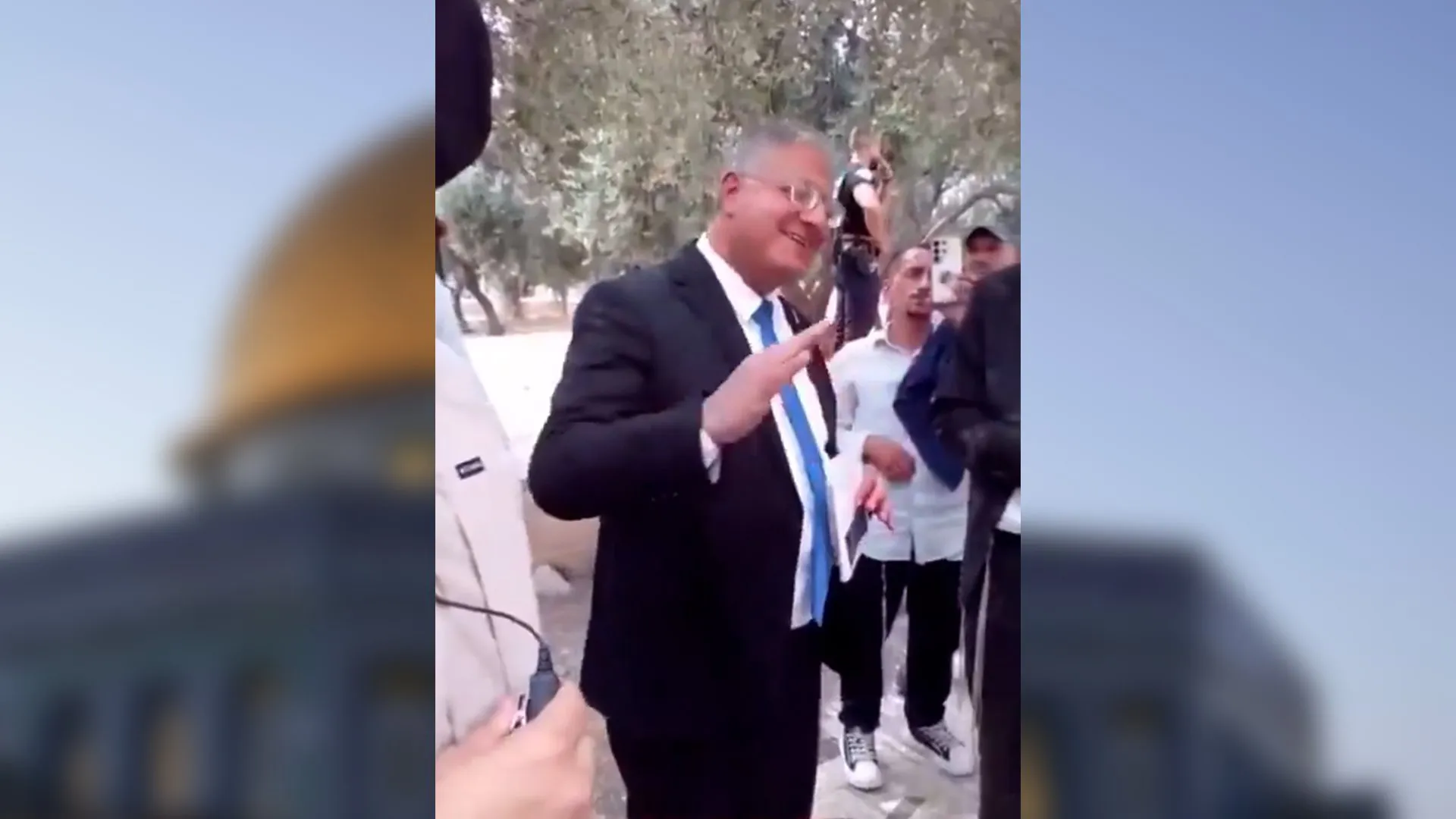
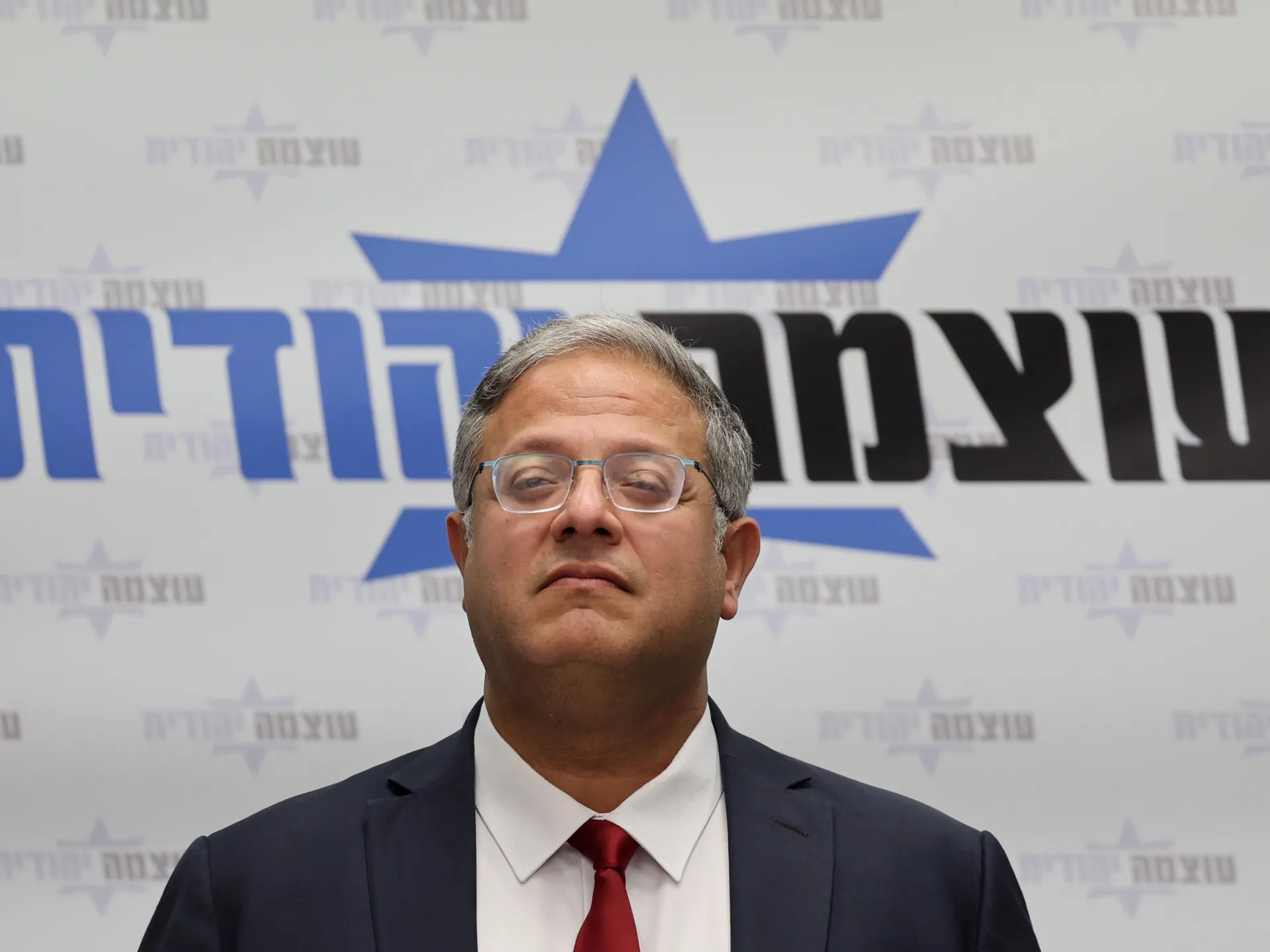
International and domestic reactions remain sharply divided. While hardline officials like National Security Minister Itamar Ben-Gvir hailed the move, the incident continues to be viewed inistration under President Joe Biden imposed a travel ban on Azaria and his family, citing the specific nature of the extrajudicial killing. Historically, the shooting sparked immense debate, with the Palestinian Ministry of Foreign Affairs characterizing the original event as a war crime, a sentiment echoed at the time
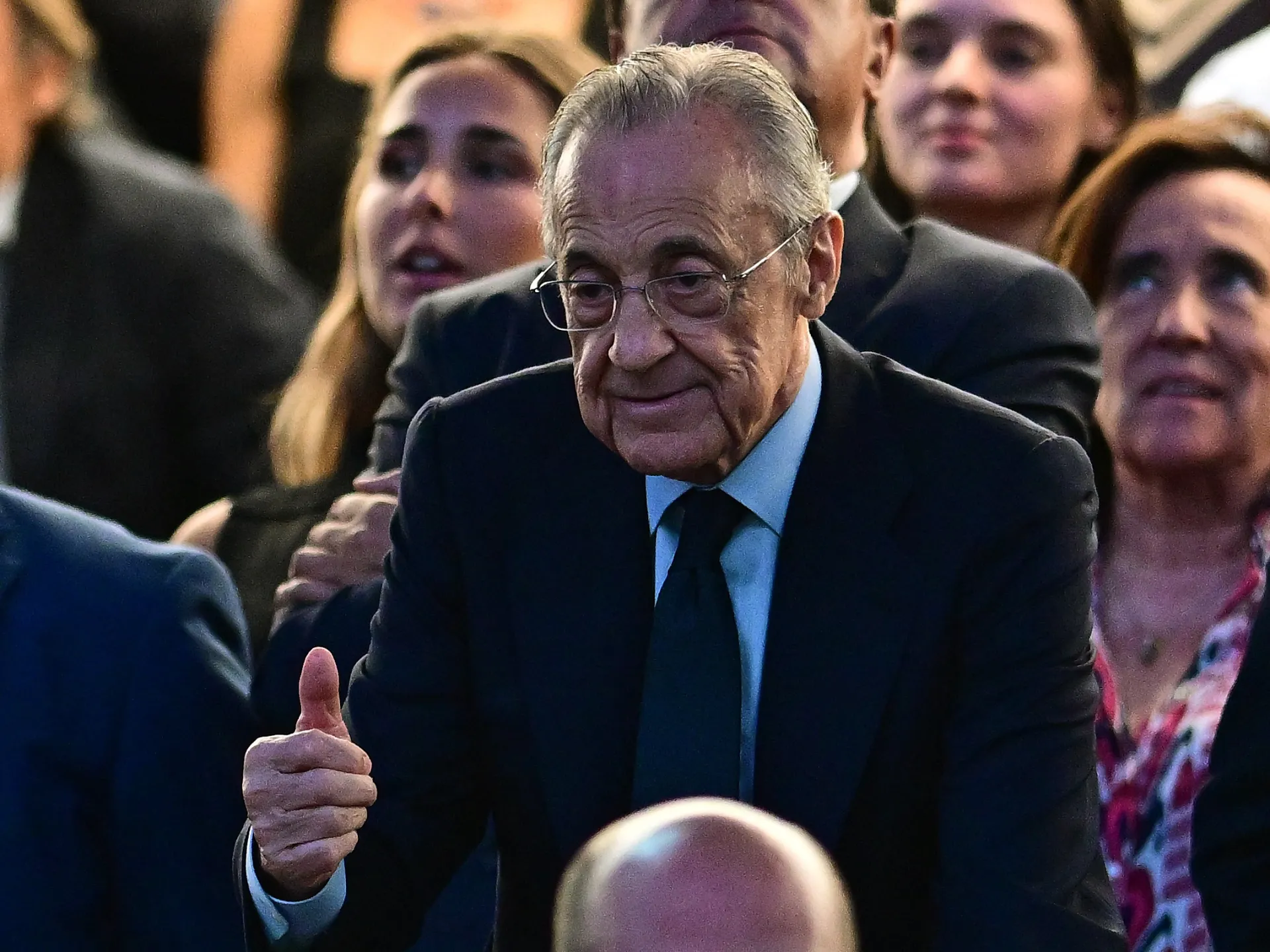
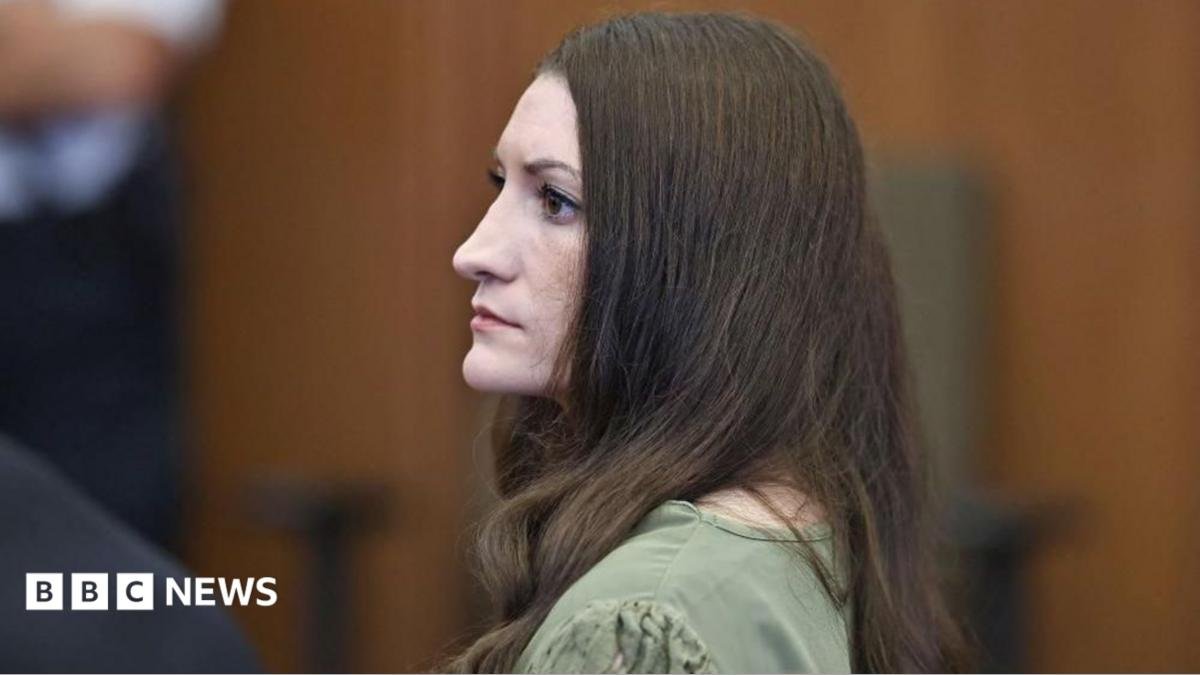
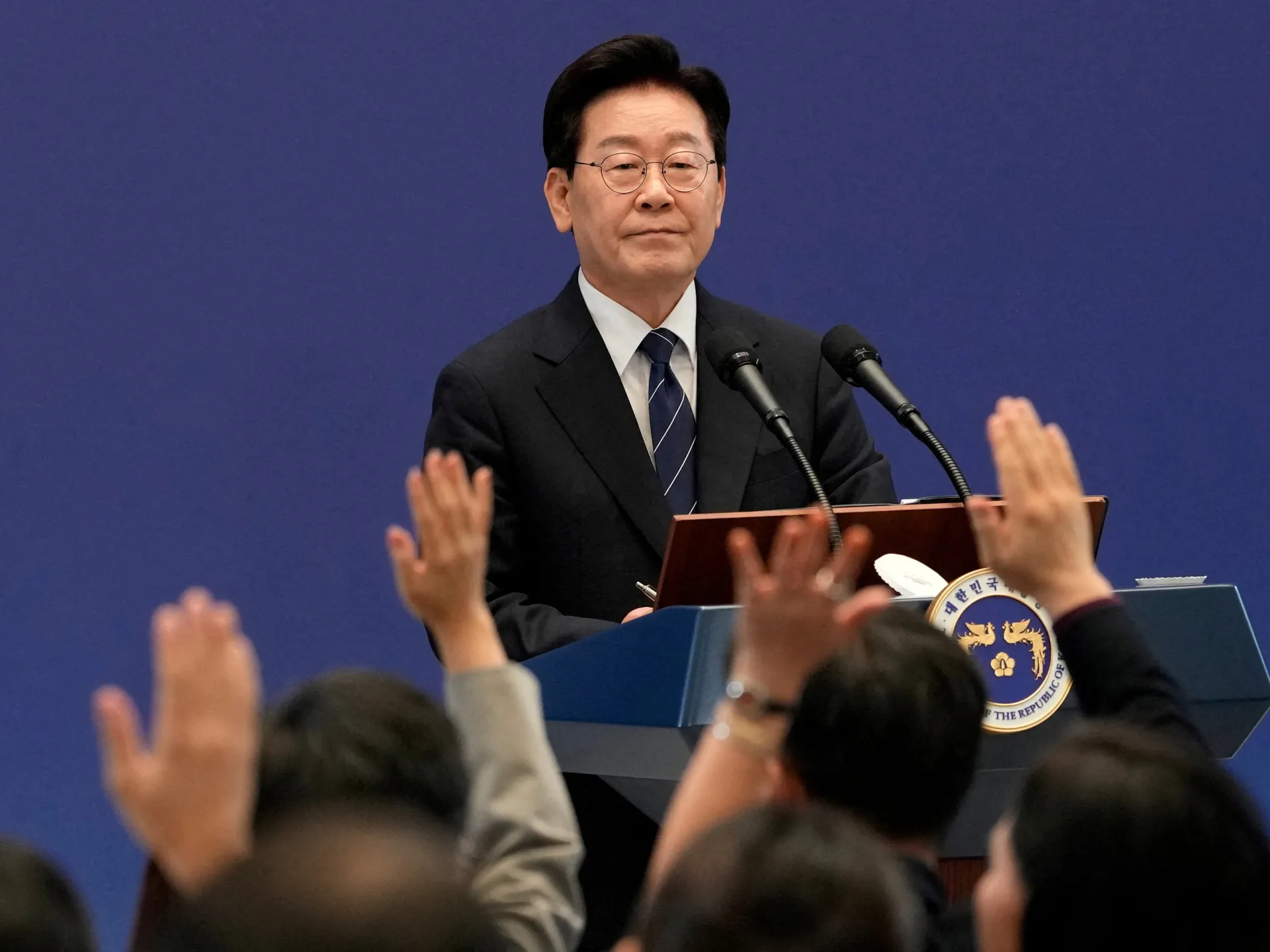
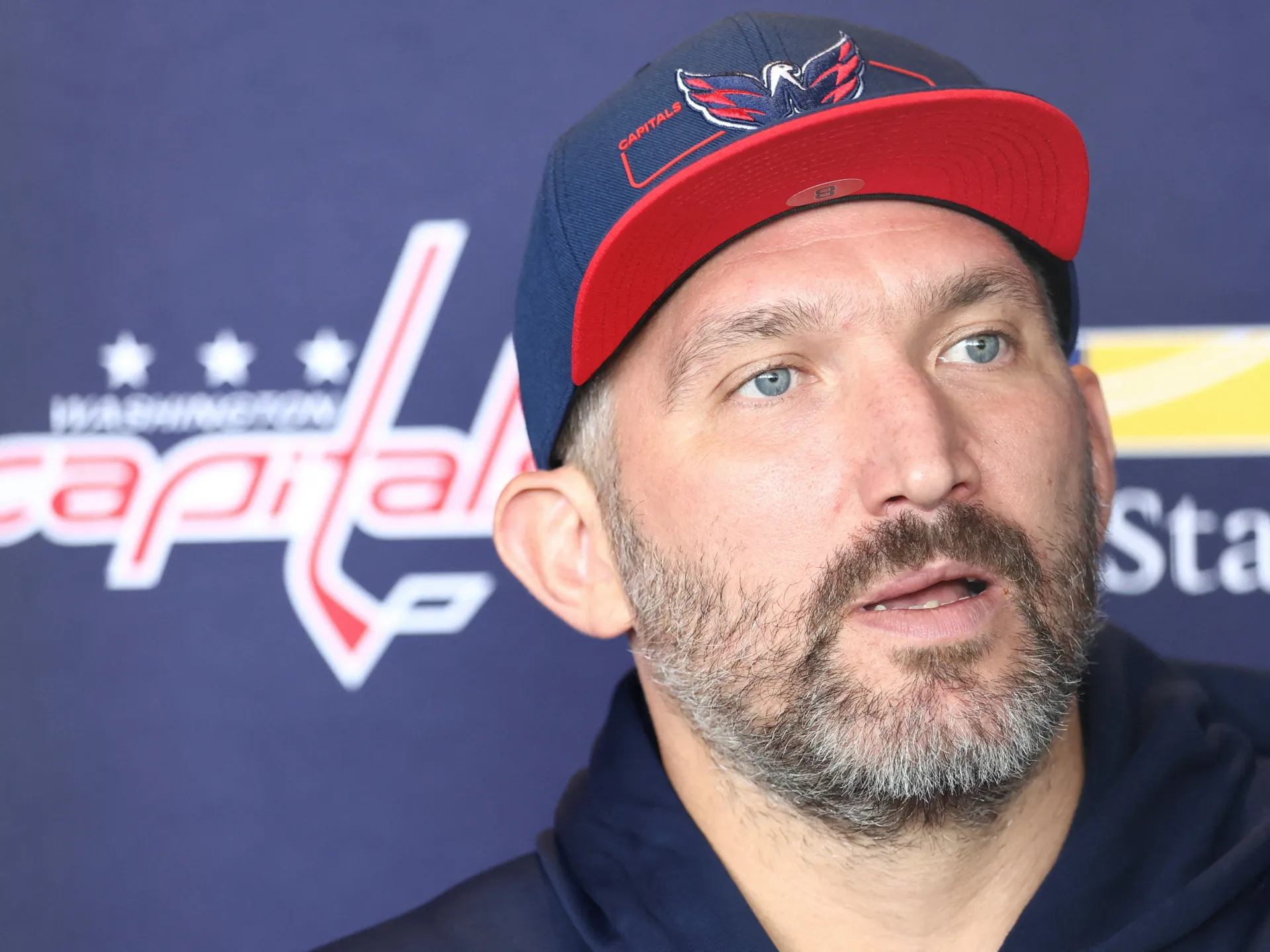
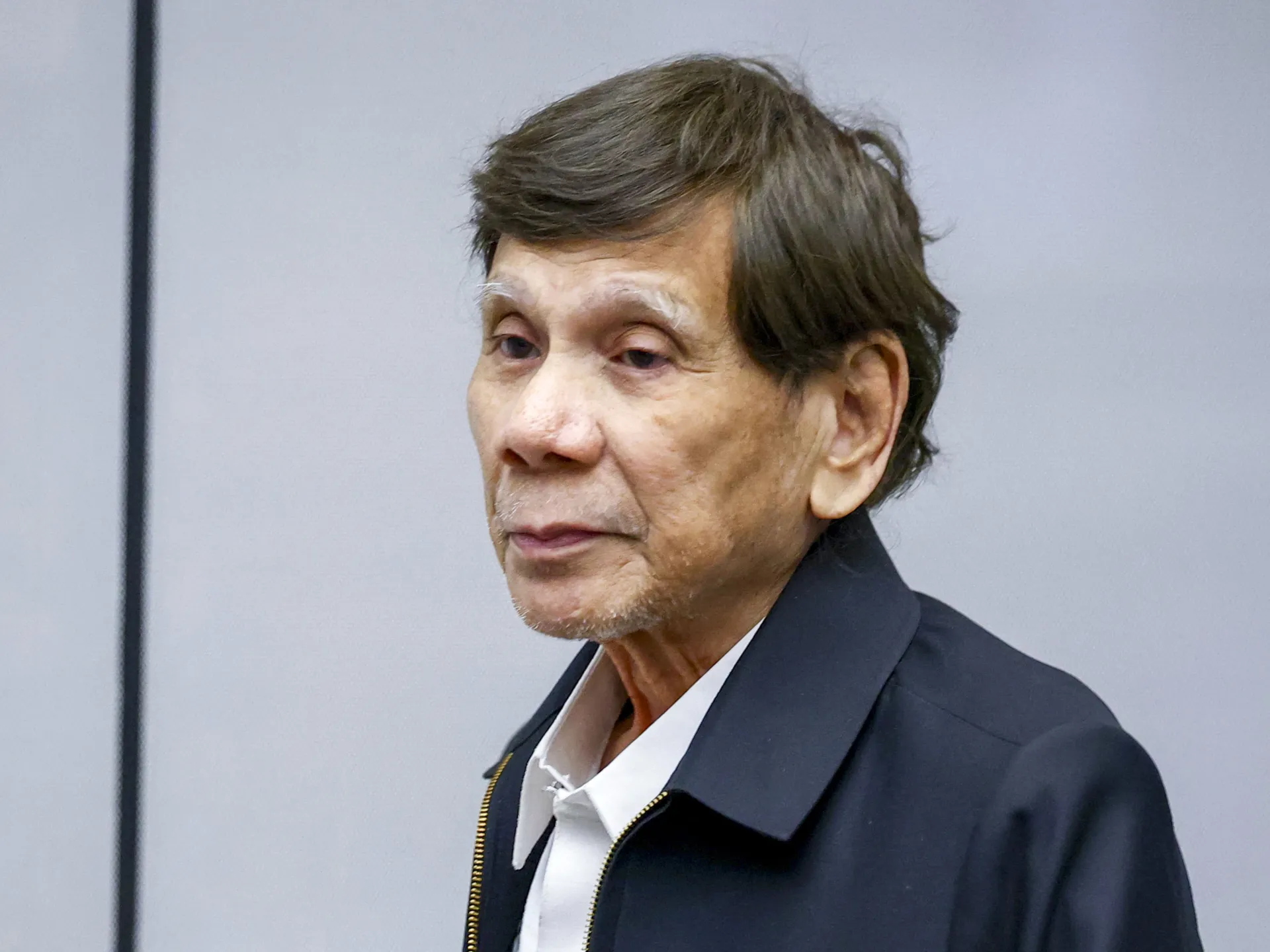
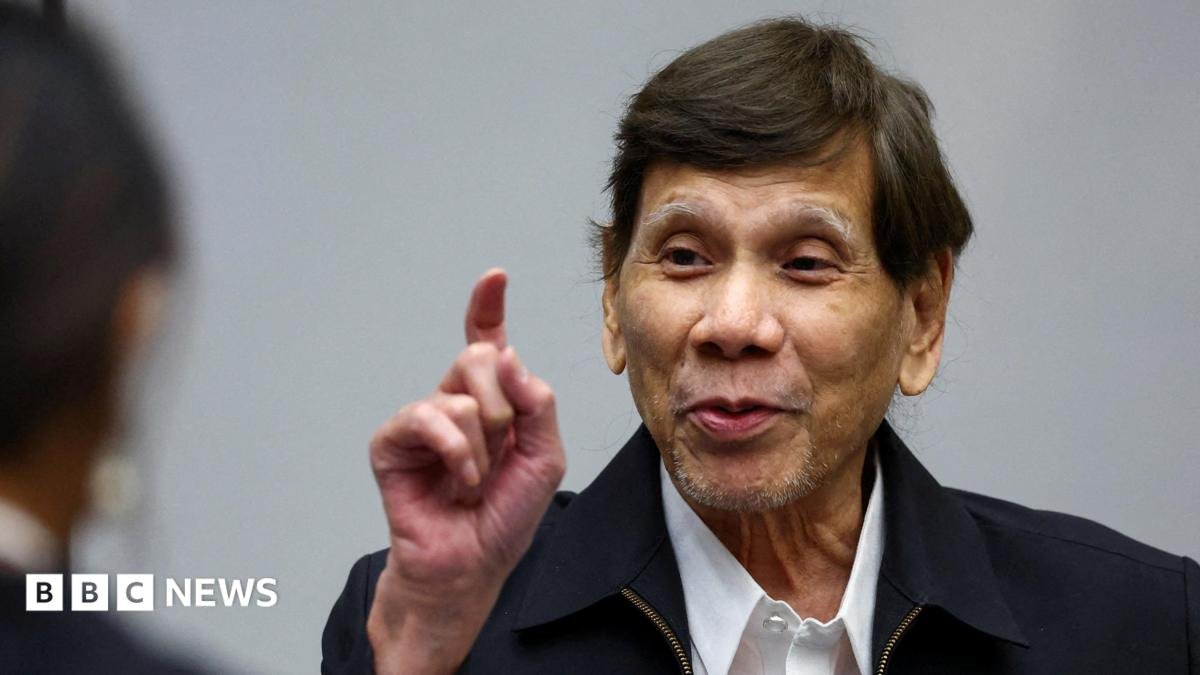
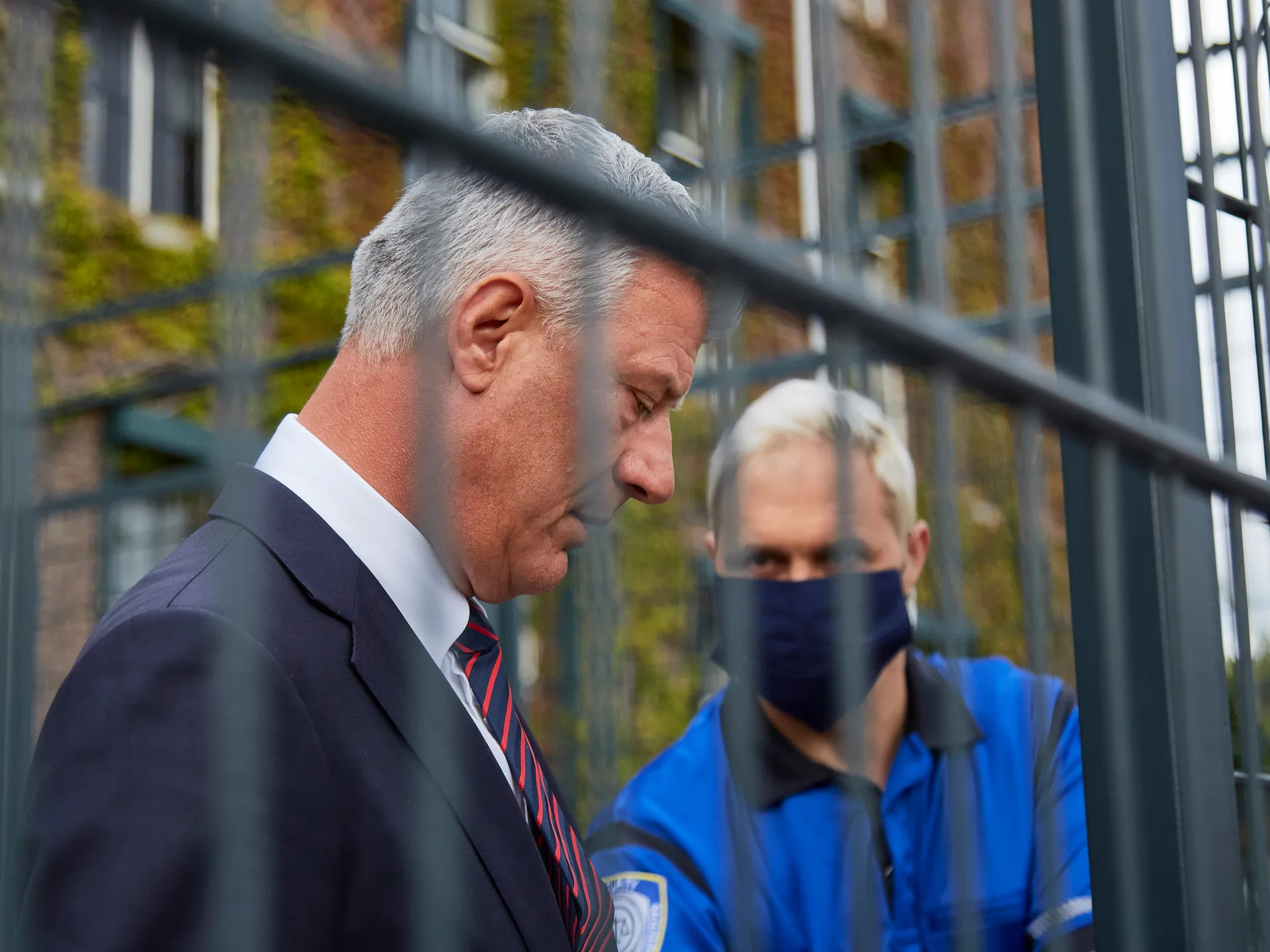
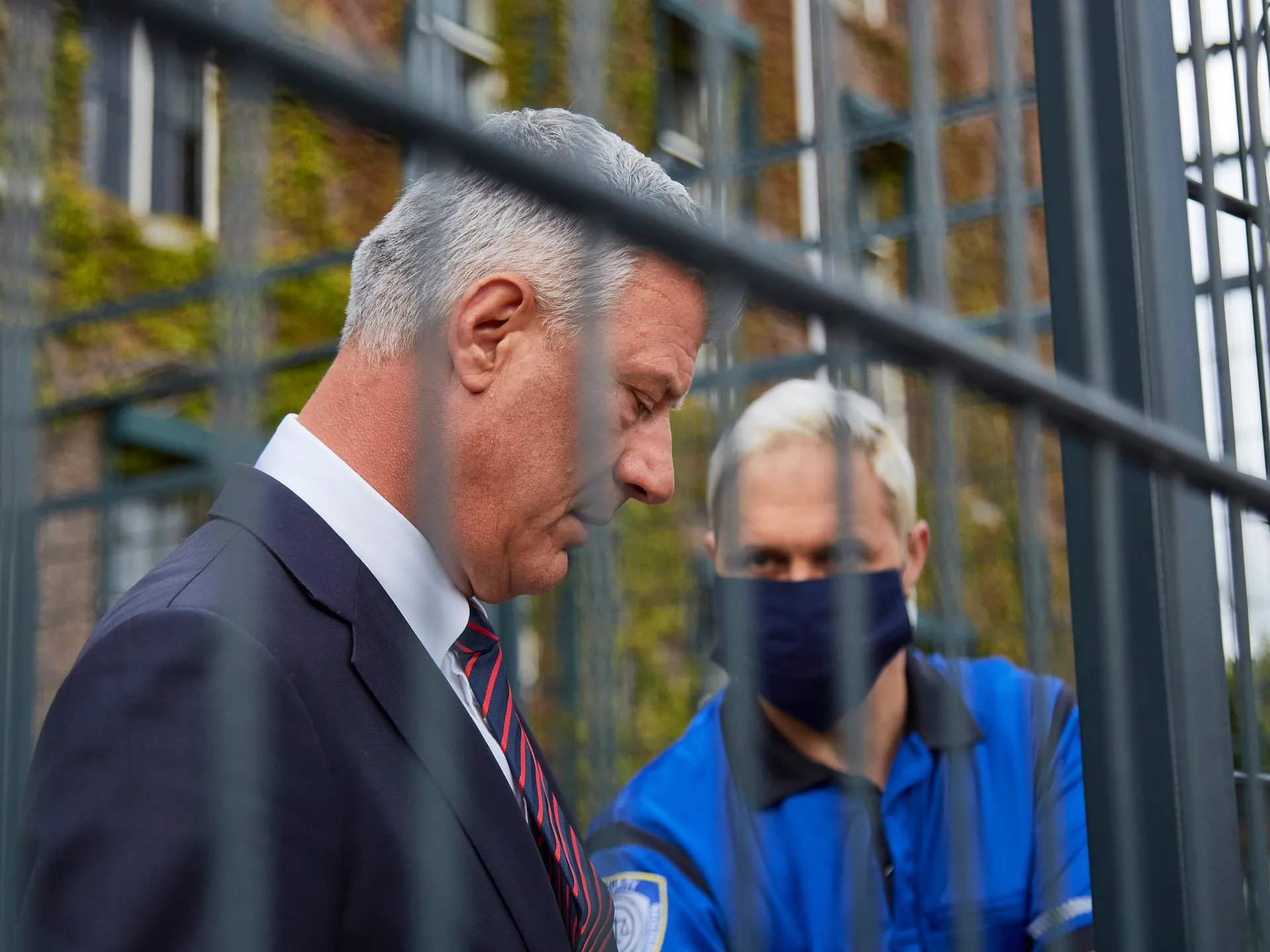
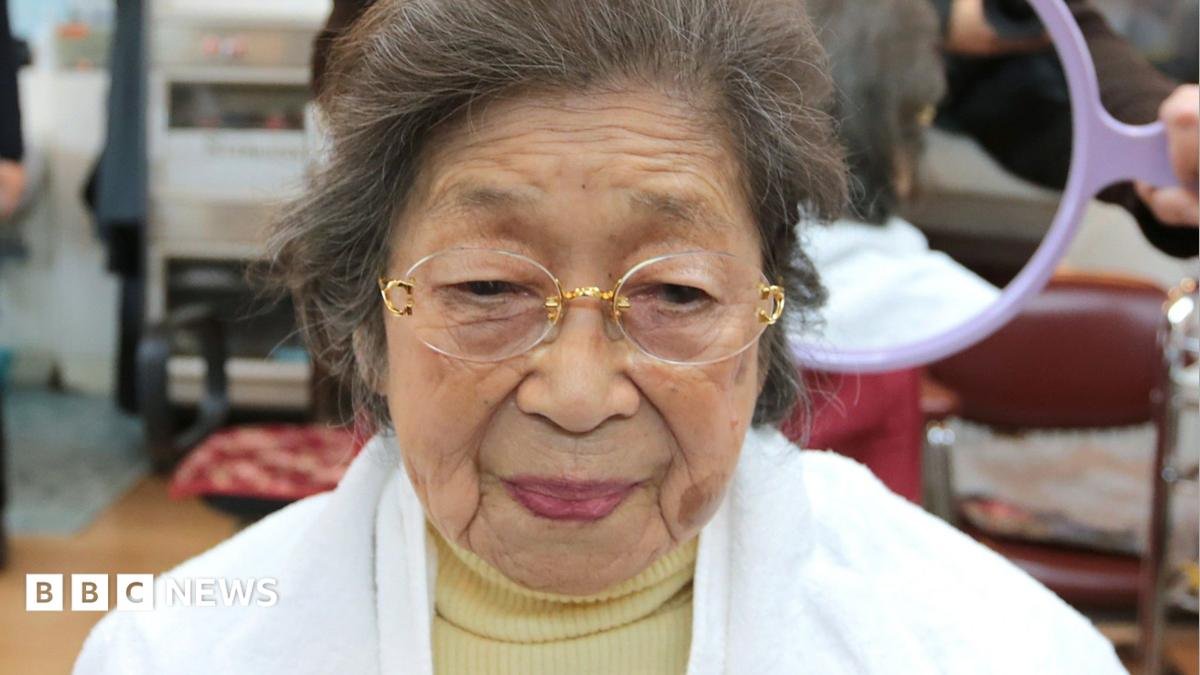
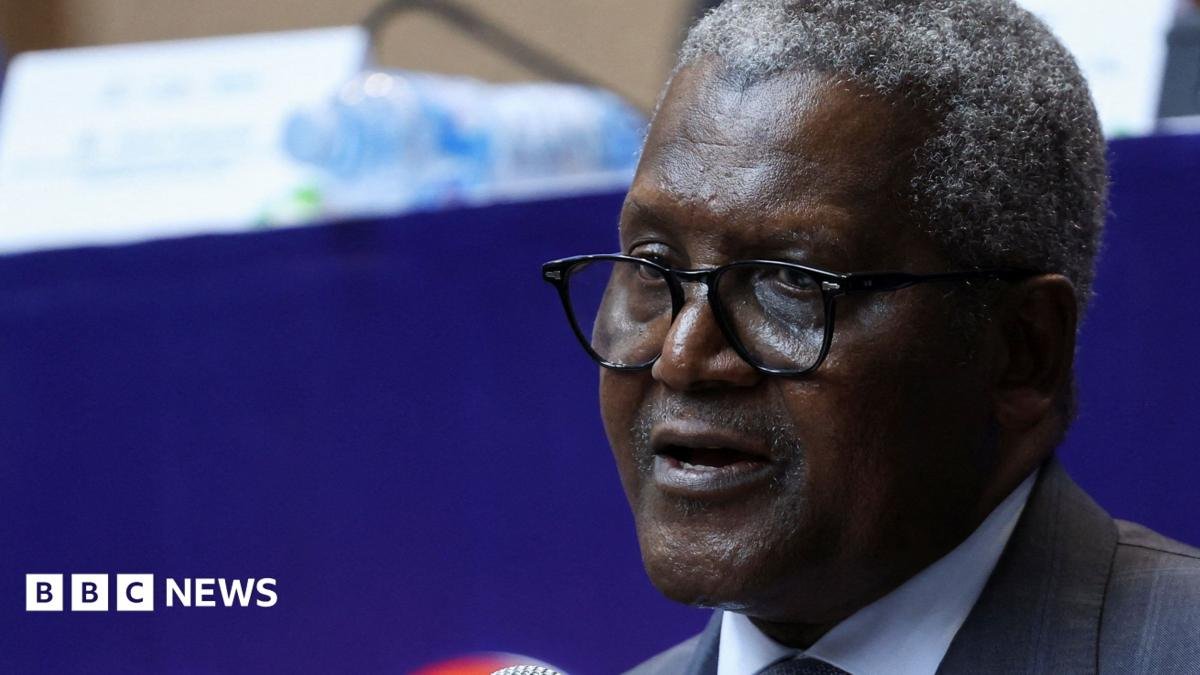
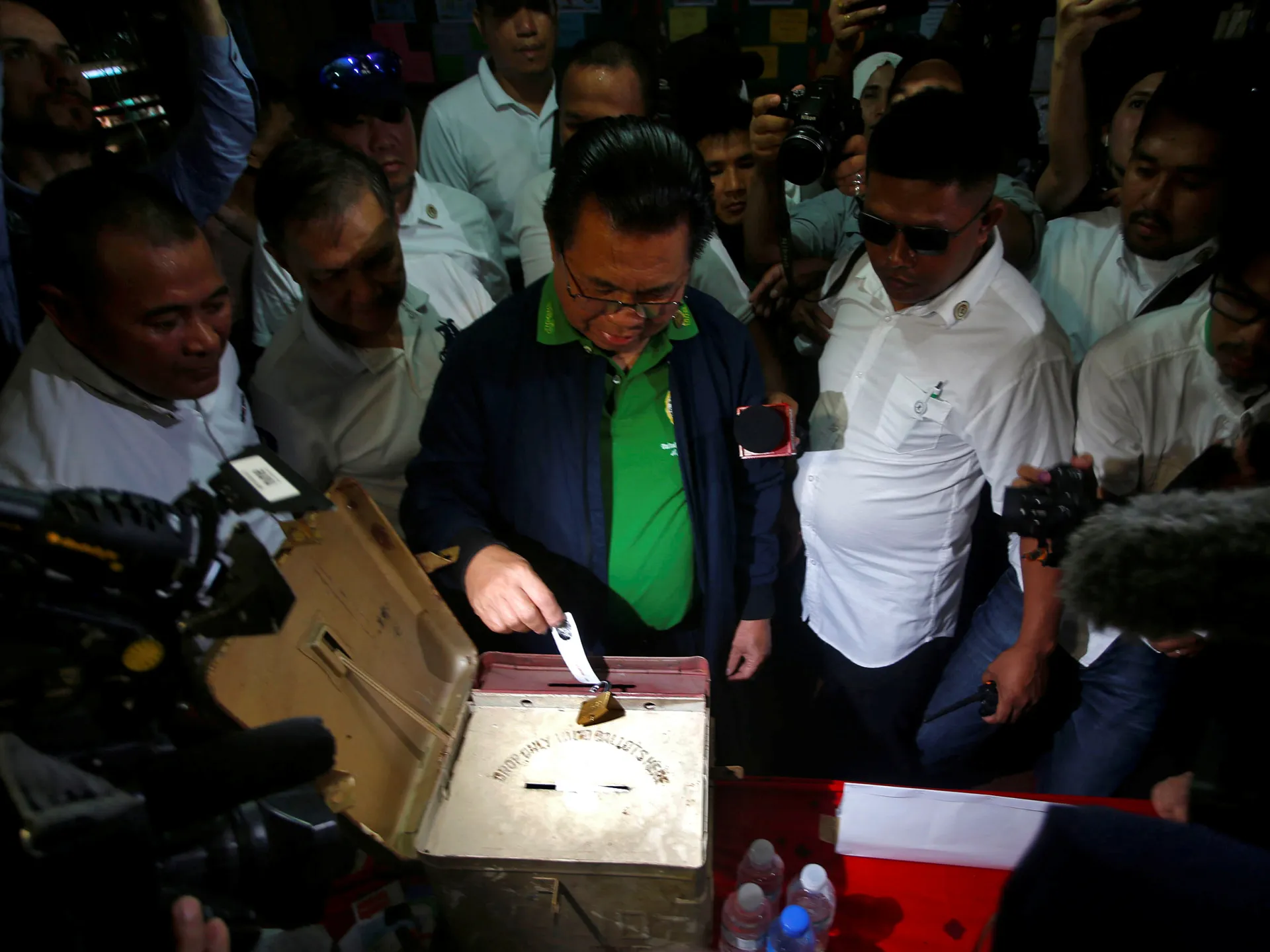
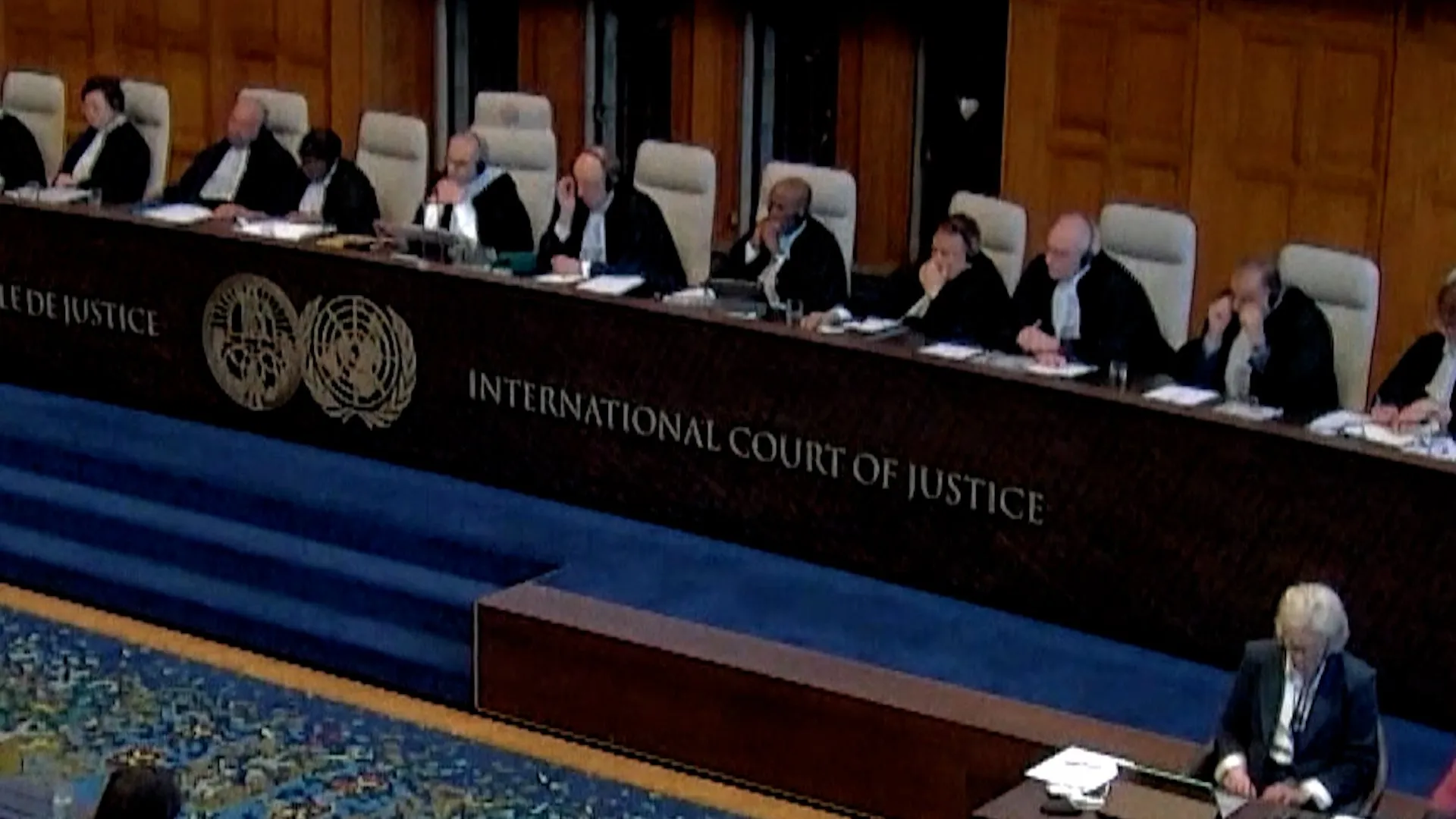
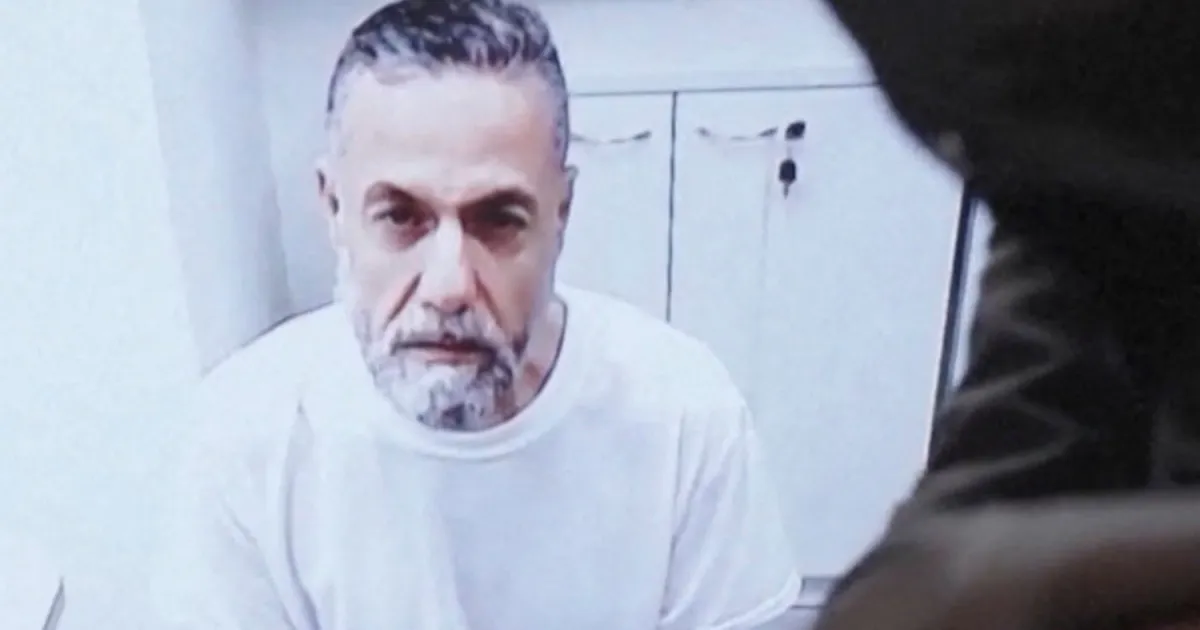
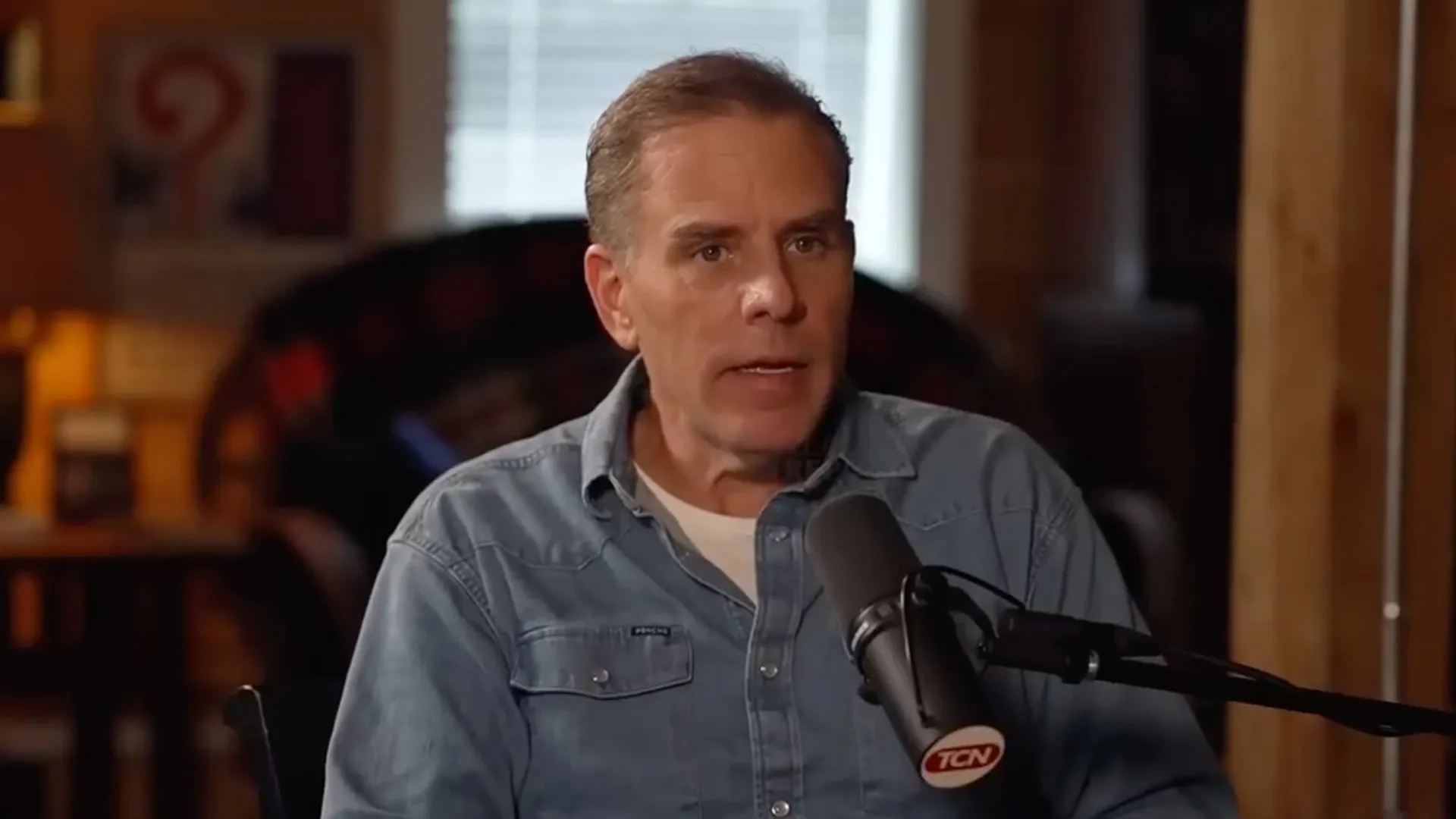
In a contrasting development at the International Criminal Court in The Hague, former Philippine President Rodrigo Duterte made his first in-person appearance following eighteen months of detention. The 81-year-old, who faces charges of crimes against humanity related to his “war on drugs,” appeared in court to address ongoing concerns regarding his mental and physical fitness to stand trial. The court’s proceedings are focused on whether his alleged medical conditions, including significant memory impairment, preclude him from participating in a legal defense.
The ICC is currently reviewing evidence from a court-ordered medical assessment conducted hat defense counsel has argued the former leader is suffering from cognitive decline, potentially believing he is living in 2007 or 2008 and unable to recognize contemporary political figures. Prosecutors have challenged these claims, and judges are now tasked with determining if the trial can proceed as scheduled on November 30.
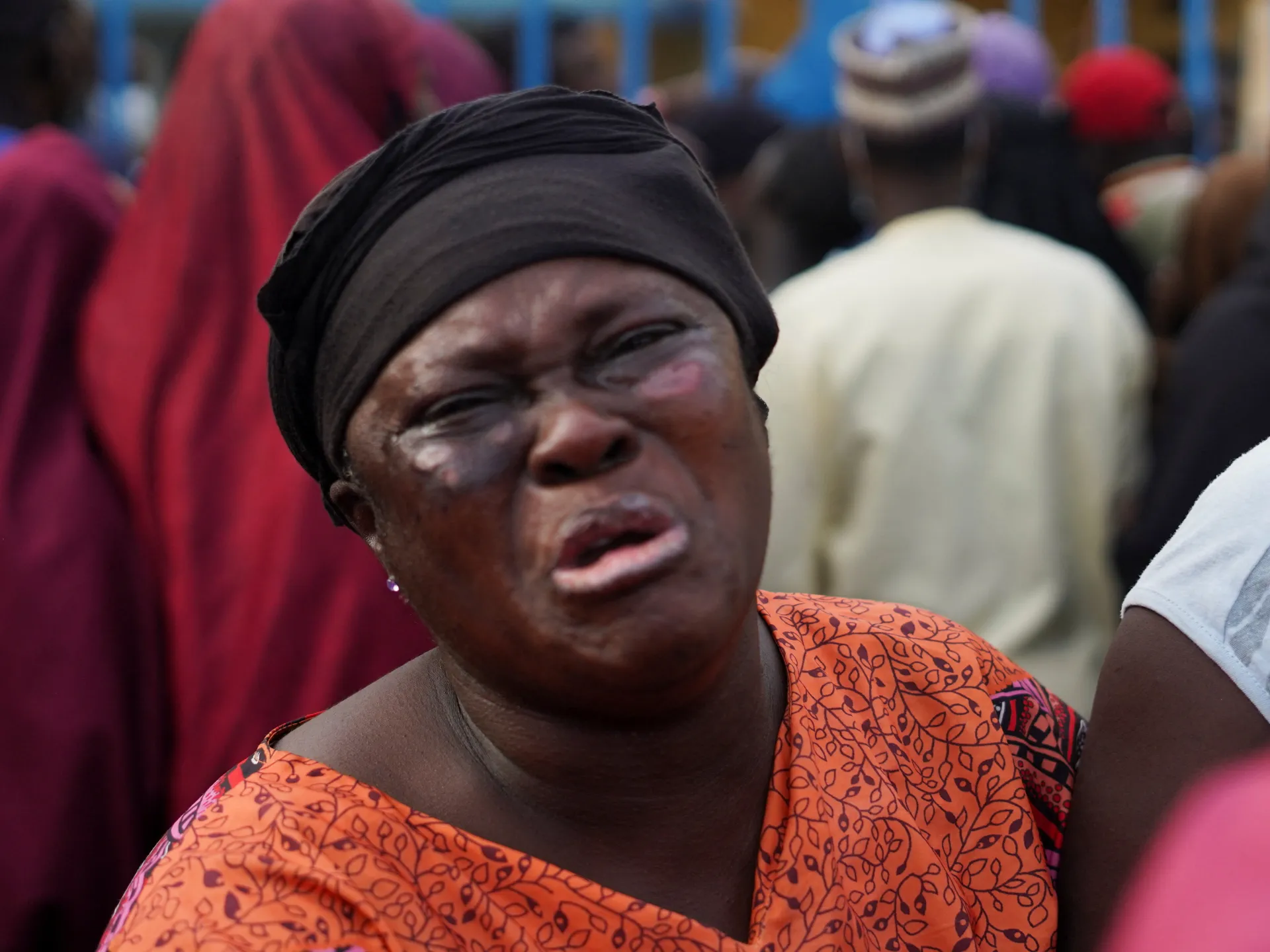
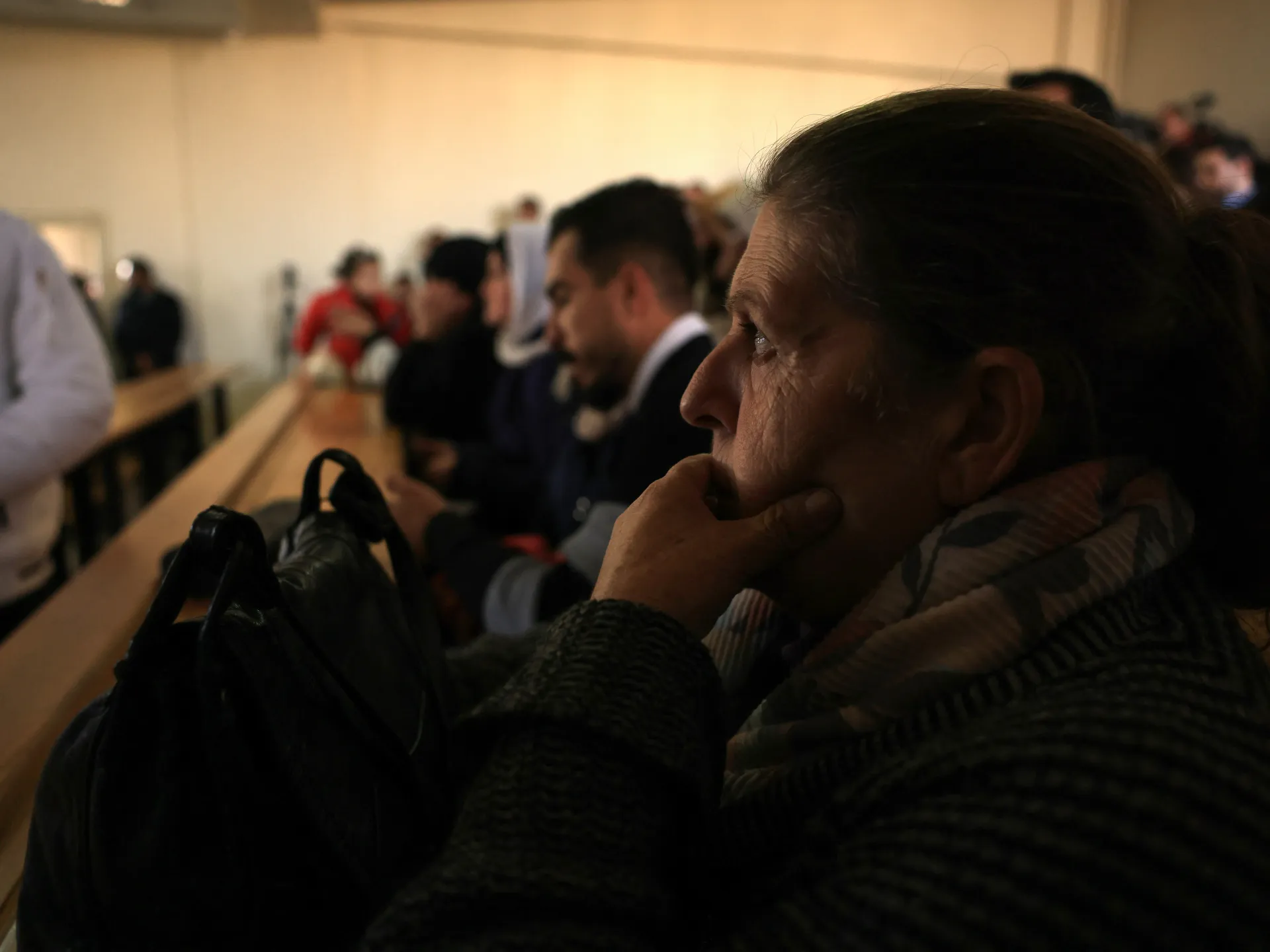
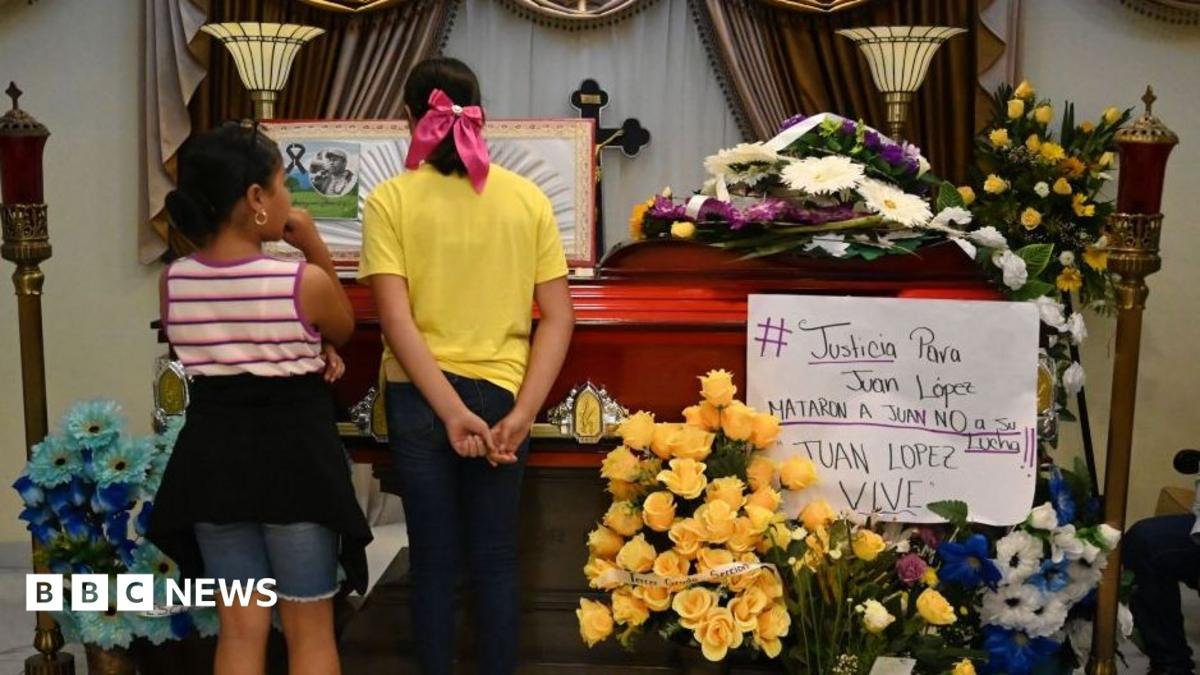
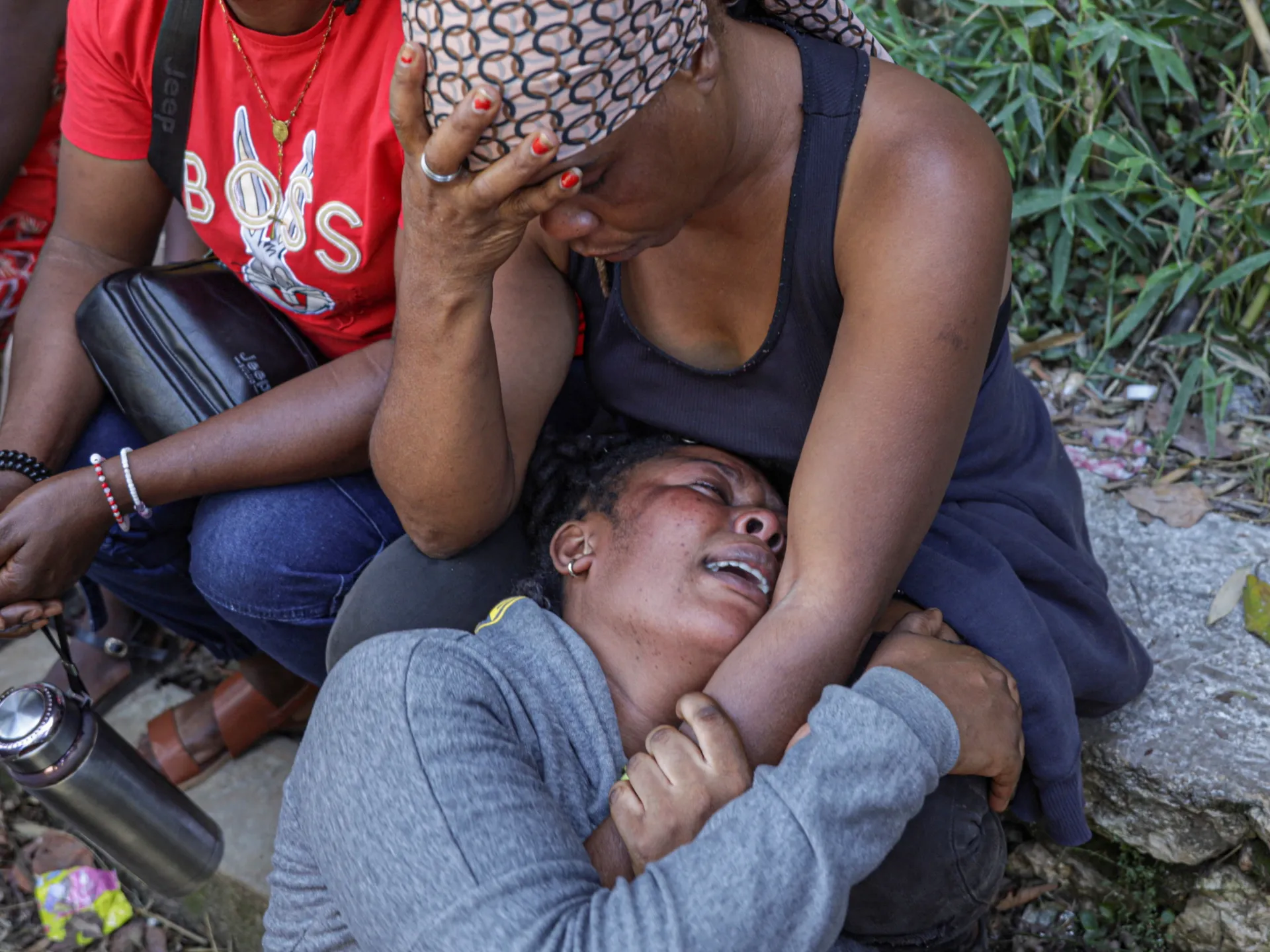
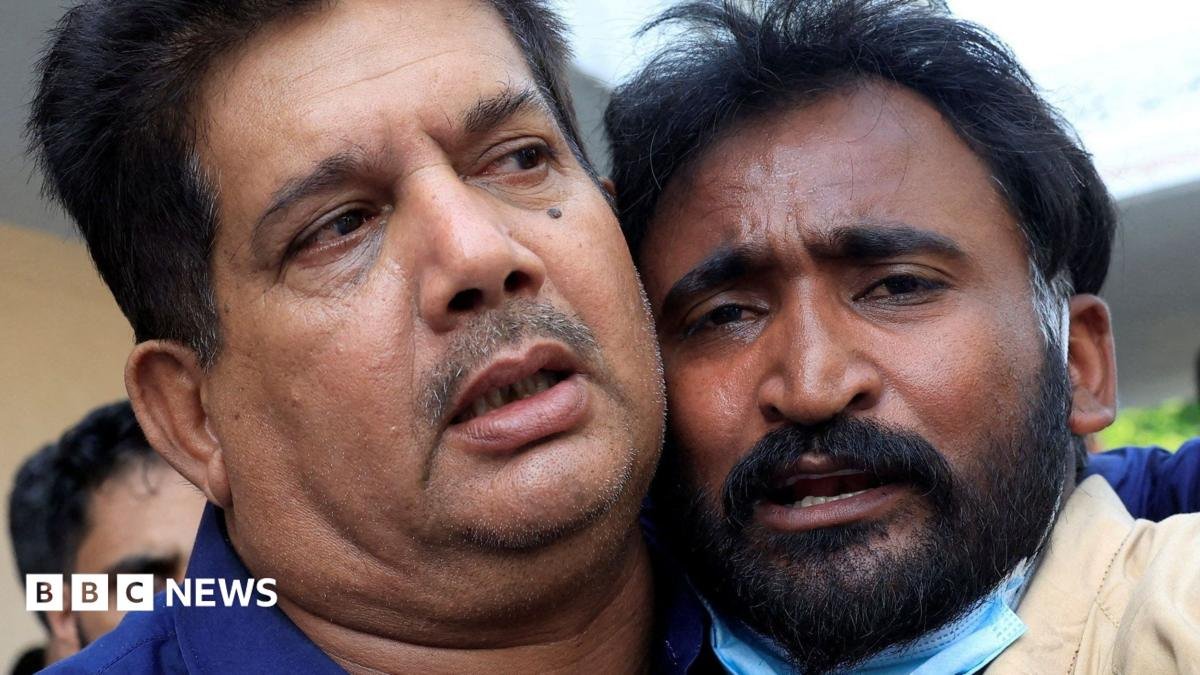
The scope of the investigation covers killings that occurred between November 2011, during Duterte’s tenure as mayor of Davao, and March 2019, shortly before the Philippines withdrew its membership from the ICC. For the families of the victims of the anti-drug campaign, the appearance marked a significant, if emotional, milestone in their pursuit of accountability for the thousands of summary executions attributed to the former administration.
The pardon of Azaria effectively concludes his legal struggles within Israel, though it will likely remain a flashpoint in international human rights discourse. Domestically, the move may embolden political factions that seek to challenge the judiciary’s oversight of military conduct. Conversely, the Duterte trial faces a procedural bottleneck; if the ICC judges determine that the former president is unfit to stand trial, the proceedings could face indefinite suspension or dismissal. The upcoming medical ruling will be the decisive factor in whether the case proceeds toward a trial or collapses under the weight of the defendant's health claims.