The Syrian Democratic Forces have officially dissolved, integrating their thousands of fighters into the national Syrian army following a historic agreement with Damascus.
The Syrian Democratic Forces (SDF), a coalition that played a pivotal role in the landscape of the Syrian conflict, has officially ceased to exist as an independent entity. Established in 2015, the Kurdish-led group became a central player in the fight against extremist factions, effectively controlling vast stretches of northern Syria for over a decade. Its dissolution marks a significant turning point in the country's long-standing civil war and post-conflict transition.
This strategic shift comes in the wake of the collapse of the Bashar al-Assad regime in December 2024. Following the regime's fall, the national military apparatus began asserting control over territories previously held environment and a renewed offensive ation rather than continuing a localized resistance that had become increasingly difficult to sustain.
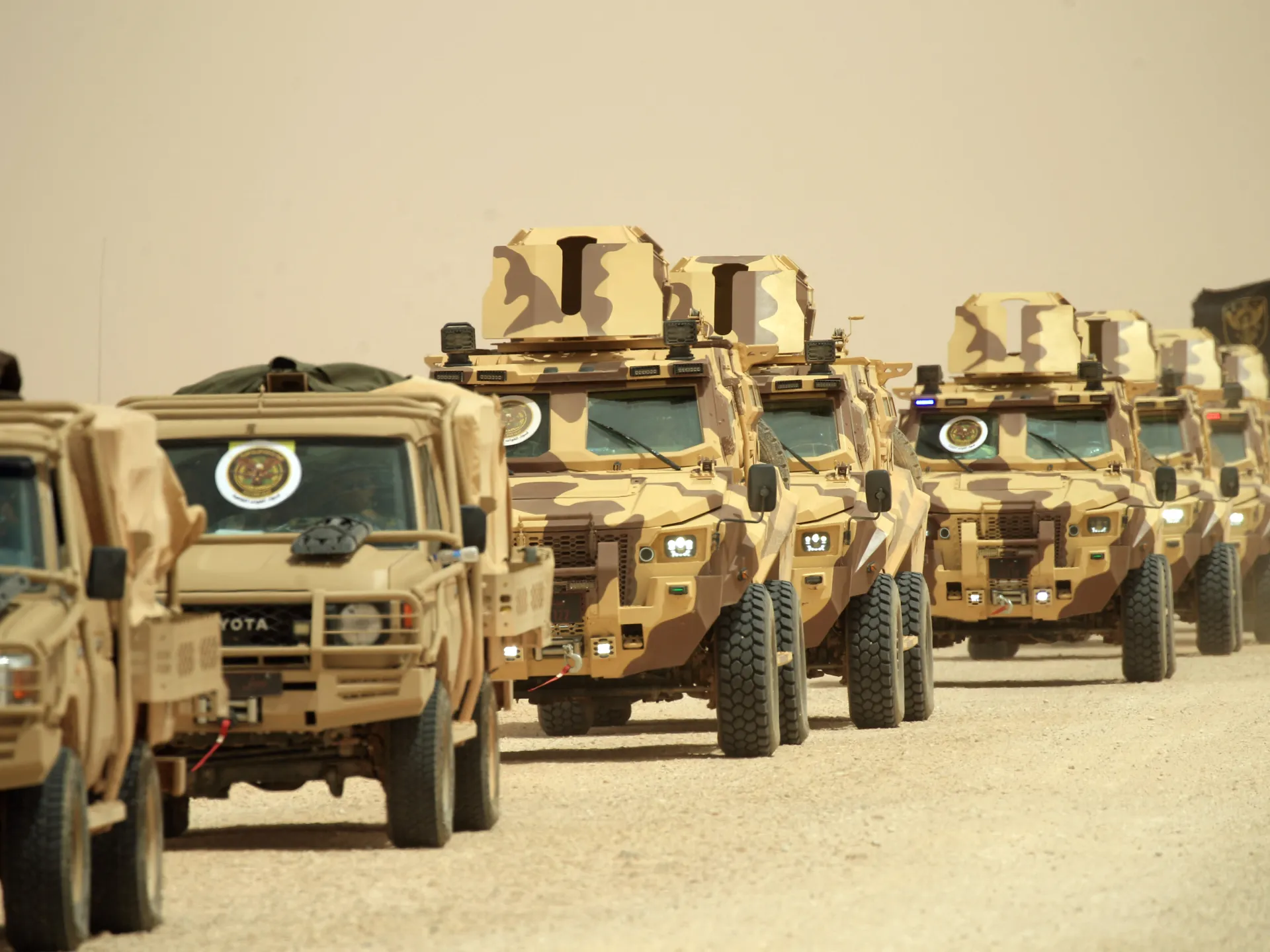
The agreement between the leadership of the former SDF and the current administration in Damascus centers on the complete absorption of thousands of fighters into the national Syrian army. This move is designed to unify the country’s security architecture under a single command structure. l military governance and stabilize regions that remained outside of central administrative control for years.
For the fighters involved, this transition represents a complex reality. Many who served in the SDF now find themselves part of the very national institutions they once operated independently from. Analysts suggest that the deal was motivated gime created a volatile security environment. The integration process is expected to be a long-term project, requiring the harmonization of different military doctrines and organizational structures that were developed under vastly different political ideologies.
The consolidation of the SDF into the national military has significant implications for regional security. Throughout the Syrian war, the northern territories served as a focal point for international powers, including the United States and Turkey, each of which maintained distinct interests in the region. With the SDF now officially dissolved and integrated into the national army, the nature of these international engagements is likely to undergo a fundamental shift.
Experts note that this development could either lead to a more stabilized northern frontier or exacerbate underlying tensions between local demographics and the central state. The integration is not merely a military maneuver; it is a political statement regarding the re-establishment of territorial integrity. As the Syrian government seeks to project authority across all provinces, the success of this integration will depend on how effectively the state can manage the expectations of diverse populations who were previously shielded from Damascus
As Syria moves past the era of the SDF, the primary challenge remains the long-term stabilization of its borders and the restoration of a singular, functional state. The incorporation of these units into the national fold is a step toward ending the fragmentation that characterized the conflict. However, the legacy of the war remains deeply ingrained, and the social integration of fighters who spent years in a decentralized system will be a critical test for the national government.