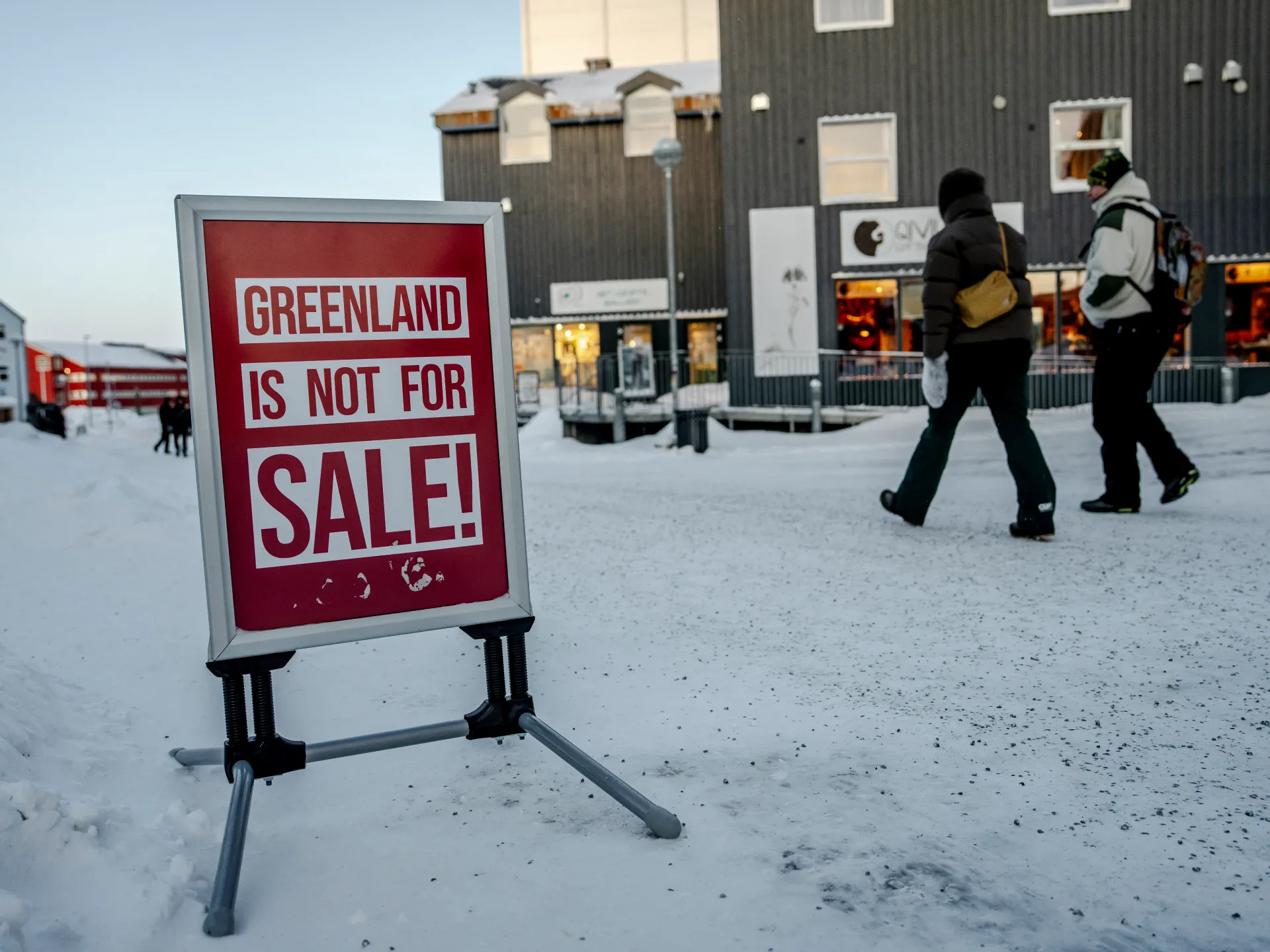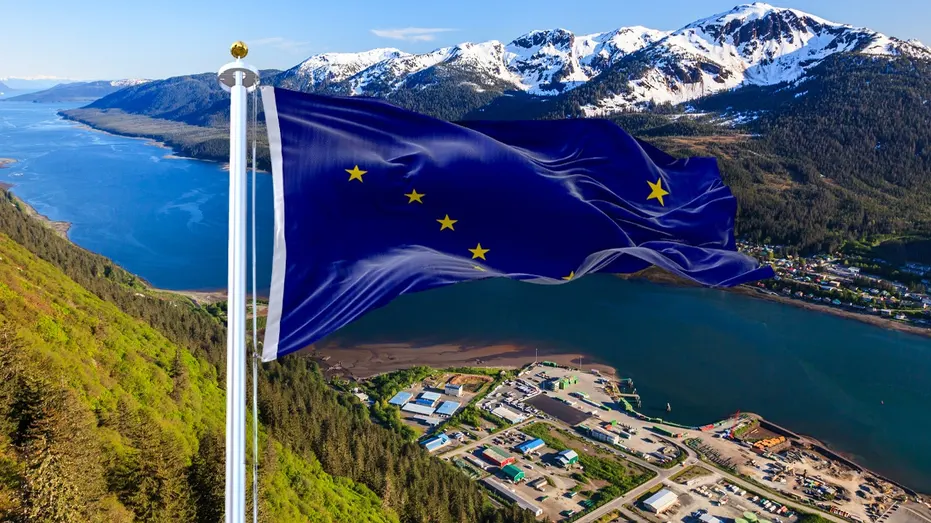
As Washington secures a new security foothold in the Arctic, Greenland’s government struggles to resolve the historical trauma of colonial-era reproductive policies.
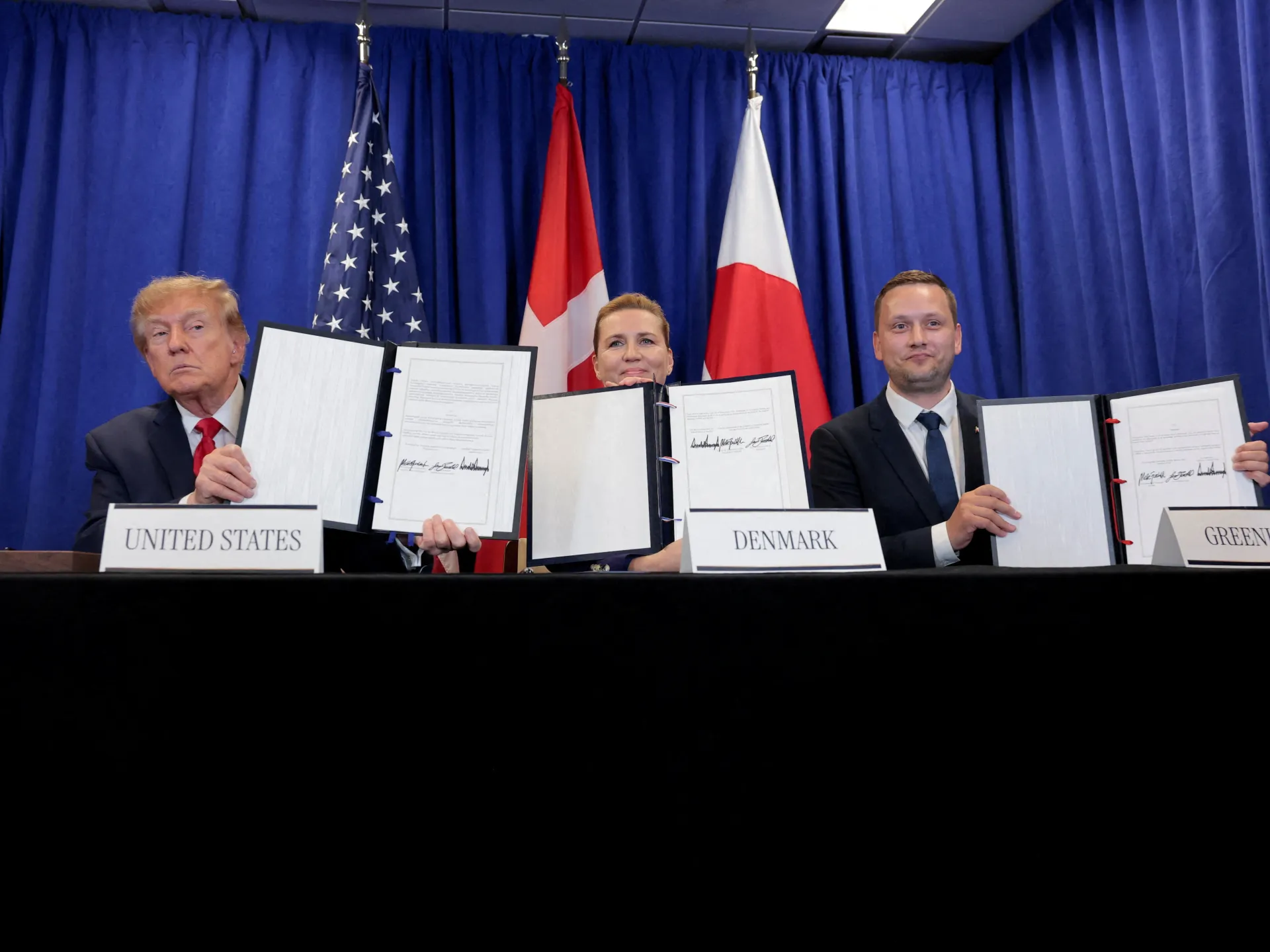
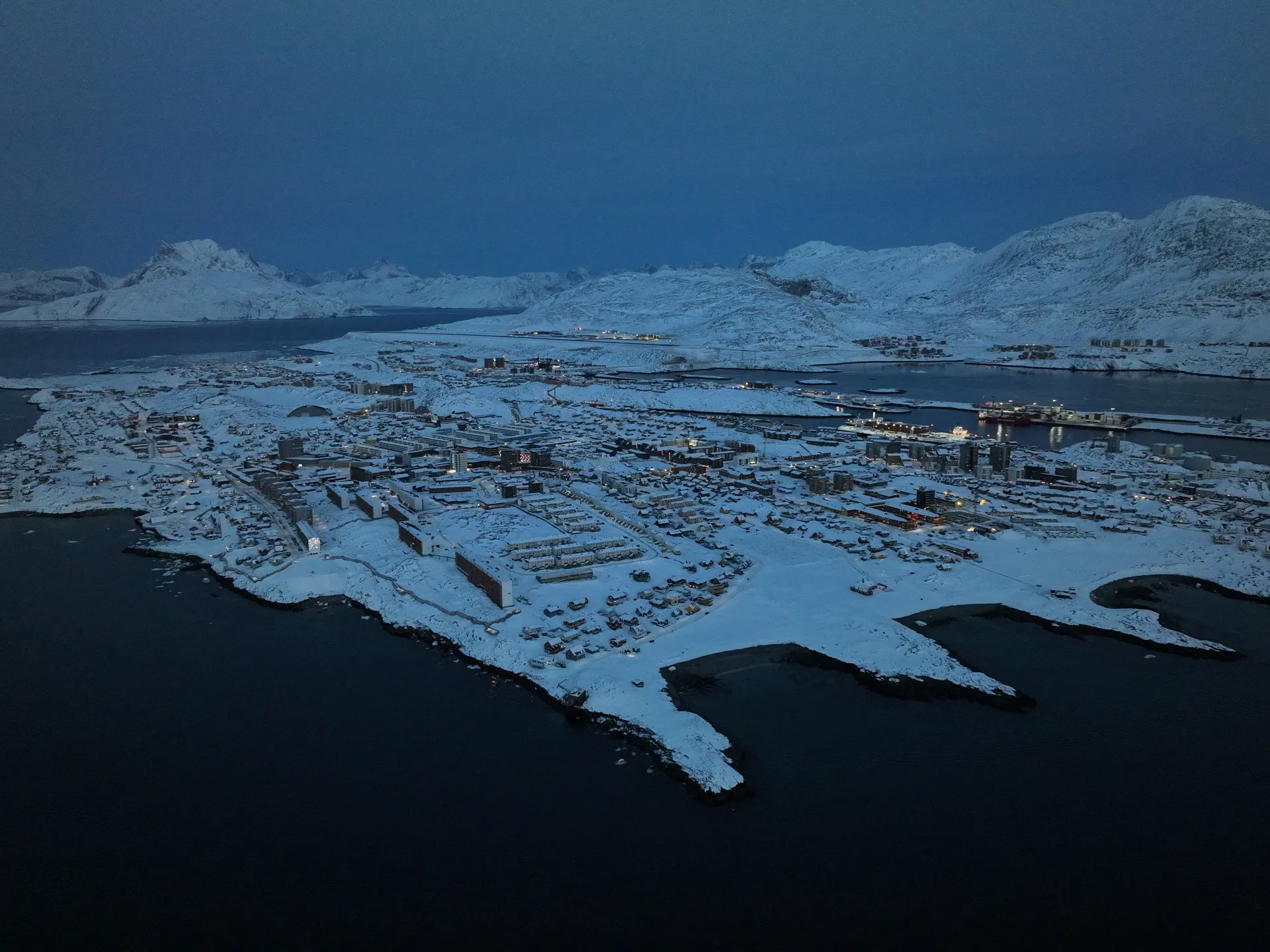
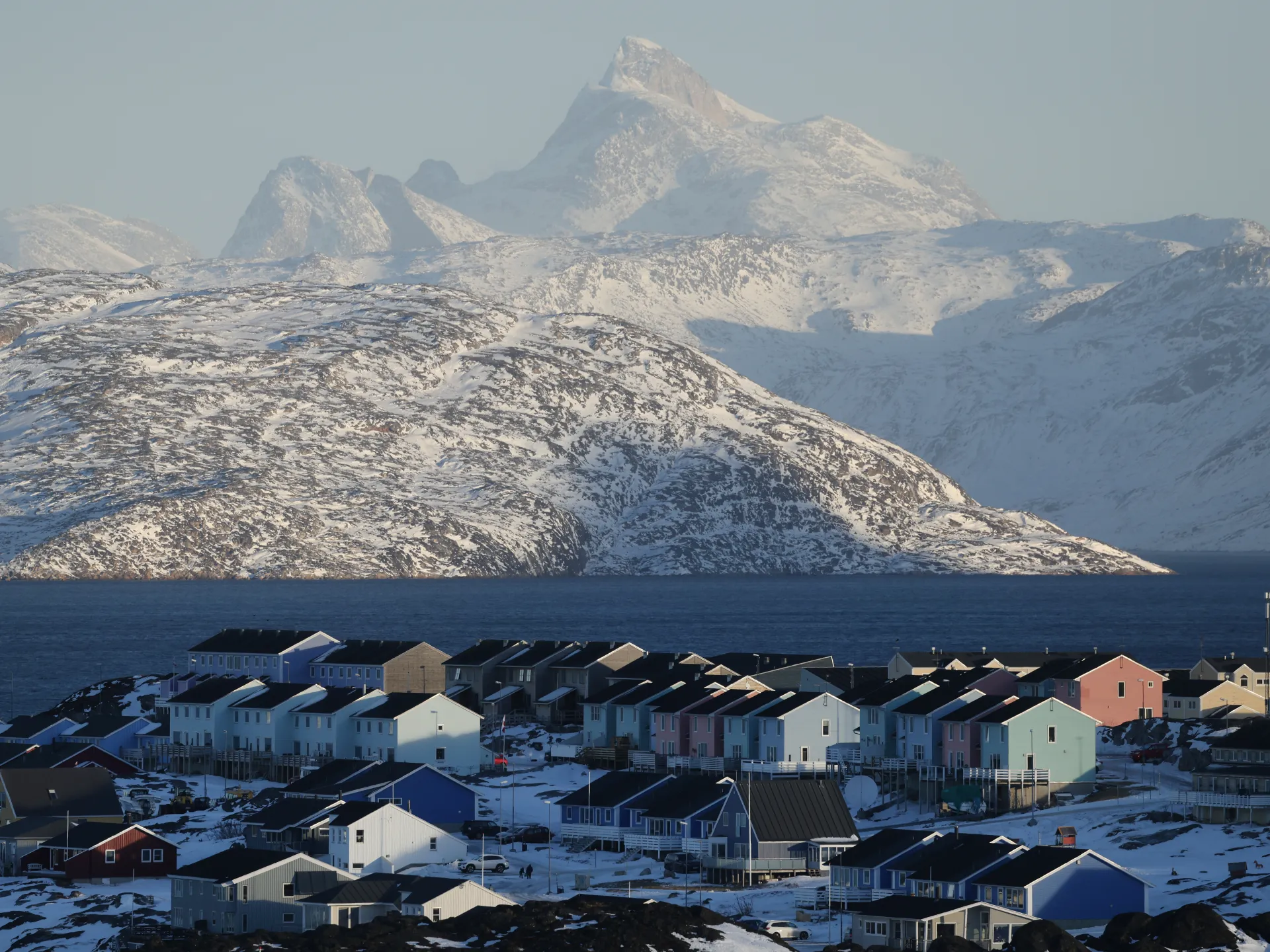
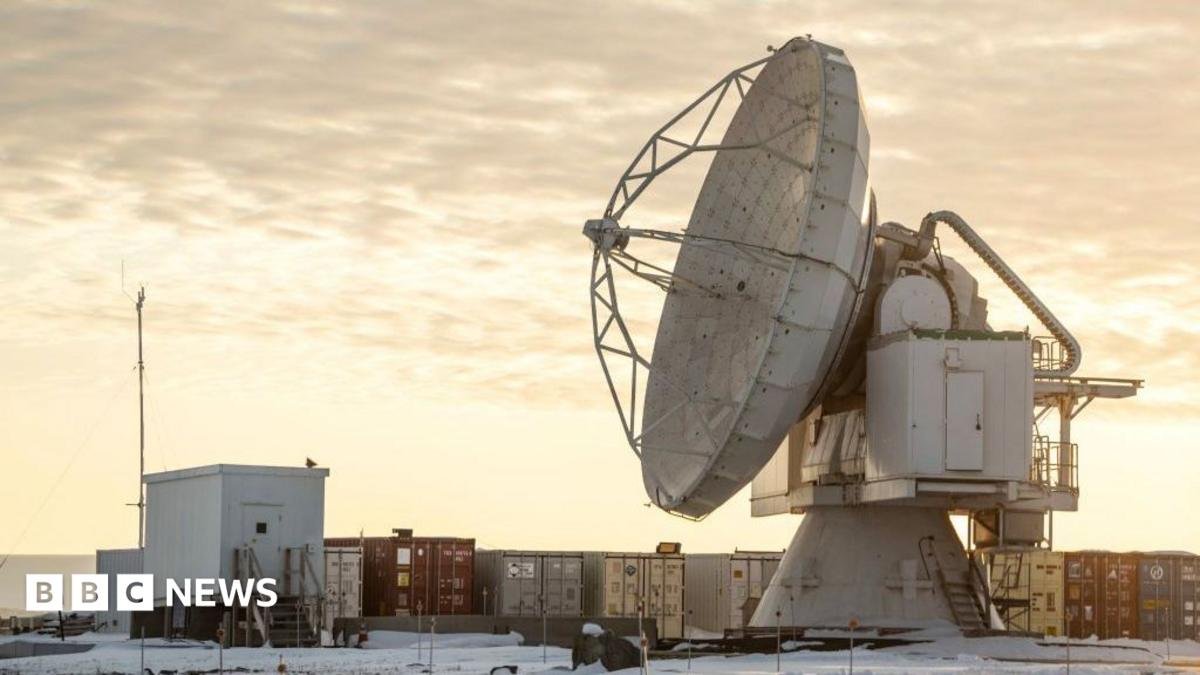
Greenland sits at a complex intersection of modern military strategy and the lingering shadows of colonial-era trauma. As Washington secures a new, formalized foothold in the Arctic, the autonomous territory remains deeply engaged in an internal struggle to define its past, particularly regarding systemic reproductive practices enforced during the mid-20th century. These dual developments—one focused on the future of North American defense and the other on the moral reckoning of a nation—highlight the fragile autonomy Greenland navigates as it balances its relationship with Denmark and the United States.
While the Biden administration continues to prioritize the Arctic as a theater of strategic competition, the recent security arrangement involving the U.S. and Denmark has sparked debate over the extent of Greenland’s sovereignty. Simultaneously, the Greenlandic government’s refusal to label the forced implantation of IUDs on thousands of Inuit women as "genocide" marks a pivotal, if controversial, point in the territory’s journey toward national reconciliation.
The convergence of these events illustrates a fundamental tension in 21st-century statehood: the demand for indigenous agency in an era of renewed geopolitical rivalry. For the United States, the securing of permanent security control over the island serves as a vital hedge against expanding influence from global competitors in the High North. However, this move risks sidelining the burgeoning national identity of the Greenlandic people, who are simultaneously challenging their colonial history through legal and social commissions.
The inability of the government to reach a consensus on the term "genocide" regarding past medical practices reflects a profound psychological and political impasse. It suggests that while Greenland may be moving toward a more assertive role in international defense agreements, it remains burdened s indicates that Greenland’s path to full independence will likely be as much about confronting internal historical grievances as it is about managing external military alliances.
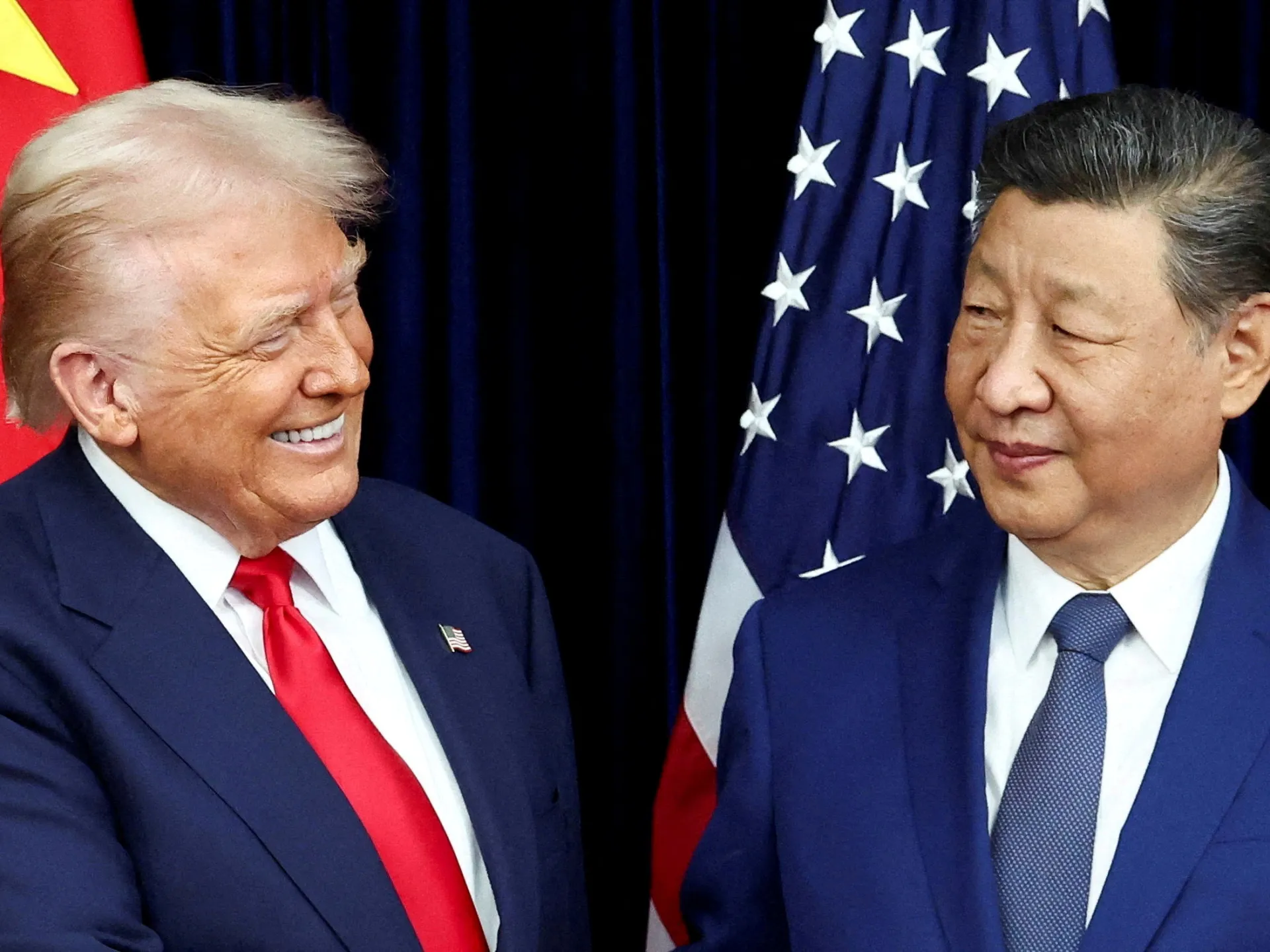
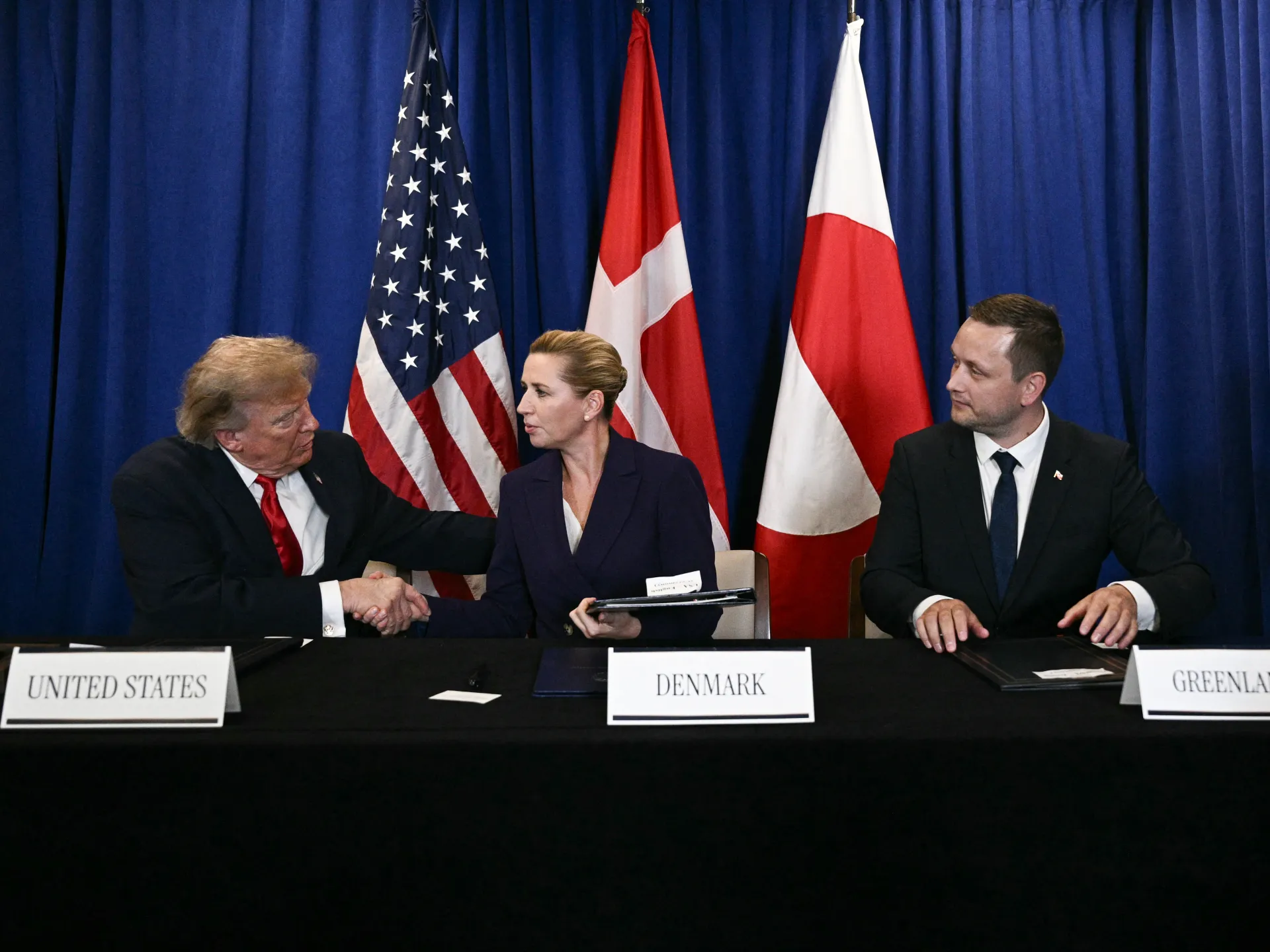
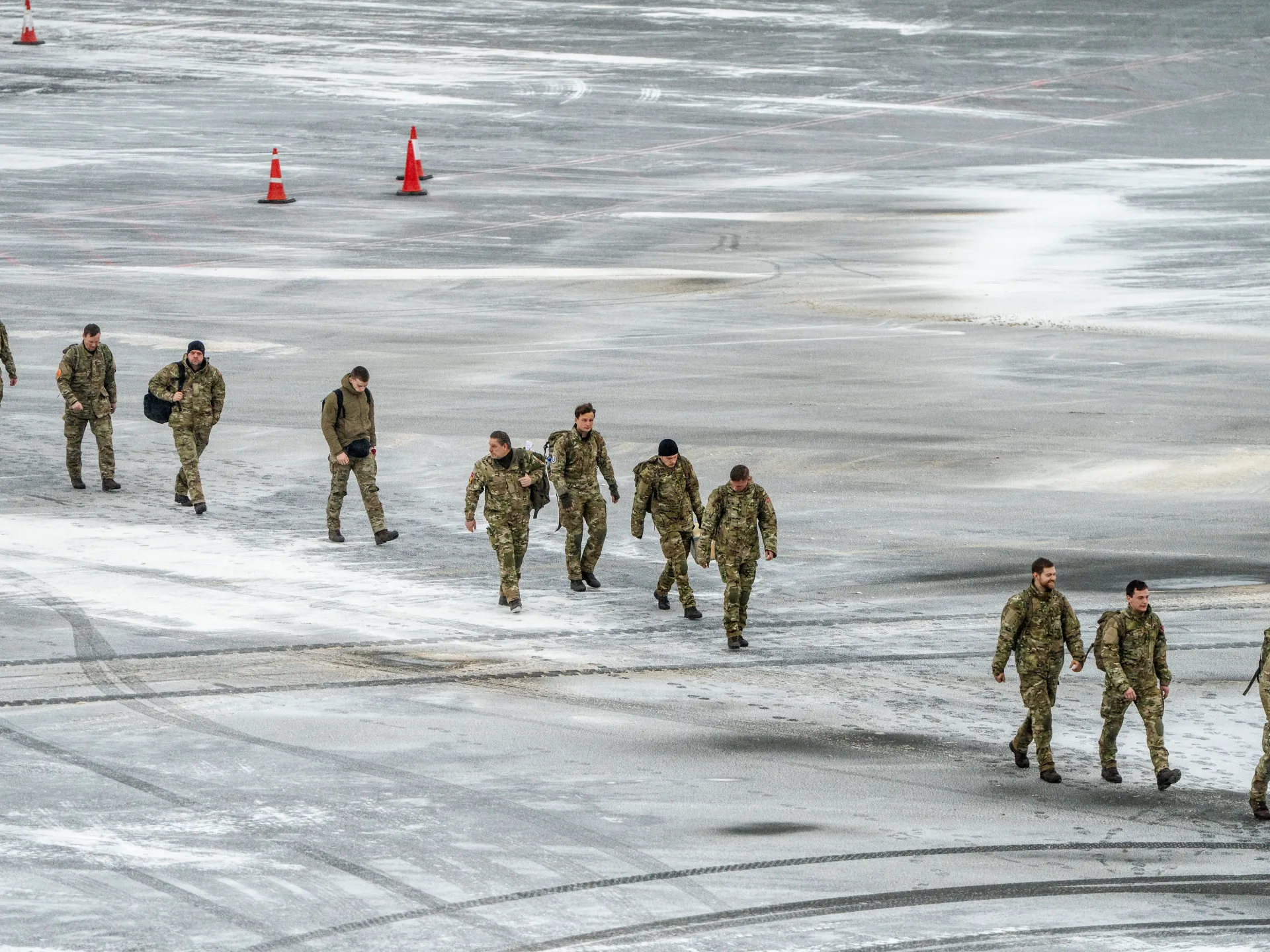
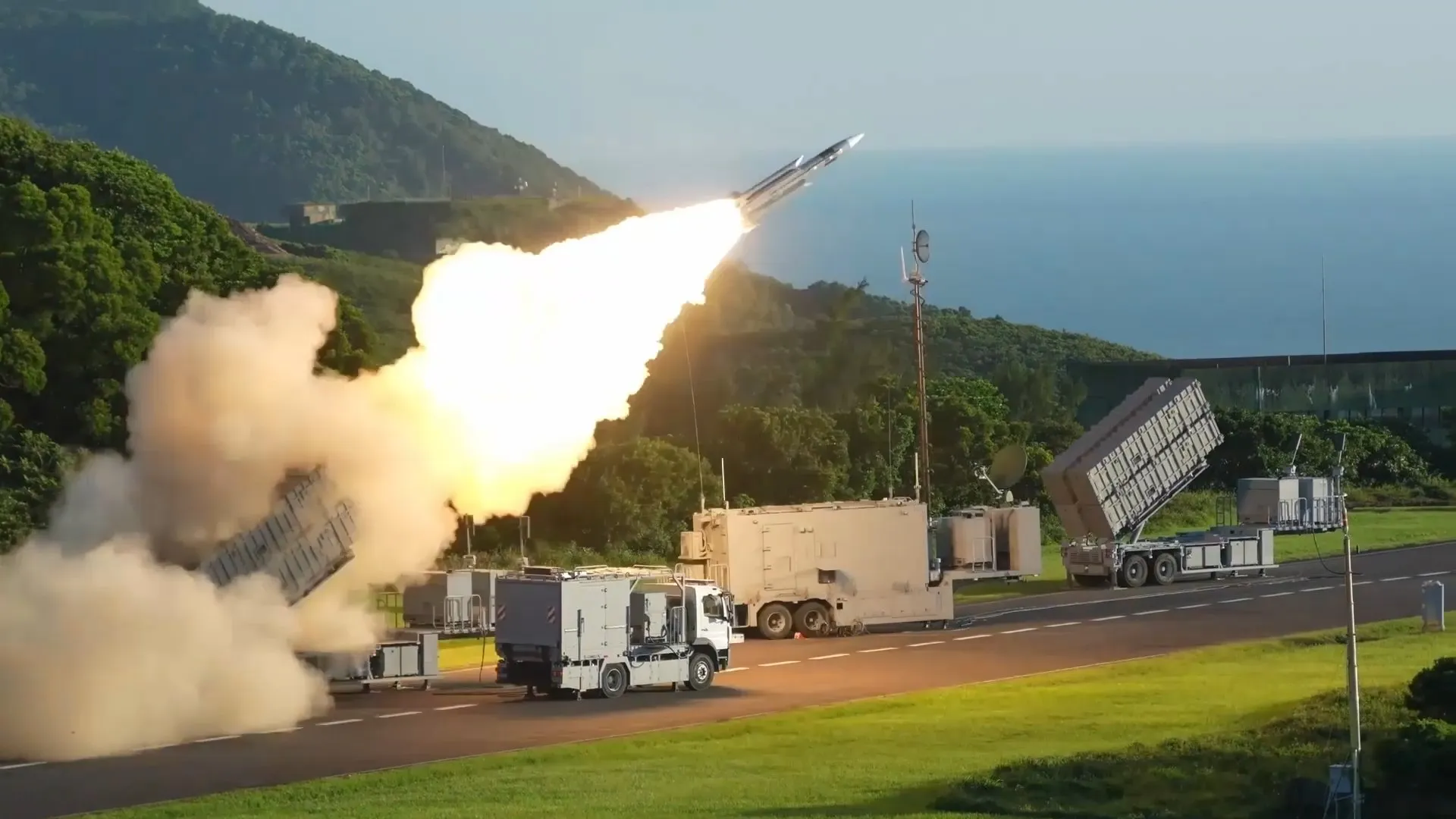
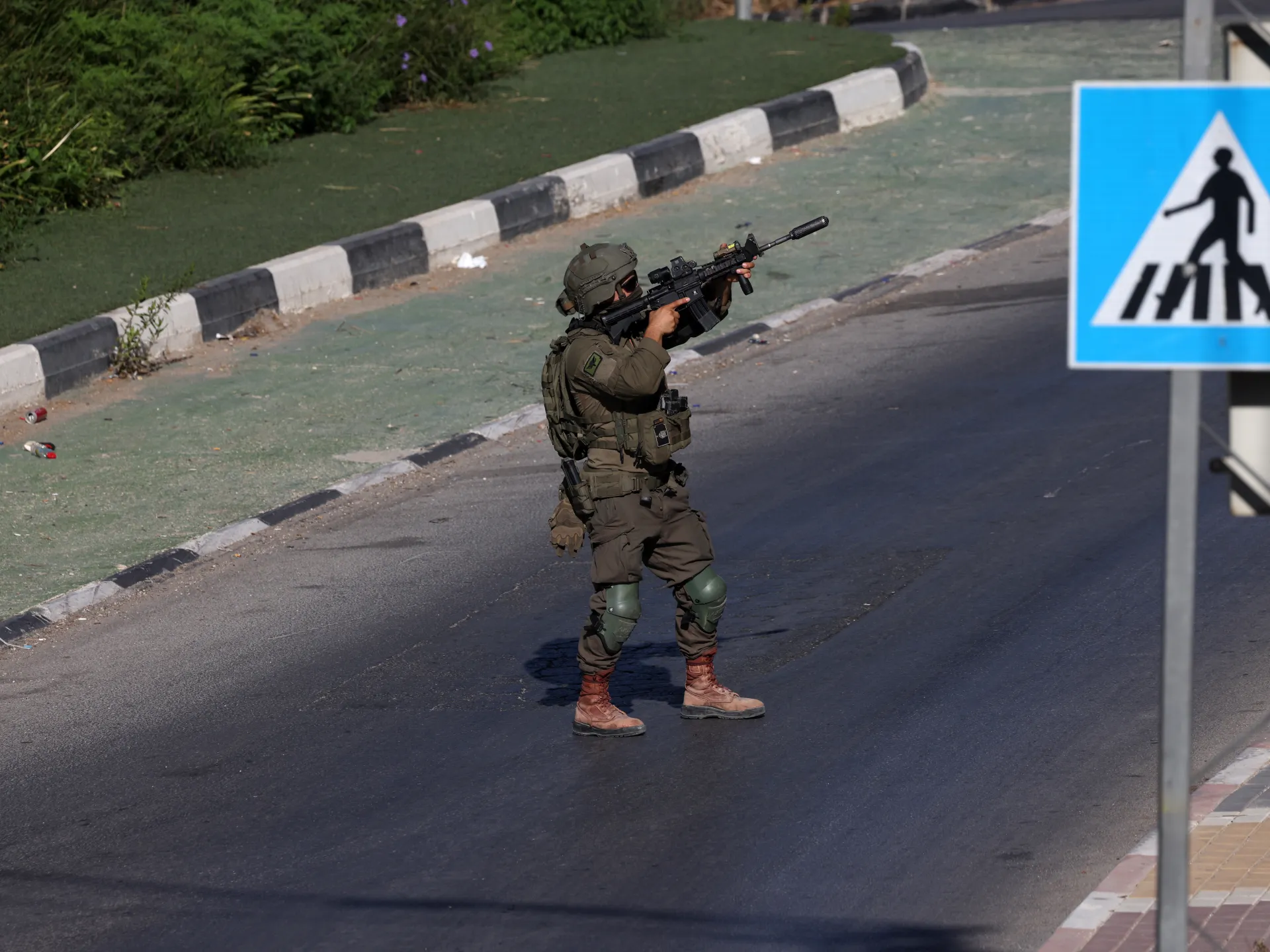
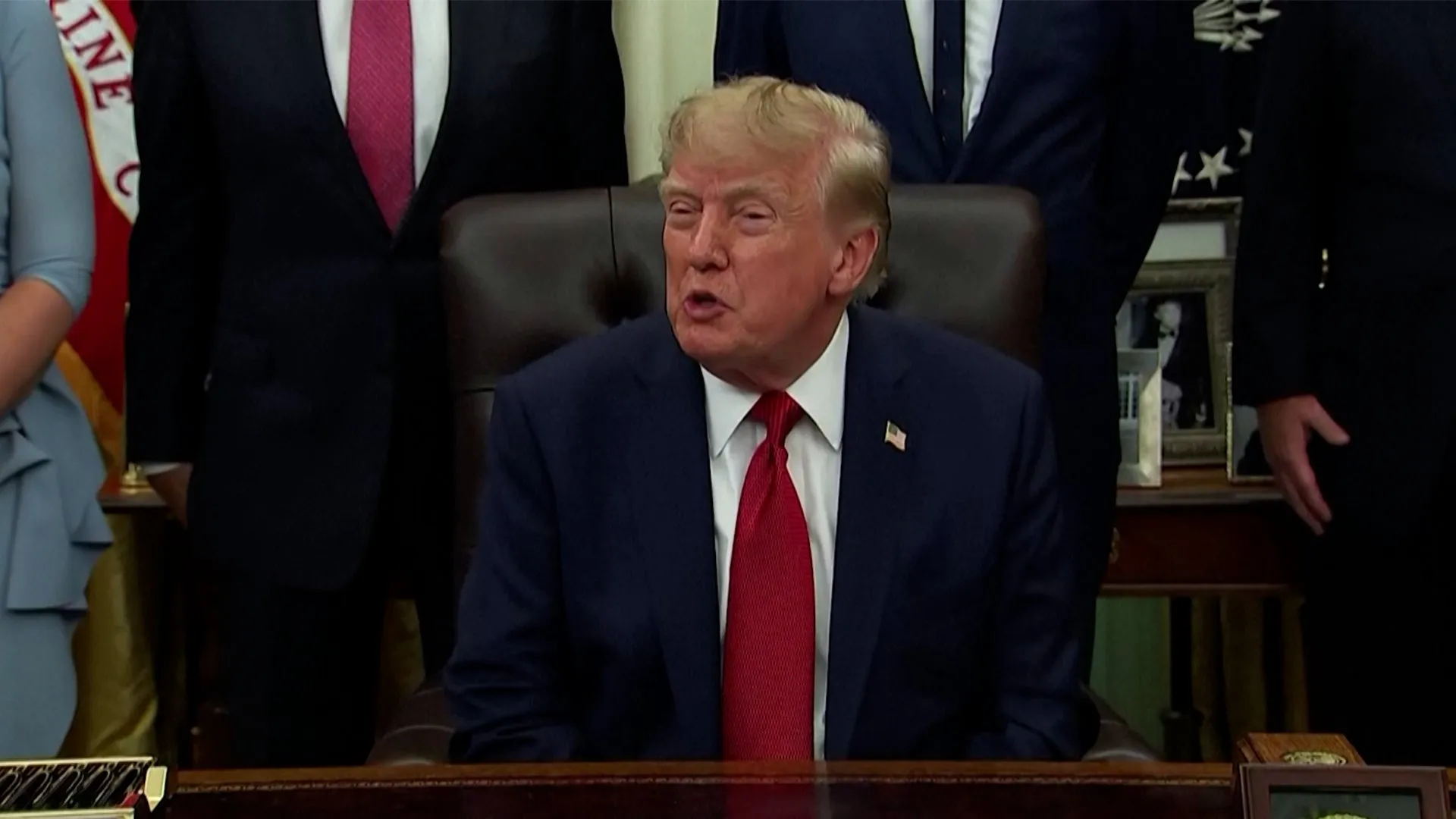
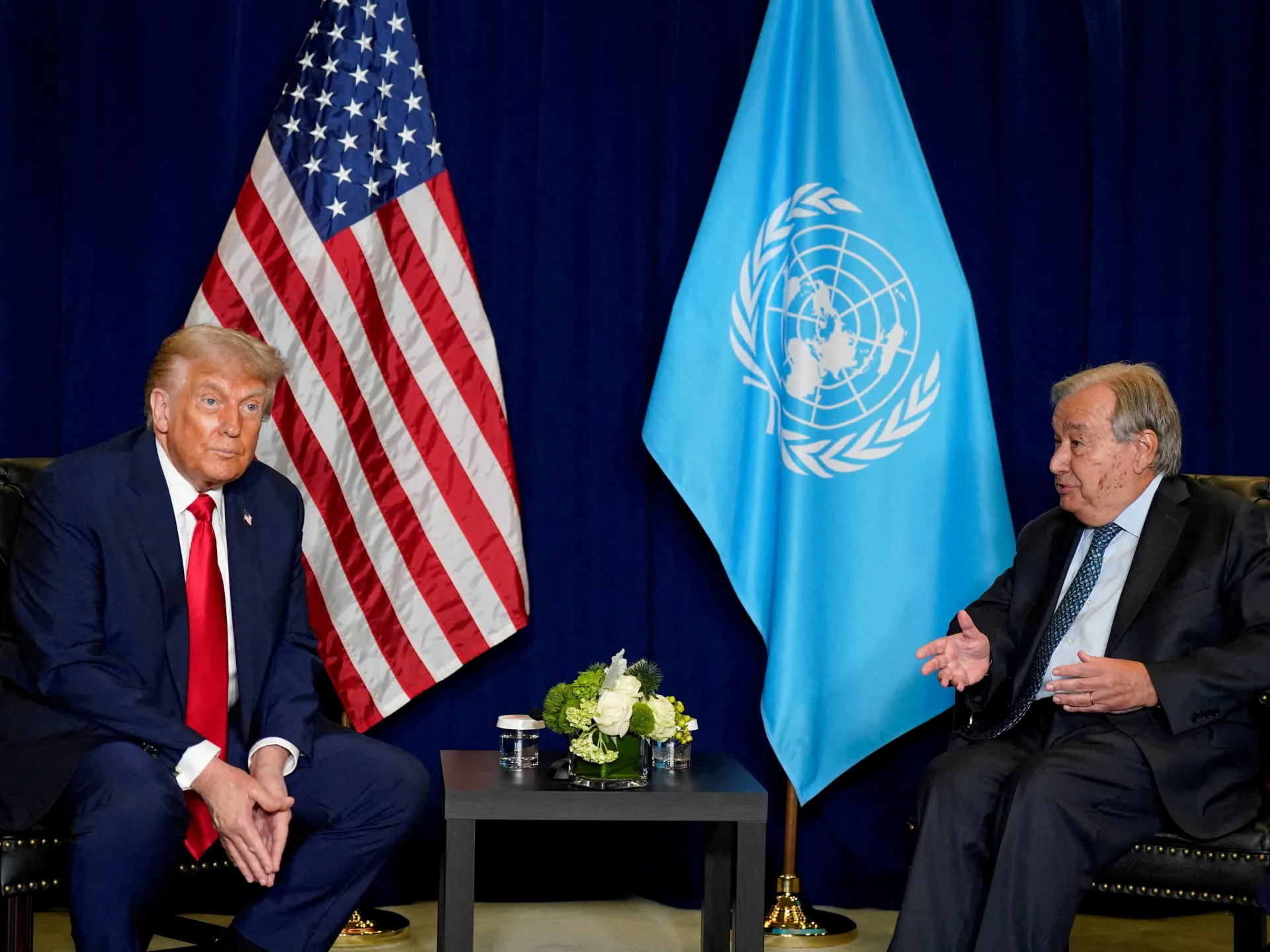
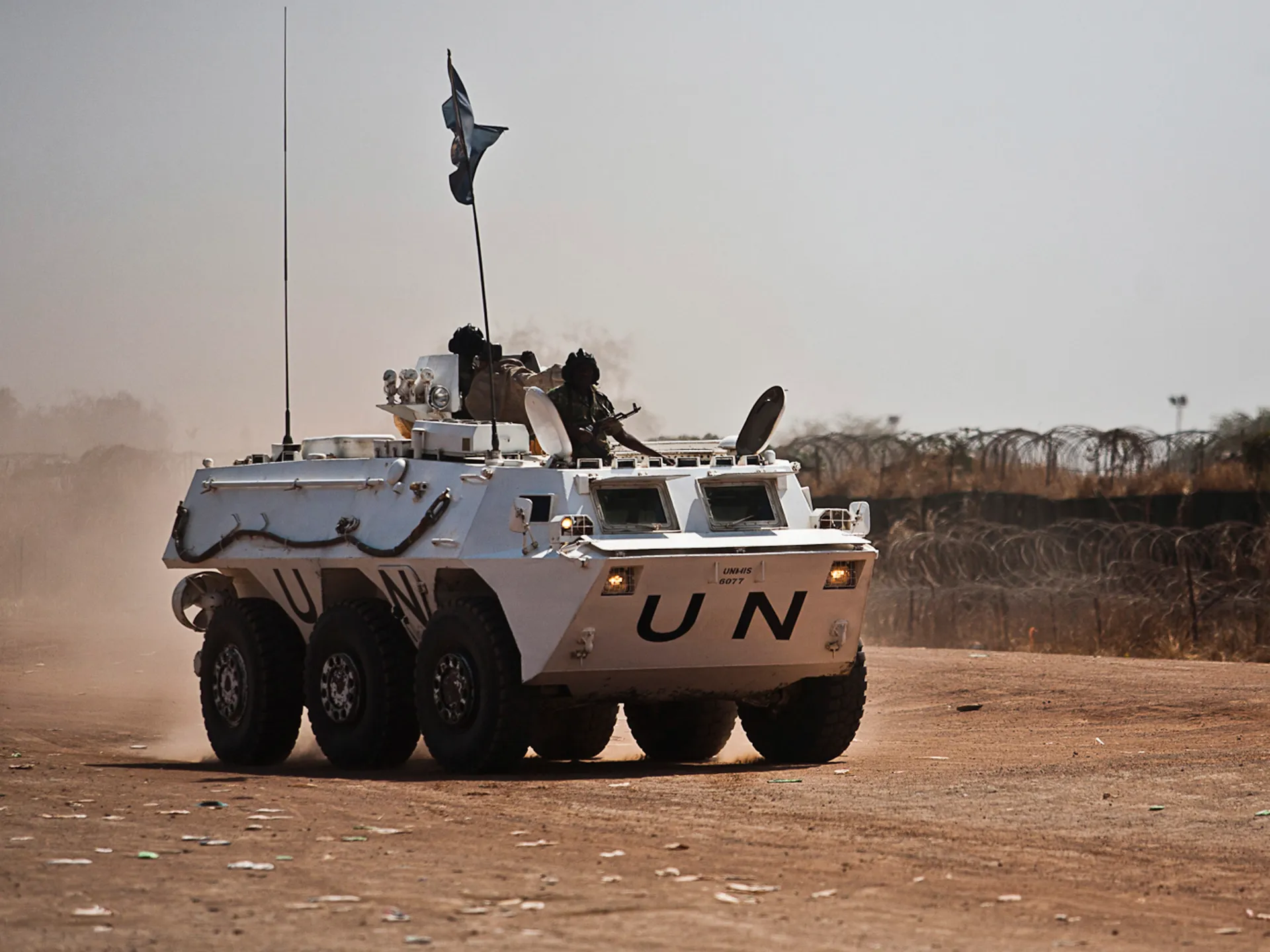
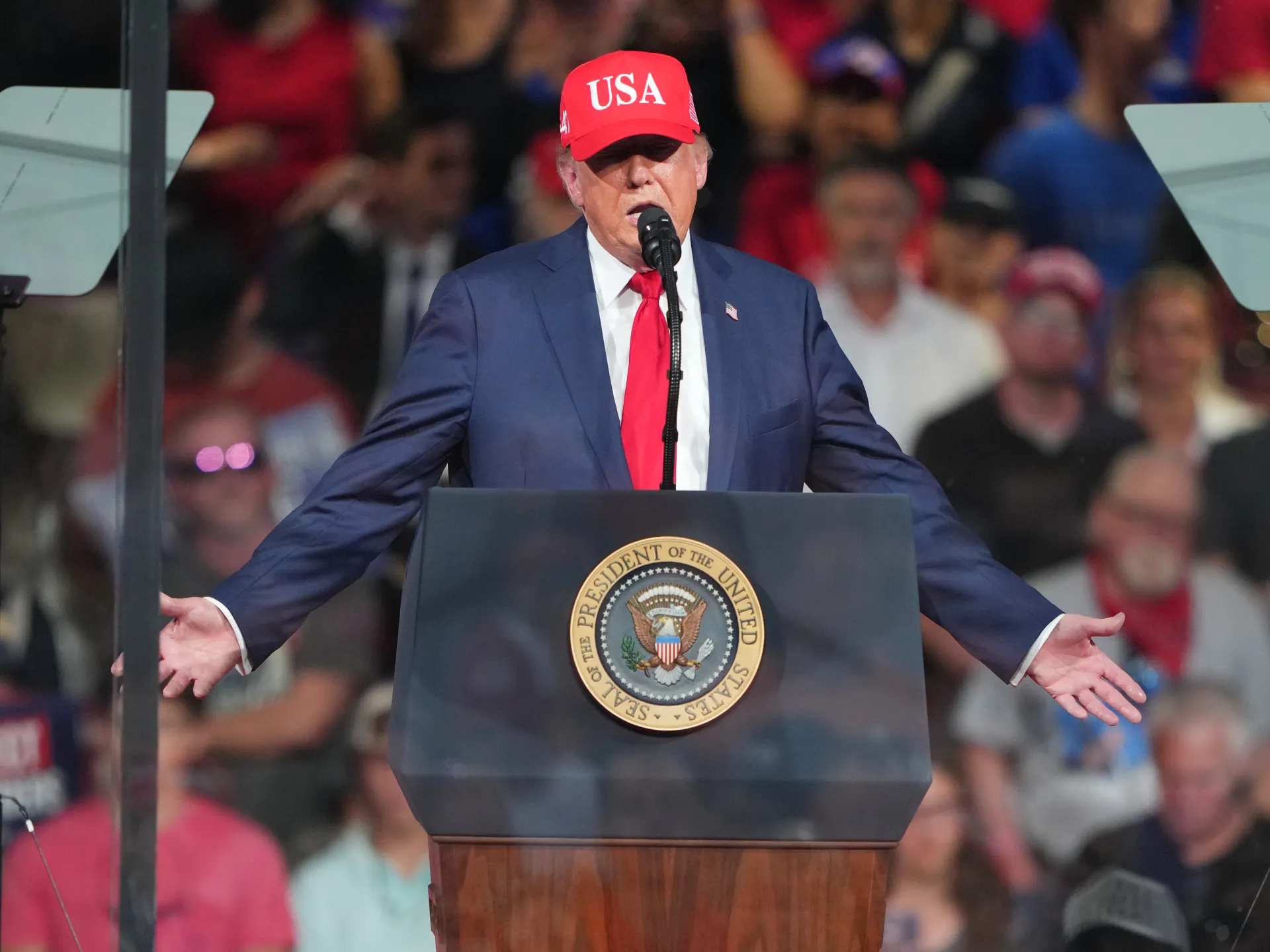
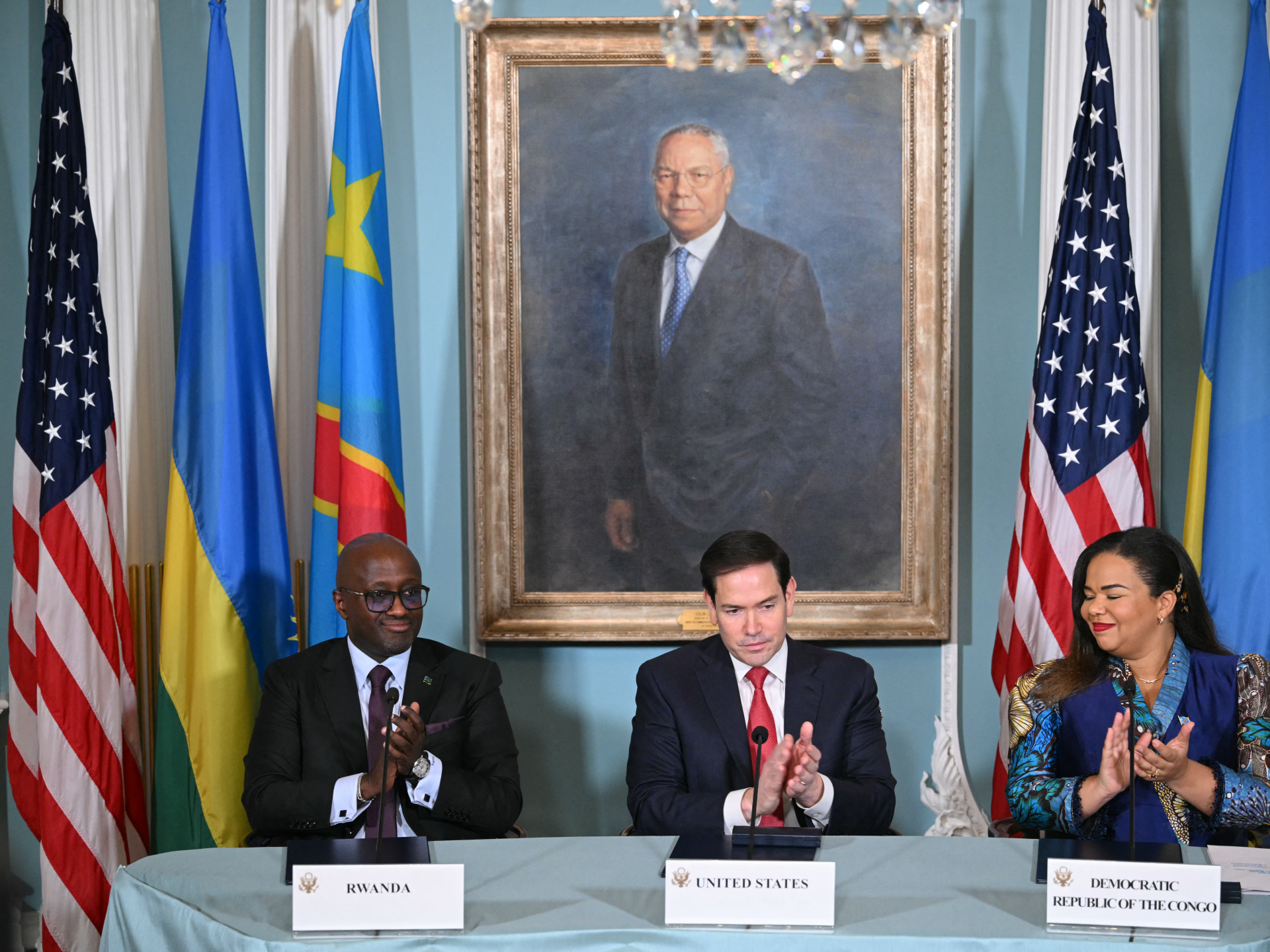
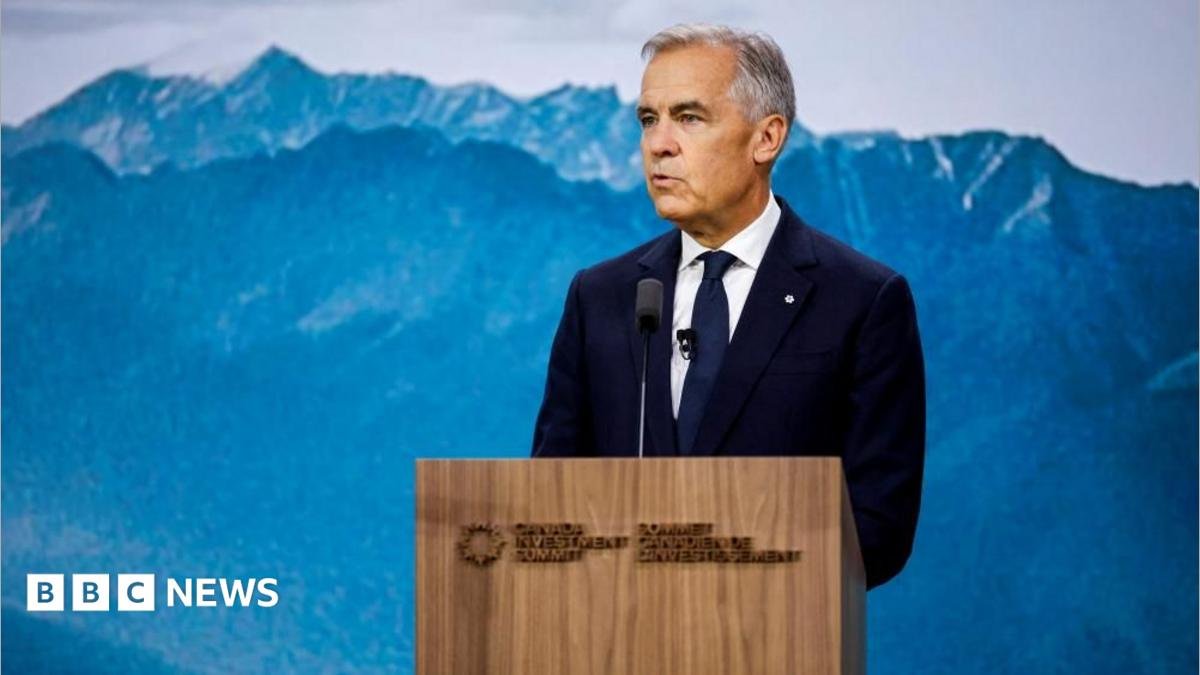
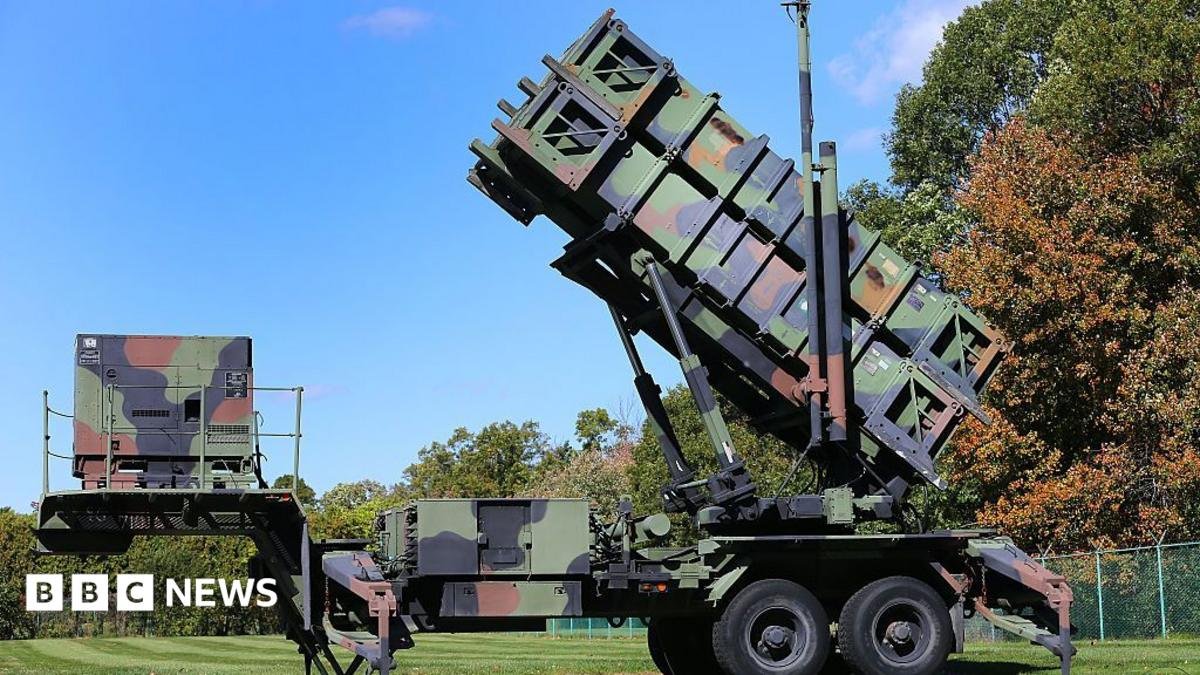
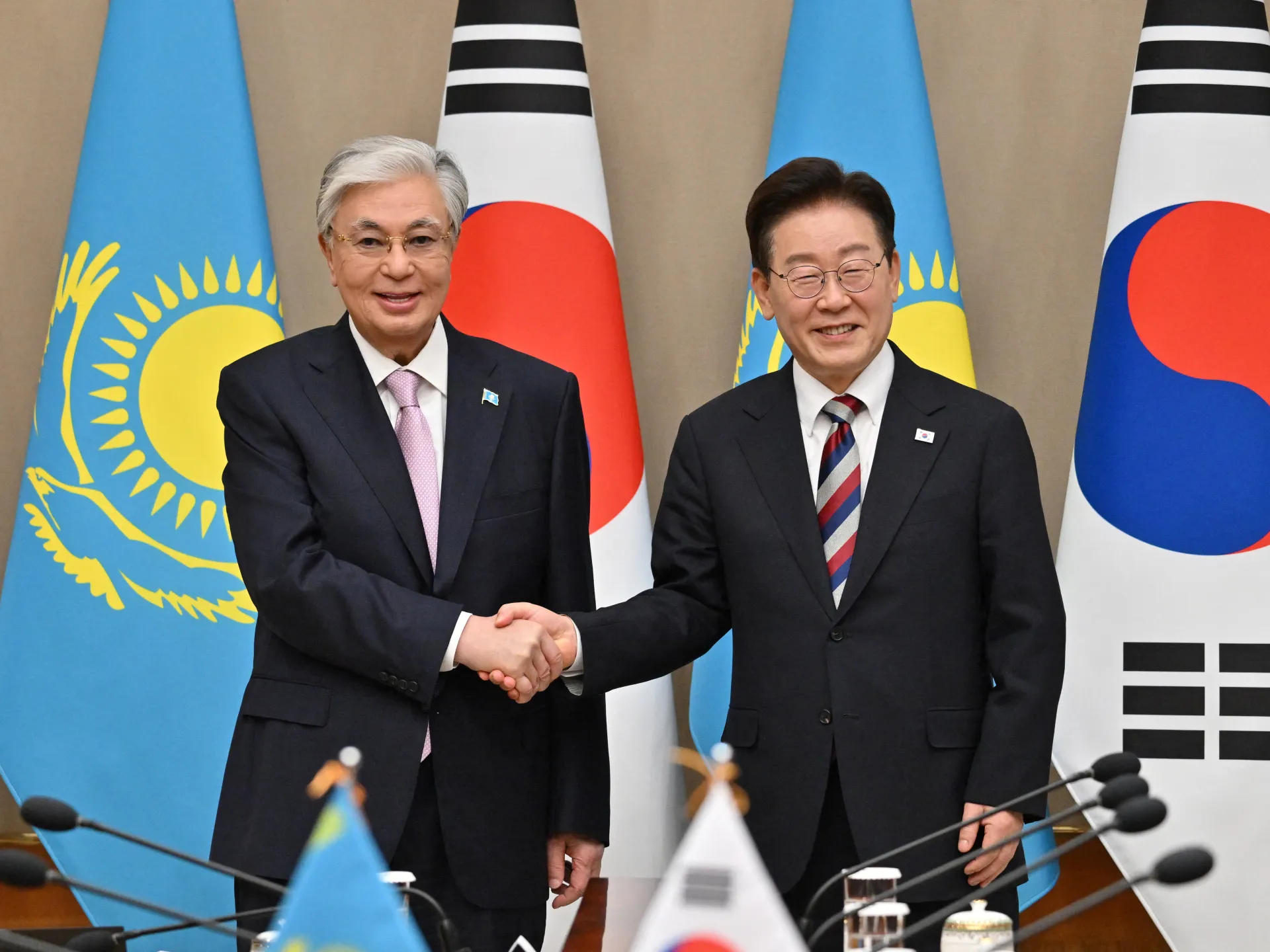
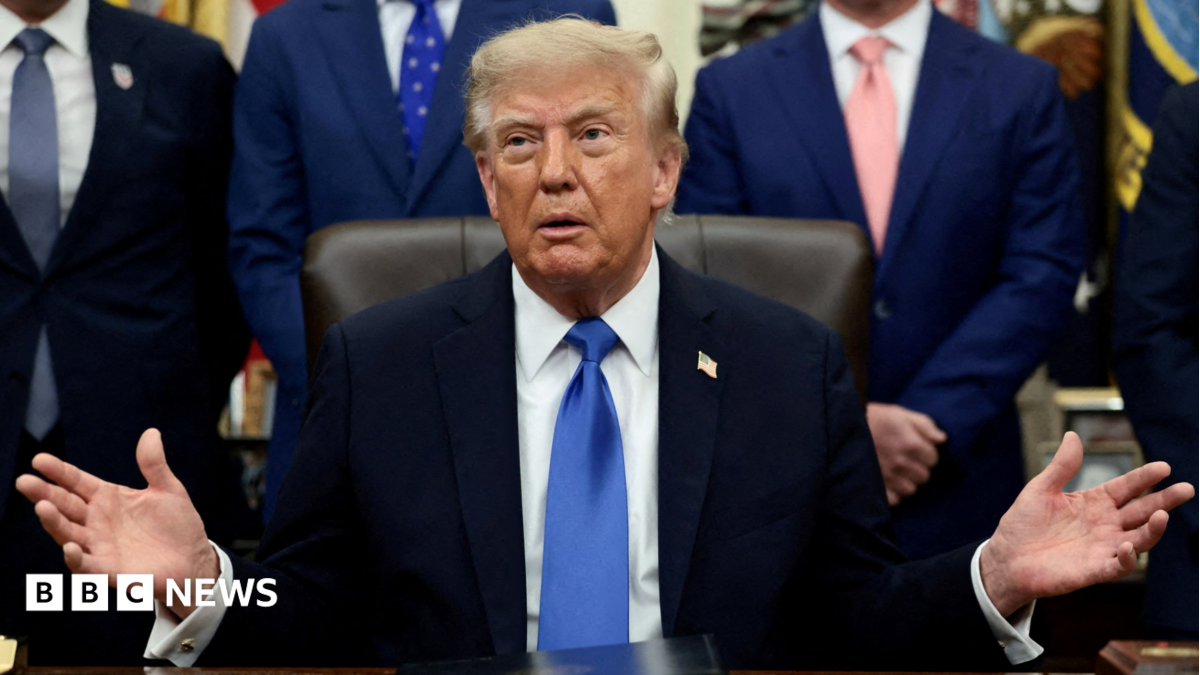
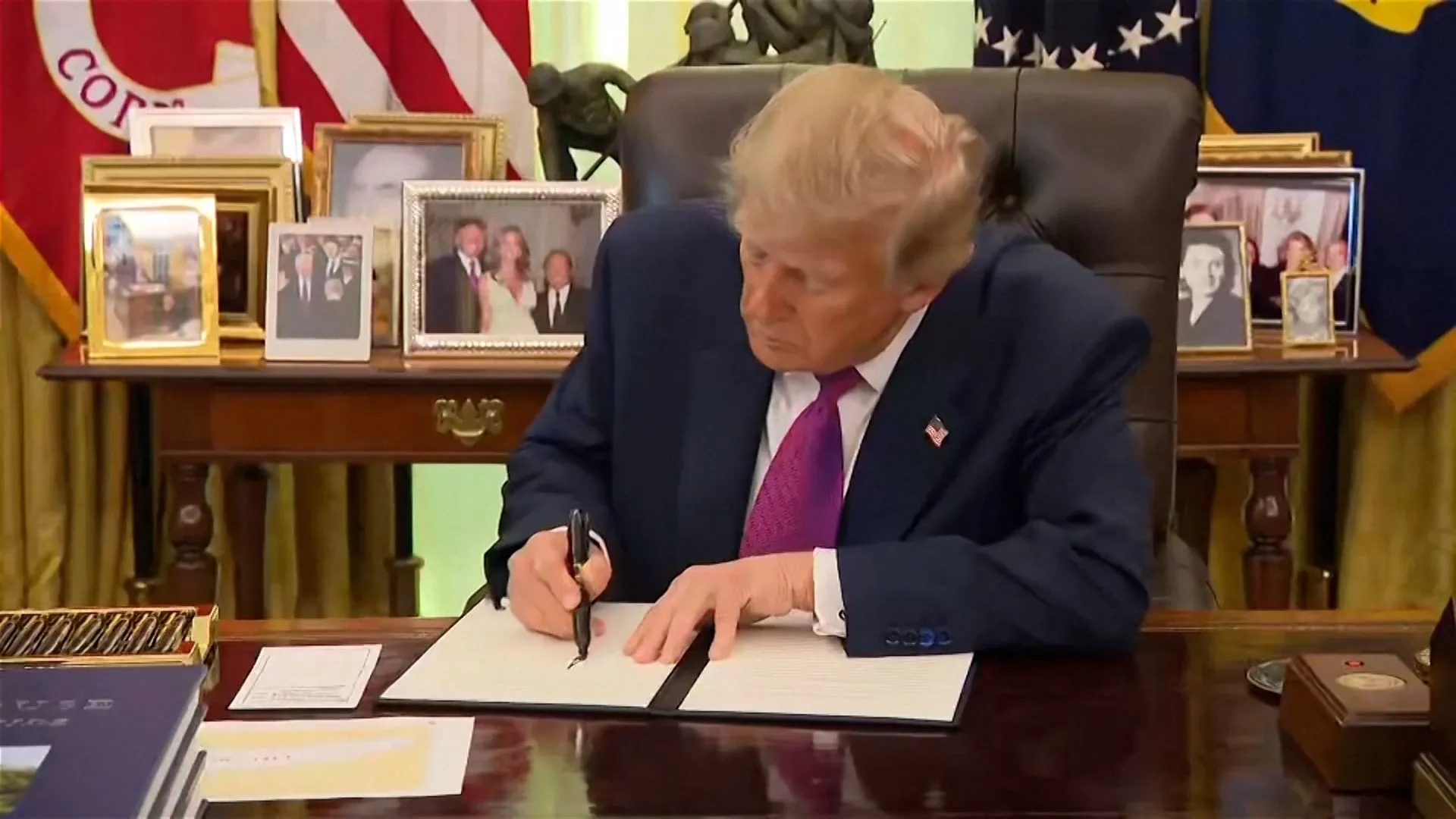
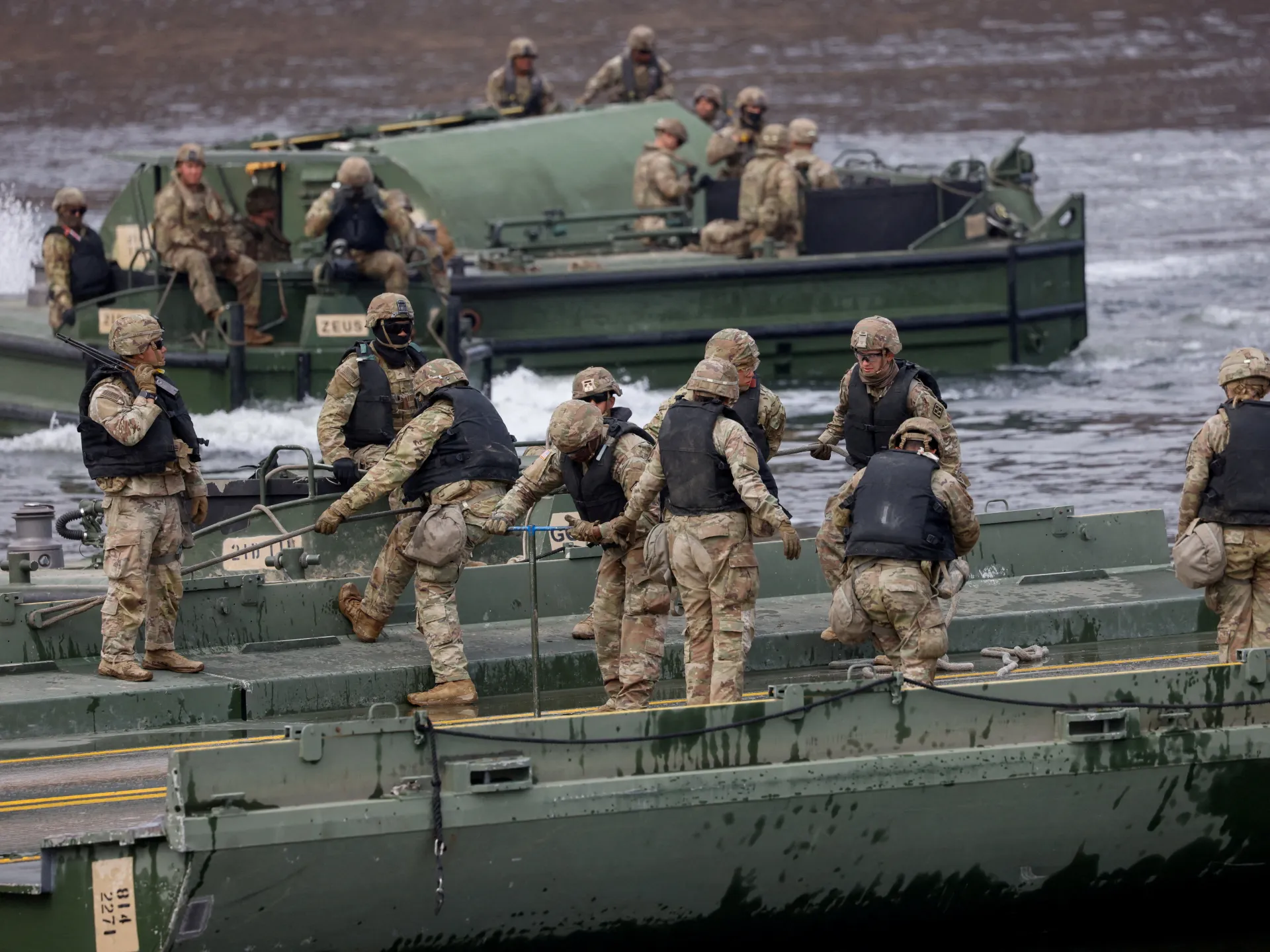
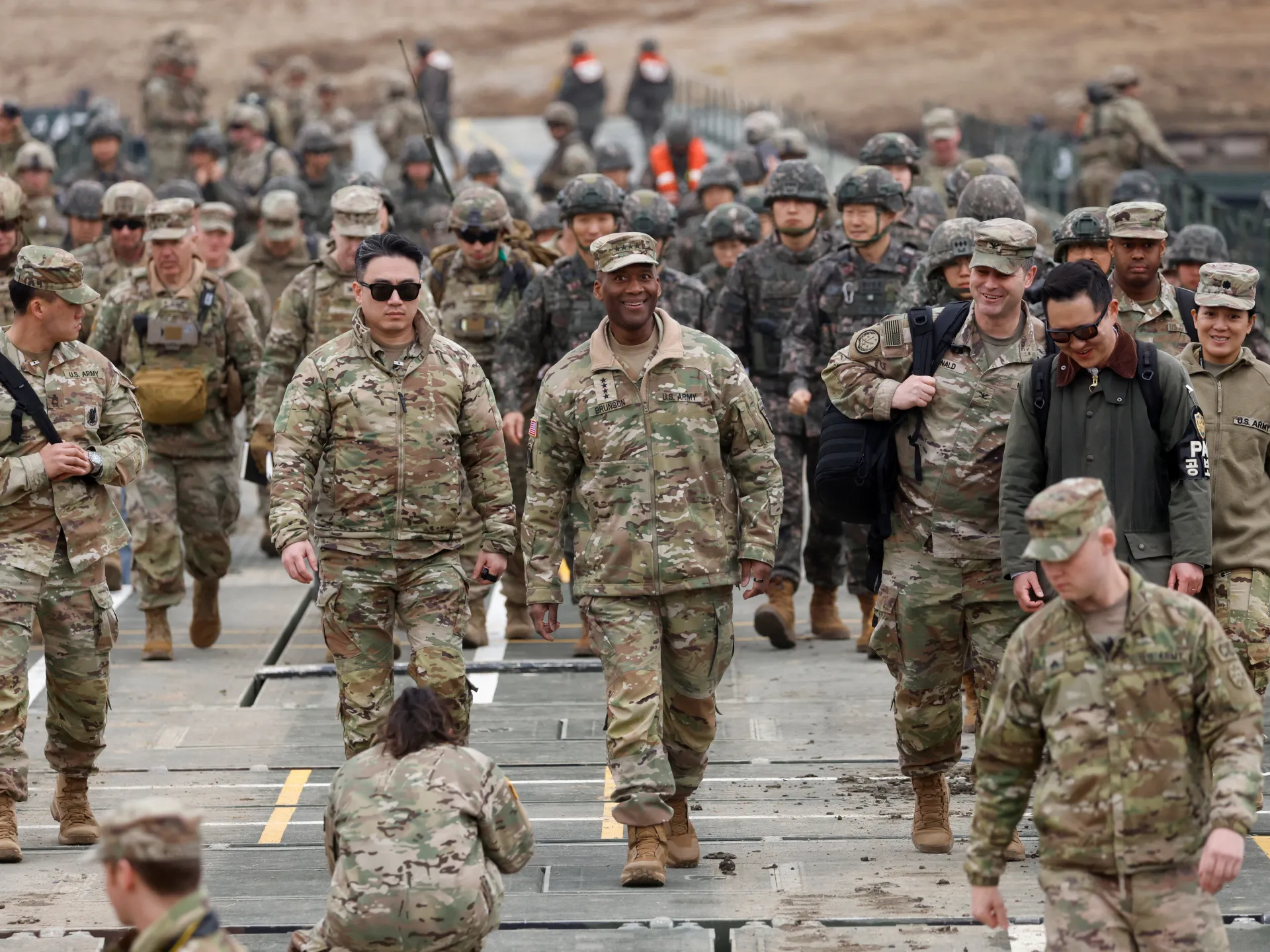
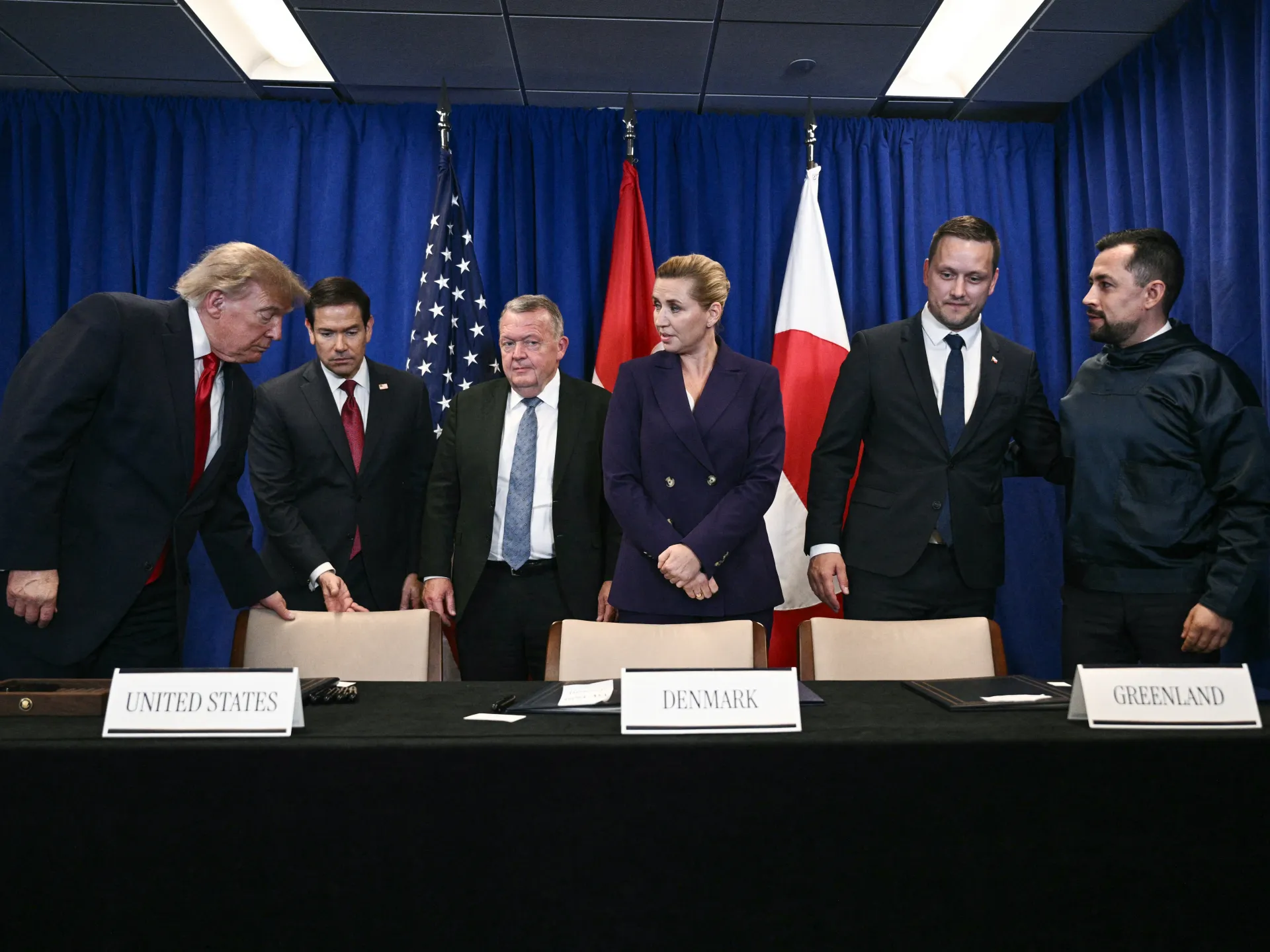
The recent security pact negotiated between Washington, Copenhagen, and Nuuk has been framed ’s characterization of the agreement as "permanent control" over the island’s security has drawn scrutiny from various geopolitical analysts, who note that while the U.S. gains a significant tactical advantage, legal authority officially remains with Denmark. The agreement reportedly contains specific protections for Greenlandic citizens, intended to safeguard local interests amid the expansion of U.S. military reach.
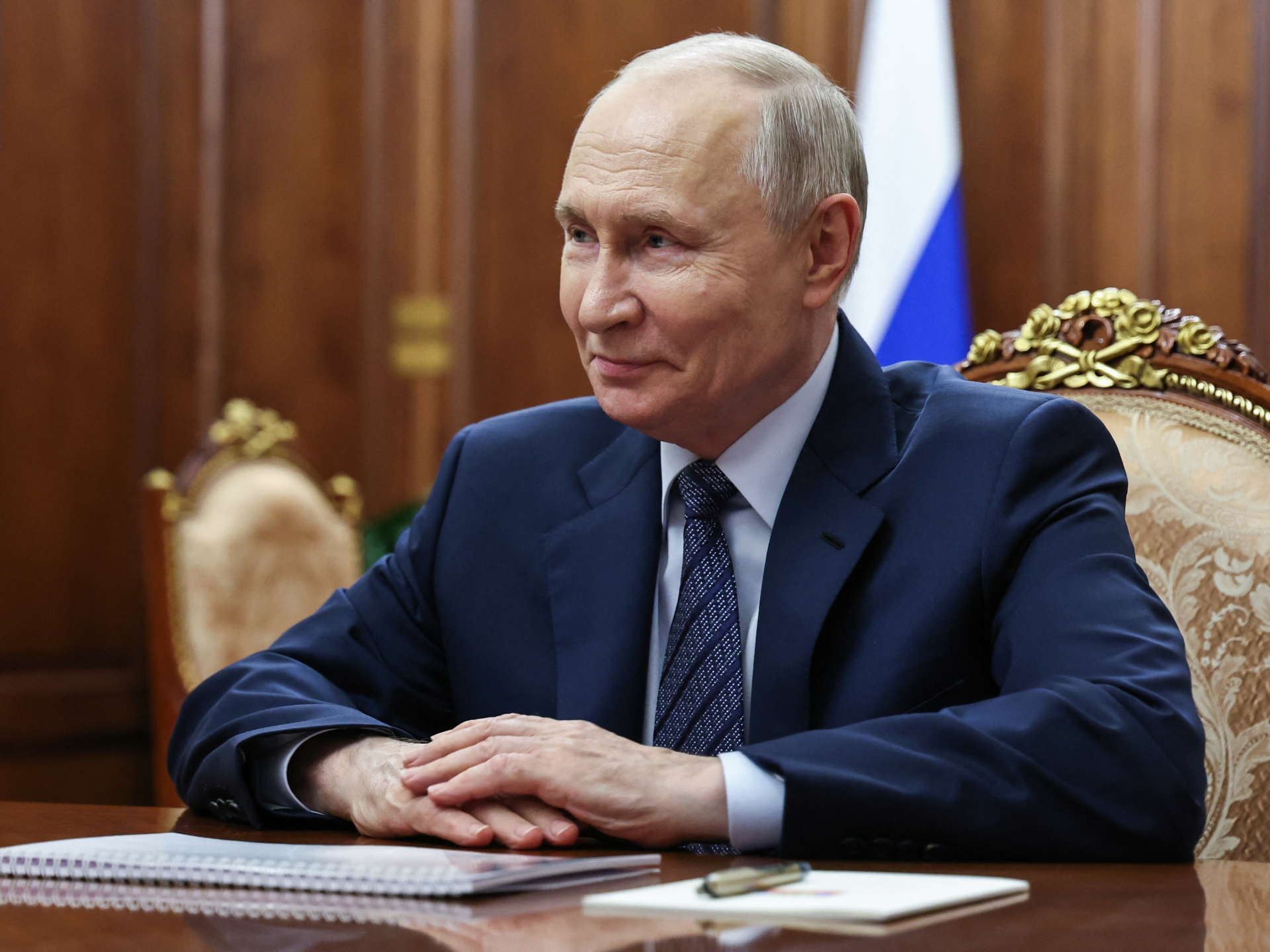
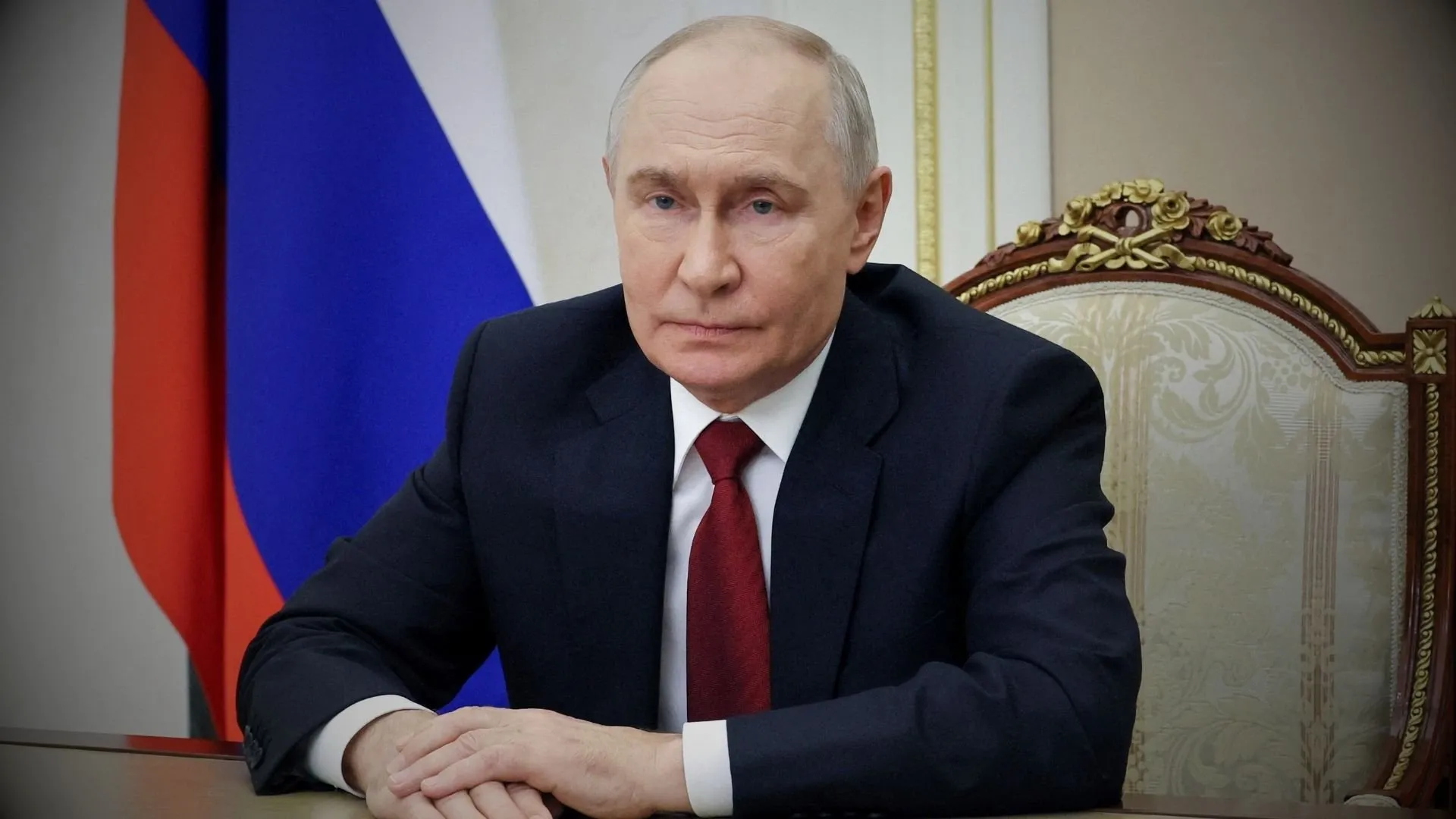
The Kremlin, typically vocal about NATO’s expansion, has adopted a surprisingly muted stance, labeling the agreement as a matter strictly for the involved parties. This restraint may be temporary, as the long-term presence of U.S. assets in the Arctic inherently alters the power dynamics of the region. Meanwhile, stakeholders within Europe remain cautious, balancing their roles as NATO partners against the potential for intensified friction with non-Arctic powers that view the U.S. maneuver as a provocation.
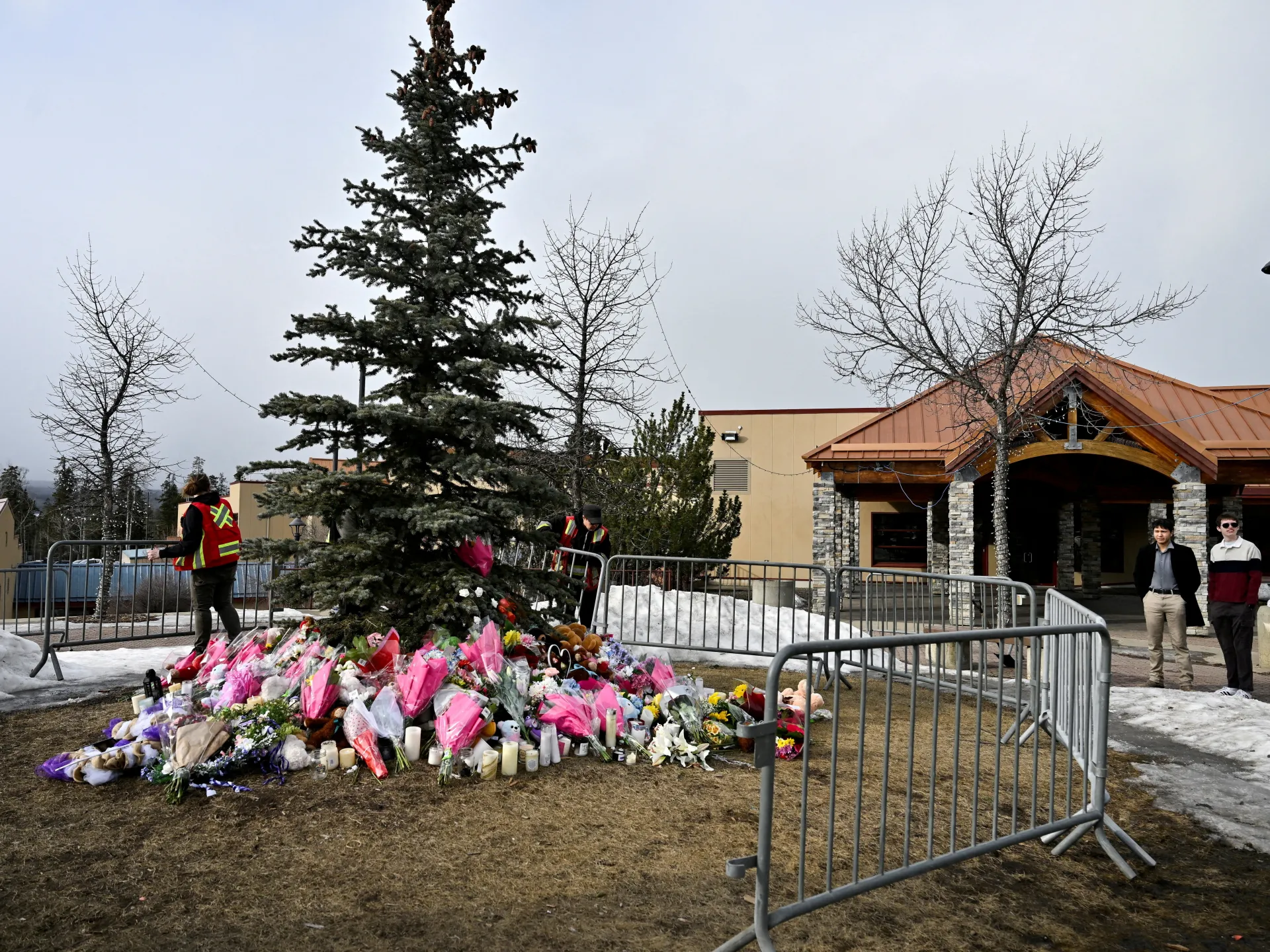
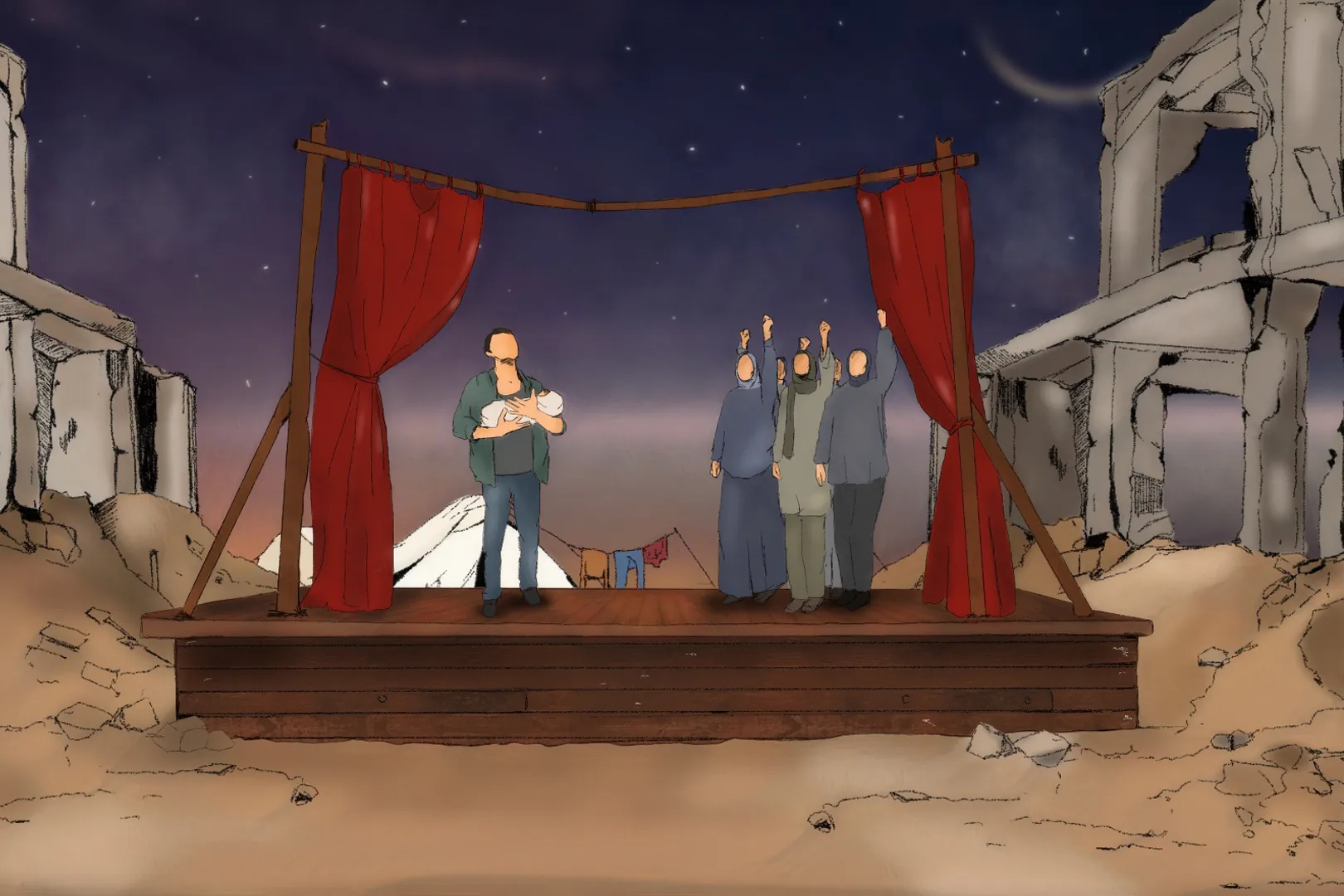
Parallel to these military developments, the Greenlandic government continues to grapple with the legacy of the 1966–1970 birth control program. Official records confirm that roughly 4,500 women and girls were fitted with IUDs rt, which remained divided on whether these actions constituted genocide, has effectively stalled the government’s ability to provide a definitive moral or legal classification of the era.
The decision ebate rather than a settled fact underscores the political volatility of the issue. While Denmark has issued a formal apology and established a compensation framework, the debate continues to divide experts. The report based solely on contraception, yet left the door open for future legal findings based on broader practices, such as the separation of Inuit children from their families. This ongoing inquiry suggests that the reconciliation process will remain a primary focus of the government for years to come.
Looking ahead, the tension between Greenland’s external military obligations and its domestic human rights agenda is likely to intensify. The "reconciliation commission" promised indings that satisfy a public demanding accountability for historical abuses. If the commission fails to address the genocide question in a manner that aligns with the expectations of victims, it could lead to further political instability within the autonomous government.
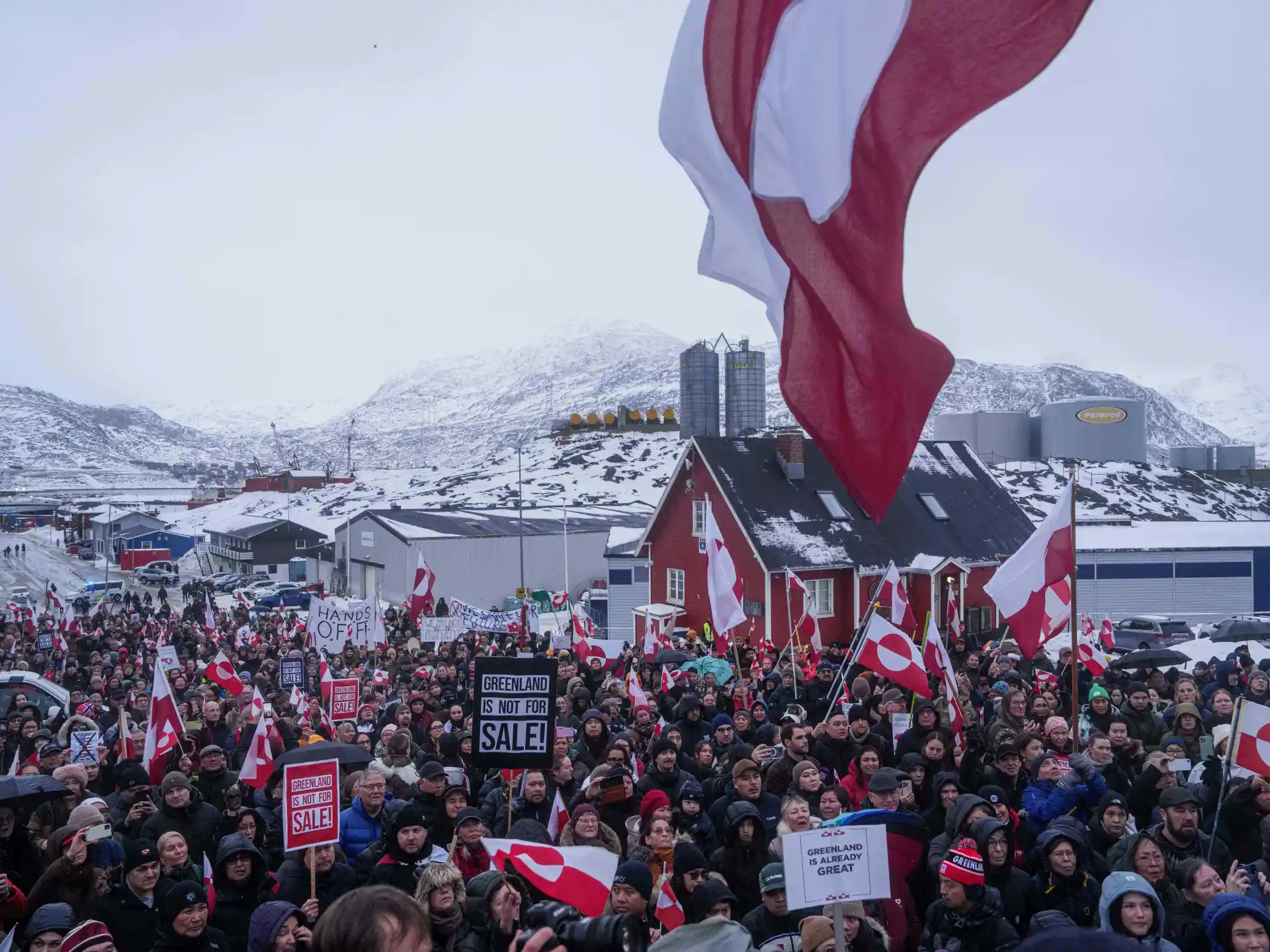
Simultaneously, the implementation of the new U.S.-Greenland security deal will be closely monitored dhering to the protections guaranteed to Greenlanders could reignite local protests, complicating the U.S. goal of a stable, long-term Arctic presence. The coming months will test whether the current administration can manage these competing priorities without undermining the very stability it seeks to establish.