A deep dive into how algorithmic controls shape both our understanding of global conflict and the quantification of American sports culture.
In an era defined es the public eye have become a focal point of intense scrutiny. From the high-stakes documentation of conflict zones to the quantifiable fervor of professional sports fanbases, the systems of digital curation and engagement metrics are fundamentally altering how history is recorded and how cultural identities are quantified.
While one set of digital tools serves to amplify the raw realities of geopolitical crises, another set is being utilized ate under the influence of proprietary algorithms and corporate methodologies, raising critical questions about the power dynamics embedded within our online landscape.
The convergence of algorithmic moderation in journalism and consumer behavior tracking in sports reveals a growing reliance on third-party metrics to define social and historical reality. When human experience—whether it is the documentation of war crimes or the expression of regional pride—is funneled through the gatekeeping structures of private platforms, the resulting "truth" is often a product of corporate policy rather than organic public interest. Analyzing these disparate systems highlights a common thread: the increasing delegation of societal importance to digital intermediaries whose internal processes remain largely opaque to the end user.
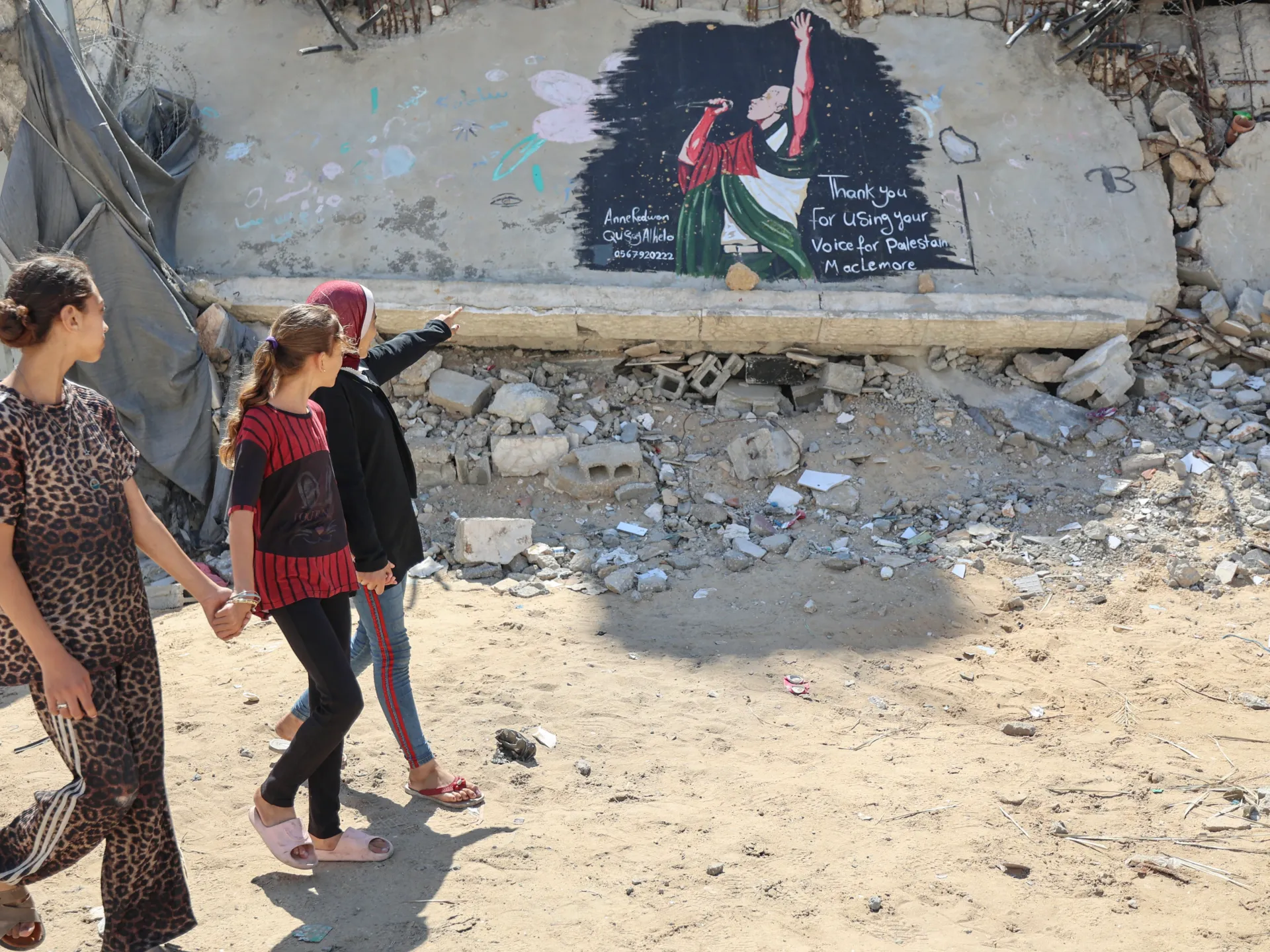
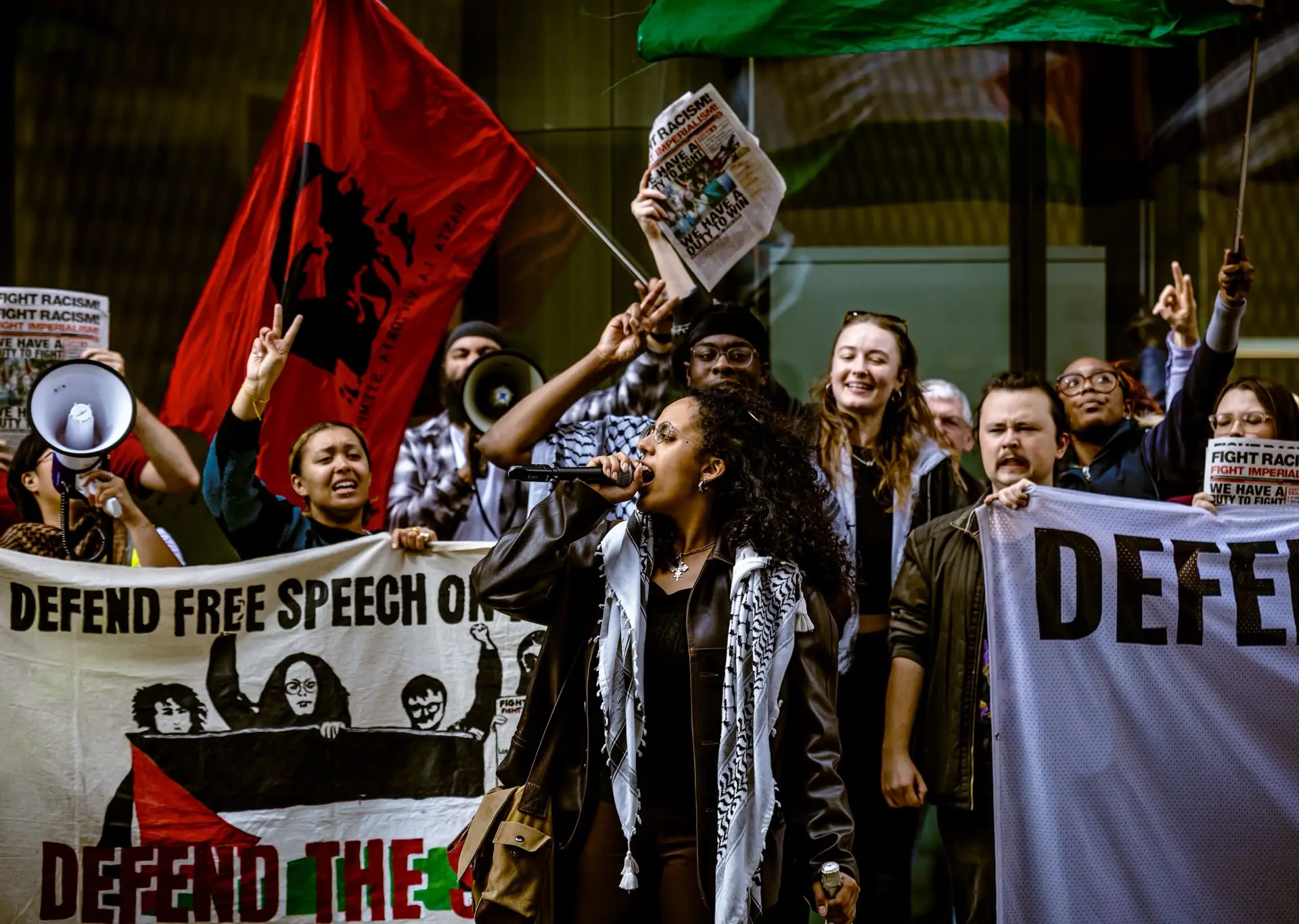
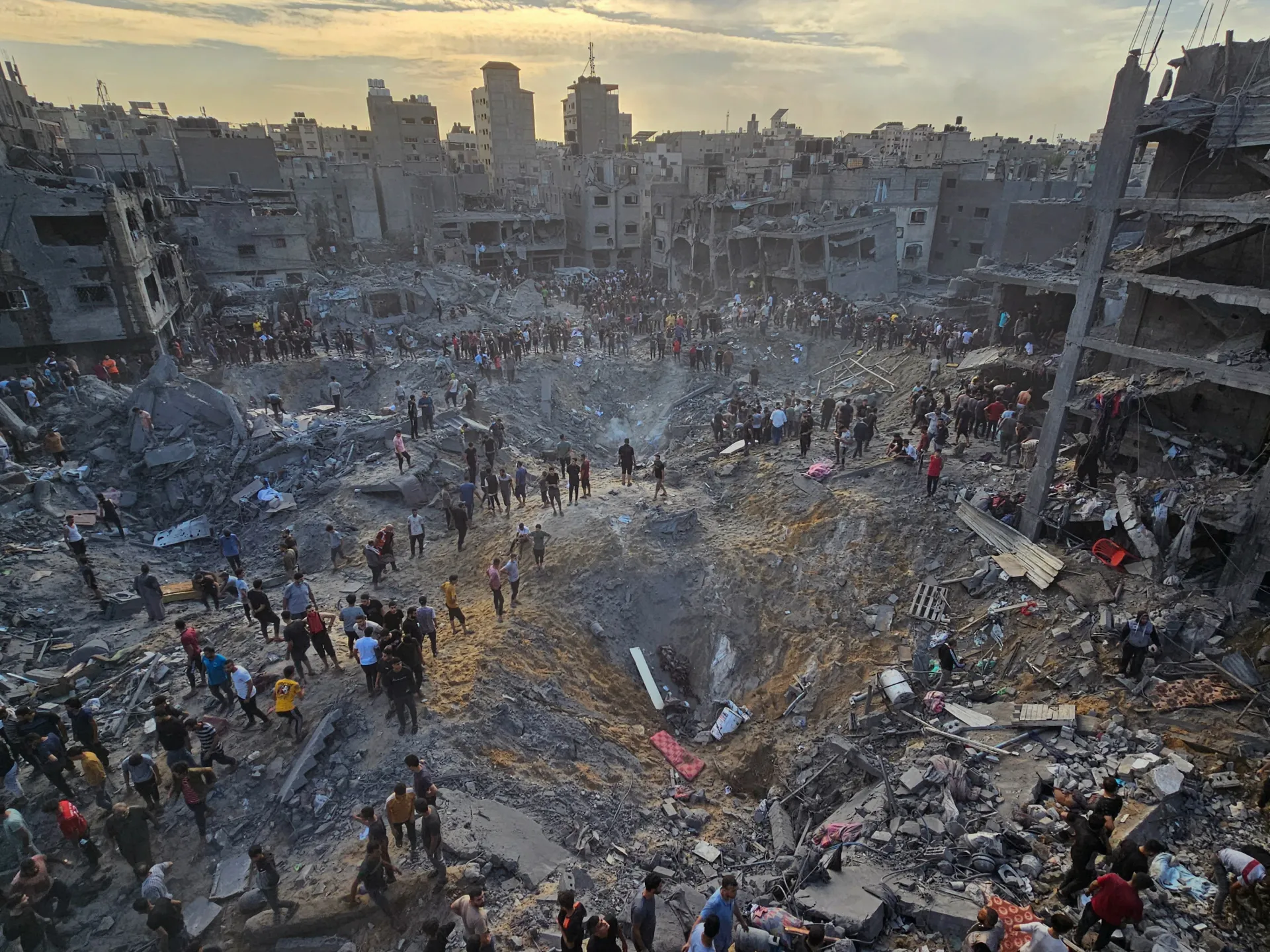
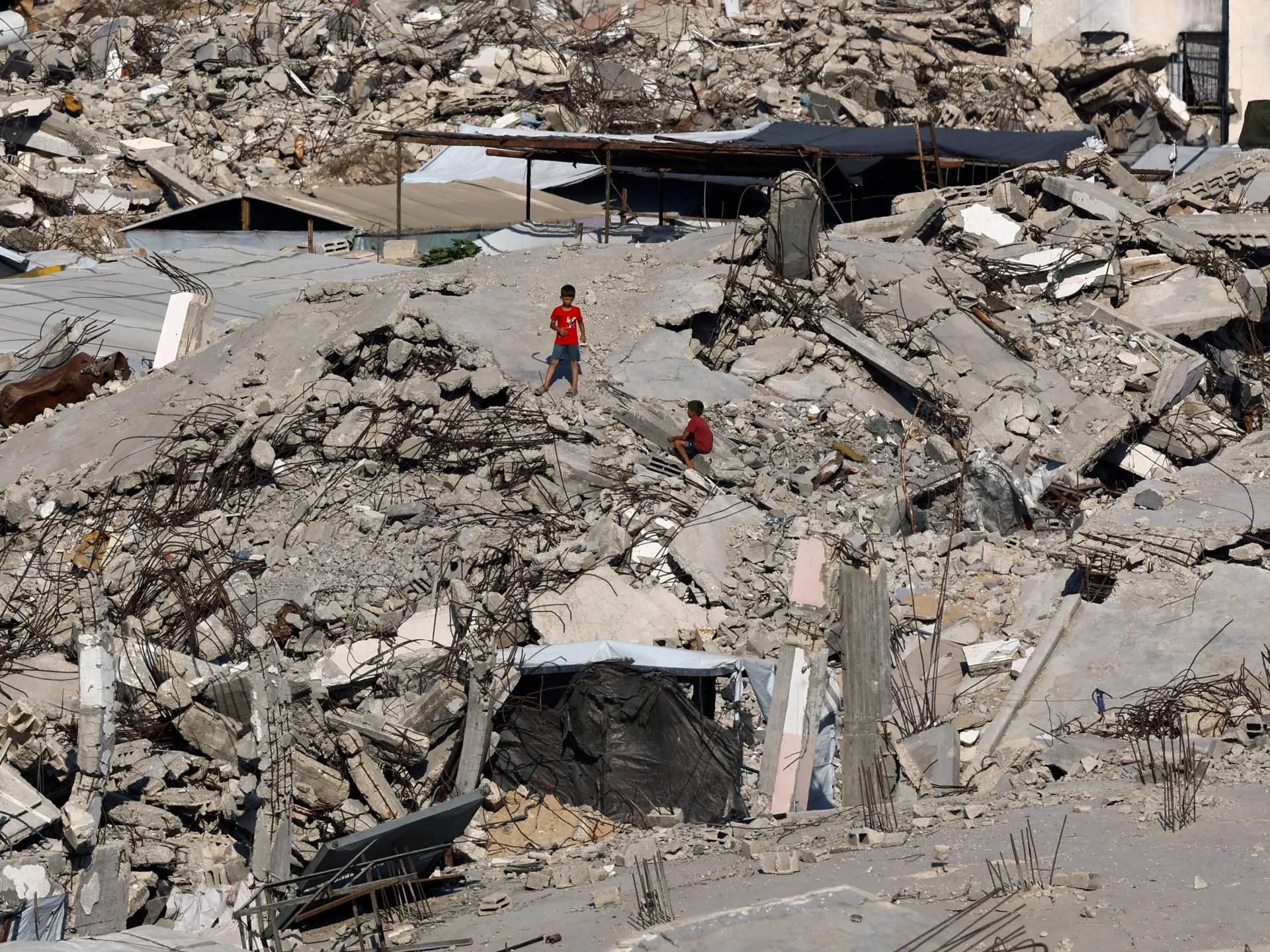
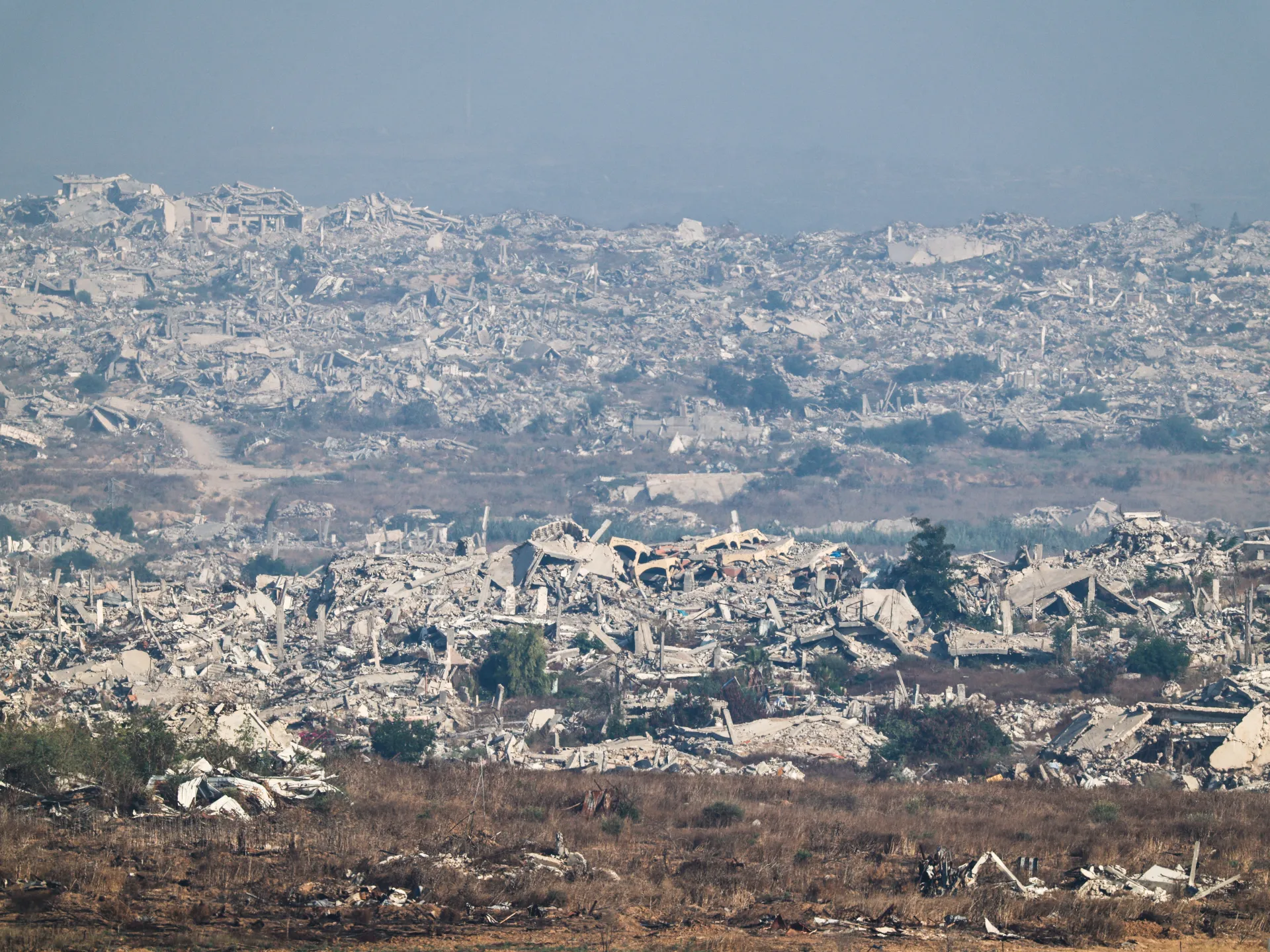
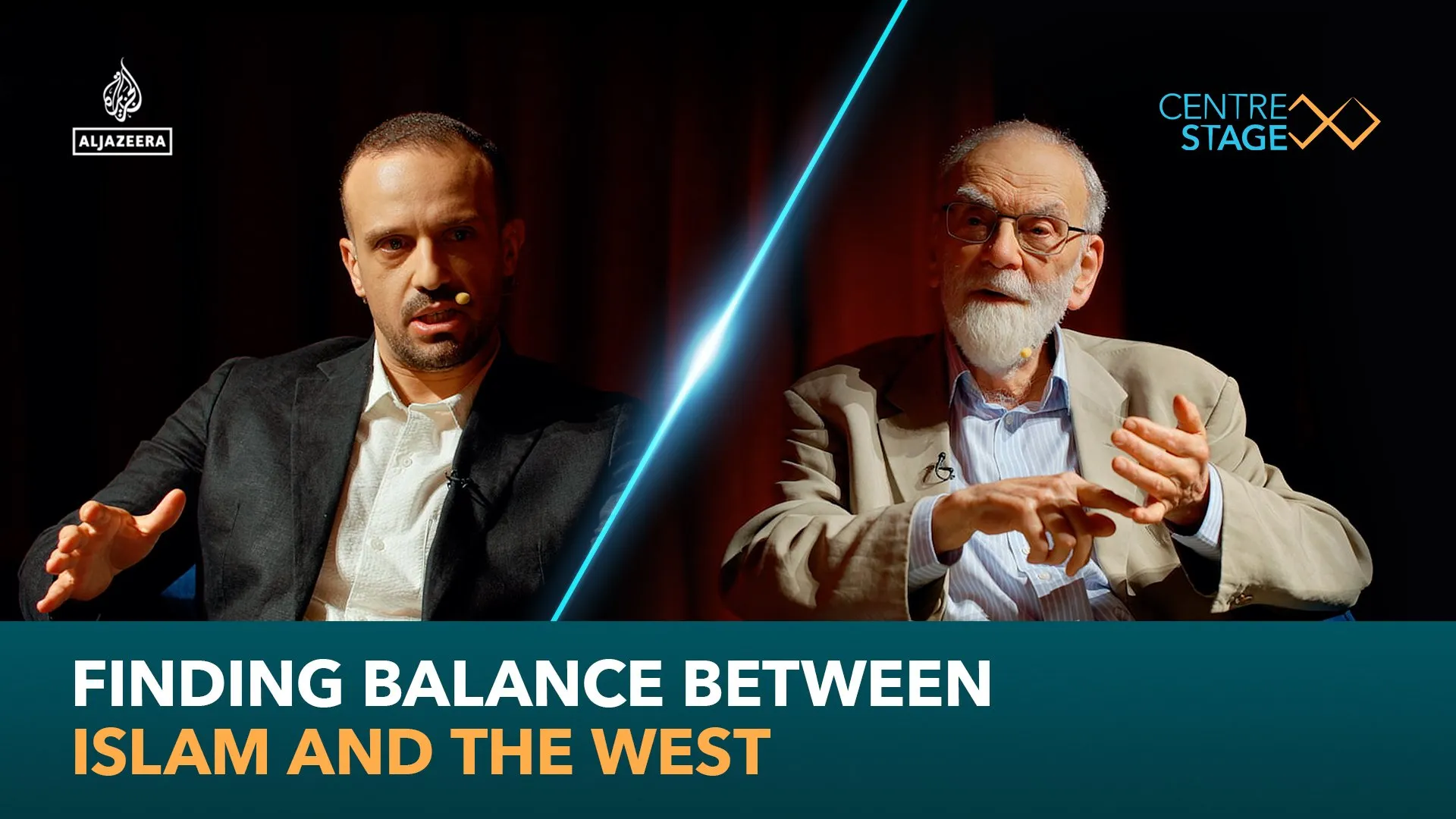
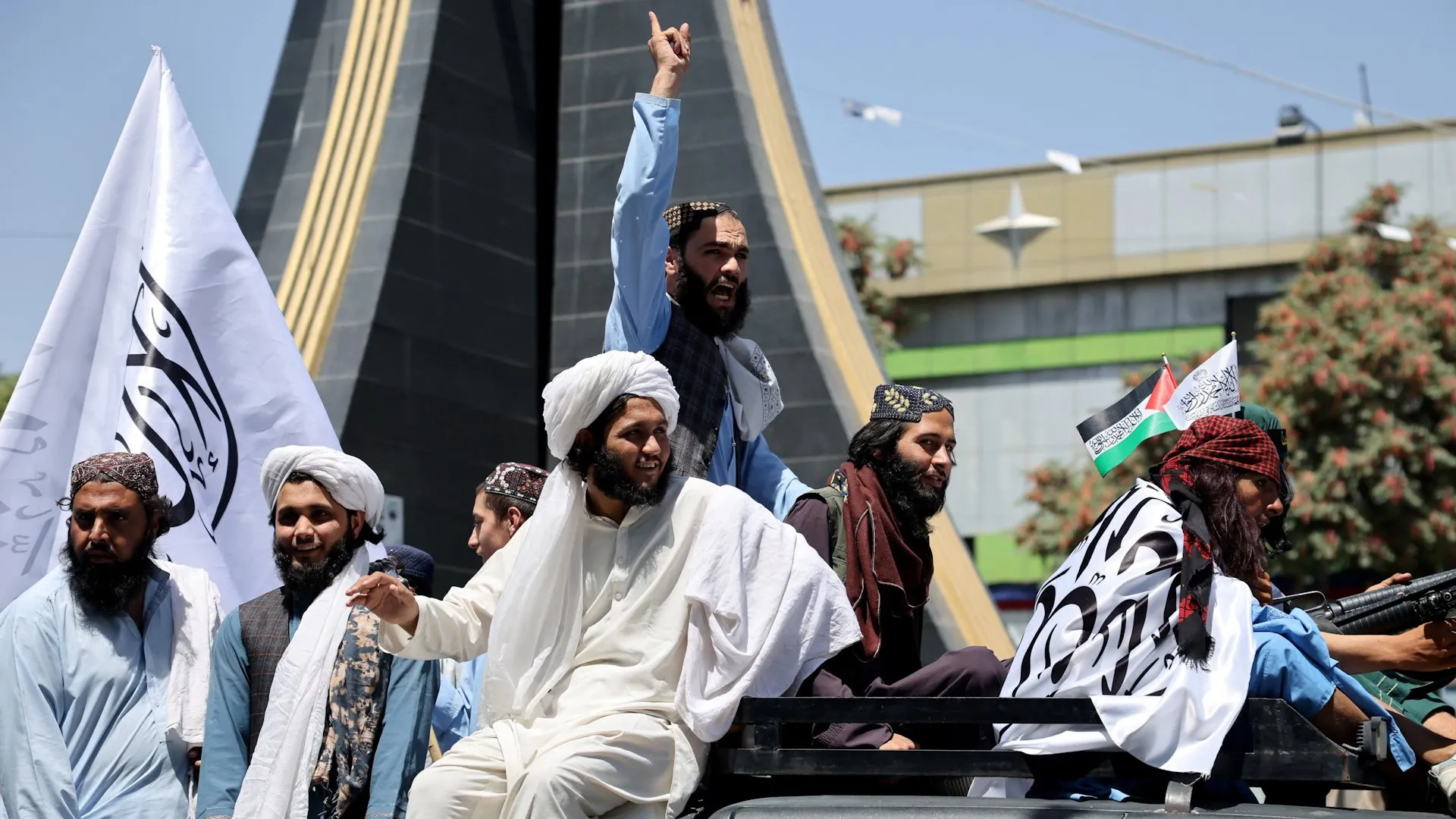
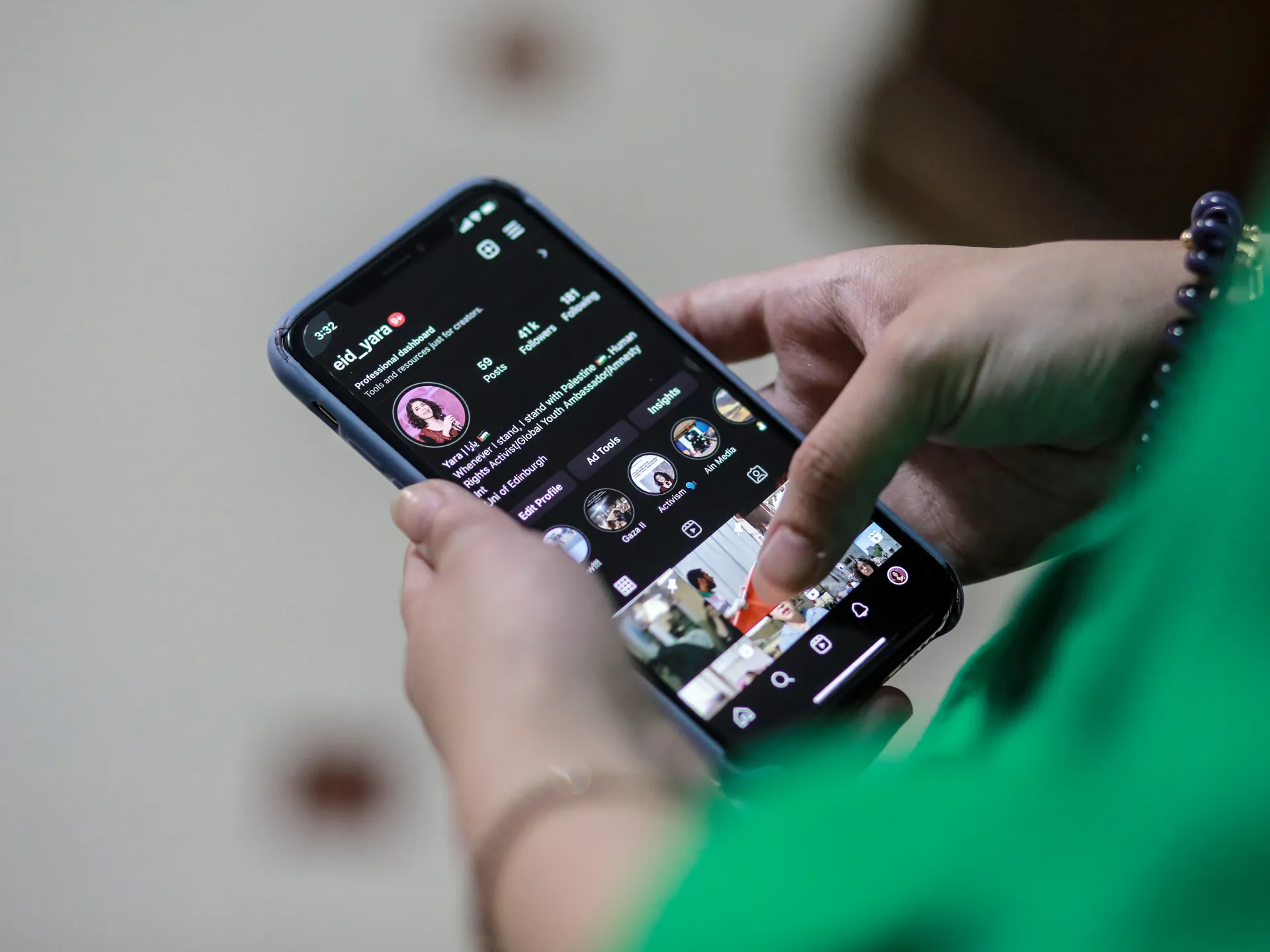
The documentation of the conflict in Gaza has brought the issue of algorithmic suppression to the forefront of human rights discourse. Journalists and citizen reporters have increasingly turned to social media to broadcast firsthand accounts of the war, yet many report significant friction in ensuring that this evidence reaches a global audience. Critics describe a phenomenon termed "echoicide," where platforms do not necessarily delete content, but rather engage in "shadow-banning" or the systematic reduction of reach for specific viewpoints.
The impact of these policies is particularly pronounced for accounts that graphic or incriminating material. Palestinian journalist Ahmed Shihab-Eldin-Eldin has alleged that his Instagram account, which serves as a primary source for millions, has faced repeated disappearances and severe reach restrictions. These actions occur alongside broader moderation efforts for removing content. This creates a challenging environment for archivists and human rights monitors, as the very images intended for use at the International Court of Justice (ICJ) are often filtered out of the public record before they can attain critical mass.
While some digital platforms focus on the restriction of content, others are dedicated to the meticulous quantification of human interest. A recent "Local NFL fandom index" released sity of American sports fans. d streaming habits—the firm ranked 30 NFL markets to determine which cities demonstrate the highest level of investment in their teams.
The data suggests that smaller and mid-market teams often command higher engagement levels than their counterparts in major urban centers. Buffalo topped the index with a score of 208, followed ies with a singular focus on a franchise often outperform larger, more diversified media markets. However, the methodology remains subject to debate, as the specific weighting of these metrics and the definition of "general interest" remain proprietary and unclear to the public, much like the opaque moderation guidelines governing other social platforms.
The tension between content creators and platform administrators is likely to persist as long as algorithmic curation remains the primary driver of digital visibility. In the realm of international reporting, we can expect continued calls for transparency regarding the "shadow-banning" of critical content, as human rights groups seek to ensure that digital evidence remains accessible for judicial processes. Conversely, in the commercial sphere, the use of sentiment and engagement indices will likely become more sophisticated. As firms refine their ability to measure "devotion" and "interest," the divide between organic cultural expression and algorithmically influenced popularity will likely widen, forcing both the public and researchers to remain skeptical of the metrics that define what is deemed "trending" or "important" in the modern digital age.