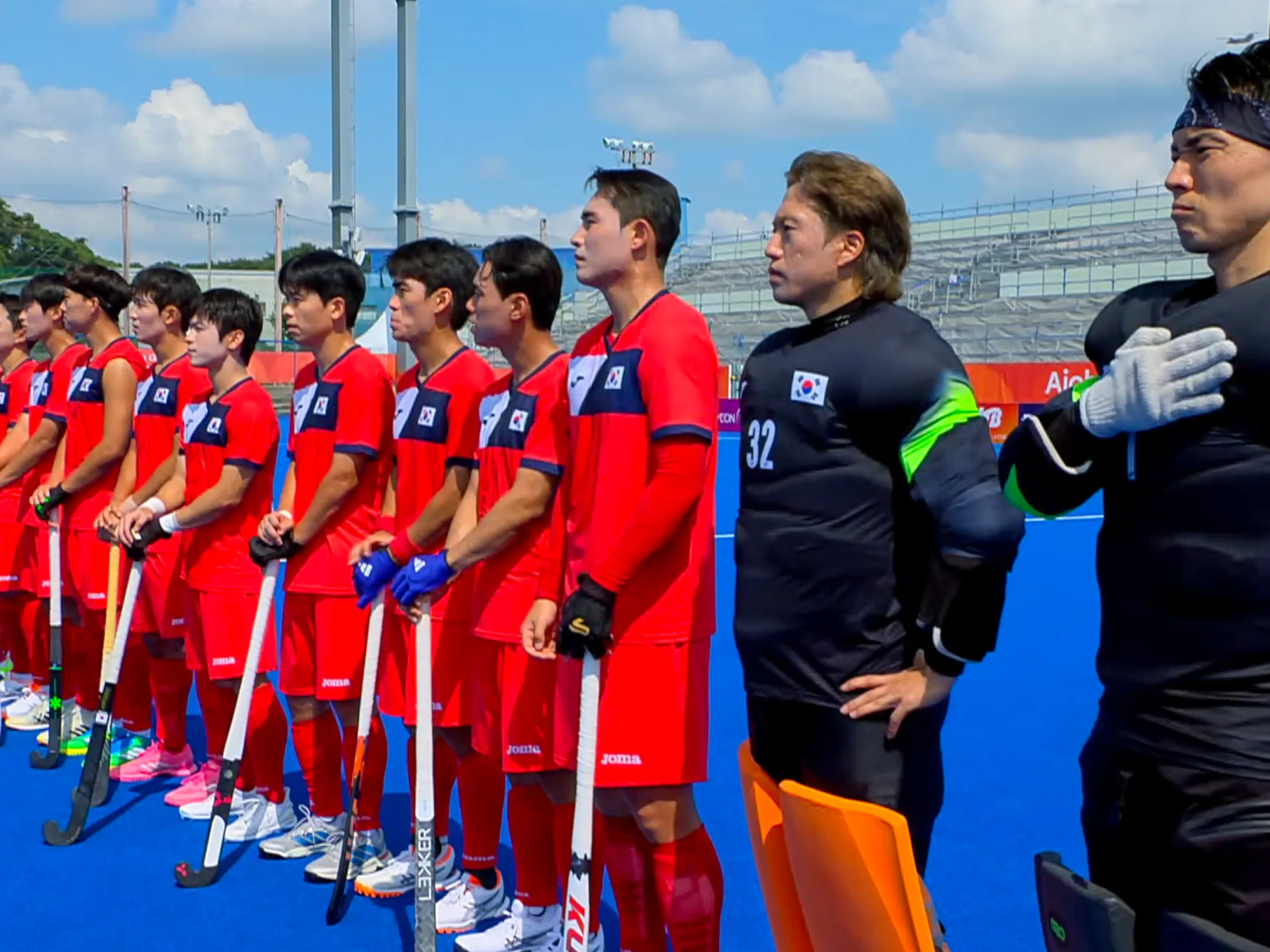
A week of international friction and climate extremes sees a diplomatic blunder at the Asian Games occurring alongside the expansion of North Korean nuclear facilities.
In a week marked redictable nature of both diplomatic friction and environmental instability. From the unnerving silence that fell over a hockey arena in Gifu, Japan, to the sweltering heat domes paralyzing large swaths of the American South, the mid-September period of 2026 has underscored the fragility of established norms. While athletes grappled with an unexpected breach of national identity on the global stage, satellite imagery provided a starkly different, but equally concerning, narrative regarding the expansion of nuclear ambitions in the Korean Peninsula.
These disparate events—a misplaced anthem, a record-breaking heat wave, and the proliferation of uranium enrichment facilities—collectively paint a picture of a world struggling to maintain equilibrium. Whether through the lens of sports diplomacy or international security, the underlying message is one of heightened vigilance as geopolitical and environmental variables become increasingly difficult to manage.
The convergence of these events highlights a critical vulnerability in current international relations and infrastructure resilience. When a sporting event, designed to foster cultural exchange, becomes a flashpoint for long-standing animosity, it exposes the lack of buffer space between neighboring states still technically at war. The anthem mix-up, while seemingly trivial to casual observers, serves as a poignant reminder that symbols hold deep, emotive power in regions where peace treaties remain unwritten.
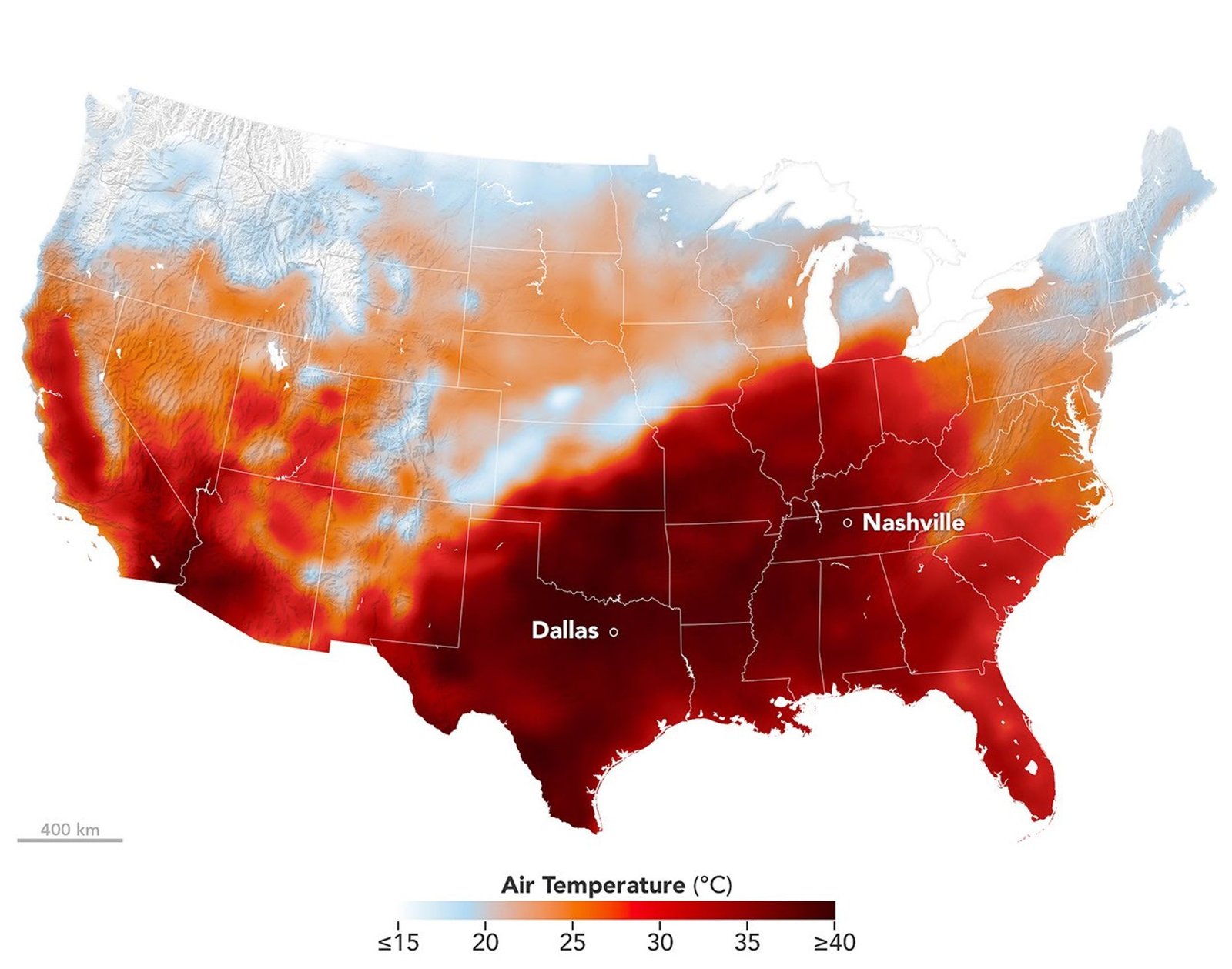
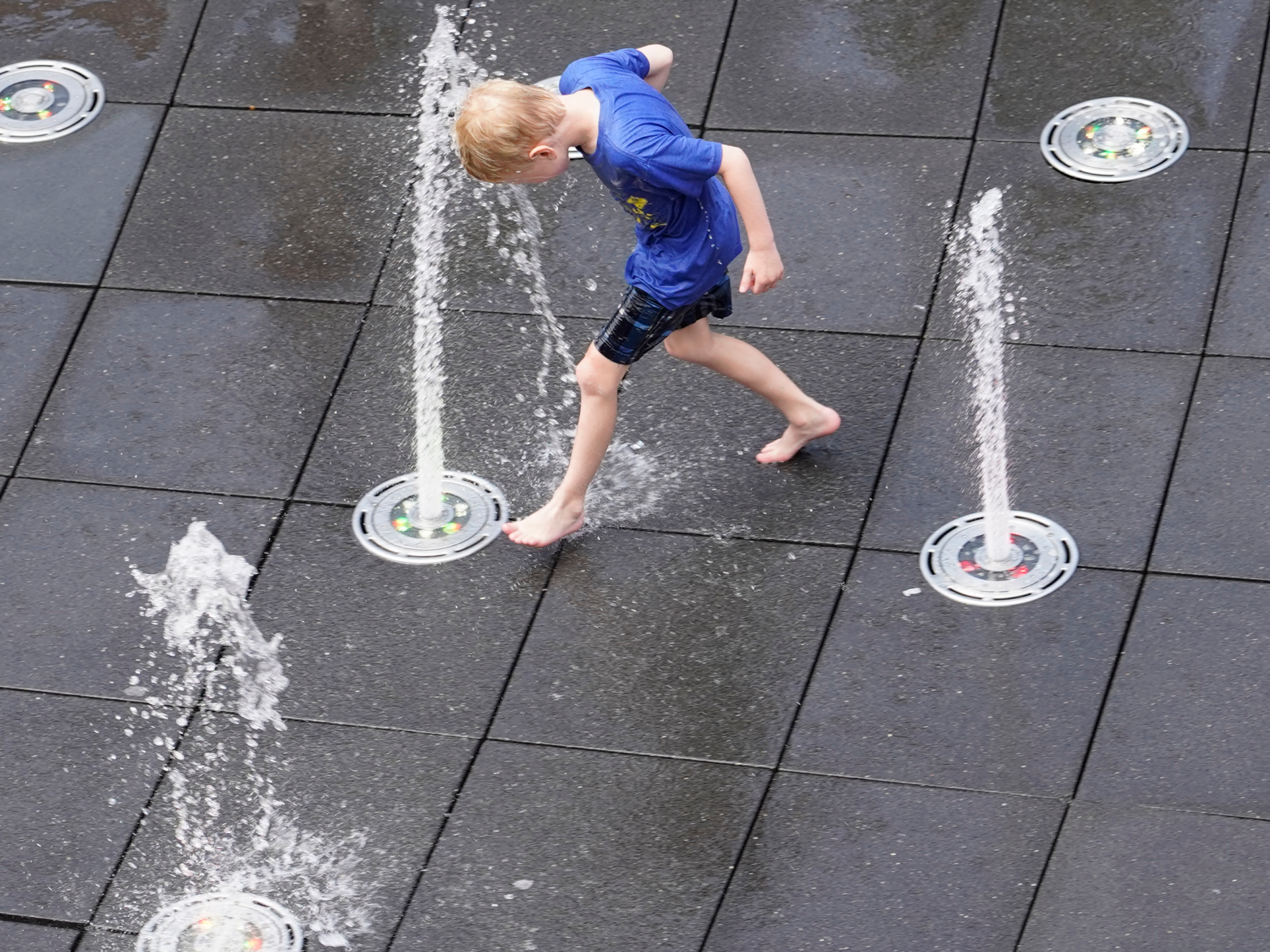
Simultaneously, the environmental data coming out of the United States serves as a domestic counterpart to this global instability. As millions face extreme heat, the reliance on advanced atmospheric modeling becomes as essential to national security as the satellite imagery used to monitor nuclear facilities. Both scenarios require a level of precision and foresight that is currently being tested . The stakes for policy makers involve not just maintaining public safety during natural disasters, but preventing technical and diplomatic errors from escalating into broader regional confrontations.
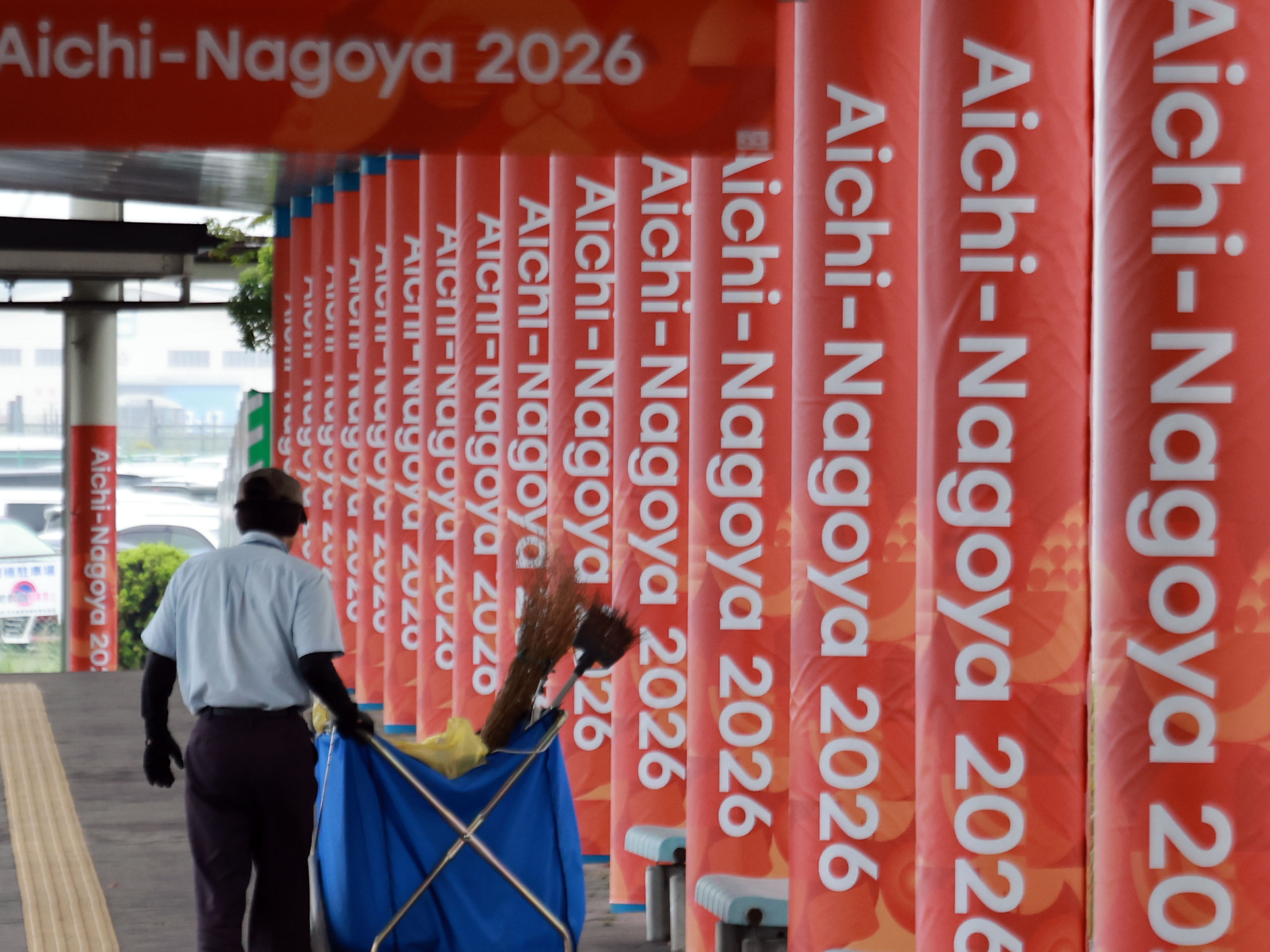
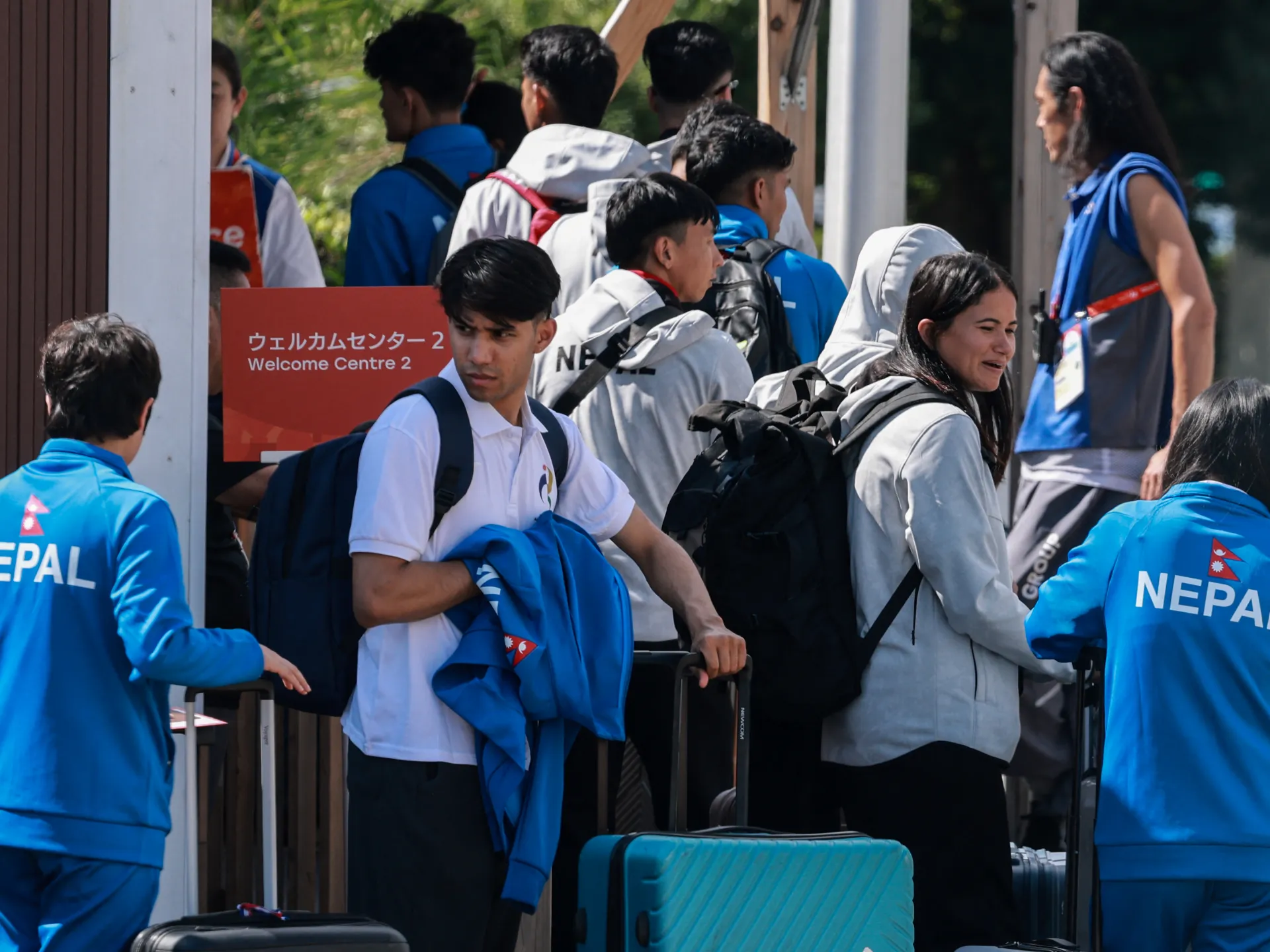
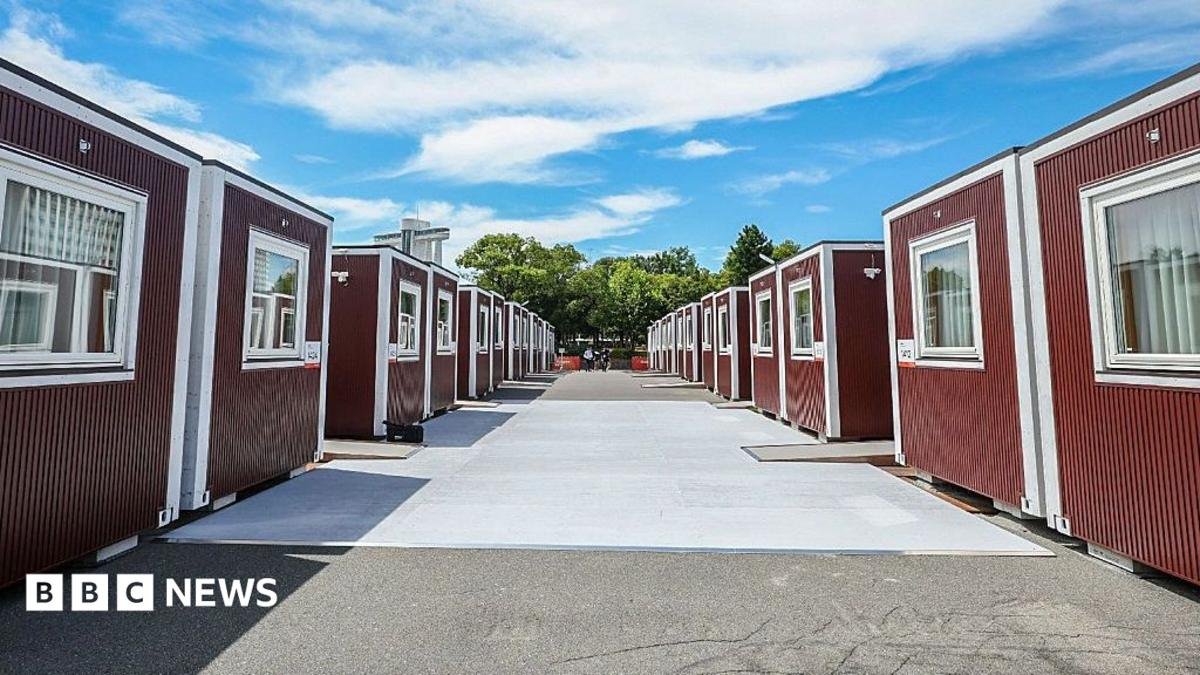
The atmosphere at the Asian Games was abruptly punctured when organizers at Green Stadium played the North Korean national anthem prior to a match between South Korea and Bangladesh. The error triggered confusion among the South Korean players, who stood in silence as the melody—a song strictly prohibited within their own borders due to the persistent state of war—filled the stadium. The stadium announcer offered an immediate apology, citing it as an operational oversight, yet the incident has added fuel to existing complaints regarding logistical mismanagement at the games, which have already seen athletes report issues with housing and transport.
This incident reflects the strained reality of a peninsula where the North and South remain divided e of North Korean state symbols, the unintended broadcast in Japan is viewed as yet to issue a formal statement regarding the error, the event highlights how easily the deep-seated tensions of the Korean conflict can bleed into neutral international venues.
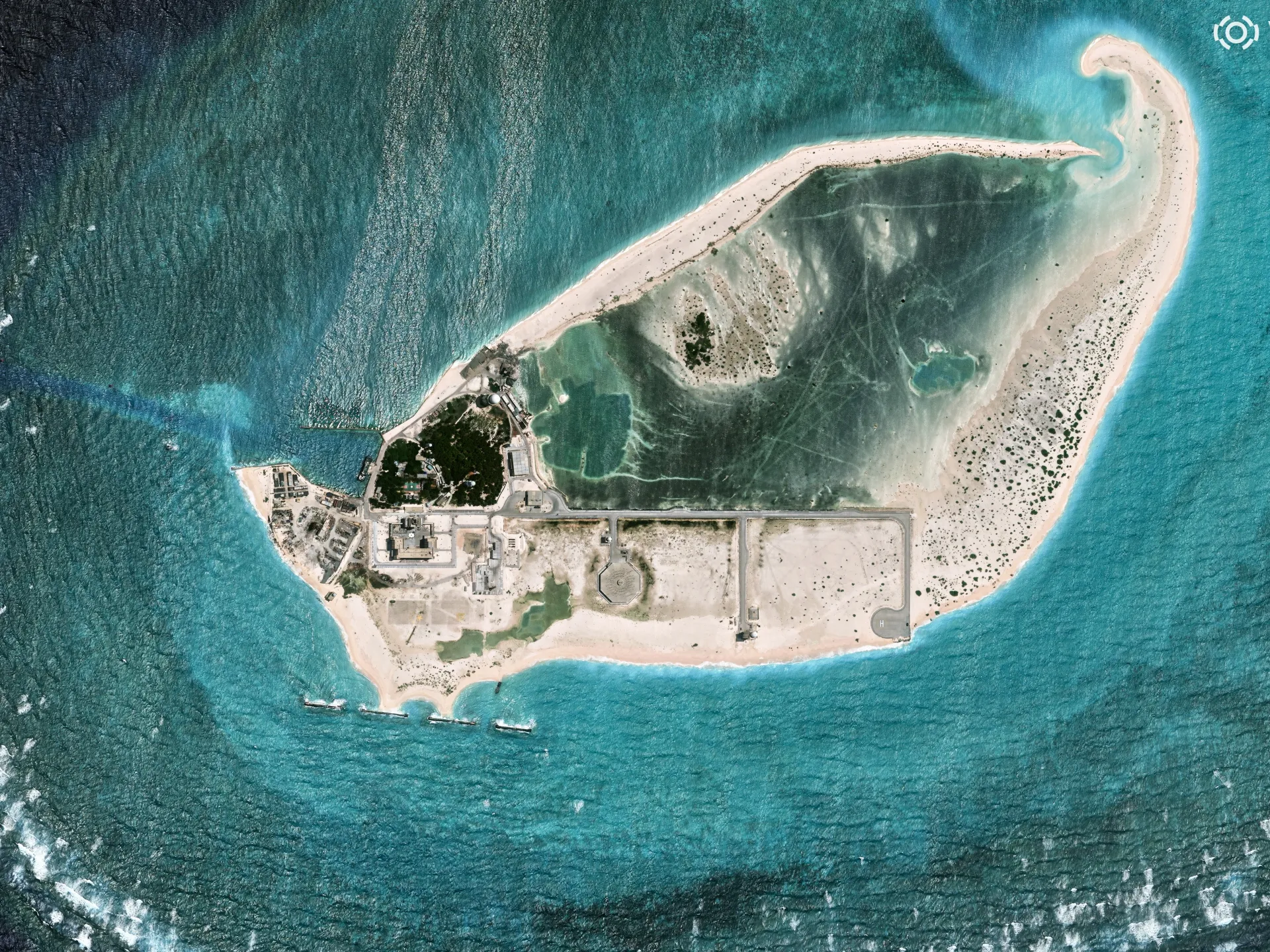
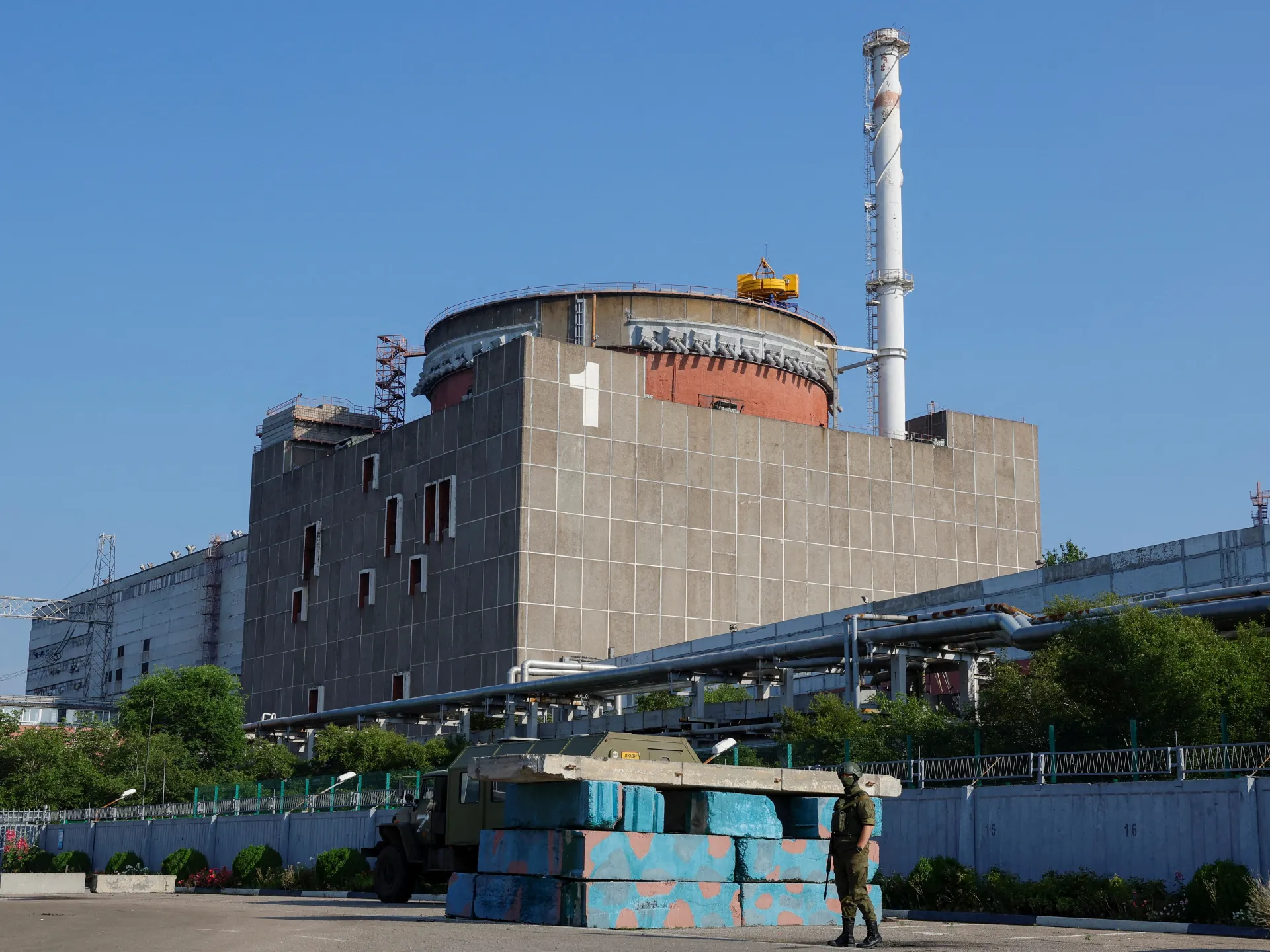
Beyond the theatrics of the sports world, a more tangible threat has emerged from the Yongbyon nuclear complex. The International Atomic Energy Agency (IAEA) has confirmed the construction of a new two-story facility specifically designed for uranium enrichment. According to assessments from the IAEA, this building is capable of supporting up to 28 centrifuge cascades, a development that indicates a significant increase in the North’s capacity to produce fissile material.
This expansion comes amidst reports that similar operations have commenced at an auxiliary site in Kangson. Independent experts, including those from the University of Oxford, warn that the clandestine nature of these facilities makes them exceptionally difficult to track or neutralize. With North Korean leadership openly championing the country's expanded production capacity, the international community faces the challenge of responding to a program that continues to grow despite existing UN Security Council resolutions.
The immediate aftermath of these events suggests a period of heightened scrutiny. In the sports arena, organizers will likely face pressure to implement rigorous vetting protocols to prevent future diplomatic gaffes that could spark international outrage. For the nuclear threat, the IAEA’s reliance on satellite intelligence will remain the primary window into the North's activities. Given the documented increase in production capacity, it is probable that the UN Security Council will face renewed calls for diplomatic intervention or stricter enforcement of sanctions, though the effectiveness of such measures remains a point of contention among regional powers.
In the United States, the persistence of extreme weather patterns suggests that infrastructure stress will remain a primary concern for the remainder of the season. As the autumnal equinox approaches, the focus will shift from immediate heat mitigation to long-term adaptation strategies, as the frequency of such heat domes continues to challenge historical records. Ultimately, both the diplomatic community and the scientific sector are entering a phase where the margin for error is shrinking, necessitating more robust and proactive approaches to both global security and domestic climate resilience.