Iran is grappling with a dual challenge of domestic unrest and armed separatist groups as authorities attempt to maintain control during regional conflict.
As Iran navigates a complex period of international conflict, its domestic security apparatus has shifted its focus toward mitigating threats from both internal dissent and armed border groups. Authorities have consistently highlighted arrests and tactical confrontations to project a message of stability and firm control. uggle, the government aims to suppress potential unrest while signaling resilience to both domestic and international observers.
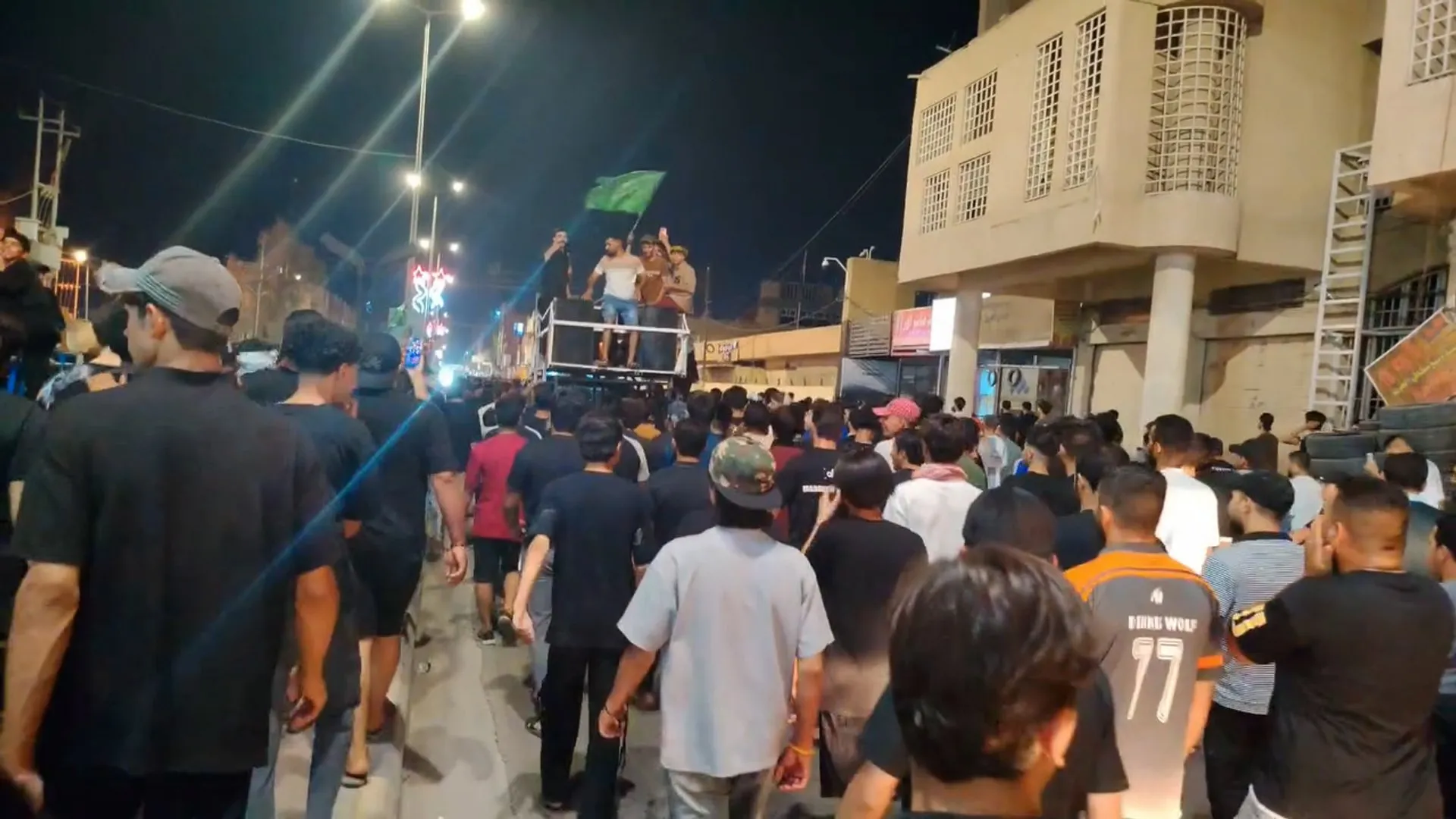
Recent reports from state media have underscored this strategy, detailing the apprehension of individuals allegedly linked to opposition movements. Among these incidents, the Islamic Revolutionary Guard Corps (IRGC) recently reported the detention of a network accused of engaging in disruptive activities during the widespread protests witnessed earlier this year. These actions, which included the use of Molotov cocktails and property damage, are characterized ring a time of war.
In response to recurring civil demonstrations, the Iranian government has frequently pointed to the influence of pro-monarchy groups. Supporters of this movement often look to Reza Pahlavi, the son of the former monarch who was deposed in 1979, as a figurehead for potential regime change. While the Iranian authorities have announced the dismantling of numerous cells they label as monarchist, analysts suggest that the reality on the ground is more nuanced. The widespread protests seen in recent months are primarily driven than a unified, organized push for a return to the monarchy.
Despite the government's emphasis on neutralizing these cells, there is little evidence of a significant, armed pro-monarchy military presence operating within the country. Instead, the rhetoric surrounding monarchists often serves as a political tool to discredit domestic protesters overnment remains highly sensitive to any signs of organized opposition, resulting in a intensified crackdown on various sectors of society, including students, activists, and journalists.
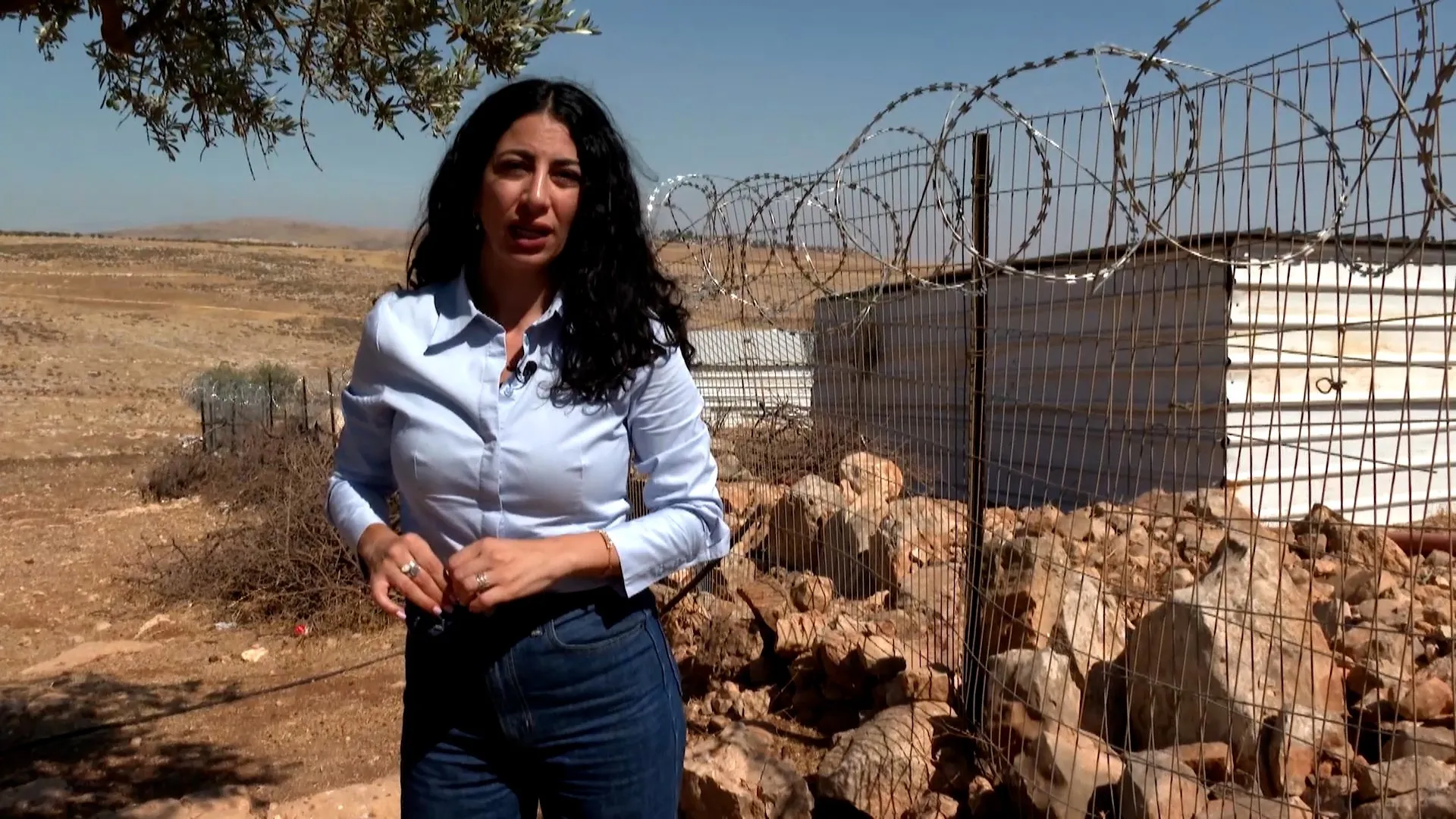
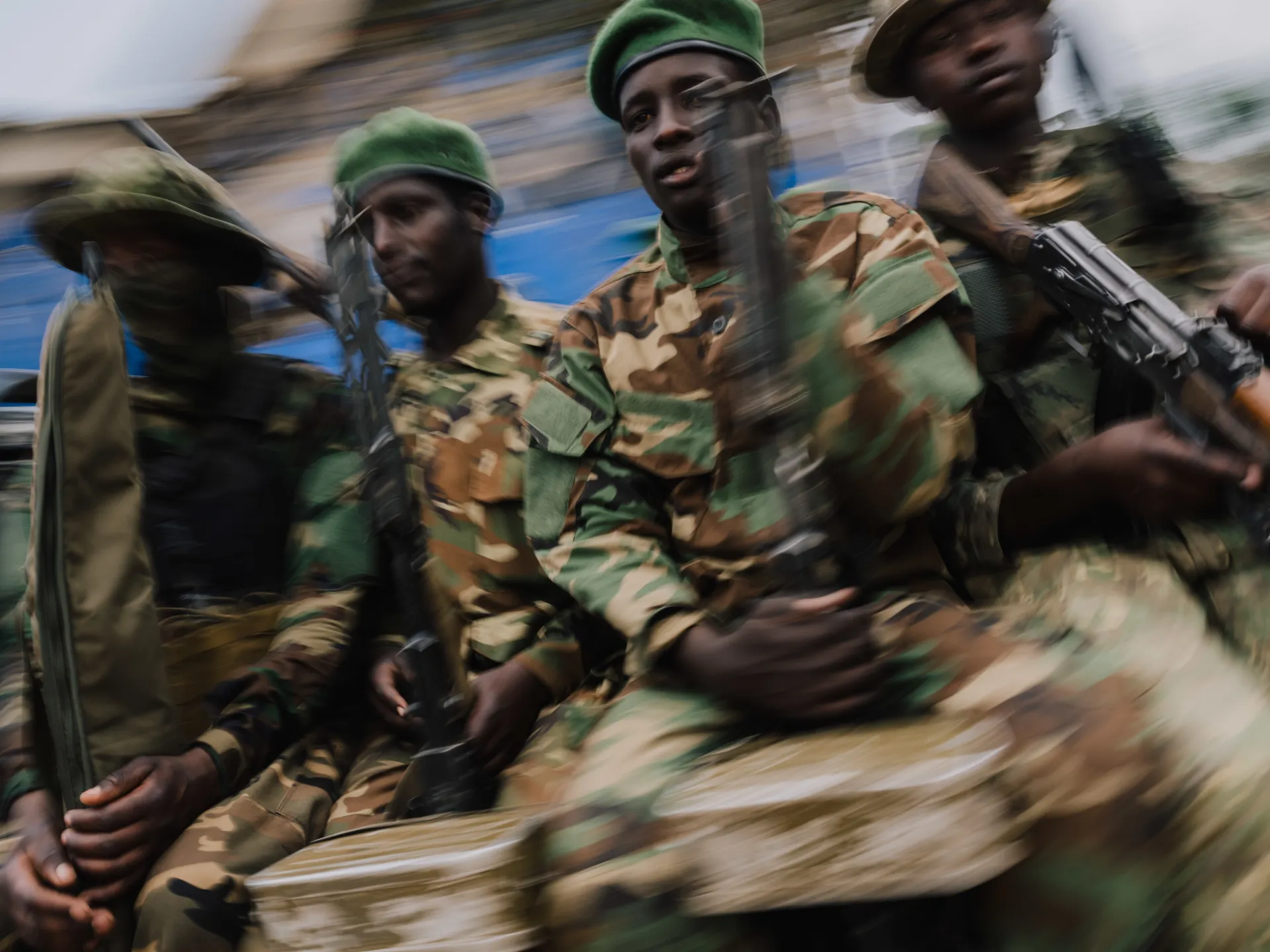
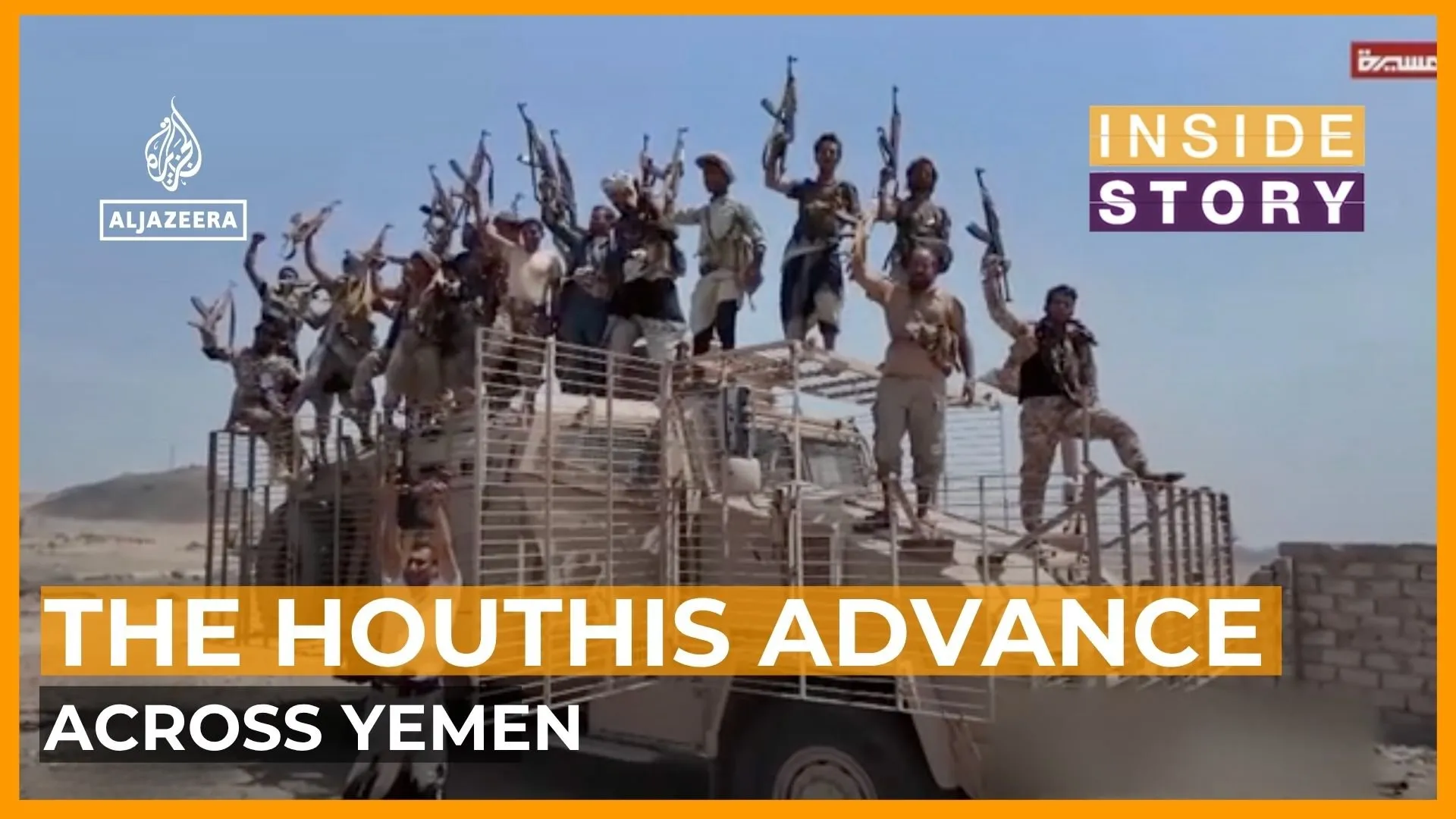
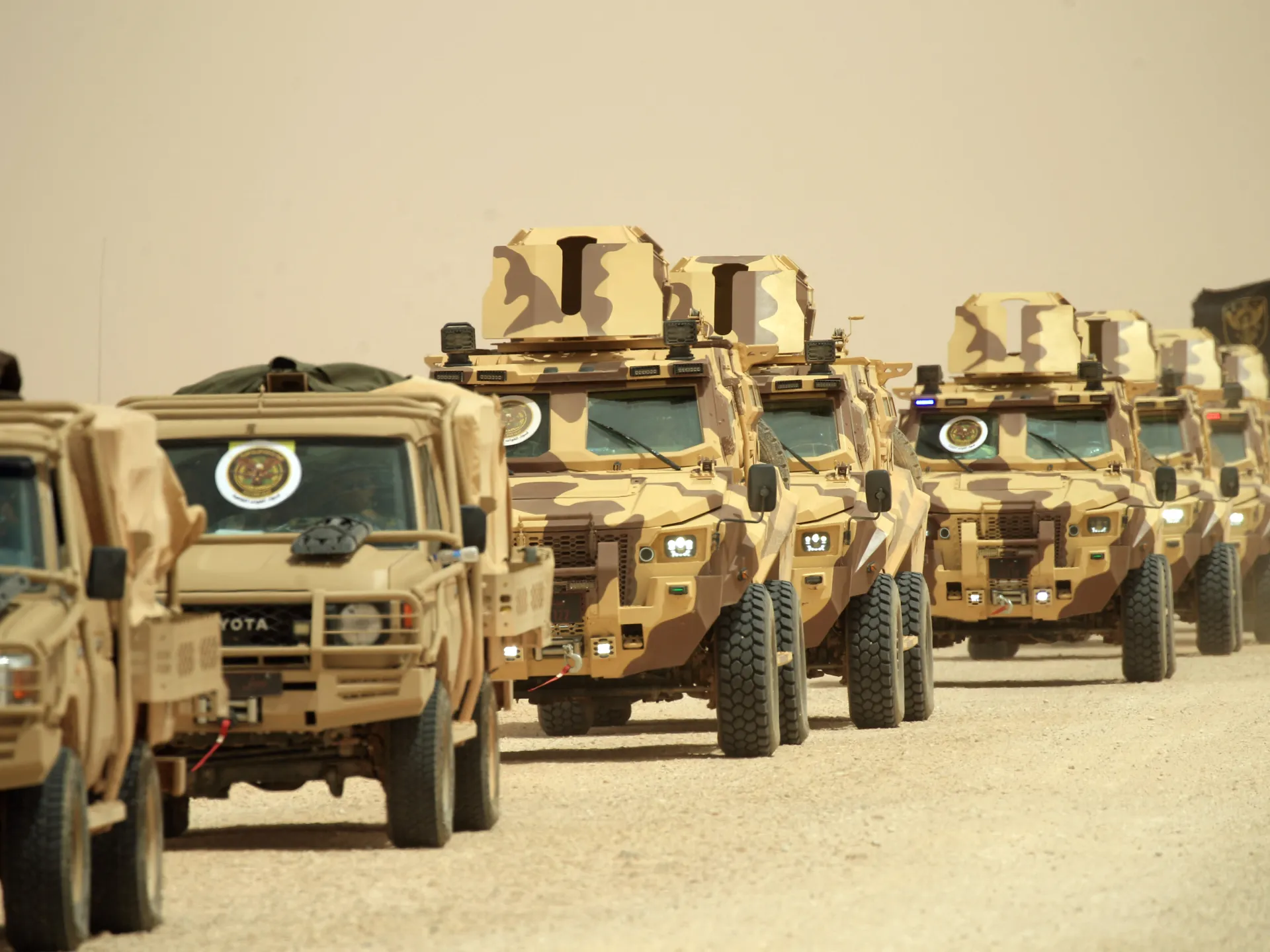
Beyond the urban centers, Iran faces a more traditional armed threat from separatist movements stationed along its rugged land borders. Kurdish fighters remain the most significant non-state armed presence in the country, with several factions maintaining bases in neighboring regions of Iraq. These groups have historically engaged in skirmishes with Iranian security forces and, at the start of the current regional conflict, were viewed as potential partners for foreign powers looking to exert pressure on Tehran. However, despite reported discussions with international representatives, these groups have often lacked the necessary resources to launch large-scale operations.
In the southeastern provinces, the Iranian government continues to contend with Baloch separatist fighters. Groups such as Jaish al-Adl maintain a persistent presence, conducting sporadic attacks against security personnel. While these militants do not currently represent an existential threat to the central government, they contribute to a volatile security environment. The state’s strategy involves bolstering border controls and conducting targeted operations to prevent these groups from gaining significant momentum or receiving external support that could escalate the severity of their insurgencies.
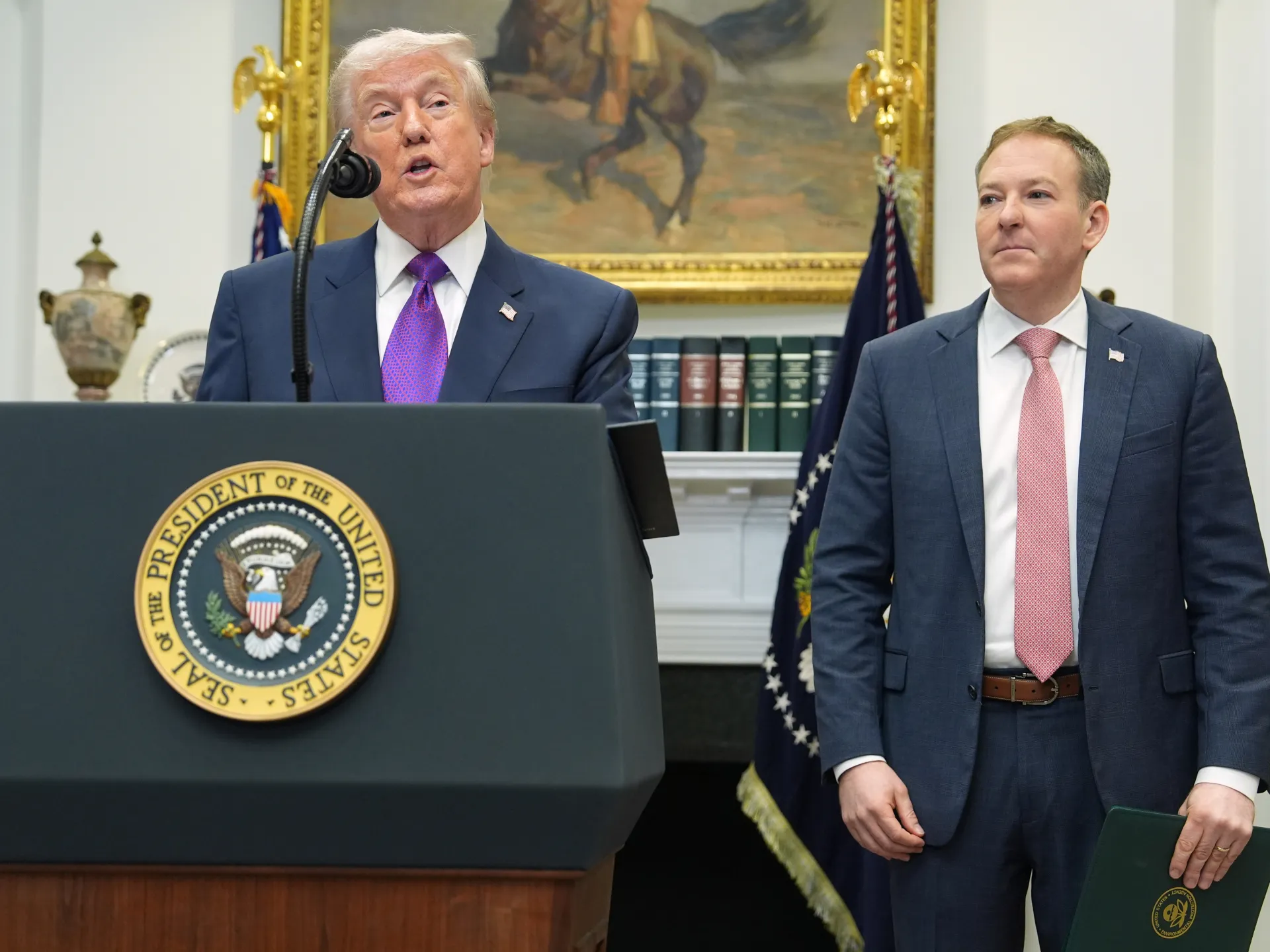
The intersection of domestic unrest and international military pressure has created a high-stakes environment for the Iranian establishment. Officials in Washington have openly discussed the potential for internal uprisings as a byproduct of economic sanctions and naval blockades. bility, foreign actors hope to create divisions within the Iranian government and the security forces themselves. The potential for such pressure to lead to a broader internal collapse remains a subject of intense debate among geopolitical experts.