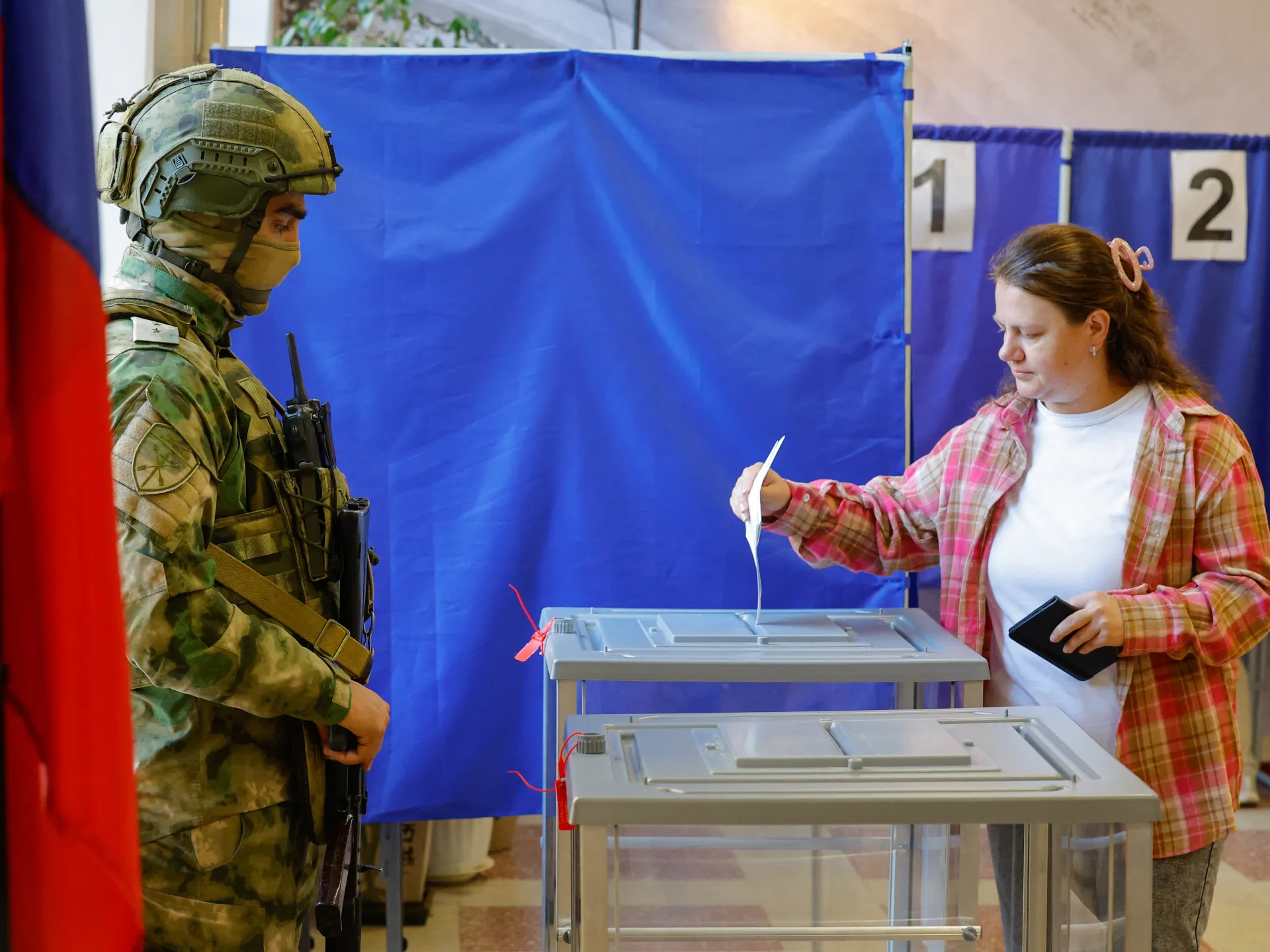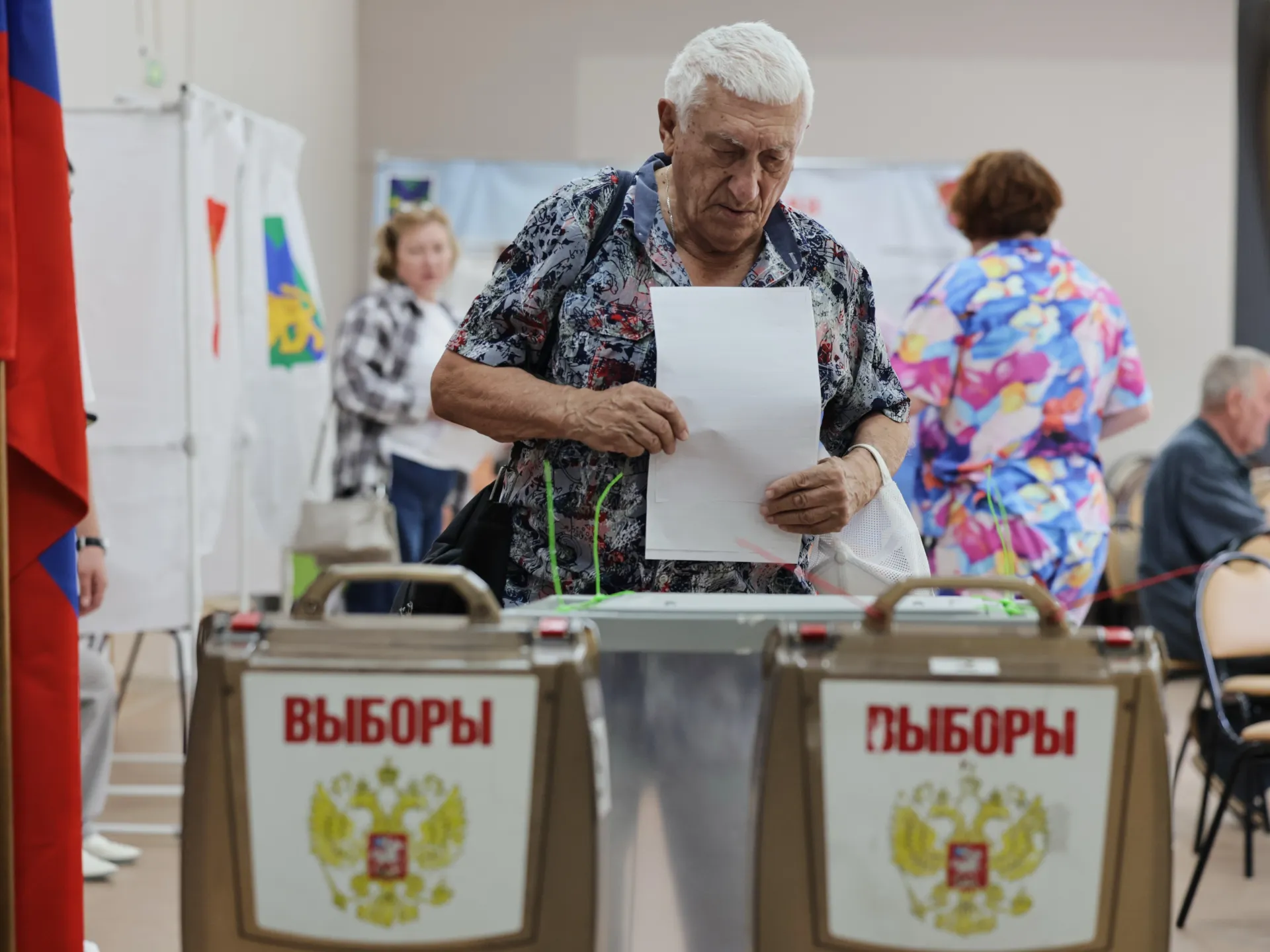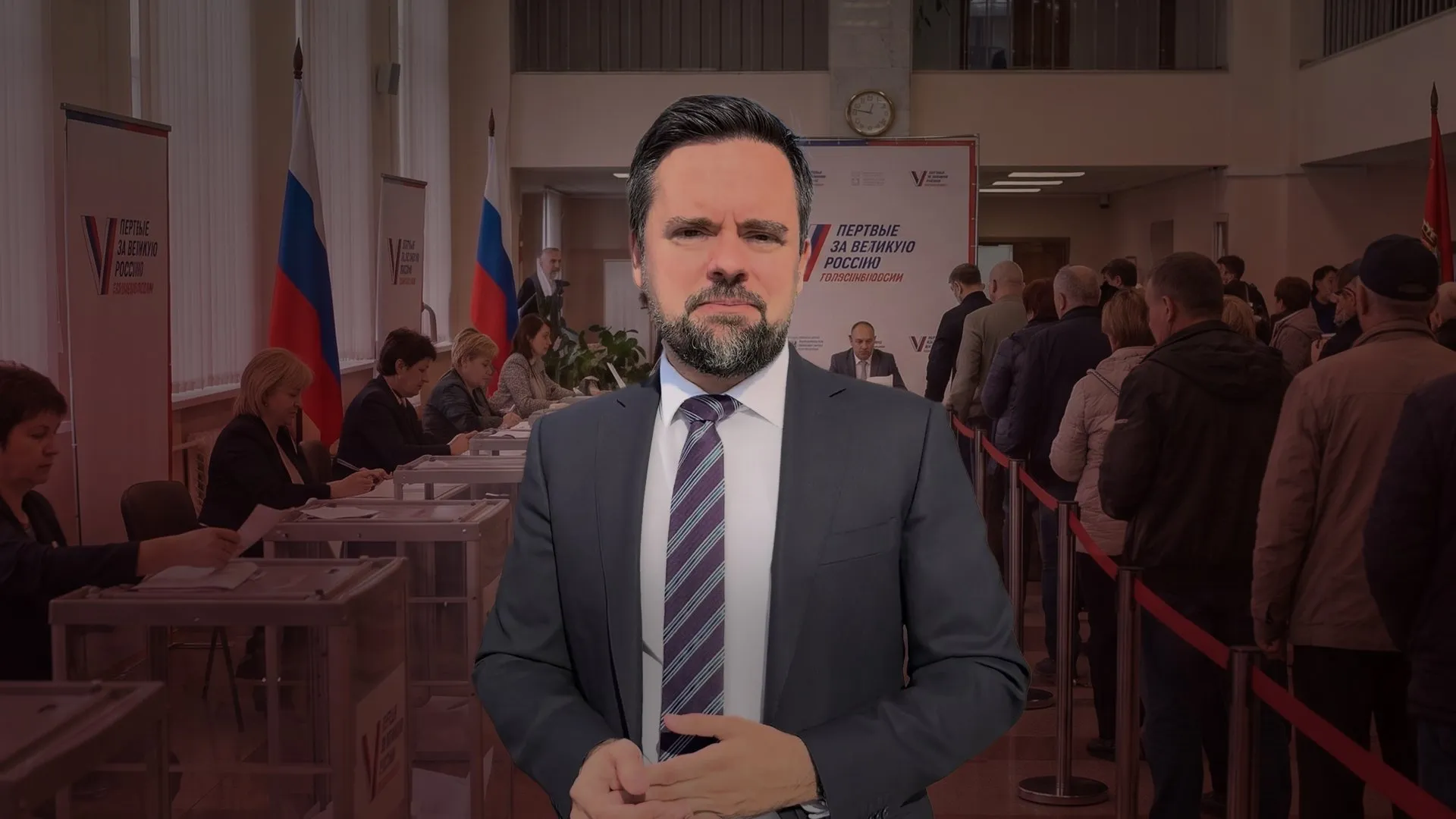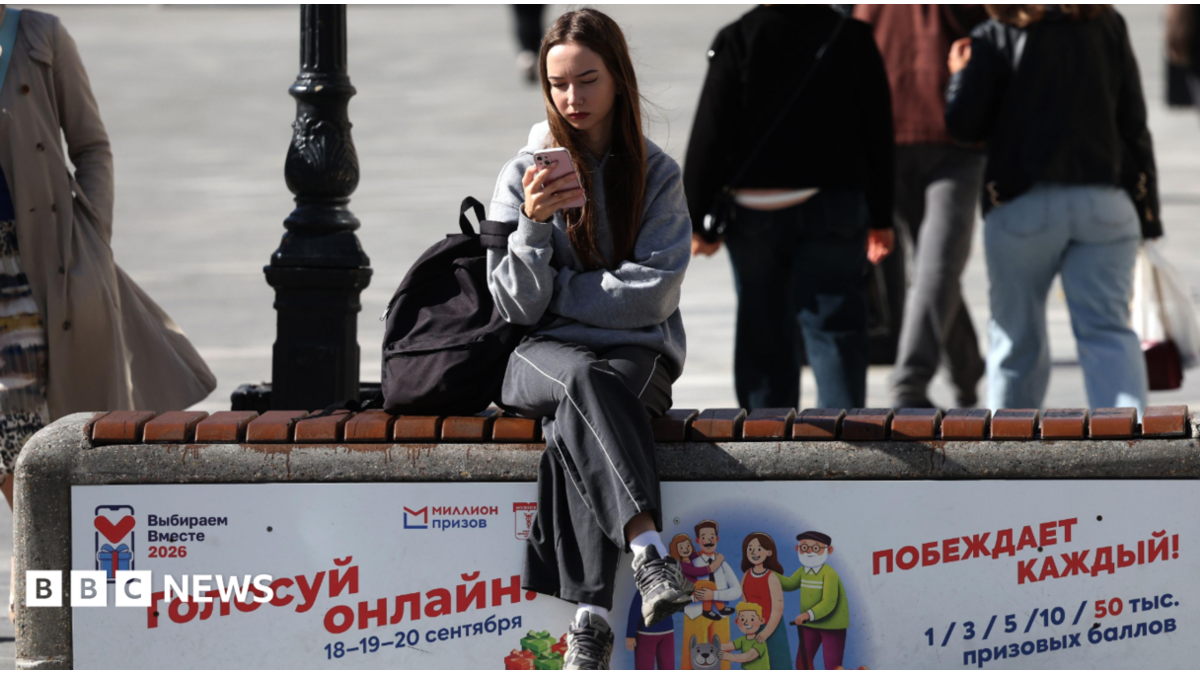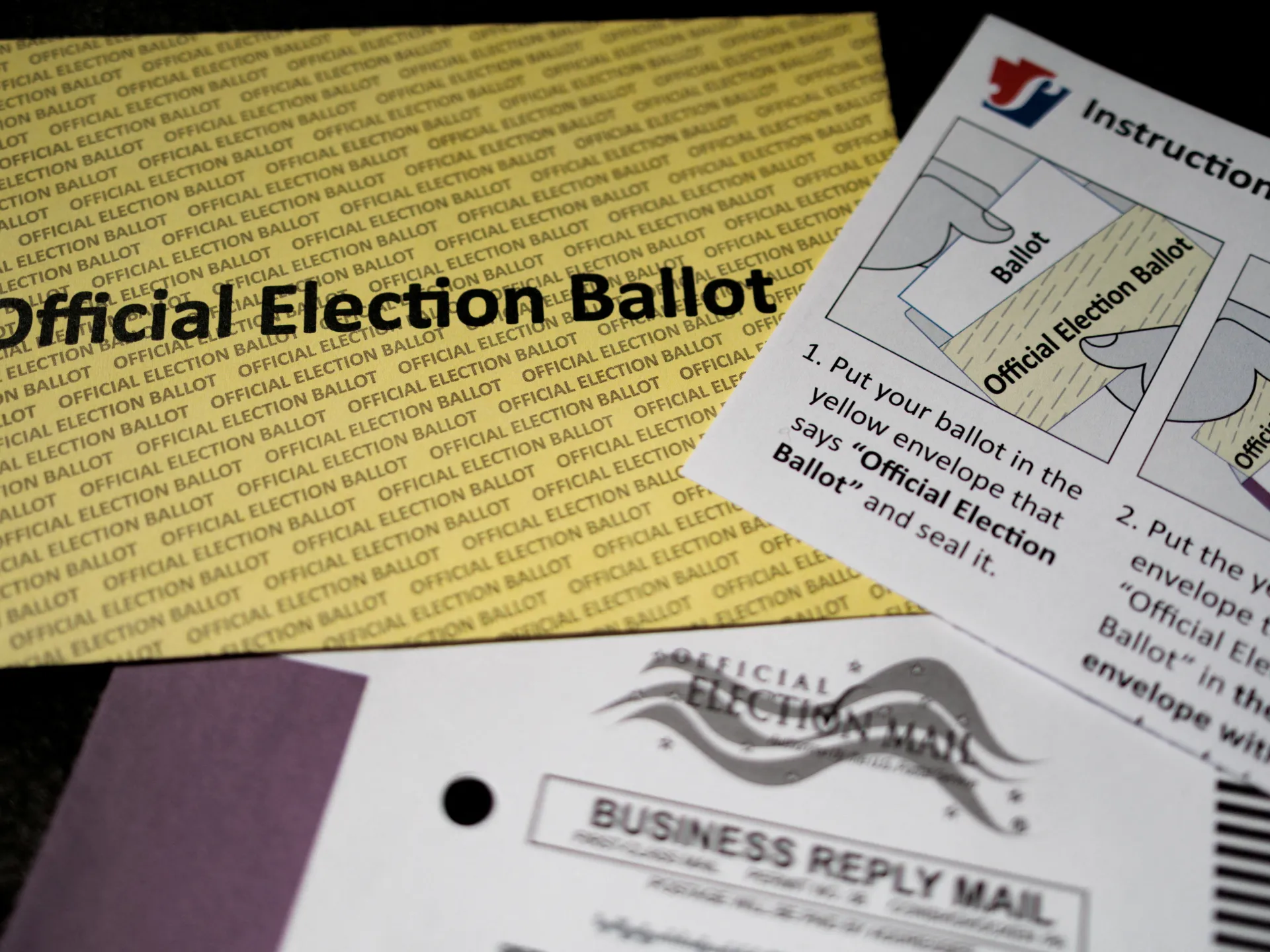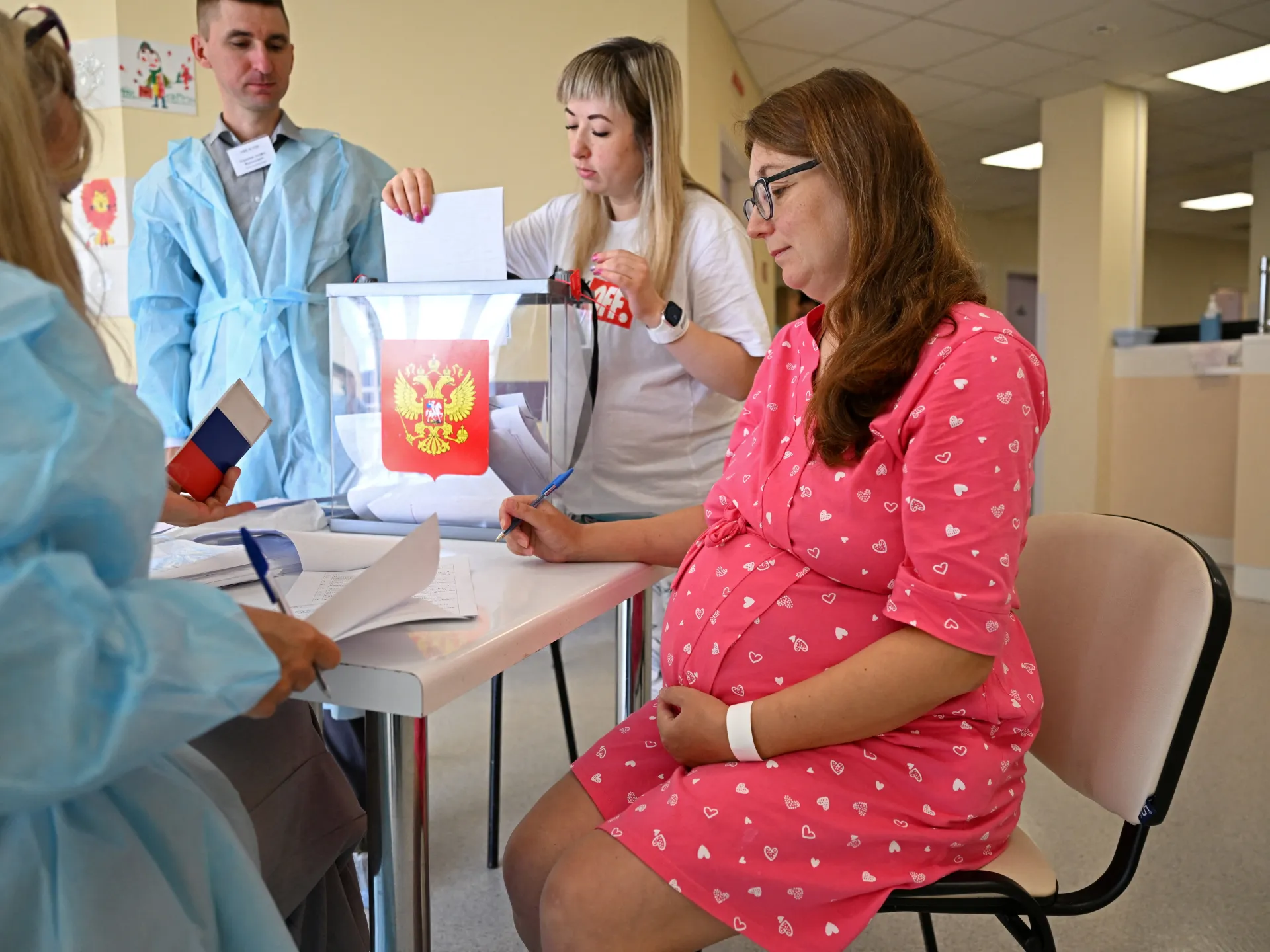
As Russia enters its first parliamentary election since the start of the conflict in Ukraine, the Kremlin is using the vote to solidify a wartime mandate.
The 2026 parliamentary elections in Russia represent a critical stress test for the Kremlin’s “managed democracy” model at a time when the domestic front is increasingly punctured lack of competitive outcomes, the deeper significance lies in the state's strategic use of the ballot box to project internal unity and silence dissent. lative alignment, the Kremlin is effectively transforming the Duma from a deliberative body into a structural apparatus of wartime mobilization.
This political consolidation occurs against a backdrop of tangible economic and security pressures. With the conflict with Ukraine entering its fifth year, the state’s ability to maintain public stability is being challenged rely as a mechanism for selecting deputies, but as a mandatory display of allegiance, where the absence of any anti-war platform underscores the regime's success in enforcing a singular national narrative that equates opposition with betrayal.
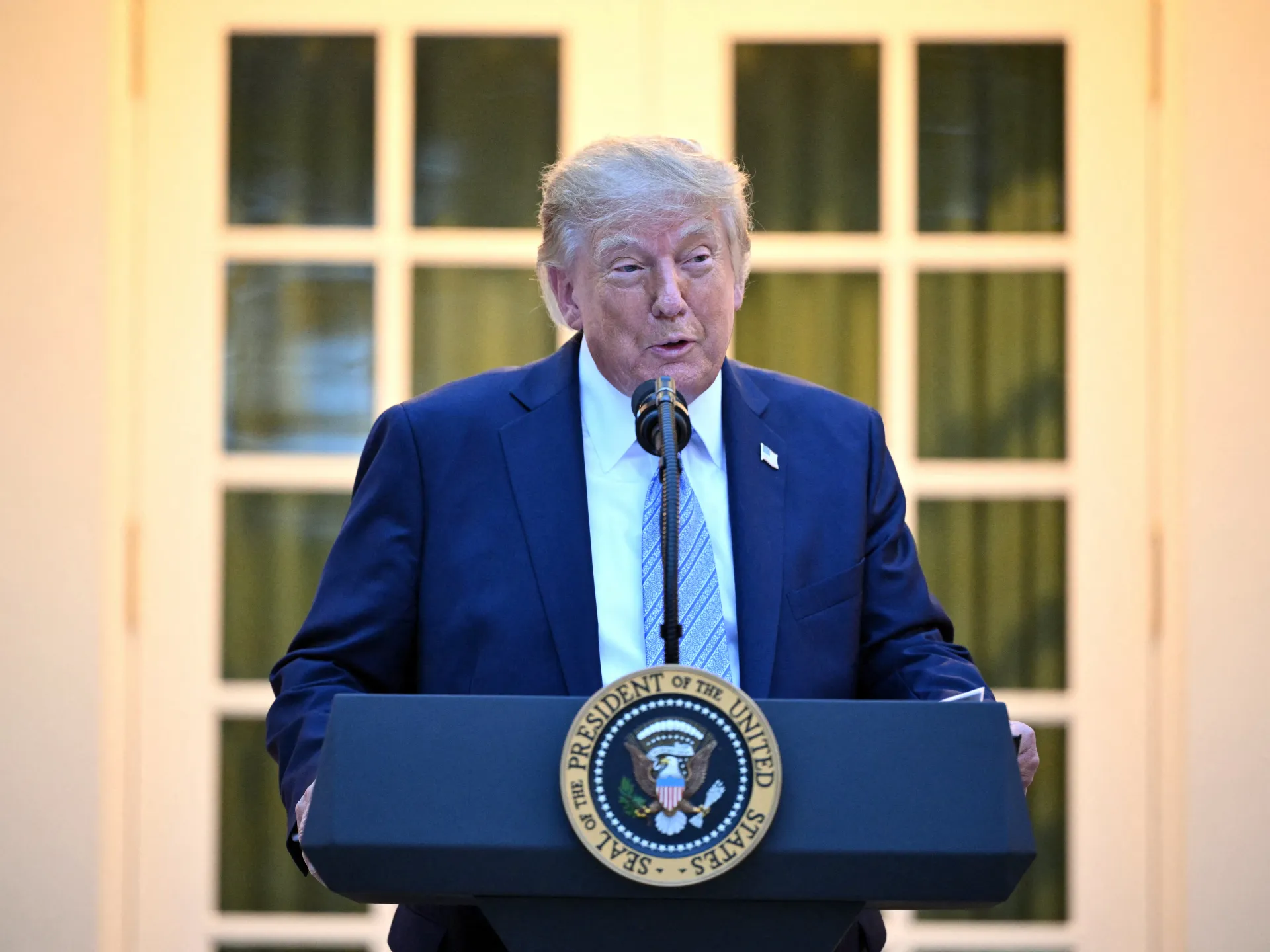
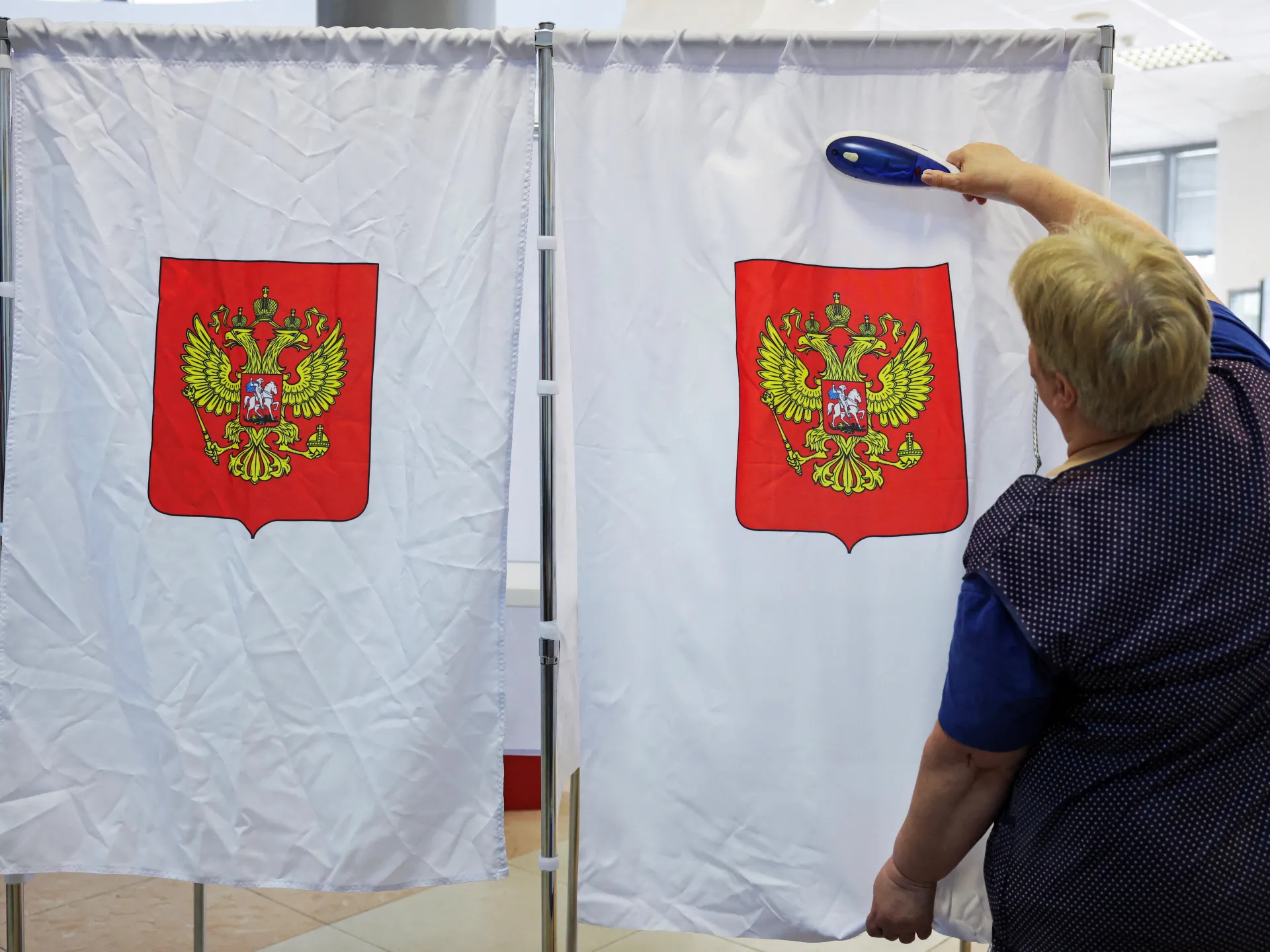
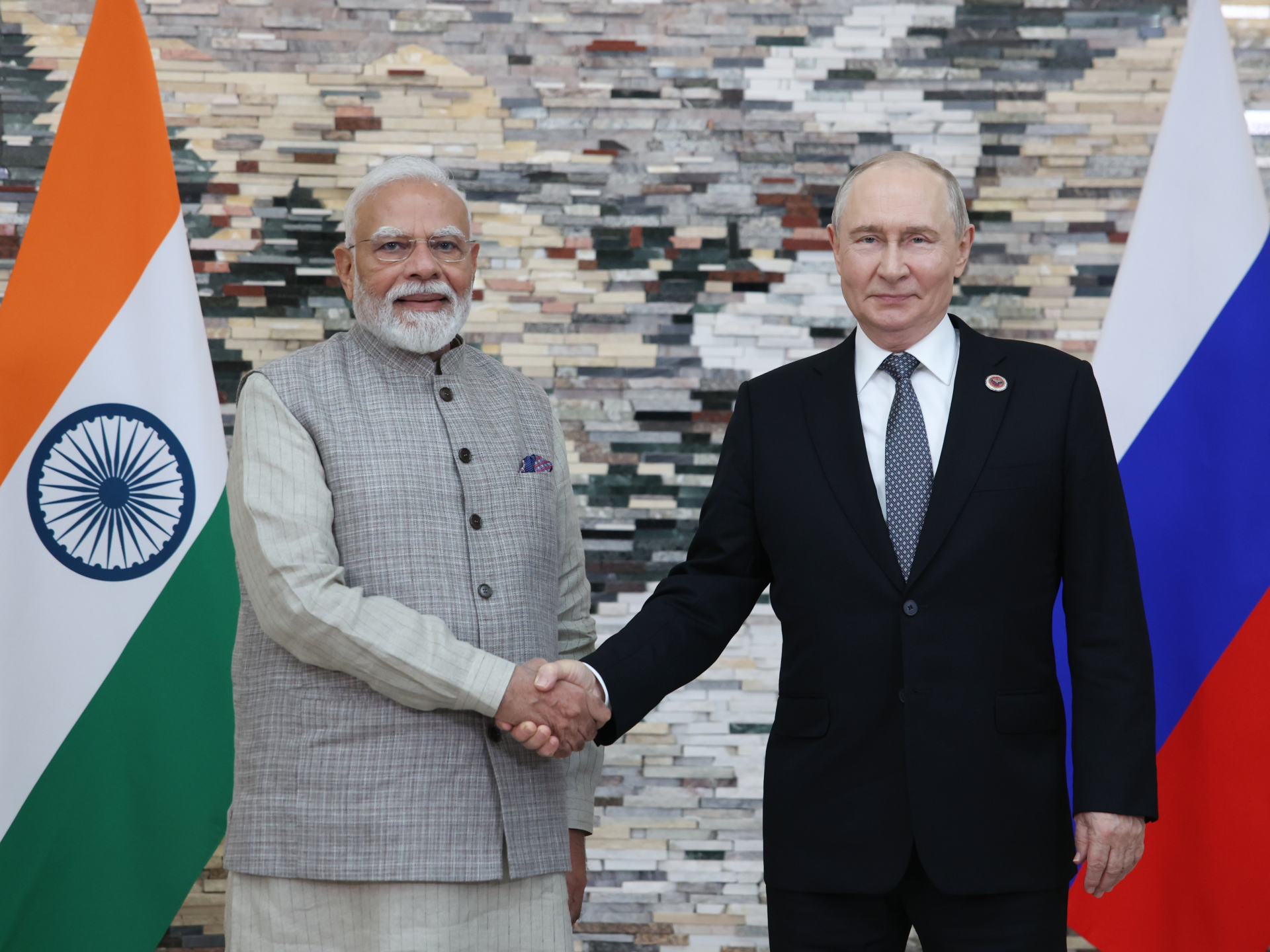
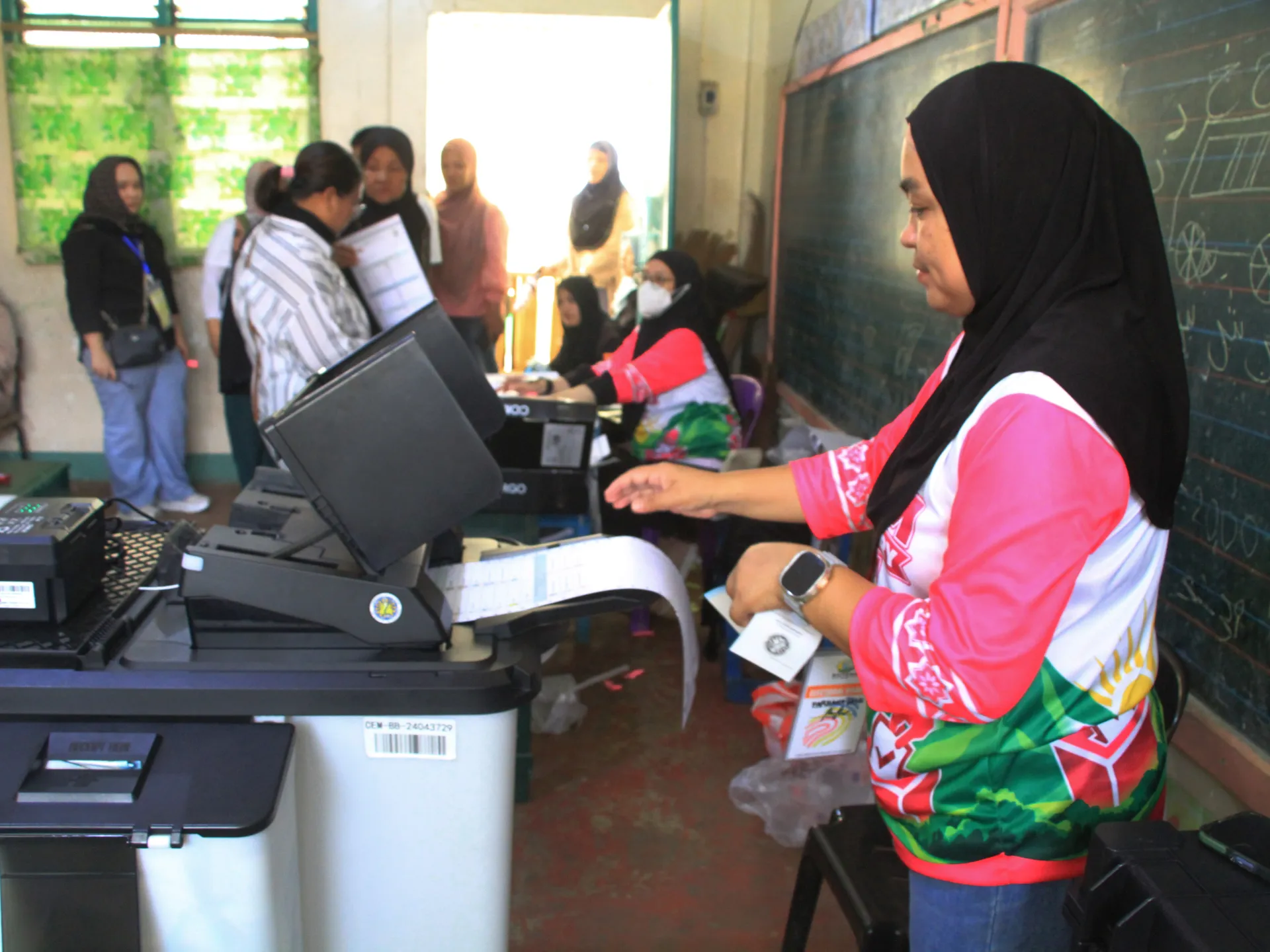
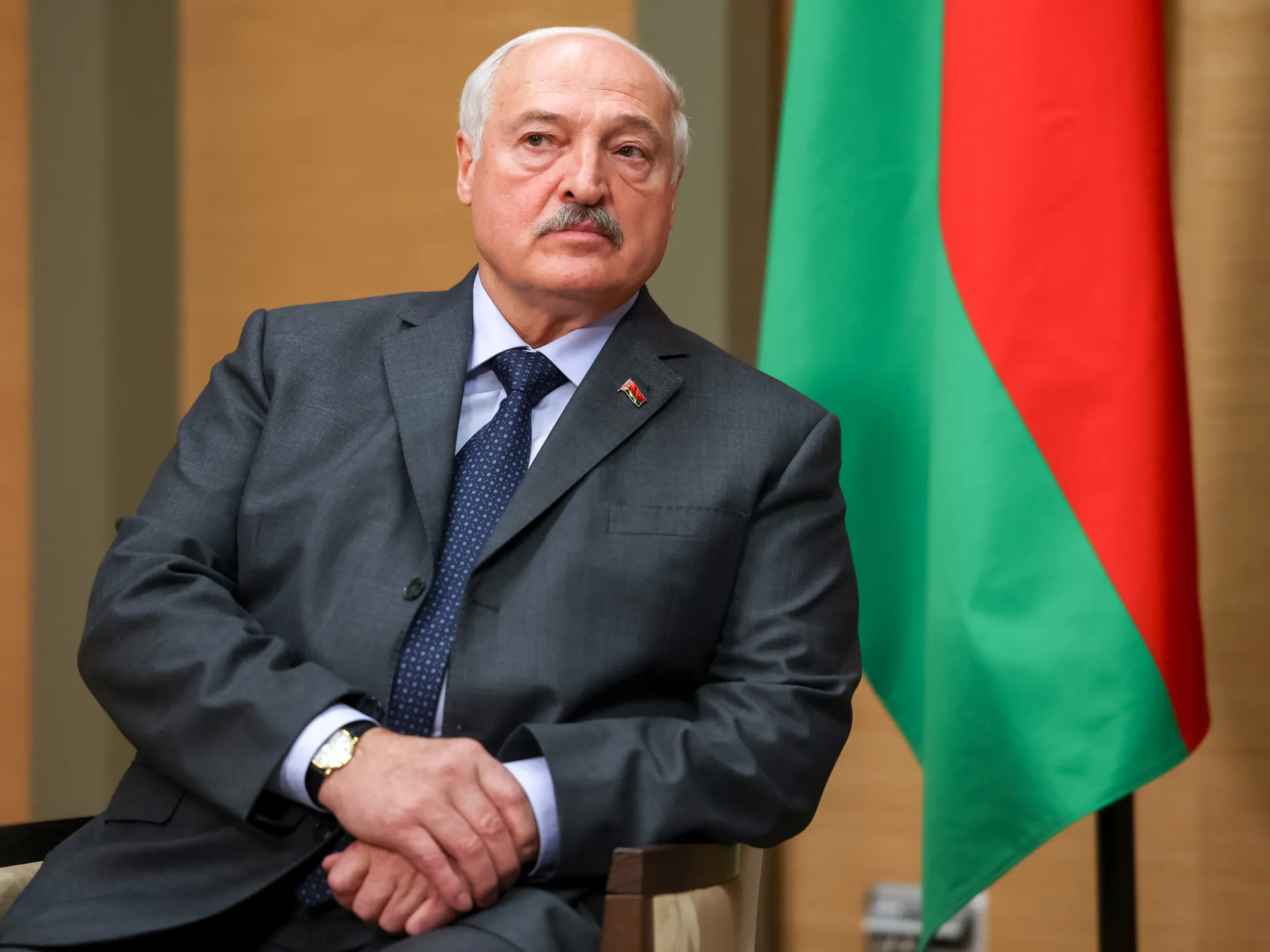
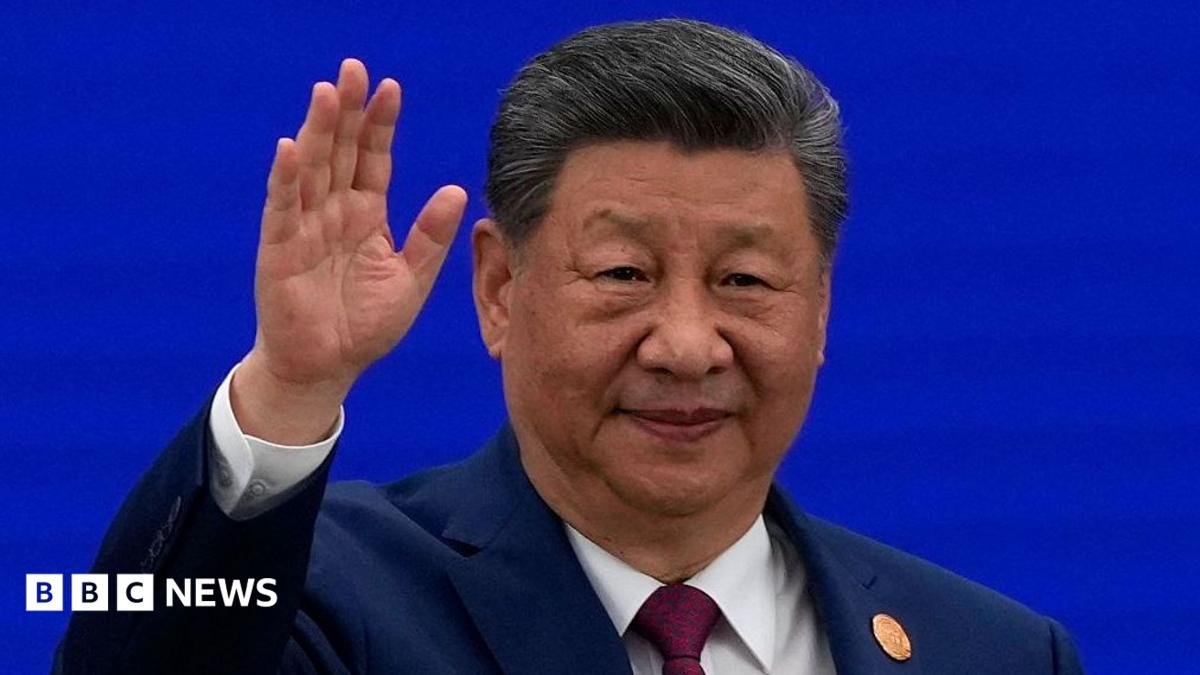
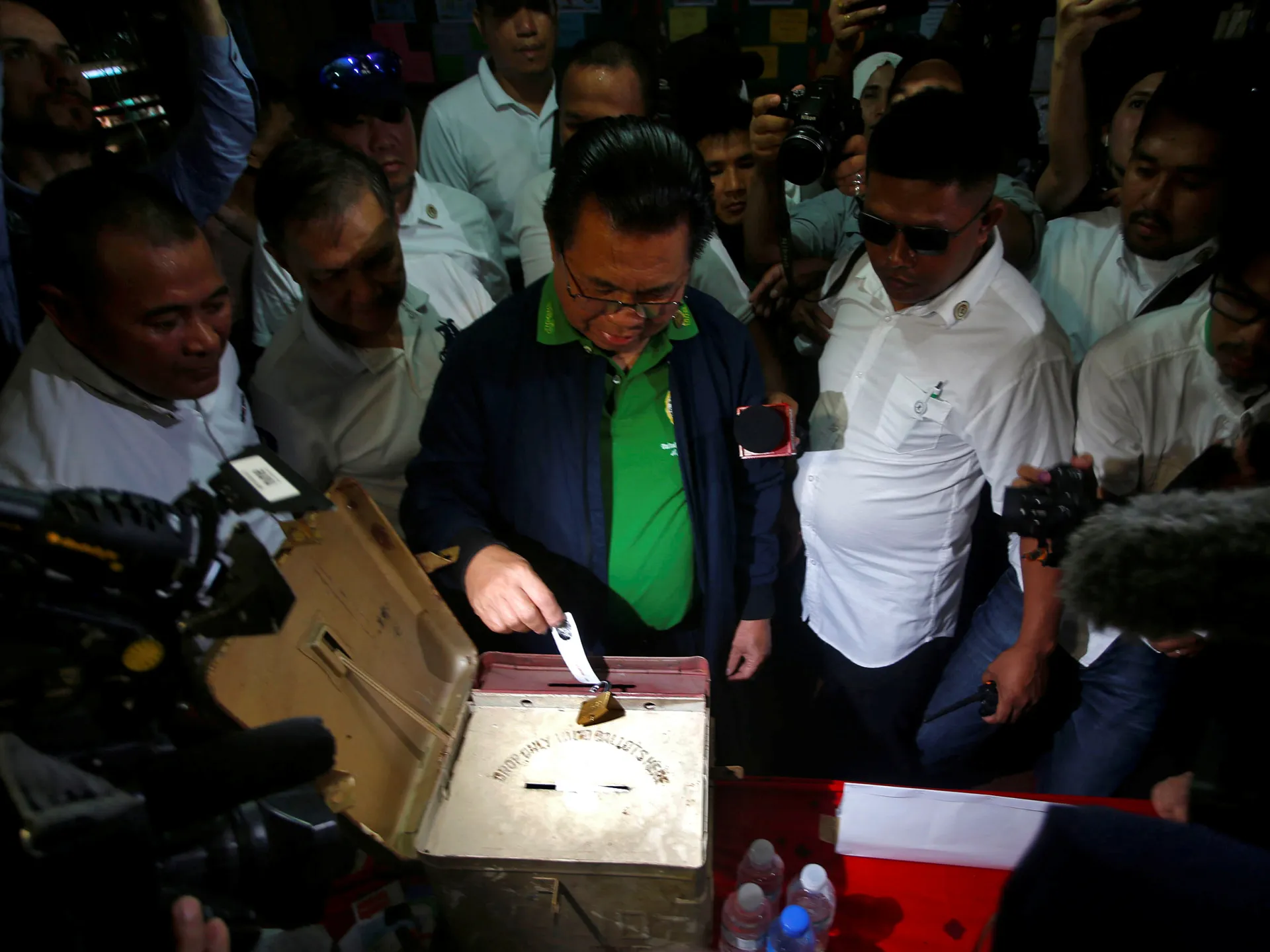
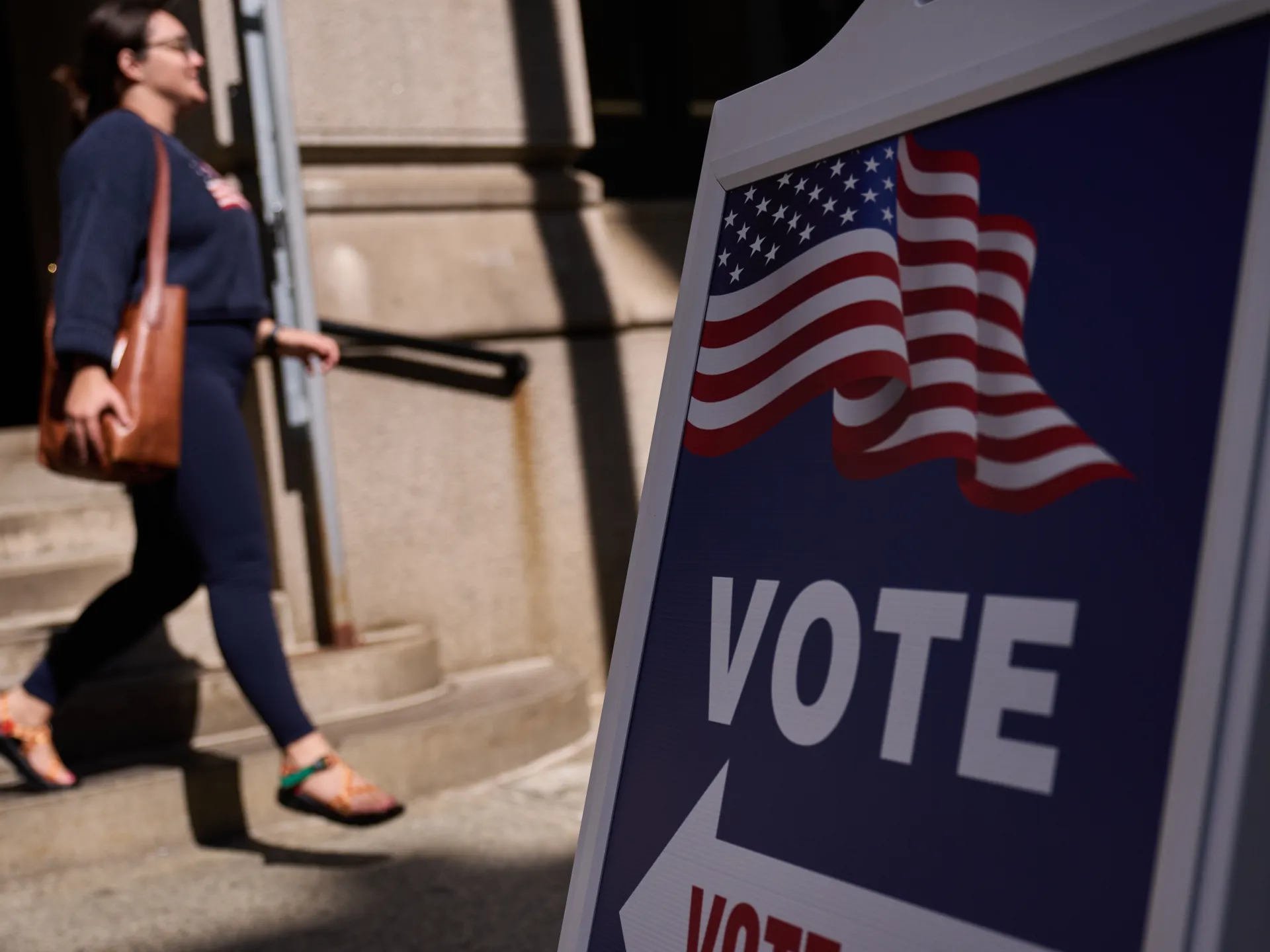
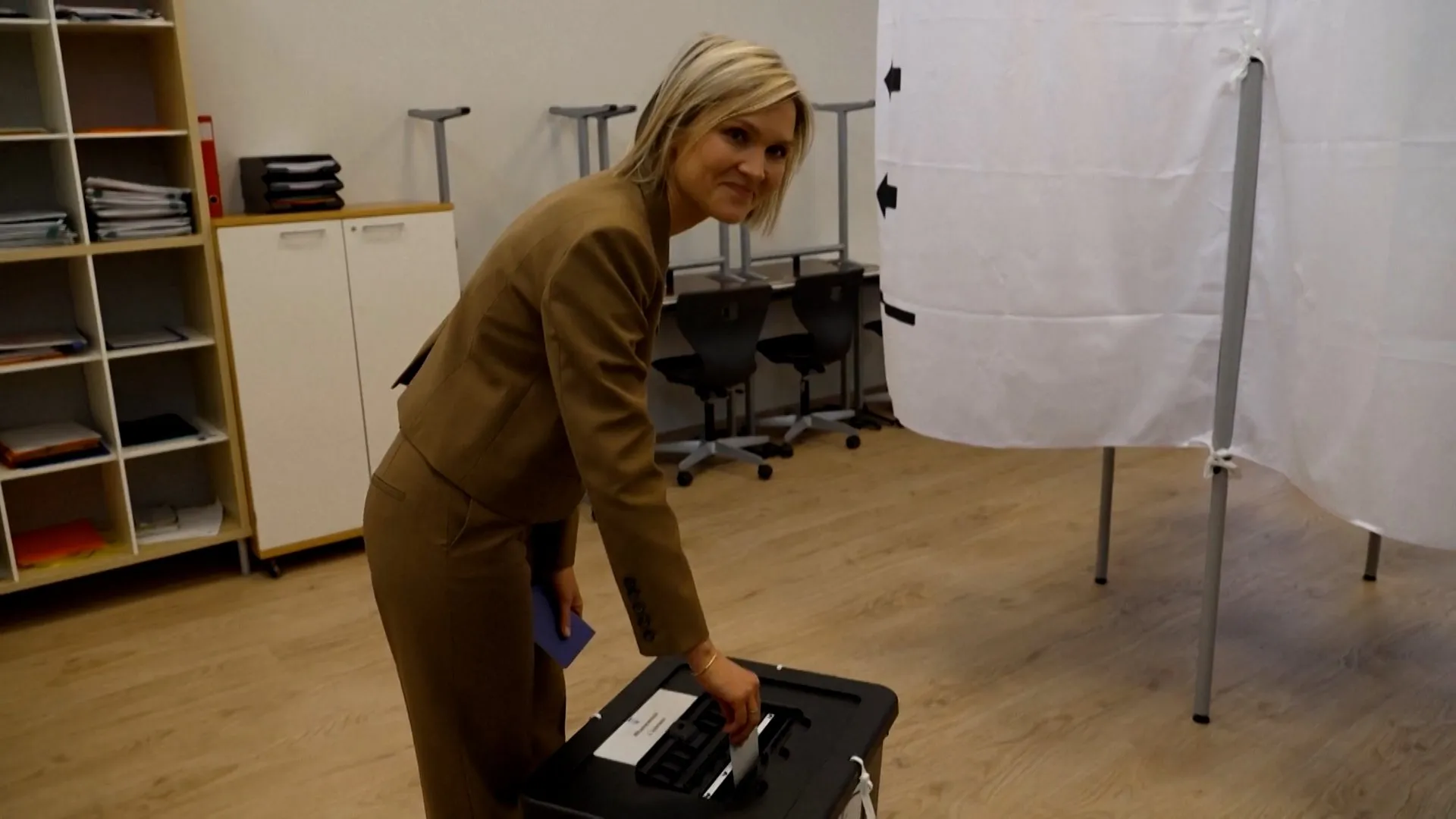
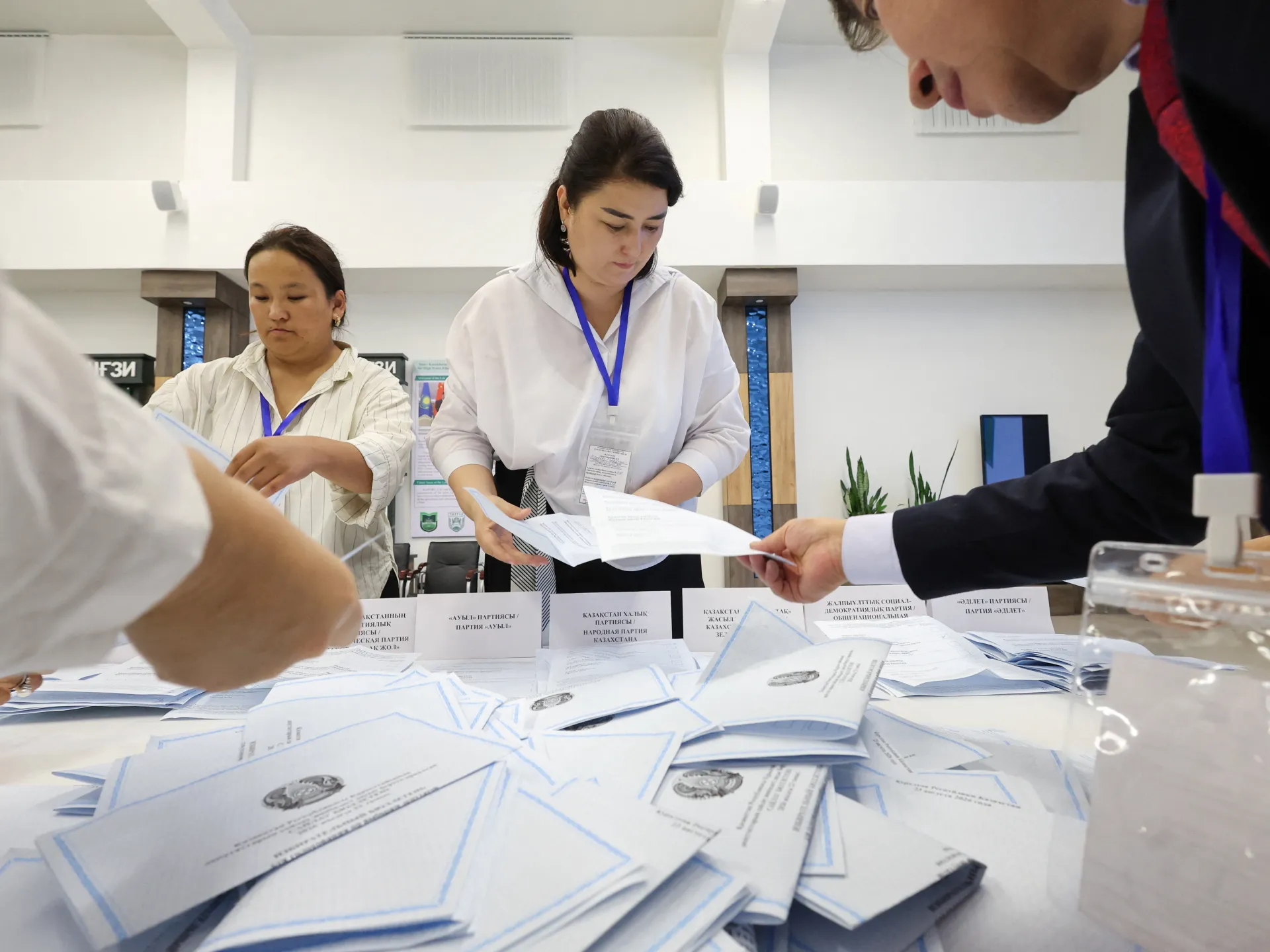
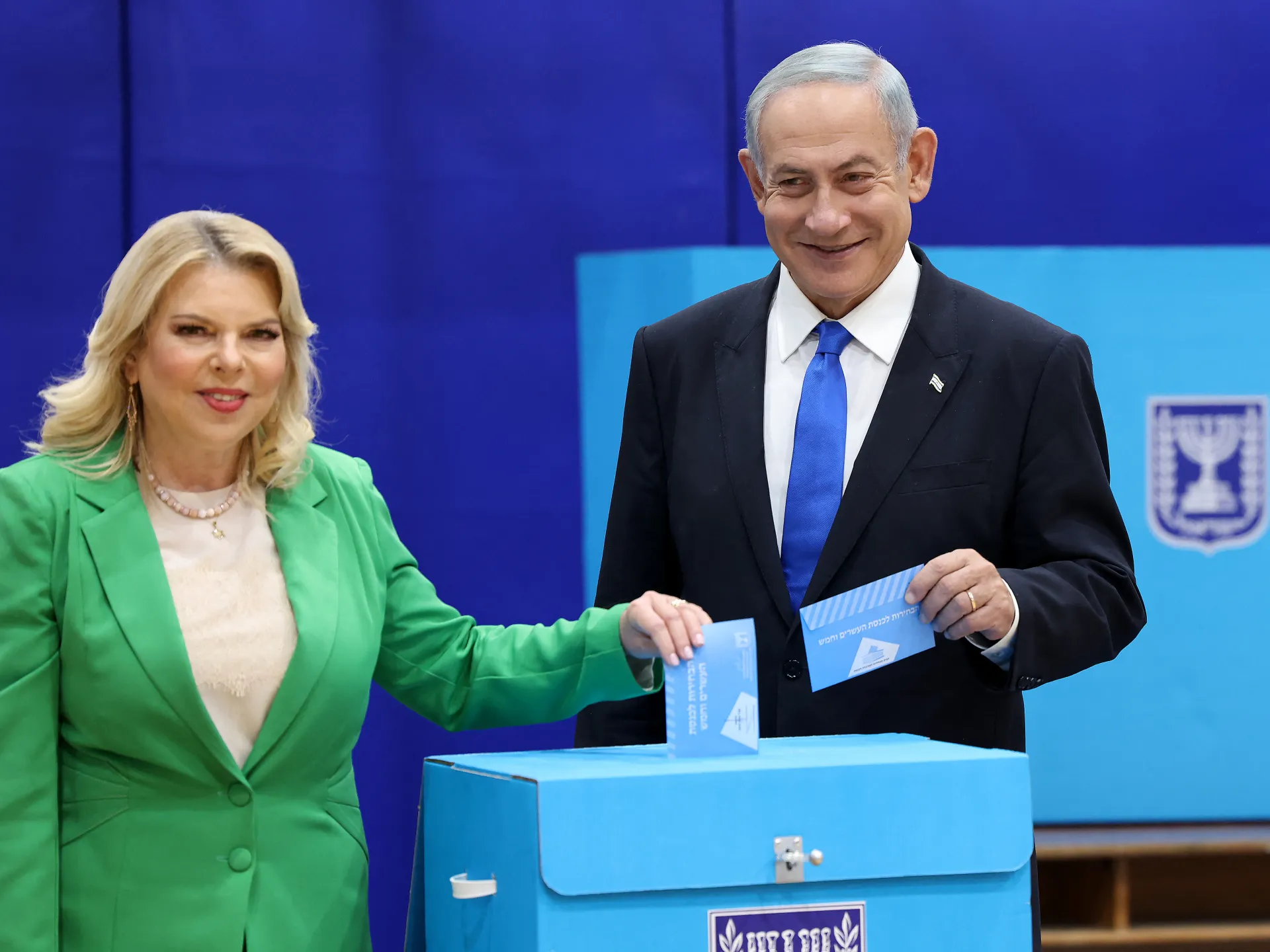
As Russians head to the polls to fill 450 seats in the Duma, the environment is characterized ade it clear that the objective is to solidify a mandate for the ongoing “special military operation.” President Vladimir Putin has framed the participation of the electorate as a direct endorsement of the nation's fighters, contrasting the Russian adherence to its legal election schedule with the suspension of democratic processes in Ukraine. This narrative is heavily reinforced of Russia’s strength.
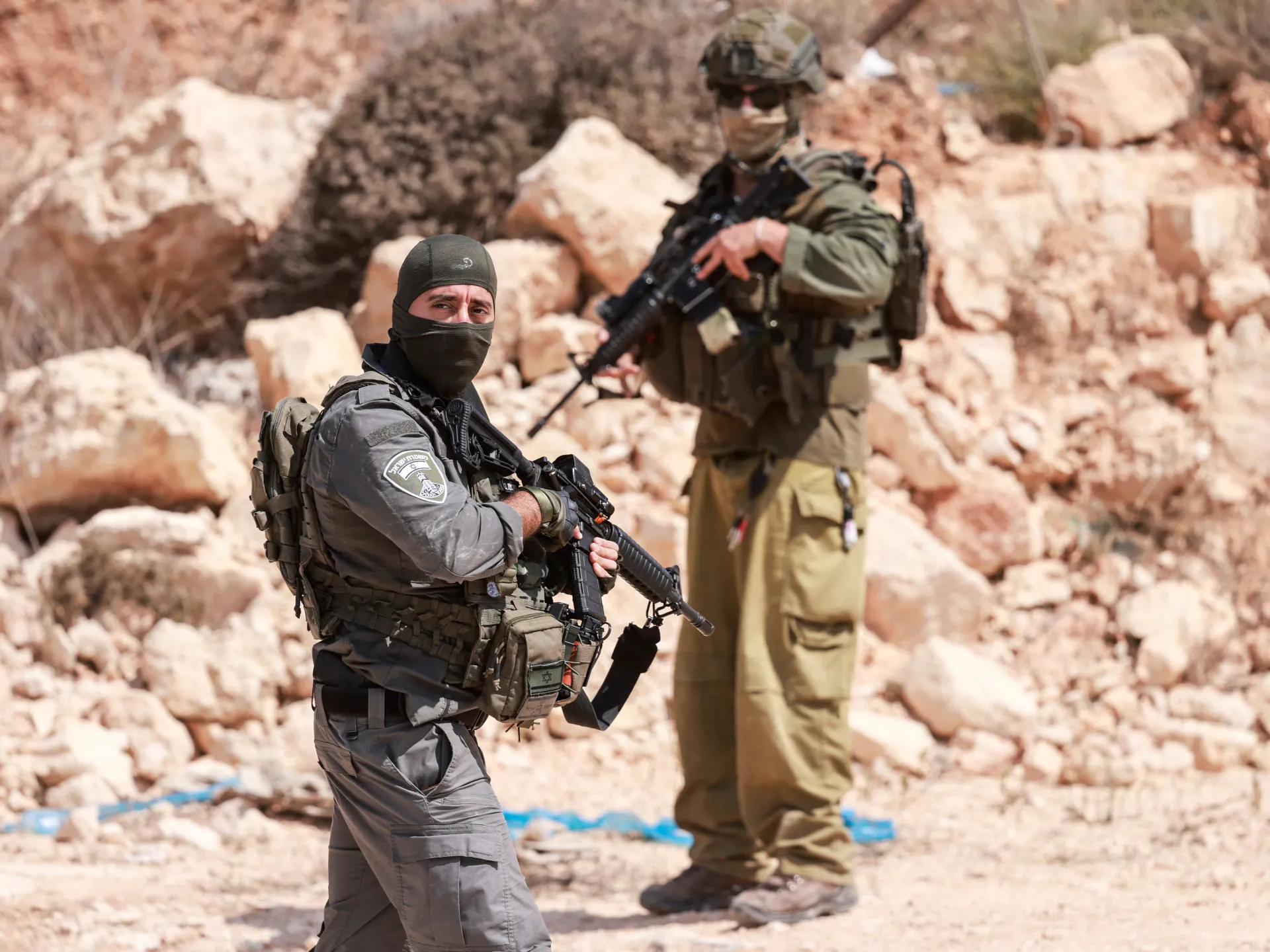
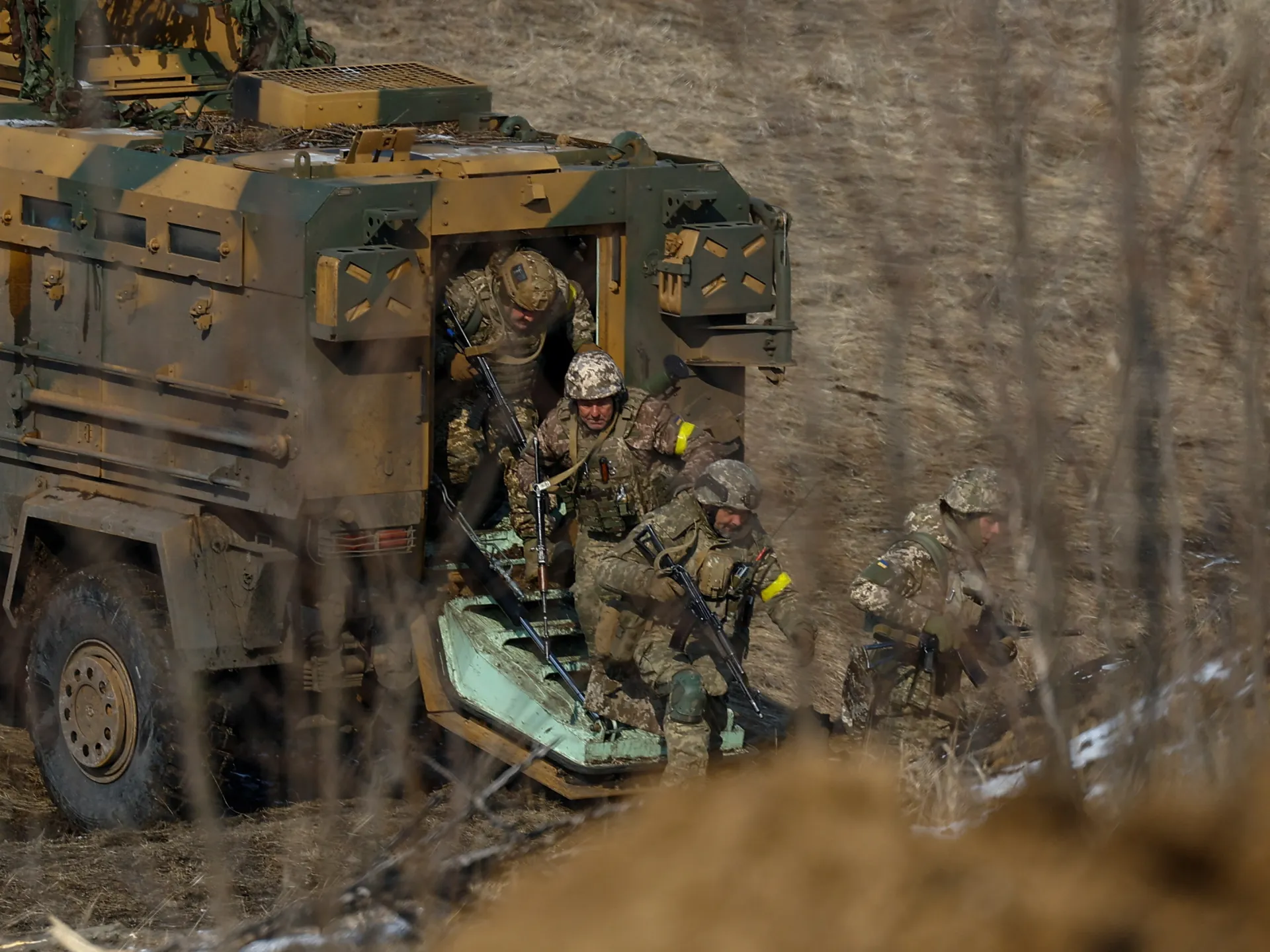
The composition of the candidate pool reflects this emphasis on military integration. According to official reports, nearly 200 war veterans are running for office, a move intended to institutionalize the return of combatants into the political hierarchy. Even traditional opposition groups have largely abandoned critical stances; Communist Party leader Gennady Zyuganov has openly boasted that every party in the previous parliament voted in favor of 170 laws supporting the war effort. The atmosphere, described es failed to appear for mandated TV debates, leaving empty lecterns as a symbol of the contest’s pre-ordained conclusion.
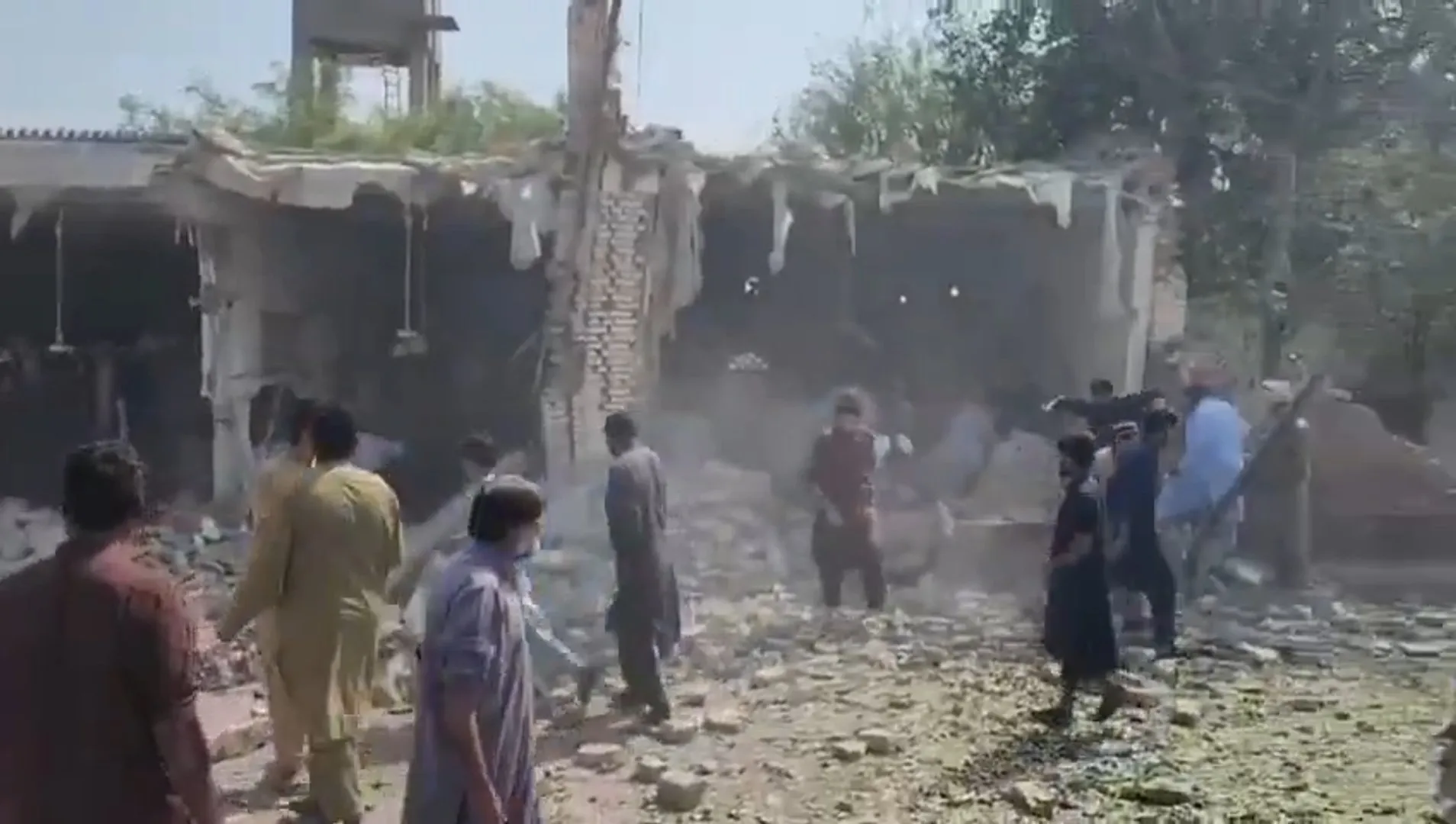
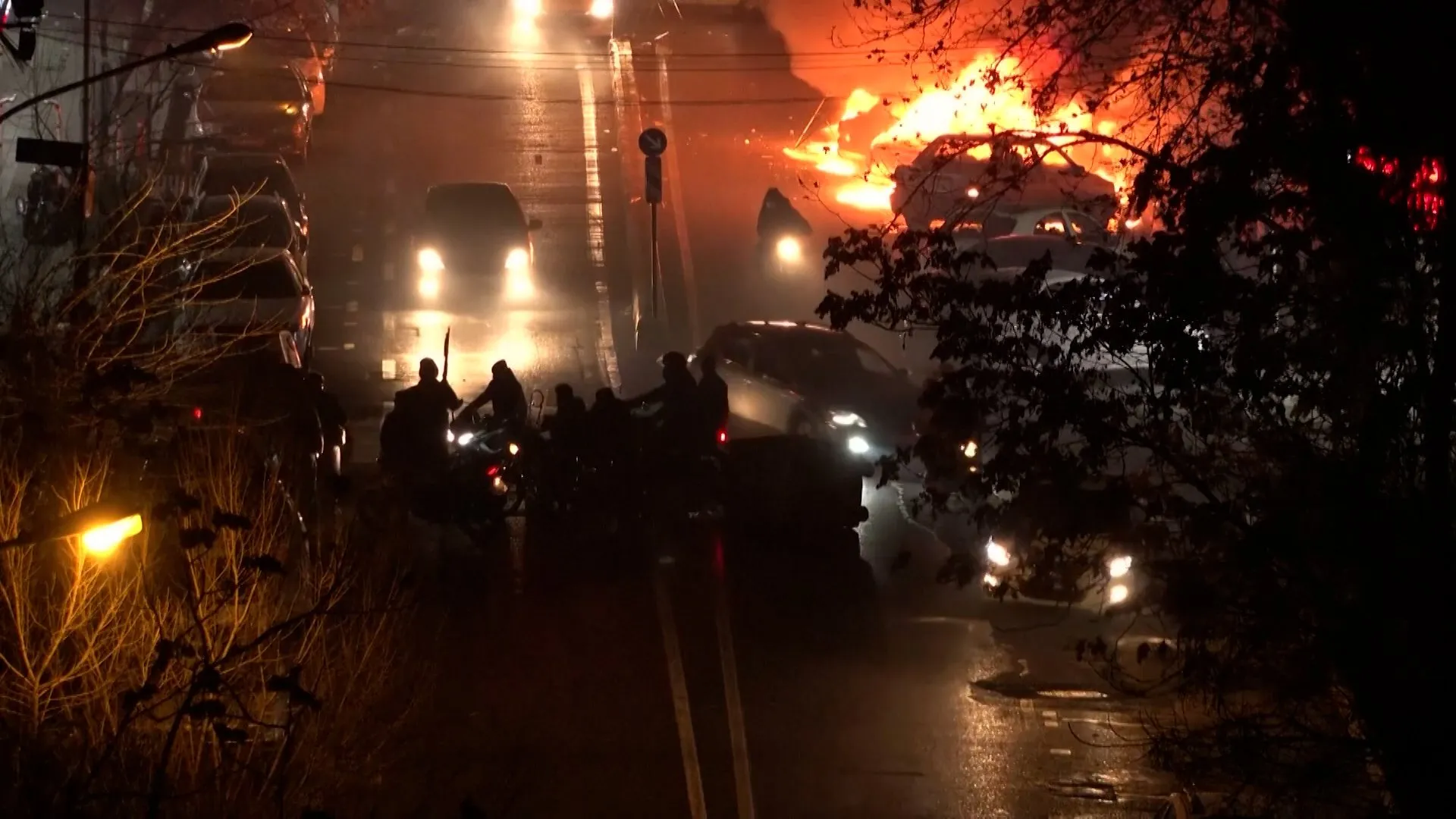
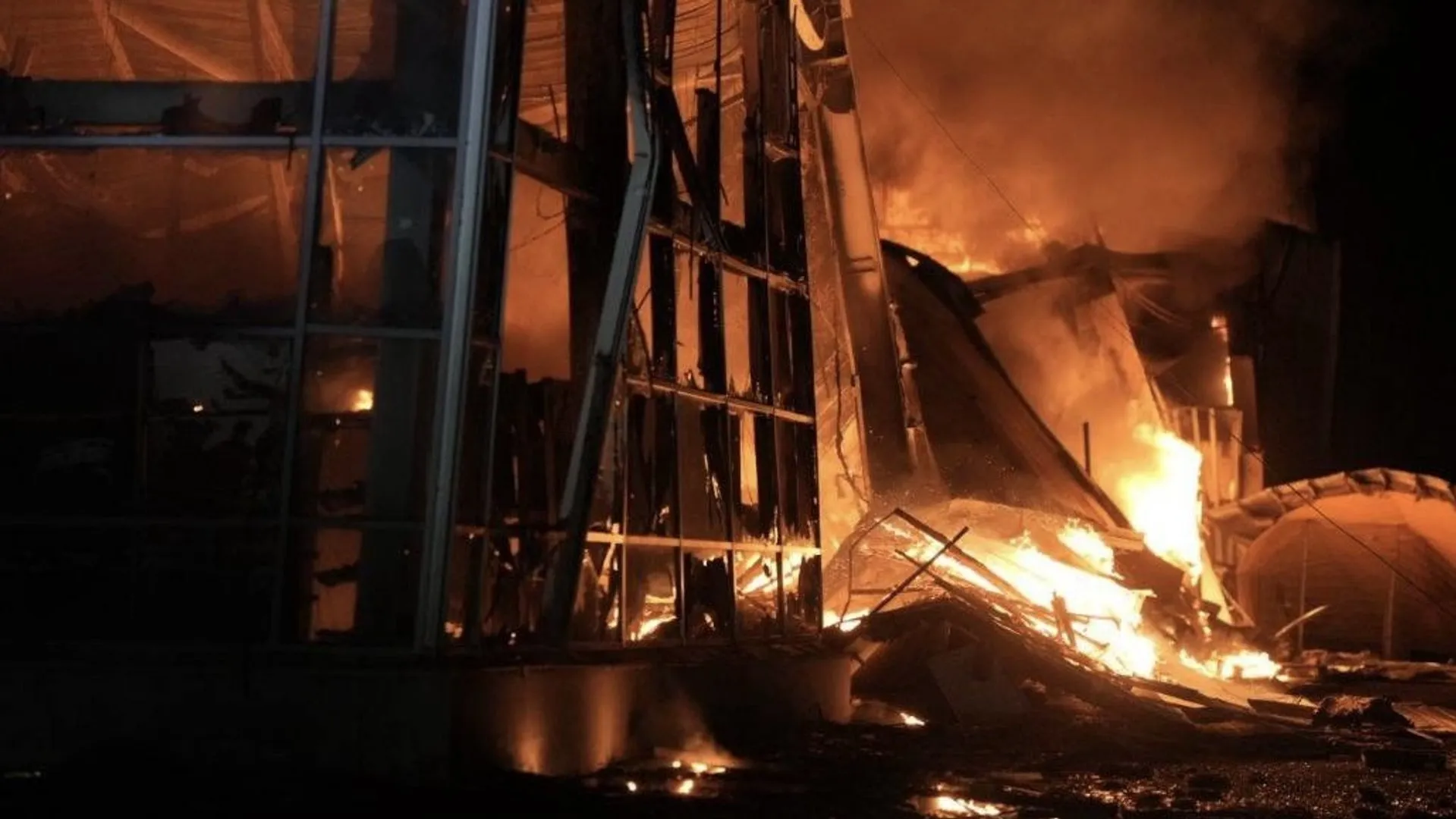
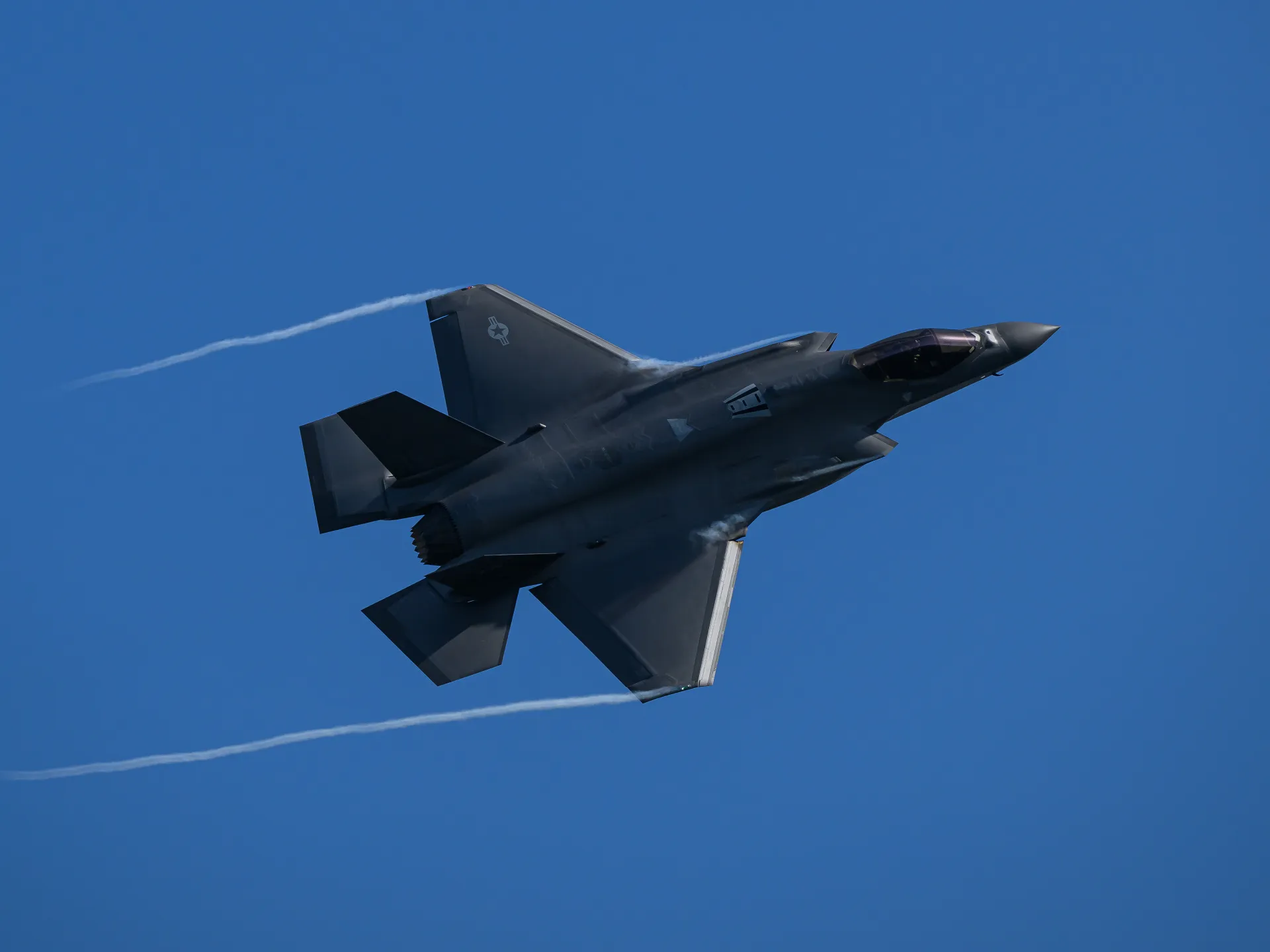
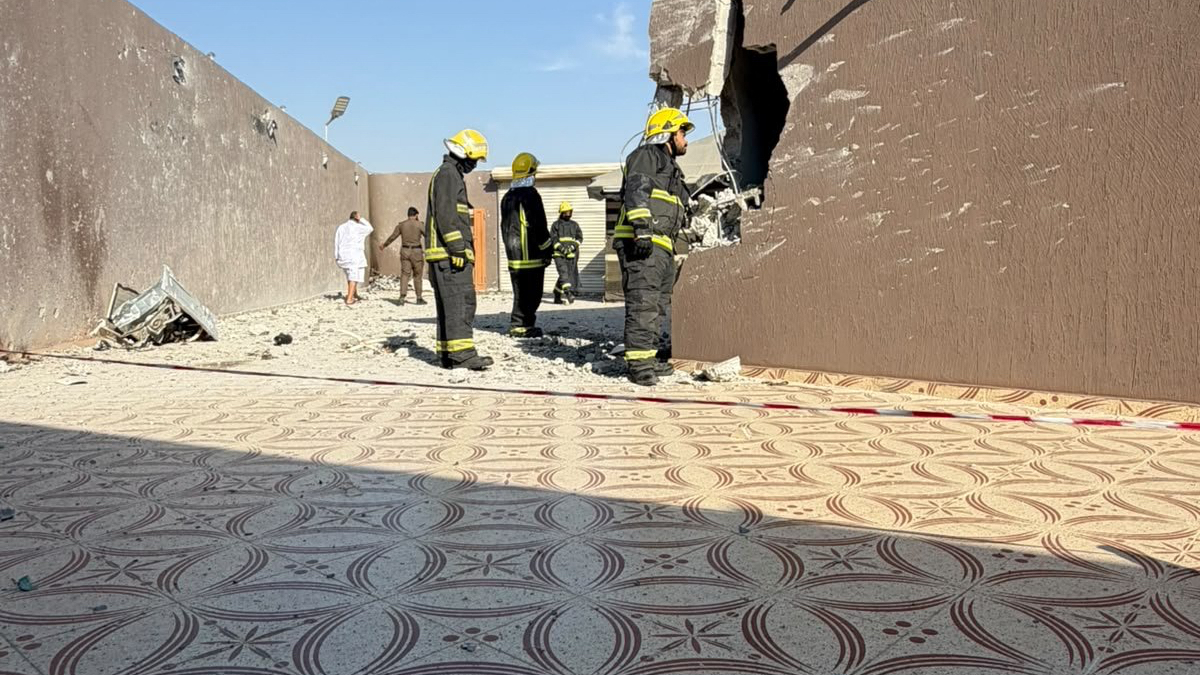
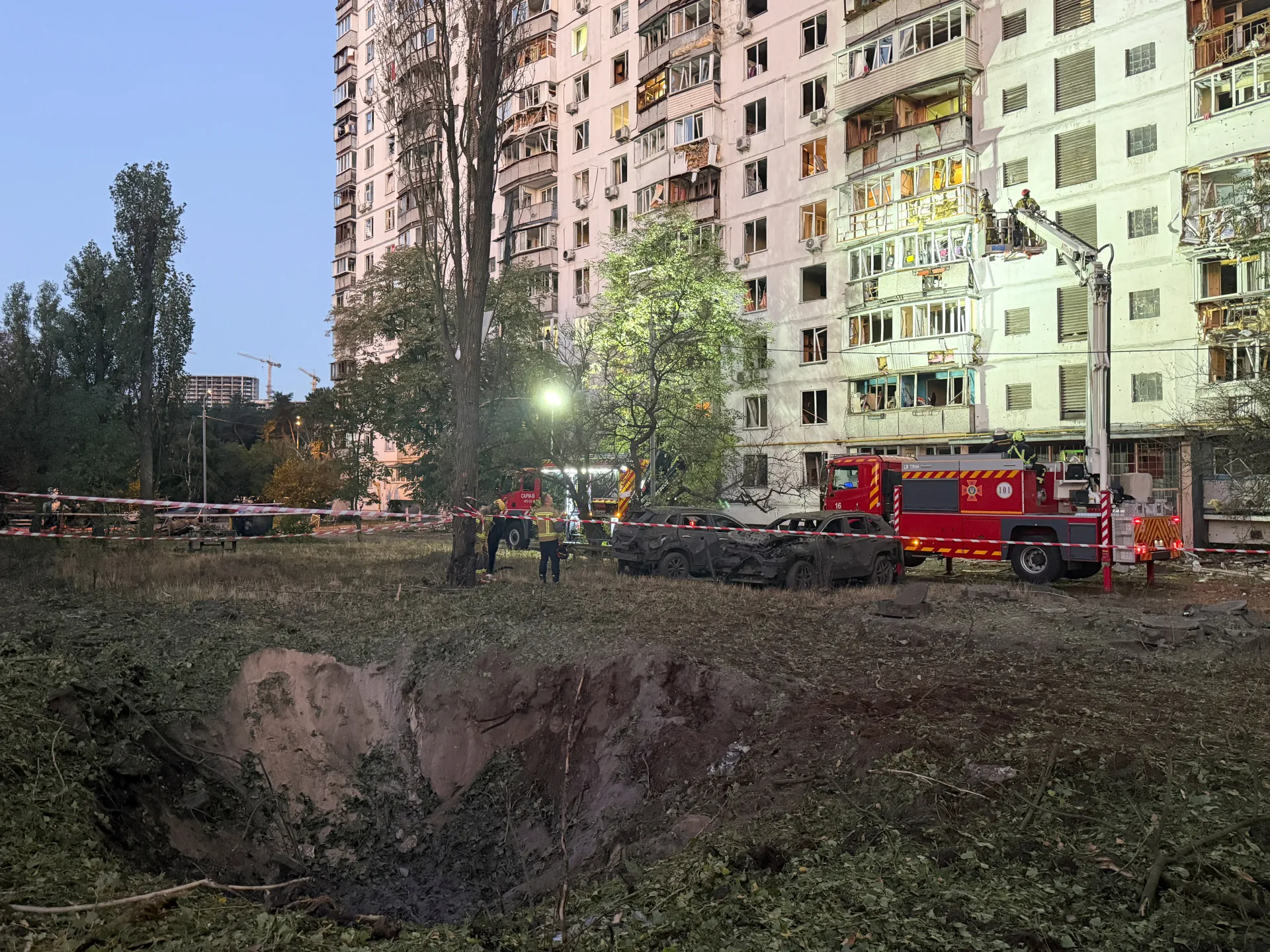
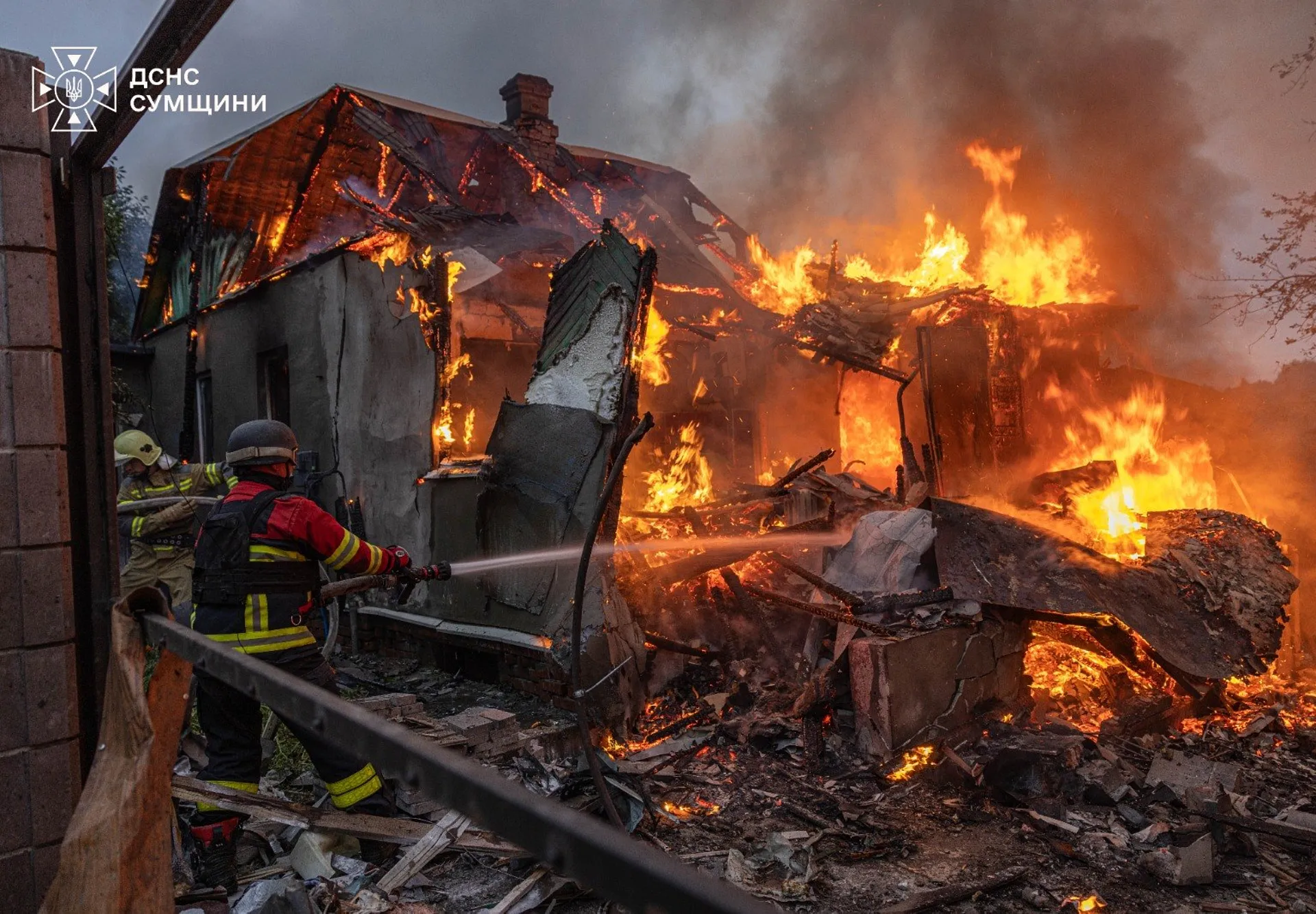
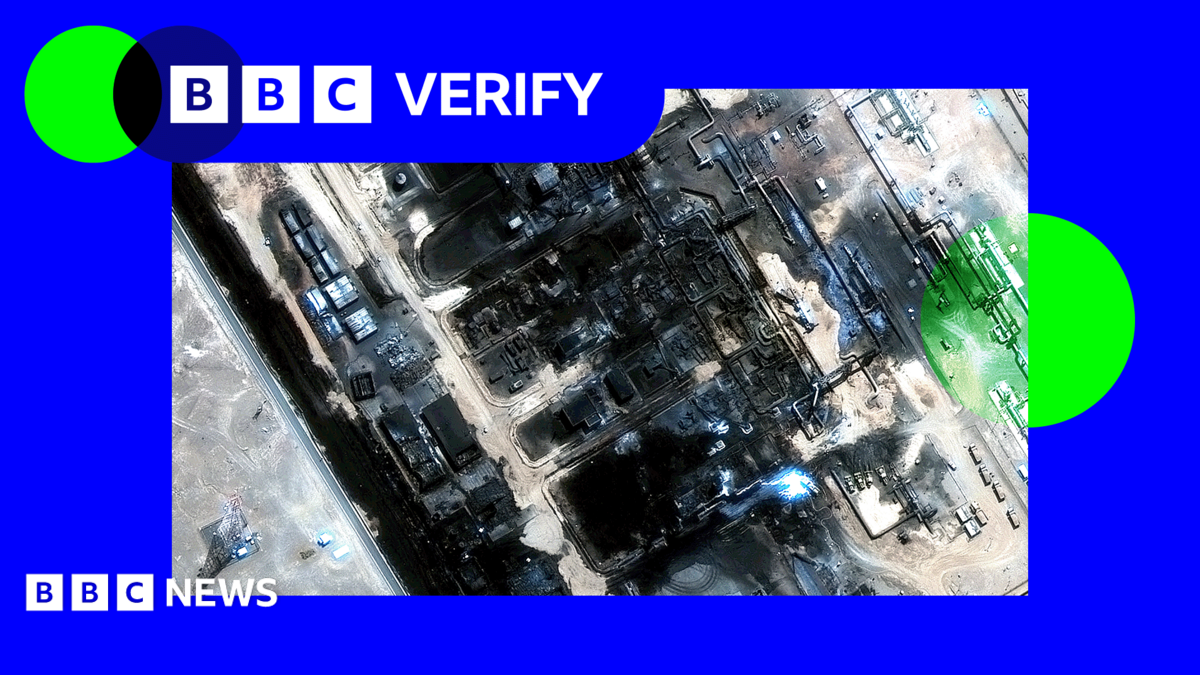
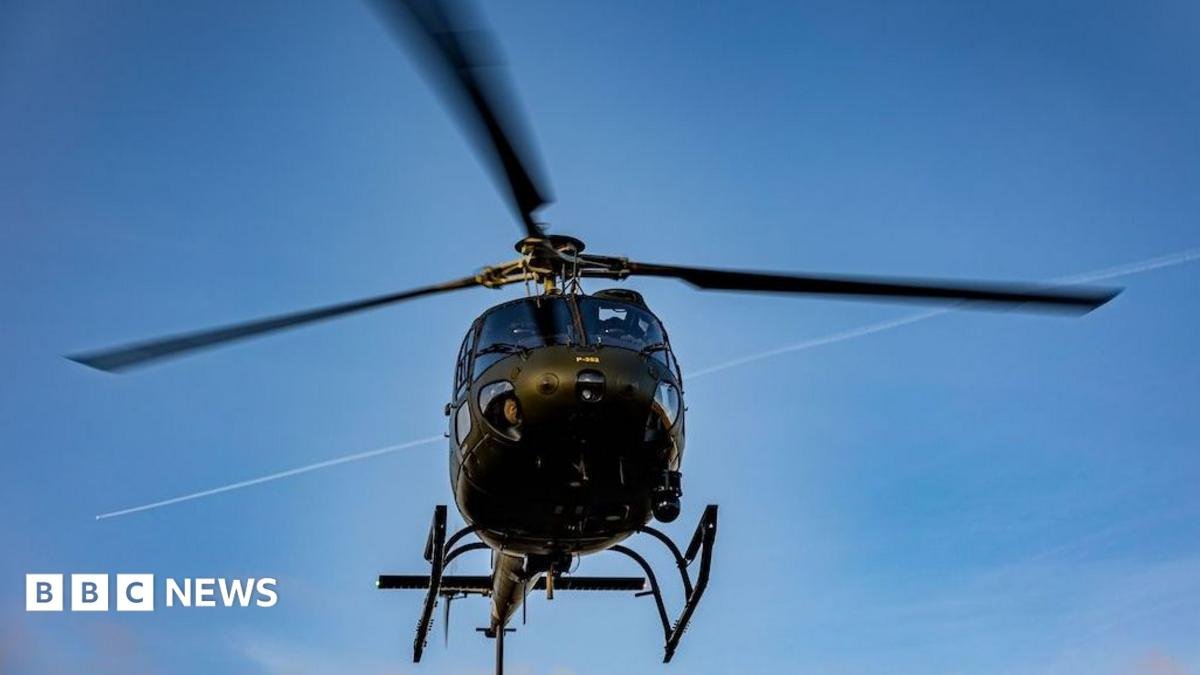
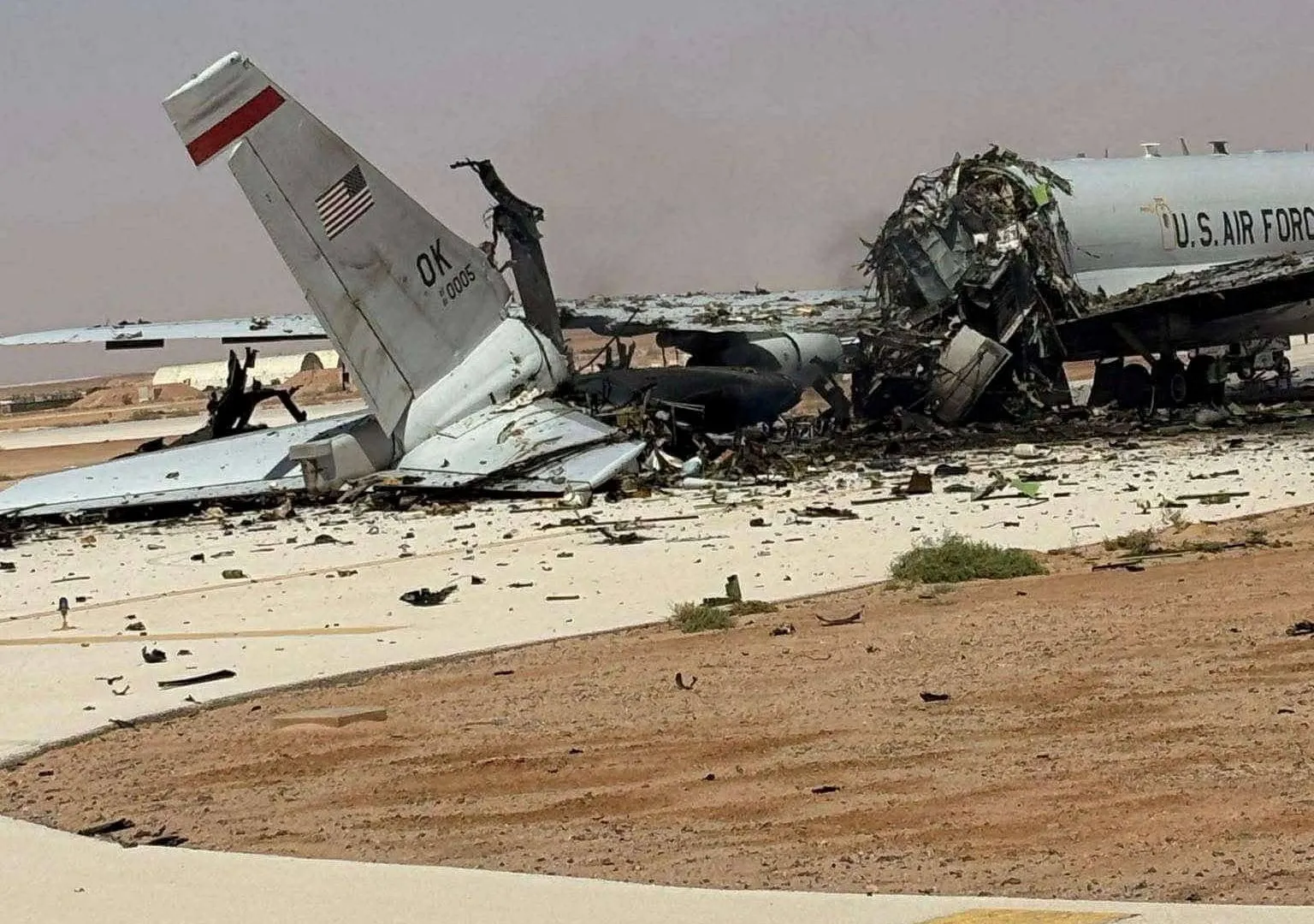
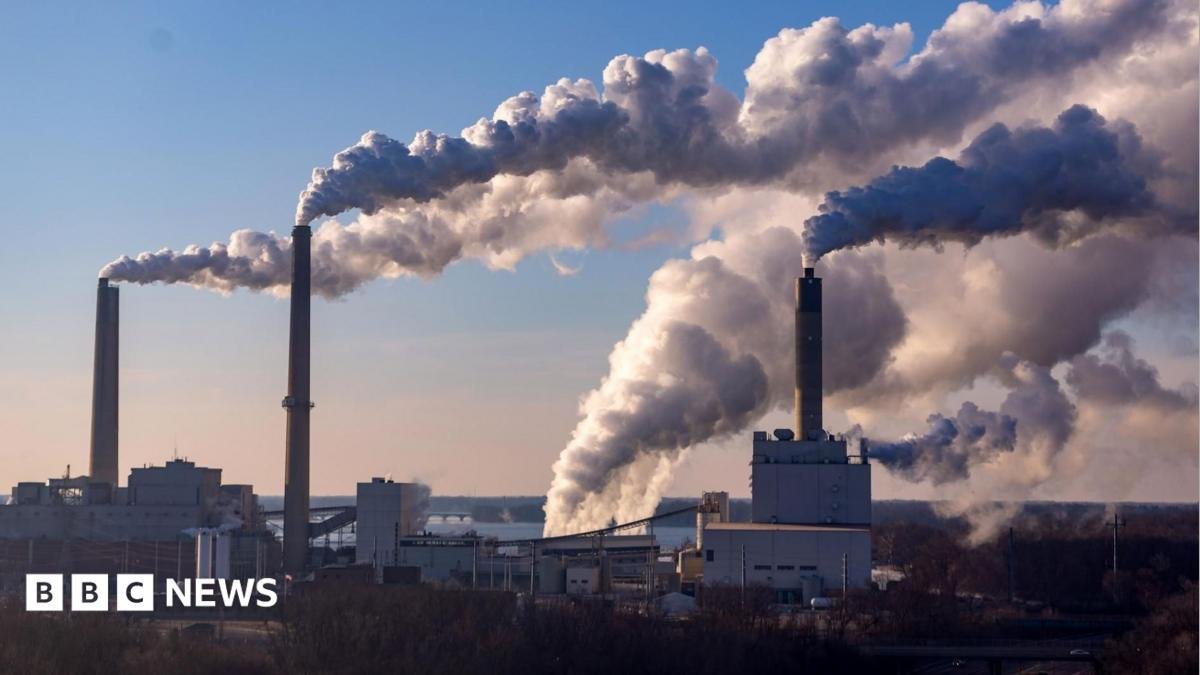
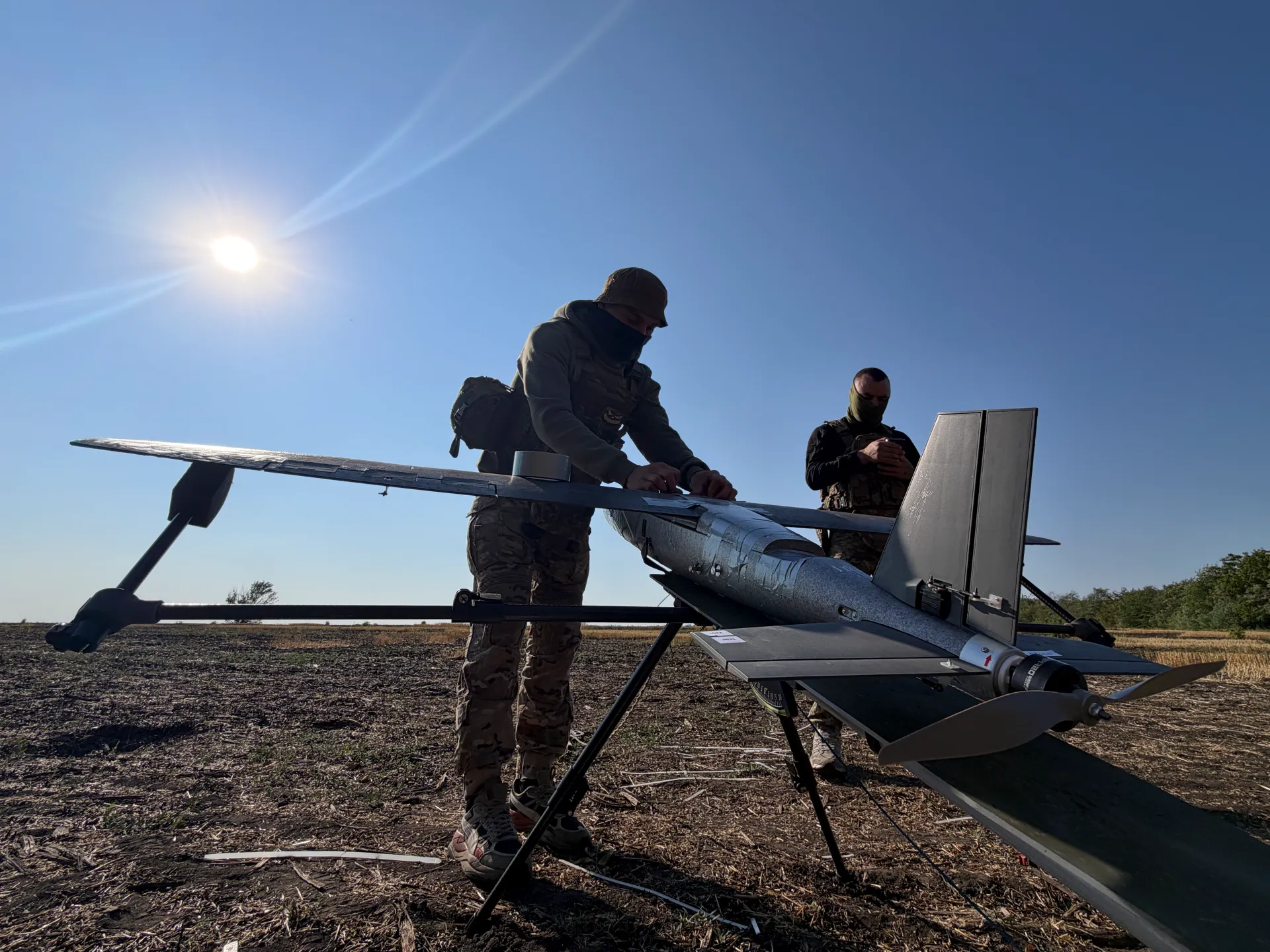
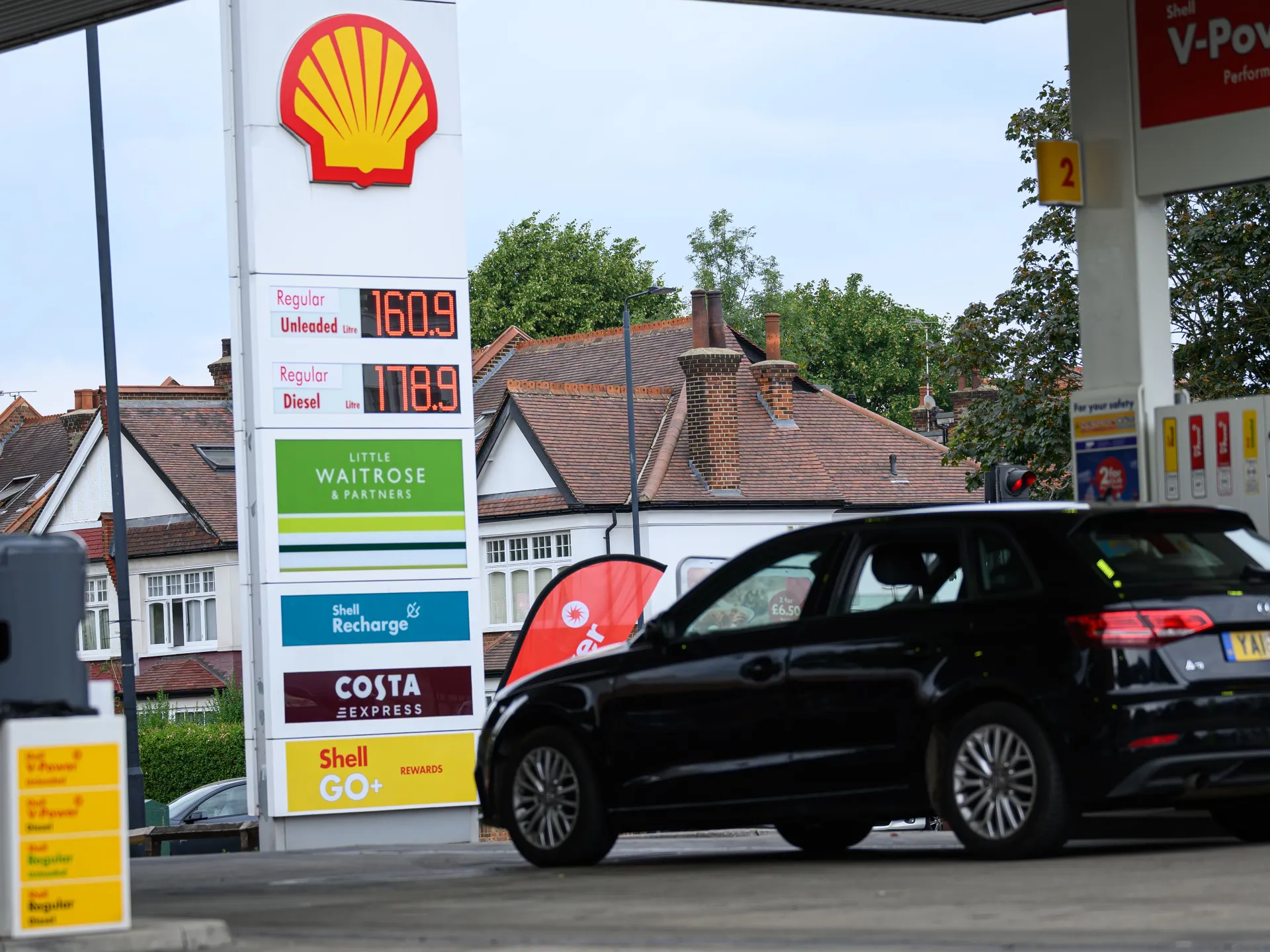
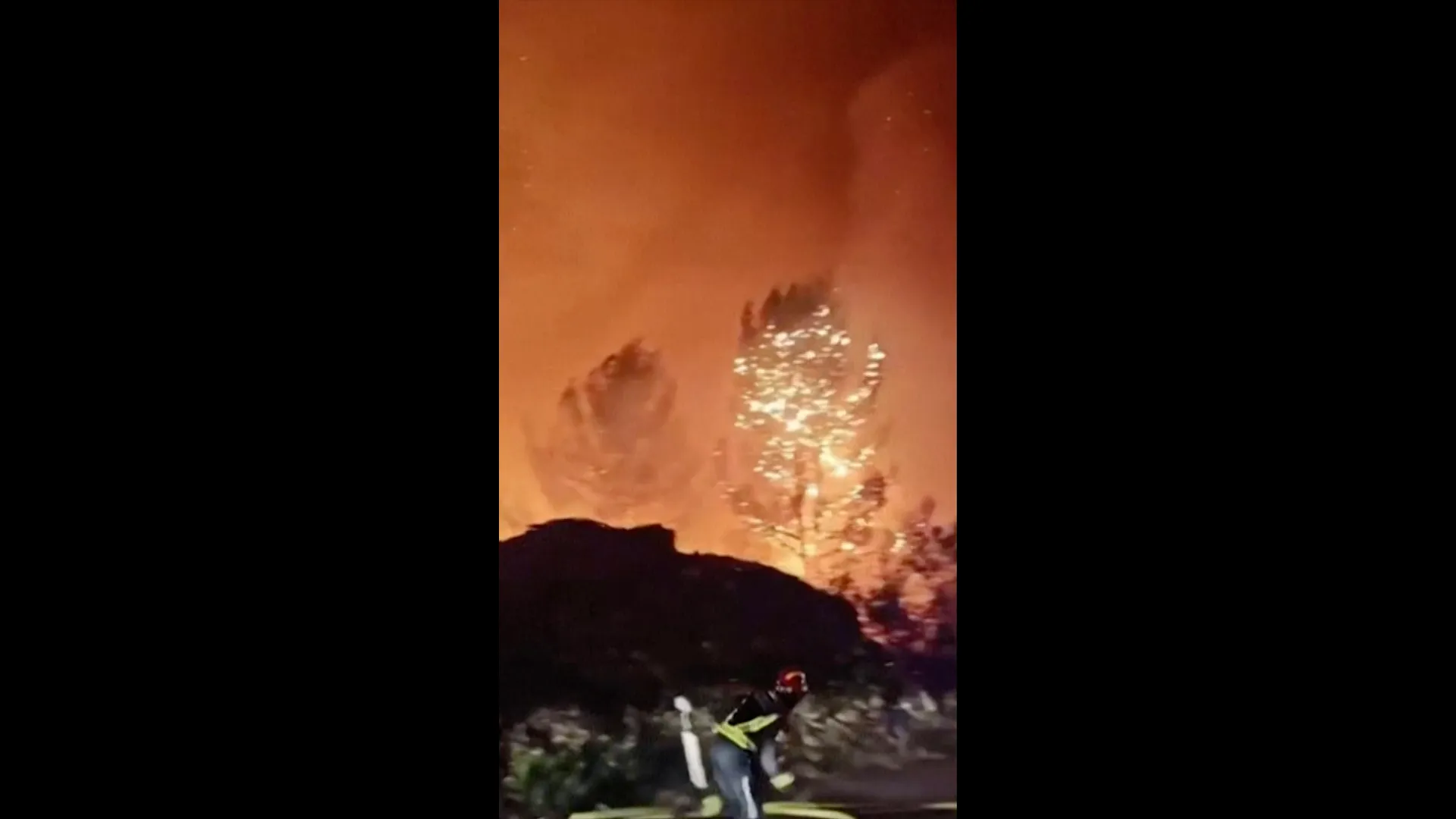
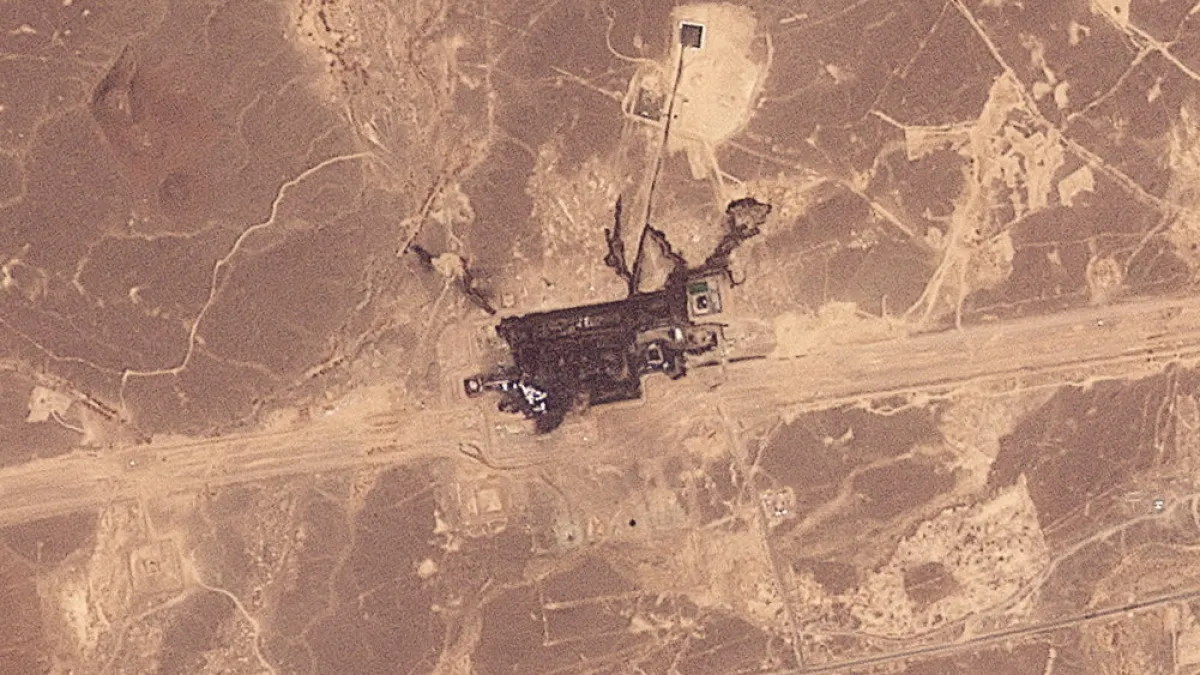
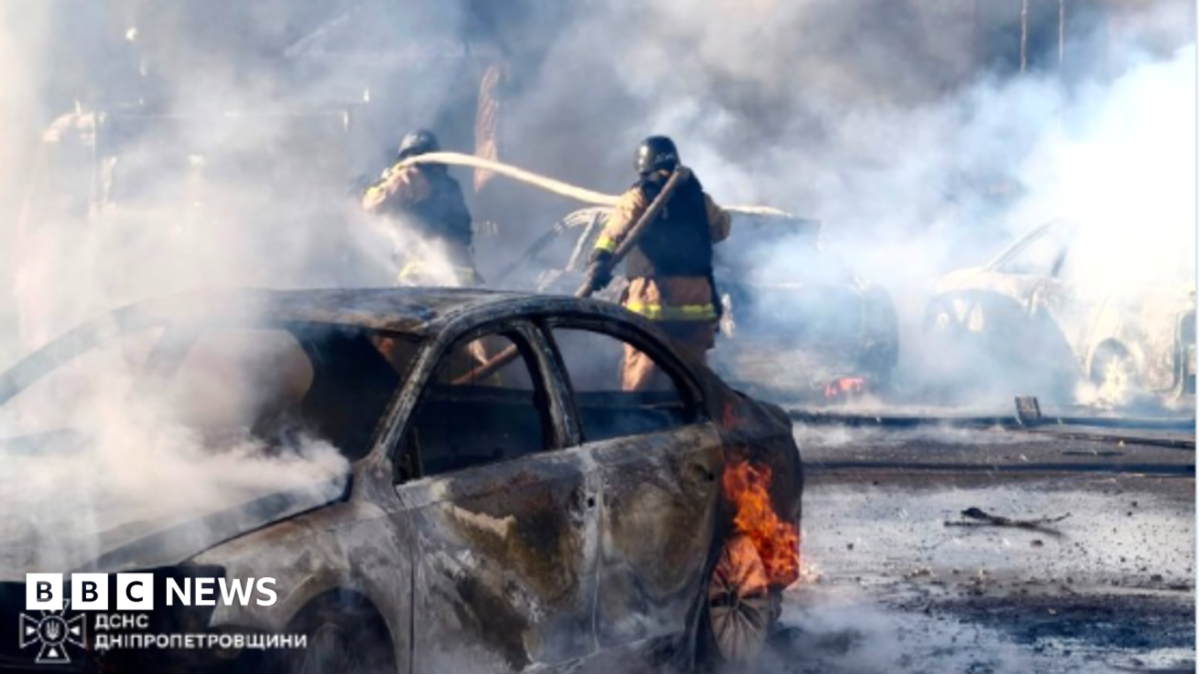
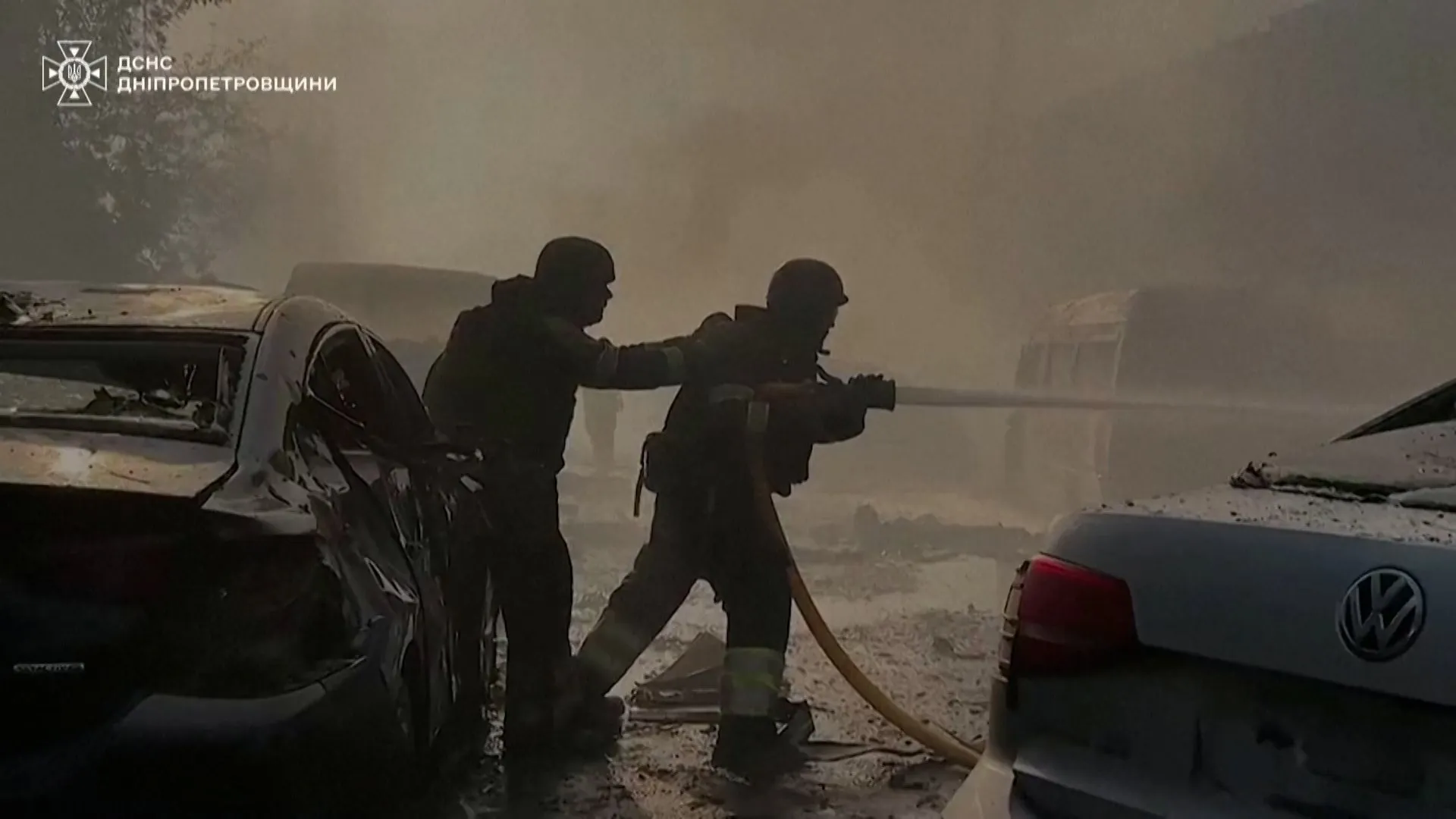
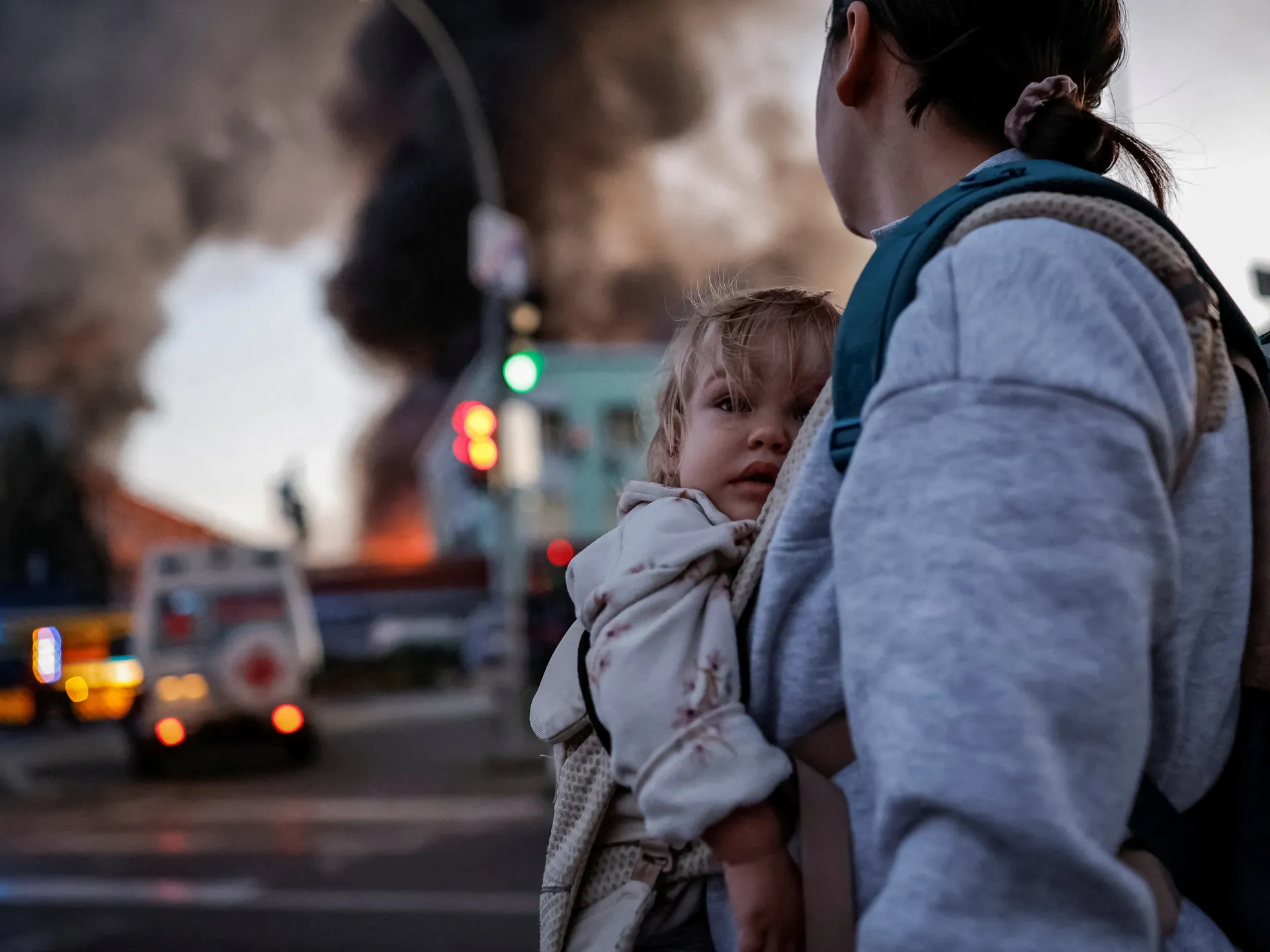
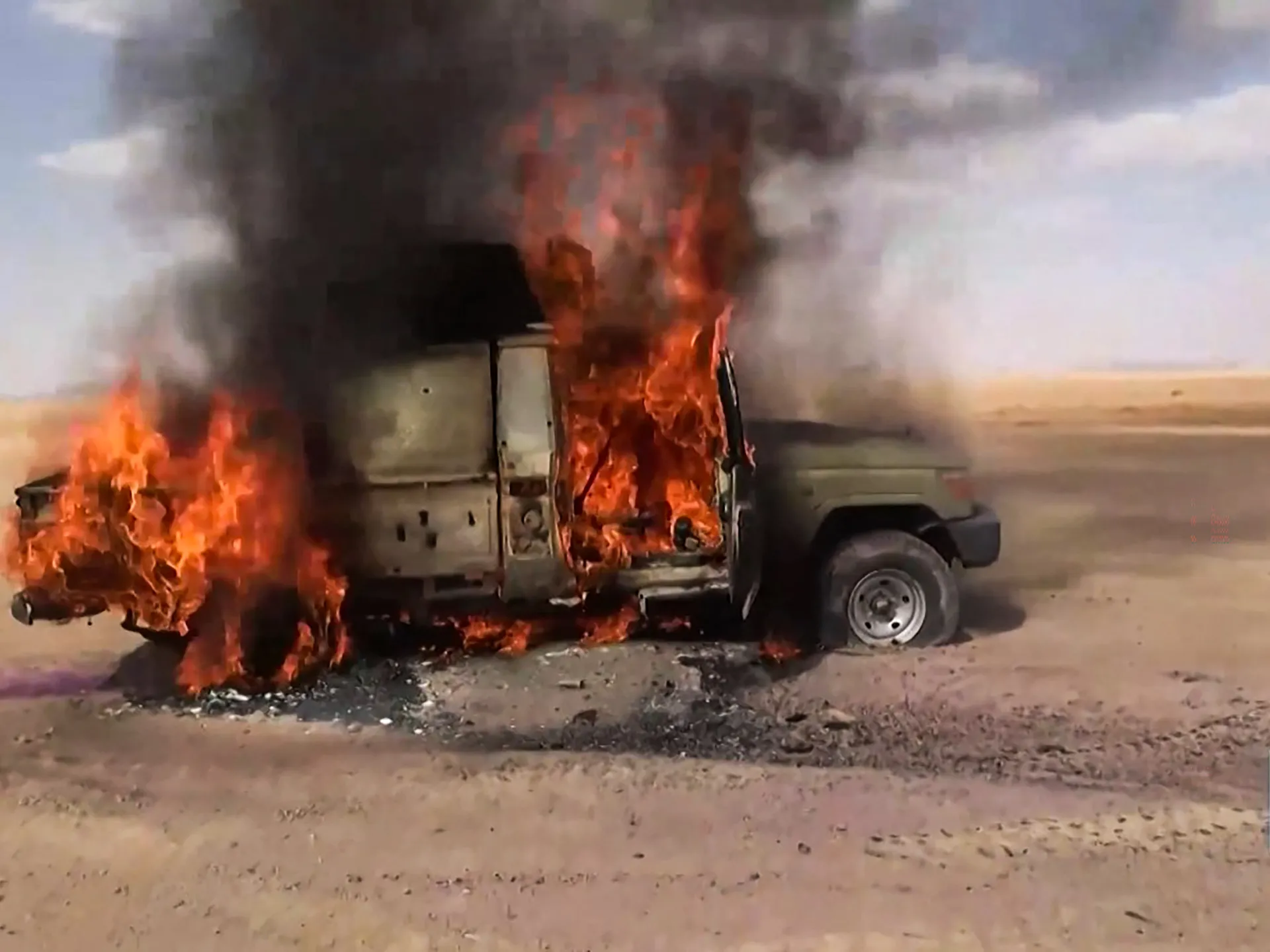
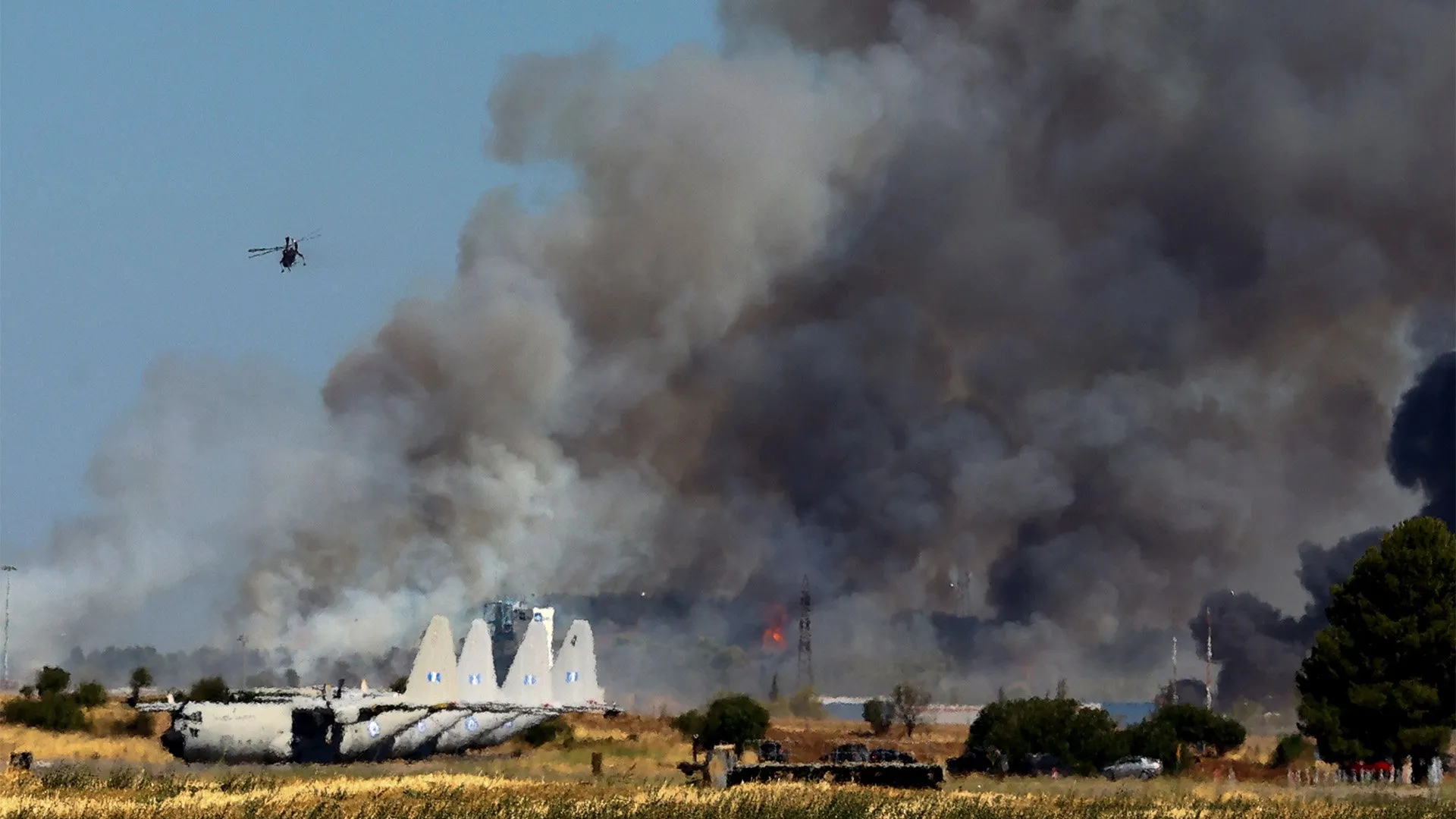
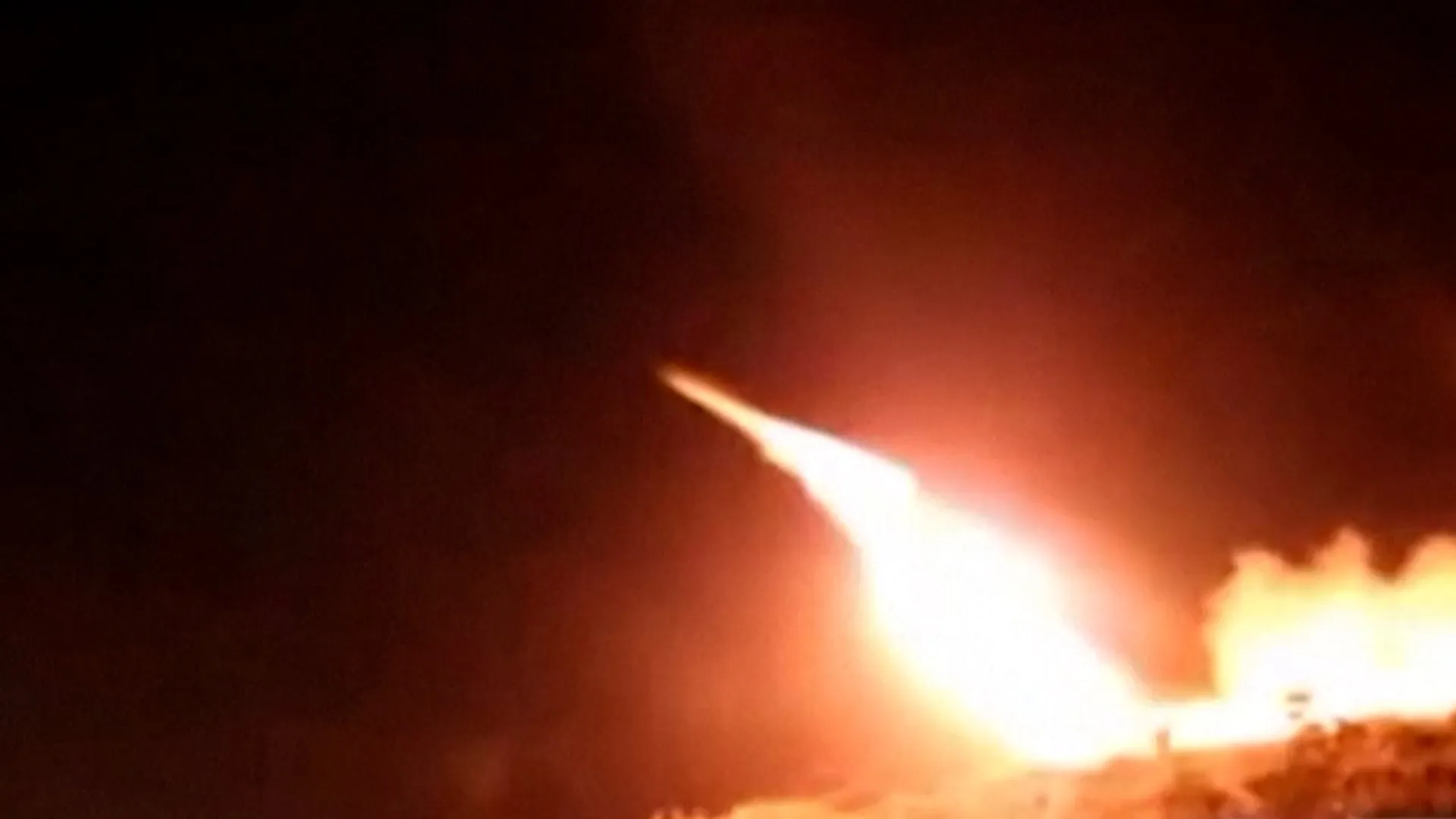
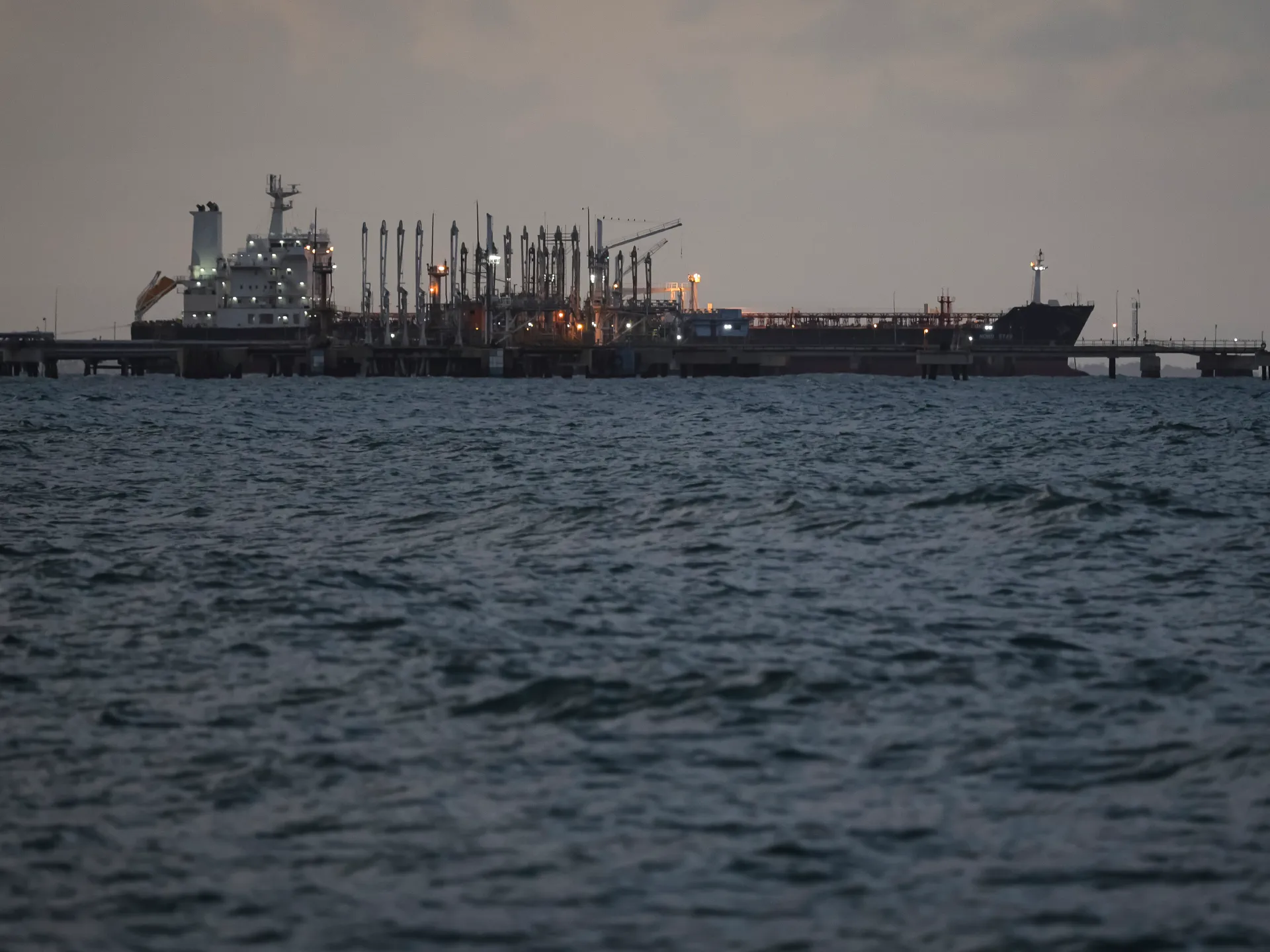
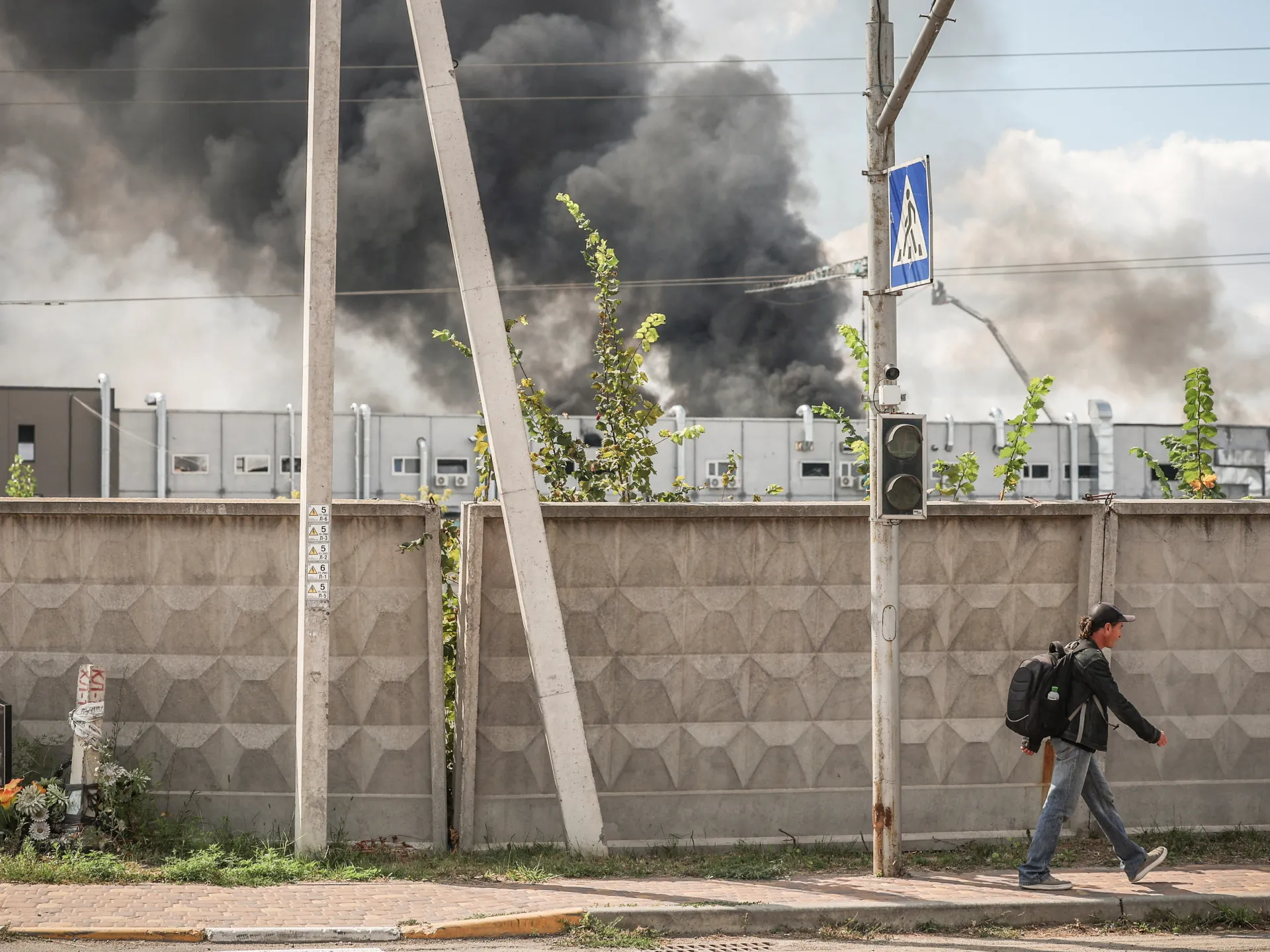
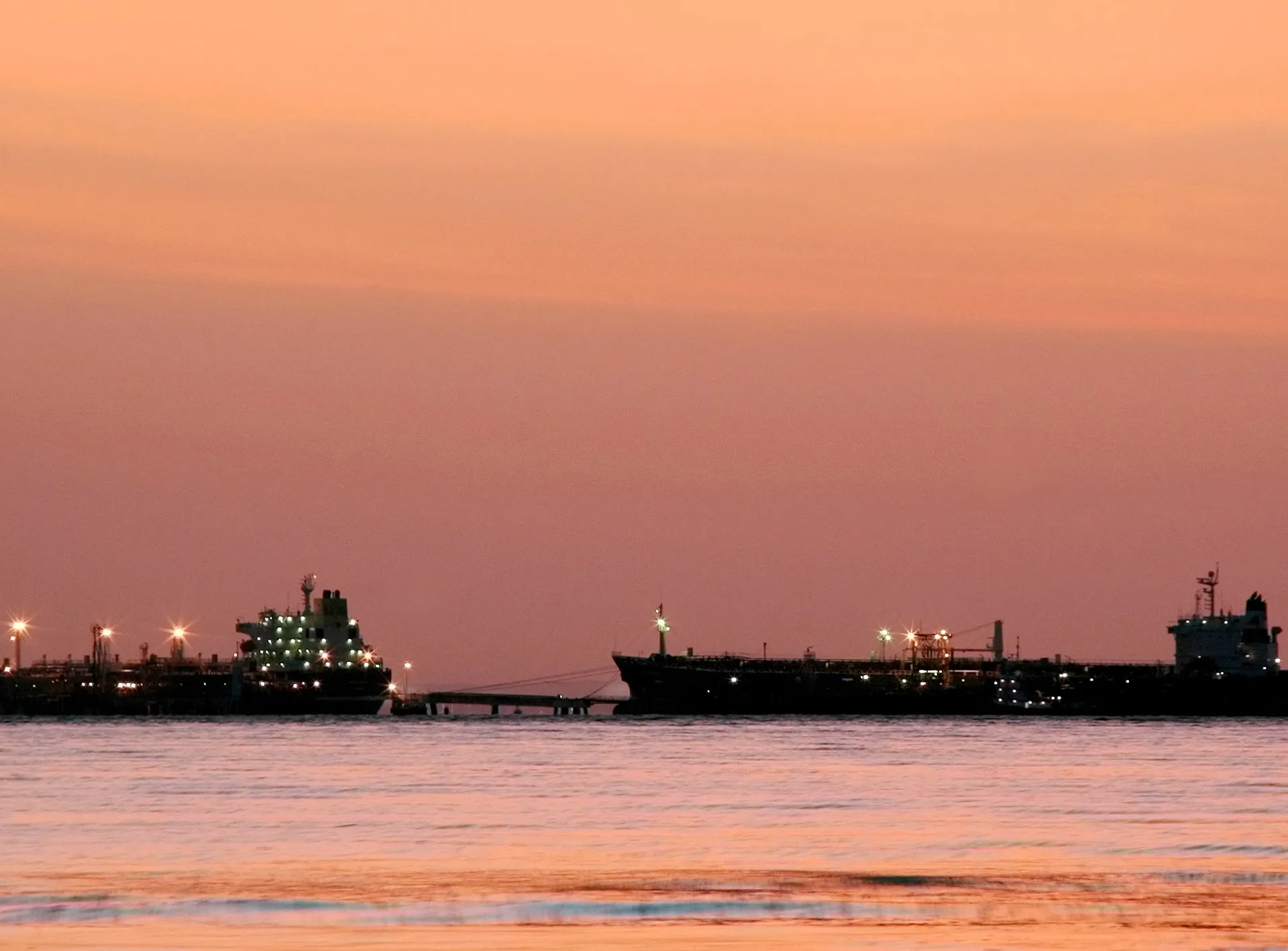
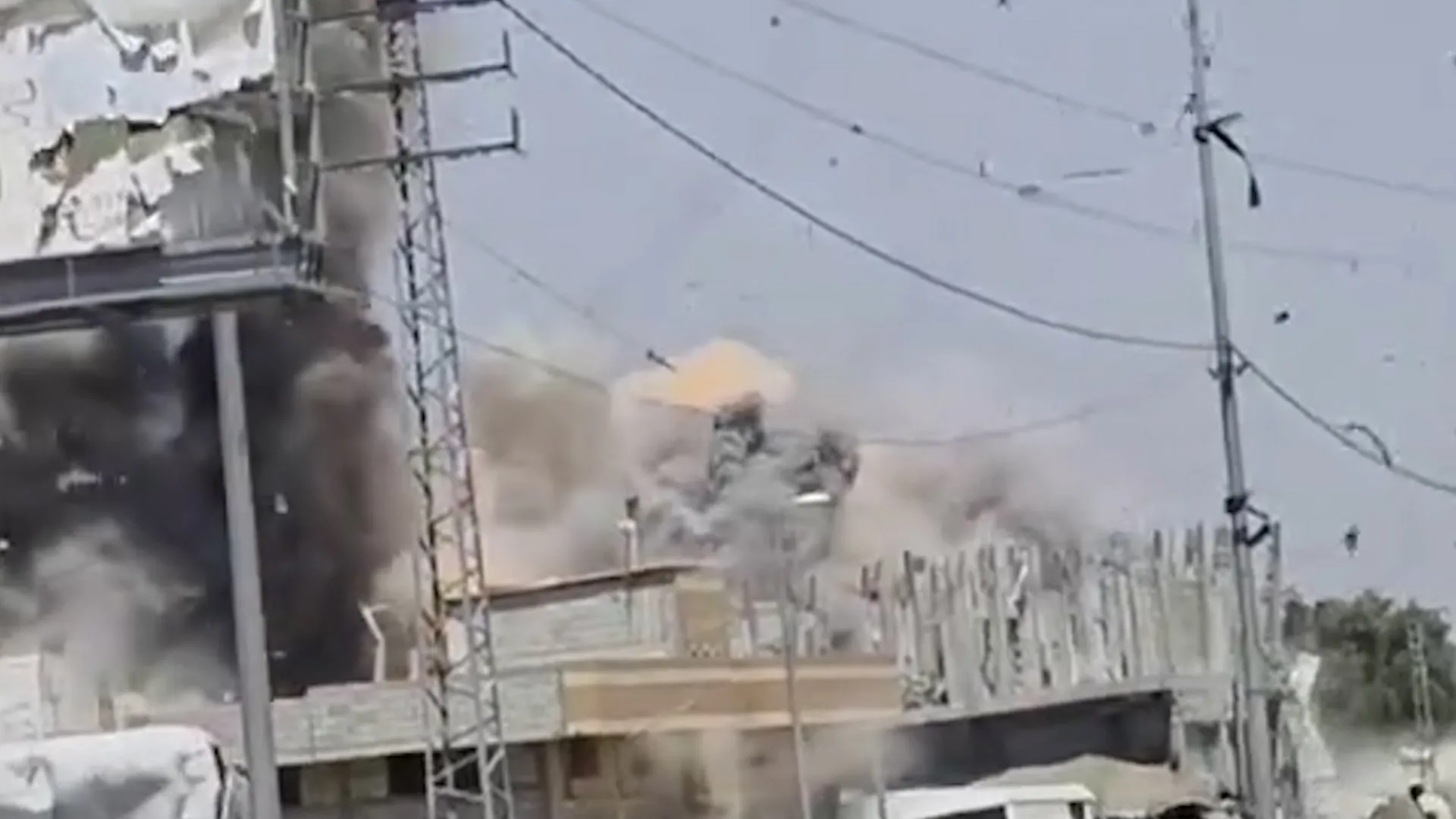
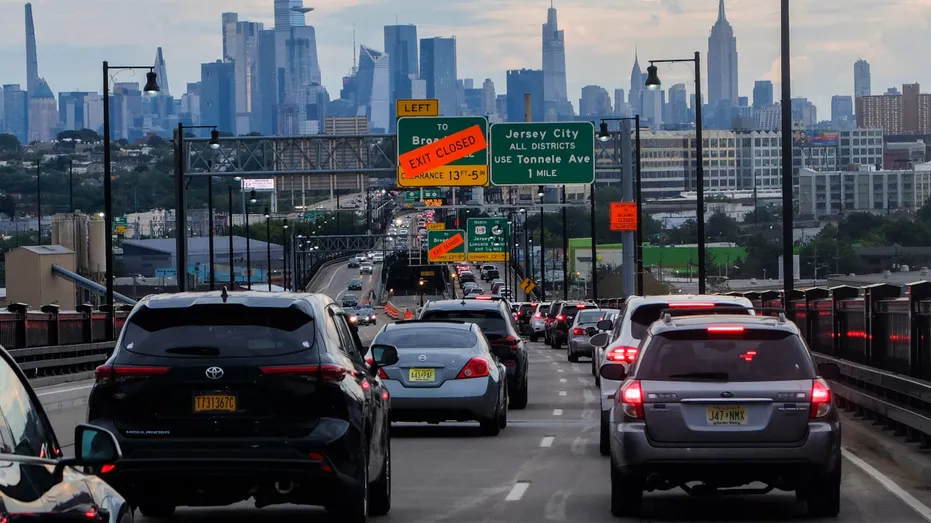
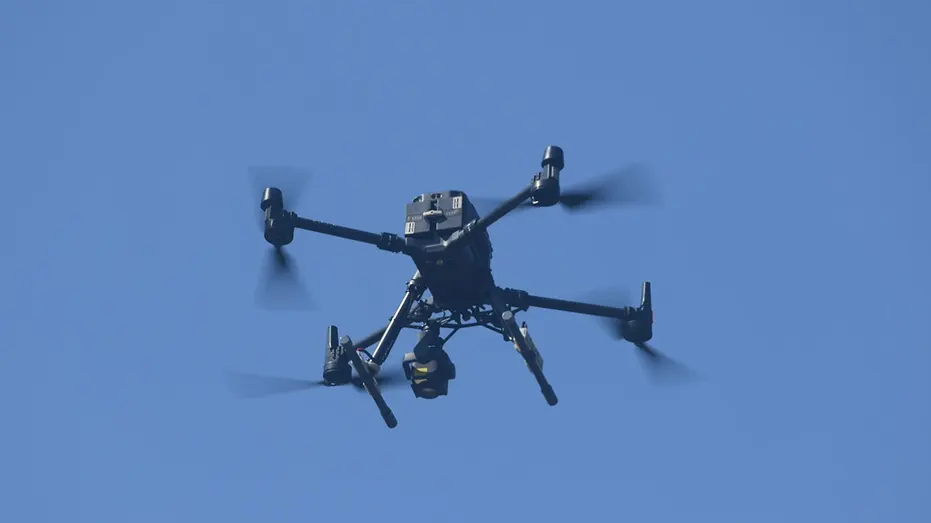
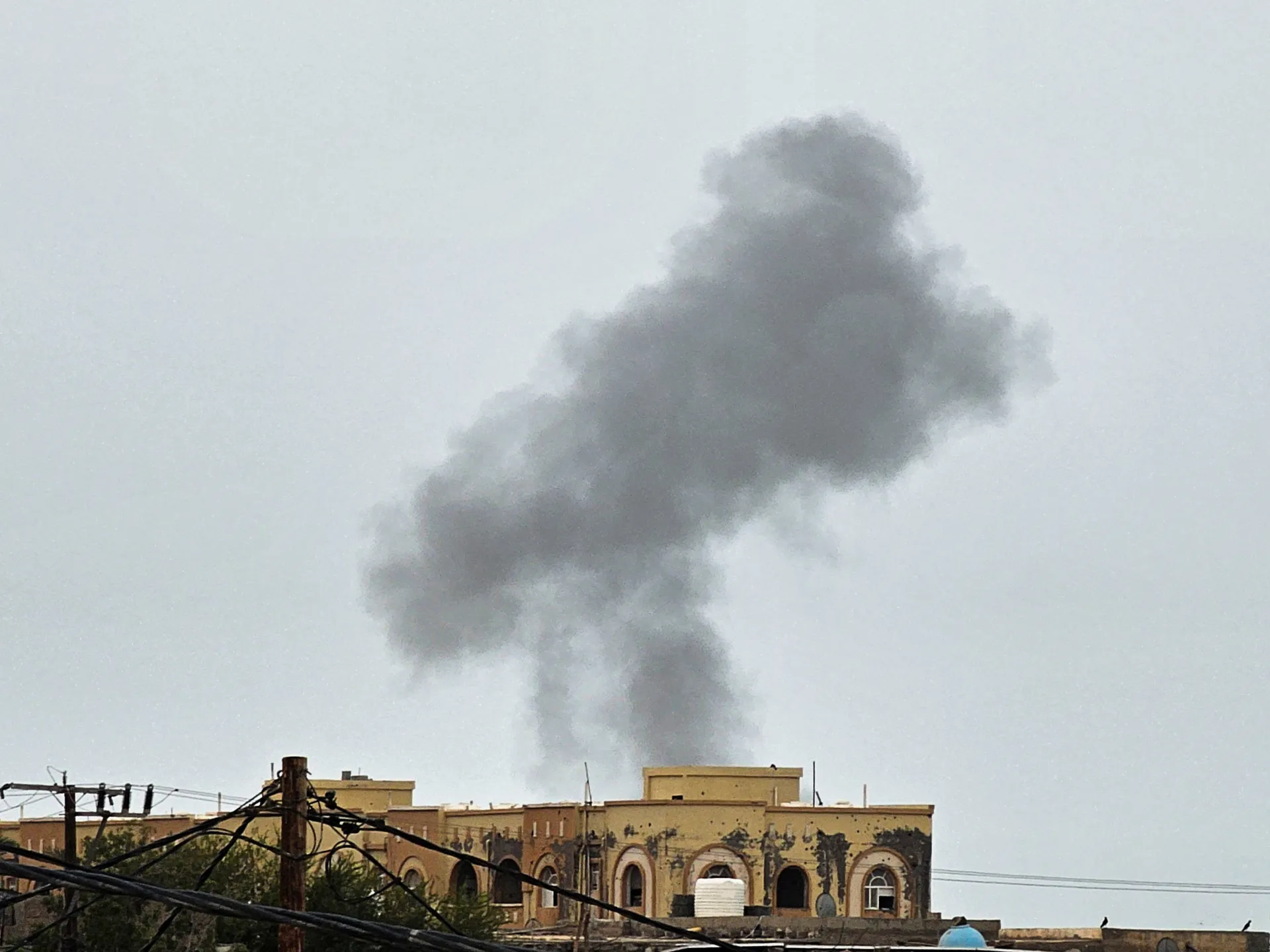
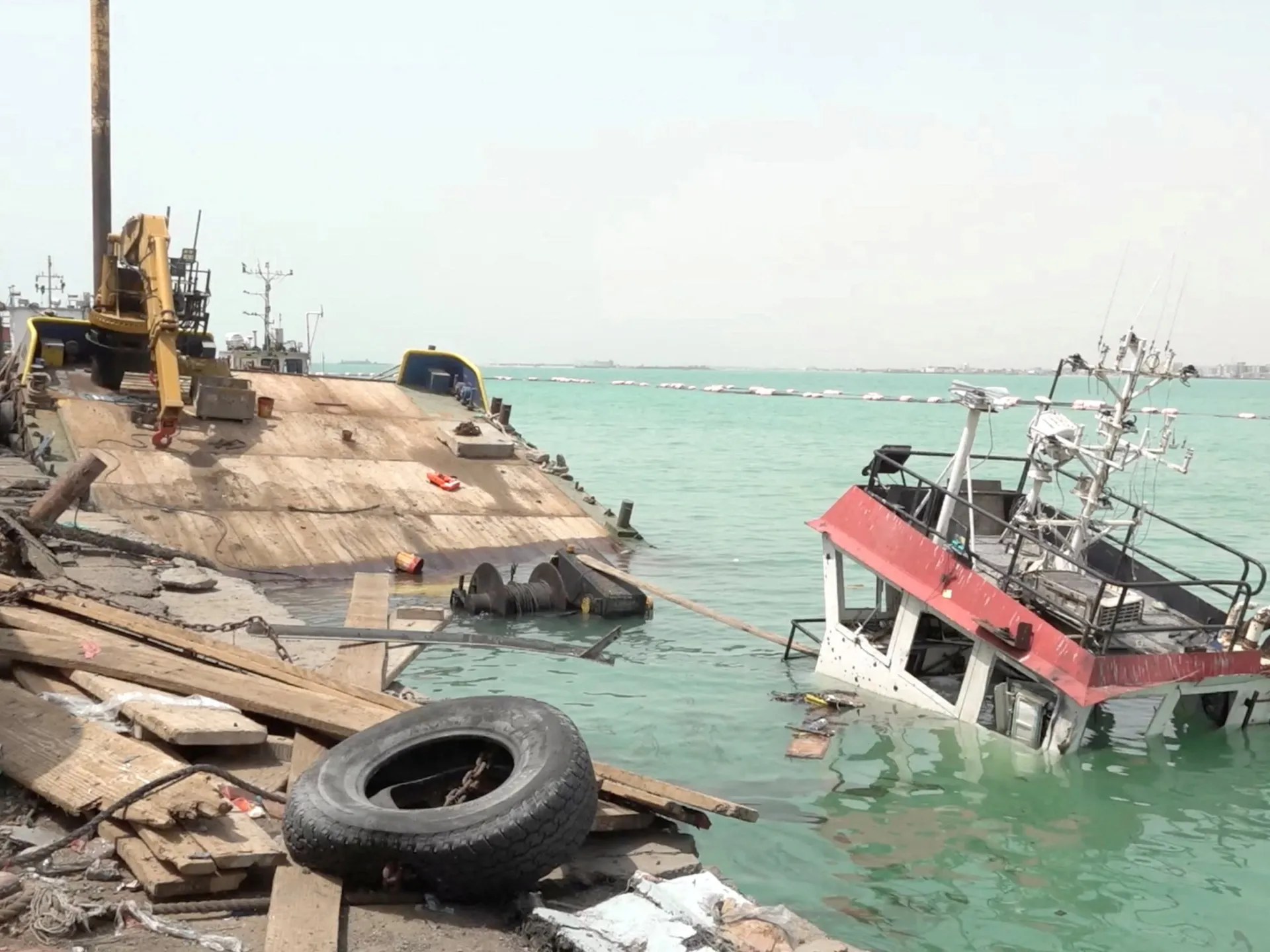
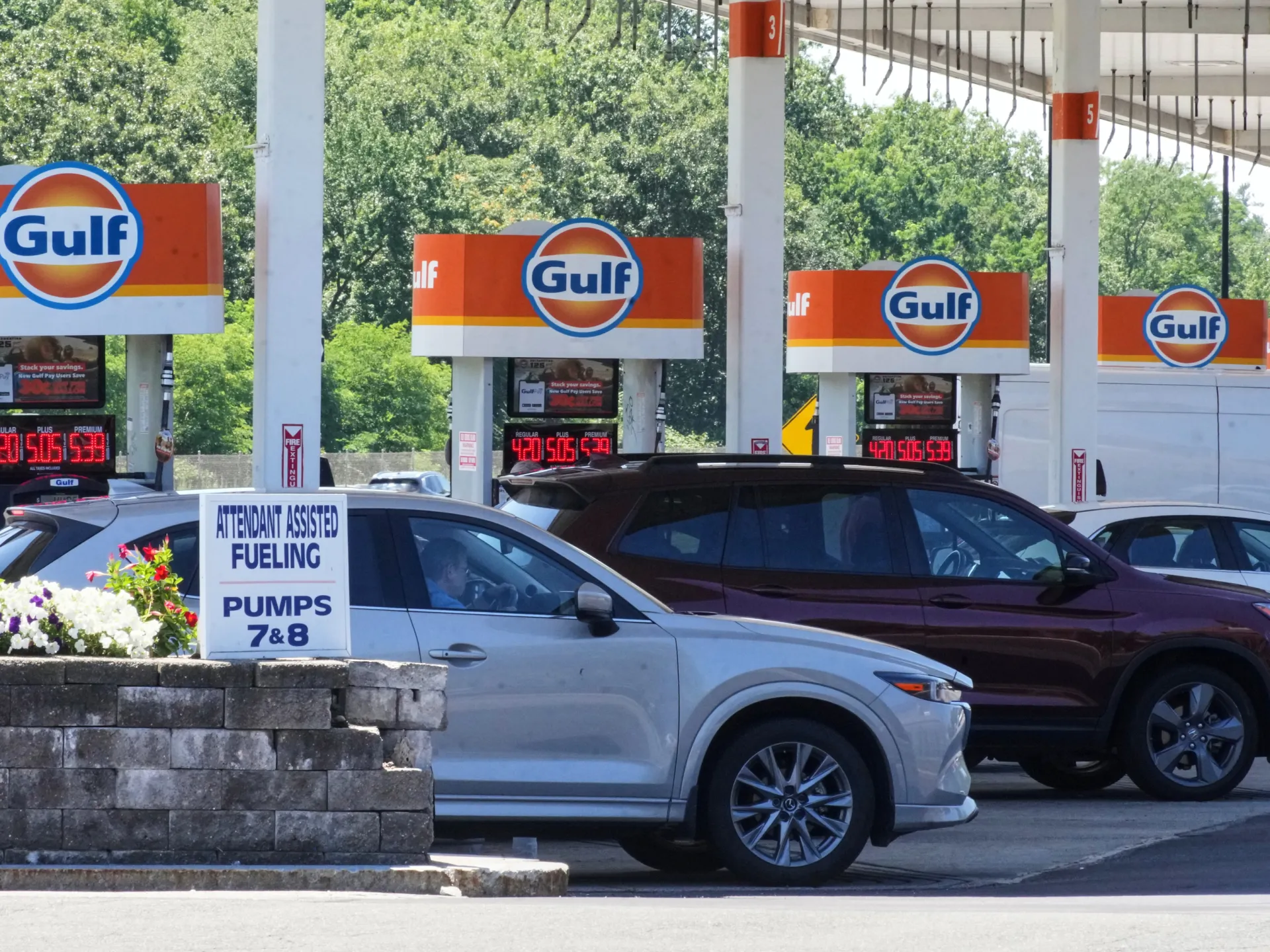
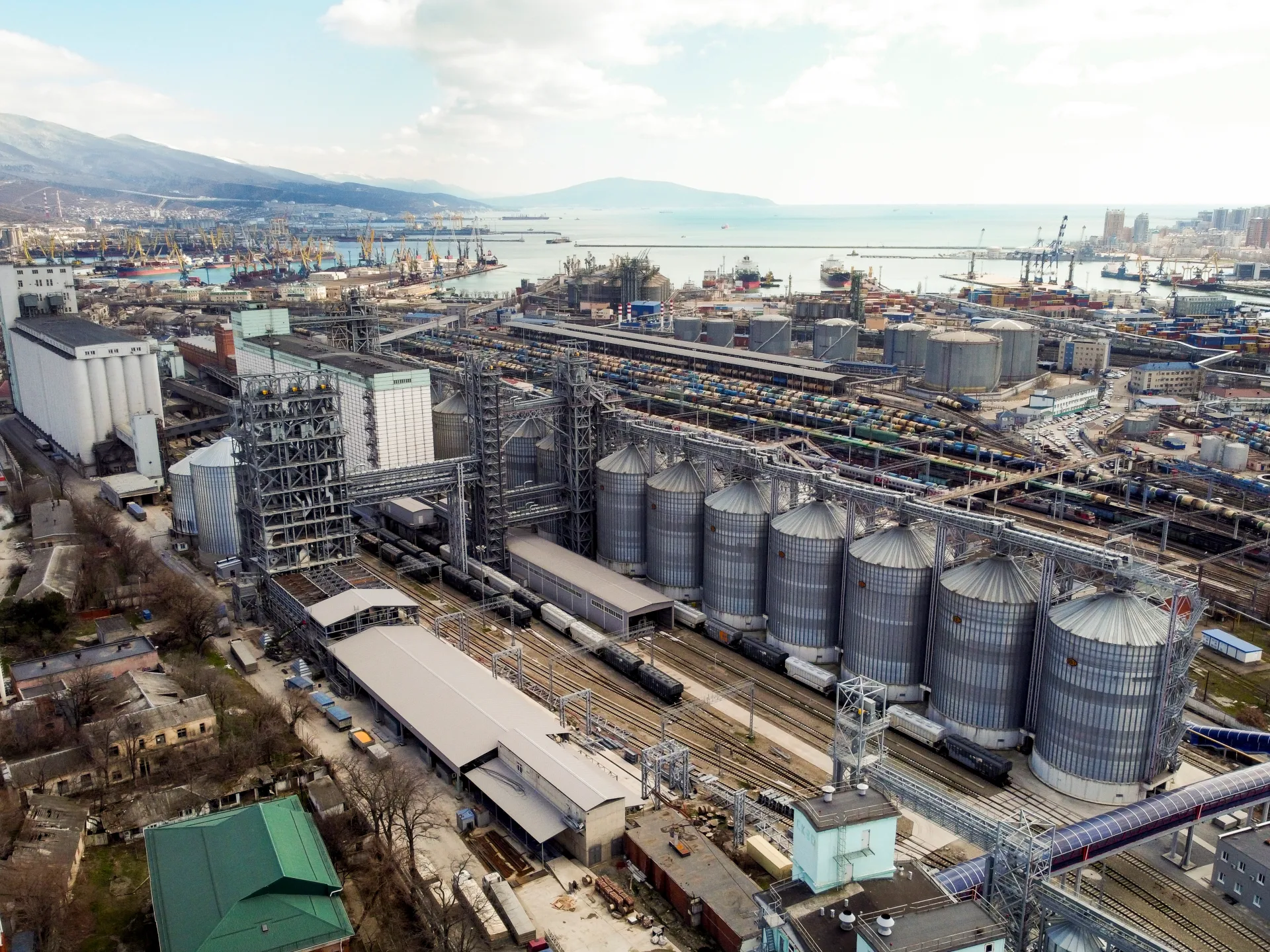
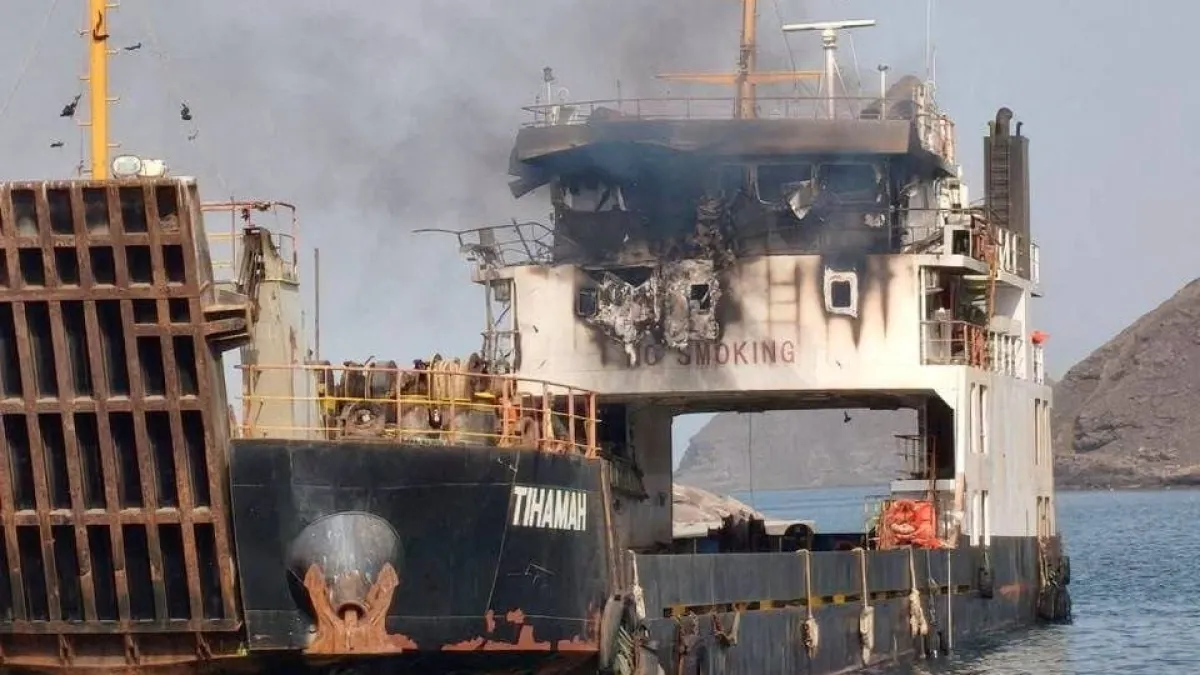
While the Kremlin seeks to project an image of orderly governance, the reality for many Russians is increasingly defined ncided with a major aerial assault, as Ukraine launched over 350 drones targeting Moscow and various oil infrastructure sites. These strikes have led to recurring fuel shortages and prompted authorities to enforce localized internet blackouts under the guise of national security. For citizens, the immediate anxieties of fuel lines and communication stability often overshadow the political theater unfolding on state television.
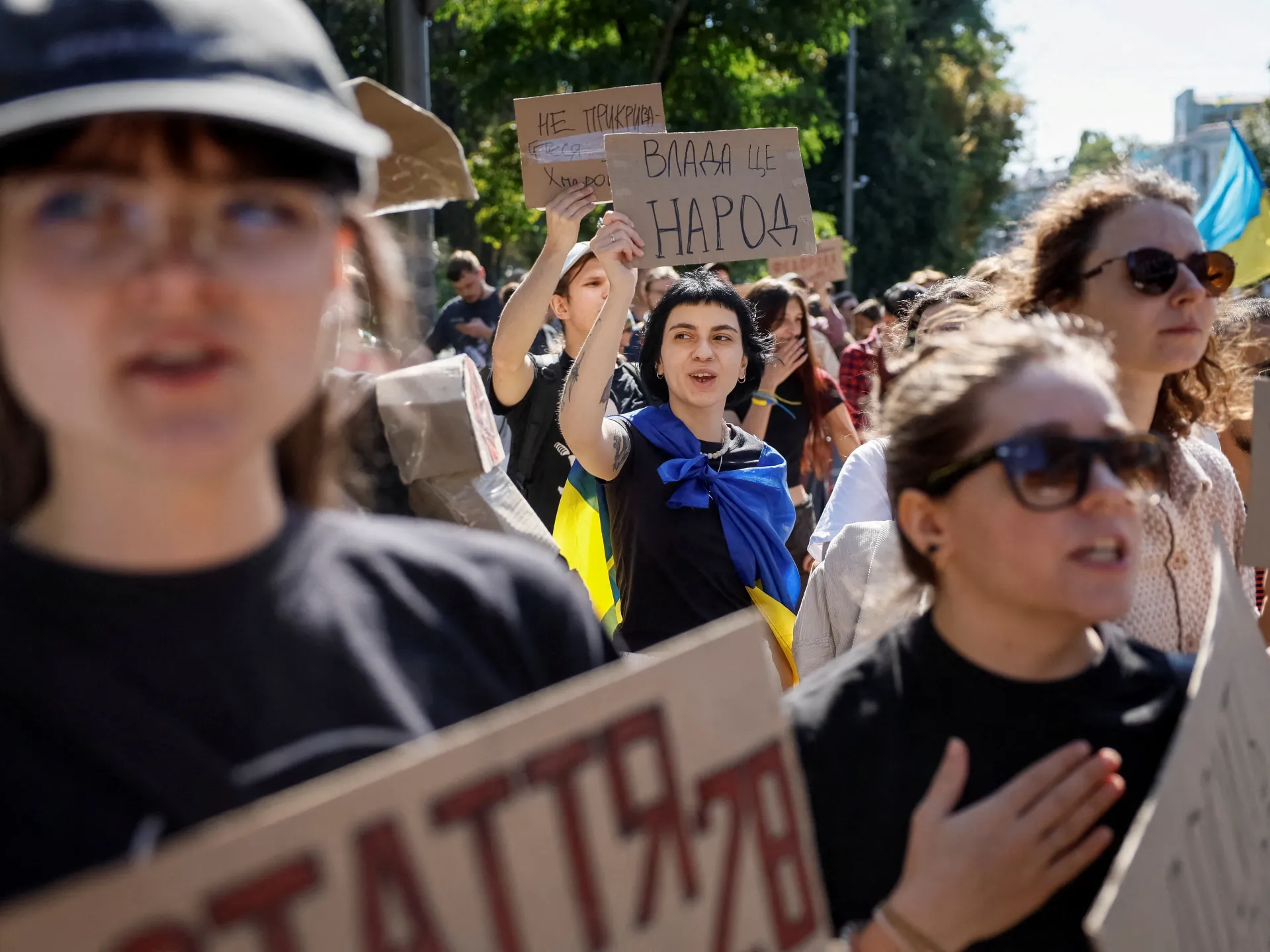
The suppression of dissent is total; there is no viable anti-war party on the ballot, and the environment is one where even mild nonconformity is discouraged. As the state demands loyalty, the economic consequences of the conflict—such as supply chain disruptions and the redirection of resources toward the front—have begun to fray the social contract that the current elections are designed to reinforce.
Following the conclusion of the voting process, it is highly probable that the Kremlin will utilize the results to declare a overwhelming public victory and a renewed, robust mandate for the continued prosecution of the war. With the Duma expected to remain under the firm control of the United Russia party and its loyalist allies, the legislative path forward will likely involve further militarization of domestic policy and the potential adoption of stricter national security measures to counter infrastructure-targeting drone strikes.
Looking ahead, the integration of nearly 200 war veterans into the political sphere suggests a long-term strategy to ensure that the legislative branch remains permanently aligned with the military establishment. Given the current lack of any institutional opposition, the government is likely to face minimal legislative friction, allowing it to bypass public debate on the economic costs of the war while focusing entirely on maintaining the state's narrative of national victory.