Israeli Culture Minister Miki Zohar has called for the revocation of citizenship for two filmmakers whose documentary alleges systemic civilian killings in Gaza.
The recent premiere of the documentary Naza at the Venice Film Festival has ignited a fierce political debate within Israel. The film, co-directed gence in targeting operations during the ongoing conflict in Gaza. It features testimony from 24 individuals identified as Israeli military and intelligence officers, who describe the mechanisms behind the IDF's targeting systems. The documentary claims that these systems have contributed to a high rate of civilian casualties, alleging that in some instances, strikes were approved to eliminate a single target despite the risk to hundreds of civilians.
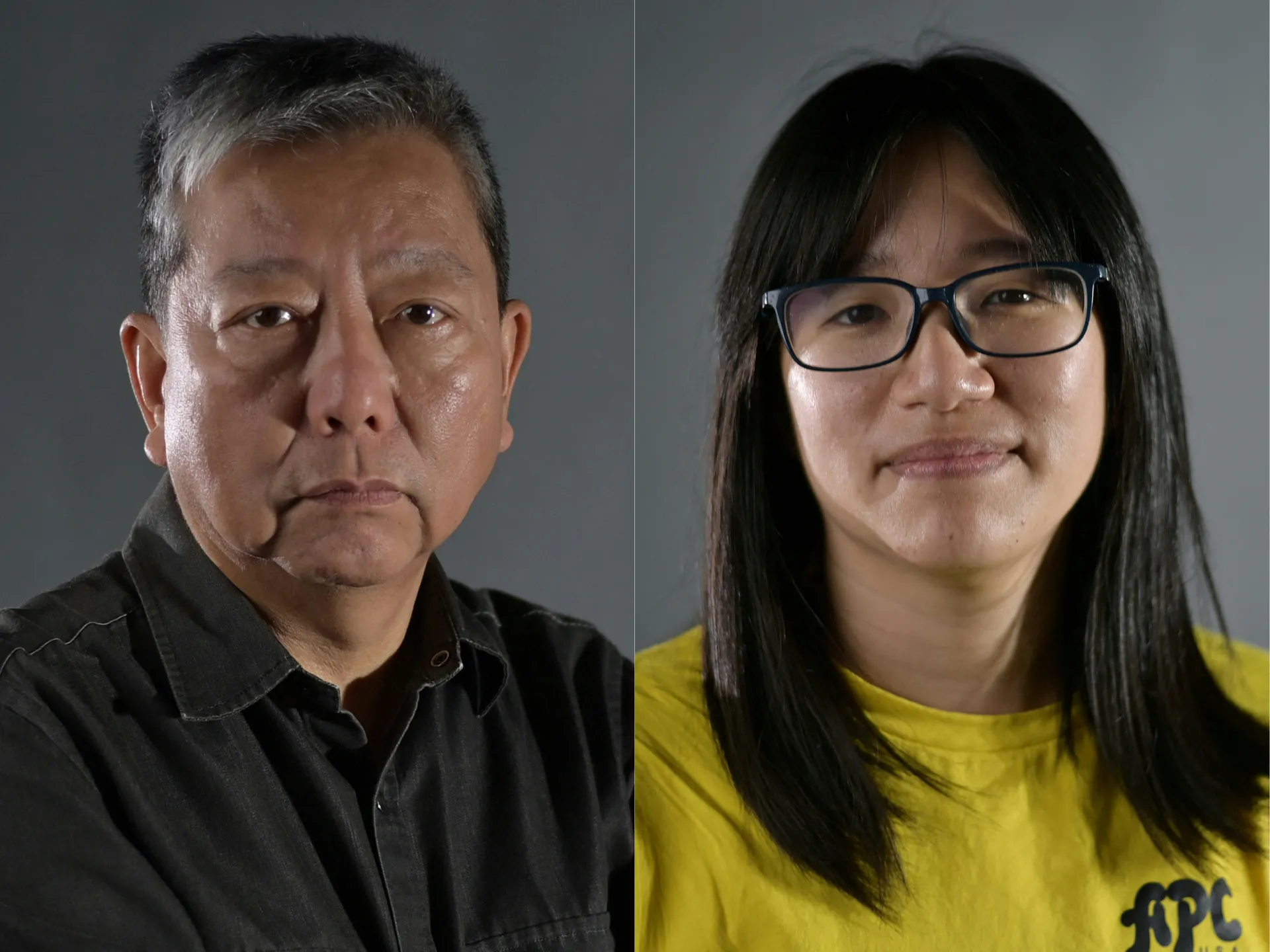
Following its debut, the film received a 25-minute standing ovation and was awarded a special jury prize. However, the reception within Israel has been starkly different, characterized an Oscar for their work on No Other Land, have positioned the documentary as an investigation into systemic military conduct rather than isolated incidents. Abraham has publicly stated that the project aims to expose the reality of the war, arguing that the high civilian death toll is a result of calculated policy rather than accidental occurrences.
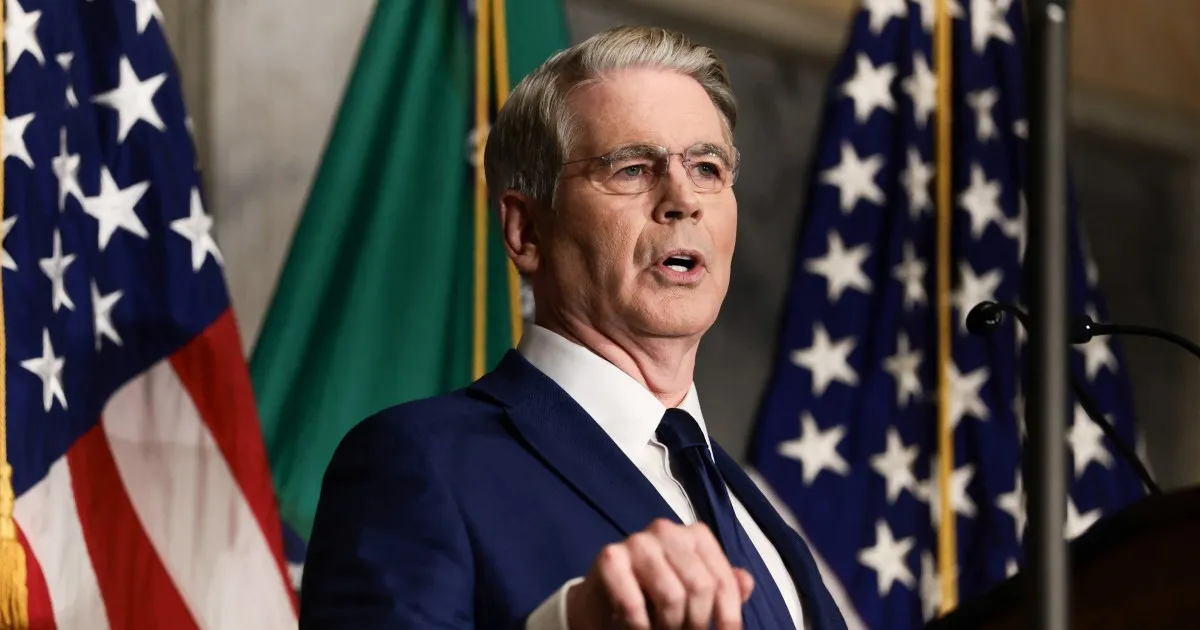
Culture Minister Miki Zohar has taken a hardline stance against the directors, formally requesting that authorities investigate the production for potential acts of treason. Zohar has petitioned the Interior Ministry to consider revoking the citizenship of Abraham and Szor, citing the Citizenship Law, which allows for such measures in cases involving a breach of allegiance to the state. The minister explicitly rejected the film’s narrative, labeling the allegations as distorted and harmful to the international reputation of the Israel Defense Forces (IDF).
The legal threat highlights a growing tension between the government and domestic critics of the war effort. While the provision for revoking citizenship is part of existing Israeli law, it is rarely invoked, making Zohar’s request a significant escalation in the political discourse. The minister’s post on social media platforms emphasized the need to determine how the filmmakers obtained their materials and whether their actions during the wartime period could be classified as aiding the enemy.
The IDF has responded to the film n issued a statement challenging the claims presented in the promotional materials and the segments of the film that have been made public. The military has invited the filmmakers to screen the full documentary for IDF representatives, suggesting that such a session would allow for a substantive discussion regarding the specific accusations raised
Prominent political figures, including former Prime Minister Naftali Bennett and former Defence Minister Avigdor Lieberman, have also weighed in, characterizing the documentary as a defamatory campaign against Israeli soldiers. Despite this pressure, the filmmakers have found support within the international and domestic arts community. A petition signed arguing that the filmmakers are the subjects of an organized campaign of incitement designed to stifle legitimate inquiry into military conduct.
The clash over Naza reflects deeper divisions regarding the role of media and creative expression during times of conflict. Supporters of the film, such as screenwriter Shlomi Elkabetz, argue that the questions raised ther than suppression. They contend that the film provides a necessary internal critique of military policy, which they believe is essential for a transparent society, even in the midst of a war.
Conversely, government officials maintain that the film serves to undermine national security and delegitimize the state’s efforts to defend itself. As the documentary awaits a wider public release, the debate shows little sign of abating. The legal and political maneuvering surrounding the project underscores the high stakes involved when artistic expression intersects with the sensitive and volatile realities of modern warfare and national identity.