A surge in Ebola cases in the Democratic Republic of the Congo has reached a critical phase, with health officials struggling to contain the rapid spread.
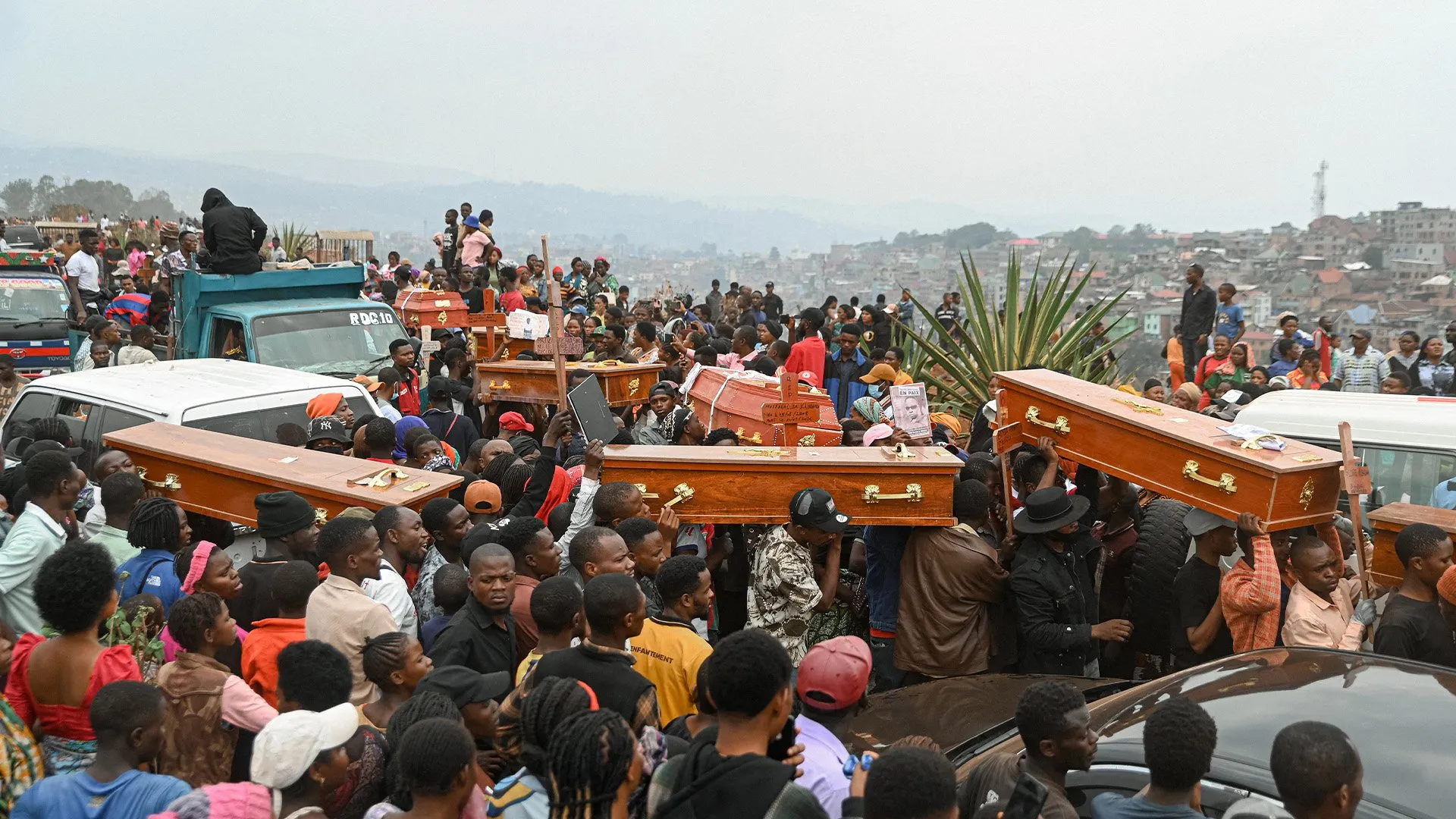
The Democratic Republic of the Congo (DRC) is currently grappling with a severe Ebola outbreak that has claimed the lives of 2,000 individuals. Public health officials and international aid organizations have expressed grave concern as the virus demonstrates a transmission velocity that significantly surpasses any previously documented epidemic. This rapid acceleration has placed immense pressure on existing containment frameworks, which are currently struggling to keep pace with the geographic expansion of the disease.
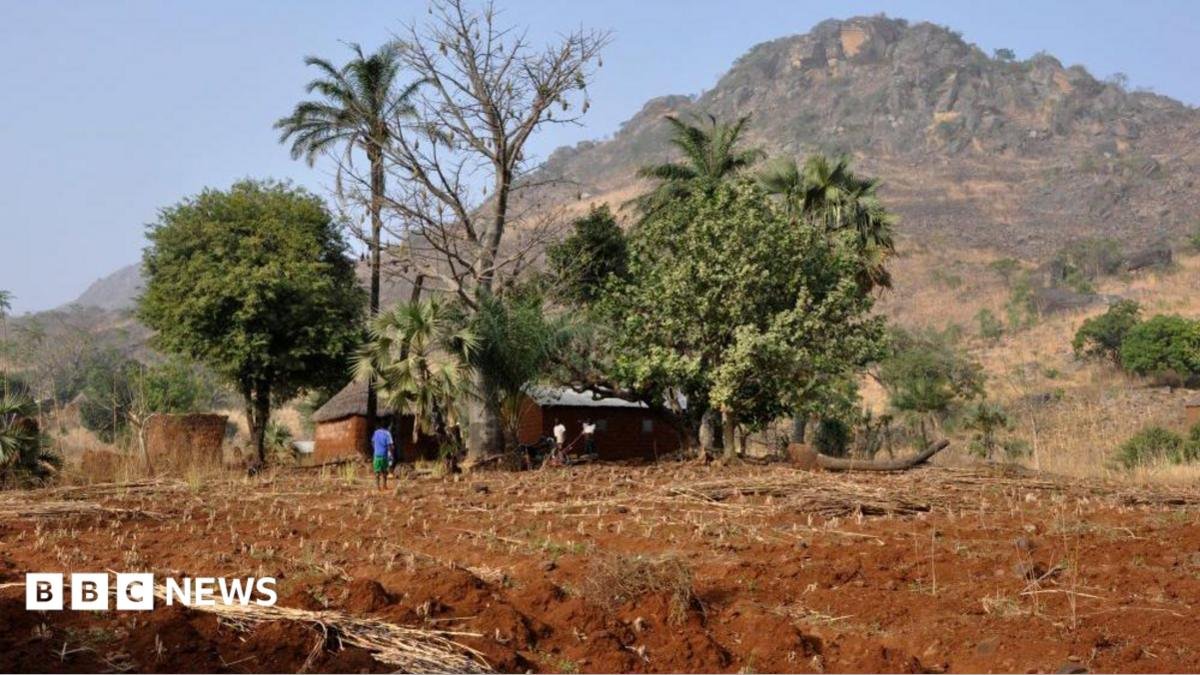
According to experts from the World Health Organization, the current trajectory of the outbreak is unprecedented. While historical efforts to manage Ebola have often relied on established protocols of isolation and contact tracing, the current situation in the northeastern region of the DRC is testing the limits of these strategies. The virus appears to be moving through communities more efficiently, complicating the ability of healthcare workers to identify and isolate cases before further transmission occurs.
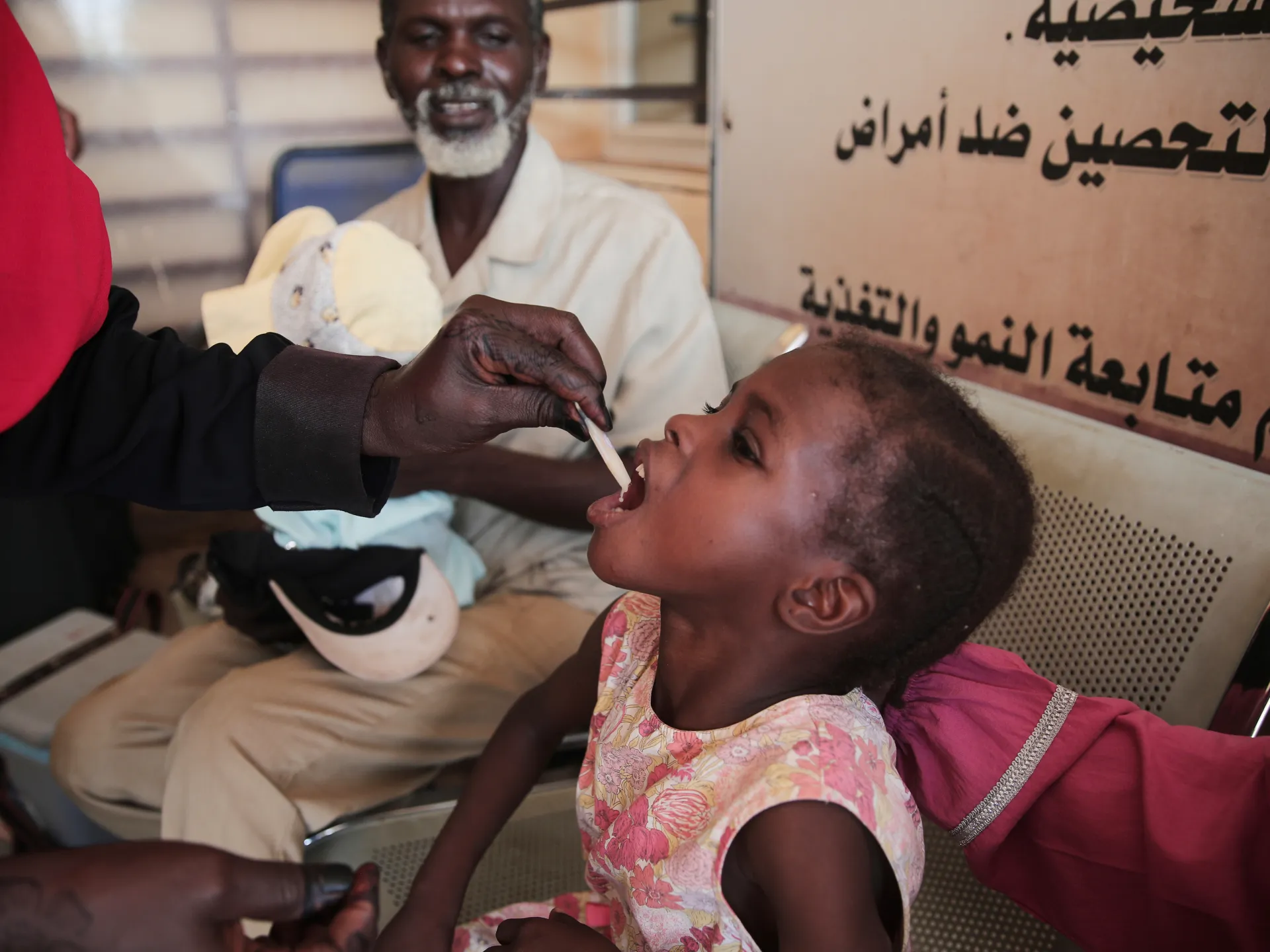
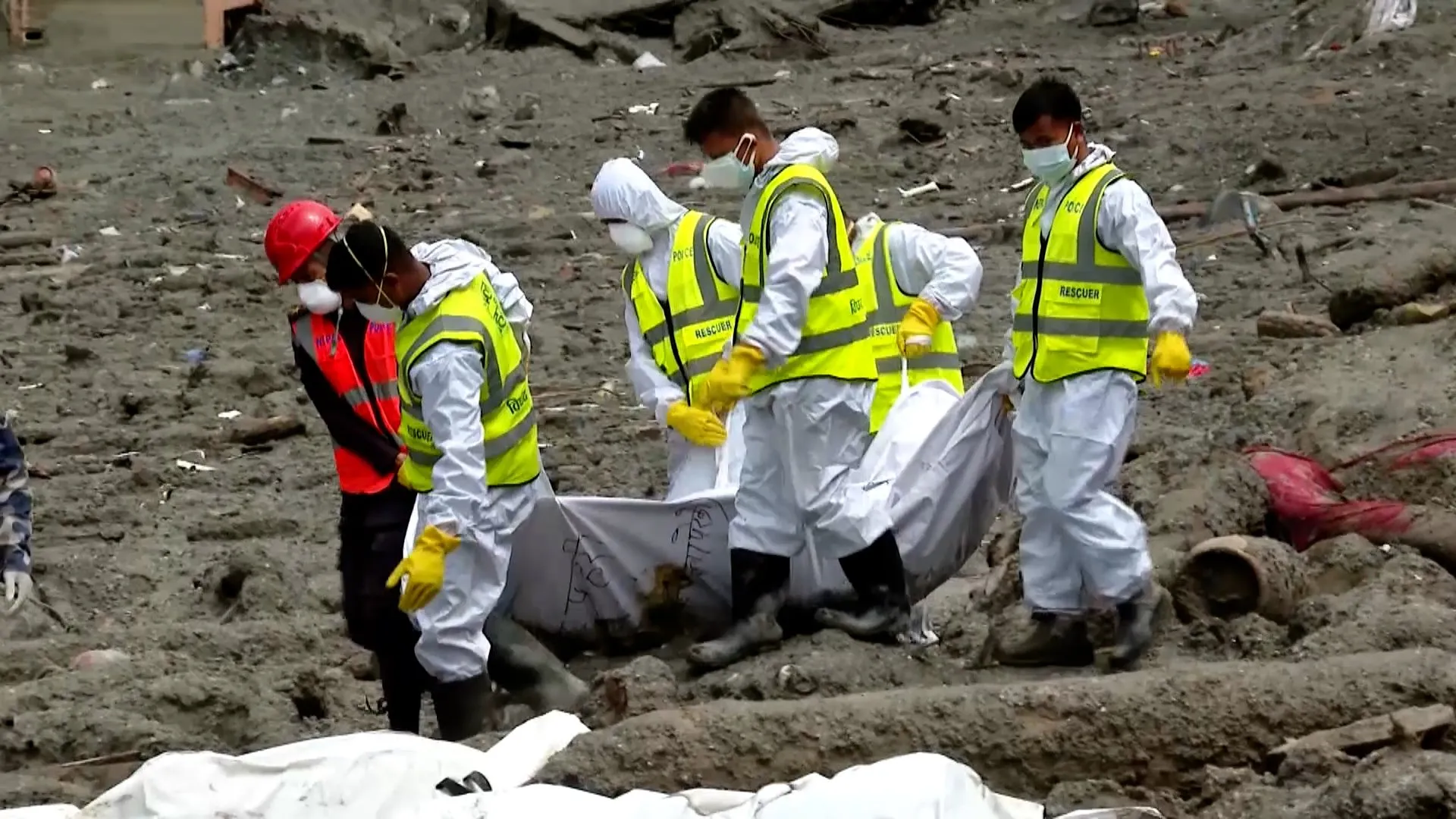
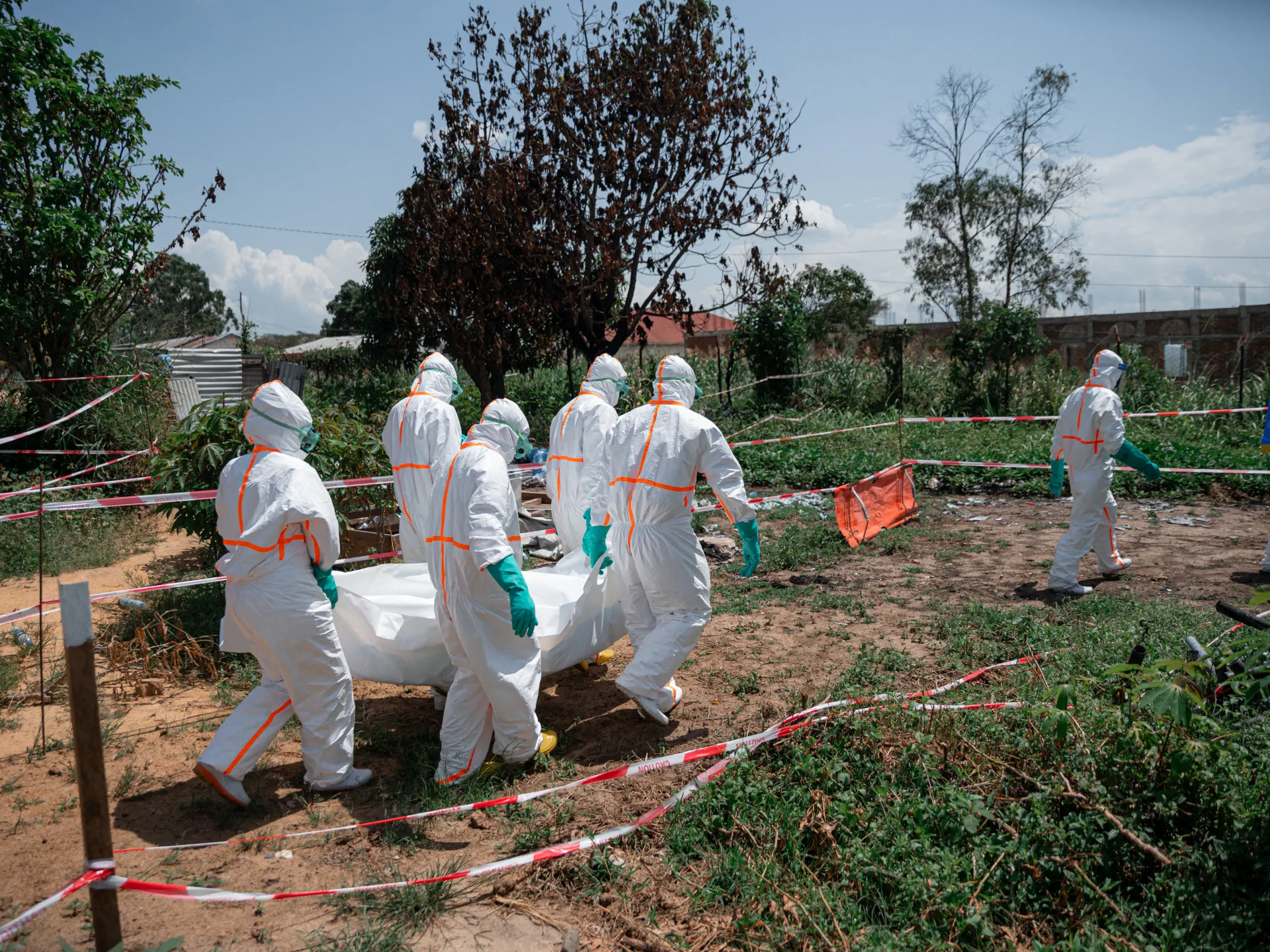
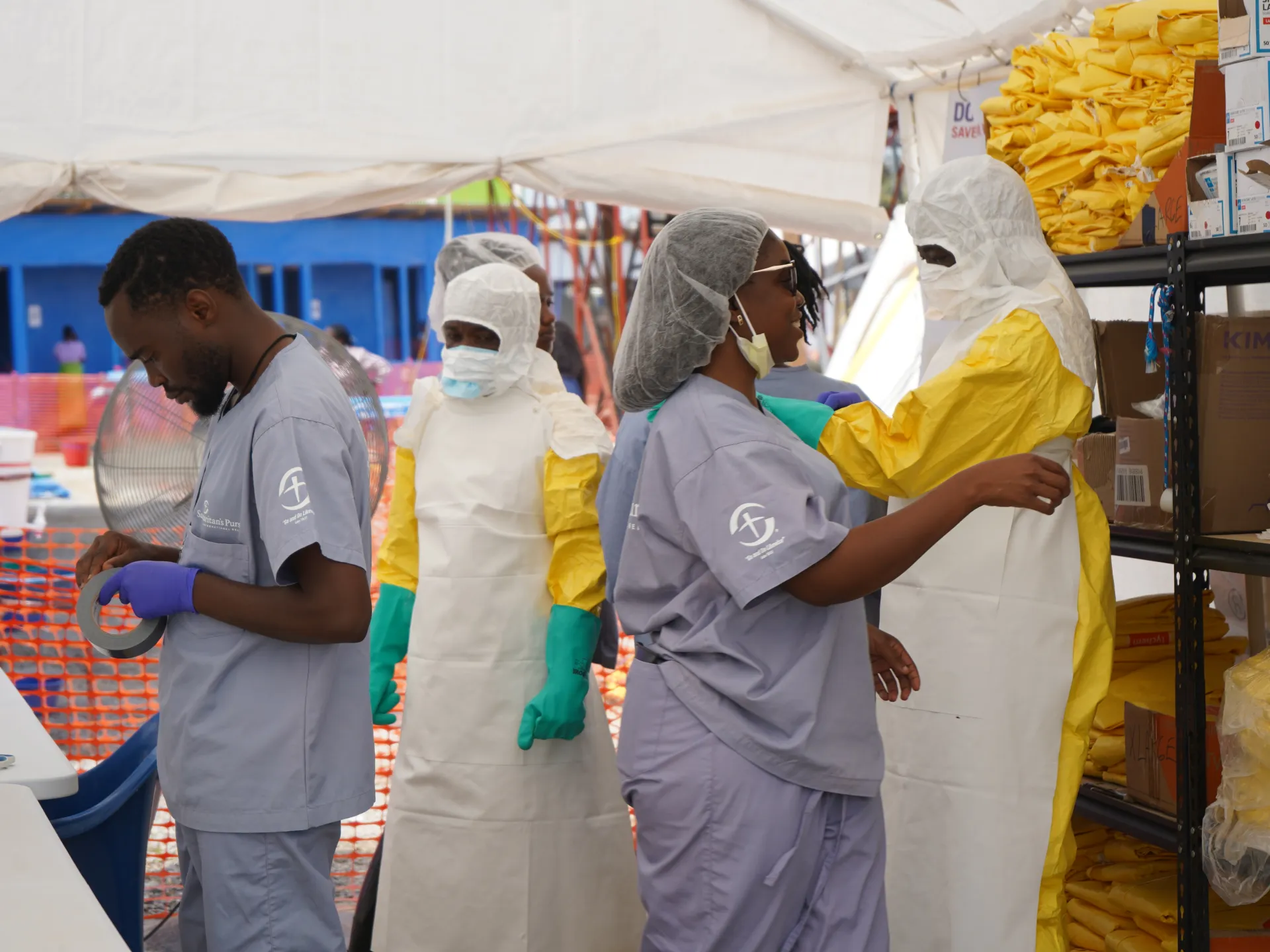
The efficacy of medical interventions is being hampered ola typically require a highly coordinated response that includes rapid diagnosis, safe burial practices, and the rigorous monitoring of contacts. When an outbreak outpaces these measures, the result is an exponential increase in new cases, which in turn exhausts the human and physical resources available to medical teams on the ground.
International aid agencies are working alongside local health authorities to stabilize the situation, but the logistical hurdles remain significant. Providing medical care in remote or conflict-affected areas requires a level of infrastructure and security that is difficult to maintain during a health crisis of this magnitude. Furthermore, the psychological toll on the affected populations and the strain on existing healthcare facilities have created a complex environment that demands a more adaptive and better-funded response strategy.
Addressing an outbreak of this scale requires more than just medical supplies; it necessitates a comprehensive approach that integrates community engagement with advanced epidemiological surveillance. Experts emphasize that the failure to contain the virus early has allowed it to establish a foothold in diverse locations, making the task of eradication substantially more difficult. The international community is being urged to bolster its support, providing not only financial resources but also specialized personnel capable of navigating the unique challenges posed
As the death toll continues to rise, the discourse among global health leaders has shifted toward identifying the specific drivers of this rapid spread. Whether it is a result of increased population mobility, limitations in community trust, or the sheer virulence of the current strain, understanding these factors is essential for adapting future responses. Without a significant shift in the pace of containment efforts, there is a legitimate fear that the crisis could extend even further, impacting neighboring regions and demanding a larger international intervention.
The ongoing tragedy in the DRC serves as a stark reminder of the vulnerability of global health systems when faced with highly infectious pathogens. The lessons learned from this crisis will likely inform future pandemic preparedness, highlighting the necessity of resilient local health systems that can detect and report outbreaks at the earliest possible stage. Strengthening the link between local frontline workers and global health organizations remains a primary objective for those involved in the current response.
Ultimately, the objective of the collective international effort is to break the chain of transmission and provide life-saving care to those affected. d efficiently to the areas of greatest need, stakeholders hope to stabilize the region. However, the path forward remains precarious, and the global health community must remain vigilant as they work to prevent further loss of life in the face of this persistent and aggressive threat.