A sudden fuel price hike in Yemen is triggering widespread inflation, deepening the country's humanitarian crisis and threatening the food security of millions.
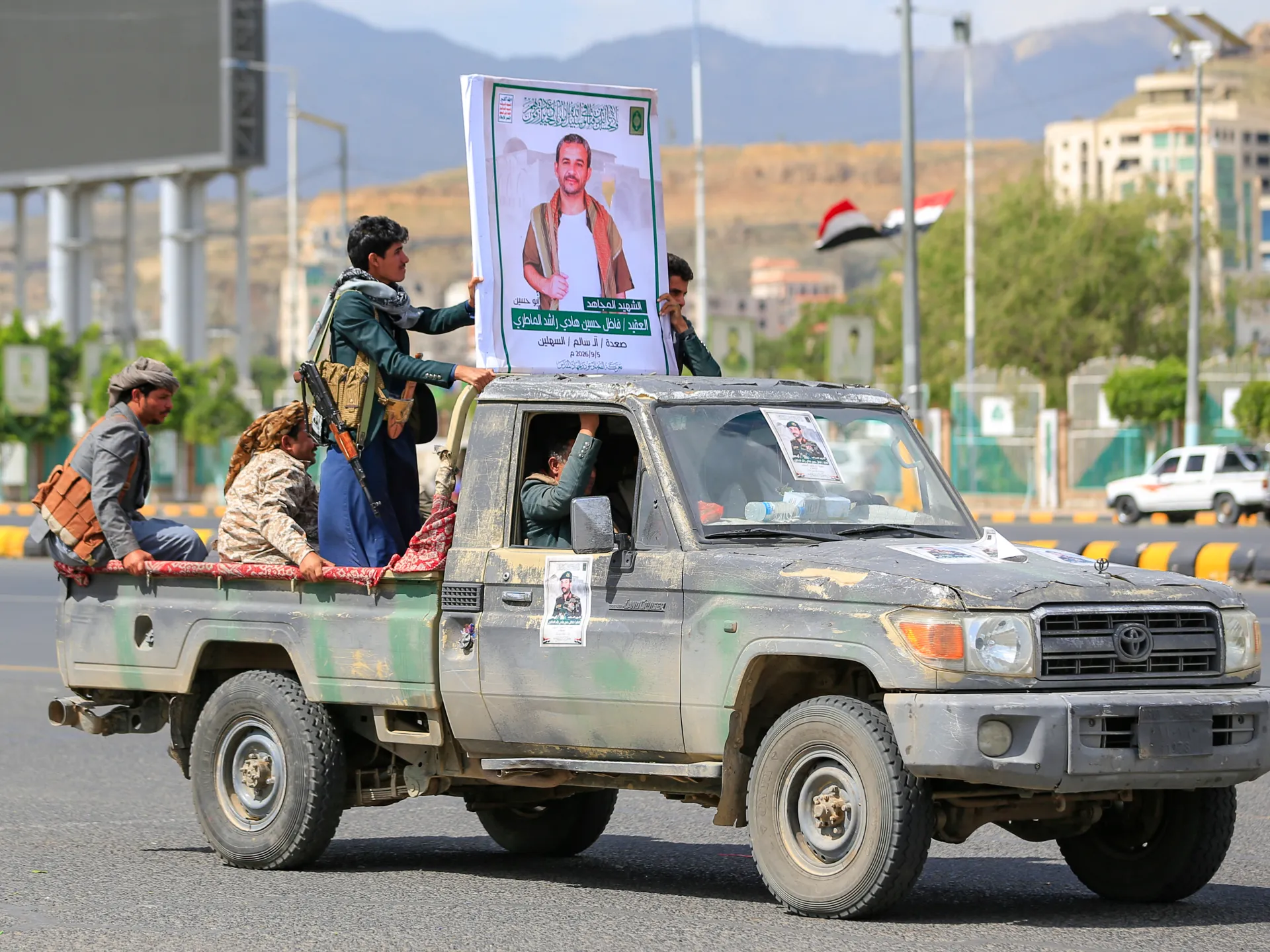
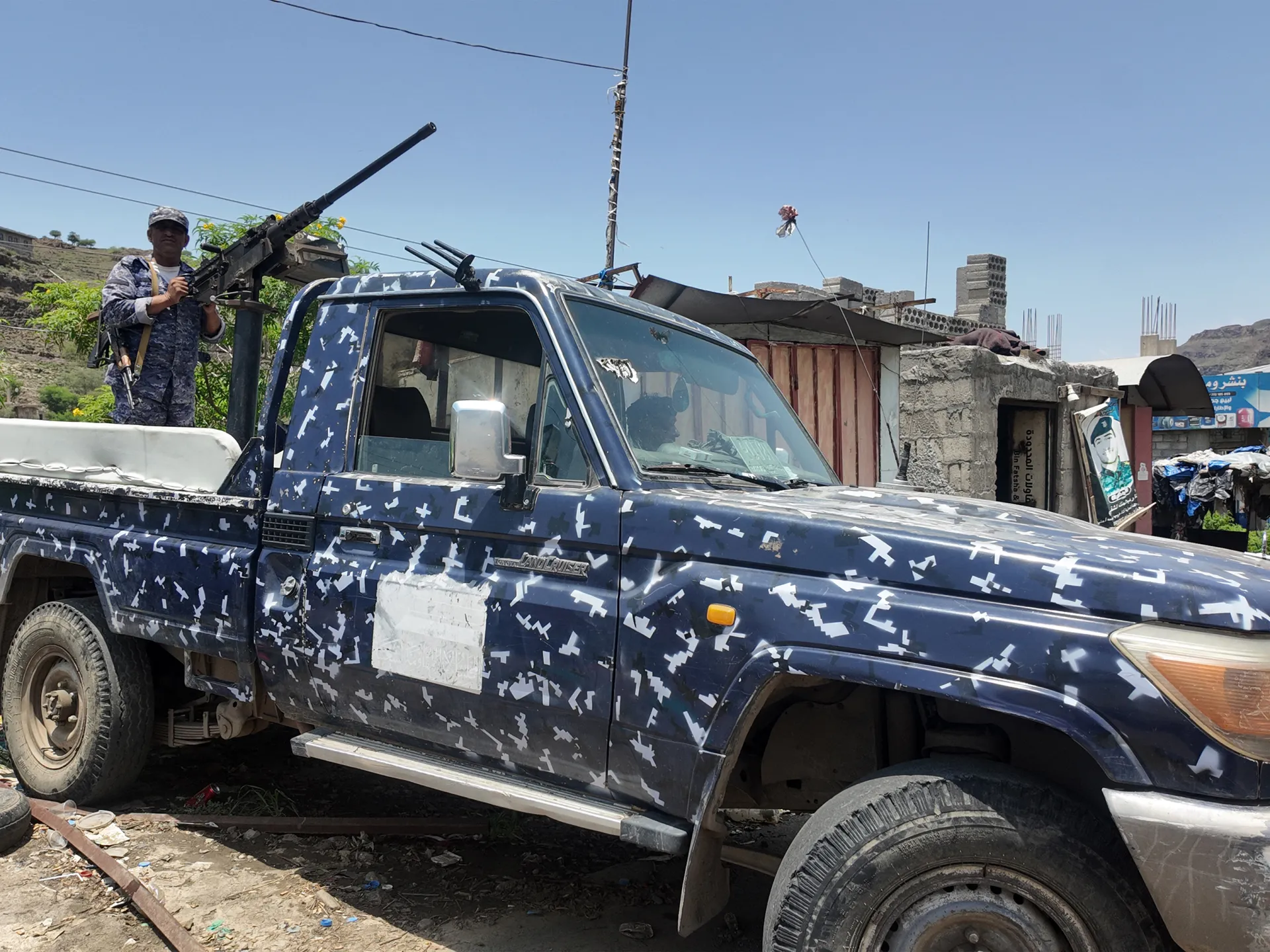
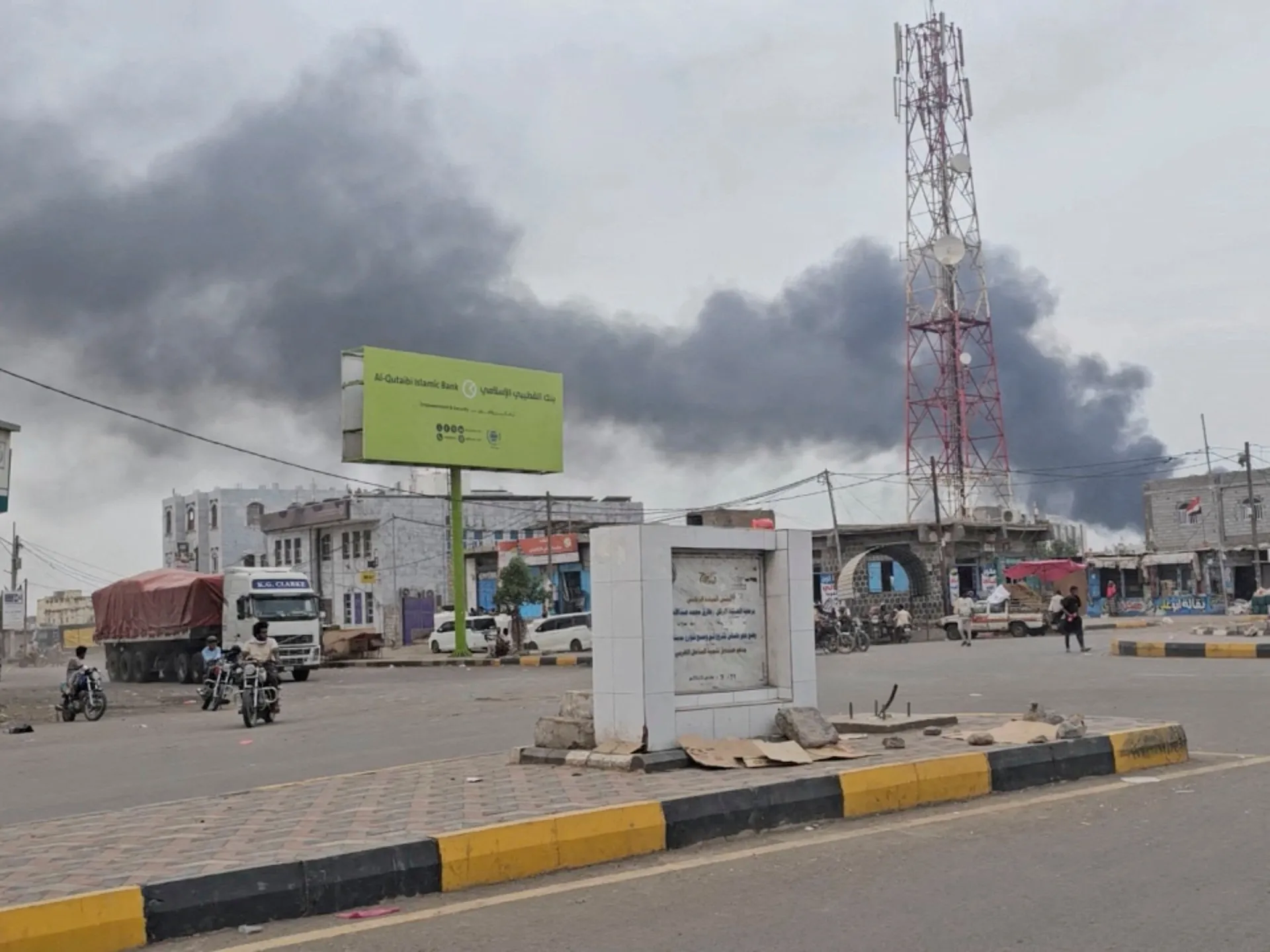
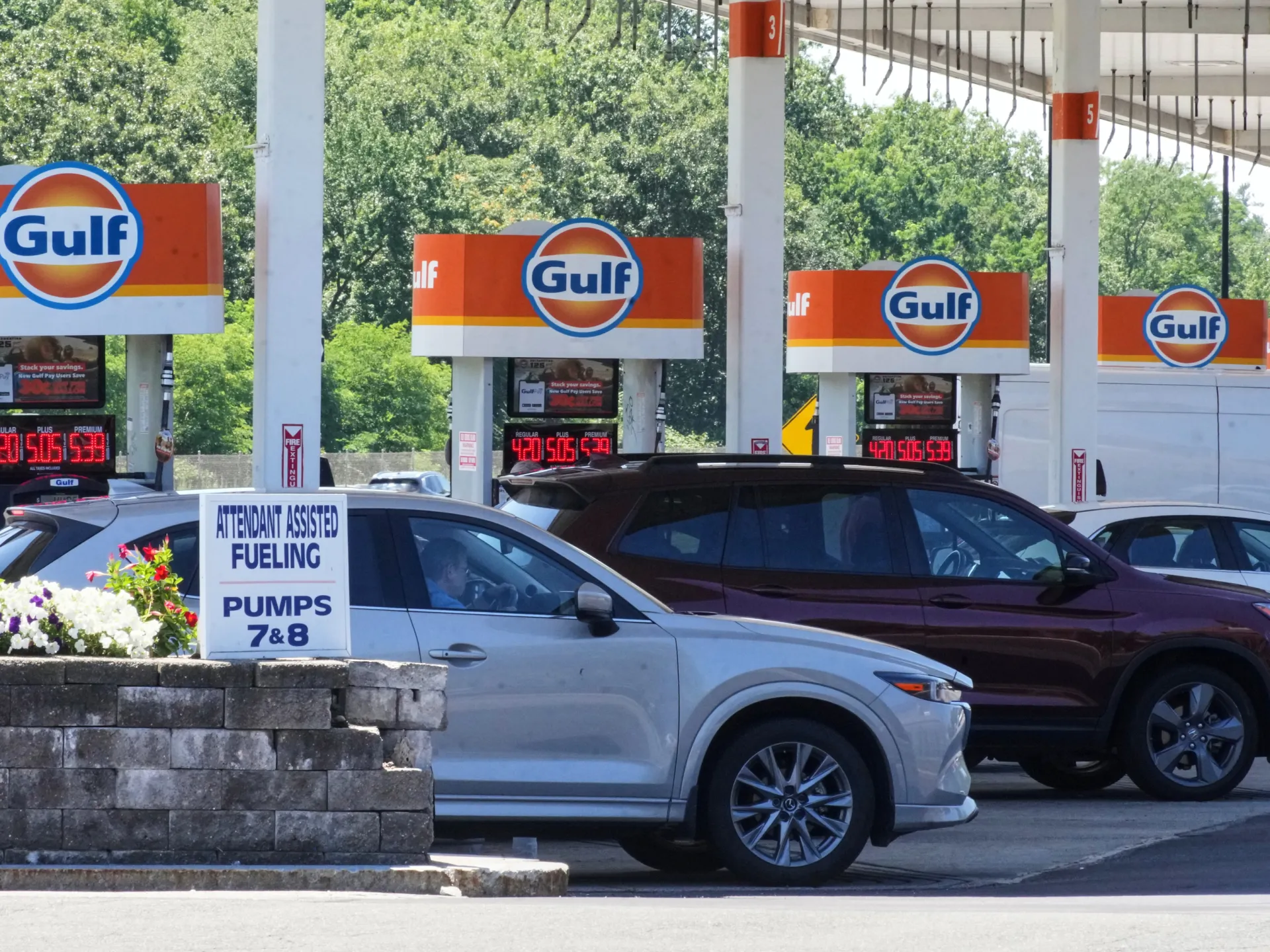
For residents living in Houthi-controlled territories, including the capital city of Sanaa, a recent announcement has introduced a new layer of economic despair. Local authorities have implemented a 10 percent increase in the price of petrol, a move that is being felt immediately als like local taxi drivers, who have operated under stable fuel prices for the better part of four years, the sudden shift represents a significant blow to their already precarious financial stability.
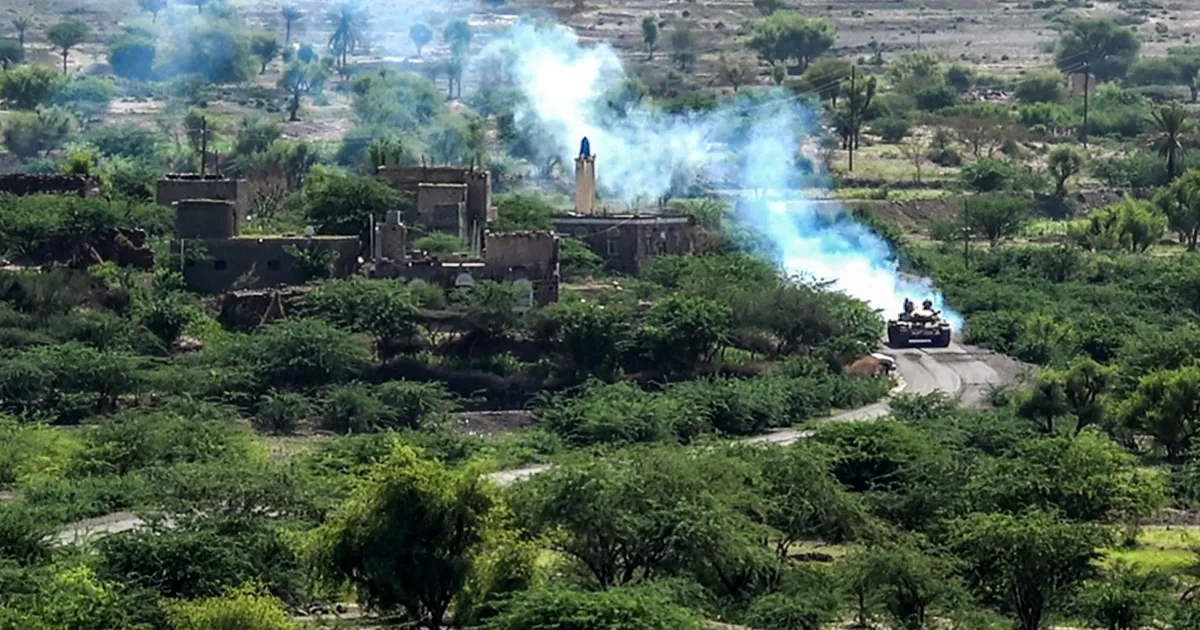
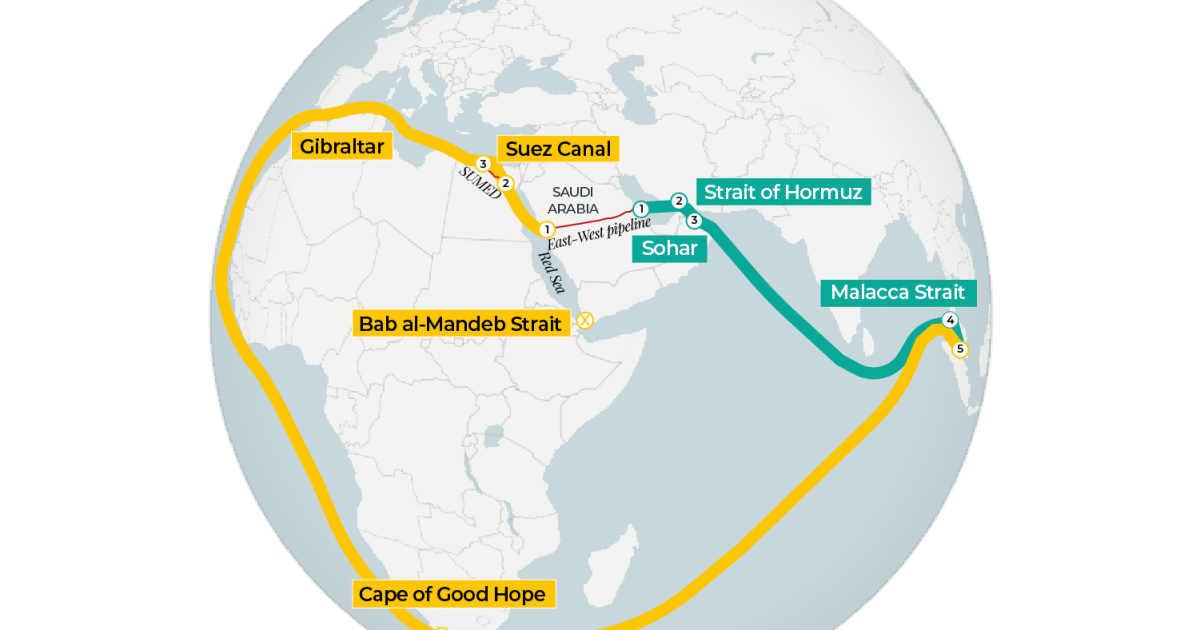
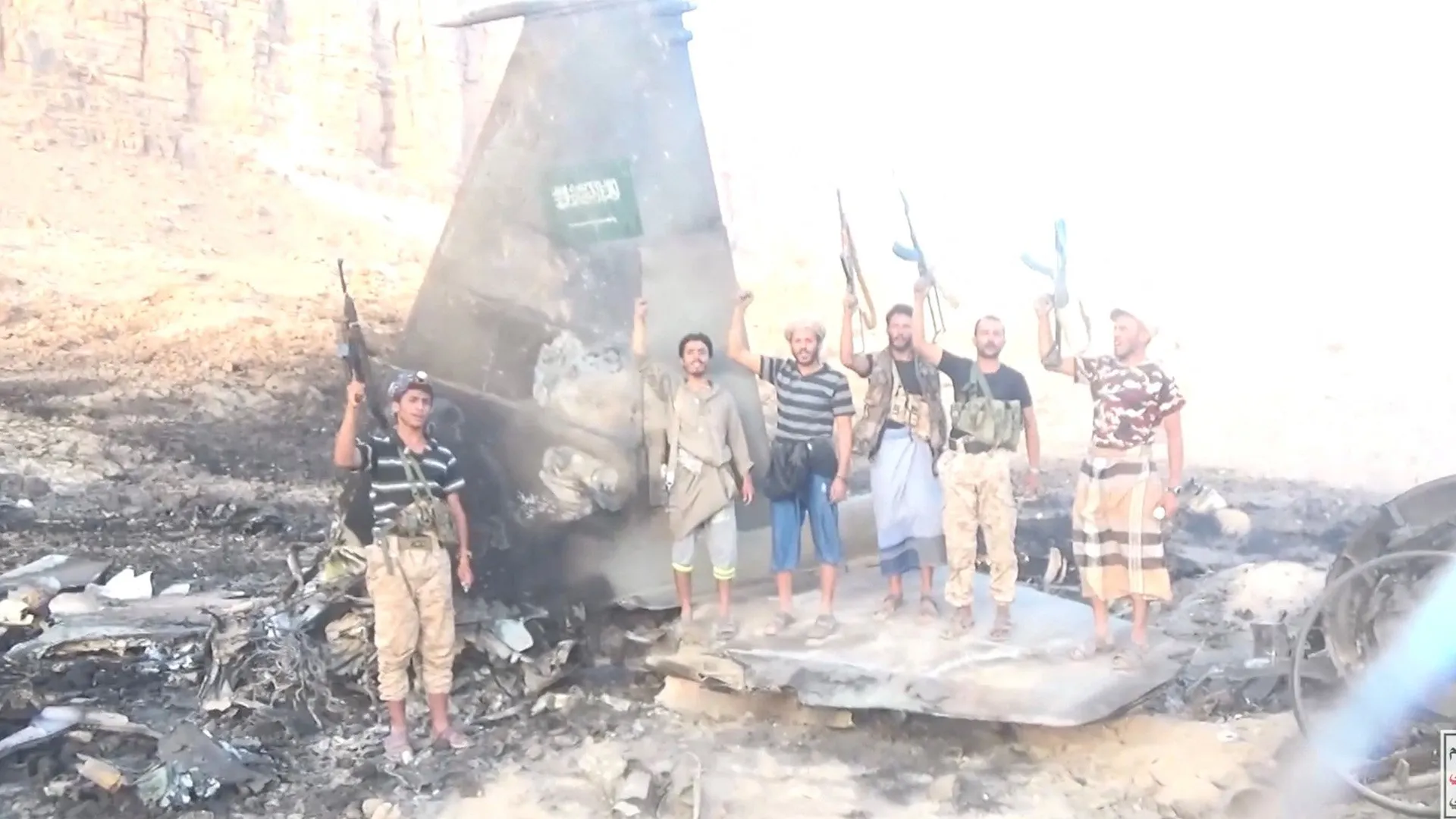
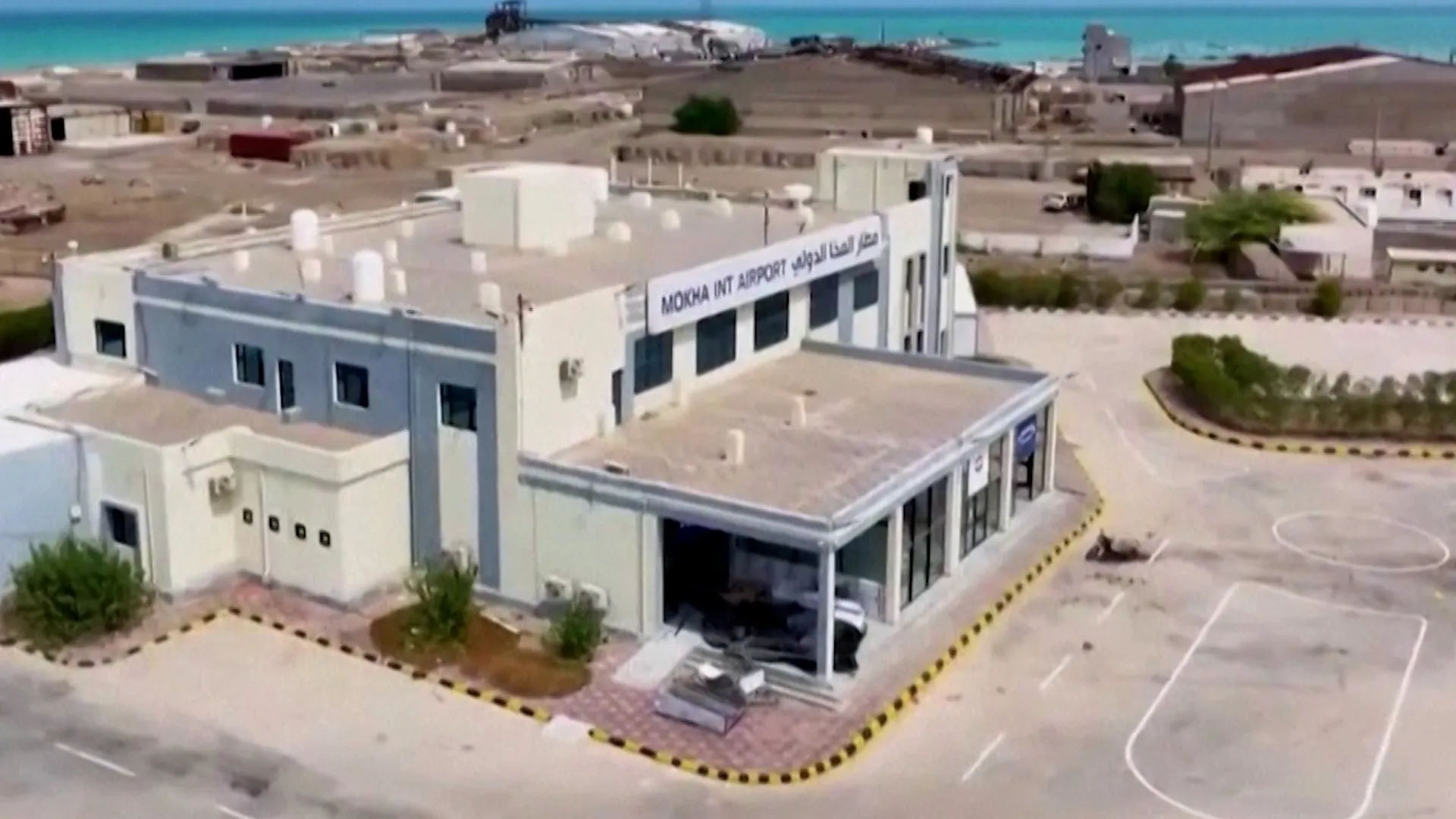
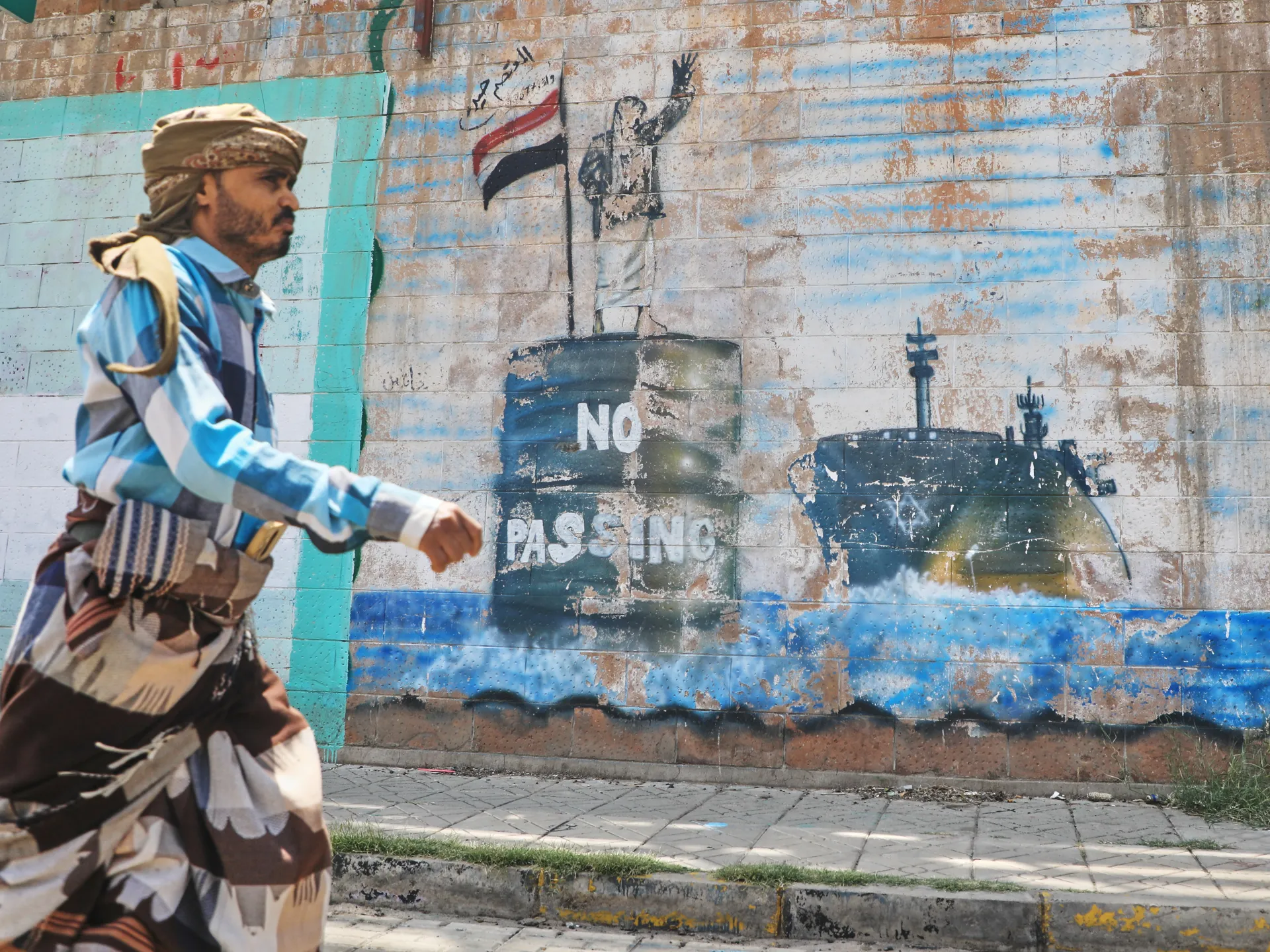
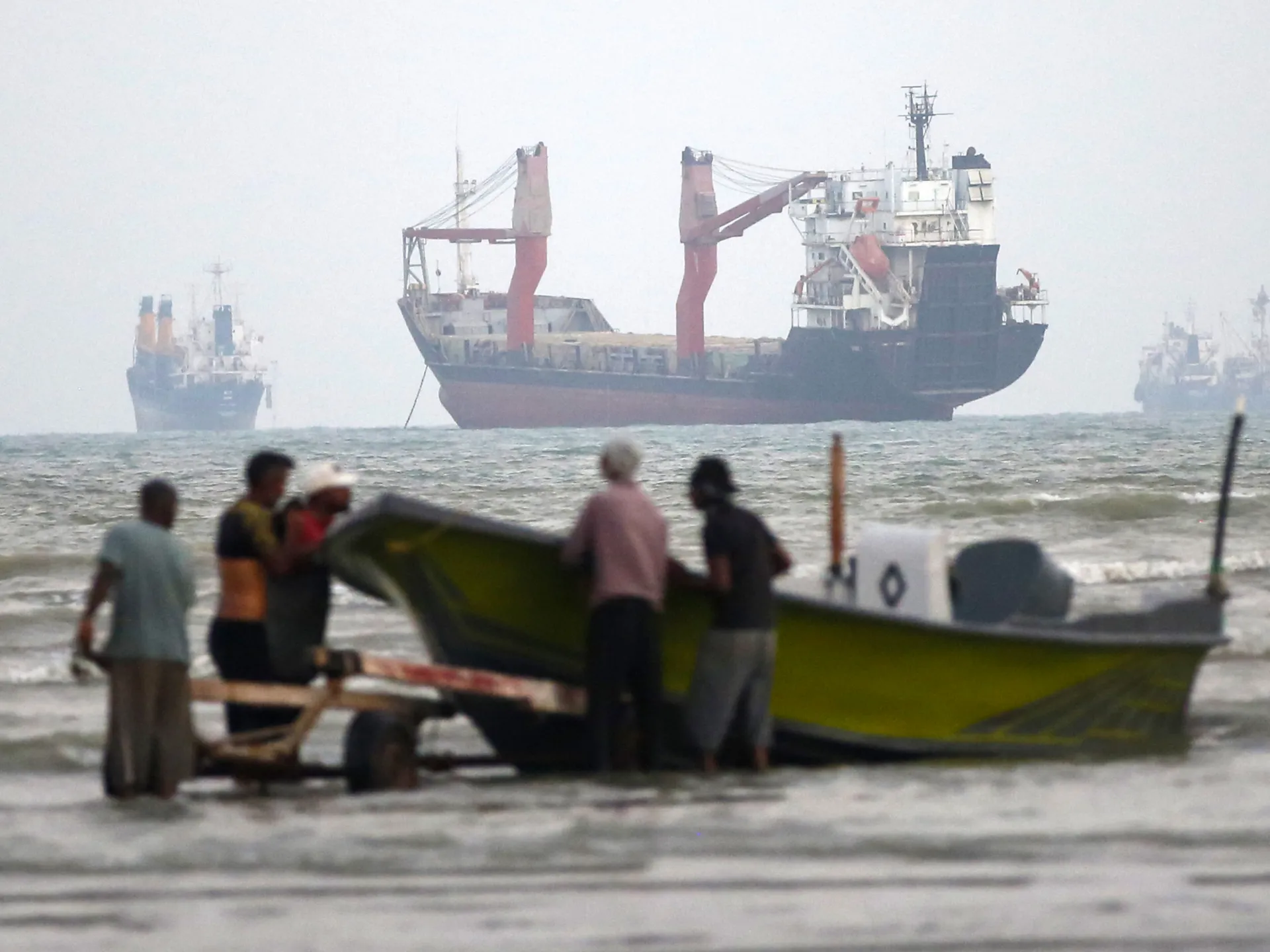
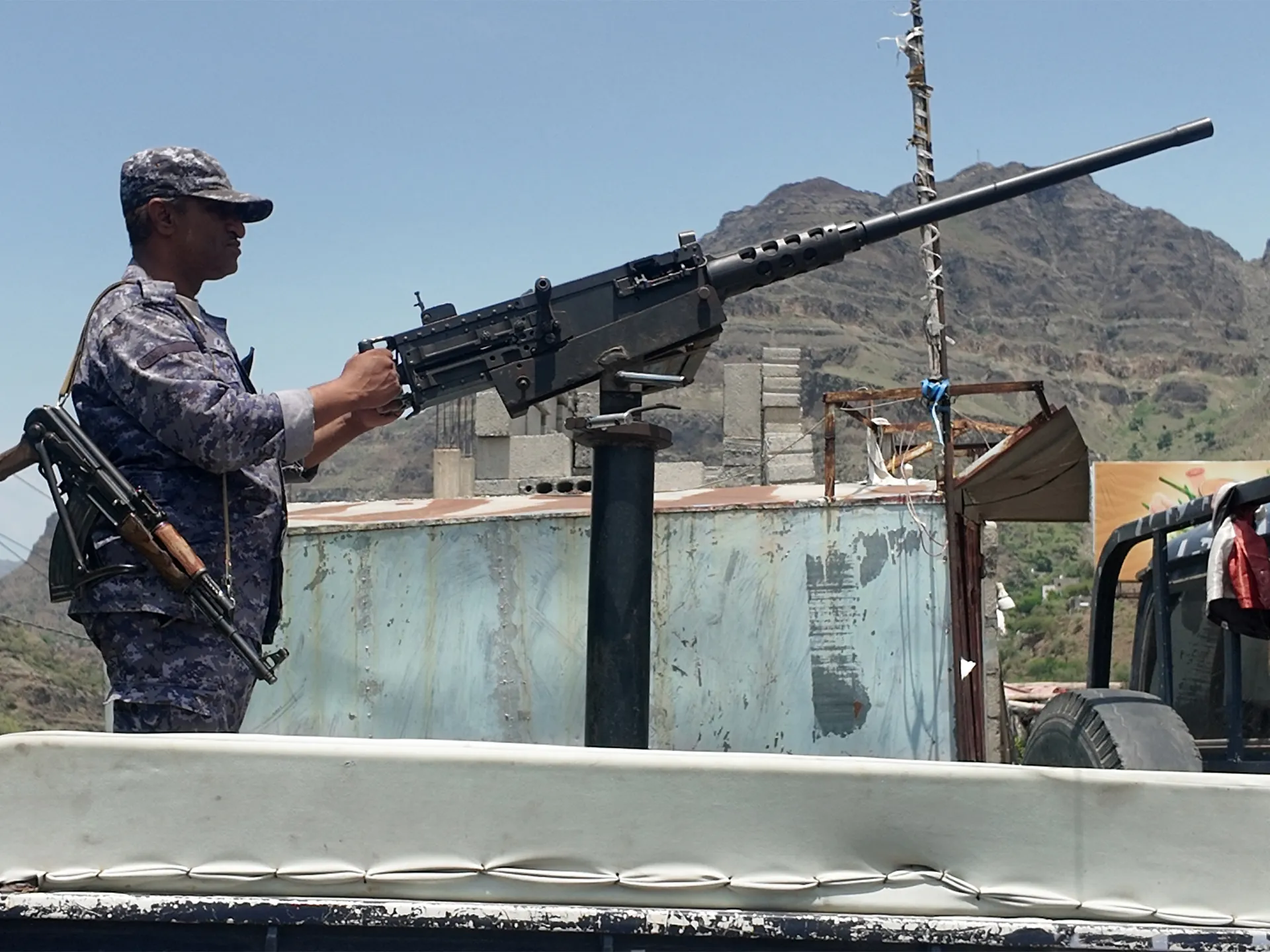
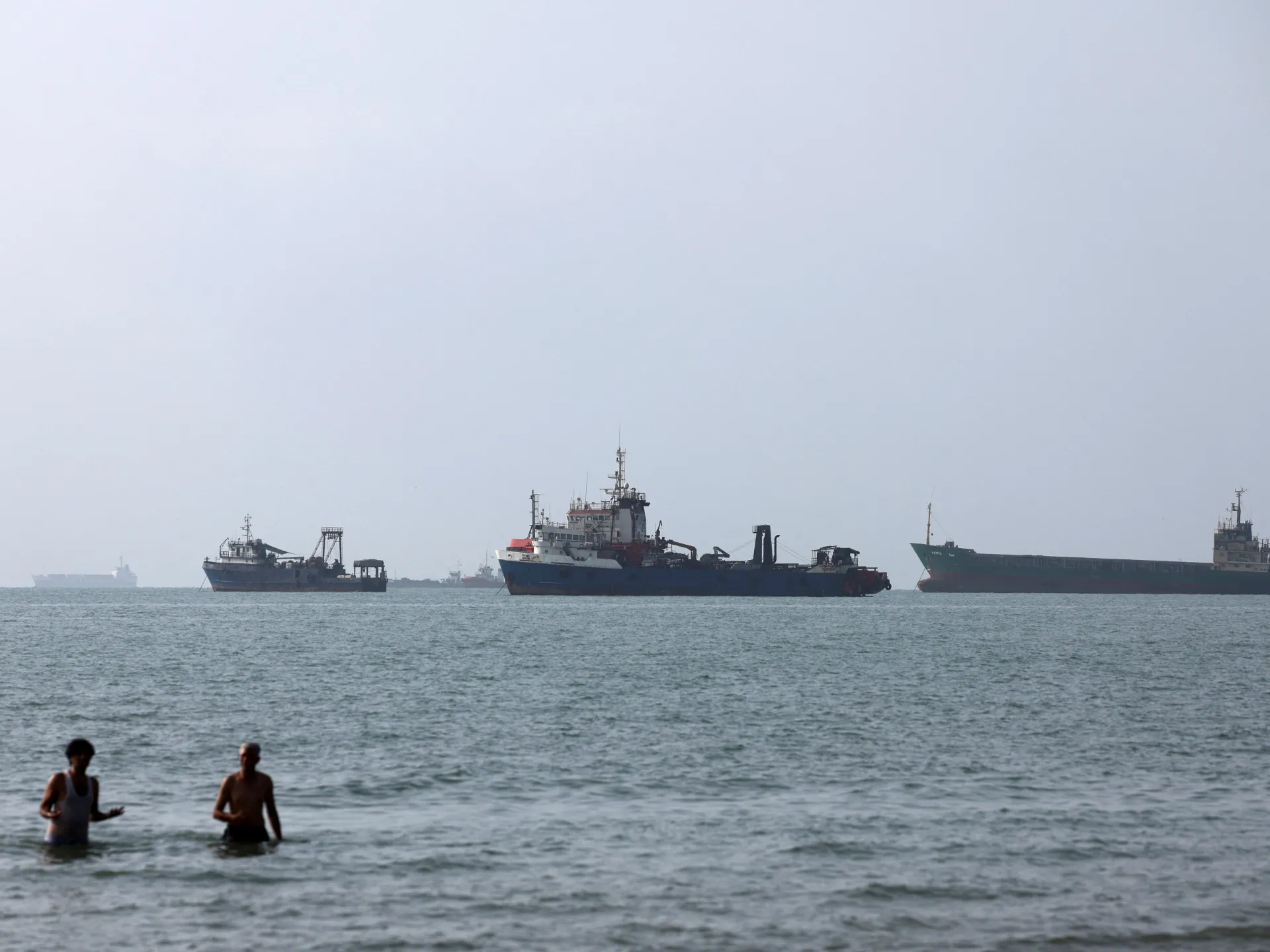
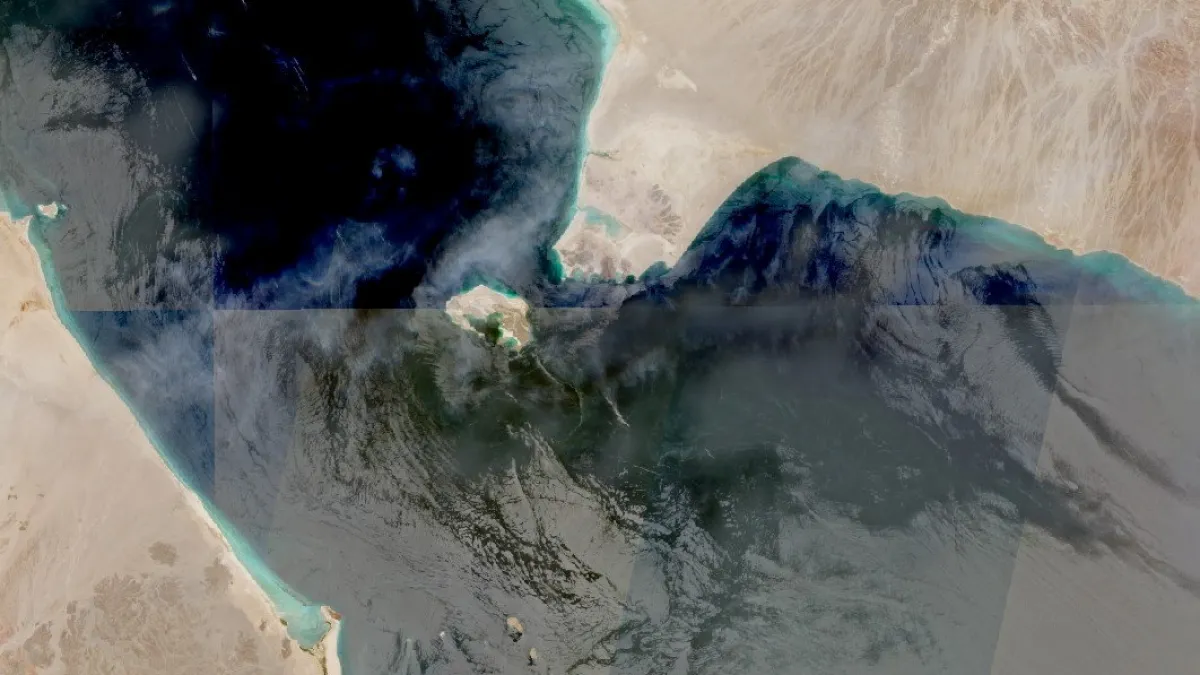
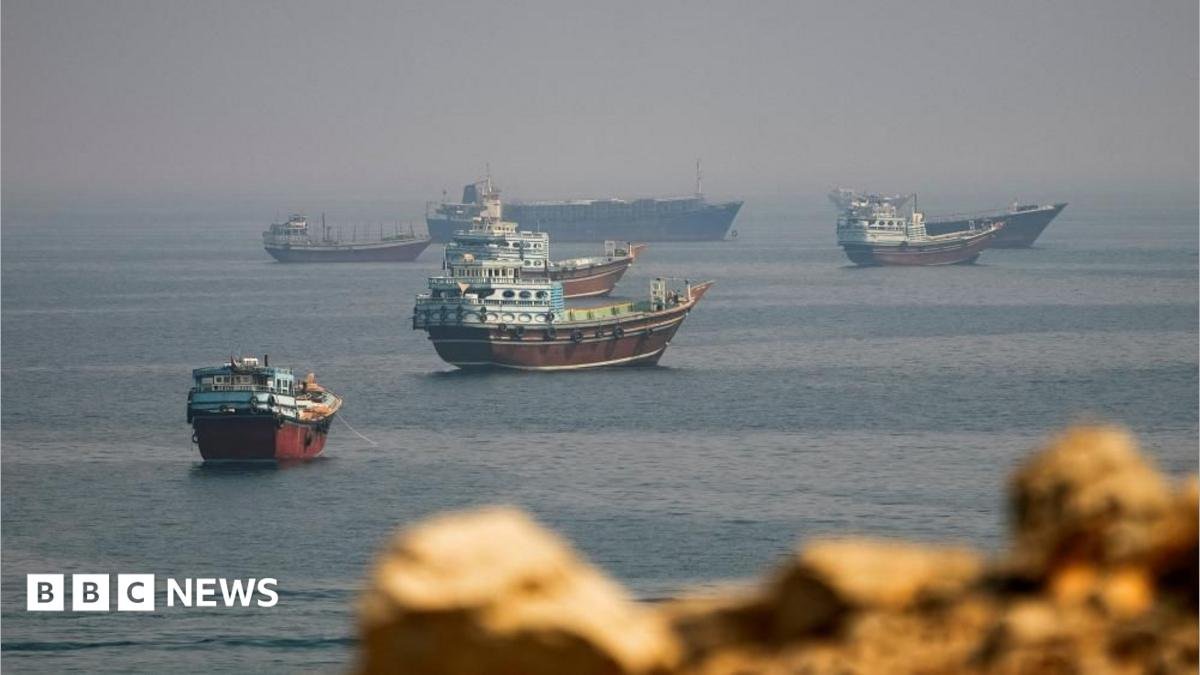
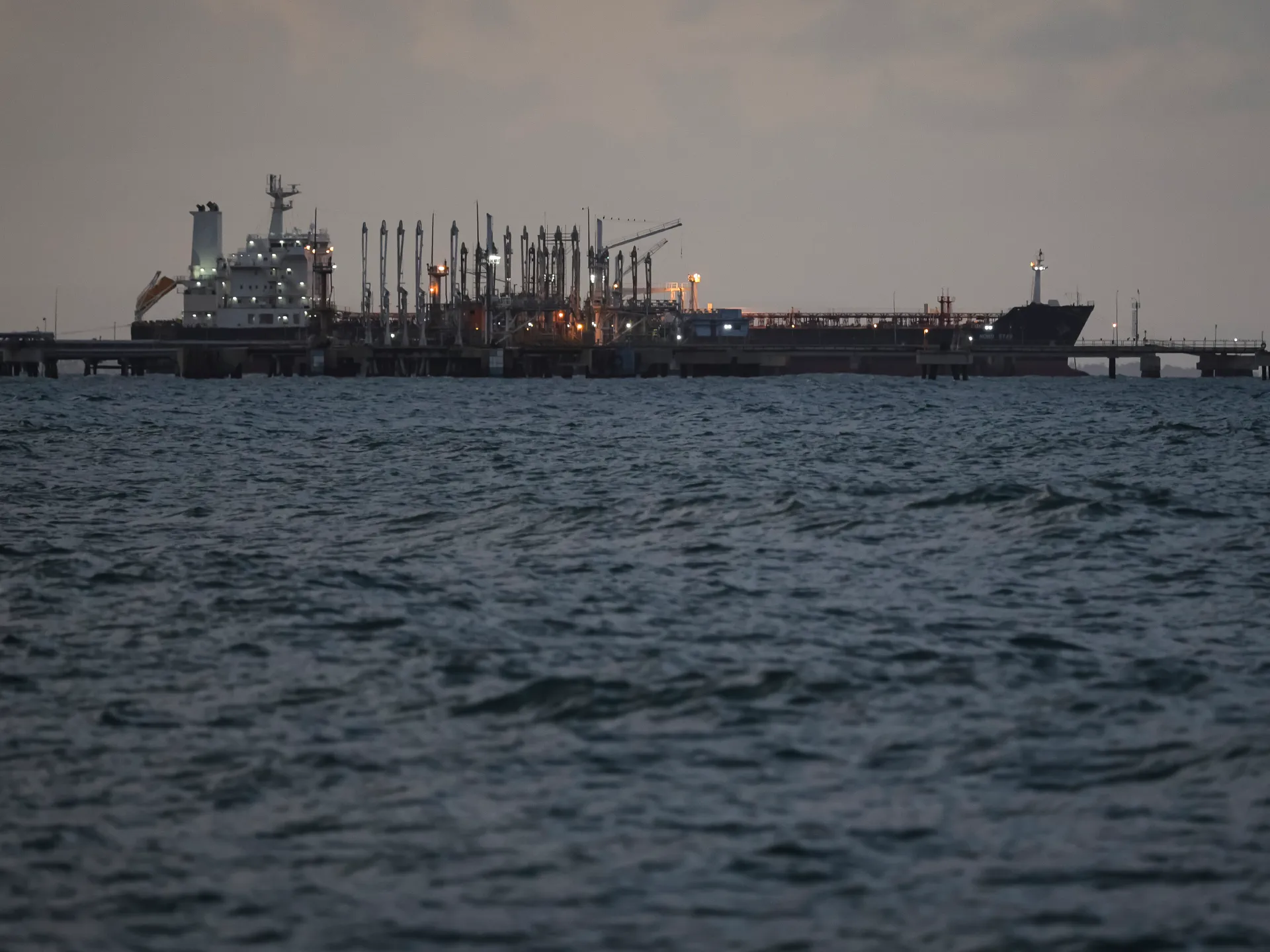
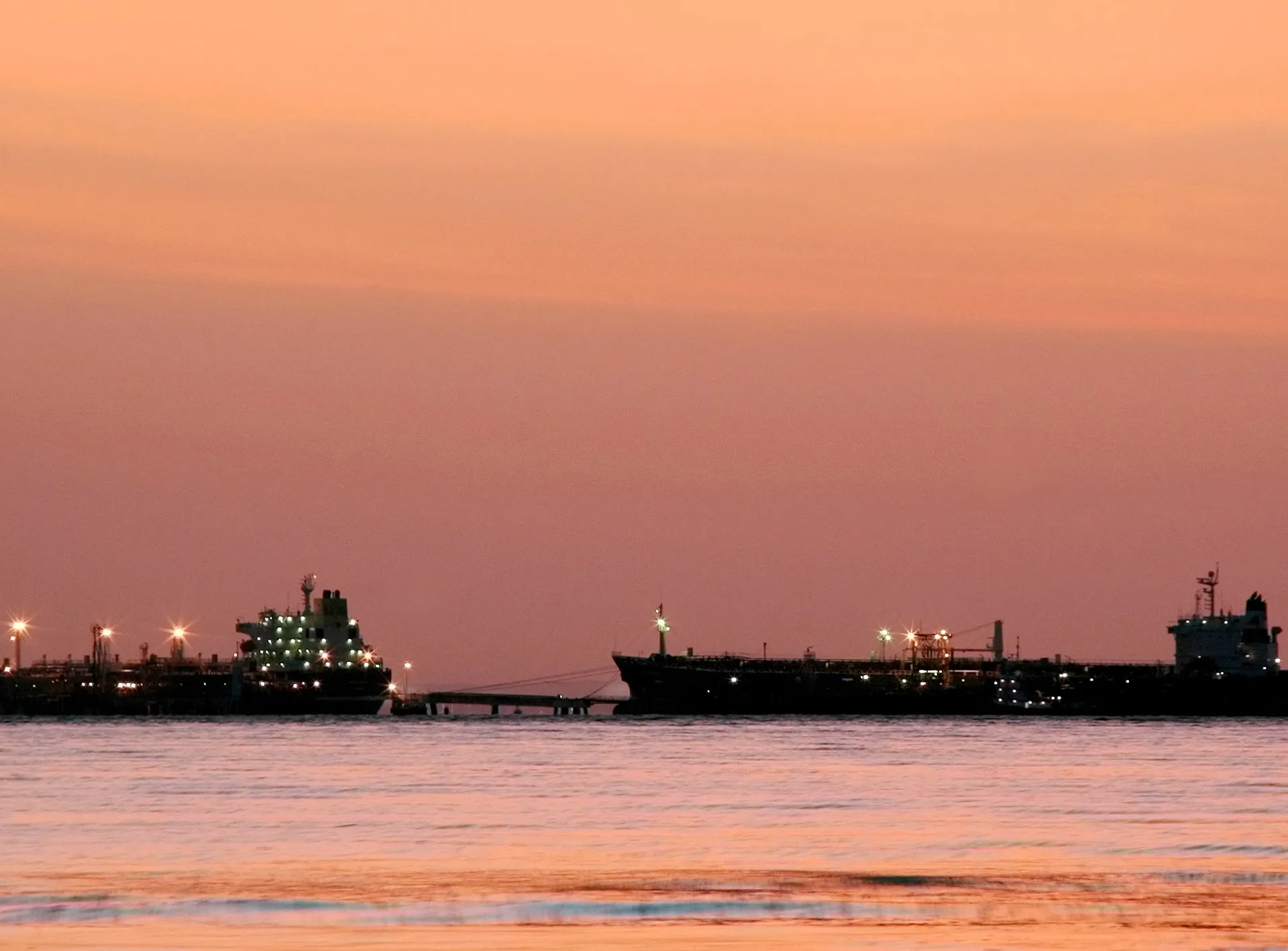
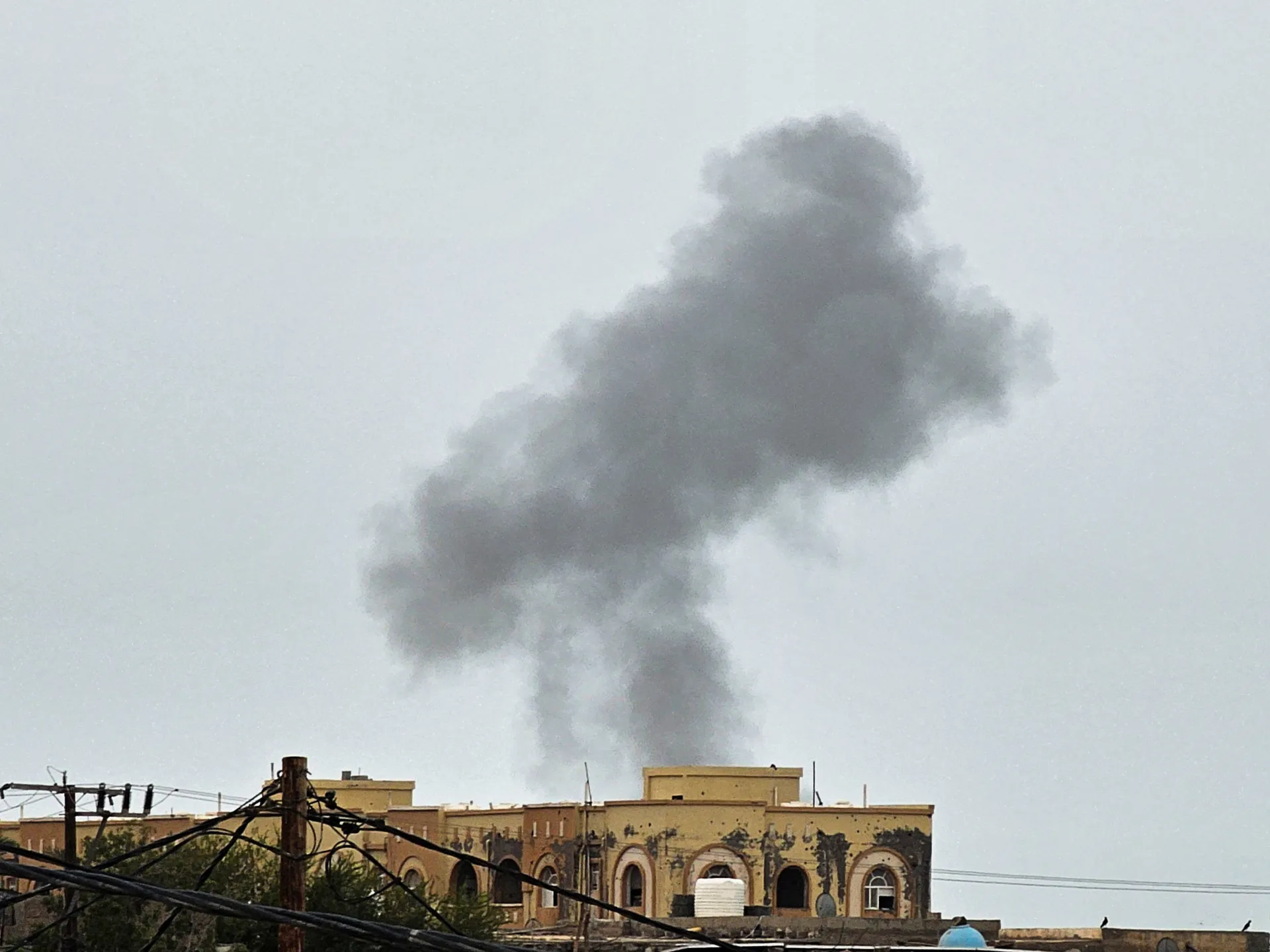
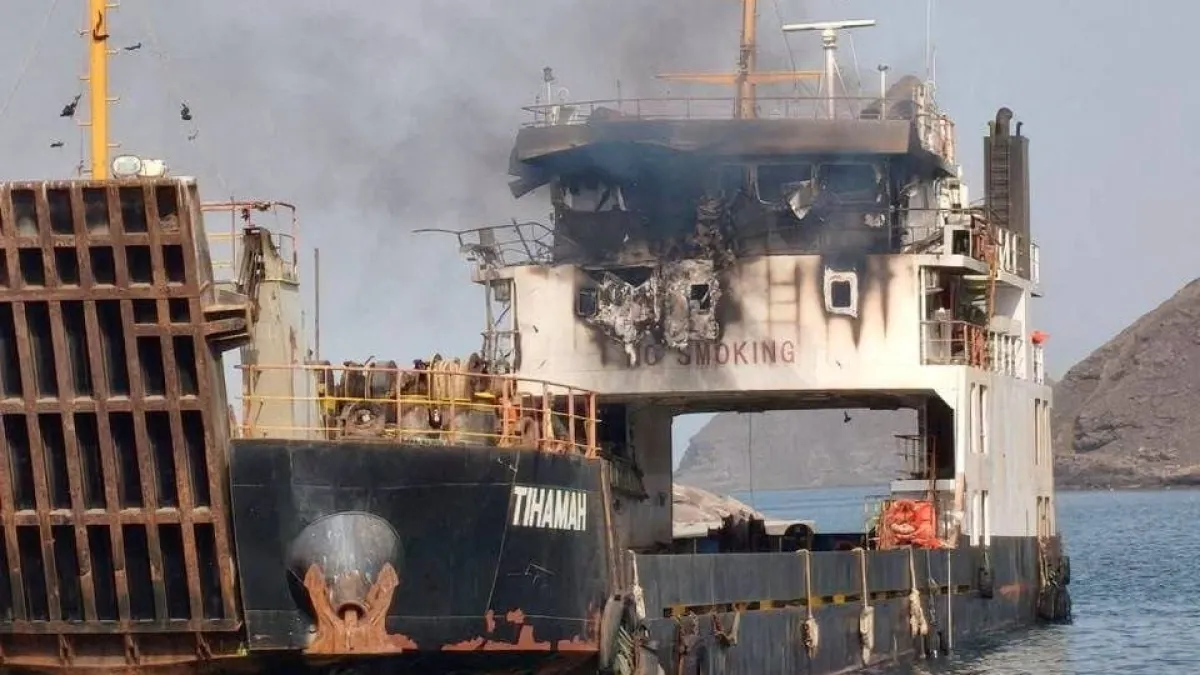
The Houthi-run Yemen Petroleum Company has attributed this adjustment to global volatility in oil markets, partially citing the broader regional tensions involving the United States, Israel, and Iran. However, the situation is compounded thern Red Sea coast and ongoing conflicts with neighboring Saudi Arabia. While officials have characterized the price hike as a temporary measure, the reality for the average citizen is a tightening of an already suffocating economic knot.
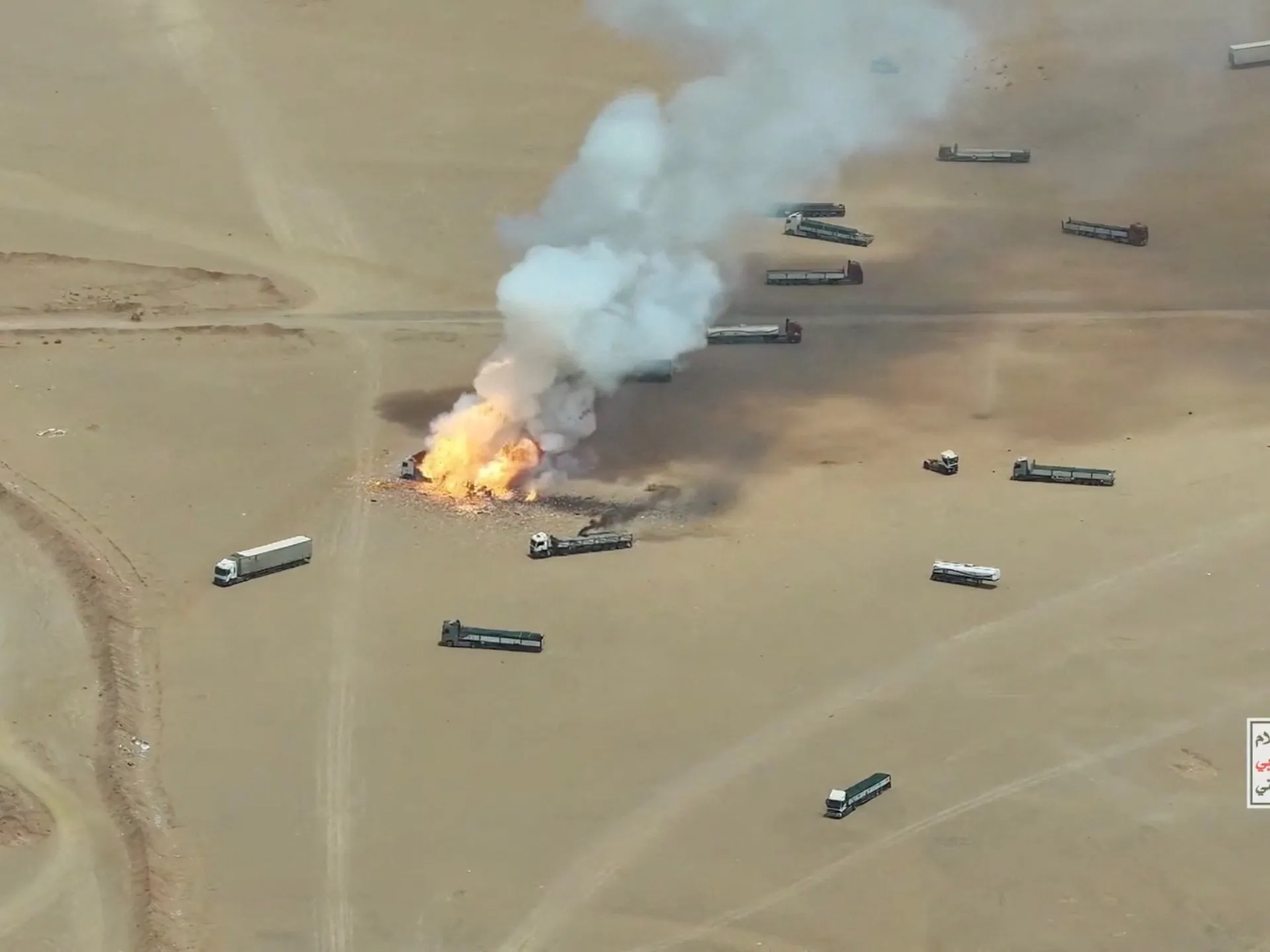
The consequences of higher fuel costs extend far beyond the petrol station, creating a domino effect that threatens the food security of millions. As transportation expenses climb, the cost of moving goods across the country has surged. Trucking routes have become increasingly hazardous and inefficient, with drivers forced to avoid active front lines. This logistical nightmare means that a journey which once took three days may now span a full week, with merchants passing the added operational costs directly to the consumer.
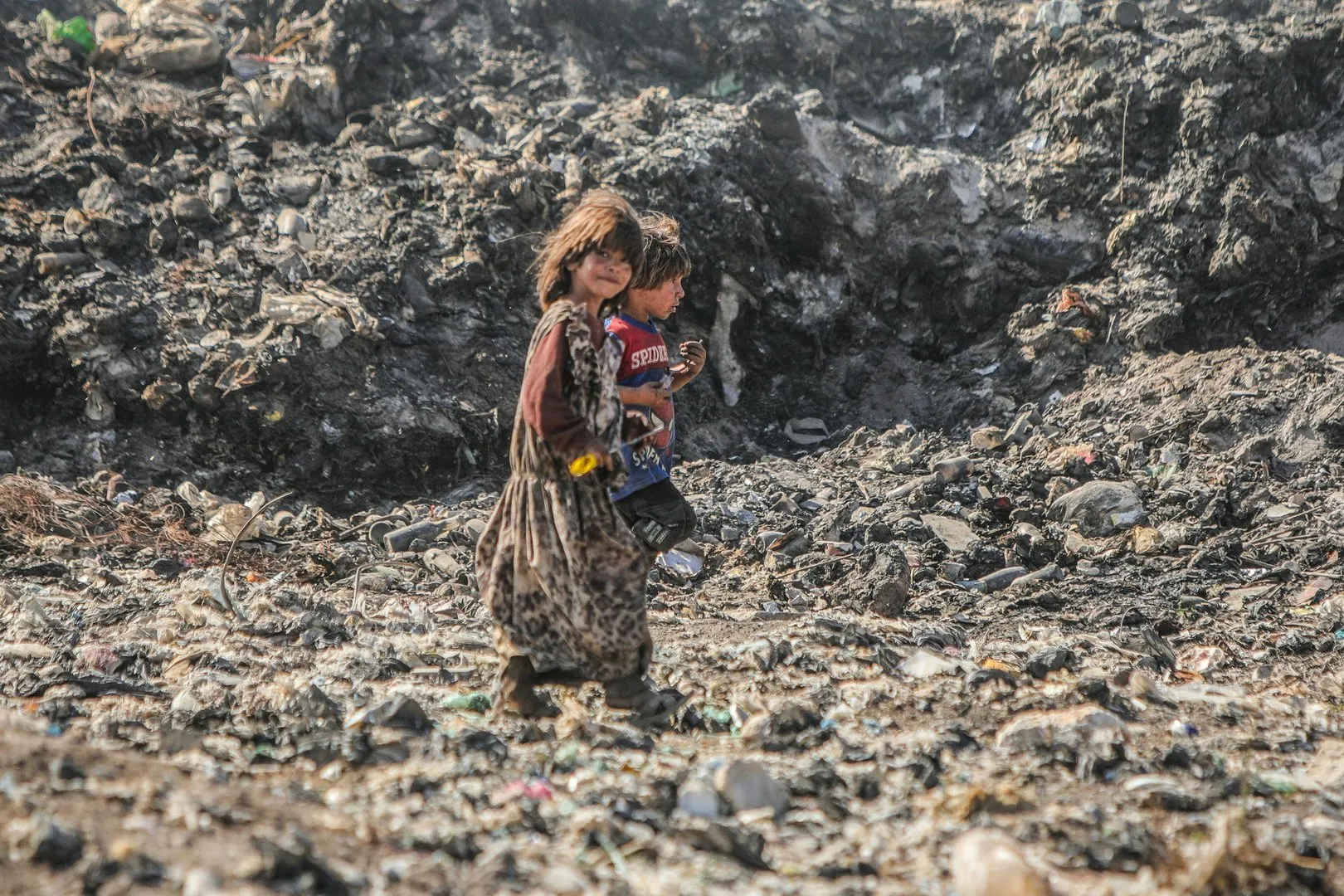
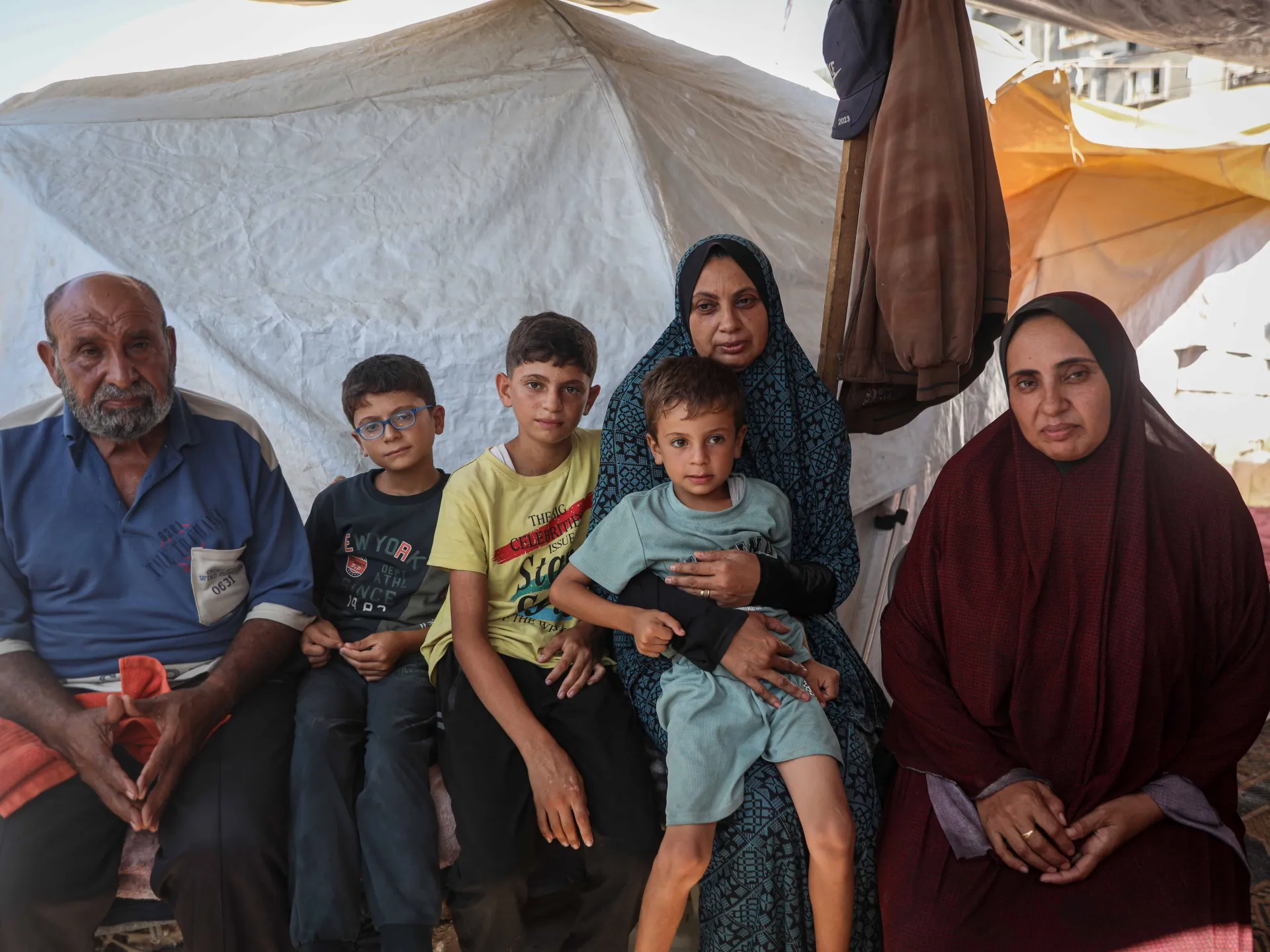
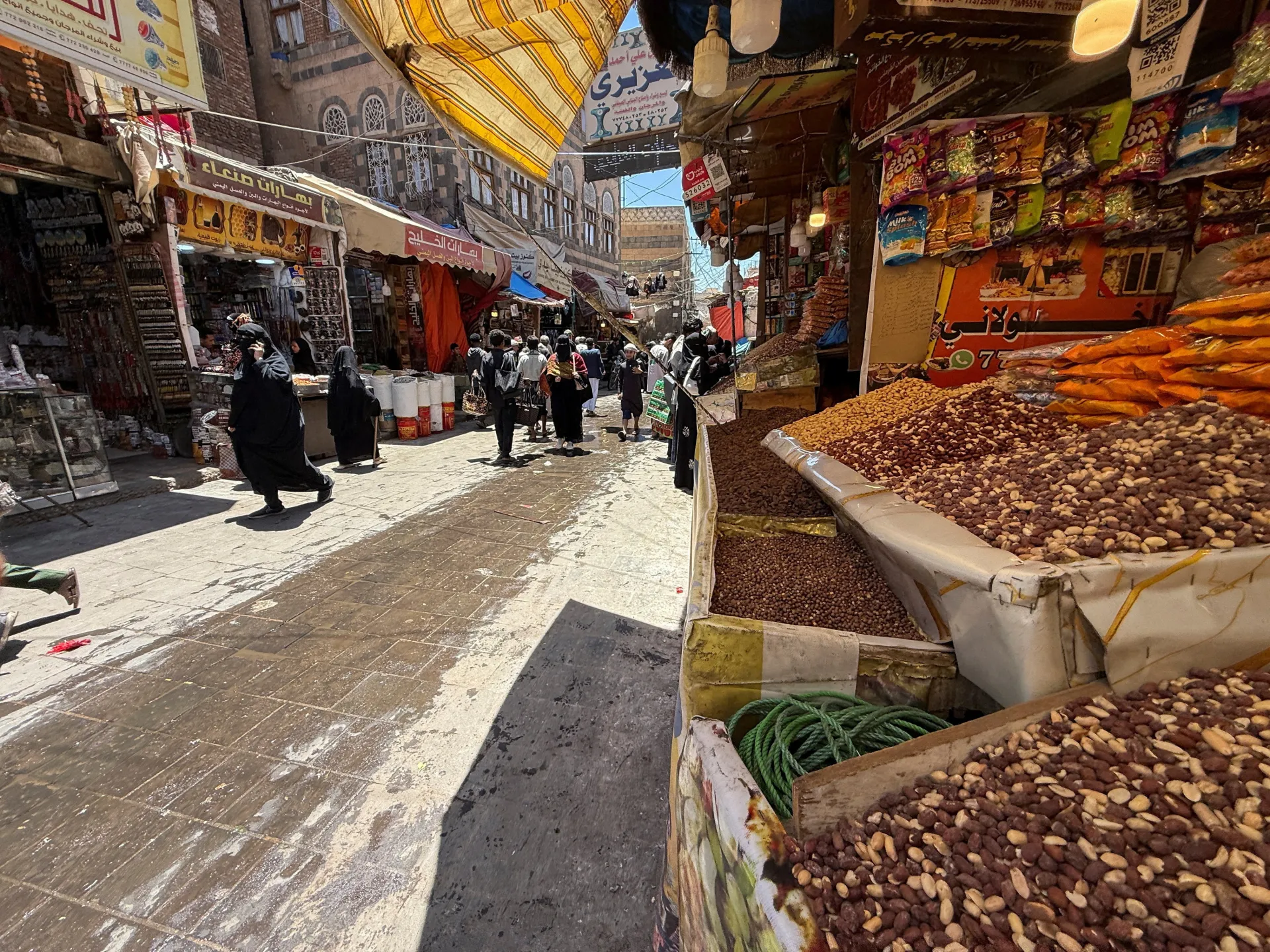
For a typical family, this translates into a difficult choice between basic necessities. Expenditures on essential food items such as rice, flour, and cooking oil are rising, forcing parents to weigh the necessity of rent payments against the immediate need to feed their children. With millions of Yemenis already suffering from acute food insecurity, this inflationary pressure acts as a multiplier of existing hunger, pushing more households toward the brink of starvation.
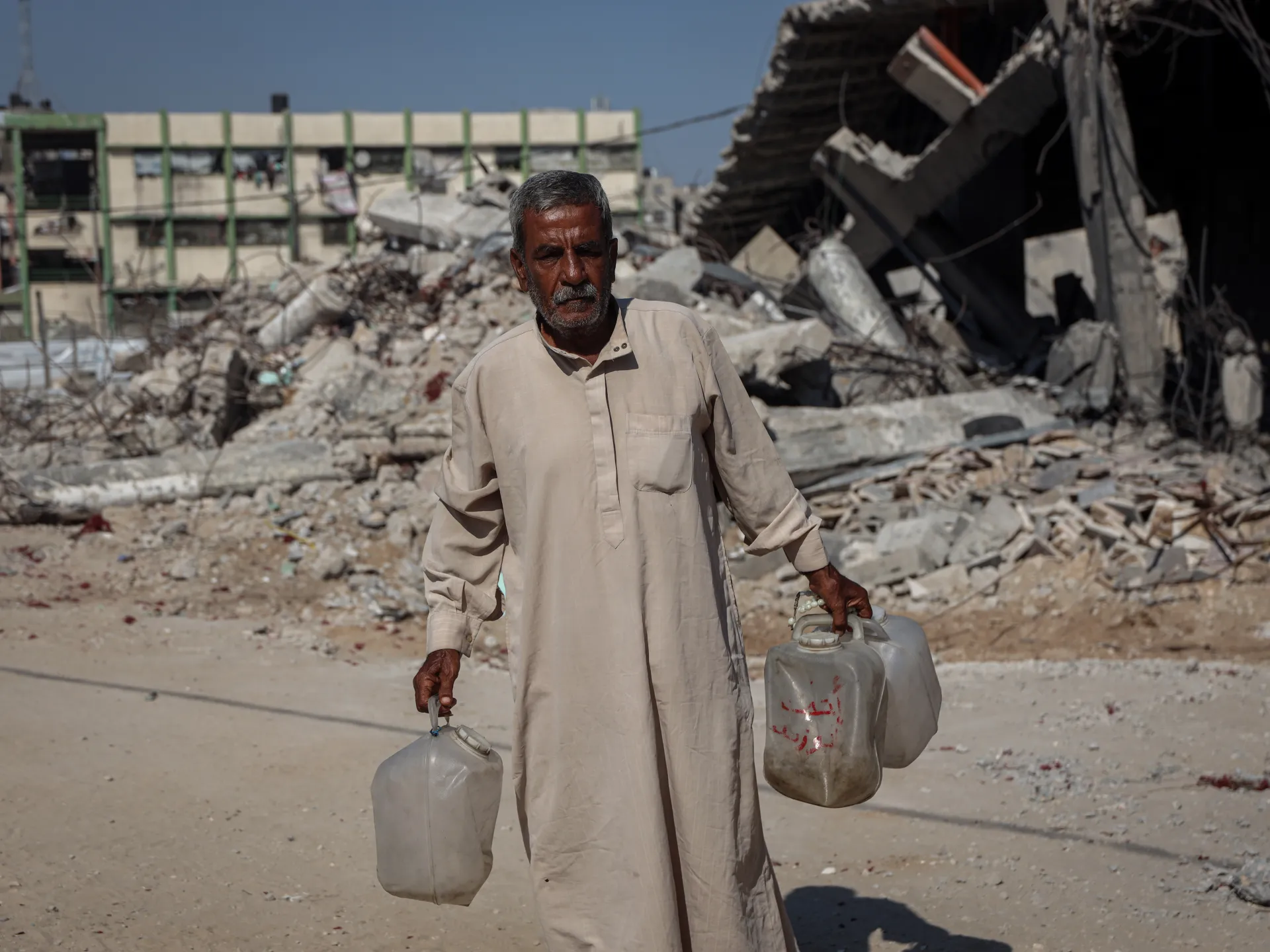
The economic impact is not limited to retail prices; it is fundamentally altering the viability of critical services. Agriculture, a sector that relies heavily on diesel for crop irrigation, is facing severe strain. Similarly, the provision of water and electricity—which often depends on diesel-powered generators in the absence of a stable national grid—is becoming increasingly expensive. These foundational services are essential for public health, and their rising costs threaten to exacerbate disease outbreaks and reduce access to clean water.
Small- and medium-sized enterprises are also struggling to survive in this environment. Operating on razor-thin profit margins, many of these businesses are reaching a point where they must either cease operations entirely or pass the increased costs on to an already impoverished customer base. Economic experts suggest that this inflationary wave will hit the most vulnerable segments of society the hardest, further eroding the standard of living in a nation already devastated
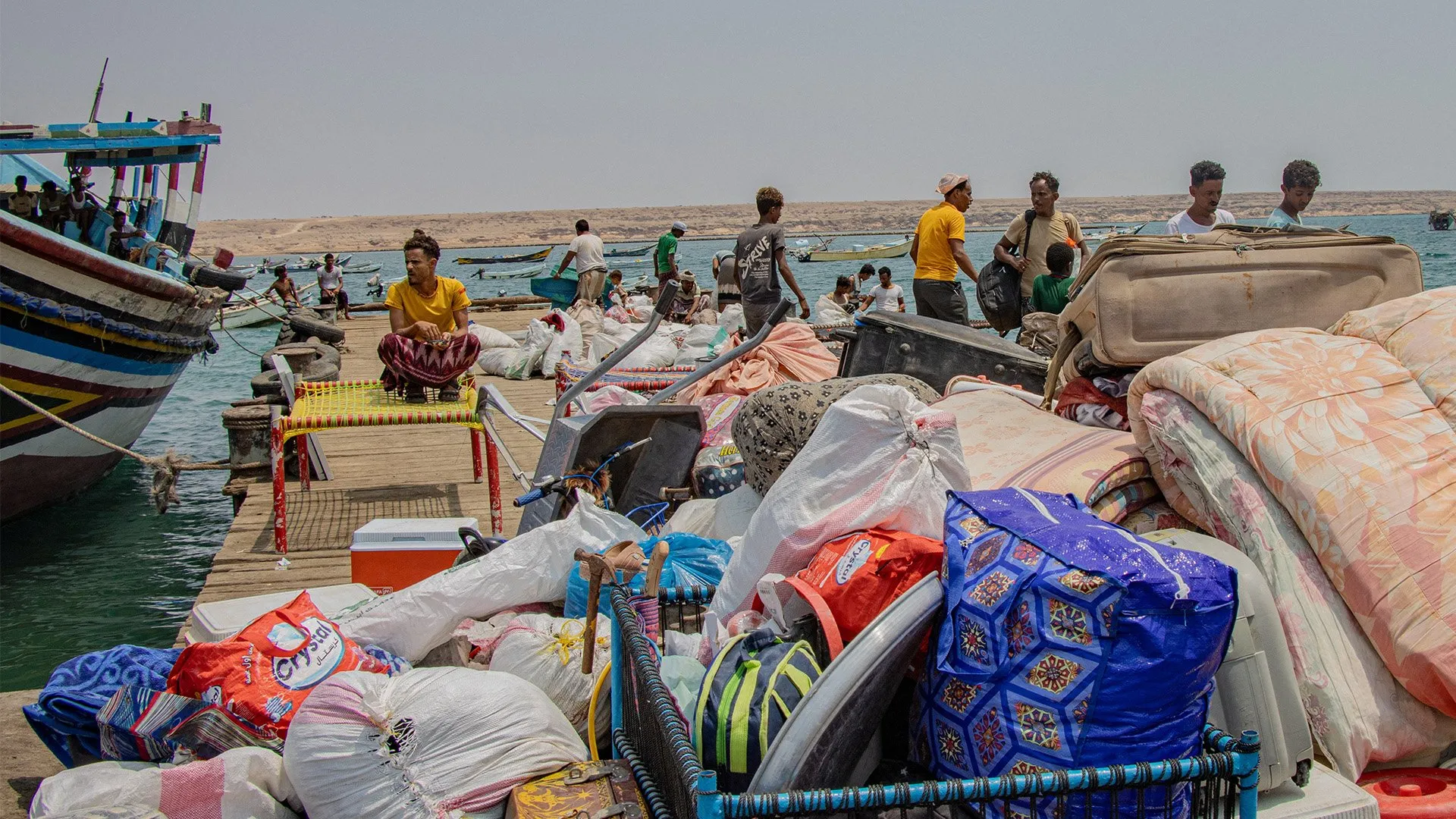
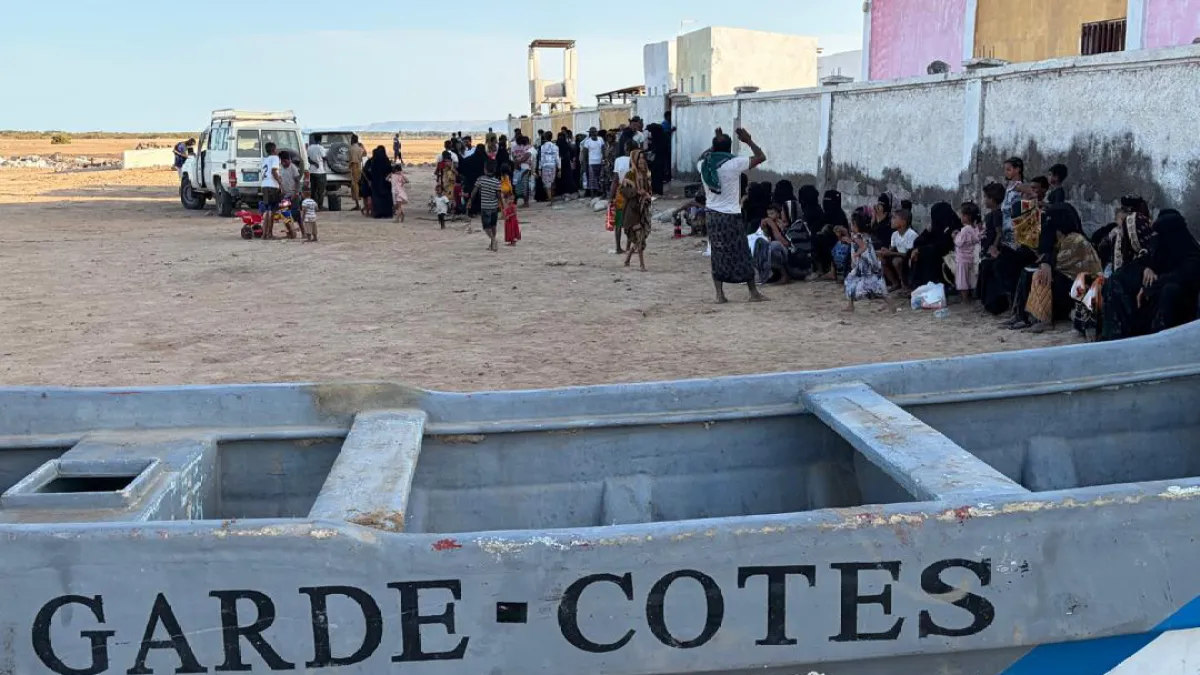
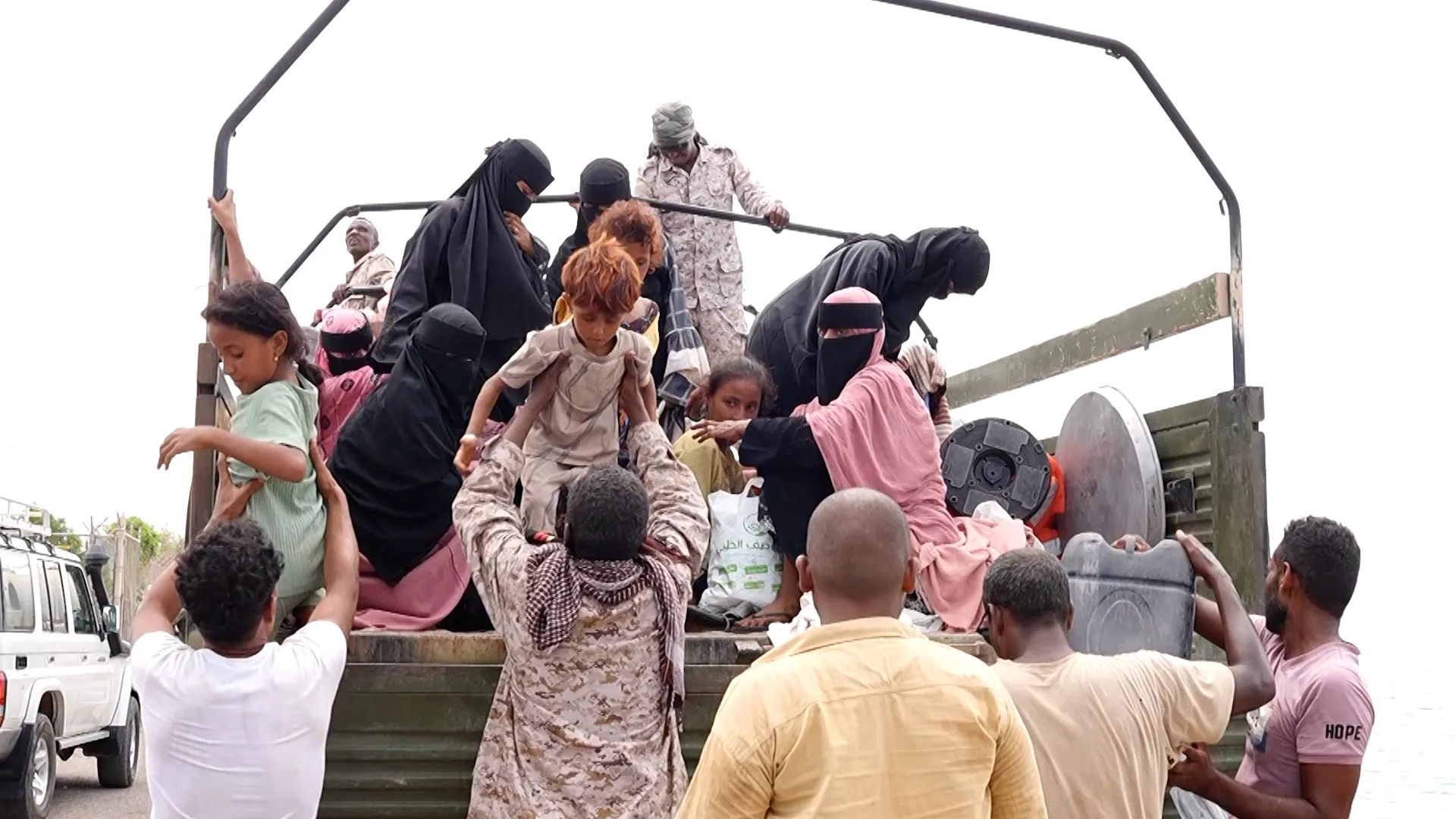
The resumption of hostilities has brought an end to a period of relative calm, effectively reversing previous efforts to stabilize the economy. International humanitarian organizations have issued urgent warnings regarding the potential for a fresh humanitarian crisis. As the violence continues to displace families and disrupt supply chains, the ability of aid agencies to reach those in need is being severely hampered. The combination of conflict-driven displacement and economic instability creates a cycle of poverty that is increasingly difficult to break.
As the regional situation remains volatile, the outlook for Yemen’s economy remains bleak. The interconnected nature of the current crisis—linking global oil markets, regional military maneuvers, and local infrastructure collapse—means that there are few simple solutions. For the people of Yemen, the current reality is one of daily survival, where the rising cost of a liter of fuel serves as a grim indicator of a deepening tragedy that continues to unfold with little sign of relief.