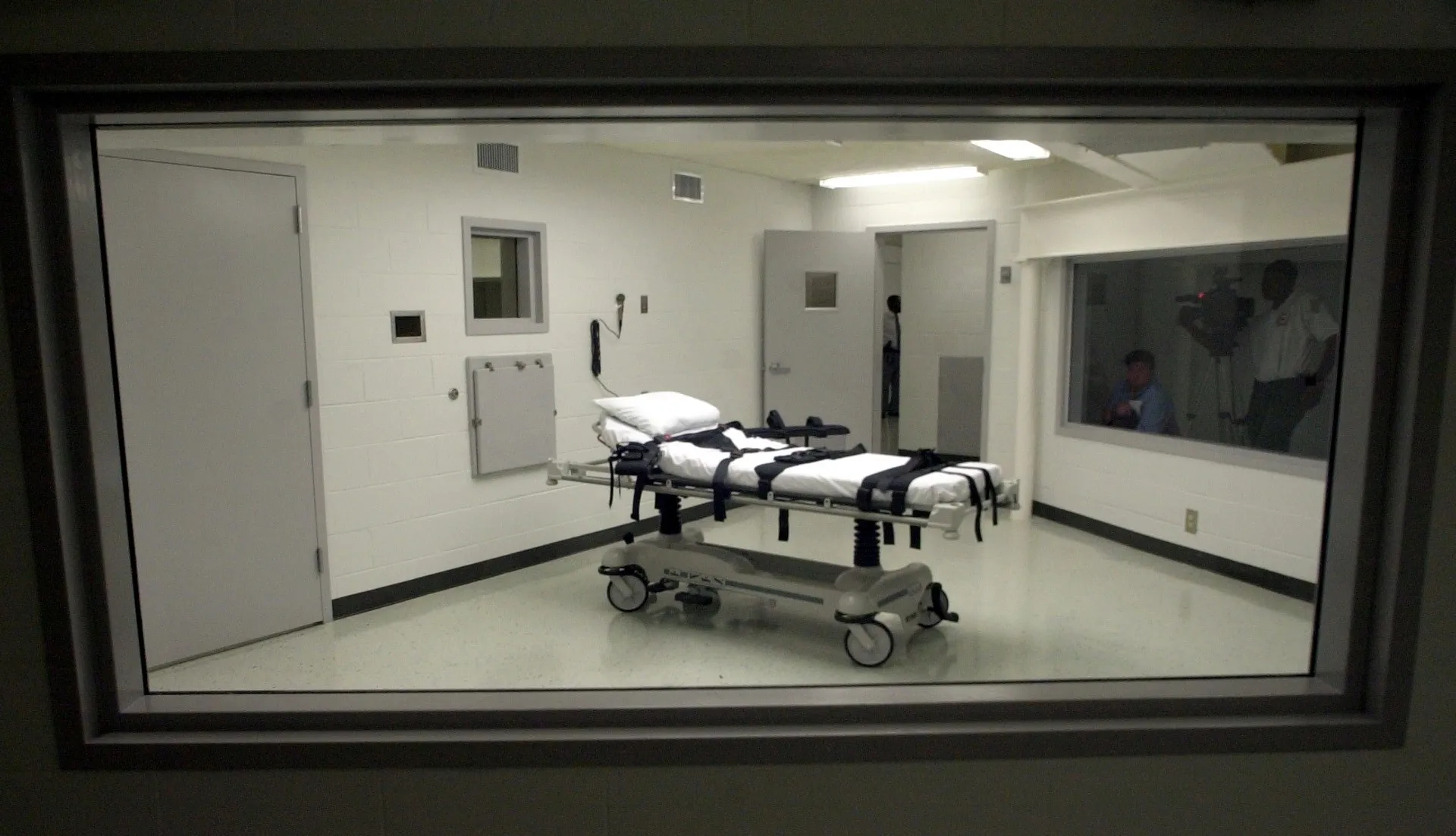
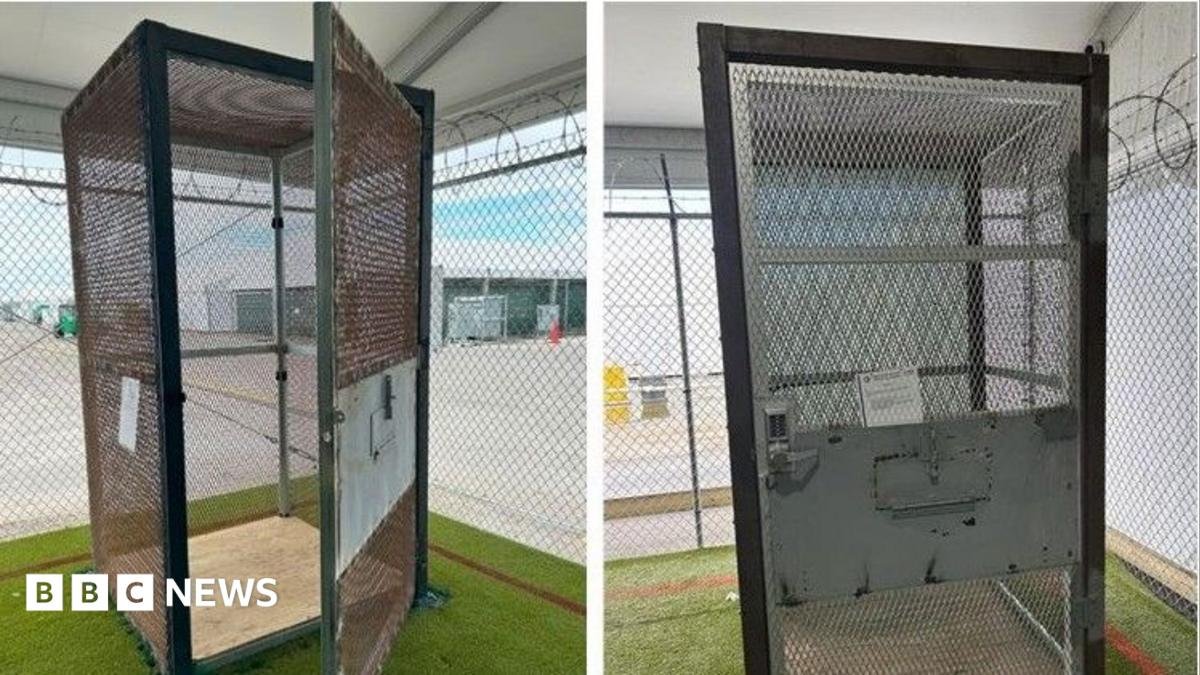
A federal watchdog report has uncovered that detainees at a now-closed Florida facility were held in small outdoor metal cages and denied basic hygiene.
A recent report issued brought to light alarming conditions at a now-shuttered detention center in Florida, colloquially referred to as "Alligator Alcatraz." The facility, located within the Everglades, utilized small, 18-square-foot metal outdoor cages to hold detainees, a practice investigators described as entirely unprecedented among standard detention facilities. These enclosures were ostensibly categorized dog found that they were used for periods ranging from several minutes to nearly two hours.
Beyond the physical restriction of the cages, the report highlights that these spaces were occasionally utilized as disciplinary measures. The OIG concluded that the reliance on such confined, restrictive environments violates fundamental standards of humane treatment. The report serves as a stark critique of the operational oversight provided at the site, noting that the physical and psychological impact of such confinement on detainees was not adequately considered
The OIG’s surprise inspection, conducted in early 2026, uncovered a litany of failures regarding the basic welfare of the individuals held at the facility. Investigators documented significant lapses in hygiene, medical care, and nutritional standards. Detainees reported being forced to use shower facilities that were infested with insects, with access to bathing restricted to just three times per week. These conditions fell far below the established guidelines for health and safety expected in any government-sanctioned detention environment.
Furthermore, the investigation corroborated earlier claims from detainees regarding the lack of essential resources. Beyond the lack of sanitary bathing facilities, individuals held at the site reported a consistent lack of access to clean drinking water. The investigation found that the facility failed to provide adequate equipment for maintaining hygiene, including the inability for detainees to properly clean the plastic cups used for hydration. These cumulative failures created an environment that inspectors deemed hazardous and entirely unsuitable for long-term or even temporary habitation.
The facility in question was established in the Everglades in 2025, a location known for its significant alligator population. While the federal government provided the funding for the operational costs of the center, a significant point of contention has emerged regarding administrative authority. In response to the OIG report, Department of Homeland Security officials emphasized that the state of Florida maintained control over the day-to-day operations of the site. This jurisdictional ambiguity has been a focal point for critics who argue that oversight responsibilities were neglected
The detention center was officially shuttered in June 2026, following a period of intense scrutiny from civil rights organizations and humanitarian groups. State officials had previously characterized the facility as a temporary measure, though its legacy remains defined ins closed, the OIG report serves as a permanent record of the conditions endured anuary 2026, marking a controversial chapter in the history of regional immigration detention policies.