As NASA’s Roman Telescope begins its million-mile journey to map the dark universe, economic pressures at home are emerging as a critical factor for midterm voters.
The convergence of a major scientific milestone like the deployment of the Nancy Grace Roman Space Telescope and the ongoing domestic economic instability illustrates the dual pressures currently facing the United States. While NASA’s latest endeavor represents a significant leap in our capacity to map the "dark universe" and identify potential exoplanets, these high-cost scientific investments occur against a backdrop of voter anxiety regarding purchasing power and borrowing costs. As the nation approaches the midterm elections, the juxtaposition of space exploration with the realities of household financial pressure creates a complex narrative for policymakers who must justify long-term federal expenditures while addressing immediate constituent concerns about economic affordability.
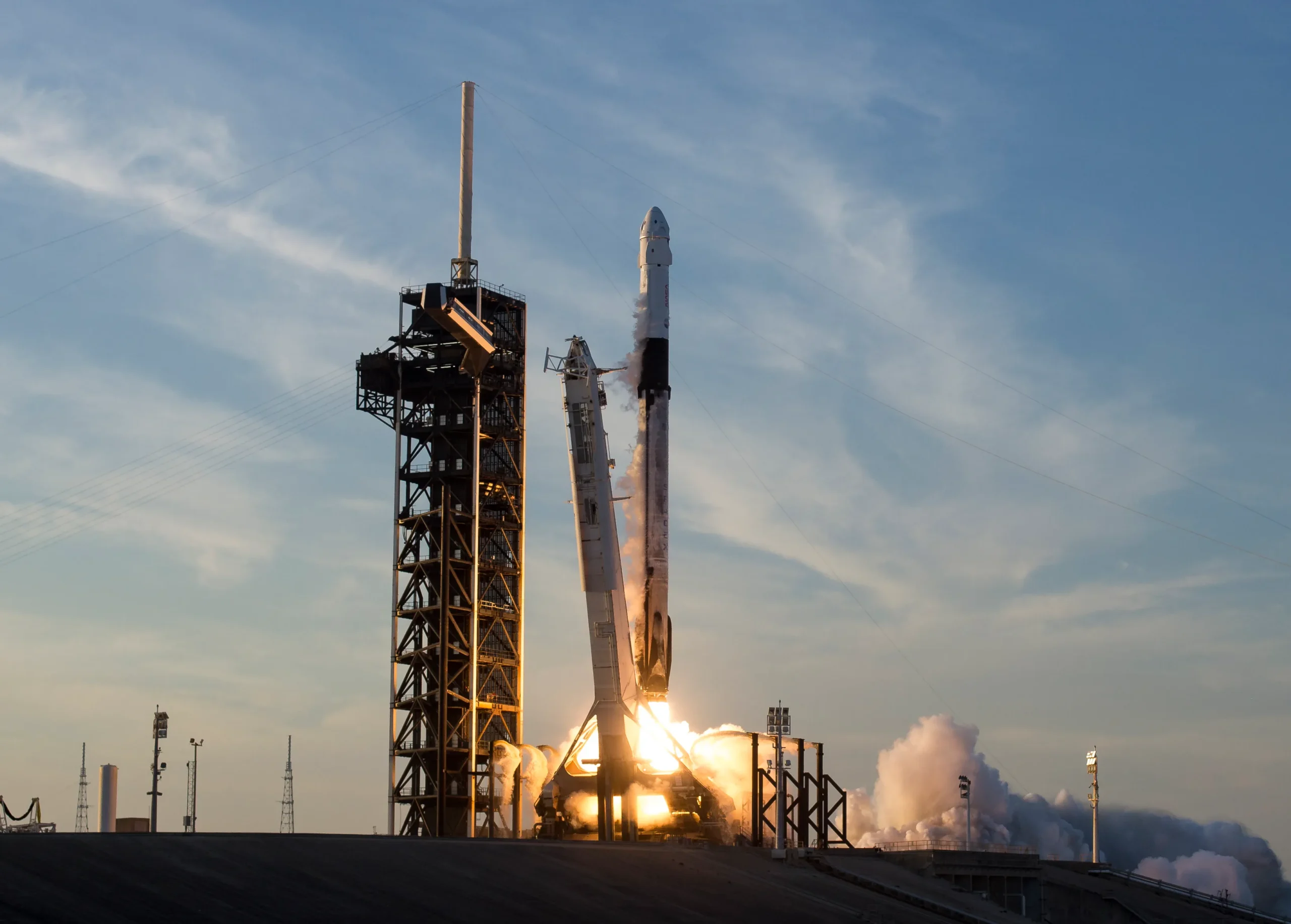
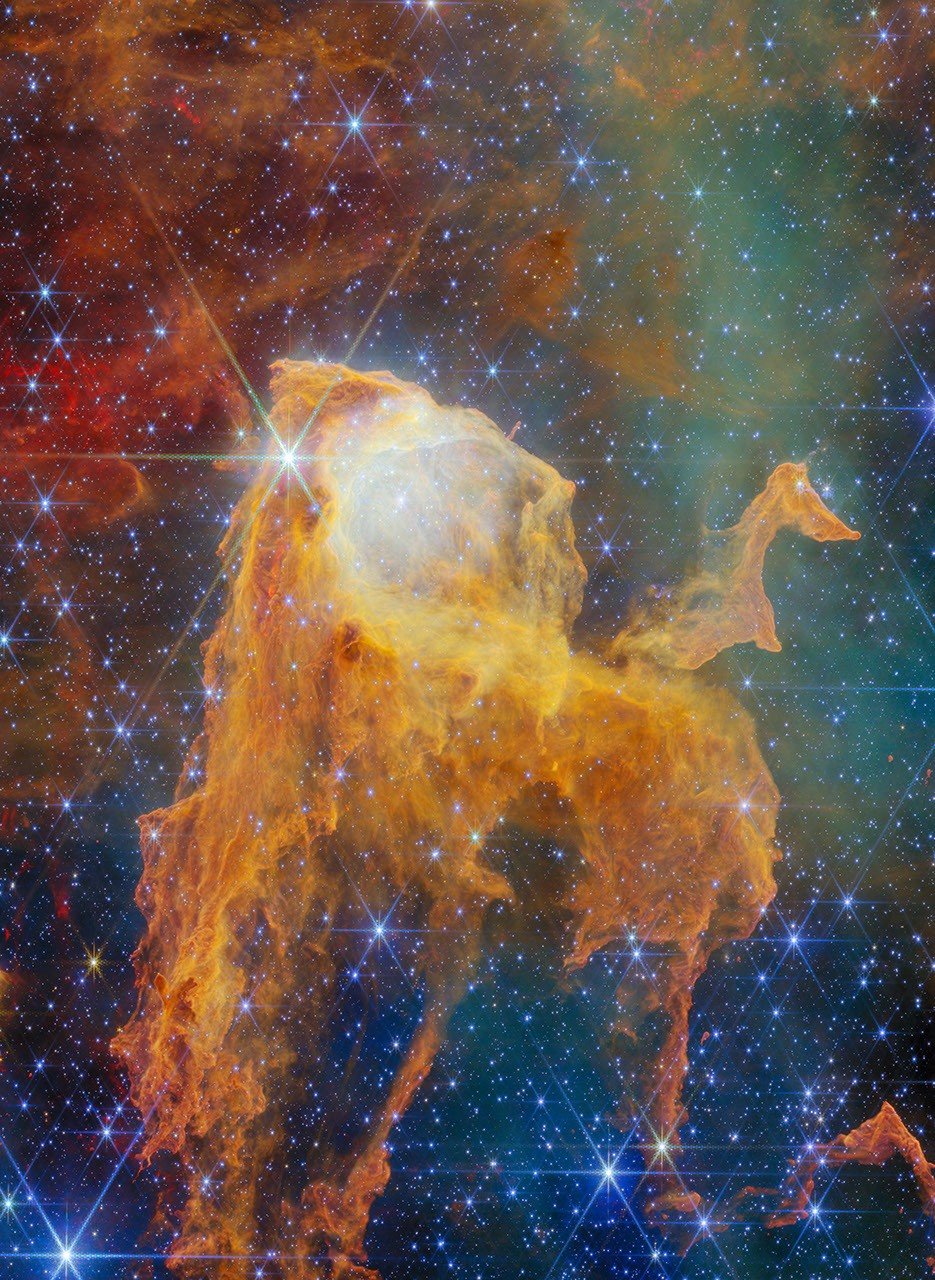
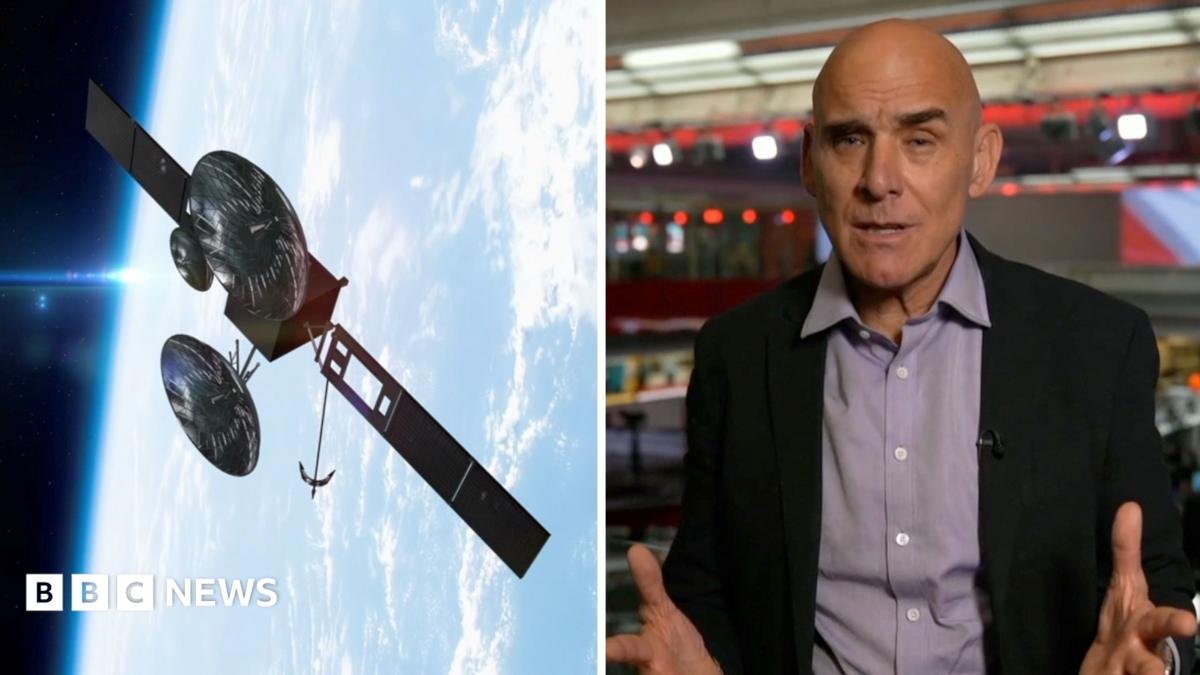
Following a successful launch from the Kennedy Space Center aboard a SpaceX Falcon Heavy rocket, the Nancy Grace Roman Space Telescope has embarked on a 100-day transit to its operational vantage point. Located approximately one million miles from Earth, this position is crucial for the telescope’s infrared cameras, which require extreme thermal stability to capture "heat light" without interference from the Moon or Earth. This placement mirrors the trajectory of the James Webb Space Telescope but offers a drastically different operational scope. NASA administrators have touted the Roman telescope’s ability to provide panoramic views 100 times larger than both Hubble and Webb, a capability that mission leads anticipate will lead to the discovery of up to 100,000 new exoplanets.
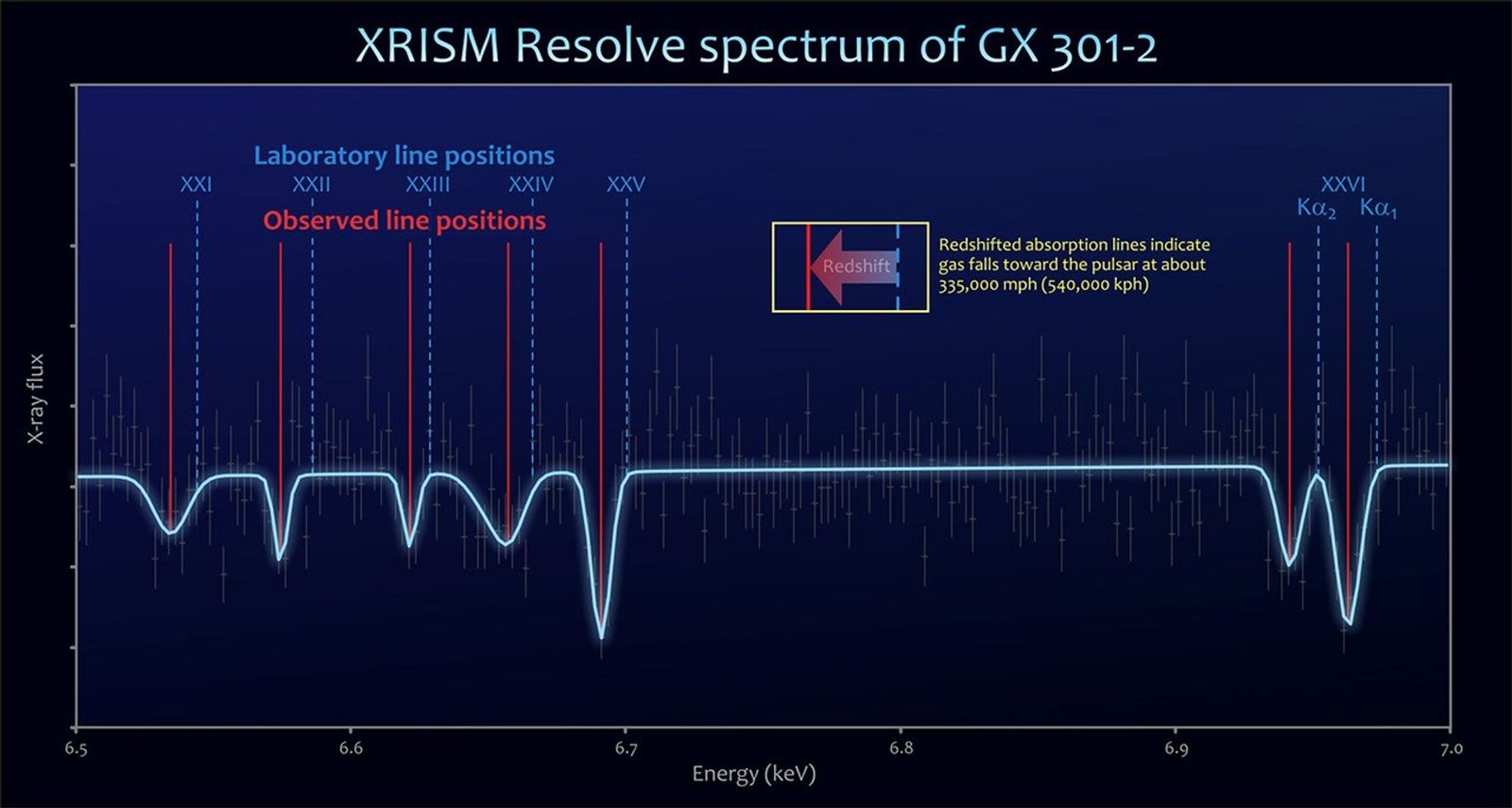
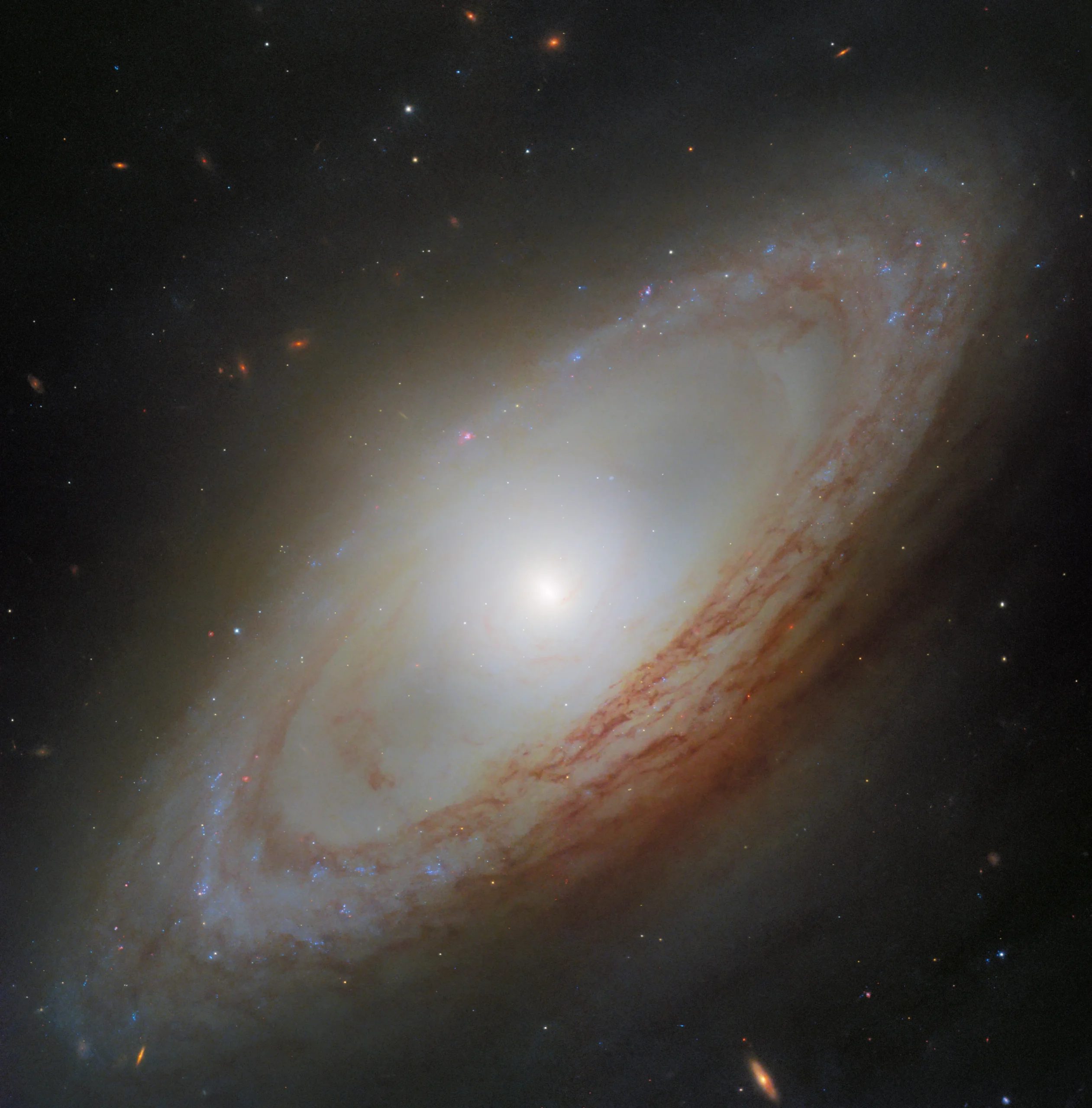
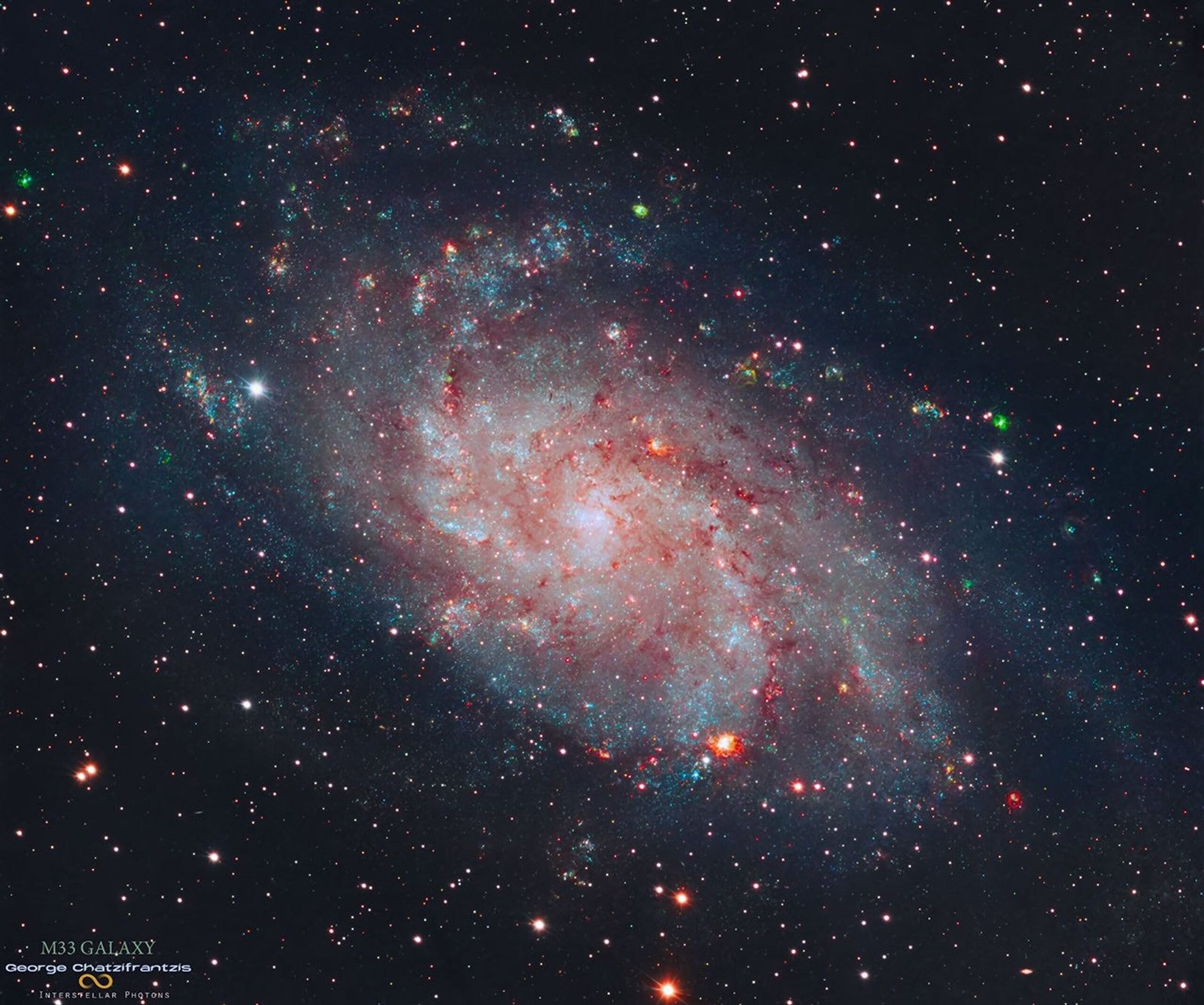
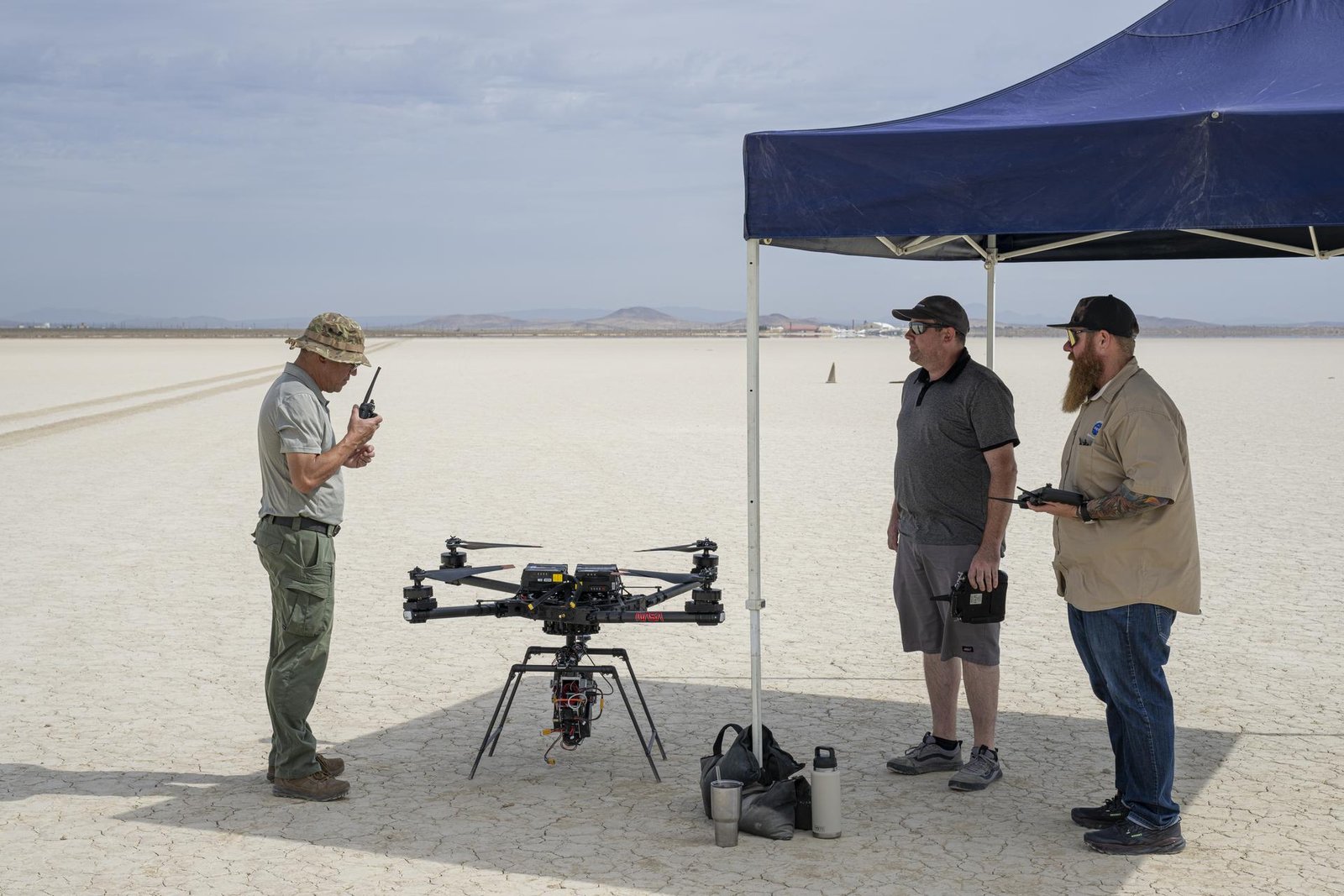
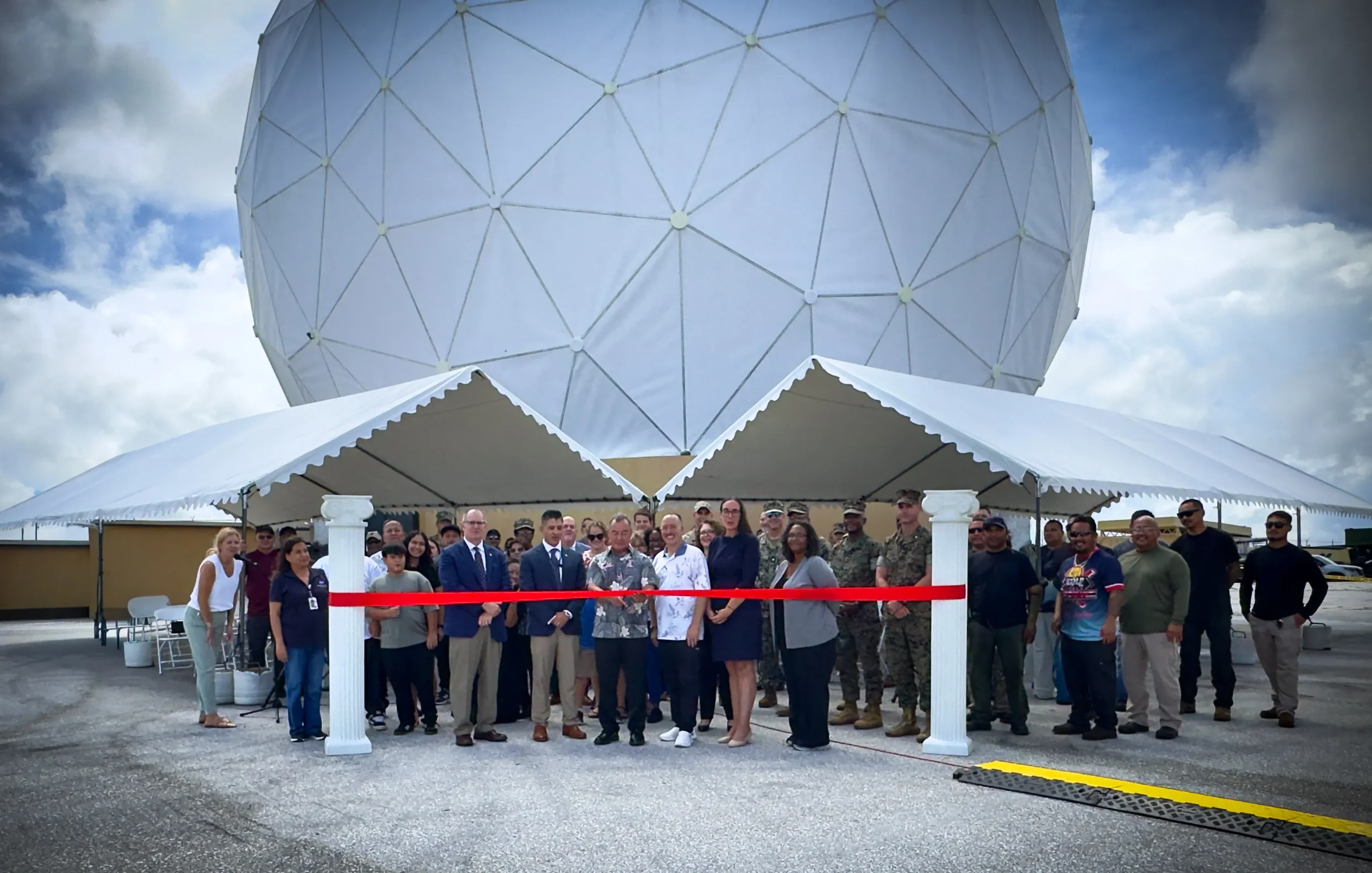
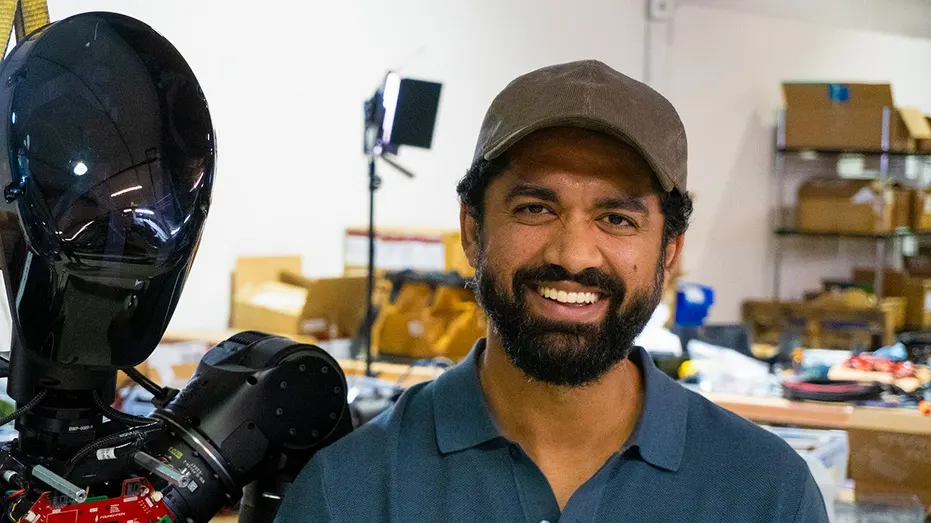
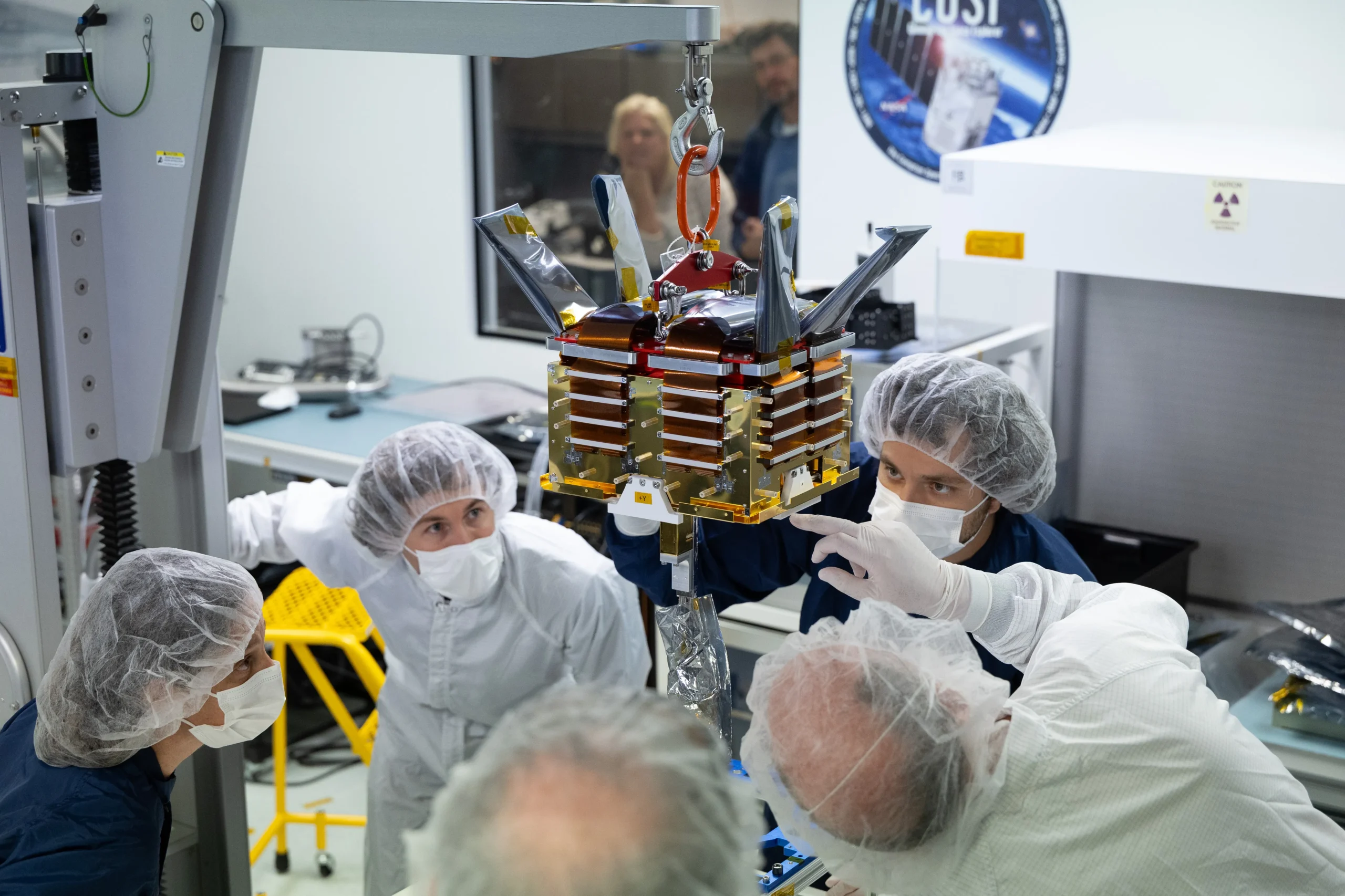
Parallel to the Roman mission, NASA’s broader fleet continues to yield surprising insights into galactic formation. The Hubble Space Telescope recently documented the spiral galaxy NGC 4698, located 55 million light-years away. Unlike typical spiral galaxies, NGC 4698 displays an anomalous structure where its central bulge rotates perpendicular to its outer disk, a phenomenon scientists believe may be the result of a historical galactic merger. Meanwhile, ground-based engineering efforts remain in full swing, as evidenced y telescope, a collaborative effort involving the University of California, Berkeley, and various international partners, is designed to investigate the life cycles of stars and the fundamental mechanics of matter and antimatter.
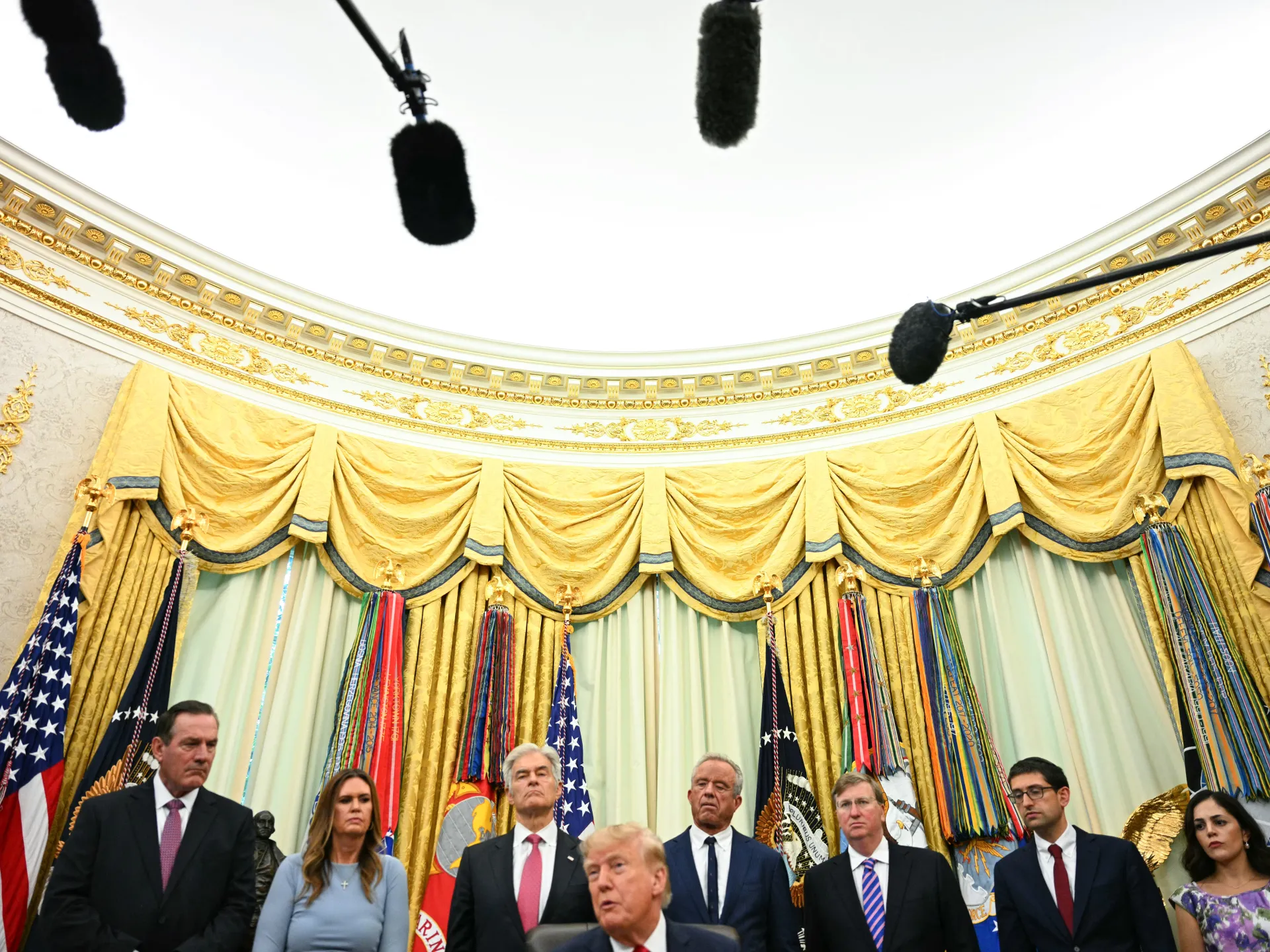
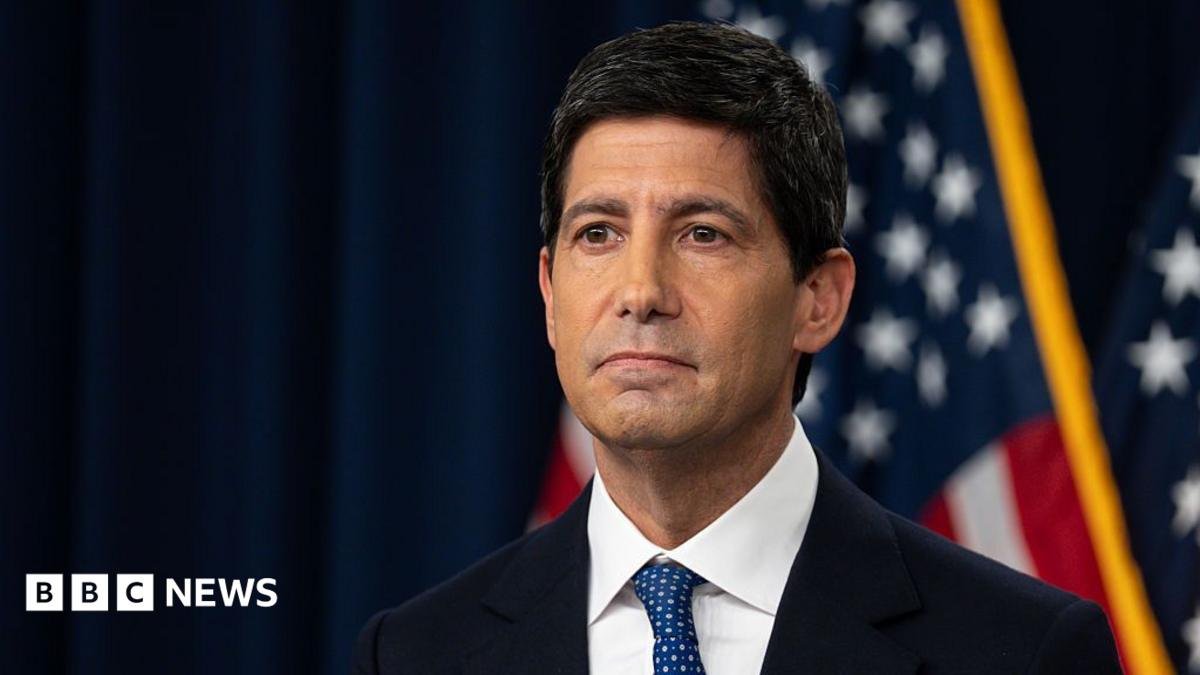
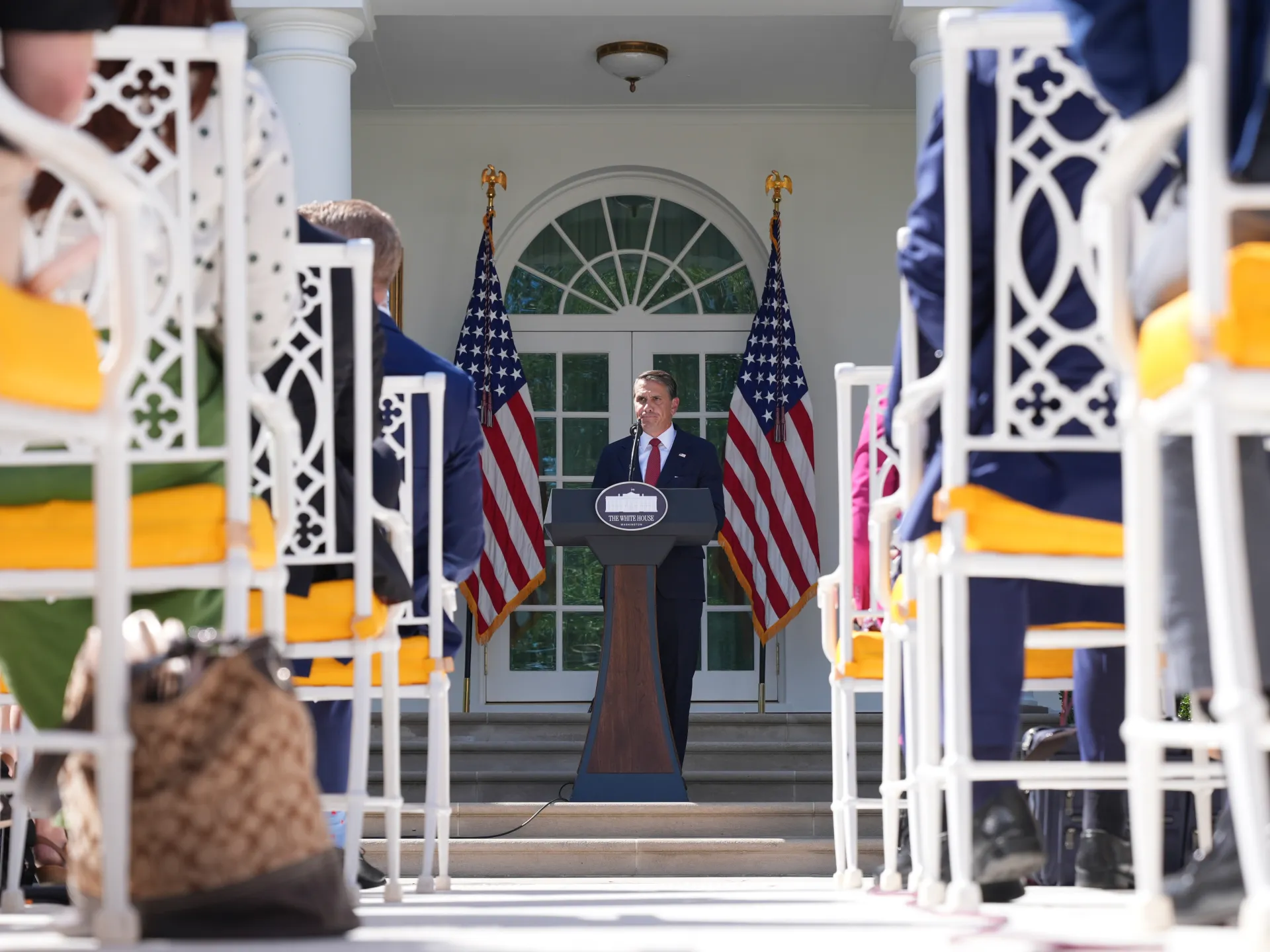
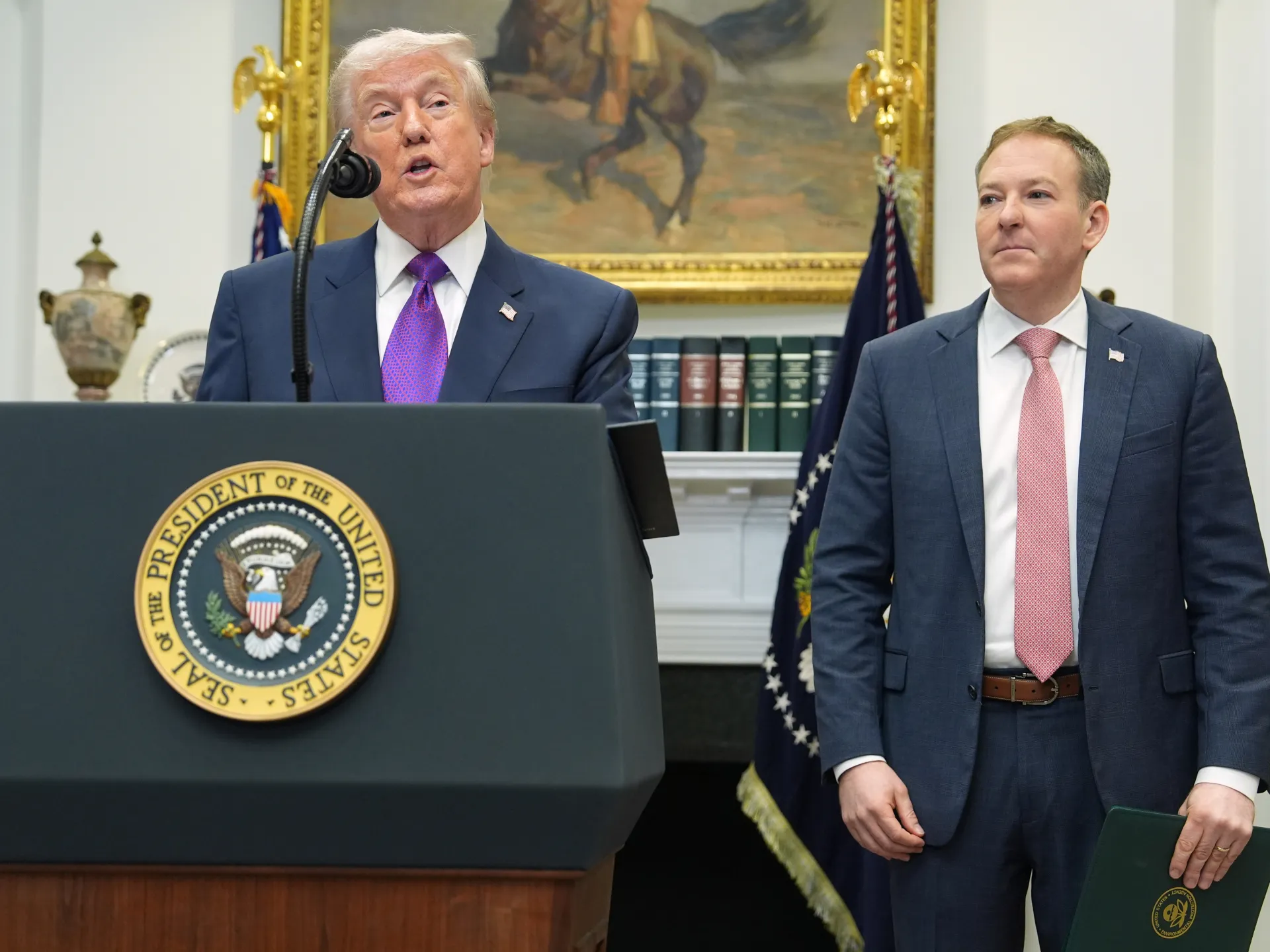
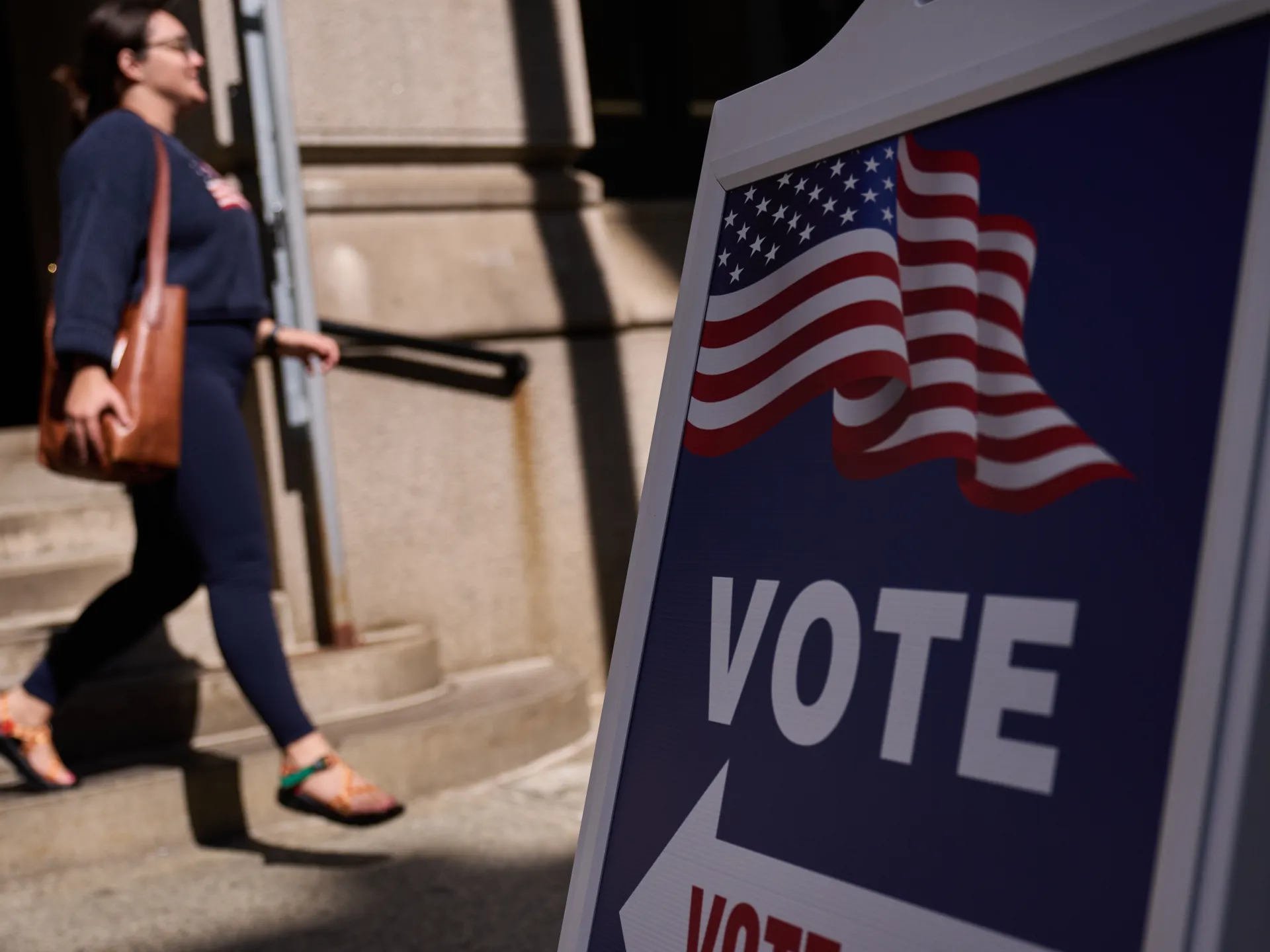
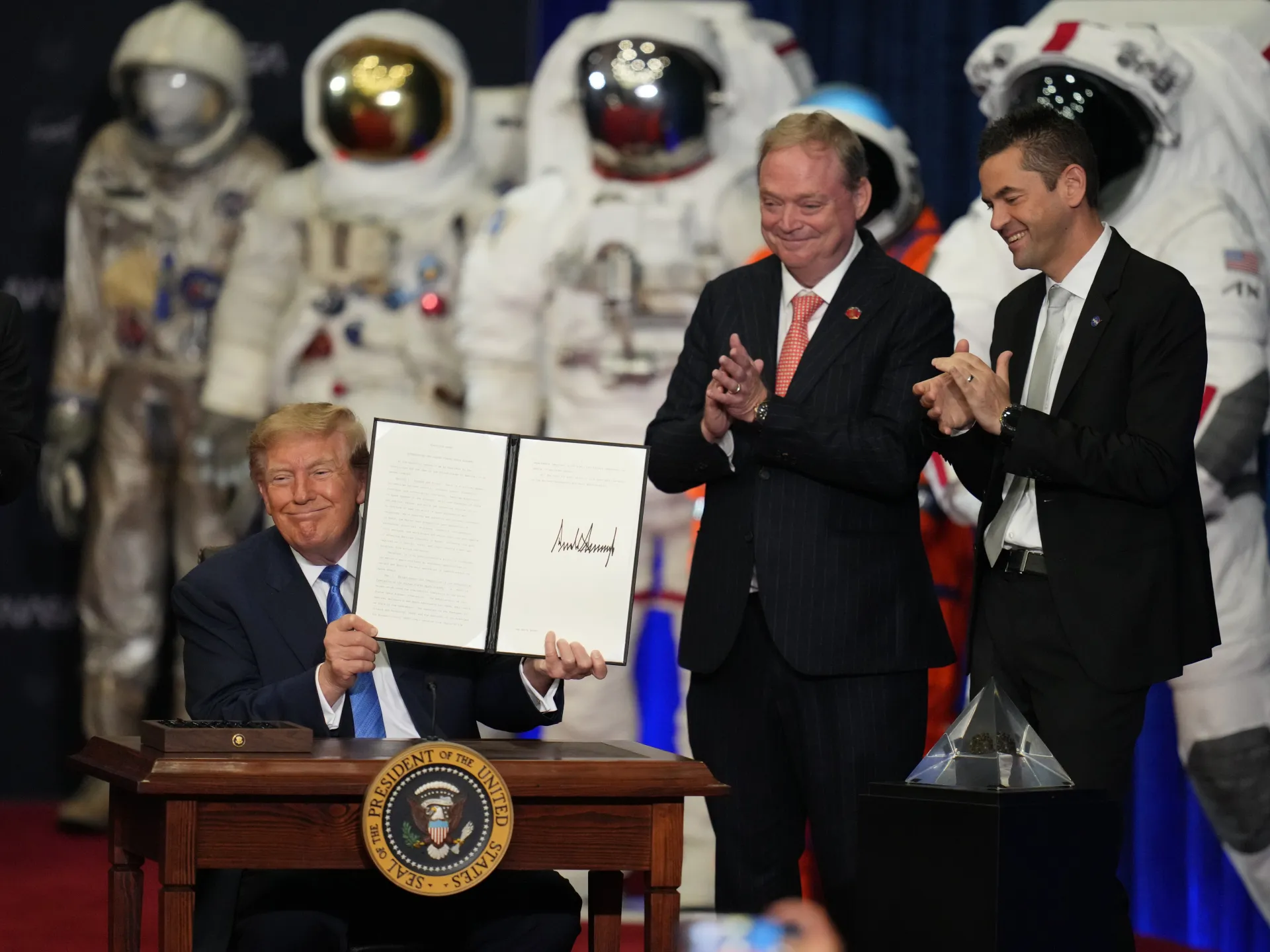
While the scientific community celebrates these advancements, the domestic climate remains focused on the upcoming midterm elections. Economists have noted that persistent inflation and high borrowing costs are disproportionately affecting lower-income Americans, potentially shifting the national conversation toward immediate fiscal relief. During a post-launch briefing, President Donald Trump acknowledged the scientific team’s success, positioning the project as a facet of American technological dominance. However, whether such national achievements can divert voter attention from the persistent "economic squeeze" remains a point of contention for analysts observing the current political cycle.
The Roman telescope will spend the remainder of its 100-day journey transitioning into its final orbit, after which it will begin its primary mission of charting exoplanets and studying dark energy. The success of this mission will likely depend on the precision of its instrument calibration during the transit phase. Conversely, the political landscape will be shaped If affordability remains a dominant concern, the administration may face increased pressure to justify large-scale federal scientific budgets against the backdrop of household economic hardship.