

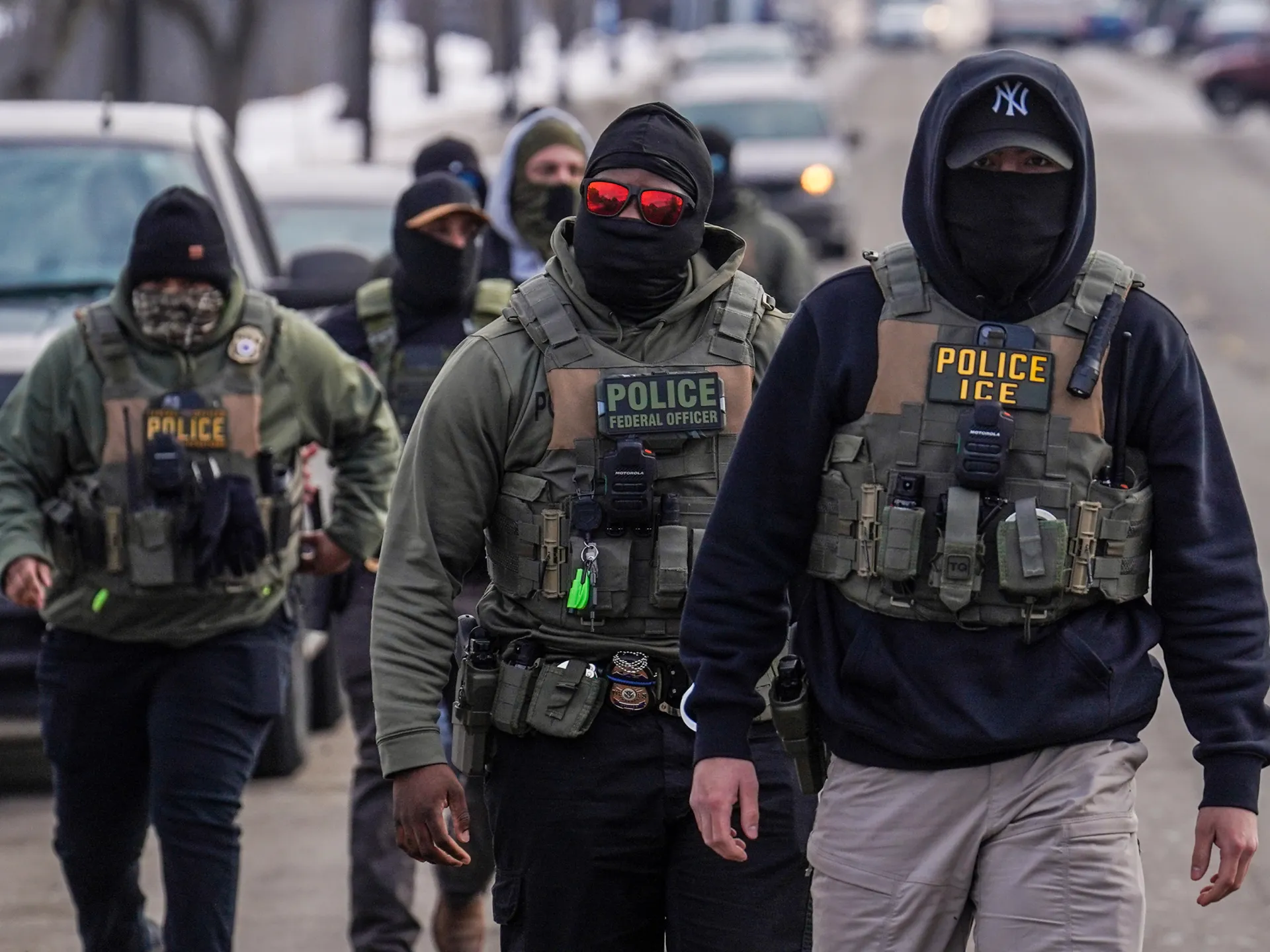
ICE has finalized a $16.7 million contract for electric-shock gloves, drawing intense criticism from civil rights groups and lawmakers over potential misuse.
The United States Immigration and Customs Enforcement (ICE) agency recently finalized a significant procurement agreement involving the acquisition of 6,000 pairs of electric-shock gloves. Valued at $16.7 million, the contract was awarded to Compliant Technologies, a firm headquartered in Kentucky, through a non-competitive, no-bid process. The agreement covers not only the physical hardware but also the provision of necessary support services and equipment over a six-month deployment window.
According to official procurement documentation, the agency intends to classify these items as de-escalation tools. ICE leadership maintains that the gloves are intended for use in high-tension environments, specifically during the apprehension of suspects, the transportation of detainees who exhibit combative behavior, and the management of civil unrest occurring outside of federal detention centers. The agency argues that the technology provides a necessary middle ground for officers tasked with maintaining order.
The stated justification for this investment centers on officer safety and the control of individuals who may be resisting arrest. Officials claim that l escapes, and ensure that detainees comply with handcuffing procedures without resorting to lethal force. The agency asserts that this equipment is intended to act as a deterrent and a controlled response to both active and passive resistance during official operations.
ICE has defended the acquisition of force, such as the use of firearms. l for long-term injury to both detainees and officers will be reduced. Furthermore, the agency has committed to utilizing these devices under a framework of established policy, mandatory training, and strict accountability standards.
The Department of Homeland Security, which oversees ICE, has been vocal in its defense of the procurement. In a public statement, the department characterized opposition to the purchase as a dangerous political maneuver. They argued that attempts rt to undermine federal law enforcement and put officers at unnecessary risk while they perform their duties.
Despite these assurances, the agency has faced intense questioning regarding the practical application of these tools. The shift toward integrating electronic control devices into everyday immigration enforcement operations marks a notable change in the agency's tactical approach. Officials emphasize that the integration of this technology will be accompanied d operational guidelines.
The decision to proceed with the contract has drawn sharp condemnation from various civil rights organizations and Democratic lawmakers. Critics argue that the agency has a history of questionable use-of-force practices and lacks the transparency necessary to deploy such sensitive technology safely. The American Civil Liberties Union has publicly warned that providing immigration agents with a concealed method for inflicting pain creates a significant risk for abuse and further diminishes public accountability.
Concerns from Congress have been particularly pointed. A group of US senators recently sent a formal letter to the acting director of ICE, urging the agency to abandon the acquisition. The letter highlighted past incidents of alleged force misuse in several major cities across the country, suggesting that these events undermine confidence in the agency's ability to implement new, high-risk tools without causing harm to the public.
The legislative branch has requested full transparency regarding how these gloves will be documented and reviewed. Lawmakers are demanding that the agency provide clear, public disclosures on the training protocols and the oversight mechanisms that will govern the use of these devices. Without such protections, critics fear that the gloves could be used indiscriminately, potentially escalating peaceful encounters into violent confrontations.
The debate surrounding this procurement is set against a backdrop of long-standing scrutiny regarding the treatment of individuals in ICE custody. Since the start of the current administration, there have been more than 50 documented deaths of detainees while in federal custody nationwide. These statistics have fueled the skepticism expressed trol will exacerbate an already volatile situation.
As the agency moves forward with the six-month rollout of this technology, the tension between federal enforcement priorities and civil liberties advocates is expected to persist. The outcome of this procurement process will likely serve as a focal point for future discussions on the appropriate use of force it as a vital component of its modernization efforts and officer safety strategy.