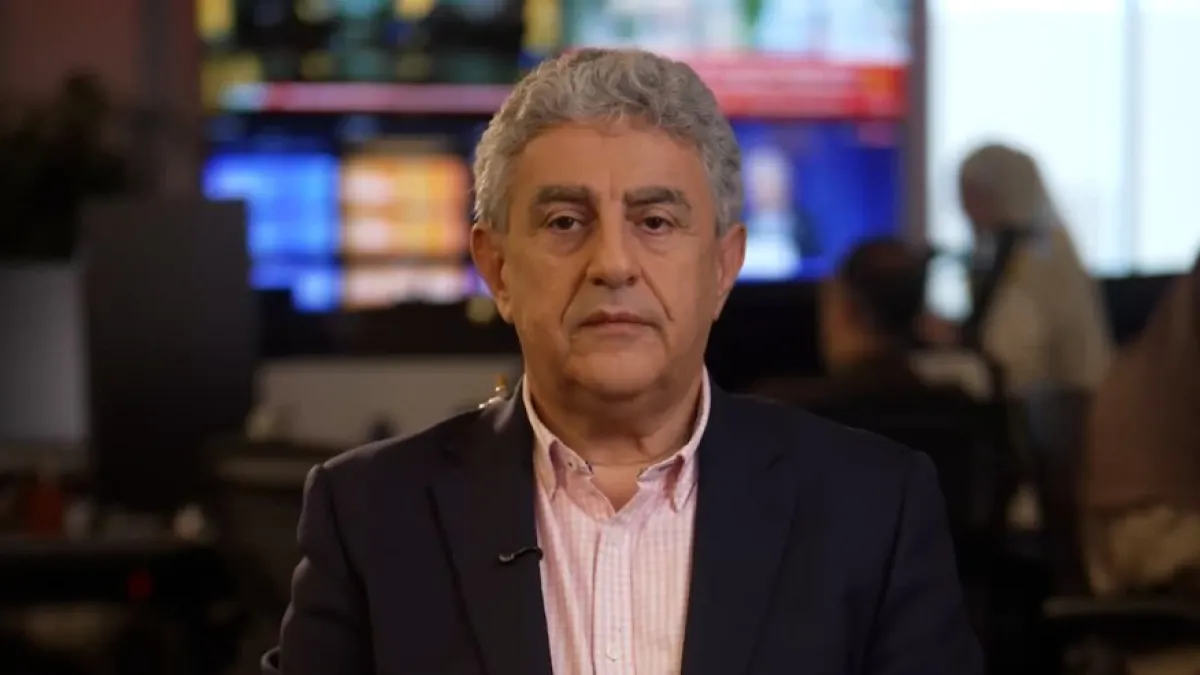
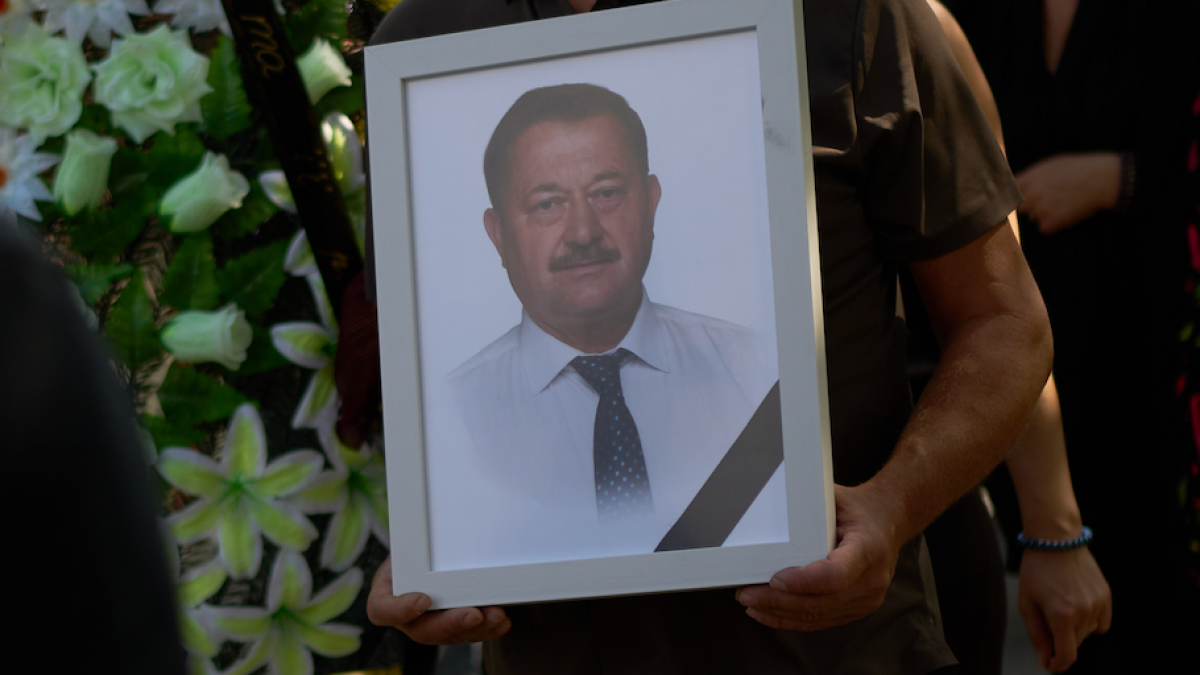
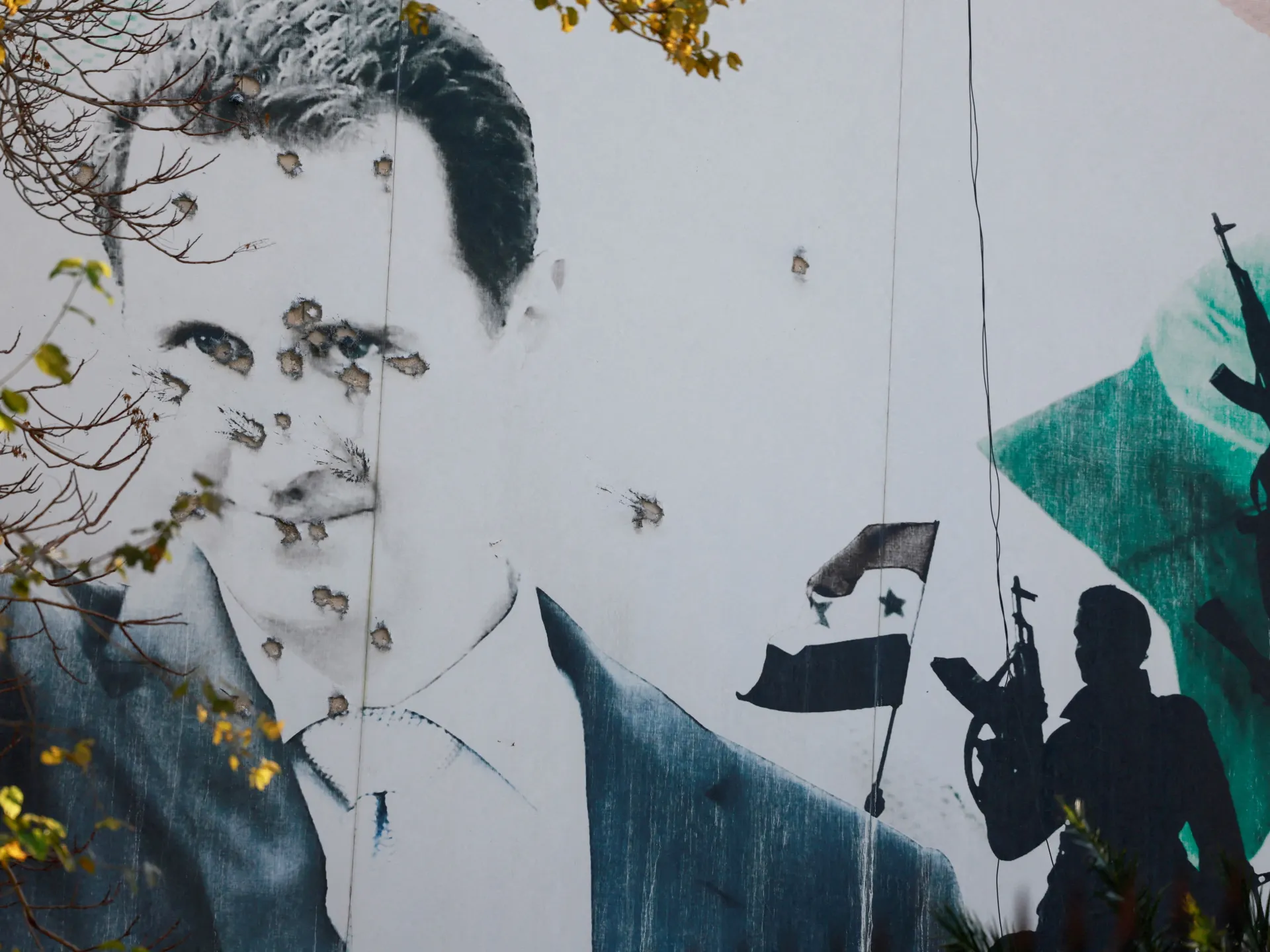
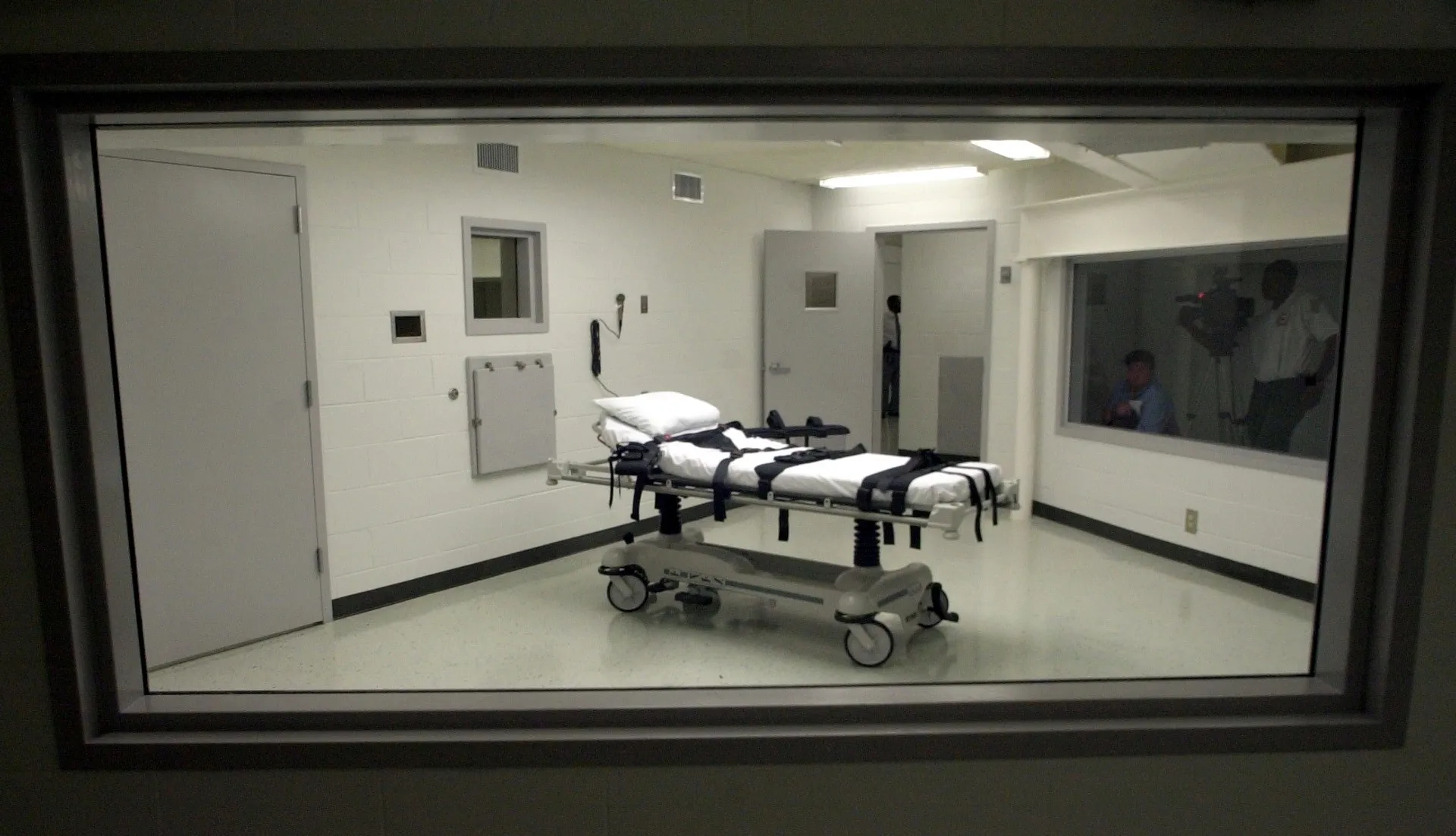
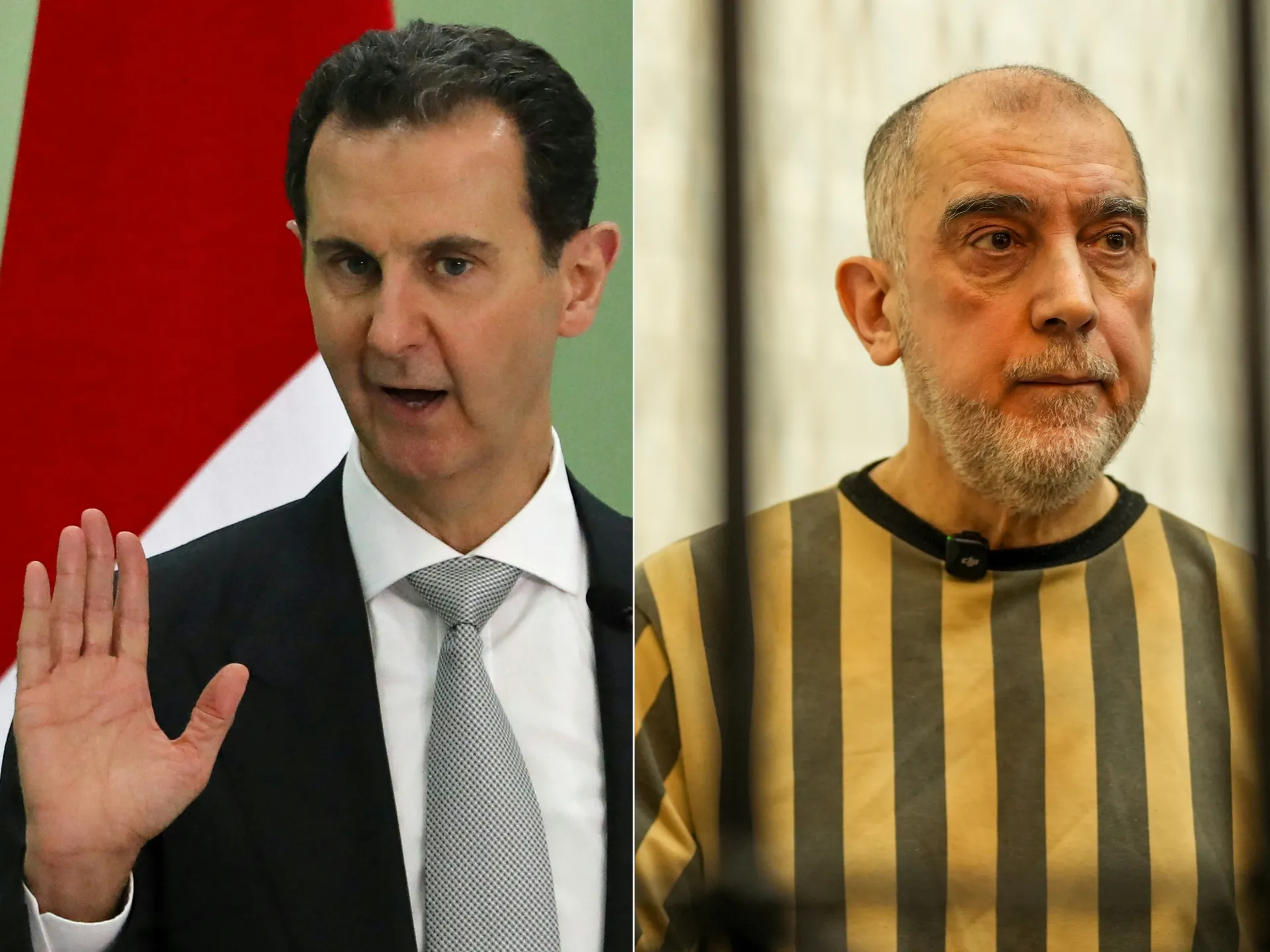
Atef Najib, a former security chief and cousin of Bashar al-Assad, has been sentenced to death for his role in the brutal crackdown on the 2011 uprising.
Atef Najib, a 66-year-old former security chief, has emerged as a central figure in the ongoing efforts to hold the former Syrian regime accountable for decades of human rights abuses. As a first cousin of the ousted president Bashar al-Assad, Najib occupied a critical position within the state apparatus, serving as the head of political security for the Deraa province. His career trajectory, which began with his graduation from the Military Academy in Homs during the early 1980s, eventually placed him at the epicenter of the events that triggered the 14-year civil war.
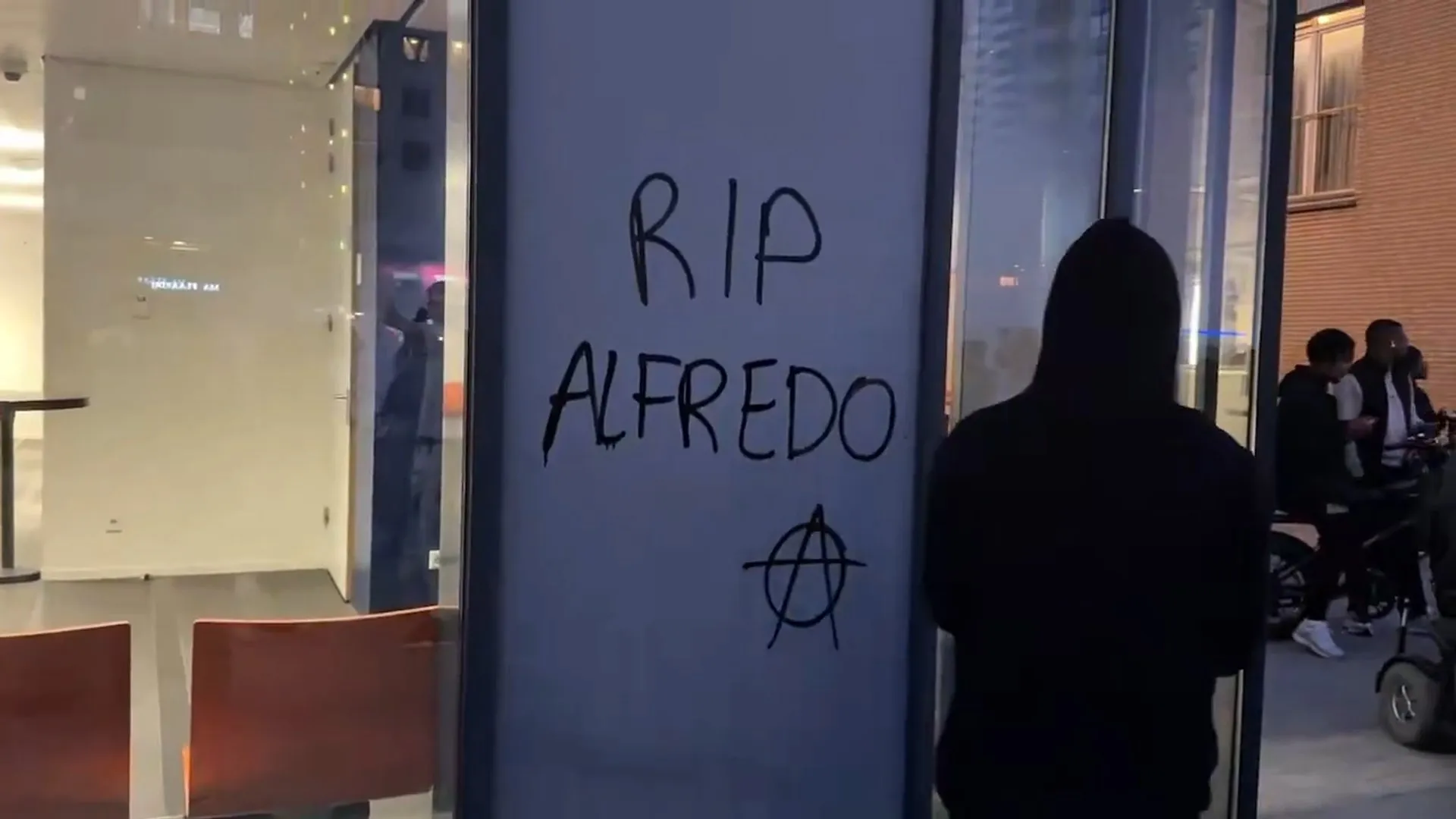
Najib’s tenure in Deraa is perhaps best remembered for the brutal suppression of dissent that occurred in 2011. It was under his watch that security forces arrested and tortured teenagers who had painted anti-government graffiti on school walls. This specific act of state violence became the primary catalyst for the widespread protests that ultimately led to a full-scale armed conflict. Although the regime removed him from his post in April 2011, his legacy of repression remained a focal point for those seeking justice after the fall of the Assad government in December 2024.
The recent sentencing of Najib to death e Bashar al-Assad and his brother, Maher al-Assad, were also handed death sentences, their rulings were delivered in absentia, as they fled to Russia following the collapse of the regime. Najib, however, stood trial in person. His capture occurred in January 2025 during a security sweep in Latakia, making him the only high-ranking official from the old guard to face the new Syrian authorities within the country's own borders.
The trial, which commenced on April 26, involved a comprehensive examination of at least 10 serious criminal charges. These included premeditated murder, systemic torture, and crimes against humanity related to the 2011 Deraa crackdown. Over the course of eight sessions, the court heard testimonies from approximately 75 plaintiffs. The final verdict, delivered on Tuesday, confirmed Najib’s direct culpability in the deaths and torture of numerous detainees, solidifying his role as a primary perpetrator in the regime's campaign of violence.
This judicial process serves as a critical test for the interim administration led ion lives and left a massive number of people missing or arbitrarily detained, the new government has faced intense pressure to deliver accountability. Observers suggest that the legal framework established during the Najib trial will function as a vital precedent for future prosecutions of former regime figures, ensuring that the judicial record of these atrocities is preserved for history.
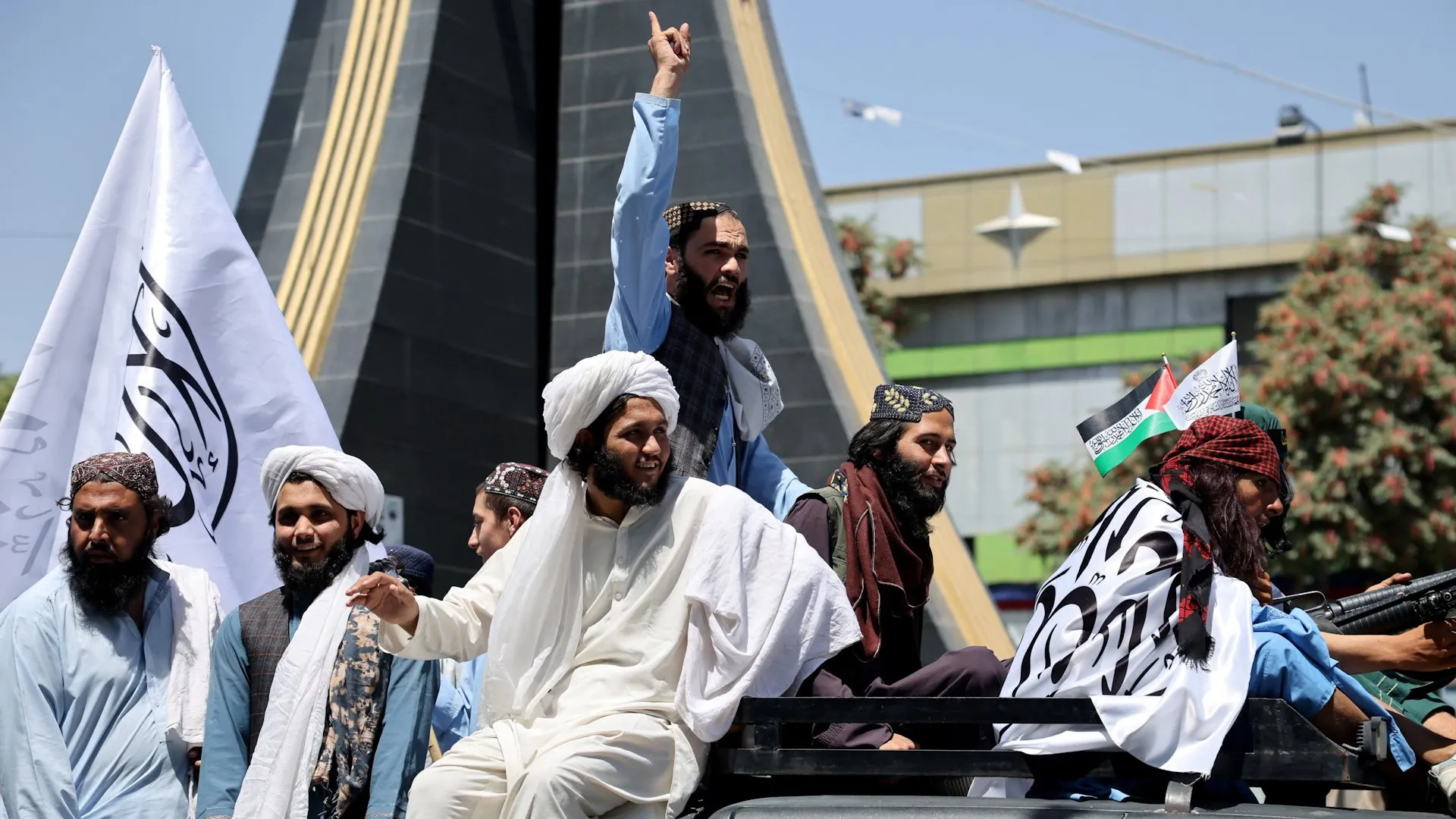
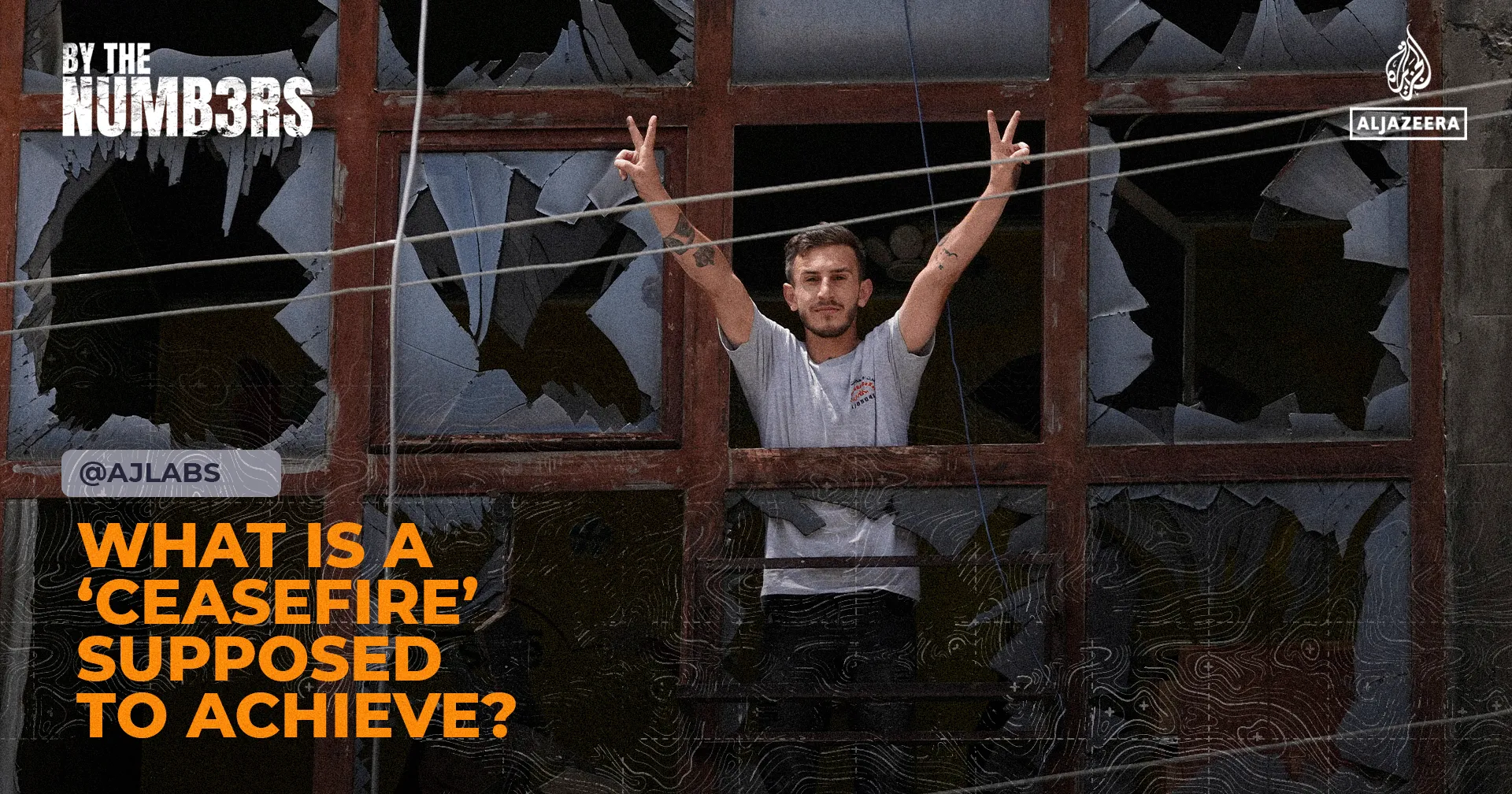
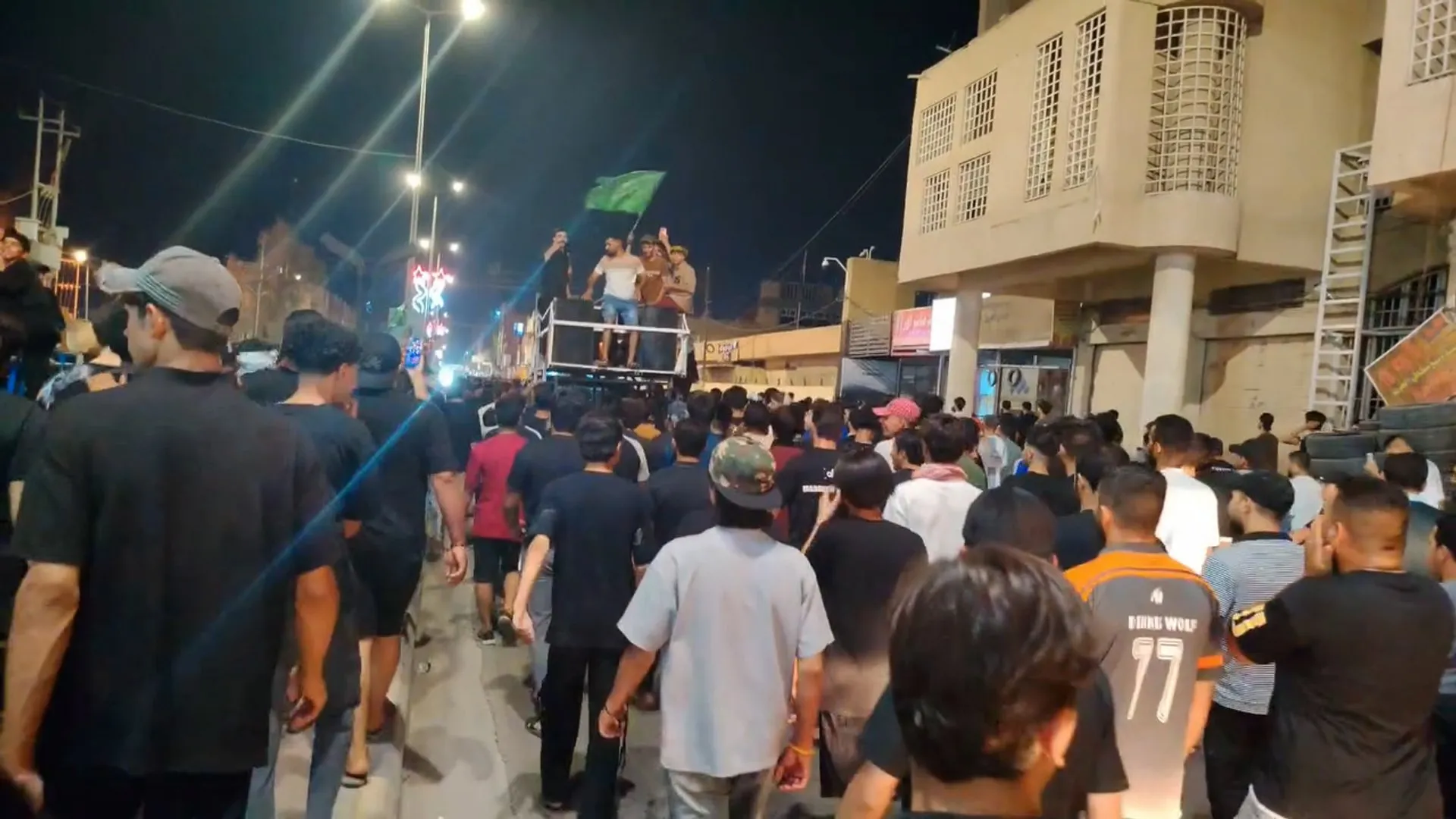
Beyond the legal mechanics, the trial has provided a sense of catharsis for the Syrian public. The presence of citizens celebrating in the streets of Damascus following the announcement of the verdict highlights the deep-seated desire for reconciliation after fifty years of dictatorship. Experts emphasize that the significance of this case extends beyond the sentencing of a single individual; it represents the beginning of a formal effort to build a judicial foundation that addresses the systemic abuses of the past.
The legal experts tracking the proceedings have noted that the court’s decision is fundamentally about establishing a formal record of state-sponsored crimes. robust evidence base that will be essential for subsequent cases. This process is viewed as a necessary step in transitioning from a state of conflict to a society governed ed
As the new government continues to navigate the complexities of post-war governance, the case against Najib stands as the most prominent example of its commitment to justice. While the challenges of addressing the disappearances and arbitrary detentions that affected 90 percent of the missing population remain immense, the successful prosecution of one of the regime’s most notorious security figures provides a clear signal that the era of unaccountable authority has concluded in Syria.