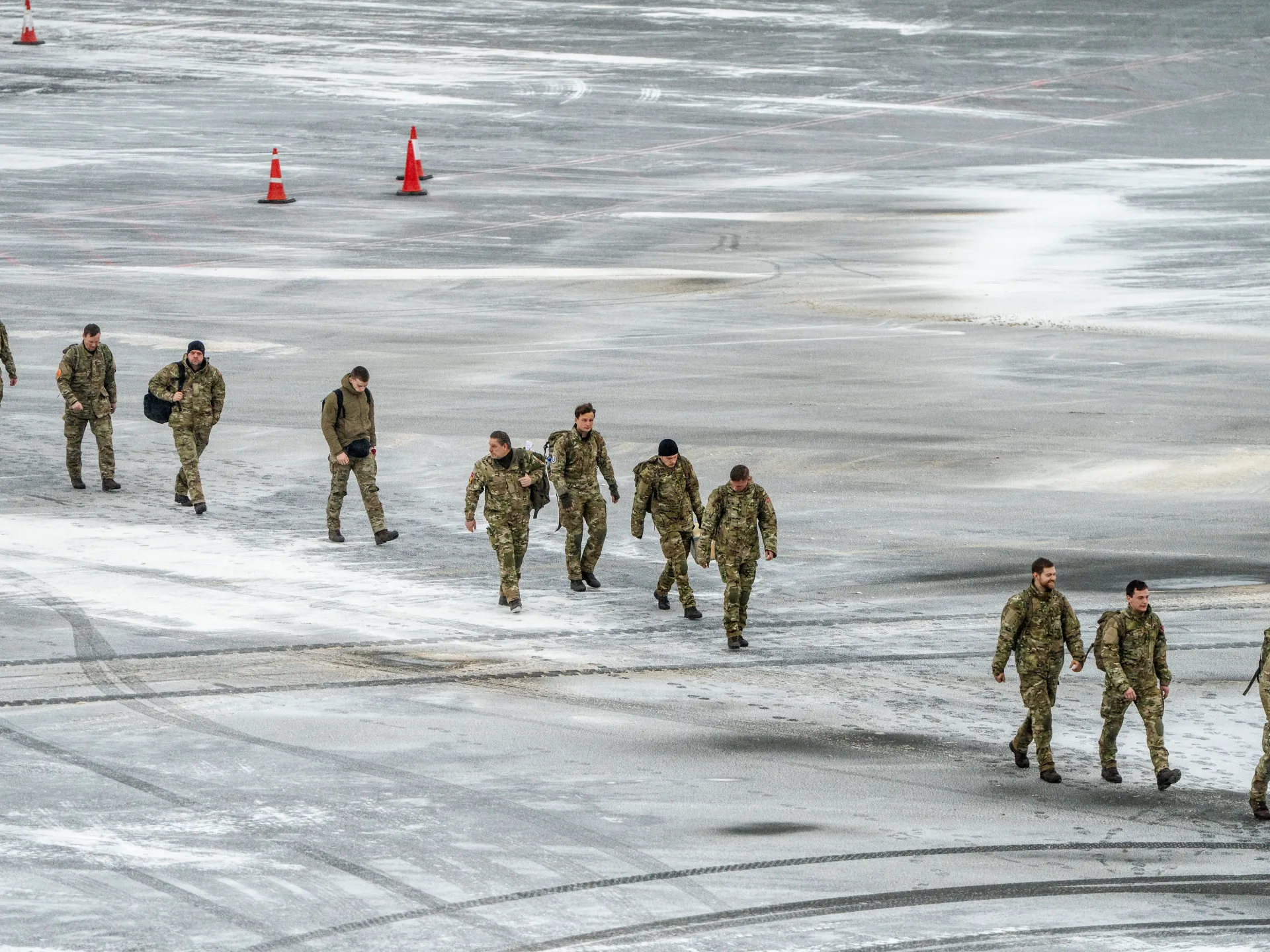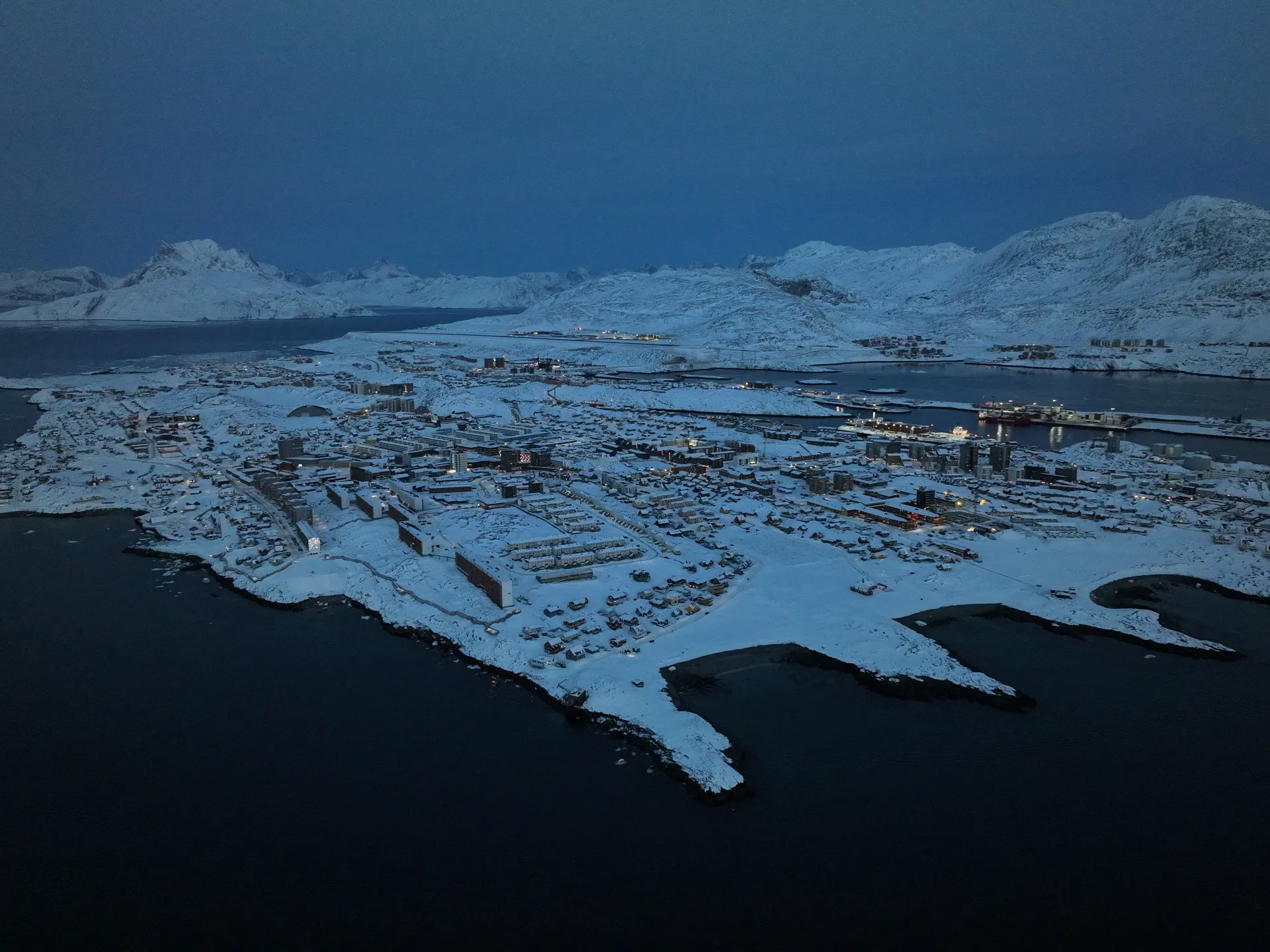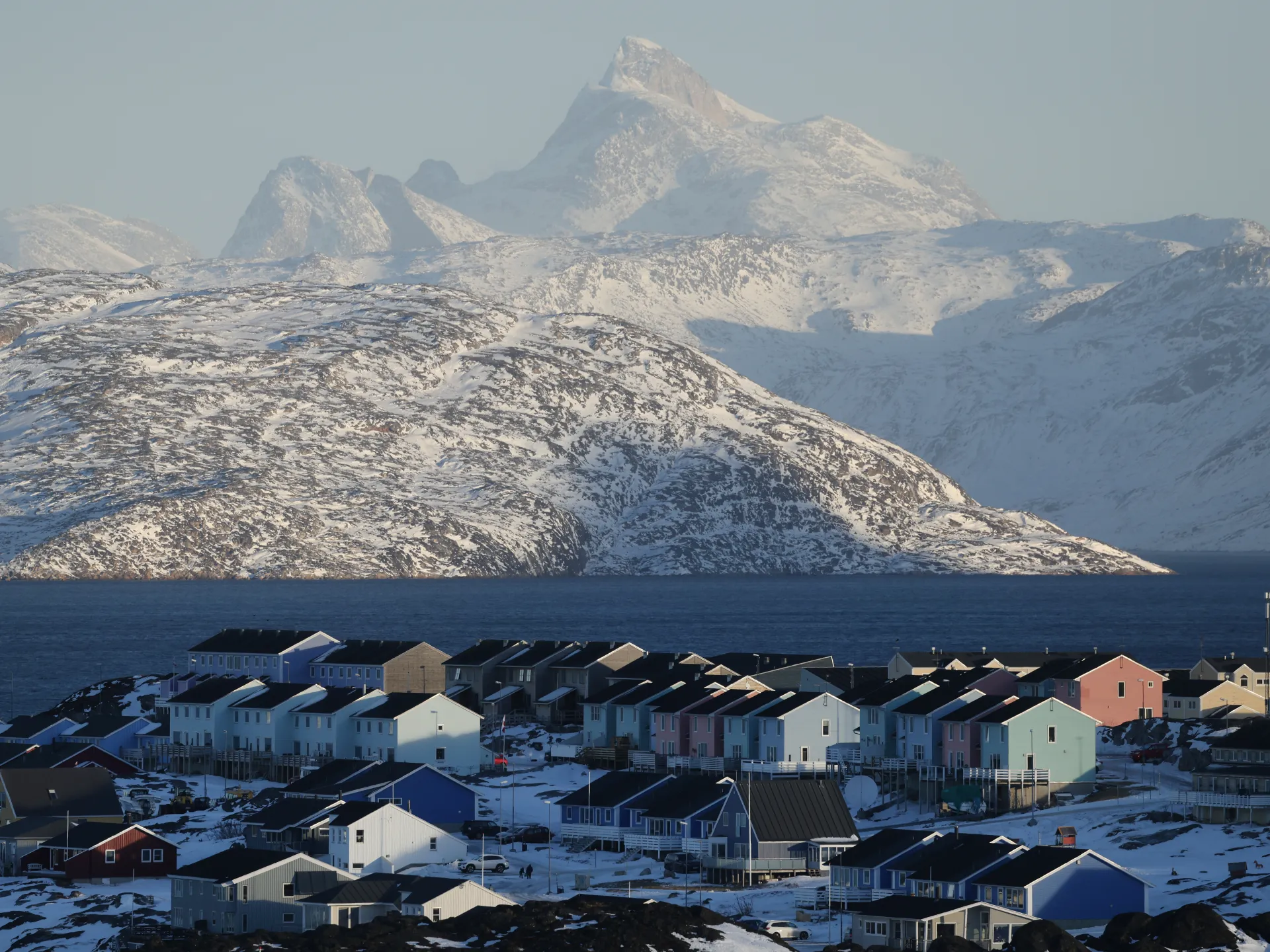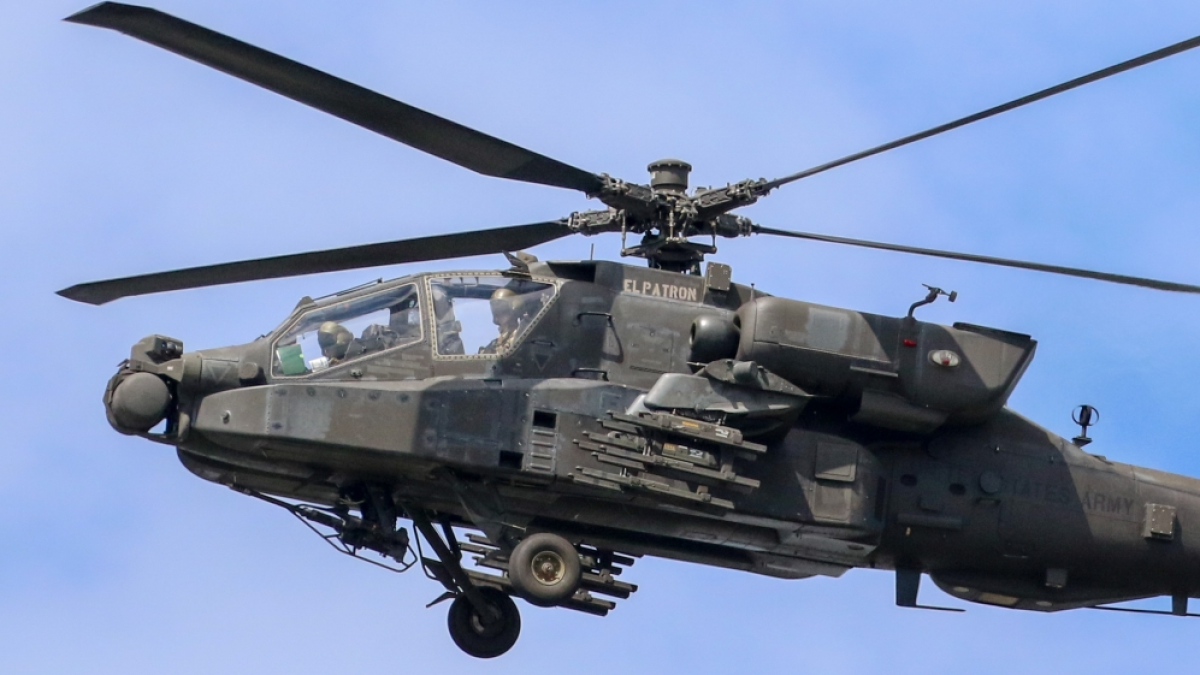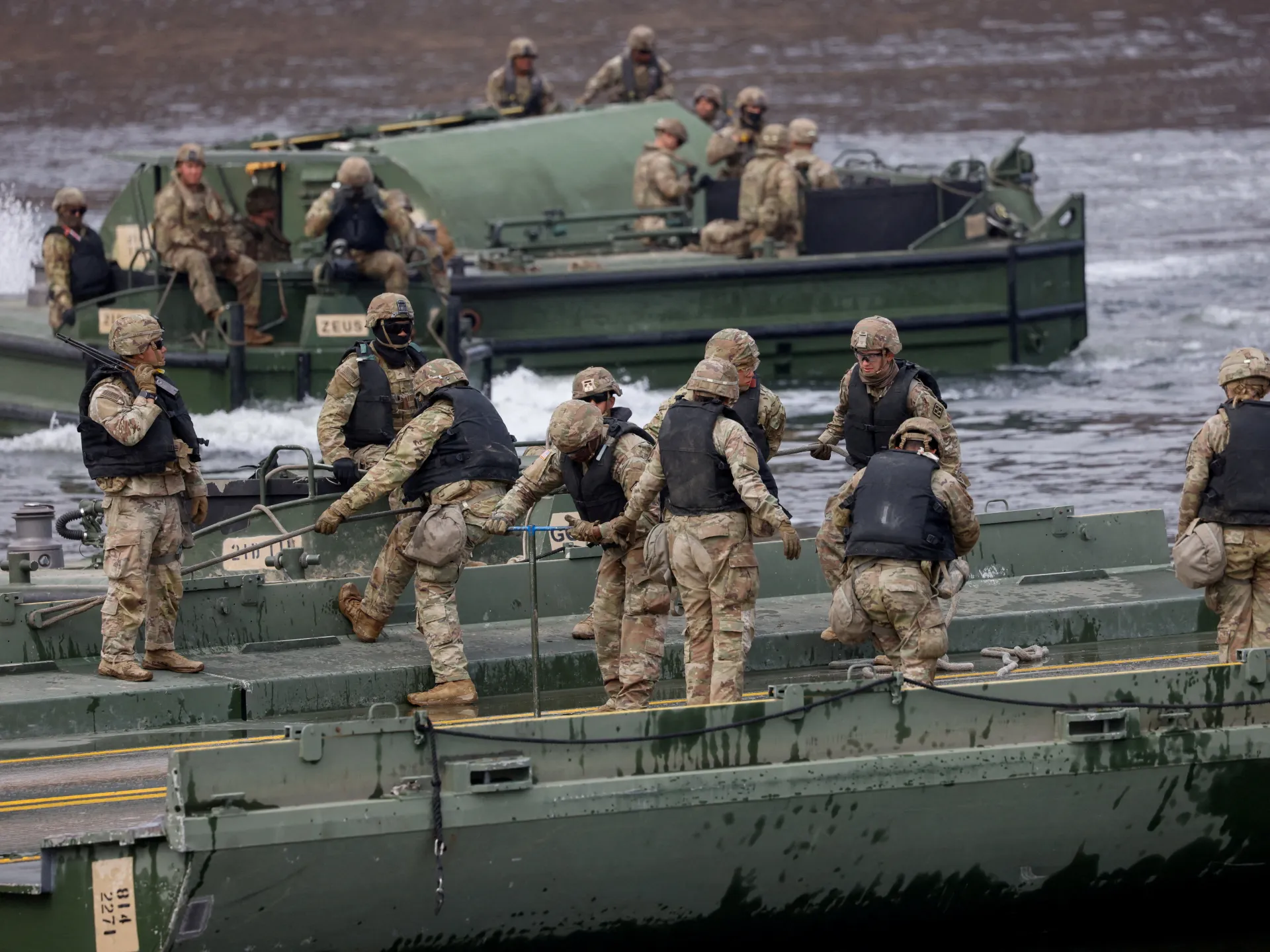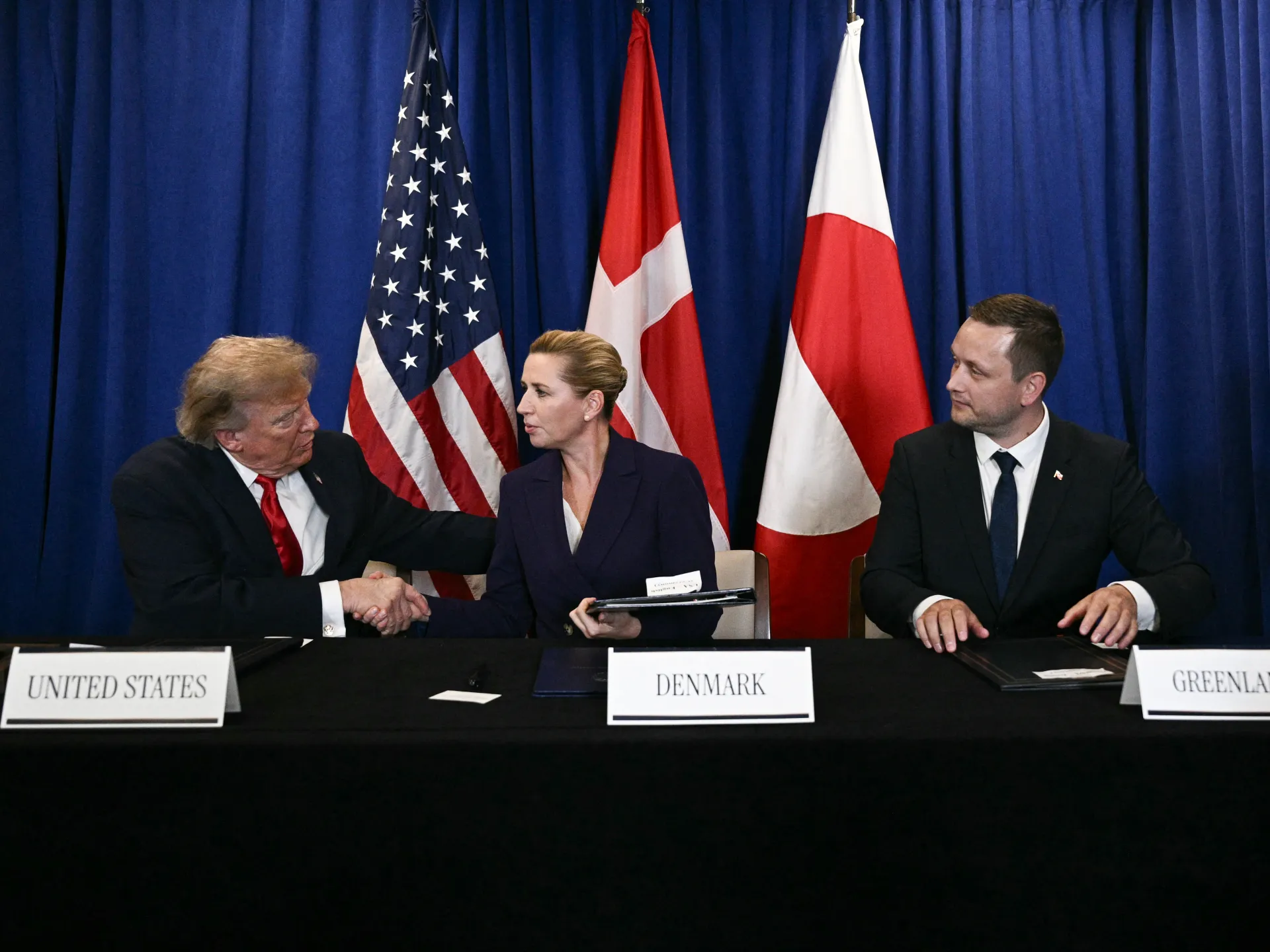
The United States has formalized a sweeping defense agreement with Denmark and Greenland, securing expanded basing rights and operational access across the Arctic island.
The formalization of this defense agreement represents a significant pivot in Arctic geopolitics, shifting the region from a zone of relative administrative stability to a hardened theater of international competition. military activity, the United States has moved to preempt the vacuum created —with recent NASA data indicating a plateau in melt-season duration—the strategic focus has transitioned from monitoring climate-driven accessibility to controlling the maritime and aerial gateways of the North.
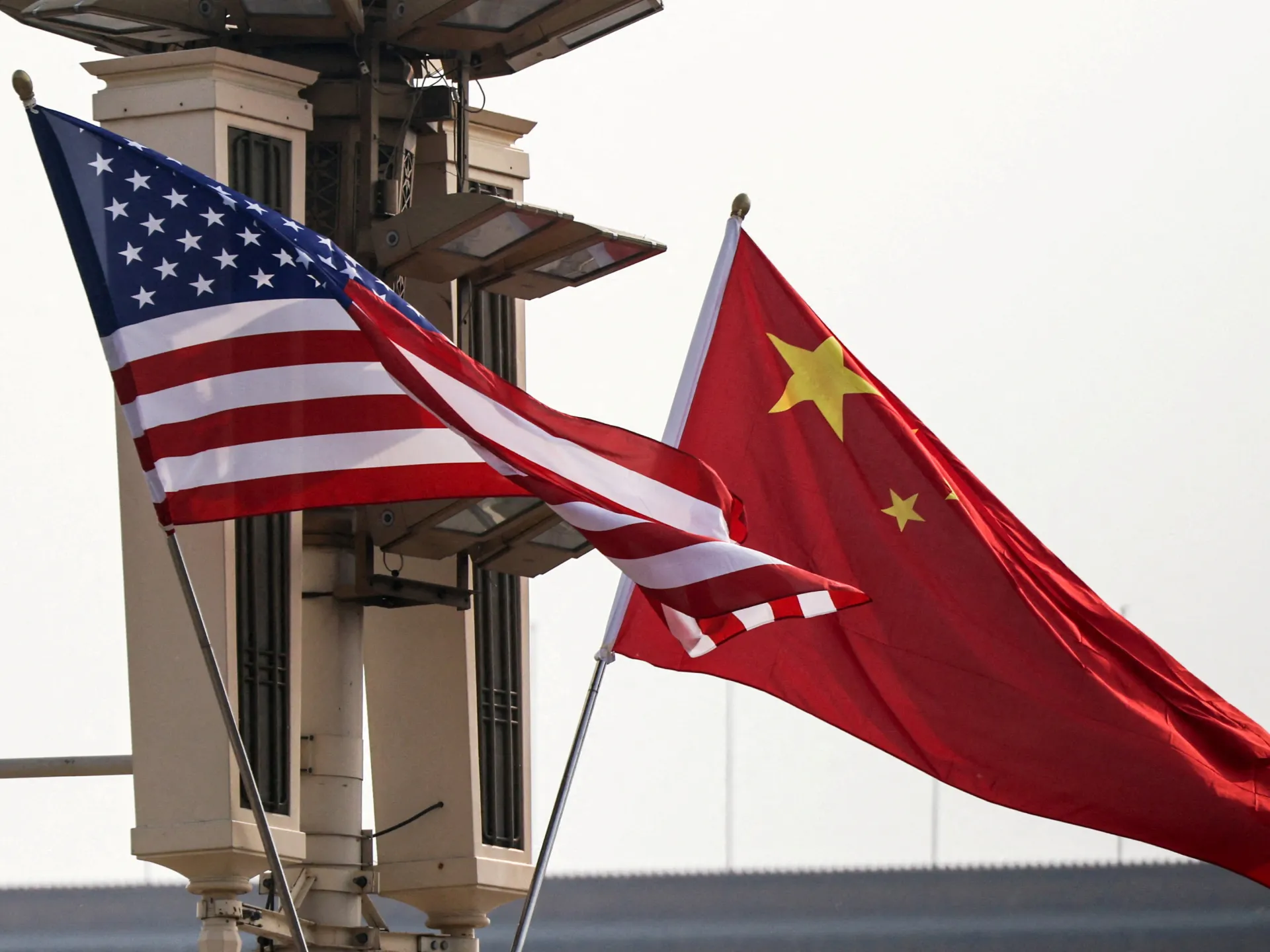
This development recalibrates the balance of power among NATO allies and non-member states alike. The stipulation that any future independent Greenland must inherit these defense obligations ensures that Washington’s long-term access remains tethered to the island’s political evolution. This is not merely a regional security pact; it is a declaration of American intent to contain Russian and Chinese influence in a high-latitude corridor that remains essential for global communications, undersea operations, and future logistics.
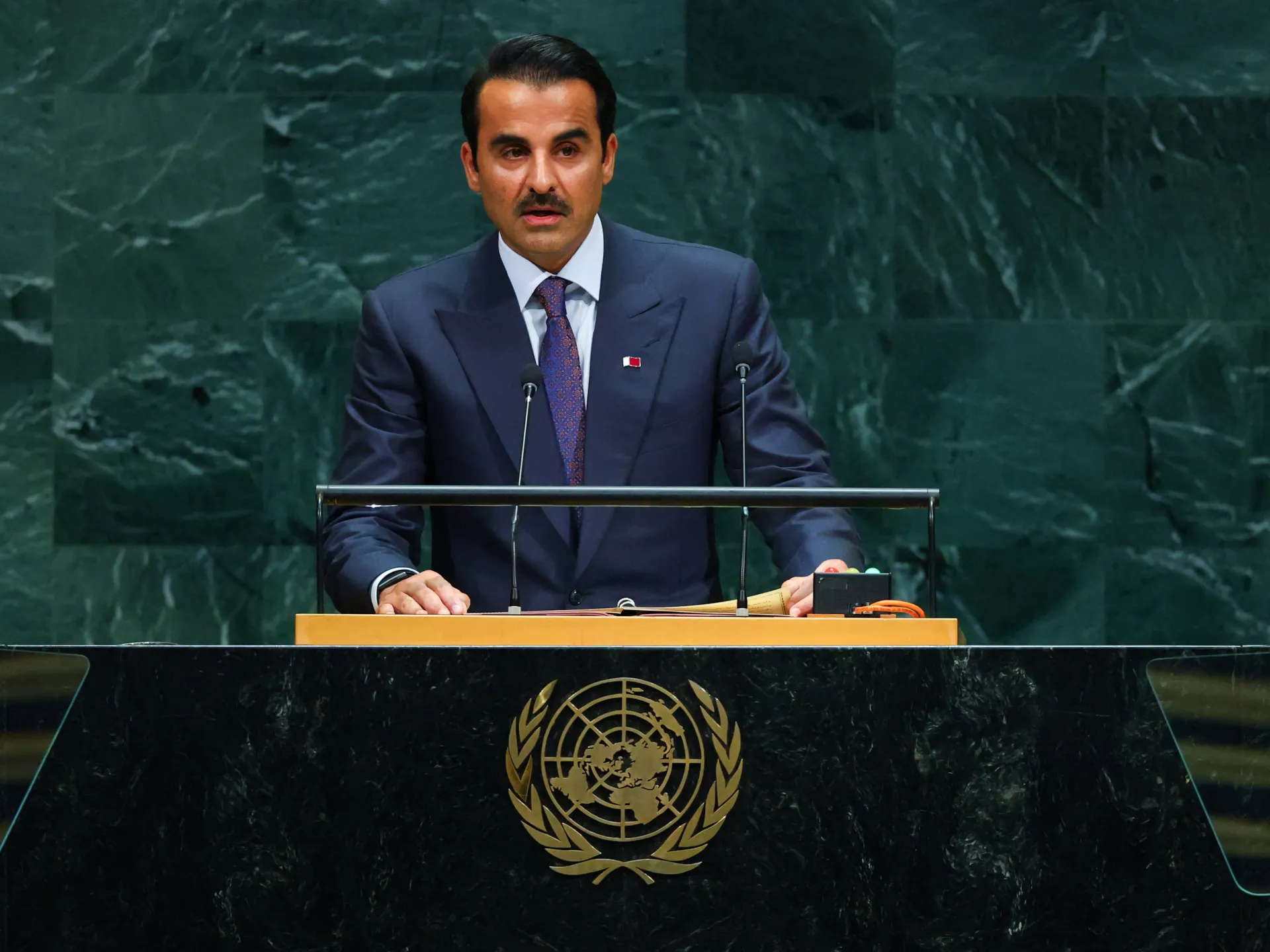
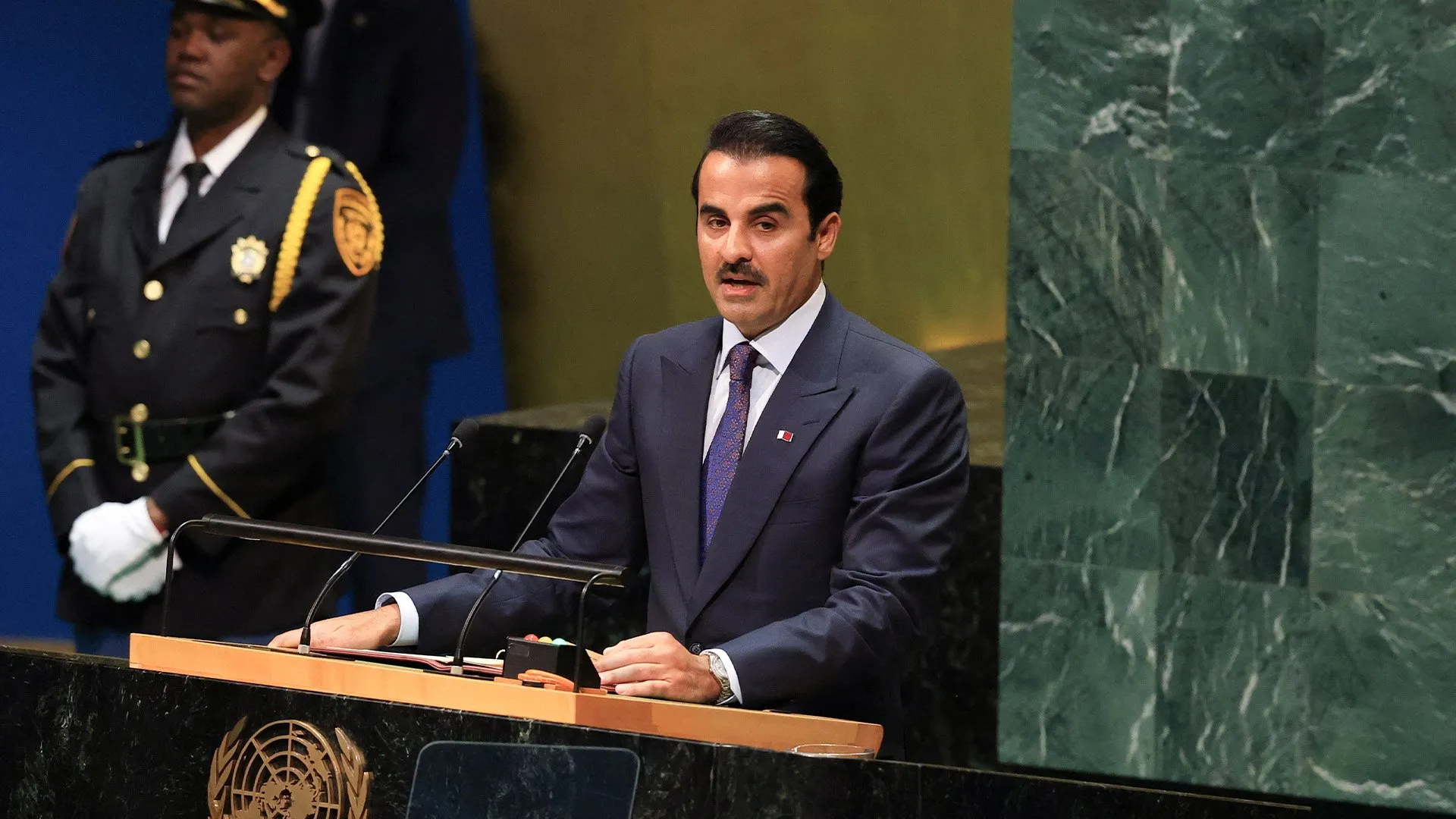
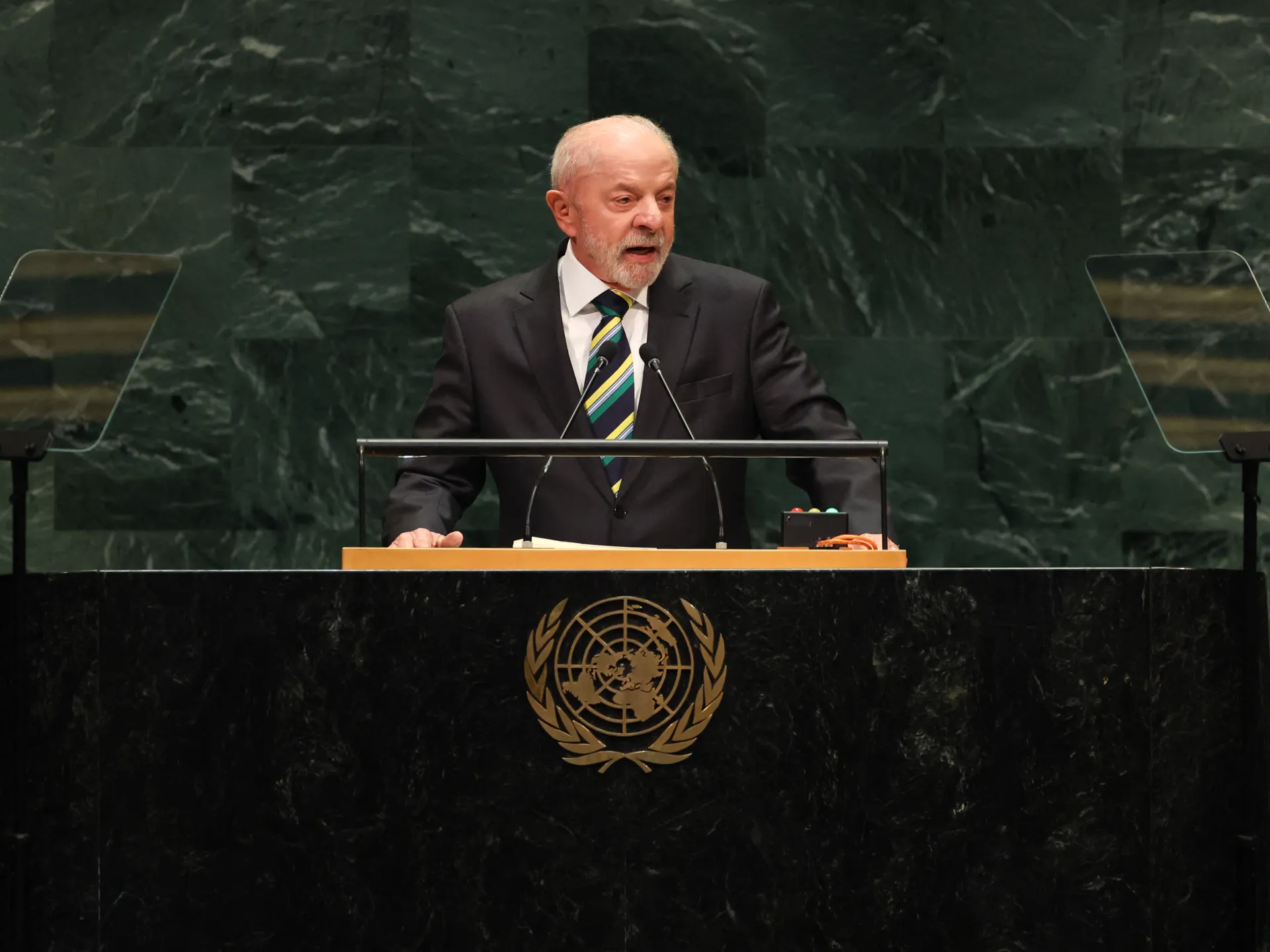
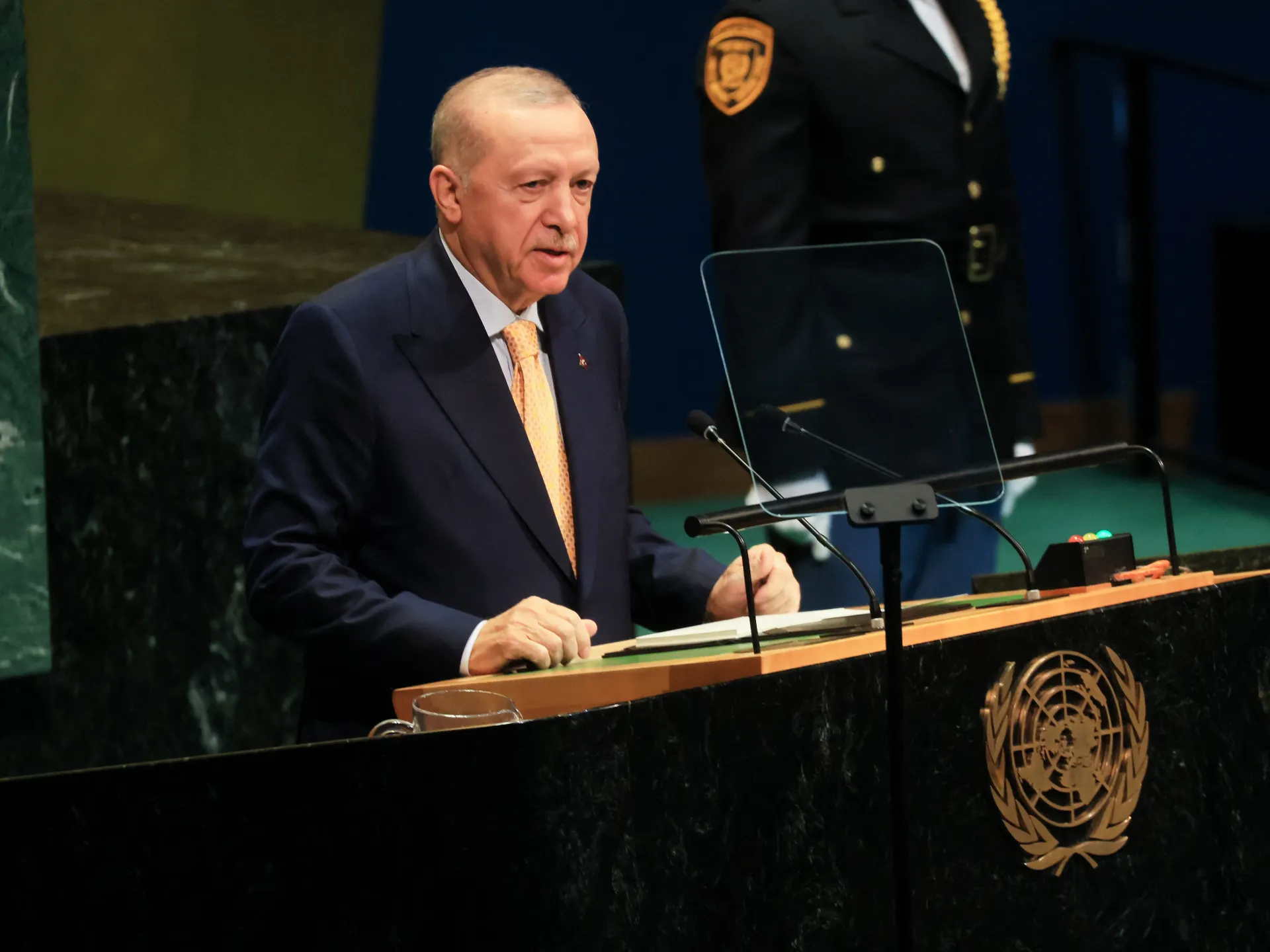
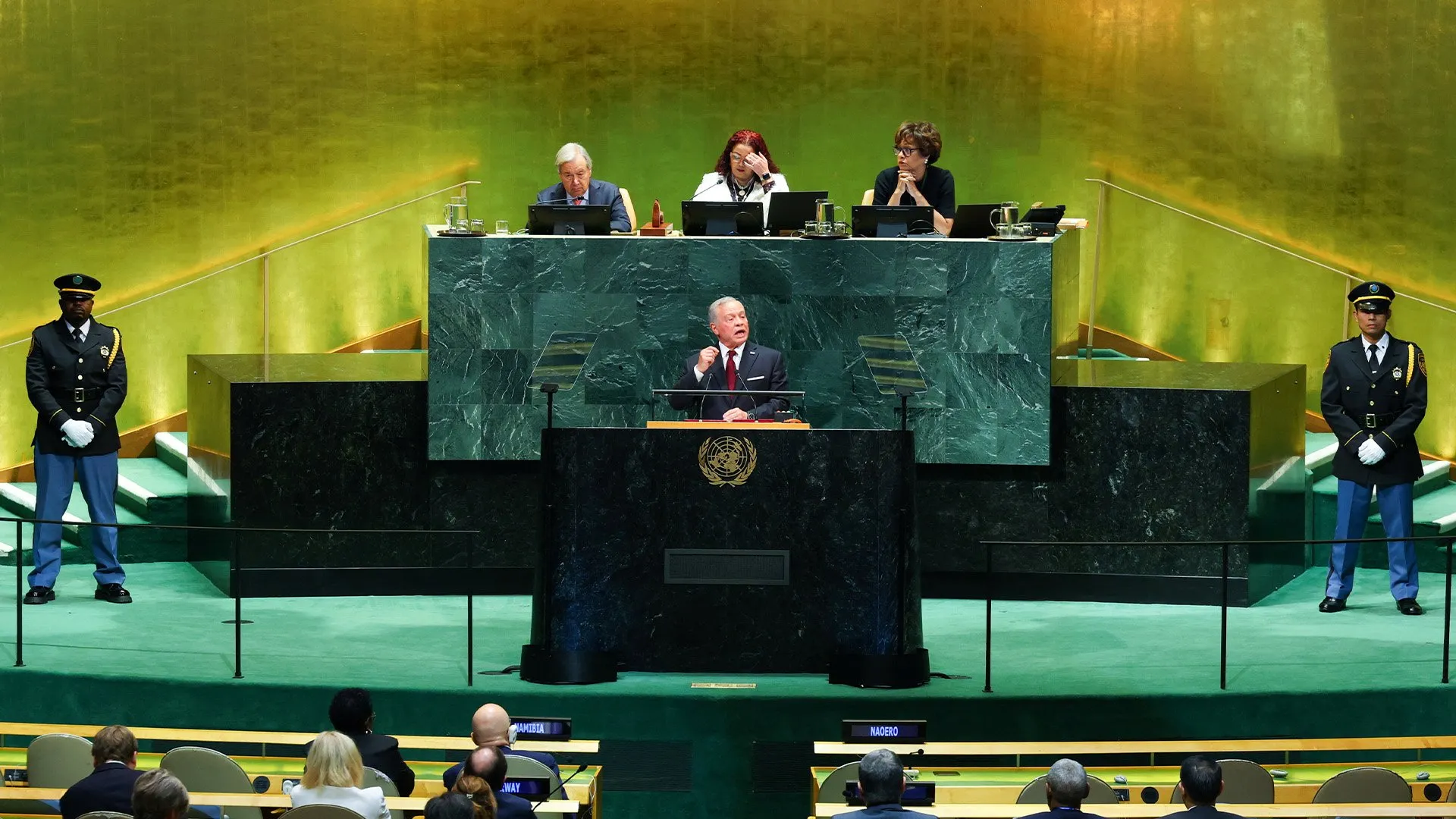
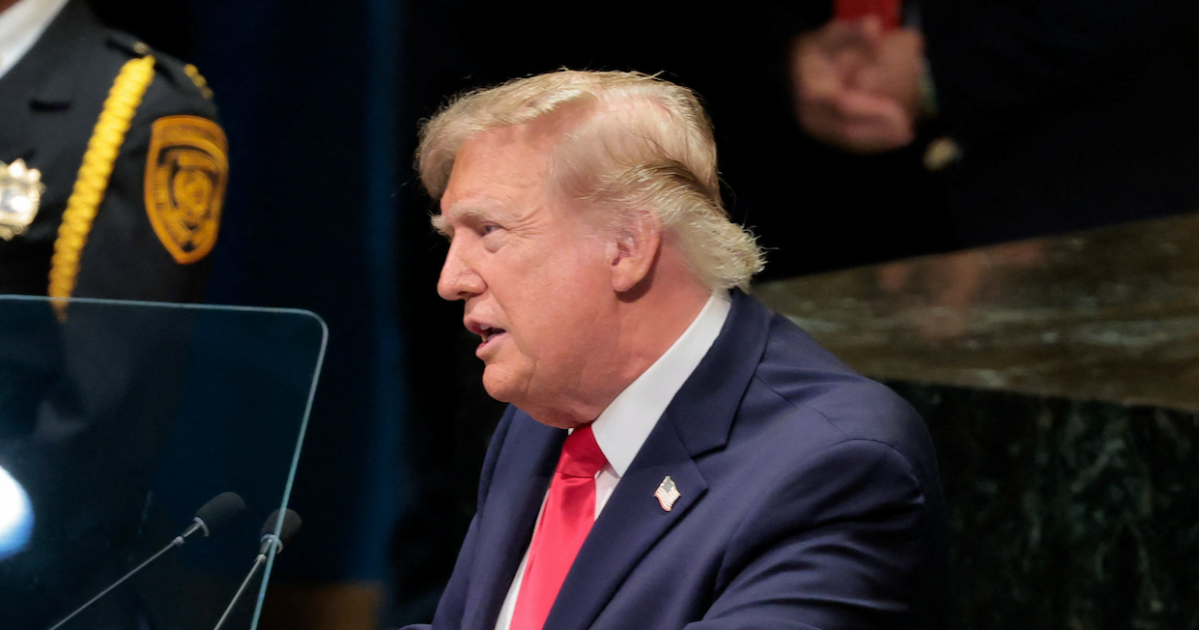
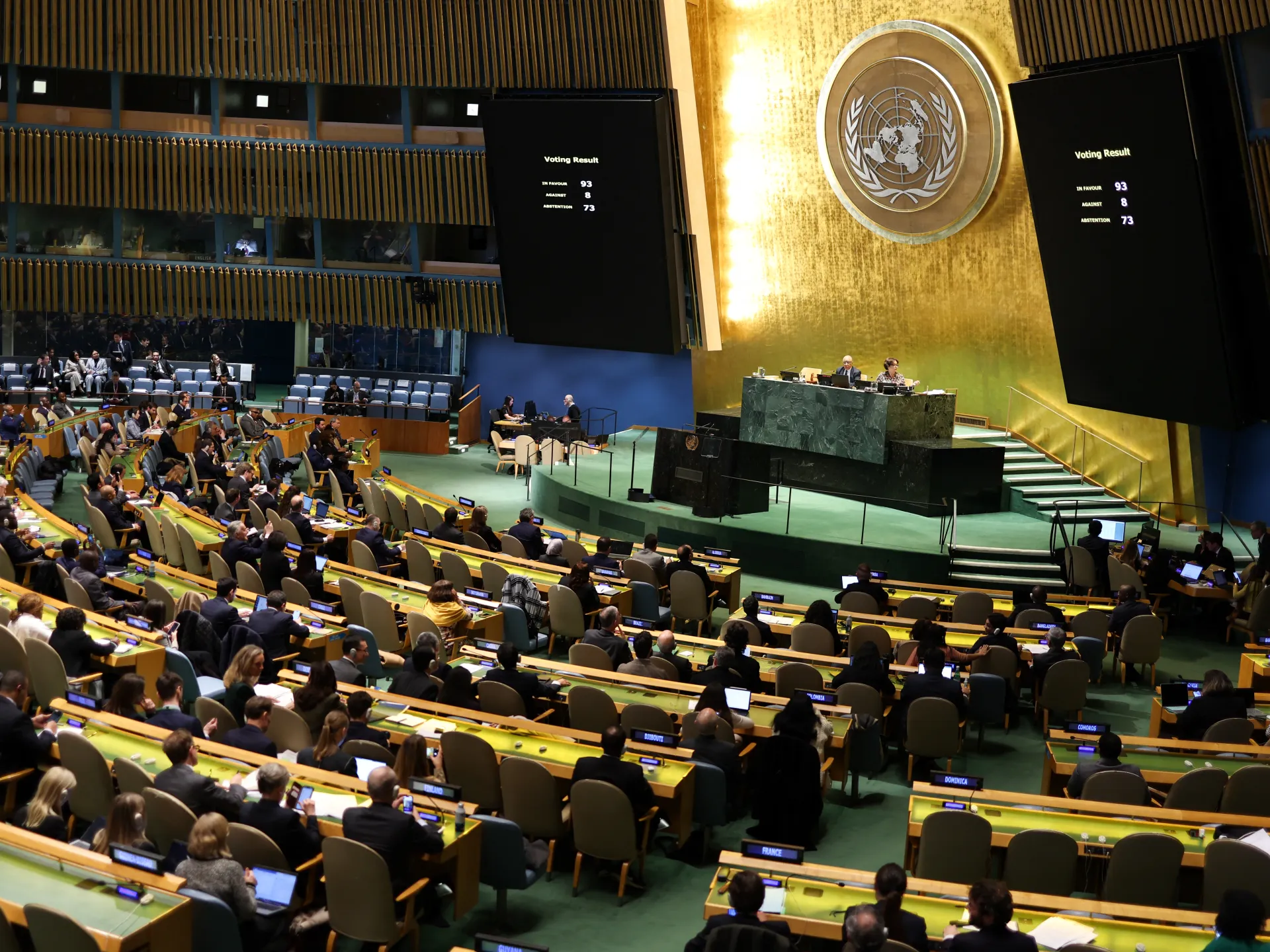
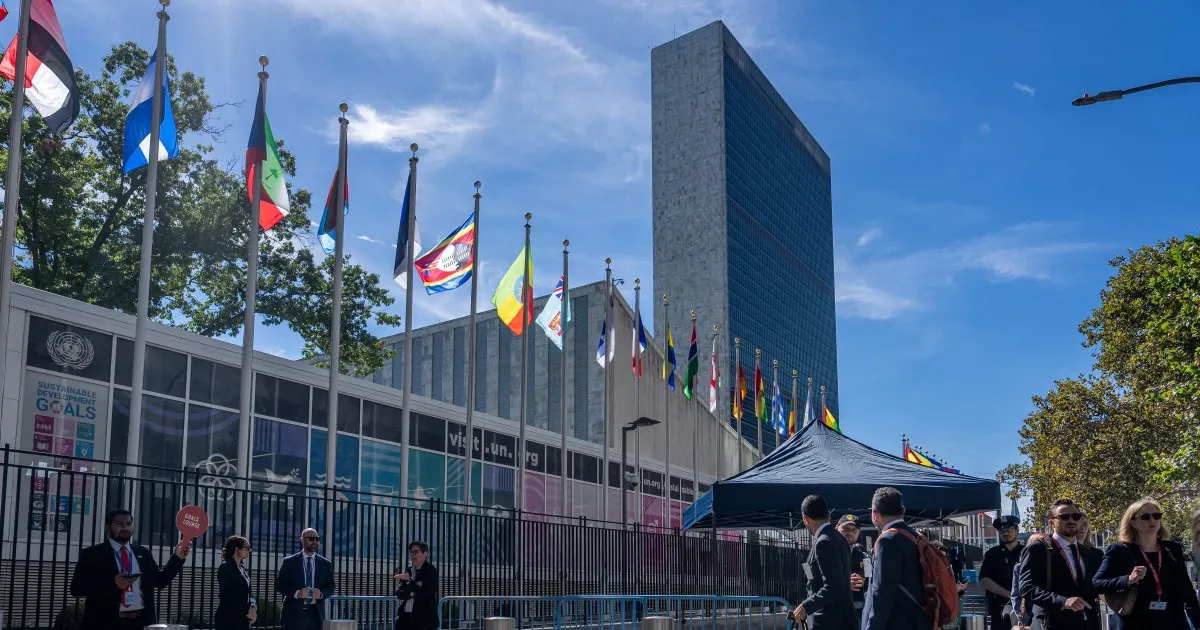
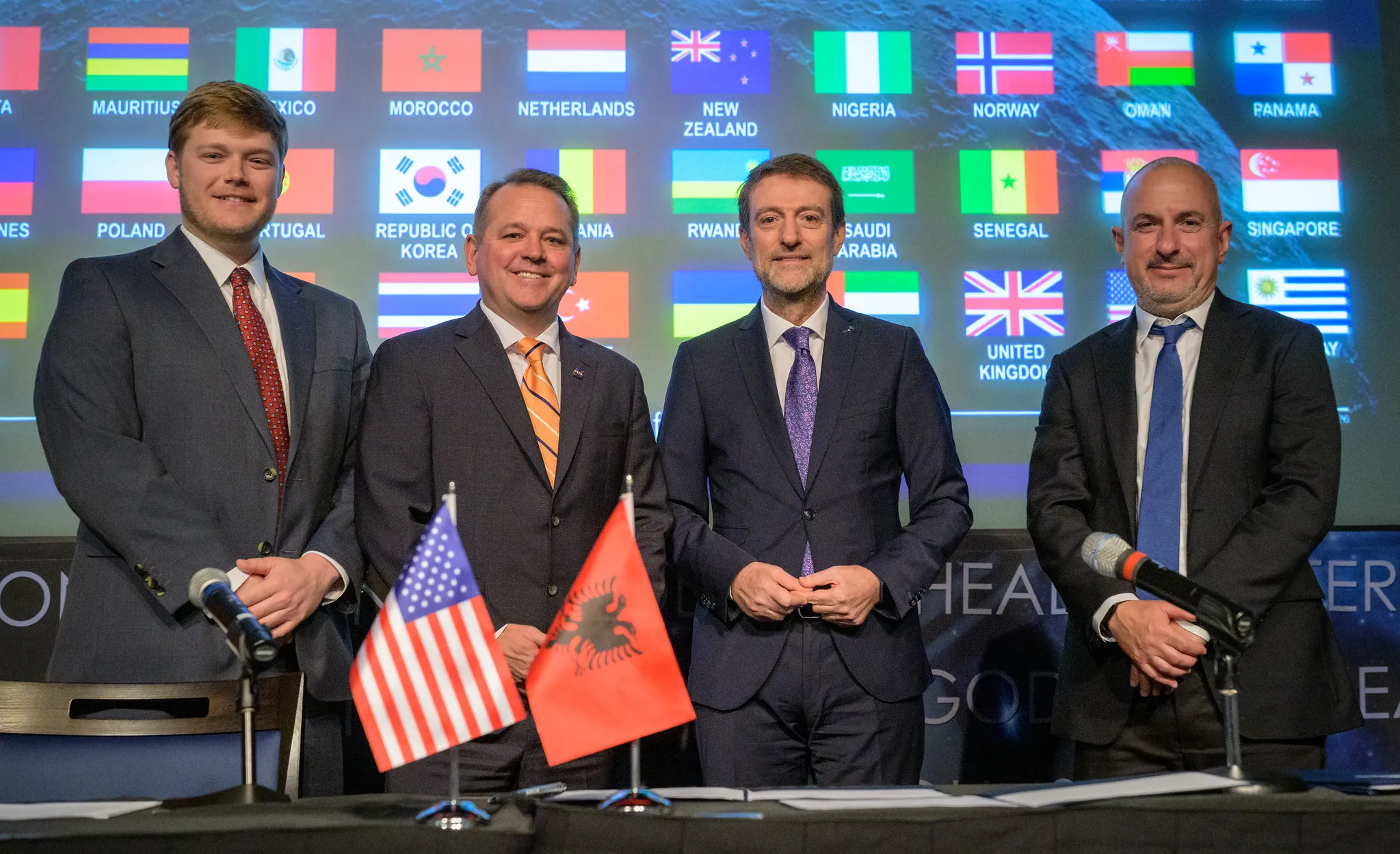
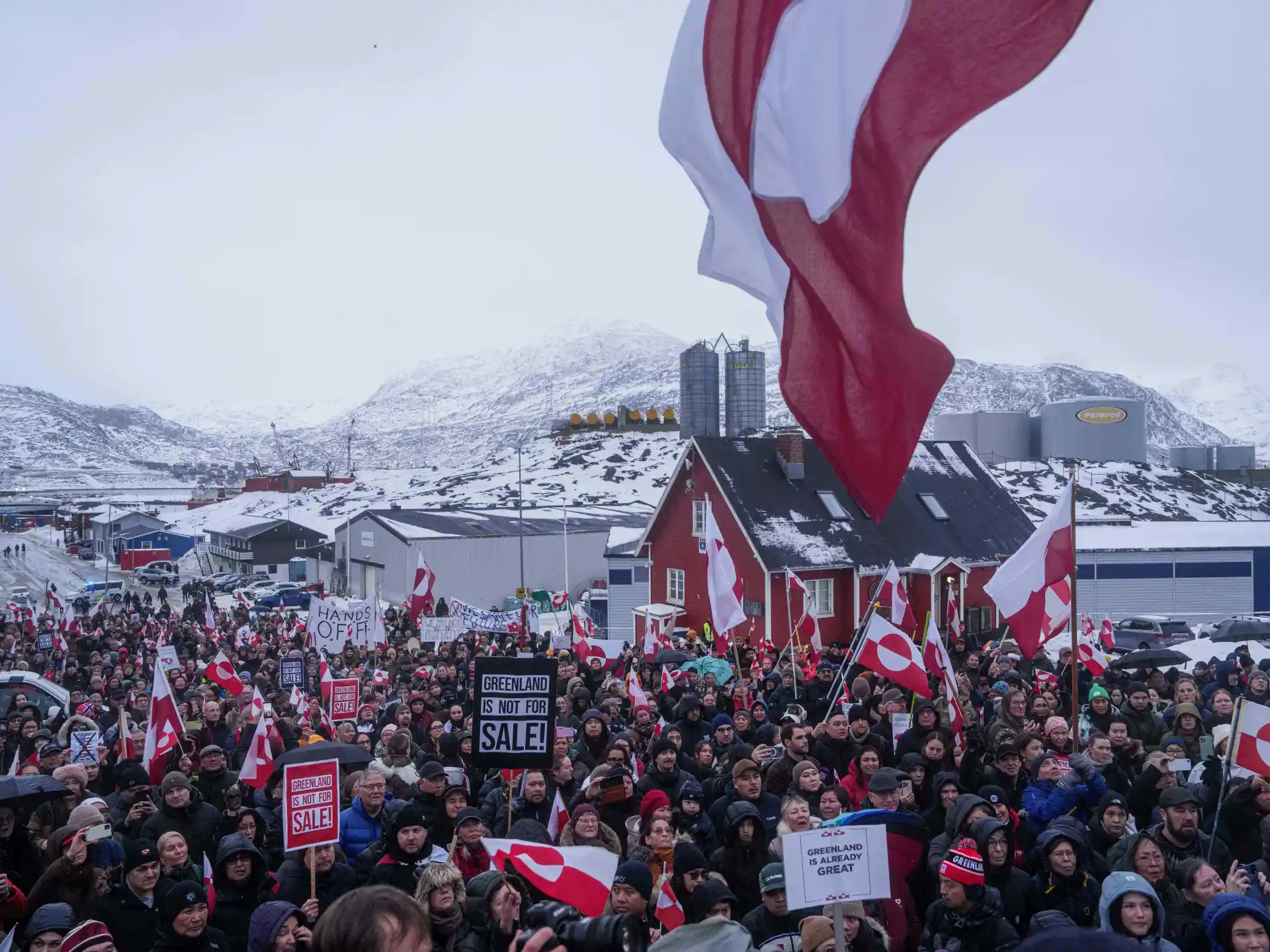
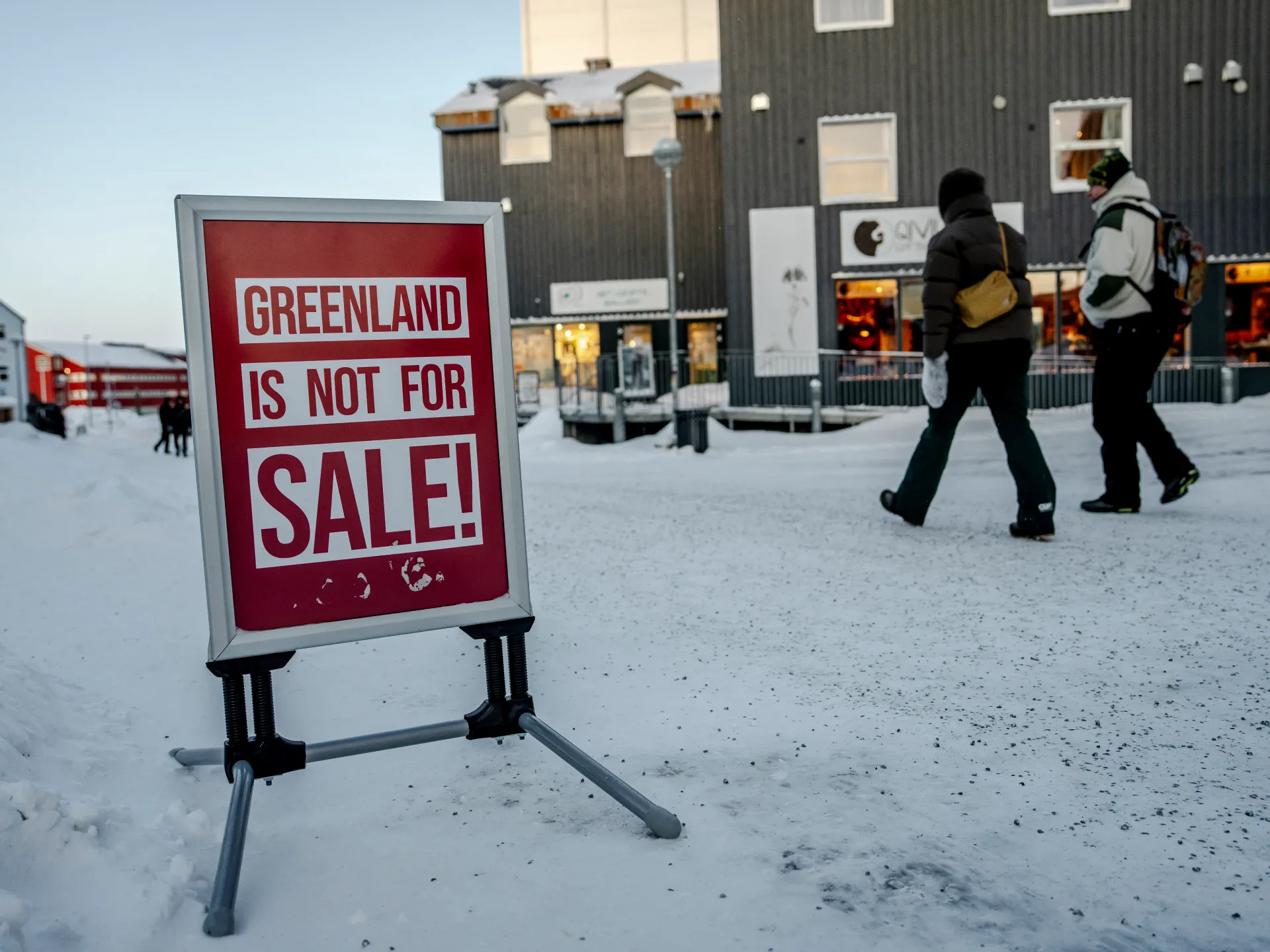
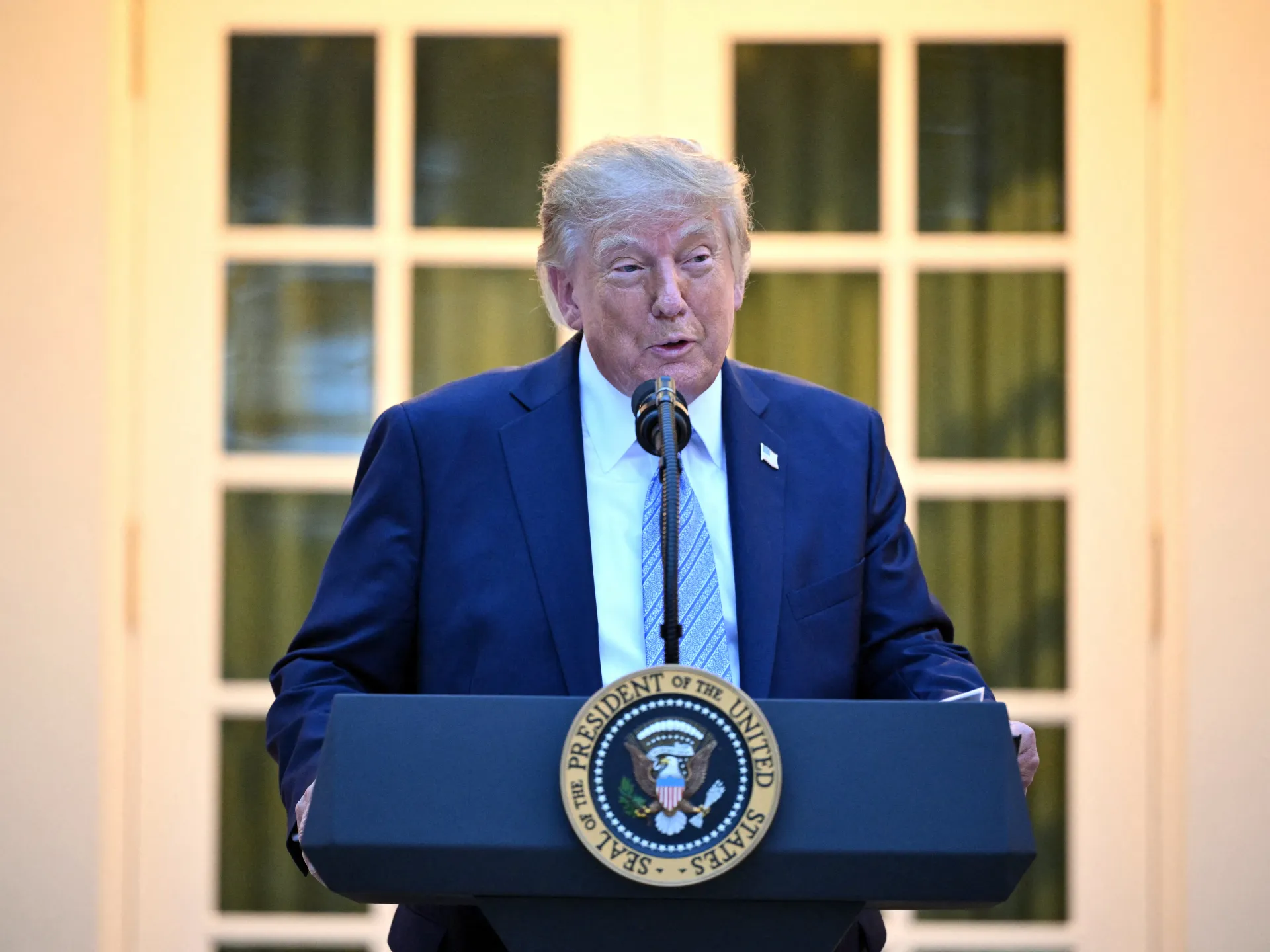
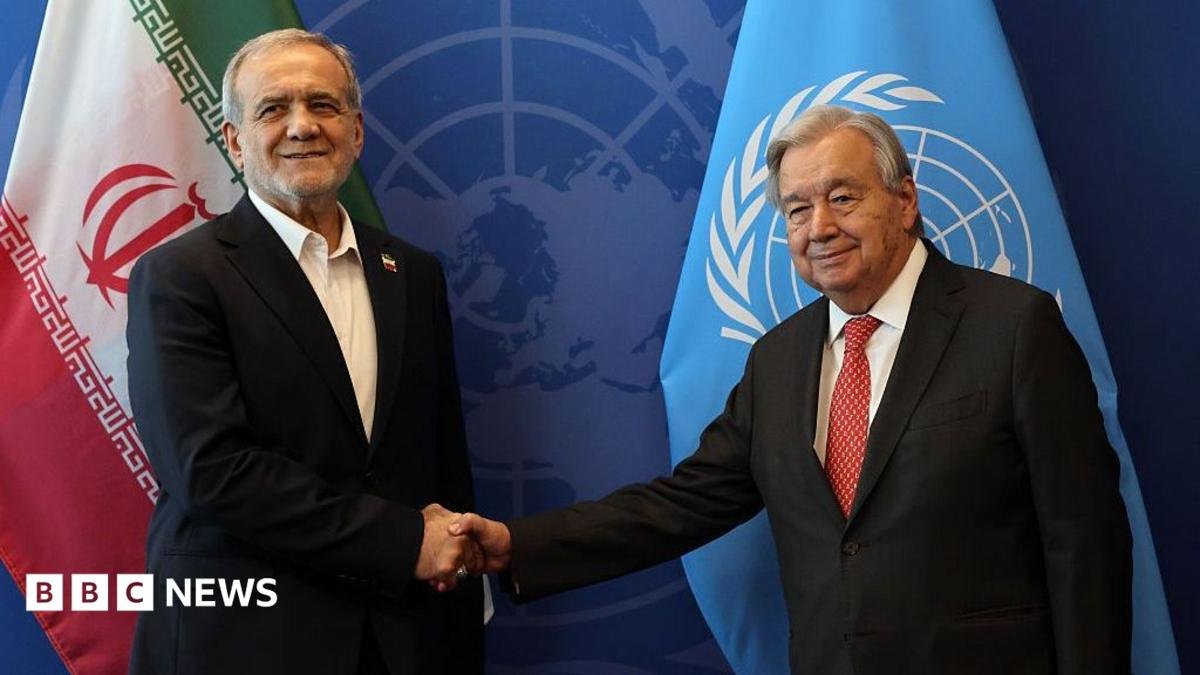
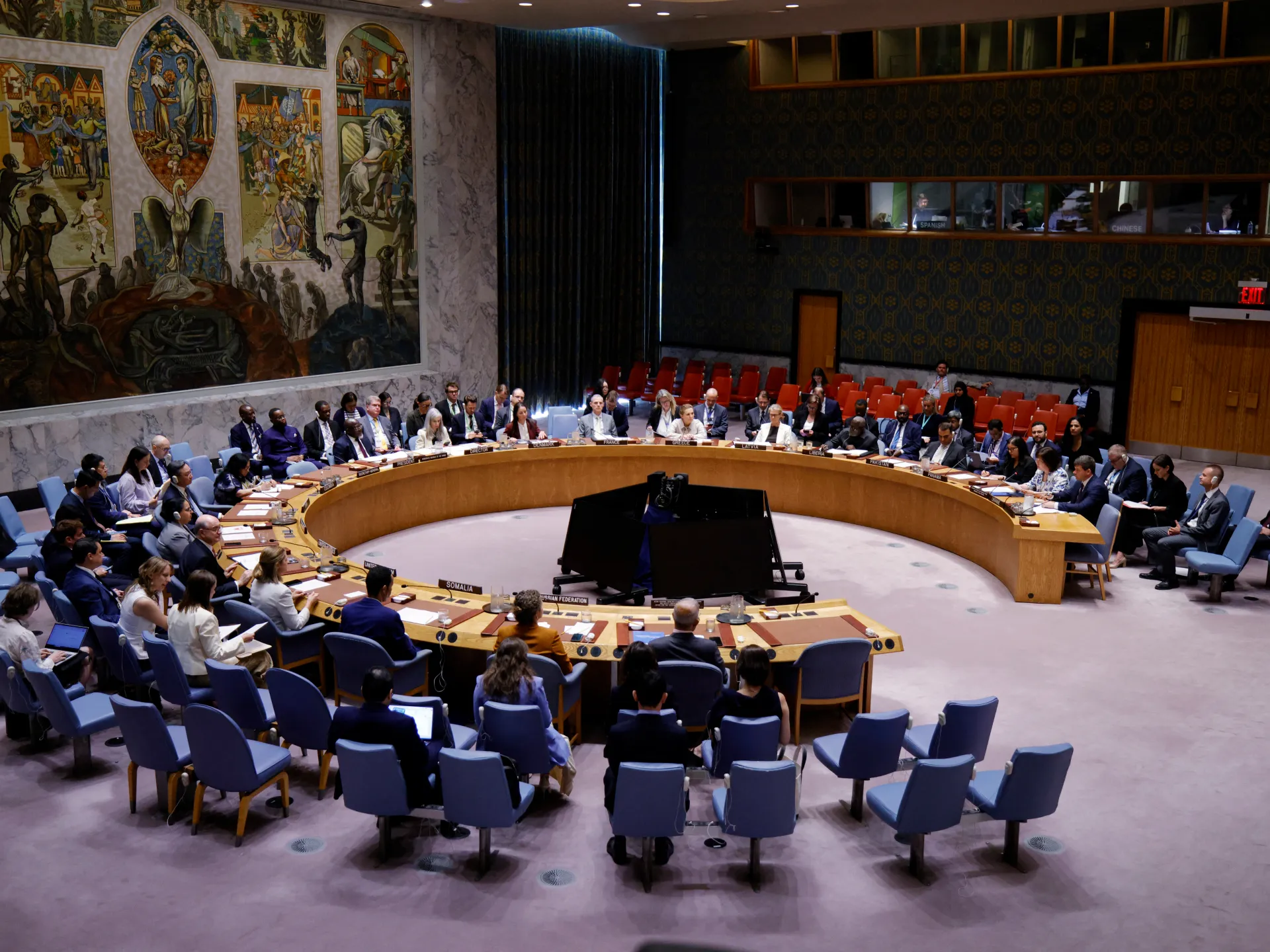
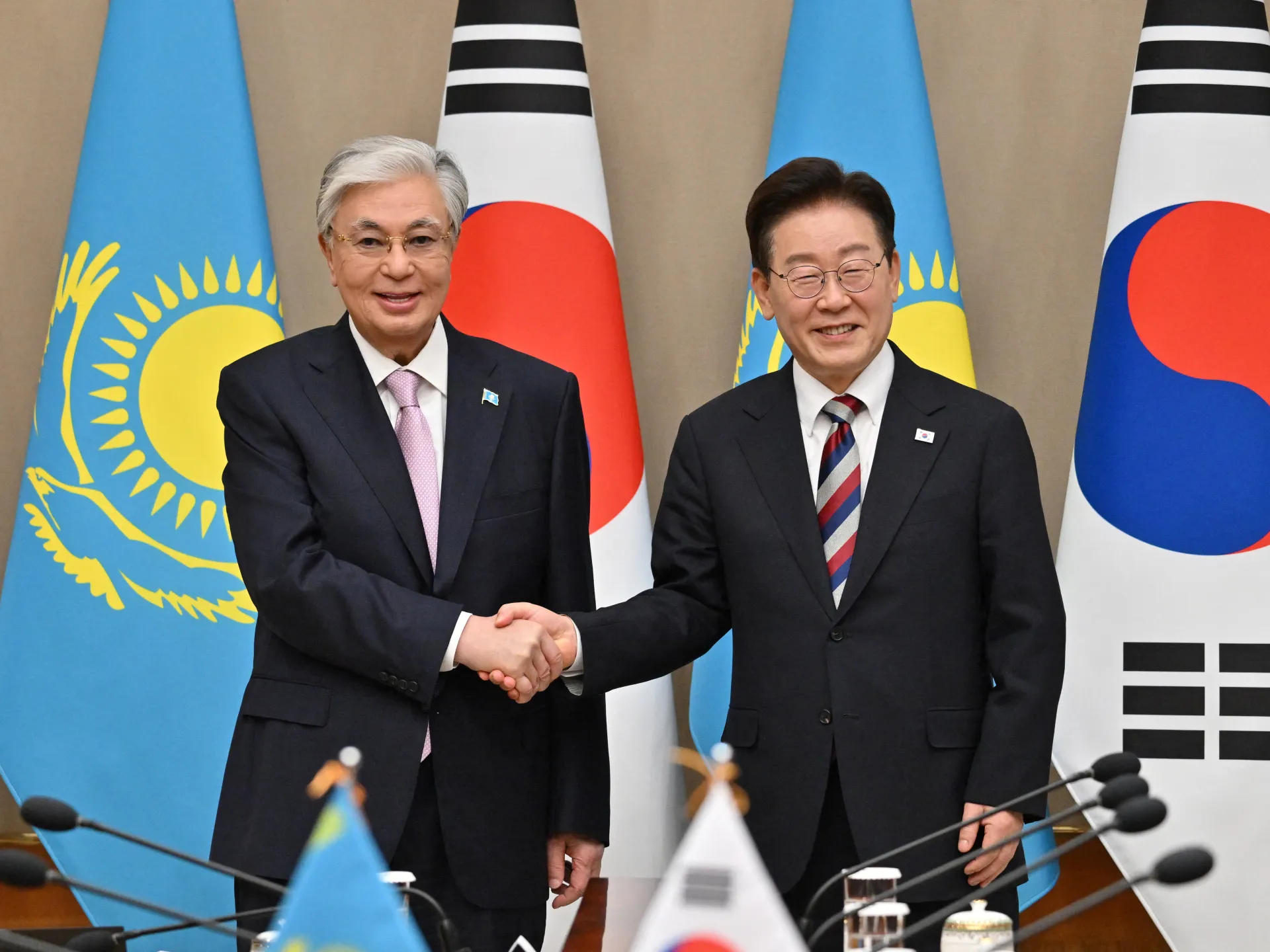
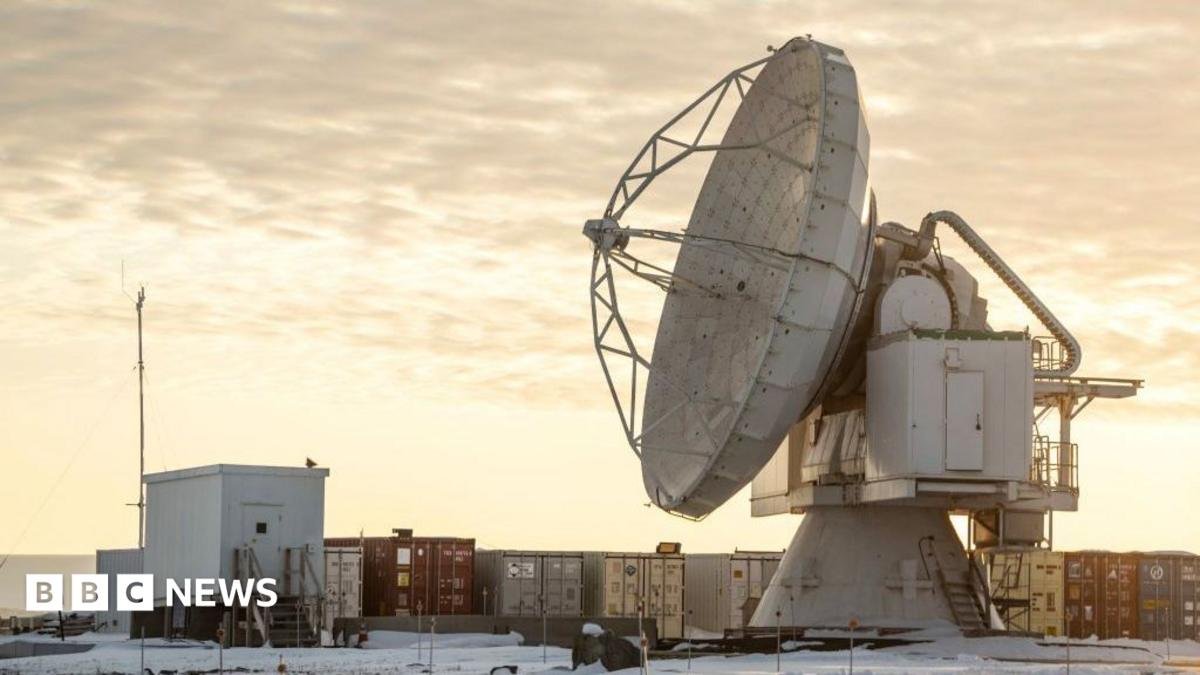
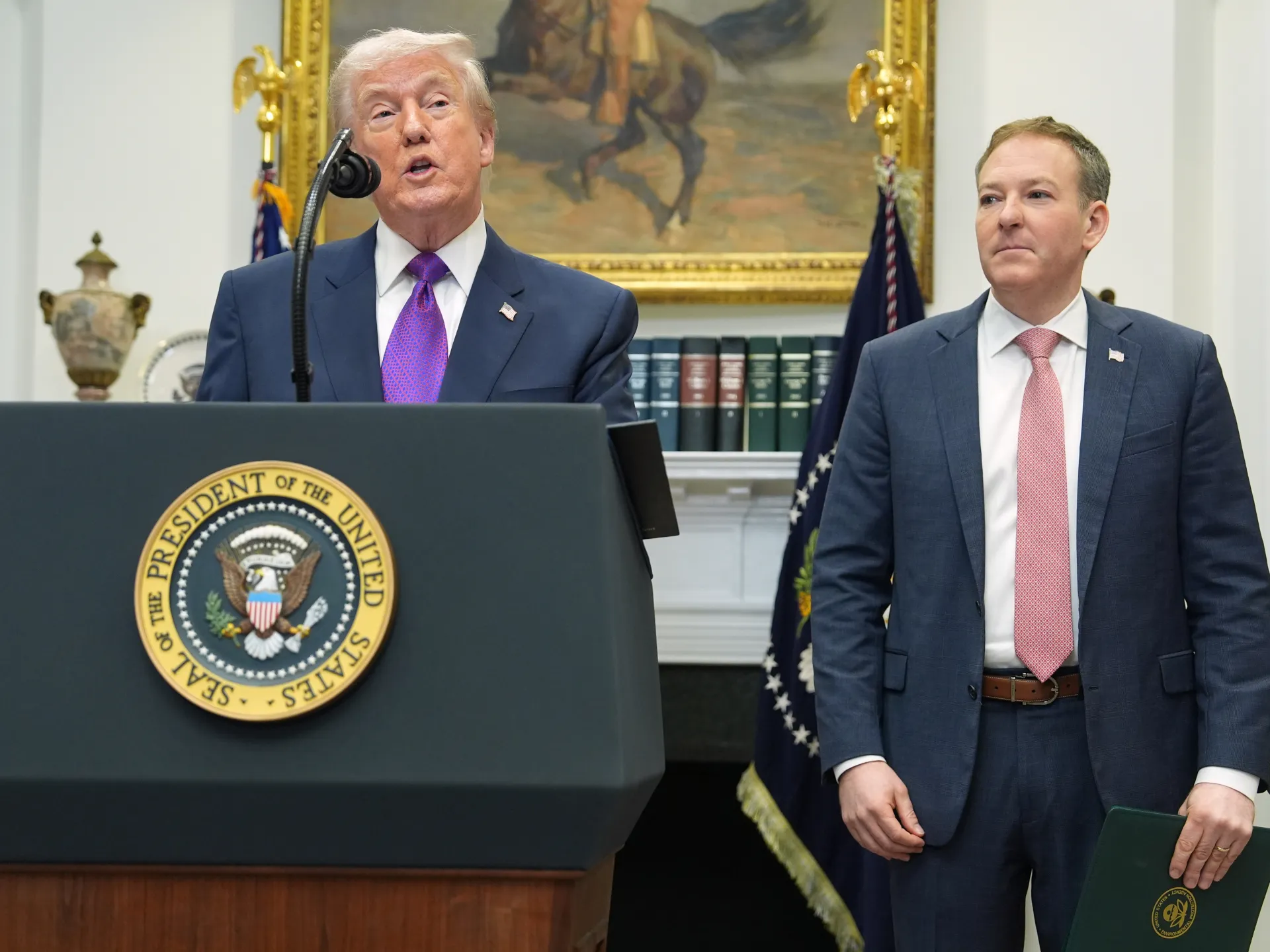
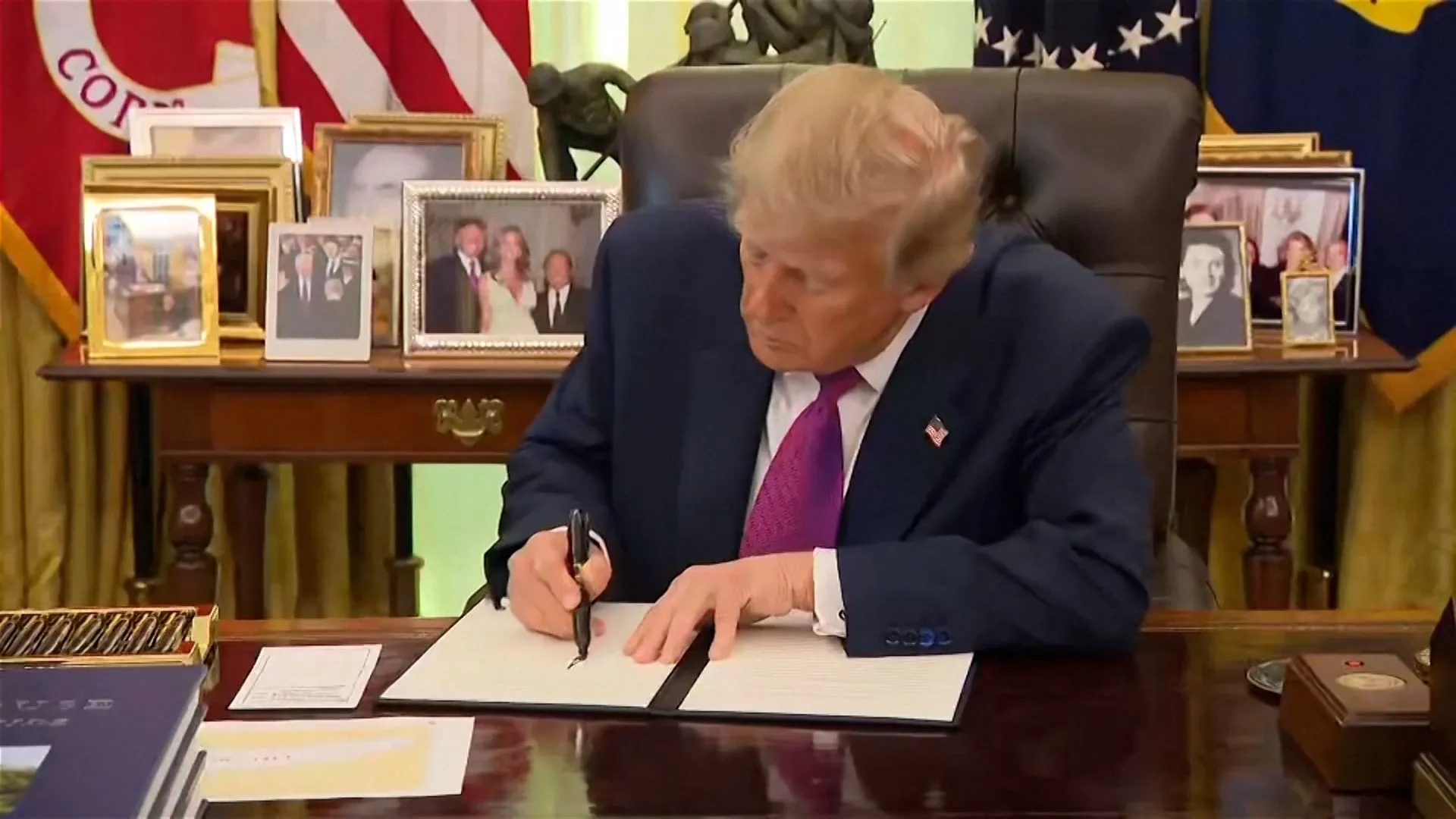
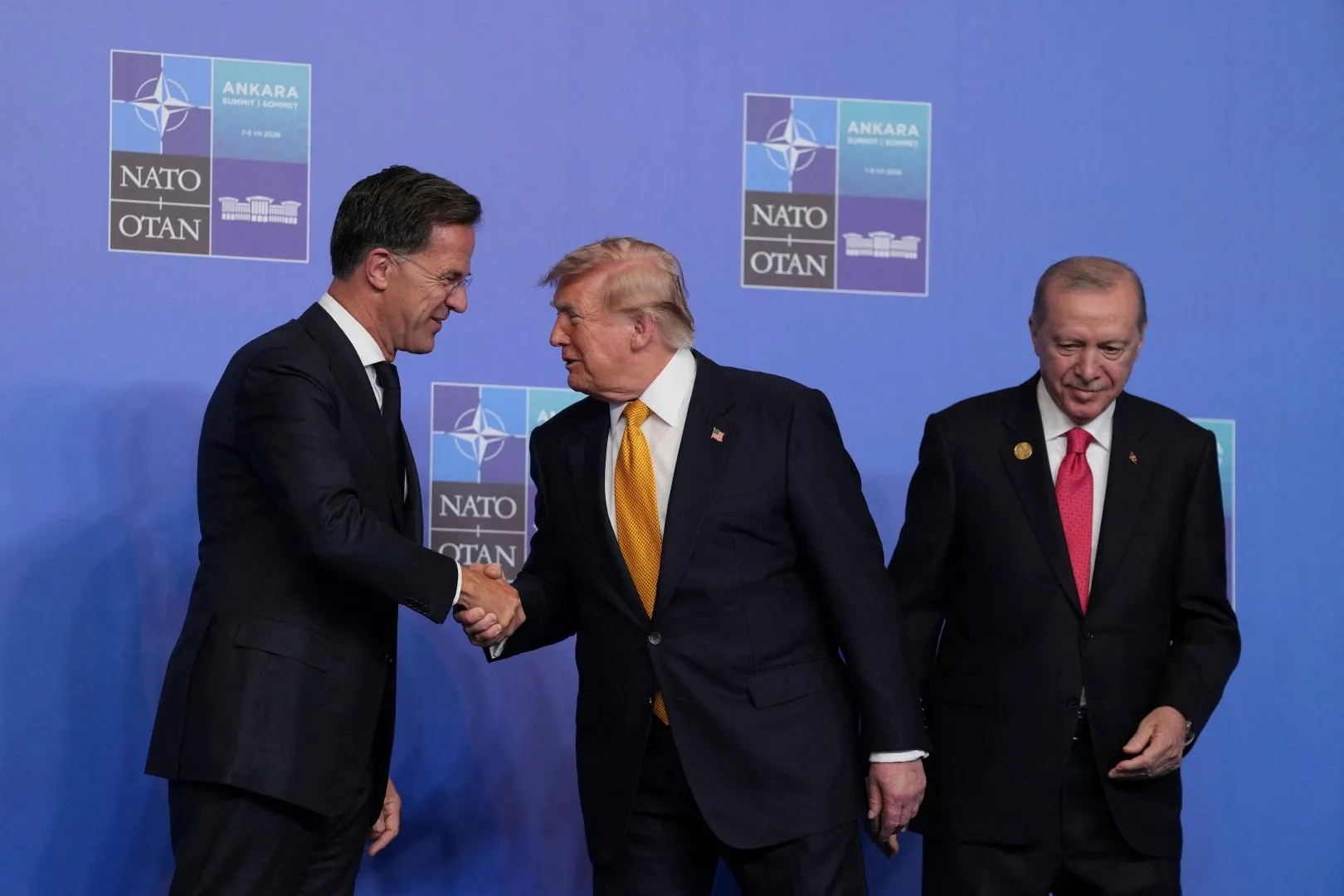
Signed on the sidelines of the UN General Assembly, the agreement marks a definitive end to a period of diplomatic friction that once saw the US administration publicly propose the acquisition of Greenland. Under the new framework, the United States is authorized to modernize and expand its existing footprint at the Pituffik Space Base. Furthermore, the pact introduces two new strategic hubs at Narsars, south of the capital, and Mestersvig in the east, effectively encircling key Arctic transit routes with US military infrastructure.
The operational scope of the deal is broad, granting US aircraft and naval assets expansive transit rights across Greenlandic sovereign territory and surrounding territorial waters. Perhaps most significantly, the agreement creates a "gatekeeper" mechanism: no non-NATO entity may establish a persistent military or defense presence in Greenland without the unanimous consent of the tripartite partners. This provision serves as a direct counter-measure to the growing interests of rival powers in the region.
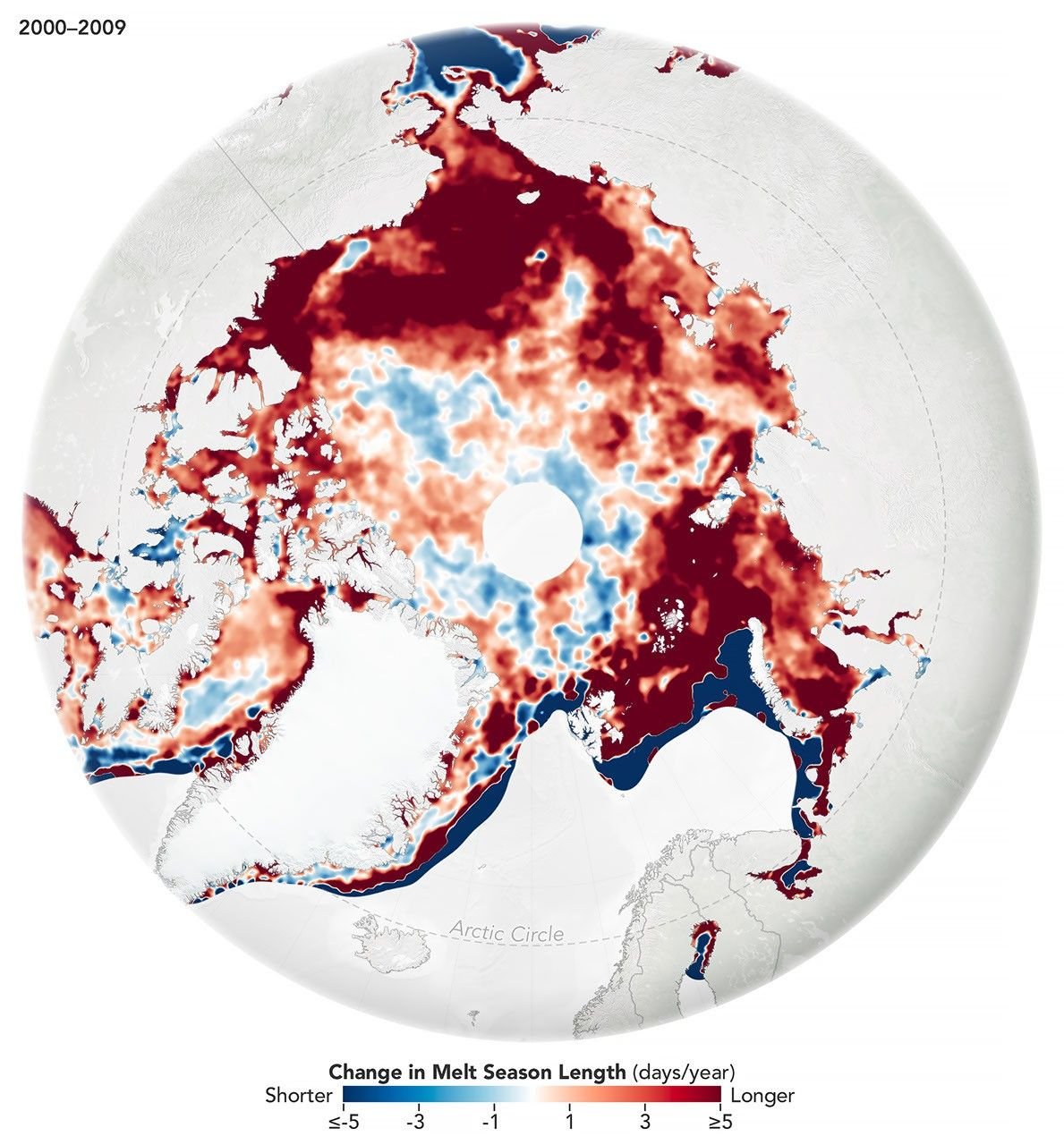
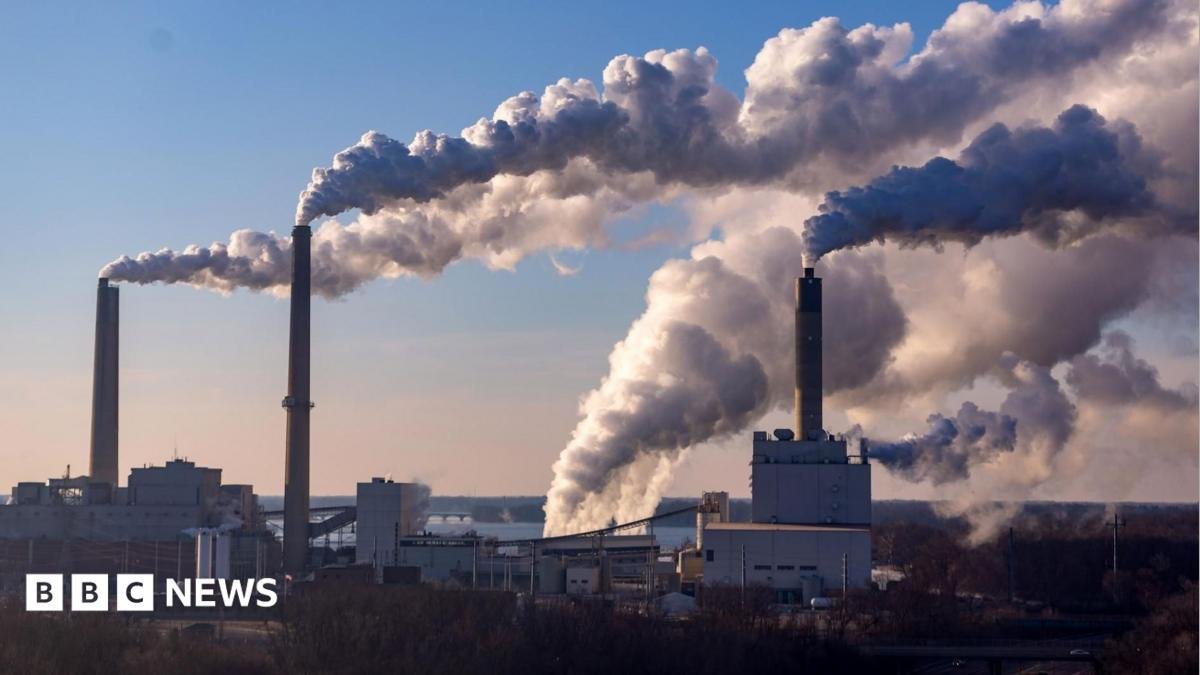
While the geopolitical climate heats up, the physical Arctic has shown signs of unexpected stability. A recent NASA-led study utilizing satellite data from 1979 through 2023 reveals that the rapid lengthening of the sea ice melt season, which characterized the early 2000s, has stalled. Since 2010, the duration of the melt season has remained relatively constant, despite significant annual variability in ice thickness.
Researchers note that while the Arctic remains vastly different from its 1979 baseline—with melt seasons lasting approximately 40 days longer—the acceleration of this trend has ceased. The stabilization is attributed to the current state of the Arctic energy balance, as the transition to thinner, younger ice has reached a point where the feedback loops between exposed dark ocean water and solar absorption have leveled off. This plateau in environmental change provides a stable, if diminished, physical baseline for the new military installations planned
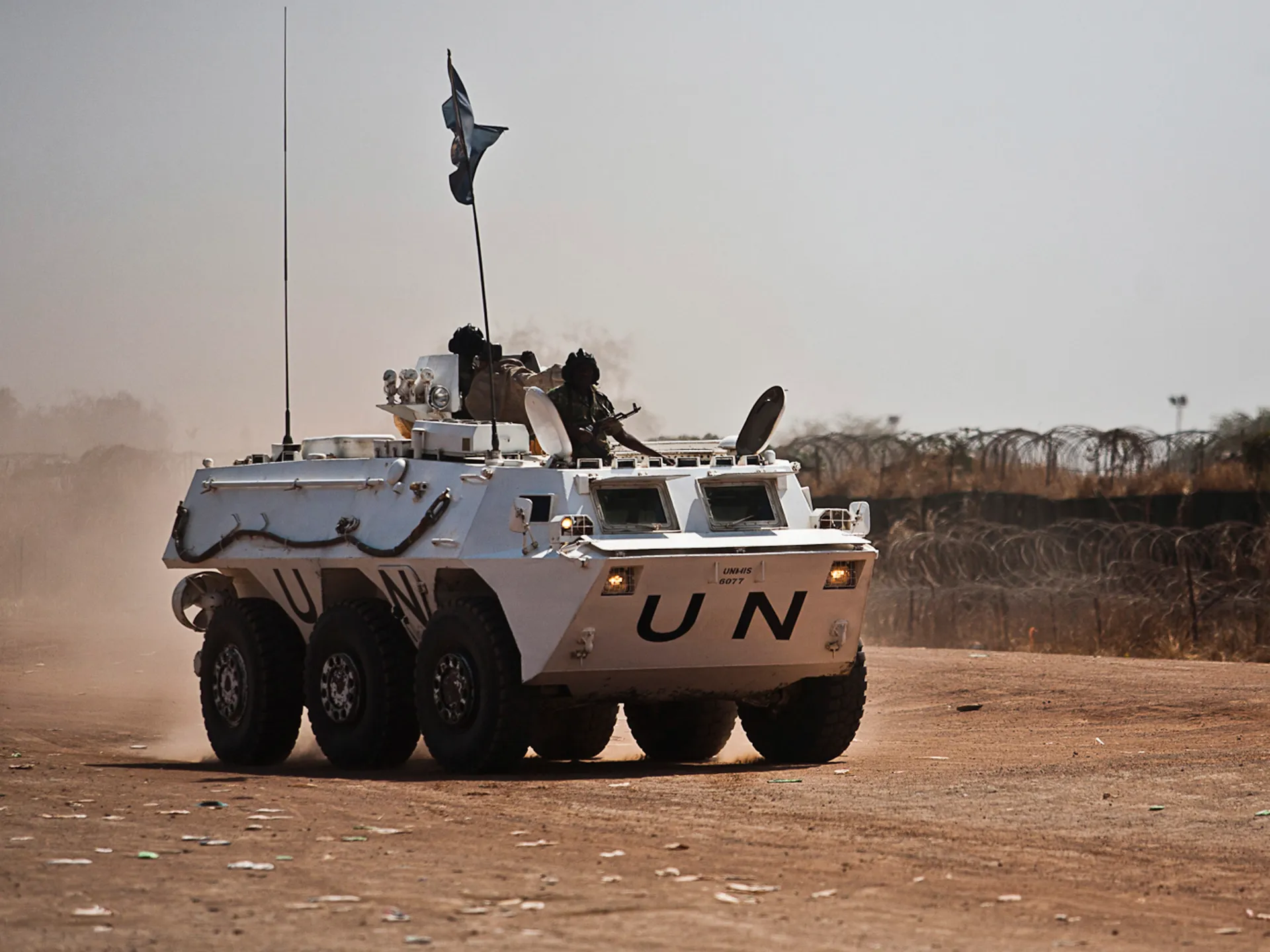
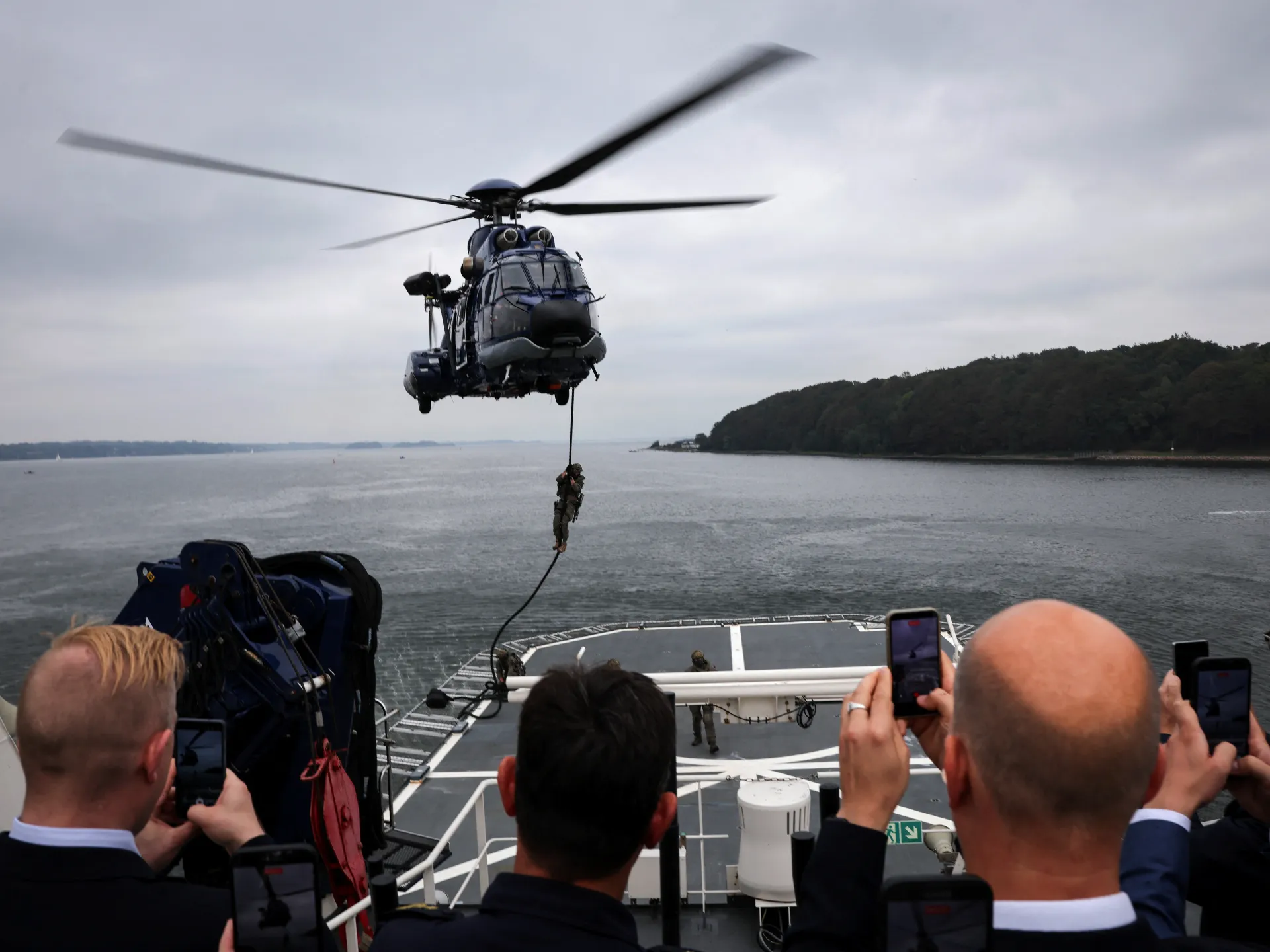
With the legal framework now established, the immediate focus will shift to the logistical activation of the Narsarsuaq and Mestersvig sites. Given the harsh, remote nature of the terrain, infrastructure development will likely be a multi-year effort, though the agreement provides the necessary clearance to begin construction immediately. We can expect increased surveillance and patrol activity in the Greenlandic maritime approaches as the US integrates these bases into its broader Northern Command strategy.
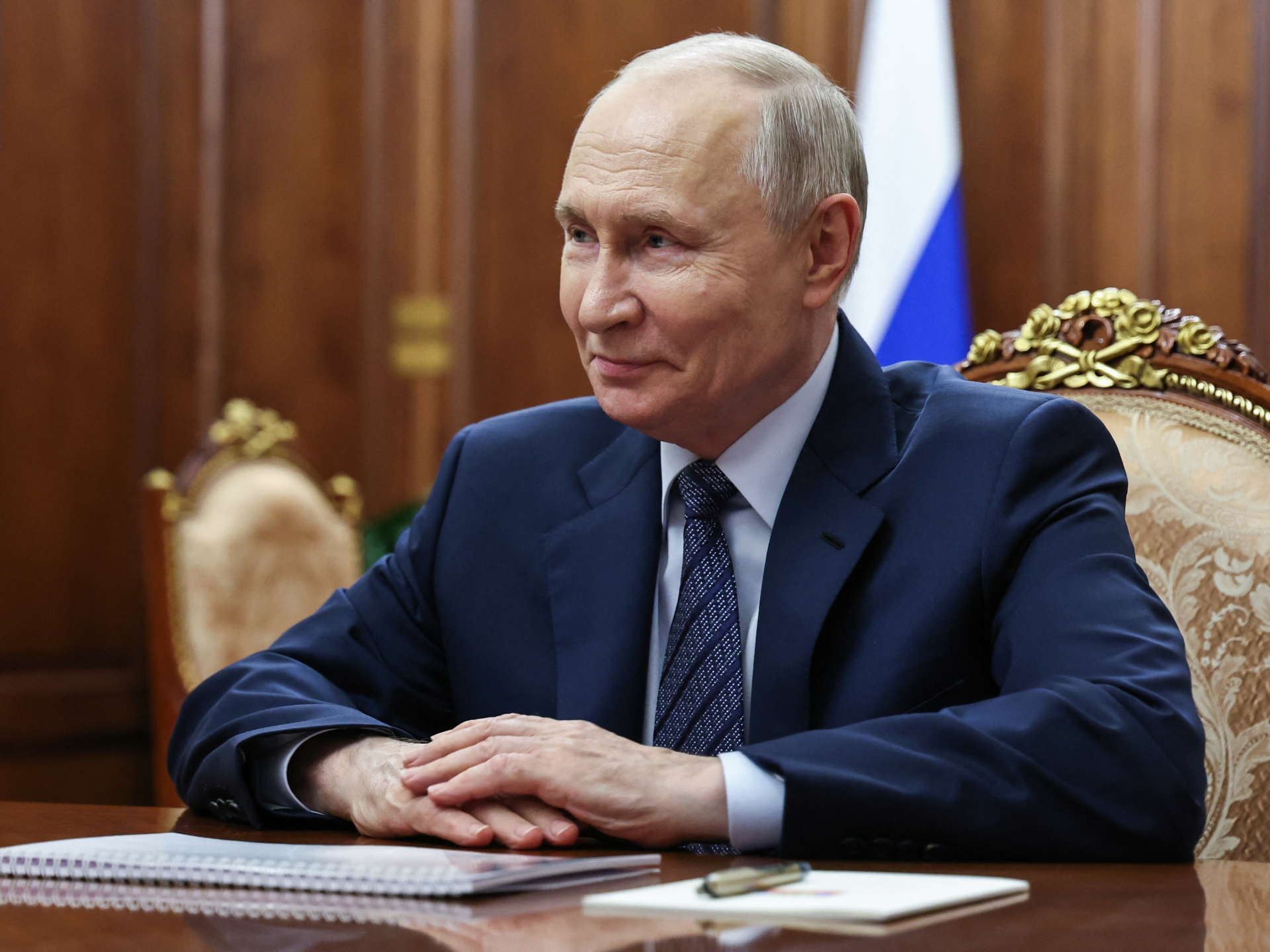
Diplomatically, the "veto" clause will be the primary test for the agreement. Any attempt ll now face a high barrier for entry, likely leading to formal diplomatic protests from Beijing or Moscow. Furthermore, the stability of this deal remains tied to the Greenlandic government’s internal political stability; while the accord binds a future independent Greenland to these terms, the internal pressure for sovereignty will likely increase in direct correlation with the island’s newfound status as a premier global security hub.